EP3998080A1 - Manufacture of peanut formulations for oral desensitization - Google Patents
Manufacture of peanut formulations for oral desensitization Download PDFInfo
- Publication number
- EP3998080A1 EP3998080A1 EP21199373.8A EP21199373A EP3998080A1 EP 3998080 A1 EP3998080 A1 EP 3998080A1 EP 21199373 A EP21199373 A EP 21199373A EP 3998080 A1 EP3998080 A1 EP 3998080A1
- Authority
- EP
- European Patent Office
- Prior art keywords
- ara
- peanut
- protein
- report
- glidant
- Prior art date
- Legal status (The legal status is an assumption and is not a legal conclusion. Google has not performed a legal analysis and makes no representation as to the accuracy of the status listed.)
- Pending
Links
Images




Classifications
-
- A—HUMAN NECESSITIES
- A61—MEDICAL OR VETERINARY SCIENCE; HYGIENE
- A61J—CONTAINERS SPECIALLY ADAPTED FOR MEDICAL OR PHARMACEUTICAL PURPOSES; DEVICES OR METHODS SPECIALLY ADAPTED FOR BRINGING PHARMACEUTICAL PRODUCTS INTO PARTICULAR PHYSICAL OR ADMINISTERING FORMS; DEVICES FOR ADMINISTERING FOOD OR MEDICINES ORALLY; BABY COMFORTERS; DEVICES FOR RECEIVING SPITTLE
- A61J3/00—Devices or methods specially adapted for bringing pharmaceutical products into particular physical or administering forms
- A61J3/07—Devices or methods specially adapted for bringing pharmaceutical products into particular physical or administering forms into the form of capsules or similar small containers for oral use
-
- A—HUMAN NECESSITIES
- A61—MEDICAL OR VETERINARY SCIENCE; HYGIENE
- A61K—PREPARATIONS FOR MEDICAL, DENTAL OR TOILETRY PURPOSES
- A61K36/00—Medicinal preparations of undetermined constitution containing material from algae, lichens, fungi or plants, or derivatives thereof, e.g. traditional herbal medicines
- A61K36/18—Magnoliophyta (angiosperms)
- A61K36/185—Magnoliopsida (dicotyledons)
- A61K36/48—Fabaceae or Leguminosae (Pea or Legume family); Caesalpiniaceae; Mimosaceae; Papilionaceae
-
- A—HUMAN NECESSITIES
- A61—MEDICAL OR VETERINARY SCIENCE; HYGIENE
- A61K—PREPARATIONS FOR MEDICAL, DENTAL OR TOILETRY PURPOSES
- A61K39/00—Medicinal preparations containing antigens or antibodies
- A61K39/35—Allergens
-
- A—HUMAN NECESSITIES
- A61—MEDICAL OR VETERINARY SCIENCE; HYGIENE
- A61K—PREPARATIONS FOR MEDICAL, DENTAL OR TOILETRY PURPOSES
- A61K9/00—Medicinal preparations characterised by special physical form
- A61K9/48—Preparations in capsules, e.g. of gelatin, of chocolate
- A61K9/4833—Encapsulating processes; Filling of capsules
-
- A—HUMAN NECESSITIES
- A61—MEDICAL OR VETERINARY SCIENCE; HYGIENE
- A61K—PREPARATIONS FOR MEDICAL, DENTAL OR TOILETRY PURPOSES
- A61K9/00—Medicinal preparations characterised by special physical form
- A61K9/48—Preparations in capsules, e.g. of gelatin, of chocolate
- A61K9/4841—Filling excipients; Inactive ingredients
- A61K9/4875—Compounds of unknown constitution, e.g. material from plants or animals
-
- A—HUMAN NECESSITIES
- A61—MEDICAL OR VETERINARY SCIENCE; HYGIENE
- A61P—SPECIFIC THERAPEUTIC ACTIVITY OF CHEMICAL COMPOUNDS OR MEDICINAL PREPARATIONS
- A61P37/00—Drugs for immunological or allergic disorders
-
- A—HUMAN NECESSITIES
- A61—MEDICAL OR VETERINARY SCIENCE; HYGIENE
- A61P—SPECIFIC THERAPEUTIC ACTIVITY OF CHEMICAL COMPOUNDS OR MEDICINAL PREPARATIONS
- A61P37/00—Drugs for immunological or allergic disorders
- A61P37/02—Immunomodulators
- A61P37/06—Immunosuppressants, e.g. drugs for graft rejection
-
- A—HUMAN NECESSITIES
- A61—MEDICAL OR VETERINARY SCIENCE; HYGIENE
- A61P—SPECIFIC THERAPEUTIC ACTIVITY OF CHEMICAL COMPOUNDS OR MEDICINAL PREPARATIONS
- A61P37/00—Drugs for immunological or allergic disorders
- A61P37/08—Antiallergic agents
-
- A—HUMAN NECESSITIES
- A61—MEDICAL OR VETERINARY SCIENCE; HYGIENE
- A61K—PREPARATIONS FOR MEDICAL, DENTAL OR TOILETRY PURPOSES
- A61K39/00—Medicinal preparations containing antigens or antibodies
- A61K2039/54—Medicinal preparations containing antigens or antibodies characterised by the route of administration
- A61K2039/541—Mucosal route
- A61K2039/542—Mucosal route oral/gastrointestinal
Definitions
- Allergic reactions result when a subject's immune system responds to an allergen.
- an allergen typically, there is no allergic reaction the first time a subject is exposed to a particular allergen.
- the allergen is taken up by antigen presenting cells (APCs; e.g., macrophages and dendritic cells) that degrade the allergen and then display allergen fragments to T-cells.
- APCs antigen presenting cells
- T-cells in particular CD4+ "helper" T-cells, respond by secreting a collection of cytokines that have effects on other immune system cells.
- the profile of cytokines secreted by responding CD4+ T-cells determines whether subsequent exposures to the allergen will induce allergic reactions.
- Two classes of CD4+ T-cells (Th1 and Th2; T-lymphocyte helper type) influence the type of immune response that is mounted against an allergen.
- the Th1-type immune response involves the stimulation of cellular immunity to allergens and infectious agents and is characterized by the secretion of IL-2, IL-6, IL-12, IFN-gamma, and TNF-beta by CD4+ T helper cells and the production of IgG antibodies.
- Exposure of CD4+ T-cells to allergens can also activate the cells to develop into Th2 cells, which secrete IL-4, IL-5, IL-10, and IL-13.
- IL-4 production stimulates maturation of B cells that produce IgE antibodies specific for the allergen.
- allergen-specific IgE antibodies attach mast cell and basophil receptors, where they initiate a rapid immune response to the next exposure to allergen.
- the allergen When the subject encounters the allergen a second time, the allergen is quickly bound by these surface-associated IgE molecules, resulting in the release of histamines and other substances that trigger allergic reactions.
- Subjects with high levels of IgE antibodies are known to be particularly prone to allergies.
- a method of making a low dose capsule formulation useful in the methods provided here comprising, (a) mixing peanut flour and diluent in a first blend; (b) adding about 45% of diluent in a second blend; (c) adding remaining diluent in a third blend; (d) adding a glidant and/or lubricant in a final blend; and (e) encapsulating blended powder in a capsule.
- the diluent of step (a) comprises starch or lactose, microcrystalline cellulose (Avicel ⁇ ), or dicalcium phosphate.
- the diluent of step (b) and/or (c) comprises starch, lactose, microcrystalline cellulose (Avicel ⁇ ), or dicalcium phosphate.
- the glidant of step (d) glidant of step (d) comprises colloidal silicon dioxide (Cab-O-Sil), talc (e.g., Ultra Talc 4000), or combinations thereof.
- the lubricant of step (d) comprises magnesium stearate.
- the glidant comprises Cab-O-Sil.
- step (d) comprises adding a glidant or a lubricant.
- step (d) comprises adding a glidant and a lubricant.
- the method further comprises sampling the blended mixture one or more times prior to encapsulation.
- the dose comprises about 0.5 or about 1.0 mg peanut protein.
- step (d) further comprises passing the blended material through a mesh screen.
- a method of making a higher dose capsule formulation useful in the methods provided here comprising, (a) mixing peanut flour and diluent in a first blend; (b) discharging the blended material; (c) passing the blended material through a mesh screen and blending the screened material in a second blend; (d) adding in a glidant and/or lubricant in a third blend; and (e) encapsulating the blended powder.
- the method optionally comprises sampling the blended material of step (d) one or more times prior to encapsulation.
- the diluent of step (a) comprises starch, lactose or microcrystalline cellulose (Avicel ⁇ ), or dicalcium phosphate.
- the mesh screen of step (c) comprises a # 20 mesh screen.
- the glidant of step (d) glidant of step (d) comprises colloidal silicon dioxide (Cab-O-Sil), talc (e.g., Ultra Talc 4000), or combinations thereof.
- the glidant of step (d) comprises Cab-O-Sil.
- the lubricant of step (d) comprises magnesium stearate.
- step (d) comprises adding a glidant or a lubricant.
- step (d) comprises adding a glidant and a lubricant.
- the dose comprises about 10, about 100 or about 475 mg peanut protein.
- a method of making a capsule formulation useful in the methods provided here comprising, passing peanut flour through a mesh screen; and encapsulating the blended powder.
- the dose comprises about 475 mg peanut protein.
- the peanut flour may comprise characterized peanut proteins.
- the peanut proteins comprise Ara h1, Ara h2 and Ara h6.
- the concentration of Ara h1, Ara h2 and Ara h6 may be characterized by RP-HPLC.
- the concentration of Ara h1, Ara h2 and Ara h6 is at least an amount of a reference standard.
- An encapsulated formulation produced by any of the methods described herein may be stable for at least about 3, 6, 9, 12, 18, 24, 36 or more months.
- the encapsulated formulation is stable at a temperature from about 2°C to about 8°C or from about 20°C to about 30°C.
- the encapsulated formulation is stable at a temperature of about 20°C, about 21°C, about 22.5°C, about 23°C, about 24°C, about 25°C, about 26°C, about 27.5°C, about 28°C, about 29°C,or about 30°C.
- a capsule size that may be used to hold the formulations produced by the methods described herein may be, for example, size 3, 00 or 000.
- the capsule comprises Hydroxypropyl Methyl Cellulose (HPMC).
- the methods described herein may further comprise storing a formulation in a container means.
- a container means Any suitable container means may be used to store the encapsulated formulations described herein.
- the container means may be, for example, a bottle.
- a bottle may be, for example, an amber-colored bottle in order to minimize exposure of the encapsulated formulations to ultraviolet light.
- the container means further comprises a dessicant packet to control moisture content of the container means.
- the systems and methods utilize high pressure (phase) liquid chromatography (HPLC) to capture Ara h1, Ara h2 and Ara h6 from peanut flour.
- HPLC high pressure liquid chromatography
- OIT oral immunotherapy
- SLIT sublingual immunotherapy
- Peanut OIT In Jones et al., peanut allergic children underwent an OIT protocol consisting of an initial dose escalation day, bi-weekly build-up (to 2 g) and daily maintenance phase followed by an OFC. After tolerating less than 50 mg peanut protein during an oral food challenge (OFC) at baseline, 27 of the 29 subjects ingested 3.9 g of peanut protein at the completion of OIT protocol.
- OFC oral food challenge
- animal refers to humans as well as non-human animals, including, for example, mammals, birds, reptiles, amphibians, and fish.
- the non-human animal is a mammal (e.g., a rodent, a mouse, a rat, a rabbit, a monkey, a dog, a cat, a primate, or a pig).
- An animal may be a transgenic animal.
- antigen refers to a molecule that elicits production of an antibody response (i.e., a humoral response) and/or an antigen-specific reaction with T-cells (i.e., a cellular response) in an animal.
- allergen refers to a subset of antigens which elicit the production of IgE in addition to other isotypes of antibodies.
- allergen refers to a subset of antigens which elicit the production of IgE in addition to other isotypes of antibodies.
- allergen refers to a subset of antigens which elicit the production of IgE in addition to other isotypes of antibodies.
- allergen refers to a subset of antigens which elicit the production of IgE in addition to other isotypes of antibodies.
- allergen naturally allergen
- wild-type allergen may be used interchangeably.
- Preferred allergens for the purpose of the present invention are protein allergens.
- allergic reaction relates to an immune response that is IgE mediated with clinical symptoms primarily involving the cutaneous (e.g., urticana, angiodema, pruritus), respiratory (e.g., wheezing, coughing, laryngeal edema, rhinorrhea, watery/itching eyes), gastrointestinal (e.g., vomiting, abdominal pain, diarrhea), and cardiovascular (i.e., if a systemic reaction occurs) systems.
- cutaneous e.g., urticana, angiodema, pruritus
- respiratory e.g., wheezing, coughing, laryngeal edema, rhinorrhea, watery/itching eyes
- gastrointestinal e.g., vomiting, abdominal pain, diarrhea
- cardiovascular i.e., if a systemic reaction occurs
- anaphylactic allergen refers to a subset of allergens that are recognized to present a risk of anaphylactic reaction in allergic individuals when encountered in its natural state, under natural conditions.
- pollen allergens, mite allergens, allergens in animal danders or excretions (e.g., saliva, urine), and fungi allergens are not considered to be anaphylactic allergens.
- food allergens, insect allergens, and rubber allergens e.g., from latex
- Food allergens are particularly preferred anaphylactic allergens for use in the practice of the present invention.
- legumes peanuts
- tree nut allergens e.g., from walnut, almond, pecan, cashew, hazelnut, pistachio, pine nut, brazil nut
- dairy allergens e.g., from egg, milk
- seed allergens e.g., from sesame, poppy, mustard
- seafood allergens e.g., from fish, shrimp, crab, lobster, clams, mussels, oysters, scallops, crayfish
- Particularly interesting anaphylactic allergens are those to which reactions are commonly so severe as to create a risk of death.
- anaphylaxis refers to a subset of allergic reactions characterized by mast cell degranulation secondary to cross-linking of the highaffinity IgE receptor on mast cells and basophils induced by an anaphylactic allergen with subsequent mediator release and the production of severe systemic pathological responses in target organs, e.g., airway, skin digestive tract, and cardiovascular system.
- target organs e.g., airway, skin digestive tract, and cardiovascular system.
- the severity of an anaphylactic reaction may be monitored, for example, by assaying cutaneous reactions, puffiness around the eyes and mouth, vomiting, and/or diarrhea, followed by respiratory reactions such as wheezing and labored respiration. The most severe anaphylactic reactions can result in loss of consciousness and/or death.
- antigen presenting cell refers to cells which process and present antigens to T-cells to elicit an antigen-specific response, e.g., macrophages and dendritic cells.
- two entities are "associated with" one another as described herein, they are linked by a direct or indirect covalent or non-covalent interaction.
- the association is covalent.
- Desirable non-covalent interactions include, for example, hydrogen bonding, van der Walls interactions, hydrophobic interactions, magnetic interactions, etc.
- the phrase "decreased anaphylactic reaction”, as used herein, relates to a decrease in clinical symptoms following treatment of symptoms associated with exposure to an anaphylactic allergen, which can involve exposure via cutaneous, respiratory, gastrointestinal, and mucosal (e.g., ocular, nasal, and aural) surfaces or a subcutaneous injection ( e . g ., via a bee sting).
- anaphylactic allergen which can involve exposure via cutaneous, respiratory, gastrointestinal, and mucosal (e.g., ocular, nasal, and aural) surfaces or a subcutaneous injection ( e . g ., via a bee sting).
- epitope refers to a binding site including an amino acid motif of between approximately six and fifteen amino acids which can be bound by an immunoglobulin (e.g., IgE, IgG, etc.) or recognized by a T-cell receptor when presented by an APC in conjunction with the major histocompatibility complex (MHC).
- a linear epitope is one where the amino acids are recognized in the context of a simple linear sequence.
- a conformational epitope is one where the amino acids are recognized in the context of a particular three dimensional structure.
- an allergen "fragment” is any part or portion of the allergen that is smaller than the intact natural allergen.
- the allergen is a protein and the fragment is a peptide.
- immunodominant epitope refers to an epitope which is bound by antibody in a large percentage of the sensitized population or where the titer of the antibody is high, relative to the percentage or titer of antibody reaction to other epitopes present in the same antigen.
- an immunodominant epitope is bound by antibody in more than 50% of the sensitive population, more preferably more than 60%, 70%, 80%, 90%, 95%, or 99%.
- ISS immunosensing sequences
- oligodeoxynucleotides of bacterial, viral, or invertebrate origin that are taken-up by APCs and activate them to express certain membrane receptors (e.g., B7-1 and B7-2) and secrete various cytokines (e.g., IL-1, IL-6, IL-12, TNF).
- membrane receptors e.g., B7-1 and B7-2
- cytokines e.g., IL-1, IL-6, IL-12, TNF.
- the term “about” is used synonymously with the term “approximately.” As one of ordinary skill in the art would understand, the exact boundary of “about” will depend on the component of the composition. Illustratively, the use of the term “about” indicates that values slightly outside the cited values, i.e. , plus or minus 0.1% to 10%, which are also effective and safe. In another embodiment, the use of the term “about” indicates that values slightly outside the cited values, i.e., plus or minus 0.1% to 5%, which are also effective and safe. In another embodiment, the use of the term “about” indicates that values slightly outside the cited values, i.e., plus or minus 0.1% to 2%, which are also effective and safe.
- isolated when applied to polypeptides means a polypeptide or a portion thereof, which has been separated from other proteins with which it naturally occurs.
- the polypeptide is also substantially (i.e., from at least about 70% to about 99%) separated from substances such as antibodies or gel matrices (polyacrylamide) which are used to purify it.
- Formulations described herein include one or more active ingredients. Active ingredients may be isolated from peanut flour which may be obtained from any source such as, for example, the Golden Peanut Company.
- the peanut flour may be from about 10% to about 15%, or about 12% defatted peanut flour milled from lightly roasted peanuts.
- the peanut flour may be, in some instances, released by a supplier after standard analysis of content and microbiology, and may be stable for 9-12 months under refrigeration.
- the peanut flour may be formulated, encapsulated and tested prior to administration to a subject.
- RP-HPLC reverse phase HPLC assay
- Ara h1, Ara h2 and Ara h6 This assay forms the basis for identity and content testing at release and during stability.
- the reverse phase-HPLC assay may be utilized as an identification assay and to monitor lot-to-lot consistency and stability of the peanut allergens acceptable for production of the Characterized Peanut Allergen formulation.
- Additional characterization of the protein allergens may also be performed using Enzyme Linked Immunosorbent Assays (ELISA) and gel analysis.
- ELISA Enzyme Linked Immunosorbent Assays
- Peanuts and peanut flour are common foods and additives found in many food formulations.
- the intended clinical use for Characterized Peanut Allergen identified by the present inventors is found in relatively small quantities (0.5 to 4000 mg/dose) compared to quantities contained in food and may be delivered via the same route as orally ingested peanut-containing products.
- Formulations described herein may be tested in a multi-center, placebo-controlled study to demonstrate the safety and efficacy of Characterized Peanut Allergen in subjects from about 4 to about 26 years of age with moderate-to-severe clinical reactions to peanut ingestion. Subjects with significant concomitant health conditions, uncontrolled asthma, or prior admission to an intensive care unit due to anaphylaxis may be excluded. Standard anti-allergy medications (e.g., antihistamines, oral corticosteroids, etc.) may be allowed on maintenance and while up-dosing with Characterized Peanut Allergen (CPA).
- CPA Characterized Peanut Allergen
- a formulation comprising Characterized Peanut Allergen may include peanut protein (comprising peanut allergen proteins Ara h1, Ara h2 and Ara h6) formulated with a one or more diluents, one or more glidants, one or more lubricants and, optionally, one or more filling agents, in graduated doses, comprising capsules containing about 0.5 mg, about 1 mg, about 10 mg, about 100 mg and about 1000 mg each of peanut protein. Each capsule may be opened and the content mixed into taste-masking food immediately prior to administration.
- peanut protein comprising peanut allergen proteins Ara h1, Ara h2 and Ara h6
- a one or more diluents comprising capsules containing about 0.5 mg, about 1 mg, about 10 mg, about 100 mg and about 1000 mg each of peanut protein.
- Each capsule may be opened and the content mixed into taste-masking food immediately prior to administration.
- An active pharmaceutical ingredient is initially sourced as raw peanuts, Arachis hypogaea, a member of the legume family.
- Raw peanuts may be procured from multiple farming sources, where the shelled, raw peanuts are processed into 12% defatted roasted peanut flour (PF).
- the PF may be comprise a certificate of analysis (CofA) for further processing under cGMP conditions.
- Formulation, fill and testing of the CPNA capsules may be performed at a cGMP contract manufacturing site.
- the protein flour (PF) which is comprised of approximately 50% peanut protein w/w, is mixed with one or more diluents, one or more glidants and one or more lubricants.
- a composition comprises one or more diluents.
- "Diluents" for use in the formulations include, but are not limited to, alginic acid and salts thereof; cellulose derivatives such as carboxymethylcellulose, methylcellulose (e.g., Methocel ⁇ ), hydroxypropylmethylcellulose, hydroxyethylcellulose, hydroxypropylcellulose (e.g., Klucel ⁇ ), ethylcellulose (e.g., Ethocel ⁇ ), microcrystalline cellulose (e.g., Avicel ⁇ ); silicified microcrystalline cellulse; microcrystalline dextrose; amylose; magnesium aluminum silicate; polysaccharide acids; bentonites; gelatin; polyvinylpyrrolidone/vinyl acetate copolymer; crosspovidone; povidone; starch; pregelatinized starch; tragacanth, dextrin, a sugar, such as sucrose (e.g., Dipac ⁇ ), glucose, dextrose,
- Suitable glidants (anti-caking agents) for use in the solid dosage forms described herein include, but are not limited to, colloidal silicon dioxide (Cab-O-Sil), talc (e.g., Ultra Talc 4000), and combinations thereof.
- the composition comprises Cab-O-Sil.
- Suitable lubricants for use in the solid dosage forms described herein include, but are not limited to, stearic acid, calcium hydroxide, talc, corn starch, sodium stearyl fumerate, alkali-metal and alkaline earth metal salts, such as aluminum, calcium, magnesium, zinc, stearic acid, sodium stearates, magnesium stearate, zinc stearate, waxes, Stearowet ⁇ , boric acid, sodium benzoate, sodium acetate, sodium chloride, leucine, a polyethylene glycol or a methoxypolyethylene glycol such as Carbowax TM , PEG 4000, PEG 5000, PEG 6000, propylene glycol, sodium oleate, glyceryl behenate, glyceryl palmitostearate, glyceryl benzoate, magnesium or sodium lauryl sulfate, and combinations thereof.
- the composition comprises magnesium stearate.
- the composition comprises magnesium
- a formulation may further comprise one or more filling agents.
- Filling agents include compounds such as lactose, calcium carbonate, calcium phosphate, dibasic calcium phosphate, calcium sulfate, microcrystalline cellulose, cellulose powder, dextrose, dextrates, dextran, starches, pregelatinized starch, sucrose, xylitol, lactitol, mannitol, sorbitol, sodium chloride, polyethylene glycol, and combinations thereof.
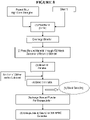
- Ingredients described herein may be mixed according to, for example, the processes illustrated in Figures 7 and 8 .
- Mixed formulations may be subsequently encapsulated as 0.5, 1,10, 100 mg, 475 mg, and 1000 mg of peanut protein in size 3, 00 or 000.
- Compatibility studies may evaluate combinations of the peanut flour with one or more of the excipients, which may have in some instances, GRAS recognition.
- the diluent provides the opportunity to formulate the low and high doses to contain adequate volume for dispersal from the opened capsule.
- the glidant and lubricant add flowability to the PF such that the capsule is easily emptied of flour by the subject or practitioner at time of administration.
- the capsules may be bulk packed into a container means such as, for example, bottles.
- the container means may be treated to prevent (partially or fully) exposure to light.
- a container means may be amber-colored.
- a container means may also, in some instances, contain a dessicant to prevent (partially or fully) exposure to moisture during shipping and storage.
- capsule(s) containing CPNA may be opened and the content mixed into taste-masking food immediately prior to administration.
- CPNA Characterized Peanut Allergen
- Total protein content of the bulk substance and final formulation release may be quantified using protein determination methods described herein which address current issues in the industry: namely, prior to the present application establishing the absolute or relative amounts of individual peanut protein allergens in the peanut flour is more problematic and has not been controlled..
- Peanut protein is comprised of several individual protein allergens typically detectable by polyacrylamide gel electrophoresis and immunoblotting using allergen specific polyclonal antisera from allergic humans or immunized animals. Of these proteins, based on immunoblot, reactivity against crude peanut extracts by human sera from peanut allergic humans, and in vitro histamine release from sensitized basophils, Ara h1, Ara h2 and Ara h6 have been identified as allergenic peanut protein allergens, with Ara h2 and Ara h6 contributing the majority of the allergenic activity of crude peanut extract.
- peanut allergen proteins Prior to the present application peanut allergen proteins have typically been fractionated from crude peanut extracts by size exclusion chromatography (SEC) or polyacrylamide gel electrophoresis. These techniques may present a relative view into the spectrum of Ara proteins, but do not provide the resolution and sensitivity needed to compare individual peanut allergen expression among peanut flour lots, nor possible changes in protein structure over time.
- SEC size exclusion chromatography
- RP-HPLC reverse phase HPLC
- the HPLC separation utilizes a reversed phase separation using a wide pore 300 ⁇ silica column with a bonded butyl stationary phase.
- a binary gradient may be employed based upon 0.1% trifluoroacetic acid and acetonitrile.
- the mobile phase may be compatible with mass spectrometry. Detection may be accomplished with a UV detector at 214 nm, as sensitivity may be reduced with detection at 280 nm.
- Specificity of the method may be determined by comparing the retention times and peak patterns of the whole peanut extract with Ara h proteins.
- the principle Ara h protein peaks in some instances, may not resolve as discrete entities, but rather may appear as ensembles of many similar proteins.
- the Ara h1, Ara h2 and Ara h6 allergens may appear as clusters of peaks within a retention time region.
- the relative amount of a particular Ara h protein is then determined as the percentage of the total area within a defined elution region. Chromatographic resolution of the various regions is assessed, and the method may be useful for comparison of subtle differences in these regional patterns for different lots and sources of peanut flour proteins, and stability of the formulation.
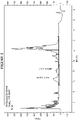
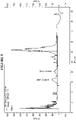
- FIG. 1 A representative example chromatographic series at 214 nm is shown in Figure 1 comparing the crude extract (top panel) with profiles from purified Ara h1, Ara h2 and Ara h6 proteins and BSA.
- RP-HPLC method pre-qualification may be assessed by comparing three independent preparations of a single peanut flour lot, by comparing the results of replicate assays performed by two different analysts on two different days, or by comparing the results of independent preparations of different lots of peanut flour on the same or different days.
- Precision may be estimated by performing the extraction of a single sample in triplicate, and analyzing the results according to the proposed method (see, e.g., Table 1). Triplicate extractions and determinations of a single lot of peanut flour are conducted; reported values are percent area of each Ara h species. Integration of the peaks may be performed by using forced integration events on a data system (e.g., ChemStation), or manual integration.
- the precision for these triplicate independent preparations of a single lot of peanut flour may range from about 1.1% relative standard deviation (RSD) for Ara h6 to about 18.3% for Ara h1.
- the higher (% RSD) for Ara h1 may be associated with integrating the Ara h1 shoulder from the subsequent larger cluster.
- a second precision method compares the results obtained by two different analysts performing the assay on two different days. Each value presented represents the average of duplicate injections.
- Table 2 provides exemplary results of a comparison of the percent area values and extractable protein content of three peanut flour lots, by two different analysts on different days. Comparison of the quantitative results obtained from these assays yields Ara h values that agree between 86% to 107%; total protein content may agree within 95% - 102%. The percent of the match between the two analysts may also be presented.
- Analysis of various PF lots may be used to demonstrate that the expression of Ara h1, Ara h2 and Ara h6 is consistent, both individually and relative to each other across lots of peanut flour. This assay may also form the basis for identity and content testing at release and during stability determination.
- the assay was be conducted and analyzed by a second cGMP manufacturer.
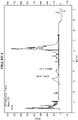
- the HPLC profiles (see, e.g., Figure 2 , Figure 3 and Figure 4 ), total protein and percentage of each allergen within the total protein (see, e.g., Table 3) are generally consistent between the assays performed by both laboratories using the same peanut flour lots (allows bridging of the data).
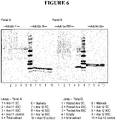
- material isolated from each peak may be further characterized by SDS polyacrylamide gel electrophoresis using, for example, a 4-20 Novex Tris-HCl pre-cast gel (see, e.g., Figure 5 ). Additional gels may be transferred to polyvinylidene difluoride (PVDF) membranes, processed for immunoblotting and may be reacted with Ara h1, Ara h2 or Ara h6 chicken antisera and developed with horse radish peroxidase conjugated goat anti-chicken IgG using, for example, an assay method described by de Jong et al.
- PVDF polyvinylidene difluoride
- extracts may be derived from roasted peanut flour
- the antisera may be generated against Ara h proteins purified from raw peanut extracts. The antisera react with both the control Ara h proteins derived from raw peanuts and from the isolated Ara h proteins obtained from roasted peanut extracts (see, e.g., Figure 6 ).
- the immunoblots show that the material isolated from each of the three principle HPLC peaks was reactive with the appropriate peanut protein specific antisera, and that the molecular weight of the immunoreactive proteins corresponded to the protein molecular weights as reported in the literature (Koppelman et al. 2010). It was determined that the Ara h proteins extracted from the peanut flour are not sensitive to heating to 60°C. Additional confirmatory experiments may be conducted; these assays may be used to establish the most appropriate stability indicating assay that provides the greatest sensitivity to changes occurring during long-term storage. However, the early immunoblot data described herein indicate that the reported RP-HPLC method will track the individual peanut proteins among peanut flour lots.
- Peanut Flour (PF) for use in a formulation described herein may be sourced from any reliable producer including, but not limited to, the Golden Peanut Company (GPC) which manufactures peanut flour and peanut oil (a byproduct of defatting the roasted peanuts).
- GPC Golden Peanut Company
- a GPC manufacturing facility may be audited by an internationally recognized certification body for food safety programs (e.g., Intertek Labtest (UK) Limited).
- the audit may focus on compliance with the British Retail Consortium Food Standard (BRC) Global Standards for Food Safety.
- BRC Global Standards are a leading global safety and quality certification program, used throughout the world by over 17,000 certificated suppliers in 90 countries through a network of over 80 accredited and BRC recognized Certification Bodies.
- the BRC Global Standards are widely used by suppliers and global retailers. They facilitate standardization of quality, safety, operational criteria and manufacturers' fulfillment of legal obligations. They also help provide protection to the consumer. There were no major or critical non-conformity findings during the most recent audit.
- the PF may be about 12% defatted peanut flour milled from lightly roasted peanuts.
- the PF may be by the supplier after standard analysis of content and microbiology, and is identified as stable for 9 months under refrigeration.
- the PF raw material may be tested for appearance, identify, total protein content and moisture content prior to release for cGMP production (see, e.g., Table 4).
- the PF may be stored under controlled conditions at 2-8°C.
- Table 4 Raw Material Testing for PF Assay Method Acceptance Criteria Appearance Powder/Color Visual Fine powder Tan color Identity RP-HPLC Comparable to Reference Chromatogram Protein Content Nitrogen Content by AOCS Combustion Method for Determination of Crude Protein (AOCS Official Method Ba 4e-93) Report Results Moisture Loss on Drying (LOD) USP ⁇ 921> Report Results
- Table 5 provides exemplary excipients that may be used in a formulation described herein. Other excipients that may be used in a formulation described herein are provided elsewhere in the description.
- Exemplary intended dosage form include, for example, a Hydroxypropyl Methyl Cellulose (HPMC) based capsule; the strength of the dosage form may be about 0.5 mg, about 1 mg. about 10 mg, about 100 mg, about 475 mg, or about 1000 mg of peanut protein.
- HPMC Hydroxypropyl Methyl Cellulose
- the peanut protein itself in some instances, may be a cohesive material without inherent flow properties conducive to conventional pharmaceutical manufacturing processes.
- inactive pharmaceutical ingredients excipients
- Compatibility studies may be conducted to evaluate combinations of peanut flour with exemplary excipient categories (diluent, glidant and lubricant).
- the excipients may have GRAS recognition or be shown to be safe in pharmaceutical formulations.
- the diluent provides the opportunity to formulate the low and high doses to contain adequate volume for dispersal from the opened capsule.
- the glidant and lubricant add flowability to the PF such that the capsule is easily emptied of flour by the subject.
- each of the excipients under consideration are designated as USP, NF or USP-NF.
- Table 5 Excipients Under Consideration Functionality Excipient Manufacturer (Trade Name) Grade Description Diluents Lactose Monohydrate Foremost (Lactose 316/Fast-Flo) NF Simple Organic Diluent (Monohydrate) Lactose Anhydrous Kerry/Sheffield (Lactose DT) NF Simple Organic Diluent (Anhydrous) Mannitol Roquette (Pearlitol 300DC) NF Simple Organic Diluent Microcrystalline Cellulose FMC (Avicel pH102) NF Complex Organic Diluent Partially Pregelatinized Corn Starch Colorcon (Starch 1500) USP/NF Complex Organic Diluent Silicified Microcrystalline Cellulose JRS Pharma (PROSOLV HD90) USP Complex Organic/Inorganic Coprocessed Diluent Dicalcium Phosphate Innophos (DiTab)
- Peanut flour (containing peanut allergen proteins Ara h1, Ara h2 and Ara h6) may be formulated with a bulking and a flow agent in graduated doses, comprising capsules containing 0.5 mg, 1 mg, 10 mg, 100 mg and 1000 mg each of peanut protein.
- Figure 7 and Table 6 outline the proposed blending process for the low dose capsules, which include the 0.5 mg peanut protein and 1 mg peanut protein capsules.
- a method of making a low dose capsule formulation useful in the methods provided here comprising, (a) mixing peanut flour and diluent in a first blend; (b) adding about 45% of diluent in a second blend; (c) adding remaining diluent and/or lubricant in a third blend; (d) adding a glidant in a final blend; and (e) encapsulating blended powder in a capsule.
- the diluent of step (a) comprises starch, lactose or microcrystalline cellulose (Avicel ⁇ ), or dicalcium phosphate.
- the diluent of step (b) and/or (c) comprises starch, lactose or microcrystalline cellulose (Avicel ⁇ ), or dicalcium phosphate.
- the glidant of step (d) glidant of step (d) comprises colloidal silicon dioxide (Cab-O-Sil), talc (e.g., Ultra Talc 4000), or combinations thereof.
- the glidant of step (d) comprises Cab-O-Sil.
- the lubricant of step (d) comprises magnesium stearate.
- the method further comprises sampling the blended mixture one or more times prior to encapsulation.
- the dose comprises about 0.5 or about 1.0 mg peanut protein.
- the method optionally comprises sampling the blended material of step (d).
- step (d) comprises adding a glidant or a lubricant.
- step (d) comprises adding a glidant and a lubricant.
- Figure 8 and Table 7 outline the proposed blending process for the high dose capsules, which include the 10 mg peanut protein, 100 mg peanut protein and 475 mg peanut protein capsules.
- a method of making a high dose capsule formulation useful in the methods provided here comprising, (a) mixing peanut flour and diluent in a first blend; (b) discharging the blended material; (c) passing the blended material through a mesh screen and blending the screened material in a second blend; (d) adding in a glidant and/or lubricant in a third blend; (e) encapsulating the blended powder.
- the method optionally comprises sampling the blended material of step (d) one or more times prior to encapsulation.
- the diluent of step (a) comprises starch, lactose or microcrystalline cellulose (Avicel ⁇ ), or dicalcium phosphate.
- the mesh screen of step (c) comprises a # 20 mesh screen.
- the glidant of step (d) glidant of step (d) comprises colloidal silicon dioxide (Cab-O-Sil), talc (e.g., Ultra Talc 4000), or combinations thereof.
- the glidant of step (d) comprises Cab-O-Sil.
- the lubricant of step (d) comprises magnesium stearate.
- step (d) comprises adding a glidant or a lubricant.
- step (d) comprises adding a glidant and a lubricant.
- Table 7 Proposed Operation Steps for High Dose Capsules (10 mg, 100 mg and 475 mg) Operation Step Equipment Type Details Comments 1 Diffusion Blender V-Blender Blender shell size TBD based on batch size 2 Sieve U.S STD #20 (850 ⁇ m) Promote blend uniformity 3 Diffusion Blender V-Blender Blender shell size TBD based on batch size 4 Diffusion Blender V-Blender Blender shell size TBD based on batch size 5 Sample Thief TBD Thief length and chamber size appropriate for blender size and analytical sample size requirements 6 Encapsulator Dosing Disk / Auger Encapsulation method TBD based on fill weight variation assessments in developmental batches
- Table 8 Proposed Specifications for Bulk Substance Attribute Method Acceptance Criteria General Appearance Powder/Color Visual TBD Moisture LOD Report Results Identity Presence of Ara h1, Ara h2 and Ara h6 proteins Reverse Phase HPLC Comparable to Reference Chromatogram Report percent area of Ara h1, Ara h2 and Ara h6 Strength (Assay) Total Protein Determination Nitrogen Content by AOCS Combustion Method for Determination of Crude Protein (AOCS Official Method Ba 4e-93) Low doses (0.5 and 1 mg): Target protein concentration ⁇ 15% High doses (10, 100 and 475 mg): Target protein concentration ⁇ 10% Safety Bioburden Microbiological Limits USP ⁇ 61> Microbial Enumeration Total Aerobic Microbial Count: NMT 1000 CFU/g USP ⁇ 62> Total Yeasts & Molds Specified Microorganisms Count: NMT 100 CFU/g E.
- the formulation may be filled into capsules within 24 hours of blending.
- Peanut flour (containing peanut allergen proteins Ara h1, Ara h2 and Ara h6) may be formulated with a bulking and a flow agent in graduated doses, comprising capsules comprising about 0.5 mg, about 1 mg, about 10 mg, about 100 mg, about 475 mg, or about 1000 mg each of peanut protein with one or more diluents, one or more glidants, one or more lubricants.
- one or more filling agents may be added.
- Each capsule may be opened and the content mixed into taste-masking food immediately prior to administration.
- Non-animal capsules that meet global Pharmaceutical standards may be used for the formulations described herein.
- HPMC capsules from Capsugel may be used.
- capsules may be color coded to distinguish the different doses Matching color-coded placebo capsules may also be produced.
- Table 9 Exemplary Dosage Forms Peanut Protein Dose Capsule Size 1 0.5 mg 3 2 1 mg 3 3 10 mg 00 4 100 mg 00 5 475 mg 000
- the final excipient composition of the formulation may be determined after completion of the ongoing compatibility study with the different excipients (see Table 5) .
- Encapsulation method/equipment may be determined based on fill weight variation assessments in developmental batches.
- In-process controls may include periodic weight checks.
- Table 10 Proposed Specifications for the Formulation Attribute Method Acceptance Criteria General Appearance Powder/color Visual TBD Capsule Integrity Visual Intact capsules with no visible signs of cracking. Capsules open easily without breaking Content Uniformity USP ⁇ 905> Meets USP ⁇ 905> requirements Deliverable Mass % Weight Delivered Report results Moisture Loss on Drying (LOD) USP ⁇ 921> Report Results Identity Presence of Ara h1, Ara h2 and Ara h6 proteins Reverse Phase HPLC Comparable to reference chromatogram and Report percent area of Ara h1, Ara h2 and Ara h6 Strength (Assay) Protein Content Nitrogen Content by AOCS Combustion Method for Determination of Crude Protein (AOCS Official Method Ba 4e-93) Low doses (0.5 and 1 mg): Target protein concentration ⁇ 15% High doses (10 and 100mg): Target protein concentration ⁇ 10% Safety Bioburden Microbiological
- Appearance assessments may be performed on the bulk substance (e.g., formulation during one or more preparation steps and/or of the final mixture prior to encapsulation) and the formulation.
- Assessment of the appearance may include, for example, consists of visually inspecting the container against a white background illuminated by a full spectrum light.
- Content uniformity (CU) of capsules may be performed according to USP standards. Content uniformity may be based on a total protein nitrogen content combustion assay. The intent is to identify a combustion instrument with the sensitivity to enable assaying individual capsules at all doses.
- the capsule deliverable mass may be evaluated by weighing capsules, and emptying the contents, and weighing the emptied capsules. The % delivered amount may then be calculated.
- Moisture content may impact the stability of proteins, and understanding the changes in moisture content over time is useful for understanding changes in the formulation that may, in some instances, lead to shorter shelf life.
- moisture content may be measured using Loss on Drying (LOD) determinations according to the USP.
- LOD Loss on Drying
- Conditions for the LOD may be determined based on the excipients requirements and requirements for the peanut flour.
- RP-HPLC may be used to confirm identity of the PF, BS and final formulation.
- Samples may be analyzed according to the methods described in more detail in the related application entitled “Peanut Formulations and Uses Thereof", filed the same day herewith (Attorney Docket No. 43567-702.101), which is incorporated herein by reference in its entirety, and the resulting chromatograms may be compared to the example chromatogram provided in the test method (See, e.g., Figure 9 ).
- a positive identification of peanut flour may be confirmed if the sample chromatogram matches the chromatogram provided in the method. If a positive indication is not confirmed, a lot of peanut flour may be discarded as sub-standard. Absence of active in placebos may be confirmed by demonstrating that no peaks elute between 12 and 35 minutes in the chromatography.
- a similar approach to the determination of total extractable protein in peanut flour may be used for the determination of total extractable protein in the capsule formulations.
- the approach may be evaluated for all strengths.
- capsule contents may be emptied, weighed, and analyzed by RP-HPLC. Chromatographic analysis of peanut flour samples extracted using this procedure produce a chromatographic "fingerprint" that is unique to peanut flour extracts. The region of the samples that elute between approximately 12 minutes and 35 minutes may be integrated. The total area integrated may be quantitated against a BSA standard.
- Chromatographic analysis of samples extracted using the RP-HPLC method may produce a chromatographic "fingerprint" that is unique to peanut flour extracts, and relative ratios of regions corresponding to Ara h1, Ara h2, and Ara h6 (see, e.g., Figure 1 ).
- the protein content of each of these regions (mg/g) may be quantitated according to the equation provided above. Relative percent content of total protein for each region is then calculated according to the equation below.
- Ara h % Ara h PeakArea Total / protein PeakArea ⁇ 100
- Protein content in filled capsules may be determined in the same manner as that of the peanut flour (AOCS Official Method Ba 4e-93). Since the accurate protein content determinations may be dependent on the nitrogen content of the sample, no excipients containing nitrogen may be used in the formulation.
- the method is based on the Dumas method and is based on the combustion of the crude protein in pure oxygen, and measurement of the nitrogen gas that is evolved. The method that may be used may be AOCS Official Method Ba 4e-93.
- the AOCS Method Definition and Scope are provided below.
- this method describes a generic combustion method for the determination of crude protein. Combustion at high temperature in pure oxygen frees nitrogen, which is measured by thermal conductivity detection and then converted to equivalent protein by an appropriate numerical factor.
- This is an alternative method to the mercury catalyst Kjeldahl method and has two advantages: 1) less time is needed for nitrogen determination, and 2) hazardous and toxic chemicals are not utilized.
- Formulations may be stored at 2-8°C. To assess accelerated and long-term stability, formulations may be tested according to the frequency and specifications described in Table 11 and Table 12. Testing for appearance/color, moisture, identity and strength may be performed at all timepoints, and the bioburden may be performed annually at 12, 24, and 36 months.
- Table 11A Stability Protocol Testing Scheme for a Formulation Temperature 5°C +/-3°C 25°C +/-2°C 60%RH Testing Frequency 1,3,6,9,12,18,24,36 months 1,3,6,9,12,18,24,36 months
- Tables 11B - 11F provide data obtained by testing stability of various formulations at 5°C.
- Table 11B Stability Condition 5°C Characterized Peanut Allergen, 475 mg Capsule Specifications Stability Intervals Test Method Acceptance Criteria Initial 1 Month 3 Month 6 Month Identification (HPLC) TM-074 Report Area % Ara h1 10.18 8.5 9.67 9.31 Report Area % Ara h2 9.48 9.89 10.88 8.93 Report Area % Ara h6 5.89 5.16 5.32 4.21 Report the ratio of Ara h2/h6 1.61 1.92 2.05 2.12
- Table 11C Stability Condition 5°C Characterized Peanut Allergen, 100 mg Capsule Specifications Stability Intervals Test Method Acceptance Criteria Initial 1 Month 3 Month 6 Month Identification (HPLC) TM-074 Report Area % Ara h1 7.97 10.33 10.51 9.64 Report Area % Ara h2 8.81 8.78 9.01 8 Report Area % Ara h6 4.17 3.92 4.27 3.61 Report the
- Tables 11G - 11K provide data obtained by testing stability of various formulations at 25°C.
- Table 11G Stability Condition 25°C Characterized Peanut Allergen, 475 mg Capsule Specifications Stability Intervals Test Method Acceptance Criteria Initial 1 Month 3 Month 6 Month Identification (HPLC) TM-074 Report Area % Ara h1 10.18 8.26 10.1 9.93 Report Area % Ara h2 9.48 9.86 10.48 9.77 Report Area % Ara h6 5.89 5.09 5.25 4.41 Report the ratio of Ara h2/h6 1.61 1.94 2 2.22
- Table 11H Stability Condition 25°C Characterized Peanut Allergen, 100 mg Capsule Specifications Stability Intervals Test Method Acceptance Criteria Initial 1 Month 3 Month 6 Month Identification (HPLC) TM-074 Report Area % Ara h1 7.97 9.92 10.42 9.75 Report Area % Ara h2 8.81 8.32 9.4 8.04 Report Area % Ara h6 4.17 4.18 4.28 3.6 Report the
- Tables 12B - 12K provide data obtained by assessing stability and characteristics of various formulations at 5°C and 25°C at various time points.
- Table 12B Stability Conditions: 5°C; 0.5 mg capsule Specifications Stability Intervals Test Method Acceptance Criteria Initia l 1 Mo 3 Mo 6 Mo 9 Mo Appearance (n 10) Visual White opaque capsule containing white to off-white fine granular powder ⁇ Confo rms Confor ms Confor ms Confor ms Confor ms Deliverable Mass TM-086 >95% ⁇ Avera ge: 99%; Avera ge: 99%; Avera ge: 99%; Avera ge: 100%; Avera ge: 99%; Avera ge: 99%; RSD: 0.4% RSD: 0.5% RSD: 0.3% RSD: 0.1% RSD: 0.6% Assay TM-085 Target protein concentration ⁇ 15% 91% 88% 92% 101% 88% Identificatio n (HPLC) TM-074 Compar
- Placebo may consist of the defined mixture of excipients without the PF. Placebo may be filled in the same color-coded capsules as the active formulation. Table 13: Placebo Release Specification Attribute Method Acceptance Criteria General Appearance Powder/color Visual TBD Capsule Integrity Visual Intact capsules with no visible signs of cracking.
- compositions prepared using the methods described herein may be used to compare various lots of peanut proteins for consistency of product.
- Peanuts and peanut flour are common foods and additives found in many food products.
- the intended clinical use for Characterized Peanut Allergen (CPA) is found in relatively small quantities (0.5 to 4000 mg/dose) compared to quantities contained in food and will be delivered via the same route as orally ingested peanut-containing products.
- mice preclinical studies exploring treatment modalities in food allergy animal models are limited.
- the principle model for induction of peanut allergy in mice is to expose mice by oral gavage to peanut proteins in the form of peanut butter, ground roasted peanuts, or purified peanut proteins, in combination with cholera toxin. After 3 to 6 weekly exposures the mice are challenged to demonstrate an allergic response. Mice may be challenged by intraperitoneal injection with sub-lethal doses of with a formulation described herein and scored for reaction severity. The intent is to demonstrate that the principle elicitors of anaphylaxis are specific Ara h proteins, rather than a combination of all peanut proteins.
- mice are treated with whole peanut extract, extract depleted of Ara h proteins, or with purified Ara h proteins alone.
- changes in body temperature, symptom score and mouse mast cell protease-1 release mice may be assessed.
- Mice that are desensitized to further challenge may be treated with an entire extract or the Ara h protein combination.
- anaphylaxis The cellular requirements underlying peanut induced anaphylaxis may be determined explored in wild-type C57BL/6, B-cell deficient, CD40L-deficient, mast cell deficient or Fc ⁇ RI ⁇ -chain-deficient mice sensitized to peanut proteins. After intraperitoneal challenge with a formulation described herein, anaphylaxis is assessed by measurement of antigen-specific immunoglobulins (Igs), overall symptom score, body temperature, vascular permeability, mast cell mediator release and anaphylactic reactions.
- Igs antigen-specific immunoglobulins
- the B-cell, mast cell and CD40L deficient mice may be sensitized to peanut proteins as shown by production of IgE, and Th2-associated cytokines.
- the Fc ⁇ RI ⁇ -deficient mice may experience anaphylaxis albeit somewhat less severe than the wild-type animals.
- a method of identifying a composition for treatment for desensitization of peanut allergy in a subject comprising: (a) determining the concentrations of Ara h1, Ara h2 and Ara h6 in a composition of peanut flour by RP-HPLC; (b) comparing the concentrations to the concentrations of a reference standard; and (c) identifying a composition for desensitization of peanut allergy in a subject, wherein the sample contains at least the concentrations of Ara h1, Ara h2 and Ara h6 of the reference standard.
- the method may, in some instances, further comprise administering a composition described herein to a subject, wherein the composition comprises at least the concentrations of Ara h1, Ara h2 and Ara h6 of the reference standard.
- the method may be used to compare lots of peanut flour and, in some instances, exclude peanut flour from use in a composition or method described herein where the sample does not contain at least the reference standard amount of Ara h1, Ara h2 and Ara h6.
- Embodiment 1 A method of making a low dose capsule formulation of peanut flour comprising characterized peanut proteins, comprising:
- Embodiment 2 The method of embodiment 1, wherein the diluent of step (a) comprises starch.
- Embodiment 3 The method of embodiment 1, wherein the diluent of step (b) and/or (c) comprises starch, lactose, microcrystalline cellulose (Avicel ® ), or dicalcium phosphate.
- Embodiment 4 The method of embodiment 1, wherein the glidant of step (d) is selected from the group consisting of colloidal silicon dioxide (Cab-O-Sil), talc (e.g., Ultra Talc 4000), and combinations thereof.
- the glidant of step (d) is selected from the group consisting of colloidal silicon dioxide (Cab-O-Sil), talc (e.g., Ultra Talc 4000), and combinations thereof.
- Embodiment 5 The method of embodiment 1, wherein said glidant comprises Cab-O-Sil.
- Embodiment 6 The method of embodiment 1, wherein the lubricant of step (d) comprises magnesium stearate.
- Embodiment 7 The method of embodiment 1, wherein step (d) comprises adding a glidant or a lubricant.
- Embodiment 8 The method of embodiment 1, wherein step (d) comprises adding a glidant and a lubricant.
- Embodiment 9 The method of embodiment 1, further comprising sampling the blended mixture prior to encapsulation.
- Embodiment 10 The method of embodiment 1, wherein the dose comprises about 0.5 or about 1.0 mg peanut protein.
- Embodiment 11 The method of embodiment 1, wherein step (d) further comprises passing the blended material through a mesh screen.
- Embodiment 12 Provided herein is a method of making a capsule formulation, comprising,
- Embodiment 13 The method of embodiment 12, further comprising optionally sampling the blended material of step (d) one or more times prior to encapsulation.
- Embodiment 14 The method of embodiment 12, wherein the dose comprises about 10, about 100, or about 475 mg peanut protein.
- Embodiment 15 The method of embodiment 12, wherein the diluent of step (a) comprises starch, lactose, microcrystalline cellulose (Avicel ® ), or dicalcium phosphate.
- Embodiment 16 The method of embodiment 12, wherein the mesh screen of step (c) comprises a # 20 mesh screen.
- Embodiment 17 The method of embodiment 12, wherein the glidant of step (d) is selected from the group consisting of colloidal silicon dioxide (Cab-O-Sil), talc (e.g., Ultra Talc 4000), and combinations thereof.
- the glidant of step (d) is selected from the group consisting of colloidal silicon dioxide (Cab-O-Sil), talc (e.g., Ultra Talc 4000), and combinations thereof.
- Embodiment 18 The method of embodiment 12, wherein said glidant comprises Cab-O-Sil.
- Embodiment 19 The method of embodiment 12, wherein the lubricant of step (d) comprises magnesium stearate.
- Embodiment 20 The method of embodiment 12, wherein step (d) comprises adding a glidant or a lubricant.
- Embodiment 21 The method of embodiment 12, wherein step (d) comprises adding a glidant and a lubricant.
- Embodiment 22 Provided herein is a method of making a capsule formulation useful in the methods provided here, comprising,
- Embodiment 23 The method of embodiment 22, wherein the dose comprises about 10 or about 100 mg peanut protein.
- Embodiment 24 The method of any one of embodiments 1-23, wherein the peanut flour comprises characterized peanut proteins.
- Embodiment 25 The method of embodiment 24, wherein the peanut proteins comprise Ara h1, Ara h2 and Ara h6.
- Embodiment 26 The method of embodiment 25, wherein the concentration of Ara h1, Ara h2 and Ara h6 is characterized by RP-HPLC.
- Embodiment 27 The method of embodiment 26, wherein the concentration of Ara h1, Ara h2 and Ara h6 is at least an amount of a reference standard.
- Embodiment 28 The method of any one of embodiments 1-27, wherein the encapsulated formulation is stable for at least about 3, 6, 9, 12, 18, 24, 36 or more months.
- Embodiment 29 The method of any one of embodiments 1-28, wherein the encapsulated formulation is stable at a temperature from about 2°C to about 8°C or from about 20°C to about 30°C.
- Embodiment 30 The method of embodiment 29, wherein the encapsulated formulation is stable at a temperature of about 25°C.
- Embodiment 31 The method of any one of embodiments 1-30, wherein the capsule size is 3, 00 or 000.
- Embodiment 32 The method of any one of embodiments 1-31, wherein the capsule comprises Hydroxypropyl Methyl Cellulose (HPMC).
- HPMC Hydroxypropyl Methyl Cellulose
- Embodiment 33 The method of any one of embodiments 1-32, further comprising storing the formulation in a container means.
- Embodiment 34 The method of embodiment 33, wherein the container means is a bottle.
- Embodiment 35 The method of embodiment 34, wherein the bottle is an amber-colored bottle.
- Embodiment 36 The method of embodiment 33, wherein the container means further comprises a dessicant packet to control moisture content of the container means.
Landscapes
- Health & Medical Sciences (AREA)
- Life Sciences & Earth Sciences (AREA)
- Pharmacology & Pharmacy (AREA)
- Public Health (AREA)
- Chemical & Material Sciences (AREA)
- Veterinary Medicine (AREA)
- General Health & Medical Sciences (AREA)
- Animal Behavior & Ethology (AREA)
- Medicinal Chemistry (AREA)
- Epidemiology (AREA)
- Immunology (AREA)
- Engineering & Computer Science (AREA)
- Bioinformatics & Cheminformatics (AREA)
- Natural Medicines & Medicinal Plants (AREA)
- Mycology (AREA)
- Microbiology (AREA)
- Botany (AREA)
- Organic Chemistry (AREA)
- General Chemical & Material Sciences (AREA)
- Nuclear Medicine, Radiotherapy & Molecular Imaging (AREA)
- Chemical Kinetics & Catalysis (AREA)
- Zoology (AREA)
- Transplantation (AREA)
- Biotechnology (AREA)
- Alternative & Traditional Medicine (AREA)
- Medical Informatics (AREA)
- Pulmonology (AREA)
- Medicinal Preparation (AREA)
- Medicines Containing Antibodies Or Antigens For Use As Internal Diagnostic Agents (AREA)
- Medicines Containing Plant Substances (AREA)
- Coloring Foods And Improving Nutritive Qualities (AREA)
- Medicines That Contain Protein Lipid Enzymes And Other Medicines (AREA)
- Pharmaceuticals Containing Other Organic And Inorganic Compounds (AREA)
- Cosmetics (AREA)
Applications Claiming Priority (4)
| Application Number | Priority Date | Filing Date | Title |
|---|---|---|---|
| US201361784964P | 2013-03-14 | 2013-03-14 | |
| EP18213124.3A EP3482771B1 (en) | 2013-03-14 | 2014-03-12 | Manufacture of peanut formulations for oral desensitization |
| EP14776121.7A EP2968529B1 (en) | 2013-03-14 | 2014-03-12 | Manufacture of peanut formulations for oral desensitization |
| PCT/US2014/024401 WO2014159607A1 (en) | 2013-03-14 | 2014-03-12 | Manufacture of peanut formulations for oral desensitization |
Related Parent Applications (3)
| Application Number | Title | Priority Date | Filing Date |
|---|---|---|---|
| EP18213124.3A Division EP3482771B1 (en) | 2013-03-14 | 2014-03-12 | Manufacture of peanut formulations for oral desensitization |
| EP18213124.3A Division-Into EP3482771B1 (en) | 2013-03-14 | 2014-03-12 | Manufacture of peanut formulations for oral desensitization |
| EP14776121.7A Division EP2968529B1 (en) | 2013-03-14 | 2014-03-12 | Manufacture of peanut formulations for oral desensitization |
Publications (1)
| Publication Number | Publication Date |
|---|---|
| EP3998080A1 true EP3998080A1 (en) | 2022-05-18 |
Family
ID=51528061
Family Applications (3)
| Application Number | Title | Priority Date | Filing Date |
|---|---|---|---|
| EP21199373.8A Pending EP3998080A1 (en) | 2013-03-14 | 2014-03-12 | Manufacture of peanut formulations for oral desensitization |
| EP18213124.3A Active EP3482771B1 (en) | 2013-03-14 | 2014-03-12 | Manufacture of peanut formulations for oral desensitization |
| EP14776121.7A Active EP2968529B1 (en) | 2013-03-14 | 2014-03-12 | Manufacture of peanut formulations for oral desensitization |
Family Applications After (2)
| Application Number | Title | Priority Date | Filing Date |
|---|---|---|---|
| EP18213124.3A Active EP3482771B1 (en) | 2013-03-14 | 2014-03-12 | Manufacture of peanut formulations for oral desensitization |
| EP14776121.7A Active EP2968529B1 (en) | 2013-03-14 | 2014-03-12 | Manufacture of peanut formulations for oral desensitization |
Country Status (19)
| Country | Link |
|---|---|
| US (5) | US9198869B2 (enExample) |
| EP (3) | EP3998080A1 (enExample) |
| JP (3) | JP6752140B2 (enExample) |
| CN (2) | CN105101994B (enExample) |
| AU (5) | AU2014240404B2 (enExample) |
| BR (1) | BR112015021756B1 (enExample) |
| CA (1) | CA2903229A1 (enExample) |
| DK (2) | DK3482771T3 (enExample) |
| ES (2) | ES2826224T3 (enExample) |
| FI (2) | FI3482771T3 (enExample) |
| FR (1) | FR23C1026I2 (enExample) |
| HU (1) | HUE051831T2 (enExample) |
| MX (1) | MX2015010315A (enExample) |
| NL (1) | NL301236I2 (enExample) |
| NO (1) | NO2023027I1 (enExample) |
| PL (1) | PL2968529T3 (enExample) |
| PT (1) | PT2968529T (enExample) |
| SI (1) | SI2968529T1 (enExample) |
| WO (1) | WO2014159607A1 (enExample) |
Families Citing this family (31)
| Publication number | Priority date | Publication date | Assignee | Title |
|---|---|---|---|---|
| FR2924349B1 (fr) | 2007-12-03 | 2010-01-01 | Dbv Tech | Methode de desensibilitation aux allergenes |
| US9492535B2 (en) | 2013-03-14 | 2016-11-15 | Aimmune Therapeutics, Inc. | Peanut formulations and uses thereof |
| SI2968529T1 (sl) | 2013-03-14 | 2021-03-31 | Aimmune Therapeutics, Inc. | Izdelava arašidovih formulacij arašida za ustno desenzibilizacijo |
| KR102541110B1 (ko) | 2014-08-25 | 2023-06-08 | 에이뮨 테라퓨틱스, 인코퍼레이티드 | 난 단백질 제형 및 이의 제조 방법 |
| MA41020A (fr) | 2014-11-25 | 2017-10-03 | Evelo Biosciences Inc | Compositions probiotiques et prébiotiques, et leurs procédés d'utilisation pour la modulation du microbiome |
| FI3258962T3 (fi) | 2015-02-20 | 2023-04-12 | Sekoitetut allergeenikoostumukset ja menetelmät niiden käyttämiseksi | |
| US10149904B2 (en) | 2015-02-20 | 2018-12-11 | The Board Of Trusteees Of The Leland Stanford Junior University | Mixed allergen compositions and methods for using the same |
| US10166286B2 (en) | 2015-02-20 | 2019-01-01 | The Board Of Trustees Of The Leland Stanford Junior University | Mixed allergen compositions and methods for using the same |
| US11452774B2 (en) | 2015-02-20 | 2022-09-27 | The Board Of Trustees Of The Leland Stanford Junior University | Mixed allergen compositions and methods for using the same |
| US10143742B2 (en) | 2015-02-20 | 2018-12-04 | The Board Of Trustees Of The Leland Stanford Junior University | Mixed allergen compositions and methods for using the same |
| TW201709926A (zh) * | 2015-04-23 | 2017-03-16 | 賽諾菲公司 | 用於舌下投藥之吡喃葡萄糖基脂a及過敏原調配物 |
| US10856567B2 (en) | 2016-07-22 | 2020-12-08 | Kari Brown | Baby food products containing allergenic proteins and methods of delivering same |
| PT3548079T (pt) * | 2016-12-05 | 2023-07-27 | Reacta Biotech Ltd | Formulações de refeições para provocação oral |
| MX2019008419A (es) * | 2017-01-13 | 2019-12-02 | Aimmune Therapeutics Inc | Métodos de fabricación de harinas de nueces y formulaciones para inmunoterapia oral. |
| BR102017026619A2 (pt) | 2017-02-15 | 2018-10-30 | Euroimmun Medizinische Labordiagnostika Ag | ensaio melhorado para a diagnose de alergia a amendoim |
| US11382934B2 (en) | 2017-07-18 | 2022-07-12 | Before Brands, Inc. | Methods for making mixed allergen compositions |
| CA3080601A1 (en) | 2017-11-02 | 2019-05-09 | Aimmune Therapeutics, Inc. | Methods of oral immunotherapy |
| GB201718342D0 (en) * | 2017-11-06 | 2017-12-20 | Cambridge Allergy Ltd | Allergenic protein formulations for immunotherapy |
| SG11202006732WA (en) | 2018-01-16 | 2020-08-28 | Tel Hashomer Medical Res Infrastructure & Services Ltd | Treatment and prevention of seed allergies |
| CN112638413A (zh) | 2018-07-27 | 2021-04-09 | 艾慕恩治疗公司 | 口服免疫治疗单位剂量分配系统和方法 |
| EP3836801A4 (en) | 2018-08-16 | 2022-05-18 | Société des Produits Nestlé S.A. | Peanut oral immunotherapy with maintenance dose |
| AU2019401576A1 (en) * | 2018-12-17 | 2021-06-24 | Société des Produits Nestlé S.A. | Formulations for egg oral immunotherapy, methods of manufacture, and treatments for egg allergy |
| CN113891722A (zh) * | 2018-12-20 | 2022-01-04 | 爱沐疗法公司 | 用于漏服剂量的花生口服免疫疗法给药计划表 |
| CA3127337A1 (en) | 2019-01-23 | 2020-07-30 | Before Brands, Inc. | Methods for making mixed allergen compositions |
| EP3965815A4 (en) | 2019-05-10 | 2023-05-31 | Société des Produits Nestlé S.A. | METHOD OF IMPROVING THE QUALITY OF LIFE IN A PEANUT ALLERGY PATIENT |
| MX2022001568A (es) * | 2019-08-08 | 2022-03-02 | Evonik Operations Gmbh | Procedimiento de preparacion de una forma de dosificacion solida y un lubricante. |
| WO2021102186A1 (en) * | 2019-11-20 | 2021-05-27 | Aimmune Therapeutics, Inc. | Methods and systems for managing distribution and treatment of a food allergy oral immunotherapy drug |
| EP4081251A4 (en) * | 2019-12-23 | 2024-03-20 | Prota Therapeutics Pty Ltd | PHARMACEUTICAL COMPOSITIONS |
| US12357226B2 (en) | 2020-07-01 | 2025-07-15 | Société des Produits Nestlé S.A. | Determining medical staffing for oral immunotherapy |
| AU2022206434A1 (en) | 2021-01-08 | 2023-08-24 | Regeneron Pharmaceuticals, Inc. | Methods for treating peanut allergy and enhancing peanut allergen-specific immunotherapy by administering an il-4r antagonist |
| CA3255134A1 (en) | 2022-04-11 | 2023-10-19 | Alk Abello As | PEANUT ALLERGEN COMPOSITION |
Citations (1)
| Publication number | Priority date | Publication date | Assignee | Title |
|---|---|---|---|---|
| WO2012123759A1 (en) * | 2011-03-17 | 2012-09-20 | Cambridge Enterprise Limited | Treatment for peanut allergy |
Family Cites Families (24)
| Publication number | Priority date | Publication date | Assignee | Title |
|---|---|---|---|---|
| US3809767A (en) * | 1969-05-12 | 1974-05-07 | Griffith Laboratories | Methods of making vegetable protein concentrates |
| WO1992015285A1 (en) | 1991-03-01 | 1992-09-17 | Warner-Lambert Company | Starch-based controlled release compositions |
| US20120164306A1 (en) * | 1993-08-03 | 2012-06-28 | Girsh Leonard S | Process for preparing hypoallergenic and reduced fat foods |
| JP3445593B2 (ja) * | 1994-09-10 | 2003-09-08 | 株式会社林原生物化学研究所 | ペプチドとその用途 |
| WO2001040264A2 (en) | 1999-12-06 | 2001-06-07 | Panacea Pharmaceuticals, Llc. | Peptide antigens |
| ES2260078T3 (es) | 2000-04-06 | 2006-11-01 | Seer Pharmaceuticals, Llc. | Sistema de administracion microbiana. |
| WO2004075875A1 (en) | 2003-02-28 | 2004-09-10 | Alk-Abello A/S | Dosage form having a saccharide matrix |
| EP2545931A1 (en) | 2004-03-19 | 2013-01-16 | Herbs Spring, LLC | Herbal therapy for the treatment of food allergy |
| JP2009522258A (ja) * | 2005-12-28 | 2009-06-11 | テバ ファーマシューティカル インダストリーズ リミティド | 増大したバイオアベイラビリティを有するフェノフィブラートの医薬製剤 |
| FR2924349B1 (fr) * | 2007-12-03 | 2010-01-01 | Dbv Tech | Methode de desensibilitation aux allergenes |
| WO2010059534A2 (en) | 2008-11-19 | 2010-05-27 | Mallinckrodt Baker, Inc. | Directly compressible granular microcrystalline cellulose based excipient, manufacturing process and use thereof |
| CA2737335C (en) | 2008-12-19 | 2013-10-01 | Merz Pharma Gmbh & Co. Kgaa | 1-amino-alkylcyclohexane derivatives for the treatment of mast cell mediated diseases |
| US8329208B2 (en) | 2009-07-28 | 2012-12-11 | Methylation Sciences International Srl | Pharmacokinetics of S-adenosylmethionine formulations |
| EP2364690A1 (en) | 2010-02-12 | 2011-09-14 | Centro De Ingenieria Genetica Y Biotecnologia | Orally administrable pharmaceutical pellet of epidermal growth factor |
| JP5800527B2 (ja) * | 2010-03-30 | 2015-10-28 | 日東電工株式会社 | 安定化医薬組成物、安定化医薬組成物溶液製剤、フィルム状製剤及びフィルム状製剤の製造方法 |
| AR081776A1 (es) * | 2010-06-30 | 2012-10-17 | Novartis Ag | Composiciones farmaceuticas que comprenden monohidrato de lactato de 4-amino-5-fluoro-3-[6-(4-metil-piperazin-1-il)-1h-bencimidazol-2-il]-1h-quinolin-2-ona, proceso para la produccion de la composicion |
| CN101912364B (zh) * | 2010-08-09 | 2015-07-15 | 刘会梅 | 银杏内酯b脂质体组合药物 |
| JP2014525458A (ja) * | 2011-08-31 | 2014-09-29 | ペロスフィア インコーポレイテッド | アレルギー患者を有効かつ迅速に脱感作するための方法 |
| WO2013087119A1 (en) * | 2011-12-16 | 2013-06-20 | Hal Allergy Holding B.V. | Pharmaceutical formulations and the use thereof for the treatment of peanut allergy |
| US9492535B2 (en) * | 2013-03-14 | 2016-11-15 | Aimmune Therapeutics, Inc. | Peanut formulations and uses thereof |
| SI2968529T1 (sl) | 2013-03-14 | 2021-03-31 | Aimmune Therapeutics, Inc. | Izdelava arašidovih formulacij arašida za ustno desenzibilizacijo |
| KR102541110B1 (ko) | 2014-08-25 | 2023-06-08 | 에이뮨 테라퓨틱스, 인코퍼레이티드 | 난 단백질 제형 및 이의 제조 방법 |
| MX2019008419A (es) | 2017-01-13 | 2019-12-02 | Aimmune Therapeutics Inc | Métodos de fabricación de harinas de nueces y formulaciones para inmunoterapia oral. |
| CA3080601A1 (en) | 2017-11-02 | 2019-05-09 | Aimmune Therapeutics, Inc. | Methods of oral immunotherapy |
-
2014
- 2014-03-12 SI SI201431687T patent/SI2968529T1/sl unknown
- 2014-03-12 EP EP21199373.8A patent/EP3998080A1/en active Pending
- 2014-03-12 EP EP18213124.3A patent/EP3482771B1/en active Active
- 2014-03-12 ES ES14776121T patent/ES2826224T3/es active Active
- 2014-03-12 PT PT147761217T patent/PT2968529T/pt unknown
- 2014-03-12 HU HUE14776121A patent/HUE051831T2/hu unknown
- 2014-03-12 CN CN201480013792.4A patent/CN105101994B/zh active Active
- 2014-03-12 DK DK18213124.3T patent/DK3482771T3/da active
- 2014-03-12 DK DK14776121.7T patent/DK2968529T3/da active
- 2014-03-12 CA CA2903229A patent/CA2903229A1/en active Pending
- 2014-03-12 PL PL14776121T patent/PL2968529T3/pl unknown
- 2014-03-12 BR BR112015021756-7A patent/BR112015021756B1/pt active IP Right Grant
- 2014-03-12 CN CN201811093370.9A patent/CN109125283A/zh active Pending
- 2014-03-12 US US14/207,165 patent/US9198869B2/en active Active
- 2014-03-12 FI FIEP18213124.3T patent/FI3482771T3/fi active
- 2014-03-12 MX MX2015010315A patent/MX2015010315A/es unknown
- 2014-03-12 ES ES18213124T patent/ES2940686T3/es active Active
- 2014-03-12 WO PCT/US2014/024401 patent/WO2014159607A1/en not_active Ceased
- 2014-03-12 AU AU2014240404A patent/AU2014240404B2/en active Active
- 2014-03-12 JP JP2016501522A patent/JP6752140B2/ja active Active
- 2014-03-12 EP EP14776121.7A patent/EP2968529B1/en active Active
-
2015
- 2015-10-13 US US14/881,437 patent/US20160030289A1/en not_active Abandoned
-
2016
- 2016-09-21 AU AU2016231523A patent/AU2016231523B2/en active Active
-
2017
- 2017-10-24 US US15/792,716 patent/US10449118B2/en active Active
-
2018
- 2018-08-30 AU AU2018222980A patent/AU2018222980A1/en not_active Abandoned
-
2019
- 2019-02-27 JP JP2019034083A patent/JP6891205B2/ja active Active
- 2019-06-26 US US16/453,871 patent/US11141352B2/en active Active
-
2020
- 2020-04-22 AU AU2020202685A patent/AU2020202685B2/en active Active
-
2021
- 2021-02-19 JP JP2021025462A patent/JP7454519B2/ja active Active
-
2022
- 2022-03-17 AU AU2022201858A patent/AU2022201858B2/en active Active
- 2022-09-20 US US17/948,611 patent/US20230120350A1/en not_active Abandoned
-
2023
- 2023-07-03 NL NL301236C patent/NL301236I2/nl unknown
- 2023-07-04 FI FIC20230022C patent/FIC20230022I1/fi unknown
- 2023-07-06 NO NO2023027C patent/NO2023027I1/no unknown
- 2023-07-07 FR FR23C1026C patent/FR23C1026I2/fr active Active
Patent Citations (1)
| Publication number | Priority date | Publication date | Assignee | Title |
|---|---|---|---|---|
| WO2012123759A1 (en) * | 2011-03-17 | 2012-09-20 | Cambridge Enterprise Limited | Treatment for peanut allergy |
Non-Patent Citations (23)
| Title |
|---|
| CARERI M ET AL: "Use of specific peptide biomarkers for quantitative confirmation of hidden allergenic peanut proteins Ara h 2 and Ara h 3/4 for food control by liquid chromatography-tandem mass spectrometry", ANALYTICAL AND BIOANALYTICAL CHEMISTRY, SPRINGER, BERLIN, DE, vol. 389, no. 6, 27 September 2007 (2007-09-27), pages 1901 - 1907, XP019559855, ISSN: 1618-2650, DOI: 10.1007/S00216-007-1595-2 * |
| DE JONG ET AL., EMBO J., vol. 7, no. 3, 1988, pages 745 - 750 |
| DR. WESLEY BURKS, AMERICAN ACADEMY OF ALLERGY, ASTHMA, AND IMMUNOLOGY NATIONAL CONFERENCE. ORLANDO, FLORIDA, 6 March 2012 (2012-03-06) |
| FUNG IRENE ET AL: "Relating microarray component testing and reported food allergy and food-triggered atopic dermatitis: a real-world analysis", ANNALS OF ALLERGY, ASTHMA & IMMUNOLOGY, ARLINGTON HEIGHTS, IL, US, vol. 110, no. 3, 8 January 2013 (2013-01-08), pages 173, XP028988049, ISSN: 1081-1206, DOI: 10.1016/J.ANAI.2012.12.006 * |
| H. BERNARD ET AL: "Identification of a New Natural Ara h 6 Isoform and of Its Proteolytic Product as Major Allergens in Peanut", JOURNAL OF AGRICULTURAL AND FOOD CHEMISTRY, vol. 55, no. 23, 1 November 2007 (2007-11-01), US, pages 9663 - 9669, XP055286329, ISSN: 0021-8561, DOI: 10.1021/jf071424g * |
| H. SINGH ET AL: "Meeting Abstract - Developing RP-HPLC method for detection of peanut allergens", AACC INTERNATIONAL ANNUAL MEETING, 16 October 2011 (2011-10-16), XP055286328, Retrieved from the Internet <URL:http://www.aaccnet.org/meetings/Documents/2011Abstracts/p11ma199.htm> [retrieved on 20160706] * |
| HUGH A SAMPSON ET AL: "A phase II, randomized, double blind, parallel group, placebo controlled oral food challenge trial of Xolair (omalizumab) in peanut allergy", JOURNAL OF ALLERGY AND CLINICAL IMMUNOLOGY, vol. 127, no. 5, 11 March 2011 (2011-03-11), pages 1309 - 1310.e1, XP028198125, ISSN: 0091-6749, [retrieved on 20110202], DOI: 10.1016/J.JACI.2011.01.051 * |
| JONES S M ET AL: "Clinical efficacy and immune regulation with peanut oral immunotherapy", JOURNAL OF ALLERGY AND CLINICAL IMMUNOLOGY, ELSEVIER, AMSTERDAM, NL, vol. 124, no. 2, 1 August 2009 (2009-08-01), pages 292 - 300.e97, XP026390931, ISSN: 0091-6749, [retrieved on 20090703], DOI: 10.1016/J.JACI.2009.05.022 * |
| KALYANA PINGALI ET AL: "Mixing order of glidant and lubricant - Influence on powder and tablet properties", INTERNATIONAL JOURNAL OF PHARMACEUTICS, vol. 409, no. 1-2, 16 May 2011 (2011-05-16), NL, pages 269 - 277, XP055420547, ISSN: 0378-5173, DOI: 10.1016/j.ijpharm.2011.02.032 * |
| KATRIN LEHMANN ET AL: "Structure and stability of 2S albumin-type peanut allergens: implications for the severity of peanut allergic reactions", BIOCHEMICAL JOURNAL, vol. 395, no. 3, 1 May 2006 (2006-05-01), pages 463 - 72, XP055151232, ISSN: 0264-6021, DOI: 10.1042/BJ20051728 * |
| KOPPELMAN STEF J ET AL: "Heat-induced conformational changes of Ara h 1, a major peanut allergen, do not affect its allergenic properties", JOURNAL OF BIOLOGICAL CHEMISTRY, AMERICAN SOCIETY FOR BIOCHEMISTRY AND MOLECULAR BIOLOGY, US, vol. 274, no. 8, 19 February 1999 (1999-02-19), pages 4770 - 4777, XP002306987, ISSN: 0021-9258, DOI: 10.1074/JBC.274.8.4770 * |
| KRIEG ET AL., NATURE, vol. 374, 1995, pages 546 |
| M. KULIS ET AL: "The 2S albumin allergens of Arachis hypogaea, Ara h 2 and Ara h 6, are the major elicitors of anaphylaxis and can effectively desensitize peanut-allergic mice", CLINICAL & EXPERIMENTAL ALLERGY : JOURNAL OF THE BRITISH SOCIETY FOR ALLERGY AND CLINICAL IMMUNOLOGY, vol. 42, no. 2, 30 January 2012 (2012-01-30), UK, pages 326 - 336, XP055296982, ISSN: 0954-7894, DOI: 10.1111/j.1365-2222.2011.03934.x * |
| O'CONNELL R.: "Uses of Sieves in the II Pharmaceutical Industry and the Increased Demand for Containment", INTERNATIONAL PHARMACEUTICAL INDUSTRY, vol. 4, no. 4, 10 December 2012 (2012-12-10), pages 88 - 90, XP055420558 * |
| PALISADE: "AR101 Oral Immunotherapy for Peanut Allergy", THE NEW ENGLAND JOURNAL OF MEDICINE, vol. 379, no. 21, 22 November 2018 (2018-11-22), US, pages 1991 - 2001, XP055675924, ISSN: 0028-4793, DOI: 10.1056/NEJMoa1812856 * |
| PISETSKY, IMMUNITY, vol. 5, 1996, pages 303 |
| PODCZECK F ET AL: "The filling of granules into hard gelatine capsules", INTERNATIONAL JOURNAL OF PHARMACEUTICS, ELSEVIER, NL, vol. 188, no. 1, 15 October 1999 (1999-10-15), pages 59 - 69, XP009508742, ISSN: 0378-5173, [retrieved on 19901019], DOI: 10.1016/S0378-5173(99)00208-2 * |
| STEF J. KOPPELMAN ET AL: "Digestion of peanut allergens Ara h 1, Ara h 2, Ara h 3, and Ara h 6: A comparative in vitro study and partial characterization of digestion-resistant peptides", MOLECULAR NUTRITION & FOOD RESEARCH, vol. 54, no. 12, 1 December 2010 (2010-12-01), DE, pages 1711 - 1721, XP055296935, ISSN: 1613-4125, DOI: 10.1002/mnfr.201000011 * |
| TAN S B & NEWTON J M: "Powder flowability as an indication of capsule filling performance", INTERNATIONAL JOURNAL OF PHARMACEUTICS, ELSEVIER, NL, vol. 61, no. 1-2, 11 June 1990 (1990-06-11), pages 145 - 155, XP025557756, ISSN: 0378-5173, [retrieved on 19900611], DOI: 10.1016/0378-5173(90)90053-7 * |
| WILLIAM CURATOLO ET AL: "Effects of Food on a Gastrically Degraded Drug: Azithromycin Fast-Dissolving Gelatin Capsules and HPMC Capsules", PHARMACEUTICAL RESEARCH, KLUWER ACADEMIC PUBLISHERS-PLENUM PUBLISHERS, NL, vol. 28, no. 7, 18 February 2011 (2011-02-18), pages 1531 - 1539, XP019912546, ISSN: 1573-904X, DOI: 10.1007/S11095-011-0386-9 * |
| YAMAMOTO ET AL., MICROBIOL. IMMUNOL., vol. 36, 1992, pages 983 |
| YONGHUA ZHUANG & STEPHEN C DRESKIN: "Redefining the major peanut allergens", IMMUNOLOGIC RESEARCH, HUMANA PRESS INC, NEW YORK, vol. 55, no. 1 - 3, 5 September 2012 (2012-09-05), pages 125 - 134, XP035163210, ISSN: 1559-0755, DOI: 10.1007/S12026-012-8355-X * |
| ZIMMERMAN ET AL., J. IMMUNOL., vol. 160, 1998, pages 3627 |
Also Published As
Similar Documents
| Publication | Publication Date | Title |
|---|---|---|
| US20230120350A1 (en) | Manufacture of peanut formulations for oral desensitization | |
| US20250375517A1 (en) | Peanut formulations and uses thereof | |
| EP4275760A2 (en) | Egg protein formulations and methods of manufacture thereof | |
| HK40008413A (en) | Manufacture of peanut formulations for oral desensitization | |
| HK40008413B (en) | Manufacture of peanut formulations for oral desensitization | |
| HK40003142A (en) | Manufacture of peanut formulations for oral desensitization | |
| HK1217660B (zh) | 用於口服脱敏的花生制剂的制备 |
Legal Events
| Date | Code | Title | Description |
|---|---|---|---|
| PUAI | Public reference made under article 153(3) epc to a published international application that has entered the european phase |
Free format text: ORIGINAL CODE: 0009012 |
|
| STAA | Information on the status of an ep patent application or granted ep patent |
Free format text: STATUS: THE APPLICATION HAS BEEN PUBLISHED |
|
| AC | Divisional application: reference to earlier application |
Ref document number: 2968529 Country of ref document: EP Kind code of ref document: P Ref document number: 3482771 Country of ref document: EP Kind code of ref document: P |
|
| AK | Designated contracting states |
Kind code of ref document: A1 Designated state(s): AL AT BE BG CH CY CZ DE DK EE ES FI FR GB GR HR HU IE IS IT LI LT LU LV MC MK MT NL NO PL PT RO RS SE SI SK SM TR |
|
| STAA | Information on the status of an ep patent application or granted ep patent |
Free format text: STATUS: REQUEST FOR EXAMINATION WAS MADE |
|
| 17P | Request for examination filed |
Effective date: 20221110 |
|
| RBV | Designated contracting states (corrected) |
Designated state(s): AL AT BE BG CH CY CZ DE DK EE ES FI FR GB GR HR HU IE IS IT LI LT LU LV MC MK MT NL NO PL PT RO RS SE SI SK SM TR |
|
| P01 | Opt-out of the competence of the unified patent court (upc) registered |
Effective date: 20230527 |
|
| 111L | Licence recorded |
Designated state(s): AL AT BE BG CH CY CZ DE DK EE ES FI FR GB GR HR HU IE IS IT LT LU LV MC MK MT NL NO PL PT RO RS SE SI SK SM TR Free format text: EXCLUSIVE LICENSE Name of requester: STALLERGENES GREER INTERNATIONAL AG, CH Effective date: 20240122 |
|
| GRAP | Despatch of communication of intention to grant a patent |
Free format text: ORIGINAL CODE: EPIDOSNIGR1 |
|
| STAA | Information on the status of an ep patent application or granted ep patent |
Free format text: STATUS: GRANT OF PATENT IS INTENDED |
|
| INTG | Intention to grant announced |
Effective date: 20251104 |