EP3986777B1 - Radmodul für ein fahrzeug und fahrzeug mit dem radmodul - Google Patents
Radmodul für ein fahrzeug und fahrzeug mit dem radmodul Download PDFInfo
- Publication number
- EP3986777B1 EP3986777B1 EP20730566.5A EP20730566A EP3986777B1 EP 3986777 B1 EP3986777 B1 EP 3986777B1 EP 20730566 A EP20730566 A EP 20730566A EP 3986777 B1 EP3986777 B1 EP 3986777B1
- Authority
- EP
- European Patent Office
- Prior art keywords
- wheel
- vehicle
- brake
- module
- wheel module
- Prior art date
- Legal status (The legal status is an assumption and is not a legal conclusion. Google has not performed a legal analysis and makes no representation as to the accuracy of the status listed.)
- Active
Links
Images

Classifications
-
- B—PERFORMING OPERATIONS; TRANSPORTING
- B60—VEHICLES IN GENERAL
- B60T—VEHICLE BRAKE CONTROL SYSTEMS OR PARTS THEREOF; BRAKE CONTROL SYSTEMS OR PARTS THEREOF, IN GENERAL; ARRANGEMENT OF BRAKING ELEMENTS ON VEHICLES IN GENERAL; PORTABLE DEVICES FOR PREVENTING UNWANTED MOVEMENT OF VEHICLES; VEHICLE MODIFICATIONS TO FACILITATE COOLING OF BRAKES
- B60T1/00—Arrangements of braking elements, i.e. of those parts where braking effect occurs specially for vehicles
- B60T1/02—Arrangements of braking elements, i.e. of those parts where braking effect occurs specially for vehicles acting by retarding wheels
- B60T1/06—Arrangements of braking elements, i.e. of those parts where braking effect occurs specially for vehicles acting by retarding wheels acting otherwise than on tread, e.g. employing rim, drum, disc, or transmission or on double wheels
- B60T1/065—Arrangements of braking elements, i.e. of those parts where braking effect occurs specially for vehicles acting by retarding wheels acting otherwise than on tread, e.g. employing rim, drum, disc, or transmission or on double wheels employing disc
-
- B—PERFORMING OPERATIONS; TRANSPORTING
- B62—LAND VEHICLES FOR TRAVELLING OTHERWISE THAN ON RAILS
- B62K—CYCLES; CYCLE FRAMES; CYCLE STEERING DEVICES; RIDER-OPERATED TERMINAL CONTROLS SPECIALLY ADAPTED FOR CYCLES; CYCLE AXLE SUSPENSIONS; CYCLE SIDECARS, FORECARS, OR THE LIKE
- B62K3/00—Bicycles
- B62K3/002—Bicycles without a seat, i.e. the rider operating the vehicle in a standing position, e.g. non-motorized scooters; non-motorized scooters with skis or runners
-
- B—PERFORMING OPERATIONS; TRANSPORTING
- B62—LAND VEHICLES FOR TRAVELLING OTHERWISE THAN ON RAILS
- B62L—BRAKES SPECIALLY ADAPTED FOR CYCLES
- B62L3/00—Brake-actuating mechanisms; Arrangements thereof
- B62L3/02—Brake-actuating mechanisms; Arrangements thereof for control by a hand lever
- B62L3/023—Brake-actuating mechanisms; Arrangements thereof for control by a hand lever acting on fluid pressure systems
-
- F—MECHANICAL ENGINEERING; LIGHTING; HEATING; WEAPONS; BLASTING
- F16—ENGINEERING ELEMENTS AND UNITS; GENERAL MEASURES FOR PRODUCING AND MAINTAINING EFFECTIVE FUNCTIONING OF MACHINES OR INSTALLATIONS; THERMAL INSULATION IN GENERAL
- F16D—COUPLINGS FOR TRANSMITTING ROTATION; CLUTCHES; BRAKES
- F16D55/00—Brakes with substantially-radial braking surfaces pressed together in axial direction, e.g. disc brakes
-
- F—MECHANICAL ENGINEERING; LIGHTING; HEATING; WEAPONS; BLASTING
- F16—ENGINEERING ELEMENTS AND UNITS; GENERAL MEASURES FOR PRODUCING AND MAINTAINING EFFECTIVE FUNCTIONING OF MACHINES OR INSTALLATIONS; THERMAL INSULATION IN GENERAL
- F16D—COUPLINGS FOR TRANSMITTING ROTATION; CLUTCHES; BRAKES
- F16D55/00—Brakes with substantially-radial braking surfaces pressed together in axial direction, e.g. disc brakes
- F16D55/02—Brakes with substantially-radial braking surfaces pressed together in axial direction, e.g. disc brakes with axially-movable discs or pads pressed against axially-located rotating members
-
- F—MECHANICAL ENGINEERING; LIGHTING; HEATING; WEAPONS; BLASTING
- F16—ENGINEERING ELEMENTS AND UNITS; GENERAL MEASURES FOR PRODUCING AND MAINTAINING EFFECTIVE FUNCTIONING OF MACHINES OR INSTALLATIONS; THERMAL INSULATION IN GENERAL
- F16D—COUPLINGS FOR TRANSMITTING ROTATION; CLUTCHES; BRAKES
- F16D65/00—Parts or details
- F16D65/14—Actuating mechanisms for brakes; Means for initiating operation at a predetermined position
- F16D65/16—Actuating mechanisms for brakes; Means for initiating operation at a predetermined position arranged in or on the brake
- F16D65/18—Actuating mechanisms for brakes; Means for initiating operation at a predetermined position arranged in or on the brake adapted for drawing members together, e.g. for disc brakes
- F16D65/186—Actuating mechanisms for brakes; Means for initiating operation at a predetermined position arranged in or on the brake adapted for drawing members together, e.g. for disc brakes with full-face force-applying member, e.g. annular
-
- F—MECHANICAL ENGINEERING; LIGHTING; HEATING; WEAPONS; BLASTING
- F16—ENGINEERING ELEMENTS AND UNITS; GENERAL MEASURES FOR PRODUCING AND MAINTAINING EFFECTIVE FUNCTIONING OF MACHINES OR INSTALLATIONS; THERMAL INSULATION IN GENERAL
- F16D—COUPLINGS FOR TRANSMITTING ROTATION; CLUTCHES; BRAKES
- F16D65/00—Parts or details
- F16D65/78—Features relating to cooling
- F16D65/84—Features relating to cooling for disc brakes
- F16D65/847—Features relating to cooling for disc brakes with open cooling system, e.g. cooled by air
-
- B—PERFORMING OPERATIONS; TRANSPORTING
- B62—LAND VEHICLES FOR TRAVELLING OTHERWISE THAN ON RAILS
- B62K—CYCLES; CYCLE FRAMES; CYCLE STEERING DEVICES; RIDER-OPERATED TERMINAL CONTROLS SPECIALLY ADAPTED FOR CYCLES; CYCLE AXLE SUSPENSIONS; CYCLE SIDECARS, FORECARS, OR THE LIKE
- B62K2204/00—Adaptations for driving cycles by electric motor
-
- F—MECHANICAL ENGINEERING; LIGHTING; HEATING; WEAPONS; BLASTING
- F16—ENGINEERING ELEMENTS AND UNITS; GENERAL MEASURES FOR PRODUCING AND MAINTAINING EFFECTIVE FUNCTIONING OF MACHINES OR INSTALLATIONS; THERMAL INSULATION IN GENERAL
- F16D—COUPLINGS FOR TRANSMITTING ROTATION; CLUTCHES; BRAKES
- F16D2121/00—Type of actuator operation force
- F16D2121/02—Fluid pressure
- F16D2121/04—Fluid pressure acting on a piston-type actuator, e.g. for liquid pressure
-
- F—MECHANICAL ENGINEERING; LIGHTING; HEATING; WEAPONS; BLASTING
- F16—ENGINEERING ELEMENTS AND UNITS; GENERAL MEASURES FOR PRODUCING AND MAINTAINING EFFECTIVE FUNCTIONING OF MACHINES OR INSTALLATIONS; THERMAL INSULATION IN GENERAL
- F16D—COUPLINGS FOR TRANSMITTING ROTATION; CLUTCHES; BRAKES
- F16D2127/00—Auxiliary mechanisms
- F16D2127/02—Release mechanisms
Definitions
- the invention relates to a wheel module for a vehicle, in particular for an electric scooter or electric scooter.
- the wheel module comprises a wheel axle and a wheel with a wheel rim, wherein the wheel rim is rotatably mounted on the wheel axle.
- the wheel module comprises a braking device with a brake pad and a brake disc for interacting with the brake pad.
- the invention also relates to a vehicle with the wheel module and a method for braking a rotating wheel of a wheel module.
- Disc brakes are often used on two-wheeled vehicles such as scooters or bicycles to safely slow down the vehicle.
- the publication DE 200 16 878 U1 a scooter with a braking device that is designed as a hydraulically activated disc brake.
- the braking device has a brake calliper that is attached to the vehicle frame, surrounds the brake disc and is pressed against the brake disc when activated.
- US 2002/038742 A1 A wheel module according to the preamble of claim 1 for a production vehicle is disclosed.
- the invention is based on the object of providing a space-saving braking device that is adapted to a wheel size of a wheel of a wheel module. This object is achieved by a wheel module for a vehicle with the features of claim 1, by a vehicle with the wheel module according to claim 7. Preferred or advantageous embodiments of the invention emerge from the subclaims, the following description and/or the attached figures.
- a wheel module for a vehicle is proposed.
- the vehicle has one or more wheel modules.
- the vehicle is preferably designed as a small or micro vehicle or as an electric vehicle.
- the vehicle preferably has at least one wheel module and/or wheel.
- the vehicle can be designed as an electric unicycle, e.g. as a so-called monowheel or solowheel.
- the vehicle is preferably designed as a scooter, in particular as an electric motorcycle, as an electric motor scooter, as an electric scooter, electric kick scooter, electric scooter, e.g. e-scooter, as a Segway, hoverboard, kickboard, skateboard, longboard or similar.
- the vehicle can be designed as a bicycle, in particular as an electric bicycle, e.g. as a pedelec or as an e-bike.
- the vehicle can be designed as a multi-track bicycle, in particular with three or more wheels.
- the vehicle can be a transport or cargo bike, in particular a motorized or electrically powered transport or cargo bike, in particular a three-wheeled or four-wheeled pedelec or a rickshaw, in particular with or without a roof, or a cabin scooter.
- the wheel module has a wheel axle and a wheel. It is particularly preferred that the wheel forms a front wheel of the vehicle.
- the wheel comprises a wheel rim and preferably a tire, the tire being arranged on the wheel rim.
- the wheel rim is rotatably mounted on the wheel axle.
- at least one rolling bearing device preferably two rolling bearing devices, is provided for this purpose.
- a drive device in particular an electric motor, can be integrated in the wheel to drive the wheel.
- the wheel module comprises a braking device for the wheel.
- the braking device has a brake pad and a brake disc for interacting with the brake pad.
- the brake disc is movable and/or displaceable axially and/or along the wheel axis for braking the wheel, in particular for interaction with the brake pad.
- the braking device comprises a hydraulic device for generating kinematic energy as braking force.
- the hydraulic device preferably comprises a hydraulic chamber into which a fluid can be introduced and a reciprocating piston which can perform at least one stroke in the hydraulic chamber.
- the hydraulic chamber is ring-shaped in a side view.
- the reciprocating piston is designed as an annular piston.
- the hydraulic device is attached to the wheel axle.
- the hydraulic device is arranged concentrically with the wheel rim on the wheel axle.
- the hydraulic device is arranged on one side of the wheel rim. It is advantageous that the triggering forces generated when braking the rotating wheel can be diverted to the wheel axle.
- the braking device can comprise a fastening structure for the hydraulic device.
- the fastening structure is preferably fastened to the wheel axle in a force-fitting manner, e.g. via an interference fit.
- the fastening structure can also be connected to the wheel axle in a form-fitting or material-fitting manner.
- the hydraulic chamber and optionally additionally a flow channel of the hydraulic device, through which the fluid can be introduced into the hydraulic chamber, are preferably arranged on the fastening structure and/or integrated into it.
- the brake disc is arranged between the piston and the brake pad.
- the brake disc is preferably operatively connected to the piston.
- the brake disc can be axially displaced by the stroke of the ring piston and can therefore be placed and/or pressed against the brake pad.
- a kinetic energy of the piston is converted into braking force to brake the rotating wheel.
- the brake disc is placed and/or pressed against the brake pad, it can brake the rotating wheel through the friction generated.
- the braking device is designed as a friction brake.
- the brake disc can be moved axially back into its starting position and/or pushed back.
- the braking device comprises at least one, preferably several spring devices for this purpose.
- the spring devices are designed as helical springs, in particular as return springs, for generating a return force.
- the brake disc can be subjected to the return force and can thus be moved back into the starting position.
- the wheel module comprises a housing for the braking device.
- the housing is made, for example, from a plastic material or an aluminum alloy. It is ring-shaped in a plan view from the side and has a central recess for the wheel axle.
- the housing at least partially accommodates the braking device.
- the housing is connected to the fastening structure for the hydraulic device and/or the housing accommodates it at least in sections.
- the housing can form an integral part of the fastening structure.
- the housing covers the braking device and/or the wheel rim largely or completely from the outside.
- the housing forms a visible side which, due to its material, can be designed to be visually appealing at low cost, e.g. using a forming process and/or injection molding process.
- a radial section of the wheel rim and/or the tire sitting on it are visible.
- the braking device can thus be integrated into the wheel module in an unobtrusive and visually appealing manner.
- the brake pad is arranged on the wheel rim.
- the brake pad covers an outer side of the wheel rim at least in sections. It is also possible within the scope of the invention for the brake pad to be arranged in several sections on the wheel rim.
- the brake pad preferably rotates with and/or on the wheel rim.
- the arrangement of the brake pad on the wheel rim ensures that the braking device can be designed to save space.
- the number of components can be reduced and the braking device can be made slimmer.
- the braking device does not protrude outwards, as is the case with normal brake shoes on a disc brake, for example.
- the braking device can be adapted to a wheel size, in particular to a wheel rim size.
- the brake pad is ring-shaped.
- the brake pad is preferably arranged radially to the wheel axle.
- the brake pad is arranged on the wheel rim so that it is concentric with it. It is also possible within the scope of the invention for the brake pad to be arranged in several concentric circles on the wheel rim.
- the brake pad can also be applied flatly, in particular as one or more surface sections on the wheel rim. wherein the surface section(s) preferably have shapes and/or contours suitable for interaction with the brake disc.
- the brake pad is applied directly to the wheel rim.
- the brake pad is integrally bonded to the wheel rim.
- it is glued to the wheel rim or integrated into the wheel rim.
- the wheel module it is possible within the scope of the invention for the wheel module to have a brake pad carrier that carries the brake pad.
- the brake pad carrier is arranged on the wheel rim, for example attached to the wheel rim via fastening means such as screws, rivets or the like.
- the brake pad carrier is designed as a ring, in particular as a sheet metal ring.
- the brake pad carrier is arranged radially to the wheel axle.
- the brake pad carrier is arranged on the wheel rim in such a way that it is concentric with it.
- the brake pad preferably has the function of a thermal insulation device.
- the brake pad protects the wheel from the effects of waste heat from the braking device.
- the brake pad is preferably made of a thermally insulating material. It is advantageous that heat that arises when the rotating wheel is braked can be at least partially kept away from the wheel rim and/or from the drive device integrated in the wheel. In particular, this can prevent damage to the wheel due to overheating and/or a malfunction of the drive device caused by the heat.
- the wheel rim and/or the brake pad carrier comprises at least one anti-twisting device for the fastening means with which the brake pad carrier is fastened to the wheel rim.
- the at least An anti-twisting device can be designed, for example, as an axially extending recess in the wheel rim or in the brake pad carrier.
- a further subject matter of the invention is a vehicle with at least one wheel module according to the previous description and/or according to one of claims 1 to 9.
- the vehicle is preferably designed as a two-wheeler, e.g. as an electric kick scooter, as an electric scooter or as an electric bicycle.
- the vehicle comprises a vehicle frame with a wheel fork.
- the wheel fork preferably carries the wheel module.
- the wheel axle is arranged on the wheel fork together with the wheel rotatably mounted thereon.
- the wheel fork is connected to a handlebar of the vehicle so that the wheel module and thus the vehicle can be steered.
- a further subject matter of the invention is a method for braking a rotating wheel of a wheel module with a braking device of the wheel module according to the previous description and/or according to one of claims 1 to 8.
- the brake disc is axially displaced to brake the rotating wheel and is applied and/or pressed against the brake pad preferably arranged on the wheel rim.
- a vehicle 50 with a wheel module 1 is shown.
- the vehicle 50 is designed as an electric scooter or electric scooter.
- the wheel module 1 has a wheel 3, wherein the wheel 3 in the vehicle 50 is a front wheel.
- the vehicle 50 also has a rear wheel 51.
- the wheel module and the rear wheel are arranged on a vehicle frame 52 of the vehicle 50.
- the wheel module 1 is rotatably attached to the vehicle frame 52, in particular to a handlebar 54 of the vehicle 50, via a wheel fork 53, so that the vehicle 50 can be steered via the wheel module 1.
- the wheel 3 of the wheel module 1 has a wheel rim 2 and a tire 4, wherein the tire 4 is arranged on the wheel rim 2.
- the wheel module 1 comprises a wheel axle 5 on which the wheel rim 2 is rotatably mounted.
- Two rolling bearing devices 6 are provided for mounting the wheel rim 2 on the wheel axle 5, as can be seen from the Figures 4 and 5
- a Drive device 17 ( Fig.4 , 5 ), e.g. an electric motor, to drive the wheel 3.
- the wheel module 1 has a braking device 7 for the rotating wheel 3.
- the braking device 7 is designed as a friction brake. It is arranged adjacent to the wheel rim 2 and/or on one side of the wheel rim 2 on the wheel axle 5.
- the braking device 7 has a brake disk 8 for braking the rotating wheel 3.
- the brake disk 8 is arranged concentrically with the wheel rim 2 on the wheel axle 5. It is axially movable, in particular displaceable towards the wheel rim 2.
- the wheel 3 is shown in a perspective view from the side.
- the braking device 7 comprises a brake pad 9 which is connected to the brake disc 8 ( Fig.4 ) to brake the rotating wheel 3 by friction between the brake disc 8 and the brake pad 9.
- the brake pad 9 is ring-shaped and applied to the wheel rim 2.
- the brake pad 9 covers and/or thus forms a region of an outer side of the wheel rim 2.
- the brake pad 9 is arranged on the wheel rim 2 such that it is concentric with the wheel rim 2.
- the brake pad 9 can be applied directly to the wheel rim 2, in particular bonded to it, for example glued to it.
- the wheel module 1 comprises a brake pad carrier 10 for carrying the brake pad 9.
- the brake pad carrier 10 is ring-shaped, e.g. as a sheet metal ring, and is attached to the wheel rim 2 via fastening means 11, in particular via several screws.
- the brake pad carrier 10 is arranged on the wheel rim 2 such that it is radial to the wheel axis 5 and concentric with the wheel rim 2.
- the brake pad 9 is applied to the brake pad carrier 10.
- the Figure 5 shows an axial cross section through the wheel 3 and the Figure 6 a section of the wheel rim 2 in an axial cross-section.
- Anti-twisting devices 16 ( Fig. 5, 6 ) in the form of axially extending recesses for the fastening means 11.
- the anti-twisting devices 16 can prevent the fastening means 11 from becoming accidentally loosened by the rotation of the wheel 3 and thus prevent the brake pad carrier 10 from falling off the wheel rim 2.
- the braking device 7 can advantageously be designed to be particularly space-saving and particularly slim and narrow.
- the braking device 7 can be adapted to a size of the wheel, in particular to a size of the wheel rim, due to the concentric arrangement of the hydraulic device 12, the brake disk 8 and the wheel rim 2.
- the braking device 7 comprises a hydraulic device 12 for generating the braking force by means of kinematic energy.
- the hydraulic device 12 is attached to the wheel axle 5. It has a hydraulic chamber 13 which is annular in a side view and an annular piston 14 which can execute a stroke in the hydraulic chamber 13.
- the hydraulic device 12 also comprises a flow channel 15 through which a fluid can be introduced into the hydraulic chamber 13 in order to cause the annular piston 14 to execute the stroke.
- the hydraulic chamber 13 and the ring piston 14 are arranged concentrically with the wheel rim 2.
- the braking device 7 has a fastening structure 19.
- the fastening structure 19 is fixed to the wheel axle 5 in a force-locking manner, in particular by means of a press fit.
- the hydraulic chamber 13 and the flow channel 15 are attached to the fastening structure 19. However, they can also form an integral part of the fastening structure 19. It is advantageous that the triggering forces generated when braking the rotating wheel 3 can be diverted to the wheel axle 5 by fastening the hydraulic device 13 to the wheel axle 5.
- the vehicle 50 has an actuating device 55, for example a hand lever (see Fig.1 ).
- the actuating device 55 When the actuating device 55 is actuated, the fluid is directed into the hydraulic chamber 13 so that the annular piston 14 executes the stroke in the hydraulic chamber 13. If the actuating device 55 is no longer actuated, the fluid flows back and the annular piston 14 executes a return stroke in the hydraulic chamber 13.
- the brake disk 8 is released from the brake pad 9 and can be moved axially back to its starting position. In particular, the braking process is thereby stopped.
- the brake disc 8 is operatively connected to the annular piston 14. It is arranged between the brake pad 9 and the annular piston 14. When the annular piston 14 executes the stroke, it transfers the kinematic energy as braking force to the brake disc 8. As a result, the brake disc 8 is displaced axially in the direction of the wheel rim 2, placed against the brake pad 9 and/or pressed against it. The friction formed between the brake disc 8 and the brake pad 9 brakes the rotating wheel. It is advantageous that the brake pad 9 forms an insulating device during braking, which protects the drive device 17 from the heat generated by the braking friction.
- the braking device 7 has a plurality of spring devices 20 distributed in the circumferential direction.
- the spring devices 20 are designed as return springs to provide the brake disc 8 and thus the annular piston 14 with a return force to be applied, whereby the brake disc 8 is moved axially back into its starting position by the restoring force.
- the spring devices 20 are each supported on the housing 18 and in the axial opposite direction on the brake disc 8.
- the wheel module 1 has a housing 18.
- the housing 18 is made of a plastic material or alternatively of an aluminum alloy. It is shown in a side view, e.g. according to the Figure 2 ring-shaped and has a central recess for the wheel axle 5.
- the braking device 7, in particular the hydraulic device 12, is accommodated in the housing 18.
- the fastening structure 19 is connected to the housing 18.
- the connection can be implemented in a form-fitting and/or force-fitting manner, but also in a material-fitting manner.
- the brake disc 8 is according to the Figure 4 also at least partially accommodated in the housing 18.
- An outer side of the housing 18 is a visible side, which conceals the braking device 7 and a large part of the wheel rim 2 from the outside.
- the braking device 7 is thus unobtrusively integrated into the wheel module 1.
- the visible side can be designed in a visually appealing way, e.g. according to the Figure 2 a structure was introduced into the outside.
Landscapes
- Engineering & Computer Science (AREA)
- General Engineering & Computer Science (AREA)
- Mechanical Engineering (AREA)
- Physics & Mathematics (AREA)
- Fluid Mechanics (AREA)
- Transportation (AREA)
- Braking Arrangements (AREA)
Description
- Die Erfindung betrifft ein Radmodul für ein Fahrzeug, insbesondere für einen Elektroroller oder Elektroscooter. Das Radmodul umfasst eine Radachse und ein Rad mit einer Radfelge, wobei die Radfelge auf der Radachse drehbar gelagert ist. Das Radmodul umfasst eine Bremsvorrichtung mit einem Bremsbelag und eine Bremsscheibe zum Zusammenwirken mit dem Bremsbelag. Die Erfindung betrifft auch ein Fahrzeug mit dem Radmodul und ein Verfahren zum Abbremsen eines rotierenden Rads eines Radmoduls.
- Bei zweirädrigen Fahrzeugen wie Tretrollern oder Scootern oder auch bei Fahrrädern kommen oftmals Scheibenbremsen zum Einsatz, um das Fahrzeug sicher abzubremsen.
- Beispielsweise beschreibt die Druckschrift
DE 200 16 878 U1 einen Tretroller mit einer Bremseinrichtung, die als eine hydraulisch aktivierbare Scheibenbremse ausgebildet ist. Die Bremseinrichtung weist einen Bremssattel auf, der am Fahrzeugrahmen befestigt ist, die Bremsscheibe umgreift und bei Betätigung gegen die Bremsscheibe gedrückt wird. Aus derUS 2002/038742 A1 ist ein Radmodul nach dem Oberbegriff des Anspruchs 1 für ein Produktionsfahrzeug offenbart. - Der Erfindung liegt die Aufgabe zugrunde, eine bauraumsparende und an eine Radgröße eines Rads eines Radmoduls angepasste Bremsvorrichtung bereitzustellen. Diese Aufgabe wird durch ein Radmodul für ein Fahrzeug mit den Merkmalen des Anspruchs 1, durch ein Fahrzeug mit dem Radmodul gemäß dem Anspruch 7 gelöst. Bevorzugte oder vorteilhafte Ausführungsformen der Erfindung ergeben sich aus den Unteransprüchen, der nachfolgenden Beschreibung und/oder den beigefügten Figuren.
- Es wird ein Radmodul für ein Fahrzeug vorgeschlagen. Vorzugsweise weist das Fahrzeug ein oder mehr Radmodule auf.
- Bevorzugt ist das Fahrzeug als ein Klein- oder Kleinstfahrzeug oder als ein Elektromobil ausgebildet. Das Fahrzeug weist vorzugsweise mindestens ein Radmodul und/oder Rad auf. Mit nur einem Radmodul und/oder Rad kann das Fahrzeug als ein elektrisches Einrad, z.B. als ein sogenanntes Monowheel oder Solowheel ausgebildet sein. Mit zwei oder mehr Radmodulen und/oder Rädern ist das Fahrzeug bevorzugt als ein Roller, insbesondere als ein Elektromotorrad, als ein Elektromotorroller, als ein Elektroroller, Elektrotretroller, Elektroscooter, z.B. E-Scooter, als ein Segway, Hoverboard, Kickboard, Skateboard, Longboard o.ä. ausgebildet. Alternativ kann das Fahrzeug als ein Fahrrad, insbesondere als ein Elektrofahrrad, z.B. als ein Pedelec oder als ein E-Bike ausgebildet sein. Das Fahrzeug kann alternativ als ein mehrspuriges Fahrrad, insbesondere mit drei oder mehr Rädern ausgebildet sein. Beispielsweise kann das Fahrzeug ein Transport- oder Lastenrad, insbesondere ein motorisiertes bzw. elektrisch angetriebenes Transport- oder Lastenrad, im Speziellen ein Dreirad- oder Vierrad-Pedelec oder eine Rikscha, insbesondere mit oder ohne Dach, oder ein Kabinenroller sein.
- Das Radmodul weist eine Radachse und ein Rad auf. Besonders bevorzugt ist, dass das Rad ein Vorderrad des Fahrzeugs bildet. Das Rad umfasst eine Radfelge und bevorzugt einen Reifen, wobei der Reifen auf der Radfelge angeordnet ist. Die Radfelge ist auf der Radachse drehbar gelagert. Vorzugsweise ist hierfür mindestens eine Wälzlagereinrichtung, vorzugsweise zwei Wälzlagereinrichtungen, vorgesehen. In dem Rad kann eine Antriebseinrichtung, insbesondere ein Elektromotor, zum Antrieb des Rads integriert sein.
- Das Radmodul umfasst eine Bremsvorrichtung für das Rad. Die Bremsvorrichtung weist einen Bremsbelag und eine Bremsscheibe zum Zusammenwirken mit dem Bremsbelag auf.
- Erfindungsgemäß ist die Bremsscheibe zum Abbremsen des Rads, insbesondere zum Zusammenwirken mit dem Bremsbelag, axial und/oder entlang der Radachse bewegbar und/oder verschiebbar.
- In einer bevorzugten Ausgestaltung der Erfindung umfasst die Bremsvorrichtung eine Hydraulikeinrichtung zum Erzeugen einer kinematischen Energie als Bremskraft.
- Vorzugsweise umfasst die Hydraulikeinrichtung eine Hydraulikkammer in die ein Fluid einleitbar ist und einen Hubkolben, der in der Hydraulikkammer mindestens einen Hub ausführen kann. Beispielsweise ist die Hydraulikkammer in einer seitlichen Draufsicht ringförmig ausgebildet. Insbesondere ist der Hubkolben als ein Ringkolben ausgebildet.
- Besonders bevorzugt ist es im Rahmen der Erfindung, dass die Hydraulikeinrichtung an der Radachse befestigt ist. Insbesondere ist die Hydraulikeinrichtung konzentrisch mit der Radfelge auf der Radachse angeordnet. Im Speziellen ist die Hydraulikeinrichtung auf einer Seite der Radfelge angeordnet. Vorteilhaft ist, dass die beim Abbremsen des rotierenden Rads erzeugten Auslösekräfte dadurch auf die Radachse abgeleitet werden können.
- Zur Befestigung an der Radachse kann die Bremsvorrichtung eine Befestigungsstruktur für die Hydraulikeinrichtung umfassen. Vorzugsweise ist die Befestigungsstruktur kraftschlüssig, z.B. über eine Übermaßpassung, an der Radachse befestigt. Alternativ kann die Befestigungsstruktur auch form- oder stoffschlüssig mit der Radachse verbunden sein. Bevorzugt ist die Hydraulikkammer und optional ergänzend ein Strömungskanal der Hydraulikeinrichtung, durch den das Fluid in die Hydraulikkammer einleitbar ist, an der Befestigungsstruktur angeordnet und/oder in diese integriert.
- In einer möglichen konstruktiven Umsetzung der Erfindung ist die Bremsscheibe zwischen dem Hubkolben und dem Bremsbelag angeordnet. Vorzugsweise steht die Bremsscheibe mit dem Hubkolben in einer Wirkverbindung. Insbesondere ist die Bremsscheibe durch den Hub des Ringkolbens axial verschiebbar und dadurch an den Bremsbelag anlegbar und/oder anpressbar. Hierbei wird eine kinetische Energie des Hubkolbens in Bremskraft zum Abbremsen des rotierenden Rades gewandelt. Wenn die Bremsscheibe an den Bremsbelag angelegt und/oder angepresst ist, kann sie das rotierende Rad durch die erzeugte Reibung abbremsen. Insbesondere ist die Bremsvorrichtung als eine Reibbremse ausgebildet.
- Vorzugsweise kann die Bremsscheibe axial in ihre Ausgangsstellung zurückbewegt und/oder zurückverschoben werden. Insbesondere umfasst die Bremsvorrichtung hierzu mindestens eine, bevorzugt mehrere Federeinrichtungen. Beispielsweise sind die Federeinrichtungen als Schraubenfedern, insbesondere als Rückstellfedern, zur Erzeugung einer Rückstellkraft ausgebildet. Insbesondere ist die Bremsscheibe mit der Rückstellkraft beaufschlagbar und dadurch in die Ausgangsstellung zurückbewegbar.
- In einer weiteren möglichen Ausführungsform der Erfindung umfasst das Radmodul ein Gehäuse für die Bremsvorrichtung. Das Gehäuse ist z.B. aus einem Kunststoffmaterial oder aus einer Aluminiumlegierung gebildet. Es ist in einer Draufsicht von der Seite ringförmig ausgebildet und weist eine zentrale Aussparung für die Radachse auf.
- Es ist im Rahmen der Erfindung bevorzugt, dass das Gehäuse die Bremsvorrichtung zumindest teilweise in sich aufnimmt. Vorzugsweise ist das Gehäuse mit der Befestigungsstruktur für die Hydraulikeinrichtung verbunden und/oder das Gehäuse nimmt diese in sich zumindest abschnittsweise auf. Optional kann das Gehäuse einen integralen Bestandteil der Befestigungsstruktur bilden.
- In einer weiteren bevorzugten Ausbildung der Erfindung verblendet das Gehäuse die Bremsvorrichtung und/oder die Radfelge größtenteils oder vollständig nach außen. Im Speziellen bildet das Gehäuse eine Sichtseite, die aufgrund ihres Materials z.B. durch ein Umformverfahren und/oder Spritzgussverfahren kostengünstig optisch ansprechbar designt werden kann. In einer Draufsicht von einer Seite auf das Rad des Radmoduls sind bevorzugt nur die Sichtseite, ein radialer Abschnitt der Radfelge und/oder der darauf sitzende Reifen sichtbar. Somit kann die Bremsvorrichtung unauffällig und optisch ansprechend in das Radmodul integriert werden.
- In einer möglichen Ausführungsform der Erfindung ist der Bremsbelag an der Radfelge angeordnet. Insbesondere bedeckt der Bremsbelag zumindest abschnittsweise eine Außenseite der Radfelge. Möglich ist im Rahmen der Erfindung auch, dass der Bremsbelag in mehreren Abschnitten auf der Radfelge angeordnet ist. Bevorzugt rotiert der Bremsbelag mit und/oder auf der Radfelge.
- Vorteilhaft ist, dass durch die Anordnung des Bremsbelags auf der Radfelge eine bauraumsparende Ausgestaltung der Bremsvorrichtung gewährleistet werden kann. Es kann eine Bauteileanzahl reduziert und ein schlanker Aufbau der Bremsvorrichtung erreicht werden. Insbesondere baut die Bremsvorrichtung nicht nach außen auf, so wie es z.B. bei gewöhnlichen Bremsbacken einer Scheibenbremse der Fall ist. Es ist weiterhin von Vorteil, dass die Bremsvorrichtung an eine Größe des Rades, insbesondere an eine Größe der Radfelge, angepasst werden kann.
- In einer bevorzugten Ausführungsform der Erfindung ist der Bremsbelag ringförmig ausgebildet. Vorzugsweise ist der Bremsbelag radial zu der Radachse angeordnet. Alternativ oder optional ergänzend ist der Bremsbelag so an der Radfelge angeordnet, dass er mit dieser konzentrisch ist. Möglich ist im Rahmen der Erfindung auch, dass der Bremsbelag in mehreren konzentrischen Kreisen auf der Radfelge angeordnet ist. Alternativ zu der ringförmigen Ausgestaltung kann der Bremsbelag auch flächig, insbesondere als eine oder mehrere Flächenabschnitte auf der Radfelge aufgebracht sein, wobei der oder die Flächenabschnitte bevorzugt zum Zusammenwirken mit der Bremsscheibe geeignete Formen und/oder Konturen aufweisen.
- In einer möglichen konstruktiven Umsetzung der Erfindung ist der Bremsbelag unmittelbar auf die Radfelge aufgebracht. Vorzugsweise ist der Bremsbelag stoffschlüssig mit der Radfelge verbunden. Beispielsweise ist er mit der Radfelge verklebt oder in die Radfelge integriert.
- Alternativ ist es im Rahmen der Erfindung möglich, dass das Radmodul einen Bremsbelagträger aufweist, der den Bremsbelag trägt. Insbesondere ist der Bremsbelagträger an der Radfelge angeordnet, beispielsweise über Befestigungsmittel wie Schrauben, Niete oder ähnliches an der Radfelge befestigt. Zum Beispiel ist der Bremsbelagträger als ein Ring, insbesondere als ein Blechring, ausgebildet. Vorzugsweise ist der Bremsbelagträger radial zu der Radachse angeordnet. Alternativ oder optional ergänzend ist der Bremsbelagträger so an der Radfelge angeordnet, dass er konzentrisch mit dieser ist.
- Der Bremsbelag weist vorzugsweise die Funktion einer thermischen Isolationseinrichtung auf. Insbesondere schützt der Bremsbelag das Rad vor einer Einwirkung von Abwärme der Bremsvorrichtung. Vorzugsweise ist der Bremsbelag hierzu aus einem thermisch isolierenden Material gebildet. Vorteilhaft ist, dass Hitze, die bei dem Abbremsen des rotierenden Rads entsteht, von der Radfelge und/oder von der in dem Rad integrierten Antriebseinrichtung zumindest teilweise abgehalten werden kann. Insbesondere kann dadurch eine Schädigung des Rads durch Überhitzung und/oder ein durch die Hitze verursachter Funktionsausfall der Antriebseinrichtung vermieden werden.
- Eine mögliche Weiterbildung der Erfindung sieht vor, dass die Radfelge und/oder der Bremsbelagträger mindestens eine Verdrehsicherung für die Befestigungsmittel umfasst, mit der der Bremsbelagträger an der Radfelge befestigt ist. Die mindestens eine Verdrehsicherung kann z.B. als eine sich axial erstreckende Vertiefung in der Radfelge oder in dem Bremsbelagträger ausgebildet sein.
- Einen weiteren Gegenstand der Erfindung bildet ein Fahrzeug mit mindestens einem Radmodul nach der bisherigen Beschreibung und/oder nach einem der Ansprüche 1 bis 9. Vorzugsweise ist das Fahrzeug als ein Zweirad, z.B. als ein Elektrotretroller, als ein Elektroscooter oder als ein Elektrofahrrad ausgebildet.
- In einer bevorzugten Ausführungsform umfasst das Fahrzeug einen Fahrzeugrahmen mit einer Radgabel. Vorzugsweise trägt die Radgabel das Radmodul. Insbesondere ist die Radachse hierfür zusammen mit dem darauf drehbar gelagerten Rad auf der Radgabel angeordnet. Beispielsweise ist die Radgabel mit einem Lenker des Fahrzeugs verbunden, sodass das Radmodul und somit das Fahrzeug gelenkt werden kann.
- Einen weiteren Gegenstand der Erfindung bildet ein Verfahren zum Abbremsen eines rotierenden Rads eines Radmoduls mit einer Bremsvorrichtung des Radmoduls nach der bisherigen Beschreibung und/oder nach einem der Ansprüche 1 bis 8. Im Rahmen des Verfahrens wird die Bremsscheibe zum Abbremsen des rotierenden Rades axial verschoben und an den bevorzugt an der Radfelge angeordneten Bremsbelag angelegt und/oder angepresst.
- Weitere Merkmale, Vorteile und Wirkungen der Erfindung ergeben sich aus der nachfolgenden Beschreibung bevorzugter Ausführungsbeispiele der Erfindung. Dabei zeigen:
- Figur 1
- ein Fahrzeug mit einem Radmodul, wobei das Fahrzeug als ein Elektroscooter oder als ein Elektroroller ausgebildet ist;
- Figur 2
- das Radmodul aus der
Figur 1 mit einer Bremsvorrichtung zum Abbremsen eines rotierenden Rads des Radmoduls; - Figur 3
- das Radmodul ohne die Bremsvorrichtung;
- Figur 4
- eine axiale Schnittansicht des Radmoduls aus der
Figur 2 ; - Figur 5
- eine axiale Schnittansicht des Radmoduls ohne die Bremsvorrichtung gemäß der
Figur 3 ; - Figur 6
- ein Ausschnitt aus einer Radfelge des Rads.
- Einander entsprechende oder gleiche Teile sind in den Figuren jeweils mit den gleichen Bezugszeichen versehen.
- In der
Figur 1 ist ein Fahrzeug 50 mit einem Radmodul 1 gezeigt. Das Fahrzeug 50 ist als ein Elektroroller oder Elektroscooter ausgebildet. Das Radmodul 1 weist ein Rad 3 auf, wobei das Rad 3 in dem Fahrzeug 50 ein Vorderrad ist. Das Fahrzeug 50 weist auch ein Hinterrad 51 auf. Das Radmodul und das Hinterrad sind an einem Fahrzeugrahmen 52 des Fahrzeugs 50 angeordnet. Das Radmodul 1 ist über eine Radgabel 53 an dem Fahrzeugrahmen 52, insbesondere an einem Lenker 54 des Fahrzeugs 50, drehbar befestigt, sodass das Fahrzeug 50 über das Radmodul 1 gelenkt werden kann. - Gemäß der
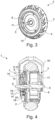
Figur 2 , in der das Radmodul 1 in einer perspektivischen seitlichen Draufsicht gezeigt ist, weist das Rad 3 des Radmoduls 1 eine Radfelge 2 und einen Reifen 4 auf, wobei der Reifen 4 auf der Radfelge 2 angeordnet ist. Das Radmodul 1 umfasst eine Radachse 5, auf der die Radfelge 2 drehbar gelagert ist. Zur Lagerung der Radfelge 2 auf der Radachse 5 sind, wie aus denFiguren 4 und5 zu entnehmen, zwei Wälzlagereinrichtungen 6 vorgesehen. In der Radfelge 2 ist eine Antriebseinrichtung 17 (Fig. 4 ,5 ), z.B. ein Elektromotor, zum Antrieb des Rads 3 integriert. - Das Radmodul 1 weist eine Bremsvorrichtung 7 für das rotierende Rad 3 auf. Die Bremsvorrichtung 7 ist als eine Reibbremse ausgebildet. Sie ist benachbart zu der Radfelge 2 und/oder auf einer Seite der Radfelge 2 auf der Radachse 5 angeordnet.
- Wie aus der
Figur 4 , die einen axialen Querschnitt des Radmoduls auf derFigur 2 zeigt, zu entnehmen, weist die Bremsvorrichtung 7 zum Abbremsen des rotierenden Rads 3 eine Bremsscheibe 8 auf. Die Bremsscheibe 8 ist konzentrisch mit der Radfelge 2 auf der Radachse 5 angeordnet. Sie ist axial bewegbar, insbesondere zu der Radfelge 2 hin verschiebbar. - In der
Figur 3 ist das Rad 3 in einer perspektivischen Ansicht von der Seite dargestellt. Wie daraus ersichtlich, umfasst die Bremsvorrichtung 7 einen Bremsbelag 9, der mit der Bremsscheibe 8 (Fig. 4 ) zusammenwirken kann, um das rotierende Rad 3 durch Reibung zwischen der Bremsscheibe 8 und dem Bremsbelag 9 abzubremsen. - Der Bremsbelag 9 ist ringförmig ausgebildet und auf die Radfelge 2 aufgebracht. Der Bremsbelag 9 bedeckt und/oder bildet somit einen Bereich einer Außenseite der Radfelge 2. Der Bremsbelag 9 ist so auf der Radfelge 2 angeordnet, dass er konzentrisch mit der Radfelge 2 ist. In einem möglichen nicht gezeigten Ausführungsbeispiel kann der Bremsbelag 9 unmittelbar auf die Radfelge 2 aufgebracht sein, insbesondere stoffschlüssig mit dieser verbunden sein, zum Beispiel auf diese aufgeklebt sein.
- In einem alternativen Ausführungsbeispiel gemäß der
Figuren 3 bis 5 umfasst das Radmodul 1 einen Bremsbelagträger 10 zum Tragen des Bremsbelags 9. Der Bremsbelagträger 10 ist ringförmig, z.B. als ein Blechring, ausgebildet und an der Radfelge 2 über Befestigungsmittel 11, insbesondere über mehrere Schrauben, befestigt. Der Bremsbelagträger 10 ist so an der Radfelge 2 angeordnet, dass er radial zu der Radachse 5 und konzentrisch mit der Radfelge 2 ist. Der Bremsbelag 9 ist auf den Bremsbelagträger 10 aufgebracht. - Die
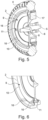
Figur 5 zeigt einen axialen Querschnitt durch das Rad 3 und dieFigur 6 einen Ausschnitt der Radfelge 2 in einem axialen Querschnitt. In die Radfelge 2 und in den Bremsbelagträger 10 sind Verdrehsicherungen 16 (Fig. 5, 6 ) in Form von sich axial erstreckenden Vertiefungen für die Befestigungsmittel 11 angeordnet. Die Verdrehsicherungen 16 können vermeiden, dass sich die Befestigungsmittel 11 durch die Rotation des Rads 3 ungewollt lösen und verhindern dadurch ein Abfallen des Bremsbelagträgers 10 von der Radfelge 2. - Dadurch dass der Bremsbelag 9 und/oder der Bremsbelagträger 10 an der Radfelge 2 angeordnet ist, dass kann die Bremsvorrichtung 7 in vorteilhafter Weise besonders bauraumsparend und besonders schlank und schmal ausgebildet werden. Die Bremsvorrichtung 7 kann aufgrund der konzentrischen Anordnung der Hydraulikeinrichtung 12, der Bremsscheibe 8 und der Radfelge 2 an eine Größe des Rades, insbesondere an eine Größe der Radfelge, angepasst werden.
- Gemäß der
Figur 4 umfasst die Bremsvorrichtung 7 eine Hydraulikeinrichtung 12 zur Erzeugung der Bremskraft durch kinematische Energie. Die Hydraulikeinrichtung 12 ist an der Radachse 5 befestigt. Sie weist eine in einer seitlichen Draufsicht ringförmige Hydraulikkammer 13 und einen Ringkolben 14 auf, der in der Hydraulikkammer 13 einen Hub ausführen kann. Die Hydraulikeinrichtung 12 umfasst auch einen Strömungskanal 15, durch den ein Fluid in die Hydraulikkammer 13 eingeleitet werden kann, um den Ringkolben 14 zur Ausführung des Hubs zu veranlassen. - Die Hydraulikkammer 13 und der Ringkolben 14 sind konzentrisch mit der Radfelge 2 angeordnet. Zur Befestigung der Hydraulikeinrichtung 12 an der Radachse 5 weist die Bremsvorrichtung 7 eine Befestigungsstruktur 19 auf. Die Befestigungsstruktur 19 ist an der Radachse 5 kraftschlüssig, insbesondere durch eine Presspassung, festgelegt. Die Hydraulikkammer 13 und der Strömungskanal 15 sind an der Befestigungsstruktur 19 befestigt. Sie können aber auch einen integralen Bestandteil der Befestigungsstruktur 19 bilden. Vorteilhaft ist, dass die beim Abbremsen des rotierenden Rads 3 erzeugten Auslösekräfte durch die Befestigung der Hydraulikeinrichtung 13 an der Radachse 5 auf diese abgeleitet werden können.
- Zur Aktivierung der Hydraulikeinrichtung 12 weist das Fahrzeug 50 eine Betätigungseinrichtung 55, zum Beispiel einen Handhebel, auf (siehe
Fig. 1 ). Bei Betätigung der Betätigungseinrichtung 55 wird das Fluid in die Hydraulikkammer 13 geleitet, sodass der Ringkolben 14 den Hub in der Hydraulikkammer 13 ausführt. Wird die Betätigungseinrichtung 55 nicht mehr betätigt, strömt das Fluid zurück und der Ringkolben 14 führt einen Rückhub in der Hydraulikkammer 13 aus. Die Bremsscheibe 8 wird von dem Bremsbelag 9 gelöst und kann axial in ihre Ausgangsstellung zurückbewegt werden. Insbesondere wird der Bremsvorgang dadurch gestoppt. - Die Bremsscheibe 8 steht mit dem Ringkolben 14 in einer Wirkverbindung. Sie ist zwischen dem Bremsbelag 9 und dem Ringkolben 14 angeordnet. Wenn der Ringkolben 14 den Hub ausführt überträgt er die kinematische Energie als Bremskraft auf die Bremsscheibe 8. Dadurch wird die Bremsscheibe 8 axial in Richtung der Radfelge 2 verschoben, an den Bremsbelag 9 angelegt und/oder an diesen angepresst. Die zwischen der Bremsscheibe 8 und dem Bremsbelag 9 gebildete Reibung bremst das rotierende Rad ab. Vorteilhaft ist, dass der Bremsbelag 9 beim Bremsen eine Isolationseinrichtung bildet, die die Antriebseinrichtung 17 vor einwirkender Hitze schützt, die durch die Bremsreibung erzeugt wird.
- Die Bremsvorrichtung 7 weist mehrere in Umfangsrichtung verteilte Federeinrichtungen 20 auf. Die Federeinrichtungen 20 sind als Rückstellfedern dazu ausgebildet, die Bremsscheibe 8 und somit den Ringkolben 14 mit einer Rückstellkraft zu beaufschlagen, wobei die Bremsscheibe 8 durch die Rückstellkraft axial in ihre Ausgangsstellung zurückbewegt wird. Die Federeinrichtungen 20 sind jeweils an dem Gehäuse 18 und in axialer Gegenrichtung an der Bremsscheibe 8 abgestützt.
- Wie aus den
Figuren 2 und4 zu entnehmen, weist das Radmodul 1 ein Gehäuse 18 auf. Das Gehäuse 18 ist aus einem Kunststoffmaterial oder alternativ aus einer Aluminiumlegierung gebildet. Es ist in einer seitlichen Draufsicht z.B. gemäß derFigur 2 ringförmig ausgebildet und weist eine zentrale Aussparung für die Radachse 5 auf. Die Bremsvorrichtung 7, insbesondere die Hydraulikeinrichtung 12 ist in dem Gehäuse 18 aufgenommen. Hierzu ist die Befestigungsstruktur 19 mit dem Gehäuse 18 verbunden. Die Verbindung kann form- und/oder kraftschlüssig aber auch stoffschlüssig umgesetzt sein. Die Bremsscheibe 8 ist gemäß derFigur 4 ebenfalls zumindest teilweise in dem Gehäuse 18 aufgenommen. - Eine Außenseite des Gehäuses 18 ist eine Sichtseite, die die Bremsvorrichtung 7 und einen Großteil der Radfelge 2 nach außen verblendet. Somit ist die Bremsvorrichtung 7 unauffällig in dem Radmodul 1 integriert. Die Sichtseite kann optisch ansprechend designt werden, z.B. ist gemäß der
Figur 2 eine Struktur in die Außenseite eingebracht. -
- 1
- Radmodul
- 2
- Radfelge
- 3
- Rad
- 4
- Reifen
- 5
- Radachse
- 6
- Wälzeinrichtungen
- 7
- Bremsvorrichtung
- 8
- Bremsscheibe
- 9
- Bremsbelag
- 10
- Bremsbelagträger
- 11
- Befestigungsmittel
- 12
- Hydraulikeinrichtung
- 13
- Hydraulikkammer
- 14
- Ringkolben
- 15
- Strömungskanal
- 16
- Verdrehsicherung
- 17
- Antriebseinrichtung
- 18
- Gehäuse
- 19
- Befestigungsstruktur
- 20
- Federeinrichtung
- 50
- Fahrzeug
- 51
- Hinterrad
- 52
- Fahrzeugrahmen
- 53
- Radgabel
- 54
- Lenker
- 55
- Betätigungseinrichtung
Claims (7)
- Radmodul (1) für ein Fahrzeug (50), insbesondere für einen Elektroroller oder Elektroscooter,mit einer Radachse (5) und mit einem Rad (3), wobei das Rad (3) eine Radfelge (2) umfasst, wobei die Radfelge (2) auf der Radachse (5) drehbar gelagert ist,mit einer Bremsvorrichtung (7) für das Rad (3), wobei die Bremsvorrichtung (7) einen Bremsbelag (9) und eine Bremsscheibe (8) zum Zusammenwirken mit dem Bremsbelag (9) umfasst,wobei die Bremsscheibe (8) zum Abbremsen des Rades (3) axial bewegbar ist, dadurch gekennzeichnet, dass die Bremsvorrichtung (7) eine Hydraulikeinrichtung (12) mit einer in einer seitlichen Draufsicht ringförmigen Hydraulikkammer (13) und mit einem Ringkolben (14) zur Ausführung eines Hubs und eines Rückhubs in der der Hydraulikammer (13) umfasst und dass die Hydraulikeinrichtung (12) an der Radachse (5) befestigt ist und konzentrisch mit der Radfelge (2) angeordnet ist.
- Radmodul (1) nach Anspruch 1, dadurch gekennzeichnet, dass die Bremsscheibe (8) zwischen dem Ringkolben (14) und dem Bremsbelag (9) angeordnet ist und durch den Hub des Ringkolbens (14) axial verschiebbar und an den Bremsbelag (9) anlegbar und/oder anpressbar ist.
- Radmodul (1) nach einem der vorhergehenden Ansprüche, dadurch gekennzeichnet, dass die Bremsvorrichtung (7) mindestens eine Federeinrichtung (20) zur Erzeugung einer Rückstellkraft und zur Beaufschlagung der Bremsscheibe (8) mit der Rückstellkraft umfasst, sodass die Bremsscheibe (8) axial in ihre Ausgangsstellung zurückbewegbar ist.
- Radmodul (1) nach einem der vorhergehenden Ansprüche, dadurch gekennzeichnet, dass der Bremsbelag (9) unmittelbar oder mittelbar an der Radfelge (2) angeordnet ist.
- Radmodul (1) nach einem der vorhergehenden Ansprüche, dadurch gekennzeichnet, dass das Radmodul (1) einen Bremsbelagträger (10) zum Tragen des Bremsbelags (9) aufweist.
- Radmodul (1) nach einem der vorhergehenden Ansprüche, dadurch gekennzeichnet, dass der Bremsbelag (9) eine thermische Isolationseinrichtung bildet, wobei die thermische Isolationseinrichtung das Rad (3) vor einer Abwärme der Bremsvorrichtung (7) schützt.
- Fahrzeug (50) mit mindestens einem Radmodul (1) nach einem der vorhergehenden Ansprüche.
Applications Claiming Priority (2)
| Application Number | Priority Date | Filing Date | Title |
|---|---|---|---|
| DE102019116425.7A DE102019116425A1 (de) | 2019-06-18 | 2019-06-18 | Radmodul für ein Fahrzeug, Fahrzeug mit dem Radmodul und Verfahren zum Abbremsen eines rotierenden Rads eines Radmoduls |
| PCT/DE2020/100417 WO2020253903A1 (de) | 2019-06-18 | 2020-05-14 | Radmodul für ein fahrzeug, fahrzeug mit dem radmodul und verfahren zum abbremsen eines rotierenden rads eines radmoduls |
Publications (2)
| Publication Number | Publication Date |
|---|---|
| EP3986777A1 EP3986777A1 (de) | 2022-04-27 |
| EP3986777B1 true EP3986777B1 (de) | 2024-07-17 |
Family
ID=70977698
Family Applications (1)
| Application Number | Title | Priority Date | Filing Date |
|---|---|---|---|
| EP20730566.5A Active EP3986777B1 (de) | 2019-06-18 | 2020-05-14 | Radmodul für ein fahrzeug und fahrzeug mit dem radmodul |
Country Status (5)
| Country | Link |
|---|---|
| US (1) | US12233985B2 (de) |
| EP (1) | EP3986777B1 (de) |
| CN (1) | CN113939446B (de) |
| DE (1) | DE102019116425A1 (de) |
| WO (1) | WO2020253903A1 (de) |
Families Citing this family (2)
| Publication number | Priority date | Publication date | Assignee | Title |
|---|---|---|---|---|
| DE102019134725B4 (de) * | 2019-12-17 | 2023-12-07 | Schaeffler Technologies AG & Co. KG | Radmodul für ein Fahrzeug und Fahrzeug mit dem Radmodul |
| DE102020129442A1 (de) * | 2020-11-09 | 2022-05-12 | Schaeffler Technologies AG & Co. KG | Bremseinheit für eine Bremsvorrichtung, Bremsvorrichtung mit der Bremseinheit für ein Fahrzeug und Fahrzeug mit der Bremsvorrichtung |
Family Cites Families (22)
| Publication number | Priority date | Publication date | Assignee | Title |
|---|---|---|---|---|
| US2925891A (en) | 1956-06-08 | 1960-02-23 | Roy S Sanford | Damping mechanism |
| US4139081A (en) * | 1969-12-02 | 1979-02-13 | Hermann Klaue | Disk brake assembly for vehicle wheels |
| IT1006270B (it) * | 1974-02-05 | 1976-09-30 | Campagnolo Tullio | Freno a disco per ruote di veicoli specialmente di motociclette |
| EP0016876A1 (de) | 1979-02-28 | 1980-10-15 | Hermann Dr. Klaue | Vollbelagscheibenbremse, insbesondere für Kraftfahrzeuge |
| SE7904523L (sv) | 1979-05-23 | 1980-11-24 | Sab Ind Ab | Skivbromsarrangemang for ett relsfordon |
| DE3632961A1 (de) | 1986-09-27 | 1988-03-31 | Teves Gmbh Alfred | Teilbelagscheibenbremse, insbesondere innen umgreifende scheibenbremse fuer kraftfahrzeuge |
| AU617815B2 (en) | 1988-05-31 | 1991-12-05 | Milan Edgar BOSICH | Brake assembly |
| US6247560B1 (en) | 1996-12-12 | 2001-06-19 | Federal-Mogul Technology Limited | Slidable brake disc system |
| US6223863B1 (en) | 1996-12-12 | 2001-05-01 | Federal-Mogul Technology Limited | Disc brake suspension for improved turning circle |
| US6349800B1 (en) * | 2000-02-07 | 2002-02-26 | Shimano Inc. | Bicycle disc brake assembly |
| US6488296B2 (en) * | 2000-02-17 | 2002-12-03 | Richard D. Ireton | Method and apparatus for small wheel disc brake |
| DE20016878U1 (de) * | 2000-09-29 | 2001-04-12 | Gustav Magenwirth GmbH & Co, 72574 Bad Urach | Tretroller mit Bremseinrichtung |
| US20040050631A1 (en) | 2002-09-12 | 2004-03-18 | Booher Benjamin V. | Quick change combination wheel and brake assembly |
| DE102005010334A1 (de) | 2005-03-07 | 2006-09-14 | Hinrich Habenicht | Radbremse |
| WO2009059720A1 (en) | 2007-11-08 | 2009-05-14 | Agco Gmbh | Brake for utility vehicle |
| CN101311021A (zh) | 2008-05-13 | 2008-11-26 | 赵幼仪 | 连飞整体电动毂轮 |
| DE102011081503B4 (de) | 2011-08-24 | 2013-09-12 | Schaeffler Technologies AG & Co. KG | Radnabenantriebssystem |
| CN202987412U (zh) | 2012-01-20 | 2013-06-12 | 雷泽美国有限责任公司 | 用于个人移动式车辆的制动组件及个人移动式车辆 |
| ITMO20130099A1 (it) | 2013-04-17 | 2014-10-18 | Omci S P A | Accoppiamento di ruote gemellate motrici per un assale motore di un veicolo |
| CN104773140B (zh) | 2015-03-31 | 2017-09-26 | 中车戚墅堰机车车辆工艺研究所有限公司 | 一种车用传动制动集成装置 |
| DE102019116424A1 (de) * | 2019-06-18 | 2020-12-24 | Schaeffler Technologies AG & Co. KG | Radmodul für ein Fahrzeug sowie Fahrzeug mit dem Radmodul |
| DE102019117961A1 (de) * | 2019-07-03 | 2021-01-07 | Schaeffler Technologies AG & Co. KG | Bremseinheit für ein Fahrzeug, Radmodul mit der Bremseinheit sowie Fahrzeug mit der Bremseinheit und/oder dem Radmodul |
-
2019
- 2019-06-18 DE DE102019116425.7A patent/DE102019116425A1/de active Pending
-
2020
- 2020-05-14 WO PCT/DE2020/100417 patent/WO2020253903A1/de not_active Ceased
- 2020-05-14 US US17/617,613 patent/US12233985B2/en active Active
- 2020-05-14 EP EP20730566.5A patent/EP3986777B1/de active Active
- 2020-05-14 CN CN202080042600.8A patent/CN113939446B/zh active Active
Also Published As
| Publication number | Publication date |
|---|---|
| DE102019116425A1 (de) | 2020-12-24 |
| US12233985B2 (en) | 2025-02-25 |
| WO2020253903A1 (de) | 2020-12-24 |
| CN113939446A (zh) | 2022-01-14 |
| CN113939446B (zh) | 2023-07-11 |
| EP3986777A1 (de) | 2022-04-27 |
| US20220227451A1 (en) | 2022-07-21 |
Similar Documents
| Publication | Publication Date | Title |
|---|---|---|
| EP3994371B1 (de) | Radmodul mit einer bremseinheit sowie fahrzeug mit dem radmodul | |
| EP3986778A1 (de) | Bremsvorrichtung für ein fahrzeug, fahrzeug mit der bremsvorrichtung und verfahren zum abbremsen eines rotierenden rads eines fahrzeugs mit der bremsvorrichtung | |
| WO2020253903A1 (de) | Radmodul für ein fahrzeug, fahrzeug mit dem radmodul und verfahren zum abbremsen eines rotierenden rads eines radmoduls | |
| EP3986776B1 (de) | Bremseinheit für ein fahrzeug, bremsvorrichtung mit der bremseinheit sowie fahrzeug mit der bremseinheit und/oder der bremsvorrichtung | |
| DE102019116423B4 (de) | Bremsvorrichtung für ein Fahrzeug, Radmodul und Fahrzeug mit der Bremsvorrichtung oder dem Radmodul | |
| EP3986774A1 (de) | Radmodul für ein fahrzeug sowie fahrzeug mit dem radmodul | |
| DE102021105199A1 (de) | Drehmomentabstützanordnung für eine Bremseinheit zur Integration in ein Fahrzeug, Bremseinheit mit der Drehmomentabstützanordnung sowie Fahrzeug mit der Bremseinheit | |
| DE102019002629A1 (de) | Fahrzeugbremse | |
| DE102020101632A1 (de) | Radmodul für ein Fahrzeug und Fahrzeug mit dem Radmodul | |
| DE102022113216A1 (de) | Bremsvorrichtung für ein Fahrzeug mit zwei Rückstelleinrichtungen sowie Bremssystem mit der Bremsvorrichtung | |
| DE102021120480A1 (de) | Radmodul für ein Fahrzeug und Fahrzeug mit dem Radmodul | |
| DE102020117849A1 (de) | Bremsvorrichtung für ein Fahrzeug sowie Fahrzeug mit der Bremsvorrichtung | |
| DE102019129985A1 (de) | Radmodul mit Seitenflächenabschnitten sowie Fahrzeug mit dem Radmodul | |
| DE102019125767A1 (de) | Bremsvorrichtung für ein Fahrzeug | |
| DE102019134725B4 (de) | Radmodul für ein Fahrzeug und Fahrzeug mit dem Radmodul | |
| DE102020104750A1 (de) | Bremsvorrichtung für ein Fahrzeug und Fahrzeug mit der Bremsvorrichtung | |
| DE102019122594B4 (de) | Bremsvorrichtung mit zentralem Druckanschluss sowie Fahrzeug mit der Bremsvorrichtung | |
| DE102020111310B4 (de) | Bremsvorrichtung für ein Fahrzeug und Fahrzeug mit der Bremsvorrichtung | |
| DE102020119101A1 (de) | Bremseinheit für eine Bremsvorrichtung, Bremsvorrichtung mit der Bremseinheit für ein Fahrzeug und Fahrzeug mit der Bremsvorrichtung | |
| DE102019122595A1 (de) | Bremsvorrichtung für ein Fahrzeug | |
| DE102020108394A1 (de) | Bremsvorrichtung für ein Fahrzeug und Fahrzeug mit der Bremsvorrichtung | |
| DE102019128011A1 (de) | Bremsvorrichtung für ein Fahrzeug, Fahrzeug mit der Bremsvorrichtung und Verfahren zur Verschleißnachstellung mit einer Nachstellvorrichtung der Bremsvorrichtung | |
| DE102019128599B4 (de) | Belaganordnung für eine Bremsvorrichtung, Bremsvorrichtung mit der Belaganordnung und Verfahren zur Montage einer Belaganordnung | |
| DE102020118487A1 (de) | Bremsvorrichtung für ein Fahrzeug und Fahrzeug mit der Bremsvorrichtung | |
| DE2607569C2 (de) | Scheibenbremse, insbesondere für Zweiradfahrzeuge |
Legal Events
| Date | Code | Title | Description |
|---|---|---|---|
| STAA | Information on the status of an ep patent application or granted ep patent |
Free format text: STATUS: UNKNOWN |
|
| STAA | Information on the status of an ep patent application or granted ep patent |
Free format text: STATUS: THE INTERNATIONAL PUBLICATION HAS BEEN MADE |
|
| PUAI | Public reference made under article 153(3) epc to a published international application that has entered the european phase |
Free format text: ORIGINAL CODE: 0009012 |
|
| STAA | Information on the status of an ep patent application or granted ep patent |
Free format text: STATUS: REQUEST FOR EXAMINATION WAS MADE |
|
| 17P | Request for examination filed |
Effective date: 20220118 |
|
| AK | Designated contracting states |
Kind code of ref document: A1 Designated state(s): AL AT BE BG CH CY CZ DE DK EE ES FI FR GB GR HR HU IE IS IT LI LT LU LV MC MK MT NL NO PL PT RO RS SE SI SK SM TR |
|
| DAV | Request for validation of the european patent (deleted) | ||
| DAX | Request for extension of the european patent (deleted) | ||
| P01 | Opt-out of the competence of the unified patent court (upc) registered |
Effective date: 20230523 |
|
| STAA | Information on the status of an ep patent application or granted ep patent |
Free format text: STATUS: EXAMINATION IS IN PROGRESS |
|
| 17Q | First examination report despatched |
Effective date: 20230717 |
|
| GRAP | Despatch of communication of intention to grant a patent |
Free format text: ORIGINAL CODE: EPIDOSNIGR1 |
|
| STAA | Information on the status of an ep patent application or granted ep patent |
Free format text: STATUS: GRANT OF PATENT IS INTENDED |
|
| INTG | Intention to grant announced |
Effective date: 20240325 |
|
| GRAS | Grant fee paid |
Free format text: ORIGINAL CODE: EPIDOSNIGR3 |
|
| GRAA | (expected) grant |
Free format text: ORIGINAL CODE: 0009210 |
|
| STAA | Information on the status of an ep patent application or granted ep patent |
Free format text: STATUS: THE PATENT HAS BEEN GRANTED |
|
| AK | Designated contracting states |
Kind code of ref document: B1 Designated state(s): AL AT BE BG CH CY CZ DE DK EE ES FI FR GB GR HR HU IE IS IT LI LT LU LV MC MK MT NL NO PL PT RO RS SE SI SK SM TR |
|
| REG | Reference to a national code |
Ref country code: CH Ref legal event code: EP |
|
| REG | Reference to a national code |
Ref country code: DE Ref legal event code: R096 Ref document number: 502020008602 Country of ref document: DE |
|
| REG | Reference to a national code |
Ref country code: IE Ref legal event code: FG4D Free format text: LANGUAGE OF EP DOCUMENT: GERMAN |
|
| REG | Reference to a national code |
Ref country code: LT Ref legal event code: MG9D |
|
| REG | Reference to a national code |
Ref country code: NL Ref legal event code: MP Effective date: 20240717 |
|
| PG25 | Lapsed in a contracting state [announced via postgrant information from national office to epo] |
Ref country code: PT Free format text: LAPSE BECAUSE OF FAILURE TO SUBMIT A TRANSLATION OF THE DESCRIPTION OR TO PAY THE FEE WITHIN THE PRESCRIBED TIME-LIMIT Effective date: 20241118 |
|
| PG25 | Lapsed in a contracting state [announced via postgrant information from national office to epo] |
Ref country code: NL Free format text: LAPSE BECAUSE OF FAILURE TO SUBMIT A TRANSLATION OF THE DESCRIPTION OR TO PAY THE FEE WITHIN THE PRESCRIBED TIME-LIMIT Effective date: 20240717 |
|
| PG25 | Lapsed in a contracting state [announced via postgrant information from national office to epo] |
Ref country code: PT Free format text: LAPSE BECAUSE OF FAILURE TO SUBMIT A TRANSLATION OF THE DESCRIPTION OR TO PAY THE FEE WITHIN THE PRESCRIBED TIME-LIMIT Effective date: 20241118 Ref country code: NL Free format text: LAPSE BECAUSE OF FAILURE TO SUBMIT A TRANSLATION OF THE DESCRIPTION OR TO PAY THE FEE WITHIN THE PRESCRIBED TIME-LIMIT Effective date: 20240717 |
|
| PG25 | Lapsed in a contracting state [announced via postgrant information from national office to epo] |
Ref country code: NO Free format text: LAPSE BECAUSE OF FAILURE TO SUBMIT A TRANSLATION OF THE DESCRIPTION OR TO PAY THE FEE WITHIN THE PRESCRIBED TIME-LIMIT Effective date: 20241017 |
|
| PG25 | Lapsed in a contracting state [announced via postgrant information from national office to epo] |
Ref country code: FI Free format text: LAPSE BECAUSE OF FAILURE TO SUBMIT A TRANSLATION OF THE DESCRIPTION OR TO PAY THE FEE WITHIN THE PRESCRIBED TIME-LIMIT Effective date: 20240717 Ref country code: PL Free format text: LAPSE BECAUSE OF FAILURE TO SUBMIT A TRANSLATION OF THE DESCRIPTION OR TO PAY THE FEE WITHIN THE PRESCRIBED TIME-LIMIT Effective date: 20240717 Ref country code: GR Free format text: LAPSE BECAUSE OF FAILURE TO SUBMIT A TRANSLATION OF THE DESCRIPTION OR TO PAY THE FEE WITHIN THE PRESCRIBED TIME-LIMIT Effective date: 20241018 |
|
| PG25 | Lapsed in a contracting state [announced via postgrant information from national office to epo] |
Ref country code: BG Free format text: LAPSE BECAUSE OF FAILURE TO SUBMIT A TRANSLATION OF THE DESCRIPTION OR TO PAY THE FEE WITHIN THE PRESCRIBED TIME-LIMIT Effective date: 20240717 |
|
| PG25 | Lapsed in a contracting state [announced via postgrant information from national office to epo] |
Ref country code: LV Free format text: LAPSE BECAUSE OF FAILURE TO SUBMIT A TRANSLATION OF THE DESCRIPTION OR TO PAY THE FEE WITHIN THE PRESCRIBED TIME-LIMIT Effective date: 20240717 |
|
| PG25 | Lapsed in a contracting state [announced via postgrant information from national office to epo] |
Ref country code: IS Free format text: LAPSE BECAUSE OF FAILURE TO SUBMIT A TRANSLATION OF THE DESCRIPTION OR TO PAY THE FEE WITHIN THE PRESCRIBED TIME-LIMIT Effective date: 20241117 |
|
| PG25 | Lapsed in a contracting state [announced via postgrant information from national office to epo] |
Ref country code: HR Free format text: LAPSE BECAUSE OF FAILURE TO SUBMIT A TRANSLATION OF THE DESCRIPTION OR TO PAY THE FEE WITHIN THE PRESCRIBED TIME-LIMIT Effective date: 20240717 |
|
| PG25 | Lapsed in a contracting state [announced via postgrant information from national office to epo] |
Ref country code: ES Free format text: LAPSE BECAUSE OF FAILURE TO SUBMIT A TRANSLATION OF THE DESCRIPTION OR TO PAY THE FEE WITHIN THE PRESCRIBED TIME-LIMIT Effective date: 20240717 Ref country code: RS Free format text: LAPSE BECAUSE OF FAILURE TO SUBMIT A TRANSLATION OF THE DESCRIPTION OR TO PAY THE FEE WITHIN THE PRESCRIBED TIME-LIMIT Effective date: 20241017 |
|
| PG25 | Lapsed in a contracting state [announced via postgrant information from national office to epo] |
Ref country code: RS Free format text: LAPSE BECAUSE OF FAILURE TO SUBMIT A TRANSLATION OF THE DESCRIPTION OR TO PAY THE FEE WITHIN THE PRESCRIBED TIME-LIMIT Effective date: 20241017 Ref country code: PL Free format text: LAPSE BECAUSE OF FAILURE TO SUBMIT A TRANSLATION OF THE DESCRIPTION OR TO PAY THE FEE WITHIN THE PRESCRIBED TIME-LIMIT Effective date: 20240717 Ref country code: NO Free format text: LAPSE BECAUSE OF FAILURE TO SUBMIT A TRANSLATION OF THE DESCRIPTION OR TO PAY THE FEE WITHIN THE PRESCRIBED TIME-LIMIT Effective date: 20241017 Ref country code: LV Free format text: LAPSE BECAUSE OF FAILURE TO SUBMIT A TRANSLATION OF THE DESCRIPTION OR TO PAY THE FEE WITHIN THE PRESCRIBED TIME-LIMIT Effective date: 20240717 Ref country code: IS Free format text: LAPSE BECAUSE OF FAILURE TO SUBMIT A TRANSLATION OF THE DESCRIPTION OR TO PAY THE FEE WITHIN THE PRESCRIBED TIME-LIMIT Effective date: 20241117 Ref country code: HR Free format text: LAPSE BECAUSE OF FAILURE TO SUBMIT A TRANSLATION OF THE DESCRIPTION OR TO PAY THE FEE WITHIN THE PRESCRIBED TIME-LIMIT Effective date: 20240717 Ref country code: GR Free format text: LAPSE BECAUSE OF FAILURE TO SUBMIT A TRANSLATION OF THE DESCRIPTION OR TO PAY THE FEE WITHIN THE PRESCRIBED TIME-LIMIT Effective date: 20241018 Ref country code: FI Free format text: LAPSE BECAUSE OF FAILURE TO SUBMIT A TRANSLATION OF THE DESCRIPTION OR TO PAY THE FEE WITHIN THE PRESCRIBED TIME-LIMIT Effective date: 20240717 Ref country code: ES Free format text: LAPSE BECAUSE OF FAILURE TO SUBMIT A TRANSLATION OF THE DESCRIPTION OR TO PAY THE FEE WITHIN THE PRESCRIBED TIME-LIMIT Effective date: 20240717 Ref country code: BG Free format text: LAPSE BECAUSE OF FAILURE TO SUBMIT A TRANSLATION OF THE DESCRIPTION OR TO PAY THE FEE WITHIN THE PRESCRIBED TIME-LIMIT Effective date: 20240717 |
|
| PG25 | Lapsed in a contracting state [announced via postgrant information from national office to epo] |
Ref country code: DK Free format text: LAPSE BECAUSE OF FAILURE TO SUBMIT A TRANSLATION OF THE DESCRIPTION OR TO PAY THE FEE WITHIN THE PRESCRIBED TIME-LIMIT Effective date: 20240717 Ref country code: SM Free format text: LAPSE BECAUSE OF FAILURE TO SUBMIT A TRANSLATION OF THE DESCRIPTION OR TO PAY THE FEE WITHIN THE PRESCRIBED TIME-LIMIT Effective date: 20240717 Ref country code: RO Free format text: LAPSE BECAUSE OF FAILURE TO SUBMIT A TRANSLATION OF THE DESCRIPTION OR TO PAY THE FEE WITHIN THE PRESCRIBED TIME-LIMIT Effective date: 20240717 |
|
| REG | Reference to a national code |
Ref country code: DE Ref legal event code: R097 Ref document number: 502020008602 Country of ref document: DE |
|
| PG25 | Lapsed in a contracting state [announced via postgrant information from national office to epo] |
Ref country code: EE Free format text: LAPSE BECAUSE OF FAILURE TO SUBMIT A TRANSLATION OF THE DESCRIPTION OR TO PAY THE FEE WITHIN THE PRESCRIBED TIME-LIMIT Effective date: 20240717 |
|
| PG25 | Lapsed in a contracting state [announced via postgrant information from national office to epo] |
Ref country code: CZ Free format text: LAPSE BECAUSE OF FAILURE TO SUBMIT A TRANSLATION OF THE DESCRIPTION OR TO PAY THE FEE WITHIN THE PRESCRIBED TIME-LIMIT Effective date: 20240717 |
|
| PG25 | Lapsed in a contracting state [announced via postgrant information from national office to epo] |
Ref country code: SK Free format text: LAPSE BECAUSE OF FAILURE TO SUBMIT A TRANSLATION OF THE DESCRIPTION OR TO PAY THE FEE WITHIN THE PRESCRIBED TIME-LIMIT Effective date: 20240717 |
|
| PLBE | No opposition filed within time limit |
Free format text: ORIGINAL CODE: 0009261 |
|
| STAA | Information on the status of an ep patent application or granted ep patent |
Free format text: STATUS: NO OPPOSITION FILED WITHIN TIME LIMIT |
|
| 26N | No opposition filed |
Effective date: 20250422 |
|
| PG25 | Lapsed in a contracting state [announced via postgrant information from national office to epo] |
Ref country code: SE Free format text: LAPSE BECAUSE OF FAILURE TO SUBMIT A TRANSLATION OF THE DESCRIPTION OR TO PAY THE FEE WITHIN THE PRESCRIBED TIME-LIMIT Effective date: 20240717 |
|
| PGFP | Annual fee paid to national office [announced via postgrant information from national office to epo] |
Ref country code: DE Payment date: 20250721 Year of fee payment: 6 |
|
| REG | Reference to a national code |
Ref country code: CH Ref legal event code: H13 Free format text: ST27 STATUS EVENT CODE: U-0-0-H10-H13 (AS PROVIDED BY THE NATIONAL OFFICE) Effective date: 20251223 |
|
| PG25 | Lapsed in a contracting state [announced via postgrant information from national office to epo] |
Ref country code: LU Free format text: LAPSE BECAUSE OF NON-PAYMENT OF DUE FEES Effective date: 20250514 |
|
| PG25 | Lapsed in a contracting state [announced via postgrant information from national office to epo] |
Ref country code: CH Free format text: LAPSE BECAUSE OF NON-PAYMENT OF DUE FEES Effective date: 20250531 |
|
| GBPC | Gb: european patent ceased through non-payment of renewal fee |
Effective date: 20250514 |
|
| PG25 | Lapsed in a contracting state [announced via postgrant information from national office to epo] |
Ref country code: IT Free format text: LAPSE BECAUSE OF FAILURE TO SUBMIT A TRANSLATION OF THE DESCRIPTION OR TO PAY THE FEE WITHIN THE PRESCRIBED TIME-LIMIT Effective date: 20240717 |
|
| REG | Reference to a national code |
Ref country code: BE Ref legal event code: MM Effective date: 20250531 |
|
| PG25 | Lapsed in a contracting state [announced via postgrant information from national office to epo] |
Ref country code: MC Free format text: LAPSE BECAUSE OF FAILURE TO SUBMIT A TRANSLATION OF THE DESCRIPTION OR TO PAY THE FEE WITHIN THE PRESCRIBED TIME-LIMIT Effective date: 20240717 |
|
| PG25 | Lapsed in a contracting state [announced via postgrant information from national office to epo] |
Ref country code: GB Free format text: LAPSE BECAUSE OF NON-PAYMENT OF DUE FEES Effective date: 20250514 |
|
| PG25 | Lapsed in a contracting state [announced via postgrant information from national office to epo] |
Ref country code: IE Free format text: LAPSE BECAUSE OF NON-PAYMENT OF DUE FEES Effective date: 20250514 |
|
| PG25 | Lapsed in a contracting state [announced via postgrant information from national office to epo] |
Ref country code: BE Free format text: LAPSE BECAUSE OF NON-PAYMENT OF DUE FEES Effective date: 20250531 |
|
| PG25 | Lapsed in a contracting state [announced via postgrant information from national office to epo] |
Ref country code: FR Free format text: LAPSE BECAUSE OF NON-PAYMENT OF DUE FEES Effective date: 20250531 |