EP3960188B1 - A nucleic acid comprising ids gene sequence and a tandem repeat of apolipoprotein e gene sequence - Google Patents
A nucleic acid comprising ids gene sequence and a tandem repeat of apolipoprotein e gene sequence Download PDFInfo
- Publication number
- EP3960188B1 EP3960188B1 EP21187825.1A EP21187825A EP3960188B1 EP 3960188 B1 EP3960188 B1 EP 3960188B1 EP 21187825 A EP21187825 A EP 21187825A EP 3960188 B1 EP3960188 B1 EP 3960188B1
- Authority
- EP
- European Patent Office
- Prior art keywords
- ids
- sequence
- apoell
- mps
- nucleic acid
- Prior art date
- Legal status (The legal status is an assumption and is not a legal conclusion. Google has not performed a legal analysis and makes no representation as to the accuracy of the status listed.)
- Active
Links
Images






Classifications
-
- A—HUMAN NECESSITIES
- A61—MEDICAL OR VETERINARY SCIENCE; HYGIENE
- A61K—PREPARATIONS FOR MEDICAL, DENTAL OR TOILETRY PURPOSES
- A61K35/00—Medicinal preparations containing materials or reaction products thereof with undetermined constitution
- A61K35/12—Materials from mammals; Compositions comprising non-specified tissues or cells; Compositions comprising non-embryonic stem cells; Genetically modified cells
- A61K35/28—Bone marrow; Haematopoietic stem cells; Mesenchymal stem cells of any origin, e.g. adipose-derived stem cells
-
- A—HUMAN NECESSITIES
- A61—MEDICAL OR VETERINARY SCIENCE; HYGIENE
- A61K—PREPARATIONS FOR MEDICAL, DENTAL OR TOILETRY PURPOSES
- A61K38/00—Medicinal preparations containing peptides
- A61K38/16—Peptides having more than 20 amino acids; Gastrins; Somatostatins; Melanotropins; Derivatives thereof
-
- A—HUMAN NECESSITIES
- A61—MEDICAL OR VETERINARY SCIENCE; HYGIENE
- A61P—SPECIFIC THERAPEUTIC ACTIVITY OF CHEMICAL COMPOUNDS OR MEDICINAL PREPARATIONS
- A61P43/00—Drugs for specific purposes, not provided for in groups A61P1/00-A61P41/00
-
- A—HUMAN NECESSITIES
- A61—MEDICAL OR VETERINARY SCIENCE; HYGIENE
- A61P—SPECIFIC THERAPEUTIC ACTIVITY OF CHEMICAL COMPOUNDS OR MEDICINAL PREPARATIONS
- A61P5/00—Drugs for disorders of the endocrine system
-
- C—CHEMISTRY; METALLURGY
- C07—ORGANIC CHEMISTRY
- C07K—PEPTIDES
- C07K14/00—Peptides having more than 20 amino acids; Gastrins; Somatostatins; Melanotropins; Derivatives thereof
- C07K14/435—Peptides having more than 20 amino acids; Gastrins; Somatostatins; Melanotropins; Derivatives thereof from animals; from humans
- C07K14/775—Apolipopeptides
-
- C—CHEMISTRY; METALLURGY
- C12—BIOCHEMISTRY; BEER; SPIRITS; WINE; VINEGAR; MICROBIOLOGY; ENZYMOLOGY; MUTATION OR GENETIC ENGINEERING
- C12N—MICROORGANISMS OR ENZYMES; COMPOSITIONS THEREOF; PROPAGATING, PRESERVING, OR MAINTAINING MICROORGANISMS; MUTATION OR GENETIC ENGINEERING; CULTURE MEDIA
- C12N15/00—Mutation or genetic engineering; DNA or RNA concerning genetic engineering, vectors, e.g. plasmids, or their isolation, preparation or purification; Use of hosts therefor
- C12N15/09—Recombinant DNA-technology
- C12N15/63—Introduction of foreign genetic material using vectors; Vectors; Use of hosts therefor; Regulation of expression
-
- C—CHEMISTRY; METALLURGY
- C12—BIOCHEMISTRY; BEER; SPIRITS; WINE; VINEGAR; MICROBIOLOGY; ENZYMOLOGY; MUTATION OR GENETIC ENGINEERING
- C12N—MICROORGANISMS OR ENZYMES; COMPOSITIONS THEREOF; PROPAGATING, PRESERVING, OR MAINTAINING MICROORGANISMS; MUTATION OR GENETIC ENGINEERING; CULTURE MEDIA
- C12N5/00—Undifferentiated human, animal or plant cells, e.g. cell lines; Tissues; Cultivation or maintenance thereof; Culture media therefor
- C12N5/10—Cells modified by introduction of foreign genetic material
- C12N5/12—Fused cells, e.g. hybridomas
- C12N5/16—Animal cells
-
- C—CHEMISTRY; METALLURGY
- C07—ORGANIC CHEMISTRY
- C07H—SUGARS; DERIVATIVES THEREOF; NUCLEOSIDES; NUCLEOTIDES; NUCLEIC ACIDS
- C07H21/00—Compounds containing two or more mononucleotide units having separate phosphate or polyphosphate groups linked by saccharide radicals of nucleoside groups, e.g. nucleic acids
- C07H21/04—Compounds containing two or more mononucleotide units having separate phosphate or polyphosphate groups linked by saccharide radicals of nucleoside groups, e.g. nucleic acids with deoxyribosyl as saccharide radical
-
- C—CHEMISTRY; METALLURGY
- C12—BIOCHEMISTRY; BEER; SPIRITS; WINE; VINEGAR; MICROBIOLOGY; ENZYMOLOGY; MUTATION OR GENETIC ENGINEERING
- C12N—MICROORGANISMS OR ENZYMES; COMPOSITIONS THEREOF; PROPAGATING, PRESERVING, OR MAINTAINING MICROORGANISMS; MUTATION OR GENETIC ENGINEERING; CULTURE MEDIA
- C12N15/00—Mutation or genetic engineering; DNA or RNA concerning genetic engineering, vectors, e.g. plasmids, or their isolation, preparation or purification; Use of hosts therefor
- C12N15/09—Recombinant DNA-technology
- C12N15/63—Introduction of foreign genetic material using vectors; Vectors; Use of hosts therefor; Regulation of expression
- C12N15/79—Vectors or expression systems specially adapted for eukaryotic hosts
-
- C—CHEMISTRY; METALLURGY
- C12—BIOCHEMISTRY; BEER; SPIRITS; WINE; VINEGAR; MICROBIOLOGY; ENZYMOLOGY; MUTATION OR GENETIC ENGINEERING
- C12N—MICROORGANISMS OR ENZYMES; COMPOSITIONS THEREOF; PROPAGATING, PRESERVING, OR MAINTAINING MICROORGANISMS; MUTATION OR GENETIC ENGINEERING; CULTURE MEDIA
- C12N2510/00—Genetically modified cells
Definitions
- the present invention relates to therapies for the treatment of mucopolysaccharidosis (MPS) II.
- MPS mucopolysaccharidosis
- Mucopolysaccharidosis type II (MPS II, OMIM #309900), or Hunter syndrome, is a paediatric X-linked lysosomal storage disorder caused by mutations in the IDS gene, leading to deficiencies in iduronate-2-sulfatase enzyme (EC 3.1.6.13).
- This IDS enzyme insufficiency affects the catabolism of both heparan sulphate (HS) and dermatan sulphate, subsequently leading to their unregulated accumulation in the lysosomal compartment of all cells (1).
- HS heparan sulphate
- MPS II affects 1.3 per 100,000 male live births (2-4) and has historically been classified as either attenuated or severe.
- MPS II is a chronic and progressive multi-system disease affecting a multitude of organs such as the brain, heart, skeleton and joints.
- Clinical manifestations in the milder forms of MPS II include severe skeletal abnormalities, known as dysostosis multiplex, short stature, joint stiffness, and hepatosplenomegaly, accompanied by cardiorespiratory symptoms (4, 5).
- Severe MPS II additionally features progressive neurodegeneration, followed by death in teenage years due to obstructive airway disease and cardiac failure (4, 6, 7).
- Enzyme replacement therapy where exogenous replacement enzyme is delivered intravenously and internalised by cells using the mannose-6-phosphate receptor, has been used to treat the somatic symptoms in MPS II patients regardless of disease severity (8, 9).
- enzyme circulating in the bloodstream is prevented from reaching the CNS by the blood-brain barrier (BBB), considerably reducing therapeutic benefits for the two-thirds of MPS II patients that are cognitively affected.
- severe anaphylactic reactions to the replacement enzyme have been reported (9, 10), as well as neutralizing antibodies to the enzyme (11), which may decrease efficacy of the treatment (12).
- Allogeneic stem cell transplantation although recommended to treat neurological symptoms in MPS I Hurler (16-18), has been highly variable in treating the CNS in MPS II and is associated with high rates of morbidity and mortality primarily caused by rejection and graft-versus-host disease (19, 20). It has been suggested that the level of enzyme delivered from an allogeneic transplant, although sufficient to clear primary storage material in peripheral organs, may be too low in the brain and is therefore the limiting factor for complete neurological correction (21, 22).
- HSPCs haematopoietic stem and progenitor cells
- the primary hurdle in treating the neuropathology of diseases that involve the CNS is to bypass the BBB.
- One such strategy is to target proteins to translocate to the CNS via a process known as transcytosis, which exploits receptors located on the BBB surface, such as the transferrin receptor (TfR) and low-density lipoprotein receptor (LDLR) (27).
- the LDLR family are cell-surface receptors that bind alipoprotein (Apo) complexes and target them to the lysosomes (28). Apo complexes bind LDLR on the surface of the BBB and are transcytosed to the abluminal side before being released prior to uptake into neurons and astrocytes (29).
- a number of studies have exploited this minimally-invasive technology by fusing LDLR-binding domain peptides to enzymes of interest, and shown efficient delivery of these chimeric constructs across the BBB in animal models (29-33).
- a nucleic acid comprising an iduronate-2-sulfatase (IDS) gene sequence and a repeat of the gene sequence of the receptor-binding domain of human Apolipoprotein E (ApoEll).
- IDS iduronate-2-sulfatase
- the nucleic acid may further comprise an intervening linker sequence located between the IDS sequence and the ApoEll sequence.
- the IDS sequence may be a codon-optimised sequence of the wild-type IDS sequence.
- the repeat of the ApoEll sequence may be in the form of a tandem repeat.
- the repeat of the ApoEll sequence may be upstream and/or downstream of the IDS sequence.
- the IDS sequence may comprise the sequence according to SEQ ID No. 1 or SEQ ID No. 2 or a derivative sequence having at least 90% homology thereof. Where the sequence is a derivative sequence, preferably it has at least 93% homology thereof. Even more preferred, the sequence may be a derivative sequence having at least 95%, at least 96%, at least 97%, at least 98% or at least 99% homology with SEQ ID No. 1 or SEQ ID No. 2.
- the ApoEll sequence may comprise one or more sequences according to SEQ ID No. 3 or a derivative sequence having at least 95%, at least 96%, at least 97%, at least 98% or at least 99% homology thereof.
- the intervening linker sequence may comprise the sequence according to SEQ ID No. 4 or a derivative sequence having at least 95%, at least 96%, at least 97%, at least 98% or at least 99% homology thereof.
- the nucleic acid may be a DNA, RNA, cDNA, or PNA and may be recombinant or synthetic. It may be single stranded or double stranded.
- the nucleic acid sequence may be derived by cloning, for example using standard molecular cloning techniques including restriction digestion, ligation, gel electrophoresis (for example as described in Sambrook et al; Molecular Cloning: A laboratory manual, Cold Spring Harbour laboratory Press ).
- the nucleic acid sequence may be isolated or amplified using PCR technology. Such technology may employ primers based upon the sequence of the nucleic acid sequence to be amplified. With the sequence information provided, the skilled person can use available cloning techniques to produce a nucleic acid sequence or vector suitable for transduction into a cell.
- the codon optimised IDS nucleic acid sequence may be optimised in a number of ways so as to enable enhanced expression or activity.
- the sequence may have been optimised by selecting codons most common in human cells and/or reducing one or more secondary structures and hairpins which may arise in subsequently formed mRNA and/or inserting a Kozak sequence at the ATG start site.
- a viral vector is preferably replication defective, although it is envisaged that it may be replication deficient, replication competent or conditional.
- a viral vector may typically persist in an extrachromosomal state without integrating into the genome of the target neural cells.
- a preferred viral vector is a lentivirus vector. The viral vector may be modified to delete any non-essential sequences and these will be apparent to the skilled addressee.
- the viral vector has the ability to enter a cell.
- a non-viral vector such as a plasmid may be complexed with an agent to facilitate its uptake by a target cell.
- agents include polycationic agents.
- a delivery system such as a liposome based delivery system may be used.
- the vector for use in the present invention is preferably suitable for use in or ex vivo or in vitro, and is preferably suitable for use in a human. Most preferably, the vector is suitable for transducing haematopoietic stem and progenitor cells (HSPCs) ex vivo.
- HSPCs haematopoietic stem and progenitor cells
- the vector will preferably comprise one or more regulatory sequences to direct expression of the nucleic acid.
- a regulatory sequence may include a promoter operably linked to the IDS and ApoEll nucleic acid sequence, an enhancer, a transcription termination signal, a polyadenylyation sequence, an origin of replication, a nucleic acid restriction site, and a homologous recombination site.
- a vector may also include a selectable marker, for example to determine expression of the vector in a growth system (for example a bacterial cell) or in a target cell.
- operably linked means that the nucleic acid sequence is functionally associated with the sequence to which it is operably linked, such that they are linked in a manner such that they affect the expression or function of one another.
- a nucleic acid sequence operably linked to a promoter will have an expression pattern influenced by the promoter.
- haematopoietic stem and progenitor cells for use in the treatment, management, retardation of progression or normalisation of development of an iduronate-2-sulfatase (IDS) deficiency and/or Mucopolysaccharidosis type II (MPS II) in an individual, wherein the HSPCs are removed from the patient, transduced ex vivo with the nucleic acid as herein above described, and the transduced HSPCs are administered to the individual.
- IDS iduronate-2-sulfatase
- MPS II Mucopolysaccharidosis type II
- allogeneic HSPCs may also be utilised, therefore removing the need that the HSPCs be removed from the patient or individual, transduced ex vivo and then administered to the patient or individual. Allogeneic HSPCs may be derived from cord blood.
- composition comprising:
- the repeat of ApoEll may be in the form of a tandem repeat.
- the second moiety may be upstream and/or downstream of the first moiety.
- the first and second moiety may have an intervening linker moiety located there between.
- the amino acid sequence of the first moiety may comprise the sequence according to SEQ ID No. 5 or a derivative sequence having at least 90% homology thereof. Where the sequence is a derivative sequence, preferably it has at least 93% homology thereof. Even more preferred, the sequence may be a derivative sequence having at least 95%, at least 96%, at least 97%, at least 98% or at least 99% homology with SEQ ID No. 5.
- the amino acid sequence of the second moiety may comprise one or more sequences according to SEQ ID No. 7 or a derivative sequence having at least 95%, at least 96%, at least 97%, at least 98% or at least 99% homology thereof.
- the amino acid sequence of the intervening linker moiety may comprise the sequence according to SEQ ID No. 8 or a derivative sequence having at least 95%, at least 96%, at least 97%, at least 98% or at least 99% homology thereof.
- composition is suitable for increasing the plasma level, or stability in plasma, of an enzyme comprising:
- the repeat of ApoEll may be in the form of a tandem repeat.
- the second moiety may be upstream and/or downstream of the first moiety.
- the first and second moiety may have an intervening linker moiety located there between.
- the inventors have found that they are able to increase the activity in plasma of enzymes, suggesting potential alterations in enzyme stability and circulation time, secretion or uptake into cells by including a tandem repeat of ApoEII via a linker to the enzyme.
- a polypeptide or nucleic acid for use in the treatment, management, retardation of progression or normalisation of development of an iduronate-2-sulfatase (IDS) deficiency and/or Mucopolysaccharidosis type II (MPS II) in an individual, wherein the polypeptide comprises iduronate-2-sulfatase (IDS) tethered to a tandem repeat of Apolipoprotein E (ApoEII) or the nucleic acid comprises an iduronate-2-sulfatase (IDS) gene sequence tethered to a tandem repeat of the Apolipoprotein E (ApoEll) gene sequence.
- IDDS iduronate-2-sulfatase
- ApoEII Apolipoprotein E
- ApoEll Apolipoprotein E
- the polypeptide or nucleic acid may be tethered by means of a linker or a linker sequence.
- the tandem repeat of ApoEII may be upstream and/or downstream of the IDS.
- the IDS gene sequence may be a codon-optimised sequence of the wild-type IDS gene sequence.
- the IDS may comprise the amino acid sequence according to SEQ ID No. 5 or a derivative sequence having at least 90% homology thereof. Where the sequence is a derivative sequence, preferably it has at least 93% homology thereof. Even more preferred, the sequence may be a derivative sequence having at least 95%, at least 96%, at least 97%, at least 98% or at least 99% homology with SEQ ID No. 5.
- the IDS gene sequence may comprise the sequence according to SEQ ID No. 1 or SEQ ID No. 2 or a derivative sequence having at least 90% homology thereof. Where the sequence is a derivative sequence, preferably it has at least 93% homology thereof. Even more preferred, the sequence may be a derivative sequence having at least 95%, at least 96%, at least 97%, at least 98% or at least 99% homology with SEQ ID No. 1 or SEQ ID No. 2.
- the tandem repeat of the Apolipoprotein E may comprise the amino acid sequence according to SEQ ID No. 7 or a derivative sequence having at least 95%, at least 96%, at least 97%, at least 98% or at least 99% homology thereof.
- the tandem repeat of the Apolipoprotein E (ApoEll) gene sequence may comprise the amino acid sequence according to SEQ ID No. 3 or a derivative sequence having at least 95%, at least 96%, at least 97%, at least 98% or at least 99% homology thereof.
- the linker may comprise the amino acid sequence according to SEQ ID No. 8 or a derivative sequence having at least 95%, at least 96%, at least 97%, at least 98% or at least 99% homology thereof.
- the linker sequence may comprise the sequence according to SEQ ID No. 4 or a derivative sequence having at least 95%, at least 96%, at least 97%, at least 98% or at least 99% homology thereof.
- polypeptide or nucleic acid may be associated with or incorporated in a suitable peptide or nucleic acid delivery vehicle or vector.
- the term 'gene sequence' is intended to cover nucleic acid sequences generally which are capable to being expressed into the requisite protein, including genomic sequences and sequences where one or more non-coding elements (such as introns) are not present including cDNA.
- compositions, nucleic acids, vectors, polypeptides and haematopoietic stem and progenitor cells may be for use in the treatment, management, retardation of progression or normalisation of development of a lysosomal storage disease.
- compositions, nucleic acids, vectors, polypeptides and haematopoietic stem and progenitor cells may be used in a method of treating, managing, retarding progression or normalising development of a lysosomal storage disease.
- compositions, nucleic acids, vectors, polypeptides and haematopoietic stem and progenitor cells may be used in a method of treating, managing, retarding progression or normalising development of a lysosomal storage disease, wherein the method comprises identifying a individual having said lysosomal storage disease and/or in need of elevated enzyme levels and administering a therapeutically effective amount of the composition, nucleic acid, vector or polypeptide to said individual.
- compositions, nucleic acids, vectors, polypeptides and haematopoietic stem and progenitor cells may be for use in the manufacture of a medicament for treating, managing, retarding progression or normalising development of a lysosomal storage disease.
- compositions, nucleic acids, vectors, polypeptides and haematopoietic stem and progenitor cells may be for use in the treatment, management, retardation of progression or normalisation of development of a disease or condition attributable to iduronate-2-sulfatase (IDS) deficiency.
- compositions, nucleic acids, vectors, polypeptides and haematopoietic stem and progenitor cells may be used in a method of treating, managing, retarding progression or normalising development of a disease or condition attributable to iduronate-2-sulfatase (IDS) deficiency.
- compositions, nucleic acids, vectors, polypeptides and haematopoietic stem and progenitor cells may be used in a method of treating, managing, retarding progression or normalising development of a disease or condition attributable to iduronate-2-sulfatase (IDS) deficiency, wherein the method comprises identifying a individual having said iduronate-2-sulfatase (IDS) deficiency and/or in need of elevated iduronate-2-sulfatase (IDS) levels and administering a therapeutically effective amount of the composition, nucleic acid, vector or polypeptide to said individual.
- IDS iduronate-2-sulfatase
- compositions, nucleic acids, vectors, polypeptides and haematopoietic stem and progenitor cells may be for use in the manufacture of a medicament for treating, managing, retarding progression or normalising development of a disease or condition attributable to iduronate-2-sulfatase (IDS) deficiency.
- IDS iduronate-2-sulfatase
- Diseases or conditions attributable to iduronate-2-sulfatase (IDS) deficiencies will include mucopolysaccharidosis type II (MPS II) or Hunters syndrome.
- compositions, nucleic acids, vectors and polypeptides may be a liquid or a solid, for example a powder, gel, or paste.
- a composition, nucleic acid, vectors, polypeptide and haematopoietic stem and progenitor cells (HSPCs) is a liquid, preferably an injectable liquid.
- injectable liquid will preferably be suitable for intravenous and intracranial administration.
- compositions, nucleic acids, vectors and polypeptides of the preceding aspects of the invention may yet further comprise a pharmaceutically acceptable excipient, adjuvant, diluent or carrier and provide a formulation.
- Suitable pharmaceutical carriers are well known in the art of pharmacy.
- the carrier(s) must be “acceptable” in the sense of being compatible with the agents of the invention and not deleterious to the recipients thereof.
- the carriers will be water or saline which will be sterile and pyrogen free; however, other acceptable carriers may be used.
- formulations of the invention(s) can be administered alone but will generally be administered in admixture with a suitable pharmaceutical excipient diluent or carrier selected with regard to the intended route of administration and standard pharmaceutical practice.
- the formulations of the invention(s) can also be administered parenterally, for example, intravenously, intra-arterially, intraperitoneally, intrathecally, intraventricularly, intrasternally, intracranially, intra-muscularly or subcutaneously, or they may be administered by infusion techniques. They are best used in the form of a sterile aqueous solution which may contain other substances, for example, enough salts or glucose to make the solution isotonic with blood.
- the aqueous solutions should be suitably buffered (preferably to a pH of from 3 to 9), if necessary.
- the preparation of suitable parenteral formulations under sterile conditions is readily accomplished by standard pharmaceutical techniques well-known to those skilled in the art.
- Formulations suitable for parenteral administration include aqueous and non-aqueous sterile injection solutions which may contain anti-oxidants, buffers, bacteriostats and solutes which render the formulation isotonic with the blood of the intended recipient; and aqueous and non-aqueous sterile suspensions which may include suspending agents and thickening agents.
- the formulations may be presented in unit-dose or multi-dose containers, for example sealed ampoules and vials, and may be stored in a freeze-dried (lyophilised) condition requiring only the addition of the sterile liquid carrier, for example water for injections, immediately prior to use.
- Extemporaneous injection solutions and suspensions may be prepared from sterile powders, granules and tablets of the kind previously described.
- compositions for use in the treatment of a lysosomal storage disease comprising a viral vector comprising the gene sequence coding for a deficient protein which is implicated in the lysosomal storage disease and which is tethered to a tandem repeat of the Apolipoprotein E (ApoEll) gene sequence.
- Apolipoprotein E Apolipoprotein E
- the vector is preferably transduced, ex vivo, with a population of haematopoietic stem and progenitor cells (HSPCs) and the transduced HSPCs administered to an individual suffering from the lysosomal storage disease.
- HSPCs haematopoietic stem and progenitor cells
- the vector may comprise a sequence for an invariant flexible linker between the gene sequence coding for the deficient protein and the tandem repeat of the Apolipoprotein E (ApoEll) gene sequence.
- the ApoEll tandem repeat gene sequence may comprise the sequence according to SEQ ID No. 3 or variant sequences having up to 95%, up to 96%, up to 97%, up to 98% or up to 99% homology thereof, whereas the invariant flexible linker sequence may comprise the sequence according to SEQ ID No. 4 or variant sequences having up to 95%, up to 96%, up to 97%, up to 98% or up to 99% homology thereof.
- a nucleic acid comprising an iduronate-2-sulfatase (IDS) gene sequence and a repeat of the Apolipoprotein E (ApoEll) gene sequence and one or more haematopoietic stem and progenitor cells (HSPCs), wherein the nucleic acid is capable of transducing the HSPCs.
- IDS iduronate-2-sulfatase
- ApoEll Apolipoprotein E
- HSPCs haematopoietic stem and progenitor cells
- the HSPCs will preferably be autologous, that is to say that they are derived from the individual to which the transduced HSPCs are to be administered.
- the HSPCs may be allogeneic, that is to say that they are derived from a different individual to which the transduced HSPCs are to be administered.
- the combination may comprise a nucleic acid as herein above described with respect to earlier aspects and may also be incorporated into a vector as also herein above described.
- the present inventors have successfully shown that by fusing the receptor-binding domain of human alipoprotein E (ApoE) as a tandem repeat to the IDS gene by means of an invariant flexible linker at the C-terminal in a 3 rd -generation lentiviral vector, they efficiently treat brain pathology and cognitive decline in MPS II.
- This allows HSPCs that are corrected ex vivo to express supra-physiological levels of IDS enzyme that may preferentially bypass the BBB in transplanted animals, thereby increasing the levels of enzyme that reach brain parenchyma from the bloodstream.
- Human IDS cDNA (SEQ ID No. 2) was adapted so as to form codon-optimised IDS cDNA (colDS) (SEQ ID No. 1) and synthesised using GeneArt technology (ThermoFisher, Paisley, UK) and cloned into the third-generation LV pCCL.sin.cPPT.hCD11b.ccdB.wpre using Gateway cloning to create pCCL.sin.cPPT.hCD11b.IDS.wpre).
- An additional vector containing the cDNA sequence (SEQ ID No. 3) of the brain-targeting peptide sequence ApoEll as a tandem repeat (LRKLRKRLLLRKLRKRLL) (SEQ ID No.
- Human microglial cells (CHME3) were transfected with 2 ⁇ g of plasmid CD11b.IDS or CD11b.IDS.ApoEll DNA using 7.5mM high-potency linear polyethylenimine (pH 7.4, MW 40,000, Polysciences Inc., Warrington, PA, USA) and 150mM NaCl.
- Cells were collected 48 hours post-transfection in RIPA buffer (150mM NaCl, 1% Triton-X100, 0.5% sodium deoxycholate, 0.1% SDS, 50mM Tris, pH 8) and incubated on a shaker at 4°C for 30 min, followed by centrifugation at 14,000rpm, 4°C for 20 minutes. Cell lysates were collected and stored at -80°C. Media supernatants were collected 48 hours post-transfection and centrifuged at 1,000rpm, 4°C for 10 minutes to remove cell debris and stored at -80°C.
- LV was produced (25) by transient transfection of HEK 293T cells with pMD2G, p ⁇ 8.91gag/pol, LV plasmid (24, 25, 34, 35) and 7.5mM polyethylenimine (40kDa, Polysciences, Warrington, PA, USA) (36). Lentiviral vector particles were concentrated by centrifugation at 21,191g for 150 minutes at 4°C, resuspended in formulation buffer (PBS, 1mg/ml human serum albumin, 5 ⁇ g/ml protamine sulphate, 40mg/ml lactose, pH 7.2).
- formulation buffer PBS, 1mg/ml human serum albumin, 5 ⁇ g/ml protamine sulphate, 40mg/ml lactose, pH 7.2.
- EL4 mouse lymphoma cells (ATCC TIB-39; ATCC, Manassas, VA, USA) were transduced with three dilutions of concentrated LV and collected 72 hours later. Genomic DNA was extracted using GenElute Mammalian Genomic DNA Miniprep kit (Sigma-Aldrich, Poole, UK). The number of integrated viral genomes per cell was determined by quantitative PCR using a standard curve generated by dilutions of genomic DNA from an EL4 cell line clone containing 2 copies 2 integrated copies/cell of pHRsin.SFFV.eGFP.att.wpre (ALS EL4 eGFP 2.2) (24). A primer and probe set against wpre (TAMRA) were used as previously described (24, 25) and standardised against rodent gapdh (VIC) (Applied Biosystems, Paisley, UK).
- GenElute Mammalian Genomic DNA Miniprep kit GenElute Mammalian Genomic DNA Miniprep kit (Sigma-A
- Total bone marrow mononuclear cells from MPSII mice were isolated from femurs and tibias, and lineage depleted using the murine lineage cell depletion kit (Miltenyi Biotec, Bisley, UK) according to the manufacturer's instructions.
- Cells were resuspended at 1 ⁇ 10 6 cells/ml in X-Vivo-10 media (BioWhittaker) containing 2% bovine serum albumin and stimulated using 100 ng/ml murine stem cell factor, 100 ng/ml murine fms-like tyrosine kinase-3 and 10 ng/ml recombinant murine interleukin-3 (Peprotech, Rocky Hill, NJ, USA) for 3 hours prior to transduction with a lentiviral vector for 20-24 hours at a multiplicity of infection of 100.
- X-Vivo-10 media BioWhittaker
- murine stem cell factor 100 ng/ml murine fms-like tyrosine kinase-3
- 10 ng/ml recombinant murine interleukin-3 (Peprotech, Rocky Hill, NJ, USA) for 3 hours prior to transduction with a lentiviral vector for 20-24 hours at a multiplicity of infection of 100.
- mice housed in individually ventilated cages were myeloablated using 125mg/kg Busulfan (Busilvex; Pierre Fabre, Castres, France) in five daily doses (25mg/kg/day) via intraperitoneal injection.
- Busulfan Busulfan
- WT-HSCT wild-type transplants
- Engraftment of donor haematopoietic stem cells was assessed at 4 weeks post-transplant in peripheral blood.
- Cells were stained with anti-mouse CD45.1-PE (donor HSCs), CD45.2-FITC (recipient HSCs), CD3-Pe-Cy5 (T-cell), CD19-APC-Cy7 (B-cell) and CD11b-Pe-Cy7 (macrophage/microglia) (BD Pharmingen, Oxford, UK) in a 5% solution of ToPro3 Iodide (ThermoFisher Scientific, Paisley, UK) and analysed on a BD FACS Canto II flow cytometer (BD).
- mice were anesthetized and transcardially perfused with 37°C phosphate buffered saline to remove blood from organs.
- One brain hemisphere was fixed in 4% paraformaldehyde for 24 hours, transferred to a 30% sucrose, 2 mmol/I MgCl2/phosphate-buffered saline solution for 48 hours before freezing at -80°C.
- Pieces of brain, spleen, heart, kidney, muscle and liver were snap-frozen on dry ice and stored at - 80°C.
- samples were homogenised and sonicated in homogenisation buffer (0.5 mol/I NaCl, 0.02 mol/I Tris, 0.1% Triton-X100, pH 7-7.5) before centrifugation at 14,000rpm at 4°C for 30 minutes.
- Bone marrow samples were collected by flushing one tibia and femur with 1ml 2% FBS/PBS, filtered using a 70 ⁇ m filter and lysed using red blood cell lysis buffer (150mM NH4Cl, 10mM KHCO3, 0.1mM EDTA, pH 7.2-7.4). Supernatant was collected and stored at -80°C. Genomic DNA used for organ VCN analysis was extracted using GenElute Mammalian Genomic DNA Miniprep kit.
- IDS enzyme activity was measured in a two-step protocol using the fluorescent substrate MU- ⁇ ldoA-2S (Carbosynth, Compton, UK) and laronidase (Aldurazyme, Genzyme) as the second step substrate as previously described (37).
- the amount of starting material was standardised to 20 ⁇ g of total protein for plasma, 40 ⁇ g for liver, spleen and bone marrow, and 60 ⁇ g for brain using a BCA assay (ThermoFisher).
- Soluble brain fractions were collected and processed as previously described (38). Briefly, brain tissue was homogenised mechanically and Pronase-treated (1mg/tissue) in 3ml PBS for 4 hours at 37°C.30 ⁇ l of TritonX100 was added to each sample for a 1% final concentration and incubated for an hour at room temperature prior to a second addition of 1mg of Pronase for 4 hours at 37°C. Samples were loaded onto a pre-equilibrated DEAE-Sephacel column and hyaluronan was removed by washing the column with 50ml of 0.25M NaCl/20mM NaH 2 PO 4 .H 2 O (pH 7). GAGs were eluted with 5ml 1.5M NaCl/20mM NaH 2 PO 4 .H 2 O (pH 7), desalted using a PD10 column (Amersham, GE Healthcare) and freeze-fried.
- TritonX100 TritonX100
- HS chains were digested using 5mlU each of heparinase I, II and III (Seikagaku, Tokyo, Japan) in 100 ⁇ l of 0.1M sodium acetate and 0.1M calcium acetate (pH 7). Resulting disaccharides were freeze-dried, re-dissolved in 20 ⁇ l of 0.1M 2-aminoacridone (AMAC) in 85% Me 2 SO/15% acetic acid (v/v) and incubated at room temperature for 20 minutes. 20 ⁇ l of NaBH 3 CN was added to each sample and incubated overnight at room temperature. AMAC-labelled disaccharides were separated by reverse phase high-performance liquid chromatography using a Zorbax Eclipse XDB-C18 column (2.1 x 500mm, 3.5 ⁇ m) (Agilent Technologies, Stockport, UK).
- CBA Cytometric bead array
- CBA Cytometric Bead Array
- the rotarod test was used to evaluate motor coordination and balance at 32 weeks of age as previously described with minor modifications (41).
- Three test trials were carried out 24 hours post-training.
- the rotarod rotated at an accelerating speed of 4 to 40 rpm over 300 seconds, with a 5 minute rest between each trial. Latency to fall was recorded for all training and test trials, and latency to fall off was calculated as percentage of total trial time.
- mice were anesthetised using isoflurane and radiographed (45keV) using the Bruker InVivo Xtreme system fitted with a high sensitivity, back-thinned back-illuminated 4MP,16-bit, digital CCD camera. X-ray images were analysed using ImageJ software for individual bones widths.
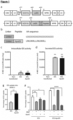
- Novel lentiviral vectors encoding for human IDS alone, or human IDS linked to the human ApoE receptor-binding region as a tandem repeat, were constructed under the human myeloid-specific CD11b promoter (as illustrated in Figure 1a ).
- This sulphatase was modified by adding an invariant flexible linker to the C-terminal of the IDS gene, followed by the codon-optimised sequence of the receptor-binding portion of human ApoE as a tandem repeat (as illustrated in Figure 1b ).
- an invariant flexible linker to the C-terminal of the IDS gene, followed by the codon-optimised sequence of the receptor-binding portion of human ApoE as a tandem repeat (as illustrated in Figure 1b ).
- the addition of a linker and peptide can alter protein folding and detrimentally affect enzyme activity.
- a human microglial cell line (CHME3) was transfected with plasmid DNA expressing either LV.IDS or LV.IDS.ApoEll. 26-fold and 24-fold increases in cellular activity were observed with LV.IDS and LV.IDS.ApoEll, respectively (as shown in Figure 1c ). More importantly, increases of 84-fold and 81-fold in secreted IDS activity were detected 72 hours post-transfection ( Figure 1d ). Notably, this demonstrates that the C-terminal modifications do not negatively impact secretion or expression of the modified IDS enzyme in vitro. A significantly increased uptake of IDS.ApoEll over IDS in mouse endothelial bEND.3 cells after 24 hours ( Figure 1E, 1F ) was detected, predominantly, but not exclusively, via M6P receptors ( Figure 1F )
- LV.IDS- and LV.IDS.ApoEII-mediated stem cell gene therapy improve IDS enzyme activity in the brain and express supra-physiological levels of active IDS in peripheral organs
- HSCs lineage-depleted haematopoietic stem cells
- IDS activity and vector copy number were measured in lineage-depleted HSCs (lin-HSCs) isolated from colony-forming unit (CFU) assays prior to transplant.
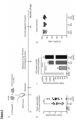
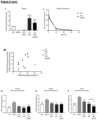
- the experiments demonstrated mean vector copy numbers of 3.1 and 3.8 in the LV.IDS- and LV.IDS.ApoEll-transduced HSCs (as shown in Figure 2b ) and overexpression of IDS enzyme by 124-fold and 152-fold over WT, respectively (as shown in Figure 2c ).
- These data demonstrate a positive correlation between the number of vector genome integrations and enzyme overexpression in haematopoietic cells.
- Flow cytometry analysis of peripheral WBCs at 4-weeks post-transplant demonstrated full engraftment of transduced cells into MPS II recipients, achieving between 80-100% of donor CD45.1+ cells (as shown in Figure 2d ).
- IDS enzyme activity levels in the brain were also elevated compared to untreated MPS II animals, and are equivalent to between 1.5% and 8% of normal IDS activity in WT brains.
- the WT-HSCT transplants restored IDS levels equivalent to WT in BM, plasma and spleen only, whilst no noticeable increase in IDS activity was detected in the brain over untreated MPS II animals.
- IDS activity in plasma of LV.IDS.ApoEll-treated animals was 3-fold higher than in the LV.IDS-treated group, suggesting potential alterations in enzyme stability and circulation time, secretion or uptake into cells (as shown in Figure 2f ).
- positive correlations between VCN and IDS enzyme activity levels further suggests that enzyme overexpression is driven by increases in genome integration of the IDS gene ( Figure 2g ).
- Plasma, spleen and brain levels of ⁇ -hexosaminidase were fully normalized back to WT levels in both LV.IDS- and LV.IDS.ApoEll-treated groups ( Figure 2N-P ).
- WT-HSCT normalized ⁇ -hexosaminidase levels in plasma and spleen ( Figure 2N, 2O ), and ameliorated levels in the brain without achieving complete normalization to WT levels ( Figure 2P ).
- HS and CS/DS glycosaminoglycans were purified from brain samples, and analysed and quantified by reverse-phase HPLC.
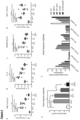
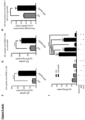
- a 6-fold increase in total HS was detected in brains of MPS II mice and mice treated with WT-HSCT ( Figure 6A ).
- Mice treated with LV.IDS showed a decrease in total HS accumulation in the brain to approximately 3-fold of WT levels.
- LV.IDS.ApoEll-treated mice showed a complete normalization of brain HS levels back to WT levels and significantly lower levels of HS when compared to LV.IDS ( Figure 6A ).
- HS composition analysis in MPS II mice showed that 31.1% of brain HS consisted of the fully sulfated UA(2S)-GIcNS(6S), compared to 12.3% in control WT mice ( Figure 6B ). In WT mice, these generally form clusters with other sulfated disaccharides along the chain, with significant increases in sulphation along the entirety of the HS chain in MPS II mice. This trend was reversed with WT-HSCT, LV.IDS and most effectively by LV.IDS.ApoEll. Similarly, increases in UA(2S)-GIcNS from 16.8% in WT mice to 31.1% in MPSII mice were observed, and fully corrected down to 18.4% in the LV.IDS.ApoEll group only.
- LV.IDS.ApoEll corrects lysosomal accumulation in neurons throughout the brain
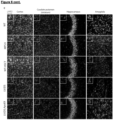
- LV.IDS mediated improvements in the cerebral cortex, caudate putamen and amygdala, with engorged lysosomal compartments in the hippocampus still visible, suggesting only a partial correction of primary substrate accumulation, which strongly correlates to the levels of HS detected in the brain ( Figure 6A, 6B ).
- LV.IDS.ApoEll fully normalised the increased LAMP2 staining in the cortex, caudate putamen and hippocampus, and considerably reduced the amount of lysosomal burden in the amygdala ( Figure 6C ).
- LV.IDS.ApoEll fully normalizes neuro-inflammation whilst LV.IDS mediates an improvement in MPS II mice
- Astrocytes have been found to mediate a strong neuro-inflammatory response in MPS disorders, which translates into reactive gliosis, astrogliosis and increased levels of inflammatory cytokines.
- Brain coronal sections of control and treated MPS II mice were stained with the astrocytic marker GFAP (glial fibrillary associated protein; green) and LAMP2 (red).
- GFAP glial fibrillary associated protein
- LAMP2 red
- LV.IDS.ApoEll was able to fully abrogate astrogliosis and decrease LAMP2 staining back to WT levels in the cortex, caudate putamen, hippocampus and amygdala, correlating to decreases in substrate storage and inflammatory cytokines ( Figure 6A, 6B , 6A-D ).
- LV.IDS decreased the number of reactive astrocytes present in the cortex, caudate putamen and amygdala.
- LV.IDS.ApoEll fully corrects cognitive abnormalities and coordination and balance in MPS II mice
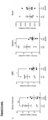
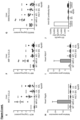
- mice also underwent testing on the rotarod, a well-established test for sensorimotor coordination and balance in movement disorders in rodents (as shown in Figure 3d ). 8-months-old MPSII mice showed a reduction in performance on the accelerating rod as previously described. This was entirely rescued by all transplant treatments, including WT-HSCT (as shown in Figure 3e ).
- Neuro-inflammatory cytokines are normalised with LV.IDS.ApoEII but not LV.IDS
- Cytometric bead arrays were used to quantify a number of inflammatory cytokines associated with chronic neuro-inflammation from whole brain extracts of control and treated mice at 8 months of age.
- CBA Cytometric bead arrays
- LV.IDS.ApoEll was able to completely normalize the number of activated microglia in both the cortex and striatum ( Figure 4F , 4G ), which strongly correlates with the reduction of neuro-inflammation cytokines previously observed and the full abrogation of astrocytosis in LV.IDS.ApoEll.
- HS GAGs were purified from control and treated brains of MPS II mice and depolymerised into individual HS disaccharides using bacterial heparinase enzymes followed by fluorescent-tagging of reducing ends of individual disaccharides using AMAC. Reverse-phase HPLC separation was used to quantify and determine the individual contributions and sulphation patterns of each HS disaccharide.
- HPLC analysis allows for the relative levels of total HS to be calculated between WT, untreated MPS II and all treatment groups (as shown in Figure 4e ).
- a 6-fold increase in total HS was detected in brains of MPS II mice and mice treated with WT-HSCT (p ⁇ 0.0001).
- mice treated with LV.IDS showed a decrease in total HS accumulation in the brain to approximately 3-fold of WT levels.
- LV.IDS.ApoEll-treated mice showed a complete normalisation of brain HS levels back to WT levels (as shown in Figure 4e ).
- HS composition analysis showed significant increases of tri-sulphated disaccharide UA(2S)-GlcNS(6S), and increases in UA(2S)-GIcNS in untreated MPS II brains (as shown in Figure 4f ). This trend was partially reversed with WT-HSCT and LV.IDS, although full correction back to WT levels was only obtained in the LV.IDS.ApoEll group.
- Mono-sulphated HS disaccharides showed a significantly different trend; where untreated MPS II and WT-HSCT-treated levels of UA-GlcNS were lower than in WT brains (as shown in Figure 4f ). This was partially improved with the LV.IDS treatment, but only fully corrected in the LV.IDS.ApoEll group.
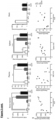
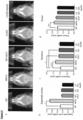
- the width of the zygomatic arches which are significantly increased in untreated MPS II animals, were reduced to WT dimensions in all transplanted groups, including WT-HSCT (as shown in Figures 5a, 5b ).
- Humerus widths were significantly reduced in WT-HSCT and LV.IDS groups, although full correction was only obtained in the LV.IDS.ApoEll-treated animals (as shown in Figure 5c ).
- femur widths in all treated animals showed no significant differences when compared to WT animals, suggesting significant skeletal rescue.
- Nppb and Myh7 two markers associated with cardiomyopathies and cardiac pathology, which could be indicators of higher risks of heart failure in the MPS II mouse model, were investigated.
- the expression of Nppb which encodes for the brain natriuretic peptide (BNP) that is secreted from the ventricles and regulates myocyte stretching and blood pressure, was found to be approximately 16-fold higher in MPS II than in WT male mice ( Figure 5H ).
- BNP brain natriuretic peptide
- Nppb expression was fully stabilized back to WT levels in WT-HSCT, LV.IDS and LV.IDS.ApoEll groups ( Figure 5H ).
- Myh7 expression primarily found in embryonic heart and encodes for myosin heavy chain beta as a key component of cardiac muscle and type I muscle fibers, was elevated in untreated MPS II animals.
- Myh7 expression in WT-HSCT, LV.IDS and LV.IDS.ApoEll groups was similar to WT expression ( Figure 5I ).
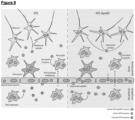
- LV.IDS.ApoEll treatment acts through multiple mechanisms
- the BBB endothelial cell line bEND.3 was used to determine whether there was any difference in enzyme uptake by endothelial cells. These cells produce an effective BBB layer in transwells ( Fig 9C ) and express both LDLR and LDLR-related protein 1 (LRP1) receptors ( Fig 9D, 9E ). In order to ensure that each enzyme has a similar M6P status to that of the HSCGT produced enzyme, we used IDS and IDS.ApoEll enzyme secreted into the media after transfection of CHME3 human microglial cells and standardized by ELISA.
- IDS and IDS.ApoEll enzyme secreted into the media after transfection of CHME3 human microglial cells and standardized by ELISA.
- IDS enzyme activity levels in plasma in the LV.IDS.ApoEll group were approximately 3- fold higher than in LV.IDS, even with lower VCN in WBCs. This translates to higher enzyme activity per copy in the LV.IDS.ApoEll group, suggesting that the ApoEll residue stabilizes or improves activity by changing its conformation, and appear to provide a protective effect against enzyme inactivation, but not clearance in plasma ( Figure 8 ).
- a higher uptake of IDS.ApoEll in bEND.3 cells compared to unmodified IDS was detected and this was believed to be mediated predominantly by M6PR.
- the receptor-binding portion of apoE used in the IDS.ApoEll fusion enzyme (residues 142-147) is able to form a high affinity binding complex with an octasaccharide HS fragment composed of four repeats of UA(2S)-GIcNS(6S), which are abundant on endothelial cell surfaces and even more abundant in MPS II.
- HS typically acts as a co-receptor in many receptor ligand interactions and increased binding to HS proteoglycans (HSPG) through ApoEll could mediate an increase in cellular uptake through the LDLR, LDLR-related protein 1 (LRP1), M6P or by direct uptake of an apoE-HSPG complex.
- the receptor-binding portion of ApoE used here is able to form a high affinity binding complex with an octasaccharide HS fragment composed of four repeats of UA(2S)-GlcNS(6S), which are abundant on endothelial cell surfaces and even more abundant in MPS II.
- HS typically acts as a co-receptor in many receptor ligand interactions and increased binding to HS proteoglycans through ApoEll could mediate an increase in cellular uptake through the LDLR, LRP1, M6P or by direct uptake of an ApoE-HSPG complex.
- busulfan-conditioning leads to long-term increases in MCP-1 levels in the brain, a key mediator of cell transmigration to the CNS, and exerts a long-term trans-migratory effect.
- Approximately 20% of intravenously injected busulfan can cross the BBB, driving an even stronger pro-migratory MCP-1 response, which may ultimately facilitate the transmigration of donor-derived leukocytes across the BBB into the CNS in MPS II mice and provide additional means of trafficking enzyme into brain parenchyma.
- Microglial activation and astrocytosis are commonly reported in MPS disorders, including this study.
- complete normalisation of activated microglia was observed in the cortex and striatum of LV.IDS.ApoEll-treated mice, with only a 50% reduction in LV.IDS.
- LV.IDS.ApoEll treatment is comparable to the correction of astrogliosis and microglial activation reported using direct AAV9-IDS injection into the CSF (15).
- Peripheral inflammation was detected in livers of MPS II mice, with stark elevations in the levels of MCP-1, MIP-1 ⁇ and RANTES, and was abrogated by all transplants, indicating that peripheral IDS enzyme levels obtained with an allogeneic transplant can mediate a reduction in inflammation in the periphery.
- the Y-maze accounts for potential physical impairments in MPS II mice, unlike the Barnes maze, which may be invalidated by differential physical performance.
- Full behavioural correction of cognitive deficits was observed in the LV.IDS.ApoEll group alongside normalisation of coordination and balance.
- cognitive improvements likely stems from a combination of factors; a reduction in primary storage of HS alongside full abrogation of chronic neuro-inflammation, astrogliosis and microglial activation, all of which were only observed in LV.IDS.ApoEll-treated animals.
- the rescue of coordination and balance can be attributed to either central or peripheral rescue, or a combination thereof.
- the addition of the ApoE tandem peptide is absolutely necessary to target IDS enzyme to the brain to provide a full correction of the neurocognitive aspect in MPS II mice.
- the present inventors and others have reported progressive skeletal abnormalities in the MPS II mouse model, such as enlargement of craniofacial bone structures and femurs), correlating with the dysostosis multiplex seen in MPS II patients.
- ERT using idursulfase showed limited benefits in joint pain, stiffness, or range of motion, although earlier treatments could provide benefits.
- the widths of zygomatic arches, humerus and femurs were significantly reduced in all transplanted animals, including WT-HSCT, suggesting that some level of enzyme can penetrate bone tissue if treated at an early time point when skeletal phenotype remains mild. This is partly comparable to liver-directed AAV2/8TBG-IDS gene therapy, where craniofacial abnormalities were also corrected .
- HS GAGs also partly regulate Sonic Hedgehog (Shh), involved in heart ontogenesis and cardiac regeneration, which is downregulated alongside Ptch1, FoxM1 and Bmp4 in MPS II mice.
- Immunologically foreign proteins and enzymes such as ERT can trigger the release of inhibitory antibodies that may decrease therapeutic efficacy, although molecular and cellular chimerism after HSCT can induce tolerance to donor-specific antigens.
- IgG antibodies against human recombinant IDS in plasma of LV.IDS and LV.IDS.ApoEll-treated mice were not detected, and no adverse symptoms identified that could be attributed to neutralising antibodies. Overall, this is a strong indication that hematopoietic stem cell gene therapy (HSCGT) can induce tolerance and that both enzymes produced are well tolerated by the immune system.
- HCGT hematopoietic stem cell gene therapy
- the addition of the ApoEll peptide residue does not generate increased immune sensitivity when compared to unmodified IDS.
Landscapes
- Health & Medical Sciences (AREA)
- Life Sciences & Earth Sciences (AREA)
- Chemical & Material Sciences (AREA)
- Engineering & Computer Science (AREA)
- Genetics & Genomics (AREA)
- Organic Chemistry (AREA)
- General Health & Medical Sciences (AREA)
- Zoology (AREA)
- Bioinformatics & Cheminformatics (AREA)
- Biomedical Technology (AREA)
- Biotechnology (AREA)
- Medicinal Chemistry (AREA)
- Cell Biology (AREA)
- Immunology (AREA)
- Veterinary Medicine (AREA)
- Animal Behavior & Ethology (AREA)
- Public Health (AREA)
- Pharmacology & Pharmacy (AREA)
- Wood Science & Technology (AREA)
- Developmental Biology & Embryology (AREA)
- General Engineering & Computer Science (AREA)
- Biochemistry (AREA)
- Epidemiology (AREA)
- Molecular Biology (AREA)
- Biophysics (AREA)
- Microbiology (AREA)
- Hematology (AREA)
- Proteomics, Peptides & Aminoacids (AREA)
- Virology (AREA)
- Gastroenterology & Hepatology (AREA)
- Chemical Kinetics & Catalysis (AREA)
- General Chemical & Material Sciences (AREA)
- Nuclear Medicine, Radiotherapy & Molecular Imaging (AREA)
- Plant Pathology (AREA)
- Physics & Mathematics (AREA)
- Toxicology (AREA)
- Diabetes (AREA)
- Endocrinology (AREA)
- Enzymes And Modification Thereof (AREA)
- Medicines That Contain Protein Lipid Enzymes And Other Medicines (AREA)
Applications Claiming Priority (3)
| Application Number | Priority Date | Filing Date | Title |
|---|---|---|---|
| GBGB1701968.8A GB201701968D0 (en) | 2017-02-07 | 2017-02-07 | Gene therapy |
| EP18705462.2A EP3579849B1 (en) | 2017-02-07 | 2018-02-07 | A nucleic acid comprising ids gene sequence and a tandem repeat of apolipoprotein e gene sequence |
| PCT/GB2018/050347 WO2018146473A1 (en) | 2017-02-07 | 2018-02-07 | Gene therapy |
Related Parent Applications (2)
| Application Number | Title | Priority Date | Filing Date |
|---|---|---|---|
| EP18705462.2A Division-Into EP3579849B1 (en) | 2017-02-07 | 2018-02-07 | A nucleic acid comprising ids gene sequence and a tandem repeat of apolipoprotein e gene sequence |
| EP18705462.2A Division EP3579849B1 (en) | 2017-02-07 | 2018-02-07 | A nucleic acid comprising ids gene sequence and a tandem repeat of apolipoprotein e gene sequence |
Publications (2)
| Publication Number | Publication Date |
|---|---|
| EP3960188A1 EP3960188A1 (en) | 2022-03-02 |
| EP3960188B1 true EP3960188B1 (en) | 2025-04-02 |
Family
ID=58462471
Family Applications (2)
| Application Number | Title | Priority Date | Filing Date |
|---|---|---|---|
| EP21187825.1A Active EP3960188B1 (en) | 2017-02-07 | 2018-02-07 | A nucleic acid comprising ids gene sequence and a tandem repeat of apolipoprotein e gene sequence |
| EP18705462.2A Active EP3579849B1 (en) | 2017-02-07 | 2018-02-07 | A nucleic acid comprising ids gene sequence and a tandem repeat of apolipoprotein e gene sequence |
Family Applications After (1)
| Application Number | Title | Priority Date | Filing Date |
|---|---|---|---|
| EP18705462.2A Active EP3579849B1 (en) | 2017-02-07 | 2018-02-07 | A nucleic acid comprising ids gene sequence and a tandem repeat of apolipoprotein e gene sequence |
Country Status (6)
| Country | Link |
|---|---|
| US (2) | US11701390B2 (enExample) |
| EP (2) | EP3960188B1 (enExample) |
| JP (1) | JP7237364B2 (enExample) |
| ES (2) | ES3035262T3 (enExample) |
| GB (1) | GB201701968D0 (enExample) |
| WO (1) | WO2018146473A1 (enExample) |
Families Citing this family (3)
| Publication number | Priority date | Publication date | Assignee | Title |
|---|---|---|---|---|
| GB201701968D0 (en) * | 2017-02-07 | 2017-03-22 | Univ Manchester | Gene therapy |
| BR112020005271A2 (pt) | 2017-10-02 | 2020-09-15 | Denali Therapeutics Inc. | proteína, polipeptídeo, polinucleotídeo, vetor, célula hospedeira, método para produção de um polipeptídeo, métodos de tratamento de um distúrbio, de diminuição do acúmulo, de monitoramento, de transporte de um agente e de tratamento de um lsd e composição farmacêutica |
| WO2024096738A1 (en) | 2022-11-01 | 2024-05-10 | Erasmus University Medical Center Rotterdam | Gene therapy constructs for metabolic disorders |
Family Cites Families (6)
| Publication number | Priority date | Publication date | Assignee | Title |
|---|---|---|---|---|
| AU2003286870A1 (en) | 2003-06-05 | 2005-01-04 | Salk Institute For Biological Studies | Targeting polypeptides to the central nervous system |
| EP1694345A1 (en) | 2003-12-04 | 2006-08-30 | Regents Of The University Of Minnesota | Compositions and methods for the treatment of lysosomal storage disorders |
| US10227387B2 (en) | 2011-05-18 | 2019-03-12 | Children's Hospital Medical Center | Targeted delivery of proteins across the blood-brain barrier |
| US20140335163A1 (en) | 2011-12-01 | 2014-11-13 | Angiochem Inc. | Targeted iduronate-2-sulfatase compounds |
| JP2017534640A (ja) * | 2014-11-10 | 2017-11-24 | アレクシオン ファーマシューティカルズ, インコーポレイテッド | アルファ−l−イズロニダーゼ、イズロン酸−2−スルファターゼおよびアルファガラクトシダーゼaの治療用組成物ならびにそれらの使用方法 |
| GB201701968D0 (en) * | 2017-02-07 | 2017-03-22 | Univ Manchester | Gene therapy |
-
2017
- 2017-02-07 GB GBGB1701968.8A patent/GB201701968D0/en not_active Ceased
-
2018
- 2018-02-07 ES ES21187825T patent/ES3035262T3/es active Active
- 2018-02-07 EP EP21187825.1A patent/EP3960188B1/en active Active
- 2018-02-07 JP JP2019542703A patent/JP7237364B2/ja active Active
- 2018-02-07 ES ES18705462T patent/ES2895263T3/es active Active
- 2018-02-07 WO PCT/GB2018/050347 patent/WO2018146473A1/en not_active Ceased
- 2018-02-07 EP EP18705462.2A patent/EP3579849B1/en active Active
- 2018-02-07 US US16/484,311 patent/US11701390B2/en active Active
-
2022
- 2022-12-22 US US18/086,719 patent/US20230390340A1/en active Pending
Also Published As
| Publication number | Publication date |
|---|---|
| GB201701968D0 (en) | 2017-03-22 |
| US11701390B2 (en) | 2023-07-18 |
| WO2018146473A1 (en) | 2018-08-16 |
| EP3579849B1 (en) | 2021-09-08 |
| EP3579849A1 (en) | 2019-12-18 |
| JP2020506714A (ja) | 2020-03-05 |
| JP7237364B2 (ja) | 2023-03-13 |
| EP3960188A1 (en) | 2022-03-02 |
| US20200000854A1 (en) | 2020-01-02 |
| ES2895263T3 (es) | 2022-02-18 |
| ES3035262T3 (en) | 2025-09-01 |
| US20230390340A1 (en) | 2023-12-07 |
Similar Documents
| Publication | Publication Date | Title |
|---|---|---|
| Gleitz et al. | Brain‐targeted stem cell gene therapy corrects mucopolysaccharidosis type II via multiple mechanisms | |
| US20230390340A1 (en) | Gene therapy | |
| EP3303576B1 (en) | Adenoassociated virus vectors for the treatment of mucopolysaccharidoses | |
| Biffi et al. | Correction of metachromatic leukodystrophy in the mouse model by transplantation of genetically modified hematopoietic stem cells | |
| US20250188428A1 (en) | Novel in vitro and in vivo enrichment strategy targeting lymphocytes derived from vector transduced hscs for therapy of disorders | |
| CN103037905B (zh) | 用于治疗疾病的载体及序列 | |
| ES2859661T3 (es) | Vectores de virus adenoasociados para el tratamiento de mucopolisacaridosis | |
| EP3132043A2 (de) | Viraler vektor für den zielgerichteten gentransfer in gehirn und rückenmark | |
| TW202449167A (zh) | 用於治療肌肉萎縮性脊髓側索硬化症之組成物及方法 | |
| UA128788C2 (uk) | Вектор аденоасоційованого вірусу для лікування мукополісахаридозу типу iva | |
| WO2023231778A1 (zh) | 用于治疗粘多糖贮积症iiia型的转基因表达盒 | |
| KR20250110842A (ko) | 대사질환을 위한 유전자 요법 구성체 | |
| US20220290157A1 (en) | Compositions and methods for treating amyotrophic lateral sclerosis | |
| RU2748383C1 (ru) | Способ терапии болезни Тея-Сакса и болезни Сандхоффа с помощью генетически модифицированных мезенхимных стволовых клеток человека со сверхэкспрессией β-гексозаминидазы A | |
| US20250228907A1 (en) | Compositions and methods for treating metachromatic leukodystrophy disease and related disorders | |
| De Ponti | Exploring early therapeutic approaches in a Mucopolysaccharidosis type I (MPS I) mouse model | |
| CN118909979A (zh) | 一种重组腺相关病毒AAV-Lec及其制备方法和应用 | |
| HK1253798B (en) | Adenoassociated virus vectors for the treatment of mucopolysaccharidoses | |
| HK1253798A1 (en) | Adenoassociated virus vectors for the treatment of mucopolysaccharidoses |
Legal Events
| Date | Code | Title | Description |
|---|---|---|---|
| PUAI | Public reference made under article 153(3) epc to a published international application that has entered the european phase |
Free format text: ORIGINAL CODE: 0009012 |
|
| STAA | Information on the status of an ep patent application or granted ep patent |
Free format text: STATUS: THE APPLICATION HAS BEEN PUBLISHED |
|
| AC | Divisional application: reference to earlier application |
Ref document number: 3579849 Country of ref document: EP Kind code of ref document: P |
|
| AK | Designated contracting states |
Kind code of ref document: A1 Designated state(s): AL AT BE BG CH CY CZ DE DK EE ES FI FR GB GR HR HU IE IS IT LI LT LU LV MC MK MT NL NO PL PT RO RS SE SI SK SM TR |
|
| STAA | Information on the status of an ep patent application or granted ep patent |
Free format text: STATUS: REQUEST FOR EXAMINATION WAS MADE |
|
| 17P | Request for examination filed |
Effective date: 20220901 |
|
| RBV | Designated contracting states (corrected) |
Designated state(s): AL AT BE BG CH CY CZ DE DK EE ES FI FR GB GR HR HU IE IS IT LI LT LU LV MC MK MT NL NO PL PT RO RS SE SI SK SM TR |
|
| STAA | Information on the status of an ep patent application or granted ep patent |
Free format text: STATUS: EXAMINATION IS IN PROGRESS |
|
| 17Q | First examination report despatched |
Effective date: 20230125 |
|
| GRAP | Despatch of communication of intention to grant a patent |
Free format text: ORIGINAL CODE: EPIDOSNIGR1 |
|
| STAA | Information on the status of an ep patent application or granted ep patent |
Free format text: STATUS: GRANT OF PATENT IS INTENDED |
|
| INTG | Intention to grant announced |
Effective date: 20240320 |
|
| GRAJ | Information related to disapproval of communication of intention to grant by the applicant or resumption of examination proceedings by the epo deleted |
Free format text: ORIGINAL CODE: EPIDOSDIGR1 |
|
| STAA | Information on the status of an ep patent application or granted ep patent |
Free format text: STATUS: EXAMINATION IS IN PROGRESS |
|
| GRAP | Despatch of communication of intention to grant a patent |
Free format text: ORIGINAL CODE: EPIDOSNIGR1 |
|
| STAA | Information on the status of an ep patent application or granted ep patent |
Free format text: STATUS: GRANT OF PATENT IS INTENDED |
|
| INTC | Intention to grant announced (deleted) | ||
| INTG | Intention to grant announced |
Effective date: 20241023 |
|
| GRAS | Grant fee paid |
Free format text: ORIGINAL CODE: EPIDOSNIGR3 |
|
| GRAA | (expected) grant |
Free format text: ORIGINAL CODE: 0009210 |
|
| STAA | Information on the status of an ep patent application or granted ep patent |
Free format text: STATUS: THE PATENT HAS BEEN GRANTED |
|
| AC | Divisional application: reference to earlier application |
Ref document number: 3579849 Country of ref document: EP Kind code of ref document: P |
|
| AK | Designated contracting states |
Kind code of ref document: B1 Designated state(s): AL AT BE BG CH CY CZ DE DK EE ES FI FR GB GR HR HU IE IS IT LI LT LU LV MC MK MT NL NO PL PT RO RS SE SI SK SM TR |
|
| REG | Reference to a national code |
Ref country code: GB Ref legal event code: FG4D |
|
| REG | Reference to a national code |
Ref country code: CH Ref legal event code: EP |
|
| REG | Reference to a national code |
Ref country code: IE Ref legal event code: FG4D |
|
| REG | Reference to a national code |
Ref country code: DE Ref legal event code: R096 Ref document number: 602018080861 Country of ref document: DE |
|
| P01 | Opt-out of the competence of the unified patent court (upc) registered |
Free format text: CASE NUMBER: APP_15240/2025 Effective date: 20250328 |
|
| REG | Reference to a national code |
Ref country code: NL Ref legal event code: FP |
|
| REG | Reference to a national code |
Ref country code: ES Ref legal event code: FG2A Ref document number: 3035262 Country of ref document: ES Kind code of ref document: T3 Effective date: 20250901 |
|
| REG | Reference to a national code |
Ref country code: EE Ref legal event code: FG4A Ref document number: E025162 Country of ref document: EE Effective date: 20250625 Ref country code: AT Ref legal event code: MK05 Ref document number: 1780639 Country of ref document: AT Kind code of ref document: T Effective date: 20250402 |
|
| PG25 | Lapsed in a contracting state [announced via postgrant information from national office to epo] |
Ref country code: FI Free format text: LAPSE BECAUSE OF FAILURE TO SUBMIT A TRANSLATION OF THE DESCRIPTION OR TO PAY THE FEE WITHIN THE PRESCRIBED TIME-LIMIT Effective date: 20250402 Ref country code: PT Free format text: LAPSE BECAUSE OF FAILURE TO SUBMIT A TRANSLATION OF THE DESCRIPTION OR TO PAY THE FEE WITHIN THE PRESCRIBED TIME-LIMIT Effective date: 20250804 |
|
| REG | Reference to a national code |
Ref country code: LT Ref legal event code: MG9D |
|
| PG25 | Lapsed in a contracting state [announced via postgrant information from national office to epo] |
Ref country code: GR Free format text: LAPSE BECAUSE OF FAILURE TO SUBMIT A TRANSLATION OF THE DESCRIPTION OR TO PAY THE FEE WITHIN THE PRESCRIBED TIME-LIMIT Effective date: 20250703 Ref country code: NO Free format text: LAPSE BECAUSE OF FAILURE TO SUBMIT A TRANSLATION OF THE DESCRIPTION OR TO PAY THE FEE WITHIN THE PRESCRIBED TIME-LIMIT Effective date: 20250702 |
|
| PG25 | Lapsed in a contracting state [announced via postgrant information from national office to epo] |
Ref country code: PL Free format text: LAPSE BECAUSE OF FAILURE TO SUBMIT A TRANSLATION OF THE DESCRIPTION OR TO PAY THE FEE WITHIN THE PRESCRIBED TIME-LIMIT Effective date: 20250402 |
|
| PG25 | Lapsed in a contracting state [announced via postgrant information from national office to epo] |
Ref country code: BG Free format text: LAPSE BECAUSE OF FAILURE TO SUBMIT A TRANSLATION OF THE DESCRIPTION OR TO PAY THE FEE WITHIN THE PRESCRIBED TIME-LIMIT Effective date: 20250402 |
|
| PG25 | Lapsed in a contracting state [announced via postgrant information from national office to epo] |
Ref country code: HR Free format text: LAPSE BECAUSE OF FAILURE TO SUBMIT A TRANSLATION OF THE DESCRIPTION OR TO PAY THE FEE WITHIN THE PRESCRIBED TIME-LIMIT Effective date: 20250402 |
|
| PG25 | Lapsed in a contracting state [announced via postgrant information from national office to epo] |
Ref country code: AT Free format text: LAPSE BECAUSE OF FAILURE TO SUBMIT A TRANSLATION OF THE DESCRIPTION OR TO PAY THE FEE WITHIN THE PRESCRIBED TIME-LIMIT Effective date: 20250402 |
|
| PG25 | Lapsed in a contracting state [announced via postgrant information from national office to epo] |
Ref country code: RS Free format text: LAPSE BECAUSE OF FAILURE TO SUBMIT A TRANSLATION OF THE DESCRIPTION OR TO PAY THE FEE WITHIN THE PRESCRIBED TIME-LIMIT Effective date: 20250702 |
|
| PG25 | Lapsed in a contracting state [announced via postgrant information from national office to epo] |
Ref country code: IS Free format text: LAPSE BECAUSE OF FAILURE TO SUBMIT A TRANSLATION OF THE DESCRIPTION OR TO PAY THE FEE WITHIN THE PRESCRIBED TIME-LIMIT Effective date: 20250802 |
|
| PG25 | Lapsed in a contracting state [announced via postgrant information from national office to epo] |
Ref country code: LV Free format text: LAPSE BECAUSE OF FAILURE TO SUBMIT A TRANSLATION OF THE DESCRIPTION OR TO PAY THE FEE WITHIN THE PRESCRIBED TIME-LIMIT Effective date: 20250402 |
|
| REG | Reference to a national code |
Ref country code: DE Ref legal event code: R097 Ref document number: 602018080861 Country of ref document: DE |
|
| PG25 | Lapsed in a contracting state [announced via postgrant information from national office to epo] |
Ref country code: DK Free format text: LAPSE BECAUSE OF FAILURE TO SUBMIT A TRANSLATION OF THE DESCRIPTION OR TO PAY THE FEE WITHIN THE PRESCRIBED TIME-LIMIT Effective date: 20250402 Ref country code: SM Free format text: LAPSE BECAUSE OF FAILURE TO SUBMIT A TRANSLATION OF THE DESCRIPTION OR TO PAY THE FEE WITHIN THE PRESCRIBED TIME-LIMIT Effective date: 20250402 |
|
| PG25 | Lapsed in a contracting state [announced via postgrant information from national office to epo] |
Ref country code: CZ Free format text: LAPSE BECAUSE OF FAILURE TO SUBMIT A TRANSLATION OF THE DESCRIPTION OR TO PAY THE FEE WITHIN THE PRESCRIBED TIME-LIMIT Effective date: 20250402 |
|
| PG25 | Lapsed in a contracting state [announced via postgrant information from national office to epo] |
Ref country code: SK Free format text: LAPSE BECAUSE OF FAILURE TO SUBMIT A TRANSLATION OF THE DESCRIPTION OR TO PAY THE FEE WITHIN THE PRESCRIBED TIME-LIMIT Effective date: 20250402 Ref country code: RO Free format text: LAPSE BECAUSE OF FAILURE TO SUBMIT A TRANSLATION OF THE DESCRIPTION OR TO PAY THE FEE WITHIN THE PRESCRIBED TIME-LIMIT Effective date: 20250402 |
|
| PLBE | No opposition filed within time limit |
Free format text: ORIGINAL CODE: 0009261 |
|
| STAA | Information on the status of an ep patent application or granted ep patent |
Free format text: STATUS: NO OPPOSITION FILED WITHIN TIME LIMIT |
|
| REG | Reference to a national code |
Ref country code: CH Ref legal event code: L10 Free format text: ST27 STATUS EVENT CODE: U-0-0-L10-L00 (AS PROVIDED BY THE NATIONAL OFFICE) Effective date: 20260211 |
|
| 26N | No opposition filed |
Effective date: 20260105 |
|
| PGFP | Annual fee paid to national office [announced via postgrant information from national office to epo] |
Ref country code: NL Payment date: 20260226 Year of fee payment: 9 |
|
| REG | Reference to a national code |
Ref country code: CH Ref legal event code: U11 Free format text: ST27 STATUS EVENT CODE: U-0-0-U10-U11 (AS PROVIDED BY THE NATIONAL OFFICE) Effective date: 20260326 |
|
| PGFP | Annual fee paid to national office [announced via postgrant information from national office to epo] |
Ref country code: GB Payment date: 20260224 Year of fee payment: 9 |
|
| PGFP | Annual fee paid to national office [announced via postgrant information from national office to epo] |
Ref country code: ES Payment date: 20260319 Year of fee payment: 9 |
|
| PGFP | Annual fee paid to national office [announced via postgrant information from national office to epo] |
Ref country code: DE Payment date: 20260224 Year of fee payment: 9 |
|
| PGFP | Annual fee paid to national office [announced via postgrant information from national office to epo] |
Ref country code: IT Payment date: 20260225 Year of fee payment: 9 |
|
| PGFP | Annual fee paid to national office [announced via postgrant information from national office to epo] |
Ref country code: FR Payment date: 20260226 Year of fee payment: 9 |
|
| PGFP | Annual fee paid to national office [announced via postgrant information from national office to epo] |
Ref country code: CH Payment date: 20260326 Year of fee payment: 9 |
|
| PGFP | Annual fee paid to national office [announced via postgrant information from national office to epo] |
Ref country code: EE Payment date: 20260227 Year of fee payment: 9 |
|
| PG25 | Lapsed in a contracting state [announced via postgrant information from national office to epo] |
Ref country code: LT Free format text: LAPSE BECAUSE OF FAILURE TO SUBMIT A TRANSLATION OF THE DESCRIPTION OR TO PAY THE FEE WITHIN THE PRESCRIBED TIME-LIMIT Effective date: 20250402 |
|
| PG25 | Lapsed in a contracting state [announced via postgrant information from national office to epo] |
Ref country code: SE Free format text: LAPSE BECAUSE OF FAILURE TO SUBMIT A TRANSLATION OF THE DESCRIPTION OR TO PAY THE FEE WITHIN THE PRESCRIBED TIME-LIMIT Effective date: 20250402 |