EP3878456B1 - Pluripotent anti-inflammatory and metabolic modulators for the treatment of obesity - Google Patents
Pluripotent anti-inflammatory and metabolic modulators for the treatment of obesity Download PDFInfo
- Publication number
- EP3878456B1 EP3878456B1 EP21170218.8A EP21170218A EP3878456B1 EP 3878456 B1 EP3878456 B1 EP 3878456B1 EP 21170218 A EP21170218 A EP 21170218A EP 3878456 B1 EP3878456 B1 EP 3878456B1
- Authority
- EP
- European Patent Office
- Prior art keywords
- compound
- sana
- available
- composition
- subject
- Prior art date
- Legal status (The legal status is an assumption and is not a legal conclusion. Google has not performed a legal analysis and makes no representation as to the accuracy of the status listed.)
- Active
Links
Images






Classifications
-
- A—HUMAN NECESSITIES
- A61—MEDICAL OR VETERINARY SCIENCE; HYGIENE
- A61K—PREPARATIONS FOR MEDICAL, DENTAL OR TOILETRY PURPOSES
- A61K31/00—Medicinal preparations containing organic active ingredients
- A61K31/185—Acids; Anhydrides, halides or salts thereof, e.g. sulfur acids, imidic, hydrazonic or hydroximic acids
- A61K31/19—Carboxylic acids, e.g. valproic acid
- A61K31/192—Carboxylic acids, e.g. valproic acid having aromatic groups, e.g. sulindac, 2-aryl-propionic acids, ethacrynic acid
-
- A—HUMAN NECESSITIES
- A61—MEDICAL OR VETERINARY SCIENCE; HYGIENE
- A61K—PREPARATIONS FOR MEDICAL, DENTAL OR TOILETRY PURPOSES
- A61K31/00—Medicinal preparations containing organic active ingredients
- A61K31/60—Salicylic acid; Derivatives thereof
-
- A—HUMAN NECESSITIES
- A61—MEDICAL OR VETERINARY SCIENCE; HYGIENE
- A61K—PREPARATIONS FOR MEDICAL, DENTAL OR TOILETRY PURPOSES
- A61K45/00—Medicinal preparations containing active ingredients not provided for in groups A61K31/00 - A61K41/00
- A61K45/06—Mixtures of active ingredients without chemical characterisation, e.g. antiphlogistics and cardiaca
-
- A—HUMAN NECESSITIES
- A61—MEDICAL OR VETERINARY SCIENCE; HYGIENE
- A61P—SPECIFIC THERAPEUTIC ACTIVITY OF CHEMICAL COMPOUNDS OR MEDICINAL PREPARATIONS
- A61P29/00—Non-central analgesic, antipyretic or antiinflammatory agents, e.g. antirheumatic agents; Non-steroidal antiinflammatory drugs [NSAID]
-
- A—HUMAN NECESSITIES
- A61—MEDICAL OR VETERINARY SCIENCE; HYGIENE
- A61P—SPECIFIC THERAPEUTIC ACTIVITY OF CHEMICAL COMPOUNDS OR MEDICINAL PREPARATIONS
- A61P3/00—Drugs for disorders of the metabolism
- A61P3/04—Anorexiants; Antiobesity agents
-
- A—HUMAN NECESSITIES
- A61—MEDICAL OR VETERINARY SCIENCE; HYGIENE
- A61P—SPECIFIC THERAPEUTIC ACTIVITY OF CHEMICAL COMPOUNDS OR MEDICINAL PREPARATIONS
- A61P37/00—Drugs for immunological or allergic disorders
- A61P37/02—Immunomodulators
- A61P37/06—Immunosuppressants, e.g. drugs for graft rejection
-
- A—HUMAN NECESSITIES
- A61—MEDICAL OR VETERINARY SCIENCE; HYGIENE
- A61P—SPECIFIC THERAPEUTIC ACTIVITY OF CHEMICAL COMPOUNDS OR MEDICINAL PREPARATIONS
- A61P43/00—Drugs for specific purposes, not provided for in groups A61P1/00-A61P41/00
Definitions
- Acute and chronic inflammation appears to underlie most, if not all, the chronic diseases of today, including cardiovascular disease, type 2 diabetes, chronic kidney disease, Alzheimer's disease and cancer [1].
- classical anti-inflammatory drugs including non-steroidal anti-inflammatory drugs (NSAIDs) and steroidal anti-inflammatory drugs (SAIDs) - are not indicated as part of the regular treatment for these diseases.
- Common treatments include anti-platelet agents, inhibitors of angiotensin II, insulin sensitizers, HMG-CoA reductase inhibitors and beta blockers.
- classical NSAIDS and SAIDs did not show any benefit, if not adverse effect, in the treatment of cardiovascular, metabolic, neurodegenerative, cancer and chronic kidney diseases [2].
- aspects of the disclosure described herein encompass anti-inflammatory treatments of low grade chronic inflammation that underlie most of the chronic non-transmissible diseases of todays.
- JP S48 34850 describes a compound of formula I as described below.
- One embodiment within the scope of the invention is a compound of Formula I: or a pharmaceutically acceptable salt thereof, for use in a method of treating obesity, said method comprising administering a therapeutically effective amount of the compound to a subject in need thereof.
- the invention is a pharmaceutical composition
- a pharmaceutical composition comprising an effective amount of a compound of Formula I or a pharmaceutically acceptable salt thereof, and a pharmaceutically acceptable carrier, for use in a method of treating obesity, said method comprising administering a therapeutically effective amount of the composition to a subject in need thereof.
- the term "about” means plus or minus 5% of the numerical value of the number with which it is being used. Therefore, about 50% means in the range of 45%-55%.
- administering when used in conjunction with a therapeutic means to administer a therapeutic directly to a subject, whereby the agent positively impacts the target.
- administering a composition may be accomplished by, for example, injection, oral administration, topical administration, or by these methods in combination with other known techniques. Such combination techniques include heating, radiation, ultrasound and the use of delivery agents.
- active agents e.g. other anti-atherosclerotic agents such as the class of statins
- administration and its variants are each understood to include concurrent and sequential provision of the compound or salt and other agents.
- pharmaceutically acceptable it is meant the carrier, diluent, adjuvant, or excipient must be compatible with the other ingredients of the formulation and not deleterious to the recipient thereof.
- composition as used herein is intended to encompass a product comprising the specified ingredients in the specified amounts, as well as any product which results, directly or indirectly, from combination of the specified ingredients in the specified amounts.
- pharmaceutical composition is intended to encompass a product comprising the active ingredient(s), and the inert ingredient(s) that make up the carrier, as well as any product which results, directly or indirectly, from combination, complexation or aggregation of any two or more of the ingredients, or from dissociation of one or more of the ingredients, or from other types of reactions or interactions of one or more of the ingredients.
- the pharmaceutical compositions for use in the present invention encompass any composition made by admixing a compound for use in the present invention and a pharmaceutically acceptable carrier.
- agent means a compound or composition utilized to treat, combat, ameliorate, prevent or improve an unwanted condition or disease of a patient.
- agent active agent
- therapeutic agent therapeutic agent
- therapeutic encompasses a combination of one or more of the compounds for use in the present invention.
- a “therapeutically effective amount” or “effective amount” of a composition is a predetermined amount calculated to achieve the desired effect, i . e ., to inhibit, block, or reverse the activation, migration, proliferation, alteration of cellular function, and to preserve the normal function of cells.
- the activity contemplated by the methods described herein includes both medical therapeutic and/or prophylactic treatment, as appropriate, and the compositions for use in the invention may provide improvement in any of the conditions described. It is also contemplated that the compositions described herein may be administered to healthy subjects or individuals not exhibiting symptoms but who may be at risk of developing a particular disorder.
- a therapeutically effective amount of compound for use in this invention is typically an amount such that when it is administered in a physiologically tolerable excipient composition, it is sufficient to achieve an effective systemic concentration or local concentration in the tissue.
- beneficial or desired results include, but are not limited to, alleviation of symptoms; diminishment of the extent of the condition, disorder, or disease; stabilization ( i .
- Treatment includes prolonging survival as compared to expected survival if not receiving treatment.
- subject describes an organism, including mammals, to which treatment with the compositions and compounds according to the subject disclosure can be administered.
- Mammalian species that can benefit from the disclosed methods include, but are not limited to, apes, chimpanzees, orangutans, humans, monkeys; and other animals such as dogs, cats, horses, cattle, pigs, sheep, goats, chickens, mice, rats, guinea pigs, and hamsters.
- the subject is a human.
- tissue describes an aggregate of cells typically of a particular kind together with their intercellular substance that form one of the structural materials of a subject.
- organ describes a group of tissues that perform a specific function. For example, skin is a type of organ embodied herein.
- the compounds and pharmaceutically-acceptable salts thereof can be administered by means that produces contact of the active agent with the agent's site of action. They can be administered by conventional means available for use in conjunction with pharmaceuticals in a dosage range of 0.001 to 1000 mg/kg of mammal (e.g. human) body weight per day in a single dose or in divided doses. One dosage range is 0.01 to 500 mg/kg body weight per day orally in a single dose or in divided doses. Administration can be delivered as individual therapeutic agents or in a combination of therapeutic agents. They can be administered alone, but typically are administered with a pharmaceutically acceptable excipient selected on the basis of the chosen route of administration and standard pharmaceutical practice.
- Compounds can be administered by one or more ways.
- the following routes may be utilized: oral, parenteral (including subcutaneous injections, intravenous, intramuscular, intrasternal injection or infusion techniques), inhalation, buccal, sublingual, or rectal, in the form of a unit dosage of a pharmaceutical composition containing an effective amount of the compound and optionally in combination with one or more pharmaceutically-acceptable excipients such as stabilizers, anti-oxidants, lubricants, bulking agents, fillers, carriers, adjuvants, vehicles, diluents and other readily known excipients in standard pharmaceutical practice.
- excipients such as stabilizers, anti-oxidants, lubricants, bulking agents, fillers, carriers, adjuvants, vehicles, diluents and other readily known excipients in standard pharmaceutical practice.
- Liquid preparations suitable for oral administration can employ media such as water, glycols, oils, alcohols, and the like.
- Solid preparations suitable for oral administration e.g. powders, pills, capsules and tablets
- solid excipients such as starches, sugars, kaolin, lubricants, binders, disintegrating agents, antioxidants and the like.
- compositions typically employ sterile water as a carrier and optionally other ingredients, such as solubility aids.
- injectable solutions can be prepared, for example, using a carrier comprising a saline solution, a glucose solution or a solution containing a mixture of saline and glucose. Further guidance for methods suitable for use in preparing pharmaceutical compositions is provided in Remington: The Science and Practice of Pharmacy, 21st edition (Lippincott Williams & Wilkins, 2006 ).
- Therapeutic compounds can be administered orally in a dosage range of about 0.001 to 1000 mg/kg of mammal (e.g. human) body weight per day in a single dose or in divided doses.
- One dosage range is about 0.01 to 500 mg/kg body weight per day orally in a single dose or in divided doses.
- the compositions can be provided in the form of tablets or capsules containing about 1.0 to 500mg of the active ingredient, particularly about 1, 5, 10, 15, 20, 25, 50, 75, 100, 150, 200, 250, 300, 400, 500, and 750 mg of the active ingredient for the symptomatic adjustment of the dosage to the patient to be treated.
- the specific dose level and frequency of dosage for any particular patient may be varied and will depend upon a variety of factors including the activity of the specific compound employed, the metabolic stability and length of action of that compound, the age, body weight, general health, sex, diet, mode and time of administration, rate of excretion, drug combination, the severity of the particular condition, and the host undergoing therapy.
- the dose frequency can range from multiple doses daily to monthly dosages.
- the preferred dose frequency ranges from twice a day to every two weeks.
- a more preferred dose frequency ranges from twice a day to weekly.
- a most preferred dose frequency ranges from twice a day to twice a week.
- compositions including the active agent can be administered to a subject in an "effective amount."
- An effective amount may be any amount that provides a beneficial effect to the patient, and in particular embodiments, the effective amount is an amount that may 1) prevent the subject from experiencing one or more adverse effects associated with a administered agents, such as those used to diagnose, identify, and treat medical conditions, 2) reduce side effects experienced by the subject as a result of a medical therapy or reduce the side effects known to result from such therapies, and/or 3) eliminate side effects resulting from a medical treatment experienced by the subject prior to administration of the active agent or eliminate the side effects known to result from such treatment.
- compositions containing the compounds for use in the invention and a suitable carrier can be in various forms including, but not limited to, solids, solutions, powders, fluid emulsions, fluid suspensions, semi-solids, and dry powders including an effective amount of an the active agent for use in the invention.
- the active ingredients can be contained in such formulations with pharmaceutically acceptable diluents, fillers, disintegrants, binders, lubricants, surfactants, hydrophobic vehicles, water soluble vehicles, emulsifiers, buffers, humectants, moisturizers, solubilizers, antioxidants, preservatives and the like.
- the active agent prepared as described above which are formulated as a solid dosage form for oral administration including capsules, tablets, pills, powders, and granules.
- the active compound may be admixed with one or more inert diluent such as sucrose, lactose, or starch.
- Such dosage forms may also comprise, as in normal practice, additional substances other than inert diluents, e.g., lubricating agents such as magnesium stearate.
- the dosage forms may also comprise buffering agents and can additionally be prepared with enteric coatings.
- an oily preparation of an active agent prepared as described above may be lyophilized to form a solid that may be mixed with one or more pharmaceutically acceptable excipient, carrier or diluent to form a tablet, and in yet another embodiment, the active agent may be crystallized to from a solid which may be combined with a pharmaceutically acceptable excipient, carrier or diluent to form a tablet.
- a liquid dosage may include a pharmaceutically acceptable emulsion, solution, suspension, syrup, and elixir containing inert diluents commonly used in the art, such as water.
- Such compositions may also comprise adjuvants, such as wetting agents, emulsifying and suspending agents, and sweetening, flavoring, and perfuming agents.
- the compounds can be formulated with suitable polymeric or hydrophobic materials (for example, as an emulsion in an acceptable oil) or ion exchange resins, or as sparingly soluble derivatives, for example, as a sparingly soluble salt.
- suitable diluents include, but are not limited to those described below:
- Vegetable oil refers to a compound, or mixture of compounds, formed from ethoxylation of vegetable oil, wherein at least one chain of polyethylene glycol is covalently bound to the vegetable oil.
- the fatty acids may have between about twelve carbons to about eighteen carbons.
- the amount of ethoxylation can vary from about 2 to about 200, about 5 to 100, about 10 to about 80, about 20 to about 60, or about 12 to about 18 of ethylene glycol repeat units.
- the vegetable oil may be hydrogenated or unhydrogenated.
- Suitable vegetable oils include, but are not limited to castor oil, hydrogenated castor oil, sesame oil, corn oil, peanut oil, olive oil, sunflower oil, safflower oil, soybean oil, benzyl benzoate, sesame oil, cottonseed oil, and palm oil.
- Suitable vegetable oils include commercially available synthetic oils such as, but not limited to, Miglyol TM 810 and 812 (available from Dynamit Nobel Chemicals, Sweden) Neobee TM M5 (available from Drew Chemical Corp.), Alofine TM (available from Jarchem Industries), the Lubritab TM series (available from JRS Pharma), the Sterotex TM (available from Abitec Corp.), Softisan TM 154 (available from Sasol), Croduret TM (available from Croda), Fancol TM (available from the Fanning Corp.), Cutina TM HR (available from Cognis), Simulsol TM (available from CJ Petrow), EmCon TM CO (available from Amisol Co.), Lipvol TM CO, SES, and HS-K (available from Lipo), and Sterotex TM HM (available from Abitec Corp.).
- synthetic oils such as, but not limited to, Miglyol TM 810 and 812 (available from Dynamit Nobel Chemicals, Sweden) Neobee TM M
- Suitable vegetable oils including sesame, castor, corn, and cottonseed oils, include those listed in R. C. Rowe and P. J. Shesky, Handbook o ⁇ Pharmaceutical Excipients, (2006), 5th ed .. Suitable polyethoxylated vegetable oils, include but are not limited to, Cremaphor TM EL or RH series (available from BASF), Emulphor TM EL-719 (available from Stepan products), and Emulphor TM EL-620P (available from GAF).
- Cremaphor TM EL or RH series available from BASF
- Emulphor TM EL-719 available from Stepan products
- Emulphor TM EL-620P available from GAF
- Mineral oils refers to both unrefined and refined (light) mineral oil. Suitable mineral oils include, but are not limited to, the Avatech TM grades (available from Avatar Corp.), Drakeol TM grades (available from Penreco), Sirius TM grades (available from Shell), and the Citation TM grades (available from Avater Corp.).
- Castor oils refers to a compound formed from the ethoxylation of castor oil, wherein at least one chain of polyethylene glycol is covalently bound to the castor oil.
- the castor oil may be hydrogenated or unhydrogenated.
- Synonyms for polyethoxylated castor oil include, but are not limited to polyoxyl castor oil, hydrogenated polyoxyl castor oil, mcrogolglyceroli ricinoleas, macrogolglyceroli hydroxystearas, polyoxyl 35 castor oil, and polyoxyl 40 hydrogenated castor oil.
- Suitable polyethoxylated castor oils include, but are not limited to, the Nikkol TM HCO series (available from Nikko Chemicals Co.
- Nikkol HCO-30, HC-40, HC-50, and HC-60 polyethylene glycol-30 hydrogenated castor oil, polyethylene glycol-40 hydrogenated castor oil, polyethylene glycol-50 hydrogenated castor oil, and polyethylene glycol-60 hydrogenated castor oil
- Emulphor TM EL-719 castor oil 40 mole-ethoxylate, available from Stepan Products
- Cremophore TM series available from BASF
- Cremophore RH40, RH60, and EL35 polyethylene glycol-40 hydrogenated castor oil, polyethylene glycol-60 hydrogenated castor oil, and polyethylene glycol-35 hydrogenated castor oil, respectively
- Emulgin ® RO and HRE series available from Cognis PharmaLine.
- Other suitable polyoxyethylene castor oil derivatives include those listed in R. C. Rowe and P. J. Shesky, Handbook o ⁇ Pharmaceutical Excipients, (2006), 5th ed ..
- Sterol refers to a compound, or mixture of compounds, derived from the ethoxylation of sterol molecule.
- Suitable polyethoyxlated sterols include, but are not limited to, PEG-24 cholesterol ether, Solulan TM C-24 (available from Amerchol); PEG-30 cholestanol, Nikkol TM DHC (available from Nikko); Phytosterol, GENEROL TM series (available from Henkel); PEG-25 phyto sterol, Nikkol TM BPSH-25 (available from Nikko); PEG-5 soya sterol, Nikkol TM BPS-5 (available from Nikko); PEG-10 soya sterol, Nikkol TM BPS-10 (available from Nikko); PEG-20 soya sterol, Nikkol TM BPS-20 (available from Nikko); and PEG-30 soya sterol, Nikkol TM BPS-30 (available from Nikko).
- Polyethylene glycol As used herein, the term "polyethylene glycol” or “PEG” refers to a polymer containing ethylene glycol monomer units of formula -O-CH 2 -CH 2 -. Suitable polyethylene glycols may have a free hydroxyl group at each end of the polymer molecule, or may have one or more hydroxyl groups etherified with a lower alkyl, e.g., a methyl group. Also suitable are derivatives of polyethylene glycols having esterifiable carboxy groups. Polyethylene glycols useful in the present invention can be polymers of any chain length or molecular weight, and can include branching. In some embodiments, the average molecular weight of the polyethylene glycol is from about 200 to about 9000.
- the average molecular weight of the polyethylene glycol is from about 200 to about 5000. In some embodiments, the average molecular weight of the polyethylene glycol is from about 200 to about 900. In some embodiments, the average molecular weight of the polyethylene glycol is about 400.
- Suitable polyethylene glycols include, but are not limited to polyethylene glycol-200, polyethylene glycol-300, polyethylene glycol-400, polyethylene glycol-600, and polyethylene glycol-900. The number following the dash in the name refers to the average molecular weight of the polymer. In some embodiments, the polyethylene glycol is polyethylene glycol-400.
- Suitable polyethylene glycols include, but are not limited to the Carbowax TM and Carbowax TM Sentry series (available from Dow), the Lipoxol TM series (available from Brenntag), the Lutrol TM series (available from BASF), and the Pluriol TM series (available from BASF).
- Propylene glycol fatty acid ester refers to a monoether or diester, or mixtures thereof, formed between propylene glycol or polypropylene glycol and a fatty acid.
- Fatty acids that are useful for deriving propylene glycol fatty alcohol ethers include, but are not limited to, those defined herein.
- the monoester or diester is derived from propylene glycol.
- the monoester or diester has about 1 to about 200 oxypropylene units.
- the polypropylene glycol portion of the molecule has about 2 to about 100 oxypropylene units.
- the monoester or diester has about 4 to about 50 oxypropylene units. In some embodiments, the monoester or diester has about 4 to about 30 oxypropylene units.
- Suitable propylene glycol fatty acid esters include, but are not limited to, propylene glycol laurates: Lauroglycol TM FCC and 90 (available from Gattefosse); propylene glycol caprylates: Capryol TM PGMC and 90 (available from Gatefosse); and propylene glycol dicaprylocaprates: Labrafac TM PG (available from Gatefosse).
- Stearoyl macrogol glyceride refers to a polyglycolized glyceride synthesized predominately from stearic acid or from compounds derived predominately from stearic acid, although other fatty acids or compounds derived from other fatty acids may be used in the synthesis as well.
- Suitable stearoyl macrogol glycerides include, but are not limited to, Gelucire ® 50/13 (available from Gattefossé).
- the diluent component comprises one or more of mannitol, lactose, sucrose, maltodextrin, sorbitol, xylitol, powdered cellulose, microcrystalline cellulose, carboxymethylcellulose, carboxyethylcellulose, methylcellulose, ethylcellulose, hydroxyethylcellulose, methylhydroxyethylcellulose, starch, sodium starch glycolate, pregelatinized starch, a calcium phosphate, a metal carbonate, a metal oxide, or a metal aluminosilicate.
- excipients or carriers for use in solid and/or liquid dosage forms include, but are not limited to:
- Sorbitol Suitable sorbitols include, but are not limited to, PharmSorbidex E420 (available from Cargill), Liponic 70-NC and 76-NC (available from Lipo Chemical), Neosorb (available from Roquette), Partech SI (available from Merck), and Sorbogem (available from SPI Polyols).
- Starch, sodium starch glycolate, and pregelatinized starch include, but are not limited to, those described in R. C. Rowe and P. J. Shesky, Handbook o ⁇ Pharmaceutical Excipients, (2006), 5th ed ..
- the disintegrant may include one or more of croscarmellose sodium, carmellose calcium, crospovidone, alginic acid, sodium alginate, potassium alginate, calcium alginate, an ion exchange resin, an effervescent system based on food acids and an alkaline carbonate component, clay, talc, starch, pregelatinized starch, sodium starch glycolate, cellulose floc, carboxymethylcellulose, hydroxypropylcellulose, calcium silicate, a metal carbonate, sodium bicarbonate, calcium citrate, or calcium phosphate.
- croscarmellose sodium, carmellose calcium, crospovidone alginic acid, sodium alginate, potassium alginate, calcium alginate, an ion exchange resin, an effervescent system based on food acids and an alkaline carbonate component, clay, talc, starch, pregelatinized starch, sodium starch glycolate, cellulose floc, carboxymethylcellulose, hydroxypropylcellulose, calcium silicate,
- Still further embodiments of the invention include the active agent administered in combination with other active such as, for example, adjuvants, protease inhibitors, or other compatible drugs or compounds where such combination is seen to be desirable or advantageous in achieving the desired effects of the methods described herein.
- active agent administered in combination with other active such as, for example, adjuvants, protease inhibitors, or other compatible drugs or compounds where such combination is seen to be desirable or advantageous in achieving the desired effects of the methods described herein.
- compositions for use according to the invention include a pharmaceutical composition for use according to the invention, the pharmaceutical composition comprising an effective amount of the active agent and one or more pharmaceutically acceptable excipient.
- pharmaceutical compositions for use according to the invention include a pharmaceutical composition for use according to the invention, the pharmaceutical composition comprising an effective amount of pharmaceutically-acceptable salts of the active agent.
- pharmaceutical composition for use according to the invention the pharmaceutical composition comprising an effective amount of pharmaceutically-acceptable salts of active agent and a pharmaceutically-acceptable excipient.
- the active agent may be combined with one or more secondary therapeutic agents.
- Secondary therapeutic agents my include an anti-platelet agent, an inhibitor of angiotensin II, an ACE inhibitor, a Ca ++ channel blocker, an insulin sensitizer, a HMG-CoA reductase inhibitor, a beta blocker, a non-steroidal anti-inflammatory drug, a steroidal anti-inflammatory drug, peroxisome proliferator-activated receptors (PPAR) modulators, and combinations thereof.
- Secondary therapeutic agents my include an anti-platelet agent, an inhibitor of angiotensin II, an ACE inhibitor, a Ca ++ channel blocker, an insulin sensitizer, a HMG-CoA reductase inhibitor, a beta blocker, a non-steroidal anti-inflammatory drug, a steroidal anti-inflammatory drug, peroxisome proliferator-activated receptors (PPAR) modulators, and combinations thereof.
- PPAR peroxisome proliferator-activated receptors
- the compound or pharmaceutically acceptable salt thereof, or the pharmaceutical composition comprising an effective amount of the compound or pharmaceutically acceptable salt thereof are for use in a method of treating obesity.
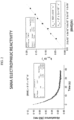
- FIG. 2 it is shown that the reaction between SANA and BME was determined to be a second order rate constant.
- Stopped-flow kinetic measurements were performed using an Rx 2000 stopped flow analyzer (Applied Photophysics). Mixtures of 150 ⁇ L NAT ⁇ 0 (25 ⁇ M) and solutions of BME at 0.54 mM, 1.09 mM, 1.64 mM, 2.18 mM, and 2.73 mM concentrations.
- the reaction was monitored by following the absorbance at 260 nm and plots were fitted to a simple exponential decay function using Originlab software (version 8.0.). The observed pseudo first order constant at each concentration of BME was extracted from the equation and plotted against the concentration of BME. The second rate constant of the reaction is derived from the slope of the curve and was 182 ⁇ 6 M -1 s -1 . All experiments were carried out at 25°C by triplicate.
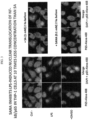
- Nuclear factor kappa B represents a family of pro-inflammatory transcription factors, present in all eukaryotic cells, which regulate inducible expression of wide ranging genes involved in immune responses and cell-cycle regulation. Activation of NF- ⁇ B is accompanied by nuclear translocation of NF- ⁇ B. Accordingly, FIG. 3 illustrates the lack of nuclear translocation of NF- ⁇ B in the presence of SANA to further demonstrate its anti-inflammatory effects. Specifically, FIG. 3 illustrates immunofluorescence and epifluorescence microscopy analysis showing the effect of SANA on LPS-induced NF-xB/p65 subcellular localization in THP-1 macrophages.
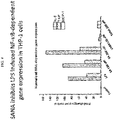
- FIG. 4 shows the inhibition of NF-kB-dependent gene expression in human macrophages by SANA.
- THP-1 cells were differentiated into macrophages. Cells were then treated with SANA (100 and 200 uM) or Salicylic acid (SA: 100 and 200 uM) for 2 hours. Cells were then stimulated with LPS (1 mg/mL, 3 hours). mRNA was extracted and IL-6, TNF-a and MCP-1 fold change gene expression over control were quantified by qPCR.
- FIG 4 shows that when uses at the same concentration, SA was not able to inhibit NF-kB dependent gene expression in these cells.
- FIG. 5 murine RAW 264.7 macrophages were treated with/without SANA (0, 50; 100 and 200 uM, 2 hours) or SA (1 mM) to see the potential inhibition of NF-kB dependent gene expression in murine macrophages.
- Cells were then stimulated with LPS (50 ng/mL, 16 hours). Supernatants were collected and IL-6 was measured by ELISA.
- FIG 5 shows that SANA is a more potent inhibitor of NF-kB dependent gene expression in these cells than SA.
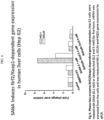
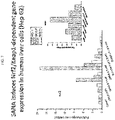
- FIG. 6 and 7 show induction of phase two enzymes Nrf2/Keap1-dependent gene expression by SANA but not by SA.
- Hep G2 cells were treated with SANA (0.1 mM) or Salicylic Acid (0.2 and 5 mM) for five hours.
- mRNA was extracted from the cells and was measured HO-1, GCLM and NQO1 gene expression by qPCR.
- FIG. 8 and 9 show the inhibition of inflammasome in THP-1 cells differentiated into macrophages (PMA 200 nM, 48 hs.) by SANA but not by SA when applied together with the first ( FIG 8 ) or the second ( FIG.9 ) signal.
- cells were treated with Salicylic acid (0.25 mM) or SANA (0.05; 0.125 and 0.25) together with LPS stimulation.
- the cells were stimulated with LPS (250 ng/mL, 3 hs.) and then with ATP (5 mM, 45 minutes).
- Supernatant was collected and IL-1b measured by ELISA.
- Cell viability was assessed by MTT assay. The values are showed as mean ⁇ SD.
- THP-1 cells were differentiated into macrophages with PMA (200 nM, 48 hs.). Cells were stimulated with LPS (250 ng/mL, 3 hs.) and then with ATP (5 mM, 45 minutes). Together with ATP treatment, cells were then treated with NATxME (10 uM), Salicylic acid (0.25 mM) or SANA (0.05; 0.125 and 0.25 mM). Supernatant was collected and II,-1b secretion was measured by ELISA. Cell viability was assessed by the MTT assay. The values are showed as mean ⁇ SD. FIG. 8 and 9 show that SAN is a potent inhibitor of the inflammasome when applied with the first or second signal, whereas SA cannot inhibit this potent pro-inflammatory cellular pathway.
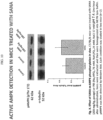
- FIG. 10 shows the effect of SANA on AMPK phosphorylation in vivo.
- C57BL/6 mice were treated with SANA (200 mg/kg, gavage) or PBS (Na 2 HPO 4 76 mM; NaH 2 PO 4 24 mM; NaCl 17 mM pH 7.4.
- PBS Na 2 HPO 4 76 mM; NaH 2 PO 4 24 mM; NaCl 17 mM pH 7.4.
- livers were extracted and then were homogenized into NETN lysis buffer.
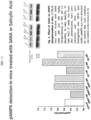
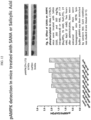
- mice were treated with SANA up to 400 mg/kg intraperitoneally or PBS, pH 7.4 (Na 2 HPO 4 76 mM; NaH 2 PO 4 24 mM; NaCl 17 mM).
- SANA up to 400 mg/kg intraperitoneally or PBS, pH 7.4 (Na 2 HPO 4 76 mM; NaH 2 PO 4 24 mM; NaCl 17 mM).
- livers were extracted and then were homogenized into NETN lysis buffer.
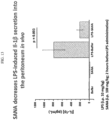
- FIG. 13 shows that SANA decreases LPS-induced Il-1b secretion into the peritoneum in vivo.
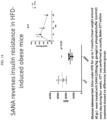
- FIG. 14 shows that SANA reverses insulin resistance in HFD-induced obese mice. Mice under HFD for up to 7 months (mean weight around 40 gr.) were treated with SANA (100mg/kg; gavage) or phosphate buffer (control) every day during four weeks. The glucose tolerance test were run as per well-known standard procedures.
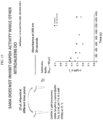
- FIG. 15 shows that SANA unexpectedly does not inhibit GAPDH activity while that is commonly observed with nitroalkenes.
- mice were grafted with skin from the tails of C57BL/6 male mice.
- the skin graft is a small square (1cm 2 ) and it was implanted onto the left subscapular region of the female mice. From one day before the transplantation until 15 days after it, the mice were treated daily with SANA (100 mg/kg, by oral gavage; SANA group) or vehicle (Control group).
- the vehicle used was a solution of Carboxy-Methyl-cellulose 0.5% m/v and Tween 80 0.5% v/v.
- allografts were checked every 48/72 hours to assess the condition of the grafted skin. Rejection was diagnosed clinically when the allograft lost more than 50% of its size and/or more than 10% of allograft was necrotic.
- results from FIG. 17 indicate that treatment with SANA provided significant reduction in skin allograft rejection compared to salicylic acid.
- the study followed the protocol described above for FIG.1 , but further included a Salicylate group.
- C57BL/6 female mice were grafted with skin from the tails of C57BL/6 male mice.
- the skin graft is a small square (1cm 2 ) and it was implanted onto the left subscapular region of the female mice. From one day before the transplantation until 15 days after it, the mice were treated daily with Salicylate (100 mg/kg, by oral gavage; Salicylate group), SANA (100 mg/kg, by oral gavage; SANA group) or vehicle (Control group).
- the vehicle used was a solution of Carboxy-Methyl-cellulose 0.5% m/v and Tween 80 0.5% v/v.
- allografts were checked every 48/72 hours to assess the condition of the grafted skin. Rejection was diagnosed clinically when the allograft lost more than 50% of its size and/or more than 10% of allograft was necrotic.
Landscapes
- Health & Medical Sciences (AREA)
- General Health & Medical Sciences (AREA)
- Life Sciences & Earth Sciences (AREA)
- Chemical & Material Sciences (AREA)
- Veterinary Medicine (AREA)
- Medicinal Chemistry (AREA)
- Public Health (AREA)
- Animal Behavior & Ethology (AREA)
- Pharmacology & Pharmacy (AREA)
- Epidemiology (AREA)
- General Chemical & Material Sciences (AREA)
- Organic Chemistry (AREA)
- Engineering & Computer Science (AREA)
- Bioinformatics & Cheminformatics (AREA)
- Nuclear Medicine, Radiotherapy & Molecular Imaging (AREA)
- Chemical Kinetics & Catalysis (AREA)
- Immunology (AREA)
- Obesity (AREA)
- Rheumatology (AREA)
- Pain & Pain Management (AREA)
- Child & Adolescent Psychology (AREA)
- Diabetes (AREA)
- Hematology (AREA)
- Transplantation (AREA)
- Pharmaceuticals Containing Other Organic And Inorganic Compounds (AREA)
- Medicines Containing Material From Animals Or Micro-Organisms (AREA)
- Medicines That Contain Protein Lipid Enzymes And Other Medicines (AREA)
Applications Claiming Priority (4)
| Application Number | Priority Date | Filing Date | Title |
|---|---|---|---|
| US201662408459P | 2016-10-14 | 2016-10-14 | |
| US201762570973P | 2017-10-11 | 2017-10-11 | |
| EP17800605.2A EP3525780B1 (en) | 2016-10-14 | 2017-10-16 | Pluripotent anti-inflammatory and metabolic modulators for the treatment of inflammation related conditions |
| PCT/IB2017/056417 WO2018069907A1 (en) | 2016-10-14 | 2017-10-16 | Methods of treatment of inflammation related conditions using pluripotent anti-inflammatory and metabolic modulators |
Related Parent Applications (2)
| Application Number | Title | Priority Date | Filing Date |
|---|---|---|---|
| EP17800605.2A Division EP3525780B1 (en) | 2016-10-14 | 2017-10-16 | Pluripotent anti-inflammatory and metabolic modulators for the treatment of inflammation related conditions |
| EP17800605.2A Division-Into EP3525780B1 (en) | 2016-10-14 | 2017-10-16 | Pluripotent anti-inflammatory and metabolic modulators for the treatment of inflammation related conditions |
Publications (2)
| Publication Number | Publication Date |
|---|---|
| EP3878456A1 EP3878456A1 (en) | 2021-09-15 |
| EP3878456B1 true EP3878456B1 (en) | 2023-03-15 |
Family
ID=60382484
Family Applications (2)
| Application Number | Title | Priority Date | Filing Date |
|---|---|---|---|
| EP21170218.8A Active EP3878456B1 (en) | 2016-10-14 | 2017-10-16 | Pluripotent anti-inflammatory and metabolic modulators for the treatment of obesity |
| EP17800605.2A Active EP3525780B1 (en) | 2016-10-14 | 2017-10-16 | Pluripotent anti-inflammatory and metabolic modulators for the treatment of inflammation related conditions |
Family Applications After (1)
| Application Number | Title | Priority Date | Filing Date |
|---|---|---|---|
| EP17800605.2A Active EP3525780B1 (en) | 2016-10-14 | 2017-10-16 | Pluripotent anti-inflammatory and metabolic modulators for the treatment of inflammation related conditions |
Country Status (9)
| Country | Link |
|---|---|
| US (3) | US10537537B2 (cg-RX-API-DMAC7.html) |
| EP (2) | EP3878456B1 (cg-RX-API-DMAC7.html) |
| JP (1) | JP6923659B2 (cg-RX-API-DMAC7.html) |
| CN (1) | CN110325182B (cg-RX-API-DMAC7.html) |
| AU (1) | AU2017342167B2 (cg-RX-API-DMAC7.html) |
| CL (1) | CL2019001014A1 (cg-RX-API-DMAC7.html) |
| ES (2) | ES2945822T3 (cg-RX-API-DMAC7.html) |
| MX (1) | MX394475B (cg-RX-API-DMAC7.html) |
| WO (1) | WO2018069907A1 (cg-RX-API-DMAC7.html) |
Families Citing this family (6)
| Publication number | Priority date | Publication date | Assignee | Title |
|---|---|---|---|---|
| ES2945822T3 (es) * | 2016-10-14 | 2023-07-07 | Inst Pasteur De Montevideo | Moduladores antinflamatorios y metabólicos pluripotentes para el tratamiento de afecciones relacionadas con la inflamación |
| JOP20190080A1 (ar) | 2016-10-14 | 2019-04-11 | Bayer Pharma AG | مركبات مشتقة من 6-(1h-بيرازول-1-يل) بيريميدين-4- أمين مستبدل واستخداماتها |
| US11400066B2 (en) * | 2016-10-14 | 2022-08-02 | Institut Pasteur De Montevideo | Methods of treatment of inflammation related conditions using pluripotent anti-inflammatory and metabolic modulators |
| NZ765463A (en) * | 2017-12-27 | 2025-11-28 | Batthyany Carlos | Nitroalkene non steroidal anti-inflammatory drugs (na-nsaids) and methods of treating inflammation related conditions |
| US10632132B2 (en) * | 2018-01-24 | 2020-04-28 | Carlos Batthyány | Methods for treating heart transplant rejection |
| WO2020058917A1 (en) * | 2018-09-20 | 2020-03-26 | Institut Pasteur De Montevideo | Methods of treatment of inflammation related conditions using pluripotent anti-inflammatory and metabolic modulators |
Family Cites Families (12)
| Publication number | Priority date | Publication date | Assignee | Title |
|---|---|---|---|---|
| JPS5113140B2 (cg-RX-API-DMAC7.html) * | 1972-01-13 | 1976-04-26 | ||
| JPS5113140A (en) | 1974-07-23 | 1976-02-02 | Sankyo Alu Ind | Kinzokuseitoshojino nakazan |
| ES2136581B1 (es) * | 1998-05-27 | 2000-09-16 | Uriach & Cia Sa J | Uso de derivados del acido-2-hidroxi-4-trifluorometilbenzoico para la preparacion de medicamentos utiles para inhibir el factor de transcripcion nuclear nf-kb. |
| WO2005037323A2 (en) * | 2003-10-10 | 2005-04-28 | University Of Louisville Research Foundation, Inc. | Use of gro to treat or prevent inflammation |
| US20060247263A1 (en) * | 2005-04-19 | 2006-11-02 | Amgen Inc. | Substituted heterocyclic compounds and methods of use |
| JP2012513774A (ja) * | 2008-12-31 | 2012-06-21 | ニトロメガ コーポレーション | ニトロ脂肪酸を含有する栄養補助物 |
| EP2847152A4 (en) | 2012-05-10 | 2016-03-23 | Cellix Bio Private Ltd | COMPOSITIONS AND METHOD FOR THE TREATMENT OF METABOLIC SYNDROME |
| WO2015073527A1 (en) | 2013-11-12 | 2015-05-21 | Complexa, Inc. | Nitroalkene tocopherols and analogs thereof for use in the treatment and prevention of inflammation related conditions |
| ES2945822T3 (es) | 2016-10-14 | 2023-07-07 | Inst Pasteur De Montevideo | Moduladores antinflamatorios y metabólicos pluripotentes para el tratamiento de afecciones relacionadas con la inflamación |
| US11400066B2 (en) | 2016-10-14 | 2022-08-02 | Institut Pasteur De Montevideo | Methods of treatment of inflammation related conditions using pluripotent anti-inflammatory and metabolic modulators |
| US10632132B2 (en) * | 2018-01-24 | 2020-04-28 | Carlos Batthyány | Methods for treating heart transplant rejection |
| WO2020058917A1 (en) | 2018-09-20 | 2020-03-26 | Institut Pasteur De Montevideo | Methods of treatment of inflammation related conditions using pluripotent anti-inflammatory and metabolic modulators |
-
2017
- 2017-10-16 ES ES21170218T patent/ES2945822T3/es active Active
- 2017-10-16 US US15/784,685 patent/US10537537B2/en active Active
- 2017-10-16 JP JP2019541901A patent/JP6923659B2/ja active Active
- 2017-10-16 ES ES17800605T patent/ES2886122T3/es active Active
- 2017-10-16 AU AU2017342167A patent/AU2017342167B2/en active Active
- 2017-10-16 CN CN201780077323.2A patent/CN110325182B/zh active Active
- 2017-10-16 MX MX2019004402A patent/MX394475B/es unknown
- 2017-10-16 WO PCT/IB2017/056417 patent/WO2018069907A1/en not_active Ceased
- 2017-10-16 EP EP21170218.8A patent/EP3878456B1/en active Active
- 2017-10-16 EP EP17800605.2A patent/EP3525780B1/en active Active
-
2019
- 2019-04-13 CL CL2019001014A patent/CL2019001014A1/es unknown
-
2022
- 2022-06-06 US US17/833,315 patent/US12280029B2/en active Active
-
2025
- 2025-04-10 US US19/175,353 patent/US20250352501A1/en active Pending
Also Published As
| Publication number | Publication date |
|---|---|
| US20250352501A1 (en) | 2025-11-20 |
| AU2017342167A1 (en) | 2019-06-06 |
| CN110325182B (zh) | 2023-05-23 |
| JP6923659B2 (ja) | 2021-08-25 |
| JP2019531356A (ja) | 2019-10-31 |
| US10537537B2 (en) | 2020-01-21 |
| ES2886122T3 (es) | 2021-12-16 |
| MX394475B (es) | 2025-03-24 |
| CL2019001014A1 (es) | 2019-11-29 |
| US20220296546A1 (en) | 2022-09-22 |
| EP3525780A1 (en) | 2019-08-21 |
| AU2017342167B2 (en) | 2023-01-12 |
| EP3878456A1 (en) | 2021-09-15 |
| WO2018069907A1 (en) | 2018-04-19 |
| CN110325182A (zh) | 2019-10-11 |
| US20180104202A1 (en) | 2018-04-19 |
| ES2945822T3 (es) | 2023-07-07 |
| EP3525780B1 (en) | 2021-06-02 |
| US12280029B2 (en) | 2025-04-22 |
| MX2019004402A (es) | 2019-09-26 |
Similar Documents
| Publication | Publication Date | Title |
|---|---|---|
| US12280029B2 (en) | Methods of treatment of inflammation related conditions using pluripotent anti-inflammatory and metabolic modulators | |
| US20250099411A1 (en) | Methods of Treatment of Inflammation Related Conditions Using Pluripotent Anti-Inflammatory and Metabolic Modulators | |
| AU2021205027A1 (en) | Prevention, treatment and reversal of disease using therapeutically effective amounts of activated fatty acids | |
| US10751310B2 (en) | Prevention, treatment and reversal of disease using therapeutically effective amounts of dicarboxylic acid compounds | |
| US11400066B2 (en) | Methods of treatment of inflammation related conditions using pluripotent anti-inflammatory and metabolic modulators | |
| US11491128B2 (en) | Reversible nitroxide derivatives of nitroalkenes that mediate nitrosating and alkylating reactions | |
| US10632132B2 (en) | Methods for treating heart transplant rejection | |
| EP3732162B1 (en) | Nitroalkene non steroidal anti-inflammatory drugs (na-nsaids) and methods of treating inflammation related conditions | |
| CA3039030C (en) | Novel reversible nitroxide derivatives of nitroalkenes that mediate nitrosating and alkylating reactions |
Legal Events
| Date | Code | Title | Description |
|---|---|---|---|
| PUAI | Public reference made under article 153(3) epc to a published international application that has entered the european phase |
Free format text: ORIGINAL CODE: 0009012 |
|
| STAA | Information on the status of an ep patent application or granted ep patent |
Free format text: STATUS: THE APPLICATION HAS BEEN PUBLISHED |
|
| AC | Divisional application: reference to earlier application |
Ref document number: 3525780 Country of ref document: EP Kind code of ref document: P |
|
| AK | Designated contracting states |
Kind code of ref document: A1 Designated state(s): AL AT BE BG CH CY CZ DE DK EE ES FI FR GB GR HR HU IE IS IT LI LT LU LV MC MK MT NL NO PL PT RO RS SE SI SK SM TR |
|
| STAA | Information on the status of an ep patent application or granted ep patent |
Free format text: STATUS: REQUEST FOR EXAMINATION WAS MADE |
|
| 17P | Request for examination filed |
Effective date: 20220314 |
|
| RBV | Designated contracting states (corrected) |
Designated state(s): AL AT BE BG CH CY CZ DE DK EE ES FI FR GB GR HR HU IE IS IT LI LT LU LV MC MK MT NL NO PL PT RO RS SE SI SK SM TR |
|
| RIC1 | Information provided on ipc code assigned before grant |
Ipc: A61P 3/04 20060101ALI20220720BHEP Ipc: A61P 43/00 20060101ALI20220720BHEP Ipc: A61P 37/06 20060101ALI20220720BHEP Ipc: A61P 29/00 20060101ALI20220720BHEP Ipc: A61K 45/06 20060101ALI20220720BHEP Ipc: A61K 31/60 20060101AFI20220720BHEP |
|
| GRAP | Despatch of communication of intention to grant a patent |
Free format text: ORIGINAL CODE: EPIDOSNIGR1 |
|
| STAA | Information on the status of an ep patent application or granted ep patent |
Free format text: STATUS: GRANT OF PATENT IS INTENDED |
|
| INTG | Intention to grant announced |
Effective date: 20220922 |
|
| GRAS | Grant fee paid |
Free format text: ORIGINAL CODE: EPIDOSNIGR3 |
|
| GRAA | (expected) grant |
Free format text: ORIGINAL CODE: 0009210 |
|
| STAA | Information on the status of an ep patent application or granted ep patent |
Free format text: STATUS: THE PATENT HAS BEEN GRANTED |
|
| AC | Divisional application: reference to earlier application |
Ref document number: 3525780 Country of ref document: EP Kind code of ref document: P |
|
| AK | Designated contracting states |
Kind code of ref document: B1 Designated state(s): AL AT BE BG CH CY CZ DE DK EE ES FI FR GB GR HR HU IE IS IT LI LT LU LV MC MK MT NL NO PL PT RO RS SE SI SK SM TR |
|
| REG | Reference to a national code |
Ref country code: CH Ref legal event code: EP Ref country code: GB Ref legal event code: FG4D |
|
| REG | Reference to a national code |
Ref country code: DE Ref legal event code: R096 Ref document number: 602017066947 Country of ref document: DE |
|
| REG | Reference to a national code |
Ref country code: IE Ref legal event code: FG4D |
|
| REG | Reference to a national code |
Ref country code: AT Ref legal event code: REF Ref document number: 1553597 Country of ref document: AT Kind code of ref document: T Effective date: 20230415 |
|
| P01 | Opt-out of the competence of the unified patent court (upc) registered |
Effective date: 20230519 |
|
| REG | Reference to a national code |
Ref country code: ES Ref legal event code: FG2A Ref document number: 2945822 Country of ref document: ES Kind code of ref document: T3 Effective date: 20230707 |
|
| REG | Reference to a national code |
Ref country code: LT Ref legal event code: MG9D |
|
| REG | Reference to a national code |
Ref country code: NL Ref legal event code: MP Effective date: 20230315 |
|
| PG25 | Lapsed in a contracting state [announced via postgrant information from national office to epo] |
Ref country code: RS Free format text: LAPSE BECAUSE OF FAILURE TO SUBMIT A TRANSLATION OF THE DESCRIPTION OR TO PAY THE FEE WITHIN THE PRESCRIBED TIME-LIMIT Effective date: 20230315 Ref country code: NO Free format text: LAPSE BECAUSE OF FAILURE TO SUBMIT A TRANSLATION OF THE DESCRIPTION OR TO PAY THE FEE WITHIN THE PRESCRIBED TIME-LIMIT Effective date: 20230615 Ref country code: LV Free format text: LAPSE BECAUSE OF FAILURE TO SUBMIT A TRANSLATION OF THE DESCRIPTION OR TO PAY THE FEE WITHIN THE PRESCRIBED TIME-LIMIT Effective date: 20230315 Ref country code: LT Free format text: LAPSE BECAUSE OF FAILURE TO SUBMIT A TRANSLATION OF THE DESCRIPTION OR TO PAY THE FEE WITHIN THE PRESCRIBED TIME-LIMIT Effective date: 20230315 Ref country code: HR Free format text: LAPSE BECAUSE OF FAILURE TO SUBMIT A TRANSLATION OF THE DESCRIPTION OR TO PAY THE FEE WITHIN THE PRESCRIBED TIME-LIMIT Effective date: 20230315 |
|
| REG | Reference to a national code |
Ref country code: AT Ref legal event code: MK05 Ref document number: 1553597 Country of ref document: AT Kind code of ref document: T Effective date: 20230315 |
|
| PG25 | Lapsed in a contracting state [announced via postgrant information from national office to epo] |
Ref country code: SE Free format text: LAPSE BECAUSE OF FAILURE TO SUBMIT A TRANSLATION OF THE DESCRIPTION OR TO PAY THE FEE WITHIN THE PRESCRIBED TIME-LIMIT Effective date: 20230315 Ref country code: NL Free format text: LAPSE BECAUSE OF FAILURE TO SUBMIT A TRANSLATION OF THE DESCRIPTION OR TO PAY THE FEE WITHIN THE PRESCRIBED TIME-LIMIT Effective date: 20230315 Ref country code: GR Free format text: LAPSE BECAUSE OF FAILURE TO SUBMIT A TRANSLATION OF THE DESCRIPTION OR TO PAY THE FEE WITHIN THE PRESCRIBED TIME-LIMIT Effective date: 20230616 Ref country code: FI Free format text: LAPSE BECAUSE OF FAILURE TO SUBMIT A TRANSLATION OF THE DESCRIPTION OR TO PAY THE FEE WITHIN THE PRESCRIBED TIME-LIMIT Effective date: 20230315 |
|
| PG25 | Lapsed in a contracting state [announced via postgrant information from national office to epo] |
Ref country code: SM Free format text: LAPSE BECAUSE OF FAILURE TO SUBMIT A TRANSLATION OF THE DESCRIPTION OR TO PAY THE FEE WITHIN THE PRESCRIBED TIME-LIMIT Effective date: 20230315 Ref country code: RO Free format text: LAPSE BECAUSE OF FAILURE TO SUBMIT A TRANSLATION OF THE DESCRIPTION OR TO PAY THE FEE WITHIN THE PRESCRIBED TIME-LIMIT Effective date: 20230315 Ref country code: PT Free format text: LAPSE BECAUSE OF FAILURE TO SUBMIT A TRANSLATION OF THE DESCRIPTION OR TO PAY THE FEE WITHIN THE PRESCRIBED TIME-LIMIT Effective date: 20230717 Ref country code: EE Free format text: LAPSE BECAUSE OF FAILURE TO SUBMIT A TRANSLATION OF THE DESCRIPTION OR TO PAY THE FEE WITHIN THE PRESCRIBED TIME-LIMIT Effective date: 20230315 Ref country code: CZ Free format text: LAPSE BECAUSE OF FAILURE TO SUBMIT A TRANSLATION OF THE DESCRIPTION OR TO PAY THE FEE WITHIN THE PRESCRIBED TIME-LIMIT Effective date: 20230315 Ref country code: AT Free format text: LAPSE BECAUSE OF FAILURE TO SUBMIT A TRANSLATION OF THE DESCRIPTION OR TO PAY THE FEE WITHIN THE PRESCRIBED TIME-LIMIT Effective date: 20230315 |
|
| PG25 | Lapsed in a contracting state [announced via postgrant information from national office to epo] |
Ref country code: SK Free format text: LAPSE BECAUSE OF FAILURE TO SUBMIT A TRANSLATION OF THE DESCRIPTION OR TO PAY THE FEE WITHIN THE PRESCRIBED TIME-LIMIT Effective date: 20230315 Ref country code: PL Free format text: LAPSE BECAUSE OF FAILURE TO SUBMIT A TRANSLATION OF THE DESCRIPTION OR TO PAY THE FEE WITHIN THE PRESCRIBED TIME-LIMIT Effective date: 20230315 Ref country code: IS Free format text: LAPSE BECAUSE OF FAILURE TO SUBMIT A TRANSLATION OF THE DESCRIPTION OR TO PAY THE FEE WITHIN THE PRESCRIBED TIME-LIMIT Effective date: 20230715 |
|
| REG | Reference to a national code |
Ref country code: DE Ref legal event code: R097 Ref document number: 602017066947 Country of ref document: DE |
|
| PLBE | No opposition filed within time limit |
Free format text: ORIGINAL CODE: 0009261 |
|
| STAA | Information on the status of an ep patent application or granted ep patent |
Free format text: STATUS: NO OPPOSITION FILED WITHIN TIME LIMIT |
|
| PG25 | Lapsed in a contracting state [announced via postgrant information from national office to epo] |
Ref country code: SI Free format text: LAPSE BECAUSE OF FAILURE TO SUBMIT A TRANSLATION OF THE DESCRIPTION OR TO PAY THE FEE WITHIN THE PRESCRIBED TIME-LIMIT Effective date: 20230315 Ref country code: DK Free format text: LAPSE BECAUSE OF FAILURE TO SUBMIT A TRANSLATION OF THE DESCRIPTION OR TO PAY THE FEE WITHIN THE PRESCRIBED TIME-LIMIT Effective date: 20230315 |
|
| 26N | No opposition filed |
Effective date: 20231218 |
|
| PG25 | Lapsed in a contracting state [announced via postgrant information from national office to epo] |
Ref country code: MC Free format text: LAPSE BECAUSE OF FAILURE TO SUBMIT A TRANSLATION OF THE DESCRIPTION OR TO PAY THE FEE WITHIN THE PRESCRIBED TIME-LIMIT Effective date: 20230315 |
|
| REG | Reference to a national code |
Ref country code: BE Ref legal event code: MM Effective date: 20231031 |
|
| PG25 | Lapsed in a contracting state [announced via postgrant information from national office to epo] |
Ref country code: LU Free format text: LAPSE BECAUSE OF NON-PAYMENT OF DUE FEES Effective date: 20231016 |
|
| PG25 | Lapsed in a contracting state [announced via postgrant information from national office to epo] |
Ref country code: LU Free format text: LAPSE BECAUSE OF NON-PAYMENT OF DUE FEES Effective date: 20231016 |
|
| PG25 | Lapsed in a contracting state [announced via postgrant information from national office to epo] |
Ref country code: BE Free format text: LAPSE BECAUSE OF NON-PAYMENT OF DUE FEES Effective date: 20231031 |
|
| PG25 | Lapsed in a contracting state [announced via postgrant information from national office to epo] |
Ref country code: IE Free format text: LAPSE BECAUSE OF NON-PAYMENT OF DUE FEES Effective date: 20231016 |
|
| PG25 | Lapsed in a contracting state [announced via postgrant information from national office to epo] |
Ref country code: IE Free format text: LAPSE BECAUSE OF NON-PAYMENT OF DUE FEES Effective date: 20231016 |
|
| PG25 | Lapsed in a contracting state [announced via postgrant information from national office to epo] |
Ref country code: BG Free format text: LAPSE BECAUSE OF FAILURE TO SUBMIT A TRANSLATION OF THE DESCRIPTION OR TO PAY THE FEE WITHIN THE PRESCRIBED TIME-LIMIT Effective date: 20230315 |
|
| PG25 | Lapsed in a contracting state [announced via postgrant information from national office to epo] |
Ref country code: BG Free format text: LAPSE BECAUSE OF FAILURE TO SUBMIT A TRANSLATION OF THE DESCRIPTION OR TO PAY THE FEE WITHIN THE PRESCRIBED TIME-LIMIT Effective date: 20230315 |
|
| PGFP | Annual fee paid to national office [announced via postgrant information from national office to epo] |
Ref country code: DE Payment date: 20241029 Year of fee payment: 8 |
|
| PGFP | Annual fee paid to national office [announced via postgrant information from national office to epo] |
Ref country code: GB Payment date: 20241022 Year of fee payment: 8 |
|
| PGFP | Annual fee paid to national office [announced via postgrant information from national office to epo] |
Ref country code: FR Payment date: 20241025 Year of fee payment: 8 |
|
| PGFP | Annual fee paid to national office [announced via postgrant information from national office to epo] |
Ref country code: IT Payment date: 20241022 Year of fee payment: 8 Ref country code: ES Payment date: 20241118 Year of fee payment: 8 |
|
| PGFP | Annual fee paid to national office [announced via postgrant information from national office to epo] |
Ref country code: CH Payment date: 20241101 Year of fee payment: 8 |
|
| PG25 | Lapsed in a contracting state [announced via postgrant information from national office to epo] |
Ref country code: CY Free format text: LAPSE BECAUSE OF FAILURE TO SUBMIT A TRANSLATION OF THE DESCRIPTION OR TO PAY THE FEE WITHIN THE PRESCRIBED TIME-LIMIT; INVALID AB INITIO Effective date: 20171016 |
|
| PG25 | Lapsed in a contracting state [announced via postgrant information from national office to epo] |
Ref country code: HU Free format text: LAPSE BECAUSE OF FAILURE TO SUBMIT A TRANSLATION OF THE DESCRIPTION OR TO PAY THE FEE WITHIN THE PRESCRIBED TIME-LIMIT; INVALID AB INITIO Effective date: 20171016 |
|
| REG | Reference to a national code |
Ref country code: CH Ref legal event code: U11 Free format text: ST27 STATUS EVENT CODE: U-0-0-U10-U11 (AS PROVIDED BY THE NATIONAL OFFICE) Effective date: 20251101 |
|
| PG25 | Lapsed in a contracting state [announced via postgrant information from national office to epo] |
Ref country code: TR Free format text: LAPSE BECAUSE OF FAILURE TO SUBMIT A TRANSLATION OF THE DESCRIPTION OR TO PAY THE FEE WITHIN THE PRESCRIBED TIME-LIMIT Effective date: 20230315 |