EP3870198B1 - Extrait d'algues pour son utilisation pour le traitement ou la prevention de l'immunosuppression post-traumatique - Google Patents
Extrait d'algues pour son utilisation pour le traitement ou la prevention de l'immunosuppression post-traumatique Download PDFInfo
- Publication number
- EP3870198B1 EP3870198B1 EP19801216.3A EP19801216A EP3870198B1 EP 3870198 B1 EP3870198 B1 EP 3870198B1 EP 19801216 A EP19801216 A EP 19801216A EP 3870198 B1 EP3870198 B1 EP 3870198B1
- Authority
- EP
- European Patent Office
- Prior art keywords
- ulva
- cells
- extract
- mice
- sulfated
- Prior art date
- Legal status (The legal status is an assumption and is not a legal conclusion. Google has not performed a legal analysis and makes no representation as to the accuracy of the status listed.)
- Active
Links
Images





Classifications
-
- A—HUMAN NECESSITIES
- A61—MEDICAL OR VETERINARY SCIENCE; HYGIENE
- A61K—PREPARATIONS FOR MEDICAL, DENTAL OR TOILETRY PURPOSES
- A61K31/00—Medicinal preparations containing organic active ingredients
- A61K31/70—Carbohydrates; Sugars; Derivatives thereof
- A61K31/715—Polysaccharides, i.e. having more than five saccharide radicals attached to each other by glycosidic linkages; Derivatives thereof, e.g. ethers, esters
-
- A—HUMAN NECESSITIES
- A61—MEDICAL OR VETERINARY SCIENCE; HYGIENE
- A61K—PREPARATIONS FOR MEDICAL, DENTAL OR TOILETRY PURPOSES
- A61K31/00—Medicinal preparations containing organic active ingredients
- A61K31/70—Carbohydrates; Sugars; Derivatives thereof
- A61K31/715—Polysaccharides, i.e. having more than five saccharide radicals attached to each other by glycosidic linkages; Derivatives thereof, e.g. ethers, esters
- A61K31/737—Sulfated polysaccharides, e.g. chondroitin sulfate, dermatan sulfate
-
- A—HUMAN NECESSITIES
- A61—MEDICAL OR VETERINARY SCIENCE; HYGIENE
- A61K—PREPARATIONS FOR MEDICAL, DENTAL OR TOILETRY PURPOSES
- A61K36/00—Medicinal preparations of undetermined constitution containing material from algae, lichens, fungi or plants, or derivatives thereof, e.g. traditional herbal medicines
- A61K36/02—Algae
- A61K36/05—Chlorophycota or chlorophyta (green algae), e.g. Chlorella
-
- A—HUMAN NECESSITIES
- A61—MEDICAL OR VETERINARY SCIENCE; HYGIENE
- A61P—SPECIFIC THERAPEUTIC ACTIVITY OF CHEMICAL COMPOUNDS OR MEDICINAL PREPARATIONS
- A61P31/00—Antiinfectives, i.e. antibiotics, antiseptics, chemotherapeutics
-
- A—HUMAN NECESSITIES
- A61—MEDICAL OR VETERINARY SCIENCE; HYGIENE
- A61P—SPECIFIC THERAPEUTIC ACTIVITY OF CHEMICAL COMPOUNDS OR MEDICINAL PREPARATIONS
- A61P37/00—Drugs for immunological or allergic disorders
- A61P37/02—Immunomodulators
-
- A—HUMAN NECESSITIES
- A61—MEDICAL OR VETERINARY SCIENCE; HYGIENE
- A61P—SPECIFIC THERAPEUTIC ACTIVITY OF CHEMICAL COMPOUNDS OR MEDICINAL PREPARATIONS
- A61P37/00—Drugs for immunological or allergic disorders
- A61P37/02—Immunomodulators
- A61P37/04—Immunostimulants
-
- A—HUMAN NECESSITIES
- A61—MEDICAL OR VETERINARY SCIENCE; HYGIENE
- A61K—PREPARATIONS FOR MEDICAL, DENTAL OR TOILETRY PURPOSES
- A61K2236/00—Isolation or extraction methods of medicinal preparations of undetermined constitution containing material from algae, lichens, fungi or plants, or derivatives thereof, e.g. traditional herbal medicine
- A61K2236/10—Preparation or pretreatment of starting material
- A61K2236/13—Preparation or pretreatment of starting material involving cleaning, e.g. washing or peeling
-
- A—HUMAN NECESSITIES
- A61—MEDICAL OR VETERINARY SCIENCE; HYGIENE
- A61K—PREPARATIONS FOR MEDICAL, DENTAL OR TOILETRY PURPOSES
- A61K2236/00—Isolation or extraction methods of medicinal preparations of undetermined constitution containing material from algae, lichens, fungi or plants, or derivatives thereof, e.g. traditional herbal medicine
- A61K2236/10—Preparation or pretreatment of starting material
- A61K2236/15—Preparation or pretreatment of starting material involving mechanical treatment, e.g. chopping up, cutting or grinding
-
- A—HUMAN NECESSITIES
- A61—MEDICAL OR VETERINARY SCIENCE; HYGIENE
- A61K—PREPARATIONS FOR MEDICAL, DENTAL OR TOILETRY PURPOSES
- A61K2236/00—Isolation or extraction methods of medicinal preparations of undetermined constitution containing material from algae, lichens, fungi or plants, or derivatives thereof, e.g. traditional herbal medicine
- A61K2236/50—Methods involving additional extraction steps
- A61K2236/51—Concentration or drying of the extract, e.g. Lyophilisation, freeze-drying or spray-drying
-
- A—HUMAN NECESSITIES
- A61—MEDICAL OR VETERINARY SCIENCE; HYGIENE
- A61K—PREPARATIONS FOR MEDICAL, DENTAL OR TOILETRY PURPOSES
- A61K2236/00—Isolation or extraction methods of medicinal preparations of undetermined constitution containing material from algae, lichens, fungi or plants, or derivatives thereof, e.g. traditional herbal medicine
- A61K2236/50—Methods involving additional extraction steps
- A61K2236/53—Liquid-solid separation, e.g. centrifugation, sedimentation or crystallization
Definitions
- the present invention relates to an extract of green algae of the Ulva type comprising sulfated and non-sulfated polyanionic polysaccharides whose molecular weight is less than or equal to 50 kDa, for its use for the prevention and/or treatment of a septic complication of post-traumatic immunodepression, said post-traumatic immunodepression being consecutive to one or more severe traumas, in particular a severe head trauma.
- SIRS systemic inflammatory response syndrome
- DAMPs danger-associated molecular patterns
- CARS systemic anti-inflammatory response
- CARS post-traumatic immunodepression, of variable duration and amplitude. This immunodepression is "physiological" at the start and present in all patients. Immunodepression becomes pathological if it persists, leading to post-traumatic infections (mainly pneumonia) which are the leading cause of complications in intensive care ( Roquilly et al., 2015, Resuscitation, 24: S285-S290 ).
- VAP ventilator-associated pneumonia
- a head trauma patient suffering from VAP will experience more systemic cerebral insults (fever, hypotension, hypoxia, hypercapnia); the duration of mechanical ventilation will also be prolonged, as well as the stay in intensive care. All these factors contribute on the one hand to the appearance of new brain lesions ischemic infections on hypoxia and on the other hand to a delay in post-resuscitation care (rehabilitation, etc.).
- PAVM post-resuscitation care
- TLRs Toll-like receptors
- DAMPs danger molecules
- TLRs are involved in the recognition of danger molecules (DAMPs). These receptors are located on the surface of innate immune cells. Ten different TLRs have been identified in humans, each of which recognizes one or more DAMPs. After recognition with its ligand, the TLR receptor can activate two major intracellular signaling pathways resulting in the activation of i) the nuclear transcription factor- ⁇ B (NF- ⁇ B, MyD88-dependent pathway) leading to the binding to the promoter of pro-inflammatory cytokine genes (IL-12, TNF ⁇ ), and ii) nuclear transcription factors of the IRF family (Interferon regulatory factor: IRF, TRIF-dependent pathway). The most studied receptors are TLR4, involved in the recognition of lipopolysaccharide (LPS) composing the cell wall of Gram-negative bacilli and TLR2 recognizing lipoteichoic acid of Gram-positive bacteria.
- LPS lipopolysaccharide
- TLR agonists have been suggested as a possible avenue of research with the aim of restoring immune functions “crippled” by trauma and combating secondary infections ( Hedayat et al., 2011, Lancet Infect Dis.;11(9):702-12 ).
- MPLA monophosphoryl lipid A
- Seaweed-based compounds are used in various fields ranging from pharmaceutical industry to microbiology. Their biologically active components mainly include peptides, polyunsaturated fatty acids and polysaccharides.
- the cell wall of seaweed is rich in sulfated polysaccharides such as ulvans in green algae. Recently, it has been shown that a purified fraction of ulvans extracted from a green alga of the Ulva type has immunomodulatory activity, especially in vitro on porcine IPEC-1 intestinal cells (patent application WO2015071497 ).
- the algae extract stimulates the secretion of pro-inflammatory cytokines (IL1 ⁇ , IL-6, IL-8, TNF ⁇ ”) in vitro ( Berri et al., 2016, Journal of Applied Phycology, 28(5): 2999-3008 ), via the TLR4/NF- ⁇ B pathway ( Berri et al., 2017, Algal Research, 28, 39-47 ).
- pro-inflammatory cytokines IL1 ⁇ , IL-6, IL-8, TNF ⁇
- the patent application WO2015/071502 relates to an extract of algae of the order Ulvales, in particular an extract of green algae of the Ulva type, comprising sulfated and non-sulfated polyanionic polysaccharides whose size is less than 50 kDa, for its use in the prevention and/or treatment of a bacterial infection.
- the inventors sought to determine whether an extract of algae of the order Ulvales, in particular green algae of the Ulva type, comprising sulfated and non-sulfated polyanionic polysaccharides whose molecular weight is less than or equal to 50 kDa, could prevent or treat post-traumatic immunodepression, in particular its respiratory complications.
- the effects of this extract on mucosal pulmonary immunity were in particular evaluated in a mouse model of head trauma ( Flierl et al., 2009, Nat Protoc.;4(9):1328-37 ), followed by SAMS (methicillin-sensitive Staphyloccocus aureus ) pneumonia.
- the algae extract When bacterial pulmonary infection in mice is performed in the absence of head trauma (and therefore immunosuppression), the algae extract does not induce stimulation of innate immune cells, either via stimulation of secretion of IL-12 by DCs, of TNF ⁇ by macrophages or of INF ⁇ by NK or LT cells, or via stimulation of the membrane expression of MHC II by DCs, and does not limit bacterial dissemination.
- It relates to an extract of green algae of the Ulva type comprising sulfated and non-sulfated polyanionic polysaccharides whose molecular weight is less than or equal to 50 kDa, for its use for the prevention and/or treatment of a septic complication of post-traumatic immunodepression, said post-traumatic immunodepression being consecutive to one or more severe traumas, in particular severe head trauma.
- the septic complication is a nosocomial infection, including a nosocomial infection selected from the group consisting of pneumonias, such as ventilator-associated pneumonias (VAPs), urinary tract infections, central venous catheter infections, cerebromeningeal bacterial infections such as empyema meningitis and brain abscesses.
- a nosocomial infection selected from the group consisting of pneumonias, such as ventilator-associated pneumonias (VAPs), urinary tract infections, central venous catheter infections, cerebromeningeal bacterial infections such as empyema meningitis and brain abscesses.
- said sulfated and non-sulfated polyanionic polysaccharides with a molecular weight of less than or equal to 50 kDa have a molecular weight of less than 15 kDa, and preferably greater than 500 Da.
- the algae extract does not comprise sulfated or non-sulfated polyanionic polysaccharides with a molecular weight of greater than 15 kDa.
- the invention relates to an extract of green algae of the Ulva type comprising sulfated and non-sulfated polyanionic polysaccharides whose molecular weight is less than or equal to 50 kDa, for its use for the prevention and/or treatment of a septic complication of post-traumatic immunodepression, said post-traumatic immunodepression being consecutive to one or more severe traumas, in particular a severe head trauma.
- the extract of algae of the order Ulvales comprising sulfated and non-sulfated polyanionic polysaccharides with a molecular weight of less than or equal to 50 kDa is an extract of green algae of the Ulva type.
- Ulva -type green algae means green algae grouped in the genus Ulva, of the Ulvaceae family, of the order Ulvales.
- Ulva acanthophora Ulva anandii, Ulva angusta, Ulva arasakii, Ulva armoricana, Ulva atroviridis, Ulva attenuata, Ulva beytensis, Ulva bifrons, Ulva brevistipitata, Ulva bulbosa, Ulva burmanica, Ulva byssoides, Ulva californica, Ulva chaetomorphoides, Ulva clathrata, Ulva coccinea, Ulva compressa, Ulva conglobata, Ulva cornucopiae, Ulva cornuta, Ulva covelongensis, Ulva crassa, Ulva crassimembrana, Ulva curvata, Ulva dactylifera, Ulva dent
- the above seaweed extract comprises sulfated and non-sulfated polyanionic polysaccharides having a molecular weight of less than or equal to 50 kDa. More particularly, the seaweed extract comprises sulfated and non-sulfated polyanionic polysaccharides having a molecular weight of less than or equal to 50 kDa, the molecular weight of which is less than 40, 30, 20 or 15 kDa. More particularly still, the sulfated and non-sulfated polyanionic polysaccharides of the seaweed extract have a molecular weight of less than or equal to 15 kDa. Preferably, the sulfated and non-sulfated polyanionic polysaccharides of the seaweed extract have a molecular weight of greater than 500 Da, more preferably greater than 750 Da.
- the algae extract does not comprise sulfated or non-sulfated polyanionic polysaccharides having a molecular weight greater than 50 kDa (or greater than 40, 30, 20 or 15 kDa when the sulfated and non-sulfated polysaccharides are defined by a molecular weight less than 40, 30, 20 or 15 kDa, respectively).
- the algae extract when the algae extract comprises sulfated and non-sulfated polyanionic polysaccharides with a molecular weight of less than or equal to 15 kDa, the algae extract does not comprise sulfated or non-sulfated polyanionic polysaccharides with a molecular weight of greater than 15 kDa.
- a dalton is a mass unit defined as being equal to one twelfth of the mass of a carbon-12 atom, a mass which will then be estimated from a mixture of several isotopes (mainly carbon-12 and carbon-13, having respectively 6 and 7 neutrons in addition to the 6 protons of any carbon atom).
- a dalton is, with a fair degree of accuracy, the mass of a hydrogen atom, the exact value being 1.00794 amu (atomic mass unit).
- the kilodalton (kDa) is equal to 1000 Da.
- the masses mentioned in kDa are determined by any method usually used by those skilled in the art, in particular the masses of sulfated and non-sulfated polyanionic polysaccharides of algae extracts can be discriminated by ultrafiltration on membranes allowing only molecules of predetermined sizes to filter.
- the polysaccharides comprise mannose and/or arabinose, preferably mannose. More particularly still, the algae extract comprises at least 0.005% mannose and/or at least 0.005% arabinose, by weight relative to the weight of the total dry matter of the algae extract, in particular at least 0.01% mannose and/or at least 0.01% arabinose. Preferably the algae extract comprises at least 0.005% mannose.
- the algae extract comprises mannose in an amount ranging from 0.005 to 0.5%, for example from 0.005 to 0.2% or from 0.15 to 0.5% and/or arabinose in an amount ranging from 0.005 to 0.5%, by weight relative to the weight of the total dry matter of the algae extract, preferably mannose in an amount ranging from 0.005 to 0.5%, for example from 0.005 to 0.2% or from 0.15 to 0.5% by weight relative to the weight of the total dry matter of the algae extract.
- the algae extract comprises mannose in an amount ranging from 0.01 to 0.5%, for example from 0.01 to 0.2% or from 0.2 to 0.5% and/or arabinose in an amount ranging from 0.01 to 0.5%, by weight relative to the weight of the total dry matter of the algae extract, in particular mannose in an amount ranging from 0.03 to 0.45%, for example 0.03 to 0.15% or 0.15 to 0.45% and/or arabinose in an amount ranging from 0.01 to 0.2%.
- the algae extract comprises mannose in an amount ranging from 0.01 to 0.50%, for example from 0.01 to 0.20% or from 0.20 to 0.5%, in particular mannose in an amount ranging from 0.03 to 0.45%, for example from 0.03 to 0.15% or from 0.15 to 0.45%, by weight relative to the weight of the total dry matter of the algae extract.
- the other chemical elements present in the dry matter of the extract are notably represented by minerals (Ca, K, Na, Mg, Al, CI, I, P, Fe, etc.).
- the algae extract as described in the context of the present invention is characterized by the 1 H NMR spectrum presented in Figure 1 .
- the preparation method further comprises a freezing step followed by thawing, between step a) of washing/desanding and step b) of grinding.
- step a) thereof the algae are washed with fresh water.
- the algae are then crushed, in particular using a grinder, such as a refiner or a cutter.
- the solid phase of the ground material, the marc is separated from its liquid phase, the juice, by pressing the ground material, for example using a belt or plate press, or by centrifugation.
- juice we mean the cytoplasmic juice which includes the parietal structure of the double structure of the algae cells.
- the liquid phase obtained is then clarified, for example with a plate clarifier, or by centrifugation, decantation or filtration (for example by bag or plate).
- the juice obtained is then ultrafiltered.
- the ultrafiltration is carried out on a membrane of 50 kDa or less, in particular on a membrane of 40, 30, 20 or 15 kDa. More particularly, the membrane is a membrane of 15 kDa or less.
- This membrane may be, for example, a ceramic membrane or an organic membrane. More particularly, the membrane is a ceramic membrane.
- the resulting filtration juice can then be concentrated, for example by reverse osmosis, evaporation or precipitation, then dried, for example by freeze-drying or atomization.
- the concentration can be preceded by a demineralization step, in particular on a membrane having a size between 150 and 1000 Da.
- the extract obtained can then be ground again, in order to obtain a powder that is homogeneous in terms of particle size.
- the process takes place partly at room temperature.
- Room temperature means a temperature between 5 and 25°C.
- the process takes place partly at a temperature between 4 and 10°C, in order to avoid microbial development.
- the algae extract obtained in step f) of the aforementioned method is purified, for example by ultrafiltration, in particular on an ultrafiltration cassette, in particular in order to remove the mineral part.
- this purification can also be carried out before the concentration step f) or during the concentration step f).
- the process for preparing the algae extract as described above does not use solvents, in particular organic ones, and more particularly any other than water.
- the Ulva type green algae extract comprising sulfated and non-sulfated polyanionic polysaccharides having a molecular weight of less than or equal to 50 kDa is preferably formulated into a pharmaceutical composition or a medicament.
- a pharmaceutical composition or medicament for implementing the invention typically comprises the extract of green algae of the Ulva type comprising sulfated and non-sulfated polyanionic polysaccharides whose molecular weight is less than or equal to 50 kDa, and a pharmaceutically acceptable excipient.
- the pharmaceutically acceptable excipients used for the preparation of a medicament or a pharmaceutical composition comprising an algae extract for its use according to the invention are chosen according to the pharmaceutical form and the desired method of administration, from among the usual excipients which are known to those skilled in the art.
- the algae extract as defined above may be administered in the form of unit doses, in admixture with conventional pharmaceutical excipients.
- Suitable administration forms include oral forms such as tablets, soft or hard capsules, powders, granules and oral solutions or suspensions, sublingual, buccal, intratracheal, intraocular, intranasal, inhalation forms, topical, parenteral forms such as transdermal, intraperitoneal, intratracheal, subcutaneous, intramuscular or intravenous, rectal administration forms and implants.
- the principal active ingredient may be mixed with a pharmaceutical carrier, such as gelatin, starch, lactose, magnesium stearate, talc, gum arabic or the like.
- a pharmaceutical carrier such as gelatin, starch, lactose, magnesium stearate, talc, gum arabic or the like.
- the tablets may also be coated with sucrose, a cellulose derivative, or other suitable materials or may be treated so that they have prolonged or delayed activity and continuously release a predetermined amount of active ingredient.
- a preparation in capsule form can for example be obtained by mixing the active ingredient with a diluent and pouring the resulting mixture into soft or hard capsules.
- the algae extract, the medicament or the pharmaceutical composition for its use according to the present invention is intended for oral administration. In another embodiment, the algae extract, the medicament or the pharmaceutical composition for its use according to the present invention is intended for parenteral administration. In another embodiment, the algae extract, the medicament or the pharmaceutical composition for its use according to the present invention is intended for intraperitoneal administration.
- the drugs or pharmaceutical compositions comprising an algae extract for its use according to the invention may also be in liquid form, for example, in the form of solutions, emulsions, suspensions or syrups, and in particular in a form suitable for oral or intranasal administration, for example.
- Suitable liquid carriers may be, for example, water, organic solvents such as glycerol or glycols, as well as their mixtures, in varying proportions, in water.
- a preparation in the form of syrup or elixir or for administration in the form of drops may also contain the active ingredient together with a sweetener, calorie-free, for example, methylparaben and propylparaben as an antiseptic, as well as a flavoring agent and a suitable coloring agent.
- a sweetener for example, methylparaben and propylparaben as an antiseptic
- a flavoring agent and a suitable coloring agent may also contain the active ingredient together with a sweetener, calorie-free, for example, methylparaben and propylparaben as an antiseptic, as well as a flavoring agent and a suitable coloring agent.
- Water-dispersible powders or granules may, for example, contain the active ingredient in admixture with dispersing or wetting agents, or suspending agents, such as polyvinylpyrrolidone, as well as with sweeteners or flavour correctors.
- the daily dose of the algae extract will be the lowest effective dose of the algae extract capable of producing a prophylactic and/or therapeutic effect on post-traumatic immunosuppression.
- an algae extract for its use according to the invention is used in a composition as mentioned above for administration at a dose in humans of between 0.1 and 300 mg/kg, for example between 0.1 and 100 mg/kg, even more particularly between 0.5 and 60 mg/kg, for example between 1 and 20 mg/kg or between 5 and 30 mg/kg, or at a dose in animals of between 1 and 300 mg/kg or 1 and 200 mg/kg, more particularly between 1 and 100 mg/kg, even more particularly between 2 and 45 mg/kg or between 10 and 60 mg/kg.
- an algae extract for its use according to the invention is used in a composition as mentioned above for oral administration at a dose in humans of between 100 and 300 mg/kg, for example between 50 and 100 mg/kg, or at a dose in animals of between 100 and 300 mg/kg or 100 and 200 mg/kg.
- the term “treat” or “treatment” means to suppress, alleviate or prevent the progression of a disorder or one or more symptoms related to this disorder.
- a “prophylactic” or “preventive” treatment means to prevent the occurrence of such a disorder or one or more symptoms related to this disorder.
- a subject for the prophylactic or therapeutic treatment according to the invention is an animal, preferably a mammal, for example a rodent, a canine, a feline, a bovine, an equine, or a primate.
- a subject is in particular a human, man, woman or child.
- the subject has post-traumatic immunodepression.
- Post-traumatic immunodepression is the result of one or more severe traumas in the subject, such as than head trauma, especially head trauma with or without multiple trauma, major surgery or severe infection.
- the severely traumatized subject in question has at least two traumatic injuries (polytrauma) among which at least one injury is life-threatening.
- the subject is generally hospitalized, for example in a hospital intensive care unit.
- the subject may more particularly be placed on artificial ventilation, in particular with intubation.
- the severely traumatized subject has an Injury Severity Score (ISS) of at least 16.
- ISS Injury Severity Score
- the ISS is at least 25.
- the calculation of the ISS score takes into account the involvement of several regions of the patient's body (head and neck; face; thorax; abdomen and pelvis; pelvis and limbs; skin and subcutaneous tissues). The involvement of each region is rated from 1 to 6 according to its severity (1: minor involvement, 6: critical involvement).
- the severely traumatized subject has severe head trauma defined by a Glasgow Coma Score (CGS) of less than 8.
- CGS Glasgow Coma Score
- Determining the CGS is a method that allows the depth of a coma to be assessed by studying the variability of 3 very precise clinical criteria, which are: 1) eye opening (rated from 1: absent to 4: spontaneous eye opening), 2) motility capabilities (ability to move), or if preferred, the best motor response (rated from 1: absent to 6: adapted movements), and 3) the response to the questions asked (verbal responses, rated from 1: absent to 5: oriented response).
- the CGS is the sum of the results obtained for the three clinical criteria cited above. It is therefore at least 3 and at most 15 ( Teasdale et al. 1974, Lancet 2:81-84 ).
- the observed decrease in the level of cytokine production is understood versus healthy volunteers whose level of cytokine production represents the value 100%.
- Cytokines are typically measured in whole blood cultures stimulated with LPS (generally from Escherichia coli ).
- the expression of HLA-DR is expressed versus healthy volunteers, either in number of HLA-DR molecules expressed on the surface of the cells (MFI for "mean fluorescence intensity"), or in percentage, the value 100% representing the level of expression of HLA-DR in healthy volunteers.
- MFI mean fluorescence intensity
- the decrease in a) and/or b) above is at least approximately 20%. It is preferably at least approximately 25%, more preferably at least approximately 30, 35, 40, 45%, and more preferably at least approximately 50, 55, 60%, or even more.
- the post-traumatic immunodepression observed in the severely traumatized patient is such that the level of expression of HLA-DR on the monocytes of said patient in the 24 hours following the trauma(s) (from D0 to D1) is reduced compared to the level of expression observed for a healthy individual.
- This initial decrease can also make it possible, in practice, to predict the risk of septic complications (or secondary infections).
- a low level of expression of HLA-DR on the monocytes on the first day following the severe trauma(s) (D1) for example a decrease of 50%, is predictive of a high risk for the patient of contracting a secondary infection.
- HLA-DR The expression of HLA-DR is expressed versus healthy volunteers, either in number of HLA-DR molecules expressed on the surface of the cells (MFI for "mean fluorescence intensity"), or as a percentage, the value 100% representing the level of expression of HLA-DR in healthy volunteers.
- MFI mean fluorescence intensity
- the decrease in the level of expression of HLA-DR is at least approximately 20%, preferably at least approximately 25%, more preferably at least approximately 30, 35, 40, 45%, and more preferably at least approximately 50, 55, 60%, or even more.
- nosocomial infections in particular bacterial or fungal or viral.
- the nosocomial infections in question are selected from the group consisting of pneumonias, such as ventilator-associated pneumonias (VAPs), urinary tract infections, infections on central venous catheters, cerebromeningeal bacterial infections such as empyema meningitis and brain abscesses.
- the pneumonias are due to pathogenic bacteria chosen from staphylococci, preferably Staphylococcus aureus, more preferably Staphylococcus aureus sensitive to methicillin, Haemophilus sp., preferably H.
- Bacteria that cause pneumonia may also belong to other genera or species. bacterial (e.g., Gram-negative bacilli and Gram-positive cocci). In addition, they may be resistant to antibiotics.
- the causative bacteria or yeasts may be, for example, Gram-negative bacilli (eg, E. coli, Proteus mirabilis, Pseudomonas aeruginosa ) and Gram-positive cocci (eg, S . aureus ) for urinary tract infections; Gram-negative bacilli (eg, E. coli, P.
- Gram-positive cocci eg, S . aureus, coagulase-negative staphylococci
- yeasts such as Candida sp. for central line infections
- Gram-negative bacilli eg, E. coli, P. mirabilis, P. aeruginosa
- Gram-positive cocci eg, S. aureus, coagulase-negative staphylococci, Streptococcus pneumoniae
- the location of the infection is the lung.
- the algae extract, or the composition or medicament containing it is preferably administered, once or several times if necessary, within a period of at most about 1 month, preferably at most 28 days, from the patients' admission to hospital, in particular to a hospital intensive care unit.
- the septic complications that are to be prevented are likely to occur (or be contracted) for at most about 1 month, preferably at most 28 days, from the patients' admission to hospital.
- septic complications have been found to occur in 40 to 50% of severely traumatized patients between D0 and D10, and in an additional 10 to 20% of patients between D10 and D28, i.e. 50 to 70% of patients in total had contracted a secondary infection ( Osborn et al., 2004 Crit. Care Med.;32(11):2234-40 ).
- the algae extract, or the composition or drug containing it is administered one or more times during the period of intubation of the patients.
- the term "and/or” is a grammatical conjunction which is to be interpreted as encompassing the fact that one or more of the cases it connects may occur.
- mannose and/or arabinose in the expression "said polysaccharides comprise mannose and/or arabinose” indicates that the polysaccharides may comprise mannose, or arabinose, or mannose and arabinose.
- Example 1 Preparation of an algae extract for use according to the invention
- the algae extract is prepared as described in Example 1 of the international patent application WO2015071497 .
- a ton of fresh , raw Ulva green algae is washed in fresh water and de-sanded using an algae washing machine.
- fine particles we mean particles with a size between 50 and 1000 nm, with two populations, the first with sizes between 50 and 200 nm, the second with sizes between 600 and 1000 nm.
- the crushed material is then pressed using a Flottweg industrial belt press type "B FRU 800 HK” at a flow rate of approximately 1 tonne/hour. This step allows the separation of the solid phase (marc) from the liquid phase (juice). The juice yield obtained is 75%.
- the 750 kg of raw juice obtained are then clarified using a Flottweg plate clarifier type "AC 2000". This produces 710 kg of clear juice with 3.10% dry mass (95 to 98% yield by mass) and a cream (2 to 5% by mass).
- the clear juice is ultrafiltered on a ceramic membrane (Tami Industries) of 15 KDa. This produces a permeate and a retentate. The permeate is kept until 640 kg of filtration juice is obtained (91% yield by volume) at 2.2% dry matter.
- the filtration juice (permeate) is then dried by freeze-drying after concentration by evaporation.
- the concentration is carried out on a single-effect evaporator (EVA 1000, Pignat) with the following parameters: forced recirculation, feed flow rate 10L/h, steam pressure of 1 bar, vacuum pressure of 0.3 bar and evaporation temperature of 90°C.
- EVA 1000, Pignat single-effect evaporator
- a first concentration is carried out with an evaporated water flow rate of 8 L/h and the °brix rises from 5.5 (equal to a dry matter concentration of 4.5%) to 14.7.
- This solution is then concentrated a second time with an evaporated water flow rate of 5-6 L/h and the °brix rises to 34.
- the dry matter concentration of the solution is determined at 38.4%.
- Freeze-drying is then carried out using a Bioblock scientific device (CHRIST alpha 1-4 LSC model) at a freezing temperature of -80°C which is also the minimum temperature during this step.
- CHRIST alpha 1-4 LSC model a Bioblock scientific device at a freezing temperature of -80°C which is also the minimum temperature during this step.
- the powder obtained is then ground with a Philips MiniMill planetary mill.
- the product was introduced into grinding bowls (10 g of product in each grinding bowl with 4 zirconia balls). The assembly was rotated for 15 minutes at speed 10. This gives 14 kg of algae extract powder.
- mice All experiments were conducted in accordance with the principles of laboratory animal welfare. All experiments were approved by the Pays de la Loire Ethics Committee and by the MESR (n°2016121915529061). Mice (5-week-old male Swiss, RjOrl strain: SWISS and 6-week-old male C57BL/6, C57BL/6JRj strain, 24 to 28 g) were obtained from the Janvier laboratory (Laval). Mice were kept in a 12-h day/night cycle with free access to water and food at the animal facility of the Health Research Institute 2 (IRS 2) in France.
- IRS 2 Health Research Institute 2
- the seaweed extract comprising sulfated and non-sulfated polysaccharides It was extracted and purified from the seaweed Ulva armoricana collected on the beach at Plestin les Grèves (Brittany, France), according to the protocol described in Example 1. The absence of contamination of the different fractions by LPS was assessed using a commercially available technique (E-toxate Kit, Sigma). No LPS was detected by this assay in the final extract.
- the samples used were in the form of an aqueous solution at a concentration of 1% sulfated and non-sulfated polysaccharides (concentration by weight of dry matter relative to the final volume of the solution).
- Head trauma model The head trauma was performed using the “weight drop device” technique ( Flierl et al., 2009, Nat. Protoc.;4(9):1328-37 ). A subcutaneous injection of 0.1 mg/kg of buprenorphine was performed thirty minutes before the procedure and then the mice were anesthetized by continuous inhalation of isoflurane (fresh gas flow 0.8 L/min, inhaled fraction 3.5%). A 1 cm incision at the top of the skull allowed the coronal and sagittal sutures to be located and the procedure to be optimized. The trauma was then performed by dropping a standardized weight from a height of 2.5 cm, then the incision was closed with a stitch using 4.0 thread. There should be no breach of the skull.
- mice were euthanized.
- the endpoints were evaluated according to Table I below: ⁇ b>Table I: ⁇ /b> Cutoff points. Mice were euthanized for a score greater than or equal to 6. 0 points 1 point 2 points 3 points Weight loss ⁇ 5% 5-12% 13-20% >20% Physical appearance (spiky hair and humped back) Normal Little altered Moderately impaired Very altered Behavior (isolation) Normal Little modified Moderately modified Very modified (permanent isolation from the rest of the group)
- Bacterial inoculum SAMS strain ATCC 29213 (hemolysin positive, Panton Valentine leukocidin negative) was used for all experiments. The strain was incubated in brain heart broth for 18 h at 37 °C and then washed twice (1000 g for 10 min at 20 °), and finally diluted in sterile PBS. Then, The inoculum was calibrated by nephelometry to obtain 7 MacFarland and then finally concentrated 5 times to reach a concentration between 1 and 3 ⁇ 10 9 CFU/mL.
- Pneumonia model A subcutaneous injection of 0.1 mg/kg buprenorphine was performed thirty minutes before the procedure and then the mice were anesthetized by continuous inhalation of isoflurane (fresh gas flow 0.8 L/min, inhaled fraction 3.5%). Pneumonia was then induced by intratracheal insertion of a 24-gauge gavage cannula followed by injection of 75 ⁇ L of inoculum.
- mice were divided into 4 groups: non-infected non-traumatized Sham (S) mice, non-traumatized infected mice (PN ), traumatized and infected mice, untreated (PN+TC ) and traumatized mice infected and treated with 200 ⁇ g of the marine compound intraperitoneally every 12 hours (PN+TC+TX).
- the algae extract was administered at doses of 50 ⁇ g, 200 ⁇ g and 500 ⁇ g in a total volume of 200 ⁇ L (supplemented with PBS) by intraperitoneal or intratracheal route.
- the algae extract was administered intraperitoneally 2 hours and 12 hours before euthanasia at doses of 50, 200 and 500 ⁇ L in a total volume of 200 ⁇ L of PBS.
- the algae extract was also administered at a dose of 50 ⁇ g in 75 ⁇ L intratracheally according to the same procedure as for bacterial inoculation during pneumonia.
- the spleens and lungs were then collected and the cell populations analyzed by flow cytometry after intracellular labeling of pro-inflammatory cytokines (IL-12, TNF ⁇ , INF ⁇ ).
- FACS analysis of cell populations Pulmonary and splenic cell suspensions were obtained by manual mechanical grinding followed by digestion by collagenase for 30 minutes (spleens) or 45 minutes (lungs) and then passed through a sieve (70 ⁇ m pores). After treatment with a red blood cell lysis solution, the cell suspensions obtained were incubated for 30 minutes at 4°C with antibodies coupled to specific fluorochromes.
- CDs CD24-BV711 (M1/69, BD Horizon), CD11c-PeCy7 (NK18, Biolegend), MHC II-BV421 (M5/114.15.2, Biolegend);
- macrophages F4/80-Alexa647(BM8, Biolegend), CD11b-BV605 (M1/70, BD Horizon), CD11c-PeCy7(NK18, Biolegend).
- NK cells and T lymphocytes NK1.1-BV421 (PK136, BD Horizon), CD3-PE (145-2C11, eBioscience) and KLRG 1-APC (2F1, eBioscience). Cells were analyzed on the BD LSR II ® instrument and all data were then interpreted using Flowjo Software ® (TreeStar Inc, Ashland, OR).
- Intracellular cytokine labeling Mice were euthanized 12 hours after tracheal instillation of SASM creating pneumonia. For intracellular labeling of cytokines in DCs, macrophages and lymphocytes, cells were incubated for 5 hours in a medium comprising RPMI and Golgi Plugh (BD Bioscience) to block exocytosis, washed twice and then labeled according to membrane markers (see above). Fixation and permeabilization were performed according to the manufacturer's recommendations (BD Cytofix/Cytoperm kit, BD Bioscience).
- Luminex method Determination of the expression level of pulmonary and splenic chemokines by Luminex method. After sampling the lungs and spleens, the latter were mechanically homogenized at 4°C in the presence of lysis buffer (1xPBS, pH 7.4/ 0.1% triton X-100) containing 1mM of protease inhibitor cocktail (Sigma, l'Isle D'Abeau Chesnes, France). The homogenates were then centrifuged at 12,000g for 20 minutes at 4° and the supernatant was collected and stored at -80°C until analysis.
- lysis buffer (1xPBS, pH 7.4/ 0.1% triton X-100
- protease inhibitor cocktail Sigma, l'Isle D'Abeau Chesnes, France
- the concentrations of the different chemokines were carried out by the CIMNA platform (Nantes Atlantique Immunomonitoring Center) by Luminex ® method after specific marks of the different chemokines: CCL19/MIP-3 beta (BR19), CCL2/MCP-1/JE (BR18), CCL20/MIP-3 alpha (BR48), CCL21/6Ckine (BR72), CCL3/MIP-1 alpha (BR46), CCL4/MIP-1 beta (BR51), CCL8/MCP-2 (BR38), CXCL1/KC (BR13), CXCL10/IP-10 (BR37), CXCL2/MIP-2 (BR20).
- CIMNA platform Nantes Atlantique Immunomonitoring Center
- NK cells Lung cell suspensions were obtained according to the protocol used for FACS analysis. Cells were counted (approximately 2.10 7 per lung) and then centrifuged at 300g for 10 minutes. Cells were suspended in 40 ⁇ L of FACS Buffer for 10 7 cells and then labeled with 10 ⁇ L of NK Cell Biotin-Antibody Cocktail ( Miltenyi Biotec ® , Germany) and incubated for 5 minutes at 4 ° C. After a new centrifugation at 300g for 10 minutes, cells were incubated for 10 minutes at 4 ° C with 20 ⁇ L of Anti-Biotin MicroBeads ( Miltenyi Biotec ® , Germany) for 10 7 cells.
- NK cells were separated according to the manufacturer's recommendations ( Miltenyi Biotec, Germany ) .
- Each group (na ⁇ ve and TC) consisted of 6 mice and then the lungs were crushed two by two in order to reach at least 10,000 NK cells per well (for a total of approximately 20 million cells per mouse lung). The purity of NK cells was greater than 90%.
- NK cells isolated after magnetic sorting were stimulated in vitro for 5 hours in the CO2 incubator at 37°C and under 3 different conditions: Control (RPMI + SVF + IL-2 at a concentration of 3000 IU/mL), Algae (control + Algae at 500 ⁇ g/mL) and PMA-lonomycin (control + PMA at 50ng/mL and lonomycin (1 ⁇ g/mL).
- Control RPMI + SVF + IL-2 at a concentration of 3000 IU/mL
- Algae control + Algae at 500 ⁇ g/mL
- PMA-lonomycin control + PMA at 50ng/mL and lonomycin (1 ⁇ g/mL
- the cells were also stimulated for 4 hours out of 5 with Golgi Plugh (BD Bioscience) according to the manufacturer's recommendations. IFN-g secretion, membrane expression of KLRG 1 and the number of NK cells were then analyzed by FACS.
- NK cells were depleted in vivo by IV injections (retro-orbital) of 10 ⁇ L of LEAF purified anti mouse NK1.1 (clone PK136/ cat# 108712 - 1mg/mL) (Biolegend) in 190 ⁇ L of PBS. Injections were performed 2h and 48h after head trauma. The efficacy of NK depletion was evaluated by FACS by counting the number of pulmonary NK cells: NK1.1-BV421 (PK136, BD Horizon), CD3-PE (145-2C11, eBioscience).
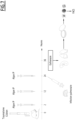
- mice were divided into 4 groups: Sham (S), Pneumonia alone (PN), Head trauma + Pneumonia (TC+PN), and traumatized and infected mice, treated every 12 h by intraperitoneal (IP) injection of 200 ⁇ g of the compound (TC+PN+TX) starting 2h after trauma and until euthanasia.
- Mice in the S and PN groups received a 1 cm incision of the top of the skull without trauma.
- Pneumonia was induced 24 h after head trauma. Euthanasia occurred 24h to 48h after pneumonia induction according to the criteria studied ( Figure 1 ).
- MSSA pneumonia induces transient weight loss reaching approximately 12% of body weight at 24 hours. Head trauma increases weight loss in the initial phase of infection but does not modify recovery from D+3 compared to non-traumatized mice. Treatment has no effect on weight loss in traumatized and secondarily infected mice ( Figure 2 ).
- Algae extract limits bacterial dissemination in traumatized mice 48h after induction of SAMS pneumonia
- Pulmonary bacterial loads are similar in all infected groups at 24 h (PN, TC+PN, TC+PN+TX) ( Figure 3A ) as well as 48 hours ( Figure 3B ) of the induction of pneumonia.
- mice with pneumonia were MSSA bacteremic (splenic bacterial load >2 log).
- Algae extract has no specific anti-SAMS activity in vitro
- the algae extract does not induce an increase in the percentage of pulmonary CDs producing IL-12 ( Figure 5A ), regardless of the dose used. It does not increase the proportion of macrophages producing TNF ⁇ ( Figure 5B ) nor an increase in the number of NK ( Figure 5C ) or LT INFy + in lung tissue. Total numbers of pulmonary CDs, NKs and LTs were not altered by injection of the algae extract in na ⁇ ve mice.
- the immunostimulatory effect of the algae extract was thus evaluated in a model of post-traumatic immunodepression.
- the head trauma was performed in male C57/BI6 mice, then the algae extract was administered intraperitoneally at a dose of 200 ⁇ g from two hours after the trauma and then every 12 hours until euthanasia (3 injections in total). Pneumonia was induced 24 hours after the head trauma and then the mice were euthanized 12 hours after the pneumonia.
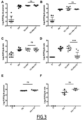
- Head trauma causes a decrease in the total number of NK cells in the lung ( Figure 9A ), as well as a decrease in NK cells producing interferon ⁇ (p ⁇ 0.01) ( Figure 9B ).
- pulmonary NK cells from na ⁇ ve and traumatized mice were magnetically sorted and then stimulated in vitro for 5 hours under 3 conditions: Control (ctrl), algae extract, and PMA + lonomycin (PMA + lono).
- in vitro stimulation by algae extract does not induce an increase in interferon ⁇ production ( Figure 10B ) nor the KLRG 1 activation marker by NK cells ( Figure 10C ).
- the number of NK cells was not different in the different groups after 5 hours of stimulation. ( Figure 10D ).
- mice were divided into 3 groups: traumatized and infected mice (TC + PN), traumatized, infected, and NK cell-depleted mice (TC + PN + del), and traumatized, infected, NK cell-depleted mice treated with seaweed extract (TC + PN + del + TX).
- Pneumonia was induced 24 hours after head trauma. Euthanasia occurred 48 hours after pneumonia induction.
- NK cell depletion was performed 2 and 48 hours after head trauma.
- Splenic bacterial loads and the efficacy of pulmonary NK depletion (FACS) were analyzed 48 hours after pneumonia induction ( Figure 11 ).
- Algae extract does not limit splenic bacterial dissemination in traumatized mice depleted of NK cells
- sulfated polysaccharide induced an increase in the number of pulmonary NK cells in traumatized and infected mice.
- splenic and pulmonary secretions of the chemokines CXCL1(KC), CCL2(MCP-1), CCL19(MIP-3b), CXCL2(MIP-2), CXCL10(IP-10), CCL8(MCP-2), CCL3(MIP-1a), CCL20(MIP-3a), CCL4(MIP-1b), and CCL21(6Ckine) were evaluated in Luminex.
- chemokines are involved in chemoattraction of NK cells after acute inflammation.
- mice were divided into 7 groups: Naive mice (SHAM), traumatized mice alone (TC), traumatized mice treated with the compound (TC + TX), infected mice alone (PN) (only for pulmonary chemokine studies), infected mice treated with the algae extract (PN + TX) (only for pulmonary chemokine studies), traumatized and infected mice (TC + PN) and traumatized, infected and treated with the algae extract (TC + PN + TX).
- Pneumonia was induced 24 hours after head trauma. Euthanasia occurred 12 hours after pneumonia induction.
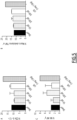
- Splenic and pulmonary levels of the above-mentioned chemokines were analyzed by Luminex technique ( Figure 13 ).
- the algae extract leads to an increase in splenic levels of the chemokines CCL2, CCL3, CCL4 and CCL8 ( Figure 14 ).
- the seaweed extract has no effect on the splenic secretion of the chemokines CXCL1, CCL19, CXCL2, CXCL10, CCL20, CCL4, CCL21 (data not shown).
- Intraperitoneal injection of the seaweed extract also does not lead to an increase in the levels of chemokines analyzed at the pulmonary level (data not shown).
- a clinical effect of the algae extract was initially sought in a model of post-traumatic bacterial lung infection. No effect was demonstrated on the pulmonary bacterial load but this treatment limited the dissemination systemic bacterial load at 48 hours of infection (splenic bacterial load) in traumatized mice. This effect is due to a restoration of immune functions paralyzed by trauma and not to a direct antibacterial activity, the algae extract having no anti-SAMS activity in vitro and no effect on bacterial dissemination in non-traumatized infected mice.
- the seaweed extract also did not induce an increase in membrane expression of MHC II by dendritic cells (data not shown). In the absence of immunosuppression, administration of the seaweed extract did not induce stimulation of innate immune cells. This corroborates the bacteriological results in which administration of the seaweed extract, in the absence of trauma (and therefore immunosuppression), did not limit bacterial dissemination, contrary to what is observed in traumatized and infected mice.
- a stimulation of the secretion of pro-inflammatory cytokines was therefore sought in a model of traumatized mice in which SAMS pneumonia was induced 24 hours after the trauma.
- Intraperitoneal injection of the seaweed extract every 12 hours did not increase the proportion of innate immune cells producing pro-inflammatory cytokines.
- the number of total pulmonary NK cells and the subgroup producing INF ⁇ were increased in the group of mice treated with the marine extract. This increase was only found at the site of infection (no difference found in the spleen).
- Head trauma therefore induces a significant decrease in the number of NK cells producing INF ⁇ , a decrease partially compensated by the administration of the seaweed extract. This effect was not significant for T lymphocytes.
- NK cells are essential to the antibacterial response, particularly in cases of acute pulmonary infection. Furthermore, in this clinical situation, the action of NK cells is not limited to the secretion of pro-inflammatory substances but leads to a co-stimulation of other cells of innate immunity, in particular by reducing the apoptosis of polymorphonuclear neutrophils and preserving their functional capacities. NK cells also have an immunomodulatory role by destroying non-activated DCs and overactivated macrophages that can cause tissue damage.
- the effect of the extract was evaluated on splenic bacterial dissemination in a model of post-traumatic immunodepression in mice depleted of NK cells.
- the effects of the extract on splenic bacterial load were not found in case of NK cell depletion (more than 95% depletion of pulmonary NK cells), confirming the role of these cells in the action of the marine extract in vivo.
- the secretion of chemokines in response to the injection of the algae extract, in particular by epithelial cells via the TLR4-NF-kB pathway, is one of the hypotheses that can explain the increase in the number of NK cells at the sites of infection.
- the pulmonary and splenic levels of the main chemokines involved in the chemotaxis of NK cells in acute inflammation were measured: CXCL1(KC), CCL2(MCP-1), CCL19(MIP-3b), CXCL2(MIP-2), CXCL10(IP-10), CCL8(MCP-2), CCL3(MIP-1a), CCL20(MIP-3a), CCL4(MIP-1b), CCL21(6Ckine) before and after injection of the algae extract.
- the study of these chemokines by Luminex technique made it possible to highlight an increase in secretion of the chemokines CCL2, CCL3, CCL4 and CCL8 at the splenic level. No effect of the injection of the algae extract was found either on the secretion of pulmonary chemokines at the time studied, or for the other splenic chemokines.
- chemokines CCL2, CCL3, CCL4 and CCL8 are mainly secreted by epithelial and endothelial cells and allow the recruitment of immune cells (neutrophils, NK cells, lymphocytes) after an acute pulmonary insult in particular.
Landscapes
- Health & Medical Sciences (AREA)
- Life Sciences & Earth Sciences (AREA)
- Engineering & Computer Science (AREA)
- Public Health (AREA)
- Animal Behavior & Ethology (AREA)
- Chemical & Material Sciences (AREA)
- Veterinary Medicine (AREA)
- Medicinal Chemistry (AREA)
- General Health & Medical Sciences (AREA)
- Pharmacology & Pharmacy (AREA)
- Immunology (AREA)
- Biotechnology (AREA)
- Natural Medicines & Medicinal Plants (AREA)
- Epidemiology (AREA)
- Organic Chemistry (AREA)
- Nuclear Medicine, Radiotherapy & Molecular Imaging (AREA)
- General Chemical & Material Sciences (AREA)
- Chemical Kinetics & Catalysis (AREA)
- Bioinformatics & Cheminformatics (AREA)
- Medical Informatics (AREA)
- Botany (AREA)
- Microbiology (AREA)
- Mycology (AREA)
- Alternative & Traditional Medicine (AREA)
- Molecular Biology (AREA)
- Communicable Diseases (AREA)
- Oncology (AREA)
- Dermatology (AREA)
- Medicines Containing Plant Substances (AREA)
- Pharmaceuticals Containing Other Organic And Inorganic Compounds (AREA)
- Polysaccharides And Polysaccharide Derivatives (AREA)
Priority Applications (1)
| Application Number | Priority Date | Filing Date | Title |
|---|---|---|---|
| EP24213375.9A EP4483961A3 (fr) | 2018-10-22 | 2019-10-22 | Extrait d'algues pour son utilisation pour le traitement ou la prevention de l'immunosuppression post-traumatique |
Applications Claiming Priority (2)
| Application Number | Priority Date | Filing Date | Title |
|---|---|---|---|
| FR1859721A FR3087338B1 (fr) | 2018-10-22 | 2018-10-22 | Extrait d'algues pour son utilisation pour le traitement ou la prevention de l'immunosuppression post-traumatique |
| PCT/EP2019/078757 WO2020083931A1 (fr) | 2018-10-22 | 2019-10-22 | Extrait d'algues pour son utilisation pour le traitement ou la prevention de l'immunosuppression post-traumatique |
Related Child Applications (1)
| Application Number | Title | Priority Date | Filing Date |
|---|---|---|---|
| EP24213375.9A Division EP4483961A3 (fr) | 2018-10-22 | 2019-10-22 | Extrait d'algues pour son utilisation pour le traitement ou la prevention de l'immunosuppression post-traumatique |
Publications (3)
| Publication Number | Publication Date |
|---|---|
| EP3870198A1 EP3870198A1 (fr) | 2021-09-01 |
| EP3870198C0 EP3870198C0 (fr) | 2024-11-20 |
| EP3870198B1 true EP3870198B1 (fr) | 2024-11-20 |
Family
ID=65494363
Family Applications (2)
| Application Number | Title | Priority Date | Filing Date |
|---|---|---|---|
| EP19801216.3A Active EP3870198B1 (fr) | 2018-10-22 | 2019-10-22 | Extrait d'algues pour son utilisation pour le traitement ou la prevention de l'immunosuppression post-traumatique |
| EP24213375.9A Pending EP4483961A3 (fr) | 2018-10-22 | 2019-10-22 | Extrait d'algues pour son utilisation pour le traitement ou la prevention de l'immunosuppression post-traumatique |
Family Applications After (1)
| Application Number | Title | Priority Date | Filing Date |
|---|---|---|---|
| EP24213375.9A Pending EP4483961A3 (fr) | 2018-10-22 | 2019-10-22 | Extrait d'algues pour son utilisation pour le traitement ou la prevention de l'immunosuppression post-traumatique |
Country Status (10)
| Country | Link |
|---|---|
| US (1) | US12377126B2 (https=) |
| EP (2) | EP3870198B1 (https=) |
| JP (1) | JP7614105B2 (https=) |
| KR (1) | KR102922546B1 (https=) |
| CN (1) | CN113347984A (https=) |
| AU (2) | AU2019364677B2 (https=) |
| CA (1) | CA3116952A1 (https=) |
| FR (1) | FR3087338B1 (https=) |
| IL (1) | IL282511B1 (https=) |
| WO (1) | WO2020083931A1 (https=) |
Families Citing this family (1)
| Publication number | Priority date | Publication date | Assignee | Title |
|---|---|---|---|---|
| CN114376233A (zh) * | 2022-03-23 | 2022-04-22 | 青岛海大生物集团股份有限公司 | 一种具有增强免疫功能的浒苔多糖保健食品及制备方法 |
Family Cites Families (11)
| Publication number | Priority date | Publication date | Assignee | Title |
|---|---|---|---|---|
| US7132101B2 (en) | 2002-02-27 | 2006-11-07 | Duquesne University Of The Holy Ghost | Compositions and methods for eliciting an immune response to gram-negative bacterial infections |
| NZ542791A (en) | 2003-04-08 | 2008-04-30 | Biotempt Bv | Compositions for mucosal and oral administration comprising HCG fragments |
| RU2417093C2 (ru) | 2005-06-24 | 2011-04-27 | Дезерт Лейк Текнолоджиз | Очищенный компонент цианобактерий и способ применения |
| ATE514950T1 (de) | 2007-09-07 | 2011-07-15 | Univ Zuerich | Verfahren zur untersuchung von sepsis bei menschen |
| KR101102829B1 (ko) * | 2008-09-12 | 2012-01-05 | 재단법인 제주테크노파크 | 구멍갈파래 추출물과 그것의 항염증제로서의 용도 |
| US9370537B2 (en) * | 2009-04-03 | 2016-06-21 | Cerule, Llc | Compositions and methods for reducing inflammation |
| FR2954703B1 (fr) * | 2009-12-28 | 2013-12-13 | Chu Nantes | Agonistes des recepteurs tlr 4 et 9 pour prevenir les complications septiques de l'immunodepression post-traumatique chez les patients hospitalises pour traumatismes severes |
| US20130102662A1 (en) * | 2011-06-09 | 2013-04-25 | University Of Pittsburgh - Of The Commonwealth System Of Higher Education | Use of inducible nitric oxide synthase inhibitors and nitric oxide scavengers to inhibit post-traumatic immunodepression |
| FR2999084B1 (fr) * | 2012-12-11 | 2015-03-13 | Amadeite | Extrait d'algues comprenant en particulier des polysaccharides polyanioniques sulfates et non sulfates et ses applications |
| FR3013223B1 (fr) * | 2013-11-18 | 2016-09-02 | Amadeite | Extrait d'algues pour son utilisation en tant qu'agent anti-bacterien |
| FR3013222B1 (fr) * | 2013-11-18 | 2016-09-30 | Amadeite | Extrait d'algues pour son utilisation en tant qu'agent immunomodulateur |
-
2018
- 2018-10-22 FR FR1859721A patent/FR3087338B1/fr active Active
-
2019
- 2019-10-22 IL IL282511A patent/IL282511B1/en unknown
- 2019-10-22 EP EP19801216.3A patent/EP3870198B1/fr active Active
- 2019-10-22 EP EP24213375.9A patent/EP4483961A3/fr active Pending
- 2019-10-22 WO PCT/EP2019/078757 patent/WO2020083931A1/fr not_active Ceased
- 2019-10-22 AU AU2019364677A patent/AU2019364677B2/en active Active
- 2019-10-22 US US17/286,999 patent/US12377126B2/en active Active
- 2019-10-22 KR KR1020217012097A patent/KR102922546B1/ko active Active
- 2019-10-22 CN CN201980069992.4A patent/CN113347984A/zh active Pending
- 2019-10-22 JP JP2021546474A patent/JP7614105B2/ja active Active
- 2019-10-22 CA CA3116952A patent/CA3116952A1/fr active Pending
-
2025
- 2025-01-08 AU AU2025200105A patent/AU2025200105A1/en active Pending
Non-Patent Citations (1)
| Title |
|---|
| ZHOU XIAONAN ET AL: "Immunomodulatory activity of a novel polysaccharide from Lonicera japonica in immunosuppressed mice induced by cyclophosphamide", PLOS ONE, vol. 13, no. 10, 2 July 2018 (2018-07-02), pages e0204152, XP093011749, Retrieved from the Internet <URL:https://journals.plos.org/plosone/article/file?id=10.1371/journal.pone.0204152&type=printable> DOI: 10.1371/journal.pone.0204152 * |
Also Published As
| Publication number | Publication date |
|---|---|
| US20210386808A1 (en) | 2021-12-16 |
| US12377126B2 (en) | 2025-08-05 |
| AU2019364677A1 (en) | 2021-05-20 |
| KR102922546B1 (ko) | 2026-02-04 |
| AU2025200105A1 (en) | 2025-01-23 |
| BR112021007506A2 (pt) | 2021-07-27 |
| IL282511A (en) | 2021-06-30 |
| JP2022508900A (ja) | 2022-01-19 |
| WO2020083931A1 (fr) | 2020-04-30 |
| EP4483961A3 (fr) | 2025-03-19 |
| EP4483961A2 (fr) | 2025-01-01 |
| FR3087338B1 (fr) | 2020-10-09 |
| EP3870198C0 (fr) | 2024-11-20 |
| EP3870198A1 (fr) | 2021-09-01 |
| JP7614105B2 (ja) | 2025-01-15 |
| KR20210114921A (ko) | 2021-09-24 |
| IL282511B1 (en) | 2026-02-01 |
| CA3116952A1 (fr) | 2020-04-30 |
| FR3087338A1 (fr) | 2020-04-24 |
| AU2019364677B2 (en) | 2024-10-10 |
| CN113347984A (zh) | 2021-09-03 |
Similar Documents
| Publication | Publication Date | Title |
|---|---|---|
| Liu et al. | Lactobacillus casei LH23 modulates the immune response and ameliorates DSS-induced colitis via suppressing JNK/p-38 signal pathways and enhancing histone H3K9 acetylation | |
| KR101730607B1 (ko) | 발효식품에서 유래된 세포밖 소포체를 포함하는 조성물 및 이의 용도 | |
| JP6290531B2 (ja) | 抗関節炎活性を有するプレクトランサス・アンボイニクス画分 | |
| US20210275605A1 (en) | Compositions comprising bacterial strains | |
| KR20130021920A (ko) | Akkermansia muciniphila 또는 Bacteroides acidifaciens 유래 세포밖 소포체를 유효성분으로 함유하는 염증성 질환의 치료 또는 예방용 조성물 | |
| KR102650558B1 (ko) | 락토바실러스 람노서스 pl60을 유효성분으로 함유하는 염증질환 예방, 개선 또는 치료용 프로바이오틱스 조성물 | |
| EP3870198B1 (fr) | Extrait d'algues pour son utilisation pour le traitement ou la prevention de l'immunosuppression post-traumatique | |
| WO2024219483A1 (ja) | 歯周病菌用増殖抑制剤、およびその用途 | |
| WO2007132900A1 (ja) | 皮膚保湿剤および皮膚炎治療剤 | |
| JP2013521302A (ja) | ミリスチン酸を含む組成物およびその使用 | |
| JP4160532B2 (ja) | 免疫を増強するための医薬組成物、およびポリア抽出物 | |
| JP2022508900A5 (https=) | ||
| CN102781457B (zh) | 免疫球蛋白a分泌促进剂 | |
| CA3012894C (fr) | Souche bacterienne comme agents de prevention et/ou de traitement de pathologies respiratoires | |
| JP7313440B2 (ja) | Treg細胞を誘導する酵母由来多糖体の構造及び機能特性 | |
| US20170152285A1 (en) | Extracting method of kuguacin, pharmaceutical composition comprising the kuguacin and use thereof | |
| BR112021007506B1 (pt) | Uso de um extrato de algas verdes do tipo ulva | |
| KR102363895B1 (ko) | 염증 질환 또는 면역 질환의 예방 또는 치료용 약학적 조성물 | |
| JP2001335507A (ja) | 抗癌組成物 |
Legal Events
| Date | Code | Title | Description |
|---|---|---|---|
| STAA | Information on the status of an ep patent application or granted ep patent |
Free format text: STATUS: UNKNOWN |
|
| STAA | Information on the status of an ep patent application or granted ep patent |
Free format text: STATUS: THE INTERNATIONAL PUBLICATION HAS BEEN MADE |
|
| PUAI | Public reference made under article 153(3) epc to a published international application that has entered the european phase |
Free format text: ORIGINAL CODE: 0009012 |
|
| STAA | Information on the status of an ep patent application or granted ep patent |
Free format text: STATUS: REQUEST FOR EXAMINATION WAS MADE |
|
| 17P | Request for examination filed |
Effective date: 20210422 |
|
| AK | Designated contracting states |
Kind code of ref document: A1 Designated state(s): AL AT BE BG CH CY CZ DE DK EE ES FI FR GB GR HR HU IE IS IT LI LT LU LV MC MK MT NL NO PL PT RO RS SE SI SK SM TR |
|
| DAV | Request for validation of the european patent (deleted) | ||
| DAX | Request for extension of the european patent (deleted) | ||
| STAA | Information on the status of an ep patent application or granted ep patent |
Free format text: STATUS: EXAMINATION IS IN PROGRESS |
|
| 17Q | First examination report despatched |
Effective date: 20220429 |
|
| GRAP | Despatch of communication of intention to grant a patent |
Free format text: ORIGINAL CODE: EPIDOSNIGR1 |
|
| GRAP | Despatch of communication of intention to grant a patent |
Free format text: ORIGINAL CODE: EPIDOSNIGR1 |
|
| STAA | Information on the status of an ep patent application or granted ep patent |
Free format text: STATUS: GRANT OF PATENT IS INTENDED |
|
| INTG | Intention to grant announced |
Effective date: 20240614 |
|
| GRAS | Grant fee paid |
Free format text: ORIGINAL CODE: EPIDOSNIGR3 |
|
| GRAA | (expected) grant |
Free format text: ORIGINAL CODE: 0009210 |
|
| STAA | Information on the status of an ep patent application or granted ep patent |
Free format text: STATUS: THE PATENT HAS BEEN GRANTED |
|
| AK | Designated contracting states |
Kind code of ref document: B1 Designated state(s): AL AT BE BG CH CY CZ DE DK EE ES FI FR GB GR HR HU IE IS IT LI LT LU LV MC MK MT NL NO PL PT RO RS SE SI SK SM TR |
|
| REG | Reference to a national code |
Ref country code: GB Ref legal event code: FG4D Free format text: NOT ENGLISH |
|
| REG | Reference to a national code |
Ref country code: CH Ref legal event code: EP |
|
| REG | Reference to a national code |
Ref country code: DE Ref legal event code: R096 Ref document number: 602019062292 Country of ref document: DE |
|
| REG | Reference to a national code |
Ref country code: IE Ref legal event code: FG4D Free format text: LANGUAGE OF EP DOCUMENT: FRENCH |
|
| U01 | Request for unitary effect filed |
Effective date: 20241216 |
|
| U07 | Unitary effect registered |
Designated state(s): AT BE BG DE DK EE FI FR IT LT LU LV MT NL PT RO SE SI Effective date: 20250102 |
|
| PG25 | Lapsed in a contracting state [announced via postgrant information from national office to epo] |
Ref country code: HR Free format text: LAPSE BECAUSE OF FAILURE TO SUBMIT A TRANSLATION OF THE DESCRIPTION OR TO PAY THE FEE WITHIN THE PRESCRIBED TIME-LIMIT Effective date: 20241120 Ref country code: IS Free format text: LAPSE BECAUSE OF FAILURE TO SUBMIT A TRANSLATION OF THE DESCRIPTION OR TO PAY THE FEE WITHIN THE PRESCRIBED TIME-LIMIT Effective date: 20250320 |
|
| PG25 | Lapsed in a contracting state [announced via postgrant information from national office to epo] |
Ref country code: ES Free format text: LAPSE BECAUSE OF FAILURE TO SUBMIT A TRANSLATION OF THE DESCRIPTION OR TO PAY THE FEE WITHIN THE PRESCRIBED TIME-LIMIT Effective date: 20241120 |
|
| PG25 | Lapsed in a contracting state [announced via postgrant information from national office to epo] |
Ref country code: NO Free format text: LAPSE BECAUSE OF FAILURE TO SUBMIT A TRANSLATION OF THE DESCRIPTION OR TO PAY THE FEE WITHIN THE PRESCRIBED TIME-LIMIT Effective date: 20250220 |
|
| PG25 | Lapsed in a contracting state [announced via postgrant information from national office to epo] |
Ref country code: GR Free format text: LAPSE BECAUSE OF FAILURE TO SUBMIT A TRANSLATION OF THE DESCRIPTION OR TO PAY THE FEE WITHIN THE PRESCRIBED TIME-LIMIT Effective date: 20250221 |
|
| PG25 | Lapsed in a contracting state [announced via postgrant information from national office to epo] |
Ref country code: PL Free format text: LAPSE BECAUSE OF FAILURE TO SUBMIT A TRANSLATION OF THE DESCRIPTION OR TO PAY THE FEE WITHIN THE PRESCRIBED TIME-LIMIT Effective date: 20241120 |
|
| PG25 | Lapsed in a contracting state [announced via postgrant information from national office to epo] |
Ref country code: RS Free format text: LAPSE BECAUSE OF FAILURE TO SUBMIT A TRANSLATION OF THE DESCRIPTION OR TO PAY THE FEE WITHIN THE PRESCRIBED TIME-LIMIT Effective date: 20250220 |
|
| PG25 | Lapsed in a contracting state [announced via postgrant information from national office to epo] |
Ref country code: SM Free format text: LAPSE BECAUSE OF FAILURE TO SUBMIT A TRANSLATION OF THE DESCRIPTION OR TO PAY THE FEE WITHIN THE PRESCRIBED TIME-LIMIT Effective date: 20241120 |
|
| PG25 | Lapsed in a contracting state [announced via postgrant information from national office to epo] |
Ref country code: SK Free format text: LAPSE BECAUSE OF FAILURE TO SUBMIT A TRANSLATION OF THE DESCRIPTION OR TO PAY THE FEE WITHIN THE PRESCRIBED TIME-LIMIT Effective date: 20241120 |
|
| PG25 | Lapsed in a contracting state [announced via postgrant information from national office to epo] |
Ref country code: CZ Free format text: LAPSE BECAUSE OF FAILURE TO SUBMIT A TRANSLATION OF THE DESCRIPTION OR TO PAY THE FEE WITHIN THE PRESCRIBED TIME-LIMIT Effective date: 20241120 |
|
| PLBE | No opposition filed within time limit |
Free format text: ORIGINAL CODE: 0009261 |
|
| STAA | Information on the status of an ep patent application or granted ep patent |
Free format text: STATUS: NO OPPOSITION FILED WITHIN TIME LIMIT |
|
| U20 | Renewal fee for the european patent with unitary effect paid |
Year of fee payment: 7 Effective date: 20250909 |
|
| 26N | No opposition filed |
Effective date: 20250821 |
|
| REG | Reference to a national code |
Ref country code: CH Ref legal event code: U11 Free format text: ST27 STATUS EVENT CODE: U-0-0-U10-U11 (AS PROVIDED BY THE NATIONAL OFFICE) Effective date: 20251101 |
|
| REG | Reference to a national code |
Ref country code: CH Ref legal event code: R18 Free format text: ST27 STATUS EVENT CODE: U-0-0-R10-R18 (AS PROVIDED BY THE NATIONAL OFFICE) Effective date: 20260106 |
|
| PGFP | Annual fee paid to national office [announced via postgrant information from national office to epo] |
Ref country code: GB Payment date: 20251023 Year of fee payment: 7 |
|
| PGFP | Annual fee paid to national office [announced via postgrant information from national office to epo] |
Ref country code: CH Payment date: 20251101 Year of fee payment: 7 |