EP3867741B1 - Personalisierung einer konversationsassistenzaudiovorrichtung - Google Patents
Personalisierung einer konversationsassistenzaudiovorrichtung Download PDFInfo
- Publication number
- EP3867741B1 EP3867741B1 EP19801434.2A EP19801434A EP3867741B1 EP 3867741 B1 EP3867741 B1 EP 3867741B1 EP 19801434 A EP19801434 A EP 19801434A EP 3867741 B1 EP3867741 B1 EP 3867741B1
- Authority
- EP
- European Patent Office
- Prior art keywords
- audio
- user
- conversation assistance
- audio device
- simulated
- Prior art date
- Legal status (The legal status is an assumption and is not a legal conclusion. Google has not performed a legal analysis and makes no representation as to the accuracy of the status listed.)
- Active
Links
Images



Classifications
-
- G—PHYSICS
- G06—COMPUTING OR CALCULATING; COUNTING
- G06F—ELECTRIC DIGITAL DATA PROCESSING
- G06F3/00—Input arrangements for transferring data to be processed into a form capable of being handled by the computer; Output arrangements for transferring data from processing unit to output unit, e.g. interface arrangements
- G06F3/16—Sound input; Sound output
- G06F3/165—Management of the audio stream, e.g. setting of volume, audio stream path
-
- G—PHYSICS
- G06—COMPUTING OR CALCULATING; COUNTING
- G06F—ELECTRIC DIGITAL DATA PROCESSING
- G06F3/00—Input arrangements for transferring data to be processed into a form capable of being handled by the computer; Output arrangements for transferring data from processing unit to output unit, e.g. interface arrangements
- G06F3/16—Sound input; Sound output
- G06F3/167—Audio in a user interface, e.g. using voice commands for navigating, audio feedback
-
- H—ELECTRICITY
- H04—ELECTRIC COMMUNICATION TECHNIQUE
- H04R—LOUDSPEAKERS, MICROPHONES, GRAMOPHONE PICK-UPS OR LIKE ACOUSTIC ELECTROMECHANICAL TRANSDUCERS; ELECTRIC HEARING AIDS; PUBLIC ADDRESS SYSTEMS
- H04R1/00—Details of transducers, loudspeakers or microphones
- H04R1/20—Arrangements for obtaining desired frequency or directional characteristics
- H04R1/32—Arrangements for obtaining desired frequency or directional characteristics for obtaining desired directional characteristic only
- H04R1/40—Arrangements for obtaining desired frequency or directional characteristics for obtaining desired directional characteristic only by combining a number of identical transducers
- H04R1/406—Arrangements for obtaining desired frequency or directional characteristics for obtaining desired directional characteristic only by combining a number of identical transducers microphones
-
- H—ELECTRICITY
- H04—ELECTRIC COMMUNICATION TECHNIQUE
- H04R—LOUDSPEAKERS, MICROPHONES, GRAMOPHONE PICK-UPS OR LIKE ACOUSTIC ELECTROMECHANICAL TRANSDUCERS; ELECTRIC HEARING AIDS; PUBLIC ADDRESS SYSTEMS
- H04R25/00—Electric hearing aids
- H04R25/70—Adaptation of deaf aid to hearing loss, e.g. initial electronic fitting
-
- H—ELECTRICITY
- H04—ELECTRIC COMMUNICATION TECHNIQUE
- H04R—LOUDSPEAKERS, MICROPHONES, GRAMOPHONE PICK-UPS OR LIKE ACOUSTIC ELECTROMECHANICAL TRANSDUCERS; ELECTRIC HEARING AIDS; PUBLIC ADDRESS SYSTEMS
- H04R3/00—Circuits for transducers
- H04R3/005—Circuits for transducers for combining the signals of two or more microphones
-
- H—ELECTRICITY
- H04—ELECTRIC COMMUNICATION TECHNIQUE
- H04R—LOUDSPEAKERS, MICROPHONES, GRAMOPHONE PICK-UPS OR LIKE ACOUSTIC ELECTROMECHANICAL TRANSDUCERS; ELECTRIC HEARING AIDS; PUBLIC ADDRESS SYSTEMS
- H04R3/00—Circuits for transducers
- H04R3/04—Circuits for transducers for correcting frequency response
-
- H—ELECTRICITY
- H04—ELECTRIC COMMUNICATION TECHNIQUE
- H04R—LOUDSPEAKERS, MICROPHONES, GRAMOPHONE PICK-UPS OR LIKE ACOUSTIC ELECTROMECHANICAL TRANSDUCERS; ELECTRIC HEARING AIDS; PUBLIC ADDRESS SYSTEMS
- H04R2430/00—Signal processing covered by H04R, not provided for in its groups
- H04R2430/01—Aspects of volume control, not necessarily automatic, in sound systems
Definitions
- various implementations include conversation assistance devices configured for a user with a software module or mobile application that permits the user to personalize the device without consulting an audiologist or other hearing assistance professional.
- the approaches described according to various implementations present a user with a set of simulated audio environments via the conversation assistance audio device.
- the approaches also involve adjusting one or more audio settings on the conversation assistance audio device based upon user feedback and known audio characteristics of the set of simulated audio environments and the conversation assistance audio device.
- ANR active noise reduction
- PNR passive noise reduction
- ANR can be combined with other audio functions in headphones, such as conversation enhancing functions, as described in US Patent No. 9,560,451 .
- ANR is used to refer to acoustic output of anti-noise sounds, this term can also include controllable noise canceling (CNC), which permits control of the level of anti-noise output, for example, by a user.
- CNC can permit a user to control the volume of audio output regardless of the ambient acoustic volume.
- headphone includes various types of personal audio devices such as around-the-ear, over-the-ear and in-ear headsets, earphones, earbuds, hearing aids, or other wireless-enabled audio devices structured to be positioned near, around or within one or both ears of a user.
- the term wearable audio device includes headphones and various other types of personal audio devices such as shoulder or body-worn acoustic devices that include one or more acoustic drivers to produce sound without contacting the ears of a user. It should be noted that although specific implementations of personal audio devices primarily serving the purpose of acoustically outputting audio are presented with some degree of detail, such presentations of specific implementations are intended to facilitate understanding through provision of examples.
- aspects and implementations disclosed herein may be applicable to personal audio devices that either do or do not support two-way communications, and either do or do not support active noise reduction (ANR).
- ANR active noise reduction
- personal audio devices that do support either two-way communications or ANR it is intended that what is disclosed is applicable to a personal audio device incorporating one or more microphones disposed on a portion of the personal audio device that remains outside an ear when in use (e.g., feedforward microphones), on a portion that is inserted into a portion of an ear when in use (e.g., feedback microphones), or disposed on both of such portions.
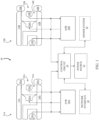
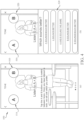
- the simulated audio environment file(s) 250 can be stored on the personal audio device 10, enabling a stand-alone personalization process.
- the personal audio device 10 relies upon the Bluetooth Low Energy (BLE) communication protocol, high-fidelity audio streaming may not be possible.
- the simulated audio environment file 250 is beneficially stored on the personal audio device 10 in order to enable high-fidelity playback that is not degraded by the low-bitrate encoding of the BLE link.
- BLE Bluetooth Low Energy
- the position tracking system can be configured to detect changes in the physical location of the personal audio device 10 and/or user 225 (where user 225 is separated from personal audio device 10) and provide updated sensor data to the conversation assistance audio engine 210.
- the position tracking system can also be configured to detect the orientation of the user 225, e.g., a direction of the user's head, or a change in the user's orientation such as a turning of the torso or an about-face movement.
- the orientation tracking system can be used to recommend settings by comparing real-world characteristics (e.g., head tracking position) of the user's orientation with simulation preferences for the user 225.
- head-tracking can be used to adjust the simulations for a more realistic personalization experience.
- feedback and/or other audio inputs can include an audio signal, and may be analyzed using acoustic feature extraction for one or more features including: energy, zero-crossing rate, mel-frequency cepstral coefficients, spectral flatness, summary statistics (e.g., mean, variance, skew or kurtosis) on any signal measurement, tempo/beats-per-minute and acoustic fingerprinting.
- acoustic feature extraction for one or more features including: energy, zero-crossing rate, mel-frequency cepstral coefficients, spectral flatness, summary statistics (e.g., mean, variance, skew or kurtosis) on any signal measurement, tempo/beats-per-minute and acoustic fingerprinting.
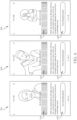
- the user 225 can set a desired wide dynamic range compression (WDRC) value (also referred to as World Volume herein) on the personal audio device 10 using interface adjustments based upon the simulated audio environment file 250.
- Additional example implementations can include simulating multiple sound pressure levels (SPLs) in the simulated audio environment file 250, and adjusting the WDRC (in the audio settings 270) to match a real-world environment based upon one or more selected SPLs from the simulated environment. While SPL and WDRC are used as examples, the conversation assistance audio engine 210 can be configured to actively make setting adjustments, or recommend settings (or adjustments) based upon any variable correlated between the simulated environment and a real-world environment.
- SPLs sound pressure levels
- this process includes selecting a best-fit audio setting for the conversation assistance audio device based upon the feedback from the user 225.
- the settings lookup/adjustment logic 320 can select a closest setting value for the adjustment indicated by the feedback (as provided by feedback logic 310).
- the best-fit audio setting is selected using feedback from the user 225 about two or more simulated audio environments, e.g., where the user 225 provides distinct feedback in at least one adjustment factor across one or more of the audio environments.
- the conversation assistance audio engine 210 e.g., feedback logic 310) can average, weight or otherwise account for differences in feedback values for adjustment mechanisms across a plurality of simulated audio environments.
- the conversation assistance audio engine 210 can determine a best-fit audio setting adaptively, e.g., by requiring that the user 225 select a setting in a sufficient number of simulated audio environments or with a narrow enough range between value selections to meet a threshold confidence interval. In other cases, the conversation assistance audio engine 210 can select the best-fit setting once feedback is received across a threshold number of settings at distinct sound pressure levels. The conversation assistance audio engine can interpolate a WDRC setting value for the personal audio device using a WDRC v. input SPL curve.
- the conversation assistance audio engine 210 can dynamically switch between modes based upon user feedback and/or sensor data from the sensor system 36. In some cases, the conversation assistance audio engine 210 can switch between distinct audio modes in response to detecting a change in an acoustic signature of ambient sound detected at the conversation assistance audio device. In particular examples, the conversation assistance audio engine 210 can switch between audio modes when a sound pressure level of ambient noise passes a threshold level (either up or down), when a sensor such as a microphone detects that the user 225 is raising his/her voice about an established average decibel range, and/or a sensor (e.g., microphone) detects an acoustic signature such as the low frequency sound of an airplane cabin during flight.
- a threshold level either up or down
- a sensor e.g., microphone
- the conversation assistance audio engine 210 can provide a suggested audio mode for the personal audio device 10 to the user 225 based upon the feedback from the user 225 and the known audio characteristics of the simulated audio environment(s) and the personal audio device 10, prior to adjusting the setting(s) 270 on the personal audio device 10.
- the conversation assistance audio engine 210 can present the user 225 with a suggested audio mode setting prior to making any adjustment to the setting(s) 270.
- this optional process is shown as process 425, which can be performed between process 420 and process 430, providing the user 225 with a potential audio mode for use of the personal audio device 10 after processing that user's feedback.
- the conversation assistance audio engine 210 can notify the user 225 about the suggested audio mode via any mechanism described herein, e.g., via an interface prompt such as a notification on the smart device 280 or the personal audio device 10 ("consider Quiet Conversation setting") and/or a voice prompt via the transducers 28 on the personal audio device 10.
- an interface prompt such as a notification on the smart device 280 or the personal audio device 10 ("consider Quiet Conversation setting") and/or a voice prompt via the transducers 28 on the personal audio device 10.
- the conversation assistance audio engine 210 can be configured to adjust at least one of the audio settings 270 based upon user feedback about the simulated audio environment(s) and known characteristics of the environment(s) and the personal audio device 10.
- the audio settings 270 can be adjusted by applying a signal processing modification in the personal audio device 10 or a computing device (e.g., smart device 280) connected with the personal audio device 10.
- the signal processing modifications can include any adjustments described herein, e.g., wide dynamic range compression parameters, directivity, etc.
- the signal processing modification is performed as a weighted adjustment, such that a first adjustment of one parameter does not have a significant impact on the audio settings 270 (e.g., where the adjustment was made in error). In these cases, subsequent similar adjustments can have a greater impact on the audio settings 270. Weighted adjustment can be used to limit unintended impacts on the audio settings 270, and can be performed using techniques such as N-point running-average, median filtering, etc.
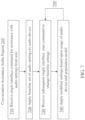
- FIG. 7 shows a flow diagram illustrating an additional approach for personalizing a conversation assistance audio device (e.g., personal audio device 10) according to various implementations.
- the processes illustrated can be performed by the conversation assistance audio engine 210, and as such, FIG. 7 is referred to concurrently with FIGS. 1 and 2 , with particular focus on FIG. 2 .
- this process can include receiving a command from the user 225 for assistance with audio settings 270 in personal audio device 10 (process 710, FIG. 7 ).
- the user command is a single interface command, such as a single tactile command (e.g., detectable by sensor system 36), a single gesture command (e.g., detectable by sensor system 36), or a single voice command (e.g., detectable by microphones in personal audio device 10 and/or smart device 280).
- the user 225 can easily initiate this personalization process by using a single interface command, that is, a command that initiates a subsequent personalization process without the need for an intervening command.
- the conversation assistance audio engine 210 can apply a baseline set of audio settings to the personal audio device 10 (process 720, FIG. 7 ).
- the baseline set of audio settings are median audio settings for a respective plurality of audio parameters (e.g., volume, tone, balance) or user-defined audio settings for the respective plurality of audio parameters from a group of users. Some instances may rely upon a baseline, or median, group of audio settings for the personal audio device 10 constructed from user profiles 290.
- This baseline can be built from an average of a population of users, such as all users of the personal audio device 10, or from a selected subset in that population (e.g., users that have used the device for a certain period, are of a certain age, or are of a certain gender).
- the personal audio device 10 is configured to revert to default audio settings in response to receiving single interface command via the conversation assistance audio engine 210.
- the baseline audio settings on the personal audio device 10 can be applied in response to the single interface command without any intervening command or communication between the user 225 and the personal audio device 10.
- the user 225 taps an interface button on the personal audio device 10, gestures using his/her body (detected by sensor system 36), or makes a simple voice command (e.g., "Help"), and the conversation assistance audio engine 210 applies the baseline settings to the personal audio device 10 (without an intervening prompt or command from user 225).
- the conversation assistance audio engine 210 can receive a user command to change the baseline audio settings (process 730, FIG.7 ), e.g., via any interface described herein.
- the user command can be a single interface command, such as a single tactile command, a single gesture command, or a single voice command.
- the conversation assistance audio engine 210 can apply a modified set of audio settings to the personal audio device 10 (process 740, FIG. 7 ). These modified audio settings can be applied based upon usage of the personal audio device 10 (e.g., from the user's profile 290 stored in profile system 300) and a population model of usage of similar personal audio devices 10 (e.g., constructed from user profiles 290 stored in profile system 300).
- the conversation assistance audio engine 210 presents the user 225 with the most common (e.g., the N-most common) adjustments made after users view the same or different simulated audio environment(s). In particular cases, the conversation assistance audio engine 210 presents the user 225 with these N-most common adjustments sequentially.
- the conversation assistance audio engine 210 can apply a settings modification rule such as: increase or decrease a wide dynamic range compression parameter (or, "World Volume") by a noticeable step size (e.g., 5 decibels).
- the conversation assistance audio engine 210 can be configured to iteratively adjust the audio settings 270 on the personal audio device 10 in response to receiving user commands, e.g., single interface commands.
- the conversation assistance audio engine 210 can be configured to iteratively receive a subsequent user command to change the modified set of audio settings (looping back to process 730), and apply a further modified set of audio settings to the personal audio device 10 in response to receiving that subsequent user command (process 740).
- the subsequent modification(s) can be applied based upon usage of the conversation assistance audio device by the user 225, as well as the population model of usage of similar conversation assistance audio devices.
- conversation assistance audio engine 210 (e.g., using feedback logic 310, settings lookup/adjustment logic 320 and/or sensor data processing logic 330) is configured to perform one or more of the following logic processes using sensor data, command data and/or other data accessible via profile system 300, smart device 280, etc.: speech recognition, speaker identification, speaker verification, word spotting (e.g., wake word detection), speech end pointing (e.g., end of speech detection), speech segmentation (e.g., sentence boundary detection or other types of phrase segmentation), speaker diarization, affective emotion classification on voice, acoustic event detection, two-dimensional (2D) or three-dimensional (3D) beam forming, source proximity/location, volume level readings, acoustic saliency maps, ambient noise level data collection, signal quality self-check, gender identification (ID), age ID, echo cancellation/barge-in/ducking, language identification, and/or other environmental classification such as environment type (e.g., small room, large room, crowded
- conversation assistance audio engine 210 is configured to work in concert with sensor system 36 to continually monitor changes in one or more environmental conditions.
- sensor system 36 may be set in an active mode, such as where a position tracking system pings nearby Wi-Fi networks to triangulate location of the personal audio device 10, or a microphone (e.g., microphones 18 and/or 24) remains in a "listen" mode for particular ambient sounds.
- sensor system 36 and conversation assistance audio engine 210 can be configured in a passive mode, such as where a wireless transceiver detects signals transmitted from nearby transceiver devices or network devices.
- distinct sensors in the sensor system 36 can be set in distinct modes for detecting changes in environmental conditions and transmitting updated sensor data to conversation assistance audio engine 210.
- some sensors in sensor system 36 can remain in an active mode while audio device 10 is active (e.g., powered on), while other sensors may remain in a passive mode for triggering by an event.
- user prompts can include an audio prompt provided at the audio device 10, and/or a visual prompt or tactile/haptic prompt provided at the audio device 10 or a distinct device (e.g., smart device 280).
- an audio prompt can include a phrase such as, "Would you like to personalize your conversation assistance device?,” or “Respond with a nod or “yes” to adjust audio settings,” or, "Take action X to initiate personalization mode.”
- audio prompts any suitable audio prompt could be used to elicit actuation by the user 225.
- a visual prompt can be provided, e.g., on a smart device 280 or at the audio device 10 (e.g., at a user interface) which indicates that one or more operating modes or modifications are available.
- the visual prompt could include an actuatable button, a text message, a symbol, highlighting/lowlighting, or any other visual indicator capable of display on the audio device 10 and/or the smart device 280.
- a tactile/haptic prompt can include, e.g., a vibration or change in texture or surface roughness, and can be presented at the audio device 10 and/or smart device 280.
- This tactile/haptic prompt could be specific to the conversation assistance audio engine 210, such that the tactile/haptic prompt is a signature which indicates the operating mode (e.g., personalization mode) or adjustment (e.g., single-command adjustment) is available. As the tactile/haptic prompt may provide less information about the underlying content offered, distinct tactile/haptic prompts could be used to reflect priority, e.g., based upon user profile(s) 290 or other settings.
- actuation of the prompt can be detectable by the audio device 10, and can include a gesture, tactile actuation and/or voice actuation by user 225.
- user 225 can initiate a head nod or shake to indicate a "yes" or "no" response to a prompt, which is detected using a head tracker in the sensor system 36.
- the user 225 can tap a specific surface (e.g., a capacitive touch interface) on the audio device 10 to actuate the prompt, or can tap or otherwise contact any surface of the audio device 10 to initiate a tactile actuation (e.g., via detectable vibration or movement at sensor system 36).
- user 225 can speak into a microphone at audio device 10 to actuate the prompt and initiate the personalization functions described herein.
- actuation of the prompt is detectable by the smart device 280, such as by a touch screen, vibrations sensor, microphone or other sensor on the smart device 280.
- the prompt can be actuated on the audio device 10 and/or the smart device 280, regardless of the source of the prompt.
- the prompt is only actuatable on the device from which it is presented. Actuation on the smart device 280 can be performed in a similar manner as described with respect to audio device 10, or can be performed in a manner specific to the smart device 280.
- the personalization processes described according to various implementations can significantly improve the user experience when compared with conventional approaches, for example, by closely tailoring the audio settings on the personal audio device 10 to user preferences.
- the personalization processes described according to various implementations can ease user setup of the personal audio device 10 and improve conversation assistance functions during use. Additionally, certain implementations allow the user to change audio settings with a single interface command, streamlining the process of adjusting settings. Because the conversation assistance audio device (personal audio device 10) is often used in a public setting, users can appreciate the discreet nature of single interface command-based adjustments to the audio settings.
- the functionality described herein, or portions thereof, and its various modifications can be implemented, at least in part, via a computer program product, e.g., a computer program tangibly embodied in an information carrier, such as one or more non-transitory machine-readable media, for execution by, or to control the operation of, one or more data processing apparatus, e.g., a programmable processor, a computer, multiple computers, and/or programmable logic components.
- a computer program product e.g., a computer program tangibly embodied in an information carrier, such as one or more non-transitory machine-readable media, for execution by, or to control the operation of, one or more data processing apparatus, e.g., a programmable processor, a computer, multiple computers, and/or programmable logic components.
- a computer program can be written in any form of programming language, including compiled or interpreted languages, and it can be deployed in any form, including as a stand-alone program or as a module, component, subroutine, or other unit suitable for use in a computing environment.
- a computer program can be deployed to be executed on one computer or on multiple computers at one site or distributed across multiple sites and interconnected by a network.
- Actions associated with implementing all or part of the functions can be performed by one or more programmable processors executing one or more computer programs to perform the functions of the calibration process. All or part of the functions can be implemented as, special purpose logic circuitry, e.g., an FPGA and/or an ASIC (application-specific integrated circuit).
- processors suitable for the execution of a computer program include, by way of example, both general and special purpose microprocessors, and any one or more processors of any kind of digital computer.
- a processor will receive instructions and data from a read-only memory or a random access memory or both.
- Components of a computer include a processor for executing instructions and one or more memory devices for storing instructions and data.
- components described as being “coupled” to one another can be joined along one or more interfaces.
- these interfaces can include junctions between distinct components, and in other cases, these interfaces can include a solidly and/or integrally formed interconnection. That is, in some cases, components that are “coupled” to one another can be simultaneously formed to define a single continuous member.
- these coupled components can be formed as separate members and be subsequently joined through known processes (e.g., soldering, fastening, ultrasonic welding, bonding).
- electronic components described as being “coupled” can be linked via conventional hard-wired and/or wireless means such that these electronic components can communicate data with one another. Additionally, sub-components within a given component can be considered to be linked via conventional pathways, which may not necessarily be illustrated.
Landscapes
- Engineering & Computer Science (AREA)
- Physics & Mathematics (AREA)
- Health & Medical Sciences (AREA)
- Theoretical Computer Science (AREA)
- General Health & Medical Sciences (AREA)
- Signal Processing (AREA)
- Otolaryngology (AREA)
- Acoustics & Sound (AREA)
- General Engineering & Computer Science (AREA)
- Human Computer Interaction (AREA)
- Audiology, Speech & Language Pathology (AREA)
- General Physics & Mathematics (AREA)
- Multimedia (AREA)
- Neurosurgery (AREA)
- Circuit For Audible Band Transducer (AREA)
- Quality & Reliability (AREA)
- Electromagnetism (AREA)
- Computer Networks & Wireless Communication (AREA)
- Stereophonic System (AREA)
Claims (11)
- Computerimplementiertes Verfahren zum Personalisieren eines Gesprächsunterstützungs-Audiogeräts (10), wobei das Verfahren umfasst:Präsentieren (410), einem Benutzer (225), des Gesprächsunterstützungs-Audiogeräts mit einer Reihe von simulierten Audioumgebungen (250), die auf dem Gesprächsunterstützungs-Audiogerät wiedergegeben werden, wobei die Reihe von simulierten Audioumgebungen mindestens zwei simulierte Audioumgebungen umfasst, wobei jede simulierte Audioumgebung in der Reihe von simulierten Audioumgebungen eine Audiowiedergabe mit einem im Wesentlichen identischen Hintergrundgeräuschpegel und einem Signal-Geräusch-Bereich (SNR) zwischen -5 dB und 20 dB umfasst;Empfangen (420) einer Rückmeldung vom Benutzer über jede simulierte Audioumgebung in der Reihe von simulierten Audioumgebungen;Anpassen (430) von mindestens einer Audioeinstellung (270) am Gesprächsunterstützungs-Audiogerät basierend auf der Rückmeldung des Benutzers und bekannten Audioeigenschaften der Reihe von simulierten Audioumgebungen und dem Gesprächsunterstützungs-Audiogerät, wobei das Anpassen der mindestens einen Audioeinstellung das Auswählen der am besten geeigneten Audioeinstellung für das Gesprächsunterstützungs-Audiogerät basierend auf der vom Benutzer empfangenen Rückmeldung umfasst, sobald die Rückmeldung über eine Schwellenanzahl von Einstellungen bei unterschiedlichen Schalldruckpegeln empfangen wird;Bereitstellen einer Schnittstelle zum Empfangen der Rückmeldung vom Benutzer, wobei die Schnittstelle mindestens einen betätigbaren Mechanismus zum Anpassen der mindestens einen Audioeinstellung am Gesprächsunterstützungs-Audiogerät umfasst, und wobei sich die Schnittstelle am Gesprächsunterstützungs-Audiogerät oder einem mit dem Gesprächsunterstützungs-Audiogerät verbundenen Computergerät befindet;wobei der mindestens eine betätigbare Mechanismus einen Lautstärkenregler umfasst; wobei die mindestens eine Audioeinstellung am Gesprächsunterstützungs-Audiogerät als Reaktion darauf angepasst wird, dass der Benutzer den mindestens einen betätigbaren Mechanismus an der Schnittstelle modifiziert;wobei das Verfahren ferner das Skalieren der Anpassung an die mindestens eine Audioeinstellung auf dem Gesprächsunterstützungs-Audiogerät basierend auf einem Skalierungsfaktor umfasst;wobei der Skalierungsfaktor eine Inferenz zwischen Audioeigenschaften jeder der simulierten Audioumgebungen in der Reihe von simulierten Audioumgebungen und einem Modell von realen Audioeigenschaften umfasst.
- Computerimplementiertes Verfahren nach Anspruch 1, wobei jede simulierte Audioumgebung in der Reihe von simulierten Audioumgebungen die Wiedergabe einer Person umfasst, die mit einem Dezibelpegel spricht, der größer als der Hintergrundgeräuschpegel ist.
- Computerimplementiertes Verfahren nach Anspruch 3, wobei der mindestens eine betätigbare Mechanismus einen gewichteten Bewertungsmechanismus umfasst.
- Computerimplementiertes Verfahren nach Anspruch 3, wobei der mindestens eine betätigbare Mechanismus einen Höhen-/Bassregler umfasst.
- Computerimplementiertes Verfahren nach Anspruch 1, wobei der Skalierungsfaktor eine Inferenz zwischen Audioeigenschaften jeder der simulierten Audioumgebungen in der Reihe von simulierten Audioumgebungen und einem Modell von realen Audioeigenschaften umfasst.
- Computerimplementiertes Verfahren nach Anspruch 1, wobei der Skalierungsfaktor einen positiven Skalierungsfaktor umfasst, und wobei das Skalieren der Anpassung an die mindestens eine Audioeinstellung ein positives Skalieren der mindestens einen Audioeinstellung auf dem Gesprächsunterstützungs-Audiogerät umfasst.
- Computerimplementiertes Verfahren nach Anspruch 1, ferner umfassend:
Erstellen einer Reihe unterschiedlicher Audiomodi basierend auf der Rückmeldung des Benutzers und bekannten Audioeigenschaften der Reihe simulierter Audioumgebungen und des Gesprächsunterstützungs-Audiogeräts. - Computerimplementiertes Verfahren nach Anspruch 7, wobei die Reihe von unterschiedlichen Audiomodi eine Reihe von vom Benutzer auswählbaren Audiomodi umfasst, die jeweils mit unterschiedlichen Audiofiltern korreliert sind, die konfiguriert sind, um die Hörbarkeit eines Frequenzbereichs für bestimmte akustische Umgebungen zu verbessern.
- Computerimplementiertes Verfahren nach Anspruch 7, ferner umfassend:
Umschalten zwischen unterschiedlichen Audiomodi in der Reihe von unterschiedlichen Audiomodi als Reaktion auf das Erkennen einer Änderung einer akustischen Signatur des Raumklanges, die am Gesprächsunterstützungs-Audiogerät erkannt wird. - Computerimplementiertes Verfahren nach Anspruch 1, wobei das Anpassen der mindestens einen Audioeinstellung am Gesprächsunterstützungs-Audiogerät das Anpassen einer Lautstärke von Audio umfasst, das dem Benutzer am Gesprächsunterstützungs-Audiogerät bereitgestellt wird, oder das Anpassen von Verstärkungsparametern, die die Form der Frequenz-zu-Verstärkung-Funktion steuern.
- Computerimplementiertes Verfahren nach Anspruch 1, wobei das Anpassen der mindestens einen Audioeinstellung am Gesprächsunterstützungs-Audiogerät das Anpassen einer Direktivität eines Mikrofonarrays im Gesprächsunterstützungs-Audiogerät, das Anpassen eines Mikrofonarrayfilters am Mikrofonarray im Gesprächsunterstützungs-Audiogerät oder das Anpassen von Parametern, die die Kompression des weiten Dynamikbereichs steuern, umfasst.
Applications Claiming Priority (2)
| Application Number | Priority Date | Filing Date | Title |
|---|---|---|---|
| US16/165,055 US10795638B2 (en) | 2018-10-19 | 2018-10-19 | Conversation assistance audio device personalization |
| PCT/US2019/056486 WO2020081653A2 (en) | 2018-10-19 | 2019-10-16 | Conversation assistance audio device personalization |
Publications (2)
| Publication Number | Publication Date |
|---|---|
| EP3867741A2 EP3867741A2 (de) | 2021-08-25 |
| EP3867741B1 true EP3867741B1 (de) | 2024-07-03 |
Family
ID=68503199
Family Applications (1)
| Application Number | Title | Priority Date | Filing Date |
|---|---|---|---|
| EP19801434.2A Active EP3867741B1 (de) | 2018-10-19 | 2019-10-16 | Personalisierung einer konversationsassistenzaudiovorrichtung |
Country Status (4)
| Country | Link |
|---|---|
| US (2) | US10795638B2 (de) |
| EP (1) | EP3867741B1 (de) |
| CN (1) | CN113196229A (de) |
| WO (1) | WO2020081653A2 (de) |
Families Citing this family (19)
| Publication number | Priority date | Publication date | Assignee | Title |
|---|---|---|---|---|
| US11438710B2 (en) | 2019-06-10 | 2022-09-06 | Bose Corporation | Contextual guidance for hearing aid |
| US11602287B2 (en) * | 2020-03-31 | 2023-03-14 | International Business Machines Corporation | Automatically aiding individuals with developing auditory attention abilities |
| CN112333531B (zh) * | 2020-07-09 | 2024-09-17 | 深圳Tcl新技术有限公司 | 音频数据播放方法、设备及可读存储介质 |
| US11474773B2 (en) * | 2020-09-02 | 2022-10-18 | Google Llc | Automatic adjustment of muted response setting |
| US12243437B2 (en) | 2020-12-02 | 2025-03-04 | Simply Ltd. | Crowd-based device configuration selection of a music teaching system |
| US11893898B2 (en) | 2020-12-02 | 2024-02-06 | Joytunes Ltd. | Method and apparatus for an adaptive and interactive teaching of playing a musical instrument |
| US11670188B2 (en) | 2020-12-02 | 2023-06-06 | Joytunes Ltd. | Method and apparatus for an adaptive and interactive teaching of playing a musical instrument |
| US11972693B2 (en) | 2020-12-02 | 2024-04-30 | Joytunes Ltd. | Method, device, system and apparatus for creating and/or selecting exercises for learning playing a music instrument |
| US11900825B2 (en) * | 2020-12-02 | 2024-02-13 | Joytunes Ltd. | Method and apparatus for an adaptive and interactive teaching of playing a musical instrument |
| US11353708B1 (en) * | 2020-12-07 | 2022-06-07 | Thirdeye Gen, Inc. | Custom mixed reality smart glasses and software for vision impaired use |
| EP4288879A4 (de) * | 2021-02-05 | 2024-12-11 | Sound United LLC | System und verfahren zur bereitstellung von erweitertem audio für streaming-videoinhalt |
| US11553286B2 (en) * | 2021-05-17 | 2023-01-10 | Bose Corporation | Wearable hearing assist device with artifact remediation |
| US11830514B2 (en) * | 2021-05-27 | 2023-11-28 | GM Global Technology Operations LLC | System and method for augmenting vehicle phone audio with background sounds |
| US12483852B1 (en) | 2021-09-20 | 2025-11-25 | Sound United Llc | System and method for adjusting loudspeaker performance based on listener location |
| US12470872B2 (en) | 2022-01-31 | 2025-11-11 | Sound United, LLC | Loudspeaker systems |
| EP4333464A1 (de) * | 2022-08-09 | 2024-03-06 | Chromatic Inc. | Hörverlustverstärkung, die sprach- und geräuschuntersignale unterschiedlich verstärkt |
| CN116390013B (zh) * | 2023-04-13 | 2026-01-06 | 杭州爱听科技有限公司 | 一种基于神经网络深度学习的助听器自验配的方法 |
| US12443388B2 (en) * | 2023-06-13 | 2025-10-14 | Sony Group Corporation | Audio skip back response to noise interference |
| CN117251969B (zh) * | 2023-09-28 | 2024-07-23 | 深圳技术大学 | 一种用于情感分类的类脑正负反馈回声状态网络设计方法 |
Family Cites Families (63)
| Publication number | Priority date | Publication date | Assignee | Title |
|---|---|---|---|---|
| DE4419901C2 (de) * | 1994-06-07 | 2000-09-14 | Siemens Audiologische Technik | Hörhilfegerät |
| US6004015A (en) * | 1994-11-24 | 1999-12-21 | Matsushita Electric Industrial Co., Ltd. | Optimization adjusting method and optimization adjusting apparatus |
| US6118877A (en) * | 1995-10-12 | 2000-09-12 | Audiologic, Inc. | Hearing aid with in situ testing capability |
| US5759658A (en) * | 1996-04-26 | 1998-06-02 | Tables International Corporation | Composite panels, articles incorporating same and method |
| CA2372017A1 (en) * | 1999-04-26 | 2000-11-02 | Dspfactory Ltd. | Loudness normalization control for a digital hearing aid |
| US7340062B2 (en) * | 2000-03-14 | 2008-03-04 | Revit Lawrence J | Sound reproduction method and apparatus for assessing real-world performance of hearing and hearing aids |
| US6862359B2 (en) * | 2001-12-18 | 2005-03-01 | Gn Resound A/S | Hearing prosthesis with automatic classification of the listening environment |
| DE10304648B3 (de) | 2003-02-05 | 2004-08-19 | Siemens Audiologische Technik Gmbh | Vorrichtung und Verfahren zur Kommunikation von Hörgeräten |
| CN1802696A (zh) * | 2003-06-05 | 2006-07-12 | 松下电器产业株式会社 | 音质调整装置及音质调整方法 |
| CA2538021C (en) | 2003-09-19 | 2011-11-22 | Widex A/S | A method for controlling the directionality of the sound receiving characteristic of a hearing aid and a signal processing apparatus for a hearing aid |
| DE10347211A1 (de) * | 2003-10-10 | 2005-05-25 | Siemens Audiologische Technik Gmbh | Verfahren zum Nachtrainieren und Betreiben eines Hörgeräts und entsprechendes Hörgerät |
| US7483831B2 (en) * | 2003-11-21 | 2009-01-27 | Articulation Incorporated | Methods and apparatus for maximizing speech intelligibility in quiet or noisy backgrounds |
| EP1767058A4 (de) * | 2004-06-14 | 2009-11-25 | Johnson & Johnson Consumer | Hörgerät-tonsimulationssystem und verfahren zur verwendung des systems |
| US20060126865A1 (en) * | 2004-12-13 | 2006-06-15 | Blamey Peter J | Method and apparatus for adaptive sound processing parameters |
| EP1932389B1 (de) * | 2005-09-01 | 2021-06-16 | Widex A/S | Verfahren und vorrichtung zur steuerung von bandaufteilungs-kompressoren in einem hörgerät |
| WO2007042025A1 (en) * | 2005-10-11 | 2007-04-19 | Widex A/S | Hearing aid and a method of processing input signals in a hearing aid |
| US8396224B2 (en) * | 2006-03-03 | 2013-03-12 | Gn Resound A/S | Methods and apparatuses for setting a hearing aid to an omnidirectional microphone mode or a directional microphone mode |
| EP2005791A1 (de) * | 2006-03-24 | 2008-12-24 | GN Resound A/S | Lernende steuerung von hörgeräteparametereinstellungen |
| DE102006046315B4 (de) * | 2006-09-29 | 2010-09-02 | Siemens Audiologische Technik Gmbh | Verfahren zur Bedienkontrolle zum Überprüfen einer Einstellung einer tragbaren Hörvorrichtung und entsprechende Hörvorrichtung |
| EP2109934B2 (de) * | 2007-01-04 | 2019-09-04 | K/S Himpp | Auswahl von hörprofilen für ein personalisiertes tonsystem |
| WO2008106036A2 (en) * | 2007-02-26 | 2008-09-04 | Dolby Laboratories Licensing Corporation | Speech enhancement in entertainment audio |
| US8077890B2 (en) * | 2007-04-25 | 2011-12-13 | Schumaier Daniel R | Preprogrammed hearing assistance device with program selection using a multipurpose control device |
| US8284968B2 (en) * | 2007-04-25 | 2012-10-09 | Schumaier Daniel R | Preprogrammed hearing assistance device with user selection of program |
| ATE491312T1 (de) | 2007-06-13 | 2010-12-15 | Widex As | System und verfahren zum einrichten einer konversationsgruppe zwischen einer anzahl von hörgeräten |
| DK2191662T3 (da) * | 2007-09-26 | 2011-09-05 | Phonak Ag | Høresystem med en brugerpræferencestyring og fremgangsmåde til brug af et høresystem |
| DE102007056466A1 (de) * | 2007-11-22 | 2009-05-28 | Myworldofhearing E. K. | Verfahren zur individuellen Anpassung eines Hörgeräts |
| EP2243303A1 (de) * | 2008-02-20 | 2010-10-27 | Koninklijke Philips Electronics N.V. | Audiovorrichtung und betriebsverfahren dafür |
| DK2238899T3 (da) * | 2009-04-06 | 2017-01-02 | Gn Resound As | Effektiv bedømmelse af høreevne |
| US8792661B2 (en) * | 2010-01-20 | 2014-07-29 | Audiotoniq, Inc. | Hearing aids, computing devices, and methods for hearing aid profile update |
| DE102010010764A1 (de) * | 2010-03-09 | 2011-09-15 | Siemens Medical Instruments Pte. Ltd. | Hörtestverfahren |
| WO2011158506A1 (ja) | 2010-06-18 | 2011-12-22 | パナソニック株式会社 | 補聴器、信号処理方法及びプログラム |
| US8525868B2 (en) | 2011-01-13 | 2013-09-03 | Qualcomm Incorporated | Variable beamforming with a mobile platform |
| US20120237064A1 (en) * | 2011-03-18 | 2012-09-20 | Reginald Garratt | Apparatus and Method For The Adjustment of A Hearing Instrument |
| JP5036888B1 (ja) * | 2011-03-31 | 2012-09-26 | パナソニック株式会社 | 補聴器調整装置、補聴器調整方法、および補聴器調整用プログラム |
| DE102011087984A1 (de) | 2011-12-08 | 2013-06-13 | Siemens Medical Instruments Pte. Ltd. | Hörvorrichtung mit Sprecheraktivitätserkennung und Verfahren zum Betreiben einer Hörvorrichtung |
| US8885856B2 (en) | 2011-12-28 | 2014-11-11 | Starkey Laboratories, Inc. | Hearing aid with integrated flexible display and touch sensor |
| DE102012214081A1 (de) | 2012-06-06 | 2013-12-12 | Siemens Medical Instruments Pte. Ltd. | Verfahren zum Fokussieren eines Hörinstruments-Beamformers |
| US9332359B2 (en) | 2013-01-11 | 2016-05-03 | Starkey Laboratories, Inc. | Customization of adaptive directionality for hearing aids using a portable device |
| US9330169B2 (en) | 2013-03-15 | 2016-05-03 | Bose Corporation | Audio systems and related devices and methods |
| US9656071B2 (en) * | 2013-03-15 | 2017-05-23 | Cochlear Limited | Control for hearing prosthesis fitting |
| KR102127640B1 (ko) | 2013-03-28 | 2020-06-30 | 삼성전자주식회사 | 휴대 단말 및 보청기와 휴대 단말에서 음원의 위치를 제공하는 방법 |
| US9131321B2 (en) | 2013-05-28 | 2015-09-08 | Northwestern University | Hearing assistance device control |
| US20140378083A1 (en) | 2013-06-25 | 2014-12-25 | Plantronics, Inc. | Device Sensor Mode to Identify a User State |
| US9439008B2 (en) | 2013-07-16 | 2016-09-06 | iHear Medical, Inc. | Online hearing aid fitting system and methods for non-expert user |
| US9107016B2 (en) * | 2013-07-16 | 2015-08-11 | iHear Medical, Inc. | Interactive hearing aid fitting system and methods |
| EP2840807A1 (de) | 2013-08-19 | 2015-02-25 | Oticon A/s | Externe Mikrofonanordnung und Hörgerät damit |
| WO2015024584A1 (en) * | 2013-08-20 | 2015-02-26 | Widex A/S | Hearing aid having a classifier |
| US9633671B2 (en) * | 2013-10-18 | 2017-04-25 | Apple Inc. | Voice quality enhancement techniques, speech recognition techniques, and related systems |
| US9648430B2 (en) * | 2013-12-13 | 2017-05-09 | Gn Hearing A/S | Learning hearing aid |
| CN105981409B (zh) | 2014-02-10 | 2019-06-14 | 伯斯有限公司 | 会话辅助系统 |
| EP2908549A1 (de) | 2014-02-13 | 2015-08-19 | Oticon A/s | Hörgerätevorrichtung mit Sensorelement |
| CN106465025B (zh) * | 2014-03-19 | 2019-09-17 | 伯斯有限公司 | 用于助听设备的众包推荐 |
| EP2928211A1 (de) | 2014-04-04 | 2015-10-07 | Oticon A/s | Selbstkalibrierung eines Multimikrofongeräuschunterdrückungssystems für Hörgeräte mit einer zusätzlichen Vorrichtung |
| US9825598B2 (en) * | 2014-04-08 | 2017-11-21 | Doppler Labs, Inc. | Real-time combination of ambient audio and a secondary audio source |
| EP3054706A3 (de) | 2015-02-09 | 2016-12-07 | Oticon A/s | Binaurales hörsystem und hörgerät mit einer strahlformungseinheit |
| US9723415B2 (en) * | 2015-06-19 | 2017-08-01 | Gn Hearing A/S | Performance based in situ optimization of hearing aids |
| DE102015212613B3 (de) * | 2015-07-06 | 2016-12-08 | Sivantos Pte. Ltd. | Verfahren zum Betrieb eines Hörgerätesystems und Hörgerätesystem |
| US10454604B2 (en) | 2015-10-02 | 2019-10-22 | Bose Corporation | Encoded audio synchronization |
| EP3236673A1 (de) | 2016-04-18 | 2017-10-25 | Sonova AG | Anpassung eines hörgeräts auf grundlage von benutzerinteraktionsszenarien |
| US20190028817A1 (en) | 2017-07-20 | 2019-01-24 | Wizedsp Ltd. | System and method for a directional speaker selection |
| US10382872B2 (en) * | 2017-08-31 | 2019-08-13 | Starkey Laboratories, Inc. | Hearing device with user driven settings adjustment |
| WO2019105520A1 (en) * | 2017-11-28 | 2019-06-06 | Sonova Ag | Method and system for adjusting a hearing device personal preferences and needs of a user |
| US10859689B2 (en) | 2018-09-28 | 2020-12-08 | Silicon Laboratories Inc. | Systems and methods for selecting operating mode based on relative position of wireless devices |
-
2018
- 2018-10-19 US US16/165,055 patent/US10795638B2/en active Active
-
2019
- 2019-10-16 CN CN201980084200.0A patent/CN113196229A/zh active Pending
- 2019-10-16 EP EP19801434.2A patent/EP3867741B1/de active Active
- 2019-10-16 WO PCT/US2019/056486 patent/WO2020081653A2/en not_active Ceased
-
2020
- 2020-09-08 US US17/014,409 patent/US11809775B2/en active Active
Also Published As
| Publication number | Publication date |
|---|---|
| US11809775B2 (en) | 2023-11-07 |
| WO2020081653A2 (en) | 2020-04-23 |
| EP3867741A2 (de) | 2021-08-25 |
| WO2020081653A3 (en) | 2020-06-18 |
| CN113196229A (zh) | 2021-07-30 |
| US20200401369A1 (en) | 2020-12-24 |
| US20200125317A1 (en) | 2020-04-23 |
| US10795638B2 (en) | 2020-10-06 |
Similar Documents
| Publication | Publication Date | Title |
|---|---|---|
| US11809775B2 (en) | Conversation assistance audio device personalization | |
| US10817251B2 (en) | Dynamic capability demonstration in wearable audio device | |
| US11089402B2 (en) | Conversation assistance audio device control | |
| US10922044B2 (en) | Wearable audio device capability demonstration | |
| CN112020864B (zh) | 麦克风阵列中的智能波束控制 | |
| US10929099B2 (en) | Spatialized virtual personal assistant | |
| US12185050B2 (en) | Adaptive headphone system | |
| US11438710B2 (en) | Contextual guidance for hearing aid | |
| CN115804105B (zh) | 用于声学透明度的系统、装置和方法 | |
| US20210345034A1 (en) | Acoustic dampening compensation system | |
| US10848849B2 (en) | Personally attributed audio | |
| CN115699175B (zh) | 具有用户自己的语音记录的可穿戴音频设备 | |
| US11012780B2 (en) | Speaker system with customized audio experiences | |
| US10923098B2 (en) | Binaural recording-based demonstration of wearable audio device functions | |
| US10970040B2 (en) | Systems and methods for augmented reality content harvesting and information extraction | |
| CN113495713A (zh) | 调整耳机音频参数的方法及装置、耳机、存储介质 |
Legal Events
| Date | Code | Title | Description |
|---|---|---|---|
| STAA | Information on the status of an ep patent application or granted ep patent |
Free format text: STATUS: UNKNOWN |
|
| STAA | Information on the status of an ep patent application or granted ep patent |
Free format text: STATUS: THE INTERNATIONAL PUBLICATION HAS BEEN MADE |
|
| PUAI | Public reference made under article 153(3) epc to a published international application that has entered the european phase |
Free format text: ORIGINAL CODE: 0009012 |
|
| STAA | Information on the status of an ep patent application or granted ep patent |
Free format text: STATUS: REQUEST FOR EXAMINATION WAS MADE |
|
| 17P | Request for examination filed |
Effective date: 20210511 |
|
| AK | Designated contracting states |
Kind code of ref document: A2 Designated state(s): AL AT BE BG CH CY CZ DE DK EE ES FI FR GB GR HR HU IE IS IT LI LT LU LV MC MK MT NL NO PL PT RO RS SE SI SK SM TR |
|
| DAV | Request for validation of the european patent (deleted) | ||
| DAX | Request for extension of the european patent (deleted) | ||
| STAA | Information on the status of an ep patent application or granted ep patent |
Free format text: STATUS: EXAMINATION IS IN PROGRESS |
|
| 17Q | First examination report despatched |
Effective date: 20230127 |
|
| GRAP | Despatch of communication of intention to grant a patent |
Free format text: ORIGINAL CODE: EPIDOSNIGR1 |
|
| STAA | Information on the status of an ep patent application or granted ep patent |
Free format text: STATUS: GRANT OF PATENT IS INTENDED |
|
| INTG | Intention to grant announced |
Effective date: 20240327 |
|
| GRAS | Grant fee paid |
Free format text: ORIGINAL CODE: EPIDOSNIGR3 |
|
| GRAA | (expected) grant |
Free format text: ORIGINAL CODE: 0009210 |
|
| STAA | Information on the status of an ep patent application or granted ep patent |
Free format text: STATUS: THE PATENT HAS BEEN GRANTED |
|
| AK | Designated contracting states |
Kind code of ref document: B1 Designated state(s): AL AT BE BG CH CY CZ DE DK EE ES FI FR GB GR HR HU IE IS IT LI LT LU LV MC MK MT NL NO PL PT RO RS SE SI SK SM TR |
|
| REG | Reference to a national code |
Ref country code: CH Ref legal event code: EP |
|
| REG | Reference to a national code |
Ref country code: DE Ref legal event code: R096 Ref document number: 602019054677 Country of ref document: DE |
|
| REG | Reference to a national code |
Ref country code: LT Ref legal event code: MG9D |
|
| REG | Reference to a national code |
Ref country code: NL Ref legal event code: MP Effective date: 20240703 |
|
| PG25 | Lapsed in a contracting state [announced via postgrant information from national office to epo] |
Ref country code: PT Free format text: LAPSE BECAUSE OF FAILURE TO SUBMIT A TRANSLATION OF THE DESCRIPTION OR TO PAY THE FEE WITHIN THE PRESCRIBED TIME-LIMIT Effective date: 20241104 |
|
| REG | Reference to a national code |
Ref country code: AT Ref legal event code: MK05 Ref document number: 1700531 Country of ref document: AT Kind code of ref document: T Effective date: 20240703 |
|
| PG25 | Lapsed in a contracting state [announced via postgrant information from national office to epo] |
Ref country code: NL Free format text: LAPSE BECAUSE OF FAILURE TO SUBMIT A TRANSLATION OF THE DESCRIPTION OR TO PAY THE FEE WITHIN THE PRESCRIBED TIME-LIMIT Effective date: 20240703 |
|
| PG25 | Lapsed in a contracting state [announced via postgrant information from national office to epo] |
Ref country code: PT Free format text: LAPSE BECAUSE OF FAILURE TO SUBMIT A TRANSLATION OF THE DESCRIPTION OR TO PAY THE FEE WITHIN THE PRESCRIBED TIME-LIMIT Effective date: 20241104 Ref country code: NL Free format text: LAPSE BECAUSE OF FAILURE TO SUBMIT A TRANSLATION OF THE DESCRIPTION OR TO PAY THE FEE WITHIN THE PRESCRIBED TIME-LIMIT Effective date: 20240703 |
|
| PG25 | Lapsed in a contracting state [announced via postgrant information from national office to epo] |
Ref country code: NO Free format text: LAPSE BECAUSE OF FAILURE TO SUBMIT A TRANSLATION OF THE DESCRIPTION OR TO PAY THE FEE WITHIN THE PRESCRIBED TIME-LIMIT Effective date: 20241003 |
|
| PG25 | Lapsed in a contracting state [announced via postgrant information from national office to epo] |
Ref country code: FI Free format text: LAPSE BECAUSE OF FAILURE TO SUBMIT A TRANSLATION OF THE DESCRIPTION OR TO PAY THE FEE WITHIN THE PRESCRIBED TIME-LIMIT Effective date: 20240703 Ref country code: GR Free format text: LAPSE BECAUSE OF FAILURE TO SUBMIT A TRANSLATION OF THE DESCRIPTION OR TO PAY THE FEE WITHIN THE PRESCRIBED TIME-LIMIT Effective date: 20241004 Ref country code: PL Free format text: LAPSE BECAUSE OF FAILURE TO SUBMIT A TRANSLATION OF THE DESCRIPTION OR TO PAY THE FEE WITHIN THE PRESCRIBED TIME-LIMIT Effective date: 20240703 |
|
| PGFP | Annual fee paid to national office [announced via postgrant information from national office to epo] |
Ref country code: GB Payment date: 20241023 Year of fee payment: 6 |
|
| PG25 | Lapsed in a contracting state [announced via postgrant information from national office to epo] |
Ref country code: BG Free format text: LAPSE BECAUSE OF FAILURE TO SUBMIT A TRANSLATION OF THE DESCRIPTION OR TO PAY THE FEE WITHIN THE PRESCRIBED TIME-LIMIT Effective date: 20240703 |
|
| PG25 | Lapsed in a contracting state [announced via postgrant information from national office to epo] |
Ref country code: LV Free format text: LAPSE BECAUSE OF FAILURE TO SUBMIT A TRANSLATION OF THE DESCRIPTION OR TO PAY THE FEE WITHIN THE PRESCRIBED TIME-LIMIT Effective date: 20240703 |
|
| PG25 | Lapsed in a contracting state [announced via postgrant information from national office to epo] |
Ref country code: IS Free format text: LAPSE BECAUSE OF FAILURE TO SUBMIT A TRANSLATION OF THE DESCRIPTION OR TO PAY THE FEE WITHIN THE PRESCRIBED TIME-LIMIT Effective date: 20241103 Ref country code: AT Free format text: LAPSE BECAUSE OF FAILURE TO SUBMIT A TRANSLATION OF THE DESCRIPTION OR TO PAY THE FEE WITHIN THE PRESCRIBED TIME-LIMIT Effective date: 20240703 |
|
| PGFP | Annual fee paid to national office [announced via postgrant information from national office to epo] |
Ref country code: FR Payment date: 20241022 Year of fee payment: 6 |
|
| PG25 | Lapsed in a contracting state [announced via postgrant information from national office to epo] |
Ref country code: CZ Free format text: LAPSE BECAUSE OF FAILURE TO SUBMIT A TRANSLATION OF THE DESCRIPTION OR TO PAY THE FEE WITHIN THE PRESCRIBED TIME-LIMIT Effective date: 20240703 Ref country code: HR Free format text: LAPSE BECAUSE OF FAILURE TO SUBMIT A TRANSLATION OF THE DESCRIPTION OR TO PAY THE FEE WITHIN THE PRESCRIBED TIME-LIMIT Effective date: 20240703 |
|
| PG25 | Lapsed in a contracting state [announced via postgrant information from national office to epo] |
Ref country code: RS Free format text: LAPSE BECAUSE OF FAILURE TO SUBMIT A TRANSLATION OF THE DESCRIPTION OR TO PAY THE FEE WITHIN THE PRESCRIBED TIME-LIMIT Effective date: 20241003 Ref country code: ES Free format text: LAPSE BECAUSE OF FAILURE TO SUBMIT A TRANSLATION OF THE DESCRIPTION OR TO PAY THE FEE WITHIN THE PRESCRIBED TIME-LIMIT Effective date: 20240703 |
|
| PG25 | Lapsed in a contracting state [announced via postgrant information from national office to epo] |
Ref country code: RS Free format text: LAPSE BECAUSE OF FAILURE TO SUBMIT A TRANSLATION OF THE DESCRIPTION OR TO PAY THE FEE WITHIN THE PRESCRIBED TIME-LIMIT Effective date: 20241003 Ref country code: PL Free format text: LAPSE BECAUSE OF FAILURE TO SUBMIT A TRANSLATION OF THE DESCRIPTION OR TO PAY THE FEE WITHIN THE PRESCRIBED TIME-LIMIT Effective date: 20240703 Ref country code: NO Free format text: LAPSE BECAUSE OF FAILURE TO SUBMIT A TRANSLATION OF THE DESCRIPTION OR TO PAY THE FEE WITHIN THE PRESCRIBED TIME-LIMIT Effective date: 20241003 Ref country code: LV Free format text: LAPSE BECAUSE OF FAILURE TO SUBMIT A TRANSLATION OF THE DESCRIPTION OR TO PAY THE FEE WITHIN THE PRESCRIBED TIME-LIMIT Effective date: 20240703 Ref country code: IS Free format text: LAPSE BECAUSE OF FAILURE TO SUBMIT A TRANSLATION OF THE DESCRIPTION OR TO PAY THE FEE WITHIN THE PRESCRIBED TIME-LIMIT Effective date: 20241103 Ref country code: HR Free format text: LAPSE BECAUSE OF FAILURE TO SUBMIT A TRANSLATION OF THE DESCRIPTION OR TO PAY THE FEE WITHIN THE PRESCRIBED TIME-LIMIT Effective date: 20240703 Ref country code: GR Free format text: LAPSE BECAUSE OF FAILURE TO SUBMIT A TRANSLATION OF THE DESCRIPTION OR TO PAY THE FEE WITHIN THE PRESCRIBED TIME-LIMIT Effective date: 20241004 Ref country code: FI Free format text: LAPSE BECAUSE OF FAILURE TO SUBMIT A TRANSLATION OF THE DESCRIPTION OR TO PAY THE FEE WITHIN THE PRESCRIBED TIME-LIMIT Effective date: 20240703 Ref country code: ES Free format text: LAPSE BECAUSE OF FAILURE TO SUBMIT A TRANSLATION OF THE DESCRIPTION OR TO PAY THE FEE WITHIN THE PRESCRIBED TIME-LIMIT Effective date: 20240703 Ref country code: CZ Free format text: LAPSE BECAUSE OF FAILURE TO SUBMIT A TRANSLATION OF THE DESCRIPTION OR TO PAY THE FEE WITHIN THE PRESCRIBED TIME-LIMIT Effective date: 20240703 Ref country code: BG Free format text: LAPSE BECAUSE OF FAILURE TO SUBMIT A TRANSLATION OF THE DESCRIPTION OR TO PAY THE FEE WITHIN THE PRESCRIBED TIME-LIMIT Effective date: 20240703 Ref country code: AT Free format text: LAPSE BECAUSE OF FAILURE TO SUBMIT A TRANSLATION OF THE DESCRIPTION OR TO PAY THE FEE WITHIN THE PRESCRIBED TIME-LIMIT Effective date: 20240703 |
|
| REG | Reference to a national code |
Ref country code: DE Ref legal event code: R097 Ref document number: 602019054677 Country of ref document: DE |
|
| PG25 | Lapsed in a contracting state [announced via postgrant information from national office to epo] |
Ref country code: RO Free format text: LAPSE BECAUSE OF FAILURE TO SUBMIT A TRANSLATION OF THE DESCRIPTION OR TO PAY THE FEE WITHIN THE PRESCRIBED TIME-LIMIT Effective date: 20240703 Ref country code: DK Free format text: LAPSE BECAUSE OF FAILURE TO SUBMIT A TRANSLATION OF THE DESCRIPTION OR TO PAY THE FEE WITHIN THE PRESCRIBED TIME-LIMIT Effective date: 20240703 Ref country code: SM Free format text: LAPSE BECAUSE OF FAILURE TO SUBMIT A TRANSLATION OF THE DESCRIPTION OR TO PAY THE FEE WITHIN THE PRESCRIBED TIME-LIMIT Effective date: 20240703 |
|
| PG25 | Lapsed in a contracting state [announced via postgrant information from national office to epo] |
Ref country code: EE Free format text: LAPSE BECAUSE OF FAILURE TO SUBMIT A TRANSLATION OF THE DESCRIPTION OR TO PAY THE FEE WITHIN THE PRESCRIBED TIME-LIMIT Effective date: 20240703 |
|
| PG25 | Lapsed in a contracting state [announced via postgrant information from national office to epo] |
Ref country code: IT Free format text: LAPSE BECAUSE OF FAILURE TO SUBMIT A TRANSLATION OF THE DESCRIPTION OR TO PAY THE FEE WITHIN THE PRESCRIBED TIME-LIMIT Effective date: 20240703 Ref country code: SK Free format text: LAPSE BECAUSE OF FAILURE TO SUBMIT A TRANSLATION OF THE DESCRIPTION OR TO PAY THE FEE WITHIN THE PRESCRIBED TIME-LIMIT Effective date: 20240703 |
|
| PLBE | No opposition filed within time limit |
Free format text: ORIGINAL CODE: 0009261 |
|
| STAA | Information on the status of an ep patent application or granted ep patent |
Free format text: STATUS: NO OPPOSITION FILED WITHIN TIME LIMIT |
|
| REG | Reference to a national code |
Ref country code: CH Ref legal event code: PL |
|
| 26N | No opposition filed |
Effective date: 20250404 |
|
| PG25 | Lapsed in a contracting state [announced via postgrant information from national office to epo] |
Ref country code: MC Free format text: LAPSE BECAUSE OF FAILURE TO SUBMIT A TRANSLATION OF THE DESCRIPTION OR TO PAY THE FEE WITHIN THE PRESCRIBED TIME-LIMIT Effective date: 20240703 |
|
| PG25 | Lapsed in a contracting state [announced via postgrant information from national office to epo] |
Ref country code: LU Free format text: LAPSE BECAUSE OF NON-PAYMENT OF DUE FEES Effective date: 20241016 Ref country code: BE Free format text: LAPSE BECAUSE OF NON-PAYMENT OF DUE FEES Effective date: 20241031 |
|
| PG25 | Lapsed in a contracting state [announced via postgrant information from national office to epo] |
Ref country code: CH Free format text: LAPSE BECAUSE OF NON-PAYMENT OF DUE FEES Effective date: 20241031 |
|
| REG | Reference to a national code |
Ref country code: BE Ref legal event code: MM Effective date: 20241031 |
|
| PG25 | Lapsed in a contracting state [announced via postgrant information from national office to epo] |
Ref country code: SE Free format text: LAPSE BECAUSE OF FAILURE TO SUBMIT A TRANSLATION OF THE DESCRIPTION OR TO PAY THE FEE WITHIN THE PRESCRIBED TIME-LIMIT Effective date: 20240703 |
|
| PG25 | Lapsed in a contracting state [announced via postgrant information from national office to epo] |
Ref country code: IE Free format text: LAPSE BECAUSE OF NON-PAYMENT OF DUE FEES Effective date: 20241016 |
|
| PGFP | Annual fee paid to national office [announced via postgrant information from national office to epo] |
Ref country code: DE Payment date: 20250923 Year of fee payment: 7 |
|
| PG25 | Lapsed in a contracting state [announced via postgrant information from national office to epo] |
Ref country code: CY Free format text: LAPSE BECAUSE OF FAILURE TO SUBMIT A TRANSLATION OF THE DESCRIPTION OR TO PAY THE FEE WITHIN THE PRESCRIBED TIME-LIMIT; INVALID AB INITIO Effective date: 20191016 |
|
| PG25 | Lapsed in a contracting state [announced via postgrant information from national office to epo] |
Ref country code: HU Free format text: LAPSE BECAUSE OF FAILURE TO SUBMIT A TRANSLATION OF THE DESCRIPTION OR TO PAY THE FEE WITHIN THE PRESCRIBED TIME-LIMIT; INVALID AB INITIO Effective date: 20191016 |