EP3833786B1 - Rekombinantes nukleinsäurekonstrukt - Google Patents
Rekombinantes nukleinsäurekonstrukt Download PDFInfo
- Publication number
- EP3833786B1 EP3833786B1 EP19749727.4A EP19749727A EP3833786B1 EP 3833786 B1 EP3833786 B1 EP 3833786B1 EP 19749727 A EP19749727 A EP 19749727A EP 3833786 B1 EP3833786 B1 EP 3833786B1
- Authority
- EP
- European Patent Office
- Prior art keywords
- nucleic acid
- coding
- utr
- recombinant nucleic
- acid construct
- Prior art date
- Legal status (The legal status is an assumption and is not a legal conclusion. Google has not performed a legal analysis and makes no representation as to the accuracy of the status listed.)
- Active
Links
Images




















































Classifications
-
- A—HUMAN NECESSITIES
- A61—MEDICAL OR VETERINARY SCIENCE; HYGIENE
- A61K—PREPARATIONS FOR MEDICAL, DENTAL OR TOILETRY PURPOSES
- A61K9/00—Medicinal preparations characterised by special physical form
- A61K9/10—Dispersions; Emulsions
- A61K9/127—Synthetic bilayered vehicles, e.g. liposomes or liposomes with cholesterol as the only non-phosphatidyl surfactant
- A61K9/1271—Non-conventional liposomes, e.g. PEGylated liposomes or liposomes coated or grafted with polymers
-
- C—CHEMISTRY; METALLURGY
- C12—BIOCHEMISTRY; BEER; SPIRITS; WINE; VINEGAR; MICROBIOLOGY; ENZYMOLOGY; MUTATION OR GENETIC ENGINEERING
- C12N—MICROORGANISMS OR ENZYMES; COMPOSITIONS THEREOF; PROPAGATING, PRESERVING, OR MAINTAINING MICROORGANISMS; MUTATION OR GENETIC ENGINEERING; CULTURE MEDIA
- C12N15/00—Mutation or genetic engineering; DNA or RNA concerning genetic engineering, vectors, e.g. plasmids, or their isolation, preparation or purification; Use of hosts therefor
- C12N15/09—Recombinant DNA-technology
- C12N15/63—Introduction of foreign genetic material using vectors; Vectors; Use of hosts therefor; Regulation of expression
- C12N15/79—Vectors or expression systems specially adapted for eukaryotic hosts
- C12N15/85—Vectors or expression systems specially adapted for eukaryotic hosts for animal cells
-
- C—CHEMISTRY; METALLURGY
- C12—BIOCHEMISTRY; BEER; SPIRITS; WINE; VINEGAR; MICROBIOLOGY; ENZYMOLOGY; MUTATION OR GENETIC ENGINEERING
- C12N—MICROORGANISMS OR ENZYMES; COMPOSITIONS THEREOF; PROPAGATING, PRESERVING, OR MAINTAINING MICROORGANISMS; MUTATION OR GENETIC ENGINEERING; CULTURE MEDIA
- C12N15/00—Mutation or genetic engineering; DNA or RNA concerning genetic engineering, vectors, e.g. plasmids, or their isolation, preparation or purification; Use of hosts therefor
- C12N15/09—Recombinant DNA-technology
- C12N15/63—Introduction of foreign genetic material using vectors; Vectors; Use of hosts therefor; Regulation of expression
- C12N15/67—General methods for enhancing the expression
-
- A—HUMAN NECESSITIES
- A61—MEDICAL OR VETERINARY SCIENCE; HYGIENE
- A61K—PREPARATIONS FOR MEDICAL, DENTAL OR TOILETRY PURPOSES
- A61K48/00—Medicinal preparations containing genetic material which is inserted into cells of the living body to treat genetic diseases; Gene therapy
- A61K48/0008—Medicinal preparations containing genetic material which is inserted into cells of the living body to treat genetic diseases; Gene therapy characterised by an aspect of the 'non-active' part of the composition delivered, e.g. wherein such 'non-active' part is not delivered simultaneously with the 'active' part of the composition
-
- A—HUMAN NECESSITIES
- A61—MEDICAL OR VETERINARY SCIENCE; HYGIENE
- A61K—PREPARATIONS FOR MEDICAL, DENTAL OR TOILETRY PURPOSES
- A61K9/00—Medicinal preparations characterised by special physical form
- A61K9/0012—Galenical forms characterised by the site of application
- A61K9/0019—Injectable compositions; Intramuscular, intravenous, arterial, subcutaneous administration; Compositions to be administered through the skin in an invasive manner
-
- A—HUMAN NECESSITIES
- A61—MEDICAL OR VETERINARY SCIENCE; HYGIENE
- A61K—PREPARATIONS FOR MEDICAL, DENTAL OR TOILETRY PURPOSES
- A61K9/00—Medicinal preparations characterised by special physical form
- A61K9/10—Dispersions; Emulsions
- A61K9/127—Synthetic bilayered vehicles, e.g. liposomes or liposomes with cholesterol as the only non-phosphatidyl surfactant
- A61K9/1271—Non-conventional liposomes, e.g. PEGylated liposomes or liposomes coated or grafted with polymers
- A61K9/1272—Non-conventional liposomes, e.g. PEGylated liposomes or liposomes coated or grafted with polymers comprising non-phosphatidyl surfactants as bilayer-forming substances, e.g. cationic lipids or non-phosphatidyl liposomes coated or grafted with polymers
-
- A—HUMAN NECESSITIES
- A61—MEDICAL OR VETERINARY SCIENCE; HYGIENE
- A61K—PREPARATIONS FOR MEDICAL, DENTAL OR TOILETRY PURPOSES
- A61K9/00—Medicinal preparations characterised by special physical form
- A61K9/48—Preparations in capsules, e.g. of gelatin, of chocolate
- A61K9/50—Microcapsules having a gas, liquid or semi-solid filling; Solid microparticles or pellets surrounded by a distinct coating layer, e.g. coated microspheres, coated drug crystals
- A61K9/51—Nanocapsules; Nanoparticles
- A61K9/5107—Excipients; Inactive ingredients
- A61K9/5123—Organic compounds, e.g. fats, sugars
-
- C—CHEMISTRY; METALLURGY
- C07—ORGANIC CHEMISTRY
- C07K—PEPTIDES
- C07K14/00—Peptides having more than 20 amino acids; Gastrins; Somatostatins; Melanotropins; Derivatives thereof
- C07K14/435—Peptides having more than 20 amino acids; Gastrins; Somatostatins; Melanotropins; Derivatives thereof from animals; from humans
- C07K14/475—Growth factors; Growth regulators
-
- C—CHEMISTRY; METALLURGY
- C12—BIOCHEMISTRY; BEER; SPIRITS; WINE; VINEGAR; MICROBIOLOGY; ENZYMOLOGY; MUTATION OR GENETIC ENGINEERING
- C12N—MICROORGANISMS OR ENZYMES; COMPOSITIONS THEREOF; PROPAGATING, PRESERVING, OR MAINTAINING MICROORGANISMS; MUTATION OR GENETIC ENGINEERING; CULTURE MEDIA
- C12N9/00—Enzymes; Proenzymes; Compositions thereof; Processes for preparing, activating, inhibiting, separating or purifying enzymes
- C12N9/0004—Oxidoreductases (1.)
- C12N9/0069—Oxidoreductases (1.) acting on single donors with incorporation of molecular oxygen, i.e. oxygenases (1.13)
-
- C—CHEMISTRY; METALLURGY
- C07—ORGANIC CHEMISTRY
- C07K—PEPTIDES
- C07K2319/00—Fusion polypeptide
- C07K2319/01—Fusion polypeptide containing a localisation/targetting motif
- C07K2319/02—Fusion polypeptide containing a localisation/targetting motif containing a signal sequence
-
- C—CHEMISTRY; METALLURGY
- C12—BIOCHEMISTRY; BEER; SPIRITS; WINE; VINEGAR; MICROBIOLOGY; ENZYMOLOGY; MUTATION OR GENETIC ENGINEERING
- C12N—MICROORGANISMS OR ENZYMES; COMPOSITIONS THEREOF; PROPAGATING, PRESERVING, OR MAINTAINING MICROORGANISMS; MUTATION OR GENETIC ENGINEERING; CULTURE MEDIA
- C12N2810/00—Vectors comprising a targeting moiety
- C12N2810/50—Vectors comprising as targeting moiety peptide derived from defined protein
- C12N2810/80—Vectors comprising as targeting moiety peptide derived from defined protein from vertebrates
- C12N2810/85—Vectors comprising as targeting moiety peptide derived from defined protein from vertebrates mammalian
-
- C—CHEMISTRY; METALLURGY
- C12—BIOCHEMISTRY; BEER; SPIRITS; WINE; VINEGAR; MICROBIOLOGY; ENZYMOLOGY; MUTATION OR GENETIC ENGINEERING
- C12N—MICROORGANISMS OR ENZYMES; COMPOSITIONS THEREOF; PROPAGATING, PRESERVING, OR MAINTAINING MICROORGANISMS; MUTATION OR GENETIC ENGINEERING; CULTURE MEDIA
- C12N2830/00—Vector systems having a special element relevant for transcription
- C12N2830/50—Vector systems having a special element relevant for transcription regulating RNA stability, not being an intron, e.g. poly A signal
-
- C—CHEMISTRY; METALLURGY
- C12—BIOCHEMISTRY; BEER; SPIRITS; WINE; VINEGAR; MICROBIOLOGY; ENZYMOLOGY; MUTATION OR GENETIC ENGINEERING
- C12N—MICROORGANISMS OR ENZYMES; COMPOSITIONS THEREOF; PROPAGATING, PRESERVING, OR MAINTAINING MICROORGANISMS; MUTATION OR GENETIC ENGINEERING; CULTURE MEDIA
- C12N2840/00—Vectors comprising a special translation-regulating system
- C12N2840/20—Vectors comprising a special translation-regulating system translation of more than one cistron
- C12N2840/203—Vectors comprising a special translation-regulating system translation of more than one cistron having an IRES
Definitions
- the present invention is related to a recombinant nucleic acid construct, a vector, preferably an expression vector, comprising a recombinant nucleic acid construct, a cell comprising the recombinant nucleic acid construct and/or the vector, a delivery vehicle comprising the recombinant nucleic acid construct, a pharmaceutical composition comprising the recombinant nucleic acid construct, the recombinant nucleic acid construct for use in a method for the treatment and/or prevention of a disease, the recombinant nucleic acid construct for use in a method for restoring a cellular function of a cell, a method for the treatment and/or prevention of a disease and a method for restoring a cellular function of a cell.
- Nucleic acid molecules serve various purposes in biological systems. One out of several purposes is to store genetic information, another one is to convey genetic information from deoxyribonucleic acid to the ribosome where such genetic information is translated into an amino acid sequence. The latter step involves the use of messenger ribonucleic acid (mRNA).
- mRNA messenger ribonucleic acid
- mRNA shows a very basic design in eukaryotic cells and typically comprises, in 5'-> 3' direction, a Cap structure, a 5' untranslated region (5' UTR), a coding sequence typically starting with a AUG codon attached to a coding sequence (CDS) terminating with a stop codon, a 3' untranslated region (3' UTR) and a poly-A-tail.
- the administered mRNA sequence can cause a cell to make a protein, which in turn could directly treat a disease or could function as a vaccine; more indirectly the protein could interfere with an element of a pathway in such way that the pathway is either inhibited or stimulated, thereby treating or ameliorating a disease.
- WO 2017/201332 A1 is related to mRNA therapy of for the treatment of very long-chain acyl-CoA dehydrogenase deficiency (VLCADD).
- WO 2018/115525 A1 is related to mRNAs usable as vaccines against lass virus (LASV) infections.
- WO 00/06759 A2 is related to plasmid constructs for delivery of therapeutic anti-angiogenic encoding nucleic acids to cells for modulating tumor activity.
- WO 2016/091391 A1 is related to an artificial nucleic acid molecule comprising an open reading frame and a 3' UTD comprising at least one poly(A) sequence of polyadenylation signal.
- the problem underlying the present invention is the provision of a recombinant nucleic acid construct, preferably of an mRNA, whereby such recombinant nucleic acid construct allows for high expression of the coding sequence of the recombinant nucleic acid construct.
- Another problem underlying the present invention is the provision of a recombinant nucleic acid construct, preferably of an mRNA, whereby such recombinant nucleic acid construct allows for the expression of the coding sequence of the recombinant nucleic acid construct in an endothelial cell.
- the 5' UTR and the 3' UTR of the recombinant construct are e from different species.
- the 5' UTR and the 3' UTR of the recombinant construct are from the same species.
- the construct comprises
- the construct comprises a nucleic acid sequence coding for a signal peptide, preferably the signal peptide is in-frame with the nucleic acid sequence coding for an effector molecule and is arranged between the 5' UTR and the coding region coding for an effector molecule, more preferably the nucleotide sequence coding for a signal peptide is selected from the group comprising a nucleotide sequence coding for a signal peptide of MCP-1 or a derivative thereof having a nucleotide identity of at least 85 %, nucleotide sequence coding for a signal peptide of IL-6 or a derivative thereof having a nucleotide identity of at least 85 %, a nucleotide sequence coding for a signal peptide of Ang-2 or a derivative thereof having a nucleotide identity of at least 85 %, and a nucleotide sequence coding for a signal peptide of Ang-1 or a derivative thereof
- the cell a cellular function of which is restored and/or the cell in or on which a therapeutic effect is exercised is an endothelial cell, preferably a vascular endothelial cell, more preferably the vascular endothelial cell is a microvascular endothelial cell.
- the cellular function is one which can be restored by an effector molecule having anti-permeability effect of endothelial cells, an anti-vascular leakage effect, an anti-apoptotic effect of endothelial cells or an anti-inflammatory effect of endothelial cells or an anti-stress response effect.
- the effect is linked to or associated with the TIE-2 signalling pathway, VEGF-receptor pathway, NOTCH signalling pathway, PI3-kinase pathway, eNOS signalling pathway, sirtuin-dependent metabolic and energy homeostasis pathway, oxidative stress pathway, shear stress response pathway, ET-1 signal transduction pathway, NO-mediated signal transduction pathway, and mechanochemical transduction pathway.
- the recombinant nucleic acid construct is an mRNA.
- the recombinant nucleic acid construct consists of ribonucleotides, deoxyribonucleotides or a combination thereof.
- a vector comprising a recombinant nucleic acid construct according to the first aspect, including any embodiment thereof.
- a cell comprising a recombinant nucleic acid construct according to the first aspect, including any embodiment thereof, and/or a vector according to the second aspect, including any embodiment thereof.
- a delivery vehicle comprising a recombinant nucleic acid construct according to the first aspect, including any embodiment thereof, wherein the delivery vehicle is a cationic lipid delivery particle, preferably the particle is a nanoparticle, more preferably the average size of the nanoparticle is from about 30nm to about 200 nm, preferably from about 30 nm to about 140 nm and more preferably from about 30 nm to about 60 nm.
- a pharmaceutical composition comprising a recombinant nucleic acid construct according to the first aspect, including any embodiment thereof, a vector according to the second aspect, including any embodiment thereof, a cell according to the third aspect, including any embodiment thereof, and/or a delivery vehicle according to the fourth aspect, including any embodiment thereof, and a pharmaceutically acceptable diluent.
- recombinant nucleic acid construct according to the first aspect including any embodiment thereof, for use in a method for the treatment and/or prevention of a disease or for use in a method for restoring a cellular function of a cell.
- nucleic acid construct comprising in 5'-> 3' direction
- the 5' UTR and the 3' UTR of the recombinant construct are of different origin, preferably are from different endogenous species.
- the 5' UTR and the 3' UTR of the recombinant construct are of the same origin, preferably are from the same endogenous genes species.
- the construct comprises a poly-A tail, preferably at the 3' terminal end of the recombinant nucleic acid construct.
- the construct comprises a CAP structure, preferably at the 5' terminal end of the recombinant nucleic acid construct.
- the construct comprises a IRES (internal ribosomal entry site) sequence, preferably at the 5' terminal end of the recombinant nucleic acid construct.
- IRES internal ribosomal entry site
- the construct comprises nucleic acid sequence coding for a signal peptide, preferably the signal peptide is in-frame with nucleic acid sequence coding for the effector molecule and is arranged between the 5' UTR and the coding region coding for an effector molecule.
- the signal peptide allows secretion of the effector molecule.
- the nucleotide sequence coding for a signal peptide is selected from the group comprising a nucleotide sequence coding for a signal peptide of MCP-1 or a derivative thereof having a nucleotide identity of at least 85 %, nucleotide sequence coding for a signal peptide of IL-6 or a derivative thereof having a nucleotide identity of at least 85 %, a nucleotide sequence coding for a signal peptide of Ang-2 or a derivative thereof having a nucleotide identity of at least 85 %, and a nucleotide sequence coding for a signal peptide of Ang-1 or a derivative thereof having a nucleotide identity of at least 85 %.
- the cellular function is one which can be restored by an effector molecule having anti-permeability effect of endothelial cells, an anti-vascular leakage effect, an anti-apoptotic effect of endothelial cells or an anti-inflammatory effect of endothelial cells or an anti-stress response effect, preferably the effect is linked to or associated with the Tie-2 signalling pathway, VEGF-receptor pathway, NOTCH signalling pathway, PI3-kinase pathway, eNOS signalling pathway, sirtuin-dependent metabolic and energy homeostasis pathway, oxidative stress pathway, shear stress response pathway, ET-1 signal transduction pathway, NO-mediated signal transduction pathway, and mechanochemical transduction pathway.
- the recombinant nucleic acid construct according to the first aspect is for use in a method for the treatment and/or prevention of a disease, wherein the effector molecule is expressed by an endothelial cell.
- restoring a cellular function comprises and, respectively, encompasses killing of a cell, more preferably killing of tumor endothelial cells and/or tumor cells; in another embodiment and as preferably used herein, restoring cellular function comprises and, respectively, encompasses neoangiogenesis, more preferably neoangiogenesis in case of vascular diseases.
- the treatment and/or prevention of a disease involves restoration of the cellular function of a cell.
- the recombinant nucleic acid construct according to the first aspect is for use in a method for restoring the cellular function of a cell, wherein the effector molecule is expressed by an endothelial cell.
- the recombinant nucleic acid construct according to the first aspect is for use in a method for the treatment and/or prevention of a disease, wherein the effector molecule is expressed by an endothelial cell.
- the treatment and/or prevention of a disease involves restoration of a cellular function of a cell.
- the recombinant nucleic acid construct according to the first aspect is for use of in a method for restoring a cellular function of a cell, wherein the effector molecule is expressed by an endothelial cell.
- the effector molecule is expressed in the method by an endothelial cell.
- the endothelial cell is a non-dividing endothelial cell, a non-proliferating endothelial cell or a resting endothelial cell.
- the endothelial is a vascular endothelial cell, a lymphatic endothelial cells, an endothelial stem cell (ESC) or an endothelial progenitor cells (EPC).
- the endothelial cell is a senescent endothelial cell.
- the endothelial cell is impaired by age and/or showing stress-related defects.
- the recombinant nucleic acid construct additionally comprises one element selected from the group comprising a cap structure, an IRES sequence, a further start codon providing sequence, a nucleic acid sequence coding for a signal peptide and a poly-A tail.
- the recombinant nucleic acid construct is one selected from the group comprising in 5'-> 3' direction
- the recombinant nucleic acid comprises in 5' -> 3' direction
- the recombinant nucleic acid comprises in 5' -> 3' direction
- recombinant nucleic acid comprises in 5' -> 3' direction
- the recombinant nucleic acid comprises in 5' -> 3' direction
- the further start codon providing sequence is in-frame with the coding region coding for an effector molecule.
- the 5' non -translated region is a 5' UTR.
- the 5' non-translated region is from a eukaryotic organism, preferably a mammalian organism, more preferably a mammalian organism selected from the group comprising human, non-human primate such as cynomolgus, chimpanzee rhesus monkey, rat and mouse.
- the 5' non-translated region is from a viral gene, preferably the virus is a virus capable of infecting a eukaryotic organism.
- the 3' non-translated region is a 3'-UTR.
- the 3' non-translated region is from a eukaryotic organism, preferably a mammalian organism, more preferably a mammalian organism selected from the group comprising human, non-human primate such as cynomolgus, chimpanzee rhesus monkey, rat and mouse.
- the 5' non-translated region is from a viral gene, preferably the virus is a virus capable of infecting a eukaryotic organism.
- the 5' UTR and 3' UTR of the recombinant nucleic acid construct are of different origin, preferably are from different species.
- the 5' UTR and 3' UTR of the recombinant nucleic acid construct are of the same origin, preferably are from the same species.
- the construct comprises one or more IRESs (internal ribosomal entry sites) sequences.
- IRES sequences replaced the Cap structure.
- the nucleotide sequence coding for a signal peptide is selected from the group comprising a nucleotide sequence coding for a signal peptide of MCP-1 or a derivative thereof having a nucleotide identity of at least 85 %, nucleotide sequence coding for a signal peptide of IL-6 or a derivative thereof having a nucleotide identity of at least 85 %, , a nucleotide sequence coding for a signal peptide of Ang-2 or a derivative thereof having a nucleotide identity of at least 85 %, and a nucleotide sequence coding for a signal peptide of Ang-1 or a derivative thereof having a nucleotide identity of at least 85 %.
- the endothelial cell is an endothelial cell stimulated by an inflammatory stimulus.
- the cellular function is one which can be restored by an effector molecule having anti-permeability effect of endothelial cells, an anti-vascular leakage effect, an anti-apoptotic effect of endothelial cells or an anti-inflammatory effect of endothelial cells or an anti-stress response effect.
- the effector molecule stimulates vessel survival, inhibits regression, inhibits apoptosis, stimulates migration, stimulates remodelling, stimulates angiogenesis, stimulates tube-formation/invasion, stimulates proliferation, inhibits leucocyte adhesion, inhibits adhesion molecule expression, inhibits tissue factor expression, inhibits NFKappaB activity or promotes monolayer integrity.
- the effector molecule is an element of a pathway, wherein the pathway is selected from the group comprising the Tie-2 signalling pathway, VEGF-Receptor pathway, NOTCH signalling pathway, PI3-kinase pathway, eNOS signalling pathway, sirtuin-dependent metabolic and energy homeostasis pathway, oxidative stress pathway, shear stress response pathway ET-1 signal transduction pathway, NO-mediated signal transduction pathway, and mechanochemical transduction pathway.
- the effector molecule is selected from the group comprising Ang-1, Ang-4, COMP-Ang-1, hCOMP-Ang-1, COMP-Ang-1, COMP-ANG-2, Tie-2 receptor, Tie-1 receptor, PI3-kinase, preferably constitutive active PI3-kinase, hyperactive Tie-2 receptor (e.g. R849W), VE-cadherin, GRB2, GRB7, GRB14, GRB7, IQGAP1, RAC1, RAP1, DOK2, ABIN1 and ABIN2, KLF2 (Krueppel-like factor 2), alpha5 beta1 integrin, CD73, Akt 1, Akt 2 and Akt 3.
- Ang-1, Ang-4, COMP-Ang-1, hCOMP-Ang-1, COMP-Ang-1, COMP-ANG-2 Tie-2 receptor, Tie-1 receptor, PI3-kinase, preferably constitutive active PI3-kinase, hyperactive Tie-2 receptor (e.g. R849
- the cellular function is vascular leakage and, preferably, the pathway is the Tie-2 pathway.
- the effector molecule is selected from the group comprising VEGF, VEGF-A, VEGF-B, PDGF, bFGF, Sirtuin, eNOS, RAS and c-MYC.
- the effector molecule restores vascular regeneration or provides for vascular regeneration, preferably vascular endothelial vascular regeneration.
- the cell a cellular function of which is restored and/or the cell in or on which a therapeutic effect is exercised is a non-endothelial cell.
- the non-endothelial cell is selected from the group comprising epithelial cells, alveolar macrophages, Alveolar type I cells, alveolar type II cells, alveolar macrophages, Pneumocytes, lung epithelial cells, hematopoietic cells, bone marrow cells, bone cells, stem cells, mesenchymal cells, neural cells, glia cells, neuron cells, Astrocytes, cells of the peripheral nervous system, cardiac cells, adipocytes, vascular smooth muscle cells, cardiomyocytes, skeletal muscle cells, beta cells, pituitary cells, synovial lining cells, ovarian cells, testicular cells, B cells, T cells, reticulocytes, leukocytes, granulocytes, macrophages, neutrophils, antigen presenting cells (dendritic cells), fibroblasts, hepatocytes, tumor cells and combination thereof.
- epithelial cells alveolar macrophages, Alveolar type I cells, alveolar
- the effector molecule is selected from the group comprising a tumor death ligand, a factor involved in hematopoiesis and blood clotting, a stem cell factor, a growth factors and a cytokine.
- the tumor death ligand is selected from the group comprising IL-12, members of the TNF gene superfamily of death ligand proteins such as Apo2L/TRAEL, IL-13, IL-10, IL-8, IL-2, interferon beta, secreted frizzled-related protein (SFRP) 1, SFRP 2, SFRP 3, SFRP 4 and SFRP5.
- the factor involved in hematopoiesis and blood clotting is selected from the group comprising erythropoietin, Factor VII, Factor VIII, Factor IX and heparan-N-sulfatase.
- the stem cell factor is selected from the group comprising Oct4, Sox2, Klf4 and c-Myc.
- the growth factor and cytokine is selected from the group comprising adrenomedullin, angiopoietin family, autocrine motility factor, bone morphogenetic proteins, ciliary neurotrophic factor (CNTF), leukemia inhibitory factor (LIF), interleukin-6 (IL-6), macrophage colony-stimulating factor (m-CSF), granulocyte colony-stimulating factor (G-CSF), granulocyte macrophage colony-stimulating factor (GM-CSF), epidermal growth fac-tor (EGF), ephrins, erythropoietin (EPO), fibroblast growth factor family (FGF1-23), somatotropin, GDNF family of ligands (such as glial cell line-derived neurotrophic factor (GDNF), neurturin, persephin, and artemin), growth differentiation factor-9 (GDF9), hepatocyte growth factor (HGF
- the disease is characterized by or caused by vascular leakage, preferably leakage of vascular endothelial cells, more preferably leakage of micro vascular endothelial cells.
- a subject suffering from the disease shows inflammation in the lung.
- the disease is selected from the group comprising pneumonia, sepsis and trauma.
- a subject suffering from the disease shows acute respiratory distress syndrome (ARDS).
- ARDS acute respiratory distress syndrome
- disease is pneumonia, preferably pneumonia selected from the group comprising severe community-acquired pneumonia (sCAP), community acquired pneumonia (CAP), hospital-acquired pneumonia (HAP).
- sCAP severe community-acquired pneumonia
- CAP community acquired pneumonia
- HAP hospital-acquired pneumonia
- the disease is characterized by or shows lung damage.
- lung damage is immediate lung damage.
- immediate lung damage results from inhalation of toxic gases, toxic lung edema, lung infection of a virus or bacterium, aspiration of stomach contents, aspiration of fresh water, aspiration of salt water, pulmonary contusion, fat embolism, amniotic fluid embolism and inhalation of hyperbaric oxygen.
- lung damage is indirect lung damage.
- indirect lung damage results from sepsis, bacteremia, endotoxinemia, severe trauma, polytrauma including shock, burns, pancreatitis, malaria tropica, drugs and immunosuppression, chronic alcohol abuse, chronic pulmonary diseases, low pH of serum.
- the disease or effect is vascular regeneration or longevity, wherein preferably the effector molecule is selected from the group comprising VEGF, VEGF-A, VEGF-B, PDGF, bFGF, Sirtuin (Sirt 1), PPAR-gamma, AMPK, eNOS, RAS, c-MYC, FOXO3, PI3 kinase *, Akt, Akt* (* indicates fusion or truncated versions of the proteins to generate hyperactive and constitutively active derivatives of the kinases), adenosine A1 receptor, adenosine A2A receptor, adenosine A2B receptor, telomerase, Yamanaka factors (namely Oct4, sox2, klf4, c-My).
- the effector molecule is selected from the group comprising VEGF, VEGF-A, VEGF-B, PDGF, bFGF, Sirtuin (Sirt 1), PPAR
- the effector molecule is an antiapoptotic factor, preferably protecting normal, i.e. non-diseased endothelium, wherein the antiapoptotic factor is preferably selected ffrom the group comprising PTEN, survivin, IAP, cIAP2 and XIAP, neuroglobin (binds cytochrome c), prosurvival pro-teins Bcl-2, Bcl-xl, Bcl-w, mcl-1 A1, NR-13, BHRF1, LMW5-HL, ORF16, KS-Bcl-2, E1b-19K and P53.
- the antiapoptotic factor is preferably selected ffrom the group comprising PTEN, survivin, IAP, cIAP2 and XIAP, neuroglobin (binds cytochrome c), prosurvival pro-teins Bcl-2, Bcl-xl, Bcl-w, mcl-1 A1, NR-13, BHRF
- the effector molecule is an apoptotic factor, preferably targeting tumor endothelium, wherein the apoptotic factor is preferably selected from the group comprising PTEN, survivin, IAP, cIAP2 and XIAP, neuroglobin (binds cytochrome c), prosurvival pro-teins Bcl-2, Bcl-xl, Bcl-w, mcl-1 A1, NR-13, BHRF1, LMW5-HL, ORF16, KS-BCl-2, E1b-19K, P53.
- the apoptotic factor is preferably selected from the group comprising PTEN, survivin, IAP, cIAP2 and XIAP, neuroglobin (binds cytochrome c), prosurvival pro-teins Bcl-2, Bcl-xl, Bcl-w, mcl-1 A1, NR-13, BHRF1, LMW5-HL, ORF16, KS-BCl-2
- the effector molecule is a tumor death ligand, preferably the tumor death ligand is proapoptotic or anti-angiogenic, more preferably the tumor death ligand is selected from the group comprising Members of the TNF gene superfamily of death ligand proteins such as TNF-alpha, Fas-L, Apo2L/TRAIL, IL-12, IL-13, IL-10, IL-8, IL-2, , secreted frizzled-related protein (SFRP) family (SFRP1, 2, 3, 4, 5), ELTD1, TGF- ⁇ , TNF-a, IL-6, PTEN, p53 and other tumor suppressor genes with proapoptotic function, thrombospondin C, TIMP-1, TIMP-2, interferon-alpha, interferon-beta, interferon-gamma, Ang-1 and derivatives with Tie-2 agonistic function, cytochrome c, BH3-only proteins, pro-apopt
- the effector molecule is anti-inflammatory, preferably the effector molecule is selected from the group comprising IkappaB and derivative with mutated phosphorylation sites, PI3 kinase and Akt kinases and hyperactive forms.
- the effector molecule is active in blood coagulation and/or hematopoiesis, preferably the effector molecule is selected from the group comprising erythropoietin, factor VII, factor VIII, factor IX and heparan-N-sulfatase.
- the effector molecule is a gene editing nuclease such as Cas9.
- the effector molecule is coding for a therapeutic antibody or a decoy.
- the effector molecule is effective as a tumor vaccine, preferably the effector molecule is an antigen eliciting an immune response against a tumor cell.
- the effector molecule is a secreted protein In an embodiment of the first aspect, including any embodiment thereof, the effector molecule is effective as an autocrine factor.
- the effector molecule is effective as a paracrine factor.
- the recombinant nucleic acid construct consists of ribonucleotides.
- the recombinant nucleic acid construct consists of deoxyribonucleotides.
- the recombinant nucleic acid construct consists of ribonucleotides and deoxyribonucleotides.
- the vector is an expression vector.
- the vector allows expression of the recombinant nucleic acid construct in a cell, preferably an endothelial cell, more preferably the vector is a plasmid or a virus.
- the cell is an endothelial cell or a mesenchymal stem cell.
- the cell is a recombinant cell.
- the cell is an isolated cell.
- the delivery vehicle is a cationic lipid delivery particle.
- the particle is a nanoparticle.
- a medicament of the recombinant nucleic acid construct according to the first aspect including any embodiment thereof, a vector according to the second aspect, including any embodiment thereof, a cell according to the third aspect, including any embodiment thereof, and/or a delivery vehicle according to the fourth aspect, including any embodiment thereof.
- the medicament is for the treatment of a disease, preferably a disease described herein in connection with the second, third, fourth and fifth aspect, including any embodiment thereof.
- Also disclosed but not part of the invention as defined in the claims is a method for treating a subject, preferably a human subject, wherein the method comprises administering to the subject a therapeutically effective amount of a recombinant nucleic acid construct according to the first aspect, including any embodiment thereof, a vector according to the second aspect, including any embodiment thereof, a cell according to the third aspect, including any embodiment thereof, a delivery vehicle according to the fourth aspect, including any embodiment thereof and/or a composition according to the fifth aspect, including any embodiment thereof.
- the method is for the treatment of a disease, preferably a disease described herein.
- a method for vaccinating a subject preferably a human subject, wherein the method comprises administering to the subject an amount effective to elicit in a or the subject an immune response, preferably a desired immune response, of a recombinant nucleic acid construct according to the first aspect, including any embodiment thereof, a vector according to the second aspect, including any embodiment thereof, a cell according to the third aspect, including any embodiment thereof, a delivery vehicle according to the fourth aspect, including any embodiment thereof and/or a composition according to the fifth aspect, including any embodiment thereof.
- the method is for the treatment of a disease, preferably a disease described herein.
- the effector molecule is one which is capable of or suitable for eliciting such immune response.
- a heterologous construct or recombinant construct is a construct which as such is not existing in a wild type biological system such as a virus, a cell, a tissue, an organ or an organism. More preferably, a heterologous construct or a recombinant construct is one, where at least one element contained in the construct is not combined with a coding region for the effector, wherein said element is selected from the group consisting of a 5' non-translated region, a 3' non-translated region, a cap structure, a signal sequence and a poly-A tail.
- the 5' non-translated region is a 5' UTR and the 3' non-translated region is a 3' UTR.
- a therapeutic method or a method for the treatment and/or prevention of a disease is a therapy.
- the coding region coding for an effector molecule is expressed by an endothelial cell.
- the endothelial cell expressing the effector molecule is an endothelial cell the function of which is impaired.
- the endothelial cell expressing the effector molecule is an endothelial cell the function of which is not impaired; in such case, the effector molecule is exported or secreted by the effector molecule producing endothelial cell and exerts its effect on any other cell, typically any other endothelial cell, whereby such other cell is one the function of which is impaired.
- an impaired function of a cell is function of such cell which is to be restored in according with the present invention in its various aspect.
- a derivative of a sequence which displays the same function as the parent sequence preferably the parent sequence is a or the wild type sequence.
- the sequence of the derivative and of the parent case have an identity of at least 50%, 51%, 52%, 53%, 54%, 55%, 56%, 57%, 58%, 59%, 60%, 61%, 62%, 63%, 64%, 65%, 66%, 67%, 68%, 69%, 70%, 71%, 72%, 73%, 74%, 75%, 76%, 77%, 78%, 79%, 80%, 81%, 82%, 83%, 84%, 85%, 86%, 87%, 88%, 89%, 90%, 91%, 92%, 93%, 94%, 95%, 96%, 97%, 98%, 99% or 100%.
- the derivative is a truncated version of the parent sequence.
- Such truncation may exist at the 5' end, the 3' end or both the 5' end and the 3' end. If reference is made to a parent sequence in terms of identity, such identity preferable refers to a stretch of subsequent nucleotides shared by both the derivative and the parent sequence with the sequence of the parent sequence serving as the reference sequence.
- a coding region coding for an effector molecule comprises or consists of a nucleic acid sequence coding to said effector molecule.
- a 5' non-translated region is a 5' non-translated sequence.
- a 3' non-translated region is a 5' non-translated sequence.
- nucleotide sequence is preferably the one of the respective wild type sequence, more preferably the one of the respective human wild type sequence. It will be appreciated by a person skilled in the art that other species than man may provide such wild type sequence; in an embodiment of the present invention such wild type sequence for such other species than man may be used in the practicing of the present invention. It will also be appreciated by a person skilled in the art that such wild type sequence may be taken from publicly available data bases such as GenBank.
- the wild type sequence may be subject to changes over time, typically to correct sequencing errors.
- the sequence is the one described in said publicly available data bases such as GenBank at the date of filing of the instant application.
- each and any such wild type sequence shall be encompassed by the present invention.
- the wild type sequence prevailing in the most comprehensive group of said different groups of people may be regarded as the wild type sequence.
- identity is identity referring or relative to the 5' UTR of the gene.
- identity is identity referring or relative to the 3' UTR of the gene.
- a signal peptide is a peptide which mediates directly or indirectly the transfer or secretion of a polypeptide or a protein fused or attached to the signal peptide into the extracellular space, whereupon, preferably, the signal sequence is removed from the polypeptide and protein, respectively.
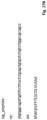
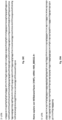
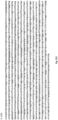
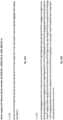
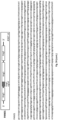
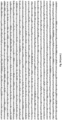
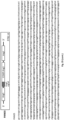
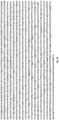
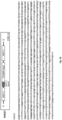
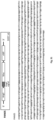
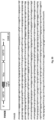
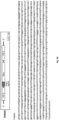
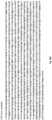
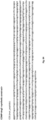
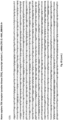
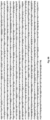
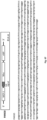
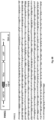
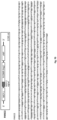
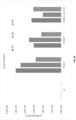
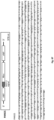
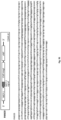
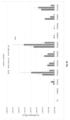
- the recombinant nucleic acid construct is a recombinant nucleic acid construct disclosed in the Figs, more specifically a recombinant nucleic acid construct disclosed in Fig. 40 (PAN29), Fig 90 (PAN58) and Fig 67 (PAN50) .
- a decoy is a mRNA encoded protein which binds a ligand and neutralizes the signaling activity.
- a poly-A tail is a nucleotide sequence comprising or consisting of a plurality of A's covalently attached to each other, whereby such covalent linkage is preferably a phosphodiester linkage.
- the poly-A tail comprises about 20 to about 240 As (i.e. adenosinphosphates) nucleotides, preferably about 60 to 120 As, more preferable about 100 to 140 As and most preferably about 120 As.
- the poly A tail is thought to stabilize natural messengers and synthetic sense RNA. Therefore, in one embodiment a long poly A tail can be added to an mRNA molecule thus rendering the RNA more stable.
- Poly A tails can be added using a variety of art-recognized techniques. For example, long poly A tails can be added to synthetic or in vitro transcribed RNA using poly A polymerase ( Yokoe, et al. Nature Biotechnology. 1996; 14: 1252-1256 ).
- a transcription vector can also encode long poly A tails.
- poly A tails can be added by transcription directly from PCR products.
- Poly A may also be ligated to the 3' end of a sense RNA with RNA ligase (see, e.g., Molecular Cloning A Laboratory Manual, 2nd Ed., ed. by Sambrook, Fritsch and Maniatis (Cold Spring Harbor Laboratory Press: 1991 editi on)).
- the length of the poly A tail is at least about 90, 200, 300, 400 at least 500 nucleotides.
- the length of the poly A tail is adjusted to control the stability of a modified sense mRNA molecule of the invention and, thus, the transcription of protein.
- the length of the poly A tail can influence the half-life of a sense mRNA molecule
- the length of the poly A tail can be adjusted to modify the level of resistance of the mRNA to nucleases and thereby control the time course of protein expression in a cell.
- the stabilized nucleic acid molecules are sufficiently resistant to in vivo degradation (e.g., by nucleases), such that they may be delivered to the target cell without a transfer vehicle.
- the nucleic acid molecule can be purified by means of HPLC in order to remove double-stranded RNA contaminants and thus to reduce innate immune system activation (see e.g. Kariko et al., Nucleic Acids Res. 2011 Nov; 39(21):e142 ).
- the CAP structure is a nucleotide sequence forming a CAP structure which is known to a person skilled in the art.
- the CAP-structure consists of a m7G(5')ppp(5')G 5'-5'-triphosphate linkage structure.
- the first two ribose sugars at the 5'-end of the mRNA can be methylated in the 2'-position which is known as CAP-1 (in case the first of the two ribose sugars is methylated) and CAP-2 structure (in case the second of the two ribose sugars is methylated).
- the CAP-structure can be incorporated during the mRNA transcription or post-transcriptionally by using capping and 2'-O-Methyltransferase enzymes and S-adenosylmethionine (SAM) as a methyl donor.
- SAM S-adenosylmethionine
- a phosphatase treatment can be used in order to remove immune stimulatory 5'-phosphates.
- the recombinant nucleic acid construct is an mRNA.
- a 5' UTR of a gene coding for MCP-1 comprises a nucleotide sequence of SEQ ID NO: 20.
- An exemplary 3' UTR of a gene coding for MCP-1 comprises a nucleotide sequence of SEQ ID NO: 23.
- An exemplary 5' UTR of a gene coding for RPL12s.c. comprises a nucleotide sequence of SEQ ID NO: 24.
- An exemplary 3' UTR of a gene coding for RPL12s.c. comprises a nucleotide sequence of SEQ ID NO: 25.
- An exemplary 5' UTR of a gene coding for Ang-2 comprises a nucleotide sequence of SEQ ID NO: 26.
- An exemplary 3' UTR of a gene coding for Ang-2 comprises a nucleotide sequence of SEQ ID NO: 29.
- An exemplary 5' UTR of a gene coding for HSP70 comprises a nucleotide sequence of SEQ ID NO: 38 or 40.
- An exemplary 3' UTR of a gene coding for HSP70 comprises a nucleotide sequence of SEQ ID NO: 39 or 43.
- An exemplary 5' UTR of a gene coding for H3.3. comprises a nucleotide sequence of SEQ ID NO: 44.
- An exemplary 3' UTR of a gene coding for H3.3. comprises a nucleotide sequence of SEQ ID NO: 45.
- An exemplary 5' UTR of a gene coding for Galectin-9 comprises a nucleotide sequence of SEQ ID NO: 46.
- An exemplary 3' UTR of a gene coding for Galectin-9 comprises a nucleotide sequence of SEQ ID NO: 47.
- An exemplary 5' UTR of a gene coding for IL-6 comprises a nucleotide sequence of SEQ ID NO: 30.
- An exemplary 3' UTR of a gene coding for IL-6 comprises a nucleotide sequence of SEQ ID NO: 33.
- An exemplary 5' UTR of a gene coding for vWF comprises a nucleotide sequence of SEQ ID NO: 34.
- a 3' UTR of a gene coding for vWF comprises a nucleotide sequence of SEQ ID NO: 37.
- An exemplary 5' UTR of a gene coding for Ang-1 comprises a nucleotide sequence of SEQ ID NO: 83.
- An exemplary 3' UTR of a gene coding for Ang-1 comprises a nucleotide sequence of SEQ ID NO: 88.
- An exemplary 5' UTR of a gene coding for Ang-4 comprises a nucleotide sequence of SEQ ID NO: 89.
- An exemplary 3' UTR of a gene coding for Ang-4 comprises a nucleotide sequence of SEQ ID NO: 94.
- An exemplary 5' UTR of construct PAN57 comprises a nucleotide sequence of SEQ ID NO: 120.
- An exemplary 3' UTR of construct PAN57 comprises a nucleotide sequence of SEQ ID NO: 121.
- the various combinations of a 5' UTR and a 3' UTR as realized in each and any of the specific constructs disclosed herein is a combination of 5' UTR and a 3' UTR which may be realized in recombinant nucleic acid construct irrespective of any other constituent and in particular irrespective of any coding region coding for an effector molecule contained in a recombinant nucleic acid construct of the invention.
- an endogenous gene is a gene contained in any cell described herein.
- a recombinant nucleic acid construct where the 5' UTR and the 3' UTR are from different endogenous genes comprises a 5' UTR from a first gene of a cell and a 3' UTR from a second gene of a cell, for example the 5' UTR is from a gene encoding MCP-1 or Ang-2, and the 3' UTR is from a gene coding for vWF.
- Said cell may be the same cell or a different cell and/or said cell may be the same kind of cell or a different kind of cell.
- the cell is of human origin.
- the recombinant nucleic acid construct is a recombinant nucleic acid molecule.
- nucleotides forming the recombinant nucleic acid molecule may be modified. Suitable modifications include alterations in one or more nucleotides of a codon such that the codon encodes the same amino acid but is more stable than the codon found in the wild-type version of the nucleic acid. For example, an inverse relationship between the stability of RNA and a higher number cytidines (C's) and/or uridines (U's) residues has been demonstrated, and RNA devoid of C and U residues have been found to be stable to most RNases ( Heidenreich, et al.
- C's cytidines
- U's uridines
- the number of C and/or U residues in an mRNA sequence is reduced. In another embodiment, the number of C and/or U residues is reduced by substitution of one codon encoding a particular amino acid for another codon encoding the same or a related amino acid.
- Contemplated modifications to the mRNA nucleic acids of the present invention also include the incorporation of pseudouridine, N1-methyl-pseudouridine, 5-methoxyuridine and 5'-Methylcytidine.
- modified nucleotides into the recombinant nucleic acid construct, preferably the mRNA of the present invention may enhance stability and translational capacity, as well as diminishing immunogenicity in vivo.
- mRNA of the present invention may enhance stability and translational capacity, as well as diminishing immunogenicity in vivo.
- Substitutions and modifications to the recombinant nucleic acid construct of the present invention, particularly at the level of the individual nucleotide of the recombinant nucleic acid construct may be performed by methods readily known to one of ordinary skill in the art.
- the constraints on reducing the number of C and U residues in a sequence will likely be greater within the coding region of an mRNA, compared to an untranslated region, (i.e., it will likely not be possible to eliminate all of the C and U residues present in the message while still retaining the ability of the message to encode the desired amino acid sequence).
- the degeneracy of the genetic code presents an opportunity to allow the number of C and/or U residues that are present in the sequence to be reduced, while maintaining the same coding capacity (i.e., depending on which amino acid is encoded by a codon, several different possibilities for modification of RNA sequences may be possible).
- the codons for Gly can be altered to GGA or GGG instead of GGU or GGC.
- modification also includes, for example, the incorporation of non-nucleotide linkages or modified nucleotides into the nucleic acid sequences of the present invention (e.g., modifications to one or both the 3' and 5' ends of an mRNA molecule encoding a functional protein or enzyme).
- modifications include the addition of bases to a nucleic acid sequence (e.g., the inclusion of a poly A tail or a longer poly A tail), the alteration of the 3' UTR or the 5' UTR, complexing the nucleic acid with an agent (e.g., a protein or a complementary nucleic acid molecule), and inclusion of elements which change the structure of a nucleic acid molecule (e.g., which form secondary structures).
- the delivery vehicle according to the fourth aspect is preferably based on a composition of one or more suitable lipids (e.g. liposomes) which in combination with the recombinant nucleic acid construct according to the present invention result in overall cationic-lipid-nucleic acid particles (cLNPs).
- suitable lipids e.g. liposomes
- Such cLNPs can be used for functionally transferring a nucleic acid, particularly an mRNA, into endothelial cells of the mammalian vasculature.
- Lipid-nucleic acid nanoparticles formed by complexation of nucleic acids such as the recombinant nucleic acid construct of the present invention with cationic lipids in combination with other lipidic components, such as zwitterionic phospholipids, cholesterol and PEGylated lipids, have already been used to block degradation of RNAs in plasma and to facilitate the functional cellular uptake of the RNAs.
- the overall charge of the lipid-nucleic acid nanoparticles is essential in directing the organ distribution of the nanoparticles.
- overall neutrally charged LNPs are almost exclusively taken up by organs of the reticuloendothelial system, particularly by the liver and spleen.
- overall positively charged lipid nanoparticles are particularly useful to functionally deliver a pharmaceutical payload into cells of the mammalian vasculature.
- nucleic acids particularly mRNAs, are immune stimulatory if applied intravenously.
- lipid-nucleic acid nanoparticle is crucial in suppressing the reticuloendothelial clearance of the particles.
- siRNA LNPs ⁇ 30 nm mean particle size
- SHM herringbone micromixer
- the resulting particles Due to the millisecond mixing of the lipids and the nucleic acid such as the recombinant nucleic acid construct of the invention on a nanoliter scale, the resulting particles are characterized by a very tight packaging of the nucleic acid inside a dense, solid particle core.
- those skilled in the art will appreciate that macrofluidic mixing processes using T-type connectors, generally result in larger nanoparticles with a more heterogeneous, multilamellar morphology.
- the present invention provides novel positively charged lipid-nucleic acid nanoparticles comprising a nucleic acid such as recombinant nucleic acid construct of the invention for the functional delivery of said recombinant nucleic acid construct of the invention, particularly mRNA, into cells of the mammalian vasculature, particularly into endothelial cells of the lung vasculature.
- a nucleic acid such as recombinant nucleic acid construct of the invention for the functional delivery of said recombinant nucleic acid construct of the invention, particularly mRNA, into cells of the mammalian vasculature, particularly into endothelial cells of the lung vasculature.
- a cationic lipid selected from the group comprising ⁇ -(L-Arginyl)-L-2,3-diamino propionic acid-N-palmityl-N-oleyl-amide, L-Arginyl- ⁇ -alanine-N-palmityl-N-oleyl-amide, DOTAP (N-[1-(2,3-Dioleoyloxy)propyl]-N,N,N-trimethylammonium methyl-chloride), DOTMA (1,2-di-O-octadecenyl-3-trimethylammonium propane (chloride salt)) or DC-cholesterol is combined with neutral lipids and further shielding lipid components bearing a polyethylene glycol (PEG) modification.
- PEG polyethylene glycol
- the neutral lipid can be either a zwitterionic phospholipid selected from a group comprising Diphytanoyl-PE (1,2-Diphytanoyl-sn-glycero-3-phosphoethanolamine), DOPE (1,2-Dioleoyl-sn-glycero-3-phosphoethanolamine), DLPE (1,2-Lauroyl-sn-glycero-3-phosphoethanolamine), DMPE, POPE, DSPE or an uncharged sterol lipid selected from a group comprising cholesterol and stigmasterol.
- a zwitterionic phospholipid selected from a group comprising Diphytanoyl-PE (1,2-Diphytanoyl-sn-glycero-3-phosphoethanolamine), DOPE (1,2-Dioleoyl-sn-glycero-3-phosphoethanolamine), DLPE (1,2-Lauroyl-sn-glycero-3-phosphoethanolamine), DMPE, POPE, DSPE
- the PEGylated lipid component is selected from a group comprising methoxyPEG-DSPE, methoxyPEG-DLG, methoxyPEG-DMG, methoxyPEG-DPG, methoxyPEG-DSG, methoxyPEG-c-DMA, methoxyPEG-C8-Ceramide, methoxyPEG-C16-Ceramide.
- the chain length of the PEG-chain corresponds to a molecular weight in the range of 750 Da to 5000 Da, preferably in a range of 1500 Da to 3000 Da.
- the molar ratio of the lipids in the lipid mixture is in a range of 20 - 80 mol% cationic lipid, 10 - 70 mol% neutral lipid and 1 - 10 mol% PEGylated lipid, preferably in a range of 35-65 mol% cationic lipid, 35-65 mol% neutral lipid and 1-5 mol% PEGylated lipid (with the overall lipid content being set as 100 %).
- the cationic lipid is ⁇ -(L-Arginyl)-L-2,3-diamino propionic acid-N-palmityl-N-oleyl-amide or L-Arginyl- ⁇ -alanine-N-palmityl-N-oleyl-amide
- the neutral lipid is the phospholipid Diphytanoyl-PE
- the PEGylated lipid is methoxyPEG2000-DSPE.
- the molar ratio is 50 mol% cationic lipid, 49 mol% Diphytanoyl-PE and 1 mol% mPEG2000-DSPE (1,2-distearoyl-sn-glycero-3-phosphoethanolamine-N-[methoxy(polyethylene glycol)-2000] (sodium salt)).
- the mixture of above mentioned lipids is dissolved in a water miscible solvent selected from a group comprising ethanol, acetone, 1-butanol, 2-butanol, tert.-butanol, 3-methyl-1-butanol, 2-methyl-1-propanol, 1-propanol, 2-propanol, dimethylsulfoxide, preferably from a group comprising ethanol, tert.-butanol and 1-butanol.
- a water miscible solvent selected from a group comprising ethanol, acetone, 1-butanol, 2-butanol, tert.-butanol, 3-methyl-1-butanol, 2-methyl-1-propanol, 1-propanol, 2-propanol, dimethylsulfoxide, preferably from a group comprising ethanol, tert.-butanol and 1-butanol.
- the dissolved lipid mixture is subsequently rapidly mixed with a dissolution of a nucleic acid such as the recombinant nucleic acid construct of the invention in an aqueous solvent, resulting in the formation of lipid-nucleic acid nanoparticles (LNPs).
- a nucleic acid such as the recombinant nucleic acid construct of the invention in an aqueous solvent
- the mixing is performed using a microfluidic mixing device, particularly using a staggered herringbone-type mixing chamber, e.g. NanoAssemblr TM (Precision NanoSystems Inc.; Vancouver, Canada) device.
- the mass ratio of total lipids to nucleic acid nucleic acid such as the recombinant nucleic acid construct of the invention is in a range of 5 to 60, preferably in a range of 15 to 40 and the volumetric mixing ratio of aqueous nucleic acid solution to organic total lipid solution is in the range of 1:1 to 6:1, preferably in the range of 2:1 to 4:1.
- the mixing flow-rate of the solutions is in the range of 5 ml/min to 25 ml/min, preferably in a range of 10 ml/min to 20 ml/min.
- the organic solvent of the resulting mixture is removed after the mixing step by dialysis or by tangential flow filtration using ultrafiltration membranes, whereby the ultrafiltration membranes can be either hollow fiber membranes or flat-screen membranes.
- the pore size of the ultrafiltration membrane corresponds to a molecular weight cutoff in the range of 1500 Da to 500.000 Da, preferably in a range of 1500 Da to 100.000 Da and even more preferably in a range of 1500 Da to 30.000 Da.
- the tangential flow filtration step it is also possible to concentrate the LNPs to a desired concentration.
- the mean particle size of the resulting LNPs can be measured using dynamic light scattering (DLS) technologies and is preferably in the range of 15 nm to 400 nm, more preferably in a range of 25 nm to 200 nm and even more preferable the particles have a size in the range of 25 nm to 100 nm.
- the overall particle charge of the LNPs is positive and the Zeta-potential of the particles is preferably in a range between +5 mV to +60 mV, more preferably in a range of +25 mV to +60mV.
- the delivery vehicle is a liposomal transfer vehicle, e.g. a lipid nanoparticle or a lipidoid nanoparticle.
- the transfer vehicle may be selected and/or prepared to optimize delivery of the recombinant nucleic acid construct of the invention to a target cell.
- the properties of the transfer vehicle e.g., size, charge and/or pH
- the target cell is in the central nervous system (e.g., mRNA such as the recombinant nucleic acid construct of the invention administered for the treatment of neurodegenerative diseases may specifically target brain or spinal tissue)
- selection and preparation of the transfer vehicle must consider penetration of, and retention within, the blood brain barrier and/or the use of alternate means of directly delivering such transfer vehicle to such target cell.
- the compositions of the present invention may be combined with agents that facilitate the transfer of exogenous mRNA (e.g., agents which disrupt or improve the permeability of the blood brain barrier and thereby enhance the transfer of exogenous mRNA to the target cells).
- Liposomes e.g., liposomal lipid nanoparticles
- Liposomes are known to be particularly suitable for their use as transfer vehicles of diagnostic or therapeutic compounds in vivo ( Lasic, Trends Biotechnol, 16: 307-321, 1998 ; Drummond et al, Pharmacol. Rev., 51: 691-743, 1999 ) and are usually characterized as microscopic vesicles having an interior aqua space sequestered from an outer medium by a membrane of one or more bilayers.
- Bilayer membranes of liposomes are typically formed by amphiphilic molecules, such as lipids of synthetic or natural origin that comprise spatially separated hydrophilic and hydrophobic domains ( Lasic, Trends Biotechnol, 16: 307- 321, 1998 ).
- Bilayer membranes of the liposomes can also be formed by amphiphilic polymers and surfactants (e.g., polymerosomes, niosomes, etc.). Such liposomes may also be used as the lipid moiety in the delivery vehicle of the present invention comprising a recombinant nucleic acid construct of the present invention of the invention as defined in the claims and as defined by each and any aspect, including any embodiment thereof.
- any feature related to the recombinant nucleic acid construct as disclosed in connection with a particular aspect of the present invention is equally an embodiment of the recombinant nucleic acid construct of each and any other aspect of the present invention, including any embodiment thereof. More specifically, any embodiment of the recombinant nucleic acid construct disclosed in connection with the first aspect is also an embodiment of the recombinant nucleic acid construct of the second, third and fourth aspect; similarly, any embodiment of the recombinant nucleic acid construct disclosed in connection with the second, third and fourth aspect is also an embodiment of the recombinant nucleic acid construct of the first aspect.
- the UTRs flanking a coding region do not interfere with the coding region and, more specifically, that the UTRs may, in principle, be exchanged without interfering with the expression of the coding region (see, e.g. WO 2017/100551 A1 ; Trepotec et al.; Tissue Engineering Part A, Vol 0 Nr ja (Apr. 2018) (https://doi.org/10.1089/ten.TEA.2017.0485 )
- Fig. 1 is a schematic representation of conventional mRNA molecule structure.
- Eukaryotic including mammalian mRNAs consist of a cap region, a 5' untranslated region (UTR), the coding sequence (CDS) with an open reading frame (ORF) starting with a consensus Kozak sequence for optimal translation initiation and in case of secreted proteins followed by an signal peptide leader sequences, a 3' UTR, and a poly A-tail (>120 nt) at the 3' end.
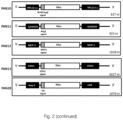
- Fig. 2 is a schematic representation of selected examples for mRNA constructs with the coding sequence with an open reading frame being the one of Nano-luciferase. It is within the present invention that for each and any of the indicated mRNA constructs the coding region comprising a sequence with an open reading frame for Nano-luciferase may be replaced by a coding regions comprising a sequence coding for an effector molecule, particularly by a coding region comprising a sequence coding for an effector molecule disclosed herein; in a preferred embodiment thereof, the effector molecule is Ang1 or COMP-Ang1.
- the recombinant nucleic acid constructs are designed as follows:
- Recombinant nucleic acid construct PAN02 comprises as the 5' non-translated region the 5' UTR of Ang1, as the nucleic acid sequence coding for a signal peptide the nucleic acid sequence coding for a signal peptide of Ang1, as the coding region coding for an effector molecule the coding region coding for Nano luciferase, and as the 3' non-translated region the 3' UTR of Ang1.
- Recombinant nucleic acid construct PAN05 comprises as the 5' non-translated region the 5' UTR of Ang2, as the nucleic acid sequence coding for a signal peptide the nucleic acid sequence coding for a signal peptide of Ang2, as the coding region coding for an effector molecule the coding region coding for Nano luciferase, and as the 3' non-translated region the 3' UTR of von Willebrand Factor (vWF).
- vWF von Willebrand Factor
- Recombinant nucleic acid construct PAN07 comprises as the 5' non-translated region the 5' UTR of Galectin-9, as the nucleic acid sequence coding for a signal peptide the nucleic acid sequence coding for a signal peptide of Ang2, as the coding region coding for an effector molecule the coding region coding for Nano luciferase, and as the 3' non-translated region the 3' UTR of von Willebrand Factor (vWF).
- vWF von Willebrand Factor
- Recombinant nucleic acid construct PAN08 comprises as the 5' non-translated region the 5' UTR of Hsp70, as the nucleic acid sequence coding for a signal peptide the nucleic acid sequence coding for a signal peptide of Ang2, as the coding region coding for an effector molecule the coding region coding for Nano luciferase, and as the 3' non-translated region the 3' UTR of HSP70.
- Recombinant nucleic acid construct PAN09 comprises as the 5' non-translated region the 5' UTR of H3.3, as the nucleic acid sequence coding for a signal peptide the nucleic acid sequence coding for a signal peptide of Ang2, as the coding region coding for an effector molecule the coding region coding for Nano luciferase, and as the 3' non-translated region the 3' UTR of H3.3.
- Recombinant nucleic acid construct PAN10 comprises as the 5' non-translated region the 5' UTR of RPL12s.c., as the nucleic acid sequence coding for a signal peptide the nucleic acid sequence coding for a signal peptide of Ang2, as the coding region coding for an effector molecule the coding region coding for Nano luciferase, and as the 3' non-translated region the 3' UTR of RPL12s.c.
- This construct additionally comprises another start codon preceding the start codon of the coding region for Nano-luciferase in-frame.
- Recombinant nucleic acid construct PAN11 comprises as the 5' non-translated region the 5' UTR of GADD34, as the nucleic acid sequence coding for a signal peptide the nucleic acid sequence coding for a signal peptide of Ang2, as the coding region coding for an effector molecule the coding region coding for Nano luciferase, and as the 3' non-translated region the 3' UTR of GADD34.
- Recombinant nucleic acid construct PAN12 comprises as the 5' non-translated region the 5' UTR of MCP-1 as the nucleic acid sequence coding for a signal peptide the nucleic acid sequence coding for a signal peptide of MCP-1, as the coding region coding for an effector molecule the coding region coding for Nano luciferase, and as the 3' non-translated region the 3' UTR of MCP-1.
- Recombinant nucleic acid construct PAN13 comprises as the 5' non-translated region the 5' UTR of EDN1, as the nucleic acid sequence coding for a signal peptide the nucleic acid sequence coding for a signal peptide of EDN1, as the coding region coding for an effector molecule the coding region coding for Nano luciferase, and as the 3' non-translated region the 3' UTR of EDN1.
- Recombinant nucleic acid construct PAN28 comprises as the 5' non-translated region the 5' UTR of Ang2, as the nucleic acid sequence coding for a signal peptide the nucleic acid sequence coding for a signal peptide of IL-6, as the coding region coding for an effector molecule the coding region coding for Nano luciferase, and as the 3' non-translated region the 3' UTR of vWF.
- Recombinant nucleic acid construct PAN29 comprises as the 5' non-translated region the 5' UTR of MCP-1, as the nucleic acid sequence coding for a signal peptide the nucleic acid sequence coding for a signal peptide of MCP-1, as the coding region coding for an effector molecule the coding region coding for Nano luciferase, and as the 3' non-translated region the 3' UTR of von Willebrand Factor (vWF).
- vWF von Willebrand Factor
- Recombinant nucleic acid construct PAN30 comprises as the 5' non-translated region the 5' UTR of MCP-1, as the nucleic acid sequence coding for a signal peptide the nucleic acid sequence coding for a signal peptide of MCP-1, as the coding region coding for an effector molecule the coding region coding for Nano luciferase, and as the 3' non-translated region the 3' UTR of HSP70.
- Recombinant nucleic acid construct PAN31 comprises as the 5' non-translated region the 5' UTR of MCP-1, as the nucleic acid sequence coding for a signal peptide the nucleic acid sequence coding for a signal peptide of IL-6, as the coding region coding for an effector molecule the coding region coding for Nano luciferase, and as the 3' non-translated region the 3' UTR of MCP-1.
- Recombinant nucleic acid construct PAN32 comprises as the 5' non-translated region the 5' UTR of MCP-1, as the nucleic acid sequence coding for a signal peptide the nucleic acid sequence coding for a signal peptide of Ang2, as the coding region coding for an effector molecule the coding region coding for Nano luciferase, and as the 3' non-translated region the 3' UTR of MCP-1.
- Recombinant nucleic acid construct PAN33 comprises as the 5' non-translated region the 5' UTR of MCP-1, no nucleic acid sequence coding for a signal peptide, as the coding region coding for an effector molecule the coding region coding for Nano luciferase, and as the 3' non-translated region the 3' UTR of MCP-1.
- Recombinant nucleic acid construct PAN34 comprises as the 5' non-translated region the 5' UTR of Hsp70, as the nucleic acid sequence coding for a signal peptide the nucleic acid sequence coding for a signal peptide of MCP-1, as the coding region coding for an effector molecule the coding region coding for Nano luciferase, and as the 3' non-translated region the 3' UTR of MCP-1.
- Recombinant nucleic acid construct PAN35 comprises as the 5' non-translated region the 5' UTR of RPL12 s.c. (spinach chloroplast), as the nucleic acid sequence coding for a signal peptide the nucleic acid sequence coding for a signal peptide of MCP-1, as the coding region coding for an effector molecule the coding region coding for Nano luciferase, and as the 3' non-translated region the 3' UTR of MCP-1.
- Recombinant nucleic acid construct PAN36 comprises as the 5' non-translated region the 5' UTR of MCP-1, as the nucleic acid sequence coding for a signal peptide the nucleic acid sequence coding for a signal peptide of MCP-1, as the coding region coding for an effector molecule the coding region coding for Ang1, and as the 3' non-translated region the 3' UTR of MCP-1.
- Recombinant nucleic acid construct PAN37 comprises as the 5' non-translated region the 5' UTR of MCP-1, as the nucleic acid sequence coding for a signal peptide the nucleic acid sequence coding for a signal peptide of MCP-1, as the coding region coding for an effector molecule the coding region coding for hCOMP-Ang1, and as the 3' non-translated region the 3' UTR of MCP-1.
- Recombinant nucleic acid construct PAN38 comprises as the 5' non-translated region the 5' UTR of Ang2, as the nucleic acid sequence coding for a signal peptide the nucleic acid sequence coding for a signal peptide of MCP-1, as the coding region coding for an effector molecule the coding region coding for Nano luciferase, and as the 3' non-translated region the 3' UTR of von Willebrand Factor (vWF).
- vWF von Willebrand Factor
- Recombinant nucleic acid construct PAN39 comprises as the 5' non-translated region the 5' UTR of Ang2* (Ang2 5'-UTR with deleted upstream ATGs), as the nucleic acid sequence coding for a signal peptide the nucleic acid sequence coding for a signal peptide of IL-6, as the coding region coding for an effector molecule the coding region coding for Nano luciferase, and as the 3' non-translated region the 3' UTR of von Willebrand Factor (vWF).
- Ang2* Ang2 5'-UTR with deleted upstream ATGs
- the nucleic acid sequence coding for a signal peptide the nucleic acid sequence coding for a signal peptide of IL-6
- the coding region coding for an effector molecule the coding region coding for Nano luciferase
- vWF von Willebrand Factor
- Recombinant nucleic acid construct PAN40 comprises as the 5' non-translated region the 5' UTR of Ang2, as the nucleic acid sequence coding for a signal peptide the nucleic acid sequence coding for a signal peptide of Gaussia luciferase, as the coding region coding for an effector molecule the coding region coding for Nano luciferase, and as the 3' non-translated region the 3' UTR of von Willebrand Factor (vWF).
- vWF von Willebrand Factor
- Recombinant nucleic acid construct PAN41 comprises as the 5' non-translated region the 5' UTR of RPL12 s.c., as the nucleic acid sequence coding for a signal peptide the nucleic acid sequence coding for a signal peptide of MCP-1 with an additional upstream ATG for translational start, as the coding region coding for an effector molecule the coding region coding for Nano luciferase, and as the 3' non-translated region the 3' UTR of RPL12 s.c..
- This construct additionally comprises another start codon preceding the start codon of the coding region for Nano-luciferase in-frame.
- Recombinant nucleic acid construct PAN42 comprises as the 5' non-translated region the 5' UTR of RPL12 s.c., as the nucleic acid sequence coding for a signal peptide the nucleic acid sequence coding for a signal peptide of MCP-1, as the coding region coding for an effector molecule the coding region coding for Nano luciferase, and as the 3' non-translated region the 3' UTR of RPL12 s.c..
- Recombinant nucleic acid construct PAN43 comprises as the 5' non-translated region the 5' UTR of RPL12 s.c., as the nucleic acid sequence coding for a signal peptide the nucleic acid sequence coding for a signal peptide of Ang2, as the coding region coding for an effector molecule the coding region coding for Nano luciferase, and as the 3' non-translated region the 3' UTR of RPL12 s.c..
- Recombinant nucleic acid construct PAN44 comprises as the 5' non-translated region the 5' UTR of Hsp70, as the nucleic acid sequence coding for a signal peptide the nucleic acid sequence coding for a signal peptide of MCP-1, as the coding region coding for an effector molecule the coding region coding for Nano luciferase, and as the 3' non-translated region the 3' UTR of Hsp70.
- Recombinant nucleic acid construct PAN45 comprises as the 5' non-translated region the 5' UTR of Hsp70m5, as the nucleic acid sequence coding for a signal peptide the nucleic acid sequence coding for a signal peptide of MCP-1, as the coding region coding for an effector molecule the coding region coding for Nano luciferase, and as the 3' non-translated region the 3' UTR of von Willebrand Factor (vWF).
- vWF von Willebrand Factor
- Recombinant nucleic acid construct PAN46 comprises as the 5' non-translated region the 5' UTR of E-selectin, as the nucleic acid sequence coding for a signal peptide the nucleic acid sequence coding for a signal peptide of IL-6, as the coding region coding for an effector molecule the coding region coding for Nano luciferase, and as the 3' non-translated region the 3' UTR of von Willebrand Factor (vWF).
- vWF von Willebrand Factor
- Recombinant nucleic acid construct PAN47 comprises as the 5' non-translated region the 5' UTR of ICAM1, as the nucleic acid sequence coding for a signal peptide the nucleic acid sequence coding for a signal peptide of IL-6, as the coding region coding for an effector molecule the coding region coding for Nano luciferase, and as the 3' non-translated region the 3' UTR of von Willebrand Factor (vWF).
- vWF von Willebrand Factor
- Recombinant nucleic acid construct PAN48 comprises as the 5' non-translated region the 5' UTR of IL-6, as the nucleic acid sequence coding for a signal peptide the nucleic acid sequence coding for a signal peptide of IL-6, as the coding region coding for an effector molecule the coding region coding for Nano luciferase, and as the 3' non-translated region the 3' UTR of IL-6).
- Recombinant nucleic acid construct PAN49 comprises as the 5' non-translated region the 5' UTR of von Willebrand Factor (vWF), as the nucleic acid sequence coding for a signal peptide the nucleic acid sequence coding for a signal peptide of von Willebrand Factor (vWF), as the coding region coding for an effector molecule the coding region coding for Nano luciferase, and as the 3' non-translated region the 3' UTR of von Willebrand Factor (vWF).
- vWF von Willebrand Factor
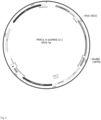
- Fig. 3 shows a restriction map of a plasmid pcDNA3.1(-) used as an illustrative example for a plasmid for the expression of an exemplary recombinant nucleic acid construct of the present invention, whereby such exemplary recombinant nucleic acid construct is construct PAN 11; restriction sites XhoI/HindIII are shown.
- Fig. 4 shows a restriction digestion map of the PAN11 expressing pcDNA3.1- plasmid of Fig. 3 ; the insert represents PAN11 sequence with engineered 5' and 3' UTR, signal sequence and the coding region coding for Nano-Luciferase.
- Fig. 5 is an 1% agarose gel stained with EtBr showing the non-linearized (uncut, supercoiled, right lanes) and linearization product (left lanes) of pcDNA3.1(-) plasmids upon BamHI restriction of the constructs PAN28 ("28"), PAN13 ("13"), PAN12 ("12"), PAN11 ("11"), PAN10 ("10”), PAN09 (“09”), PAN08 (“08”), PAN07 (“07”) and PAN05 (“05”).
- Fig. 6 shows 1% agarose gels stained with EtBr showing PCR products of Poly-A tailing PCRs for the addition of 120 nt of Poly-A tail by 120 nt long poly-T 3' primer flanking the different recombinant nucleic acid constructs.
- the optimized PCR conditions for the indicated recombinant nucleic acid constructs For example, for Pan02 the conditions are as follows: denaturation for 2 minutes at 94°C. 33 cycles of 30 seconds at 96°C, 15 seconds at 55°C and 4 minutes at 72°C. Final extension for 8 minutes at 72°C.
- Fig. 8 is an image of a 1% non-denaturing agarose gel stained with EtBr showing the in vitro transcribed mRNAs of constructs PAN28 ("28"), PAN13 ("13"), PAN12 ("12"), PAN11 ("11"), PAN10 ("10”), PAN09 (“09”), PAN08 (“08”), PAN07 (“07”) and PAN05 (“05”).
- M is a lane with a high range RiboRuler RNA ladder. From this Fig. 8 may be taken that the transcribed mRNAs were intact and, more specifically, were not degraded.
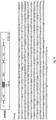
- Fig. 24 shows the basic structure and nucleotide sequence of recombinant nucleic acid construct PAN01.
- PAN1 is an embodiment of the present invention comprising as the 5' non-translated region the 5' UTR of Ang1, as the nucleic acid sequence coding for a signal peptide the nucleic acid sequence coding for a signal peptide of Ang1, as the coding region coding for an effector molecule the coding region coding for Ang1, and as the 3' non-translated region the 3' UTR of Ang1.
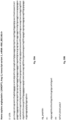
- Fig. 25 shows the basic structure and nucleotide sequence of recombinant nucleic acid construct PAN03.
- PAN03 is an embodiment of the present invention comprising as the 5' non-translated region the 5' UTR of Ang1, as the nucleic acid sequence coding for a signal peptide the nucleic acid sequence coding for a signal peptide of Ang1, as the coding region coding for an effector molecule the coding region coding for COMP-Ang1, and as the 3' non-translated region the 3' UTR of Ang1.
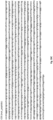
- Fig. 26 shows the basic structure and nucleotide sequence of recombinant nucleic acid construct PAN04.
- PAN04 is an embodiment of the present invention comprising as the 5' non-translated region the 5' UTR of Ang2, as the nucleic acid sequence coding for a signal peptide the nucleic acid sequence coding for a signal peptide of Ang2, as the coding region coding for an effector molecule the coding region coding for Ang1, and as the 3' non-translated region the 3' UTR of von Willebrand Factor (vWF).
- vWF von Willebrand Factor
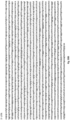
- Fig. 27 shows the basic structure and nucleotide sequence of recombinant nucleic acid construct PAN06.
- PAN06 is an embodiment of the present invention comprising as the 5' non-translated region the 5' UTR of Ang2, as the nucleic acid sequence coding for a signal peptide the nucleic acid sequence coding for a signal peptide of Ang2, as the coding region coding for an effector molecule the coding region coding for COMP-Ang1, and as the 3' non-translated region the 3' UTR of von Willebrand Factor (vWF).
- vWF von Willebrand Factor
- Fig. 28 shows the basic structure and nucleotide sequence of recombinant nucleic acid construct PAN36.
- PAN36 is an embodiment of the present invention comprising as the 5' non-translated region the 5' UTR of MCP-1, as the nucleic acid sequence coding for a signal peptide the nucleic acid sequence coding for a signal peptide of MCP-1, as the coding region coding for an effector molecule the coding region coding for Ang1, and as the 3' non-translated region the 3' UTR of MCP-1.
- Fig. 67 shows recombinant nucleic acid construct PAN50 which is another embodiment of an mRNA of the present invention comprising as the 5' non-translated region the 5' UTR of MCP-1, as the nucleic acid sequence coding for a signal peptide the nucleic acid sequence coding for a signal peptide of IL-6, as the coding region coding for an effector molecule the coding region coding for Nano luciferase, and as the 3' non-translated region the 3' UTR of von Willebrand Factor (vWF).
- vWF von Willebrand Factor
- Fig. 68 shows recombinant nucleic acid construct PAN51 which is another embodiment of an mRNA of the present invention comprising as the 5' non-translated region the 5' UTR of HSP70, as the nucleic acid sequence coding for a signal peptide the nucleic acid sequence coding for a signal peptide of IL-6, as the coding region coding for an effector molecule the coding region coding for Nano luciferase (NLuc), and as the 3' non-translated region the 3' UTR of von Willebrand Factor (vWF).
- NLuc Nano luciferase
- vWF von Willebrand Factor
- Fig. 69 shows recombinant nucleic acid construct PAN52 which is another embodiment of an mRNA of the present invention comprising as the 5' non-translated region the 5' UTR of MCP-1, as the nucleic acid sequence coding for a signal peptide the nucleic acid sequence coding for a signal peptide of MCP-1, as the coding region coding for an effector molecule the coding region coding for Ang1, and as the 3' non-translated region the 3' UTR of von Willebrand Factor (vWF).
- vWF von Willebrand Factor
- Fig. 70 shows recombinant nucleic acid construct PAN53 which is another embodiment of an mRNA of the present invention comprising as the 5' non-translated region the 5' UTR of MCP-1, as the nucleic acid sequence coding for a signal peptide the nucleic acid sequence coding for a signal peptide of MCP-1, as the coding region coding for an effector molecule the coding region coding for hCOMP-Ang1, and as the 3' non-translated region the 3' UTR of von Willebrand Factor (vWF).
- vWF von Willebrand Factor
- Fig. 71A is an image of a 1% non-denaturing agarose gel stained with EtBr showing the tail-PCR products of constructs PAN35 ("35"), PA34 ("34"), PAN33 ("33"), PAN32 ("32"), PAN31 ("31”), PAN30 ("30”), PAN29 ("29”) and PAN12 ("12”).
- M is a lane with a high range RiboRuler RNA ladder. From this Fig. 71A may be taken that the transcribed mRNAs were intact and, more specifically, were not degraded.
- Fig. 71B is an image of a 1% non-denaturing agarose gel stained with EtBr showing the in vitro mRNA transcripts of constructs PAN35 ("35"), PA34 ("34"), PAN33 ("33"), PAN32 ("32"), PAN31 ("31"), PAN30 ("30"), PAN29 ("29”) and PAN12 ("12").
- M is a lane with a high range RiboRuler RNA ladder. From this Fig. 71B may be taken that the transcribed mRNAs were intact and, more specifically, were not degraded.
- Fig. 86 shows recombinant nucleic acid construct PAN54 which is another embodiment of an mRNA of the present invention comprising as the 5' non-translated region the 5' UTR of RPL12s.c. as the nucleic acid sequence coding for a signal peptide the nucleic acid sequence coding for a signal peptide of MCP-1, as the coding region coding for an effector molecule the coding region coding for Nano-Luciferase (NLuc), and as the 3' non-translated region the 3' UTR of von Willebrand Factor (vWF).
- NLuc Nano-Luciferase
- vWF von Willebrand Factor
- Fig. 87 shows recombinant nucleic acid construct PAN55 which is another embodiment of an mRNA of the present invention comprising as the 5' non-translated region the 5' UTR of vWF, as the nucleic acid sequence coding for a signal peptide the nucleic acid sequence coding for a signal peptide of MCP-1, as the coding region coding for an effector molecule the coding region coding for Nano Luciferase (NLuc), and as the 3' non-translated region the 3' UTR of von Willebrand Factor (vWF).
- PAN55 which is another embodiment of an mRNA of the present invention comprising as the 5' non-translated region the 5' UTR of vWF, as the nucleic acid sequence coding for a signal peptide the nucleic acid sequence coding for a signal peptide of MCP-1, as the coding region coding for an effector molecule the coding region coding for Nano Luciferase (NLuc), and
- Fig. 88 shows recombinant nucleic acid construct PAN56 which is another embodiment of an mRNA of the present invention comprising as the 5' non-translated region the 5' UTR of vWF, as the nucleic acid sequence coding for a signal peptide the nucleic acid sequence coding for a signal peptide of vWF, as the coding region coding for an effector molecule the coding region coding for Nano Luciferase (NLuc), and as the 3' non-translated region the 3' UTR of von Willebrand Factor (vWF).
- NLuc Nano Luciferase
- vWF von Willebrand Factor
- Fig. 89 shows recombinant nucleic acid construct PAN57 which is another embodiment of an mRNA of the present invention comprising as the 5' non-translated region a synthetic nucleic acid sequence as described in Jiang, Lei et al. (2016). Systemic messenger RNA as an etiological treatment for acute intermittent porphyria. Nature Medicine.
- nucleic acid sequence coding for a signal peptide the nucleic acid sequence coding for a signal peptide of MCP-1, as the coding region coding for an effector molecule the coding region coding for Nano Luciferase (NLuc), and as the 3' non-translated region the 3' UTR a nucleic acid sequence as described in Jiang, Lei et al. (2016). Systemic messenger RNA as an etiological treatment for acute intermittent porphyria. Nature Medicine. 24; 1899-1909 (2018 ). The 5'-and 3' sequences are shown underlined and in bold.
- Fig. 90 shows recombinant nucleic acid construct PAN58 which is another embodiment of an mRNA of the present invention comprising as the 5' non-translated region the 5' UTR of MCP-1, as the nucleic acid sequence coding for a signal peptide the nucleic acid sequence coding for a signal peptide of MCP-1, as the coding region coding for an effector molecule the coding region coding for Nano Luciferase (NLuc), and as the 3' non-translated region the 3' UTR of von Willebrand Factor (vWF).
- PAN58 comprises a consensus Kozak sequence (GCCACC) in the six bases upstream of the start AUG.
- Fig. 91 shows recombinant nucleic acid construct PAN59 which is another embodiment of an mRNA of the present invention comprising as the 5' non-translated region the 5' UTR of MCP-1, as the nucleic acid sequence coding for a signal peptide the nucleic acid sequence coding for a signal peptide of MCP-1, as the coding region coding for an effector molecule the coding region coding for CMP-Ang1, and as the 3' non-translated region the 3' UTR of von Willebrand Factor (vWF).
- vWF von Willebrand Factor
- Fig. 95 shows recombinant nucleic acid construct PAN60 which is another embodiment of an mRNA of the present invention comprising as the 5' non-translated region the 5' UTR of MCP-1, as the coding region coding for an effector molecule the coding region coding for wild type (wt) Tie2, and as the 3' non-translated region the 3' UTR of von Willebrand Factor (vWF).
- PAN60 which is another embodiment of an mRNA of the present invention comprising as the 5' non-translated region the 5' UTR of MCP-1, as the coding region coding for an effector molecule the coding region coding for wild type (wt) Tie2, and as the 3' non-translated region the 3' UTR of von Willebrand Factor (vWF).
- Fig. 96 shows recombinant nucleic acid construct PAN61 which is another embodiment of an mRNA of the present invention comprising as the 5' non-translated region the 5' UTR of MCP-1, as the coding region coding for an effector molecule the coding region coding for Tie2 mutant R849W , and as the 3' non-translated region the 3' UTR of von Willebrand Factor (vWF).
- PAN61 which is another embodiment of an mRNA of the present invention comprising as the 5' non-translated region the 5' UTR of MCP-1, as the coding region coding for an effector molecule the coding region coding for Tie2 mutant R849W , and as the 3' non-translated region the 3' UTR of von Willebrand Factor (vWF).
- vWF von Willebrand Factor
- Fig. 97 shows recombinant nucleic acid construct PAN66 which is another embodiment of an mRNA of the present invention comprising as the 5' non-translated region the 5' UTR of MCP-1, as the coding region coding for an effector molecule the coding region coding for wild type PIK3CA which is, according to GenBank Homo sapiens phosphatidylinositol-4,5-bisphosphate 3-kinase catalytic subunit alpha (PIK3CA) with the respective reference number being 006218.4., and as the 3' non-translated region the 3' UTR of von Willebrand Factor (vWF).
- PIK3CA phosphatidylinositol-4,5-bisphosphate 3-kinase catalytic subunit alpha
- vWF von Willebrand Factor
- SEQ ID NOs: of the sequence listing are related to the instant disclosure as summarized in Table 1.
- Table 1 Seq ID No: Subject to Fig. Further information 1 7A 5'Primer 2 7A 5'Primer 3 7A 5'Primer 4 7A 5'Primer 5 7A 5'Primer 6 7A 5'Primer 7 7A 5'Primer 8 7A 5'Primer 9 7A 5'Primer 10 7A 5'Primer 11 7B 3'Primer 12 7B 3'Primer 13 7B 3'Primer 14 7B 3'Primer 15 7B 3'Primer 16 7B 3'Primer 17 7B 3'Primer 18 7B 3'Primer 19 7B 3'Primer 20 15A 5'UTR MCP 1 21 15B SP (signal peptide) nucleotide sequence of MCP1 22 15B SP amino acid sequence of MCP1 23 15C 3'UTR of MCP1 24 16A 5'UTR of RPL12 25 16B 3'UTR of RPL12 26 17A 5'UTR of
- Nluc reporter protein, Ang-1 protein and derivatives thereof e.g. COMP-Ang-1, CMP-Ang-1
- Ang-1 protein and derivatives thereof e.g. COMP-Ang-1, CMP-Ang-1
- sequences encoding Nluc reporter protein, Ang-1 protein and derivatives thereof were flanked by different heterologous 5' and 3' UTRs and were designed and produced by gene synthesis by BioCat (Heidelberg) and cloned (Xho1-BamHI) into pcDNA3.1- (Thermo Fisher).
- Sequences encoding wt Tie-2 and sequences with the specified Tie-2 mutation in the coding region flanked by different heterologous 5' and 3' UTRs were designed (see Figures 95 and 96 ) and produced by gene synthesis by BioCat (Heidelberg) and cloned (Xho1-BamHI) into pcDNA3.1- (Thermo Fisher).
- RNA transcripts In vitro transcription is the synthesis of RNA transcripts by RNA polymerase from a linear DNA template containing the corresponding promoter sequence (T7, T3, SP6) and the gene to be transcribed.
- a typical transcription reaction consists of the template DNA, RNA polymerase, ribonucleotide triphosphates, RNase inhibitor and buffer containing Mg2 + ions.
- Linearized plasmid DNA, PCR products and synthetic DNA oligonucleotides can be used as templates for transcription as long as they have the T7 promoter sequence upstream of the gene to be transcribed.
- the Linear DNA templates for in vitro transcription were generated by PCR from linearized plasmid. Plasmids were digested with BamHI that cut once 3-terminal in the vector backbone to produce a linearized vector that can be used as the template for the poly-(A) tail PCR. 5 ⁇ g plasmid are digested for 2h at 37°C with 5U BamHI restriction enzyme in 50 ⁇ l and 1x HF Buffer. Small Aliquots of digested mix were analyzed by gel electrophoresis to check for complete digestion of the plasmid (see, for example, Fig.
- the restriction enzyme is heat-inactivated by incubating at 80°C for 20 min and the digested plasmid is purified by a PCR purification column following the manufacturer's protocol (NucleoSpin Gel and PCR clean-up, Macherey-Nagel).
- the linearized plasmid can be stored at -20°C for several months and can be used for PCR template generation. The purpose of linearization was to eliminate circular templates that could potentially generate run-on transcripts during the IVT reaction.
- Adapter primers containing T7 promoter sequences and 3' Poly A tail sequences were used to amplify linear DNA-templates.
- Each of the adapter primers had overlap sequences which fused regulatory sequences necessary for translation and transcription to the gene of interest (see, for example, Figures 7a and 7b ).
- a typical 50 ⁇ l PCR reaction contained final concentrations of 200 ⁇ M (of each) dNTP, 0,5 ⁇ M for each primer, 50 ng linearized plasmid DNA, 1x PCR reaction buffer (1,5 mM MgCl2) and 1,25 U Taq DNA Polymerase per reaction (0,25 ⁇ l of 5U/ ⁇ l).
- the specific PCR cycle programs or thermal profiles were adjusted according to the Tm of the primer pairs, according to the expected length of the PCR product and according to the used thermal cycler.
- the quality of the PCR products was checked by analyzing an aliquot by gel electrophoresis and the reactions are purified by commercial PCR purification kits ((NucleoSpin Gel and PCR clean-up, Macherey-Nagel).
- RNA capping can be carried out post-transcriptionally using capping enzymes or co-transcriptionally using cap analogs such as ARCA (Jena Bioscience) or CleanCap (Trilink Biotechnologies) or EZ-Cap (ApexBio).
- the mRNA may be capped using the vaccinia virus mRNA capping enzyme (NEB) as per manufacturer's protocol.
- NEB vaccinia virus mRNA capping enzyme
- the enzyme adds on a 7-methylguanosine cap at the 5' end of the RNA using GTP and S-adenosyl methionine as donors (cap-0 structure). Both methods yield functionally active capped RNA suitable for transfection or other applications.
- a 2'-O-Methyltransferase can be used to introduce cap-1 and cap-2 structures.
- the T7 High Yield Transcription Kit (Thermo Scientific) was used to synthesize capped RNA transcripts (PAN 01-XX) using cap analogs co-transriptionally.
- the DNA template for the transcription reaction was a linearized plasmid or a PCR product.
- the reaction at room temperature was set up in the following order: Component Volume ( ⁇ l) Final Nuclease free water* To 20 5X Reaction Buffer 4 1X ATP (100 mM) 2 10mM CTP (100 mM) or 5'-Methylcytidine-5'-Triphophate (100 mM) 2 10mM UTP (100 mM) or Pseudouridine-5'-Triphosphate (100 mM) or 5-Methoxyuridine-5'-Triphosphate (100 mM) N1-Methyl-pseudouridine (100mM) 2 10mM GTP (30 mM) 2 3mM 3'-0-Me-m 7 G(5')ppp(5')G cap analog (ARCA; Anti Reverse Cap Analog) (100 mM) 2 10mM Template DNA* X 1 ⁇ g T7
- HeLa cells were grown in DMEM complete medium.
- the human embryonic kidney 293 cell line (HEK293) is grown in EMEM (EBSS) + 2mM Glutamine + 1% Non Essential Amino Acids (NEAA) + 10% FCS culture medium.
- EBSS EMEM
- NEAA Non Essential Amino Acids
- the human embryonic kidney 293 cell line (HEK293) is grown in EMEM (EBSS) + 2mM Glutamine + 1% Non Essential Amino Acids (NEAA) + 10% FCS culture medium.
- Subculture Routine is to split sub-confluent cultures (70-80%) 1:2 to 1:6 i.e. seeding at 2-5x10,000 cells/cm 2 using 0.25% trypsin or trypsin/EDTA; 5% CO 2 ; 37°C.
- mRNA transfection are performed with the Lipofectamine TM MessengerMAX TM Transfection Reagent (Invitrogen TM ) according to the manufactures protocol.
- HPMEC Primary Human Pulmonary Microvascular Endothelial Cells
- HPAEC Primary Human Pulmonary Artery Endothelial Cells
- HPMEC's are characterized by immunofluorescent staining. They stain positive for CD31 and von Willebrand factor and negative for smooth muscle alpha-actin.
- HUVEC, HPAEC and HPMEC cells were grown in Endothelial Cell Growth Medium as recommended from PromoCell (Heidelberg Germany,) respectively.
- the Endothelial Cell Growth Medium is basal Medium supplemented with Fetal Calf Serum (0.05 ml/ml), Endothelial Cell Growth Supplement (bovine hypothalamic extract; 0.004 ml ml), Heparin 90 ⁇ g/ml and Hydrocortisone 1 ⁇ g/ml.
- the experiments with HUVEC, HPAEC and HPMEC cells are performed on cells with passage numbers below 8.
- RNA transfections and more mRNA transfections were carried out using Lipofectamin MessengerMAX (Invitrogen, Carlsbad, CA; Thermo Fisher Scientific).
- Lipofectamin MessengerMAX Invitrogen, Carlsbad, CA; Thermo Fisher Scientific.
- For mRNA transfection in 24-well plate format 1 ⁇ 10 5 cells/well were seeded 24h before transfection to reach 70-90 confluence immediately before transfection.
- For one single well 1.5 ⁇ l Lipofectamine MessengerMAX Reagent was added to 25 ⁇ l OptMEM (Invitrogen, Carlsbad, CA; Thermo Fisher Scientific), vortexed and incubated for 10 min at RT.
- 500ng or 1 ⁇ g mRNA were added to 25 ⁇ l OptiMEM, and vortexed.
- diluted mRNA was added to diluted Lipofectamin, mixed well, incubated for 5 min at RT and added dropwise to cells in the presence of 0,5 ml of complete medium for Hela and HEK293.
- HUVEC, HPAEC and HPMEC the Endothelial Cell Growth medium was replaced and the cells washed with OptiMEM and then the Lipofectamin MessengerMAxX mRNA complex solution added to the well with 0,5 ml OptiMEM prewarmed to 37 °C . Cells were incubated at 37°C for 2h and the OptiMEM medium replaced with complete Endothelial Cell Growth Medium (PromoCell, Heidelberg Germany).
- mRNA-LNPs based on the cationic lipids L-Arginyl- ⁇ -alanine-N-palmityl-N-oleyl-amide or ⁇ -(L-Arginyl)-L-2,3-diamino propionic acid-N-palmityl-N-oleyl-amide in combination with neutral and PEGylated co-lipids were used for in vitro transfection.
- the co-lipids were Diphytanoyl-PE and the PEGylated lipid is methoxyPEG2000-DSPE
- a fluorescent marker such as Green Fluorescent Protein (GFP)
- GFP Green Fluorescent Protein
- reporter enzymes e.g. luciferase derivatives
- transfection of a modified mRNA could also be determined by measuring the protein expression level of the target polypeptide by e.g., Western Blotting or immunocytochemistry or ELISA.
- Fully modified mRNAs with 5-methylcytidine and/or pseudouridine (or 5-methoxyuridine or N1-methylpseudouridine) are transfected into HUVEC or HPMEC (Human Pulmonary Microvascular Endothelial Cells, PromoCell, Heidelberg) using Lipofectamin MessengerMAX (Invitrogen, Carlsbad, CA; Thermo Fisher Scientific).
- the cell lysates are harvested and run by ELISA (or on immunoblot assays (western) at different time points (30", 1 h, 2h, 4h, 6h hours) after transfection to determine the protein expression.
- Nano-Glo-Luciferase expression was performed for secreted versions by analyzing samples from the tissue culture supernatant according to the reporter assay technical manual Nano-Glo Luciferase Assay System (Promega).
- 5-20 ⁇ l of serum or lysate were diluted in 100 ⁇ l H 2 O final volume and equal volume of reconstituted Nano-Glo luciferase assay reagent was combined in a 96 well GloMax 96 Microplate. After at least 3 min incubation at RT luminescence were measured in an appropriate luminometer.
- the plastic case is cracked and the encased gel transferred to a ready-to-use nitrocellulose membrane kit and power supply (iBLOT; LifeTechnologies, Grand Island, NY). Using default settings, the protein lysate is transferred by high Ampere electricity from the gel to the membrane.
- the membranes are incubated in 5% BSA in IX TBS for 15 minutes then in 5% BSA in IX TBS + 0.1 % Tween for another 15 minutes.
- Primary antibodies against human Tie-2 proteins or Phospho-specific Antibodies are applied in 3ml of 5% BSA in IX TBS solution at a 1:500 to 1:2000 dilution for 3 hours at room temperature and gentle agitation on an orbital shaker.
- Membranes are washed 3 times with IX TBS/0.1 % Tween, 5 minutes each time with gentle agitation.
- the secondary antibody (Goat anti-rabbit HRP conjugate; Abeam, Cambridge, MA) is conjugated to horse radish peroxidase and binds to the primary antibody antibodies.
- the secondary antibody is diluted from 1:1000 to 1 :5000 in 5% BSA in IX TBS and incubated for 3 hrs at RT. At the end of incubation time, the membranes are washed 3 times with IX TBS/0.1 % Tween, 5 minutes each time with gentle agitation.
- the membranes are developed in 5ml Pierce WestPico Chemiluminescent Subtrate (Thermo Fisher, Rockford, IL) as directed.
- Example 2 Expression of luciferase, Ang-1 or Ang-1-derivatives expressing recombinant nucleic acid constructs in HPMEC, HUVEC, HPAEC and HeLa cells
- HPMEC Primary Human Pulmonary Microvascular Endothelial Cells
- HPMEC Primary Human Pulmonary Microvascular Endothelial Cells
- the cells were routinely analyzed by immunofluorescent staining: they stain positive for CD31 and von Willebrand factor and negative for smooth muscle alpha-actin.
- HeLa cells, HUVEC, HPMEC and HPAEC human pulmonary artery endothelial cells
- DMEM complete medium or Endothelial Cell Growth Medium (PromoCell, Heidelberg Germany, CatNo.: C-22020) respectively.
- Endothelial Cell Growth Medium was basal Medium supplemented with Fetal Calf Serum (0.05 ml/ml), Endothelial Cell Growth Supplement (bovine hypothalamic extract; 0.004 ml ml), Heparin 90 ⁇ g/ml and Hydrocortisone 1 ⁇ g/ml.
- Fetal Calf Serum 0.05 ml/ml
- Endothelial Cell Growth Supplement bovine hypothalamic extract; 0.004 ml ml
- Heparin 90 ⁇ g/ml Heparin 90 ⁇ g/ml
- Hydrocortisone 1 ⁇ g/ml Hydrocortisone 1 ⁇ g/ml.
- mRNA transfections were carried out using Lipofectamin MessengerMAX (Invitrogen, Carlsbad, CA; Thermo Fisher Scientific).
- Lipofectamin MessengerMAX Invitrogen, Carlsbad, CA; Thermo Fisher Scientific.
- For mRNA transfection in 24-well plate format 1 ⁇ 10 5 cells/well were seeded 24h before transfection to reach 70-90 confluence immediate before transfection.
- For one single well 1.5 ⁇ l Lipofectamine MessengerMAX Reagent was added to 25 ⁇ l OptiMEM, vortex and incubated for 10 min at RT. In a second well add 500ng or 1 ⁇ g mRNA were added to 25 ⁇ l OptiMEM, vortex.
- diluted mRNA was added to diluted Lipofectamin, mixed well, incubated for 5 min at RT and added dropwise to cells in the presence of 0,5 ml of DMEM complete medium for HeLa.
- DMEM complete medium for HUVEC, HPMEC and HPAEC the Endothelial Cell Growth medium was replaced and the cells washed with OptiMEM and then added the Lipofectamin MessengerMAX mRNA complex solution to the well with 0,5 ml OptiMEM prewarmed to 37 °C. Cells were incubated at 37°C for 2h and the OptiMEM medium was replaced with complete Endothelial Cell Growth Medium (PromoCell, Heidelberg Germany) and transfected cells or serum were analyzed at the indicated time points.
- mRNA-LNPs based on the cationic lipids L -Arginyl- ⁇ -alanine- N- palmityl- N -oleyl-amide or ⁇ -( L -Arginyl)- L -2,3-diamino propionic acid- N -palmityl- N -oleyl-amide in combination with neutral and PEGylated co-lipids can be used for in vitro transfection.
- a fluorescent marker such as Green Fluorescent Protein (GFP)
- GFP Green Fluorescent Protein
- reporter enzymes e.g. luciferase derivatives
- transfection of a modified mRNA can also be determined by measuring the protein expression level of the target polypeptide by e.g., Western Blotting or immunocytochemistry or ELISA.
- Nano-Glo-Luciferase expression was performed for secreted versions by analyzing samples from the tissue culture supernatant according to the reporter assay technical manual Nano-Glo Luciferase Assay System (Promega).
- 5-20 ⁇ l of serum or lysate were diluted in 100 ⁇ l H 2 O final volume and equal volume of reconstituted Nano-Glo luciferase assay reagent was combined in a 96 well GloMax 96 Microplate. After at least 3 min incubation at RT luminescence could be measured in an appropriate luminometer.
- a time dependent quantitative detection of secreted Ang-1 and secreted COMP-Ang-1 or COMP-Ang-2 expression is performed by analyzing samples from the supernatant tissue culture by ELISA (Human Angiopoietin-1 Quantikine ELISA Kit (DANG10, , R&D systems) or by Western blot according to the technical manual.
- ELISA Human Angiopoietin-1 Quantikine ELISA Kit (DANG10, , R&D systems) or by Western blot according to the technical manual.
- COMP-Ang-1 mRNA sequence shown in SEQ ID NO: PAN05
- poly A tail of approximately 120 nucleotides not shown in sequence; 5 'cap,
- COMP-Ang-1, 5mC/pU fully modified with 5-methylcytidine and pseudouridine
- COMP-Ang-1,5mC/NlmpU fully modified with 5-methylcytidine and Nl-methyl-pseudouridine
- COMP-Ang-1,5mC/NlmpU fully modified with 5-methylcytidine and Nl-methyl-pseudouridine
- COMP-Ang-1,5mC/NlmpU unmodified
- HUVEC or HPMEC Human Pulmonary Microvascular Endothelial Cells, PromoCell, Heidelberg
- Lipofectamin MessengerMAX Invitrogen, Carlsbad, CA; Thermo Fisher Scientific.
- the supernatant is harvested and run by ELISA 4 hours after transfection to determine the protein expression and cytokine induction.
- Ang-1 and derivatives protein lysates were loaded on NuPage SDS-PAGE system (chambers and power supply) with 1.5mm ready-to-use Bis-Tris gels and 4-12% acrylamide gradient with MOPS-buffer as running aid (all Life Technologies, Grand Island, NY). Each lysate sample was prepared to 40ul final volume. This sample contained 25ug protein lysate in variable volume, RIPA buffer to make up volume to 26ul, 4ul of l0x reducing agent and 10 ⁇ l 4x SDS loading buffer (both from Life Technologies, Grand Island, NY). Samples were heated at 95oC for 5min and loaded on the gel. Standard settings were chosen by the manufacturer, 200V, 120mA and max. 25 W. Run time was 60min, but no longer than running dye reaching the lower end of the gel.
- the plastic case is cracked and the encased gel transferred to a ready-to-use nitrocellulose membrane kit and power supply (iBLOT; LifeTechnologies, Grand Island, NY). Using default settings, the protein lysate is transferred by high Ampere electricity from the gel to the membrane.
- the membranes were incubated in 5% BSA in IX TBS for 15 minutes then in 5% BSA in IX TBS + 0.1 % Tween for another 15 minutes.
- Primary antibodies (Ang-1 ab183701 Abeam, Cambridge, UK) against human Ang-1 proteins are applied in 3ml of 5% BSA in IX TBS solution at a 1:5000 dilution overnight at 4°C and gentle agitation on an orbital shaker.
- Membranes are washed 3 times with 1X TBS/0.1 % Tween, 5 minutes each time with gentle agitation.
- the secondary antibody (Goat anti-rabbit HRP conjugate; Abeam, Cambridge, MA) is conjugated to horse radish peroxidase and binds to the primary antibody antibodies.
- the secondary antibody is diluted of 1:10000 in 5% BSA in IX TBS and incubated for 1 hr at RT. At the end of incubation time, the membranes are washed 3 times with IX TBS/0.1 % Tween, 5 minutes each time with gentle agitation.
- the membranes are developed in 5ml Pierce WestPico Chemiluminescent Subtrate (Thermo Fisher, Rockford, IL) as directed.
- the Western Blot detects protein around the expected size of 70 kd for human Ang-1, and of 37kDa for COMP-Ang-1 and CMP-Ang1.
- recombinant human Ang-1 protein was purchased from R&D Systems (biotechne).
- construct PAN28 shows expression in all cell types more or less equally.
- the regulatory sequences used in construct PAN54 namely the 5'-UTR of spinach chloroplast RPL12, the signal peptide sequence of MCP-1 and the 3'-UTR of vWF, were found to be equally efficient for protein expression and secretion as shown in Figure 92 .
- the regulatory sequences of PAN29 are also functional using three different ORFs, namely wt Ang-1 in PAN52; hCOMP-Ang-1 in PAN53 and CMP-Ang-1 in PAN59 in directing expression in primary human pulmonary microendothelial cells (HPMEC).
- HPMEC primary human pulmonary microendothelial cells
- mRNA construct containing the endogenous 5'-and 3'-UTRs of human Ang-1 (PAN01) is not translated ( Fig. 98 ).
- Fig. 99 shows that all four mRNA constructs display comparable quality (integrity and purity).
- Example 3 Tie-2 pathway activation after transfection of modified mRNAs encoding the wildtype Tie-2 (PAN60) or the activating Tie-2 mutations (e.g. R849W (PAN61))
- Modified mRNAs containing heterologous 5' and 3' UTRs are generated by in vitro transcription of PCR templates as described previously in example 1 above. Different concentration of this mRNA encoding the activating Tie-2 mutations (e.g. R849W) are transfected in different cell lines (HeLa, primary endothelial cells such as HUVECs or HPMEC or HPAEC) next to mRNAs encoding the wild-type Tie-2 using Lipofectamin MessengerMAX (Invitrogen, Carlsbad, CA; Thermo Fisher Scientific.).
- Transfection of Tie-2 mutation (PAN61, R849W) encoding mRNAs increase the presence of Phospho-Tie-2 in comparison to cell lysates derived from cells transfected with mRNAs encoding wildtype Tie-2 mRNA or in comparison to non-transfected cells.
- This increase in Tie-2 phosphorylation is observed in the presence or absence of co-stimulation with recombinant human Ang-1 ligand and can be observed in different cell lines.
- Example 4 mRNA Formulation in cationic LNPs for in vivo applications by intravenous administration
- mRNA-LNPs are prepared in a formulation process with ⁇ -( L -Arginyl)- L -2,3-diamino propionic acid- N -palmityl- N -oleyl-amide as cationic lipid.
- the cationic lipid L -Arginyl- ⁇ -alanine- N -palmityl- N -oleyl-amide can be used in an identical procedure to prepare mRNA-LNPs.
- mRNA-LNP formulations are prepared using a modified procedure of a method described for siRNA ( Chen, S., Tam, Y.Y., Lin, P.J., Sung, M.M., Tam, Y.K., and Cullis, P.R. (2016), Influence of particle size on the in vivo potency of lipid nanoparticle formulations of siRNA. J. Control. Release 235, 236-244 . & (ii) patent application US20170121712 ).
- lipids are dissolved in ethanol at appropriate molar ratios (e.g. 50:49:1 ⁇ -( L -arginyl)- L -2,3-diamino propionic acid- N -palmityl- N -oleyl-amide: DPyPE: mPEG2000-DSPE).
- the lipid mixture is combined with an isotonic Sucrose solution of mRNA at a volume ratio of 2:1 (aqueous:ethanol) using a microfluidic mixer (NanoAssemblr ® ; Precision Nanosystems, Vancouver, BC) and flow rates of 18ml/min.
- LNP formulations can be obtained using citrate or acetate buffered mRNA solutions (pH 3-4) and a slightly differing mixing ratio of 3:1 (v/v; aqueous:ethanol) and flow rates of 12ml/min.
- the formulations are dialyzed against 10mM HEPES or TRIS buffered isotonic Sucrose solution using 3.5 K MWCO Slide-A-Lyzer Dialysis Cassettes (Thermo Fisher Scientific) for at least 18 hours at 4°C.
- Sucrose other sugars like Trehalose or Glucose can be equally used within the formulation process.
- the formulations are tested for particle size (Zetasizer Nano ZS instrument (Malvern Instruments Ltd, Malvern, UK), RNA encapsulation (Quant-iT RiboGreen RNA Assay Kit following manufacturer's (Thermo Fisher Scientific) protocol), and endotoxin and are found to be between 30 to 100 nm in size with a Zeta-potential of >25mV, display greater than 90% mRNA encapsulation and ⁇ 1 EU/ml of endotoxin.
- mRNA-LNP formulations are stored at -80 °C at a concentration of RNA of ⁇ 0.3 ⁇ g/ ⁇ l and an RNA to total lipid ratio of ⁇ 0.03-0.05 (wt/wt) until further in vitro or in vivo use.
Landscapes
- Health & Medical Sciences (AREA)
- Life Sciences & Earth Sciences (AREA)
- Chemical & Material Sciences (AREA)
- Genetics & Genomics (AREA)
- Engineering & Computer Science (AREA)
- General Health & Medical Sciences (AREA)
- Organic Chemistry (AREA)
- Bioinformatics & Cheminformatics (AREA)
- Zoology (AREA)
- Wood Science & Technology (AREA)
- Biotechnology (AREA)
- Biomedical Technology (AREA)
- Medicinal Chemistry (AREA)
- Molecular Biology (AREA)
- General Engineering & Computer Science (AREA)
- Public Health (AREA)
- Veterinary Medicine (AREA)
- Animal Behavior & Ethology (AREA)
- Epidemiology (AREA)
- Pharmacology & Pharmacy (AREA)
- Biophysics (AREA)
- Biochemistry (AREA)
- Physics & Mathematics (AREA)
- Microbiology (AREA)
- Plant Pathology (AREA)
- Dispersion Chemistry (AREA)
- Dermatology (AREA)
- Toxicology (AREA)
- Gastroenterology & Hepatology (AREA)
- Proteomics, Peptides & Aminoacids (AREA)
- Nanotechnology (AREA)
- Optics & Photonics (AREA)
- Micro-Organisms Or Cultivation Processes Thereof (AREA)
- Medicines That Contain Protein Lipid Enzymes And Other Medicines (AREA)
- Medicinal Preparation (AREA)
- Medicines Containing Material From Animals Or Micro-Organisms (AREA)
- Saccharide Compounds (AREA)
Claims (15)
- Rekombinantes Nukleinsäurekonstrukt umfassend in 5'-> 3' - Richtung- eine 5' UTR,- eine für ein Effektormolekül codierende Region, und- eine 3' UTR,wobei die 5' UTR eine 5' UTR eines für MCP-1 codierenden Gens ist oder ein Derivat davon mit einer Nukleotididentität von wenigstens 85 %,wobei die 3' UTR eine 3' UTR eines für vWF codierenden Gens ist oder ein Derivat davon mit einer Nukleotididentität von wenigstens 85 %,wobei das Effektormolekül wirksam ist bei der Wiederherstellung einer Zellfunktion einer Zelle oder wirksam ist bei der Entfaltung einer therapeutischen Wirkung in einer Zelle oder auf eine Zelle, undwobei das rekombinante Nukleinsäurekonstrukt verschieden ist von einer mRNA vom Wildtyp, die für das Effektormolekül codiert.
- Rekombinantes Nukleinsäurekonstrukt nach Anspruch 1, wobei die 5' UTR und die 3' UTR des rekombinanten Konstruktes von verschiedenen Arten stammen.
- Rekombinantes Nukleinsäurekonstrukt nach Anspruch 1, wobei die 5' UTR und die 3' UTR des rekombinanten Konstruktes von der gleichen Art stammen.
- Rekombinantes Nukleinsäurekonstrukt nach einem der Ansprüche 1 bis 3, wobei das Konstrukt umfasst:(a) einen Poly-A-Schwanz, bevorzugterweise am 3'- terminalen Ende des rekombinanten Nukleisäurekonstruktes; und/oder(b) eine CAP-Struktur, bevorzugterweise am 5'-terminalen Ende des rekombinanten Nukleinsäurekonstruktes; und/oder(c) eine IRES (interne Ribosomeneintrittsstellen) - Sequenz, bevorzugterweise am 5'-terminalen Ende des rekombinanten Nukleinsäurekonstruktes.
- Rekombinantes Nukleinsäurekonstrukt nach einem der Ansprüche 1 bis 4, wobei das Konstrukt eine Nukleinsäuresequenz umfasst, die für ein Signalpeptid codiert, bevorzugterweise ist das Signalpeptid im Leserahmen mit der Nukleinsäuresequenz, die für ein Effektormolekül codiert, und zwischen der 5' UTR und der für ein Effektormolekül codierenden codierenden Region angeordnet, bevorzugtererweise ist die für ein Signalpeptid codierende Nukleotidsequenz ausgewählt aus der Gruppe umfassend eine für ein Signalpeptid von MCP-1 codierende Nukleotidsequenz oder ein Derivat davon mit einer Nukleotididentität von wenigstens 85 %, eine für ein Signalpeptid von IL-6 codierende Nukleotidsequenz oder ein Derivat davon mit einer Nukleotididentität von wenigstens 85 %, eine für ein Signalpeptid von Ang-2 codierende Nukleotidsequenz oder ein Derivat davon mit einer Nukleotididentität von wenigstens 85 % und eine für ein Signalpeptid von Ang-1 codierende Nukleotidsequenz oder ein Derivat davon mit einer Nukleotididentität von wenigstens 85 %, am bevorzugtesten erlaubt das Signalpeptid Sekretion des Effektormoleküls.
- Rekombinantes Nukleinsäurekonstrukt nach einem der Ansprüche 1 bis 5, wobei die Zelle, von der eine Zellfunktion wiederhergestellt ist, und/oder die Zelle, in der oder an der eine therapeutische Wirkung entfaltet ist, eine Endothelzelle ist, bevorzugterweise eine vaskuläre Endothelzelle, bevorzugtererweise ist die vaskuläre Endothelzelle eine mikrovaskuläre Endothelzelle.
- Rekombinantes Nukleinsäurekonstrukt nach einem der Ansprüche 1 bis 6, wobei die zelluläre Funktion eine solche ist, die wiederhergestellt werden kann durch ein Effektormolekül mit einer Antipermeabilitätswirkung von Endothelzellen, mit einer der Leckage von Vaskulatur entgegentretende Wirkung, mit einer anti-apoptotischen Wirkung von Endothelzellen, oder einer anti-inflammatorischen Wirkung von Endothelzellen oder einer Anti-Stress-Antwort-Wirkung.
- Rekombinantes Nukleinsäurekonstrukt nach Anspruch 7, wobei die Wirkung verknüpft oder verbunden ist mit dem TIE-2 Signal-Weg, dem VEGF-Rezeptor-Weg, dem NOTCH-Signal-Weg, dem PI3-Kinase-Weg, dem eNOS-Signal-Weg, dem Sirtuin-abhängigen metabolischen und Energie-Homöostase-Weg, dem oxidativen Stress-Weg, dem Scherstress-Antwort-Weg, dem ET-1-Signalübertragungsweg, dem NO-vermittelten Signalübertragungsweg und dem mechanochemischen Übertragungsweg.
- Rekombinantes Nukleinsäurekonstrukt nach einem der Ansprüche 1 bis 8, wobei das rekombinante Nukleinsäurekonstrukt eine mRNA ist.
- Rekombinantes Nukleinsäurekonstrukt nach einem der Ansprüche 1 bis 9, wobei das rekombinante Nukleinsäurekonstrukt aus Ribonukleotiden, Desoxyribonukleotiden oder einer Kombination davon besteht.
- Vektor umfassend ein Nukleinsäurekonstrukt nach einem der Ansprüche 1 bis 10.
- Zelle umfassend ein Nukleinsäurekonstrukt nach einem der Ansprüche 1 bis 10 und/oder einen Vektor nach Anspruch 11.
- Abgabevehikel umfassend ein Nukleinsäurekonstrukt nach einem der Ansprüche 1 bis 10, wobei das Abgabevehikel ein kationisches Lipidabgabepartikel ist, bevorzugterweise ist das Partikel ein Nanopartikel, bevorzugtererweise beträgt die Durchschnittsgröße des Nanopartikels etwa 30 nm bis etwa 200 nm, bevorzugterweise etwa 30 nm bis etwa 140 nm und bevorzugtererweise etwa 30 nm bis etwa 60 nm.
- Pharmazeutische Zusammensetzung umfassend ein Nukleinsäurekonstrukt nach einem der Ansprüche 1 bis 10, einen Vektor nach Anspruch 11, eine Zelle nach Anspruch 12 und/oder ein Abgabevehikel nach Anspruch 13, und ein pharmazeutisch akzeptables Verdünnungsmittel.
- Rekombinantes Nukleinsäurekonstrukt nach einem der Ansprüche 1 bis 10, zur Verwendung in einem Verfahren zur Behandlung und/oder Prävention einer Erkrankung oder zur Verwendung in einem Verfahren zum Wiederherstellen einer Zellfunktion einer Zelle.
Applications Claiming Priority (4)
| Application Number | Priority Date | Filing Date | Title |
|---|---|---|---|
| EP18188489.1A EP3608426A1 (de) | 2018-08-10 | 2018-08-10 | Rekombinantes nukleinsäurekonstrukt |
| EP18194023 | 2018-09-12 | ||
| EP18248243 | 2018-12-28 | ||
| PCT/EP2019/071173 WO2020030672A1 (en) | 2018-08-10 | 2019-08-07 | Recombinant nucleic acid construct |
Publications (2)
| Publication Number | Publication Date |
|---|---|
| EP3833786A1 EP3833786A1 (de) | 2021-06-16 |
| EP3833786B1 true EP3833786B1 (de) | 2023-12-27 |
Family
ID=67544260
Family Applications (1)
| Application Number | Title | Priority Date | Filing Date |
|---|---|---|---|
| EP19749727.4A Active EP3833786B1 (de) | 2018-08-10 | 2019-08-07 | Rekombinantes nukleinsäurekonstrukt |
Country Status (17)
| Country | Link |
|---|---|
| US (1) | US12516348B2 (de) |
| EP (1) | EP3833786B1 (de) |
| JP (1) | JP7663494B2 (de) |
| KR (1) | KR102811229B1 (de) |
| CN (1) | CN112567053A (de) |
| AU (1) | AU2019319035A1 (de) |
| BR (1) | BR112021002333A2 (de) |
| DK (1) | DK3833786T5 (de) |
| ES (1) | ES2970185T3 (de) |
| FI (1) | FI3833786T3 (de) |
| HU (1) | HUE066311T2 (de) |
| IL (1) | IL280157A (de) |
| MX (1) | MX2021001547A (de) |
| PL (1) | PL3833786T3 (de) |
| SG (1) | SG11202100455WA (de) |
| WO (1) | WO2020030672A1 (de) |
| ZA (1) | ZA202100242B (de) |
Families Citing this family (4)
| Publication number | Priority date | Publication date | Assignee | Title |
|---|---|---|---|---|
| EP3865122A1 (de) * | 2020-02-11 | 2021-08-18 | Pantherna Therapeutics GmbH | Lipidzusammensetzung und verwendung davon zur verabreichung eines therapeutisch wirksamen mittels an endothel |
| WO2022106072A1 (en) | 2020-11-18 | 2022-05-27 | Aplicacion Y Suministros Textiles, S.A.U. | Textile stone washing process |
| WO2022110010A1 (zh) * | 2020-11-27 | 2022-06-02 | 苏州吉玛基因股份有限公司 | 免疫激活剂、抗原和抗体在制备预防、治疗肿瘤产品中的应用 |
| WO2026033123A1 (en) * | 2024-08-08 | 2026-02-12 | Sanofi Pasteur Inc. | Lipid nanoparticle formulations for mrna delivery |
Family Cites Families (13)
| Publication number | Priority date | Publication date | Assignee | Title |
|---|---|---|---|---|
| AU5318299A (en) * | 1998-07-27 | 2000-02-21 | Valentis, Inc. | Anti-angiogenesis plasmids and delivery systems, and methods of making and using the same |
| GB9905498D0 (en) | 1999-03-11 | 1999-05-05 | Glaxo Group Ltd | Expression |
| US7098192B2 (en) * | 1999-04-08 | 2006-08-29 | Isis Pharmaceuticals, Inc. | Antisense oligonucleotide modulation of STAT3 expression |
| US8039261B2 (en) | 2000-11-17 | 2011-10-18 | Vascular Biogenics Ltd. | Promoters exhibiting endothelial cell specificity and methods of using same for regulation of angiogenesis |
| MX2011013457A (es) | 2009-06-15 | 2012-05-08 | Biokine Therapeutics Ltd | Polipeptidos que enlazan quimioquina novedosos capaces de inhibir el curso de autoinmunidad, inflamacion y cancer. |
| CN107028886A (zh) | 2009-11-04 | 2017-08-11 | 不列颠哥伦比亚大学 | 含有核酸的脂质粒子及相关的方法 |
| CN114262690A (zh) * | 2011-04-15 | 2022-04-01 | 吉恩勒克斯公司 | 减毒的痘苗病毒的克隆毒株及其使用方法 |
| CN111304231A (zh) | 2013-12-30 | 2020-06-19 | 库瑞瓦格股份公司 | 人工核酸分子 |
| ES2946969T3 (es) * | 2014-12-12 | 2023-07-28 | CureVac SE | Moléculas de ácido nucleico artificiales para una expresión proteica mejorada |
| KR102645398B1 (ko) * | 2015-08-28 | 2024-03-07 | 큐어백 에스이 | 신규 인공 핵산 분자 |
| WO2017100551A1 (en) | 2015-12-09 | 2017-06-15 | Alexion Pharmaceuticals, Inc. | HETEROLOGOUS UTR SEQUENCES FOR ENHANCED mRNA EXPRESSION |
| US20190298657A1 (en) * | 2016-05-18 | 2019-10-03 | Modernatx, Inc. | Polynucleotides Encoding Acyl-CoA Dehydrogenase, Very Long-Chain for the Treatment of Very Long-Chain Acyl-CoA Dehydrogenase Deficiency |
| US11464847B2 (en) | 2016-12-23 | 2022-10-11 | Curevac Ag | Lassa virus vaccine |
-
2019
- 2019-08-07 PL PL19749727.4T patent/PL3833786T3/pl unknown
- 2019-08-07 MX MX2021001547A patent/MX2021001547A/es unknown
- 2019-08-07 EP EP19749727.4A patent/EP3833786B1/de active Active
- 2019-08-07 FI FIEP19749727.4T patent/FI3833786T3/fi active
- 2019-08-07 SG SG11202100455WA patent/SG11202100455WA/en unknown
- 2019-08-07 AU AU2019319035A patent/AU2019319035A1/en not_active Abandoned
- 2019-08-07 ES ES19749727T patent/ES2970185T3/es active Active
- 2019-08-07 KR KR1020217006630A patent/KR102811229B1/ko active Active
- 2019-08-07 JP JP2021531184A patent/JP7663494B2/ja active Active
- 2019-08-07 BR BR112021002333-0A patent/BR112021002333A2/pt not_active IP Right Cessation
- 2019-08-07 CN CN201980053544.5A patent/CN112567053A/zh active Pending
- 2019-08-07 DK DK19749727.4T patent/DK3833786T5/da active
- 2019-08-07 WO PCT/EP2019/071173 patent/WO2020030672A1/en not_active Ceased
- 2019-08-07 HU HUE19749727A patent/HUE066311T2/hu unknown
-
2021
- 2021-01-13 ZA ZA2021/00242A patent/ZA202100242B/en unknown
- 2021-01-13 IL IL280157A patent/IL280157A/en unknown
- 2021-02-10 US US17/173,109 patent/US12516348B2/en active Active
Also Published As
| Publication number | Publication date |
|---|---|
| WO2020030672A1 (en) | 2020-02-13 |
| KR102811229B1 (ko) | 2025-05-21 |
| PL3833786T3 (pl) | 2024-05-06 |
| DK3833786T3 (da) | 2024-03-04 |
| ZA202100242B (en) | 2022-05-25 |
| IL280157A (en) | 2021-03-01 |
| EP3833786A1 (de) | 2021-06-16 |
| AU2019319035A1 (en) | 2021-02-04 |
| DK3833786T5 (da) | 2024-08-19 |
| JP7663494B2 (ja) | 2025-04-16 |
| ES2970185T3 (es) | 2024-05-27 |
| KR20210044240A (ko) | 2021-04-22 |
| US12516348B2 (en) | 2026-01-06 |
| FI3833786T3 (fi) | 2024-03-15 |
| CA3108670A1 (en) | 2020-02-13 |
| JP2021533821A (ja) | 2021-12-09 |
| BR112021002333A2 (pt) | 2021-05-04 |
| US20210261980A1 (en) | 2021-08-26 |
| CN112567053A (zh) | 2021-03-26 |
| MX2021001547A (es) | 2021-06-23 |
| SG11202100455WA (en) | 2021-02-25 |
| HUE066311T2 (hu) | 2024-07-28 |
Similar Documents
| Publication | Publication Date | Title |
|---|---|---|
| US12516348B2 (en) | Recombinant nucleic acid construct | |
| US20240076636A1 (en) | Polynucleotides, Compositions, and Methods for Genome Editing | |
| IL302065A (en) | PAN-RAS mRNA CANCER VACCINES | |
| CN116917309A (zh) | 表达构建体及其用途 | |
| US20230295651A1 (en) | Recombinant nucleic acid construct and use thereof | |
| EP3608426A1 (de) | Rekombinantes nukleinsäurekonstrukt | |
| US20240358846A1 (en) | Nanoparticles and Peptides for the Delivery of Cargos to Muscle Cells | |
| CA3108670C (en) | Recombinant nucleic acid construct | |
| HK40045536B (en) | Recombinant nucleic acid construct | |
| HK40045536A (en) | Recombinant nucleic acid construct | |
| US20250375537A1 (en) | Systems and Methods for Genomic Editing | |
| KR20220117133A (ko) | 양이온성 분자 수송체 및 SARS-CoV-2 mRNA의 이온 복합체를 포함하는 코로나바이러스감염증-19 예방 백신 조성물 | |
| EP3865579A1 (de) | Rekombinantes nukleinsäurekonstrukt und dessen verwendung | |
| CN119317430A (zh) | 包含委内瑞拉马脑炎(vee)复制子的脂质纳米颗粒及其用途 | |
| KR20160108494A (ko) | β2GPI의 발현을 억제하는 핵산 | |
| WO2025045142A1 (en) | Circular rna encoding vegf polypeptides, formulations, and methods of uses | |
| EP4124345A1 (de) | Nanopartikel zur muskelverabreichung | |
| WO2026046351A1 (en) | Circular rna encoding vegf polypeptides, formulations, and methods of uses | |
| US20260132391A1 (en) | Polynucleotides, Compositions, and Methods for Genome Editing | |
| CN118103393A (zh) | 工程化的itr序列及其使用方法 | |
| JP2025145608A (ja) | ボルナウイルスベクターを利用した細胞の遺伝子改変と当該細胞を用いた細胞治療薬 | |
| WO2026055329A1 (en) | Methods and compositions for treating mesothelioma | |
| IL324749A (en) | Methods for targeting lipid nanoparticles in vivo | |
| WO2026067817A1 (zh) | 编码血小板生成素或其前体的核酸和核酸组合物 |
Legal Events
| Date | Code | Title | Description |
|---|---|---|---|
| STAA | Information on the status of an ep patent application or granted ep patent |
Free format text: STATUS: UNKNOWN |
|
| STAA | Information on the status of an ep patent application or granted ep patent |
Free format text: STATUS: THE INTERNATIONAL PUBLICATION HAS BEEN MADE |
|
| PUAI | Public reference made under article 153(3) epc to a published international application that has entered the european phase |
Free format text: ORIGINAL CODE: 0009012 |
|
| STAA | Information on the status of an ep patent application or granted ep patent |
Free format text: STATUS: REQUEST FOR EXAMINATION WAS MADE |
|
| 17P | Request for examination filed |
Effective date: 20210304 |
|
| AK | Designated contracting states |
Kind code of ref document: A1 Designated state(s): AL AT BE BG CH CY CZ DE DK EE ES FI FR GB GR HR HU IE IS IT LI LT LU LV MC MK MT NL NO PL PT RO RS SE SI SK SM TR |
|
| REG | Reference to a national code |
Ref country code: HK Ref legal event code: DE Ref document number: 40045536 Country of ref document: HK |
|
| DAV | Request for validation of the european patent (deleted) | ||
| DAX | Request for extension of the european patent (deleted) | ||
| STAA | Information on the status of an ep patent application or granted ep patent |
Free format text: STATUS: EXAMINATION IS IN PROGRESS |
|
| 17Q | First examination report despatched |
Effective date: 20220105 |
|
| REG | Reference to a national code |
Ref country code: DE Ref legal event code: R079 Free format text: PREVIOUS MAIN CLASS: C12Q0001689700 Ipc: A61K0009127000 Ref country code: DE Ref legal event code: R079 Ref document number: 602019044040 Country of ref document: DE Free format text: PREVIOUS MAIN CLASS: C12Q0001689700 Ipc: A61K0009127000 |
|
| GRAP | Despatch of communication of intention to grant a patent |
Free format text: ORIGINAL CODE: EPIDOSNIGR1 |
|
| STAA | Information on the status of an ep patent application or granted ep patent |
Free format text: STATUS: GRANT OF PATENT IS INTENDED |
|
| RIC1 | Information provided on ipc code assigned before grant |
Ipc: C12N 15/67 20060101ALI20230117BHEP Ipc: A61K 9/00 20060101ALI20230117BHEP Ipc: A61K 9/127 20060101AFI20230117BHEP |
|
| INTG | Intention to grant announced |
Effective date: 20230203 |
|
| GRAJ | Information related to disapproval of communication of intention to grant by the applicant or resumption of examination proceedings by the epo deleted |
Free format text: ORIGINAL CODE: EPIDOSDIGR1 |
|
| STAA | Information on the status of an ep patent application or granted ep patent |
Free format text: STATUS: EXAMINATION IS IN PROGRESS |
|
| INTC | Intention to grant announced (deleted) | ||
| GRAP | Despatch of communication of intention to grant a patent |
Free format text: ORIGINAL CODE: EPIDOSNIGR1 |
|
| STAA | Information on the status of an ep patent application or granted ep patent |
Free format text: STATUS: GRANT OF PATENT IS INTENDED |
|
| INTG | Intention to grant announced |
Effective date: 20230721 |
|
| GRAS | Grant fee paid |
Free format text: ORIGINAL CODE: EPIDOSNIGR3 |
|
| GRAA | (expected) grant |
Free format text: ORIGINAL CODE: 0009210 |
|
| STAA | Information on the status of an ep patent application or granted ep patent |
Free format text: STATUS: THE PATENT HAS BEEN GRANTED |
|
| AK | Designated contracting states |
Kind code of ref document: B1 Designated state(s): AL AT BE BG CH CY CZ DE DK EE ES FI FR GB GR HR HU IE IS IT LI LT LU LV MC MK MT NL NO PL PT RO RS SE SI SK SM TR |
|
| REG | Reference to a national code |
Ref country code: GB Ref legal event code: FG4D |
|
| REG | Reference to a national code |
Ref country code: CH Ref legal event code: EP |
|
| REG | Reference to a national code |
Ref country code: DE Ref legal event code: R096 Ref document number: 602019044040 Country of ref document: DE |
|
| REG | Reference to a national code |
Ref country code: IE Ref legal event code: FG4D |
|
| P01 | Opt-out of the competence of the unified patent court (upc) registered |
Effective date: 20240123 |
|
| REG | Reference to a national code |
Ref country code: PT Ref legal event code: SC4A Ref document number: 3833786 Country of ref document: PT Date of ref document: 20240228 Kind code of ref document: T Free format text: AVAILABILITY OF NATIONAL TRANSLATION Effective date: 20240220 Ref country code: NL Ref legal event code: FP |
|
| REG | Reference to a national code |
Ref country code: DK Ref legal event code: T3 Effective date: 20240228 |
|
| REG | Reference to a national code |
Ref country code: FI Ref legal event code: FGE |
|
| PG25 | Lapsed in a contracting state [announced via postgrant information from national office to epo] |
Ref country code: GR Free format text: LAPSE BECAUSE OF FAILURE TO SUBMIT A TRANSLATION OF THE DESCRIPTION OR TO PAY THE FEE WITHIN THE PRESCRIBED TIME-LIMIT Effective date: 20240328 |
|
| REG | Reference to a national code |
Ref country code: SE Ref legal event code: TRGR |
|
| REG | Reference to a national code |
Ref country code: LT Ref legal event code: MG9D |
|
| PG25 | Lapsed in a contracting state [announced via postgrant information from national office to epo] |
Ref country code: LT Free format text: LAPSE BECAUSE OF FAILURE TO SUBMIT A TRANSLATION OF THE DESCRIPTION OR TO PAY THE FEE WITHIN THE PRESCRIBED TIME-LIMIT Effective date: 20231227 |
|
| PG25 | Lapsed in a contracting state [announced via postgrant information from national office to epo] |
Ref country code: LT Free format text: LAPSE BECAUSE OF FAILURE TO SUBMIT A TRANSLATION OF THE DESCRIPTION OR TO PAY THE FEE WITHIN THE PRESCRIBED TIME-LIMIT Effective date: 20231227 Ref country code: GR Free format text: LAPSE BECAUSE OF FAILURE TO SUBMIT A TRANSLATION OF THE DESCRIPTION OR TO PAY THE FEE WITHIN THE PRESCRIBED TIME-LIMIT Effective date: 20240328 Ref country code: BG Free format text: LAPSE BECAUSE OF FAILURE TO SUBMIT A TRANSLATION OF THE DESCRIPTION OR TO PAY THE FEE WITHIN THE PRESCRIBED TIME-LIMIT Effective date: 20240327 |
|
| REG | Reference to a national code |
Ref country code: ES Ref legal event code: FG2A Ref document number: 2970185 Country of ref document: ES Kind code of ref document: T3 Effective date: 20240527 |
|
| PG25 | Lapsed in a contracting state [announced via postgrant information from national office to epo] |
Ref country code: RS Free format text: LAPSE BECAUSE OF FAILURE TO SUBMIT A TRANSLATION OF THE DESCRIPTION OR TO PAY THE FEE WITHIN THE PRESCRIBED TIME-LIMIT Effective date: 20231227 Ref country code: LV Free format text: LAPSE BECAUSE OF FAILURE TO SUBMIT A TRANSLATION OF THE DESCRIPTION OR TO PAY THE FEE WITHIN THE PRESCRIBED TIME-LIMIT Effective date: 20231227 Ref country code: HR Free format text: LAPSE BECAUSE OF FAILURE TO SUBMIT A TRANSLATION OF THE DESCRIPTION OR TO PAY THE FEE WITHIN THE PRESCRIBED TIME-LIMIT Effective date: 20231227 |
|
| PG25 | Lapsed in a contracting state [announced via postgrant information from national office to epo] |
Ref country code: IS Free format text: LAPSE BECAUSE OF FAILURE TO SUBMIT A TRANSLATION OF THE DESCRIPTION OR TO PAY THE FEE WITHIN THE PRESCRIBED TIME-LIMIT Effective date: 20240427 |
|
| PG25 | Lapsed in a contracting state [announced via postgrant information from national office to epo] |
Ref country code: CZ Free format text: LAPSE BECAUSE OF FAILURE TO SUBMIT A TRANSLATION OF THE DESCRIPTION OR TO PAY THE FEE WITHIN THE PRESCRIBED TIME-LIMIT Effective date: 20231227 |
|
| REG | Reference to a national code |
Ref country code: HU Ref legal event code: AG4A Ref document number: E066311 Country of ref document: HU |
|
| PG25 | Lapsed in a contracting state [announced via postgrant information from national office to epo] |
Ref country code: SK Free format text: LAPSE BECAUSE OF FAILURE TO SUBMIT A TRANSLATION OF THE DESCRIPTION OR TO PAY THE FEE WITHIN THE PRESCRIBED TIME-LIMIT Effective date: 20231227 |
|
| PG25 | Lapsed in a contracting state [announced via postgrant information from national office to epo] |
Ref country code: SM Free format text: LAPSE BECAUSE OF FAILURE TO SUBMIT A TRANSLATION OF THE DESCRIPTION OR TO PAY THE FEE WITHIN THE PRESCRIBED TIME-LIMIT Effective date: 20231227 Ref country code: SK Free format text: LAPSE BECAUSE OF FAILURE TO SUBMIT A TRANSLATION OF THE DESCRIPTION OR TO PAY THE FEE WITHIN THE PRESCRIBED TIME-LIMIT Effective date: 20231227 Ref country code: RO Free format text: LAPSE BECAUSE OF FAILURE TO SUBMIT A TRANSLATION OF THE DESCRIPTION OR TO PAY THE FEE WITHIN THE PRESCRIBED TIME-LIMIT Effective date: 20231227 Ref country code: IS Free format text: LAPSE BECAUSE OF FAILURE TO SUBMIT A TRANSLATION OF THE DESCRIPTION OR TO PAY THE FEE WITHIN THE PRESCRIBED TIME-LIMIT Effective date: 20240427 Ref country code: EE Free format text: LAPSE BECAUSE OF FAILURE TO SUBMIT A TRANSLATION OF THE DESCRIPTION OR TO PAY THE FEE WITHIN THE PRESCRIBED TIME-LIMIT Effective date: 20231227 Ref country code: CZ Free format text: LAPSE BECAUSE OF FAILURE TO SUBMIT A TRANSLATION OF THE DESCRIPTION OR TO PAY THE FEE WITHIN THE PRESCRIBED TIME-LIMIT Effective date: 20231227 |
|
| REG | Reference to a national code |
Ref country code: DK Ref legal event code: T5 Effective date: 20240812 |
|
| REG | Reference to a national code |
Ref country code: DE Ref legal event code: R097 Ref document number: 602019044040 Country of ref document: DE |
|
| PLBE | No opposition filed within time limit |
Free format text: ORIGINAL CODE: 0009261 |
|
| STAA | Information on the status of an ep patent application or granted ep patent |
Free format text: STATUS: NO OPPOSITION FILED WITHIN TIME LIMIT |
|
| 26N | No opposition filed |
Effective date: 20240930 |
|
| REG | Reference to a national code |
Ref country code: AT Ref legal event code: UEP Ref document number: 1643884 Country of ref document: AT Kind code of ref document: T Effective date: 20231227 |
|
| PG25 | Lapsed in a contracting state [announced via postgrant information from national office to epo] |
Ref country code: SI Free format text: LAPSE BECAUSE OF FAILURE TO SUBMIT A TRANSLATION OF THE DESCRIPTION OR TO PAY THE FEE WITHIN THE PRESCRIBED TIME-LIMIT Effective date: 20231227 |
|
| PGFP | Annual fee paid to national office [announced via postgrant information from national office to epo] |
Ref country code: LU Payment date: 20250724 Year of fee payment: 7 |
|
| PGFP | Annual fee paid to national office [announced via postgrant information from national office to epo] |
Ref country code: NL Payment date: 20250811 Year of fee payment: 7 |
|
| PGFP | Annual fee paid to national office [announced via postgrant information from national office to epo] |
Ref country code: HU Payment date: 20250722 Year of fee payment: 7 |
|
| PGFP | Annual fee paid to national office [announced via postgrant information from national office to epo] |
Ref country code: FI Payment date: 20250822 Year of fee payment: 7 Ref country code: PT Payment date: 20250723 Year of fee payment: 7 Ref country code: ES Payment date: 20250905 Year of fee payment: 7 |
|
| PGFP | Annual fee paid to national office [announced via postgrant information from national office to epo] |
Ref country code: DK Payment date: 20250826 Year of fee payment: 7 Ref country code: DE Payment date: 20250731 Year of fee payment: 7 |
|
| PGFP | Annual fee paid to national office [announced via postgrant information from national office to epo] |
Ref country code: MC Payment date: 20250831 Year of fee payment: 7 Ref country code: NO Payment date: 20250729 Year of fee payment: 7 |
|
| PGFP | Annual fee paid to national office [announced via postgrant information from national office to epo] |
Ref country code: TR Payment date: 20250801 Year of fee payment: 7 Ref country code: IT Payment date: 20250723 Year of fee payment: 7 Ref country code: PL Payment date: 20250725 Year of fee payment: 7 |
|
| PGFP | Annual fee paid to national office [announced via postgrant information from national office to epo] |
Ref country code: BE Payment date: 20250825 Year of fee payment: 7 Ref country code: GB Payment date: 20250818 Year of fee payment: 7 |
|
| PGFP | Annual fee paid to national office [announced via postgrant information from national office to epo] |
Ref country code: FR Payment date: 20250831 Year of fee payment: 7 Ref country code: AT Payment date: 20250805 Year of fee payment: 7 |
|
| PGFP | Annual fee paid to national office [announced via postgrant information from national office to epo] |
Ref country code: MT Payment date: 20250808 Year of fee payment: 7 Ref country code: CH Payment date: 20250901 Year of fee payment: 7 Ref country code: SE Payment date: 20250819 Year of fee payment: 7 |
|
| PGFP | Annual fee paid to national office [announced via postgrant information from national office to epo] |
Ref country code: IE Payment date: 20250721 Year of fee payment: 7 |
|
| PG25 | Lapsed in a contracting state [announced via postgrant information from national office to epo] |
Ref country code: CY Free format text: LAPSE BECAUSE OF FAILURE TO SUBMIT A TRANSLATION OF THE DESCRIPTION OR TO PAY THE FEE WITHIN THE PRESCRIBED TIME-LIMIT; INVALID AB INITIO Effective date: 20190807 |