EP3830299B1 - Vorhersage und charakterisierung von dlbcl-zelle von ursprungssubtypen - Google Patents
Vorhersage und charakterisierung von dlbcl-zelle von ursprungssubtypen Download PDFInfo
- Publication number
- EP3830299B1 EP3830299B1 EP19753542.0A EP19753542A EP3830299B1 EP 3830299 B1 EP3830299 B1 EP 3830299B1 EP 19753542 A EP19753542 A EP 19753542A EP 3830299 B1 EP3830299 B1 EP 3830299B1
- Authority
- EP
- European Patent Office
- Prior art keywords
- coo
- cell
- dna
- abc
- gcb
- Prior art date
- Legal status (The legal status is an assumption and is not a legal conclusion. Google has not performed a legal analysis and makes no representation as to the accuracy of the status listed.)
- Active
Links
Images





Classifications
-
- C—CHEMISTRY; METALLURGY
- C12—BIOCHEMISTRY; BEER; SPIRITS; WINE; VINEGAR; MICROBIOLOGY; ENZYMOLOGY; MUTATION OR GENETIC ENGINEERING
- C12Q—MEASURING OR TESTING PROCESSES INVOLVING ENZYMES, NUCLEIC ACIDS OR MICROORGANISMS; COMPOSITIONS OR TEST PAPERS THEREFOR; PROCESSES OF PREPARING SUCH COMPOSITIONS; CONDITION-RESPONSIVE CONTROL IN MICROBIOLOGICAL OR ENZYMOLOGICAL PROCESSES
- C12Q1/00—Measuring or testing processes involving enzymes, nucleic acids or microorganisms; Compositions therefor; Processes of preparing such compositions
- C12Q1/68—Measuring or testing processes involving enzymes, nucleic acids or microorganisms; Compositions therefor; Processes of preparing such compositions involving nucleic acids
- C12Q1/6876—Nucleic acid products used in the analysis of nucleic acids, e.g. primers or probes
- C12Q1/6883—Nucleic acid products used in the analysis of nucleic acids, e.g. primers or probes for diseases caused by alterations of genetic material
- C12Q1/6886—Nucleic acid products used in the analysis of nucleic acids, e.g. primers or probes for diseases caused by alterations of genetic material for cancer
-
- C—CHEMISTRY; METALLURGY
- C12—BIOCHEMISTRY; BEER; SPIRITS; WINE; VINEGAR; MICROBIOLOGY; ENZYMOLOGY; MUTATION OR GENETIC ENGINEERING
- C12Q—MEASURING OR TESTING PROCESSES INVOLVING ENZYMES, NUCLEIC ACIDS OR MICROORGANISMS; COMPOSITIONS OR TEST PAPERS THEREFOR; PROCESSES OF PREPARING SUCH COMPOSITIONS; CONDITION-RESPONSIVE CONTROL IN MICROBIOLOGICAL OR ENZYMOLOGICAL PROCESSES
- C12Q1/00—Measuring or testing processes involving enzymes, nucleic acids or microorganisms; Compositions therefor; Processes of preparing such compositions
- C12Q1/68—Measuring or testing processes involving enzymes, nucleic acids or microorganisms; Compositions therefor; Processes of preparing such compositions involving nucleic acids
- C12Q1/6806—Preparing nucleic acids for analysis, e.g. for polymerase chain reaction [PCR] assay
-
- G—PHYSICS
- G16—INFORMATION AND COMMUNICATION TECHNOLOGY [ICT] SPECIALLY ADAPTED FOR SPECIFIC APPLICATION FIELDS
- G16H—HEALTHCARE INFORMATICS, i.e. INFORMATION AND COMMUNICATION TECHNOLOGY [ICT] SPECIALLY ADAPTED FOR THE HANDLING OR PROCESSING OF MEDICAL OR HEALTHCARE DATA
- G16H50/00—ICT specially adapted for medical diagnosis, medical simulation or medical data mining; ICT specially adapted for detecting, monitoring or modelling epidemics or pandemics
- G16H50/20—ICT specially adapted for medical diagnosis, medical simulation or medical data mining; ICT specially adapted for detecting, monitoring or modelling epidemics or pandemics for computer-aided diagnosis, e.g. based on medical expert systems
-
- G—PHYSICS
- G16—INFORMATION AND COMMUNICATION TECHNOLOGY [ICT] SPECIALLY ADAPTED FOR SPECIFIC APPLICATION FIELDS
- G16H—HEALTHCARE INFORMATICS, i.e. INFORMATION AND COMMUNICATION TECHNOLOGY [ICT] SPECIALLY ADAPTED FOR THE HANDLING OR PROCESSING OF MEDICAL OR HEALTHCARE DATA
- G16H50/00—ICT specially adapted for medical diagnosis, medical simulation or medical data mining; ICT specially adapted for detecting, monitoring or modelling epidemics or pandemics
- G16H50/30—ICT specially adapted for medical diagnosis, medical simulation or medical data mining; ICT specially adapted for detecting, monitoring or modelling epidemics or pandemics for calculating health indices; for individual health risk assessment
-
- C—CHEMISTRY; METALLURGY
- C12—BIOCHEMISTRY; BEER; SPIRITS; WINE; VINEGAR; MICROBIOLOGY; ENZYMOLOGY; MUTATION OR GENETIC ENGINEERING
- C12Q—MEASURING OR TESTING PROCESSES INVOLVING ENZYMES, NUCLEIC ACIDS OR MICROORGANISMS; COMPOSITIONS OR TEST PAPERS THEREFOR; PROCESSES OF PREPARING SUCH COMPOSITIONS; CONDITION-RESPONSIVE CONTROL IN MICROBIOLOGICAL OR ENZYMOLOGICAL PROCESSES
- C12Q2600/00—Oligonucleotides characterized by their use
- C12Q2600/112—Disease subtyping, staging or classification
-
- C—CHEMISTRY; METALLURGY
- C12—BIOCHEMISTRY; BEER; SPIRITS; WINE; VINEGAR; MICROBIOLOGY; ENZYMOLOGY; MUTATION OR GENETIC ENGINEERING
- C12Q—MEASURING OR TESTING PROCESSES INVOLVING ENZYMES, NUCLEIC ACIDS OR MICROORGANISMS; COMPOSITIONS OR TEST PAPERS THEREFOR; PROCESSES OF PREPARING SUCH COMPOSITIONS; CONDITION-RESPONSIVE CONTROL IN MICROBIOLOGICAL OR ENZYMOLOGICAL PROCESSES
- C12Q2600/00—Oligonucleotides characterized by their use
- C12Q2600/118—Prognosis of disease development
-
- C—CHEMISTRY; METALLURGY
- C12—BIOCHEMISTRY; BEER; SPIRITS; WINE; VINEGAR; MICROBIOLOGY; ENZYMOLOGY; MUTATION OR GENETIC ENGINEERING
- C12Q—MEASURING OR TESTING PROCESSES INVOLVING ENZYMES, NUCLEIC ACIDS OR MICROORGANISMS; COMPOSITIONS OR TEST PAPERS THEREFOR; PROCESSES OF PREPARING SUCH COMPOSITIONS; CONDITION-RESPONSIVE CONTROL IN MICROBIOLOGICAL OR ENZYMOLOGICAL PROCESSES
- C12Q2600/00—Oligonucleotides characterized by their use
- C12Q2600/158—Expression markers
Definitions
- Diffuse large B Cell lymphoma is the most common form of non-Hodgkin's lymphoma, accounting for more than 25,000 new cases per year in the United States ( R., T.L., et al. 2016 US lymphoid malignancy statistics by World Health Organization subtypes. CA: A Cancer Journal for Clinicians 66, 443-459 (2016 )). Prognosis for patients with DLBCL is fairly good, with five-year survival rates between 55-62% ( R., T.L., et al. 2016 US lymphoid malignancy statistics by World Health Organization subtypes. CA: A Cancer Journal for Clinicians 66, 443-459 (2016 )).
- DLBCL has two COO subtypes: Activated B Cell (ABC) and Germinal Center B cell (GCB).
- the ABC subtype has a poor prognosis compared with GCB, and COO can be predictive for response to some new therapeutic agents.
- COO subtype has been determined by microarray assessed expression (ABC, GCB, unclassified), immunohistochemistry (IHC)-based algorithms (GCB or non-GCB), and expression based assays such as the Nanostring research use only lymphoma subtyping (LST) assay (ABC, GCB, unclassified) from Nanostring Technologies (also referred to herein as the Nanostring assay or Nanostring).
- LST lymphoma subtyping
- COO subtypes have differing gene mutations, with GCB typically characterized by EZH2 alterations and IGH:BCL2 translocations, while ABC is dominated by NF-KB and BCR signaling alterations such as MYD88 and CD79B.
- COODC COO DNA classification
- RNA expression microarrays Alizadeh, A.A., et al. Distinct types of diffuse large B Cell lymphoma identified by gene expression profiling. Nature 403, 503 (2000 )) and is a necessary component of DLBCL clinical care per the 2016 updated WHO lymphoid neoplasm classifications ( Swerdlow, S.H., et al. The 2016 revision of the World Health Organization classification of lymphoid neoplasms. Blood 127, 2375-2390 (2016 )).
- RNA-based classifiers commonly split DLBCL into the activated B Cell (ABC) and germinal center (GC) B Cell (GCB) subtypes.
- DLBCL that does not fall into either of these categories are called unclassified.
- These subtypes are both prognostic and predictive.
- the ABC subtype has a worse prognosis, with a three-year progression free survival of 59% compared with 75% for GCB patients ( Vitolo, U., et al. Obinutuzumab or Rituximab Plus Cyclophosphamide, Doxorubicin, Vincristine, and Prednisone in Previously Untreated Diffuse Large B Cell Lymphoma. Journal of Clinical Oncology 35, 3529-3537 (2017 )).
- COO subtypes have differing gene mutations, with GCB typically characterized by EZH2 alterations and IGH:BCL2 translocations, while ABC is dominated by NF-KB and BCR signaling alterations such as MYD88 and CD79B.
- Chapuy and colleagues recently showed distinct mutational signatures in DLBCL samples, including a canonical activation-induced cytidine deaminase (AID) signature ( Chapuy, B., et al. Molecular subtypes of diffuse large B cell lymphoma are associated with distinct pathogenic mechanisms and outcomes. Nature Medicine 24, 679-690 (2018 )).
- AID canonical activation-induced cytidine deaminase
- GCB DLBCLs are thought to arise from germinal center (GC) B Cells, while ABC subtype is thought to arise from post-GC B Cells.
- CSR class switch recombination
- SHM somatic hypermutation
- this assay maintains 89% concordance to Nanostring. In certain embodiments, this assay requires samples having 20% tumor content as compared to the 60% required for Nanostring.
- the COODC comprises: (a) acquiring, e.g., collecting, a sample, e.g., a clinical sample, from a patient diagnosed with DLBCL, (b) performing DNA sequencing on the sample, e.g., clinical sample, and (c) applying a pre-defined COODC classifier to a list of genomic features (e.g., one or more features described in Table 1) to calculate a predictor score.
- the DNA sequencing is performed using the DNA component of the FoundationOne ® Heme platform. In certain embodiments according to (or as applied to) any of the embodiments above, the DNA sequencing comprises targeted DNA-sequencing of approximately 300-500 genes. In certain embodiments according to (or as applied to) any of the embodiments above, the detection of alterations in the BCL2, EZH2, and TNSFRSF14 genes using the COODC predicts the COO of the DLBCL is a germinal center B Cell (GCB). In certain embodiments according to (or as applied to) any of the embodiments above, alterations in the BCL2, EZH2, and TNSFRSF14 genes are detected.
- GCB germinal center B Cell
- the detection of alterations in the chromosome 3q copy number, MYD88, and CD79B genes using the COODC predicts the COO of the DLBCL is an activated B Cell (ABC).
- alterations in the chromosome 3q copy number, MYD88, and CD79B genes are detected.
- the detection of alterations in the NOTCH1, NOTCH2, and BCL6 genes using the COODC predicts the COO of the DLBCL is an activated B Cell (ABC).
- alterations in the NOTCH1, NOTCH2, and BCL6 genes are detected.
- the detection of IGH:BCL2 rearrangements, CREBBP alterations, and TNFRSF14 alterations predicts the COO of the DLBCL is a GCB.
- IGH:BCL2 rearrangements, CREBBP alterations, and TNFRSF14 alterations are detected.
- the detection of CDKN2A/B deletions, CD79B alterations at amino acid 196, and MYD88 alterations at amino acid 265 predicts the COO of the DLBCL is an ABC.
- a CDKN2A/B deletion, a CD79B alteration at amino acid 196, and an MYD88 alteration at amino acid 265 are detected.
- a COSMIC signature 3 predicts the COO of the DLBCL is GCB.
- a COSMIC signature 3 is detected.
- the method further comprises the step of (d) classifying a patient having a predictor score below a low cutoff (e.g., a low pre-defined cutoff) as GCB, and a patient having a predictor score above a high cutoff (e.g., a high pre-defined cutoff) as ABC.
- a low cutoff e.g., a low pre-defined cutoff
- a high cutoff e.g., a high pre-defined cutoff
- the method further comprises the step of (e) classifying a patient having a predictor score above or equal to the low cutoff (e.g., the low pre-defined cutoff) and below the high cutoff (e.g., the high pre-defined cutoff) as unclassified.
- the COODC was developed using the methods described in Examples 3-9.
- no RNA analysis is performed.
- RNA analysis does not contribute substantially to the determination of the COO.
- no immunohistochemistry (IHC) analysis is performed.
- IHC analysis does not contribute substantially to the determination of the COO.
- provided herein is a method of determining whether the cell of origin (COO) of diffuse large B Cell lymphoma (DLBCL) is an activated B Cell (ABC) or a germinal center B Cell (GCB) using a cell of origin DNA classification (COODC) model.
- COO cell of origin
- DLBCL diffuse large B Cell lymphoma
- ABSC activated B Cell
- GCB germinal center B Cell
- COODC cell of origin DNA classification
- the method comprises (a) acquiring, e.g., collecting, a sample, e.g., a clinical sample, of a patient diagnosed with DLBCL, (b) performing DNA sequencing on the sample, e.g., clinical sample, (c) applying the pre-defined COODC classifier to the list of genomic features (e.g., one or more features described in Table 1) to calculate a predictor score, and (d) classifying a patient having a predictor score below a low cutoff (e.g., a low pre-defined cutoff) as GCB, and a patient having a predictor score above or equal to a high cutoff (e.g., a high pre-defined cutoff) as ABC.
- a low cutoff e.g., a low pre-defined cutoff
- the method further comprises the step of (e) classifying a patient having a predictor score above or equal to the low cutoff (e.g., the low pre-defined cutoff) and below the high cutoff (e.g., the high pre-defined cutoff) as unclassified.
- the DNA sequencing is performed using the DNA component of the FoundationOne ® Heme platform.
- the DNA sequencing comprises targeted DNA-sequencing of approximately 300-500 genes.
- the detection of alterations in the BCL2, EZH2, and TNSFRSF14 genes using the COODC predicts the COO of the DLBCL is germinal center B Cell (GCB).
- GCB germinal center B Cell
- alterations in the BCL2, EZH2, and TNSFRSF14 genes are detected.
- the detection of alterations in the chromosome 3q copy number, MYD88, and CD79B genes using the COODC predicts the COO of the DLBCL is an activated B Cell (ABC).
- alterations in the chromosome 3q copy number, MYD88, and CD79B genes are detected.
- the detection of alterations in the NOTCH1, NOTCH2, and BCL6 genes using the COODC predicts the COO of the DLBCL is an activated B Cell (ABC).
- ABSC activated B Cell
- of alterations in the NOTCH1, NOTCH2, and BCL6 genes are detected.
- the detection of IGH:BCL2 rearrangements, CREBBP alterations, and TNFRSF14 alterations predicts the COO of the DLBCL is GCB.
- IGH:BCL2 rearrangements, CREBBP alterations, and TNFRSF14 alterations are detected.
- the detection of CDKN2A/B deletions, CD79B alterations at amino acid 196, and MYD88 alterations at amino acid 265 predicts the COO of the DLBCL is ABC.
- CDKN2A/B deletions, CD79B alterations at amino acid 196, and MYD88 alterations at amino acid 265 are detected.
- a COSMIC signature 3 predicts the COO of the DLBCL is GCB.
- a COSMIC signature 3 is detected.
- the COODC was developed using the methods described in Examples 3-9. In certain embodiments according to (or as applied to) any of the embodiments above, no RNA analysis is performed.
- RNA analysis does not contribute substantially to the determination of COO.
- no immunohistochemistry (IHC) analysis is performed.
- IHC does not contribute substantially to the determination of COO.
- a method of designing a therapy for the treatment of diffuse large B Cell lymphoma (DLBCL) using a cell of origin DNA classification (COODC) model comprising: (a) acquiring, e.g., collecting, a sample, e.g., a clinical sample, of a patient diagnosed with DLBCL, (b) performing DNA sequencing on the sample, e.g., clinical sample, (c) applying the pre-defined COODC classifier to the list of genomic features (e.g., one or more features described in Table 1) to calculate a predictor score, and (d) classifying a patient having a predictor score below a low cutoff (e.g., a low pre-defined cutoff) as GCB, and a patient having a predictor score above or equal to a high cutoff (e.g., a high pre-defined cutoff) as ABC, wherein the patient is administered a therapy recommended for their COO.
- COODC cell of origin DNA classification
- the method further comprises the step of (e) classifying a patient having a predictor score above or equal to the low cutoff (e.g., the low pre-defined cutoff) and below the high cutoff (e.g., the high pre-defined cutoff) as unclassified.
- the GCB COO patient is administered a therapy that is effective for GCB COO.
- the ABC COO patient is administered a therapy that is effective for ABC COO.
- a method of predicting response to therapy for the treatment of diffuse large B Cell lymphoma (DLBCL) using a cell of origin DNA classification (COODC) model comprising (a) acquiring, e.g., collecting, a sample, e.g., a clinical sample, of a patient diagnosed with DLBCL, (b) performing DNA sequencing on the sample, e.g., clinical sample, (c) applying the pre-defined COODC classifier to the list of genomic features (e.g., one or more features described in Table 1) to calculate a predictor score, and (d) classifying a patient having a predictor score below a low cutoff (e.g., a low pre-defined cutoff) as GCB, and a patient having a predictor score above or equal to a high cutoff (e.g., a high pre-defined cutoff) as ABC, wherein the response to a therapy for the treatment of DLBCL is dependent on the COO.
- COODC cell of origin DNA classification
- the method further comprises the step of (e) classifying a patient having a predictor score above or equal to the low cutoff (e.g., the low pre-defined cutoff) and below the high cutoff (e.g., the high pre-defined cutoff) as unclassified.
- the ABC COO is predictive for response to therapies known to be effective on the ABC subtype.
- the therapy comprises ibrutinib and/or lenalidomide.
- the GCB COO is predictive for response to therapies known to be effective on the GCB subtype.
- the therapy comprises ibrutinib and/or lenalidomide.
- the cell of origin (COO) of diffuse large B Cell lymphoma (DLBCL) is determined using a DNA-based platform method wherein neither RNA (e.g., analysis of RNA) nor immunohistochemistry is a component of the method.
- the DNA-based platform is the COODC described in any of the embodiments described herein.
- a cell of origin DNA classification (COODC) diagnostic used to determine whether the cell of origin (COO) of diffuse large B Cell lymphoma (DLBCL) is an activated B Cell (ABC) or a germinal center B Cell (GCB).
- COODC is the COODC described in any of the embodiments described herein.
- the COODC is a kit.
- a method for using a cell of origin DNA classification (COODC) diagnostic to determine whether the cell of origin (COO) of diffuse large B Cell lymphoma (DLBCL) is an activated B Cell (ABC) or a germinal center B Cell (GCB) comprising: (a) acquiring, e.g., collecting, a sample, e.g., a clinical sample, of a patient diagnosed with DLBCL, (b) performing DNA sequencing on the sample, e.g., clinical sample, (c) applying a COODC classifier (e.g., a pre-defined COODC classifier) to the list of genomic features (e.g., one or more features described in Table 1) to calculate a predictor score, and (d) classifying a patient having a predictor score below a low cutoff (e.g., a low pre-defined cutoff) as GCB, and a patient having a predictor score above or equal to a high cutoff (e.g., COODC) diagnostic to
- the method further comprises the step of (e) classifying a patient having a predictor score above or equal to the low cutoff (e.g., the low pre-defined cutoff) and below the high cutoff (e.g., the high pre-defined cutoff) as unclassified.
- the diagnostic is a kit.
- the COO is determined to be ABC or GCB according to any of any of the embodiments above.
- the sample is a clinical sample.
- the clinical sample is tumor biopsy, blood, bone marrow aspirate, or an extracted nucleic acid.
- the tumor biopsy is prepared on a formalin-fixed paraffin-embedded (FFPE) slide.
- the DNA sequencing comprises targeted DNA-sequencing of approximately 465 genes.
- a plurality of samples e.g., a plurality of clinical samples
- a plurality of patients are acquired (e.g., collected).
- a method of selecting, classifying, or treating a subject comprising acquiring or providing a value for cell of origin (COO) and in response to the value selecting, classifying, evaluating, or treating the subject.
- the value is acquired from another entity, e.g., a laboratory.
- the value is substantially the same as the value that would be provided by the method or diagnostic of any of the embodiments described herein.
- the value is determined by any of the embodiments described herein.
- the subject has DLBCL.
- the low cutoff (e.g., the low pre-defined cutoff) for classifying patents or samples as GCB is between 0.2-0.3, e.g., between 0.21-0.29, 0.22-0.28, 0.23-0.27, 0.24-0.26, 0.21-0.3, 0.22-0.3, 0.23-0.3, 0.24-0.3, 0.25-0.3, 0.26-0.3, 0.27-0.3, 0.28-0.3, 0.29-0.3, 0.2-0.29, 0.2-0.28, 0.2-0.27, 0.2-0.26, 0.2-0.25, 0.2-0.24, 0.2-0.23, 0.2-0.22, or 0.2-0.21, e.g., 0.200, 0.201, 0.202, 0.203, 0.204, 0.205, 0.206, 0.207, 0.208, 0.209, 0.210, 0.211, 0.212, 0.213, 0.214, 0.215, 0.216, 0.217, 0.218, 0.219, 0.220, 0.2
- the high cutoff (e.g., the high pre-defined cutoff) for classifying samples as ABC is between 0.4-0.6, e.g., 0.41-0.59, 0.42-0.58, 0.43-0.57, 0.44-0.56, 0.45-0.55, 0.46-0.54, 0.47-0.53, 0.48-0.52, 0.49-0.51, 0.4-0.59, 0.4-0.58, 0.4-0.57, 0.4-0.56, 0.4-0.55, 0.4-0.54, 0.4-0.53, 0.4-0.52, 0.4-0.51, 0.4-0.50.
- the predictor score is less than 0.3, e.g., less than 0.299, 0.298, 0.297, 0.296, 0.295, 0.294, 0.293, 0.292, 0.291, 0.29, 0.289, 0.288, 0.287, 0.286, 0.285, 0.284, 0.283, 0.282, 0.281, 0.28, 0.279, 0.278, 0.277, 0.276, 0.275, 0.274, 0.273, 0.272, 0.271, 0.27, 0.269, 0.268, 0.267, 0.266, 0.265, 0.264, 0.263, 0.262, 0.261, 0.26, 0.259, 0.258, 0.257, 0.256, 0.255, 0.254, 0.253, 0.252, 0.251, 0.25, 0.249, 0.248, 0.247, 0.246, 0.245, 0.244, 0.
- the predictor score is greater than or equal to 0.4, e.g., greater than or equal to 0.401, 0.402, 0.403, 0.404, 0.405, 0.406, 0.407, 0.408, 0.409, 0.410, 0.411, 0.412, 0.413, 0.414, 0.415, 0.416, 0.417, 0.418, 0.419, 0.420, 0.421, 0.422, 0.423, 0.424, 0.425, 0.426, 0.427, 0.428, 0.429, 0.430, 0.431, 0.432, 0.433, 0.434, 0.435, 0.436, 0.437, 0.438, 0.439, 0.440, 0.441, 0.442, 0.443, 0.444, 0.445, 0.446, 0.447, 0.448, 0.449, 0.450, 0.451, 0.452, 0.453, 0.454,
- the predictor score is less than the high pre-defined cutoff, but greater than or equal to the low pre-defined cutoff, then the patient or sample is unclassified.
- the predictor score is greater than or equal to a low pre-defined cutoff described herein (e.g., between 0.2-0.3) and less than a high pre-defined cutoff described herein (e.g., between 0.4-0.6), e.g., greater than or equal to (a) any one of 0.299, 0.298, 0.297, 0.296, 0.295, 0.294, 0.293, 0.292, 0.291, 0.29, 0.289, 0.288, 0.287, 0.286, 0.285, 0.284, 0.283, 0.282, 0.281, 0.28, 0.279, 0.278, 0.277, 0.276, 0.275, 0.2
- the model described herein which is described, e.g., by the features and weights, can be used to generate fitted predictor scores (e.g., probabilities) for the ABC subtype and these predictor scores (e.g., probabilities) can then be used to determine which subtype the patient or sample is based on pre-determined cutoffs.
- predictor scores e.g., probabilities
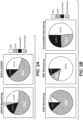
- the optimal cutoffs for the continuous probability score can be determined by maximizing Youden's J statistic (the point with the highest total sensitivity and specificity) in the training set and then adding a 0.1 probability buffer on both sides of the initial cutoff to define an unclassified region, e.g., as described in Example 3 (e.g., Figures 1A and 1B ).
- the cutoff e.g., the low pre-defined cutoff described herein or the high pre-defined cutoff described herein, is determined as described in Example 3 (e.g., Figures 1A and 1B ).
- a method for treating a subject having DLBCL comprising determining if the subject has an ABC or GCB COO, comprising i) acquiring, e.g., collecting, a sample, e.g., a clinical sample, and ii) performing a genotyping assay on the sample to determine if the subject has an ABC or GCB COO, and if the subject has DLBCL of ABC COO, then administering ibrutinib and/or lenalidomide, and if the subject has DLBCL of the GC COO, then administering ibrutinib and/or lenalidomide.
- the COO is determined using a method or diagnostic of any of the embodiments described herein.
- provided herein is a computer system configured to perform any of the methods, diagnostics, kits or classifiers of any of the embodiments described herein.
- Disclosed herein is a new, clinically relevant, method for determining the COO for DLBCL samples with approximately 20% tumor purity (i.e., tumor content) and without the need for RNA or matched normal tissue.
- This method is ⁇ 90% concordant with the Nanostring assay compared to both a held-out validation set as well as an independent cohort. It was found that copy number alterations of chromosome 6p and 9p as well as the frequency of T>A and T>G transversions to be distinct between ABC and GCB subtypes. Finally, it was found that the mutational signatures underlying ABC are different from those found in GCB, suggesting differing roles of AID (activation-induced cytidine deaminase) in development of these two subtypes.
- COSMIC signature 3 Annotated as BRCA signature
- COSMIC signature 23 COSMIC signature 23
- COSMIC signature 23 which was found primarily in the ABC subtype, has frequent alterations in the R[C]Y context, which suggests a canonical AID signature.
- COSMIC signature 3 is common among all DLBCL subtypes, found in 26% of GCBs, 16% of ABCs, and 25% of unclassified from COODC GOYA samples when a signature could be determined.
- COSMIC signature 3 appears to capture the effects of DSB resolved by non-homologous end joining (NHEJ) when BRCA1/2 is absent, this signature is likely capturing the resolution of AID-induced DSB, which also uses NHEJ ( Kotnis, A., Du, L., Liu, C., Popov, S.W. & Pan-Hammarström, Q. Non-homologous end joining in class switch recombination: the beginning of the end. in Philos Trans R Soc Lond B Biol Sci, Vol. 364 653-665 (2009 )), and is essential for CSR.
- NHEJ non-homologous end joining
- COSMIC signature 3 is found across all subtypes region of the IGH locus, suggesting a shared mutational process.
- TMB tumor mutational burden
- sample refers to a biological sample obtained or derived from a source of interest, as described herein.
- a source of interest comprises an organism, such as an animal or human.
- the source of the sample can be solid tissue as from a fresh, frozen and/or preserved organ, tissue sample, biopsy, resection, smear, or aspirate; blood or any blood constituents; bodily fluids such as cerebral spinal fluid, amniotic fluid, peritoneal fluid or interstitial fluid; or cells from any time in gestation or development of the subject.
- the source of the sample is blood or blood constituents.
- the sample is or comprises biological tissue or fluid.
- the sample can contain compounds that are not naturally intermixed with the tissue in nature such as preservatives, anticoagulants, buffers, fixatives, nutrients, antibiotics or the like.
- the sample is preserved as a frozen sample or as formaldehyde- or paraformaldehyde-fixed paraffin-embedded (FFPE) tissue preparation.
- FFPE formaldehyde- or paraformaldehyde-fixed paraffin-embedded
- the sample can be embedded in a matrix, e.g., an FFPE block or a frozen sample.
- the sample is a blood or blood constituent sample.
- the sample is a bone marrow aspirate sample.
- the sample comprises cell-free DNA (cfDNA).
- cfDNA is DNA from apoptosed or necrotic cells.
- cfDNA is bound by protein (e.g., histone) and protected by nucleases.
- CfDNA can be used as a biomarker for non-invasive prenatal testing (NIPT), organ transplant, cardiomyopathy, microbiome, and cancer.
- the sample comprises circulating tumor DNA (ctDNA).
- ctDNA is cfDNA with a genetic or epigenetic alteration (e.g., a somatic alteration or a methylation signature) that can discriminate it originating from a tumor cell versus a non-tumor cell.
- the sample comprises circulating tumor cells (CTCs).
- CTCs are cells shed from a primary or metastatic tumor into the circulation.
- CTC apoptosis is a source of ctDNA in the blood/lymph.
- a biological sample may be or comprise bone marrow; blood; blood cells; ascites; tissue or fine needle biopsy samples; cell-containing body fluids; free floating nucleic acids; sputum; saliva; urine; cerebrospinal fluid, peritoneal fluid; pleural fluid; feces; lymph; gynecological fluids; skin swabs; vaginal swabs; oral swabs; nasal swabs; washings or lavages such as a ductal lavages or bronchoalveolar lavages; aspirates; scrapings; bone marrow specimens; tissue biopsy specimens; surgical specimens; feces, other body fluids, secretions, and/or excretions; and/or cells therefrom, etc.
- a biological sample is or comprises cells obtained from an individual.
- obtained cells are or include cells from an individual from whom the sample is obtained.
- a sample is a "primary sample" obtained directly from a source of interest by any appropriate means.
- a primary biological sample is obtained by a method chosen from biopsy (e.g., fine needle aspiration or tissue biopsy), surgery, collection of body fluid (e.g., blood, lymph, or feces), etc.
- sample refers to a preparation that is obtained by processing (e.g., by removing one or more components of and/or by adding one or more agents to) a primary sample, e.g., filtering using a semi-permeable membrane.
- a primary sample e.g., filtering using a semi-permeable membrane.
- Such a “processed sample” may comprise, for example nucleic acids or proteins extracted from a sample or obtained by subjecting a primary sample to techniques such as amplification or reverse transcription of mRNA, isolation and/or purification of certain components, etc.
- the sample is a cell associated with a tumor, e.g., a tumor cell or a tumor-infiltrating lymphocyte (TIL).
- TIL tumor-infiltrating lymphocyte
- the sample includes one or more premalignant or malignant cells.
- the sample is acquired from a hematologic malignancy (or premaligancy), e.g., a hematologic malignancy (or premaligancy) described herein, e.g., a diffuse large B-cell lymphoma (DLBCL).
- the sample includes one or more circulating tumor cells (CTCs) (e.g., a CTC acquired from a blood sample).
- CTCs circulating tumor cells
- the sample is a cell not associated with a tumor, e.g., a non-tumor cell or a peripheral blood lymphocyte.
- the COODC model was developed using a penalized Lasso regression using 25-fold internal cross validation implemented from the glmnet package (version 2.0-10) in R version 3.3.2 and using RStudio version 1.0.136. 482 GOYA samples with Nanostring data were split into a training set (70% of the samples) and a validation set (30% of the samples). The initial training set was further refined by removing Nanostring unclassified samples to focus the training to make ABC or GCB calls. 296 samples were used for the final training set, while 139 samples were used for the validation set. 592 features were used in the model. Continuous features were z-scored to maintain a consistent scale between continuous and binary features. The final COODC model included 74 non-zero features (Table 1).
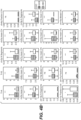
- Per sample probabilities extracted from the model were used to determine the ideal cutoffs. ROC curves were generated ( Figures 1A and 1B ) and the "best" cutoff, which optimizes specificity and sensitivity, was chosen. 10% was then added on either side of the optimal cutoff to generate an unclassified zone. The probabilities were then extracted for the held-out validation set and 44 independent validation samples from the MAIN study. These two validation sets were used to determine the accuracy of the model.
- Feature enrichment was assessed using the Nanostring assigned COO.
- Binary feature enrichment was determined using a Fisher exact test.
- Continuous feature enrichment was determined using a Mann-Whitney-Wilcox test.
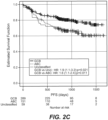
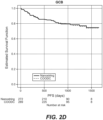
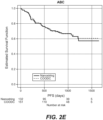
- Univariate Hazard ratios and p-values for the association of COO subtypes with PFS were calculated using Cox regression.
- Mutational signatures were determined as described by Zehir et al. ( Zehir, A., et al. Mutational landscape of metastatic cancer revealed from prospective clinical sequencing of 10,000 patients. Nat Med 23, 703-713 (2017 )). Briefly, trinucleotide matrices were decomposed into the 30 COSMIC signatures ( Alexandrov, L.B., et al. Signatures of mutational processes in human cancer. Nature 500, 415-421 (2013 )). Signatures were aggregated to APOBEC (signatures 2 and 13); smoking (signature 4), BRCA (signature 3); MMR (signatures 1, 6, 15, 20 and 26); UV (signature 7); POLE (signature 10); and Alkylating (signature 11).
- COO DNA Classifier a genomically defined model for cell of origin
- 594 features were available to train the model, including binary features of any alteration in a gene, specific alterations (codons), and hotspot alterations (any one of multiple codons) that occurred at least 5 times in the GOYA dataset as well as derived DNA-based features such as tumor mutational burden (TMB), chromosome arm-level copy number and zygosity metrics, and frequency of alteration classes (e.g., T mutated to A).
- TMB tumor mutational burden
- chromosome arm-level copy number and zygosity metrics e.g., T mutated to A.
- Per-sample probabilities were extracted from the model, and a pair of cutoffs was chosen to optimize sensitivity and specificity, with particular focus on optimizing ABC accuracy.
- COODC Cell of Origin DNA Classifier
- the COODC model contained a total of 74 genomic features and generated a continuous probability score of a sample being ABC ranging from 0 to 0.999.
- the 74 genomic features included 18 arm-level alteration features, including copy number and loss of heterozygosity features, 32 gene short variant features, 6 rearrangement-based features, 13 gene-level features (including copy number, rearrangement, and short variant alterations) and various other summary features (including T>A mutation prevalence).
- Example 7 Biological significance of features included in the COODC model
- signature 3 has been annotated as a "BRCA" signature.
- signature 3 may identify the mutational scars of DSB repair, and in this context, may represent an AID-DSB signature.
- MCD is similar to C5
- EZB is similar to C3
- BN2 is similar to C1 as classified by Schmitz and Chapuy respectively
- approximate definitions corresponding to the "seed" for these specific subsets including CD79B alterations or MYD88 L265P for MCD/C5, BCL6 rearrangement or NOTCH2 alteration for BN2/C1, EZH2 alteration or BCL2 rearrangement for EZB/C3, and NOTCH1 alteration for N1 were identified.
- EZH2 inhibitors may be clinically relevant in the 10% of GOYA samples and 12.7% of FM-clinical samples with EZH2 alterations, while BCL2 inhibitors could be considered in the 23.2% of GOYA samples and 32.5% of FM-clinical samples with IGH:BCL2 rearrangements, BCL2 amplifications, or BCL2 short variants (Table 4 and Table 5). Overall, this suggests that up to 85% of the DLBCL samples in the tested cohorts could be eligible for targeted therapy using an MDM2 inhibitor, an EZH2 inhibitor, a BCL2 inhibitor, or a BCR pathway inhibitor.
Landscapes
- Health & Medical Sciences (AREA)
- Chemical & Material Sciences (AREA)
- Engineering & Computer Science (AREA)
- Life Sciences & Earth Sciences (AREA)
- Organic Chemistry (AREA)
- Proteomics, Peptides & Aminoacids (AREA)
- Pathology (AREA)
- Analytical Chemistry (AREA)
- Zoology (AREA)
- Wood Science & Technology (AREA)
- General Health & Medical Sciences (AREA)
- Genetics & Genomics (AREA)
- Immunology (AREA)
- Medical Informatics (AREA)
- Public Health (AREA)
- Biomedical Technology (AREA)
- General Engineering & Computer Science (AREA)
- Microbiology (AREA)
- Molecular Biology (AREA)
- Biotechnology (AREA)
- Biophysics (AREA)
- Biochemistry (AREA)
- Bioinformatics & Cheminformatics (AREA)
- Physics & Mathematics (AREA)
- Databases & Information Systems (AREA)
- Data Mining & Analysis (AREA)
- Epidemiology (AREA)
- Primary Health Care (AREA)
- Hospice & Palliative Care (AREA)
- Oncology (AREA)
- Chemical Kinetics & Catalysis (AREA)
- Measuring Or Testing Involving Enzymes Or Micro-Organisms (AREA)
Claims (15)
- Verfahren zur Bestimmung der Ursprungszelle (COO) eines diffusen großzelligen B-Zell-Lymphoms (DLBCL) eines Patienten, bei dem DLBCL diagnostiziert wurde, wobei das Verfahren Folgendes umfasst:a. Durchführen einer DNA-Sequenzierung an DNA von einer Probe, die von dem Patienten erhalten wurde, um eine Liste von genomischen Merkmalen zu erhalten, die der Probe zugeordnet sind,b. Anwenden, mittels eines Computersystems, eines vordefinierten Ursprungszellen-DNA-Klassifizierungsmodells auf die Liste von genomischen Merkmalen, um einen Wahrscheinlichkeitswert zu berechnen, wobei das Ursprungszellen-DNA-Klassifizierungsmodell durch einen Satz von gewichteten Merkmalen auf DNA-Basis beschrieben wird und trainiert ist, um aktivierte B-Zell- (ABC-) COO- und Keimzentrum-B-Zell- (GCB-) COO-Proben anhand von Merkmalen auf DNA-Basis zu identifizieren, wobei der Satz von gewichteten Merkmalen auf DNA-Basis Kopienzahl und Zygositätsmetriken auf Chromosomenarm-Ebene, Merkmale auf Gen-Ebene und ein oder mehrere Merkmale bezüglich der Klasse der Häufigkeit von Veränderungen umfasst, undc. Klassifizieren, mittels des Computersystems, des Patienten als eine Keimbahnzentrum-B-Zell- (GCB-) COO aufweisend, wenn der Wahrscheinlichkeitswert niedriger als ein erster vordefinierter Cutoff ist, und Klassifizieren, mittels des Computersystems, des Patienten als eine aktivierte B-Zell- (ABC-) COO aufweisend, wenn der Wahrscheinlichkeitswert gleich wie oder höher als ein zweiter vordefinierter Cutoff ist, wobei der erste vordefinierte Cutoff gleich wie oder kleiner als der zweite vordefinierte Cutoff ist.
- Verfahren nach Anspruch 1, wobei der erste vordefinierte Cutoff zwischen 0,2 bis 0,3 liegt und der zweite vordefinierte Cutoff zwischen 0,4 bis 0,6 liegt.
- Verfahren nach Anspruch 1 oder Anspruch 2, wobei keine RNA-Analyse durchgeführt wird und/oder wobei eine RNA-Analyse nicht zur Bestimmung der COO beiträgt oder wobei die DNA eine DNA umfasst, die durch Aussetzen der Probe gegenüber einer Umkehrtranskription von mRNA erhalten wird.
- Verfahren nach einem der Ansprüche 1 bis 3, wobei keine immunhistochemische (IHC-) Analyse durchgeführt wird und/oder wobei eine IHC-Analyse nicht zur Bestimmung der COO beiträgt.
- Verfahren nach einem der Ansprüche 1 bis 4, wobei Veränderungen im BCL3-, EZH2- und TNSFRSF14-Gen detektiert werden und/oder wobei Veränderungen in der Chromosom-3q-Kopienzahl oder im MYD88- und CD79B-Gen detektiert werden und/oder wobei Veränderungen im NOTCH1-, NOTCH2- und BCL6-Gen detektiert werden und/oder wobei eine IGH:BCL2-Umordnung, eine CREBBP-Veränderung und eine TNFRSF14-Veränderung detektiert werden und/oder wobei die Detektion einer CDKN2A/B-Deletion, einer CD79B-Veränderung bei Aminosäure 196 und einer MYD88-Veränderung bei Aminosäure 265 detektiert werden; wobei gegebenenfalls die Detektion von Veränderungen im BCL2-, EZH2- und TNSFRSF14-Gen unter Verwendung der COODC vorhersagt, dass die COO der DLBCL eine Keimbahn-B-Zelle (GCB) ist, und/oder wobei die Detektion von Veränderungen in der Chromosom-3q-Kopienzahl und im MYD88- und CD79B-Gen unter Verwendung der COODC vorhersagt, dass die COO der DLBCL eine aktivierte B-Zelle (ABC) ist, und/oder wobei die Detektion von Veränderungen im NOTCH1-, NOTCH2- und BCL6-Gen unter Verwendung der COODC vorhersagt, dass die COO der DLBCL eine aktivierte B-Zelle (ABC) ist, und/oder wobei die Detektion einer IGH:BCL2-Umordnung, einer CREBBP-Veränderung und einer TNFRSF14-Veränderung vorhersagt, dass die COO der DLBCL eine GCB ist, und/oder wobei die Detektion einer CDKN2A/B-Deletion, einer CD79B-Veränderung bei Aminosäure 196 und einer MYD88-Veränderung bei Aminosäure 265 vorhersagt, dass die COO der DLBCL eine ABC ist.
- Verfahren nach einem der vorangegangenen Ansprüche, das weiters das Klassifizieren eines Patienten mit einem Vorhersagewert höher als oder gleich wie der erste vordefinierte Cutoff und kleiner als der zweite vordefinierte Cutoff als unklassifiziert umfasst.
- Verfahren nach einem der Ansprüche 1 bis 6, wobei der Patient als eine GCB-COO aufweisend identifiziert wird und zur Verabreichung einer Therapie ausgewählt wird, die wirksam zur Behandlung von GCB-COO ist, oder wobei der Patient als ABC-COO-Patient identifiziert wird und zur Verabreichung einer Therapie ausgewählt wird, die wirksam für ABC-COO ist.
- Verfahren nach einem der Ansprüche 1 bis 7, wobei die Probe eine klinische Probe ist.
- Verfahren nach Anspruch 8, wobei die klinische Probe aus der aus einer Tumorbiopsie, Blut, einem Knochenmarkaspirat, zellfreier DNA, zirkulierender DNA eines Tumors und zirkulierenden Tumorzellen bestehenden Gruppe ausgewählt ist.
- Verfahren nach Anspruch 9, wobei die klinische Probe zellfreie DNA umfasst.
- Verfahren nach Anspruch 9, wobei die klinische Probe eine Tumorbiopsie ist, die als in Formalin fixiertes, in Paraffin eingebettetes (FFPE) Präparat konserviert ist.
- Verfahren nach einem der vorangegangenen Ansprüche, wobei das Ursprungszellen-DNA-Klassifizierungsmodell unter Verwendung von penalisierter logistischer Regression entwickelt wurde.
- Verfahren nach einem der vorangegangenen Ansprüche, wobei der Satz von Merkmalen ein oder mehrere aus Tabelle 1 ausgewählte Merkmale umfasst.
- Computersystem zur Bestimmung der Ursprungszelle (COO) eines diffusen großzelligen B-Zell-Lymphoms (DLBCL) eines Patienten, bei dem DLBCL diagnostiziert wurde, wobei das Computersystem ausgelegt ist, um ein Verfahren auszuführen, das Folgendes umfasst:a. Erlangen einer Liste von genomischen Merkmalen, die einer Probe vom Patienten zugeordnet sind, die durch Durchführen einer DNA-Sequenzierung an DNA von der Probe erhalten wurde,b. Anwenden eines vordefinierten Ursprungszellen-DNA-Klassifizierungsmodells auf die Liste von genomischen Merkmalen, um einen Wahrscheinlichkeitswert zu berechnen, wobei das Ursprungszellen-DNA-Klassifizierungsmodell durch einen Satz von gewichteten Merkmalen auf DNA-Basis beschrieben wird und trainiert ist, um aktivierte B-Zell- (ABC-) COO- und Keimzentrum-B-Zell- (GCB-) COO-Proben unter Verwendung des gewichteten Satzes von Merkmalen auf DNA-Basis zu identifizieren, wobei der Satz von gewichteten Merkmalen auf DNA-Basis Kopienzahl und Zygositätsmetriken auf Chromosomenarm-Ebene, Merkmale auf Gen-Ebene und eine oder mehrere Merkmale bezüglich der Klasse der Häufigkeit von Veränderungen umfasst, undc. Klassifizieren des Patienten als eine Keimbahnzentrum-B-Zell- (GCB-) COO aufweisend, wenn der Wahrscheinlichkeitswert niedriger als ein erster vordefinierter Cutoff ist, und Klassifizieren, mittels des Computersystems, des Patienten als eine aktivierte B-Zell-(ABC-) COO aufweisend, wenn der Wahrscheinlichkeitswert gleich wie oder höher als ein zweiter vordefinierter Cutoff ist, wobei der erste vordefinierte Cutoff gleich wie oder kleiner als der zweite vordefinierte Cutoff ist.
- Computersystem nach Anspruch 14, wobei das Computersystem ausgelegt ist, um ein Verfahren auszuführen, das Merkmale nach einem der Ansprüche 2 bis 13 aufweist.
Applications Claiming Priority (2)
| Application Number | Priority Date | Filing Date | Title |
|---|---|---|---|
| US201862713434P | 2018-08-01 | 2018-08-01 | |
| PCT/US2019/044497 WO2020028563A1 (en) | 2018-08-01 | 2019-07-31 | Prediction and characterization of dlbcl cell of origin subtypes |
Publications (2)
| Publication Number | Publication Date |
|---|---|
| EP3830299A1 EP3830299A1 (de) | 2021-06-09 |
| EP3830299B1 true EP3830299B1 (de) | 2025-02-19 |
Family
ID=67659979
Family Applications (1)
| Application Number | Title | Priority Date | Filing Date |
|---|---|---|---|
| EP19753542.0A Active EP3830299B1 (de) | 2018-08-01 | 2019-07-31 | Vorhersage und charakterisierung von dlbcl-zelle von ursprungssubtypen |
Country Status (6)
| Country | Link |
|---|---|
| US (1) | US20220056531A1 (de) |
| EP (1) | EP3830299B1 (de) |
| JP (1) | JP7515456B2 (de) |
| CN (1) | CN112771178A (de) |
| ES (1) | ES3016786T3 (de) |
| WO (1) | WO2020028563A1 (de) |
Families Citing this family (5)
| Publication number | Priority date | Publication date | Assignee | Title |
|---|---|---|---|---|
| WO2017151502A1 (en) | 2016-02-29 | 2017-09-08 | Genentech, Inc. | Therapeutic and diagnostic methods for cancer |
| US11725247B2 (en) | 2016-02-29 | 2023-08-15 | Foundation Medicine, Inc. | Methods of treating cancer |
| WO2021173796A1 (en) * | 2020-02-25 | 2021-09-02 | The United States Of America, As Represented By The Secretary, Department Of Health And Human Services | Methods of treating diffuse large b cell lymphoma based on particular genetic subtype |
| WO2022197930A2 (en) * | 2021-03-18 | 2022-09-22 | The Broad Institute, Inc. | Panels and methods for treatment of diffuse large b-cell lymphoma |
| JP7698850B1 (ja) * | 2023-12-22 | 2025-06-26 | 東洋鋼鈑株式会社 | 遺伝子変異評価用キット |
Family Cites Families (4)
| Publication number | Priority date | Publication date | Assignee | Title |
|---|---|---|---|---|
| US20030092019A1 (en) * | 2001-01-09 | 2003-05-15 | Millennium Pharmaceuticals, Inc. | Methods and compositions for diagnosing and treating neuropsychiatric disorders such as schizophrenia |
| ES2738289T3 (es) * | 2013-11-06 | 2020-01-21 | Hospital Clinic Barcelona | Procedimiento para el subtipado de tipos de linfoma por medio de perfiles de expresión |
| WO2016090255A1 (en) * | 2014-12-05 | 2016-06-09 | Sriram Balasubramanian | Biological markers for predicting responsiveness to ibrutinib and r-chop combination therapy and methods of using the same |
| CA3023841C (en) * | 2016-05-13 | 2021-10-19 | F. Hoffmann-La Roche Ag | Methods and compositions for classifying dlbcl |
-
2019
- 2019-07-31 CN CN201980051047.1A patent/CN112771178A/zh active Pending
- 2019-07-31 JP JP2021504505A patent/JP7515456B2/ja active Active
- 2019-07-31 WO PCT/US2019/044497 patent/WO2020028563A1/en not_active Ceased
- 2019-07-31 ES ES19753542T patent/ES3016786T3/es active Active
- 2019-07-31 EP EP19753542.0A patent/EP3830299B1/de active Active
-
2021
- 2021-01-29 US US17/162,718 patent/US20220056531A1/en active Pending
Non-Patent Citations (3)
| Title |
|---|
| JORDINA ROVIRA ET AL: "MYD88 L265P Mutations, But No Other Variants, Identify a Subpopulation of DLBCL Patients of Activated B-cell Origin, Extranodal Involvement, and Poor Outcome", CLINICAL CANCER RESEARCH, vol. 22, no. 11, 20 January 2016 (2016-01-20), US, pages 2755 - 2764, XP055738136, ISSN: 1078-0432, DOI: 10.1158/1078-0432.CCR-15-1525 * |
| LYMPHOID NEOPLASIA ET AL: "Regular Article Genetic profiling of MYC and BCL2 in diffuse large B-cell lymphoma determines cell-of-origin?specific clinical impact", 28 March 2017 (2017-03-28), XP055738135, Retrieved from the Internet <URL:https://watermark.silverchair.com/blood747022.pdf?token=AQECAHi208BE49Ooan9kkhW_Ercy7Dm3ZL_9Cf3qfKAc485ysgAAA8QwggPABgkqhkiG9w0BBwagggOxMIIDrQIBADCCA6YGCSqGSIb3DQEHATAeBglghkgBZQMEAS4wEQQMVp49V6rl4jFF71i5AgEQgIIDd5wOp0YQ-NXjb7Km5Ir5TEKG8xeq1D5BZ-V84rpCXvTd8wvODWguSnd-mNrKMUREbCw6FJUuPAQyGOeKbWfOUkW3> [retrieved on 20201008], DOI: 10.1182/blood-2016-11- * |
| ROLAND SCHMITZ ET AL: "Genetics and Pathogenesis of Diffuse Large B-Cell Lymphoma", THE NEW ENGLAND JOURNAL OF MEDICINE, vol. 378, no. 15, 12 April 2018 (2018-04-12), US, pages 1396 - 1407, XP055702698, ISSN: 0028-4793, DOI: 10.1056/NEJMoa1801445 * |
Also Published As
| Publication number | Publication date |
|---|---|
| JP7515456B2 (ja) | 2024-07-12 |
| ES3016786T3 (en) | 2025-05-09 |
| WO2020028563A1 (en) | 2020-02-06 |
| EP3830299A1 (de) | 2021-06-09 |
| JP2021532750A (ja) | 2021-12-02 |
| US20220056531A1 (en) | 2022-02-24 |
| WO2020028563A9 (en) | 2020-04-30 |
| CN112771178A (zh) | 2021-05-07 |
Similar Documents
| Publication | Publication Date | Title |
|---|---|---|
| US20220056531A1 (en) | Prediction and characterization of dlbcl cell of origin subtypes | |
| Logan et al. | Minimal residual disease quantification using consensus primers and high-throughput IGH sequencing predicts post-transplant relapse in chronic lymphocytic leukemia | |
| Li et al. | A peripheral blood diagnostic test for acute rejection in renal transplantation | |
| JP2021520816A (ja) | 循環腫瘍dnaの個別化された検出を用いる癌検出およびモニタリングの方法 | |
| JP2022533137A (ja) | 腫瘍分率を評価するためのシステムおよび方法 | |
| JP5531360B2 (ja) | 遺伝子発現プロファイリングに基づく高リスク多発性骨髄腫のゲノムシグネチャーの特定とその使用 | |
| Schürch et al. | Tumor heterogeneity in lymphomas: a different breed | |
| US11881286B2 (en) | CD8+ t cell based immunosuppressive tumor microenvironment detection method | |
| WO2023109875A1 (en) | Biomarkers for colorectal cancer treatment | |
| JP2025540676A (ja) | 乳癌のための無細胞dnaメチル化検査 | |
| Sebastián et al. | High-resolution copy number analysis of paired normal-tumor samples from diffuse large B cell lymphoma | |
| JP2013212052A (ja) | Krasバリアントおよび腫瘍生物学 | |
| Paul et al. | Donor-derived cell-free DNA: advancing a novel assay to new heights in renal transplantation | |
| US20250273296A1 (en) | Method of detecting cancer dna in a sample | |
| US20250297320A1 (en) | Methylation signatures in cell-free dna for tumor classification and early detection | |
| Deffenbacher et al. | Recurrent chromosomal alterations in molecularly classified AIDS-related lymphomas: an integrated analysis of DNA copy number and gene expression | |
| Shi et al. | Polyclonal origin of parathyroid tumors is common and is associated with multiple gland disease in primary hyperparathyroidism | |
| WO2017119510A1 (ja) | 乳がんの診断のための検査方法、遺伝子マーカー、および検査薬 | |
| Sobesky et al. | Exhaustive circulating tumor DNA sequencing reveals the genomic landscape of Hodgkin lymphoma and facilitates ultrasensitive detection of minimal residual disease | |
| WO2023125787A1 (en) | Biomarkers for colorectal cancer treatment | |
| WO2023125788A1 (en) | Biomarkers for colorectal cancer treatment | |
| CN121532829A (zh) | 使用来自液体活检的dna甲基化对乳腺肿瘤进行分类 | |
| US20210217493A1 (en) | Reducing noise in sequencing data | |
| HK40052494A (en) | Prediction and characterization of dlbcl cell of origin subtypes | |
| EP4495263A1 (de) | Verfahren zur bestimmung des x-chromosom-reaktivierungsniveaus einer weiblichen person |
Legal Events
| Date | Code | Title | Description |
|---|---|---|---|
| STAA | Information on the status of an ep patent application or granted ep patent |
Free format text: STATUS: UNKNOWN |
|
| STAA | Information on the status of an ep patent application or granted ep patent |
Free format text: STATUS: THE INTERNATIONAL PUBLICATION HAS BEEN MADE |
|
| PUAI | Public reference made under article 153(3) epc to a published international application that has entered the european phase |
Free format text: ORIGINAL CODE: 0009012 |
|
| STAA | Information on the status of an ep patent application or granted ep patent |
Free format text: STATUS: REQUEST FOR EXAMINATION WAS MADE |
|
| 17P | Request for examination filed |
Effective date: 20210224 |
|
| AK | Designated contracting states |
Kind code of ref document: A1 Designated state(s): AL AT BE BG CH CY CZ DE DK EE ES FI FR GB GR HR HU IE IS IT LI LT LU LV MC MK MT NL NO PL PT RO RS SE SI SK SM TR |
|
| STAA | Information on the status of an ep patent application or granted ep patent |
Free format text: STATUS: EXAMINATION IS IN PROGRESS |
|
| 17Q | First examination report despatched |
Effective date: 20231006 |
|
| GRAP | Despatch of communication of intention to grant a patent |
Free format text: ORIGINAL CODE: EPIDOSNIGR1 |
|
| STAA | Information on the status of an ep patent application or granted ep patent |
Free format text: STATUS: GRANT OF PATENT IS INTENDED |
|
| INTG | Intention to grant announced |
Effective date: 20240913 |
|
| GRAS | Grant fee paid |
Free format text: ORIGINAL CODE: EPIDOSNIGR3 |
|
| GRAA | (expected) grant |
Free format text: ORIGINAL CODE: 0009210 |
|
| STAA | Information on the status of an ep patent application or granted ep patent |
Free format text: STATUS: THE PATENT HAS BEEN GRANTED |
|
| AK | Designated contracting states |
Kind code of ref document: B1 Designated state(s): AL AT BE BG CH CY CZ DE DK EE ES FI FR GB GR HR HU IE IS IT LI LT LU LV MC MK MT NL NO PL PT RO RS SE SI SK SM TR |
|
| REG | Reference to a national code |
Ref country code: GB Ref legal event code: FG4D |
|
| REG | Reference to a national code |
Ref country code: CH Ref legal event code: EP |
|
| REG | Reference to a national code |
Ref country code: IE Ref legal event code: FG4D |
|
| REG | Reference to a national code |
Ref country code: DE Ref legal event code: R096 Ref document number: 602019066165 Country of ref document: DE |
|
| P01 | Opt-out of the competence of the unified patent court (upc) registered |
Free format text: CASE NUMBER: APP_15074/2025 Effective date: 20250327 |
|
| REG | Reference to a national code |
Ref country code: ES Ref legal event code: FG2A Ref document number: 3016786 Country of ref document: ES Kind code of ref document: T3 Effective date: 20250509 |
|
| REG | Reference to a national code |
Ref country code: NL Ref legal event code: MP Effective date: 20250219 |
|
| PG25 | Lapsed in a contracting state [announced via postgrant information from national office to epo] |
Ref country code: RS Free format text: LAPSE BECAUSE OF FAILURE TO SUBMIT A TRANSLATION OF THE DESCRIPTION OR TO PAY THE FEE WITHIN THE PRESCRIBED TIME-LIMIT Effective date: 20250519 |
|
| PG25 | Lapsed in a contracting state [announced via postgrant information from national office to epo] |
Ref country code: FI Free format text: LAPSE BECAUSE OF FAILURE TO SUBMIT A TRANSLATION OF THE DESCRIPTION OR TO PAY THE FEE WITHIN THE PRESCRIBED TIME-LIMIT Effective date: 20250219 |
|
| PG25 | Lapsed in a contracting state [announced via postgrant information from national office to epo] |
Ref country code: PL Free format text: LAPSE BECAUSE OF FAILURE TO SUBMIT A TRANSLATION OF THE DESCRIPTION OR TO PAY THE FEE WITHIN THE PRESCRIBED TIME-LIMIT Effective date: 20250219 |
|
| REG | Reference to a national code |
Ref country code: LT Ref legal event code: MG9D |
|
| PG25 | Lapsed in a contracting state [announced via postgrant information from national office to epo] |
Ref country code: IS Free format text: LAPSE BECAUSE OF FAILURE TO SUBMIT A TRANSLATION OF THE DESCRIPTION OR TO PAY THE FEE WITHIN THE PRESCRIBED TIME-LIMIT Effective date: 20250619 Ref country code: NO Free format text: LAPSE BECAUSE OF FAILURE TO SUBMIT A TRANSLATION OF THE DESCRIPTION OR TO PAY THE FEE WITHIN THE PRESCRIBED TIME-LIMIT Effective date: 20250519 |
|
| PG25 | Lapsed in a contracting state [announced via postgrant information from national office to epo] |
Ref country code: NL Free format text: LAPSE BECAUSE OF FAILURE TO SUBMIT A TRANSLATION OF THE DESCRIPTION OR TO PAY THE FEE WITHIN THE PRESCRIBED TIME-LIMIT Effective date: 20250219 |
|
| PG25 | Lapsed in a contracting state [announced via postgrant information from national office to epo] |
Ref country code: HR Free format text: LAPSE BECAUSE OF FAILURE TO SUBMIT A TRANSLATION OF THE DESCRIPTION OR TO PAY THE FEE WITHIN THE PRESCRIBED TIME-LIMIT Effective date: 20250219 |
|
| PG25 | Lapsed in a contracting state [announced via postgrant information from national office to epo] |
Ref country code: PT Free format text: LAPSE BECAUSE OF FAILURE TO SUBMIT A TRANSLATION OF THE DESCRIPTION OR TO PAY THE FEE WITHIN THE PRESCRIBED TIME-LIMIT Effective date: 20250620 Ref country code: LV Free format text: LAPSE BECAUSE OF FAILURE TO SUBMIT A TRANSLATION OF THE DESCRIPTION OR TO PAY THE FEE WITHIN THE PRESCRIBED TIME-LIMIT Effective date: 20250219 |
|
| PG25 | Lapsed in a contracting state [announced via postgrant information from national office to epo] |
Ref country code: GR Free format text: LAPSE BECAUSE OF FAILURE TO SUBMIT A TRANSLATION OF THE DESCRIPTION OR TO PAY THE FEE WITHIN THE PRESCRIBED TIME-LIMIT Effective date: 20250520 Ref country code: BG Free format text: LAPSE BECAUSE OF FAILURE TO SUBMIT A TRANSLATION OF THE DESCRIPTION OR TO PAY THE FEE WITHIN THE PRESCRIBED TIME-LIMIT Effective date: 20250219 |
|
| REG | Reference to a national code |
Ref country code: AT Ref legal event code: MK05 Ref document number: 1768338 Country of ref document: AT Kind code of ref document: T Effective date: 20250219 |
|
| PG25 | Lapsed in a contracting state [announced via postgrant information from national office to epo] |
Ref country code: SE Free format text: LAPSE BECAUSE OF FAILURE TO SUBMIT A TRANSLATION OF THE DESCRIPTION OR TO PAY THE FEE WITHIN THE PRESCRIBED TIME-LIMIT Effective date: 20250219 |
|
| PG25 | Lapsed in a contracting state [announced via postgrant information from national office to epo] |
Ref country code: SM Free format text: LAPSE BECAUSE OF FAILURE TO SUBMIT A TRANSLATION OF THE DESCRIPTION OR TO PAY THE FEE WITHIN THE PRESCRIBED TIME-LIMIT Effective date: 20250219 |
|
| PGFP | Annual fee paid to national office [announced via postgrant information from national office to epo] |
Ref country code: ES Payment date: 20250801 Year of fee payment: 7 |
|
| PG25 | Lapsed in a contracting state [announced via postgrant information from national office to epo] |
Ref country code: DK Free format text: LAPSE BECAUSE OF FAILURE TO SUBMIT A TRANSLATION OF THE DESCRIPTION OR TO PAY THE FEE WITHIN THE PRESCRIBED TIME-LIMIT Effective date: 20250219 |
|
| PGFP | Annual fee paid to national office [announced via postgrant information from national office to epo] |
Ref country code: DE Payment date: 20250620 Year of fee payment: 7 |
|
| PG25 | Lapsed in a contracting state [announced via postgrant information from national office to epo] |
Ref country code: IT Free format text: LAPSE BECAUSE OF FAILURE TO SUBMIT A TRANSLATION OF THE DESCRIPTION OR TO PAY THE FEE WITHIN THE PRESCRIBED TIME-LIMIT Effective date: 20250219 |
|
| VS25 | Lapsed in a validation state [announced via postgrant information from nat. office to epo] |
Ref country code: MD Free format text: LAPSE BECAUSE OF FAILURE TO SUBMIT A TRANSLATION OF THE DESCRIPTION OR TO PAY THE FEE WITHIN THE PRESCRIBED TIME-LIMIT Effective date: 20250219 |
|
| PG25 | Lapsed in a contracting state [announced via postgrant information from national office to epo] |
Ref country code: AT Free format text: LAPSE BECAUSE OF FAILURE TO SUBMIT A TRANSLATION OF THE DESCRIPTION OR TO PAY THE FEE WITHIN THE PRESCRIBED TIME-LIMIT Effective date: 20250219 |
|
| PG25 | Lapsed in a contracting state [announced via postgrant information from national office to epo] |
Ref country code: CZ Free format text: LAPSE BECAUSE OF FAILURE TO SUBMIT A TRANSLATION OF THE DESCRIPTION OR TO PAY THE FEE WITHIN THE PRESCRIBED TIME-LIMIT Effective date: 20250219 Ref country code: EE Free format text: LAPSE BECAUSE OF FAILURE TO SUBMIT A TRANSLATION OF THE DESCRIPTION OR TO PAY THE FEE WITHIN THE PRESCRIBED TIME-LIMIT Effective date: 20250219 |
|
| PG25 | Lapsed in a contracting state [announced via postgrant information from national office to epo] |
Ref country code: RO Free format text: LAPSE BECAUSE OF FAILURE TO SUBMIT A TRANSLATION OF THE DESCRIPTION OR TO PAY THE FEE WITHIN THE PRESCRIBED TIME-LIMIT Effective date: 20250219 |
|
| PG25 | Lapsed in a contracting state [announced via postgrant information from national office to epo] |
Ref country code: SK Free format text: LAPSE BECAUSE OF FAILURE TO SUBMIT A TRANSLATION OF THE DESCRIPTION OR TO PAY THE FEE WITHIN THE PRESCRIBED TIME-LIMIT Effective date: 20250219 |
|
| REG | Reference to a national code |
Ref country code: DE Ref legal event code: R097 Ref document number: 602019066165 Country of ref document: DE |
|
| PLBE | No opposition filed within time limit |
Free format text: ORIGINAL CODE: 0009261 |
|
| STAA | Information on the status of an ep patent application or granted ep patent |
Free format text: STATUS: NO OPPOSITION FILED WITHIN TIME LIMIT |
|
| REG | Reference to a national code |
Ref country code: CH Ref legal event code: L10 Free format text: ST27 STATUS EVENT CODE: U-0-0-L10-L00 (AS PROVIDED BY THE NATIONAL OFFICE) Effective date: 20251231 |
|
| 26N | No opposition filed |
Effective date: 20251120 |
|
| VS25 | Lapsed in a validation state [announced via postgrant information from nat. office to epo] |
Ref country code: MA Free format text: FAILURE TO ELECT DOMICILE IN THE NATIONAL COUNTRY Effective date: 20250520 |
|
| REG | Reference to a national code |
Ref country code: CH Ref legal event code: H13 Free format text: ST27 STATUS EVENT CODE: U-0-0-H10-H13 (AS PROVIDED BY THE NATIONAL OFFICE) Effective date: 20260224 |
|
| PG25 | Lapsed in a contracting state [announced via postgrant information from national office to epo] |
Ref country code: LU Free format text: LAPSE BECAUSE OF NON-PAYMENT OF DUE FEES Effective date: 20250731 |
|
| REG | Reference to a national code |
Ref country code: BE Ref legal event code: MM Effective date: 20250731 |
|
| VS25 | Lapsed in a validation state [announced via postgrant information from nat. office to epo] |
Ref country code: MA Free format text: LAPSE BECAUSE OF FAILURE TO SUBMIT A TRANSLATION OF THE DESCRIPTION OR TO PAY THE FEE WITHIN THE PRESCRIBED TIME-LIMIT Effective date: 20250219 |
|
| PG25 | Lapsed in a contracting state [announced via postgrant information from national office to epo] |
Ref country code: BE Free format text: LAPSE BECAUSE OF NON-PAYMENT OF DUE FEES Effective date: 20250731 |
|
| PG25 | Lapsed in a contracting state [announced via postgrant information from national office to epo] |
Ref country code: CH Free format text: LAPSE BECAUSE OF NON-PAYMENT OF DUE FEES Effective date: 20250731 |
|
| PG25 | Lapsed in a contracting state [announced via postgrant information from national office to epo] |
Ref country code: LT Free format text: LAPSE BECAUSE OF FAILURE TO SUBMIT A TRANSLATION OF THE DESCRIPTION OR TO PAY THE FEE WITHIN THE PRESCRIBED TIME-LIMIT Effective date: 20250219 |
|
| PGFP | Annual fee paid to national office [announced via postgrant information from national office to epo] |
Ref country code: GB Payment date: 20260618 Year of fee payment: 8 |
|
| PG25 | Lapsed in a contracting state [announced via postgrant information from national office to epo] |
Ref country code: IE Free format text: LAPSE BECAUSE OF NON-PAYMENT OF DUE FEES Effective date: 20250731 |
|
| PG25 | Lapsed in a contracting state [announced via postgrant information from national office to epo] |
Ref country code: MC Free format text: LAPSE BECAUSE OF FAILURE TO SUBMIT A TRANSLATION OF THE DESCRIPTION OR TO PAY THE FEE WITHIN THE PRESCRIBED TIME-LIMIT Effective date: 20250219 |
|
| PGFP | Annual fee paid to national office [announced via postgrant information from national office to epo] |
Ref country code: FR Payment date: 20260619 Year of fee payment: 8 |
|
| PG25 | Lapsed in a contracting state [announced via postgrant information from national office to epo] |
Ref country code: CY Free format text: LAPSE BECAUSE OF FAILURE TO SUBMIT A TRANSLATION OF THE DESCRIPTION OR TO PAY THE FEE WITHIN THE PRESCRIBED TIME-LIMIT Effective date: 20250219 |