EP3829563B1 - 3-sulfopropansäure zur behandlung neurodegenerativer erkrankungen - Google Patents
3-sulfopropansäure zur behandlung neurodegenerativer erkrankungen Download PDFInfo
- Publication number
- EP3829563B1 EP3829563B1 EP19752795.5A EP19752795A EP3829563B1 EP 3829563 B1 EP3829563 B1 EP 3829563B1 EP 19752795 A EP19752795 A EP 19752795A EP 3829563 B1 EP3829563 B1 EP 3829563B1
- Authority
- EP
- European Patent Office
- Prior art keywords
- spa
- subject
- csf
- disease
- alzheimer
- Prior art date
- Legal status (The legal status is an assumption and is not a legal conclusion. Google has not performed a legal analysis and makes no representation as to the accuracy of the status listed.)
- Active
Links
Images



Classifications
-
- A—HUMAN NECESSITIES
- A61—MEDICAL OR VETERINARY SCIENCE; HYGIENE
- A61K—PREPARATIONS FOR MEDICAL, DENTAL OR TOILETRY PURPOSES
- A61K31/00—Medicinal preparations containing organic active ingredients
- A61K31/13—Amines
- A61K31/145—Amines having sulfur, e.g. thiurams (>N—C(S)—S—C(S)—N< and >N—C(S)—S—S—C(S)—N<), Sulfinylamines (—N=SO), Sulfonylamines (—N=SO2)
-
- A—HUMAN NECESSITIES
- A61—MEDICAL OR VETERINARY SCIENCE; HYGIENE
- A61K—PREPARATIONS FOR MEDICAL, DENTAL OR TOILETRY PURPOSES
- A61K31/00—Medicinal preparations containing organic active ingredients
- A61K31/16—Amides, e.g. hydroxamic acids
-
- A—HUMAN NECESSITIES
- A61—MEDICAL OR VETERINARY SCIENCE; HYGIENE
- A61K—PREPARATIONS FOR MEDICAL, DENTAL OR TOILETRY PURPOSES
- A61K31/00—Medicinal preparations containing organic active ingredients
- A61K31/185—Acids; Anhydrides, halides or salts thereof, e.g. sulfur acids, imidic, hydrazonic or hydroximic acids
-
- A—HUMAN NECESSITIES
- A61—MEDICAL OR VETERINARY SCIENCE; HYGIENE
- A61K—PREPARATIONS FOR MEDICAL, DENTAL OR TOILETRY PURPOSES
- A61K31/00—Medicinal preparations containing organic active ingredients
- A61K31/185—Acids; Anhydrides, halides or salts thereof, e.g. sulfur acids, imidic, hydrazonic or hydroximic acids
- A61K31/19—Carboxylic acids, e.g. valproic acid
-
- A—HUMAN NECESSITIES
- A61—MEDICAL OR VETERINARY SCIENCE; HYGIENE
- A61P—SPECIFIC THERAPEUTIC ACTIVITY OF CHEMICAL COMPOUNDS OR MEDICINAL PREPARATIONS
- A61P25/00—Drugs for disorders of the nervous system
- A61P25/28—Drugs for disorders of the nervous system for treating neurodegenerative disorders of the central nervous system, e.g. nootropic agents, cognition enhancers, drugs for treating Alzheimer's disease or other forms of dementia
Definitions
- AD Alzheimer's disease
- U.S. Alzheimer's Association 2018
- 35 million worldwide World Alzheimer Report 2016
- Clinical presentation of AD is characterized by loss of memory, cognition, reasoning, judgment, and orientation. As the disease progresses, motor, sensory, and linguistic abilities are also affected until there is global impairment of multiple cognitive functions. These cognitive losses occur gradually, but typically lead to severe impairment and eventual death in the range of four to twelve years.
- AD Alzheimer's Association International Conference
- amyloid immunotherapies have been associated with a dose-dependent risk of amyloid related imaging abnormalities with edema (ARIA-E), with increased risk reported in APOE4 carriers.
- ARIA-E amyloid related imaging abnormalities with edema
- APOE4 carriers e.g., Salloway et al. Two Phase 3 Trials of Bapineuzumab in Mild-to-Moderate Alzheimer's Disease. N Engl J Med 2014; 370:322-33 ; Sevigny et al., The antibody aducanumab reduces Abeta plaques in Alzheimer's disease. Nature 2016; 537:50-6 ; and Caselli et al. Longitudinal modeling of age-related memory decline and the APOE epsilon4 effect.
- ARIA-E may be asymptomatic or mildly symptomatic in most patients, some patients may develop seizures or other serious adverse events.
- the risk of ARIA-E in AD patients may require MRI monitoring, which is burdensome in elderly population, and could limit the utility of these drugs in clinical practice.
- Soluble low molecular weight A ⁇ 42 oligomers are now recognized as key drivers of AD pathogenesis and increased concentration of A ⁇ 42 oligomers correlates closely with onset and progression of clinical symptoms. See e.g., Viglietta et al. Soluble A ⁇ oligomers have been shown to cause synaptic damage, neuronal death, promote tau phosphorylation and drive tau pathology. See e.g., Esparza et al., Amyolid beta oligomerization in Alzheimer's dementia vs. high pathology controls. Ann Neurol 2013; 73(1):104-119 ; Hashimoto et al. Apolipoprotein E, especially apolipoprotein E4, increases t peptide. J Neurosci.
- APOE 4/4 AD patients have been shown to a have a higher burden of soluble amyloid oligomers ( Usui et al., Site-specific modification of Alzheimer's peptides by cholesterol oxidation products enhances aggregation energetics and neurotoxicity. PNAS.; 2009;106:18563-8 ), which is likely responsible for the earlier disease onset in this population.
- Tramiprosate 3-amino-1-propanesulfonic acid (3APS) is an oral amyloid anti-aggregation agent which reduces amyloid beta oligomer neurotoxicity.
- the tramiprosate Phase 3 trials in mild-to-moderate AD showed an excellent drug profile, including the capability to slow the reduction of brain hippocampal volume, and to improve brain cognition and function in subset analyses. See e.g., Gauthier, S. et al.
- ALZ-801 is in clinical development as an oral, small molecule inhibitor of beta amyloid (A ⁇ ) oligomer formation for the treatment of Alzheimer's disease (AD).
- ALZ-801 is a valine conjugate of tramiprosate with improved pharmacokinetic properties and gastrointestinal tolerability. See e.g., Hey et al., Clinical Pharmacokinetics and Safety of ALZ-801, a Novel Prodrug of Tramiprosate in Development for the Treatment of Alzheimer's Disease. Clin Pharmacokinetics 2018; 315-333 .
- Tramiprosate the active moiety of ALZ-801, inhibits the formation of A ⁇ oligomers in vitro.
- 3-sulfopropanoic acid 3-sulfopropanoic acid
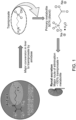
- CSF cerebrospinal fluid
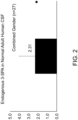
- FIG. 2 This endogenous 3-SPA was found to inhibit aggregation of A ⁇ 42 into small oligomers with efficacy comparable to that of tramiprosate. See e.g., FIG. 5 and FIG. 6 .
- baseline threshold level a “baseline threshold level”
- Increasing 3-SPA CSF levels to above such baseline threshold level can be achieved by administering ALZ-801, tramiprosate, or another prodrug of or precursor to tramiprosate (all of which ultimately produce 3-SPA), or an exogenous form of 3-SPA, including a prodrug or a precursor to 3-SPA.
- a certain baseline threshold level e.g., below the 3-SPA CSF concentration ( ⁇ 10%) value determined for a MMSE of 30 in a best fit of a random population of subjects with Alzheimer Disease of varying cognitive impairment.
- the selected subjects for treatment may have certain MMSE scores indicating, for example, an AD severity of mild or mild to moderate.
- subjects may have certain MMSE scores and have one or more of the ⁇ 4 allele of the apolipoprotein E (APOE) gene (e.g., be homozygous for APOE4), an abnormal Free and Cued Selective Reminding (FCSR) memory test indicating mild cognitive impairment, and a certain clinical dementia rating (CDR).
- APOE apolipoprotein E
- FCSR abnormal Free and Cued Selective Reminding
- a certain baseline threshold level e.g., below the 3-SPA CSF concentration ( ⁇ 10%) value determined for a MMSE of 30 in a best fit of a random population of subjects suffering from cognitive decline.
- Tramiprosate (homotaurine, 3-amino-1-propanesulfonic acid (3-APS), or Alzhemed TM ) is an orally administered compound that binds to soluble A ⁇ and reduces amyloid aggregation and subsequent deposition.
- tramiprosate provides neuroprotection against A ⁇ -induced neurotoxicity in neuronal and mouse organotypic hippocampal cultures, and reverses A ⁇ -induced long-term potentiation (LTP) inhibition in rat hippocampus ( Krzywkowski et al., Tramiprosate Prevents Amyloid Beta-induced Inhibition of Long-term Potentiation in Rat Hippocampal Slices.
- LTP long-term potentiation
- ALZ-801 is a valine conjugate of tramiprosate that has been optimized for improved pharmacokinetic properties and gastrointestinal tolerability.
- Chronic toxicology studies required for the advancement of ALZ-801 to Phase 3 have been completed, including the nonclinical safety characterization of ALZ-801, and the safety bridge to the extensive nonclinical toxicology and safety data for tramiprosate.
- Oral ALZ-801 was well tolerated, and exhibited a NOAEL in 1-month and 6-month rat studies of 2,000 mg/kg and 1,500 mg/kg respectively. Findings from ADME studies in animals and humans show that ALZ-801 is rapidly absorbed following oral administration, and rapidly converted to tramiprosate, resulting in substantially improved delivery of tramiprosate into the brain.
- the delivery or replenishment of higher concentrations of 3-SPA provides a therapeutic approach for preventing or minimizing cognitive decline and neurodegenerative disease progression e.g., AD.
- maintenance of higher concentrations of 3-SPA may prevent cognitive decline, e.g., prevent AD.
- a pharmaceutical composition comprising a compound of the formula or a pharmaceutically acceptable salt thereof, and a pharmaceutically acceptable carrier, for use in the prevention of cognitive decline or Alzheimer's Disease in a subject in need thereof.
- a pharmaceutical composition comprising a compound of the formula or a pharmaceutically acceptable salt thereof, and a pharmaceutically acceptable carrier, for use in the prevention of dementia in a subject in need thereof.
- a pharmaceutical composition comprising a compound of the formula or a pharmaceutically acceptable salt thereof, and a pharmaceutically acceptable carrier, for use in the treatment of Alzheimer's Disease in a subject in need thereof.
- Subjects according to the present invention may be stratified (i.e., further selected) by their MMSE scores prior to treatment.
- the subject being treated in the embodiments described herein has an MMSE score of greater than 19 (e.g., greater than 20, greater than 21, greater than 22, greater than 23, greater than 24, greater than 25, or greater than 26) prior to treatment.
- the subject being treated in the embodiments described herein has an MMSE score of 16 to 30 (e.g., an MMSE score of 22 to 30, an MMSE score of 22 to 28, an MMSE score of 16 to 19, an MMSE score of 18 to 26, an MMSE score of 20 to 26, or an MMSE score of 22 to 26) prior to treatment.
- the subject may also have certain genetic factors such as the presence of APOE4 alleles (e.g., homo- or heterozygous for APOE4) or have other amyloid markers such as the presence of brain amyloid, or both.
- Subjects described herein may also have at least one ⁇ 4 allele of APOE.
- the subject being treated in the embodiments described herein is APOE4 heterozygous prior to treatment.
- the subject being treated in the embodiments described herein is APOE4 homozygous prior to treatment.
- heterozygous for APOE4" and “APOE4 heterozygous” are used interchangeably and refer to subjects having one APOE4 allele.
- the term “homozygous for APOE4", “APOE4 homozygous”, “homozygous for APOE4/4”, and “APOE4/4 homozygous” are used interchangeably and refer to subjects having two APOE4 alleles.
- the subject is selected for treatment if he or she is APOE4 homozygous and has a MMSE score of 22-28.
- the subject is e.g., a subject who has AD or dementia due to head trauma.
- the subject in the seventh embodiment is in need of prevention if one or more of the following are present: a) the level of 3-SPA in the subject is below a pre-determined baseline threshold; b) the subject has at least one ApoE4 allele; or c) the subject has a familial history of Alzheimer's disease.
- the subject in the seventh embodiment is in need of prevention if one or more of the following are present: a) the level of 3-SPA in the subject is below a pre-determined baseline threshold; b) the subject has at least two ApoE4 allele; or c) the subject has a familial history of Alzheimer's disease.
- composition of the invention for use in preventing dementia in a subject who has AD or dementia due to head trauma.
- the dementia in the second embodiment is related to a head injury (e.g., head trauma).
- Head injury occurs when an outside force hits the head hard enough to cause the brain to move violently within the skull. This force can cause shaking, twisting, bruising (contusion), or sudden change in the movement of the brain (concussion). It will be understood that even relatively mild head injuries can case prolonged or permanent declines in cognition.
- the dementia in the second embodiment is related to a head injury and the subject in the second embodiment is in need of prevention if the level of 3-SPA in the subject is below a pre-determined baseline threshold.
- the concentration of 3-SPA present in the subject is determined from a sample of cerebrospinal fluid.
- the pre-determined baseline threshold of 3-SPA in the subject is the baseline concentration of 3-SPA in the cerebral spinal fluid (CSF) of the subject obtained prior to exhibiting symptoms of AD and/or at a time when the subject's MMSE was 30.
- Pre-determined baseline threshold Pre-determined baseline level
- certain baseline level refers to one or more of the following: (1) the 3-SPA CSF concentration ( ⁇ 10%) value determined for a MMSE of 30 in the line of best fit between the concentration of 3-SPA and MMSE scores in a random population of subjects with Alzheimer's Disease of varying degrees of severity (a "Random AD Population”; (2) the highest 3-SPA CSF concentration ( ⁇ 10%) determined in a Random AD Population for MMSE ⁇ 29; (3) a subject's own 3-SPA CSF concentration ( ⁇ 5%) determined prior to exhibiting any symptoms of AD; (4) the average 3-SPA CSF concentration ( ⁇ 5%) determined in an age-matched normal (non-AD) population; (5) for embodiments where subjects are further selected by being within a range of MMSE scores, the higher of: (a) the 3-SPA CSF concentration ( ⁇ 10%) value determined for a MMSE of 30 in the line of best fit between the concentration of 3-SPA and MMSE scores in
- the value for a pre-determined baseline threshold obtained using any of the parameters above may be decreased or increased by up to 10% in order to be less or more inclusive of subjects to be treated, and to reduce the number of false positives or false negatives.
- the random population of subjects with Alzheimer's Disease is a randomly selected sampling of AD patients by degree of severity of their Alzheimer's Disease (e.g., by degree of cognitive decline or by their MMSE score), age, weight, general health, sex, diet, and the like, and can comprise e.g., at least 10, at least 15, at least 20, at least 25, at least 50, at least 75, at least 100, at least 500, at least 1000 subjects. In one aspect, however, the population of subjects has an average age of 85 years old or less.
- the population of subjects has an average age of 65-85 years old. In yet other aspects, the population of subjects has an average age of 58 years old or older.
- the selection criteria additionally include ApoE4 status
- the random population of subjects with Alzheimer's Disease of varying degrees of severity from which to derive the best fit line or determine the highest level of 3-SPA CSF concentration is limited to those AD subjects having the same ApoE4 status as the ApoE4 status selection criteria.
- the pre-determined baseline threshold of 3-SPA is defined as an 3-SPA concentration in a subject of less than 25 ng/ml (e.g., less than 20 ng/ml, less than 15 ng/ml, less than 12 ng/ml, less than 10 ng/ml, less than 8 ng/ml, less than 6 ng/ml, less than 5 ng/ml, less than 4 ng/ml, less than 3 ng/ml, less than 2.9 ng/ml, less than 2.8 ng/ml, less than 2.7 ng/ml, less than 2.6 ng/ml, less than 2.5 ng/ml, less than 2.4 ng/ml, less than 2.3 ng/ml, less than 2.2 ng/ml, less than 2.1 ng/ml, less than 2.0 ng/ml).
- ng/ml e.g., less than 20 ng/ml, less than 15 ng/ml, less than 12 ng/ml,
- the pre-determined baseline threshold of 3-SPA is defined as a 3-SPA concentration in a subject of between 2.0 ng/ml and 25 ng/mL (e.g., between 7 ng/ml and 25 ng/mL, between 8 ng/ml and 25 ng/mL, between 9 ng/ml and 25 ng/mL, between 6 ng/ml and 24 ng/mL, or between 6 ng/ml and 23 ng/mL.
- the pre-determined baseline threshold of 3-SPA is defined as a subject having an MMSE score of 22-28 or an MMSE score of 22-26; and a 3-SPA concentration (e.g., in CSF) of less than 5 ng/mL, less than 4 ng/ml, less than 3 ng/ml, less than 2.9 ng/ml, less than 2.8 ng/ml, less than 2.7 ng/ml, less than 2.6 ng/ml, less than 2.5 ng/ml, less than 2.4 ng/ml, less than 2.3 ng/ml, less than 2.2 ng/ml, less than 2.1 ng/ml, or less than 2.0 ng/ml.
- a 3-SPA concentration e.g., in CSF
- the pre-determined baseline threshold of 3-SPA is defined as a subject having an MMSE score of 22-28 or an MMSE score of 22-26 and a 3-SPA concentration (e.g., in CSF) of 2-4 ng/mL.
- a pharmaceutical composition comprising a compound of the formula or a pharmaceutically acceptable salt thereof, and a pharmaceutically acceptable carrier, for use intreating a subject suffering from AD, wherein the subject has MMSE score of 30, is homozygous for APOE4, and has an abnormal FCSR memory test indicating MCI.
- abnormal FCSR see e.g., E. Grober, R.B Lipton, C. Hall et al; Neurology 2000; 54: 827-832 .
- a pharmaceutical composition comprising a compound of the formula or a pharmaceutically acceptable salt thereof, and a pharmaceutically acceptable carrier, for use in the treatment of Alzheimer's Disease in a subject in need thereof, comprising:
- a pharmaceutical composition comprising a compound of the formula or a pharmaceutically acceptable salt thereof, and a pharmaceutically acceptable carrier, for use in the treatment of Alzheimer's Disease in a subject in need thereof, comprising:
- a pharmaceutical composition comprising a compound of the formula or a pharmaceutically acceptable salt thereof, and a pharmaceutically acceptable carrier, for use in the treatment of Alzheimer's Disease in a subject in need thereof, comprising:
- the subject is selected if the subject has a MMSE score of 22-26. In some aspects of the thirteenth through fifteenth embodiments, the subject is selected if the subject is APOE4 homozygous. In some aspects of the thirteenth through fifteenth embodiments, the subject is selected if the subject is APOE4 homozygous and has a MMSE score of 22-28. In some aspects of the thirteenth through fifteenth embodiments, the subject is selected if the subject is APOE4 homozygous and has a MMSE score of 22-26.
- a pharmaceutical composition comprising a compound of the formula or a pharmaceutically acceptable salt thereof, and a pharmaceutically acceptable carrier, for use in the treatment of Alzheimer's Disease in a subject in need thereof, comprising: a) selecting a subject having an MMSE score of greater than 19 (e.g., greater than 20, greater than 21, greater than 22, greater than 23, greater than 24, greater than 25, or greater than 26) prior to treatment; and administering to the selected subject an effective amount of a compound of the formula or a pharmaceutically acceptable salt thereof.
- a subject having an MMSE score of greater than 19 e.g., greater than 20, greater than 21, greater than 22, greater than 23, greater than 24, greater than 25, or greater than 26
- a pharmaceutical composition comprising a compound of the formula or a pharmaceutically acceptable salt thereof, and a pharmaceutically acceptable carrier, for use in the treatment of Alzheimer's Disease in a subject in need thereof, comprising: a) selecting a subject having an MMSE score of 16 to 30 (e.g., an MMSE score of 22 to 30, an MMSE score of 22 to 28, an MMSE score of 16 to 19, an MMSE score of 18 to 26, an MMSE score of 20 to 26, or an MMSE score of 22 to 26) prior to treatment; and administering to the selected subject an effective amount of the compound of the formula or a pharmaceutically acceptable salt thereof.
- an MMSE score of 16 to 30 e.g., an MMSE score of 22 to 30, an MMSE score of 22 to 28, an MMSE score of 16 to 19, an MMSE score of 18 to 26, an MMSE score of 20 to 26, or an MMSE score of 22 to 26
- a pharmaceutical composition comprising a compound of the formula or a pharmaceutically acceptable salt thereof, and a pharmaceutically acceptable carrier, for use in preventing AD comprising administering to a subject in need thereof an effective amount of the compound of the formula or a pharmaceutically acceptable salt thereof.
- a pharmaceutical composition comprising a compound of the formula or a pharmaceutically acceptable salt thereof, and a pharmaceutically acceptable carrier, for use in preventing a decline in cognition in a subject who is asymptomatic, but who is at risk for AD or cognitive decline comprising administering to a subject in need thereof an effective amount of a compound of the formula or a pharmaceutically acceptable salt thereof.
- Subjects who are at risk would include e.g., the presence of APOE4/4 (or both APOE4 and APOE4/4), advanced age, or a pattern of familial cognitive decline, or with a combination of two or more of the above.
- the subject is a human. In some aspects, the subject is human age 85 years old or less. In other aspects, the subject is human age 65-85 years old. In yet other aspects, the subject is human age 58 years old or older.
- 3-sulfopropanoic acid and 3-SPA are used interchangeably and refer to the compound having the structure as well as the mono- or di-ionic salt forms, where X + is a counter ion such as sodium.
- the term “treat”, “treating” or “treatment” means reversing, alleviating, or inhibiting the progress of a neurodegenerative disease such as AD, or one or more symptoms associated therewith.
- Factors for determining if a subject is suffering from AD include e.g., one or more of the subject's MMSE score, the presence of brain amyloid (e.g., as determined by PET imaging), the subject's CDR score, FCSR memory test results consistent with mild cognitive impairment, or the identification of brain biomarkers of amyloid in the cerebrospinal fluid (CSF) such as Abeta-40, Abeta-42, tau protein, or Abeta oligomers, or combinations thereof.
- CSF cerebrospinal fluid
- a subject is suffering from AD if 1) the subject is homozygous for APOE4 and has cognitive symptoms; 2) the subject is homozygous for APOE4 and has subjective memory impairments, MCI, or an MMSE of 30, and the subject has an abnormal FCSR; 3) the subject the subject is homozygous for APOE4 and has early AD symptoms such as MCI or an MMSE of 26-30 and a CDR global score of 0.5; 4) the subject is heterozygous for APOE4 and has an MMSE of less than 20; 5) the subject is heterozygous for APOE4 and has an MMSE of 20 or greater, and the subject has brain amyloid as determined by one or more of the methods described herein (e.g., PET imaging or CSF biomarkers selected from Abeta-40, Abeta-42, and tau protein, or for Abeta oligomers); or 6) the subject is APOE4 negative and the subject has an MMSE score of 20 or higher or an MMSE score
- an effective amount is the quantity of the compound which is sufficient to treat a neurodegenerative disease such as AD. Effective amounts can vary, as recognized by one of ordinary skill in the art, depending on e.g., the severity of the neurodegenerative disease, the route of administration, the sex, age and general health condition of the patient, excipient usage, the possibility of co-usage with other therapeutic treatments such as use of other agents and the judgment of the treating physician or other medical provider. Exemplary effective amounts of the compounds useful in the methods described herein are provided below. In some aspects, an effective amount is an amount that increases CSF 3-SPA concentration above the pre-determined baseline threshold. In more specific aspects, an effective amount is an amount that increases CSF 3-SPA concentration to 1.1X, 1.2X, 1.3X, 1.4X, 1.5X, 2X, 2.5X, 3X, 4X, 5X, or more than the pre-determined baseline threshold.
- salts of a basic group include, but are not limited, to sulfate, citrate, acetate, oxalate, chloride, bromide, iodide, nitrate, bisulfate, phosphate, acid phosphate, isonicotinate, lactate, salicylate, acid citrate, tartrate, oleate, tannate, pantothenate, bitartrate, ascorbate, succinate, maleate, gentisinate, fumarate, gluconate, glucoronate, saccharate, formate, benzoate, glutamate, methanesulfonate, ethanesulfonate, benzenesulfonate, p-toluenesulfon
- salts of an acidic group include, but are not limited, to lithium, sodium, potassium, calcium, magnesium, aluminum, chromium, iron, copper, zinc, cadmium, ammonium, guanidinium, pyridinium, and organic ammonium salts.
- “Pharmaceutically acceptable” refers to drugs, medicaments, inert ingredients etc., which the term describes, suitable for use in contact with the tissues of humans and lower animals without undue toxicity, incompatibility, instability, irritation, allergic response, and the like, commensurate with a reasonable benefit/risk ratio.
- pharmaceutically acceptable refers to a compound or composition that is approved or approvable by a regulatory agency of the Federal or state government or listed in the U.S. Pharmacopoeia or other generally recognized pharmacopoeia for use in animals and more particularly in humans.
- pharmaceutically acceptable carrier refers to a non-toxic carrier, adjuvant, or vehicle that does not destroy the pharmacological activity of the compound with which it is formulated.
- Pharmaceutically acceptable carriers that may be used in the compositions described herein include, but are not limited to, ion exchangers, alumina, aluminum stearate, lecithin, serum proteins, such as human serum albumin, buffer substances such as phosphates, glycine, sorbic acid, potassium sorbate, partial glyceride mixtures of saturated vegetable fatty acids, water, salts or electrolytes, such as protamine sulfate, disodium hydrogen phosphate, potassium hydrogen phosphate, sodium chloride, zinc salts, colloidal silica, magnesium trisilicate, polyvinyl pyrrolidone, cellulose-based substances, polyethylene glycol, sodium carboxymethylcellulose, polyacrylates, waxes, polyethylene-polyoxypropylene-block polymers, polyethylene glycol and wool fat.
- compositions described herein may be administered orally, parenterally, by inhalation spray, topically, rectally, nasally, buccally, vaginally or via an implanted reservoir.
- parenteral as used herein includes subcutaneous, intravenous, intramuscular, intra-articular, intra-synovial, intrasternal, intrathecal, intrahepatic, intralesional and intracranial injection or infusion techniques.
- Liquid dosage forms, injectable preparations, solid dispersion forms, and dosage forms for topical or transdermal administration of a compound are included herein. In one aspect, administration is orally.
- Methods of administration can use an amount and a route of administration effective for treating or lessening the severity of a disease described herein.
- the exact amount required will vary from subject to subject, depending on the species, age, and general condition of the subject, the severity of the infection, the particular agent, its mode of administration, and the like.
- Provided compounds are preferably formulated in unit dosage form for ease of administration and uniformity of dosage.
- provided compounds may be formulated such that a dosage of between 0.01 - 100 mg/kg body weight/day of the compound can be administered to a patient receiving these compositions.
- unit dosage form refers to a physically discrete unit of agent appropriate for the patient to be treated.
- the total daily usage of the compounds and compositions of the present disclosure will be decided by the attending physician within the scope of sound medical judgment.
- the specific effective dose level for any particular patient or organism will depend upon a variety of factors including the disorder being treated and the severity of the disorder; the activity of the specific compound employed; the specific composition employed; the age, body weight, general health, sex and diet of the patient; the time of administration, route of administration, and rate of excretion of the specific compound employed; the duration of the treatment; drugs used in combination or coincidental with the specific compound employed, and like factors well known in the medical arts.
- a specific dosage and treatment regimen for any particular patient will depend upon a variety of factors, including age, body weight, general health, sex, diet, time of administration, rate of excretion, drug combination, the judgment of the treating physician, and the severity of the particular disease being treated.
- the amount of a provided compound in the composition will also depend upon the particular compound in the composition. Exemplary regimens are provided below.
- vascular disease was considered when confluent vascular changes on MRI were present (Fazekas scale 2 and 3). 12 ml of CSF was withdrawn by lumbar puncture in supine position between vertebral body L3-L5 using atraumatic needle.
- the lumbar puncture was done between 8 am and 11 am and effectuated immediately after serum sample collection.
- CSF was transferred to the CSF lab, located at the same floor where spinning during 5 minutes at 2000 RPM at room temperature was done. After centrifugation, the CSF was aliquoted using 0.5 ml tubes and stored immediately at -80 °C. Only polypropylene tubes were used for CSF withdrawal and storage. Processing time between CSF withdrawal, spinning and freezing was standardized and in total did not exceed 45 minutes.
- the samples were withdrawn from the freezer and shipped on dry ice to Nextcea Inc (Woburn, MA) and stored in a freezer set to maintain -80 °C after receipt.
- the CSF collection and storage were carried out after subjects signed an informed consent in accordance with the ethical guidelines in the Czech Republic and good clinical practice, and according to the widely recognized consensus protocol for the standardization of CSF collection and biobanking ( Viola et al., Amyloid ⁇ oligomers in Alzheimer's disease pathogenesis, treatment, and diagnosis. Acta Neuropathol 2015; 129:183-206 ; and Vanderstichele et al.
- the CSF sample analysis was performed by Nextcea, using LC-MS and LC-MS/MS methods. A total of 64 human CSF samples were received at Nextcea for analysis.
- the 3-SPA reference material and human CSF samples were mixed with N-ethyl-N'-(3-dimethylaminopropyl) carbodiimide (EDC) and 2,2,2-trifluro ethylamine (TFEA).
- EDC N-ethyl-N'-(3-dimethylaminopropyl) carbodiimide
- TFEA 2,2,2-trifluro ethylamine
- Mobile phase A was 0.1% trifluoroacetic acid in water (v/v).
- Mobile phase B was 0.1% formic acid in 90/10 acetonitrile/water (v/v).
- the flow rate was 0.35 mL/min.
- the total running time per sample was 4 min.
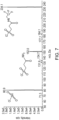
- An API 6500 triple quadrupole mass spectrometer was used for detection. Data were acquired in negative LC-MS and LC-MS/MS modes. Representative chromatograms of 3-SPA in crude native material and human CSF derivatized with EDC and TFEA are shown in FIG. 7 , FIG. 8 Panel A, and FIG. 8 Panel B. LC-MS and LC-MS/MS data were acquired using Analyst software (AB Sciex, Foster City, CA).
- 3-SPA was identified in human CSF by matching the chromatographic retention time and by co-elution of the LC-MS/MS transition ions to the authentic 3-SPA reference standard (synthesized by Paraza Pharma, Montreal, Canada).
- the Nose-Hoover Thermostat and Martina-Tobias-Klein barostat were used to control temperature and pressure, respectively. Simulations were run in replicates of 3 for 100 nanoseconds each, and the results were compiled for analysis. Principal component analysis was performed using ProDy ( Shivakumar et al., Improving the Prediction of Absolute Solvation Free Energys Using the Next Generation OPLS Force Field. J. Chem. Theory Comput 2012; 8:2553-8 ) and plotted using custom python scripts.
- IMS MS Ion Mobility Mass Spectrometry
- Samples were directly infused into the mass spectrometer at a flow rate of 10 ⁇ L/min using a Protea PM-1000 Syringe Pump and Hamilton 1 mL Syringe.
- the data acquisition of the amyloid peptide was performed using a Waters Synapt G2-S quadrupole time of flight mass spectrometer (Q-TOF MS) with traveling wave ion mobility (Waters Corp., Milford, MA). The data were acquired using the systems sensitivity mode to allow for the detection of the less abundant oligomers. Samples were infused at room temperature.
- the IMS MS studies were conducted at Protea, Inc. (Morgantown, WV).
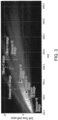
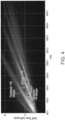
- a ⁇ 42 species characterization using IMS MS was performed by direct infusion at 22 pmol/ ⁇ L in water.
- the peptide was prepared in water to maintain the native state conformation of the peptide and ion mobility data acquisition was performed to detect and characterize the conformational changes of the native state monomer and any oligomers that may have formed during the incubation.
- the data acquisition for A ⁇ 42 peptide was performed using a Waters Synapt G2-S quadrupole time of flight mass spectrometer (Q-TOF MS) with traveling wave ion mobility (Waters Corp., Milford, MA). The data were acquired using the systems sensitivity mode to allow for the detection of the less abundant oligomers. Samples were infused at room temperature as above.
- 3-SPA was identified and quantitated in human CSF by LC-MS/MS.
- the samples were derivatized with EDC and TFEA before analysis.
- LC-MS/MS transition ions were selected for monitoring based on 2-[(2,2,2-trifluoroethyl)carbamoyl]ethane-1-sulfonic acid, the product ion spectra of the derivatized 3-SPA reference standard.
- the [M-H]- of 3-SPA was detected in human CSF at m / z 234.1 at retention time 1.55 min.
- CSF concentrations of A ⁇ 42 monomers in AD patients 0.04 nM to 0.1 nM
- IMS ion mobility mass spectrometry
- Q-TOF MS quadrupole time of flight mass spectrometer
- Resulting effect of modulation of A ⁇ conformational space is the prevention of oligomer formation.
- concentration excess dependency of 3-SPA over A ⁇ 42 is presented in Table 3. 100- vs 1,000-fold molar excess of 3-SPA over A ⁇ 42 results in a different sub-species profile of inhibition of A ⁇ 42 oligomer formation.
- 3-SPA as dianion under physiological conditions interacts with cations on amino acids side chains of A ⁇ 42 ( FIG. 5 ). These are protonated amino groups of Asp1, Lys16, Lys28, His13,14. At the same time repulsive forces of 3-SPA dianion and carboxylate groups of A ⁇ 42 are at work. This interplay of ionic interactions contributes to significant conformational changes of A ⁇ 42 monomer species.
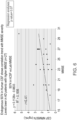
- the plasma concentration of a single dose of 3-SPA, dissolved in saline as a clear solution, administered orally and intravenously to rats at a dose level of 30 mg/kg and 10 mg/kg, respectively, are shown in FIG. 9 .
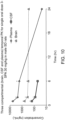
- Brain, CSF and corresponding plasma levels after a single oral dose of dose of 30 mg/kg of 3-SPA at 1, 2, 6, and 24 hr are shown in FIG. 10 .
- Mean PK curves were used for calculation of pharmacokinetic parameters. The resulting pharmacokinetic parameters, oral bioavailability and brain penetration of 3-SPA in rats are shown in Tables 4-6.
Landscapes
- Health & Medical Sciences (AREA)
- Chemical & Material Sciences (AREA)
- Medicinal Chemistry (AREA)
- Pharmacology & Pharmacy (AREA)
- Life Sciences & Earth Sciences (AREA)
- Animal Behavior & Ethology (AREA)
- General Health & Medical Sciences (AREA)
- Public Health (AREA)
- Veterinary Medicine (AREA)
- Epidemiology (AREA)
- Biomedical Technology (AREA)
- Neurosurgery (AREA)
- Engineering & Computer Science (AREA)
- Bioinformatics & Cheminformatics (AREA)
- Neurology (AREA)
- Nuclear Medicine, Radiotherapy & Molecular Imaging (AREA)
- Psychiatry (AREA)
- Chemical Kinetics & Catalysis (AREA)
- General Chemical & Material Sciences (AREA)
- Hospice & Palliative Care (AREA)
- Organic Chemistry (AREA)
- Pharmaceuticals Containing Other Organic And Inorganic Compounds (AREA)
- Acyclic And Carbocyclic Compounds In Medicinal Compositions (AREA)
- Organic Low-Molecular-Weight Compounds And Preparation Thereof (AREA)
- Peptides Or Proteins (AREA)
- Medicines That Contain Protein Lipid Enzymes And Other Medicines (AREA)
- Medicines Containing Plant Substances (AREA)
Claims (7)
- Pharmazeutische Zusammensetzung, die die Verbindung 3-SPA der Formel

- Zusammensetzung zur Verwendung nach Anspruch 1, wobei das Subjekt der Prävention bedarf, wenn:a) die Konzentration von 3-SPA in dem zerebrospinalen Fluid des Subjekts weniger als 25 ng/ml beträgt; und/oderb) das Subjekt mindestens ein ApoE4-Allel aufweist; und/oderc) das Subjekt eine familiäre Vorgeschichte der Alzheimer-Krankheit aufweist.
- Zusammensetzung zur Verwendung nach Anspruch 2, wobei das Subjekt der Prävention bedarf, wenn:a) die Konzentration von 3-SPA in dem zerebrospinalen Fluid des Subjekts weniger als 25 ng/ml beträgt; und/oderb) das Subjekt mindestens zwei ApoE4-Allele aufweist.
- Pharmazeutische Zusammensetzung, die die Verbindung 3-SPA der Formel

- Zusammensetzung zur Verwendung nach Anspruch 4, wobei das Subjekt der Prävention bedarf, wenn:a) die Konzentration von 3-SPA in dem zerebrospinalen Fluid des Subjekts weniger als 25 ng/ml beträgt; und/oderb) das Subjekt mindestens ein Kopftrauma aufweist.
- Pharmazeutische Zusammensetzung, die 3-SPA der Formel

- Zusammensetzung zur Verwendung nach Anspruch 6, wobei das Subjekt behandlungsbedürftig ist, wenn das Subjekt:a) eine 3-SPA-Konzentration aufweist, die unter dem Wert der 3-SPA-Liquorkonzentration (± 10 %) liegt, der für einen MMSE-Wert von 30 in einer zufällig ausgewählten Population von Subjekten mit Alzheimer-Krankheit mit unterschiedlichen kognitiven Beeinträchtigungen bestimmt wurde;b) APOE4 homozygot oder APOE4 heterozygot ist;c) einen MMSE-Wert von mehr als 19 aufweist; und/oderd) einen MMSE-Wert von 16 bis 30 aufweist.
Priority Applications (4)
| Application Number | Priority Date | Filing Date | Title |
|---|---|---|---|
| SI201930898T SI3829563T1 (sl) | 2018-08-01 | 2019-07-30 | 3- sulfopropanojska kislina za zdravljenje nevrodegenerativnih motenj |
| SM20250080T SMT202500080T1 (it) | 2018-08-01 | 2019-07-30 | Acido 3-solfopropanoico per il trattamento di disturbi neurodegenerativi |
| HRP20250206TT HRP20250206T1 (hr) | 2018-08-01 | 2019-07-30 | 3-sulfopropanska kiselina za liječenje neurodegenerativnih poremećaja |
| RS20250164A RS66516B1 (sr) | 2018-08-01 | 2019-07-30 | 3-sulfopropanska kiselina za lečenje neurodegenerativnih poremećaja |
Applications Claiming Priority (2)
| Application Number | Priority Date | Filing Date | Title |
|---|---|---|---|
| US201862713061P | 2018-08-01 | 2018-08-01 | |
| PCT/US2019/044023 WO2020028290A1 (en) | 2018-08-01 | 2019-07-30 | Methods for treating neurodegenerative disorders |
Publications (2)
| Publication Number | Publication Date |
|---|---|
| EP3829563A1 EP3829563A1 (de) | 2021-06-09 |
| EP3829563B1 true EP3829563B1 (de) | 2024-11-20 |
Family
ID=67614642
Family Applications (1)
| Application Number | Title | Priority Date | Filing Date |
|---|---|---|---|
| EP19752795.5A Active EP3829563B1 (de) | 2018-08-01 | 2019-07-30 | 3-sulfopropansäure zur behandlung neurodegenerativer erkrankungen |
Country Status (27)
| Country | Link |
|---|---|
| US (2) | US12083082B2 (de) |
| EP (1) | EP3829563B1 (de) |
| JP (1) | JP7573512B2 (de) |
| KR (1) | KR102716959B1 (de) |
| CN (1) | CN112867485A (de) |
| AU (1) | AU2019315853B2 (de) |
| BR (1) | BR112021001739A2 (de) |
| CL (1) | CL2021000269A1 (de) |
| DK (1) | DK3829563T3 (de) |
| EA (1) | EA202190406A1 (de) |
| ES (1) | ES3011716T3 (de) |
| FI (1) | FI3829563T3 (de) |
| HR (1) | HRP20250206T1 (de) |
| HU (1) | HUE070101T2 (de) |
| IL (1) | IL280424B2 (de) |
| LT (1) | LT3829563T (de) |
| MX (1) | MX2021001287A (de) |
| MY (1) | MY206530A (de) |
| PH (1) | PH12021550213A1 (de) |
| PL (1) | PL3829563T3 (de) |
| PT (1) | PT3829563T (de) |
| RS (1) | RS66516B1 (de) |
| SG (1) | SG11202100767XA (de) |
| SI (1) | SI3829563T1 (de) |
| SM (1) | SMT202500080T1 (de) |
| UA (1) | UA130011C2 (de) |
| WO (1) | WO2020028290A1 (de) |
Families Citing this family (2)
| Publication number | Priority date | Publication date | Assignee | Title |
|---|---|---|---|---|
| EP3983563A1 (de) * | 2019-06-17 | 2022-04-20 | Alzheon, Inc. | Verfahren zur behandlung neurodegenerativer erkrankungen |
| JP2024542844A (ja) * | 2021-12-09 | 2024-11-15 | アルツェオン・インコーポレーテッド | アルツハイマー病の処置に使用されるalz-801 |
Family Cites Families (6)
| Publication number | Priority date | Publication date | Assignee | Title |
|---|---|---|---|---|
| US5840294A (en) * | 1993-03-29 | 1998-11-24 | Queen's University At Kingston | Method for treating amyloidosis |
| CN101600730B (zh) * | 2006-10-12 | 2014-01-29 | Bhi有限合资公司 | 递送3-氨基-1-丙磺酸的方法、化合物、组合物和载体 |
| EP2852388A4 (de) | 2012-05-23 | 2016-01-13 | Univ Johns Hopkins | Verbindungen und verfahren zur verwendung davon zur behandlung von neurodegenerativen erkrankungen |
| WO2014121083A1 (en) * | 2013-01-31 | 2014-08-07 | President And Fellows Of Harvard College | Methods of increasing neuronal connectivity and/or treating a neurodegenerative condition |
| KR102448386B1 (ko) * | 2014-03-21 | 2022-09-28 | 알제온, 인크. | 신경학적 장애를 치료하는 방법 |
| SMT202300250T1 (it) * | 2015-09-10 | 2023-09-06 | Alzheon Inc | Trattamento della malattia di alzheimer in una particolare popolazione di pazienti |
-
2019
- 2019-07-30 EP EP19752795.5A patent/EP3829563B1/de active Active
- 2019-07-30 CN CN201980064415.6A patent/CN112867485A/zh active Pending
- 2019-07-30 SM SM20250080T patent/SMT202500080T1/it unknown
- 2019-07-30 IL IL280424A patent/IL280424B2/en unknown
- 2019-07-30 US US17/264,477 patent/US12083082B2/en active Active
- 2019-07-30 HU HUE19752795A patent/HUE070101T2/hu unknown
- 2019-07-30 DK DK19752795.5T patent/DK3829563T3/da active
- 2019-07-30 AU AU2019315853A patent/AU2019315853B2/en active Active
- 2019-07-30 BR BR112021001739-9A patent/BR112021001739A2/pt unknown
- 2019-07-30 JP JP2021505721A patent/JP7573512B2/ja active Active
- 2019-07-30 PT PT197527955T patent/PT3829563T/pt unknown
- 2019-07-30 HR HRP20250206TT patent/HRP20250206T1/hr unknown
- 2019-07-30 FI FIEP19752795.5T patent/FI3829563T3/fi active
- 2019-07-30 EA EA202190406A patent/EA202190406A1/ru unknown
- 2019-07-30 LT LTEPPCT/US2019/044023T patent/LT3829563T/lt unknown
- 2019-07-30 ES ES19752795T patent/ES3011716T3/es active Active
- 2019-07-30 PL PL19752795.5T patent/PL3829563T3/pl unknown
- 2019-07-30 MX MX2021001287A patent/MX2021001287A/es unknown
- 2019-07-30 MY MYPI2021000515A patent/MY206530A/en unknown
- 2019-07-30 SG SG11202100767XA patent/SG11202100767XA/en unknown
- 2019-07-30 SI SI201930898T patent/SI3829563T1/sl unknown
- 2019-07-30 RS RS20250164A patent/RS66516B1/sr unknown
- 2019-07-30 UA UAA202101015A patent/UA130011C2/uk unknown
- 2019-07-30 WO PCT/US2019/044023 patent/WO2020028290A1/en not_active Ceased
- 2019-07-30 KR KR1020217005803A patent/KR102716959B1/ko active Active
-
2021
- 2021-01-28 PH PH12021550213A patent/PH12021550213A1/en unknown
- 2021-02-01 CL CL2021000269A patent/CL2021000269A1/es unknown
-
2024
- 2024-08-02 US US18/793,452 patent/US20250213507A1/en active Pending
Also Published As
Similar Documents
| Publication | Publication Date | Title |
|---|---|---|
| US20250213507A1 (en) | Methods for treating neurodegenerative disorders | |
| US20260034088A1 (en) | Sulfopropanoic acid derivatives for treating neurodegenerative disorders | |
| CA3108150C (en) | Methods for treating neurodegenerative disorders | |
| HK40056250B (en) | 3-sulfopropanoic acid for treating neurodegenerative disorders | |
| HK40056250A (en) | 3-sulfopropanoic acid for treating neurodegenerative disorders | |
| CN116322679A (zh) | 用于降低脑组织中鞘糖脂浓度的方法以及涉及降低脑组织中鞘糖脂浓度的神经系统变性疾病的治疗方法 | |
| HK40105684A (en) | Sulfopropanoic acid derivatives for treating neurodegenerative disorders | |
| EA048644B1 (ru) | Способы лечения нейродегенеративных расстройств | |
| HK40056251B (en) | Sulfopropanoic acid derivatives for treating neurodegenerative disorders | |
| HK40056251A (en) | Sulfopropanoic acid derivatives for treating neurodegenerative disorders | |
| EA049372B1 (ru) | Способы лечения нейродегенеративных расстройств |
Legal Events
| Date | Code | Title | Description |
|---|---|---|---|
| REG | Reference to a national code |
Ref country code: HR Ref legal event code: TUEP Ref document number: P20250206T Country of ref document: HR |
|
| STAA | Information on the status of an ep patent application or granted ep patent |
Free format text: STATUS: UNKNOWN |
|
| STAA | Information on the status of an ep patent application or granted ep patent |
Free format text: STATUS: THE INTERNATIONAL PUBLICATION HAS BEEN MADE |
|
| PUAI | Public reference made under article 153(3) epc to a published international application that has entered the european phase |
Free format text: ORIGINAL CODE: 0009012 |
|
| STAA | Information on the status of an ep patent application or granted ep patent |
Free format text: STATUS: REQUEST FOR EXAMINATION WAS MADE |
|
| 17P | Request for examination filed |
Effective date: 20210301 |
|
| AK | Designated contracting states |
Kind code of ref document: A1 Designated state(s): AL AT BE BG CH CY CZ DE DK EE ES FI FR GB GR HR HU IE IS IT LI LT LU LV MC MK MT NL NO PL PT RO RS SE SI SK SM TR |
|
| DAV | Request for validation of the european patent (deleted) | ||
| DAX | Request for extension of the european patent (deleted) | ||
| REG | Reference to a national code |
Ref country code: HK Ref legal event code: DE Ref document number: 40056250 Country of ref document: HK |
|
| STAA | Information on the status of an ep patent application or granted ep patent |
Free format text: STATUS: EXAMINATION IS IN PROGRESS |
|
| 17Q | First examination report despatched |
Effective date: 20230209 |
|
| P01 | Opt-out of the competence of the unified patent court (upc) registered |
Effective date: 20230606 |
|
| GRAP | Despatch of communication of intention to grant a patent |
Free format text: ORIGINAL CODE: EPIDOSNIGR1 |
|
| STAA | Information on the status of an ep patent application or granted ep patent |
Free format text: STATUS: GRANT OF PATENT IS INTENDED |
|
| GRAJ | Information related to disapproval of communication of intention to grant by the applicant or resumption of examination proceedings by the epo deleted |
Free format text: ORIGINAL CODE: EPIDOSDIGR1 |
|
| STAA | Information on the status of an ep patent application or granted ep patent |
Free format text: STATUS: EXAMINATION IS IN PROGRESS |
|
| INTG | Intention to grant announced |
Effective date: 20240425 |
|
| GRAP | Despatch of communication of intention to grant a patent |
Free format text: ORIGINAL CODE: EPIDOSNIGR1 |
|
| STAA | Information on the status of an ep patent application or granted ep patent |
Free format text: STATUS: GRANT OF PATENT IS INTENDED |
|
| INTC | Intention to grant announced (deleted) | ||
| INTG | Intention to grant announced |
Effective date: 20240611 |
|
| GRAS | Grant fee paid |
Free format text: ORIGINAL CODE: EPIDOSNIGR3 |
|
| GRAA | (expected) grant |
Free format text: ORIGINAL CODE: 0009210 |
|
| STAA | Information on the status of an ep patent application or granted ep patent |
Free format text: STATUS: THE PATENT HAS BEEN GRANTED |
|
| AK | Designated contracting states |
Kind code of ref document: B1 Designated state(s): AL AT BE BG CH CY CZ DE DK EE ES FI FR GB GR HR HU IE IS IT LI LT LU LV MC MK MT NL NO PL PT RO RS SE SI SK SM TR |
|
| REG | Reference to a national code |
Ref country code: GB Ref legal event code: FG4D |
|
| REG | Reference to a national code |
Ref country code: CH Ref legal event code: EP |
|
| REG | Reference to a national code |
Ref country code: DE Ref legal event code: R096 Ref document number: 602019062244 Country of ref document: DE |
|
| REG | Reference to a national code |
Ref country code: IE Ref legal event code: FG4D |
|
| REG | Reference to a national code |
Ref country code: FI Ref legal event code: FGE |
|
| REG | Reference to a national code |
Ref country code: PT Ref legal event code: SC4A Ref document number: 3829563 Country of ref document: PT Date of ref document: 20250218 Kind code of ref document: T Free format text: AVAILABILITY OF NATIONAL TRANSLATION Effective date: 20250212 |
|
| REG | Reference to a national code |
Ref country code: DK Ref legal event code: T3 Effective date: 20250217 |
|
| REG | Reference to a national code |
Ref country code: NL Ref legal event code: FP |
|
| REG | Reference to a national code |
Ref country code: SE Ref legal event code: TRGR |
|
| REG | Reference to a national code |
Ref country code: ES Ref legal event code: FG2A Ref document number: 3011716 Country of ref document: ES Kind code of ref document: T3 Effective date: 20250408 |
|
| REG | Reference to a national code |
Ref country code: SK Ref legal event code: T3 Ref document number: E 45968 Country of ref document: SK |
|
| REG | Reference to a national code |
Ref country code: HR Ref legal event code: T1PR Ref document number: P20250206 Country of ref document: HR |
|
| REG | Reference to a national code |
Ref country code: GR Ref legal event code: EP Ref document number: 20250400364 Country of ref document: GR Effective date: 20250409 |
|
| REG | Reference to a national code |
Ref country code: EE Ref legal event code: FG4A Ref document number: E024941 Country of ref document: EE Effective date: 20250219 |
|
| REG | Reference to a national code |
Ref country code: HU Ref legal event code: AG4A Ref document number: E070101 Country of ref document: HU |
|
| PGFP | Annual fee paid to national office [announced via postgrant information from national office to epo] |
Ref country code: SM Payment date: 20250625 Year of fee payment: 7 |
|
| PGFP | Annual fee paid to national office [announced via postgrant information from national office to epo] |
Ref country code: LT Payment date: 20250623 Year of fee payment: 7 |
|
| PGFP | Annual fee paid to national office [announced via postgrant information from national office to epo] |
Ref country code: MT Payment date: 20250624 Year of fee payment: 7 |
|
| PGFP | Annual fee paid to national office [announced via postgrant information from national office to epo] |
Ref country code: SI Payment date: 20250717 Year of fee payment: 7 |
|
| PGFP | Annual fee paid to national office [announced via postgrant information from national office to epo] |
Ref country code: HU Payment date: 20250723 Year of fee payment: 7 |
|
| REG | Reference to a national code |
Ref country code: HR Ref legal event code: ODRP Ref document number: P20250206 Country of ref document: HR Payment date: 20250717 Year of fee payment: 7 |
|
| PGFP | Annual fee paid to national office [announced via postgrant information from national office to epo] |
Ref country code: NL Payment date: 20250721 Year of fee payment: 7 Ref country code: LU Payment date: 20250721 Year of fee payment: 7 |
|
| REG | Reference to a national code |
Ref country code: DE Ref legal event code: R097 Ref document number: 602019062244 Country of ref document: DE |
|
| PLBE | No opposition filed within time limit |
Free format text: ORIGINAL CODE: 0009261 |
|
| STAA | Information on the status of an ep patent application or granted ep patent |
Free format text: STATUS: NO OPPOSITION FILED WITHIN TIME LIMIT |
|
| PGFP | Annual fee paid to national office [announced via postgrant information from national office to epo] |
Ref country code: FI Payment date: 20250725 Year of fee payment: 7 Ref country code: ES Payment date: 20250827 Year of fee payment: 7 Ref country code: PT Payment date: 20250717 Year of fee payment: 7 |
|
| PGFP | Annual fee paid to national office [announced via postgrant information from national office to epo] |
Ref country code: DK Payment date: 20250725 Year of fee payment: 7 Ref country code: DE Payment date: 20250722 Year of fee payment: 7 |
|
| PGFP | Annual fee paid to national office [announced via postgrant information from national office to epo] |
Ref country code: MC Payment date: 20250723 Year of fee payment: 7 Ref country code: NO Payment date: 20250725 Year of fee payment: 7 Ref country code: GR Payment date: 20250721 Year of fee payment: 7 |
|
| PGFP | Annual fee paid to national office [announced via postgrant information from national office to epo] |
Ref country code: IT Payment date: 20250724 Year of fee payment: 7 Ref country code: TR Payment date: 20250722 Year of fee payment: 7 Ref country code: PL Payment date: 20250718 Year of fee payment: 7 |
|
| PGFP | Annual fee paid to national office [announced via postgrant information from national office to epo] |
Ref country code: BE Payment date: 20250718 Year of fee payment: 7 Ref country code: BG Payment date: 20250722 Year of fee payment: 7 Ref country code: GB Payment date: 20250722 Year of fee payment: 7 |
|
| PGFP | Annual fee paid to national office [announced via postgrant information from national office to epo] |
Ref country code: HR Payment date: 20250717 Year of fee payment: 7 |
|
| PGFP | Annual fee paid to national office [announced via postgrant information from national office to epo] |
Ref country code: AL Payment date: 20250701 Year of fee payment: 7 Ref country code: FR Payment date: 20250725 Year of fee payment: 7 Ref country code: AT Payment date: 20250722 Year of fee payment: 7 |
|
| PGFP | Annual fee paid to national office [announced via postgrant information from national office to epo] |
Ref country code: CH Payment date: 20250801 Year of fee payment: 7 Ref country code: SE Payment date: 20250722 Year of fee payment: 7 |
|
| 26N | No opposition filed |
Effective date: 20250821 |
|
| PGFP | Annual fee paid to national office [announced via postgrant information from national office to epo] |
Ref country code: RS Payment date: 20250717 Year of fee payment: 7 Ref country code: EE Payment date: 20250806 Year of fee payment: 7 Ref country code: CZ Payment date: 20250718 Year of fee payment: 7 Ref country code: IE Payment date: 20250723 Year of fee payment: 7 |
|
| PGFP | Annual fee paid to national office [announced via postgrant information from national office to epo] |
Ref country code: RO Payment date: 20250722 Year of fee payment: 7 |
|
| PGFP | Annual fee paid to national office [announced via postgrant information from national office to epo] |
Ref country code: SK Payment date: 20250725 Year of fee payment: 7 |
|
| PGFP | Annual fee paid to national office [announced via postgrant information from national office to epo] |
Ref country code: IS Payment date: 20250710 Year of fee payment: 7 |
|
| PGFP | Annual fee paid to national office [announced via postgrant information from national office to epo] |
Ref country code: LV Payment date: 20250714 Year of fee payment: 7 |
|
| PGFP | Annual fee paid to national office [announced via postgrant information from national office to epo] |
Ref country code: MK Payment date: 20250623 Year of fee payment: 7 |
|
| PGFP | Annual fee paid to national office [announced via postgrant information from national office to epo] |
Ref country code: CY Payment date: 20250709 Year of fee payment: 7 |