EP3801536B1 - Administration of sepiapterin without food for use in a method for increasing sepiapterin plasma exposure - Google Patents
Administration of sepiapterin without food for use in a method for increasing sepiapterin plasma exposure Download PDFInfo
- Publication number
- EP3801536B1 EP3801536B1 EP19811888.7A EP19811888A EP3801536B1 EP 3801536 B1 EP3801536 B1 EP 3801536B1 EP 19811888 A EP19811888 A EP 19811888A EP 3801536 B1 EP3801536 B1 EP 3801536B1
- Authority
- EP
- European Patent Office
- Prior art keywords
- sepiapterin
- pharmaceutically acceptable
- food
- administration
- acceptable salt
- Prior art date
- Legal status (The legal status is an assumption and is not a legal conclusion. Google has not performed a legal analysis and makes no representation as to the accuracy of the status listed.)
- Active
Links
Images
Classifications
-
- A—HUMAN NECESSITIES
- A61—MEDICAL OR VETERINARY SCIENCE; HYGIENE
- A61P—SPECIFIC THERAPEUTIC ACTIVITY OF CHEMICAL COMPOUNDS OR MEDICINAL PREPARATIONS
- A61P25/00—Drugs for disorders of the nervous system
-
- A—HUMAN NECESSITIES
- A61—MEDICAL OR VETERINARY SCIENCE; HYGIENE
- A61K—PREPARATIONS FOR MEDICAL, DENTAL OR TOILETRY PURPOSES
- A61K31/00—Medicinal preparations containing organic active ingredients
- A61K31/33—Heterocyclic compounds
- A61K31/395—Heterocyclic compounds having nitrogen as a ring hetero atom, e.g. guanethidine or rifamycins
- A61K31/495—Heterocyclic compounds having nitrogen as a ring hetero atom, e.g. guanethidine or rifamycins having six-membered rings with two or more nitrogen atoms as the only ring heteroatoms, e.g. piperazine or tetrazines
- A61K31/505—Pyrimidines; Hydrogenated pyrimidines, e.g. trimethoprim
- A61K31/519—Pyrimidines; Hydrogenated pyrimidines, e.g. trimethoprim ortho- or peri-condensed with heterocyclic rings
-
- A—HUMAN NECESSITIES
- A61—MEDICAL OR VETERINARY SCIENCE; HYGIENE
- A61K—PREPARATIONS FOR MEDICAL, DENTAL OR TOILETRY PURPOSES
- A61K9/00—Medicinal preparations characterised by special physical form
- A61K9/0012—Galenical forms characterised by the site of application
- A61K9/0053—Mouth and digestive tract, i.e. intraoral and peroral administration
-
- A—HUMAN NECESSITIES
- A61—MEDICAL OR VETERINARY SCIENCE; HYGIENE
- A61P—SPECIFIC THERAPEUTIC ACTIVITY OF CHEMICAL COMPOUNDS OR MEDICINAL PREPARATIONS
- A61P3/00—Drugs for disorders of the metabolism
Definitions
- the present disclosure relates to compounds for use in a method of treating a BH4-related disorder.
- the present disclosure relates to sepiapterin, or a pharmaceutically acceptable salt thereof, for use in a method of treating a BH4-related disorder.
- Sepiapterin is a naturally occurring precursor of tetrahydrobiopterin (BH4), a naturally occurring essential cofactor of critical intracellular enzymes including but not limited to phenylalanine hydroxylase (PAH) (Kaufman, 1958), tyrosine hydroxylase (TH) (Nagatsu et al, 1964), tryptophan hydroxylase (TPH) (Ichiyama et al, 1970), nitric oxide synthases (NOS) (Kwon et al, 1989), (Mayer et al, 1991) and alkylglycerol monooxygenase (AGMO) (Tietz et al, 1964).
- PAH phenylalanine hydroxylase
- TH tyrosine hydroxylase
- TPH tryptophan hydroxylase
- NOS nitric oxide synthases
- AGMO alkylglycerol monooxygenase
- BH4 e.g., sapropterin dihydrochloride
- PKU phenylketonuria
- US 2013/0197000 A1 describes a drug and food/drink which contain sepiapterin for preventing or improving cerebral dysfunction.
- a first aspect of the invention is sepiapterin, or a pharmaceutically acceptable salt thereof, for use in a method of treating a BH4-related disorder in a subject in need thereof, the method comprising administering to the subject an effective amount of sepiapterin, or a pharmaceutically acceptable salt thereof, without food, wherein:
- the administering increases the sepiapterin plasma exposure in the subject compared to administration with food.
- the method increases the sepiapterin cerebrospinal fluid (CSF) and/or brain exposure in the subject compared to administration with food.
- CSF sepiapterin cerebrospinal fluid
- the method increases the rate of absorption and/or decreases peripheral conversion into BH4 of an oral dosage form of sepiapterin, or a pharmaceutically acceptable salt thereof, as measured by the concentration of sepiapterin attained in the plasma over time in the subject compared to administration with food.
- the effective amount is an amount sufficient to produce a concentration of at least 0.5 ng/mL in the plasma of the subject within 1 hour of administration.
- the effective amount is 2.5 mg/kg to 100 mg/kg per dose.
- the administration to the subject occurs more than 30 minutes before or more than four hours after consuming food.
- the effective amount results in an increase in the maximum plasma, CSF, and/or brain concentration (Cmax) of sepiapterin, or a pharmaceutically acceptable salt thereof, compared to administration with food.
- references to methods of treatment in this description are to be interpreted as references to the compounds, pharmaceutical compositions and medicaments of the present invention for use in a method for treatment of the human (or animal) body by therapy.
- the present disclosure is directed to the discovery that administration of sepiapterin to a subject in a fasted state unexpectedly results in lower BH4 plasma maximum concentration (Cmax) despite an increase in the sepiapterin plasma Cmax and exposure as measured using area under the concentration time curve (AUC 0-last ) of the subject when compared to administration with food.
- the increase in sepiapterin plasma exposure in a fasted state may result from rapid gastrointestinal absorption, saturation kinetics of liver cell membrane based active sepiapterin transporters (e.g. hENT2), and/or saturation of intracellular sepiapterin reductase and/or dihydrofolate reductase enzymes responsible for reduction of sepiapterin into BH4.
- compositions including sepiapterin, or a salt thereof and methods for the treatment of BH4-related disorders. In some embodiments, these compositions and methods result in an increase in plasma, CSF, and/or brain exposure of sepiapterin.
- a method of treating a BH4-related disorder in a subject in need thereof e.g., by decreasing the peripheral conversion of sepiapterin into BH4, by administering an effective amount of sepiapterin, or a pharmaceutically acceptable salt thereof, without food
- the BH4-related disorder is a CNS disorder
- the sepiapterin is administered orally in an oral dosage form
- the administration to the subject occurs between two hours after consuming food until 30 minutes prior to consuming further food.
- Also described herein is a method of increasing the sepiapterin plasma exposure in a subject (e.g., by decreasing the peripheral conversion of sepiapterin into BH4) receiving sepiapterin therapy by administering to the subject an effective amount of sepiapterin, or a pharmaceutically acceptable salt thereof, without food.
- Also described herein is a method of increasing the sepiapterin cerebrospinal fluid (CSF) and/or brain exposure in a subject (e.g., by decreasing the peripheral conversion of sepiapterin into BH4) receiving sepiapterin therapy by administering to the subject an effective amount of sepiapterin, or a pharmaceutically acceptable salt thereof, without food.
- CSF cerebrospinal fluid
- Also described herein is a method of increasing the rate of absorption and/or decreasing peripheral conversion into BH4 of an oral dosage form of sepiapterin as measured by the concentration of sepiapterin attained in the plasma over time in a subject by administering to the subject an effective amount of sepiapterin, or a pharmaceutically acceptable salt thereof, without food.
- the effective amount is an amount (e.g., 2.5 mg/kg to 100 mg/kg per dose) sufficient to produce a sepiapterin plasma concentration of at least 0.5 ng/mL (e.g., at least 1 ng/mL, at least 1.5 ng/mL, at least 2.5 ng/mL, or at least 3.5 ng/mL) in the plasma of the subject within 1 hour of administration without food, e.g., the effective amount includes a dose that is at least 10% (e.g., at least 20%, at least 40%, at least 60%, at least 80%, at least 100%, or at least 120%) lower than the dose sufficient to produce a maximum plasma concentration (Cmax) of at least 0.5 ng/mL (e.g., at least 1 ng/mL, at least 1.5 ng/mL, at least 2.5 ng/mL, or at least 3.5 ng/mL) in the plasma of the subject within 1 hour of administration of sepiapterin with
- the administration occurs more than 30 minutes prior or at least 2 hours after consuming food (e.g., in some embodiments of any of the foregoing methods, the administration occurs at least 4 hours after consuming food, at least 8 hours after consuming food, or at least 12 hours after consuming food).
- the sepiapterin or salt thereof is administered without a high protein food.
- the sepiapterin or salt thereof is administered without a high fat food (e.g., at least 25, 30, 40, or 50% of the calories are from fat).
- the sepiapterin or salt thereof is administered without a high protein and high fat food.
- the administration results in an increase (e.g., at least 10% (at least 20%, at least 40%, at least 60%, at least 80%, at least 100%, or at least 120%) in the maximum plasma, CSF, and/or brain concentration (Cmax) of sepiapterin compared to administration with food (e.g., occurring less than 30 minutes prior to 2 hours after consuming food).
- an increase e.g., at least 10% (at least 20%, at least 40%, at least 60%, at least 80%, at least 100%, or at least 120%) in the maximum plasma, CSF, and/or brain concentration (Cmax) of sepiapterin compared to administration with food (e.g., occurring less than 30 minutes prior to 2 hours after consuming food).
- the administration results in an increase (e.g., at least 10% (at least 20%, at least 40%, at least 60%, at least 80%, at least 100%, or at least 120%) in the extent of absorption (AUC 0-last ) of sepiapterin compared to administration with food (the administration to the subject occurs less than 30 minutes prior to less than 2 hours after consuming food).
- an increase e.g., at least 10% (at least 20%, at least 40%, at least 60%, at least 80%, at least 100%, or at least 120%) in the extent of absorption (AUC 0-last ) of sepiapterin compared to administration with food (the administration to the subject occurs less than 30 minutes prior to less than 2 hours after consuming food).
- the level of homovanillic acid and/or 5-hydroxyindoleacetic acid in the subject is increased at least 5% compared to the level prior to administration (e.g., the level is increased at least 10%, at least 20%, at least 30%, at least 40%, at least 50%, at least 60%, at least 70%, at least 80%, at least 90%, at least 100%, at least 150%, at least 200%, at least 250%, at least 300% compared to the level prior to administration).
- the subject prior to administration of sepiapterin, or a pharmaceutically acceptable salt thereof, has levels of homovanillic acid and/or 5-hydroxyindoleacetic acid that are less than 50% (e.g., less than 40%, less than 30%) of the levels an average subject, (e.g., the subject has CSF levels of homovanillic acid of less than 15 ng/mL and/or has CSF levels of 5-hydroxyindoleacetic acid of less than 5 ng/mL).
- the subject has not been diagnosed with a BH4-related disorder.
- the subject does not have symptoms of a BH4-related disorder.
- the levels of homovanillic acid and/or 5-hydroxyindoleacetic in the subject are greater than 50% of the levels of an average subject, (e.g., the subject has CSF levels of homovanillic acid of greater than 15 ng/mL and/or has CSF levels of 5-hydroxyindoleacetic acid of greater than 5 ng/mL).
- the BH4-related disorder is a CNS disorder (such as Segawa syndrome, depression, schizophrenia, autism, or Parkinson's disease).
- the term “a” may be understood to mean “at least one”;
- the term “or” may be understood to mean “and/or”;
- the terms “comprising” and “including” may be understood to encompass itemized components or steps whether presented by themselves or together with one or more additional components or steps; and
- the terms “about” and “approximately” may be understood to permit standard variation as would be understood by those of ordinary skill in the art; and (v) where ranges are provided, endpoints are included.
- an "effective amount" of a compound may vary according to factors such as the disease state, age, sex, and weight of the individual, and the ability of the compound to elicit the desired response.
- a therapeutically effective amount encompasses an amount in which any toxic or detrimental effects of the compound are outweighed by the therapeutically beneficial effects.
- An effective amount also encompasses an amount sufficient to confer benefit, e.g., clinical benefit.
- the term "food,” as used herein, refers to solid food with sufficient bulk and fat content that it is not rapidly dissolved and absorbed in the stomach. For example, a meal, such as breakfast, lunch, or dinner.
- the term "with food,” as used herein refers to administration of a composition between about 30 minutes prior to about two hours after eating, e.g., eating a meal.
- the terms "without food,” “fasted,” or “an empty stomach,” refer to the condition of not having consumed solid food for at least about 2 hours until about 30 minutes prior to consuming further food.
- compositions represents a composition containing a compound described herein formulated with a pharmaceutically acceptable excipient.
- Pharmaceutical compositions can be formulated, for example, for oral administration in unit dosage form (e.g., a tablet, capsule, caplet, gel cap, suspension, solution, or syrup); for topical administration (e.g., as a cream, gel, lotion, or ointment); for intravenous administration (e.g., as a sterile solution free of particulate emboli and in a solvent system suitable for intravenous use); or in any other pharmaceutically acceptable formulation.
- unit dosage form e.g., a tablet, capsule, caplet, gel cap, suspension, solution, or syrup
- topical administration e.g., as a cream, gel, lotion, or ointment
- intravenous administration e.g., as a sterile solution free of particulate emboli and in a solvent system suitable for intravenous use
- any other pharmaceutically acceptable formulation e.g., as a
- pharmaceutically acceptable salt means any pharmaceutically acceptable salt of sepiapterin.
- pharmaceutically acceptable salts of sepiapterin include those that are within the scope of sound medical judgment, suitable for use in contact with the tissues of humans and animals without undue toxicity, irritation, allergic response and are commensurate with a reasonable benefit/risk ratio.
- Pharmaceutically acceptable salts are well known in the art. For example, pharmaceutically acceptable salts are described in: Berge et al., J. Pharmaceutical Sciences 66:1-19, 1977 and in Pharmaceutical Salts: Properties, Selection, and Use, (Eds. P.H. Stahl and C.G. Wermuth), Wiley-VCH, 2008 .
- the salts can be prepared in situ during the final isolation and purification of the compounds described herein or separately by reacting a free base group with a suitable organic acid.
- the compounds are prepared or used as pharmaceutically acceptable salts prepared as addition products of pharmaceutically acceptable acids.
- suitable pharmaceutically acceptable acids and methods for preparation of the appropriate salts are well-known in the art.
- Salts may be prepared from pharmaceutically acceptable non-toxic acids including inorganic and organic acids.
- Representative acid addition salts include acetate, adipate, alginate, ascorbate, aspartate, benzenesulfonate, benzoate, besylate, bisulfate, borate, butyrate, camphorate, camphorsulfonate, citrate, cyclopentanepropionate, digluconate, dodecylsulfate, ethanesulfonate, fumarate, gentisate, glucoheptonate, glycerophosphate, glycolate, hemisulfate, heptonate, hexanoate, hydrobromide, hydrochloride, hydroiodide, 2-hydroxyethanesulfonate, lactobionate, lactate, laurate, lauryl sulfate, malate, maleate, malonate, methanesulfonate, 2-naphthalenesulfonate, nicotinate, nitrate, oleate, ox
- the term "subject” or “patient” refers to any organism to which a compound or composition described herein may be administered, e.g., for experimental, diagnostic, prophylactic, and/or therapeutic purposes. Typical subjects include any animal (e.g., mammals such as mice, rats, rabbits, non-human primates, and humans). A subject may seek or be in need of treatment, require treatment, be receiving treatment, be receiving treatment in the future, or be a human or animal who is under care by a trained professional for a particular disease or condition.
- animal e.g., mammals such as mice, rats, rabbits, non-human primates, and humans.
- a subject may seek or be in need of treatment, require treatment, be receiving treatment, be receiving treatment in the future, or be a human or animal who is under care by a trained professional for a particular disease or condition.
- Beneficial or desired clinical results include alleviation of symptoms; diminishment of the extent of a condition, disorder, or disease; stabilized (i.e., not worsening) state of condition, disorder, or disease; delay in onset or slowing of condition, disorder, or disease progression; amelioration of the condition, disorder, or disease state or remission (whether partial or total), whether detectable or undetectable; an amelioration of at least one measurable physical parameter, not necessarily discernible by the patient; or enhancement or improvement of condition, disorder, or disease.
- Treatment includes eliciting a clinically significant response without excessive levels of side effects. Treatment also includes prolonging survival as compared to expected survival if not receiving treatment.
- compositions including sepiapterin, or a pharmaceutically acceptable salt thereof and methods for the treatment of BH4-related disorders that may result in an increase in plasma, CSF, and/or brain exposure of sepiapterin.
- Sepiapterin passes into the cell and is converted to 7,8-dihydrobiopterin by sepiapterin reductase. 7,8-dihydrobiopterin is then converted to BH4 via reduction by dihydrofolate reductase.
- administration of sepiapterin without food may result in an increase in plasma, CSF, and/or brain exposure of sepiapterin by increasing the rate of absorption of sepiapterin.
- sepiapterin passes through cell membranes efficiently, if the administered sepiapterin is absorbed quickly, e.g., by being administered on an empty stomach, the active transporters of sepiapterin and/or sepiapterin reductase enzymes in cells may be saturated resulting in at least a portion of the administered sepiapterin not entering the cells and/or leaving the cell without being reduced to 7,8-dihydrobiopterin.
- This excess sepiapterin in the plasma may then cross the blood brain barrier (BBB) and enter into brain cells prior to being converted to BH4, resulting in higher levels of BH4 in the brain (and/or CSF) compared to administration with food, which reduces the rate of absorption of sepiapterin and may not result in saturation of the sepiapterin transporters and intracellular sepiapterin reductase enzymes.
- BBB blood brain barrier
- CSF brain concentration
- AUC 0-last the extent of absorption
- Sepiapterin has the structure:
- Sepiapterin, or a pharmaceutically acceptable salt thereof can be formulated in a pharmaceutical composition.
- a pharmaceutical composition described herein includes 20-30% sepiapterin, or a salt thereof, by total weight, e.g., 20%, 22%, 25%, 27%, or 30%.
- the pharmaceutical composition includes greater than 20% sepiapterin by total weight, e.g., greater than 25%, greater than 30%, greater than 40%, greater than 50%, greater than 60%, greater than 70%, greater than 80%, or greater than 90%.
- the pharmaceutical composition includes less than 20% sepiapterin by total weight, e.g., less than 20%, less than 15%, less than 10%, or less than 5%.
- a pharmaceutical composition including sepiapterin, or a salt thereof, and less than 10% by total body weight of an antioxidant, e.g., 9%, 7%, 5%, 3%, 1%, 0.5%, 0.25%, or 0.1%.
- the antioxidant may be ascorbic acid.
- the ratio of sepiapterin, or a pharmaceutically acceptable salt thereof, to the antioxidant is 1:1, e.g., 2:1, 5:1, 7:1, or 10:1.
- the pharmaceutical composition may include 20-30% sepiapterin, or a pharmaceutically acceptable salt thereof, by total weight, e.g., 20%, 22%, 25%, 27%, or 30%.
- the pharmaceutical composition can further include a dispersant, e.g., croscarmellose sodium.
- the pharmaceutical composition may include 0.1-1.5% dispersant by total weight, e.g., 0.1%, 0.5%, 1%, or 1.5%.
- the pharmaceutical composition includes at least one anti-caking agent, e.g., colloidal silicon dioxide or microcrystalline cellulose.
- the pharmaceutical composition may include 65-75% anti-caking agent by total weight, e.g., 65%, 67%, 70%, 73%, or 75%.
- the pharmaceutical composition includes both colloidal silicon dioxide and microcrystalline cellulose.
- the pharmaceutical composition includes 60-65% microcrystalline cellulose by total weight and 5-7% colloidal silicon dioxide by total weight.
- the crystalline form of sepiapterin is formulated as particles less than 140 ⁇ m in size, e.g., 120 ⁇ m, 110 ⁇ m, 100 ⁇ m, 90 ⁇ m, 80 ⁇ m, 70 ⁇ m, 60 ⁇ m, 50 ⁇ m, 40 ⁇ m, 30 ⁇ m, 20 ⁇ m, 10 ⁇ m, or 5 ⁇ m.
- the pharmaceutical composition includes less than 1% of an impurity such as lactoylpterin, e.g., the composition includes less than 0.9%, less than 0.8%, less than 0.7%, less than 0.6%, less than 0.5%, less than 0.4%, less than 0.3%, or less than 0.2%.
- the sepiapterin is a salt of sepiapterin, e.g., with sulfuric acid, p-toluene sulfonic acid, methane sulfonic acid, benzene sulfonic acid, malonic acid, tartaric acid (e.g., L-tartaric acid), phosphoric acid, gentisic acid, fumaric acid, glycolic acid, acetic acid, or nicotinic acid.
- the sepiapterin, or pharmaceutically acceptable salt thereof is in crystalline form.
- the crystalline sepiapterin free base or a crystalline form of a salt of sepiapterin can occur as an anhydrate (e.g., without having any bound water or solvent or hydration or solvation) or as a hydrate, a partial hydrate (e.g., hemihydrate, sesquihydrate, and the like), as a dihydrate, a trihydrate, or the like, wherein the crystalline form binds a water of hydration or a solvent molecule associated with the crystalline form of sepiapterin or salt thereof.
- crystalline sepiapterin occurs as a monohydrate or as a hemihydrate.
- sepiapterin, or a salt thereof is present in a crystalline form.
- the crystalline form of sepiapterin is characterized by an X-ray powder diffraction pattern obtained by irradiation with Cu K ⁇ X-rays having peaks expressed as 2 ⁇ at least at about 9.7, about 10.2, and about 11.3°.
- the crystalline form of sepiapterin is characterized by an X-ray powder diffraction pattern obtained by irradiation with Cu K ⁇ X-rays having peaks expressed as 2 ⁇ at least at about 9.7, about 10.2, about 11.3, about 14.0, about 14.6, about 19.9, about 22.2, about 25.3, and about 32.4°.
- composition including a pharmaceutically acceptable excipient and an effective amount of sepiapterin, or a pharmaceutically acceptable salt thereof.
- the pharmaceutically acceptable excipient can be any of those conventionally used and is limited only by chemico-physical considerations, such as solubility and by the route of administration. It will be appreciated by one of skill in the art that, in addition to the following described pharmaceutical compositions, sepiapterin can be formulated as inclusion complexes, such as cyclodextrin inclusion complexes, or liposomes.
- pharmaceutically acceptable excipients described herein for example, vehicles, adjuvants, excipients, or diluents, are well known to those who are skilled in the art and are readily available to the public. It is preferred that the pharmaceutically acceptable excipient be one which is chemically inert to the sepiapterin and one which has no detrimental side effects or toxicity under the conditions of use.
- compositions described herein may include antioxidants.
- the antioxidant may minimize the oxidative degradation of sepiapterin.
- antioxidants include, but are not limited to, ascorbic acid, tocopherol, retinol, ascorbyl palmitate, N-acetyl cysteine, glutathione, ethylenediaminetetraacetic acid, sodium bisulfite, sodium metabisulfite, thiourea, butylatedhydroxytoluene, butylatedhydroxyanisole, and vitamin E.
- the pharmaceutical compositions described herein include ascorbic acid, tocopherol, retinol, ascorbyl palmitate, N-acetyl cysteine, glutathione, butylatedhydroxytoluene, and/or butylatedhydroxyanisole as antioxidant.
- the pharmaceutical composition includes less than 10% antioxidant by weight, e.g., less than 9%, less than 8%, less than 7%, less than 6%, less than 5%, less than 4%, less than 3%, less than 2%, less than 1%, or substantially free of antioxidant.
- the pharmaceutical composition includes 2-9% antioxidant by total weight, e.g., 2-4%, 3-5%, 4-6%, 5-7%, 6-8%, or 7-9%.
- the pharmaceutical composition comprises 5-100% of the USP maximum daily dose of the antioxidant, e.g., in some embodiments, the pharmaceutical composition comprises 5%, 10%, 15%, 20%, 30%, 40%, 50%, 60%, 70%, 80%, 90%, or 100% of the USP maximum daily dose of the antioxidant.
- the ratio of sepiapterin to antioxidant is at least 1:1, e.g., 2:1, 3:1, 4:1, 5:1, 6:1, 7:1, 8:1, 9:1, or 10:1.
- the pharmaceutical compositions described herein include at least one dispersant.
- the dispersant may cause particles in the formulation to separate, e.g., release their medicinal substances on contact with moisture.
- dispersants include, but are not limited to, crosslinked polyvinylpyrrolidone, carboxymethylcellulose (e.g., croscarmellose salt, e.g., croscarmellose sodium), starch (e.g., sodium starch glycolate), or alginic acid.
- the dispersant in the pharmaceutical composition is a carboxymethylcellulose such as a pharmaceutically acceptable salt of croscarmellose.
- the pharmaceutical composition may include 0.1-1.5% dispersant by total weight, e.g., 0.1%, 0.5%, 1%, or 1.5%. In some embodiments, the pharmaceutical composition includes less than 1.5% dispersant, e.g., less than 1%, less than 0.5%, or less than 0.1%.
- the pharmaceutical compositions described herein include at least one anti-caking agent. In some embodiments, the pharmaceutical compositions include at least two anti-caking agents.
- Exemplary anti-caking agents include colloidal silicon dioxide, microcrystalline cellulose, tricalcium phosphate, microcrystalline cellulose, magnesium stearate, sodium bicarbonate, sodium ferrocyanide, potassium ferrocyanide, calcium ferrocyanide, calcium phosphate, sodium silicate, colloidal silicon dioxide, calcium silicate, magnesium trisilicate, talcum powder, sodium aluminosilicate, potassium aluminium silicate, calcium aluminosilicate, bentonite, aluminium silicate, stearic acid, and polydimethylsiloxane.
- the at least one anti-caking agent is colloidal silicon dioxide or microcrystalline cellulose.
- the pharmaceutical composition may include 65-75% anti-caking agent by total weight, e.g., 65%, 67%, 70%, 73%, or 75%.
- the pharmaceutical composition includes both colloidal silicon dioxide and microcrystalline cellulose.
- the pharmaceutical composition includes 60-65% microcrystalline cellulose by total weight and 5-7% colloidal silicon dioxide by total weight.
- the pharmaceutical compositions described herein are combined with a dosing vehicle prior to administration, e.g., a dosing vehicle with a viscosity of approximately 50-1750 centipoise (cP).
- a dosing vehicle e.g., a dosing vehicle with a viscosity of approximately 50-1750 centipoise (cP).
- a suspending agent e.g., MEDISCAO oral mix with 2.5% glycerin and 27% sucrose in water.
- An appropriate quantity of composition can be added to the dosing vehicle mixture and agitated to suspend the composition just prior to administration.
- suspending agents may also be used as a dosing vehicle.
- Exemplary suspending agents include agar, alginic acid, sodium carboxymethyl cellulose, carrageenan, dextrin, gelatin, guar gum, hydroxyethyl cellulose, hydroxypropyl cellulose, hypromellose, methyl cellulose, polyethylene glycol, povidone, tragacanth, xanthan gum, or other suspending agents known in the art.
- Sepiapterin, or pharmaceutically acceptable salt thereof can be used in any suitable dose.
- Suitable doses and dosage regimens can be determined by conventional range finding techniques. Generally treatment is initiated with smaller dosages, which are less than the optimum dose. Thereafter, the dosage is increased by small increments until optimum effect under the circumstances is reached. For convenience, the total daily dosage may be divided and administered in portions during the day if desired. In proper doses and with suitable administration of certain compounds, the present disclosure provides for a wide range of responses. Typically, the dosages range from about 2.5 to about 500 mg/kg body weight of the patient being treated/day.
- sepiapterin, or pharmaceutically acceptable salt thereof may be administered from about 20 mg/kg to about 150 mg/kg, from about 40 mg/kg to about 100 mg/kg, from about 100 mg/kg to about 150 mg/kg, from about 60 mg/kg to about 120 mg/kg, from about 80 mg/kg to about 100 mg/kg, from about 40 mg/kg to about 60 mg/kg, from about 2.5 mg/kg to about 20 mg/kg, from about 2.5 mg/kg to about 10 mg/kg, or from about 2.5 mg/kg to about 5 mg/kg, of subject body weight per day, one or more times a day, to obtain the desired therapeutic effect.
- the dose is an amount sufficient to produce levels of BH4 in the CNS (e.g., brain), e.g., as measured in the CSF and/or sufficient to produce a therapeutic results, e.g., increased levels of serotonin or dopamine in the CNS.
- an increase in BH4 in the CNS is measured by determining the level of metabolites of a monoamine, e.g., serotonin and/or dopamine (e.g., homovanillic acid or 5-hydroxyindoleacetic acid (5-HIAA)) in the CSF, wherein an increase of metabolites in the CSF indicates an increase in BH4 levels in the CNS (e.g., brain).
- the dose is an amount sufficient to increase levels of BH4 at least two times greater than the levels of BH4 prior to administration as measured in the plasma or an organ of the subject, e.g., the liver of the subject.
- sepiapterin, or a pharmaceutically acceptable salt thereof can be formulated into unit solid oral dosage forms such as particles.
- each unit solid oral dosage form can comprise any suitable amount of sepiapterin, or a pharmaceutically acceptable salt thereof.
- each solid oral dosage form can comprise about 2.5 mg, about 5 mg, about 10 mg, about 20 mg, about 30 mg, about 40 mg, about 50 mg, about 60 mg, about 70 mg, about 80 mg, about 90 mg, about 100 mg, about 125 mg, about 150 mg, about 175 mg, about 200 mg, about 225 mg, about 250 mg, about 275 mg, about 300 mg, about 325 mg, about 350 mg, about 375 mg, about 400 mg, about 425 mg, about 450 mg, about 475 mg, or about 500 mg.
- Sepiapterin or a pharmaceutically acceptable salt thereof, can be used in the preparation of liquid formulations, such as in the form of a solution, suspension, or emulsion.
- Formulations suitable for oral administration can consist of (a) capsules, sachets, tablets, lozenges, and troches, each containing a predetermined amount of the active ingredient, as solids or granules; (b) powders; (c) liquid solutions, such as an effective amount of the compound dissolved in diluents, such as water, saline, or orange juice; (d) suspensions in an appropriate liquid; and (e) suitable emulsions.
- solid oral dosage forms such as capsule forms, tablet forms, and powder forms.
- Capsule forms can be of the ordinary hard- or soft-shelled gelatin type containing, for example, surfactants, lubricants, and inert fillers, such as lactose, sucrose, calcium phosphate, and cornstarch.
- Tablet forms can include one or more of lactose, sucrose, mannitol, corn starch, potato starch, alginic acid, microcrystalline cellulose, acacia, gelatin, guar gum, colloidal silicon dioxide, croscarmellose sodium, talc, magnesium stearate, calcium stearate, zinc stearate, stearic acid, and other excipients, colorants, diluents, buffering agents, disintegrating agents, moistening agents, preservatives, flavoring agents, and pharmacologically compatible excipients.
- Lozenge forms can comprise the active ingredient in a flavor, usually sucrose and acacia or tragacanth, as well as pastilles comprising the active ingredient in an inert base, such as gelatin and glycerin, or sucrose and acacia, emulsions, gels, and the like containing, in addition to the active ingredient, such excipients as are known in the art.
- a flavor usually sucrose and acacia or tragacanth
- pastilles comprising the active ingredient in an inert base, such as gelatin and glycerin, or sucrose and acacia, emulsions, gels, and the like containing, in addition to the active ingredient, such excipients as are known in the art.
- Formulations suitable for oral and/or parenteral (not part of the claimed invention) administration include aqueous and non-aqueous, isotonic sterile injection solutions, which can contain anti-oxidants, buffers, bacteriostats, and solutes that render the formulation isotonic with the blood of the intended recipient, and aqueous and non-aqueous sterile suspensions that can include suspending agents, solubilizers, thickening agents, stabilizers, and preservatives.
- the compound can be administered in a physiologically acceptable diluent in a pharmaceutical excipient, such as a sterile liquid or mixture of liquids, including water, saline, aqueous dextrose and related sugar solutions, an alcohol, such as ethanol, benzyl alcohol, or hexadecyl alcohol, glycols, such as propylene glycol or polyethylene glycol and other polyethylene alcohols, glycerol ketals, such as 2,2-dimethyl-1,3-dioxolane-4-methanol, ethers, such as poly(ethylene glycol) 400, an oil, a fatty acid, a fatty acid ester or glyceride, or an acetylated fatty acid glyceride with or without the addition of a pharmaceutically acceptable surfactant, such as a soap or a detergent, suspending agent, such as pectin, carbomers, methylcellulose, hydroxypropylmethylcellulose, or carboxymethylcellulose, or emuls
- compositions in an orally tolerable formula that contains a therapeutically effective amount of sepiapterin and less than 10% antioxidant.
- the pharmaceutical composition is a granular formulation that is dispersed in a pharmaceutically acceptable excipient, for example the composition can be mixed into water and ingested by a patient (e.g., over the course of 5 to 10 minutes).
- a pharmaceutically acceptable excipient for example the composition can be mixed into water and ingested by a patient (e.g., over the course of 5 to 10 minutes).
- Suitable formulations for use as described herein are found in Remington's Pharmaceutical Sciences, Mack Publishing Company, Philadelphia, PA 22nd ed., 2010 . Except insofar as any conventional excipient is incompatible with the active ingredient, its use in the pharmaceutical compositions is contemplated.
- animal e.g., human
- preparations should meet sterility, pyrogenicity, general safety and purity standards as required by FDA Office of Biological Standards.
- Solid dosage form for oral administration
- Excipients may be, for example, inert diluents or fillers (e.g., sucrose, sorbitol, sugar, mannitol, microcrystalline cellulose, starches including potato starch, calcium carbonate, sodium chloride, lactose, calcium phosphate, calcium sulfate, or sodium phosphate); granulating and disintegrating agents (e.g., cellulose derivatives including microcrystalline cellulose, starches including potato starch, croscarmellose sodium, alginates, or alginic acid); binding agents (e.g., sucrose, glucose, sorbitol, acacia, alginic acid, sodium alginate, gelatin, starch, pregelatinized starch, microcrystalline cellulose, magnesium aluminium silicate, carboxymethylcellulose sodium, methylcellulose, hydroxypropyl methylcellulose, ethylcellulose, polyvinylpyrrolidone, or polyethylene glycol); and lubricating agents, glidants, anti-a
- excipients can be colorants, flavoring agents, plasticizers, humectants, and buffering agents.
- excipients e.g., flavoring agents
- excipients are packaged with the composition.
- excipients e.g., flavorings
- are packaged separately from the composition e.g., are combined with the composition prior to administration.
- the solid compositions described herein may include a coating adapted to protect the composition from unwanted chemical changes, (e.g., chemical degradation prior to the release of the active substances).
- the coating may be applied on the solid dosage form in a similar manner as that described in Encyclopedia of Pharmaceutical Technology, supra.
- Powders and granulates may be prepared using the ingredients mentioned above in a conventional manner using, e.g., a mixer, a fluid bed apparatus, melt congeal apparatus, rotor granulator, extrusion/spheronizer, or spray drying equipment.
- references to methods of treatment in this description are to be interpreted as references to the compounds, pharmaceutical compositions and medicaments of the present invention for use in a method for treatment of the human (or animal) body by therapy.
- Sepiapterin may serve as a useful therapeutic for diseases associated with low intracellular BH4 levels or with dysfunction of various BH4 dependent metabolic pathways including primary BH4 deficiency, GTPCH deficiency, 6-pyruvoyl-tetrahydropterin synthase (PTPS) deficiency, DHPR deficiency, sepiapterin reductase deficiency, dopamine responsive dystonia, Segawa Syndrome, tyrosine hydroxylase deficiency, phenylketonuria, DNAJC12 deficiency, Parkinson's Disease, depression due to Parkinson's Disease, impulsivity in Parkinson's patients, major depression, Autism spectrum, ADHD, schizophrenia, Bipolar disorder, cerebral ischemia, restless leg syndrome, Obsessive Compulsive Disorder, anxiety, aggression in Alzheimer's disease, cerebrovascular disorders, spasm after subarachnoidal hemorrhage, myocarditis, coronary vasospasm, cardiac hypertrophy, arteriosclerosis, hypertension,
- the various forms of sepiapterin, or a salt thereof, described herein can be administered to a patient in an effective amount to obtain a treatment or amelioration of the disease, disorder or condition.
- the BH4-related disorder is a CNS disorder.
- the sepiapterin or salt thereof is administered without food. In some embodiments of any of the foregoing methods, the sepiapterin or salt thereof is administered without a high protein food. In some embodiments of any of the foregoing methods, the sepiapterin or salt thereof is administered without a high fat food (e.g., at least 25, 30, 40, or 50% of the calories are from fat). In some embodiments of any of the foregoing methods the sepiapterin or salt thereof is administered without a high protein and high fat food.
- the sepiapterin or salt thereof is administered without a high calorie food (e.g., the food includes at least 100 calories, e.g., at least 200 calories, at least 300 calories, at least 400 calories, at least 500 calories, e.g., 500-1500 or 800-1000 calories).
- the sepiapterin or salt thereof is administered without the being a meal, e.g., breakfast, lunch, or dinner.
- the actual dosage amount of a composition described herein administered to a patient can be determined by physical and physiological factors such as body weight, severity of condition, the type of disease being treated, previous or concurrent therapeutic interventions, idiopathy of the patient and on the route of administration. Depending upon the dosage and the route of administration, the number of administrations of a preferred dosage and/or an effective amount may vary according to the response of the subject. The practitioner responsible for administration will, in any event, determine the concentration of active ingredient(s) in a composition and appropriate dose(s) for the individual subject.
- patients receive 2.5 mg/kg/day, 5 mg/kg/day, 10 mg/kg/day 20 mg/kg/day, 40 mg/kg/day, 60 mg/kg/day, or 80 mg/kg/day.
- Patients may receive the pharmaceutical composition including sepiapterin once daily or twice daily during the treatment period.
- patients continue their other current medications for BH4-related disorder (e.g., L-dopa/carbidopa, 5HTP, melatonin, MAO inhibitors, and dopamine receptor agonists as prescribed) except for BH4 supplementation (if they are taking BH4).
- Patients may not be permitted to take any drugs known to inhibit folate synthesis (e.g., methotrexate, pemetrexed, or trimetrexate).
- patients who are taking BH4 discontinue administration of BH4 (i.e., BH4 washout).
- Blood samples for Phe concentrations may be obtained during the BH4 washout period at 7, 5, 3, and 1 day before the treatment with the pharmaceutical composition described herein or until blood Phe levels are >360 ⁇ mol/L at any time point during BH4 washout.
- pre-dose blood sample are tested for sepiapterin, Phe, BH4, and tyrosine (Tyr).
- a standard high-fat approximately 50 percent of total caloric content of the meal
- high-calorie approximately 800 to 1000 calories
- CSF cerebrospinal fluid
- the cerebral spinal fluid (CSF) is analyzed by MNG Labs. Descriptive statistics are provided to characterize any changes in neurotransmitter metabolism between the Day 1, and Day 7 sample results.
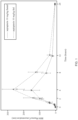
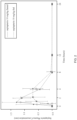
- the AUC 0-24 and AUC 0-inf was much higher in fasted subject administered sepiapterin than subjects administered BH4.
- Six subjects received sepiapterin in each group and three subjects received BH4 in each group where this treatment was administered.
- Table 5 Summary of pharmacokinetic parameters for BH4 after administration of single dose of sepiapterin or BH 4 in fasted subjects.
- Values shown are means of plasma concentrations of BH4 following administration at the doses shown.
Landscapes
- Health & Medical Sciences (AREA)
- Chemical & Material Sciences (AREA)
- Medicinal Chemistry (AREA)
- Pharmacology & Pharmacy (AREA)
- Life Sciences & Earth Sciences (AREA)
- Animal Behavior & Ethology (AREA)
- General Health & Medical Sciences (AREA)
- Public Health (AREA)
- Veterinary Medicine (AREA)
- Epidemiology (AREA)
- Nutrition Science (AREA)
- Physiology (AREA)
- Engineering & Computer Science (AREA)
- General Chemical & Material Sciences (AREA)
- Organic Chemistry (AREA)
- Nuclear Medicine, Radiotherapy & Molecular Imaging (AREA)
- Bioinformatics & Cheminformatics (AREA)
- Chemical Kinetics & Catalysis (AREA)
- Obesity (AREA)
- Hematology (AREA)
- Diabetes (AREA)
- Biomedical Technology (AREA)
- Neurology (AREA)
- Neurosurgery (AREA)
- Pharmaceuticals Containing Other Organic And Inorganic Compounds (AREA)
- Coloring Foods And Improving Nutritive Qualities (AREA)
Priority Applications (5)
| Application Number | Priority Date | Filing Date | Title |
|---|---|---|---|
| SI201930841T SI3801536T1 (sl) | 2018-05-30 | 2019-05-30 | Dajanje sepiapterina brez hrane za uporabo v postopku za zvišanje plazemske izpostavljenosti sepiapterinu |
| HRP20241213TT HRP20241213T1 (hr) | 2018-05-30 | 2019-05-30 | Primjena sepiapterina bez hrane za uporabu u postupku za povećavanje plazmatske izloženosti sepiapterinu |
| RS20240943A RS65874B1 (sr) | 2018-05-30 | 2019-05-30 | Primena sepiapterina bez hrane za upotrebu u postupku za povećanje izloženosti plazme sepiapterinu |
| EP24187175.5A EP4454704A3 (en) | 2018-05-30 | 2019-05-30 | Methods for increasing sepiapterin plasma exposure |
| SM20240430T SMT202400430T1 (it) | 2018-05-30 | 2019-05-30 | Somministrazione di sepiapterina, senza alcun alimento, per uso in un metodo per incrementare l’esposizione plasmatica di sepiapterina |
Applications Claiming Priority (5)
| Application Number | Priority Date | Filing Date | Title |
|---|---|---|---|
| US201862677943P | 2018-05-30 | 2018-05-30 | |
| US201862771398P | 2018-11-26 | 2018-11-26 | |
| US201962822376P | 2019-03-22 | 2019-03-22 | |
| GC201937663 | 2019-05-28 | ||
| PCT/US2019/034523 WO2019232130A1 (en) | 2018-05-30 | 2019-05-30 | Methods for increasing sepiapterin plasma exposure |
Related Child Applications (1)
| Application Number | Title | Priority Date | Filing Date |
|---|---|---|---|
| EP24187175.5A Division EP4454704A3 (en) | 2018-05-30 | 2019-05-30 | Methods for increasing sepiapterin plasma exposure |
Publications (3)
| Publication Number | Publication Date |
|---|---|
| EP3801536A1 EP3801536A1 (en) | 2021-04-14 |
| EP3801536A4 EP3801536A4 (en) | 2022-03-23 |
| EP3801536B1 true EP3801536B1 (en) | 2024-07-17 |
Family
ID=68699037
Family Applications (2)
| Application Number | Title | Priority Date | Filing Date |
|---|---|---|---|
| EP19811888.7A Active EP3801536B1 (en) | 2018-05-30 | 2019-05-30 | Administration of sepiapterin without food for use in a method for increasing sepiapterin plasma exposure |
| EP24187175.5A Pending EP4454704A3 (en) | 2018-05-30 | 2019-05-30 | Methods for increasing sepiapterin plasma exposure |
Family Applications After (1)
| Application Number | Title | Priority Date | Filing Date |
|---|---|---|---|
| EP24187175.5A Pending EP4454704A3 (en) | 2018-05-30 | 2019-05-30 | Methods for increasing sepiapterin plasma exposure |
Country Status (20)
| Country | Link |
|---|---|
| US (2) | US11617752B2 (enExample) |
| EP (2) | EP3801536B1 (enExample) |
| JP (2) | JP7502197B2 (enExample) |
| CN (1) | CN112703002A (enExample) |
| AU (2) | AU2019277382B2 (enExample) |
| CA (1) | CA3102106A1 (enExample) |
| DK (1) | DK3801536T3 (enExample) |
| ES (1) | ES2986920T3 (enExample) |
| FI (1) | FI3801536T3 (enExample) |
| HR (1) | HRP20241213T1 (enExample) |
| HU (1) | HUE068589T2 (enExample) |
| LT (1) | LT3801536T (enExample) |
| MD (1) | MD3801536T2 (enExample) |
| MX (2) | MX2020012979A (enExample) |
| PL (1) | PL3801536T3 (enExample) |
| PT (1) | PT3801536T (enExample) |
| RS (1) | RS65874B1 (enExample) |
| SI (1) | SI3801536T1 (enExample) |
| SM (1) | SMT202400430T1 (enExample) |
| WO (1) | WO2019232130A1 (enExample) |
Families Citing this family (10)
| Publication number | Priority date | Publication date | Assignee | Title |
|---|---|---|---|---|
| WO2018102314A1 (en) | 2016-11-29 | 2018-06-07 | Censa Pharmaceuticals Inc. | Polymorphic form of sepiapterin |
| KR102561697B1 (ko) | 2016-11-29 | 2023-07-28 | 피티씨 테라퓨틱스 엠피, 인크. | 세피아프테린의 다형체 및 그의 염 |
| JP2020532535A (ja) | 2017-09-01 | 2020-11-12 | ピーティーシー セラピューティクス エムピー,インコーポレイテッド | セピアプテリンを含む医薬組成物及びその使用 |
| SMT202400430T1 (it) | 2018-05-30 | 2024-11-15 | Ptc Therapeutics Mp Inc | Somministrazione di sepiapterina, senza alcun alimento, per uso in un metodo per incrementare l’esposizione plasmatica di sepiapterina |
| CA3102105A1 (en) | 2018-05-30 | 2019-12-05 | Ptc Therapeutics Mp, Inc. | Compositions and methods for increasing tetrahydrobiopterin plasma exposure |
| CA3165636A1 (en) * | 2020-01-24 | 2021-07-29 | Neil Smith | Methods for treating parkinson's disease with sepiapterin |
| US20230077104A1 (en) * | 2020-02-19 | 2023-03-09 | The United States Government As Represented By The Department Of Veteran Affairs | L-sepiapterin and methods of use for treating diseases and disorders |
| US20240122931A1 (en) * | 2021-02-09 | 2024-04-18 | Ptc Therapeutics Mp, Inc. | Methods for treating covid-19 with sepiapterin |
| IL305037A (en) * | 2021-02-09 | 2023-10-01 | Ptc Therapeutics Mp Inc | Methods of treating glioblastomas with spiafatrin |
| CN120732846A (zh) * | 2025-04-09 | 2025-10-03 | 中南大学湘雅医院 | 吲哚乙酸在制备预防或治疗高血压产品中的用途 |
Family Cites Families (32)
| Publication number | Priority date | Publication date | Assignee | Title |
|---|---|---|---|---|
| JPS5925323A (ja) * | 1982-03-03 | 1984-02-09 | 鐘淵化学工業株式会社 | プテリン誘導体からなる脳内神経伝達物質の関わる疾病の治療剤 |
| US5910304A (en) | 1982-12-13 | 1999-06-08 | Texas A&M University System | Low-dose oral administration of interferons |
| CA1320905C (en) | 1986-11-06 | 1993-08-03 | Joseph M. Cummins | Treatment of immuno-resistant disease |
| JP2002515965A (ja) | 1995-08-18 | 2002-05-28 | ダブリュー. ランドリ,ドナルド | 抗体触媒反応の調節による有機化合物の検出 |
| US6036949A (en) | 1998-03-05 | 2000-03-14 | Amarillo Biosciences, Inc. | Treatment of fibromyalgia with low doses of interferon |
| US8188043B2 (en) | 1999-07-28 | 2012-05-29 | The Board Of Trustees Of The Leland Stanford Jr. University | Nicotine in therapeutic angiogenesis and vasculogenesis |
| FR2859996B1 (fr) | 2003-09-19 | 2006-02-03 | Aventis Pharma Sa | Solvat acetonique du dimethoxy docetaxel et son procede de preparation |
| CA2543315A1 (en) | 2003-11-13 | 2005-06-02 | The General Hospital Corporation | Methods for treating pain |
| AU2004290692A1 (en) | 2003-11-17 | 2005-06-02 | Biomarin Pharmaceutical Inc. | Processes for preparing tetrahydrobiopterin, and analogs of tetrahydrobiopterin |
| PL1708690T3 (pl) | 2003-11-17 | 2017-01-31 | Biomarin Pharmaceutical Inc. | Leczenie fenyloketonurii za pomocą BH4 |
| CN1894251B (zh) | 2003-11-17 | 2011-06-29 | 默克和西伊公司 | (6r)-l-赤型-四氢生物蝶呤二盐酸盐的晶型 |
| MX2007005039A (es) | 2004-11-17 | 2007-06-19 | Biomarin Pharm Inc | Formulacion de tableta estable. |
| EP1819340A2 (en) | 2004-12-08 | 2007-08-22 | Biomarin Pharmaceutical Inc. | Methods and compositions for the treatment of pulmonary hypertension of the newborn |
| US7582799B2 (en) | 2005-04-28 | 2009-09-01 | Shiratori Pharmaceutical Co., Ltd. | Method for producing hydrazone derivatives |
| US20080075666A1 (en) | 2006-08-25 | 2008-03-27 | Dudley Samuel C Jr | Methods and compositions for treating diastolic dysfunction |
| LT2545939T (lt) | 2007-04-11 | 2021-03-10 | Biomarin Pharmaceutical Inc. | Tetrahidrobiopterinas, skirtas gydyti ligas, susijusias supadidėjusiu fenilalanino kiekiu |
| TR201910287T4 (tr) | 2008-08-12 | 2019-07-22 | Orpha Swiss Gmbh | Tetrahidrobiopterin ihtiva eden farmasötik dozaj şekli. |
| JP5066756B2 (ja) | 2010-04-22 | 2012-11-07 | 学校法人日本大学 | 脳機能障害予防・改善用の薬剤及び飲食物 |
| US9884909B2 (en) | 2010-12-01 | 2018-02-06 | Alderbio Holdings Llc | Anti-NGF compositions and use thereof |
| RU2661033C9 (ru) | 2011-03-01 | 2018-10-23 | Дифарма С.А. | Стабильные композиции тетрагидробиоптерина |
| US9216178B2 (en) | 2011-11-02 | 2015-12-22 | Biomarin Pharmaceutical Inc. | Dry blend formulation of tetrahydrobiopterin |
| EP2848619B1 (en) | 2012-05-07 | 2018-07-11 | Shiratori Pharmaceutical Co., Ltd. | Method for producing sepiapterin and tetrahydrolactoylpterin |
| US10365267B2 (en) * | 2014-10-31 | 2019-07-30 | Children's Medical Center Corporation | Methods and assays relating to sepiapterin reductase inhibition |
| KR102561697B1 (ko) | 2016-11-29 | 2023-07-28 | 피티씨 테라퓨틱스 엠피, 인크. | 세피아프테린의 다형체 및 그의 염 |
| WO2018102314A1 (en) | 2016-11-29 | 2018-06-07 | Censa Pharmaceuticals Inc. | Polymorphic form of sepiapterin |
| JP2020532535A (ja) | 2017-09-01 | 2020-11-12 | ピーティーシー セラピューティクス エムピー,インコーポレイテッド | セピアプテリンを含む医薬組成物及びその使用 |
| CN111328414B (zh) * | 2017-11-23 | 2022-09-23 | 株式会社半导体能源研究所 | 显示装置及电子设备 |
| SMT202400430T1 (it) | 2018-05-30 | 2024-11-15 | Ptc Therapeutics Mp Inc | Somministrazione di sepiapterina, senza alcun alimento, per uso in un metodo per incrementare l’esposizione plasmatica di sepiapterina |
| EP3807279B1 (en) | 2018-05-30 | 2025-12-31 | PTC Therapeutics MP, Inc. | Pharmaceutically acceptable sepiapterin salts with improved stability |
| CA3102105A1 (en) | 2018-05-30 | 2019-12-05 | Ptc Therapeutics Mp, Inc. | Compositions and methods for increasing tetrahydrobiopterin plasma exposure |
| ES2994060T3 (en) | 2019-08-05 | 2025-01-16 | Ptc Therapeutics Mp Inc | Use of sepiapterin and metabolites thereof to treat radiation exposure |
| CN114650825A (zh) | 2019-09-25 | 2022-06-21 | Ptc医疗Mp公司 | 治疗高苯丙氨酸血症的方法 |
-
2019
- 2019-05-30 SM SM20240430T patent/SMT202400430T1/it unknown
- 2019-05-30 WO PCT/US2019/034523 patent/WO2019232130A1/en not_active Ceased
- 2019-05-30 US US17/059,719 patent/US11617752B2/en active Active
- 2019-05-30 PT PT198118887T patent/PT3801536T/pt unknown
- 2019-05-30 JP JP2020566655A patent/JP7502197B2/ja active Active
- 2019-05-30 LT LTEPPCT/US2019/034523T patent/LT3801536T/lt unknown
- 2019-05-30 EP EP19811888.7A patent/EP3801536B1/en active Active
- 2019-05-30 MX MX2020012979A patent/MX2020012979A/es unknown
- 2019-05-30 RS RS20240943A patent/RS65874B1/sr unknown
- 2019-05-30 PL PL19811888.7T patent/PL3801536T3/pl unknown
- 2019-05-30 DK DK19811888.7T patent/DK3801536T3/da active
- 2019-05-30 HR HRP20241213TT patent/HRP20241213T1/hr unknown
- 2019-05-30 CA CA3102106A patent/CA3102106A1/en active Pending
- 2019-05-30 AU AU2019277382A patent/AU2019277382B2/en active Active
- 2019-05-30 EP EP24187175.5A patent/EP4454704A3/en active Pending
- 2019-05-30 MD MDE20210340T patent/MD3801536T2/ro unknown
- 2019-05-30 ES ES19811888T patent/ES2986920T3/es active Active
- 2019-05-30 HU HUE19811888A patent/HUE068589T2/hu unknown
- 2019-05-30 SI SI201930841T patent/SI3801536T1/sl unknown
- 2019-05-30 CN CN201980050839.7A patent/CN112703002A/zh active Pending
- 2019-05-30 FI FIEP19811888.7T patent/FI3801536T3/fi active
-
2020
- 2020-11-30 MX MX2024005935A patent/MX2024005935A/es unknown
-
2023
- 2023-03-31 US US18/129,177 patent/US12329757B2/en active Active
-
2024
- 2024-02-05 JP JP2024015822A patent/JP2024069192A/ja active Pending
-
2025
- 2025-02-06 AU AU2025200814A patent/AU2025200814A1/en active Pending
Also Published As
| Publication number | Publication date |
|---|---|
| JP2021525729A (ja) | 2021-09-27 |
| PT3801536T (pt) | 2024-09-19 |
| US20210220363A1 (en) | 2021-07-22 |
| HUE068589T2 (hu) | 2025-01-28 |
| EP3801536A1 (en) | 2021-04-14 |
| SMT202400430T1 (it) | 2024-11-15 |
| EP4454704A3 (en) | 2025-01-01 |
| EP4454704A2 (en) | 2024-10-30 |
| MD3801536T2 (ro) | 2024-11-30 |
| PL3801536T3 (pl) | 2025-02-03 |
| DK3801536T3 (da) | 2024-08-19 |
| WO2019232130A1 (en) | 2019-12-05 |
| AU2025200814A1 (en) | 2025-02-27 |
| MX2024005935A (es) | 2024-06-04 |
| US20230381181A1 (en) | 2023-11-30 |
| JP7502197B2 (ja) | 2024-06-18 |
| FI3801536T3 (fi) | 2024-08-29 |
| US12329757B2 (en) | 2025-06-17 |
| SI3801536T1 (sl) | 2024-12-31 |
| RS65874B1 (sr) | 2024-09-30 |
| EP3801536A4 (en) | 2022-03-23 |
| US11617752B2 (en) | 2023-04-04 |
| AU2019277382A1 (en) | 2021-01-21 |
| ES2986920T3 (es) | 2024-11-13 |
| JP2024069192A (ja) | 2024-05-21 |
| CN112703002A (zh) | 2021-04-23 |
| HRP20241213T1 (hr) | 2024-11-22 |
| LT3801536T (lt) | 2024-09-25 |
| AU2019277382B2 (en) | 2025-01-09 |
| MX2020012979A (es) | 2021-04-29 |
| CA3102106A1 (en) | 2019-12-05 |
Similar Documents
| Publication | Publication Date | Title |
|---|---|---|
| EP3801536B1 (en) | Administration of sepiapterin without food for use in a method for increasing sepiapterin plasma exposure | |
| US12213982B2 (en) | Pharmaceutical compositions comprising sepiapterin and uses thereof | |
| US20250195529A1 (en) | Compositions and methods for increasing tetrahydrobiopterin plasma exposure | |
| HK40051961A (en) | Administration of sepiapterin without food for use in a method for increasing sepiapterin plasma exposure | |
| HK40051961B (en) | Administration of sepiapterin without food for use in a method for increasing sepiapterin plasma exposure | |
| HK40119071A (en) | Methods for increasing sepiapterin plasma exposure | |
| US20240115572A1 (en) | Methods for treating glioblastomas with sepiapterin | |
| BR112020024346A2 (pt) | métodos para aumentar a exposição de sepiapterina no plasma | |
| CA3165636A1 (en) | Methods for treating parkinson's disease with sepiapterin |
Legal Events
| Date | Code | Title | Description |
|---|---|---|---|
| REG | Reference to a national code |
Ref country code: HR Ref legal event code: TUEP Ref document number: P20241213T Country of ref document: HR |
|
| STAA | Information on the status of an ep patent application or granted ep patent |
Free format text: STATUS: THE INTERNATIONAL PUBLICATION HAS BEEN MADE |
|
| PUAI | Public reference made under article 153(3) epc to a published international application that has entered the european phase |
Free format text: ORIGINAL CODE: 0009012 |
|
| STAA | Information on the status of an ep patent application or granted ep patent |
Free format text: STATUS: REQUEST FOR EXAMINATION WAS MADE |
|
| 17P | Request for examination filed |
Effective date: 20210105 |
|
| AK | Designated contracting states |
Kind code of ref document: A1 Designated state(s): AL AT BE BG CH CY CZ DE DK EE ES FI FR GB GR HR HU IE IS IT LI LT LU LV MC MK MT NL NO PL PT RO RS SE SI SK SM TR |
|
| AX | Request for extension of the european patent |
Extension state: BA ME |
|
| RAV | Requested validation state of the european patent: fee paid |
Extension state: MD Effective date: 20210105 |
|
| REG | Reference to a national code |
Ref country code: HK Ref legal event code: DE Ref document number: 40051961 Country of ref document: HK |
|
| A4 | Supplementary search report drawn up and despatched |
Effective date: 20220218 |
|
| RIC1 | Information provided on ipc code assigned before grant |
Ipc: A61P 25/00 20060101ALI20220215BHEP Ipc: A61P 3/00 20060101ALI20220215BHEP Ipc: A61K 9/20 20060101ALI20220215BHEP Ipc: A61K 9/00 20060101ALI20220215BHEP Ipc: A61K 31/519 20060101AFI20220215BHEP |
|
| STAA | Information on the status of an ep patent application or granted ep patent |
Free format text: STATUS: EXAMINATION IS IN PROGRESS |
|
| 17Q | First examination report despatched |
Effective date: 20230412 |
|
| GRAP | Despatch of communication of intention to grant a patent |
Free format text: ORIGINAL CODE: EPIDOSNIGR1 |
|
| STAA | Information on the status of an ep patent application or granted ep patent |
Free format text: STATUS: GRANT OF PATENT IS INTENDED |
|
| INTG | Intention to grant announced |
Effective date: 20240216 |
|
| GRAS | Grant fee paid |
Free format text: ORIGINAL CODE: EPIDOSNIGR3 |
|
| GRAA | (expected) grant |
Free format text: ORIGINAL CODE: 0009210 |
|
| STAA | Information on the status of an ep patent application or granted ep patent |
Free format text: STATUS: THE PATENT HAS BEEN GRANTED |
|
| AK | Designated contracting states |
Kind code of ref document: B1 Designated state(s): AL AT BE BG CH CY CZ DE DK EE ES FI FR GB GR HR HU IE IS IT LI LT LU LV MC MK MT NL NO PL PT RO RS SE SI SK SM TR |
|
| REG | Reference to a national code |
Ref country code: CH Ref legal event code: EP |
|
| P01 | Opt-out of the competence of the unified patent court (upc) registered |
Free format text: CASE NUMBER: APP_39772/2024 Effective date: 20240703 |
|
| REG | Reference to a national code |
Ref country code: DE Ref legal event code: R096 Ref document number: 602019055442 Country of ref document: DE |
|
| REG | Reference to a national code |
Ref country code: IE Ref legal event code: FG4D |
|
| REG | Reference to a national code |
Ref country code: DK Ref legal event code: T3 Effective date: 20240813 |
|
| REG | Reference to a national code |
Ref country code: DE Ref legal event code: R081 Ref document number: 602019055442 Country of ref document: DE Owner name: PTC THERAPEUTICS MP, INC., WARREN, US Free format text: FORMER OWNER: PTC THERAPEUTICS MP, INC., SOUTH PLAINFIELD, NJ, US |
|
| REG | Reference to a national code |
Ref country code: NL Ref legal event code: FP |
|
| REG | Reference to a national code |
Ref country code: FI Ref legal event code: FGE |
|
| RAP4 | Party data changed (patent owner data changed or rights of a patent transferred) |
Owner name: PTC THERAPEUTICS MP, INC. |
|
| REG | Reference to a national code |
Ref country code: SE Ref legal event code: TRGR |
|
| REG | Reference to a national code |
Ref country code: PT Ref legal event code: SC4A Ref document number: 3801536 Country of ref document: PT Date of ref document: 20240919 Kind code of ref document: T Free format text: AVAILABILITY OF NATIONAL TRANSLATION Effective date: 20240912 |
|
| REG | Reference to a national code |
Ref country code: SK Ref legal event code: T3 Ref document number: E 44864 Country of ref document: SK |
|
| REG | Reference to a national code |
Ref country code: ES Ref legal event code: FG2A Ref document number: 2986920 Country of ref document: ES Kind code of ref document: T3 Effective date: 20241113 |
|
| REG | Reference to a national code |
Ref country code: EE Ref legal event code: FG4A Ref document number: E024561 Country of ref document: EE Effective date: 20241003 |
|
| REG | Reference to a national code |
Ref country code: HR Ref legal event code: T1PR Ref document number: P20241213 Country of ref document: HR |
|
| REG | Reference to a national code |
Ref country code: GR Ref legal event code: EP Ref document number: 20240402218 Country of ref document: GR Effective date: 20241111 |
|
| REG | Reference to a national code |
Ref country code: MD Ref legal event code: VAGR Ref document number: 3801536 Country of ref document: MD Date of ref document: 20241130 Kind code of ref document: T2 |
|
| REG | Reference to a national code |
Ref country code: HU Ref legal event code: AG4A Ref document number: E068589 Country of ref document: HU |
|
| REG | Reference to a national code |
Ref country code: DE Ref legal event code: R097 Ref document number: 602019055442 Country of ref document: DE |
|
| PGFP | Annual fee paid to national office [announced via postgrant information from national office to epo] |
Ref country code: NL Payment date: 20250423 Year of fee payment: 7 |
|
| PGFP | Annual fee paid to national office [announced via postgrant information from national office to epo] |
Ref country code: LU Payment date: 20250423 Year of fee payment: 7 |
|
| PLBE | No opposition filed within time limit |
Free format text: ORIGINAL CODE: 0009261 |
|
| STAA | Information on the status of an ep patent application or granted ep patent |
Free format text: STATUS: NO OPPOSITION FILED WITHIN TIME LIMIT |
|
| REG | Reference to a national code |
Ref country code: HR Ref legal event code: ODRP Ref document number: P20241213 Country of ref document: HR Payment date: 20250514 Year of fee payment: 7 |
|
| 26N | No opposition filed |
Effective date: 20250422 |
|
| PGFP | Annual fee paid to national office [announced via postgrant information from national office to epo] |
Ref country code: SM Payment date: 20250424 Year of fee payment: 7 |
|
| PGFP | Annual fee paid to national office [announced via postgrant information from national office to epo] |
Ref country code: MC Payment date: 20250429 Year of fee payment: 7 |
|
| PGFP | Annual fee paid to national office [announced via postgrant information from national office to epo] |
Ref country code: FI Payment date: 20250423 Year of fee payment: 7 |
|
| PGFP | Annual fee paid to national office [announced via postgrant information from national office to epo] |
Ref country code: DE Payment date: 20250423 Year of fee payment: 7 Ref country code: PL Payment date: 20250429 Year of fee payment: 7 |
|
| PGFP | Annual fee paid to national office [announced via postgrant information from national office to epo] |
Ref country code: GB Payment date: 20250423 Year of fee payment: 7 Ref country code: ES Payment date: 20250602 Year of fee payment: 7 Ref country code: DK Payment date: 20250423 Year of fee payment: 7 |
|
| PGFP | Annual fee paid to national office [announced via postgrant information from national office to epo] |
Ref country code: LT Payment date: 20250423 Year of fee payment: 7 |
|
| PGFP | Annual fee paid to national office [announced via postgrant information from national office to epo] |
Ref country code: IS Payment date: 20250513 Year of fee payment: 7 Ref country code: HU Payment date: 20250515 Year of fee payment: 7 Ref country code: RS Payment date: 20250515 Year of fee payment: 7 Ref country code: NO Payment date: 20250424 Year of fee payment: 7 |
|
| VSFP | Annual fee paid to validation state [announced via postgrant information from national office to epo] |
Ref country code: MD Payment date: 20250513 Year of fee payment: 7 |
|
| PGFP | Annual fee paid to national office [announced via postgrant information from national office to epo] |
Ref country code: BE Payment date: 20250423 Year of fee payment: 7 Ref country code: AL Payment date: 20250527 Year of fee payment: 7 |
|
| PGFP | Annual fee paid to national office [announced via postgrant information from national office to epo] |
Ref country code: HR Payment date: 20250514 Year of fee payment: 7 |
|
| PGFP | Annual fee paid to national office [announced via postgrant information from national office to epo] |
Ref country code: PT Payment date: 20250424 Year of fee payment: 7 Ref country code: LV Payment date: 20250423 Year of fee payment: 7 |
|
| PGFP | Annual fee paid to national office [announced via postgrant information from national office to epo] |
Ref country code: FR Payment date: 20250423 Year of fee payment: 7 Ref country code: EE Payment date: 20250424 Year of fee payment: 7 |
|
| PGFP | Annual fee paid to national office [announced via postgrant information from national office to epo] |
Ref country code: MT Payment date: 20250506 Year of fee payment: 7 Ref country code: GR Payment date: 20250424 Year of fee payment: 7 Ref country code: BG Payment date: 20250429 Year of fee payment: 7 |
|
| PGFP | Annual fee paid to national office [announced via postgrant information from national office to epo] |
Ref country code: CH Payment date: 20250601 Year of fee payment: 7 |
|
| PGFP | Annual fee paid to national office [announced via postgrant information from national office to epo] |
Ref country code: RO Payment date: 20250521 Year of fee payment: 7 Ref country code: AT Payment date: 20250424 Year of fee payment: 7 |
|
| PGFP | Annual fee paid to national office [announced via postgrant information from national office to epo] |
Ref country code: TR Payment date: 20250430 Year of fee payment: 7 Ref country code: SK Payment date: 20250429 Year of fee payment: 7 |
|
| PGFP | Annual fee paid to national office [announced via postgrant information from national office to epo] |
Ref country code: CZ Payment date: 20250429 Year of fee payment: 7 |
|
| PGFP | Annual fee paid to national office [announced via postgrant information from national office to epo] |
Ref country code: IE Payment date: 20250424 Year of fee payment: 7 |
|
| PGFP | Annual fee paid to national office [announced via postgrant information from national office to epo] |
Ref country code: SI Payment date: 20250429 Year of fee payment: 7 Ref country code: SE Payment date: 20250423 Year of fee payment: 7 |
|
| PGFP | Annual fee paid to national office [announced via postgrant information from national office to epo] |
Ref country code: MK Payment date: 20250430 Year of fee payment: 7 |