EP3791183B1 - Assay to determine in vivo receptor occupancy - Google Patents
Assay to determine in vivo receptor occupancy Download PDFInfo
- Publication number
- EP3791183B1 EP3791183B1 EP19729943.1A EP19729943A EP3791183B1 EP 3791183 B1 EP3791183 B1 EP 3791183B1 EP 19729943 A EP19729943 A EP 19729943A EP 3791183 B1 EP3791183 B1 EP 3791183B1
- Authority
- EP
- European Patent Office
- Prior art keywords
- btk
- bound
- drug
- quencher
- receptor
- Prior art date
- Legal status (The legal status is an assumption and is not a legal conclusion. Google has not performed a legal analysis and makes no representation as to the accuracy of the status listed.)
- Active
Links
Images






Classifications
-
- G—PHYSICS
- G01—MEASURING; TESTING
- G01N—INVESTIGATING OR ANALYSING MATERIALS BY DETERMINING THEIR CHEMICAL OR PHYSICAL PROPERTIES
- G01N33/00—Investigating or analysing materials by specific methods not covered by groups G01N1/00 - G01N31/00
- G01N33/48—Biological material, e.g. blood, urine; Haemocytometers
- G01N33/50—Chemical analysis of biological material, e.g. blood, urine; Testing involving biospecific ligand binding methods; Immunological testing
- G01N33/53—Immunoassay; Biospecific binding assay; Materials therefor
- G01N33/543—Immunoassay; Biospecific binding assay; Materials therefor with an insoluble carrier for immobilising immunochemicals
-
- G—PHYSICS
- G01—MEASURING; TESTING
- G01N—INVESTIGATING OR ANALYSING MATERIALS BY DETERMINING THEIR CHEMICAL OR PHYSICAL PROPERTIES
- G01N33/00—Investigating or analysing materials by specific methods not covered by groups G01N1/00 - G01N31/00
- G01N33/48—Biological material, e.g. blood, urine; Haemocytometers
- G01N33/50—Chemical analysis of biological material, e.g. blood, urine; Testing involving biospecific ligand binding methods; Immunological testing
- G01N33/68—Chemical analysis of biological material, e.g. blood, urine; Testing involving biospecific ligand binding methods; Immunological testing involving proteins, peptides or amino acids
- G01N33/6803—General methods of protein analysis not limited to specific proteins or families of proteins
- G01N33/6848—Methods of protein analysis involving mass spectrometry
-
- G—PHYSICS
- G01—MEASURING; TESTING
- G01N—INVESTIGATING OR ANALYSING MATERIALS BY DETERMINING THEIR CHEMICAL OR PHYSICAL PROPERTIES
- G01N30/00—Investigating or analysing materials by separation into components using adsorption, absorption or similar phenomena or using ion-exchange, e.g. chromatography or field flow fractionation
- G01N30/02—Column chromatography
- G01N30/62—Detectors specially adapted therefor
- G01N30/72—Mass spectrometers
- G01N30/7233—Mass spectrometers interfaced to liquid or supercritical fluid chromatograph
-
- G—PHYSICS
- G01—MEASURING; TESTING
- G01N—INVESTIGATING OR ANALYSING MATERIALS BY DETERMINING THEIR CHEMICAL OR PHYSICAL PROPERTIES
- G01N33/00—Investigating or analysing materials by specific methods not covered by groups G01N1/00 - G01N31/00
- G01N33/48—Biological material, e.g. blood, urine; Haemocytometers
- G01N33/50—Chemical analysis of biological material, e.g. blood, urine; Testing involving biospecific ligand binding methods; Immunological testing
- G01N33/53—Immunoassay; Biospecific binding assay; Materials therefor
- G01N33/543—Immunoassay; Biospecific binding assay; Materials therefor with an insoluble carrier for immobilising immunochemicals
- G01N33/54393—Improving reaction conditions or stability, e.g. by coating or irradiation of surface, by reduction of non-specific binding, by promotion of specific binding
-
- G—PHYSICS
- G01—MEASURING; TESTING
- G01N—INVESTIGATING OR ANALYSING MATERIALS BY DETERMINING THEIR CHEMICAL OR PHYSICAL PROPERTIES
- G01N33/00—Investigating or analysing materials by specific methods not covered by groups G01N1/00 - G01N31/00
- G01N33/48—Biological material, e.g. blood, urine; Haemocytometers
- G01N33/50—Chemical analysis of biological material, e.g. blood, urine; Testing involving biospecific ligand binding methods; Immunological testing
- G01N33/68—Chemical analysis of biological material, e.g. blood, urine; Testing involving biospecific ligand binding methods; Immunological testing involving proteins, peptides or amino acids
-
- G—PHYSICS
- G01—MEASURING; TESTING
- G01N—INVESTIGATING OR ANALYSING MATERIALS BY DETERMINING THEIR CHEMICAL OR PHYSICAL PROPERTIES
- G01N33/00—Investigating or analysing materials by specific methods not covered by groups G01N1/00 - G01N31/00
- G01N33/48—Biological material, e.g. blood, urine; Haemocytometers
- G01N33/50—Chemical analysis of biological material, e.g. blood, urine; Testing involving biospecific ligand binding methods; Immunological testing
- G01N33/68—Chemical analysis of biological material, e.g. blood, urine; Testing involving biospecific ligand binding methods; Immunological testing involving proteins, peptides or amino acids
- G01N33/6803—General methods of protein analysis not limited to specific proteins or families of proteins
- G01N33/6848—Methods of protein analysis involving mass spectrometry
- G01N33/6851—Methods of protein analysis involving laser desorption ionisation mass spectrometry
-
- G—PHYSICS
- G01—MEASURING; TESTING
- G01N—INVESTIGATING OR ANALYSING MATERIALS BY DETERMINING THEIR CHEMICAL OR PHYSICAL PROPERTIES
- G01N30/00—Investigating or analysing materials by separation into components using adsorption, absorption or similar phenomena or using ion-exchange, e.g. chromatography or field flow fractionation
- G01N30/02—Column chromatography
- G01N2030/022—Column chromatography characterised by the kind of separation mechanism
- G01N2030/027—Liquid chromatography
-
- G—PHYSICS
- G01—MEASURING; TESTING
- G01N—INVESTIGATING OR ANALYSING MATERIALS BY DETERMINING THEIR CHEMICAL OR PHYSICAL PROPERTIES
- G01N2333/00—Assays involving biological materials from specific organisms or of a specific nature
- G01N2333/90—Enzymes; Proenzymes
- G01N2333/91—Transferases (2.)
- G01N2333/912—Transferases (2.) transferring phosphorus containing groups, e.g. kinases (2.7)
Definitions
- the present invention relates to methods to directly measure real time in vivo receptor occupancy by a covalently bound compound in blood lysate. More specifically, the present invention relates to real time in vivo BTK receptor occupancy measurement as a pharmacodynamics biomarker for clinical drug development.
- Drug discovery and development is a long and high risk process.
- the average cost of developing a successful new medicine has been estimated to be as much as $2.6 billion due to the failure of countless drug candidates during the early discovery and development process, and the overall survival rate of the drug candidate entering the clinical studies is estimated to be less than 12% ( PhRMA Report, "Biopharmaceutical Research & Development: The Process Behind New Medicines", 2015 ).
- the major issues causing the failure of these drug candidates were related to insufficient or lacking clinical efficacy during the late development phase, particularly during the proof of concept (phase II) clinical trials ( Kola, I., et. al., J. Nature Reviews. Drug Discovery 2004, 3, 711-715 ; Arrowsmith, J., Nature Reviews. Drug Discovery 2011, 10, 87 ; Morgan, P., et. al., Drug Discovery Today 2012, 17, 419-424 ).
- PK pharmacokinetic
- PD pharmacodynamic
- RO assays measure the binding of a molecule to its receptor protein (or target) and provide quantitative data that can be used to generate a PD profile ( Liang, M., et. al., Cytometry B Clin Cytom 2016, 90, 117-127 ).
- the measurement of RO is a critical determination for relating efficacy to mechanism in preclinical animal models and in clinical studies. In practice, RO is particularly useful in making dose escalation decisions in the first in human (FIH) study.
- Bruton's tyrosine kinase plays a key role in the signal transduction and activation via B-cell receptor, Fc receptor- and RANKL pathways ( Seiler, T., et. al., Expert Opin Investig Drugs 2017, 26, 909-915 ; Whang, J. A., et. al., Drug Discovery Today 2014, 19, 1200-1204 ).
- the RO is usually monitored by flow cytometry using antibodies that compete with the target molecule for the measurement of free receptor and non-competing antibodies for the measurement of the total receptor ( Liang, M, et. al., Cytometry B Clin Cytom 2016, 90, 117-127 ; Woska, J.
- BTK RO of ibrutinib in peripheral blood mononuclear cells was determined by using a fluorescent affinity probe that bound to active occupancy site of free (unoccupied) BTK, followed by detection using SDS/PAGE and fluorescent gel scanning ( Honigberg, L. A.; J. Proceedings of the National Academy of Sciences of the United States of America 2010, 107, 13075-13080 ).
- the fluorescent affinity probe-based assay can only determine the amount of free BTK, therefore, an additional assay using Western blot is required to measure the total BTK. Due to the large number of samples generated in clinical studies, the use of two assay platforms is not practical. In addition, the method lacks direct comparability between the unbound measurement and total measurement, which results in high assay variation.
- TR-FRET time-resolved fluorescence resonance energy transfer
- WO 2016/100593 describes methods and assay systems for both quantitative determination of a target such as BTK and target occupancy, including the relative amount of available target associated with a target inhibitor or ligand such as an irreversible BTK inhibitor.
- LC-MS/MS Liquid chromatography - tandem mass spectrometry
- LC-MS assay development poses a number of challenges.
- blood samples from animals or humans dosed with drug may contain excess amount of drug, which will react with free receptor ex vivo to form drug bound receptor, resulting in the overestimation of RO.
- LC-MS/MS is usually less sensitive than an ELISA assay.
- the present invention generally relates to assays for monitoring and measuring the binding of a drug of interest to a receptor.
- a blood sample collected from a subject dosed with the compound of interest is incubated with a lysis solution containing a quencher.
- the drug bound and quencher bound receptor is then isolated from the lysed blood sample.
- the isolated drug bound and quencher bound receptor is digested to generate surrogate drug bound and quencher bound peptides.
- the amount of surrogate peptides is determined.
- Receptor occupancy can be determined by comparing the amount of drug bound surrogate peptide to the total of drug bound and quencher bound surrogate peptide.
- the invention relates to an assay method for determining drug receptor occupancy in a subject dosed with a drug of interest that covalently binds to the receptor of interest, said method comprising the steps of:
- the quencher competes with the compound of interest to irreversibly bind the receptor at the same site as the compound of interest.
- the quencher is added to the lysis buffer at levels in molar excess of the compound of interest. In another embodiment of the invention, the quencher is added to the lysis buffer in an amount 105 to 1000 fold excess, based on the endogenous receptor concentration.
- the lysis solution with quencher is added immediately after the blood sample is collected. In another embodiment of the invention, the lysis solution with quencher is added within 5 minutes of the blood sample collection.
- the receptor binds specifically to the capture agent, which is immobilized on a solid support (e.g., magnetic beads, agarose beads or column packing material), and thus is separated from other endogenous proteins and peptides, which do not bind very tightly to the capture antibody [ Fung, E.N. et. al., Bioanalysis 2016, 8, 847-856 ].
- a solid support e.g., magnetic beads, agarose beads or column packing material
- the drug bound and quencher bound receptor is removed from the immunocapture substrate before the digestion step.
- the drug bound and quencher bound receptor is digested while still associated with the immunocapture substrate.
- the protease utilized during the digestion step is selected from the group consisting of serine proteases, cysteine proteases, threonine proteases, aspartic proteases, glutamic proteases and metalloproteases.
- proteases include, trypsin, chymotrypsin, Glu-C protease, Lys-C protease, Lys-N protease, Asp-N protease, Arg-C protease.
- the drug bound and quencher bound surrogate peptides are measured simultaneously by a single LC-MS/MS run.
- receptor occupancy is calculated by comparing the amount of drug bound surrogate peptide to the total amount of drug bound and quencher bound surrogate peptide.
- receptor occupancy is measured by 1) collecting blood from a subject dosed with a compound of interest that irreversibly binds to the receptor, 2) immediately adding to the collected blood a lysis solution containing a quencher compound that irreversibly binds to the same site as the compound of interest, 3) isolating drug and quencher bound receptor from the lysed and quenched blood sample using an immunocapture step, 4) digesting the isolated drug and quencher bound receptor while still bound to the immunocapture substrate, 5) measuring the amount of drug bound and quencher bound surrogate peptides simultaneously in a single LC-MS/MS run and 6) determining receptor occupancy by comparing the amount of drug bound surrogate peptide to the total amount of drug bound and quencher bound surrogate peptide.
- the receptor is BTK
- the compound of interest is shown in Figure 1A
- the corresponding quencher is shown in Figure 1B .
- the immunocapture substrate is Streptavidin T1 Capture Beads.
- mAb clone # MAB 5807 or mAb clone # MAB D3H5 is the anti-BTK antibody attached to the immunocapture substrate.
- the isolated quencher bound and drug bound BTK is digested with trypsin while still associated with the immunocapture bead.
- BTK receptor occupancy is calculated by comparing the amount of drug bound surrogate peptide to the total of drug bound and quencher bound surrogate peptide.
- BTK receptor occupancy is measured by 1) collecting blood from a subject dosed with the compound shown in Figure 1A , 2 ) immediately adding a lysis solution containing the quencher compound shown in Figure 1B , 3 ) isolating drug and quencher bound BTK using an immunocapture step, 4) digesting the isolated drug and quencher bound BTK with trypsin while still associated with the immuocapture bead, 5) measuring the amount of drug bound and quencher bound surrogate peptides simultaneously in a single LC-MS/MS run and 6) determining BTK receptor occupancy by comparing the amount of drug bound surrogate peptide to the total of drug bound and quencher bound surrogate peptide.
- the term "irreversibly bound” is refers to a type of compound that binds permanently to a receptor, either by forming a covalent bond to the active site, or alternatively just by binding so tightly that the rate of dissociation is effectively zero at relevant time scales.
- the terms "compound of interest” and “drug” are used interchangeably and refer to the molecule binding to the target of interest.
- target and “receptor” are used interchangeably when referring to the focus of the RO assay.
- the term "immediately" when referring to when the lysis solution containing the quencher molecule is added to the blood sample means as soon as possible after the blood sample is collected. Alternately, the lysis solution containing the quencher molecule is added within the first 5 minutes after the blood sample is collected.
- This invention describes the development of an in vivo receptor occupancy assay, more specifically an in vivo Bruton's tyrosine kinase (BTK) receptor occupancy (RO) assay.
- Assay sensitivity is key to determine the RO at very high or very low occupancy levels where either the bound or free target could be less than 5%.
- the present disclosure provides a method comprising the steps of a) collecting a blood sample from a subject treated with the compound of interest, b) adding a lysis solution containing a receptor specific quencher to the blood sample, c) isolating the receptor of interest, d) digesting the isolated receptor to generate surrogate peptides, e) measuring the amount of surrogate peptides and determining receptor occupancy by comparing the amount of drug bound surrogate peptide to the total amount of drug bound and quencher bound surrogate peptides.
- the invention relates to an assay method for determining drug receptor occupancy in a subject dosed with a drug of interest that covalently binds to the receptor of interest, said method comprising the steps of:
- the compound of interest irreversibly binds to at least one amino acids of the receptor.
- An example of a compound of interest is the compound shown in Figure 1A , which irreversibly binds to BTK.
- Lysis solution containing a receptor specific quencher is added to the blood sample
- the RO assay comprises the lysis of the blood sample in the presence of a quencher to convert endogenous receptor into quencher bound receptor thereby preventing the formation of endogenous drug bound receptor.
- the quencher irreversibly binds to the same amino acid as the compound of interest.
- the quencher competes with the compound of interest in binding to the receptor.
- the quencher is added to the lysis solution in molar excess to the compound of interest.
- the lysis solution containing the quencher is added immediately after collecting the blood sample.
- cell lysis buffer solutions include NP-40 lysis buffer (TheromFisher Scientific), RIPA lysis buffer (Abbexa), ACK lysing buffer (TheromFisher Scientific), cell lysis buffer (10x) (Cat No: 9803, Cell Signaling Technology).
- the lysis buffer is used to lyse cells under nondenaturing conditions
- An example of a quencher compound is the compound shown in Figure 1B , which irreversibly binds to BTK.
- Immunocapture is a highly selective sample cleanup method that takes advantage of the unique immunoaffinity of the target protein and the capture agent ( Stevenson, L., et. al., Bioanalysis 2013, 5, 2903-2918 ). Selecting the right capture antibody with high immunocapture efficiency for endogenous target is key for the success of the assay.
- One skilled in the art would know how to generate antibodies specific to their target protein should a specific antibody not be commercially available.
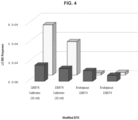
- antibodies are screened using drug bound and quencher bound target. Antibodies are selected based on high affinity to both the drug bound and quencher bound target. For example, to select antibodies specific for BTK, the immunocapture capability of commercially available mAb clone # MAB5807 and mAb clone# D3H5 were evaluated. Surprisingly, the mAb, clone # MAB5807 was unable to detect endogenous BTK, DB-BTK or QB-BTK at the needed sensitivity although it shows high affinity to recombinent BTK, DB-BTK or QB-BTK.
- the receptor surrogate peptides generated for use in the RO assay must contain the binding site of the compound of interest. Additionally, the surrogate peptides must be sensitive to LC-MS detection.
- the isolated drug bound and quencher bound receptor is digested with one or more proteases selected from the group consisting of serine proteases, cysteine proteases, threonine proteases, aspartic proteases, glutamic proteases and metalloproteases.
- proteases selected from the group consisting of serine proteases, cysteine proteases, threonine proteases, aspartic proteases, glutamic proteases and metalloproteases.
- acceptable proteases include trypsin, chymotrypsin, Glu-C protease, Lys-C protease, Lys-N protease, Asp-N protease, Arg-C protease.
- Table 1 describes the surrogate peptides generated when BTK is digested with various proteases.
- BTK peptides generated when treated with various proteases Protease BTK Peptide Generated SEQ ID NO Trypsin QRPIFIITEYMANG C LLNYLR 1 Chymotrypsin MANG C LLNY 2 Glu-C YMANG C LLNYLRE 3 Lys-C QRPIFIITEYMANG C LLNYLREMRHRFQTQQLLEMCK 4 Lys-N KQRPIFIITEYMANG C LLNYLREMRHRFQTQLLEMC 5 Asp-N 6 Arg-C 7
- the digestion step is performed before or after elution of the drug bound and quencher bound receptor from the immunocapture substrate.
- the digestion step is performed while the target is bound to the immunocapture substrate.
- the drug bound and quencher bound BTK was treated with a trypsin digestion while still bound by the immunocapture bead.
- the receptor occupancy can be determined by measuring quencher bound and drug bound surrogate peptides simultaneously in a single LC-MS/MS run.
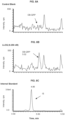
- Typical MRM chromatograms of DB-QRP, QB-QRP and IS from blank monkey blood lysate, blank monkey blood lysate spiked with DB-BTK and QB-BTK at the concentration of the LLOQ at 0.250 nM for DB-BTK, and 0.125 nM for QB-BTK are shown in Figures 8a, 8b , 8d and 8e .
- Typical MRM mass chromatograms of [ 13 C 9 , 15 N]-QB-QRP from blank monkey blood lysate with only IS is shown in Figures 8c and 8f .
- LLOQ quantitation
- RO dose escalation decisions
- the drug and quencher compounds shown in Figure 1A and 1B were synthesized by Research & Development at Bristol-Myers Squibb (Princeton, NJ).
- the biotinylated rabbit anti-BTK monoclonal antibody (Lot No: D3H5, Cat No: 12624) and 10 x lysis buffer (Cat No: 9803) were purchased from Cell Signaling Technology (Danvers, MA).
- Dynabeads My one streptavidin T1 beads (Cat No: 65602) was purchased from ThermoFisher Scientific (Carlsbad, CA).
- the recombinant BTK protein (Cat No: PV3587) was purchased from Life Technologies (Carlsbad, CA).
- the protease inhibitor (Cat No: 539134) was purchased from Millipore Sigma (Billerica, MA).
- Monkey ACD-A whole blood was purchased from Bioreclamation Inc. (Westbury, NY). All other reagents were of analytical grade.
- the MagnaBot 96 Magnetic Separation Device (Cat No: V8151) was purchased from Promega Corporation (Madison, WI).
- Recombinant BTK (5.9 ⁇ M, 200 ⁇ L) was combined with 400 ⁇ L of PBS, and then spiked with 15 ⁇ L of 1.0 mg/mL drug solution (compound shown in Figure 1A ) in acetonitrile (2701 ⁇ M drug, 15 ⁇ L). The solution was then incubated at RT for 1h, resulting in a DB-BTK concentration of 1919 nM.
- DB-BTK concentration was based on the total free BTK amount used for the reaction because the conversion of free BTK to DB-BTK was -100% in the presence of excess amount of drug.
- Recombinant BTK (5.9 ⁇ M, 200 ⁇ L) was combined with 400 ⁇ L of PBS, and then spiked with 15 ⁇ L of 1.0 mg/mL quencher solution (compound shown in Figure 1B ) in acetonitrile (2806 ⁇ M quencher, 15 ⁇ L). The solution was incubated at RT for 1h, resulting in a QB-BTK concentration of 1919 nM.
- QB-BTK concentration was based on the total free BTK amount used for the reaction because the conversion of free BTK to QB-BTK was ⁇ 100% in the presence of excess amount of quencher.
- Monkey ACD-A whole blood (3.5 mL) was combined with 7 mL of the lysis buffer containing 1.5 ⁇ M of quencher (compound shown in Figure 1B ). The samples were shaken for 1 hour at room temperature.
- Monkey ACD-A whole blood (3.5 mL) was combined with 7 mL of the lysis buffer containing 1.5 ⁇ M of drug (compound shown in Figure 1A ). The samples shaken for 1 hour at room temperature.
- the BTK RO QCs are prepared by mixing different percentages of the Lysate+433 and Lysate+195.
- Lower QC (LQC), Middle QC (MQC) and High QC (HQC) with % BTK RO at 25%, 50% and 90% were prepared by mixing Lysate+433/Lysate+195 at 2250/750, 1500/1500, 300/2700 (v/v), respectively as shown in Table 7.
- Calibration standards at 0.250, 0.500, 1.00, 2.00, 5.00, 10.0 and 12.5 nM of DB-BTK were prepared in monkey blood lysate containing 0% DB-BTK by independent dilution of the DB-BTK stock solutions (1919 nM in buffer). During preparation, intermediate dilutions of 200 and 20 nM for DB-BTK were prepared by diluting 1919 nM of DB-BTK stock solution with Blood Lystae+433, and then further diluted to the final STD samples. The nominal concentrations was based on the blood volume, the actual concentration in blood lysate were 1/3 of each due to dilution factor of 3.
- Calibration standards at 0.125, 0.250, 0.500, 1.00, 2.00, 5.00, 10.0 and 12.5 nM of QB-BTK were prepared in monkey blood lysate containing 0% QB-BTK by independent dilution of the QB-BTK stock solutions (1919 nM in buffer). During preparation, intermediate dilutions of 200 and 20 nM for QB-BTK were prepared by diluting 1919 nM of QB-BTK stock solution with Blood Lystae+195, and then further diluted to the final STD samples. The nominal concentrations was based on the blood volume, the actual concentration in blood lysate were 1/3 of each due to dilution factor of 3.
- the beads were re-suspended in 2.5 mL of PBST in each tube, then 0.500 mL of biotinylated anti-BTK antibody (1 mg/mL, Lot No: D3H5) was added.
- the samples in 10 tubes (0.500 mL) were incubated at RT for 1 h.
- the beads were separated from the solution, and the beads in each tube were washed with 3 mL of PBST.
- the beads in the tubes were re-suspended in 2.5 mL of PBST.
- the final anti-BTK antibody concentration was 0.2 ⁇ g/ ⁇ L beads.
- the samples were stored at 4°C for future use.
- DB-BTK drug bound BTK
- QB-BTK quencher bound BTK
- the samples were transferred into a LowBind 96-well plate on a TECAN liquid handler and placed on top of the MagnaBot 96 Magnetic separation device.
- the beads were washed with 800 ⁇ L of PBST twice, followed by 500 ⁇ L of 25 mM NH 4 OAc with 0.05% Tween-20. After removing the washing buffer, the beads in the LowBind 96-well well plate were used for trypsin digestion as described below.
- the samples were digested by addition of 25 ⁇ L of freshly prepared trypsin solution at 160 ng/ ⁇ L in 100 mM NH 4 HCO 3 , and incubated at 50°C for 30 min before quenching with 20 ⁇ L of 50%/50% MeOH/formic acid (v/v).
- the samples were briefly vortexed and then put on top of a MagnaBot 96 device, the supernatant was transferred to a new 96-well plate, followed by a centrifugation at 4000 rpm for 2 minutes.
- the samples were analyzed by LC-MS/MS.
- LC-MS/MS condition was used for assay qualification and PD sample analysis.
- a 50 ⁇ L volume of the digest was injected into an ultra-high performance liquid chromatography (UHPLC) system (model LC-30AD, Shimadzu Scientific Instruments, Inc., Columbia, MD).
- UHPLC-MS/MS conditions described below were used specifically for the quantitation of occupied and quenched BTK in monkey blood lysate.
- a Waters CORTECS TM UPLC C18+ column (2.1 ⁇ 100 mm, 1.6 ⁇ m, Waters Corporation, Milford, MA) was used for the analysis of the DB-QRP and QB-QRP peptide.
- Mobile phase A was composed of 0.1% formic acid in water; while mobile phase B was 0.1% formic acid in acetonitrile.
- the UHPLC separation was performed using a gradient elution starting with 15% B and keeping for 0.5 min, followed by changing % B from 15% to 30% in 2.5 min, and then changing % B from 30% to 45% in 4.9 min, then increasing % B from 45% to 90% in 0.1 min and keeping for 1 min, then decreasing % B from 95% to 15% in 0.1 min, keeping for 1.0 min, and stopping at 10.0 min.
- the flow-rate was 0.600 mL/min and the column temperature was 60 °C.
- the UHPLC eluent was introduced with a time window of 3.0-6.5 min into a Triple Quad 5500 TM mass spectrometer equipped with a turbo ion spray source obtained from AB Sciex (Forster City, CA).
- the mass spectrometer was operated in positive electrospray ionization mode with the following settings: curtain gas, 30 units; CAD gas, 9 units; gas 1, 65 units; gas 2, 65 units; turbo ion spray voltage of positive 4000 V and turbo probe temperature at 600 °C.
- the mass spectrometer was operated in MRM mode with the transition of m/z 962.493 > 755.40, 967.174 > 755.40, and 965.825 > 765.50 for QB-QRP, DB-QRP and the SIL-QB-QRP (IS), respectively (Table 8).
- the raw data was processed using Analyst ® software (version 1.6.2, AB SCIEX) for chromatographic peak integration and processed results were exported to Watson LIMS TM (version 7.4, ThermoFisher Scientific Inc.) for regression of calibration standards and concentration calculations of QCs and other samples.
- Statistical data regarding assay performance (ANOVA) was calculated using Watson LIMS TM . Table 8.
- DB-QRP Drug bound QRP peptide
- QB-QRP Quencher bound QRP peptide.
- F* represents a [ 13 C 9 , 15 N]- phenylalanine.
- the peptide segment with underlines was tryptic peptide and monitored in LC-MS/MS assay.
- the assay qualification consisted of three accuracy and precision runs with additional stability evaluation including freeze-thaw, RT and long term stability of the BTK RO QCs.
- the linearity of the method was assessed using seven DB-BTK (0.250 nM - 12.5 nM) or eight QB-BTK (0.125 nM - 12.5 nM) calibration curve points in all qualification runs.
- a quadratic regression model with 1/x weighing was used for quantitation.
- the acceptance criteria was the following: in each run, for at least two-thirds of the calibration standards, the deviations of the back-calculated concentrations from their nominal values were within ⁇ 20.0% ( ⁇ 25.0% at the LLOQ level).
- the difference between the measured % BTK RO and the theoretical % BTK RO should be within ⁇ 5%.
- the measured % BTK RO should be within 25.0 ⁇ 5.0%.
- the assay selectivity was assessed using blank blood lysate only, QC0 (blank lysate with IS only).
- lysis buffer cocktail containing 2x lysis buffer with 0.0133x protease inhibitor and 1.5 ⁇ M of quencher (compound shown in Figure 1B ) solution was prepared:
- One vial containing 15 mL of 10x lysis buffer was mixed with 1.0 mL of protease inhibitor and 80 ⁇ L of 0.5 mg/mL quencher compound 1B in DMSO.
- the solution was then diluted with 59 mL of deionized water for a total volume of 75 mL.
- Monkey ACD-A treated whole blood was collected at set time points after dosing and added to a 96-well, V-bottom, 2 ml plate (Costar, cat# 3960) and lysed with 2x lysis buffer (Cell Signaling, cat# 9803) containing protease inhibitor (Calbiochem, cat #539134) and biotinylated probe (BMT-105186).
- the lysate was transferred to a streptavidin-coated plate (ThermoFisher Scientific, neutrAvidin ® cat# 15128) and incubated with shaking for 1 hour at room temperature.
- anti-BTK antibody Cell Signaling, cat# 8547, 1:1000 dilution in PBS + 0.05% Tween20 + 0.5% BSA
- anti-BTK antibody Cell Signaling, cat# 8547, 1:1000 dilution in PBS + 0.05% Tween20 + 0.5% BSA
- the plate was washed, followed by addition of goat anti-rabbit horseradish peroxidase secondary antibody ( Invitrogen, G21234) at a 1:2,500 dilution in PBS+0.05% Tween20+0.5% BSA.
- the ELISA was developed with the addition of tetramethyl benzidine (TMB) (Sigma, cat# T0440) and allowed to develop and stopped with addition of 2.0 N sulfuric acid.
- TMB tetramethyl benzidine
- the absorbance at 450 nm was read and the relative % of BTK inactivation of study samples was calculated from a standard curve of samples containing different ratios of lysates from normal monkey blood mixed with quenched lysates from blood pretreated with 2 ⁇ M BMT-126867 to allow for complete BTK inactivation prior to lysis.
- a 0.5 mL of monkey blood was collected at the set time points for PK evaluation. Each blood sample was centrifuged to separate plasma. 10 ⁇ L of the 125 ⁇ M quencher solution (compound shown in Figure 1B ) was immediately added to 200 ⁇ L of plasma. After mixing, the samples were stored at -20°C and used for LC-MS/MS analysis.
Landscapes
- Health & Medical Sciences (AREA)
- Life Sciences & Earth Sciences (AREA)
- Engineering & Computer Science (AREA)
- Immunology (AREA)
- Molecular Biology (AREA)
- Chemical & Material Sciences (AREA)
- Physics & Mathematics (AREA)
- Biomedical Technology (AREA)
- Hematology (AREA)
- Urology & Nephrology (AREA)
- Analytical Chemistry (AREA)
- Pathology (AREA)
- General Physics & Mathematics (AREA)
- General Health & Medical Sciences (AREA)
- Biochemistry (AREA)
- Bioinformatics & Cheminformatics (AREA)
- Bioinformatics & Computational Biology (AREA)
- Microbiology (AREA)
- Biotechnology (AREA)
- Cell Biology (AREA)
- Food Science & Technology (AREA)
- Medicinal Chemistry (AREA)
- Spectroscopy & Molecular Physics (AREA)
- Proteomics, Peptides & Aminoacids (AREA)
- Biophysics (AREA)
- Chemical Kinetics & Catalysis (AREA)
- Optics & Photonics (AREA)
- Investigating Or Analysing Biological Materials (AREA)
- Peptides Or Proteins (AREA)
- Other Investigation Or Analysis Of Materials By Electrical Means (AREA)
Applications Claiming Priority (2)
| Application Number | Priority Date | Filing Date | Title |
|---|---|---|---|
| US201862669442P | 2018-05-10 | 2018-05-10 | |
| PCT/US2019/031524 WO2019217684A1 (en) | 2018-05-10 | 2019-05-09 | Assay to determine in vivo receptor occupancy |
Publications (2)
| Publication Number | Publication Date |
|---|---|
| EP3791183A1 EP3791183A1 (en) | 2021-03-17 |
| EP3791183B1 true EP3791183B1 (en) | 2024-07-24 |
Family
ID=66821369
Family Applications (1)
| Application Number | Title | Priority Date | Filing Date |
|---|---|---|---|
| EP19729943.1A Active EP3791183B1 (en) | 2018-05-10 | 2019-05-09 | Assay to determine in vivo receptor occupancy |
Country Status (7)
| Country | Link |
|---|---|
| US (2) | US12085564B2 (enExample) |
| EP (1) | EP3791183B1 (enExample) |
| JP (2) | JP7570925B2 (enExample) |
| KR (2) | KR102764357B1 (enExample) |
| CN (2) | CN113804873B (enExample) |
| ES (1) | ES2992942T3 (enExample) |
| WO (1) | WO2019217684A1 (enExample) |
Families Citing this family (3)
| Publication number | Priority date | Publication date | Assignee | Title |
|---|---|---|---|---|
| CN113804873B (zh) | 2018-05-10 | 2024-06-18 | 百时美施贵宝公司 | 确定体内受体占有率的测定 |
| CN115932261B (zh) * | 2022-08-15 | 2025-07-25 | 广州医科大学附属第五医院 | 一种btk受体占有率的检测方法 |
| CN116482345B (zh) * | 2023-06-16 | 2023-09-22 | 军科正源(北京)药物研究有限责任公司 | 用于检测双靶点药物受体占有率的方法 |
Family Cites Families (5)
| Publication number | Priority date | Publication date | Assignee | Title |
|---|---|---|---|---|
| US20090062255A1 (en) * | 2007-08-17 | 2009-03-05 | Thallion Pharmaceuticals Inc. | Tumor-targeting evaluation methodology and compounds related thereto |
| WO2012010240A1 (en) | 2010-07-19 | 2012-01-26 | Cellzome Ag | In vivo method for the evaluation of a compound-target interaction |
| US10782295B2 (en) | 2013-08-13 | 2020-09-22 | The Scripps Research Institute | Cysteine-reactive ligand discovery in proteomes |
| WO2016100593A1 (en) * | 2014-12-17 | 2016-06-23 | Pharmacyclics Llc | Methods and assays for quantification and normalization of kinase and ligand binding |
| CN113804873B (zh) | 2018-05-10 | 2024-06-18 | 百时美施贵宝公司 | 确定体内受体占有率的测定 |
-
2019
- 2019-05-09 CN CN202110955643.1A patent/CN113804873B/zh active Active
- 2019-05-09 WO PCT/US2019/031524 patent/WO2019217684A1/en not_active Ceased
- 2019-05-09 KR KR1020207035120A patent/KR102764357B1/ko active Active
- 2019-05-09 US US17/051,466 patent/US12085564B2/en active Active
- 2019-05-09 KR KR1020257003448A patent/KR20250021652A/ko active Pending
- 2019-05-09 ES ES19729943T patent/ES2992942T3/es active Active
- 2019-05-09 CN CN201980031353.9A patent/CN112105930B/zh active Active
- 2019-05-09 EP EP19729943.1A patent/EP3791183B1/en active Active
- 2019-05-09 JP JP2020563439A patent/JP7570925B2/ja active Active
-
2024
- 2024-07-31 US US18/791,084 patent/US20250085279A1/en active Pending
- 2024-10-09 JP JP2024177293A patent/JP2025011208A/ja not_active Withdrawn
Also Published As
| Publication number | Publication date |
|---|---|
| JP2021523367A (ja) | 2021-09-02 |
| KR20210008028A (ko) | 2021-01-20 |
| JP2025011208A (ja) | 2025-01-23 |
| KR20250021652A (ko) | 2025-02-13 |
| CN113804873A (zh) | 2021-12-17 |
| CN112105930A (zh) | 2020-12-18 |
| KR102764357B1 (ko) | 2025-02-10 |
| CN113804873B (zh) | 2024-06-18 |
| ES2992942T3 (en) | 2024-12-20 |
| US20210156854A1 (en) | 2021-05-27 |
| EP3791183A1 (en) | 2021-03-17 |
| US12085564B2 (en) | 2024-09-10 |
| WO2019217684A1 (en) | 2019-11-14 |
| JP7570925B2 (ja) | 2024-10-22 |
| CN112105930B (zh) | 2025-02-28 |
| US20250085279A1 (en) | 2025-03-13 |
Similar Documents
| Publication | Publication Date | Title |
|---|---|---|
| US20250085279A1 (en) | Assay to determine in vivo receptor occupancy | |
| Kuhn et al. | Interlaboratory evaluation of automated, multiplexed peptide immunoaffinity enrichment coupled to multiple reaction monitoring mass spectrometry for quantifying proteins in plasma | |
| Dai et al. | Determination of serum uric acid using high-performance liquid chromatography (HPLC)/isotope dilution mass spectrometry (ID-MS) as a candidate reference method | |
| Percy et al. | Comparison of standard-and nano-flow liquid chromatography platforms for MRM-based quantitation of putative plasma biomarker proteins | |
| Faria et al. | Comparison of a stable isotope labeled (SIL) peptide and an extended SIL peptide as internal standards to track digestion variability of an unstable signature peptide during quantification of a cancer biomarker, human osteopontin, from plasma using capillary microflow LC–MS/MS | |
| Whiteaker et al. | Sequential multiplexed analyte quantification using peptide immunoaffinity enrichment coupled to mass spectrometry | |
| US20240369581A1 (en) | Quantitation of insulin-like growth factor-i and insulin-like growth factor-ii with high-resolution mass spectrometry | |
| Li et al. | Simultaneous analysis of multiple monoclonal antibody biotherapeutics by LC-MS/MS method in rat plasma following cassette-dosing | |
| Thomas et al. | Sensitive and fast identification of urinary human, synthetic and animal insulin by means of nano‐UPLC coupled with high‐resolution/high‐accuracy mass spectrometry | |
| Wu et al. | A strategy for liquid chromatography/tandem mass spectrometry based quantitation of pegylated protein drugs in plasma using plasma protein precipitation with water‐miscible organic solvents and subsequent trypsin digestion to generate surrogate peptides for detection | |
| Ocaña et al. | An immunoaffinity liquid chromatography–tandem mass spectrometry assay for the quantitation of matrix metalloproteinase 9 in mouse serum | |
| EP2115475A2 (en) | Mass spectrometric quantitation | |
| CA2732109A1 (en) | Mass spectrometry assay for plasma-renin | |
| Jaffuel et al. | Optimization of liquid chromatography–multiple reaction monitoring cubed mass spectrometry assay for protein quantification: application to aquaporin-2 water channel in human urine | |
| US8106351B2 (en) | Mass spectrometry assay for plasma-renin | |
| Kim et al. | Quantitative analysis of low-abundance serological proteins with peptide affinity-based enrichment and pseudo-multiple reaction monitoring by hybrid quadrupole time-of-flight mass spectrometry | |
| Sun et al. | Aptamer-based sample purification for mass spectrometric quantification of trastuzumab in human serum | |
| Huang et al. | Identification and quantification of immunoglobulin G (G1, G2, G3 and G4) in human blood plasma by high-resolution quadrupole-Orbitrap mass spectrometry | |
| Gould et al. | LC-MS/MS method for quantifying the HIV-1 broadly neutralizing antibody PGT 121.414. LS in human serum | |
| Zhi et al. | Selected reaction monitoring (SRM) mass spectrometry without isotope labeling can be used for rapid protein quantification | |
| Grote et al. | Using pure protein to build a multiple reaction monitoring mass spectrometry assay for targeted detection and quantitation | |
| US20210405061A1 (en) | Method for measuring ab peptide | |
| Kuhn et al. | Multiplexed immunoaffinity enrichment of peptides with anti-peptide antibodies and quantification by stable isotope dilution multiple reaction monitoring mass spectrometry | |
| Tao et al. | High-throughput protein modification quantitation analysis using intact protein MRM and its application on hENGase inhibitor screening | |
| Rezeli et al. | MRM assay for quantitation of complement components in human blood plasma—a feasibility study on multiple sclerosis |
Legal Events
| Date | Code | Title | Description |
|---|---|---|---|
| STAA | Information on the status of an ep patent application or granted ep patent |
Free format text: STATUS: UNKNOWN |
|
| STAA | Information on the status of an ep patent application or granted ep patent |
Free format text: STATUS: THE INTERNATIONAL PUBLICATION HAS BEEN MADE |
|
| PUAI | Public reference made under article 153(3) epc to a published international application that has entered the european phase |
Free format text: ORIGINAL CODE: 0009012 |
|
| STAA | Information on the status of an ep patent application or granted ep patent |
Free format text: STATUS: REQUEST FOR EXAMINATION WAS MADE |
|
| 17P | Request for examination filed |
Effective date: 20201209 |
|
| AK | Designated contracting states |
Kind code of ref document: A1 Designated state(s): AL AT BE BG CH CY CZ DE DK EE ES FI FR GB GR HR HU IE IS IT LI LT LU LV MC MK MT NL NO PL PT RO RS SE SI SK SM TR |
|
| AX | Request for extension of the european patent |
Extension state: BA ME |
|
| DAV | Request for validation of the european patent (deleted) | ||
| DAX | Request for extension of the european patent (deleted) | ||
| GRAP | Despatch of communication of intention to grant a patent |
Free format text: ORIGINAL CODE: EPIDOSNIGR1 |
|
| STAA | Information on the status of an ep patent application or granted ep patent |
Free format text: STATUS: GRANT OF PATENT IS INTENDED |
|
| INTG | Intention to grant announced |
Effective date: 20230925 |
|
| GRAJ | Information related to disapproval of communication of intention to grant by the applicant or resumption of examination proceedings by the epo deleted |
Free format text: ORIGINAL CODE: EPIDOSDIGR1 |
|
| STAA | Information on the status of an ep patent application or granted ep patent |
Free format text: STATUS: REQUEST FOR EXAMINATION WAS MADE |
|
| GRAP | Despatch of communication of intention to grant a patent |
Free format text: ORIGINAL CODE: EPIDOSNIGR1 |
|
| STAA | Information on the status of an ep patent application or granted ep patent |
Free format text: STATUS: GRANT OF PATENT IS INTENDED |
|
| INTC | Intention to grant announced (deleted) | ||
| INTG | Intention to grant announced |
Effective date: 20240221 |
|
| GRAS | Grant fee paid |
Free format text: ORIGINAL CODE: EPIDOSNIGR3 |
|
| GRAA | (expected) grant |
Free format text: ORIGINAL CODE: 0009210 |
|
| STAA | Information on the status of an ep patent application or granted ep patent |
Free format text: STATUS: THE PATENT HAS BEEN GRANTED |
|
| P01 | Opt-out of the competence of the unified patent court (upc) registered |
Free format text: CASE NUMBER: APP_34000/2024 Effective date: 20240606 |
|
| AK | Designated contracting states |
Kind code of ref document: B1 Designated state(s): AL AT BE BG CH CY CZ DE DK EE ES FI FR GB GR HR HU IE IS IT LI LT LU LV MC MK MT NL NO PL PT RO RS SE SI SK SM TR |
|
| REG | Reference to a national code |
Ref country code: GB Ref legal event code: FG4D |
|
| REG | Reference to a national code |
Ref country code: CH Ref legal event code: EP |
|
| REG | Reference to a national code |
Ref country code: IE Ref legal event code: FG4D Ref country code: DE Ref legal event code: R096 Ref document number: 602019055688 Country of ref document: DE |
|
| REG | Reference to a national code |
Ref country code: LT Ref legal event code: MG9D |
|
| REG | Reference to a national code |
Ref country code: NL Ref legal event code: MP Effective date: 20240724 |
|
| PG25 | Lapsed in a contracting state [announced via postgrant information from national office to epo] |
Ref country code: PT Free format text: LAPSE BECAUSE OF FAILURE TO SUBMIT A TRANSLATION OF THE DESCRIPTION OR TO PAY THE FEE WITHIN THE PRESCRIBED TIME-LIMIT Effective date: 20241125 |
|
| REG | Reference to a national code |
Ref country code: AT Ref legal event code: MK05 Ref document number: 1706751 Country of ref document: AT Kind code of ref document: T Effective date: 20240724 |
|
| PG25 | Lapsed in a contracting state [announced via postgrant information from national office to epo] |
Ref country code: NL Free format text: LAPSE BECAUSE OF FAILURE TO SUBMIT A TRANSLATION OF THE DESCRIPTION OR TO PAY THE FEE WITHIN THE PRESCRIBED TIME-LIMIT Effective date: 20240724 |
|
| REG | Reference to a national code |
Ref country code: ES Ref legal event code: FG2A Ref document number: 2992942 Country of ref document: ES Kind code of ref document: T3 Effective date: 20241220 |
|
| PG25 | Lapsed in a contracting state [announced via postgrant information from national office to epo] |
Ref country code: PT Free format text: LAPSE BECAUSE OF FAILURE TO SUBMIT A TRANSLATION OF THE DESCRIPTION OR TO PAY THE FEE WITHIN THE PRESCRIBED TIME-LIMIT Effective date: 20241125 Ref country code: NL Free format text: LAPSE BECAUSE OF FAILURE TO SUBMIT A TRANSLATION OF THE DESCRIPTION OR TO PAY THE FEE WITHIN THE PRESCRIBED TIME-LIMIT Effective date: 20240724 |
|
| PG25 | Lapsed in a contracting state [announced via postgrant information from national office to epo] |
Ref country code: NO Free format text: LAPSE BECAUSE OF FAILURE TO SUBMIT A TRANSLATION OF THE DESCRIPTION OR TO PAY THE FEE WITHIN THE PRESCRIBED TIME-LIMIT Effective date: 20241024 |
|
| PG25 | Lapsed in a contracting state [announced via postgrant information from national office to epo] |
Ref country code: GR Free format text: LAPSE BECAUSE OF FAILURE TO SUBMIT A TRANSLATION OF THE DESCRIPTION OR TO PAY THE FEE WITHIN THE PRESCRIBED TIME-LIMIT Effective date: 20241025 Ref country code: PL Free format text: LAPSE BECAUSE OF FAILURE TO SUBMIT A TRANSLATION OF THE DESCRIPTION OR TO PAY THE FEE WITHIN THE PRESCRIBED TIME-LIMIT Effective date: 20240724 Ref country code: FI Free format text: LAPSE BECAUSE OF FAILURE TO SUBMIT A TRANSLATION OF THE DESCRIPTION OR TO PAY THE FEE WITHIN THE PRESCRIBED TIME-LIMIT Effective date: 20240724 |
|
| PG25 | Lapsed in a contracting state [announced via postgrant information from national office to epo] |
Ref country code: BG Free format text: LAPSE BECAUSE OF FAILURE TO SUBMIT A TRANSLATION OF THE DESCRIPTION OR TO PAY THE FEE WITHIN THE PRESCRIBED TIME-LIMIT Effective date: 20240724 |
|
| PG25 | Lapsed in a contracting state [announced via postgrant information from national office to epo] |
Ref country code: LV Free format text: LAPSE BECAUSE OF FAILURE TO SUBMIT A TRANSLATION OF THE DESCRIPTION OR TO PAY THE FEE WITHIN THE PRESCRIBED TIME-LIMIT Effective date: 20240724 |
|
| PG25 | Lapsed in a contracting state [announced via postgrant information from national office to epo] |
Ref country code: AT Free format text: LAPSE BECAUSE OF FAILURE TO SUBMIT A TRANSLATION OF THE DESCRIPTION OR TO PAY THE FEE WITHIN THE PRESCRIBED TIME-LIMIT Effective date: 20240724 Ref country code: IS Free format text: LAPSE BECAUSE OF FAILURE TO SUBMIT A TRANSLATION OF THE DESCRIPTION OR TO PAY THE FEE WITHIN THE PRESCRIBED TIME-LIMIT Effective date: 20241124 |
|
| PG25 | Lapsed in a contracting state [announced via postgrant information from national office to epo] |
Ref country code: HR Free format text: LAPSE BECAUSE OF FAILURE TO SUBMIT A TRANSLATION OF THE DESCRIPTION OR TO PAY THE FEE WITHIN THE PRESCRIBED TIME-LIMIT Effective date: 20240724 |
|
| PG25 | Lapsed in a contracting state [announced via postgrant information from national office to epo] |
Ref country code: PL Free format text: LAPSE BECAUSE OF FAILURE TO SUBMIT A TRANSLATION OF THE DESCRIPTION OR TO PAY THE FEE WITHIN THE PRESCRIBED TIME-LIMIT Effective date: 20240724 Ref country code: NO Free format text: LAPSE BECAUSE OF FAILURE TO SUBMIT A TRANSLATION OF THE DESCRIPTION OR TO PAY THE FEE WITHIN THE PRESCRIBED TIME-LIMIT Effective date: 20241024 Ref country code: LV Free format text: LAPSE BECAUSE OF FAILURE TO SUBMIT A TRANSLATION OF THE DESCRIPTION OR TO PAY THE FEE WITHIN THE PRESCRIBED TIME-LIMIT Effective date: 20240724 Ref country code: IS Free format text: LAPSE BECAUSE OF FAILURE TO SUBMIT A TRANSLATION OF THE DESCRIPTION OR TO PAY THE FEE WITHIN THE PRESCRIBED TIME-LIMIT Effective date: 20241124 Ref country code: HR Free format text: LAPSE BECAUSE OF FAILURE TO SUBMIT A TRANSLATION OF THE DESCRIPTION OR TO PAY THE FEE WITHIN THE PRESCRIBED TIME-LIMIT Effective date: 20240724 Ref country code: GR Free format text: LAPSE BECAUSE OF FAILURE TO SUBMIT A TRANSLATION OF THE DESCRIPTION OR TO PAY THE FEE WITHIN THE PRESCRIBED TIME-LIMIT Effective date: 20241025 Ref country code: FI Free format text: LAPSE BECAUSE OF FAILURE TO SUBMIT A TRANSLATION OF THE DESCRIPTION OR TO PAY THE FEE WITHIN THE PRESCRIBED TIME-LIMIT Effective date: 20240724 Ref country code: BG Free format text: LAPSE BECAUSE OF FAILURE TO SUBMIT A TRANSLATION OF THE DESCRIPTION OR TO PAY THE FEE WITHIN THE PRESCRIBED TIME-LIMIT Effective date: 20240724 Ref country code: AT Free format text: LAPSE BECAUSE OF FAILURE TO SUBMIT A TRANSLATION OF THE DESCRIPTION OR TO PAY THE FEE WITHIN THE PRESCRIBED TIME-LIMIT Effective date: 20240724 |
|
| PG25 | Lapsed in a contracting state [announced via postgrant information from national office to epo] |
Ref country code: SM Free format text: LAPSE BECAUSE OF FAILURE TO SUBMIT A TRANSLATION OF THE DESCRIPTION OR TO PAY THE FEE WITHIN THE PRESCRIBED TIME-LIMIT Effective date: 20240724 Ref country code: DK Free format text: LAPSE BECAUSE OF FAILURE TO SUBMIT A TRANSLATION OF THE DESCRIPTION OR TO PAY THE FEE WITHIN THE PRESCRIBED TIME-LIMIT Effective date: 20240724 Ref country code: RO Free format text: LAPSE BECAUSE OF FAILURE TO SUBMIT A TRANSLATION OF THE DESCRIPTION OR TO PAY THE FEE WITHIN THE PRESCRIBED TIME-LIMIT Effective date: 20240724 |
|
| PG25 | Lapsed in a contracting state [announced via postgrant information from national office to epo] |
Ref country code: EE Free format text: LAPSE BECAUSE OF FAILURE TO SUBMIT A TRANSLATION OF THE DESCRIPTION OR TO PAY THE FEE WITHIN THE PRESCRIBED TIME-LIMIT Effective date: 20240724 |
|
| PG25 | Lapsed in a contracting state [announced via postgrant information from national office to epo] |
Ref country code: CZ Free format text: LAPSE BECAUSE OF FAILURE TO SUBMIT A TRANSLATION OF THE DESCRIPTION OR TO PAY THE FEE WITHIN THE PRESCRIBED TIME-LIMIT Effective date: 20240724 |
|
| REG | Reference to a national code |
Ref country code: DE Ref legal event code: R097 Ref document number: 602019055688 Country of ref document: DE |
|
| PG25 | Lapsed in a contracting state [announced via postgrant information from national office to epo] |
Ref country code: SK Free format text: LAPSE BECAUSE OF FAILURE TO SUBMIT A TRANSLATION OF THE DESCRIPTION OR TO PAY THE FEE WITHIN THE PRESCRIBED TIME-LIMIT Effective date: 20240724 |
|
| PLBE | No opposition filed within time limit |
Free format text: ORIGINAL CODE: 0009261 |
|
| STAA | Information on the status of an ep patent application or granted ep patent |
Free format text: STATUS: NO OPPOSITION FILED WITHIN TIME LIMIT |
|
| 26N | No opposition filed |
Effective date: 20250425 |
|
| PG25 | Lapsed in a contracting state [announced via postgrant information from national office to epo] |
Ref country code: SE Free format text: LAPSE BECAUSE OF FAILURE TO SUBMIT A TRANSLATION OF THE DESCRIPTION OR TO PAY THE FEE WITHIN THE PRESCRIBED TIME-LIMIT Effective date: 20240724 |
|
| REG | Reference to a national code |
Ref country code: CH Ref legal event code: H13 Free format text: ST27 STATUS EVENT CODE: U-0-0-H10-H13 (AS PROVIDED BY THE NATIONAL OFFICE) Effective date: 20251223 |
|
| PG25 | Lapsed in a contracting state [announced via postgrant information from national office to epo] |
Ref country code: LU Free format text: LAPSE BECAUSE OF NON-PAYMENT OF DUE FEES Effective date: 20250509 |
|
| PG25 | Lapsed in a contracting state [announced via postgrant information from national office to epo] |
Ref country code: CH Free format text: LAPSE BECAUSE OF NON-PAYMENT OF DUE FEES Effective date: 20250531 |
|
| REG | Reference to a national code |
Ref country code: BE Ref legal event code: MM Effective date: 20250531 |
|
| PG25 | Lapsed in a contracting state [announced via postgrant information from national office to epo] |
Ref country code: MC Free format text: LAPSE BECAUSE OF FAILURE TO SUBMIT A TRANSLATION OF THE DESCRIPTION OR TO PAY THE FEE WITHIN THE PRESCRIBED TIME-LIMIT Effective date: 20240724 |
|
| PGFP | Annual fee paid to national office [announced via postgrant information from national office to epo] |
Ref country code: GB Payment date: 20260313 Year of fee payment: 8 |
|
| PG25 | Lapsed in a contracting state [announced via postgrant information from national office to epo] |
Ref country code: IE Free format text: LAPSE BECAUSE OF NON-PAYMENT OF DUE FEES Effective date: 20250509 |
|
| PG25 | Lapsed in a contracting state [announced via postgrant information from national office to epo] |
Ref country code: BE Free format text: LAPSE BECAUSE OF NON-PAYMENT OF DUE FEES Effective date: 20250531 |
|
| PG25 | Lapsed in a contracting state [announced via postgrant information from national office to epo] |
Ref country code: LT Free format text: LAPSE BECAUSE OF FAILURE TO SUBMIT A TRANSLATION OF THE DESCRIPTION OR TO PAY THE FEE WITHIN THE PRESCRIBED TIME-LIMIT Effective date: 20240724 |
|
| PG25 | Lapsed in a contracting state [announced via postgrant information from national office to epo] |
Ref country code: RS Free format text: LAPSE BECAUSE OF FAILURE TO SUBMIT A TRANSLATION OF THE DESCRIPTION OR TO PAY THE FEE WITHIN THE PRESCRIBED TIME-LIMIT Effective date: 20240724 |
|
| PGFP | Annual fee paid to national office [announced via postgrant information from national office to epo] |
Ref country code: ES Payment date: 20260610 Year of fee payment: 8 |
|
| PGFP | Annual fee paid to national office [announced via postgrant information from national office to epo] |
Ref country code: IT Payment date: 20260422 Year of fee payment: 8 |
|
| PGFP | Annual fee paid to national office [announced via postgrant information from national office to epo] |
Ref country code: DE Payment date: 20260402 Year of fee payment: 8 |
|
| PGFP | Annual fee paid to national office [announced via postgrant information from national office to epo] |
Ref country code: FR Payment date: 20260401 Year of fee payment: 8 |
|
| PG25 | Lapsed in a contracting state [announced via postgrant information from national office to epo] |
Ref country code: CY Free format text: LAPSE BECAUSE OF FAILURE TO SUBMIT A TRANSLATION OF THE DESCRIPTION OR TO PAY THE FEE WITHIN THE PRESCRIBED TIME-LIMIT Effective date: 20240724 |