EP3762403B1 - Neurotrophes peptid zur therapeutischen behandlung von neurodegenerativen und/oder entzündlichen erkrankungen - Google Patents
Neurotrophes peptid zur therapeutischen behandlung von neurodegenerativen und/oder entzündlichen erkrankungen Download PDFInfo
- Publication number
- EP3762403B1 EP3762403B1 EP19717193.7A EP19717193A EP3762403B1 EP 3762403 B1 EP3762403 B1 EP 3762403B1 EP 19717193 A EP19717193 A EP 19717193A EP 3762403 B1 EP3762403 B1 EP 3762403B1
- Authority
- EP
- European Patent Office
- Prior art keywords
- peptide
- hprongf
- disease
- use according
- pet
- Prior art date
- Legal status (The legal status is an assumption and is not a legal conclusion. Google has not performed a legal analysis and makes no representation as to the accuracy of the status listed.)
- Active
Links
Images


Classifications
-
- C—CHEMISTRY; METALLURGY
- C07—ORGANIC CHEMISTRY
- C07K—PEPTIDES
- C07K14/00—Peptides having more than 20 amino acids; Gastrins; Somatostatins; Melanotropins; Derivatives thereof
- C07K14/435—Peptides having more than 20 amino acids; Gastrins; Somatostatins; Melanotropins; Derivatives thereof from animals; from humans
- C07K14/475—Growth factors; Growth regulators
- C07K14/48—Nerve growth factor [NGF]
-
- C—CHEMISTRY; METALLURGY
- C07—ORGANIC CHEMISTRY
- C07K—PEPTIDES
- C07K14/00—Peptides having more than 20 amino acids; Gastrins; Somatostatins; Melanotropins; Derivatives thereof
- C07K14/435—Peptides having more than 20 amino acids; Gastrins; Somatostatins; Melanotropins; Derivatives thereof from animals; from humans
-
- A—HUMAN NECESSITIES
- A61—MEDICAL OR VETERINARY SCIENCE; HYGIENE
- A61P—SPECIFIC THERAPEUTIC ACTIVITY OF CHEMICAL COMPOUNDS OR MEDICINAL PREPARATIONS
- A61P25/00—Drugs for disorders of the nervous system
- A61P25/28—Drugs for disorders of the nervous system for treating neurodegenerative disorders of the central nervous system, e.g. nootropic agents, cognition enhancers, drugs for treating Alzheimer's disease or other forms of dementia
-
- A—HUMAN NECESSITIES
- A61—MEDICAL OR VETERINARY SCIENCE; HYGIENE
- A61K—PREPARATIONS FOR MEDICAL, DENTAL OR TOILETRY PURPOSES
- A61K38/00—Medicinal preparations containing peptides
Definitions
- the present invention falls within the field of therapeutic treatments of acute or chronic neurodegenerative.
- Neurodegenerative diseases are diseases of extreme clinical and epidemiological relevance, with a considerable socio-economic impact, but at the same time characterized by the lack of effective therapeutic treatments.
- Alzheimer's Disease, Parkinson's disease and Huntington's Chorea are among the most representative examples of chronic neurodegenerative forms that tend to arise and worsen with age. Since they are associated with progressive structural and functional alteration of the central nervous system (CNS), these diseases involve a gradual and progressively disabling impairment of the patient's mental and cognitive faculties, as well as his/her motor functions.
- CNS central nervous system
- ischemic stroke is one of the world's main causes of disability and death, and the incidence of this disease also increases with age. In most cases, stroke is caused by thrombosis of the main cerebral arteries.
- TBI traumatic brain injury
- chronic inflammatory diseases Another group of diseases with high prevalence and significant impact on patients' living conditions are chronic inflammatory diseases. Although they include very different diseases, including for example rheumatoid arthritis and systemic lupus erythematosus, these disorders are anyhow related to a malfunction of the immune system and share a chronic inflammatory condition resulting in major injuries to different organs. Patients suffering from these types of diseases are usually constantly monitored for their condition, often throughout their lifetime, and for possible complications associated with chronic exposure to pharmaceutical therapies they undergo.
- the Nerve Growth Factor was the first neurotrophin to be identified in the 1950s and its biological effects on neuronal proliferation and survival and nerve fibre growth are well known.
- NGF like other secreted proteins, is synthesized from a precursor protein, the pronerve growth factor (proNGF), which can be processed into mature neurotrophin inside the cell, or alternatively can be secreted and subject to proteolytic events by extracellular proteases.
- proNGF pronerve growth factor
- the proNGF molecule has its own biological activity and several studies have shown a dualism between the action of this precursor and that of the mature neurotrophin ( Fahnestock, M., et al. ProNGF: a neurotrophic or an apoptotic molecule? Prog Brain Res, 2004. 146: p. 101-10 ).
- proNGF can exert a neurotoxic effect, related to the activation of the p75-sortilin receptor complex, and a pro-apoptotic effect, the latter being responsible for cell death under physiological conditions, for example during development, as well as in the context of neurodegenerative diseases.
- NGF is also attributed a neurotrophic role, being responsible for the differentiation and maintenance of the phenotypic characteristics of cholinergic neurons in the central nervous system and catecholaminergic neurons in the peripheral nervous system. The hypothesis was also suggested that proNGF activity might be mediated by the activation of the neurotrophic TrkA receptor.
- proNGF-B proNGF-B
- proNGF-B proNGF-B
- Mature NGF factor originates from the carboxy-terminal portion of this protein, which is 221 amino acids long.
- Hempstead B.L. discloses that said proNGF precursor is a distinct, biologically active ligand than mature neurotrophin and induces opposing actions on neurons by promoting apoptosis and neurotoxicity ( Hempstead B.L. Handb Exp Pharmacol 2014, 220:17-32 ).
- WO2017/191274 describes an amino acid sequence of an NGF peptide isoform designated as SEQ ID NO. 7460, which is 296 residues in length and is defined with reference to accession number XP_011539820 in the NCBI database (https://www.ncbi.nlm.nih.gov/protein/XP_01153982).
- WO2013/151666 discloses polynucleotides encoding one or more polypeptides associated with human diseases, more particularly modified mRNA molecules. Among said polynucleotides, a nucleotide sequence of 1047 bp in length is disclosed, which is referred as SEQ ID NO. 554. However, WO2013/151666 does not provide any therapeutic indication in connection with the polynucleotide of SEQ ID NO. 554 or the encoded peptide.
- WO2008/097927 discloses the therapeutic use of various peptides, including the neurotrophin NGF, for the treatment of neurodegenerative and inflammatory diseases.
- the use of the NGF peptide has been examined as a therapeutic opportunity for the treatment of neurodegenerative diseases, based on the neurotrophic and neurotropic potential of this peptide.
- clinical trials are underway to verify the potential therapeutic application of the NGF peptide in the ophthalmological field, whose therapeutic efficacy has already been approved for the treatment of neurotrophic keratitis.
- the NGF peptide was also used in the treatment of a severe clinical case of brain trauma, by intranasal administration ( Chiaretti, A., et al., 2017. Intranasal Nerve Growth Factor administration improves cerebral functions in a child with severe traumatic brain injury: A case report. Brain Inj 31, 1538-1547 ).
- this neurotrophin suffers from some major limitations, which on the one hand derive from the hyperalgesic effect of the NGF peptide and its susceptibility to degradation by extracellular matrix proteases, and on the other hand from its potential dangerous pro-tumour activity.
- the sympathetic system plays a primary role in mediating physiological reactions to stress and panic, as well as in the perception of pain and in the regulation of the immune and inflammatory response. More particularly, the examination of cerebral noradrenergic nuclei, in particular of the locus coeruleus, in rat brain after administration of the new variant of the human proNGF peptide revealed the presence of a significantly lesser amount of arborization phenomena, the so-called "sprouting", by the noradrenergic fibres compared to animals treated with the mature NGF factor, thus indicating the onset of a minor response to stress and pain stimuli, as well as a more appropriate modulation of peripheral inflammation.
- one object of the present invention is an isolated peptide, hereinafter designated as human proNGF A isoform (hproNGF-A), which consists of the amino acid sequence SEQ ID NO. 1, for use in the therapeutic treatment of a neurodegenerative and/or neurotraumaticdisease.
- hproNGF-A human proNGF A isoform
- the hproNGF-A peptide for use according to the invention is characterised in that it has a molecular weight of 32-34 kDa, high resistance to degradation by the extracellular proteases plasmin and matrix metalloproteases (MMP), a length of 296 amino acids and a theoretical isoelectric point of about 9.5.
- MMP matrix metalloproteases
- the peptide for use according to the invention contains an additional 55-amino acid, highly hydrophobic polypeptide fragment in the amino-terminal region ( Figure 1C ).
- the present inventors succeeded in identifying the peptide of the invention by isolating the corresponding nucleic acid encoding sequence from human DNA samples.
- the approach followed was based on the use of an in silico DNA sequence, predicted through computational analysis of genomic DNA, as a template for the design of a pair of amplification primers. Said primer pair was then used in a PCR reaction carried out on human cDNA samples, which allowed the transcript corresponding to the new isoform of the human proNGF peptide to be amplified and isolated for the first time. Subsequently, the full-length sequence of the cDNA molecule encoding the peptide of the invention was isolated from human brain and peripheral tissues and sequenced.
- a further object of the invention is a peptide for use as previously defined, which is encoded by nucleic acid sequence SEQ ID NO. 3.
- the present inventors through studies carried out both in vitro (as shown in Figure 3 ) and in vivo (as shown in Figures 4-6 ), have shown that the peptide for use according to the invention has the ability to promote the survival of cells responsive to NGF and their differentiation into neuronal phenotypes.
- the peptide for use according to the invention is also capable of counteracting inflammatory phenomena, since the use thereof induces a significant decrease in the production of pro-inflammatory cytokines in synoviocytes collected from patients with rheumatoid arthritis.
- the present inventors have shown that the opposite biological activities exerted by the peptide for use according to the invention and the proNGF-B of the prior art could be due to activation of different cellular receptors, in particular p75 pan-neurotrophin receptor (p75NTR) by the peptide for use according to the invention, and the pro-apoptotic p75NTR-sortilin receptor complex by proNGF-B. Both the human proNGF variants are instead able to bind the TrkA receptor.
- p75NTR pan-neurotrophin receptor
- the peptide according to the invention is particularly suitable to be used in the therapeutic treatment of a neurodegenerative and/or neuro-traumatic disease.
- pathological events triggered by an acute, traumatic or vascular brain insult mention can be made, for example, without limitation, of: (ischemic and hemorrhagic) stroke, traumatic brain injury, intracranial hypertension, cerebral edema, (perinatal, pediatric or adult) hypoxia/ischemia, hypoxia/ischemia caused by cardiac arrest, drowning or hypothermia.
- ALS amyotrophic lateral sclerosis
- CJD Creutzfeldt-Jakob disease
- GSS Gerstmann-St syndromesler-Scheinker disease
- the peptide for use according to the invention is particularly suitable for the therapeutic treatment of a disease selected from the group consisting of (ischemic and hemorrhagic) stroke, traumatic brain injury, intracranial hypertension, cerebral edema, (perinatal, pediatric or adult) hypoxia/ischemia, hypoxia/ischemia caused by cardiac arrest, drowning or hypothermia, Huntington's Chorea, amyotrophic lateral sclerosis (ALS), progressive supranuclear palsy, frontotemporal dementia, Creutzfeldt-Jakob disease (CJD), and Gerstmann-St syndromesler-Scheinker disease (GSS).
- a disease selected from the group consisting of (ischemic and hemorrhagic) stroke, traumatic brain injury, intracranial hypertension, cerebral edema, (perinatal, pediatric or adult) hypoxia/ischemia, hypoxia/ischemia caused by cardiac arrest, drowning or hypothermia, Huntington's Chorea, amyotrophic lateral sclerosis (ALS
- a further object of the present invention is an expression vector for use as defined above, comprising a nucleic acid sequence encoding the peptide according to appended claim 1, preferably the nucleic acid sequence SEQ ID NO: 3 or SEQ ID NO: 2, and optionally further comprising a promoter sequence and a polyadenylation signal sequence, as well as a host cell for use as defined above, comprising the above expression vector.
- vectors for use in the manufacture of peptides or proteins are known and described in the state of the art, therefore the selection and use thereof are well within the skills of those of average skill in the art.
- Such vectors can be prokaryotic or eukaryotic vectors.
- eukaryotic vectors for expression in insect cells such as pBacPAK8, pBacPAK9, pAcG2T, pAcHLT A, pAcHLT B, pAcHLT C, pAcGHLT A, pAcGHLT B, pAcGHLT C, pAcSG2, pBAC-1, pFastBac1, pFastBacHT, pFastBac-Dual, pAcP(+)IE1, pAcP(-)IE1, pAcUW31, pBAC-1, pBAC-2cp, pBAC-3, pBAC4x-1, pBAC-7, pBAC-8, pBAC-9, pBAC-10, pBacPAK8, pBacPAK9, pBACsurf-1, pBlueBac4.5, pBlueBacHis2, p
- the vector according to the invention may be suitable for expression in mammalian cells, for example pcDNA3, pcDNA3.1(-),pcDNA3.1(-)_myc-His A, pcDNA3.1(-)_myc-His B, pcDNA3.1(-)_myc-His C, pcDNA3.1(+), pcDNA3.1(+)_myc-His A, pcDNA3.1(+)_myc-His B, pcDNA3.1(+)_myc-His C, pcDNA3.1/Hygro(-), pcDNA3.1/Hygro(+), pcDNA3.1/V5-His A, pcDNA3.1/Zeo (-), pcDNA3.1/Zeo (+), pcDNA3.1+C-6His, pcDNA3.1+C-DYK, pcDNA3.1+C-DYK-P2A, pcDNA3.1+C-HA, pcDNA3.1+C-My
- the vector for use according to the invention may be suitable for expression in yeast cells, for example pETCON, pYES2, pAO815, pGAPZ, pGAPZa, pHIL-D2, pHIL-S1, pPIC3.5K, pPIC9K, pPICZ, pPICZa, or for expression in bacterial cells, such as pBluescript II KS(-), pBluescript II KS(+), pBluescript II SK(-), pBluescript II SK(+), pBluescript SK(+), pCDFDuet-1, pCOLADuet-1, pColdII, pET-11°, pET-11b, pET-11c, pET-11d, pET-14b, pET-15b, pET-16b, pET-17b, pET-19bpET-20b(+), pET-21a(+), pET-21b(+), pET-21d(+),
- Restriction reactions both with blunt-end technologies, for example Topo-cloning, and through methods such as TA cloning, GATEWAY Cloning Technology, In-Fusion, Ligation independent cloning (LIC), Di- o multi-cistronic cloning, GenEZ TM cloning, can be used to clone the nucleotide sequence encoding the peptide for use according to the invention in a suitable vector as described above.
- tag sequences can be employed at the N- and/or C-terminus, as well as specific promoter sequences and specific polyadenylation signal sequences.
- the cell system used for the expression of the expression vector of the invention is selected from eukaryotic systems, for example insect cells such as SF-9, SF-21, High Five, Mimic, Drosophila S2, yeast cells, for example S. cerevisiae and Pichia pastoris, mammalian cells such as CHO and BHK cells, protozoan parasite cells such as Leishmania tarentolae.
- the cellular expression system may be a prokaryotic system, for example E. coli bacterial cells.
- a pharmaceutical composition comprising the peptide as defined in appended claims 1 or 2, or the expression vector as defined in appended claims 3 or 4, or the host cell as defined in appended claim 5, for use in the therapeutic treatment of a neurodegenerative and/or neuro-traumatic disease, in combination with pharmaceutically acceptable carriers, excipients and/or diluents, is also within the scope of the invention.
- the pharmaceutical composition for use according to the invention can be formulated into any suitable form, for example for enteral (oral or gastro-enteral, rectal, sublingual), parenteral (percutaneous, inhalation, ocular, intravenous, intra-arterial, intramuscular, intradermal, intranasal, subcutaneous, intraperitoneal) and topical administration (direct contact of the drug with the site of action and/or the skin and/or the mucous membranes and/or the ocular surface).
- enteral oral or gastro-enteral, rectal, sublingual
- parenteral percutaneous, inhalation, ocular, intravenous, intra-arterial, intramuscular, intradermal, intranasal, subcutaneous, intraperitoneal
- topical administration direct contact of the drug with the site of action and/or the skin and/or the mucous membranes and/or the ocular surface.
- suitable carriers, excipients and/or diluents is carried out depending on the desired form of administration and this selection
- EXAMPLE 1 Isolation and sequencing of the sequence encoding the hproNGF-A peptide
- a PCR reaction was set up by using a pair of amplification primers having the sequences shown below: Forward: TGGCCTCATCTAATGGACACT (SEQ ID NO:4) Reverse: GAAAGCTGCTCCCTTGGTAA (SEQ ID NO:5)
- hproNGF-A tissue expression of the putative transcript encoding the peptide for use according to the invention, designated as hproNGF-A, from the transcript already described in the literature encoding the hproNGF-B isoform.
- sequences of the primer pair used for selective amplification of the hproNGF-B variant are as follows: Forward: AGAGAGCGCTGGGAGCCGGA (SEQ ID NO:6) Reverse: GGACGCTGAGCTGAGCTTGGG (SEQ ID NO:7)
- hproNGF-A The results of the PCR analysis performed on cDNA samples reverse transcribed from mRNA obtained from human brain and synovial tissue biopsies showed the presence of the transcript encoding for the new proNGF variant, designated as hproNGF-A, in various human tissues, both in the central nervous system and peripheral tissues.
- the cDNA corresponding to the hproNGF-A transcript isolated from human brain biopsies was sequenced by the Sanger 5'-, internal-reverse- and 3'-UTR method (Eurofins Genomics) and its structure is shown in Figure 1 .
- EXAMPLE 2 Construction of a Baculovirus expression system for the manufacture of
- the cDNA samples obtained from human brain tissue were amplified by PCR using a pair of specific primers (cloning primers) designed as follows: Forward: ATGGCCTCATCTAATGGACA (SEQ ID NO:8) Reverse: GGCTCTTCTCACAGCCTT (SEQ ID NO:9)
- the amplification product was then inserted in a specific linearised plasmid vector, pFastBac TM /CT-TOPO ® , containing Vaccinia virus DNA topoisomerase I covalently bound to the 3' end of each DNA strand (referred to as "TOPO ® activated" vector) using the Bac-to-Bac ® C.HIS TOPO ® Cloning Kit marketed by Thermo Scientific ( Catalog Number : A11098) following the instructions supplied with the product. Insertion of the coding fragment in the plasmid was obtained in a test tube by blunt-end recombination catalysed by the topoisomerase enzyme.
- the above-described reaction provided a plasmid encoding the peptide for use according to the invention, to which a "tail" (tag) of six residues of the histidine amino acid (6xHis) was added, which is required during purification of the recombinant protein.
- the reaction product was then used to transform by the heat-shock method chemically competent One Shot ® Mach1 TM T1R E. coli bacteria, used for the multiplication of the plasmid vector, following the instructions contained in the Bac-to-Bac ® C-HIS TOPO ® Cloning Kit (Catalog number: A11098, Thermo Scientific).
- the transformed bacteria were then seeded on Petri dishes containing solid agarose medium with addition of ampicillin, required for the selection of recombinant bacteria, which through the plasmid have also incorporated the gene for resistance to this antibiotic.
- ampicillin-resistant colonies were selected, picked, and used for plasmid DNA isolation by using the PureLink ® HiPure Mini Plasmid Purification Kit (Catalog Number: K210002 Thermo Scientific), following the instructions in the kit.
- the correctness of the direction of insertion was assessed by sequencing the expression clones with the primers supplied in the cloning kit, according to the instructions supplied with said kit.
- the purified plasmid was used to transform, by heat shock, competent Max Efficiency ® DH10Bac TM bacterial cells provided with the Bac-to-Bac ® TOPO ® Expression System kit (Catalog Number: A11100, Thermo Fisher).
- helper plasmid contains proteins encoded by a helper plasmid contained therein, recombine by incorporating the pFastBac TM /CT-TOPO ® plasmid into a larger plasmid, called bacmid, which will subsequently be incorporated by transfection into insect cells (SF-9), thus making them able to produce a recombinant baculovirus containing the hproNGF-A encoding sequence.
- the bacterial cells were cultured in liquid LB-AGAR medium according to the instructions supplied with the kit, and then the bacmid produced by them was purified by using the PureLink TM HiPure Plasmid Maxiprep Kit (Catalog Number: K210007, Thermo Scientific) following the instructions therein.
- the presence and correct orientation of the DNA sequence coding for the peptide for use according to the invention was assessed by PCR with specific sequencing primers included in the Bac-to-Bac ® TOPO ® Expression System kit ( Catalog Number: A11100 Thermo Fisher ).
- the bacmid obtained as described in Example 2 was used to transfect, through the Cellfectin ® II reagent ( Catalog Number: 10362100, Thermo Scientific ), SF-9 insect cells cultured in serum-free medium Sf-900 II SFM ( Catalog Number: 10902088, Thermo Scientific).
- this first viral stock (P1) was used to infect a larger amount of SF-9 cells which, in a manner similar to that described above, produced a second viral stock (P2) and simultaneously expressed the recombinant hproNGF-A peptide, which was released into the culture medium and purified as described below.
- the culture medium was centrifuged at 10000g for 45 minutes and filtered with 0.2-micron low-protein-retention filters (Millex GP, Millipore), to remove the virus particles and cell fragments, and was contacted with a Ni-Sepharose resin (GE Healthcare), which selectively binds the 6xHis fragments at the C-terminus of the recombinant protein.
- 0.2-micron low-protein-retention filters Millex GP, Millipore
- Ni-Sepharose resin GE Healthcare
- the resin equilibrated with 20 mM phosphate buffer + 0.5M NaCl + 30 mM Imidazole (binding buffer), and the culture medium were mixed in a ratio of 1:5 v/v and subjected to orbital shaking at 200 rpm overnight at +4°C, to allow the 6xHIS residues to bind to the activated groups on the resin.
- the resin was packed into a chromatography column (XK 16/20, GE Healthcare) and washed with 5 column volumes of the binding buffer.
- the protein was then eluted by subjecting the column to a 30 mM - 500 mM imidazole gradient in 20 column volumes.
- the eluted protein was dialysed against ultrapure water for 24 hours, then the dialysed material was frozen and freeze-dried.
- the protein was resuspended at a concentration of 1 mg/ml in an appropriate buffer (50 mM Tris-HCl pH 7.5 + 150 mM NaCl + 0.5 mM EDTA + 1 mM DTT) and subsequently the Tobacco Etch Virus (TEV) protease (Catalog Number T4455, Sigma Aldrich) was added in a ratio of 100U protease per milligram of protein.
- TEV protease-mediated reaction is used to remove the 6xHIS tail (tag) linked to the C-terminus of the protein through a short amino acid bridge containing the site recognized by the TEV protease.
- the reaction mixture was incubated at 30°C for two hours and then dialysed overnight against 20 mM phosphate buffer + 0.5 M NaCl + 30 mM Imidazole (binding buffer). The dialysate was then loaded onto a Ni-Sepharose resin (GE Healthcare), which selectively binds the 6xHis fragments at the N-terminus of the recombinant TEV protein.
- a Ni-Sepharose resin GE Healthcare
- the resin equilibrated with 20 mM phosphate buffer + 0.5M NaCl + 30 mM Imidazole (binding buffer), and the dialysate were mixed in a ratio of 1:5 v/v and subjected to orbital shaking at 200 rpm for 4 hours at +4°C, to allow the TEV 6xHis residues to bind to the activated groups on the resin.
- the resin was packed into a chromatography column (PD10, GE Healthcare) and washed with 5 column volumes of the binding buffer. Human recombinant hproNGF-A from which the C-terminal 6xHis fragments had been deleted is present in this wash.
- the eluted protein was dialysed against ultrapure water for 24 hours, thereafter the dialysed material was frozen and freeze-dried.
- the lyophilisate was resuspended overnight in 25 mM Sodium Acetate pH 5.0 + 0.2 M NaCl.
- the dialysate was then loaded onto a SP-Sepharose FF 16/10 column (GE Healthcare) to further purify hproNGF-A by cation exchange chromatography.
- hproNGF-A was eluted with a 0.2-1 M NaCl gradient in 20 column volumes.
- the chromatographic peak corresponding to hproNGF-A was collected, dialysed for 24 hours against 20 litres of ultrapure water and subsequently frozen and freeze-dried.
- the purity and specificity of the purified protein was assayed by SDS-PAGE, Coomassie staining and Western blot.
- the gel was subjected to Coomassie staining or the proteins were transferred onto a nitrocellulose membrane overnight at 30 V in transfer buffer (25 mM Tris-HCl, 190 mM glycine adjusted to pH 8.3 and 20% (v/v) methanol) to perform the Western blot.
- transfer buffer 25 mM Tris-HCl, 190 mM glycine adjusted to pH 8.3 and 20% (v/v) methanol
- the membranes on which the proteins were transferred from the polyacrylamide gel were rinsed in PBS + 1% Tween 20 (T-PBS), blocked in T-PBS containing 5% non-fat freeze-dried milk for 1 hour at room temperature and then incubated overnight with appropriate anti-proNGF primary antibodies at 4°C.
- the membranes were then extensively washed in T-PBS at room temperature and incubated with horseradish peroxidase (HRP)-conjugated secondary antibody. After the incubation, the binding of the secondary antibody to the primary antibody was detected with the enhanced chemiluminescence system ( cod WBKLS0500, Millipore ).
- HRP horseradish peroxidase
- rat pheochromocytoma cells were stimulated with either of the two peptides.
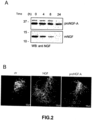
- Samples collected from conditioned cell culture media at successive times were subjected to Western blot assay in order to verify the permanence of hproNGF-A and mNGF in the culture medium.
- the assay revealed that NGF remains in the culture medium for not more than 8 hours after the stimulus, ( Figure 2A , lower panel), whereas proNGF-A is still present in the culture medium 24 hours after the stimulus ( Figure 2A , upper panel).
- the present inventors also carried out experiments aimed at testing the effects of the action of NGF and the proNGF-A peptide on the central regulation of the neuronal sympathetic activity.
- the NGF or proNGF-A peptides were administered intranasally to the brain parenchyma of adult rats.
- the noradrenergic neurons located in the locus coeruleus a brain region responsible for the central control of the functionality of the sympathetic nervous system, were analysed by immunolabelling on thin slices for tyrosine hydroxylase enzyme.
- Tyrosine hydroxylase enzyme represents an indirect measurement of the production of the noradrenaline neurotransmitter in neurons of certain brain areas.
- the expression of the tyrosine hydroxylase gene is stimulated by NGF and is responsible for some of the side effects described as a result of the administration of this peptide via the systemic route.
- the results of the immunolocalization assay illustrated in Figure 2B show that NGF administration causes arborization (sprouting) of the noradrenergic fibres, which contain tyrosine hydroxylase, in the locus coeruleus.
- This nucleus located at the back of the brain, produces noradrenaline following the administration of the NGF peptide to the brain parenchyma and activates other brain nuclei (hypothalamus, thalamus), thereby generating an excessive response to stressful events as well as an increased sensitivity to painful stimuli.
- PC12 cells which differentiate into the neuronal phenotype upon contact with neurotrophic factors such as, for example, the mNGF peptide.
- PC12 cells were cultured in RPMI 1640 culture medium supplemented with 10% horse serum and 5% calf serum in a humidified atmosphere with 5% CO 2 at 37°C. The exponentially growing cells were then seeded on 6-well plates containing poly-L-Lysine, to allow adherence of the cells to the bottom of the well.
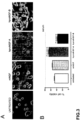
- the cells were washed three times to remove any traces of serum, maintained in serum-free culture medium for one hour and then exposed to serum-free medium containing 50 ng/ml mNGF or 100 ng/ml hproNGF-A or hproNGF-B. After a five-day incubation in the above-described culture conditions, only cells exposed to mNGF and hproNGF-A exhibited the characteristic extensions (neurites) that testify successful neuronal differentiation, whereas cells exposed to hproNGF-B showed evident signs of suffering, as attested by their small size, the tendency to detach from the bottom of the well, and the presence of numerous cellular debris in the culture medium (as shown in Figure 3A ).
- the viability test performed by exposing PC12 cells in suspension to the culture conditions described above showed that, while the hproNGF-B peptide induces a decrease in the percentage of living cells after 48 hours of culture, both the mNGF peptide and the hproNGF-A peptide for use according to the invention maintain a significant proportion of living cells after serum deprivation, testifying their neuroprotective action (as shown in the histogram in Figure 3B ).
- An animal diabetes-induced neurodegeneration model in male Wistar strain rats weighing 250-300 grams was employed to assess the in vivo biological activity of the peptide for use according to the invention compared to the activity of the hproNGF-B peptide.
- the diabetes in rats was induced via a single intraperitoneal injection (i.p.) of 65 mg/kg streptozotocin (Cat. S0130, Sigma-Aldrich, Milan, Italy), dissolved in citrate buffer pH 4.5. After a period of one or four weeks of streptozotocin treatment, the onset of diabetes was assessed with an Accutrend TM GC glucose analyzer (Roche Diagnostics, Germany). Rats with blood glucose levels above 300 mg/dl were assigned to diabetic experimental groups. The animals were euthanized four weeks after diabetes was induced.
- Intranasal administration is the chosen method for the administration of therapeutic agents to the central nervous system because it is not invasive and allows the problems related to the crossing of the blood-brain barrier of the central nervous system (CNS) by large molecules to be overcome.
- drugs administered intranasally are directly targeted to the central nervous system, thus reducing systemic exposure and hence any unwanted systemic side effects.
- Intranasal administration is a widely accepted method and is currently used in human clinical trials.
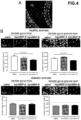
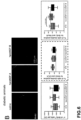
- control rats treated with the hproNGF-A peptide for use according to the invention showed a number of cells similar to that observed in saline-treated rats, whereas the number of cells decreased significantly in rats treated with the hproNGF-B peptide compared to saline-treated animals (as shown in Figure 4B , upper panel).
- the results of the in vivo analysis described above are consistent with the in vitro findings illustrated in the paragraph of Example 7, according to which the two peptide isoforms have fundamentally different effects on cell viability.
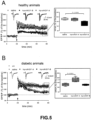
- Stimulation was applied to the medial perforant pathway of the dentate gyrus (DG) by using a bipolar insulated tungsten wire electrode and the field excitatory postsynaptic potentials were recorded at a control test frequency of 0.033 Hz from the middle one-third of the molecular layer of the DG with a glass microelectrode.
- Long-term potentiation was evoked by high-frequency stimulation (HFS) consisting of eight pulse trains, each with eight stimuli at 200 Hz and an inter-train interval of 2 s, with the stimulation voltage increased during the HFS protocol.
- HFS high-frequency stimulation
- All solutions contained 50 ⁇ M picrotoxin (P1675, Sigma-Aldrich) to block GABA-A-mediated activity and facilitate LTP.
- hproNGF-A peptide for use according to the invention and the known hproNGF-B peptide were administered to healthy and diabetic rats.
- hproNGF-A peptide variant the object of the invention, has a potential neuroprotective role in neurodegenerative diseases characterised by decreased hippocampal neurogenesis, such as, for example, diabetic encephalopathy and Alzheimer's disease, by promoting survival and terminal differentiation of hippocampal stem cells into mature neurons.
Landscapes
- Health & Medical Sciences (AREA)
- Chemical & Material Sciences (AREA)
- Life Sciences & Earth Sciences (AREA)
- Organic Chemistry (AREA)
- Medicinal Chemistry (AREA)
- General Health & Medical Sciences (AREA)
- Bioinformatics & Cheminformatics (AREA)
- Engineering & Computer Science (AREA)
- Proteomics, Peptides & Aminoacids (AREA)
- Biomedical Technology (AREA)
- Neurology (AREA)
- Veterinary Medicine (AREA)
- Public Health (AREA)
- Animal Behavior & Ethology (AREA)
- Pharmacology & Pharmacy (AREA)
- Neurosurgery (AREA)
- Zoology (AREA)
- Gastroenterology & Hepatology (AREA)
- Toxicology (AREA)
- Genetics & Genomics (AREA)
- Molecular Biology (AREA)
- Biophysics (AREA)
- Biochemistry (AREA)
- Chemical Kinetics & Catalysis (AREA)
- Nuclear Medicine, Radiotherapy & Molecular Imaging (AREA)
- General Chemical & Material Sciences (AREA)
- Hospice & Palliative Care (AREA)
- Psychiatry (AREA)
- Immunology (AREA)
- Epidemiology (AREA)
- Medicines That Contain Protein Lipid Enzymes And Other Medicines (AREA)
- Peptides Or Proteins (AREA)
- Preparation Of Compounds By Using Micro-Organisms (AREA)
Claims (8)
- Isoliertes Peptid, bestehend aus der Aminosäuresequenz SEQ ID Nr. 1, zur Verwendung in der therapeutischen Behandlung einer neurodegenerativen Erkrankung.
- Peptid zur Verwendung nach Anspruch 1, welches durch die Nukleinsäuresequenz SEQ ID Nr. 3 kodiert ist.
- Expressionsvektor zur Verwendung in der therapeutischen Behandlung einer neurodegenerativen Erkrankung, wobei der Expressionsvektor eine Nukleinsäuresequenz aufweist, die das Peptid nach Anspruch 1 kodiert.
- Expressionsvektor zur Verwendung nach Anspruch 3, aufweisend SEQ ID Nr. 3 oder SEQ ID Nr. 2.
- Wirtszelle zur Verwendung in der therapeutischen Behandlung einer neurodegenerativen Erkrankung, wobei die Wirtszelle einen Expressionsvektor nach Anspruch 3 oder 4 aufweist.
- Das Peptid zur Verwendung nach Anspruch 1 oder 2, oder der Expressionsvektor zur Verwendung nach Anspruch 3 oder 4, oder die Wirtszelle zur Verwendung nach Anspruch 5, wobei die Erkrankung eine akute oder chronische neurodegenerative Erkrankung ausgewählt aus der Gruppe bestehend aus ischämischem oder hämorrhagischem Schlaganfall, traumatischer Hirnverletzung, intrakranieller Hypertonie, Hirnödem, Hypoxie/Ischämie, vorgeburtlich, bei Kindern oder Erwachsenen, Hypoxie/Ischämie durch Herzstillstand, Ertrinken oder Unterkühlung, Alzheimer-Krankheit, Parkinson-Krankheit, Chorea Huntington, amyotropher Lateralsklerose (ALS), progressiver supranukleärer Lähmung, frontotemporaler Demenz, Lewy-Körper-Demenz, Creutzfeldt-Jakob-Krankheit (CJD), Gerstmann-Sträussler-Scheinker-Krankheit (GSS) ist.
- Pharmazeutische Zusammensetzung zur Verwendung in der therapeutischen Behandlung einer neurodegenerativen Erkrankung, wobei die Zusammensetzung ein Peptid nach Anspruch 1 oder 2 oder einen Expressionsvektor nach Anspruch 3 oder 4 oder eine Wirtszelle nach Anspruch 5 und mindestens einen pharmazeutisch zulässigen Träger, Hilfsstoff und/oder ein pharmazeutisch zulässiges Verdünnungsmittel aufweist.
- Pharmazeutische Zusammensetzung zur Verwendung nach Anspruch 7, welche in einer zur enteralen, parenteralen oder lokalen Verabreichung geeigneten Form vorliegt.
Applications Claiming Priority (2)
| Application Number | Priority Date | Filing Date | Title |
|---|---|---|---|
| IT102018000003279A IT201800003279A1 (it) | 2018-03-05 | 2018-03-05 | Peptide neurotrofico per il trattamento terapeutico di patologie neurodegenerative e/o infiammatorie. |
| PCT/IB2019/051753 WO2019171261A1 (en) | 2018-03-05 | 2019-03-05 | A neurotrophic peptide for the therapeutic treatment of neurodegenerative and/or inflammatory diseases |
Publications (3)
| Publication Number | Publication Date |
|---|---|
| EP3762403A1 EP3762403A1 (de) | 2021-01-13 |
| EP3762403B1 true EP3762403B1 (de) | 2024-05-01 |
| EP3762403C0 EP3762403C0 (de) | 2024-05-01 |
Family
ID=62386752
Family Applications (1)
| Application Number | Title | Priority Date | Filing Date |
|---|---|---|---|
| EP19717193.7A Active EP3762403B1 (de) | 2018-03-05 | 2019-03-05 | Neurotrophes peptid zur therapeutischen behandlung von neurodegenerativen und/oder entzündlichen erkrankungen |
Country Status (4)
| Country | Link |
|---|---|
| US (1) | US20210047380A1 (de) |
| EP (1) | EP3762403B1 (de) |
| IT (1) | IT201800003279A1 (de) |
| WO (1) | WO2019171261A1 (de) |
Families Citing this family (2)
| Publication number | Priority date | Publication date | Assignee | Title |
|---|---|---|---|---|
| IT201900014646A1 (it) | 2019-08-12 | 2021-02-12 | Consiglio Nazionale Ricerche | Peptide neurotrofico resistente alle proteasi per il trattamento terapeutico di patologie neurodegenerative e/o cutanee |
| US20220380430A1 (en) * | 2021-05-20 | 2022-12-01 | Worcester Polytechnic Institute | Non-Transgenic Functional Rescue of Neuropeptides |
Family Cites Families (3)
| Publication number | Priority date | Publication date | Assignee | Title |
|---|---|---|---|---|
| KR20140102327A (ko) * | 2007-02-06 | 2014-08-21 | 유태준 | 유전자 요법을 사용한 신경퇴행성 질환의 치료 및 예방 |
| CA2868391A1 (en) * | 2012-04-02 | 2013-10-10 | Stephane Bancel | Polynucleotides comprising n1-methyl-pseudouridine and methods for preparing the same |
| EP3452101A2 (de) * | 2016-05-04 | 2019-03-13 | CureVac AG | Rna-codierung eines therapeutischen proteins |
-
2018
- 2018-03-05 IT IT102018000003279A patent/IT201800003279A1/it unknown
-
2019
- 2019-03-05 WO PCT/IB2019/051753 patent/WO2019171261A1/en not_active Ceased
- 2019-03-05 US US16/978,401 patent/US20210047380A1/en not_active Abandoned
- 2019-03-05 EP EP19717193.7A patent/EP3762403B1/de active Active
Also Published As
| Publication number | Publication date |
|---|---|
| IT201800003279A1 (it) | 2019-09-05 |
| EP3762403C0 (de) | 2024-05-01 |
| EP3762403A1 (de) | 2021-01-13 |
| WO2019171261A1 (en) | 2019-09-12 |
| US20210047380A1 (en) | 2021-02-18 |
Similar Documents
| Publication | Publication Date | Title |
|---|---|---|
| US6709866B2 (en) | Methods for enhancing survival of a neuron | |
| JP5384232B2 (ja) | ポリペプチドの濃縮方法 | |
| JP2007314575A (ja) | 治療剤としてのプロサポシンおよびサイトカイン由来ペプチド | |
| US20220339251A1 (en) | Compositions and methods for recombinant nerve growth factor | |
| HK1200489A1 (en) | Recombinant human naglu protein and uses thereof | |
| EP3762403B1 (de) | Neurotrophes peptid zur therapeutischen behandlung von neurodegenerativen und/oder entzündlichen erkrankungen | |
| EP2337849A1 (de) | Faktor-ix-polypeptidmutante, verwendungen dafür und verfahren zur herstellung davon | |
| CA2888628A1 (en) | Novel high functional enzyme having modified substrate specificity of human beta-hexosaminidase b and exhibiting protease resistance | |
| Knusel et al. | Neurotrophins and Alzheimer's disease: beyond the cholinergic neurons | |
| EP3210999B1 (de) | Fusionsproteine zur behandlung des zns | |
| US20110166074A1 (en) | Cln2 treatment of alzheimer's disease | |
| Romano et al. | A single administration of the peptide NAP induces long-term protective changes against the consequences of head injury: gene Atlas array analysis | |
| JP4399260B2 (ja) | 神経再生ペプチドおよび脳損傷治療におけるその使用方法 | |
| Yuan et al. | Ic100, a humanized therapeutic monoclonal anti-asc antibody alleviates oxygen-induced retinopathy in mice | |
| JPH10507354A (ja) | 新規の形のホスファチジルイノシトール−3−キナーゼのクローニング、発現及び特性決定 | |
| CN103097404A (zh) | 具有镇痛作用并抑制asic通道的新型肽 | |
| JPH11502508A (ja) | 医薬製剤の製造における活性化プロテインcの使用 | |
| US20230123357A1 (en) | Use of downstream factors in the klotho pathway to assess klotho activity | |
| US11084854B2 (en) | Protease-resistant neurotrophic peptide for the therapeutic treatment of neurodegenerative and/or skin diseases | |
| WO2007113361A1 (es) | Tratamiento de enfermedades causadas por alteraciones del desarrollo axonal de neuronas | |
| MD4313114T2 (ro) | Tratarea combinată a leziunilor cerebrale | |
| US6423827B1 (en) | Limbic system-associated membrane protein | |
| WO2012136768A1 (en) | Use of mutants of human hyaluronidase ph-20 with increased chondroitinase activity for axonal regrowth | |
| RU2152791C1 (ru) | Новый белок эндотелиальных клеток головного мозга и композиция | |
| KR20160093731A (ko) | 뇌내 출혈을 치료하기 위한 조성물 및 방법 |
Legal Events
| Date | Code | Title | Description |
|---|---|---|---|
| STAA | Information on the status of an ep patent application or granted ep patent |
Free format text: STATUS: UNKNOWN |
|
| STAA | Information on the status of an ep patent application or granted ep patent |
Free format text: STATUS: THE INTERNATIONAL PUBLICATION HAS BEEN MADE |
|
| PUAI | Public reference made under article 153(3) epc to a published international application that has entered the european phase |
Free format text: ORIGINAL CODE: 0009012 |
|
| STAA | Information on the status of an ep patent application or granted ep patent |
Free format text: STATUS: REQUEST FOR EXAMINATION WAS MADE |
|
| 17P | Request for examination filed |
Effective date: 20200924 |
|
| AK | Designated contracting states |
Kind code of ref document: A1 Designated state(s): AL AT BE BG CH CY CZ DE DK EE ES FI FR GB GR HR HU IE IS IT LI LT LU LV MC MK MT NL NO PL PT RO RS SE SI SK SM TR |
|
| AX | Request for extension of the european patent |
Extension state: BA ME |
|
| DAV | Request for validation of the european patent (deleted) | ||
| DAX | Request for extension of the european patent (deleted) | ||
| STAA | Information on the status of an ep patent application or granted ep patent |
Free format text: STATUS: EXAMINATION IS IN PROGRESS |
|
| 17Q | First examination report despatched |
Effective date: 20221021 |
|
| GRAP | Despatch of communication of intention to grant a patent |
Free format text: ORIGINAL CODE: EPIDOSNIGR1 |
|
| STAA | Information on the status of an ep patent application or granted ep patent |
Free format text: STATUS: GRANT OF PATENT IS INTENDED |
|
| INTG | Intention to grant announced |
Effective date: 20231114 |
|
| GRAS | Grant fee paid |
Free format text: ORIGINAL CODE: EPIDOSNIGR3 |
|
| GRAA | (expected) grant |
Free format text: ORIGINAL CODE: 0009210 |
|
| STAA | Information on the status of an ep patent application or granted ep patent |
Free format text: STATUS: THE PATENT HAS BEEN GRANTED |
|
| AK | Designated contracting states |
Kind code of ref document: B1 Designated state(s): AL AT BE BG CH CY CZ DE DK EE ES FI FR GB GR HR HU IE IS IT LI LT LU LV MC MK MT NL NO PL PT RO RS SE SI SK SM TR |
|
| REG | Reference to a national code |
Ref country code: GB Ref legal event code: FG4D |
|
| REG | Reference to a national code |
Ref country code: CH Ref legal event code: EP |
|
| REG | Reference to a national code |
Ref country code: DE Ref legal event code: R096 Ref document number: 602019051349 Country of ref document: DE |
|
| REG | Reference to a national code |
Ref country code: IE Ref legal event code: FG4D |
|
| U01 | Request for unitary effect filed |
Effective date: 20240501 |
|
| U07 | Unitary effect registered |
Designated state(s): AT BE BG DE DK EE FI FR IT LT LU LV MT NL PT SE SI Effective date: 20240508 |
|
| PG25 | Lapsed in a contracting state [announced via postgrant information from national office to epo] |
Ref country code: IS Free format text: LAPSE BECAUSE OF FAILURE TO SUBMIT A TRANSLATION OF THE DESCRIPTION OR TO PAY THE FEE WITHIN THE PRESCRIBED TIME-LIMIT Effective date: 20240901 |
|
| PG25 | Lapsed in a contracting state [announced via postgrant information from national office to epo] |
Ref country code: HR Free format text: LAPSE BECAUSE OF FAILURE TO SUBMIT A TRANSLATION OF THE DESCRIPTION OR TO PAY THE FEE WITHIN THE PRESCRIBED TIME-LIMIT Effective date: 20240501 |
|
| PG25 | Lapsed in a contracting state [announced via postgrant information from national office to epo] |
Ref country code: GR Free format text: LAPSE BECAUSE OF FAILURE TO SUBMIT A TRANSLATION OF THE DESCRIPTION OR TO PAY THE FEE WITHIN THE PRESCRIBED TIME-LIMIT Effective date: 20240802 |
|
| PG25 | Lapsed in a contracting state [announced via postgrant information from national office to epo] |
Ref country code: ES Free format text: LAPSE BECAUSE OF FAILURE TO SUBMIT A TRANSLATION OF THE DESCRIPTION OR TO PAY THE FEE WITHIN THE PRESCRIBED TIME-LIMIT Effective date: 20240501 |
|
| PG25 | Lapsed in a contracting state [announced via postgrant information from national office to epo] |
Ref country code: PL Free format text: LAPSE BECAUSE OF FAILURE TO SUBMIT A TRANSLATION OF THE DESCRIPTION OR TO PAY THE FEE WITHIN THE PRESCRIBED TIME-LIMIT Effective date: 20240501 |
|
| PG25 | Lapsed in a contracting state [announced via postgrant information from national office to epo] |
Ref country code: PL Free format text: LAPSE BECAUSE OF FAILURE TO SUBMIT A TRANSLATION OF THE DESCRIPTION OR TO PAY THE FEE WITHIN THE PRESCRIBED TIME-LIMIT Effective date: 20240501 Ref country code: NO Free format text: LAPSE BECAUSE OF FAILURE TO SUBMIT A TRANSLATION OF THE DESCRIPTION OR TO PAY THE FEE WITHIN THE PRESCRIBED TIME-LIMIT Effective date: 20240801 Ref country code: IS Free format text: LAPSE BECAUSE OF FAILURE TO SUBMIT A TRANSLATION OF THE DESCRIPTION OR TO PAY THE FEE WITHIN THE PRESCRIBED TIME-LIMIT Effective date: 20240901 Ref country code: HR Free format text: LAPSE BECAUSE OF FAILURE TO SUBMIT A TRANSLATION OF THE DESCRIPTION OR TO PAY THE FEE WITHIN THE PRESCRIBED TIME-LIMIT Effective date: 20240501 Ref country code: GR Free format text: LAPSE BECAUSE OF FAILURE TO SUBMIT A TRANSLATION OF THE DESCRIPTION OR TO PAY THE FEE WITHIN THE PRESCRIBED TIME-LIMIT Effective date: 20240802 Ref country code: ES Free format text: LAPSE BECAUSE OF FAILURE TO SUBMIT A TRANSLATION OF THE DESCRIPTION OR TO PAY THE FEE WITHIN THE PRESCRIBED TIME-LIMIT Effective date: 20240501 Ref country code: RS Free format text: LAPSE BECAUSE OF FAILURE TO SUBMIT A TRANSLATION OF THE DESCRIPTION OR TO PAY THE FEE WITHIN THE PRESCRIBED TIME-LIMIT Effective date: 20240801 |
|
| PG25 | Lapsed in a contracting state [announced via postgrant information from national office to epo] |
Ref country code: CZ Free format text: LAPSE BECAUSE OF FAILURE TO SUBMIT A TRANSLATION OF THE DESCRIPTION OR TO PAY THE FEE WITHIN THE PRESCRIBED TIME-LIMIT Effective date: 20240501 |
|
| PG25 | Lapsed in a contracting state [announced via postgrant information from national office to epo] |
Ref country code: RO Free format text: LAPSE BECAUSE OF FAILURE TO SUBMIT A TRANSLATION OF THE DESCRIPTION OR TO PAY THE FEE WITHIN THE PRESCRIBED TIME-LIMIT Effective date: 20240501 Ref country code: SK Free format text: LAPSE BECAUSE OF FAILURE TO SUBMIT A TRANSLATION OF THE DESCRIPTION OR TO PAY THE FEE WITHIN THE PRESCRIBED TIME-LIMIT Effective date: 20240501 |
|
| PG25 | Lapsed in a contracting state [announced via postgrant information from national office to epo] |
Ref country code: SM Free format text: LAPSE BECAUSE OF FAILURE TO SUBMIT A TRANSLATION OF THE DESCRIPTION OR TO PAY THE FEE WITHIN THE PRESCRIBED TIME-LIMIT Effective date: 20240501 |
|
| PG25 | Lapsed in a contracting state [announced via postgrant information from national office to epo] |
Ref country code: SM Free format text: LAPSE BECAUSE OF FAILURE TO SUBMIT A TRANSLATION OF THE DESCRIPTION OR TO PAY THE FEE WITHIN THE PRESCRIBED TIME-LIMIT Effective date: 20240501 Ref country code: SK Free format text: LAPSE BECAUSE OF FAILURE TO SUBMIT A TRANSLATION OF THE DESCRIPTION OR TO PAY THE FEE WITHIN THE PRESCRIBED TIME-LIMIT Effective date: 20240501 Ref country code: RO Free format text: LAPSE BECAUSE OF FAILURE TO SUBMIT A TRANSLATION OF THE DESCRIPTION OR TO PAY THE FEE WITHIN THE PRESCRIBED TIME-LIMIT Effective date: 20240501 Ref country code: CZ Free format text: LAPSE BECAUSE OF FAILURE TO SUBMIT A TRANSLATION OF THE DESCRIPTION OR TO PAY THE FEE WITHIN THE PRESCRIBED TIME-LIMIT Effective date: 20240501 |
|
| REG | Reference to a national code |
Ref country code: DE Ref legal event code: R097 Ref document number: 602019051349 Country of ref document: DE |
|
| PLBE | No opposition filed within time limit |
Free format text: ORIGINAL CODE: 0009261 |
|
| STAA | Information on the status of an ep patent application or granted ep patent |
Free format text: STATUS: NO OPPOSITION FILED WITHIN TIME LIMIT |
|
| U20 | Renewal fee for the european patent with unitary effect paid |
Year of fee payment: 7 Effective date: 20250224 |
|
| 26N | No opposition filed |
Effective date: 20250204 |
|
| PG25 | Lapsed in a contracting state [announced via postgrant information from national office to epo] |
Ref country code: MC Free format text: LAPSE BECAUSE OF FAILURE TO SUBMIT A TRANSLATION OF THE DESCRIPTION OR TO PAY THE FEE WITHIN THE PRESCRIBED TIME-LIMIT Effective date: 20240501 |
|
| REG | Reference to a national code |
Ref country code: CH Ref legal event code: H13 Free format text: ST27 STATUS EVENT CODE: U-0-0-H10-H13 (AS PROVIDED BY THE NATIONAL OFFICE) Effective date: 20251023 |
|
| GBPC | Gb: european patent ceased through non-payment of renewal fee |
Effective date: 20250305 |
|
| PG25 | Lapsed in a contracting state [announced via postgrant information from national office to epo] |
Ref country code: GB Free format text: LAPSE BECAUSE OF NON-PAYMENT OF DUE FEES Effective date: 20250305 |
|
| PG25 | Lapsed in a contracting state [announced via postgrant information from national office to epo] |
Ref country code: CH Free format text: LAPSE BECAUSE OF NON-PAYMENT OF DUE FEES Effective date: 20250331 |
|
| PG25 | Lapsed in a contracting state [announced via postgrant information from national office to epo] |
Ref country code: IE Free format text: LAPSE BECAUSE OF NON-PAYMENT OF DUE FEES Effective date: 20250305 |