EP3757115B1 - Proteine mit diagnostischen und therapeutischen verwendungen - Google Patents
Proteine mit diagnostischen und therapeutischen verwendungen Download PDFInfo
- Publication number
- EP3757115B1 EP3757115B1 EP20176131.9A EP20176131A EP3757115B1 EP 3757115 B1 EP3757115 B1 EP 3757115B1 EP 20176131 A EP20176131 A EP 20176131A EP 3757115 B1 EP3757115 B1 EP 3757115B1
- Authority
- EP
- European Patent Office
- Prior art keywords
- cfh
- protein
- pspcn
- complement
- binding
- Prior art date
- Legal status (The legal status is an assumption and is not a legal conclusion. Google has not performed a legal analysis and makes no representation as to the accuracy of the status listed.)
- Active
Links
Images










Classifications
-
- C—CHEMISTRY; METALLURGY
- C07—ORGANIC CHEMISTRY
- C07K—PEPTIDES
- C07K14/00—Peptides having more than 20 amino acids; Gastrins; Somatostatins; Melanotropins; Derivatives thereof
- C07K14/195—Peptides having more than 20 amino acids; Gastrins; Somatostatins; Melanotropins; Derivatives thereof from bacteria
- C07K14/315—Peptides having more than 20 amino acids; Gastrins; Somatostatins; Melanotropins; Derivatives thereof from bacteria from Streptococcus (G), e.g. Enterococci
- C07K14/3156—Peptides having more than 20 amino acids; Gastrins; Somatostatins; Melanotropins; Derivatives thereof from bacteria from Streptococcus (G), e.g. Enterococci from Streptococcus pneumoniae (Pneumococcus)
-
- A—HUMAN NECESSITIES
- A61—MEDICAL OR VETERINARY SCIENCE; HYGIENE
- A61K—PREPARATIONS FOR MEDICAL, DENTAL OR TOILETRY PURPOSES
- A61K38/00—Medicinal preparations containing peptides
- A61K38/16—Peptides having more than 20 amino acids; Gastrins; Somatostatins; Melanotropins; Derivatives thereof
- A61K38/164—Peptides having more than 20 amino acids; Gastrins; Somatostatins; Melanotropins; Derivatives thereof from bacteria
-
- A—HUMAN NECESSITIES
- A61—MEDICAL OR VETERINARY SCIENCE; HYGIENE
- A61K—PREPARATIONS FOR MEDICAL, DENTAL OR TOILETRY PURPOSES
- A61K9/00—Medicinal preparations characterised by special physical form
- A61K9/48—Preparations in capsules, e.g. of gelatin, of chocolate
-
- A—HUMAN NECESSITIES
- A61—MEDICAL OR VETERINARY SCIENCE; HYGIENE
- A61L—METHODS OR APPARATUS FOR STERILISING MATERIALS OR OBJECTS IN GENERAL; DISINFECTION, STERILISATION OR DEODORISATION OF AIR; CHEMICAL ASPECTS OF BANDAGES, DRESSINGS, ABSORBENT PADS OR SURGICAL ARTICLES; MATERIALS FOR BANDAGES, DRESSINGS, ABSORBENT PADS OR SURGICAL ARTICLES
- A61L27/00—Materials for grafts or prostheses or for coating grafts or prostheses
- A61L27/28—Materials for coating prostheses
- A61L27/34—Macromolecular materials
-
- A—HUMAN NECESSITIES
- A61—MEDICAL OR VETERINARY SCIENCE; HYGIENE
- A61L—METHODS OR APPARATUS FOR STERILISING MATERIALS OR OBJECTS IN GENERAL; DISINFECTION, STERILISATION OR DEODORISATION OF AIR; CHEMICAL ASPECTS OF BANDAGES, DRESSINGS, ABSORBENT PADS OR SURGICAL ARTICLES; MATERIALS FOR BANDAGES, DRESSINGS, ABSORBENT PADS OR SURGICAL ARTICLES
- A61L27/00—Materials for grafts or prostheses or for coating grafts or prostheses
- A61L27/50—Materials characterised by their function or physical properties, e.g. injectable or lubricating compositions, shape-memory materials, surface modified materials
- A61L27/54—Biologically active materials, e.g. therapeutic substances
-
- A—HUMAN NECESSITIES
- A61—MEDICAL OR VETERINARY SCIENCE; HYGIENE
- A61L—METHODS OR APPARATUS FOR STERILISING MATERIALS OR OBJECTS IN GENERAL; DISINFECTION, STERILISATION OR DEODORISATION OF AIR; CHEMICAL ASPECTS OF BANDAGES, DRESSINGS, ABSORBENT PADS OR SURGICAL ARTICLES; MATERIALS FOR BANDAGES, DRESSINGS, ABSORBENT PADS OR SURGICAL ARTICLES
- A61L29/00—Materials for catheters, medical tubing, cannulae, or endoscopes or for coating catheters
- A61L29/08—Materials for coatings
- A61L29/085—Macromolecular materials
-
- A—HUMAN NECESSITIES
- A61—MEDICAL OR VETERINARY SCIENCE; HYGIENE
- A61L—METHODS OR APPARATUS FOR STERILISING MATERIALS OR OBJECTS IN GENERAL; DISINFECTION, STERILISATION OR DEODORISATION OF AIR; CHEMICAL ASPECTS OF BANDAGES, DRESSINGS, ABSORBENT PADS OR SURGICAL ARTICLES; MATERIALS FOR BANDAGES, DRESSINGS, ABSORBENT PADS OR SURGICAL ARTICLES
- A61L29/00—Materials for catheters, medical tubing, cannulae, or endoscopes or for coating catheters
- A61L29/14—Materials characterised by their function or physical properties, e.g. lubricating compositions
- A61L29/16—Biologically active materials, e.g. therapeutic substances
-
- A—HUMAN NECESSITIES
- A61—MEDICAL OR VETERINARY SCIENCE; HYGIENE
- A61L—METHODS OR APPARATUS FOR STERILISING MATERIALS OR OBJECTS IN GENERAL; DISINFECTION, STERILISATION OR DEODORISATION OF AIR; CHEMICAL ASPECTS OF BANDAGES, DRESSINGS, ABSORBENT PADS OR SURGICAL ARTICLES; MATERIALS FOR BANDAGES, DRESSINGS, ABSORBENT PADS OR SURGICAL ARTICLES
- A61L31/00—Materials for other surgical articles, e.g. stents, stent-grafts, shunts, surgical drapes, guide wires, materials for adhesion prevention, occluding devices, surgical gloves, tissue fixation devices
- A61L31/08—Materials for coatings
- A61L31/10—Macromolecular materials
-
- A—HUMAN NECESSITIES
- A61—MEDICAL OR VETERINARY SCIENCE; HYGIENE
- A61L—METHODS OR APPARATUS FOR STERILISING MATERIALS OR OBJECTS IN GENERAL; DISINFECTION, STERILISATION OR DEODORISATION OF AIR; CHEMICAL ASPECTS OF BANDAGES, DRESSINGS, ABSORBENT PADS OR SURGICAL ARTICLES; MATERIALS FOR BANDAGES, DRESSINGS, ABSORBENT PADS OR SURGICAL ARTICLES
- A61L31/00—Materials for other surgical articles, e.g. stents, stent-grafts, shunts, surgical drapes, guide wires, materials for adhesion prevention, occluding devices, surgical gloves, tissue fixation devices
- A61L31/14—Materials characterised by their function or physical properties, e.g. injectable or lubricating compositions, shape-memory materials, surface modified materials
- A61L31/16—Biologically active materials, e.g. therapeutic substances
-
- A—HUMAN NECESSITIES
- A61—MEDICAL OR VETERINARY SCIENCE; HYGIENE
- A61P—SPECIFIC THERAPEUTIC ACTIVITY OF CHEMICAL COMPOUNDS OR MEDICINAL PREPARATIONS
- A61P13/00—Drugs for disorders of the urinary system
- A61P13/02—Drugs for disorders of the urinary system of urine or of the urinary tract, e.g. urine acidifiers
-
- A—HUMAN NECESSITIES
- A61—MEDICAL OR VETERINARY SCIENCE; HYGIENE
- A61P—SPECIFIC THERAPEUTIC ACTIVITY OF CHEMICAL COMPOUNDS OR MEDICINAL PREPARATIONS
- A61P13/00—Drugs for disorders of the urinary system
- A61P13/12—Drugs for disorders of the urinary system of the kidneys
-
- A—HUMAN NECESSITIES
- A61—MEDICAL OR VETERINARY SCIENCE; HYGIENE
- A61P—SPECIFIC THERAPEUTIC ACTIVITY OF CHEMICAL COMPOUNDS OR MEDICINAL PREPARATIONS
- A61P17/00—Drugs for dermatological disorders
-
- A—HUMAN NECESSITIES
- A61—MEDICAL OR VETERINARY SCIENCE; HYGIENE
- A61P—SPECIFIC THERAPEUTIC ACTIVITY OF CHEMICAL COMPOUNDS OR MEDICINAL PREPARATIONS
- A61P25/00—Drugs for disorders of the nervous system
- A61P25/28—Drugs for disorders of the nervous system for treating neurodegenerative disorders of the central nervous system, e.g. nootropic agents, cognition enhancers, drugs for treating Alzheimer's disease or other forms of dementia
-
- A—HUMAN NECESSITIES
- A61—MEDICAL OR VETERINARY SCIENCE; HYGIENE
- A61P—SPECIFIC THERAPEUTIC ACTIVITY OF CHEMICAL COMPOUNDS OR MEDICINAL PREPARATIONS
- A61P27/00—Drugs for disorders of the senses
- A61P27/02—Ophthalmic agents
-
- A—HUMAN NECESSITIES
- A61—MEDICAL OR VETERINARY SCIENCE; HYGIENE
- A61P—SPECIFIC THERAPEUTIC ACTIVITY OF CHEMICAL COMPOUNDS OR MEDICINAL PREPARATIONS
- A61P7/00—Drugs for disorders of the blood or the extracellular fluid
-
- C—CHEMISTRY; METALLURGY
- C07—ORGANIC CHEMISTRY
- C07K—PEPTIDES
- C07K14/00—Peptides having more than 20 amino acids; Gastrins; Somatostatins; Melanotropins; Derivatives thereof
- C07K14/435—Peptides having more than 20 amino acids; Gastrins; Somatostatins; Melanotropins; Derivatives thereof from animals; from humans
- C07K14/46—Peptides having more than 20 amino acids; Gastrins; Somatostatins; Melanotropins; Derivatives thereof from animals; from humans from vertebrates
- C07K14/47—Peptides having more than 20 amino acids; Gastrins; Somatostatins; Melanotropins; Derivatives thereof from animals; from humans from vertebrates from mammals
- C07K14/4701—Peptides having more than 20 amino acids; Gastrins; Somatostatins; Melanotropins; Derivatives thereof from animals; from humans from vertebrates from mammals not used
- C07K14/472—Complement proteins, e.g. anaphylatoxin, C3a, C5a
-
- A—HUMAN NECESSITIES
- A61—MEDICAL OR VETERINARY SCIENCE; HYGIENE
- A61K—PREPARATIONS FOR MEDICAL, DENTAL OR TOILETRY PURPOSES
- A61K38/00—Medicinal preparations containing peptides
-
- G—PHYSICS
- G01—MEASURING; TESTING
- G01N—INVESTIGATING OR ANALYSING MATERIALS BY DETERMINING THEIR CHEMICAL OR PHYSICAL PROPERTIES
- G01N2333/00—Assays involving biological materials from specific organisms or of a specific nature
- G01N2333/195—Assays involving biological materials from specific organisms or of a specific nature from bacteria
- G01N2333/315—Assays involving biological materials from specific organisms or of a specific nature from bacteria from Streptococcus (G), e.g. Enterococci
- G01N2333/3156—Assays involving biological materials from specific organisms or of a specific nature from bacteria from Streptococcus (G), e.g. Enterococci from Streptococcus pneumoniae [Pneumococcus]
-
- G—PHYSICS
- G01—MEASURING; TESTING
- G01N—INVESTIGATING OR ANALYSING MATERIALS BY DETERMINING THEIR CHEMICAL OR PHYSICAL PROPERTIES
- G01N2333/00—Assays involving biological materials from specific organisms or of a specific nature
- G01N2333/435—Assays involving biological materials from specific organisms or of a specific nature from animals; from humans
- G01N2333/46—Assays involving biological materials from specific organisms or of a specific nature from animals; from humans from vertebrates
- G01N2333/47—Assays involving proteins of known structure or function as defined in the subgroups
- G01N2333/4701—Details
- G01N2333/4716—Complement proteins, e.g. anaphylatoxin, C3a, C5a
Definitions
- the present invention relates to proteins able to interact with complement factor H and modulate its activity for use in therapeutics applications.
- PspCN:CFH(D1119G) bound many fold more weakly than PspCN:CFH(wild-type) to C3d and showed little enhancement, over CFH(D1119G) alone, of C3b.Bb-decay acceleration.
- CFH "hides" regulatory sites to avoid bacterial exploitation but PspC exposes them.
- Similar FH conformational switches may operate on self-surfaces.
- the ability to modulate complement activity opens up opportunities, inter alia, for treating diseases associated with aberrant complement activity.
- a recombinant protein capable of binding to complement factor H (CFH), and thereby inducing increased binding of C3d and C3b by bound CFH compared to unbound CFH for use in the treatment of one or more medical complications associated with aberrant complement regulatory activity in a subject in which unbound complement factor H (CFH) is unable to adequately modulate complement activation, wherein the recombinant protein binds to CFH within complement control proteins (CCPs) 8-10 of CFH.
- CCPs complement control proteins
- the recombinant protein may be capable of binding to CFH, and thereby inducing increased affinity for C3d and C3b by bound CFH compared to unbound CFH.
- the proteins of the present invention are thus able to act, through their interaction with CFH, as inhibitors of C3b amplification in the alternative complement pathway.
- Preferably said protein is capable of binding to wild type CFH to form a complex with a dissociation constant of K D of 1 x 10 -10 M or lower, more preferably with a K D of 1 x 10 -11 M or lower, yet more preferably with a K D of 1 x 10 -12 M or lower, and most preferably with a K D of 1x 10 -13 M or lower.
- the protein is derived from a bacterial protein.
- the protein can be a fragment of a bacterial protein.
- proteins from said pathogens can be used to develop proteins for use according to the present invention.
- the protein is derived from a bacterial virulence factor, e.g. it corresponds to a fragment or variant of a virulence factor.
- proteins of the present invention are derived from a pneumococcal surface protein, especially pneumococcal surface protein C (PspC) from Streptococcus pneumoniae.
- PspC pneumococcal surface protein C
- the proteins of the present invention can be derived from PspC of strain D39 (NCTC no 7466) of S. pneumoniae.
- the proteins of the present invention can be derived from CbpA of strain TIGR4 (NCTC no 7465).
- a PspC protein from any other strain could be used, provided it is capable of binding to and enhancing the complement regulatory activity of CFH.
- GenBank/EMBL accession numbers for the nucleotide sequence of PspC from various different strains are as follows: D39, AF068646; EF6796, U72655; DBL6A, AF068645; E134, AF068647; BG8090, AF068648; L81905, AF068649; and BG9163, AF068650.
- the protein for the use of the present invention comprises a fragment of PspC, wherein said fragment comprises a portion of the N-terminal region of PspC.
- the protein comprises a fragment of PspC, or a variant thereof, which is from 70 to 150 amino acid residues in length, suitably from 80 to 130 amino acid residues in length, and typically from 90 to 120 amino acids in length.
- the protein for the use of the present invention is soluble in the physiological environment, e.g. in serum. In other cases, it could be insoluble or bound or adsorbed to a surface.
- This specific sequence comprises amino acid residues 37-140 of PspC and is henceforth termed PspCN.
- the amino acid numbering is based upon the full-length sequence of PspC as set out in Genbank accession no AF068646.
- PspCN represents a fragment of PspC, derived from the N-terminal region, which has the ability to bind extremely strongly to, and activate, CFH. In fact, it binds to CFH so strongly that it appears to be irreversible, to all intents and purposes.
- the protein for the use according to the present invention comprises the sequence: or a functional variant or fragment thereof.
- the protein comprises at least amino acid residues 68-136, and more preferably 65-138, yet more preferably 62-140 of PspC, of a functional variant thereof.
- the proteins for the use of the present invention preferably bind to CFH primarily at a location within CCPs 8-10 of CFH.
- compositions can be delivered in a vesicle, in particular a liposome ( Langer, 1990, Science 249:1527-1533 ; Treat et al., 1989, In: Liposomes in the Therapy of Infectious Disease and Cancer, Lopez-Berestein and Fidler, eds., Liss, New York, pp. 353-365 ; Lopez-Berestein, ibid., pp. 317-327 ; see generally ibid.)
- a nucleic acid can be introduced intracellularly and incorporated by homologous recombination within host cell DNA for expression.
- a pharmaceutical pack or kit comprising one or more containers filled with one or more of the ingredients of the pharmaceutical compositions.
- Optionally associated with such container(s) can be a notice in the form prescribed by a governmental agency regulating the manufacture, use or sale of pharmaceuticals or biological products, which notice reflects approval by the agency of manufacture, use or sale for human administration.
- Methods of treatment or prevention of a disease in a subject by administration to a subject of an effective amount of a pharmaceutical composition are described.
- the present invention provides the treatment or prevention of a disease associated with aberrant complement activity in a subject.
- the subject is preferably an animal, preferably a mammal, and most preferably a human.
- the disease is one or more of:
- Methods of introduction include, but are not limited to intradermal, intramuscular, intraperitoneal, intravenous, subcutaneous, intranasal, epidural, and oral routes.
- the compounds may be administered by any convenient route, for example by infusion, by bolus injection, by absorption through epithelial or mucocutaneous linings (e.g., oral, rectal and intestinal mucosa, etc.), and may be administered together with other biologically active agents.
- Administration can be systemic or local. Pulmonary administration can be employed, e.g., by use of an inhaler or nebulizer, and formulation with an aerosolizing agent.
- methods will comprise administering a pharmaceutical composition comprising a pharmaceutically effective amount of a protein of the invention or a composition comprising a nucleic acid capable of expressing a pharmaceutically effective amount of a protein of the present invention in vivo.
- the pharmaceutically effective amount employed may vary according to factors such as the disease state, age, sex, and weight of the individual.
- a pharmaceutically effective amount of a protein of the invention may be 0.5 mg protein/1 kg body weight of subject, 1 mg protein/1 kg body weight of subject, 2 mg protein/1 kg body weight of subject, 3 mg protein/1 kg body weight of subject, 4 mg protein/1 kg body weight of subject, 5 mg protein/1 kg body weight of subject, 6 mg protein/1 kg body weight of subject, 7 mg protein/1 kg body weight of subject, 8 mg protein/1 kg body weight of subject, 9 mg protein/1 kg body weight of subject, or 10 mg protein/1 kg body weight of subject.
- a unit dosage form refers to physically discrete units suited as unitary dosages for the mammalian subjects to be treated; each unit containing a predetermined quantity of the protein of the invention calculated to produce the desired therapeutic effect in association with the required pharmaceutical carrier.
- a unit dosage form of a protein of the invention may be from about 1 mg to about 1000 mg, from about 25 mg to about 1000 mg, from about 50 mg to about 1000 mg, from about 100 mg to about 1000 mg, from about 250 mg to about 1000 mg, from about 500 mg to about 1000 mg, from about 100 mg to about 500 mg, from about 200 mg to about 500 mg, from about 300 to about 500 mg, or from about 400 mg to about 500 mg.
- a unit dose of a protein of the invention may be about 100 mg, 200 mg, 300 mg, 400 mg, 500 mg, 600 mg, or 700 mg.
- Compositions may comprise proteins for the use of the invention at a level of from about 0.1 wt % to about 20 wt %, from about 0.1 wt % to about 18 wt %, from about 0.1 wt % to about 16 wt %, from about 0.1 wt % to about 14 wt %, from about 0.1 wt % to about 12 wt %, from about 0.1 wt % to about 10 wt %, from about 0.1 wt % to about 8 wt %, from about 0.1 wt % to about 6 wt % from about 0.1 wt % to about 4 wt %, from about 0.1 wt % to about 2 wt %, from about 0.1 wt % to about 1 wt %, from about 0.1 wt % to about 0.9 wt %, from about 0.1 wt % to about 0.8 wt %, from about
- compositions described herein may comprise one or more proteins of the invention at a level of from about 1 wt % to about 20 wt %, from about 1 wt % to about 18 wt %, from about 1 wt % to about 16 wt %, from about 1 wt % to about 14 wt %, from about 1 wt % to about 12 wt %, from about 1 wt % to about 10 wt %, from about 1 wt % to about 9 wt %, from about 1 wt % to about 8 wt %, from about 1 wt % to about 7 wt %, from about 1 wt % to about 6 wt %, from about 1 wt % to about 5 wt %, from about 1 wt % to about 4 wt %, from about 1 wt % to about 3 wt %, or from about 1 wt % to about 2 w
- compositions described herein may comprise one or more proteins of the invention at a level of about 0.1 wt %, about 0.2 wt %, about 0.3 wt %, about 0.4 wt %, about 0.5 wt %, about 0.6 wt %, about 0.7 wt %, about 0.8 wt %, about 0.9 wt %, about 1 wt %, about 2 wt %, about 3 wt %, about 4 about 5 wt %, about 6 wt %, about 7 wt %, about 8 wt %, or about 9 wt % based on the total weight of the composition.
- Dosage regimens may be adjusted to provide the optimum therapeutic response. For example, a single bolus may be administered, several divided doses may be administered over time or the dose may be proportionally reduced or increased as indicated by the exigencies of the therapeutic situation. It is especially advantageous to formulate parenteral compositions in dosage unit form for ease of administration and uniformity of dosage.
- Compositions may be formulated and administered by intravenous, intramuscular, or subcutaneous injection. Compositions may be administered subcutaneously or intramuscularly.
- a dosage regimen may entail administering repeat doses, for example, administering a weekly dose.
- Treatment regimens may entail a weekly dose for one period of time (for example, for four weeks) followed by a less frequent "maintenance" dosage regimen (for example, one monthly or once bimonthly). Dosage regimens may be adjusted to achieve the desired therapeutic outcomes.
- the method involves targeting the protein for the use of the present invention to a specific site or tissue in the subject.
- Methods of targeting are well-known in the art, and often include providing a fusion protein which includes a targeting moiety or an otherwise linked targeting moiety.
- Typical targeting moieties are antibodies or ligands for receptors.
- a fusion of PspCN with an antibody fragment to collagen IV would target PspCN to the glomerulus, which would be useful for treating aHUS.
- a protein for the use according to the present invention immobilised on a surface.
- the surface can be any suitable surface, and includes, for example, the surface of a bead, container, medical device, microcapsule, or a biological tissue.
- the protein for the use of the present invention By attaching the protein for the use of the present invention to a surface, it permits the surface to bind to CFH. This can be useful in many different applications.
- the bound CFH can be used to protect the surface the consequences of C3b amplification.
- the surface can be used to selectively bind CFH for diagnostic purposes, to extract or purify CFH from a mixture, or to bind CFH to identify molecules that interact and thus bind to the captured CFH.
- the protein can be linked through non-covalent means, e.g. passive adsorption, protein/protein interactions, ionic interactions, etc.
- a surface can be coated with biotin/avidin and the protein for the use of the present invention can be a fusion with the corresponding biotin/avidin molecule to enable it to bind to the surface.
- a medical device wherein the surface of the medical device is at least partially coated with a protein according to the present invention.
- implantable medical devices e.g. microcapsules, stents, vascular grafts, orthopaedic implants, pacemakers and the like
- extracorporeal circulatory devices such as equipment used in haemodialysis, plasmaphoresis, extracorporeal membrane oxygenation and related procedures.
- a method of treating a medical device comprising:
- Binding of the protein as described herein to the medical device can, of course, be carried out by any suitable technique, including those discussed above.
- a method of detecting the presence or quantity of CFH in a sample comprising:
- the protein as described herein could be immobilised on a surface and used to adsorb CFH in a method analogous to a conventional "ELISA".
- ELISA electrospCN
- the high affinity and selectivity of PspCN makes it an attractive agent for use in quantifying levels of CFH. Examples of a protein being used to quantify CFH levels in normal human serum are described below.
- the method may suitably be a diagnostic method, and thus can involve detecting the presence of CFH in a biological sample from a subject, e.g. a sample of blood or a fraction of blood such as plasma.
- a biological sample from a subject e.g. a sample of blood or a fraction of blood such as plasma.
- CFH and a PspCN-horse radish peroxidase fusion protein could be allowed to form a complex that is then captured by an antibody and quantified.
- fluorescently labelled PspCN could be used in an assay in which the formation of a complex with CFH is monitored by thermophoresis or another suitable means.
- a method of detecting the presence or quantity of PspCN in a sample comprising:
- the method may be a method of detecting the presence of the PspCN on a surface.
- the surface may be the membrane of a bacteria. Therefore, the method may be a method of detecting the presence of bacteria Streptococcus pyogenes or Streptococcus pneumonia, for example.
- microcapsules so coated have a reduced likelihood of complement activation and subsequent rejection.
- examples of such microcapsules include, but are not limited to, various alginate microcapsules designed for the encapsulation of cells such as pancreatic islet cells for subsequent implantation into patients with type I diabetes mellitus.
- amino acid sequence refers to an oligopeptide, peptide, polypeptide, or protein sequence, and fragments or portions thereof, and to naturally occurring or synthetic molecules.
- amino acid sequence and like terms, such as “polypeptide” or “protein” as recited herein are not meant to limit the amino acid sequence to the complete, native amino acid sequence associated with the recited protein molecule.
- Cell culture refers to a proliferating mass of cells that may be in either an undifferentiated or differentiated state.
- Fusion protein refers to a protein containing amino acid sequences from each of two distinct proteins; it is formed by the expression of a recombinant gene in which two coding sequences have been joined together such that their reading frames are in phase.
- Hybrid genes of this type may be constructed in vitro in order to label the product of a particular gene with a protein that can be more readily assayed (for example, a gene fused with lacZ in E. coli to obtain a fusion protein with ⁇ -galactosidase activity).
- a protein may be linked to a signal peptide to allow its secretion by the cell.
- a protein may be linked to a peptide to facilitate purification (e.g. a polyhistidine-tag).
- a protein may be linked to a peptide to improve expression in a host cell (e.g. fusions with SUMO proteins).
- isolated means a biological component (such as a nucleic acid molecule or protein) that has been substantially separated or purified away from other biological components in the cell of the organism in which the component naturally occurs, i.e., other chromosomal and extra chromosomal DNA and RNA, and proteins.
- Nucleic acids and proteins that have been “isolated” include nucleic acids and proteins purified by standard purification methods.
- the term also embraces nucleic acids and proteins prepared by recombinant expression in a host cell as well as chemically synthesized nucleic acids, proteins and peptides.
- Complement factor H (5-8) , which is composed of 20 CCPs (9, 10) , is an important soluble regulator of this key event since it competes with complement factor B (CFB, the precursor of Bb) for binding to C3b, accelerates irreversible dissociation (also known as decay) of the C3b.Bb complex, and is a cofactor for complement factor I (CFI)-catalysed cleavage of C3b to form iC3b that cannot bind to CFB but (like the further sequential surface-bound proteolytic degradation products, C3dg and C3d) continues to function as an opsonin.
- CFI complement factor I
- CFH is critical for self versus non-self discrimination by the complement system since it prevents C3b amplification both in fluid phase and on self-surfaces and facilitates iC3b/C3d(g) production, yet it allows opsonisation, release of anaphylatoxins, and cell lysis to proceed elsewhere.
- CFH for modulation of C3b amplification
- the importance of CFH for modulation of C3b amplification is underlined by the links between allelic variations in the CFH gene and the risk of a range of diseases associated with an improperly regulated complement system (12) .
- the common (one out of every three alleles) "haplotype 2" of CFH is responsible for an estimated 50% of the risk of age-related macular degeneration (13) ; it includes the substitution of histidine for tyrosine at position 402 in CCP 7 that contributes to the recognition by CFH of self-surface-specific molecular markers (such as GAG chains and sialic acid clusters) (14-17) .
- aHUS haemolytic uraemic syndrome
- CCPs 19 and 20 that likewise contribute to surface recognition but also contain a binding site for C3b and its degradation products (15) .
- the N-terminal four CCPs of CFH bind C3b (but not iC3b or C3d), are required for both cofactor and decay-acceleration activity (19) , and harbour mutations and SNPs linked to age-related macular degeneration (AMD), aHUS and membranoproliferative glomulonephritis type II (20) .
- AMD age-related macular degeneration
- AMD age-related macular degeneration
- membranoproliferative glomulonephritis type II (20) .
- Potentially therapeutic proteins designed to incorporate CCPs 1-4 (21) , or both CCPs 1-4 and CCPs 19-20 (22, 23) are at various stages of development.
- CFH is inevitably susceptible to microbial hijack. It is not surprising that many bacterial surface proteins bind to plasma CFH (24, 25) .
- the sub-capsular protein PspC from the nasopharyngeal commensal bacterium Streptococcus pneumoniae also called SpsA, CbpA, and Hic captures host-derived CFH on the capsid surface (26-28) . Invasion of the lower respiratory tract or blood by S. pneumoniae can cause pneumonia, meningitis and septicaemia.
- CFH CFH regulatory properties are modulated according to C3b context.
- C3b In the fluid-phase, CFH restricts C3b production to a level required for immune surveillance (via the transient ability of nascent C3b to bind covalently to any local surface) but - importantly - prevents runaway activation that would deplete plasma C3 and factor B (3, 30) .
- CFH collaborates with membrane-bound regulators (31) to shut down C3b amplification almost entirely.
- moderate levels of C3b deposition and iC3b formation are facilitated by CFH in the case of senescent or damaged cells and cell debris, leading to non-inflammatory clearance (32-34) .
- CFH does not suppress C3b amplification on bacterial cells (lacking CFH-binding proteins or other counter-complement measures) thereby permitting a full-blown onslaught by the complement system on a microbial invader involving very rapid opsonisation, the release of pro-inflammatory C3a and C5a, and cytolysis.
- Human complement proteins - purified from pooled plasma - were obtained from Complement Technologies Inc. (Tyler, Texas), stored according to the supplier's instructions, and freshly thawed before being diluted and used without further purification.
- a library of recombinant CFH module-truncation mutants ("fragments", see FIG. 1 ) had been prepared from Pichia pastoris and characterized as described previously (35) and stored at - 80 °C.
- Full-length recombinant human CFH, with a wild-type sequence (CFH(wt)) was produced in recombinant P. pastoris grown in a fermenter and purified in an enzymatically deglycosylated form as described previously (35) .
- Expression-optimised DNA encoding the D1119G mutant of CFH (CFH(D1119G)) was synthesised by Geneart-LifeTech and subcloned into the P. pastoris expression vector pPICZ ⁇ B. Production and purification of CFH(D1119G) was subsequently performed as described previously for CFH(wt).
- a gene representing residues 37-140 of PspC (D39) was optimised for expression in Escherichia coli (see SEQ ID NO 4 below) and purchased from GeneArt-LifeTech. The resulting construct was then cloned into the pE-SumoProKan E. coli expression vector (LifeSensors, Malvern, PA, see Fig. 14 ) and expressed in BL21 (DE3) E. coli in lysogeny broth (LB). Protein production was induced overnight at 25 °C by the addition of 0.25 mM isopropyl ⁇ -D-1-thiogalactopyranoside (IPTG).
- IPTG isopropyl ⁇ -D-1-thiogalactopyranoside
- sPspCN HisTrap immobilised Ni 2+ -affinity column
- PBS phosphate-buffered saline
- the catalytic domain from the SUMO-specific protease, ULP1 was used to remove the hexaHis-SUMO tags from sPspCN (or sPspCNR1) (with no vector-derived residues), following which the tag was removed by a second Ni 2+ -affinity chromatographic step.
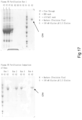
- the cleaved material - PspCN (or PspCNR1) - was then purified further on a HiPrep Superdex 75 column in PBS as above. Proteins were judged to be homogeneous by SDS-PAGE and the integrity and identity of the proteins was confirmed by mass spectrometry (not shown).
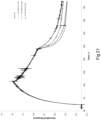
- Full-length CFH binds to PspCN approximately four orders-of-magnitude more tightly than does CFH 8-9, and three orders-of-magnitude more tightly than does CFH 8-15. This is despite the lack of evidence from our studies that CCPs other than 8, 9 and 10 participate directly in PspCN binding. Cross-linking tells us that PspCN binding causes major changes in the structure of the bigger protein. Due to its extended and flexible architecture, and the consequent potential for interactions between non-neighbouring CCP modules, free CFH has multiple conformational possibilities; our result suggest that some of these are more stable than others but are separated from one another by relatively high activation energy barriers.
- the CFH:C3b complex could be favoured by intramolecular interactions that are absent in free CFH (by analogy with the CFH:PspCN complex).
- the C-terminal C3b/C3d binding site in full-length CFH is, by default, masked or occluded.
- CFH circulates in a latent form wherein some of its C3b-binding capability is locked away, preventing it being a highly effective regulator of C3b amplification and therefore spontaneously shutting down complement activation altogether.
- Factor H can also exist in an "active" form in which its C3b-binding sites are available and juxtaposed in such a way as to bind bivalently and therefore avidly to its C3b (or C3b.Bb) target.
- the bacterial protein PspC can induce this active conformation and it is feasible that other bacterial proteins use the same trick (although via a different form of engagement with CFH).
- a 1-ml aliquot of packed cells was added to an 8 % w/v solution of 2-aminoethylisothiouronium bromide (AET, Sigma-Aldrich) solution that had been titrated to pH 8.0 using HCl.
- the cell suspension was incubated for nine minutes at 37 °C with constant agitation, after which time the cells were washed three times with RBC Wash Buffer containing no EDTA.
- PNH-like cells were then washed once with 20 mM HEPES; 145 mM NaCl; 0.1 % w/v gelatine, pH 6.4. These cells were then incubated at 37 °C with acidified normal human serum, 5 mM magnesium EGTA, and the appropriate concentration of either plasma-purified CFH (Complement Technology) or purified recombinant PspCN in a total reaction volume of 50 ⁇ l. After 30 minutes the reaction was quenched by the addition of 200 ⁇ l of ice-cold quench buffer (20 mM HEPES; 145 mM NaCl; 10 mM EDTA; 0.1 % w/v gelatine; pH 7.3). The cells and cell debris were removed by centrifugation at 3,000xg for 10 minutes at 4 °C, after which a 100- ⁇ l aliquot was removed and its absorbance at 410 nm recorded.
- ice-cold quench buffer (20 mM HEPES; 145
- PspCN N and C termini of PspCN were modified to contain a cysteine and flexible peptide linker segment.
- Cys-PspCN N-terminally Cys modified PspCN
- PspCN-Cys the extra residues included were: CGSGSGSGSGG-PspCN (SEQ ID NO 7)
- PspCN-Cys the extra residues included were: PspCN-GSGSGSGSGGC* (SEQ ID NO 8).
- SPR was performed using His-SUMO-Cys-PspCN and His-SUMO-PspCN-Cys as the ligand in SPR experiments and commercially available plasma-purified CFH (Complement Technology, Tyler TX), using the same method as that used to assess the CFH-binding ability of sPspCN.
- Cys-PspCN was mixed with a 20-fold molar excess of methoxy-PEG-maleimide (Sigma-Aldrich) and incubated for 2.5 h at room temperature with stirring in PBS supplemented with 1 mM TCEP. Aliquots of the putatively PEGylated Cys-PspCN were subjected to SDS-PAGE under reducing conditions. Successfully PEGylated protein was judged to be that which displayed a band shift relative to the untreated protein.
- ELISA style assays to quantify CFH levels in normal human serum were carried out in standard flat-bottomed 96-well plates. Wells were coated with sPspCN (100 ⁇ l; 8 ⁇ g/ml) overnight at 4 °C and were subsequently blocked using phosphate buffered saline (PBS) supplemented with 5 % w/v fat-free dried milk powder. Wells were washed three times with PBS supplemented with 0.05 % v/v Tween 20. Wells were then incubated with for one hour at room temperature with a 1:800 dilution of the primary antibody (OX24-Biotin (Lifespan Biosciences LS-C62878)).
- PBS phosphate buffered saline
- OPD o-phenylenediamine dihydrochloride
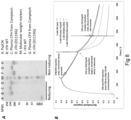
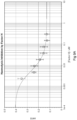
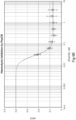
- PspCN is able to inhibit haemolysis of 'PNH-like' erythrocytes by acidified serum.
- the results of the haemolysis assay in Fig 9A and B show that haemolysis can be effectively inhibited by the addition of CFH.
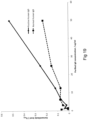
- the addition of PspCN to the reaction inhibited the haemolysis even more efficiently (with an IC 50 value calculated to be 28 nM).
- the most likely explanation for this observation when combined with the results of the results of the assays of binding of CFH to C3b and C3d, is that the addition of PspCN activates the endogenous CFH in the serum.
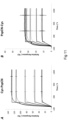
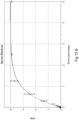
- Figs. 10 A-F show that truncating PspCN (residues 37-140) from the C-terminus causes a decrease in binding affinity of at least three orders of magnitude, whereas it is possible to remove at least 24 residues from the N terminus and still retain very high CFH binding affinity.
- the PspC(71-140) protein shows a decrease in binding of at least three orders of magnitude. It remains to be confirmed that the 62-140 construct also retains the ability to stabilise CFH in the activated conformation.
Landscapes
- Health & Medical Sciences (AREA)
- Life Sciences & Earth Sciences (AREA)
- Chemical & Material Sciences (AREA)
- General Health & Medical Sciences (AREA)
- Medicinal Chemistry (AREA)
- Animal Behavior & Ethology (AREA)
- Public Health (AREA)
- Veterinary Medicine (AREA)
- Organic Chemistry (AREA)
- Engineering & Computer Science (AREA)
- Epidemiology (AREA)
- Pharmacology & Pharmacy (AREA)
- Bioinformatics & Cheminformatics (AREA)
- Molecular Biology (AREA)
- Gastroenterology & Hepatology (AREA)
- Proteomics, Peptides & Aminoacids (AREA)
- General Chemical & Material Sciences (AREA)
- Nuclear Medicine, Radiotherapy & Molecular Imaging (AREA)
- Chemical Kinetics & Catalysis (AREA)
- Biomedical Technology (AREA)
- Genetics & Genomics (AREA)
- Biophysics (AREA)
- Biochemistry (AREA)
- Dermatology (AREA)
- Oral & Maxillofacial Surgery (AREA)
- Heart & Thoracic Surgery (AREA)
- Transplantation (AREA)
- Vascular Medicine (AREA)
- Surgery (AREA)
- Immunology (AREA)
- Pulmonology (AREA)
- Zoology (AREA)
- Toxicology (AREA)
- Neurosurgery (AREA)
- Urology & Nephrology (AREA)
- Neurology (AREA)
- Hospice & Palliative Care (AREA)
- Hematology (AREA)
- Psychiatry (AREA)
- Diabetes (AREA)
Claims (11)
- Rekombinantes Protein zur Verwendung bei der Behandlung einer oder mehrerer medizinischer Komplikationen, die mit aberranter komplementregulatorischer Aktivität assoziiert sind, bei einem Subjekt, bei dem ungebundener Komplementfaktor H (CFH) nicht in der Lage ist, Komplementaktivierung angemessen zu modulieren, wobei das rekombinante Protein fähig ist, an CFH zu binden, und dadurch eine erhöhte Bindung von C3d und C3b durch gebundenen CFH im Vergleich zu ungebundenem CFH induziert, wobei das rekombinante Protein an CFH innerhalb von Komplementkontrollproteinen (CCPs) 8-10 von CFH bindet.
- Rekombinantes Protein zur Verwendung nach Anspruch 1, wobei die eine oder mehreren medizinischen Komplikationen ein Ergebnis dessen sind, dass die regulatorischen Mechanismen des Komplements überlaufen wurden, da andere Komplementregulatoren defizient sind oder wenn Auslöser von Komplementaktivierung, einschließlich Fremdkörpern und der Produkte von Schädigung oder Tod einer Wirtszelle, reichlich vorhanden sind.
- Rekombinantes Protein zur Verwendung nach Anspruch 1 oder Anspruch 2, wobei das Protein fähig ist, an Wildtyp-CFH zu binden, um einen Komplex mit einer KD von 1 x 10⁻¹⁰ M oder weniger zu bilden.
- Rekombinantes Protein zur Verwendung nach einem vorhergehenden Anspruch, wobei das Protein von einem bakteriellen Virulenzfaktor abgeleitet ist.
- Rekombinantes Protein zur Verwendung nach einem vorhergehenden Anspruch, wobei das Protein von einem Pneumokokken-Oberflächenprotein abgeleitet ist.
- Rekombinantes Protein zur Verwendung nach Anspruch 5, wobei das Protein von Pneumokokken-Oberflächenprotein C (PspC) von Streptococcus pneumoniae abgeleitet ist.
- Rekombinantes Protein zur Verwendung nach Anspruch 5, wobei das Protein von PspC von Stamm D39 (NCTC-Nr. 7466) von S. pneumoniae abgeleitet ist oder wobei das Protein von PspC von Stamm TIGR4 (NCTC-Nr. 7465) von S. pneumoniae abgeleitet ist.
- Rekombinantes Protein zur Verwendung nach einem von Anspruch 5 bis Anspruch 7, wobei das Protein ein Fragment von PspC oder eine Variante davon umfasst, das/die 70 bis 150 Aminosäuren lang ist.
- Rekombinantes Protein zur Verwendung nach einem vorhergehenden Anspruch, wobei das Protein die folgende Sequenz umfasst:ATENEGSTQAATSSNMAKTEHRKAAKQVVDEYIEKMLREIQLDRRKHTQNVALNIKL SAIKTKYLRELNVLEEKSKDELPSEIKAKLDAAFEKFKKDTLKPGEK (SEQ ID NO 1) oder eine funktionelle Variante oder ein Fragment davon; oderKQVVDEYIEKMLREIQLDRRKHTQNVALNIKLSAIKTKYLRELNVLEEKSKDELPSEIK AKLDAAFEKFKKDTLKPGEK (SEQ ID NO 2) oder eine funktionelle Variante oder ein Fragment davon; oderATENEGATQVPTSSNRANESQAEQGEQPKKLDSERDKARKEVEEYVKKIVGESYA KSTKKRHTITVALVNELNNIKNEYLNKIVESTSESQLQILMMESRSKVDEAVSKFEKD SSSSSSSDSSTKPEASDTAKPNKPTEPGEK (SEQ ID NO 9) oder eine funktionelle Variante oder ein Fragment davon.
- Rekombinantes Protein zur Verwendung nach Anspruch 6, wobei das Protein mindestens Aminosäuren 68-136 von PspC oder eine funktionelle Variante davon umfasst.
- Rekombinantes Protein zur Verwendung bei der Behandlung oder Vorbeugung einer Krankheit oder einer anderen medizinischen Komplikation, die mit aberranter komplementregulatorischer Aktivität assoziiert ist, bei einem Subjekt, wobei das rekombinante Protein fähig ist, an Komplementfaktor H (CFH) zu binden, und dadurch eine erhöhte Bindung von C3d und C3b durch gebundenen CFH im Vergleich zu ungebundenem CFH induziert, wobei das rekombinante Protein an CFH innerhalb von Komplementkontrollproteinen (CCPs) 8-10 von CFH bindet, wobei es sich bei der Krankheit um eines oder mehrere von paroxysmaler nächtlicher Hämoglobinurie (PNH), atypischem hämolytisch-urämischem Syndrom (aHUS), Dense-deposit-Krankheit (DDD); altersbedingter Makuladegeneration (AMD); systemischem Lupus erythematodes (SLE); Sepsis; und Alzheimer-Krankheit handelt.
Applications Claiming Priority (3)
| Application Number | Priority Date | Filing Date | Title |
|---|---|---|---|
| GBGB1318170.6A GB201318170D0 (en) | 2013-10-14 | 2013-10-14 | Proteins with Diagnostic and Therapeutic Uses |
| EP14789350.7A EP3057979B1 (de) | 2013-10-14 | 2014-10-13 | Proteine mit diagnostischen und therapeutischen verwendungen |
| PCT/GB2014/053072 WO2015055991A1 (en) | 2013-10-14 | 2014-10-13 | Proteins with diagnostic and therapeutic uses |
Related Parent Applications (1)
| Application Number | Title | Priority Date | Filing Date |
|---|---|---|---|
| EP14789350.7A Division EP3057979B1 (de) | 2013-10-14 | 2014-10-13 | Proteine mit diagnostischen und therapeutischen verwendungen |
Publications (3)
| Publication Number | Publication Date |
|---|---|
| EP3757115A1 EP3757115A1 (de) | 2020-12-30 |
| EP3757115C0 EP3757115C0 (de) | 2025-07-09 |
| EP3757115B1 true EP3757115B1 (de) | 2025-07-09 |
Family
ID=49680023
Family Applications (2)
| Application Number | Title | Priority Date | Filing Date |
|---|---|---|---|
| EP14789350.7A Active EP3057979B1 (de) | 2013-10-14 | 2014-10-13 | Proteine mit diagnostischen und therapeutischen verwendungen |
| EP20176131.9A Active EP3757115B1 (de) | 2013-10-14 | 2014-10-13 | Proteine mit diagnostischen und therapeutischen verwendungen |
Family Applications Before (1)
| Application Number | Title | Priority Date | Filing Date |
|---|---|---|---|
| EP14789350.7A Active EP3057979B1 (de) | 2013-10-14 | 2014-10-13 | Proteine mit diagnostischen und therapeutischen verwendungen |
Country Status (11)
| Country | Link |
|---|---|
| US (4) | US10035827B2 (de) |
| EP (2) | EP3057979B1 (de) |
| JP (3) | JP6691042B2 (de) |
| CN (3) | CN105764918B (de) |
| AU (3) | AU2014335925B2 (de) |
| BR (1) | BR112016008055A2 (de) |
| CA (1) | CA2925663A1 (de) |
| DK (1) | DK3057979T3 (de) |
| ES (2) | ES3037618T3 (de) |
| GB (1) | GB201318170D0 (de) |
| WO (1) | WO2015055991A1 (de) |
Families Citing this family (8)
| Publication number | Priority date | Publication date | Assignee | Title |
|---|---|---|---|---|
| WO2017075189A1 (en) * | 2015-10-27 | 2017-05-04 | University Of Massachusetts | Factor h-fc immunotherapy |
| US20190071477A1 (en) * | 2015-12-31 | 2019-03-07 | Quassia Biopharma Co., Ltd | Recombinant complement Factor H-immunoglobulin fusion protein with complement regulatory activity, and preparation method therefor and use thereof |
| GB201800620D0 (en) | 2018-01-15 | 2018-02-28 | Univ Manchester | C3b Binding Polypeptide |
| WO2021011903A1 (en) * | 2019-07-17 | 2021-01-21 | Gemini Therapeutics Inc. | Factor h potentiating antibodies and uses thereof |
| CA3182800A1 (en) | 2020-06-14 | 2021-12-23 | Vertex Pharmaceuticals Inc. | Complement factor i-related compositions and methods |
| EP4001301A1 (de) * | 2020-11-13 | 2022-05-25 | Navigo Proteins Gmbh | Bindungsprotein für komplementfaktor h (cfh) |
| GB202102931D0 (en) | 2021-03-02 | 2021-04-14 | Invizius Ltd | Peritoneal fluid composition |
| GB202202728D0 (en) | 2022-02-28 | 2022-04-13 | Invizius Ltd | Peritoneal fluid composition |
Family Cites Families (23)
| Publication number | Priority date | Publication date | Assignee | Title |
|---|---|---|---|---|
| US5168062A (en) | 1985-01-30 | 1992-12-01 | University Of Iowa Research Foundation | Transfer vectors and microorganisms containing human cytomegalovirus immediate-early promoter-regulatory DNA sequence |
| US4980286A (en) | 1985-07-05 | 1990-12-25 | Whitehead Institute For Biomedical Research | In vivo introduction and expression of foreign genetic material in epithelial cells |
| CH680045A5 (de) * | 1990-02-16 | 1992-06-15 | Om Lab Sa | |
| US6592876B1 (en) * | 1993-04-20 | 2003-07-15 | Uab Research Foundation | Pneumococcal genes, portions thereof, expression products therefrom, and uses of such genes, portions and products |
| EP0885965A3 (de) * | 1997-06-20 | 2000-01-12 | Smithkline Beecham Corporation | Histidin kinase polypeptide |
| KR20060126844A (ko) * | 1998-04-07 | 2006-12-08 | 메디뮨 인코포레이티드 | 백신용 폐렴 구균의 콜린 결합성 단백질의 유도체 |
| US6858706B2 (en) * | 1998-04-07 | 2005-02-22 | St. Jude Children's Research Hospital | Polypeptide comprising the amino acid of an N-terminal choline binding protein a truncate, vaccine derived therefrom and uses thereof |
| JP2002516251A (ja) * | 1998-04-23 | 2002-06-04 | ユーエイビー リサーチ ファンデーション | 肺炎球菌表面プロテインC(PspC)のエピトープ領域およびその菌株選択、ならびにそのための使用法 |
| US20010016200A1 (en) * | 1998-04-23 | 2001-08-23 | Briles David E. | Pneumococcal surface protein C (PspC), epitopic regions and strain selection thereof, and uses therefor |
| GB9816337D0 (en) * | 1998-07-27 | 1998-09-23 | Cortecs Uk Ltd | Proteins |
| BR0011197A (pt) | 1999-05-07 | 2002-02-19 | Genentech Inc | Método de tratamento de uma doença autoimunológica em um mamìfero, compreendendo antagonistas que se ligam aos marcadores de superfìcie de células b e artigo de manufatura |
| MXPA01012721A (es) * | 1999-06-10 | 2004-10-14 | Uab Research Foundation | Vacuna de combinacion de proteinas de superficie neumococcicas. |
| AU2001287645A1 (en) * | 2000-07-20 | 2002-02-05 | Hansa Medical Ab | Fh-binding protein of streptococcus pneumiae |
| EP1301602A2 (de) * | 2000-07-20 | 2003-04-16 | Hansa Medical AB | Fh-bindendes protein aus streptococcus pneumoniae |
| US6957392B2 (en) * | 2002-01-16 | 2005-10-18 | Laszlo Systems, Inc. | Interface engine providing a continuous user interface |
| DE10258924A1 (de) * | 2002-12-17 | 2004-07-08 | Eberhard-Karls-Universität Tübingen Universitätsklinikum | Mit die Adhäsion von biologischem Material vermittelnden Substanzen beschichtete Vorrichtung |
| US8105612B2 (en) * | 2005-05-13 | 2012-01-31 | Novartis Vaccines And Diagnostics, Inc. | Serum resistance factors of gram positive bacteria |
| ES2369372T3 (es) * | 2006-04-05 | 2011-11-30 | Abb Technology Ag | Actuador electromagnético , en particular para un interruptor de media tensión. |
| DE102010001914A1 (de) * | 2010-02-15 | 2011-08-18 | Robert Bosch GmbH, 70469 | Lenkvorrichtung für ein Kraftfahrzeug |
| WO2012072769A1 (en) * | 2010-12-01 | 2012-06-07 | Novartis Ag | Pneumococcal rrgb epitopes and clade combinations |
| WO2012087925A1 (en) * | 2010-12-20 | 2012-06-28 | The Trustees Of The University Of Pennsylvania | Factor h binding peptides and uses thereof |
| WO2012134975A1 (en) * | 2011-03-28 | 2012-10-04 | St. Jude Children's Research Hospital | Methods and compositions employing immunogenic fusion proteins |
| JP6057265B2 (ja) * | 2013-08-21 | 2017-01-11 | 国立大学法人大阪大学 | 標的物質とリガンドとの結合親和性を測定するための方法、ならびに該方法に使用するための試薬助剤およびキット |
-
2013
- 2013-10-14 GB GBGB1318170.6A patent/GB201318170D0/en not_active Ceased
-
2014
- 2014-10-13 US US15/029,399 patent/US10035827B2/en active Active
- 2014-10-13 DK DK14789350.7T patent/DK3057979T3/da active
- 2014-10-13 EP EP14789350.7A patent/EP3057979B1/de active Active
- 2014-10-13 CA CA2925663A patent/CA2925663A1/en active Pending
- 2014-10-13 EP EP20176131.9A patent/EP3757115B1/de active Active
- 2014-10-13 ES ES20176131T patent/ES3037618T3/es active Active
- 2014-10-13 AU AU2014335925A patent/AU2014335925B2/en active Active
- 2014-10-13 CN CN201480056203.0A patent/CN105764918B/zh active Active
- 2014-10-13 BR BR112016008055A patent/BR112016008055A2/pt not_active Application Discontinuation
- 2014-10-13 ES ES14789350T patent/ES2800599T3/es active Active
- 2014-10-13 CN CN202110888795.4A patent/CN114028538A/zh active Pending
- 2014-10-13 JP JP2016522745A patent/JP6691042B2/ja active Active
- 2014-10-13 CN CN202110888802.0A patent/CN114031676A/zh active Pending
- 2014-10-13 WO PCT/GB2014/053072 patent/WO2015055991A1/en not_active Ceased
-
2018
- 2018-07-06 US US16/028,740 patent/US10774116B2/en active Active
-
2019
- 2019-03-15 AU AU2019201829A patent/AU2019201829B2/en active Active
- 2019-10-28 JP JP2019195276A patent/JP6987825B2/ja active Active
-
2020
- 2020-08-17 US US16/995,344 patent/US20210017239A1/en not_active Abandoned
- 2020-11-25 AU AU2020277188A patent/AU2020277188B2/en active Active
-
2021
- 2021-09-24 US US17/483,920 patent/US20220009974A1/en not_active Abandoned
- 2021-12-01 JP JP2021195598A patent/JP7320585B2/ja active Active
Also Published As
Similar Documents
| Publication | Publication Date | Title |
|---|---|---|
| AU2020277188B2 (en) | Proteins With Diagnostic And Therapeutic Uses | |
| JP6810190B2 (ja) | Fgf21突然変異体及びその使用 | |
| Turner | Mannose-binding lectin: the pluripotent molecule of the innate immune system | |
| TWI436776B (zh) | Fgf21突變體及其用途 | |
| KR101773368B1 (ko) | 단백질 A(SpA) 변이체와 관련된 조성물 및 방법 | |
| US9540626B2 (en) | Regulator of complement activation and uses thereof | |
| KR20180091097A (ko) | 보체 활성화를 억제하기 위한 폴리펩티드 | |
| AU2015305299B2 (en) | Disintegrin variants and pharmaceutical uses thereof | |
| CA2854882A1 (en) | Medicament for therapeutic treatment and/or improvement of sepsis | |
| Huang et al. | Structure-guided de novo design of α-helical antimicrobial peptide with enhanced specificity | |
| WO2024223935A1 (en) | Sialylated human factor h protein and therapeutic use thereof | |
| HK1040522A1 (zh) | 新的糖链连接的凝血调节蛋白样肽 | |
| WO2025193823A1 (en) | Methods of treating autoimmune disorders using modified fc polypeptides with enhanced sialylation | |
| EP3204036A2 (de) | Lipoproteinlipase zur behandlung von zuständen im zusammenhang mit hypertriglyzeridämie mit akuter pankreatitis | |
| WO2014014816A2 (en) | Methods of treating glucose metabolism disorders | |
| WO2013151627A1 (en) | Methods of treating glucose metabolism disorders | |
| EP3107561A1 (de) | Faktor-viii-b-zellen-epitopvarianten mit reduzierter immunogenität |
Legal Events
| Date | Code | Title | Description |
|---|---|---|---|
| PUAI | Public reference made under article 153(3) epc to a published international application that has entered the european phase |
Free format text: ORIGINAL CODE: 0009012 |
|
| STAA | Information on the status of an ep patent application or granted ep patent |
Free format text: STATUS: THE APPLICATION HAS BEEN PUBLISHED |
|
| AC | Divisional application: reference to earlier application |
Ref document number: 3057979 Country of ref document: EP Kind code of ref document: P |
|
| AK | Designated contracting states |
Kind code of ref document: A1 Designated state(s): AL AT BE BG CH CY CZ DE DK EE ES FI FR GB GR HR HU IE IS IT LI LT LU LV MC MK MT NL NO PL PT RO RS SE SI SK SM TR |
|
| STAA | Information on the status of an ep patent application or granted ep patent |
Free format text: STATUS: REQUEST FOR EXAMINATION WAS MADE |
|
| 17P | Request for examination filed |
Effective date: 20210615 |
|
| RBV | Designated contracting states (corrected) |
Designated state(s): AL AT BE BG CH CY CZ DE DK EE ES FI FR GB GR HR HU IE IS IT LI LT LU LV MC MK MT NL NO PL PT RO RS SE SI SK SM TR |
|
| STAA | Information on the status of an ep patent application or granted ep patent |
Free format text: STATUS: EXAMINATION IS IN PROGRESS |
|
| 17Q | First examination report despatched |
Effective date: 20220124 |
|
| GRAP | Despatch of communication of intention to grant a patent |
Free format text: ORIGINAL CODE: EPIDOSNIGR1 |
|
| STAA | Information on the status of an ep patent application or granted ep patent |
Free format text: STATUS: GRANT OF PATENT IS INTENDED |
|
| RIC1 | Information provided on ipc code assigned before grant |
Ipc: A61K 39/00 20060101ALN20250115BHEP Ipc: C07K 14/315 20060101AFI20250115BHEP |
|
| INTG | Intention to grant announced |
Effective date: 20250204 |
|
| GRAS | Grant fee paid |
Free format text: ORIGINAL CODE: EPIDOSNIGR3 |
|
| GRAA | (expected) grant |
Free format text: ORIGINAL CODE: 0009210 |
|
| STAA | Information on the status of an ep patent application or granted ep patent |
Free format text: STATUS: THE PATENT HAS BEEN GRANTED |
|
| AC | Divisional application: reference to earlier application |
Ref document number: 3057979 Country of ref document: EP Kind code of ref document: P |
|
| AK | Designated contracting states |
Kind code of ref document: B1 Designated state(s): AL AT BE BG CH CY CZ DE DK EE ES FI FR GB GR HR HU IE IS IT LI LT LU LV MC MK MT NL NO PL PT RO RS SE SI SK SM TR |
|
| REG | Reference to a national code |
Ref country code: GB Ref legal event code: FG4D |
|
| REG | Reference to a national code |
Ref country code: CH Ref legal event code: EP |
|
| REG | Reference to a national code |
Ref country code: IE Ref legal event code: FG4D |
|
| REG | Reference to a national code |
Ref country code: DE Ref legal event code: R096 Ref document number: 602014092128 Country of ref document: DE |
|
| U01 | Request for unitary effect filed |
Effective date: 20250723 |
|
| U07 | Unitary effect registered |
Designated state(s): AT BE BG DE DK EE FI FR IT LT LU LV MT NL PT RO SE SI Effective date: 20250730 |
|
| REG | Reference to a national code |
Ref country code: ES Ref legal event code: FG2A Ref document number: 3037618 Country of ref document: ES Kind code of ref document: T3 Effective date: 20251003 |
|
| REG | Reference to a national code |
Ref country code: CH Ref legal event code: R17 Free format text: ST27 STATUS EVENT CODE: U-0-0-R10-R17 (AS PROVIDED BY THE NATIONAL OFFICE) Effective date: 20251006 |
|
| REG | Reference to a national code |
Ref country code: CH Ref legal event code: U11 Free format text: ST27 STATUS EVENT CODE: U-0-0-U10-U11 (AS PROVIDED BY THE NATIONAL OFFICE) Effective date: 20251101 |