EP3740244B1 - Adeno-associated virus gene therapy for 21-hydroxylase deficiency - Google Patents
Adeno-associated virus gene therapy for 21-hydroxylase deficiency Download PDFInfo
- Publication number
- EP3740244B1 EP3740244B1 EP19706059.3A EP19706059A EP3740244B1 EP 3740244 B1 EP3740244 B1 EP 3740244B1 EP 19706059 A EP19706059 A EP 19706059A EP 3740244 B1 EP3740244 B1 EP 3740244B1
- Authority
- EP
- European Patent Office
- Prior art keywords
- raav
- adrenal
- vector
- aav
- cyp21
- Prior art date
- Legal status (The legal status is an assumption and is not a legal conclusion. Google has not performed a legal analysis and makes no representation as to the accuracy of the status listed.)
- Active
Links
Images



























Classifications
-
- C—CHEMISTRY; METALLURGY
- C12—BIOCHEMISTRY; BEER; SPIRITS; WINE; VINEGAR; MICROBIOLOGY; ENZYMOLOGY; MUTATION OR GENETIC ENGINEERING
- C12N—MICROORGANISMS OR ENZYMES; COMPOSITIONS THEREOF; PROPAGATING, PRESERVING, OR MAINTAINING MICROORGANISMS; MUTATION OR GENETIC ENGINEERING; CULTURE MEDIA
- C12N9/00—Enzymes; Proenzymes; Compositions thereof; Processes for preparing, activating, inhibiting, separating or purifying enzymes
- C12N9/0004—Oxidoreductases (1.)
- C12N9/0071—Oxidoreductases (1.) acting on paired donors with incorporation of molecular oxygen (1.14)
-
- A—HUMAN NECESSITIES
- A61—MEDICAL OR VETERINARY SCIENCE; HYGIENE
- A61K—PREPARATIONS FOR MEDICAL, DENTAL OR TOILETRY PURPOSES
- A61K39/00—Medicinal preparations containing antigens or antibodies
- A61K39/12—Viral antigens
-
- A—HUMAN NECESSITIES
- A61—MEDICAL OR VETERINARY SCIENCE; HYGIENE
- A61K—PREPARATIONS FOR MEDICAL, DENTAL OR TOILETRY PURPOSES
- A61K48/00—Medicinal preparations containing genetic material which is inserted into cells of the living body to treat genetic diseases; Gene therapy
- A61K48/005—Medicinal preparations containing genetic material which is inserted into cells of the living body to treat genetic diseases; Gene therapy characterised by an aspect of the 'active' part of the composition delivered, i.e. the nucleic acid delivered
-
- C—CHEMISTRY; METALLURGY
- C12—BIOCHEMISTRY; BEER; SPIRITS; WINE; VINEGAR; MICROBIOLOGY; ENZYMOLOGY; MUTATION OR GENETIC ENGINEERING
- C12N—MICROORGANISMS OR ENZYMES; COMPOSITIONS THEREOF; PROPAGATING, PRESERVING, OR MAINTAINING MICROORGANISMS; MUTATION OR GENETIC ENGINEERING; CULTURE MEDIA
- C12N15/00—Mutation or genetic engineering; DNA or RNA concerning genetic engineering, vectors, e.g. plasmids, or their isolation, preparation or purification; Use of hosts therefor
- C12N15/09—Recombinant DNA-technology
- C12N15/63—Introduction of foreign genetic material using vectors; Vectors; Use of hosts therefor; Regulation of expression
- C12N15/79—Vectors or expression systems specially adapted for eukaryotic hosts
- C12N15/85—Vectors or expression systems specially adapted for eukaryotic hosts for animal cells
- C12N15/86—Viral vectors
-
- C—CHEMISTRY; METALLURGY
- C12—BIOCHEMISTRY; BEER; SPIRITS; WINE; VINEGAR; MICROBIOLOGY; ENZYMOLOGY; MUTATION OR GENETIC ENGINEERING
- C12N—MICROORGANISMS OR ENZYMES; COMPOSITIONS THEREOF; PROPAGATING, PRESERVING, OR MAINTAINING MICROORGANISMS; MUTATION OR GENETIC ENGINEERING; CULTURE MEDIA
- C12N7/00—Viruses; Bacteriophages; Compositions thereof; Preparation or purification thereof
-
- C—CHEMISTRY; METALLURGY
- C12—BIOCHEMISTRY; BEER; SPIRITS; WINE; VINEGAR; MICROBIOLOGY; ENZYMOLOGY; MUTATION OR GENETIC ENGINEERING
- C12N—MICROORGANISMS OR ENZYMES; COMPOSITIONS THEREOF; PROPAGATING, PRESERVING, OR MAINTAINING MICROORGANISMS; MUTATION OR GENETIC ENGINEERING; CULTURE MEDIA
- C12N2750/00—MICROORGANISMS OR ENZYMES; COMPOSITIONS THEREOF; PROPAGATING, PRESERVING, OR MAINTAINING MICROORGANISMS; MUTATION OR GENETIC ENGINEERING; CULTURE MEDIA ssDNA viruses
- C12N2750/00011—Details
- C12N2750/14011—Parvoviridae
- C12N2750/14111—Dependovirus, e.g. adenoassociated viruses
- C12N2750/14141—Use of virus, viral particle or viral elements as a vector
- C12N2750/14143—Use of virus, viral particle or viral elements as a vector viral genome or elements thereof as genetic vector
-
- C—CHEMISTRY; METALLURGY
- C12—BIOCHEMISTRY; BEER; SPIRITS; WINE; VINEGAR; MICROBIOLOGY; ENZYMOLOGY; MUTATION OR GENETIC ENGINEERING
- C12N—MICROORGANISMS OR ENZYMES; COMPOSITIONS THEREOF; PROPAGATING, PRESERVING, OR MAINTAINING MICROORGANISMS; MUTATION OR GENETIC ENGINEERING; CULTURE MEDIA
- C12N2750/00—MICROORGANISMS OR ENZYMES; COMPOSITIONS THEREOF; PROPAGATING, PRESERVING, OR MAINTAINING MICROORGANISMS; MUTATION OR GENETIC ENGINEERING; CULTURE MEDIA ssDNA viruses
- C12N2750/00011—Details
- C12N2750/14011—Parvoviridae
- C12N2750/14111—Dependovirus, e.g. adenoassociated viruses
- C12N2750/14171—Demonstrated in vivo effect
-
- C—CHEMISTRY; METALLURGY
- C12—BIOCHEMISTRY; BEER; SPIRITS; WINE; VINEGAR; MICROBIOLOGY; ENZYMOLOGY; MUTATION OR GENETIC ENGINEERING
- C12N—MICROORGANISMS OR ENZYMES; COMPOSITIONS THEREOF; PROPAGATING, PRESERVING, OR MAINTAINING MICROORGANISMS; MUTATION OR GENETIC ENGINEERING; CULTURE MEDIA
- C12N2830/00—Vector systems having a special element relevant for transcription
- C12N2830/008—Vector systems having a special element relevant for transcription cell type or tissue specific enhancer/promoter combination
-
- C—CHEMISTRY; METALLURGY
- C12—BIOCHEMISTRY; BEER; SPIRITS; WINE; VINEGAR; MICROBIOLOGY; ENZYMOLOGY; MUTATION OR GENETIC ENGINEERING
- C12Y—ENZYMES
- C12Y114/00—Oxidoreductases acting on paired donors, with incorporation or reduction of molecular oxygen (1.14)
- C12Y114/14—Oxidoreductases acting on paired donors, with incorporation or reduction of molecular oxygen (1.14) with reduced flavin or flavoprotein as one donor, and incorporation of one atom of oxygen (1.14.14)
Definitions
- the present disclosure relates generally to the field of gene therapy.
- the disclosure describes recombinant adeno-associated virus (rAAV) vectors and particles that express 21-hydroxylase (21OH) protein.
- rAAV vectors and particles may be used to treat 21OH deficiency.
- 21-hydroxylase is a cytochrome P450 enzyme, encoded by the CYP21A2 gene, that is involved with the biosynthesis of the steroid hormones aldosterone and cortisol. These syntheses take place in the adrenal cortex.
- the high rate of recombination between the functional CYP21A2 gene and the closely linked, non-functional CYP21A1P pseudogene results in the high incidence of congenital adrenal hyperplasia (CAH) and its unusual genetics, driven by gene conversions rather than by point mutations.
- CAH congenital adrenal hyperplasia
- 21OHD 21-hydroxylase deficiency
- Therapeutic failure may even lead to bilateral adrenalectomy in some patients ( Gmyrek et al., Pediatrics, 109: E28 (2002 ); Bruining et al., J Clin Endocrinol Metab, 86: 482-484 (2001 )).
- rAAV recombinant adeno-associated virus
- references to the methods of treatment by therapy or surgery or in vivo diagnosis methods in this description are to be interpreted as references to recombinant adeno-associated virus (rAAV) particles, pharmaceutical compositions thereof, and medicaments of the present invention for use in said methods.
- rAAV recombinant adeno-associated virus
- the invention encompasses a recombinant adeno-associated virus (rAAV) vector comprising a nucleic acid molecule comprising at least one AAV inverted terminal repeat (ITR) and a non-AAV nucleotide sequence encoding a 21-hydroxylase (21OH) protein, the non-AAV nucleotide sequence operably linked to a CAG promoter, and wherein the rAAV particle is an AAV5 serotype.
- rAAV recombinant adeno-associated virus
- a rAAV vector encodes a 21OH protein that is human 21OH protein.
- a non-AAV nucleotide sequence encoding a 21OH protein comprises or consists of the human 21OH ( CYP21A2 ) cDNA.
- a non-AAV nucleotide sequence encoding a 21OH protein encodes the amino acid sequence of SEQ ID NO:1 or an amino acid sequence at least 95%, at least 96%, at least 97%, at least 98% or at least 99% identical to SEQ ID NO:1.
- a rAAV vector may comprise a nucleic acid molecule comprising at least one AAV inverted terminal repeat (ITR) and a non-AAV nucleotide sequence encoding a 21-hydroxylase (21OH) protein, the non-AAV nucleotide sequence operably linked to a CAG promoter, wherein the promoter directs expression of the 21OH protein in a host cell (e.g., an adrenal gland cell or an adrenal cortex cell).
- the promoter comprises or consists of the nucleotide sequence of SEQ ID NO:2.
- a rAAV vector comprises at least one ITR sequence.
- an ITR is an AAV1, AAV2, AAV3, AAV4, AAV5, AAV6, AAV7, AAV8, AAV9, AAV10, AAV11, AAV12, rh10 or rh74 serotype ITR.
- a rAAV vector of the invention is an AAV1, AAV2, AAV3, AAV4, AAV5, AAV6, AAV7, AAV8, AAV9, AAV10, AAV11, AAV12, rh10 or rh74 serotype.
- the invention further provides a recombinant adeno-associated virus (rAAV) vector comprising a nucleic acid molecule comprising a non-AAV nucleotide sequence encoding a 21-hydroxylase (21OH) protein, the non-AAV nucleotide sequence operably linked to a CAG promoter, wherein the rAAV vector comprises at least one AAV inverted terminal repeat (ITR), wherein the ITR is from an AAV of serotype AAV1, AAV2, AAV3, AAV4, AAV5, AAV6, AAV7, AAV8, AAV9, AAV10, AAV11, AAV12, rh10 or rh74; and wherein the rAAV particle is an AAV5 serotype.
- ITR AAV inverted terminal repeat
- the invention encompasses a rAAV particle comprising a rAAV vector described herein.
- a rAAV particle further comprises at least one capsid protein from AAV serotype AAV1, AAV2, AAV3, AAV4, AAV5, AAV6, AAV7, AAV8, AAV9, AAV10, AAV11, AAV12, rh10 or rh74.
- the invention also encompasses a pharmaceutical composition comprising a rAAV particle described herein and a pharmaceutically acceptable carrier, diluent or excipient. Additionally, the invention contemplates a method of producing an rAAV particle, the method comprising culturing a host cell containing: (a) a rAAV vector described herein; (b) a nucleic acid molecule encoding an AAV rep; (c) a nucleic acid molecule encoding at least one AAV capsid protein and (d) sufficient helper functions for packaging the rAAV particle, wherein the rAAV particle is an AAV5 serotype.
- the invention provides a method of expressing 21-hydroxylase (21OH) in a subject in need thereof, comprising administering to the subject a therapeutically effective amount of a rAAV particle comprising a rAAV vector comprising a nucleic acid molecule comprising at least one AAV inverted terminal repeat (ITR) and a non-AAV nucleotide sequence encoding a 21-hydroxylase (21OH) protein, the non-AAV nucleotide sequence operably linked to a CAG promoter, or a pharmaceutical composition comprising such a rAAV particle, thereby expressing 21OH in the subject.
- 21OH may be expressed in the subject's adrenal cortex, adrenal medulla, adrenal stem cells, adrenal progenitor cells, liver or ovary.
- the invention further provides a method of treating a subject with 21-hydroxylase deficiency (21OHD), comprising administering to the subject a therapeutically effective amount of a rAAV particle comprising a rAAV vector comprising a nucleic acid molecule comprising at least one AAV inverted terminal repeat (ITR) and a non-AAV nucleotide sequence encoding a 21-hydroxylase (21OH) protein, the non-AAV nucleotide sequence operably linked to a CAG promoter, or a pharmaceutical composition comprising such a rAAV particle, thereby treating 21OHD in the subject.
- This method may further comprise selecting a subject with 21OHD before the administering step.
- a rAAV vector or a rAAV particle or a pharmaceutical composition comprising such a rAAV vector or rAAV particle is administered to the subject intravenously, by direct injection into the adrenal gland via open surgery or laparoscopy or by injection into an adrenal artery via catheterization.
- Direct injection into the adrenal gland may be direct injection into the adrenal cortex.
- a subject treated by the methods or the compositions of the invention may be affected with the Prader stage IV or V form of 21OHD.
- a subject is affected with congenital adrenal hyperplasia (CAH).
- CAH congenital adrenal hyperplasia
- the invention also contemplates a use of a rAAV vector comprising a nucleic acid molecule comprising at least one AAV inverted terminal repeat (ITR) and a non-AAV nucleotide sequence encoding a 21-hydroxylase (21OH) protein or a rAAV particle comprising such a vector, the non-AAV nucleotide sequence operably linked to a CAG promoter, and wherein the rAAV particle is an AAV5 serotype, in the manufacture of a medicament for treating 21-hydroxylase deficiency.
- ITR AAV inverted terminal repeat
- 21OH 21-hydroxylase
- the invention relates to recombinant adeno-associated virus (AAV) vectors that are engineered to express 21-hydroxylase (21OH) and can be used to treat 21-hydroxylase deficiency (21OHD).
- AAV adeno-associated virus
- the invention provides a recombinant adeno-associated virus (rAAV) vector comprising a non-AAV nucleotide sequence encoding a 21OH protein, an rAAV particle comprising such a vector and methods of using such vectors and particles to treat 21OHD in subjects in need thereof.
- any concentration range, percentage range, ratio range, or integer range is to be understood to include the value of any integer within the recited range and, when appropriate, fractions thereof (such as one tenth and one hundredth of an integer), unless otherwise indicated.
- the term “about”, when immediately preceding a number or numeral, means that the number or numeral ranges plus or minus 10%.
- the terms “a” and “an” as used herein refer to “one or more" of the enumerated components unless otherwise indicated.
- the use of the alternative e.g., “or” should be understood to mean either one, both, or any combination thereof of the alternatives.
- the term “and/or” should be understood to mean either one, or both of the alternatives.
- the terms “include” and “comprise” are used synonymously.
- the invention provides a recombinant adeno-associated virus (rAAV) vector for delivery of a 21-hydroxylase (21OH) nucleic acid sequence to cells in need of treatment.
- rAAV recombinant adeno-associated virus
- the invention relates to a recombinant adeno-associated virus (rAAV) vector comprising a nucleic acid molecule comprising at least one AAV inverted terminal repeat (ITR) and a non-AAV nucleotide sequence (also referred to as a heterologous polynucleotide) encoding a 21OH protein, the non-AAV nucleotide sequence operably linked to a CAG promoter.
- ITR AAV inverted terminal repeat
- non-AAV nucleotide sequence also referred to as a heterologous polynucleotide
- operable linkage refers to a physical or functional juxtaposition of the components so described as to permit them to function in their intended manner.
- an expression control element such as a promoter or enhancer
- operable linkage with a polynucleotide the relationship is such that the control element modulates expression of the nucleic acid.
- two DNA sequences operably linked means that the two DNAs are arranged (cis or trans) in such a relationship that at least one of the DNA sequences is able to exert a physiological effect upon the other sequence.
- “Operably linked” may mean that the nucleic acid sequences being linked are contiguous, or substantially contiguous, and, where necessary to join two protein coding regions, contiguous and in reading frame.
- a rAAV vector expresses a 21OH protein that is a human 21OH protein.
- the CYP21A2 gene encodes 21OH protein.
- 21OH may refer to the 21OH protein or nucleic acid sequence encoding said protein.
- the 21OH protein expressed by a rAAV vector described herein is a native (e.g., wild-type) 21OH protein.
- the 21OH protein or polypeptide encoded by the nucleotide sequence includes full-length native sequences, as with a naturally occurring 21OH protein, as well as functional subsequences, modified forms or sequence variants so long as the subsequence, modified form or variant retains some degree of functionality of the native full-length 21OH protein.
- 21OH proteins and polypeptides encoded by the nucleotide sequences in a rAAV vector can be, but are not required to be, identical to the endogenous 21OH protein that is defective, or whose expression is insufficient, or deficient in the treated subject.
- the non-AAV nucleotide sequence (e.g., heterologous sequence) encoding a 21OH protein is the wild-type CYP21 gene sequence. In some embodiments, the non-AAV nucleotide sequence (e.g., heterologous sequence) encoding a 21OH protein has been codon-optimized with respect to the wild-type CYP21 gene sequence. In some embodiments, a 21OH-encoding nucleotide sequence of the invention is a codon-optimized sequence and comprises or consists of SEQ ID NO:50.
- Codon optimization takes advantage of redundancies in the genetic code to enable a nucleotide sequence to be altered while maintaining the same amino acid sequence of the encoded protein.
- codon optimization is carried out to facilitate an increase or decrease in the expression of an encoded protein. This is effected by tailoring codon usage in a nucleotide sequence to that of a specific cell type, thus taking advantage of cellular codon bias corresponding to a bias in the relative abundance of particular tRNAs in the cell type. By altering the codons in the nucleotide sequence so that they are tailored to match the relative abundance of corresponding tRNAs, it is possible to increase expression. Conversely, it is possible to decrease expression by selecting codons for which the corresponding tRNAs are known to be rare in the particular cell type.
- a codon-optimized nucleotide sequence encoding a 21OH protein is more stable than the wild-type cDNA sequence, thereby avoiding generating alternatively spliced variants or truncated proteins if the non-AAV nucleotide sequence is introduced into the transcriptional machinery through gene therapy.
- the non-AAV nucleotide sequence (e.g., heterologous sequence) encoding a 21OH protein encodes the amino acid sequence of SEQ ID NO:1 (see Table 10). In other embodiments, the non-AAV nucleotide sequence encoding a 21OH protein encodes an amino acid sequence at least 90%, at least 91%, at least 92%, at least 93%, at least 94%, at least 95%, at least 96%, at least 97%, at least 98% or at least 99% identical to SEQ ID NO:1.
- the non-AAV nucleotide sequence (e.g., heterologous sequence) encoding a 21OH protein is the human 21OH cDNA, optionally linked to a nucleotide sequence encoding a hemagglutinin (HA) tag.
- the non-AAV nucleotide sequence (e.g., heterologous sequence) encoding a 21OH protein is linked to a nucleotide sequence encoding a tag, for example hemagglutinin (HA), UA, cMyc, or any suitable tag.
- HA hemagglutinin
- UA hemagglutinin
- cMyc or any suitable tag.
- CYPHA may refer to a 21OH transgene fused to a sequence encoding an HA tag.
- identity means that two or more referenced entities are the same, when they are “aligned” sequences.
- two polypeptide sequences are identical, they have the same amino acid sequence, at least within the referenced region or portion.
- polynucleotide sequences are identical, they have the same polynucleotide sequence, at least within the referenced region or portion.
- the identity can be over a defined area (region or domain) of the sequence.
- An "area” or “region” of identity refers to a portion of two or more referenced entities that are the same.
- An “aligned” sequence refers to multiple polynucleotide or protein (amino acid) sequences, often containing corrections for missing or additional bases or amino acids (gaps) as compared to a reference sequence.
- the identity can extend over the entire sequence length or a portion of the sequence.
- the length of the sequence sharing the percent identity is 2, 3, 4, 5 or more contiguous polynucleotide or amino acids, e.g., 6, 7, 8, 9, 10, 11, 12, 13, 14, 15, 16, 17, 18, 19, 20, etc. contiguous amino acids.
- the length of the sequence sharing identity is 20 or more contiguous polynucleotide or amino acids, e.g., 20, 21, 22, 23, 24, 25, 26, 27, 28, 29, 30, 31, 32, 33, 34, 35, etc. contiguous amino acids.
- the length of the sequence sharing identity is 35 or more contiguous polynucleotide or amino acids, e.g., 35, 36, 37, 38, 39, 40, 41, 42, 43, 44, 45, 46, 47, 48, 49, 50, etc., contiguous amino acids.
- the length of the sequence sharing identity is 50 or more contiguous polynucleotide or amino acids, e.g., 50-55, 55-60, 60-65, 65-70, 70-75, 75-80, 80-85, 85-90, 90-95, 95-100, 100-110, etc. contiguous polynucleotide or amino acids.
- homology means that two or more referenced entities share at least partial identity over a given region or portion.
- Areas, regions or domains of homology or identity mean that a portion of two or more referenced entities share homology or are the same. Thus, where two sequences are identical over one or more sequence regions they share identity in these regions.
- Substantial homology means that a molecule is structurally or functionally conserved such that it has or is predicted to have at least partial structure or function of one or more of the structures or functions (e.g., a biological function or activity) of the reference molecule, or relevant/corresponding region or portion of the reference molecule to which it shares homology.
- the extent of identity (homology) between two sequences can be ascertained using a computer program and mathematical algorithm.
- Such algorithms that calculate percent sequence identity (homology) generally account for sequence gaps and mismatches over the comparison region or area.
- a BLAST e.g., BLAST 2.0
- search algorithm see, e.g., Altschul et al., J. Mol. Biol. 215:403 (1990 ), publicly available through NCBI
- a BLASTP algorithm is typically used in combination with a scoring matrix, such as PAM100, PAM 250, BLOSUM 62 or BLOSUM 50.
- FASTA e.g., FASTA2 and FASTA3
- SSEARCH sequence comparison programs are also used to quantitate extent of identity ( Pearson et al., Proc. Natl. Acad. Sci. USA 85:2444 (1988 ); Pearson, Methods Mol Biol. 132:185 (2000 ); and Smith et al., J. Mol. Biol. 147:195 (1981 )).
- Programs for quantitating protein structural similarity using Delaunay-based topological mapping have also been developed ( Bostick et al., Biochem Biophys Res Commun. 304:320 (2003 )).
- Vector genome sequences can include one or more "expression control elements".
- expression control elements are nucleic acid sequences that influence expression of an operably linked polynucleotide.
- Control elements including expression control elements as set forth herein, such as promoters and enhancers, present within a vector are included to facilitate proper heterologous polynucleotide (e.g., 21OH gene) transcription and/or translation (e.g., a promoter, enhancer, splicing signal for introns, maintenance of the correct reading frame of the gene to permit in-frame translation of mRNA, etc.).
- Expression control elements include appropriate transcription initiation, termination, promoter and enhancer sequences; efficient RNA processing signals such as splicing and polyadenylation (polyA) signals; sequences that stabilize cytoplasmic mRNA; sequences that enhance translation efficiency (i.e., Kozak consensus sequence); sequences that enhance protein stability; and when desired, sequences that enhance secretion of the encoded product (e.g., 21OH).
- a rAAV vector genome sequence of the invention comprises a Kozak sequence (for example, a DNA sequence transcribed to an RNA Kozak sequence).
- a rAAV vector genome sequence of the invention comprises a Kozak sequence upstream of the nucleotide sequence encoding a 21OH protein.
- an RNA Kozak sequence comprises or consists of ACCAUGG (SEQ ID NO:44), GCCGCCACCAUGG (SEQ ID NO:45), CCACCAUG (SEQ ID NO:46) or CCACCAUGG (SEQ ID NO:47).
- Expression control can be carried out at the level of transcription, translation, splicing, message stability, etc.
- an expression control element that modulates transcription is juxtaposed near the 5' end of the transcribed polynucleotide (i.e., "upstream”).
- Expression control elements can also be located at the 3' end of the transcribed sequence (i.e., "downstream") or within the transcript (e.g., in an intron).
- Expression control elements can be located at a distance away from the transcribed sequence (e.g., 100 to 500, 500 to 1000, 2000 to 5000, 5000 to 10,000 or more nucleotides from the nucleotide sequence expressing 21OH), even at considerable distances. Nevertheless, owing to the polynucleotide length limitations, for AAV vectors, such expression control elements will typically be within 1 to 1000 nucleotides from the nucleotide sequence encoding 21OH.
- expression of an operably linked nucleotide sequence encoding 21OH is at least in part controllable by the element (e.g ., promoter) such that the element modulates transcription of the nucleotide sequence and, as appropriate, translation of the transcript.
- the element e.g ., promoter
- a specific example of an expression control element is a promoter, which is usually located 5' of the transcribed sequence.
- Another example of an expression control element is an enhancer, which can be located 5' of the transcribed sequence, 3' of the transcribed sequence, or within the transcribed sequence.
- a “promoter” as used herein can refer to a nucleic acid sequence that is located adjacent to a nucleic acid sequence (e.g., heterologous polynucleotide) that encodes a recombinant product (e.g., 21OH).
- a promoter is typically operatively linked to an adjacent sequence, e.g., heterologous polynucleotide.
- a promoter typically increases an amount expressed from a heterologous polynucleotide as compared to an amount expressed when no promoter exists.
- an “enhancer” as used herein can refer to a sequence that is located adjacent to a nucleotide sequence encoding 21OH.
- Enhancer elements are typically located upstream of a promoter element but also function and can be located downstream of or within a DNA sequence (e.g., a nucleotide sequence encoding 21OH).
- an enhancer element can be located 100 base pairs, 200 base pairs, or 300 or more base pairs upstream or downstream of a heterologous polynucleotide.
- Enhancer elements typically increase expression of a heterologous polynucleotide above the level of increased expression afforded by a promoter element.
- expression control elements include ubiquitous, constitutive or promiscuous promoters and/or enhancers which are capable of driving expression of a polynucleotide in many different cell types.
- Such elements include, but are not limited to, a cytomegalovirus/ ⁇ -actin hybrid (e.g., CAG, CB6 or CBA) promoter, a phosphoglycerol kinase (PGK) promoter, cytomegalovirus (CMV) immediate early promoter and/or enhancer sequences, the Rous sarcoma virus (RSV) promoter and/or enhancer sequences and other viral promoters and/or enhancers active in a variety of mammalian cell types, or synthetic elements that are not present in nature (see, e.g., Boshart et al, Cell, 41:521-530 (1985 )), the SV40 promoter, the dihydrofolate reductase promoter, the chicken ⁇ -actin (CBA) promoter,
- a rAAV comprises a synthetic CASI promoter which contains a portion of the CMV enhancer, a portion of the chicken beta-actin promoter, and a portion of the UBC enhancer. See, e.g., WO 2012/115980 .
- a rAAV vector comprises a CAG promoter sequence comprising SEQ ID NO:2 or a nucleotide sequence at least 90%, at least 91%, at least 92%, at least 93%, at least 94%, at least 95%, at least 96%, at least 97%, at least 98% or at least 99% identical to SEQ ID NO:2.
- a rAAV vector comprises a PGK promoter sequence comprising SEQ ID NO:3 or a nucleotide sequence at least 90%, at least 91%, at least 92%, at least 93%, at least 94%, at least 95%, at least 96%, at least 97%, at least 98% or at least 99% identical to SEQ ID NO:3.
- a rAAV vector comprises a CB6 promoter sequence comprising SEQ ID NO:48 or a nucleotide sequence at least 90%, at least 91%, at least 92%, at least 93%, at least 94%, at least 95%, at least 96%, at least 97%, at least 98% or at least 99% identical to SEQ ID NO:48.
- a rAAV vector comprises a CBA promoter sequence comprising SEQ ID NO:49 or a nucleotide sequence at least 90%, at least 91%, at least 92%, at least 93%, at least 94%, at least 95%, at least 96%, at least 97%, at least 98% or at least 99% identical to SEQ ID NO:49. See Table 10 for non-limiting examples of promoter sequences.
- Inducible promoters allow regulation of gene expression and can be regulated by exogenously supplied compounds, environmental factors such as temperature, or the presence of a specific physiological state, acute phase, a particular differentiation state of the cell, or in replicating cells only.
- Inducible promoters and inducible systems are available from a variety of commercial sources, including, without limitation, Invitrogen and Clontech. Many other systems have been described and can be readily selected by one of skill in the art.
- inducible promoters regulated by exogenously supplied compounds include, the zinc-inducible sheep metallothionine (MT) promoter, the dexamethasone (Dex)-inducible mouse mammary tumor virus (MMTV) promoter, the T7 polymerase promoter system; the ecdysone insect promoter, the tetracycline-repressible system, the tetracycline-inducible system, the RU486-inducible system and the rapamycin-inducible system.
- MT zinc-inducible sheep metallothionine
- Dex dexamethasone
- MMTV mouse mammary tumor virus
- T7 polymerase promoter system the ecdysone insect promoter
- the tetracycline-repressible system the tetracycline-inducible system
- RU486-inducible system the rapamycin-inducible system.
- Any type of inducible promoter which is tightly regulated
- Expression control elements include those active in a particular tissue or cell type, referred to herein as "tissue-specific expression control elements/promoters.”
- Tissue-specific expression control elements are typically active in specific cell or tissue (e.g., adrenal gland, adrenal cortex, liver, brain, central nervous system, spinal cord, eye, retina, bone, muscle, lung, pancreas, heart, kidney cell, etc.).
- Expression control elements are typically active in these cells, tissues or organs because they are recognized by transcriptional activator proteins, or other regulators of transcription, that are unique to a specific cell, tissue or organ type.
- a rAAV vector of the invention comprises a promoter that directs expression of the nucleotide sequence encoding 21OH protein in a host cell (e.g., an adrenal gland cell).
- a host cell e.g., an adrenal gland cell
- an adrenal gland cell is an adrenal cortex cell.
- a rAAV vector of the invention comprises a non-AAV nucleotide sequence encoding a 21OH protein, the non-AAV nucleotide sequence operably linked to a CAG promoter specific for expression in an adrenal cortex cell or an adrenal medulla cell.
- a rAAV vector of the invention comprises a non-AAV nucleotide sequence encoding a 21OH protein, the non-AAV nucleotide sequence operably linked to a CAG promoter specific for expression in a subject's adrenal gland (e.g., adrenal cortex or adrenal medulla), liver or ovary.
- a rAAV vector of the invention comprises a non-AAV nucleotide sequence encoding a 21OH protein, the non-AAV nucleotide sequence operably linked to a CAG promoter specific for expression in an adrenal stem cell (e.g., an adrenocortical stem cell) or an adrenal progenitor cell.
- the regulatory sequences useful in the rAAV vectors of the present invention may also contain an intron, desirably located between the promoter/enhancer sequence and the 21OH gene.
- One desirable intron sequence is derived from SV-40, and is a 100 bp mini-intron splice donor/splice acceptor referred to as SD-SA.
- a rAAV vector comprises a posttranscriptional regulatory element.
- a posttranscriptional regulatory element is the woodchuck hepatitis virus post-transcriptional element (WPRE). (See, e.g., Wang and Verma, Proc. Natl. Acad. Sci., USA, 96: 3906-3910 (1999 )).
- a posttranscriptional regulatory element is a hepatitis B virus posttranscriptional regulatory element (HBVPRE) or a RNA transport element (RTE).
- the WPRE or HBVPRE sequence is any of the WPRE or HBVPRE sequences disclosed in US 6,136,597 or US 6,287,814 .
- a WPRE sequence comprises or consists of:
- a rAAV vector comprises a polyA signal.
- PolyA signals may be derived from many suitable species, including, without limitation SV-40, human and bovine.
- IRES internal ribosome entry site
- An IRES sequence or other suitable systems, may be used to produce more than one polypeptide from a single gene transcript.
- An IRES (or other suitable sequence) is used to produce a protein that contains more than one polypeptide chain or to express two different proteins from or within the same cell.
- An exemplary IRES is the poliovirus internal ribosome entry sequence.
- the IRES may be located 5' or 3' to the 21OH transgene in the rAAV vector.
- a rAAV vector may comprise a nucleotide sequence encoding a 2A peptide that allows for expression of multiple polypeptides from a single promoter.
- a recombinant "vector” or “rAAV vector” is derived from the wild type genome of a virus such as AAV by using molecular methods to remove the wild type genome from the virus, and replace it with a non-native nucleic acid, such as a heterologous polynucleotide sequence (e.g., a therapeutic gene expression cassette expressing 21OH).
- a non-native nucleic acid such as a heterologous polynucleotide sequence (e.g., a therapeutic gene expression cassette expressing 21OH).
- ITR inverted terminal repeat
- a rAAV vector can be distinguished from a viral genome, because all (or a part) of the viral genome has been replaced with a non-native sequence with respect to the viral genomic nucleic acid.
- incorpora non-native sequence such as a heterologous polynucleotide therefore defines the viral vector as a "recombinant" vector, which in the case of AAV can be referred to as a "rAAV vector".
- a rAAV vector comprising a nucleic acid molecule encoding 21OH may also be referred to as a "CYP21 vector” or a "21OH vector”.
- vector may refer to an isolated recombinant nucleotide sequence or an AAV particle or virion comprising a recombinant nucleotide sequence.
- a rAAV vector does not comprise any binding sites for miRNA (microRNA).
- a rAAV vector comprises one, two, three, four, five or more binding sites for an miRNA that is expressed in cells where expression of the 21OH protein is not desired (i.e., detargeting).
- a rAAV vector comprises one or more binding sites for miR-122. Binding of miR-122 to the 21OH-encoding sequence may reduce expression of this sequence in liver cells, where miR-122 is highly prevalent ( Thakral and Ghoshal, Curr Gene Ther. 2015; 15(2): 142-150 ).
- a rAAV nucleic acid sequence can be packaged into a virus (also referred to herein as a "particle” or “virion”) for subsequent infection (transformation) of a cell, ex vivo, in vitro or in vivo.
- a virus also referred to herein as a "particle” or “virion”
- the particle can be referred to as a "rAAV”.
- Such particles or virions will typically include proteins that encapsidate or package the vector genome. Particular examples include viral envelope proteins, and, in the case of AAV, capsid proteins.
- the AAV components of the rAAV vectors and particles described herein may be selected from various AAV serotypes.
- a rAAV vector may comprise an AAV nucleic acid sequence from a rh10, AAV1, AAV2, AAV3, AAV4, AAV5, AAV6, AAV7, AAV8, AAV9, AAV10, AAV11, AAV12 or rh74 serotype.
- AAV components may be readily isolated using techniques available to those of skill in the art from an AAV serotype.
- Such AAV may be isolated or obtained from academic, commercial, or public sources (e.g., the American Type Culture Collection, Manassas, VA).
- the AAV sequences may be obtained through synthetic or other suitable means by reference to published sequences such as are available in the literature or in databases such as, e.g., GenBank TM , PubMed, or the like.
- a rAAV vector or rAAV particle comprises an AAV nucleic acid sequence or AAV protein as disclosed in US 7,906,111 or US 7,629,322 .
- a rAAV vector or rAAV particle comprises an AAV nucleic acid sequence or AAV protein from AAV serotype AAV8 or its variants, as disclosed in US 7,282,199 , US 9,587,250 or US 9,677,089 .
- a rAAV vector or rAAV particle comprises an AAV nucleic acid sequence or AAV protein from AAV serotype AAV9 or its variants, as disclosed in US 7,198,951 .
- a rAAV vector or rAAV particle comprises an AAV nucleic acid sequence or AAV protein from AAV serotype rh74 or its variants, as disclosed in US 9,840,719 .
- a rAAV vector of the invention comprises a nucleic acid molecule comprising at least one AAV ITR sequence.
- a rAAV vector comprises two ITR sequences.
- AAV ITRs may be selected from among any AAV serotype, including, without limitation, rh10, AAV1, AAV2, AAV3, AAV4, AAV5, AAV6, AAV7, AAV8, AAV9, AAV10, AAV11, AAV12, rh74 or other AAV serotypes.
- a rAAV vector described herein comprises a genome comprising a sequence of one or two AAV2 ITRs.
- the invention further provides a rAAV particle comprising a rAAV vector described herein.
- the invention relates to a rAAV particle comprising a nucleic acid molecule comprising at least one AAV ITR and a non-AAV nucleotide sequence (also referred to as a heterologous polynucleotide) encoding a 21OH protein, the non-AAV nucleotide sequence operably linked to a CAG promoter.
- a rAAV particle comprises at least one capsid protein from AAV serotype rh10, AAV1, AAV2, AAV3, AAV4, AAV5, AAV6, AAV7, AAV8, AAV9, AAV10, AAV11, AAV12 or rh74 or other AAV serotypes.
- a rAAV vector is an rh10 AAV vector comprising human 21OH cDNA, an ITR from AAV2, and a CAG promoter consisting of the enhancer from the cytomegalovirus immediate-early gene, the promoter, splice donor and intron from the chicken ⁇ -actin gene, and the splice acceptor from the rabbit ⁇ -globin gene.
- a rAAV vector comprises a nucleic acid sequence encoding a 21OH protein comprising SEQ ID NO:1 and a CAG promoter comprising or consisting of SEQ ID NO:2.
- a rAAV vector is an rh10 AAV vector comprising human 21OH cDNA, an ITR from AAV2, and a PGK promoter.
- a rAAV vector comprises a nucleic acid sequence encoding a 21OH protein comprising SEQ ID NO:1 and a PGK promoter comprising or consisting of SEQ ID NO:3.
- a rAAV vector or particle comprises AAV1 capsid and a nucleic acid molecule comprising human 21OH cDNA, a CAG, PGK, CBA or CB6 promoter and, optionally, one or two AAV2 ITR sequences.
- a rAAV vector or particle is the ssAAV1-PGK-CYP21HA vector described in Example 9.
- a rAAV vector or particle is an AAV1-CAG-CYP21, AAV1-PGK-CYP21, AAV1-CBA-CYP21 or AAV1-CB6-CYP21 vector.
- a rAAV vector or particle comprises AAV5 capsid and a nucleic acid molecule comprising human 21OH cDNA, a CAG, PGK, CBA or CB6 promoter and, optionally, one or two AAV2 ITR sequences.
- a rAAV vector or particle is the ssAAV5-PGK-CYP21HA vector described in Example 7.
- a rAAV vector or particle is an AAV5-CAG-CYP21, AAV5-PGK-CYP21, AAV5-CBA-CYP21 or AAV5-CB6-CYP21 vector.
- a rAAV vector or particle is an AAV6 vector comprising human 21OH cDNA, a CAG, PGK, CBA or CB6 promoter and, optionally, one or two AAV2 ITR sequences.
- a rAAV vector or particle is an AAV6-CAG-CYP21, AAV6-PGK-CYP21, AAV6-CBA-CYP21 or AAV6-CB6-CYP21 virus.
- a rAAV vector or particle comprises AAV8 capsid and a nucleic acid molecule comprising human 21OH cDNA, a CAG, PGK, CBA or CB6 promoter and, optionally, one or two AAV2 ITR sequences.
- a rAAV vector or particle is an AAV8-CAG-CYP21, AAV8-PGK-CYP21, AAV8-CBA-CYP21 or AAV8-CB6-CYP21 virus.
- a rAAV vector or particle is an AAV9 vector comprising human 21OH cDNA, a CAG, PGK, CBA or CB6 promoter and, optionally, one or two AAV2 ITR sequences.
- a rAAV vector or particle is an AAV9-CAG-CYP21, AAV9-PGK-CYP21, AAV9-CBA-CYP21 or AAV9-CB6-CYP21 vector.
- a rAAV vector or particle comprises AAV10 capsid and a nucleic acid molecule comprising human 21OH cDNA, a CAG, PGK, CBA or CB6 promoter and, optionally, one or two AAV2 ITR sequences.
- a rAAV vector or particle is an AAV10-CAG-CYP21, AAV10-PGK-CYP21, AAV10-CBA-CYP21 or AAV10-CB6-CYP21 virus.
- a rAAV vector or particle comprises rh10 AAV capsid and a nucleic acid molecule comprising human 21OH cDNA, a CAG, PGK, CBA or CB6 promoter and, optionally, one or two AAV2 ITR sequences.
- a rAAV vector or particle is the AAVrh10-CAG-CYP21A2-HA virus described in Example 1.
- a rAAV vector or particle is an AAVrh10-CAG-CYP21, AAVrh10-PGK-CYP21, AAVrh10-CBA-CYP21 or AAVrh10-CB6-CYP21 vector.
- a promoter may comprise or consist of SEQ ID NO:2, 3, 48 or 49 or a nucleotide sequence at least 90%, at least 91%, at least 92%, at least 93%, at least 94%, at least 95%, at least 96%, at least 97%, at least 98% or at least 99% identical to SEQ ID NO:2, 3, 48 or 49.
- a rAAV vector may comprise a Kozak sequence.
- a Kozak sequence may comprise or be transcribed to SEQ ID NO:44, SEQ ID NO:45, SEQ ID NO:46 or SEQ ID NO:47.
- a rAAV vector may further comprise an HBVPRE sequence or a WPRE sequence (e.g., SEQ ID NO:51).
- a rAAV vector or particle is an AAV5 serotype vector or particle comprising a codon-optimized nucleotide sequence encoding human 21OH under the control of a CBA promoter, comprising a Kozak sequence and further with or without an miR-122 binding sequence.
- a rAAV vector or particle is the AAV5-CBA-Kozak-COhCYP21-miR122 vector described in Example 13.
- a rAAV vector or particle is an AAV5-CBA-Kozak-hCYP21, AAV5-CBA-Kozak-hCYP21-miR122 or AAV5-CBA-Kozak-COhCYP21 vector.
- the codon-optimized nucleotide sequence may comprise SEQ ID NO:50 and the Kozak sequences may comprise or be transcribed to SEQ ID NO:44, SEQ ID NO:45, SEQ ID NO:46 or SEQ ID NO:47.
- a rAAV vector may further comprise an HBVPRE sequence or a WPRE sequence (e.g., SEQ ID NO:51).
- a rAAV vector or rAAV particle may comprise the cap proteins, including the vp1, vp2, vp3 and hypervariable regions, the rep proteins, including rep 78, rep 68, rep 52, and rep 40, and the sequences encoding these proteins.
- These AAV components may be readily utilized in a variety of vector systems and host cells. Such components may be used alone, in combination with other AAV serotype sequences or components, or in combination with elements from non-AAV viral sequences.
- artificial AAV serotypes include, without limitation, AAV with a non-naturally occurring capsid protein.
- Such an artificial capsid may be generated by any suitable technique, using a selected AAV sequence (e.g., a fragment of a vp1 capsid protein) in combination with heterologous sequences which may be obtained from a different selected AAV serotype, non-contiguous portions of the same AAV serotype, from a non-AAV viral source, or from anon-viral source.
- An artificial AAV serotype may be, without limitation, a pseudotyped AAV, a chimeric AAV capsid, a recombinant AAV capsid, or a "humanized" AAV capsid.
- Pseudotyped vectors wherein the capsid of one AAV is replaced with a heterologous capsid protein, are useful in the invention.
- the AAV is AAV2/5.
- the AAV is AAV2/8. See, e.g., Mussolino et al., Gene Therapy, 18(7): 637-645 (2011 ); Rabinowitz et al., J Virol, 76(2): 791-801 (2002 ).
- vectors useful in compositions and methods described herein contain, at a minimum, sequences encoding a selected AAV serotype capsid, or a fragment thereof.
- useful vectors contain, at a minimum, sequences encoding a selected AAV serotype rep protein, or a fragment thereof.
- such vectors may contain both AAV cap and rep proteins.
- the AAV rep and AAV cap sequences can both be of one serotype.
- vectors may be used in which the rep sequences are from one AAV serotype and the cap sequences are from a different AAV serotype.
- the rep and cap sequences are expressed from separate sources (e.g., separate vectors, or a host cell and a vector). In another embodiment, these rep sequences are fused in frame to cap sequences of a different AAV serotype to form a chimeric AAV vector, such as AAV2/8 described in US 7,282,199 .
- a suitable rAAV can be generated by culturing a host cell which contains a nucleic acid sequence encoding an AAV serotype capsid protein, or fragment thereof, as defined herein; a functional rep gene; a nucleic acid molecule composed of, at a minimum, AAV inverted terminal repeats (ITRs) and a 21OH ( CYP21A2 ) nucleic acid sequence; and sufficient helper functions to permit packaging of the nucleic acid molecule into the AAV capsid protein.
- the invention provides a host cell comprising a rAAV vector or a rAAV particle disclosed herein.
- the components required to be present in the host cell to package a rAAV vector in an AAV capsid may be provided to the host cell in trans.
- any one or more of the required components e.g., vector, rep sequences, cap sequences, and/or helper functions
- a stable host cell which has been engineered to contain one or more of the required components using methods known to those of skill in the art.
- a stable host cell will contain the required component(s) under the control of an inducible promoter.
- the required component(s) may be under the control of a constitutive promoter.
- a selected stable host cell may contain selected component(s) under the control of a constitutive promoter and other selected component(s) under the control of one or more inducible promoters.
- a stable host cell may be generated which is derived from 293 cells (which contain E1 helper functions under the control of a constitutive promoter), but which contains the rep and/or cap proteins under the control of inducible promoters. Still other stable host cells may be generated by one of skill in the art.
- the rAAV vector, rep sequences, cap sequences, and helper functions required for producing the rAAV of the invention may be delivered to the packaging host cell in the form of any genetic element which transfers the sequences carried thereon.
- the selected genetic element may be delivered by any suitable method, including those described herein.
- the methods used to construct any embodiment of this invention are known to those with skill in nucleic acid manipulation and include genetic engineering, recombinant engineering and synthetic techniques. See, e.g., Sambrook et al, Molecular Cloning: A Laboratory Manual, Cold Spring Harbor Press, Cold Spring Harbor, N.Y .
- methods of generating rAAV particles are well known. See, e.g., Fisher et al, J. Virol., 70:520-532 (1993 ) and US 5,478,745 .
- the invention provides a method of producing an rAAV particle, the method comprising culturing a host cell containing: (a) a nucleic acid molecule comprising or consisting of a rAAV vector genome expressing 21OH as described herein; (b) a nucleic acid molecule encoding an AAV rep; (c) a nucleic acid molecule encoding at least one AAV capsid protein and (d) sufficient helper functions for packaging the rAAV vector genome into the rAAV particle.
- rAAV particles of the invention may be purified by any method known in the art.
- a rAAV virus may be purified by anion exchange chromatography. See, e.g., US 2018/0163183 A1 .
- the invention encompasses methods and uses of the rAAV comprising a nucleic acid molecule encoding 21OH as described herein for providing a therapeutic benefit to a subject with a disorder or a disease characterized by a deficiency or malfunction of 21OH.
- a method comprises administering to a subject in need a therapeutically effective amount of a rAAV described herein, thereby treating said disorder or said disease characterized by a deficiency or malfunction of 21OH in the subject.
- the invention provides a method of expressing 21OH in a subject in need thereof, comprising administering to the subject a therapeutically effective amount of a rAAV particle described herein or pharmaceutical composition comprising said particle, thereby expressing 21OH in the subject.
- the invention provides a method of increasing the expression of 21OH in a subject in need thereof, comprising administering to the subject a therapeutically effective amount of a rAAV particle described herein or pharmaceutical composition comprising said particle, thereby increasing expression of 21OH in the subject.
- a rAAV described herein causes expression of 21OH or increases the expression of 21OH in the subject's adrenal gland ( e.g., adrenal cortex or adrenal medulla), liver or ovary.
- a rAAV described herein causes expression of 21OH or increases the expression of 21OH in the subject's adrenal stem cells (e.g., adrenocortical stem cells) or adrenal progenitor cells.
- the invention contemplates a method of treating a subject with 21-hydroxylase deficiency (21OHD), comprising administering to the subject a therapeutically effective amount of a rAAV particle described herein or pharmaceutical composition comprising said particle, thereby treating 21OHD in the subject.
- a treatment method may further comprise selecting a subject with 21OHD before the administering step.
- a subject may be screened and identified or diagnosed as having 21OHD (e.g., by genetic or physiological testing) even though the subject does not have one or more symptoms of the disease.
- a subject has one or more symptoms of 21OHD.
- a subject has a mutation in a CYP21A2 gene.
- a subject has a loss-of-function mutation in a CYP21A2 gene.
- a subject has a defect in a CYP21A2 gene caused by gene conversion or recombination between the functional CYP21A2 gene and the closely linked, non-functional CYP21A1P pseudogene.
- the invention provides a method of treating, reducing, improving, slowing the progression of or preventing a symptom of 21OHD (or congenital adrenal hyperplasia, CAH) in a subject having 21OHD (or CAH), the method comprising administering to the subject a therapeutically effective amount of a rAAV particle described herein or pharmaceutical composition comprising said particle, thereby treating, reducing, improving, slowing the progression of or preventing a symptom of 21OHD in a subject.
- Non-limiting examples of symptoms of 21OHD include genital and muscle mass virilization, salt wasting and dehydration in infancy, impaired sexuality (classical forms) and hirsutism, acne, and decreased fertility (classical and non-classical forms).
- symptoms of 21OHD include short stature and premature virilization.
- the Prader classification system is used to measure the degree of virilization of the genitalia of the human body.
- a subject treated by the methods of the invention is affected with the Prader stage IV or V form of 21OHD (or CAH).
- a rAAV particle comprising a nucleic acid molecule encoding 21OH or a pharmaceutical composition comprising said particle may be administered to a subject by any means of introducing said rAAV particle into the adrenal cortex vasculature or the adrenal cortex itself.
- a rAAV particle comprising a nucleic acid molecule encoding 21OH or a pharmaceutical composition comprising said particle may be administered to a subject intravenously; by direct injection into the adrenal gland via open surgery or laparoscopy; by injection into an adrenal artery via catheterization.
- the direct injection into the adrenal gland is direct injection into the adrenal cortex.
- a rAAV particle comprising a nucleic acid molecule encoding 21OH as described herein or a pharmaceutical composition comprising said particle may be used to treat a subject suffering from congenital adrenal hyperplasia (CAH).
- CAH congenital adrenal hyperplasia
- Deficiency of 21OH often leads to CAH, a family of inherited disorders affecting the adrenal glands.
- CAH may be present in a subject in a severe or a mild form. The severe form, called classical CAH, is usually detected in the newborn period or in early childhood.
- the milder form may cause symptoms at any time from infancy through adulthood (see, e.g., Kurto ⁇ lu et al., J Clin Res Pediatr Endocrinol, 9(1): 1-7 (2017 )).
- the rAAV of the invention may be used to treat a subject with classical CAH or non-classical CAH.
- Subjects with classical CAH may experience fetal masculinization of external genitals, low or absent glucocorticoid and mineralocorticoid production and produce a large excess of androgens.
- Subjects with non-classical CAH may experience increased production of androgens without fetal masculinization and without cortisol and aldosterone deficits.
- Cortisol is a steroid produced by the adrenal glands. Cortisol is used in the body to respond to physical and emotional stress, and maintain adequate energy supply and blood sugar levels.
- the adrenal glands are controlled by the pituitary gland, a small pea-sized gland at the base of the brain. In healthy individuals, the pituitary gland releases adrenocorticotropic hormone (ACTH) when there is insufficient cortisol present in the bloodstream. ACTH stimulates the adrenals to produce more cortisol. However, those with CAH have insufficient amounts of 21OH, which is needed to convert the precursor 17-hydroxyprogesterone (17-OHP) into cortisol.
- ACTH adrenocorticotropic hormone
- a subject may be diagnosed with CAH by determining increased circulating levels of the affected steroid hormones. Neonatal screening for 21OHD is typically accomplished using a 17-OHP measurement. Additionally, a subject with CAH may be monitored by tracking circulating levels of 17-OHP.
- the circulating levels of the affected steroid hormones may be measured in a subject with CAH before, during and/or after treatment with a rAAV particle comprising a nucleic acid molecule encoding 21OH as described herein or a pharmaceutical composition comprising said particle.
- the circulating levels of 17-OHP in a subject may be used for diagnosis of a subject and to inform a decision about whether to begin or to continue treatment of the subject with a rAAV particle or pharmaceutical composition described herein.
- a subject may be a human, a non-human primate, a pig, a horse, a cow, a dog, a cat, a rabbit, a guinea pig, a hamster, a mouse or a rat.
- a subject may be a human female or a human male.
- a subject is a human infant.
- a subject is a human infant about 1 month old, about 2 months old, about 3 months old, about 4 months old, about 5 months old, about 6 months old, about 7 months old, about 8 months old, about 9 months old, about 10 months old, about 11 months old or about 1 year old.
- a subject may be a human infant less than 3 months old, less than 6 months old, less than 9 months old, less than 1 year old or less than 18 months old.
- the term "patient in need” or “subject in need” refers to a patient or subject at risk of, or suffering from, a disease, disorder or condition that is amenable to treatment or amelioration with a rAAV comprising a nucleic acid sequence encoding 21OH or a composition comprising such a rAAV provided herein.
- a patient or subject in need may, for instance, be a patient or subject diagnosed with a disease associated with the malfunction of 21OH, such as 21OHD.
- a subject may have a mutation or a malfunction in a 21OH gene or protein.
- Subject and “patient” are used interchangeably herein.
- the term "effective amount” or “therapeutically effective amount” refers to the amount of a pharmaceutical agent, e.g., a rAAV, which is sufficient to reduce or ameliorate the severity and/or duration of a disorder, e.g., 21OHD, or one or more symptoms thereof, prevent the advancement of a disorder, cause regression of a disorder, prevent the recurrence, development, onset or progression of one or more symptoms associated with a disorder, detect a disorder, or enhance or improve the prophylactic or therapeutic effect(s) of another therapy (e.g., prophylactic or therapeutic agent).
- the effective amount of a rAAV may, for example, increase the expression of 21OH, and/or relieve to some extent one or more of the symptoms associated with 21OHD.
- the invention further contemplates a use of a pharmaceutical agent (e.g., a rAAV or a pharmaceutical composition comprising a rAAV) described herein in the manufacture of a medicament for treating a disorder or a disease characterized by a malfunction or a deficiency of 21OH in a subject.
- a pharmaceutical agent e.g., a rAAV or a pharmaceutical composition comprising a rAAV
- a pharmaceutical agent e.g., a rAAV or a pharmaceutical composition comprising a rAAV
- the rAAV vectors or particles of the invention can be incorporated into pharmaceutical compositions suitable for administration.
- the invention provides a pharmaceutical composition comprising a rAAV vector or a rAAV particle disclosed herein (e.g., a rAAV particle comprising a nucleic acid sequence encoding 21OH) and a pharmaceutically acceptable carrier, diluent or excipient.
- pharmaceutically acceptable refers to molecular entities and compositions that do not generally produce allergic or other serious adverse reactions when administered using routes well known in the art. Molecular entities and compositions approved by a regulatory agency of the U.S. Federal or a U.S. state government or listed in the U.S.
- Pharmacopeia or other generally recognized pharmacopeia for use in animals, and more particularly in humans are considered to be “pharmaceutically acceptable”.
- pharmaceutically acceptable carrier is intended to include any and all solvents, dispersion media, coatings, antibacterial and antifungal agents, isotonic and absorption delaying agents, and the like, compatible with pharmaceutical administration. Suitable carriers are described in the most recent edition of Remington's Pharmaceutical Sciences, a standard reference text in the field.
- Such carriers or diluents include, but are not limited to, water, saline, buffered saline, Ringer's solutions, dextrose solution, 5% human serum albumin and other buffers, e.g., HEPES, to maintain pH at appropriate physiological levels.
- the use of such media and agents for pharmaceutically active substances e.g., recombinant virus particles
- any conventional media or agent is incompatible with the active compound, use thereof in the compositions is contemplated.
- Supplementary active compounds can also be incorporated into the compositions.
- vg may refer to “viral genomes” or “vector genomes”.
- compositions and delivery systems that may be used for administration of the rAAV disclosed herein can be found in Remington: The Science and Practice of Pharmacy (2003) 20th ed., Mack Publishing Co., Easton, Pa .; Remington's Pharmaceutical Sciences (1990) 18th ed., Mack Publishing Co., Easton, Pa .; The Merck Index (1996) 12th ed., Merck Publishing Group, Whitehouse, N.J .; Pharmaceutical Principles of Solid Dosage Forms (1993), Technonic Publishing Co., Inc., Lancaster, Pa .; Ansel and Stoklosa, Pharmaceutical Calculations (2001) 11th ed., Lippincott Williams & Wilkins, Baltimore, Md .; and Poznansky et al., Drug Delivery Systems (1980), R. L. Juliano, ed., Oxford, N.Y., pp. 253-315 .
- a pharmaceutical composition of the invention may be formulated to be compatible with its intended route of administration.
- routes of administration include parenteral administration, e.g., intravenous administration, or injection.
- Injection may include direct injection into the adrenal gland via open surgery or laparoscopy or injection into an adrenal artery via catheterization.
- Solutions or suspensions used for parenteral (e.g., intravenous or via injection) application can include the following components: a sterile diluent such as water for injection, saline solution, fixed oils, polyethylene glycols, glycerine, propylene glycol or other synthetic solvents; antibacterial agents such as benzyl alcohol or methyl parabens; antioxidants such as ascorbic acid or sodium bisulfate; chelating agents such as ethylenediaminetetraacetic acid (EDTA); buffers such as acetates, citrates or phosphates, and agents for the adjustment of tonicity such as sodium chloride or dextrose.
- the pH can be adjusted with acids or bases, such as hydrochloric acid or sodium hydroxide.
- the parenteral preparation can be enclosed in ampoules, disposable syringes or multiple dose vials made of glass or plastic.
- compositions suitable for injectable use include sterile aqueous solutions (where water soluble) or dispersions and sterile powders for the extemporaneous preparation of sterile injectable solutions or dispersion.
- suitable carriers include physiological saline, bacteriostatic water, Cremophor EL ® (BASF, Parsippany, N.J.) or phosphate buffered saline (PBS).
- the composition must be sterile and should be fluid to the extent that easy syringeability exists. It must be stable under the conditions of manufacture and storage and must be preserved against the contaminating action of microorganisms such as bacteria and fungi.
- the carrier can be a solvent or dispersion medium containing, for example, water, ethanol, polyol (for example, glycerol, propylene glycol, and liquid polyethylene glycol, and the like), and suitable mixtures thereof.
- the proper fluidity can be maintained, for example, by the use of a coating such as lecithin, by the maintenance of the required particle size in the case of dispersion and by the use of surfactants.
- Prevention of the action of microorganisms can be achieved by various antibacterial and antifungal agents, for example, parabens, chlorobutanol, phenol, ascorbic acid, thimerosal, and the like.
- isotonic agents for example, sugars, polyalcohols such as manitol, sorbitol, sodium chloride in the composition.
- Prolonged absorption of the injectable compositions can be brought about by including in the composition an agent which delays absorption, for example, aluminum monostearate and gelatin.
- Sterile injectable solutions can be prepared by incorporating the active compound in the required amount in an appropriate solvent with one or a combination of ingredients enumerated above, as required, followed by filtered sterilization.
- dispersions are prepared by incorporating the active compound into a sterile vehicle that contains a basic dispersion medium and the required other ingredients from those enumerated above.
- methods of preparation are vacuum drying and freeze-drying that yields a powder of the active ingredient plus any additional desired ingredient from a previously sterile-filtered solution thereof.
- a pharmaceutically acceptable carrier can be a liquid.
- exemplary physiologically acceptable carriers include sterile, pyrogen-free water and sterile, pyrogen-free, phosphate buffered saline. A variety of such known carriers are provided in US 7,629,322 .
- the carrier is an isotonic sodium chloride solution.
- the carrier is balanced salt solution.
- the carrier includes TWEEN ® (polysorbate). If the rAAV is to be stored long-term, it may be frozen in the presence of glycerol or TWEEN ® (polysorbate) 20.
- Dosage unit form refers to physically discrete units suited as unitary dosages for the subject to be treated; each unit containing a predetermined quantity of active agent (e.g., rAAV) calculated to produce the desired therapeutic effect in association with the required pharmaceutical carrier.
- active agent e.g., rAAV
- the specification for the dosage unit forms of the invention are dictated by and directly dependent on the unique characteristics of the active agent (e.g., rAAV) and the particular therapeutic effect to be achieved, and the limitations inherent in the art of compounding such an active agent (e.g., rAAV) for the treatment of individuals.
- Unit dosage forms may be within, for example, ampules and vials, which may include a liquid composition, or a composition in a freeze-dried or lyophilized state; a sterile liquid carrier, for example, can be added prior to administration or delivery in vivo.
- Individual unit dosage forms can be included in multi-dose kits or containers.
- Recombinant vector e.g., rAAV
- pharmaceutical compositions thereof can be packaged in single or multiple unit dosage form for ease of administration and uniformity of dosage.
- the composition may be delivered in a volume of from about 50 ⁇ L to about 1 mL, including all numbers within the range, depending on the size of the area to be treated, the viral titer used, the route of administration, and the desired effect of the method.
- the volume is about 50 ⁇ L.
- the volume is about 70 ⁇ L.
- the volume is about 100 ⁇ L.
- the volume is about 125 ⁇ L.
- the volume is about 150 ⁇ L.
- the volume is about 175 ⁇ L.
- the volume is about 200 ⁇ L.
- the volume is about 250 ⁇ L.
- the volume is about 300 ⁇ L.
- the volume is about 450 ⁇ L. In another embodiment, the volume is about 500 ⁇ L. In another embodiment, the volume is about 600 ⁇ L. In another embodiment, the volume is about 750 ⁇ L. In another embodiment, the volume is about 850 ⁇ L. In another embodiment, the volume is about 1000 ⁇ L.
- an effective concentration of a rAAV carrying a nucleic acid sequence encoding the desired transgene (e.g., 21OH) under the control of a CAG promoter sequence ranges between about 10 8 and about 10 13 vector genomes per milliliter (vg/mL).
- the rAAV infectious units may be measured as described in McLaughlin et al, J. Virol., 62:1963 (1988 ).
- the concentration is from about 1.5 ⁇ 10 9 vg/mL to about 1.5 ⁇ 10 12 vg/mL.
- the concentration is from about 1.5 ⁇ 10 9 vg/mL to about 1.5 ⁇ 10 11 vg/mL.
- the effective concentration is about 1.5 ⁇ 10 10 vg/mL. In another embodiment, the effective concentration is about 1.5 ⁇ 10 11 vg/mL. In another embodiment, the effective concentration is about 2.8 ⁇ 10 11 vg/mL. In yet another embodiment, the effective concentration is about 1.5 ⁇ 10 12 vg/mL. In a further embodiment, the effective concentration is about 1.5 ⁇ 10 13 vg/mL. In some embodiments, it is desirable that the lowest effective concentration of virus be utilized in order to reduce the risk of undesirable effects, such as toxicity or adverse immune response.
- Still other dosages in these ranges may be selected by the attending physician, taking into account the physical state of the subject (e.g., human) being treated, the age of the subject, the particular 21OH deficiency disorder and the degree to which the disorder, if progressive, has developed.
- rAAV vectors or rAAV particles comprising a nucleic acid sequence encoding 21OH are administered to a subject at a dose ranging from about 10 11 to about 10 14 vg/kg body weight of the subject. In some embodiments, rAAV vectors or rAAV particles comprising a nucleic acid sequence encoding 21OH are administered to a subject at a dose of about 1.5 ⁇ 10 12 vg/kg or 3 ⁇ 10 12 vg/kg.
- a pharmaceutical composition comprising a rAAV vector or a rAAV particle comprising a nucleic acid sequence encoding 21OH can be included in a container, pack, or dispenser together with instructions for administration.
- Example 1 Construction and production of recombinant adeno-associated virus vector and particle and treatment of cells in vitro
- the human 21-hydroxylase ( CYP21A2 ) cDNA was fused to a hemagglutinin (HA) tag and was subcloned into a pAAV2-CAG plasmid to produce a pAAV2-CAG-CYP21A2-HA plasmid which included the viral inverted terminal repeat from AAV2 and the cytomegalovirus/ ⁇ -actin hybrid (CAG) promoter.
- the CAG promoter consisted of the enhancer from the cytomegalovirus immediate-early gene, the promoter, splice donor and intron from the chicken ⁇ -actin gene, and the splice acceptor from the rabbit ⁇ -globin gene.
- a sham plasmid was constructed with a noncoding sequence of the ⁇ -galactosidase cDNA under the CAG promoter, which was used to generate a sham vector.
- the AAVrh10-CAG-CYP21A2-HA (“CYP21”) and sham vectors were produced as previously described in the Vector Core at the University Hospital of France. See, e.g., Gao, G.P., and Sena-Esteves, M. (2012). Introducing Genes into Mammalian Cells: Viral Vectors. In Molecular Cloning, Vol 2: A Laboratory Manual (M.R. Green and J. Sambrook eds.) pp. 1209-1313.
- the AAVrh10-CAG-CYP21A2-HA virus contains a genome with AAV2 ITR sequences and encodes rh10 capsid proteins.
- Mouse Y1 adrenocortical tumor cells were maintained with Ham's F10 medium supplemented with 2.5% fetal bovine serum, 15% horse serum, 1% glutamin, penicillin-streptomycin 1%. Cells were transfected with pAAV2-CAG-CYP21A2-HA (“pCYP21”) or pAAV2-CAG-Luciferase ("pLuc”) using FuGENE HD (Promega, Charbonnieres les Bains, France). Supernatant and cells were harvested 48 h after transfection.
- Example 2 General description of 21-hydroxylase deficiency in a murine model and procedures for animal treatment
- a mouse model of 21-hydroxylase deficiency is provided by H-2 aw18 mice ( Cyp21 - / - ) that lack 21OH activity.
- the genetic defect is caused by an unequal crossing over between the active Cyp21a1 gene and the pseudogene, resulting in a hybrid Cyp21a1-Cyp21a2-p gene that includes a partial deletion of Cyp21a1 ( Riepe et al., Endocrinology 2005; 146: 2563-2574 ).
- Cyp21 - / - mice are known to have an abnormal hypothalamic-pituitary-adrenal feedback, alterations in the structure and function of the adrenal medulla and cortex ( Tajima et al., Endocrinology 1999; 140: 3354-3362 ; Bornstein et al., FASEB J 1999; 13: 1185-1194 ). Without glucocorticoid administration, the deletion of the Cyp21a1 gene in this mouse model is known to be lethal. Cyp21 - / - mice remain extremely vulnerable despite early glucocorticoid administration to mothers and pups. Frailty remains the rule in the adult Cyp21 - / - mice that survive the neonatal period ( Tajima et al., Endocrinology 1999; 140: 3354-3362 ).
- mice Heterozygous mice were bred to generate mice homozygous for the mutation. Homozygous ( Cyp21 - / - ) mice, heterozygous ( Cyp21 +/- ) and wild-type ( Cyp21 +/+ ) littermates were used for the experiments and analyses. The genotypes of the mice were confirmed using a PCR-based assay with genomic DNA from tail biopsy. All dams received injections of 5 ⁇ g dexamethasone from gestational day 20 until postnatal day 7 of newborns. Pups were treated every 2 days with corticosterone (5 ⁇ g per day) and fludrocortisone (0.025 ⁇ g per day) until day 14.
- mice were maintained in a temperature- and humidity-controlled animal facility with a 12-h light-dark cycle, free access to regular rodent diet pellets and water ad libitum. Both male and female mice were used in all experiments. All animal procedures and experiments were approved by the local ethical committee (Ethical Committee of CEA, the CEtEA) and the French Ministry of National Education, Higher Education and Research (20150401 1101 8958 (APAF1S#410). 01), and were performed in accordance with the Guide for the Care and Use of Laboratory Animals (US National Institutes of Health).
- mice were anesthetized with isoflurane (3%) to allow intravenous administration by retro-orbital injection of AAVrh10-CAG-GFP at a dose of 2 ⁇ 10 10 vector genomes per gram of body weight.
- mice were injected intraperitoneally with pentobarbital and perfused with cooled saline solution.
- Cyp21 - / - mice received the CYP21 vector at a dose of 2 ⁇ 10 10 vector genomes per gram of body weight. Cyp21 - / - , Cyp21 + / - and Cyp21 + / + mice littermates were injected with a dose of 2 ⁇ 10 10 vector genomes per gram of body weight of the sham vector.
- mice Eighteen weeks after treatment, mice were intraperitoneally injected with pentobarbital and perfused with cooled saline solution. Blood was collected by intracardiac puncture. Tissues samples for biochemical and molecular analyses were immediately frozen in liquid nitrogen. For histological analysis, tissues were post-fixed in PFA 4%, cryoprotected in sucrose and embedded in OCT (Thermo Fisher Diagnostics, Asnieres sur Seine, France) and snap-frozen in isopentane chilled in dry ice.
- OCT Thermo Fisher Diagnostics, Asnieres sur Seine, France
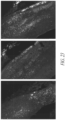
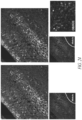
- the expression of the AAVrh10-CAG-GFP vector was assessed through GFP detection by green fluorescence. Microscopy analysis was performed on a Nikon Eclipse TI inverted microscope (Champigny sur Marne, France).
- VN Vector copy number
- Primers were targeted against the CYP21A2 transgene (forward 5'-ACAGTCATCATTCCGAACCTCCA-3' (SEQ ID NO:4), reverse 5'-AAGGCCAGAGCTCTGGAGTTCTT-3' (SEQ ID NO:5)) and the mouse brain-derived neurotrophic factor of the host genome (forward 5'-TGCTGGATGAGGACCAGAAGGTT-3' (SEQ ID NO:6), reverse 5'-AGGAGGCTCCAAAGGCACTTGA-3' (SEQ ID NO:7)). Amplifications were performed using the Light Cycler 480 (Roche Diagnostics, Meylan, France).
- Extracts of tissues or Y1 cells were homogenized in lysis buffer (Promega). Total protein extract (5 ⁇ g) was analyzed on nupage 4-12% Bis-Tris Gels NP0323BOX (ThermoFisher Scientific). Proteins were transferred to nitrocellulose membranes, blocked with 5% non-fat milk and then incubated with the following primary antibodies: polyclonal antibody to 21-hydroxylase which detects human and mouse protein (Corgen, Taipei, Taiwan), antibody to GAPDH (Abcam, Cambridge, UK; Ab9484, 1:3000).
- Progesterone concentration in Y1 supernatant and mouse urine was measured using commercial progesterone EIA (Arbor Assays, Ann Arbor, MI, USA). Urinary progesterone concentration was normalized using creatinine concentration (Urinary Creatinine Detection Kit; Arbor Assays).
- Tests were performed 15 weeks after gene therapy treatment.
- Tail suspension Test Mice were suspended by their tails with tape in such a position that they could not escape or hold on to nearby surfaces. The behavior was tracked with EthoVision XT 10.5 (Noldus Information Technology B.V., Wageningen, The Netherlands) video tracking and analysis software. Duration of immobility, defined by the absence of all movement except for those required for respiration, was measured for 6 min.
- Elevated plus maze Elevated plus maze.
- the apparatus consisting of two open and two enclosed arms, was illuminated indirectly by an overhead lamp with an intensity of 100 lux.
- mice were individually placed on the center square and allowed to freely explore the maze for 6 min. Their behavior was recorded and analyzed by the video tracking software EthoVision 10.5 (Noldus Information Technology B.V.). After behavioral testing, the equipment was cleaned with 10% ethanol solution. Parameters assessed were time spent in open or closed arms, number of head dips, number of rearing and total distance traveled.
- Rotarod Motor balance and coordination was determined using an accelerating rotarod apparatus (Ugo Basile, Gemonio, Italy). Training of animals consisted of one trial of 2 min at four rotations per minute (r.p.m.). They were then tested in three consecutive trials of 5 min with increasing speed of the rod from 4 to 40 r.p.m. Mice were allowed to recover for 45 min between trials. The trial lasted until the mouse fell from the rod. The latency to fall was recorded. This sequence was repeated on three consecutive days. After behavioral testing, the equipment was cleaned with 10% ethanol solution.
- Adrenal glands of the Cyp21 - / - mice were 2.1-fold larger than those of control mice.
- Adrenal architecture was ill-organized with perturbation of zonation and nodules.
- Cells of the adrenal cortex were in normal number but showed hypertrophy and irregular shape with heterogeneous nuclei ( FIG. 6 ).
- Progesterone the main substrate of 21-hydroxylase, was elevated (44-fold normal) in the urine of Cyp21 - / - mice ( FIG. 1C ).
- Mc2r , PKA subunits ( Prkar1a, Prkar2a, Prkarca, Prkarcb) and SF-1 genes was increased in the adrenals of Cyp21 - / - mice compared with control mice.
- the expression of Star, Cyp11a1, Hsd3b1 and Cyp11b1 was also significantly increased ( FIG. 3A ).
- Cyp17a1 which is not expressed in normal adult mouse adrenals, was slightly expressed in Cyp21 - / - mice ( FIG. 3A ).
- Example 5 CYP21 expression and function in adrenal cells
- the Y1 cell line metabolizes steroids into 11/8,20a-dihydroxyprogesterone but does not produce 21-hydroxylated steroid products ( Parker et al., Proc Natl Acad Sci USA 1985; 82: 7860-7864 ).
- Y1 cells transfected with the pCYP21 plasmid expressed the 21OH protein ( FIG. 4A ) and showed a lower progesterone concentration in supernatant than Y1 cells transfected with the non-functional pLuc plasmid ( FIG. 4B ).
- the transfection of these cells with pCYP21 resulted in 21OH expression.
- GFP green fluorescent protein
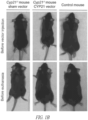
- Cyp21 - / - mice treated with the functional CYP21 vector showed an early and sustained increase of their body mass ( FIG. 1A ) and improved physical appearance when compared with Cyp21 - / - mice injected with the sham vector ( FIG. 1B ).
- the progesterone level decreased by 42% and then remained near normal in Cyp21 - / - mice ( FIG. 1C ) until 15 weeks of the study.
- Cyp21 - / - mice treated with the CYP21 vector recovered a normal reaction to the tail suspension test and showed improved performances in the elevated plus-maze test ( FIGs. 2B-2F ).
- CYP21 vector treatment did not correct the alterations of adrenal morphology ( FIG. 6 ).
- CYP21-injected mice showed a major correction of renin expression in the kidney ( FIG. 3B ), since levels of expression were decreased 14-fold following the restoration of 21-hydroxylase activity. This reflected an improved mineralocorticoid function allowing the treated animals to retain salt.
- CYP21 vector treatment of Cyp21 - / - mice decreased the expression of overexpressed Mc2r, Prkar2a, Sf1, Star, Cyp17a1 and Cyp11b2 genes to near-normal levels ( FIG. 3A ). No significant changes in Prkar1a, Prkaca, Prkacb, Hsd3b and Cyp11b1 gene expression were observed ( FIG. 3A ).
- Cyp21 - / - mice had both adrenal hypertrophy, disorganization of architecture ( FIG. 6 ) and major changes in the expression of genes coding for steroidogenic enzymes and ACTH-dependent signaling proteins ( FIG. 3A ). Given the trophic effects of ACTH on adrenal growth, it is likely that the gross changes in adrenal cellular morphology and gene expression were due to chronically elevated ACTH. The early administration of glucocorticoids to the Cyp21 - / - pups, while allowing a few mice to survive postnatal times, was not sufficient to avoid these changes. This suggests that the glucocorticoid treatment had only partial suppressive effects on corticotropin secretion.
- the 21OH transduced by the AAVrh10 vector into the adrenal cortex of the Cyp21 - / - mice corrected a large part of the compensatory steroidogenic enzyme and ACTH-dependent protein expression.
- GFP and CYP21HA vector genome copy (VGC) values were determined for the animals treated with the rAAV (Table 4; FIGs. 9 , 12 , 14 , 16-21 and 41 ) at 3 weeks post-treatment.
- VGCs were calculated in 7 to 9 adrenal slices for NHP01, in 8 slices for NHP02, in 60 adrenal cubes for NHP04, and in the entire adrenal in mice.
- DNA was extracted from adrenal (mice) or adrenal slices/cubes (NHPs) using the QIAamp DNA FFPE Tissue Kit (Qiagen, Courtaboeuf, France) according to the manufacturer's protocol.
- the amount of vector genomes per diploid cell for each sample was determined by qPCR with the Platinum Quantitative PCR SuperMix-UDG (Thermo Fisher Scientific, Courtaboeuf, France) using the standard conditions. Primers were targeted against the human CYP21A2 transgene (forward 5'-AAATTCGGGCCCATCTACAGG-3' (SEQ ID NO:38), reverse 5'-ATGGCTTCCTCAATGGTCCTC-3' (SEQ ID NO:39)), the macaca albumin of the host genome (forward 5'- CTGTCATGCTGCTGCTGAGACTT-3' (SEQ ID NO:40), reverse 5'- CTTTGGCATAGCATTCATGAGGAT-3' (SEQ ID NO:41)), and the mouse brain-derived neurotrophic factor of the host genome (forward 5'-TGCTGGATGAGGACCAGAAGGTT-3' (SEQ ID NO:42), reverse 5'-AGGAGGCTCCAAAGGCACTTGA-3' (SEQ ID NO:43)).
- CYP21A2 primers were designed in the less conserved fragment after alignment of human and macaca cDNA sequences. There is only one mutation on human forward primer compared to macaca endogenous CYP21 genomic DNA, but hybridization is specific to human CYP21.
- the GFP VGC in the liver of non-human primate number 1 (NHP01) injected with ssAAV5-PGK-GFP in the left adrenal was 26 at the end of surgery.
- the GFP VGC for the same animal at euthanasia was 0.4. Immunofluorescence of the liver did not show any expression of GFP in this animal.
- the AAV5 capsid allowed good transduction of GFP copies (VGC 1.2, Table 4), a lot of CYP21HA copies in the injected adrenal (1.9-98, Table 4), a good number of CYP21HA copies in the non-injected adrenal (0.04-2.3), and few copies in the liver.
- GFP expression IF was patchy in the injected adrenal ( FIGs. 10 and 11 ).
- Some CYP21HA expression (IF) was visualized in the injected adrenal ( FIGs. 13 and 15 ).
- GFP expression was weak in adrenals of wild-type mice ( FIG. 20 ).
- CYP21HA expression was non interpretable because of a technical antibody problem.
- Example 8 Studies with AAV6-CAG rAAV
- a ssAAV6-CAG-GFP vector was produced.
- This vector contains a genome with AAV2 ITR sequences and encodes AAV6 capsid proteins.
- This rAAV was administered to wild-type mice (B6) intravenously (i.v.) and to two non-human primates (NHP) ( Macaca fascicularis ) via intra-adrenal injection as shown in Table 5.
- Table 5. Administration of AAV6-CAG rAAV.
- Vector Dose per animal (vg) Route NHP or mice Lot no.
- GFP vector genome copy (VGC) values were determined for the animals treated with the rAAV (Table 6; FIGs. 22 , 26-29 , 31 and 41 ) at 3 weeks post-treatment. GFP expression was also visualized by immunofluorescence (IF) ( FIGs. 23-25 and 29-32 ) at 3 weeks post-treatment. Table 6. Effects of AAV6-CAG rAAV.
- the GFP VGC in the liver of non-human primate number 2 (NHP02) and number 4 (NHP04) injected with ssAAV6-CAG-GFP in the left adrenal was 10.3 and 10, respectively, at the end of surgery.
- the GFP VGC for the same animals at euthanasia was 0.8 and 3.5, respectively. Immunofluorescence of the liver showed little expression of GFP in these animals ( FIGs. 29 and 30 ).
- GFP expression was excellent in adrenals of wild-type mice after intravenous injection ( FIG. 31 ), intraperitoneal injection ( FIG. 32 ) and intra-hepatic injection ( FIG. 32 ).
- Example 9 Studies with AAV1-CB6 and AAV1-PGK rAAV
- GFP or CYP21HA vector genome copy (VGC) values were determined for the animals treated with the rAAV (Table 8; FIGs. 33 , 35-37 and 39-41 ) at 3 weeks post-treatment. GFP and HA expression was also visualized by immunofluorescence (IF) ( FIGs. 34-36 , 38 and 39 ) at 3 weeks post-treatment. Table 8. Effects of AAV1 rAAV.
- the GFP VGC in the liver of non-human primate number 3 (NHP03) injected with ssAAV1-CB6-GFP in the left adrenal was 0.02 at the end of surgery, and 0.9 at euthanasia. Immunofluorescence of the liver did not show any expression of GFP in this animal ( FIG. 35 ).
- the CYP21HA VGC in the liver of non-human primate number 3 (NHP03) injected with ssAA V1-PGK-CYP21HA in the right adrenal was 1.5 at the end of surgery, and 2.9 at euthanasia. Immunofluorescence of the liver did not show any expression of CYP21HA in this animal ( FIG. 39 ).
- the AAV1 capsid led to few GFP copies (VGC 0.56, Table 8) in the injected adrenal, and few CYP21HA copies (VGC 1.05, Table 8), but surprisingly 0.48 CYP21HA VGC in the non-injected adrenal. Very few adrenal cells were positive for GFP expression (IF) ( FIG. 34 ) or CYP21HA expression ( FIG. 38 ).
- the AAV1 capsid allowed excellent intravenous transduction of GFP copies (VGC 81, Table 8) and excellent GFP expression (IF) ( FIG. 36 ). In wild-type mice, the AAV1 capsid allowed excellent intravenous transduction of CYP21HA copies (VGC 220, Table 8).
- GFP or CYP21HA VGC was measured in mouse gonads and adrenal glands 3 weeks after administration of AAV6-CAG-GFP, AAV1-CB6-GFP or AAV5-PGK-CYPHA. Results are shown in Table 9. Gonads showed significant but much lower VGC content than adrenals, depending on the vector used. Table 9. VGC in mouse gonads and adrenal glands after administration of rAAV. AAV6-CAG-GFP AAV1-CB6-GFP AAV5-PGK-CYPHA VGC Testes 0.27 0.41 1.86 VGC Ovaries 0.07 1.31 0.82 VGC Adrenal 62.4 81 17.6 Table 10.
- Non-limiting examples of 21OH (CYP21A2) and promoter sequences are non-limiting examples of 21OH (CYP21A2) and promoter sequences. Sequence description Sequence SEQ ID NO CYP21A2, Homo sapiens, NCBI Reference Sequence NP_000491.4 1 CAG promoter 2 PGK promoter 3 CB6 Promoter 48 CBA Promoter 49 Codon Optimized CYP21a2 gene sequence 50
- Example 11 Studies with AAVrh10-CAG rAAV
- a ssAAVrh10-CAG-CYP21HA vector was produced. This vector contains a genome with AAV2 ITR sequences and encodes AAV rh10 capsid proteins. This rAAV vector was administered to Cyp21 - / - mice intravenously (i.v.).
- mice 7-month-old mice were studied. Ten mice (4 female, 6 male) were injected with ssAAVrh10-CAG-CYP21HA at 2x10 10 vg/g body weight. 2 of the 6 male died 3 weeks post-treatment. Four mice were untreated with the vector.
- mice Various parameters were measured in mice at 15 weeks post-treatment. Change in body weight between the time of treatment and 15 weeks post-treatment was determined for treated and untreated animals ( FIG. 42 ).
- CYP21HA vector genome copy (VGC) values were determined for the animals treated with the rAAV vector (Table 11). HA expression and CYP21 expression in the adrenals was visualized by immunofluorescence (IF) ( FIGs. 43 and 44 ). CYP21 expression was visualized by western blot ( FIG. 45 ). An anti-CYP21 antibody (CorGen) was used in IF and western blot assays.
- Urinary progesterone (ng/mg creatinine) was measured in treated and untreated Cyp21 - / - mice over the course of 15 weeks ( FIGs. 46A-46B ). Urinary progesterone (ng/mg creatinine) was also measured in treated and untreated wild-type mice over the course of 15 weeks ( FIG. 46C ). The data demonstrate the therapeutic effect of the CYP21 gene therapy product by showing that progesterone levels in treated mice revert to levels that are much closer to levels in wild-type mice.
- Cyp21 - / - mice Fifteen weeks after being injected with ssAAVrh10-CAG-CYP21HA at the age of 7 months, Cyp21 - / - mice expressed an effective VGC value, showed strong CYP21HA IF signal, expressed CYP21 protein and had improved body weight. Table 11. CYP21 VGC in adrenals of 7-month-old Cyp21 - / - mice 15 weeks post-injection with ssAAVrh10-CAG-CYP21HA.
- mice 2-3-month-old mice were studied. Seventeen mice (9 female, 8 male) were injected with ssAAVrh10-CAG-CYP21HA at 2x10 10 vg/g body weight or 1x10 10 vg/g body weight. Seven mice were untreated with the vector .
- mice Various parameters were measured in mice at 15-18 weeks post-treatment. Change in body weight between the time of treatment and 15 weeks post-treatment was determined for treated and untreated animals ( FIG. 47 ).
- CYP21HA vector genome copy (VGC) values were determined for the animals treated with the rAAV 18 weeks post-treatment ( FIG. 48 ).
- HA expression in the adrenals was visualized by immunofluorescence (IF) ( FIGs. 48 , 50 and 51 ).
- Urinary progesterone ng/mg creatinine was measured in 13 treated animals and all untreated animals over the course of 15 weeks ( FIGs. 49A-49B and Table 12). Table 12.
- Example 12 Studies comparing AAV1, AAV5 and AAV6 rAAV vectors
- the "Gland injected” column indicates whether the right adrenal or left adrenal was injected. In some cases, vector escaped from IA injection into the circulation and transduced the non-injected gland. Table 13 also provides the injected dose for the vectors.
- Vector genome copy (VGC) measurements were made after organs were dissected and processed. mRNA levels of either CYP21 or GFP were measured by quantitative reverse transcription PCR (qRT-PCR) after organs were dissected and processed. The mRNA values are expression of hCYP21 relative to GAPDH. HA or GFP expression was also visualized by immunofluorescence (IF). The levels of expression are provided in the column labeled "IF".
- FIGs. 52A-52C , 53A-53C , 54A-54C , 55A-55C , 56A-56C and 57A-57C show schematic view of CYP21HA vector genome copy (VGC) measurement spatial distribution in the adrenal glands and liver, scatter plots of the VGC and CYP21 mRNA measurement distributions and CYP21HA immunofluorescence images of selected NHPs treated as shown in Table 13.
- FIGs. 59-61 show immunofluorescence images of adrenals of NHPs treated with AAV1, AAV5 or AAV6 vectors. Cells expressing vector are in green and indicated by arrows.
- Example 13 Comparison of efficacy of wild-type CYP21 transgene and codon-optimized CYP21 transgene
- Recombinant serotype AAV5 vectors were produced containing either a wild-type (WT) human CYP21 transgene or a codon-optimized (CO) human CYP21 transgene (SEQ ID NO:50).
- WT wild-type
- CO codon-optimized human CYP21 transgene
- Each of these rAAV vectors included a CBA promoter, a Kozak sequence and the miR-122 miRNA binding site ( Thakral and Ghoshal, Curr Gene Ther. 2015; 15(2): 142-150 ) for detargeting.
- the vector containing the wild-type transgene is referred to as AAV5-CBA-Kozak-hCYP21-miR122.
- the vector containing the codon-optimized transgene is referred to as AAV5-CBA-Kozak-COhCYP21-miR122.
- a control AAV5 vector was produced containing a wild-type cynomolgus CYP21 transgene (AAV5-CBA-Kozak-cynoCYP21).
- Non-human primates (NHP) ( Macaca fascicularis ) were treated with vectors at the doses shown in FIG. 62 .
- the vector preparations were administered to the NHPs intravenously (IV) for 10 minutes.
- the NHPs were euthanized 1.5 months after treatment.
- CYP21 vector genome copy (VGC) measurements and mRNA measurements for each treatment group are shown in FIG. 63 .
- mRNA levels were measured by quantitative reverse transcription PCR (qRT-PCR). The mRNA values show relative expression of two mRNAs, as indicated in FIG. 63 .
- Cynomolgus-specific primers were used to measure the amount of cynomolgus CYP21 mRNA.
- the top number in each row is the mean, and the two bottom numbers are the range for the mean.
- FIG. 63 also shows a mean Sal-human to Sal-cynomolgus peptide ratio.
Landscapes
- Health & Medical Sciences (AREA)
- Life Sciences & Earth Sciences (AREA)
- Chemical & Material Sciences (AREA)
- Genetics & Genomics (AREA)
- Engineering & Computer Science (AREA)
- Organic Chemistry (AREA)
- Bioinformatics & Cheminformatics (AREA)
- Zoology (AREA)
- Wood Science & Technology (AREA)
- Biotechnology (AREA)
- General Health & Medical Sciences (AREA)
- General Engineering & Computer Science (AREA)
- Biomedical Technology (AREA)
- Biochemistry (AREA)
- Microbiology (AREA)
- Molecular Biology (AREA)
- Medicinal Chemistry (AREA)
- Virology (AREA)
- Pharmacology & Pharmacy (AREA)
- Public Health (AREA)
- Veterinary Medicine (AREA)
- Biophysics (AREA)
- Plant Pathology (AREA)
- Epidemiology (AREA)
- Animal Behavior & Ethology (AREA)
- Physics & Mathematics (AREA)
- Immunology (AREA)
- Mycology (AREA)
- Medicines Containing Material From Animals Or Micro-Organisms (AREA)
- Medicines That Contain Protein Lipid Enzymes And Other Medicines (AREA)
- Micro-Organisms Or Cultivation Processes Thereof (AREA)
- Medicinal Preparation (AREA)
- Enzymes And Modification Thereof (AREA)
- Peptides Or Proteins (AREA)
Applications Claiming Priority (3)
| Application Number | Priority Date | Filing Date | Title |
|---|---|---|---|
| US201862618307P | 2018-01-17 | 2018-01-17 | |
| US201862640311P | 2018-03-08 | 2018-03-08 | |
| PCT/US2019/013991 WO2019143803A1 (en) | 2018-01-17 | 2019-01-17 | Adeno-associated virus gene therapy for 21-hydroxylase deficiency |
Publications (2)
| Publication Number | Publication Date |
|---|---|
| EP3740244A1 EP3740244A1 (en) | 2020-11-25 |
| EP3740244B1 true EP3740244B1 (en) | 2025-05-21 |
Family
ID=65494499
Family Applications (1)
| Application Number | Title | Priority Date | Filing Date |
|---|---|---|---|
| EP19706059.3A Active EP3740244B1 (en) | 2018-01-17 | 2019-01-17 | Adeno-associated virus gene therapy for 21-hydroxylase deficiency |
Country Status (8)
| Country | Link |
|---|---|
| US (2) | US12195767B2 (https=) |
| EP (1) | EP3740244B1 (https=) |
| JP (2) | JP7569216B2 (https=) |
| KR (1) | KR102892243B1 (https=) |
| CN (1) | CN111601620A (https=) |
| BR (1) | BR112020014404A2 (https=) |
| CA (1) | CA3088323A1 (https=) |
| WO (1) | WO2019143803A1 (https=) |
Families Citing this family (4)
| Publication number | Priority date | Publication date | Assignee | Title |
|---|---|---|---|---|
| WO2022198038A1 (en) | 2021-03-19 | 2022-09-22 | Adrenas Therapeutics, Inc. | Gene therapies for 21-hydroxylase deficiency |
| AU2022366947A1 (en) | 2021-10-12 | 2024-05-02 | Bridgebio Gene Therapy Llc | Methods and compositions for treating leukodystrophies |
| CN115976004B (zh) * | 2022-12-27 | 2024-07-09 | 天津科技大学 | 一种黄体酮17α-羟化酶突变体及其应用 |
| AU2024317892A1 (en) * | 2023-07-29 | 2025-08-28 | Limited Liability Company «Genetic Technologies» (Llc «Genetic Technologies») | Adeno-associated virus-based expression vectors |
Family Cites Families (15)
| Publication number | Priority date | Publication date | Assignee | Title |
|---|---|---|---|---|
| US5478745A (en) | 1992-12-04 | 1995-12-26 | University Of Pittsburgh | Recombinant viral vector system |
| US6136597A (en) | 1997-09-18 | 2000-10-24 | The Salk Institute For Biological Studies | RNA export element |
| WO1999061601A2 (en) | 1998-05-28 | 1999-12-02 | The Government Of The United States Of America, As Represented By The Secretary, Department Of Health And Human Services | Aav5 vector and uses thereof |
| PT1453547T (pt) | 2001-12-17 | 2016-12-28 | Univ Pennsylvania | Sequências do vírus adeno-associado (aav) do serotipo 8, vetores contendo as mesmas, e utilizações destas |
| DK2573170T3 (en) | 2001-12-17 | 2018-04-09 | Univ Pennsylvania | Sequences of adeno-associated virus (AAV) serotype 9, vectors containing them, and their use |
| EP1486567A1 (en) | 2003-06-11 | 2004-12-15 | Deutsches Krebsforschungszentrum Stiftung des öffentlichen Rechts | Improved adeno-associated virus (AAV) vector for gene therapy |
| EP2345731B1 (en) | 2003-09-30 | 2015-10-21 | The Trustees of the University of Pennsylvania | Adeno-associated virus (AAV) clades, sequences, vectors containing same, and uses thereof |
| US8865881B2 (en) * | 2011-02-22 | 2014-10-21 | California Institute Of Technology | Delivery of proteins using adeno-associated virus (AAV) vectors |
| IL297919A (en) | 2013-07-22 | 2023-01-01 | Childrens Hospital Philadelphia | Variant aav and compositions, methods and uses for gene transfer to cells, organs and tissues |
| WO2015041718A1 (en) | 2013-09-20 | 2015-03-26 | The General Hospital Corporation | Uses of modified mullerian inhibiting substance (mis) proteins for the treatment of neurodegenerative diseases |
| EP3015550A1 (en) | 2014-10-30 | 2016-05-04 | Sanofi | 21-Hydroxylation of steroids |
| EP3054006A1 (en) | 2015-02-09 | 2016-08-10 | Institut National De La Sante Et De La Recherche Medicale (Inserm) | Recombinant adeno-associated virus particle purification with multiple-step anion exchange chromatography |
| HUE069664T2 (hu) * | 2015-07-10 | 2025-04-28 | Univ Guelph | Madár-adenovírus 9 (FADV-9) vektorrendszer és kapcsolódó módszerek |
| WO2017191274A2 (en) * | 2016-05-04 | 2017-11-09 | Curevac Ag | Rna encoding a therapeutic protein |
| WO2022198038A1 (en) | 2021-03-19 | 2022-09-22 | Adrenas Therapeutics, Inc. | Gene therapies for 21-hydroxylase deficiency |
-
2019
- 2019-01-17 CA CA3088323A patent/CA3088323A1/en active Pending
- 2019-01-17 EP EP19706059.3A patent/EP3740244B1/en active Active
- 2019-01-17 JP JP2020537156A patent/JP7569216B2/ja active Active
- 2019-01-17 KR KR1020207023328A patent/KR102892243B1/ko active Active
- 2019-01-17 BR BR112020014404-5A patent/BR112020014404A2/pt not_active Application Discontinuation
- 2019-01-17 US US16/962,552 patent/US12195767B2/en active Active
- 2019-01-17 CN CN201980008414.XA patent/CN111601620A/zh active Pending
- 2019-01-17 WO PCT/US2019/013991 patent/WO2019143803A1/en not_active Ceased
-
2023
- 2023-04-06 JP JP2023062403A patent/JP2023076698A/ja active Pending
-
2024
- 2024-11-13 US US18/946,854 patent/US20250304925A1/en active Pending
Non-Patent Citations (2)
| Title |
|---|
| ANNA MAJOWICZ ET AL: "Successful Repeated Hepatic Gene Delivery in Mice and Non-human Primates Achieved by Sequential Administration of AAV5 ch and AAV1", MOLECULAR THERAPY, vol. 25, no. 8, 1 August 2017 (2017-08-01), US, pages 1831 - 1842, XP055439711, ISSN: 1525-0016, DOI: 10.1016/j.ymthe.2017.05.003 * |
| PAÑEDA A ET AL: "Safety and liver transduction efficacy of rAAV5-cohPBGD in nonhuman primates: a potential therapy for acute intermittent porphyria", HUMAN GENE THERAPY, MARY ANN LIEBERT, INC. PUBLISHERS, GB, vol. 24, 1 December 2013 (2013-12-01), pages 1007 - 1017, XP002772550, ISSN: 1043-0342, DOI: 10.1089/HUM.2013.166 * |
Also Published As
| Publication number | Publication date |
|---|---|
| JP2021511020A (ja) | 2021-05-06 |
| EP3740244A1 (en) | 2020-11-25 |
| BR112020014404A2 (pt) | 2020-12-29 |
| WO2019143803A1 (en) | 2019-07-25 |
| CN111601620A (zh) | 2020-08-28 |
| JP2023076698A (ja) | 2023-06-01 |
| US20250304925A1 (en) | 2025-10-02 |
| JP7569216B2 (ja) | 2024-10-17 |
| KR102892243B1 (ko) | 2025-11-27 |
| KR20200110376A (ko) | 2020-09-23 |
| CA3088323A1 (en) | 2019-07-25 |
| US20210277365A1 (en) | 2021-09-09 |
| US12195767B2 (en) | 2025-01-14 |
Similar Documents
| Publication | Publication Date | Title |
|---|---|---|
| US20240131126A1 (en) | Modified factor ix, and compositions, methods and uses for gene transfer to cells, organs, and tissues | |
| US20250304925A1 (en) | Adeno-associated virus gene therapy for 21-hydroxylase deficiency | |
| US12023386B2 (en) | Composition for treatment of Crigler-Najjar syndrome | |
| JP2016520311A (ja) | キャプシド修飾rAAV3ベクター組成物およびヒト肝がんの遺伝子治療における使用方法 | |
| TW202144575A (zh) | 使用aav及治療調配物之苯酮尿症治療 | |
| KR20230159837A (ko) | 21-하이드록실라제 결핍에 대한 유전자 요법 | |
| WO2023202469A1 (zh) | 一种用于遗传性凝血因子缺乏病治疗的核酸构建体及其用途 | |
| TW202330914A (zh) | 用於鳥胺酸胺甲醯基轉移酶(otc)缺乏症之活體內核酸酶介導的治療之組成物及方法 | |
| CN117377771A (zh) | 载体系统 | |
| US20230136699A1 (en) | Gene therapy for maple syrup urine disease | |
| TWI920044B (zh) | 用於治療龐貝症及溶酶體病症之包含肝特異性啟動子之治療性腺相關病毒 | |
| EP4615492A1 (en) | Polynucleotide and vector | |
| WO2025060451A1 (zh) | 经修饰的腺相关病毒载体及其在治疗神经疾病中的用途 | |
| HK40087843A (zh) | 用於治疗庞贝氏病和溶酶体紊乱的包含肝特异性启动子的治疗性腺相关病毒 |
Legal Events
| Date | Code | Title | Description |
|---|---|---|---|
| STAA | Information on the status of an ep patent application or granted ep patent |
Free format text: STATUS: UNKNOWN |
|
| STAA | Information on the status of an ep patent application or granted ep patent |
Free format text: STATUS: THE INTERNATIONAL PUBLICATION HAS BEEN MADE |
|
| PUAI | Public reference made under article 153(3) epc to a published international application that has entered the european phase |
Free format text: ORIGINAL CODE: 0009012 |
|
| STAA | Information on the status of an ep patent application or granted ep patent |
Free format text: STATUS: REQUEST FOR EXAMINATION WAS MADE |
|
| 17P | Request for examination filed |
Effective date: 20200728 |
|
| AK | Designated contracting states |
Kind code of ref document: A1 Designated state(s): AL AT BE BG CH CY CZ DE DK EE ES FI FR GB GR HR HU IE IS IT LI LT LU LV MC MK MT NL NO PL PT RO RS SE SI SK SM TR |
|
| AX | Request for extension of the european patent |
Extension state: BA ME |
|
| DAV | Request for validation of the european patent (deleted) | ||
| DAX | Request for extension of the european patent (deleted) | ||
| STAA | Information on the status of an ep patent application or granted ep patent |
Free format text: STATUS: EXAMINATION IS IN PROGRESS |
|
| 17Q | First examination report despatched |
Effective date: 20211130 |
|
| P01 | Opt-out of the competence of the unified patent court (upc) registered |
Effective date: 20230322 |
|
| GRAP | Despatch of communication of intention to grant a patent |
Free format text: ORIGINAL CODE: EPIDOSNIGR1 |
|
| STAA | Information on the status of an ep patent application or granted ep patent |
Free format text: STATUS: GRANT OF PATENT IS INTENDED |
|
| INTG | Intention to grant announced |
Effective date: 20241210 |
|
| GRAS | Grant fee paid |
Free format text: ORIGINAL CODE: EPIDOSNIGR3 |
|
| GRAA | (expected) grant |
Free format text: ORIGINAL CODE: 0009210 |
|
| STAA | Information on the status of an ep patent application or granted ep patent |
Free format text: STATUS: THE PATENT HAS BEEN GRANTED |
|
| AK | Designated contracting states |
Kind code of ref document: B1 Designated state(s): AL AT BE BG CH CY CZ DE DK EE ES FI FR GB GR HR HU IE IS IT LI LT LU LV MC MK MT NL NO PL PT RO RS SE SI SK SM TR |
|
| REG | Reference to a national code |
Ref country code: GB Ref legal event code: FG4D |
|
| REG | Reference to a national code |
Ref country code: CH Ref legal event code: EP |
|
| REG | Reference to a national code |
Ref country code: DE Ref legal event code: R096 Ref document number: 602019070204 Country of ref document: DE |
|
| REG | Reference to a national code |
Ref country code: IE Ref legal event code: FG4D |
|
| REG | Reference to a national code |
Ref country code: NL Ref legal event code: MP Effective date: 20250521 |
|
| PG25 | Lapsed in a contracting state [announced via postgrant information from national office to epo] |
Ref country code: PT Free format text: LAPSE BECAUSE OF FAILURE TO SUBMIT A TRANSLATION OF THE DESCRIPTION OR TO PAY THE FEE WITHIN THE PRESCRIBED TIME-LIMIT Effective date: 20250922 Ref country code: FI Free format text: LAPSE BECAUSE OF FAILURE TO SUBMIT A TRANSLATION OF THE DESCRIPTION OR TO PAY THE FEE WITHIN THE PRESCRIBED TIME-LIMIT Effective date: 20250521 Ref country code: ES Free format text: LAPSE BECAUSE OF FAILURE TO SUBMIT A TRANSLATION OF THE DESCRIPTION OR TO PAY THE FEE WITHIN THE PRESCRIBED TIME-LIMIT Effective date: 20250521 |
|
| REG | Reference to a national code |
Ref country code: LT Ref legal event code: MG9D |
|
| PG25 | Lapsed in a contracting state [announced via postgrant information from national office to epo] |
Ref country code: NO Free format text: LAPSE BECAUSE OF FAILURE TO SUBMIT A TRANSLATION OF THE DESCRIPTION OR TO PAY THE FEE WITHIN THE PRESCRIBED TIME-LIMIT Effective date: 20250821 Ref country code: GR Free format text: LAPSE BECAUSE OF FAILURE TO SUBMIT A TRANSLATION OF THE DESCRIPTION OR TO PAY THE FEE WITHIN THE PRESCRIBED TIME-LIMIT Effective date: 20250822 |
|
| PG25 | Lapsed in a contracting state [announced via postgrant information from national office to epo] |
Ref country code: PL Free format text: LAPSE BECAUSE OF FAILURE TO SUBMIT A TRANSLATION OF THE DESCRIPTION OR TO PAY THE FEE WITHIN THE PRESCRIBED TIME-LIMIT Effective date: 20250521 Ref country code: NL Free format text: LAPSE BECAUSE OF FAILURE TO SUBMIT A TRANSLATION OF THE DESCRIPTION OR TO PAY THE FEE WITHIN THE PRESCRIBED TIME-LIMIT Effective date: 20250521 |
|
| PG25 | Lapsed in a contracting state [announced via postgrant information from national office to epo] |
Ref country code: BG Free format text: LAPSE BECAUSE OF FAILURE TO SUBMIT A TRANSLATION OF THE DESCRIPTION OR TO PAY THE FEE WITHIN THE PRESCRIBED TIME-LIMIT Effective date: 20250521 |
|
| PG25 | Lapsed in a contracting state [announced via postgrant information from national office to epo] |
Ref country code: HR Free format text: LAPSE BECAUSE OF FAILURE TO SUBMIT A TRANSLATION OF THE DESCRIPTION OR TO PAY THE FEE WITHIN THE PRESCRIBED TIME-LIMIT Effective date: 20250521 |
|
| PG25 | Lapsed in a contracting state [announced via postgrant information from national office to epo] |
Ref country code: RS Free format text: LAPSE BECAUSE OF FAILURE TO SUBMIT A TRANSLATION OF THE DESCRIPTION OR TO PAY THE FEE WITHIN THE PRESCRIBED TIME-LIMIT Effective date: 20250821 |
|
| PG25 | Lapsed in a contracting state [announced via postgrant information from national office to epo] |
Ref country code: IS Free format text: LAPSE BECAUSE OF FAILURE TO SUBMIT A TRANSLATION OF THE DESCRIPTION OR TO PAY THE FEE WITHIN THE PRESCRIBED TIME-LIMIT Effective date: 20250921 |
|
| PG25 | Lapsed in a contracting state [announced via postgrant information from national office to epo] |
Ref country code: LV Free format text: LAPSE BECAUSE OF FAILURE TO SUBMIT A TRANSLATION OF THE DESCRIPTION OR TO PAY THE FEE WITHIN THE PRESCRIBED TIME-LIMIT Effective date: 20250521 |
|
| REG | Reference to a national code |
Ref country code: AT Ref legal event code: MK05 Ref document number: 1796229 Country of ref document: AT Kind code of ref document: T Effective date: 20250521 |
|
| PG25 | Lapsed in a contracting state [announced via postgrant information from national office to epo] |
Ref country code: SM Free format text: LAPSE BECAUSE OF FAILURE TO SUBMIT A TRANSLATION OF THE DESCRIPTION OR TO PAY THE FEE WITHIN THE PRESCRIBED TIME-LIMIT Effective date: 20250521 Ref country code: DK Free format text: LAPSE BECAUSE OF FAILURE TO SUBMIT A TRANSLATION OF THE DESCRIPTION OR TO PAY THE FEE WITHIN THE PRESCRIBED TIME-LIMIT Effective date: 20250521 Ref country code: AT Free format text: LAPSE BECAUSE OF FAILURE TO SUBMIT A TRANSLATION OF THE DESCRIPTION OR TO PAY THE FEE WITHIN THE PRESCRIBED TIME-LIMIT Effective date: 20250521 |
|
| PG25 | Lapsed in a contracting state [announced via postgrant information from national office to epo] |
Ref country code: CZ Free format text: LAPSE BECAUSE OF FAILURE TO SUBMIT A TRANSLATION OF THE DESCRIPTION OR TO PAY THE FEE WITHIN THE PRESCRIBED TIME-LIMIT Effective date: 20250521 |
|
| PG25 | Lapsed in a contracting state [announced via postgrant information from national office to epo] |
Ref country code: EE Free format text: LAPSE BECAUSE OF FAILURE TO SUBMIT A TRANSLATION OF THE DESCRIPTION OR TO PAY THE FEE WITHIN THE PRESCRIBED TIME-LIMIT Effective date: 20250521 |
|
| PG25 | Lapsed in a contracting state [announced via postgrant information from national office to epo] |
Ref country code: RO Free format text: LAPSE BECAUSE OF FAILURE TO SUBMIT A TRANSLATION OF THE DESCRIPTION OR TO PAY THE FEE WITHIN THE PRESCRIBED TIME-LIMIT Effective date: 20250521 Ref country code: SK Free format text: LAPSE BECAUSE OF FAILURE TO SUBMIT A TRANSLATION OF THE DESCRIPTION OR TO PAY THE FEE WITHIN THE PRESCRIBED TIME-LIMIT Effective date: 20250521 |
|
| PG25 | Lapsed in a contracting state [announced via postgrant information from national office to epo] |
Ref country code: IT Free format text: LAPSE BECAUSE OF FAILURE TO SUBMIT A TRANSLATION OF THE DESCRIPTION OR TO PAY THE FEE WITHIN THE PRESCRIBED TIME-LIMIT Effective date: 20250521 |
|
| REG | Reference to a national code |
Ref country code: DE Ref legal event code: R097 Ref document number: 602019070204 Country of ref document: DE |
|
| PLBE | No opposition filed within time limit |
Free format text: ORIGINAL CODE: 0009261 |
|
| STAA | Information on the status of an ep patent application or granted ep patent |
Free format text: STATUS: NO OPPOSITION FILED WITHIN TIME LIMIT |
|
| REG | Reference to a national code |
Ref country code: CH Ref legal event code: L10 Free format text: ST27 STATUS EVENT CODE: U-0-0-L10-L00 (AS PROVIDED BY THE NATIONAL OFFICE) Effective date: 20260402 |
|
| PGFP | Annual fee paid to national office [announced via postgrant information from national office to epo] |
Ref country code: GB Payment date: 20260123 Year of fee payment: 8 |
|
| PGFP | Annual fee paid to national office [announced via postgrant information from national office to epo] |
Ref country code: DE Payment date: 20260121 Year of fee payment: 8 |
|
| PGFP | Annual fee paid to national office [announced via postgrant information from national office to epo] |
Ref country code: FR Payment date: 20260123 Year of fee payment: 8 |
|
| 26N | No opposition filed |
Effective date: 20260224 |