EP3713590B1 - Human beta 2 defensin for use in the prevention and treatment of graft-versus-host-disease - Google Patents
Human beta 2 defensin for use in the prevention and treatment of graft-versus-host-disease Download PDFInfo
- Publication number
- EP3713590B1 EP3713590B1 EP18803442.5A EP18803442A EP3713590B1 EP 3713590 B1 EP3713590 B1 EP 3713590B1 EP 18803442 A EP18803442 A EP 18803442A EP 3713590 B1 EP3713590 B1 EP 3713590B1
- Authority
- EP
- European Patent Office
- Prior art keywords
- defensin
- human
- hbd2
- day
- use according
- Prior art date
- Legal status (The legal status is an assumption and is not a legal conclusion. Google has not performed a legal analysis and makes no representation as to the accuracy of the status listed.)
- Active
Links
Images
















Classifications
-
- A—HUMAN NECESSITIES
- A61—MEDICAL OR VETERINARY SCIENCE; HYGIENE
- A61K—PREPARATIONS FOR MEDICAL, DENTAL OR TOILETRY PURPOSES
- A61K38/00—Medicinal preparations containing peptides
- A61K38/16—Peptides having more than 20 amino acids; Gastrins; Somatostatins; Melanotropins; Derivatives thereof
- A61K38/17—Peptides having more than 20 amino acids; Gastrins; Somatostatins; Melanotropins; Derivatives thereof from animals; from humans
- A61K38/1703—Peptides having more than 20 amino acids; Gastrins; Somatostatins; Melanotropins; Derivatives thereof from animals; from humans from vertebrates
- A61K38/1709—Peptides having more than 20 amino acids; Gastrins; Somatostatins; Melanotropins; Derivatives thereof from animals; from humans from vertebrates from mammals
- A61K38/1729—Cationic antimicrobial peptides, e.g. defensins
-
- A—HUMAN NECESSITIES
- A61—MEDICAL OR VETERINARY SCIENCE; HYGIENE
- A61K—PREPARATIONS FOR MEDICAL, DENTAL OR TOILETRY PURPOSES
- A61K38/00—Medicinal preparations containing peptides
- A61K38/16—Peptides having more than 20 amino acids; Gastrins; Somatostatins; Melanotropins; Derivatives thereof
- A61K38/17—Peptides having more than 20 amino acids; Gastrins; Somatostatins; Melanotropins; Derivatives thereof from animals; from humans
-
- A—HUMAN NECESSITIES
- A61—MEDICAL OR VETERINARY SCIENCE; HYGIENE
- A61K—PREPARATIONS FOR MEDICAL, DENTAL OR TOILETRY PURPOSES
- A61K47/00—Medicinal preparations characterised by the non-active ingredients used, e.g. carriers or inert additives; Targeting or modifying agents chemically bound to the active ingredient
- A61K47/50—Medicinal preparations characterised by the non-active ingredients used, e.g. carriers or inert additives; Targeting or modifying agents chemically bound to the active ingredient the non-active ingredient being chemically bound to the active ingredient, e.g. polymer-drug conjugates
- A61K47/51—Medicinal preparations characterised by the non-active ingredients used, e.g. carriers or inert additives; Targeting or modifying agents chemically bound to the active ingredient the non-active ingredient being chemically bound to the active ingredient, e.g. polymer-drug conjugates the non-active ingredient being a modifying agent
- A61K47/62—Medicinal preparations characterised by the non-active ingredients used, e.g. carriers or inert additives; Targeting or modifying agents chemically bound to the active ingredient the non-active ingredient being chemically bound to the active ingredient, e.g. polymer-drug conjugates the non-active ingredient being a modifying agent the modifying agent being a protein, peptide or polyamino acid
- A61K47/64—Drug-peptide, drug-protein or drug-polyamino acid conjugates, i.e. the modifying agent being a peptide, protein or polyamino acid which is covalently bonded or complexed to a therapeutically active agent
-
- A—HUMAN NECESSITIES
- A61—MEDICAL OR VETERINARY SCIENCE; HYGIENE
- A61P—SPECIFIC THERAPEUTIC ACTIVITY OF CHEMICAL COMPOUNDS OR MEDICINAL PREPARATIONS
- A61P11/00—Drugs for disorders of the respiratory system
-
- A—HUMAN NECESSITIES
- A61—MEDICAL OR VETERINARY SCIENCE; HYGIENE
- A61P—SPECIFIC THERAPEUTIC ACTIVITY OF CHEMICAL COMPOUNDS OR MEDICINAL PREPARATIONS
- A61P29/00—Non-central analgesic, antipyretic or antiinflammatory agents, e.g. antirheumatic agents; Non-steroidal antiinflammatory drugs [NSAID]
-
- A—HUMAN NECESSITIES
- A61—MEDICAL OR VETERINARY SCIENCE; HYGIENE
- A61P—SPECIFIC THERAPEUTIC ACTIVITY OF CHEMICAL COMPOUNDS OR MEDICINAL PREPARATIONS
- A61P31/00—Antiinfectives, i.e. antibiotics, antiseptics, chemotherapeutics
-
- A—HUMAN NECESSITIES
- A61—MEDICAL OR VETERINARY SCIENCE; HYGIENE
- A61P—SPECIFIC THERAPEUTIC ACTIVITY OF CHEMICAL COMPOUNDS OR MEDICINAL PREPARATIONS
- A61P37/00—Drugs for immunological or allergic disorders
- A61P37/02—Immunomodulators
- A61P37/06—Immunosuppressants, e.g. drugs for graft rejection
-
- C—CHEMISTRY; METALLURGY
- C07—ORGANIC CHEMISTRY
- C07K—PEPTIDES
- C07K14/00—Peptides having more than 20 amino acids; Gastrins; Somatostatins; Melanotropins; Derivatives thereof
- C07K14/435—Peptides having more than 20 amino acids; Gastrins; Somatostatins; Melanotropins; Derivatives thereof from animals; from humans
- C07K14/46—Peptides having more than 20 amino acids; Gastrins; Somatostatins; Melanotropins; Derivatives thereof from animals; from humans from vertebrates
- C07K14/47—Peptides having more than 20 amino acids; Gastrins; Somatostatins; Melanotropins; Derivatives thereof from animals; from humans from vertebrates from mammals
- C07K14/4701—Peptides having more than 20 amino acids; Gastrins; Somatostatins; Melanotropins; Derivatives thereof from animals; from humans from vertebrates from mammals not used
- C07K14/4723—Cationic antimicrobial peptides, e.g. defensins
-
- A—HUMAN NECESSITIES
- A61—MEDICAL OR VETERINARY SCIENCE; HYGIENE
- A61K—PREPARATIONS FOR MEDICAL, DENTAL OR TOILETRY PURPOSES
- A61K45/00—Medicinal preparations containing active ingredients not provided for in groups A61K31/00 - A61K41/00
- A61K45/06—Mixtures of active ingredients without chemical characterisation, e.g. antiphlogistics and cardiaca
-
- A—HUMAN NECESSITIES
- A61—MEDICAL OR VETERINARY SCIENCE; HYGIENE
- A61K—PREPARATIONS FOR MEDICAL, DENTAL OR TOILETRY PURPOSES
- A61K9/00—Medicinal preparations characterised by special physical form
- A61K9/0012—Galenical forms characterised by the site of application
- A61K9/0019—Injectable compositions; Intramuscular, intravenous, arterial, subcutaneous administration; Compositions to be administered through the skin in an invasive manner
- A61K9/0021—Intradermal administration, e.g. through microneedle arrays or needleless injectors
-
- A—HUMAN NECESSITIES
- A61—MEDICAL OR VETERINARY SCIENCE; HYGIENE
- A61K—PREPARATIONS FOR MEDICAL, DENTAL OR TOILETRY PURPOSES
- A61K9/00—Medicinal preparations characterised by special physical form
- A61K9/0012—Galenical forms characterised by the site of application
- A61K9/0053—Mouth and digestive tract, i.e. intraoral and peroral administration
-
- A—HUMAN NECESSITIES
- A61—MEDICAL OR VETERINARY SCIENCE; HYGIENE
- A61K—PREPARATIONS FOR MEDICAL, DENTAL OR TOILETRY PURPOSES
- A61K9/00—Medicinal preparations characterised by special physical form
- A61K9/0012—Galenical forms characterised by the site of application
- A61K9/007—Pulmonary tract; Aromatherapy
- A61K9/0073—Sprays or powders for inhalation; Aerolised or nebulised preparations generated by other means than thermal energy
- A61K9/0078—Sprays or powders for inhalation; Aerolised or nebulised preparations generated by other means than thermal energy for inhalation via a nebulizer such as a jet nebulizer, ultrasonic nebulizer, e.g. in the form of aqueous drug solutions or dispersions
-
- C—CHEMISTRY; METALLURGY
- C07—ORGANIC CHEMISTRY
- C07K—PEPTIDES
- C07K2319/00—Fusion polypeptide
- C07K2319/31—Fusion polypeptide fusions, other than Fc, for prolonged plasma life, e.g. albumin
Definitions
- the present invention relates to a human ⁇ -defensin selected from hBD-2 (SEQ ID NO.: 2), truncated hBD-2 (SEQ ID NO.: 7) or a functionally equivalent modified defensin comprising 1-4 amino acid modifications compared to hBD-2 of SEQ ID NO.: 2 or truncated hBD-2 of SEQ ID NO.: 7; wherein said modification(s) is a conservative amino acid substitution(s) or insertion(s) that do not significantly affect the folding of the defensin; or a single deletion(s), for use in the prevention or treatment of acute graft-versus-host-disease (GVHD) in a patient that has received or is about to receive an allogeneic hematopoietic stem cell transplantation.
- GVHD acute graft-versus-host-disease
- the invention can lead to treatment of symptoms of GVHD such as diarrhoea and sepsis based on normalization of gut and lung microbiota and rebalancing of the immune system with reduced cytokine production eliminating the risk of a cytokine storm.
- symptoms of GVHD such as diarrhoea and sepsis based on normalization of gut and lung microbiota and rebalancing of the immune system with reduced cytokine production eliminating the risk of a cytokine storm.
- GVHD Gastrointestinal GVHD is the major cause of mortality (Teshima, 2016).
- the initial phase of acute GVHD is triggered by tissue damage and associated loss of mucosal barrier function, primarily in the gastrointestinal tract, which is caused by the conditioning regimens needed to bring malignant disease to a minimal residual level suitable for subsequent immune control and to ablate existing immune function, allowing engraftment of the na ⁇ ve donor inoculum.
- Stem cell transplantation typically uses total body irradiation, immunosuppression and chemotherapy to achieve these dual aims; however, they also result in damage to the GI tract mucosa and other cells contributing to the "cytokine storm", which is characterized by the release of proinflammatory cytokines; classically Th1 cytokines: IFN ⁇ , IL-2 and TNF- ⁇ and Th2 cytokines: IL-4, IL-5, IL-10 and IL-13 (Henden, 2015).
- Current mainstay GVHD therapies focus on broad immunosuppression, which can affect engraftment and, in some contexts, reduce the desired graft-versus-tumor activity (Nalle, 2015).
- a reduction in the bacterial burden by use of antimicrobial decontamination in the posttransplant period can reduce GVHD severity.
- the lung and the skin are the primary target organs in chronic GVHD, manifesting as fibrosis - bronchiolitis obliterans and scleroderma (Henden, 2015).
- Acute GVHD remains a major cause of treatment failure resulting in mortality in 20% of recipients and 60-80% of survivors experience some degree of chronic GVHD (Markey, 2014).
- the inventor has surprisingly demonstrated in a mouse model of acute graft-versus-host disease arising from allogenic hematopoietic stem cell transplantation that a prophylactic dose of oral hBD2 or HD5 is capable of decreasing mortality dramatically and to a larger extent than cyclosporine, the most commonly used treatment of GVHD. It was also demonstrated in this model that hBD2 was able to decrease the production of IL-1 ⁇ in myeloid cells (CD11c+ dendritic cells and CD11b+ Ly6FG- cells). IL-1 ⁇ being a major driver of intestinal GvHD.
- hBD2 mitigates diarrhoea and weight loss through improved intestinal health and decreases the disease activity index on par with standard immunosuppressants such as prednisolone/dexamethasone and cyclosporin as well as anti TNF- ⁇ , all routinely used in the prevention and/or treatment of GVHD.
- hBD2 can rebalance the immune system through normalization of cytokine production of IFN- ⁇ , TNF- ⁇ , IL-4, IL-5, IL-6, IL-9, IL-10 and IL-13. While some drugs e.g. anti TNF- ⁇ can normalize one or a few cytokines, no other drugs have been identified that can normalize all of these cytokines and prevent a cytokine storm. Inflammatory cytokine release or cytokine storm that has been implicated as the primary mediator of the occurrence and severity of acute GVHD (Ball & Egeler, 2008).
- both HD5 and hBD2 have a strong influence on the composition of the microbiota.
- defensins can increase the variety of microbes i.e. improve/normalize the microbiota but also that defensins can increase the abundance of short chain fatty acid producing bacteria.
- Short chain fatty acids that play a key role in colonic T reg cell homeostasis, that is perturbed in acute GVHD.
- the effects of defensins are different from one defensin to another and the combination of an ⁇ - and a ⁇ -defensin is yet again different from the individual effects.
- Hyase et al (J Exp Med 2017 Vol 214, pp 3507-3518 ) relates to the Wnt agonist R-spodin 1 (R-Spo 1) and the mouse ⁇ -defensin cryptidin-4 (Crp4) and their respective use in restoration of intestinal microbial ecology and the prevention of GVHD-mediated dysbiosis.
- R-Spo 1 Wnt agonist
- Crp4 mouse ⁇ -defensin cryptidin-4
- hBD2 human beta-defensin 2
- a dosage of human beta-defensin 2 (hBD2) whether administered orally or intranasally is also capable of treating asthma normalizing airway hyper-responsiveness and compliance.
- HD5 and hBD2 have all the properties required in order to be a safe and efficacious treatment of complications arising from allogenic hematopoietic stem cell transplantation.
- the peptides are safe as they are endogenous, physiological, human peptides.
- Defensins can be used in amounts not exceeding the amount present in colostrum received by a full term newborn infant. Defensins can be administered through oral, subcutaneous or intrapulmonary administration. Defensins can rebalance the immune system without suppressing the immune system. Defensins can prevent a cytokine storm, the major culprit of acute GVHD. Defensins can normalise the microbiota and metabolome and promote production of short chain fatty acids, that preserves colonic T reg cell homeostasis. Defensins can treat severe intestinal, liver and lung inflammation.
- the invention relates to a human ⁇ -defensin selected from hBD-2 (SEQ ID NO.: 2), truncated hBD-2 (SEQ ID NO.: 7) or a functionally equivalent modified defensin comprising 1-4 amino acid modifications compared to hBD-2 of SEQ ID NO.: 2 or truncated hBD-2 of SEQ ID NO.: 7; wherein said modification(s) is a conservative amino acid substitution(s) or insertion(s) that do not significantly affect the folding of the defensin; or a single deletion(s), for use in the prevention or treatment of acute graft-versus-host-disease (GVHD) in a patient that has received or is about to receive an allogeneic hematopoietic stem cell transplantation
- GVHD acute graft-versus-host-disease
- the patient may have severe intestinal and liver inflammation (e.g. characterised by abdominal pain, nausea, vomiting, and jaundice) and loss of mucosal defence, cytokine storm, weight loss, or sepsis, skin rash, itching, and redness.
- severe intestinal and liver inflammation e.g. characterised by abdominal pain, nausea, vomiting, and jaundice
- mucosal defence e.g. cytokine storm, weight loss, or sepsis, skin rash, itching, and redness.
- the effect of the treatment may comprise rebalancing of the immune system and preventing or treating the cytokine storm through normalization of the tissue cytokine production.
- the effect of the treatment may comprise treatment of gut permeability and sepsis through normalization of the mucosal defence or myeloperoxidase activity in the intestines.
- the effect of the treatment may comprise treatment of respiratory complications, lung inflammation and sepsis.
- the effect of the treatment may comprise reducing histological lung inflammation, peribronchial, and perivascular inflammation as well as and inflammatory cell migration into bronchoalveolar lavage fluid.
- the effect of the treatment may comprise treatment and/or prevention of inflammation and fibrosis of the lungs and skin, such as bronchiolitis obliterans and scleroderma.
- the effect of the treatment may comprise increasing gene richness, increasing the number of phylae, increasing the bacterial presence, increasing the bacterial abundance and/or increasing the short chain fatty acid production, butyrate production and/or decreasing the acetate production from gut or lung microbiota of said patient.
- the effect of the treatment may comprise maturing, maintaining and/or stabilizing a normal microbiota in the gut or lung or skin of said patient.
- the effect of the treatment may comprise increasing the abundance of Allobaculum, Alloprevotella, Akkermansia, Barnesiella, Bifidobacteriaceae, Faecalibacterium, Lachnospira, Rothia and Veillonella in the gut or lung of said patient.
- the effect of the treatment may comprise increasing food uptake and weight gain in said patient.
- the human ⁇ -defensin for use according to claim 1 may be selected from a group consisting of hBD2 or truncated hBD-2 (SEQ ID NO.: 7).
- the human ⁇ -defensins for use according to claim 1 may be administered alone or in a composition, wherein said composition comprises more than one defensin, such as two defensins, such as three defensins, such as four defensins, such as five defensins.
- said two defensins are hBD2 and HD5.
- the human ⁇ -defensin for use according to claim 1 may further comprise at least one additional moiety selected from a group consisting of a cell penetrating peptide (CPP), an Albumin Binding Moiety (ABM), a detectable moiety (Z), and a half-life extending peptide.
- CPP cell penetrating peptide
- ABS Albumin Binding Moiety
- Z detectable moiety
- Z half-life extending peptide
- the human ⁇ -defensin for use according to claim 1 may be administered alone or in combination with prebiotics, probiotics, tryptophane, short chain fatty acids, glucocorticoids, cyclosporine, anti TNF- ⁇ , integrins, antibiotics, immunosuppressants, faecal transplantation, irradiation or a combination of these.
- Defensin refers to polypeptides belonging to the defensin class of antimicrobial peptides. Defensins represent one of the dominant innate host defences that serve to maintain a healthy microbiome and ward off potential pathogens (Wehkamp et al.et al., 2002 and Salzman et al., 2007). Defensins are peptides possessing antimicrobial activity against Gram positive and negative bacteria, fungi and archaea as well as exerting anti-inflammatory activity.
- Human defensins are small cationic peptides divided into ⁇ - and ⁇ -defensins based on the topology of their three intramolecular cysteine disulphide bonds ( Figure 6 ).
- Mammalian defensins have well-defined structural features: the mature peptides are small (3-6 kDa, 28-42 amino acids length), cationic (net charge +1 to +11), amphipathic and have a highly conserved tertiary structure of a triple antiparallel stranded ⁇ -sheet.
- the conservation of the structure amongst the defensins is somewhat surprising considering the variability in the amino acid sequence and is due to six conserved cysteine residues throughout the defensin family.
- ⁇ -defensins are those expressed by Paneth cells in the crypts of the small intestine (HD5 and HD6 or DEFA5 and DEFA6).
- ⁇ -defensins (DEFBn) are mainly produced by epithelial cells in various tissues and organs including the skin, eye, middle ear, mouth, trachea, lungs, gastrointestinal tract, urogenital system, kidneys, vagina, liver, pancreas and mammary glands.
- defensins examples include human intestinal alpha defensin 5 (HD5; SEQ ID NO: 5); human intestinal alpha defensin 6 (HD6; SEQ ID NO: 6); both belonging to the alfa defensin class; and also human beta defensin 1 (hBD1; SEQ ID NO: 1); human beta defensin 2 (hBD2; SEQ ID NO: 2); human beta defensin 3 (hBD3; SEQ ID NO: 3); human beta defensin 4 (hBD4; SEQ ID NO: 4); truncated human beta defensin 2 (SEQ ID NO: 7).
- human intestinal alpha defensin 5 HD5; SEQ ID NO: 5
- human intestinal alpha defensin 6 HD6; SEQ ID NO: 6
- both belonging to the alfa defensin class and also human beta defensin 1 (hBD1; SEQ ID NO: 1); human beta defensin 2
- Defensins are expressed as precursors and are processed by cleavage of the signal peptide and in some cases pro-peptides as well before secretion into the extracellular space.
- Some of the human defensins e.g. hBD1 are produced constitutively, whereas others e.g. hBD2, hBD3 and hBD4 are induced by pro-inflammatory cytokines or exogenous microbial products.
- the above-identified sequences represent the predicted mature bioactive defensins. It will be understood by one of skill in the art that processing may differ from cell to cell and that the resulting secreted mature peptide may differ by one or two C- or N-terminal amino acids from the predicted sequences and still retain bioactivity.
- Identity The relatedness between two amino acid sequences or between two nucleotide sequences is described by the parameter "identity”.
- the degree of identity between two amino acid sequences is determined using the Needleman-Wunsch algorithm ( Needleman and Wunsch, 1970, J. Mol. Biol. 48: 443-453 ) as implemented in the Needle program of the EMBOSS package (Rice et al.,2000, http://emboss.org), preferably version 3.0.0 or later.
- the optional parameters used are gap open penalty of 10, gap extension penalty of 0.5, and the EBLOSUM62 (EMBOSS version of BLOSUM62) substitution matrix.
- Normal microbiota The term "normal microbiota" is used herein to indicate a microbiota that is not dysbiotic. Normal microbiota is characterized by having large gene richness. Normal intestinal microbiota is characterized by comprising bacteria belonging to the genera Bacteriodetes, Faecalibacterium, Roseburia, Blautia, Ruminococcus, Coprococcus, Bifidobacterium, Methanobrevibacter, Lactobacillus, Coprococcus, Clostridium, Akkermansia, Eubacterium.
- Normal lung microbiota is characterized by comprising bacteria belonging to the genera Bacteroidetes, Firmicutes, and Proteobacteria with the core microbiota consisting of Pseudomonas, Streptococcus, Prevotella, Fusobacteria, Veillonella, Haemophilus, Neisseria and Porphyromonas
- treatment refers to the management and care of a patient for the purpose of combating a condition, disease or disorder.
- the term is intended to include the full spectrum of treatments for a given condition from which the patient is suffering, such as administration of the active compound for the purpose of: alleviating or relieving symptoms or complications; delaying the progression of the condition, disease or disorder; curing or eliminating the condition, disease or disorder; and/or preventing the condition, disease or disorder, wherein "preventing” or “prevention” is to be understood to refer to the management and care of a patient for the purpose of hindering, reducing the active compounds to prevent or reduce the risk of the onset of symptoms or complications.
- the patient to be treated is preferably a mammalian, in particular a human being.
- a patient is a subject, which has been treated with or is about to receive an allogeneic hematopoietic stem cell transplantation.
- Mammalian alfa defensins and mammalian beta defensins are Mammalian alfa defensins and mammalian beta defensins.
- This disclosure relates a human ⁇ -defensin selected from hBD-2 (SEQ ID NO.: 2), truncated hBD-2 (SEQ ID NO.: 7) or a functionally equivalent modified defensin comprising 1-4 amino acid modifications compared to hBD-2 of SEQ ID NO.: 2 or truncated hBD-2 of SEQ ID NO.: 7; wherein said modification(s) is a conservative amino acid substitution(s) or insertion(s) that do not significantly affect the folding of the defensin; or a single deletion(s), for use in the prevention or treatment of acute graft-versus-host-disease (GVHD) in a patient that has received or is about to receive an allogeneic hematopoietic stem cell transplantation.
- GVHD acute graft-versus-host-disease
- a defensin differs from one of the SEQ ID NO: 2, or 7 by less than 5, such as less than 4, for example less than 3, such as less than 2 amino acids.
- the defensins consist of human beta defensin 2 (SEQ ID NO: 2) and, truncated human beta defensin 2 (SEQ ID NO: 7).
- the human beta defensins consists of human beta defensin 2 (SEQ ID NO: 2).
- the human ⁇ -defensins consist of human beta defensin 2, truncated human beta defensin 2, and functionally equivalent variants thereof as described in claim 1. More preferably, the human ⁇ -defensins consist of human beta defensin 2, and functionally equivalent variants as described in claim 1.
- a "functionally equivalent variant" of a mammalian (e.g. human) alfa or beta defensin is a modified mammalian (e.g. human) alfa or beta defensin exhibiting approximatively the same effect on microbiota in the lung or the intestine or the skin as the parent mammalian (e.g. human) alfa and/or beta defensins.
- a functionally equivalent variant of a mammalian (e.g. human) defensin may comprise preferably 1-4 amino acid modifications, more preferably 1-3 amino acid modifications, most preferably 1-2 amino acid modification(s), and in particular one amino acid modification, as compared to the mammalian (e.g.
- human defensin amino acid sequence e.g. any of SEQ ID NO 1-6.
- defensin amino acid sequence e.g. any of SEQ ID NO 1-6.
- beta mammalian defensins compared to human beta defensin 2, having SEQ ID NO 2 and for alpha defensins compared to HD5 (SEQ ID NO 5).
- modification of a human ⁇ -defensin for use according to claim 1 meanspreferably, amino acid modifications are of a minor nature, that is conservative amino acid substitutions or insertions that do not significantly affect the folding and/or activity of the polypeptide; single deletions; small amino- or carboxyl-terminal extensions; or a small extension that facilitates purification by changing net charge or another function, such as a poly-histidine tag, an antigenic epitope or a binding domain.
- the small extension such as a poly-histidine tag, an antigenic epitope or a binding domain is attached to the mammalian (e.g. human) alfa or beta defensin through a small linker peptide of up to about 20-25 residues and said linker may contain a restriction enzyme cleavage site.
- the Clustal W alignments in Figure 6 can be used to predict which amino acid residues can be substituted without substantially affecting the biological activity of the protein.
- the sequences were aligned using Clustal W 2.1 ( http://www.geno,me.ip/tools/clustalw/ ) and the following settings: Gap Open Penalty: 10, Gap Extension Penalty: 0,05, Weight Transition: NO, Hydrophilic Residues for Proteins: GPSNDQE, Hydrophilic Gaps: YES, Weight Matrix: BLOSUM (for PROTEIN).
- substitutions within the following group are to be regarded as conservative substitutions: -S,T,A; N,E,Q,K; N,H,Q,K; N,D,E,Q; Q,H,R,K; M,I,L,V; M,I,L,F; H,Y; F,Y,W.
- substitutions within the following group are to be regarded as semi-conservative substitutions: -C,S,A; A,T,V; S,A,G; S,T,N,K; S,T,P,A; S,G,N,D; S,N,D,E,Q,K; N,D,E,Q,H,K; N,E,Q,H,R,K; V,L,I,M; H,F,Y.
- conservative substitutions are substitutions made within the group of basic amino acids (arginine, lysine and histidine), acidic amino acids (glutamic acid and aspartic acid), polar amino acids (glutamine and asparagine), hydrophobic amino acids (leucine, isoleucine and valine), aromatic amino acids (phenylalanine, tryptophan and tyrosine), and small amino acids (glycine, alanine, serine, threonine and methionine). Amino acid substitutions which do not generally alter specific activity are known in the art.
- the most commonly occurring exchanges are Ala/Ser, Val/Ile, Asp/Glu, Thr/Ser, Ala/Gly, Ala/Thr, Ser/Asn, Ala/Val, Ser/Gly, Tyr/Phe, Ala/Pro, Lys/Arg, Asp/Asn, Leu/lle, Leu/Val, Ala/Glu, and Asp/Gly.
- Unnatural amino acids have been modified after protein synthesis, and/or have a chemical structure in their side chain(s) different from that of the standard amino acids.
- Unnatural amino acids can be chemically synthesized, and preferably, are commercially available, and include pipecolic acid, thiazolidine carboxylic acid, dehydroproline, 3- and 4-methylproline, and 3,3-dimethylproline.
- Essential amino acids in a mammalian alfa and/or beta defensin can be identified according to procedures known in the art, such as site-directed mutagenesis or alanine-scanning mutagenesis ( Cunningham and Wells, 1989, Science 244: 1081-1085 ). In the latter technique, single alanine mutations are introduced at every residue in the molecule, and the resultant mutant molecules are tested for biological activity (i.e., activity against an airway hyper responsiveness or suppression cytokines e.g. TNF-alpha activity) to identify amino acid residues that are critical to the activity of the molecule. See also, Hilton et al., 1996, J. Biol. Chem. 271: 4699-4708 . The identities of essential amino acids can also be inferred from analysis of identities with polypeptides which are related to mammalian alfa and/or beta defensins (see Clustal W alignment in figure 5 ).
- Single or multiple amino acid substitutions can be made and tested using known methods of mutagenesis, recombination, and/or shuffling, followed by a relevant screening procedure, such as those disclosed by Reidhaar-Olson and Sauer, 1988, Science 241: 53-57 ; Bowie and Sauer, 1989, Proc. Natl. Acad. Sci. USA 86: 2152-2156 ; WO 95/17413 ; or WO 95/22625 .
- Other methods that can be used include error-prone PCR, phage display ( e.g., Lowman et al., 1991, Biochem. 30:10832-10837 ; U.S. Patent No.
- the half-life of a human ⁇ -defensin for use according to claim 1 may be extended by fusing or conjugating the defensin with another moiety i.e. constructing a long acting biologically active defensin linked to a pharmaceutically acceptable molecule providing an in vivo plasma half-life of the defensin, which is increased substantially compared to the in vivo plasma half-life of the defensin administered in the same manner as the defensin.
- a long acting biologically active - human ⁇ -defensin comprising the defensin linked to a pharmaceutically acceptable molecule selected from the group consisting of a molecule having binding to a neonatal Fc receptor (FcRn), transferrin, albumin (HAS), XTEN ® or PEG, a homo-amino acid polymer (HAP), a proline-alanine-serine polymer (PAS), or an elastin-like peptide (ELP), hyaluronic acid, a negatively charged highly siasylated peptide such as the carboxy-terminal peptide (CTP) of chorionic gonadotropin (CG) ⁇ -chain, human IgG, and CH3(CH2) n CO- wherein n is 8 to 22.
- a pharmaceutically acceptable molecule selected from the group consisting of a molecule having binding to a neonatal Fc receptor (FcRn), transferrin, albumin (HAS),
- the human ⁇ -defensin may be linked to the pharmaceutically acceptable molecule in various ways as described in the prior art literature, such as without limitation chemical coupling through a bifunctional linker, gene technologically by coupling the N-terminal or C-terminal of the defensin, such as ⁇ -defensin or ⁇ -defensin, to the pharmaceutically acceptable molecule, such as albumin or an albumin analogue.
- the N-terminal of albumin or an albumin analogue e.g. human albumin
- the C-terminal of albumin, e.g. human albumin can be coupled to the C-terminal of the defensin, or the N-terminal of the defensin; or the C-terminal of albumin, e.g. human albumin, can be coupled to the C-terminal of the defensin, or the N-terminal of the defensin.
- a linker sequence can be inserted between the albumin and the defen
- the human ⁇ -defensin may be linked to the pharmaceutically acceptable molecule through a stable linker or a more labile linker.
- linkers are known in the art, including bifunctional PEG molecules (e.g. see Paige et.al Pharmaceutical Research, vol. 12, no. 12, 1995 ), hydrolysable linkers ( Shechter et al. Bioconjugate Chem. 2005,16: 913- 920 and International Journal of Peptide Research and Therapeutics, Vol. 13, Nos. 1-2, June 2007 and WO2009095479 ), PDPH and EMCH see e.g. in WO2010092135 .
- Half-life extension may also be accomplished through acylation of the peptide backbone with a spacer e.g. ⁇ -L-glutamyl spacer and a C-18 fatty di-acid chain to Lysine.
- a spacer e.g. ⁇ -L-glutamyl spacer and a C-18 fatty di-acid chain to Lysine.
- the fatty di-acid site chain and the spacer mediate a strong but reversible binding to albumin, slowing release from the injection site and reducing renal clearance.
- ⁇ - and ⁇ -defensins whether administered orally or subcutaneously mitigate diarrhoea and weight loss induced by these chemicals through improved intestinal health.
- the defensins decrease the disease activity index and myeloperoxidase activity as a marker of inflammation on par with strong standard GVHD immunosuppressants such as prednisolone/dexamethasone and cyclosporin as well as anti TNF- ⁇ , all routinely used in the treatment of GVHD.
- the defensins thus show potent activity as a prophylactic and/or therapeutic treatment of patients that have had or are about to have an allogeneic hematopoietic stem cell transplantation.
- hBD-2 can rebalance the immune system through normalization of IFN- ⁇ , TNF- ⁇ , IL-4, IL-5, IL-6, IL-9, IL-10 and IL-13 tissue concentrations thus preventing or treating the cytokine storm leading to acute GVHD and thus shown potent activity as a prophylactic and/or therapeutic treatment of patients that have had or are about to receive an allogeneic hematopoietic stem cell transplantation.
- both HD5 and hBD2 have a strong influence on the composition of the microbiota increasing the variety of microbes i.e. preserve/normalize/reinstall the microbiota as well as promote the abundance of key commensal bacteria, thus presenting a method for treating dysbiosis, a common feature of acute GVHD.
- hBD2 can normalize gut health, inflammation and function through a decrease of myeloperoxidase activity, thus presenting a method for improving gut health in patients that have had an allogeneic hematopoietic stem cell transplantation.
- a dosage of human beta-defensin 2 (hBD2) whether administered orally or intranasally is capable of preventing the development of asthma, thus presenting a method for prevention of lung complications and decreased lung capacity often associated with acute and chronic GVHD.
- hBD2 human beta-defensin 2
- the disclosure relates to a human ⁇ -defensin for use according to claim 1 in a method of treatment according to any of the methods described herein.
- the provided human ⁇ -defensin for use according to claim 1 can treat or prevent lung and/or gut inflammation and/or liver inflammation by changing bacterial phenotypes through a change at the transcriptional level as well as structure and composition of the lung and/or gut and/or liver bacterial flora or the lung and/or gut metabolome in a subject that has been treated or is about to be treated with allogeneic hematopoietic stem cell transplantation.
- the effects observed using oral administration may be ascribed to a change in the gut microflora and gut metabolome that may have an effect on the lungs through the so-called gut-lung axis.
- Chronic lung disorders such as asthma, COPD and chronic GVHD all exhibit a component of intestinal disease manifestation indicating that there is a vital cross talk between these two mucosal sites of the human body and a variety of respiratory diseases have been associated with a dysbiosis not only of the airway microbiota but also the intestinal microbiota.
- Trompette 2013 demonstrated in mice that fermentable fibers in the diet changed the composition not only of the gut but also the lung microbiota in particular the ratio of Firmicutes to Bacteriodetes, the latter leading to increased local and systemic levels of Short Chain Fatty Acids, which in turn influenced Dendritic Cell hematopoiesis and functionality thus shaping the immunological environment in the lung and influencing the severity of allergic inflammation.
- Schirmer et al (2016) further demonstrated in the Human Functional Genomics Project that inter-individual variation in cytokine response is linked to specific microbial organisms as well as microbial functions.
- TNF- ⁇ and IFN- ⁇ production capacity appeared to be more strongly influenced by the microbiome, whereas other cytokines such as IL-1 ⁇ , IL-6 and Th17 derived IL-17 and IL-22 exhibited fewer, but more specific, associations with the gut microbiota.
- the human ⁇ -defensin for use according to claim 1 can be administered in combination with either prebiotics, probiotics, tryptophane, glucocorticoids, cyclosporine, anti TNF- ⁇ , integrins, antibiotics, immunosuppressants, fecal transplantation or a combination of these.
- the defensins can be administered separately or together with one or more of these therapies.
- the defensins can also be administered together with other medicaments which can be used in the treatment of patients that have had or are about to have an allogeneic hematopoietic stem cell transplantation.
- Normalizing the gut and/or lung microbiota may also involve changing the metabolome to one that produces relatively more butyrate or tryptophane and relatively less acetate.
- Mammalian antimicrobial peptides including mammalian alfa defensins and mammalian beta defensins may be prepared by in vitro synthesis, using conventional methods as known in the art.
- Various commercial synthetic apparatuses are available, for example automated synthesizers by Applied Biosystems Inc., Beckman, etc.
- synthesizers Naturally occurring amino acids may be substituted with unnatural amino acids, particularly D-isomers (or D-forms) e.g. D-alanine and D-isoleucine, diastereoisomers, side chains having different lengths or functionalities, and the like.
- D-isomers or D-forms
- diastereoisomers diastereoisomers
- Chemical linking may be provided to various peptides or proteins comprising convenient functionalities for bonding, such as amino groups for amide or substituted amine formation, e.g. reductive amination, thiol groups for thioether or disulphide formation, carboxyl groups for amide formation, and the like.
- various groups may be introduced into the peptide during synthesis or during expression, which allow for linking to other molecules or to a surface.
- Thuscysteines can be used to make thioethers, histidines for linking to a metal ion complex, carboxyl groups for forming amides or esters, amino groups for forming amides, and the like.
- Mammalian antimicrobial peptides including mammalian alfa defensins, mammalian beta defensins or functional equivalents thereof, may also be isolated and purified in accordance with conventional methods of recombinant synthesis.
- Recombinant synthesis may be performed using appropriate expression vectors and a eukaryotic or prokaryotic expression system.
- a solution may be prepared of the expression host and the media and the defensins present purified using HPLC, exclusion chromatography, gel electrophoresis, affinity chromatography, or other purification technique.
- Methods for recombinant expression of human beta defensin-2 in E. coli are disclosed in WO 2010/007166 (Novozymes ).
- the mammalian alfa and beta defensins may also be induced by administration of the corresponding mRNA.
- the human ⁇ -defensin for use according to claim 1 is preferably employed in an amount which is effective to prevent or treat graft-versus-host-disease in a patient that have had a allogeneic hematopoietic stem cell transplantion preferably with acceptable toxicity to the patient.
- a human ⁇ -defensin for use according to claim 1 is also preferably employed in an amount which is effective to maintain a normal microbiota composition in the lung and/or the intestine or to treat or normalize a dysbiotic microbiota in the lung and/or the intestine, preferably with acceptable toxicity to the patient in need of the treatment.
- the appropriate dosage will, of course, vary depending upon, for example, the chemical nature and the pharmacokinetic data of a compound used, the individual host, the mode of administration and the nature and severity of the conditions being treated.
- an indicated daily dosage of a human ⁇ -defensin for use according to claim 1 is preferably from about 0.1 mg hBD2 /kg body weight to about 10 mg hBD2 /kg body weight, more preferably from about 0.5 mg hBD2 /kg body weight to about 10 mg hBD2 /kg body weight; such as 1 mg hBD2 /kg body weight to 10 mg hBD2 /kg body weight, more preferably from about 1.2 mg hBD2 /kg body weight to about 10 mg hBD2 /kg body weight, preferably from about 1.2 mg hBD2 /kg body weight to about 5 mg hBD2 /kg body weight, even more preferably 1.2 mg hBD2 /kg body weight, for example, administered in divided doses up to one, two or three times a day.
- the dosage may comprise equal or approximately equal amounts of the two defensins determined on a weight basis or on a molar basis.
- the ratio may also differ so that the ratio of alpha defensin to the human beta-defensin varies from 10:1 to 1:10, such as 5:1 to 1:5, for example 2:1 to 1:2 determined on a weight or molar basis.
- the human ⁇ -defensin for use according to claim 1 is administered to a patient for a period prior to the patient receiving allogeneic hematopoietic stem cell transplantation.
- the administration of defensin may be continued during the transplantation and may further be administered after the transplantation is complete.
- the human ⁇ -defensin for use according to claim 1 is administered to a patient at the time of receiving allogeneic hematopoietic stem cell transplantation.
- the defensin may be administered on the same date as the transplantation.
- the human ⁇ -defensin administration may be continued after transplantation.
- the human ⁇ -defensin for use according to claim 1 is administered after allogeneic hematopoietic stem cell transplantation.
- administration of the defensin may be continued once allogeneic hematopoietic stem cell transplantation is completed.
- the defensin may be administered on the same date as the transplantation and one or more times each subsequent day following transplantation.
- the treatment continues after transplantation by administration at intervals such as every day, every second day, every third day, every fourth day, every fifth day, every sixth day or every seventh day.
- the treatment may start on the day of the transplantation and be continued for days after the transplantation, such as 1 day or more, for example 2, 3, 4, 5, 6, 7, 8, 9, 10, 11, 12, 13, 14, 15, 16, 17, 18, 19 or 20 days after the transplantation.
- the treatment may also have been begun prior to the transplantation and continued for days after the transplantation, such as 1 day or more, for example 2, 3, 4, 5, 6, 7, 8, 9, 10, 11, 12, 13, 14, 15, 16, 17, 18, 19 or 20 days after the transplantation.
- the human ⁇ -defensins for use according to claim 1 can be formulated for administration by any conventional route.
- the administration is oral, buccal, sublingual, rectal, vaginal, intratracheal, intrapulmonary, intranasal, intracranial, subcutaneous, intravenous, dermal or transdermal.
- the administration is oral.
- the administration of the human ⁇ -defensin for use according to claim 1, is oral.
- the administration of the human ⁇ -defensin for use according to claim 1, is generally intranasal or intrapulmonary. Intranasal and intrapulmonary administration is normal for pulmonary drug delivery.
- the formulation can contain (in addition to a mammalian alfa defensin and/or a mammalian beta defensin and other optional active ingredients) carriers, fillers, disintegrators, flow conditioners, sugars and sweeteners, fragrances, preservatives, stabilizers, wetting agents, emulsifiers, solubilizers, salts for regulating osmotic pressure, buffers, diluents, dispersing and surface-active agents, binders, lubricants, and/or other pharmaceutical excipients as are known in the art.
- One skilled in this art may further formulate the human ⁇ -defensin in an appropriate manner, and in accordance with accepted practices, such as those described in Remington's Pharmaceutical Sciences, Gennaro (1990 ).
- Airway administration may be used for administering the human ⁇ -defensin for use according to claim 1 of the invention.
- intrapulmonary administration is meant topical administration to the lungs.
- intratracheal, intrabronchial or intra alveolar administration include all forms of such administration whereby a defensin is applied into the trachea, the bronchi or the alveoli, respectively, whether by instillation of a solution of a defensin, by applying a defensin in a powder form, or by allowing a defensin to reach the relevant part of the airway by inhalation of a defensin as an aerosolized or nebulized solution or suspension or inhaled powder or gel, with or without added stabilizers or other excipients.
- Methods of intrabronchial/alveolar administration include, but are not limited to, bronchoalveolar lavage (BAL) according to methods well known to those skilled in the art, using as a lavage fluid a physiologically acceptable composition in which the human ⁇ -defensinfor use according to claim 1 has been dissolved or indeed by any other effective form of intrabronchial administration including the use of inhaled powders containing defensins in dry form, with or without excipients, or the direct application of a defensin, in solution or suspension or powder form during bronchoscopy.
- BAL bronchoalveolar lavage
- Methods for intratracheal administration include, but are not limited to, blind tracheal washing with a similar solution of dissolved defensins or a defensin suspension, or the inhalation of nebulized fluid droplets containing dissolved defensins or a defensin suspension obtained by use of any nebulizing apparatus adequate for this purpose.
- intratracheal, intrabronchial or intra alveolar administration does not include inhalation of the product but the instillation or application of a solution of a defensin or a powder or a gel containing defensin into the trachea or lower airways.
- the aerosol may be delivered via a) facemasks or b) via endotracheal tubes in intubated patients during mechanical ventilation (device 1, 2 and 3).
- the devices 4 and 5 can also be used by the patient without assistance provided that the patient is able to self-activate the aerosol device.
- Preferred concentrations for the human ⁇ -defensin for use according to claim 1, where said defensin is in a solution are in the range of from about 0.1 ⁇ g to 1000 ⁇ g per ml solution, such as in the range of from about 0.1 ⁇ g to 250 ⁇ g per ml solution.
- the human ⁇ -defensin for use according to claim 1, may be comprised in a formulation in combination with, preferably dissolved in, a pharmaceutically acceptable carrier, preferably an aqueous carrier or diluent, or carried to the lower airways as a pegylated preparation or as a liposomal or nanoparticle preparation administered as an aerosol via inhalation, or as a lavage fluid administered via a bronchoscope as a bronchoalveloar lavage or as a blind intratracheal wash or lavage.
- aqueous carriers may be used, including, but not limited to 0.9% saline, buffered saline, physiologically compatible buffers and the like..
- the resulting aqueous solutions may be packaged for use or filtered under aseptic conditions and freeze-dried, the freeze-dried preparation being dissolved in a sterile aqueous solution prior to administration.
- a freeze-dried defensin preparation may be pre-packaged for example in single dose units.
- the single dose unit is adjusted to the patient.
- the human ⁇ -defensin for the use according to claim 1 may be combined with pharmaceutically acceptable auxiliary substances or adjuvants, including, without limitation, pH adjusting and buffering agents and/or tonicity adjusting agents, such as, for example, sodium acetate, sodium lactate, sodium chloride, potassium chloride, calcium chloride, etc.
- pharmaceutically acceptable auxiliary substances or adjuvants including, without limitation, pH adjusting and buffering agents and/or tonicity adjusting agents, such as, for example, sodium acetate, sodium lactate, sodium chloride, potassium chloride, calcium chloride, etc.
- the human ⁇ -defensin for use according to claim 1 may be formulated with pharmaceutically acceptable carriers and excipients including microspheres, liposomes, microcapsules, nanoparticles or the like.
- Conventional liposomes are typically composed of phospholipids (neutral or negatively charged) and/or cholesterol.
- the liposomes are vesicular structures based on lipid bilayers surrounding aqueous compartments. They can vary in their physiochemical properties such as size, lipid composition, surface charge and number and fluidity of the phospholipids bilayers.
- lipid for liposome formation are: 1,2-Dilauroyl- sn -Glycero-3-Phosphocholine (DLPC), 1,2-Dimyristoyl- sn -Glycero-3-Phosphocholine (DMPC), 1,2-Dipalmitoyl-sn-Glycero-3-Phosphocholine (DPPC), 1,2-Distearoyl- sn -Glycero-3-Phosphocholine (DSPC), 1,2-Dioleoyl- sn -Glycero-3-Phosphocholine (DOPC), 1,2-Dimyristoyl- sn -Glycero-3-Phosphoethanolamine (DMPE), 1,2-Dipalmitoyl- sn -Glycero-3-Phosphoethanolamine (DPPE), 1,2-Dioleoyl- sn -Glycero-3-Phosphoethanolamine (DOPE), 1,2-Dimyristoyl- sn
- Long-circulating liposomes are characterized by their ability to extravasate at body sites where the permeability of the vascular wall is increased.
- the most popular way of producing long-circulating liposomes is to attach hydrophilic polymer polyethylene glycol (PEG) covalently to the outer surface of the liposome.
- PEG polyethylene glycol
- Some of the preferred lipids are: 1,2-Dipalmitoyl- sn -Glycero-3-Phosphoethanolamine-N-[Methoxy(Polyethylene glycol)-2000] (Ammonium Salt), 1,2-Dipalmitoyl- sn -Glycero-3-Phosphoethanolamine-N-[Methoxy(Polyethylene glycol)-5000] (Ammonium Salt), 1,2-Dioleoyl-3-Trimethylammonium-Propane (Chloride Salt) (DOTAP).
- the liposome suspension may include lipid-protective agents which protect lipids against free-radical and lipid-peroxidative damage on storage.
- Lipophilic free-radical quenchers such as alpha-tocopherol and water-soluble iron-specific chelators, such as ferrioxianine, are preferred.
- Figure 1 illustrates the study design.
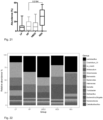
- Allobaculum is a short chain fatty acid producing species. Short chain fatty acids play an important role in regulating colonic Treg cell homeostasis mediated via GPCR43. Tcell hypoplasia and perturbed Tcell homeostasis is a central part of both acute and chronic GVHD.
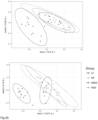
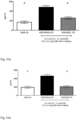
- Figure 22 is a genus analysis that shows the relative abundance of species in the different treatment groups and illustrate the effect of hBD2 and HD5 on intestinal flora.
- a statistically significant increase in abundance of Barnesiella in the colon was observed following prophylactic treatment with hBD2 (p ⁇ 0.03; Figure 24 ).
- Barnesiella is a bacteria that is able to eliminate and protect against the intestinal dominance of antibiotic-resistant pathogenic bacteria that can be observed in hospitalized patients.
- the abundance of Barnesiella corresponds with the amount of several immunoregulatory cells. The higher the level of Barnesiella in the colon, the more marginal zone B cells and invariant natural killer T cells enumerated in the spleen and liver.
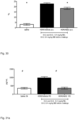
- the HFD group of mice developed extensive steatosis (intra hepatocytic fat accumulation) whereas the HFD group of mice treated with prophylactically with hBD-2 developed minimal steatosis ( Figure 60 ).
- microbiota seems to play an important role in the development of GVHD especially following the dramatic bacterial decontamination carried out just after the stem cell transplantation.
- microbiota seems to play an important role in the development of GVHD especially following the dramatic bacterial decontamination carried out just prior to the stem cell transplantation.
- This example 7 demonstrates that defensins have a profound influence on the microbiota composition in terms of number of species present as well as overall number of bacteria and thus seem to protect and preserve a healthy microbiota. More specifically defensins seem to promote Short Chain Fatty Acid producing bacteria, SCFA that play a key role in colonic Treg cell homeostasis. In addition defensins seem to protect against liver inflammation and steatosis.
- Example 8 Treatment of dysbiosis by interventional treatment with defensins.
- mice and diets The experiment elucidates the effect of hBD2 and HD5 on the microbiota in diet-induced obese mice.
- mice were MR scanned. Cages of mice were allocated to experimental groups based on their fat mass. All subsequent measures were paired with data from the same mouse before the intervention. A LFD (low fat diet) reference group was running in parallel. As controls for the intervention 2 additional groups were included: 1 very HFD and 1 LFD. Experimental mice stayed on the very HFD during the intervention ( Figure 3 ). The mice were on the experimental diet for 10 weeks. They were co-housed throughout the experiment, 4 mice per cage, 3 cages per group. All tests ran over 3 days, 1 cage per group per day.
- Microbial analyses were carried out to study the microbiota of the intestine. Longitudinal 16S characterization was conducted on 4 paired samples from 60 mice, 240 samples in total. Each mouse was sampled prior to diet change, 1 week post diet change, 4 weeks post diet change and at termination, thus ensuring a thorough characterization of the faecal microbiota as a result of defensin treatment.
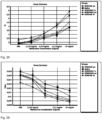
- Weight change - hBD2 The standard high fat diet (HFD) fed groups had an equal food intake throughout the entire study period and had the same weight development with equal fat and lean mass the first 13 weeks, thus having the same starting point prior to the dietary intervention.
- the weight gain was significantly larger than in the low fat diet fed (LFD) group (*p ⁇ 0.05 2-way ANOVA).
- LFD low fat diet fed
- Microbiota seems to play an important role in GVHD especially following the dramatic bacterial decontamination carried out just after the stem cell transplantation.
- Experimental treatment with faecal transplants are currently ongoing in a number of centers around the world e.g. with Prof Holler in Regensburg, Germany to try to reinstall a normal microbiota after the bacterial decontamination.
- This example 8 demonstrates that defensins have a profound influence on the microbiota composition in terms of number of species present and overall number of bacteria and thus seem to be able to treat a dysbiotic condition and reinstall a normal microbiota, which is key to preserve e.g. the colonic T reg cell homeostasis.
- mice Female 7-10 weeks old BALB/c mice were randomly allocated into 5 study groups one day prior to study start and subcutaneously (SC) sensitized to house dust mite (100 ⁇ g HDM in 200 ⁇ L saline plus Freund's complete adjuvant in 0.9% saline). The mice were treated with hBD2 orally and intranasally respectively at a dose of 1.2 mg/kg/day (0.4 mg/kg TID) starting on day 12 in the morning and continued TID at approximately 6 hours intervals. The last dose was administered on day 14 one hour prior to challenge. The total number of doses were 8 doses or a total of 2 mg/kg hBD2. Mice were then intranasally (IN) challenged with HDM on day 14 (HDM 25 ⁇ g in 50 ⁇ L of saline) ( Figure 4 ).
- SC subcutaneously
- Airway inflammation At 48 hours post challenge, bronchoalveolar lavage was performed washing the lungs with 3 volumes of cold PBS (0.4; 0.3 and 0.3 mL, total 1 mL). Total and differential leucocyte cell counts were determined on an automated haematological analyser Sysmex XT-2000iV.
- Lung function Starting 48 hours after HDM challenge, measurements of lung resistance and lung compliance were carried out after methacholine challenge (3.125 MCH1; 6.25 MCH2; 12.5 MCH3 and 25 mg/mL MCH4) by anaesthetized, cannulated mice using DSI's Buxco Finepoint RC system. Data are represented as airway resistance at 10 mg/kg methacholine and as dose responsive curves.
- Lung sampling for cytokine analysis After completion of every BAL, lungs were removed from the thorax, snap frozen in liquid nitrogen and stored frozen at -80 degrees Celcius until analysis of cytokine concentration of TNF- ⁇ , IL-4, IL-5, IL-6, IL-9, IL-13 and IL-33 in lung homogenate by ELISA.
- Lung function Starting 48 hours after HDM challenge, measurements of lung resistance and lung compliance were carried out after methacholine challenge (3.125 MCH1; 6.25 MCH2; 12.5 MCH3 and 25 mg/mL MCH4) by anaesthetized, cannulated mice using DSI's Buxco Finepoint RC system. Data are represented as airway resistance at 10 mg/kg methacholine and as dose responsive curves.
- Lung sampling for cytokine analysis After completion of every BAL, lungs were removed from the thorax, snap frozen in liquid nitrogen and stored frozen at -80 degrees Celcius until analysis of cytokine concentration of IL-1 ⁇ , TNF- ⁇ , IL-6, IL-10 and IFN ⁇ by ELISA.
- Dexamethasone treatment significantly inhibited total cell and eosinophil counts but not neutrophil, macrophage and lymphocyte counts in BALF.
- dexamethasone did not influence levels of IL-1 ⁇ , TNF- ⁇ , IL-6, IL-10 and IFN- ⁇ in lung tissue homogenates as compared to HDM/vehicle control.
- it influenced AHR measurements related to eosinophil counts. Obtained results indicate that this model is steroid resistant to a certain degree.
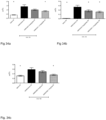
- IL-4 Fig 37
- IL-5 Fig. 38
- IL-6 Fig. 39
- IL-9 Fig 40
- IL-10 Fig 41
- cytokine levels in lung tissue homogenates with both dosing routes Perorally administered hBD2 significantly reduced TNF- ⁇ ( Figure 36 ), while the intranasally administered hBD2 differed from the control but not significantly. All obtained results indicate clear anti-inflammatory effects of hBD2 in the house dust mite/Freund's complete adjuvant driven mouse model of allergic asthma.
- the lung is the fourth organ involved in GVHD after the gut, the liver and the skin.
- This example 10 shows that defensins not only are able to rebalance the immune system but crucially to treat or prevent a cytokine storm of key GVHD cytokines IFN- ⁇ , TNF- ⁇ and IL-6, that is a hallmark of acute GVHD.
- cytokine release or cytokine storm has been implicated as the primary mediator of the occurrence and severity of acute GVHD (Ball & Egeler, 2008).
- mice Female 7-10 weeks old BALB/c mice randomly allocated into 4 study groups one day prior to study start were subcutaneously (SC) sensitized to house dust mite (100 ⁇ g HDM in 200 ⁇ L saline plus Freund's complete adjuvant in 0.9% saline). Mice were intranasally (IN) challenged with HDM on day 14 (HDM 25 ⁇ g in 50 ⁇ L of saline). hBD2 was administered IN or orally (0.4 mg/kg TID IN; 0.4 mg/kg TID orally, 50 ⁇ L phosphate buffered saline) on day 14. The initial dose was administered 60 minutes prior to challenge, and the subsequent doses approximately 6 hours apart.
- SC subcutaneously
- house dust mite 100 ⁇ g HDM in 200 ⁇ L saline plus Freund's complete adjuvant in 0.9% saline.
- mice were intranasally (IN) challenged with HDM on day 14 (HDM 25 ⁇ g in 50 ⁇ L of saline).
- Lung tissue sampling Lungs were removed from the thorax, snap frozen in liquid nitrogen and stored frozen at -80 degrees Celsius until analysis of cytokine concentration of IL-4, IL-5, IL-8 (KC), IL-9 and IL-13 in lung homogenate by ELISA. Lungs were inflated in situ in 10% buffered formalin, removed from thorax, placed individually in 10% buffered formalin, paraffin embedded in toto, sectioned and H&E/PAS stained.
- Plasma samples All terminal blood samples were collected via jugular vein bleeds. Blood was sampled to Li-heparin tubes, put on ice and immediately centrifuged at 4°C. Plasma was separated and stored at -80 0 C until the potential SCFA analysis.
- Lung tissue sampling The lungs were exposed and excised by gently opening the thorax and by cutting down either side of the sternum and ribs and trimming back. Lungs from the first 6 animals per group were removed from thorax, snap frozen in liquid nitrogen and stored frozen at -80°C until analysis of cytokine concentration by ELISA.
- Lungs from the other 8 animals per group were inflated in situ with 10% buffered formalin, removed from thorax, placed individually in 10% buffered formalin, paraffin embedded in toto, sectioned and H&E/PAS stained. The paraffin blocks were retained for the IHC analysis.
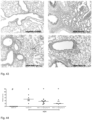
- hBD2 both after oral and intranasal application TID, on day 14, effectively inhibited the increase in histological inflammation of lung tissue as compared to HDM challenged vehicle treated animals ( Figure 43, 44 , 45 ).
- Significant effects were observed on IL-4, IL-5, IL-9 and IL-13 cytokine levels in lung tissue homogenates following oral administration and on IL-9 and IL-13 following IN administration. All obtained results indicate clear anti-inflammatory effects of hBD2 in the house dust mite/Freund's complete adjuvant driven mouse model of allergic asthma.
- the lung is the fourth organ involved in GVHD after the gut, the liver and the skin.
- This example shows that defensins not only are able to rebalance the immune system but crucially to treat or prevent a cytokine storm of key GVHD cytokines IL-4, IL-5, IL-8, IL-9 and IL-13, that is a hallmark of acute GVHD.
- cytokine storm of key GVHD cytokines IL-4, IL-5, IL-8, IL-9 and IL-13, that is a hallmark of acute GVHD.
- inflammatory cytokine release or cytokine storm has been implicated as the primary mediator of the occurrence and severity of acute GVHD (Ball & Egeler, 2008).
- Treatment regime 12 female BALB/c mice were irradiated with 4.5 Gy (2 x 498 sec) at intervals of at least 4 hours on day 0.
- Harvest of T-cells spleens from 2 female WT C57BL/6 mice were meshed through a 100 ⁇ M cell strainer into a PBS filled dish. Cells were taken up in PBS and transferred into a 50 mL falcon tube and spun down.
- mice received vehicle 100 ⁇ L PBS per day via oral gavage from day 0-10.
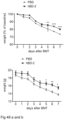
- mice were weighed daily for the initial 7 days and survival was monitored for 100 days.
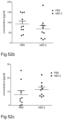
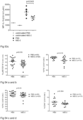
- Prophylactic treatment with hBD2 also showed reduction of TNF- ⁇ and IL-6 concentrations and increased concentration of IL-10 ( Figure 52 a-c ).
- the hBD-2 treatment additionally showed a reduction of IL-1 ⁇ from myeloid cells (FACS analysis of the spleen in Figure 53 a-c ).
- FACS analysis of the spleen also showed reduced number of neutrophils ( Figure 54 a) ; reduced Th1 cytokine production of especially TNF- ⁇ and IFN- ⁇ ( Figure 54 b-f ).
- Microarray analysis of the colon samples showed decreased inflammation, leucocyte and myeloid cell migration and tissue remodelling in the hBD-2 treated group versus PBS ( Figure 55 ).
- This example 13 demonstrates that prophylactic treatment with hBD-2 for 10 days from the day of stem cell transplantation reduces mortality and increases long term survival dramatically.
- Treatment regime 20 female BALB/c mice were irradiated with 4.5 Gy (2 x 498 sec) at intervals of at least 4 hours on day 0.
- Harvest of T-cells spleens from 2 female WT C57BL/6 mice were meshed through a 100 ⁇ M cell strainer into a PBS filled dish. Cells were taken up in PBS and transferred into a 50 mL falcon tube and spun down.
- This example 14 serves to demonstrate that prophylactic treatment with hBD-2 for 10 days from the day of stem cell transplantation reduces mortality at least on par with standard anti-GVHD treatment with cyclosporine.
- Treatment regime 22 female BALB/c mice were irradiated with 4.5 Gy (2 x 498 sec) at intervals of at least 4 hours on day 0.
- Harvest of T-cells spleens from 2 female WT C57BL/6 mice were meshed through a 100 ⁇ M cell strainer into a PBS filled dish. Cells were taken up in PBS and transferred into a 50 mL falcon tube and spun down.
- This example 15 serves to demonstrate that prophylactic treatment for 10 days from the day of stem cell transplantation with either HD5 or hBD-2 reduces mortality dramatically.
- Mucus immunostaining was paired with fluorescent in situ hybridization (FISH), as previously described in order to analyze bacteria localization at the surface of the intestinal mucosa.
- FISH fluorescent in situ hybridization
Landscapes
- Health & Medical Sciences (AREA)
- Life Sciences & Earth Sciences (AREA)
- Chemical & Material Sciences (AREA)
- Medicinal Chemistry (AREA)
- General Health & Medical Sciences (AREA)
- Engineering & Computer Science (AREA)
- Bioinformatics & Cheminformatics (AREA)
- Immunology (AREA)
- Public Health (AREA)
- Pharmacology & Pharmacy (AREA)
- Animal Behavior & Ethology (AREA)
- Veterinary Medicine (AREA)
- Organic Chemistry (AREA)
- Proteomics, Peptides & Aminoacids (AREA)
- General Chemical & Material Sciences (AREA)
- Chemical Kinetics & Catalysis (AREA)
- Nuclear Medicine, Radiotherapy & Molecular Imaging (AREA)
- Gastroenterology & Hepatology (AREA)
- Epidemiology (AREA)
- Zoology (AREA)
- Molecular Biology (AREA)
- Transplantation (AREA)
- Biochemistry (AREA)
- Biophysics (AREA)
- Genetics & Genomics (AREA)
- Toxicology (AREA)
- Marine Sciences & Fisheries (AREA)
- Pain & Pain Management (AREA)
- Oncology (AREA)
- Pulmonology (AREA)
- Communicable Diseases (AREA)
- Rheumatology (AREA)
- Medicines That Contain Protein Lipid Enzymes And Other Medicines (AREA)
- Medicines Containing Material From Animals Or Micro-Organisms (AREA)
- Pharmaceuticals Containing Other Organic And Inorganic Compounds (AREA)
- Medicinal Preparation (AREA)
- Acyclic And Carbocyclic Compounds In Medicinal Compositions (AREA)
- Peptides Or Proteins (AREA)
Applications Claiming Priority (3)
| Application Number | Priority Date | Filing Date | Title |
|---|---|---|---|
| EP17203527 | 2017-11-24 | ||
| EP18191954 | 2018-08-31 | ||
| PCT/EP2018/082022 WO2019101773A2 (en) | 2017-11-24 | 2018-11-21 | Prevention and treatment of graft-versus-host-disease with defensins |
Publications (3)
| Publication Number | Publication Date |
|---|---|
| EP3713590A2 EP3713590A2 (en) | 2020-09-30 |
| EP3713590C0 EP3713590C0 (en) | 2025-05-07 |
| EP3713590B1 true EP3713590B1 (en) | 2025-05-07 |
Family
ID=64308771
Family Applications (1)
| Application Number | Title | Priority Date | Filing Date |
|---|---|---|---|
| EP18803442.5A Active EP3713590B1 (en) | 2017-11-24 | 2018-11-21 | Human beta 2 defensin for use in the prevention and treatment of graft-versus-host-disease |
Country Status (15)
| Country | Link |
|---|---|
| US (1) | US20200291082A1 (https=) |
| EP (1) | EP3713590B1 (https=) |
| JP (1) | JP7423523B2 (https=) |
| KR (1) | KR20200097251A (https=) |
| CN (1) | CN111741762A (https=) |
| AU (1) | AU2018371948A1 (https=) |
| BR (1) | BR112020010180A2 (https=) |
| CA (1) | CA3083315A1 (https=) |
| ES (1) | ES3038390T3 (https=) |
| MX (1) | MX2020005370A (https=) |
| PL (1) | PL3713590T3 (https=) |
| RU (1) | RU2020116903A (https=) |
| SG (1) | SG11202004207VA (https=) |
| WO (1) | WO2019101773A2 (https=) |
| ZA (1) | ZA202002669B (https=) |
Families Citing this family (2)
| Publication number | Priority date | Publication date | Assignee | Title |
|---|---|---|---|---|
| KR102244161B1 (ko) * | 2018-08-31 | 2021-04-26 | 주식회사 나이벡 | 다중의 질환 바이오마커의 기능 및 발현을 억제하는 펩타이드의 신규한 용도 |
| KR20230112561A (ko) * | 2022-01-20 | 2023-07-27 | 가톨릭대학교 산학협력단 | 간이식환자 장내균총 분석과 이를 통한 이식상태 모니터링과 면역조절 테라그노시스 조성물 |
Citations (1)
| Publication number | Priority date | Publication date | Assignee | Title |
|---|---|---|---|---|
| WO2019092201A2 (en) * | 2017-11-10 | 2019-05-16 | Defensin Therapeutics Aps | Maturation of mucosal defense and gut/lung function in the preterm infant |
Family Cites Families (16)
| Publication number | Priority date | Publication date | Assignee | Title |
|---|---|---|---|---|
| US4235871A (en) | 1978-02-24 | 1980-11-25 | Papahadjopoulos Demetrios P | Method of encapsulating biologically active materials in lipid vesicles |
| US4501728A (en) | 1983-01-06 | 1985-02-26 | Technology Unlimited, Inc. | Masking of liposomes from RES recognition |
| US4837028A (en) | 1986-12-24 | 1989-06-06 | Liposome Technology, Inc. | Liposomes with enhanced circulation time |
| US5223409A (en) | 1988-09-02 | 1993-06-29 | Protein Engineering Corp. | Directed evolution of novel binding proteins |
| IL99552A0 (en) | 1990-09-28 | 1992-08-18 | Ixsys Inc | Compositions containing procaryotic cells,a kit for the preparation of vectors useful for the coexpression of two or more dna sequences and methods for the use thereof |
| DE4343591A1 (de) | 1993-12-21 | 1995-06-22 | Evotec Biosystems Gmbh | Verfahren zum evolutiven Design und Synthese funktionaler Polymere auf der Basis von Formenelementen und Formencodes |
| US5605793A (en) | 1994-02-17 | 1997-02-25 | Affymax Technologies N.V. | Methods for in vitro recombination |
| NZ540506A (en) * | 2002-12-19 | 2008-09-26 | Yitzchak Hillman | Disease treatment via antimicrobial peptide inhibitors |
| AU2009209565B2 (en) | 2008-02-01 | 2013-09-19 | Ascendis Pharma As | Prodrug comprising a self-cleavable linker |
| WO2009113065A1 (en) * | 2008-03-13 | 2009-09-17 | Hadasit Medical Research Services & Development Ltd. | Immuno-modulating compositions for the treatment of immune-mediated disorders |
| SG172709A1 (en) | 2008-07-18 | 2011-07-28 | Novozymes Adenium Biotech As | Treatment of inflammatory bowel diseases with mammal beta defensins |
| KR101722961B1 (ko) | 2009-02-11 | 2017-04-04 | 알부메딕스 에이/에스 | 알부민 변이체 및 접합체 |
| JP6219277B2 (ja) * | 2011-07-08 | 2017-10-25 | ディフェンシン セラピューティクス アンパルトセルスカブDefensin Therapeutics Aps | 炎症性腸疾患の経口治療 |
| WO2016086161A1 (en) * | 2014-11-25 | 2016-06-02 | Memorial Sloan-Kettering Cancer Center | Intestinal microbiota and gvhd |
| CN104971343B (zh) * | 2015-07-13 | 2018-02-02 | 韩源平 | 防御素在制备治疗代谢综合征药物方面的应用 |
| BR112018015170A2 (pt) * | 2016-01-26 | 2018-12-18 | Defensin Therapeutics Aps | métodos para tratamento de doenças, para promoção de crescimento magro, para tratamento ou normalização de uma microbiota disbiótica no intestino, para aumentar riqueza gênica da microbiota intestinal, para aumentar número de filos da microbiota intestinal, para aumentar produção de ácidos graxos de cadeia curta da microbiota intestinal/metaboloma, para aumentar número de bactérias, para diminuir número de bactérias, defensina a, defensina ss, ou um fragmento bioativo das mesmas, e, defensina a e/ou defensina ss e/ou um glp-1/análogo de glp-1. |
-
2018
- 2018-11-21 PL PL18803442.5T patent/PL3713590T3/pl unknown
- 2018-11-21 EP EP18803442.5A patent/EP3713590B1/en active Active
- 2018-11-21 WO PCT/EP2018/082022 patent/WO2019101773A2/en not_active Ceased
- 2018-11-21 BR BR112020010180-0A patent/BR112020010180A2/pt not_active IP Right Cessation
- 2018-11-21 RU RU2020116903A patent/RU2020116903A/ru unknown
- 2018-11-21 AU AU2018371948A patent/AU2018371948A1/en not_active Abandoned
- 2018-11-21 JP JP2020528244A patent/JP7423523B2/ja active Active
- 2018-11-21 CN CN201880076137.1A patent/CN111741762A/zh active Pending
- 2018-11-21 US US16/765,746 patent/US20200291082A1/en not_active Abandoned
- 2018-11-21 CA CA3083315A patent/CA3083315A1/en active Pending
- 2018-11-21 KR KR1020207015412A patent/KR20200097251A/ko not_active Ceased
- 2018-11-21 ES ES18803442T patent/ES3038390T3/es active Active
- 2018-11-21 MX MX2020005370A patent/MX2020005370A/es unknown
- 2018-11-21 SG SG11202004207VA patent/SG11202004207VA/en unknown
-
2020
- 2020-05-12 ZA ZA2020/02669A patent/ZA202002669B/en unknown
Patent Citations (1)
| Publication number | Priority date | Publication date | Assignee | Title |
|---|---|---|---|---|
| WO2019092201A2 (en) * | 2017-11-10 | 2019-05-16 | Defensin Therapeutics Aps | Maturation of mucosal defense and gut/lung function in the preterm infant |
Non-Patent Citations (6)
| Title |
|---|
| A. BISWAS ET AL: "Induction and rescue of Nod2-dependent Th1-driven granulomatous inflammation of the ileum", PROCEEDINGS OF THE NATIONAL ACADEMY OF SCIENCES, vol. 107, no. 33, 2 August 2010 (2010-08-02), pages 14739 - 14744, XP055552099, ISSN: 0027-8424, DOI: 10.1073/pnas.1003363107 * |
| DANIELA WEBER ET AL: "The association between acute graft-versus-host disease and antimicrobial peptide expression in the gastrointestinal tract after allogeneic stem cell transplantation", PLOS ONE, vol. 12, no. 9, 21 September 2017 (2017-09-21), pages e0185265, XP055552032, DOI: 10.1371/journal.pone.0185265 * |
| DOROTHY M SUPP: "Gene therapy to fight infection in skin transplants", PHARMACOGENOMICS, vol. 8, no. 5, 1 May 2007 (2007-05-01), UK, pages 483 - 486, XP055551698, ISSN: 1462-2416, DOI: 10.2217/14622416.8.5.483 * |
| EDWARD K. GEISSLER ET AL: "KFO 243 Final Report ELITE: Early Immunological Determinants of Late Transplant Outcome", 21 February 2018 (2018-02-21), pages 1 - 124, XP055552021, Retrieved from the Internet <URL:http://www-kfo.uni-regensburg.de/kfo243/pdf/KFO243_ELITE_FINAL%20REPORT_21FEB2018_FINAL.pdf> [retrieved on 20190205] * |
| NITA H SALZMAN ET AL: "Enteric defensins are essential regulators of intestinal microbial ecology", NATURE IMMULOGY, vol. 11, no. 1, 22 October 2009 (2009-10-22), New York, pages 76 - 82, XP055360095, ISSN: 1529-2908, DOI: 10.1038/ni.1825 * |
| Y. ERIGUCHI ET AL: "Graft-versus-host disease disrupts intestinal microbial ecology by inhibiting Paneth cell production of -defensins", BLOOD, vol. 120, no. 1, 5 July 2012 (2012-07-05), US, pages 223 - 231, XP055551825, ISSN: 0006-4971, DOI: 10.1182/blood-2011-12-401166 * |
Also Published As
| Publication number | Publication date |
|---|---|
| KR20200097251A (ko) | 2020-08-18 |
| JP2021504348A (ja) | 2021-02-15 |
| PL3713590T3 (pl) | 2025-09-15 |
| RU2020116903A3 (https=) | 2022-04-08 |
| SG11202004207VA (en) | 2020-06-29 |
| CA3083315A1 (en) | 2019-05-31 |
| WO2019101773A2 (en) | 2019-05-31 |
| WO2019101773A3 (en) | 2019-07-04 |
| MX2020005370A (es) | 2020-10-19 |
| AU2018371948A1 (en) | 2020-06-11 |
| EP3713590C0 (en) | 2025-05-07 |
| ES3038390T3 (en) | 2025-10-13 |
| CN111741762A (zh) | 2020-10-02 |
| RU2020116903A (ru) | 2021-12-24 |
| US20200291082A1 (en) | 2020-09-17 |
| ZA202002669B (en) | 2021-05-26 |
| JP7423523B2 (ja) | 2024-01-29 |
| EP3713590A2 (en) | 2020-09-30 |
| BR112020010180A2 (pt) | 2021-01-12 |
Similar Documents
| Publication | Publication Date | Title |
|---|---|---|
| US20230067261A1 (en) | Methods for treating inflammatory conditions of the lungs | |
| US20250009844A1 (en) | Maturation of mucosal defense and gut/lung function in the preterm infant | |
| EP3713590B1 (en) | Human beta 2 defensin for use in the prevention and treatment of graft-versus-host-disease | |
| US20080242615A1 (en) | Surfactant protein-d for prevention and treatment of lung infections and sepsis | |
| AU2015212357B2 (en) | Tolerogenic compositions comprising and uses thereof | |
| JP2002530083A (ja) | 感染におけるリゾチーム融合タンパク質 |
Legal Events
| Date | Code | Title | Description |
|---|---|---|---|
| STAA | Information on the status of an ep patent application or granted ep patent |
Free format text: STATUS: UNKNOWN |
|
| STAA | Information on the status of an ep patent application or granted ep patent |
Free format text: STATUS: THE INTERNATIONAL PUBLICATION HAS BEEN MADE |
|
| PUAI | Public reference made under article 153(3) epc to a published international application that has entered the european phase |
Free format text: ORIGINAL CODE: 0009012 |
|
| STAA | Information on the status of an ep patent application or granted ep patent |
Free format text: STATUS: REQUEST FOR EXAMINATION WAS MADE |
|
| 17P | Request for examination filed |
Effective date: 20200624 |
|
| AK | Designated contracting states |
Kind code of ref document: A2 Designated state(s): AL AT BE BG CH CY CZ DE DK EE ES FI FR GB GR HR HU IE IS IT LI LT LU LV MC MK MT NL NO PL PT RO RS SE SI SK SM TR |
|
| AX | Request for extension of the european patent |
Extension state: BA ME |
|
| DAV | Request for validation of the european patent (deleted) | ||
| DAX | Request for extension of the european patent (deleted) | ||
| REG | Reference to a national code |
Ref country code: HK Ref legal event code: DE Ref document number: 40031781 Country of ref document: HK |
|
| PUAG | Search results despatched under rule 164(2) epc together with communication from examining division |
Free format text: ORIGINAL CODE: 0009017 |
|
| STAA | Information on the status of an ep patent application or granted ep patent |
Free format text: STATUS: EXAMINATION IS IN PROGRESS |
|
| 17Q | First examination report despatched |
Effective date: 20230612 |
|
| B565 | Issuance of search results under rule 164(2) epc |
Effective date: 20230612 |
|
| RIC1 | Information provided on ipc code assigned before grant |
Ipc: A61P 37/06 20060101ALI20230606BHEP Ipc: A61K 38/17 20060101AFI20230606BHEP |
|
| GRAP | Despatch of communication of intention to grant a patent |
Free format text: ORIGINAL CODE: EPIDOSNIGR1 |
|
| STAA | Information on the status of an ep patent application or granted ep patent |
Free format text: STATUS: GRANT OF PATENT IS INTENDED |
|
| INTG | Intention to grant announced |
Effective date: 20241206 |
|
| GRAS | Grant fee paid |
Free format text: ORIGINAL CODE: EPIDOSNIGR3 |
|
| GRAA | (expected) grant |
Free format text: ORIGINAL CODE: 0009210 |
|
| STAA | Information on the status of an ep patent application or granted ep patent |
Free format text: STATUS: THE PATENT HAS BEEN GRANTED |
|
| AK | Designated contracting states |
Kind code of ref document: B1 Designated state(s): AL AT BE BG CH CY CZ DE DK EE ES FI FR GB GR HR HU IE IS IT LI LT LU LV MC MK MT NL NO PL PT RO RS SE SI SK SM TR |
|
| REG | Reference to a national code |
Ref country code: GB Ref legal event code: FG4D |
|
| REG | Reference to a national code |
Ref country code: CH Ref legal event code: EP |
|
| REG | Reference to a national code |
Ref country code: DE Ref legal event code: R096 Ref document number: 602018081768 Country of ref document: DE |
|
| REG | Reference to a national code |
Ref country code: IE Ref legal event code: FG4D |
|
| U01 | Request for unitary effect filed |
Effective date: 20250604 |
|
| U07 | Unitary effect registered |
Designated state(s): AT BE BG DE DK EE FI FR IT LT LU LV MT NL PT RO SE SI Effective date: 20250612 |
|
| PG25 | Lapsed in a contracting state [announced via postgrant information from national office to epo] |
Ref country code: NO Free format text: LAPSE BECAUSE OF FAILURE TO SUBMIT A TRANSLATION OF THE DESCRIPTION OR TO PAY THE FEE WITHIN THE PRESCRIBED TIME-LIMIT Effective date: 20250807 Ref country code: GR Free format text: LAPSE BECAUSE OF FAILURE TO SUBMIT A TRANSLATION OF THE DESCRIPTION OR TO PAY THE FEE WITHIN THE PRESCRIBED TIME-LIMIT Effective date: 20250808 |
|
| REG | Reference to a national code |
Ref country code: ES Ref legal event code: FG2A Ref document number: 3038390 Country of ref document: ES Kind code of ref document: T3 Effective date: 20251013 |
|
| PG25 | Lapsed in a contracting state [announced via postgrant information from national office to epo] |
Ref country code: HR Free format text: LAPSE BECAUSE OF FAILURE TO SUBMIT A TRANSLATION OF THE DESCRIPTION OR TO PAY THE FEE WITHIN THE PRESCRIBED TIME-LIMIT Effective date: 20250507 |
|
| PG25 | Lapsed in a contracting state [announced via postgrant information from national office to epo] |
Ref country code: RS Free format text: LAPSE BECAUSE OF FAILURE TO SUBMIT A TRANSLATION OF THE DESCRIPTION OR TO PAY THE FEE WITHIN THE PRESCRIBED TIME-LIMIT Effective date: 20250807 |
|
| PG25 | Lapsed in a contracting state [announced via postgrant information from national office to epo] |
Ref country code: IS Free format text: LAPSE BECAUSE OF FAILURE TO SUBMIT A TRANSLATION OF THE DESCRIPTION OR TO PAY THE FEE WITHIN THE PRESCRIBED TIME-LIMIT Effective date: 20250907 |
|
| U20 | Renewal fee for the european patent with unitary effect paid |
Year of fee payment: 8 Effective date: 20251117 |
|
| PGFP | Annual fee paid to national office [announced via postgrant information from national office to epo] |
Ref country code: GB Payment date: 20251117 Year of fee payment: 8 |
|
| PG25 | Lapsed in a contracting state [announced via postgrant information from national office to epo] |
Ref country code: SM Free format text: LAPSE BECAUSE OF FAILURE TO SUBMIT A TRANSLATION OF THE DESCRIPTION OR TO PAY THE FEE WITHIN THE PRESCRIBED TIME-LIMIT Effective date: 20250507 |
|
| PG25 | Lapsed in a contracting state [announced via postgrant information from national office to epo] |
Ref country code: CZ Free format text: LAPSE BECAUSE OF FAILURE TO SUBMIT A TRANSLATION OF THE DESCRIPTION OR TO PAY THE FEE WITHIN THE PRESCRIBED TIME-LIMIT Effective date: 20250507 |
|
| PGFP | Annual fee paid to national office [announced via postgrant information from national office to epo] |
Ref country code: PL Payment date: 20251103 Year of fee payment: 8 |
|
| PG25 | Lapsed in a contracting state [announced via postgrant information from national office to epo] |
Ref country code: SK Free format text: LAPSE BECAUSE OF FAILURE TO SUBMIT A TRANSLATION OF THE DESCRIPTION OR TO PAY THE FEE WITHIN THE PRESCRIBED TIME-LIMIT Effective date: 20250507 |
|
| PGFP | Annual fee paid to national office [announced via postgrant information from national office to epo] |
Ref country code: ES Payment date: 20251212 Year of fee payment: 8 |
|
| PLBE | No opposition filed within time limit |
Free format text: ORIGINAL CODE: 0009261 |
|
| STAA | Information on the status of an ep patent application or granted ep patent |
Free format text: STATUS: NO OPPOSITION FILED WITHIN TIME LIMIT |
|
| REG | Reference to a national code |
Ref country code: CH Ref legal event code: L10 Free format text: ST27 STATUS EVENT CODE: U-0-0-L10-L00 (AS PROVIDED BY THE NATIONAL OFFICE) Effective date: 20260318 |
|
| 26N | No opposition filed |
Effective date: 20260210 |