EP3704712B1 - Medizinisches system zur diagnose der pathologie und/oder des ausgangs von kognitiven krankheiten - Google Patents
Medizinisches system zur diagnose der pathologie und/oder des ausgangs von kognitiven krankheiten Download PDFInfo
- Publication number
- EP3704712B1 EP3704712B1 EP18799476.9A EP18799476A EP3704712B1 EP 3704712 B1 EP3704712 B1 EP 3704712B1 EP 18799476 A EP18799476 A EP 18799476A EP 3704712 B1 EP3704712 B1 EP 3704712B1
- Authority
- EP
- European Patent Office
- Prior art keywords
- subject
- subjects
- medical
- medical data
- data
- Prior art date
- Legal status (The legal status is an assumption and is not a legal conclusion. Google has not performed a legal analysis and makes no representation as to the accuracy of the status listed.)
- Active
Links
Images



Classifications
-
- G—PHYSICS
- G16—INFORMATION AND COMMUNICATION TECHNOLOGY [ICT] SPECIALLY ADAPTED FOR SPECIFIC APPLICATION FIELDS
- G16H—HEALTHCARE INFORMATICS, i.e. INFORMATION AND COMMUNICATION TECHNOLOGY [ICT] SPECIALLY ADAPTED FOR THE HANDLING OR PROCESSING OF MEDICAL OR HEALTHCARE DATA
- G16H50/00—ICT specially adapted for medical diagnosis, medical simulation or medical data mining; ICT specially adapted for detecting, monitoring or modelling epidemics or pandemics
- G16H50/20—ICT specially adapted for medical diagnosis, medical simulation or medical data mining; ICT specially adapted for detecting, monitoring or modelling epidemics or pandemics for computer-aided diagnosis, e.g. based on medical expert systems
-
- A—HUMAN NECESSITIES
- A61—MEDICAL OR VETERINARY SCIENCE; HYGIENE
- A61B—DIAGNOSIS; SURGERY; IDENTIFICATION
- A61B6/00—Apparatus or devices for radiation diagnosis; Apparatus or devices for radiation diagnosis combined with radiation therapy equipment
- A61B6/02—Arrangements for diagnosis sequentially in different planes; Stereoscopic radiation diagnosis
- A61B6/03—Computed tomography [CT]
- A61B6/037—Emission tomography
-
- A—HUMAN NECESSITIES
- A61—MEDICAL OR VETERINARY SCIENCE; HYGIENE
- A61B—DIAGNOSIS; SURGERY; IDENTIFICATION
- A61B6/00—Apparatus or devices for radiation diagnosis; Apparatus or devices for radiation diagnosis combined with radiation therapy equipment
- A61B6/50—Apparatus or devices for radiation diagnosis; Apparatus or devices for radiation diagnosis combined with radiation therapy equipment specially adapted for specific body parts; specially adapted for specific clinical applications
- A61B6/501—Apparatus or devices for radiation diagnosis; Apparatus or devices for radiation diagnosis combined with radiation therapy equipment specially adapted for specific body parts; specially adapted for specific clinical applications for diagnosis of the head, e.g. neuroimaging or craniography
-
- G—PHYSICS
- G06—COMPUTING OR CALCULATING; COUNTING
- G06N—COMPUTING ARRANGEMENTS BASED ON SPECIFIC COMPUTATIONAL MODELS
- G06N20/00—Machine learning
-
- G—PHYSICS
- G16—INFORMATION AND COMMUNICATION TECHNOLOGY [ICT] SPECIALLY ADAPTED FOR SPECIFIC APPLICATION FIELDS
- G16H—HEALTHCARE INFORMATICS, i.e. INFORMATION AND COMMUNICATION TECHNOLOGY [ICT] SPECIALLY ADAPTED FOR THE HANDLING OR PROCESSING OF MEDICAL OR HEALTHCARE DATA
- G16H10/00—ICT specially adapted for the handling or processing of patient-related medical or healthcare data
- G16H10/60—ICT specially adapted for the handling or processing of patient-related medical or healthcare data for patient-specific data, e.g. for electronic patient records
-
- G—PHYSICS
- G16—INFORMATION AND COMMUNICATION TECHNOLOGY [ICT] SPECIALLY ADAPTED FOR SPECIFIC APPLICATION FIELDS
- G16H—HEALTHCARE INFORMATICS, i.e. INFORMATION AND COMMUNICATION TECHNOLOGY [ICT] SPECIALLY ADAPTED FOR THE HANDLING OR PROCESSING OF MEDICAL OR HEALTHCARE DATA
- G16H20/00—ICT specially adapted for therapies or health-improving plans, e.g. for handling prescriptions, for steering therapy or for monitoring patient compliance
- G16H20/70—ICT specially adapted for therapies or health-improving plans, e.g. for handling prescriptions, for steering therapy or for monitoring patient compliance relating to mental therapies, e.g. psychological therapy or autogenous training
-
- G—PHYSICS
- G16—INFORMATION AND COMMUNICATION TECHNOLOGY [ICT] SPECIALLY ADAPTED FOR SPECIFIC APPLICATION FIELDS
- G16H—HEALTHCARE INFORMATICS, i.e. INFORMATION AND COMMUNICATION TECHNOLOGY [ICT] SPECIALLY ADAPTED FOR THE HANDLING OR PROCESSING OF MEDICAL OR HEALTHCARE DATA
- G16H30/00—ICT specially adapted for the handling or processing of medical images
- G16H30/40—ICT specially adapted for the handling or processing of medical images for processing medical images, e.g. editing
-
- G—PHYSICS
- G16—INFORMATION AND COMMUNICATION TECHNOLOGY [ICT] SPECIALLY ADAPTED FOR SPECIFIC APPLICATION FIELDS
- G16H—HEALTHCARE INFORMATICS, i.e. INFORMATION AND COMMUNICATION TECHNOLOGY [ICT] SPECIALLY ADAPTED FOR THE HANDLING OR PROCESSING OF MEDICAL OR HEALTHCARE DATA
- G16H50/00—ICT specially adapted for medical diagnosis, medical simulation or medical data mining; ICT specially adapted for detecting, monitoring or modelling epidemics or pandemics
- G16H50/50—ICT specially adapted for medical diagnosis, medical simulation or medical data mining; ICT specially adapted for detecting, monitoring or modelling epidemics or pandemics for simulation or modelling of medical disorders
-
- G—PHYSICS
- G16—INFORMATION AND COMMUNICATION TECHNOLOGY [ICT] SPECIALLY ADAPTED FOR SPECIFIC APPLICATION FIELDS
- G16H—HEALTHCARE INFORMATICS, i.e. INFORMATION AND COMMUNICATION TECHNOLOGY [ICT] SPECIALLY ADAPTED FOR THE HANDLING OR PROCESSING OF MEDICAL OR HEALTHCARE DATA
- G16H50/00—ICT specially adapted for medical diagnosis, medical simulation or medical data mining; ICT specially adapted for detecting, monitoring or modelling epidemics or pandemics
- G16H50/70—ICT specially adapted for medical diagnosis, medical simulation or medical data mining; ICT specially adapted for detecting, monitoring or modelling epidemics or pandemics for mining of medical data, e.g. analysing previous cases of other patients
-
- G—PHYSICS
- G16—INFORMATION AND COMMUNICATION TECHNOLOGY [ICT] SPECIALLY ADAPTED FOR SPECIFIC APPLICATION FIELDS
- G16H—HEALTHCARE INFORMATICS, i.e. INFORMATION AND COMMUNICATION TECHNOLOGY [ICT] SPECIALLY ADAPTED FOR THE HANDLING OR PROCESSING OF MEDICAL OR HEALTHCARE DATA
- G16H70/00—ICT specially adapted for the handling or processing of medical references
- G16H70/60—ICT specially adapted for the handling or processing of medical references relating to pathologies
Definitions
- Digital technologies can also be used in the research environment, particularly to address challenging research problems, e.g., getting novel disease modifying drugs (DMDs) to the market more efficiently.
- DMDs disease modifying drugs
- the regulatory and reimbursement requirements are becoming more stringent and although regulatory bodies such as The Food and Drug Administration (FDA) have implemented programs to try and expedite drug development such as the Fast Track program, the challenges faced by pharma during the clinical development of potential candidates remain significant and a huge financial undertaking.
- FDA Food and Drug Administration
- Vizamyl TM (Flutemetamol F-18 Injection, GE Healthcare) is a radioactive diagnostic agent indicated for (PET) imaging of the brain to estimate ⁇ -amyloid (A ⁇ ) neuritic plaque density in adult patients with cognitive impairment who are being evaluated for AD or other causes of cognitive decline.
- PTT amyloid positron emission tomography
- Vizamyl TM (Flutemetamol F-18 Injection, GE Healthcare) is a radioactive diagnostic agent indicated for (PET) imaging of the brain to estimate ⁇ -amyloid (A ⁇ ) neuritic plaque density in adult patients with cognitive impairment who are being evaluated for AD or other causes of cognitive decline.
- Other known agents include Neuraceq TM (florbetaben F18 injection Piramal Imaging) and Amyvid TM (florbetapir, Eli Lilly and Company).
- a negative A ⁇ scan indicates sparse to no neuritic plaques, and is inconsistent with a neuropathological diagnosis of AD at the time of image acquisition; a negative scan result reduces the likelihood that a patient's cognitive impairment is due to AD.
- a positive A ⁇ scan indicates moderate to frequent amyloid neuritic plaques; neuropathological examination has shown this amount of neuritic plaque is present in patients with AD, but may also be present in patients with other types of neurologic conditions, as well as older people with normal cognition.
- a ⁇ PET imaging can be considered an adjunct to other diagnostic evaluations.
- a positive A ⁇ scan does not necessarily by itself establish a diagnosis of AD or other cognitive disorder. While an amyloid PET positive subject may be permitted to enter a clinical trial for amyloid-modulating therapies, this test is insufficient because not all amyloid positive subjects progress to AD or do so within a timeframe that would be relevant to the clinical trial. Taking the example of AD, this would mean identification of subject more likely to have a positive amyloid scan.
- PD Parkinson's disease
- PS Progressive Supranuclear Palsy
- MSA Multiple System Atrophy
- Imaging the dopamine transporter (DAT) may be used in an effort to obtain accurate diagnosis by determining loss of dopaminergic activity.
- a number of radiolabeled phenyltropane analogues are known for visualization of dopamine transporters, including the approved product DaTscan TM (GE Healthcare) a 123 -I-labelled agent for use in single photon emission tomography (SPECT) imaging.
- DaTscan TM GE Healthcare
- in vivo imaging techniques that make use of radiopharmaceuticals such as PET and SPECT are relatively expensive and resource-intensive diagnostic procedures. It would be advantageous prior to carrying out such in vivo imaging techniques to be able to identify subjects who are likely to have an outcome suggestive of a disease state. So for example, for PD it would be advantageous to identify subjects more likely to have dopaminergic deficiencies prior to carrying out molecular imaging, and for AD it would be advantageous to identify subjects more likely to have amyloid plaques prior to carrying out molecular imaging.
- a medical system for predicting a clinical outcome in a subject having an uncertain cognitive status comprising a computer system arranged to receive first medical data for the subject and configured at least in part as a first trained learning machine trained on second medical data and a second learning machine trained on third medical data, the computer system being adapted to use the first trained learning machine and the second learning machine to provide a prediction of the disease pathology, a display for displaying an indication of the prediction, wherein the first medical data may comprise data obtained from a molecular imaging procedure on the subject and the first trained learning machine has been trained at least in part with data obtained from one or more molecular imaging procedures.
- a generalized computer system 100 such as that shown in FIG. 1 may be configured for machine learning, that is, to be able to perform certain tasks without specific programming.
- One aspect of this is to provide the computer system 100 with a set of training data ("features") on which it can learn to make predictions. Then the computer system can make predictions based on new data.
- Model generation was implemented using the features available from the Phase III study.
- the imaging data was quantified using automated quantification software that produced quantified brain volumes from the T1 MR images and SUVr values relative to the Pons reference region from the amyloid PET images. These quantified regions in combination with the demographic, neuropsychometric, and genetic data collected were then down selected using feature selection algorithms for use in the models. Median imputation was utilized to address subjects that were missing data other than the target label.
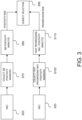
- FIG. 2 graphically a generalized process for using the models.
- a ⁇ PET features may include Prefrontal A ⁇ SUVR-PONS, Anterior Cingulate A ⁇ SUVR-PONS, Precuneus Post Cingulate A ⁇ SUVR-PONS, Parietal A ⁇ SUVR-PONS, Temporal Lateral A ⁇ SUVR-PONS, Temporal Mesial A ⁇ SUVR-PONS, Occipital A ⁇ SUVR-PONS, Sensorimotor A ⁇ SUVR-PONS, and/or Composite A ⁇ SUVR-PONS.
- T1 MR may include, Hippocampal Volume, Thalamus Volume, Amygdala Volume, Putamen Volume, Caudate Volume, Parahippocampal Volume, Entorhinal Cortex Volume, Medial Temporal Lobe Volume, Ventricles Volume, Gyrus Rectus Volume, Angular Gyrus Volume, Whole Gray Matter, and/or Whole White Matter.
- these features will be used such as ADL, MMSE, Category Fluency Test - Animal, Composite A ⁇ SUVR-PONS, and Hippocampal Volume.
- median imputation may be performed, or the subject could be removed.
- subjects may be assigned to most common value for the feature. For example, in cases where ApoE status is a feature, subjects lacking an ApoE status may be given the mode status i.e. the most common allele combination rather than performing imputation on the median of the data.
- the variable is not populated and the model is applied without the particular feature. Based on the knowledge of important features, it is desirable for the modelling software to highlight to the user if certain features are not available for individual subjects or subject cohorts. In some cases, this may allow such tests to be performed (e.g. determine ApoE status) and to add the corresponding values if it is known that the accuracy of the prediction can be improved.
- Stratified K-Folds (5 folds) may be used. If both amyloid positivity and conversion label are present in the dataset used for model building then the populations may be stratified in such a way as to have even distributions of amyloid positive converters, amyloid positive non-converters, amyloid negative converters, and amyloid negative non-converters. In this way the folds may be stratified to more similarly match the actual population of subjects rather than purely stratifying based on conversion status. Scikit-learn's stratified k fold implementation may be used for this purpose.
- Model statistics for building the Fast Progressing MCI model may be computed for each fold and then averaged for the reported statistics and displayed with 95% confidence intervals. Computed statistics may include accuracy, f1 score, specificity, recall, pr-AUC, NPV, and precision.
- a Gaussian Naive Bayes classifier may also be used in building the Amyloid Positivity model.
- the Scikit-learn implementation of Gaussian Naive Bayes may be used for this purpose with default options maintained.
- the model may be re-built for each fold in order to determine average statistics and then the final model used may be rebuilt using all available data
- Model Statistics may be computed for each fold and then averaged for the reported statistics and displayed with 95% confidence intervals. Computed statistics may include accuracy, f1 score, specificity, recall, pr-AUC, NPV, and precision.
- the machine learned models developed for the purpose of identification and stratification of ideal subjects for clinical trials significantly improve the ability for an automated process to assist in clinical trials to the benefit of both the subjects and the agency backing the trial.
- the amyloid positivity model has demonstrated the ability to improve trial efficiency by as much as 43% while the fast progressing MCI model has demonstrated the ability to stratify subjects in such a way as to increase conversion efficiency by 17% at three years.
- models allow the ability for fine-tuning to meet the specific needs of a clinical trial; the models can be rebuilt to prioritize various statistical measures such as sensitivity, F1, or accuracy and the subject risk threshold may be modified in such a way as to target subjects presenting with the ideal pathology for a particular trial.
- the models may be used individually or in series to present a clinical trial with a stepped approach to including subjects in a trial prior to expending resources on subjects that are not a good fit for a trial.
- the amyloid positivity model could be used to down select subjects to receive an amyloid PET scan and then the fast progressing MCI model could determine if the subject is likely to progress at an ideal rate for the length of the trial prior to including the subject in a lengthy and expensive protocol. While the models have the ability to be combined in this way, they may also be employed individually without sacrificing the model performance in any way.
- model building utilizing raw MR and PET imaging data could be used as an adjunct to or to replace the automated quantification algorithms described herein.
- raw data is intended to comprise direct pixel or voxel data.
- a client computer 400 including a web browser or dedicated application 405 communicates with a virtual private cloud 410 through a distributed content information system 420 such as the Internet.
- the virtual private cloud 410 may include an application layer 430 to provide an interface to an execution framework 440.
- the execution framework 440 uses trained models from a model store 450 to operate on data supplied through the application layer 430 and stored in the database 460 to provide, for example, a probability of a patient related to information provided to the application layer 430 through the web browser 400 will develop AD.
- the medical system could be used for predicting a clinical outcome in a subject having an uncertain cognitive status.
- the system would include a computer system arranged to receive first medical data for the subject and configured at least in part as a first trained learning machine trained on second medical data and a second learning machine trained on third medical data, the computer system being adapted to use the first trained learning machine and the second learning machine to provide a prediction of the disease pathology.
- the first medical data may comprise data obtained from a molecular imaging procedure on the subject and the first trained learning machine has been trained at least in part with data obtained from one or more molecular imaging procedures.
- first cohort medical data is collected and stored in an electronic memory for a first set of subjects having known outcomes for the disease and second cohort medical data is collected and stored in an electronic memory for a second set of subjects having known outcomes for the disease
- the computer system uses subject medical data for the subject and includes a first trained learning machine trained on the first cohort medical data and a second trained learning machine trained on the second cohort medical data.
- the computer system uses the first and second trained learning machine to provide a prediction of the disease pathology based at least in part on the subject medical data, and displaying an indication of the prediction.
- the first cohort medical data may comprise data types different from data types in the second cohort medical data.
- the first cohort medical data may comprise data types at least partially the same as data types in the second cohort medical data.
- teachings herein could be used in predicting a clinical outcome in a subject having uncertain cognitive status and/or to predict a disease pathology in a subject having uncertain cognitive status.
- amyloid protein contrast agent can be administered to a patient and then amyloid protein deposits in the patient can be imaged to obtain image data.
- image data can be correlated, together with other data, with data from a training set of patients with known prognoses for AD.
- the teachings of the present disclosure can also be applied to the use of medical data for one or more subjects having unknown outcomes for AD to determine which of the subjects are at risk of developing AD.
- the medical data is supplied to a computer system configured at least in part as a first trained learning machine providing a first indication and a second trained learning machine providing a second indication.
- the indications are combined to provide an identification of which subjects having unknown outcomes for AD are at risk of developing AD within a defined timeframe.
- a computer may be arranged to receive medical data for one or more subjects having unknown classification for MCI or AD and configured at least in part as a first trained learning machine providing a first indication and a second trained learning machine providing a second indication and to combine the first and second indication to provide an identification of which subjects have MCI and which subjects have AD.
- the computer system may further be arranged to provide, for subjects classified as MCI, a further classification of whether the MCI is early MCI or late MCI.
- the teachings of the present disclosure can also be applied to a medical system for classifying subjects as having Alzheimer's Disease (AD) or some other form of dementia, in which the computer system is arranged to receive medical data for one or more subjects having unknown classification for MCI or AD and configured at least in part as a first trained learning machine providing a first indication and a second trained learning machine providing a second indication and to combine the first and second indication to provide an identification of which subjects have AD and which subjects have some other form of dementia.
- AD Alzheimer's Disease
- the computer system is arranged to receive medical data for one or more subjects having unknown classification for MCI or AD and configured at least in part as a first trained learning machine providing a first indication and a second trained learning machine providing a second indication and to combine the first and second indication to provide an identification of which subjects have AD and which subjects have some other form of dementia.
- teachings of the present disclosure can also be applied to a medical system for identifying additional indications for a drug in which a computer system is arranged to receive medical data for one or more subjects taking the drug and configured at least in part as a first trained learning machine providing a first indication and a second trained learning machine providing a second indication and to combine the first and second indication to determine whether the drug may be assigned an indication in addition to an existing indication.
Landscapes
- Engineering & Computer Science (AREA)
- Health & Medical Sciences (AREA)
- Medical Informatics (AREA)
- Public Health (AREA)
- Biomedical Technology (AREA)
- General Health & Medical Sciences (AREA)
- Data Mining & Analysis (AREA)
- Primary Health Care (AREA)
- Epidemiology (AREA)
- Pathology (AREA)
- Databases & Information Systems (AREA)
- Life Sciences & Earth Sciences (AREA)
- Physics & Mathematics (AREA)
- Nuclear Medicine, Radiotherapy & Molecular Imaging (AREA)
- Radiology & Medical Imaging (AREA)
- Software Systems (AREA)
- Theoretical Computer Science (AREA)
- Veterinary Medicine (AREA)
- Biophysics (AREA)
- High Energy & Nuclear Physics (AREA)
- Animal Behavior & Ethology (AREA)
- Optics & Photonics (AREA)
- Heart & Thoracic Surgery (AREA)
- Molecular Biology (AREA)
- Surgery (AREA)
- General Physics & Mathematics (AREA)
- Hospice & Palliative Care (AREA)
- Artificial Intelligence (AREA)
- Computer Vision & Pattern Recognition (AREA)
- Evolutionary Computation (AREA)
- Social Psychology (AREA)
- Computing Systems (AREA)
- General Engineering & Computer Science (AREA)
- Psychology (AREA)
- Mathematical Physics (AREA)
- Psychiatry (AREA)
- Child & Adolescent Psychology (AREA)
- Developmental Disabilities (AREA)
- Oral & Maxillofacial Surgery (AREA)
- Neurology (AREA)
Claims (13)
- Medizinisches System zum Vorhersagen einer Krankheitspathologie bei einem Probanden mit einem unsicheren kognitiven Status, wobei das System umfasst:ein Computersystem (100), das angeordnet ist, um erste medizinische Daten für den Probanden zu empfangen, und zumindest teilweise als eine trainierte Lernmaschine konfiguriert ist, die auf zweiten medizinischen Daten trainiert wird, wobei das Computersystem (100) angepasst ist, um die trainierte Lernmaschine zu verwenden, um eine Vorhersage der Krankheitspathologie bereitzustellen, wobei die zweiten medizinischen Daten, die verwendet werden, um die trainierte Lernmaschine zu trainieren, einen Amyloid-Positronen-Emissions-Tomografie-Scan, PET-Scan, für jede einer Mehrzahl von Probanden umfassen, wobei eine Teilmenge der Mehrzahl von Probanden Amyloid-Beta-positiv, Aß-positiv, ist; undeine Anzeige (190) zum Anzeigen einer Angabe der Vorhersage,wobei die ersten medizinischen Daten keine Daten umfassen, die aus einem molekularen Bildgebungsvorgang an dem Probanden erhalten wurden;wobei die Krankheitspathologie die Aß-Positivität im Gehirn des Probanden ist.
- Medizinisches System nach Anspruch 1, wobei die ersten medizinischen Daten die Basislinie für Aktivitäten des täglichen Lebens (ADL), die Ziffernspanne rückwärts, das logische Gedächtnis II 30 Minuten nach der Basislinie für Erzählungen, die Zeit für Trail Making Part A (Sek.), die Bildung, das männliche Geschlecht, das linke Caudatvolumen, das rechte Amygdalavolumen und das rechte Caudatvolumen umfassen.
- Medizinisches System nach Anspruch 1, wobei die ersten medizinischen Daten Alter, Geschlecht, Mini Mental Score (MMSE), Clinical Dementia Rating (CDR), Clinical Dementia Rating Sum of Boxes (CDR-SB), ApoE-Genteststatus, regionale linke und rechte Hirnvolumina von Hippocampus, Parahippocampus, Amygdala, entorhinalem Cortex, medialem Temporallappen, Gyrus rectus, Ventrikeln und Gyrus angularis umfassen.
- Medizinisches System nach Anspruch 1, wobei das klinische Ergebnis eine schnelle Progression von MCI ist.
- Medizinisches System nach Anspruch 4, wobei die ersten medizinischen Daten ADL-Basislinie, Basislinie des Mini-Mental-Status-Tests (MMST), Kategorie-Geläufigkeitstest - Tierkategorie, zusammengesetztes Amyloid Standardized uptake value ratio (SUVR) (Pons) und Hippocampus-Volumen umfassen.
- Medizinisches System nach Anspruch 1, wobei die ersten medizinischen Daten Ergebnisse von kognitiven Tests des Probanden beinhalten.
- Medizinisches System nach Anspruch 1, wobei die ersten medizinischen Daten ein Alter des Probanden beinhalten.
- Medizinisches System nach Anspruch 1, wobei die ersten medizinischen Daten eine Anzahl von Jahren der Erziehung des Probanden beinhalten.
- Medizinisches System nach Anspruch 1, wobei die ersten medizinischen Daten Ergebnisse von ApoE-Gentests beinhalten.
- Medizinisches System nach Anspruch 1 zur Verwendung in einem Verfahren, um eine Krankheitspathologie bei einem Probanden mit unsicherem kognitivem Status vorherzusagen.
- Medizinisches System nach Anspruch 1 zur Verwendung in einem Verfahren, um ein klinisches Ergebnis bei einem Probanden mit unsicherem kognitiven Status vorherzusagen.
- Medizinisches System nach Anspruch 1, wobei der Proband ein subjektiver Gedächtnisbeschwerdeführer (SMC) ist oder an einer leichten kognitiven Beeinträchtigung (MCI) leidet und auf den möglichen Ausbruch der Alzheimer-Krankheit (AD) untersucht wird.
- Medizinisches System nach Anspruch 1, wobei der Proband kognitiv normal ist.
Priority Applications (1)
| Application Number | Priority Date | Filing Date | Title |
|---|---|---|---|
| EP24184555.1A EP4414999A3 (de) | 2017-10-31 | 2018-10-31 | Medizinisches system zur diagnose der pathologie und/oder des ausgangs von kognitiven krankheiten |
Applications Claiming Priority (2)
| Application Number | Priority Date | Filing Date | Title |
|---|---|---|---|
| US201762579630P | 2017-10-31 | 2017-10-31 | |
| PCT/EP2018/079905 WO2019086555A1 (en) | 2017-10-31 | 2018-10-31 | Medical system for diagnosing cognitive disease pathology and/or outcome |
Related Child Applications (1)
| Application Number | Title | Priority Date | Filing Date |
|---|---|---|---|
| EP24184555.1A Division EP4414999A3 (de) | 2017-10-31 | 2018-10-31 | Medizinisches system zur diagnose der pathologie und/oder des ausgangs von kognitiven krankheiten |
Publications (2)
| Publication Number | Publication Date |
|---|---|
| EP3704712A1 EP3704712A1 (de) | 2020-09-09 |
| EP3704712B1 true EP3704712B1 (de) | 2024-07-10 |
Family
ID=64172471
Family Applications (2)
| Application Number | Title | Priority Date | Filing Date |
|---|---|---|---|
| EP24184555.1A Pending EP4414999A3 (de) | 2017-10-31 | 2018-10-31 | Medizinisches system zur diagnose der pathologie und/oder des ausgangs von kognitiven krankheiten |
| EP18799476.9A Active EP3704712B1 (de) | 2017-10-31 | 2018-10-31 | Medizinisches system zur diagnose der pathologie und/oder des ausgangs von kognitiven krankheiten |
Family Applications Before (1)
| Application Number | Title | Priority Date | Filing Date |
|---|---|---|---|
| EP24184555.1A Pending EP4414999A3 (de) | 2017-10-31 | 2018-10-31 | Medizinisches system zur diagnose der pathologie und/oder des ausgangs von kognitiven krankheiten |
Country Status (13)
| Country | Link |
|---|---|
| US (1) | US12431243B2 (de) |
| EP (2) | EP4414999A3 (de) |
| JP (2) | JP7696721B2 (de) |
| KR (1) | KR102833734B1 (de) |
| CN (2) | CN111247595B (de) |
| AU (2) | AU2018359624A1 (de) |
| BR (1) | BR112020007367A2 (de) |
| CA (1) | CA3078313A1 (de) |
| ES (1) | ES2992796T3 (de) |
| IL (1) | IL274073A (de) |
| RU (1) | RU2020114290A (de) |
| SG (1) | SG11202002988VA (de) |
| WO (1) | WO2019086555A1 (de) |
Families Citing this family (28)
| Publication number | Priority date | Publication date | Assignee | Title |
|---|---|---|---|---|
| US11557380B2 (en) * | 2019-02-18 | 2023-01-17 | Merative Us L.P. | Recurrent neural network to decode trial criteria |
| WO2020185758A1 (en) | 2019-03-12 | 2020-09-17 | Bayer Healthcare Llc | Systems and methods for assessing a likelihood of cteph and identifying characteristics indicative thereof |
| US12136473B2 (en) * | 2019-06-03 | 2024-11-05 | The Board Of Trustees Of The Leland Stanford Junior University | Methods of predicting disorder progression for control arms within an experimental trial |
| WO2021020198A1 (ja) * | 2019-07-26 | 2021-02-04 | 富士フイルム株式会社 | 情報処理装置、プログラム、学習済みモデル、診断支援装置、学習装置及び予測モデルの生成方法 |
| JP7293050B2 (ja) * | 2019-08-26 | 2023-06-19 | Tdk株式会社 | 軽度認知障害判定システム |
| US11783189B2 (en) * | 2019-08-29 | 2023-10-10 | Nec Corporation | Adversarial cooperative imitation learning for dynamic treatment |
| JP7542060B2 (ja) | 2019-09-18 | 2024-08-29 | バイエル、アクチエンゲゼルシャフト | 教師あり学習によって訓練された予測モデルによるmri画像の予測 |
| WO2021052850A1 (de) | 2019-09-18 | 2021-03-25 | Bayer Aktiengesellschaft | Erzeugung von mrt-aufnahmen der leber |
| CA3154689A1 (en) | 2019-09-18 | 2021-03-25 | Bayer Aktiengesellschaft | System, method, and computer program product for predicting, anticipating, and/or assessing tissue characteristics |
| WO2023063969A1 (en) * | 2021-10-12 | 2023-04-20 | Siemens Medical Solutions Usa, Inc. | Multi-modality neural network for alzheimer's disease classification |
| TWI726574B (zh) * | 2020-01-10 | 2021-05-01 | 宏碁股份有限公司 | 模型訓練方法與電子裝置 |
| EP4128261A1 (de) | 2020-04-03 | 2023-02-08 | Bayer Aktiengesellschaft | Erzeugen von radiologischen aufnahmen |
| CN112022140B (zh) * | 2020-07-03 | 2023-02-17 | 上海数创医疗科技有限公司 | 一种心电图的诊断结论自动诊断方法及系统 |
| EP4179961A4 (de) * | 2020-07-10 | 2023-06-07 | Emocog Co., Ltd. | Auf spracheigenschaften basierendes verfahren und vorrichtung zur vorhersage von morbus alzheimer |
| KR102204509B1 (ko) * | 2020-09-21 | 2021-01-19 | 주식회사 쓰리빌리언 | 기계학습을 이용한 유전자 변이의 병원성 예측 시스템 |
| KR102321601B1 (ko) * | 2020-11-19 | 2021-11-05 | 주식회사 휴런 | 뇌 영상을 이용한 알츠하이머병의 생물학적 분류 장치 및 방법 |
| US12271832B2 (en) * | 2021-02-12 | 2025-04-08 | Tempus Ai, Inc. | Artificial intelligence engine for directed hypothesis generation and ranking |
| CN113658721B (zh) * | 2021-07-19 | 2024-03-19 | 南京邮电大学 | 阿尔兹海默疾病进程预测方法 |
| KR102802976B1 (ko) * | 2021-10-18 | 2025-05-07 | 전남대학교산학협력단 | 폐경 후 여성의 알츠하이머 치매의 조기 진단 방법 |
| KR102660268B1 (ko) * | 2021-11-18 | 2024-04-25 | 재단법인 아산사회복지재단 | 동적 영상데이터 기반 대상체 상태 예측 방법 및 이를 수행하는 컴퓨팅 장치 |
| CN116662835A (zh) * | 2022-02-18 | 2023-08-29 | 医疗研究开发有限公司 | 分层方法以及分层装置 |
| CN116030969A (zh) * | 2023-02-13 | 2023-04-28 | 广西师范大学 | 一种用于支撑辅助诊疗模型研发的方法 |
| EP4682906A1 (de) * | 2023-03-16 | 2026-01-21 | Eisai R&D Management Co., Ltd. | Informationsverarbeitungsvorrichtung, informationsverarbeitungsverfahren, programm und speichermedium |
| CN120731465A (zh) * | 2023-03-16 | 2025-09-30 | 卫材R&D管理有限公司 | 信息处理装置、信息处理方法、程序以及存储介质 |
| WO2025064643A1 (en) * | 2023-09-20 | 2025-03-27 | Flagship Pioneering Innovations Vii, Llc | Systems and methods for designing and conducting clinical trials and biomarker validation studies |
| US20250218568A1 (en) * | 2023-12-29 | 2025-07-03 | Pandora Bio, Inc. | Early detection tools for mental health |
| US20250273332A1 (en) * | 2024-02-25 | 2025-08-28 | Bob Ford | Process and Evaluation Method to Identify Signs of a Potential Concussion in Active Children and Others called Safe Brain. |
| KR102885666B1 (ko) * | 2024-12-26 | 2025-11-14 | 주식회사 뷰브레인헬스케어 | 인공지능 모델을 이용한 아밀로이드 베타 병리의 위험 계층화 방법 |
Family Cites Families (24)
| Publication number | Priority date | Publication date | Assignee | Title |
|---|---|---|---|---|
| US20010034023A1 (en) * | 1999-04-26 | 2001-10-25 | Stanton Vincent P. | Gene sequence variations with utility in determining the treatment of disease, in genes relating to drug processing |
| US6879970B2 (en) * | 2001-04-02 | 2005-04-12 | Invivodata, Inc. | Apparatus and method for prediction and management of subject compliance in clinical research |
| US7415447B2 (en) * | 2001-04-02 | 2008-08-19 | Invivodata, Inc. | Apparatus and method for prediction and management of participant compliance in clinical research |
| US8533029B2 (en) * | 2001-04-02 | 2013-09-10 | Invivodata, Inc. | Clinical monitoring device with time shifting capability |
| US8065180B2 (en) * | 2001-04-02 | 2011-11-22 | invivodata®, Inc. | System for clinical trial subject compliance |
| CN100571701C (zh) | 2002-12-24 | 2009-12-23 | 贝卢斯健康(国际)有限公司 | 治疗β淀粉样蛋白相关疾病的治疗性制品 |
| CA2570539A1 (en) | 2004-06-18 | 2006-01-26 | Banner Health | Evaluation of a treatment to decrease the risk of a progressive brain disorder or to slow brain aging |
| US9492114B2 (en) * | 2004-06-18 | 2016-11-15 | Banner Health Systems, Inc. | Accelerated evaluation of treatments to prevent clinical onset of alzheimer's disease |
| US20060099624A1 (en) * | 2004-10-18 | 2006-05-11 | Wang Lu-Yong | System and method for providing personalized healthcare for alzheimer's disease |
| US20090263507A1 (en) * | 2008-04-18 | 2009-10-22 | Warsaw Orthopedic, Inc. | Biological markers and response to treatment for pain, inflammation, neuronal or vascular injury and methods of use |
| US9779213B2 (en) * | 2008-07-25 | 2017-10-03 | Fundacao D. Anna Sommer Champalimaud E Dr. Carlos Montez Champalimaud | System for evaluating a pathological stage of prostate cancer |
| PE20110565A1 (es) * | 2008-08-12 | 2011-09-02 | Zinfandel Pharmaceuticals Inc | Metodo de identificacion de factores de riesgo de la enfermedad |
| US20110202486A1 (en) | 2009-07-21 | 2011-08-18 | Glenn Fung | Healthcare Information Technology System for Predicting Development of Cardiovascular Conditions |
| EA201391017A1 (ru) * | 2011-01-10 | 2014-04-30 | Зинфандел Фармасьютикалз, Инк. | Способы и готовые лекарственные формы для лечения болезни альцгеймера |
| WO2012165602A1 (ja) | 2011-05-31 | 2012-12-06 | 国立大学法人名古屋工業大学 | 認知機能障害判別装置、認知機能障害判別システム、およびプログラム |
| US20140222444A1 (en) * | 2013-02-04 | 2014-08-07 | Dixit S.R.L. | Method And System For Clinical Trial Management |
| GB2511525A (en) * | 2013-03-05 | 2014-09-10 | Randox Teoranta | Methods and Compositions for the Diagnosis of Alzheimer's Disease |
| GB201322094D0 (en) | 2013-12-13 | 2014-01-29 | Electrophoretics Ltd | Methods and compositions relating to alzheimers disease |
| US9687199B2 (en) | 2014-09-15 | 2017-06-27 | Wisconsin Alumni Research Foundation | Medical imaging system providing disease prognosis |
| JP6013438B2 (ja) | 2014-12-09 | 2016-10-25 | 株式会社Nttデータ・アイ | 脳疾患診断支援システム、脳疾患診断支援方法及びプログラム |
| US20160361385A1 (en) * | 2015-06-11 | 2016-12-15 | Jack A. Tuszynski | Method for treating alzheimer's disease using superior stability tubulin consructs |
| GB201511372D0 (en) * | 2015-06-29 | 2015-08-12 | Ixico Technologies Ltd | Methods, systems and tools for selecting subjects suffering from neurodegerative disease |
| JP6203324B1 (ja) | 2016-04-18 | 2017-09-27 | 株式会社アラヤ | 認知状態推定システム及び認知状態推定方法 |
| US11101039B2 (en) * | 2018-03-02 | 2021-08-24 | Jack Albright | Machine-learning-based forecasting of the progression of Alzheimer's disease |
-
2018
- 2018-10-31 CN CN201880070412.9A patent/CN111247595B/zh active Active
- 2018-10-31 EP EP24184555.1A patent/EP4414999A3/de active Pending
- 2018-10-31 AU AU2018359624A patent/AU2018359624A1/en not_active Abandoned
- 2018-10-31 SG SG11202002988VA patent/SG11202002988VA/en unknown
- 2018-10-31 ES ES18799476T patent/ES2992796T3/es active Active
- 2018-10-31 CA CA3078313A patent/CA3078313A1/en active Pending
- 2018-10-31 CN CN202410876227.6A patent/CN118866316A/zh active Pending
- 2018-10-31 BR BR112020007367-9A patent/BR112020007367A2/pt active Search and Examination
- 2018-10-31 EP EP18799476.9A patent/EP3704712B1/de active Active
- 2018-10-31 KR KR1020207012136A patent/KR102833734B1/ko active Active
- 2018-10-31 RU RU2020114290A patent/RU2020114290A/ru unknown
- 2018-10-31 US US16/758,775 patent/US12431243B2/en active Active
- 2018-10-31 JP JP2020523752A patent/JP7696721B2/ja active Active
- 2018-10-31 WO PCT/EP2018/079905 patent/WO2019086555A1/en not_active Ceased
-
2020
- 2020-04-20 IL IL274073A patent/IL274073A/en unknown
-
2024
- 2024-08-09 AU AU2024205649A patent/AU2024205649A1/en active Pending
-
2025
- 2025-02-21 JP JP2025026669A patent/JP2025090615A/ja active Pending
Also Published As
| Publication number | Publication date |
|---|---|
| CN118866316A (zh) | 2024-10-29 |
| ES2992796T3 (en) | 2024-12-18 |
| WO2019086555A1 (en) | 2019-05-09 |
| EP3704712A1 (de) | 2020-09-09 |
| IL274073A (en) | 2020-06-30 |
| KR102833734B1 (ko) | 2025-07-15 |
| US12431243B2 (en) | 2025-09-30 |
| US20200258629A1 (en) | 2020-08-13 |
| JP2021501415A (ja) | 2021-01-14 |
| JP7696721B2 (ja) | 2025-06-23 |
| AU2024205649A1 (en) | 2024-08-29 |
| JP2025090615A (ja) | 2025-06-17 |
| KR20200102416A (ko) | 2020-08-31 |
| CN111247595A (zh) | 2020-06-05 |
| CA3078313A1 (en) | 2019-05-09 |
| EP4414999A3 (de) | 2025-02-12 |
| CN111247595B (zh) | 2024-07-23 |
| RU2020114290A (ru) | 2021-12-01 |
| EP4414999A2 (de) | 2024-08-14 |
| BR112020007367A2 (pt) | 2020-09-29 |
| AU2018359624A1 (en) | 2020-04-30 |
| SG11202002988VA (en) | 2020-04-29 |
Similar Documents
| Publication | Publication Date | Title |
|---|---|---|
| US12431243B2 (en) | Medical system for diagnosing cognitive disease pathology and/or outcome | |
| Pagani et al. | Early identification of MCI converting to AD: a FDG PET study | |
| Fu et al. | Neuroimaging-based biomarkers in psychiatry: clinical opportunities of a paradigm shift | |
| Zahodne et al. | Cognitive declines precede and predict functional declines in aging and Alzheimer’s disease | |
| Festari et al. | European consensus for the diagnosis of MCI and mild dementia: Preparatory phase | |
| Chiu et al. | Machine learning-based classification of subjective cognitive decline, mild cognitive impairment, and Alzheimer’s dementia using Neuroimage and plasma biomarkers | |
| D’hulst et al. | Multicenter validation of [18F]-FDG PET and support-vector machine discriminant analysis in automatically classifying patients with amyotrophic lateral sclerosis versus controls | |
| Yue et al. | Predicting cognitive decline: deep-learning reveals subtle brain changes in pre-MCI stage | |
| Cai et al. | Associations of anxiety with amyloid, tau, and neurodegeneration in older adults without dementia: a longitudinal study | |
| MorBelli et al. | Imaging biomarkers in Alzheimer's disease: added value in the clinical setting | |
| Ahn et al. | Functional neural correlates of semantic fluency task performance in mild cognitive impairment and Alzheimer’s disease: an FDG-PET study | |
| Kannappan et al. | Can hippocampal subfield measures supply information that could be used to improve the diagnosis of Alzheimer’s disease? | |
| Carter et al. | Multimodal biomarkers for central nervous system disorders | |
| Hollenbenders et al. | Two routes to alzheimer’s disease based on differential structural changes in key brain regions | |
| HK40116831A (zh) | 用於诊断认知疾病病理和/或结果的医疗系统 | |
| HK40031157A (en) | Medical system for diagnosing cognitive disease pathology and/or outcome | |
| HK40031157B (zh) | 用於诊断认知疾病病理和/或结果的医疗系统 | |
| Chen et al. | MR-Guided Graph Learning of 18F-Florbetapir PET Enables Accurate and Interpretable Alzheimer’s Disease Staging | |
| Mieling et al. | Predicting MCI and Alzheimer’s disease on structural brain integrity with machine learning | |
| Manouvriez et al. | BrainAGE latent representation clustering is associated with longitudinal disease progression in early-onset Alzheimer’s disease | |
| Pahlevani et al. | Structural MRI Biomarkers Related to Cognitive Recovery and Resistance to Recovery Using the Penalized Mixture Cure Model | |
| Srikrishna | Deriving biomarkers from computed tomography using deep learning | |
| Savila | Recognizing early signs of dementia utilizing [18F]-fluorodeoxyglucose positron emission tomography brain imaging data and machine learning | |
| Raman | Novel Methods for Image Analysis to Evaluate Relationships Between Biomarkers in Alzheimer's Disease | |
| Sandeep et al. | The early confirmation of Alzheimer’s Disease using internet sources |
Legal Events
| Date | Code | Title | Description |
|---|---|---|---|
| STAA | Information on the status of an ep patent application or granted ep patent |
Free format text: STATUS: UNKNOWN |
|
| STAA | Information on the status of an ep patent application or granted ep patent |
Free format text: STATUS: THE INTERNATIONAL PUBLICATION HAS BEEN MADE |
|
| PUAI | Public reference made under article 153(3) epc to a published international application that has entered the european phase |
Free format text: ORIGINAL CODE: 0009012 |
|
| STAA | Information on the status of an ep patent application or granted ep patent |
Free format text: STATUS: REQUEST FOR EXAMINATION WAS MADE |
|
| 17P | Request for examination filed |
Effective date: 20200403 |
|
| AK | Designated contracting states |
Kind code of ref document: A1 Designated state(s): AL AT BE BG CH CY CZ DE DK EE ES FI FR GB GR HR HU IE IS IT LI LT LU LV MC MK MT NL NO PL PT RO RS SE SI SK SM TR |
|
| AX | Request for extension of the european patent |
Extension state: BA ME |
|
| DAV | Request for validation of the european patent (deleted) | ||
| DAX | Request for extension of the european patent (deleted) | ||
| RAP1 | Party data changed (applicant data changed or rights of an application transferred) |
Owner name: GE HEALTHCARE LIMITED |
|
| STAA | Information on the status of an ep patent application or granted ep patent |
Free format text: STATUS: EXAMINATION IS IN PROGRESS |
|
| 17Q | First examination report despatched |
Effective date: 20230328 |
|
| P01 | Opt-out of the competence of the unified patent court (upc) registered |
Effective date: 20230529 |
|
| GRAP | Despatch of communication of intention to grant a patent |
Free format text: ORIGINAL CODE: EPIDOSNIGR1 |
|
| STAA | Information on the status of an ep patent application or granted ep patent |
Free format text: STATUS: GRANT OF PATENT IS INTENDED |
|
| INTG | Intention to grant announced |
Effective date: 20240131 |
|
| GRAS | Grant fee paid |
Free format text: ORIGINAL CODE: EPIDOSNIGR3 |
|
| GRAA | (expected) grant |
Free format text: ORIGINAL CODE: 0009210 |
|
| STAA | Information on the status of an ep patent application or granted ep patent |
Free format text: STATUS: THE PATENT HAS BEEN GRANTED |
|
| AK | Designated contracting states |
Kind code of ref document: B1 Designated state(s): AL AT BE BG CH CY CZ DE DK EE ES FI FR GB GR HR HU IE IS IT LI LT LU LV MC MK MT NL NO PL PT RO RS SE SI SK SM TR |
|
| REG | Reference to a national code |
Ref country code: CH Ref legal event code: EP |
|
| REG | Reference to a national code |
Ref country code: DE Ref legal event code: R096 Ref document number: 602018071624 Country of ref document: DE |
|
| REG | Reference to a national code |
Ref country code: LT Ref legal event code: MG9D |
|
| REG | Reference to a national code |
Ref country code: NL Ref legal event code: MP Effective date: 20240710 |
|
| PG25 | Lapsed in a contracting state [announced via postgrant information from national office to epo] |
Ref country code: PT Free format text: LAPSE BECAUSE OF FAILURE TO SUBMIT A TRANSLATION OF THE DESCRIPTION OR TO PAY THE FEE WITHIN THE PRESCRIBED TIME-LIMIT Effective date: 20241111 |
|
| REG | Reference to a national code |
Ref country code: AT Ref legal event code: MK05 Ref document number: 1702783 Country of ref document: AT Kind code of ref document: T Effective date: 20240710 |
|
| PG25 | Lapsed in a contracting state [announced via postgrant information from national office to epo] |
Ref country code: NL Free format text: LAPSE BECAUSE OF FAILURE TO SUBMIT A TRANSLATION OF THE DESCRIPTION OR TO PAY THE FEE WITHIN THE PRESCRIBED TIME-LIMIT Effective date: 20240710 |
|
| REG | Reference to a national code |
Ref country code: ES Ref legal event code: FG2A Ref document number: 2992796 Country of ref document: ES Kind code of ref document: T3 Effective date: 20241218 |
|
| PG25 | Lapsed in a contracting state [announced via postgrant information from national office to epo] |
Ref country code: PT Free format text: LAPSE BECAUSE OF FAILURE TO SUBMIT A TRANSLATION OF THE DESCRIPTION OR TO PAY THE FEE WITHIN THE PRESCRIBED TIME-LIMIT Effective date: 20241111 Ref country code: NL Free format text: LAPSE BECAUSE OF FAILURE TO SUBMIT A TRANSLATION OF THE DESCRIPTION OR TO PAY THE FEE WITHIN THE PRESCRIBED TIME-LIMIT Effective date: 20240710 |
|
| PG25 | Lapsed in a contracting state [announced via postgrant information from national office to epo] |
Ref country code: NO Free format text: LAPSE BECAUSE OF FAILURE TO SUBMIT A TRANSLATION OF THE DESCRIPTION OR TO PAY THE FEE WITHIN THE PRESCRIBED TIME-LIMIT Effective date: 20241010 |
|
| PG25 | Lapsed in a contracting state [announced via postgrant information from national office to epo] |
Ref country code: FI Free format text: LAPSE BECAUSE OF FAILURE TO SUBMIT A TRANSLATION OF THE DESCRIPTION OR TO PAY THE FEE WITHIN THE PRESCRIBED TIME-LIMIT Effective date: 20240710 Ref country code: GR Free format text: LAPSE BECAUSE OF FAILURE TO SUBMIT A TRANSLATION OF THE DESCRIPTION OR TO PAY THE FEE WITHIN THE PRESCRIBED TIME-LIMIT Effective date: 20241011 Ref country code: PL Free format text: LAPSE BECAUSE OF FAILURE TO SUBMIT A TRANSLATION OF THE DESCRIPTION OR TO PAY THE FEE WITHIN THE PRESCRIBED TIME-LIMIT Effective date: 20240710 |
|
| PG25 | Lapsed in a contracting state [announced via postgrant information from national office to epo] |
Ref country code: BG Free format text: LAPSE BECAUSE OF FAILURE TO SUBMIT A TRANSLATION OF THE DESCRIPTION OR TO PAY THE FEE WITHIN THE PRESCRIBED TIME-LIMIT Effective date: 20240710 |
|
| PG25 | Lapsed in a contracting state [announced via postgrant information from national office to epo] |
Ref country code: LV Free format text: LAPSE BECAUSE OF FAILURE TO SUBMIT A TRANSLATION OF THE DESCRIPTION OR TO PAY THE FEE WITHIN THE PRESCRIBED TIME-LIMIT Effective date: 20240710 |
|
| PG25 | Lapsed in a contracting state [announced via postgrant information from national office to epo] |
Ref country code: IS Free format text: LAPSE BECAUSE OF FAILURE TO SUBMIT A TRANSLATION OF THE DESCRIPTION OR TO PAY THE FEE WITHIN THE PRESCRIBED TIME-LIMIT Effective date: 20241110 Ref country code: AT Free format text: LAPSE BECAUSE OF FAILURE TO SUBMIT A TRANSLATION OF THE DESCRIPTION OR TO PAY THE FEE WITHIN THE PRESCRIBED TIME-LIMIT Effective date: 20240710 |
|
| PG25 | Lapsed in a contracting state [announced via postgrant information from national office to epo] |
Ref country code: HR Free format text: LAPSE BECAUSE OF FAILURE TO SUBMIT A TRANSLATION OF THE DESCRIPTION OR TO PAY THE FEE WITHIN THE PRESCRIBED TIME-LIMIT Effective date: 20240710 |
|
| PG25 | Lapsed in a contracting state [announced via postgrant information from national office to epo] |
Ref country code: RS Free format text: LAPSE BECAUSE OF FAILURE TO SUBMIT A TRANSLATION OF THE DESCRIPTION OR TO PAY THE FEE WITHIN THE PRESCRIBED TIME-LIMIT Effective date: 20241010 |
|
| PG25 | Lapsed in a contracting state [announced via postgrant information from national office to epo] |
Ref country code: RS Free format text: LAPSE BECAUSE OF FAILURE TO SUBMIT A TRANSLATION OF THE DESCRIPTION OR TO PAY THE FEE WITHIN THE PRESCRIBED TIME-LIMIT Effective date: 20241010 Ref country code: PL Free format text: LAPSE BECAUSE OF FAILURE TO SUBMIT A TRANSLATION OF THE DESCRIPTION OR TO PAY THE FEE WITHIN THE PRESCRIBED TIME-LIMIT Effective date: 20240710 Ref country code: NO Free format text: LAPSE BECAUSE OF FAILURE TO SUBMIT A TRANSLATION OF THE DESCRIPTION OR TO PAY THE FEE WITHIN THE PRESCRIBED TIME-LIMIT Effective date: 20241010 Ref country code: LV Free format text: LAPSE BECAUSE OF FAILURE TO SUBMIT A TRANSLATION OF THE DESCRIPTION OR TO PAY THE FEE WITHIN THE PRESCRIBED TIME-LIMIT Effective date: 20240710 Ref country code: IS Free format text: LAPSE BECAUSE OF FAILURE TO SUBMIT A TRANSLATION OF THE DESCRIPTION OR TO PAY THE FEE WITHIN THE PRESCRIBED TIME-LIMIT Effective date: 20241110 Ref country code: HR Free format text: LAPSE BECAUSE OF FAILURE TO SUBMIT A TRANSLATION OF THE DESCRIPTION OR TO PAY THE FEE WITHIN THE PRESCRIBED TIME-LIMIT Effective date: 20240710 Ref country code: GR Free format text: LAPSE BECAUSE OF FAILURE TO SUBMIT A TRANSLATION OF THE DESCRIPTION OR TO PAY THE FEE WITHIN THE PRESCRIBED TIME-LIMIT Effective date: 20241011 Ref country code: FI Free format text: LAPSE BECAUSE OF FAILURE TO SUBMIT A TRANSLATION OF THE DESCRIPTION OR TO PAY THE FEE WITHIN THE PRESCRIBED TIME-LIMIT Effective date: 20240710 Ref country code: BG Free format text: LAPSE BECAUSE OF FAILURE TO SUBMIT A TRANSLATION OF THE DESCRIPTION OR TO PAY THE FEE WITHIN THE PRESCRIBED TIME-LIMIT Effective date: 20240710 Ref country code: AT Free format text: LAPSE BECAUSE OF FAILURE TO SUBMIT A TRANSLATION OF THE DESCRIPTION OR TO PAY THE FEE WITHIN THE PRESCRIBED TIME-LIMIT Effective date: 20240710 |
|
| REG | Reference to a national code |
Ref country code: DE Ref legal event code: R097 Ref document number: 602018071624 Country of ref document: DE |
|
| PG25 | Lapsed in a contracting state [announced via postgrant information from national office to epo] |
Ref country code: DK Free format text: LAPSE BECAUSE OF FAILURE TO SUBMIT A TRANSLATION OF THE DESCRIPTION OR TO PAY THE FEE WITHIN THE PRESCRIBED TIME-LIMIT Effective date: 20240710 Ref country code: RO Free format text: LAPSE BECAUSE OF FAILURE TO SUBMIT A TRANSLATION OF THE DESCRIPTION OR TO PAY THE FEE WITHIN THE PRESCRIBED TIME-LIMIT Effective date: 20240710 Ref country code: SM Free format text: LAPSE BECAUSE OF FAILURE TO SUBMIT A TRANSLATION OF THE DESCRIPTION OR TO PAY THE FEE WITHIN THE PRESCRIBED TIME-LIMIT Effective date: 20240710 |
|
| PG25 | Lapsed in a contracting state [announced via postgrant information from national office to epo] |
Ref country code: EE Free format text: LAPSE BECAUSE OF FAILURE TO SUBMIT A TRANSLATION OF THE DESCRIPTION OR TO PAY THE FEE WITHIN THE PRESCRIBED TIME-LIMIT Effective date: 20240710 |
|
| PG25 | Lapsed in a contracting state [announced via postgrant information from national office to epo] |
Ref country code: CZ Free format text: LAPSE BECAUSE OF FAILURE TO SUBMIT A TRANSLATION OF THE DESCRIPTION OR TO PAY THE FEE WITHIN THE PRESCRIBED TIME-LIMIT Effective date: 20240710 |
|
| PG25 | Lapsed in a contracting state [announced via postgrant information from national office to epo] |
Ref country code: SK Free format text: LAPSE BECAUSE OF FAILURE TO SUBMIT A TRANSLATION OF THE DESCRIPTION OR TO PAY THE FEE WITHIN THE PRESCRIBED TIME-LIMIT Effective date: 20240710 |
|
| PLBE | No opposition filed within time limit |
Free format text: ORIGINAL CODE: 0009261 |
|
| STAA | Information on the status of an ep patent application or granted ep patent |
Free format text: STATUS: NO OPPOSITION FILED WITHIN TIME LIMIT |
|
| REG | Reference to a national code |
Ref country code: CH Ref legal event code: PL |
|
| 26N | No opposition filed |
Effective date: 20250411 |
|
| PG25 | Lapsed in a contracting state [announced via postgrant information from national office to epo] |
Ref country code: MC Free format text: LAPSE BECAUSE OF FAILURE TO SUBMIT A TRANSLATION OF THE DESCRIPTION OR TO PAY THE FEE WITHIN THE PRESCRIBED TIME-LIMIT Effective date: 20240710 |
|
| PG25 | Lapsed in a contracting state [announced via postgrant information from national office to epo] |
Ref country code: LU Free format text: LAPSE BECAUSE OF NON-PAYMENT OF DUE FEES Effective date: 20241031 Ref country code: BE Free format text: LAPSE BECAUSE OF NON-PAYMENT OF DUE FEES Effective date: 20241031 |
|
| PG25 | Lapsed in a contracting state [announced via postgrant information from national office to epo] |
Ref country code: CH Free format text: LAPSE BECAUSE OF NON-PAYMENT OF DUE FEES Effective date: 20241031 |
|
| REG | Reference to a national code |
Ref country code: BE Ref legal event code: MM Effective date: 20241031 |
|
| PG25 | Lapsed in a contracting state [announced via postgrant information from national office to epo] |
Ref country code: SE Free format text: LAPSE BECAUSE OF FAILURE TO SUBMIT A TRANSLATION OF THE DESCRIPTION OR TO PAY THE FEE WITHIN THE PRESCRIBED TIME-LIMIT Effective date: 20240710 |
|
| PGFP | Annual fee paid to national office [announced via postgrant information from national office to epo] |
Ref country code: IT Payment date: 20250923 Year of fee payment: 8 |
|
| PGFP | Annual fee paid to national office [announced via postgrant information from national office to epo] |
Ref country code: GB Payment date: 20250923 Year of fee payment: 8 |
|
| PGFP | Annual fee paid to national office [announced via postgrant information from national office to epo] |
Ref country code: FR Payment date: 20250924 Year of fee payment: 8 |
|
| PG25 | Lapsed in a contracting state [announced via postgrant information from national office to epo] |
Ref country code: IE Free format text: LAPSE BECAUSE OF NON-PAYMENT OF DUE FEES Effective date: 20241031 |
|
| PGFP | Annual fee paid to national office [announced via postgrant information from national office to epo] |
Ref country code: DE Payment date: 20250923 Year of fee payment: 8 |
|
| PGFP | Annual fee paid to national office [announced via postgrant information from national office to epo] |
Ref country code: ES Payment date: 20251103 Year of fee payment: 8 |
|
| PG25 | Lapsed in a contracting state [announced via postgrant information from national office to epo] |
Ref country code: HU Free format text: LAPSE BECAUSE OF FAILURE TO SUBMIT A TRANSLATION OF THE DESCRIPTION OR TO PAY THE FEE WITHIN THE PRESCRIBED TIME-LIMIT; INVALID AB INITIO Effective date: 20181031 |
|
| PG25 | Lapsed in a contracting state [announced via postgrant information from national office to epo] |
Ref country code: CY Free format text: LAPSE BECAUSE OF FAILURE TO SUBMIT A TRANSLATION OF THE DESCRIPTION OR TO PAY THE FEE WITHIN THE PRESCRIBED TIME-LIMIT; INVALID AB INITIO Effective date: 20181031 |