EP3694526B1 - Genotype-agnostic rescue of cystic fibrosis with small molecule bicarbonate channels - Google Patents
Genotype-agnostic rescue of cystic fibrosis with small molecule bicarbonate channels Download PDFInfo
- Publication number
- EP3694526B1 EP3694526B1 EP18865483.4A EP18865483A EP3694526B1 EP 3694526 B1 EP3694526 B1 EP 3694526B1 EP 18865483 A EP18865483 A EP 18865483A EP 3694526 B1 EP3694526 B1 EP 3694526B1
- Authority
- EP
- European Patent Office
- Prior art keywords
- amb
- asl
- cholesterol
- epithelia
- patient
- Prior art date
- Legal status (The legal status is an assumption and is not a legal conclusion. Google has not performed a legal analysis and makes no representation as to the accuracy of the status listed.)
- Active
Links
Images



Classifications
-
- A—HUMAN NECESSITIES
- A61—MEDICAL OR VETERINARY SCIENCE; HYGIENE
- A61K—PREPARATIONS FOR MEDICAL, DENTAL OR TOILETRY PURPOSES
- A61K31/00—Medicinal preparations containing organic active ingredients
- A61K31/70—Carbohydrates; Sugars; Derivatives thereof
- A61K31/7042—Compounds having saccharide radicals and heterocyclic rings
- A61K31/7048—Compounds having saccharide radicals and heterocyclic rings having oxygen as a ring hetero atom, e.g. leucoglucosan, hesperidin, erythromycin, nystatin, digitoxin or digoxin
-
- A—HUMAN NECESSITIES
- A61—MEDICAL OR VETERINARY SCIENCE; HYGIENE
- A61K—PREPARATIONS FOR MEDICAL, DENTAL OR TOILETRY PURPOSES
- A61K31/00—Medicinal preparations containing organic active ingredients
- A61K31/56—Compounds containing cyclopenta[a]hydrophenanthrene ring systems; Derivatives thereof, e.g. steroids
- A61K31/575—Compounds containing cyclopenta[a]hydrophenanthrene ring systems; Derivatives thereof, e.g. steroids substituted in position 17 beta by a chain of three or more carbon atoms, e.g. cholane, cholestane, ergosterol, sitosterol
-
- A—HUMAN NECESSITIES
- A61—MEDICAL OR VETERINARY SCIENCE; HYGIENE
- A61K—PREPARATIONS FOR MEDICAL, DENTAL OR TOILETRY PURPOSES
- A61K45/00—Medicinal preparations containing active ingredients not provided for in groups A61K31/00 - A61K41/00
- A61K45/06—Mixtures of active ingredients without chemical characterisation, e.g. antiphlogistics and cardiaca
-
- A—HUMAN NECESSITIES
- A61—MEDICAL OR VETERINARY SCIENCE; HYGIENE
- A61K—PREPARATIONS FOR MEDICAL, DENTAL OR TOILETRY PURPOSES
- A61K9/00—Medicinal preparations characterised by special physical form
- A61K9/0012—Galenical forms characterised by the site of application
- A61K9/007—Pulmonary tract; Aromatherapy
- A61K9/0073—Sprays or powders for inhalation; Aerolised or nebulised preparations generated by other means than thermal energy
- A61K9/0078—Sprays or powders for inhalation; Aerolised or nebulised preparations generated by other means than thermal energy for inhalation via a nebulizer such as a jet nebulizer, ultrasonic nebulizer, e.g. in the form of aqueous drug solutions or dispersions
-
- A—HUMAN NECESSITIES
- A61—MEDICAL OR VETERINARY SCIENCE; HYGIENE
- A61K—PREPARATIONS FOR MEDICAL, DENTAL OR TOILETRY PURPOSES
- A61K9/00—Medicinal preparations characterised by special physical form
- A61K9/0012—Galenical forms characterised by the site of application
- A61K9/007—Pulmonary tract; Aromatherapy
- A61K9/0073—Sprays or powders for inhalation; Aerolised or nebulised preparations generated by other means than thermal energy
- A61K9/008—Sprays or powders for inhalation; Aerolised or nebulised preparations generated by other means than thermal energy comprising drug dissolved or suspended in liquid propellant for inhalation via a pressurized metered dose inhaler [MDI]
-
- A—HUMAN NECESSITIES
- A61—MEDICAL OR VETERINARY SCIENCE; HYGIENE
- A61K—PREPARATIONS FOR MEDICAL, DENTAL OR TOILETRY PURPOSES
- A61K9/00—Medicinal preparations characterised by special physical form
- A61K9/10—Dispersions; Emulsions
- A61K9/127—Synthetic bilayered vehicles, e.g. liposomes or liposomes with cholesterol as the only non-phosphatidyl surfactant
-
- A—HUMAN NECESSITIES
- A61—MEDICAL OR VETERINARY SCIENCE; HYGIENE
- A61P—SPECIFIC THERAPEUTIC ACTIVITY OF CHEMICAL COMPOUNDS OR MEDICINAL PREPARATIONS
- A61P11/00—Drugs for disorders of the respiratory system
-
- A—HUMAN NECESSITIES
- A61—MEDICAL OR VETERINARY SCIENCE; HYGIENE
- A61K—PREPARATIONS FOR MEDICAL, DENTAL OR TOILETRY PURPOSES
- A61K9/00—Medicinal preparations characterised by special physical form
- A61K9/0012—Galenical forms characterised by the site of application
- A61K9/0019—Injectable compositions; Intramuscular, intravenous, arterial, subcutaneous administration; Compositions to be administered through the skin in an invasive manner
Definitions
- Cystic fibrosis is an autosomal recessive genetic disease that substantially shortens lifespan in affected individuals. It occurs in 1 in 3,000 live births, and is caused by mutations in the CFTR gene encoding cystic fibrosis transmembrane conductance regulator (CFTR), a membrane-expressed anion channel protein in vertebrates. The disease is most often characterized by chronic and potentially fatal respiratory infections, and for most patients with cystic fibrosis, only symptomatic treatments are available. The median survival of patients is only 33 years.
- CFTR cystic fibrosis transmembrane conductance regulator
- CFTR is an ABC transporter-class ion channel that conducts chloride and bicarbonate ions across epithelial cell membranes. Mutations of the CFTR gene affecting chloride and bicarbonate ion channel function lead to dysregulation of airway surface liquid (ASL) pH and epithelial fluid transport in the lung, pancreas and other organs, resulting in cystic fibrosis. Complications include decreased ASL pH, increased ASL viscosity, decreased ASL antibacterial activity, thickened mucus in the lungs with frequent respiratory infections, and pancreatic insufficiency giving rise to malnutrition and diabetes. These conditions lead to chronic disability and reduced life expectancy. In male patients the progressive obstruction and destruction of the developing vas deferens and epididymis appear to result from abnormal intraluminal secretions, causing congenital absence of the vas deferens and male infertility.
- ASL airway surface liquid
- CFTR functions as a cAMP-activated ATP-gated anion channel, increasing the conductance for certain anions (e.g., Cl - and bicarbonate) to flow down their electrochemical gradient.
- ATP-driven conformational changes in CFTR open and close a gate to allow transmembrane flow of anions down their electrochemical gradient. This function is in contrast to other ABC proteins, in which ATP-driven conformational changes fuel uphill substrate transport across cellular membranes.
- CFTR is an ion channel that evolved as a "broken" ABC transporter that leaks when in the open conformation.
- CFTR apical airway surface liquid
- the present invention provides a combination of a therapeutically effective amount of (i) amphotericin B (AmB) or a pharmaceutically acceptable salt or hydrate thereof, and (ii) cholesterol, for use in the treatment of cystic fibrosis in a patient in need thereof; wherein the AmB and the cholesterol are administered as an aerosol to an airway of the patient; and wherein the patient has two mutations in the CFTR anion channel; and the two mutations are each independently selected from Table 1: Table 1.
- AmB amphotericin B
- cholesterol ii)
- the present invention provides a combination of a therapeutically effective amount of (i) amphotericin B (AmB) or a pharmaceutically acceptable salt or hydrate thereof, and (ii) cholesterol, for use in:
- the conjoint administration of AmB and cholesterol is accomplished via the administration of the drug product AmBisome ® (i.e., a composition consisting essentially of water, AmB, and a liposomal membrane consisting of hydrogenated soy phosphatidylcholine, cholesterol, distearoylphosphatidylglycerol, alpha tocopherol, sucrose, and disodium succinate hexahydrate).
- AmBisome ® i.e., a composition consisting essentially of water, AmB, and a liposomal membrane consisting of hydrogenated soy phosphatidylcholine, cholesterol, distearoylphosphatidylglycerol, alpha tocopherol, sucrose, and disodium succinate hexahydrate.
- ASL airway surface liquid
- Loss of CFTR thus leads to reduced pH, which increases ASL viscosity and decreases activity of pH-sensitive antimicrobial proteins ( 3, 6 ), contributing to the chronic airway infections that cause morbidity and mortality in CF patients ( 4, 7 ).
- Administration of aerosolized bicarbonate or buffers to CF epithelia can alkalinize the ASL and normalize viscosity and antimicrobial activity. However, these effects are transient, with pH returning to baseline values within an hour ( 3, 8 ) .
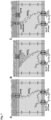
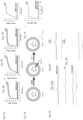
- a robust network of pumps and channels on the basolateral membrane normally drives transepithelial bicarbonate transport ( Fig. 1 , panel A).
- bicarbonate ions In the absence of CFTR, bicarbonate ions continue to be driven into cells through the basolateral membrane but apical release is abated, yielding alkalinized intracellular pH ( 9 , 10 ) . This creates a large pH gradient across the apical membrane ( Fig. 1 , panel B).
- this permeabilization functionally integrates with a robust protein network that drives and regulates transepithelial bicarbonate transport, thereby enabling substantial restoration of ASL physiology with an unregulated and relatively unselective surrogate for CFTR ( Fig. 1 , panel C).
- small molecule ion channels introduced into CF epithelia can restore physiologic features of ASL in CF lung epithelia via proton absorption, bicarbonate secretion, or both.
- Amphotericin B can permeabilize eukaryotic cells, such as yeast cells, to potassium and other ions. Ermishkin LN et al. (1977) Biochim Biophys Acta 470(3): 357-367 . AmB is also highly toxic to yeast, and this toxicity was thought to be inextricably linked to its membrane permeabilization. However, it was found that a synthesized derivative of AmB lacking a single oxygen atom at C35 (C35deOAmB) does not form ion channels, and yet still maintains potent fungicidal activity. Gray KC et al. (2012) Proc Natl Acad Sci USA 109(7): 2234-2239 .
- Treatment with AmB and a sterol may rescue one or more of ASL pH, viscosity, and antimicrobial activity in primary lung epithelia derived from CF.
- the cellular mechanisms that drive transepithelial bicarbonate transport in human airways are sufficiently robust to allow imperfect mimicry of CFTR to be sufficient to restore important aspects of ASL physiology in a genotype-agnostic manner.
- Small molecule channels can be functionally integrated into this robust protein-based bicarbonate transport pathway, and the specific intersection of AmB channels with Na+/K+ ATPase adds to a growing list of examples where a small molecule surrogate for a missing protein can interface with robust autoregulatory mechanisms in eukaryotic cells ( 20, 23 ) .
- AmB is a clinically approved drug that has been safely delivered to the lungs in aerosolized form (32), that AmBisome is a clinically approved mixture containing amphotericin, cholesterol, and other lipids and salts, and that synthetic derivatization of the natural product has recently been shown to modify conductance and selectivity of the corresponding ion channels (33).
- a therapeutically effective amount of i) amphotericin B (AmB) or a pharmaceutically acceptable salt or hydrate thereof, and (ii) cholesterol, for use in the treatment of cystic fibrosis in a patient in need thereof;
- the terms “treat” and “treating” refer to performing an intervention that results in (a) preventing a condition or disease from occurring in a subject that may be at risk of developing or predisposed to having the condition or disease but has not yet been diagnosed as having it; (b) inhibiting a condition or disease, e.g., slowing or arresting its development; or (c) relieving or ameliorating a condition or disease, e.g., causing regression of the condition or disease.
- treating and “treat” refer to performing an intervention that results in (a) inhibiting a condition or disease, e.g., slowing or arresting its development; or (b) relieving or ameliorating a condition or disease, e.g., causing regression of the condition or disease.
- a "patient” refers to a living mammal.
- a patient is a non-human mammal, including, without limitation, a mouse, rat, hamster, guinea pig, rabbit, sheep, goat, cat, dog, pig, horse, cow, or non-human primate.
- a patient is a human.
- the phrase "effective amount” refers to any amount that is sufficient to achieve a desired biological effect.
- the AmB and cholesterol are administered as separate pharmaceutical compositions.
- the separate pharmaceutical compositions of the AmB and cholesterol may be administered simultaneously.
- the separate pharmaceutical compositions of the AmB and cholesterol may be administered at different times.
- cholesterol is administered within about 5 minutes to within about 168 hours prior to or after the AmB.
- the AmB and cholesterol are administered in a single pharmaceutical composition, i.e., the AmB and cholesterol are formulated in a single pharmaceutical composition.
- the AmB and cholesterol are present as a complex.
- an "airway of a subject” refers to any or all of the following pulmonary structures: trachea, bronchi, bronchioles, alveoli.
- an airway of a subject refers to a so-called conducting airway, i.e., any or all of the following pulmonary structures: trachea, bronchi, and bronchioles.
- the patient has two mutations in the CFTR anion channel, wherein the two mutations are each independently selected from 2184delA, F508del, V520F, 1717-1G->A, E60X, G551D, R553X, and D259G.
- the patient has a pair of CFTR mutations selected from F508del/F508del, G551D/F508del, R553X/E60X, F508del/1717-1G->A, F508del/2184delA, and D259G/V520F.
- the patient has a pair of CFTR mutations selected from F508del/F508del, R553X/E60X, F508del/1717-1G->A, F508del/2184delA, and D259G/V520F.
- the treatment of cystic fibrosis is useful in the treatment of various CF genotypes that are typically non-responsive or minimally-responsive to treatment with conventional CF therapeutics.
- the V520F allele in patients having the D259G/V520F pair of CFTR mutations is refractory to treatment with ivacaftor.
- the methods of treating cystic fibrosis described herein are agnostic to CF genotype.
- any of the methods disclosed herein treat refractory or resistant cystic fibrosis.
- the cystic fibrosis is refractory or resistant to one or more cystic fibrosis treatments.
- the cystic fibrosis is refractory to treatment with ivacaftor.
- the method of treating cystic fibrosis further comprises administering to the patient a therapeutically effective amount of an antibiotic.
- provided herein is a combination of a therapeutically effective amount of (i) amphotericin B (AmB) or a pharmaceutically acceptable salt or hydrate thereof, and (ii) cholesterol, for use in increasing the pH of airway surface liquid in a patient having cystic fibrosis, wherein the AmB and the cholesterol are administered as an aerosol to an airway of the patient; and wherein the patient has two mutations in the CFTR anion channel; and the two mutations are each independently selected from the Table 1.
- AmB amphotericin B
- cholesterol for use in increasing the pH of airway surface liquid in a patient having cystic fibrosis
- the patient has two mutations in the CFTR anion channel; and the two mutations are each independently selected from the Table 1.
- airway surface liquid (ASL) in a subject can be measured using any technique known to those of skill in the art.
- airway pH can be measured by placing a planar pH-sensitive probe on the tracheal surface. Pezzulo AA et al. (2012) Nature 487: 109-113 .
- the pH of ASL in a subject is said to be increased when it is measurably greater than the pH of ASL of an untreated subject.
- the pH of ASL in a subject is said to be increased when it is measurably greater than the pH of ASL of the same subject measured prior to or distant in time from treatment according to a method of the invention.
- Example 2 Such methods of increasing the pH of airway surface liquid are described in Example 2. Remarkably, rescue of ASL pH is observed over a wide range of AmB:sterol concentrations . Accordingly, the method of increasing ASL pH described herein has significant implications for clinical applications.
- the increase in pH can be 0.01 pH unit to 2.0 pH unit. In certain embodiments, the increase in pH can be 0.01 pH unit to 1.0 pH unit. In certain embodiments, the increase in pH can be 0.01 pH unit to 0.5 pH unit. In certain embodiments, the increase in pH can be 0.01 pH unit to 0.4 pH unit. In certain embodiments, the increase in pH can be 0.01 pH unit to 0.3 pH unit. In certain embodiments, the increase in pH can be 0.01 pH unit to 0.2 pH unit. In certain embodiments, the increase in pH can be 0.01 pH unit to 0.1 pH unit.
- the increase in pH is by apical addition of any one of the compositions disclosed herein.
- the increase in pH of ASL correlates to alkalization of the apical solution.
- the alkalization of the apical solution is bicarbonate-dependent.
- the increased apical chamber alkalization occurs in the presence of basolateral bicarbonate.
- the increase in ASL pH is not due to increasing CFTR activity/trafficking to the surface or disrupting membrane integrity.
- the AmB and cholesterol are administered in a molar ratio in the range from about 1:1 to about 1:2.5, preferably in a molar ratio is about 1:2.5.
- the AmB and cholesterol are administered as separate pharmaceutical compositions.
- the separate pharmaceutical compositions of the AmB and cholesterol may be administered simultaneously.
- the separate pharmaceutical compositions of the AmB and cholesterol may be administered at different times.
- cholesterol is administered within about 5 minutes to within about 168 hours prior to or after the AmB.
- the AmB and cholesterol are administered in a single pharmaceutical composition, i.e., the AmB and cholesterol are formulated in a single pharmaceutical composition.
- the AmB and cholesterol are present as a complex.
- an "airway of a subject” refers to any or all of the following pulmonary structures: trachea, bronchi, bronchioles, alveoli.
- an airway of a subject refers to a so-called conducting airway, i.e., any or all of the following pulmonary structures: trachea, bronchi, and bronchioles.
- the patient has two mutations in the CFTR anion channel, wherein the two mutations are each independently selected from 2184delA, F508del, V520F, 1717-1G->A, E60X, G551D, R553X, and D259G.
- the patient has a pair of CFTR mutations selected from F508del/F508del, G551D/F508del, R553X/E60X, F508del/1717-1G->A, F508del/2184delA, and D259G/V520F.
- the patient has a pair of CFTR mutations selected from F508del/F508del, R553X/E60X, F508del/1717-1G->A, F508del/2184delA, and D259G/V520F.
- increasing the pH of airway surface liquid is useful for increasing the pH of airway surface liquid in a patient having any one of various CF genotypes that are typically non-responsive or minimally-responsive to treatment with conventional CF therapeutics.
- the methods of increasing ASL pH described herein are agnostic to the patient's CF genotype.
- any of the methods disclosed herein increase ASL pH in patients having refractory or resistant cystic fibrosis.
- the cystic fibrosis is refractory or resistant to one or more cystic fibrosis treatments, such as ivacaftor.
- the method further comprises administering to the patient a therapeutically effective amount of an antibiotic.
- provided herein is a combination of a therapeutically effective amount of (i) amphotericin B (AmB) or a pharmaceutically acceptable salt or hydrate thereof, and (ii) cholesterol, for use in decreasing the viscosity of airway surface liquid in a patient having cystic fibrosis, wherein the AmB and the cholesterol are administered as an aerosol to an airway of the patient; and wherein the patient has two mutations in the CFTR anion channel; and the two mutations are each independently selected from the Table 1.
- AmB amphotericin B
- cholesterol a pharmaceutically acceptable salt or hydrate thereof
- the patient has two mutations in the CFTR anion channel; and the two mutations are each independently selected from the Table 1.
- the AmB and cholesterol are administered in a molar ratio in the range from about 1:1 to about 1:2.5, preferably in a molar ratio is about 1:2.5.
- the AmB and cholesterol are administered as separate pharmaceutical compositions.
- the separate pharmaceutical compositions of the AmB and cholesterol may be administered simultaneously.
- the separate pharmaceutical compositions of the AmB and cholesterol may be administered at different times.
- cholesterol is administered within about 5 minutes to within about 168 hours prior to or after the AmB.
- the AmB and cholesterol are administered in a single pharmaceutical composition, i.e., the AmB and cholesterol are formulated in a single pharmaceutical composition.
- the AmB and cholesterol are present as a complex.
- an "airway of a subject” refers to any or all of the following pulmonary structures: trachea, bronchi, bronchioles, alveoli.
- an airway of a subject refers to a so-called conducting airway, i.e., any or all of the following pulmonary structures: trachea, bronchi, and bronchioles.
- the patient has two mutations in the CFTR anion channel, wherein the two mutations are each independently selected from 2184delA, F508del, V520F, 1717-1G->A, E60X, G551D, R553X, and D259G.
- the patient has a pair of CFTR mutations selected from F508del/F508del, G551D/F508del, R553X/E60X, F508del/1717-1G->A, F508del/2184delA, and D259G/V520F.
- the patient has a pair of CFTR mutations selected from F508del/F508del, R553X/E60X, F508del/1717-1G->A, F508del/2184delA, and D259G/V520F.
- decreasing the viscosity of airway surface liquid in a patient having cystic fibrosis is useful for decreasing the viscosity of airway surface liquid in a patient having any one of various CF genotypes that are typically non-responsive or minimally-responsive to treatment with conventional CF therapeutics.
- the methods of decreasing ASL viscosity described herein are agnostic to the patient's CF genotype.
- any of the methods disclosed herein decrease ASL viscosity in patients having refractory or resistant cystic fibrosis.
- the cystic fibrosis is refractory or resistant to one or more cystic fibrosis treatments, such as ivacaftor.
- the method further comprises administering to the patient a therapeutically effective amount of an antibiotic.
- the patient is a human.
- the patient is less than 12 years old.
- the patient is at least 12 years old.
- the patient is at least 12 to about 16 years old.
- the patient is about 16 to about 24 years old.
- the patient is about 24 to about 30 years old.
- the patient is about 30 to about 40 years old.
- the patient is about 40 to about 50 years old.
- the patient is about 50 to about 60 years old.
- the patient is about 60 to about 70 years old.
- the patient is about 70 to about 80 years old.
- any of the methods disclosed herein permeabilize the apical membrane. In some embodiments, any of the methods disclosed herein permeabilize the apical membrane to protons. In some embodiments, any of the methods disclosed herein permeabilize the apical membrane to bicarbonate anions.
- Formulations used in the invention may be administered in pharmaceutically acceptable solutions, which may routinely contain pharmaceutically acceptable concentrations of salt, buffering agents, preservatives, compatible carriers, adjuvants, and optionally other therapeutic ingredients.
- Amphotericin B is commercially available in a number of formulations, including deoxycholate-based formulations and lipid-based (including liposomal) formulations.
- AmB may be formulated with cholesterol.
- such formulation comprises a complex formed between AmB and cholesterol.
- an effective amount of an active compound or composition can be administered to a subject by any mode that delivers the compound or composition to the desired location or surface.
- Administering a pharmaceutical composition may be accomplished by any means known to the skilled artisan
- Lyophilized formulations are generally reconstituted in suitable aqueous solution, e.g., in sterile water or saline, shortly prior to administration.
- the compounds and compositions for use according to the present invention may be conveniently delivered in the form of an aerosol spray presentation from pressurized packs or a nebulizer, with the use of a suitable propellant, e.g., dichlorodifluoromethane, trichlorofluoromethane, dichlorotetrafluoroethane, carbon dioxide or other suitable gas.
- a suitable propellant e.g., dichlorodifluoromethane, trichlorofluoromethane, dichlorotetrafluoroethane, carbon dioxide or other suitable gas.
- a suitable propellant e.g., dichlorodifluoromethane, trichlorofluoromethane, dichlorotetrafluoroethane, carbon dioxide or other suitable gas.
- a suitable propellant e.g., dichlorodifluoromethane, trichlorofluoromethane, dichlorotetrafluoroethane
- pulmonary delivery of the compounds of the invention is delivered to the lungs of a mammal while inhaling and traverses across the lung epithelial lining to the blood stream.
- inhaled molecules include Adjei et al., Pharm Res 7:565-569 (1990 ); Adjei et al., Int J Pharmaceutics 63:135-144 (1990 ) (leuprolide acetate); Braquet et al., J Cardiovasc Pharmacol 13(suppl.
- Contemplated for use in the practice of this invention are a wide range of mechanical devices designed for pulmonary delivery of therapeutic products, including but not limited to nebulizers, metered dose inhalers, and powder inhalers, all of which are familiar to those skilled in the art.
- Ultravent nebulizer manufactured by Mallinckrodt, Inc., St. Louis, Mo.
- Acorn II nebulizer manufactured by Marquest Medical Products, Englewood, Colo.
- the Ventolin metered dose inhaler manufactured by Glaxo Inc., Research Triangle Park, North Carolina
- the Spinhaler powder inhaler manufactured by Fisons Corp., Bedford, Mass.
- each formulation is specific to the type of device employed and may involve the use of an appropriate propellant material, in addition to the usual diluents, adjuvants and/or carriers useful in therapy. Also, the use of liposomes, microcapsules or microspheres, inclusion complexes, or other types of carriers is contemplated.
- Chemically modified compound of the invention may also be prepared in different formulations depending on the type of chemical modification or the type of device employed.
- Formulations suitable for use with a nebulizer will typically comprise compound of the invention (or derivative) dissolved in water at a concentration of about 0.1 to 25 mg of biologically active compound of the invention per mL of solution.
- the formulation may also include a buffer and a simple sugar (e.g., for compound of the invention stabilization and regulation of osmotic pressure).
- the nebulizer formulation may also contain a surfactant, to reduce or prevent surface induced aggregation of the compound of the invention caused by atomization of the solution in forming the aerosol.
- Formulations for use with a metered-dose inhaler device will generally comprise a finely divided powder containing the compound of the invention (or derivative) suspended in a propellant with the aid of a surfactant.
- the propellant may be any conventional material employed for this purpose, such as a chlorofluorocarbon, a hydrochlorofluorocarbon, a hydrofluorocarbon, or a hydrocarbon, including trichlorofluoromethane, dichlorodifluoromethane, dichlorotetrafluoroethanol, and 1,1,1,2-tetrafluoroethane, or combinations thereof.
- Suitable surfactants include sorbitan trioleate and soya lecithin. Oleic acid may also be useful as a surfactant.
- Formulations for dispensing from a powder inhaler device will comprise a finely divided dry powder containing compound of the invention (or derivative) and may also include a bulking agent, such as lactose, sorbitol, sucrose, or mannitol in amounts which facilitate dispersal of the powder from the device, e.g., 50 to 90% by weight of the formulation.
- the compound of the invention (or derivative) should advantageously be prepared in particulate form with an average particle size of less than 10 micrometers ( ⁇ m), most preferably 0.5 to 5 ⁇ m, for most effective delivery to the deep lung.
- Nasal delivery of a pharmaceutical composition of the present invention is also contemplated.
- Nasal delivery allows the passage of a pharmaceutical composition of the present invention to the blood stream directly after administering the therapeutic product to the nose, without the necessity for deposition of the product in the lung.
- Formulations for nasal delivery include those with dextran or cyclodextran.
- a useful device is a small, hard bottle to which a metered dose sprayer is attached.
- the metered dose is delivered by drawing the pharmaceutical composition of the present invention solution into a chamber of defined volume, which chamber has an aperture dimensioned to aerosolize and aerosol formulation by forming a spray when a liquid in the chamber is compressed.
- the chamber is compressed to administer the pharmaceutical composition of the present invention.
- the chamber is a piston arrangement.
- Such devices are commercially available.
- a plastic squeeze bottle with an aperture or opening dimensioned to aerosolize an aerosol formulation by forming a spray when squeezed is used.
- the opening is usually found in the top of the bottle, and the top is generally tapered to partially fit in the nasal passages for efficient administration of the aerosol formulation.
- the nasal inhaler will provide a metered amount of the aerosol formulation, for administration of a measured dose of the drug.
- compositions also may comprise suitable solid or gel phase carriers or excipients.
- suitable solid or gel phase carriers or excipients include but are not limited to calcium carbonate, calcium phosphate, various sugars, starches, cellulose derivatives, gelatin, and polymers such as polyethylene glycols.
- the compounds of the combination for use of the invention and optionally other therapeutics may be administered per se (neat) or in the form of a pharmaceutically acceptable salt.
- the salts should be pharmaceutically acceptable, but non-pharmaceutically acceptable salts may conveniently be used to prepare pharmaceutically acceptable salts thereof.
- Such salts include, but are not limited to, those prepared from the following acids: hydrochloric, hydrobromic, sulphuric, nitric, phosphoric, maleic, acetic, salicylic, p-toluene sulphonic, tartaric, citric, methane sulphonic, formic, malonic, succinic, naphthalene-2-sulphonic, and benzene sulphonic.
- such salts can be prepared as alkaline metal or alkaline earth salts, such as sodium, potassium or calcium salts of the carboxylic acid group.
- Suitable buffering agents include: acetic acid and a salt (1-2% w/v); citric acid and a salt (1-3% w/v); boric acid and a salt (0.5-2.5% w/v); and phosphoric acid and a salt (0.8-2% w/v).
- Suitable preservatives include benzalkonium chloride (0.003-0.03% w/v); chlorobutanol (0.3-0.9% w/v); parabens (0.01-0.25% w/v) and thimerosal (0.004-0.02% w/v).
- compositions contain an effective amount of a compound of the invention and optionally therapeutic agents included in a pharmaceutically acceptable carrier.
- pharmaceutically acceptable carrier means one or more compatible solid or liquid filler, diluents or encapsulating substances which are suitable for administration to a human or other vertebrate animal.
- carrier denotes an organic or inorganic ingredient, natural or synthetic, with which the active ingredient is combined to facilitate the application.
- the components of the pharmaceutical compositions also are capable of being commingled with the compounds of the present invention, and with each other, in a manner such that there is no interaction which would substantially impair the desired pharmaceutical efficiency.
- the therapeutic agent(s), including specifically but not limited to the compounds in the combination for use of the invention, may be provided in particles.
- Particles as used herein means nanoparticles or microparticles (or in some instances larger particles) which can consist in whole or in part of the compound of the invention or the other therapeutic agent(s) as described herein.
- the particles may contain the therapeutic agent(s) in a core surrounded by a coating, including, but not limited to, an enteric coating.
- the therapeutic agent(s) also may be dispersed throughout the particles.
- the therapeutic agent(s) also may be adsorbed into the particles.
- the particles may be of any order release kinetics, including zero-order release, first-order release, second-order release, delayed release, sustained release, immediate release, and any combination thereof, etc.
- the particle may include, in addition to the therapeutic agent(s), any of those materials routinely used in the art of pharmacy and medicine, including, but not limited to, erodible, nonerodible, biodegradable, or nonbiodegradable material or combinations thereof.
- the particles may be microcapsules which contain the compound of the invention in a solution or in a semi-solid state.
- the particles may be of virtually any shape.
- Both non-biodegradable and biodegradable polymeric materials can be used in the manufacture of particles for delivering the therapeutic agent(s).
- Such polymers may be natural or synthetic polymers.
- the polymer is selected based on the period of time over which release is desired.
- Bioadhesive polymers of particular interest include bioerodible hydrogels described in Sawhney H S et al. (1993) Macromolecules 26:581-7 .
- polyhyaluronic acids casein, gelatin, glutin, polyanhydrides, polyacrylic acid, alginate, chitosan, poly(methyl methacrylates), poly(ethyl methacrylates), poly(butylmethacrylate), poly(isobutyl methacrylate), poly(hexylmethacrylate), poly(isodecyl methacrylate), poly(lauryl methacrylate), poly(phenyl methacrylate), poly(methyl acrylate), poly(isopropyl acrylate), poly(isobutyl acrylate), and poly(octadecyl acrylate).
- the therapeutic agent(s) may be contained in controlled release systems.
- controlled release is intended to refer to any drug-containing formulation in which the manner and profile of drug release from the formulation are controlled. This refers to immediate as well as non-immediate release formulations, with non-immediate release formulations including but not limited to sustained release and delayed release formulations.
- sustained release also referred to as "extended release” is used in its conventional sense to refer to a drug formulation that provides for gradual release of a drug over an extended period of time, and that preferably, although not necessarily, results in substantially constant blood levels of a drug over an extended time period.
- delayed release is used in its conventional sense to refer to a drug formulation in which there is a time delay between administration of the formulation and the release of the drug there from. "Delayed release” may or may not involve gradual release of drug over an extended period of time, and thus may or may not be “sustained release.”
- Long-term sustained release implant may be particularly suitable for treatment of chronic conditions.
- Long-term release as used herein, means that the implant is constructed and arranged to deliver therapeutic levels of the active ingredient for at least 7 days, and preferably 30-60 days.
- Long-term sustained release implants are well-known to those of ordinary skill in the art and include some of the release systems described above.
- an "effective amount” refers to any amount that is sufficient to achieve a desired biological effect.
- an effective prophylactic or therapeutic treatment regimen can be planned which does not cause substantial unwanted toxicity and yet is effective to treat the particular subject.
- the effective amount for any particular application can vary depending on such factors as the disease or condition being treated, the particular compound of the invention being administered, the size of the subject, or the severity of the disease or condition.
- One of ordinary skill in the art can empirically determine the effective amount of a particular compound of the invention and/or other therapeutic agent without necessitating undue experimentation.
- a maximum dose that is, the highest safe dose according to some medical judgment. Multiple doses per day may be contemplated to achieve appropriate systemic levels of compounds. Appropriate systemic levels can be determined by, for example, measurement of the patient's peak or sustained plasma level of the drug. "Dose” and “dosage” are used interchangeably herein.
- daily doses measured in terms of AmB will be, for human subjects, from about 0.01 milligrams/kg per day to 1000 milligrams/kg per day. It is expected that oral doses in the range of 0.5 to 50 milligrams/kg, in one or several administrations per day, will yield the desired results. Dosage may be adjusted appropriately to achieve desired drug levels, local or systemic, depending upon the mode of administration. For example, it is expected that intravenous administration would be from one order to several orders of magnitude lower dose per day. In the event that the response in a subject is insufficient at such doses, even higher doses (or effective higher doses by a different, more localized delivery route) may be employed to the extent that patient tolerance permits. Multiple doses per day are contemplated to achieve appropriate systemic levels of compounds.
- the therapeutically effective amount can be initially determined from animal models.
- a therapeutically effective dose can also be determined from human data for compounds of the invention which have been tested in humans and for compounds which are known to exhibit similar pharmacological activities, such as other related active agents. Higher doses may be required for parenteral administration.
- the applied dose can be adjusted based on the relative bioavailability and potency of the administered compound. Adjusting the dose to achieve maximal efficacy based on the methods described above and other methods as are well-known in the art is well within the capabilities of the ordinarily skilled artisan.
- NuLi, CuFi-1, and CuFi-4 cells 15 (Welsh Laboratory, University of Iowa) were first grown from cryostock on Thermo Scientific BioLite Cell Culture Treated 75 cm 2 flasks, seeded at 1.5 ⁇ 10 4 cells/cm 2 , 1 ⁇ 10 3 cells/cm 2 , and 1 ⁇ 10 4 respectively. These flasks were previously coated with 3 mL of 60 ⁇ g/mL human placental collagen type VI (Sigma-Aldrich) for a minimum of 18 hours at room temperature, rinsed twice with PBS, and then dried prior to seeding.
- NuLi, CuFi-1, and CuFi-4 cells 15 (Welsh Laboratory, University of Iowa) were first grown from cryostock on Thermo Scientific BioLite Cell Culture Treated 75 cm 2 flasks, seeded at 1.5 ⁇ 10 4 cells/cm 2 , 1 ⁇ 10 3 cells/cm 2 , and 1 ⁇ 10 4 respectively. These flasks were previously coated with 3 mL of 60
- the gentamycin-amphotericin B aliquot was discarded and the media was instead supplemented with 50 ⁇ g/mL penicillin-streptomycin (Corning Cellgro), 50 ⁇ g/mL gentamycin (Sigma-Aldrich G1397), and 2 ⁇ g/mL fluconazole (Sigma-Aldrich).
- Cells were grown to a 90% confluence at 37°C and 5% CO 2 with media changed every 2 days, and then trypsinized with 4 mL of standard 0.25% trypsin with 1 mM EDTA (Gibco 25200-056). Trypsin was inactivated with 10 mL of HEPES Buffered Saline Solution (Lonza CC-5024) with added 1% bovine calf serum. Cells were spun down in an Eppendorf Centrifuge 5430 R at 1500 rpm for 5 minutes and resuspended in BEGM media for passaging.
- the Millicell inserts were seeded with 200,000 cells each, the Falcon inserts were seeded with 500,000 cells each, and the Transwell inserts were seeded with 115,000 cells each. These membranes were allowed to mature at an air-liquid interface for a minimum of 14 days to reach full differentiation (15, 52), with the Ultroser G media changed every other day. At full maturation, media was changed every 7 days. For covariate control, membranes used in experiments were close in age and maturation as much as possible.
- Airway epithelial cells were obtained from human trachea and bronchi of CF and non-CF specimens obtained from the Iowa Donor Network, either as post-mortem specimens or from tissue deemed not fit for transplant. Studies were approved by the University of Iowa Institutional Review Board. After pronase enzymatic digestion, cells were seeded onto collagen-coated semi-permeable membranes (0.33 - 1.12 cm 2 , Corning 3470 polyester, 3460 polyester, 3413 polycarbonate) and grown at an air-liquid interface (52). Airway epithelial cell cultures were analyzed after they had differentiated and at least 14 days post-seeding.
- Example 1 Discovery of a small molecule that permeabilizes the apical membrane of differentiated human lung epithelia to bicarbonate.
- AmB can be toxic to eukaryotic cells, and this toxicity has long been attributed primarily to membrane permeabilization. Contrary to this model, it was recently determined that AmB primarily kills cells by simply binding sterols; channel formation is not required ( 17, 19 ). This enabled the separation of the ion channel activity of AmB from its cell killing effects via administering at low doses and/or pre-complexation with sterols. Using both of these approaches, it was recently found that AmB can restore growth in protein ion channel-deficient yeast ( 19, 20 ). The non-channel-forming variant C35deOAmB failed to rescue yeast growth at any tested concentration ( 17 , 20 ) . It was also found that the range of doses for which yeast growth rescue is observed can be extended by more than an order of magnitude when AmB is pre-complexed with ergosterol ( 19 , 20 ) .
- AmBisome includes AmB and cholesterol at a ratio of 1:2.5 (AmB:cholesterol).
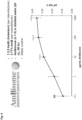
- Excellent restoration of ASL pH was observed that was sustained up to 100 uM ( Figs. 5 and 6 ).
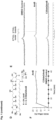
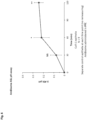
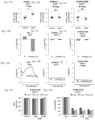
- This invariance of ASL pH with increasingly high concentrations of detoxified channels ( Fig. 2 , panel E) and the sustained AmB-mediated increase in ASL pH over time ( Fig. 2 , panel C) collectively suggest that this small molecule may be interfacing with a robust auto-regulatory network that controls ASL pH.
- ivacaftor is a clinically approved small molecule that potentiates the activity of CFTR with a specific mutation (G551D) that causes a gating defect and is present in 2-4% of CF patients.
- G551D a specific mutation
- ivacaftor increased ASL pH by 0.20 units and decreased viscosity by about 1.5 units relative to untreated controls (25).
- ivacaftor had a substantial positive impact, causing a 10% increase in forced expiratory volume and substantially improved body weight, quality of life, and incidence of pulmonary exacerbation ( 2, 26, 27 ). This compound does not show benefit in CF epithelia that lack a G551D or similar allele.
- AmB mediates this increase in ASL pH by promoting the efflux of bicarbonate ions across the apical membrane. AmB is also permeable to protons ( 20 ) and thus the promotion of proton absorption represented an alternative or complementary mechanistic possibility.
- Example 5 Application to primary human airway epithelia.
- samples from 9 CF patient donors representing a wide range of different CFTR mutations were obtained. These include multiple patients with the most common ⁇ F508/ ⁇ F508 genotype, a double null genotype (R553X/E60X, patient 6) that results in virtually no CFTR protein produced, a rare splice site allele ( ⁇ F508/1717-1G->A, patient 7), and some rare, uncategorized alleles ( ⁇ F508/c.2052dupA, patient 8 and D259G/V520F, patient 9) ( 31 ).
- the V520F allele in patient 9 is in the same functional category as G551D but is refractory to treatment with ivacaftor ( 26 ).
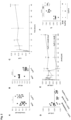
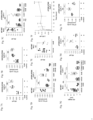
- AmB caused an increase in ASL pH across a wide range of different genotypes ( Fig. 4 , panel A).
- AmB increased ASL pH by 0.2 pH units, consistent with our results in CuFi-1 and CuFi-4 epithelia ( Fig. 2 ) and consistent with data observed upon treating biopsied airway epithelia from a CF patient with a G551D allele with ivacaftor ( 25 ).
- C35deOAmB and basolateral addition of AmB did not increase ASL pH.
- AmB treatment had no effect on the pH of non-CF primary cultured epithelia, consistent with selective action in the absence of CFTR and an associated pH gradient.
- This AmB-mediated increase in the ASL pH is also sustained for at least 48 hours ( Fig. 4 , panel C), suggesting that auto-regulation of bicarbonate transport and pH is likely maintained in these AmB-treated CF patient-derived primary lung epithelia.
- ASL viscosity was increased and antibacterial activity was decreased in cultures of CF airway epithelia ( 4, 7, 48 ).
- Non-CF lung epithelia has been shown to have a viscosity 2.5 times that of saline ( 4 ).
- Apical addition of AmB to a panel of genetically diverse primary cultures of CF epithelia decreased ASL viscosity ( Fig. 4 , panel D, Fig. 13 , panel D) to a degree that matched observations with ivacaftor in primary CFTR-G551D sinonasal epithelia ( 25 ).
- Non-CF lung epithelia has been shown to kill 45% of exposed bacteria ( 4 ).
- AmB addition also nearly doubled ASL bacterial killing ( Fig. 4 , panel E, Fig. 13 , panel E), whereas C35deOAmB had no effect ( Fig. 13 , panel F).
- AmB alone does not have antibacterial activity against S. aureus ( Fig. 13 , panel G).
- Example 6 AmB increased H 14 CO 3 - secretion and ASL pH in cultured CF airway epithelia.
- HCO 3 - secretion can enhance airway host defense ( 4 , 36, 40) by increasing ASL pH ( 3, 4 ), decreasing ASL viscosity ( 4, 7, 25 ), increasing activity of antimicrobial factors ( 4 ), maintaining ASL volume homeostasis ( 41 ), counteracting local environment acidification by Pseudomonas aeruginosa ( 5 ), and dissipating proton motive forces in Gram-positive and Gram-negative bacteria ( 42 ).
- HCO 3 - The electrochemical gradient across the apical membrane favors HCO 3 - secretion; HCO 3 - is accumulated intracellularly through the integrated activity of Na + /K + ATPase ( 30 ), H + /K + ATPase ( 4 ), K + channels, Na + /HCO 3 - transporters (NBC), and Na + /H + antiporters, as well as carbonic anhydrase ( 43 ).
- NBC Na + /HCO 3 - transporters
- NBC Na + /H + antiporters
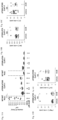
- AmB is known to transport monovalent anions and cations ( Fig. 9 , panels A-D), but permeability to HCO 3 - had not been tested. It was found that AmB, but not C35deOAmB, caused H 13 CO 3 - efflux across cholesterol-containing POPC liposomes ( Fig. 9 , panels E-H).
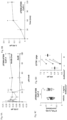
- a low concentration of AmB increased ASL pH and H 14 CO 3 - secretion in CuFi-4 (G551D/ ⁇ F508) CF airway epithelia ( FIG. 7 , panels A, B). pH-stat experiments indicates that HCO 3 - secretion, rather than proton absorption, primarily underlies the AmB-mediated increase in ASL pH ( Fig. 10 , panel A).
- ivacaftor was tested, which increased the open state probability of CFTR ( 47 ) and improved FEVi in people with CF carrying a G551D or similar residual function mutation ( 27 ).
- the quantitative effects of ivacaftor on ASL pH and H 14 CO 3 - secretion were similar to those of AmB ( Fig.
- Ivacaftor does not correct the non-membrane localized ⁇ F508-CFTR defect ( 47 ), and it failed to increase ASL pH or H 14 CO 3 - secretion in CuFi-1 ( ⁇ F508/ ⁇ F508) epithelia ( Fig. 7 , panels C, D).
- AmB which operates independently of the CFTR protein, increased both ( Fig. 7 , panels C, D).
- No increase in ASL pH was observed with apical addition of AmB to non-CF (NuLi) epithelia ( Fig. 7 , panel E), which suggests a dependence upon the presence of pathophysiologic electrochemical gradients.
- AmB was left on the epithelia for the duration of the experiment.
- AmB progressively increased ASL pH over 2 hours, and the effect was sustained for at least 48 hours in these in vitro experiments ( Fig. 7 , panel F).
- the AmB-mediated increase in H 14 CO 3 - secretion in CuFi-1 epithelia is sustained for at least 7 days ( Fig. 11 , panels A-C).
- These results contrast with the transient increase in pH ( ⁇ 15 minutes) produced by aerosolized NaHCO 3 (8).
- C35deOAmB and basolateral addition of AmB did not raise ASL pH or increase H 14 CO 3 - secretion, suggesting that this effect is specific to apically localized AmB channels ( Fig. 7 , panels C, D).
- Another model of CF links ASL height to pathology ( 41 ).
- CuFi-1 epithelia had decreased ASL height as compared to NuLi epithelia ( Fig. 7 , panel G).
- Apical addition of AmB increased ASL height in CuFi-1 epithelia to match that of NuLi epithelia ( Fig. 7 , panel G).
- Vehicle, C35deOAmB, and basolateral AmB did not increase ASL height ( Fig. 7 , panel G).
- Example 7 AmBisome ® increased ASL pH in cultured CF airway epithelia and in CFTR - / - pigs.
- AmBisome ® was evaluated, an FDA-approved liposomal formulation that contains AmB and cholesterol in a 1:2.5 ratio ( 49 ).
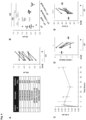
- AmBisome ® increased H 13 CO 3 - efflux in liposomes ( Fig. 14 , panel A) and increased ASL pH and H 14 CO 3 - secretion in CuFi-1 epithelia measured 2 and 48 hours after addition ( Fig. 8 , panels B, C, Fig. 14 , panels B, C).
- AmBisome ® increased ASL pH over a large range of AmBisome ® concentrations from 6-2450 ⁇ g/mL, equivalent to 0.25-100 ⁇ M AmB ( Fig. 14 , panel C).
- an unselective ion channel-forming small molecule amphotericin B (AmB)
- AmB amphotericin B
- HCO 3 - secretion restored HCO 3 - secretion and increased ASL pH in cultured human CF airway epithelia.
- AmB also restored ASL pH, viscosity, and antibacterial activity in primary cultures of airway epithelia from people with CF caused by different mutations, including ones that yield no CFTR, and increased ASL pH in CFTR null pigs in vivo.
- an unselective small molecule ion channel can restore CF airway host defenses via a mechanism that is CFTR-independent and therefore genotype-independent.
- Example 8 Studies of Na + , K + , Cl - , and H 13 CO 3 - efflux from POPC liposomes (Fig. 9, panels A-D; Fig. 13, panel A).
- Palmitoyl oleoyl phosphatidylcholine (POPC) was obtained as a 25 mg/mL solution in CHCl 3 from Avanti Polar Lipids (Alabaster, AL) and was stored at -20 °C under an atmosphere of dry argon and used within 3 months.
- Cholesterol (Sigma Aldrich) was purified by recrystallization from ethanol.
- NaH 13 CO 3 was obtained as a white solid from Sigma Aldrich.
- Sodium, potassium, and chloride measurements were obtained using a Denver Instruments (Denver, CO) Model 225 pH meter equipped with the appropriate ion selective probe inside a Faraday cage. Sodium selective measurements were obtained using an Orion micro sodium electrode (Thermo 9811BN).
- Potassium selective measurements were obtained with an Orion Potassium Sure-Flow Combination Electrode with Waterproof BNC connector (Thermo 9719BNWP). Chloride selective measurements were obtained using an Orion combination chloride electrode (Thermo 9617BNWP). For sodium efflux experiments, measurements were made on 1.5 mL solutions that were magnetically stirred in 7 mL vials incubated at 23 °C. For chloride and potassium efflux experiments, measurements were made on 4 mL solutions that were magnetically stirred in 20 mL vials incubated at 23 °C. For sodium, potassium, and chloride efflux experiments, the concentration of each ion was sampled every 10 seconds throughout the course of the efflux experiments.
- 13 C NMR spectra for HCO 3 - efflux experiments were acquired on a Varian Inova 600MHz NMR spectrometer with a Varian 5 mm broadband autox probe.
- the 13 C frequency was set to 150.83 MHz, and spectral width was 37037 Hz.
- the instrument was locked on D 2 O.
- Experimental conditions were: acquisition time, 0.93 s; 30° pulse width, 3.3 ⁇ s; relaxation delay, 0.2 s; number of scans, 256; temperature 23 °C.
- the inverse-gated 13 C spectra were collected.
- Liposome preparation Prior to preparing a lipid film, this solution was warmed to ambient temperature to prevent condensation from contaminating the solution and degrading the lipid film. 42 mg of solid cholesterol was added to a 20 mL scintillation vial (Fisher Scientific), followed by 14 mL of POPC solution. The solvent was removed with a gentle stream of nitrogen, and the resulting lipid film was stored under high vacuum for a minimum of twelve hours prior to use. For sodium efflux experiments, the film was rehydrated with 2 mL of 250 mM NaHCO 3 , 40 mM HEPES buffer, pH 7.5 and vortexed vigorously for approximately 3 minutes to form a suspension of multilamellar vesicles (MLVs).
- MLVs multilamellar vesicles
- the lipid suspension was then subjected to 15 freeze-thaw cycles as previously described for H 13 CO 3 - liposomes. Multiple 1 mL preparations were pooled together for the dialysis and subsequent efflux experiments. The newly formed LUVs were dialyzed using Pierce (Rockford, IL) Slide-A-Lyzer MWCO 3,500 dialysis cassettes, 15 mL capacity. The LUV suspension was dialyzed 3 times against 600 mL of 62.5 mM MgSO 4 , 40 mM HEPES buffer, pH 7.3. The first two dialyses were two hours long, while the final dialysis was performed overnight.
- Determination of total phosphorus was adapted ( 53 ) .
- the LUV solution was diluted fortyfold with 87 mM Na 2 SO 4 in 40 mM HEPES buffer pH 7.3 (D 2 O).
- Three 10 ⁇ L samples of the diluted LUV suspension were added to three separate 7 mL vials. Subsequently, the solvent was removed with a stream of N 2 .
- 450 ⁇ L of 8.9 M H 2 SO 4 was added to each dried LUV film, including a fourth vial containing no lipids that was used as a blank.
- the four samples were incubated open to ambient atmosphere in a 225 °C aluminum heating block for 25 min and then moved to 23 °C and allowed to cool for 5 minutes at room temperature.
- the vials were enclosed with a PTFE lined cap and then placed in a 100 °C aluminum heating block for 7 minutes. The samples were moved to 23 °C and allowed to cool for approximately 15 minutes at room temperature to 23 °C prior to analysis by UV/Vis spectroscopy. Total phosphorus was determined by observing the absorbance at 820 nm and comparing this value to a standard curve obtained through this method and a standard phosphorus solution of known concentration.
- the pooled LUV suspension was diluted to 70 mM with 62.5 mM MgSO 4 , 40 mM HEPES buffer, pH 7.3.
- the LUV suspension (1.5 mL for sodium, and 4 mL for chloride and potassium) was added to either a 7 mL or 20 mL vial and gently stirred. The appropriate probe was inserted, and data were collected for one minute prior to addition of AmB.
- 15 ⁇ L of either vehicle or AmB 70 ⁇ M final concentration, 100X stock solution in DMSO was added to 1.5 mL of LUV suspension, and data were collected for 10 minutes.
- Proton efflux from POPC/10% cholesterol liposomes was determined as described above ( 33 ).
- Cholesterol-containing POPC lipid films were prepared as described above and stored under high vacuum for a minimum of twelve hours prior to use. The film was then hydrated with 2 mL of 250 mM NaH 13 CO 3 in 40 mM HEPES buffer pH 7.5 (D 2 O), and vortexed vigorously for approximately 3 minutes to form a suspension of multilamellar vesicles (MLVs). The lipid suspension was then subjected to 15 freeze-thaw cycles, where the suspension was alternatingly allowed to freeze in a liquid nitrogen bath, followed by thawing in a 50 °C water bath.
- MLVs multilamellar vesicles
- the resulting lipid suspension was pulled into a Hamilton (Reno, NV) 1 mL gastight syringe and the syringe was placed in an Avanti Polar Lipids Mini-Extruder.
- the lipid solution was then passed through a 5.00 ⁇ m Millipore (Billerica, MA) polycarbonate filter 35 times, the newly formed LUV suspension being collected in the syringe that did not contain the original suspension of MLVs to prevent the carryover of MLVs into the LUV solution.
- two independent 1 mL preparations were pooled together for the dialysis and subsequent efflux experiments.
- the newly formed LUVs were dialyzed using Pierce (Rockford, IL) Slide-A-Lyzer MWCO 3,500 dialysis cassettes, 3 mL capacity.
- the LUV suspension was dialyzed 10 times against 300 mL of 87 mM Na 2 SO 4 in 40 mM HEPES buffer pH 7.3 (H 2 O) with stirring.
- the first dialysis was four hours long, while the subsequent nine dialyses were performed for 1 hour. Determination of phosphorous content was performed as described above.
- the pooled LUV solution was diluted to 70 mM with 87 mM Na 2 SO 4 , 40 mM HEPES buffer, pH 7.3 (D 2 O), and 0.025% (w/v) 13 C D-glucose (1- 13 C) (Sigma Aldrich) was added as an internal standard.
- 13 C NMR spectra were acquired on a Bruker Avance III HD 500 MHz NMR spectrometer equipped with a 5 mm BBFO CryoProbe. The 13 C frequency was set to 125.83 MHz, and spectral width was 31,512 Hz. The instrument was locked on D 2 O. Experimental conditions were: acquisition time, 0.93 s; 30° pulse width, 3.3 ⁇ s; relaxation delay, 0.2 s; number of scans, 256; temperature 23 °C.
- Example 11 Measurement of ASL pH in cell line and primary cultures of airway epithelia (Fig. 7, panels A, C, E, G; Fig. 4, panels A, C, E; Fig. 8, panels A-B; Fig. 11, panel D; Fig. 13, panel C; Fig. 14, panels B-C).
- SNARF-conjugated dextran (Molecular Probes) was used to measure ASL pH.
- SNARF powder was suspended via sonication in perfluorocarbon (FC-72, Sigma) and distributed onto the apical surface.
- ASL pH was measured 2 hr later (3, 4, 25).
- SNARF was excited at 488 nm and emission was recorded at 580 nm and 640 nm using a Zeiss LSM 800 microscope at 40X water immersion for cell line cultures and a Zeiss LSM 510 microscope for primary cultures.
- SNARF was dissolved in colorless pH standards and fluorescence ratios were converted to pH.
- apical AmB administration cultured airway epithelia were incubated for 30 min - 48 hrs at 37°C before measurement of ASL pH.
- AmB-cholesterol complex and C35deOAmB administration cultured airway epithelia were incubated for 48 hrs at 37°C before measurement of ASL pH.
- AmB was administered 47 hours prior to 10 mM ouabain addition, and cultured airway epithelia were incubated for an additional 1 hr at 37°C before measurement of ASL pH.
- cultured airway epithelia were incubated for 2 hrs at 37°C before measurement of ASL pH (25).
- ASL pH 25
- basolateral AmB administration a 2 mM stock of AmB in DMSO was diluted 1000-fold to a final concentration of 2 ⁇ M in USG media.
- the basolateral media of cultured airway epithelia was replaced with the AmB-containing USG media and incubated for 48 hrs at 37°C before measurement of ASL pH.
- the membranes were bathed at 37°C on the apical side with a buffer-free solution (140 mM NaCl, 2 mM KCl, 2 mM CaCl 2 , and 1 mM MgCl 2 , 15 mM dextrose, gassed with air) and on the basolateral side with either a HCO 3 - buffer (120 mM NaCl, 25 mM NaHCO 3 , 5 mM KCI, 2 mM CaCl 2 , 1.2 mM MgCl 2 , 13.75 NaH 2 PO 4 , 5.6 mM dextrose, pH adjusted to 7.0) or a HCO 3 - -free buffer (140 mM NaCl, 2 mM KCl, 2 mM CaCl 2 , 1 mM MgCl 2 , 10 mM HEPES, 5 mM dextrose, pH adjusted to 7.0).
- a buffer-free solution 140 mM Na
- a microdiameter pH electrode (89231-590) and temperature probe (Radiometer Analytical T201 Temperature Sensor, E51M001) and titration burette attached to a Hach TIM856 NB pH/EP/Stat pH-STAT Titrator (R41T028) were inserted into the apical chamber.
- the basolateral chamber was covered with the chamber lid to prevent gas exchange.
- the pH electrode was then calibrated using known pH solutions (Hach, S11M002, S11M004, S11M007).
- the apical pH was titrated to a target pH of 6.0 using 1 mM HCl as titrant (min speed 0.25 mL/min, max speed 0.35 mL/min) ( 28, 57-59 ) . Acid titration was measured over 20 minutes to establish a baseline value for the cultured epithelia (max speed 2 mL/min). Both apical and basolateral bathing solutions were then removed. A stock solution of AmB in DMSO was added to a final concentration of 0.5, 1, or 2 ⁇ M in an aliquot of buffer-free solution and added to the apical chamber, and the basolateral chamber was replaced with fresh HCO 3 - or HCO 3 - -free buffer. The apical pH was once again titrated to a target pH of 6.0 using 1 mM HCl as titrant. Acid titration was then measured over another 20 minutes to evaluate AmB-mediated pH change in the apical solution.
- Example 13 Determination of ASL Na + , K, Mg 2 + , and Ca 2 + concentrations in CuFi-1 monolayers (Fig. 10, panels B-E).
- microcapillary tubes were gently touched around the edge of the apical membrane of each epithelial culture insert until completely filled with ASL via capillary action.
- a p200 pipette was used to push the entire sample into 15 ⁇ L of molecular biology grade water (Corning 46-000-CM). The sample was then quantitatively transferred to a 15 mL capacity conical vial by washing 3 times with 50 ⁇ L molecular biology grade water.
- Quantification of sodium, magnesium, potassium, and calcium was accomplished using inductively coupled plasma mass spectrometry (ICP-MS) of acidified samples. Each sample was diluted to a final volume of 5 mL with 1.0% HNO 3 (v/v) in double distilled water. Quantitative standards were made using a mixed Na, Mg, K, and Ca standard at 100 ⁇ g/mL of each element (Inorganic Ventures, Christiansburg, VA, USA) which were combined to create a 100 ng/mL mixed element standard in 1.0% nitric acid (v/v).
- ICP-MS inductively coupled plasma mass spectrometry
- ICP-MS was performed on a computer-controlled (QTEGRA software) Thermo iCapQ ICP-MS (Thermo Fisher Scientific, Waltham, MA, USA) operating in KED mode and equipped with a ESI SC-2DX PrepFAST autosampler (Omaha, NE, USA). Internal standard was added inline using the prepFAST system and consisted of 1 ng/mL of a mixed element solution containing Bi, In, 6 Li, Sc, Tb, Y (IV-ICPMS-71D from Inorganic Ventures). Online dilution was also carried out by the prepFAST system and used to generate calibration curves consisting of 5000, 1000, 500, 100, and 50 ng/mL Na, Mg, K, Ca.
- Example 14 H 14 CO 3 - transport across NuLi and CuFi monolayers (Fig. 7, panels B, D, H; Fig. 4, panel D; Fig. 11, panels A-C; Fig. 13, panel B).
- the epithelia were mounted in a dual-channel Ussing chamber (Warner U2500) using the culture cup insert for Transwell adapter, 6.5 mm (Warner U9924T-06) and bathed on both the apical and basolateral sides with a HCO 3 - solution (120 mM NaCl, 25 mM NaHCO 3 , 5 mM KCl, 2 mM CaCl 2 , 1.2 mM MgCl 2 , 13.75 mM NaH 2 PO 4 , pH 7.0) at 37°C and gassed with compressed air. Dextrose was added to this solution immediately prior to experiments to a final concentration of 5.6 mM.
- a HCO 3 - solution 120 mM NaCl, 25 mM NaHCO 3 , 5 mM KCl, 2 mM CaCl 2 , 1.2 mM MgCl 2 , 13.75 mM NaH 2 PO 4 , pH 7.0
- Epithelial sodium channel (ENaC) and calcium-activated chloride channel (CaCC) were inhibited by apical addition of 1 ⁇ M amiloride and 1 ⁇ M DIDS (4,4'-disothiocyanostilbene-2,2'-disulfonic acid), respectively, to achieve a baseline for permeabilization.
- Each successive addition of reagent was allowed approximately 10 minutes to equilibrate before the addition of the next reagent ( 15 ).
- Example 16 Measurement of transepithelial electrical resistance (R t ) (Fig. 11, panel H).
- Lactate dehydrogenase (LDH) assay (Fig. 11, panel I).
- Example 18 Airway surface liquid (ASL) height assay (Fig. 7, panel F; Fig. 12 ) .
- ASL Airway surface liquid
- ASL height was studied using an established fluorescent dye assay ( 60, 61 ) .
- Small diameter NuLi and CuFi-1 cultured epithelia were used for this experiment (0.33 cm 2 ). 24 hours prior to the start of experiment, the apical side of all cultured epithelia was rinsed three times with warm PBS to remove excess mucus.
- NuLi epithelia were treated with perfluorocarbon (FC-72) vehicle or 500 ⁇ M basolateral bumetanide in DMSO vehicle applied to the media, and CuFi epithelia were treated with 20 ⁇ L vehicle, 0.005, 0.5, or 50 ⁇ M AmB, or 0.5 ⁇ M C35deOAmB suspended in perfluorocarbon (FC-72, Sigma), with or without 500 ⁇ M basolateral bumetanide in DMSO vehicle applied to the media and incubated for 24 hours at 37 °C.
- FC-72 perfluorocarbon
- FC-72 perfluorocarbon
- CuFi epithelia were treated with 20 ⁇ L vehicle, 0.005, 0.5, or 50 ⁇ M AmB, or 0.5 ⁇ M C35deOAmB suspended in perfluorocarbon (FC-72, Sigma), with or without 500 ⁇ M basolateral bumetanide in DMSO vehicle applied to the media and incubated for 24 hours at 37 °C.
- Images were smoothed, converted to 8-bit, and thresholded to most accurately represent the red area.
- the parameters for Analyze Particles were particles from 1-Infinity ⁇ m 2 in size and from 0%-100% circularity. Height was determined by dividing the area output in pixels by the known 1300 pixel width and converted to microns using the known scaling factor of 0.49 ⁇ m/pixel.
- Example 19 Viscosity of AmB-treated primary cultures of airway epithelia (Fig. 8, panel C).
- ASL viscosity in airway epithelial cultures was determined (7, 25). Small diameter primary cultured epithelia were used for this experiment (0.33 cm 2 ). The apical surface was not washed for at least 2 weeks before study. Cultured epithelia were treated with 2 ⁇ M AmB administered in perfluorocarbon (FC-72, Sigma) for 48 hours. FITC-dextran (70 kD, Sigma) was then administered to the apical surface of epithelia as a dry powder 2 hrs before measurement of viscosity. FRAP was assayed in a humidified chamber at 37°C using a Zeiss LSM 510 META microscope. Images were acquired until maximal recovery was reached.
- At least 6 recovery curves from different locations in each culture were acquired and averaged to obtain data for one epithelial culture.
- the time constant ( ⁇ saline) was calculated by regression analysis from fluorescence recovery curves. Viscosity is expressed relative to the time constant of saline ( ⁇ ASL/ ⁇ saline).
- Example 20 Antibacterial activity of AmE-treated primary cultures of airway epithelia (Fig. 8, panel D, Fig. 14, panels F-G).
- Staphylococcus aureus-coated gold grids were used to measure antibacterial activity of airway epithelial cultures ( 3, 4 ). Small diameter primary cultured epithelia were used for this experiment (0.33 cm 2 ). Bacteria-coated gold TEM grids were placed onto the apical surface of airway epithelia for 1 min after 48 hours of perfluorocarbon (FC-72, Sigma), 2 ⁇ M AmB, or 2 ⁇ M C35deOAmB treatment. As controls, bacteria-coated grids were also placed in saline or AmB in FC-72 laid over saline to simulate the administration method for 1 minute. After removal, bacteria on the grids were assessed for viability using Live/Dead BacLight Bacterial Viability assay (Invitrogen). Viability was determined in 4-6 fields to determine the percentages of dead bacteria.
- Example 22 Measurement of ASL pH in CFTR - / - pigs (Fig. 4, panel E).
- ASL pH was measured in pigs in vivo ( 3, 8 ) .
- pigs were initially sedated with ketamine (Ketaject, Phoenix; 20 mg/kg, i.m. injection) and anesthetized using propofol (Diprivan, Fresenius Kabi; 2 mg/kg, i.v. injection).
- the trachea was surgically exposed and accessed anteriorly, and a small anterior window was cut through the tracheal rings.
- data was obtained in a 100% humidified chamber at 37°C and constant 5% CO 2 .
- a baseline ASL pH measurement was taken for about 8 minutes before 60 ⁇ L of 100 ⁇ g/mL AmBisome ® in FC-72 was administered to the tracheal window. ASL pH was continually measured for 60 minutes. Then, 60 ⁇ L of 1 mg/mL of AmBisome ® was administered to the tracheal window and pH was continually measured for another 60 minutes.
- a baseline ASL pH measurement was taken for about 8 minutes before 60 ⁇ L of FC-72 vehicle was administered to the tracheal window as an internal control. ASL pH was continually measured for another 30 minutes.
Landscapes
- Health & Medical Sciences (AREA)
- Chemical & Material Sciences (AREA)
- Life Sciences & Earth Sciences (AREA)
- Animal Behavior & Ethology (AREA)
- Pharmacology & Pharmacy (AREA)
- General Health & Medical Sciences (AREA)
- Public Health (AREA)
- Veterinary Medicine (AREA)
- Medicinal Chemistry (AREA)
- Epidemiology (AREA)
- Engineering & Computer Science (AREA)
- Bioinformatics & Cheminformatics (AREA)
- Pulmonology (AREA)
- Dispersion Chemistry (AREA)
- Otolaryngology (AREA)
- Chemical Kinetics & Catalysis (AREA)
- General Chemical & Material Sciences (AREA)
- Nuclear Medicine, Radiotherapy & Molecular Imaging (AREA)
- Organic Chemistry (AREA)
- Molecular Biology (AREA)
- Pharmaceuticals Containing Other Organic And Inorganic Compounds (AREA)
- Medicinal Preparation (AREA)
- Medicines That Contain Protein Lipid Enzymes And Other Medicines (AREA)
Applications Claiming Priority (2)
| Application Number | Priority Date | Filing Date | Title |
|---|---|---|---|
| US201762570795P | 2017-10-11 | 2017-10-11 | |
| PCT/US2018/055435 WO2019075214A2 (en) | 2017-10-11 | 2018-10-11 | INDEPENDENT RESCUEING OF THE GENOTYPE OF CYSTIC FIBROSIS WITH BICARBONATE CHANNELS WITH SMALL MOLECULES |
Publications (3)
| Publication Number | Publication Date |
|---|---|
| EP3694526A2 EP3694526A2 (en) | 2020-08-19 |
| EP3694526A4 EP3694526A4 (en) | 2021-06-09 |
| EP3694526B1 true EP3694526B1 (en) | 2024-12-04 |
Family
ID=66100102
Family Applications (1)
| Application Number | Title | Priority Date | Filing Date |
|---|---|---|---|
| EP18865483.4A Active EP3694526B1 (en) | 2017-10-11 | 2018-10-11 | Genotype-agnostic rescue of cystic fibrosis with small molecule bicarbonate channels |
Country Status (10)
| Country | Link |
|---|---|
| US (3) | US12090164B2 (enExample) |
| EP (1) | EP3694526B1 (enExample) |
| JP (2) | JP7355335B2 (enExample) |
| AU (2) | AU2018348214C1 (enExample) |
| CA (1) | CA3076246A1 (enExample) |
| DK (1) | DK3694526T3 (enExample) |
| ES (1) | ES3009563T3 (enExample) |
| FI (1) | FI3694526T3 (enExample) |
| PT (1) | PT3694526T (enExample) |
| WO (1) | WO2019075214A2 (enExample) |
Families Citing this family (4)
| Publication number | Priority date | Publication date | Assignee | Title |
|---|---|---|---|---|
| PT3694526T (pt) | 2017-10-11 | 2025-01-20 | Univ Illinois | Resgate independente do genótipo da fibrose quística com canais de bicarbonato de moléculas pequenas |
| IL315719A (en) | 2022-03-21 | 2024-11-01 | Univ Illinois | Prosthetic assemblies of ion channels containing lipid-coated amphotericin B crystals |
| WO2025019806A2 (en) * | 2023-07-19 | 2025-01-23 | The Board Of Trustees Of The University Of Illinois | Restoring physiology with small molecule mimics of missing proteins |
| EP4780466A1 (en) * | 2023-09-20 | 2026-07-29 | The Board Of Trustees Of The University Of Illinois | Additive effects for molecular prosthetcs and cftr modulators in cf epithelia |
Family Cites Families (12)
| Publication number | Priority date | Publication date | Assignee | Title |
|---|---|---|---|---|
| AU598958B2 (en) * | 1987-11-12 | 1990-07-05 | Vestar, Inc. | Improved amphotericin b liposome preparation |
| JP3507486B2 (ja) | 1991-03-15 | 2004-03-15 | アムジエン・インコーポレーテツド | 顆粒球コロニー刺激因子の肺内投与 |
| US5451569A (en) | 1994-04-19 | 1995-09-19 | Hong Kong University Of Science And Technology R & D Corporation Limited | Pulmonary drug delivery system |
| AU2003304204B2 (en) * | 2002-10-29 | 2009-12-24 | Insmed Incorporated | Sustained release of antiinfectives |
| TWI249408B (en) | 2003-12-10 | 2006-02-21 | Ind Tech Res Inst | New antifungal formulation and manufacturing method thereof |
| CN101014322A (zh) * | 2004-06-11 | 2007-08-08 | 吉藤德拉·纳提·维玛 | 盐水中富含固醇的添加两性霉素的混合层状脂质体及其制备方法 |
| US8507441B2 (en) | 2009-10-22 | 2013-08-13 | University of Pittsburgh—Of the Commonwealth Systems of Higher Education | Use of endostatin peptides for the treatment of fibrosis |
| US8945605B2 (en) * | 2011-06-07 | 2015-02-03 | Parion Sciences, Inc. | Aerosol delivery systems, compositions and methods |
| JP6796581B2 (ja) * | 2014-11-04 | 2020-12-09 | ザ ボード オブ トラスティーズ オブ ザ ユニヴァーシティ オブ イリノイThe Board Of Trustees Of The University Of Illinois | ミッシングタンパク質の小分子模倣体を用いた生理機能の回復 |
| ES2983639T3 (es) | 2016-04-08 | 2024-10-24 | The Board Of Trustees Of The Univ Illinois | Restauración mediada por moléculas pequeñas de la fisiología de la superficie de las vías respiratorias en epitelios pulmonares humanos de fibrosis quística |
| US10960018B2 (en) * | 2016-04-15 | 2021-03-30 | The Uab Research Foundation | Methods and compounds for stimulating read-through of premature termination codons |
| PT3694526T (pt) | 2017-10-11 | 2025-01-20 | Univ Illinois | Resgate independente do genótipo da fibrose quística com canais de bicarbonato de moléculas pequenas |
-
2018
- 2018-10-11 PT PT188654834T patent/PT3694526T/pt unknown
- 2018-10-11 ES ES18865483T patent/ES3009563T3/es active Active
- 2018-10-11 CA CA3076246A patent/CA3076246A1/en active Pending
- 2018-10-11 WO PCT/US2018/055435 patent/WO2019075214A2/en not_active Ceased
- 2018-10-11 FI FIEP18865483.4T patent/FI3694526T3/fi active
- 2018-10-11 JP JP2020517886A patent/JP7355335B2/ja active Active
- 2018-10-11 AU AU2018348214A patent/AU2018348214C1/en active Active
- 2018-10-11 DK DK18865483.4T patent/DK3694526T3/da active
- 2018-10-11 EP EP18865483.4A patent/EP3694526B1/en active Active
- 2018-10-11 US US16/754,651 patent/US12090164B2/en active Active
-
2023
- 2023-07-06 JP JP2023111218A patent/JP2023126932A/ja active Pending
-
2024
- 2024-09-16 US US18/886,316 patent/US20250000886A1/en active Pending
- 2024-09-16 US US18/886,318 patent/US20250009775A1/en active Pending
- 2024-11-06 AU AU2024259758A patent/AU2024259758A1/en active Pending
Also Published As
| Publication number | Publication date |
|---|---|
| US20250000886A1 (en) | 2025-01-02 |
| WO2019075214A3 (en) | 2020-04-02 |
| ES3009563T3 (en) | 2025-03-27 |
| JP7355335B2 (ja) | 2023-10-03 |
| CA3076246A1 (en) | 2019-04-18 |
| FI3694526T3 (fi) | 2025-02-06 |
| US20250009775A1 (en) | 2025-01-09 |
| JP2020536859A (ja) | 2020-12-17 |
| AU2018348214B2 (en) | 2024-08-08 |
| EP3694526A4 (en) | 2021-06-09 |
| DK3694526T3 (da) | 2025-02-03 |
| JP2023126932A (ja) | 2023-09-12 |
| EP3694526A2 (en) | 2020-08-19 |
| US12090164B2 (en) | 2024-09-17 |
| US20200352970A1 (en) | 2020-11-12 |
| AU2024259758A1 (en) | 2024-11-21 |
| AU2018348214C1 (en) | 2025-01-30 |
| AU2018348214A1 (en) | 2020-04-23 |
| WO2019075214A2 (en) | 2019-04-18 |
| PT3694526T (pt) | 2025-01-20 |
Similar Documents
| Publication | Publication Date | Title |
|---|---|---|
| US20250000886A1 (en) | Genotype-agnostic rescue of cystic fibrosis with small molecule bicarbonate channels | |
| Muraglia et al. | Small-molecule ion channels increase host defences in cystic fibrosis airway epithelia | |
| Ong et al. | In vitro and ex vivo methods predict the enhanced lung residence time of liposomal ciprofloxacin formulations for nebulisation | |
| US20240350406A1 (en) | Compositions and methods for treating pulmonary edema or lung inflammation | |
| Chorghade et al. | Amphotericin B induces epithelial voltage responses in people with cystic fibrosis | |
| US12419899B2 (en) | Ion channel prosthetic compositions comprising lipid-coated crystals of amphotericin B | |
| Zhang et al. | Preparation and evaluation of inhalable S-allylmercapto-N-acetylcysteine and nintedanib co-loaded liposomes for pulmonary fibrosis | |
| US11850256B2 (en) | Small molecule-mediated restoration of airway surface physiology in human cystic fibrosis lung epithelia | |
| US20220265775A1 (en) | Compositions and methods for treating pulmonary edema or lung inflammation | |
| Gupta et al. | In vivo evaluation of almotriptan malate formulation through intranasal route for the treatment of migraine: systematic development and pharmacokinetic assessment | |
| US12569459B2 (en) | Compositions and methods for treating pulmonary edema or lung inflammation | |
| Haghi et al. | Modification of disodium cromoglycate passage across lung epithelium in vitro via incorporation into polymeric microparticles | |
| Chorghade | Small molecule channels increase anion secretion and host defenses in cystic fibrosis airway epithelia: mechanistic studies and initial clinical translation | |
| CN101791313A (zh) | 依地酸钙钠与皮质激素复方制剂在制备抑制结缔组织生长因子、单胺氧化酶药物中的应用 | |
| HK40046684A (en) | Compositions and methods for treating pulmonary edema or lung inflammation |
Legal Events
| Date | Code | Title | Description |
|---|---|---|---|
| STAA | Information on the status of an ep patent application or granted ep patent |
Free format text: STATUS: THE INTERNATIONAL PUBLICATION HAS BEEN MADE |
|
| PUAI | Public reference made under article 153(3) epc to a published international application that has entered the european phase |
Free format text: ORIGINAL CODE: 0009012 |
|
| STAA | Information on the status of an ep patent application or granted ep patent |
Free format text: STATUS: REQUEST FOR EXAMINATION WAS MADE |
|
| 17P | Request for examination filed |
Effective date: 20200504 |
|
| AK | Designated contracting states |
Kind code of ref document: A2 Designated state(s): AL AT BE BG CH CY CZ DE DK EE ES FI FR GB GR HR HU IE IS IT LI LT LU LV MC MK MT NL NO PL PT RO RS SE SI SK SM TR |
|
| AX | Request for extension of the european patent |
Extension state: BA ME |
|
| DAV | Request for validation of the european patent (deleted) | ||
| DAX | Request for extension of the european patent (deleted) | ||
| A4 | Supplementary search report drawn up and despatched |
Effective date: 20210512 |
|
| RIC1 | Information provided on ipc code assigned before grant |
Ipc: A61K 31/7048 20060101AFI20210506BHEP Ipc: A61K 47/28 20060101ALI20210506BHEP Ipc: A61K 9/127 20060101ALI20210506BHEP Ipc: C07H 17/08 20060101ALI20210506BHEP Ipc: C12P 19/62 20060101ALI20210506BHEP |
|
| STAA | Information on the status of an ep patent application or granted ep patent |
Free format text: STATUS: EXAMINATION IS IN PROGRESS |
|
| 17Q | First examination report despatched |
Effective date: 20221024 |
|
| GRAP | Despatch of communication of intention to grant a patent |
Free format text: ORIGINAL CODE: EPIDOSNIGR1 |
|
| STAA | Information on the status of an ep patent application or granted ep patent |
Free format text: STATUS: GRANT OF PATENT IS INTENDED |
|
| INTG | Intention to grant announced |
Effective date: 20240322 |
|
| RAP3 | Party data changed (applicant data changed or rights of an application transferred) |
Owner name: UNIVERSITY OF IOWA RESEARCH FOUNDATION Owner name: THE BOARD OF TRUSTEES OF THE UNIVERSITY OF ILLINOIS |
|
| RIN1 | Information on inventor provided before grant (corrected) |
Inventor name: WELSH, MICHAEL J. Inventor name: CHORGHADE, RAJEEV S. Inventor name: MURAGLIA, KATRINA A. Inventor name: BURKE, MARTIN D. |
|
| GRAJ | Information related to disapproval of communication of intention to grant by the applicant or resumption of examination proceedings by the epo deleted |
Free format text: ORIGINAL CODE: EPIDOSDIGR1 |
|
| STAA | Information on the status of an ep patent application or granted ep patent |
Free format text: STATUS: EXAMINATION IS IN PROGRESS |
|
| GRAP | Despatch of communication of intention to grant a patent |
Free format text: ORIGINAL CODE: EPIDOSNIGR1 |
|
| STAA | Information on the status of an ep patent application or granted ep patent |
Free format text: STATUS: GRANT OF PATENT IS INTENDED |
|
| INTC | Intention to grant announced (deleted) | ||
| INTG | Intention to grant announced |
Effective date: 20240802 |
|
| GRAS | Grant fee paid |
Free format text: ORIGINAL CODE: EPIDOSNIGR3 |
|
| GRAA | (expected) grant |
Free format text: ORIGINAL CODE: 0009210 |
|
| STAA | Information on the status of an ep patent application or granted ep patent |
Free format text: STATUS: THE PATENT HAS BEEN GRANTED |
|
| AK | Designated contracting states |
Kind code of ref document: B1 Designated state(s): AL AT BE BG CH CY CZ DE DK EE ES FI FR GB GR HR HU IE IS IT LI LT LU LV MC MK MT NL NO PL PT RO RS SE SI SK SM TR |
|
| REG | Reference to a national code |
Ref country code: GB Ref legal event code: FG4D |
|
| REG | Reference to a national code |
Ref country code: CH Ref legal event code: EP |
|
| REG | Reference to a national code |
Ref country code: DE Ref legal event code: R096 Ref document number: 602018077360 Country of ref document: DE |
|
| REG | Reference to a national code |
Ref country code: IE Ref legal event code: FG4D |
|
| REG | Reference to a national code |
Ref country code: PT Ref legal event code: SC4A Ref document number: 3694526 Country of ref document: PT Date of ref document: 20250120 Kind code of ref document: T Free format text: AVAILABILITY OF NATIONAL TRANSLATION Effective date: 20250114 |
|
| REG | Reference to a national code |
Ref country code: NL Ref legal event code: FP |
|
| REG | Reference to a national code |
Ref country code: DK Ref legal event code: T3 Effective date: 20250129 |
|
| REG | Reference to a national code |
Ref country code: FI Ref legal event code: FGE |
|
| REG | Reference to a national code |
Ref country code: SE Ref legal event code: TRGR |
|
| REG | Reference to a national code |
Ref country code: LT Ref legal event code: MG9D |
|
| REG | Reference to a national code |
Ref country code: ES Ref legal event code: FG2A Ref document number: 3009563 Country of ref document: ES Kind code of ref document: T3 Effective date: 20250327 |
|
| PG25 | Lapsed in a contracting state [announced via postgrant information from national office to epo] |
Ref country code: HR Free format text: LAPSE BECAUSE OF FAILURE TO SUBMIT A TRANSLATION OF THE DESCRIPTION OR TO PAY THE FEE WITHIN THE PRESCRIBED TIME-LIMIT Effective date: 20241204 |
|
| PG25 | Lapsed in a contracting state [announced via postgrant information from national office to epo] |
Ref country code: BG Free format text: LAPSE BECAUSE OF FAILURE TO SUBMIT A TRANSLATION OF THE DESCRIPTION OR TO PAY THE FEE WITHIN THE PRESCRIBED TIME-LIMIT Effective date: 20241204 |
|
| PG25 | Lapsed in a contracting state [announced via postgrant information from national office to epo] |
Ref country code: LV Free format text: LAPSE BECAUSE OF FAILURE TO SUBMIT A TRANSLATION OF THE DESCRIPTION OR TO PAY THE FEE WITHIN THE PRESCRIBED TIME-LIMIT Effective date: 20241204 Ref country code: GR Free format text: LAPSE BECAUSE OF FAILURE TO SUBMIT A TRANSLATION OF THE DESCRIPTION OR TO PAY THE FEE WITHIN THE PRESCRIBED TIME-LIMIT Effective date: 20250305 |
|
| PG25 | Lapsed in a contracting state [announced via postgrant information from national office to epo] |
Ref country code: RS Free format text: LAPSE BECAUSE OF FAILURE TO SUBMIT A TRANSLATION OF THE DESCRIPTION OR TO PAY THE FEE WITHIN THE PRESCRIBED TIME-LIMIT Effective date: 20250304 |
|
| PG25 | Lapsed in a contracting state [announced via postgrant information from national office to epo] |
Ref country code: SM Free format text: LAPSE BECAUSE OF FAILURE TO SUBMIT A TRANSLATION OF THE DESCRIPTION OR TO PAY THE FEE WITHIN THE PRESCRIBED TIME-LIMIT Effective date: 20241204 |
|
| PG25 | Lapsed in a contracting state [announced via postgrant information from national office to epo] |
Ref country code: PL Free format text: LAPSE BECAUSE OF FAILURE TO SUBMIT A TRANSLATION OF THE DESCRIPTION OR TO PAY THE FEE WITHIN THE PRESCRIBED TIME-LIMIT Effective date: 20241204 |
|
| PG25 | Lapsed in a contracting state [announced via postgrant information from national office to epo] |
Ref country code: IS Free format text: LAPSE BECAUSE OF FAILURE TO SUBMIT A TRANSLATION OF THE DESCRIPTION OR TO PAY THE FEE WITHIN THE PRESCRIBED TIME-LIMIT Effective date: 20250404 |
|
| PG25 | Lapsed in a contracting state [announced via postgrant information from national office to epo] |
Ref country code: EE Free format text: LAPSE BECAUSE OF FAILURE TO SUBMIT A TRANSLATION OF THE DESCRIPTION OR TO PAY THE FEE WITHIN THE PRESCRIBED TIME-LIMIT Effective date: 20241204 |
|
| PG25 | Lapsed in a contracting state [announced via postgrant information from national office to epo] |
Ref country code: RO Free format text: LAPSE BECAUSE OF FAILURE TO SUBMIT A TRANSLATION OF THE DESCRIPTION OR TO PAY THE FEE WITHIN THE PRESCRIBED TIME-LIMIT Effective date: 20241204 |
|
| PG25 | Lapsed in a contracting state [announced via postgrant information from national office to epo] |
Ref country code: SK Free format text: LAPSE BECAUSE OF FAILURE TO SUBMIT A TRANSLATION OF THE DESCRIPTION OR TO PAY THE FEE WITHIN THE PRESCRIBED TIME-LIMIT Effective date: 20241204 |
|
| REG | Reference to a national code |
Ref country code: DE Ref legal event code: R097 Ref document number: 602018077360 Country of ref document: DE |
|
| PGFP | Annual fee paid to national office [announced via postgrant information from national office to epo] |
Ref country code: PT Payment date: 20250923 Year of fee payment: 8 |
|
| PLBE | No opposition filed within time limit |
Free format text: ORIGINAL CODE: 0009261 |
|
| STAA | Information on the status of an ep patent application or granted ep patent |
Free format text: STATUS: NO OPPOSITION FILED WITHIN TIME LIMIT |
|
| PGFP | Annual fee paid to national office [announced via postgrant information from national office to epo] |
Ref country code: TR Payment date: 20250925 Year of fee payment: 8 |
|
| REG | Reference to a national code |
Ref country code: CH Ref legal event code: L10 Free format text: ST27 STATUS EVENT CODE: U-0-0-L10-L00 (AS PROVIDED BY THE NATIONAL OFFICE) Effective date: 20251015 |
|
| PGFP | Annual fee paid to national office [announced via postgrant information from national office to epo] |
Ref country code: CZ Payment date: 20250924 Year of fee payment: 8 |
|
| REG | Reference to a national code |
Ref country code: CH Ref legal event code: U11 Free format text: ST27 STATUS EVENT CODE: U-0-0-U10-U11 (AS PROVIDED BY THE NATIONAL OFFICE) Effective date: 20251101 |
|
| 26N | No opposition filed |
Effective date: 20250905 |
|
| PGFP | Annual fee paid to national office [announced via postgrant information from national office to epo] |
Ref country code: NL Payment date: 20251026 Year of fee payment: 8 |
|
| PGFP | Annual fee paid to national office [announced via postgrant information from national office to epo] |
Ref country code: DE Payment date: 20251029 Year of fee payment: 8 |
|
| PGFP | Annual fee paid to national office [announced via postgrant information from national office to epo] |
Ref country code: GB Payment date: 20251027 Year of fee payment: 8 |
|
| PGFP | Annual fee paid to national office [announced via postgrant information from national office to epo] |
Ref country code: NO Payment date: 20251029 Year of fee payment: 8 |
|
| PGFP | Annual fee paid to national office [announced via postgrant information from national office to epo] |
Ref country code: AT Payment date: 20251029 Year of fee payment: 8 |
|
| PGFP | Annual fee paid to national office [announced via postgrant information from national office to epo] |
Ref country code: FI Payment date: 20251027 Year of fee payment: 8 Ref country code: DK Payment date: 20251027 Year of fee payment: 8 Ref country code: IT Payment date: 20251021 Year of fee payment: 8 |
|
| PGFP | Annual fee paid to national office [announced via postgrant information from national office to epo] |
Ref country code: FR Payment date: 20251027 Year of fee payment: 8 |
|
| PGFP | Annual fee paid to national office [announced via postgrant information from national office to epo] |
Ref country code: BE Payment date: 20251027 Year of fee payment: 8 |
|
| PGFP | Annual fee paid to national office [announced via postgrant information from national office to epo] |
Ref country code: SE Payment date: 20251027 Year of fee payment: 8 Ref country code: CH Payment date: 20251101 Year of fee payment: 8 |
|
| PGFP | Annual fee paid to national office [announced via postgrant information from national office to epo] |
Ref country code: IE Payment date: 20251027 Year of fee payment: 8 |
|
| PGFP | Annual fee paid to national office [announced via postgrant information from national office to epo] |
Ref country code: ES Payment date: 20251103 Year of fee payment: 8 |
|
| REG | Reference to a national code |
Ref country code: AT Ref legal event code: UEP Ref document number: 1747425 Country of ref document: AT Kind code of ref document: T Effective date: 20241204 |
|
| PG25 | Lapsed in a contracting state [announced via postgrant information from national office to epo] |
Ref country code: LU Free format text: LAPSE BECAUSE OF NON-PAYMENT OF DUE FEES Effective date: 20251011 |
|
| PG25 | Lapsed in a contracting state [announced via postgrant information from national office to epo] |
Ref country code: LT Free format text: LAPSE BECAUSE OF FAILURE TO SUBMIT A TRANSLATION OF THE DESCRIPTION OR TO PAY THE FEE WITHIN THE PRESCRIBED TIME-LIMIT Effective date: 20241204 |
|
| PG25 | Lapsed in a contracting state [announced via postgrant information from national office to epo] |
Ref country code: MC Free format text: LAPSE BECAUSE OF FAILURE TO SUBMIT A TRANSLATION OF THE DESCRIPTION OR TO PAY THE FEE WITHIN THE PRESCRIBED TIME-LIMIT Effective date: 20241204 |