EP3686191B1 - Crystalline sulfamide compound - Google Patents
Crystalline sulfamide compound Download PDFInfo
- Publication number
- EP3686191B1 EP3686191B1 EP18859556.5A EP18859556A EP3686191B1 EP 3686191 B1 EP3686191 B1 EP 3686191B1 EP 18859556 A EP18859556 A EP 18859556A EP 3686191 B1 EP3686191 B1 EP 3686191B1
- Authority
- EP
- European Patent Office
- Prior art keywords
- formula
- compound
- crystal
- crystalline form
- monohydrate
- Prior art date
- Legal status (The legal status is an assumption and is not a legal conclusion. Google has not performed a legal analysis and makes no representation as to the accuracy of the status listed.)
- Active
Links
Images



Classifications
-
- C—CHEMISTRY; METALLURGY
- C07—ORGANIC CHEMISTRY
- C07D—HETEROCYCLIC COMPOUNDS
- C07D417/00—Heterocyclic compounds containing two or more hetero rings, at least one ring having nitrogen and sulfur atoms as the only ring hetero atoms, not provided for by group C07D415/00
- C07D417/02—Heterocyclic compounds containing two or more hetero rings, at least one ring having nitrogen and sulfur atoms as the only ring hetero atoms, not provided for by group C07D415/00 containing two hetero rings
- C07D417/04—Heterocyclic compounds containing two or more hetero rings, at least one ring having nitrogen and sulfur atoms as the only ring hetero atoms, not provided for by group C07D415/00 containing two hetero rings directly linked by a ring-member-to-ring-member bond
-
- A—HUMAN NECESSITIES
- A61—MEDICAL OR VETERINARY SCIENCE; HYGIENE
- A61K—PREPARATIONS FOR MEDICAL, DENTAL OR TOILETRY PURPOSES
- A61K31/00—Medicinal preparations containing organic active ingredients
- A61K31/33—Heterocyclic compounds
- A61K31/395—Heterocyclic compounds having nitrogen as a ring hetero atom, e.g. guanethidine or rifamycins
- A61K31/435—Heterocyclic compounds having nitrogen as a ring hetero atom, e.g. guanethidine or rifamycins having six-membered rings with one nitrogen as the only ring hetero atom
- A61K31/44—Non condensed pyridines; Hydrogenated derivatives thereof
- A61K31/4427—Non condensed pyridines; Hydrogenated derivatives thereof containing further heterocyclic ring systems
- A61K31/4439—Non condensed pyridines; Hydrogenated derivatives thereof containing further heterocyclic ring systems containing a five-membered ring with nitrogen as a ring hetero atom, e.g. omeprazole
-
- A—HUMAN NECESSITIES
- A61—MEDICAL OR VETERINARY SCIENCE; HYGIENE
- A61P—SPECIFIC THERAPEUTIC ACTIVITY OF CHEMICAL COMPOUNDS OR MEDICINAL PREPARATIONS
- A61P35/00—Antineoplastic agents
-
- A—HUMAN NECESSITIES
- A61—MEDICAL OR VETERINARY SCIENCE; HYGIENE
- A61K—PREPARATIONS FOR MEDICAL, DENTAL OR TOILETRY PURPOSES
- A61K31/00—Medicinal preparations containing organic active ingredients
- A61K31/33—Heterocyclic compounds
- A61K31/395—Heterocyclic compounds having nitrogen as a ring hetero atom, e.g. guanethidine or rifamycins
- A61K31/41—Heterocyclic compounds having nitrogen as a ring hetero atom, e.g. guanethidine or rifamycins having five-membered rings with two or more ring hetero atoms, at least one of which being nitrogen, e.g. tetrazole
- A61K31/425—Thiazoles
-
- C—CHEMISTRY; METALLURGY
- C07—ORGANIC CHEMISTRY
- C07B—GENERAL METHODS OF ORGANIC CHEMISTRY; APPARATUS THEREFOR
- C07B2200/00—Indexing scheme relating to specific properties of organic compounds
- C07B2200/13—Crystalline forms, e.g. polymorphs
Definitions
- the present application belongs to the field of medical technology, and it relates to a crystalline of a sultam compound, and in particularly relates to a crystalline of (S)-N-((S)-1-(2-chlorophenyl)-2-((3,3-difluorocyclobutyl)amino)-2-oxoethyl)-2-(4-c yanopyridin-2-yl)-N-(3-fluorophenyl)-isothiazolidine-3-carboxamide 1,1-dioxide, a preparation method therefor, a crystalline composition, a pharmaceutical composition and use thereof.
- IDH full name: isocitrate dehydrogenase
- 2-oxoglutarate i.e., ⁇ -ketoglutaric acid
- NAD(+) an electron acceptor
- NADP(+) an electron acceptor
- IDH Intra-dehydrogenases
- NAD(+)-dependent isocitrate dehydrogenases locating in the mitochondrial matrix
- NADP(+)-dependent isocitrate dehydrogenases wherein one locates in the mitochondria and the other locates in the cytoplasm.
- a sultam compound has the structure shown in formula I, with the chemical name of ( S )-N-(( S )-1-(2-chlorophenyl)-2-((3,3-difluorocyclobutyl)amino)-2-oxoethyl)-2-(4-cyan opyridin-2-yl)-N-(3-fluorophenyl)-isothiazolidine-3-carboxamide 1,1-dioxide,
- the present application provides a compound of formula I, characterized in that the compound of formula I is in a crystalline form.
- the crystal can be a non-solvate crystal or a solvate crystal, such as a hydrate crystal.
- the crystal of the compound of formula I has good IDH1 inhibitory activity, exhibits high stability, and has advantages in physical property, safety, and metabolic stability, with higher medicinal value.
- the present application provides a crystalline hydrate of the compound of formula I, wherein the crystal of the hydrate contains 0.5 to 3 water molecules per molecule.
- the present application provides a monohydrate represented by formula II,
- the monohydrate of formula II is in a crystalline form.
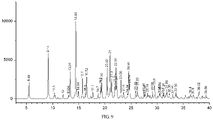
- the crystal of the monohydrate of formula II is characterized in that the X-ray powder diffraction spectrum thereof has diffraction peaks at about 14.40°, 20.28°, 20.94°, 22.02° and 24.46°, represented by 2 ⁇ values.
- the crystal of the monohydrate of formula II is characterized in that the X-ray powder diffraction spectrum thereof has diffraction peaks at about 9.12°, 13.32°, 14.40°, 15.64°, 16.46°, 20.28°, 20.94°, 22.02°, 22.98°, 24.46° and 29.34°, represented by 2 ⁇ values.
- the crystal of the monohydrate of formula II is characterized in that the X-ray powder diffraction spectrum thereof has diffraction peaks at about 5.52°, 9.12°, 13.32°, 14.40°, 15.64°, 16.46°, 19.14°, 19.32°, 20.28°, 20.94°, 21.20°, 22.02°, 22.98°, 23.52°, 24.46°, 26.06°, 29.34° and 31.74°, represented by 2 ⁇ values.
- the crystal of the monohydrate of formula II is characterized in that the X-ray powder diffraction spectrum thereof has diffraction peaks at about 5.52°, 9.12°, 13.32°, 14.40°, 14.90°, 15.64°, 16.46°, 19.14°, 19.32°, 20.28°, 20.94°, 21.20°, 22.02°, 22.98°, 23.52°, 24.46°, 25.74°, 26.06°, 27.32°, 27.98°, 28.90°, 29.34°, 31.00°, 31.74°, 32.22° and 33.32°, represented by 2 ⁇ values.
- the crystal of the monohydrate of formula II is characterized in that the X-ray powder diffraction spectrum thereof has diffraction peaks at about 5.52°, 9.12°, 10.30°, 10.48°, 11.96°, 13.32°, 14.40°, 14.90°, 15.64°, 16.46°, 17.28°, 17.58°, 18.60°, 19.14°, 19.32°, 20.28°, 20.94°, 21.20°, 22.02°, 22.98°, 23.52°, 24.46°, 25.74°, 26.06°, 26.74°, 27.32°, 27.98°, 28.40°, 28.90°, 29.34°, 30.36°, 31.00°, 31.74°, 32.22°, 32.82°, 33.32° and 37.84°, represented by 2 ⁇ values.
- the peak positions and intensity of the characteristic peaks in the X-ray powder diffraction spectrum for the crystal of the monohydrate of formula II have the characteristics as shown in Table 1: Table 1 Nos. 2 ⁇ (degree) relative intensity (I/I 0 ) 1 5.52 7 2 9.12 25 3 10.30 11 4 10.48 12 5 11.96 8 6 13.32 40 7 14.40 97 8 14.90 15 9 15.64 26 10 16.46 26 11 17.28 10 12 17.58 13 13 18.60 13 14 19.14 28 15 19.32 25 16 20.28 55 17 20.94 100 18 21.20 34 19 22.02 91 20 22.98 35 21 23.52 23 22 24.46 57 23 25.74 17 24 26.06 24 25 26.74 10 26 27.32 19 27 27.98 17 28 28.40 10 29 28.90 15 30 29.34 24 31 30.36 14 32 31.00 20 33 31.74 27 34 32.22 18 35 32.82 12 36 33.32 15 37 37.84 13
- the X-ray powder diffraction spectrum of the crystal of the monohydrate of formula II is as shown in Figure 1 .
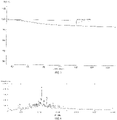
- the differential scanning calorimetry (DSC) measurement pattern of the crystal of the monohydrate of formula II has an onset point at about 186 °C, and an absorption peak at about 193 °C.
- the differential scanning calorimetry (DSC) measurement pattern of the crystal of the monohydrate of formula II is as shown in Figure 2 .
- thermogravimetric analysis (TGA) pattern of the crystal of the monohydrate of formula II is as shown in Figure 3 .
- the present application provides a crystal composition, wherein the above crystal of the monohydrate of formula II represents 50% or more, preferably 70% or more, still preferably 75% or more, more preferably 80% or more, further more preferably 90% or more, still more preferably 95% or more, and most preferably 98% or more of the weight of the crystal composition.
- the crystal composition can also comprise a small amount of other crystalline forms or non-crystalline forms of the compound of formula I.
- the present application provides a pharmaceutical composition comprising a therapeutically effective amount of the above crystal of the monohydrate of formula II, or the above crystal composition of the monohydrate of formula II.
- the pharmaceutical composition can comprise at least one pharmaceutically acceptable carrier or other excipients.
- the present application provides use of the above crystal of the monohydrate of formula II, the above crystal composition of the crystal of the monohydrate of formula II, or the above pharmaceutical composition in the manufacture of a medicament for treating IDH1 mutation-induced cancer.
- the above crystal of the monohydrate of formula II, the above crystal composition of the crystal of the monohydrate of formula II, or the above pharmaceutical composition according to the present application can be used alone or in combination with other drugs, for manufacturing a medicament for treating IDH1 mutation-induced cancer.
- the present application provides the above crystal of the monohydrate of formula II, the above crystal composition of the crystal of the monohydrate of formula II, or the above pharmaceutical composition for use in treating IDH1 mutation-induced cancer.
- the present application provides a non-solvent crystalline form of the compound of formula I.
- the crystal of the compound of formula I is characterized in that the X-ray powder diffraction spectrum thereof has diffraction peaks at about 8.64°, 9.34°, 20.72°, 21.30°, and 24.02°, represented by 2 ⁇ values.
- the crystal of the compound of formula I is characterized in that the X-ray powder diffraction spectrum thereof has diffraction peaks at about 8.64°, 9.34°, 14.62°, 19.66°, 20.04°, 20.46°, 20.72°, 21.30°, 22.46°, 24.02°, and 27.42°, represented by 2 ⁇ values.
- the crystal of the compound of formula I is characterized in that the X-ray powder diffraction spectrum thereof has diffraction peaks at about 8.64°, 9.34°, 14.62°, 15.18°, 16.36°, 17.04°, 17.60°, 18.40°, 19.66°, 20.04°, 20.46°, 20.72°, 21.30°, 22.16°, 22.46°, 24.02°, 27.42°, 28.46°and 30.16°, represented by 2 ⁇ values.
- the crystal of the compound of formula I is characterized in that the X-ray powder diffraction spectrum thereof has diffraction peaks at about 8.64°, 9.34°, 14.62°, 15.18°, 16.36°, 17.04°, 17.60° , 18.14°, 18.40°, 18.88°, 19.66°, 20.04°, 20.46°, 20.72°, 21.30°, 22.16°, 22.46°, 22.92°, 23.16°, 24.02°, 25.14°, 25.48°, 25.92°, 27.42°, 28.46° and 30.16°, represented by 2 ⁇ values.
- the crystal of the compound of formula I is characterized in that the X-ray powder diffraction spectrum thereof has diffraction peaks at about 8.64°, 9.34°, 11.18°, 12.80°, 13.68°, 14.62°, 15.18° , 15.58°, 16.36°, 17.04°, 17.60°, 18.14°, 18.40°, 18.88°, 19.66°, 20.04°, 20.46°, 20.72°, 21.30°, 22.16°, 22.46°, 22.92°, 23.16°, 24.02°, 24.32°, 24.92°, 25.14°, 25.48°, 25.92°, 26.30°, 27.42°, 27.84°, 28.46°, 30.16°, 30.98°, and 33.18°, represented by 2 ⁇ values.
- the peak positions and intensity of the characteristic peaks of the X-ray powder diffraction spectrum for the crystal of the compound of formula I have the characteristics shown in Table 2: Table 2 Nos. 2 ⁇ (degree) relative intensity (I/I 0 ) 1 8.64 25 2 9.34 28 3 11.18 14 4 12.80 14 5 13.68 17 6 14.62 30 7 15.18 23 8 15.58 18 9 16.36 27 10 17.04 25 11 17.60 25 12 18.14 23 13 18.40 28 14 18.88 24 15 19.66 38 16 20.04 33 17 20.46 34 18 20.72 51 19 21.30 100 20 22.16 31 21 22.46 41 22 22.92 23 23 23.16 21 24 24.02 55 25 24.32 19 26 24.92 19 27 25.14 20 28 25.48 24 29 25.92 24 30 26.30 18 31 27.42 30 32 27.84 19 33 28.46 21 34 30.16 24 35 30.98 18 36 33.18 18
- the X-ray powder diffraction spectrum of the crystal of the compound of formula I is as shown in Figure 4 .
- the differential scanning calorimetry (DSC) measurement pattern of the crystal of the compound of formula I has an onset point at about 103 °C and an absorption peak at about 130 °C.
- the differential scanning calorimetry (DSC) measurement pattern of the crystal of the compound of formula I is as shown in Figure 5 .
- thermogravimetric analysis (TGA) chart of the crystal of the compound of formula I is as shown in Figure 6 .
- the crystal of the compound of formula I described above can be transformed into the crystal of the monohydrate of formula II in the presence of water, wherein the source of water can be a small amount of water contained in the solvent during preparation, or water in the environment contacted during filtration and drying steps of the preparation, or water in the environment contacted during storage.
- the source of water can be a small amount of water contained in the solvent during preparation, or water in the environment contacted during filtration and drying steps of the preparation, or water in the environment contacted during storage.
- the crystal of the compound of formula I described above is isolated from all sources of water during the preparation and storage process, thus the obtained crystal of the compound of formula I described above can be in a substantially pure form with respect to the above crystal of the monohydrate of formula II.
- the present application provides a crystal composition, wherein the crystal of the compound of formula I described above represents 50% or more, preferably 70% or more, further preferably 75% or more, more preferably 80% or more, further more preferably 90% or more, still more preferably 95% or more, and most preferably 98% or more of the weight of the crystal composition.
- the crystal composition can also comprise a small amount of other crystalline forms or non-crystalline forms of the compound of formula I, such as the crystal of the monohydrate of formula II.
- the present application provides a pharmaceutical composition comprising a therapeutically effective amount of the above crystal of the compound of formula I, or the above crystal composition of the crystal of the compound of formula I.
- the pharmaceutical composition can comprise at least one pharmaceutically acceptable carrier or other excipients.
- the present application provides use of the above crystal of the compound of formula I, the above crystal composition of the crystal of the compound of formula I, or the above pharmaceutical composition in the manufacture of a medicament for treating IDH1 mutation-induced cancer.
- the above crystal of the compound of formula I, the above crystal composition of the crystal of the compound of formula I, or the above pharmaceutical composition according to the present application can be used alone or in combination with other drugs, for manufacturing a medicament for treating IDH1 mutation-induced cancer.
- the present application provides the above crystal of the compound of formula I, the above crystal composition of the crystal of the compound of formula I, or the above pharmaceutical composition for use in treating IDH1 mutation-induced cancer.
- the present application provides an amorphous form of the compound of formula I.
- the X-ray powder diffraction spectrum of the amorphous form of the compound of formula I is as shown in Figure 7 .
- the differential scanning calorimetry (DSC) measurement pattern of the amorphous form of the compound of formula I has an onset point at about 103 °C and an absorption peak at about 121 °C.
- the differential scanning calorimetry (DSC) measurement pattern of the amorphous form of the compound of formula I is as shown in Figure 8 .
- the present application provides a pharmaceutical composition comprising a therapeutically effective amount of the amorphous form of the compound of formula I.
- the pharmaceutical composition can comprise at least one pharmaceutically acceptable carrier or other excipients.
- the present application provides use of the amorphous form of the compound of formula I or the pharmaceutical composition thereof in the manufacture of a medicament for treating IDH1 mutation-induced cancer.
- the pharmaceutically acceptable carrier may be solid or liquid.
- the solid carrier can include one or more substance of a flavoring agent, a lubricant, a solubilizer, a suspending agent, filler, a binder, a tablet disintegrant, or an encapsulating material.
- Suitable solid carriers comprise, for example: magnesium stearate, talc, sucrose, lactose, dextrin, starch, gelatin, cellulose, methyl cellulose, sodium carboxymethyl cellulose, polyvinylpyrrolidone.
- a liquid carrier is used to prepare compositions such as solutions, suspensions, emulsions, and syrups.
- Suitable liquid carriers for oral and parenteral administration include water, alcohols, oils and the like.
- the pharmaceutical composition can be made into a certain dosage form, and the administration route is preferably oral, parenteral (including subcutaneous, intramuscular and intravenous), rectal administration, and the like.
- the dosage forms suitable for oral administration include tablets, capsules, granules, powders, pills, pulvis, troches, syrups or suspensions;
- the dosage forms suitable for parenteral administration include aqueous or non-aqueous solutions or emulsions for injection;
- the dosage forms suitable for rectal administration include suppositories using hydrophilic or hydrophobic carriers.
- the above dosage forms can also be made into the dosage forms suitable for rapid release, delayed release or controlled release of the active ingredient as requirement.
- the IDH1 mutation described herein has R132X mutation; in some embodiments of the present application, the R132X mutation is selected from R132H, R132C, R132L, R132V, R132S, and R132G; in some preferred embodiments, the R132X mutation is selected from R132H and R132C.
- the IDH1 mutation-induced cancer is selected from glioblastoma (neuroglioma), myelodysplastic syndrome (MDS), myeloproliferative neoplasm (MPN), acute myeloid leukemia (AML), sarcoma (preferably chondrosarcoma, fibrosarcoma), melanoma, non-small cell lung cancer, bile duct cancer or angioimmunoblastic non-Hodgkin's lymphoma (NHL).
- glioblastoma neuroglioma
- MDS myelodysplastic syndrome
- MPN myeloproliferative neoplasm
- AML acute myeloid leukemia
- sarcoma preferably chondrosarcoma, fibrosarcoma
- melanoma non-small cell lung cancer
- non-small cell lung cancer bile duct cancer
- NHL angioimmunoblastic non-Hodgkin's lympho
- the cancer to be treated is neuroglioma, myelodysplastic syndrome (MDS), myeloproliferative neoplasm (MPN), acute myeloid leukemia (AML), bile duct cancer, chondrosarcoma or angioimmunoblastic non-Hodgkin's lymphoma (NHL), etc., preferably including acute myeloid leukemia (AML), myelodysplastic syndrome (MDS), neuroglioma, bile duct cancer or chondrosarcoma.
- MDS myelodysplastic syndrome
- MPN myeloproliferative neoplasm
- AML acute myeloid leukemia
- bile duct cancer chondrosarcoma
- NDL angioimmunoblastic non-Hodgkin's lymphoma
- the present application provides a method for preparing a crystal of the monohydrate of formula II, comprising: (1) dissolving the compound of formula I in an organic solvent, and stirring till the solution is clear; (2) adding water to the solution obtained in step (1); and (3) cooling down the solution to crystallize, filtering and drying.
- the organic solvent in step (1) is selected from one or more (mixed solvents) of methanol, ethanol, isopropanol, ethylene glycol, propylene glycol, acetone, tetrahydrofuran, acetonitrile, dichloromethane, or ethyl acetate; preferably methanol, ethanol or acetone; more preferably methanol or ethanol.
- the molar volume ratio of the compound of formula I to the organic solvent in step (1) is 1 mmol:2-20 mL; preferably 1 mmol:2-15 mL; more preferably, 1 mmol:2-10 mL.
- the temperature for dissolving the compound of formula I in the organic solvent in step (1) is 20 °C to 100 °C; preferably 20 °C to 80 °C; further preferably 20 °C to 60 °C.
- the molar volume ratio of the compound of formula I in step (1) to the water in step (2) is 1 mmol:0.01-5 mL; preferably 1 mmol:0.01-3 mL; more preferably 1 mmol:0.05-2 mL.
- the crystallization temperature in step (3) is -10 °C to 25 °C; preferably 0 °C to 10 °C; more preferably 0 °C to 5 °C.
- the drying condition in step (3) includes drying at room temperature, drying under reduced pressure or blast drying, and preferably drying under reduced pressure.
- the drying equipment is a fume hood, a vacuum oven or a blast drying oven, preferably a vacuum oven.
- the drying temperature is 20 °C to 60 °C; preferably 20 °C to 40 °C; more preferably 30 °C to 40 °C.
- the source of water in addition to the water added in step (2), can also be water contained in the organic solvent, or water in the environment contacted due to the opened container during the preparation process, or water in the environment contacted during crystallization, filtration and drying.
- the present application provides a method for preparing the crystal of the compound of formula I, comprising: (1) dissolving the compound of formula I in an anhydrous organic solvent, and stirring till the solution is clear, and adding with 4A molecular sieve to dry; (2) filtering the solution under nitrogen protection, and cooling down the filtrate to crystallize; and (3) filtering under nitrogen protection and drying.
- the anhydrous organic solvent in step (1) is selected from one or more (mixed solvents) of dichloromethane, isopropanol, n-hexane, ethyl acetate, or methyl tert-butyl ether; preferably dichloromethane or isopropanol; more preferably dichloromethane.
- the molar volume ratio of the compound of formula I to the anhydrous organic solvent in step (1) is 1 mmol:2-10 mL; preferably 1 mmol:2-8 mL; more preferably 1 mmol:3-5 mL.
- the time for drying by addition of 4A molecular sieve in step (1) is 1 to 4 hours; preferably 1 to 3 hours; more preferably 1 to 2 hours.
- the mass to volume ratio of the 4A molecular sieve to the anhydrous organic solvent in step (1) is 1 g:2-10 mL; preferably 1 g:2-6 mL; more preferably, 1 g:4-6 mL.
- the temperature for dissolving the compound of formula I in the anhydrous organic solvent in step (1) is 20 °C to 100 °C; preferably 20 °C to 80 °C; more preferably 20 °C to 60 °C.
- the temperature for crystallization in step (2) is -20 °C to 25 °C; preferably -10 °C to 10 °C; more preferably -10 °C to 0 °C.
- the drying condition in step (3) includes drying at room temperature, drying under reduced pressure, or blast drying, and preferably drying under reduced pressure.
- the drying equipment is a fume hood, a vacuum oven or a blast drying oven, preferably a vacuum oven.
- the drying temperature is 20 °C to 60 °C; preferably 20 °C to 40 °C; more preferably 30 °C to 40 °C.
- the present application provides a method for preparing an amorphous form of the compound of formula I, comprising: (1) dissolving the compound of formula I in an anhydrous organic solvent, and stirring till the solution is clear; and (2) concentrating under reduced pressure to give a solid, and drying.
- the anhydrous organic solvent in step (1) is selected from one or more (mixed solvents) of ethyl acetate, dichloromethane, methanol, ethanol, and acetone; preferably one or more (mixed solvents) of ethyl acetate, dichloromethane, or methanol; more preferably dichloromethane, or a mixed solvent of ethyl acetate and dichloromethane.
- the molar volume ratio of the compound of formula I to the anhydrous organic solvent in step (1) is 1 mmol:1-10 mL; preferably 1 mmol:2-8 mL; more preferably 1 mmol:3-6 mL.
- the temperature for dissolving the compound of formula I in the anhydrous organic solvent in step (1) is 20 °C to 60 °C; preferably 20 °C to 40 °C; more preferably 20 °C to 30 °C.
- the drying condition in step (2) includes drying at room temperature, drying under reduced pressure or blast drying, and preferably drying under reduced pressure.
- the drying equipment is a fume hood, a vacuum oven or a blast drying oven, preferably a vacuum oven.
- the drying temperature is 20 °C to 60 °C; preferably 20 °C to 40 °C; more preferably 30 °C to 40 °C.
- the X-ray powder diffraction spectrum for the sample is measured under the following conditions: instrument: Minflex II; pretreatment for sample: direct compression; sample tray: glass tank; DivSlit: 1.25°; SctSlit: 1.25°; RecSlit: 0.3mm ; 2 ⁇ angle range: 3-60°; scanning speed 10°/min; Cu target tube pressure and current: 30 KV, 15 mA.
- the DSC spectrum is measured under the following conditions: instrument: METTLER TOLEDO DSC1; temperature range: 40 °C to 300 °C; heating rate: 10 °C/min.
- thermogravimetric analysis is performed under the following conditions: instrument: NETZSCH TG 209F3; temperature range: 30 °C to 300 °C; heating rate: 10 °C/min.
- a diffraction pattern obtained from a crystalline compound is usually characteristic for a specific crystalline form, in which relative intensities of the bands (especially at the low angles) may vary depending upon preferential orientation effects resulting from the differences of crystallization conditions, particle sizes and other measurement conditions. Therefore, the relative intensities of diffraction peaks are not characteristic for a specific crystalline form. It is the relative positions of peaks rather than the relative intensities thereof that should be paid more attention when judging whether a crystalline form is the same as a known crystalline form. In addition, for any given crystalline form, there may be a slight error in the position of the peaks, which is also well known in the field of crystallography.
- the position of a peak may shift due to the change of a temperature, the movement of a sample, or the calibration of an instrument and so on during analysis of the sample, and the measurement error of the 2 ⁇ value is sometimes about ⁇ 0.2°. Accordingly, when identifying a crystal structure, such error should be taken into consideration.
- DSC is used to measure a thermal transition temperature for a crystal when absorbing or releasing heat due to the change of its crystalline structure or the melting of the crystal.
- the error of a thermal transition temperature and a melting point is typically within a range of about 5 °C, typically within about 3 °C.
- a compound has a given DSC peak or melting point, it means the DSC peak or melting point ⁇ 5 °C.
- DSC provides an auxiliary method to distinguish different crystalline forms. Different crystalline forms can be identified by their characteristically different transition temperatures. It should be pointed out that for a mixture, the DSC peak or melting point may vary within a larger range. In addition, since the melting of a substance is accompanied with decomposition, the melting temperature is related to the heating rate.
- mammal includes human; domestic animals, such as laboratory mammals; domestic pets (such as cat, dog, pig, caprine, cattle, sheep, goat, horse, rabbit); and non-domesticated animals, such as wild mammals.
- composition refers to a formulation of a compound of the present application and a medium generally accepted in the art for delivering a bioactive compound to a mammal, such as human.
- the medium includes all pharmaceutically acceptable carriers for its use.
- a pharmaceutical composition facilitates administration of a compound to an organism.
- terapéuticaally effective amount refers to an amount of a medicament or agent that is non-toxic but can achieve the desired effect. The determination of the effective amount varies with each individual, depending on the age and general condition of the subject, as well as the specific active substance. The appropriate effective amount in each case can be determined by the skilled in the art according to a routine experiment.
- the "pharmaceutically acceptable carrier” refers to a carrier that does not cause significant irritation to an organism ingesting this carrier, and does not deteriorate the biological activity and properties of an active compound, when administered with the active compound.
- Other information about carriers can refer to Remington: The Science and Practice of Pharmacy, 21st Ed., Lippincott, Williams & Wilkins (2005 ), the contents of which are incorporated herein by reference.
- the "molar ratio” and the “amount-of-substance ratio” are equal to each other.
- room temperature refers to 20 °C to 25 °C.
- the source of anhydrous organic solvents can be commercially available, or obtained by laboratory anhydrous treatment of the commercially available organic solvents.
- the laboratory treatment method for anhydrous dichloromethane is as follow: dichloromethane is added with calcium hydride, refluxed for 3-4 hours, distilled, and then stored with the 4A molecular sieve.
- Step B methyl (S)-2-amino-4-chlorosulfonylbutyrate hydrochloride
- Step C methyl (S)-isothiazolidine-3-carboxylate 1,1-dioxide
- Step D methyl (S)-2-(4-cyanopyridin-2-yl)isothiazolidine-3-carboxylate 1,1-dioxide
- Methyl (S)-isothiazolidine-3-carboxylate 1,1-dioxide (200 mg, 1.11 mmol), 2-bromo-4-cyanopyridine (204 mg, 1.11 mmol), cuprous iodide (105 mg, 0.55 mmol), N,N'-dimethylethylenediamine (98 mg, 1.11 mmol) and cesium carbonate (723 mg, 2.22 mmol) were added into a sealed tube reactor, dioxane (8 mL) was added thereto, nitrogen gas was introduced thereto for 5 min and the tube was sealed. They were reacted overnight at 80°C.
- Step E (S)-2-(4-cyanopyridin-2-yl)isothiazolidine-3-carboxylic acid 1,1-dioxide
- Step F ( S )-N-(( S )-1-(2-chlorophenyl)-2-((3,3-difluorocyclobutyl)amino)-2-oxoethyl)-2-(4-c yanopyridin-2-yl)-N-(3-fluorophenyl)-isothiazolidine-3-carboxamide 1,1-dioxide
- Example 2 1.0 g of the compound of formula I prepared in Example 1 was added to 2.5 mL of anhydrous methanol, stirred till the solution was clear, and filtered through the membrane. 2 mL of the above-mentioned filtrate was taken and added with 0.2 mL of water, and the solution was allowed to stand at room temperature and the crystal slowly precipitated, which is the single crystal of the crystal of the monohydrate of formula II.
- Crystallographic data and atomic coordinates of the crystal of the monohydrate of formula II are shown in Tables 3, 4 and 5: Table 3.
- Atomic coordinates ( ⁇ 10 4 ) and equivalent isotropic displacement parameters ( ⁇ 2 ⁇ 10 3 ) x y z U (eq) CI(1) 6119(1) 5636(1) 6560(1) 46(1) S(1) 2239(1) 3898(1) 4898(1) 25(1) F(1) 10806(2) -1693(2) 6727(1) 69(1) O(1) 812(2) 4211(2) 4704(1) 36(1) N(1) 3025(2) 6374(2) 5789(1) 31(1) C(1) 2225(3) 2294(2) 5116(1) 29(1) F(2) 9426(2) -2883(2) 6319(1) 63(1) O(2) 3590(2) 4158(2) 4660(1) 36(1) N(2) 2324(2) 4673(2) 5356(1) 26(1) C(2) 1571(3) 2503(2) 5551(1) 29(1) F(3) 364(2) 1191(2) 7207(1) 58(1) O(3) 4966(2) 3581(2) 5647(1) 31(1) N(3) 3999(2) 3147(2) 6284(1) 24(1) C(3) 2261(2) 3800(2) 5716(1) 24(1) O(4) 4775(2) 431(2) 6358(1) 34(1) N(4) 7281(2) 9
- Example 4 Single-crystal calculation X-ray powder diffraction data for the crystal of the monohydrate of formula II
- Example 2 1.0 g of the compound of formula I prepared in Example 1 was added to 15 mL of methanol, stirred at room temperature till the solution was clear, and then added with 2 mL of water. The solution was cooled down to 0-5 °C with stirring, for crystallization. The crystal was filtered, and dried under reduced pressure at 40 °C, to give 0.5 g of the crystal of the monohydrate of formula II.
- Example 1 1.0 g of the compound of formula I prepared in Example 1 was added to 5 mL of anhydrous dichloromethane, and stirred at room temperature till the solution was clear. The solution was then added with 1 g of 4A molecular sieve, and dried with stirring for 2 hours. The mixture was filtered under nitrogen protection. The filtrate was concentrated under reduced pressure at room temperature to remove a half volume of the solvent, transferred to -10 °C, and stirred under nitrogen protection to crystallization, followed by filtration. The filter cake was dried under reduced pressure at 40 °C, to give the crystal of the compound of formula I.
- Test Example 1 Stability testing for the crystal of the monohydrate of formula II
- Test Example 2 Stability testing of the crystal of the compound of formula I
- Stability results of high temperature test Item 0 (day) High temperature test (40 °C) High temperature test (60 °C) 5 (day) 12 (day) 5 (day) 12 (day) Appearance White powder White powder White powder White powder White powder Total impurities (%) 0.39 0.42 0.37 0.63 0.54 Water (%) 0.45 0.85 0.85 0.59 0.73 Table 11. Stability results of high humidity test Item 0 (day) High humidity test High humidity test (75% RH) (92.5% RH) 5 (day) 12 (day) 5 (day) 12 (day) Appearance White powder White powder White powder White powder White powder White powder Total impurities (%) 0.39 0.43 0.37 0.47 0.37 Water (%) 0.45 0.94 1.16 1.58 1.75
- Test Example 3 Stability testing of amorphous form of the compound of formula I
- REU relative fluorescence unit
- resazurin is widely used for determining the viability of bacteria, cells, etc., and the enzyme activity detection of oxidoreductase.
- the compound was pre-incubated with IDH-WT and NADP, and then the reaction was initiated by adding isocitric acid, diaphorase (lipoamide dehydrogenase) and the corresponding substrate resazurin, and performed for certain time under a linear condition, followed by detecting the amount of fluorescent substance.
- isocitric acid, diaphorase lipoamide dehydrogenase
- substrate resazurin substrate resazurin
- the amount of the generated cofactor NADPH after a specific reaction time was quantified via a detectable fluorophore, so as to calculate the inhibitory effect of the compound on IDH-WT.
- the specific operation was as follows: 2.5 ⁇ l of the compound diluted in a 3-fold gradient was added to a 384-well plate, followed by adding 5 ⁇ l of the reaction buffer (20 mM Tris-HCl, pH 7.5; 150 mM NaCl; 10 mM MgCl 2 ; 0.4 mg/mL BSA (Bovine Serum Albumin) and 2 mM DTT (dithiothreitol)) containing 40 nM IDH1 (R132H/R132C) and 20 ⁇ M NADPH. Then, the above test mixture was incubated at 23°C for 16 hours, and then 2.5 ⁇ l of the reaction buffer containing 4 mM ⁇ -KG was added to initiate the reaction.
- the reaction buffer (20 mM Tris-HCl, pH 7.5; 150 mM NaCl; 10 mM MgCl 2 ; 0.4 mg/mL BSA (Bovine Serum Albumin) and 2 mM DTT (dithioth
- phosphoglycerate dehydrogenase PHGDH can reduce NAD to NADPH, and the latter may be quantitatively determined by lipoamide dehydrogenase and the substrate thereof, resazurin.
- HT-1080 cell is a human fibrosarcoma cell line with an IDH1 mutation (R132C).
- U87 cell is a human glioblastoma cell line with an IDH1 mutation (R132H). They were cultured in RPMI-1640 medium supplemented with 10% fetal bovine serum, 100 units/mL penicillin and 0.1 mg/mL streptomycin.
- the method for determining the intracellular 2-HG was as follows: cells were re-suspended with 300 ⁇ L reaction buffer (40 mM Tris-HCl, pH 8.5; 150 mM NaCl) and disrupted by ultrasonication. They were centrifuged for 10 min at 12,000 rpm and 4°C to remove insoluble substances. 25 ⁇ L supernatant was sucked out to determine the protein concentration by a BCA kit. Another 200 ⁇ L supernatant was transferred to a new group of centrifuge tubes, each of which was added with 4 ⁇ L of 3 M HCl, placed at room temperature for 5 min and centrifuged at 12,000 rpm for 5 min at room temperature.
- the measured fluorescence values were compared after being corrected with the protein concentrations of the corresponding samples.
- the method for determining extracellular 2-HG was as follows: 500 ⁇ L of each culture medium supernatant was taken. 10 ⁇ L of 3 M HCI was added into each tube and placed for 5 min at room temperature. Then, 18 ⁇ L of 2 M Tris base was added into each tube and placed for 5 min at room temperature. It was centrifuged at 12,000 rpm for 2 min. The pH was approximately equal to 8.0 detected by pH test paper. Preparation of standard curve of 2-HG: 2-HG stock solution was diluted to 500 ⁇ M with complete medium, and then 500 ⁇ L was taken therefrom for a 2-fold gradient dilution, 10 concentrations in total. The following operations were same as described above, including the steps for acid treatment and alkali neutralization.
- the compound of formula I was analyzed according to the biological methods herein, and the results are as follows: The inhibitory activities (IC 50 ) of the compound of formula I against IDH1 mutants (R132H and R132C) are shown in Table 14. Table 14 Compound IDH1(R132H) IC 50 (nM) IDH1(R132C) IC 50 (nM) Compound of formula I ⁇ 20 ⁇ 20
- the plasma was transferred to centrifuge tubes, and stored at -80 °C till analysis.
- the samples in plasma were extracted through protein precipitation.
- the liquid extract was analyzed by LC-MS/MS, wherein HPLC conditions were as follows: flow rate 0.4 mL/min; mobile phase A: water/formic acid (99.9/0.1, v/v); mobile phase B: acetonitrile/formic acid (99.9/0.1, v/v); injection volume: 5 ⁇ L; column temperature: RT; autosampler temperature: RT; run time: 2.5 min.
- Table 15 Pharmacokinetic data of the compound of formula I is shown in Table 15: Table 15 The compound of Formula I Gender of rata male Oral dose (mg/kg) 5 T 1/2 (hr) 10.7 Tmax(hr) 4.0 Cmax(ng/mL) 556 AUC INF_obs (hr*ng/mL) 10567 Formulation of dosage forms 0.5%MC, 0.2%Tween80
Landscapes
- Chemical & Material Sciences (AREA)
- Organic Chemistry (AREA)
- Health & Medical Sciences (AREA)
- General Health & Medical Sciences (AREA)
- Pharmacology & Pharmacy (AREA)
- Life Sciences & Earth Sciences (AREA)
- Animal Behavior & Ethology (AREA)
- Medicinal Chemistry (AREA)
- Public Health (AREA)
- Veterinary Medicine (AREA)
- Epidemiology (AREA)
- Chemical Kinetics & Catalysis (AREA)
- General Chemical & Material Sciences (AREA)
- Nuclear Medicine, Radiotherapy & Molecular Imaging (AREA)
- Pharmaceuticals Containing Other Organic And Inorganic Compounds (AREA)
- Plural Heterocyclic Compounds (AREA)
Applications Claiming Priority (2)
| Application Number | Priority Date | Filing Date | Title |
|---|---|---|---|
| CN201710863924 | 2017-09-22 | ||
| PCT/CN2018/106889 WO2019057142A1 (zh) | 2017-09-22 | 2018-09-21 | 一种内磺酰胺化合物结晶 |
Publications (3)
| Publication Number | Publication Date |
|---|---|
| EP3686191A1 EP3686191A1 (en) | 2020-07-29 |
| EP3686191A4 EP3686191A4 (en) | 2021-01-20 |
| EP3686191B1 true EP3686191B1 (en) | 2022-12-14 |
Family
ID=65810104
Family Applications (1)
| Application Number | Title | Priority Date | Filing Date |
|---|---|---|---|
| EP18859556.5A Active EP3686191B1 (en) | 2017-09-22 | 2018-09-21 | Crystalline sulfamide compound |
Country Status (11)
| Country | Link |
|---|---|
| US (1) | US11254665B2 (pl) |
| EP (1) | EP3686191B1 (pl) |
| JP (1) | JP6951562B2 (pl) |
| KR (1) | KR102707847B1 (pl) |
| CN (1) | CN111065630B (pl) |
| AU (1) | AU2018337153B2 (pl) |
| CA (1) | CA3076405A1 (pl) |
| FI (1) | FI3686191T3 (pl) |
| HU (1) | HUE061207T2 (pl) |
| PL (1) | PL3686191T3 (pl) |
| WO (1) | WO2019057142A1 (pl) |
Families Citing this family (3)
| Publication number | Priority date | Publication date | Assignee | Title |
|---|---|---|---|---|
| WO2023226964A1 (en) * | 2022-05-26 | 2023-11-30 | Danatlas Pharmaceuticals Co., Ltd. | Heterocyclic derivatives, compositions and uses thereof |
| CN120569198A (zh) | 2022-12-19 | 2025-08-29 | 正大天晴药业集团股份有限公司 | 一种内磺酰胺化合物治疗胆道癌的用途 |
| JP2026513172A (ja) * | 2023-03-31 | 2026-04-23 | アヴェロス セラピューティクス インコーポレイテッド | 置換されたスルタム化合物誘導体及びその薬学的用途 |
Family Cites Families (6)
| Publication number | Priority date | Publication date | Assignee | Title |
|---|---|---|---|---|
| CN103097340B (zh) | 2010-07-16 | 2018-03-16 | 安吉奥斯医药品有限公司 | 治疗活性组合物及其使用方法 |
| US20150087600A1 (en) | 2012-01-19 | 2015-03-26 | Agios Pharmaceuticals, Inc | Therapeutically active compounds and their methods of use |
| US9474779B2 (en) | 2012-01-19 | 2016-10-25 | Agios Pharmaceuticals, Inc. | Therapeutically active compositions and their methods of use |
| WO2015010297A1 (en) * | 2013-07-25 | 2015-01-29 | Agios Pharmaceuticals, Inc. | Therapeutically active compounds and their methods of use |
| MA39725B1 (fr) | 2014-03-14 | 2021-09-30 | Les Laboratoires Servier Sas | Compositions pharmaceutiques de composés thérapeutiquement actifs |
| ES2842448T3 (es) * | 2016-03-22 | 2021-07-14 | Lianyungang Runzhong Pharmaceutical Co Ltd | Compuesto de sultama y método de aplicación del mismo |
-
2018
- 2018-09-21 KR KR1020207011426A patent/KR102707847B1/ko active Active
- 2018-09-21 CA CA3076405A patent/CA3076405A1/en active Pending
- 2018-09-21 CN CN201880059881.0A patent/CN111065630B/zh active Active
- 2018-09-21 PL PL18859556.5T patent/PL3686191T3/pl unknown
- 2018-09-21 EP EP18859556.5A patent/EP3686191B1/en active Active
- 2018-09-21 JP JP2020516394A patent/JP6951562B2/ja active Active
- 2018-09-21 FI FIEP18859556.5T patent/FI3686191T3/fi active
- 2018-09-21 US US16/649,120 patent/US11254665B2/en active Active
- 2018-09-21 HU HUE18859556A patent/HUE061207T2/hu unknown
- 2018-09-21 AU AU2018337153A patent/AU2018337153B2/en active Active
- 2018-09-21 WO PCT/CN2018/106889 patent/WO2019057142A1/zh not_active Ceased
Also Published As
| Publication number | Publication date |
|---|---|
| US11254665B2 (en) | 2022-02-22 |
| JP6951562B2 (ja) | 2021-10-20 |
| FI3686191T3 (fi) | 2023-01-31 |
| CN111065630A (zh) | 2020-04-24 |
| HUE061207T2 (hu) | 2023-05-28 |
| US20200291012A1 (en) | 2020-09-17 |
| CN111065630B (zh) | 2022-12-30 |
| KR20200057049A (ko) | 2020-05-25 |
| EP3686191A4 (en) | 2021-01-20 |
| AU2018337153A1 (en) | 2020-04-09 |
| KR102707847B1 (ko) | 2024-09-23 |
| WO2019057142A1 (zh) | 2019-03-28 |
| CA3076405A1 (en) | 2019-03-28 |
| EP3686191A1 (en) | 2020-07-29 |
| AU2018337153B2 (en) | 2022-10-20 |
| PL3686191T3 (pl) | 2023-03-06 |
| JP2020534301A (ja) | 2020-11-26 |
Similar Documents
| Publication | Publication Date | Title |
|---|---|---|
| US12419858B2 (en) | Salt of terphenyl compound | |
| US11773079B2 (en) | Crystalline forms of 4-(tert-butoxyamino)-6-(6-(trifluoromethyl)pyridin-2-yl)-N-(2-(trifluoromethyl)pyridin-4-yl)-1,3,5-triazin-2-amine | |
| US12291536B2 (en) | Crystal form of Wee1 inhibitor compound and use thereof | |
| KR102643609B1 (ko) | B-raf 키나아제 억제제의 말레에이트 염, 결정질 형태, 제조방법, 및 이의 용도 | |
| CN109689641B (zh) | 一种取代的2-氢-吡唑衍生物的晶型、盐型及其制备方法 | |
| EP3686191B1 (en) | Crystalline sulfamide compound | |
| CN107043379A (zh) | 一种tlr7激动剂的晶型a、其制备方法和医药用途 | |
| CN109071471B (zh) | 内磺酰胺化合物及其使用方法 | |
| TW202542158A (zh) | 稠環化合物、包含其的藥物組合物及其用途 | |
| BR112021014327A2 (pt) | Forma cristalina de derivado de 1,2,3-triazolo[1,5-a]pirazinas, método de preparação da referida forma cristalina, composições farmacêuticas compreendendo a mesma e seu uso | |
| EP4438600A1 (en) | Compound used as kinase inhibitor and use thereof | |
| WO2013115167A1 (ja) | アムバチニブ誘導体 | |
| US20230119296A1 (en) | Crystal form of nitroxoline prodrug, pharmaceutical composition containing same, and preparation method therefor and application thereof | |
| HK40027070A (en) | Crystalline sulfamide compound | |
| HK40027070B (en) | Crystalline sulfamide compound | |
| US12391653B2 (en) | Salt form and crystal form of mutant IDH1 inhibitor and preparation method therefor | |
| WO2024199167A1 (zh) | 三芳香环类衍生物的盐、其晶型、制备方法和用途 | |
| WO2026021534A1 (zh) | 一种嘧啶类衍生物的固体形式及其制备方法和应用 | |
| WO2025237418A1 (zh) | 一种cdk2抑制剂的盐、晶型及其制备方法和应用 | |
| CN117794913A (zh) | 嘧啶衍生物及其药学上可接受的盐的多晶型物和应用 | |
| HK1261174B (zh) | 内磺醯胺化合物及其使用方法 |
Legal Events
| Date | Code | Title | Description |
|---|---|---|---|
| STAA | Information on the status of an ep patent application or granted ep patent |
Free format text: STATUS: THE INTERNATIONAL PUBLICATION HAS BEEN MADE |
|
| PUAI | Public reference made under article 153(3) epc to a published international application that has entered the european phase |
Free format text: ORIGINAL CODE: 0009012 |
|
| STAA | Information on the status of an ep patent application or granted ep patent |
Free format text: STATUS: REQUEST FOR EXAMINATION WAS MADE |
|
| 17P | Request for examination filed |
Effective date: 20200323 |
|
| AK | Designated contracting states |
Kind code of ref document: A1 Designated state(s): AL AT BE BG CH CY CZ DE DK EE ES FI FR GB GR HR HU IE IS IT LI LT LU LV MC MK MT NL NO PL PT RO RS SE SI SK SM TR |
|
| AX | Request for extension of the european patent |
Extension state: BA ME |
|
| DAV | Request for validation of the european patent (deleted) | ||
| DAX | Request for extension of the european patent (deleted) | ||
| A4 | Supplementary search report drawn up and despatched |
Effective date: 20201223 |
|
| RIC1 | Information provided on ipc code assigned before grant |
Ipc: A61K 31/425 20060101ALI20201217BHEP Ipc: A61P 35/00 20060101ALI20201217BHEP Ipc: C07D 275/02 20060101AFI20201217BHEP |
|
| GRAP | Despatch of communication of intention to grant a patent |
Free format text: ORIGINAL CODE: EPIDOSNIGR1 |
|
| STAA | Information on the status of an ep patent application or granted ep patent |
Free format text: STATUS: GRANT OF PATENT IS INTENDED |
|
| INTG | Intention to grant announced |
Effective date: 20220629 |
|
| RAP3 | Party data changed (applicant data changed or rights of an application transferred) |
Owner name: CENTAURUS BIOPHARMA CO., LTD. Owner name: LIANYUNGANG RUNZHONG PHARMACEUTICAL CO., LTD. Owner name: CHIA TAI TIANQING PHARMACEUTICAL GROUP CO., LTD. |
|
| GRAS | Grant fee paid |
Free format text: ORIGINAL CODE: EPIDOSNIGR3 |
|
| GRAA | (expected) grant |
Free format text: ORIGINAL CODE: 0009210 |
|
| STAA | Information on the status of an ep patent application or granted ep patent |
Free format text: STATUS: THE PATENT HAS BEEN GRANTED |
|
| AK | Designated contracting states |
Kind code of ref document: B1 Designated state(s): AL AT BE BG CH CY CZ DE DK EE ES FI FR GB GR HR HU IE IS IT LI LT LU LV MC MK MT NL NO PL PT RO RS SE SI SK SM TR |
|
| RAP3 | Party data changed (applicant data changed or rights of an application transferred) |
Owner name: CENTAURUS BIOPHARMA CO., LTD. Owner name: LIANYUNGANG RUNZHONG PHARMACEUTICAL CO., LTD. Owner name: CHIA TAI TIANQING PHARMACEUTICAL GROUP CO., LTD. |
|
| REG | Reference to a national code |
Ref country code: GB Ref legal event code: FG4D |
|
| REG | Reference to a national code |
Ref country code: CH Ref legal event code: EP |
|
| REG | Reference to a national code |
Ref country code: DE Ref legal event code: R096 Ref document number: 602018044352 Country of ref document: DE |
|
| REG | Reference to a national code |
Ref country code: IE Ref legal event code: FG4D |
|
| REG | Reference to a national code |
Ref country code: FI Ref legal event code: FGE |
|
| REG | Reference to a national code |
Ref country code: AT Ref legal event code: REF Ref document number: 1537610 Country of ref document: AT Kind code of ref document: T Effective date: 20230115 |
|
| REG | Reference to a national code |
Ref country code: NO Ref legal event code: T2 Effective date: 20221214 |
|
| REG | Reference to a national code |
Ref country code: LT Ref legal event code: MG9D |
|
| REG | Reference to a national code |
Ref country code: NL Ref legal event code: MP Effective date: 20221214 |
|
| PG25 | Lapsed in a contracting state [announced via postgrant information from national office to epo] |
Ref country code: SE Free format text: LAPSE BECAUSE OF FAILURE TO SUBMIT A TRANSLATION OF THE DESCRIPTION OR TO PAY THE FEE WITHIN THE PRESCRIBED TIME-LIMIT Effective date: 20221214 Ref country code: LT Free format text: LAPSE BECAUSE OF FAILURE TO SUBMIT A TRANSLATION OF THE DESCRIPTION OR TO PAY THE FEE WITHIN THE PRESCRIBED TIME-LIMIT Effective date: 20221214 |
|
| REG | Reference to a national code |
Ref country code: HU Ref legal event code: AG4A Ref document number: E061207 Country of ref document: HU |
|
| PG25 | Lapsed in a contracting state [announced via postgrant information from national office to epo] |
Ref country code: RS Free format text: LAPSE BECAUSE OF FAILURE TO SUBMIT A TRANSLATION OF THE DESCRIPTION OR TO PAY THE FEE WITHIN THE PRESCRIBED TIME-LIMIT Effective date: 20221214 Ref country code: LV Free format text: LAPSE BECAUSE OF FAILURE TO SUBMIT A TRANSLATION OF THE DESCRIPTION OR TO PAY THE FEE WITHIN THE PRESCRIBED TIME-LIMIT Effective date: 20221214 Ref country code: HR Free format text: LAPSE BECAUSE OF FAILURE TO SUBMIT A TRANSLATION OF THE DESCRIPTION OR TO PAY THE FEE WITHIN THE PRESCRIBED TIME-LIMIT Effective date: 20221214 Ref country code: GR Free format text: LAPSE BECAUSE OF FAILURE TO SUBMIT A TRANSLATION OF THE DESCRIPTION OR TO PAY THE FEE WITHIN THE PRESCRIBED TIME-LIMIT Effective date: 20230315 |
|
| PG25 | Lapsed in a contracting state [announced via postgrant information from national office to epo] |
Ref country code: NL Free format text: LAPSE BECAUSE OF FAILURE TO SUBMIT A TRANSLATION OF THE DESCRIPTION OR TO PAY THE FEE WITHIN THE PRESCRIBED TIME-LIMIT Effective date: 20221214 |
|
| P01 | Opt-out of the competence of the unified patent court (upc) registered |
Effective date: 20230601 |
|
| PG25 | Lapsed in a contracting state [announced via postgrant information from national office to epo] |
Ref country code: SM Free format text: LAPSE BECAUSE OF FAILURE TO SUBMIT A TRANSLATION OF THE DESCRIPTION OR TO PAY THE FEE WITHIN THE PRESCRIBED TIME-LIMIT Effective date: 20221214 Ref country code: RO Free format text: LAPSE BECAUSE OF FAILURE TO SUBMIT A TRANSLATION OF THE DESCRIPTION OR TO PAY THE FEE WITHIN THE PRESCRIBED TIME-LIMIT Effective date: 20221214 Ref country code: PT Free format text: LAPSE BECAUSE OF FAILURE TO SUBMIT A TRANSLATION OF THE DESCRIPTION OR TO PAY THE FEE WITHIN THE PRESCRIBED TIME-LIMIT Effective date: 20230414 Ref country code: ES Free format text: LAPSE BECAUSE OF FAILURE TO SUBMIT A TRANSLATION OF THE DESCRIPTION OR TO PAY THE FEE WITHIN THE PRESCRIBED TIME-LIMIT Effective date: 20221214 Ref country code: EE Free format text: LAPSE BECAUSE OF FAILURE TO SUBMIT A TRANSLATION OF THE DESCRIPTION OR TO PAY THE FEE WITHIN THE PRESCRIBED TIME-LIMIT Effective date: 20221214 Ref country code: CZ Free format text: LAPSE BECAUSE OF FAILURE TO SUBMIT A TRANSLATION OF THE DESCRIPTION OR TO PAY THE FEE WITHIN THE PRESCRIBED TIME-LIMIT Effective date: 20221214 |
|
| PG25 | Lapsed in a contracting state [announced via postgrant information from national office to epo] |
Ref country code: SK Free format text: LAPSE BECAUSE OF FAILURE TO SUBMIT A TRANSLATION OF THE DESCRIPTION OR TO PAY THE FEE WITHIN THE PRESCRIBED TIME-LIMIT Effective date: 20221214 Ref country code: IS Free format text: LAPSE BECAUSE OF FAILURE TO SUBMIT A TRANSLATION OF THE DESCRIPTION OR TO PAY THE FEE WITHIN THE PRESCRIBED TIME-LIMIT Effective date: 20230414 Ref country code: AL Free format text: LAPSE BECAUSE OF FAILURE TO SUBMIT A TRANSLATION OF THE DESCRIPTION OR TO PAY THE FEE WITHIN THE PRESCRIBED TIME-LIMIT Effective date: 20221214 |
|
| REG | Reference to a national code |
Ref country code: DE Ref legal event code: R097 Ref document number: 602018044352 Country of ref document: DE |
|
| PLBE | No opposition filed within time limit |
Free format text: ORIGINAL CODE: 0009261 |
|
| STAA | Information on the status of an ep patent application or granted ep patent |
Free format text: STATUS: NO OPPOSITION FILED WITHIN TIME LIMIT |
|
| PG25 | Lapsed in a contracting state [announced via postgrant information from national office to epo] |
Ref country code: DK Free format text: LAPSE BECAUSE OF FAILURE TO SUBMIT A TRANSLATION OF THE DESCRIPTION OR TO PAY THE FEE WITHIN THE PRESCRIBED TIME-LIMIT Effective date: 20221214 |
|
| 26N | No opposition filed |
Effective date: 20230915 |
|
| PG25 | Lapsed in a contracting state [announced via postgrant information from national office to epo] |
Ref country code: SI Free format text: LAPSE BECAUSE OF FAILURE TO SUBMIT A TRANSLATION OF THE DESCRIPTION OR TO PAY THE FEE WITHIN THE PRESCRIBED TIME-LIMIT Effective date: 20221214 |
|
| REG | Reference to a national code |
Ref country code: CH Ref legal event code: PL |
|
| REG | Reference to a national code |
Ref country code: BE Ref legal event code: MM Effective date: 20230930 |
|
| PG25 | Lapsed in a contracting state [announced via postgrant information from national office to epo] |
Ref country code: MC Free format text: LAPSE BECAUSE OF FAILURE TO SUBMIT A TRANSLATION OF THE DESCRIPTION OR TO PAY THE FEE WITHIN THE PRESCRIBED TIME-LIMIT Effective date: 20221214 Ref country code: IT Free format text: LAPSE BECAUSE OF FAILURE TO SUBMIT A TRANSLATION OF THE DESCRIPTION OR TO PAY THE FEE WITHIN THE PRESCRIBED TIME-LIMIT Effective date: 20221214 |
|
| REG | Reference to a national code |
Ref country code: IE Ref legal event code: MM4A |
|
| PG25 | Lapsed in a contracting state [announced via postgrant information from national office to epo] |
Ref country code: IE Free format text: LAPSE BECAUSE OF NON-PAYMENT OF DUE FEES Effective date: 20230921 |
|
| PG25 | Lapsed in a contracting state [announced via postgrant information from national office to epo] |
Ref country code: CH Free format text: LAPSE BECAUSE OF NON-PAYMENT OF DUE FEES Effective date: 20230930 |
|
| PG25 | Lapsed in a contracting state [announced via postgrant information from national office to epo] |
Ref country code: IE Free format text: LAPSE BECAUSE OF NON-PAYMENT OF DUE FEES Effective date: 20230921 Ref country code: CH Free format text: LAPSE BECAUSE OF NON-PAYMENT OF DUE FEES Effective date: 20230930 |
|
| PG25 | Lapsed in a contracting state [announced via postgrant information from national office to epo] |
Ref country code: BE Free format text: LAPSE BECAUSE OF NON-PAYMENT OF DUE FEES Effective date: 20230930 |
|
| REG | Reference to a national code |
Ref country code: AT Ref legal event code: UEP Ref document number: 1537610 Country of ref document: AT Kind code of ref document: T Effective date: 20221214 |
|
| PG25 | Lapsed in a contracting state [announced via postgrant information from national office to epo] |
Ref country code: BG Free format text: LAPSE BECAUSE OF FAILURE TO SUBMIT A TRANSLATION OF THE DESCRIPTION OR TO PAY THE FEE WITHIN THE PRESCRIBED TIME-LIMIT Effective date: 20221214 |
|
| PG25 | Lapsed in a contracting state [announced via postgrant information from national office to epo] |
Ref country code: BG Free format text: LAPSE BECAUSE OF FAILURE TO SUBMIT A TRANSLATION OF THE DESCRIPTION OR TO PAY THE FEE WITHIN THE PRESCRIBED TIME-LIMIT Effective date: 20221214 |
|
| PGFP | Annual fee paid to national office [announced via postgrant information from national office to epo] |
Ref country code: PL Payment date: 20250630 Year of fee payment: 8 |
|
| PG25 | Lapsed in a contracting state [announced via postgrant information from national office to epo] |
Ref country code: CY Free format text: LAPSE BECAUSE OF FAILURE TO SUBMIT A TRANSLATION OF THE DESCRIPTION OR TO PAY THE FEE WITHIN THE PRESCRIBED TIME-LIMIT; INVALID AB INITIO Effective date: 20180921 |
|
| PGFP | Annual fee paid to national office [announced via postgrant information from national office to epo] |
Ref country code: FI Payment date: 20250912 Year of fee payment: 8 |
|
| PGFP | Annual fee paid to national office [announced via postgrant information from national office to epo] |
Ref country code: DE Payment date: 20250702 Year of fee payment: 8 |
|
| PGFP | Annual fee paid to national office [announced via postgrant information from national office to epo] |
Ref country code: NO Payment date: 20250909 Year of fee payment: 8 |
|
| PGFP | Annual fee paid to national office [announced via postgrant information from national office to epo] |
Ref country code: TR Payment date: 20250912 Year of fee payment: 8 Ref country code: LU Payment date: 20250912 Year of fee payment: 8 |
|
| PGFP | Annual fee paid to national office [announced via postgrant information from national office to epo] |
Ref country code: HU Payment date: 20250828 Year of fee payment: 8 Ref country code: GB Payment date: 20250703 Year of fee payment: 8 |
|
| PGFP | Annual fee paid to national office [announced via postgrant information from national office to epo] |
Ref country code: FR Payment date: 20250708 Year of fee payment: 8 Ref country code: AT Payment date: 20250827 Year of fee payment: 8 |