EP3682889B1 - Modulating inflammasome activation of myeloid-derived suppressor cells for treating gvhd - Google Patents
Modulating inflammasome activation of myeloid-derived suppressor cells for treating gvhd Download PDFInfo
- Publication number
- EP3682889B1 EP3682889B1 EP20153949.1A EP20153949A EP3682889B1 EP 3682889 B1 EP3682889 B1 EP 3682889B1 EP 20153949 A EP20153949 A EP 20153949A EP 3682889 B1 EP3682889 B1 EP 3682889B1
- Authority
- EP
- European Patent Office
- Prior art keywords
- mdsc
- mdscs
- gvhd
- inflammasome
- asc
- Prior art date
- Legal status (The legal status is an assumption and is not a legal conclusion. Google has not performed a legal analysis and makes no representation as to the accuracy of the status listed.)
- Active
Links
Images


Classifications
-
- C—CHEMISTRY; METALLURGY
- C12—BIOCHEMISTRY; BEER; SPIRITS; WINE; VINEGAR; MICROBIOLOGY; ENZYMOLOGY; MUTATION OR GENETIC ENGINEERING
- C12N—MICROORGANISMS OR ENZYMES; COMPOSITIONS THEREOF; PROPAGATING, PRESERVING, OR MAINTAINING MICROORGANISMS; MUTATION OR GENETIC ENGINEERING; CULTURE MEDIA
- C12N5/00—Undifferentiated human, animal or plant cells, e.g. cell lines; Tissues; Cultivation or maintenance thereof; Culture media therefor
- C12N5/06—Animal cells or tissues; Human cells or tissues
- C12N5/0602—Vertebrate cells
- C12N5/0634—Cells from the blood or the immune system
- C12N5/0642—Granulocytes, e.g. basopils, eosinophils, neutrophils, mast cells
-
- A—HUMAN NECESSITIES
- A61—MEDICAL OR VETERINARY SCIENCE; HYGIENE
- A61K—PREPARATIONS FOR MEDICAL, DENTAL OR TOILETRY PURPOSES
- A61K39/00—Medicinal preparations containing antigens or antibodies
- A61K39/0005—Vertebrate antigens
- A61K39/001—Preparations to induce tolerance to non-self, e.g. prior to transplantation
-
- A—HUMAN NECESSITIES
- A61—MEDICAL OR VETERINARY SCIENCE; HYGIENE
- A61K—PREPARATIONS FOR MEDICAL, DENTAL OR TOILETRY PURPOSES
- A61K40/00—Cellular immunotherapy
- A61K40/10—Cellular immunotherapy characterised by the cell type used
-
- A—HUMAN NECESSITIES
- A61—MEDICAL OR VETERINARY SCIENCE; HYGIENE
- A61K—PREPARATIONS FOR MEDICAL, DENTAL OR TOILETRY PURPOSES
- A61K40/00—Cellular immunotherapy
- A61K40/10—Cellular immunotherapy characterised by the cell type used
- A61K40/11—T-cells, e.g. tumour infiltrating lymphocytes [TIL] or regulatory T [Treg] cells; Lymphokine-activated killer [LAK] cells
-
- A—HUMAN NECESSITIES
- A61—MEDICAL OR VETERINARY SCIENCE; HYGIENE
- A61K—PREPARATIONS FOR MEDICAL, DENTAL OR TOILETRY PURPOSES
- A61K40/00—Cellular immunotherapy
- A61K40/20—Cellular immunotherapy characterised by the effect or the function of the cells
- A61K40/22—Immunosuppressive or immunotolerising
-
- A—HUMAN NECESSITIES
- A61—MEDICAL OR VETERINARY SCIENCE; HYGIENE
- A61K—PREPARATIONS FOR MEDICAL, DENTAL OR TOILETRY PURPOSES
- A61K40/00—Cellular immunotherapy
- A61K40/40—Cellular immunotherapy characterised by antigens that are targeted or presented by cells of the immune system
- A61K40/41—Vertebrate antigens
- A61K40/418—Antigens related to induction of tolerance to non-self
-
- A—HUMAN NECESSITIES
- A61—MEDICAL OR VETERINARY SCIENCE; HYGIENE
- A61K—PREPARATIONS FOR MEDICAL, DENTAL OR TOILETRY PURPOSES
- A61K45/00—Medicinal preparations containing active ingredients not provided for in groups A61K31/00 - A61K41/00
- A61K45/06—Mixtures of active ingredients without chemical characterisation, e.g. antiphlogistics and cardiaca
-
- A—HUMAN NECESSITIES
- A61—MEDICAL OR VETERINARY SCIENCE; HYGIENE
- A61P—SPECIFIC THERAPEUTIC ACTIVITY OF CHEMICAL COMPOUNDS OR MEDICINAL PREPARATIONS
- A61P35/00—Antineoplastic agents
-
- A—HUMAN NECESSITIES
- A61—MEDICAL OR VETERINARY SCIENCE; HYGIENE
- A61P—SPECIFIC THERAPEUTIC ACTIVITY OF CHEMICAL COMPOUNDS OR MEDICINAL PREPARATIONS
- A61P37/00—Drugs for immunological or allergic disorders
- A61P37/02—Immunomodulators
- A61P37/06—Immunosuppressants, e.g. drugs for graft rejection
-
- C—CHEMISTRY; METALLURGY
- C07—ORGANIC CHEMISTRY
- C07K—PEPTIDES
- C07K14/00—Peptides having more than 20 amino acids; Gastrins; Somatostatins; Melanotropins; Derivatives thereof
- C07K14/435—Peptides having more than 20 amino acids; Gastrins; Somatostatins; Melanotropins; Derivatives thereof from animals; from humans
- C07K14/46—Peptides having more than 20 amino acids; Gastrins; Somatostatins; Melanotropins; Derivatives thereof from animals; from humans from vertebrates
- C07K14/47—Peptides having more than 20 amino acids; Gastrins; Somatostatins; Melanotropins; Derivatives thereof from animals; from humans from vertebrates from mammals
- C07K14/4701—Peptides having more than 20 amino acids; Gastrins; Somatostatins; Melanotropins; Derivatives thereof from animals; from humans from vertebrates from mammals not used
- C07K14/4747—Apoptosis related proteins
-
- C—CHEMISTRY; METALLURGY
- C12—BIOCHEMISTRY; BEER; SPIRITS; WINE; VINEGAR; MICROBIOLOGY; ENZYMOLOGY; MUTATION OR GENETIC ENGINEERING
- C12N—MICROORGANISMS OR ENZYMES; COMPOSITIONS THEREOF; PROPAGATING, PRESERVING, OR MAINTAINING MICROORGANISMS; MUTATION OR GENETIC ENGINEERING; CULTURE MEDIA
- C12N15/00—Mutation or genetic engineering; DNA or RNA concerning genetic engineering, vectors, e.g. plasmids, or their isolation, preparation or purification; Use of hosts therefor
- C12N15/09—Recombinant DNA-technology
- C12N15/87—Introduction of foreign genetic material using processes not otherwise provided for, e.g. co-transformation
-
- C—CHEMISTRY; METALLURGY
- C12—BIOCHEMISTRY; BEER; SPIRITS; WINE; VINEGAR; MICROBIOLOGY; ENZYMOLOGY; MUTATION OR GENETIC ENGINEERING
- C12N—MICROORGANISMS OR ENZYMES; COMPOSITIONS THEREOF; PROPAGATING, PRESERVING, OR MAINTAINING MICROORGANISMS; MUTATION OR GENETIC ENGINEERING; CULTURE MEDIA
- C12N5/00—Undifferentiated human, animal or plant cells, e.g. cell lines; Tissues; Cultivation or maintenance thereof; Culture media therefor
- C12N5/06—Animal cells or tissues; Human cells or tissues
- C12N5/0602—Vertebrate cells
- C12N5/0634—Cells from the blood or the immune system
-
- C—CHEMISTRY; METALLURGY
- C12—BIOCHEMISTRY; BEER; SPIRITS; WINE; VINEGAR; MICROBIOLOGY; ENZYMOLOGY; MUTATION OR GENETIC ENGINEERING
- C12N—MICROORGANISMS OR ENZYMES; COMPOSITIONS THEREOF; PROPAGATING, PRESERVING, OR MAINTAINING MICROORGANISMS; MUTATION OR GENETIC ENGINEERING; CULTURE MEDIA
- C12N5/00—Undifferentiated human, animal or plant cells, e.g. cell lines; Tissues; Cultivation or maintenance thereof; Culture media therefor
- C12N5/06—Animal cells or tissues; Human cells or tissues
- C12N5/0602—Vertebrate cells
- C12N5/0634—Cells from the blood or the immune system
- C12N5/0645—Macrophages, e.g. Kuepfer cells in the liver; Monocytes
-
- C—CHEMISTRY; METALLURGY
- C12—BIOCHEMISTRY; BEER; SPIRITS; WINE; VINEGAR; MICROBIOLOGY; ENZYMOLOGY; MUTATION OR GENETIC ENGINEERING
- C12N—MICROORGANISMS OR ENZYMES; COMPOSITIONS THEREOF; PROPAGATING, PRESERVING, OR MAINTAINING MICROORGANISMS; MUTATION OR GENETIC ENGINEERING; CULTURE MEDIA
- C12N5/00—Undifferentiated human, animal or plant cells, e.g. cell lines; Tissues; Cultivation or maintenance thereof; Culture media therefor
- C12N5/06—Animal cells or tissues; Human cells or tissues
- C12N5/0602—Vertebrate cells
- C12N5/0634—Cells from the blood or the immune system
- C12N5/0648—Splenocytes
-
- A—HUMAN NECESSITIES
- A61—MEDICAL OR VETERINARY SCIENCE; HYGIENE
- A61K—PREPARATIONS FOR MEDICAL, DENTAL OR TOILETRY PURPOSES
- A61K35/00—Medicinal preparations containing materials or reaction products thereof with undetermined constitution
- A61K35/12—Materials from mammals; Compositions comprising non-specified tissues or cells; Compositions comprising non-embryonic stem cells; Genetically modified cells
- A61K2035/122—Materials from mammals; Compositions comprising non-specified tissues or cells; Compositions comprising non-embryonic stem cells; Genetically modified cells for inducing tolerance or supression of immune responses
-
- A—HUMAN NECESSITIES
- A61—MEDICAL OR VETERINARY SCIENCE; HYGIENE
- A61K—PREPARATIONS FOR MEDICAL, DENTAL OR TOILETRY PURPOSES
- A61K35/00—Medicinal preparations containing materials or reaction products thereof with undetermined constitution
- A61K35/12—Materials from mammals; Compositions comprising non-specified tissues or cells; Compositions comprising non-embryonic stem cells; Genetically modified cells
- A61K2035/124—Materials from mammals; Compositions comprising non-specified tissues or cells; Compositions comprising non-embryonic stem cells; Genetically modified cells the cells being hematopoietic, bone marrow derived or blood cells
-
- A—HUMAN NECESSITIES
- A61—MEDICAL OR VETERINARY SCIENCE; HYGIENE
- A61K—PREPARATIONS FOR MEDICAL, DENTAL OR TOILETRY PURPOSES
- A61K39/00—Medicinal preparations containing antigens or antibodies
- A61K2039/51—Medicinal preparations containing antigens or antibodies comprising whole cells, viruses or DNA/RNA
- A61K2039/515—Animal cells
-
- A—HUMAN NECESSITIES
- A61—MEDICAL OR VETERINARY SCIENCE; HYGIENE
- A61K—PREPARATIONS FOR MEDICAL, DENTAL OR TOILETRY PURPOSES
- A61K39/00—Medicinal preparations containing antigens or antibodies
- A61K2039/545—Medicinal preparations containing antigens or antibodies characterised by the dose, timing or administration schedule
-
- A—HUMAN NECESSITIES
- A61—MEDICAL OR VETERINARY SCIENCE; HYGIENE
- A61K—PREPARATIONS FOR MEDICAL, DENTAL OR TOILETRY PURPOSES
- A61K39/00—Medicinal preparations containing antigens or antibodies
- A61K2039/57—Medicinal preparations containing antigens or antibodies characterised by the type of response, e.g. Th1, Th2
- A61K2039/577—Medicinal preparations containing antigens or antibodies characterised by the type of response, e.g. Th1, Th2 tolerising response
-
- C—CHEMISTRY; METALLURGY
- C12—BIOCHEMISTRY; BEER; SPIRITS; WINE; VINEGAR; MICROBIOLOGY; ENZYMOLOGY; MUTATION OR GENETIC ENGINEERING
- C12N—MICROORGANISMS OR ENZYMES; COMPOSITIONS THEREOF; PROPAGATING, PRESERVING, OR MAINTAINING MICROORGANISMS; MUTATION OR GENETIC ENGINEERING; CULTURE MEDIA
- C12N2501/00—Active agents used in cell culture processes, e.g. differentation
- C12N2501/20—Cytokines; Chemokines
- C12N2501/22—Colony stimulating factors (G-CSF, GM-CSF)
-
- C—CHEMISTRY; METALLURGY
- C12—BIOCHEMISTRY; BEER; SPIRITS; WINE; VINEGAR; MICROBIOLOGY; ENZYMOLOGY; MUTATION OR GENETIC ENGINEERING
- C12N—MICROORGANISMS OR ENZYMES; COMPOSITIONS THEREOF; PROPAGATING, PRESERVING, OR MAINTAINING MICROORGANISMS; MUTATION OR GENETIC ENGINEERING; CULTURE MEDIA
- C12N2501/00—Active agents used in cell culture processes, e.g. differentation
- C12N2501/20—Cytokines; Chemokines
- C12N2501/23—Interleukins [IL]
- C12N2501/2313—Interleukin-13 (IL-13)
-
- C—CHEMISTRY; METALLURGY
- C12—BIOCHEMISTRY; BEER; SPIRITS; WINE; VINEGAR; MICROBIOLOGY; ENZYMOLOGY; MUTATION OR GENETIC ENGINEERING
- C12N—MICROORGANISMS OR ENZYMES; COMPOSITIONS THEREOF; PROPAGATING, PRESERVING, OR MAINTAINING MICROORGANISMS; MUTATION OR GENETIC ENGINEERING; CULTURE MEDIA
- C12N2501/00—Active agents used in cell culture processes, e.g. differentation
- C12N2501/20—Cytokines; Chemokines
- C12N2501/24—Interferons [IFN]
Definitions
- the present invention is defined in the claims and relates to a myeloid-derived suppressor cell (MDSC) deficient in apoptosis-associated speck-like protein containing a CARD (ASC). To the extent that other myeloid-derived suppressor cells are disclosed herein, they are included solely for reference purposes.
- MDSC myeloid-derived suppressor cell
- ASC apoptosis-associated speck-like protein containing a CARD
- references to methods of treatment in the subsequent paragraphs of this description are to be interpreted as references to the cells, pharmaceutical compositions and medicaments of the present invention for use in a method for treatment of the human or animal body by therapy or diagnosis.
- This disclosure describes, in one aspect, a method of treating a subject having or at risk of having graft-versus-host disease (GvHD).
- the method includes administering to the subject a plurality of myeloid-derived suppressor cells (MDSCs) effective to ameliorate at least one symptom or clinical sign of graft-versus-host disease compared to a suitable control subject.
- MDSCs myeloid-derived suppressor cells
- the method may include a plurality of serial administrations of MDSCs as previously-administered MDSCs experience inflammasome activation.
- At least a portion of the plurality of MDSCs may comprise a genetic modification causing the MDSC to resist inflammasome activation.
- the method may include co-administering to the subject an agent that inhibits inflammasome activation.
- this disclosure describes a method of treating a tumor in a subject.
- the method includes administering to the subject an anti-tumor therapy and co-administering to the subject an inflammasome inciting agent in an amount effective to increase inflammasome activation of MDSCs sufficiently to reduce suppressor function of the MDSCs.
- WO 2010/062990 relates to methods of isolating, culturing and differentiating Myeloid-derived Suppressor cells (MDSCs) from embryonic stem (ES) cells and hematopoietic stem cells HSCs)
- MDSCs Myeloid-derived Suppressor cells
- Highfill et al (Blood, 2010, 116:25: 5738-47 ) relates to bone marrow myeloid-derived Suppressor cells (MDSCs) that inhibit graft-versus-host disease (GvHD) via an arginase-1-dependant mechanism that is up-regulated by interleukin-13.
- MDSCs bone marrow myeloid-derived Suppressor cells
- GvHD graft-versus-host disease
- Messmann et al (Blood, 2015, 126:9:1138-48 ) relates to in vitro-generated MDSCs that prevent murine GvHD by inducing type 2 T cells without disabling antitumor cytotoxicity.
- Boros et al (Hum. Immunol., 2010, 71:11:1061-66 ) relates to Myeloid-derived Suppressor cells: natural regulators for transplant tolerance.
- Jankovic et al (J. Exp. Med., 2013, 210:10:1899-1910 ) relates to the N1rp3 inflammasome which regulates acute graft-versus-host disease.
- the present invention is defined in the claims and relates to a myeloid-derived suppressor cell (MDSC) deficient in apoptosis-associated speck-like protein containing a CARD (ASC). To the extent that other myeloid-derived suppressor cells are disclosed herein, they are included solely for reference purposes.
- MDSC myeloid-derived suppressor cell
- ASC apoptosis-associated speck-like protein containing a CARD
- This disclosure describes, in one aspect, a method of improving the use of myeloid-derived suppressor cells (MDSCs) for inhibiting graft-versus-host disease (GvHD).
- MDSCs myeloid-derived suppressor cells
- GvHD graft-versus-host disease
- the methods involve combining the use of MDSCs with at least one approach for limiting in vivo MDSC inflammasome activation.
- Myeloid-derived suppressor cells are a naturally-occurring immune regulatory population involved in inhibiting ongoing inflammatory responses.
- In vitro MDSC generation from bone marrow can enhance survival in an acute model of lethal graft-versus-host disease (GvHD).
- Donor MDSC infusion only partially ameliorates GvHD lethality, however.
- this disclosure describes an investigation of the fate of MDSC after transfer in the setting of acute GvHD (aGvHD).
- aGvHD acute GvHD
- MDSC transferred to lethally-irradiated recipients of allogeneic donor hematopoietic grafts are exposed to an intense inflammatory environment associated with aGvHD, which can directly undermine the suppressive capacity of the MDSCs.
- MDSC Under GvHD inflammatory conditions, MDSC can lose suppressor function and, therefore, their potential to inhibit GvHD lethality. Even brief in vitro exposure to inflammasome-activating mediators can negate the suppressive potential of cultured murine and human-derived MDSCs. Consistent with a role for the inflammasome, donor MDSCs deficient in the adaptor ASC (Apoptosis-associated speck-like protein containing a CARD) that assembles inflammasome complexes conferred improved survival of mice developing GvHD compared to wild-type donor MDSC. These data suggest the use of MDSC as a therapeutic approach for inhibiting GvHD and other systemic inflammatory conditions can be more effective when combined with approaches that limit in vivo MDSC inflammasome activation, thereby empowering MDSCs to maintain their suppressive potential.
- adaptor ASC Apoptosis-associated speck-like protein containing a CARD
- hematopoietic cell transplantation is a potentially curative therapy for a variety of hematologic diseases including leukemias and lymphomas.
- aHCT allogeneic hematopoietic cell transplantation
- GvHD graft-vs-host disease
- Targeted cellular immunotherapy as an adjunct to aHCT can control GvHD while also reducing side effects associated with conditioning regimens by being highly targeted and internally self-regulating.
- MDSC Myeloid-derived suppressor cells
- BM bone marrow
- growth factor release e.g., GM-CSF, G-CSF
- MDSCs can suppress systemic immune pathology via unique mechanisms including local amino acid deprivation, nitric oxide, prostaglandin E2, anti-inflammatory cytokines, reactive oxygen species, as well as promotion of regulatory T cells (Tregs).
- Bone marrow-derived cultures of MDSCs incubated with interleukin-13 (IL-13) suppress aGvHD via an arginase 1-dependent depletion of L-arginine, which in turn inhibits allogenic T cell responses.
- IL-13 interleukin-13
- Acute GvHD (aGVHD) is often described as having three phases: transplant conditioning, donor T cell priming, and effector phase tissue apoptosis.
- the conditioning regimen and the rapid priming of a high frequency of allo-specific donor T cells lead to intense systemic inflammation.
- aGvHD expands donor T cells that have the capacity to attack the recipient, an effective approach to inhibit lethality involves dampening T cell responses early post-transplant, when inflammation is mounting and alloreactive T cells are contributing to organ injury, amplifying the inflammatory response.
- donor MDSC to provide effective therapy, these cells must remain viable and function for a sufficiently long period of time to impede alloreactive T cell priming and expansion.
- the inflammasome is a multi-molecular complex that acts as a downstream component of innate immune sensing pathways.
- Factors associated with inflammasome activation include, for example, gut-associated leakage of bacterial products and danger-associated molecules (DAMPs) from dead and dying cells.
- DAMPs danger-associated molecules
- initiating signals converge and lead to adaptor protein ASC (Apoptosis-associated speck-like protein containing a CARD)-mediated pro-caspase-1 autocatalytic cleavage, and ultimately cleavage and export of active IL-1 ⁇ or IL-18.
- ASC Apoptosis-associated speck-like protein containing a CARD
- Molecules involved in the different inflammasomes vary depending on the source of activating signals and the upstream molecule that coalesces with ASC.
- AIM2-like receptor (ALR) family inflammasomes can be initiated by binding cytosolic dsDNA to AIM2 (absent in myeloma 2), while the NLRP3 (NOD-like receptor family, pyrin domain containing 3) inflammasome is activated by microbial and host danger signals, and changes in extracellular ATP content.
- AIM2 abent in myeloma 2
- NLRP3 NOD-like receptor family, pyrin domain containing 3
- This disclosure demonstrates that a single early post-transplant MDSC infusion transiently suppresses but does not eliminate GvHD in a murine model of lethal GvHD.
- the data establish that the inflammation of GvHD drives MDSCs toward a state of inflammasome activation, which is counterproductive to MDSC suppressive function in GvHD mice.
- genetically altering donor MDSCs to disable inflammasome activation can increase GvHD survival relative to control MDSC therapy.
- the same pathways are active in human MDSCs. Taken together, this new information can improve the therapeutic application of MDSCs.
- MDSCs in context of GvHD undergo rapid differentiation to CD11c + activated phenotype
- MDSCs were generated from cultured fresh bone marrow (BM) with cytokine growth factors GM-CSF and G-CSF in four days. Activation of cultured MDSCs 24 hours prior to harvest with IL-4 or IL-13 stimulates expression of arginase-1 and promotes functional suppression of T cells both in vitro and in the context of GvHD.
- IL-4 or IL-13 stimulates expression of arginase-1 and promotes functional suppression of T cells both in vitro and in the context of GvHD.
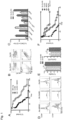
- T cells induce aGvHD resulting in a mean survival time of 24.5 days.
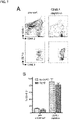
- animals receiving MDSC-IL13 therapy had extended survival to 47.5 days ( FIG. 1A ).
- a majority of treated animals succumbed to GvHD-induced death by day 100, suggesting pathology was reduced or delayed, but not eliminated.
- bone marrow or bone marrow plus T cell (GvHD conditions) with congenic CD45.2 + MDSC-IL13s were given to CD45.1 + animals that were then sacrificed at day 5 post-transplant to examine the phenotype and function of recovered MDSCs.
- MDSCs recovered from transplanted animals receiving only conditioning plus bone marrow maintained an immature CD11c lo , MHCII lo , F4/80 int appearance ( FIG. 1B and FIG. 1C ).
- MDSC-IL13s transferred to animals undergoing aGvHD conditions (CD8 + CD4 + T cells, CD25-) upregulated CD11c and MHC class II, hallmarks of activated myeloid cells.
- F4/80 expression was also increased, suggesting activation and differentiation occurred rapidly in response to the ongoing inflammatory environment promoted by allo-reactive T cells ( FIG. 1B and FIG. 1C ).
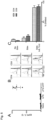
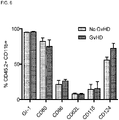
- Other markers of co-stimulation and activation remained unchanged ( FIG. 6 ).
- MDSC viability is maintained by continuous suppression of the extrinsic caspase-8 and intrinsic mitochondrial death pathways. Manipulating either of these pathways can cause a rapid decline in MDSC viability and a concomitant decrease in suppression.
- the number and viability of transferred cells in recipient spleens post transfer was investigated. No significant differences were observed between bone marrow only and GvHD conditions when looking at total CD45.2 + CD11b + cell number or viability at day 5 ( FIG. 1E ).
- IL-1 ⁇ can directly interfere with Treg-mediated suppression and promotion of T effector function.
- in vitro inflammasome induction in cultured MDSC-IL13 was examined.
- NLRP3 and AIM2 represent two major families of inflammasomes in which a variety of signals can potentiate the inflammasome cascade, but the adaptor protein ASC may be a common component required for full activation of the inflammasome.
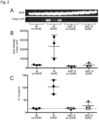
- Wild-type and ASC -/- ( Pycard - / - ) bone marrow were used to generate MDSC-IL13s to test whether they could be induced for inflammasome activity.
- ASC -/- MDSC-IL13s had a similar surface phenotype to wild-type MDSC-IL13s ( FIG. 9 ).
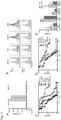
- the NLRP3 inflammasome was tested by incubating MDSC-IL13s with LPS for three hours followed by ATP, while the AIM2 inflammasome was engaged using LPS followed by poly(dT) transfection. In as little as one hour after the secondary stimulus, IL-1 ⁇ was detected in culture supernatants from wild-type MDSC-IL13s ( FIG. 3A ).
- ASC -/- MDSC-IL13s produced no detectable IL-1 ⁇ , establishing that MDSC-IL 13 s are capable of rapidly responding to changes in their environment to produce the pro-inflammatory mediator IL-1 ⁇ in an ASC-dependent fashion.
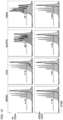
- inflammasome induction of MDSC-IL13s can alter their suppressive capacity. Following the same procedure to induce inflammasomes in just four hours, MDSC-IL13s were then washed extensively and plated in an in vitro suppression assay of T cell proliferation to anti-CD3 ⁇ stimulation. In vitro inflammasome induction reduces the ability of MDSC-IL13s to functionally suppress responding CD8 + ( FIG. 3B ) and CD4 + ( FIG. 10 ) T cells. Furthermore, this effect was also dependent on ASC, supporting the hypothesis that inflammasome activation is associated with a loss of suppressive function rather than, for example, compromised viability and/or other maturation factors.
- the mechanism for MDSC-IL13-mediated suppression of GvHD is arginase-1 (arg1) activity that directly undermines T cell responsiveness and promotes GvHD survival.
- arg1 enzyme from MDSC-IL13s after inflammasome induction was measured to determine whether arg1 activity was reduced in concert with inflammasome induction.
- a marked drop in arg1 activity as measured by either mRNA (not shown) or bio-enzymatic activity was found when either NLRP3 or AIM2 inflammasomes were induced ( FIG. 4A and FIG. 4B ).
- a similar drop was not evident in ASC -/- MDSCs, though there was a trend, suggesting that the pathways may not be directly linked.
- YFP-Arg1 transgenic animals YARG, in which arg1 expression is linked to yellow fluorescence protein (YFP)
- YFP yellow fluorescence protein
- IFN ⁇ which induces iNOS-expressing MDSCs
- IL-13 readily upregulates YFP fluorescence
- IFN ⁇ which induces iNOS-expressing MDSCs
- FIG. 4 C and FIG. 4D inflammasome induction via NLRP3 or AIM2 pathways resulted in a concomitant loss of YFP fluorescence, indicating that arg1 expression had been arrested in association with inflammasome inducing conditions.
- MDSCs are often defined as heterogeneous, with two major subsets described in murine systems being granulocytic (Ly6G + ) and monocytic (Ly6C + G - ). Each subset was evaluated to determine whether each had a similar capacity for inflammasome activation and how suppressor capacity might be differentially affected.
- MDSC-IL13s from cultured bone marrow are >90% Ly6C+ ( FIG. 9 ), and were sorted based on Ly6G expression. NLRP3 inflammasome activating conditions lead to equivalent levels of IL1 ⁇ production for both Ly6C + G - monocytic and Ly6G + granulocytic subsets ( FIG. 4F ).
- MDSCs were generated from human peripheral blood mononuclear cells (PBMCs) as previously described ( Lechner et al., 2010, J Immunol 185(4):2273-2284 ). These MDSCs were used to investigate whether human MDSCs might have a similar pre-disposition towards inflammasome-activated loss of function as found with murine MDSCs.
- allo-reactive T cells are a contributing factor to morbidity and mortality in clinical GvHD, and the use of regulatory cell therapy can be a viable strategy to control them.
- MDSCs can be generated from normal bone marrow in a relatively short amount of time and can effectively suppress GvHD, autoimmunity, and allo-graft rejection.
- This disclosure reports that MDSCs activated by the cytokine IL-13 produce arg1 that, in turn, allows the MDSCs to suppress GvHD.
- cytokine IL-13 produce arg1 that, in turn, allows the MDSCs to suppress GvHD.
- arg1 that, in turn, allows the MDSCs to suppress GvHD.
- MDSC therapy promotes extended survival but fails to ultimately protect a majority of animals from lethal GvHD.
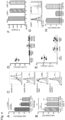
- inflammasome activation when inflammasome activation is genetically prohibited using ASC -/- MDSC-IL13s, GvHD survival is improved over wild-type MDSC-IL13 transplant recipients and recovered ASC -/- MDSC-IL13s maintain better ex vivo suppressive capacity.
- Additional methods to alter MDSC susceptibility to inflammasome activation/conversion can include genetic knockdown of ASC or other inflammasome associated genes (e.g., NLRP3, AIM2, Caspase-1).
- the genetic knockdowns can be obtained using, for example, sh/siRNA, TALEN, meganuclease, megaTALENs, and/or CRISPER technologies, and/or site directed mutagenesis.
- Myeloid cells are involved in initiating and shaping immune responses in both pro-inflammatory and anti-inflammatory directions, and demonstrate remarkable plasticity. This adaptability may be both a curse and a curse, in that it allows one to rapidly generate highly suppressive cells from normal bone marrow in vitro, yet permits the transient efficacy seen upon transfer to a severe inflammatory environment such as aGvHD. While MDSCs are described as heterogeneous in nature and phenotypic markers don't always translate between disease models or species, inflammasome activation pathways appear to be highly conserved. In the data reported in this disclosure, MDSCs generated from mouse bone marrow or human PBMCs readily activate inflammasomes resulting in IL-1 ⁇ production that correlates to a loss of suppressor function.
- GVHD-activated MDSCs secrete IL-1 ⁇
- IL-1 ⁇ has pleiotropic effects dependent on the cell producing it, the state of the surrounding microenvironment, and temporal expression, but is generally understood to be pro-inflammatory and in some instances counter-regulatory.
- MDSC-IL13 cells recovered from day +5 GvHD transplant recipients are applied to an in vitro suppression assay, the proportion of T cells proliferating were not different than controls with no MDSCs, although proliferating T cells underwent fewer cell divisions, suggesting some suppressive capacity remained.
- the NLR-family of inflammasome mediators are a candidate for promoting inflammasome conversion under GvHD conditions as both ATP and associated danger signals are found after conditioning and can be involved in enhancing GvHD.
- NLRP3 inflammasome activation in the context of GvHD has been demonstrated for both radiotherapy and chemotherapy induction protocols, resulting in tissue damage and release of danger-associated molecular patterns (DAMPs).
- Adoptively transferred MDSCs also can be susceptible to inflammasome induction, and the same mediators may contribute to in vivo activation. Reagents that selectively target the NLRP3 inflammasome may promote dual purposes of inhibiting inflammasome activation in the host and infused donor MDSCs.
- MCC950 a small molecule inhibitor
- BHB ⁇ -hydroxybutyrate
- dsDNA a ketone produced under metabolic stress
- viral and bacterial products, such as dsDNA also can be potent drivers of both GvHD and of the AIM2-like receptor family of inflammasomes. While GvHD development is not dependent on host MyD88/TRIF pathway activity, the release of dsDNA by dead/dying cells from radiation and GvHD-induced injury may amplify lethality under some conditions.
- the data reported in this disclosure indicate that the therapeutic potential of donor MDSCs can be increased by reducing the extent to which the inflammatory environment of GvHD inhibits the extent to which MDSCs experience inflammasome activation.
- Pre-treatment of therapeutic MDSC cellular therapy to specifically inhibit inflammasome activation via genetic alteration e.g., gene expression knockdown, sh/siRNA/meganuclease, megaTALs, CRISPER
- pharmacologic inhibition MCC950BHB
- pharmacologic treatment or MDSC-specific targeting in vivo to deliver drugs and agents that can regulate inflammasome formation or function or agents that regulate inciting factors in the patient that lead to inflammasome activation of the patient (prior to, during, and/or after transplant) also can reduce inflammasome conversion of MDSC cell therapy with the added benefit of preventing host-derived inflammasome activity, which has been shown to be associated with increased severity of GvHD
- a novel approach to reversing MDSC suppression in tumors can involve activating MDSCs within the tumor using approaches such as, for example, providing an inciting agent such as, for example, uric acid, ATP, agents that stimulate Toll-like receptors, DNA, RNA, and/or other agents that can upregulate inflammasome function.
- an inciting agent such as, for example, uric acid, ATP, agents that stimulate Toll-like receptors, DNA, RNA, and/or other agents that can upregulate inflammasome function.
- this disclosure describes a method of treating a subject having or at risk of having graft-versus host disease (GvHD).
- the method includes administering to the subject a plurality of MDSCs in an amount effective to ameliorate at least one symptom or clinical sign of graft-versus-host disease compared to a suitable control subject.
- the term “treat” or variations thereof refer to reducing, limiting progression, ameliorating, or resolving, to any extent, the symptoms or clinical signs related to GvHD.
- a “treatment” may be therapeutic or prophylactic.
- “Therapeutic” and variations thereof refer to a treatment that ameliorates one or more existing symptoms or clinical signs associated with GvHD.
- “Prophylactic” and variations thereof refer to a treatment that limits, to any extent, the development and/or appearance of a symptom or clinical sign of GvHD.
- a “therapeutic” treatment is initiated after GvHD manifests in a subject, while “prophylactic” treatment is initiated before GvHD manifests in a subject.
- “symptom” refers to any subjective evidence of GvHD
- “sign” or “clinical sign” refers to an objective physical finding relating to GvHD capable of being found by one other than the patient.
- a subject “at risk” for developing GvHD is a subject that possesses one or more indicia of increased risk of having, or developing, GvHD compared to individuals who lack the one or more indicia, regardless of the whether the subject manifests any symptom or clinical sign of having or developing GvHD
- the method can include repeated administrations of MDSCs to replace MDSCs in previous administrations as the previously-administered MDSCs experience inflammasome activation and become less able to suppress alloreactive T cells. That is, sequentially re-administering MDSCs can replenish a population of MDSCs that lose suppression in an inflammatory environment with new MDSCs that have not yet activated their inflammasome function.
- the therapy can include a minimum of at least two administrations of MDSCs such as, for example, at least three administrations, at least five administrations, at least ten administrations, at least fifteen administrations, at least twenty administrations, at least twenty-five administrations, or at least fifty administrations.
- the therapy can include a maximum of no more than fifty administrations of MDSCs such as, for example, no more than forty administrations, no more than thirty administrations, no more than twenty administrations, no more than ten administrations, or no more than five administrations.
- the therapy can include a range of administrations having endpoints defined by any minimum number of administrations listed above and any maximum number of administrations listed above that is greater than the minimum number of administrations.
- the therapy can include from three to five administrations of MDSCs.
- sequential administrations of MDSCs can be separated by a minimum interval of at least 24 hours such as, for example, at least two days, at least three days, at least seven days, at least 14 days, at least 30 days, or at least 90 days.
- sequential administrations of MDSCs can be separated by a maximum interval of no more than one year, no more than six months, no more than 90 days, no more than 60 days, no more than 30 days, or no more than 14 days.
- sequential administrations of MDSCs can be separated by an interval characterized as a range having endpoints defined by any minimum interval between administrations listed above and any maximum interval between administrations listed above that is greater than the minimum interval between administrations.
- the therapy can include MDSCs administered at an interval having a minimum of once per day to a maximum of once every other day.
- the MDSCs can be treated and/or include a genetic modification that causes the MDSCs to resist inflammasome activation.
- the MDSCs can be pre-treated with, for example, a drug, sh/siRNA, and/or CRISPRs that causes the MDSCs to resist inflammasome activation.
- An exemplary genetic modification that causes the MDSCs to resist inflammasome activation can include a deficiency in apoptosis-associated speck-like protein containing a CARD (ASC).
- a similar effect can be achieved in some embodiments by further treating the subject during and/or after MDSC infusion with an agent that inhibits the inflammasome and thereby reduce the extent to which the infused MDSCs are subjected to inflammasome activation.
- exemplary approaches for inhibiting the inflammasome can include agents that directly inhibit the inflammasome.
- Other approaches can involve using an agent that targets and/or at least partially neutralizes an inflammasome inciting agent.
- Exemplary inflammasome inciting agents include, for example, uric acid, ATP, an agent that stimulates a Toll-like receptor, DNA, RNA, and/or other agent that can upregulate inflammasome function.
- the therapy can be administered for a minimum duration of at least one week such as, for example, at least two weeks, at least one month, at least three months, at least six months, or at least one year.
- the therapy can be administered for a maximum duration of no more than 20 years such as, for example, no more than 10 years, no more than five years, no more than two years, no more than one year, no more than nine months, no more than six months, no more than three months, no more than two months, no more than one month, or no more than two weeks.
- the therapy can be administered for a duration characterized as a range having as endpoints any minimum duration listed above and any maximum duration listed above that is greater than the minimum duration.
- the therapy can have a duration of from one week to two weeks.
- the MDSCs can be formulated into a pharmaceutical composition that includes a pharmaceutically acceptable carrier.
- carrier includes any solvent, dispersion medium, vehicle, coating, diluent, antibacterial, and/or antifungal agent, isotonic agent, absorption delaying agent, buffer, carrier solution, suspension, colloid, and the like.
- carrier includes any solvent, dispersion medium, vehicle, coating, diluent, antibacterial, and/or antifungal agent, isotonic agent, absorption delaying agent, buffer, carrier solution, suspension, colloid, and the like.
- the use of such media and/or agents for pharmaceutical active substances is well known in the art. Except insofar as any conventional media or agent is incompatible with the active ingredient, its use in the therapeutic compositions is contemplated. Supplementary active ingredients also can be incorporated into the compositions.
- pharmaceutically acceptable refers to a material that is not biologically or otherwise undesirable, i.e., the material may be administered to an individual along with the MDSCs without causing any undesirable biological effects or interacting in a deleterious manner with any of the other components of the pharmaceutical composition in which it is contained.
- compositions may be formulated in a variety of forms adapted to a preferred route of administration.
- a composition can be administered via known routes including, for example, parenteral (e.g., intradermal, transcutaneous, subcutaneous, intramuscular, intravenous, intraperitoneal, etc.) routes of administration.
- parenteral e.g., intradermal, transcutaneous, subcutaneous, intramuscular, intravenous, intraperitoneal, etc.
- MDSCs may be provided in any suitable form including but not limited to a solution, a suspension, an emulsion, or any form of mixture.
- the composition may be delivered in formulation with any pharmaceutically acceptable excipient, carrier, or vehicle.
- a formulation may be conveniently presented in unit dosage form and may be prepared by methods well known in the art of pharmacy.
- Methods of preparing a composition with a pharmaceutically acceptable carrier include the step of bringing the MDSCs into association with a carrier that constitutes one or more accessory ingredients.
- a formulation may be prepared by uniformly and/or intimately bringing the active compound into association with a liquid carrier, a finely divided solid carrier, or both, and then, if necessary, shaping the product into the desired formulations.
- the amount of MDSCs administered can vary depending on various factors including, but not limited to, the weight, physical condition, and/or age of the subject, and/or the route of administration.
- the absolute amount of MDSCs included in a given unit dosage form can vary widely, and depends upon factors such as the species, age, weight and physical condition of the subject, and/or the method of administration. Accordingly, it is not practical to set forth generally the amount that constitutes an amount of MDSCs effective for all possible applications. Those of ordinary skill in the art, however, can readily determine the appropriate amount with due consideration of such factors.
- a single administration of MDSCs can include a minimum of at least 10 5 MDSCs such as, for example, at least 10 6 MDSCs, at least 10 7 MDSCs, at least 10 8 MDSCs, at least 10 9 MDSCs, at least 10 10 MDSCs, at least 10 11 MDSCs, or at least 10 12 MDSCs.
- a single administration of MDSCs can include a maximum of no more than 10 13 MDSCs such as, for example, no more than 10 12 MDSCs, no more than 10 11 MDSCs, no more than 10 10 MDSCs, no more than 10 9 MDSCs, no more than 10 8 MDSCs, no more than 10 7 MDSCs, or no more than 10 6 MDSCs.
- a single administration of MDSCs can include a number of MDSCs characterized as a range having endpoints defined by any minimum number of MDSCs listed above and any maximum number of MDSCs listed above that is greater than the minimum number of MDSCs.
- a single administration of MDSCs can include a range of 10 7 MDSCs to 10 10 MDSCs.
- a single administration of MDSCs can include a range of 4 ⁇ 10 7 MDSCs to 5 ⁇ 10 8 MDSCs.
- this disclosure describes a method of treating a tumor.
- the method includes increasing inflammasome activation of MDSCs sufficiently to disable the suppressor function of the MDSCs in the vicinity of the tumor.
- increasing inflammasome activation can include providing at least one inflammasome inciting agent such as, for example, uric acid, ATP, an agent that stimulates a Toll-like receptor, DNA, RNA, and/or other agent that can upregulate inflammasome function.
- the inflammasome inciting agent can be co-administered with a conventional anti-tumor therapy designed to eradicate the tumor such as, for example, chemotherapy, radiation therapy, surgery, and/or immune therapy with drugs, antibodies/proteins, vaccines, and/or cell therapies.
- a conventional anti-tumor therapy designed to eradicate the tumor
- co-administered refers to two or more components of a combination administered so that the therapeutic or prophylactic effects of the combination can be greater than the therapeutic or prophylactic effects of either component administered alone. Two components may be co-administered simultaneously or sequentially. Simultaneously co-administered components may be provided in one or more pharmaceutical compositions.
- Sequential co-administration of two or more components includes cases in which the components are administered so that each component can be present at the treatment site at the same time.
- sequential co-administration of two components can include cases in which at least one component has been cleared from a treatment site, but at least one cellular effect of administering the component (e.g., cytokine production, activation of a certain cell population, etc.) persists at the treatment site until one or more additional components are administered to the treatment site.
- a co-administered combination can, in certain circumstances, include components that never exist in a chemical mixture with one another.
- the anti-tumor therapy may be administered at the same dose and frequency for which the therapy has received regulatory approval. In other cases, the anti-tumor therapy may be administered at the same dose and frequency at which it is being evaluated in clinical or preclinical studies.
- the inflammasome inciting agent may be formulated in any suitable form.
- the inflammasome inciting agent may be administered at the same dose and frequency for which it may have received regulatory approval.
- the inflammasome inciting agent may be administered at the same dose and frequency at which it may be being evaluated in clinical or preclinical studies.
- the term “and/or” means one or all of the listed elements or a combination of any two or more of the listed elements; the terms “comprises,” “comprising,” and variations thereof are to be construed as open ended-i.e., additional elements or steps are optional and may or may not be present; unless otherwise specified, "a,” “an,” “the,” and “at least one” are used interchangeably and mean one or more than one; and the recitations of numerical ranges by endpoints include all numbers subsumed within that range (e.g., 1 to 5 includes 1, 1.5, 2, 2.75, 3, 3.80, 4, 5, etc.).
- the steps may be conducted in any feasible order. And, as appropriate, any combination of two or more steps may be conducted simultaneously.
- mice 6-8 wk-old female BALB/c (H2 d ), C57BL/6NCr (H2 b ) and B6-Ly5.2/Cr (B6-CD45.1 + , H2 b ) mice were purchased from the National Cancer Institute.
- ASC knockout mice Mariathasan et al., 2004. Nature 430(6996):213-218 ) and YFP-Arg1 (YARG) mice ( Reese et al., 2007. Nature 447(7140):92-96 ) on a C57Bl/6 genetic background have been previously described. All mice were bred and housed in a specific pathogen-free facility in micro-isolator cages in protocols approved by the Institutional Animal Care and Use Committee at the University of Minnesota.
- Murine MDSC were generated by culturing C57Bl/6 bone marrow at 3 ⁇ 10 5 cells/mL in Dulbecco modified Eagle medium plus 10% fetal calf serum, 50 ⁇ M 2-mercaptoethanal, 10 mM HEPES, 1 mM sodium pyruvate, 100 U/mL penicillin, 100 mg/mL streptomycin, and supplemental amino acids (1.5 of each of mM L-glutamine, L-arginine, and L-asparagine).
- G-CSF/Neupogen 100 ng/mL granulocyte colony-stimulating factor (G-CSF/Neupogen, Amgen Inc., Thousand Oaks, CA) and 2.5 ng/mL mouse granulocyte-macrophage colony-stimulating factor (GM-CSF, R&D Systems, Inc., Minneapolis, MN) was added and cultures were incubated at 37°C, 10% CO 2 for four days. On day 3, 40 ng/mL recombinant murine IL-13 (R&D Systems, Inc., Minneapolis, MN) was added for arginase-1 induction; alternatively IFN ⁇ was added at the same concentration. MDSC were harvested on day 4 by gently removing 70% of the culture supernatant.
- Human MDSC were generated from normal donor PBMC, isolated from adult blood obtained from Memorial Blood Center (Minneapolis, MN) by centrifugation using a Histopaque gradient (Sigma-Aldrich, St. Louis, MO). In vitro generation was carried out as previously described ( Lechner et al., 2010. J Immunol 185(4):2273-2284 ), modified by prior CD33 + myeloid enrichment, which was carried out using Miltenyi MACs system according to instructions. Cultures were harvested on day 7 for inflammasome induction, followed by washing and plating in suppression assays as previously described ( Hippen et al., 2008. Blood 112(7):2847-2857 ). Human blood bank samples were obtained via guidelines approved by the Committee on the Use of Human Subjects in Research at the University of Minnesota.
- BALB/c recipients were lethally irradiated using 700cGy total body irradiation one day prior to infusion of 1 ⁇ 10 7 C57Bl/6 donor bone marrow, 2 ⁇ 10 6 lymph node purified C57Bl/6 CD25-depleted T cells, and 6 ⁇ 10 6 cultured C57Bl/6 MDSC-IL13 on day 0 or as indicated.
- T cell enrichment was carried out using a negative cell isolation system (EASYSEP, Stemcell Technologies Inc., Vancouver, Canada) and biotinylated antibodies to CD19, B220, CD11b, CD11c, NK1.1, ⁇ TCR and CD25 according to the manufacturer's instructions. Mice were monitored daily for survival.
- CD45.2 + (MDSC-IL13) splenocytes were isolated by depletion of host and donor T cells using the RAPIDSPHERE EASYSEP method (Stemcell Technologies Inc., Vancouver, Canada) and anti-CD45.1-biotinylated antibody according to the manufacturer's instructions, resulting in >80% CD45.2+ MDSC-IL13 recovery ( FIG. 7 ).
- MDSC-IL13 cultures were bulk labeled with APC-conjugated anti-Ly6G (clone 1A8) antibodies, followed by anti-APC microbead labeling and application to Miltenyi MACs LS columns for separation based on Ly6G+ expression according to manufacturer instructions. This resulted in effective sorting of granulocytic and monocytic subsets that were then used for further analysis.
- Flow cytometric data acquisition was carried out on a BD LSRFortessa and analysis was done using FlowJo software (FlowJo, LLC, Ashland. OR).
- FlowJo software FlowJo, LLC, Ashland. OR.
- responding T cells were stained with 3.5 ⁇ M carboxyfluorescein succinimidyl ester (CFSE) and incubated with 0.25 ⁇ g/ml anti-CD3 ⁇ before analysis on day 3.
- CFSE carboxyfluorescein succinimidyl ester
- responder PBMCs were labeled with CELLTRACE Violet (ThermoFisher Scientific, Waltham, MA) and stimulated with anti-CD3 ⁇ mAb-coated beads (DYNAL, Thermo Fisher Scientific, Waltham, MA; 2:1 ratio) plus 100 U/ml huIL-2; samples were collected on day 4.
- CELLTRACE Violet ThermoFisher Scientific, Waltham, MA
- anti-CD3 ⁇ mAb-coated beads DYNAL, Thermo Fisher Scientific, Waltham, MA; 2:1 ratio
- Murine and human IL-1 ⁇ in culture supernatants was assessed using respective BD OptEIA ELISA sets, following manufacturer's instructions (BD Biosciences, San Jose, CA).
- BD Biosciences San Jose, CA
- For western blots purified MDSC were washed and resuspended in lysis buffer containing RIPA, protease (Santa Cruz Biotechnology, Inc., Dallas, TX) and phosphatase (Sigma-Aldrich, St, Louis, MO) inhibitor cocktail then snap frozen.
Landscapes
- Health & Medical Sciences (AREA)
- Life Sciences & Earth Sciences (AREA)
- Engineering & Computer Science (AREA)
- Biomedical Technology (AREA)
- Chemical & Material Sciences (AREA)
- General Health & Medical Sciences (AREA)
- Bioinformatics & Cheminformatics (AREA)
- Organic Chemistry (AREA)
- Immunology (AREA)
- Genetics & Genomics (AREA)
- Zoology (AREA)
- Biotechnology (AREA)
- Wood Science & Technology (AREA)
- Veterinary Medicine (AREA)
- Public Health (AREA)
- Animal Behavior & Ethology (AREA)
- Epidemiology (AREA)
- Microbiology (AREA)
- Biochemistry (AREA)
- General Engineering & Computer Science (AREA)
- Hematology (AREA)
- Cell Biology (AREA)
- Medicinal Chemistry (AREA)
- Pharmacology & Pharmacy (AREA)
- Transplantation (AREA)
- Gastroenterology & Hepatology (AREA)
- Nuclear Medicine, Radiotherapy & Molecular Imaging (AREA)
- General Chemical & Material Sciences (AREA)
- Chemical Kinetics & Catalysis (AREA)
- Biophysics (AREA)
- Molecular Biology (AREA)
- Mycology (AREA)
- Toxicology (AREA)
- Proteomics, Peptides & Aminoacids (AREA)
- Physics & Mathematics (AREA)
- Plant Pathology (AREA)
- Medicines Containing Material From Animals Or Micro-Organisms (AREA)
- Medicines That Contain Protein Lipid Enzymes And Other Medicines (AREA)
- Micro-Organisms Or Cultivation Processes Thereof (AREA)
- Pharmaceuticals Containing Other Organic And Inorganic Compounds (AREA)
Priority Applications (1)
| Application Number | Priority Date | Filing Date | Title |
|---|---|---|---|
| EP22215685.3A EP4218776A3 (en) | 2015-08-06 | 2016-08-05 | Modulating inflammasome activation of myeloid-derived suppressor cells for treating gvhd or tumor |
Applications Claiming Priority (3)
| Application Number | Priority Date | Filing Date | Title |
|---|---|---|---|
| US201562201990P | 2015-08-06 | 2015-08-06 | |
| PCT/US2016/045739 WO2017024213A1 (en) | 2015-08-06 | 2016-08-05 | Modulating inflammasome activation of myeloid-derived supperssor cells for treating gvhd or tumor |
| EP16751781.2A EP3331538B1 (en) | 2015-08-06 | 2016-08-05 | Modulating inflammasome activation of myeloid-derived suppressor cells for treating gvhd or tumor |
Related Parent Applications (2)
| Application Number | Title | Priority Date | Filing Date |
|---|---|---|---|
| EP16751781.2A Division EP3331538B1 (en) | 2015-08-06 | 2016-08-05 | Modulating inflammasome activation of myeloid-derived suppressor cells for treating gvhd or tumor |
| EP16751781.2A Division-Into EP3331538B1 (en) | 2015-08-06 | 2016-08-05 | Modulating inflammasome activation of myeloid-derived suppressor cells for treating gvhd or tumor |
Related Child Applications (2)
| Application Number | Title | Priority Date | Filing Date |
|---|---|---|---|
| EP22215685.3A Division EP4218776A3 (en) | 2015-08-06 | 2016-08-05 | Modulating inflammasome activation of myeloid-derived suppressor cells for treating gvhd or tumor |
| EP22215685.3A Division-Into EP4218776A3 (en) | 2015-08-06 | 2016-08-05 | Modulating inflammasome activation of myeloid-derived suppressor cells for treating gvhd or tumor |
Publications (2)
| Publication Number | Publication Date |
|---|---|
| EP3682889A1 EP3682889A1 (en) | 2020-07-22 |
| EP3682889B1 true EP3682889B1 (en) | 2023-02-01 |
Family
ID=56686964
Family Applications (3)
| Application Number | Title | Priority Date | Filing Date |
|---|---|---|---|
| EP20153949.1A Active EP3682889B1 (en) | 2015-08-06 | 2016-08-05 | Modulating inflammasome activation of myeloid-derived suppressor cells for treating gvhd |
| EP16751781.2A Active EP3331538B1 (en) | 2015-08-06 | 2016-08-05 | Modulating inflammasome activation of myeloid-derived suppressor cells for treating gvhd or tumor |
| EP22215685.3A Withdrawn EP4218776A3 (en) | 2015-08-06 | 2016-08-05 | Modulating inflammasome activation of myeloid-derived suppressor cells for treating gvhd or tumor |
Family Applications After (2)
| Application Number | Title | Priority Date | Filing Date |
|---|---|---|---|
| EP16751781.2A Active EP3331538B1 (en) | 2015-08-06 | 2016-08-05 | Modulating inflammasome activation of myeloid-derived suppressor cells for treating gvhd or tumor |
| EP22215685.3A Withdrawn EP4218776A3 (en) | 2015-08-06 | 2016-08-05 | Modulating inflammasome activation of myeloid-derived suppressor cells for treating gvhd or tumor |
Country Status (9)
| Country | Link |
|---|---|
| US (2) | US10894061B2 (OSRAM) |
| EP (3) | EP3682889B1 (OSRAM) |
| JP (3) | JP6927499B2 (OSRAM) |
| CN (2) | CN114790447A (OSRAM) |
| AU (2) | AU2016303622B2 (OSRAM) |
| CA (1) | CA2993806A1 (OSRAM) |
| ES (2) | ES2939534T3 (OSRAM) |
| PT (1) | PT3682889T (OSRAM) |
| WO (1) | WO2017024213A1 (OSRAM) |
Families Citing this family (4)
| Publication number | Priority date | Publication date | Assignee | Title |
|---|---|---|---|---|
| CA2993806A1 (en) | 2015-08-06 | 2017-02-09 | Regents Of The University Of Minnesota | Modulating inflammasome activation of myeloid-derived supperssor cells for treating gvhd or tumor |
| FR3100715B1 (fr) * | 2019-09-12 | 2023-09-29 | Francais Du Sang Ets | Utilisation de HDL dans la prophylaxie de la maladie du greffon contre l’hôte |
| WO2022216615A1 (en) * | 2021-04-05 | 2022-10-13 | Rhode Island Hospital | Compositions and methods for the prevention or treatment of rheumatoid arthritis |
| CN113707223A (zh) * | 2021-04-21 | 2021-11-26 | 吴安华 | 一种预测肿瘤炎性小体活性状态及治疗敏感性的基因集系统及方法 |
Family Cites Families (14)
| Publication number | Priority date | Publication date | Assignee | Title |
|---|---|---|---|---|
| US20040136973A1 (en) | 2002-11-07 | 2004-07-15 | Eliezer Huberman | Human stem cell materials and methods |
| EP2300000A1 (en) | 2008-07-03 | 2011-03-30 | University of Massachusetts | Methods and compositions for reducing inflammation and treating inflammatory disorders |
| US8334101B2 (en) | 2008-09-26 | 2012-12-18 | University Of Massachusetts | Intracellular DNA receptor |
| US20120082688A1 (en) * | 2008-11-26 | 2012-04-05 | Mount Sinai School Of Medicine | In Vitro Generation of Myeloid Derived Suppressor Cells |
| EP2515919A2 (en) * | 2009-12-22 | 2012-10-31 | Mount Sinai School of Medicine | Methods of using small compounds to enhance myeloid derived suppressor cell function for treating autoimmune diseases |
| US20140377278A1 (en) | 2012-01-10 | 2014-12-25 | Yale University | Compositions and Methods for Assessing and Treating Inflammatory Diseases and Disorders |
| AR095882A1 (es) * | 2013-04-22 | 2015-11-18 | Hoffmann La Roche | Terapia de combinación de anticuerpos contra csf-1r humano con un agonista de tlr9 |
| WO2015016178A1 (ja) | 2013-07-29 | 2015-02-05 | 国立大学法人鹿児島大学 | 1,5-d-アンヒドロフルクトースを含むアポトーシス関連スペック様カード蛋白質の機能阻害薬 |
| MX393750B (es) * | 2014-12-31 | 2025-03-24 | Checkmate Pharmaceuticals Inc | Inmunoterapia antitumoral combinada. |
| PL3656443T3 (pl) * | 2015-01-21 | 2022-01-31 | The Board Of Trustees Of The Leland Stanford Junior University | Zastosowanie agonisty trl i środka anty-cd47 do wzmocnienia fagotocytozy komórek nowotworowych |
| CA2993806A1 (en) * | 2015-08-06 | 2017-02-09 | Regents Of The University Of Minnesota | Modulating inflammasome activation of myeloid-derived supperssor cells for treating gvhd or tumor |
| US11047114B2 (en) | 2015-11-13 | 2021-06-29 | Qf Technologies As | Method and device to collect water |
| GB201721185D0 (en) * | 2017-12-18 | 2018-01-31 | Nodthera Ltd | Sulphonyl urea derivatives |
| CN112646777B (zh) * | 2020-12-31 | 2022-11-04 | 广州医科大学 | 一种扩增髓系来源的抑制性细胞的方法 |
-
2016
- 2016-08-05 CA CA2993806A patent/CA2993806A1/en active Pending
- 2016-08-05 EP EP20153949.1A patent/EP3682889B1/en active Active
- 2016-08-05 CN CN202210388064.8A patent/CN114790447A/zh active Pending
- 2016-08-05 ES ES20153949T patent/ES2939534T3/es active Active
- 2016-08-05 CN CN201680046264.8A patent/CN108883131B/zh active Active
- 2016-08-05 PT PT201539491T patent/PT3682889T/pt unknown
- 2016-08-05 AU AU2016303622A patent/AU2016303622B2/en active Active
- 2016-08-05 JP JP2018506141A patent/JP6927499B2/ja active Active
- 2016-08-05 EP EP16751781.2A patent/EP3331538B1/en active Active
- 2016-08-05 ES ES16751781T patent/ES2789574T3/es active Active
- 2016-08-05 EP EP22215685.3A patent/EP4218776A3/en not_active Withdrawn
- 2016-08-05 US US15/747,902 patent/US10894061B2/en active Active
- 2016-08-05 WO PCT/US2016/045739 patent/WO2017024213A1/en not_active Ceased
-
2020
- 2020-12-11 US US17/119,832 patent/US12234480B2/en active Active
-
2021
- 2021-07-19 JP JP2021118749A patent/JP7235259B2/ja active Active
-
2022
- 2022-09-09 AU AU2022228188A patent/AU2022228188A1/en active Pending
-
2023
- 2023-02-15 JP JP2023021455A patent/JP2023053338A/ja active Pending
Also Published As
| Publication number | Publication date |
|---|---|
| PT3682889T (pt) | 2023-03-09 |
| EP3331538A1 (en) | 2018-06-13 |
| HK1256917A1 (en) | 2019-10-04 |
| CA2993806A1 (en) | 2017-02-09 |
| JP2023053338A (ja) | 2023-04-12 |
| AU2016303622B2 (en) | 2022-07-07 |
| EP3682889A1 (en) | 2020-07-22 |
| EP4218776A2 (en) | 2023-08-02 |
| CN108883131B (zh) | 2022-04-29 |
| ES2939534T3 (es) | 2023-04-24 |
| ES2789574T3 (es) | 2020-10-26 |
| AU2016303622A1 (en) | 2018-02-22 |
| US20180214483A1 (en) | 2018-08-02 |
| JP2018536620A (ja) | 2018-12-13 |
| AU2022228188A1 (en) | 2022-09-29 |
| WO2017024213A1 (en) | 2017-02-09 |
| AU2016303622A8 (en) | 2018-05-31 |
| CN108883131A (zh) | 2018-11-23 |
| JP2021167345A (ja) | 2021-10-21 |
| CN114790447A (zh) | 2022-07-26 |
| JP6927499B2 (ja) | 2021-09-01 |
| US20210128612A1 (en) | 2021-05-06 |
| US12234480B2 (en) | 2025-02-25 |
| JP7235259B2 (ja) | 2023-03-08 |
| US10894061B2 (en) | 2021-01-19 |
| EP3331538B1 (en) | 2020-03-11 |
| EP4218776A3 (en) | 2024-02-28 |
Similar Documents
| Publication | Publication Date | Title |
|---|---|---|
| US12234480B2 (en) | Therapeutic methods involving modulating inflammasome activation of myeloid-derived suppressor cells | |
| Park et al. | Eosinophil survival and apoptosis in health and disease | |
| He et al. | Vitamin D inhibits the occurrence of experimental cerebral malaria in mice by suppressing the host inflammatory response | |
| WO2020243911A1 (zh) | Nad+和/或nad+抑制剂和/或nad+激动剂的用途及其联合制剂 | |
| Nakazawa et al. | Establishment of an efficient ex vivo expansion strategy for human natural killer cells stimulated by defined cytokine cocktail and antibodies against natural killer cell activating receptors | |
| Wu et al. | Antihelminthic niclosamide modulates dendritic cells activation and function | |
| US20240262909A1 (en) | Tim-3 modulates anti-tumor immunity by regulating inflammasome activation | |
| US20230059785A1 (en) | Methods for enhancing t cells using venetoclax | |
| JP2022023136A (ja) | T細胞の拡張及び活性化の方法 | |
| HK40100442A (en) | Modulating inflammasome activation of myeloid-derived suppressor cells for treating gvhd or tumor | |
| HK40023269B (en) | Modulating inflammasome activation of myeloid-derived suppressor cells for treating gvhd | |
| US20200188482A1 (en) | Targeting gamma-delta t cells in obesity and cachexia | |
| HK40023269A (en) | Modulating inflammasome activation of myeloid-derived suppressor cells for treating gvhd | |
| HK40077184A (en) | Modulating inflammasome activation of myeloid-derived suppressor cells for treating gvhd or tumor | |
| HK1256917B (en) | Modulating inflammasome activation of myeloid-derived supperssor cells for treating gvhd or tumor | |
| US9752145B2 (en) | Compositions and methods for reducing C/EBP homologous protein activity in myeloid-derived suppressor cells | |
| HK1263409B (en) | Modulating inflammasome activation of myeloid-derived suppressor cells for treating gvhd or tumor | |
| HK1263409A1 (en) | Modulating inflammasome activation of myeloid-derived suppressor cells for treating gvhd or tumor | |
| EP1871872B1 (en) | Method for activating cd8 t cells | |
| Angarita‐Planchez et al. | Monovalent mannose‐glycoconjugates of sulforaphane reprogram human dendritic cells via NFATc1 to induce immune tolerance under inflammatory conditions | |
| Aliya | The role of M2 macrophages in mediating resistance to radiotherapy in head and neck squamous cell carcinoma | |
| KR20220091426A (ko) | 혈액 유래 물질 및 면역세포를 포함하는 암 또는 면역질환의 예방 또는 치료용 약학조성물 | |
| Joachim | Bacterial-Derived Metabolites in the Context of Immune Checkpoint Inhibitor Cancer Therapy | |
| Kuhn | Using natural adjuvants to stimulate anti-tumour immune responses | |
| Park YongMean et al. | Eosinophil survival and apoptosis in health and disease. |
Legal Events
| Date | Code | Title | Description |
|---|---|---|---|
| PUAI | Public reference made under article 153(3) epc to a published international application that has entered the european phase |
Free format text: ORIGINAL CODE: 0009012 |
|
| STAA | Information on the status of an ep patent application or granted ep patent |
Free format text: STATUS: REQUEST FOR EXAMINATION WAS MADE |
|
| 17P | Request for examination filed |
Effective date: 20200127 |
|
| AC | Divisional application: reference to earlier application |
Ref document number: 3331538 Country of ref document: EP Kind code of ref document: P |
|
| AK | Designated contracting states |
Kind code of ref document: A1 Designated state(s): AL AT BE BG CH CY CZ DE DK EE ES FI FR GB GR HR HU IE IS IT LI LT LU LV MC MK MT NL NO PL PT RO RS SE SI SK SM TR |
|
| REG | Reference to a national code |
Ref country code: HK Ref legal event code: DE Ref document number: 40023269 Country of ref document: HK |
|
| STAA | Information on the status of an ep patent application or granted ep patent |
Free format text: STATUS: EXAMINATION IS IN PROGRESS |
|
| 17Q | First examination report despatched |
Effective date: 20210810 |
|
| RIC1 | Information provided on ipc code assigned before grant |
Ipc: C12N 5/078 20100101ALI20220608BHEP Ipc: A61P 37/06 20060101ALI20220608BHEP Ipc: C12N 5/0787 20100101ALI20220608BHEP Ipc: A61K 35/15 20150101AFI20220608BHEP |
|
| GRAP | Despatch of communication of intention to grant a patent |
Free format text: ORIGINAL CODE: EPIDOSNIGR1 |
|
| STAA | Information on the status of an ep patent application or granted ep patent |
Free format text: STATUS: GRANT OF PATENT IS INTENDED |
|
| INTG | Intention to grant announced |
Effective date: 20220812 |
|
| RIN1 | Information on inventor provided before grant (corrected) |
Inventor name: MILLER, JEFF S. Inventor name: ZEISER, ROBERT Inventor name: TING, JENNY P. Y. Inventor name: MURRAY, PETER J. Inventor name: KOEHN, BRENT H. Inventor name: BLAZAR, BRUCE R. |
|
| GRAS | Grant fee paid |
Free format text: ORIGINAL CODE: EPIDOSNIGR3 |
|
| GRAA | (expected) grant |
Free format text: ORIGINAL CODE: 0009210 |
|
| STAA | Information on the status of an ep patent application or granted ep patent |
Free format text: STATUS: THE PATENT HAS BEEN GRANTED |
|
| AC | Divisional application: reference to earlier application |
Ref document number: 3331538 Country of ref document: EP Kind code of ref document: P |
|
| AK | Designated contracting states |
Kind code of ref document: B1 Designated state(s): AL AT BE BG CH CY CZ DE DK EE ES FI FR GB GR HR HU IE IS IT LI LT LU LV MC MK MT NL NO PL PT RO RS SE SI SK SM TR |
|
| REG | Reference to a national code |
Ref country code: GB Ref legal event code: FG4D |
|
| REG | Reference to a national code |
Ref country code: CH Ref legal event code: EP Ref country code: AT Ref legal event code: REF Ref document number: 1546755 Country of ref document: AT Kind code of ref document: T Effective date: 20230215 |
|
| REG | Reference to a national code |
Ref country code: NL Ref legal event code: FP |
|
| REG | Reference to a national code |
Ref country code: DE Ref legal event code: R096 Ref document number: 602016077757 Country of ref document: DE |
|
| REG | Reference to a national code |
Ref country code: IE Ref legal event code: FG4D |
|
| REG | Reference to a national code |
Ref country code: PT Ref legal event code: SC4A Ref document number: 3682889 Country of ref document: PT Date of ref document: 20230309 Kind code of ref document: T Free format text: AVAILABILITY OF NATIONAL TRANSLATION Effective date: 20230303 |
|
| REG | Reference to a national code |
Ref country code: SE Ref legal event code: TRGR |
|
| REG | Reference to a national code |
Ref country code: ES Ref legal event code: FG2A Ref document number: 2939534 Country of ref document: ES Kind code of ref document: T3 Effective date: 20230424 |
|
| REG | Reference to a national code |
Ref country code: LT Ref legal event code: MG9D |
|
| REG | Reference to a national code |
Ref country code: NO Ref legal event code: T2 Effective date: 20230201 |
|
| P01 | Opt-out of the competence of the unified patent court (upc) registered |
Effective date: 20230529 |
|
| REG | Reference to a national code |
Ref country code: AT Ref legal event code: MK05 Ref document number: 1546755 Country of ref document: AT Kind code of ref document: T Effective date: 20230201 |
|
| REG | Reference to a national code |
Ref country code: GR Ref legal event code: EP Ref document number: 20230400658 Country of ref document: GR Effective date: 20230613 |
|
| PG25 | Lapsed in a contracting state [announced via postgrant information from national office to epo] |
Ref country code: RS Free format text: LAPSE BECAUSE OF FAILURE TO SUBMIT A TRANSLATION OF THE DESCRIPTION OR TO PAY THE FEE WITHIN THE PRESCRIBED TIME-LIMIT Effective date: 20230201 Ref country code: LV Free format text: LAPSE BECAUSE OF FAILURE TO SUBMIT A TRANSLATION OF THE DESCRIPTION OR TO PAY THE FEE WITHIN THE PRESCRIBED TIME-LIMIT Effective date: 20230201 Ref country code: LT Free format text: LAPSE BECAUSE OF FAILURE TO SUBMIT A TRANSLATION OF THE DESCRIPTION OR TO PAY THE FEE WITHIN THE PRESCRIBED TIME-LIMIT Effective date: 20230201 Ref country code: HR Free format text: LAPSE BECAUSE OF FAILURE TO SUBMIT A TRANSLATION OF THE DESCRIPTION OR TO PAY THE FEE WITHIN THE PRESCRIBED TIME-LIMIT Effective date: 20230201 Ref country code: AT Free format text: LAPSE BECAUSE OF FAILURE TO SUBMIT A TRANSLATION OF THE DESCRIPTION OR TO PAY THE FEE WITHIN THE PRESCRIBED TIME-LIMIT Effective date: 20230201 |
|
| PG25 | Lapsed in a contracting state [announced via postgrant information from national office to epo] |
Ref country code: PL Free format text: LAPSE BECAUSE OF FAILURE TO SUBMIT A TRANSLATION OF THE DESCRIPTION OR TO PAY THE FEE WITHIN THE PRESCRIBED TIME-LIMIT Effective date: 20230201 Ref country code: IS Free format text: LAPSE BECAUSE OF FAILURE TO SUBMIT A TRANSLATION OF THE DESCRIPTION OR TO PAY THE FEE WITHIN THE PRESCRIBED TIME-LIMIT Effective date: 20230601 Ref country code: FI Free format text: LAPSE BECAUSE OF FAILURE TO SUBMIT A TRANSLATION OF THE DESCRIPTION OR TO PAY THE FEE WITHIN THE PRESCRIBED TIME-LIMIT Effective date: 20230201 |
|
| PG25 | Lapsed in a contracting state [announced via postgrant information from national office to epo] |
Ref country code: SM Free format text: LAPSE BECAUSE OF FAILURE TO SUBMIT A TRANSLATION OF THE DESCRIPTION OR TO PAY THE FEE WITHIN THE PRESCRIBED TIME-LIMIT Effective date: 20230201 Ref country code: RO Free format text: LAPSE BECAUSE OF FAILURE TO SUBMIT A TRANSLATION OF THE DESCRIPTION OR TO PAY THE FEE WITHIN THE PRESCRIBED TIME-LIMIT Effective date: 20230201 Ref country code: EE Free format text: LAPSE BECAUSE OF FAILURE TO SUBMIT A TRANSLATION OF THE DESCRIPTION OR TO PAY THE FEE WITHIN THE PRESCRIBED TIME-LIMIT Effective date: 20230201 Ref country code: DK Free format text: LAPSE BECAUSE OF FAILURE TO SUBMIT A TRANSLATION OF THE DESCRIPTION OR TO PAY THE FEE WITHIN THE PRESCRIBED TIME-LIMIT Effective date: 20230201 Ref country code: CZ Free format text: LAPSE BECAUSE OF FAILURE TO SUBMIT A TRANSLATION OF THE DESCRIPTION OR TO PAY THE FEE WITHIN THE PRESCRIBED TIME-LIMIT Effective date: 20230201 |
|
| REG | Reference to a national code |
Ref country code: DE Ref legal event code: R097 Ref document number: 602016077757 Country of ref document: DE |
|
| PG25 | Lapsed in a contracting state [announced via postgrant information from national office to epo] |
Ref country code: SK Free format text: LAPSE BECAUSE OF FAILURE TO SUBMIT A TRANSLATION OF THE DESCRIPTION OR TO PAY THE FEE WITHIN THE PRESCRIBED TIME-LIMIT Effective date: 20230201 |
|
| PLBE | No opposition filed within time limit |
Free format text: ORIGINAL CODE: 0009261 |
|
| STAA | Information on the status of an ep patent application or granted ep patent |
Free format text: STATUS: NO OPPOSITION FILED WITHIN TIME LIMIT |
|
| 26N | No opposition filed |
Effective date: 20231103 |
|
| PG25 | Lapsed in a contracting state [announced via postgrant information from national office to epo] |
Ref country code: SI Free format text: LAPSE BECAUSE OF FAILURE TO SUBMIT A TRANSLATION OF THE DESCRIPTION OR TO PAY THE FEE WITHIN THE PRESCRIBED TIME-LIMIT Effective date: 20230201 |
|
| PG25 | Lapsed in a contracting state [announced via postgrant information from national office to epo] |
Ref country code: MC Free format text: LAPSE BECAUSE OF FAILURE TO SUBMIT A TRANSLATION OF THE DESCRIPTION OR TO PAY THE FEE WITHIN THE PRESCRIBED TIME-LIMIT Effective date: 20230201 |
|
| PG25 | Lapsed in a contracting state [announced via postgrant information from national office to epo] |
Ref country code: MC Free format text: LAPSE BECAUSE OF FAILURE TO SUBMIT A TRANSLATION OF THE DESCRIPTION OR TO PAY THE FEE WITHIN THE PRESCRIBED TIME-LIMIT Effective date: 20230201 |
|
| PG25 | Lapsed in a contracting state [announced via postgrant information from national office to epo] |
Ref country code: LU Free format text: LAPSE BECAUSE OF NON-PAYMENT OF DUE FEES Effective date: 20230805 |
|
| PG25 | Lapsed in a contracting state [announced via postgrant information from national office to epo] |
Ref country code: LU Free format text: LAPSE BECAUSE OF NON-PAYMENT OF DUE FEES Effective date: 20230805 |
|
| REG | Reference to a national code |
Ref country code: BE Ref legal event code: MM Effective date: 20230831 |
|
| REG | Reference to a national code |
Ref country code: IE Ref legal event code: MM4A |
|
| PG25 | Lapsed in a contracting state [announced via postgrant information from national office to epo] |
Ref country code: IE Free format text: LAPSE BECAUSE OF NON-PAYMENT OF DUE FEES Effective date: 20230805 |
|
| PG25 | Lapsed in a contracting state [announced via postgrant information from national office to epo] |
Ref country code: IE Free format text: LAPSE BECAUSE OF NON-PAYMENT OF DUE FEES Effective date: 20230805 |
|
| PG25 | Lapsed in a contracting state [announced via postgrant information from national office to epo] |
Ref country code: BE Free format text: LAPSE BECAUSE OF NON-PAYMENT OF DUE FEES Effective date: 20230831 |
|
| PGFP | Annual fee paid to national office [announced via postgrant information from national office to epo] |
Ref country code: NL Payment date: 20240826 Year of fee payment: 9 |
|
| PGFP | Annual fee paid to national office [announced via postgrant information from national office to epo] |
Ref country code: DE Payment date: 20240828 Year of fee payment: 9 |
|
| PGFP | Annual fee paid to national office [announced via postgrant information from national office to epo] |
Ref country code: GR Payment date: 20240827 Year of fee payment: 9 |
|
| PGFP | Annual fee paid to national office [announced via postgrant information from national office to epo] |
Ref country code: GB Payment date: 20240827 Year of fee payment: 9 Ref country code: PT Payment date: 20240722 Year of fee payment: 9 |
|
| PGFP | Annual fee paid to national office [announced via postgrant information from national office to epo] |
Ref country code: FR Payment date: 20240826 Year of fee payment: 9 |
|
| PGFP | Annual fee paid to national office [announced via postgrant information from national office to epo] |
Ref country code: ES Payment date: 20240902 Year of fee payment: 9 Ref country code: CH Payment date: 20240903 Year of fee payment: 9 |
|
| PGFP | Annual fee paid to national office [announced via postgrant information from national office to epo] |
Ref country code: NO Payment date: 20240828 Year of fee payment: 9 Ref country code: IT Payment date: 20240822 Year of fee payment: 9 Ref country code: SE Payment date: 20240827 Year of fee payment: 9 |
|
| PG25 | Lapsed in a contracting state [announced via postgrant information from national office to epo] |
Ref country code: BG Free format text: LAPSE BECAUSE OF FAILURE TO SUBMIT A TRANSLATION OF THE DESCRIPTION OR TO PAY THE FEE WITHIN THE PRESCRIBED TIME-LIMIT Effective date: 20230201 |
|
| PG25 | Lapsed in a contracting state [announced via postgrant information from national office to epo] |
Ref country code: BG Free format text: LAPSE BECAUSE OF FAILURE TO SUBMIT A TRANSLATION OF THE DESCRIPTION OR TO PAY THE FEE WITHIN THE PRESCRIBED TIME-LIMIT Effective date: 20230201 |
|
| PG25 | Lapsed in a contracting state [announced via postgrant information from national office to epo] |
Ref country code: CY Free format text: LAPSE BECAUSE OF FAILURE TO SUBMIT A TRANSLATION OF THE DESCRIPTION OR TO PAY THE FEE WITHIN THE PRESCRIBED TIME-LIMIT; INVALID AB INITIO Effective date: 20160805 |
|
| PG25 | Lapsed in a contracting state [announced via postgrant information from national office to epo] |
Ref country code: HU Free format text: LAPSE BECAUSE OF FAILURE TO SUBMIT A TRANSLATION OF THE DESCRIPTION OR TO PAY THE FEE WITHIN THE PRESCRIBED TIME-LIMIT; INVALID AB INITIO Effective date: 20160805 |
|
| PG25 | Lapsed in a contracting state [announced via postgrant information from national office to epo] |
Ref country code: TR Free format text: LAPSE BECAUSE OF FAILURE TO SUBMIT A TRANSLATION OF THE DESCRIPTION OR TO PAY THE FEE WITHIN THE PRESCRIBED TIME-LIMIT Effective date: 20230201 |