EP3675845B1 - Neuartige gamma-aminobuttersäure-typ-a-rezeptormodulatoren für gemütsstörungen - Google Patents
Neuartige gamma-aminobuttersäure-typ-a-rezeptormodulatoren für gemütsstörungen Download PDFInfo
- Publication number
- EP3675845B1 EP3675845B1 EP18852438.3A EP18852438A EP3675845B1 EP 3675845 B1 EP3675845 B1 EP 3675845B1 EP 18852438 A EP18852438 A EP 18852438A EP 3675845 B1 EP3675845 B1 EP 3675845B1
- Authority
- EP
- European Patent Office
- Prior art keywords
- compound
- depression
- deuterated
- gaba
- fluorophenyl
- Prior art date
- Legal status (The legal status is an assumption and is not a legal conclusion. Google has not performed a legal analysis and makes no representation as to the accuracy of the status listed.)
- Active
Links
Images





Classifications
-
- C—CHEMISTRY; METALLURGY
- C07—ORGANIC CHEMISTRY
- C07D—HETEROCYCLIC COMPOUNDS
- C07D417/00—Heterocyclic compounds containing two or more hetero rings, at least one ring having nitrogen and sulfur atoms as the only ring hetero atoms, not provided for by group C07D415/00
- C07D417/14—Heterocyclic compounds containing two or more hetero rings, at least one ring having nitrogen and sulfur atoms as the only ring hetero atoms, not provided for by group C07D415/00 containing three or more hetero rings
-
- A—HUMAN NECESSITIES
- A61—MEDICAL OR VETERINARY SCIENCE; HYGIENE
- A61K—PREPARATIONS FOR MEDICAL, DENTAL OR TOILETRY PURPOSES
- A61K31/00—Medicinal preparations containing organic active ingredients
- A61K31/33—Heterocyclic compounds
- A61K31/395—Heterocyclic compounds having nitrogen as a ring hetero atom, e.g. guanethidine or rifamycins
- A61K31/41—Heterocyclic compounds having nitrogen as a ring hetero atom, e.g. guanethidine or rifamycins having five-membered rings with two or more ring hetero atoms, at least one of which being nitrogen, e.g. tetrazole
- A61K31/42—Oxazoles
-
- A—HUMAN NECESSITIES
- A61—MEDICAL OR VETERINARY SCIENCE; HYGIENE
- A61K—PREPARATIONS FOR MEDICAL, DENTAL OR TOILETRY PURPOSES
- A61K31/00—Medicinal preparations containing organic active ingredients
- A61K31/33—Heterocyclic compounds
- A61K31/395—Heterocyclic compounds having nitrogen as a ring hetero atom, e.g. guanethidine or rifamycins
- A61K31/435—Heterocyclic compounds having nitrogen as a ring hetero atom, e.g. guanethidine or rifamycins having six-membered rings with one nitrogen as the only ring hetero atom
- A61K31/44—Non condensed pyridines; Hydrogenated derivatives thereof
- A61K31/4402—Non condensed pyridines; Hydrogenated derivatives thereof only substituted in position 2, e.g. pheniramine, bisacodyl
-
- A—HUMAN NECESSITIES
- A61—MEDICAL OR VETERINARY SCIENCE; HYGIENE
- A61K—PREPARATIONS FOR MEDICAL, DENTAL OR TOILETRY PURPOSES
- A61K31/00—Medicinal preparations containing organic active ingredients
- A61K31/33—Heterocyclic compounds
- A61K31/395—Heterocyclic compounds having nitrogen as a ring hetero atom, e.g. guanethidine or rifamycins
- A61K31/53—Heterocyclic compounds having nitrogen as a ring hetero atom, e.g. guanethidine or rifamycins having six-membered rings with three nitrogens as the only ring hetero atoms, e.g. chlorazanil, melamine
-
- A—HUMAN NECESSITIES
- A61—MEDICAL OR VETERINARY SCIENCE; HYGIENE
- A61K—PREPARATIONS FOR MEDICAL, DENTAL OR TOILETRY PURPOSES
- A61K31/00—Medicinal preparations containing organic active ingredients
- A61K31/33—Heterocyclic compounds
- A61K31/395—Heterocyclic compounds having nitrogen as a ring hetero atom, e.g. guanethidine or rifamycins
- A61K31/54—Heterocyclic compounds having nitrogen as a ring hetero atom, e.g. guanethidine or rifamycins having six-membered rings with at least one nitrogen and one sulfur as the ring hetero atoms, e.g. sulthiame
- A61K31/541—Non-condensed thiazines containing further heterocyclic rings
-
- A—HUMAN NECESSITIES
- A61—MEDICAL OR VETERINARY SCIENCE; HYGIENE
- A61K—PREPARATIONS FOR MEDICAL, DENTAL OR TOILETRY PURPOSES
- A61K31/00—Medicinal preparations containing organic active ingredients
- A61K31/33—Heterocyclic compounds
- A61K31/395—Heterocyclic compounds having nitrogen as a ring hetero atom, e.g. guanethidine or rifamycins
- A61K31/55—Heterocyclic compounds having nitrogen as a ring hetero atom, e.g. guanethidine or rifamycins having seven-membered rings, e.g. azelastine, pentylenetetrazole
- A61K31/551—Heterocyclic compounds having nitrogen as a ring hetero atom, e.g. guanethidine or rifamycins having seven-membered rings, e.g. azelastine, pentylenetetrazole having two nitrogen atoms, e.g. dilazep
-
- A—HUMAN NECESSITIES
- A61—MEDICAL OR VETERINARY SCIENCE; HYGIENE
- A61K—PREPARATIONS FOR MEDICAL, DENTAL OR TOILETRY PURPOSES
- A61K31/00—Medicinal preparations containing organic active ingredients
- A61K31/33—Heterocyclic compounds
- A61K31/395—Heterocyclic compounds having nitrogen as a ring hetero atom, e.g. guanethidine or rifamycins
- A61K31/55—Heterocyclic compounds having nitrogen as a ring hetero atom, e.g. guanethidine or rifamycins having seven-membered rings, e.g. azelastine, pentylenetetrazole
- A61K31/551—Heterocyclic compounds having nitrogen as a ring hetero atom, e.g. guanethidine or rifamycins having seven-membered rings, e.g. azelastine, pentylenetetrazole having two nitrogen atoms, e.g. dilazep
- A61K31/5513—1,4-Benzodiazepines, e.g. diazepam or clozapine
- A61K31/5517—1,4-Benzodiazepines, e.g. diazepam or clozapine condensed with five-membered rings having nitrogen as a ring hetero atom, e.g. imidazobenzodiazepines, triazolam
-
- A—HUMAN NECESSITIES
- A61—MEDICAL OR VETERINARY SCIENCE; HYGIENE
- A61P—SPECIFIC THERAPEUTIC ACTIVITY OF CHEMICAL COMPOUNDS OR MEDICINAL PREPARATIONS
- A61P25/00—Drugs for disorders of the nervous system
- A61P25/24—Antidepressants
-
- C—CHEMISTRY; METALLURGY
- C07—ORGANIC CHEMISTRY
- C07D—HETEROCYCLIC COMPOUNDS
- C07D261/00—Heterocyclic compounds containing 1,2-oxazole or hydrogenated 1,2-oxazole rings
- C07D261/02—Heterocyclic compounds containing 1,2-oxazole or hydrogenated 1,2-oxazole rings not condensed with other rings
- C07D261/06—Heterocyclic compounds containing 1,2-oxazole or hydrogenated 1,2-oxazole rings not condensed with other rings having two or more double bonds between ring members or between ring members and non-ring members
- C07D261/08—Heterocyclic compounds containing 1,2-oxazole or hydrogenated 1,2-oxazole rings not condensed with other rings having two or more double bonds between ring members or between ring members and non-ring members with only hydrogen atoms, hydrocarbon or substituted hydrocarbon radicals, directly attached to ring carbon atoms
-
- C—CHEMISTRY; METALLURGY
- C07—ORGANIC CHEMISTRY
- C07D—HETEROCYCLIC COMPOUNDS
- C07D413/00—Heterocyclic compounds containing two or more hetero rings, at least one ring having nitrogen and oxygen atoms as the only ring hetero atoms
- C07D413/02—Heterocyclic compounds containing two or more hetero rings, at least one ring having nitrogen and oxygen atoms as the only ring hetero atoms containing two hetero rings
- C07D413/12—Heterocyclic compounds containing two or more hetero rings, at least one ring having nitrogen and oxygen atoms as the only ring hetero atoms containing two hetero rings linked by a chain containing hetero atoms as chain links
-
- C—CHEMISTRY; METALLURGY
- C07—ORGANIC CHEMISTRY
- C07D—HETEROCYCLIC COMPOUNDS
- C07D413/00—Heterocyclic compounds containing two or more hetero rings, at least one ring having nitrogen and oxygen atoms as the only ring hetero atoms
- C07D413/14—Heterocyclic compounds containing two or more hetero rings, at least one ring having nitrogen and oxygen atoms as the only ring hetero atoms containing three or more hetero rings
-
- A—HUMAN NECESSITIES
- A61—MEDICAL OR VETERINARY SCIENCE; HYGIENE
- A61K—PREPARATIONS FOR MEDICAL, DENTAL OR TOILETRY PURPOSES
- A61K45/00—Medicinal preparations containing active ingredients not provided for in groups A61K31/00 - A61K41/00
- A61K45/06—Mixtures of active ingredients without chemical characterisation, e.g. antiphlogistics and cardiaca
-
- A—HUMAN NECESSITIES
- A61—MEDICAL OR VETERINARY SCIENCE; HYGIENE
- A61K—PREPARATIONS FOR MEDICAL, DENTAL OR TOILETRY PURPOSES
- A61K9/00—Medicinal preparations characterised by special physical form
- A61K9/14—Particulate form, e.g. powders, Processes for size reducing of pure drugs or the resulting products, Pure drug nanoparticles
- A61K9/19—Particulate form, e.g. powders, Processes for size reducing of pure drugs or the resulting products, Pure drug nanoparticles lyophilised, i.e. freeze-dried, solutions or dispersions
-
- C—CHEMISTRY; METALLURGY
- C07—ORGANIC CHEMISTRY
- C07B—GENERAL METHODS OF ORGANIC CHEMISTRY; APPARATUS THEREFOR
- C07B2200/00—Indexing scheme relating to specific properties of organic compounds
- C07B2200/05—Isotopically modified compounds, e.g. labelled
Definitions
- the present invention relates to the fields of neurology, psychiatry, pharmacology and medicine. Specifically, the invention relates to compositions and methods for treating, preventing or ameliorating depression and/or other psychiatric and neurological conditions using negative allosteric modulators (NAM) selective for gamma-aminobutyric acid (GABA) receptors containing alpha5 subunits that have been deuterated at key positions to enhance their medicinal value as fast-acting antidepressant compounds.
- NAM negative allosteric modulators
- GABA gamma-aminobutyric acid
- the deuterated compounds have enhanced properties because the deuteration has been performed specifically to prolong their half-life in the human body.
- GABA A R The gamma-aminobutyric acid A receptor
- GABA A Rs are found in all organisms with a central nervous system. Because of their wide distribution within the nervous system of mammals, they play a role in virtually all brain functions.
- the endogenous ligand of the GABA A R is gamma-aminobutyric acid (GABA), the major inhibitory neurotransmitter in the central nervous system.
- GABA A Rs are heteropentameric, ligand-gated ion channels. Nineteen GABA A receptor subunits have been identified to date.
- GABA A receptors contain ⁇ , ⁇ , and ⁇ 2 subunits in a 2:2:1 stoichiometry.
- the primary activation site of the GABA A R is the binding site for GABA and for several drugs, including muscimol, gaboxadol, and bicuculline.
- the interface between adjacent ⁇ 2 and ⁇ subunits form the benzodiazepine site, an allosteric modulator of channel gating.
- the identity of the ⁇ subunit determines the pharmacological profile of this site.
- Receptors containing ⁇ 1, ⁇ 2, or ⁇ 3 subunits are potentiated by zolpidem, a benzodiazepine type 1 agonist, whereas receptors containing ⁇ 5 subunits are essentially insensitive to zolpidem. Drugs binding at this site can affect the ability of GABA to activate the GABA A R, including positive allosteric modulators that promote function and negative allosteric modulators that decrease function. Recent studies have shown that ⁇ 1 subunits mediate the sedative, anticonvulsant and amnestic effects of benzodiazepines preferentially, whereas the ⁇ 2 and ⁇ 3 subunits mediate their anxiolytic effects.
- Partial inverse agonists offer the advantage of a wider therapeutic concentration range and a lower likelihood of producing anxiety or epileptiform discharge, in specific embodiments of the disclosure.
- ⁇ 5-subunit mRNA is highly expressed in the pyramidal cells of the hippocampus and cortex (Allen Brain Atlas) and ⁇ 5-containing GABA A receptors are localized in the dendrites of hippocampal CA1 pyramidal cells at synaptic and extrasynaptic sites. Because disinhibition promotes induction of long-term potentiation (LTP), and because of their selective forebrain localization, drugs that selectively inhibit ⁇ 5-containing receptors are being developed as cognitive enhancers. It has been shown, for example, that partial inverse agonists of ⁇ 5-containing GABA A receptors enhance associative memory acquisition in hippocampal-dependent learning tasks.
- LTP long-term potentiation
- SSRls selective serotonin reuptake inhibitors
- Those currently under development display a number of side effects that limit their clinical utility, such as liability for abuse and tendency to induce psychosis-like responses.
- Alternative medications for depression do exist, however many of these suffer from the same need for prolonged treatment before efficacy, and many of these also are ineffective or only partially effective. Therefore, there is a need to identify new drugs that can be used to treat depressive disorders and reduce the incidence of suicide on a worldwide basis.
- GABA A R The gamma-aminobutyric acid A receptor
- GABA gamma-aminobutyric acid
- the primary activation site of the GABA A R is the binding site for GABA and for several drugs, including muscimol, gaboxadol, and bicuculline.
- a second binding site on GABA A R is the so-called benzodiazepine receptor site. Drugs binding at this site can affect (promote or impair) the ability of GABA to activate the GABA A R.
- GABA A Rs are found in all organisms with a central nervous system. Because of their wide distribution within the nervous system of mammals, they play a role in virtually all brain functions.
- the present invention relates to compositions and methods for the treatment of certain medical conditions, including depression-related disorders; anxiety-related disorders; attention-related disorders; psychosis-related disorders; personality disorders; eating disorders; cognitive impairment (including that which follows traumatic brain injury (TBI) or non-TBI-related cognitive impairment; neuropathic pain; chronic muscle or bone pain; diabetic complications resulting in nerve injury; generalized attack of muscular weakness; recurring sleep episodes during the day; migraine; addiction; or a combination thereof.
- TBI traumatic brain injury
- non-TBI-related cognitive impairment including that which follows traumatic brain injury (TBI) or non-TBI-related cognitive impairment
- neuropathic pain chronic muscle or bone pain
- diabetic complications resulting in nerve injury generalized attack of muscular weakness
- recurring sleep episodes during the day migraine
- addiction or a combination thereof.
- the invention comprises a deuterated GABA A5 -NAM compound according to Formula I: wherein R 1 , R 2 , and R 3 each independently are H or D, with the proviso that at least one of R 1 , R 2 and R 3 is D, and wherein R 4 and R 5 each independently are H or D.
- the invention relates to a GABA A5 -NAM compound, which is (1,1-dioxidothiomorpholino)(6-((3-(4-fluorophenyl)-5-methylisoxazol-4-yl)methoxy)pyridin-3-yl)methanone (RG-1662); which is deuterated.
- the invention relates to a compound selected from the group consisting of (3-(4-fluophenyl)-5-(methyl-d3)isoxazol-4yl)methanol; 6-((3-(4-fluorophenyl)-5-(methyl-d3)isoxazol-4yl-methoxy)nicotinonitrile; and 6-((3-(4-fluorophenyl)-5-(methyl-d3)isoxazol-4-yl)methoxy)nicotinic acid.
- the deuterated GABA A5 -NAM compound is according to Formula II
- the invention also comprises a deuterated Basmisanil-related or Basmisanil-derivative compound as discussed herein, which is synthesized by: (a) treating (3-(4-fluorophenyl)-5-methylisoxazol-4-yl)methanol with a base or under basic conditions in the presence of a deuterium donor or followed by a deuterium donor; (b) adding the product of step (a) to 6-chloronicotinonitrile or methyl 6-chloronicotinate; (c) hydrolyzing the product of step (b) to the carboxylic acid; and (d) amide coupling the product of step (c) with thiomorpholine 1,1-dioxide or a salt thereof.
- the deuterium donor can be D 2 O or CD 3 OD.
- the invention relates to a method of forming a deuterated RG-1662 compound comprising treating a compound selected from the group consisting of 6-((3-(4-fluorophenyl)-5-methylisoxazol-4-yl)methoxy)nicotinonitrile; 6-((3-(4-fluorophenyl)-5-methylisoxazol-4-yl)methoxy)nicotinamide; and 6-((3-(4-fluorophenyl)-5-methylisoxazol-4-yl)methoxy)nicotinic acid, with base in the presence of a deuterium-containing solvent.
- the deuterium-containing solvent is D 2 O.
- Certain embodiments of the invention relate to a deuterated GABA A5 -NAM compound of claim 1 which has a longer biological half-life when administered to a mammal than a non-deuterated compound of the same structure.
- a method of treating a depression-related disorder in a human subject in need thereof comprising administering a therapeutically effective amount of a deuterated GABA A5 -NAM compound as described herein to the subject.
- the deuterated GABA A5 -NAM compound can be administered orally, intradermally, intramuscularly, intraperitoneally, intravenously, via insufflation, or in a dermal patch, and can be administered to the subject every 0.5, 1, 2, 3 or 4 days.
- the method involves those wherein the deuterated GABA A5 -NAM compound is administered to the subject in combination with one or more additional therapies for the treatment or amelioration of depression.
- these therapies can include, but are not limited to administration of an antidepressant drug selected from the group consisting of a monoamine oxidase inhibitor, a selective serotonin reuptake inhibitor, a serotonin-norepinephrine reuptake inhibitor, a triple reuptake inhibitor, a modulator of CNS acetylcholine function, a stimulant, an anti-glucocorticoids, an NMDA-type glutamate receptor antagonist, a tricylic antidepressants, and any combination thereof.
- an antidepressant drug selected from the group consisting of a monoamine oxidase inhibitor, a selective serotonin reuptake inhibitor, a serotonin-norepinephrine reuptake inhibitor, a triple reuptake inhibitor, a modulator of
- the depression-related disorder can be selected from one or more of general depression, major depressive disorder (clinical depression), dysthymia, suicidality, unipolar depression, bipolar depression, psychotic depression, atypical depression, seasonal affective disorder, premenstrual dysphoric disorder, endogenous depression, catatonic depression, post-traumatic stress disorder, postpartum depression, depression arising from illness or injury, depression arising from drugs or alcohol, treatment-resistant depression, and any combination thereof.
- Other disorders and conditions included in the definition of depression-related disorders are those in with these symptoms occur as a secondary consequence of some other primary medical condition, such as a tumor, trauma, substance abuse disorder, alcoholism.
- the deuterated GABA A5 -NAM compound is selected from the group consisting of (3-(4-fluophenyl)-5-(methyl-d3)isoxazol-4yl)methanol; 6-((3-(4-fluorophenyl)-5-(methyld3)isoxazol-4yl-methoxy)nicotinonitrile; 6-((3-(4-fluorophenyl)-5-(methyl-d3)isoxazol-4-yl)methoxy)nicotinic acid; and (1,1-dioxidothiomorpholino)(6-((3-(4-fluorophenyl)-5-(methyl-d3)isoxazol-4-yl)methoxy)pyridine-3-yl)methanone.
- the subject is a human.
- deuterium refers to a stable isotope of hydrogen with a mass approximately twice of the most common isotope, i.e., a mass of about 2 atomic mass units.
- biological half-life refers to the time that a living body requires to remove one half the quantity of an administered substance through normal elimination.
- treating refers to an intervention in disease such as administration of a pharmaceutical composition to a subject in need.
- Such treatment involves taking a step to obtain beneficial or desired results, including clinical results such as mitigating, alleviating or ameliorating one or more symptoms of a disease, disorder, or condition; diminishing the extent of the disease, disorder, or condition; delaying or slowing the progression of a disease, disorder, or condition; preventing or reducing the chance or frequency of recurrence of a disease, disorder, or condition; ameliorating or stabilizing a metric (statistic) of the disease, disorder, or condition; or promoting by direct or indirect means the efficacy of another medication with benefit in treating the disease, disorder, or condition.
- beneficial or desired results including clinical results such as mitigating, alleviating or ameliorating one or more symptoms of a disease, disorder, or condition; diminishing the extent of the disease, disorder, or condition; delaying or slowing the progression of a disease, disorder, or condition; preventing or reducing the chance or frequency of recurrence of a disease
- depression-related disorder includes any disorder causing, related to or defined by depression and any disorder or condition having depressive symptoms. As used herein, this term also includes cognitive, memory, substance abuse, and psychotic disorders. Depressive disorders include, but are not limited to general depression, major depressive disorder (clinical depression), dysthymia, suicidality, unipolar depression, bipolar depression, psychotic depression, atypical depression, seasonal affective disorder, premenstrual dysphoric disorder, endogenous depression, catatonic depression, posttraumatic stress disorder, postpartum depression, and any combination thereof.
- depression-related disorders include anxiety-related disorders; anhedonia; attention-related disorders; psychosis-related disorders; personality disorders; sleep disorders; eating disorders; cognitive impairment (including that which follows traumatic brain injury (TBI) or non-TBI-related cognitive impairment; memory impairment; disorders of learning; neuropathic pain; chronic muscle or bone pain; diabetic neuropathy; generalized attack of muscular weakness; recurring sleep episodes during the day; migraine; addiction; or a combination thereof.
- TBI traumatic brain injury
- non-TBI-related cognitive impairment including that which follows traumatic brain injury (TBI) or non-TBI-related cognitive impairment; memory impairment; disorders of learning; neuropathic pain; chronic muscle or bone pain; diabetic neuropathy; generalized attack of muscular weakness; recurring sleep episodes during the day; migraine; addiction; or a combination thereof.
- Other disorders and conditions included in the definition of depression-related disorders are those in with these symptoms occur as a secondary consequence of some other primary medical condition, such as a tumor, substance abuse disorder, alcoholism.
- subject in need refers to any animal, preferably a mammal, and most preferably a human.
- Laboratory animals, companion and service animals, farm animals, and zoo animals are included in this definition.
- Preferred animals include mice, rats, rabbits, monkeys, apes, and humans.
- terapéuticaally effective amount means an amount of a therapeutic agent, which, when administered to a subject, has the intended therapeutic effect.
- a therapeutic effect is an effect that treats the intended disorder or condition, including improving the disease, disorder or condition, or a symptom thereof, including reduction of a symptom or delaying the onset or reoccurrence of the disease, disorder, condition, or symptom.
- the full therapeutic effect does not necessarily occur by administration of one dose and may occur only after administration of a series of doses.
- a therapeutically effective amount may be administered in one or more administrations.
- the medical condition is a depression-related disorder; an anxiety-related disorder; an attention-related disorder; a psychosis-related disorder; a personality disorder; an eating disorder; cognitive impairment (including that which follows traumatic brain injury (TBI) or non-TBI-related cognitive impairment; neuropathic pain; chronic muscle or bone pain; diabetic complications resulting in nerve injury; generalized attack of muscular weakness; recurring sleep episodes during the day; migraine; addiction; alcoholism; substance use disorder; or any combination thereof.
- TBI traumatic brain injury
- non-TBI-related cognitive impairment including that which follows traumatic brain injury (TBI) or non-TBI-related cognitive impairment; neuropathic pain; chronic muscle or bone pain; diabetic complications resulting in nerve injury; generalized attack of muscular weakness; recurring sleep episodes during the day; migraine; addiction; alcoholism; substance use disorder; or any combination thereof.
- TBI traumatic brain injury
- non-TBI-related cognitive impairment including that which follows traumatic brain injury (TBI) or non-TBI-related cognitive impairment
- references in this description to methods of treatment are to be interpreted as references to compounds and compositions for use in those methods.
- Embodiments of the invention concern compositions and methods for the treatment of one or more medical conditions, in particular including depression and similar conditions.
- the condition may be of any kind, but in specific embodiments the condition being treated is major depression (major depressive disorder) and/or suicidality.
- treatment of the medical condition preferably occurs at a more rapid rate than currently known treatments for this type of illness, successfully treats a larger fraction of the patient population, and has fewer deleterious side effects.
- one or more partial inverse agonists of the benzodiazepine binding site of GABA A receptors containing an ⁇ 5 subunit produce a rapid antidepressant action in unipolar and bipolar forms of depression and reduce suicidal ideation by restoring the normal function of excitatory synapses.
- Such considerations may be characterized, by example, using rodent models of depression with face, construct, and predictive validity, such chronic unpredictable stress (CUS) or chronic multimodal stress (restraint, strobe light, and white noise), to characterize the actions of acute administration (24 hours) of ⁇ 5-selective GABA-NAMs.
- CCS chronic unpredictable stress
- strobe light strobe light
- white noise chronic multimodal stress
- Antidepressant efficacy of partial inverse agonists of ⁇ 5 subunit-containing GABA A receptors can be tested in vivo in laboratory animals, such as mice and rats, using the sucrose preference and social exploration tests (Amat et al., 2010), for example.
- patients may undergo standard psychiatric screening for DSM-IV criteria for major depressive episodes.
- a saline solution comprising one or more of the agonists are provided to the individual, such as infused slowly (ca. 30-60 min), for example.
- Depression-related and other rating tests such as the Hamilton Depression Rating Scale, Beck Depression Inventory, Visual Analog Scales score for intoxication "high", and the Brief Psychiatric Rating Scale, may be given repeatedly; as an example only, they may be given over a four hour period after drug administration, and daily over the following seven days.
- Antidepressant efficacy, as well as psychomimetic or anxiogenic responses, is determined upon changes in the test scores, in specific embodiments to show efficacy with a particular compound.
- Specific embodiments of the invention involve negative allosteric modulators of alpha5 subunit-containing GABA A Rs, which are fast-acting antidepressants that address depression and/or reduce suicidality.
- these modulators are novel deuterated compounds that offer discreet advantages over the non-deuterated modulators. These advantages can include prolonged bioavailability in the treated subject.
- Deuterium is a naturally occurring, stable, non-radioactive isotope of hydrogen. Hydrogen consists of one electron surrounding a nucleus composed of one proton and has a mass of approximately 1.0 atomic mass unit (AMU). Deuterium also has a single electron but its nucleus contains one neutron and one proton, resulting in an atomic mass of approximately 2.0 AMU. When excess deuterium is incorporated into molecules in place of hydrogen, referred to as deuteration, the deuterated compound is similar to the all-hydrogen compound. In general, deuterated compounds have shapes and sizes that are essentially indistinguishable from their all-hydrogen analogues. Moreover, deuterium has remarkably low systemic toxicology.
- Single celled organisms can often be grown in conditions of full deuteration.
- humans can tolerate high levels of deuterium in body fluids.
- deuterated compounds have a long history of safe use in humans as metabolic and pharmacokinetic probes. Selective deuteration can thus be used in pharmaceutical compounds and compositions to create new drugs, as herein described, that meet unmet medical needs.
- Several deuterated drugs have entered into clinical evaluation. The first deuterated drug has been approved by the FDA (Austedo TM ; deutetrabazine) for Huntington's chorea.
- GABA A alpha-5 negative allosteric modulators are shown to act as rapid antidepressants in several mouse models of depression.
- a use patent was subsequently filed for the use of GABA A alpha5 NAMs as antidepressant agents.
- GABA A alpha5 NAMs as antidepressant agents.
- RG-1662 (1,1-Dioxidothiomorpholino)(6-((3-(4-fluorophenyl)-5-methylisoxazol-4-yl)methoxy)pyridin-3-yl)methanone
- RG-1662 (1,1-Dioxidothiomorpholino)(6-((3-(4-fluorophenyl)-5-methylisoxazol-4-yl)methoxy)pyridin-3-yl)methanone
- RG-1662 a GABA A alpha5-selective NAM which was shown to be safe (but not efficacious) in phase II clinical trials as a nootropic, was
- the present invention relates to a composition and methods of using the composition for treating and/or ameliorating depression and/or suicidality in a human subject, and other depression-related disorders comprising administering to the subject a therapeutically effective amount of a deuterated negative allosteric modulator of GABA A Rs containing alpha5 subunits.
- the modulator is a version of RG-1662), a GABA A5 R negative allosteric modulator (NAM) that has been previously shown to be safe in phase II clinical trials, which has been modified by substitution of deuterium for hydrogen atoms at one or more specific sites that are sites of hydrolysis in the liver in order to prolong its half-life in the human body.
- Selective negative allosteric modulators for GABA A Rs containing alphas subunits can be modified by substituting deuterium ions for hydrogen ions at positions in the molecules that are substrates for hydrolysis by degradative liver enzymes. This modification slows down the compounds' rate of hydrolysis and catabolism in the body. This prolongs bioavailability of the compounds regardless of delivery route and increases their clinical utility as fast acting antidepressants.
- the compounds according to the invention therefore are deuterated.
- the deuterium content at any particular hydrogen atom in the compounds can range from no deuterium (or the natural abundance of deuterium), up to about 95% deuterium or more.
- the hydrogen atoms that are the sites of hydrolysis in liver metabolism are enriched in deuterium. These sites were first identified in in vitro assays using cultured hepatocytes so as to be able to specifically direct their chemical substitution. When this deuteration procedure has been performed on RG-1662, this compound is referred to as NCGC-43 herein.
- Preferred compounds are derived from GR-1662 and are selected from the group consisting of (3-(4-fluophenyl)-5-(methyl-d3)isoxazol-4yl)methanol; 6-((3-(4-fluorophenyl)-5-(methyl-d3)isoxazol-4yl-methoxy)nicotinonitrile; 6-((3-(4-fluorophenyl)-5-(methyld3)isoxazol-4-yl)methoxy)nicotinic acid; and (1,1-dioxidothiomorpholino)(6-((3-(4-fluorophenyl)-5-(methyl-d3)isoxazol-4-yl)methoxy)pyridine-3-yl)methanone (NCGC-43).
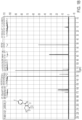
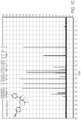
- the deuterated alpha5 subunit-selective GABA-NAM compound is synthesized using the reaction/synthesis methods described in Example 1, and the deuterated compound characterized using
- GABA-NAM compounds which preferably are deuterated, and most preferably are deuterated at the location where liver metabolism occurs in the compound.
- the invention includes the intermediate compounds
- the preferred compound is
- the compounds of the invention include the base, and any pharmaceutically acceptable hydrate, solvate, acid or salt thereof, and can be amorphous or in any crystalline form, or as an oil or wax.
- Any pharmaceutically acceptable salt can be used, as may be convenient. Generally, these salts are derived from pharmaceutically and biologically acceptable inorganic or organic acids and bases or metals.
- salts include, but are not limited to: acetate, adipate, alginate, ammonium, aspartate, benzoate, benzenesulfonate (besylate), bicarbonate, bisulfate, butyrate, citrate, camphorate, camphorsulfonate, carbonate, cyclopentanepropionate, digluconate, dodecylsulfate, ethanesulfonate, formate, fumarate, glucoheptanoate, glycerophosphate, glycolate, hemisulfate, heptanoate, hexanoate, hydrochloride, hydrobromide, hydroiodide, 2-hydroxyethanesulfonate, lactate, magnesium, maleate, malonate, methanesulfonate (mesylate), 2-naphthalenesulfonate, nicotinate, nitrate, oxalate, palmoate, pect
- the compounds also include any or all stereochemical forms of the therapeutic agents (i.e., the R and/or S configurations for each asymmetric center). Therefore, single enantiomers, racemic mixtures, and diastereomers of the therapeutic agents are within the scope of the invention. Also within the scope of the invention are steric isomers and positional isomers of the therapeutic agents.
- the compounds described herein are formulated and are administered as a pharmaceutical composition that includes a pharmaceutically acceptable carrier and one or more pharmaceutical agent, including one or more of the inventive compounds described herein, and including one or more of the inventive compounds described herein with an additional agent, such as an anticancer drug of another class.
- a pharmaceutically acceptable carrier refers to any convenient compound or group of compounds that is not toxic and that does not destroy or significantly diminish the pharmacological activity of the therapeutic agent with which it is formulated.
- Such pharmaceutically acceptable carriers or vehicles encompass any of the standard pharmaceutically accepted solid, liquid, or gaseous carriers known in the art, such as those discussed in the art.
- a suitable carrier depends on the route of administration contemplated for the pharmaceutical composition. Routes of administration are determined by the person of skill according to convenience, the health and condition of the subject to be treated, and the location and stage of the condition to be treated.
- routes of administration can include, but are not limited to local and parenteral, including oral, topical, transdermal, buccal, sublingual, transmucosal, wound covering, inhalation, insufflation, rectal, vaginal, nasal, wound covering, intravenous injection, intramuscular injection, intra-arterial injection, intrathecal injection, subcutaneous injection, intradermal injection, intraperitoneal injection, direct local injection, and the like.
- the administration can be given by transfusion or infusion, and can be administered by an implant, an implanted pump, or an external pump, or any device known in the art.
- the forms which the pharmaceutical composition can take will include, but are not limited to: tablets, capsules, caplets, lozenges, dragees, pills, granules, oral solutions, powders for dilution, powders for inhalation, vapors, gases, sterile solutions or other liquids for injection or infusion, transdermal patches, buccal patches, inserts and implants, rectal suppositories, vaginal suppositories, creams, lotions, oils, ointments, topical coverings (e.g., wound coverings and bandages), suspensions, emulsions, lipid vesicles, and the like.
- Carriers can include, for example, starch (e.g., corn starch, potato starch, rice starch), celluloses (e.g., microcrystalline cellulose, methylcellulose, and the like), sugars (e.g., lactose, sucrose, glucose, fructose, and the like), clays, minerals (e.g., talc, and the like), gums, flavorings, odorants and fragrances, preservatives, colorings, taste-masking agents, sweeteners, gels, waxes, lipids (e.g., lipid vesicles or nanoparticles), oils, polyethylene glycols, glycerine, propylene glycol, solvents (e.g., water or pharmaceutically acceptable organic solvents), saline solutions (e.g., saline solutions, electrolyte solutions, lactated saline solutions, and
- the compounds or pharmaceutical compositions containing the compounds can be provided in containers such as blister packs, ampoules, bottles, pre-filled syringes, and the like.
- Extended and sustained release compositions also are contemplated for use with and in the inventive embodiments.
- suitable carriers can include any of the known ingredients to achieve a delayed release, extended release or sustained release of the active components.
- the pharmaceutical compositions comprise a therapeutically effective amount.
- deuterated alpha5-selective GABA-NAMs such as NCGC-43 are administered to a human subject in a therapeutically effective amount by any convenient route of administration.
- the dose of the inventive compound is administered to the subject at convenient intervals such as every 0.5, 1, 2, 3 or more days, weekly, or at any convenient interval, in repetitive dosing regimens.
- the compound can be administered alone as a monotherapy, or in combination with one or more other therapies, either in the same dosage form or in separate dosage forms, provided at the same time or at different times, in single doses or in a repetitive dosing regimen.
- Treatment regimens include a single administration or a course of administrations lasting two or more days, including a week, two weeks, several weeks, a month, 30 days, 60 days, 90 days, several months, six months, a year, or more, including administration for the remainder of the subject's life.
- the regimen can include multiple doses per day, one dose per day or per week, for example, or a long infusion administration lasting for an hour, multiple hours, a full day, or longer.
- Dosage amounts per administration include any amount determined by the practitioner, and will depend on the size of the subject to be treated, the state of the health of the subject, the route of administration, the condition to be treated or prevented, and the like. In general, it is contemplated that for the majority of subjects, a dose in the range of about 0.01 mg/kg to about 100 mg/kg is suitable, preferably about 0.1 mg/kg to about 50 mg/kg, more preferably about 0.1 mg/kg to about 10 mg/kg, and most preferably about 0.2 mg/kg to about 5 mg/kg are useful. This dose can be administered weekly, daily, or multiple times per day. A dose of about 0.1 mg, 0.2 mg, 0.25 mg, 0.5 mg, 1 mg, 5 mg, 10 mg, 20 mg, 40 mg, 80 mg, 100 mg, 250 mg, 500 mg, or 1000 mg can be administered.
- a therapeutically effective dose results in the presence of the deuterated compounds in the cerebrospinal fluid of the subject at a concentration sufficient to bind to 10 to 75% of all GABA A R in order to reduce GABA A R function by at least about 10 to 75%.
- preferred deuterated compositions have a long half-life when therapeutically administered to a mammal such as a human subject, including deuterated RG-1662 compounds in order to yield enhanced bioavailability and increased half-life when administered to a human subject.
- the inventive methods involve administration of a therapeutically effective amount of deuterated alpha5 subunit-selective GABA-NAMs in combination (sequentially or concomitantly) with another antidepressant drug.
- the antidepressant drugs can include, for example, one or more of a monoamine oxidase inhibitor, a selective serotonin reuptake inhibitor, a serotonin-norepinephrine reuptake inhibitor, a triple reuptake inhibitor, a CNS acetylcholine function modulator, a stimulant, an anti-glucocorticoid, an NMDA-type glutamate receptor antagonist, a tricylic antidepressant, a drug used to reduce craving and withdrawal in substance abuse disorder or alcoholism, and any combination thereof.
- GABA A5 -NAM compounds of which RG-1662 is a member, have potential utility in treating psychiatric and neurological conditions such as Down's Syndrome, bipolar disorder, pathological anxiety, and autism spectrum disorders.
- the invention relates to methods for treating, preventing, or ameliorating at least one symptom in an individual suffering from a depression related disorder as defined above.
- the subjects contemplated as "in need” of the inventive methods refers to any animal, preferably a mammal, and most preferably a human patient suffering from a depression-related disorder, including any disorder causing, related to or defined by depression and any disorder or condition having depressive symptoms.
- this term also includes cognitive, memory and psychotic disorders.
- Depressive disorders include, but are not limited to general depression, major depressive disorder (clinical depression), dysthymia, suicidality, unipolar depression, bipolar depression, psychotic depression, atypical depression, seasonal affective disorder, premenstrual dysphoric disorder, endogenous depression, catatonic depression, post-traumatic stress disorder, postpartum depression, posttraumatic stress disorder, and any combination thereof.
- depression-related disorders include anxiety-related disorders; anhedonia; attention-related disorders; psychosis-related disorders; personality disorders; sleep disorders; eating disorders; cognitive impairment (including that which follows traumatic brain injury (TBI) or non-TBI-related cognitive impairment; memory impairment; disorders of learning; neuropathic pain; chronic muscle or bone pain; diabetic neuropathy; generalized attack of muscular weakness; recurring sleep episodes during the day; migraine; addiction; or a combination thereof.
- TBI traumatic brain injury
- non-TBI-related cognitive impairment including that which follows traumatic brain injury (TBI) or non-TBI-related cognitive impairment; memory impairment; disorders of learning; neuropathic pain; chronic muscle or bone pain; diabetic neuropathy; generalized attack of muscular weakness; recurring sleep episodes during the day; migraine; addiction; or a combination thereof.
- Other disorders and conditions included in the definition of depression-related disorders are those in with these symptoms occur as a secondary consequence of some other primary medical condition, such as a tumor, substance abuse disorder, alcoholism.
- Such subjects are treated by administration of the deuterated RG-1662 compound NCGC-43 or composition in an amount of about 0.1 mg to about 1000 mg preferably administered about once per day, week, month, or on an as needed basis.
- the preferred routes of administration are oral, topical, transdermal, buccal, sublingual, transmucosal, wound covering, inhalation, insufflation, rectal, vaginal, nasal, wound covering, intravenous injection, intramuscular injection, intra-arterial injection, intrathecal injection, subcutaneous injection, intradermal injection, intraperitoneal injection, direct local injection, and the like.
- the administration can be given by transfusion or infusion, and can be administered by an implant, an implanted pump, or an external pump, or any device known in the art.
- NCGC00508843 was synthesized from (3-(4-fluorophenyl)-5-methylisoxazol-4-yl)methanol as follows. Treatment of (3-(4-fluorophenyl)-5-methylisoxazol-4-yl)methanol with sodium deuteroxide in a mixture of deuterium oxide and deuterated methanol at elevated temperature yielded (3-(4-fluorophenyl)-5-(methyl-d3)isoxazol-4-yl)methanol.
- the deuterated compounds were synthesized from RG-1662 to produce (1,1-dioxidothiomorpholino)(6-((3-(4-fluorophenyl)-5-(methyl-d3)isoxazol-4-yl)methoxy)pyridin-3-yl)methanone (NCGC00508843; NCGC-43) in four steps from commercial materials, with a 33% overall yield. Deuterium incorporation was measured By 1 H NMR to be 95%.
- 6-((3-(4-Fluorophenyl)-5-(methyl-d3)isoxazol-4-yl)methoxy)nicotinonitrile was synthesized as follows. Sodium hydride (120 mg, 2.9 mmol, 60% dispersion in mineral oil) was added to a solution of (3-(4-fluorophenyl)-5-(methyl-d3)isoxazol-4-yl)methanol (504 mg, 2.4 mmol) in tetrahydrofuran (THF) (5.0 mL) at 0°C. Then, a solution of 6-chloroniconinonitrile (400 mg, 2.9 mmol) in THF (5.0 mL) was added via syringe.
- THF tetrahydrofuran
- 6-((3-(4-Fluorophenyl)-5-(methyl-d3)isoxazol-4-yl)methoxy)nicotinic acid was synthesized as follows. Deuterium oxide (5.0 ml) and sodium deuteroxide (2.5 g, 18 mmol, 30% weight in D 2 O) was added to a vial containing a solution of 6-((3-(4-fluorophenyl)-5-(methyl-d3)isoxazol-4-yl)methoxy)nicotinonitrile (560 mg, 1.8 mmol)) in d4-methanol (7.0 mL). The vial was sealed, and the reaction was heated to 55 °C and stirred for 16 hours.
- FIG. 2 shows a comparison of NCGC-43 and ketamine in the sucrose preference test demonstrating the ketamine-like fast and persistent antidepressant effect of NCGC-43.
- rats were given an overnight two bottle choice task (in which the sucrose solution consumption is shown as a percentage of the total solution consumed) before commencing stress (baseline), immediately after 14 days of chronic multimodal stress, and 24 hours, 7 days, and 14 days after an injection of NCGC-43 (3 mg/kg, gray), ketamine (20 mg/kg, orange), or vehicle (DMSO solution, blue), all while continuing with daily chronic multimodal stress.
- a control group received neither stress nor drug (yellow).
- Chronic stress decreased sucrose preference, a sign of anhedonia, whereas a single injection of ketamine or NCGC-43 restored sucrose preference in a rapid (within 24 hours) and persistent (up to 14 days) manner.
- NCGC-43 The effects of NCGC-43 were comparable to ketamine, which is known to produce rapid and persistent antidepressant effects in humans.
- FIG. 3 shows a comparison of NCGC-43 and ketamine in the social interaction test demonstrating the ketamine-like fast and persistent antidepressant effect of NCGC-43.
- rats were given a choice between spending time in a chamber with a novel caged juvenile rat and a chamber with an empty cage.
- rats were given a choice between spending time in a chamber with a novel caged juvenile rat and a chamber with an empty cage before commencing stress (baseline), immediately after 14 days of chronic multimodal stress, and 24 hours after an injection of NCGC-43 (3 mg/kg, gray), ketamine (20 mg/kg, orange), or vehicle (DMSO solution, blue).
- Social interaction computed as percent time spent with the novel animal.
- a control group received neither stress nor drug (yellow). Chronic stress decreased social interactions, a sign of anhedonia, whereas a single injection of ketamine or NCGC-43 restored their preference for interacting with a novel animal.
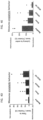
- FIG. 4 shows the effects of NCGC-43 in the open field test.
- FIG. 4A is a schematic of the open field test.
- FIG. 4B shows that neither chronic stress nor injection of NCGC-43 or vehicle had any significant effects on overall locomotor activity.
- FIG. 4C shows that neither chronic stress nor injection of NCGC-43 or vehicle had any significant effects on the time the animal spent in the corners and sides during the testing procedures, consistent with no change in the animals' state of anxiety under any condition.
- FIG. 4D shows that neither chronic stress nor injection of NCGC-43 or vehicle had any significant effects on the ratio of the time the animal spent in the center of the chamber to the time spent in the corners/sides during the testing procedures, consistent with no change in the animals' state of anxiety under any condition.
- FIG. 4A is a schematic of the open field test.
- FIG. 4B shows that neither chronic stress nor injection of NCGC-43 or vehicle had any significant effects on overall locomotor activity.
- FIG. 4C shows that neither chronic stress nor injection of NCGC-43 or
- NCGC-43 did not affect the latency before the animals first entered the center of the chamber, consistent with no change in the animals' state of anxiety, whereas NCGC-43 mildly decreased the latency, consistent with a modest anxiolytic effect.
- Behavioral measurements were made before commencing stress (baseline), immediately after 14 days of chronic multimodal stress, and 24 hours after an injection of NCGC-43 (3 mg/kg) or vehicle (DMSO solution).
- FIG. 5 shows a comparison of NCGC-43 and ketamine in the elevated plus maze, demonstrating the lack of an anxiolytic response to NCGC-43.
- rats were given a choice between spending time in one of two arms of an elevated cross-shaped maze (one arm closed and the other arm open), immediately after 14 days of chronic multimodal stress, and 24 hours after an injection of NCGC-43 (3 mg/kg) or ketamine (20 mg/kg).
- a control group was unstressed and received a vehicle injection (DMSO).
- DMSO vehicle injection
- a single injection of ketamine increased the percent of time the rat spent in the closed arm, consistent with an increase in anxiety or fear. Neither stress nor NCGC nor vehicle injection had an effect on time spent in the closed arm, consistent that they did not increase anxiety or fear.
- FIG. 6 shows a comparison of NCGC-43 and ketamine in the forced swim test.
- naive rats and rats subjected to 14 days of chronic multimodal stress are placed in a water-filled tank (for 5 minutes), 1 hour or 24 hours after an injection of NCGC-43 (3 mg/kg), ketamine (20 mg/kg), or vehicle (DMSO solution), and monitored for the time the animals spent immobile ( Fig. 6A ) and the latency until the animals ceased to struggle and become immobile ( Fig. 6B ), behavioral responses that are said to be rodent analogs of "behavioral despair.”
- Twenty-four hours after NCGC-43 and ketamine injection there was a decrease in the time the animals spent immobile ( Fig.
- NCGC-43 and ketamine both exert an antidepressant-like response in this test. Comparison of responses at 1 hour and 24 hours suggest that NCGC-43 exerts rapid and persistent effects similar to those described previously for ketamine (Zanos et al., 2016). See also FIG. 6C and FIG. 6D .
- FIG. 7 shows the dose-response relationship of NCGC-43 in the forced swim test.
- the liver is the major metabolic organ within mammals. Basmisanil is metabolized as follows.
- Table 1 presents data regarding the half-life of RG-1622 in rat and human liver hepatocytes, in vitro, showing an increase in half-life for the deuterated compounds. Stability improved more in human hepatocytes compared to rat hepatocytes, with variation between the hepatocyte studies.
- the deuterated RG-1662 compound therefore is more metabolically stable. Longer half-life also allows less frequent dosing.
- Preferred compounds are more potent and effective, and preferably are deuterated. Deuteration preferably is located at the site of metabolism, since installing deuterium atoms at the site of metabolism more readily increases the half-life of the compound. Table 1. Half-Life of RG-1662 Compounds in Hepatocytes In Vitro.
Landscapes
- Health & Medical Sciences (AREA)
- Chemical & Material Sciences (AREA)
- Organic Chemistry (AREA)
- Medicinal Chemistry (AREA)
- Pharmacology & Pharmacy (AREA)
- Life Sciences & Earth Sciences (AREA)
- Animal Behavior & Ethology (AREA)
- General Health & Medical Sciences (AREA)
- Public Health (AREA)
- Veterinary Medicine (AREA)
- Epidemiology (AREA)
- Biomedical Technology (AREA)
- Pain & Pain Management (AREA)
- Bioinformatics & Cheminformatics (AREA)
- Psychiatry (AREA)
- Neurology (AREA)
- Neurosurgery (AREA)
- Chemical Kinetics & Catalysis (AREA)
- General Chemical & Material Sciences (AREA)
- Nuclear Medicine, Radiotherapy & Molecular Imaging (AREA)
- Engineering & Computer Science (AREA)
- Pharmaceuticals Containing Other Organic And Inorganic Compounds (AREA)
- Plural Heterocyclic Compounds (AREA)
- Medicines That Contain Protein Lipid Enzymes And Other Medicines (AREA)
- Nitrogen Condensed Heterocyclic Rings (AREA)
- Heterocyclic Carbon Compounds Containing A Hetero Ring Having Nitrogen And Oxygen As The Only Ring Hetero Atoms (AREA)
- Acyclic And Carbocyclic Compounds In Medicinal Compositions (AREA)
- Organic Low-Molecular-Weight Compounds And Preparation Thereof (AREA)
Claims (18)
- Deuterierte GABAA5-NAM-Verbindung gemäß Formel I:
 wobei R1, R2 und R3 jeweils unabhängig H oder D sind, mit der Maßgabe, dass mindestens eines von R1, R2 und R3 D ist, undwobei R4 und R5 jeweils unabhängig H oder D sind.
 - Deuterierte GABAA5-NAM-Verbindung nach Anspruch 1, wobei R4 und R5 H sind.
- GABAA5-NAM-Verbindung, bei der es sich um (1,1-Dioxidothiomorpholino)-(6-((3-(4-fluorphenyl)-5-methylisoxazol-4-yl)methoxy)pyridin-3-yl)methanon (RG-1662) handelt; das deuteriert ist.
- Verbindung, ausgewählt aus der Gruppe bestehend ausa. (3-(4-Fluorphenyl)-5-(methyl-d3)-isoxazol-4-yl)methanol;b. 6-((3-(4-Fluorphenyl)-5-(methyl-d3)-isoxazol-4-yl)methoxy)nikotinonitril undc. 6-((3-(4-Fluorphenyl)-5-(methyl-d3)-isoxazol-4-yl)methoxy)nikotinsäure.
- Deuterierte GABAA5-NAM-Verbindung nach Anspruch 1 gemäß Formel II:

- Verfahren zur Synthese einer deuterierten Basmisanilverbindung nach Anspruch 1, umfassend:(a) Behandeln von (3-(4-Fluorphenyl)-5-methylisoxazol-4-yl)methanol mit einer Base oder unter basischen Bedingungen in Gegenwart eines Deuteriumdonators oder gefolgt von einem Deuteriumdonator;(b) Zugeben des Produkts von Schritt (a) zu 6-Chlornikotinonitril oder 6-Chlornikotinsäuremethyl;(c) Hydrolysieren des Produkts von Schritt (b) zu der Carbonsäure und(d) Amidkoppeln des Produkts von Schritt (c) mit Thiomorpholin-1,1-dioxid oder eines Salzes davon.
- Verfahren nach Anspruch 6, wobei der Deuteriumdonator D2O oder CD3OD ist.
- Verfahren zur Herstellung einer deuterierten RG-1662-Verbindung, umfassend das Behandeln einer Verbindung, ausgewählt aus der Gruppe bestehend aus6-((3-(4-Fluorphenyl)-5-methylisoxazol-4-yl)methoxy)nikotinonitril;6-((3-(4-Fluorphenyl)-5-methylisoxazol-4-yl)methoxy)nikotinamid; und6-((3-(4-Fluorphenyl)-5-methylisoxazol-4-yl)methoxy)nikotinsäure,mit einer Base in Gegenwart eines deuteriumhaltigen Lösungsmittels.
- Verfahren nach Anspruch 8, wobei das deuteriumhaltige Lösungsmittel D2O ist.
- Deuterierte GABAA5-NAM-Verbindung nach Anspruch 1, die bei Verabreichung an ein Säugetier eine längere biologische Halbwertszeit als eine nicht deuterierte Verbindung mit derselben Struktur aufweist.
- Deuterierte GABAA5-NAM-Verbindung nach einem der Ansprüche 1, 2 und 5 zur Verwendung in einem Verfahren zur Behandlung einer mit Depression zusammenhängenden Erkrankung bei einem menschlichen Probanden, der dieser bedarf, umfassend ein Verabreichen einer therapeutisch wirksamen Menge der deuterierten GABAA5-NAM-Verbindung an den Probanden.
- Verbindung zur Verwendung nach Anspruch 11, wobei die deuterierte GABAA5-NAM-Verbindung oral, intradermal, intramuskulär, intraperitoneal, intravenös, mittels Insufflation oder in einem dermalen Pflaster verabreicht wird.
- Verbindung zur Verwendung nach Anspruch 11, wobei die deuterierte GABAA5-NAM-Verbindung alle 0,5, 1, 2, 3 oder 4 Tage an den Probanden verabreicht wird.
- Verbindung zur Verwendung nach Anspruch 11, wobei die deuterierte GABAA5-NAM-Verbindung an den Probanden in Kombination mit einer oder mehreren zusätzlichen Therapien zur Behandlung oder Linderung von Depression verabreicht wird.
- Verbindung zur Verwendung nach Anspruch 14, wobei die eine oder die mehreren zusätzlichen Therapien eine Verabreichung eines Antidepressivums umfasst, das aus der Gruppe bestehend aus einem Monoaminoxidase-Hemmer, einem selektiven Serotonin-Wiederaufnahmehemmer, einem Serotonin-Norepinephrin-Wiederaufnahmehemmer, einem dreifach wirksamen Wiederaufnahmehemmer, einem Modulator der ZNS-Acetylcholin-Funktion, einem Stimulans, einem Antiglukokortikoid, einem Glutamat-Rezeptor-Antagonist vom NMDA-Typ, einem tricyclischen Antidepressivum und einer beliebigen Kombination davon ausgewählt ist.
- Verbindung zur Verwendung nach Anspruch 11, wobei die mit Depression zusammenhängende Erkrankung aus der Gruppe bestehend aus allgemeiner Depression, schwerer depressiver Störung (klinischer Depression), Dysthymie, Suizidalität, unipolarer Depression, bipolarer Depression, psychotischer Depression, atypischer Depression, jahreszeitlich bedingter Depression, prämenstrueller dysphorischer Störung, endogener Depression, katatonischer Depression, posttraumatischer Belastungsstörung, Wochenbettdepression, aus einer Krankheit oder Verletzung resultierender Depression, aus Drogen oder Alkohol resultierender Depression, behandlungsresistenter Depression und einer beliebigen Kombination davon ausgewählt ist.
- Verbindung zur Verwendung nach Anspruch 16, wobei die mit Depression zusammenhängende Erkrankung aus der Gruppe bestehend aus jenen ausgewählt ist, die als eine sekundäre Folge eines anderen primären medizinischen Leidens auftreten, das aus der Gruppe bestehend aus einem Tumor, einem Trauma, einer Suchterkrankung und Alkoholismus ausgewählt ist.
- Verbindung zur Verwendung nach Anspruch 11, wobei die deuterierte GABAA5-NAM-Verbindung aus der Gruppe bestehend aus (3-(4-Fluorphenyl)-5-(methyl-d3)-isoxazol-4-yl)methanol; 6-((3-(4-Fluorphenyl)-5-(methyl-d3)-isoxazol-4-yl--methoxy)nikotinonitril; 6-((3-(4-Fluorphenyl)-5-(methyl-d3)-isoxazol-4-yl)methoxy)nikotinsäure und (1,1-Dioxidothiomorpholino)-(6-((3-(4-fluorphenyl)-5-(methyl-d3)-isoxazol-4-yl)methoxy)pyridin-3-yl)methanon ausgewählt ist.
Applications Claiming Priority (2)
| Application Number | Priority Date | Filing Date | Title |
|---|---|---|---|
| US201762550826P | 2017-08-28 | 2017-08-28 | |
| PCT/US2018/048339 WO2019046300A1 (en) | 2017-08-28 | 2018-08-28 | NOVEL MODULATORS OF GAMMA-AMINOBUTYRIC ACID RECEPTOR TYPE A FOR MOOD DISORDERS |
Publications (3)
| Publication Number | Publication Date |
|---|---|
| EP3675845A1 EP3675845A1 (de) | 2020-07-08 |
| EP3675845A4 EP3675845A4 (de) | 2021-05-05 |
| EP3675845B1 true EP3675845B1 (de) | 2024-07-17 |
Family
ID=65525999
Family Applications (1)
| Application Number | Title | Priority Date | Filing Date |
|---|---|---|---|
| EP18852438.3A Active EP3675845B1 (de) | 2017-08-28 | 2018-08-28 | Neuartige gamma-aminobuttersäure-typ-a-rezeptormodulatoren für gemütsstörungen |
Country Status (12)
| Country | Link |
|---|---|
| US (2) | US11459320B2 (de) |
| EP (1) | EP3675845B1 (de) |
| JP (2) | JP7403050B2 (de) |
| KR (1) | KR102927199B1 (de) |
| CN (1) | CN111201016A (de) |
| AU (1) | AU2018323443B2 (de) |
| BR (1) | BR112020004116A2 (de) |
| CA (1) | CA3074110A1 (de) |
| EA (1) | EA202090521A1 (de) |
| ES (1) | ES2987108T3 (de) |
| MX (1) | MX2020002196A (de) |
| WO (1) | WO2019046300A1 (de) |
Families Citing this family (4)
| Publication number | Priority date | Publication date | Assignee | Title |
|---|---|---|---|---|
| BR112020004116A2 (pt) | 2017-08-28 | 2020-09-01 | University Of Maryland, Baltimore | novos moduladores do receptor de ácido gama aminobutírico tipo a para distúrbios de humor |
| WO2021226416A1 (en) * | 2020-05-08 | 2021-11-11 | Psilera Inc. | Novel compositions of matter and pharmaceutical compositions |
| US20240425491A1 (en) | 2021-05-05 | 2024-12-26 | University College Cardiff Consultants Limited | Heteroaryl compounds useful in the treatment of cognitive disorders |
| WO2023129956A2 (en) | 2021-12-30 | 2023-07-06 | ATAI Life Sciences AG | Dimethyltryptamine analogues as nitric oxide delivery drugs |
Family Cites Families (9)
| Publication number | Priority date | Publication date | Assignee | Title |
|---|---|---|---|---|
| MX2007004639A (es) * | 2004-10-20 | 2007-06-08 | Hoffmann La Roche | Derivados de imidazo-benzodiazepina. |
| UA100132C2 (en) | 2007-12-04 | 2012-11-26 | Ф. Хоффманн-Ля Рош Аг | Isoxazolo-pyridine derivatives |
| US8222246B2 (en) * | 2009-04-02 | 2012-07-17 | Hoffmann-La Roche Inc. | Substituted isoxazoles |
| US8604062B2 (en) | 2011-10-20 | 2013-12-10 | Hoffman-La Roche Inc. | Process for the preparation of isoxazolyl-methoxy nicotinic acids |
| US8785435B2 (en) | 2011-10-20 | 2014-07-22 | Hoffmann-La Roche Inc. | Solid forms |
| US11083732B2 (en) | 2014-03-31 | 2021-08-10 | University Of Maryland, Baltimore | Use of negative modulators of GABA receptors containing alpha5 subunits as fast acting antidepressants |
| AU2016272089B2 (en) | 2015-06-03 | 2021-02-18 | Triastek, Inc. | Dosage forms and use thereof |
| CA2968836C (en) * | 2016-06-13 | 2025-09-02 | Gilead Sciences, Inc. | FXR MODULATING COMPOUNDS (NR1H4) |
| BR112020004116A2 (pt) | 2017-08-28 | 2020-09-01 | University Of Maryland, Baltimore | novos moduladores do receptor de ácido gama aminobutírico tipo a para distúrbios de humor |
-
2018
- 2018-08-28 BR BR112020004116-5A patent/BR112020004116A2/pt active Search and Examination
- 2018-08-28 AU AU2018323443A patent/AU2018323443B2/en active Active
- 2018-08-28 EA EA202090521A patent/EA202090521A1/ru unknown
- 2018-08-28 MX MX2020002196A patent/MX2020002196A/es unknown
- 2018-08-28 EP EP18852438.3A patent/EP3675845B1/de active Active
- 2018-08-28 KR KR1020207008731A patent/KR102927199B1/ko active Active
- 2018-08-28 US US16/642,445 patent/US11459320B2/en active Active
- 2018-08-28 WO PCT/US2018/048339 patent/WO2019046300A1/en not_active Ceased
- 2018-08-28 ES ES18852438T patent/ES2987108T3/es active Active
- 2018-08-28 CN CN201880065653.4A patent/CN111201016A/zh active Pending
- 2018-08-28 JP JP2020512001A patent/JP7403050B2/ja active Active
- 2018-08-28 CA CA3074110A patent/CA3074110A1/en active Pending
-
2022
- 2022-08-09 US US17/883,734 patent/US11897875B2/en active Active
-
2023
- 2023-08-03 JP JP2023127334A patent/JP7749896B2/ja active Active
Non-Patent Citations (1)
| Title |
|---|
| SHAO ET AL: "The kinetic isotope effect in the search for deuterated drugs", DRUG NEWS AND PERSPECTIVES, PROUS SCIENCE, ES, vol. 23, no. 6, 1 January 2010 (2010-01-01), pages 398 - 404, XP009139025, ISSN: 0214-0934 * |
Also Published As
| Publication number | Publication date |
|---|---|
| JP7403050B2 (ja) | 2023-12-22 |
| KR102927199B1 (ko) | 2026-02-12 |
| EP3675845A1 (de) | 2020-07-08 |
| JP2021500309A (ja) | 2021-01-07 |
| US20200199119A1 (en) | 2020-06-25 |
| JP7749896B2 (ja) | 2025-10-07 |
| CN111201016A (zh) | 2020-05-26 |
| AU2018323443B2 (en) | 2024-09-05 |
| US20220396572A1 (en) | 2022-12-15 |
| CA3074110A1 (en) | 2019-03-07 |
| WO2019046300A9 (en) | 2020-10-15 |
| AU2018323443A1 (en) | 2020-03-12 |
| EP3675845A4 (de) | 2021-05-05 |
| WO2019046300A1 (en) | 2019-03-07 |
| EA202090521A1 (ru) | 2020-06-10 |
| US11897875B2 (en) | 2024-02-13 |
| US11459320B2 (en) | 2022-10-04 |
| JP2023133571A (ja) | 2023-09-22 |
| ES2987108T3 (es) | 2024-11-13 |
| MX2020002196A (es) | 2020-09-28 |
| BR112020004116A2 (pt) | 2020-09-01 |
| KR20200044906A (ko) | 2020-04-29 |
Similar Documents
| Publication | Publication Date | Title |
|---|---|---|
| US11897875B2 (en) | Deuterated Alpha5 subunit-selective negative allosteric modulators of gamma-aminobutyric acid type a receptors as fast acting treatment for depression and mood disorders | |
| US20240316025A1 (en) | Combination treatment of liver disorders | |
| EP3964203A1 (de) | R-ketamin und dessen salze als medikament | |
| JP4993523B2 (ja) | 20(s)−プロトパナキサジオールの抗うつ薬製造への使用 | |
| HUE034615T2 (en) | New therapeutic approaches for treating parkinson's disease | |
| CN112384220A (zh) | sGC刺激剂治疗线粒体障碍的用途 | |
| JP2017537129A (ja) | 選択的s1p1レセプターアゴニストを含む薬学的合剤 | |
| EP4149453A1 (de) | Kombinationsbehandlung von lebererkrankungen | |
| JP2014530835A (ja) | S1p受容体モジュレーターまたはs1p受容体アゴニストのための投薬量レジメン | |
| US20090275597A1 (en) | Methods of treating cns disorders | |
| CN113301894A (zh) | mGluR5拮抗剂用于治疗阿片类物质镇痛耐受性的用途 | |
| WO2010126527A1 (en) | Methods of treating cns disorders | |
| US20200276186A1 (en) | Use of morphinans for treating cocaine addiction, pruritis, and seizure disorders | |
| EA041547B1 (ru) | Модуляторы рецептора гамма-аминомасляной кислоты типа a против расстройств настроения | |
| AU2019273656A1 (en) | Pharmaceutical compounds for use in treating Huntington's disease | |
| CN111670041A (zh) | 用在组合疗法(睡眠障碍或中枢神经系统障碍)中的nmda受体调节剂(拉帕斯汀)组合 | |
| AU2024204318A1 (en) | Treatment of Post-Traumatic Syndrome Disorder | |
| HK40034983A (en) | Treatment of post-traumatic syndrome disorder | |
| EP3436024A1 (de) | Nicht-biokonvertierbare c3-substituierte pregnenolonderivate zur verwendung bei der behandlung von behandlungsresistenten depressionen |
Legal Events
| Date | Code | Title | Description |
|---|---|---|---|
| STAA | Information on the status of an ep patent application or granted ep patent |
Free format text: STATUS: THE INTERNATIONAL PUBLICATION HAS BEEN MADE |
|
| PUAI | Public reference made under article 153(3) epc to a published international application that has entered the european phase |
Free format text: ORIGINAL CODE: 0009012 |
|
| STAA | Information on the status of an ep patent application or granted ep patent |
Free format text: STATUS: REQUEST FOR EXAMINATION WAS MADE |
|
| 17P | Request for examination filed |
Effective date: 20200227 |
|
| AK | Designated contracting states |
Kind code of ref document: A1 Designated state(s): AL AT BE BG CH CY CZ DE DK EE ES FI FR GB GR HR HU IE IS IT LI LT LU LV MC MK MT NL NO PL PT RO RS SE SI SK SM TR |
|
| AX | Request for extension of the european patent |
Extension state: BA ME |
|
| RIN1 | Information on inventor provided before grant (corrected) |
Inventor name: VAN DYKE, ADAM Inventor name: THOMPSON, SCOTT Inventor name: MORRIS, PATRICK Inventor name: THOMAS, CRAIG |
|
| DAV | Request for validation of the european patent (deleted) | ||
| DAX | Request for extension of the european patent (deleted) | ||
| REG | Reference to a national code |
Ref country code: DE Ipc: A61K0031185000 Ref country code: DE Ref legal event code: R079 Ref document number: 602018071984 Country of ref document: DE Free format text: PREVIOUS MAIN CLASS: A61K0031192000 Ipc: A61K0031185000 |
|
| A4 | Supplementary search report drawn up and despatched |
Effective date: 20210406 |
|
| RIC1 | Information provided on ipc code assigned before grant |
Ipc: A61K 31/185 20060101AFI20210330BHEP Ipc: A61K 31/42 20060101ALI20210330BHEP Ipc: A61K 31/53 20060101ALI20210330BHEP Ipc: A61K 31/541 20060101ALI20210330BHEP Ipc: A61K 31/5517 20060101ALI20210330BHEP Ipc: A61K 9/20 20060101ALI20210330BHEP Ipc: C07D 261/08 20060101ALI20210330BHEP Ipc: C07D 413/12 20060101ALI20210330BHEP Ipc: C07D 417/14 20060101ALI20210330BHEP Ipc: A61P 25/24 20060101ALI20210330BHEP |
|
| STAA | Information on the status of an ep patent application or granted ep patent |
Free format text: STATUS: EXAMINATION IS IN PROGRESS |
|
| 17Q | First examination report despatched |
Effective date: 20230510 |
|
| REG | Reference to a national code |
Ref country code: DE Ipc: A61K0031440200 Ref country code: DE Ref legal event code: R079 Ref document number: 602018071984 Country of ref document: DE Free format text: PREVIOUS MAIN CLASS: A61K0031185000 Ipc: A61K0031440200 |
|
| GRAP | Despatch of communication of intention to grant a patent |
Free format text: ORIGINAL CODE: EPIDOSNIGR1 |
|
| STAA | Information on the status of an ep patent application or granted ep patent |
Free format text: STATUS: GRANT OF PATENT IS INTENDED |
|
| RIC1 | Information provided on ipc code assigned before grant |
Ipc: A61K 9/19 20060101ALI20240124BHEP Ipc: A61P 25/24 20060101ALI20240124BHEP Ipc: C07D 417/14 20060101ALI20240124BHEP Ipc: C07D 413/12 20060101ALI20240124BHEP Ipc: C07D 261/08 20060101ALI20240124BHEP Ipc: A61K 9/20 20060101ALI20240124BHEP Ipc: A61K 45/06 20060101ALI20240124BHEP Ipc: A61K 31/5517 20060101ALI20240124BHEP Ipc: A61K 31/541 20060101ALI20240124BHEP Ipc: A61K 31/53 20060101ALI20240124BHEP Ipc: A61K 31/42 20060101ALI20240124BHEP Ipc: A61K 31/185 20060101ALI20240124BHEP Ipc: A61K 31/4402 20060101AFI20240124BHEP |
|
| INTG | Intention to grant announced |
Effective date: 20240207 |
|
| GRAS | Grant fee paid |
Free format text: ORIGINAL CODE: EPIDOSNIGR3 |
|
| GRAA | (expected) grant |
Free format text: ORIGINAL CODE: 0009210 |
|
| STAA | Information on the status of an ep patent application or granted ep patent |
Free format text: STATUS: THE PATENT HAS BEEN GRANTED |
|
| P01 | Opt-out of the competence of the unified patent court (upc) registered |
Effective date: 20240523 |
|
| AK | Designated contracting states |
Kind code of ref document: B1 Designated state(s): AL AT BE BG CH CY CZ DE DK EE ES FI FR GB GR HR HU IE IS IT LI LT LU LV MC MK MT NL NO PL PT RO RS SE SI SK SM TR |
|
| REG | Reference to a national code |
Ref country code: CH Ref legal event code: EP |
|
| REG | Reference to a national code |
Ref country code: DE Ref legal event code: R096 Ref document number: 602018071984 Country of ref document: DE |
|
| REG | Reference to a national code |
Ref country code: IE Ref legal event code: FG4D |
|
| REG | Reference to a national code |
Ref country code: LT Ref legal event code: MG9D |
|
| REG | Reference to a national code |
Ref country code: ES Ref legal event code: FG2A Ref document number: 2987108 Country of ref document: ES Kind code of ref document: T3 Effective date: 20241113 |
|
| REG | Reference to a national code |
Ref country code: NL Ref legal event code: MP Effective date: 20240717 |
|
| PG25 | Lapsed in a contracting state [announced via postgrant information from national office to epo] |
Ref country code: PT Free format text: LAPSE BECAUSE OF FAILURE TO SUBMIT A TRANSLATION OF THE DESCRIPTION OR TO PAY THE FEE WITHIN THE PRESCRIBED TIME-LIMIT Effective date: 20241118 |
|
| REG | Reference to a national code |
Ref country code: AT Ref legal event code: MK05 Ref document number: 1703500 Country of ref document: AT Kind code of ref document: T Effective date: 20240717 |
|
| PG25 | Lapsed in a contracting state [announced via postgrant information from national office to epo] |
Ref country code: NL Free format text: LAPSE BECAUSE OF FAILURE TO SUBMIT A TRANSLATION OF THE DESCRIPTION OR TO PAY THE FEE WITHIN THE PRESCRIBED TIME-LIMIT Effective date: 20240717 |
|
| PG25 | Lapsed in a contracting state [announced via postgrant information from national office to epo] |
Ref country code: PT Free format text: LAPSE BECAUSE OF FAILURE TO SUBMIT A TRANSLATION OF THE DESCRIPTION OR TO PAY THE FEE WITHIN THE PRESCRIBED TIME-LIMIT Effective date: 20241118 Ref country code: NL Free format text: LAPSE BECAUSE OF FAILURE TO SUBMIT A TRANSLATION OF THE DESCRIPTION OR TO PAY THE FEE WITHIN THE PRESCRIBED TIME-LIMIT Effective date: 20240717 |
|
| PG25 | Lapsed in a contracting state [announced via postgrant information from national office to epo] |
Ref country code: NO Free format text: LAPSE BECAUSE OF FAILURE TO SUBMIT A TRANSLATION OF THE DESCRIPTION OR TO PAY THE FEE WITHIN THE PRESCRIBED TIME-LIMIT Effective date: 20241017 |
|
| PG25 | Lapsed in a contracting state [announced via postgrant information from national office to epo] |
Ref country code: GR Free format text: LAPSE BECAUSE OF FAILURE TO SUBMIT A TRANSLATION OF THE DESCRIPTION OR TO PAY THE FEE WITHIN THE PRESCRIBED TIME-LIMIT Effective date: 20241018 Ref country code: FI Free format text: LAPSE BECAUSE OF FAILURE TO SUBMIT A TRANSLATION OF THE DESCRIPTION OR TO PAY THE FEE WITHIN THE PRESCRIBED TIME-LIMIT Effective date: 20240717 Ref country code: PL Free format text: LAPSE BECAUSE OF FAILURE TO SUBMIT A TRANSLATION OF THE DESCRIPTION OR TO PAY THE FEE WITHIN THE PRESCRIBED TIME-LIMIT Effective date: 20240717 |
|
| PG25 | Lapsed in a contracting state [announced via postgrant information from national office to epo] |
Ref country code: BG Free format text: LAPSE BECAUSE OF FAILURE TO SUBMIT A TRANSLATION OF THE DESCRIPTION OR TO PAY THE FEE WITHIN THE PRESCRIBED TIME-LIMIT Effective date: 20240717 |
|
| PG25 | Lapsed in a contracting state [announced via postgrant information from national office to epo] |
Ref country code: LV Free format text: LAPSE BECAUSE OF FAILURE TO SUBMIT A TRANSLATION OF THE DESCRIPTION OR TO PAY THE FEE WITHIN THE PRESCRIBED TIME-LIMIT Effective date: 20240717 |
|
| PG25 | Lapsed in a contracting state [announced via postgrant information from national office to epo] |
Ref country code: IS Free format text: LAPSE BECAUSE OF FAILURE TO SUBMIT A TRANSLATION OF THE DESCRIPTION OR TO PAY THE FEE WITHIN THE PRESCRIBED TIME-LIMIT Effective date: 20241117 Ref country code: AT Free format text: LAPSE BECAUSE OF FAILURE TO SUBMIT A TRANSLATION OF THE DESCRIPTION OR TO PAY THE FEE WITHIN THE PRESCRIBED TIME-LIMIT Effective date: 20240717 |
|
| PG25 | Lapsed in a contracting state [announced via postgrant information from national office to epo] |
Ref country code: HR Free format text: LAPSE BECAUSE OF FAILURE TO SUBMIT A TRANSLATION OF THE DESCRIPTION OR TO PAY THE FEE WITHIN THE PRESCRIBED TIME-LIMIT Effective date: 20240717 |
|
| PG25 | Lapsed in a contracting state [announced via postgrant information from national office to epo] |
Ref country code: RS Free format text: LAPSE BECAUSE OF FAILURE TO SUBMIT A TRANSLATION OF THE DESCRIPTION OR TO PAY THE FEE WITHIN THE PRESCRIBED TIME-LIMIT Effective date: 20241017 |
|
| PG25 | Lapsed in a contracting state [announced via postgrant information from national office to epo] |
Ref country code: RS Free format text: LAPSE BECAUSE OF FAILURE TO SUBMIT A TRANSLATION OF THE DESCRIPTION OR TO PAY THE FEE WITHIN THE PRESCRIBED TIME-LIMIT Effective date: 20241017 Ref country code: PL Free format text: LAPSE BECAUSE OF FAILURE TO SUBMIT A TRANSLATION OF THE DESCRIPTION OR TO PAY THE FEE WITHIN THE PRESCRIBED TIME-LIMIT Effective date: 20240717 Ref country code: NO Free format text: LAPSE BECAUSE OF FAILURE TO SUBMIT A TRANSLATION OF THE DESCRIPTION OR TO PAY THE FEE WITHIN THE PRESCRIBED TIME-LIMIT Effective date: 20241017 Ref country code: LV Free format text: LAPSE BECAUSE OF FAILURE TO SUBMIT A TRANSLATION OF THE DESCRIPTION OR TO PAY THE FEE WITHIN THE PRESCRIBED TIME-LIMIT Effective date: 20240717 Ref country code: IS Free format text: LAPSE BECAUSE OF FAILURE TO SUBMIT A TRANSLATION OF THE DESCRIPTION OR TO PAY THE FEE WITHIN THE PRESCRIBED TIME-LIMIT Effective date: 20241117 Ref country code: HR Free format text: LAPSE BECAUSE OF FAILURE TO SUBMIT A TRANSLATION OF THE DESCRIPTION OR TO PAY THE FEE WITHIN THE PRESCRIBED TIME-LIMIT Effective date: 20240717 Ref country code: GR Free format text: LAPSE BECAUSE OF FAILURE TO SUBMIT A TRANSLATION OF THE DESCRIPTION OR TO PAY THE FEE WITHIN THE PRESCRIBED TIME-LIMIT Effective date: 20241018 Ref country code: FI Free format text: LAPSE BECAUSE OF FAILURE TO SUBMIT A TRANSLATION OF THE DESCRIPTION OR TO PAY THE FEE WITHIN THE PRESCRIBED TIME-LIMIT Effective date: 20240717 Ref country code: BG Free format text: LAPSE BECAUSE OF FAILURE TO SUBMIT A TRANSLATION OF THE DESCRIPTION OR TO PAY THE FEE WITHIN THE PRESCRIBED TIME-LIMIT Effective date: 20240717 Ref country code: AT Free format text: LAPSE BECAUSE OF FAILURE TO SUBMIT A TRANSLATION OF THE DESCRIPTION OR TO PAY THE FEE WITHIN THE PRESCRIBED TIME-LIMIT Effective date: 20240717 |
|
| REG | Reference to a national code |
Ref country code: CH Ref legal event code: PL |
|
| PG25 | Lapsed in a contracting state [announced via postgrant information from national office to epo] |
Ref country code: DK Free format text: LAPSE BECAUSE OF FAILURE TO SUBMIT A TRANSLATION OF THE DESCRIPTION OR TO PAY THE FEE WITHIN THE PRESCRIBED TIME-LIMIT Effective date: 20240717 Ref country code: RO Free format text: LAPSE BECAUSE OF FAILURE TO SUBMIT A TRANSLATION OF THE DESCRIPTION OR TO PAY THE FEE WITHIN THE PRESCRIBED TIME-LIMIT Effective date: 20240717 Ref country code: SM Free format text: LAPSE BECAUSE OF FAILURE TO SUBMIT A TRANSLATION OF THE DESCRIPTION OR TO PAY THE FEE WITHIN THE PRESCRIBED TIME-LIMIT Effective date: 20240717 |
|
| PG25 | Lapsed in a contracting state [announced via postgrant information from national office to epo] |
Ref country code: LU Free format text: LAPSE BECAUSE OF NON-PAYMENT OF DUE FEES Effective date: 20240828 |
|
| REG | Reference to a national code |
Ref country code: DE Ref legal event code: R097 Ref document number: 602018071984 Country of ref document: DE |
|
| PG25 | Lapsed in a contracting state [announced via postgrant information from national office to epo] |
Ref country code: MC Free format text: LAPSE BECAUSE OF FAILURE TO SUBMIT A TRANSLATION OF THE DESCRIPTION OR TO PAY THE FEE WITHIN THE PRESCRIBED TIME-LIMIT Effective date: 20240717 Ref country code: CH Free format text: LAPSE BECAUSE OF NON-PAYMENT OF DUE FEES Effective date: 20240831 Ref country code: EE Free format text: LAPSE BECAUSE OF FAILURE TO SUBMIT A TRANSLATION OF THE DESCRIPTION OR TO PAY THE FEE WITHIN THE PRESCRIBED TIME-LIMIT Effective date: 20240717 |
|
| PG25 | Lapsed in a contracting state [announced via postgrant information from national office to epo] |
Ref country code: CZ Free format text: LAPSE BECAUSE OF FAILURE TO SUBMIT A TRANSLATION OF THE DESCRIPTION OR TO PAY THE FEE WITHIN THE PRESCRIBED TIME-LIMIT Effective date: 20240717 |
|
| PG25 | Lapsed in a contracting state [announced via postgrant information from national office to epo] |
Ref country code: SK Free format text: LAPSE BECAUSE OF FAILURE TO SUBMIT A TRANSLATION OF THE DESCRIPTION OR TO PAY THE FEE WITHIN THE PRESCRIBED TIME-LIMIT Effective date: 20240717 |
|
| PLBE | No opposition filed within time limit |
Free format text: ORIGINAL CODE: 0009261 |
|
| STAA | Information on the status of an ep patent application or granted ep patent |
Free format text: STATUS: NO OPPOSITION FILED WITHIN TIME LIMIT |
|
| 26N | No opposition filed |
Effective date: 20250422 |
|
| REG | Reference to a national code |
Ref country code: BE Ref legal event code: MM Effective date: 20240831 |
|
| PG25 | Lapsed in a contracting state [announced via postgrant information from national office to epo] |
Ref country code: BE Free format text: LAPSE BECAUSE OF NON-PAYMENT OF DUE FEES Effective date: 20240831 |
|
| PG25 | Lapsed in a contracting state [announced via postgrant information from national office to epo] |
Ref country code: IE Free format text: LAPSE BECAUSE OF NON-PAYMENT OF DUE FEES Effective date: 20240828 |
|
| PG25 | Lapsed in a contracting state [announced via postgrant information from national office to epo] |
Ref country code: SE Free format text: LAPSE BECAUSE OF FAILURE TO SUBMIT A TRANSLATION OF THE DESCRIPTION OR TO PAY THE FEE WITHIN THE PRESCRIBED TIME-LIMIT Effective date: 20240717 |
|
| PGFP | Annual fee paid to national office [announced via postgrant information from national office to epo] |
Ref country code: ES Payment date: 20250901 Year of fee payment: 8 |
|
| PGFP | Annual fee paid to national office [announced via postgrant information from national office to epo] |
Ref country code: DE Payment date: 20250827 Year of fee payment: 8 |
|
| PGFP | Annual fee paid to national office [announced via postgrant information from national office to epo] |
Ref country code: GB Payment date: 20250827 Year of fee payment: 8 |
|
| PGFP | Annual fee paid to national office [announced via postgrant information from national office to epo] |
Ref country code: FR Payment date: 20250825 Year of fee payment: 8 |
|
| PG25 | Lapsed in a contracting state [announced via postgrant information from national office to epo] |
Ref country code: IT Free format text: LAPSE BECAUSE OF NON-PAYMENT OF DUE FEES Effective date: 20240828 |
|
| PG25 | Lapsed in a contracting state [announced via postgrant information from national office to epo] |
Ref country code: CY Free format text: LAPSE BECAUSE OF FAILURE TO SUBMIT A TRANSLATION OF THE DESCRIPTION OR TO PAY THE FEE WITHIN THE PRESCRIBED TIME-LIMIT; INVALID AB INITIO Effective date: 20180828 |
|
| PG25 | Lapsed in a contracting state [announced via postgrant information from national office to epo] |
Ref country code: HU Free format text: LAPSE BECAUSE OF FAILURE TO SUBMIT A TRANSLATION OF THE DESCRIPTION OR TO PAY THE FEE WITHIN THE PRESCRIBED TIME-LIMIT; INVALID AB INITIO Effective date: 20180828 |
|
| PG25 | Lapsed in a contracting state [announced via postgrant information from national office to epo] |
Ref country code: IT Free format text: LAPSE BECAUSE OF NON-PAYMENT OF DUE FEES Effective date: 20240828 |
|
| PGFP | Annual fee paid to national office [announced via postgrant information from national office to epo] |
Ref country code: IT Payment date: 20250820 Year of fee payment: 8 |
|
| PGRI | Patent reinstated in contracting state [announced from national office to epo] |
Ref country code: IT Effective date: 20241231 |