EP3628046B1 - Subtilisinvarianten mit einer mutation in der s2- oder s2'-tasche - Google Patents
Subtilisinvarianten mit einer mutation in der s2- oder s2'-tasche Download PDFInfo
- Publication number
- EP3628046B1 EP3628046B1 EP18731214.5A EP18731214A EP3628046B1 EP 3628046 B1 EP3628046 B1 EP 3628046B1 EP 18731214 A EP18731214 A EP 18731214A EP 3628046 B1 EP3628046 B1 EP 3628046B1
- Authority
- EP
- European Patent Office
- Prior art keywords
- peptide
- amino acid
- mutation
- enzyme
- position corresponding
- Prior art date
- Legal status (The legal status is an assumption and is not a legal conclusion. Google has not performed a legal analysis and makes no representation as to the accuracy of the status listed.)
- Active
Links
Images

Classifications
-
- C—CHEMISTRY; METALLURGY
- C12—BIOCHEMISTRY; BEER; SPIRITS; WINE; VINEGAR; MICROBIOLOGY; ENZYMOLOGY; MUTATION OR GENETIC ENGINEERING
- C12N—MICROORGANISMS OR ENZYMES; COMPOSITIONS THEREOF; PROPAGATING, PRESERVING, OR MAINTAINING MICROORGANISMS; MUTATION OR GENETIC ENGINEERING; CULTURE MEDIA
- C12N9/00—Enzymes; Proenzymes; Compositions thereof; Processes for preparing, activating, inhibiting, separating or purifying enzymes
- C12N9/14—Hydrolases (3)
- C12N9/48—Hydrolases (3) acting on peptide bonds (3.4)
- C12N9/50—Proteinases, e.g. Endopeptidases (3.4.21-3.4.25)
- C12N9/52—Proteinases, e.g. Endopeptidases (3.4.21-3.4.25) derived from bacteria or Archaea
-
- C—CHEMISTRY; METALLURGY
- C07—ORGANIC CHEMISTRY
- C07K—PEPTIDES
- C07K1/00—General methods for the preparation of peptides, i.e. processes for the organic chemical preparation of peptides or proteins of any length
- C07K1/02—General methods for the preparation of peptides, i.e. processes for the organic chemical preparation of peptides or proteins of any length in solution
- C07K1/026—General methods for the preparation of peptides, i.e. processes for the organic chemical preparation of peptides or proteins of any length in solution by fragment condensation in solution
-
- C—CHEMISTRY; METALLURGY
- C12—BIOCHEMISTRY; BEER; SPIRITS; WINE; VINEGAR; MICROBIOLOGY; ENZYMOLOGY; MUTATION OR GENETIC ENGINEERING
- C12N—MICROORGANISMS OR ENZYMES; COMPOSITIONS THEREOF; PROPAGATING, PRESERVING, OR MAINTAINING MICROORGANISMS; MUTATION OR GENETIC ENGINEERING; CULTURE MEDIA
- C12N9/00—Enzymes; Proenzymes; Compositions thereof; Processes for preparing, activating, inhibiting, separating or purifying enzymes
- C12N9/14—Hydrolases (3)
- C12N9/48—Hydrolases (3) acting on peptide bonds (3.4)
- C12N9/50—Proteinases, e.g. Endopeptidases (3.4.21-3.4.25)
- C12N9/52—Proteinases, e.g. Endopeptidases (3.4.21-3.4.25) derived from bacteria or Archaea
- C12N9/54—Proteinases, e.g. Endopeptidases (3.4.21-3.4.25) derived from bacteria or Archaea bacteria being Bacillus
-
- C—CHEMISTRY; METALLURGY
- C12—BIOCHEMISTRY; BEER; SPIRITS; WINE; VINEGAR; MICROBIOLOGY; ENZYMOLOGY; MUTATION OR GENETIC ENGINEERING
- C12P—FERMENTATION OR ENZYME-USING PROCESSES TO SYNTHESISE A DESIRED CHEMICAL COMPOUND OR COMPOSITION OR TO SEPARATE OPTICAL ISOMERS FROM A RACEMIC MIXTURE
- C12P21/00—Preparation of peptides or proteins
- C12P21/02—Preparation of peptides or proteins having a known sequence of two or more amino acids, e.g. glutathione
-
- C—CHEMISTRY; METALLURGY
- C12—BIOCHEMISTRY; BEER; SPIRITS; WINE; VINEGAR; MICROBIOLOGY; ENZYMOLOGY; MUTATION OR GENETIC ENGINEERING
- C12P—FERMENTATION OR ENZYME-USING PROCESSES TO SYNTHESISE A DESIRED CHEMICAL COMPOUND OR COMPOSITION OR TO SEPARATE OPTICAL ISOMERS FROM A RACEMIC MIXTURE
- C12P21/00—Preparation of peptides or proteins
- C12P21/06—Preparation of peptides or proteins produced by the hydrolysis of a peptide bond, e.g. hydrolysate products
-
- C—CHEMISTRY; METALLURGY
- C12—BIOCHEMISTRY; BEER; SPIRITS; WINE; VINEGAR; MICROBIOLOGY; ENZYMOLOGY; MUTATION OR GENETIC ENGINEERING
- C12Y—ENZYMES
- C12Y304/00—Hydrolases acting on peptide bonds, i.e. peptidases (3.4)
- C12Y304/21—Serine endopeptidases (3.4.21)
- C12Y304/21062—Subtilisin (3.4.21.62)
Definitions
- the invention relates to an enzyme, which enzyme is a subtilisin BPN' homologue.
- the invention further relates to a method for enzymatically synthesising a peptide, wherein use is made of said enzyme.
- Peptides have many applications, for instance as pharmaceutical, food or feed ingredient, or cosmetic ingredient.
- Oligopeptides can be chemically synthesized in a stepwise fashion in solution or on the solid phase via highly optimized processes.
- peptides longer than 10-15 amino acids are often very difficult to synthesize due to side reactions and as a consequence purification is troublesome. Therefore, peptides longer than 10 amino acids are often synthesized by a combination of solid-phase synthesis of side-chain protected oligopeptide fragments which are subsequently chemically condensed in solution, e.g. as in a 10 + 10 condensation to make a peptide of 20 amino acids.
- Chemo-enzymatic peptide synthesis can entail the enzymatic coupling of oligopeptide fragments which have individually been synthesized using chemical synthesis, fermentation, or by a combination of chemical and enzymatic coupling steps.
- subtilisin BPN' a subtilisin from B. amyloliquefaciens
- S221C and P225A a subtilisin BPN' variant called subtiligase was obtained having a 500-fold increased synthesis over hydrolysis ratio (S/H ratio) as compared to wild-type subtilisin BPN'.
- SB/H ratio hydrolysis ratio
- said enzymes are useful in enzymatic methods to prepare peptides by condensation of two peptide fragments or by cyclisation of a peptide, providing an improved synthesis over hydrolysis (S/H) ratio and stability compared to subtilisin BPN' in an aqueous reaction medium. Also, a method is disclosed wherein a protein is effectively coupled to another peptide.
- the one or more specific mutations in the S2' pocket broaden the substrate scope not only for the P2' position of the peptide nucleophile but also for the P1' position of the peptide nucleophile.
- the one or more specific mutations in the S2 pocket broaden the substrate scope not only for the P2 position of the peptide acyl donor, but also for the P1' and P2' positions of the peptide nucleophile.
- the invention relates to an enzyme, which enzyme is a subtilisin BPN' homologue, comprising the following mutations compared to subtilisin BPN' represented by SEQUENCE ID NO: 2:
- the enzyme according to the invention is useful as a catalyst.
- the enzyme generally has catalytic activity with respect to the formation of a peptide bond (condensation activity).
- the enzyme has ligase activity or cyclase activity.
- the invention further relates to a method for enzymatically synthesizing a cyclic peptide of at least 12 amino acids, comprising subjecting a peptide C-terminal ester or thioester having an N-terminally unprotected amine to a cyclisation step wherein said cyclization is carried out in a fluid comprising water, and wherein the cyclization is catalyzed by an enzyme according to the invention.
- the invention provides a useful alternative to known methods of preparing peptides, including proteins extended with a peptide and peptide-conjugates.
- an enzyme according to the invention has catalytic activity in the formation of a peptide bond with a high S/H ratio, typically more than 1, preferably 2 or more, in particular 5 or more, in particular in a reaction medium comprising water, more in particular an aqueous medium.
- a high S/H ratio typically more than 1, preferably 2 or more, in particular 5 or more, in particular in a reaction medium comprising water, more in particular an aqueous medium.
- the upper value of this quotient is not critical; in practice it may e.g. be 100 or less, in particular 20 or less.
- the invention in particular provides enzymes with a broad(er) substrate scope, whilst at least substantially maintaining or improving the S/H ratio, in particular in an aqueous reaction medium.
- S/H ratio synthesis over hydrolysis ratio
- essential(ly) or “(at least) substantial(ly)” is generally used herein to indicate that it has the general character or function of that which is specified. When referring to a quantifiable feature, this term is in particular used to indicate that it is at least 75 %, more in particular more than 90 %, even more in particular more than 98 % of the maximum of that feature.
- essentially free is generally used herein to indicate that a substance is not present (below the detection limit achievable with analytical methodology as available on the effective filing date) or present in such a low amount that it does not significantly affect the property of the product that is essentially free of said substance.
- 'pH' is used herein for the apparent pH, i.e. the pH as measured with a standard, calibrated pH electrode.
- a peptide (to be) coupled or cyclised essentially consists of amino acid units. In a further embodiment, a peptide (to be) coupled or cyclised essentially consists of amino acid units and protective groups.
- a peptide to be coupled or cyclised is a conjugate of a peptide chain of two or more amino acids and another residue, such as a carbohydrate or a fatty acid. These peptides are called glycopeptides and lipopeptides respectively.
- Fatty acids can e.g. be used to change the solubility. Examples of suitable fatty acids, are C8-C24 saturated fatty acids and C8-C24 unsaturated fatty acids.
- a peptide (to be) coupled or cyclised is a peptide modified with a synthetic hydrophilic polymer, such as a polyalkylene glycol.
- a synthetic hydrophilic polymer such as a polyalkylene glycol.
- Particularly preferred polyalkylene glycols are polyethylene glycols.
- Such polymers can, e.g. be used to increase the solubility or the in vivo half-life (such as in blood plasma).
- a peptide (to be) coupled or cyclised is a conjugate of a peptide and a polysialic acid.
- a peptide (to be) coupled or cyclised may be a conjugate of a peptide and an imaging agent, a radio-therapeutic agent, a toxin or another non-peptidic agent, e.g. a chelating agent or a non-peptidic biologically active moiety.
- the peptide C-terminal (thio)ester and/or the peptide nucleophile is a biologically active peptide, e.g. an insulin receptor ligand or a hormone.
- Preferred insulin receptor ligands are human insulin, porcine insulin, Humalog, aspart, insulin glulisine, insulin detemir, insulin degludec, and glargine insulin.
- Preferred hormones are growth factors.
- biologically active peptides that can be synthesised in accordance with the invention or that can be used as a substrate in a coupling reaction according to the invention include Exenatide, Exenatide analogues (such as an analogue selected from the group of Glp-1, Teduglutide, Glucagon, Lixisenatide, Liraglutide and Semaglutide), Thymosin-alpha-1, Thymosin-alpha-1 analogues, Teriparatide, peptides comprising the sequence of any of these and one or more further amino acid units.
- Exenatide Exenatide analogues (such as an analogue selected from the group of Glp-1, Teduglutide, Glucagon, Lixisenatide, Liraglutide and Semaglutide)
- Thymosin-alpha-1 Thymosin-alpha-1 analogues
- Teriparatide peptides comprising the sequence of any of these and one or more further amino acid
- a conjugate comprising Exenatide, Lixisenatide or an analogue thereof can be used in the treatment of type 2 diabetes mellitus, in particular as adjunctive therapy to improve glycemic control in patients with type 2 diabetes mellitus who are taking metformin, but have not achieved adequate glycemic control.
- a conjugate comprising Thymosin-alpha-1 or an analogue thereof can be used in a patient benefiting from enhancing cell-mediated immunity.
- Particularly suitable synthesis methods in accordance with the invention for one or more of these pharmaceutical peptides can be based on the present disclosure, optionally in combination with PCT/NL2016/050501 or WO 2016/056913 .
- the method for enzymatically synthesising a peptide is used to synthesise a peptide containing an imaging agent moiety (e.g. chromogenic, fluorescent, phosphorescent, radioactive), a radio-therapeutic moiety or a biologically active peptide and containing a protein for targeted delivery of the first peptide to a specific site, e.g. to specific organ tissue.
- an imaging agent moiety e.g. chromogenic, fluorescent, phosphorescent, radioactive
- a radio-therapeutic moiety or a biologically active peptide containing a protein for targeted delivery of the first peptide to a specific site, e.g. to specific organ tissue.
- the protein is coupled to another peptide containing the imaging agent moiety, the radio-therapeutic moiety or the biologically active peptide. Either one of these can be the peptide nucleophile respectively the peptide C-terminal ester or thioester.
- proteins suitable for such purpose, are antibodies, in particular immunoglobulins or parts thereof, such as an antigen-binding fragment (Fab) of an immunoglobulin or a single-domain antibody (nanobody).
- Fab antigen-binding fragment
- antibodies that can be coupled in accordance with the invention are IgG, IgA, IgE, IgM and IgD.
- a protein suitable to increase the half-life of another (biologically active) peptide is coupled to the other (biologically active) peptide, in particular to increase the blood plasma half-life of that (biologically active) peptide.
- Albumins are examples of proteins that can be coupled to increase the half-life of another (biologically active) peptide. Either one of these can be the peptide nucleophile respectively the peptide C-terminal ester or thioester.
- a peptide - which term includes oligopeptides, proteins and chimeric peptides - comprises up to about 35 000 amino acid units, in particular 3-20 000 amino acid units, more in particular 4-5 000 amino acid units, preferably 6-1000 amino acid units.
- the peptide comprises 500 amino acid units or less, in particular 200 or less, more in particular 100 or less.
- the peptide comprises at least 10 amino acid units, more specifically at least 15 amino acids, at least 25 amino acids or at least 40 amino acids.
- oligopeptides is meant within the context of the invention, a peptide composed of 2-200 amino acid units, in particular composed of 5-100 amino acid units, more in particular composed of 10-50 amino acid units.
- peptide bond is meant the amide bond between (i) either the alpha-amino terminus of one alpha-amino acid or the beta-amino terminus of one beta-amino acid and (ii) either the alpha-carboxyl terminus of one other alpha-amino acid or the beta-carboxyl terminus of one other beta-amino acid.
- the peptide bond is between the alpha-amino terminus of one alpha-amino acid and the alpha-carboxyl terminus of another alpha-amino acid.
- cyclic peptide is meant a peptide chain wherein the alpha-amino terminus and the alpha-carboxyl terminus of a branched or linear peptide are linked via a peptide bond, thereby forming a ring structure of at least 12 amino acid units.
- the cyclic peptide is in particular composed of 12-200 amino acid units, more in particular composed of 12-100 amino acid units and preferably composed of 12-50 amino acid units.
- amino acid side-chain any proteinogenic or non-proteinogenic amino acid side-chain.
- Proteinogenic amino acids are the amino acids that are encoded by the genetic code. Proteinogenic amino acids include: alanine (Ala), valine (Val), leucine (Leu), isoleucine (Ile), serine (Ser), threonine (Thr), methionine (Met), cysteine (Cys), asparagine (Asn), glutamine (Gln), tyrosine (Tyr), tryptophan (Trp), glycine (Gly), aspartic acid (Asp), glutamic acid (Glu), histidine (His), lysine (Lys), arginine (Arg), proline (Pro) and phenylalanine (Phe).
- Selenocysteine (Sec, U) is an amino acid, of which the structure corresponds to cysteine, with the proviso that it contains a selenium instead of a sulphur atom.
- Proteinogenic amino acids are the L-stereoisomers of said amino acids (except for glycine, which does not have a stereo-isomeric form).
- Non-proteinogenic amino acids may in particular be selected amongst D-amino acids, L- or D-phenylglycine, DOPA (3,4-dihydroxy-L-phenylalanine), beta-amino acids, 4-fluoro-phenylalanine, or C ⁇ -alkylated amino acids.
- (thio)ester is used herein as short-hand for the phrase “ ester or thioester” .
- mutated or “mutation” as used herein regarding proteins or polypeptides - in particular enzymes - means that at least one amino acid in the wild-type or naturally occurring protein or polypeptide sequence has been replaced with a different amino acid, inserted into, appended to, or deleted from the sequence via mutagenesis of nucleic acids encoding these amino acids.
- Mutagenesis is a well-known method in the art, and includes, for example, site-directed mutagenesis by means of PCR or via oligonucleotide-mediated mutagenesis as described in Sambrook et al., Molecular Cloning-A Laboratory Manual, 2nd ed., Vol. 1-3 (1989 ).
- mutated or “mutation” as used herein regarding genes means that at least one nucleotide in the nucleic acid sequence of that gene or a regulatory sequence thereof, has been replaced with a different nucleotide, has been inserted into, has been appended to, or has been deleted from the sequence via mutagenesis, resulting in the transcription of a protein sequence with a qualitatively of quantitatively altered function or resulting in the knock-out of that gene.
- a shorthand for denoting amino acid substitutions employs the single letter amino acid code of the amino acid that is substituted, followed by the number designating where in the protein amino acid sequence the substitution is made. This number is the amino acid position of the wild-type amino acid sequence. Thus for the mutated amino acid sequence it is the amino acid position corresponding to the position with that number in the wild type enzyme. Due to one or more other mutations at a lower position (additions, insertions, deletions, etc.) the actual position does not need to be the same. The skilled person will be able to determine the corresponding positions using a generally known alignment technique, such as NEEDLE. The number is followed by the single letter code of the amino acid that replaces the wild-type amino acid therein.
- F189W denotes the substitution of phenylalanine at the position corresponding to position 189 to tryptophan.
- X is used to indicate any other proteinogenic amino acid than the amino acid to be substituted.
- F189X denotes the substitution of phenylalanine at the position corresponding to position 189 to any other proteinogenic amino acid.
- ligase is used herein for an enzyme having catalytic activity in the coupling of two peptides by catalysing the formation of a peptide bond by coupling the C-terminus of a first peptide and the N-terminus of another peptide.
- the active site residues in proteases are composed of contiguous pockets termed subsites. Each subsite pocket binds to a corresponding residue in the peptide substrate sequence, referred to here as the sequence position.
- amino acid residues in the substrate sequence are consecutively numbered outward from the cleavage sites as...-P4-P3-P2-P1-P1'-P2'-P3'-P4'-...(the scissile bond is located between the P1 and P1' positions), while the subsites (pockets) in the active site are correspondingly labelled as...-S4-S3-S2-S1-S1'-S2'-S3'-S4"-.( Schechter and Berger, Biochem Biophys Res Commun. 1967 Apr 20;27(2):157-62 .)). It should be noted that not all proteases have all of said subsites. E.g. an S3' and/or an S4' pocket may be absent in a subtilisin BPN' variant or homologue thereof according to the invention.
- the S1-S4 binding pockets of a protease are defined by several amino acids which can be distant in the primary structure of the protease, but are close in the three dimensional space.
- S1' and S2' pockets are meant the amino acids of a protease which interact with the N-terminal amino acids of a peptide nucleophile.
- the N-terminal amino acid of the peptide nucleophile interacts with the amino acids in the S1' pocket of the protease.
- the N-terminal penultimate amino acid of the peptide nucleophile interacts with the amino acids in the S2' pocket of the protease.
- the S1' and S2' binding pockets of a protease are defined by several amino acids which can be distant in the primary structure of the protease, but are close in the three dimensional space.
- the terms "homology”, “percent homology”, “percent identity” or “percent similarity” are used interchangeably herein.
- the complete sequences are aligned for optimal comparison purposes.
- gaps may be introduced in any of the two sequences that are compared. Such alignment is carried out over the full length of the sequences being compared. Alternatively, the alignment may be carried out over a shorter length, for example over about 20, about 50, about 100 or more nucleic acids or amino acids.
- the percentage identity is the percentage of identical matches between the two sequences over the reported aligned region.
- a comparison of sequences and determination of percent identity between two sequences can be accomplished using a mathematical algorithm.
- the skilled person will be aware of the fact that several different computer programs are available to align two sequences and determine the homology between two sequences (Kruskal, J. B. (1983) An overview of sequence comparison In D. Sankoff and J. B. Kruskal, (ed.), Time warps, string edits and macromolecules: the theory and practice of sequence comparison, pp. 1-44 Addison Wesley ).
- the percent identity between two amino acid sequences can be determined using the Needleman and Wunsch algorithm for the alignment of two sequences. ( Needleman, S. B. and Wunsch, C. D. (1970) J. Mol. Biol. 48, pp 443-453 ).
- the Needleman-Wunsch algorithm has been implemented in the computer program NEEDLE.
- the NEEDLE program from the EMBOSS package was used (version 2.8.0 or higher, EMBOSS: The European Molecular Biology Open Software Suite (2000) Rice,P. Longden,I. and Bleasby,A. Trends in Genetics 16, (6) pp 276-277, http://emboss.bioinformatics.nl/) .
- EBLOSUM62 is used for the substitution matrix.
- Other matrices can be specified.
- the optional parameters used for alignment of amino acid sequences are a gap-open penalty of 10 and a gap extension penalty of 0.5. The skilled person will appreciate that all these different parameters will yield slightly different results but that the overall percentage identity of two sequences is not significantly altered when using different algorithms.
- polypeptide sequences in particular enzyme sequences, can further be used as a "query sequence" to perform a search against sequence databases, for example to identify other family members or related sequences.
- search can be performed using the BLAST programs.
- Software for performing BLAST analyses is publicly available through the National Center for Biotechnology Information (http://www.ncbi.nlm.nih.gov ). BLASTP is used for amino acid sequences.
- the BLAST program uses as defaults:
- homologue is used herein in particular for peptides, more in particular enzymes, having a sequence identity of at least 50 %, preferably at least 60 %, more preferably at least 70 %, at least 80 %, at least 90 %, at least 95 %, at least 96 %, at least 97 %, at least 98 % or at least 99 % with the peptide, in particular enzyme, with which the homologue peptide or enzyme is compared.
- sequence identity will be less than 100 %. The percentage of sequence identity will depend on the number of mutations and the length of the peptide (enzyme) with which the homologue is compared. In 'longest identity' alignment deletions are not taken into account.
- condensation is meant the formation of a new amide bond between the C-terminal carboxylic function of a peptide) with the N-terminal amine function of a nucleophile, in particular another peptide.
- analogue of a peptide is used in particular for peptides that are structural analogues and/or functional analogues of said peptide.
- Functional analogues have a same in vivo target (e.g. the same target receptor on a cell membrane); structural analogues have a high similarity in amino acid sequence.
- Functional analogues of a peptide may have a relatively low amino acid sequence identity, e.g. of about 50 % or less over the full amino acid sequence, yet a high sequence identity (and thus a high structural similarity) with the peptide of which they are an analogue in a segment of the amino acid sequence, such as near the N-terminal part or near the C-terminal part.
- a structural analogue in particular comprises an amino acid sequence that has at least 60 %, more in particular at least 70 %, preferably at least 80 %, more preferably at least 90 % sequence identity, more preferably at least 95 % sequence identity with the amino acid sequence of the peptide of which a peptide is an analogue.
- the peptide C-terminal ester or thioester typically is an activated (thio)ester, i.e. it contains a carboxy ester or carboxy thioester group that can take part in the enzymatic coupling reaction.
- any (substituted or unsubstituted) alkyl or (substituted or unsubstituted) aryl (thio)ester can be used.
- Typical examples of (thio)esters which can take part in the enzymatic coupling reaction are methyl-, ethyl, propyl-, isopropyl-, phenyl-, benzyl- (such as p-carboxy-benzyl-), 2,2,2-trichloroethyl-, 2,2,2-trifluoroethyl-, cyanomethyl- and carboxyamidomethyl-(thio)esters.
- R 1 represents a hydrogen atom or an alkyl group and R 2 represents a hydrogen atom or an alkyl group or an amino acid or a peptide residue with a C-terminal carboxyamide or carboxylic acid functionality, optionally protected on the side-chain functionality of the amino acid or on one or more of the side-chain functionalities of the amino acids.
- each alkyl group may independently represent a (substituted or unsubstituted) C1-C7 alkyl group, preferably a (substituted or unsubstituted) linear C1-C6 alkyl group, more preferably a (substituted or unsubstituted) linear C1-C3 alkyl group, and most preferably a methyl group.
- both R 1 and R 2 represent a hydrogen atom or wherein R 1 represents a hydrogen atom and R 2 represents an amino acid or peptide residue with a C-terminal carboxyamide or carboxylic acid functionality, optionally protected on the side-chain functionality of the amino acid or on one or more of the side-chain functionalities of the amino acids.
- Particularly good results have been achieved when using the Cam-ester, when X 1 , X 2 , R 1 and R 2 are a hydrogen atom.
- E represents a hydrogen atom, a positively charged salt ion such as an ammonium ion, or an amino acid or a peptide residue with a C-terminal carboxyamide or carboxylic acid functionality, optionally protected on the side-chain functionality of the amino acid or on one or more of the side-chain functionalities of the amino acids.
- the peptide C-terminal (thio)ester can be N-terminally unprotected or N-terminally protected.
- N -terminal protection' is used herein to indicate that an N-terminal amine group of a peptide is provided with a protective group, generally at least substantially protecting the N-terminal amine group from being coupled to a C-terminal carboxylic group of another peptide or of the same peptide molecule.
- one or more side-chain functionalities are provided with a protecting group.
- a protecting group In a preferred embodiment, only the side-chain functionalities of the amino acids at the P4 and P1 position of the peptide C-terminal (thio)ester (in particular hydroxyl groups, carboxyl groups or amine groups) are provided with a protecting group.
- Suitable protecting groups are known to the person skilled in the art. Carboxylic acid groups can for instance be protected with a cyclohexyl, benzyl or allyl group; amine functionalities can for instance be protected with an allyloxycarbonyl group or a trifluoroacetyl group.
- the activated C-terminal (thio)ester group of the peptide C-terminal (thio)ester can be synthesized using solid phase synthesis in high yield and purity without racemization.
- An additional advantage of the use of (thio)esters of the carboxyamidomethyl type wherein R 1 represents a hydrogen atom and R 2 represents an amino acid or peptide residue with a C-terminal carboxylic acid functionality, optionally protected on the side-chain functionality of the amino acid or on one or more of the side-chain functionalities of the amino acids is, that their activated C-terminal ester or thioester group can be synthesized using the cheap and industrially available 2-chlorotritylchloride resin.
- the activated C-terminal (thio)ester group of the peptide C-terminal (thio)ester can also be synthesized by solution phase synthesis or fermentation using a microorganism.
- a reliable method to obtain peptide (thio)esters using fermentation is via so-called intein expression (see for instance E.K. Lee, Journal of Chemical Technology and Biotechnology, 2010, 9, 11-18 ).
- Different intein expression systems kits are commercially available (for instance the IMPACT TM kit).
- Other methods for the fermentative production of peptide (thio)esters are known in the art.
- the C-terminal amino acid of the peptide C-terminal (thio)ester and the other amino acids of the peptide C-terminal (thio)ester may in principle be any amino acid, proteinogenic or non-proteinogenic. If the amino acid sequence of the C-terminal part of the peptide C-terminal (thio)ester is poorly recognized by or inaccessible to the coupling enzyme due to the amino acid preference of the coupling enzyme and/or due to the secondary or tertiary structure of the peptide, the primary structure (amino acid sequence) may be elongated at the C-terminus.
- the C-terminus of the peptide C-terminal (thio)ester is elongated with a number of amino acids to ensure good recognition by the enzyme and accessibility into the enzyme for the enzymatic coupling reaction.
- the skilled person will know how to elongate the peptide C-terminal (thio)ester on the basis of the information disclosed herein and common general knowledge.
- the number of amino acids for elongation is in the range of 1-10, although in principle it can be higher. Good results have been obtained by elongation of the peptide C-terminal (thio)ester with 4 amino acid residues, e.g. -Phe-Ser-Lys-Leu-(thio)ester.
- N-terminal protected peptide C-terminal (thio)ester may be represented by a compound of Formula I.
- P 1 stands for a hydrogen or an N-terminal protecting group.
- Suitable N-terminal protecting groups are those N-protecting groups which can be used for the synthesis of peptides. Such groups are known to the person skilled in the art. Examples of suitable N-protecting groups include carbamate or acyl type protecting groups, for instance 'Cbz' (benzyloxycarbonyl), 'Boc' (tert-butyloxycarbonyl), 'For' (formyl), 'Fmoc' (9-fluorenylmethoxycarbonyl), 'PhAc' (phenacetyl) and 'Ac' (acetyl).
- the groups For, PhAc and Ac may be introduced and cleaved enzymatically using the enzymes Peptide Deformylase, PenG acylase or Acylase, respectively. Chemical cleavage methods are generally known in the art.
- n is an integer of at least 2.
- n May in particular be at least 3, at least 4, at least 5, at least 6, at least 7 at least 8, at least 9 or at least 10.
- n may in particular be 10.000 or less, 1000 or less, 500 or less, e.g. 100 or less, 50 or less or 40 or less.
- each R A and each R B independently represent a hydrogen atom or an organic moiety, preferably an amino acid side-chain.
- R A is the same in all n amino acid units.
- R B is the same in all n amino acid units.
- one or more of the side-chain functionalities may contain a protecting group.
- the amino acid units of the peptide nucleophile may in principle be selected from any amino acid, proteinogenic or non-proteinogenic.
- the peptide nucleophile may be represented by a compound of Formula II.
- C-terminal protection' is used herein to indicate that a C-terminal carboxylic group of a peptide is provided with a protective group, generally substantially protecting the carboxylic group from being coupled to an N-terminal amine group of another peptide or of the same peptide molecule.
- n, R A and R B are as defined above.
- P 2 represents an amine moiety or an OR moiety.
- the amine moiety may be represented by the formula NR 3 R 4 , in which R 3 and R 4 may each individually represent any (substituted or unsubstituted) alkyl or (substituted or unsubstituted) aryl group.
- R 3 and R 4 may each individually represent any (substituted or unsubstituted) alkyl or (substituted or unsubstituted) aryl group.
- R 3 and R 4 is a hydrogen atom and the other a (substituted or unsubstituted) alkyl group. Good results have particularly been obtained with R 3 and R 4 both being a hydrogen atom.
- R may represent a C-terminal protective group or a cation, for instance a monovalent cation, such as a tri- or tetrasubstituted ammonium ion or an alkaline metal cation or an H.
- R is a C-terminal protective group this may in particular be an optionally substituted alkyl group.
- it is a t-alkyl group, although in principle it also may be any other protective ester as known to a man skilled in the art.
- the t-alkyl may in principle be any protective tertiary alkyl group.
- the t-alkyl is selected from the group of t-butyl (2-methyl-2-propyl), t-pentyl (2-methyl-2-butyl) and t-hexyl (2,3-dimethyl-2-butyl).
- the peptide nucleophile is C-terminal protected. In another embodiment it is not C-terminal protected.
- one or more side-chain functionalities (in particular one or more hydroxyl groups, carboxyl groups or amine groups) of the peptide nucleophile are provided with a protecting group.
- Suitable protecting groups are known to the person skilled in the art.
- Carboxylic acid groups can for instance be protected with a cyclohexyl, benzyl or allyl group;
- amine functionalities can for instance be protected with an allyloxycarbonyl group or a trifluoroacetyl group.
- the peptide nucleophile may be synthesized using methods known in the art, such as solid-phase synthesis, solution phase synthesis or by fermentation using a microorganism.
- the N-terminal amino acid of the peptide nucleophile and the other amino acids of the peptide nucleophile may in principle be any amino acid, proteinogenic or non-proteinogenic. If the amino acid sequence of the N-terminal part of the peptide nucleophile is poorly recognized by or inaccessible to the coupling enzyme due to the amino acid preference of the coupling enzyme or due to the secondary or tertiary structure of the peptide nucleophile, the primary structure (amino acid sequence) may be elongated at the N-terminus.
- the N-terminus of the peptide nucleophile is elongated with a number of amino acids to ensure good recognition by and accessibility to the coupling enzyme for the enzymatic coupling reaction.
- the skilled person will know how to elongate the peptide nucleophile on the basis of the information disclosed herein and common general knowledge.
- the number of amino acids for elongation is in the range of 1-10, although in principle it can be higher. Good results have been obtained by elongation of the peptide nucleophile with 3 amino acid residues, e.g. H-Ser-Tyr-Arg.
- An enzyme according to the invention is a subtilisin BPN' homologue. as defined in the claims
- the invention provides an isolated enzyme (isolated from the organism wherein it has been expressed (typically a recombinant organism), if it has been produced in an organism or from the reaction medium in which it has been synthesized).
- an enzyme of the invention is considered isolated for the purpose of the invention either in the crude form or substantially purified by any suitable technique such as, for example, the single-step purification method disclosed in Smith and Johnson, Gene 67:31-40 (1988 ).
- An enzyme of the present invention can be provided in at least substantially pure form (e.g. more than 75 wt. %, more than 80 wt. %) or in a mixture with one or more other components, e.g. in the form of a stock solution, in particular in an aqueous buffer solution.
- an enzyme of the invention should comprise at least
- a mutation corresponding to F189W or F189Y is highly preferred for a broad(er) substrate scope, in particular with respect to the amino acids in the P2' and P1' positions of the peptide nucleophile, whilst a satisfactory S/H ratio is maintained or the S/H ratio is improved.
- F189W is particularly preferred.
- an enzyme having a mutation corresponding to F189W or F189Y, in particular a mutation corresponding to F189W also has a mutation corresponding to N218D.
- an enzyme having a mutation corresponding to N218D and a mutation corresponding to F189W or F189Y further has at least one mutation corresponding to M222P, Y217H or P225N, preferably each of these.
- N218D A mutation corresponding to N218D, N218T or N218E is preferred for a broad(er) substrate scope with respect to the amino acids in the P2' position and/or P1' position of the peptide nucleophile, whilst a satisfactory S/H ratio is maintained or the S/H ratio is improved. Of these mutations N218D is particularly preferred.
- a mutation corresponding to S33D or S33T is highly preferred for a broad(er) substrate scope, in particular with respect to the amino acids in the P2 position of the peptide C-terminal (thio)ester, and/or in the P1' position and/or in the P2' position of the peptide nucleophile, whilst a satisfactory S/H ratio is maintained or the S/H ratio is improved.
- S33D is particularly preferred.
- a mutation corresponding to N62D, N62S, N62W, N62Y is preferred for a broad(er) substrate scope, in particular with respect to the amino acid in the P2 position of the peptide C-terminal (thio)ester, and/or in the P1' and/or P2' positions of the peptide nucleophile, whilst a satisfactory S/H ratio is maintained, or the S/H ratio is improved.
- N62D is particularly preferred.
- good results have been achieved with an enzyme comprising a mutation in the S2 pocket of the enzyme at an amino acid position corresponding to S33D and further comprising a mutation in the S2' pocket corresponding to N62S. Further, in particular good results have been achieved with an enzyme comprising a mutation in the S2 pocket of the enzyme at an amino acid position corresponding to S33T and further comprising a mutation in the S2' pocket corresponding to N62W or N62V.
- Enzymes with such a combination of the specific amino acid at the position corresponding to S33 and the specific amino acid at the position corresponding to N62 have been found to have a distinct substrate specificity over the comparative enzyme with either the specific amino acid at the S33 position (D or T) or the specific amino acid at the N62 position (W or V). Moreover, the combination has been found to offer a synergistic effect in terms of S/H ratio and enzymatic coupling activity.
- said enzyme having the mutations corresponding to S33D+N62S or to S33T+N62W or to S33T+N62V further comprises the mutations corresponding to M222P, Y217H and I107V, more preferably the mutations corresponding to M222P, Y217H, P225N, F189W, N218D and I107V.
- the subtilisin BPN' variant or homologue thereof comprises at least 2, even more preferably at least 3 and most preferably 4 mutations at positions selected from the group of positions corresponding to F189, N218, S33 and N62.
- the mutation at the position corresponding to F189 corresponds to F189Y or F189W
- the mutation at the position corresponding to N218 corresponds to N218D, N218T or N218E
- the mutation at the position corresponding to S33 corresponds to S33D or S33T
- the mutation at the position corresponding to N62 corresponds to N62D, N62S, N62W or N62Y.
- An enzyme of the invention may have further mutations compared to subtilisin BPN', provided that it has enzymatic fragment condensation activity (coupling activity) or cyclisation activity in the preparation of a peptide, in particular one or more further mutations as described elsewhere herein.
- subtilisin BPN' as template enzymes from which an enzyme according to the invention, in particular a homologue of a subtilisin BPN' variant of the invention, can be derived by mutagenesis are other subtilisins, in particular subtilisins having at least 50 % homology with subtilisin BPN'.
- sequences of suitable subtilisins can be retrieved from the UNIPROT sequence database (http://www.uniprot.orq/), as available on 11 August 2014, by BLASTing the database with subtilisin BPN' (SEQ ID 2) as a query.
- sequence retrieval is not limited to UNIPROT nor to the date.
- the skilled person in the art knows how to query alternative sequence depositories or to collect additional homologue sequences by sequencing (see for example Zooming in on metagenomics: molecular microdiversity of Subtilisin Carlsberg in soil. Gabor E, Niehaus F, Aehle W, Eck J.J Mol Biol. 2012 Apr 20;418(1-2):16-20 ).
- the invention further relates to variants, having at least said deletions of the amino acids corresponding to L75 till and including G83 of subtilisin BPN', cysteine or selenocystein at a position corresponding to position 221 in subtilisin BPN' and at least one of said further mutations in present claim 1.
- subtilisin BPN' The sequence of subtilisin BPN' is given in SEQUENCE ID NO: 2 (mature form).
- the gene encoding for subtilisin BPN' amino acids -107 to 275 is given in SEQUENCE ID NO: 1.
- the subtilisin BPN' variant or homologue can be based on the enzymes according to WO 2016/056913 , with the proviso that it has the above mentioned mutations.
- SEQUENCE ID NO: 3 shows a subtilisin BPN' variant according to the invention with deletion of Ca 2+ binding loop, the S221 mutation (denoted as S221X), the positions S33, N62, E156, G166, F189, N218 (all marked as X, denoting any proteinogenic amino acid, provided at least one is a mutation, and the P225 position marked as X (any proteinogenic amino acid, preferably a mutation as defined elsewhere herein).
- Further preferred enzymes may comprise one or more additional mutations, in particular one or more further mutations as identified elsewhere herein or in WO 2016/056913 .
- the mutation at the amino acid position corresponding to S221 of an enzyme according to the invention preferably is S221C.
- the mutation at the amino acid position corresponding to P225 is usually advantageous for the S/H ratio for a coupling or cyclisation reaction of interest.
- the mutation is usually selected from the group of P225N, P225D, P225S, P225C, P225G, P225A, P225T, P225V, P225I, P225L, P225H, P225Q, preferably from the group of P225N, P225D, P225S, P225C and P225G, more preferably P225N or P225D.
- the subtilisin BPN' homologue preferably comprises one or more mutations selected from the group of mutations at an amino acid position corresponding to Q2, S3, P5, S9, I31, K43, M50, A73, E156, G166, G169, S188, Q206, N212, N218, T254 and Q271 of SEQUENCE ID NO 2.
- a specific mutation at N218 is further advantageous with respect to S/H ratio and/or substrate scope.
- the position corresponding to N218 is not mutated, whilst enzyme stability is at least substantially maintained, compared to an enzyme wherein this position has been mutated.
- said one or more mutations are selected from the group Q2K, S3C, P5S, S9A, I31L, K43N, M50F, A73L, E156S, G166S, G169A, S188P, Q206C, N212G, T254A and Q271E.
- the subtilisin BPN' variant or homologue thereof comprises at least six, preferably at least eight, more in particular at least 12 of said mutations selected from the group of Q2K, S3C, P5S, S9A, I31L, K43N, M50F, A73L, E156S, G166S, G169A, S188P, Q206C, N212G, T254A and Q271E.
- subtilisin BPN' homologue comprises one or more mutations at the amino acid position corresponding to G100, S125, L126, G127, P129, and N155, of SEQUENCE ID NO 2.
- subtilisin BPN' homologue comprises mutations at the amino acid positions corresponding to M222 and Y217, wherein the mutations are:
- the subtilisin BPN' or homologue thereof comprises at least one mutation selected from the group of mutations at an amino acid position corresponding to Y104, I107, S101, G102, 128, L135 and P168 of SEQUENCE ID NO 2, which mutation or mutations may in particular be selected from the group of Y104F, Y104S, I107V, I107A, L135N, L135S, L135D or L135A.
- the enzymatic coupling reaction respectively the enzymatic cyclisation reaction are typically performed in a fluid comprising water.
- the reaction is performed in a buffered fluid.
- the water content usually is 10-100 vol %, based on total liquids, preferably 20 vol. % or more, preferably 40 vol. % or more, in particular 50 vol. % or more, in particular 60 vol. % or more.
- good results have been achieved in a reaction medium, comprising 70-100 vol % water, more in particular 90-100 vol. %, 95-100 vol. % or 98-100 vol. % water.
- the term 'aqueous' is used for media at least substantially consisting of water.
- any buffer is suitable.
- Good buffers are known to a person skilled in the art. See for instance David Sheehan in Physical Biochemistry, 2nd Ed. Wiley-VCH Verlag GmbH, Weinheim 2009 ; http://www.sigmaaldrich.com/life-science/core-bioreagents/biological-buffers/learning-center/buffer-calculator.html.
- the pH of the buffer for a peptide fragment condensation may be at least 5, in particular at least 6, preferably at least 7.
- a desired pH is usually less than 11, in particular less than 10, even more preferably less than 9.
- the optimal pH for the enzymatic fragment condensations is between 7 and 9.
- the pH for the cyclisation reaction may be at least 3, in particular at least 4, preferably at least 5.
- a desired pH is usually less than 11, in particular less than 10, preferably less than 9.
- the optimal pH for the enzymatic cyclisation reactions is between 5 and 9.
- the ratio of (a) the peptide C-terminal ester or thioester to (b) the peptide nucleophile is between 1:5 and 5:1, preferably in the range of 1:3 to 3:1, more preferably in the range of 1.0:2.5 to 2.5:1.0, in particular in the range of 1:2 to 2:1, more in particular in the range of 1:1.5 to 1.5:1.
- An about stoichiometric ratio has been found particularly effective.
- additives may be a salt or an organic molecule, for instance guanidinium hydrochloride, urea, sodium dodecasulphate or Tween.
- the reaction may be carried out in a fully aqueous liquid or in a mixture of water and a water miscible co-solvent such as N,N-dimethylformamide (DMF), N-methyl-pyrrolidinone (NMP), N,N-dimethylacetamide (DMA), dimethylsulphoxide (DMSO), acetonitrile, an ether, such as tetrahydrofuran (THF), 2-methyl-tetrahydrofuran (Me-THF) or 1,2-dimethoxyethane, or a (halogenated) alcohol, such as methanol, ethanol, isopropanol, tert-butanol, 2,2,2-trifluoroethanol (TFE), 1,1,1,3,3,3-hexafluoroisopropanol, or a mixture of these organic solvents.
- a water miscible co-solvent such as N,N-dimethylformamide (DMF), N-methyl-pyrrolidinone (NMP),
- the amount of co-solvent is preferably below 70 vol%, more preferably below 60 vol%, even more preferably below 50 vol%, and most preferably below 40%.
- the temperature during the enzymatic fragment condensations or cyclisations is not critical, as long as a temperature is chosen at which the enzyme to be used shows sufficient activity and stability.
- a temperature can be routinely determined.
- the temperature may be at least -10 °C, in particular at least 0 °C or at least 10 °C.
- the temperature may be 70°C or less, in particular 60°C or less or 50 °C or less.
- Optimal temperature conditions can easily be identified for a specific enzyme for a specific enzymatic fragment condensation or cyclisation by a person skilled in the art through routine experimentation based on common general knowledge and the information disclosed herein.
- the temperature advantageously is in the range of 20-50°C.
- the enzymes of the present invention are generally produced by recombinant methods, in particular by expression of a subtilisin BPN' DNA which has been mutated such that upon expression it results in a subtilisin BPN' variant of the invention which is enzymatically active.
- the invention further relates to a recombinant method for preparing the enzyme according to the invention, said method comprising:
- the invention further relates to a recombinant polynucleotide comprising a sequence which encodes for an enzyme according to the invention.
- the invention further relates to a host cell, comprising a polynucleotide according to the invention, which polynucleotide is capable of expressing the enzyme.
- an enzyme according to the invention as a catalyst to the invention extends beyond the cyclisation of a peptide respectively the coupling of a peptide C-terminal ester or thioester to a peptide nucleophile, such as described above.
- the enzyme can be used in the formation of an amide bond, other than a peptide bond, although the use in catalysing the formation of a peptide bond is a particularly preferred use of the enzyme.
- the enzyme denoted as BS149-DM corresponds to SEQUENCE ID NO:2 with deletion of the amino acids corresponding to positions 75-83 and including the additional mutations Q2K, S3C, P5S, S9A, I31L, K43N, M50F, A73L, E156S, G166S, G169A, S188P, Q206C, N212G, Y217L, N218S, S221C, P225A, T254A and Q271E.
- the gene coding for BS149-DM with a His-tag was cloned into a pUB-110 based E. coli-B.subtilis shuttle vector (i.e.
- BS149-DM contains a deletion of 9 amino acids compared to subtilisin BPN' comprising the amino acids corresponding to L75, N76, N77, S78, I79, G80, V81, L82 and G83 in subtilisin BPN'.
- the numbering jumps from 74 to 83.
- the expression of the gene is under the control of aprE promoter.
- the resulting plasmid pBES-BS149DMHIS was propagated in E.coli TOP10 and transformed into B. subtilis GX4935 (trpC2 metB10 lys-3 ⁇ nprE ⁇ aprE).
- Preparative HPLC was performed on a Varian PrepStar system using a stationary-phase column (Pursuit XRs, C18, 10 ⁇ m particle size, 500 ⁇ 41.4 mm).
- LC-MS was performed on an Agilent 1200 series Liquid Chromatograph, using a reversed-phase column (Phenomenex, C18, 5 ⁇ m particle size, 150 ⁇ 4.6 mm) at 40°C.
- UV detection and gradient program were as described for analytical HPLC.
- the molecular weights were determined using an Agilent 6130 quadrupole LC/MS system.
- Protocol 1 Oligopeptide-OCam-Leu-OH esters were synthesized as described below:
- the precipitated peptide was collected by centrifugation and washed twice with MTBE/n-heptanes (1/1, v/v, 50 mL) followed by lyophilization from acetonitrile/water (1/1, v/v, 50 mL).
- Rink resin (4-((2,4-dimethoxyphenyl)(Fmoc-amino)methyl)phenoxyalkyl linker, with a loading of 0.64 mmol/gram) was washed with DCM (2 x 2 min, 10 mL) and DMF (2 x 2 min, 10 mL) and Fmoc-deprotected using piperidine/DMF (1/4, v/v, 2 x 8 min, 10 mL). Standard SPPS protocols were followed to elongate the peptide (Weng C. Chan and Peter White, OUP Oxford, 2000).
- the resin was washed with DMF (3 x 2 min, 10 mL) and DCM (3 x 2 min, 10 mL). Cleavage from the resin and side-chain deprotection was performed using a mixture of TFA/TIS/water (95/2.5/2.5, v/v/v, 15 mL) for 120 min.
- the crude peptide was precipitated using MTBE/n-heptanes (1/1, v/v, 50 mL).
- the precipitated peptide was collected by centrifugation and washed twice with MTBE/n-heptanes (1/1, v/v, 50 mL) followed by lyophilization from acetonitrile/water (1/1, v/v, 50 mL).
- the enzyme denoted as BS149-DM corresponds to SEQUENCE ID NO:2 with deletion of the amino acids corresponding to positions 75-83 and including the additional mutations Q2K, S3C, P5S, S9A, I31L, K43N, M50F, A73L, E156S, G166S, G169A, S188P, Q206C, N212G, Y217L, N218S, S221C, P225A, T254A and Q271E. All other enzymes used in the Examples 1-5 have all these mutations of BS149-DM, plus the additional mutations as mentioned in the Examples. BS149-DM and the enzymes with further mutations were produced using the technology described above.
- the reaction mixture was shaken (150 rpm) at room temperature. After 30 min a 550 ⁇ L aliquot of the reaction mixture was withdrawn and quenched with 500 ⁇ L MSA/water (1/99, v/v) and analyzed by LC-MS. The coupling product, the hydrolysed pentapeptide C-terminal Cam-ester and the remaining pentapeptide C-terminal Cam-ester peaks were integrated.
- the area% product is defined as the amount of product divided by the total of the amount of product, hydrolysed pentapeptide C-terminal Cam-ester and remaining pentapeptide C-terminal Cam-ester, within the specified reaction time.
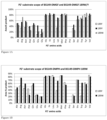
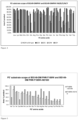
- Example 2 Mapping the P2' pocket substrate specificity of different enzyme variants with a mutation in the P2' pocket.
- the substrate premix (20 ⁇ l) was prepared from respective stock solutions in water with final concentrations of 10 mM pentapeptide Cam-ester Ac-Asp-Phe-Ser-Lys-Leu-OCam.TFA. and 15 mM of C-terminal amide H-Ala- Xxx -Lys-Lys(DNP)Lys-NH 2 .2TFA (with DNP being a dinitrophenyl protecting group).
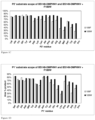
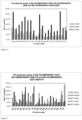
- Example 3 Mapping of the P2 pocket substrate specificity of different enzyme variants with a mutation in the P2 pocket
- H-His 1 -Gly 2 -Glu 3 -Gly 4 -Thr 5 -Phe 6 -Thr 7 -Ser 8 -Asp 9 -Leu 10 -Ser 11 -Lys 12 -Gln 13 -Met 14 -Glu 15 -Glu 16 -Glu 17 -Ala 18 -Val 19 -Arg 20 -Leu 21 -OCam-Leu-OH.3TFA and 200 mg of H-Phe 22 -Ile 23 -Glu 24 -Trp 25 -Leu 26 -Lys 27 -Asn 28 -Gly 29 -Gly 30 -Pro 31 -Ser 32 -Ser 33 -Gly 34 -Ala 35 -Pro 36 -Pro 37 -Pro 38 -Ser 39 -NH 2 .2TFA were dissolved in 1 mL phosphate buffer (0.2 M) and the pH was adjusted to 8.3 using aqueous NaOH (5 M).
- the amount of Exenatide product was 89% (11% hydrolysis) for BS149-DMPHV (experiment 1) and 97% (3% hydrolysis) for BS149-DMPHNV+ F189W (experiment 2)
- the mutation F189W has a positive effect on coupling efficiency and reaction yield.
- Example 6 Synthesis of the cyclotide McoTl-II using BS149-DM + 222P + 217H + 225N + 107V + 189W .
Landscapes
- Chemical & Material Sciences (AREA)
- Life Sciences & Earth Sciences (AREA)
- Organic Chemistry (AREA)
- Health & Medical Sciences (AREA)
- Zoology (AREA)
- Engineering & Computer Science (AREA)
- Wood Science & Technology (AREA)
- Genetics & Genomics (AREA)
- Bioinformatics & Cheminformatics (AREA)
- Biochemistry (AREA)
- General Health & Medical Sciences (AREA)
- Molecular Biology (AREA)
- General Engineering & Computer Science (AREA)
- Microbiology (AREA)
- Biotechnology (AREA)
- Medicinal Chemistry (AREA)
- Proteomics, Peptides & Aminoacids (AREA)
- Chemical Kinetics & Catalysis (AREA)
- General Chemical & Material Sciences (AREA)
- Biomedical Technology (AREA)
- Analytical Chemistry (AREA)
- Biophysics (AREA)
- Peptides Or Proteins (AREA)
- Preparation Of Compounds By Using Micro-Organisms (AREA)
- Enzymes And Modification Thereof (AREA)
- Medicines That Contain Protein Lipid Enzymes And Other Medicines (AREA)
Claims (16)
- Enzym, wobei das Enzym ein Subtilisin-BPN'-Homolog ist, das die folgenden Mutationen im Vergleich zu Subtilisin-BPN', dargestellt durch SEQ-ID-NO: 2, umfasst:- eine Deletion der Aminosäuren, die den Positionen 75-83 entsprechen;- eine Mutation an der Aminosäureposition, die S221 entspricht, wobei die Mutation dem S221C- oder S221-Selenocystein, vorzugsweise S221C, entspricht;- mindestens eine weitere Mutation, die ausgewählt ist aus der Gruppe, bestehend aus Aminosäurepositionen, die F189W, F189Y, S33D, S33T, N218D, N218T, N218E, N62D, N62S, N62W und N62Y entsprechen;vorzugsweise eine Mutation an der Aminosäureposition, die P225 entspricht;wobei die Aminosäurepositionen entsprechend der Sequenz von Subtilisin-BPN', dargestellt durch SEQ-ID-NO: 2, definiert sind und wobei dieses Subtilisin-BPN'-Homolog eine Sequenzidentität von mindestens 50 % mit Subtilisin-BPN' der SEQ-ID-NO: 2 aufweist.
- Enzym nach Anspruch 1, das eine Mutation in der S2'-Tasche des Enzyms an einer Aminosäureposition, die F189W oder F189Y, vorzugsweise F189W, entspricht, umfasst.
- Enzym nach Anspruch 2, wobei die Aminosäure an der Aminosäureposition, die N218 entspricht, N, D, T oder E, vorzugsweise D, ist.
- Enzym nach einem der vorhergehenden Ansprüche, das eine Mutation in der S2-Tasche des Enzyms an einer Aminosäureposition, die S33D oder S33T, vorzugsweise S33D, entspricht, umfasst.
- Enzym nach Anspruch 4, das eine Mutation in der S2-Tasche des Enzyms an einer Aminosäureposition, die S33D entspricht, umfasst und ferner eine Mutation in der S2'-Tasche, die N62S entspricht, umfasst.
- Enzym nach Anspruch 4, das eine Mutation in der S2-Tasche des Enzyms an einer Aminosäureposition, die S33T entspricht, umfasst und ferner eine Mutation in der S2'-Tasche, die N62W oder N62V entspricht, umfasst.
- Enzym nach Anspruch 4, 5 oder 6, das ferner die Mutationen, die M222P, Y217H, P225N, F189W, N218D und 1107V entsprechen, umfasst.
- Enzym nach einem der vorhergehenden Ansprüche, das eine Mutation in der S2'-Tasche des Enzyms an einer Aminosäureposition, die N62D, N62S, N62Y oder N62W, vorzugsweise N62D, entspricht, umfasst.
- Enzym nach einem der vorhergehenden Ansprüche, wobei mindestens zwei Positionen, vorzugsweise drei Positionen, noch bevorzugter alle vier Positionen, die aus der Gruppe von Positionen ausgewählt sind, die F189, N218, S33 und N62 entsprechen, eine Mutation umfassen und wobeidie Mutation an der Position, die F189 entspricht, F189Y oder F189W entspricht;die Mutation an der Position, die N218 entspricht, N218D, N218T oder N218E entspricht;die Mutation an der Position, die S33 entspricht, S33D oder S33T entspricht; unddie Mutation an der Position, die F62 entspricht, N62D, N62S, N62W oder N62Y entspricht.
- Enzym nach einem der vorhergehenden Ansprüche, das eine Mutation an der Aminosäureposition, die P225 entspricht, ausgewählt aus der Gruppe der Aminosäurepositionen, die P225N, P225D, P225S, P225C, P225G, P225A, P225T, P225V, P225I, P225L, P225H und P225Q, vorzugsweise P225N, P225D, P225S, P225C, P225G, P225A oder P225T, entsprechen, umfasst.
- Enzym nach einem der vorhergehenden Ansprüche, das 1-16, insbesondere 6-15, insbesondere 12-14 Mutationen umfasst, die ausgewählt sind aus der Gruppe von Mutationen an einer Aminosäureposition, die Q2, S3, P5, S9, I31, K43, M50, A73, E156, G166, G169, S188, Q2O6, N212, T254 und Q271 von SEQ-ID-NO: 2 entspricht, wobei vorzugsweise eine oder mehrere der Mutationen, noch bevorzugter mindestens sechs der Mutationen, am bevorzugtesten mindestens zwölf der Mutationen, ausgewählt sind aus der Gruppe von Positionen, die Q2K, S3C, P5S, S9A, I31L, K43N, M50F, A73L, E156S, G166S, G169A, S188P, Q2O6C, N212G, T254A und Q271 E entsprechen.
- Verfahren zur enzymatischen Synthese eines Peptids, das die Kopplung (a) eines C-terminalen Peptidesters oder Thioesters und (b) eines Peptidnukleophils mit einem N-terminal ungeschützten Amin umfasst,wobei die Kopplung in einem Wasser umfassenden Fluid durchgeführt wird undwobei die Kopplung durch ein Enzym gemäß einem der vorhergehenden Ansprüche katalysiert wird.
- Verfahren nach Anspruch 12, wobei der C-terminale Peptidester oder Thioester oder das Peptidnukleophil ein Protein ist, das ausgewählt ist aus der Gruppe von Antikörpern, Antikörperfragmenten, peptidbasierten Rezeptorliganden, Albumin, Biotin, Wachstumsfaktoren, Hormonen und Nanokörpern.
- Verfahren nach einem der Ansprüche 12-13, wobei der C-terminale Peptidester oder Thioester, das Peptidnukleophil oder beide eine Peptidkette umfassen, die 2-100 Aminosäureeinheiten, insbesondere 5-50 Aminosäureeinheiten, noch genauer 8-40 Aminosäureeinheiten aufweist.
- Verfahren nach einem der Ansprüche 12-14, wobei der C-terminale Peptidester oder Thioester ein Konjugat aus einem C-terminalen Peptidester oder Thioester und einem Rest, ausgewählt aus der Gruppe der Polyalkylenglykole (insbesondere Polyethylenglykol), Fettsäuren und Polysialinsäuren, ist und/oder das Peptidnukleophil ein Konjugat aus einem Peptidnukleophil und einem Rest, ausgewählt aus der Gruppe der Polyalkylenglykole (insbesondere Polyethylenglykol), Fettsäuren und Polysialinsäuren, ist.
- Verfahren zur enzymatischen Synthese eines zyklischen Peptids aus mindestens 12 Aminosäuren, das das Unterziehen eines C-terminalen Peptidesters oder Thioesters mit einem N-terminal ungeschützten Amin einem Zyklisierungsschritt umfasst, wobei die Zyklisierung in einem Wasser umfassenden Fluid durchgeführt wird und
wobei die Zyklisierung durch ein Enzym nach einem der Ansprüche 1-11 katalysiert wird.
Applications Claiming Priority (2)
| Application Number | Priority Date | Filing Date | Title |
|---|---|---|---|
| EP17171981.8A EP3404036A1 (de) | 2017-05-19 | 2017-05-19 | Subtilisinvarianten mit einer mutation in der s2- oder s2'-tasche |
| PCT/NL2018/050332 WO2018212658A1 (en) | 2017-05-19 | 2018-05-18 | Subtilisin variants having a mutation in the s2 or s2' pocket |
Publications (3)
| Publication Number | Publication Date |
|---|---|
| EP3628046A1 EP3628046A1 (de) | 2020-04-01 |
| EP3628046B1 true EP3628046B1 (de) | 2025-07-02 |
| EP3628046C0 EP3628046C0 (de) | 2025-07-02 |
Family
ID=58765716
Family Applications (2)
| Application Number | Title | Priority Date | Filing Date |
|---|---|---|---|
| EP17171981.8A Withdrawn EP3404036A1 (de) | 2017-05-19 | 2017-05-19 | Subtilisinvarianten mit einer mutation in der s2- oder s2'-tasche |
| EP18731214.5A Active EP3628046B1 (de) | 2017-05-19 | 2018-05-18 | Subtilisinvarianten mit einer mutation in der s2- oder s2'-tasche |
Family Applications Before (1)
| Application Number | Title | Priority Date | Filing Date |
|---|---|---|---|
| EP17171981.8A Withdrawn EP3404036A1 (de) | 2017-05-19 | 2017-05-19 | Subtilisinvarianten mit einer mutation in der s2- oder s2'-tasche |
Country Status (7)
| Country | Link |
|---|---|
| US (1) | US10336994B2 (de) |
| EP (2) | EP3404036A1 (de) |
| JP (1) | JP7246323B2 (de) |
| KR (1) | KR102825369B1 (de) |
| CN (1) | CN110621687A (de) |
| ES (1) | ES3035672T3 (de) |
| WO (1) | WO2018212658A1 (de) |
Families Citing this family (5)
| Publication number | Priority date | Publication date | Assignee | Title |
|---|---|---|---|---|
| ES3033476T3 (en) | 2021-02-12 | 2025-08-04 | Fresenius Kabi Ipsum S R L | Subtilisin variants and their use |
| EP4122944A1 (de) | 2021-07-21 | 2023-01-25 | EnzyTag B.V. | Enzymatische synthese von zyklischen peptiden |
| JP2025541419A (ja) | 2022-12-19 | 2025-12-18 | フレゼニウス カビ イプスム エス.アール.エル | 熱安定性のサブチリシン変異体及びその使用 |
| WO2025262181A1 (en) | 2024-06-19 | 2025-12-26 | Fresenius Kabi Ipsum S.R.L. | Method to improve the producibility of a peptiligase enzyme |
| CN118995679B (zh) * | 2024-09-10 | 2025-04-29 | 华东师范大学 | 一种能够在纯水相环境中一步法催化肽键合成的枯草芽孢杆菌蛋白酶突变体及其应用 |
Family Cites Families (7)
| Publication number | Priority date | Publication date | Assignee | Title |
|---|---|---|---|---|
| JP3362847B2 (ja) | 1990-08-09 | 2003-01-07 | ジェネンテック インコーポレイテッド | ペプチドリガーゼ活性を有するセリンプロテアーゼ変異体 |
| US5837516A (en) * | 1995-03-03 | 1998-11-17 | Genentech, Inc. | Subtilisin variants capable of cleaving substrates containing basic residues |
| AU3103499A (en) * | 1998-03-26 | 1999-10-18 | E.I. Du Pont De Nemours And Company | Tryptophan biosynthetic enzymes |
| US6541235B1 (en) * | 2000-09-29 | 2003-04-01 | University Of Maryland Biotechnology Institute | Calcium free subtilisin mutants |
| CN102648277B (zh) * | 2009-09-25 | 2015-05-20 | 诺维信公司 | 蛋白酶变体的用途 |
| JP5863666B2 (ja) * | 2009-12-09 | 2016-02-17 | ダニスコ・ユーエス・インク | プロテアーゼ変異体を含む組成物及び方法 |
| US10138268B2 (en) | 2014-10-10 | 2018-11-27 | Enzypep B.V. | Peptide fragment condensation and cyclisation using a subtilisin variant with improved synthesis over hydrolysis ratio |
-
2017
- 2017-05-19 EP EP17171981.8A patent/EP3404036A1/de not_active Withdrawn
-
2018
- 2018-05-18 WO PCT/NL2018/050332 patent/WO2018212658A1/en not_active Ceased
- 2018-05-18 ES ES18731214T patent/ES3035672T3/es active Active
- 2018-05-18 EP EP18731214.5A patent/EP3628046B1/de active Active
- 2018-05-18 JP JP2019563434A patent/JP7246323B2/ja active Active
- 2018-05-18 KR KR1020197034972A patent/KR102825369B1/ko active Active
- 2018-05-18 CN CN201880031625.0A patent/CN110621687A/zh active Pending
- 2018-11-16 US US16/193,963 patent/US10336994B2/en active Active
Also Published As
| Publication number | Publication date |
|---|---|
| EP3404036A1 (de) | 2018-11-21 |
| JP2020520639A (ja) | 2020-07-16 |
| KR102825369B1 (ko) | 2025-06-27 |
| US20190078069A1 (en) | 2019-03-14 |
| EP3628046A1 (de) | 2020-04-01 |
| JP7246323B2 (ja) | 2023-03-27 |
| ES3035672T3 (en) | 2025-09-08 |
| CA3060389A1 (en) | 2018-11-22 |
| CN110621687A (zh) | 2019-12-27 |
| EP3628046C0 (de) | 2025-07-02 |
| WO2018212658A1 (en) | 2018-11-22 |
| US10336994B2 (en) | 2019-07-02 |
| KR20200007840A (ko) | 2020-01-22 |
Similar Documents
| Publication | Publication Date | Title |
|---|---|---|
| US10253061B2 (en) | Peptide fragment condensation and cyclisation using a subtilisin variant with improved synthesis over hydrolysis ratio | |
| US10883132B2 (en) | Chemo-enzymatic synthesis of Semaglutide, Liraglutide and GLP-1 | |
| US10858414B2 (en) | Chemo-enzymatic synthesis of semaglutide, liraglutide and GLP-1 | |
| US10752931B2 (en) | Designing an enzymatic peptide fragment condensation strategy | |
| US10336994B2 (en) | Subtilisin variants having a mutation in the S2 or S2# pocket | |
| US12497644B2 (en) | Subtilisin variants and their use | |
| CA3060389C (en) | Subtilisin variants having a mutation in the s2 or s2' pocket | |
| WO2017222369A1 (en) | Enzymatic coupling of (oligo)peptides to the b-chain of an insulin receptor ligand | |
| HK40015407A (en) | Subtilisin variants having a mutation in the s2 or s2' pocket | |
| HK40015407B (en) | Subtilisin variants having a mutation in the s2 or s2' pocket | |
| EP3299085A1 (de) | Peptidkopplungsmolekül | |
| HK40104696A (en) | Subtilisin variants and their use | |
| HK40104696B (en) | Subtilisin variants and their use | |
| HK40028234B (en) | Chemo-enzymatic synthesis of liraglutide, semaglutide and glp-1 | |
| HK40028234A (en) | Chemo-enzymatic synthesis of liraglutide, semaglutide and glp-1 |
Legal Events
| Date | Code | Title | Description |
|---|---|---|---|
| STAA | Information on the status of an ep patent application or granted ep patent |
Free format text: STATUS: UNKNOWN |
|
| STAA | Information on the status of an ep patent application or granted ep patent |
Free format text: STATUS: THE INTERNATIONAL PUBLICATION HAS BEEN MADE |
|
| PUAI | Public reference made under article 153(3) epc to a published international application that has entered the european phase |
Free format text: ORIGINAL CODE: 0009012 |
|
| STAA | Information on the status of an ep patent application or granted ep patent |
Free format text: STATUS: REQUEST FOR EXAMINATION WAS MADE |
|
| 17P | Request for examination filed |
Effective date: 20191218 |
|
| AK | Designated contracting states |
Kind code of ref document: A1 Designated state(s): AL AT BE BG CH CY CZ DE DK EE ES FI FR GB GR HR HU IE IS IT LI LT LU LV MC MK MT NL NO PL PT RO RS SE SI SK SM TR |
|
| AX | Request for extension of the european patent |
Extension state: BA ME |
|
| DAV | Request for validation of the european patent (deleted) | ||
| DAX | Request for extension of the european patent (deleted) | ||
| REG | Reference to a national code |
Ref country code: HK Ref legal event code: DE Ref document number: 40015407 Country of ref document: HK |
|
| STAA | Information on the status of an ep patent application or granted ep patent |
Free format text: STATUS: EXAMINATION IS IN PROGRESS |
|
| 17Q | First examination report despatched |
Effective date: 20210219 |
|
| GRAP | Despatch of communication of intention to grant a patent |
Free format text: ORIGINAL CODE: EPIDOSNIGR1 |
|
| STAA | Information on the status of an ep patent application or granted ep patent |
Free format text: STATUS: GRANT OF PATENT IS INTENDED |
|
| INTG | Intention to grant announced |
Effective date: 20240723 |
|
| GRAJ | Information related to disapproval of communication of intention to grant by the applicant or resumption of examination proceedings by the epo deleted |
Free format text: ORIGINAL CODE: EPIDOSDIGR1 |
|
| STAA | Information on the status of an ep patent application or granted ep patent |
Free format text: STATUS: EXAMINATION IS IN PROGRESS |
|
| INTC | Intention to grant announced (deleted) | ||
| GRAP | Despatch of communication of intention to grant a patent |
Free format text: ORIGINAL CODE: EPIDOSNIGR1 |
|
| STAA | Information on the status of an ep patent application or granted ep patent |
Free format text: STATUS: GRANT OF PATENT IS INTENDED |
|
| INTG | Intention to grant announced |
Effective date: 20250110 |
|
| GRAS | Grant fee paid |
Free format text: ORIGINAL CODE: EPIDOSNIGR3 |
|
| RAP1 | Party data changed (applicant data changed or rights of an application transferred) |
Owner name: FRESENIUS KABI IPSUM S.R.L. |
|
| GRAA | (expected) grant |
Free format text: ORIGINAL CODE: 0009210 |
|
| STAA | Information on the status of an ep patent application or granted ep patent |
Free format text: STATUS: THE PATENT HAS BEEN GRANTED |
|
| AK | Designated contracting states |
Kind code of ref document: B1 Designated state(s): AL AT BE BG CH CY CZ DE DK EE ES FI FR GB GR HR HU IE IS IT LI LT LU LV MC MK MT NL NO PL PT RO RS SE SI SK SM TR |
|
| REG | Reference to a national code |
Ref country code: GB Ref legal event code: FG4D |
|
| REG | Reference to a national code |
Ref country code: CH Ref legal event code: EP |
|
| REG | Reference to a national code |
Ref country code: DE Ref legal event code: R096 Ref document number: 602018083182 Country of ref document: DE |
|
| REG | Reference to a national code |
Ref country code: IE Ref legal event code: FG4D |
|
| U01 | Request for unitary effect filed |
Effective date: 20250729 |
|
| U07 | Unitary effect registered |
Designated state(s): AT BE BG DE DK EE FI FR IT LT LU LV MT NL PT RO SE SI Effective date: 20250804 |
|
| REG | Reference to a national code |
Ref country code: ES Ref legal event code: FG2A Ref document number: 3035672 Country of ref document: ES Kind code of ref document: T3 Effective date: 20250908 |
|
| RAP4 | Party data changed (patent owner data changed or rights of a patent transferred) |
Owner name: FRESENIUS KABI IPSUM S.R.L. |
|
| U1H | Name or address of the proprietor changed after the registration of the unitary effect |
Owner name: FRESENIUS KABI IPSUM S.R.L.; IT |
|
| PG25 | Lapsed in a contracting state [announced via postgrant information from national office to epo] |
Ref country code: IS Free format text: LAPSE BECAUSE OF FAILURE TO SUBMIT A TRANSLATION OF THE DESCRIPTION OR TO PAY THE FEE WITHIN THE PRESCRIBED TIME-LIMIT Effective date: 20251102 |
|
| PG25 | Lapsed in a contracting state [announced via postgrant information from national office to epo] |
Ref country code: NO Free format text: LAPSE BECAUSE OF FAILURE TO SUBMIT A TRANSLATION OF THE DESCRIPTION OR TO PAY THE FEE WITHIN THE PRESCRIBED TIME-LIMIT Effective date: 20251002 |
|
| PG25 | Lapsed in a contracting state [announced via postgrant information from national office to epo] |
Ref country code: HR Free format text: LAPSE BECAUSE OF FAILURE TO SUBMIT A TRANSLATION OF THE DESCRIPTION OR TO PAY THE FEE WITHIN THE PRESCRIBED TIME-LIMIT Effective date: 20250702 |
|
| PG25 | Lapsed in a contracting state [announced via postgrant information from national office to epo] |
Ref country code: GR Free format text: LAPSE BECAUSE OF FAILURE TO SUBMIT A TRANSLATION OF THE DESCRIPTION OR TO PAY THE FEE WITHIN THE PRESCRIBED TIME-LIMIT Effective date: 20251003 |
|
| PG25 | Lapsed in a contracting state [announced via postgrant information from national office to epo] |
Ref country code: PL Free format text: LAPSE BECAUSE OF FAILURE TO SUBMIT A TRANSLATION OF THE DESCRIPTION OR TO PAY THE FEE WITHIN THE PRESCRIBED TIME-LIMIT Effective date: 20250702 |
|
| PG25 | Lapsed in a contracting state [announced via postgrant information from national office to epo] |
Ref country code: RS Free format text: LAPSE BECAUSE OF FAILURE TO SUBMIT A TRANSLATION OF THE DESCRIPTION OR TO PAY THE FEE WITHIN THE PRESCRIBED TIME-LIMIT Effective date: 20251002 |
|
| PG25 | Lapsed in a contracting state [announced via postgrant information from national office to epo] |
Ref country code: SM Free format text: LAPSE BECAUSE OF FAILURE TO SUBMIT A TRANSLATION OF THE DESCRIPTION OR TO PAY THE FEE WITHIN THE PRESCRIBED TIME-LIMIT Effective date: 20250702 |
|
| PGFP | Annual fee paid to national office [announced via postgrant information from national office to epo] |
Ref country code: GB Payment date: 20260330 Year of fee payment: 9 |
|
| PG25 | Lapsed in a contracting state [announced via postgrant information from national office to epo] |
Ref country code: SK Free format text: LAPSE BECAUSE OF FAILURE TO SUBMIT A TRANSLATION OF THE DESCRIPTION OR TO PAY THE FEE WITHIN THE PRESCRIBED TIME-LIMIT Effective date: 20250702 |
|
| PLBE | No opposition filed within time limit |
Free format text: ORIGINAL CODE: 0009261 |
|
| STAA | Information on the status of an ep patent application or granted ep patent |
Free format text: STATUS: NO OPPOSITION FILED WITHIN TIME LIMIT |