EP3621619B1 - Compounds and methods for treatment of visceral pain - Google Patents
Compounds and methods for treatment of visceral pain Download PDFInfo
- Publication number
- EP3621619B1 EP3621619B1 EP18727546.6A EP18727546A EP3621619B1 EP 3621619 B1 EP3621619 B1 EP 3621619B1 EP 18727546 A EP18727546 A EP 18727546A EP 3621619 B1 EP3621619 B1 EP 3621619B1
- Authority
- EP
- European Patent Office
- Prior art keywords
- compound
- pain
- use according
- tetrahydro
- cyclopropa
- Prior art date
- Legal status (The legal status is an assumption and is not a legal conclusion. Google has not performed a legal analysis and makes no representation as to the accuracy of the status listed.)
- Active
Links
Images







Classifications
-
- A—HUMAN NECESSITIES
- A61—MEDICAL OR VETERINARY SCIENCE; HYGIENE
- A61K—PREPARATIONS FOR MEDICAL, DENTAL OR TOILETRY PURPOSES
- A61K31/00—Medicinal preparations containing organic active ingredients
- A61K31/33—Heterocyclic compounds
- A61K31/395—Heterocyclic compounds having nitrogen as a ring hetero atom, e.g. guanethidine or rifamycins
- A61K31/41—Heterocyclic compounds having nitrogen as a ring hetero atom, e.g. guanethidine or rifamycins having five-membered rings with two or more ring hetero atoms, at least one of which being nitrogen, e.g. tetrazole
- A61K31/415—1,2-Diazoles
- A61K31/416—1,2-Diazoles condensed with carbocyclic ring systems, e.g. indazole
-
- C—CHEMISTRY; METALLURGY
- C07—ORGANIC CHEMISTRY
- C07D—HETEROCYCLIC COMPOUNDS
- C07D403/00—Heterocyclic compounds containing two or more hetero rings, having nitrogen atoms as the only ring hetero atoms, not provided for by group C07D401/00
- C07D403/02—Heterocyclic compounds containing two or more hetero rings, having nitrogen atoms as the only ring hetero atoms, not provided for by group C07D401/00 containing two hetero rings
- C07D403/04—Heterocyclic compounds containing two or more hetero rings, having nitrogen atoms as the only ring hetero atoms, not provided for by group C07D401/00 containing two hetero rings directly linked by a ring-member-to-ring-member bond
-
- A—HUMAN NECESSITIES
- A61—MEDICAL OR VETERINARY SCIENCE; HYGIENE
- A61K—PREPARATIONS FOR MEDICAL, DENTAL OR TOILETRY PURPOSES
- A61K31/00—Medicinal preparations containing organic active ingredients
- A61K31/33—Heterocyclic compounds
- A61K31/395—Heterocyclic compounds having nitrogen as a ring hetero atom, e.g. guanethidine or rifamycins
- A61K31/435—Heterocyclic compounds having nitrogen as a ring hetero atom, e.g. guanethidine or rifamycins having six-membered rings with one nitrogen as the only ring hetero atom
- A61K31/44—Non condensed pyridines; Hydrogenated derivatives thereof
- A61K31/4427—Non condensed pyridines; Hydrogenated derivatives thereof containing further heterocyclic ring systems
- A61K31/4439—Non condensed pyridines; Hydrogenated derivatives thereof containing further heterocyclic ring systems containing a five-membered ring with nitrogen as a ring hetero atom, e.g. omeprazole
-
- A—HUMAN NECESSITIES
- A61—MEDICAL OR VETERINARY SCIENCE; HYGIENE
- A61K—PREPARATIONS FOR MEDICAL, DENTAL OR TOILETRY PURPOSES
- A61K31/00—Medicinal preparations containing organic active ingredients
- A61K31/33—Heterocyclic compounds
- A61K31/395—Heterocyclic compounds having nitrogen as a ring hetero atom, e.g. guanethidine or rifamycins
- A61K31/495—Heterocyclic compounds having nitrogen as a ring hetero atom, e.g. guanethidine or rifamycins having six-membered rings with two or more nitrogen atoms as the only ring heteroatoms, e.g. piperazine or tetrazines
- A61K31/4965—Non-condensed pyrazines
- A61K31/497—Non-condensed pyrazines containing further heterocyclic rings
-
- A—HUMAN NECESSITIES
- A61—MEDICAL OR VETERINARY SCIENCE; HYGIENE
- A61K—PREPARATIONS FOR MEDICAL, DENTAL OR TOILETRY PURPOSES
- A61K31/00—Medicinal preparations containing organic active ingredients
- A61K31/66—Phosphorus compounds
- A61K31/675—Phosphorus compounds having nitrogen as a ring hetero atom, e.g. pyridoxal phosphate
-
- A—HUMAN NECESSITIES
- A61—MEDICAL OR VETERINARY SCIENCE; HYGIENE
- A61P—SPECIFIC THERAPEUTIC ACTIVITY OF CHEMICAL COMPOUNDS OR MEDICINAL PREPARATIONS
- A61P1/00—Drugs for disorders of the alimentary tract or the digestive system
-
- A—HUMAN NECESSITIES
- A61—MEDICAL OR VETERINARY SCIENCE; HYGIENE
- A61P—SPECIFIC THERAPEUTIC ACTIVITY OF CHEMICAL COMPOUNDS OR MEDICINAL PREPARATIONS
- A61P29/00—Non-central analgesic, antipyretic or antiinflammatory agents, e.g. antirheumatic agents; Non-steroidal antiinflammatory drugs [NSAID]
-
- C—CHEMISTRY; METALLURGY
- C07—ORGANIC CHEMISTRY
- C07B—GENERAL METHODS OF ORGANIC CHEMISTRY; APPARATUS THEREFOR
- C07B2200/00—Indexing scheme relating to specific properties of organic compounds
- C07B2200/13—Crystalline forms, e.g. polymorphs
Definitions
- the present invention relates to Compound A and pharmaceutical compositions thereof and their use in methods for the alleviation and/or treatment of visceral pain, in particular: pain arising from or related to Crohn's disease; or pain arising from or related to the terminal ileum of the small intestine, the small intestine Peyer's patch, or the sigmoid colon.
- visceral pain arises from or is related to Crohn's disease.
- Visceral pain is generally the result of damage or injury to internal organs, and is one of the most common forms of pain. Visceral pain is caused by the activation of pain receptors in the chest, abdomen, or pelvic areas, and can be caused by injury or disease states involving the internal organs, such as the stomach, kidney, gallbladder, urinary bladder, and intestines. Visceral pain can also be caused by problems with abdominal muscles and the abdominal wall, such as spasm. Visceral pain is distinct from somatic pain, which is caused by the activation of pain receptors in either the body surface or musculoskeletal tissues (for example, postsurgical pain from a surgical incision), and from neuropathic pain, which is caused by injury or malfunction to the spinal cord and peripheral nerves.
- somatic pain which is caused by the activation of pain receptors in either the body surface or musculoskeletal tissues (for example, postsurgical pain from a surgical incision), and from neuropathic pain, which is caused by injury or malfunction to the spinal cord and peripheral nerves.
- visceral pain examples include abdominal pain; pelvic pain; pain from an internal organ; and pain arising from or related to pancreatitis (e.g., chronic pancreatitis), inflammatory bowel disease, endometriosis, interstitial cystitis, prostatitis ( e.g., chronic prostatitis), or post-surgical abdominal lesions.
- pancreatitis e.g., chronic pancreatitis
- inflammatory bowel disease e.g., endometriosis, interstitial cystitis
- prostatitis e.g., chronic prostatitis
- post-surgical abdominal lesions examples include abdominal pain; pelvic pain; pain from an internal organ; and pain arising from or related to pancreatitis (e.g., chronic pancreatitis), inflammatory bowel disease, endometriosis, interstitial cystitis, prostatitis (e.g., chronic prostatitis), or post-surgical abdominal lesions.
- IBD inflammatory bowel disease
- UC ulcerative colitis
- CD Crohn's disease
- opioids that have the potential for developing tolerance/tachyphylaxis, addiction and abuse, and potentially fatal respiratory depression
- gabapentinoids that are safer than opioids but also produce adverse cognitive effects
- tricyclic antidepressants that show some efficacy but can also produce somnolence, hypotension, and arrhythmias
- non-steroidal antiinflammatories NSAIDs; drugs such as ibuprofen and naproxen which when administered long term may be associated with an increased risk of gastrointestinal injury/bleeding, cardiac events, hypertension, kidney injury, and death.
- Cannabinoids are a group of extracellular signaling molecules. Signals from these molecules are mediated in animals by two G-protein coupled receptors, Cannabinoid Receptor 1 (CB 1 ) and Cannabinoid Receptor 2 (CB 2 ). CB 1 is expressed most abundantly in the neurons of the CNS but is also present at lower concentrations in a variety of peripheral tissues and cells ( Matsuda, L. A. et al. (1990) Nature 346:561-564 ). In contrast, CB 2 is expressed predominantly, although not exclusively, in non-neural tissues, e.g.
- CB 1 is believed to be primarily responsible for mediating the psychotropic effects of cannabinoids on the body, whereas CB 2 is believed to be primarily responsible for most of their non-neural effects.
- WO 2012/116276 A1 (30 August 2012 ) describes crystalline forms of (1aS,5aS)-2-(4-oxy-pyrazin-2-yl)-1a,2,5,5a-tetrahydro-1H-2,3-diaza-cyclopropa[a]pentalene-4-carboxylic acid ((S)-1-hydroxymcthyl-2,2-dimcthyl-propyl)-amide and their use in treatment of CB 2 receptor-mediated disorders.
- (1aS,5aS)-2-(4-oxy-pyrazin-2-yl)-1a,2,5,5a-tetrahydro-1H-2,3-diaza-cyclopropa[a]pentalene-4-carboxylic acid ((S)-1-hydroxymcthyl-2,2-dimcthyl-propyl)-amide and their use in treatment of CB 2 receptor-mediated disorders.
- CB 2 cannabinoid receptor type 2
- Izzo et al., Pharmacological Research, August 2009, Vol 60, no. 2 pp 117-125 describes use of cannabinoids in counteracting intestinal inflammation and cancer.
- Kikuchi et al., J. Pharmacol Sci., January 2008, Vol. 106 no. 2, pp 219-224 describes a cannabinoid receptor type 2 (CB 2 ) ligand and its pharmacological evaluation in rat models of vesceral hypersensitivity.
- WO 2017/180528 A1 (19 October 2017 ) describes methods of treating a CB 2 receptor disorder, such as pain or fibrosis, with a CB 2 recptor agonist compound.
- the invention is a compound that is (1a S ,5a S )-2-(4-oxy-pyrazin-2-yl)-1a,2,5,5a-tetrahydro-1 H -2,3-diaza-cyclopropa[a]pentalene-4-carboxylic acid (( S )-1-hydroxymethyl-2,2-dimethylpropyl)-amide, (Compound A) having the structure: or a pharmaceutically acceptable salt or crystal form thereof, for use in a method for treating or alleviating visceral pain in a patient in need of such treatment, wherein:
- the visceral pain is pain arising from or related to Crohn's disease.
- the visceral pain is pain arising from or related to the terminal ileum of the small intestine, the small intestine Peyer's patch, or the sigmoid colon.
- the patient is administered a dose from 10 mg to 400 mg of Compound A.
- the patient is administered a dose of 25 mg, 50 mg, or 100 mg of Compound A.
- the dose is administered once, twice, or three times per day.
- the Compound A is administered in an anhydrous, non-solvated crystalline form.
- the Compound A displays:
- the Compound A is administered in a pharmaceutical composition comprising Compound A and a pharmaceutically acceptable carrier.
- the pharmaceutical composition comprises from 10 mg to 400 mg of Compound A.
- the pharmaceutical composition comprises 25 mg, 50 mg, or 100 mg of Compound A.
- the pharmaceutical composition is administered once, twice, or three times per day.
- references to the methods of treatment by therapy or surgery or in vivo diagnosis methods in this description are to be interpreted as references to compounds, pharmaceutical compositions and medicaments for use in those methods.
- Compound A also referred to herein as Compound 699
- Compound 699 is particularly useful for the treatment of visceral pain, in particular: pain arising from or related to Crohn's disease; or pain arising from or related to the terminal ileum of the small intestine, the small intestine Peyer's patch, or the sigmoid colon.
- the visceral pain may be pain arising from Crohn's disease.
- the patient may be in remission for Crohn's disease, for example where the patient is in remission for Crohn's disease and has chronic visceral pain.
- the patient may have previously been treated with an opioid analgesic for pain arising from or related to inflammatory bowel disease, for example Crohn's disease.
- the patient may be administered a daily dose of Compound A from 10 mg to 400 mg, from one to three times per day.
- references to the methods of treatment by therapy or surgery or in vivo diagnosis methods in this description are to be interpreted as references to compounds, pharmaceutical compositions and medicaments for use in those methods.
- ranges are used as shorthand for describing each and every value that is within the range. Any value within the range can be selected as the terminus of the range.
- treatment and “treating” are to be understood accordingly as embracing treatment or amelioration of symptoms of disease as well as treatment of the cause of the disease.
- patient may include a human or non-human patient.
- Compound A is useful for treating or alleviating visceral pain in a patient in need of such treatment.
- Method 1 for treating or alleviating visceral pain in a patient in need of such treatment, wherein the visceral pain is pain arising from or related to Crohn's disease; or the visceral pain is pain arising from or related to the terminal ileum of the small intestine, the small intestine Peyer's patch, or the sigmoid colon; the method comprising administering to the patient a therapeutically effective amount of (1a S ,5a S )-2-(4-oxy-pyrazin-2-yl)-1a,2,5,5a-tetrahydro-1 H -2,3-diaza-cyclopropa[a]pentalene-4-carboxylic acid (( S )-1-hydroxymethyl-2,2-dimethyl-propyl)-amide, (Compound A) having the structure: or a
- Method 2 for selectively activating a CB2 receptor in a patient experiencing visceral pain, comprising administering to the patient a therapeutically effective amount of Compound A or a pharmaceutically acceptable salt thereof.
- composition 1 a pharmaceutical composition for alleviation of visceral pain
- composition 1 the composition comprising a therapeutically effective amount of Compound A, or a pharmaceutically acceptable salt or crystal form thereof.
- Method 3 of producing a pharmaceutical composition for alleviation of visceral pain, as described herein, comprising admixing Compound A, or a pharmaceutically acceptable salt or crystal form thereof, and a pharmaceutically acceptable carrier.
- the pain is mild pain.
- the pain is moderate pain.
- the pain is severe pain.
- the pain is moderate to moderately severe pain.
- the pain is moderate to severe pain.
- the patient has a visual analogue scale pain score of ⁇ 40 mm.
- the patient has a Likert numerical rating scale pain score of ⁇ 4.
- the pain is moderate to severe pain requiring continuous, around-the-clock opioid therapy for an extended period of time.
- the pain is acute pain.
- the method is for short-term use (five days or less).
- the pain is chronic visceral pain.
- Compound A is provided in an enterically coated dosage form; a delay release dosage form, or a pulsatile release dosage form.
- the pain is pain arising from or related to Crohn's disease.
- the compound is administered at one or more initial doses having an initial dosage amount of the compound, and then is subsequently administered at one or more successive doses having a lower dosage amount of the compound.
- the initial dose is 100 mg TID and the reduced dose is 50 mg TID; or the initial dose is 25 mg TID and the reduced dose is 25 mg BID.
- the analgesic properties of cannabinoids have been recognized for many years.
- animal studies have demonstrated that the CB 1 /CB 2 agonists anandamide, THC, CP55,940 and WIN 55212-2 are effective against acute and chronic pain from chemical, mechanical, and thermal pain stimuli (reviewed in Walker and Huang (2002) Pharmacol. Ther. 95:127-135 ; reviewed in Pacher, P et al. (2006) Pharmacol. Rev. 58(3): 389-462 ).
- topical administration of the CB 1 /CB 2 agonist HU-210 attenuates capsaicin-induced hyperalgesia and allodynia ( Rukwied, R. et al.
- CB 1 The role of CB 1 in mediating these analgesic effects is well-documented (reviewed in Manzanares, J. et al. (2006) Current Neuropharmacology 4:239-57 ; reviewed in Pacher, P. et al. (2006) Pharmacol. Rev. 58(3): 389-462 ).
- blockade of peripheral or central CB 1 leads to hyperalgesia ( Richardson, J. D. et al. (1997) Eur. J. Pharmacol. 345:145-153 ; Calignano, A. et al.
- CB 2 also plays a role in mediating analgesic effects of cannabinoids (reviewed in Guindon and Hohmann (2008) Br. J. Pharmacol. 153:319-334 ).
- systemic delivery of the CB 2 -selective agonist AM1241 suppresses hyperalgesia induced in the carrageenan, capsaicin, and formalin models of inflammatory pain in rodents (reviewed in Guindon and Hohmann (2008) Br. J. Pharmacol. 153:319-334 ).
- AM1241 also reverses tactile and thermal hypersensitivity in rats following ligation of spinal nerves in the chronic constriction injury model of neuropathic pain ( Malan, T. P. et al. (2001) Pain 93:239-245 ; (2004), M. M. et al. (2003) Proc. Natl. Acad. Sci. 100(18): 10529-10533 ), an effect which is inhibited by treatment with the CB 2 -selective antagonist AM630 ( Wheat, M. M. et al. (2005) Proc. Natl. Acad. Sci. 102(8):3093-8 ).
- CB 2 -selective agonist GW405833 administered systemically significantly reverses hypersensitivity to mechanical stimuli in rats following ligation of spinal nerves ( Hu, B. et al. (2009) Pain 143:206-212 ).
- CB 2 -selective agonists have also been demonstrated to attenuate pain in experimental models of acute, inflammatory, and neuropathic pain, and hyperalgesia.
- CB 2 -specific agonists and/or CB 1 /CB 2 agonists find use in the treatment and/or prophylaxis of acute nociception and inflammatory hyperalgesia, as well as the allodynia and hyperalgesia produced by neuropathic pain.
- these agonists are useful as an analgesic to treat pain arising from autoimmune conditions; allergic reactions; bone and joint pain; muscle pain; dental pain; nephritic syndrome; scleroderma; thyroiditis; migraine and other headache pain; pain associated with diabetic neuropathy; fibromyalgia, HIV-related neuropathy, sciatica, and neuralgias; pain arising from cancer; and pain that occurs as an adverse effect of therapeutics for the treatment of disease.
- the Cannabinoid system in inflammatory bowel disease is dysregulated, and the enzymes that breakdown endocannabinoids (e.g . fatty acid amide hydrolase -FAAH) are increased in active inflammatory Crohn's disease.
- the enzymes that synthesize endocannabinoids e.g. N- acyl-phosphatidylethanolamine-specific phospholipase -NAPE-PLD are decreased in active inflammatory Crohn's disease and some endocannabinoids are decreased in active inflammatory bowel disease.
- the CB 2 receptors are located in the target tissue gastrointestinal (GI) cells and local immune cells in both humans and in rodents, and are found in epithelial cells, immune cells, and in enteric neurons where CB 2 mediated sensitivity is observed at visceral afferent nerve endings.
- GI target tissue gastrointestinal
- the CB 2 receptor is increased in the ulcerative margin in Crohn's disease, and cannabinoids have been shown to be effective in clinical trials for Crohn's pain.
- cannabis has been demonstrated to induce a clinical response in patients with Crohn's disease in a prospective placebo-controlled study, and treatment of Crohn's disease with cannabis in an observational study showed improvements in the pain score.
- CB 2 activation can alleviate abdominal pain without the unwanted cognitive effects of CB 1 receptor activation.
- a CB 2 agonist has been shown to block mesenteric nerve firing and this effect is blocked in CB 2 knockouts.
- LCFM probiotic Lactobacillus Acidophophilis
- LCFM probiotic Lactobacillus Acidophophilis
- Compound A for recombinant CB 2 receptors were determined using radioligand binding assays and GPCR signaling assays.
- Compound A was shown to be a full agonist of the CB 2 receptor with a Ki of 6 nM for human CB 2 and EC50 values between 6 nM and 8 nM for the human, rat, and dog receptors.
- Ki 6 nM for human CB 2
- EC50 values between 6 nM and 8 nM for the human, rat, and dog receptors.
- Compound A did not interact with recombinant human, rat, or dog CB 1 receptors, indicating a >1000-fold selectivity across these species.
- Compound A is particularly useful for the treatment of visceral pain, wherein the visceral pain arises from or is related to Crohn's disease.
- Compound A is also particularly useful for the treatment of visceral pain in an organ or tissue expressing the CB2 receptor, in particular, visceral pain arising from or related to the terminal ileum of the small intestine, the small intestine Peyer's patch, or the sigmoid colon.
- CB2 receptor expression has been reported, for example, in the spleen, vermiform appendix, lung, terminal ileum of the small intestine, small intestine Peyer's patch, lymph nodes, urinary bladder, stomach, thymus, and sigmoid colon (EMBL-EBI Expression Atlas, accessed February 22, 2017).
- the severity of the pain can be assessed with self-reported measures as is known in the art. Generally, pain is assessed at rest, with appropriate activity (e.g ., ambulation, cough), at baseline (prior to administration of Compound A or a pharmaceutically acceptable salt, solvate, and/or hydrate thereof and at regular intervals thereafter).
- Some of the most commonly used pain assessment instruments include the visual analog scale (VAS), numeric rating scale (NRS), and categorical Likert scale.
- VAS is a written assessment that typically utilizes an unmarked 100-mm line with the left end marked as "no pain" and the right end marked as "worst pain imaginable.” Subjects put a mark on the line corresponding to their level of pain.
- the NRS can be applied in either written or verbal form and typically utilizes a rating from 0 (corresponding to "no pain") to 10 (corresponding to “worst pain imaginable”).
- Likert scales are typically four- or five-item instruments ( e.g. , ratings of "none", “mild”, “moderate”, “severe") that attempt to quantify pain.
- compositions comprising Compound A and one or more pharmaceutically acceptable carriers.
- Some embodiments pertain to pharmaceutical compositions comprising Compound A and a pharmaceutically acceptable carrier.
- Also described herein is a method of producing a pharmaceutical composition for alleviation of visceral pain, as described herein, comprising admixing Compound A and a pharmaceutically acceptable carrier.
- Formulations may be prepared by any suitable method, typically by uniformly mixing the active compound with liquids or finely divided solid carriers, or both, in the required proportions and then, if necessary, forming the resulting mixture into a desired shape.
- Liquid preparations for oral administration may be in the form of solutions, emulsions, aqueous or oily suspensions and syrups.
- the oral preparations may be in the form of dry powder that can be reconstituted with water or another suitable liquid vehicle before use. Additional additives such as suspending or emulsifying agents, nonaqueous vehicles (including edible oils), preservatives and flavorings and colorants may be added to the liquid preparations.
- Parenteral dosage forms may be prepared by dissolving the Compound A in a suitable liquid vehicle and filter sterilizing the solution before filling and sealing an appropriate vial or ampule. These are just a few examples of the many appropriate methods well known in the art for preparing dosage forms.
- Compound A can be formulated into pharmaceutical compositions using techniques well known to those in the art. Suitable pharmaceutically-acceptable carriers, outside those mentioned herein, are known in the art; for example, see Remington, The Science and Practice of Pharmacy, 20th Edition, 2000, Lippincott Williams & Wilkins, (Editors: Gennaro et al. ) .
- Compound A in an alternative use, be administered as a raw or pure chemical, it is preferable however to present the compound or active ingredient as a pharmaceutical formulation or composition further comprising a pharmaceutically acceptable carrier.
- Transdermal patches dispense a drug at a controlled rate by presenting the drug for absorption in an efficient manner with minimal degradation of the drug.
- transdermal patches comprise an impermeable backing layer, a single pressure sensitive adhesive and a removable protective layer with a release liner.
- Compound A together with a conventional adjuvant, carrier, or diluent, may thus be placed into the form of pharmaceutical formulations and unit dosages thereof and in such form may be employed as solids, such as tablets or filled capsules, or liquids such as solutions, suspensions, emulsions, elixirs, gels or capsules filled with the same, all for oral use, in the form of suppositories for rectal administration; or in the form of sterile injectable solutions for parenteral (including subcutaneous) use.
- Such pharmaceutical compositions and unit dosage forms thereof may comprise conventional ingredients in conventional proportions, with or without additional active compounds or principles and such unit dosage forms may contain any suitable effective amount of the active ingredient commensurate with the intended daily dosage range to be employed.
- the pharmaceutical composition may be in the form of, for example, a tablet, capsule, suspension or liquid.
- the pharmaceutical composition is preferably made in the form of a dosage unit containing a particular amount of the active ingredient.
- dosage units are capsules, tablets, powders, granules or a suspension, with conventional additives such as lactose, mannitol, corn starch or potato starch; with binders such as crystalline cellulose, cellulose derivatives, acacia, corn starch or gelatins; with disintegrators such as corn starch, potato starch or sodium carboxymethylcellulose; and with lubricants such as talc or magnesium stearate.
- the active ingredient may also be administered by injection as a composition wherein, for example, saline, dextrose or water may be used as a suitable pharmaceutically acceptable carrier.
- Compound A or a solvate, hydrate or physiologically functional derivative thereof can be used as active ingredients in pharmaceutical compositions, specifically as cannabinoid receptor modulators.
- active ingredient is defined in the context of a "pharmaceutical composition” and is intended to mean a component of a pharmaceutical composition that provides the primary pharmacological effect, as opposed to an "inactive ingredient” which would generally be recognized as providing no pharmaceutical benefit.
- the dose when using Compound A can vary within wide limits and as is customary and is known to the physician, it is to be tailored to the individual conditions in each individual case. It depends, for example, on the nature and severity of the illness to be treated, on the condition of the patient, on the compound employed or on whether an acute or chronic disease state is treated or prophylaxis conducted or on whether further active compounds are administered in addition to Compound A.
- Some non-limiting preferred dosages for inclusion in the compositions and methods of the present disclosure include: 10 mg, 15 mg, 20 mg, 25 mg, 30 mg, 35 mg, 40 mg, 45 mg, 50 mg, 55 mg, 60 mg, 65 mg, 70 mg, 75 mg, 80 mg, 85, mg, 90 mg, 95 mg, 100 mg, 110 mg, 120 mg, 125 mg, 130 mg, 140 mg, 150 mg, 160 mg, 170 mg, 175 mg, 180 mg, 190 mg, 200 mg, 210 mg, 220 mg, 225 mg, 230 mg, 240 mg, 250 mg, 260 mg, 275 mg, 280 mg, 290 mg, 300 mg, 325 mg, 350 mg, 375 mg, and 400 mg.
- Multiple doses may be administered during the day, especially when relatively large amounts are deemed to be needed, for example 2, 3, or 4 doses.
- doses described herein may be administered during the day, especially when relatively large amounts are deemed to be needed, for example 2, 3, or 4 doses.
- the amount of active ingredient, or an active salt or derivative thereof, required for use in treatment will vary not only with the particular salt selected but also with the route of administration, the nature of the condition being treated and the age and condition of the patient and will ultimately be at the discretion of the attendant physician or clinician.
- a model system typically an animal model
- these extrapolations may merely be based on the weight of the animal model in comparison to another, such as a mammal, preferably a human, however, more often, these extrapolations are not simply based on weights, but rather incorporate a variety of factors.
- compositions for treating a disease condition with Compound A and/or compositions described herein are selected in accordance with a variety factors as cited above. Thus, the actual dosage regimen employed may vary widely and therefore may deviate from a preferred dosage regimen and one skilled in the art will recognize that dosage and dosage regimen outside these typical ranges can be tested and, where appropriate, may be used in the methods described herein.
- the desired dose may conveniently be presented in a single dose or as divided doses administered at appropriate intervals, for example, as two, three, four, or more sub-doses per day.
- the sub-dose itself may be further divided, e.g., into a number of discrete loosely spaced administrations.
- the daily dose can be divided, especially when relatively large amounts are administered as deemed appropriate, into several, for example 2, 3, or 4-part administrations. If appropriate, depending on individual behavior, it may be necessary to deviate upward or downward from the daily dose indicated.
- Compound A can be administrated in a wide variety of oral and parenteral dosage forms. It will be obvious to those skilled in the art that the following dosage forms may comprise, as the active component, either Compound A or a pharmaceutically acceptable salt, solvate or hydrate of Compound A.
- a suitable pharmaceutically acceptable carrier can be either solid, liquid or a mixture of both.
- Solid form preparations include powders, tablets, pills, capsules, cachets, suppositories and dispersible granules.
- a solid carrier can be one or more substances which may also act as diluents, flavoring agents, solubilizers, lubricants, suspending agents, binders, preservatives, tablet disintegrating agents, or an encapsulating material.
- the carrier is a finely divided solid which is in a mixture with the finely divided active component.
- the active component is mixed with the carrier having the necessary binding capacity in suitable proportions and compacted to the desire shape and size.
- the powders and tablets may contain varying percentage amounts of the active compound.
- a representative amount in a powder or tablet may contain from 0.5 to about 90 percent of the active compound; however, an artisan would know when amounts outside of this range are necessary.
- Suitable carriers for powders and tablets are magnesium carbonate, magnesium stearate, talc, sugar, lactose, pectin, dextrin, starch, gelatin, tragacanth, methylcellulose, sodium carboxymethylcellulose, a low melting wax, cocoa butter and the like.
- the term "preparation" is intended to include the formulation of the active compound with encapsulating material as carrier providing a capsule in which the active component, with or without carriers, is surrounded by a carrier, which is thus in association with it.
- cachets and lozenges are included. Tablets, powders, capsules, pills, cachets and lozenges can be used as solid forms suitable for oral administration.
- a low melting wax such as an admixture of fatty acid glycerides or cocoa butter
- the active component is dispersed homogeneously therein, as by stirring.
- the molten homogenous mixture is then poured into convenient sized molds, allowed to cool and thereby to solidify.
- Formulations suitable for vaginal administration may be presented as pessaries, tampons, creams, gels, pastes, foams or sprays containing in addition to the active ingredient such carriers as are known in the art to be appropriate.
- Liquid form preparations include solutions, suspensions and emulsions, for example, water or water-propylene glycol solutions.
- parenteral injection liquid preparations can be formulated as solutions in aqueous polyethylene glycol solution.
- injectable preparations for example, sterile injectable aqueous or oleaginous suspensions may be formulated according to the known art using suitable dispersing or wetting agents and suspending agents.
- the sterile injectable preparation may also be a sterile injectable solution or suspension in a nontoxic parenterally acceptable diluent or solvent, for example, as a solution in 1,3-butanediol.
- Suitable vehicles and solvents that may be employed are water, Ringer's solution and isotonic sodium chloride solution.
- sterile, fixed oils are conventionally employed as a solvent or suspending medium.
- any bland fixed oil may be employed including synthetic mono- or diglycerides.
- fatty acids such as oleic acid find use in the preparation of injectable.
- Compound A may thus be formulated for parenteral administration (e.g . by injection, for example bolus injection or continuous infusion) and may be presented in unit dose form in ampoules, pre-filled syringes, small volume infusion or in multi-dose containers with an added preservative.
- the pharmaceutical compositions may take such forms as suspensions, solutions, or emulsions in oily or aqueous vehicles and may contain formulatory agents such as suspending, stabilizing and/or dispersing agents.
- the active ingredient may be in powder form, obtained by aseptic isolation of sterile solid or by lyophilization from solution, for constitution with a suitable vehicle, e.g . sterile, pyrogen-free water, before use.
- Aqueous formulations suitable for oral use can be prepared by dissolving or suspending the active component in water and adding suitable colorants, flavors, stabilizing and thickening agents, as desired.
- Aqueous suspensions suitable for oral use can be made by dispersing the finely divided active component in water with viscous material, such as natural or synthetic gums, resins, methylcellulose, sodium carboxymethylcellulose, or other well-known suspending agents.
- viscous material such as natural or synthetic gums, resins, methylcellulose, sodium carboxymethylcellulose, or other well-known suspending agents.
- solid form preparations which are intended to be converted, shortly before use, to liquid form preparations for oral administration.
- liquid forms include solutions, suspensions and emulsions.
- These preparations may contain, in addition to the active component, colorants, flavors, stabilizers, buffers, artificial and natural sweeteners, dispersants, thickeners, solubilizing agents and the like.
- the pharmaceutical preparations are preferably in unit dosage forms.
- the preparation is subdivided into unit doses containing appropriate quantities of the active component.
- the unit dosage form can be a packaged preparation, the package containing discrete quantities of preparation, such as packeted tablets, capsules and powders in vials or ampoules.
- the unit dosage form can be a capsule, tablet, cachet, or lozenge itself, or it can be the appropriate number of any of these in packaged form.
- Tablets or capsules for oral administration are preferred compositions.
- Compound A may optionally exist as pharmaceutically acceptable salts including pharmaceutically acceptable acid addition salts prepared from pharmaceutically acceptable non-toxic acids including inorganic and organic acids.
- Representative acids include, but are not limited to, acetic, benzenesulfonic, benzoic, camphorsulfonic, citric, ethenesulfonic, dichloroacetic, formic, fumaric, gluconic, glutamic, hippuric, hydrobromic, hydrochloric, isethionic, lactic, maleic, malic, mandelic, methanesulfonic, mucic, nitric, oxalic, pamoic, pantothenic, phosphoric, succinic, sulfiric, tartaric, oxalic, p-toluenesulfonic and the like.
- Certain pharmaceutically acceptable salts are listed in Berge, et al., Journal of Pharmaceutical Sciences, 66:1-19 (1977 ).
- the acid addition salts may be obtained as the direct products of compound synthesis.
- the free base may be dissolved in a suitable solvent containing the appropriate acid and the salt isolated by evaporating the solvent or otherwise separating the salt and solvent.
- Compound A may form solvates with standard low molecular weight solvents using methods known to the skilled artisan.
- Compound A can be converted to "pro-drugs.”
- the term “pro-drugs” refers to compounds that have been modified with specific chemical groups known in the art and when administered into an individual these groups undergo biotransformation to give the parent compound. Pro-drugs can thus be viewed as compounds containing one or more specialized non-toxic protective groups used in a transient manner to alter or to eliminate a property of the compound. In one general aspect, the "pro-drug” approach is utilized to facilitate oral absorption.
- T. Higuchi and V. Stella Pro-drugs as Novel Delivery Systems Vol. 14 of the A.C.S. Symposium Series ; and in Bioreversible Carriers in Drug Design, ed. Edward B. Roche, American Pharmaceutical Association and Pergamon Press, 1987 .
- Also described herein is a method of producing a pharmaceutical composition for "combination-therapy" comprising admixing at least one compound according to any of the compound embodiments disclosed herein, together with at least one known pharmaceutical agent as described herein and a pharmaceutically acceptable carrier.
- Compound A can be administrated in a wide variety of oral and parenteral dosage forms. It will be apparent to those skilled in the art that the following dosage forms may comprise, as the active component, either Compound A or a pharmaceutically acceptable salt or as a solvate or hydrate thereof. Moreover, various hydrates and solvates of Compound A and its salts will find use as intermediates in the manufacture of pharmaceutical compositions. Typical procedures for making and identifying suitable hydrates and solvates, outside those mentioned herein, are well known to those in the art; see for example, pages 202-209 of K.J. Guillory, "Generation of Polymorphs, Hydrates, Solvates, and Amorphous Solids," in: Polymorphism in Pharmaceutical Solids, ed. Harry G.
- Polymorphism is the ability of a substance to exist as two or more crystalline phases that have different arrangements and/or conformations of the molecules in the crystal lattice. Polymorphs show the same properties in the liquid or gaseous state but they behave differently in the solid state.
- drugs can also exist as salts and other multicomponent crystalline phases.
- solvates and hydrates may contain an API host and either solvent or water molecules, respectively, as guests.
- the guest compound is a solid at room temperature, the resulting form is often called a cocrystal.
- Salts, solvates, hydrates, and cocrystals may show polymorphism as well. Crystalline phases that share the same API host, but differ with respect to their guests, may be referred to as pseudopolymorphs of one another.
- Solvates contain molecules of the solvent of crystallization in a definite crystal lattice. Solvates, in which the solvent of crystallization is water, are termed hydrates. Because water is a constituent of the atmosphere, hydrates of drugs may be formed rather easily.
- CB 2 receptor e.g. , human CB 2 receptor
- HTRF ® assay for direct cAMP measurement Gabriel et al., ASSAY and Drug Development Technologies, 1:291-303, 2003
- CHO-K1 cells were obtained from ATCC ® (Manassas, VA; Catalog # CCL-61).
- An agonist of the CB 2 receptor was detected in the HTRF ® assay for direct cAMP measurement as a compound which decreased cAMP concentration.
- HTRF ® assay An inverse agonist of the CB 2 receptor was detected in the HTRF ® assay for direct cAMP measurement as a compound which increased cAMP concentration.
- the HTRF ® assay also was used to determine EC 50 values for CB 2 receptor agonists and inverse agonists.
- Compounds were also screened for agonists and inverse agonists of the CB 1 receptor (e.g ., human CB 1 receptor) using HTRF ® assay for direct cAMP measurement ( Gabriel et al., ASSAY and Drug Development Technologies, 1:291-303, 2003 ) in recombinant CHO-K1 cells stably transfected with the CB 1 receptor.
- CHO-K1 cells were obtained from ATCC ® (Manassas, VA; Catalog # CCL-61).
- An agonist of the CB 1 receptor was detected in the HTRF ® assay for direct cAMP measurement as a compound which decreased cAMP concentration.
- HTRF ® assay An inverse agonist of the CB 1 receptor was detected in the HTRF ® assay for direct cAMP measurement as a compound which increased cAMP concentration.
- the HTRF ® assay also was used to determine EC 50 values for CB 1 receptor agonists and inverse agonists.
- the HTRF ® assay kit was purchased from Cisbio-US, Inc. (Bedford, MA; Catalog # 62AM4PEC).
- the HTRF ® assay supported by the kit is a competitive immunoassay between endogenous cAMP produced by the CHO-K1 cells and tracer cAMP labeled with the dye d2.
- the tracer binding is visualized by a monoclonal anti-cAMP antibody labeled with Cryptate.
- the specific signal i.e., fluorescence resonance energy transfer, FRET
- FRET fluorescence resonance energy transfer
- Standard curve The fluorescence ratio (665 nm/620 nm) of the standards (0.17 to 712 nM cAMP) included in the assay was calculated and used to generate a cAMP standard curve according to the kit manufacturer's instructions. The fluorescence ratio of the samples (test compound or compound buffer) was calculated and used to deduce respective cAMP concentrations by reference to the cAMP standard curve.
- HTRF ® assay was carried out using a two-step protocol essentially according to the kit manufacturer's instructions, in 20 ⁇ L total volume per well in 384-well plate format (ProxiPlates; PerkinElmer, Fremont, CA; catalog # 6008280).
- To each of the experimental wells was transferred 1500 recombinant CHO-K1 cells in 5 ⁇ L phosphate buffered saline containing calcium chloride and magnesium chloride (PBS+; Invitrogen, Carlsbad, CA; catalog # 14040) followed by test compound in 5 ⁇ L assay buffer (PBS+ supplemented with 0.2% BSA, 4 ⁇ M forskolin and 1 mM IBMX (Sigma-Aldrich, St.
- the plate was then incubated at room temperature for 1 hour. To each well was then added 5 ⁇ L cAMP-d2 conjugate in lysis buffer and 5 ⁇ L Cryptate conjugate in lysis buffer according to the kit manufacturer's instructions. The plate was then further incubated at room temperature for 1 hour, after which the assay plate was read.
- the HTRF ® readout was accomplished using a PHERAstar (BMG Labtech Inc., Durham, NC) or an EnVision TM (Perkin Elmer, Fremont CA) microplate reader.
- Table A-1 (An asterisk ( ⁇ ) denotes a reference compound.)
- Certain other compounds described herein had hCB 1 EC 50 values ranging from about 279 pM to about 76.47 ⁇ M in this assay and hCB 2 EC 50 values ranging from about 170 pM to about 44.72 ⁇ M in this assay. Certain other compounds described herein had hCB 2 EC 50 values ranging from about 94 pM to about 2.7 nM in this assay.
- CB 2 was cloned into the pCMV-PK vector (DiscoveRx, Fremont, CA; catalog # 93-0167) and transfected into the CHO-K1 EA-Arrestin parental cell line (DiscoveRx, Fremont, CA; catalog # 93-0164).
- CHO-K1 positive clones stably expressing the CB 2 -ProLink fusion protein were identified by their responses to the CB 2 agonist CP55,940.
- Clone # 61 was chosen for its big agonist window and homogenous expression as detected by anti-HA flow cytometry.
- the PathHunter -arrestin assay measures the interaction of ⁇ -arrestin with activated GPCRs using Enzyme Fragment Complementation ( Yan et al., J. Biomol. Screen. 7: 451-459, 2002 ).
- a small, 42 amino acid ⁇ -galactosidase fragment, Prolink is fused to the c-terminus of a GPCR, and ⁇ -arrestin is fused to the larger ⁇ -galactosidase fragment, EA (Enzyme Acceptor).
- Binding of ⁇ -arrestin to the activated GPCR causes the complementation of the two enzyme fragments, forming an active b-galactosidase enzyme which can be measured using the chemiluminiescent PathHunter Flash Detection Kit (DiscoveRx, Fremont, CA: catalog # 93-0001).
- the assay The stable CHO-K1 cells expressing CB 2 -Prolink fusion protein were plated overnight in 384-well plates (Optiplate 384-Plus, PerkinElmer, Fremont CA; catalog # 6007299) at 5000 cells/5 ⁇ L/well in the Opti-MEM medium (Invitrogen, Carlsbad, CA; catalog # 31985088) with 1% FBS. 5 ⁇ L of test compound diluted in Opti-MEM supplemented with 1% BSA was transferred to each well of the Optiplate. The plates were then incubated at 37 °C/5% CO 2 for two hours.
- ⁇ -Arrestin assay readout was accomplished using a PHERAstar (BMG Labtech Inc., Durham, NC) or an EnVision TM (PerkinElmer, Fremont CA) microplate reader.
- CB 1 was cloned into the pCMV-PK vector (DiscoveRx, Fremont, CA; catalog # 93-0167) and transfected into the CHO-K1 EA-Arrestin parental cell line (DiscoveRx, Fremont, CA; catalog # 93-0164).
- CHO-K1 positive clones stably expressing the CB 1 -ProLink fusion protein were identified by their responses to the CB 1 agonist CP55,940.
- Clone # 3 was chosen for its big agonist window and homogenous expression as detected by anti-HA flow cytometry
- the PathHunter ⁇ -arrestin assay measures the interaction of ⁇ -arrestin with activated GPCRs using Enzyme Fragment Complementation ( Yan et al., J. Biomol. Screen. 7: 451-459, 2002 ).
- a small, 42 amino acid ⁇ -galactosidase fragment, Prolink is fused to the c-terminus of a GPCR, and ⁇ -arrestin is fused to the larger b-galactosidase fragment, EA (Enzyme Acceptor).
- Binding of ⁇ -arrestin to the activated GPCR causes the complementation of the two enzyme fragments, forming an active b-galactosidase enzyme which can be measured using the chemiluminiescent PathHunter Flash Detection Kit (DiscoveRx, Fremont, CA: catalog # 93-0001).
- the assay The stable CHO-K1 cells expressing CB 1 -Prolink fusion protein were plated overnight in 384-well plates (Optiplate 384-Plus, PerkinElmer, Fremont CA; catalog # 6007299) at 5000 cells/5 ⁇ L/well in the Opti-MEM medium (Invitrogen, Carlsbad, CA; catalog # 31985088) with 1% FBS. 5 ⁇ L of test compound diluted in Opti-MEM supplemented with 1% BSA was transferred to each well of the Optiplate. The plates were then incubated at 37 °C/5% CO 2 for two h.
- Assay readout ⁇ -Arrestin assay readout was accomplished using a PHERAstar (BMG LABTECH Inc., Durham, NC) or EnVision TM (PerkinElmer, Fremont CA) microplate reader.
- Table B-1 (An asterisk ( ⁇ ) denotes a reference compound.)
- Certain other compounds described herein had hCB 1 EC 50 values ranging from about 2.6 nM to about 89.06 ⁇ M in this assay and hCB 2 EC 50 values ranging from about 643 pM to about 7 ⁇ M in this assay. Certain other compounds described herein had hCB 1 EC 50 values ranging from about 10.9 nM to about 100 ⁇ M in this assay and hCB 2 EC 50 values ranging from about 384 pM to about 100 ⁇ M in this assay.
- HEK293 cells stably expressing human CB 2 receptor were collected, washed in ice cold PBS, and centrifuged at 48,000 ⁇ g for 20 min at 4 °C.
- the cell pellet was then collected, resuspended in wash buffer (20 mM HEPES, pH 7.4 and 1 mM EDTA), homogenized on ice using a Brinkman Polytron, and centrifuged at 48,000 ⁇ g for 20 min at 4 °C.
- the resultant pellet was resuspended in ice cold 20 mM HEPES, pH 7.4, homogenized again on ice, recentrifuged for 20 min at 4 °C, and membrane pellets were then stored at -80 °C until needed.
- Radioligand binding assays for human CB 2 receptors were performed using two different agonist radioligands, [ 3 H]CP55,940 and [ 3 H]WIN55,212-2 and similar assay conditions. For both assays, nonspecific binding was determined in the presence of 10 mM unlabeled compound.
- Competition experiments consisted of addition of 20 mL of assay buffer (50 mM Tris, pH 7.4, 2.5 mM EDTA, 5 mM MgCl 2 , and 0.5 mg/mL of fatty acid free BSA) containing test compound (concentrations ranging from 1 pM to 100 ⁇ M), 25 ⁇ L of radioligand (1 nM final assay concentration for [ 3 H]CP55,904 and [ 3 H]WIN55,212-2), and 50 mL of membranes (20 mg/mL final protein for both assays). Incubations were conducted for 1 hour at room temperature, assay plates were filtered under reduced pressure over GF/B filters, washed with assay buffer and dried overnight in a 50 °C oven. Then, 25 ⁇ L of BetaScint scintillation cocktail was added to each well, and plates were read in a Packard TopCount scintillation counter.
- assay buffer 50 mM Tris, pH 7.4, 2.5 mM EDTA, 5 m
- Certain other compounds described herein had hCB 1 K i values ranging from about 124 nM to about 19.36 ⁇ M in this assay and hCB 2 K i values ranging from about 3.22 nM to about 4.69 ⁇ M in this assay.
- MIA monosodium iodoacetate
- the osteoarthritis was induced in 200 g male Sprague Dawley rats. After brief anesthesia by isoflurane rats received a single intra-articular injection of MIA (2 mg) (Sigma Aldrich, Saint Louis, MO, USA; Cat # I9148) dissolved in 0.9% sterile saline in a 50 ⁇ L volume administered through the patella ligament into the joint space of the left knee with a 30G needle. Following the injection, animals were allowed to recover from anesthesia before being returned to the main housing vivarium.
- MIA Sigma Aldrich, Saint Louis, MO, USA; Cat # I9148
- Hind paw weight distribution was determined by placing rats in a chamber so that each hind paw rests on a separate force plate of the incapacitence tester. The force exerted by each hind limb (measured in grams) is averaged over a 3 second period. Three measurements were taken for each rat, and the change in hind paw weight distribution calculated. Peak hind limb grip force was conducted by recoding the maximum compressive force exerted on the hind limb mesh gauge set on the grip strength meter. During the testing, each rat was restrained, and the paw of the injected knee was allowed to grip the mesh. The animal was then pulled in an upward motion until their grip was broken. Each rat is tested 3 times, with the contralateral paw used as a control.
- Postoperative pain was produced by a 1 cm incision of the skin and muscle of the plantar surface of the rat hind paw as described (Brennan et al., 1996), with minor modifications.
- rats weighing 200 to 300 g were anesthetized with 2% isoflurane.
- the plantar surface of the right hind paw was prepared in a sterile manner with a 10% povidone-iodine solution.
- a 1 cm longitudinal incision was made with a number 11 blade, through skin and fascia of the plantar aspect of the foot, starting in the middle of the paw and extending toward the heel.
- the plantaris muscle was elevated and incised longitudinally. After hemostasis with gentle pressure, the skin was apposed with 2 mattress sutures of 5-0 nylon. The animals were allowed to recover individually in their cages with clean bedding.
- the 50% withdrawal threshold was then determined using the up/down method (Chaplan et al., 1994). Each trial started with a von Frey force of 2 g, if there was no withdrawal response, the next higher force was delivered. If there was a response, the next lower force was delivered. This procedure was performed until no response was made at the highest force (15 g or 26 g depending on animal size) or until four stimuli were delivered following the initial response.
- the 50% paw withdrawal threshold (PWT) was then calculated as described in Chaplan et al., 1994 ( Chaplan S. R., Bach F. W., Pogrel J. W., Chung J. M., Yaksh T.
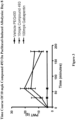
- Figure 4 shows the pain response of the animals treated with Reference Compound 493 (dosed orally at 30 mg/kg) compared with vehicle and indomethacin (dosed at 30 mg/kg).
- FCA-induced hyperalgesia was tested with an Analgesy-Meter. Briefly, the Analgesy Meter applied an increasing pressure to the right hind paw. The paw withdrawal threshold was the pressure leading to withdrawal.
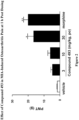
- Drug treatment 48 hours after FCA injection, baseline readings were taken prior to dosing of compounds, and then rats were dosed orally with vehicle (PEG400) or Reference Compound 493 at 0.1, 1, 3, 10 and 30 mg/kg. Meanwhile a group of rats were dosed orally with 50 mg/kg of Diclofenac as a positive control. Readings were taken again at 1-hour post dosing. Dosing volume was 500 ⁇ L per 250 g rat. As is apparent from Figure 1 , an increase in paw withdrawal threshold (PWT) for Reference Compound 493 in comparison with the vehicle indicates Reference Compound 493 exhibited therapeutic efficacy in the FCA-induced hyperalgesia model of inflammatory pain at 1-hour post dosing.
- PWT paw withdrawal threshold
- the mitotic inhibitor, paclitaxel (Taxol ® ) is one of the most effective and frequently used chemotherapeutic agents for the treatment of solid tumors as well as ovarian and breast cancers. Therapy however is often associated with the unwanted side effects of painful peripheral neuropathy.
- mice Male Sprague Dawley rats [200-250 g] (Harlan Laboratories Inc., Livermore, CA) were housed three per cage and maintained in a humidity-controlled (40-60%) and temperature-controlled (68-72 °F) facility on a 12 h:12 h light/dark cycle (lights on at 6:30 am) with free access to food (Harlan Teklad, Orange, CA, Rodent Diet 8604) and water. Rats were allowed one week of habituation to the animal facility before starting treatment.
- Rats were treated intraperitoneally, with 2 mg/kg of paclitaxel (Sigma Aldrich, Saint Louis, MO) in 10% Cremophor vehicle (500 ⁇ L) on days 0, 2, 4, and 6.
- paclitaxel Sigma Aldrich, Saint Louis, MO
- Cremophor vehicle 500 ⁇ L
- Drug treatment Eight days after the start of paclitaxel dosing, a baseline measurement (von Frey assay) was performed prior to dosing of compounds.
- the paclitaxel treated groups of rats (6 per group) were dosed orally, with vehicle (PEG400) or 10 mg/kg Reference Compound 493.
- rats were dosed intraperitoneally with 100 mg/kg gabapentin in water.
- the dosing volume for oral and peritoneal treatment was 500 ⁇ L.
- the von Frey assay was performed to measure the efficacy of the test compound 30, 60 and 180 minutes after dosing.
- mice Male Sprague-Dawley rats (300-400 g) were housed three per cage and maintained in a humidity-controlled (30-70%) and temperature-controlled (20-22 °C) facility on a 12 h: 12 h light/dark cycle (lights on at 7:00 am) with free access to food (Harlan-Teklad, Orange, CA, Rodent Diet 8604) and water. Rats were allowed one week of habituation to the animal facility before testing.
- Body temperature was measured using a stainless-steel rat temperature probe connected to a temperature display device (Physitemp TH-5). The probe was inserted rectally to a depth of 1 inch and the reading was recorded approximately 10 s after insertion, when the reading had stabilized.
- Body temperature was measured immediately before (time 0) and 60 min post-administration of compounds.
- Locomotor activity was measured using the Hamilton-Kinder Motor Monitor system, which detected blockage of photocell beams in a standard rat cage and transfers this data to a computer. Motor activity was measured for 30 min starting immediately after the second body temperature measurement, from 60 to 90 min post-administration. Compounds were dosed orally in a volume of 2 to 6 mL/kg, suspended or dissolved in 100% PEG 400.
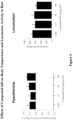
- Figures 5 to 8 showed the effects of 4 different compounds on body temperature and locomotor activity in rats.
- the compounds depicted in Figure 6 and Figures 7 were inactive in these tests at doses ranging from 1 to 100 mg/kg PO.
- the compound decreased body temperature at the highest dose tested (100 mg/kg), but this effect was not statistically significant; the compound did, however, significantly reduce motor activity.
- the compound significantly decreased both body temperature and locomotor activity at the highest dose tested (100 mg/kg).
- Rats receive nerve injury by tight ligation of L5 and L6 spinal nerves close to the spine, before they join (along with L4) to form the sciatic nerve.
- animals are placed under general anesthesia using continuous inhalation of isoflurane.
- Surgery is performed in a dedicated surgery room, using sterile instruments, surgical gloves, and aseptic procedures to prevent clinical infections.
- the surgical site is shaved and disinfected with iodine solution and alcohol. Animals are observed continuously for their level of anesthesia, testing for the animal's reflex response to tail or paw pinch.
- a heating pad is used to maintain body temperature both during the procedure and while the animals are recovering from anesthesia.
- Nerve injury is induced by loose ligature of the sciatic nerve.
- animals are placed under general anesthesia using continuous inhalation of isoflurane.
- Surgery is performed in a dedicated surgery room, using sterile instruments, surgical gloves, and aseptic procedures to prevent clinical infections.
- the surgical site is shaved and disinfected with iodine solution and alcohol.
- Animals are observed continuously for their level of anesthesia, testing for the animal's reflex response to tail or paw pinch and closely monitoring the animal's breathing.
- a heating pad is used to maintain body temperature while the animals are recovering from anesthesia.
- a skin incision is made over the femur and the muscle is bluntly dissected to expose the sciatic nerve.
- ligatures Chromic gut absorbable suture
- Animals are administered a post-surgery injection of lactated Ringer's solution and returned to their home cages. They are carefully monitored until complete recovery from anesthesia (defined as the ability to move without significant ataxia), typically less than 10 min.
- Neuropathic animals are first tested 7-15 days post-surgery for tactile allodynia. During this time period, analgesic compounds are tested for their ability to reduce or eliminate these chronic pain symptoms.
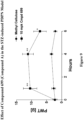
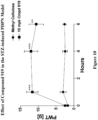
- Tactile allodynia was evaluated at 1, 4 and 6 hours post-dosing. As shown in Figure 9 and Figure 10 , both CB2 agonists Compound 699 and Reference Compound 919 showed robust and sustained analgesic efficacy over 6 hours in this model.
- Writhing is induced in male Sprague Dawley rats by administering glacial acetic acid (1.5%) intraperitoneally (IP).
- Rats are administered vehicle (PO or IP), Compound 699 (3, 10, or 30 mg/kg) (0.5% MC) (PO), rimonabant (10 mg/kg) (PO) (a CB1 receptor antagonist), AM630 (10 mg/kg) (PO), or morphine (1 mg/kg) (IP) for four days.
- rats are placed in observation cages and administered compound according to the schedules in Tables D, F, H, and J. Treatment groups are as provided in Tables E, G, I, and K.
- Writhing behavior is scored when a rat exhibits back arching, abdominal abduction, body stretches and/or forelimb extension. Writhing behavior is scored for 30 minutes in five-minute time bins.
- Rats with active colitis display allodynia and hyperalgesia to colorectal distension following the administration of trinitrobenzene sulfonic acid (TNBS).
- Rats with active colitis (4 days after TNBS) induced by intracolonic TNBS are administered Compound 699 to determine whether Compound 699 reduces visceral pain response.
- Abdominal electromyographic (EMG) electrode implantation is followed by measurement of visceromotor response (VMR) at 0, 20, 40, 60, and 80 mmHg of colorectal distention on day 4. The effect of each treatment on colonic compliance is also determined.
- Abdominal EMG electrode implantation is followed by measurement of VMR at 0, 20, 40, 60, and 80 mmHg of colorectal distention on day 4. The effect of each treatment on colonic compliance is also determined. Results are shown in Figure 13 .
- a randomized, open-label, parallel Phase 2a study is conducted to determine the tolerability, pharmacokinetics, and efficacy of Compound 699 in subjects with Crohn's disease (CD) experiencing abdominal pain.
- the study population consists of adult male and female subjects aged 18 to 80 years who are diagnosed with abdominal pain due to quiescent to mildly active inflammatory Crohn's disease, as defined by a weekly average abdominal pain score (AAPS) ⁇ 4, with minimal intestinal inflammation, confirmed with a simple endoscopic score (-CD) score ⁇ 10 or fecal calprotectin ⁇ 500 mcg/g. Endoscopy results obtained up to one month prior to screening may be utilized.
- Eligible subjects enter a screening period of up to four weeks and are randomized in a 1:1 ratio into the study, receiving Compound 699 in oral doses of 25 mg three times daily (TID) or 100 mg capsules TID for 8 weeks. If subjects experience hypotensive symptoms and/or heart rate changes during the trial, they may be administered 50 mg TID (rather than 100 mg TID) or 25 mg BID (rather than 25 mg TID).
- the analgesic effect of Compound 699 on abdominal pain is scored by subjects in a diary twice daily during screening and three times daily during treatment using an 11-point numeric rating scale from 0 (no abdominal pain) to 10 (worst possible abdominal pain). Additional efficacy assessments include achievement of clinical improvement (defined as a two- component PRO score (stool frequency and abdominal pain) of ⁇ 11), clinical response from baseline to week 8, and change from baseline in C-reactive protein and fecal calprotectin at weeks 4 and 8.
- a key objective of the study is to assess the tolerability and safety of Compound 699 in subjects with Crohn's disease experiencing abdominal pain. Additional objectives include:
Landscapes
- Health & Medical Sciences (AREA)
- Chemical & Material Sciences (AREA)
- Pharmacology & Pharmacy (AREA)
- Veterinary Medicine (AREA)
- Public Health (AREA)
- General Health & Medical Sciences (AREA)
- Medicinal Chemistry (AREA)
- Animal Behavior & Ethology (AREA)
- Life Sciences & Earth Sciences (AREA)
- Epidemiology (AREA)
- Organic Chemistry (AREA)
- Nuclear Medicine, Radiotherapy & Molecular Imaging (AREA)
- General Chemical & Material Sciences (AREA)
- Chemical Kinetics & Catalysis (AREA)
- Pain & Pain Management (AREA)
- Rheumatology (AREA)
- Engineering & Computer Science (AREA)
- Bioinformatics & Cheminformatics (AREA)
- Pharmaceuticals Containing Other Organic And Inorganic Compounds (AREA)
- Plural Heterocyclic Compounds (AREA)
- Hydrogenated Pyridines (AREA)
- Medicines That Contain Protein Lipid Enzymes And Other Medicines (AREA)
- Heterocyclic Carbon Compounds Containing A Hetero Ring Having Nitrogen And Oxygen As The Only Ring Hetero Atoms (AREA)
Applications Claiming Priority (2)
| Application Number | Priority Date | Filing Date | Title |
|---|---|---|---|
| US201762503280P | 2017-05-08 | 2017-05-08 | |
| PCT/US2018/031688 WO2018208848A1 (en) | 2017-05-08 | 2018-05-08 | Compounds and methods for treatment of visceral pain |
Publications (3)
| Publication Number | Publication Date |
|---|---|
| EP3621619A1 EP3621619A1 (en) | 2020-03-18 |
| EP3621619B1 true EP3621619B1 (en) | 2023-06-28 |
| EP3621619C0 EP3621619C0 (en) | 2023-06-28 |
Family
ID=62245468
Family Applications (1)
| Application Number | Title | Priority Date | Filing Date |
|---|---|---|---|
| EP18727546.6A Active EP3621619B1 (en) | 2017-05-08 | 2018-05-08 | Compounds and methods for treatment of visceral pain |
Country Status (13)
| Country | Link |
|---|---|
| US (2) | US20200078358A1 (enExample) |
| EP (1) | EP3621619B1 (enExample) |
| JP (1) | JP7247106B2 (enExample) |
| KR (1) | KR20200005614A (enExample) |
| CN (1) | CN110709085A (enExample) |
| AU (1) | AU2018266145A1 (enExample) |
| BR (1) | BR112019023214A2 (enExample) |
| CA (1) | CA3062824A1 (enExample) |
| EA (1) | EA201992638A1 (enExample) |
| ES (1) | ES2956059T3 (enExample) |
| MA (1) | MA48625A (enExample) |
| MX (2) | MX2019013311A (enExample) |
| WO (1) | WO2018208848A1 (enExample) |
Families Citing this family (4)
| Publication number | Priority date | Publication date | Assignee | Title |
|---|---|---|---|---|
| US20200078358A1 (en) | 2017-05-08 | 2020-03-12 | Arena Pharmaceuticals, Inc. | Compounds and Methods for Treatment of Visceral Pain |
| JP2024508514A (ja) * | 2021-03-02 | 2024-02-27 | アリーナ ファーマシューティカルズ, インコーポレイテッド | 選択的cb2受容体アゴニストによる処置の方法 |
| WO2023059610A1 (en) * | 2021-10-05 | 2023-04-13 | Arena Pharmaceuticals, Inc. | Crystalline forms and processes for the preparation of cannabinoid receptor modulators |
| US20250387335A1 (en) * | 2022-02-02 | 2025-12-25 | Makscientific, Llc | Pharmaceutical Compositions, and Preparation and Methods of Use Thereof |
Family Cites Families (49)
| Publication number | Priority date | Publication date | Assignee | Title |
|---|---|---|---|---|
| US5605906A (en) | 1995-03-24 | 1997-02-25 | Merck Frosst Canada, Inc. | Cannabinoid receptor agonists |
| JP3964478B2 (ja) | 1995-06-30 | 2007-08-22 | エーザイ・アール・アンド・ディー・マネジメント株式会社 | ヘテロ環含有カルボン酸誘導体及びそれを含有する医薬 |
| US5971080A (en) | 1997-11-26 | 1999-10-26 | Central Sprinkler Corporation | Quick response dry pipe sprinkler system |
| US7308894B2 (en) | 1998-06-03 | 2007-12-18 | Scott Laboratories, Inc. | Apparatuses and methods for providing a conscious patient relief from pain and anxiety associated with medical or surgical procedures according to appropriate clinical heuristics |
| HRP20010795A2 (en) | 1999-04-28 | 2003-02-28 | Aventis Pharma Gmbh | Di-aryl acid derivatives as ppar receptor ligands |
| IL150302A (en) | 2002-01-31 | 2008-07-08 | Naim Menashe | Bicyclic cb2 cannabinoid receptor ligands |
| SE0300010D0 (sv) | 2003-01-07 | 2003-01-07 | Astrazeneca Ab | Novel Compounds |
| ITMI20041033A1 (it) | 2004-05-24 | 2004-08-24 | Neuroscienze S C A R L | Composti farmaceutici |
| WO2005123677A1 (en) | 2004-06-16 | 2005-12-29 | Actelion Pharmaceuticals Ltd | 4-carbonyl substituted 1,1,2-trimethyl-1a,4,5,5a-tetrahydro-1h-4-aza-cyclopropa'a!pentalene derivatives as agonists for the g-protein-coupled receptor s1p1/edg1 and immunosuppressive agents |
| CA2586011C (en) | 2004-07-12 | 2011-07-19 | Cadila Healthcare Limited | Tricyclic pyrazole derivatives as cannabinoid receptor modulators |
| WO2006010379A1 (en) | 2004-07-29 | 2006-02-02 | Actelion Pharmaceuticals Ltd. | Novel thiophene derivatives as immunosuppressive agents |
| FR2875230A1 (fr) | 2004-09-13 | 2006-03-17 | Sanofi Aventis Sa | Derives de pyrazole condense, leur preparation et leur application en therapeutique |
| DE102004054666A1 (de) | 2004-11-12 | 2006-05-18 | Bayer Cropscience Gmbh | Substituierte Pyrazol-3-carboxamide, Verfahren zur Herstellung und Verwendung als Herbizide und Pflanzenwachstumsregulatoren |
| PE20060949A1 (es) | 2004-12-23 | 2006-10-11 | Arena Pharm Inc | Derivados fusionados de pirazol como agonistas del receptor de niacina |
| CA2613678A1 (en) | 2005-06-02 | 2006-12-07 | Glenmark Pharmaceuticals S.A. | Novel cannabinoid receptor ligands, pharmaceutical compositions containing them, and process for their preparation |
| US7597910B2 (en) | 2005-08-20 | 2009-10-06 | Slgm Medical Research Institute | Compositions and methods for treating prostate disorders |
| BRPI0616263A2 (pt) | 2005-09-23 | 2011-06-14 | Janssen Pharmaceutica Nv | moduladores canabinàides do tipo tetrahidro-ciclopentil pirazol |
| CA2654246A1 (en) | 2006-07-04 | 2008-01-10 | Janssen Pharmaceutica N.V. | Benzimidazole cannabinoid agonists bearing a substituted heterocyclic group |
| KR20090069318A (ko) | 2006-09-25 | 2009-06-30 | 베링거 인겔하임 인터내셔날 게엠베하 | Cb2 수용체를 조절하는 화합물 |
| US8481574B2 (en) | 2006-10-12 | 2013-07-09 | Abbott Laboratories | Compounds as cannabinoid receptor ligands |
| WO2008048914A1 (en) | 2006-10-17 | 2008-04-24 | Boehringer Ingelheim International Gmbh | Polycyclic compounds which modulate the cb2 receptor |
| AU2007315848A1 (en) | 2006-11-03 | 2008-05-08 | Glenmark Pharmaceuticals S.A. | Bridged bicyclic indazoles as cannabinoid receptor ligands |
| US8173638B2 (en) | 2006-11-21 | 2012-05-08 | Boehringer Ingelheim International Gmbh | Compounds which modulate the CB2 receptor |
| US9763894B2 (en) | 2006-12-05 | 2017-09-19 | Virginia Commonwealth University | Inflammation therapy |
| US20080161340A1 (en) | 2006-12-20 | 2008-07-03 | Cara Therapeutics, Inc. | Tetrahydroquinilinones, tetrahydronaphthyridones and derivatives thereof |
| EP2120938A4 (en) | 2006-12-20 | 2010-12-08 | Merck Sharp & Dohme | IMIDAZOPYRIDINE ANALOGUE AS CB2 RECEPTOR MODULATORS FOR THE TREATMENT OF PAIN, RESPIRATORY AND NON-RESPIRATORY DISEASES |
| WO2008109007A1 (en) | 2007-03-02 | 2008-09-12 | Cara Therapeutics, Inc. | Bridged phenanthridines |
| ES2548764T3 (es) | 2007-03-30 | 2015-10-20 | Janssen Pharmaceutica N.V. | Agonistas de cannabinoides de bencimidazol |
| WO2008157500A1 (en) | 2007-06-17 | 2008-12-24 | Kalypsys, Inc. | Aminoquinazoline cannabinoid receptor modulators for treatment of disease |
| EA201000046A1 (ru) | 2007-06-21 | 2011-02-28 | Кара Терапеутикс, Инк. | Замещенные имидазогетероциклы |
| US8338623B2 (en) | 2007-07-09 | 2012-12-25 | Abbvie Inc. | Compounds as cannabinoid receptor ligands |
| US7943658B2 (en) | 2007-07-23 | 2011-05-17 | Bristol-Myers Squibb Company | Indole indane amide compounds useful as CB2 agonists and method |
| EP2203171A2 (en) | 2007-08-21 | 2010-07-07 | Merck Sharp & Dohme Corp. | Cb2 receptor ligands for the treatment of pain |
| UA104010C2 (en) | 2008-12-18 | 2013-12-25 | Эли Лилли Энд Компани | Purine compounds |
| CN102282147B (zh) | 2009-01-28 | 2015-09-30 | 卡拉治疗学股份有限公司 | 二环吡唑并-杂环 |
| US7741350B1 (en) | 2009-01-28 | 2010-06-22 | Cara Therapeutics, Inc. | Bicyclic pyrazolo-heterocycles |
| EP2470508A1 (en) * | 2009-08-28 | 2012-07-04 | Arena Pharmaceuticals, Inc. | Cannabinoid receptor modulators |
| MX392150B (es) | 2011-02-25 | 2025-03-21 | Arena Pharm Inc | Moduladores de receptores canabinoides. |
| JP5945554B2 (ja) * | 2011-02-25 | 2016-07-05 | アリーナ ファーマシューティカルズ, インコーポレイテッド | 縮合型アザ環の結晶形およびその調製プロセス(カンナビノイド受容体モジュレーター) |
| WO2012116278A1 (en) | 2011-02-25 | 2012-08-30 | Arena Pharmaceuticals, Inc. | Cannabinoid receptor modulators |
| US9597340B2 (en) | 2011-02-25 | 2017-03-21 | Arena Pharmaceuticals, Inc. | Cannabinoid receptor modulators |
| WO2016085941A1 (en) | 2014-11-25 | 2016-06-02 | Arena Pharmaceuticals, Inc. | Processes for the preparation of cannabinoid receptor modulators |
| WO2017039643A1 (en) | 2015-09-01 | 2017-03-09 | Arena Pharmaceuticals, Inc. | Cb2 receptor internalization |
| CN109310673A (zh) * | 2016-04-10 | 2019-02-05 | 艾尼纳制药公司 | 用选择性cb2受体激动剂治疗的方法 |
| US20200078358A1 (en) | 2017-05-08 | 2020-03-12 | Arena Pharmaceuticals, Inc. | Compounds and Methods for Treatment of Visceral Pain |
| WO2018208847A1 (en) * | 2017-05-08 | 2018-11-15 | Arena Pharmaceuticals, Inc. | Compounds and methods for treatment of pain from inflammatory bowel disease |
| US12357604B2 (en) * | 2017-09-22 | 2025-07-15 | Inmed Pharmaceuticals Inc. | Topical formulations of cannabinoids and use thereof in the treatment of pain |
| JP2024508514A (ja) * | 2021-03-02 | 2024-02-27 | アリーナ ファーマシューティカルズ, インコーポレイテッド | 選択的cb2受容体アゴニストによる処置の方法 |
| WO2023059610A1 (en) * | 2021-10-05 | 2023-04-13 | Arena Pharmaceuticals, Inc. | Crystalline forms and processes for the preparation of cannabinoid receptor modulators |
-
2018
- 2018-05-08 US US16/611,174 patent/US20200078358A1/en not_active Abandoned
- 2018-05-08 BR BR112019023214-1A patent/BR112019023214A2/pt not_active Application Discontinuation
- 2018-05-08 MX MX2019013311A patent/MX2019013311A/es unknown
- 2018-05-08 AU AU2018266145A patent/AU2018266145A1/en not_active Abandoned
- 2018-05-08 EA EA201992638A patent/EA201992638A1/ru unknown
- 2018-05-08 WO PCT/US2018/031688 patent/WO2018208848A1/en not_active Ceased
- 2018-05-08 MA MA048625A patent/MA48625A/fr unknown
- 2018-05-08 JP JP2019561224A patent/JP7247106B2/ja active Active
- 2018-05-08 CN CN201880037898.6A patent/CN110709085A/zh active Pending
- 2018-05-08 ES ES18727546T patent/ES2956059T3/es active Active
- 2018-05-08 KR KR1020197036169A patent/KR20200005614A/ko not_active Withdrawn
- 2018-05-08 CA CA3062824A patent/CA3062824A1/en active Pending
- 2018-05-08 EP EP18727546.6A patent/EP3621619B1/en active Active
-
2019
- 2019-11-07 MX MX2022008265A patent/MX2022008265A/es unknown
-
2022
- 2022-06-21 US US17/844,772 patent/US12201633B2/en active Active
Also Published As
| Publication number | Publication date |
|---|---|
| US20200078358A1 (en) | 2020-03-12 |
| CN110709085A (zh) | 2020-01-17 |
| US12201633B2 (en) | 2025-01-21 |
| KR20200005614A (ko) | 2020-01-15 |
| AU2018266145A1 (en) | 2019-11-28 |
| WO2018208848A1 (en) | 2018-11-15 |
| MX2022008265A (es) | 2022-08-04 |
| MA48625A (fr) | 2020-03-18 |
| ES2956059T3 (es) | 2023-12-12 |
| EP3621619A1 (en) | 2020-03-18 |
| CA3062824A1 (en) | 2018-11-15 |
| MX2019013311A (es) | 2020-08-03 |
| EA201992638A1 (ru) | 2020-03-18 |
| JP2020518649A (ja) | 2020-06-25 |
| US20230033510A1 (en) | 2023-02-02 |
| JP7247106B2 (ja) | 2023-03-28 |
| BR112019023214A2 (pt) | 2020-05-26 |
| EP3621619C0 (en) | 2023-06-28 |
Similar Documents
| Publication | Publication Date | Title |
|---|---|---|
| Misiołek et al. | Postoperative pain management—2018 consensus statement of the section of regional anaesthesia and pain therapy of the polish society of anaesthesiology and intensive therapy, the polish society of regional anaesthesia and pain therapy, the polish association for the study of pain and the national consultant in anaesthesiology and intensive therapy | |
| US12201633B2 (en) | Compounds and methods for treatment of visceral pain | |
| US20250090497A1 (en) | Methods of treating conditions related to the s1p1 receptor | |
| US20190282541A1 (en) | Use of eribulin and histone deacetylase inhibitors in the treatment of cancer | |
| JP6255038B2 (ja) | 癌治療 | |
| EP3020399A1 (en) | Novel pharmaceutical composition for preventing or treating cancer | |
| Koseki et al. | Role of transient receptor potential ankyrin 1 in gastric accommodation in conscious guinea pigs | |
| CN109310673A (zh) | 用选择性cb2受体激动剂治疗的方法 | |
| La Spina et al. | Multiple mechanisms converging on transcription factor EB activation by the natural phenol pterostilbene | |
| JPWO2005079845A1 (ja) | 片頭痛予防薬 | |
| EA034553B1 (ru) | Способ получения соединения для лечения симптомов, связанных с антиандрогенной терапией | |
| WO2018208847A1 (en) | Compounds and methods for treatment of pain from inflammatory bowel disease | |
| MX2012002551A (es) | Compuestos para tratar desordenes o enfermedades asociados con la actividad del receptor de neuroquinina 2. | |
| CN101827816B (zh) | Trpv1介导性疾病治疗剂 | |
| WO2008106524A1 (en) | Use of histone deacetylase inhibitors for the treatment of central nervous system metastases | |
| US20240100069A1 (en) | Methods and Compositions for Treating Amyotrophic Lateral Sclerosis | |
| Abe et al. | Management of intra-articular distal radius fractures with a dorsal locking plate | |
| US20110152268A1 (en) | Novel pharmaceutical composition for treating nociceptive pain |
Legal Events
| Date | Code | Title | Description |
|---|---|---|---|
| STAA | Information on the status of an ep patent application or granted ep patent |
Free format text: STATUS: UNKNOWN |
|
| STAA | Information on the status of an ep patent application or granted ep patent |
Free format text: STATUS: THE INTERNATIONAL PUBLICATION HAS BEEN MADE |
|
| PUAI | Public reference made under article 153(3) epc to a published international application that has entered the european phase |
Free format text: ORIGINAL CODE: 0009012 |
|
| STAA | Information on the status of an ep patent application or granted ep patent |
Free format text: STATUS: REQUEST FOR EXAMINATION WAS MADE |
|
| 17P | Request for examination filed |
Effective date: 20191205 |
|
| AK | Designated contracting states |
Kind code of ref document: A1 Designated state(s): AL AT BE BG CH CY CZ DE DK EE ES FI FR GB GR HR HU IE IS IT LI LT LU LV MC MK MT NL NO PL PT RO RS SE SI SK SM TR |
|
| AX | Request for extension of the european patent |
Extension state: BA ME |
|
| STAA | Information on the status of an ep patent application or granted ep patent |
Free format text: STATUS: EXAMINATION IS IN PROGRESS |
|
| REG | Reference to a national code |
Ref country code: HK Ref legal event code: DE Ref document number: 40023359 Country of ref document: HK |
|
| 17Q | First examination report despatched |
Effective date: 20201125 |
|
| RAP3 | Party data changed (applicant data changed or rights of an application transferred) |
Owner name: ARENA PHARMACEUTICALS, INC. |
|
| GRAP | Despatch of communication of intention to grant a patent |
Free format text: ORIGINAL CODE: EPIDOSNIGR1 |
|
| STAA | Information on the status of an ep patent application or granted ep patent |
Free format text: STATUS: GRANT OF PATENT IS INTENDED |
|
| INTG | Intention to grant announced |
Effective date: 20230120 |
|
| GRAS | Grant fee paid |
Free format text: ORIGINAL CODE: EPIDOSNIGR3 |
|
| GRAA | (expected) grant |
Free format text: ORIGINAL CODE: 0009210 |
|
| STAA | Information on the status of an ep patent application or granted ep patent |
Free format text: STATUS: THE PATENT HAS BEEN GRANTED |
|
| AK | Designated contracting states |
Kind code of ref document: B1 Designated state(s): AL AT BE BG CH CY CZ DE DK EE ES FI FR GB GR HR HU IE IS IT LI LT LU LV MC MK MT NL NO PL PT RO RS SE SI SK SM TR |
|
| REG | Reference to a national code |
Ref country code: CH Ref legal event code: EP |
|
| REG | Reference to a national code |
Ref country code: AT Ref legal event code: REF Ref document number: 1582128 Country of ref document: AT Kind code of ref document: T Effective date: 20230715 |
|
| REG | Reference to a national code |
Ref country code: IE Ref legal event code: FG4D |
|
| REG | Reference to a national code |
Ref country code: DE Ref legal event code: R096 Ref document number: 602018052411 Country of ref document: DE |
|
| U01 | Request for unitary effect filed |
Effective date: 20230704 |
|
| U07 | Unitary effect registered |
Designated state(s): AT BE BG DE DK EE FI FR IT LT LU LV MT NL PT SE SI Effective date: 20230713 |
|
| REG | Reference to a national code |
Ref country code: LT Ref legal event code: MG9D |
|
| REG | Reference to a national code |
Ref country code: NO Ref legal event code: T2 Effective date: 20230628 |
|
| PG25 | Lapsed in a contracting state [announced via postgrant information from national office to epo] |
Ref country code: RS Free format text: LAPSE BECAUSE OF FAILURE TO SUBMIT A TRANSLATION OF THE DESCRIPTION OR TO PAY THE FEE WITHIN THE PRESCRIBED TIME-LIMIT Effective date: 20230628 Ref country code: HR Free format text: LAPSE BECAUSE OF FAILURE TO SUBMIT A TRANSLATION OF THE DESCRIPTION OR TO PAY THE FEE WITHIN THE PRESCRIBED TIME-LIMIT Effective date: 20230628 Ref country code: GR Free format text: LAPSE BECAUSE OF FAILURE TO SUBMIT A TRANSLATION OF THE DESCRIPTION OR TO PAY THE FEE WITHIN THE PRESCRIBED TIME-LIMIT Effective date: 20230929 |
|
| REG | Reference to a national code |
Ref country code: ES Ref legal event code: FG2A Ref document number: 2956059 Country of ref document: ES Kind code of ref document: T3 Effective date: 20231212 |
|
| PG25 | Lapsed in a contracting state [announced via postgrant information from national office to epo] |
Ref country code: SK Free format text: LAPSE BECAUSE OF FAILURE TO SUBMIT A TRANSLATION OF THE DESCRIPTION OR TO PAY THE FEE WITHIN THE PRESCRIBED TIME-LIMIT Effective date: 20230628 |
|
| PG25 | Lapsed in a contracting state [announced via postgrant information from national office to epo] |
Ref country code: IS Free format text: LAPSE BECAUSE OF FAILURE TO SUBMIT A TRANSLATION OF THE DESCRIPTION OR TO PAY THE FEE WITHIN THE PRESCRIBED TIME-LIMIT Effective date: 20231028 |
|
| PG25 | Lapsed in a contracting state [announced via postgrant information from national office to epo] |
Ref country code: SM Free format text: LAPSE BECAUSE OF FAILURE TO SUBMIT A TRANSLATION OF THE DESCRIPTION OR TO PAY THE FEE WITHIN THE PRESCRIBED TIME-LIMIT Effective date: 20230628 Ref country code: SK Free format text: LAPSE BECAUSE OF FAILURE TO SUBMIT A TRANSLATION OF THE DESCRIPTION OR TO PAY THE FEE WITHIN THE PRESCRIBED TIME-LIMIT Effective date: 20230628 Ref country code: RO Free format text: LAPSE BECAUSE OF FAILURE TO SUBMIT A TRANSLATION OF THE DESCRIPTION OR TO PAY THE FEE WITHIN THE PRESCRIBED TIME-LIMIT Effective date: 20230628 Ref country code: IS Free format text: LAPSE BECAUSE OF FAILURE TO SUBMIT A TRANSLATION OF THE DESCRIPTION OR TO PAY THE FEE WITHIN THE PRESCRIBED TIME-LIMIT Effective date: 20231028 Ref country code: CZ Free format text: LAPSE BECAUSE OF FAILURE TO SUBMIT A TRANSLATION OF THE DESCRIPTION OR TO PAY THE FEE WITHIN THE PRESCRIBED TIME-LIMIT Effective date: 20230628 |
|
| VS25 | Lapsed in a validation state [announced via postgrant information from nat. office to epo] |
Ref country code: MD Free format text: LAPSE BECAUSE OF FAILURE TO SUBMIT A TRANSLATION OF THE DESCRIPTION OR TO PAY THE FEE WITHIN THE PRESCRIBED TIME-LIMIT Effective date: 20230628 |
|
| PG25 | Lapsed in a contracting state [announced via postgrant information from national office to epo] |
Ref country code: PL Free format text: LAPSE BECAUSE OF FAILURE TO SUBMIT A TRANSLATION OF THE DESCRIPTION OR TO PAY THE FEE WITHIN THE PRESCRIBED TIME-LIMIT Effective date: 20230628 |
|
| REG | Reference to a national code |
Ref country code: DE Ref legal event code: R097 Ref document number: 602018052411 Country of ref document: DE |
|
| PLBE | No opposition filed within time limit |
Free format text: ORIGINAL CODE: 0009261 |
|
| STAA | Information on the status of an ep patent application or granted ep patent |
Free format text: STATUS: NO OPPOSITION FILED WITHIN TIME LIMIT |
|
| U20 | Renewal fee for the european patent with unitary effect paid |
Year of fee payment: 7 Effective date: 20240411 |
|
| 26N | No opposition filed |
Effective date: 20240402 |
|
| PGFP | Annual fee paid to national office [announced via postgrant information from national office to epo] |
Ref country code: GB Payment date: 20240411 Year of fee payment: 7 |
|
| PGFP | Annual fee paid to national office [announced via postgrant information from national office to epo] |
Ref country code: ES Payment date: 20240611 Year of fee payment: 7 |
|
| REG | Reference to a national code |
Ref country code: CH Ref legal event code: PL |
|
| PG25 | Lapsed in a contracting state [announced via postgrant information from national office to epo] |
Ref country code: MC Free format text: LAPSE BECAUSE OF FAILURE TO SUBMIT A TRANSLATION OF THE DESCRIPTION OR TO PAY THE FEE WITHIN THE PRESCRIBED TIME-LIMIT Effective date: 20230628 |
|
| PG25 | Lapsed in a contracting state [announced via postgrant information from national office to epo] |
Ref country code: NO Free format text: LAPSE BECAUSE OF NON-PAYMENT OF DUE FEES Effective date: 20240531 |
|
| PG25 | Lapsed in a contracting state [announced via postgrant information from national office to epo] |
Ref country code: NO Free format text: LAPSE BECAUSE OF NON-PAYMENT OF DUE FEES Effective date: 20240531 Ref country code: MC Free format text: LAPSE BECAUSE OF FAILURE TO SUBMIT A TRANSLATION OF THE DESCRIPTION OR TO PAY THE FEE WITHIN THE PRESCRIBED TIME-LIMIT Effective date: 20230628 Ref country code: CH Free format text: LAPSE BECAUSE OF NON-PAYMENT OF DUE FEES Effective date: 20240531 |
|
| PG25 | Lapsed in a contracting state [announced via postgrant information from national office to epo] |
Ref country code: IE Free format text: LAPSE BECAUSE OF NON-PAYMENT OF DUE FEES Effective date: 20240508 |
|
| PG25 | Lapsed in a contracting state [announced via postgrant information from national office to epo] |
Ref country code: CY Free format text: LAPSE BECAUSE OF FAILURE TO SUBMIT A TRANSLATION OF THE DESCRIPTION OR TO PAY THE FEE WITHIN THE PRESCRIBED TIME-LIMIT; INVALID AB INITIO Effective date: 20180508 |
|
| PG25 | Lapsed in a contracting state [announced via postgrant information from national office to epo] |
Ref country code: HU Free format text: LAPSE BECAUSE OF FAILURE TO SUBMIT A TRANSLATION OF THE DESCRIPTION OR TO PAY THE FEE WITHIN THE PRESCRIBED TIME-LIMIT; INVALID AB INITIO Effective date: 20180508 |
|
| VS25 | Lapsed in a validation state [announced via postgrant information from nat. office to epo] |
Ref country code: MA Free format text: FAILURE TO ELECT DOMICILE IN THE NATIONAL COUNTRY Effective date: 20230929 |
|
| U90 | Renewal fees not paid: noting of loss of rights |
Free format text: RENEWAL FEE NOT PAID FOR YEAR 08 Effective date: 20251219 |
|
| GBPC | Gb: european patent ceased through non-payment of renewal fee |
Effective date: 20250508 |
|
| U93 | Unitary patent lapsed |
Free format text: RENEWAL FEE NOT PAID Effective date: 20250531 |
|
| PG25 | Lapsed in a contracting state [announced via postgrant information from national office to epo] |
Ref country code: GB Free format text: LAPSE BECAUSE OF NON-PAYMENT OF DUE FEES Effective date: 20250508 |
|
| REG | Reference to a national code |
Ref country code: ES Ref legal event code: FD2A Effective date: 20260626 |
|
| PG25 | Lapsed in a contracting state [announced via postgrant information from national office to epo] |
Ref country code: TR Free format text: LAPSE BECAUSE OF NON-PAYMENT OF DUE FEES Effective date: 20240508 |
|
| PG25 | Lapsed in a contracting state [announced via postgrant information from national office to epo] |
Ref country code: ES Free format text: LAPSE BECAUSE OF NON-PAYMENT OF DUE FEES Effective date: 20250509 |