EP3589661B1 - Adjuvant treatment of her2-positive breast cancer - Google Patents
Adjuvant treatment of her2-positive breast cancer Download PDFInfo
- Publication number
- EP3589661B1 EP3589661B1 EP18712044.9A EP18712044A EP3589661B1 EP 3589661 B1 EP3589661 B1 EP 3589661B1 EP 18712044 A EP18712044 A EP 18712044A EP 3589661 B1 EP3589661 B1 EP 3589661B1
- Authority
- EP
- European Patent Office
- Prior art keywords
- pertuzumab
- trastuzumab
- chemotherapy
- her2
- cancer
- Prior art date
- Legal status (The legal status is an assumption and is not a legal conclusion. Google has not performed a legal analysis and makes no representation as to the accuracy of the status listed.)
- Active
Links
Images






Classifications
-
- A—HUMAN NECESSITIES
- A61—MEDICAL OR VETERINARY SCIENCE; HYGIENE
- A61P—SPECIFIC THERAPEUTIC ACTIVITY OF CHEMICAL COMPOUNDS OR MEDICINAL PREPARATIONS
- A61P35/00—Antineoplastic agents
-
- A—HUMAN NECESSITIES
- A61—MEDICAL OR VETERINARY SCIENCE; HYGIENE
- A61K—PREPARATIONS FOR MEDICAL, DENTAL OR TOILETRY PURPOSES
- A61K31/00—Medicinal preparations containing organic active ingredients
- A61K31/33—Heterocyclic compounds
- A61K31/335—Heterocyclic compounds having oxygen as the only ring hetero atom, e.g. fungichromin
- A61K31/337—Heterocyclic compounds having oxygen as the only ring hetero atom, e.g. fungichromin having four-membered rings, e.g. taxol
-
- A—HUMAN NECESSITIES
- A61—MEDICAL OR VETERINARY SCIENCE; HYGIENE
- A61K—PREPARATIONS FOR MEDICAL, DENTAL OR TOILETRY PURPOSES
- A61K31/00—Medicinal preparations containing organic active ingredients
- A61K31/33—Heterocyclic compounds
- A61K31/395—Heterocyclic compounds having nitrogen as a ring hetero atom, e.g. guanethidine or rifamycins
- A61K31/495—Heterocyclic compounds having nitrogen as a ring hetero atom, e.g. guanethidine or rifamycins having six-membered rings with two or more nitrogen atoms as the only ring heteroatoms, e.g. piperazine or tetrazines
- A61K31/505—Pyrimidines; Hydrogenated pyrimidines, e.g. trimethoprim
- A61K31/513—Pyrimidines; Hydrogenated pyrimidines, e.g. trimethoprim having oxo groups directly attached to the heterocyclic ring, e.g. cytosine
-
- A—HUMAN NECESSITIES
- A61—MEDICAL OR VETERINARY SCIENCE; HYGIENE
- A61K—PREPARATIONS FOR MEDICAL, DENTAL OR TOILETRY PURPOSES
- A61K31/00—Medicinal preparations containing organic active ingredients
- A61K31/33—Heterocyclic compounds
- A61K31/555—Heterocyclic compounds containing heavy metals, e.g. hemin, hematin, melarsoprol
-
- A—HUMAN NECESSITIES
- A61—MEDICAL OR VETERINARY SCIENCE; HYGIENE
- A61K—PREPARATIONS FOR MEDICAL, DENTAL OR TOILETRY PURPOSES
- A61K31/00—Medicinal preparations containing organic active ingredients
- A61K31/66—Phosphorus compounds
- A61K31/675—Phosphorus compounds having nitrogen as a ring hetero atom, e.g. pyridoxal phosphate
-
- A—HUMAN NECESSITIES
- A61—MEDICAL OR VETERINARY SCIENCE; HYGIENE
- A61K—PREPARATIONS FOR MEDICAL, DENTAL OR TOILETRY PURPOSES
- A61K31/00—Medicinal preparations containing organic active ingredients
- A61K31/70—Carbohydrates; Sugars; Derivatives thereof
- A61K31/7028—Compounds having saccharide radicals attached to non-saccharide compounds by glycosidic linkages
- A61K31/7034—Compounds having saccharide radicals attached to non-saccharide compounds by glycosidic linkages attached to a carbocyclic compound, e.g. phloridzin
- A61K31/704—Compounds having saccharide radicals attached to non-saccharide compounds by glycosidic linkages attached to a carbocyclic compound, e.g. phloridzin attached to a condensed carbocyclic ring system, e.g. sennosides, thiocolchicosides, escin, daunorubicin
-
- A—HUMAN NECESSITIES
- A61—MEDICAL OR VETERINARY SCIENCE; HYGIENE
- A61K—PREPARATIONS FOR MEDICAL, DENTAL OR TOILETRY PURPOSES
- A61K39/00—Medicinal preparations containing antigens or antibodies
- A61K39/395—Antibodies; Immunoglobulins; Immune serum, e.g. antilymphocytic serum
- A61K39/39533—Antibodies; Immunoglobulins; Immune serum, e.g. antilymphocytic serum against materials from animals
- A61K39/39558—Antibodies; Immunoglobulins; Immune serum, e.g. antilymphocytic serum against materials from animals against tumor tissues, cells, antigens
-
- A—HUMAN NECESSITIES
- A61—MEDICAL OR VETERINARY SCIENCE; HYGIENE
- A61K—PREPARATIONS FOR MEDICAL, DENTAL OR TOILETRY PURPOSES
- A61K45/00—Medicinal preparations containing active ingredients not provided for in groups A61K31/00 - A61K41/00
- A61K45/06—Mixtures of active ingredients without chemical characterisation, e.g. antiphlogistics and cardiaca
-
- A—HUMAN NECESSITIES
- A61—MEDICAL OR VETERINARY SCIENCE; HYGIENE
- A61K—PREPARATIONS FOR MEDICAL, DENTAL OR TOILETRY PURPOSES
- A61K9/00—Medicinal preparations characterised by special physical form
- A61K9/0012—Galenical forms characterised by the site of application
- A61K9/0019—Injectable compositions; Intramuscular, intravenous, arterial, subcutaneous administration; Compositions to be administered through the skin in an invasive manner
-
- A—HUMAN NECESSITIES
- A61—MEDICAL OR VETERINARY SCIENCE; HYGIENE
- A61P—SPECIFIC THERAPEUTIC ACTIVITY OF CHEMICAL COMPOUNDS OR MEDICINAL PREPARATIONS
- A61P35/00—Antineoplastic agents
- A61P35/04—Antineoplastic agents specific for metastasis
-
- C—CHEMISTRY; METALLURGY
- C07—ORGANIC CHEMISTRY
- C07K—PEPTIDES
- C07K16/00—Immunoglobulins [IG], e.g. monoclonal or polyclonal antibodies
- C07K16/18—Immunoglobulins [IG], e.g. monoclonal or polyclonal antibodies against material from animals or humans
- C07K16/32—Immunoglobulins [IG], e.g. monoclonal or polyclonal antibodies against material from animals or humans against translation products of oncogenes
-
- A—HUMAN NECESSITIES
- A61—MEDICAL OR VETERINARY SCIENCE; HYGIENE
- A61K—PREPARATIONS FOR MEDICAL, DENTAL OR TOILETRY PURPOSES
- A61K39/00—Medicinal preparations containing antigens or antibodies
- A61K2039/505—Medicinal preparations containing antigens or antibodies comprising antibodies
- A61K2039/507—Comprising a combination of two or more separate antibodies
-
- A—HUMAN NECESSITIES
- A61—MEDICAL OR VETERINARY SCIENCE; HYGIENE
- A61K—PREPARATIONS FOR MEDICAL, DENTAL OR TOILETRY PURPOSES
- A61K39/00—Medicinal preparations containing antigens or antibodies
- A61K2039/54—Medicinal preparations containing antigens or antibodies characterised by the route of administration
-
- A—HUMAN NECESSITIES
- A61—MEDICAL OR VETERINARY SCIENCE; HYGIENE
- A61K—PREPARATIONS FOR MEDICAL, DENTAL OR TOILETRY PURPOSES
- A61K39/00—Medicinal preparations containing antigens or antibodies
- A61K2039/545—Medicinal preparations containing antigens or antibodies characterised by the dose, timing or administration schedule
-
- A—HUMAN NECESSITIES
- A61—MEDICAL OR VETERINARY SCIENCE; HYGIENE
- A61K—PREPARATIONS FOR MEDICAL, DENTAL OR TOILETRY PURPOSES
- A61K2300/00—Mixtures or combinations of active ingredients, wherein at least one active ingredient is fully defined in groups A61K31/00 - A61K41/00
Definitions
- the present invention concerns pertuzumab in combination with trastuzumab and chemotherapy for use in a method of reducing the risk of recurrence of invasive breast cancer or death for patients diagnosed with HER2-positive early breast cancer (eBC) compared to administration of trastuzumab and chemotherapy, without pertuzumab, as defined in the claims.
- eBC HER2-positive early breast cancer
- the receptor family includes four distinct members including epidermal growth factor receptor (EGFR, ErbB1, or HER1), HER2 (ErbB2 or p185 neu ), HER3 (ErbB3) and HER4 (ErbB4 or tyro2).
- EGFR epidermal growth factor receptor
- HER2 ErbB2 or p185 neu
- HER3 ErbB3
- HER4 ErbB4 or tyro2
- a recombinant humanized version of the murine anti-HER2 antibody 4D5 (huMAb4D5-8, rhuMAb HER2, trastuzumab or HERCEPTIN ® ; U.S. Patent No. 5,821,337 ) is clinically active in patients with HER2-overexpressing metastatic breast cancers that have received extensive prior anti-cancer therapy ( Baselga et al., J. Clin. Oncol. 14:737-744 (1996 )).
- trastuzumab received marketing approval from the Food and Drug Administration September 25, 1998 for the treatment of patients with metastatic breast cancer whose tumors overexpress the HER2 protein.
- trastuzumab is approved for use as a single agent or in combination with chemotherapy or hormone therapy in the metastatic setting, and as single agent or in combination with chemotherapy as adjuvant treatment for patients with early-stage HER2-positive breast cancer.
- trastuzumab-based therapy is now the recommended treatment for patients with HER2-positive early-stage breast cancer who do not have contraindications for its use (Herceptin ® prescribing information; NCCN Guidelines, version 2.2011).
- Trastuzumab plus docetaxel (or paclitaxel) is a registered standard of care in the first-line metastatic breast cancer (MBC) treatment setting ( Slamon et al. N Engl J Med. 2001;344(11):783-792 .; Marty et al. J Clin Oncol. 2005; 23(19):4265-4274 ).
- Patients treated with the HER2 antibody trastuzumab are selected for therapy based on HER2 expression. See, for example, WO99/31140 (Paton et al .), US2003/0170234A1 (Hellmann, S. ), and US2003/0147884 (Paton et al .); as well as WO01/89566 , US2002/0064785 , and US2003/0134344 (Mass et al .). See, also, US Patent No. 6,573,043 , US Patent No. 6,905,830 , and US2003/0152987, Cohen et al.
- Pertuzumab also known as recombinant humanized monoclonal antibody 2C4 (rhuMAb 2C4); Genentech, Inc, South San Francisco
- HER dimerization inhibitors HDI
- functions to inhibit the ability of HER2 to form active heterodimers or homodimers with other HER receptors such as EGFR/HER1, HER2, HER3 and HER4.
- Pertuzumab blockade of the formation of HER2-HER3 heterodimers in tumor cells has been demonstrated to inhibit critical cell signaling, which results in reduced tumor proliferation and survival ( Agus et al. Cancer Cell 2: 127-37 (2002 )).
- Pertuzumab has undergone testing as a single agent in the clinic with a phase Ia trial in patients with advanced cancers and phase II trials in patients with ovarian cancer and breast cancer as well as lung and prostate cancer.
- Phase I study patients with incurable, locally advanced, recurrent or metastatic solid tumors that had progressed during or after standard therapy were treated with pertuzumab given intravenously every 3 weeks.
- Pertuzumab was generally well tolerated. Tumor regression was achieved in 3 of 20 patients evaluable for response. Two patients had confirmed partial responses. Stable disease lasting for more than 2.5 months was observed in 6 of 21 patients ( Agus et al. Pro Am Soc Clin Oncol 22:192 (2003 )).
- pertuzumab At doses of 2.0-15 mg/kg, the pharmacokinetics of pertuzumab was linear, and mean clearance ranged from 2.69 to 3.74 mL/day/kg and the mean terminal elimination half-life ranged from 15.3 to 27.6 days. Antibodies to pertuzumab were not detected ( Allison et al. Pro Am Soc Clin Oncol 22:197 (2003 )).
- US 2006/0034842 describes methods for treating ErbB-expressing cancer with anti-ErbB2 antibody combinations.
- US 2008/0102069 describes the use of trastuzumab and pertuzumab in the treatment of HER2-positive metastatic cancer, such as breast cancer.
- Baselga et al., J Clin Oncol, 2007 ASCO Annual Meeting Proceedings Part I, Col. 25, No. 18S (June 20 Supplement), 2007: 1004 report the treatment of patients with pre-treated HER2-positive breast cancer, which has progressed during treatment with trastuzumab, with a combination of trastuzumab and pertuzumab.
- Pertuzumab has been evaluated in Phase II studies in combination with trastuzumab in patients with HER2-positive metastatic breast cancer who have previously received trastuzumab for metastatic disease.
- NeoSphere assessed the efficacy and safety of neoadjuvant administration of pertuzumab and trastuzumab in treatment-naive women (patients who has not received any previous cancer therapy) with operable, locally advanced, and inflammatory breast cancer.
- Adjuvant therapy in the broadest sense, is treatment given in addition to the primary therapy to kill any cancer cells that may have spread, even if the spread cannot be detected by radiologic or laboratory tests.
- Publications or seminars related to adjuvant therapy include: Paik et al., J. Natl. Cancer Inst., 92(24):1991-1998 (2000 ); Paik et al., J. Natl. Cancer Inst., 94:852-854 (2002 ); Paik et al. Successful quality assurance program for HER2 testing in the NSABP Trial for Herceptin. San Antonio Breast Cancer Symposium, 2002 ; Roche P C et al., J. Natl.
- U.S. Patent Publication No. 2004/0014694 (published Jan. 22, 2004 ) describes a method of adjuvant therapy for the treatment of early breast cancer, comprising administration of docetaxel, doxorubicin and cyclophosphamide.
- Adjuvant treatment of breast cancer by administration of HERCEPTIN ® is disclosed in U.S. Patent No. 8,591,897 .
- Patent Publications related to HER2 antibodies include: US Patent Nos. 5,677,171 ; 5,720,937 ; 5,720,954 ; 5,725,856 ; 5,770,195 ; 5,772,997 ; 6,165,464 ; 6,387,371 ; 6,399,063 ; 6,015,567 ; 6,333,169 ; 4,968,603 ; 5,821,337 ; 6,054,297 ; 6,407,213 ; 6,639,055 ; 6,719,971 ; 6,800,738 ; 5,648,237 ; 7,018,809 ; 6,267,958 ; 6,695,940 ; 6,821,515 ; 7,060,268 ; 7,682,609 ; 7,371,376 ; 6,127,526 ; 6,333,398 ; 6,797,814 ; 6,339,142 ; 6,417,335 ; 6,489,447 ; 7,074,404
- New active treatments are required for patients with HER2-positive breast cancer, which is estimated to account for approximately 6000-8000 deaths per year in the United States, 12,000-15,000 deaths per year in Europe, and 60,000-90,000 deaths per year globally (based on mortality rates for breast cancer overall)
- Levi et al. Eur J Cancer Prev 2005;14:497-502 ; Estimates of worldwide burden of cancer in 2008: GLOBOCAN 2008.
- the median age of patients presenting with HER2-positive breast cancer is in the mid-50s, approximately 5 years younger than the general breast cancer population ( Breast Cancer Res Treat 2008;110: 153-9 ; Breast Cancer Res 2009; 11 :R31 ).
- the median loss of life years per patient is approximately two decades. Improving the results of initial therapy when the disease is still localized to the breast and regional lymph nodes offers the chance of potentially curing the disease, as well as delaying disease recurrence and death in those who are not cured.
- the present invention is based, at least in part, on the analysis of the results of a randomized, double-blind, placebo-controlled two-arm Phase III clinical study (Adjuvant Pertuzumab and Herceptin IN Initial TherapY in Breast Cancer (APHINITY), NCT01358877/BO25126) assessing the safety and efficacy of pertuzumab in addition to chemotherapy plus trastuzumab as adjuvant therapy in patients with operable HER2-positive primary cancer.
- the present invention provides pertuzumab in combination with trastuzumab and chemotherapy for use in a method of reducing the risk of recurrence of invasive breast cancer or death for patients diagnosed with HER2-positive early breast cancer (eBC) compared to administration of trastuzumab and chemotherapy, without pertuzumab, comprising administering to said patients, following breast cancer surgery, pertuzumab in combination with trastuzumab and chemotherapy, wherein the patients have lymph node positive early breast cancer, wherein the chemotherapy is selected from either
- the patients may remain alive without recurrence of invasive breast cancer for at least 2 years, or for at least 3 years following administration.
- the patients are hormone receptor (HR) negative.
- the risk of recurrence of invasive breast cancer or death is reduced by at least about 5%, or at least about 10%, or at least about 15%, or at least about 20%, or at least about 25% compared to administration of trastuzumab and chemotherapy, without pertuzumab, such as, for example, by at least 19% compared to administration of trastuzumab and chemotherapy, without pertuzumab.
- the HER2 positive cancer is characterized by a HER2 expression level of IHC 2+ or 3+.
- the cancer is HER2-amplified, where HER2 amplification may, for example, be determined by fluorescence in situ hybridization (FISH).
- FISH fluorescence in situ hybridization
- Pertuzumab and/or trastuzumab may be administered intravenously or subcutaneously.
- pertuzumab and trastuzumab are typically administered every three weeks.
- pertuzumab is administered as a 840 mg IV loading dose, followed by 420 mg, given by IV every 3 weeks.
- trastuzumab is administered as a 8 mg/kg intravenous (IV) loading dose, followed by 6 mg/kg, given by IV infusion every 3 weeks.
- pertuzumab is administered subcutaneously with a loading dose of 1200 mg followed by 600 mg every 3 weeks.
- Pertuzumab and trastuzumab may be co-administered subcutaneously as two separate subcutaneous injections, or co-mixed as a single subcutaneous injection, or administered as a single co-formulation for subcutaneous administration.
- pertuzumab and trastuzumab are administered for at least 52 weeks.
- administration of pertuzumab and trastuzumab follows chemotherapy.
- chemotherapy comprises administration of 5-fluorouracil + epirubicin or doxorubicin + cyclophosphamide, further comprising administration of docetaxel and/or paclitaxel.
- chemotherapy comprises administration of doxorubicin or epirubicin + cyclophosphamide, further comprising administration of docetaxel and/or paclitaxel.
- chemotherapy comprises administration of docetaxel + carboplatin.
- chemotherapy refers to treatment comprising the administration of a chemotherapy, as defined hereinbelow.
- “Survival” refers to the patient remaining alive, and includes overall survival as well as progression free survival.
- OS “Overall survival” or “OS” refers to the patient remaining alive for a defined period of time, such as 1 year, 5 years, etc. from the time of diagnosis or treatment.
- overall survival is defined as the time from the date of randomization of patient population to the date of death from any cause.
- progression free survival refers to the patient remaining alive, without the cancer progressing or getting worse.
- progression free survival is defined as the time from randomization of study population to the first documented progressive disease, or unmanageable toxicity, or death from any cause, whichever occurs first.
- Disease progression can be documented by any clinically accepted methods, such as, for example, radiographical progressive disease, as determined by Response Evaluation Criteria in Solid Tumors (RECIST) ( Therasse et al., J Natl Ca Inst 2000; 92(3):205-216 ), carcinomatous meningitis diagnosed by cytologic evaluation of cerebral spinal fluid, and/or medical photography to monitor chest wall recurrences of subcutaneous lesions.
- RECIST Response Evaluation Criteria in Solid Tumors
- DFS Disease free survival
- Disease free survival or “DFS” refers to the patient remaining alive, without return of the cancer, for a defined period of time such as about 1 year, about 2 years, about 3 years, about 4 years, about 5 years, about 10 years, etc., from initiation of treatment or from initial diagnosis.
- DFS was analyzed according to the intent-to-treat principle, ie, patients were evaluated on the basis of their assigned therapy.
- the events used in the analysis of DFS typically include local, regional and distant recurrence of cancer, occurrence of secondary cancer, death from any cause in patients without a prior event (breast cancer recurrence or second primary cancer).
- iDFS Intra Disease-Free Survival
- iDFS is defined as the patient remaining alive (surviving) without return of invasive disease after adjuvant treatment for a defined period of time, such as about 1 year, about 2 years, about 3 years, about 4 years, about 5 years, about 10 years, etc., from initiation of treatment or from initial diagnosis.
- iDFS is at about 1 year, or about 3 years, from initiation of treatment.
- extending survival is meant increasing overall or progression free survival in a patient treated in accordance with the present invention relative to an untreated patient and/or relative to a patient treated with one or more approved anti-tumor agents, but not receiving treatment in accordance with the present invention.
- extending survival means extending progression-free survival (PFS) and/or overall survival (OS) of cancer patients receiving the combination therapy defined in the claim (i.e. the combination of pertuzumab, trastuzumab and chemotherapy) relative to patients treated with trastuzumab and the chemotherapy only.
- extending survival means extending progression-free survival (PFS) and/or overall survival (OS) of cancer patients receiving the combination therapy defined in the claim (i.e. the combination of pertuzumab, trastuzumab and chemotherapy) relative to patients treated with pertuzumab and the chemotherapy only.
- An “objective response” refers to a measurable response, including complete response (CR) or partial response (PR).
- Partial response refers to a decrease in the size of one or more tumors or lesions, or in the extent of cancer in the body, in response to treatment.
- a "HER receptor” is a receptor protein tyrosine kinase which belongs to the HER receptor family and includes EGFR, HER2, HER3 and HER4 receptors.
- the HER receptor will generally comprise an extracellular domain, which may bind an HER ligand and/or dimerize with another HER receptor molecule; a lipophilic transmembrane domain; a conserved intracellular tyrosine kinase domain; and a carboxyl-terminal signaling domain harboring several tyrosine residues which can be phosphorylated.
- the HER receptor may be a "native sequence” HER receptor or an "amino acid sequence variant" thereof.
- the HER receptor is native sequence human HER receptor.
- ErbB2 and HER2 are used interchangeably herein and refer to human HER2 protein described, for example, in Semba et al., PNAS (USA) 82:6497-6501 (1985 ) and Yamamoto et al. Nature 319:230-234 (1986 ) (Genebank accession number X03363).
- the term “erbB2” refers to the gene encoding human ErbB2 and "neu” refers to the gene encoding rat p185 neu .
- Preferred HER2 is native sequence human HER2.
- HER2 extracellular domain or "HER2 ECD” refers to a domain of HER2 that is outside of a cell, either anchored to a cell membrane, or in circulation, including fragments thereof.
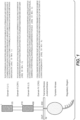
- the amino acid sequence of HER2 is shown in FIG. 1 .
- the extracellular domain of HER2 may comprise four domains: "Domain I” (amino acid residues from about 1-195; SEQ ID NO: 1), “Domain II” (amino acid residues from about 196-319; SEQ ID NO:2), “Domain III” (amino acid residues from about 320-488: SEQ ID NO:3), and “Domain IV” (amino acid residues from about 489-630; SEQ ID NO:4) (residue numbering without signal peptide).
- Domain I amino acid residues from about 1-195; SEQ ID NO: 1
- Domain II amino acid residues from about 196-319
- Domain III amino acid residues from about 320-488: SEQ ID NO:3
- Domain IV amino acid residues from about 489-630; SEQ ID NO:4
- HER3 or "ErbB3" herein refer to the receptor as disclosed, for example, in US Pat. Nos. 5,183,884 and 5,480,968 as well as Kraus et al. PNAS (USA) 86:9193-9197 (1989 ).
- a "low HER3" cancer is one which expresses HER3 at a level less than the median level for HER3 expression in the cancer type.
- HER3 DNA, protein, and/or mRNA level in the cancer can be evaluated to determine whether the cancer is a low HER3 cancer. See, for example, US Patent No. 7,981,418 for additional information about low HER3 cancer.
- a HER3 mRNA expression assay is performed in order to determine that the cancer is a low HER3 cancer.
- HER3 mRNA level in the cancer can be evaluated, e.g. using polymerase chain reaction (PCR), such as quantitative reverse transcription PCR (qRT-PCR).
- PCR polymerase chain reaction
- qRT-PCR quantitative reverse transcription PCR
- the cancer expresses HER3 at a concentration ratio equal or lower than about 2.81 as assessed qRT-PCR, e.g. using a COBAS z480 ® instrument.
- a "HER dimer” herein is a noncovalently associated dimer comprising at least two HER receptors. Such complexes may form when a cell expressing two or more HER receptors is exposed to an HER ligand and can be isolated by immunoprecipitation and analyzed by SDS-PAGE as described in Sliwkowski et al., J. Biol. Chem., 269(20): 14661-14665 (1994 ), for example. Other proteins, such as a cytokine receptor subunit (e.g. gp130) may be associated with the dimer.
- the HER dimer comprises HER2.
- HER heterodimer herein is a noncovalently associated heterodimer comprising at least two different HER receptors, such as EGFR-HER2, HER2-HER3 or HER2-HER4 heterodimers.
- HER antibody is an antibody that binds to a HER receptor.
- the HER antibody further interferes with HER activation or function.
- the HER antibody binds to the HER2 receptor.
- HER2 antibodies of interest herein are pertuzumab and trastuzumab.
- HER activation refers to activation, or phosphorylation, of any one or more HER receptors. Generally, HER activation results in signal transduction (e.g . that caused by an intracellular kinase domain of a HER receptor phosphorylating tyrosine residues in the HER receptor or a substrate polypeptide). HER activation may be mediated by HER ligand binding to a HER dimer comprising the HER receptor of interest.
- HER ligand binding to a HER dimer may activate a kinase domain of one or more of the HER receptors in the dimer and thereby results in phosphorylation of tyrosine residues in one or more of the HER receptors and/or phosphorylation of tyrosine residues in additional substrate polypeptides(s), such as Akt or MAPK intracellular kinases.
- Phosphorylation refers to the addition of one or more phosphate group(s) to a protein, such as a HER receptor, or substrate thereof.
- an antibody which "inhibits HER dimerization” is an antibody which inhibits, or interferes with, formation of a HER dimer. Preferably, such an antibody binds to HER2 at the heterodimeric binding site thereof.
- the most preferred dimerization inhibiting antibody herein is pertuzumab or MAb 2C4.
- Other examples of antibodies which inhibit HER dimerization include antibodies which bind to EGFR and inhibit dimerization thereof with one or more other HER receptors (for example EGFR monoclonal antibody 806, MAb 806, which binds to activated or "untethered” EGFR; see Johns et al., J. Biol. Chem.
- HER2 dimerization inhibitor is an agent that inhibits formation of a dimer or heterodimer comprising HER2.
- a "heterodimeric binding site" on HER2 refers to a region in the extracellular domain of HER2 that contacts, or interfaces with, a region in the extracellular domain of EGFR, HER3 or HER4 upon formation of a dimer therewith. The region is found in Domain II of HER2 (SEQ ID NO: 15). Franklin et al. Cancer Cell 5:317-328 (2004 ).
- an antibody that "binds to domain II" of HER2 binds to residues in domain II (SEQ ID NO: 2) and optionally residues in other domain(s) of HER2, such as domains I and III (SEQ ID NOs: 1 and 3, respectively).
- the antibody that binds to domain II binds to the junction between domains I, II and III of HER2.
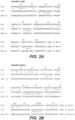
- pertuzumab and rhuMAb 2C4 refer to an antibody comprising the variable light and variable heavy amino acid sequences in SEQ ID NOs: 7 and 8, respectively.
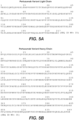
- pertuzumab is an intact antibody, it preferably comprises an IgG1 antibody; it may comprise the light chain amino acid sequence in SEQ ID NO: 11 or 15, and heavy chain amino acid sequence in SEQ ID NO: 12 or 16.
- the antibody is optionally produced by recombinant Chinese Hamster Ovary (CHO) cells.
- the terms “pertuzumab” and “rhuMAb 2C4" herein cover biosimilar versions of the drug with the United States Adopted Name (USAN) or International Nonproprietary Name (INN): pertuzumab.
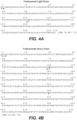
- trastuzumab and “rhuMAb4D5", which are used interchangeably, refer to an antibody comprising the variable light and variable heavy amino acid sequences from within SEQ ID Nos: 13 and 14, respectively.
- trastuzumab is an intact antibody, it preferably comprises an IgG1 antibody; it may comprise the light chain amino acid sequence of SEQ ID NO: 13 and the heavy chain amino acid sequence of SEQ ID NO: 14.
- the antibody is optionally produced by Chinese Hamster Ovary (CHO) cells.
- the terms “trastuzumab” and “rhuMAb4D5" herein cover biosimilar versions of the drug with the United States Adopted Name (USAN) or International Nonproprietary Name (INN): trastuzumab.
- antibody herein is used in the broadest sense and specifically covers monoclonal antibodies, polyclonal antibodies, multispecific antibodies (e.g . bispecific antibodies), and antibody fragments, so long as they exhibit the desired biological activity.
- Humanized forms of non-human (e.g ., rodent) antibodies are chimeric antibodies that contain minimal sequence derived from non-human immunoglobulin.
- humanized antibodies are human immunoglobulins (recipient antibody) in which residues from a hypervariable region of the recipient are replaced by residues from a hypervariable region of a non-human species (donor antibody) such as mouse, rat, rabbit or nonhuman primate having the desired specificity, affinity, and capacity.
- donor antibody such as mouse, rat, rabbit or nonhuman primate having the desired specificity, affinity, and capacity.
- framework region (FR) residues of the human immunoglobulin are replaced by corresponding non-human residues.
- humanized antibodies may comprise residues that are not found in the recipient antibody or in the donor antibody. These modifications are made to further refine antibody performance.
- the humanized antibody will comprise substantially all of at least one, and typically two, variable domains, in which all or substantially all of the hypervariable loops correspond to those of a non-human immunoglobulin and all or substantially all of the FRs are those of a human immunoglobulin sequence.
- the humanized antibody optionally also will comprise at least a portion of an immunoglobulin constant region (Fc), typically that of a human immunoglobulin.
- Fc immunoglobulin constant region
- Humanized HER2 antibodies specifically include trastuzumab (HERCEPTIN ® ) as described in Table 3 of U.S. Patent 5,821,337 as defined herein; and humanized 2C4 antibodies such as pertuzumab as described and defined herein.
- trastuzumab HERCEPTIN ®
- humanized 2C4 antibodies such as pertuzumab as described and defined herein.
- an “intact antibody” herein is one which comprises two antigen binding regions, and an Fc region.
- the intact antibody has a functional Fc region.
- Antibody fragments comprise a portion of an intact antibody, preferably comprising the antigen binding region thereof.
- antibody fragments include Fab, Fab', F(ab') 2 , and Fv fragments; diabodies; linear antibodies; single-chain antibody molecules; and multispecific antibodies formed from antibody fragment(s).
- “Native antibodies” are usually heterotetrameric glycoproteins of about 150,000 daltons, composed of two identical light (L) chains and two identical heavy (H) chains. Each light chain is linked to a heavy chain by one covalent disulfide bond, while the number of disulfide linkages varies among the heavy chains of different immunoglobulin isotypes. Each heavy and light chain also has regularly spaced intrachain disulfide bridges. Each heavy chain has at one end a variable domain (V H ) followed by a number of constant domains. Each light chain has a variable domain at one end (V L ) and a constant domain at its other end. The constant domain of the light chain is aligned with the first constant domain of the heavy chain, and the light-chain variable domain is aligned with the variable domain of the heavy chain. Particular amino acid residues are believed to form an interface between the light chain and heavy chain variable domains.
- hypervariable region when used herein refers to the amino acid residues of an antibody which are responsible for antigen-binding.
- the hypervariable region generally comprises amino acid residues from a "complementarity determining region” or "CDR" (e.g . residues 24-34 (L1), 50-56 (L2) and 89-97 (L3) in the light chain variable domain and 31-35 (H1), 50-65 (H2) and 95-102 (H3) in the heavy chain variable domain; Kabat et al., Sequences of Proteins of Immunological Interest, 5th Ed. Public Health Service, National Institutes of Health, Bethesda, MD.
- CDR complementarity determining region
- Fc region herein is used to define a C-terminal region of an immunoglobulin heavy chain, including native sequence Fc regions and variant Fc regions.
- the human IgG heavy chain Fc region is usually defined to stretch from an amino acid residue at position Cys226, or from Pro230, to the carboxyl-terminus thereof.
- the C-terminal lysine (residue 447 according to the EU numbering system) of the Fc region may be removed, for example, during production or purification of the antibody, or by recombinantly engineering the nucleic acid encoding a heavy chain of the antibody. Accordingly, a composition of intact antibodies may comprise antibody populations with all K447 residues removed, antibody populations with no K447 residues removed, and antibody populations having a mixture of antibodies with and without the K447 residue.
- the numbering of the residues in an immunoglobulin heavy chain is that of the EU index as in Kabat et al., Sequences of Proteins of Immunological Interest, 5th Ed. Public Health Service, National Institutes of Health, Bethesda, MD (1991 ).
- the "EU index as in Kabat” refers to the residue numbering of the human IgG 1 EU antibody.
- a “functional Fc region” possesses an “effector function” of a native sequence Fc region.
- effector functions include C1q binding; complement dependent cytotoxicity; Fc receptor binding; antibody-dependent cell-mediated cytotoxicity (ADCC); phagocytosis; down regulation of cell surface receptors ( e.g . B cell receptor; BCR), etc.
- ADCC antibody-dependent cell-mediated cytotoxicity
- phagocytosis down regulation of cell surface receptors (e.g . B cell receptor; BCR), etc.
- Such effector functions generally require the Fc region to be combined with a binding domain (e.g . an antibody variable domain) and can be assessed using various assays as herein disclosed, for example.
- a “native sequence Fc region” comprises an amino acid sequence identical to the amino acid sequence of an Fc region found in nature.
- Native sequence human Fc regions include a native sequence human IgG1 Fc region (non-A and A allotypes); native sequence human IgG2 Fc region; native sequence human IgG3 Fc region; and native sequence human IgG4 Fc region as well as naturally occurring variants thereof.
- a “variant Fc region” comprises an amino acid sequence which differs from that of a native sequence Fc region by virtue of at least one amino acid modification, preferably one or more amino acid substitution(s).
- the variant Fc region has at least one amino acid substitution compared to a native sequence Fc region or to the Fc region of a parent polypeptide, e.g. from about one to about ten amino acid substitutions, and preferably from about one to about five amino acid substitutions in a native sequence Fc region or in the Fc region of the parent polypeptide.
- the variant Fc region herein will preferably possess at least about 80% homology with a native sequence Fc region and/or with an Fc region of a parent polypeptide, and most preferably at least about 90% homology therewith, more preferably at least about 95% homology therewith.
- intact antibodies can be assigned to different "classes". There are five major classes of intact antibodies: IgA, IgD, IgE, IgG, and IgM, and several of these may be further divided into Asubclasses@ (isotypes), e.g ., IgG1, IgG2, IgG3, IgG4, IgA, and IgA2.
- Asubclasses@ isotypes
- the heavy-chain constant domains that correspond to the different classes of antibodies are called ⁇ , ⁇ , ⁇ , ⁇ , and ⁇ , respectively.
- the subunit structures and three-dimensional configurations of different classes of immunoglobulins are well known.
- naked antibody is an antibody that is not conjugated to a heterologous molecule, such as a cytotoxic moiety or radiolabel.
- affinity matured antibody is one with one or more alterations in one or more hypervariable regions thereof which result an improvement in the affinity of the antibody for antigen, compared to a parent antibody which does not possess those alteration(s).
- Preferred affinity matured antibodies will have nanomolar or even picomolar affinities for the target antigen.
- Affinity matured antibodies are produced by procedures known in the art. Marks et al. Bio/Technology 10:779-783 (1992 ) describes affinity maturation by VH and VL domain shuffling. Random mutagenesis of CDR and/or framework residues is described by: Barbas et al. Proc Nat. Acad. Sci, USA 91:3809-3813 (1994 ); Schier et al.
- a “deamidated” antibody is one in which one or more asparagine residues thereof has been derivitized, e.g. to an aspartic acid, a succinimide, or an iso-aspartic acid.
- cancer and “cancerous” refer to or describe the physiological condition in mammals that is typically characterized by unregulated cell growth.
- Early-stage breast cancer or “early breast cancer” or “eBC”, as used herein, refers to breast cancer that has not spread beyond the breast or the axillary lymph nodes. Such cancer is generally treated with neoadjuvant or adjuvant therapy.
- an “advanced” cancer is one which has spread outside the site or organ of origin, either by local invasion or metastasis. Accordingly, the term “advanced” cancer includes both locally advanced and metastatic disease, such as "advanced breast cancer”.
- a "refractory” cancer is one which progresses even though an anti-tumor agent, such as a chemotherapy, is being administered to the cancer patient.
- An example of a refractory cancer is one which is platinum refractory.
- a "recurrent" cancer is one which has regrown, either at the initial site or at a distant site, after a response to initial therapy, such as surgery.
- a "locally recurrent" cancer is cancer that returns after treatment in the same place as a previously treated cancer.
- a “non-resectable” or “unresectable” cancer is not able to be removed (resected) by surgery.
- adjuvant therapy or “adjuvant treatment” or “adjuvant administration” refers to systemic therapy given after surgery. Adjuvant treatment may be given after definitive surgery, where no evidence of residual disease can be detected, so as to reduce the risk of disease recurrence. The goal of adjuvant therapy is to prevent recurrence of the cancer, and therefore to reduce the chance of cancer-related death.
- “Definitive surgery” refers to complete removal of tumor and surrounding tissue as well as any involved lymph nodes. Such surgery includes lumpectomy, mastectomy, such as total mastectomy plus axillary dissection, double mastectomy etc.
- Node-positive or “lymph node positive” breast cancer is breast cancer that has spread to the regional lymph nodes (usually those under the arm).
- Subjects with node-positive breast cancer herein included those with 1-3 involved nodes; 4-9 involved nodes; and 10 or more involved nodes.
- Subjects with 4 or more involved nodes are at higher risk of recurrence than those with less or no involved nodes.
- ER-positive cancer is cancer which tests positive for expression of ER. Conversely, "ER negative” cancer tests negative for such expression. Analysis of ER status can be performed by any method known in the art. For the purpose of the studies herein, ER-positive tumors are defined as ⁇ 10 fmol/mg cytosol protein by the Dextran-coated charcoal or sucrose-density gradient method, or positive (using individual laboratory criteria) by the enzyme immunoassay (EIA) method, or by immunocytochemical assay.
- EIA enzyme immunoassay
- Cancer recurrence herein refers to a return of cancer following treatment, and includes return of cancer in the breast, as well as distant recurrence, where the cancer returns outside of the breast.
- a subject at "high risk of cancer recurrence" is one who has a greater chance of experiencing recurrence of cancer, for example, relatively young subjects (e.g., less than about 50 years old), those with positive lymph nodes, particularly 4 or more involved lymph nodes (including 4-9 involved lymph nodes, and 10 or more involved lymph nodes), those with tumors greater than 2 cm in diameter, those with HER2-positive breast cancer, and those with hormone receptor negative breast cancer (i.e., estrogen receptor (ER) negative and progesterone receptor (PR) negative).
- ER estrogen receptor
- PR progesterone receptor
- Progesterone receptor (PR) positive cancer is cancer which tests positive for expression of PR. Conversely, “PR negative” cancer tests negative for such expression. Analysis of PR status can be performed by any method known in the art. For the purpose of the studies herein, acceptable methods include the Dextran-coated charcoal or sucrose-density gradient methods, enzyme immunoassay (EIA) techniques, and immunocytochemical assays.
- EIA enzyme immunoassay
- Neoadjuvant therapy or “neoadjuvant treatment” or “neoadjuvant administration” refers to systemic therapy given prior to surgery.
- initiation of treatment refers to the start of a treatment regimen following surgical removal of the tumor. This may refer to administration of AC following surgery. Alternatively, this can refer to an initial administration of the HER2.antibody and/or chemotherapeutic agent.
- an "initial administration" of a HER2 antibody and chemotherapeutic agent is meant a first dose of the HER2 antibody or chemotherapeutic agent as part of a treatment schedule.
- curing cancer herein is meant the absence of cancer recurrence at about 4 or about 5 years after beginning adjuvant therapy.
- Metalstatic cancer refers to cancer which has spread from one part of the body (e.g. the breast) to another part of the body.
- a "patient” or “subject” is a human patient.
- the patient may be a “cancer patient,” i.e. one who is suffering or at risk for suffering from one or more symptoms of cancer, in particular breast cancer.
- a "patient population” refers to a group of cancer patients. Such populations can be used to demonstrate statistically significant efficacy and/or safety of a drug, such as pertuzumab and/or trastuzumab.
- a "relapsed" patient is one who has signs or symptoms of cancer after remission.
- the patient has relapsed after adjuvant or neoadjuvant therapy.
- a cancer or biological sample which "displays HER expression, amplification, or activation" is one which, in a diagnostic test, expresses (including overexpresses) a HER receptor, has amplified HER gene, and/or otherwise demonstrates activation or phosphorylation of a HER receptor.
- a cancer or biological sample which "displays HER activation" is one which, in a diagnostic test, demonstrates activation or phosphorylation of a HER receptor. Such activation can be determined directly ( e.g. by measuring HER phosphorylation by ELISA) or indirectly ( e.g. by gene expression profiling or by detecting HER heterodimers, as described herein).
- a cancer cell with "HER receptor overexpression or amplification” is one which has significantly higher levels of a HER receptor protein or gene compared to a noncancerous cell of the same tissue type. Such overexpression may be caused by gene amplification or by increased transcription or translation. HER receptor overexpression or amplification may be determined in a diagnostic or prognostic assay by evaluating increased levels of the HER protein present on the surface of a cell ( e.g. via an immunohistochemistry assay; IHC). Alternatively, or additionally, one may measure levels of HER-encoding nucleic acid in the cell, e.g.
- ISH in situ hybridization
- FISH fluorescent in situ hybridization
- CISH chromogenic in situ hybridization
- PCR polymerase chain reaction
- various in vivo assays are available to the skilled practitioner. For example, one may expose cells within the body of the patient to an antibody which is optionally labeled with a detectable label, e.g. a radioactive isotope, and binding of the antibody to cells in the patient can be evaluated, e.g. by external scanning for radioactivity or by analyzing a biopsy taken from a patient previously exposed to the antibody.
- a detectable label e.g. a radioactive isotope
- a "HER2-positive” cancer comprises cancer cells which have higher than normal levels of HER2, such as HER2-positive breast cancer.
- HER2-positive cancer has an immunohistochemistry (IHC) score of 2+ or 3+ and/or an in situ hybridization (ISH) amplification ratio ⁇ 2.0.
- IHC immunohistochemistry
- ISH in situ hybridization
- an "anti-tumor agent” refers to a drug used to treat cancer.
- anti-tumor agents herein include chemotherapy agents, HER dimerization inhibitors, HER antibodies, antibodies directed against tumor associated antigens, anti-hormonal compounds, cytokines, EGFR-targeted drugs, anti-angiogenic agents, tyrosine kinase inhibitors, growth inhibitory agents and antibodies, cytotoxic agents, antibodies that induce apoptosis, COX inhibitors, farnesyl transferase inhibitors, antibodies that binds oncofetal protein CA 125, HER2 vaccines, Raf or ras inhibitors, liposomal doxorubicin, topotecan, taxane, dual tyrosine kinase inhibitors, TLK286, EMD-7200, pertuzumab, trastuzumab, erlotinib, and bevacizumab.
- the "epitope 2C4" is the region in the extracellular domain of HER2 to which the antibody 2C4 binds.
- a routine cross-blocking assay such as that described in Antibodies, A Laboratory Manual, Cold Spring Harbor Laboratory, Ed Harlow and David Lane (1988 ), can be performed.
- the antibody blocks 2C4's binding to HER2 by about 50% or more.
- epitope mapping can be performed to assess whether the antibody binds essentially to the 2C4 epitope of HER2.
- Epitope 2C4 comprises residues from Domain II (SEQ ID NO: 2) in the extracellular domain of HER2.
- 2C4 and pertuzumab binds to the extracellular domain of HER2 at the junction of domains I, II and III (SEQ ID NOs: 1, 2, and 3, respectively). Franklin et al. Cancer Cell 5:317-328 (2004 ).
- the "epitope 4D5" is the region in the extracellular domain of HER2 to which the antibody 4D5 (ATCC CRL 10463) and trastuzumab bind. This epitope is close to the transmembrane domain of HER2, and within Domain IV of HER2 (SEQ ID NO: 4).
- a routine cross-blocking assay such as that described in Antibodies, A Laboratory Manual, Cold Spring Harbor Laboratory, Ed Harlow and David Lane (1988 ), can be performed.
- epitope mapping can be performed to assess whether the antibody binds essentially to the 4D5 epitope of HER2 (e.g. any one or more residues in the region from about residue 529 to about residue 625, inclusive of the HER2 ECD, residue numbering including signal peptide).
- Treatment refers to both therapeutic treatment and prophylactic or preventative measures. Those in need of treatment include those already with cancer as well as those in which cancer is to be prevented. Hence, the patient to be treated herein may have been diagnosed as having cancer or may be predisposed or susceptible to cancer.
- the term "effective amount" refers to an amount of a drug effective to treat cancer in the patient.
- the effective amount of the drug may reduce the number of cancer cells; reduce the tumor size; inhibit ( i.e., slow to some extent and preferably stop) cancer cell infiltration into peripheral organs; inhibit ( i.e., slow to some extent and preferably stop) tumor metastasis; inhibit, to some extent, tumor growth; and/or relieve to some extent one or more of the symptoms associated with the cancer.
- the drug may prevent growth and/or kill existing cancer cells, it may be cytostatic and/or cytotoxic.
- the effective amount may extend progression free survival (e.g.
- cytotoxic agent refers to a substance that inhibits or prevents the function of cells and/or causes destruction of cells.
- the term is intended to include radioactive isotopes (e.g. At 211 , I 131 , I 125 , Y 90 , Re 186 , Re 188 , Sm 153 , Bi 212 , P 32 and radioactive isotopes of Lu), chemotherapeutic agents, and toxins such as small molecule toxins or enzymatically active toxins of bacterial, fungal, plant or animal origin, including fragments and/or variants thereof.
- radioactive isotopes e.g. At 211 , I 131 , I 125 , Y 90 , Re 186 , Re 188 , Sm 153 , Bi 212 , P 32 and radioactive isotopes of Lu
- chemotherapeutic agents e.g. At 211 , I 131 , I 125 , Y 90 , Re 186
- chemotherapeutic agents used in chemotherapy, include alkylating agents such as thiotepa and CYTOXAN ® cyclosphosphamide; alkyl sulfonates such as busulfan, improsulfan and piposulfan; aziridines such as benzodopa, carboquone, meturedopa, and uredopa; ethylenimines and methylamelamines including altretamine, triethylenemelamine, trietylenephosphoramide, triethiylenethiophosphoramide and trimethylolomelamine; TLK 286 (TELCYTA TM ); acetogenins (especially bullatacin and bullatacinone); delta-9-tetrahydrocannabinol (dronabinol, MARINOL ® ); beta-lapachone; lapachol; colchicines; betulin
- calicheamicin especially calicheamicin gammalI and calicheamicin omegaI1 (see, e.g., Agnew, Chem Intl. Ed. Engl., 33: 183-186 (1994 )) and anthracyclines such as annamycin, AD 32, alcarubicin, daunorubicin, doxorubicin, dexrazoxane, DX-52-1, epirubicin, GPX-100, idarubicin, valrubicin, KRN5500, menogaril, dynemicin, including dynemicin A, an esperamicin, neocarzinostatin chromophore and related chromoprotein enediyne antiobiotic chromophores, aclacinomysins, actinomycin, authramycin, azaserine, bleomycins, cactinomycin, carabicin, carmin
- anti-hormonal agents that act to regulate or inhibit hormone action on tumors
- SERMs selective estrogen receptor modulators
- tamoxifen including NOLVADEX ® tamoxifen
- raloxifene including NOLVADEX ® tamoxifen
- droloxifene 4-hydroxytamoxifen
- trioxifene keoxifene
- LY117018 onapristone
- anti-androgens such as flutamide, nilutamide, bicalutamide, leuprolide, and goserelin
- troxacitabine a 1,3-dioxolane nucleoside cytosine analog
- antisense oligonucleotides particularly those that inhibit expression of genes in signaling pathways implicated in abherant cell proliferation, such as, for example, PKC-alpha, Raf, H-Ra
- taxanes are a chemotherapy which inhibits mitosis and interferes with microtubules.
- taxanes include Paclitaxel (TAXOL ® ; Bristol-Myers Squibb Oncology, Princeton, N.J.); cremophor-free, albumin-engineered nanoparticle formulation of paclitaxel or nab -paclitaxel (ABRAXANE TM ; American Pharmaceutical Partners, Schaumberg, Illinois); and Docetaxel (TAXOTERE ® ; Rhône-Poulenc Rorer, Antony, France).
- Paclitaxel TAXOL ® ; Bristol-Myers Squibb Oncology, Princeton, N.J.
- cremophor-free, albumin-engineered nanoparticle formulation of paclitaxel or nab -paclitaxel ABRAXANE TM ; American Pharmaceutical Partners, Schaumberg, Illinois
- Docetaxel TAXOTERE ® ; Rhône-Poulenc R
- an “anthacycline” is a type of antibiotic that comes from the fungus Streptococcus peucetius, examples include: Daunorubicin, Doxorubicin, Epirubicin, and any other anthracycline chemotherapeutic agents, including those listed before.
- Anthracycline-based chemotherapy refers to a chemotherapy regimen that consists of or includes one or more anthracycline. Examples include, without limitation, 5-FU, epirubicin, and cyclophosphamide (FEC); 5-FU, doxorubicin, and cyclophosphamide (FAC); doxorubicin and cyclophosphamide (AC); epirubicin and cyclophosphamide (EC); dose-dense doxorubicin and cyclophosphamide (ddAC), and the like.
- FEC epirubicin, and cyclophosphamide
- FEC 5-FU, doxorubicin, and cyclophosphamide
- AC doxorubicin and cyclophosphamide
- EC epirubicin and cyclophosphamide
- ddAC dose-dense doxorubicin and cyclophosphamide
- Carboplatin-based chemotherapy refers to a chemotherapy regimen that consists of or includes one or more Carboplatins.
- An example is TCH (Docetaxel/TAXOL ® , Carboplatin, and trastuzumab/HERCEPTIN ® ).
- aromatase inhibitor inhibits the enzyme aromatase, which regulates estrogen production in the adrenal glands.
- aromatase inhibitors include: 4(5)-imidazoles, aminoglutethimide, MEGASE ® megestrol acetate, AROMASIN ® exemestane, formestanie, fadrozole, RIVISOR ® vorozole, FEMARA ® letrozole, and ARIMIDEX ® anastrozole.
- the aromatase inhibitor herein may be letrozole or anastrozole.
- antimetabolite chemotherapy is use of an agent which is structurally similar to a metabolite, but cannot be used by the body in a productive manner. Many antimetabolite chemotherapy interferes with the production of the nucleic acids, RNA and DNA.
- antimetabolite chemotherapeutic agents include gemcitabine (GEMZAR ® ), 5-fluorouracil (5-FU), capecitabine (XELODA TM ), 6-mercaptopurine, methotrexate, 6-thioguanine, pemetrexed, raltitrexed, arabinosylcytosine ARA-C cytarabine (CYTOSAR-U ® ), dacarbazine (DTIC-DOME ® ), azocytosine, deoxycytosine, pyridmidene, fludarabine (FLUDARA ® ), cladrabine, 2-deoxy-D-glucose etc.
- chemotherapy-resistant cancer is meant that the cancer patient has progressed while receiving a chemotherapy regimen (i.e. the patient is “chemotherapy refractory"), or the patient has progressed within 12 months (for instance, within 6 months) after completing a chemotherapy regimen.
- platinum is used herein to refer to platinum based chemotherapy, including, without limitation, cisplatin, carboplatin, and oxaliplatin.
- fluoropyrimidine is used herein to refer to an antimetabolite chemotherapy, including, without limitation, capecitabine, floxuridine, and fluorouracil (5-FU).
- chemotherapy is selected from either
- chemotherapy comprises administration of 5-fluorouracil + epirubicin or doxorubicin + cyclophosphamide, further comprising administration docetaxel and/or paclitaxel.
- chemotherapy comprises administration of doxorubicin or epirubicin + cyclophosphamide, further comprising administration of docetaxel and/or paclitaxel.
- a “fixed " or “flat” dose of a therapeutic agent herein refers to a dose that is administered to a human patient without regard for the weight (WT) or body surface area (BSA) of the patient.
- the fixed or flat dose is therefore not provided as a mg/kg dose or a mg/m 2 dose, but rather as an absolute amount of the therapeutic agent.
- a “loading" dose herein generally comprises an initial dose of a therapeutic agent administered to a patient, and is followed by one or more maintenance dose(s) thereof. Generally, a single loading dose is administered, but multiple loading doses are contemplated herein. Usually, the amount of loading dose(s) administered exceeds the amount of the maintenance dose(s) administered and/or the loading dose(s) are administered more frequently than the maintenance dose(s), so as to achieve the desired steady-state concentration of the therapeutic agent earlier than can be achieved with the maintenance dose(s).
- a “maintenance” dose herein refers to one or more doses of a therapeutic agent administered to the patient over a treatment period.
- the maintenance doses are administered at spaced treatment intervals, such as approximately every week, approximately every 2 weeks, approximately every 3 weeks, or approximately every 4 weeks, preferably every 3 weeks.
- Intravenous administration refers to administering a drug (e.g. trastuzumab and/or pertuzumab and/or chemotherapy) into a vein of a patient, e.g. by infusion (slow therapeutic introduction into the vein).
- a drug e.g. trastuzumab and/or pertuzumab and/or chemotherapy
- Subcutaneous administration refers to administering a drug (e.g. trastuzumab and/or pertuzumab and/or chemotherapy) beneath the skin of the patient.
- a drug e.g. trastuzumab and/or pertuzumab and/or chemotherapy
- Intravenous (IV) bag refers to the introduction of a drug-containing solution into the body through a vein for therapeutic purposes. Generally, this is achieved via an intravenous (IV) bag.
- IV intravenous
- IV bag is a bag that can hold a solution which can be administered via the vein of a patient.
- the solution may be a saline solution (e.g. about 0.9% or about 0.45% NaCl).
- the IV bag is formed from polyolefin or polyvinyl chloride.
- co-administering is meant intravenously administering two (or more) drugs during the same administration, rather than sequential infusions of the two or more drugs. Generally, this will involve combining the two (or more) drugs into the same IV bag prior to co-administration thereof.
- Cardiac toxicity refers to any toxic side effect resulting from administration of a drug or drug combination. Cardiac toxicity can be evaluated based on any one or more of: incidence of symptomatic left ventricular systolic dysfunction (LVSD) or congestive heart failure (CHF), or decrease in left ventricular ejection fraction (LVEF).
- LVSD left ventricular systolic dysfunction
- CHF congestive heart failure
- LVEF left ventricular ejection fraction
- the phrase "without increasing cardiac toxicity" for a drug combination including pertuzumab refers to an incidence of cardiac toxicity that is equal or less than that observed in patients treated with drugs other than pertuzumab in the drug combination (e.g. equal or less than that resulting from administration of trastuzumab and the chemotherapy, e.g. Docetaxel).
- a "vial” is a container suitable for holding a liquid or lyophilized preparation.
- a "package insert” is a leaflet that, by order of the Food and Drug Administration (FDA) or other Regulatory Authority, must be placed inside the package of every prescription drug.
- the leaflet generally includes the trademark for the drug, its generic name, and its mechanism of action; states its indications, contraindications, warnings, precautions, adverse effects, and dosage forms; and includes instructions for the recommended dose, time, and route of administration.
- safety data concerns the data obtained in a controlled clinical trial showing the prevalence and severity of adverse events to guide the user regarding the safety of the drug, including guidance on how to monitor and prevent adverse reactions to the drug.
- Table 3 and Table 4 herein provide safety data for pertuzumab.
- the safety data comprises any one or more (e.g. two, three, four or more) of the most common adverse events (AEs) or adverse reactions (ADRs) in Tables 3 and 4.
- AEs adverse events
- ADRs adverse reactions
- the safety data comprises information about neutropenia, febrile neutropenia, diarrhea and/or cardiac toxicity as disclosed herein.
- Effectiveness data refers to the data obtained in controlled clinical trial showing that a drug effectively treats a disease, such as cancer.
- stable mixture when referring to a mixture of two or more drugs, such as pertuzumab and trastuzumab,” means that each of the drugs in the mixture essentially retains its physical and chemical stability in the mixture as evaluated by one or more analytical assays.
- analytical assays for this purpose include: color, appearance and clarity (CAC), concentration and turbidity analysis, particulate analysis, size exclusion chromatography (SEC), ion-exchange chromatography (IEC), capillary zone electrophoresis (CZE), image capillary isoelectric focusing (iCIEF), and potency assay.
- a drug that is administered "concurrently" with one or more other drugs is administered during the same treatment cycle, on the same day of treatment as the one or more other drugs, and, optionally, at the same time as the one or more other drugs.
- the concurrently administered drugs are each administered on day-1 of a 3-week cycle.
- the HER2 antigen to be used for production of antibodies may be, e.g., a soluble form of the extracellular domain of a HER2 receptor or a portion thereof, containing the desired epitope.
- cells expressing HER2 at their cell surface e.g. NIH-3T3 cells transformed to overexpress HER2; or a carcinoma cell line such as SK-BR-3 cells, see Stancovski et al. PNAS (USA) 88:8691-8695 (1991 )
- NIH-3T3 cells transformed to overexpress HER2 e.g. NIH-3T3 cells transformed to overexpress HER2; or a carcinoma cell line such as SK-BR-3 cells, see Stancovski et al. PNAS (USA) 88:8691-8695 (1991 )
- Other forms of HER2 receptor useful for generating antibodies will be apparent to those skilled in the art.
- the monoclonal antibodies may be made using the hybridoma method first described by Kohler et al., Nature, 256:495 (1975 ), by recombinant DNA methods ( U.S. Patent No. 4,816,567 ).
- trastuzumab and pertuzumab are commercially available.
- a humanized antibody has one or more amino acid residues introduced into it from a source which is non-human. These non-human amino acid residues are often referred to as "import" residues, which are typically taken from an "import” variable domain.
- Humanization can be essentially performed following the method of Winter and co-workers ( Jones et al., Nature, 321:522-525 (1986 ); Riechmann et al., Nature, 332:323-327 (1988 ); Verhoeyen et al., Science, 239: 1534-1536 (1988 )), by substituting hypervariable region sequences for the corresponding sequences of a human antibody.
- humanized antibodies are chimeric antibodies ( U.S. Patent No. 4,816,567 ) wherein substantially less than an intact human variable domain has been substituted by the corresponding sequence from a non-human species.
- humanized antibodies are typically human antibodies in which some hypervariable region residues and possibly some FR residues are substituted by residues from analogous sites in rodent antibodies.
- variable domains both light and heavy
- sequence of the variable domain of a rodent antibody is screened against the entire library of known human variable-domain sequences.
- the human sequence which is closest to that of the rodent is then accepted as the human framework region (FR) for the humanized antibody ( Sims et al., J. Immunol., 151:2296 (1993 ); Chothia et al., J. Mol. Biol., 196:901 (1987 )).
- Another method uses a particular framework region derived from the consensus sequence of all human antibodies of a particular subgroup of light or heavy chains.
- the same framework may be used for several different humanized antibodies ( Carter et al., Proc. Natl. Acad. Sci. USA, 89:4285 (1992 ); Presta et al., J. Immunol., 151:2623 (1993 )).
- humanized antibodies are prepared by a process of analysis of the parental sequences and various conceptual humanized products using three-dimensional models of the parental and humanized sequences.
- Three-dimensional immunoglobulin models are commonly available and are familiar to those skilled in the art.
- Computer programs are available which illustrate and display probable three-dimensional conformational structures of selected candidate immunoglobulin sequences. Inspection of these displays permits analysis of the likely role of the residues in the functioning of the candidate immunoglobulin sequence, i.e., the analysis of residues that influence the ability of the candidate immunoglobulin to bind its antigen.
- FR residues can be selected and combined from the recipient and import sequences so that the desired antibody characteristic, such as increased affinity for the target antigen(s), is achieved.
- the hypervariable region residues are directly and most substantially involved in influencing antigen binding.
- US Patent No. 6,949,245 describes production of exemplary humanized HER2 antibodies which bind HER2 and block ligand activation of a HER receptor.
- Humanized HER2 antibodies specifically include trastuzumab as described in Table 3 of U.S. Patent 5,821,337 as defined herein; and humanized 2C4 antibodies such as pertuzumab as described and defined herein.
- the humanized antibodies herein may, for example, comprise nonhuman hypervariable region residues incorporated into a human variable heavy domain and may further comprise a framework region (FR) substitution at a position selected from the group consisting of 69H, 71H and 73H utilizing the variable domain numbering system set forth in Kabat et al., Sequences of Proteins of Immunological Interest, 5th Ed. Public Health Service, National Institutes of Health, Bethesda, MD (1991 ).
- the humanized antibody may comprise FR substitutions at two or all of positions 69H, 71H and 73H.
- An exemplary humanized antibody of interest herein comprises variable heavy domain complementarity determining residues GFTFTDYTMX (SEQ ID NO: 17), where X is preferably D or S; DVNPNSGGSIYNQRFKG (SEQ ID NO: 18); and/or NLGPSFYFDY (SEQ ID NO: 19), optionally comprising amino acid modifications of those CDR residues, e.g. where the modifications essentially maintain or improve affinity of the antibody.
- Such antibody variants may be prepared by affinity maturation, e.g., as described below.
- the humanized antibody may comprise variable light domain complementarity determining residues KASQDVSIGVA (SEQ ID NO:20); SASYX 1 X 2 X 3 , where X 1 is preferably R or L, X 2 is preferably Y or E, and X 3 is preferably T or S (SEQ ID NO:21); and/or QQYYIYPYT (SEQ ID NO:22), e.g. in addition to those variable heavy domain CDR residues in the preceding paragraph.
- Such humanized antibodies optionally comprise amino acid modifications of the above CDR residues, e.g. where the modifications essentially maintain or improve affinity of the antibody.
- the antibody variant of interest may have from about one to about seven or about five amino acid substitutions in the above variable light CDR sequences.
- Such antibody variants may be prepared by affinity maturation, e.g., as described below.
- affinity matured antibodies which bind HER2.
- the parent antibody may be a human antibody or a humanized antibody, e.g., one comprising the variable light and/or variable heavy sequences of SEQ ID Nos. 7 and 8, respectively ( i.e. comprising the VL and/or VH of pertuzumab).
- An affinity matured variant of pertuzumab preferably binds to HER2 receptor with an affinity superior to that of murine 2C4 or pertuzumab (e.g. from about two or about four fold, to about 100 fold or about 1000 fold improved affinity, e.g. as assessed using a HER2-extracellular domain (ECD) ELISA) .
- variable heavy CDR residues for substitution include H28, H30, H34, H35, H64, H96, H99, or combinations of two or more ( e.g. two, three, four, five, six, or seven of these residues).
- variable light CDR residues for alteration include L28, L50, L53, L56, L91, L92, L93, L94, L96, L97 or combinations of two or more ( e.g. two to three, four, five or up to about ten of these residues).
- Humanization of murine 4D5 antibody to generate humanized variants thereof, including trastuzumab, is described in U.S. Pat. Nos. 5,821,337 , 6,054,297 , 6,407,213 , 6,639,055 , 6,719,971 , and 6,800,738 , as well as Carter et al. PNAS (USA), 89:4285-4289 (1992 ).
- HuMAb4D5-8 (trastuzumab) bound HER2 antigen 3-fold more tightly than the mouse 4D5 antibody, and had secondary immune function (ADCC) which allowed for directed cytotoxic activity of the humanized antibody in the presence of human effector cells.
- HuMAb4D5-8 comprised variable light (V L ) CDR residues incorporated in a V L ⁇ subgroup I consensus framework, and variable heavy (V H ) CDR residues incorporated into a V H subgroup III consensus framework.
- the antibody further comprised framework region (FR) substitutions as positions: 71, 73, 78, and 93 of the V H (Kabat numbering of FR residues; and a FR substitution at position 66 of the V L (Kabat numbering of FR residues).
- trastuzumab comprises non-A allotype human ⁇ 1 Fc region.
- the humanized antibody or affinity matured antibody may be an antibody fragment.
- the humanized antibody or affinity matured antibody may be an intact antibody, such as an intact IgG1 antibody.
- a HER2 antibody composition described herein may comprise a mixture of a main species pertuzumab antibody and one or more variants thereof. Described herein is a pertuzumab main species antibody comprising the variable light and variable heavy amino acid sequences in SEQ ID Nos. 5 and 6, and most preferably comprising a light chain amino acid sequence of SEQ ID No. 11, and a heavy chain amino acid sequence of SEQ ID No. 12 (including deamidated and/or oxidized variants of those sequences).
- the composition may comprise a mixture of the main species pertuzumab antibody and an amino acid sequence variant thereof comprising an amino-terminal leader extension.
- the amino-terminal leader extension is on a light chain of the antibody variant (e.g.
- the antibody variant herein may comprise an amino-terminal leader extension on any one or more of the heavy or light chains thereof.
- the amino-terminal leader extension is on one or two light chains of the antibody.
- the amino-terminal leader extension preferably comprises or consists of VHS-.
- Presence of the amino-terminal leader extension in the composition can be detected by various analytical techniques including, but not limited to, N-terminal sequence analysis, assay for charge heterogeneity (for instance, cation exchange chromatography or capillary zone electrophoresis), mass spectrometry, etc.
- the amount of the antibody variant in the composition generally ranges from an amount that constitutes the detection limit of any assay (preferably N-terminal sequence analysis) used to detect the variant to an amount less than the amount of the main species antibody. Generally, about 20% or less ( e.g. from about 1% to about 15%, for instance from 5% to about 15%) of the antibody molecules in the composition comprise an amino-terminal leader extension.
- Such percentage amounts are preferably determined using quantitative N-terminal sequence analysis or cation exchange analysis (preferably using a high-resolution, weak cation-exchange column, such as a PROPAC WCX-10 TM cation exchange column).
- a high-resolution, weak cation-exchange column such as a PROPAC WCX-10 TM cation exchange column.
- further amino acid sequence alterations of the main species antibody and/or variant are contemplated, including but not limited to an antibody comprising a C-terminal lysine residue on one or both heavy chains thereof, a deamidated antibody variant, etc.
- the main species antibody or variant may further comprise glycosylation variations, non-limiting examples of which include antibody comprising a G1 or G2 oligosaccharide structure attached to the Fc region thereof, antibody comprising a carbohydrate moiety attached to a light chain thereof (e.g. one or two carbohydrate moieties, such as glucose or galactose, attached to one or two light chains of the antibody, for instance attached to one or more lysine residues), antibody comprising one or two non-glycosylated heavy chains, or antibody comprising a sialidated oligosaccharide attached to one or two heavy chains thereof etc.
- glycosylation variations non-limiting examples of which include antibody comprising a G1 or G2 oligosaccharide structure attached to the Fc region thereof, antibody comprising a carbohydrate moiety attached to a light chain thereof (e.g. one or two carbohydrate moieties, such as glucose or galactose, attached to one or two light chains of the antibody, for instance attached to
- composition may be recovered from a genetically engineered cell line, e.g. a Chinese Hamster Ovary (CHO) cell line expressing the HER2 antibody, or may be prepared by peptide synthesis.
- a genetically engineered cell line e.g. a Chinese Hamster Ovary (CHO) cell line expressing the HER2 antibody
- CHO Chinese Hamster Ovary
- the trastuzumab composition generally comprises a mixture of a main species antibody (comprising light and heavy chain sequences of SEQ ID NOS: 13 and 14, respectively), and variant forms thereof, in particular acidic variants (including deamidated variants).
- the amount of such acidic variants in the composition is less than about 25%, or less than about 20%, or less than about 15%. See, U.S. Pat. No. 6,339,142 . See, also, Harris et al., J.
- Standard chemotherapy for the treatment of HER2-positive early breast cancer includes, without limitation, anthracycline-containing and non-anthracycline containing chemotherapies, such as treatment with one or more of doxorubicin, epirubicin, 5-fluorouracil + epirubicin, doxorubicin + cyclophosphamide, and taxanes (e.g. docetaxel or paclitaxel).
- the chemotherapy used in accordance with the present invention is defined in the claims and specifically includes 1) 3-4 cycles (q3w) of 5-fluorouracil + epirubicin or doxorubicin + cyclophosphamide followed by either 4 cycles (q3w) of docetaxel or 12 weekly cycles of paclitaxel. 2) 4 cycles (q3w) of doxorubicin or epirubicin + cyclophosphamide followed by either 4 cycles (q3w) of docetaxel or 12 weekly cycles of paclitaxel, and 3) (non-anthracycline chemotherapy therapy) 6 cycles (q3w) of docetaxel + carboplatin, as described in Example 1.
- the drugs used in the various standard chemotherapy regimens are commercially available and administered in accordance with local prescribing information and as described in Example 1.
- HER2 can be used to select patients for treatment in accordance with the present invention.
- FDA-approved commercial assays are available to identify HER2-positive cancer patients. These methods include HERCEPTEST ® (Dako) and PATHWAY ® HER2 (immunohistochemistry (IHC) assays) and PathVysion ® and HER2 FISH pharmDx TM (FISH assays). Users should refer to the package inserts of specific assay kits for information on the validation and performance of each assay.
- HER2 overexpression may be analyzed by IHC, e.g. using the HERCEPTEST ® (Dako). Paraffin embedded tissue sections from a tumor biopsy may be subjected to the IHC assay and accorded a HER2 protein staining intensity criteria as follows:
- HER2-negative Those tumors with 0 or 1+ scores for HER2 overexpression assessment may be characterized as HER2-negative, whereas those tumors with 2+ or 3+ scores may be characterized as HER2-positive.
- ISH in situ hybridization
- FISH fluorescent in situ hybridization
- FISH assays such as the INFORM TM (sold by Ventana, Arizona) or PathVysion ® (Vysis, Illinois) may be carried out on formalin-fixed, paraffin-embedded tumor tissue to determine the extent (if any) of HER2 amplification in the tumor.
- HER2-positive status is confirmed using archival paraffin-embedded tumor tissue, using any of the foregoing methods.
- HER2-positive patients having a 2+ or 3+ IHC score or who are FISH or ISH positive are selected for treatment in accordance with the present invention.
- Therapeutic formulations of the HER2 antibodies used in accordance with the present invention are prepared for storage by mixing an antibody having the desired degree of purity with optional pharmaceutically acceptable carriers, excipients or stabilizers ( Remington's Pharmaceutical Sciences 16th edition, Osol, A. Ed. (1980 )), generally in the form of lyophilized formulations or aqueous solutions. Antibody crystals are also contemplated (see US Pat Appln 2002/0136719 ).
- Acceptable carriers, excipients, or stabilizers are nontoxic to recipients at the dosages and concentrations employed, and include buffers such as phosphate, citrate, and other organic acids; antioxidants including ascorbic acid and methionine; preservatives (such as octadecyldimethylbenzyl ammonium chloride; hexamethonium chloride; benzalkonium chloride, benzethonium chloride; phenol, butyl or benzyl alcohol; alkyl parabens such as methyl or propyl paraben; catechol; resorcinol; cyclohexanol; 3-pentanol; and m-cresol); low molecular weight (less than about 10 residues) polypeptides; proteins, such as serum albumin, gelatin, or immunoglobulins; hydrophilic polymers such as polyvinylpyrrolidone; amino acids such as glycine, glutamine, asparagine, histidine,
- Lyophilized antibody formulations are described in U.S. Pat. Nos. 6,267,958 , 6,685,940 and 6,821,515 .
- the trastuzumab formulation is a sterile, white to pale yellow preservative-free lyophilized powder for intravenous (IV) administration, comprising 440 mg trastuzumab, 400 mg alpha ⁇ , ⁇ -trehalose dehydrate, 9.9 mg L-histidine-HCl, 6.4 mg L-histidine, and 1.8 mg polysorbate 20, USP.
- Reconstitution of 20 mL of bacteriostatic water for injection (BWFI), containing 1.1% benzyl alcohol as a preservative yields a multi-dose solution containing 21 mg/mL trastuzumab, at pH of approximately 6.0.
- BWFI bacteriostatic water for injection
- a trastuzumab formulation e.g. suitable for subcutaneous administration, is disclosed in U.S. Patent No. 9,345,661 .
- This formulation comprises
- the pertuzumab formulation for therapeutic use comprises 30 mg/mL pertuzumab in 20mM histidine acetate, 120mM sucrose, 0.02% polysorbate 20, at pH 6.0.
- An alternate pertuzumab formulation comprises 25 mg/mL pertuzumab, 10 mM histidine-HCl buffer, 240 mM sucrose, 0.02% polysorbate 20, pH 6.0.
- the pertuzumab formulation for therapeutic use is suitable for subcutaneous administration and comprises 600 mg pertuzumab at a concentration of 60 mg/ml, 600 mg trastuzumab at a concentration of 60 mg/ml, 1,000 U/mL rHuPH20, 20 mM His-HCl pH 5.5, 105 mM trehalose, 100 mM sucrose, 0.04% polysorbate 20, 10 mM methionine, and sterile water for injection up to a total volume of 10 ml, which may be contained in a 15-ml vial.
- the pertuzumab formulation for therapeutic use is suitable for subcutaneous administration and comprises 1,200 mg pertuzumab at a concentration of 80 mg/ml, 600 mg trastuzumab at a concentration of 40 mg/ml, 1,000 U/mL rHuPH20, 20 mM His-HCl pH 5.5, 70 mM trehalose, 133 mM sucrose, 0.04% polysorbate 20, 10 mM methionine, and sterile water for injection up to a total volume of 15 ml, which may be contained in a 20-ml vial.
- a co-formulation of pertuzumab and trastuzumab comprises a single fixed dose of about 600 mg of pertuzumab and a single fixed dose of about 600 mg of trastuzumab, or a single fixed dose of about 1200 mg of pertuzumab and a single fixed dose of about 600 mg of trastuzumab, and a hyaluronidase enzyme, such as recombinant human hyaluronidase (rHuPH20), in an amount sufficient to result in an increase in the dispersion of the pertuzumab and trastuzumab contained in the same liquid formulation during subcutaneous administration, such as at a concentration of at least about 600 U/mL, or at a concentration of between about 600 U/ml and about 2,000 U/ml, e.g. at a concentration of about 1,000 U/mL.
- rHuPH20 recombinant human hyaluronidase
- a co-formulation of pertuzumab and trastuzumab e.g. suitable for subcutaneous administration, comprises:
- the formulation of the placebo used in the clinical trials described in the Examples is equivalent to pertuzumab, without the active agent.
- the formulation herein may also contain more than one active compound as necessary for the particular indication being treated, preferably those with complementary activities that do not adversely affect each other.
- active compound preferably those with complementary activities that do not adversely affect each other.
- drugs which can be combined with the HER dimerization inhibitor are described in the Method Section below. Such molecules are suitably present in combination in amounts that are effective for the purpose intended.
- the formulations to be used for in vivo administration must be sterile. This is readily accomplished by filtration through sterile filtration membranes.
- the invention concerns pertuzumab in combination with trastuzumab and chemotherapy for use in a method of reducing the risk of recurrence of invasive breast cancer or death for patients diagnosed with HER2-positive early breast cancer (eBC) compared to administration of trastruzumab and chemotherapy, without pertuzumab, as defined in the claims.
- eBC HER2-positive early breast cancer
- the patients treated in accordance with the present invention have been diagnosed with HER2-positive, hormone-receptor negative breast cancer.
- pertuzumab, trastuzumab and chemotherapy are administered following one of the following schedules: pertuzumab IV and trastuzumab IV q3w in combination with chemotherapy according to one of the following schedules (as per attending physician's discretion): 1) 3-4 cycles (q3w) or 5-fluorouracil + epirubicin or doxorubicin + cyclophosphamide followed by either 4 cycles (q3w) (q3w) of docetaxel or 12 weekly cycles of paclitaxel; 2) 4 cycles (q3w) of doxorubicin or epirubicin + cyclophosphamide followed by either 4 cycles (q3w) or docetaxel or 12 weekly cycles of paclitaxel; 3) (non-anthracycline therapy) 6 cycles (q3w) of docetaxel + carboplatin.
- schedules as per attending physician's discretion
- trastuzumab and/or pertuzumab are administered intravenously. In other embodiment, trastuzumab and/or pertuzumab are administered subcutaneously (e.g. via a co-formulation including both trastuzumab and pertuzumab which is suitable for subcutaneous administration).
- pertuzumab iv is administered with a loading dose of 840 mg followed by 420 mg every 3 weeks.
- trastuzumab iv is administered with a loading dose of 8 mg/mg followed by 6 mg/kg every 3 weeks.
- pertuzumab sc is administered with a loading dose of 1200 mg followed by 600 mg every 3 weeks.
- trastuzumab sc is administered with a loading dose of 600 mg followed by 600 mg every 3 weeks.
- FIGs. 6A , 6B , and 6C A schematic representation of the study design is shown in FIGs. 6A , 6B , and 6C .
- Radiotherapy and/or endocrine therapy could be initiated at the end of adjuvant therapy.
- the APHINITY study allowed for standard adjuvant chemotherapy regimens to be used. Both lymph node-positive and lymph node-negative participants were eligible for enrolment (see below).
- iDFS One primary efficacy endpoint of the APHINITY study is iDFS, which is the time a patient lives without return of invasive breast cancer at any site or death from any cause after adjuvant treatment.
- the stratified log-rank test was used to compare IDFS between the two treatment groups.
- the Kaplan-Meier approach was used to estimate 3-year IDFS percents for each treatment group.
- the stratified Cox proportional hazards model was used to estimate the hazard ratio (HR) between the two treatment groups and its 95% confidence interval (CI).
- the primary analysis was based on the intent-to-treat (ITT) population.
- the study was designed to have 80% power to detect a hazard ratio of 0.75 at a 5%, 2-sided significance level.
- a 3-year IDFS percentage of 89.2% was assumed for the placebo group on the basis of the findings of the BCIRG 006 study (NCT00021255). Under these assumptions approximately 379 IDFS events are required for the primary analysis of IDFS.
- Secondary efficacy endpoints include cardiac and overall safety, overall survival, disease free survival and health-related quality of life.
- Distant Recurrence-Free Interval is defined as the time between randomization and the date of distant breast cancer recurrence. Patients without distant disease recurrence at the time of analysis will be censored at the date of death or last known alive date.
- the definitive (final event-driven) OS analysis is planned when 640 deaths have occurred.
- the first interim analysis of OS is be made available at the time of the primary analysis of IDFS, with limited information compared to the definitive analysis. Two subsequent interim analysis will be performed. For regulatory purposes, the overall alpha-level will be controlled at 0.05 for the four OS analyses.
- the adjusted two-sided significance level at the first interim analysis of OS is ⁇ 0.00001.
- CHF severe congestive heart failure
- CAB APHINITY Cardiac Advisory Board
- a secondary cardiac endpoint was defined as an asymptomatic or mildly symptomatic (NYHA Class II) significant drop in LVEF by MUGA scan or ECHO, confirmed by a second LVEF assessment within approximately 3 weeks showing also a significant drop OR as confirmed by the APHINITY CAB.
- PERJETA ® is provided as a single-use formulation containing 30 mg/mL pertuzumab formulated in 20 mM L-histidine (pH 6.0), 120 mM sucrose, and 0.02% polysorbate-20. Each 20-cc vial contains approximately 420 mg of pertuzumab (14.0 mL/vial).
- PERJETA ® IB refers to the PERJETA ® IB or local prescribing information for PERJETA ® .
- PERJETA ® will be labeled according to the regulatory requirements in each country, as well as in accordance with International Conference of Harmonisation (ICH) Good Clinical Practice. The study Sponsor will provide PERJETA ® to all study sites labeled for investigational use only.
- ICH International Conference of Harmonisation
- Vials of PERJETA ® are shipped at a temperature ranging from 2°C-8°C (36°F-46°F), and must be placed in a refrigerator (same temperature range) immediately upon receipt to ensure optimal retention of physical and biochemical integrity, and should remain refrigerated until immediately prior to use. Temperature logs must be maintained (in accordance with local pharmacy practice) on the refrigerator to ensure proper storage conditions. If a temperature deviation from the allowed 2°C-8°C is found either during shipment or storage, contact the Sponsor to determine if the drug is still appropriate for use.
- the PERJETA ® vials may not be shaken. All vials should be stored within the outer carton and protected from light. The medication must not be used beyond the use by date information provided on the IMP kit label.
- the vial seal may only be punctured once. Any remaining solution should be discarded.
- the indicated volume of PERJETA ® solution should be withdrawn from the vials and added to a 250-cc IV bag of 0.9% sodium chloride injection.
- the bag should be gently inverted to mix the solution, but should not be shaken vigorously.
- the solution should be visually inspected for particulates and discoloration prior to administration.
- the entire volume within the bag should be administered as a continuous IV infusion.
- the volume contained in the administration tubing should be completely flushed using a 0.9% sodium chloride injection.
- PERJETA ® for infusion, diluted in polyvinyl chloride (PVC) or non-PVC polyolefin bags containing 0.9% sodium chloride injection, may be stored at 2°C-8°C (36°F-46°F) for up to 24 hours prior to use.
- Diluted PERJETA ® has been shown to be stable for up to 24 hours at room temperature (2°C-25°C).
- the aseptically diluted solution should be stored refrigerated (2°C-8°C) for no more than 24 hours.
- a rate-regulating device may be used for all study-drug infusions.
- 50 mL of 0.9% sodium chloride injection may be added to the IV bag or an additional bag may be hung, and the infusion may be continued for a volume equal to that of the tubing to ensure complete delivery of the study drug.
- HERCEPTIN ® (lyophilized formulation) for use in this study will be supplied by the Sponsor, as a freeze-dried preparation. All HERCEPTIN ® is supplied for parenteral IV administration; subcutaneous HERCEPTIN ® is not permitted in this study. HERCEPTIN ® is formulated in histidine, trehalose, and polysorbate 20. HERCEPTIN ® for use in this study will be supplied by the Sponsor in vials containing a freeze-dried preparation for parenteral administration. For IV administration, each vial of HERCEPTIN ® is reconstituted with Sterile Water for Injection (SWFI) dependent on the vial size, as follows:
- SWFI Sterile Water for Injection
- the reconstituted solution contains 21 mg/mL trastuzumab and will be added to 250 mL of 0.9% sodium chloride injection for administration to the patient. None of the HERCEPTIN ® formulations contains a preservative. The product is not intended to be stored after reconstitution and dilution unless this has taken place under aseptic conditions. Therefore, once the infusion is prepared, it is for single use only and should be administered promptly. The dose must be infused within 8 hours after reconstitution unless aseptically prepared and stored at 2°C-8°C (maximum refrigerated storage time is 24 hours). Each HERCEPTIN ® vial provided for this study is to be used as a SINGLE DOSE VIAL ONLY. Each vial should not be used for more than one administration of Herceptin and not for more than 1 patient at a time. DO NOT FREEZE HERCEPTIN THAT HAS BEEN RECONSTITUTED.
- HERCEPTIN ® will be labeled according to the regulatory requirements in each country, as well as in accordance with ICH Good Clinical Practice. The study Sponsor will provide HERCEPTIN ® to all study sites labeled for investigational use only.
- Vials of HERCEPTIN ® are shipped with cool packs at a temperature ranging from 2°C to 8°C (36°F to 46°F) and must be placed in a refrigerator (same temperature range) immediately upon receipt to ensure optimal retention of physical and biochemical integrity. Temperature logs must be maintained (in accordance with local pharmacy practice) on the refrigerator to ensure proper storage conditions. Do not use beyond the use by date stamped on the vial. DO NOT FREEZE.
- HERCEPTIN ® may be sensitive to shear-induced stress (e.g., agitation or rapid expulsion from a syringe). DO NOT SHAKE. Vigorous handling of solutions of HERCEPTIN ® results in aggregation of the protein and may create cloudy solutions. HERCEPTIN ® should be carefully handled during reconstitution. Causing excessive foaming during reconstitution or shaking the reconstituted HERCEPTIN ® may result in problems with the amount of HERCEPTIN ® that can be withdrawn from the vial.
- HERCEPTIN ® Appropriate aseptic technique should be used when preparing the study drug.
- Each vial of HERCEPTIN ® is reconstituted with SWFI as described above.
- HERCEPTIN ® should be carefully handled during reconstitution. Causing excessive foaming during reconstitution or shaking the reconstituted HERCEPTIN ® may result in problems with the amount of HERCEPTIN ® that can be withdrawn from the vial.
- the reconstituted solution will be added to an infusion bag containing 250 mL of 0.9% Sodium Chloride Injection, United States Pharmacopeia. Once the infusion is prepared, it should be administered immediately. If diluted aseptically, it may be stored for a maximum of 24 hours from reconstitution (do not store above 30°C).
- iDFS invasive Disease Free Survival
- iDFS invasive disease free survival
- second primary non-breast cancer events were also considered as iDFS events.
- FIG. 8A in patients with node-positive disease, there were 139 (9.2%) IDFS events in the pertuzumab group and 181 (12.1%) iDFS events in the placebo group.
- the 3-year IDFS percents were 92.0% in the pertuzumab group and 90.2% in the placebo group.
- FIG. 10 and Tables 3 and 4 below present the results of the APHINITY study's pre-specified sensitivity analysis of the primary iDFS endpoint, based on the stratification factors data collected by the Interactive web/voice Response System "IxRS".
- Stratification factors are defined according to the randomization data for IDFS. 2 3-year event-free rate derived from Kaplan-Meier estimates 3 Data from first interim analysis Table 4 Efficacy Results by Baseline Disease Characteristics and Adjuvant Chemotherapy from APHINITY Clinical Study 1 Population Number of events/Total N (%) IDFS at 3 year Unstratified (%, 95% Cl) HR (95% CI) PERJETA + trastuzumab + chemotherapy Placebo + trastuzumab + chemotherapy PERJETA + trastuzumab + chemotherapy Placebo + trastuzumab + chemotherapy Hormone Receptor Status Negative 71/864 (8.2%) 91/858 (10.6%) 92.8 (90.8, 94.3) 91.2 (89.0, 92.9) 0.76 (0.56, 1.04) Positive 100/1536 (6.5%) 119/1546 (7.7%) 94.8 (93.5, 95.8) 94.4 (93.1, 95.4) 0.86 (0.66, 1.13) Nodal Status Negative 32/897 (
- Patients who received at least one dose of study treatment were included in safety analyses by the treatment patients actually received. Patients who received pertuzumab for adjuvant treatment are in the pertuzumab safety analysis population group. Patients who received study medication but no pertuzumab are in the control safety analysis population group.
- CHF severe congestive heart failure
- CAB APHINITY Cardiac Advisory Board
- a secondary cardiac endpoint was defined as an asymptomatic or mildly symptomatic (NYHA Class II) significant drop in LVEF by MUGA scan or ECHO, confirmed by a second LVEF assessment within approximately 3 weeks showing also a significant drop OR as confirmed by the APHINITY CAB.
- the APHINITY study is a large, adequately powered, placebo-controlled, phase III clinical study. Treatment effect was homogenous throughout all subgroups; however, at this early time point of analysis it appeared best detectable in patient at higher risk of relapse due to lymph node involvement or negative hormone-receptor status.
- the safety profile of pertuzumab given for one year in this combination was favorable and no new safety signal was observed when compared to the safety reported in in the metastatic or neoadjuvant settings.
- the APHINITY trial demonstrates that pertuzumab significantly improves IDFS in patients with operable HER2-positive breast cancer when added to chemotherapy and trastuzumab and no new safety signals were identified. Although further aspects, such as the efficacy or longer or shorter durations of treatment, will need to be further explored, this trial represents a landmark for the treatment of patients with HER2 positive EBC.
Landscapes
- Health & Medical Sciences (AREA)
- Chemical & Material Sciences (AREA)
- Life Sciences & Earth Sciences (AREA)
- Medicinal Chemistry (AREA)
- General Health & Medical Sciences (AREA)
- Animal Behavior & Ethology (AREA)
- Veterinary Medicine (AREA)
- Public Health (AREA)
- Pharmacology & Pharmacy (AREA)
- Epidemiology (AREA)
- Organic Chemistry (AREA)
- Oncology (AREA)
- Immunology (AREA)
- Engineering & Computer Science (AREA)
- Molecular Biology (AREA)
- General Chemical & Material Sciences (AREA)
- Chemical Kinetics & Catalysis (AREA)
- Nuclear Medicine, Radiotherapy & Molecular Imaging (AREA)
- Genetics & Genomics (AREA)
- Proteomics, Peptides & Aminoacids (AREA)
- Microbiology (AREA)
- Biochemistry (AREA)
- Biophysics (AREA)
- Biomedical Technology (AREA)
- Bioinformatics & Cheminformatics (AREA)
- Mycology (AREA)
- Dermatology (AREA)
- Medicines Containing Antibodies Or Antigens For Use As Internal Diagnostic Agents (AREA)
- Pharmaceuticals Containing Other Organic And Inorganic Compounds (AREA)
- Medicines That Contain Protein Lipid Enzymes And Other Medicines (AREA)
- Peptides Or Proteins (AREA)
- Acyclic And Carbocyclic Compounds In Medicinal Compositions (AREA)
- Steroid Compounds (AREA)
Priority Applications (5)
| Application Number | Priority Date | Filing Date | Title |
|---|---|---|---|
| HRP20240069TT HRP20240069T1 (hr) | 2017-03-02 | 2018-02-28 | Adjuvantno liječenje her2-pozitivnog raka dojke |
| EP23205007.0A EP4368199A3 (en) | 2017-03-02 | 2018-02-28 | Adjuvant treatment of her2-positive breast cancer |
| SM20240129T SMT202400129T1 (it) | 2017-03-02 | 2018-02-28 | Trattamento adiuvante del cancro mammario positivo a her2 |
| SI201831055T SI3589661T1 (sl) | 2017-03-02 | 2018-02-28 | Adjuvansno zdravljenje her2 pozitivnega raka dojke |
| RS20240083A RS65204B1 (sr) | 2017-03-02 | 2018-02-28 | Adjuvansni tretman her2-pozitivnog raka dojke |
Applications Claiming Priority (4)
| Application Number | Priority Date | Filing Date | Title |
|---|---|---|---|
| US201762466239P | 2017-03-02 | 2017-03-02 | |
| US201762469317P | 2017-03-09 | 2017-03-09 | |
| US201762486876P | 2017-04-18 | 2017-04-18 | |
| PCT/US2018/020154 WO2018160654A2 (en) | 2017-03-02 | 2018-02-28 | Adjuvant treatment of her2-positive breast cancer |
Related Child Applications (1)
| Application Number | Title | Priority Date | Filing Date |
|---|---|---|---|
| EP23205007.0A Division EP4368199A3 (en) | 2017-03-02 | 2018-02-28 | Adjuvant treatment of her2-positive breast cancer |
Publications (2)
| Publication Number | Publication Date |
|---|---|
| EP3589661A2 EP3589661A2 (en) | 2020-01-08 |
| EP3589661B1 true EP3589661B1 (en) | 2023-11-01 |
Family
ID=61691568
Family Applications (2)
| Application Number | Title | Priority Date | Filing Date |
|---|---|---|---|
| EP18712044.9A Active EP3589661B1 (en) | 2017-03-02 | 2018-02-28 | Adjuvant treatment of her2-positive breast cancer |
| EP23205007.0A Pending EP4368199A3 (en) | 2017-03-02 | 2018-02-28 | Adjuvant treatment of her2-positive breast cancer |
Family Applications After (1)
| Application Number | Title | Priority Date | Filing Date |
|---|---|---|---|
| EP23205007.0A Pending EP4368199A3 (en) | 2017-03-02 | 2018-02-28 | Adjuvant treatment of her2-positive breast cancer |
Country Status (22)
| Country | Link |
|---|---|
| US (5) | US11077189B2 (enExample) |
| EP (2) | EP3589661B1 (enExample) |
| JP (4) | JP6992081B2 (enExample) |
| KR (4) | KR102417583B1 (enExample) |
| CN (5) | CN114984206A (enExample) |
| AU (3) | AU2018227788B2 (enExample) |
| CA (1) | CA3048918C (enExample) |
| DK (1) | DK3589661T5 (enExample) |
| ES (1) | ES2969041T3 (enExample) |
| FI (1) | FI3589661T3 (enExample) |
| HR (1) | HRP20240069T1 (enExample) |
| HU (1) | HUE064898T2 (enExample) |
| IL (3) | IL301279B2 (enExample) |
| LT (1) | LT3589661T (enExample) |
| MX (2) | MX388169B (enExample) |
| PL (1) | PL3589661T3 (enExample) |
| PT (1) | PT3589661T (enExample) |
| RS (1) | RS65204B1 (enExample) |
| SI (1) | SI3589661T1 (enExample) |
| SM (1) | SMT202400129T1 (enExample) |
| TW (3) | TWI748062B (enExample) |
| WO (1) | WO2018160654A2 (enExample) |
Families Citing this family (20)
| Publication number | Priority date | Publication date | Assignee | Title |
|---|---|---|---|---|
| EP2110138A1 (en) * | 1999-08-27 | 2009-10-21 | Genentech, Inc. | Dosages for treatment of anti-erbB2 antibodies |
| TWI472339B (zh) | 2008-01-30 | 2015-02-11 | Genentech Inc | 包含結合至her2結構域ii之抗體及其酸性變異體的組合物 |
| BRPI0812682A2 (pt) | 2008-06-16 | 2010-06-22 | Genentech Inc | tratamento de cáncer de mama metastático |
| US9345661B2 (en) | 2009-07-31 | 2016-05-24 | Genentech, Inc. | Subcutaneous anti-HER2 antibody formulations and uses thereof |
| HUE044352T2 (hu) | 2011-10-14 | 2019-10-28 | Hoffmann La Roche | Pertuzumab, Trastuzumab, Docetaxel és Carboplatin korai stádiumú mellrák kezelésére |
| MY173295A (en) | 2013-04-16 | 2020-01-14 | Genentech Inc | Pertuzumab variants and evaluation thereof |
| US10380152B2 (en) * | 2016-01-19 | 2019-08-13 | International Business Machines Corporation | Cognitive system comparison and recommendation engine |
| DK3570884T3 (da) | 2017-01-17 | 2020-11-30 | Genentech Inc | Subkutane HER2-antistofformuleringer |
| HUE064898T2 (hu) | 2017-03-02 | 2024-04-28 | Genentech Inc | HER2-pozitív emlõrák adjuváns kezelése |
| MX2020009824A (es) | 2018-07-25 | 2021-01-15 | Alteogen Inc | Nuevas variantes de hialuronidasa y composicion farmaceutica que comprende la misma. |
| CN112203642B (zh) * | 2019-03-25 | 2025-03-07 | 阿特根公司 | 用于皮下注射的包含人透明质酸酶ph20变体和药物的药物组合物 |
| WO2020205807A1 (en) * | 2019-03-29 | 2020-10-08 | The Board Of Trustees Of The Leland Stanford Junior University | Methods of treatments based upon anthracycline responsiveness |
| US20220204644A1 (en) * | 2019-05-02 | 2022-06-30 | Mab Discovery Gmbh | Combination of her2 antibodies |
| TW202615652A (zh) | 2020-01-23 | 2026-04-16 | 南韓商阿特根公司 | 新穎的具有改善的穩定性的玻尿酸酶變異體及含有其的醫藥組合物 |
| KR20230027068A (ko) * | 2020-05-29 | 2023-02-27 | 시아겐 인크. | 트라스투주맙 및 옥살리플라틴-기반 화학요법과 병용하여 투카티닙을 이용하는 her2 양성 암의 치료 방법 |
| JP2023532122A (ja) * | 2020-06-29 | 2023-07-26 | ジェネンテック, インコーポレイテッド | ペルツズマブにトラスツズマブを加えた固定用量配合剤 |
| WO2022031093A1 (ko) | 2020-08-07 | 2022-02-10 | (주)알테오젠 | 재조합 히알루로니다제의 생산 방법 |
| IL311003A (en) | 2021-08-25 | 2024-04-01 | Denali Therapeutics Inc | Anti-2HER antibodies and methods of using them |
| CN113943805A (zh) * | 2021-11-02 | 2022-01-18 | 上海市生物医药技术研究院 | 基因突变检测引物组及其用途 |
| CN117224689B (zh) * | 2023-11-16 | 2024-02-23 | 上海复宏汉霖生物技术股份有限公司 | 联合抗her2抗体和化疗剂治疗胃癌的用途 |
Citations (7)
| Publication number | Priority date | Publication date | Assignee | Title |
|---|---|---|---|---|
| US20060275305A1 (en) | 2005-05-13 | 2006-12-07 | Bryant John L | HERCEPTIN adjuvant therapy |
| EP1187632B1 (en) | 1999-05-14 | 2008-12-03 | Genentech, Inc. | TREATMENT WITH ANTI-ErbB2 ANTIBODIES |
| WO2013055874A2 (en) | 2011-10-14 | 2013-04-18 | Genentech, Inc. | Uses for and article of manufacture including her2 dimerization inhibitor pertuzumab |
| US9345661B2 (en) | 2009-07-31 | 2016-05-24 | Genentech, Inc. | Subcutaneous anti-HER2 antibody formulations and uses thereof |
| US20170035907A1 (en) | 2014-04-25 | 2017-02-09 | Genentech, Inc. | Methods of treating early breast cancer with trastuzumab-mcc-dm1 and pertuzumab |
| WO2018060654A1 (fr) | 2016-09-29 | 2018-04-05 | Easyl | Procédé de fabrication de diglyceroxyde de calcium |
| WO2018160654A2 (en) | 2017-03-02 | 2018-09-07 | Genentech, Inc. | Adjuvant treatment of her2-positive breast cancer |
Family Cites Families (124)
| Publication number | Priority date | Publication date | Assignee | Title |
|---|---|---|---|---|
| US4816567A (en) | 1983-04-08 | 1989-03-28 | Genentech, Inc. | Recombinant immunoglobin preparations |
| WO1985003357A1 (en) | 1984-01-30 | 1985-08-01 | Icrf Patents Ltd. | Improvements relating to growth factors |
| US5401638A (en) | 1986-06-04 | 1995-03-28 | Oncogene Science, Inc. | Detection and quantification of neu related proteins in the biological fluids of humans |
| US4968603A (en) | 1986-12-31 | 1990-11-06 | The Regents Of The University Of California | Determination of status in neoplastic disease |
| CA1339946C (en) | 1987-03-31 | 1998-07-07 | Michael J. Griffith | Ultrapurification process for polypeptides |
| US5824311A (en) | 1987-11-30 | 1998-10-20 | Trustees Of The University Of Pennsylvania | Treatment of tumors with monoclonal antibodies against oncogene antigens |
| WO1989006692A1 (en) | 1988-01-12 | 1989-07-27 | Genentech, Inc. | Method of treating tumor cells by inhibiting growth factor receptor function |
| US5720937A (en) | 1988-01-12 | 1998-02-24 | Genentech, Inc. | In vivo tumor detection assay |
| EP0474727B1 (en) | 1989-05-19 | 1997-07-23 | Genentech, Inc. | Her2 extracellular domain |
| EP0494135B1 (en) | 1989-09-29 | 1996-04-10 | Oncogene Science, Inc. | Human "neu" related protein p100 and use of the same for detecting preneoplastic or neoplastic cells in a human |
| US5183884A (en) | 1989-12-01 | 1993-02-02 | United States Of America | Dna segment encoding a gene for a receptor related to the epidermal growth factor receptor |
| IL101943A0 (en) | 1991-05-24 | 1992-12-30 | Genentech Inc | Structure,production and use of heregulin |
| US6800738B1 (en) | 1991-06-14 | 2004-10-05 | Genentech, Inc. | Method for making humanized antibodies |
| EP0590058B1 (en) | 1991-06-14 | 2003-11-26 | Genentech, Inc. | HUMANIZED Heregulin ANTIBODy |
| WO1994004679A1 (en) | 1991-06-14 | 1994-03-03 | Genentech, Inc. | Method for making humanized antibodies |
| EP0604580A1 (en) | 1991-09-19 | 1994-07-06 | Genentech, Inc. | EXPRESSION IN E. COLI OF ANTIBODY FRAGMENTS HAVING AT LEAST A CYSTEINE PRESENT AS A FREE THIOL, USE FOR THE PRODUCTION OF BIFUNCTIONAL F(ab') 2? ANTIBODIES |
| US6685940B2 (en) | 1995-07-27 | 2004-02-03 | Genentech, Inc. | Protein formulation |
| US6267958B1 (en) | 1995-07-27 | 2001-07-31 | Genentech, Inc. | Protein formulation |
| CA2226575C (en) | 1995-07-27 | 2011-10-18 | Genentech, Inc. | Stabile isotonic lyophilized protein formulation |
| US5783186A (en) | 1995-12-05 | 1998-07-21 | Amgen Inc. | Antibody-induced apoptosis |
| US7371376B1 (en) | 1996-10-18 | 2008-05-13 | Genentech, Inc. | Anti-ErbB2 antibodies |
| EP0852951A1 (de) | 1996-11-19 | 1998-07-15 | Roche Diagnostics GmbH | Stabile lyophilisierte pharmazeutische Zubereitungen von mono- oder polyklonalen Antikörpern |
| ES2293661T3 (es) | 1996-11-27 | 2008-03-16 | Genentech, Inc. | Purificacion por afinidad de polipeptido en una matriz de proteinas a. |
| US5994071A (en) | 1997-04-04 | 1999-11-30 | Albany Medical College | Assessment of prostate cancer |
| ZA9811162B (en) | 1997-12-12 | 2000-06-07 | Genentech Inc | Treatment with anti-ERBB2 antibodies. |
| PT1064027E (pt) | 1998-03-27 | 2008-09-29 | Genentech Inc | Sinergismo de ligando de apo-2 e anticorpo anti-her-2 |
| ATE370961T1 (de) | 1998-05-06 | 2007-09-15 | Genentech Inc | Reinigung von antikörpern durch ionenaustauschchromatographie |
| US6573043B1 (en) | 1998-10-07 | 2003-06-03 | Genentech, Inc. | Tissue analysis and kits therefor |
| US7041292B1 (en) | 1999-06-25 | 2006-05-09 | Genentech, Inc. | Treating prostate cancer with anti-ErbB2 antibodies |
| US20040013667A1 (en) | 1999-06-25 | 2004-01-22 | Genentech, Inc. | Treatment with anti-ErbB2 antibodies |
| US20030086924A1 (en) | 1999-06-25 | 2003-05-08 | Genentech, Inc. | Treatment with anti-ErbB2 antibodies |
| AR024464A1 (es) | 1999-06-25 | 2002-10-02 | Genentech Inc | Anticuerpos anti-erbb2 humanizados. |
| US6949245B1 (en) | 1999-06-25 | 2005-09-27 | Genentech, Inc. | Humanized anti-ErbB2 antibodies and treatment with anti-ErbB2 antibodies |
| DE60033658T2 (de) | 1999-06-25 | 2007-11-22 | Genentech, Inc., South San Francisco | Behandlung von prostata-krebs mit anti-erbb2 antikörpern |
| EP2110138A1 (en) | 1999-08-27 | 2009-10-21 | Genentech, Inc. | Dosages for treatment of anti-erbB2 antibodies |
| US20200048362A1 (en) | 2000-03-16 | 2020-02-13 | Immunogen, Inc. | Methods of treatment using anti-erbb antibody-maytansinoid conjugates |
| US7097840B2 (en) | 2000-03-16 | 2006-08-29 | Genentech, Inc. | Methods of treatment using anti-ErbB antibody-maytansinoid conjugates |
| US6632979B2 (en) | 2000-03-16 | 2003-10-14 | Genentech, Inc. | Rodent HER2 tumor model |
| WO2001089566A1 (en) | 2000-05-19 | 2001-11-29 | Genentech, Inc. | Gene detection assay for improving the likelihood of an effective response to an erbb antagonist cancer therapy |
| US20030232399A1 (en) | 2000-06-14 | 2003-12-18 | Robertson John Forsyth Russell | Cancer detection methods and reagents |
| US6984494B2 (en) | 2000-08-15 | 2006-01-10 | Genentech, Inc. | Analytical method |
| EP1345968A2 (en) | 2000-12-28 | 2003-09-24 | Altus Biologics Inc. | Crystals of whole antibodies and fragments thereof and methods for making and using them |
| US6695940B2 (en) | 2001-04-05 | 2004-02-24 | Alan D. Devoe | Laminate thin-wall ceramic tubes, including with integral stress wrappings, thickened ends and/or internal baffles, particularly for solid oxide fuel cells |
| US20030040509A1 (en) | 2001-08-06 | 2003-02-27 | Genomed, Llc | Methods and compositions for treating diseases associated with excesses in ACE |
| EP1300146A1 (en) | 2001-10-03 | 2003-04-09 | Boehringer Ingelheim International GmbH | Pharmaceutical composition for the treatment of animal mammary tumors |
| US20040048525A1 (en) | 2002-01-28 | 2004-03-11 | Sagucio Esteban N. | Watercycle for wet rider |
| JP2005522514A (ja) | 2002-04-10 | 2005-07-28 | ジェネンテック・インコーポレーテッド | 抗her2抗体改変体 |
| NZ535992A (en) | 2002-05-17 | 2008-11-28 | Aventis Pharma Sa | Use of docetaxel/doxorubicin/cyclophosphamide in adjuvant therapy of breast and ovarian cancer |
| HUP0600340A3 (en) | 2002-07-15 | 2011-06-28 | Genentech Inc | Methods for identifying tumors that are responsive to treatment with anti-erbb2 antibodies |
| US6982719B2 (en) | 2002-07-15 | 2006-01-03 | Sun Microsystems, Inc. | Switching sample buffer context in response to sample requests for real-time sample filtering and video generation |
| US7129840B2 (en) | 2002-09-03 | 2006-10-31 | Ricoh Company, Ltd. | Document security system |
| PT1543038T (pt) | 2002-09-11 | 2017-07-07 | Genentech Inc | Purificação de proteína |
| US20060100168A1 (en) | 2002-09-30 | 2006-05-11 | The Trustee Of Boston University | Method of treating cancer using adenosine and its analogs |
| EP1572972A4 (en) | 2002-11-21 | 2007-11-21 | Genentech Inc | THERAPY OF NON-MALIGNER DISEASES OR DISORDER WITH ANTI-ERBB2 ANTIBODIES |
| US20050158303A1 (en) | 2003-04-04 | 2005-07-21 | Genentech, Inc. | Methods of treating IgE-mediated disorders comprising the administration of high concentration anti-IgE antibody formulations |
| WO2004098508A2 (en) | 2003-04-30 | 2004-11-18 | Napro Biotherapeutics, Inc. | Methods for production of non-disease causing hemoglobin by ex vivo oligonucleotide gene editing of human stem/progenitor cells |
| JP4599355B2 (ja) | 2003-07-28 | 2010-12-15 | ジェネンテック, インコーポレイテッド | プロテインaアフィニティークロマトグラフィーの間のプロテインaの浸出の低減 |
| AU2005232657B2 (en) | 2004-04-08 | 2010-12-16 | David B. Agus | ErbB antagonists for pain therapy |
| AU2005249360B2 (en) | 2004-04-12 | 2011-07-21 | Medimmune, Llc | Anti-IL-9 antibody formulations and uses thereof |
| US7195440B2 (en) | 2004-05-27 | 2007-03-27 | Lambert Charles F | Agricultural silo auger system apparatus and method |
| NZ551180A (en) | 2004-06-01 | 2009-10-30 | Genentech Inc | Antibody drug conjugates and methods |
| SV2006002143A (es) | 2004-06-16 | 2006-01-26 | Genentech Inc | Uso de un anticuerpo para el tratamiento del cancer resistente al platino |
| UA90480C2 (uk) | 2004-07-22 | 2010-05-11 | Джэнэнтэк, Инк. | Фармацевтична композиція, що має протипухлинну активність, яка включає антитіло до her2 |
| CA2577133A1 (en) | 2004-08-19 | 2006-03-23 | Genentech, Inc. | Polypeptide variants with altered effector function |
| JO3000B1 (ar) | 2004-10-20 | 2016-09-05 | Genentech Inc | مركبات أجسام مضادة . |
| AU2005300315A1 (en) | 2004-11-04 | 2006-05-11 | Pfizer Products Inc. | CTLA-4 antibody and aromatase inhibitor or combination treatment for breast cancer |
| CA2587519A1 (en) | 2004-12-07 | 2006-06-15 | Genentech, Inc. | Selecting patients for therapy with a her inhibitor |
| EP3698807A1 (en) | 2005-01-21 | 2020-08-26 | Genentech, Inc. | Fixed dosing of her antibodies |
| CN103169729A (zh) | 2005-02-18 | 2013-06-26 | 阿布拉科斯生物科学有限公司 | 治疗剂的组合和给予方式以及联合治疗 |
| RS53128B (sr) | 2005-02-23 | 2014-06-30 | Genentech Inc. | Produžavanje vremena progresije bolesti ili preživljavanja kod pacijenata obolelih od kancera jajnika korišćenjem pertuzumaba |
| US20060204505A1 (en) | 2005-03-08 | 2006-09-14 | Sliwkowski Mark X | Methods for identifying tumors responsive to treatment with HER dimerization inhibitors (HDIs) |
| US20060212956A1 (en) | 2005-03-14 | 2006-09-21 | Genentech, Inc. | Animal model of ligand activated HER2 expressing tumors |
| US20070009976A1 (en) | 2005-07-06 | 2007-01-11 | Helmut Lenz | Detection of a target antigen irrespective of the presence or absence of a corresponding therapeutic antibody |
| PE20070207A1 (es) | 2005-07-22 | 2007-03-09 | Genentech Inc | Tratamiento combinado de los tumores que expresan el her |
| US7700299B2 (en) | 2005-08-12 | 2010-04-20 | Hoffmann-La Roche Inc. | Method for predicting the response to a treatment |
| US20090148401A1 (en) | 2005-12-05 | 2009-06-11 | Trinity Biosystems, Inc. | Methods and compositions for needleless delivery of binding partners |
| TW200812615A (en) | 2006-03-22 | 2008-03-16 | Hoffmann La Roche | Tumor therapy with an antibody for vascular endothelial growth factor and an antibody for human epithelial growth factor receptor type 2 |
| AU2007254950A1 (en) | 2006-05-31 | 2007-12-13 | Thallion Pharmaceuticals Incorporated | Methods, compositions, and kits for treating Shiga toxin associated conditions |
| AU2007259171A1 (en) | 2006-06-05 | 2007-12-21 | F. Hoffmann-La Roche, Ag | Extending survival of cancer patients with elevated levels of EGF or TGF-alpha |
| AU2007287794B2 (en) | 2006-08-21 | 2013-03-28 | F. Hoffmann-La Roche Ag | Tumor therapy with an anti-VEGF antibody |
| WO2008031531A1 (en) | 2006-09-15 | 2008-03-20 | F. Hoffmann-La Roche Ag | Tumor therapy with a combination of anti-her2 antibodies |
| MX2009008981A (es) | 2007-03-02 | 2009-09-02 | Genentech Inc | Prediccion de respuesta a un inhibidor her. |
| EP1997534A1 (en) | 2007-05-31 | 2008-12-03 | Pierre Fabre Medicament | Cancer treatment combination therapy comprising vinflunine and trastuzumab |
| AU2008258859A1 (en) | 2007-06-06 | 2008-12-11 | F.Hoffmann-La Roche Ag | Composition of a first non-labeled monoclonal antibody binding to a tumor antigen and a non-cross reactive second monoclonal antibody labeled with a NIR fluorescence label |
| WO2008154249A2 (en) | 2007-06-08 | 2008-12-18 | Genentech, Inc. | Gene expression markers of tumor resistance to her2 inhibitor treatment |
| US9551033B2 (en) | 2007-06-08 | 2017-01-24 | Genentech, Inc. | Gene expression markers of tumor resistance to HER2 inhibitor treatment |
| BRPI0816769A2 (pt) | 2007-09-12 | 2016-11-29 | Hoffmann La Roche | combinações de compostos inibidores de fosfoinositida 3-cinase e agentes quimioterapêuticos, e métodos de uso |
| WO2009051815A1 (en) | 2007-10-19 | 2009-04-23 | Bipar Sciences, Inc. | Methods and compositions for the treatment of cancer using benzopyrone-type parp inhibitors |
| HUE024877T2 (en) | 2007-10-30 | 2016-02-29 | Genentech Inc | Antibody purification by cation exchange chromatography |
| WO2009064738A2 (en) | 2007-11-12 | 2009-05-22 | Bipar Sciences, Inc. | Treatment of breast cancer with a parp inhibitor alone or in combination with anti-tumor agents |
| TWI472339B (zh) | 2008-01-30 | 2015-02-11 | Genentech Inc | 包含結合至her2結構域ii之抗體及其酸性變異體的組合物 |
| US20090203015A1 (en) | 2008-02-13 | 2009-08-13 | Celera Corporation | Multiplex assays for hormonal and growth factor receptors, and uses thereof |
| CL2009000545A1 (es) | 2008-03-06 | 2010-10-15 | Genentech Inc | Uso de un antagonista de c-met y un antagonista de her para el tratamiento de cancer. |
| NZ587706A (en) | 2008-03-18 | 2012-12-21 | Genentech Inc | Combinations of an anti-her2 antibody-drug conjugate and chemotherapeutic agents, and methods of use |
| US9235334B2 (en) | 2008-05-09 | 2016-01-12 | Genesis Industries, Llc | Managing landbases and machine operations performed thereon |
| BRPI0812682A2 (pt) | 2008-06-16 | 2010-06-22 | Genentech Inc | tratamento de cáncer de mama metastático |
| US8216997B2 (en) | 2008-08-14 | 2012-07-10 | Acceleron Pharma, Inc. | Methods for increasing red blood cell levels and treating anemia using a combination of GDF traps and erythropoietin receptor activators |
| WO2010042705A1 (en) | 2008-10-09 | 2010-04-15 | Medimmune, Llc | Antibody formulation |
| KR20180117734A (ko) | 2008-11-22 | 2018-10-29 | 제넨테크, 인크. | 유방암의 치료를 위한, 화학요법과 조합된 항-vegf 항체의 용도 |
| CN102413839A (zh) | 2009-03-06 | 2012-04-11 | 医学免疫有限责任公司 | 人源化抗cd19抗体制剂 |
| US20120121586A1 (en) | 2009-05-29 | 2012-05-17 | Astrid Kiermaier | Modulators for her2 signaling in her2 expressing patients with gastric cancer |
| TWI423980B (zh) | 2009-09-28 | 2014-01-21 | Hoffmann La Roche | 苯并氧氮呯pi3k抑制劑化合物及使用方法 |
| WO2011069074A2 (en) | 2009-12-04 | 2011-06-09 | Genentech, Inc. | Methods of treating metastatic breast cancer with trastuzumab-mcc-dm1 |
| WO2011146568A1 (en) | 2010-05-19 | 2011-11-24 | Genentech, Inc. | Predicting response to a her inhibitor |
| WO2012078771A1 (en) | 2010-12-09 | 2012-06-14 | Genentech, Inc. | Treatment of her2-positive cancer with paclitaxel and trastuzumab-mcc-dm1 |
| WO2012120004A1 (en) | 2011-03-07 | 2012-09-13 | F. Hoffmann-La Roche Ag | In vivo selection of therapeutically active antibodies |
| WO2013083810A1 (en) | 2011-12-09 | 2013-06-13 | F. Hoffmann-La Roche Ag | Identification of non-responders to her2 inhibitors |
| WO2013096812A1 (en) | 2011-12-23 | 2013-06-27 | Genentech, Inc. | Articles of manufacture and methods for co-administration of antibodies |
| CN104379163A (zh) | 2012-06-08 | 2015-02-25 | 霍夫曼-拉罗奇有限公司 | 用于治疗癌症的磷酸肌醇3激酶抑制剂化合物和化疗剂的突变选择性及组合 |
| DK2884979T3 (da) | 2012-08-17 | 2019-09-02 | Hoffmann La Roche | Kombinationsbehandlinger mod melanom omfattende indgivelse af cobimetinib og vemurafenib |
| RU2692773C2 (ru) | 2012-11-30 | 2019-06-27 | Ф.Хоффманн-Ля Рош Аг | Идентификация пациентов, нуждающихся в совместной терапии с использованием ингибитора pd-l1 |
| AR094403A1 (es) | 2013-01-11 | 2015-07-29 | Hoffmann La Roche | Terapia de combinación de anticuerpos anti-her3 |
| MY173295A (en) | 2013-04-16 | 2020-01-14 | Genentech Inc | Pertuzumab variants and evaluation thereof |
| ES2763429T5 (es) | 2013-12-17 | 2023-06-21 | Hoffmann La Roche | Procedimientos de tratamiento de cánceres usando antagonistas de la unión al eje de PD-1 y taxanos |
| HUE044139T2 (hu) | 2015-07-07 | 2019-09-30 | Hoffmann La Roche | Kombinált terápia egy HER2-ellenes antitest-gyógyszer konjugátummal és bcl-2 inhibitorral |
| WO2017087280A1 (en) | 2015-11-16 | 2017-05-26 | Genentech, Inc. | Methods of treating her2-positive cancer |
| EP3534948A1 (en) * | 2016-11-04 | 2019-09-11 | Genentech, Inc. | Treatment of her2-positive breast cancer |
| JP6914336B2 (ja) | 2016-12-28 | 2021-08-04 | ジェネンテック, インコーポレイテッド | 進行したher2発現がんの治療 |
| DK3570884T3 (da) | 2017-01-17 | 2020-11-30 | Genentech Inc | Subkutane HER2-antistofformuleringer |
| HRP20260181T1 (hr) | 2017-10-20 | 2026-03-27 | BioNTech SE | Priprema i skladištenje lipozomskih rnk formulacija koje su pogodne za terapiju |
| JP2023532122A (ja) | 2020-06-29 | 2023-07-26 | ジェネンテック, インコーポレイテッド | ペルツズマブにトラスツズマブを加えた固定用量配合剤 |
| AU2021308283A1 (en) | 2020-07-14 | 2023-02-02 | F. Hoffmann-La Roche Ag | Assays for fixed dose combinations |
| MX2023006793A (es) | 2020-12-11 | 2023-06-20 | Genentech Inc | Tratamientos conjuntos para tratamiento de cancer her2. |
| TW202400230A (zh) | 2022-03-14 | 2024-01-01 | 美商建南德克公司 | 乳癌的組合療法 |
-
2018
- 2018-02-28 HU HUE18712044A patent/HUE064898T2/hu unknown
- 2018-02-28 CN CN202210489702.5A patent/CN114984206A/zh not_active Withdrawn
- 2018-02-28 SM SM20240129T patent/SMT202400129T1/it unknown
- 2018-02-28 RS RS20240083A patent/RS65204B1/sr unknown
- 2018-02-28 KR KR1020217027734A patent/KR102417583B1/ko active Active
- 2018-02-28 US US15/907,718 patent/US11077189B2/en active Active
- 2018-02-28 KR KR1020237033237A patent/KR20230144110A/ko not_active Ceased
- 2018-02-28 AU AU2018227788A patent/AU2018227788B2/en active Active
- 2018-02-28 CN CN202311196502.1A patent/CN117180422A/zh active Pending
- 2018-02-28 MX MX2019010296A patent/MX388169B/es unknown
- 2018-02-28 SI SI201831055T patent/SI3589661T1/sl unknown
- 2018-02-28 PT PT187120449T patent/PT3589661T/pt unknown
- 2018-02-28 JP JP2019547135A patent/JP6992081B2/ja active Active
- 2018-02-28 FI FIEP18712044.9T patent/FI3589661T3/fi active
- 2018-02-28 KR KR1020227022617A patent/KR20220100996A/ko not_active Ceased
- 2018-02-28 CN CN202310813342.4A patent/CN116850283A/zh active Pending
- 2018-02-28 EP EP18712044.9A patent/EP3589661B1/en active Active
- 2018-02-28 LT LTEPPCT/US2018/020154T patent/LT3589661T/lt unknown
- 2018-02-28 CN CN202310488287.6A patent/CN116531511A/zh active Pending
- 2018-02-28 IL IL301279A patent/IL301279B2/en unknown
- 2018-02-28 ES ES18712044T patent/ES2969041T3/es active Active
- 2018-02-28 DK DK18712044.9T patent/DK3589661T5/da active
- 2018-02-28 PL PL18712044.9T patent/PL3589661T3/pl unknown
- 2018-02-28 CA CA3048918A patent/CA3048918C/en active Active
- 2018-02-28 IL IL289297A patent/IL289297B2/en unknown
- 2018-02-28 HR HRP20240069TT patent/HRP20240069T1/hr unknown
- 2018-02-28 EP EP23205007.0A patent/EP4368199A3/en active Pending
- 2018-02-28 WO PCT/US2018/020154 patent/WO2018160654A2/en not_active Ceased
- 2018-02-28 KR KR1020197020413A patent/KR20190096384A/ko not_active Ceased
- 2018-02-28 CN CN201880014322.8A patent/CN110337450B/zh active Active
- 2018-03-01 TW TW107106709A patent/TWI748062B/zh active
- 2018-03-01 TW TW110145536A patent/TWI792743B/zh active
- 2018-03-01 TW TW112106134A patent/TWI831617B/zh active
-
2019
- 2019-07-31 IL IL268394A patent/IL268394B2/en unknown
- 2019-08-29 MX MX2021014137A patent/MX2021014137A/es unknown
-
2021
- 2021-07-09 US US17/305,556 patent/US11992529B2/en active Active
- 2021-07-15 AU AU2021205081A patent/AU2021205081B2/en active Active
- 2021-10-26 JP JP2021174654A patent/JP7270701B2/ja active Active
-
2022
- 2022-08-22 US US17/821,270 patent/US11638756B2/en active Active
-
2023
- 2023-02-07 JP JP2023016713A patent/JP2023071672A/ja active Pending
- 2023-09-25 JP JP2023160008A patent/JP2024001062A/ja active Pending
- 2023-10-02 AU AU2023237217A patent/AU2023237217B2/en active Active
-
2024
- 2024-04-16 US US18/637,283 patent/US12128103B2/en active Active
- 2024-09-23 US US18/893,603 patent/US20250018032A1/en active Pending
Patent Citations (8)
| Publication number | Priority date | Publication date | Assignee | Title |
|---|---|---|---|---|
| EP1187632B1 (en) | 1999-05-14 | 2008-12-03 | Genentech, Inc. | TREATMENT WITH ANTI-ErbB2 ANTIBODIES |
| US20060275305A1 (en) | 2005-05-13 | 2006-12-07 | Bryant John L | HERCEPTIN adjuvant therapy |
| US8591897B2 (en) | 2005-05-13 | 2013-11-26 | Genentech, Inc. | Anti-ERBB2 antibody adjuvant therapy |
| US9345661B2 (en) | 2009-07-31 | 2016-05-24 | Genentech, Inc. | Subcutaneous anti-HER2 antibody formulations and uses thereof |
| WO2013055874A2 (en) | 2011-10-14 | 2013-04-18 | Genentech, Inc. | Uses for and article of manufacture including her2 dimerization inhibitor pertuzumab |
| US20170035907A1 (en) | 2014-04-25 | 2017-02-09 | Genentech, Inc. | Methods of treating early breast cancer with trastuzumab-mcc-dm1 and pertuzumab |
| WO2018060654A1 (fr) | 2016-09-29 | 2018-04-05 | Easyl | Procédé de fabrication de diglyceroxyde de calcium |
| WO2018160654A2 (en) | 2017-03-02 | 2018-09-07 | Genentech, Inc. | Adjuvant treatment of her2-positive breast cancer |
Non-Patent Citations (49)
| Title |
|---|
| A. SCHNEEWEISS ET AL: "Pertuzumab plus trastuzumab in combination with standard neoadjuvant anthracycline-containing and anthracycline-free chemotherapy regimens in patients with HER2-positive early breast cancer: a randomized phase II cardiac safety study (TRYPHAENA)", vol. 24, no. 9, 1 September 2013 (2013-09-01), pages 2278 - 2284, XP055473044, DOI: 10.1093/annonc/mdt182 |
| ANONYMOUS: "A Dose-Finding Study of Pertuzumab (Perjeta) in Combination With Trastuzumab (Herceptin) in Early Breast Cancer (EBC)", CLINICALTRIALS.ORG NCT02738970, 1 July 2016 (2016-07-01), pages 1 - 10, XP055823290, [retrieved on 20210712] |
| ANONYMOUS: "A Study Evaluating Pertuzumab (Perjeta) Combined With Trastuzumab (Herceptin) and Standard Anthracycline-based Chemotherapy in Participants With Human Epidermal Growth Factor Receptor 2 (HER2)-Positive Locally Advanced, In ammatory, or Early-stage Breast Cancer (BERENICE); NCT02132949 ", CLINICALTRIALS.GOV; NCT02132949, 23 June 2014 (2014-06-23), XP093202582, Retrieved from the Internet <URL:https://clinicaltrials.gov/study/NCT02132949?tab=history&a=4#version-content-panel> |
| ANONYMOUS: "A Study of Pertuzumab in Addition to Chemotherapy and Trastuzumab as Adjuvant Therapy in Participants With Human Epidermal Growth Receptor 2 (HER2)-Positive Primary Breast Cancer (APHINITY); NCT01358877 ", CLINICALTRIALS.GOV; NCT01358877, 24 November 2014 (2014-11-24), XP093202588, Retrieved from the Internet <URL:https://clinicaltrials.gov/study/NCT01358877?tab=history&a=85#version-> |
| ANONYMOUS: "A Study of Pertuzumab in Addition to Chemotherapy and Trastuzumab as Adjuvant Therapy in Participants With Human Epidermal Growth Receptor 2 (HER2)-Positive Primary Breast Cancer (APHINITY); NCT01358877", CLINICALTRIALS.GOV; NCT01358877, 1 February 2016 (2016-02-01), XP093202569, Retrieved from the Internet <URL:https://clinicaltrials.gov/study/NCT01358877?tab=history&a=105#version-content-panel> |
| ANONYMOUS: "A Study of Pertuzumab in Addition to Chemotherapy and Trastuzumab as Adjuvant Therapy in Participants With Human Epidermal Growth Receptor 2 (HER2)-Positive Primary Breast Cancer (APHINITY); NCT01358877", CLINICALTRIALS.GOV; NCT01358877, 16 April 2013 (2013-04-16), XP093202574, Retrieved from the Internet <URL:https://clinicaltrials.gov/study/NCT01358877?tab=history&a=26#version-content-panel> |
| ANONYMOUS: "A Study of Pertuzumab in Addition to Chemotherapy and Trastuzumab as Adjuvant Therapy in Participants With Human Epidermal Growth Receptor 2 (HER2)-Positive Primary Breast Cancer (APHINITY); NCT01358877", CLINICALTRIALS.GOV; NCT01358877, 20 December 2011 (2011-12-20), XP093202572, Retrieved from the Internet <URL:https://clinicaltrials.gov/study/NCT01358877?tab=history&a=7#version-content-panel> |
| ANONYMOUS: "Archive History for NCT01358877: A Study of Pertuzumab in Addition to Chemotherapy and Trastuzumab as Adjuvant Therapy in Participants With Human Epidermal Growth Receptor 2 (HER2)-Positive Primary Breast Cancer", 1 November 2016 (2016-11-01), XP055473466, Retrieved from the Internet <URL:https://clinicaltrials.gov/ct2/history/NCT01358877?V_112=View#StudyPageTop> [retrieved on 20180508] |
| ANONYMOUS: "History of Changes for Study: NCT00545688 A Study of Pertuzumab in Combination With Herceptin in Patients With HER2 Positive Breast Cancer. ", XP093064833, Retrieved from the Internet <URL:https://classic.clinicaltrials.gov/ct2/history/NCT00545688?A=4&B=117&C=Side-by-Side#StudyPageTop> [retrieved on 20230718] |
| ANONYMOUS: "History of Changes for Study: NCT00545688 A Study of Pertuzumab in Combination With Herceptin in Patients With HER2 Positive Breast Cancer.", 16 December 2015 (2015-12-16), XP093064833, Retrieved from the Internet <URL:https://classic.clinicaltrials.gov/ct2/history/NCT00545688?A=4&B=117&C=Side-by-Side#StudyPageTop> [retrieved on 20230718] * |
| ANONYMOUS: "History of Changes for Study: NCT01358877 A Study of Pertuzumab in Addition to Chemotherapy and Trastuzumab as Adjuvant Therapy in Participants With Human Epidermal Growth Receptor 2 (HER2)-Positive Primary Breast Cancer", 1 September 2016 (2016-09-01), XP093064832, Retrieved from the Internet <URL:https://classic.clinicaltrials.gov/ct2/history/NCT01358877?A=105&B=111&C=Side-by-Side#StudyPageTop> [retrieved on 20230718] * |
| ANONYMOUS: "History of Changes for Study: NCT01358877 A Study of Pertuzumab in Addition to Chemotherapy and Trastuzumab as Adjuvant Therapy in Participants With Human Epidermal Growth Receptor 2 (HER2)-Positive Primary Breast Cancer", XP093064832, Retrieved from the Internet <URL:https://classic.clinicaltrials.gov/ct2/history/NCT01358877?A=105&B=111&C=Side-by-Side#StudyPageTop> [retrieved on 20230718] |
| ANONYMOUS: "History of Changes for Study: NCT02132949 A Study Evaluating Pertuzumab (Perjeta) Combined With Trastuzumab (Herceptin) and Standard Anthracycline-based Chemotherapy in Participants With Human Epidermal Growth Factor Receptor 2 (HER2)-Positive Locally Advanced, Inflammatory, or Early-stage Breast Ca", 1 March 2017 (2017-03-01), XP093064834, Retrieved from the Internet <URL:https://classic.clinicaltrials.gov/ct2/history/NCT02132949?A=4&B=60&C=Side-by-Side#StudyPageTop> [retrieved on 20230718] * |
| ANONYMOUS: "History of Changes for Study: NCT02132949 A Study Evaluating Pertuzumab (Perjeta) Combined With Trastuzumab (Herceptin) and Standard Anthracycline-based Chemotherapy in Participants With Human Epidermal Growth Factor Receptor 2 (HER2)-Positive Locally Advanced, Inflammatory, or Early-stage Breast Ca", XP093064834, Retrieved from the Internet <URL:https://classic.clinicaltrials.gov/ct2/history/NCT02132949?A=4&B=60&C=Side-by-Side#StudyPageTop> [retrieved on 20230718] |
| ANONYMOUS: "INNOVATIONS IN BREAST CANCER DRUG DEVELOPMENT NEOADJUVANT BREAST CANCER WORKSHOP", FOOD AND DRUG ADMINISTRATION AMERICAN SOCIETY FOR CLINICAL ONCOLOGY, 22 March 2013 (2013-03-22), XP093202619 |
| ANONYMOUS: "Perjeta - SUMMARY OF PRODUCT CHARACTERISTICS ", 4 March 2013 (2013-03-04), XP093202615 |
| ANONYMOUS: "Perjeta - SUMMARY OF PRODUCT CHARACTERISTICS ", 8 December 2017 (2017-12-08), XP093202610 |
| ANONYMOUS: "Phase III APHINITY Study Shows Genentech’s Perjeta® Regimen Helped People with an Aggressive Type of Early Breast Cancer Live Longer without their Disease Returning Compared to Herceptin® and Chemotherapy", 1 March 2017 (2017-03-01), XP055473419, Retrieved from the Internet <URL:https://www.gene.com/media/press-releases/14655/2017-03-01/phase-iii-aphinity-study-shows-genentech> [retrieved on 20180508] |
| CARTER ET AL.: "Relation of Tumor Size, Lymph Node Status, and Survival in 24,740 Breast Cancer Cases", PROGNOSTIC FACTORS FOR BREAST CANCER, vol. 63, 1989, XP055000010, DOI: 10.1002/1097-0142(19890101)63:1<181::AID-CNCR2820630129>3.0.CO;2-H |
| CHAU T. DANG: "Neoadjuvant Therapy in HER2-Positive Breast Cancer: Ready for Prime Time?", MEDSCAPE EDUCATION ONCOLOGY, XP009557739, Retrieved from the Internet <URL:https://www.medscape.org/viewarticle/844995_slide> [retrieved on 20240730] |
| CHIA STEPHEN K.: "Neoadjuvant and Adjuvant Therapy for HER2 Positive Disease", EDUCATIONAL BOOK, AMERICAN SOCIETY OF CLINICAL ONCOLOGY, US, no. 35, 1 May 2015 (2015-05-01), US , pages e41 - e48, XP093201504, ISSN: 1548-8748, DOI: 10.14694/EdBook_AM.2015.35.e41 |
| DANG CHAU, EWER MICHAEL S., DELALOGE SUZETTE, FERRERO JEAN-MARC, COLOMER RAMON, DE LA CRUZ-MERINO LUIS, WERNER THERESA L., DADSWEL: "BERENICE Final Analysis: Cardiac Safety Study of Neoadjuvant Pertuzumab, Trastuzumab, and Chemotherapy Followed by Adjuvant Pertuzumab and Trastuzumab in HER2-Positive Early Breast Cancer", CANCERS, MDPI AG, CH, vol. 14, no. 11, CH , pages 2596, XP093202540, ISSN: 2072-6694, DOI: 10.3390/cancers14112596 |
| F. MERIC-BERNSTAM, HUNG M.-C.: "Advances in Targeting Human Epidermal Growth Factor Receptor-2 Signaling for Cancer Therapy", CLINICAL CANCER RESEARCH, ASSOCIATION FOR CANCER RESEARCH, US, vol. 12, no. 21, 1 November 2006 (2006-11-01), US, pages 6326 - 6330, XP055686438, ISSN: 1078-0432, DOI: 10.1158/1078-0432.CCR-06-1732 |
| GIANNI LUCA; PIENKOWSKI TADEUSZ; IM YOUNG-HYUCK; TSENG LING-MING; LIU MEI-CHING; LLUCH ANA; STAROSłAWSKA ELżBIETA; DE LA: "5-year analysis of neoadjuvant pertuzumab and trastuzumab in patients with locally advanced, inflammatory, or early-stage HER2-positive breast cancer (NeoSphere): a multicentre, open-label, phase 2 randomised trial", THE LANCET ONCOLOGY, ELSEVIER, AMSTERDAM, NL, vol. 17, no. 6, 11 May 2016 (2016-05-11), AMSTERDAM, NL , pages 791 - 800, XP029561722, DOI: 10.1016/S1470-2045(16)00163-7 |
| GRADISHAR WILLIAM J., ET AL.: "Breast Cancer Version 3.2014 - Clinical Practice Guidelines in Oncology", JNCCN—JOURNAL OF THE NATIONAL COMPREHENSIVE CANCER NETWORK, vol. 12, no. 4, 1 April 2014 (2014-04-01), pages 542 - 590, XP093202536, DOI: 10.6004/jnccn.2014.0058 |
| GRADISHAR WILLIAM J., O'REGAN RUTH M.: "Progress in systemic adjuvant therapy of early-stage breast cancer", INTERNATIONAL JOURNAL OF CLINICAL ONCOLOGY, SPRINGER SINGAPORE, SINGAPORE, vol. 8, no. 4, 1 August 2003 (2003-08-01), Singapore, pages 239 - 247, XP093202548, ISSN: 1341-9625, DOI: 10.1007/s10147-003-0338-4 |
| GUNTER VON MINCKWITZ, MARION PROCTER, EVANDRO DE AZAMBUJA, DIMITRIOS ZARDAVAS, MARK BENYUNES, GIUSEPPE VIALE, THOMAS SUTER, AMAL A: "Adjuvant Pertuzumab and Trastuzumab in Early HER2-Positive Breast Cancer", THE NEW ENGLAND JOURNAL OF MEDICINE, MASSACHUSETTS MEDICAL SOCIETY, US, vol. 377, no. 2, 13 July 2017 (2017-07-13), US , pages 122 - 131, XP055473189, ISSN: 0028-4793, DOI: 10.1056/NEJMoa1703643 |
| HELWICK CAROLINE: "Positive Results for APHINITY, but Value of Benefit of Dual HER2 Blockade Questioned - The ASCO Post", ASCO POST, ASCO, 25 June 2017 (2017-06-25), pages 1 - 5, XP093202817, Retrieved from the Internet <URL:https://ascopost.com/issues/june-25-2017/positive-results-for-aphinity-but-value-of-benefit-of-dual-her2-blockade-questioned/> |
| HOFFMANN-LA ROCHE: "NCT01358877 | A Study of Pertuzumab in Addition to Chemotherapy and Trastuzumab as Adjuvant Therapy in Participants With Human Epidermal Growth Receptor 2 (HER2)-Positive Primary Breast Cancer (APHINITY)", CLINICALTRIALS.GOV, NLM, 1 September 2016 (2016-09-01), pages 1 - 39, XP093202816, Retrieved from the Internet <URL:https://clinicaltrials.gov/study/NCT01358877?tab=history&a=111#version-content-panel> |
| HOPE S RUGO: "Highlights in Breast Cancer From the 2016 American Society of Clinical Oncology Annual Meeting Analysis Supports Use of Anthracyclines in High-Risk Breast Cancer", CLINICAL ADVANCES IN HEMATOLOGY & ONCOLOGY VOLUME, 1 July 2016 (2016-07-01), XP055473387, Retrieved from the Internet <URL:http://www.hematologyandoncology.net/files/2016/07/ho0716ASCO-1.pdf> [retrieved on 20180508] |
| IAN N OLVER: "Trastuzumab as the lead monoclonal antibody in advanced breast cancer: choosing which patient and when", FUTURE ONCOLOGY, FUTURE MEDICINE LTD., LONDON, GB, vol. 4, no. 1, 31 January 2008 (2008-01-31), GB , pages 125 - 131, XP009556908, ISSN: 1479-6694, DOI: 10.2217/14796694.4.1.125 |
| JAHANZEB MOHAMMAD: "Adjuvant Trastuzumab Therapy for HER2-Positive Breast Cancer", CLINICAL BREAST CANCER, CIG MEDIA GROUP, LP, US, vol. 8, no. 4, 1 August 2008 (2008-08-01), US , pages 324 - 333, XP093202825, ISSN: 1526-8209, DOI: 10.3816/CBC.2008.n.037 |
| JASMEET C. SINGH, ANITA MAMTANI, ANDREA BARRIO, MONICA MORROW, STEVEN SUGARMAN, LEE W. JONES, ANTHONY F. YU, DANIEL ARGOLO, LILIAN: "Pathologic Complete Response with Neoadjuvant Doxorubicin and Cyclophosphamide Followed by Paclitaxel with Trastuzumab and Pertuzumab in Patients with HER2‐Positive Early Stage Breast Cancer: A Single Center Experience", THE ONCOLOGIST, vol. 22, no. 2, 1 February 2017 (2017-02-01), pages 139 - 143, XP055521066, ISSN: 1083-7159, DOI: 10.1634/theoncologist.2016-0268 |
| JOSÉ BASELGA, JAVIER CORTÉS, SUNG-BAE KIM, SEOCK-AH IM, ROBERTO HEGG, YOUNG-HYUCK IM, LASLO ROMAN, JOSÉ LUIZ PEDRINI, TADEUSZ PIEN: "Pertuzumab plus Trastuzumab plus Docetaxel for Metastatic Breast Cancer", NEW ENGLAND JOURNAL OF MEDICINE, NEW ENGLAND JOURNAL OF MEDICINE, vol. 366, no. 2, 12 January 2012 (2012-01-12), pages 109 - 119, XP055057318, ISSN: 00284793, DOI: 10.1056/NEJMoa1113216 |
| LUCA GIANNI ET AL: "Efficacy and safety of neoadjuvant pertuzumab and trastuzumab in women with locally advanced, inflammatory, or early HER2-positive breast cancer (NeoSphere): a randomised multicentre, open-label, phase 2 trial", THE LANCET ONCOLOGY, vol. 13, no. 1, 1 January 2012 (2012-01-01), pages 25 - 32, XP055052201, ISSN: 1470-2045, DOI: 10.1016/S1470-2045(11)70336-9 * |
| LUCA GIANNI, ET AL.: "Efficacy and safety of neoadjuvant pertuzumab and trastuzumab in women with locally advanced, inflammatory, or early HER2-positive breast cancer (NeoSphere): a randomised multicentre, open-label, phase 2 trial", LANCET ONCOL 2012, vol. 13, 2012, XP055052201, DOI: 10.1016/S1470-2045(11)70336-9 |
| MARTINE J PICCART-GEBHART: "Herceptin®: the future in adjuvant breast cancer therapy", ANTI-CANCER DRUGS, LIPPINCOTT WILLIAMS & WILKINS, US, vol. 12, no. Supplement 4, 1 December 2001 (2001-12-01), US , pages S27 - S33, XP009556909, ISSN: 0959-4973 |
| MICHAEL UNTCH: "Targeted Therapy for Early and Locally Advanced Breast Cancer", BREAST CARE, S. KARGER AG, BASEL, CH, vol. 5, no. 3, 1 June 2010 (2010-06-01), CH , pages 144 - 152, XP055686433, ISSN: 1661-3791, DOI: 10.1159/000315047 |
| NAHTA R, HUNG M-C, SETEVA F J: "The HER-2-targeting antibodies trastuzumab and pertuzumab synergistically inhibit the survival of breast cancer cells", CANCER RESEARCH, AMERICAN ASSOCIATION FOR CANCER RESEARCH, SAN DIEGO, CA . PHILADELPHIA (PA, vol. 64, no. 7, 1 April 2004 (2004-04-01), San Diego, CA . Philadelphia (PA, pages 2343 - 2346, XP002521223, ISSN: 0008-5472, DOI: 10.1158/0008-5472.CAN-03-3856 |
| PRAT ALEIX: "Pertuzumab Use in the Adjuvant Setting: Why Not?", JOURNAL OF CLINICAL ONCOLOGY, GRUNE & STRATTON, vol. 35, no. 10, 1 April 2017 (2017-04-01), pages 1138 - 1138, XP093202541, ISSN: 0732-183X, DOI: 10.1200/JCO.2016.68.6212 |
| PRESS MICHAEL F., SAUTER GUIDO, BUYSE MARC, FOURMANOIR HÉLÈNE, QUINAUX EMMANUEL, TSAO-WEI DENICE D., EIERMANN WOLFGANG, ROBERT NIC: "HER2 Gene Amplification Testing by Fluorescent In Situ Hybridization (FISH): Comparison of the ASCO-College of American Pathologists Guidelines With FISH Scores Used for Enrollment in Breast Cancer International Research Group Clinical Trials", JOURNAL OF CLINICAL ONCOLOGY, GRUNE & STRATTON, vol. 34, no. 29, 10 October 2016 (2016-10-10), pages 3518 - 3528, XP093202818, ISSN: 0732-183X, DOI: 10.1200/JCO.2016.66.6693 |
| RICHARD SANDRINE, SELLE FRÉDÉRIC, LOTZ JEAN-PIERRE, KHALIL AHMED, GLIGOROV JOSEPH, SOARES DANIELE G.: "Pertuzumab and trastuzumab: the rationale way to synergy", ANAIS DA ACADEMIA BRASILEIRA DE CIENCIAS, vol. 88, no. suppl 1, 1 January 2016 (2016-01-01), pages 565 - 577, XP055891108, ISSN: 0001-3765, DOI: 10.1590/0001-3765201620150178 |
| SHPILBERG O.; JACKISH C.: "Subcutaneous administration of rituximab (MabThera) and trastuzumab (Herceptin) using hyaluronidase", BRITISH JOURNAL OF CANCER, NATURE PUBLISHING GROUP UK, LONDON, vol. 109, no. 6, 17 September 2013 (2013-09-17), London, pages 1556 - 1561, XP002782443, ISSN: 0007-0920, DOI: 10.1038/bjc.2013.371 |
| SMYTH L. M., IYENGAR N. M., CHEN M. F., POPPER S. M., PATIL S., WASSERHEIT-LIEBLICH C., ARGOLO D. F., SINGH J. C., CHANDARLAPATY S: "Weekly paclitaxel with trastuzumab and pertuzumab in patients with HER2-overexpressing metastatic breast cancer: overall survival and updated progression-free survival results from a phase II study", BREAST CANCER RESEARCH AND TREATMENT, SPRINGER US, NEW YORK, vol. 158, no. 1, 1 July 2016 (2016-07-01), New York, pages 91 - 97, XP093202821, ISSN: 0167-6806, DOI: 10.1007/s10549-016-3851-7 |
| Summary of product characteristics - Perjeta XP93039794 * |
| SWAIN SANDRA M., BASELGA JOSÉ, KIM SUNG-BAE, RO JUNGSIL, SEMIGLAZOV VLADIMIR, CAMPONE MARIO, CIRUELOS EVA, FERRERO JEAN-MARC, SCHN: "Pertuzumab, Trastuzumab, and Docetaxel in HER2-Positive Metastatic Breast Cancer", THE NEW ENGLAND JOURNAL OF MEDICINE, MASSACHUSETTS MEDICAL SOCIETY, US, vol. 372, no. 8, 19 February 2015 (2015-02-19), US , pages 724 - 734, XP093202545, ISSN: 0028-4793, DOI: 10.1056/NEJMoa1413513 |
| SWAIN SANDRA M., EWER MICHAEL S., CORTÉS JAVIER, AMADORI DINO, MILES DAVID, KNOTT ADAM, CLARK EMMA, BENYUNES MARK C., ROSS GRAHAM,: "Cardiac Tolerability of Pertuzumab Plus Trastuzumab Plus Docetaxel in Patients With HER2-Positive Metastatic Breast Cancer in CLEOPATRA: A Randomized, Double-Blind, Placebo-Controlled Phase III Study", THE ONCOLOGIST, vol. 18, no. 3, 1 March 2013 (2013-03-01), pages 257 - 264, XP093202542, ISSN: 1083-7159, DOI: 10.1634/theoncologist.2012-0448 |
| W. SCHEUER, T. FRIESS, H. BURTSCHER, B. BOSSENMAIER, J. ENDL, M. HASMANN: "Strongly Enhanced Antitumor Activity of Trastuzumab and Pertuzumab Combination Treatment on HER2-Positive Human Xenograft Tumor Models", CANCER RESEARCH, AMERICAN ASSOCIATION FOR CANCER RESEARCH, vol. 69, no. 24, 15 December 2009 (2009-12-15), pages 9330 - 9336, XP055029437, ISSN: 00085472, DOI: 10.1158/0008-5472.CAN-08-4597 |
| WU YI-YING, HUANG TZU-CHUAN, TSAI TSUNG-NENG, CHEN JIA-HONG, DAI MING-SHEN, CHANG PING-YING, HO CHING-LIANG, YE REN-HUA, CHUNG TSA: "The Clinical Efficacy and Cardiotoxicity of Fixed-Dose Monthly Trastuzumab in HER2-Positive Breast Cancer: A Single Institutional Analysis", PLOS ONE, PUBLIC LIBRARY OF SCIENCE, US, vol. 11, no. 3, 8 March 2016 (2016-03-08), US , pages e0151112 - 12, XP093202824, ISSN: 1932-6203, DOI: 10.1371/journal.pone.0151112 |
Also Published As
Similar Documents
| Publication | Publication Date | Title |
|---|---|---|
| US12128103B2 (en) | Adjuvant treatment of HER2-positive breast cancer | |
| US20200237910A1 (en) | Treatment of advanced her2 expressing cancer | |
| HK40109409A (en) | Adjuvant treatment of her2-positive breast cancer | |
| HK40015029A (en) | Adjuvant treatment of her2-positive breast cancer |
Legal Events
| Date | Code | Title | Description |
|---|---|---|---|
| REG | Reference to a national code |
Ref country code: HR Ref legal event code: TUEP Ref document number: P20240069T Country of ref document: HR |
|
| STAA | Information on the status of an ep patent application or granted ep patent |
Free format text: STATUS: UNKNOWN |
|
| STAA | Information on the status of an ep patent application or granted ep patent |
Free format text: STATUS: THE INTERNATIONAL PUBLICATION HAS BEEN MADE |
|
| PUAI | Public reference made under article 153(3) epc to a published international application that has entered the european phase |
Free format text: ORIGINAL CODE: 0009012 |
|
| STAA | Information on the status of an ep patent application or granted ep patent |
Free format text: STATUS: REQUEST FOR EXAMINATION WAS MADE |
|
| 17P | Request for examination filed |
Effective date: 20191002 |
|
| AK | Designated contracting states |
Kind code of ref document: A2 Designated state(s): AL AT BE BG CH CY CZ DE DK EE ES FI FR GB GR HR HU IE IS IT LI LT LU LV MC MK MT NL NO PL PT RO RS SE SI SK SM TR |
|
| AX | Request for extension of the european patent |
Extension state: BA ME |
|
| DAV | Request for validation of the european patent (deleted) | ||
| DAX | Request for extension of the european patent (deleted) | ||
| STAA | Information on the status of an ep patent application or granted ep patent |
Free format text: STATUS: EXAMINATION IS IN PROGRESS |
|
| 17Q | First examination report despatched |
Effective date: 20200817 |
|
| TPAC | Observations filed by third parties |
Free format text: ORIGINAL CODE: EPIDOSNTIPA |
|
| GRAP | Despatch of communication of intention to grant a patent |
Free format text: ORIGINAL CODE: EPIDOSNIGR1 |
|
| STAA | Information on the status of an ep patent application or granted ep patent |
Free format text: STATUS: GRANT OF PATENT IS INTENDED |
|
| GRAS | Grant fee paid |
Free format text: ORIGINAL CODE: EPIDOSNIGR3 |
|
| GRAA | (expected) grant |
Free format text: ORIGINAL CODE: 0009210 |
|
| STAA | Information on the status of an ep patent application or granted ep patent |
Free format text: STATUS: THE PATENT HAS BEEN GRANTED |
|
| INTG | Intention to grant announced |
Effective date: 20230918 |
|
| AK | Designated contracting states |
Kind code of ref document: B1 Designated state(s): AL AT BE BG CH CY CZ DE DK EE ES FI FR GR HR HU IE IS IT LI LT LU LV MC MK MT NL NO PL PT RO RS SE SI SK SM TR |
|
| RBV | Designated contracting states (corrected) |
Designated state(s): AL AT BE BG CH CY CZ DE DK EE ES FI FR GR HR HU IE IS IT LI LT LU LV MC MK MT NL NO PL PT RO RS SE SI SK SM TR |
|
| REG | Reference to a national code |
Ref country code: CH Ref legal event code: EP |
|
| REG | Reference to a national code |
Ref country code: IE Ref legal event code: FG4D |
|
| REG | Reference to a national code |
Ref country code: DE Ref legal event code: R096 Ref document number: 602018060329 Country of ref document: DE |
|
| P01 | Opt-out of the competence of the unified patent court (upc) registered |
Effective date: 20231023 |
|
| REG | Reference to a national code |
Ref country code: DK Ref legal event code: T3 Effective date: 20240117 |
|
| REG | Reference to a national code |
Ref country code: PT Ref legal event code: SC4A Ref document number: 3589661 Country of ref document: PT Date of ref document: 20240129 Kind code of ref document: T Free format text: AVAILABILITY OF NATIONAL TRANSLATION Effective date: 20240122 |
|
| REG | Reference to a national code |
Ref country code: FI Ref legal event code: FGE Ref country code: NL Ref legal event code: FP |
|
| REG | Reference to a national code |
Ref country code: SE Ref legal event code: TRGR |
|
| REG | Reference to a national code |
Ref country code: GR Ref legal event code: EP Ref document number: 20240400226 Country of ref document: GR Effective date: 20240209 |
|
| REG | Reference to a national code |
Ref country code: HR Ref legal event code: ODRP Ref document number: P20240069T Country of ref document: HR Payment date: 20240206 Year of fee payment: 7 |
|
| REG | Reference to a national code |
Ref country code: HR Ref legal event code: T1PR Ref document number: P20240069 Country of ref document: HR |
|
| REG | Reference to a national code |
Ref country code: EE Ref legal event code: FG4A Ref document number: E024030 Country of ref document: EE Effective date: 20240126 |
|
| REG | Reference to a national code |
Ref country code: HU Ref legal event code: AG4A Ref document number: E064898 Country of ref document: HU |
|
| REG | Reference to a national code |
Ref country code: SK Ref legal event code: T3 Ref document number: E 43714 Country of ref document: SK |
|
| REG | Reference to a national code |
Ref country code: ES Ref legal event code: FG2A Ref document number: 2969041 Country of ref document: ES Kind code of ref document: T3 Effective date: 20240516 |
|
| REG | Reference to a national code |
Ref country code: DE Ref legal event code: R026 Ref document number: 602018060329 Country of ref document: DE |
|
| PLBI | Opposition filed |
Free format text: ORIGINAL CODE: 0009260 |
|
| PLBI | Opposition filed |
Free format text: ORIGINAL CODE: 0009260 |
|
| PLBI | Opposition filed |
Free format text: ORIGINAL CODE: 0009260 |
|
| PLAX | Notice of opposition and request to file observation + time limit sent |
Free format text: ORIGINAL CODE: EPIDOSNOBS2 |
|
| 26 | Opposition filed |
Opponent name: BRAND MURRAY FULLER LLP Effective date: 20240723 |
|
| REG | Reference to a national code |
Ref country code: DK Ref legal event code: T5 Effective date: 20240827 |
|
| 26 | Opposition filed |
Opponent name: LANYON OPPOSITIONS LIMITED Effective date: 20240731 Opponent name: ABEL & IMRAY LLP Effective date: 20240731 |
|
| 26 | Opposition filed |
Opponent name: MICHALSKI HUETTERAMNN & PARTNER PATENTANWAELTE MBB Effective date: 20240801 |
|
| PLAF | Information modified related to communication of a notice of opposition and request to file observations + time limit |
Free format text: ORIGINAL CODE: EPIDOSCOBS2 |
|
| PLBB | Reply of patent proprietor to notice(s) of opposition received |
Free format text: ORIGINAL CODE: EPIDOSNOBS3 |
|
| REG | Reference to a national code |
Ref country code: HR Ref legal event code: ODRP Ref document number: P20240069 Country of ref document: HR Payment date: 20250212 Year of fee payment: 8 |
|
| PLBP | Opposition withdrawn |
Free format text: ORIGINAL CODE: 0009264 |
|
| REG | Reference to a national code |
Ref country code: CH Ref legal event code: L10 Free format text: ST27 STATUS EVENT CODE: U-0-0-L10-L00 (AS PROVIDED BY THE NATIONAL OFFICE) Effective date: 20260211 |
|
| PGFP | Annual fee paid to national office [announced via postgrant information from national office to epo] |
Ref country code: LU Payment date: 20260121 Year of fee payment: 9 Ref country code: NL Payment date: 20260121 Year of fee payment: 9 |
|
| REG | Reference to a national code |
Ref country code: CH Ref legal event code: U11 Free format text: ST27 STATUS EVENT CODE: U-0-0-U10-U11 (AS PROVIDED BY THE NATIONAL OFFICE) Effective date: 20260301 |
|
| REG | Reference to a national code |
Ref country code: HR Ref legal event code: ODRP Ref document number: P20240069 Country of ref document: HR Payment date: 20260209 Year of fee payment: 9 |
|
| PGFP | Annual fee paid to national office [announced via postgrant information from national office to epo] |
Ref country code: HU Payment date: 20260223 Year of fee payment: 9 |
|
| PLBP | Opposition withdrawn |
Free format text: ORIGINAL CODE: 0009264 |
|
| REG | Reference to a national code |
Ref country code: CH Ref legal event code: L10 Free format text: ST27 STATUS EVENT CODE: U-0-0-L10-L00 (AS PROVIDED BY THE NATIONAL OFFICE) Effective date: 20260402 |
|
| PGFP | Annual fee paid to national office [announced via postgrant information from national office to epo] |
Ref country code: SM Payment date: 20260122 Year of fee payment: 9 |
|
| PGFP | Annual fee paid to national office [announced via postgrant information from national office to epo] |
Ref country code: SE Payment date: 20260121 Year of fee payment: 9 |
|
| PGFP | Annual fee paid to national office [announced via postgrant information from national office to epo] |
Ref country code: LT Payment date: 20260121 Year of fee payment: 9 |
|
| PGFP | Annual fee paid to national office [announced via postgrant information from national office to epo] |
Ref country code: MC Payment date: 20260128 Year of fee payment: 9 Ref country code: ES Payment date: 20260302 Year of fee payment: 9 |
|
| PGFP | Annual fee paid to national office [announced via postgrant information from national office to epo] |
Ref country code: NO Payment date: 20260123 Year of fee payment: 9 Ref country code: DE Payment date: 20260121 Year of fee payment: 9 Ref country code: DK Payment date: 20260121 Year of fee payment: 9 Ref country code: IE Payment date: 20260123 Year of fee payment: 9 |
|
| PGFP | Annual fee paid to national office [announced via postgrant information from national office to epo] |
Ref country code: HR Payment date: 20260209 Year of fee payment: 9 Ref country code: AT Payment date: 20260123 Year of fee payment: 9 |
|
| PGFP | Annual fee paid to national office [announced via postgrant information from national office to epo] |
Ref country code: BE Payment date: 20260121 Year of fee payment: 9 Ref country code: RO Payment date: 20260205 Year of fee payment: 9 Ref country code: FI Payment date: 20260121 Year of fee payment: 9 Ref country code: IT Payment date: 20260121 Year of fee payment: 9 |
|
| REG | Reference to a national code |
Ref country code: AT Ref legal event code: UEP Ref document number: 1627156 Country of ref document: AT Kind code of ref document: T Effective date: 20231101 |
|
| PGFP | Annual fee paid to national office [announced via postgrant information from national office to epo] |
Ref country code: RS Payment date: 20260212 Year of fee payment: 9 |
|
| PGFP | Annual fee paid to national office [announced via postgrant information from national office to epo] |
Ref country code: IS Payment date: 20260216 Year of fee payment: 9 Ref country code: FR Payment date: 20260121 Year of fee payment: 9 |
|
| PGFP | Annual fee paid to national office [announced via postgrant information from national office to epo] |
Ref country code: TR Payment date: 20260127 Year of fee payment: 9 |
|
| PGFP | Annual fee paid to national office [announced via postgrant information from national office to epo] |
Ref country code: CZ Payment date: 20260211 Year of fee payment: 9 Ref country code: PT Payment date: 20260122 Year of fee payment: 9 Ref country code: CH Payment date: 20260301 Year of fee payment: 9 |
|
| PGFP | Annual fee paid to national office [announced via postgrant information from national office to epo] |
Ref country code: GR Payment date: 20260123 Year of fee payment: 9 Ref country code: MT Payment date: 20260204 Year of fee payment: 9 Ref country code: PL Payment date: 20260126 Year of fee payment: 9 Ref country code: CY Payment date: 20260122 Year of fee payment: 9 |
|
| PGFP | Annual fee paid to national office [announced via postgrant information from national office to epo] |
Ref country code: EE Payment date: 20260210 Year of fee payment: 9 Ref country code: LV Payment date: 20260121 Year of fee payment: 9 Ref country code: SK Payment date: 20260129 Year of fee payment: 9 |
|
| PGFP | Annual fee paid to national office [announced via postgrant information from national office to epo] |
Ref country code: SI Payment date: 20260128 Year of fee payment: 9 |
|
| PGFP | Annual fee paid to national office [announced via postgrant information from national office to epo] |
Ref country code: BG Payment date: 20260129 Year of fee payment: 9 |
|
| PGFP | Annual fee paid to national office [announced via postgrant information from national office to epo] |
Ref country code: MK Payment date: 20260126 Year of fee payment: 9 |
|
| PGFP | Annual fee paid to national office [announced via postgrant information from national office to epo] |
Ref country code: AL Payment date: 20260225 Year of fee payment: 9 |