EP3557777A1 - Procédé d'apprentissage de faisceau, dispositif de communication, système de puce et support de stockage - Google Patents
Procédé d'apprentissage de faisceau, dispositif de communication, système de puce et support de stockage Download PDFInfo
- Publication number
- EP3557777A1 EP3557777A1 EP17887180.2A EP17887180A EP3557777A1 EP 3557777 A1 EP3557777 A1 EP 3557777A1 EP 17887180 A EP17887180 A EP 17887180A EP 3557777 A1 EP3557777 A1 EP 3557777A1
- Authority
- EP
- European Patent Office
- Prior art keywords
- sector
- antenna
- training signal
- clear channel
- channel assessment
- Prior art date
- Legal status (The legal status is an assumption and is not a legal conclusion. Google has not performed a legal analysis and makes no representation as to the accuracy of the status listed.)
- Granted
Links
Images





Classifications
-
- H—ELECTRICITY
- H04—ELECTRIC COMMUNICATION TECHNIQUE
- H04B—TRANSMISSION
- H04B7/00—Radio transmission systems, i.e. using radiation field
- H04B7/02—Diversity systems; Multi-antenna system, i.e. transmission or reception using multiple antennas
- H04B7/04—Diversity systems; Multi-antenna system, i.e. transmission or reception using multiple antennas using two or more spaced independent antennas
- H04B7/06—Diversity systems; Multi-antenna system, i.e. transmission or reception using multiple antennas using two or more spaced independent antennas at the transmitting station
- H04B7/0613—Diversity systems; Multi-antenna system, i.e. transmission or reception using multiple antennas using two or more spaced independent antennas at the transmitting station using simultaneous transmission
- H04B7/0615—Diversity systems; Multi-antenna system, i.e. transmission or reception using multiple antennas using two or more spaced independent antennas at the transmitting station using simultaneous transmission of weighted versions of same signal
- H04B7/0617—Diversity systems; Multi-antenna system, i.e. transmission or reception using multiple antennas using two or more spaced independent antennas at the transmitting station using simultaneous transmission of weighted versions of same signal for beam forming
-
- H—ELECTRICITY
- H04—ELECTRIC COMMUNICATION TECHNIQUE
- H04B—TRANSMISSION
- H04B17/00—Monitoring; Testing
- H04B17/30—Monitoring; Testing of propagation channels
- H04B17/382—Monitoring; Testing of propagation channels for resource allocation, admission control or handover
-
- H—ELECTRICITY
- H04—ELECTRIC COMMUNICATION TECHNIQUE
- H04B—TRANSMISSION
- H04B7/00—Radio transmission systems, i.e. using radiation field
- H04B7/02—Diversity systems; Multi-antenna system, i.e. transmission or reception using multiple antennas
- H04B7/04—Diversity systems; Multi-antenna system, i.e. transmission or reception using multiple antennas using two or more spaced independent antennas
- H04B7/06—Diversity systems; Multi-antenna system, i.e. transmission or reception using multiple antennas using two or more spaced independent antennas at the transmitting station
- H04B7/0613—Diversity systems; Multi-antenna system, i.e. transmission or reception using multiple antennas using two or more spaced independent antennas at the transmitting station using simultaneous transmission
-
- H—ELECTRICITY
- H04—ELECTRIC COMMUNICATION TECHNIQUE
- H04B—TRANSMISSION
- H04B7/00—Radio transmission systems, i.e. using radiation field
- H04B7/02—Diversity systems; Multi-antenna system, i.e. transmission or reception using multiple antennas
- H04B7/04—Diversity systems; Multi-antenna system, i.e. transmission or reception using multiple antennas using two or more spaced independent antennas
- H04B7/06—Diversity systems; Multi-antenna system, i.e. transmission or reception using multiple antennas using two or more spaced independent antennas at the transmitting station
- H04B7/0686—Hybrid systems, i.e. switching and simultaneous transmission
- H04B7/0695—Hybrid systems, i.e. switching and simultaneous transmission using beam selection
- H04B7/06952—Selecting one or more beams from a plurality of beams, e.g. beam training, management or sweeping
- H04B7/06958—Multistage beam selection, e.g. beam refinement
-
- H—ELECTRICITY
- H04—ELECTRIC COMMUNICATION TECHNIQUE
- H04B—TRANSMISSION
- H04B7/00—Radio transmission systems, i.e. using radiation field
- H04B7/02—Diversity systems; Multi-antenna system, i.e. transmission or reception using multiple antennas
- H04B7/04—Diversity systems; Multi-antenna system, i.e. transmission or reception using multiple antennas using two or more spaced independent antennas
- H04B7/08—Diversity systems; Multi-antenna system, i.e. transmission or reception using multiple antennas using two or more spaced independent antennas at the receiving station
- H04B7/0868—Hybrid systems, i.e. switching and combining
- H04B7/088—Hybrid systems, i.e. switching and combining using beam selection
-
- H—ELECTRICITY
- H04—ELECTRIC COMMUNICATION TECHNIQUE
- H04W—WIRELESS COMMUNICATION NETWORKS
- H04W72/00—Local resource management
- H04W72/04—Wireless resource allocation
- H04W72/044—Wireless resource allocation based on the type of the allocated resource
- H04W72/046—Wireless resource allocation based on the type of the allocated resource the resource being in the space domain, e.g. beams
-
- H—ELECTRICITY
- H04—ELECTRIC COMMUNICATION TECHNIQUE
- H04W—WIRELESS COMMUNICATION NETWORKS
- H04W74/00—Wireless channel access
- H04W74/002—Transmission of channel access control information
- H04W74/006—Transmission of channel access control information in the downlink, i.e. towards the terminal
-
- H—ELECTRICITY
- H04—ELECTRIC COMMUNICATION TECHNIQUE
- H04W—WIRELESS COMMUNICATION NETWORKS
- H04W74/00—Wireless channel access
- H04W74/08—Non-scheduled access, e.g. ALOHA
- H04W74/0808—Non-scheduled access, e.g. ALOHA using carrier sensing, e.g. carrier sense multiple access [CSMA]
Definitions
- This application relates to the field of wireless communications technologies, and in particular, to a beam training method, a communication device, a chip system, and a storage medium.
- Beamforming is usually implemented by using a phased array antenna, to increase signal strength to perform directional transmission.
- Beamforming is a mechanism used by a receiver and a transmitter to perform link budgeting before communication.
- Beamforming training is a process in which a receiver and a transmitter each send a training signal and acknowledge that a best receive antenna and a best sending antenna are obtained.
- clear channel assessment needs to be performed first, and the beamforming training can be performed only after it is determined that a channel is idle.
- This application provides a beam training method, a communication device, a chip system, and a storage medium, so as to resolve a prior-art problem of relatively low resource utilization.
- a first aspect of this application provides a beam training method, where a transmit device serves as an initiator of beamforming training, to perform transmit beamforming training on the transmit device.
- a specific process of performing transmit beamforming training by the transmit device is as follows.
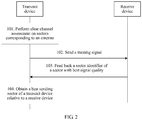
- the transmit device performs clear channel assessment on sectors corresponding to an antenna of the transmit device; and then the transmit device sends, in a sector whose result of clear channel assessment is idle, a training signal to a receive device, where the training signal is used to perform beamforming training on the antenna.
- the transmit device sequentially performs clear channel assessment on all the sectors corresponding to the antenna, so that each time the transmit device performs clear channel assessment on one sector, the transmit device may determine, based on a result of the clear channel assessment corresponding to the sector, whether the sector is an idle sector.
- the transmit device after determining an idle sector, sends, in the idle sector, a training signal to the receive device, to perform transmit beamforming training on the idle sector.
- the training signal sent in the idle sector may carry a first indicator bit, and the first indicator bit is used to indicate a sector identifier of the sector from which the training signal is sent.
- the training signal may carry a second indicator bit, and the second indicator bit is used to indicate a quantity of sectors in which no training signal has been sent among the sectors corresponding to the antenna.
- the quantity can indicate whether beam sweep on a sector corresponding to a channel of the specific frequency band has ended. For example, if the indicated quantity of sectors is 0, it means that beamforming training is completed in all the sectors. If the indicated quantity of sectors is not 0, it means that beamforming training is not completed in some sectors, in other words, sector sweep has not ended.
- the first indicator bit and the second indicator bit may be located in a control field of the training signal.
- the quantity of sectors in which no training signal has been sent not only is indicated by adding the second indicator bit to the training signal, but also may be implemented through counting. Specifically, when a training signal is sent in a sector whose result of clear channel assessment is idle, the transmit device counts sectors in which no training signal has been sent among the sectors corresponding to the antenna. In other words, each time a training signal is sent in one idle sector, the transmit device counts once. The transmit device may count by using a counter.
- a moment at which a training signal is sent may be further defined based on whether a system has a fixed time domain structure. For example, one of the following items may be met when a training signal is sent: if the system has a fixed time domain structure, a start sending moment at which a training signal is sent meets the following: when a training signal is sent in each first sector, the sending is based on a preset time domain structure and starts from a subframe boundary of a subframe currently used to send the training signal; or if the system does not have a fixed time domain structure, a training signal is sent when it is found, through directional CCA, that a sector status of the first sector is idle.
- the transmit device when performing clear channel assessment, may perform clear channel assessment on only sectors corresponding to the antenna, or may perform clear channel assessment on an omnidirectional channel corresponding to the antenna. Specifically, the following cases are mainly included:
- a clear channel assessment manner used by the transmit device is the foregoing alternate manner.
- duration of the clear channel assessment on the sectors corresponding to the antenna or duration of the clear channel assessment on the omnidirectional channel may be further set, or an alternating cycle of the clear channel assessment on the sectors corresponding to the antenna and the clear channel assessment on the omnidirectional channel may be further set.
- a timer may be set for the clear channel assessment on the sectors corresponding to the antenna or the clear channel assessment on the omnidirectional channel. When duration of the clear channel assessment on the sectors corresponding to the antenna or duration of the clear channel assessment on the omnidirectional channel reaches a preset threshold, a clear channel assessment manner may be switched.
- the threshold may be a preset absolute constant value, or the threshold is set to total duration of transmit beam training on at least one sector, or the threshold is set to P units of duration, where P is a positive integer.
- a value range or a manner of taking a value of the threshold is not limited in this application.
- a clear channel assessment manner in case 3 may be used.
- a specific manner may change with an application scenario, and is not limited in this embodiment of this application.
- the receive device After the transmit device sends, in the idle sector, the training signal to the receive device, the receive device determines a best sector based on signal strength of the received training signal, and then generates feedback information, and feeds back the best sector to the transmit device by using the feedback information.
- the feedback information carries a sector identifier of a sector with best signal quality among the idle sector in which the training signal is sent.
- the best sector fed back by the receive device may be referred to as a best sending sector of the transmit device.
- the transmit device receives the feedback information from the receive device.
- the antenna of the transmit device corresponds to M sectors
- an antenna of the receive device corresponds to N sectors
- receive beam training and/or receive beam refinement further need/needs to be performed on the receive device. Because a manner of sending/receiving a training signal by the transmit device and a manner of receiving/sending a training signal by the receive device may be predetermined, a beam training process of the receive device and a receiving training process of the transmit device may differ mainly in the following two scenarios:
- the receive device When receiving a training signal sent by the transmit device, the receive device also performs receiving training on the antenna of the receive device. Then, when feeding back the best sending sector of the transmit device, the receive device also performs transmit training on the receive device. Specifically, the transmit device sequentially sends, in each sector whose result of clear channel assessment is idle, a training signal to the N sectors, to perform transmit training on the transmit device and perform receiving training on the receive device. Then, the receive device sequentially sends, in each sector whose result of clear channel assessment is idle, a training signal to the M sectors corresponding to the antenna of the transmit device, and adds, to the training signal, a sector identifier of the best sending sector of the transmit device, to perform transmit training on the receive device and perform receiving training on the transmit device.
- the transmit device receives, in the sectors corresponding to the antenna, the training signals sent by the receive device, and then uses a sector with best received signal quality as a best receive sector of the antenna of the transmit device, and determines a best sending sector of the receive device, and feeds back the best sending sector of the receive device to the receive device.
- a second aspect of this application provides a communication device that has a function of performing the beam training method provided in the first aspect.
- the function may be implemented by hardware, or may be implemented by hardware by executing corresponding software.
- the hardware or the software includes one or more modules corresponding to the foregoing function.
- the module may be software and/or hardware.
- a communication device 80 serving as a transmit device is used as an example below, and the communication device includes:
- the processing module is further configured to:
- the processing module is further configured to:
- a training signal sent in the idle sector carries a first indicator bit, and the first indicator bit is used to indicate a sector identifier of the sector from which the training signal is sent.
- the transceiver module is further configured to: receive feedback information from the receive device, where the feedback information is generated by the receive device based on a received training signal, and the feedback information carries a sector identifier of a sector with best transmitted signal quality among sectors from which the training signal are sent.
- the processing module is further configured to: when a training signal is sent in a sector whose result of clear channel assessment is idle, count sectors in which no training signal has been sent among the sectors corresponding to the antenna.
- a training signal sent in an idle sector carries a second indicator bit, and the second indicator bit is used to indicate a quantity of sectors in which no training signal has been sent among the sectors corresponding to the antenna.
- the processing module is specifically configured to: sequentially perform clear channel assessment on all the sectors corresponding to the antenna.
- the transceiver module is further configured to: send, in the sector with best transmitted signal quality, a training signal to the N sectors, to perform receive beam training or receive beam refinement on the receive device.
- the transceiver module is specifically configured to: sequentially send, in each sector whose result of clear channel assessment is idle, a training signal to the N sectors.
- the processing module is further configured to: receive, in the sectors corresponding to the antenna, a training signal from the receive device by using the transceiver module, and use a sector with best received signal quality as a best receive sector of the antenna of the transmit device.
- the communication device comprises:
- the communication device may include one or more processors and a communications unit.
- the one or more processors are configured to support the communication device in performing corresponding functions in the foregoing method.
- the communications unit is configured to support the communication device in communicating with other devices to implement sending and receiving functions.
- the communication device may further include one or more memories, and the memory is configured to be coupled to the processors, and store a program instruction and data that are necessary for the communication device.
- the one or more memories may be integrated with the processors, or may be independent of the processors. This is not limited in this application.
- the communication device may be a communications chip that may be disposed in a terminal device or in a communication device on a network side.
- the communications unit may be an input/output circuit or interface of the communications chip.
- Another aspect of this application provides a computer readable storage medium including an instruction.
- the instruction runs on a computer, the computer is enabled to perform the methods in the foregoing aspects.
- an idle sector can be identified by performing the clear channel assessment on the sectors corresponding to the antenna, and a training signal is sent in the idle sector. This avoids a prior-art problem that a waiting time is excessively long because a training signal can be sent only when a plurality of sectors of the antenna are all idle.
- the idle sector can be detected in a timely manner, resource utilization is increased.
- a training signal is preferentially sent in the idle sector when some sectors are occupied, beamforming training efficiency is improved.
- the module division in this specification is merely logical division, and there may be another division during implementation in actual application. For example, a plurality of modules may be combined or integrated into another system, or some features may be ignored or not performed.
- the displayed or discussed mutual couplings or direct couplings or communication connections may be implemented through some interfaces.
- the indirect couplings or communication connections between the modules may be implemented in electronic or another form, and this is not limited in this specification.
- modules or sub-modules described as separate components may be or may not be physically separated, or may be or may not be physical modules, or may be distributed into a plurality of circuit modules. Objectives of the solutions of the embodiments of this application may be achieved by selecting some or all of the modules according to actual requirements.
- the embodiments of this application provide a beamforming training method, a communication device, a chip system, and a storage medium.
- Beamforming is a mechanism used by a transmitter and a receiver to perform link budgeting before communication.
- Beamforming training is a process in which a training signal is sent to obtain a best sending sector and/or a best receive sector. Detailed descriptions are provided below.
- the beamforming training in the embodiments of this application includes transmit beam training and receive beam training.
- the transmit beam training is a process in which a transmit device sends, in different sectors, a training signal to a receive device, and obtains a best sending sector of the transmit device. For example, the transmit device separately sends, in four sectors, a training signal to the receive device for four times, the receive device determines a sector with highest signal strength based on received signal strength, and then feeds back sector information of the sector with the highest signal strength to the transmit device, so that the transmit device learns of the best transmit sector of the transmit device.
- the receive beam training is a process in which the receive device receives, in different sectors, training signals sent by the transmit device, and obtains a best receive sector of the receive device. For example, the receive device separately receives, in four sectors, training signals sent by the transmit device, and determines a sector with highest reception signal strength as the best receive sector based on received signal strength.
- the training signal is a signal used for channel estimation performed for demodulating data or control information or both data and control information, and may also be referred to as a reference signal, a training subframe, a pilot signal, or the like.
- FIG. 1 shows a structure of the training signal.
- Clear assessment is a process in which a communication device assesses, based on a signal received in a to-be-assessed area of the communication device, whether the to-be-assessed area is idle.
- Clear channel assessment means performing the foregoing clear assessment in the to-be-assessed area based on a channel, including clear channel assessment on sectors corresponding to an antenna and clear channel assessment in all directions corresponding to an antenna.
- the clear channel assessment on the sectors corresponding to the antenna means performing clear channel assessment on a specific sector corresponding to the antenna, and may be understood as performing clear channel assessment on sectors corresponding to directions pointing to less than 360 degrees of the antenna, and may also be referred to as directional clear assessment.
- the clear channel assessment on the omnidirectional channel corresponding to the antenna means performing clear channel assessment in directions pointing to 360 degrees of the antenna, and may also be referred to as omnidirectional clear assessment.
- the omnidirectional clear assessment and the directional clear assessment need to be supported by an operating status of the antenna.
- the antenna performs receiving in all directions pointing to 360 degrees, so that omnidirectional clear channel assessment can be supported; during directional receiving, the antenna performs receiving in directions pointing to less than 360 degrees, so that directional clear channel assessment can be supported.
- the antenna may focus a radiation range of the antenna to the directions pointing to less than 360 degrees.
- the antenna may expand a radiation range of the antenna to all the directions pointing to 360 degrees.
- the transmit device may determine, based on whether energy of a received signal exceeds a preset threshold, whether a status of a sector or an omnidirectional channel is idle. When energy of a signal received by the antenna during omnidirectional receiving or directional receiving (in a sector) does not exceed a preset threshold, a result of clear channel assessment is idle in this case; or when energy of a signal received by the antenna during omnidirectional receiving or directional receiving exceeds a preset threshold, an assessment result is busy in this case.
- the transmit device may determine a status based on whether the antenna receives a signal during omnidirectional receiving or directional receiving in a sector. When the antenna receives a signal during omnidirectional receiving or directional receiving, a result of clear channel assessment is busy; or when the antenna receives no signal during omnidirectional receiving or directional receiving, a result of clear channel assessment is idle.
- the embodiments of this application mainly provide the following technical solution to resolve the problem of the waste of resources and ensure normal running of services in these frequency bands.
- the transmit device may perform the clear channel assessment on the sectors corresponding to the antenna; and then send, in a sector whose result of clear channel assessment is idle, a training signal, without a need to wait until the omnidirectional channel is idle.
- resource utilization can be ensured.
- duration required for the clear channel assessment on the sectors corresponding to the antenna is far longer than duration of the clear channel assessment on the omnidirectional channel, and considering that the omnidirectional channel may be busy only within a time period, the omnidirectional channel may have been idle when the transmit device performs the clear channel assessment on the sectors corresponding to the antenna.
- a time threshold may be further set, so that after the transmit device sequentially performs the clear channel assessment on the sectors for a time period, the transmit device switches to performing clear channel assessment on the omnidirectional channel, and after the switching, transmit training needs to be performed only on a sector in which no training signal has been sent. It may be learned that, beamforming training efficiency can be improved to some extent.
- a beamforming training method provided in this application is illustrated below.
- the method in this embodiment of this application includes the following steps.
- a transmit device performs clear channel assessment on sectors corresponding to an antenna.
- the transmit device may perform clear channel assessment in the following manner: sequentially performing clear channel assessment on all the sectors corresponding to the antenna, so that each time the transmit device performs clear channel assessment on one sector, the transmit device may determine, based on a result of the clear channel assessment corresponding to the sector, whether the sector is an idle sector. When energy of a signal received in a sector by the transmit device is less than a preset threshold, a result of clear channel assessment on the sector is idle. When energy of a signal received in a sector by the transmit device is greater than or equal to a preset threshold, it indicates that a result of clear channel assessment on the sector is busy, and the transmit device continues to assess a next sector.
- the transmit device may sequentially assess the sectors in a clockwise direction or a counterclockwise direction. Based on a result of the clear channel assessment, the transmit device may continue to perform step 102, or jump to a next sector to continue to perform clear channel assessment.
- the sectors corresponding to the antenna may include all sectors corresponding to all directions of the antenna.
- the transmit device may perform clear channel assessment on corresponding sectors within a specified range.
- the transmit device may performs clear channel assessment on some of M sectors.
- the transmit device sends, in a sector whose result of clear channel assessment is idle, a training signal to a receive device.
- the training signal may carry a sector identifier of the sector in which the training signal is sent.
- the training signal is used to perform beamforming training on the antenna.
- the training signal may be used to perform transmit beam training on the sector in which the training signal is sent, and may perform receive beam training on a sector in which the training signal is received.
- a definition of the training signal is described in more detail in a subsequent embodiment.
- the transmit device sends the training signal in the sector whose result of clear channel assessment is idle, continues to perform clear channel assessment on a sector whose result of clear channel assessment is non-idle, and sends a training signal when a result of clear channel assessment is idle, until training signals have been sent in all to-be-assessed sectors on a transmit device side.
- the receive device receives the training signal sent by the transmit device, determines a sector with best signal quality, adds a sector identifier of the sector with best signal quality to feedback information, and feeds back the feedback information to the transmit device.
- the transmit device After receiving the sector identifier fed back by the receive device, the transmit device obtains a best sending sector of the transmit device relative to the receive device.
- the transmit device After the transmit device obtains the best sending sector of the transmit device relative to the receive device, the transmit beam training of the transmit device is completed, and the transmit device may send, in the best sending sector, data to the receive device.
- the receive device may receive the training signal from the transmit device in an omnidirectional receiving manner or a directional receiving manner.
- a specific manner may be predetermined by the receive device and the transmit device. Details are not limited in this application.
- the receive device may add the sector identifier of the sector with best signal quality to an acknowledgement response returned by the transmit device.
- the receive device After receiving a plurality of training signals sent by the transmit device in a plurality of idle sectors, the receive device selects a sector with best signal quality as a best sending sector of the transmit device, and then feeds back a sector identifier of the best sending sector of the transmit device to the transmit device, so that the transmit device obtains a sector with best transmitted signal quality of the transmit device relative to the receive device. In this way, the transmit beam training of the transmit device is completed.
- the receive device uses the directional receiving manner, to be specific, the receive device receives, by performing clear channel assessment on the sectors corresponding to the antenna, the training signal sent by the transmit device, when receiving the training signal, the receive device may further perform receive beam training based on the received training signal.
- the receive device may perform clear channel assessment on sectors corresponding to an antenna of the receive device, and then add a sector identifier of a determined sector with best signal quality to a generated training signal, and feed back the generated training signal to the transmit device, so that transmit beam training may also be performed on the receive device.
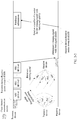
- FIG. 2-2 is a schematic diagram of performing transmit beam training by a transmit device.
- the transmit device has four sectors: #a1, #a2, #a3, and #a4.
- a receive device has four sectors: #b1, #b2, #b3, and #b4.
- the transmit device sequentially sends four training signals in #a1, #a2, #a3, and #a4, and the receive device receives, in #b1, #b2, #b3, and #b4 sectors, the four training signals sent by the transmit device.
- the receive device determines a training signal with best signal quality based on the received training signals, and then feeds back, to the transmit device, a sector identifier indicated in the training signal with best signal quality. In this way, transmit beam training on the transmit device is completed.
- directions and quantities of sectors in FIG. 2-2 are merely used for illustration. Directions and quantities of sectors are not limited in this embodiment of this application. This also applies to other figures.
- clear channel assessment to be specific, directional clear assessment on sectors corresponding to an antenna is performed. Regardless of whether some sectors of a current antenna are idle or an omnidirectional channel is idle, an idle sector can be identified by performing the directional clear assessment in this application, and a training signal is sent in the idle sector. This avoids a prior-art problem that a waiting time is excessively long because a training signal can be sent only when a plurality of sectors of the antenna are all idle. In one aspect, because the idle sector can be detected in a timely manner, resource utilization is increased. In another aspect, because a training signal is preferentially sent in the idle sector when some sectors are occupied, beamforming training efficiency is improved.
- the training signal sent in the idle sector may carry a first indicator bit, and the first indicator bit is used to indicate a sector identifier of the sector from which the training signal is sent.
- the training signal may carry a second indicator bit, and the second indicator bit is used to indicate a quantity of sectors in which no training signal has been sent among the sectors corresponding to the antenna.
- the quantity can also indicate whether beam sweep in all the sectors of the antenna has ended. For example, if the indicated quantity of sectors is 0, it means that a training signal has been sent in all the sectors, and also indicates that beam sweep in all the sectors of the antenna has ended.
- the first indicator bit and the second indicator bit may be located in a control field of the training signal.
- the second indicator bit may be in a countdown (full name in English: Countdown, Cdown for short in English) form.
- a quantity of sectors in which no training signal has been sent among to-be-assessed sectors may be determined based on a value of the second indicator bit.
- the quantity of sectors in which no training signal has been sent not only is indicated by adding the second indicator bit to the training signal, but also may be implemented through counting by the transmit device. Specifically, when a training signal is sent in a sector whose result of clear channel assessment is idle, the transmit device counts sectors in which no training signal has been sent among the sectors corresponding to the antenna. In other words, each time a training signal is sent in one idle sector, the transmit device counts once. The transmit device may count by using a counter.
- the training signal may have different structures. This is not limited in this embodiment of this application.
- the first indicator bit or the second indicator bit may be located in a control field of the training signal, where Cdown may be carried in a sector sweep (full name in English: Sector Sweep, SSW for short in English) field of the training signal.
- FIG. 3 shows a structure of the SSW field.
- the first indicator bit or the second indicator bit may be carried in a physical downlink control channel (full name in English: Physical Downlink Control Channel, PDCCH for short in English) for transmission, where the PDCCH is located in a control region of a frame structure.
- a physical downlink control channel full name in English: Physical Downlink Control Channel, PDCCH for short in English
- the second indicator bit is Cdown. Clear assessment is sequentially performed on a plurality of to-be-assessed sectors. When it is detected that a sector is idle, a value of Cdown is decreased progressively; when it is detected that a sector is busy, a value of Cdown is not decreased progressively, and the busy sector may be skipped and Cdown is frozen or hidden.
- a start sending moment at which a training signal is sent meets the following: when it is found through clear assessment that a sector is idle, a training signal is sent in this sector.
- a start sending moment of a training signal meets the following: when a training signal is sent in each idle sector, the sending of the training signal is based on a preset time domain structure and starts from a boundary of a sub frame in the time domain structure, or the start sending moment of the training signal may be a boundary of a transmission time interval (full name in English: Transmission Time Interval, TTI for short in English). The boundary may also be referred to as a start sending moment.
- the transmit device when performing clear channel assessment, may perform clear channel assessment on only sectors corresponding to the antenna, or may perform clear channel assessment on an omnidirectional channel corresponding to the antenna. Specifically, the following cases are mainly included:
- the transmit device switches from performing the clear channel assessment on the sectors corresponding to the antenna to performing clear channel assessment on an omnidirectional channel corresponding to the antenna.
- the transmit device When a result of the clear channel assessment on the omnidirectional channel is idle, the transmit device sends a training signal in a sector in which no training signal has been sent.
- a clear channel assessment manner used by the transmit device is the foregoing alternate manner.
- duration of the clear channel assessment on the sectors corresponding to the antenna or duration of the clear channel assessment on the omnidirectional channel may be further set, or an alternating cycle of the clear channel assessment on the sectors corresponding to the antenna and the clear channel assessment on the omnidirectional channel may be further set.
- a timer may be set for the clear channel assessment on the sectors corresponding to the antenna or the clear channel assessment on the omnidirectional channel. When duration of the clear channel assessment on the sectors corresponding to the antenna or duration of the clear channel assessment on the omnidirectional channel reaches a preset threshold, a clear channel assessment manner may be switched.
- the threshold may be a preset absolute constant value, or the threshold is set to total duration of transmit beam training on at least one sector, or the threshold is set to P units of duration, where P is a positive integer.
- a value range or a manner of taking a value of the threshold is not limited in this application.
- FIG. 4 is a schematic diagram of alternate use of omnidirectional clear channel assessment and directional clear channel assessment.
- the omnidirectional clear channel assessment may be switched to directional clear channel assessment.
- a training signal is sent in the idle sector.
- the directional clear channel assessment is switched back to omnidirectional clear channel assessment.
- the directional clear channel assessment is switched to omnidirectional clear channel assessment, if it is detected that an omnidirectional channel is idle, beamforming training is continued on a remaining sector, to be specific, a sector in which no training signal has been sent.
- Case 3 When performing clear channel assessment, the transmit device performs clear channel assessment on only the sectors corresponding to the antenna.
- the antenna of the transmit device corresponds to M sectors
- the antenna of the receive device corresponds to N sectors, where M and N each are a positive integer greater than 1, and M may be equal to or not equal to N.
- Receive beam training and/or receive beam refinement may be further performed on the receive device. Because a manner of sending/receiving a training signal by the transmit device and a manner of receiving/sending a training signal by the receive device may be predetermined, a beam training process of the receive device and a receiving training process of the transmit device may differ mainly in the following two scenarios:
- the receive device When receiving a training signal sent by the transmit device, the receive device also performs receive beam training on the antenna of the receive device. Then, when feeding back the best sending sector of the transmit device, the receive device also performs transmit beam training on the receive device. Specifically, when performing the clear channel assessment on the sectors corresponding to the antenna, the transmit device sequentially sends, in each sector whose result of clear channel assessment is idle, a training signal to the M sectors of the receive device.
- the training signal sent by the transmit device may be used to perform transmit beam training on the transmit device, or may be used to perform receive beam training on the receive device.
- the receive device sequentially sends, in each sector whose result of clear channel assessment is idle, a training signal to the M sectors corresponding to the antenna of the transmit device, and adds, to the training signal, a sector identifier of the best sending sector of the transmit device, to perform transmit beam training on the transmit device and perform receive beam training on the receive device.
- the training signal sent by the receive device can be used to perform transmit beam training on the receive device and perform receive beam training on the transmit device. Specifically, when the receive device performs the transmit beam training, the transmit device receives, in the sectors corresponding to the antenna, the training signals sent by the receive device, and then the transmit device uses a sector with best received signal quality as a best receive sector of the antenna of the transmit device, and determines a best sending sector of the receive device, and feeds back the best sending sector of the receive device to the receive device. In this way, the transmit beam training on the receive device is completed, and the receive beam training on the transmit device can also be performed.
- FIG. 5 For a specific embodiment of scenario 2, refer to FIG. 5 .
- (a) in FIG. 5 is a schematic diagram of performing transmit beam training by a transmit device
- (b) in FIG. 5 is a schematic diagram of performing transmit beam training by a receive device.
- the transmit device has four sectors: #a1, #a2, #a3, and #a4.
- the receive device has four sectors: #b1, #b2, #b3, and #b4.
- the transmit device sequentially sends four training subframes in the #a1 sector, and in a dashed arrow direction, the receive device sequentially receives, in #b1, #b2, #b3, and #b4 sectors, the four training subframes sent by the transmit device.
- the receive device receives, in the #b1 sector, a first training subframe sent in the #a1 sector by the transmit device, receives, in the #b2 sector, a second training subframe sent in the #a1 sector by the transmit device, receives, in the #b3 sector, a third training subframe sent in the #a1 sector by the transmit device, and receives, in the #b4 sector, a fourth training subframe sent in the #a1 sector by the transmit device.
- the transmit device may determine a best sending sector of the transmit device relative to the receive device, and may determine a best receive sector of the receive device relative to the transmit device.
- a best sending sector of the receive device relative to the transmit device may be determined, and a best sending sector of the transmit device relative to the receive device may be determined. This also applies to specific beam training. Details are not described again.
- the beamforming training method provided in this embodiment of this application may be applied to an unlicensed frequency band.
- the unlicensed frequency band is relative to a licensed frequency band.
- the unlicensed frequency band includes WiFi, near field communication (full name in English: Near Field Communication, NFC for short in English), Bluetooth, and the like. Due to particularity of the unlicensed frequency band, when the transmit device needs to transmit a signal, the transmit device needs to perform listening through CCA, and transmits the signal when the transmit device finds, through listening, that no signal is being transmitted in the unlicensed frequency band. After performing the CCA, the transmit device further needs to perform beamforming training.
- Performing transmit beam training and receive beam training by a transmit device and a receive device in an interaction process between the transmit device and the receive device is illustrated below by using an example in which CCA is used as an implementation of clear channel assessment and the transmit device interacts with the receive device by using a training subframe.
- the CCA may be a mechanism used to assess whether a channel is idle. Based on an assessment scope, the CCA may include omnidirectional CCA (full name in English: Omnidirectional Clear Channel Assessment, omni CCA for short in English) and directional CCA (full name in English: Directional Clear Channel Assessment, Directional CCA for short in English).
- omnidirectional CCA full name in English: Omnidirectional Clear Channel Assessment, omni CCA for short in English
- directional CCA full name in English: Directional Clear Channel Assessment, Directional CCA for short in English.
- the omnidirectional CCA means assessing a status of an omnidirectional channel by the transmit device when an antenna performs omnidirectional receiving. It may be understood that the transmit device assesses signals received in receiving directions pointing to 360 degrees of the antenna.
- the directional CCA means assessing a status of a sector corresponding to an antenna by the transmit device when the antenna performs directional receiving.
- a range of the directional receiving may correspond to one or more sectors. It may be understood that the transmit device assesses a signal or signals received in the one or more sectors corresponding to the antenna.
- the transmit device and the receive device may perform their respective transmit beam training in an SLS phase through transmit sector sweep (full name in English: Transmit Sector Sweep, TXSS for short in English), and perform their respective receive beam training and receive beam refinement in a beam refinement (full name in English: Beam Refinement Protocol, BRP for short in English) phase.
- a training subframe is sent in an idle sector by sequentially performing directional CCA on each to-be-detected sector, CCA is continued in a non-idle sector until the non-idle sector is idle, and then a training subframe is sent in the idle sector, until training subframes have been sent in all sectors. In this way, both the transmit device and the receive device can learn their respective best sending sectors.
- the directional CCA may be switched to omnidirectional CCA, and if it is detected that an omnidirectional channel is idle, a training signal is directly sent in a sector in which no training signal has been sent. In this way, beamforming training efficiency can be improved and waiting duration is reduced.
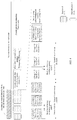
- FIG. 6 is a schematic diagram of sending a training subframe by a transmit device and receiving the training subframe by a receive device.
- the training subframe sent by the transmit device carries a first indicator bit (namely, a Sec ID of a sector in which the training subframe is sent) and a second indicator Cdown.
- a first indicator bit namely, a Sec ID of a sector in which the training subframe is sent
- a second indicator Cdown namely, a Sec ID of a sector in which the training subframe is sent
- the transmit device performs directional CCA and sector level sweep (full name in English: Sector level sweep, SLS for short in English).
- For sending of a training subframe in other sectors refer to the description about the #3 sector. Details are not described again.
- a short beamforming interframe spacing (full name in English: Short Beamforming Interframe Spacing, SBIFS for short in English) in FIG. 6 is an interframe spacing for training subframes.
- the SBIFS is used to switch from clear channel assessment on sectors corresponding to an antenna or clear channel assessment on an omnidirectional channel, or is used to switch between clear channel assessment on different sectors.
- the transmit device can switch, only after one SBIFS, from the #3 sector to the #10 sector to send a training subframe.
- the receive device determines a #5 sector as a best sending sector of the transmit device based on signal strength of the received training subframe, and then feeds back a sector identifier of the #5 sector to the transmit device. Finally, the receive device receives an acknowledgement (full name in English: Acknowledgement, ACK for short in English) response returned by the transmit device. Similarly, the transmit device acknowledges a #1 sector as a best transmit sector of the receive device after receiving a training subframe sent by the receive device, and returns a sector identifier of the #1 sector to the receive device by using feedback information.
- Both the sector identifier of the best sending sector and a sector identifier of a best receive sector may be indicated to a peer party by using a control field in a training subframe, for example, indicated by using a best identifier (Best ID) field.
- the transmit device obtains the best sending sector relative to the receive device, and the receive device obtains the best sending sector relative to the transmit device.
- the receive beam training in FIG. 6 is further applicable to non-initial training, for example, late-stage training (for example, beam refinement), to be specific, training performed after the best sending sector of the transmit device is determined or the best sending sectors of the transmit device and the receive device are determined.
- the beam sending procedures for the receive device and the transmit device in FIG. 6 may be further used in a refinement procedure performed on receive beams of the receive device and the transmit device.
- the transmit device and the receive device further need to perform receive beam training on the peer party by using their respective best sending sectors.
- the transmit device performs directional CCA on the #5 sector, that is, the best sending sector of the transmit device, and if the transmit device detects that the #5 sector is not occupied, the transmit device may successively send M training signals in the #5 sector.
- the M training signals are same training signals, and each training signal carries a first indicator bit and a second indicator bit.
- the first indicator bit indicates a sector identifier of #5.
- M is a quantity of to-be-detected sectors of the receive device.
- the M sectors may be located in various directions of the receive device or may be located in a specified direction of the receive device.
- the receive device receives the M training signals in the M sectors, and selects one sector with best received signal quality as a best receive sector.
- the receive device may also obtain a best receive sector of the receive device relative to the transmit device. In this way, receive beam training processes of the transmit device and the receive device are completed.
- FIG. 7 is a schematic diagram of the receive beam training processes of the transmit device and the receive device in the foregoing scenario 1.
- the transmit device has learned that the best sending sector of the transmit device is the #5 sector, and the receive device has learned that the best sending sector of the receive device is the #1 sector.
- the transmit device successively sends a training signal for four times in the #5 sector, the receive device receives the four training signals in the four sectors (including the #b1 to #b4 sectors), and finally the receive device determines one (for example, the #b2 sector) of the #b1 to #b4 sectors as a best receive sector of the receive device. Then, the receive device sends a training signal for four times in the #1 sector.
- the receive device may add, to the training signals, feedback information 1 used for acknowledging the best receive sector (a Sec ID of the #b2 sector), and the transmit device receives the four training signals in the four sectors (including the #a1 to #a4 sectors). By receiving the four training signals, the transmit device can acknowledge one (for example, the #a2 sector) of the #a1 to #a4 sectors as a best receive sector of the transmit device. Then, the transmit device may send, to the receive device, feedback information 2 used for acknowledging the best receive sector (a Sec ID of the #a2 sector). In this way, receive beam training on the receive device and the transmit device is completed.
- the best sending sector and the best receive sector of the transmit device may be a same sector, and the best sending sector and the best receive sector of the receive device may be a same sector. This is not limited in this implementation of this application.
- the beam training method in this application is illustrated above, and a communication device performing the foregoing beam training method is described below.
- a communication device 80 in FIG. 8 in an embodiment of this application refer to the description in the embodiment shown in any one of FIG. 1 to FIG. 7 .
- the communication device 80 serving as a transmit device is used as an example below.
- An antenna of the transmit device corresponds to M sectors
- an antenna of a receive device corresponds to N sectors, where M and N each are a positive integer greater than 1, and M may be equal to or not equal to N.
- the communication device 80 in this embodiment of this application includes a processing module 801 and a transceiver module 802.
- the processing module 801 may be configured to perform the solutions shown in FIG. 2 and FIG. 2-1 : performing clear channel assessment on sectors corresponding to the antenna of the transmit device, and specifically, sequentially performing clear channel assessment on all the sectors corresponding to the antenna.
- the transceiver module 802 may be configured to perform the solutions shown in FIG. 2 and FIG. 2-1 : sending, in a sector whose result of clear channel assessment performed by the processing module 801 is idle, a training signal to the receive device, where the training signal is used to perform beamforming training on the antenna.
- the processing module 801 can identify an idle sector by performing the clear channel assessment on the sectors corresponding to the antenna, and sends a training signal in the idle sector. This avoids a prior-art problem that a waiting time is excessively long because a training signal can be sent only when a plurality of sectors of the antenna are all idle. In one aspect, because the idle sector can be detected in a timely manner, resource utilization is increased. In another aspect, because a training signal is preferentially sent in the idle sector when some sectors are occupied, beamforming training efficiency is improved.
- the processing module 801 is further configured to:
- the processing module 801 is further configured to:
- a training signal sent in an idle sector carries a first indicator bit, and the first indicator bit is used to indicate a sector identifier of the sector from which the training signal is sent.
- the transceiver module 802 is further configured to perform the step in the embodiment shown in FIG. 2-1 : receiving feedback information from the receive device, where the feedback information is generated by the receive device based on a received training signal, and the feedback information carries a sector identifier of a sector with best transmitted signal quality among a sector from which the training signal is sent.
- the processing module 801 is further configured to: when a training signal is sent in a sector whose result of clear channel assessment is idle, count sectors in which no training signal has been sent among the sectors corresponding to the antenna.
- a training signal sent in an idle sector carries a second indicator bit, and the second indicator bit is used to indicate a quantity of sectors in which no training signal has been sent among the sectors corresponding to the antenna.
- the transceiver module 802 is further configured to: send, in the sector with best transmitted signal quality, a training signal to the N sectors, to perform receive beam training or receive beam refinement on the receive device.
- the transceiver module 802 is specifically configured to perform the solution shown in FIG. 5 : sequentially sending, in each sector whose result of clear channel assessment is idle, a training signal to the N sectors.
- the antenna of the receive device corresponds to N sectors
- the processing module 801 is further configured to: receive, in the sectors corresponding to the antenna, a training signal from the receive device by using the transceiver module 802, and use a sector with best received signal quality as a best receive sector of the antenna of the transmit device. In this way, transmit beam training of the transmit device is completed.
- a physical device corresponding to the transceiver module may be a transceiver
- a physical device corresponding to the processing module may be a processor.
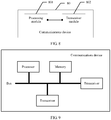
- An apparatus shown in FIG. 8 may have a structure shown in FIG. 9 .
- a transceiver and a processor in FIG. 9 can implement same or similar functions of the transceiver module and the processing module that are provided in an apparatus embodiment corresponding to the apparatus in the foregoing embodiment.
- the disclosed system, apparatus, and method may be implemented in other manners.
- the described apparatus embodiment is merely an example.
- the module division is merely logical function division and may be other division in actual implementation.
- a plurality of modules or components may be combined or integrated into another system, or some features may be ignored or not performed.
- the displayed or discussed mutual couplings or direct couplings or communication connections may be implemented through some interfaces.
- the indirect couplings or communication connections between the apparatuses or modules may be implemented in electronic, mechanical, or other forms.
- modules described as separate parts may or may not be physically separate, and parts displayed as modules may or may not be physical modules, may be located in one position, or may be distributed on a plurality of network modules. Some or all of the modules may be selected according to actual needs to achieve the objectives of the solutions of the embodiments of this application.
- modules in this application may be integrated into one processing module, or each of the modules may exist alone physically, or two or more modules are integrated into one module.
- the integrated module may be implemented in a form of hardware, or may be implemented in a form of a software functional module.
- the integrated module When the integrated module is implemented in the form of a software functional module and sold or used as an independent product, the integrated module may be stored in a computer-readable storage medium. Based on such an understanding, the technical solutions of this application essentially, or the part contributing to the prior art, or all or some of the technical solutions may be implemented in the form of a software product.
- the computer software product is stored in a storage medium and includes several instructions for instructing a computer device (which may be a personal computer, a server, a network device, or the like) to perform all or some of the steps of the methods described in the embodiments of this application.
- the foregoing storage medium includes: any medium that can store program code, such as a USB flash drive, a removable hard disk, a read-only memory (full name in English: Read-Only Memory, ROM for short in English), a random access memory (full name in English: Random Access Memory, RAM for short in English), a magnetic disk, or an optical disc.
- program code such as a USB flash drive, a removable hard disk, a read-only memory (full name in English: Read-Only Memory, ROM for short in English), a random access memory (full name in English: Random Access Memory, RAM for short in English), a magnetic disk, or an optical disc.
Landscapes
- Engineering & Computer Science (AREA)
- Computer Networks & Wireless Communication (AREA)
- Signal Processing (AREA)
- Physics & Mathematics (AREA)
- Electromagnetism (AREA)
- Mobile Radio Communication Systems (AREA)
- Radio Transmission System (AREA)
Applications Claiming Priority (2)
| Application Number | Priority Date | Filing Date | Title |
|---|---|---|---|
| CN201611264555.2A CN108270475B (zh) | 2016-12-30 | 2016-12-30 | 一种波束训练方法及通信设备 |
| PCT/CN2017/117971 WO2018121431A1 (fr) | 2016-12-30 | 2017-12-22 | Procédé d'apprentissage de faisceau, dispositif de communication, système de puce et support de stockage |
Publications (3)
| Publication Number | Publication Date |
|---|---|
| EP3557777A1 true EP3557777A1 (fr) | 2019-10-23 |
| EP3557777A4 EP3557777A4 (fr) | 2019-12-04 |
| EP3557777B1 EP3557777B1 (fr) | 2024-11-06 |
Family
ID=62707902
Family Applications (1)
| Application Number | Title | Priority Date | Filing Date |
|---|---|---|---|
| EP17887180.2A Active EP3557777B1 (fr) | 2016-12-30 | 2017-12-22 | Procédé d'apprentissage de faisceau, dispositif de communication, système de puce et support de stockage |
Country Status (4)
| Country | Link |
|---|---|
| US (1) | US11784689B2 (fr) |
| EP (1) | EP3557777B1 (fr) |
| CN (1) | CN108270475B (fr) |
| WO (1) | WO2018121431A1 (fr) |
Families Citing this family (2)
| Publication number | Priority date | Publication date | Assignee | Title |
|---|---|---|---|---|
| WO2021223235A1 (fr) * | 2020-05-08 | 2021-11-11 | 北京小米移动软件有限公司 | Procédé et appareil de traitement de transmission de données, dispositif de communication et support de stockage |
| KR102254670B1 (ko) * | 2020-08-27 | 2021-05-21 | (주)밀리웨이브 | 무선랜 시스템 및 상기 무선랜 시스템에서의 빔포밍 트레이닝 방법 |
Family Cites Families (23)
| Publication number | Priority date | Publication date | Assignee | Title |
|---|---|---|---|---|
| CN100456891C (zh) * | 2006-07-19 | 2009-01-28 | 华为技术有限公司 | 对激活态接入终端进行切换的方法 |
| US8116694B2 (en) * | 2008-12-23 | 2012-02-14 | Nokia Corporation | System for facilitating beam training |
| US8971256B2 (en) * | 2009-04-15 | 2015-03-03 | Qualcomm Incorporated | Ad-hoc directional communication in contention access period |
| US8331265B2 (en) | 2009-04-20 | 2012-12-11 | Samsung Electronics Co., Ltd. | System and method for adaptive beamforming training using fixed time window for heterogeneous antenna systems |
| EP2384075A1 (fr) * | 2010-04-30 | 2011-11-02 | France Telecom | Procédé et système de programmation de liaisons radio au moyen d'une réutilisation spatiale |
| CN102404035B (zh) * | 2011-12-12 | 2014-06-11 | 东南大学 | 一种短距通信中基于信道矩阵的干扰抑制波束形成方法 |
| WO2014205830A1 (fr) * | 2013-06-29 | 2014-12-31 | 华为技术有限公司 | Procédé, dispositif et système de mesure de signal |
| HK1224443A1 (zh) * | 2013-07-11 | 2017-08-18 | Interdigital Patent Holdings, Inc. | 支持分区化协调的方法和装置 |
| CN104734759B (zh) * | 2013-12-20 | 2019-12-03 | 中兴通讯股份有限公司 | Mimo波束赋形通信系统中波束识别方法、相关设备及系统 |
| KR102171561B1 (ko) * | 2014-04-07 | 2020-10-29 | 삼성전자주식회사 | 빔포밍 기반 셀룰러 시스템의 상향링크 빔 추적 방법 및 장치 |
| US9414285B2 (en) * | 2014-06-30 | 2016-08-09 | Qualcomm Incorporated | Handover with integrated antenna beam training in wireless networks |
| WO2016064169A2 (fr) * | 2014-10-20 | 2016-04-28 | 엘지전자(주) | Procédé de transmission et de réception de signal sans fil dans un système de communications sans fil, et appareil associé |
| BR112017009539A2 (pt) | 2014-11-17 | 2018-07-03 | Mediatek Inc | arquitetura de transceptor para sistemas de múltiplas antenas |
| WO2016145615A1 (fr) * | 2015-03-17 | 2016-09-22 | 华为技术有限公司 | Procédé, appareil et dispositif de réalisation pour l'apprentissage de formation d'un faisceau |
| US10531488B2 (en) * | 2015-08-11 | 2020-01-07 | Lg Electronics Inc. | Method for transmitting/receiving wireless signal in wireless communication system and device therefor |
| US10743194B2 (en) * | 2015-10-23 | 2020-08-11 | Huawei Technologies Co., Ltd. | Method and apparatus for performing association beamforming training in a wireless network |
| US20170295595A1 (en) * | 2016-04-08 | 2017-10-12 | Intel IP Corporation | Directional enhanced distributed channel access with interference avoidance |
| US10129876B2 (en) * | 2016-05-04 | 2018-11-13 | Intel IP Corporation | Spatial reuse training for channel access schemes |
| US20180070353A1 (en) * | 2016-09-02 | 2018-03-08 | Intel IP Corporation | Single time slot switching between quasi-omni cca and directional cca to support spatial reuse in wireless communication networks |
| US10405335B2 (en) * | 2017-03-01 | 2019-09-03 | Qualcomm Incorporated | Soft channel reservation |
| CN114221683B (zh) * | 2017-07-06 | 2024-07-30 | 华为技术有限公司 | 波束赋形训练的方法、接收设备和发送设备 |
| WO2019159004A1 (fr) * | 2018-02-16 | 2019-08-22 | Lenovo (Singapore) Pte, Ltd. | Ressources correspondant à des parties de largeur de bande |
| CN113518432A (zh) * | 2020-04-09 | 2021-10-19 | 索尼公司 | 用于无线通信的电子设备和方法、计算机可读存储介质 |
-
2016
- 2016-12-30 CN CN201611264555.2A patent/CN108270475B/zh active Active
-
2017
- 2017-12-22 EP EP17887180.2A patent/EP3557777B1/fr active Active
- 2017-12-22 WO PCT/CN2017/117971 patent/WO2018121431A1/fr not_active Ceased
-
2019
- 2019-06-28 US US16/457,804 patent/US11784689B2/en active Active
Also Published As
| Publication number | Publication date |
|---|---|
| US20190326968A1 (en) | 2019-10-24 |
| EP3557777B1 (fr) | 2024-11-06 |
| EP3557777A4 (fr) | 2019-12-04 |
| US11784689B2 (en) | 2023-10-10 |
| WO2018121431A1 (fr) | 2018-07-05 |
| CN108270475A (zh) | 2018-07-10 |
| CN108270475B (zh) | 2020-10-23 |
Similar Documents
| Publication | Publication Date | Title |
|---|---|---|
| KR102483723B1 (ko) | 빔포밍 트레이닝을 위한 상호성 검출 및 활용 기술 | |
| CN107852217B (zh) | 无线网络中的波束检测与跟踪 | |
| EP3667946B1 (fr) | Procédé de traitement d'indication de faisceau, terminal mobile et dispositif côté réseau | |
| CN105556869A (zh) | 用于波束选择的方法和设备 | |
| WO2015090034A1 (fr) | Procédé pour indiquer de manière mélangée des faisceaux de liaison montante et de liaison descendante, station de base, terminal et système | |
| JP7349435B2 (ja) | 端末、送信方法、通信システム、及び基地局 | |
| US10027393B2 (en) | Beamform training and operation for multiple single-input single-output links | |
| US12063086B2 (en) | Uplink beam training method, terminal device, and network side device | |
| US20140269532A1 (en) | Spatially grouped random access in a wireless network | |
| CN117062096A (zh) | 终端、前导码发送方法、基站以及无线通信系统 | |
| KR20160088368A (ko) | 데이터 송신 방법, 사용자 장비, 및 기지국 | |
| JP2021516479A (ja) | データ伝送方法及び装置、コンピュータ記憶媒体 | |
| KR20240161143A (ko) | 자체-송신/자체-수신 감지 방법 및 관련 제품 | |
| EP3776731B1 (fr) | Procédé et appareil de sélection de mode mimo à ondes millimétriques | |
| US11784689B2 (en) | Beam training method, communication device, chip system, and storage medium | |
| US11412469B2 (en) | Method and device for selecting transmission time used to send feedback information | |
| CN110313136B (zh) | 一种模拟波束切换方法及装置 | |
| CN106171029A (zh) | 一种信号传输的装置、系统及方法 | |
| CN112655158B (zh) | 提供波束报告的方法、发送无线电信号的方法 | |
| WO2019072357A1 (fr) | Atténuation des interférences dans un réseau de communications | |
| CN110771193B (zh) | 波束成形通信系统中的设备随机接入系统和方法 | |
| EP3734882B1 (fr) | Procédé et dispositif de rétroaction d'informations et support d'enregistrement informatique | |
| JP2019531617A (ja) | フィードバックタイミングの決定 | |
| CN105282859B (zh) | 一种用户设备、基站中的传输方法和装置 | |
| HK40006595A (en) | Communication device, method implemented in communication device and medium |
Legal Events
| Date | Code | Title | Description |
|---|---|---|---|
| STAA | Information on the status of an ep patent application or granted ep patent |
Free format text: STATUS: THE INTERNATIONAL PUBLICATION HAS BEEN MADE |
|
| PUAI | Public reference made under article 153(3) epc to a published international application that has entered the european phase |
Free format text: ORIGINAL CODE: 0009012 |
|
| STAA | Information on the status of an ep patent application or granted ep patent |
Free format text: STATUS: REQUEST FOR EXAMINATION WAS MADE |
|
| 17P | Request for examination filed |
Effective date: 20190715 |
|
| AK | Designated contracting states |
Kind code of ref document: A1 Designated state(s): AL AT BE BG CH CY CZ DE DK EE ES FI FR GB GR HR HU IE IS IT LI LT LU LV MC MK MT NL NO PL PT RO RS SE SI SK SM TR |
|
| AX | Request for extension of the european patent |
Extension state: BA ME |
|
| A4 | Supplementary search report drawn up and despatched |
Effective date: 20191105 |
|
| RIC1 | Information provided on ipc code assigned before grant |
Ipc: H04W 74/00 20090101ALI20191029BHEP Ipc: H04B 7/08 20060101ALI20191029BHEP Ipc: H04B 7/06 20060101AFI20191029BHEP |
|
| DAV | Request for validation of the european patent (deleted) | ||
| DAX | Request for extension of the european patent (deleted) | ||
| STAA | Information on the status of an ep patent application or granted ep patent |
Free format text: STATUS: EXAMINATION IS IN PROGRESS |
|
| 17Q | First examination report despatched |
Effective date: 20211220 |
|
| RIC1 | Information provided on ipc code assigned before grant |
Ipc: H04W 74/0808 20240101ALI20240320BHEP Ipc: H04W 72/044 20230101ALI20240320BHEP Ipc: H04B 7/08 20060101ALI20240320BHEP Ipc: H04B 7/06 20060101AFI20240320BHEP |
|
| GRAP | Despatch of communication of intention to grant a patent |
Free format text: ORIGINAL CODE: EPIDOSNIGR1 |
|
| STAA | Information on the status of an ep patent application or granted ep patent |
Free format text: STATUS: GRANT OF PATENT IS INTENDED |
|
| INTG | Intention to grant announced |
Effective date: 20240625 |
|
| GRAS | Grant fee paid |
Free format text: ORIGINAL CODE: EPIDOSNIGR3 |
|
| GRAA | (expected) grant |
Free format text: ORIGINAL CODE: 0009210 |
|
| STAA | Information on the status of an ep patent application or granted ep patent |
Free format text: STATUS: THE PATENT HAS BEEN GRANTED |
|
| AK | Designated contracting states |
Kind code of ref document: B1 Designated state(s): AL AT BE BG CH CY CZ DE DK EE ES FI FR GB GR HR HU IE IS IT LI LT LU LV MC MK MT NL NO PL PT RO RS SE SI SK SM TR |
|
| REG | Reference to a national code |
Ref country code: GB Ref legal event code: FG4D |
|
| REG | Reference to a national code |
Ref country code: CH Ref legal event code: EP |
|
| REG | Reference to a national code |
Ref country code: DE Ref legal event code: R096 Ref document number: 602017086012 Country of ref document: DE |
|
| REG | Reference to a national code |
Ref country code: IE Ref legal event code: FG4D |
|
| REG | Reference to a national code |
Ref country code: LT Ref legal event code: MG9D |
|
| REG | Reference to a national code |
Ref country code: NL Ref legal event code: MP Effective date: 20241106 |
|
| PG25 | Lapsed in a contracting state [announced via postgrant information from national office to epo] |
Ref country code: HR Free format text: LAPSE BECAUSE OF FAILURE TO SUBMIT A TRANSLATION OF THE DESCRIPTION OR TO PAY THE FEE WITHIN THE PRESCRIBED TIME-LIMIT Effective date: 20241106 Ref country code: PT Free format text: LAPSE BECAUSE OF FAILURE TO SUBMIT A TRANSLATION OF THE DESCRIPTION OR TO PAY THE FEE WITHIN THE PRESCRIBED TIME-LIMIT Effective date: 20250306 Ref country code: IS Free format text: LAPSE BECAUSE OF FAILURE TO SUBMIT A TRANSLATION OF THE DESCRIPTION OR TO PAY THE FEE WITHIN THE PRESCRIBED TIME-LIMIT Effective date: 20250306 |
|
| PG25 | Lapsed in a contracting state [announced via postgrant information from national office to epo] |
Ref country code: FI Free format text: LAPSE BECAUSE OF FAILURE TO SUBMIT A TRANSLATION OF THE DESCRIPTION OR TO PAY THE FEE WITHIN THE PRESCRIBED TIME-LIMIT Effective date: 20241106 Ref country code: NL Free format text: LAPSE BECAUSE OF FAILURE TO SUBMIT A TRANSLATION OF THE DESCRIPTION OR TO PAY THE FEE WITHIN THE PRESCRIBED TIME-LIMIT Effective date: 20241106 |
|
| REG | Reference to a national code |
Ref country code: AT Ref legal event code: MK05 Ref document number: 1740522 Country of ref document: AT Kind code of ref document: T Effective date: 20241106 |
|
| PG25 | Lapsed in a contracting state [announced via postgrant information from national office to epo] |
Ref country code: BG Free format text: LAPSE BECAUSE OF FAILURE TO SUBMIT A TRANSLATION OF THE DESCRIPTION OR TO PAY THE FEE WITHIN THE PRESCRIBED TIME-LIMIT Effective date: 20241106 |
|
| PG25 | Lapsed in a contracting state [announced via postgrant information from national office to epo] |
Ref country code: ES Free format text: LAPSE BECAUSE OF FAILURE TO SUBMIT A TRANSLATION OF THE DESCRIPTION OR TO PAY THE FEE WITHIN THE PRESCRIBED TIME-LIMIT Effective date: 20241106 |
|
| PG25 | Lapsed in a contracting state [announced via postgrant information from national office to epo] |
Ref country code: NO Free format text: LAPSE BECAUSE OF FAILURE TO SUBMIT A TRANSLATION OF THE DESCRIPTION OR TO PAY THE FEE WITHIN THE PRESCRIBED TIME-LIMIT Effective date: 20250206 |
|
| PG25 | Lapsed in a contracting state [announced via postgrant information from national office to epo] |
Ref country code: GR Free format text: LAPSE BECAUSE OF FAILURE TO SUBMIT A TRANSLATION OF THE DESCRIPTION OR TO PAY THE FEE WITHIN THE PRESCRIBED TIME-LIMIT Effective date: 20250207 Ref country code: AT Free format text: LAPSE BECAUSE OF FAILURE TO SUBMIT A TRANSLATION OF THE DESCRIPTION OR TO PAY THE FEE WITHIN THE PRESCRIBED TIME-LIMIT Effective date: 20241106 Ref country code: LV Free format text: LAPSE BECAUSE OF FAILURE TO SUBMIT A TRANSLATION OF THE DESCRIPTION OR TO PAY THE FEE WITHIN THE PRESCRIBED TIME-LIMIT Effective date: 20241106 |
|
| PG25 | Lapsed in a contracting state [announced via postgrant information from national office to epo] |
Ref country code: PL Free format text: LAPSE BECAUSE OF FAILURE TO SUBMIT A TRANSLATION OF THE DESCRIPTION OR TO PAY THE FEE WITHIN THE PRESCRIBED TIME-LIMIT Effective date: 20241106 |
|
| PG25 | Lapsed in a contracting state [announced via postgrant information from national office to epo] |
Ref country code: RS Free format text: LAPSE BECAUSE OF FAILURE TO SUBMIT A TRANSLATION OF THE DESCRIPTION OR TO PAY THE FEE WITHIN THE PRESCRIBED TIME-LIMIT Effective date: 20250206 |
|
| PG25 | Lapsed in a contracting state [announced via postgrant information from national office to epo] |
Ref country code: SM Free format text: LAPSE BECAUSE OF FAILURE TO SUBMIT A TRANSLATION OF THE DESCRIPTION OR TO PAY THE FEE WITHIN THE PRESCRIBED TIME-LIMIT Effective date: 20241106 |
|
| PG25 | Lapsed in a contracting state [announced via postgrant information from national office to epo] |
Ref country code: DK Free format text: LAPSE BECAUSE OF FAILURE TO SUBMIT A TRANSLATION OF THE DESCRIPTION OR TO PAY THE FEE WITHIN THE PRESCRIBED TIME-LIMIT Effective date: 20241106 |
|
| PG25 | Lapsed in a contracting state [announced via postgrant information from national office to epo] |
Ref country code: EE Free format text: LAPSE BECAUSE OF FAILURE TO SUBMIT A TRANSLATION OF THE DESCRIPTION OR TO PAY THE FEE WITHIN THE PRESCRIBED TIME-LIMIT Effective date: 20241106 |
|
| PG25 | Lapsed in a contracting state [announced via postgrant information from national office to epo] |
Ref country code: RO Free format text: LAPSE BECAUSE OF FAILURE TO SUBMIT A TRANSLATION OF THE DESCRIPTION OR TO PAY THE FEE WITHIN THE PRESCRIBED TIME-LIMIT Effective date: 20241106 |
|
| PG25 | Lapsed in a contracting state [announced via postgrant information from national office to epo] |
Ref country code: SK Free format text: LAPSE BECAUSE OF FAILURE TO SUBMIT A TRANSLATION OF THE DESCRIPTION OR TO PAY THE FEE WITHIN THE PRESCRIBED TIME-LIMIT Effective date: 20241106 |
|
| PG25 | Lapsed in a contracting state [announced via postgrant information from national office to epo] |
Ref country code: CZ Free format text: LAPSE BECAUSE OF FAILURE TO SUBMIT A TRANSLATION OF THE DESCRIPTION OR TO PAY THE FEE WITHIN THE PRESCRIBED TIME-LIMIT Effective date: 20241106 |
|
| PG25 | Lapsed in a contracting state [announced via postgrant information from national office to epo] |
Ref country code: IT Free format text: LAPSE BECAUSE OF FAILURE TO SUBMIT A TRANSLATION OF THE DESCRIPTION OR TO PAY THE FEE WITHIN THE PRESCRIBED TIME-LIMIT Effective date: 20241106 |
|
| REG | Reference to a national code |
Ref country code: CH Ref legal event code: PL |
|
| REG | Reference to a national code |
Ref country code: DE Ref legal event code: R097 Ref document number: 602017086012 Country of ref document: DE |
|
| PG25 | Lapsed in a contracting state [announced via postgrant information from national office to epo] |
Ref country code: LU Free format text: LAPSE BECAUSE OF NON-PAYMENT OF DUE FEES Effective date: 20241222 |
|
| PG25 | Lapsed in a contracting state [announced via postgrant information from national office to epo] |
Ref country code: SE Free format text: LAPSE BECAUSE OF FAILURE TO SUBMIT A TRANSLATION OF THE DESCRIPTION OR TO PAY THE FEE WITHIN THE PRESCRIBED TIME-LIMIT Effective date: 20241106 |
|
| PLBE | No opposition filed within time limit |
Free format text: ORIGINAL CODE: 0009261 |
|
| STAA | Information on the status of an ep patent application or granted ep patent |
Free format text: STATUS: NO OPPOSITION FILED WITHIN TIME LIMIT |
|
| PG25 | Lapsed in a contracting state [announced via postgrant information from national office to epo] |
Ref country code: MC Free format text: LAPSE BECAUSE OF FAILURE TO SUBMIT A TRANSLATION OF THE DESCRIPTION OR TO PAY THE FEE WITHIN THE PRESCRIBED TIME-LIMIT Effective date: 20241106 |
|
| REG | Reference to a national code |
Ref country code: BE Ref legal event code: MM Effective date: 20241231 |
|
| 26N | No opposition filed |
Effective date: 20250807 |
|
| PG25 | Lapsed in a contracting state [announced via postgrant information from national office to epo] |
Ref country code: BE Free format text: LAPSE BECAUSE OF NON-PAYMENT OF DUE FEES Effective date: 20241231 |
|
| PG25 | Lapsed in a contracting state [announced via postgrant information from national office to epo] |
Ref country code: FR Free format text: LAPSE BECAUSE OF NON-PAYMENT OF DUE FEES Effective date: 20250106 |
|
| PG25 | Lapsed in a contracting state [announced via postgrant information from national office to epo] |
Ref country code: CH Free format text: LAPSE BECAUSE OF NON-PAYMENT OF DUE FEES Effective date: 20241231 |
|
| PG25 | Lapsed in a contracting state [announced via postgrant information from national office to epo] |
Ref country code: IE Free format text: LAPSE BECAUSE OF NON-PAYMENT OF DUE FEES Effective date: 20241222 |
|
| GBPC | Gb: european patent ceased through non-payment of renewal fee |
Effective date: 20250206 |
|
| PGFP | Annual fee paid to national office [announced via postgrant information from national office to epo] |
Ref country code: DE Payment date: 20251104 Year of fee payment: 9 |
|
| PG25 | Lapsed in a contracting state [announced via postgrant information from national office to epo] |
Ref country code: GB Free format text: LAPSE BECAUSE OF NON-PAYMENT OF DUE FEES Effective date: 20250206 |