EP3552610A1 - Composition inorganique ayant d'excellentes propriétés de libération progressive d'ions zinc, et son procédé de production - Google Patents
Composition inorganique ayant d'excellentes propriétés de libération progressive d'ions zinc, et son procédé de production Download PDFInfo
- Publication number
- EP3552610A1 EP3552610A1 EP17879014.3A EP17879014A EP3552610A1 EP 3552610 A1 EP3552610 A1 EP 3552610A1 EP 17879014 A EP17879014 A EP 17879014A EP 3552610 A1 EP3552610 A1 EP 3552610A1
- Authority
- EP
- European Patent Office
- Prior art keywords
- zinc
- pharmaceutical
- inorganic composition
- less
- active ingredient
- Prior art date
- Legal status (The legal status is an assumption and is not a legal conclusion. Google has not performed a legal analysis and makes no representation as to the accuracy of the status listed.)
- Withdrawn
Links
Images



Classifications
-
- A—HUMAN NECESSITIES
- A61—MEDICAL OR VETERINARY SCIENCE; HYGIENE
- A61K—PREPARATIONS FOR MEDICAL, DENTAL OR TOILETRY PURPOSES
- A61K33/00—Medicinal preparations containing inorganic active ingredients
- A61K33/24—Heavy metals; Compounds thereof
- A61K33/30—Zinc; Compounds thereof
-
- A—HUMAN NECESSITIES
- A61—MEDICAL OR VETERINARY SCIENCE; HYGIENE
- A61K—PREPARATIONS FOR MEDICAL, DENTAL OR TOILETRY PURPOSES
- A61K45/00—Medicinal preparations containing active ingredients not provided for in groups A61K31/00 - A61K41/00
- A61K45/06—Mixtures of active ingredients without chemical characterisation, e.g. antiphlogistics and cardiaca
-
- A—HUMAN NECESSITIES
- A61—MEDICAL OR VETERINARY SCIENCE; HYGIENE
- A61K—PREPARATIONS FOR MEDICAL, DENTAL OR TOILETRY PURPOSES
- A61K9/00—Medicinal preparations characterised by special physical form
- A61K9/0012—Galenical forms characterised by the site of application
- A61K9/0014—Skin, i.e. galenical aspects of topical compositions
-
- A—HUMAN NECESSITIES
- A61—MEDICAL OR VETERINARY SCIENCE; HYGIENE
- A61L—METHODS OR APPARATUS FOR STERILISING MATERIALS OR OBJECTS IN GENERAL; DISINFECTION, STERILISATION OR DEODORISATION OF AIR; CHEMICAL ASPECTS OF BANDAGES, DRESSINGS, ABSORBENT PADS OR SURGICAL ARTICLES; MATERIALS FOR BANDAGES, DRESSINGS, ABSORBENT PADS OR SURGICAL ARTICLES
- A61L15/00—Chemical aspects of, or use of materials for, bandages, dressings or absorbent pads
- A61L15/16—Bandages, dressings or absorbent pads for physiological fluids such as urine or blood, e.g. sanitary towels, tampons
- A61L15/18—Bandages, dressings or absorbent pads for physiological fluids such as urine or blood, e.g. sanitary towels, tampons containing inorganic materials
-
- A—HUMAN NECESSITIES
- A61—MEDICAL OR VETERINARY SCIENCE; HYGIENE
- A61L—METHODS OR APPARATUS FOR STERILISING MATERIALS OR OBJECTS IN GENERAL; DISINFECTION, STERILISATION OR DEODORISATION OF AIR; CHEMICAL ASPECTS OF BANDAGES, DRESSINGS, ABSORBENT PADS OR SURGICAL ARTICLES; MATERIALS FOR BANDAGES, DRESSINGS, ABSORBENT PADS OR SURGICAL ARTICLES
- A61L15/00—Chemical aspects of, or use of materials for, bandages, dressings or absorbent pads
- A61L15/16—Bandages, dressings or absorbent pads for physiological fluids such as urine or blood, e.g. sanitary towels, tampons
- A61L15/42—Use of materials characterised by their function or physical properties
- A61L15/44—Medicaments
-
- A—HUMAN NECESSITIES
- A61—MEDICAL OR VETERINARY SCIENCE; HYGIENE
- A61L—METHODS OR APPARATUS FOR STERILISING MATERIALS OR OBJECTS IN GENERAL; DISINFECTION, STERILISATION OR DEODORISATION OF AIR; CHEMICAL ASPECTS OF BANDAGES, DRESSINGS, ABSORBENT PADS OR SURGICAL ARTICLES; MATERIALS FOR BANDAGES, DRESSINGS, ABSORBENT PADS OR SURGICAL ARTICLES
- A61L26/00—Chemical aspects of, or use of materials for, wound dressings or bandages in liquid, gel or powder form
- A61L26/0004—Chemical aspects of, or use of materials for, wound dressings or bandages in liquid, gel or powder form containing inorganic materials
-
- A—HUMAN NECESSITIES
- A61—MEDICAL OR VETERINARY SCIENCE; HYGIENE
- A61L—METHODS OR APPARATUS FOR STERILISING MATERIALS OR OBJECTS IN GENERAL; DISINFECTION, STERILISATION OR DEODORISATION OF AIR; CHEMICAL ASPECTS OF BANDAGES, DRESSINGS, ABSORBENT PADS OR SURGICAL ARTICLES; MATERIALS FOR BANDAGES, DRESSINGS, ABSORBENT PADS OR SURGICAL ARTICLES
- A61L26/00—Chemical aspects of, or use of materials for, wound dressings or bandages in liquid, gel or powder form
- A61L26/0061—Use of materials characterised by their function or physical properties
- A61L26/0066—Medicaments; Biocides
-
- A—HUMAN NECESSITIES
- A61—MEDICAL OR VETERINARY SCIENCE; HYGIENE
- A61P—SPECIFIC THERAPEUTIC ACTIVITY OF CHEMICAL COMPOUNDS OR MEDICINAL PREPARATIONS
- A61P17/00—Drugs for dermatological disorders
-
- A—HUMAN NECESSITIES
- A61—MEDICAL OR VETERINARY SCIENCE; HYGIENE
- A61P—SPECIFIC THERAPEUTIC ACTIVITY OF CHEMICAL COMPOUNDS OR MEDICINAL PREPARATIONS
- A61P17/00—Drugs for dermatological disorders
- A61P17/02—Drugs for dermatological disorders for treating wounds, ulcers, burns, scars, keloids, or the like
-
- C—CHEMISTRY; METALLURGY
- C01—INORGANIC CHEMISTRY
- C01G—COMPOUNDS CONTAINING METALS NOT COVERED BY SUBCLASSES C01D OR C01F
- C01G9/00—Compounds of zinc
- C01G9/006—Compounds containing zinc, with or without oxygen or hydrogen, and containing two or more other elements
-
- A—HUMAN NECESSITIES
- A61—MEDICAL OR VETERINARY SCIENCE; HYGIENE
- A61L—METHODS OR APPARATUS FOR STERILISING MATERIALS OR OBJECTS IN GENERAL; DISINFECTION, STERILISATION OR DEODORISATION OF AIR; CHEMICAL ASPECTS OF BANDAGES, DRESSINGS, ABSORBENT PADS OR SURGICAL ARTICLES; MATERIALS FOR BANDAGES, DRESSINGS, ABSORBENT PADS OR SURGICAL ARTICLES
- A61L2300/00—Biologically active materials used in bandages, wound dressings, absorbent pads or medical devices
- A61L2300/10—Biologically active materials used in bandages, wound dressings, absorbent pads or medical devices containing or releasing inorganic materials
- A61L2300/102—Metals or metal compounds, e.g. salts such as bicarbonates, carbonates, oxides, zeolites, silicates
-
- A—HUMAN NECESSITIES
- A61—MEDICAL OR VETERINARY SCIENCE; HYGIENE
- A61L—METHODS OR APPARATUS FOR STERILISING MATERIALS OR OBJECTS IN GENERAL; DISINFECTION, STERILISATION OR DEODORISATION OF AIR; CHEMICAL ASPECTS OF BANDAGES, DRESSINGS, ABSORBENT PADS OR SURGICAL ARTICLES; MATERIALS FOR BANDAGES, DRESSINGS, ABSORBENT PADS OR SURGICAL ARTICLES
- A61L2430/00—Materials or treatment for tissue regeneration
- A61L2430/34—Materials or treatment for tissue regeneration for soft tissue reconstruction
-
- C—CHEMISTRY; METALLURGY
- C01—INORGANIC CHEMISTRY
- C01P—INDEXING SCHEME RELATING TO STRUCTURAL AND PHYSICAL ASPECTS OF SOLID INORGANIC COMPOUNDS
- C01P2002/00—Crystal-structural characteristics
- C01P2002/70—Crystal-structural characteristics defined by measured X-ray, neutron or electron diffraction data
- C01P2002/72—Crystal-structural characteristics defined by measured X-ray, neutron or electron diffraction data by d-values or two theta-values, e.g. as X-ray diagram
-
- C—CHEMISTRY; METALLURGY
- C01—INORGANIC CHEMISTRY
- C01P—INDEXING SCHEME RELATING TO STRUCTURAL AND PHYSICAL ASPECTS OF SOLID INORGANIC COMPOUNDS
- C01P2002/00—Crystal-structural characteristics
- C01P2002/70—Crystal-structural characteristics defined by measured X-ray, neutron or electron diffraction data
- C01P2002/74—Crystal-structural characteristics defined by measured X-ray, neutron or electron diffraction data by peak-intensities or a ratio thereof only
-
- C—CHEMISTRY; METALLURGY
- C01—INORGANIC CHEMISTRY
- C01P—INDEXING SCHEME RELATING TO STRUCTURAL AND PHYSICAL ASPECTS OF SOLID INORGANIC COMPOUNDS
- C01P2006/00—Physical properties of inorganic compounds
- C01P2006/12—Surface area
-
- C—CHEMISTRY; METALLURGY
- C01—INORGANIC CHEMISTRY
- C01P—INDEXING SCHEME RELATING TO STRUCTURAL AND PHYSICAL ASPECTS OF SOLID INORGANIC COMPOUNDS
- C01P2006/00—Physical properties of inorganic compounds
- C01P2006/80—Compositional purity
Definitions
- the present invention relates to an inorganic composition having excellent zinc ion sustained-release properties that can be used as an active ingredient for pharmaceuticals and a method for manufacturing the same.
- claim 1 describes "a wound healing film formulation in which a physiological active substance having a wound healing promoting activity is blended into a substrate of a water-soluble polymer selected from gelatin, pectin, polyvinylpyrrolidone, polyvinyl alcohol, and sodium polyacrylate".
- the adhesive used in the film formulation is a mixture of aluminum salts, poorly soluble metal salts and/or poorly soluble metal oxides, and examples of metal salts and/or metal oxides include zinc carbonate, zinc oxide, and the like (paragraph [0026]).
- claim 1 describes "a material for skin contact comprising an acid-modified conjugated diene-based polymer containing 0.01 to 5 mmol/g of at least one type of acidic functional group selected from the group of carboxylic acid (salt) group, sulfonic acid (salt) group, and phosphoric acid (salt) group.
- the acid-modified conjugated diene polymer may include a crosslinking agent for covalent bonding and a crosslinking agent for ionic bonding as a crosslinking agent, and as the ionic crosslinking agent, zinc carbonate and zinc oxide are described (paragraph [0022]).
- Zinc is believed to be a substance that provides Zn 2+ ions to a wound site when used as a therapeutic agent for a skin wound or skin roughness.
- An object of the invention is to provide an inorganic composition that is useful as an active ingredient for pharmaceuticals and has excellent stability, and a method for manufacturing the same.
- an active ingredient of the pharmaceuticals mentioned herein below is characterized as being inorganic compound compositions that can be used in the pharmaceuticals described below.
- inorganic compound compositions which contain zinc are of a plate-like shape and they are known to be used in cosmetics (applications to the skin) utilizing their concealing properties.
- a plate-like shape may cause a risk of cytotoxicity, and thus, it is preferably an atypical shape, an ellipsoid shape, or a substantially spherical shape without sharp parts with a particle size of 50 to 0.1 ⁇ m, and more preferably a particle size of 10 to 1 ⁇ m. More preferably, depending on the application of the pharmaceutical product, adjustments such as particle size, surface area, particle size distribution, may be made so that the sustained-release of zinc ions from the pharmaceuticals can be appropriately controlled.
- the present description discloses, as pharmaceuticals, a therapeutic agent for a skin wound or skin roughness, a medical device having a therapeutic agent and a covering material, and a set in which a therapeutic agent and a covering material are combined.
- the invention describes an inorganic composition having excellent zinc ion sustained-release properties that can be used as an active ingredient of these pharmaceuticals, and a method for manufacturing the same.
- the manufacturing method described below comprises: a step of crushing for adjusting preferably into an atypical shape, an ellipsoid shape, or a substantially spherical shape without sharp parts with a particle size of 50 to 0.1 ⁇ m, and more preferably a particle size of 10 to 1 ⁇ m, or a step of adjusting the particle size using a ball mill or the like (including granulation).
- the invention is of an inorganic composition having excellent zinc ion sustained-release properties that can be used as an active ingredient for pharmaceuticals and having excellent stability as an active ingredient of pharmaceuticals, and in addition, the manufacturing method of which is simple and convenient.
- the inorganic composition is preferably used when the skin wound or skin roughness is a pressure ulcer where the skin wound or skin roughness reaches up to the peritoneum via the epidermis and dermis, or used for skin wound and skin roughness.
- the therapeutic agent for a skin wound or skin roughness as pharmaceuticals preferably has an amount of dissolved Zn 2+ ions of not less than 0.1 ⁇ g/m 2 and pH of not less than 7.2 and less than 8.3, and more preferably an amount of dissolved Zn 2+ ions of 0.5 ⁇ g/m 2 and pH of not less than 7.2 and less than 8.3 after a dissolution test by the stirring method explained hereinafter.
- the amount of dissolved Zn 2+ ions is measured in the present description as follows:
- the surface areas of samples, which are produced with varying pH values at production by the same process as that for Preparation Example 2 of Examples to be described later, are measured beforehand by the BET method (BET specific surface area analyzer: High Precision, Multi-Analyte Gas Adsorption Analyzer, available from Quantachrome Instruments Japan G.K.).
- BET specific surface area analyzer High Precision, Multi-Analyte Gas Adsorption Analyzer, available from Quantachrome Instruments Japan G.K.
- the Zn 2+ ion concentration after stirring in saline is measured by an ICP emission spectrometer (ICPE-9000, available from Shimadzu Corporation) to thereby obtain the amount of dissolved Zn 2+ ions, and the amount of dissolved Zn 2+ ions is divided by the surface area previously measured.
- the mass ratio of each sample to saline is set to 1:50 and the amount of Zn 2+ ions dissolved
- the inorganic composition according to the invention is an inorganic composition comprising at least one selected from the group consisting of zinc sulfate, zinc chloride, zinc carbonate, zinc hydroxide, and zinc oxide.
- Zinc carbonate is a carbonate of zinc, which is used as an abbreviation for basic zinc carbonate or zinc carbonate hydroxide.
- the chemical formula thereof is ZnCO 3 , but the composition is not stable and is generally represented by the chemical formula 2ZnCO 3 •3Zn (OH) 2 •H 2 O in the industrial field. Generally, it refers to a basic zinc carbonate. In nature, it exists as smithsonite.
- Zinc carbonate is an inorganic composition containing at least one selected from the group consisting of zinc carbonate, zinc carbonate hydroxide, and zinc carbonate hydroxide hydrate.
- the inorganic composition of the invention may be natural or commercially available zinc carbonate, zinc sulfate, zinc chloride, zinc hydroxide, zinc oxide, or may be synthesized, or may be a mixture of them.
- Zinc oxide is described as pharmaceuticals in the Japan Pharmacopoeia.
- the inorganic composition of the invention may be obtained using a precipitate produced by an alkali precipitation method from an aqueous zinc salt solution.
- a precipitate obtained by the reactions of Zn 2+ ions, (CO 3 ) 2- ions, and OH - ions in a reaction field where the pH is controlled preferably not less than 6.5 and less than 9.5, more preferably not less than 7.0 and less than 9.5 is used as the inorganic composition of the invention. More preferably, it is a hydrozincite-containing zinc carbonate hydroxide hydrate represented by Formula (1) below.
- a precipitate obtained by the reactions of Zn 2+ ions, (CO 3 ) 2- ions, (SO 4 ) 2- ions, and OH - ions in a reaction field where the pH is controlled at not less than 7.0 and less than 9.5 is used as the inorganic composition of the invention. More preferably, it is a zinc carbonate hydroxide hydrate containing hydrozincite and not less than 0.1 mass% and less than 1.5 mass% of sulfur as S, represented by Formula (2) below.
- a precipitate obtained by the reactions of Zn 2+ ions, (CO 3 ) 2 ions, Cl - ions, and OH - ions in a reaction field where the pH is controlled at not less than 7.0 and less than 9.5 is used as the inorganic composition of the invention. More preferably, it is a zinc carbonate hydroxide hydrate containing hydrozincite and not less than 0.05 mass% and less than 1 mass% of chlorine as Cl, represented by Formula (3) below.
- the inorganic composition of the invention is a composition comprising at least one selected from the group consisting of zinc sulfate, zinc chloride, zinc carbonate, zinc hydroxide, and zinc oxide.
- a NaH(CO 3 ) aqueous solution as a preferable carbonate source used in the alkali precipitation method, NaOH is added dropwise as a mineralization material so that the pH of the aqueous solution is preferably maintained at not less than 6.5 and less than 9.5, more preferably from not less than 7.0 and less than 9.5, and then, an aqueous solution of zinc such as acidic zinc nitrate is added dropwise to form a precipitate, and after stirring for 10 to 30 hours, solid-liquid phase separation is carried out by suction filtration or centrifugation, and once washed with distilled water and the like, the precipitate is vacuum dried to obtain a zinc carbonate hydroxide hydrate having hydrozincite as a main component.
- the particle size of the obtained zinc carbonate hydroxide hydrate is not
- the carbonate source, the zinc source, and the mineralization material as the ingredients are not limited to those described above.
- the carbonate source includes (NH 4 )CO 3 , Na 2 CO 3 , preferably NaH(CO 3 ) aqueous solution
- the zinc source is selected from zinc sulfate, zinc chloride, zinc acetate and zinc nitrate, while NH 3 or NaOH aqueous solution is used as the mineralization material.
- the carbonate source aqueous solution and the zinc source aqueous solution are preferably reacted at a concentration ratio (molar ratio) of carbonate to zinc of 2:5, and the concentration of the zinc source in aqueous solution is preferably in a range from 0.1 to 1 M.
- the reaction is performed at a temperature of 40°C or lower, and preferably at 25°C.
- the obtained zinc carbonate hydroxide hydrate having hydrozincite as a main component is a mixture of a reaction product obtained by a precipitate generation reaction of an aqueous zinc salt solution and an aqueous alkali solution, ingredients as unreacted substances, by-products, and impurities contaminated from ingredients.
- FIG. 1 shows an XRD chart of hydrozincite manufactured with varying pH conditions as shown in Preparation Example 2, which will be described later in the examples.
- D8 ADVANCE available from Bruker Corporation is used.
- a axis is 13.3 to 13.8, b axis is 6.2 to 6.4, c axis is 5.25 to 5.5, and ⁇ is 94.9 to 97.5.
- a pharmaceutical as therapeutic agent for a skin wound or skin roughness is highly effective when its crystal has the XRD diffraction peaks within this range.
- the manufacturing conditions under which a hydrozincite becomes a main component vary depending on the type and concentration of the carbonate source and the zinc source used, by varying the pH conditions and maintaining each pH condition to be constant for the manufacture, an optimal pH condition can be found.
- the main component refers to the most abundant component in the mixture, and it is preferably not less than 80 mass%, and more preferably not less than 95 mass%.
- zinc oxide in another aspect of the inorganic composition that can be used as an active ingredient for the pharmaceuticals of the invention, can be obtained by heat treating a precipitate obtained by the alkaline precipitation method described above at a temperature of not lower than 700°C, preferably from 1000°C to 1300°C, the obtained zinc oxide has characteristics of excellent heat resistance, durability and safety as an inorganic antimicrobial composition, and its antimicrobial effect is high as an inexpensive inorganic antimicrobial agent that expresses an effect even in the dark. It may be mixed with a therapeutic agent for a skin wound or skin roughness and used. Zinc oxide has a drying effect as well as antimicrobial properties, and thus, it is highly stimulative.
- an amount of zinc oxide, converted to an amount of metal zinc is preferably no greater than 30 mass%, and more preferably no greater than 10 mass% of the total amount of metal zinc.
- pH of a body fluid having saline as a main component is maintained at approximately 7.4 to 7.5, and when a basic zinc carbonate or the like having hydrozincite of the invention as a main component is dissolved in saline, variation of pH that corresponds to generation and dissolution of the Zn 2+ ions is expected.
- the treatment is further promoted, and tissues that interfere with the treatment of scab or the like would not be formed, the scar remaining is prevented, and thus, the patient's QOL (Quality of Life) can be expected to improve.
- MMPs matrix metalloprotease
- MMPs matrix metalloproteases
- TMPs tissue inhibitory metalloproteases
- MMP is an enzyme that decomposes extracellular collagen and is synthesized by cells that are present between connective tissues.
- MMP has a zinc ion in the center and there is a Zn 2+ ion binding site at the active site.
- Epidermal regeneration is achieved by the epidermis cells migrating from wound edges and skin appendages (hair root, sweat glands, etc.).
- binding of Zn 2+ ions from the zinc compound with MMPs causes destruction of the extracellular matrix and promotes epidermal cell migration.
- TIMP is an enzyme that is produced by fibroblasts, endothelial cells, and the like, and has an inhibitory effect against MMP.
- MMP and TIMP form a complex in a ratio of 1:1, and thus the collagen decomposition of MMPs is inhibited.
- This mechanism can facilitate fiber formation at the wound site by inhibiting specific cleavage of the helix site of the type I, II and III collagens caused by MMPs, and thus, can increase the amount of collagen in the regenerated tissue.
- the inorganic composition having an excellent zinc ion sustained-release property that can be used as an active ingredient for the pharmaceuticals of the invention can promote cell migration by appropriately providing zinc ions to the wound site as pharmaceuticals, and can increase collagen accumulation and promote wound healing.
- the treatment is further promoted, and tissues that interfere with the treatment, such as scab, would not be formed, the scar remaining is prevented, and thus, the patient's QOL (Quality of Life) can be expected to improve.
- QOL Quality of Life
- the therapeutic agent for a skin wound or skin roughness as the pharmaceuticals using the inorganic composition of the invention is not limited but can treat skin wounds or skin roughness, which is a defect in epidermis and dermis (of full thickness skin).
- the skin wound or skin roughness is a skin wound or skin roughness which reaches up to dermis via epidermis, or pressure ulcers, skin wound, or skin roughness which reaches up to peritoneum via epidermis and dermis.
- pressure ulcers are those produced when the patient becomes bedridden and the like staying at the same position over a long period of time, which results in an impaired blood circulation at the contact site between the body and a supporting face (most often, a bed), causing necrosis in the peripheral tissues. It is also commonly referred to as bedsores.
- FIG. 7A is a schematic view showing a cross-section of the skin, and "1" represents a skin wound, pressure ulcer, or skin roughness which reaches up to dermis via epidermis.
- the therapeutic agent of the invention is applied to the inner surface of the wound, and when scab such as eschar is formed, the upper surface of the wound is protected by a breathable adhesive plaster or the like.
- FIG. 7B at the inner surface of the wound, epidermal cells grow as the wound heals.
- FIG. 7C when the healing further progresses, the fibroblasts cover the wounds, and the scar tissue develops and heals on the upper surface of the wound.
- the medical device of the invention can provide an optimal environment for granulation and epithelial cell migration.
- epidermal cells grow on the surface or inner surface of the wound as the wound heals.
- FIG. 7E when the healing further progresses, the fibroblasts cover the wounds, and the skin tissue develops on the upper surface of the wound so that the wound heals.
- the inorganic composition having excellent zinc ion sustained-release properties that can be used as an active ingredient for pharmaceuticals of the invention can be used as a pharmaceutical in combination with wound covering materials.
- the wound covering material is capable of retaining the therapeutic agent for a skin wound or skin roughness which is the pharmaceutical according to the invention in a closed environment.
- wound covering materials that can be used are described below.
- Healing of skin wounds or skin roughness may involve healing in a dry environment and in a moist environment.
- no wound covering material may be used in some cases, but generally the wound or the skin roughness is covered with a breathable wound covering material for protection.
- Gauze, bandages, and breathable film-like wound covering materials may be used.
- the therapeutic agent for a skin wound or skin roughness can be brought in a closed environment with wound covering materials and be also retained in a suitable moist environment, thereby being therapeutically effective.
- an inorganic composition which is the inorganic material described above is combined with the wound covering material which is an organic material, a large synergistic effect can be obtained by hybridizing the organic and inorganic materials.
- the active ingredient of the invention when used as a pharmaceutical, saline or the like is used as a solvent to make a liquid drug for use in the form of, for example, lotion, solution, cream, ointment or spray.
- the active ingredient can also be used in a powder dosage form when exudate is present in the wound and the wound is moist. If necessary, it may be made into a thickening state or gel agent (sometimes referred to as a gel) which is an intermediate state of the above.
- the therapeutic agent for a skin wound or skin roughness of the invention can be brought in a closed environment with wound covering materials and be also prepared in a dosage form of liquid or powder so as to maintain each wound in a suitable moist state, thereby being therapeutically effective in a moist environment.
- the therapeutic agent as a pharmaceutical used with the wound covering material provide a high QOL (Quality of life) to the patient because the tissues that interfere with the treatment such as scab would not be formed, and the scar remaining is prevented.
- the therapeutic agent of the invention may be carried in the covering material in the manufacture of the wound covering material so as to be used in a medical device.
- a medical device in which the therapeutic agent of the invention is applied to, contained in, or adhered to the wound covering material and the wound covering material retains the skin wound or the skin roughness in a closed environment.
- the therapeutic agent is contained and deposited when the wound covering material is synthesized.
- the therapeutic agent may be fixed by spraying, immersing, or applying the therapeutic agent to the application side surface of the wound covering material that has been processed into a sheet form, and then used as a medical device.
- wound healing materials can include, polyurethane film dressing material, a hydrocolloid dressing material, polyurethane foam dressing material, alginate covering material, hydrogel dressing material, hydropolymers, chitin wound covering material, and silk film, but are not limited thereto.
- a chitin wound covering material is described below as an example that is not described in the above international application.
- the chitin would covering material is obtained by removing calcium or proteins which become an allergen from a shell of a crustacean and purifying the resultant to obtain amino polysaccharides, which are formed into a sheet form. This has a high bioaffinity, and analgesic and hemostatic effects can be expected. While the material has an excellent water absorption and allows the retention of moist environments, secondary dressing materials are needed.
- the chitin processed into a cotton form is thick, and when a large amount of exudate is present, it is replaced daily, and when the amount is reduced, the time till replacement is extended. A gauze coated with the sponge-like processed chitin is also useful.
- the therapeutic agents of the invention can be pharmaceutical sets with these wound covering materials.
- the form of use (treatment technique) as a pharmaceutical at this time is as follows.
- the active ingredient of the invention may be a therapeutic agent for a skin wound or skin roughness as a pharmaceutical, and may include a pharmaceutically acceptable carrier, if necessary.
- the carrier include organic powders, inorganic powders, organic solvents and inorganic solvents, more specifically, corn starch, cereal flour, talc, water, saline, alcohols, polyhydric alcohols, or mixtures thereof.
- a thickening agent or the like may be added, and the ingredient is processed into a gel form or a paste form having the improved handleability.
- the carrier examples include hydrocarbons such as alpha-olefin oligomers, paraffin waxes, ceresin, microcrystalline wax, animal and vegetable oils such as persic oil, olive oil, beef fat, and mink oil, synthetic esters such as cetyl octanoate, isopropyl myristate, and cetyl palmitate, natural animal and vegetable waxes such as jojoba oil, carnauba wax, candelilla wax, Japan wax, and beeswax, silicone oils and derivatives thereof such as sorbitan stearate, polyoxyethylene glyceryl tristearate, polyoxyethylene lauryl ether, decaglyceryl trioleate, sucrose monolaurate ester, dimethylpolysiloxane, and methylphenyl polysiloxane, and the like.
- hydrocarbons such as alpha-olefin oligomers, paraffin waxes, ceresin, microcrystalline wax
- animal and vegetable oils such as pers
- Fluororesins such as perfluoropolyether, alcohols such as ethanol, 1,3-butylene glycol, propylene glycol, and diglycerin; carrageenan, xanthan gum, sodium carboxymethylcellulose, collagen, elastin, silk, cellulose, lactoferrin and other proteins and hydrolysates thereof, powders of anhydrous silicic acid, nylon powder, polyalkyl acrylate, alumina, and iron oxide may be used.
- oils such as egg yolk oil, macadamia nut oil, cottonseed oil, avocado oil, coconut oil, palm oil, palm kernel oil, corn oil, peanut oil, beef fat, and carnauba wax can be used.
- Still others include beeswax, liquid paraffin, lanolin, squalane, stearic acid, laurate esters, myristic acid esters, isostearyl alcohol, purified water, electrolyzed water, ethyl alcohol and the like. That is, in general, those commonly blended in cosmetic products and quasi drugs can be used as the carrier in the therapeutic agent for a skin wound or skin roughness of the invention.
- the carrier may not be used.
- humectants include glycerin, sorbitol, polyethylene glycol, pyrrolidone carboxylic acid and salts thereof, collagen, 1,3-butylene glycol, hyaluronic acid and salts thereof, chondroitin sulfate and salts thereof, xanthan gum, and the like.
- Antioxidants include ascorbic acid, ⁇ -tocopherol, dibutylhydroxytoluene, parahydroxyanisole, and the like.
- Surfactants include sodium stearyl sulfate, diethanolamine cetyl sulfate, polyethylene glycol monostearate, ethylene glycol monostearate, polyoxyethylene hydrogenated castor oil, soybean lysophospholipid solution, polyoxyethylene sorbitan monooleate, and the like.
- Preservatives include inorganic pigments such as phenoxyethanol, ethylparaben, butylparaben, zinc oxide, and the like.
- Anti-inflammatory agents include glycyrrhizinic acid derivatives, salicylic acid derivatives, hinokitiol, zinc oxide, allantoin, and the like.
- Whitening agents include placenta extract, glutathione, saxifraga extract, ascorbic acid derivatives, arbutin, and the like.
- Blood circulation promoters include ⁇ -oryzanol, sodium dextran sulfate, and the like.
- Antiseborrheic agents include sulfur, thianthol, and the like.
- thickening agents examples include carboxyvinyl polymers and the like.
- pH adjusting agents include lactic acid, citric acid, malic acid, glycolic acid, sodium hydroxide, hydrotalcite, and the like.
- Zinc carbonate as a pharmaceutical product of the inorganic composition of the invention is free of a drying action or antimicrobial properties in contrast with zinc oxide and is useful as an additive to the active ingredient or other components of the pharmaceutical. Specifically, it can be used as an additive to a pharmaceutical composition as well as an additive to cosmetics and can exert different, synergistic, or enhanced effects on the substances to which the additives were added.
- aqueous sodium hydrogen carbonate solution 500 mL was prepared in a reaction vessel, and 1000 mL of a 0.1 M aqueous zinc nitrate solution was separately prepared as a drip reaction solution. 30 wt% aqueous sodium hydroxide solution was prepared as a pH adjusting solution.
- aqueous zinc nitrate solution and aqueous sodium hydroxide solution were added dropwise with the above-mentioned aqueous sodium hydrogen carbonate solution being maintained at pH 9.0 under stirring.
- reaction solution was stirred for 16 hours and was allowed to stand.
- reaction solution was solid-liquid separated by centrifugation, and the obtained solid was washed with water; centrifugation was repeated three times.
- the washed precipitate was vacuum dried to obtain a hydrozincite having the composition range shown in Formula (1).
- pH at synthesis was set to 6.0 to 10, and various samples were prepared by the same process as in Preparation Example 1 while varying the pH at the time of preparation including that of Preparation Example 1 (pH 9.0). At pH of less than 6.5, since the pH was too low, the amount of precipitate recovered was significantly low.
- aqueous sodium hydrogen carbonate solution 500 mL was prepared in a reaction vessel, and 1000 mL of 0.1 M aqueous zinc sulfate solution was separately prepared as a drip reaction solution. 30 wt% aqueous sodium hydroxide solution was prepared as a pH adjusting solution.
- aqueous zinc sulfate solution and aqueous sodium hydroxide solution were added dropwise with the above-mentioned aqueous sodium hydrogen carbonate solution being maintained at pH 9.0 under stirring.
- reaction solution was solid-liquid separated by centrifugation, and the obtained solid was washed with water; centrifugation was repeated three times.
- the washed precipitate was vacuum dried to obtain a hydrozincite having the composition range shown in Formula (2).
- aqueous sodium hydrogen carbonate solution 500 mL was prepared in a reaction vessel, and 1000 mL of a 0.1 M aqueous zinc chloride solution was separately prepared as a drip reaction solution. 30 wt% aqueous sodium hydroxide solution was prepared as a pH adjusting solution.
- the aqueous zinc chloride solution and aqueous sodium hydroxide solution were added dropwise with the above-mentioned sodium hydrogen carbonate solution being maintained at pH 9.0 under stirring.
- reaction solution was solid-liquid separated by centrifugation, and the obtained solid was washed with water; centrifugation was repeated three times.
- the washed precipitate was vacuum dried to obtain a hydrozincite having the composition range shown in Formula (3).
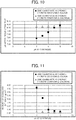
- a dissolution test using 30 g of saline for 0.6 g of each dry powder obtained in Preparation Example 2 was performed by stirring method, and the amount of dissolved Zn 2+ ions and pH were measured.
- the BET specific surface area of the hydrozincite-containing zinc carbonate hydroxide hydrate was 10 to 150 m 2 /g
- the mass ratio of the hydrozincite-containing zinc carbonate hydroxide hydrate to the saline was 1:50
- the time for stirring using a rotor at 500 rpm was set to be 3 hours.
- the pH and Zn 2+ ion concentration after the dissolution test were measured. The results are shown in FIGS. 8 and 9 , and Table 2.
- a dissolution test was performed using zinc oxide of reagent grade.
- the amount of dissolved Zn 2+ ions was sufficient; however, as zinc oxide has a drying effect as well as antimicrobial properties, it is strongly stimulative when used in the therapeutic agent for a skin wound or skin roughness.
- the dissolution amount was as significantly low as less than 0.1 ⁇ g/m 2 .
- FIG. 2 left
- Duoactive which is a medical wound covering material
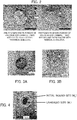
- FIG. 3A The wound at the time of preparation is shown in FIG. 3A
- FIG. 3B the healing state after 2 weeks of feeding is shown in FIG. 3B . Examinations on the healing state of the wound site and the skin formation state using tissue staining were conducted.
- the rate of re-epithelialization of the wound site was about 96% as measured by the method shown in FIGS. 3 and 4 .
- the rate of re-epithelialization was about 78% when only covered with the medical wound covering material without using Preparation Example 1. Based on this, it can be said that the application of the therapeutic agent for a skin wound or skin roughness of the invention is extremely effective in wound healing.
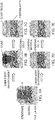
- the regenerated skin tissue was excised from the rat and Hematoxylin-Eosin (H-E) staining was performed. Hair root sites and fibroblasts were observed in autologous skin ( FIG. 6 ) and they were highly healthy.
- H-E Hematoxylin-Eosin
- FIG. 5 when the powder of Preparation Example 1 was applied, as shown in FIG. 5 , hairballs (a stage before turning into a hair root) and robust fibroblasts were observed, and no polynuclear leukocytes or lymphocytes, which are inflammatory cells, were observed.
- the treatment by the application of the therapeutic agent for a skin wound or skin roughness of the invention can not only regenerate skins without causing inflammation but also regenerate the hair root.
- the pharmaceuticals of the invention not only have a healing effect on the skin wound shown in the Preparation Examples but also on similar wounds caused by severe roughness.
- a wound with all thickness skin loss was created as in Pharmaceutical Example 1, and powder of each sample from Preparation Example 2 was applied to the created wound with all thickness skin loss and further covered with Duoactive which is a medical wound covering material.
- the re-epithelialization rate was between 80 and 90%, and the pharmaceutical agent of the invention, which was obtained at pH in a range of not less than 6.5 and less than 9.5 as a manufacturing condition, has an excellent healing effect.
- a wound with all thickness skin loss was created as in Pharmaceutical Example 1, and each powder of Preparation Examples 3 and 4 was applied to the created wound with all thickness skin loss and further covered with Duoactive which is a medical wound covering material.
- the re-epithelialization rate was between 80 and 90%, and the pharmaceutical of the invention, which was obtained at pH in a range of not less than 6.5 and less than 9.5 as a manufacturing condition, has an excellent healing effect.
- a formulation was obtained by mixing hydrozincite having a composition range shown in Formula (1) obtained in Preparation Example 1 and zinc oxide obtained by calcinating the hydrozincite at a calcination temperature of 1200°C.
- FIG. 3 magnified photographs of skin were taken at the time of wound creation ( FIG. 3A ) and after treatment ( FIG. 3B ).
- the initial wound site at the time of wound creation was measured and drawn in the post-treatment photograph with a solid line.
- the area of the initial wound site W C shown in FIG. 4 was measured, the area of the unhealed site (W t ) after treatment was determined by Image J [open source published on the web; Wayne Rasband (NIH)], and the rate of re-epithelialization is calculated from the measured area using the following equation.
- the re-epithelialization rate in the measurement of Pharmaceutical Example 1 shown in FIGS. 3 and FIG. 4 was 95.8%.
- Re-epithelialization rate % W C ⁇ W t / W C ⁇ 100 ⁇ %
- tissue staining was carried out as follows: wound site trimming (excision) ⁇ formalin fixation ⁇ degreasing treatment (immersed in xylene for 24 hours) ⁇ dehydration treatment.
- the dehydration treatment was carried out as follows: samples were immersed in 70% ethanol for 12 hours and the ethanol was removed by volatilization, and then the samples were dehydrated by 80% ethanol, 90% ethanol, and 95.5% ethanol for 30 minutes each, and washed twice with xylene.
- the samples were then embedded in paraffin ⁇ sections were prepared ⁇ H-E staining was carried out.
- the cell nucleus was stained with hematoxylin in a blue-violet color and the cytoplasm, collagen fibers, and muscle fibers were stained in red color with eosin.
- the sample after staining was enclosed in a prepared slide, and the microscopical observation results of Pharmaceutical Example 1 are shown in FIG. 5 .
- Table 5 shows pH after the dissolution test and the results of evaluation on wound healing effects after 2 weeks (re-epithelialization rate, collagen regeneration, hairball regeneration, and granulation formation) obtained from Pharmaceutical Example 2.
- the control did not use a pharmaceutical example and it was only covered with Duoactive which is a medical wound covering material.
- pH at synthesis 6 6.5 7 7.5 8 8.5 9 9.5 10 - pH after dissolution test - 7.8 0 7.8 2 7.9 4 8.0 7 8.0 7 8.0 7 8.4 1 8.7 8 - Amount of dissolved Zn 2+ ions after dissolution test ( ⁇ g/m 2 ) - 0.6 1 0.6 3 0.6 3 0.6 3 0.6 3 0.
- Table 6 and Table 7 below show the pH after the dissolution test and the results of evaluation on wound healing effects after 2 weeks (re-epithelialization rate, collagen regeneration, hairball regeneration, and granulation formation) obtained from each of Pharmaceutical Examples 3 and 4.
- the product of the invention may be applied to a commercially-available organic based wound covering material, whereby the use of the inorganic based material of the therapeutic agent of the invention leads to hybridization of organic based/inorganic based materials, resulting in a great synergistic effect and a great improvement in the would healing capability.
- the evaluation method of Tables 5 to 7 is based on evaluation according to the above-described measurement method where the re-epithelialization rate of the control is regarded as 1.
- the re-epithelialization rate of the control is regarded as 1.
- For the evaluation of collagen thick collagen fibers extending in one direction were observed. With respect to hairballs, the observation results show whether the hairballs could be confirmed.
- For the evaluation of granulation formation it was determined whether tissues composed of capillary vessels and fibroblasts were observed.
- the pharmaceutical examples described above take an application form of powder for use in treatment techniques in which the basic zinc salt powder of the invention is spread onto the wound part and Duoactive which is a medical wound covering material covers the wound part.
- the inventors conducted diligent research on the application form (treatment technique) of the basic zinc salt powder of the invention.
- the application form (treatment technique) and the healing effect when used as an ointment along with a covering material will be described hereinafter.
- Zinc sulfate was used as a zinc raw material as in Preparation Example 3, and pH for the precipitate generation reaction was changed.
- 500 mL of 0.08 M aqueous sodium hydrogen carbonate solution was prepared in a reaction vessel, and 1000 mL of 0.1 M aqueous zinc sulfate solution was separately prepared as a drip reaction solution.
- 30 wt% aqueous sodium hydroxide solution was prepared as a pH adjusting solution.
- the aqueous zinc sulfate solution and aqueous sodium hydroxide solution were added dropwise with the above-mentioned sodium hydrogen carbonate solution being maintained at pH 7.0 under stirring.
- reaction solution was solid-liquid separated by centrifugation, and the obtained solid was washed with water; the centrifugation was repeated three times.
- the washed precipitate was vacuum dried to obtain a hydrozincite having the composition range shown in Formula (2). Ointments and covering materials were prepared using this dry powder.
- Covering material usage example 2 and Covering material usage example 3 were each applied to the wound with all thickness skin loss as created in the above-mentioned Ointment Preparation Example, and observation of wound appearance after 2 weeks and tissue observation of the wound part were carried out. Results are shown in Table 8.
- Ointment Preparation Example 1 Control only using base Covering material usage example 2
- Covering material usage example 3 Control only using covering material Collagen thickness ⁇ ⁇ Collagen Orientation X X Hairballs X X Granulation formation ⁇ ⁇
- the hydrozincite which can be utilized as a pharmaceutical or medical device of the invention in Ointment Preparation Example 1 and Covering material usage examples 2 and 3 achieves recovery of the regenerated tissues to the same level as of a normal skin tissue, in particular, in terms of the appearance of collagen, and thus exhibits great effect, which is equivalent to the case of the powder application in Pharmaceutical Example 1 and Pharmaceutical Example 2.
- the hydrozincite is also highly effective from the perspective of convenience at the clinical site.
- the inorganic composition having excellent zinc ion sustained-release properties of the invention allows an appropriate sustained-release of the zinc ions at a suitable condition when used as a pharmaceutical, and it can be used as an active ingredient for pharmaceuticals.
- the inorganic composition of the invention has an excellent stability, and the manufacturing method thereof is simple; therefore, the inorganic composition is industrially useful.
- the invention includes the following specific embodiments.
Landscapes
- Health & Medical Sciences (AREA)
- Chemical & Material Sciences (AREA)
- Veterinary Medicine (AREA)
- Public Health (AREA)
- General Health & Medical Sciences (AREA)
- Animal Behavior & Ethology (AREA)
- Life Sciences & Earth Sciences (AREA)
- Epidemiology (AREA)
- Engineering & Computer Science (AREA)
- Pharmacology & Pharmacy (AREA)
- Medicinal Chemistry (AREA)
- Inorganic Chemistry (AREA)
- Materials Engineering (AREA)
- Organic Chemistry (AREA)
- Hematology (AREA)
- Dermatology (AREA)
- Chemical Kinetics & Catalysis (AREA)
- General Chemical & Material Sciences (AREA)
- Bioinformatics & Cheminformatics (AREA)
- Nuclear Medicine, Radiotherapy & Molecular Imaging (AREA)
- Pharmaceuticals Containing Other Organic And Inorganic Compounds (AREA)
- Medicinal Preparation (AREA)
- Materials For Medical Uses (AREA)
Applications Claiming Priority (2)
| Application Number | Priority Date | Filing Date | Title |
|---|---|---|---|
| JP2016239801 | 2016-12-09 | ||
| PCT/JP2017/044225 WO2018105739A1 (fr) | 2016-12-09 | 2017-12-08 | Composition inorganique ayant d'excellentes propriétés de libération progressive d'ions zinc, et son procédé de production |
Publications (2)
| Publication Number | Publication Date |
|---|---|
| EP3552610A1 true EP3552610A1 (fr) | 2019-10-16 |
| EP3552610A4 EP3552610A4 (fr) | 2019-12-18 |
Family
ID=62491924
Family Applications (1)
| Application Number | Title | Priority Date | Filing Date |
|---|---|---|---|
| EP17879014.3A Withdrawn EP3552610A4 (fr) | 2016-12-09 | 2017-12-08 | Composition inorganique ayant d'excellentes propriétés de libération progressive d'ions zinc, et son procédé de production |
Country Status (6)
| Country | Link |
|---|---|
| US (1) | US10987380B2 (fr) |
| EP (1) | EP3552610A4 (fr) |
| JP (1) | JP6806793B2 (fr) |
| KR (1) | KR20190082864A (fr) |
| CN (1) | CN110035762B (fr) |
| WO (1) | WO2018105739A1 (fr) |
Families Citing this family (3)
| Publication number | Priority date | Publication date | Assignee | Title |
|---|---|---|---|---|
| JP7368799B2 (ja) * | 2018-05-29 | 2023-10-25 | 学校法人 神野学園 | 外用組成物 |
| CN114126676A (zh) * | 2019-07-25 | 2022-03-01 | 杰富意矿物股份有限公司 | 骨再生剂及其使用方法 |
| CN113230200A (zh) * | 2021-05-07 | 2021-08-10 | 浙江工业大学 | 一种治疗细菌性皮肤病的软膏及其制备方法 |
Family Cites Families (20)
| Publication number | Priority date | Publication date | Assignee | Title |
|---|---|---|---|---|
| GB9503240D0 (en) * | 1995-02-20 | 1995-04-12 | Unilever Plc | Preparation |
| CN1292802C (zh) * | 2001-01-18 | 2007-01-03 | 纳瓦-康复剂有限公司 | 用于护理伤口的治疗溶液和与所述治疗溶液一起使用的敷料 |
| CA2435072A1 (fr) | 2001-01-18 | 2002-07-25 | Nawa-Heilmittel Gmbh | Materiau pour pansement ainsi que solution de traitement a utiliser avec ce materiau pour pansement |
| US20040076686A1 (en) | 2001-08-10 | 2004-04-22 | Thomas Riesinger | Treatment solution used for caring wounds in addition to dressing material for use with said treatment solution |
| US20030082229A1 (en) * | 2001-11-01 | 2003-05-01 | Board Of Regents, The University Of Texas Systems | Parenteral chlorambucil for treatment of malignant and autoimmune disease and methods of use |
| CA2468390A1 (fr) * | 2001-11-29 | 2003-06-05 | Greystone Medical Group, Inc. | Traitement de plaies et compositions utilisees |
| TWI306765B (en) | 2002-03-29 | 2009-03-01 | Shiseido Co Ltd | Composite particles and cosmetic materials containing the same |
| CA2481994C (fr) * | 2002-04-22 | 2009-12-08 | The Procter & Gamble Company | Compositions pour soins d'hygiene personnelle comprenant un materiau a base de zinc dans une composition aqueuse de tensioactif |
| JP2004161684A (ja) | 2002-11-13 | 2004-06-10 | Nitto Denko Corp | 生理活性物質含有創傷治癒用フィルム製剤 |
| JP4036295B2 (ja) * | 2003-03-05 | 2008-01-23 | 堀 敏子 | 人体に塗布、付着させる組成物 |
| CN1183950C (zh) * | 2003-04-16 | 2005-01-12 | 吉林敖东延边药业股份有限公司 | 治疗烧伤的中药制剂 |
| JP2005006995A (ja) | 2003-06-20 | 2005-01-13 | Jsr Corp | 皮膚接触用材料、およびそれを用いた皮膚接触用テープ |
| WO2008123268A1 (fr) * | 2007-03-26 | 2008-10-16 | Jfe Mineral Company, Ltd. | Procédé de production de carbures de métaux de transition et/ou de carbures doubles |
| WO2012136218A1 (fr) * | 2011-04-04 | 2012-10-11 | Coloplast A/S | Pièce adhésive |
| JP2015038014A (ja) * | 2013-07-19 | 2015-02-26 | パナソニック株式会社 | 薄片状粉末、薄片状粉末の製造方法および薄片状粉末を含有する化粧品 |
| CN103622885B (zh) * | 2013-09-13 | 2015-09-09 | 马应龙药业集团股份有限公司 | 具有祛痘印功效的护肤组合物、制剂及其制备方法 |
| CN103479590A (zh) * | 2013-09-26 | 2014-01-01 | 曾春晖 | Zchh片剂的制备方法及zchh与抗生素合用逆转mrsa耐药性的方法 |
| CN104546629A (zh) * | 2013-10-22 | 2015-04-29 | 罗鹏程 | 一种补水美白眼霜 |
| CN107635568B (zh) * | 2015-06-12 | 2021-01-05 | 杰富意矿物股份有限公司 | 皮肤创伤或皮肤粗糙治疗剂 |
| KR20170139143A (ko) * | 2015-06-12 | 2017-12-18 | 제이에프이미네라르 가부시키가이샤 | 피부 창상 또는 피부 거침 치료제 |
-
2017
- 2017-12-08 JP JP2018555085A patent/JP6806793B2/ja active Active
- 2017-12-08 EP EP17879014.3A patent/EP3552610A4/fr not_active Withdrawn
- 2017-12-08 KR KR1020197016298A patent/KR20190082864A/ko not_active Ceased
- 2017-12-08 CN CN201780075441.XA patent/CN110035762B/zh not_active Expired - Fee Related
- 2017-12-08 WO PCT/JP2017/044225 patent/WO2018105739A1/fr not_active Ceased
- 2017-12-08 US US16/468,227 patent/US10987380B2/en not_active Expired - Fee Related
Also Published As
| Publication number | Publication date |
|---|---|
| US20200078396A1 (en) | 2020-03-12 |
| CN110035762A (zh) | 2019-07-19 |
| KR20190082864A (ko) | 2019-07-10 |
| EP3552610A4 (fr) | 2019-12-18 |
| WO2018105739A1 (fr) | 2018-06-14 |
| US10987380B2 (en) | 2021-04-27 |
| JPWO2018105739A1 (ja) | 2019-10-24 |
| JP6806793B2 (ja) | 2021-01-06 |
| CN110035762B (zh) | 2021-11-23 |
Similar Documents
| Publication | Publication Date | Title |
|---|---|---|
| US11020427B2 (en) | Therapeutic agent for skin wound or rough skin | |
| EP3552609B1 (fr) | Hydroxyde de chlorure de zinc ayant une excellente libération prolongée d'ions zinc et son procédé de production | |
| JP7193662B2 (ja) | ペプチド成分の皮膚再生および治癒混合物とその使用 | |
| CN107847522B (zh) | 皮肤创伤或皮肤粗糙治疗剂 | |
| EP2438922B1 (fr) | Promoteur de la production de collagène | |
| US10987380B2 (en) | Hydrozincite containing zinc carbonate hydroxide hydrate and method of making | |
| Otsuka et al. | Therapeutic effects of transdermal systems containing zinc-related materials on thermal burn rats | |
| CN119033616A (zh) | 一种用于宠物皮肤护理的含矿物离子纳米脂质微囊及其制备方法 |
Legal Events
| Date | Code | Title | Description |
|---|---|---|---|
| STAA | Information on the status of an ep patent application or granted ep patent |
Free format text: STATUS: THE INTERNATIONAL PUBLICATION HAS BEEN MADE |
|
| PUAI | Public reference made under article 153(3) epc to a published international application that has entered the european phase |
Free format text: ORIGINAL CODE: 0009012 |
|
| STAA | Information on the status of an ep patent application or granted ep patent |
Free format text: STATUS: REQUEST FOR EXAMINATION WAS MADE |
|
| 17P | Request for examination filed |
Effective date: 20190607 |
|
| AK | Designated contracting states |
Kind code of ref document: A1 Designated state(s): AL AT BE BG CH CY CZ DE DK EE ES FI FR GB GR HR HU IE IS IT LI LT LU LV MC MK MT NL NO PL PT RO RS SE SI SK SM TR |
|
| AX | Request for extension of the european patent |
Extension state: BA ME |
|
| A4 | Supplementary search report drawn up and despatched |
Effective date: 20191120 |
|
| RIC1 | Information provided on ipc code assigned before grant |
Ipc: A61L 15/18 20060101ALI20191114BHEP Ipc: A61K 33/30 20060101AFI20191114BHEP Ipc: A61K 45/06 20060101ALI20191114BHEP Ipc: A61P 17/02 20060101ALI20191114BHEP |
|
| DAV | Request for validation of the european patent (deleted) | ||
| DAX | Request for extension of the european patent (deleted) | ||
| STAA | Information on the status of an ep patent application or granted ep patent |
Free format text: STATUS: EXAMINATION IS IN PROGRESS |
|
| 17Q | First examination report despatched |
Effective date: 20200903 |
|
| GRAP | Despatch of communication of intention to grant a patent |
Free format text: ORIGINAL CODE: EPIDOSNIGR1 |
|
| STAA | Information on the status of an ep patent application or granted ep patent |
Free format text: STATUS: GRANT OF PATENT IS INTENDED |
|
| INTG | Intention to grant announced |
Effective date: 20230320 |
|
| STAA | Information on the status of an ep patent application or granted ep patent |
Free format text: STATUS: THE APPLICATION IS DEEMED TO BE WITHDRAWN |
|
| 18D | Application deemed to be withdrawn |
Effective date: 20230801 |