EP3524273B1 - Cysteine modified antibody-drug conjugate and preparation method thereof - Google Patents
Cysteine modified antibody-drug conjugate and preparation method thereof Download PDFInfo
- Publication number
- EP3524273B1 EP3524273B1 EP17857845.6A EP17857845A EP3524273B1 EP 3524273 B1 EP3524273 B1 EP 3524273B1 EP 17857845 A EP17857845 A EP 17857845A EP 3524273 B1 EP3524273 B1 EP 3524273B1
- Authority
- EP
- European Patent Office
- Prior art keywords
- pab
- mmae
- antibody
- tdc
- cysteine
- Prior art date
- Legal status (The legal status is an assumption and is not a legal conclusion. Google has not performed a legal analysis and makes no representation as to the accuracy of the status listed.)
- Active
Links
Images




Classifications
-
- A—HUMAN NECESSITIES
- A61—MEDICAL OR VETERINARY SCIENCE; HYGIENE
- A61K—PREPARATIONS FOR MEDICAL, DENTAL OR TOILETRY PURPOSES
- A61K47/00—Medicinal preparations characterised by the non-active ingredients used, e.g. carriers or inert additives; Targeting or modifying agents chemically bound to the active ingredient
- A61K47/50—Medicinal preparations characterised by the non-active ingredients used, e.g. carriers or inert additives; Targeting or modifying agents chemically bound to the active ingredient the non-active ingredient being chemically bound to the active ingredient, e.g. polymer-drug conjugates
- A61K47/51—Medicinal preparations characterised by the non-active ingredients used, e.g. carriers or inert additives; Targeting or modifying agents chemically bound to the active ingredient the non-active ingredient being chemically bound to the active ingredient, e.g. polymer-drug conjugates the non-active ingredient being a modifying agent
- A61K47/68—Medicinal preparations characterised by the non-active ingredients used, e.g. carriers or inert additives; Targeting or modifying agents chemically bound to the active ingredient the non-active ingredient being chemically bound to the active ingredient, e.g. polymer-drug conjugates the non-active ingredient being a modifying agent the modifying agent being an antibody, an immunoglobulin or a fragment thereof, e.g. an Fc-fragment
-
- A—HUMAN NECESSITIES
- A61—MEDICAL OR VETERINARY SCIENCE; HYGIENE
- A61K—PREPARATIONS FOR MEDICAL, DENTAL OR TOILETRY PURPOSES
- A61K47/00—Medicinal preparations characterised by the non-active ingredients used, e.g. carriers or inert additives; Targeting or modifying agents chemically bound to the active ingredient
- A61K47/50—Medicinal preparations characterised by the non-active ingredients used, e.g. carriers or inert additives; Targeting or modifying agents chemically bound to the active ingredient the non-active ingredient being chemically bound to the active ingredient, e.g. polymer-drug conjugates
- A61K47/51—Medicinal preparations characterised by the non-active ingredients used, e.g. carriers or inert additives; Targeting or modifying agents chemically bound to the active ingredient the non-active ingredient being chemically bound to the active ingredient, e.g. polymer-drug conjugates the non-active ingredient being a modifying agent
- A61K47/68—Medicinal preparations characterised by the non-active ingredients used, e.g. carriers or inert additives; Targeting or modifying agents chemically bound to the active ingredient the non-active ingredient being chemically bound to the active ingredient, e.g. polymer-drug conjugates the non-active ingredient being a modifying agent the modifying agent being an antibody, an immunoglobulin or a fragment thereof, e.g. an Fc-fragment
- A61K47/6801—Drug-antibody or immunoglobulin conjugates defined by the pharmacologically or therapeutically active agent
- A61K47/6803—Drugs conjugated to an antibody or immunoglobulin, e.g. cisplatin-antibody conjugates
- A61K47/68031—Drugs conjugated to an antibody or immunoglobulin, e.g. cisplatin-antibody conjugates the drug being an auristatin
-
- A—HUMAN NECESSITIES
- A61—MEDICAL OR VETERINARY SCIENCE; HYGIENE
- A61K—PREPARATIONS FOR MEDICAL, DENTAL OR TOILETRY PURPOSES
- A61K47/00—Medicinal preparations characterised by the non-active ingredients used, e.g. carriers or inert additives; Targeting or modifying agents chemically bound to the active ingredient
- A61K47/50—Medicinal preparations characterised by the non-active ingredients used, e.g. carriers or inert additives; Targeting or modifying agents chemically bound to the active ingredient the non-active ingredient being chemically bound to the active ingredient, e.g. polymer-drug conjugates
- A61K47/51—Medicinal preparations characterised by the non-active ingredients used, e.g. carriers or inert additives; Targeting or modifying agents chemically bound to the active ingredient the non-active ingredient being chemically bound to the active ingredient, e.g. polymer-drug conjugates the non-active ingredient being a modifying agent
- A61K47/68—Medicinal preparations characterised by the non-active ingredients used, e.g. carriers or inert additives; Targeting or modifying agents chemically bound to the active ingredient the non-active ingredient being chemically bound to the active ingredient, e.g. polymer-drug conjugates the non-active ingredient being a modifying agent the modifying agent being an antibody, an immunoglobulin or a fragment thereof, e.g. an Fc-fragment
- A61K47/6801—Drug-antibody or immunoglobulin conjugates defined by the pharmacologically or therapeutically active agent
- A61K47/6803—Drugs conjugated to an antibody or immunoglobulin, e.g. cisplatin-antibody conjugates
- A61K47/6807—Drugs conjugated to an antibody or immunoglobulin, e.g. cisplatin-antibody conjugates the drug or compound being a sugar, nucleoside, nucleotide, nucleic acid, e.g. RNA antisense
- A61K47/6809—Antibiotics, e.g. antitumor antibiotics anthracyclins, adriamycin, doxorubicin or daunomycin
-
- A—HUMAN NECESSITIES
- A61—MEDICAL OR VETERINARY SCIENCE; HYGIENE
- A61K—PREPARATIONS FOR MEDICAL, DENTAL OR TOILETRY PURPOSES
- A61K47/00—Medicinal preparations characterised by the non-active ingredients used, e.g. carriers or inert additives; Targeting or modifying agents chemically bound to the active ingredient
- A61K47/50—Medicinal preparations characterised by the non-active ingredients used, e.g. carriers or inert additives; Targeting or modifying agents chemically bound to the active ingredient the non-active ingredient being chemically bound to the active ingredient, e.g. polymer-drug conjugates
- A61K47/51—Medicinal preparations characterised by the non-active ingredients used, e.g. carriers or inert additives; Targeting or modifying agents chemically bound to the active ingredient the non-active ingredient being chemically bound to the active ingredient, e.g. polymer-drug conjugates the non-active ingredient being a modifying agent
- A61K47/68—Medicinal preparations characterised by the non-active ingredients used, e.g. carriers or inert additives; Targeting or modifying agents chemically bound to the active ingredient the non-active ingredient being chemically bound to the active ingredient, e.g. polymer-drug conjugates the non-active ingredient being a modifying agent the modifying agent being an antibody, an immunoglobulin or a fragment thereof, e.g. an Fc-fragment
- A61K47/6801—Drug-antibody or immunoglobulin conjugates defined by the pharmacologically or therapeutically active agent
- A61K47/6803—Drugs conjugated to an antibody or immunoglobulin, e.g. cisplatin-antibody conjugates
- A61K47/6811—Drugs conjugated to an antibody or immunoglobulin, e.g. cisplatin-antibody conjugates the drug being a protein or peptide, e.g. transferrin or bleomycin
- A61K47/6817—Toxins
-
- A—HUMAN NECESSITIES
- A61—MEDICAL OR VETERINARY SCIENCE; HYGIENE
- A61K—PREPARATIONS FOR MEDICAL, DENTAL OR TOILETRY PURPOSES
- A61K47/00—Medicinal preparations characterised by the non-active ingredients used, e.g. carriers or inert additives; Targeting or modifying agents chemically bound to the active ingredient
- A61K47/50—Medicinal preparations characterised by the non-active ingredients used, e.g. carriers or inert additives; Targeting or modifying agents chemically bound to the active ingredient the non-active ingredient being chemically bound to the active ingredient, e.g. polymer-drug conjugates
- A61K47/51—Medicinal preparations characterised by the non-active ingredients used, e.g. carriers or inert additives; Targeting or modifying agents chemically bound to the active ingredient the non-active ingredient being chemically bound to the active ingredient, e.g. polymer-drug conjugates the non-active ingredient being a modifying agent
- A61K47/68—Medicinal preparations characterised by the non-active ingredients used, e.g. carriers or inert additives; Targeting or modifying agents chemically bound to the active ingredient the non-active ingredient being chemically bound to the active ingredient, e.g. polymer-drug conjugates the non-active ingredient being a modifying agent the modifying agent being an antibody, an immunoglobulin or a fragment thereof, e.g. an Fc-fragment
- A61K47/6835—Medicinal preparations characterised by the non-active ingredients used, e.g. carriers or inert additives; Targeting or modifying agents chemically bound to the active ingredient the non-active ingredient being chemically bound to the active ingredient, e.g. polymer-drug conjugates the non-active ingredient being a modifying agent the modifying agent being an antibody, an immunoglobulin or a fragment thereof, e.g. an Fc-fragment the modifying agent being an antibody or an immunoglobulin bearing at least one antigen-binding site
- A61K47/6849—Medicinal preparations characterised by the non-active ingredients used, e.g. carriers or inert additives; Targeting or modifying agents chemically bound to the active ingredient the non-active ingredient being chemically bound to the active ingredient, e.g. polymer-drug conjugates the non-active ingredient being a modifying agent the modifying agent being an antibody, an immunoglobulin or a fragment thereof, e.g. an Fc-fragment the modifying agent being an antibody or an immunoglobulin bearing at least one antigen-binding site the antibody targeting a receptor, a cell surface antigen or a cell surface determinant
-
- A—HUMAN NECESSITIES
- A61—MEDICAL OR VETERINARY SCIENCE; HYGIENE
- A61P—SPECIFIC THERAPEUTIC ACTIVITY OF CHEMICAL COMPOUNDS OR MEDICINAL PREPARATIONS
- A61P35/00—Antineoplastic agents
-
- C—CHEMISTRY; METALLURGY
- C07—ORGANIC CHEMISTRY
- C07K—PEPTIDES
- C07K16/00—Immunoglobulins [IG], e.g. monoclonal or polyclonal antibodies
-
- C—CHEMISTRY; METALLURGY
- C07—ORGANIC CHEMISTRY
- C07K—PEPTIDES
- C07K16/00—Immunoglobulins [IG], e.g. monoclonal or polyclonal antibodies
- C07K16/18—Immunoglobulins [IG], e.g. monoclonal or polyclonal antibodies against material from animals or humans
- C07K16/28—Immunoglobulins [IG], e.g. monoclonal or polyclonal antibodies against material from animals or humans against receptors, cell surface antigens or cell surface determinants
-
- C—CHEMISTRY; METALLURGY
- C07—ORGANIC CHEMISTRY
- C07K—PEPTIDES
- C07K16/00—Immunoglobulins [IG], e.g. monoclonal or polyclonal antibodies
- C07K16/18—Immunoglobulins [IG], e.g. monoclonal or polyclonal antibodies against material from animals or humans
- C07K16/28—Immunoglobulins [IG], e.g. monoclonal or polyclonal antibodies against material from animals or humans against receptors, cell surface antigens or cell surface determinants
- C07K16/2863—Immunoglobulins [IG], e.g. monoclonal or polyclonal antibodies against material from animals or humans against receptors, cell surface antigens or cell surface determinants against receptors for growth factors, growth regulators
-
- C—CHEMISTRY; METALLURGY
- C07—ORGANIC CHEMISTRY
- C07K—PEPTIDES
- C07K16/00—Immunoglobulins [IG], e.g. monoclonal or polyclonal antibodies
- C07K16/18—Immunoglobulins [IG], e.g. monoclonal or polyclonal antibodies against material from animals or humans
- C07K16/28—Immunoglobulins [IG], e.g. monoclonal or polyclonal antibodies against material from animals or humans against receptors, cell surface antigens or cell surface determinants
- C07K16/30—Immunoglobulins [IG], e.g. monoclonal or polyclonal antibodies against material from animals or humans against receptors, cell surface antigens or cell surface determinants from tumour cells
-
- A—HUMAN NECESSITIES
- A61—MEDICAL OR VETERINARY SCIENCE; HYGIENE
- A61K—PREPARATIONS FOR MEDICAL, DENTAL OR TOILETRY PURPOSES
- A61K39/00—Medicinal preparations containing antigens or antibodies
- A61K2039/505—Medicinal preparations containing antigens or antibodies comprising antibodies
-
- C—CHEMISTRY; METALLURGY
- C07—ORGANIC CHEMISTRY
- C07K—PEPTIDES
- C07K2317/00—Immunoglobulins specific features
- C07K2317/50—Immunoglobulins specific features characterized by immunoglobulin fragments
- C07K2317/52—Constant or Fc region; Isotype
-
- C—CHEMISTRY; METALLURGY
- C07—ORGANIC CHEMISTRY
- C07K—PEPTIDES
- C07K2317/00—Immunoglobulins specific features
- C07K2317/50—Immunoglobulins specific features characterized by immunoglobulin fragments
- C07K2317/52—Constant or Fc region; Isotype
- C07K2317/522—CH1 domain
-
- C—CHEMISTRY; METALLURGY
- C07—ORGANIC CHEMISTRY
- C07K—PEPTIDES
- C07K2317/00—Immunoglobulins specific features
- C07K2317/70—Immunoglobulins specific features characterized by effect upon binding to a cell or to an antigen
- C07K2317/73—Inducing cell death, e.g. apoptosis, necrosis or inhibition of cell proliferation
-
- C—CHEMISTRY; METALLURGY
- C07—ORGANIC CHEMISTRY
- C07K—PEPTIDES
- C07K2317/00—Immunoglobulins specific features
- C07K2317/90—Immunoglobulins specific features characterized by (pharmaco)kinetic aspects or by stability of the immunoglobulin
- C07K2317/92—Affinity (KD), association rate (Ka), dissociation rate (Kd) or EC50 value
-
- C—CHEMISTRY; METALLURGY
- C07—ORGANIC CHEMISTRY
- C07K—PEPTIDES
- C07K2317/00—Immunoglobulins specific features
- C07K2317/90—Immunoglobulins specific features characterized by (pharmaco)kinetic aspects or by stability of the immunoglobulin
- C07K2317/94—Stability, e.g. half-life, pH, temperature or enzyme-resistance
Definitions
- the present disclosure relates to cysteine modified antibody-cytotoxin conjugates as claimed.
- ADC Antibody-drug conjugate
- US 2016/067351 A1 describes specific sites for modifying antibodies to make immunoconjugates. Dimasi et al (2017), Molecular Pharmaceutics, 14, 5, 1501-1516 describes the preparation of site-specific antibody-drug conjugates using cysteine insertion. US 2017/216452 A1 describes antibodies and antibody fragments for site-specific conjugation. CN 106866822 A describes cysteine modified antibody-toxin conjugates. CN 106467575 A describes cysteine modified antibody drug conjugates. WO 2015/157595 A1 describes conjugated compounds comprising cysteine-engineered antibodies. CN 102770456 A describes multispecific antibodies, antibody analogs, compositions, and methods. WO 2016/131769 A2 describes antibodies having modified constant regions so as to permit conjugation of the antibody to a payload such as a therapeutic agent.
- TDC cysteine modified antibody-cytotoxin conjugates
- the application provides a cysteine modified antibody-cytotoxin conjugate according to claim 1.
- the cysteine insertion site includes one or more of the following three insertion sites or insertion positions in the target antibodies: light chain position 205 (Kabat numbering scheme, wherein the surrounding amino acid sequence comprises GLSSP C VTKSF, with C being the inserted cysteine), light chain 206 (Kabat numbering scheme, wherein the surrounding amino acid sequence comprises GLSSPV C TKSF, with C being the inserted cysteine), and heavy chain position 474 (Kabat numbering scheme, wherein the surrounding amino acid sequence comprises YTQKSLS C LSPGK, with C being the inserted cysteine).
- an antibody comprising one or more of the above cysteine insertion mutations retains the ability to bind the antigen as the parental antibody does (affinity).
- the present disclosure provides the site-directed coupling of antibody-cytotoxin conjugate (TDC) by a cysteine thiol group with a linker-drug (i.e., linker-cytotoxin), wherein the thiol group is from the cysteine inserted into position 205 or/and position 206 of the light chain or/and position 474 of the heavy chain.
- the amino acid sequence surrounding the cysteine insertion site includes one or more of the following three sequences: LC-205ins:GLSSP C VTKS; LC-206ins:GLSSPV C TKSF or HC-474ins: TQKSLS C LSPGK.
- a highly active cytotoxin is conjugated through a linker to a free thiol group from the modified cysteine inserted into specific cysteine insertion sites of the antibody, wherein the antibody light chain comprises an amino acid sequence of GLSSP C VTKSF or GLSSPV C TKSF, and the antibody heavy chain comprises an amino acid sequence of TQKSLS C LSPGK, and wherein the C is the cysteine inserted into the light chain position 205, the light chain position 206, or heavy chain position 474 of the antibody.
- the antibody light chain comprises a kappa (k) or a lambda ( ⁇ ) isotype.
- the antibody heavy chain comprises IgG1, IgG2, IgG3 or IgG4.
- the inserted cysteine comprises a thiol group (-SH).
- a low molecular weight, high activity cytotoxin is site-specifically linked to the thiol group of the inserted cysteine via a linker; the low molecular weight, high activity cytotoxin may include, without limitation, MMAE, MMAF, PBD, SN-38, Dox, and their derivatives thereof.
- the formula of example cytotoxins, MMAE, MMAF, PBD, SN-38, Dox, are shown below:
- the method may include the steps of: reducing the antibody with a reducing reagent (such as DTT, TCEP and the like) to provide a reduced antibody, removing the shielding group from the inserted cysteine of the antibody to provide free thiol group; removing the reducing reagent and the removed shielding group by cation exchange chromatography or ultrafiltration; oxidizing the reduced antibody with an oxidant (such as DHAA, CuSO 4 ) to re-connect interchain disulfide bonds of the antibody; adding a linker-drug (i.e., linker-cytotoxin) to conjugate with the free thiol group from the modified cysteine ; and removing unconjugated linker-drug by cation exchange chromatography or ultrafiltration.
- a reducing reagent such as DTT, TCEP and the like
- TDC cysteine modified antibody-cytotoxin conjugate
- 6-aminocaproic acid (3.9 g, 0.03 mol) and maleic anhydride (3.5 g, 0.036 mol) were added to glacial acetic acid (30 ml). After stirring at 120°C for 4-6 h, the reaction was cooled to room temperature. Most of the acetic acid was removed by concentration in vacuum at 60 °C. The obtained brownish yellow viscous liquid was poured into water, and then extracted with ethyl acetate (20 ml ⁇ 3), and the organic layers were combined.
- the white solid was collected, washed with methyl tert-butyl ether (100 ml), and filtered. The filter cake was washed with methyl tert-butyl ether, and the obtained white solid was dried under reduced pressure at 40 °C to give the white solid 2.2 g, and yield 88%. m/z : 602.6 (M+H)+.
- the organic layer was sequentially washed with citric acid, water, brine, dried with anhydrous sodium sulfate, filtered, and the filtrate was concentrated under reduced pressure to yield light yellowish oily product. Adding methyl tert-butyl ether for crystallization resulted in the white-like solid (86 mg). The yield was 40%.
- the target antibody was expressed using Freestyle TM 293-F (Invitrogen) suspension cells.
- cells were seeded at a density of 6 ⁇ 10 5 cells/mL in a 1 L shake flask containing 300 mL of F17 complete medium (Freestyle TM F17 expression medium, Gibco), grown overnight by shaking at 37 °C, 5% CO 2 , 120 rpm at cell incubator.
- F17 complete medium Freestyle TM F17 expression medium, Gibco
- transfection of the antibody expression plasmid was carried out with PEI, wherein the ratio of plasmid: PEI was 2:1.
- the TN1 feed medium was added at 2.5% (v/v), and the culture was continued for 4 days, and the supernatant was collected by centrifugation.
- the collected cell expression supernatant was eluted by a Protein A affinity chromatography column (Mabselect Sure LX, GE) eluting with 0.1 M citric acid (pH 3.0), and the captured antibody was treated with 1 M Tris-HCl (pH 9.0) and adjusted to pH 7.0 at 1/10 (v/v).
- the target antibody monomer (POI%) obtained by this method was greater than 90% and was stored for subsequent experiments.
- Example 16 Synthesis and preparation of 2A1-HC-Cys474ins-mc-vc-PAB-MMAE TDC by conjugating/coupling 2A1-HC-Cys474ins antibody and mc-vc-PAB-MMAE
- the 2A1-HC-Cys474ins antibody expressed by the cells was purified by Protein A resin such as Mabselect Sure, eluted with low pH solution and neutralized by adding Tris solution immediately after the low pH elution, and the solution was changed to a pH 7.5 Tris-HCl buffer.
- the mc-vc-PAB-MMAE compound being a white powder, was dissolved in DMA for use.
- the antibody was reduced first.
- a 1 M aqueous solution of DTT was added to the 2A1-HC-Cys474ins antibody solution at a molecular ratio of 1:40, and the mixture was mixed evenly and reacted at 20 ° C for 2 hours.
- the pH of the sample was adjusted to 5.0, and the DTT and the masking group in the mixture were removed by cation exchange chromatography such as SP Sepharose F.F. resin.
- a DHAA solution was added to the sample at a molecular ratio of 1:20 and reacted at 25 ° C for 4 hours in the dark to re-connect the interchain disulfide bonds.
- mc-vc-PAB-MMAE solution was added to couple the mc-vc-PAB-MMAE with the inserted or mutant cysteine in the antibody, and the mixture was thoroughly mixed and reacted at 25 ° C for 2 hours.
- mc-vc-PAB-MMAE to which the antibody was not coupled was removed using cation exchange chromatography such as SP Sepharose F.F. to obtain a 2A1-HC-Cys474ins-mc-vc-PAB-MMAE TDC sample.
- Example 17 Synthesis and preparation of 2A1-LC-Cys205ins-mc-vc-PAB-MMAE TDC sample by conjugating/coupling 2A1-LC-Cys205ins antibody and mc-vc-PAB-MMAE
- the 2A1-LC-Cys205ins antibody expressed by the cells was purified by Protein A resin such as Mabselect Sure, eluted with low pH solution and neutralized by adding Tris solution immediately after the low pH elution, and the solution was changed to a pH 7.5 Tris-HCl buffer.
- the mc-vc-PAB-MMAE compound being a white powder, was dissolved in DMA for use.
- the antibody was reduced first.
- a 1 M aqueous solution of DTT was added to the 2A1-LC-Cys205ins antibody solution at a molecular ratio of 1:40, and the mixture was mixed evenly and reacted at 20 ° C for 2 hours.
- the pH of the sample was adjusted to 5.0, and the DTT and the masking group in the mixture were removed by cation exchange chromatography such as SP Sepharose F.F. resin.
- a DHAA solution was added to the sample at a molecular ratio of 1:20 and reacted at 25 ° C for 4 hours in the dark to re-connect the interchain disulfide bonds.
- mc-vc-PAB-MMAE solution was added to couple the mc-vc-PAB-MMAE with the inserted or mutant cysteine in the antibody, and the mixture was thoroughly mixed and reacted at 25 ° C for 2 hours.
- mc-vc-PAB-MMAE to which the antibody was not coupled was removed using cation exchange chromatography such as SP Sepharose F.F. to obtain a 2A1-LC-Cys205ins-mc-vc-PAB-MMAE TDC sample.
- Example 18 Synthesis and preparation of 2A1-LC-Cys206ins-mc-vc-PAB-MMAE TDC sample by conjugating/coupling 2A1-LC-Cys206ins antibody and mc-vc-PAB-MMAE
- the 2A1-LC-Cys206ins antibody expressed by the cells was purified by Protein A resin such as Mabselect Sure, eluted with low pH solution and neutralized by adding Tris solution immediately after the low pH elution, and the solution was changed to a pH 7.5 Tris-HCl buffer.
- the mc-vc-PAB-MMAE compound being a white powder, was dissolved in DMA for use.
- the antibody was reduced first.
- a 1 M aqueous solution of DTT was added to the 2A1-LC-Cys206ins antibody solution at a molecular ratio of 1:40, and the mixture was mixed evenly and reacted at 20 ° C for 2 hours.
- the pH of the sample was adjusted to 5.0, and the DTT and the masking group in the mixture were removed by cation exchange chromatography such as SP Sepharose F.F. resin.
- a DHAA solution was added to the sample at a molecular ratio of 1:20 and reacted at 25 ° C for 4 hours in the dark to re-connect the interchain disulfide bonds.
- mc-vc-PAB-MMAE solution was added to couple the mc-vc-PAB-MMAE with the inserted or mutant cysteine in the antibody, and the mixture was thoroughly mixed and reacted at 25 ° C for 2 hours.
- mc-vc-PAB-MMAE to which the antibody was not coupled was removed using cation exchange chromatography such as SP Sepharose F.F. to obtain a 2A1-LC-Cys206ins-mc-vc-PAB-MMAE TDC sample.
- Example 19 Synthesis and preparation of 4D3-HC-Cys474ins-mc-vc-PAB-MMAE TDC sample by conjugating/coupling 4D3-HC-Cys474ins antibody and mc-vc-PAB-MMAE
- the 4D3-HC-Cys474ins antibody expressed by the cells was purified by Protein A resin such as Mabselect Sure, eluted with low pH solution and neutralized by adding Tris solution immediately after the low pH elution, and the solution was changed to a pH 7.5 Tris-HCl buffer.
- the mc-vc-PAB-MMAE compound being a white powder, was dissolved in DMA for use.
- the antibody was reduced first.
- a 1 M aqueous solution of DTT was added to the 4D3-HC-Cys474ins antibody solution at a molecular ratio of 1:40, and the mixture was mixed evenly and reacted at 20 ° C for 2 hours. After the reaction time was reached, the pH of the sample was adjusted to 5.0, and the DTT and the masking group in the mixture were removed by cation exchange chromatography such as SP Sepharose F.F. resin.
- a DHAA solution was added to the sample at a molecular ratio of 1:20 and reacted at 25 ° C for 4 hours in the dark to re-connect the interchain disulfide bonds.
- mc-vc-PAB-MMAE solution was added to couple the mc-vc-PAB-MMAE with the inserted or mutant cysteine in the antibody, and the mixture was thoroughly mixed and reacted at 25 ° C for 2 hours.
- mc-vc-PAB-MMAE to which the antibody was not coupled was removed using cation exchange chromatography such as SP Sepharose F.F. to obtain a 4D3-HC-Cys474ins-mc-vc-PAB-MMAE TDC sample.
- Example 20 Synthesis and preparation of 4D3-LC-Cys205ins-mc-vc-PAB-MMAE TDC sample by conjugating/coupling 4D3-LC-Cys205ins antibody and mc-vc-PAB-MMAE
- the 4D3-LC-Cys205ins antibody expressed by the cells was purified by Protein A resin such as Mabselect Sure, eluted with low pH solution and neutralized by adding Tris solution immediately after the low pH elution, and the solution was changed to a pH 7.5 Tris-HCl buffer.
- the mc-vc-PAB-MMAE compound being a white powder, was dissolved in DMA for use.
- the antibody was reduced first.
- a 1 M aqueous solution of DTT was added to the 4D3-LC-Cys205ins antibody solution at a molecular ratio of 1:40, and the mixture was mixed evenly and reacted at 20 ° C for 2 hours.
- the pH of the sample was adjusted to 5.0, and the DTT and the masking group in the mixture were removed by cation exchange chromatography such as SP Sepharose F.F. resin.
- a DHAA solution was added to the sample at a molecular ratio of 1:20 and reacted at 25 ° C for 4 hours in the dark to re-connect the interchain disulfide bonds.
- mc-vc-PAB-MMAE solution was added to couple the mc-vc-PAB-MMAE with the inserted or mutant cysteine in the antibody, and the mixture was thoroughly mixed and reacted at 25 ° C for 2 hours.
- mc-vc-PAB-MMAE to which the antibody was not coupled was removed using cation exchange chromatography such as SP Sepharose F.F. to obtain a 4D3-LC-Cys205ins-mc-vc-PAB-MMAE TDC sample.
- Example 21 Synthesis and preparation of 4D3-LC-Cys206ins-mc-vc-PAB-MMAE TDC sample by conjugating/coupling 4D3-LC-Cys206ins antibody and mc-vc-PAB-MMAE
- the 4D3-LC-Cys206ins antibody expressed by the cells was purified by Protein A resin such as Mabselect Sure, eluted with low pH solution and neutralized by adding Tris solution immediately after the low pH elution, and the solution was changed to a pH 7.5 Tris-HCl buffer.
- the mc-vc-PAB-MMAE compound being a white powder, was dissolved in DMA for use.
- the antibody was reduced first.
- a 1 M aqueous solution of DTT was added to the 4D3-LC-Cys206ins antibody solution at a molecular ratio of 1:40, and the mixture was mixed evenly and reacted at 20 ° C for 2 hours.
- the pH of the sample was adjusted to 5.0, and the DTT and the masking group in the mixture were removed by cation exchange chromatography such as SP Sepharose F.F. resin.
- a DHAA solution was added to the sample at a molecular ratio of 1:20 and reacted at 25 ° C for 4 hours in the dark to re-connect the interchain disulfide bonds.
- mc-vc-PAB-MMAE solution was added to couple the mc-vc-PAB-MMAE with the inserted or mutant cysteine in the antibody, and the mixture was thoroughly mixed and reacted at 25 ° C for 2 hours.
- mc-vc-PAB-MMAE to which the antibody was not coupled was removed using cation exchange chromatography such as SP Sepharose F.F. to obtain a 4D3-LC-Cys206ins-mc-vc-PAB-MMAE TDC sample.
- Example 22 Synthesis and preparation of 4E1-HC-Cys474ins-mc-vc-PAB-MMAE TDC sample by conjugating/coupling 4E1-HC-Cys474ins antibody and mc-vc-PAB-MMAE
- the 4E1-HC-Cys474ins antibody expressed by the cells was purified by Protein A resin such as Mabselect Sure, eluted with low pH solution and neutralized by adding Tris solution immediately after the low pH elution, and the solution was changed to a pH 7.5 Tris-HCl buffer.
- the mc-vc-PAB-MMAE compound being a white powder, was dissolved in DMA for use.
- the antibody was reduced first.
- a 1 M aqueous solution of DTT was added to the 4E1-HC-Cys474ins antibody solution at a molecular ratio of 1:40, and the mixture was mixed evenly and reacted at 20 ° C for 2 hours.
- the pH of the sample was adjusted to 5.0, and the DTT and the masking group in the mixture were removed by cation exchange chromatography such as SP Sepharose F.F. resin.
- a DHAA solution was added to the sample at a molecular ratio of 1:20 and reacted at 25 ° C for 4 hours in the dark to re-connect the interchain disulfide bonds.
- mc-vc-PAB-MMAE solution was added to couple the mc-vc-PAB-MMAE with the inserted or mutant cysteine in the antibody, and the mixture was thoroughly mixed and reacted at 25 ° C for 2 hours.
- mc-vc-PAB-MMAE to which the antibody was not coupled was removed using cation exchange chromatography such as SP Sepharose F.F. to obtain a 4E1-HC-Cys474ins-mc-vc-PAB-MMAE TDC sample.
- Example 23 Synthesis and preparation of 4E1-LC-Cys205ins-mc-vc-PAB-MMAE TDC sample by conjugating/coupling 4E1-LC-Cys205ins antibody and mc-vc-PAB-MMAE
- the 4E1-LC-Cys205ins antibody expressed by the cells was purified by Protein A resin such as Mabselect Sure, eluted with low pH solution and neutralized by adding Tris solution immediately after the low pH elution, and the solution was changed to a pH 7.5 Tris-HCl buffer.
- the mc-vc-PAB-MMAE compound being a white powder, was dissolved in DMA for use.
- the antibody was reduced first.
- a 1 M aqueous solution of DTT was added to the 4E1-LC-Cys205ins antibody solution at a molecular ratio of 1:40, and the mixture was mixed evenly and reacted at 20 ° C for 2 hours.
- the pH of the sample was adjusted to 5.0, and the DTT and the masking group in the mixture were removed by cation exchange chromatography such as SP Sepharose F.F. resin.
- a DHAA solution was added to the sample at a molecular ratio of 1:20 and reacted at 25 ° C for 4 hours in the dark to re-connect the interchain disulfide bonds.
- mc-vc-PAB-MMAE solution was added to couple the mc-vc-PAB-MMAE with the inserted or mutant cysteine in the antibody, and the mixture was thoroughly mixed and reacted at 25 ° C for 2 hours.
- mc-vc-PAB-MMAE to which the antibody was not coupled was removed using cation exchange chromatography such as SP Sepharose F.F. to obtain a 4E1-LC-Cys205ins-mc-vc-PAB-MMAE TDC sample.
- Example 24 Synthesis and preparation of 4E1-LC-Cys206ins-mc-vc-PAB-MMAE TDC sample by conjugating/coupling 4E1-LC-Cys206ins antibody and mc-vc-PAB-MMAE
- the 4E1-LC-Cys206ins antibody expressed by the cells was purified by Protein A resin such as Mabselect Sure, eluted with low pH solution and neutralized by adding Tris solution immediately after the low pH elution, and the solution was changed to a pH 7.5 Tris-HCl buffer.
- the mc-vc-PAB-MMAE compound being a white powder, was dissolved in DMA for use.
- the antibody was reduced first.
- a 1 M aqueous solution of DTT was added to the 4E1-LC-Cys206ins antibody solution at a molecular ratio of 1:40, and the mixture was mixed evenly and reacted at 20 ° C for 2 hours.
- the pH of the sample was adjusted to 5.0, and the DTT and the masking group in the mixture were removed by cation exchange chromatography such as SP Sepharose F.F. resin.
- a DHAA solution was added to the sample at a molecular ratio of 1:20 and reacted at 25 ° C for 4 hours in the dark to re-connect the interchain disulfide bonds.
- mc-vc-PAB-MMAE solution was added to couple the mc-vc-PAB-MMAE with the inserted or mutant cysteine in the antibody, and the mixture was thoroughly mixed and reacted at 25 ° C for 2 hours.
- mc-vc-PAB-MMAE to which the antibody was not coupled was removed using cation exchange chromatography such as SP Sepharose F.F. to obtain a 4E1-LC-Cys206ins-mc-vc-PAB-MMAE TDC sample.
- the TDC sample was analyzed by high performance liquid chromatography with hydrophobic chromatography, and drug:antibody ratio (DAR, also known as toxin:antibody ratio) was calculated from the corresponding peak area.
- DAR drug:antibody ratio
- Example 26 Measurement of toxin:antibody ratio (DAR, Drug Antibody ratio) by RP-HPLC
- the ratio of toxin to antibody was measured by RP-HPLC.
- the samples treated with DTT were analyzed by reversed-phase hydrophobic high-performance liquid chromatography, and DAR was calculated from the corresponding peak area.
- DAR was calculated from the corresponding peak area.
- TABLE 1 shows that the coupling efficiency of site-directed TDC compounds by cysteine insertion mutation modification is uniformly high (theoretical maximum is 2.0), with DAR ⁇ 1.6.
- TDC antibody skeleton samples were stored at 37 ° C, and their aggregation was analyzed by SEC-HPLC on days 0, 7, 21, and 29, respectively.
- SEC-HPLC SEC-HPLC
- SEC-HPLC was used to detect and measure the aggregation of TDC antibody skeleton 4D3, 4D3-LC-Cys205ins, 4D3-LC-Cys206ins and 4D3-HC-Cys474ins.
- the samples were stored at 37 ° C for 4 weeks, and the aggregate content remained essentially unchanged.
- the aggregations of the following TDCs are measured: 2A1-LC-V205C-mc-vc-PAB-MMAE TDC, 2A1-LC-Cys205ins-mc-vc-PAB-MMAE TDC, 2A1-LC-Cys206ins--mc-vc-PAB-MMAE TDC, 2A1-HC-Cys474ins-mc-vc-PAB-MMAE, 4E1-LC-Cys205ins-mc-vc-PAB-MMAE, 4E1-LC-Cys206ins-mc-vc-PAB-MMAE 4E1-HC-Cys474ins-mc-vc-PAB-MMAE TDC, 4D3-LC-Cys205ins-mc-vc-PAB-MMAE, 4D3-LC-Cys206ins-mc-vc-PAB-MMAE, 4D3-LC-Cys
- the target monomer content of the TDC compound coupled by the inserted cysteine is above 90%.
- Example 28 Measurement of affinities between skeletal antibodies undergoing cysteine site-directed mutagenesis and insertional mutagenesis and parental antibodies and EGFRvIII, affinities between 4E1 antibodies and c-met, affinities between 4D3 antibodies and Trop2
- the cysteine site-directed mutagenesis or insertion of the mutant antibodies 2A1-LC-V205C, 2A1-LC-Cys205ins, 2A1-LC-Cys206ins and 2A1-HC-Cys474ins retained affinities to EGFRvIII similar to 2A1, as shown by the close EC 50 values; these results indicate that the site-directed mutagenesis of the light chain V205C on 2A1 antibody, the insertional mutation at position 205 of the light chain of the antibody, the insertional mutation at position 206 of the light chain of the antibody, or the insertion mutation at position 474 of the heavy chain of the antibody does not affect their affinity for the EGFRvIII antigen.
- the 2A1-LC-V205C, 2A1-LC-Cys205ins, 2A1-LC-Cys206ins, 2A1-HC-Cys474ins antibodies maintain the affinity of 2A1 to antigen EGFRvIII.
- Example 29 Measurement of affinities of skeletal antibodies undergoing cysteine site-directed mutagenesis and insertional mutagenesis and linked to toxin/drug towards connate antigens, affinities of 4E1 antibodies to c-met, affinities of 4D3 antibodies to Trop2
- TDC 4D3-LC-Cys205ins-MVPM, 4D3-LC-Cys206ins-MVPM, and 4D3-HC-Cys474ins-MVPM retained their binding affinities to Trop2 similar to that of 4D3, as shown by the close EC 50 values; which indicates that the insertional mutation at the position 205 or 206 of 4D3 light chain or at the position 474 of 4D3 heavy chain does not affect the binding affinity of the corresponding TDC to the Trop2 antigen.
- 4E1-LC-Cys205ins-MVPM, 4E1-LC-Cys206ins-MVPM, 4E1-HC-Cys474ins-MVPM antibodies retained the affinity of 4E1 for antigen c-met.
- 4D3-LC-Cys205ins-MVPM, 4D3-LC-Cys206ins-MVPM, 4D3-HC-Cys474ins-MVPM antibodies retained the affinity of 4D3 for the antigen Trop2.
- TDC cytotoxic activity was determined by the following experimental procedures: TDC was separately added to culture media of human tumor cells in which EGFR was overexpressed or EGFRVIII was expressed, and cell viability was measured after 72 hours of cell culture. Cell-based in vitro assays were used to determine cell viability, cytotoxicity, and TDC-induced apoptosis in the present disclosure.
- the in vitro efficacy of the antibody-cytotoxin conjugate was determined by a cell proliferation assay.
- the CellTiter 96 ® Aqueous One Solution Cell Proliferation Assay is commercially available (Promega Corp., Madison, WI).
- the Cell Proliferation Assay (a) is a detection reagent that uses colorimetry to detect the number of viable cells in cell proliferation and cytotoxicity experiments.
- This reagent contains a novel tetrazolium compound [3-(4,5-dimethylthiazol-2-yl)-5-(3-carboxymethoxyphenyl)-2-(4-sulfophenyl)-2H-tetrazolium, inner salt; MTS] and an electronic coupling agent (phenazine ethosulfate; PES).
- PES has enhanced chemical stability, which allows it to be mixed with MTS to form a stable solution.
- This convenient "single solution" mode is based on the first generation CellTiter 96 ® AQueous Assay, in which the electronic coupling agent PMS and MTS solution are supplied separately.
- MTS Oleen's reagent
- a colored formazan product that is directly soluble in the medium ( FIGURE 1 ). This transformation is most likely accomplished by the action of NADPH or NADH produced by dehydrogenase in metabolically active cells.
- NADPH NADPH
- NADH NADH produced by dehydrogenase in metabolically active cells.
- For detection simply add a small amount of CellTiter 96 ® AQueous One Solution Reagent directly to the culture medium well, incubate for 1-4 hours, and then read the absorbance at 490 nm with a microplate reader.
- the amount of formazan product detected at 490 nm is directly proportional to the number of viable cells in the culture. Since the MTS hyperthyroid product is soluble in tissue culture media, the CellTiter 96 ® AQueous One Solution Assay has fewer steps than the MTT or INT method.
- A431 EGFR overexpressing cells
- U87-EGFRVIII EGFR mutant stable cell line
- U87-MG glioblastoma cell line with highly expressed c-Met
- BXPC-3 pancreatic cancer cell line with high expression of Trop2
- the cytotoxic activity of 4D3-LC-Cys205ins-mc-vc-PAB-MMAE TDC, 4D3-LC-Cys206ins-mc-vc-PAB-MMAE TDC and 4D3-HC-Cys474ins-mc-vc-PAB-MMAE TDC in pancreatic cancer cell line BXPC-3 was comparable or similar to each other, and the TDC activity of the 474 inserted mutant was slightly better than those of the 205 and 206 insertion mutant TDCs, and the activity of TDC was significantly better than that of the parental antibody.
- ADC sample Take a certain amount of ADC sample, add it to human plasma from which human IgG has been removed, repeat 2 tubes for each ADC, incubate in a 37 °C water bath, incubate for 0h, 72h, take ADC samples, add 100 ⁇ l ProteinA (MabSelect SuReTM LX Lot: #10221479 GE washed with PBS), shaken for 2 h with a vertical mixer, and subjected to a washing and elution step to obtain an ADC after incubation.
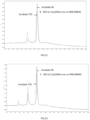
- FIGUREs 21-23 shows the result of the test for in human plasma stability for the 4D3-LC-Cys205ins-mc-vc-PAB-MMAE TDC, 4D3-LC-Cys206ins-mc-vc-PAB-MMAE TDC and 4D3-HC-Cys474ins-mc-vc-PAB-MMAE TDC.
- the detection method for 4D3-HC-Cys474ins-mc-vc-PAB-MMAE was RP-HPLC;
- the detection method for 4D3-LC-Cys205ins-mc-vc-PAB-MMAE TDC and 4D3-LC-Cys206ins-mc-vc is HIC-HPLC.
- FIGUREs 24-26 shows the result of the test for in human plasma stability for the 4E1-LC-Cys205ins-mc-vc-PAB-MMAE TDC, 4E1-LC-Cys206ins-mc-vc-PAB-MMAE TDC and 4E1-HC-Cys474ins-mc-vc-PAB-MMAE TDC.
- the detection method is HIC-HPLC TABLE IV: TDC plasma stability test result (calculated by the change of DAR) Compound DAR 37°C 0h 37°C 72h Site-directed coupling (TDC) 4E1-LC-Cys205ins-mc-vc-PAB-MMAE TDC 1.89 1.77 4E1-LC-Cys206ins-mc-vc-PAB-MMAE TDC 1.81 1.62 4E1-HC-Cys474ins-mc-vc-PAB-MMAE TDC 1.85 1.83 4D3-LC-Cys205ins-mc-vc-PAB-MMAE TDC 1.86 1.71 4D3-LC-Cys206ins-mc-vc-PAB-MMAE TDC 1.76 1.52 4D3-HC-Cys474ins-mc-vc-PAB-MMAE TDC 1.81 1.80
- TDCs were stable after being incubated at 37 ° C for 72 hours in human plasma samples and had good drug-forming properties.
- TDC with 474 insertion mutations had the best stability, followed by TDC with 205 and 206 insertion mutations.
- a BXPC-3 tumor-bearing mouse model was established to evaluate the in vivo efficacy of TDC and parental antibodies.
- 3 ⁇ 10 6 BXPC-3 cells were subcutaneously injected into the back side of 4-8 weeks old BALB/c nude mice, and the average tumor size of the mice was grown to 400-500 mm 3 , the mice were randomly grouped, 5 mice in each group.
- 4D3-LC-Cys205ins-mc-vc-PAB-MMAE TDC, 4D3-LC-Cys206ins-mc-vc-PAB-MMAE TDC and 4D3-HC-Cys474ins-mc-vc-PAB-MMAE TDC were administered in a single intravenous dose at a dose of 5 mg/kg, and the parental antibody 4D3 was administered at a dose of 5 mg/kg.
- Data A shows the mean tumor volume ⁇ SE at the time of measurement
- data B shows the average body weight of the mouse at the time of measurement ⁇ SE.
- FIGURE 27 shows the results of the test on the efficacy in the tumor-bearing mice for 4D3-LC-Cys205ins-mc-vc-PAB-MMAE TDC, 4D3-LC-Cys206ins-mc-vc-PAB-MMAE TDC, 4D3-HC-Cys474ins-mc-vc-PAB-MMAE TDC, and 4D3.
- TDC showed significant anti-tumor effect in vivo compared to the parental antibodies.
- FIGURE 28 shows the results of the test on the efficacy in the tumor-bearing mice for 4D3-LC-Cys205ins-mc-vc-PAB-MMAE TDC, 4D3-LC-Cys206ins-mc-vc-PAB-MMAE TDC, 4D3-HC-Cys474ins-mc-vc-PAB-MMAE TDC and 4D3 parental antibody. There was no significant change in the body weight of the mice, which proved that the TDCs have no or minor toxicity in vivo.
Landscapes
- Health & Medical Sciences (AREA)
- Chemical & Material Sciences (AREA)
- Life Sciences & Earth Sciences (AREA)
- Engineering & Computer Science (AREA)
- Bioinformatics & Cheminformatics (AREA)
- Immunology (AREA)
- General Health & Medical Sciences (AREA)
- Medicinal Chemistry (AREA)
- Organic Chemistry (AREA)
- Animal Behavior & Ethology (AREA)
- Pharmacology & Pharmacy (AREA)
- Veterinary Medicine (AREA)
- Public Health (AREA)
- Molecular Biology (AREA)
- Epidemiology (AREA)
- Biochemistry (AREA)
- Biophysics (AREA)
- Genetics & Genomics (AREA)
- Proteomics, Peptides & Aminoacids (AREA)
- Cell Biology (AREA)
- Nuclear Medicine, Radiotherapy & Molecular Imaging (AREA)
- Chemical Kinetics & Catalysis (AREA)
- General Chemical & Material Sciences (AREA)
- Toxicology (AREA)
- Peptides Or Proteins (AREA)
- Medicines Containing Antibodies Or Antigens For Use As Internal Diagnostic Agents (AREA)
- Medicinal Preparation (AREA)
- Medicines That Contain Protein Lipid Enzymes And Other Medicines (AREA)
- Pharmaceuticals Containing Other Organic And Inorganic Compounds (AREA)
- Nitrogen Condensed Heterocyclic Rings (AREA)
- Saccharide Compounds (AREA)
- Nitrogen And Oxygen Or Sulfur-Condensed Heterocyclic Ring Systems (AREA)
Applications Claiming Priority (2)
| Application Number | Priority Date | Filing Date | Title |
|---|---|---|---|
| CN201610876568 | 2016-10-08 | ||
| PCT/CN2017/104706 WO2018064964A1 (zh) | 2016-10-08 | 2017-09-30 | 半胱氨酸改造的抗体-毒素偶联物及其制备方法 |
Publications (3)
| Publication Number | Publication Date |
|---|---|
| EP3524273A1 EP3524273A1 (en) | 2019-08-14 |
| EP3524273A4 EP3524273A4 (en) | 2020-07-15 |
| EP3524273B1 true EP3524273B1 (en) | 2025-06-18 |
Family
ID=61533952
Family Applications (1)
| Application Number | Title | Priority Date | Filing Date |
|---|---|---|---|
| EP17857845.6A Active EP3524273B1 (en) | 2016-10-08 | 2017-09-30 | Cysteine modified antibody-drug conjugate and preparation method thereof |
Country Status (12)
| Country | Link |
|---|---|
| US (1) | US11484605B2 (https=) |
| EP (1) | EP3524273B1 (https=) |
| JP (1) | JP6998386B2 (https=) |
| KR (2) | KR102480873B1 (https=) |
| CN (3) | CN117398475A (https=) |
| AU (1) | AU2017340314B2 (https=) |
| CA (1) | CA3039559A1 (https=) |
| ES (1) | ES3040239T3 (https=) |
| IL (1) | IL265838B2 (https=) |
| RU (1) | RU2762594C2 (https=) |
| SG (1) | SG11201903084UA (https=) |
| WO (1) | WO2018064964A1 (https=) |
Families Citing this family (5)
| Publication number | Priority date | Publication date | Assignee | Title |
|---|---|---|---|---|
| AU2018288030B2 (en) * | 2017-06-20 | 2022-02-03 | Systimmune, Inc. | Screening of fixed-point coupling sites of cysteine-modified antibody-toxin conjugate (TDC) |
| CN110872339A (zh) * | 2018-08-30 | 2020-03-10 | 中国人民解放军军事科学院军事医学研究院 | 含有芳硝基的连接子、含连接子的抗体偶联药物及连接子的用途 |
| CA3085001C (en) * | 2019-05-20 | 2021-10-05 | Mabplex International, Ltd. | One-pot process for preparing intermediate of antibody-drug conjugate |
| KR102720758B1 (ko) * | 2021-06-25 | 2024-10-22 | 강원대학교산학협력단 | 주류담배연기 노출 장치 |
| TW202417057A (zh) * | 2022-10-26 | 2024-05-01 | 大陸商同潤生物醫藥(上海)有限公司 | 人源化的l1cam抗體藥物偶聯物 |
Family Cites Families (12)
| Publication number | Priority date | Publication date | Assignee | Title |
|---|---|---|---|---|
| DK1791565T3 (en) * | 2004-09-23 | 2016-08-01 | Genentech Inc | Cysteingensplejsede antibodies and conjugates |
| CL2008001334A1 (es) * | 2007-05-08 | 2008-09-22 | Genentech Inc | Anticuerpo anti-muc16 disenado con cisteina; conjugado que lo comprende; metodo de produccion; formulacion farmaceutica que lo comprende; y su uso para tratar el cancer. |
| EP2176295B1 (en) * | 2007-07-16 | 2014-11-19 | Genentech, Inc. | Humanized anti-cd79b antibodies and immunoconjugates and methods of use |
| NZ584514A (en) * | 2007-10-19 | 2012-07-27 | Genentech Inc | Cysteine engineered anti-tenb2 antibodies and antibody drug conjugates |
| KR101607346B1 (ko) * | 2008-01-31 | 2016-03-29 | 제넨테크, 인크. | 항-cd79b 항체 및 면역접합체 및 사용 방법 |
| CN102770456B (zh) * | 2009-12-04 | 2018-04-06 | 弗·哈夫曼-拉罗切有限公司 | 多特异性抗体、抗体类似物、组合物和方法 |
| EP2953976B1 (en) * | 2013-02-08 | 2021-03-24 | Novartis Ag | Specific sites for modifying antibodies to make immunoconjugates |
| JP6685924B2 (ja) * | 2014-04-11 | 2020-04-22 | メディミューン,エルエルシー | システイン操作抗体を含むコンジュゲート化合物 |
| EP4592311A3 (en) | 2015-02-16 | 2026-02-25 | Lonza Ltd | Antibodies |
| CN106467575B (zh) | 2015-08-18 | 2020-07-31 | 四川百利药业有限责任公司 | 半胱氨酸改造的抗体-毒素偶联物 |
| TWI812873B (zh) | 2015-11-30 | 2023-08-21 | 美商輝瑞股份有限公司 | 用於部位專一性接合之抗體和抗體片段 |
| CN106866822A (zh) | 2016-12-25 | 2017-06-20 | 四川百利药业有限责任公司 | 半胱氨酸改造的抗体‑毒素偶联物 |
-
2017
- 2017-09-29 CN CN202311413663.1A patent/CN117398475A/zh active Pending
- 2017-09-29 CN CN201710910870.6A patent/CN107789630A/zh active Pending
- 2017-09-29 CN CN202410922502.3A patent/CN118846112A/zh active Pending
- 2017-09-30 WO PCT/CN2017/104706 patent/WO2018064964A1/zh not_active Ceased
- 2017-09-30 US US16/339,719 patent/US11484605B2/en active Active
- 2017-09-30 RU RU2019113758A patent/RU2762594C2/ru active
- 2017-09-30 ES ES17857845T patent/ES3040239T3/es active Active
- 2017-09-30 EP EP17857845.6A patent/EP3524273B1/en active Active
- 2017-09-30 AU AU2017340314A patent/AU2017340314B2/en active Active
- 2017-09-30 IL IL265838A patent/IL265838B2/en unknown
- 2017-09-30 CA CA3039559A patent/CA3039559A1/en active Pending
- 2017-09-30 JP JP2019540482A patent/JP6998386B2/ja active Active
- 2017-09-30 SG SG11201903084UA patent/SG11201903084UA/en unknown
- 2017-09-30 KR KR1020197013122A patent/KR102480873B1/ko active Active
- 2017-09-30 KR KR1020227044769A patent/KR102579211B1/ko active Active
Also Published As
| Publication number | Publication date |
|---|---|
| SG11201903084UA (en) | 2019-05-30 |
| EP3524273A4 (en) | 2020-07-15 |
| US11484605B2 (en) | 2022-11-01 |
| CN107789630A (zh) | 2018-03-13 |
| IL265838B2 (en) | 2024-03-01 |
| RU2019113758A3 (https=) | 2020-12-25 |
| KR102579211B1 (ko) | 2023-09-15 |
| IL265838B1 (en) | 2023-11-01 |
| JP6998386B2 (ja) | 2022-02-10 |
| AU2017340314B2 (en) | 2021-04-29 |
| CN117398475A (zh) | 2024-01-16 |
| CN118846112A (zh) | 2024-10-29 |
| EP3524273A1 (en) | 2019-08-14 |
| KR20190065374A (ko) | 2019-06-11 |
| US20200129635A1 (en) | 2020-04-30 |
| JP2019533017A (ja) | 2019-11-14 |
| WO2018064964A1 (zh) | 2018-04-12 |
| KR20230003663A (ko) | 2023-01-06 |
| AU2017340314A1 (en) | 2019-05-02 |
| KR102480873B1 (ko) | 2022-12-26 |
| RU2762594C2 (ru) | 2021-12-21 |
| RU2019113758A (ru) | 2020-11-09 |
| NZ752462A (en) | 2024-10-25 |
| ES3040239T3 (en) | 2025-10-29 |
| IL265838A (en) | 2019-06-30 |
| CA3039559A1 (en) | 2018-04-12 |
Similar Documents
| Publication | Publication Date | Title |
|---|---|---|
| CN108853514B (zh) | 具有两种不同药物的抗体药物偶联物 | |
| JP7224365B2 (ja) | 酸性自己安定化ジョイントを有する抗体薬物複合体 | |
| EP3524273B1 (en) | Cysteine modified antibody-drug conjugate and preparation method thereof | |
| CN117255790A (zh) | 一类化学偶联连接子及其用途 | |
| CN106467575A (zh) | 半胱氨酸改造的抗体-毒素偶联物 | |
| WO2024012566A2 (en) | Antibody, linkers, payload, conjugates and applications thereof | |
| CN117298291A (zh) | Fc结合肽偶联物、靶向TROP2的定点偶联ADC及其制备方法和应用 | |
| EP4596550A1 (en) | Compound usable in conjugation reaction and conjugate thereof | |
| CN106866822A (zh) | 半胱氨酸改造的抗体‑毒素偶联物 | |
| JP7549631B2 (ja) | システイン改変抗体-毒素複合体(tdc)の部位特異的結合サイトのスクリーニング | |
| WO2025031923A1 (en) | Imidazo[4,5-d]pyridazine compounds and conjugates thereof, their preparation, and their therapeutic applications | |
| WO2024207177A9 (en) | Antibody, linkers, payload, conjugates and applications thereof | |
| HK40005253B (en) | Cysteine modified antibody-drug conjugate and preparation method thereof | |
| HK40005253A (en) | Cysteine modified antibody-drug conjugate and preparation method thereof | |
| TWI903241B (zh) | 一種帶有高穩定性親水連接單元的奧瑞他汀類藥物及其偶聯物 | |
| HK40035179A (en) | Screening of fixed-point coupling sites of cysteine-modified antibody-toxin conjugate (tdc) | |
| TW202546005A (zh) | 抗體-奧瑞他汀藥物偶聯物以及其製造及使用方法 | |
| TW202546010A (zh) | 抗體-奧瑞他汀藥物偶聯物及其醫藥用途 | |
| WO2025077572A1 (zh) | 一种用于前药给药系统的可裂解连接体化合物及其制备和应用 | |
| WO2025167900A1 (zh) | 澳瑞他汀类抗体药物偶联物及其制备方法和应用 | |
| CN119031941A (zh) | 新型抗体-药物结合物 |
Legal Events
| Date | Code | Title | Description |
|---|---|---|---|
| STAA | Information on the status of an ep patent application or granted ep patent |
Free format text: STATUS: THE INTERNATIONAL PUBLICATION HAS BEEN MADE |
|
| PUAI | Public reference made under article 153(3) epc to a published international application that has entered the european phase |
Free format text: ORIGINAL CODE: 0009012 |
|
| STAA | Information on the status of an ep patent application or granted ep patent |
Free format text: STATUS: REQUEST FOR EXAMINATION WAS MADE |
|
| 17P | Request for examination filed |
Effective date: 20190507 |
|
| AK | Designated contracting states |
Kind code of ref document: A1 Designated state(s): AL AT BE BG CH CY CZ DE DK EE ES FI FR GB GR HR HU IE IS IT LI LT LU LV MC MK MT NL NO PL PT RO RS SE SI SK SM TR |
|
| AX | Request for extension of the european patent |
Extension state: BA ME |
|
| RIN1 | Information on inventor provided before grant (corrected) |
Inventor name: CHEN, LAN Inventor name: ZHU, YI Inventor name: WANG, YIXI Inventor name: WAN, WEILI Inventor name: YU, YONGGUO Inventor name: ZHUO, SHI Inventor name: LI, JIE |
|
| DAV | Request for validation of the european patent (deleted) | ||
| DAX | Request for extension of the european patent (deleted) | ||
| REG | Reference to a national code |
Ref country code: HK Ref legal event code: DE Ref document number: 40005253 Country of ref document: HK |
|
| A4 | Supplementary search report drawn up and despatched |
Effective date: 20200612 |
|
| RIC1 | Information provided on ipc code assigned before grant |
Ipc: C07K 16/00 20060101ALI20200606BHEP Ipc: A61K 47/68 20170101AFI20200606BHEP Ipc: C07K 16/30 20060101ALI20200606BHEP Ipc: A61K 39/00 20060101ALI20200606BHEP Ipc: A61P 35/00 20060101ALI20200606BHEP |
|
| STAA | Information on the status of an ep patent application or granted ep patent |
Free format text: STATUS: EXAMINATION IS IN PROGRESS |
|
| 17Q | First examination report despatched |
Effective date: 20210430 |
|
| RAP1 | Party data changed (applicant data changed or rights of an application transferred) |
Owner name: BAILI-BIO (CHENGDU) PHARMACEUTICAL CO., LTD. |
|
| GRAP | Despatch of communication of intention to grant a patent |
Free format text: ORIGINAL CODE: EPIDOSNIGR1 |
|
| STAA | Information on the status of an ep patent application or granted ep patent |
Free format text: STATUS: GRANT OF PATENT IS INTENDED |
|
| RIC1 | Information provided on ipc code assigned before grant |
Ipc: C07K 16/28 20060101ALI20230511BHEP Ipc: C07K 16/30 20060101ALI20230511BHEP Ipc: C07K 16/00 20060101ALI20230511BHEP Ipc: A61P 35/00 20060101ALI20230511BHEP Ipc: A61K 39/00 20060101ALI20230511BHEP Ipc: A61K 47/68 20170101AFI20230511BHEP |
|
| P01 | Opt-out of the competence of the unified patent court (upc) registered |
Effective date: 20230516 |
|
| INTG | Intention to grant announced |
Effective date: 20230613 |
|
| RAP3 | Party data changed (applicant data changed or rights of an application transferred) |
Owner name: BAILI-BIO (CHENGDU) PHARMACEUTICAL CO., LTD. |
|
| GRAJ | Information related to disapproval of communication of intention to grant by the applicant or resumption of examination proceedings by the epo deleted |
Free format text: ORIGINAL CODE: EPIDOSDIGR1 |
|
| STAA | Information on the status of an ep patent application or granted ep patent |
Free format text: STATUS: EXAMINATION IS IN PROGRESS |
|
| GRAP | Despatch of communication of intention to grant a patent |
Free format text: ORIGINAL CODE: EPIDOSNIGR1 |
|
| STAA | Information on the status of an ep patent application or granted ep patent |
Free format text: STATUS: GRANT OF PATENT IS INTENDED |
|
| INTC | Intention to grant announced (deleted) | ||
| INTG | Intention to grant announced |
Effective date: 20231110 |
|
| GRAJ | Information related to disapproval of communication of intention to grant by the applicant or resumption of examination proceedings by the epo deleted |
Free format text: ORIGINAL CODE: EPIDOSDIGR1 |
|
| STAA | Information on the status of an ep patent application or granted ep patent |
Free format text: STATUS: EXAMINATION IS IN PROGRESS |
|
| INTC | Intention to grant announced (deleted) | ||
| RAP1 | Party data changed (applicant data changed or rights of an application transferred) |
Owner name: SYSTIMMUNE, INC. |
|
| GRAP | Despatch of communication of intention to grant a patent |
Free format text: ORIGINAL CODE: EPIDOSNIGR1 |
|
| STAA | Information on the status of an ep patent application or granted ep patent |
Free format text: STATUS: GRANT OF PATENT IS INTENDED |
|
| INTG | Intention to grant announced |
Effective date: 20240909 |
|
| GRAJ | Information related to disapproval of communication of intention to grant by the applicant or resumption of examination proceedings by the epo deleted |
Free format text: ORIGINAL CODE: EPIDOSDIGR1 |
|
| STAA | Information on the status of an ep patent application or granted ep patent |
Free format text: STATUS: EXAMINATION IS IN PROGRESS |
|
| GRAP | Despatch of communication of intention to grant a patent |
Free format text: ORIGINAL CODE: EPIDOSNIGR1 |
|
| STAA | Information on the status of an ep patent application or granted ep patent |
Free format text: STATUS: GRANT OF PATENT IS INTENDED |
|
| INTC | Intention to grant announced (deleted) | ||
| GRAS | Grant fee paid |
Free format text: ORIGINAL CODE: EPIDOSNIGR3 |
|
| INTG | Intention to grant announced |
Effective date: 20250414 |
|
| GRAA | (expected) grant |
Free format text: ORIGINAL CODE: 0009210 |
|
| STAA | Information on the status of an ep patent application or granted ep patent |
Free format text: STATUS: THE PATENT HAS BEEN GRANTED |
|
| AK | Designated contracting states |
Kind code of ref document: B1 Designated state(s): AL AT BE BG CH CY CZ DE DK EE ES FI FR GB GR HR HU IE IS IT LI LT LU LV MC MK MT NL NO PL PT RO RS SE SI SK SM TR |
|
| REG | Reference to a national code |
Ref country code: GB Ref legal event code: FG4D |
|
| REG | Reference to a national code |
Ref country code: CH Ref legal event code: EP |
|
| REG | Reference to a national code |
Ref country code: DE Ref legal event code: R096 Ref document number: 602017090052 Country of ref document: DE |
|
| REG | Reference to a national code |
Ref country code: CH Ref legal event code: EP |
|
| REG | Reference to a national code |
Ref country code: IE Ref legal event code: FG4D |
|
| REG | Reference to a national code |
Ref country code: NL Ref legal event code: FP |
|
| REG | Reference to a national code |
Ref country code: CH Ref legal event code: U11 Free format text: ST27 STATUS EVENT CODE: U-0-0-U10-U11 (AS PROVIDED BY THE NATIONAL OFFICE) Effective date: 20251001 |
|
| PG25 | Lapsed in a contracting state [announced via postgrant information from national office to epo] |
Ref country code: FI Free format text: LAPSE BECAUSE OF FAILURE TO SUBMIT A TRANSLATION OF THE DESCRIPTION OR TO PAY THE FEE WITHIN THE PRESCRIBED TIME-LIMIT Effective date: 20250618 |
|
| PGFP | Annual fee paid to national office [announced via postgrant information from national office to epo] |
Ref country code: DE Payment date: 20250918 Year of fee payment: 9 |
|
| REG | Reference to a national code |
Ref country code: LT Ref legal event code: MG9D |
|
| PG25 | Lapsed in a contracting state [announced via postgrant information from national office to epo] |
Ref country code: GR Free format text: LAPSE BECAUSE OF FAILURE TO SUBMIT A TRANSLATION OF THE DESCRIPTION OR TO PAY THE FEE WITHIN THE PRESCRIBED TIME-LIMIT Effective date: 20250919 Ref country code: NO Free format text: LAPSE BECAUSE OF FAILURE TO SUBMIT A TRANSLATION OF THE DESCRIPTION OR TO PAY THE FEE WITHIN THE PRESCRIBED TIME-LIMIT Effective date: 20250918 |
|
| PGFP | Annual fee paid to national office [announced via postgrant information from national office to epo] |
Ref country code: NL Payment date: 20250917 Year of fee payment: 9 |
|
| PG25 | Lapsed in a contracting state [announced via postgrant information from national office to epo] |
Ref country code: BG Free format text: LAPSE BECAUSE OF FAILURE TO SUBMIT A TRANSLATION OF THE DESCRIPTION OR TO PAY THE FEE WITHIN THE PRESCRIBED TIME-LIMIT Effective date: 20250618 |
|
| PGFP | Annual fee paid to national office [announced via postgrant information from national office to epo] |
Ref country code: GB Payment date: 20250929 Year of fee payment: 9 |
|
| PG25 | Lapsed in a contracting state [announced via postgrant information from national office to epo] |
Ref country code: HR Free format text: LAPSE BECAUSE OF FAILURE TO SUBMIT A TRANSLATION OF THE DESCRIPTION OR TO PAY THE FEE WITHIN THE PRESCRIBED TIME-LIMIT Effective date: 20250618 |
|
| PGFP | Annual fee paid to national office [announced via postgrant information from national office to epo] |
Ref country code: FR Payment date: 20250925 Year of fee payment: 9 |
|
| PG25 | Lapsed in a contracting state [announced via postgrant information from national office to epo] |
Ref country code: RS Free format text: LAPSE BECAUSE OF FAILURE TO SUBMIT A TRANSLATION OF THE DESCRIPTION OR TO PAY THE FEE WITHIN THE PRESCRIBED TIME-LIMIT Effective date: 20250918 |
|
| PG25 | Lapsed in a contracting state [announced via postgrant information from national office to epo] |
Ref country code: LV Free format text: LAPSE BECAUSE OF FAILURE TO SUBMIT A TRANSLATION OF THE DESCRIPTION OR TO PAY THE FEE WITHIN THE PRESCRIBED TIME-LIMIT Effective date: 20250618 |
|
| REG | Reference to a national code |
Ref country code: ES Ref legal event code: FG2A Ref document number: 3040239 Country of ref document: ES Kind code of ref document: T3 Effective date: 20251029 |
|
| PG25 | Lapsed in a contracting state [announced via postgrant information from national office to epo] |
Ref country code: PT Free format text: LAPSE BECAUSE OF FAILURE TO SUBMIT A TRANSLATION OF THE DESCRIPTION OR TO PAY THE FEE WITHIN THE PRESCRIBED TIME-LIMIT Effective date: 20251020 |
|
| REG | Reference to a national code |
Ref country code: AT Ref legal event code: MK05 Ref document number: 1803594 Country of ref document: AT Kind code of ref document: T Effective date: 20250618 |
|
| PG25 | Lapsed in a contracting state [announced via postgrant information from national office to epo] |
Ref country code: IS Free format text: LAPSE BECAUSE OF FAILURE TO SUBMIT A TRANSLATION OF THE DESCRIPTION OR TO PAY THE FEE WITHIN THE PRESCRIBED TIME-LIMIT Effective date: 20251018 |
|
| PG25 | Lapsed in a contracting state [announced via postgrant information from national office to epo] |
Ref country code: AT Free format text: LAPSE BECAUSE OF FAILURE TO SUBMIT A TRANSLATION OF THE DESCRIPTION OR TO PAY THE FEE WITHIN THE PRESCRIBED TIME-LIMIT Effective date: 20250618 Ref country code: SM Free format text: LAPSE BECAUSE OF FAILURE TO SUBMIT A TRANSLATION OF THE DESCRIPTION OR TO PAY THE FEE WITHIN THE PRESCRIBED TIME-LIMIT Effective date: 20250618 |
|
| PGFP | Annual fee paid to national office [announced via postgrant information from national office to epo] |
Ref country code: IT Payment date: 20251020 Year of fee payment: 9 |
|
| PGFP | Annual fee paid to national office [announced via postgrant information from national office to epo] |
Ref country code: CH Payment date: 20251001 Year of fee payment: 9 |
|
| PG25 | Lapsed in a contracting state [announced via postgrant information from national office to epo] |
Ref country code: CZ Free format text: LAPSE BECAUSE OF FAILURE TO SUBMIT A TRANSLATION OF THE DESCRIPTION OR TO PAY THE FEE WITHIN THE PRESCRIBED TIME-LIMIT Effective date: 20250618 |
|
| PG25 | Lapsed in a contracting state [announced via postgrant information from national office to epo] |
Ref country code: PL Free format text: LAPSE BECAUSE OF FAILURE TO SUBMIT A TRANSLATION OF THE DESCRIPTION OR TO PAY THE FEE WITHIN THE PRESCRIBED TIME-LIMIT Effective date: 20250618 |
|
| PG25 | Lapsed in a contracting state [announced via postgrant information from national office to epo] |
Ref country code: EE Free format text: LAPSE BECAUSE OF FAILURE TO SUBMIT A TRANSLATION OF THE DESCRIPTION OR TO PAY THE FEE WITHIN THE PRESCRIBED TIME-LIMIT Effective date: 20250618 |
|
| PG25 | Lapsed in a contracting state [announced via postgrant information from national office to epo] |
Ref country code: SK Free format text: LAPSE BECAUSE OF FAILURE TO SUBMIT A TRANSLATION OF THE DESCRIPTION OR TO PAY THE FEE WITHIN THE PRESCRIBED TIME-LIMIT Effective date: 20250618 Ref country code: RO Free format text: LAPSE BECAUSE OF FAILURE TO SUBMIT A TRANSLATION OF THE DESCRIPTION OR TO PAY THE FEE WITHIN THE PRESCRIBED TIME-LIMIT Effective date: 20250618 |
|
| PGFP | Annual fee paid to national office [announced via postgrant information from national office to epo] |
Ref country code: ES Payment date: 20251017 Year of fee payment: 9 |
|
| PG25 | Lapsed in a contracting state [announced via postgrant information from national office to epo] |
Ref country code: DK Free format text: LAPSE BECAUSE OF FAILURE TO SUBMIT A TRANSLATION OF THE DESCRIPTION OR TO PAY THE FEE WITHIN THE PRESCRIBED TIME-LIMIT Effective date: 20250618 |
|
| PLBE | No opposition filed within time limit |
Free format text: ORIGINAL CODE: 0009261 |
|
| STAA | Information on the status of an ep patent application or granted ep patent |
Free format text: STATUS: NO OPPOSITION FILED WITHIN TIME LIMIT |
|
| REG | Reference to a national code |
Ref country code: CH Ref legal event code: L10 Free format text: ST27 STATUS EVENT CODE: U-0-0-L10-L00 (AS PROVIDED BY THE NATIONAL OFFICE) Effective date: 20260430 |