EP3520822A1 - Nanoparticle-mediated gene delivery, genomic editing and ligand-targeted modification in various cell populations - Google Patents
Nanoparticle-mediated gene delivery, genomic editing and ligand-targeted modification in various cell populations Download PDFInfo
- Publication number
- EP3520822A1 EP3520822A1 EP18248103.6A EP18248103A EP3520822A1 EP 3520822 A1 EP3520822 A1 EP 3520822A1 EP 18248103 A EP18248103 A EP 18248103A EP 3520822 A1 EP3520822 A1 EP 3520822A1
- Authority
- EP
- European Patent Office
- Prior art keywords
- poly
- nanoparticle
- cationic
- polypeptide
- polymer
- Prior art date
- Legal status (The legal status is an assumption and is not a legal conclusion. Google has not performed a legal analysis and makes no representation as to the accuracy of the status listed.)
- Pending
Links
- 239000002105 nanoparticle Substances 0.000 title claims abstract description 140
- 230000001404 mediated effect Effects 0.000 title description 6
- 230000004048 modification Effects 0.000 title description 3
- 238000012986 modification Methods 0.000 title description 3
- 238000001476 gene delivery Methods 0.000 title 1
- VYPSYNLAJGMNEJ-UHFFFAOYSA-N Silicium dioxide Chemical compound O=[Si]=O VYPSYNLAJGMNEJ-UHFFFAOYSA-N 0.000 claims abstract description 108
- 108090000765 processed proteins & peptides Proteins 0.000 claims abstract description 64
- 102000004196 processed proteins & peptides Human genes 0.000 claims abstract description 61
- 229920001184 polypeptide Polymers 0.000 claims abstract description 58
- 239000000377 silicon dioxide Substances 0.000 claims abstract description 54
- 229920006317 cationic polymer Polymers 0.000 claims abstract description 52
- 238000000576 coating method Methods 0.000 claims abstract description 50
- 239000011248 coating agent Substances 0.000 claims abstract description 49
- 229920000642 polymer Polymers 0.000 claims abstract description 49
- 125000002091 cationic group Chemical group 0.000 claims abstract description 44
- 239000002157 polynucleotide Substances 0.000 claims abstract description 44
- 102000040430 polynucleotide Human genes 0.000 claims abstract description 42
- 108091033319 polynucleotide Proteins 0.000 claims abstract description 42
- 229920006318 anionic polymer Polymers 0.000 claims abstract description 36
- 238000000034 method Methods 0.000 claims abstract description 27
- 230000003834 intracellular effect Effects 0.000 claims abstract description 10
- -1 poly(glutamic acid) Polymers 0.000 claims description 129
- 230000014509 gene expression Effects 0.000 claims description 39
- 102000019307 Sclerostin Human genes 0.000 claims description 38
- 108050006698 Sclerostin Proteins 0.000 claims description 38
- 108020004414 DNA Proteins 0.000 claims description 36
- 229920002643 polyglutamic acid Polymers 0.000 claims description 26
- 108010033040 Histones Proteins 0.000 claims description 22
- 108090000623 proteins and genes Proteins 0.000 claims description 18
- 101800000868 Tail peptide Proteins 0.000 claims description 17
- 102400001102 Tail peptide Human genes 0.000 claims description 17
- 108010011110 polyarginine Proteins 0.000 claims description 15
- 230000001413 cellular effect Effects 0.000 claims description 13
- 101710163270 Nuclease Proteins 0.000 claims description 11
- 230000030648 nucleus localization Effects 0.000 claims description 11
- 239000002773 nucleotide Substances 0.000 claims description 9
- 125000003729 nucleotide group Chemical group 0.000 claims description 9
- 235000018102 proteins Nutrition 0.000 claims description 9
- 102000004169 proteins and genes Human genes 0.000 claims description 9
- 238000010459 TALEN Methods 0.000 claims description 8
- 108010043645 Transcription Activator-Like Effector Nucleases Proteins 0.000 claims description 8
- 150000007523 nucleic acids Chemical class 0.000 claims description 8
- 108091032973 (ribonucleotides)n+m Proteins 0.000 claims description 7
- 125000000129 anionic group Chemical group 0.000 claims description 7
- 102000039446 nucleic acids Human genes 0.000 claims description 7
- 108020004707 nucleic acids Proteins 0.000 claims description 7
- 229920000744 poly(arginines) Polymers 0.000 claims description 7
- 230000008859 change Effects 0.000 claims description 6
- 108020004999 messenger RNA Proteins 0.000 claims description 6
- 239000000758 substrate Substances 0.000 claims description 6
- 108010043958 Peptoids Proteins 0.000 claims description 5
- 230000007423 decrease Effects 0.000 claims description 5
- 239000003446 ligand Substances 0.000 claims description 5
- 108010041308 Endothelial Growth Factors Proteins 0.000 claims description 4
- HTTJABKRGRZYRN-UHFFFAOYSA-N Heparin Chemical compound OC1C(NC(=O)C)C(O)OC(COS(O)(=O)=O)C1OC1C(OS(O)(=O)=O)C(O)C(OC2C(C(OS(O)(=O)=O)C(OC3C(C(O)C(O)C(O3)C(O)=O)OS(O)(=O)=O)C(CO)O2)NS(O)(=O)=O)C(C(O)=O)O1 HTTJABKRGRZYRN-UHFFFAOYSA-N 0.000 claims description 4
- 102000011781 Karyopherins Human genes 0.000 claims description 4
- 108010062228 Karyopherins Proteins 0.000 claims description 4
- 108091028043 Nucleic acid sequence Proteins 0.000 claims description 4
- KXCLCNHUUKTANI-RBIYJLQWSA-N keratan Chemical compound CC(=O)N[C@@H]1[C@@H](O)C[C@@H](COS(O)(=O)=O)O[C@H]1O[C@@H]1[C@@H](O)[C@H](O[C@@H]2[C@H](O[C@@H](O[C@H]3[C@H]([C@@H](COS(O)(=O)=O)O[C@@H](O)[C@@H]3O)O)[C@H](NC(C)=O)[C@H]2O)COS(O)(=O)=O)O[C@H](COS(O)(=O)=O)[C@@H]1O KXCLCNHUUKTANI-RBIYJLQWSA-N 0.000 claims description 4
- 229920001282 polysaccharide Polymers 0.000 claims description 4
- 239000005017 polysaccharide Substances 0.000 claims description 4
- 230000002227 vasoactive effect Effects 0.000 claims description 4
- 108091023037 Aptamer Proteins 0.000 claims description 3
- 108091093037 Peptide nucleic acid Proteins 0.000 claims description 3
- 229920000805 Polyaspartic acid Polymers 0.000 claims description 3
- 108020004459 Small interfering RNA Proteins 0.000 claims description 3
- 230000021615 conjugation Effects 0.000 claims description 3
- 230000001939 inductive effect Effects 0.000 claims description 3
- 229920000656 polylysine Polymers 0.000 claims description 3
- SQDAZGGFXASXDW-UHFFFAOYSA-N 5-bromo-2-(trifluoromethoxy)pyridine Chemical compound FC(F)(F)OC1=CC=C(Br)C=N1 SQDAZGGFXASXDW-UHFFFAOYSA-N 0.000 claims description 2
- 108010067219 Aggrecans Proteins 0.000 claims description 2
- 108091033409 CRISPR Proteins 0.000 claims description 2
- 238000010354 CRISPR gene editing Methods 0.000 claims description 2
- 229920001661 Chitosan Polymers 0.000 claims description 2
- 229920002567 Chondroitin Polymers 0.000 claims description 2
- 229920001287 Chondroitin sulfate Polymers 0.000 claims description 2
- 108090000288 Glycoproteins Proteins 0.000 claims description 2
- 102000003886 Glycoproteins Human genes 0.000 claims description 2
- 229920002683 Glycosaminoglycan Polymers 0.000 claims description 2
- 229920002971 Heparan sulfate Polymers 0.000 claims description 2
- 101710134930 Import motor subunit, mitochondrial Proteins 0.000 claims description 2
- 229920000288 Keratan sulfate Polymers 0.000 claims description 2
- 108010033276 Peptide Fragments Proteins 0.000 claims description 2
- 102000007079 Peptide Fragments Human genes 0.000 claims description 2
- 108091027967 Small hairpin RNA Proteins 0.000 claims description 2
- 108010017070 Zinc Finger Nucleases Proteins 0.000 claims description 2
- 239000001506 calcium phosphate Substances 0.000 claims description 2
- 229910000389 calcium phosphate Inorganic materials 0.000 claims description 2
- 235000011010 calcium phosphates Nutrition 0.000 claims description 2
- DLGJWSVWTWEWBJ-HGGSSLSASA-N chondroitin Chemical compound CC(O)=N[C@@H]1[C@H](O)O[C@H](CO)[C@H](O)[C@@H]1OC1[C@H](O)[C@H](O)C=C(C(O)=O)O1 DLGJWSVWTWEWBJ-HGGSSLSASA-N 0.000 claims description 2
- 229940059329 chondroitin sulfate Drugs 0.000 claims description 2
- 239000013611 chromosomal DNA Substances 0.000 claims description 2
- 239000002299 complementary DNA Substances 0.000 claims description 2
- 238000012217 deletion Methods 0.000 claims description 2
- 230000037430 deletion Effects 0.000 claims description 2
- 150000004676 glycans Chemical class 0.000 claims description 2
- 150000002337 glycosamines Chemical class 0.000 claims description 2
- 229920000669 heparin Polymers 0.000 claims description 2
- 229960002897 heparin Drugs 0.000 claims description 2
- 229910052588 hydroxylapatite Inorganic materials 0.000 claims description 2
- 108091070501 miRNA Proteins 0.000 claims description 2
- 239000002679 microRNA Substances 0.000 claims description 2
- 230000025608 mitochondrion localization Effects 0.000 claims description 2
- XYJRXVWERLGGKC-UHFFFAOYSA-D pentacalcium;hydroxide;triphosphate Chemical compound [OH-].[Ca+2].[Ca+2].[Ca+2].[Ca+2].[Ca+2].[O-]P([O-])([O-])=O.[O-]P([O-])([O-])=O.[O-]P([O-])([O-])=O XYJRXVWERLGGKC-UHFFFAOYSA-D 0.000 claims description 2
- 229920000728 polyester Polymers 0.000 claims description 2
- 239000004055 small Interfering RNA Substances 0.000 claims description 2
- QORWJWZARLRLPR-UHFFFAOYSA-H tricalcium bis(phosphate) Chemical compound [Ca+2].[Ca+2].[Ca+2].[O-]P([O-])([O-])=O.[O-]P([O-])([O-])=O QORWJWZARLRLPR-UHFFFAOYSA-H 0.000 claims description 2
- 102000016284 Aggrecans Human genes 0.000 claims 1
- 230000004075 alteration Effects 0.000 claims 1
- 239000003814 drug Substances 0.000 claims 1
- 238000000338 in vitro Methods 0.000 claims 1
- 230000001976 improved effect Effects 0.000 abstract description 5
- 210000004027 cell Anatomy 0.000 description 49
- 230000000694 effects Effects 0.000 description 25
- 238000001890 transfection Methods 0.000 description 24
- 239000010410 layer Substances 0.000 description 18
- 239000013612 plasmid Substances 0.000 description 18
- 238000007792 addition Methods 0.000 description 13
- 238000010668 complexation reaction Methods 0.000 description 11
- NOWKCMXCCJGMRR-UHFFFAOYSA-N Aziridine Chemical compound C1CN1 NOWKCMXCCJGMRR-UHFFFAOYSA-N 0.000 description 10
- 210000000963 osteoblast Anatomy 0.000 description 10
- 239000000243 solution Substances 0.000 description 9
- 230000033558 biomineral tissue development Effects 0.000 description 8
- 230000004700 cellular uptake Effects 0.000 description 8
- 239000000470 constituent Substances 0.000 description 8
- 229910019142 PO4 Inorganic materials 0.000 description 7
- 102000014128 RANK Ligand Human genes 0.000 description 7
- 108010025832 RANK Ligand Proteins 0.000 description 7
- 230000027455 binding Effects 0.000 description 7
- MHMNJMPURVTYEJ-UHFFFAOYSA-N fluorescein-5-isothiocyanate Chemical compound O1C(=O)C2=CC(N=C=S)=CC=C2C21C1=CC=C(O)C=C1OC1=CC(O)=CC=C21 MHMNJMPURVTYEJ-UHFFFAOYSA-N 0.000 description 7
- 239000012634 fragment Substances 0.000 description 7
- 238000003197 gene knockdown Methods 0.000 description 7
- 239000010452 phosphate Substances 0.000 description 7
- 102100022699 Lymphoid enhancer-binding factor 1 Human genes 0.000 description 6
- 230000015556 catabolic process Effects 0.000 description 6
- 238000006731 degradation reaction Methods 0.000 description 6
- 230000001687 destabilization Effects 0.000 description 6
- ZMMJGEGLRURXTF-UHFFFAOYSA-N ethidium bromide Chemical compound [Br-].C12=CC(N)=CC=C2C2=CC=C(N)C=C2[N+](CC)=C1C1=CC=CC=C1 ZMMJGEGLRURXTF-UHFFFAOYSA-N 0.000 description 6
- 230000001965 increasing effect Effects 0.000 description 6
- NBIIXXVUZAFLBC-UHFFFAOYSA-K phosphate Chemical compound [O-]P([O-])([O-])=O NBIIXXVUZAFLBC-UHFFFAOYSA-K 0.000 description 6
- 210000002966 serum Anatomy 0.000 description 6
- 102000015735 Beta-catenin Human genes 0.000 description 5
- 108060000903 Beta-catenin Proteins 0.000 description 5
- 150000001412 amines Chemical class 0.000 description 5
- 230000008901 benefit Effects 0.000 description 5
- 230000015572 biosynthetic process Effects 0.000 description 5
- 230000002035 prolonged effect Effects 0.000 description 5
- 108020003175 receptors Proteins 0.000 description 5
- 102000005962 receptors Human genes 0.000 description 5
- 238000013518 transcription Methods 0.000 description 5
- 230000035897 transcription Effects 0.000 description 5
- 239000006144 Dulbecco’s modified Eagle's medium Substances 0.000 description 4
- 108090001093 Lymphoid enhancer-binding factor 1 Proteins 0.000 description 4
- 108091081024 Start codon Proteins 0.000 description 4
- 235000001014 amino acid Nutrition 0.000 description 4
- 150000007942 carboxylates Chemical class 0.000 description 4
- 239000003795 chemical substances by application Substances 0.000 description 4
- 239000012091 fetal bovine serum Substances 0.000 description 4
- 238000012545 processing Methods 0.000 description 4
- 230000011664 signaling Effects 0.000 description 4
- XLYOFNOQVPJJNP-UHFFFAOYSA-N water Substances O XLYOFNOQVPJJNP-UHFFFAOYSA-N 0.000 description 4
- ORZHVTYKPFFVMG-UHFFFAOYSA-N xylenol orange Chemical compound OC(=O)CN(CC(O)=O)CC1=C(O)C(C)=CC(C2(C3=CC=CC=C3S(=O)(=O)O2)C=2C=C(CN(CC(O)=O)CC(O)=O)C(O)=C(C)C=2)=C1 ORZHVTYKPFFVMG-UHFFFAOYSA-N 0.000 description 4
- FWMNVWWHGCHHJJ-SKKKGAJSSA-N 4-amino-1-[(2r)-6-amino-2-[[(2r)-2-[[(2r)-2-[[(2r)-2-amino-3-phenylpropanoyl]amino]-3-phenylpropanoyl]amino]-4-methylpentanoyl]amino]hexanoyl]piperidine-4-carboxylic acid Chemical compound C([C@H](C(=O)N[C@H](CC(C)C)C(=O)N[C@H](CCCCN)C(=O)N1CCC(N)(CC1)C(O)=O)NC(=O)[C@H](N)CC=1C=CC=CC=1)C1=CC=CC=C1 FWMNVWWHGCHHJJ-SKKKGAJSSA-N 0.000 description 3
- OYPRJOBELJOOCE-UHFFFAOYSA-N Calcium Chemical compound [Ca] OYPRJOBELJOOCE-UHFFFAOYSA-N 0.000 description 3
- IAZDPXIOMUYVGZ-UHFFFAOYSA-N Dimethylsulphoxide Chemical compound CS(C)=O IAZDPXIOMUYVGZ-UHFFFAOYSA-N 0.000 description 3
- 241001529936 Murinae Species 0.000 description 3
- 238000011529 RT qPCR Methods 0.000 description 3
- 108050003627 Wnt Proteins 0.000 description 3
- 102000013814 Wnt Human genes 0.000 description 3
- 230000021736 acetylation Effects 0.000 description 3
- 238000006640 acetylation reaction Methods 0.000 description 3
- 150000001413 amino acids Chemical class 0.000 description 3
- 239000011575 calcium Substances 0.000 description 3
- 229910052791 calcium Inorganic materials 0.000 description 3
- 210000003855 cell nucleus Anatomy 0.000 description 3
- 239000013613 expression plasmid Substances 0.000 description 3
- 230000008569 process Effects 0.000 description 3
- 230000003827 upregulation Effects 0.000 description 3
- QKNYBSVHEMOAJP-UHFFFAOYSA-N 2-amino-2-(hydroxymethyl)propane-1,3-diol;hydron;chloride Chemical compound Cl.OCC(N)(CO)CO QKNYBSVHEMOAJP-UHFFFAOYSA-N 0.000 description 2
- 102000053602 DNA Human genes 0.000 description 2
- 230000004568 DNA-binding Effects 0.000 description 2
- 102100039869 Histone H2B type F-S Human genes 0.000 description 2
- 102000003893 Histone acetyltransferases Human genes 0.000 description 2
- 108090000246 Histone acetyltransferases Proteins 0.000 description 2
- 101001045751 Homo sapiens Hepatocyte nuclear factor 1-alpha Proteins 0.000 description 2
- 101001035372 Homo sapiens Histone H2B type F-S Proteins 0.000 description 2
- 101000972291 Homo sapiens Lymphoid enhancer-binding factor 1 Proteins 0.000 description 2
- KDXKERNSBIXSRK-UHFFFAOYSA-N Lysine Natural products NCCCCC(N)C(O)=O KDXKERNSBIXSRK-UHFFFAOYSA-N 0.000 description 2
- 239000004472 Lysine Substances 0.000 description 2
- 108010020346 Polyglutamic Acid Proteins 0.000 description 2
- 102100030627 Transcription factor 7 Human genes 0.000 description 2
- 102000005789 Vascular Endothelial Growth Factors Human genes 0.000 description 2
- 108010019530 Vascular Endothelial Growth Factors Proteins 0.000 description 2
- 102000044880 Wnt3A Human genes 0.000 description 2
- 108700013515 Wnt3A Proteins 0.000 description 2
- 238000010521 absorption reaction Methods 0.000 description 2
- ZSLZBFCDCINBPY-ZSJPKINUSA-N acetyl-CoA Chemical compound O[C@@H]1[C@H](OP(O)(O)=O)[C@@H](COP(O)(=O)OP(O)(=O)OCC(C)(C)[C@@H](O)C(=O)NCCC(=O)NCCSC(=O)C)O[C@H]1N1C2=NC=NC(N)=C2N=C1 ZSLZBFCDCINBPY-ZSJPKINUSA-N 0.000 description 2
- 101150063416 add gene Proteins 0.000 description 2
- 230000002776 aggregation Effects 0.000 description 2
- 238000004220 aggregation Methods 0.000 description 2
- 230000006399 behavior Effects 0.000 description 2
- 210000002798 bone marrow cell Anatomy 0.000 description 2
- 230000003915 cell function Effects 0.000 description 2
- 238000009833 condensation Methods 0.000 description 2
- 230000005494 condensation Effects 0.000 description 2
- 201000010099 disease Diseases 0.000 description 2
- 208000037265 diseases, disorders, signs and symptoms Diseases 0.000 description 2
- 238000010494 dissociation reaction Methods 0.000 description 2
- 230000005593 dissociations Effects 0.000 description 2
- 210000002472 endoplasmic reticulum Anatomy 0.000 description 2
- 238000002474 experimental method Methods 0.000 description 2
- 230000036541 health Effects 0.000 description 2
- 238000001727 in vivo Methods 0.000 description 2
- 238000011534 incubation Methods 0.000 description 2
- 238000004519 manufacturing process Methods 0.000 description 2
- 239000002609 medium Substances 0.000 description 2
- 210000002997 osteoclast Anatomy 0.000 description 2
- 238000004806 packaging method and process Methods 0.000 description 2
- 230000037361 pathway Effects 0.000 description 2
- 230000019491 signal transduction Effects 0.000 description 2
- 241000894007 species Species 0.000 description 2
- UCSJYZPVAKXKNQ-HZYVHMACSA-N streptomycin Chemical compound CN[C@H]1[C@H](O)[C@@H](O)[C@H](CO)O[C@H]1O[C@@H]1[C@](C=O)(O)[C@H](C)O[C@H]1O[C@@H]1[C@@H](NC(N)=N)[C@H](O)[C@@H](NC(N)=N)[C@H](O)[C@H]1O UCSJYZPVAKXKNQ-HZYVHMACSA-N 0.000 description 2
- 230000008685 targeting Effects 0.000 description 2
- 210000001519 tissue Anatomy 0.000 description 2
- JKMHFZQWWAIEOD-UHFFFAOYSA-N 2-[4-(2-hydroxyethyl)piperazin-1-yl]ethanesulfonic acid Chemical compound OCC[NH+]1CCN(CCS([O-])(=O)=O)CC1 JKMHFZQWWAIEOD-UHFFFAOYSA-N 0.000 description 1
- 102100036601 Aggrecan core protein Human genes 0.000 description 1
- 102000004452 Arginase Human genes 0.000 description 1
- 108700024123 Arginases Proteins 0.000 description 1
- 239000004475 Arginine Substances 0.000 description 1
- 108091003079 Bovine Serum Albumin Proteins 0.000 description 1
- 108091079001 CRISPR RNA Proteins 0.000 description 1
- 101100477411 Dictyostelium discoideum set1 gene Proteins 0.000 description 1
- 238000002965 ELISA Methods 0.000 description 1
- 108090000790 Enzymes Proteins 0.000 description 1
- 102000004190 Enzymes Human genes 0.000 description 1
- WHUUTDBJXJRKMK-UHFFFAOYSA-N Glutamic acid Natural products OC(=O)C(N)CCC(O)=O WHUUTDBJXJRKMK-UHFFFAOYSA-N 0.000 description 1
- 239000007995 HEPES buffer Substances 0.000 description 1
- 102000006947 Histones Human genes 0.000 description 1
- 101001043594 Homo sapiens Low-density lipoprotein receptor-related protein 5 Proteins 0.000 description 1
- 101000808011 Homo sapiens Vascular endothelial growth factor A Proteins 0.000 description 1
- ODKSFYDXXFIFQN-BYPYZUCNSA-P L-argininium(2+) Chemical compound NC(=[NH2+])NCCC[C@H]([NH3+])C(O)=O ODKSFYDXXFIFQN-BYPYZUCNSA-P 0.000 description 1
- HNDVDQJCIGZPNO-YFKPBYRVSA-N L-histidine Chemical compound OC(=O)[C@@H](N)CC1=CN=CN1 HNDVDQJCIGZPNO-YFKPBYRVSA-N 0.000 description 1
- KDXKERNSBIXSRK-YFKPBYRVSA-N L-lysine Chemical compound NCCCC[C@H](N)C(O)=O KDXKERNSBIXSRK-YFKPBYRVSA-N 0.000 description 1
- 102100021926 Low-density lipoprotein receptor-related protein 5 Human genes 0.000 description 1
- 108060001084 Luciferase Proteins 0.000 description 1
- 239000005089 Luciferase Substances 0.000 description 1
- 208000003263 MASS syndrome Diseases 0.000 description 1
- 241001465754 Metazoa Species 0.000 description 1
- 125000001429 N-terminal alpha-amino-acid group Chemical group 0.000 description 1
- GRYLNZFGIOXLOG-UHFFFAOYSA-N Nitric acid Chemical compound O[N+]([O-])=O GRYLNZFGIOXLOG-UHFFFAOYSA-N 0.000 description 1
- 229930182555 Penicillin Natural products 0.000 description 1
- JGSARLDLIJGVTE-MBNYWOFBSA-N Penicillin G Chemical compound N([C@H]1[C@H]2SC([C@@H](N2C1=O)C(O)=O)(C)C)C(=O)CC1=CC=CC=C1 JGSARLDLIJGVTE-MBNYWOFBSA-N 0.000 description 1
- 239000004793 Polystyrene Substances 0.000 description 1
- ZLMJMSJWJFRBEC-UHFFFAOYSA-N Potassium Chemical compound [K] ZLMJMSJWJFRBEC-UHFFFAOYSA-N 0.000 description 1
- 241000242739 Renilla Species 0.000 description 1
- 108700008625 Reporter Genes Proteins 0.000 description 1
- 101150098533 SOST gene Proteins 0.000 description 1
- 239000004115 Sodium Silicate Substances 0.000 description 1
- 102000040945 Transcription factor Human genes 0.000 description 1
- 108091023040 Transcription factor Proteins 0.000 description 1
- 108091008605 VEGF receptors Proteins 0.000 description 1
- 102000009484 Vascular Endothelial Growth Factor Receptors Human genes 0.000 description 1
- 150000001408 amides Chemical class 0.000 description 1
- 238000010171 animal model Methods 0.000 description 1
- ODKSFYDXXFIFQN-UHFFFAOYSA-N arginine Natural products OC(=O)C(N)CCCNC(N)=N ODKSFYDXXFIFQN-UHFFFAOYSA-N 0.000 description 1
- 235000009697 arginine Nutrition 0.000 description 1
- 238000003491 array Methods 0.000 description 1
- 238000003556 assay Methods 0.000 description 1
- 238000001479 atomic absorption spectroscopy Methods 0.000 description 1
- 230000002902 bimodal effect Effects 0.000 description 1
- 230000024279 bone resorption Effects 0.000 description 1
- 230000027448 caveolin-mediated endocytosis Effects 0.000 description 1
- 238000004113 cell culture Methods 0.000 description 1
- 239000006143 cell culture medium Substances 0.000 description 1
- 239000013592 cell lysate Substances 0.000 description 1
- 230000005754 cellular signaling Effects 0.000 description 1
- 238000005119 centrifugation Methods 0.000 description 1
- 238000006243 chemical reaction Methods 0.000 description 1
- 230000002759 chromosomal effect Effects 0.000 description 1
- 238000003776 cleavage reaction Methods 0.000 description 1
- 238000003501 co-culture Methods 0.000 description 1
- 230000000295 complement effect Effects 0.000 description 1
- 230000000536 complexating effect Effects 0.000 description 1
- 238000012937 correction Methods 0.000 description 1
- 125000004122 cyclic group Chemical group 0.000 description 1
- 230000003247 decreasing effect Effects 0.000 description 1
- 230000000368 destabilizing effect Effects 0.000 description 1
- 238000001514 detection method Methods 0.000 description 1
- 238000006073 displacement reaction Methods 0.000 description 1
- 230000002222 downregulating effect Effects 0.000 description 1
- 230000003828 downregulation Effects 0.000 description 1
- 230000007783 downstream signaling Effects 0.000 description 1
- 238000002296 dynamic light scattering Methods 0.000 description 1
- 239000012636 effector Substances 0.000 description 1
- 230000009881 electrostatic interaction Effects 0.000 description 1
- 230000001159 endocytotic effect Effects 0.000 description 1
- 210000002889 endothelial cell Anatomy 0.000 description 1
- 238000005516 engineering process Methods 0.000 description 1
- 230000002255 enzymatic effect Effects 0.000 description 1
- 229960005542 ethidium bromide Drugs 0.000 description 1
- 239000013604 expression vector Substances 0.000 description 1
- 238000012632 fluorescent imaging Methods 0.000 description 1
- 230000037406 food intake Effects 0.000 description 1
- 238000009472 formulation Methods 0.000 description 1
- 235000013922 glutamic acid Nutrition 0.000 description 1
- 239000004220 glutamic acid Substances 0.000 description 1
- HNDVDQJCIGZPNO-UHFFFAOYSA-N histidine Natural products OC(=O)C(N)CC1=CN=CN1 HNDVDQJCIGZPNO-UHFFFAOYSA-N 0.000 description 1
- 102000058223 human VEGFA Human genes 0.000 description 1
- 238000003711 image thresholding Methods 0.000 description 1
- 238000010348 incorporation Methods 0.000 description 1
- 239000003112 inhibitor Substances 0.000 description 1
- 230000000977 initiatory effect Effects 0.000 description 1
- 238000002347 injection Methods 0.000 description 1
- 239000007924 injection Substances 0.000 description 1
- 239000011229 interlayer Substances 0.000 description 1
- 229910052746 lanthanum Inorganic materials 0.000 description 1
- 125000003588 lysine group Chemical group [H]N([H])C([H])([H])C([H])([H])C([H])([H])C([H])([H])C([H])(N([H])[H])C(*)=O 0.000 description 1
- 230000002132 lysosomal effect Effects 0.000 description 1
- 230000034701 macropinocytosis Effects 0.000 description 1
- 230000031852 maintenance of location in cell Effects 0.000 description 1
- 239000000463 material Substances 0.000 description 1
- 239000011159 matrix material Substances 0.000 description 1
- 238000005259 measurement Methods 0.000 description 1
- 239000000203 mixture Substances 0.000 description 1
- 239000002539 nanocarrier Substances 0.000 description 1
- 239000013642 negative control Substances 0.000 description 1
- 229910017604 nitric acid Inorganic materials 0.000 description 1
- 210000000633 nuclear envelope Anatomy 0.000 description 1
- 230000011164 ossification Effects 0.000 description 1
- 230000014306 paracrine signaling Effects 0.000 description 1
- 239000002245 particle Substances 0.000 description 1
- 229940049954 penicillin Drugs 0.000 description 1
- 125000002467 phosphate group Chemical group [H]OP(=O)(O[H])O[*] 0.000 description 1
- 239000004033 plastic Substances 0.000 description 1
- 108010064470 polyaspartate Proteins 0.000 description 1
- 229920002223 polystyrene Polymers 0.000 description 1
- 239000011591 potassium Substances 0.000 description 1
- 229910052700 potassium Inorganic materials 0.000 description 1
- 230000001376 precipitating effect Effects 0.000 description 1
- 230000002028 premature Effects 0.000 description 1
- 239000000047 product Substances 0.000 description 1
- 230000001737 promoting effect Effects 0.000 description 1
- 238000011002 quantification Methods 0.000 description 1
- 238000003753 real-time PCR Methods 0.000 description 1
- 230000001105 regulatory effect Effects 0.000 description 1
- 230000008439 repair process Effects 0.000 description 1
- 230000003252 repetitive effect Effects 0.000 description 1
- 230000004044 response Effects 0.000 description 1
- 230000007441 retrograde transport Effects 0.000 description 1
- 230000002441 reversible effect Effects 0.000 description 1
- 230000007017 scission Effects 0.000 description 1
- 150000003384 small molecules Chemical class 0.000 description 1
- NTHWMYGWWRZVTN-UHFFFAOYSA-N sodium silicate Chemical compound [Na+].[Na+].[O-][Si]([O-])=O NTHWMYGWWRZVTN-UHFFFAOYSA-N 0.000 description 1
- 229910052911 sodium silicate Inorganic materials 0.000 description 1
- 230000000087 stabilizing effect Effects 0.000 description 1
- 238000010186 staining Methods 0.000 description 1
- 210000000130 stem cell Anatomy 0.000 description 1
- 238000003756 stirring Methods 0.000 description 1
- 229960005322 streptomycin Drugs 0.000 description 1
- 210000002536 stromal cell Anatomy 0.000 description 1
- 230000004960 subcellular localization Effects 0.000 description 1
- 238000006467 substitution reaction Methods 0.000 description 1
- 239000012134 supernatant fraction Substances 0.000 description 1
- 239000000829 suppository Substances 0.000 description 1
- 230000002459 sustained effect Effects 0.000 description 1
- 230000002195 synergetic effect Effects 0.000 description 1
- MPLHNVLQVRSVEE-UHFFFAOYSA-N texas red Chemical compound [O-]S(=O)(=O)C1=CC(S(Cl)(=O)=O)=CC=C1C(C1=CC=2CCCN3CCCC(C=23)=C1O1)=C2C1=C(CCC1)C3=[N+]1CCCC3=C2 MPLHNVLQVRSVEE-UHFFFAOYSA-N 0.000 description 1
- 238000013519 translation Methods 0.000 description 1
- 230000032258 transport Effects 0.000 description 1
- 238000011282 treatment Methods 0.000 description 1
- 210000003606 umbilical vein Anatomy 0.000 description 1
- 239000013598 vector Substances 0.000 description 1
Images







Classifications
-
- C—CHEMISTRY; METALLURGY
- C12—BIOCHEMISTRY; BEER; SPIRITS; WINE; VINEGAR; MICROBIOLOGY; ENZYMOLOGY; MUTATION OR GENETIC ENGINEERING
- C12N—MICROORGANISMS OR ENZYMES; COMPOSITIONS THEREOF; PROPAGATING, PRESERVING, OR MAINTAINING MICROORGANISMS; MUTATION OR GENETIC ENGINEERING; CULTURE MEDIA
- C12N15/00—Mutation or genetic engineering; DNA or RNA concerning genetic engineering, vectors, e.g. plasmids, or their isolation, preparation or purification; Use of hosts therefor
- C12N15/09—Recombinant DNA-technology
- C12N15/63—Introduction of foreign genetic material using vectors; Vectors; Use of hosts therefor; Regulation of expression
- C12N15/79—Vectors or expression systems specially adapted for eukaryotic hosts
- C12N15/85—Vectors or expression systems specially adapted for eukaryotic hosts for animal cells
-
- A—HUMAN NECESSITIES
- A61—MEDICAL OR VETERINARY SCIENCE; HYGIENE
- A61K—PREPARATIONS FOR MEDICAL, DENTAL OR TOILETRY PURPOSES
- A61K47/00—Medicinal preparations characterised by the non-active ingredients used, e.g. carriers or inert additives; Targeting or modifying agents chemically bound to the active ingredient
- A61K47/50—Medicinal preparations characterised by the non-active ingredients used, e.g. carriers or inert additives; Targeting or modifying agents chemically bound to the active ingredient the non-active ingredient being chemically bound to the active ingredient, e.g. polymer-drug conjugates
- A61K47/51—Medicinal preparations characterised by the non-active ingredients used, e.g. carriers or inert additives; Targeting or modifying agents chemically bound to the active ingredient the non-active ingredient being chemically bound to the active ingredient, e.g. polymer-drug conjugates the non-active ingredient being a modifying agent
- A61K47/62—Medicinal preparations characterised by the non-active ingredients used, e.g. carriers or inert additives; Targeting or modifying agents chemically bound to the active ingredient the non-active ingredient being chemically bound to the active ingredient, e.g. polymer-drug conjugates the non-active ingredient being a modifying agent the modifying agent being a protein, peptide or polyamino acid
- A61K47/64—Drug-peptide, drug-protein or drug-polyamino acid conjugates, i.e. the modifying agent being a peptide, protein or polyamino acid which is covalently bonded or complexed to a therapeutically active agent
- A61K47/645—Polycationic or polyanionic oligopeptides, polypeptides or polyamino acids, e.g. polylysine, polyarginine, polyglutamic acid or peptide TAT
- A61K47/6455—Polycationic oligopeptides, polypeptides or polyamino acids, e.g. for complexing nucleic acids
-
- A—HUMAN NECESSITIES
- A61—MEDICAL OR VETERINARY SCIENCE; HYGIENE
- A61K—PREPARATIONS FOR MEDICAL, DENTAL OR TOILETRY PURPOSES
- A61K47/00—Medicinal preparations characterised by the non-active ingredients used, e.g. carriers or inert additives; Targeting or modifying agents chemically bound to the active ingredient
- A61K47/50—Medicinal preparations characterised by the non-active ingredients used, e.g. carriers or inert additives; Targeting or modifying agents chemically bound to the active ingredient the non-active ingredient being chemically bound to the active ingredient, e.g. polymer-drug conjugates
- A61K47/69—Medicinal preparations characterised by the non-active ingredients used, e.g. carriers or inert additives; Targeting or modifying agents chemically bound to the active ingredient the non-active ingredient being chemically bound to the active ingredient, e.g. polymer-drug conjugates the conjugate being characterised by physical or galenical forms, e.g. emulsion, particle, inclusion complex, stent or kit
- A61K47/6921—Medicinal preparations characterised by the non-active ingredients used, e.g. carriers or inert additives; Targeting or modifying agents chemically bound to the active ingredient the non-active ingredient being chemically bound to the active ingredient, e.g. polymer-drug conjugates the conjugate being characterised by physical or galenical forms, e.g. emulsion, particle, inclusion complex, stent or kit the form being a particulate, a powder, an adsorbate, a bead or a sphere
- A61K47/6923—Medicinal preparations characterised by the non-active ingredients used, e.g. carriers or inert additives; Targeting or modifying agents chemically bound to the active ingredient the non-active ingredient being chemically bound to the active ingredient, e.g. polymer-drug conjugates the conjugate being characterised by physical or galenical forms, e.g. emulsion, particle, inclusion complex, stent or kit the form being a particulate, a powder, an adsorbate, a bead or a sphere the form being an inorganic particle, e.g. ceramic particles, silica particles, ferrite or synsorb
-
- A—HUMAN NECESSITIES
- A61—MEDICAL OR VETERINARY SCIENCE; HYGIENE
- A61K—PREPARATIONS FOR MEDICAL, DENTAL OR TOILETRY PURPOSES
- A61K47/00—Medicinal preparations characterised by the non-active ingredients used, e.g. carriers or inert additives; Targeting or modifying agents chemically bound to the active ingredient
- A61K47/50—Medicinal preparations characterised by the non-active ingredients used, e.g. carriers or inert additives; Targeting or modifying agents chemically bound to the active ingredient the non-active ingredient being chemically bound to the active ingredient, e.g. polymer-drug conjugates
- A61K47/69—Medicinal preparations characterised by the non-active ingredients used, e.g. carriers or inert additives; Targeting or modifying agents chemically bound to the active ingredient the non-active ingredient being chemically bound to the active ingredient, e.g. polymer-drug conjugates the conjugate being characterised by physical or galenical forms, e.g. emulsion, particle, inclusion complex, stent or kit
- A61K47/6921—Medicinal preparations characterised by the non-active ingredients used, e.g. carriers or inert additives; Targeting or modifying agents chemically bound to the active ingredient the non-active ingredient being chemically bound to the active ingredient, e.g. polymer-drug conjugates the conjugate being characterised by physical or galenical forms, e.g. emulsion, particle, inclusion complex, stent or kit the form being a particulate, a powder, an adsorbate, a bead or a sphere
- A61K47/6927—Medicinal preparations characterised by the non-active ingredients used, e.g. carriers or inert additives; Targeting or modifying agents chemically bound to the active ingredient the non-active ingredient being chemically bound to the active ingredient, e.g. polymer-drug conjugates the conjugate being characterised by physical or galenical forms, e.g. emulsion, particle, inclusion complex, stent or kit the form being a particulate, a powder, an adsorbate, a bead or a sphere the form being a solid microparticle having no hollow or gas-filled cores
- A61K47/6929—Medicinal preparations characterised by the non-active ingredients used, e.g. carriers or inert additives; Targeting or modifying agents chemically bound to the active ingredient the non-active ingredient being chemically bound to the active ingredient, e.g. polymer-drug conjugates the conjugate being characterised by physical or galenical forms, e.g. emulsion, particle, inclusion complex, stent or kit the form being a particulate, a powder, an adsorbate, a bead or a sphere the form being a solid microparticle having no hollow or gas-filled cores the form being a nanoparticle, e.g. an immuno-nanoparticle
-
- A—HUMAN NECESSITIES
- A61—MEDICAL OR VETERINARY SCIENCE; HYGIENE
- A61P—SPECIFIC THERAPEUTIC ACTIVITY OF CHEMICAL COMPOUNDS OR MEDICINAL PREPARATIONS
- A61P19/00—Drugs for skeletal disorders
- A61P19/08—Drugs for skeletal disorders for bone diseases, e.g. rachitism, Paget's disease
- A61P19/10—Drugs for skeletal disorders for bone diseases, e.g. rachitism, Paget's disease for osteoporosis
-
- C—CHEMISTRY; METALLURGY
- C12—BIOCHEMISTRY; BEER; SPIRITS; WINE; VINEGAR; MICROBIOLOGY; ENZYMOLOGY; MUTATION OR GENETIC ENGINEERING
- C12N—MICROORGANISMS OR ENZYMES; COMPOSITIONS THEREOF; PROPAGATING, PRESERVING, OR MAINTAINING MICROORGANISMS; MUTATION OR GENETIC ENGINEERING; CULTURE MEDIA
- C12N15/00—Mutation or genetic engineering; DNA or RNA concerning genetic engineering, vectors, e.g. plasmids, or their isolation, preparation or purification; Use of hosts therefor
- C12N15/09—Recombinant DNA-technology
- C12N15/87—Introduction of foreign genetic material using processes not otherwise provided for, e.g. co-transformation
- C12N15/88—Introduction of foreign genetic material using processes not otherwise provided for, e.g. co-transformation using microencapsulation, e.g. using amphiphile liposome vesicle
-
- A—HUMAN NECESSITIES
- A61—MEDICAL OR VETERINARY SCIENCE; HYGIENE
- A61K—PREPARATIONS FOR MEDICAL, DENTAL OR TOILETRY PURPOSES
- A61K48/00—Medicinal preparations containing genetic material which is inserted into cells of the living body to treat genetic diseases; Gene therapy
- A61K48/0008—Medicinal preparations containing genetic material which is inserted into cells of the living body to treat genetic diseases; Gene therapy characterised by an aspect of the 'non-active' part of the composition delivered, e.g. wherein such 'non-active' part is not delivered simultaneously with the 'active' part of the composition
- A61K48/0025—Medicinal preparations containing genetic material which is inserted into cells of the living body to treat genetic diseases; Gene therapy characterised by an aspect of the 'non-active' part of the composition delivered, e.g. wherein such 'non-active' part is not delivered simultaneously with the 'active' part of the composition wherein the non-active part clearly interacts with the delivered nucleic acid
- A61K48/0041—Medicinal preparations containing genetic material which is inserted into cells of the living body to treat genetic diseases; Gene therapy characterised by an aspect of the 'non-active' part of the composition delivered, e.g. wherein such 'non-active' part is not delivered simultaneously with the 'active' part of the composition wherein the non-active part clearly interacts with the delivered nucleic acid the non-active part being polymeric
-
- C—CHEMISTRY; METALLURGY
- C12—BIOCHEMISTRY; BEER; SPIRITS; WINE; VINEGAR; MICROBIOLOGY; ENZYMOLOGY; MUTATION OR GENETIC ENGINEERING
- C12N—MICROORGANISMS OR ENZYMES; COMPOSITIONS THEREOF; PROPAGATING, PRESERVING, OR MAINTAINING MICROORGANISMS; MUTATION OR GENETIC ENGINEERING; CULTURE MEDIA
- C12N2800/00—Nucleic acids vectors
- C12N2800/95—Protection of vectors from inactivation by agents such as antibodies or enzymes, e.g. using polymers
-
- C—CHEMISTRY; METALLURGY
- C12—BIOCHEMISTRY; BEER; SPIRITS; WINE; VINEGAR; MICROBIOLOGY; ENZYMOLOGY; MUTATION OR GENETIC ENGINEERING
- C12N—MICROORGANISMS OR ENZYMES; COMPOSITIONS THEREOF; PROPAGATING, PRESERVING, OR MAINTAINING MICROORGANISMS; MUTATION OR GENETIC ENGINEERING; CULTURE MEDIA
- C12N9/00—Enzymes; Proenzymes; Compositions thereof; Processes for preparing, activating, inhibiting, separating or purifying enzymes
- C12N9/14—Hydrolases (3)
- C12N9/16—Hydrolases (3) acting on ester bonds (3.1)
- C12N9/22—Ribonucleases [RNase]; Deoxyribonucleases [DNase]
Definitions
- the present invention generally relates to use of nanoparticles to transfect cells. More particularly, the present invention relates to coated nanoparticles with a polyplex core for intracellular delivery of ploynucleotides to modify gene expression.
- Introducing polynucleotides into cells to alter gene expression requires appropriate packaging of the polynucleotides to protect them from degradation before cell entry, to permit entry into cells, and to direct delivery to the appropriate subcellular compartment. Effectiveness in altering expression may also depend on time-frames of release of polynucleotides from packaging after cellular entry.
- Available nanoparticle-based technologies for modifying gene expression suffer from low levels of cellular transfection and limited effectiveness upon transfection, at least in part because of their limitations in satisfying the foregoing requirements. It is therefore desirable to obtain a nanoparticle-based transfection agent and method of use thereof that addresses all of these requirements to enhance effectiveness.
- the shortcomings of the prior art are overcome, and additional advantages are provided, through the provision, in one aspect, of a nanoparticle.
- the nanoparticle includes a core polyplex and a silica coating on the core polyplex, and the polyplex includes an anionic polymer, a cationic polymer, a cationic polypeptide, and a polynucleotide.
- the nanoparticle may also include a polymer attached to an outer surface of the silica coating.
- a method of modifying intracellular polynucleotides includes contacting a cell with a nanoparticle that includes a core polyplex and a silica coating on the core polyplex, and the polyplex includes an anionic polymer, a cationic polymer, a cationic polypeptide, and a polynucleotide.
- the nanoparticle may also include a polymer attached to an outer surface of the silica coating.
- Nanoparticles designed for improved serum stability, targetted delivery to specific cell types, greater nuclear specificity and compartment-specific unpackaging, improved ability to retain significant payload levels during initial stages of internalization, and ability to maintain release of payload for a various durations following internalization, and methods of use thereof, are provided.
- complexes of polynucleotides with polymers, or polyplexes, created by condensation of cationic polymers and polynucleotides in the presence of anionic polymers may mediate increased transfection efficiency over polynucleotide-cationic polymer conjugates. Though this process may produce more particles and increase the net surface area of nanoparticles exposed for cellular uptake, an improved electrostatic repulsory element may also be at play in releasing nucleic acids through this technique.
- including an anionic polymer in a nanoparticle polyplex core may prolong the duration of intracellular residence of the nanoparticle and release of agents that affect gene expression or otherwise regulate cellular function, or payloads.
- a cationic polypeptide in a nanoparticle may mediate stability, subcellular compartmentalization, and payload release.
- fragments of the N-terminus of histone peptides, referred to generally as histone tail peptides, within various polyplexes are not only capable of being deprotonated by various histone modifications, such as in the case of histone acetyltransferase-mediated acetylation, but may also mediate effective nuclear-specific unpackaging as components of polyplexes.
- histone tail peptide may promote nuclear localization of nanoparticles and result in enzyme-mediated release of polynucleotide payload therefrom.
- silica coatings of polyplexes may seal their payloads before and during initial cellular uptake.
- Commonly used polyplexes consisting of poly(ethylenimine) and DNA have a tendency to shed the majority ( ⁇ 90%) of their payloads during cellular internalization, with the remaining payload often remaining bound to its cationic nanocarrier's polymeric remains. With transiently stabilizing interlayers of silica, greater intracellular delivery efficiency may be observed despite decreased probability of cellular uptake.
- coating a nanoparticle polyplex with a silica coating may seal the polyplex, stablizing it until its release upon processing in the intended subcellular compartment.
- transfection efficiency may be further increased by adding another layer of cationic polymer, making the delivery efficiency as much as two orders of magnitude greater than a bare or silica-coated polyplex, presumably due to the anionic nature of an oligomeric silica coating being cell repulsive.
- silica-coated polyplexes and their further-layered derivatives are stable in serum and are suitable for in vivo experiments unlike cationic polymer/nucleic acid conjugates on their own.
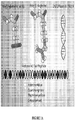
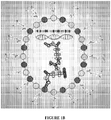
- FIGs. 1A-1B show examples of components of a nanoparticle in accordance with the present invention.
- a nanoparticle polyplex core may include a polynucleotide, an anionic polymer, a cationic polymer, and a cationic polypeptide.
- a silica coating may then be applied to the polyplex core, and polymers may then be attached to an outer surface of the silica coating.
- the polynucleotide may be a DNA vector for driving intracellular expression of a nucleic acid sequence it contains.
- a nanoparticle may also comprise other types of polynucleotides, such as linear DNA or various types of RNA, including dsDNA, ssDNA, mRNA, siRNA, or CRISPR RNA sequences, or others, or any combination of the foregoing.
- polynucleotides such as linear DNA or various types of RNA, including dsDNA, ssDNA, mRNA, siRNA, or CRISPR RNA sequences, or others, or any combination of the foregoing.
- a nanoparticle may also include, in addition to or in place of any of the foregoing examples of polynucleotides, a peptide nucleic acid, other charged or polar small molecules between 50 and 1000 Da, or alternatively between 200 and 10 kDa, in size, such as cyclic nucleotides such as cAMP, DNA origami templates, aptamers, charged polypeptides, proteins or protein fragments between 2 and 100 kDa, peptoids, phosphorylated or sulfated constituents, anionically modified constituents, and multimeric or oligomeric combinations of the foregoing.
- a person of ordinary skill would understand any of the foregoing, or any combination thereof, as being included within the present invention.
- a cationic polymer within the polyplex may be a polypeptide containing cationic amino acids and may be, for example, poly(arginine), poly(lysine), poly(histidine), poly(ornithine), poly(citrulline), or a polypeptide that comprises any combination of more than one of the foregoing.
- a nanoparticle may also include, in addition to or in place of any of the foregoing examples of cationic polymers, poly(ethylenimine), poly(aspartamide), polypeptoids, a charge-functionalized polyester, a cationic polysaccharide, an acetylated amino sugar, chitosan, or a variant or variants that comprise any combination of more than one of the foregoing, in linear or branched forms.
- a cationic polymer may comprise a poly(arginine), such as poly(L-arginine).
- a cationic polymer within the polyplex may have a molecular weight of between 1 kDa and 200 kDa.
- a cationic polymer within the polyplex may also have a molecular weight of between 10 kDa and 100 kDa.
- a cationic polymer within the polyplex may also have a molecular weight of between 15 kDa and 50 kDa.
- a cationic polymer comprises poly(L-arginine) with a molecular weight of approximately 29 kDa, as represented by SEQ ID NO: 1 (PLR).
- a cationic polymer may comprise linear poly(ethylenimine) with a molecular weight of 25 kDa (PEI). In another example, a cationic polymer may comprise branched poly(ethylenimine) with molecular weight of 10 kDa. In another example, a cationic polymer may comprise branched poly(ethylenimine) with a molecular weight of 70 kDa.
- a cationic polymer may comprise a D-isomer of poly(arginine) or of any of the foregoing polymers such as polypeptides, which may be particularly advantageous because polymers such as polypeptides containing a D-isomer may be less susceptible to degradation within a cell and therefore have a prolonged effect on influencing payload release and the rate thereof over time.
- an anionic polymer within the polyplex may be a polypeptide containing anionic amino acids, and may be, for example, poly-glutamic acid or poly-aspartic acid, or a polypeptide that comprises any combination of the foregoing.
- a nanoparticle may also include, in addition to or in place of any of the foregoing examples of anionic polymers, a glycosaminoglycan, a glycoprotein, a polysaccharide, poly(mannuronic acid), poly(guluronic acid), heparin, heparin sulfate, chondroitin, chondroitin sulfate, keratan, keratan sulfate, aggrecan, poly(glucosamine), or an anionic polymer that comprises any combination of the foregoing.
- an anionic polymer may comprise poly-glutamic acid.
- An anionic polymer within the polyplex may have a molecular weight of between 1 kDa and 200 kDa.
- An anionic polymer within the polyplex may also have a molecular weight of between 10 kDa and 100 kDa.
- An anionic polymer within the polyplex may also have a molecular weight of between 15 kDa and 50 kDa.
- an anionic polymer is poly(glutamic acid) with a molecular weight of approximately 15 kDa.
- Polymers consisting of or including a D-isomer of glutamic acid may be particularly advantageous because they may be less susceptible to degradation within a cell and therefore have a prolonged effect on influencing payload release and the rate thereof over time.
- the anionic polymer within the polyplex may have the sequence represented by SEQ ID NO: 2 (PDGA).
- an anionic polymer may comprise a D-isomer of any of the foregoing polymers or polypeptides, which may be particularly advantageous because polymers such as polypeptides containing a D-isomer may be less susceptible to degradation within a cell and therefore have a prolonged effect on influencing payload release and the rate thereof over time.
- a cationic peptide in a nanoparticle's polyplex core may be a fragment of a histone peptide, such as of the H1, H2, H3, or H4 proteins.
- the fragment may include amino acids whose sequence corresponds to the N-terminus of a histone protein.
- the fragment may comprise up to the first 5 (SEQ ID NO: 9), 10 (SEQ ID NO: 10), 15 (SEQ ID NO: 11), 20 (SEQ ID NO 12), 25 (SEQ ID NO: 13) or more N-terminal amino acids of a histone protein.
- the fragment may also be amidated on its C-terminus.
- the fragment may also have been modified such that one or more lysine residue is methylated, one or more histidine, lysine, arginine, or other complementary residues are acetylated or susceptible to acetylation as a histone acetyltransferase or acetyl CoA substrate, or any combination of the foregoing.
- a cationic peptide in a nanoparticle polyplex core may have the sequence as represented by SEQ ID NO: 3, which comprises the first 25 amino acids of the human histone 3 protein, amidated on its C-terminus, and tri-methylated on the lysine 4 in accordance with the present invention (HTP).
- a nanoparticle may include or contain, in addition to or in place of any of the foregoing cationic polypeptides, a nuclear localization sequence.
- a cationic polypeptide may comprise a nuclear localization sequence on its N- or C-terminus.
- a nuclear localization sequence may comprise an importin or karyopherin substrate, or may have or contain a sequence corresponding to SEQ ID NO: 8.
- a nanoparticle may include, in addition to or in place of any of the foregoing cationic polypeptides, a mitochondrial localization signal or a peptide fragment of mtHSP70.
- the nanoparticle may comprise a reversible coating that provides stability to the polyplex core prior to cellular or compartmental internalization, preventing premature degradation or destabilization.
- a silica coating may be applied to the polyplex core.
- calcium phosphate or hydroxyapatite may be applied to a polyplex core.
- a branched cationic polymer, polypeptide, or peptoid may be applied to a a polyplex core, with an anionic charge excess.
- a coating, such as a silica coating may protect the polyplex from degradation before exposure to the endosomal microenvironment.
- a nanoparticle may comprise a layer of polymers attached to or electrostatically bound with the external surface of coated polyplex, such as to or with the external surface of a silica coating.
- Such external polymers may serve to prevent cellular repulsion of the coated polyplex so as to promote contact with and uptake by a cell.
- An external polymer layer may also serve to promote internalization by specific cell types, such as if the externally attached polymer is or mimics a ligand to a receptor expressed by a cell type of which transfection is desired.
- a polymer in a polymer layer attached to the outer surface of coating on a polyplex may be from between 0.1 to 20 kDa in size, or may be up to 40 or 50 kDa in size.
- polymer comprising a polymer layer attached to the external surface of the coated core polyplex examples include those represented by SEQ ID NO: 4, which is an approximately 10 kDa poly(arginine) polymer, and SEQ ID NO: 5, which is human vasoactive endothelial growth factor protein, in accordance with the present invention.
- a polymer comprising a layer attached to the external surface of the coated core polyplex may comprise an anchor substrate of from between 1 to 25 repeating anionic or cationic moieties at the N-terminus, C-terminus, 5', or 3' end of a polymer, polypeptide, or polynucleotide to provide electrostatic conjugation of a targeting motif contained in the polymer, polypeptide, or polynucleotide to the coated polyplex core.
- a polymer comprising a layer attached to the external surface of the coated core polyplex may comprise a polymer, polypeptide, or polynucleotide sequence that exhibits base pair complementarity or binding affinity for an amino acid sequence binding motif to bind additional layers that may be added thereupon.
- a cationic polyplex is created, then coated with a silica coating.
- Polyplex cores of nanoparticles may be created via electrostatic interactions leading to condensation.
- Two equal-volume solutions may be created, one with pH-unadjusted 40 mM HEPES (pH ⁇ 5.5) combined with 0.1% w/v a cationic polymer and a cationic polypeptide in water and the other with 30 mM Tris-HCl (pH ⁇ 7.4) combined with 0.1% w/v anionic polymers and a polynucleotide in water.
- the cationic polymer comprises SEQ ID NO: 1
- the anionic polymer comprises SEQ ID NO: 2
- the cationic polypeptide comprises SEQ ID NO: 3.
- Silica-coated polyplexes may be isolated via centrifugation with a 300 kDa Nanosep® filter (Pall, Port Washington, NY) at 3000g in order to isolate complexes from unbound silica species and polymers.
- Nanoparticles may further be resuspended in a solution containing a polymer to be attached to the external surface of the silica coating. For example, they may be resuspended in a solution comprising a polymer represented by SEQ ID NO: 4 or SEQ ID NO: 5 at 0.1% w/v for one hour. Nanoparticles may then be centrifuged again before resuspension in transfection medium. This method is but one example of manufacturing nanoparticles in accordance with the present invention.
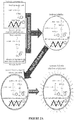
- FIG. 2B is a diagrammatic representation of contacting a cell with a nanoparticle in accordance with the present invention leading to cellular internalization of the nanoparticle, such as by caveolae-mediated endocytosis or macropinocytosis. Nanoparticles may further be retrogradely transported through the Golgi and endoplasmic reticulum or processed through lysosomal pathways, resulting in loss of the coating, such as a silica coating, and exposure of the polyplex core.
- the polyplex core may further be translocated into the cell nucleus, where enzymatic processing my degrade the cationic polymer, such as through activity of arginases, or otherwise promote unpackaging of the polyplex core, such as through acetylation of a histone tail peptide within the polyplex, leading to release of polynucleotides such as plasmid DNA from the polyplex core, in accordance with the present invention.
- enzymatic processing my degrade the cationic polymer, such as through activity of arginases, or otherwise promote unpackaging of the polyplex core, such as through acetylation of a histone tail peptide within the polyplex, leading to release of polynucleotides such as plasmid DNA from the polyplex core, in accordance with the present invention.
- Other intracellular processing steps modifying the constituents of a nanoparticle and its polyplex core or coating thereof or polymer layer attached to the coating may also occur in accordance with the present invention.
- the present invention includes optimized ratios of anionic and cationic polymers, cationic polypeptides, and polynucleotides for complexation of a polyplex core as part of a nanoparticle.
- plasmid DNA was fluorescently tagged with ethidium bromide (40 ng EtBr / ug DNA) before addition of various polymeric constituents in molar [1(positive)]: [1(negative)] ratios of [amine (n)]:[phosphate (p) + carboxylate (c)], or of c:p in the instance of poly(D-glutamic acid) (PDGA; SEQ ID NO: 2) addition.
- PEI linear poly(ethylenimine)
- PLR poly(L-arginine)
- HTP histone tail peptide
- HTP HTP + PLR + DNA
- a cationic polymer and cationic polypeptide were both present, the relative molar ratio of each component was 60%:40%, respectively.
- a Zeiss filter and spectrophotometer were used to excite EtBr-tagged DNA at 510 nm for an emission at 595 nm, and results were compared amongst various formulations with unbound EtBr as a negative control.
- FIG. 3 is a graph showing the effects of varying the ratio of anionic or cationic polymers or polypeptides to polynucleotides.
- the X axis shows charged polymer-to-phosphate ratio and the Y axis shows relative fluorescence following combination of indicated constituents.
- a decrease in relative fluorescence indicates displacement of EtBr from DNA and polyplex formation.
- Ratios of cationic polymer, or of cationic polymer and cationic polypeptide, to DNA of approximately 5:1 and higher exhibited an approximately 40% decrease in fluorescence indicating complexation of DNA and polymers into polyplexes. Addition of PDGA in the absence of cationic polymers or cationic polypeptides did not affect complexation.
- FIG. 4 indicates the effects of adding PDGA to cationic polymers and cationic polypeptides on polyplex complexation kinetics.
- DNA was complexed with HTP, PLR or PEI, with or without addition of PDGA.
- Addition of PDGA did not impair complexation kinetics at any of the molar ratios tested.
- BRAND Dynamic light scattering
- FIG. 6 is a graph showing diameters of nanoparticles.
- Uncoated polyplex cores and polyplex cores coated with silica were approximately 70-150 nm in diameter on average.
- polyplex cores and silica-coated polyplex cores may be within a range of 100-170 nm in average diameter. Adding a cationic polymer coating to the silica coating yielded a nanoparticle with an average diameter of approximately 170 nm.
- silica-coated polyplex cores with an additional layer of cationic polymer attached to the outer layer of silica may be within a range of approximately 80-200 nm in average diameter.
- FITC Fluorescein isothiocyanate
- PEI 25 kDa linear
- PLR 29 kDa
- the reaction was performed in darkness at room temperature for four hours in equal volumes of water and DMSO.
- a 0.05% w/v 500 uL solution of each fluorescently modified polymer was centrifuged in a 10 kDa Nanosep® filter and the eluate's fluorescence intensity (485 ex./520 em.) was compared to the unfiltered polymer solution as well as water.
- mCherry plasmid (Addgene) was included in nanoparticles to permit fluorescent detection of plasmid-driven expression.
- MC3T3 murine osteoblasts were cultured on polystyrene T-75 tissue culture plastic flasks (Corning, CA, USA). Dulbecco's modified eagle medium supplemented with 10% Fetal Bovine Serum (Thermo Fisher Scientific, VA, USA) was used for osteoblasts along with 1% penicillin/streptomycin (Invitrogen, NY, USA). Xylenol orange was added to the cell culture media from day 15 to day 25 after initiation of cell culture. At day 25 cells were fixed and assayed for mineralization.
- osteoblasts were plated at 1000 cells/well in 96-well plates and allowed to adhere for 12 - 16 hours in antibiotic-free DMEM containing 10% FBS. Immediately before transfection, medium was replaced with equal volumes of OptiMEM-suspended nanoparticles and DMEM containing 10% FBS.
- bimodal fluorescent imaging allowed for simultaneous observation of FITC-labeled nanoparticles (488 ex./520 em.) and the mCherry gene expression that they were responsible for (633 ex./680 em.). A minimum of 20 cells were observed at different locations in each well and representative images were obtained. ImageJ was used to process the overlaid images and combine phase-contrast, 488/520 and 633/680 channels.
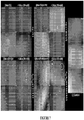
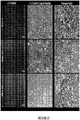
- FIG. 7 Photomicrographs demonstrating cellular uptake are shown in FIG. 7 . Circles in FIG. 7 indicate where high levels of nuclear localization is apparent. Silica-coated binary nanoparticles show burst release properties (i.e., nuclear localization is not apparent in the DNA-PLR + silica samples). Inclusion of PDGA in polyplex cores causes prolonged release of plasmid within cell nuclei. This effect of PDGA to cause prolonged release was surprising in light of literature suggesting the opposite: that including cationic polymers in nanoparticle polyplexes would hasten, and shorten the duration of, dissociation of polynucleotide payload from other polyplex constituents. Addition of HTP also causes extensive nuclear localization.
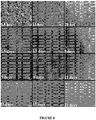
- FIG. 8 is photomicrographs showing cellular uptake and retention of silica-coated FITC-conjugated polyplex cores, to which an additional layer of poly(L-arginine) (SEQ ID NO: 4) has been added, by MC3T3 murine osteoblasts, in accordance with the present invention. Unlike for silica-coated nanoparticles shown in FIG.
- nanoparticles containing an additional layer of cationic polymers on the outside of the silica coating are observable in FIG. 8 , indicating that such nanoparticles remain stable in serum. Furthermore, these nanoparticles are observed to display extended residence within the cell nucleus such that fluorescence qualitatively peaks within approximately 1.5 days and detectable fluorescence was sustained through 14 days.
- silica-coated polyplex cores with polymers specifically directed to bind to particular cell types can further enhance uptake.
- Associating ligands for cellular receptors with the surface of a nanoparticle can enhance affinity of the nanoparticle for cells that express such receptors and increase transfection of such cells.
- silica-coated polyplexes were coated with VEGF (SEQ ID NO: 5), a high-affinity ligand for VEGF receptors, which are expressed at high levels by human umbilical vein endothelial cells (HUVECs).
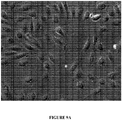
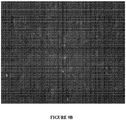
- HUVECs were incubated with silica-coated FITC-conjugated polyplexes with poly(L-arginine) (SEQ ID NO: 4) or human VEGF (SEQ ID NO: 5) attached to the outer surface of the silica coating for 40 min before being washed twice with PBS then resuspended in DMEM (10% FBS). Cells were imaged 4 hrs later. After this short incubation period, only low levels of transfection with nanoparticles containing a poly(L-arginine) layer attached to the external silica surface ( FIG. 9A ) was observed, whereas coating with VEGF instead of poly(L-arginine) resulted in significantly greater cellular internalization at this four-hour time point.
- a layer of polymers may be attached to the outer layer of silica-coated polyplex cores to promote or otherwise influence this effect.
- other means of contacting cells with nanoparticles to effect such outcomes such as i.p., i.v., i.m. or s.c. or other injection or transdermal administration or via suppository to, or ingestion or oral or nasal inhalation by, a human or animal, or contact with explanted tissue or cells or stem cells, would also be included within the present invention.
- a polynucleotide encoding a nuclease may be incorporated into the nanoparticle polyplex core.
- a polynucleotide that encodes and drives expression of a TALEN Transcription Factor-Like Effector Nucleases
- TALENs utilize a modular DNA binding motif (TALE) that can be modified to introduce new DNA binding specificities and even nucleases (TALEN).
- TALEs consist of multiple repeat variable diresidues (RVDs) which each specify binding to a single nucleotide.
- TALE arrays are made by stringing together RVDs in a specific order to provide specificity and binding affinity to desired DNA sequences.
- these genome-splicing tools are engineered by fusing non-specific cleavage domains, such as FokI nucleases, to TALEs.
- TALEN assembly protocols are available that allow assembly of these repetitive sequences, including an open source assembly method known as Golden Gate.
- nanoparticles may be designed and used in a manner to regulate expression of signaling molecules to alter cellular function.
- sequences of chromosomal DNA may be deleted or altered to generate cellular or animal models of disease states or treatments therefor, or to treat disease states or otherwise enhance human health.
- a protein whose expression may be modified in accordance with the present invention is sclerostin (SOST).
- SOST binding to the LRP5/6 receptor inhibits Wnt signaling, perhaps via feedback systems between Wnt3A, Wnt7B, Wnt10A, sclerostin, ⁇ -catenin, LEF1, and TCF1. Desuppressing these cascades via removal of sclerostin may result in significantly increased mineralization activity.
- Osteoprogenitor (OPG) and RANKL are also expected to play a responsive role to SOST deletion, where RANKL expresses itself as a receptor for promoting osteoclastogenesis via osteoclast-linked RANK or ODF (osteoclast differentiation factor) binding, and OPG binds antagonistically to RANKL.
- OPG osteoprogenitor
- RANKL expresses itself as a receptor for promoting osteoclastogenesis via osteoclast-linked RANK or ODF (osteoclast differentiation factor) binding
- OPG binds antagonistically to RANKL.
- the ratio between OPG and RANKL is a determinant of the relationship between bone formation and resorption.
- single cultures of osteoblasts will communicate through other forms of paracrine signaling and this ratio should be more reflective of behavior of altered cells in co-culture with osteoclasts or in vivo.
- a nanoparticle may be designed so as to allow transfection with a TALEN that may disrupt expression of SOST and consequently generate a high bone-mass phenotype.
- TALENS may be engineered to specifically bind to loci in the SOST gene and create double-stranded breaks in the genome to disrupt transcription or translation and reduce SOST expression.
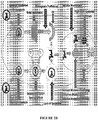
- a nanoparticle may contain plasmids that encode two TALENs that create double-stranded breaks on either side of the chromosomal locus of the start codon for SOST.
- FIG. 10 A diagrammatic representation of this model is shown in FIG. 10 , where a "left" TALEN and "right” TALEN bind to and cleave sites on opposite sides of the SOST start codon locus.
- a left TALEN may have the sequence represented by SEQ ID NO: 6
- a right TALEN may have the sequence represented by SEQ ID NO: 7.
- a nanoparticle may comprise an expression plasmid, such as pUC19 (Genbank Accession Number L09137 X02514), into which a nucleotide sequence that encodes a right or left TALEN, such as those represented by SEQ ID NO: 6 and SEQ ID NO: 7, has been subcloned so as to drive cellular expression of the encoded TALEN.
- a nanoparticle may also include combinations of expression plasmids that comprise sequences that encode left and right TALENs.
- a nanoparticle may also comprise other TALEN sequences, targeting SOST or any other gene of interest, and also may comprise other expression vectors, in accordance with the present invention.
- a nanoparticle may comprise other types of polynucleotides or analogs thereof, such as species of RNA or DNA including mRNA, siRNA, miRNA, aptamers, shRNA, AAV-derived nucleic acids, morpholeno RNA, peptoid and peptide nucleic acids, cDNA, DNA origami, DNA and RNA with synthetic nucleotides, DNA and RNA with predefined secondary structures, CRISPR sequences, and multimers and oligomers, and any combination of the foregoing, in accordance with the present invention.
- a nanoparticle may comprise polynucleotides whose sequence may encode other products such as any protein or polypeptide whose expression is desired.
- FIGs. 11A-11C are graphs demonstrating the effectiveness of different amounts (800 ng, 1600 ng, or 2500 ng) of nanoparticles (NP) containing expression plasmids comprising nucleotide sequences that encode left (SEQ ID NO: 6) and right (SEQ ID NO: 7) SOST TALENs, in accordance with the present invention, in modulating SOST expression and ⁇ -catenin expression over a period of up to over 20 days following transfection.
- NP nanoparticles
- qPCR was also performed to determine whether down-regulation of SOST expression with nanoparticles in accordance with the present invention may have downstream effects on other components of the relevant signaling cascade.
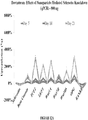
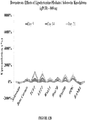
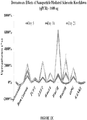
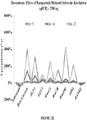
- Cells were transfected as described above. Results on expression of numerous components of the signaling pathway (SOST, ⁇ -catenin, TCF1, LEF1, Wnt3A, Wnt7B, Wnt10b, OPG, and RANKL), at 5, 14, and 21 days after transfection with different amounts of nanoparticles as indicated, are shown in FIGs. 12A-12F .
- SOST signaling pathway
- the real time PCR results showed a greater up regulation of Wnt responsive genes in the cell lines transfected with nanoparticles delivering SOST TALENS as compared to the SOST TALENS delivered by Lipofectamine by up to 2 to 6 times as a response to knockdown of the Wnt signaling inhibitor sclerostin.
- TCF/LEF-1-mediated transcription may also be upregulated following knockdown of SOST expression in accordance with the present invention.
- MC3T3-E1 cells were transfected with TOPflash and control FOPflash luciferase reporter plasmid constructs (Addgene# 12456 and 12457) that contain TCF/LEF-1 binding sites. The cells were plated at the density of 5000 cells/well of the 8-well labtek chamber slides and transfected with 1 ug of TOPflash and FOPflash plasmid separately. To control for the efficiency of transfection a control plasmid Renilla (Promega) was used.
- FIG 13 is photomicrographs showing upregulation of TCF/LEF-1-mediated transcription for 21 days following tranfection with nanoparticles containing plasmids encoding SOST-directed TALENS, in accordance with the present invention, consistent with an upregulation of TCF/LEF-1 expression and activity following transfection with the invented nanoparticles.
- Knockdown of SOST expression in accordance with the present invention may also increase mineralization in stromal bone marrow cells and osteoblasts.
- Mineralization was quantified by two separate methods, first based on image thresholding of xylenol-orange-labeled vital cultures using MATLAB (Mathworks, Natick, MA), and second by atomic absorption spectroscopy (AAS).
- MATLAB MicroText Markup Language
- AAS atomic absorption spectroscopy
- For the xylenol orange threshold images of both phase and fluorescence (with Texas Red Filter Set) were taken in five adjacent regions of wells, and then stitched into a larger 8-bit image (4x, Nikon Ti-100). The phase channel was subtracted from the fluorescence, and a threshold was set to half the level between the background and signal (-6dB).
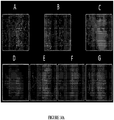
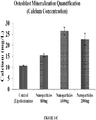
- FIGs 14A-14C show the effects of transfection with nanoparticles in accordance with the present invention on mineralization following SOST knockdown.
- FIG. 14A is photomicrographs of staining of the mineralized matrix formed 25 days after SOST knockdown. Stromal cells are shown in panels A-C, wherein panel A show control cells, panel B shows cells transfected via Lipofectamine, and panel C shows cells transfected with nanoparticles containing plasmids encoding SOST-directed TALENs as described and in accordance with the present invention.
- FIGs. 14B and 14C are graphs showing quantification of mineralization.
- FIGs 14A-C demonstrate increased calcium concentration in stromal bone marrow cells and osteoblasts following transfection with SOST-targetting TALENS via nanoparticles in accordance with the present invention, further confirming the effectiveness of this technique of modifying the cellular expression and activity of genes and downstream signaling pathways.
Landscapes
- Health & Medical Sciences (AREA)
- Life Sciences & Earth Sciences (AREA)
- Engineering & Computer Science (AREA)
- Chemical & Material Sciences (AREA)
- Bioinformatics & Cheminformatics (AREA)
- Genetics & Genomics (AREA)
- General Health & Medical Sciences (AREA)
- Organic Chemistry (AREA)
- Zoology (AREA)
- Biotechnology (AREA)
- General Engineering & Computer Science (AREA)
- Biomedical Technology (AREA)
- Wood Science & Technology (AREA)
- Medicinal Chemistry (AREA)
- Pharmacology & Pharmacy (AREA)
- Public Health (AREA)
- Veterinary Medicine (AREA)
- Animal Behavior & Ethology (AREA)
- Epidemiology (AREA)
- Molecular Biology (AREA)
- Biochemistry (AREA)
- Proteomics, Peptides & Aminoacids (AREA)
- Biophysics (AREA)
- Microbiology (AREA)
- Physics & Mathematics (AREA)
- Plant Pathology (AREA)
- Nanotechnology (AREA)
- Inorganic Chemistry (AREA)
- Immunology (AREA)
- Ceramic Engineering (AREA)
- Physical Education & Sports Medicine (AREA)
- Rheumatology (AREA)
- Orthopedic Medicine & Surgery (AREA)
- Chemical Kinetics & Catalysis (AREA)
- Nuclear Medicine, Radiotherapy & Molecular Imaging (AREA)
- General Chemical & Material Sciences (AREA)
- Medicinal Preparation (AREA)
- Peptides Or Proteins (AREA)
- Medicines That Contain Protein Lipid Enzymes And Other Medicines (AREA)
- Polymers & Plastics (AREA)
Applications Claiming Priority (3)
| Application Number | Priority Date | Filing Date | Title |
|---|---|---|---|
| US201361881072P | 2013-09-23 | 2013-09-23 | |
| EP14846422.5A EP3049116B1 (en) | 2013-09-23 | 2014-09-23 | Nanoparticle-mediated gene delivery, genomic editing and ligand-targeted modification in various cell populations |
| PCT/US2014/057000 WO2015042585A1 (en) | 2013-09-23 | 2014-09-23 | Nanoparticle-mediated gene delivery, genomic editing and ligand-targeted modification in various cell populations |
Related Parent Applications (1)
| Application Number | Title | Priority Date | Filing Date |
|---|---|---|---|
| EP14846422.5A Division EP3049116B1 (en) | 2013-09-23 | 2014-09-23 | Nanoparticle-mediated gene delivery, genomic editing and ligand-targeted modification in various cell populations |
Publications (1)
| Publication Number | Publication Date |
|---|---|
| EP3520822A1 true EP3520822A1 (en) | 2019-08-07 |
Family
ID=52689537
Family Applications (2)
| Application Number | Title | Priority Date | Filing Date |
|---|---|---|---|
| EP18248103.6A Pending EP3520822A1 (en) | 2013-09-23 | 2014-09-23 | Nanoparticle-mediated gene delivery, genomic editing and ligand-targeted modification in various cell populations |
| EP14846422.5A Active EP3049116B1 (en) | 2013-09-23 | 2014-09-23 | Nanoparticle-mediated gene delivery, genomic editing and ligand-targeted modification in various cell populations |
Family Applications After (1)
| Application Number | Title | Priority Date | Filing Date |
|---|---|---|---|
| EP14846422.5A Active EP3049116B1 (en) | 2013-09-23 | 2014-09-23 | Nanoparticle-mediated gene delivery, genomic editing and ligand-targeted modification in various cell populations |
Country Status (12)
| Country | Link |
|---|---|
| US (2) | US10526616B2 (OSRAM) |
| EP (2) | EP3520822A1 (OSRAM) |
| JP (1) | JP6595459B2 (OSRAM) |
| KR (1) | KR20160060133A (OSRAM) |
| CN (1) | CN105579068A (OSRAM) |
| AU (1) | AU2014321215B2 (OSRAM) |
| CA (2) | CA2924535C (OSRAM) |
| ES (1) | ES2719112T3 (OSRAM) |
| IL (1) | IL244585B (OSRAM) |
| PT (1) | PT3049116T (OSRAM) |
| RU (1) | RU2670512C2 (OSRAM) |
| WO (1) | WO2015042585A1 (OSRAM) |
Families Citing this family (65)
| Publication number | Priority date | Publication date | Assignee | Title |
|---|---|---|---|---|
| WO2013066438A2 (en) | 2011-07-22 | 2013-05-10 | President And Fellows Of Harvard College | Evaluation and improvement of nuclease cleavage specificity |
| US20150044192A1 (en) | 2013-08-09 | 2015-02-12 | President And Fellows Of Harvard College | Methods for identifying a target site of a cas9 nuclease |
| US9359599B2 (en) | 2013-08-22 | 2016-06-07 | President And Fellows Of Harvard College | Engineered transcription activator-like effector (TALE) domains and uses thereof |
| US9340799B2 (en) | 2013-09-06 | 2016-05-17 | President And Fellows Of Harvard College | MRNA-sensing switchable gRNAs |
| US9388430B2 (en) | 2013-09-06 | 2016-07-12 | President And Fellows Of Harvard College | Cas9-recombinase fusion proteins and uses thereof |
| US9526784B2 (en) | 2013-09-06 | 2016-12-27 | President And Fellows Of Harvard College | Delivery system for functional nucleases |
| US20150166984A1 (en) | 2013-12-12 | 2015-06-18 | President And Fellows Of Harvard College | Methods for correcting alpha-antitrypsin point mutations |
| WO2016022363A2 (en) | 2014-07-30 | 2016-02-11 | President And Fellows Of Harvard College | Cas9 proteins including ligand-dependent inteins |
| SG10202104041PA (en) | 2015-10-23 | 2021-06-29 | Harvard College | Nucleobase editors and uses thereof |
| US10188749B2 (en) | 2016-04-14 | 2019-01-29 | Fred Hutchinson Cancer Research Center | Compositions and methods to program therapeutic cells using targeted nucleic acid nanocarriers |
| KR20250103795A (ko) | 2016-08-03 | 2025-07-07 | 프레지던트 앤드 펠로우즈 오브 하바드 칼리지 | 아데노신 핵염기 편집제 및 그의 용도 |
| US11661590B2 (en) | 2016-08-09 | 2023-05-30 | President And Fellows Of Harvard College | Programmable CAS9-recombinase fusion proteins and uses thereof |
| WO2018039438A1 (en) | 2016-08-24 | 2018-03-01 | President And Fellows Of Harvard College | Incorporation of unnatural amino acids into proteins using base editing |
| SG11201903089RA (en) | 2016-10-14 | 2019-05-30 | Harvard College | Aav delivery of nucleobase editors |
| US20180179553A1 (en) | 2016-12-14 | 2018-06-28 | Ligandal, Inc. | Compositions and methods for nucleic acid and/or protein payload delivery |
| WO2018119359A1 (en) | 2016-12-23 | 2018-06-28 | President And Fellows Of Harvard College | Editing of ccr5 receptor gene to protect against hiv infection |
| WO2018129270A1 (en) | 2017-01-05 | 2018-07-12 | Fred Hutchinson Cancer Research Center | Systems and methods to improve vaccine efficacy |
| US11898179B2 (en) | 2017-03-09 | 2024-02-13 | President And Fellows Of Harvard College | Suppression of pain by gene editing |
| EP3592381A1 (en) | 2017-03-09 | 2020-01-15 | President and Fellows of Harvard College | Cancer vaccine |
| WO2018165629A1 (en) | 2017-03-10 | 2018-09-13 | President And Fellows Of Harvard College | Cytosine to guanine base editor |
| WO2018176009A1 (en) | 2017-03-23 | 2018-09-27 | President And Fellows Of Harvard College | Nucleobase editors comprising nucleic acid programmable dna binding proteins |
| WO2018209320A1 (en) | 2017-05-12 | 2018-11-15 | President And Fellows Of Harvard College | Aptazyme-embedded guide rnas for use with crispr-cas9 in genome editing and transcriptional activation |
| CN111801345A (zh) | 2017-07-28 | 2020-10-20 | 哈佛大学的校长及成员们 | 使用噬菌体辅助连续进化(pace)的进化碱基编辑器的方法和组合物 |
| EP3676376B1 (en) | 2017-08-30 | 2025-01-15 | President and Fellows of Harvard College | High efficiency base editors comprising gam |
| US11795443B2 (en) | 2017-10-16 | 2023-10-24 | The Broad Institute, Inc. | Uses of adenosine base editors |
| WO2019118949A1 (en) | 2017-12-15 | 2019-06-20 | The Broad Institute, Inc. | Systems and methods for predicting repair outcomes in genetic engineering |
| EP3740198A4 (en) | 2018-01-18 | 2023-08-09 | Fred Hutchinson Cancer Center | MODIFICATION OF INFLAMMATORY STATES OF IMMUNE CELLS IN VIVO BY MODULATION OF CELL ACTIVATION STATES |
| WO2019204392A1 (en) * | 2018-04-17 | 2019-10-24 | Purdue Research Foundation | Modifying surface of a live cell and the uses thereof |
| US20200208177A1 (en) * | 2018-04-18 | 2020-07-02 | Ligandal, Inc. | Methods and compositions for genome editing |
| EP3796894A4 (en) * | 2018-04-24 | 2022-05-04 | Ligandal, Inc. | METHODS AND COMPOSITIONS FOR GENOMIC EDITING |
| JP7568511B2 (ja) * | 2018-04-27 | 2024-10-16 | ジーンエディット インコーポレイテッド | カチオン性ポリマーおよびその生体分子送達のための使用 |
| US12157760B2 (en) | 2018-05-23 | 2024-12-03 | The Broad Institute, Inc. | Base editors and uses thereof |
| EP3820495A4 (en) | 2018-07-09 | 2022-07-20 | The Broad Institute Inc. | RNA-PROGRAMMABLE EPIGENETIC RNA MODIFIERS AND THEIR USES |
| US12569534B2 (en) | 2018-07-30 | 2026-03-10 | Academia Sinica | Therapeutic nanoparticles by coacervate complexation and their use for treating bacteria |
| JP2022502384A (ja) | 2018-09-25 | 2022-01-11 | 国立大学法人 東京大学 | 両親媒性ポリアミノ酸、該両親媒性ポリアミノ酸を用いたブロックコポリマー、および該両親媒性ポリアミノ酸または該ブロックコポリマーと核酸とを含む複合体 |
| WO2020092453A1 (en) | 2018-10-29 | 2020-05-07 | The Broad Institute, Inc. | Nucleobase editors comprising geocas9 and uses thereof |
| WO2020117706A1 (en) | 2018-12-03 | 2020-06-11 | Triplet Therapeutics, Inc. | Methods for the treatment of trinucleotide repeat expansion disorders associated with mlh3 activity |
| CN113631709A (zh) | 2018-12-20 | 2021-11-09 | 普拉克西斯精密药物股份有限公司 | 用于治疗kcnt1相关病症的组合物和方法 |
| US12351837B2 (en) | 2019-01-23 | 2025-07-08 | The Broad Institute, Inc. | Supernegatively charged proteins and uses thereof |
| EP3942043A2 (en) | 2019-03-19 | 2022-01-26 | The Broad Institute, Inc. | Methods and compositions for editing nucleotide sequences |
| WO2020214842A1 (en) | 2019-04-17 | 2020-10-22 | The Broad Institute, Inc. | Adenine base editors with reduced off-target effects |
| EP4021408A1 (en) * | 2019-09-20 | 2022-07-06 | University College Dublin | Oral delivery system |
| US12435330B2 (en) | 2019-10-10 | 2025-10-07 | The Broad Institute, Inc. | Methods and compositions for prime editing RNA |
| BR112022022603A2 (pt) | 2020-05-08 | 2023-01-17 | Broad Inst Inc | Métodos e composições para edição simultânea de ambas as fitas de sequência alvo de nucleotídeos de fita dupla |
| WO2021231673A1 (en) | 2020-05-15 | 2021-11-18 | Korro Bio, Inc. | Methods and compositions for the adar-mediated editing of leucine rich repeat kinase 2 (lrrk2) |
| EP4150077A1 (en) | 2020-05-15 | 2023-03-22 | Korro Bio, Inc. | Methods and compositions for the adar-mediated editing of transmembrane channel-like protein 1 (tmc1) |
| WO2021231679A1 (en) | 2020-05-15 | 2021-11-18 | Korro Bio, Inc. | Methods and compositions for the adar-mediated editing of gap junction protein beta 2 (gjb2) |
| WO2021231680A1 (en) | 2020-05-15 | 2021-11-18 | Korro Bio, Inc. | Methods and compositions for the adar-mediated editing of methyl-cpg binding protein 2 (mecp2) |
| WO2021231692A1 (en) | 2020-05-15 | 2021-11-18 | Korro Bio, Inc. | Methods and compositions for the adar-mediated editing of otoferlin (otof) |
| WO2021231691A1 (en) | 2020-05-15 | 2021-11-18 | Korro Bio, Inc. | Methods and compositions for the adar-mediated editing of retinoschisin 1 (rsi) |
| WO2021231698A1 (en) | 2020-05-15 | 2021-11-18 | Korro Bio, Inc. | Methods and compositions for the adar-mediated editing of argininosuccinate lyase (asl) |
| EP4150088A1 (en) | 2020-05-15 | 2023-03-22 | Korro Bio, Inc. | Methods and compositions for the adar-mediated editing of argininosuccinate synthetase (ass1) |
| US11408000B2 (en) | 2020-06-03 | 2022-08-09 | Triplet Therapeutics, Inc. | Oligonucleotides for the treatment of nucleotide repeat expansion disorders associated with MSH3 activity |
| EP4341405A1 (en) | 2021-05-20 | 2024-03-27 | Korro Bio, Inc. | Methods and compositions for adar-mediated editing |
| WO2022256283A2 (en) | 2021-06-01 | 2022-12-08 | Korro Bio, Inc. | Methods for restoring protein function using adar |
| US20250034564A1 (en) | 2021-06-29 | 2025-01-30 | Korro Bio, Inc. | Methods and Compositions for ADAR-Mediated Editing |
| US20230194709A9 (en) | 2021-06-29 | 2023-06-22 | Seagate Technology Llc | Range information detection using coherent pulse sets with selected waveform characteristics |
| AU2022370009A1 (en) | 2021-10-22 | 2024-05-16 | Korro Bio, Inc. | Methods and compositions for disrupting nrf2-keap1 protein interaction by adar mediated rna editing |
| KR20240126870A (ko) | 2021-12-22 | 2024-08-21 | 캠프4 테라퓨틱스 코포레이션 | 조절 rna들을 표적으로 하는 안티센스 올리고뉴클레오티드를 사용한 유전자 전사의 조절 |
| AU2023283551A1 (en) | 2022-06-10 | 2024-12-19 | Camp4 Therapeutics Corporation | Methods of modulating progranulin expression using antisense oligonucleotides targeting regulatory rnas |
| JP2025540101A (ja) | 2022-12-01 | 2025-12-11 | キャンプ4 セラピューティクス コーポレイション | 調節rnaを標的とするアンチセンスオリゴヌクレオチドを用いたsyngap1遺伝子転写の調節 |
| AU2024287308A1 (en) | 2023-07-13 | 2025-12-18 | Korro Bio, Inc. | Rna-editing oligonucleotides and uses thereof |
| WO2025015338A1 (en) | 2023-07-13 | 2025-01-16 | Korro Bio, Inc. | Rna-editing oligonucleotides and uses thereof |
| WO2025128799A1 (en) | 2023-12-12 | 2025-06-19 | Korro Bio, Inc. | Double-stranded rna-editing oligonucleotides and uses thereof |
| WO2025255388A1 (en) | 2024-06-05 | 2025-12-11 | Camp4 Therapeutics Corporation | Modulation of syngap1 gene transcription using antisense oligonucleotides targeting regulatory rnas |
Citations (1)
| Publication number | Priority date | Publication date | Assignee | Title |
|---|---|---|---|---|
| US20110145940A1 (en) * | 2009-12-10 | 2011-06-16 | Voytas Daniel F | Tal effector-mediated dna modification |
Family Cites Families (26)
| Publication number | Priority date | Publication date | Assignee | Title |
|---|---|---|---|---|
| US6051429A (en) | 1995-06-07 | 2000-04-18 | Life Technologies, Inc. | Peptide-enhanced cationic lipid transfections |
| US6379966B2 (en) | 1999-02-26 | 2002-04-30 | Mirus Corporation | Intravascular delivery of non-viral nucleic acid |
| US7098032B2 (en) * | 2001-01-02 | 2006-08-29 | Mirus Bio Corporation | Compositions and methods for drug delivery using pH sensitive molecules |
| RU2295954C2 (ru) * | 2000-09-28 | 2007-03-27 | Чирон Корпорейшн | Микрочастицы для доставки гетерологичных нуклеиновых кислот |
| US20040102606A1 (en) | 2001-04-24 | 2004-05-27 | Danuta Balicki | Histone H2A -derived peptides useful in gene delivery |
| US6805904B2 (en) | 2002-02-20 | 2004-10-19 | International Business Machines Corporation | Process of forming a multilayer nanoparticle-containing thin film self-assembly |
| DE60320780D1 (de) * | 2002-04-22 | 2008-06-19 | Univ Florida | Funktionalisierte nanopartikel und verwendungsverfahren |
| US20070026069A1 (en) | 2003-03-28 | 2007-02-01 | Shastri Venkatram P | Biommetic hierarchies using functionalized nanoparticles as building blocks |
| US20050053668A1 (en) | 2003-08-21 | 2005-03-10 | Southwest Research Institute | Skeletally targeted nanoparticles |
| US20070190155A1 (en) | 2004-03-05 | 2007-08-16 | Leary James F | Molecular programming of nanoparticle systems for an ordered and controlled sequence of events for gene-drug delivery |
| WO2005123142A1 (en) | 2004-06-10 | 2005-12-29 | Abraxis Bioscience, Inc. | A method using inorganic nanoparticles as non-viral vectors for gene therapy |
| WO2006017476A2 (en) | 2004-08-02 | 2006-02-16 | The Research Foundation Of State University Of New York | Amino functionalized ormosil nanoparticles as delivery vehicles |
| JP2010519203A (ja) | 2007-02-16 | 2010-06-03 | メルク・シャープ・エンド・ドーム・コーポレイション | 生物活性分子の活性を強化するための組成物及び方法 |
| US20100196492A1 (en) | 2007-03-08 | 2010-08-05 | Green Jordan J | Electrostatic coating of particles for drug delivery |
| EP2222283A2 (en) | 2007-10-29 | 2010-09-01 | University of Massachusetts | Yeast cell wall protein (ycwp) encapsulated multilayered nanoparticles for nucleic acid delivery (sirna) |
| US8323618B2 (en) | 2007-11-07 | 2012-12-04 | University Of Houston System | Ultrasmall superparamagnetic iron oxide nanoparticles and uses thereof |
| BRPI0820302A2 (pt) | 2007-11-09 | 2015-05-19 | Univ Northeastern | Nanopartículas semelhantes a micelas de automontagem para liberação sistêmica de gene |
| US7999025B2 (en) | 2008-01-28 | 2011-08-16 | University Of Utah Research Foundation | Asymmetrically-functionalized nanoparticles organized on one-dimensional chains |
| US8324333B2 (en) | 2008-06-05 | 2012-12-04 | Wisconsin Alumni Research Foundation | Anionic charge-dynamic polymers for release of cationic agents |
| EP2417262B1 (en) | 2009-04-07 | 2015-05-20 | Dow AgroSciences LLC | Nanoparticle mediated delivery of sequence specific nucleases |
| WO2011096408A1 (ja) | 2010-02-02 | 2011-08-11 | 国立大学法人 東京大学 | 複合体微粒子およびその製造方法、ならびに該複合体微粒子を用いた薬学組成物 |
| US9074187B2 (en) | 2011-03-21 | 2015-07-07 | Board Of Trustees Of The University Of Arkansas | Nanostructural materials that increase mineralization in bone cells and affect gene expression through miRNA regulation and applications of same |
| JP5996630B2 (ja) * | 2011-04-05 | 2016-09-21 | セレクティスCellectis | コンパクトtale−ヌクレアーゼを作製する方法及びその使用 |
| US8450107B1 (en) | 2011-11-30 | 2013-05-28 | The Broad Institute Inc. | Nucleotide-specific recognition sequences for designer TAL effectors |
| EP2863892B1 (en) | 2012-06-20 | 2017-11-08 | University Of Waterloo | Mucoadhesive nanoparticle delivery system |
| WO2014093701A1 (en) | 2012-12-12 | 2014-06-19 | The Broad Institute, Inc. | Functional genomics using crispr-cas systems, compositions, methods, knock out libraries and applications thereof |
-
2014
- 2014-09-23 RU RU2016115721A patent/RU2670512C2/ru active
- 2014-09-23 CA CA2924535A patent/CA2924535C/en active Active
- 2014-09-23 CA CA3175320A patent/CA3175320A1/en active Pending
- 2014-09-23 WO PCT/US2014/057000 patent/WO2015042585A1/en not_active Ceased
- 2014-09-23 JP JP2016516540A patent/JP6595459B2/ja not_active Expired - Fee Related
- 2014-09-23 EP EP18248103.6A patent/EP3520822A1/en active Pending
- 2014-09-23 CN CN201480052449.0A patent/CN105579068A/zh active Pending
- 2014-09-23 ES ES14846422T patent/ES2719112T3/es active Active
- 2014-09-23 AU AU2014321215A patent/AU2014321215B2/en not_active Ceased
- 2014-09-23 US US15/024,264 patent/US10526616B2/en active Active
- 2014-09-23 PT PT14846422T patent/PT3049116T/pt unknown
- 2014-09-23 EP EP14846422.5A patent/EP3049116B1/en active Active
- 2014-09-23 KR KR1020167010607A patent/KR20160060133A/ko not_active Abandoned
-
2016
- 2016-03-14 IL IL24458516A patent/IL244585B/en active IP Right Grant
-
2019
- 2019-11-27 US US16/697,308 patent/US20200181642A1/en not_active Abandoned
Patent Citations (1)
| Publication number | Priority date | Publication date | Assignee | Title |
|---|---|---|---|---|
| US20110145940A1 (en) * | 2009-12-10 | 2011-06-16 | Voytas Daniel F | Tal effector-mediated dna modification |
Non-Patent Citations (7)
| Title |
|---|
| "Genbank", Database accession no. L09137 |
| "Genbank", Database accession no. X02514 |
| CUIFENG WANG ET AL: "Influence of the polyanion on the physico-chemical properties and biological activities of polyanion/DNA/polycation ternary polyplexes", ACTA BIOMATERIALIA, vol. 8, no. 8, 20 April 2012 (2012-04-20), pages 3014 - 3026, XP028500409, ISSN: 1742-7061, [retrieved on 20120427], DOI: 10.1016/J.ACTBIO.2012.04.034 * |
| KANJIRO MIYATA ET AL: "Enhanced transfection with silica-coated polyplexes loading plasmid DNA", BIOMATERIALS., vol. 31, no. 17, 20 March 2010 (2010-03-20), GB, pages 4764 - 4770, XP055328954, ISSN: 0142-9612, DOI: 10.1016/j.biomaterials.2010.02.033 * |
| MEGHAN J. REILLY ET AL: "Histone H3 Tail Peptides and Poly(ethylenimine) Have Synergistic Effects for Gene Delivery", MOLECULAR PHARMACEUTICS, vol. 9, no. 5, 7 May 2012 (2012-05-07), US, pages 1031 - 1040, XP055328955, ISSN: 1543-8384, DOI: 10.1021/mp200372s * |
| VAIBHAV PANDIT ET AL: "Multilayered Nanoparticles for Gene Delivery Used to Reprogram Human Foreskin Fibroblasts to Neurospheres", TISSUE ENGINEERING: PART C, vol. 21, no. 8, 17 April 2015 (2015-04-17), US, pages 786 - 794, XP055358654, ISSN: 1937-3384, DOI: 10.1089/ten.tec.2014.0482 * |
| VAIBHAV PANDIT: "Supplementary Data", 17 April 2015 (2015-04-17), XP055358691, Retrieved from the Internet <URL:http://online.liebertpub.com/doi/suppl/10.1089/ten.tec.2014.0482/suppl_file/Supp_Data.pdf> [retrieved on 20170324] * |
Also Published As
| Publication number | Publication date |
|---|---|
| RU2670512C2 (ru) | 2018-10-23 |
| US20200181642A1 (en) | 2020-06-11 |
| CA2924535C (en) | 2022-12-13 |
| AU2014321215A1 (en) | 2016-04-21 |
| IL244585A0 (en) | 2016-04-21 |
| JP6595459B2 (ja) | 2019-10-23 |
| IL244585B (en) | 2019-11-28 |
| PT3049116T (pt) | 2019-04-03 |
| EP3049116A4 (en) | 2017-05-17 |
| CA3175320A1 (en) | 2015-03-26 |
| WO2015042585A1 (en) | 2015-03-26 |
| RU2016115721A (ru) | 2017-10-30 |
| CN105579068A (zh) | 2016-05-11 |
| ES2719112T3 (es) | 2019-07-08 |
| CA2924535A1 (en) | 2015-03-26 |
| EP3049116A1 (en) | 2016-08-03 |
| US20160230189A1 (en) | 2016-08-11 |
| EP3049116B1 (en) | 2019-01-02 |
| RU2016115721A3 (OSRAM) | 2018-03-21 |
| KR20160060133A (ko) | 2016-05-27 |
| AU2014321215B2 (en) | 2020-07-16 |
| JP2016533322A (ja) | 2016-10-27 |
| US10526616B2 (en) | 2020-01-07 |
Similar Documents
| Publication | Publication Date | Title |
|---|---|---|
| US20200181642A1 (en) | Nanoparticle-mediated gene delivery, genomic editing and ligand-targeted modification in various cell populations | |
| Momin et al. | The challenges and opportunities in the development of MicroRNA therapeutics: a multidisciplinary viewpoint | |
| Levingstone et al. | Calcium phosphate nanoparticles-based systems for RNAi delivery: Applications in bone tissue regeneration | |
| US11713336B2 (en) | Peptides and nanoparticles for intracellular delivery of molecules | |
| Sardone et al. | Antisense oligonucleotide-based therapy for neuromuscular disease | |
| Anwar et al. | Enhancing the effectiveness of oligonucleotide therapeutics using cell-penetrating peptide conjugation, chemical modification, and carrier-based delivery strategies | |
| Suh et al. | Peptide-mediated intracellular delivery of miRNA-29b for osteogenic stem cell differentiation | |
| KR20240172763A (ko) | 핵산 및/또는 단백질 적재물 전달을 위한 조성물 및 방법 | |
| Gu et al. | Current understanding and translational prospects of tetrahedral framework nucleic acids | |
| CN112584873B (zh) | 用作细胞穿透肽的肽 | |
| Liu et al. | Delivery of miRNA‐29b using R9‐LK15, a novel cell‐penetrating peptide, promotes osteogenic differentiation of bone mesenchymal stem cells | |
| HK1225274B (en) | Nanoparticle-mediated gene delivery, genomic editing and ligand-targeted modification in various cell populations | |
| HK1225274A1 (en) | Nanoparticle-mediated gene delivery, genomic editing and ligand-targeted modification in various cell populations | |
| Ren et al. | Self-Assembled Plasmid Delivery System for PPM1D Knockout to Reverse Tumor Malignancy | |
| Shen | Understanding the Biological Barriers to Jurkat Transfection using Non-Viral Peptides | |
| Watanabe et al. | Intracellular delivery of RNA via RNA-binding proteins or peptides | |
| HK1245305B (en) | Peptides and nanoparticles for intracellular delivery of molecules | |
| HK1245305A1 (en) | Peptides and nanoparticles for intracellular delivery of molecules |
Legal Events
| Date | Code | Title | Description |
|---|---|---|---|
| PUAI | Public reference made under article 153(3) epc to a published international application that has entered the european phase |
Free format text: ORIGINAL CODE: 0009012 |
|
| STAA | Information on the status of an ep patent application or granted ep patent |
Free format text: STATUS: THE APPLICATION HAS BEEN PUBLISHED |
|
| AC | Divisional application: reference to earlier application |
Ref document number: 3049116 Country of ref document: EP Kind code of ref document: P |
|
| AK | Designated contracting states |
Kind code of ref document: A1 Designated state(s): AL AT BE BG CH CY CZ DE DK EE ES FI FR GB GR HR HU IE IS IT LI LT LU LV MC MK MT NL NO PL PT RO RS SE SI SK SM TR |
|
| STAA | Information on the status of an ep patent application or granted ep patent |
Free format text: STATUS: REQUEST FOR EXAMINATION WAS MADE |
|
| 17P | Request for examination filed |
Effective date: 20200602 |
|
| RBV | Designated contracting states (corrected) |
Designated state(s): AL AT BE BG CH CY CZ DE DK EE ES FI FR GB GR HR HU IE IS IT LI LT LU LV MC MK MT NL NO PL PT RO RS SE SI SK SM TR |
|
| STAA | Information on the status of an ep patent application or granted ep patent |
Free format text: STATUS: EXAMINATION IS IN PROGRESS |
|
| 17Q | First examination report despatched |
Effective date: 20230310 |
|
| P01 | Opt-out of the competence of the unified patent court (upc) registered |
Effective date: 20230522 |