EP3513656A1 - Agricultural and horticultural composition and method for cultivating plant - Google Patents
Agricultural and horticultural composition and method for cultivating plant Download PDFInfo
- Publication number
- EP3513656A1 EP3513656A1 EP19159509.9A EP19159509A EP3513656A1 EP 3513656 A1 EP3513656 A1 EP 3513656A1 EP 19159509 A EP19159509 A EP 19159509A EP 3513656 A1 EP3513656 A1 EP 3513656A1
- Authority
- EP
- European Patent Office
- Prior art keywords
- fruit
- isoleucine
- sprinkled
- plant
- ile
- Prior art date
- Legal status (The legal status is an assumption and is not a legal conclusion. Google has not performed a legal analysis and makes no representation as to the accuracy of the status listed.)
- Granted
Links
Images





Classifications
-
- A—HUMAN NECESSITIES
- A01—AGRICULTURE; FORESTRY; ANIMAL HUSBANDRY; HUNTING; TRAPPING; FISHING
- A01N—PRESERVATION OF BODIES OF HUMANS OR ANIMALS OR PLANTS OR PARTS THEREOF; BIOCIDES, e.g. AS DISINFECTANTS, AS PESTICIDES OR AS HERBICIDES; PEST REPELLANTS OR ATTRACTANTS; PLANT GROWTH REGULATORS
- A01N37/00—Biocides, pest repellants or attractants, or plant growth regulators containing organic compounds containing a carbon atom having three bonds to hetero atoms with at the most two bonds to halogen, e.g. carboxylic acids
- A01N37/44—Biocides, pest repellants or attractants, or plant growth regulators containing organic compounds containing a carbon atom having three bonds to hetero atoms with at the most two bonds to halogen, e.g. carboxylic acids containing at least one carboxylic group or a thio analogue, or a derivative thereof, and a nitrogen atom attached to the same carbon skeleton by a single or double bond, this nitrogen atom not being a member of a derivative or of a thio analogue of a carboxylic group, e.g. amino-carboxylic acids
-
- A—HUMAN NECESSITIES
- A01—AGRICULTURE; FORESTRY; ANIMAL HUSBANDRY; HUNTING; TRAPPING; FISHING
- A01G—HORTICULTURE; CULTIVATION OF VEGETABLES, FLOWERS, RICE, FRUIT, VINES, HOPS OR SEAWEED; FORESTRY; WATERING
- A01G22/00—Cultivation of specific crops or plants not otherwise provided for
- A01G22/05—Fruit crops, e.g. strawberries, tomatoes or cucumbers
-
- A—HUMAN NECESSITIES
- A01—AGRICULTURE; FORESTRY; ANIMAL HUSBANDRY; HUNTING; TRAPPING; FISHING
- A01G—HORTICULTURE; CULTIVATION OF VEGETABLES, FLOWERS, RICE, FRUIT, VINES, HOPS OR SEAWEED; FORESTRY; WATERING
- A01G22/00—Cultivation of specific crops or plants not otherwise provided for
- A01G22/20—Cereals
-
- A—HUMAN NECESSITIES
- A01—AGRICULTURE; FORESTRY; ANIMAL HUSBANDRY; HUNTING; TRAPPING; FISHING
- A01G—HORTICULTURE; CULTIVATION OF VEGETABLES, FLOWERS, RICE, FRUIT, VINES, HOPS OR SEAWEED; FORESTRY; WATERING
- A01G7/00—Botany in general
- A01G7/06—Treatment of growing trees or plants, e.g. for preventing decay of wood, for tingeing flowers or wood, for prolonging the life of plants
-
- A—HUMAN NECESSITIES
- A23—FOODS OR FOODSTUFFS; TREATMENT THEREOF, NOT COVERED BY OTHER CLASSES
- A23B—PRESERVATION OF FOODS, FOODSTUFFS OR NON-ALCOHOLIC BEVERAGES; CHEMICAL RIPENING OF FRUIT OR VEGETABLES
- A23B7/00—Preservation of fruit or vegetables; Chemical ripening of fruit or vegetables
- A23B7/14—Preserving or ripening with chemicals not covered by group A23B7/08 or A23B7/10
- A23B7/153—Preserving or ripening with chemicals not covered by group A23B7/08 or A23B7/10 in the form of liquids or solids
- A23B7/154—Organic compounds; Microorganisms; Enzymes
-
- C—CHEMISTRY; METALLURGY
- C05—FERTILISERS; MANUFACTURE THEREOF
- C05F—ORGANIC FERTILISERS NOT COVERED BY SUBCLASSES C05B, C05C, e.g. FERTILISERS FROM WASTE OR REFUSE
- C05F11/00—Other organic fertilisers
-
- C—CHEMISTRY; METALLURGY
- C05—FERTILISERS; MANUFACTURE THEREOF
- C05F—ORGANIC FERTILISERS NOT COVERED BY SUBCLASSES C05B, C05C, e.g. FERTILISERS FROM WASTE OR REFUSE
- C05F11/00—Other organic fertilisers
- C05F11/10—Fertilisers containing plant vitamins or hormones
Definitions
- the present invention relates to a composition for agricultural or horticultural application, and a method for cultivating a plant. More precisely, the present invention relates to a composition for agricultural or horticultural application that can promote blooming and the appearance of fruit on a plant, coloring (the change in color, turning color) of fruits before and after harvest thereof, and so forth, and use thereof.
- a flower bud formation-promoting agent using proline as an active ingredient (Patent document 1), a plant high temperature stress resistance-imparting agent containing a branched chain amino acid such as valine or leucine (Patent document 2), a plant growth-promoting liquid fertilizer containing 18 kinds of amino acids (Patent document 3), a plant allelopathy effect and/or phytoalexin production-enhancing agent containing an amino acid fermentation by-product or a nucleic acid fermentation by-product (Patent document 4), and so forth, have been known.
- Non-patent document 1 Hydroponics of tobacco in an aqueous solution containing glutamic acid, aspartic acid, and phenylalanine have been reported to increased contents of amino acids, chlorophylls, and carotenoids in the leaves.
- Patent document 3 contains 0.05% of isoleucine, and the concentration thereof in a liquid to be sprinkled is 0.019 to 0.076 mM. Furthermore, Patent document 4 describes that a treatment of rice seeds with 0.2 to 20 mM isoleucine promoted production of momilactones A and B.
- jasmonic acid which is a kind of phytohormone, has physiological actions including those for topogenesis (formation of flower, formation of tuber), and transcription-activating actions for genes that respond to stresses such as insect damages and diseases (New Science of Phytohormones). It has also been reported that a treatment of fruits or berries such as those of tomatoes and strawberries with methyl jasmonate promotes the appearance of fruit or coloring (Non-patent documents 2 and 3) .
- (+)-7-iso-JA-Ile consisting of jasmonic acid and isoleucine bound together constitutes the active type (Non-patent documents 4 to 6).
- Non-patent document 10 There has also been a report concerning the influences of branched chain amino acids and so forth on growth and nutritional state of tomatoes, as well as growth, survival, and proliferation of Bemisia tabaci.
- concentration of isoleucine used for the treatment described in this report is 0.012 to 0.035 mM.
- foliar spray fertilizers containing various amino acids, trace ingredients, xanthine, etc. have plant fruit-increasing effect, saccharide content-increasing effect, and so forth (Patent document 6), and that foliar spray fertilizers containing trace ingredients and various amino acids increase crop yield of Chinese cabbage (Patent document 7). It has further been reported that glutamic acid increases anthocyanin of apple (Non-patent document 11), and that phenylalanine increases anthocyanin of grape (Non-patent document 12). It has also been reported that methionine promotes coloring of fruits (Patent document 8).
- An object of the present invention is to provide a safe composition for agricultural or horticultural application that can promote blooming and appearance of fruit of a plant, coloring of fruits, an increase of the essential amino acid and/or ⁇ -aminobutyric acid ( ⁇ -ABA) content, or ripening of harvested fruits, and improves crop yield of high quality plant crop (fruit or grain) in a short period of time.
- ⁇ -ABA ⁇ -aminobutyric acid
- the inventors of the present invention conducted various researches in order to achieve the aforementioned object, as a result, on the basis of facts that, for example, sprinkling of an isoleucine solution on a plant promoted blooming and the appearance of fruit, as well as coloring of fruits of the plant, and the sprinkling of an isoleucine solution on fruits promoted coloring of the fruits, found that sprinkling of an isoleucine solution eventually enables production of high quality plant crops with improved crop yield in a short period of time, and accomplished the present invention.
- the present invention thus provides the followings.
- the composition for agricultural or horticultural application of the present invention contains isoleucine as an active ingredient.
- Isoleucine is preferably L-isoleucine.
- the amino acids henceforth referred to in this description are L-amino acids, unless otherwise noted.
- Isoleucine can be purified isoleucine or roughly purified isoleucine, or isoleucine can be a culture (fermentation liquid) or fermentation by-product containing isoleucine, or a fractionation product containing isoleucine of any of them.
- composition for agricultural or horticultural application of the present invention can contain an arbitrary ingredient in addition to isoleucine, so long as the effect of the present invention is not degraded.
- an ingredient include carrier, pH adjustor, fertilizer component for enhancing fertilizing effect such as minerals, agrochemical ingredient, binder, filler, and so forth.
- ingredients usually used for agricultural chemicals, fertilizers, and so forth can be used, so long as the effect of the present invention is not degraded.
- composition for agricultural or horticultural application can also contain an amino acid other than isoleucine.
- the dosage form of the composition for agricultural or horticultural application is not particularly limited so long as a solution that can be sprinkled can be prepared from it at the time of use, and it can be provided in the form of any of solution, powder, granule, emulsion, and so forth.
- composition for agricultural or horticultural application of the present invention When the composition for agricultural or horticultural application of the present invention is sprinkled on a plant, it is preferably sprinkled on a leaf surface and/or fruit as described later.
- a spreading agent can be added in order to enhance spreading power of the composition for agricultural or horticultural application on a leaf surface or fruit, and such an ingredient as surfactant can be added in order to enhance permeability of isoleucine into the plant.
- the spreading agent include, for example, Applauch BITM (Kao), Mix PowerTM (Syngenta Japan), SquashTM (MARUWA Biochemical), and so forth.
- surfactant any of nonionic surfactants, anionic surfactants, cationic surfactants, and ampholytic surfactants can be used.
- Examples include polyoxyethylene alkyl ethers, polyoxyethylene alkyl aryl ethers, polyoxyethylene fatty acid esters, sorbitan fatty acid esters, polyoxyethylene sorbitan fatty acid esters, oxyethylene polymers, oxypropylene polymers, polyoxyethylene alkyl phosphoric acid esters, fatty acid salts, alkylsulfuric acid ester salts, alkylsulfonic acid salts, alkylarylsulfonic acid salts, alkylphosphoric acid salts, alkylphosphoric acid ester salts, polyoxyethylene alkylsulfuric acid esters, quaternary ammonium salts, oxyalkylamines, lecithin, saponin, and so forth.
- gelatin, casein, starch, agar, polyvinyl alcohol, sodium alginate, and so forth can be used as an auxiliary agent as required.
- the composition in the form of solid or powder can be dissolved or dispersed in a solvent such as water and alcohol.
- a solvent such as water and alcohol.
- the composition for agricultural or horticultural application in the form of liquid can be diluted with a solvent such as water and alcohol at the time of use thereof.
- the alcohol include ethanol, methanol, isopropyl alcohol, and so forth.
- Isoleucine content in the composition for agricultural or horticultural application is not particularly limited so long as the composition can be sprinkled on a plant or harvested fruit as a solution of isoleucine at the prescribed concentration described below at the time of applying the composition.
- the composition for agricultural or horticultural application of the present invention as a product for sale can be in the form of solid or solution.
- the isoleucine concentration is preferably 0.5 mM to the saturated concentration.
- the solubility of isoleucine in water is about 0.3 M (40.2 g/L (20°C), 41.2 g/L (50°C)).
- the isoleucine concentration at the time of application of the composition for agricultural or horticultural application is usually 0.5 to 75 mM, preferably 0.5 to 50.0 mM, more preferably 1.0 to 20.0 mM, further preferably 5.0 to 10.0 mM.
- the isoleucine content in the composition for agricultural or horticultural application is not particularly limited, it is 1% by weight or higher, preferably 50% or higher, more preferably 70% or higher, in terms of dry weight, and an isoleucine content within the range exemplified above is preferred in view of avoiding damage from impurities such as salt injury, and actualization of effect of isoleucine.
- composition for agricultural or horticultural application of the present invention has at least one action among blooming-promoting action, appearance of fruit-promoting action, number of fruit prdocued-improving action, fruit coloring-promoting action, essential amino acid and/or ⁇ -aminobutyric acid content-improving action, carotenoid synthesis-promoting action, and antioxidant capacity-improving action.
- the composition for agricultural or horticultural application can be used for at least any of promotion of blooming, promotion of appearance of fruit, improvement in number of fruits appeared, promotion of coloring (the change in color, turning color) of fruits, improvement in essential amino acid and/or ⁇ -aminobutyric acid content, promotion of carotenoid synthesis, and improvement in antioxidant capacity, and can, as a result, improve crop yield of a plant and/or quality of crops in a short period of time.
- the object of the application of the composition for agricultural or horticultural application of the present invention is not particularly limited so long as any of the aforementioned actions is exhibited for the object with isoleucine, and includes a fruit vegetable (vegetables, the fruits of which are used as foods), fruit trees, grain plants, and so forth, before blooming.
- the object can be a fruit vegetable, fruit tree, or grain plant after blooming, but such an object as described above before blooming is usually preferred.
- Examples of a fruit vegetable include tomato (including cherry tomato), okra, eggplant, pepper, cucumber, melon, bitter cucumber, Japanese pumpkin, oriental melon, chayote, watermelon, strawberry, soybean, adzuki bean, broad bean, pea, peanut, cowpea, lupin, clover, alfalfa, and so forth.
- Examples of a fruit tree include such fruit trees as Chinese quince, Chinese white pear, pear, quince, common medlar, Juneberry, shipova, apple, American cherry, apricot, plum, cherry, sour cherry, blackthorn, Japanese plum, peach, almond, ginkgo tree, chestnut, walnut, pecan, akebi, fig, Japanese persimmon, bramble, kiwi fruit, oleaster, mulberry, cranberry, mountain cranberry, pomegranate, tara vine, seabuckthorn, currant, jujube, Japanese bush cherry, bilberry, redcurrant, grape, blackberry, blueberry, pawpaw, Schisandra nigra, raspberry, downy cherry, those of genus Citrus, Fortunella or Poncirus, olive, loquat, bayberry, and so forth.
- fruit trees as Chinese quince, Chinese white pear, pear, quince, common medlar, Juneberry, shipova, apple
- a grain plant is a plant, the seeds of which are used as foods, and examples thereof include wheat, barley, rice, corn, sorghum, millet, oat, rye, triticale, buckwheat, and so forth.
- Varieties of the fruit vegetable is not particularly limited, and examples for tomato (including cherry tomato) include, for example, Momotaro, Roma, Ouju, First Tomato, Akairomarutama, Yellow Carol, Paruche, Mini Carol, Micro-Tom, Suncherry Pure, and so forth.
- pepper examples include Anaheim, bell pepper, green pepper, chili pepper (Takanotusme), Manganji green pepper, paprika, habanero, jolokir, jalapeno, and so forth.
- Varieties of the fruit tree are not particularly limited, and examples for grape include, for example, Cabernet Sauvignon, Chardonnay, Tempranillo, Pinot Noir, muscat, Koshu, Kaiji, Kyoho, Pione, and so forth.
- Examples for apple include Tsugaru, Fuji, Golden Delicious, Kougyku, Kokko, Mutsu, Ohrin, Johnna Gold, and so forth.
- Preferred plants to which the present invention is applied are fruiting plants, including both fruit vegetables and fruit trees. Particularly preferred are plants belonging to the family Solanaceae, Vitaceae, or Rosaceae, and tomato, pepper, grape, and apple are especially preferred.
- the method of the present invention is a method for cultivating a plant, which includes sprinkling a solution containing 0.5 to 75 mM of isoleucine to a fruit vegetable, fruit tree, or grain plant.
- Another aspect of the present invention is a method for cultivating a plant, which includes sprinkling the composition for agricultural or horticultural application of the present invention to a plant leaf surface and/or the fruit to attain at least one of promotion of blooming, promotion of appearance of fruit, improvement in number of fruit produced, promotion of coloring of fruits, improvement in essential amino acid and/or ⁇ -aminobutyric acid content, promotion of carotenoid synthesis, and improvement in antioxidant capacity.
- the solution containing 0.5 to 75 mM of isoleucine can be prepared by dissolving the composition for agricultural or horticultural application of the present invention in a solvent, and diluting the resulting solution as required.
- a leaf or fruit As the plant body to which the composition for agricultural or horticultural application of the present invention is sprinkled, a leaf or fruit is preferred. Foliar application is particularly preferred.
- the foliar application means that the composition can be sprinkled to at least a leaf surface, and the composition can be sprinkled to other parts in addition to a leaf surface. The same shall apply to fruit.
- the composition for agricultural or horticultural application can be sprinkled on a harvested fruit.
- ripening after harvest thereof can be promoted.
- Promotion of ripening after harvest include promotion of coloring, increasing lycopene content, increasing sugar content, and increasing amino acid content such as glutamic acid content.
- Another aspect of the present invention is a method for at least one of promotion of blooming, promotion of appearance of fruit, improvement in number of fruit produced, promotion of coloring of fruits, improvement in essential amino acid and/or ⁇ -ABA content, promotion of carotenoid synthesis, and improvement in antioxidant capacity, which comprises applying the composition for agricultural or horticultural application of the present invention to a plant.
- This method is a method for cultivating a plant, which improves crop yield of a plant, improves quality of crops, promotes growth in a short period of time, or permits earlier harvest.
- Another aspect of the present invention is a method for promoting ripening after harvest of a fruit, which includes applying the composition for agricultural or horticultural application of the present invention to a harvested fruit.
- amino acids content of which is improved include essential amino acids.
- Such essential amino acids can includes at least one of tryptophan, lysine, threonine, valine, leucine, isoleucine, and histidine.
- the amount of the composition for agricultural or horticultural application to be sprinkled is not particularly limited, it is usually 6.5 to 3000 g/ha, preferably 6.5 to 2000 g/ha, more preferably 13 to 800 g/ha, further preferably 65 to 400 g/ha, in terms of amount of isoleucine.
- the amount is usually 0.002 to 0.3 g/g (fruit), preferably 0.002 to 0.2 g/g (fruit), more preferably 0.004 to 0.08 g/g (fruit), further preferably 0.02 to 0.04 g/g (fruit), in terms of amount of isoleucine.
- the time of applying the composition for agricultural or horticultural application to a plant can be appropriately determined depending on the expected effect. For example, it is preferably applied before blooming if promotion of blooming is desired, before the appearance of fruit or after appearance of fruit if the promotion of appearance of fruit or improvement in the number of fruit produced is desired, or after the appearance of fruit and before harvest if the promotion of coloring is desired.
- the number of times of application is not particularly limited, and it can be applied once, or two or more times.
- the sprinkling method for sprinkling the composition for agricultural or horticultural application is not particularly limited, it is desirable to sprinkle the composition for agricultural or horticultural application so that the composition spreads over the entire terrestrial part of the plant, including the foliage and fruits, preferably leaf surfaces and/or fruits.
- the composition is manually sprinkled, it is preferably sprinkled with a spraying nozzle for the composition for agricultural or horticultural application pointing the leaf surface or the underside of the leaf.
- the volume of the solution to be sprinkled is desirably 100 L or larger, preferably 200 to 3000 L, more preferably 300 to 2000 L, per 1 ha.
- the so-called electrostatic sprayer or electrostatic spraying nozzle that promotes adhesion of the sprayed solution to plant bodies using static electricity can also be used.
- composition for agricultural or horticultural application of the present invention When the composition for agricultural or horticultural application of the present invention is sprinkled on leaf surfaces and/or fruits, the composition can be mixed with a fertilizer for foliar application usually used in agriculture.
- amounts and application methods of basal fertilizer and additional fertilizer to be applied to the soil can be similar to those used in that part of the region according to the type of the plant to be cultivated.
- cultivation density can be a density recommended in that part of the region according to the type of the plant to be cultivated.
- furrow is preferably 20 cm or wider so that the sprayed materials can also easily reach lower leaves.
- Fig. 1 The states of blooming and appearance of fruit on the plants are shown in Fig. 1 . Blooming and appearance of the fruit of the tomato plants sprinkled with Ile occurred sooner, and the numbers of bloom and fruits of the same were also larger, as compared to those of the plants of Con.
- Example 1 Three seeds of tomato (Momotaro Fight) were sown in compost contained in a slit pot, and cultivated in the same manner as described in Example 1, provided that the cultivation was performed in a greenhouse (daytime temperature was 25°C (6:00 to 20:00), and night temperature was 15°C (20:00 to 6:00)).
- the compost and application of fertilizer were the same or performed in the same manner as those described in Example 1.
- the days of first appearance of fruit (days on which each plant bore a fruit for the first time) of the tomato plants sprinkled with each solution are shown in Fig. 4 .
- Appearance of fruit was observed in the tomato plants sprinkled with Ile, GluNa, Urea, water, and Phe in the mentioned order.
- fruit first appeared on the tomato plant sprinkled with water on the 69th day after sowing fruit first appeared on the tomato plant sprinkled with Ile on the 55th day after sowing.
- appearance of fruit on the tomato plant sprinkled with Phe was the latest, and was observed on the 83rd day after sowing.
- sprinkling of Ile most accelerated the appearance of fruit on the tomato plant.
- the numbers of fruit turning color to orange or red on the 107th day after the sowing of the tomato plants are shown in Fig. 5a .
- the numbers were 4 for the tomato plant sprinkled with Ile, 1 for the Urea and GluNa-sprinkled ones, and 0 for the water (Con.) and Phe-sprinkled ones, and thus the tomato plant sprinkled with Ile showed the largest number of the colored fruits.
- the color of fruit obtained from flowers that bloomed on the same day were compared for the tomato plants sprinkled with water (Con.) and Ile.
- tomato fruit were harvested. The numbers thereof are shown in Fig. 6 .
- the numbers of the harvested fruits were 8 for the tomato plant sprinkled with water (Con.), 16 for the Ile-sprinkled one, 8 for the Phe-sprinkled one, 10 for the Urea-sprinkled one, and 14 for the GluNa-sprinkled one.
- the tomato appearance-increasing effect of Ile sprinkling was also observed for the Momotaro tomato, and the crop yield was also improved.
- Example 1 Three seeds of cherry tomato (Suncherry Pure, Tokita Seed) were sown in compost contained in a slit pot, and cultivated in the same manner as described in Example 1, provided that the cultivation was performed in a greenhouse as in Example 2. The compost and application of fertilizer were the same or performed in the same manner as those described in Example 1.
- each seedling was permanently planted in a 9.0-cm long pot (top diameter 9 cm, height 20 cm, bottom diameter 6.4 cm), and cultivated until harvest.
- a 200-fold diluted solution of Vegetable Life A (Otsuka Chemical) was additionally applied as a fertilizer by irrigation in a volume of 100 mL per one root clump (pot) every two days from one month after the sowing to the harvest.
- the number of fruit that had changed color are shown in Fig. 7 .
- the number of fruit that had changed color were larger in the order of the tomato plants sprinkled with Ile, Pro, and water (Con.).
- the tomato fruit coloring-promoting effect of sprinkling of Ile was confirmed also in this example.
- Fig. 8 The results of investigation of number of fruit of the tomato plants performed over time are shown in Fig. 8 .
- the number of fruit produced was larger in the order of the tomato plants sprinkled with Pro, Ile, and water, but the number of fruit produced of the tomato plant sprinkled with Ile increased in the middle of the cultivation, and exceeded the number of fruit produced of the tomato plant sprinkled with Pro.
- the numbers of fruit produced of the tomato plants sprinkled with Ile and Pro were larger by 16% and 9%, respectively, as compared to that of the tomato plant sprinkled with water (Con.).
- Mature fruit were taken from each of the cherry tomato plants sprinkled with water, Ile, or Pro, and the amino acid content was analyzed for each. Two pieces of fruit were taken from the flower cluster of the second tier of one root clump, that is, a total 8 pieces of fruit were taken for each test group. Fruit juice was pressed out of each pieace of fruit, and the fruit juice was diluted 10 times with 0.02 N HCl, and subjected to filter filtration. The amino acids contained in the obtained filtrate were measured. Measurement of the amino acids was performed with High Speed Amino Acid Analyzer L-8800 (Hitachi) according to the manual of this instrument. The amounts of the amino acids ( ⁇ mol/mL) in each fruit juice were calculated, and the averages for eight pieces of fruit were used as the amino acid amounts of the corresponding test group.
- Branched chain amino acids and aromatic amino acids serve as starting materials of synthesis of many plant secondary metabolites such as phenylpropanoids, flavonoids, and alkaloids.
- the functional amino acid, ⁇ -ABA was also increased. These results suggest that the secondary metabolism of the fruits was activated by the sprinkling of Ile. It can be expected that the nutrient value of the tomato is increased by the increase of the essential amino acids and the functional amino acid, ⁇ -ABA.
- Table 1 Amino acid analysis of tomato fruits obtained with sprinkling of Ile or Pro ( ⁇ mol/mL) Total Glu Asp Gln Asn Pro Met Phe Ala Con.
- Mature tomato fruit were taken from cherry tomato plants of each experimental group in the same manner as described in iii) above, and fruit juice was pressed out from each fruit. Glucose content, fructose content, and acidity of each fruit juice were analyzed. Analysis of glucose and fructose was performed for a 20-fold diluted solution of fruit juice by using a food analysis reagent kit, F-Kit (Saccharose (Sucrose)/D-Glucose/D-Fructose Kit (Roche)) and DU800 Spectrophotometer (Beckman Coulter) according to the manuals of the kit and instrument. Acidity analysis was performed by using a pocket acidity meter (PAL-AC1, ATAGO).
- PAL-AC1, ATAGO pocket acidity meter
- Polyphenols were extracted from the tomato fruit, and antioxidant capacities thereof were investigated.
- Mature tomato fruit were taken from cherry tomato plants of each experimental group in the same manner as described in iii) as described above.
- the fruit were frozen in liquid nitrogen, and then ground, and 0.5 g of the powder was put into a 2-mL tube, and extracted twice with 1.0 mL of 70% methanol. Liquid of the extract was completely evaporated by using a centrifugal evaporator, and the residue was dissolved in 500 ⁇ L of 70% methanol to prepare a sample.
- the antioxidant capacity of the sample was measured as the free radical-eliminating ability thereof by using the DPPH (2,2-diphenyl-1-picrylhydrazyl) radical method with reference to Lamien-Meda, A.
- sunscald was not seen in the tomato plants sprinkled with Ile ( Fig. 10 ) .
- the fruit were put into two 100-mL glass beakers in a number of six each. 1 mL of water (Con.) was sprinkled on the fruit in one beaker, and 1 mL of an Ile solution was sprinkled on the fruit in the other beaker. Then, the beakers were closed with plastic wrap, and left for 5 hours, then the wrap was removed, and the fruits were left as they were. The test was performed at room temperature, and the sprinkling of water and Ile solution was performed twice in total at an interval of one week.
- the carotenoid contents of the three remaining fruits were measured by the following methods around the 27th day after the start of the test ( Fig. 11b ).
- the tomato fruits of which seeds were removed were frozen with liquid nitrogen, and ground in a mortar.
- the ground sample (0.5 mg) was put into a 2-mL tube, 1 mL of chloroform was added, and extraction was performed in a shaker (Micro & Shaker, IUCHI) for 10 minutes with vibration.
- the extraction mixture was centrifuged for 5 minutes (8000 rpm), and the chloroform layer as the lower layer was transferred to a new tube.
- Chloroform (0.5 mL) was added again to the former tube, extraction was performed in the same manner, and the chloroform layer was fully taken out, and transferred to the latter tube containing the aforementioned chloroform extract. Then, chloroform was evaporated from the obtained extract by using a centrifugal evaporator. Then, a sample solution was prepared by adding 0.5 mL of chloroform to the residue to dissolve it, and carotenoids contained in the sample solution were analyzed. For the measurement of carotenoids, the extraction sample was diluted 100 times with chloroform, and absorbance thereof was measured at the extinction wavelength of carotenoids (480 nm) by using DU800 Spectrophotometer (Beckman Coulter). The results are shown in Fig. 11b .
- Fig. 11 it was found that the carotenoid content of the tomato fruit sprinkled with Ile was higher than that of the fruit treated with water on the basis of visible evaluation ( Fig. 11a ) and evaluation based on carotenoid quantification ( Fig. 11b ). These results revealed that the carotenoid synthesis and coloring of fruits were promoted by sprinkling of Ile on the fruit.
- RNA was isolated from the leaves 24 hours afterward.
- expression of the genes that participate in the biosynthesis of carotenoids genes of phytoene synthase ( Psy ), phytoene desaturase ( Pds ), and ⁇ -carotene desaturase ( Zds ) , were analyzed.
- the extraction of RNA, synthesis of cDNA, and real-time PCR analysis were conducted in the same manner as described above. The used primers are shown in Table 3.
- Cherry tomato plants were cultivated in the same manner as described in Example 3, and 20 mL of a 1 mM, 4 mM, 7 mM, or 10 mM isoleucine aqueous solution (Ile) was sprinkled on leaf surfaces and fruits of each plant. One week afterward, Ile was sprinkled again in the same manner, the leaves were collected 3 hours thereafter, and expression of the LOX, JAR1, PI and MYC2 genes were analyzed in the same manner as described in Example 5. The used primers are shown in Table 3.
- Tomato plants (variety: Caddy, Tokita Seed) were cultivated in a biotron room in the same manner as described in Example 1. Three weeks after sowing, 3 mL of water, or a 0.01 mM, 0.1 mM, 50 mM, or 100 mM isoleucine aqueous solution (Ile) was sprinkled on leaf surfaces of each plant, sampling was performed from the second foliage leaves, and expression of LOX, JAR1, PI and MYC2 genes were analyzed in the same manner as described in Example 5.
- the Ile concentration is preferably not lower than 0.5 mM and not higher than 75 mM.
- a 10 mM isoleucine aqueous solution (Ile) was sprinkled on pepper plants (variety, Anaheim), which also belong to the family Solanaceae, like tomato, and gene expression analysis was performed.
- the pepper plants were cultivated in a greenhouse in the same manner as described in Example 2.
- RNA extraction, cDNA synthesis, and real-time PCR were performed in the same manner as described in Example 5 to analyze gene expression.
- Expression of the LOX gene was analyzed by using leaves collected 3 hours after the second sprinkling, and expression of the Psy gene was analyzed by using leaves collected 24 hours after the second sprinkling.
- the used primers are shown in Table 3.
- middle size fruit-bearing tomato plants in the second half of their growth (variety, Tsukutsuku-shi) that were cultivated in a greenhouse and bore fruits of the 12th tier were used. Neighboring 12 root clumps of the tomato plants were selected, 6 root clumps of them were used for no treatment group (control), and the other 6 root clumps were used for the Ile treatment group. As fruit used for the test, 10 bunches each of substantially uncolored fruit were chosen from those of the 9th and 10th tiers of the plants of the no treatment group and isoleucine (Ile) treatment group, and labeled.
- Ile isoleucine
- an Ile aqueous solution containing 3 mM Ile and a spreading agent (0.2% Squash, MARUWA Biochemical) was sprinkled on the objective fruits and leaves of the whole plant, and the plants of the no treatment group were not sprinkled with any substance.
- the total volume of the solution sprinkled on the plants of 6 root clumps was 600 ml.
- coloring of tomato fruits was confirmed and harvested from each bunch on 11th, 8th, and 27th days.
- the total 85 fruit of the no treatment group included 15 uncolored fruit, but the total 86 fruit of the Ile treatment group included only 8 immature fruits, which means that sprinkling of Ile decreased the number of uncolored fruits.
- a cell line (VR, management number RPC00003) derived from European grape ( Vitis vinifera L .) and stored in the Institute of Physical and Chemical Research, BioResource Center was subcultured on the MS agar medium. The subcultured VR callus was transferred to the MS agar medium containing a 5 mM solution of a different amino acid, and cultured.
- abscisic acid (ABA), for which coloring-promoting effect is known, was used at 100 ⁇ M ( Jeong et al., Plant Science, 167:247-252, 2004 ).
- the callus On the 5th day after the transfer, the callus was lyophilized and ground, and anthocyanin was extracted from it by using a 1% HCl/MeOH solution. Absorbance of the extract was measured at 530 nm, and the content of anthocyanin was measured by using cyanidine 3-glucoside as a standard substance. A relative content of anthocyanin that had accumulated in the callus of each amino acid treatment group was determined with respect to the anthocyanin content of the callus of the positive control, which was taken as 100%.
- Anthocyanin contained in pericarp was extracted with a mixed solution of water and acetone (1:2) from pericarp, and anthocyanin content was measured in the same manner as described above. The results are shown in Fig. 21 . It was demonstrated that treatment of the fruits of grape with Ile increases anthocyanin content of pericarp.
- the fruits were air-dried, and left standing in an incubator.
- the conditions consisted of constant temperature of 20°C, lighting condition of 120 ⁇ M/m 2 /s obtained with 9 of 40 W fluorescent lamps, and daylength conditions of 16 hours of light period and 8 hours of dark period per day.
- Pericarp color of the apple fruits was evaluated by measuring anthocyanin content.
- Pericarp (0.5 g) collected from a fruit of each treatment group was immersed in 5 mL of 2% formic acid at 4°C for 24 hours to extract anthocyanin.
- Anthocyanin contained in the extract was analyzed by liquid chromatography. Since most part of anthocyanin of apple consists of cyanidin galactosides, anthocyanin concentration was calculated as cyanidin galactoside concentration.
- composition for agricultural or horticultural application of the present invention has action or actions for at least one of promotion of blooming, promotion of the appearance of fruits, promotion of coloring of fruits, improvement in number of fruit produced, improvement in essential amino acid and/or ⁇ -ABA content, promotion of expression of genes involved in jasmonic acid synthesis, and promotion of expression of genes involved in carotenoid synthesis of plants such as tomato and pepper. It is expected that plants can be matured in a shorter period of time by promotion of expression of genes involved in jasmonic acid synthesis.
- composition for agricultural or horticultural application of the present invention can promote coloring of harvested fruits.
- composition for agricultural or horticultural application of the present invention can improve crop yield and/or quality of plants in a short period of time.
Landscapes
- Life Sciences & Earth Sciences (AREA)
- Chemical & Material Sciences (AREA)
- Engineering & Computer Science (AREA)
- Environmental Sciences (AREA)
- Botany (AREA)
- Wood Science & Technology (AREA)
- Organic Chemistry (AREA)
- Biodiversity & Conservation Biology (AREA)
- Zoology (AREA)
- Forests & Forestry (AREA)
- Ecology (AREA)
- Health & Medical Sciences (AREA)
- Agronomy & Crop Science (AREA)
- Pest Control & Pesticides (AREA)
- Plant Pathology (AREA)
- Dentistry (AREA)
- General Health & Medical Sciences (AREA)
- Microbiology (AREA)
- Chemical Kinetics & Catalysis (AREA)
- General Chemical & Material Sciences (AREA)
- Polymers & Plastics (AREA)
- Food Science & Technology (AREA)
- Agricultural Chemicals And Associated Chemicals (AREA)
- Cultivation Of Plants (AREA)
Abstract
Description
- The present invention relates to a composition for agricultural or horticultural application, and a method for cultivating a plant. More precisely, the present invention relates to a composition for agricultural or horticultural application that can promote blooming and the appearance of fruit on a plant, coloring (the change in color, turning color) of fruits before and after harvest thereof, and so forth, and use thereof.
- In order to improve the growth of crops and the quality of fruits or nuts, chemical fertilizers, phytohormones, and so forth are used. However, they still have unsolved problems concerning influences on the environment and cost. Amino acids are expected as environmentally friendly and inexpensive ingredients of compositions for agricultural or horticultural application. For example, a flower bud formation-promoting agent using proline as an active ingredient (Patent document 1), a plant high temperature stress resistance-imparting agent containing a branched chain amino acid such as valine or leucine (Patent document 2), a plant growth-promoting liquid fertilizer containing 18 kinds of amino acids (Patent document 3), a plant allelopathy effect and/or phytoalexin production-enhancing agent containing an amino acid fermentation by-product or a nucleic acid fermentation by-product (Patent document 4), and so forth, have been known. Hydroponics of tobacco in an aqueous solution containing glutamic acid, aspartic acid, and phenylalanine have been reported to increased contents of amino acids, chlorophylls, and carotenoids in the leaves (Non-patent document 1).
- The aforementioned plant growth-promoting liquid fertilizer (Patent document 3) contains 0.05% of isoleucine, and the concentration thereof in a liquid to be sprinkled is 0.019 to 0.076 mM. Furthermore,
Patent document 4 describes that a treatment of rice seeds with 0.2 to 20 mM isoleucine promoted production of momilactones A and B. - It is known that jasmonic acid, which is a kind of phytohormone, has physiological actions including those for topogenesis (formation of flower, formation of tuber), and transcription-activating actions for genes that respond to stresses such as insect damages and diseases (New Science of Phytohormones). It has also been reported that a treatment of fruits or berries such as those of tomatoes and strawberries with methyl jasmonate promotes the appearance of fruit or coloring (Non-patent
documents 2 and 3) . - It is known that, in the jasmonic acid signal transduction, (+)-7-iso-JA-Ile consisting of jasmonic acid and isoleucine bound together constitutes the active type (Non-patent
documents 4 to 6). - As for the relation of isoleucine and jasmonic acid, it was reported that infection of Phelipanche aegyptiaca, which is a plant parasite, in Arabidopsis thaliana cultivated on an agar medium was suppressed by a treatment of the plant with a mixture of isoleucine and methyl jasmonate, whereas a treatment with isoleucine alone was ineffective (Non-patent document 7). It has also been demonstrated that treating lima bean seedlings with immersion in a solution of a complex of leucine or isoleucine, and 1-oxoindane-4-carboxylic acid or 1-hydroxyindane-4-carboxylic acid induces synthesis of volatile substances involved in insect resistance, and a complex of an amino acid and jasmonic acid is an intermediate of the octadecanoid signal transduction pathway (Non-patent document 8).
- It was also reported that by treating barley leaves with immersion in a solution for inducing osmotic pressure stress (D-sorbitol, D-mannitol, polyethylene glycol 6000, and sodium chloride) increased jasmonic acid and complex of jasmonic acid and an amino acid (Non-patent document 9).
- There has also been a report concerning the influences of branched chain amino acids and so forth on growth and nutritional state of tomatoes, as well as growth, survival, and proliferation of Bemisia tabaci (Non-patent document 10). The concentration of isoleucine used for the treatment described in this report is 0.012 to 0.035 mM.
- It has also been reported that mixed fertilizers containing various amino acids, trace ingredients, and phytohormones increase fruit ratio and crop yield of plant fruits (Patent document 5). The concentration of isoleucine used for the treatment described in this report is 1.1 to 4.3 nM.
- It has also been reported that foliar spray fertilizers containing various amino acids, trace ingredients, xanthine, etc. have plant fruit-increasing effect, saccharide content-increasing effect, and so forth (Patent document 6), and that foliar spray fertilizers containing trace ingredients and various amino acids increase crop yield of Chinese cabbage (Patent document 7). It has further been reported that glutamic acid increases anthocyanin of apple (Non-patent document 11), and that phenylalanine increases anthocyanin of grape (Non-patent document 12). It has also been reported that methionine promotes coloring of fruits (Patent document 8).
- As described above, there have been reported several findings concerning effects of isoleucine and other amino acids on plants, but it is not known that application of a high concentration isoleucine solution by sprinkling promotes blooming and the appearance of fruit on plants, coloring of harvested fruits, and so forth.
- In addition, it was reported that, when examining the influences of substitution of each of 20 kinds of amino acids for 20% of nitrate nitrogen in a nutrient solution on growth of bok choy in hydroponics, isoleucine increased nitrogen and phosphorus contents of terrestrial parts (shoots) of the plant, but it was not effective on the growth (weight of root clump) (Non-patent document 13).
-
- Patent document 1: Japanese Patent Laid-open (Kokai) No.
2003-48803 - Patent document 2: Japanese Patent Laid-open (Kokai) No.
2012-197249 - Patent document 3: South Korean Patent Laid-open No.
2013-107406 - Patent document 4: Japanese Patent Laid-open (Kokai) No.
2012-10694 - Patent document 5: Chinese Patent Laid-open No.
102627498 - Patent document 6: Chinese Patent Laid-open No.
102285823 - Patent document 7: Chinese Patent No.
101891520 - Patent document 8: Japanese Patent Laid-open (Kokai) No.
2007-259714 -
- Non-patent document 1: Wu, X-P. et al., Scientia Agricultura Sinica, 2004, 37(3):357-361
- Non-patent document 2: Liu, L., Journal of Experimental Botany, 2012, 63 (16) :5751-5761
- Non-patent document 3: Concha, C.M. et al., Plant Physiology and Biochemistry, 2013, 70:433-444
- Non-patent document 4: Fonseca, S. et al., Plant Biology, 2009, 12:539-547
- Non-patent document 5: Fonseca, S. et al., Nature Chemical Biogogy, 2009, 5:344:350
- Non-patent document 6: Wasternack, C., Annals of Botany, 2013, 111:1021-1058
- Non-patent document 7: Nun, N.B. et al., Phytoparasitica, 2009, 37 (5) :485-488
- Non-patent document 8: Krumm, T. et al., FEBS Letters, 1995, 377 (3) :523-529
- Non-patent document 9: Kramell, R. et al., Journal of Plant Growth Regulation, 1995, 14(1):29-36
- Non-patent document 10: Pang, S-T. et al., Chinese Journal of Eco-Agriculture, Apr. 2013, 21(4):465-473
- Non-patent document 11: Wang, L.J., Journal of Fruit Science, 2006, 23(2):157-160
- Non-patent document 12: Qu, J.G. et al., Sheng Wu Gong Cheng Xue Bao, 2006, 22(2):299-305
- Non-patent document 13: Wang, H-J. et al., Pedosphere, 2007, 17(5):595-600
- An object of the present invention is to provide a safe composition for agricultural or horticultural application that can promote blooming and appearance of fruit of a plant, coloring of fruits, an increase of the essential amino acid and/or γ-aminobutyric acid (γ-ABA) content, or ripening of harvested fruits, and improves crop yield of high quality plant crop (fruit or grain) in a short period of time.
- The inventors of the present invention conducted various researches in order to achieve the aforementioned object, as a result, on the basis of facts that, for example, sprinkling of an isoleucine solution on a plant promoted blooming and the appearance of fruit, as well as coloring of fruits of the plant, and the sprinkling of an isoleucine solution on fruits promoted coloring of the fruits, found that sprinkling of an isoleucine solution eventually enables production of high quality plant crops with improved crop yield in a short period of time, and accomplished the present invention.
- The present invention thus provides the followings.
- (1) A method for cultivating a plant, which comprises sprinkling a solution comprising 0.5 to 75 mM of isoleucine on a fruit vegetable, a fruit tree, or a grain plant.
- (2) The method as described above, wherein isoleucine is L-isoleucine.
- (3) The method as described above, wherein the solution comprising isoleucine is a solution comprising purified isoleucine, a fermentation liquid or a fermentation by-product of isoleucine a fermentation liquid or a fermentation by-product of isoleucine, or a fractionation product of these comprising isoleucine.
- (4) The method as described above, wherein the sprinkling of the solution comprising isoleucine provides one or more of effects selected from promotion of blooming, promotion of the appearance of the fruit, improvement in the number of fruit produced, promotion of coloring of fruit, improvement in essential amino acid and/or γ-aminobutyric acid content, promotion of carotenoid synthesis, and improvement in antioxidant capacity.
- (5) The method as described above, wherein the solution is sprinkled on a fruit vegetable or a fruit tree.
- (6) The method as described above, wherein the plant belongs to the family Solanaceae, Vitaceae, or Rosaceae.
- (7) The method as described above, wherein the plant is tomato, pepper, grape, or apple.
- (8) The method as described above, wherein the solution is sprinkled on a leaf surface and/or a fruit.
- (9) A method for promoting ripening after harvest of a fruit, which comprises sprinkling a solution comprising 0.5 to 75 mM of isoleucine on a harvested fruit.
- (10) The method for promoting ripening after harvest as described above, wherein isoleucine is L-isoleucine.
- (11) The method for promoting ripening after harvest as described above, wherein the solution comprising isoleucine is a solution comprising purified isoleucine, a fermentation liquid or a fermentation by-product of isoleucine, or a fractionation product of these comprising isoleucine.
- (12) The method for promoting ripening after harvest as described above, wherein the sprinkling of the solution comprising isoleucine provides one or more of effects selected from promotion of coloring of the fruit, improvement in essential amino acid and/or γ-aminobutyric acid content of the fruit, promotion of carotenoid synthesis of the fruit, and improvement in antioxidant capacity of the fruit.
- (13) The method for promoting ripening after harvest as described above, wherein the fruit is a fruit of a plant belonging to the family Solanaceae, Vitaceae, or Rosaceae.
- (14) The method for promoting ripening after harvest as described above, wherein the fruit is tomato, grape, or apple.
- (15) A composition for agricultural or horticultural application, comprising isoleucine as an active ingredient, and is sprinkled as a solution having an isoleucine concentration of 0.5 to 75 mM to a fruit vegetable, fruit tree, or grain plant, or a harvested fruit of these.
-
-
Fig. 1 includes photographs showing blooming and appearance of the fruits on tomato plants sprinkled with isoleucine (photographs showing morphologies of the plants). The arrows point at the fruits. -
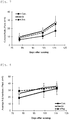
Fig. 2 shows the change of number of colored fruit of cherry tomato (Micro-Tom). The vertical axis indicates number of colored fruit per plant. -
Fig. 3 shows the change of number of cherry tomatoes appeared (Micro-Tom). The vertical axis indicates average number of fruit per plant. -
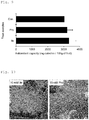
Fig. 4 is a diagram showing numbers of days required for the first appearance of fruit of tomato plants (Momotaro) sprinkled with various compounds. -
Fig. 5 shows coloring of tomato (Momotaro) sprinkled with various compounds.Fig. 5a shows number of colored fruit, in which the vertical axis indicates number of colored fruits per four root clumps, andFig. 5b includes photographs of fruit produced by blooming on the same day (appearance of fruits). -
Fig. 6 shows numbers of harvested fruit of tomato plants (Momotaro) sprinkled with various compounds. The vertical axis indicates number of fruit per four root clumps. -
Fig. 7 shows the change of number of colored fruit of cherry tomato plants (Suncherry Pure) sprinkled with isoleucine or proline. The vertical axis indicates number of colored fruit per plant. -
Fig. 8 shows the change of number of cherry tomato plants appeared (Suncherry Pure) sprinkled with isoleucine or proline. The vertical axis indicates number of fruiting per plant. -
Fig. 9 shows comparison of antioxidant capacities of cherry tomato plants (Suncherry Pure) sprinkled with isoleucine or proline. The horizontal axis indicates amount of antioxidant having an ability to eliminate free radicals equivalent to that of catechin in 100 g of a sample (fresh weight). -
Fig. 10 includes photographs showing sunscald of cherry tomato plants (Suncherry Pure) sprinkled with proline (morphologies of plants). -
Fig. 11 includes photographs (appearance of fruits) showing coloring of fruits of tomato (Suncherry Pure) sprinkled with isoleucine, and a graph showing results of carotenoid analysis thereof. The vertical axis of the graph indicates relative content of carotenoid. -
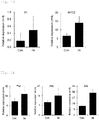
Fig. 12 includes graphs showing expression of the LOX and JAR1 genes involved in the jasmonic acid synthesis observed in cherry tomatoes (Suncherry Pure) sprinkled with isoleucine. The vertical axes indicate the relative expression amount. -
Fig. 13 includes graphs showing expression of the jasmonic acid response genes PI and MYC2 observed in cherry tomatoes (Suncherry Pure) sprinkled with isoleucine. The vertical axes indicate the relative expression amount. -
Fig. 14 shows expression of genes involved in the carotenoid biosynthesis observed in cherry tomatoes (Suncherry Pure) sprinkled with isoleucine. The vertical axes indicate the relative expression amount. -
Fig. 15 includes graphs showing expression of the LOX, JAR1, PI, and MYC2 genes observed in cherry tomatoes (Suncherry Pure) sprinkled with isoleucine at various concentrations. The vertical axes indicate the relative expression amount. -
Fig. 16 includes graphs showing expression of the LOX, JAR1, PI, and MYC2 genes observed in cherry tomato (Caddy) sprinkled with isoleucine at various concentrations. The vertical axes indicate the relative expression amount. -
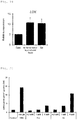
Fig. 17 includes graphs showing expression of the LOX, and Psy genes observed in pepper (Anaheim) sprinkled with isoleucine. The vertical axes indicate the relative expression amount. -
Fig. 18 shows number of harvested bunches of colored fruits of middle size tomato (Tsukutsuku-shi) sprinkled with isoleucine. -
Fig. 19 shows expression of the LOX gene observed in pepper (bell pepper, Frupyred EX) sprinkled with isoleucine fermentation by-produced liquid. The vertical axis indicates the relative expression amount. -
Fig. 20 shows anthocyanin contents of grape calluses treated with isoleucine. The vertical axis indicates the amount of anthocyanin (µmol/g dry weight of callus). -
Fig. 21 shows the anthocyanin content of fruits of grape sprinkled with isoleucine. -
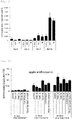
Fig. 22 shows the anthocyanin content of fruits of apple sprinkled with isoleucine. - Hereafter, the present invention will be explained in detail.
- The composition for agricultural or horticultural application of the present invention contains isoleucine as an active ingredient. Isoleucine is preferably L-isoleucine. The amino acids henceforth referred to in this description are L-amino acids, unless otherwise noted. Isoleucine can be purified isoleucine or roughly purified isoleucine, or isoleucine can be a culture (fermentation liquid) or fermentation by-product containing isoleucine, or a fractionation product containing isoleucine of any of them.
- The composition for agricultural or horticultural application of the present invention can contain an arbitrary ingredient in addition to isoleucine, so long as the effect of the present invention is not degraded. Examples of such an ingredient include carrier, pH adjustor, fertilizer component for enhancing fertilizing effect such as minerals, agrochemical ingredient, binder, filler, and so forth. As these ingredients, ingredients usually used for agricultural chemicals, fertilizers, and so forth can be used, so long as the effect of the present invention is not degraded.
- The composition for agricultural or horticultural application can also contain an amino acid other than isoleucine.
- The dosage form of the composition for agricultural or horticultural application is not particularly limited so long as a solution that can be sprinkled can be prepared from it at the time of use, and it can be provided in the form of any of solution, powder, granule, emulsion, and so forth.
- When the composition for agricultural or horticultural application of the present invention is sprinkled on a plant, it is preferably sprinkled on a leaf surface and/or fruit as described later. A spreading agent can be added in order to enhance spreading power of the composition for agricultural or horticultural application on a leaf surface or fruit, and such an ingredient as surfactant can be added in order to enhance permeability of isoleucine into the plant. Examples of the spreading agent include, for example, Applauch BI™ (Kao), Mix Power™ (Syngenta Japan), Squash™ (MARUWA Biochemical), and so forth. As the surfactant, any of nonionic surfactants, anionic surfactants, cationic surfactants, and ampholytic surfactants can be used. Examples include polyoxyethylene alkyl ethers, polyoxyethylene alkyl aryl ethers, polyoxyethylene fatty acid esters, sorbitan fatty acid esters, polyoxyethylene sorbitan fatty acid esters, oxyethylene polymers, oxypropylene polymers, polyoxyethylene alkyl phosphoric acid esters, fatty acid salts, alkylsulfuric acid ester salts, alkylsulfonic acid salts, alkylarylsulfonic acid salts, alkylphosphoric acid salts, alkylphosphoric acid ester salts, polyoxyethylene alkylsulfuric acid esters, quaternary ammonium salts, oxyalkylamines, lecithin, saponin, and so forth. In addition, gelatin, casein, starch, agar, polyvinyl alcohol, sodium alginate, and so forth can be used as an auxiliary agent as required.
- At the time of use of the composition for agricultural or horticultural application, the composition in the form of solid or powder can be dissolved or dispersed in a solvent such as water and alcohol. The composition for agricultural or horticultural application in the form of liquid can be diluted with a solvent such as water and alcohol at the time of use thereof. Examples of the alcohol include ethanol, methanol, isopropyl alcohol, and so forth.
- Isoleucine content in the composition for agricultural or horticultural application is not particularly limited so long as the composition can be sprinkled on a plant or harvested fruit as a solution of isoleucine at the prescribed concentration described below at the time of applying the composition. The composition for agricultural or horticultural application of the present invention as a product for sale can be in the form of solid or solution. However, when it is a solution, the isoleucine concentration is preferably 0.5 mM to the saturated concentration. The solubility of isoleucine in water is about 0.3 M (40.2 g/L (20°C), 41.2 g/L (50°C)).
- The isoleucine concentration at the time of application of the composition for agricultural or horticultural application is usually 0.5 to 75 mM, preferably 0.5 to 50.0 mM, more preferably 1.0 to 20.0 mM, further preferably 5.0 to 10.0 mM. Although the isoleucine content in the composition for agricultural or horticultural application is not particularly limited, it is 1% by weight or higher, preferably 50% or higher, more preferably 70% or higher, in terms of dry weight, and an isoleucine content within the range exemplified above is preferred in view of avoiding damage from impurities such as salt injury, and actualization of effect of isoleucine.
- The composition for agricultural or horticultural application of the present invention has at least one action among blooming-promoting action, appearance of fruit-promoting action, number of fruit prdocued-improving action, fruit coloring-promoting action, essential amino acid and/or γ-aminobutyric acid content-improving action, carotenoid synthesis-promoting action, and antioxidant capacity-improving action. Therefore, the composition for agricultural or horticultural application can be used for at least any of promotion of blooming, promotion of appearance of fruit, improvement in number of fruits appeared, promotion of coloring (the change in color, turning color) of fruits, improvement in essential amino acid and/or γ-aminobutyric acid content, promotion of carotenoid synthesis, and improvement in antioxidant capacity, and can, as a result, improve crop yield of a plant and/or quality of crops in a short period of time.
- The object of the application of the composition for agricultural or horticultural application of the present invention is not particularly limited so long as any of the aforementioned actions is exhibited for the object with isoleucine, and includes a fruit vegetable (vegetables, the fruits of which are used as foods), fruit trees, grain plants, and so forth, before blooming. Of course, the object can be a fruit vegetable, fruit tree, or grain plant after blooming, but such an object as described above before blooming is usually preferred.
- Examples of a fruit vegetable include tomato (including cherry tomato), okra, eggplant, pepper, cucumber, melon, bitter cucumber, Japanese pumpkin, oriental melon, chayote, watermelon, strawberry, soybean, adzuki bean, broad bean, pea, peanut, cowpea, lupin, clover, alfalfa, and so forth.
- Examples of a fruit tree include such fruit trees as Chinese quince, Chinese white pear, pear, quince, common medlar, Juneberry, shipova, apple, American cherry, apricot, plum, cherry, sour cherry, blackthorn, Japanese plum, peach, almond, ginkgo tree, chestnut, walnut, pecan, akebi, fig, Japanese persimmon, bramble, kiwi fruit, oleaster, mulberry, cranberry, mountain cranberry, pomegranate, tara vine, seabuckthorn, currant, jujube, Japanese bush cherry, bilberry, redcurrant, grape, blackberry, blueberry, pawpaw, Schisandra nigra, raspberry, downy cherry, those of genus Citrus, Fortunella or Poncirus, olive, loquat, bayberry, and so forth.
- A grain plant is a plant, the seeds of which are used as foods, and examples thereof include wheat, barley, rice, corn, sorghum, millet, oat, rye, triticale, buckwheat, and so forth.
- Varieties of the fruit vegetable is not particularly limited, and examples for tomato (including cherry tomato) include, for example, Momotaro, Roma, Ouju, First Tomato, Akairomarutama, Yellow Carol, Paruche, Mini Carol, Micro-Tom, Suncherry Pure, and so forth.
- Examples of pepper include Anaheim, bell pepper, green pepper, chili pepper (Takanotusme), Manganji green pepper, paprika, habanero, jolokir, jalapeno, and so forth.
- Varieties of the fruit tree are not particularly limited, and examples for grape include, for example, Cabernet Sauvignon, Chardonnay, Tempranillo, Pinot Noir, muscat, Koshu, Kaiji, Kyoho, Pione, and so forth.
- Examples for apple include Tsugaru, Fuji, Golden Delicious, Kougyku, Kokko, Mutsu, Ohrin, Johnna Gold, and so forth.
- Preferred plants to which the present invention is applied are fruiting plants, including both fruit vegetables and fruit trees. Particularly preferred are plants belonging to the family Solanaceae, Vitaceae, or Rosaceae, and tomato, pepper, grape, and apple are especially preferred.
- The method of the present invention is a method for cultivating a plant, which includes sprinkling a solution containing 0.5 to 75 mM of isoleucine to a fruit vegetable, fruit tree, or grain plant. Another aspect of the present invention is a method for cultivating a plant, which includes sprinkling the composition for agricultural or horticultural application of the present invention to a plant leaf surface and/or the fruit to attain at least one of promotion of blooming, promotion of appearance of fruit, improvement in number of fruit produced, promotion of coloring of fruits, improvement in essential amino acid and/or γ-aminobutyric acid content, promotion of carotenoid synthesis, and improvement in antioxidant capacity.
- The solution containing 0.5 to 75 mM of isoleucine can be prepared by dissolving the composition for agricultural or horticultural application of the present invention in a solvent, and diluting the resulting solution as required.
- As the plant body to which the composition for agricultural or horticultural application of the present invention is sprinkled, a leaf or fruit is preferred. Foliar application is particularly preferred. The foliar application means that the composition can be sprinkled to at least a leaf surface, and the composition can be sprinkled to other parts in addition to a leaf surface. The same shall apply to fruit.
- The composition for agricultural or horticultural application can be sprinkled on a harvested fruit. By sprinkling the composition for agricultural or horticultural application on a fruit, ripening after harvest thereof can be promoted. Promotion of ripening after harvest include promotion of coloring, increasing lycopene content, increasing sugar content, and increasing amino acid content such as glutamic acid content.
- Another aspect of the present invention is a method for at least one of promotion of blooming, promotion of appearance of fruit, improvement in number of fruit produced, promotion of coloring of fruits, improvement in essential amino acid and/or γ-ABA content, promotion of carotenoid synthesis, and improvement in antioxidant capacity, which comprises applying the composition for agricultural or horticultural application of the present invention to a plant. This method is a method for cultivating a plant, which improves crop yield of a plant, improves quality of crops, promotes growth in a short period of time, or permits earlier harvest.
- Another aspect of the present invention is a method for promoting ripening after harvest of a fruit, which includes applying the composition for agricultural or horticultural application of the present invention to a harvested fruit.
- Examples of amino acids, content of which is improved include essential amino acids. Such essential amino acids can includes at least one of tryptophan, lysine, threonine, valine, leucine, isoleucine, and histidine.
- Although the amount of the composition for agricultural or horticultural application to be sprinkled is not particularly limited, it is usually 6.5 to 3000 g/ha, preferably 6.5 to 2000 g/ha, more preferably 13 to 800 g/ha, further preferably 65 to 400 g/ha, in terms of amount of isoleucine.
- When the composition is applied to a harvested fruit, the amount is usually 0.002 to 0.3 g/g (fruit), preferably 0.002 to 0.2 g/g (fruit), more preferably 0.004 to 0.08 g/g (fruit), further preferably 0.02 to 0.04 g/g (fruit), in terms of amount of isoleucine.
- The time of applying the composition for agricultural or horticultural application to a plant can be appropriately determined depending on the expected effect. For example, it is preferably applied before blooming if promotion of blooming is desired, before the appearance of fruit or after appearance of fruit if the promotion of appearance of fruit or improvement in the number of fruit produced is desired, or after the appearance of fruit and before harvest if the promotion of coloring is desired. The number of times of application is not particularly limited, and it can be applied once, or two or more times.
- Although the sprinkling method for sprinkling the composition for agricultural or horticultural application is not particularly limited, it is desirable to sprinkle the composition for agricultural or horticultural application so that the composition spreads over the entire terrestrial part of the plant, including the foliage and fruits, preferably leaf surfaces and/or fruits. When the composition is manually sprinkled, it is preferably sprinkled with a spraying nozzle for the composition for agricultural or horticultural application pointing the leaf surface or the underside of the leaf. When a boom sprayer is used, the volume of the solution to be sprinkled is desirably 100 L or larger, preferably 200 to 3000 L, more preferably 300 to 2000 L, per 1 ha. The so-called electrostatic sprayer or electrostatic spraying nozzle that promotes adhesion of the sprayed solution to plant bodies using static electricity can also be used.
- When the composition for agricultural or horticultural application of the present invention is sprinkled on leaf surfaces and/or fruits, the composition can be mixed with a fertilizer for foliar application usually used in agriculture.
- When a plant is cultivated according to the method of the present invention, amounts and application methods of basal fertilizer and additional fertilizer to be applied to the soil can be similar to those used in that part of the region according to the type of the plant to be cultivated. When a plant is cultivated according to the method of the present invention, cultivation density can be a density recommended in that part of the region according to the type of the plant to be cultivated. However, when the composition is sprinkled on leaf surfaces and/or fruits, furrow (interrow space) is preferably 20 cm or wider so that the sprayed materials can also easily reach lower leaves.
- Hereafter, the present invention will be more specifically explained with reference to the examples.
- Three seeds of cherry tomato (Micro-Tom) were sown in compost contained in a slit pot (upper diameter 10.5 cm x height 8.8 cm), and cultivated in a biotron at a temperature of 23°C with a light period of 14 hours (6:00 to 20:00) and dark period of 10 hours (20:00 to 6:00). As the compost, a mixture of Kumiai Nippi Engei Baido No. 1 (Nihon Hiryo) and vermiculite at a ratio of 3:1 (volume ratio) was used.
- After 3 weeks, one root clump was left, and the others were thinned out. From one month after the sowing to harvest, a 300-fold diluted solution of Hyponex liquid fertilizer (N:P:K = 6:10:5, Hyponex Japan) was additionally applied as soil fertilizer by irrigation at a frequency of once a week in a volume of 100 mL per one root clump (pot).
- After the plants of five root clumps uniformly grew, and flower buds began to appear, water (Con.) or 10 mM L-isoleucine aqueous solution (Ile) was sprinkled on the whole plants once a week. The sprinkled volume was 5 mL per one root clump.
- Then, blooming, appearance of fruit, coloring (change in color) of the fruit, and number of fruit appeared were investigated for each root clump.
- The states of blooming and appearance of fruit on the plants are shown in
Fig. 1 . Blooming and appearance of the fruit of the tomato plants sprinkled with Ile occurred sooner, and the numbers of bloom and fruits of the same were also larger, as compared to those of the plants of Con. - The investigation of the number of fruit that turned to the colors orange or red was performed every five days after appearance of fruites on the tomato plants, and the results are shown in
Fig. 2 . Coloring of the fruits of the tomato plants sprinkled with Ile began earlier, and the number of the fruits at the same time point was larger, as compared to those observed for Con. It was demonstrated by these results that sprinkling of Ile has an effect of promoting coloring of tomato fruits, and the growth of the tomato plants could be promoted. - The results of investigation of change over time in the number of fruit appeared on tomato plants are shown in
Fig. 3 . On the 82nd day after the sowing, tomato fruits were harvested. The number of harvested fruits of the tomato plants sprinkled with Ile was larger by 20% as compared to that of "Con". It is considered that this result was due to the increase of blooming number and number of fruit ratio induced by the sprinkling of Ile, and crop yield of tomato was also improved. - Three seeds of tomato (Momotaro Fight) were sown in compost contained in a slit pot, and cultivated in the same manner as described in Example 1, provided that the cultivation was performed in a greenhouse (daytime temperature was 25°C (6:00 to 20:00), and night temperature was 15°C (20:00 to 6:00)). The compost and application of fertilizer were the same or performed in the same manner as those described in Example 1.
- After 3 weeks, one root clump was left, and the others were thinned out. When a flower cluster of the first tier appeared, a support was put up, and after a flower cluster of the second tier appeared, pinching was performed (pinching of terminal bud).
- After the plants of four root clumps uniformly grew, and flower buds began to appear, water (Con.), 10 mM L-isoleucine aqueous solution (Ile), 10 mM monosodium glutamate aqueous solution (GluNa), 5 mM urea aqueous solution (Urea), or 10 mM phenylalanine aqueous solution (Phe) was sprinkled on the whole plants every two weeks. The sprinkled volume was adjusted in accordance with the growth of the plants, and it was 15 to 30 mL per one root clump. The concentration of urea was 5 mM so that nitrogen amount provided by it was the same as that provided by each of the amino acids.
- Then, the day of first appearance of fruit, coloring of fruit, and number of fruit produced were investigated for each root clump.
- The days of first appearance of fruit (days on which each plant bore a fruit for the first time) of the tomato plants sprinkled with each solution are shown in
Fig. 4 . Appearance of fruit was observed in the tomato plants sprinkled with Ile, GluNa, Urea, water, and Phe in the mentioned order. Whereas fruit first appeared on the tomato plant sprinkled with water on the 69th day after sowing, fruit first appeared on the tomato plant sprinkled with Ile on the 55th day after sowing. Fruit first appeared on the tomato plants sprinkled with GluNa and Urea on the 56th day and 63rd days after sowing, respectively, which was earlier than that of the tomato plant sprinkled with water (Con.). Furthermore, appearance of fruit on the tomato plant sprinkled with Phe was the latest, and was observed on the 83rd day after sowing. As described above, sprinkling of Ile most accelerated the appearance of fruit on the tomato plant. - The numbers of fruit turning color to orange or red on the 107th day after the sowing of the tomato plants are shown in
Fig. 5a . The numbers were 4 for the tomato plant sprinkled with Ile, 1 for the Urea and GluNa-sprinkled ones, and 0 for the water (Con.) and Phe-sprinkled ones, and thus the tomato plant sprinkled with Ile showed the largest number of the colored fruits. Furthermore, the color of fruit obtained from flowers that bloomed on the same day were compared for the tomato plants sprinkled with water (Con.) and Ile. As a result, the fruit of the water-sprinkled tomato plant was green, but the fruit of the Ile-sprinkled tomato plant already turned color to red, i.e., turned color earlier (Fig. 5b ). As described above, the fruit coloring-promoting effect of Ile was also observed for the Momotaro tomato. - After cultivation for 3 months after the sowing, tomato fruit were harvested. The numbers thereof are shown in
Fig. 6 . The numbers of the harvested fruits were 8 for the tomato plant sprinkled with water (Con.), 16 for the Ile-sprinkled one, 8 for the Phe-sprinkled one, 10 for the Urea-sprinkled one, and 14 for the GluNa-sprinkled one. As described above, the tomato appearance-increasing effect of Ile sprinkling was also observed for the Momotaro tomato, and the crop yield was also improved. - Three seeds of cherry tomato (Suncherry Pure, Tokita Seed) were sown in compost contained in a slit pot, and cultivated in the same manner as described in Example 1, provided that the cultivation was performed in a greenhouse as in Example 2. The compost and application of fertilizer were the same or performed in the same manner as those described in Example 1.
- One month after the sowing, each seedling was permanently planted in a 9.0-cm long pot (
top diameter 9 cm,height 20 cm, bottom diameter 6.4 cm), and cultivated until harvest. As for application of fertilizer, a 200-fold diluted solution of Vegetable Life A (Otsuka Chemical) was additionally applied as a fertilizer by irrigation in a volume of 100 mL per one root clump (pot) every two days from one month after the sowing to the harvest. - After the plants of four root clumps uniformly grew, and flower buds began to appear, water (Con.), 10 mM L-isoleucine aqueous solution (Ile), or 10 mM proline aqueous solution (Pro) was sprinkled on the whole plants once a week. The sprinkled volume was changed in accordance with the growth of the plants, and it was 15 to 30 mL per one root clump.
- Then, coloring of fruits, number of fruit, amino acid content of fruit juice, sugar content and acidity of fruit juice, and antioxidant capacity of fruit juice were investigated for each root clump.
- The number of fruit that had changed color are shown in
Fig. 7 . The number of fruit that had changed color were larger in the order of the tomato plants sprinkled with Ile, Pro, and water (Con.). The tomato fruit coloring-promoting effect of sprinkling of Ile was confirmed also in this example. - The results of investigation of number of fruit of the tomato plants performed over time are shown in
Fig. 8 . In an early stage, the number of fruit produced was larger in the order of the tomato plants sprinkled with Pro, Ile, and water, but the number of fruit produced of the tomato plant sprinkled with Ile increased in the middle of the cultivation, and exceeded the number of fruit produced of the tomato plant sprinkled with Pro. As for the final crop yield, the numbers of fruit produced of the tomato plants sprinkled with Ile and Pro were larger by 16% and 9%, respectively, as compared to that of the tomato plant sprinkled with water (Con.). - Mature fruit were taken from each of the cherry tomato plants sprinkled with water, Ile, or Pro, and the amino acid content was analyzed for each. Two pieces of fruit were taken from the flower cluster of the second tier of one root clump, that is, a total 8 pieces of fruit were taken for each test group. Fruit juice was pressed out of each pieace of fruit, and the fruit juice was diluted 10 times with 0.02 N HCl, and subjected to filter filtration. The amino acids contained in the obtained filtrate were measured. Measurement of the amino acids was performed with High Speed Amino Acid Analyzer L-8800 (Hitachi) according to the manual of this instrument. The amounts of the amino acids (µmol/mL) in each fruit juice were calculated, and the averages for eight pieces of fruit were used as the amino acid amounts of the corresponding test group.
- The results are shown in Table 1. In the fruits of the tomato plants sprinkled with Ile, the amounts of glutamic acid (Glu), asparagine (Asn), glutamine (Gln), aspartic acid (Asn), proline (Pro), and methionine (Met) were reduced, but the amounts of alanine (Ala), γ-aminobutyric acid (γ-ABA), isoleucine (Ile), leucine (Leu), valine (Val), serine (Ser), glycine (Gly), threonine (Thr), lysine (Lys), histidine (His), cysteine (Cys), arginine (Arg), tyrosine (Tyr), and tryptophan (Trp) were increased as compared to "Con". By the sprinkling of Ile, many kinds of essential amino acids including branched chain amino acids and aromatic amino acids were increased.
- Branched chain amino acids and aromatic amino acids serve as starting materials of synthesis of many plant secondary metabolites such as phenylpropanoids, flavonoids, and alkaloids. The functional amino acid, γ-ABA, was also increased. These results suggest that the secondary metabolism of the fruits was activated by the sprinkling of Ile. It can be expected that the nutrient value of the tomato is increased by the increase of the essential amino acids and the functional amino acid, γ-ABA.
Table 1: Amino acid analysis of tomato fruits obtained with sprinkling of Ile or Pro (µmol/mL) Total Glu Asp Gln Asn Pro Met Phe Ala Con. 20.56 7.21 1.62 1.59 0.61 0.35 0.13 0.5 3.42 Ile 20.25 6.46 1.33 1.1 0.55 0.33 0.09 0.5 4.51 Pro 21.13 7.76 1.75 1.57 0.63 0.39 0.14 0.38 3.79 γ-ABA Ile Leu Val Ser Gly Thr Lys His Cys Arg Tyr Trp Con. 5.48 0.17 0.32 0.17 0.59 0.25 0.28 0.29 0.17 0.15 0.11 0.045 0.034 Ile 6.42 0.23 0.39 0.21 0.67 0.35 0.3 0.33 0.19 0.21 0.14 0.082 0.06 Pro 4.46 0.15 0.29 0.18 0.61 0.24 0.27 0.27 0.17 0.08 0.13 0.185 0.072 - iv) Sugar content and acidity analysis
- Mature tomato fruit were taken from cherry tomato plants of each experimental group in the same manner as described in iii) above, and fruit juice was pressed out from each fruit. Glucose content, fructose content, and acidity of each fruit juice were analyzed. Analysis of glucose and fructose was performed for a 20-fold diluted solution of fruit juice by using a food analysis reagent kit, F-Kit (Saccharose (Sucrose)/D-Glucose/D-Fructose Kit (Roche)) and DU800 Spectrophotometer (Beckman Coulter) according to the manuals of the kit and instrument. Acidity analysis was performed by using a pocket acidity meter (PAL-AC1, ATAGO).
- The results are shown in Table 2. The glucose content and fructose content of the fruits of the tomato plants sprinkled with Ile were almost the same as those of "Con". The fruits of the tomato plants sprinkled with Pro showed the lowest glucose content and fructose content.
- As for acidity, the fruit of the tomato plants sprinkled with Pro showed slightly increased acidity.
Table 2: Glucose content, fructose content, and acidity of tomato fruit Treatment Glucose (g/L) Fructose (g/L) Acidity % Con. 13.4 13.3 0.46 Ile 13.3 13.3 0.46 Pro 12.3 12.2 0.47 - Polyphenols were extracted from the tomato fruit, and antioxidant capacities thereof were investigated.
- Mature tomato fruit were taken from cherry tomato plants of each experimental group in the same manner as described in iii) as described above. The fruit were frozen in liquid nitrogen, and then ground, and 0.5 g of the powder was put into a 2-mL tube, and extracted twice with 1.0 mL of 70% methanol. Liquid of the extract was completely evaporated by using a centrifugal evaporator, and the residue was dissolved in 500 µL of 70% methanol to prepare a sample. The antioxidant capacity of the sample was measured as the free radical-eliminating ability thereof by using the DPPH (2,2-diphenyl-1-picrylhydrazyl) radical method with reference to Lamien-Meda, A. et al., Molecules, 2008, 13(3):581-594. To 50 µL of the sample, 700 µL of methanol, and 750 µL of 0.02 mg/mL DPPH (ALFA AESAR) were added, and they were sufficiently mixed. Then, the mixture was incubated at room temperature for 15 minutes, and absorbance thereof was measured at 517 nm. A calibration curve was prepared by using 0, 0.2, 1, 2, and 4 µg/mL solutions of catechin instead of the sample. The measured free radical-eliminating ability was converted into amount (mg) of catechin having free radical-eliminating ability equivalent to that of 100 g (fresh weight) of the sample. The results are shown in
Fig. 9 . As a result, it was found that the fruits of the tomato plants sprinkled with Ile showed higher antioxidant capacity as compared to the fruits of the tomato plants sprinkled with water (Con.) or Pro. - Whereas black spots of sunscald were observed on the leaves of the tomato plants sprinkled with Pro, sunscald was not seen in the tomato plants sprinkled with Ile (
Fig. 10 ) . - From the results as described above, it was found that sprinkling of Ile can improve crop yield and quality of tomato in a short period of time.
- A 10 mM isoleucine (Ile) aqueous solution was sprinkled on immature pieces of fruit having the substantially same size, taken from flower clusters of the same tier of tomato plants cultivated in the same manner as described in Example 3, and coloring of the fruits was investigated.
- The fruit were put into two 100-mL glass beakers in a number of six each. 1 mL of water (Con.) was sprinkled on the fruit in one beaker, and 1 mL of an Ile solution was sprinkled on the fruit in the other beaker. Then, the beakers were closed with plastic wrap, and left for 5 hours, then the wrap was removed, and the fruits were left as they were. The test was performed at room temperature, and the sprinkling of water and Ile solution was performed twice in total at an interval of one week.
- Appearance of three pieces of fruit out of the six for each group was recorded at the time of the start of the test, and 27, 32, and 34 days after the start of the test. Around the 27th day, the fruit sprinkled with Ile began to turn color, whereas the fruits of "Con." sprinkled with water were still green. Around the 34th day, the fruits sprinkled with Ile turned color to a fully mature red, whereas the fruit sprinkled with water were still a half-mature orange color. The results are shown in
Fig. 11a . - Furthermore, the carotenoid contents of the three remaining fruits were measured by the following methods around the 27th day after the start of the test (
Fig. 11b ). The tomato fruits of which seeds were removed were frozen with liquid nitrogen, and ground in a mortar. The ground sample (0.5 mg) was put into a 2-mL tube, 1 mL of chloroform was added, and extraction was performed in a shaker (Micro & Shaker, IUCHI) for 10 minutes with vibration. The extraction mixture was centrifuged for 5 minutes (8000 rpm), and the chloroform layer as the lower layer was transferred to a new tube. Chloroform (0.5 mL) was added again to the former tube, extraction was performed in the same manner, and the chloroform layer was fully taken out, and transferred to the latter tube containing the aforementioned chloroform extract. Then, chloroform was evaporated from the obtained extract by using a centrifugal evaporator. Then, a sample solution was prepared by adding 0.5 mL of chloroform to the residue to dissolve it, and carotenoids contained in the sample solution were analyzed. For the measurement of carotenoids, the extraction sample was diluted 100 times with chloroform, and absorbance thereof was measured at the extinction wavelength of carotenoids (480 nm) by using DU800 Spectrophotometer (Beckman Coulter). The results are shown inFig. 11b . - As shown in
Fig. 11 , it was found that the carotenoid content of the tomato fruit sprinkled with Ile was higher than that of the fruit treated with water on the basis of visible evaluation (Fig. 11a ) and evaluation based on carotenoid quantification (Fig. 11b ). These results revealed that the carotenoid synthesis and coloring of fruits were promoted by sprinkling of Ile on the fruit. - A 10 mM isoleucine aqueous solution (Ile) or water (Con.) was sprinkled on leaves of cherry tomato plants (Suncherry Pure) cultivated in the same manner as described in Example 3, and expression of genes relevant to jasmonic acid were analyzed. Three hours after the foliar application, leaves of the same part were collected, and RNA was isolated by using SV Total RNA Isolation System™ (Promega) according to the manual of the kit. By using ReverTraAce™ qPCR RT Master Mix (TOYOBO), primary cDNA chains were synthesized from the extracted RNA.
- Expression of the 13-lipoxygenase (LOX) gene locating in the upstream of the jasmonic acid biosynthesis pathway, and the gene for synthesis of JA-Ile from JA and Ile (JASMONATE RESISTANT 1 (JAR1)) were analyzed. Real-time PCR was performed by using the aforementioned cDNAs as the template, and the primers shown in Table 3. The expression amounts of the genes are represented as relative expression amounts with respect to that of the actin gene. The results are shown in
Fig. 12 . - Expression of the LOX gene and JAR1 gene in the leaves of the tomato plant sprinkled with Ile were significantly higher than those in the same of the tomato plant sprinkled with water (Con.).
Table 3: Primers for real-time PCR Primer name Sequence (5'-3') SEQ ID NO: Primers for tomato Actin- F CACCATTGGGTGTGAGCGAT 1 Actin- R GGGCGACAACCTTGATCTTC 2 JAR1- F GTGTTGACTAAAGATGCTGGG 3 JAR1- R GGTGAAAGATCACCATCAGCAA 4 LOX- F CGGTTTTGTCCATGGCAAAG 5 LOX-R ACCGTCAGGATCACCGATATC 6 PI-F GTTGATGCCAAGGCTTGTACT 7 PI- R CAACATGTGGTACATCCGGT 8 MYC2- F AGGGTCGTCTAGTTCAGCAG 9 MYC2- R TGGGCTTGAACTGTACATCGCCAA 10 Psy- F TTGGGCTTGTTGAGTGAAGC 11 Psy- R TGTCGTTGCCTTGATTCAGG 12 Pds-F TTGTGTTTGCCGCTCCAGTGGAT 13 Pds- R GCGCCTTCGATTGAAGCCAAGTA 14 Zds- F ATTATTACATTGAGGGACAAGGC 15 Zds- R TCATCAGACAAGACTCAACTGAT 16 Primers for pepper LOX-F AGACAAGCACTCCCTGAGGACC 17 LOX- R AACTCTGGCCACCATGGCTCA 18 Psy-F TGCTTTCGCTGCAGTGCCAGA 19 Psy- R TGTCTAGCGCACAACCGTCAAGG 20 - The results of real-time PCR analysis of the jasmonic acid responding genes, protease inhibitor (PI) and MYC2 genes, performed by using the aforementioned cDNAs as the template are shown in
Fig. 13 . The used primers are shown in Table 3. By the sprinkling of Ile, expression of the PI and MYC2 genes were increased. - A 10 mM isoleucine aqueous solution (Ile) or water (Con.) was sprinkled on leaf surfaces of cherry tomato plants, and RNA was isolated from the leaves 24 hours afterward. By using the isolated RNA, expression of the genes that participate in the biosynthesis of carotenoids, genes of phytoene synthase (Psy), phytoene desaturase (Pds), and ζ-carotene desaturase (Zds), were analyzed. The extraction of RNA, synthesis of cDNA, and real-time PCR analysis were conducted in the same manner as described above. The used primers are shown in Table 3.
- The results are shown in
Fig. 14 . In the tomato plant sprinkled with Ile, expression of Psy, Pds, and Zds were increased. - Cherry tomato plants were cultivated in the same manner as described in Example 3, and 20 mL of a 1 mM, 4 mM, 7 mM, or 10 mM isoleucine aqueous solution (Ile) was sprinkled on leaf surfaces and fruits of each plant. One week afterward, Ile was sprinkled again in the same manner, the leaves were collected 3 hours thereafter, and expression of the LOX, JAR1, PI and MYC2 genes were analyzed in the same manner as described in Example 5. The used primers are shown in Table 3.
- The results are shown in
Fig. 15 . Expression of the genes increased substantially in an Ile concentration-dependent manner. - Tomato plants (variety: Caddy, Tokita Seed) were cultivated in a biotron room in the same manner as described in Example 1. Three weeks after sowing, 3 mL of water, or a 0.01 mM, 0.1 mM, 50 mM, or 100 mM isoleucine aqueous solution (Ile) was sprinkled on leaf surfaces of each plant, sampling was performed from the second foliage leaves, and expression of LOX, JAR1, PI and MYC2 genes were analyzed in the same manner as described in Example 5.
- The results are shown in
Fig. 16 . Expression of the genes was promoted by sprinkling of 50 mM of Ile. - On the basis of this result together with the results of Example 6, it is considered that the Ile concentration is preferably not lower than 0.5 mM and not higher than 75 mM.
- A 10 mM isoleucine aqueous solution (Ile) was sprinkled on pepper plants (variety, Anaheim), which also belong to the family Solanaceae, like tomato, and gene expression analysis was performed. The pepper plants were cultivated in a greenhouse in the same manner as described in Example 2.
- Ile was sprinkled once a week, and after the second sprinkling, leaves were collected from the pepper plants. RNA extraction, cDNA synthesis, and real-time PCR were performed in the same manner as described in Example 5 to analyze gene expression. Expression of the LOX gene was analyzed by using leaves collected 3 hours after the second sprinkling, and expression of the Psy gene was analyzed by using leaves collected 24 hours after the second sprinkling. The used primers are shown in Table 3.
- The results are shown in
Fig. 17 . Expression of the LOX and Psy genes of the pepper plants sprinkled with Ile were higher than those observed for Con. - Since the jasmonic acid pathway and the carotenoid pathway were activated by sprinkling of Ile also in pepper plants, which belong to the family Solanaceae like tomato, similar effects of sprinkling of Ile can be generally expected for the Solanaceae plants.
- For the test, middle size fruit-bearing tomato plants in the second half of their growth (variety, Tsukutsuku-shi) that were cultivated in a greenhouse and bore fruits of the 12th tier were used. Neighboring 12 root clumps of the tomato plants were selected, 6 root clumps of them were used for no treatment group (control), and the other 6 root clumps were used for the Ile treatment group. As fruit used for the test, 10 bunches each of substantially uncolored fruit were chosen from those of the 9th and 10th tiers of the plants of the no treatment group and isoleucine (Ile) treatment group, and labeled. For the Ile treatment group, an Ile aqueous solution containing 3 mM Ile and a spreading agent (0.2% Squash, MARUWA Biochemical) was sprinkled on the objective fruits and leaves of the whole plant, and the plants of the no treatment group were not sprinkled with any substance. The total volume of the solution sprinkled on the plants of 6 root clumps was 600 ml. After the treatment, coloring of tomato fruits was confirmed and harvested from each bunch on 11th, 8th, and 27th days.
- When substantially all the fruits colored (ripened), or many fruits were ready to overmature (even when the top of the fruit still uncolored), the fruit were harvested. The numbers of bunches harvested on the 11th day after the treatment were 3 for the no treatment group, and 7 for the Ile treatment group. The numbers of bunches harvested on the 18th day after the treatment were 4 for the no treatment group, and 3 for the Ile treatment group. The numbers of bunches harvested on the 27th day after the treatment were 3 for the no treatment group, and 1 for the Ile treatment group (
Fig. 18 ). As seen from these results, coloring of the tomato fruit was accelerated in the Ile treatment group, and it was suggested that Ile promoted coloring of the tomato fruit. Among the harvested fruits of 10 bunches, the total 85 fruit of the no treatment group included 15 uncolored fruit, but the total 86 fruit of the Ile treatment group included only 8 immature fruits, which means that sprinkling of Ile decreased the number of uncolored fruits. - Expression of the LOX gene involved in the jasmonic acid pathway was investigated in a pepper plant (bell pepper, variety: Frupyred EX) sprinkled with an isoleucine (Ile) fermentation by-produced liquid. A diluted solution of Ile fermentation by-produced liquid (Ile concentration, 2.34% (W/V)) was sprinkled on leaves of the bell pepper plant, and expression of the LOX gene was investigated in the same manner as described in Example 5. The concentration of sprinked Ile fermentation by-produced liquid was 3.8 mM. The results are shown in
Fig. 19 . Induction of the LOX gene expression similar to that observed with a similar concentration of Ile was also observed with the Ile fermentation by-produced liquid. - A cell line (VR, management number RPC00003) derived from European grape (Vitis vinifera L.) and stored in the Institute of Physical and Chemical Research, BioResource Center was subcultured on the MS agar medium. The subcultured VR callus was transferred to the MS agar medium containing a 5 mM solution of a different amino acid, and cultured. For the positive control, abscisic acid (ABA), for which coloring-promoting effect is known, was used at 100 µM (Jeong et al., Plant Science, 167:247-252, 2004).
- On the 5th day after the transfer, the callus was lyophilized and ground, and anthocyanin was extracted from it by using a 1% HCl/MeOH solution. Absorbance of the extract was measured at 530 nm, and the content of anthocyanin was measured by using cyanidine 3-glucoside as a standard substance. A relative content of anthocyanin that had accumulated in the callus of each amino acid treatment group was determined with respect to the anthocyanin content of the callus of the positive control, which was taken as 100%.
- The results are shown in Table 4. The callus treated with isoleucine (Ile) showed the highest anthocyanin content.
Table 4: Anthocyanin content analysis of grape calluses treated with amino acids Amino acid Pro Ile Asp Glu Ser Asn Gln Gly His Arg Relative anthocyanin content 27% 76% 11% 4% 38% 38% 18% 23% 29% 9% Amino acid Val Met Ala Trp Phe Cys Leu Thr Lys Try Relative anthocyanin content 6% 42% 7% 4% 40% 6% 30% 35% 15% 0% Fig. 20 . Coloring of the grape callus was promoted by a treatment with isoleucine (Ile) of 1 mM or higher. Although coloring was also observed for the proline (Pro) treatment group, the effect was weaker than that of the Ile treatment. - For the test, Cabernet Sauvignon plants that had been cultivated in a test cultivation field and had begun veraison were used. Eight bunches of fruits of the grape were collected from each of two root clumps, i.e., total 16 bunches of fruit were collected, and 6.25 mL per bunch of 0.1% Applauch BI (Kao, control), 1 g/L of abscisic acid (ABA) + 0.1% Applauch BI (positive control), or 10 mM isoleucine + 0.1% Applauch BI were sprinkled on them. The samples were collected 4 times, and they were collected from 4 bunches for each time. Anthocyanin contained in pericarp was extracted with a mixed solution of water and acetone (1:2) from pericarp, and anthocyanin content was measured in the same manner as described above. The results are shown in
Fig. 21 . It was demonstrated that treatment of the fruits of grape with Ile increases anthocyanin content of pericarp. - Fruits of apple (variety, Tsugaru) ready to mature (before coloring) were harvested, washed with tap water and then with distilled water, and immersed into water (control) and isoleucine (Ile) aqueous solutions of various concentrations for 15 minutes. To each treatment solution, 0.1% Applauch BI (Kao) was added. The treatment groups consisted of the following groups.
- i) Control (water)
- ii) 1 mM Ile
- iii) 5 mM Ile
- iv) 10 mM Ile
- v) 0.4 mM Methyl jasmonate (MeJA)
- vi) 10 mM Ile + 1 mM Amisoft™ (anionic surfactant, sodium cocoyl glutamate)
- After the treatment, the fruits were air-dried, and left standing in an incubator. The conditions consisted of constant temperature of 20°C, lighting condition of 120 µM/m2/s obtained with 9 of 40 W fluorescent lamps, and daylength conditions of 16 hours of light period and 8 hours of dark period per day.
- Pericarp color of the apple fruits was evaluated by measuring anthocyanin content. Pericarp (0.5 g) collected from a fruit of each treatment group was immersed in 5 mL of 2% formic acid at 4°C for 24 hours to extract anthocyanin. Anthocyanin contained in the extract was analyzed by liquid chromatography. Since most part of anthocyanin of apple consists of cyanidin galactosides, anthocyanin concentration was calculated as cyanidin galactoside concentration.
- The results are shown in
Fig. 22 . It can be seen that when the apple fruits were treated with Ile, higher anthocyanin contents were observed on the 10th and 15th days after the treatment as compared to the control group. - The composition for agricultural or horticultural application of the present invention has action or actions for at least one of promotion of blooming, promotion of the appearance of fruits, promotion of coloring of fruits, improvement in number of fruit produced, improvement in essential amino acid and/or γ-ABA content, promotion of expression of genes involved in jasmonic acid synthesis, and promotion of expression of genes involved in carotenoid synthesis of plants such as tomato and pepper. It is expected that plants can be matured in a shorter period of time by promotion of expression of genes involved in jasmonic acid synthesis.
- The composition for agricultural or horticultural application of the present invention can promote coloring of harvested fruits.
- On the basis of the effects as described above, the composition for agricultural or horticultural application of the present invention can improve crop yield and/or quality of plants in a short period of time.


Claims (8)
- A method for cultivating a plant, which comprises sprinkling a solution comprising 0.5 to 75 mM of isoleucine on a fruit vegetable, a fruit tree, or a grain plant.
- The method according to claim 1, wherein isoleucine is L-isoleucine.
- The method according to claim 1 or 2, wherein the solution comprising isoleucine is a solution comprising purified isoleucine, a fermentation liquid or a fermentation by-product of isoleucine, or a fractionation product of these comprising isoleucine.
- The method according to any one of claims 1 to 3, wherein the sprinkling of the solution comprising isoleucine provides one or more of effects selected from accelerating of blooming, accelerating of the appearance of the fruit, improvement in the number of fruit produced, accelerating of coloring of fruit, improvement in essential amino acid and/or γ-aminobutyric acid content, accelerating of carotenoid synthesis, and improvement in antioxidant capacity.
- The method according to any one of claims 1 to 4, wherein the solution is sprinkled on a fruit vegetable or a fruit tree.
- The method according to claim 5, wherein the plant belongs to the family Solanaceae, Vitaceae, or Rosaceae.
- The method according to claim 6, wherein the plant is tomato, pepper, grape, or apple.
- The method according to any one of claims 1 to 7, wherein the solution is sprinkled on a leaf surface and/or a fruit.
Applications Claiming Priority (3)
| Application Number | Priority Date | Filing Date | Title |
|---|---|---|---|
| JP2014038981 | 2014-02-28 | ||
| EP15755538.4A EP3111762B1 (en) | 2014-02-28 | 2015-02-27 | Agricultural and horticultural composition and method for cultivating plant |
| PCT/JP2015/055740 WO2015129841A1 (en) | 2014-02-28 | 2015-02-27 | Agricultural and horticultural composition and method for cultivating plant |
Related Parent Applications (2)
| Application Number | Title | Priority Date | Filing Date |
|---|---|---|---|
| EP15755538.4A Division-Into EP3111762B1 (en) | 2014-02-28 | 2015-02-27 | Agricultural and horticultural composition and method for cultivating plant |
| EP15755538.4A Division EP3111762B1 (en) | 2014-02-28 | 2015-02-27 | Agricultural and horticultural composition and method for cultivating plant |
Publications (2)
| Publication Number | Publication Date |
|---|---|
| EP3513656A1 true EP3513656A1 (en) | 2019-07-24 |
| EP3513656B1 EP3513656B1 (en) | 2023-07-05 |
Family
ID=54009154
Family Applications (2)
| Application Number | Title | Priority Date | Filing Date |
|---|---|---|---|
| EP15755538.4A Active EP3111762B1 (en) | 2014-02-28 | 2015-02-27 | Agricultural and horticultural composition and method for cultivating plant |
| EP19159509.9A Active EP3513656B1 (en) | 2014-02-28 | 2015-02-27 | Method for increasing amino acid content in plants |
Family Applications Before (1)
| Application Number | Title | Priority Date | Filing Date |
|---|---|---|---|
| EP15755538.4A Active EP3111762B1 (en) | 2014-02-28 | 2015-02-27 | Agricultural and horticultural composition and method for cultivating plant |
Country Status (8)
| Country | Link |
|---|---|
| US (1) | US10226044B2 (en) |
| EP (2) | EP3111762B1 (en) |
| JP (2) | JPWO2015129841A1 (en) |
| BR (1) | BR112016019728B1 (en) |
| ES (2) | ES2958853T3 (en) |
| PL (2) | PL3111762T3 (en) |
| PT (1) | PT3513656T (en) |
| WO (1) | WO2015129841A1 (en) |
Cited By (1)
| Publication number | Priority date | Publication date | Assignee | Title |
|---|---|---|---|---|
| CN111109023A (en) * | 2020-01-19 | 2020-05-08 | 广西壮族自治区农业科学院 | Method for crop rotation and intercropping of three crops of sugarcane, silage corn and millet |
Families Citing this family (8)
| Publication number | Priority date | Publication date | Assignee | Title |
|---|---|---|---|---|
| EP3335546B1 (en) * | 2015-08-11 | 2020-12-16 | Ajinomoto Co., Inc. | Plant cultivation method which promotes coloring in fruit |
| EP3664615A4 (en) * | 2017-08-11 | 2020-12-23 | CO2 GRO Inc. | PLANT GROWTH ACCELERATION SYSTEM AND METHOD |
| CN109197013A (en) * | 2018-07-07 | 2019-01-15 | 富川凯邦农资经营部 | A kind of red pepper high-yield implantation methods |
| CN111492906A (en) * | 2020-04-25 | 2020-08-07 | 广西壮族自治区农业科学院 | Green comprehensive prevention and control method for southern melon vegetable thrips |
| WO2023033082A1 (en) * | 2021-09-01 | 2023-03-09 | 株式会社プラントライフシステムズ | Plant cultivation method and tomato |
| KR102615675B1 (en) * | 2022-02-09 | 2023-12-19 | 씨제이제일제당 (주) | Composition for accelerating fruit ripening containing amino acids |
| EP4602916A1 (en) * | 2022-10-14 | 2025-08-20 | Kirin Holdings Kabushiki Kaisha | Composition for imparting stress resistance to plants |
| CN121398675A (en) * | 2023-06-30 | 2026-01-23 | 富尔玛株式会社 | Composition containing gamma-aminobutyric acid |
Citations (13)
| Publication number | Priority date | Publication date | Assignee | Title |
|---|---|---|---|---|
| JPS4991829A (en) * | 1972-12-25 | 1974-09-02 | ||
| US5318788A (en) * | 1992-11-12 | 1994-06-07 | Cosmo Research Institute | Method for improving pigmentation of rind of apple |
| JP2003048803A (en) | 2001-08-02 | 2003-02-21 | Ajinomoto Co Inc | Flower bud sprouting promoter |
| JP2007259714A (en) | 2006-03-27 | 2007-10-11 | Eisai Seikaken Kk | Coloring accelerator for fruit and application method for the same |
| JP2009240171A (en) * | 2008-03-28 | 2009-10-22 | House Foods Corp | Method for producing high 4-hydroxy isoleucine-containing fenugreek sprout using isoleucine |
| CN101891520A (en) | 2010-07-12 | 2010-11-24 | 重庆东方农药有限公司 | Amino acid foliar fertilizer |
| CN102285823A (en) | 2010-06-17 | 2011-12-21 | 陆兴艳 | Compound chitooligosaccharide foliar fertilizer |
| JP2012010694A (en) | 2010-06-01 | 2012-01-19 | Ajinomoto Co Inc | Agent for enhancing allelopathy effect and/or phytoalexin production of plant |
| CN102627498A (en) | 2012-04-11 | 2012-08-08 | 湖南农业大学 | Fruit and vegetable flower and fruit protecting micro-fertilizer and preparation method thereof |
| JP2012197249A (en) | 2011-03-22 | 2012-10-18 | Ajinomoto Co Inc | Agricultural and horticultural agent for imparting high-temperature stress resistance and method for imparting high-temperature stress resistance by using the same |
| KR20130095524A (en) * | 2012-02-20 | 2013-08-28 | 이길록 | Anti-withering agents compositions |
| KR20130107406A (en) | 2012-03-22 | 2013-10-02 | 주식회사 푸르네 | Plant growth promotion liquid fertilizer and their manufacturing method |
| US20130303377A1 (en) * | 2010-09-23 | 2013-11-14 | Globachem | Use of single amino acids at low concentrations for influencing the life processes of crops |
Family Cites Families (8)
| Publication number | Priority date | Publication date | Assignee | Title |
|---|---|---|---|---|
| US4964894A (en) * | 1986-03-31 | 1990-10-23 | Freepons Donald E | Plant growth regulators derived from chitin |
| JPH06225639A (en) * | 1993-02-05 | 1994-08-16 | Nakano Vinegar Co Ltd | Method for improving growth of fruits and vegetables |
| WO1997031879A1 (en) * | 1996-02-28 | 1997-09-04 | Reinbergen Clare H | Liquid soil enrichment microbial compositions |
| MY128092A (en) * | 1996-07-10 | 2007-01-31 | Manda Fermentation Co Ltd | Fermented composition, method for manufacturing same, and applications thereof |
| JP4104263B2 (en) * | 2000-01-12 | 2008-06-18 | 三井化学株式会社 | Method for promoting absorption of calcium ions from the surface of plants |
| JP2008044854A (en) * | 2006-08-10 | 2008-02-28 | Kyoei Seika:Kk | Plant growth activator and plant growth method using the plant growth activator |
| JP5398798B2 (en) * | 2011-08-24 | 2014-01-29 | 和己 柴田 | Liquid fertilizer and method for producing the same |
| CA2860423A1 (en) * | 2012-01-06 | 2013-07-11 | Puricore, Inc. | Electrochemically treated nutrient solutions |
-
2015
- 2015-02-27 ES ES19159509T patent/ES2958853T3/en active Active
- 2015-02-27 ES ES15755538T patent/ES2784866T3/en active Active
- 2015-02-27 PL PL15755538T patent/PL3111762T3/en unknown
- 2015-02-27 WO PCT/JP2015/055740 patent/WO2015129841A1/en not_active Ceased
- 2015-02-27 EP EP15755538.4A patent/EP3111762B1/en active Active
- 2015-02-27 BR BR112016019728-3A patent/BR112016019728B1/en active IP Right Grant
- 2015-02-27 PL PL19159509.9T patent/PL3513656T3/en unknown
- 2015-02-27 EP EP19159509.9A patent/EP3513656B1/en active Active
- 2015-02-27 PT PT191595099T patent/PT3513656T/en unknown
- 2015-02-27 JP JP2016505313A patent/JPWO2015129841A1/en active Pending
-
2016
- 2016-08-25 US US15/247,254 patent/US10226044B2/en active Active
-
2019
- 2019-12-10 JP JP2019223126A patent/JP6798601B2/en active Active
Patent Citations (13)
| Publication number | Priority date | Publication date | Assignee | Title |
|---|---|---|---|---|
| JPS4991829A (en) * | 1972-12-25 | 1974-09-02 | ||
| US5318788A (en) * | 1992-11-12 | 1994-06-07 | Cosmo Research Institute | Method for improving pigmentation of rind of apple |
| JP2003048803A (en) | 2001-08-02 | 2003-02-21 | Ajinomoto Co Inc | Flower bud sprouting promoter |
| JP2007259714A (en) | 2006-03-27 | 2007-10-11 | Eisai Seikaken Kk | Coloring accelerator for fruit and application method for the same |
| JP2009240171A (en) * | 2008-03-28 | 2009-10-22 | House Foods Corp | Method for producing high 4-hydroxy isoleucine-containing fenugreek sprout using isoleucine |
| JP2012010694A (en) | 2010-06-01 | 2012-01-19 | Ajinomoto Co Inc | Agent for enhancing allelopathy effect and/or phytoalexin production of plant |
| CN102285823A (en) | 2010-06-17 | 2011-12-21 | 陆兴艳 | Compound chitooligosaccharide foliar fertilizer |
| CN101891520A (en) | 2010-07-12 | 2010-11-24 | 重庆东方农药有限公司 | Amino acid foliar fertilizer |
| US20130303377A1 (en) * | 2010-09-23 | 2013-11-14 | Globachem | Use of single amino acids at low concentrations for influencing the life processes of crops |
| JP2012197249A (en) | 2011-03-22 | 2012-10-18 | Ajinomoto Co Inc | Agricultural and horticultural agent for imparting high-temperature stress resistance and method for imparting high-temperature stress resistance by using the same |
| KR20130095524A (en) * | 2012-02-20 | 2013-08-28 | 이길록 | Anti-withering agents compositions |
| KR20130107406A (en) | 2012-03-22 | 2013-10-02 | 주식회사 푸르네 | Plant growth promotion liquid fertilizer and their manufacturing method |
| CN102627498A (en) | 2012-04-11 | 2012-08-08 | 湖南农业大学 | Fruit and vegetable flower and fruit protecting micro-fertilizer and preparation method thereof |
Non-Patent Citations (18)
| Title |
|---|
| ANA G. PÉREZ ET AL: "Biosynthesis of Strawberry Aroma Compounds through Amino Acid Metabolism", JOURNAL OF AGRICULTURAL AND FOOD CHEMISTRY, vol. 50, no. 14, 1 July 2002 (2002-07-01), pages 4037 - 4042, XP055394334, ISSN: 0021-8561, DOI: 10.1021/jf011465r * |
| CONCHA, C.M. ET AL., PLANT |
| FONSECA, S. ET AL., NATURE CHEMICAL BIOGOGY, vol. 5, no. 344, 2009, pages 350 |
| FONSECA, S. ET AL., PLANT BIOLOGY, vol. 12, 2009, pages 539 - 547 |
| JEONG ET AL., PLANT SCIENCE, vol. 167, 2004, pages 247 - 252 |
| KRAMELL, R. ET AL., JOURNAL OF PLANT GROWTH REGULATION, vol. 14, no. 1, 1995, pages 29 - 36 |
| KRUMM, T. ET AL., FEBS LETTERS, vol. 377, no. 3, 1995, pages 523 - 529 |
| LAMIEN-MEDA, A. ET AL., MOLECULES, vol. 13, no. 3, 2008, pages 581 - 594 |
| LIU, L., JOURNAL OF EXPERIMENTAL BOTANY, vol. 63, no. 16, 2012, pages 5751 - 5761 |
| NUN, N.B. ET AL., PHYTOPARASITICA, vol. 37, no. 5, 2009, pages 485 - 488 |
| PANG, S-T. ET AL., CHINESE JOURNAL OF ECO-AGRICULTURE, vol. 21, no. 4, April 2013 (2013-04-01), pages 465 - 473 |
| PHYSIOLOGY AND BIOCHEMISTRY, vol. 70, 2013, pages 433 - 444 |
| QU, J.G. ET AL., SHENG WU GONG CHENG XUE BAO, vol. 22, no. 2, 2006, pages 299 - 305 |
| WANG, H-J. ET AL., PEDOSPHERE, vol. 17, no. 5, 2007, pages 5 95 - 60 0 |
| WANG, L.J., JOURNAL OF FRUIT SCIENCE, vol. 23, no. 2, 2006, pages 157 - 160 |
| WASTERNACK, C., ANNALS OF BOTANY, vol. 111, 2013, pages 1021 - 1058 |
| WILCHEM: "Flower'n'Fruit Maker Brochure", 15 May 2013 (2013-05-15), pages 1 - 4, XP055394344, Retrieved from the Internet <URL:http://www.wilchem.com.au/uploads/Brochures/Flower N Fruit Maker Brochure.pdf> [retrieved on 20170727] * |
| WU, X-P. ET AL., SCIENTIA AGRICULTURA SINICA, vol. 37, no. 3, 2004, pages 357 - 361 |
Cited By (2)
| Publication number | Priority date | Publication date | Assignee | Title |
|---|---|---|---|---|
| CN111109023A (en) * | 2020-01-19 | 2020-05-08 | 广西壮族自治区农业科学院 | Method for crop rotation and intercropping of three crops of sugarcane, silage corn and millet |
| CN111109023B (en) * | 2020-01-19 | 2021-09-21 | 广西壮族自治区农业科学院 | Method for crop rotation and intercropping of 3 crops of sugarcane, silage corn and millet |
Also Published As
| Publication number | Publication date |
|---|---|
| EP3111762B1 (en) | 2020-01-29 |
| WO2015129841A1 (en) | 2015-09-03 |
| PL3513656T3 (en) | 2024-01-15 |
| PL3111762T3 (en) | 2020-09-21 |
| EP3513656B1 (en) | 2023-07-05 |
| EP3111762A4 (en) | 2017-09-06 |
| PT3513656T (en) | 2023-08-17 |
| US10226044B2 (en) | 2019-03-12 |
| US20170000122A1 (en) | 2017-01-05 |
| JPWO2015129841A1 (en) | 2017-03-30 |
| EP3111762A1 (en) | 2017-01-04 |
| JP6798601B2 (en) | 2020-12-09 |
| ES2958853T3 (en) | 2024-02-15 |
| JP2020033388A (en) | 2020-03-05 |
| ES2784866T3 (en) | 2020-10-01 |
| BR112016019728A2 (en) | 2018-10-23 |
| BR112016019728B1 (en) | 2021-11-03 |
Similar Documents
| Publication | Publication Date | Title |
|---|---|---|
| EP3513656B1 (en) | Method for increasing amino acid content in plants | |
| Boselli et al. | Protein hydrolysates effects on grapevine (Vitis vinifera L., cv. Corvina) performance and water stress tolerance | |
| Al Hassan et al. | Effects of salt and water stress on plant growth and on accumulation of osmolytes and antioxidant compounds in cherry tomato | |
| US10568324B2 (en) | Agricultural and horticultural material, and plant cultivation method which promote coloring in fruit | |
| Ou et al. | Effects of low temperature and low irradiance on the physiological characteristics and related gene expression of different pepper species | |
| Razaji et al. | The effects of seed priming by ascorbic acid on some morphological and biochemical aspects of rapeseed (Brassica napus L.) under drought stress condition. | |
| Gholamreza et al. | Prolonged water deficit stress and methyl jasmonate-mediated changes in metabolite profile, flavonoid concentrations and antioxidant activity in peppermint (Mentha× piperita L.) | |
| JP2016154544A (en) | Methods of reducing plant stress | |
| Abdel-Salam | Effect of foliar application of salicylic acid and micronutrients on the berries quality of “Bez El Naka” local grape cultivar | |
| Abdalla | Boosting the growth of rocket plants in response to the application of Moringa oleifera extracts as a biostimulant | |
| Fu et al. | Effects of exogenous melatonin on wheat quality under drought stress and rehydration | |
| Arshad et al. | Foliar application of chitosan improves plant biomass, physiological and biochemical attributes of rose (Gruss-an-Teplitz | |
| Pakkish et al. | Quality characteristics and antioxidant activity of the mango (Mangifera indica) fruit under arginine treatment | |
| Samadimatin | Effect of ethanol and humic acid foliar spraying on morphological traits, photosynthetic pigments and quality and quantity of essential oil content of Dracocephalum moldavica L. | |
| Stȕtzel et al. | Impact of chitosan on shoot regeneration from faba bean embryo axes through its effect on phenolic compounds and endogenous hormones | |
| Huh et al. | Characteristics of growth, yield, and physiological responses of small-sized watermelons to different soil moisture contents affected by irrigation starting point in a plastic greenhouse | |
| Baroud et al. | Effect of Brown Algae on Germination, Growth and Biochemical Composition of Pepper Leaves (Capsicum. annuum). | |
| ul Sahar et al. | The halopriming of seeds improves the germination, growth, physiological and phytochemical attributes of tomato under saline conditions | |
| Lakshmi et al. | Foliar application of Ascophyllum nodosum on improvement of photosynthesis, fruit setting percentage, yield and quality of tomato (Solanum lycopersicum L.). | |
| Abdelkader et al. | Seed Priming with Exogenous Amino Acids Improves Germination Rates and Enhances Photosynthetic Pigments of Onion Seedlings (Allium cepa L.). Horticulturae 2023; 9: 80 | |
| Rashed et al. | Effect of biostimulants on growth and flowering of Tagetes erecta L. | |
| Irshad et al. | Effect of seed priming and pelleting on germination and growth behaviour of cock’s comb (Celosia cristata L.) seedling | |
| BADAY et al. | In vitro responses of two barley varieties to Moringa extract and growth regulators under drought stress | |
| Sharma et al. | Triacontanol: a versatile plant growth regulator in overcoming abiotic stresses-a review. | |
| Acar | The effect of 24-epibrassinolide treatments at different concentrations on some growth parameters and crocin level in saffron (Crocus sativus L.) |
Legal Events
| Date | Code | Title | Description |
|---|---|---|---|
| PUAI | Public reference made under article 153(3) epc to a published international application that has entered the european phase |
Free format text: ORIGINAL CODE: 0009012 |
|
| STAA | Information on the status of an ep patent application or granted ep patent |
Free format text: STATUS: THE APPLICATION HAS BEEN PUBLISHED |
|
| AC | Divisional application: reference to earlier application |
Ref document number: 3111762 Country of ref document: EP Kind code of ref document: P |
|
| AK | Designated contracting states |
Kind code of ref document: A1 Designated state(s): AL AT BE BG CH CY CZ DE DK EE ES FI FR GB GR HR HU IE IS IT LI LT LU LV MC MK MT NL NO PL PT RO RS SE SI SK SM TR |
|
| STAA | Information on the status of an ep patent application or granted ep patent |
Free format text: STATUS: REQUEST FOR EXAMINATION WAS MADE |
|
| 17P | Request for examination filed |
Effective date: 20200124 |
|
| RBV | Designated contracting states (corrected) |
Designated state(s): AL AT BE BG CH CY CZ DE DK EE ES FI FR GB GR HR HU IE IS IT LI LT LU LV MC MK MT NL NO PL PT RO RS SE SI SK SM TR |
|
| STAA | Information on the status of an ep patent application or granted ep patent |
Free format text: STATUS: EXAMINATION IS IN PROGRESS |
|
| 17Q | First examination report despatched |
Effective date: 20200327 |
|
| RIC1 | Information provided on ipc code assigned before grant |
Ipc: A23B 7/154 20060101ALI20221118BHEP Ipc: A01G 22/00 20180101ALI20221118BHEP Ipc: A01G 22/05 20180101ALI20221118BHEP Ipc: A01G 22/20 20180101ALI20221118BHEP Ipc: C05F 11/10 20060101ALI20221118BHEP Ipc: C05G 5/00 20060101ALI20221118BHEP Ipc: C05F 11/00 20060101ALI20221118BHEP Ipc: A01P 21/00 20060101ALI20221118BHEP Ipc: A01G 7/06 20060101ALI20221118BHEP Ipc: A01N 37/44 20060101AFI20221118BHEP |
|
| GRAP | Despatch of communication of intention to grant a patent |
Free format text: ORIGINAL CODE: EPIDOSNIGR1 |
|
| STAA | Information on the status of an ep patent application or granted ep patent |
Free format text: STATUS: GRANT OF PATENT IS INTENDED |
|
| INTG | Intention to grant announced |
Effective date: 20230119 |
|
| GRAS | Grant fee paid |
Free format text: ORIGINAL CODE: EPIDOSNIGR3 |
|
| GRAA | (expected) grant |
Free format text: ORIGINAL CODE: 0009210 |
|
| STAA | Information on the status of an ep patent application or granted ep patent |
Free format text: STATUS: THE PATENT HAS BEEN GRANTED |
|
| P01 | Opt-out of the competence of the unified patent court (upc) registered |
Effective date: 20230523 |
|
| AC | Divisional application: reference to earlier application |
Ref document number: 3111762 Country of ref document: EP Kind code of ref document: P |
|
| AK | Designated contracting states |
Kind code of ref document: B1 Designated state(s): AL AT BE BG CH CY CZ DE DK EE ES FI FR GB GR HR HU IE IS IT LI LT LU LV MC MK MT NL NO PL PT RO RS SE SI SK SM TR |
|
| REG | Reference to a national code |
Ref country code: CH Ref legal event code: EP |
|
| REG | Reference to a national code |
Ref country code: AT Ref legal event code: REF Ref document number: 1583937 Country of ref document: AT Kind code of ref document: T Effective date: 20230715 |
|
| REG | Reference to a national code |
Ref country code: DE Ref legal event code: R096 Ref document number: 602015084493 Country of ref document: DE |
|
| REG | Reference to a national code |
Ref country code: IE Ref legal event code: FG4D |
|
| REG | Reference to a national code |
Ref country code: PT Ref legal event code: SC4A Ref document number: 3513656 Country of ref document: PT Date of ref document: 20230817 Kind code of ref document: T Free format text: AVAILABILITY OF NATIONAL TRANSLATION Effective date: 20230809 |
|
| REG | Reference to a national code |
Ref country code: LT Ref legal event code: MG9D |
|
| REG | Reference to a national code |
Ref country code: NL Ref legal event code: MP Effective date: 20230705 |
|
| REG | Reference to a national code |
Ref country code: AT Ref legal event code: MK05 Ref document number: 1583937 Country of ref document: AT Kind code of ref document: T Effective date: 20230705 |
|
| PG25 | Lapsed in a contracting state [announced via postgrant information from national office to epo] |
Ref country code: NL Free format text: LAPSE BECAUSE OF FAILURE TO SUBMIT A TRANSLATION OF THE DESCRIPTION OR TO PAY THE FEE WITHIN THE PRESCRIBED TIME-LIMIT Effective date: 20230705 |
|
| PG25 | Lapsed in a contracting state [announced via postgrant information from national office to epo] |
Ref country code: GR Free format text: LAPSE BECAUSE OF FAILURE TO SUBMIT A TRANSLATION OF THE DESCRIPTION OR TO PAY THE FEE WITHIN THE PRESCRIBED TIME-LIMIT Effective date: 20231006 |
|
| PG25 | Lapsed in a contracting state [announced via postgrant information from national office to epo] |
Ref country code: IS Free format text: LAPSE BECAUSE OF FAILURE TO SUBMIT A TRANSLATION OF THE DESCRIPTION OR TO PAY THE FEE WITHIN THE PRESCRIBED TIME-LIMIT Effective date: 20231105 |
|
| PG25 | Lapsed in a contracting state [announced via postgrant information from national office to epo] |
Ref country code: SE Free format text: LAPSE BECAUSE OF FAILURE TO SUBMIT A TRANSLATION OF THE DESCRIPTION OR TO PAY THE FEE WITHIN THE PRESCRIBED TIME-LIMIT Effective date: 20230705 Ref country code: RS Free format text: LAPSE BECAUSE OF FAILURE TO SUBMIT A TRANSLATION OF THE DESCRIPTION OR TO PAY THE FEE WITHIN THE PRESCRIBED TIME-LIMIT Effective date: 20230705 Ref country code: NO Free format text: LAPSE BECAUSE OF FAILURE TO SUBMIT A TRANSLATION OF THE DESCRIPTION OR TO PAY THE FEE WITHIN THE PRESCRIBED TIME-LIMIT Effective date: 20231005 Ref country code: LV Free format text: LAPSE BECAUSE OF FAILURE TO SUBMIT A TRANSLATION OF THE DESCRIPTION OR TO PAY THE FEE WITHIN THE PRESCRIBED TIME-LIMIT Effective date: 20230705 Ref country code: LT Free format text: LAPSE BECAUSE OF FAILURE TO SUBMIT A TRANSLATION OF THE DESCRIPTION OR TO PAY THE FEE WITHIN THE PRESCRIBED TIME-LIMIT Effective date: 20230705 Ref country code: IS Free format text: LAPSE BECAUSE OF FAILURE TO SUBMIT A TRANSLATION OF THE DESCRIPTION OR TO PAY THE FEE WITHIN THE PRESCRIBED TIME-LIMIT Effective date: 20231105 Ref country code: HR Free format text: LAPSE BECAUSE OF FAILURE TO SUBMIT A TRANSLATION OF THE DESCRIPTION OR TO PAY THE FEE WITHIN THE PRESCRIBED TIME-LIMIT Effective date: 20230705 Ref country code: GR Free format text: LAPSE BECAUSE OF FAILURE TO SUBMIT A TRANSLATION OF THE DESCRIPTION OR TO PAY THE FEE WITHIN THE PRESCRIBED TIME-LIMIT Effective date: 20231006 Ref country code: FI Free format text: LAPSE BECAUSE OF FAILURE TO SUBMIT A TRANSLATION OF THE DESCRIPTION OR TO PAY THE FEE WITHIN THE PRESCRIBED TIME-LIMIT Effective date: 20230705 Ref country code: AT Free format text: LAPSE BECAUSE OF FAILURE TO SUBMIT A TRANSLATION OF THE DESCRIPTION OR TO PAY THE FEE WITHIN THE PRESCRIBED TIME-LIMIT Effective date: 20230705 |
|
| REG | Reference to a national code |
Ref country code: ES Ref legal event code: FG2A Ref document number: 2958853 Country of ref document: ES Kind code of ref document: T3 Effective date: 20240215 |
|
| REG | Reference to a national code |
Ref country code: DE Ref legal event code: R097 Ref document number: 602015084493 Country of ref document: DE |
|
| PG25 | Lapsed in a contracting state [announced via postgrant information from national office to epo] |
Ref country code: SM Free format text: LAPSE BECAUSE OF FAILURE TO SUBMIT A TRANSLATION OF THE DESCRIPTION OR TO PAY THE FEE WITHIN THE PRESCRIBED TIME-LIMIT Effective date: 20230705 Ref country code: RO Free format text: LAPSE BECAUSE OF FAILURE TO SUBMIT A TRANSLATION OF THE DESCRIPTION OR TO PAY THE FEE WITHIN THE PRESCRIBED TIME-LIMIT Effective date: 20230705 Ref country code: EE Free format text: LAPSE BECAUSE OF FAILURE TO SUBMIT A TRANSLATION OF THE DESCRIPTION OR TO PAY THE FEE WITHIN THE PRESCRIBED TIME-LIMIT Effective date: 20230705 Ref country code: DK Free format text: LAPSE BECAUSE OF FAILURE TO SUBMIT A TRANSLATION OF THE DESCRIPTION OR TO PAY THE FEE WITHIN THE PRESCRIBED TIME-LIMIT Effective date: 20230705 Ref country code: CZ Free format text: LAPSE BECAUSE OF FAILURE TO SUBMIT A TRANSLATION OF THE DESCRIPTION OR TO PAY THE FEE WITHIN THE PRESCRIBED TIME-LIMIT Effective date: 20230705 Ref country code: SK Free format text: LAPSE BECAUSE OF FAILURE TO SUBMIT A TRANSLATION OF THE DESCRIPTION OR TO PAY THE FEE WITHIN THE PRESCRIBED TIME-LIMIT Effective date: 20230705 |
|
| PLBE | No opposition filed within time limit |
Free format text: ORIGINAL CODE: 0009261 |
|
| STAA | Information on the status of an ep patent application or granted ep patent |
Free format text: STATUS: NO OPPOSITION FILED WITHIN TIME LIMIT |
|
| 26N | No opposition filed |
Effective date: 20240408 |
|
| PG25 | Lapsed in a contracting state [announced via postgrant information from national office to epo] |
Ref country code: SI Free format text: LAPSE BECAUSE OF FAILURE TO SUBMIT A TRANSLATION OF THE DESCRIPTION OR TO PAY THE FEE WITHIN THE PRESCRIBED TIME-LIMIT Effective date: 20230705 |
|
| REG | Reference to a national code |
Ref country code: DE Ref legal event code: R119 Ref document number: 602015084493 Country of ref document: DE |
|
| PG25 | Lapsed in a contracting state [announced via postgrant information from national office to epo] |
Ref country code: MC Free format text: LAPSE BECAUSE OF FAILURE TO SUBMIT A TRANSLATION OF THE DESCRIPTION OR TO PAY THE FEE WITHIN THE PRESCRIBED TIME-LIMIT Effective date: 20230705 |
|
| REG | Reference to a national code |
Ref country code: CH Ref legal event code: PL |
|
| PG25 | Lapsed in a contracting state [announced via postgrant information from national office to epo] |
Ref country code: LU Free format text: LAPSE BECAUSE OF NON-PAYMENT OF DUE FEES Effective date: 20240227 |
|
| PG25 | Lapsed in a contracting state [announced via postgrant information from national office to epo] |
Ref country code: CH Free format text: LAPSE BECAUSE OF NON-PAYMENT OF DUE FEES Effective date: 20240229 |
|
| GBPC | Gb: european patent ceased through non-payment of renewal fee |
Effective date: 20240227 |
|
| PG25 | Lapsed in a contracting state [announced via postgrant information from national office to epo] |
Ref country code: LU Free format text: LAPSE BECAUSE OF NON-PAYMENT OF DUE FEES Effective date: 20240227 Ref country code: CH Free format text: LAPSE BECAUSE OF NON-PAYMENT OF DUE FEES Effective date: 20240229 |
|
| PG25 | Lapsed in a contracting state [announced via postgrant information from national office to epo] |
Ref country code: BG Free format text: LAPSE BECAUSE OF FAILURE TO SUBMIT A TRANSLATION OF THE DESCRIPTION OR TO PAY THE FEE WITHIN THE PRESCRIBED TIME-LIMIT Effective date: 20230705 |
|
| PG25 | Lapsed in a contracting state [announced via postgrant information from national office to epo] |
Ref country code: BG Free format text: LAPSE BECAUSE OF FAILURE TO SUBMIT A TRANSLATION OF THE DESCRIPTION OR TO PAY THE FEE WITHIN THE PRESCRIBED TIME-LIMIT Effective date: 20230705 |
|
| REG | Reference to a national code |
Ref country code: BE Ref legal event code: MM Effective date: 20240229 |
|
| PG25 | Lapsed in a contracting state [announced via postgrant information from national office to epo] |
Ref country code: DE Free format text: LAPSE BECAUSE OF NON-PAYMENT OF DUE FEES Effective date: 20240903 |
|
| PG25 | Lapsed in a contracting state [announced via postgrant information from national office to epo] |
Ref country code: BE Free format text: LAPSE BECAUSE OF NON-PAYMENT OF DUE FEES Effective date: 20240229 |
|
| PG25 | Lapsed in a contracting state [announced via postgrant information from national office to epo] |
Ref country code: GB Free format text: LAPSE BECAUSE OF NON-PAYMENT OF DUE FEES Effective date: 20240227 |
|
| PG25 | Lapsed in a contracting state [announced via postgrant information from national office to epo] |
Ref country code: IE Free format text: LAPSE BECAUSE OF NON-PAYMENT OF DUE FEES Effective date: 20240227 |
|
| PG25 | Lapsed in a contracting state [announced via postgrant information from national office to epo] |
Ref country code: IE Free format text: LAPSE BECAUSE OF NON-PAYMENT OF DUE FEES Effective date: 20240227 Ref country code: GB Free format text: LAPSE BECAUSE OF NON-PAYMENT OF DUE FEES Effective date: 20240227 Ref country code: DE Free format text: LAPSE BECAUSE OF NON-PAYMENT OF DUE FEES Effective date: 20240903 Ref country code: BE Free format text: LAPSE BECAUSE OF NON-PAYMENT OF DUE FEES Effective date: 20240229 |
|
| PG25 | Lapsed in a contracting state [announced via postgrant information from national office to epo] |
Ref country code: CY Free format text: LAPSE BECAUSE OF FAILURE TO SUBMIT A TRANSLATION OF THE DESCRIPTION OR TO PAY THE FEE WITHIN THE PRESCRIBED TIME-LIMIT; INVALID AB INITIO Effective date: 20150227 |
|
| PG25 | Lapsed in a contracting state [announced via postgrant information from national office to epo] |
Ref country code: HU Free format text: LAPSE BECAUSE OF FAILURE TO SUBMIT A TRANSLATION OF THE DESCRIPTION OR TO PAY THE FEE WITHIN THE PRESCRIBED TIME-LIMIT; INVALID AB INITIO Effective date: 20150227 |
|
| PG25 | Lapsed in a contracting state [announced via postgrant information from national office to epo] |
Ref country code: TR Free format text: LAPSE BECAUSE OF FAILURE TO SUBMIT A TRANSLATION OF THE DESCRIPTION OR TO PAY THE FEE WITHIN THE PRESCRIBED TIME-LIMIT Effective date: 20230705 |
|
| PGFP | Annual fee paid to national office [announced via postgrant information from national office to epo] |
Ref country code: FR Payment date: 20251231 Year of fee payment: 12 |
|
| PGFP | Annual fee paid to national office [announced via postgrant information from national office to epo] |
Ref country code: PL Payment date: 20251229 Year of fee payment: 12 |
|
| PGFP | Annual fee paid to national office [announced via postgrant information from national office to epo] |
Ref country code: ES Payment date: 20260304 Year of fee payment: 12 |
|
| PGFP | Annual fee paid to national office [announced via postgrant information from national office to epo] |
Ref country code: IT Payment date: 20260122 Year of fee payment: 12 |
|
| PGFP | Annual fee paid to national office [announced via postgrant information from national office to epo] |
Ref country code: PT Payment date: 20260220 Year of fee payment: 12 |