EP3474835B1 - Non-catalytic substrate-selective p38 -specific mapk inhibitors with endothelial-stabilizing and anti-inflammatory activity, and methods of use thereof - Google Patents
Non-catalytic substrate-selective p38 -specific mapk inhibitors with endothelial-stabilizing and anti-inflammatory activity, and methods of use thereof Download PDFInfo
- Publication number
- EP3474835B1 EP3474835B1 EP17816192.3A EP17816192A EP3474835B1 EP 3474835 B1 EP3474835 B1 EP 3474835B1 EP 17816192 A EP17816192 A EP 17816192A EP 3474835 B1 EP3474835 B1 EP 3474835B1
- Authority
- EP
- European Patent Office
- Prior art keywords
- hgnc
- acc
- source
- hgnc symbol
- nhco
- Prior art date
- Legal status (The legal status is an assumption and is not a legal conclusion. Google has not performed a legal analysis and makes no representation as to the accuracy of the status listed.)
- Active
Links
Images



Classifications
-
- A—HUMAN NECESSITIES
- A61—MEDICAL OR VETERINARY SCIENCE; HYGIENE
- A61K—PREPARATIONS FOR MEDICAL, DENTAL OR TOILETRY PURPOSES
- A61K31/00—Medicinal preparations containing organic active ingredients
- A61K31/33—Heterocyclic compounds
- A61K31/395—Heterocyclic compounds having nitrogen as a ring hetero atom, e.g. guanethidine or rifamycins
- A61K31/535—Heterocyclic compounds having nitrogen as a ring hetero atom, e.g. guanethidine or rifamycins having six-membered rings with at least one nitrogen and one oxygen as the ring hetero atoms, e.g. 1,2-oxazines
- A61K31/5375—1,4-Oxazines, e.g. morpholine
-
- A—HUMAN NECESSITIES
- A61—MEDICAL OR VETERINARY SCIENCE; HYGIENE
- A61K—PREPARATIONS FOR MEDICAL, DENTAL OR TOILETRY PURPOSES
- A61K31/00—Medicinal preparations containing organic active ingredients
- A61K31/33—Heterocyclic compounds
- A61K31/395—Heterocyclic compounds having nitrogen as a ring hetero atom, e.g. guanethidine or rifamycins
- A61K31/495—Heterocyclic compounds having nitrogen as a ring hetero atom, e.g. guanethidine or rifamycins having six-membered rings with two or more nitrogen atoms as the only ring heteroatoms, e.g. piperazine or tetrazines
-
- A—HUMAN NECESSITIES
- A61—MEDICAL OR VETERINARY SCIENCE; HYGIENE
- A61K—PREPARATIONS FOR MEDICAL, DENTAL OR TOILETRY PURPOSES
- A61K31/00—Medicinal preparations containing organic active ingredients
- A61K31/16—Amides, e.g. hydroxamic acids
- A61K31/18—Sulfonamides
-
- A—HUMAN NECESSITIES
- A61—MEDICAL OR VETERINARY SCIENCE; HYGIENE
- A61K—PREPARATIONS FOR MEDICAL, DENTAL OR TOILETRY PURPOSES
- A61K31/00—Medicinal preparations containing organic active ingredients
- A61K31/33—Heterocyclic compounds
- A61K31/395—Heterocyclic compounds having nitrogen as a ring hetero atom, e.g. guanethidine or rifamycins
- A61K31/54—Heterocyclic compounds having nitrogen as a ring hetero atom, e.g. guanethidine or rifamycins having six-membered rings with at least one nitrogen and one sulfur as the ring hetero atoms, e.g. sulthiame
-
- A—HUMAN NECESSITIES
- A61—MEDICAL OR VETERINARY SCIENCE; HYGIENE
- A61P—SPECIFIC THERAPEUTIC ACTIVITY OF CHEMICAL COMPOUNDS OR MEDICINAL PREPARATIONS
- A61P1/00—Drugs for disorders of the alimentary tract or the digestive system
-
- A—HUMAN NECESSITIES
- A61—MEDICAL OR VETERINARY SCIENCE; HYGIENE
- A61P—SPECIFIC THERAPEUTIC ACTIVITY OF CHEMICAL COMPOUNDS OR MEDICINAL PREPARATIONS
- A61P11/00—Drugs for disorders of the respiratory system
-
- A—HUMAN NECESSITIES
- A61—MEDICAL OR VETERINARY SCIENCE; HYGIENE
- A61P—SPECIFIC THERAPEUTIC ACTIVITY OF CHEMICAL COMPOUNDS OR MEDICINAL PREPARATIONS
- A61P11/00—Drugs for disorders of the respiratory system
- A61P11/06—Antiasthmatics
-
- A—HUMAN NECESSITIES
- A61—MEDICAL OR VETERINARY SCIENCE; HYGIENE
- A61P—SPECIFIC THERAPEUTIC ACTIVITY OF CHEMICAL COMPOUNDS OR MEDICINAL PREPARATIONS
- A61P19/00—Drugs for skeletal disorders
- A61P19/02—Drugs for skeletal disorders for joint disorders, e.g. arthritis, arthrosis
-
- A—HUMAN NECESSITIES
- A61—MEDICAL OR VETERINARY SCIENCE; HYGIENE
- A61P—SPECIFIC THERAPEUTIC ACTIVITY OF CHEMICAL COMPOUNDS OR MEDICINAL PREPARATIONS
- A61P29/00—Non-central analgesic, antipyretic or antiinflammatory agents, e.g. antirheumatic agents; Non-steroidal antiinflammatory drugs [NSAID]
-
- A—HUMAN NECESSITIES
- A61—MEDICAL OR VETERINARY SCIENCE; HYGIENE
- A61P—SPECIFIC THERAPEUTIC ACTIVITY OF CHEMICAL COMPOUNDS OR MEDICINAL PREPARATIONS
- A61P31/00—Antiinfectives, i.e. antibiotics, antiseptics, chemotherapeutics
-
- A—HUMAN NECESSITIES
- A61—MEDICAL OR VETERINARY SCIENCE; HYGIENE
- A61P—SPECIFIC THERAPEUTIC ACTIVITY OF CHEMICAL COMPOUNDS OR MEDICINAL PREPARATIONS
- A61P35/00—Antineoplastic agents
-
- A—HUMAN NECESSITIES
- A61—MEDICAL OR VETERINARY SCIENCE; HYGIENE
- A61P—SPECIFIC THERAPEUTIC ACTIVITY OF CHEMICAL COMPOUNDS OR MEDICINAL PREPARATIONS
- A61P9/00—Drugs for disorders of the cardiovascular system
-
- C—CHEMISTRY; METALLURGY
- C07—ORGANIC CHEMISTRY
- C07D—HETEROCYCLIC COMPOUNDS
- C07D213/00—Heterocyclic compounds containing six-membered rings, not condensed with other rings, with one nitrogen atom as the only ring hetero atom and three or more double bonds between ring members or between ring members and non-ring members
- C07D213/02—Heterocyclic compounds containing six-membered rings, not condensed with other rings, with one nitrogen atom as the only ring hetero atom and three or more double bonds between ring members or between ring members and non-ring members having three double bonds between ring members or between ring members and non-ring members
- C07D213/04—Heterocyclic compounds containing six-membered rings, not condensed with other rings, with one nitrogen atom as the only ring hetero atom and three or more double bonds between ring members or between ring members and non-ring members having three double bonds between ring members or between ring members and non-ring members having no bond between the ring nitrogen atom and a non-ring member or having only hydrogen or carbon atoms directly attached to the ring nitrogen atom
- C07D213/60—Heterocyclic compounds containing six-membered rings, not condensed with other rings, with one nitrogen atom as the only ring hetero atom and three or more double bonds between ring members or between ring members and non-ring members having three double bonds between ring members or between ring members and non-ring members having no bond between the ring nitrogen atom and a non-ring member or having only hydrogen or carbon atoms directly attached to the ring nitrogen atom with hetero atoms or with carbon atoms having three bonds to hetero atoms with at the most one bond to halogen, e.g. ester or nitrile radicals, directly attached to ring carbon atoms
- C07D213/78—Carbon atoms having three bonds to hetero atoms, with at the most one bond to halogen, e.g. ester or nitrile radicals
- C07D213/81—Amides; Imides
-
- C—CHEMISTRY; METALLURGY
- C07—ORGANIC CHEMISTRY
- C07D—HETEROCYCLIC COMPOUNDS
- C07D263/00—Heterocyclic compounds containing 1,3-oxazole or hydrogenated 1,3-oxazole rings
- C07D263/02—Heterocyclic compounds containing 1,3-oxazole or hydrogenated 1,3-oxazole rings not condensed with other rings
- C07D263/30—Heterocyclic compounds containing 1,3-oxazole or hydrogenated 1,3-oxazole rings not condensed with other rings having two or three double bonds between ring members or between ring members and non-ring members
- C07D263/32—Heterocyclic compounds containing 1,3-oxazole or hydrogenated 1,3-oxazole rings not condensed with other rings having two or three double bonds between ring members or between ring members and non-ring members with only hydrogen atoms, hydrocarbon or substituted hydrocarbon radicals, directly attached to ring carbon atoms
-
- C—CHEMISTRY; METALLURGY
- C07—ORGANIC CHEMISTRY
- C07D—HETEROCYCLIC COMPOUNDS
- C07D295/00—Heterocyclic compounds containing polymethylene-imine rings with at least five ring members, 3-azabicyclo [3.2.2] nonane, piperazine, morpholine or thiomorpholine rings, having only hydrogen atoms directly attached to the ring carbon atoms
- C07D295/04—Heterocyclic compounds containing polymethylene-imine rings with at least five ring members, 3-azabicyclo [3.2.2] nonane, piperazine, morpholine or thiomorpholine rings, having only hydrogen atoms directly attached to the ring carbon atoms with substituted hydrocarbon radicals attached to ring nitrogen atoms
- C07D295/06—Heterocyclic compounds containing polymethylene-imine rings with at least five ring members, 3-azabicyclo [3.2.2] nonane, piperazine, morpholine or thiomorpholine rings, having only hydrogen atoms directly attached to the ring carbon atoms with substituted hydrocarbon radicals attached to ring nitrogen atoms substituted by halogen atoms or nitro radicals
- C07D295/073—Heterocyclic compounds containing polymethylene-imine rings with at least five ring members, 3-azabicyclo [3.2.2] nonane, piperazine, morpholine or thiomorpholine rings, having only hydrogen atoms directly attached to the ring carbon atoms with substituted hydrocarbon radicals attached to ring nitrogen atoms substituted by halogen atoms or nitro radicals with the ring nitrogen atoms and the substituents separated by carbocyclic rings or by carbon chains interrupted by carbocyclic rings
-
- C—CHEMISTRY; METALLURGY
- C07—ORGANIC CHEMISTRY
- C07D—HETEROCYCLIC COMPOUNDS
- C07D413/00—Heterocyclic compounds containing two or more hetero rings, at least one ring having nitrogen and oxygen atoms as the only ring hetero atoms
- C07D413/02—Heterocyclic compounds containing two or more hetero rings, at least one ring having nitrogen and oxygen atoms as the only ring hetero atoms containing two hetero rings
- C07D413/12—Heterocyclic compounds containing two or more hetero rings, at least one ring having nitrogen and oxygen atoms as the only ring hetero atoms containing two hetero rings linked by a chain containing hetero atoms as chain links
Definitions
- the invention relates generally to compounds that are inhibitors of p38 Mitogen-Activated Protein Kinases (MAPKs) proteins, and more particularly, but not exclusively, to compounds that inhibit p38 ⁇ MAPK protein by binding to a pocket near the ED substrate-docking site of p38 ⁇ MAPK, and such compounds for use in treatments for disease.
- MAPKs Mitogen-Activated Protein Kinases
- p38 Mitogen-Activated Protein Kinases contribute to pathogenesis of many diseases, but the currently available p38 catalytic inhibitors (e.g., SB203580) are poorly effective and cause toxicity possibly due to activity against non-inflammatory p38 isoforms (e.g., p38 ⁇ ) and loss of p38 ⁇ -dependent counterregulatory responses (e.g., MSK1/2). Accordingly, new therapeutics are needed in the field both to address selective inhibition of p38 ⁇ MAPK and to selectively block certain p38 ⁇ MAPK functions to preserve critical counterregulatory and homeostatic functions with application for the treatment of inflammatory and oncologic diseases.
- MAPKs p38 Mitogen-Activated Protein Kinases
- a p38 ⁇ MAPK inhibitor in the context of the present invention is a compound capable of binding to a pocket near the ED substrate-docking site of p38 ⁇ MAPK.
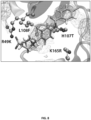
- the binding pocket is defined at least by residues R49, H107, L108, and K165 in p38 ⁇ MAPK.
- the binding pocket is defined by residues R49, H107, L108, M109, G110, A157, V158, E163, L164, and K165 in p38 ⁇ MAPK.
- WO2015121660 discloses p38 MAP kinase inhibitors for use as medicaments for the treatment of inflammatory diseases.
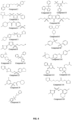
- the compound according to the invention is a compound of the following Formula, or a pharmaceutically acceptable salt thereof: wherein R 3 R 4 R 5 R 9 L 1 L 4 Y H H -SO 2 - H -CH 2 - -NHCO- CH H H -SO 2 - H -C(CH 2 CH 2 )- -NHCO- CH H H -CH(OH)- H -CH 2 - -NHCO- CH H H -CH(OH)- H -C(CH 2 CH 2 )- -NHCO- CH
- the compound according to the invention is a compound of Formula UM101:
- the above compounds according to the invention may be for use in treating a disease which is cancer or an inflammatory disease.
- the disease is rheumatoid arthritis, a cardiovascular disease, multiple sclerosis, inflammatory bowel disease, chronic obstructive pulmonary disease (COPD), asthma, acute respiratory distress syndrome (ARDS), or acute lung injury (ALI).
- COPD chronic obstructive pulmonary disease
- ARDS acute respiratory distress syndrome
- ALI acute lung injury
- the cancer can be acoustic neuroma, adenocarcinoma, angiosarcoma, astrocytoma, basal cell carcinoma, bile duct carcinoma, bladder carcinoma, brain cancer, breast cancer, bronchogenic carcinoma, cervical cancer, chordoma, choriocarcinoma, colon cancer, colorectal cancer, craniopharyngioma, cystadenocarcinoma, embryonal carcinoma, endotheliocarcinoma, ependymoma, epithelial carcinoma, esophageal cancer, Ewing's tumor, fibrosarcoma, gastric cancer, glioblastoma multiforme, glioma, head and neck cancer, hemangioblastoma, hepatoma, kidney cancer, leiomyosarcoma, liposarcoma, lung cancer, lymphangioendotheliosarcoma, lymphangiosarcoma, medullary carcinoma, med
- the invention pertains to a compound of the following Formula or a pharmaceutically acceptable salt thereof, wherein the Formula is: wherein R 3 R 4 R 5 R 9 L 1 L 4 Y H H -O- H -CH 2 - -NHCO- CH H H -O- H -C(CH 2 CH 2 )- -NHCO- CH H H -N(CH 3 )- H -CH 2 - -NHCO- CH H H -N(CH 3 )- H -C(CH 2 CH 2 )- -NHCO- CH for use in treating an inflammatory disease.
- the invention pertains to a compound of the following Formula or a pharmaceutically acceptable salt thereof, wherein the Formula is: wherein R 3 R 4 R 5 R 9 L 1 L 4 Y H H -O- H -CH 2 - -NHCO- CH H H -O- H -C(CH 2 CH 2 )- -NHCO- CH H H -N(CH 3 )- H -CH 2 - -NHCO- CH H H -N(CH 3 )- H -C(CH 2 CH 2 )- -NHCO- CH for use in treating a disease selected from the group consisting of rheumatoid arthritis, a cardiovascular disease, multiple sclerosis, inflammatory bowel disease, chronic obstructive pulmonary disease (COPD), asthma, acute respiratory distress syndrome (ARDS), and acute lung injury (ALI).
- a disease selected from the group consisting of rheumatoid arthritis, a cardiovascular disease, multiple sclerosis, inflammatory bowel disease, chronic obstructive
- a compound according to the invention selectively inhibits p38 ⁇ MAPK.
- inhibition of p38 ⁇ MAPK does not result in loss of a p38 ⁇ -dependent counterregulatory response.
- the p38 ⁇ -dependent counterregulatory response relates to mitogen- and stress-activated protein kinase-1 (MSK1), or MSK2.
- MSK1 mitogen- and stress-activated protein kinase-1
- inhibiting p38 ⁇ MAPK stabilizes an endothelial or epithelial barrier function.
- inhibiting p38 ⁇ MAPK reduces inflammation.
- inhibiting p38 ⁇ MAPK mitigates LPS-induced lung injury.
- inhibiting p38 ⁇ MAPK regulates leukocyte trafficking.
- inhibiting p38 ⁇ MAPK regulates cytokine expression.
- the compounds according to the invention are administered in a dosage unit form.
- the dosage unit comprises a physiologically compatible carrier medium.
- administer refers to (1) providing, giving, dosing, and/or prescribing by either a health practitioner or his authorized agent or under his or her direction according to the disclosure; and/or (2) putting into, taking or consuming by the mammal, according to the disclosure.
- co-administration encompass administration of two or more active pharmaceutical ingredients to a subject so that both active pharmaceutical ingredients and/or their metabolites are present in the subject at the same time.
- Co-administration includes simultaneous administration in separate compositions, administration at different times in separate compositions, or administration in a composition in which two or more active pharmaceutical ingredients are present. Simultaneous administration in separate compositions and administration in a composition in which both agents are present are preferred.
- in vivo refers to an event that takes place in a subject's body.
- in vitro refers to an event that takes places outside of a subject's body.
- in vitro assays encompass cell-based assays in which cells alive or dead are employed and may also encompass a cell-free assay in which no intact cells are employed.
- an effective amount refers to that amount of a compound or combination of compounds as described herein that is sufficient to effect the intended application including disease treatment.
- a therapeutically effective amount may vary depending upon the intended application ( in vitro or in vivo ), or the subject and disease condition being treated (e.g., the weight, age and gender of the subject), the severity of the disease condition, the manner of administration, which can readily be determined by one of ordinary skill in the art.
- the term also applies to a dose that will induce a particular response in target cells (e.g., the reduction of platelet adhesion and/or cell migration).
- the specific dose will vary depending on the particular compounds chosen, the dosing regimen to be followed, whether the compound is administered in combination with other compounds, timing of administration, the tissue to which it is administered, and the physical delivery system in which the compound is carried.
- a prophylactic effect includes delaying or eliminating the appearance of a disease or condition, delaying or eliminating the onset of symptoms of a disease or condition, slowing, halting, or reversing the progression of a disease or condition, or any combination thereof.
- the terms “treat,” “treatment,” and/or “treating” may refer to the management of a disease, disorder, or pathological condition, or symptom thereof with the intent to cure, ameliorate, stabilize, and/or control the disease, disorder, pathological condition or symptom thereof.
- control may include the absence of condition progression, as assessed by the response to the compounds recited herein, where such response may be complete (e.g., placing the disease in remission) or partial ( e . g ., lessening or ameliorating any symptoms associated with the condition).
- the terms “prevent,” “preventing,” and/or “prevention” may refer to reducing the risk of developing a disease, disorder, or pathological condition.
- the terms “modulate” and “modulation” refer to a change in biological activity for a biological molecule (e . g ., a protein, gene, peptide, antibody), where such change may relate to an increase in biological activity (e . g ., increased activity, agonism, activation, expression, upregulation, and/or increased expression) or decrease in biological activity ( e . g ., decreased activity, antagonism, suppression, deactivation, downregulation, and/or decreased expression) for the biological molecule.
- the compounds described herein may modulate ( i . e ., inhibit) p38 ⁇ MAPK protein.
- the compounds described herein may selectively modulate ( i.e ., selectively inhibit) p38 ⁇ MAPK protein as compared to other MAPK or p38 MAPK proteins. In some embodiments, the compounds described herein may selectively modulate ( i.e ., selectively inhibit) p38 ⁇ MAPK protein as compared to other MAPK or p38 MAPK proteins.
- pharmaceutically acceptable salt refers to salts derived from a variety of organic and inorganic counter ions known in the art.
- Pharmaceutically acceptable acid addition salts can be formed with inorganic acids and organic acids.
- Preferred inorganic acids from which salts can be derived include, for example, hydrochloric acid, hydrobromic acid, sulfuric acid, nitric acid and phosphoric acid.
- Preferred organic acids from which salts can be derived include, for example, acetic acid, propionic acid, glycolic acid, pyruvic acid, oxalic acid, maleic acid, malonic acid, succinic acid, fumaric acid, tartaric acid, citric acid, benzoic acid, cinnamic acid, mandelic acid, methanesulfonic acid, ethanesulfonic acid, p-toluenesulfonic acid and salicylic acid.
- Pharmaceutically acceptable base addition salts can be formed with inorganic and organic bases.
- Inorganic bases from which salts can be derived include, for example, sodium, potassium, lithium, ammonium, calcium, magnesium, iron, zinc, copper, manganese and aluminum.
- Organic bases from which salts can be derived include, for example, primary, secondary, and tertiary amines, substituted amines including naturally occurring substituted amines, cyclic amines and basic ion exchange resins. Specific examples include isopropylamine, trimethylamine, diethylamine, triethylamine, tripropylamine, and ethanolamine.
- the pharmaceutically acceptable base addition salt is chosen from ammonium, potassium, sodium, calcium, and magnesium salts.
- “Pharmaceutically acceptable carrier” or “pharmaceutically acceptable excipient” or “physiologically compatible” carrier or carrier medium is intended to include any and all solvents, dispersion media, coatings, antibacterial and antifungal agents, isotonic and absorption delaying agents, and inert ingredients.
- the use of such pharmaceutically acceptable carriers or pharmaceutically acceptable excipients for active pharmaceutical ingredients is well known in the art. Except insofar as any conventional pharmaceutically acceptable carrier or pharmaceutically acceptable excipient is incompatible with the active pharmaceutical ingredient, its use in the therapeutic compositions of the invention is contemplated. Additional active pharmaceutical ingredients, such as other drugs, can also be incorporated into the described compositions.
- the chemical structures depicted herein are intended to include compounds which differ only in the presence of one or more isotopically enriched atoms.
- compounds where one or more hydrogen atoms is replaced by deuterium or tritium, or wherein one or more carbon atoms is replaced by 13 C- or 14 C-enriched carbons are within the scope of this invention.
- ranges are used herein to describe, for example, physical or chemical properties such as molecular weight or chemical formulae, all combinations and subcombinations of ranges and specific embodiments therein are intended to be included.
- Use of the term "about" when referring to a number or a numerical range means that the number or numerical range referred to is an approximation within experimental variability (or within statistical experimental error), and thus the number or numerical range may vary. The variation is typically from 0% to 15%, preferably from 0% to 10%, more preferably from 0% to 5% of the stated number or numerical range.
- Alkyl refers to a straight or branched hydrocarbon chain radical consisting solely of carbon and hydrogen atoms, containing no unsaturation, having from one to ten carbon atoms (e.g., (C 1 - 10 )alkyl or C 1 - 10 alkyl).
- a numerical range such as “1 to 10” refers to each integer in the given range, e.g., "1 to 10 carbon atoms” means that the alkyl group may consist of 1 carbon atom, 2 carbon atoms, 3 carbon atoms, etc., up to and including 10 carbon atoms, although the definition is also intended to cover the occurrence of the term "alkyl” where no numerical range is specifically designated.
- Typical alkyl groups include methyl, ethyl, propyl, isopropyl, n -butyl, isobutyl, sec -butyl isobutyl, tertiary butyl, pentyl, isopentyl, neopentyl, hexyl, heptyl, octyl, nonyl and decyl.
- the alkyl moiety may be attached to the rest of the molecule by a single bond, such as for example, methyl (Me), ethyl (Et), n -propyl (Pr), 1-methylethyl (isopropyl), n -butyl, n -pentyl, 1,1-dimethylethyl ( t -butyl) and 3-methylhexyl.
- an alkyl group is optionally substituted by one or more of substituents which are independently heteroalkyl, acylsulfonamido, alkenyl, alkynyl, cycloalkyl, heterocycloalkyl, hydroxamate, aryl, arylalkyl, heteroaryl, heteroarylalkyl, hydroxy, halo, cyano, trifluoromethyl, trifluoromethoxy, nitro, trimethylsilanyl, -OR a , -SR a , -S(O) t R a -(where t is 1 or 2), -OC(O)-R a , -N(R a ) 2 , -C(O)R a , -C(O)OR a , -OC(O)N(R a ) 2 , -C(O)N(R a ) 2 , - N(R a )
- alkene refers to a group consisting of at least two carbon atoms and at least one carbon-carbon double bond
- alkyne refers to a group consisting of at least two carbon atoms and at least one carbon-carbon triple bond.
- Alkenyl refers to a straight or branched hydrocarbon chain radical group consisting solely of carbon and hydrogen atoms, containing at least one double bond, and having from two to ten carbon atoms ( i . e ., (C 2 - 10 )alkenyl or C 2 - 10 alkenyl). Whenever it appears herein, a numerical range such as “2 to 10" refers to each integer in the given range - e . g ., "2 to 10 carbon atoms” means that the alkenyl group may consist of 2 carbon atoms, 3 carbon atoms, etc., up to and including 10 carbon atoms.
- the alkenyl moiety may be attached to the rest of the molecule by a single bond, such as for example, ethenyl ( i . e ., vinyl), prop-1-enyl ( i.e ., allyl), but-1-enyl, pent-1-enyl and penta-1,4-dienyl.
- an alkenyl group is optionally substituted by one or more substituents which are independently alkyl, heteroalkyl, acylsulfonamido, alkenyl, alkynyl, cycloalkyl, heterocycloalkyl, hydroxamate, aryl, arylalkyl, heteroaryl, heteroarylalkyl, hydroxy, halo, cyano, trifluoromethyl, trifluoromethoxy, nitro, trimethylsilanyl, -OR a , -SR a , - S(O) t R a - (where t is 1 or 2), -OC(O)-R a , -N(R a ) 2 , -C(O)R a , -C(O)OR a , -OC(O)N(R a ) 2 , - C(O)N(R a ) 2 , -N(R
- Alkynyl refers to a straight or branched hydrocarbon chain radical group consisting solely of carbon and hydrogen atoms, containing at least one triple bond, having from two to ten carbon atoms ( i . e ., (C 2 - 10 )alkynyl or C 2 - 10 alkynyl). Whenever it appears herein, a numerical range such as “2 to 10" refers to each integer in the given range - e.g ., "2 to 10 carbon atoms” means that the alkynyl group may consist of 2 carbon atoms, 3 carbon atoms, etc., up to and including 10 carbon atoms.
- alkynyl may be attached to the rest of the molecule by a single bond, for example, ethynyl, propynyl, butynyl, pentynyl and hexynyl.
- an alkynyl group is optionally substituted by one or more substituents which independently are: alkyl, heteroalkyl, alkenyl, alkynyl, cycloalkyl, heterocycloalkyl, hydroxamate, acylsulfonamido, aryl, arylalkyl, heteroaryl, heteroarylalkyl, hydroxy, halo, cyano, trifluoromethyl, trifluoromethoxy, nitro, trimethylsilanyl, -OR a , -SR a , -S(O) t R a - (where t is 1 or 2), -OC(O)-R a , -N(R a )
- Cyano refers to a -CN radical.
- Cycloalkyl refers to a monocyclic or polycyclic radical that contains only carbon and hydrogen, and may be saturated, or partially unsaturated. Cycloalkyl groups include groups having from 3 to 10 ring atoms ( i.e ., (C 3 - 10 )cycloalkyl or C 3 - 10 cycloalkyl). Whenever it appears herein, a numerical range such as “3 to 10" refers to each integer in the given range - e . g ., "3 to 10 carbon atoms” means that the cycloalkyl group may consist of 3 carbon atoms, etc., up to and including 10 carbon atoms.
- cycloalkyl groups include the following moieties: cyclopropyl, cyclobutyl, cyclopentyl, cyclopentenyl, cyclohexyl, cyclohexenyl, cycloheptyl, cyclooctyl, cyclononyl, cyclodecyl, norbornyl, and the like.
- a cycloalkyl group is optionally substituted by one or more substituents which independently are: alkyl, heteroalkyl, alkenyl, alkynyl, cycloalkyl, acylsulfonamido, heterocycloalkyl, hydroxamate, aryl, arylalkyl, heteroaryl, heteroarylalkyl, hydroxy, halo, cyano, trifluoromethyl, trifluoromethoxy, nitro, trimethylsilanyl, -OR a , -SR a , -S(O) t R a - (where t is 1 or 2), -S(O) t R a -(where t is 1 or 2), -OC(O)-R a , -N(R a ) 2 , -C(O)R a , -C(O)OR a , -OC(O)N(R a
- alkoxy refers to the group -O-alkyl, including from 1 to 8 carbon atoms of a straight, branched, cyclic configuration and combinations thereof attached to the parent structure through an oxygen. Examples include methoxy, ethoxy, propoxy, isopropoxy, cyclopropyloxy and cyclohexyloxy. "Lower alkoxy” refers to alkoxy groups containing one to six carbons.
- substituted alkoxy refers to alkoxy wherein the alkyl constituent is substituted ( i.e ., -O-(substituted alkyl)).
- the alkyl moiety of an alkoxy group is optionally substituted by one or more substituents which independently are: alkyl, heteroalkyl, alkenyl, acylsulfonamido, alkynyl, cycloalkyl, heterocycloalkyl, hydroxamate, aryl, arylalkyl, heteroaryl, heteroarylalkyl, hydroxy, halo, cyano, trifluoromethyl, trifluoromethoxy, nitro, trimethylsilanyl, -OR a , -SR a , - S(O) t R a - (where t is 1 or 2), -OC(O)-R a , -N(R a ) 2 ,
- Acyl refers to the groups (alkyl)-C(O)-, (aryl)-C(O)-, (heteroaryl)-C(O)-, (heteroalkyl)-C(O)- and (heterocycloalkyl)-C(O)-, wherein the group is attached to the parent structure through the carbonyl functionality. If the R radical is heteroaryl or heterocycloalkyl, the hetero ring or chain atoms contribute to the total number of chain or ring atoms.
- the alkyl, aryl or heteroaryl moiety of the acyl group is optionally substituted by one or more substituents which are independently alkyl, heteroalkyl, acylsulfonamido, alkenyl, alkynyl, cycloalkyl, heterocycloalkyl, hydroxamate, aryl, arylalkyl, heteroaryl, heteroarylalkyl, hydroxy, halo, cyano, trifluoromethyl, trifluoromethoxy, nitro, trimethylsilanyl, -OR a , -SR a , -S(O) t R a - (where t is 1 or 2), -OC(O)-R a , -N(R a ) 2 , -C(O)R a , -C(O)OR a , -OC(O)N(R a ) 2 , -C(O)N, -C(O)N
- Amino or “amine” refers to a -N(R a ) 2 radical group, where each R a is independently hydrogen, alkyl, fluoroalkyl, carbocyclyl, carbocyclylalkyl, aryl, aralkyl, heterocycloalkyl, heterocycloalkylalkyl, heteroaryl or heteroarylalkyl, unless stated otherwise specifically in the specification.
- R a is independently hydrogen, alkyl, fluoroalkyl, carbocyclyl, carbocyclylalkyl, aryl, aralkyl, heterocycloalkyl, heterocycloalkylalkyl, heteroaryl or heteroarylalkyl, unless stated otherwise specifically in the specification.
- R a is independently hydrogen, alkyl, fluoroalkyl, carbocyclyl, carbocyclylalkyl, aryl, aralkyl, heterocycloalkyl, heterocycloalkylalkyl, heteroaryl
- -N(R a ) 2 is intended to include 1-pyrrolidinyl and 4-morpholinyl.
- an amino group is optionally substituted by one or more substituents which independently are: alkyl, acylsulfonamido, heteroalkyl, alkenyl, alkynyl, cycloalkyl, heterocycloalkyl, hydroxamate, aryl, arylalkyl, heteroaryl, heteroarylalkyl, hydroxy, halo, cyano, trifluoromethyl, trifluoromethoxy, nitro, trimethylsilanyl, -OR a , -SR a , -S(O) t R a - (where t is 1 or 2), -OC(O)-R a , -N(R a ) 2 , -C(O)R a , -C(O)OR a , -OC(O)N(
- substituted amino also refers to N-oxides of the groups -NHR d , and NR d R d each as described above. N-oxides can be prepared by treatment of the corresponding amino group with, for example, hydrogen peroxide or m-chloroperoxybenzoic acid.
- Amide refers to a chemical moiety with formula -C(O)N R a R b or -N R a C(O)R b , where R a and R b are selected from the group consisting of hydrogen, alkyl, cycloalkyl, aryl, heteroaryl (bonded through a ring carbon) and heteroalicyclic (bonded through a ring carbon), each of which moiety may itself be optionally substituted.
- the R a and R b of -C(O)N R a R b amide may optionally be taken together with the nitrogen to which they are attached to form a 4-, 5-, 6- or 7-membered ring.
- an amido group is optionally substituted independently by one or more of the substituents as described herein for alkyl, amino, cycloalkyl, aryl, heteroaryl, or heterocycloalkyl.
- An amide may be an amino acid or a peptide molecule attached to a compound disclosed herein, thereby forming a prodrug.
- the procedures and specific groups to make such amides are known to those of skill in the art and can readily be found in seminal sources such as Greene and Wuts, Protective Groups in Organic Synthesis, 3rd Ed., John Wiley & Sons, New York, N.Y., 1999 .
- Aromaatic or “aryl” or “Ar” refers to an aromatic radical with six to ten ring atoms ( e.g ., C 6 -C 10 aromatic or C 6 -C 10 aryl) which has at least one ring having a conjugated pi electron system which is carbocyclic ( e.g ., phenyl, fluorenyl, and naphthyl).
- Bivalent radicals formed from substituted benzene derivatives and having the free valences at ring atoms are named as substituted phenylene radicals.
- Bivalent radicals derived from univalent polycyclic hydrocarbon radicals whose names end in "-yl” by removal of one hydrogen atom from the carbon atom with the free valence are named by adding "-idene” to the name of the corresponding univalent radical, e.g ., a naphthyl group with two points of attachment is termed naphthylidene.
- a numerical range such as “6 to 10” refers to each integer in the given range; e.g ., "6 to 10 ring atoms” means that the aryl group may consist of 6 ring atoms, 7 ring atoms, etc., up to and including 10 ring atoms.
- the term includes monocyclic or fused-ring polycyclic ( i.e ., rings which share adjacent pairs of ring atoms) groups.
- an aryl moiety is optionally substituted by one or more substituents which are independently alkyl, heteroalkyl, acylsulfonamido, alkenyl, alkynyl, cycloalkyl, heterocycloalkyl, hydroxamate, aryl, arylalkyl, heteroaryl, heteroarylalkyl, hydroxy, halo, cyano, trifluoromethyl, trifluoromethoxy, nitro, trimethylsilanyl, -OR a , -SR a , -S(O) t R a - (where t is 1 or 2), -OC(O)-R a , -N(R a ) 2 , -C(O)R a , -C(O)OR a ,
- alkyl refers to an (aryl)alkyl-radical where aryl and alkyl are as disclosed herein and which are optionally substituted by one or more of the substituents described as suitable substituents for aryl and alkyl respectively.
- Ester refers to a chemical radical of formula -COOR, where R is selected from the group consisting of alkyl, cycloalkyl, aryl, heteroaryl (bonded through a ring carbon) and heteroalicyclic (bonded through a ring carbon).
- R is selected from the group consisting of alkyl, cycloalkyl, aryl, heteroaryl (bonded through a ring carbon) and heteroalicyclic (bonded through a ring carbon).
- an ester group is optionally substituted by one or more substituents which independently are: alkyl, acylsulfonamido, heteroalkyl, alkenyl, alkynyl, cycloalkyl, heterocycloalkyl, hydroxamate, aryl, arylalkyl, heteroaryl, heteroarylalkyl, hydroxy, halo, cyano, trifluoromethyl, trifluoromethoxy, nitro, trimethylsilanyl, -OR a , -SR a , -S(O) t R a - (where t is 1 or 2), -OC(O)-R a , -N(R a ) 2 , -C(O)R a , -C(O)OR a , -OC(O)N(R a ) 2 , -C(O)N(R a ) 2 , -N(R
- Fluoroalkyl refers to an alkyl radical, as defined above, that is substituted by one or more fluoro radicals, as defined above, for example, trifluoromethyl, difluoromethyl, 2,2,2-trifluoroethyl, 1-fluoromethyl-2-fluoroethyl, and the like.
- the alkyl part of the fluoroalkyl radical may be optionally substituted as defined above for an alkyl group.
- Halo is intended to mean fluoro, chloro, bromo or iodo.
- haloalkyl haloalkenyl
- haloalkynyl haloalkoxy
- Heteroalkyl refers to optionally substituted alkyl, alkenyl and alkynyl radicals and which have one or more skeletal chain atoms selected from an atom other than carbon, e.g ., oxygen, nitrogen, sulfur, phosphorus or combinations thereof.
- a numerical range may be given - e.g ., C 1 -C 4 heteroalkyl which refers to the chain length in total, which in this example is 4 atoms long.
- a heteroalkyl group may be substituted with one or more substituents which independently are: alkyl, heteroalkyl, alkenyl, alkynyl, acylsulfonamido, cycloalkyl, heterocycloalkyl, hydroxamate, aryl, arylalkyl, heteroaryl, heteroarylalkyl, hydroxy, halo, cyano, nitro, oxo, thioxo, trimethylsilanyl, -OR a , -SR a , - S(O) t R a - (where t is 1 or 2), -OC(O)-R a , -N(R a ) 2 , -C(O)R a , -C(O)OR a , -OC(O)N(R a ) 2 , - C(O)N(R a ) 2 , -N(R a )C(O)OR
- Heteroaryl or “heteroaromatic” or “HetAr” refers to a 5- to 18-membered aromatic radical (e.g ., C 5 -C 13 heteroaryl) that includes one or more ring heteroatoms selected from nitrogen, oxygen and sulfur, and which may be a monocyclic, bicyclic, tricyclic or tetracyclic ring system.
- a numerical range such as “5 to 18” refers to each integer in the given range - e.g ., "5 to 18 ring atoms” means that the heteroaryl group may consist of 5 ring atoms, 6 ring atoms, etc., up to and including 18 ring atoms.
- Bivalent radicals derived from univalent heteroaryl radicals whose names end in "-yl” by removal of one hydrogen atom from the atom with the free valence are named by adding "-idene" to the name of the corresponding univalent radical - e.g ., a pyridyl group with two points of attachment is a pyridylidene.
- a N-containing "heteroaromatic” or “heteroaryl” moiety refers to an aromatic group in which at least one of the skeletal atoms of the ring is a nitrogen atom.
- the polycyclic heteroaryl group may be fused or non-fused.
- the heteroatom(s) in the heteroaryl radical are optionally oxidized.
- heteroaryl may be attached to the rest of the molecule through any atom of the ring(s).
- heteroaryls include azepinyl, acridinyl, benzimidazolyl, benzindolyl, 1,3-benzodioxolyl, benzofuranyl, benzoxazolyl, benzo[ d ]thiazolyl, benzothiadiazolyl, benzo[ b ][1,4]dioxepinyl, benzo[ b ][1,4]oxazinyl, 1,4-benzodioxanyl, benzonaphthofuranyl, benzoxazolyl, benzodioxolyl, benzodioxinyl, benzoxazolyl, benzopyranyl, benzopyranonyl, benzofuranyl, benzofuranonyl, benzofura
- a heteroaryl moiety is optionally substituted by one or more substituents which are independently: alkyl, acylsulfonamido, heteroalkyl, alkenyl, alkynyl, cycloalkyl, heterocycloalkyl, hydroxamate, aryl, arylalkyl, heteroaryl, heteroarylalkyl, hydroxy, halo, cyano, nitro, oxo, thioxo, trimethylsilanyl, -OR a , -SR a , - S(O) t R a - (where t is 1 or 2), -OC(O)-R a , -N(R a ) 2 , -C(O)R a , -C(O)OR a , -OC(O)N(R a ) 2 , - C(O)N(R a ) 2 , - C(O)N(R a )
- Substituted heteroaryl also includes ring systems substituted with one or more oxide (-O-) substituents, such as, for example, pyridinyl N-oxides.
- Heteroarylalkyl refers to a moiety having an aryl moiety, as described herein, connected to an alkylene moiety, as described herein, wherein the connection to the remainder of the molecule is through the alkylene group.
- Heterocycloalkyl refers to a stable 3- to 18-membered non-aromatic ring radical that comprises two to twelve carbon atoms and from one to six heteroatoms selected from nitrogen, oxygen and sulfur. Whenever it appears herein, a numerical range such as “3 to 18" refers to each integer in the given range - e . g ., "3 to 18 ring atoms” means that the heterocycloalkyl group may consist of 3 ring atoms, 4 ring atoms, etc., up to and including 18 ring atoms.
- the heterocycloalkyl radical is a monocyclic, bicyclic, tricyclic or tetracyclic ring system, which may include fused or bridged ring systems.
- the heteroatoms in the heterocycloalkyl radical may be optionally oxidized.
- One or more nitrogen atoms, if present, are optionally quaternized.
- the heterocycloalkyl radical is partially or fully saturated.
- the heterocycloalkyl may be attached to the rest of the molecule through any atom of the ring(s).
- heterocycloalkyl radicals include dioxolanyl, thienyl[1,3]dithianyl, decahydroisoquinolyl, imidazolinyl, imidazolidinyl, isothiazolidinyl, isoxazolidinyl, morpholinyl, octahydroindolyl, octahydroisoindolyl, 2-oxopiperazinyl, 2-oxopiperidinyl, 2-oxopyrrolidinyl, oxazolidinyl, piperidinyl, piperazinyl, 4-piperidonyl, pyrrolidinyl, pyrazolidinyl, quinuclidinyl, thiazolidinyl, tetrahydrofuryl, trithianyl, tetrahydropyranyl, thiomorpholinyl, thiamorpholinyl, 1-oxo-thiomorpholinyl, 1-o
- a heterocycloalkyl moiety is optionally substituted by one or more substituents which independently are: alkyl, acylsulfonamido, heteroalkyl, alkenyl, alkynyl, cycloalkyl, heterocycloalkyl, hydroxamate, aryl, arylalkyl, heteroaryl, heteroarylalkyl, hydroxy, halo, cyano, nitro, oxo, thioxo, trimethylsilanyl, -OR a , -SR a , - S(O) t R a - (where t is 1 or 2), -OC(O)-R a , -N(R a ) 2 , -C(O)R a , -C(O)OR a , -OC(O)N(R a ) 2 , -C(O)N(R a ) 2 , -C(O)N(R
- Heterocycloalkyl also includes bicyclic ring systems wherein one non-aromatic ring, usually with 3 to 7 ring atoms, contains at least 2 carbon atoms in addition to 1-3 heteroatoms independently selected from oxygen, sulfur, and nitrogen, as well as combinations comprising at least one of the foregoing heteroatoms; and the other ring, usually with 3 to 7 ring atoms, optionally contains 1-3 heteroatoms independently selected from oxygen, sulfur, and nitrogen and is not aromatic.
- “Hydroxamate” refers to the -C(O)NR a OR a moiety, where each R a is independently hydrogen, alkyl, fluoroalkyl, carbocyclyl, carbocyclylalkyl, aryl, aralkyl, heterocycloalkyl, heterocycloalkylalkyl, heteroaryl or heteroarylalkyl.
- Niro refers to the -NO 2 radical.
- Oxa refers to the -O- radical.
- “Isomers” are different compounds that have the same molecular formula. “Stereoisomers” are isomers that differ only in the way the atoms are arranged in space - i.e ., having a different stereochemical configuration. "Enantiomers” are a pair of stereoisomers that are non-superimposable mirror images of each other. A 1:1 mixture of a pair of enantiomers is a “racemic” mixture. The term “( ⁇ )” is used to designate a racemic mixture where appropriate. “Diastereoisomers” are stereoisomers that have at least two asymmetric atoms, but which are not mirror-images of each other.
- the absolute stereochemistry is specified according to the Cahn-Ingold-Prelog R-S system.
- the stereochemistry at each chiral carbon can be specified by either ( R ) or ( S ).
- Resolved compounds whose absolute configuration is unknown can be designated (+) or (-) depending on the direction (dextro- or levorotatory) which they rotate plane polarized light at the wavelength of the sodium D line.
- one of the compounds described herein contains one or more asymmetric centers it can thus give rise to enantiomers, diastereomers, and other stereoisomeric forms that can be defined, in terms of absolute stereochemistry, as ( R ) or ( S ).
- Optically active ( R )- and ( S )-isomers can be prepared using chiral synthons or chiral reagents, or resolved using conventional techniques.
- R )- and S )-isomers can be prepared using chiral synthons or chiral reagents, or resolved using conventional techniques.
- Moiety refers to a specific segment or functional group of a molecule. Chemical moieties are often recognized chemical entities embedded in or appended to a molecule.
- Solvate refers to a compound in physical association with one or more molecules of a pharmaceutically acceptable solvent.
- Compounds of the invention also include crystalline and amorphous forms of those compounds, including, for example, polymorphs, pseudopolymorphs, solvates, hydrates, unsolvated polymorphs (including anhydrates), conformational polymorphs, and amorphous forms of the compounds, as well as mixtures thereof.
- Crystalstalline form and polymorph are intended to include all crystalline and amorphous forms of the compound, including, for example, polymorphs, pseudopolymorphs, solvates, hydrates, unsolvated polymorphs (including anhydrates), conformational polymorphs, and amorphous forms, as well as mixtures thereof, unless a particular crystalline or amorphous form is referred to.
- the p38 mitogen-activated protein kinase (MAPKs) family of stress- and cytokine-activated kinases contribute to the pathogenesis of many human diseases, including cancer, rheumatoid arthritis, cardiovascular disease, multiple sclerosis, inflammatory bowel disease, chronic obstructive pulmonary disease (COPD), asthma, acute respiratory distress syndrome (ARDS), and acute lung injury (ALI).
- MAPKs mitogen-activated protein kinase
- COPD chronic obstructive pulmonary disease
- COPD chronic obstructive pulmonary disease
- ARDS acute respiratory distress syndrome
- ALI acute lung injury
- CMPD1 CMPD1
- the compounds of the invention target the substrate binding groove of p38 ⁇ , which stretches between two acidic patches, the CD and ED domains, and is distinct from the DEF substrate-binding pocket. Downstream substrates, upstream activating kinases, and possibly scaffolding molecules, all interact with p38 through these sites.
- Computer-aided drug design was used in order to target low molecular weight compounds to a pocket near the p38 ⁇ ED substrate binding site, which is required for phosphorylation of MAPK-activated protein kinase-2 (MAPKAPK2; MK2), a p38 ⁇ substrate known to mediate endothelial permeability and neutrophil transendothelial migration (TEM) in vitro, and pulmonary edema in a mouse lung injury model; whereas anti-inflammatory MSK1/2 binds to the CD site.
- MAPK-activated protein kinase-2 MAPK-activated protein kinase-2
- MK2 MAPK-activated protein kinase-2
- TEM neutrophil transendothelial migration
- p38 ⁇ -binding compounds with high efficiency were identified, including the lead compound UM101 that selectively binds p38 ⁇ and not p38 ⁇ , stabilizes endothelial barrier function in human lung microvascular endothelial cells (HMVECLs), inhibits LPS-induced proinflammatory gene expression in THP1 cells, and is well tolerated and more potent than SB203580 in mitigating experimental ALI.
- HMVECLs human lung microvascular endothelial cells
- ARDS Acute respiratory distress syndrome
- p38 signaling is important in ARDS pathogenesis, but clinical trials of p38 inhibitors, all of which inactivate the p38 catalytic site and block phosphorylation of all p38 substrates, have been disappointing due to dose-limiting toxicity.
- Acute respiratory distress syndrome is characterized by acute onset of non-hydrostatic pulmonary edema caused predominantly by neutrophil-mediated injury to the alveolar epithelium and capillary endothelial barrier dysfunction.
- a complex network of pro- and anti-inflammatory mediators activated in association with ARDS is critical to the pathogenesis of acute lung injury (ALI) as well as the multiple organ failure that often accompanies ARDS.
- ALI acute lung injury
- therapeutic agents that target proinflammatory mediators have proven to be ineffective in ARDS.
- Injury to lung parenchyma causes reduced compliance, intrapulmonary shunting, and mismatched ventilation-perfusion that usually necessitates mechanical ventilation.
- the p38 mitogen-activated protein kinases are a family of stress- and cytokine-activated kinases that are activated by many of the pathogenic signals associated with ARDS, including inflammatory mediators, febrile-range hyperthermia (FRH), and cyclic stretch. Since p38 MAPK is activated in patients at-risk for ARDS and, as discussed below, p38 MAPK participates in multiple processes that contribute to the pathogenesis of ARDS, this family of MAPKs presents an intriguing therapeutic target in ARDS.
- Cross-linking ICAM-1 on human umbilical vein endothelial cells stimulates p38 ⁇ activation, HSP27 phosphorylation, F-actin rearrangement, ICAM-1 aggregation, and cell stiffening, and increases migration of neutrophils to HUVEC intercellular junctions, all of which is blocked by SB203580.
- Cross-linking E-selectin on HUVECs activates p38 and p38-dependent cytoskeleton rearrangement, stress fiber formation and neutrophil TEM.
- ICAM-1 ligation of ⁇ 2 integrins on neutrophils activates neutrophil p38 and p38-dependent chemokinesis and chemotaxis.
- Pretreatment with p38 inhibitor was protective in a mouse model of ventilator-induced lung injury, complement-induced lung injury, and lung injury associated with a cecal-ligation and puncture model of sepsis, but not hemorrhage and endotoxemia-induced lung injury.
- Our own laboratory has shown that the exaggerated endothelial barrier dysfunction caused by FRH (2-3°C increase in core temperature) in experimental ALI is associated with p38 activation and blocked by SB203580.
- the effectiveness of SB203580 in mitigating multiple pathogenic processes that contribute to acute lung injury and the relatively high expression of p38 ⁇ and ⁇ in human lung supports a central role for these two p38 isoforms in the pathogenesis of ARDS.
- the p38 MAPKs like most protein kinases, share a conserved bi-lobed structure and a catalytic site, with its hydrophobic ATP-binding pocket, located between the N-terminal and C-terminal lobes. Most available protein kinase inhibitors compete with ATP for binding to the ATP-binding pocket of the catalytic site, but the extensive structural conservation of the catalytic module across most protein kinases presents a challenge to developing catalytic p38 inhibitors with high specificity.
- the pyridinyl imidazole inhibitor SB203580 binds the ATP-binding site of p38 ⁇ and ⁇ , but its access to the ATP binding site of p38 ⁇ and ⁇ is blocked by a bulky methionine, it is used as a specific inhibitor of p38 ⁇ and ⁇ .
- proteomic analysis identified several additional kinases that were inhibited by SB203580 with sub-micromolar IC 50 , including Rip-like interacting caspase-like apoptosis-regulatory protein kinase (RICK/Rip2), casein kinase (CK)-1 ⁇ , and cyclin G-associated kinase (GAK).
- p38 inhibitor toxicity likely derives from the broad range of functions of each p38 MAPK isoform. Since both types of inhibitors block the p38 catalytic site, the ATP-competitive and allosteric inhibitors block all p38 phosphorylation events. Since p38 phosphorylates at least 66 recognized substrates with important biological activity, dose-limiting toxicity may be unavoidable with these agents.
- MAPK p38 and ERK family members share a structural feature, a substrate binding groove located on the C-terminal lobe of the protein on the side opposite the catalytic domain.
- the binding groove stretches between two acidic patches, the CD and ED domains.
- This region of p38 not only binds p38 substrates but also binds upstream kinases and scaffolding proteins.
- Our group has previously developed a new class of ERK1/2 MAPK inhibitors with improved toxicity profile by using computer-aided drug design (CADD) to identify small molecules that target the substrate binding groove rather than the catalytic module of ERK2.
- CADD computer-aided drug design
- a similar strategy may be employed to identify low molecular weight compounds targeting a pocket near the p38 ⁇ ED substrate binding site, which is required for phosphorylation of MK2, a p38 substrate known to mediate pulmonary endothelial permeability in vitro and pulmonary edema in a mouse lung injury model.
- CADD CADD to search a database of commercially available compounds, 150 low molecular weight compounds predicted to bind to the targeted pocket near the ED binding site of p38 ⁇ target have been identified.
- the p38 ⁇ MAPK inhibitors described herein may be used in the treatment of acute respiratory distress syndrome (ARDS) and/or acute lung injury (ALI).
- ARDS acute respiratory distress syndrome
- ALI acute lung injury
- the invention includes compounds that may be p38 ⁇ MAPK inhibitors and/or modulators of p38 ⁇ MAPK protein activity, for example compounds capable of binding to a pocket near the ED substrate-docking site of p38 ⁇ MAPK, or a pharmaceutically acceptable salt thereof.
- the p38 ⁇ MAPK inhibitor is a p38 ⁇ MAPK selective inhibitor.
- the p38 ⁇ MAPK inhibitor binds p38 ⁇ MAPK near the substrate binding groove of p38 ⁇ MAPK, which stretches between two acidic patches, the CD and ED domains.
- the p38 ⁇ MAPK inhibitor causes inhibition of MK2 phosphorylation.
- a lead p38 ⁇ MAPK inhibitor compound has been identified, that has favorable biological effects in human cell culture models and in a mouse model of inflammatory lung injury.
- a p38 ⁇ MAPK inhibitor has been identified by means of a CADD strategy.
- the CADD-targeted pocket in p38 ⁇ differed from the corresponding pocket in p38 ⁇ in 3 of 10 amino acids, which provided an opportunity for p38 ⁇ -selectivity.
- the sequence of the targeted pocket at least includes amino acids R49, H107, L108, and K165 in p38 ⁇ MAPK.
- the sequence of the targeted pocket is R49, H107, L108, M109, G110, A157, V158, E163, L164, and K165 in p38 ⁇ MAPK.
- a compound according to the invention is a compound of the following Formula: wherein R 3 R 4 R 5 R 9 L 1 L 4 Y H H -SO 2 - H -CH 2 - -NHCO- CH H H -SO 2 - H -C(CH 2 CH 2 )- -NHCO- CH H H -CH(OH)- H -CH 2 - -NHCO- CH H H -CH(OH)- H -C(CH 2 CH 2 )- -NHCO- CH
- a compound according to the invention is a compound of Formula UM101:
- STD-NMR which measures low affinity protein:ligand binding via non-scalar magnetization transfer from protein to ligand protons, confirmed specific UM101 binding to p38 ⁇ and localized the interaction to its aromatic rings. UM101 binding to its CADD target was also confirmed by showing that mutating four often amino acids in the targeted pocket abrogated UM101 binding while SB203580 binding was preserved.
- the p38 ⁇ MAPK inhibitor causes a concentration-dependent increase in melting temperature of p38 ⁇ MAPK.
- the difference in melting temperature ⁇ Tm (°C) is measured at a p38 ⁇ MAPK inhibitor concentration of between 1 nM and 1000 ⁇ M. In one embodiment, the difference in melting temperature ⁇ Tm (°C) is measured at a p38 ⁇ MAPK inhibitor concentration of 100 ⁇ M.
- ⁇ Tm is between about 0.1 and about 2 °C. In one embodiment, ⁇ Tm is between about 0.01 and about 0.05 °C. In one embodiment, ⁇ Tm is between about 0.01 and about 0.1 °C. In one embodiment, ⁇ Tm is between about 0.03 and about 0.7 °C.
- ⁇ Tm is between about 0.06 and about 1.5 °C. In one embodiment, ⁇ Tm is between about 1 °C and about 2 °C. In one embodiment, ⁇ Tm is between about 1.5 and about 2 °C. In one embodiment, ⁇ Tm is about 0.1 °C. In one embodiment, ⁇ Tm is about 0.2 °C. In one embodiment, ⁇ Tm is about 0.3 °C. In one embodiment, ⁇ Tm is about 0.4 °C. In one embodiment, ⁇ Tm is about 0.5 °C. In one embodiment, ⁇ Tm is about 0.6 °C. In one embodiment, ⁇ Tm is about 0.7 °C. In one embodiment, ⁇ Tm is about 0.8 °C.
- ⁇ Tm is about 0.9 °C. In one embodiment, ⁇ Tm is about 1 °C. In one embodiment, ⁇ Tm is about 1.1 °C. In one embodiment, ⁇ Tm is about 1.2 °C. In one embodiment, ⁇ Tm is about 1.3 °C. In one embodiment, ⁇ Tm is about 1.4 °C. In one embodiment, ⁇ Tm is about 1.5 °C. In one embodiment, ⁇ Tm is about 1.6 °C. In one embodiment, ⁇ Tm is about 1.7 °C. In one embodiment, ⁇ Tm is about 1.8 °C. In one embodiment, ⁇ Tm is about 1.9 °C. In one embodiment, ⁇ Tm is about 2 °C. In one embodiment, ⁇ Tm is about 0.735 °C. In one embodiment, ⁇ Tm is about 0.667 °C.
- the target pocket is at least defined by amino acids R49, H107, L108, and K165 in p38 ⁇ MAPK.
- the target pocket is defined by amino acids selected from the group consisting of R49, H107, L108, M109, G110, A157, V158, E163, L164, and K165 in p38 ⁇ MAPK, and combinations thereof.
- the target pocket is defined by the amino acids R49, H107, L108, M109, G110, A157, V158, E163, L164, and K165 in p38 ⁇ MAPK.
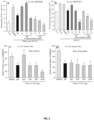
- UM101 more effectively stabilized endothelial barriers than SB203580 ( FIG. 2a and FIG. 2b ) despite having less effect on MK2 phosphorylation.
- Endothelial barrier permeability can be measured by separate or combined exposure to TNF ⁇ and hyperthermia, followed by measurement of permeability for 10 kDa dextran.
- endothelial barrier stabilization is assessed by pretreating with a compound of the invention, preceded and followed by permeability measurements, where stabilization is expressed as a % reduction in the before and after pretreatment permeability increase.
- Pretreatment with a p38 ⁇ MAPK inhibitor can be done at various concentrations, for example at 10, 25, 50, or 100 ⁇ M.
- the permeability increase for 10 kDa dextran can be reduced by between 5% to more than 100%. In one embodiment, the permeability increase is reduced by about 5%. In one embodiment, the permeability increase is reduced by about 10%. In one embodiment, the permeability increase is reduced by about 20%. In one embodiment, the permeability increase is reduced by about 30%.
- the permeability increase is reduced by about 40%. In one embodiment, the permeability increase is reduced by about 50%. In one embodiment, the permeability increase is reduced by about 60%. In one embodiment, the permeability increase is reduced by about 70%. In one embodiment, the permeability increase is reduced by about 80%. In one embodiment, the permeability increase is reduced by about 90%. In one embodiment, the permeability increase is reduced by about 100%. In one embodiment, the permeability increase is reduced by about more than 100%. In one embodiment, the permeability increase is reduced by about 71%. In one embodiment, the permeability increase is reduced by about 74%. In one embodiment, the permeability increase is reduced by about 89%. In one embodiment, the permeability increase is reduced by about 100%.
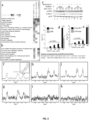
- PathwayNet analysis showed UM101 to block only 7 of the 15 SB203580-blocked transcription factors. MSK1/2 was among those spared by UM101, which is consistent with the targeting strategy for UM101 for the ED site, and in an advantageous way, given the anti-inflammatory actions of MSK1/2.
- UM101 and SB203580 revealed by RNASeq is consistent with the design of UM101 as a non-catalytic substrate-selective inhibitor, but might also be the result of off-target effects of SB203580, which include Receptor-interacting Protein Kinase-2, cyclin G-associated kinase, and casein kinase-1 ⁇ .
- SB203580 which include Receptor-interacting Protein Kinase-2, cyclin G-associated kinase, and casein kinase-1 ⁇ .
- SB203580-inhibited transcription factors identified by the PathwayNet analysis are known substrates for these kinases as analyzed using PhosphoNetworks.
- UM101 may be more effective than SB203580 in stabilizing endothelial barrier because of its selective sparing of potential counter-regulatory genes, such as GM-CSF, MSK1/2-dependent anti-inflammatory genes, and p38 ⁇ -dependent pro-survival genes.
- potential counter-regulatory genes such as GM-CSF, MSK1/2-dependent anti-inflammatory genes, and p38 ⁇ -dependent pro-survival genes.
- compounds of the invention inhibit p38 ⁇ MAPK where inhibition of p38 ⁇ MAPK does not result in loss of p38 ⁇ -dependent counterregulatory responses.
- the p38 ⁇ -dependent counterregulatory response relates to mitogen- and stress-activated protein kinase-1 (MSK1), or MSK2.
- MSK1 mitogen- and stress-activated protein kinase-1
- the inhibitors described herein avoid interfering with CD-specific substrates, including MSK1/2, thus limiting inflammation through expression of IL-10 and DUSP2.
- MSK1/2 deletion in mice is increased and prolonged LPS-induced expression of the CRP-regulator, IL-6, suggesting a possible mechanism of the rebound in serum CRP observed in some clinical trials of catalytic p38 inhibitors.
- compounds of the invention inhibit p38 ⁇ MAPK where inhibiting p38 ⁇ MAPK reduces inflammation.
- the effects of a p38 ⁇ MAPK inhibitor on inflammatory cytokine expression are compared by pretreating PMA-differentiated THP1 cells with a p38 ⁇ MAPK inhibitor, then stimulating with LPS, and harvesting RNA a period of time later for analysis by PCR-based cytokine array.
- a p38 ⁇ MAPK inhibitor inhibits expression of various genes, such as IL-1A, IL-8, TNFSF8, CXCL5, CCL7, CCL17, TNFSF9, IL-1B, CXCL1, TNFSF15, CCL5, CCL4, CCL20, CXCL2, TNF, or BMP6.
- a p38 ⁇ MAPK inhibitor inhibits expression of Smad3, which drives differentiation of Foxp3 T regulatory cells and suppresses interferon-gamma.
- the p38 ⁇ MAPK inhibitor can be used in any appropriate concentration, for example 10, 25, 50, or 100 ⁇ M.
- inflammation reduction is measured by comparing the fold change mRNA levels vs. unstimulated PMA-differentiated THP1 cells at various concentrations of p38 ⁇ MAPK inhibitor.
- a p38 ⁇ MAPK inhibitor modulates TNF ⁇ -induced gene expression in HMVECLs, as evidenced using RNASeq.
- HMVECLs were pretreated for a period of time with a p38 ⁇ MAPK inhibitor at an appropriate concentration, for example 10 ⁇ M or 100 ⁇ M, and then stimulated with TNF ⁇ for a period of time.
- a p38 ⁇ MAPK inhibitor of the invention inhibits genes such as PRRG4,TSLP, CCL17, EXOC3L4, MMP9, IDO1, CXCL10, CD200, SLC15A3, VDR, IL1B, GPR88, CD207, TCHH, HAS3, GBP1P1, MUC4, ELOVL7, CXCL11, GBP4, PLA1A, or CXCL5.
- genes such as PRRG4,TSLP, CCL17, EXOC3L4, MMP9, IDO1, CXCL10, CD200, SLC15A3, VDR, IL1B, GPR88, CD207, TCHH, HAS3, GBP1P1, MUC4, ELOVL7, CXCL11, GBP4, PLA1A, or CXCL5.
- compounds of the invention inhibit p38 ⁇ MAPK where inhibiting p38 ⁇ MAPK mitigates LPS-induced lung injury in a subject.
- the effectiveness of a p38 ⁇ MAPK inhibitor in mitigating transalveolar protein and neutrophil extravasation in a mouse model of LPS/hyperthermia-induced ALI was compared ( FIG. 2c and FIG. 2d ).
- Subjects receive intraperitoneal injection(s) of a p38 ⁇ MAPK inhibitor at concentrations such as 100, 250, 300, 400, 500, 750, 1000 ⁇ g, in an appropriate carrier, for example DMSO, a period of time prior to intratracheal instillation of LPS, and/or transfer to hyperthermic chambers.
- Lung lavage from subjects are measured for protein and/or neutrophils. Compared with control subjects, lavage protein concentration and neutrophil content in subjects pretreated with a p38 ⁇ MAPK inhibitor are reduced.
- the reduction is between about 5% and about 100%. In one embodiment, the reduction is greater than about 5%. In one embodiment, the reduction is greater than about 10%. In one embodiment, the reduction is greater than about 20%. In one embodiment, the reduction is greater than about 30%. In one embodiment, the reduction is greater than about 40%. In one embodiment, the reduction is greater than about 50%. In one embodiment, the reduction is greater than about 60%. In one embodiment, the reduction is greater than about 70%. In one embodiment, the reduction is greater than about 80%. In one embodiment, the reduction is greater than about 90%.
- the reduction is about 100%. In one embodiment, the reduction is less than about 10%. In one embodiment, the reduction is less than about 20%. In one embodiment, the reduction is less than about 30%. In one embodiment, the reduction is less than about 40%. In one embodiment, the reduction is less than about 50%. In one embodiment, the reduction is less than about 60%. In one embodiment, the reduction is less than about 70%. In one embodiment, the reduction is less than about 80%. In one embodiment, the reduction is less than about 90%. In one embodiment, the reduction is about 100%. In one embodiment, the reduction is about 44.1%. In one embodiment, the reduction is about 43.9%. In one embodiment, the reduction is about 92.9%. In one embodiment, the reduction is about 44.4%. In one embodiment, the reduction is about 49.5%. In one embodiment, the reduction is about 55.3%. In one embodiment, the reduction is about 54%.
- compounds of the invention inhibit p38 ⁇ MAPK where inhibiting p38 ⁇ MAPK regulates leukocyte trafficking.
- compounds of the invention inhibit p38 ⁇ MAPK where inhibiting p38 ⁇ MAPK regulates cytokine expression.
- the compounds and compositions described herein can be used in methods for treating diseases.
- the compounds and compositions described herein are for use in methods for treating diseases associated with the up- and /or downregulation of the p38 ⁇ MAPK protein.
- compounds and compositions of the invention are for use in treating a disease alleviated by inhibiting the p38 ⁇ MAPK protein in a patient in need thereof, including administering to the patient a therapeutically effective amount of a p38 ⁇ MAPK inhibitor, wherein the p38 ⁇ MAPK inhibitor is a compound capable of binding to a pocket near the ED substrate-docking site of p38 ⁇ MAPK, or a pharmaceutically acceptable salt thereof.
- the binding pocket is defined at least by residues R49, H107, L108, and K165 in p38 ⁇ MAPK.
- the binding pocket is defined by residues R49, H107, L108, M109, G110, A157, V158, E163, L164, and K165 in p38 ⁇ MAPK.
- compounds and compositions of the invention are for use in treating a disease alleviated by inhibiting the p38 ⁇ MAPK protein in a patient in need thereof, including administering to the patient a therapeutically effective amount of a p38 ⁇ MAPK inhibitor in a dosage unit form.
- the dosage unit comprises a physiologically compatible carrier medium.
- compounds and compositions of the invention are for use in treating cancer or an inflammatory disease.
- the disease is rheumatoid arthritis, a cardiovascular disease, multiple sclerosis, inflammatory bowel disease, chronic obstructive pulmonary disease (COPD), asthma, acute respiratory distress syndrome (ARDS), or acute lung injury (ALI).
- the disease is a hyperproliferative disorder.
- the hyperproliferative disorder is cancer.
- the cancer is pancreatic cancer, breast cancer, prostate cancer, lymphoma, skin cancer, colon cancer, melanoma, malignant melanoma, ovarian cancer, brain cancer, primary brain carcinoma, head-neck cancer, glioma, glioblastoma, liver cancer, bladder cancer, non-small cell lung cancer, head or neck carcinoma, breast carcinoma, ovarian carcinoma, lung carcinoma, small-cell lung carcinoma, Wilms' tumor, cervical carcinoma, testicular carcinoma, bladder carcinoma, pancreatic carcinoma, stomach carcinoma, colon carcinoma, prostatic carcinoma, genitourinary carcinoma, thyroid carcinoma, esophageal carcinoma, myeloma, multiple myeloma, adrenal carcinoma, renal cell carcinoma, endometrial carcinoma, adrenal cortex carcinoma, malignant pancreatic insulinoma, malignant carcinoid carcinoma, choriocarcinoma, mycosis fungoides, malignant hypercalcemia, cervical hyperplasia, leukemia, acute lymphocytic leukemia, chronic
- the cancer is acoustic neuroma, adenocarcinoma, angiosarcoma, astrocytoma, basal cell carcinoma, bile duct carcinoma, bladder carcinoma, brain cancer, breast cancer, bronchogenic carcinoma, cervical cancer, chordoma, choriocarcinoma, colon cancer, colorectal cancer, craniopharyngioma, cystadenocarcinoma, embryonal carcinoma, endotheliocarcinoma, ependymoma, epithelial carcinoma, esophageal cancer, Ewing's tumor, fibrosarcoma, gastric cancer, glioblastoma multiforme, glioma, head and neck cancer, hemangioblastoma, hepatoma, kidney cancer, leiomyosarcoma, liposarcoma, lung cancer, lymphangioendotheliosarcoma, lymphangiosarcoma, medullary carcinoma, medul
- the hyperproliferative disorder (e.g ., cancer) treated by the compounds and compositions described herein includes cells having p38 ⁇ MAPK protein and/or p38 ⁇ MAPK related protein expression.
- compounds and compositions of the invention are fore use in treating a disease alleviated by inhibiting the p38 ⁇ MAPK protein in a patient in need thereof, including administering to the patient a therapeutically effective amount of a p38 ⁇ MAPK inhibitor, wherein the p38 ⁇ MAPK inhibitor is a compound capable of binding to a pocket near the ED substrate-docking site of p38 ⁇ MAPK, or a pharmaceutically acceptable salt thereof, and one or more additional therapeutic agents, including chemotherapeutic and/or immunotherapeutic agents.
- Efficacy of the compounds and combinations of compounds described herein in treating the indicated diseases or disorders can be tested using various models known in the art, and described herein, which provide guidance for treatment of human disease. Any and all of the described methods of treatment may include medical follow-up to determine the therapeutic or prophylactic effect brought about in the subject undergoing treatment with the compound(s) and/or composition(s) described herein.
- a pharmaceutical composition comprising a compound of the invention is also part of the invention.
- the concentration of each of the active pharmaceutical ingredients provided in the pharmaceutical compositions of the invention is less than, for example, 100%, 90%, 80%, 70%, 60%, 50%, 40%, 30%, 20%, 19%, 18%, 17%, 16%, 15%, 14%, 13%, 12%, 11%, 10%, 9%, 8%, 7%, 6%, 5%, 4%, 3%, 2%, 1%, 0.5%, 0.4%, 0.3%, 0.2%, 0.1%, 0.09%, 0.08%, 0.07%, 0.06%, 0.05%, 0.04%, 0.03%, 0.02%, 0.01%, 0.009%, 0.008%, 0.007%, 0.006%, 0.005%, 0.004%, 0.003%, 0.002%, 0.001%, 0.0009%, 0.0008%, 0.0007%, 0.0006%, 0.0005%, 0.0004%, 0.0003%, 0.0002% or 0.0001% w/w, w/v, or
- the concentration of each of the active pharmaceutical ingredients provided in the pharmaceutical compositions of the invention is greater than 90%, 80%, 70%, 60%, 50%, 40%, 30%, 20%, 19.75%, 19.50%, 19.25% 19%, 18.75%, 18.50%, 18.25% 18%, 17.75%, 17.50%, 17.25% 17%, 16.75%, 16.50%, 16.25% 16%, 15.75%, 15.50%, 15.25% 15%, 14.75%, 14.50%, 14.25% 14%, 13.75%, 13.50%, 13.25% 13%, 12.75%, 12.50%, 12.25% 12%, 11.75%, 11.50%, 11.25% 11%, 10.75%, 10.50%, 10.25% 10%, 9.75%, 9.50%, 9.25% 9%, 8.75%, 8.50%, 8.25% 8%, 7.75%, 7.50%, 7.25% 7%, 6.75%, 6.50%, 6.25% 6%,
- the concentration of each of the active pharmaceutical ingredients provided in the pharmaceutical compositions of the invention is in the range from about 0.0001% to about 50%, about 0.001% to about 40%, about 0.01% to about 30%, about 0.02% to about 29%, about 0.03% to about 28%, about 0.04% to about 27%, about 0.05% to about 26%, about 0.06% to about 25%, about 0.07% to about 24%, about 0.08% to about 23%, about 0.09% to about 22%, about 0.1% to about 21%, about 0.2% to about 20%, about 0.3% to about 19%, about 0.4% to about 18%, about 0.5% to about 17%, about 0.6% to about 16%, about 0.7% to about 15%, about 0.8% to about 14%, about 0.9% to about 12% or about 1% to about 10% w/w, w/v, or v/v of the pharmaceutical composition.
- the concentration of each of the active pharmaceutical ingredients provided in the pharmaceutical compositions of the invention is in the range from about 0.001% to about 10%, about 0.01% to about 5%, about 0.02% to about 4.5%, about 0.03% to about 4%, about 0.04% to about 3.5%, about 0.05% to about 3%, about 0.06% to about 2.5%, about 0.07% to about 2%, about 0.08% to about 1.5%, about 0.09% to about 1%, about 0.1% to about 0.9% w/w, w/v, or v/v of the pharmaceutical composition.
- the amount of each of the active pharmaceutical ingredients provided in the pharmaceutical compositions of the invention is equal to or less than 10 g, 9.5 g, 9.0 g, 8.5 g, 8.0 g, 7.5 g, 7.0 g, 6.5 g, 6.0 g, 5.5 g, 5.0 g, 4.5 g, 4.0 g, 3.5 g, 3.0 g, 2.5 g, 2.0 g, 1.5 g, 1.0 g, 0.95 g, 0.9 g, 0.85 g, 0.8 g, 0.75 g, 0.7 g, 0.65 g, 0.6 g, 0.55 g, 0.5 g, 0.45 g, 0.4 g, 0.35 g, 0.3 g, 0.25 g, 0.2 g, 0.15 g, 0.1 g, 0.09 g, 0.08 g, 0.07 g, 0.06 g, 0.05 g
- the amount of each of the active pharmaceutical ingredients provided in the pharmaceutical compositions of the invention is more than 0.0001 g, 0.0002 g, 0.0003 g, 0.0004 g, 0.0005 g, 0.0006 g, 0.0007 g, 0.0008 g, 0.0009 g, 0.001 g, 0.0015 g, 0.002 g, 0.0025 g, 0.003 g, 0.0035 g, 0.004 g, 0.0045 g, 0.005 g, 0.0055 g, 0.006 g, 0.0065 g, 0.007 g, 0.0075 g, 0.008 g, 0.0085 g, 0.009 g, 0.0095 g, 0.01 g, 0.015 g, 0.02 g, 0.025 g, 0.03 g, 0.035 g, 0.04 g, 0.045 g, 0.05 g,
- Each of the active pharmaceutical ingredients according to the invention is effective over a wide dosage range.
- dosages independently range from 0.01 to 1000 mg, from 0.5 to 100 mg, from 1 to 50 mg per day, and from 5 to 40 mg per day are examples of dosages that may be used.
- the exact dosage will depend upon the route of administration, the form in which the compound is administered, the gender and age of the subject to be treated, the body weight of the subject to be treated, and the preference and experience of the attending physician.
- the clinically-established dosages of the p38 ⁇ MAPK inhibitors of the invention may also be used if appropriate.
- the molar ratio of two active pharmaceutical ingredients in the pharmaceutical compositions is in the range from 10:1 to 1:10, preferably from 2.5:1 to 1:2.5, and more preferably about 1:1.
- the weight ratio of the molar ratio of two active pharmaceutical ingredients in the pharmaceutical compositions is selected from the group consisting of 20:1, 19:1, 18:1, 17:1, 16:1, 15:1, 14:1, 13:1, 12:1, 11:1, 10:1, 9:1, 8:1, 7:1, 6:1, 5:1, 4:1, 3:1, 2:1, 1:1, 1:2, 1:3, 1:4, 1:5, 1:6, 1:7, 1:8, 1:9, 1:10, 1:11, 1:12, 1:13, 1:14, 1:15, 1:16, 1:17, 1:18, 1:19, and 1:20.
- the weight ratio of the molar ratio of two active pharmaceutical ingredients in the pharmaceutical compositions is selected from the group consisting of 20:1, 19:1, 18:1, 17:1, 16:1, 15:1, 14:1, 13:1, 12:1, 11:1, 10:1, 9:1, 8:1, 7:1, 6:1, 5:1, 4:1, 3:1, 2:1, 1:1, 1:2, 1:3, 1:4, 1:5, 1:6, 1:7, 1:8, 1:9, 1:10, 1:11, 1:12, 1:13, 1:14, 1:15, 1:16, 1:17, 1:18, 1:19, and 1:20.
- the pharmaceutical compositions described herein are for use in the treatment of an inflammatory disease.
- the pharmaceutical compositions described herein, such as any of the p38 ⁇ MAPK inhibitors of the invention are for use in the treatment of rheumatoid arthritis, a cardiovascular disease, multiple sclerosis, inflammatory bowel disease, chronic obstructive pulmonary disease (COPD), asthma, acute respiratory distress syndrome (ARDS), or acute lung injury (ALI).
- COPD chronic obstructive pulmonary disease
- COPD chronic obstructive pulmonary disease
- ARDS acute respiratory distress syndrome
- ALI acute lung injury
- the pharmaceutical compositions described herein are for use in the treatment of hyperproliferative disorders associated with the overexpression or up- and/or downregulation p38 ⁇ MAPK protein.
- the pharmaceutical compositions described herein are for use in the treatment of a cancer associated with overexpression or up- and/or downregulation of p38 ⁇ MAPK protein, such as pancreatic cancer, breast cancer, prostate cancer, lymphoma, skin cancer, colon cancer, melanoma, malignant melanoma, ovarian cancer, brain cancer, primary brain carcinoma, head-neck cancer, glioma, glioblastoma, liver cancer, bladder cancer, non-small cell lung cancer, head or neck carcinoma, breast carcinoma, ovarian carcinoma, lung carcinoma, small-cell lung carcinoma, Wilms' tumor, cervical carcinoma, testicular carcinoma, bladder carcinoma, pancreatic carcinoma, stomach carcinoma, colon carcinoma, prostatic carcinoma, genitourinary carcinoma, thyroid carcinoma,
- a cancer associated with overexpression or up- and/or downregulation of p38 ⁇ MAPK protein such
- compositions and methods for preparing the same are described below.
- compositions for Oral Administration are provided.
- the invention provides a pharmaceutical composition for oral administration containing the active pharmaceutical ingredient or combination of active pharmaceutical ingredients, such as the p38 ⁇ MAPK inhibitors described herein, and a pharmaceutical excipient suitable for oral administration.
- the invention provides a solid pharmaceutical composition for oral administration containing: (i) an effective amount of an active pharmaceutical ingredient or combination of active pharmaceutical ingredients, and (ii) a pharmaceutical excipient suitable for oral administration.
- the composition further contains (iii) an effective amount of a third active pharmaceutical ingredient, and optionally (iv) an effective amount of a fourth active pharmaceutical ingredient.
- the pharmaceutical composition may be a liquid pharmaceutical composition suitable for oral consumption.
- Pharmaceutical compositions of the invention suitable for oral administration can be presented as discrete dosage forms, such as capsules, sachets, or tablets, or liquids or aerosol sprays each containing a predetermined amount of an active ingredient as a powder or in granules, a solution, or a suspension in an aqueous or non-aqueous liquid, an oil-in-water emulsion, a water-in-oil liquid emulsion, powders for reconstitution, powders for oral consumptions, bottles (including powders or liquids in a bottle), orally dissolving films, lozenges, pastes, tubes, gums, and packs.
- Such dosage forms can be prepared by any of the methods of pharmacy, but all methods include the step of bringing the active ingredient(s) into association with the carrier, which constitutes one or more necessary ingredients.
- the compositions are prepared by uniformly and intimately admixing the active ingredient(s) with liquid carriers or finely divided solid carriers or both, and then, if necessary, shaping the product into the desired presentation.
- a tablet can be prepared by compression or molding, optionally with one or more accessory ingredients.
- Compressed tablets can be prepared by compressing in a suitable machine the active ingredient in a free-flowing form such as powder or granules, optionally mixed with an excipient such as a binder, a lubricant, an inert diluent, and/or a surface active or dispersing agent. Molded tablets can be made by molding in a suitable machine a mixture of the powdered compound moistened with an inert liquid diluent.
- the invention further encompasses anhydrous pharmaceutical compositions and dosage forms since water can facilitate the degradation of some compounds.
- water may be added (e.g., 5%) in the pharmaceutical arts as a means of simulating long-term storage in order to determine characteristics such as shelf-life or the stability of formulations over time.
- Anhydrous pharmaceutical compositions and dosage forms of the invention can be prepared using anhydrous or low moisture containing ingredients and low moisture or low humidity conditions.
- Pharmaceutical compositions and dosage forms of the invention which contain lactose can be made anhydrous if substantial contact with moisture and/or humidity during manufacturing, packaging, and/or storage is expected.
- An anhydrous pharmaceutical composition may be prepared and stored such that its anhydrous nature is maintained. Accordingly, anhydrous compositions may be packaged using materials known to prevent exposure to water such that they can be included in suitable formulary kits. Examples of suitable packaging include hermetically sealed foils, plastic, unit dose containers, blister packs, and strip packs.
- Each of the active pharmaceutical ingredients can be combined in an intimate admixture with a pharmaceutical carrier according to conventional pharmaceutical compounding techniques.
- the carrier can take a wide variety of forms depending on the form of preparation desired for administration.
- any of the usual pharmaceutical media can be employed as carriers, such as, for example, water, glycols, oils, alcohols, flavoring agents, preservatives, coloring agents, and the like in the case of oral liquid preparations (such as suspensions, solutions, and elixirs) or aerosols; or carriers such as starches, sugars, micro-crystalline cellulose, diluents, granulating agents, lubricants, binders, and disintegrating agents can be used in the case of oral solid preparations, in some embodiments without employing the use of lactose.
- suitable carriers include powders, capsules, and tablets, with the solid oral preparations. If desired, tablets can be coated by standard aqueous or nonaqueous techniques.
- Binders suitable for use in pharmaceutical compositions and dosage forms include corn starch, potato starch, or other starches, gelatin, natural and synthetic gums such as acacia, sodium alginate, alginic acid, other alginates, powdered tragacanth, guar gum, cellulose and its derivatives ( e.g ., ethyl cellulose, cellulose acetate, carboxymethyl cellulose calcium, sodium carboxymethyl cellulose), polyvinyl pyrrolidone, methyl cellulose, pre-gelatinized starch, hydroxypropyl methyl cellulose, microcrystalline cellulose, and mixtures thereof.
- natural and synthetic gums such as acacia, sodium alginate, alginic acid, other alginates, powdered tragacanth, guar gum, cellulose and its derivatives (e.g ., ethyl cellulose, cellulose acetate, carboxymethyl cellulose calcium, sodium carboxymethyl cellulose), polyvinyl pyrrolidone,
- suitable fillers for use in the pharmaceutical compositions and dosage forms disclosed herein include talc, calcium carbonate (e.g ., granules or powder), microcrystalline cellulose, powdered cellulose, dextrates, kaolin, mannitol, silicic acid, sorbitol, starch, pre-gelatinized starch, and mixtures thereof.
- Disintegrants may be used in the compositions of the invention to provide tablets that disintegrate when exposed to an aqueous environment. Too much of a disintegrant may produce tablets which disintegrate in the bottle. Too little may be insufficient for disintegration to occur, thus altering the rate and extent of release of the active ingredients from the dosage form. Thus, a sufficient amount of disintegrant that is neither too little nor too much to detrimentally alter the release of the active ingredient(s) may be used to form the dosage forms of the compounds disclosed herein. The amount of disintegrant used may vary based upon the type of formulation and mode of administration, and may be readily discernible to those of ordinary skill in the art.
- Disintegrants that can be used to form pharmaceutical compositions and dosage forms of the invention include agar-agar, alginic acid, calcium carbonate, microcrystalline cellulose, croscarmellose sodium, crospovidone, polacrilin potassium, sodium starch glycolate, potato or tapioca starch, other starches, pre-gelatinized starch, other starches, clays, other algins, other celluloses, gums or mixtures thereof.
- Lubricants which can be used to form pharmaceutical compositions and dosage forms of the invention include calcium stearate, magnesium stearate, sodium stearyl fumarate, mineral oil, light mineral oil, glycerin, sorbitol, mannitol, polyethylene glycol, other glycols, stearic acid, sodium lauryl sulfate, talc, hydrogenated vegetable oil (e . g ., peanut oil, cottonseed oil, sunflower oil, sesame oil, olive oil, corn oil, and soybean oil), zinc stearate, ethyl oleate, ethyl laureate, agar, or mixtures thereof.
- mineral oil light mineral oil, glycerin, sorbitol, mannitol, polyethylene glycol, other glycols, stearic acid, sodium lauryl sulfate, talc
- hydrogenated vegetable oil e . g ., peanut oil, cottonseed oil, sunflower oil, sesame oil,
- Additional lubricants include, for example, a syloid silica gel, a coagulated aerosol of synthetic silica, silicified microcrystalline cellulose, or mixtures thereof.
- a lubricant can optionally be added in an amount of less than about 0.5% or less than about 1% (by weight) of the pharmaceutical composition.
- the active pharmaceutical ingredient(s) may be combined with various sweetening or flavoring agents, coloring matter or dyes and, if so desired, emulsifying and/or suspending agents, together with such diluents as water, ethanol, propylene glycol, glycerin and various combinations thereof.
- the tablets can be uncoated or coated by known techniques to delay disintegration and absorption in the gastrointestinal tract and thereby provide a sustained action over a longer period.
- a time delay material such as glyceryl monostearate or glyceryl distearate can be employed.
- Formulations for oral use can also be presented as hard gelatin capsules wherein the active ingredient is mixed with an inert solid diluent, for example, calcium carbonate, calcium phosphate or kaolin, or as soft gelatin capsules wherein the active ingredient is mixed with water or an oil medium, for example, peanut oil, liquid paraffin or olive oil.
- Surfactants which can be used to form pharmaceutical compositions and dosage forms of the invention include hydrophilic surfactants, lipophilic surfactants, and mixtures thereof. That is, a mixture of hydrophilic surfactants may be employed, a mixture of lipophilic surfactants may be employed, or a mixture of at least one hydrophilic surfactant and at least one lipophilic surfactant may be employed.
- a suitable hydrophilic surfactant may generally have an HLB value of at least 10, while suitable lipophilic surfactants may generally have an HLB value of or less than about 10.
- An empirical parameter used to characterize the relative hydrophilicity and hydrophobicity of non-ionic amphiphilic compounds is the hydrophilic-lipophilic balance ("HLB" value).
- HLB hydrophilic-lipophilic balance
- Surfactants with lower HLB values are more lipophilic or hydrophobic, and have greater solubility in oils, while surfactants with higher HLB values are more hydrophilic, and have greater solubility in aqueous solutions.
- Hydrophilic surfactants are generally considered to be those compounds having an HLB value greater than about 10, as well as anionic, cationic, or zwitterionic compounds for which the HLB scale is not generally applicable.
- lipophilic (i.e ., hydrophobic) surfactants are compounds having an HLB value equal to or less than about 10.
- HLB value of a surfactant is merely a rough guide generally used to enable formulation of industrial, pharmaceutical and cosmetic emulsions.
- Hydrophilic surfactants may be either ionic or non-ionic. Suitable ionic surfactants include alkylammonium salts; fusidic acid salts; fatty acid derivatives of amino acids, oligopeptides, and polypeptides; glyceride derivatives of amino acids, oligopeptides, and polypeptides; lecithins and hydrogenated lecithins; lysolecithins and hydrogenated lysolecithins; phospholipids and derivatives thereof; lysophospholipids and derivatives thereof; carnitine fatty acid ester salts; salts of alkylsulfates; fatty acid salts; sodium docusate; acyl-lactylates; mono- and di-acetylated tartaric acid esters of mono- and di-glycerides; succinylated mono- and di-glycerides; citric acid esters of mono- and di-glycerides; and mixtures thereof.
- ionic surfactants include, by way of example: lecithins, lysolecithin, phospholipids, lysophospholipids and derivatives thereof; carnitine fatty acid ester salts; salts of alkyl sulfates; fatty acid salts; sodium docusate; acylactylates; mono- and di-acetylated tartaric acid esters of mono- and di-glycerides; succinylated mono- and di-glycerides; citric acid esters of mono- and di-glycerides; and mixtures thereof.
- Ionic surfactants may be the ionized forms of lecithin, lysolecithin, phosphatidylcholine, phosphatidylethanolamine, phosphatidylglycerol, phosphatidic acid, phosphatidylserine, lysophosphatidylcholine, lysophosphatidylethanolamine, lysophosphatidylglycerol, lysophosphatidic acid, lysophosphatidylserine, PEG-phosphatidylethanolamine, PVP-phosphatidylethanolamine, lactylic esters of fatty acids, stearoyl-2-lactylate, stearoyl lactylate, succinylated monoglycerides, mono/diacetylated tartaric acid esters of mono/diglycerides, citric acid esters of mono/diglycerides, cholylsarcosine, caproate, caprylate, caprate,
- Hydrophilic non-ionic surfactants may include alkylglucosides; alkylmaltosides; alkylthioglucosides; lauryl macrogolglycerides; polyoxyalkylene alkyl ethers such as polyethylene glycol alkyl ethers; polyoxyalkylene alkylphenols such as polyethylene glycol alkyl phenols; polyoxyalkylene alkyl phenol fatty acid esters such as polyethylene glycol fatty acids monoesters and polyethylene glycol fatty acids diesters; polyethylene glycol glycerol fatty acid esters; polyglycerol fatty acid esters; polyoxyalkylene sorbitan fatty acid esters such as polyethylene glycol sorbitan fatty acid esters; hydrophilic transesterification products of a polyol with at least one member of the group consisting of glycerides, vegetable oils, hydrogenated vegetable oils, fatty acids, and sterols; polyoxyethylene sterols, derivatives, and analogs thereof
- hydrophilic-non-ionic surfactants include, without limitation, PEG-10 laurate, PEG-12 laurate, PEG-20 laurate, PEG-32 laurate, PEG-32 dilaurate, PEG-12 oleate, PEG-15 oleate, PEG-20 oleate, PEG-20 dioleate, PEG-32 oleate, PEG-200 oleate, PEG-400 oleate, PEG-15 stearate, PEG-32 distearate, PEG-40 stearate, PEG-100 stearate, PEG-20 dilaurate, PEG-25 glyceryl trioleate, PEG-32 dioleate, PEG-20 glyceryl laurate, PEG-30 glyceryl laurate, PEG-20 glyceryl stearate, PEG-20 glyceryl oleate, PEG-30 glyceryl oleate, PEG-30 glyceryl oleate
- Suitable lipophilic surfactants include, by way of example only: fatty alcohols; glycerol fatty acid esters; acetylated glycerol fatty acid esters; lower alcohol fatty acids esters; propylene glycol fatty acid esters; sorbitan fatty acid esters; polyethylene glycol sorbitan fatty acid esters; sterols and sterol derivatives; polyoxyethylated sterols and sterol derivatives; polyethylene glycol alkyl ethers; sugar esters; sugar ethers; lactic acid derivatives of mono- and di-glycerides; hydrophobic transesterification products of a polyol with at least one member of the group consisting of glycerides, vegetable oils, hydrogenated vegetable oils, fatty acids and sterols; oil-soluble vitamins/vitamin derivatives; and mixtures thereof.
- preferred lipophilic surfactants include glycerol fatty acid esters, propylene glycol fatty acid esters, and mixtures thereof, or are hydrophobic transesterification products of a polyol with at least one member of the group consisting of vegetable oils, hydrogenated vegetable oils, and triglycerides.
- the composition may include a solubilizer to ensure good solubilization and/or dissolution of the compound of the present invention and to minimize precipitation of the compound of the present invention. This can be especially important for compositions for non-oral use - e.g ., compositions for injection.
- a solubilizer may also be added to increase the solubility of the hydrophilic drug and/or other components, such as surfactants, or to maintain the composition as a stable or homogeneous solution or dispersion.
- solubilizers include the following: alcohols and polyols, such as ethanol, isopropanol, butanol, benzyl alcohol, ethylene glycol, propylene glycol, butanediols and isomers thereof, glycerol, pentaerythritol, sorbitol, mannitol, transcutol, dimethyl isosorbide, polyethylene glycol, polypropylene glycol, polyvinylalcohol, hydroxypropyl methylcellulose and other cellulose derivatives, cyclodextrins and cyclodextrin derivatives; ethers of polyethylene glycols having an average molecular weight of about 200 to about 6000, such as tetrahydrofurfuryl alcohol PEG ether (glycofurol) or methoxy PEG; amides and other nitrogen-containing compounds such as 2-pyrrolidone, 2-piperidone, ⁇ -caprolactam, N-alkylpyr
- solubilizers may also be used. Examples include triacetin, triethylcitrate, ethyl oleate, ethyl caprylate, dimethylacetamide, N-methylpyrrolidone, N-hydroxyethylpyrrolidone, polyvinylpyrrolidone, hydroxypropyl methylcellulose, hydroxypropyl cyclodextrins, ethanol, polyethylene glycol 200-100, glycofurol, transcutol, propylene glycol, and dimethyl isosorbide. Particularly preferred solubilizers include sorbitol, glycerol, triacetin, ethyl alcohol, PEG-400, glycofurol and propylene glycol.
- the amount of solubilizer that can be included is not particularly limited.
- the amount of a given solubilizer may be limited to a bioacceptable amount, which may be readily determined by one of skill in the art.
- the solubilizer can be in a weight ratio of 10%, 25%, 50%, 100%, or up to about 200% by weight, based on the combined weight of the drug, and other excipients.
- very small amounts of solubilizer may also be used, such as 5%, 2%, 1% or even less.
- the solubilizer may be present in an amount of about 1% to about 100%, more typically about 5% to about 25% by weight.
- the composition can further include one or more pharmaceutically acceptable additives and excipients.
- additives and excipients include, without limitation, detackifiers, anti-foaming agents, buffering agents, polymers, antioxidants, preservatives, chelating agents, viscomodulators, tonicifiers, flavorants, colorants, odorants, opacifiers, suspending agents, binders, fillers, plasticizers, lubricants, and mixtures thereof.
- an acid or a base may be incorporated into the composition to facilitate processing, to enhance stability, or for other reasons.
- pharmaceutically acceptable bases include amino acids, amino acid esters, ammonium hydroxide, potassium hydroxide, sodium hydroxide, sodium hydrogen carbonate, aluminum hydroxide, calcium carbonate, magnesium hydroxide, magnesium aluminum silicate, synthetic aluminum silicate, synthetic hydrocalcite, magnesium aluminum hydroxide, diisopropylethylamine, ethanolamine, ethylenediamine, triethanolamine, triethylamine, triisopropanolamine, trimethylamine, tris(hydroxymethyl)aminomethane (TRIS) and the like.
- bases that are salts of a pharmaceutically acceptable acid, such as acetic acid, acrylic acid, adipic acid, alginic acid, alkanesulfonic acid, amino acids, ascorbic acid, benzoic acid, boric acid, butyric acid, carbonic acid, citric acid, fatty acids, formic acid, fumaric acid, gluconic acid, hydroquinosulfonic acid, isoascorbic acid, lactic acid, maleic acid, oxalic acid, para-bromophenylsulfonic acid, propionic acid, p-toluenesulfonic acid, salicylic acid, stearic acid, succinic acid, tannic acid, tartaric acid, thioglycolic acid, toluenesulfonic acid, uric acid, and the like.
- a pharmaceutically acceptable acid such as acetic acid, acrylic acid, adipic acid, alginic acid, alkanesulfonic acid, amino acids
- Salts of polyprotic acids such as sodium phosphate, disodium hydrogen phosphate, and sodium dihydrogen phosphate can also be used.
- the cation can be any convenient and pharmaceutically acceptable cation, such as ammonium, alkali metals and alkaline earth metals. Examples include sodium, potassium, lithium, magnesium, calcium and ammonium.
- Suitable acids are pharmaceutically acceptable organic or inorganic acids.
- suitable inorganic acids include hydrochloric acid, hydrobromic acid, hydriodic acid, sulfuric acid, nitric acid, boric acid, phosphoric acid, and the like.
- suitable organic acids include acetic acid, acrylic acid, adipic acid, alginic acid, alkanesulfonic acids, amino acids, ascorbic acid, benzoic acid, boric acid, butyric acid, carbonic acid, citric acid, fatty acids, formic acid, fumaric acid, gluconic acid, hydroquinosulfonic acid, isoascorbic acid, lactic acid, maleic acid, methanesulfonic acid, oxalic acid, para-bromophenylsulfonic acid, propionic acid, p-toluenesulfonic acid, salicylic acid, stearic acid, succinic acid, tannic acid, tartaric acid, thioglycolic
- a pharmaceutical composition for injection containing an active pharmaceutical ingredient or combination of active pharmaceutical ingredients, such as a p38 ⁇ MAPK inhibitor, and a pharmaceutical excipient suitable for injection.
- active pharmaceutical ingredient or combination of active pharmaceutical ingredients such as a p38 ⁇ MAPK inhibitor
- Aqueous solutions in saline are also conventionally used for injection.
- Ethanol, glycerol, propylene glycol and liquid polyethylene glycol (and suitable mixtures thereof), cyclodextrin derivatives, and vegetable oils may also be employed.
- the proper fluidity can be maintained, for example, by the use of a coating, such as lecithin, for the maintenance of the required particle size in the case of dispersion and by the use of surfactants.
- the prevention of the action of microorganisms can be brought about by various antibacterial and antifungal agents, for example, parabens, chlorobutanol, phenol, sorbic acid, and thimerosal.
- Sterile injectable solutions are prepared by incorporating an active pharmaceutical ingredient or combination of active pharmaceutical ingredients in the required amounts in the appropriate solvent with various other ingredients as enumerated above, as required, followed by filtered sterilization.
- dispersions are prepared by incorporating the various sterilized active ingredients into a sterile vehicle which contains the basic dispersion medium and the required other ingredients from those enumerated above.
- certain desirable methods of preparation are vacuum-drying and freeze-drying techniques which yield a powder of the active ingredient plus any additional desired ingredient from a previously sterile-filtered solution thereof.
- a pharmaceutical composition for transdermal delivery containing an active pharmaceutical ingredient or combination of active pharmaceutical ingredients, such as p38 ⁇ MAPK inhibitors described herein, and a pharmaceutical excipient suitable for transdermal delivery.
- compositions of the present invention can be formulated into preparations in solid, semi-solid, or liquid forms suitable for local or topical administration, such as gels, water soluble jellies, creams, lotions, suspensions, foams, powders, slurries, ointments, solutions, oils, pastes, suppositories, sprays, emulsions, saline solutions, dimethylsulfoxide (DMSO)-based solutions.
- DMSO dimethylsulfoxide
- carriers with higher densities are capable of providing an area with a prolonged exposure to the active ingredients.
- a solution formulation may provide more immediate exposure of the active ingredient to the chosen area.
- compositions also may comprise suitable solid or gel phase carriers or excipients, which are compounds that allow increased penetration of, or assist in the delivery of, therapeutic molecules across the stratum corneum permeability barrier of the skin.
- suitable solid or gel phase carriers or excipients which are compounds that allow increased penetration of, or assist in the delivery of, therapeutic molecules across the stratum corneum permeability barrier of the skin.
- humectants e.g ., urea
- glycols e.g ., propylene glycol
- alcohols e.g., ethanol
- fatty acids e.g., oleic acid
- surfactants e.g ., isopropyl myristate and sodium lauryl sulfate
- pyrrolidones e.g ., isopropyl myristate and sodium lauryl sulfate
- pyrrolidones e.glycerol monolaurate, sulfoxides, terpenes ( e.g ., menthol)
- amines amides, alkanes, alkanols, water, calcium carbonate, calcium phosphate, various sugars, starches, cellulose derivatives, gelatin, and polymers such as polyethylene glycols.
- transdermal delivery devices Such transdermal patches may be used to provide continuous or discontinuous infusion of an active pharmaceutical ingredient or combination of active pharmaceutical ingredients in controlled amounts, either with or without another active pharmaceutical ingredient.
- transdermal patches for the delivery of pharmaceutical agents is well known in the art. See, e.g ., U.S. Patent Nos. 5,023,252 ; 4,992,445 ; and 5,001,139 . Such patches may be constructed for continuous, pulsatile, or on demand delivery of pharmaceutical agents.
- compositions for Inhalation are provided.
- compositions for inhalation or insufflation include solutions and suspensions in pharmaceutically acceptable, aqueous or organic solvents, or mixtures thereof, and powders.
- the liquid or solid compositions may contain suitable pharmaceutically acceptable excipients as described supra and the p38 ⁇ MAPK inhibitors described herein.
- the compositions are administered by the oral or nasal respiratory route for local or systemic effect.
- Compositions in preferably pharmaceutically acceptable solvents may be nebulized by use of inert gases. Nebulized solutions may be inhaled directly from the nebulizing device or the nebulizing device may be attached to a face mask tent, or intermittent positive pressure breathing machine. Solution, suspension, or powder compositions may be administered, preferably orally or nasally, from devices that deliver the formulation in an appropriate manner. Dry powder inhalers may also be used to provide inhaled delivery of the compositions.
- compositions of the p38 ⁇ MAPK inhibitors described herein may also be prepared from compositions described herein and one or more pharmaceutically acceptable excipients suitable for sublingual, buccal, rectal, intraosseous, intraocular, intranasal, epidural, or intraspinal administration. Preparations for such pharmaceutical compositions are well-known in the art. See, e.g ., Anderson, Philip O.; Knoben, James E.; Troutman, William G, eds., Handbook of Clinical Drug Data, Tenth Edition, McGraw-Hill, 2002 ; and Pratt and Taylor, eds., Principles of Drug Action, Third Edition, Churchill Livingston, N.Y., 1990 .
- Administration of an active pharmaceutical ingredient or combination of active pharmaceutical ingredients or a pharmaceutical composition thereof can be effected by any method that enables delivery of the compounds to the site of action. These methods include oral routes, intraduodenal routes, parenteral injection (including intravenous, intraarterial, subcutaneous, intramuscular, intravascular, intraperitoneal or infusion), topical ( e.g ., transdermal application), rectal administration, via local delivery by catheter or stent or through inhalation.
- the active pharmaceutical ingredient or combination of active pharmaceutical ingredients can also be administered intraadiposally or intrathecally.
- Exemplary parenteral administration forms include solutions or suspensions of active compound in sterile aqueous solutions, for example, aqueous propylene glycol or dextrose solutions. Such dosage forms can be suitably buffered, if desired.
- kits include an active pharmaceutical ingredient or combination of active pharmaceutical ingredients, either alone or in combination in suitable packaging, and written material that can include instructions for use, discussion of clinical studies and listing of side effects.
- kits may also include information, such as scientific literature references, package insert materials, clinical trial results, and/or summaries of these and the like, which indicate or establish the activities and/or advantages of the composition, and/or which describe dosing, administration, side effects, drug interactions, or other information useful to the health care provider. Such information may be based on the results of various studies, for example, studies using experimental animals involving in vivo models and studies based on human clinical trials.
- the kit may further contain another active pharmaceutical ingredient.
- an active pharmaceutical ingredient or combination of active pharmaceutical ingredients are provided as separate compositions in separate containers within the kit. In selected embodiments, an active pharmaceutical ingredient or combination of active pharmaceutical ingredients are provided as a single composition within a container in the kit.
- Suitable packaging and additional articles for use e.g ., measuring cup for liquid preparations, foil wrapping to minimize exposure to air, and the like
- Kits described herein can be provided, marketed and/or promoted to health providers, including physicians, nurses, pharmacists, formulary officials, and the like. Kits may also, in selected embodiments, be marketed directly to the consumer.
- the invention provides a kit comprising a composition comprising a therapeutically effective amount of an active pharmaceutical ingredient (e.g ., a p38 ⁇ MAPK inhibitor) or combination of active pharmaceutical ingredients or a pharmaceutically acceptable salt thereof.
- an active pharmaceutical ingredient e.g ., a p38 ⁇ MAPK inhibitor
- these compositions are typically pharmaceutical compositions.
- the kit is for co-administration of the active pharmaceutical ingredient or combination of active pharmaceutical ingredients, either simultaneously or separately.
- the invention provides a kit comprising (1) a composition comprising a therapeutically effective amount of an active pharmaceutical ingredient (e.g ., a p38 ⁇ MAPK inhibitor) or combination of active pharmaceutical ingredients or a pharmaceutically acceptable salt thereof, and (2) a diagnostic test for determining whether a patient's cancer is a particular subtype of a cancer. Any of the foregoing diagnostic methods may be utilized in the kit.
- an active pharmaceutical ingredient e.g ., a p38 ⁇ MAPK inhibitor
- a diagnostic test for determining whether a patient's cancer is a particular subtype of a cancer. Any of the foregoing diagnostic methods may be utilized in the kit.
- kits described above are preferably for use in the treatment of the diseases and conditions described herein.
- the kits are for use in the treatment of an inflammatory disease.
- the kits are for use in the treatment of rheumatoid arthritis, a cardiovascular disease, multiple sclerosis, inflammatory bowel disease, chronic obstructive pulmonary disease (COPD), asthma, acute respiratory distress syndrome (ARDS), or acute lung injury (ALI).
- the kits are for use in the treatment of hyperproliferative disorders, such as cancer.
- kits described herein are for use in the treatment of cancer.
- the kits described herein are for use in the treatment of a cancer selected from the group consisting of pancreatic cancer, breast cancer, prostate cancer, lymphoma, skin cancer, colon cancer, melanoma, malignant melanoma, ovarian cancer, brain cancer, primary brain carcinoma, head-neck cancer, glioma, glioblastoma, liver cancer, bladder cancer, non-small cell lung cancer, head or neck carcinoma, breast carcinoma, ovarian carcinoma, lung carcinoma, small-cell lung carcinoma, Wilms' tumor, cervical carcinoma, testicular carcinoma, bladder carcinoma, pancreatic carcinoma, stomach carcinoma, colon carcinoma, prostatic carcinoma, genitourinary carcinoma, thyroid carcinoma, esophageal carcinoma, myeloma, multiple myeloma, adrenal carcinoma, renal cell carcinoma, endometrial carcinoma, adrenal cortex carcinoma, malignant pancreatic insulinoma, malignant carcinoid carcinoma, choriocar
- an effective dosage is in the range of about 0.001 to about 100 mg per kg body weight per day, such as about 1 to about 35 mg/kg/day, in single or divided doses. For a 70 kg human, this would amount to about 0.05 to 7 g/day, such as about 0.05 to about 2.5 g/day.
- dosage levels below the lower limit of the aforesaid range may be more than adequate, while in other cases still larger doses may be employed without causing any harmful side effect - e.g ., by dividing such larger doses into several small doses for administration throughout the day.
- the dosage of the pharmaceutical compositions and active pharmaceutical ingredients may be provided in units of mg/kg of body mass or in mg/m 2 of body surface area.
- a pharmaceutical composition or active pharmaceutical ingredient is administered in a single dose.
- Such administration may be by injection, e.g ., intravenous injection, in order to introduce the active pharmaceutical ingredient quickly.
- other routes, including the preferred oral route may be used as appropriate.
- a single dose of a pharmaceutical composition may also be used for treatment of an acute condition.
- a pharmaceutical composition or active pharmaceutical ingredient is administered in multiple doses.
- a pharmaceutical composition is administered in multiple doses. Dosing may be once, twice, three times, four times, five times, six times, or more than six times per day. Dosing may be once a month, once every two weeks, once a week, or once every other day. In other embodiments, a pharmaceutical composition is administered about once per day to about 6 times per day. In some embodiments, a pharmaceutical composition is administered once daily, while in other embodiments, a pharmaceutical composition is administered twice daily, and in other embodiments a pharmaceutical composition is administered three times daily.
- a pharmaceutical composition is administered for more than 1, 2, 3, 4, 5, 6, 7, 14, or 28 day(s). In some embodiments, a pharmaceutical composition is administered for less than 28, 14, 7, 6, 5, 4, 3, 2, or 1 day(s). In some embodiments, a pharmaceutical composition is administered chronically on an ongoing basis - e.g ., for the treatment of chronic effects. In some embodiments, the administration of a pharmaceutical composition continues for less than about 7 days. In yet another embodiment the administration continues for more than about 6, 10, 14, 28 days, two months, six months, or one year. In some cases, continuous dosing is achieved and maintained as long as necessary.
- an effective dosage of an active pharmaceutical ingredient disclosed herein is in the range of about 1 mg to about 500 mg, about 10 mg to about 300 mg, about 20 mg to about 250 mg, about 25 mg to about 200 mg, about 10 mg to about 200 mg, about 20 mg to about 150 mg, about 30 mg to about 120 mg, about 10 mg to about 90 mg, about 20 mg to about 80 mg, about 30 mg to about 70 mg, about 40 mg to about 60 mg, about 45 mg to about 55 mg, about 48 mg to about 52 mg, about 50 mg to about 150 mg, about 60 mg to about 140 mg, about 70 mg to about 130 mg, about 80 mg to about 120 mg, about 90 mg to about 110 mg, about 95 mg to about 105 mg, about 150 mg to about 250 mg, about 160 mg to about 240 mg, about 170 mg to about 230 mg, about 180 mg to about 220 mg, about 190 mg to about 210 mg, about 195 mg to about 205 mg, or about 198 to about 202 mg.
- an effective dosage of an active pharmaceutical ingredient disclosed herein is less than about 25 mg, less than about 50 mg, less than about 75 mg, less than about 100 mg, less than about 125 mg, less than about 150 mg, less than about 175 mg, less than about 200 mg, less than about 225 mg, or less than about 250 mg. In some embodiments, an effective dosage of an active pharmaceutical ingredient disclosed herein is greater than about 25 mg, greater than about 50 mg, greater than about 75 mg, greater than about 100 mg, greater than about 125 mg, greater than about 150 mg, greater than about 175 mg, greater than about 200 mg, greater than about 225 mg, or greater than about 250 mg.
- an effective dosage of an active pharmaceutical ingredient disclosed herein is in the range of about 0.01 mg/kg to about 200 mg/kg, or about 0.1 to 100 mg/kg, or about 1 to 50 mg/kg.
- an active pharmaceutical ingredient is administered at a dosage of 10 to 200 mg BID, including 50, 60, 70, 80, 90, 100, 150, or 200 mg BID. In some embodiments, an active pharmaceutical ingredient is administered at a dosage of 10 to 500 mg BID, including 1, 5, 10, 15, 25, 50, 75, 100, 150, 200, 300, 400, or 500 mg BID.
- dosage levels below the lower limit of the aforesaid ranges may be more than adequate, while in other cases still larger doses may be employed without causing any harmful side effect, e.g., by dividing such larger doses into several small doses for administration throughout the day.
- the dosage actually administered will depend upon the condition being treated, the age, health and weight of the recipient, the type of concurrent treatment, if any, and the frequency of treatment.
- the effective dosage amount may be determined by one skilled in the art on the basis of routine empirical activity testing to measure the bioactivity of the compound(s) in a bioassay, and thus establish the appropriate dosage to be administered.
- An effective amount of the combination of the active pharmaceutical ingredient may be administered in either single or multiple doses by any of the accepted modes of administration of agents having similar utilities, including rectal, buccal, intranasal and transdermal routes, by intra-arterial injection, intravenously, intraperitoneally, parenterally, intramuscularly, subcutaneously, orally, topically, or as an inhalant.
- compositions described herein further include controlled-release, sustained release, or extended-release therapeutic dosage forms for administration of the compounds described herein, which involves incorporation of the compounds into a suitable delivery system in the formation of certain compositions.
- This dosage form controls release of the compound(s) in such a manner that an effective concentration of the compound(s) in the bloodstream may be maintained over an extended period of time, with the concentration in the blood remaining relatively constant, to improve therapeutic results and/or minimize side effects.
- a controlled-release system would provide minimum peak to trough fluctuations in blood plasma levels of the compound.
- Mouse anti-human p38 ⁇ and rabbit anti- phospho-MK2 (T222) and phospho-Stat-1 (S727) were purchased from Cell Signaling Technology (Danvers, MA).
- the coding sequences for human p38 ⁇ variant 2 and p38 ⁇ were amplified by PCR and cloned into pRSetA (Thermo Fisher). Mutations were introduced into p38 ⁇ using Quikchange (Stratagene) and confirmed by bidirectional sequencing. Plasmids were transformed in E.
- coli BL21 and proteins were purified using cobalt columns (TALON TM ; Clontech Laboratories; Mountain View, CA) and confirmed by SDS-PAGE and Western blotting.
- the compounds identified in the CADD screen were purchased from Maybridge Chemical Co. (Belgium).
- FIG. 1d Based on the X-ray crystal structure of mouse p38 ⁇ /MAPK14 (PDB ID: 1P38), a step-wise iterative CADD process was used to screen an in silico database of small molecule compounds available from Maybridge Chemical Screening Collection for the potential to bind in a pocket near the ED substrate binding site ( FIG. 1a and FIG. 1b ).
- silico preparation of p38 ⁇ conformation was performed using CHARMM36 and general (CGenFF) force field with the Nanoscale Molecular Dynamics (NAMD) program, to identify local potential ligand-binding pockets. Protein structures were subjected to clustering to identify 20 representative protein conformations to account for protein flexibility.
- Mouse unphosphorylated p38 ⁇ /MAPK14 variant-1 differs from its human variant-2 by only two amino acids, H48L and A263T and from mouse variant-2 and human variant-1 by only 14 amino acids between residues 230 and 254. Neither these amino differences nor the phosphorylation state of p38 ⁇ ( FIG. 1c ) are predicted to significantly alter the structure of the CD or ED sites or our CADD targeted, thereby validating the use of mouse unphosphorylated p38 ⁇ variant-1 for the CADD search and unphosphorylated recombinant human p38 ⁇ variant-2 protein for the DSF screen.
- SELCS Site Identification by Ligand Competitive Saturation
- the SILCS GFE FragMaps account for protein flexibility, protein desolvation, functional group desolvation, as well as functional groupprotein interactions, thereby yielding highly accurate mapping of the protein for use in database screen and lead compound optimization.
- Each stepwise in silico CADD screen of any compound database starts with the SILCS pharmacophore approach, which takes into account protein flexibility.
- the secondary screen is based on the MC SILCS approach from which relative free energies of binding are calculated.
- a final screen based on chemical diversity, physiochemical properties that maximize absorption, distribution, metabolism, and excretion (ADME) characteristics and potential for chemical optimization, generates a list of compounds for testing of selective p38 ⁇ binding and biological activity. Additional rounds of screening are performed using CADD strategies modified based on the proteomic and structural analyses of lead compounds. Searches of the database for structural analogs of lead compounds from earlier rounds are performed using the program MOE (Chemical Computing Group).
- Alternative p38 ⁇ targets the search strategy can be changed to target the CD, or the DEF sites. Since formation of the DEF pocket requires p38 ⁇ activation, dual-phosphorylated p38 ⁇ is used for its DSF screen.
- DSF Differential Scanning Fluorimetry
- SYPRO orange (Invitrogen; diluted 1: 1000 in 10 mM HEPES, 150 mM NaCl, pH 7.5) and 1 ⁇ M unphosphorylated recombinant human p38 ⁇ were added to 96-well PCR plates, then 50 nM to 200 ⁇ M test compound in 100% DMSO (2% final DMSO concentration) was added, the plates mixed, sealed, centrifuged at 1000 rpm for 1 min, and melting curve performed using an Applied Biosystems real time PCR instrument. The melting point was determined from the first derivative curve. In addition, p38 ⁇ , or target-disrupted p38 ⁇ mutant are used as well.
- DSF is less sensitive than other assays of ligand:protein binding, it is low-cost and has relatively high throughput. DSF detected p38 ⁇ binding by 25% of the CADD-identified compounds screened and selective p38 ⁇ binding by 10%, demonstrating good efficiency of both the CADD and DSF screening strategies.
- the 10% hit rate of the CADD search for substrate-selective p38 ⁇ inhibitors was similar to the search for substrate-selective ERK inhibitors, and much greater than the usual 0.1-0.01% hit rate using experimental screening alone.
- HMVECLs were purchased from Promocell (Heidelberg, DE), maintained in Endothelial Cell Growth Medium MV2, used at passage 3 to 10, and studied at postconfluence according to the supplier's protocol.
- the THP1 human monocyte cell line (American Type Culture Collection/ATCC no. TIB202) was maintained in RPMI 1640 supplemented with 2 mM L-glutamine, 1 mM sodium pyruvate, 10 mM HEPES buffer, pH 7.3, penicillin, streptomycin, 0.05 mM ⁇ -mercaptoethanol and 10% defined fetal bovine serum (FBS; Gibco, Life Technologies, Grand Island, NY).
- HeLa cells ATCC no.
- CCL-2) were cultured in DMEM with 4.5 g/L glucose, 1 mM sodium pyruvate, 2 mM L-glutamine, penicillin, streptomycin, and 10% FBS.
- THP1 cells Prior to experimental exposures, THP1 cells were differentiated by treating with 5 ng/ml Phorbol 12-myristate 13-acetate (PMA, Sigma-Aldrich) for 24 h, washing with PBS, and culturing at 37 °C in PMA-free media for an additional 24 h.
- PMA Phorbol 12-myristate 13-acetate
- Endothelial permeability assay Permeability of HMVECL monolayers was assessed by measuring transendothelial flux of 10 kDa dextran conjugated to Cascade blue fluorescent dye for 30 min at 37 °C in Matrigel-coated 3 ⁇ m pore size Transwell plates.
- Cells are treated with test compound at 1-100 ⁇ M, 10 ⁇ M SB203580, or DMSO for 1h, then with 10 ng/ml rhTNF ⁇ at 39.5 °C for 6h and permeability is assessed by adding 100 ⁇ g/ml Cascade-blue-conjugated 10 kDa dextran to the bottom well for 30 min at 37 °C and analyzing fluorescence (400/420 nm) in the upper well.
- Neutrophil transendothelial migration (TEM) assay Neutrophils were isolated from heparinized venous blood that was collected from healthy volunteers using a protocol approved by the University of Maryland Institutional Review Board and TEM of calceinlabeled neutrophils through HMVECLs was measured.
- Cytotoxicity of HMVECL exposed to 10-100 ⁇ M of each compound is analyzed by MTS assay (Promega), LDH release (Promega), and immunoblotting for activated caspase-3 (Cell Signaling).
- Macrophage cytokine expression The capacity of test compounds to block LPS-induced cytokine expression is assessed in PMA-differentiated THP1 cells using qRT-PCR and Luminex-based immunoassays (UMB Cytokine Core Lab). THP1 cells differentiated with 5 ng/ml PMA for 24 h, are treated with 1-100 ⁇ M test compound, 10 ⁇ M SB203580, or DMSO for 1h, then with 100 ng/ml ultrapure E. coli 0111:B4 LPS (InvivoGen) for 3h (qRT-PCR; Real Time Primers) or 24 h (supernatants for immunoassays).
- mice Male CD-1 mice weighing 25-30 g were purchased from Charles River and housed in the Baltimore Veterans Administration Medical Center Animal Care Facility under AALAC-approved conditions. All protocols were approved by the University of Maryland Baltimore IACUC. Inhibitors were tested in a mouse i.t. LPS/FRH-induced ALl model. Mice were pretreated with SB203580 or putative p38 inhibitors in ⁇ 2%DMSO via 0.5 ml i.p. injection 1 h prior to i.t. instillation of 50 ⁇ g LPS and switch to a 37 °C incubator, which increases core temperature to ⁇ 39.5 °C. Mice were euthanized after 24 h, the lungs lavaged with a total of 2 ml PBS, the cells counted and the cell free lavage fluid analyzed for protein content using the Bradford method (Biorad).
- mice Animals are anesthetized with inhaled isoflurane during surgery to implant intraperitoneal thermistors. Mice receive 0.05 - 0.1 mg/kg buprenorphine analgesia s.c. Q12h for 2 postoperative days. If significant distress occurs during the ALI model buprenorphine analgesia is administered. LPS is administered in 50 ⁇ l PBS via instillation in the posterior oropharynx during anesthesia with isoflurane. p38 inhibitors are administered via i.p. injection with a 25 g needle with the mouse conscious and lightly restrained.
- UM101 was more potent than SB203580 in reducing neutrophil and protein accumulation in BAL in this model.
- lung injury, lung and extrapulmonary inflammation, and drug toxicity are measured at a single 24 h time point, including BAL protein, neutrophil, and proinflammatory cytokine content, serum levels of IL-6, creatinine and AST (Abeam), and Cardiac Troponin I (MyBiosource).
- Novel compounds are tested at doses of 4, 12, and 40 mg/kg and compared with vehicle (DMSO)- and SB203580 (40 mg/kg)-treated controls. All vehicle- and drug-treated mice are exposed to i.t. LPS/FRH and compared with naive mice. 4 mice per group can be used.
- screening is done in prevention models and final candidates are also evaluated in a treatment model.
- Cytotoxicity assay Cytotoxicity was monitored in parallel HMVEC-L monolayers established in 96-well culture plates using a colorimetric assay that measured reduction of 3-(4,5-dimethylthiazol-2-yl)-5-(3-carboxymethoxyphenyl)-2-(4-sulfophenyl)-2H-tetrazolium (MTS) to a formazan dye (CellTiter 96 TM ; Promega; Madison, WI) according to the manufacturer's protocol and quantifying product formation by measuring absorption at 490 nm.
- RNA integrity was confirmed by Agilent Bioanalyzer 2100 and all samples were confirmed to have RNA integrity scores (RIN) of 10 prior to further analysis.
- Poly(A)-enriched samples were reverse transcribed and sequenced using the Illumina HiSeq platform to generate at least 90 million reads per sample. Intergenic sequence accounted for less than 0.7% of all reads indicating minimal genomic DNA contamination.
- Raw data were analyzed using the TopHat read alignment tool and Homo sapiens genomic reference sequence (Ensembl version GRCh38.78). Differential gene expression was analyzed using the DESeq R package (Bioconductor) and the negative binomial model.
- STD-NMR Saturation Transfer Difference Nuclear Magnetic Resonance
- the on-resonance irradiation of protein was done at 0.5 ppm and off-resonance irradiation at 30 ppm.
- the vendor-supplied WATERGATE pulse sequence was used to suppress the water signal in the STD spectrum.
- the on-resonance and off-resonance pulse sequences were subtracted internally. A total of 16,384 transients were collected for each STD experiment with a 1 second delay between acquisitions, 6000 Hz spectral width, and 1.3 second acquisition time.
- Comparative proteome and phosphopeptide expression profiling by mass spectrometry Protein expression and the percentage of phosphorylation of specific proteins is quantified in a label-free manner using mass spectrometry-based techniques. Specifically, the effects of compounds of the invention are compared with SB203580 on protein phosphorylation pattern and proteome expression in TNF ⁇ -stimulated HMVECLs and LPS-stimulated THP1 cells using LC-MS/MS. Cells are pretreated for 30 min with 10 ⁇ M SB203580 or test compound at EC 50 and EC 90 (based on HMVECL permeability and THP1 IL-8 expression assays). For phosphopeptide analysis, cells are stimulated for 0.5, 1.5, and 4 h.
- Tryptic phosphopeptides are enriched using a commercially available TiO 2 enrichment protocol (Pierce), then analyzed on a nanoUPLC coupled Thermo Orbitrap Fusion Tribrid Mass Spectrometer using three strategies: (1) hybrid Electron-Transfer (ETD)/Higher-Energy Collision (HCD) Dissociation (EThcD); (2) data-dependent decision tree (DDDT) logic; (3) HCD product-dependent ETD (HCD-pd-ETD); and/or (4) nanoUPLC coupled Waters Synapt G2S Mass Spectrometer, using ion mobility linked parallel MS (UDMS e ).
- ETD Electron-Transfer
- HCD Higher-Energy Collision
- DDDT data-dependent decision tree
- HCD-pd-ETD HCD product-dependent ETD
- UDMS e nanoUPLC coupled Waters Synapt G2S Mass Spectrometer, using ion mobility linked parallel MS
- Immunoblot analysis Changes in total in vivo proteome and the phosphoproteome are confirmed by immunoblotting using commercial antibodies and infrared fluorescence imaging (Odyssey; LICOR). In vitro kinase assays is performed in reactions containing recombinant active p38 ⁇ and one or more recombinant substrate proteins and analyzed by immunoblotting with phosphospecific antibodies.
- X-ray crystallography Higher resolution analysis of compound binding to p38 ⁇ is provided by x-ray crystallography.
- the primary approach to growing p38 ⁇ includes cocrystallization of compound crystals with a 2:1 compound:p38 ⁇ molar ratio. Alternatively, compounds are soaked into preformed p38 ⁇ crystals. Diffraction quality protein crystals are grown and screened using an automated system comprising an Alchemist DT screen maker, Gryphon drop setter with LCP module, and Minstrel DT UV/Vis automated visualization system (Rigaku). These structures are solved by molecular replacement methods using known p38 ⁇ structures and standard crystallographic analysis software (SBGrid).
- the KD for the compounds of the invention are estimated by DSF. ITC is performed to refine the KD calculation of compounds and produce thermodynamic information to facilitate ligand optimization. Data is collected on an Auto ITC HT Microcalorimeter (MicroCal). Recombinant p38 ⁇ (10 ⁇ M) and stock concentration of test compounds (200 ⁇ M) are prepared in identical buffers containing low ionization energy (e.g., 50 mM phosphate or citrate with 50 mM NaCl) and degassed. Heat generation/absorption during titration of compound are measured and analyzed with MicroCal software.
- low ionization energy e.g., 50 mM phosphate or citrate with 50 mM NaCl
- PK/PD Pharmacokinetic/pharmacodynamic analysis of lead compounds: Compounds are comprehensively analyzed for in vivo toxicity and effectiveness as both prevention and treatment in the intratracheal LPS+FRH-induced mouse ALl model. This model is a short-term model of human ARDS, amenable to parenteral dosing of therapeutic agents, characterized by extensive endothelial permeability, neutrophil accumulation, proinflammatory cytokine and chemokine expression, epithelial injury, and ⁇ 50% mortality beginning after 48 h. The results are generalizable to other inflammatory diseases. Compounds are solubilized in a final concentration of ⁇ 1% DMSO and administered as a single intraperitoneal injection.
- Maximal tolerated dose is determined by monitoring mice for 24 h for signs of distress (including change in locomotor activity, weight loss, reduced grooming, and ruffled fur), creatinine, BUN, aspartate transaminase (AST), and cardiac troponin. Inhibitors are administered either 30 min prior to or 8 h after LPS+FRH as models of prevention or treatment, respectively.
- mice are pretreated with each compound at its ED50 based on the survival experiments, 40 mg/kg SB203580, or DMSO 30 min prior to or 8 h-after LPS/FRH challenge and euthanized 24 h post-LPS.
- BALF is collected and analyzed for neutrophil content by counting modified-Giemsa-stained cytopreps, total protein by Bradford method, and levels of cytokines by Luminex-based immunoassay (UMB Cytokine Core Lab).
- lungs are excised, snap-frozen in liquid nitrogen and homogenates prepared for immunoblotting of candidate p38 ⁇ substrates to confirm substrate inhibitor effects found in vitro.
- Lungs from 4 mice per group are inflation/fixed at 20 cm H 2 O with Prefer TM , paraffin embedded, H&E stained, or GR-1 immunostained to analyze lung injury and neutrophil infiltration, and TUNEL staining and immunostaining for active caspase-3 to assess apoptosis.
- Serum IL-6 is measured as an indicator of systemic inflammation.
- PK of effective compounds in mice is characterized. First, a bioanalytical method for each compound is developed and validated according to FDA Guidance. PK studies are then conducted to determine lung uptake and key PK parameters that characterize each compound (i.e., clearance (CL), volume of distribution (Vd), maximum plasma conc. (C max ), time to reach C max (T max ), area under the plasma concentration curve (AUC) and half-life (t 1/2 )). The PK parameters are used to estimate the time needed to reach steady state plasma concentration (equivalent to five halflives), and to guide dose selection for further PD studies. In addition, these studies help rank the tested p38 modifiers in terms of their lung/plasma conc. ratios.
- CL clearance
- Vd volume of distribution
- C max maximum plasma conc.
- T max time to reach C max
- AUC area under the plasma concentration curve
- t 1/2 half-life
- Pathways modified by compounds of the invention as compared with SB203580 are deduced -by: (1) analyzing comparative proteome expression using Ingenuity Pathway Analysis and PathwayNet, similarly to RNASeq data from UM101; and (2) analyzing the comparative phosphoproteome by quantitative approaches and bioinformatics.
- the mass spectrometry results are confirmed by analyzing phosphorylation of candidate substrates in cells and in vitro kinase assays by immunoblotting.
- Off-target binding suggested by the proteomics data is evaluated over a broad concentration range of test compound by DSF and STD-NMR and by phosphoimmunoblotting for specific substrates and confirmed in in vitro kinase reactions.
- the objective of this invention is, in one embodiment, to identify and characterize the PD/PK properties of novel anti-inflammatory compounds, these compounds are tested in one embodiment, in order of activity based on functional screens, and compounds that fail toxicity or efficacy in survival studies are replaced with the next most potent and structurally dissimilar compound.
- Compounds are compared with vehicle alone and SB203580 using one-way ANOVA/Fisher PLSD .
- the PK data is analyzed by the naive averaging method. Compartmental modeling is used to estimate various pharmacokinetic parameters using Phoenix platform (ver. 1.3, Pharsight, Sunnyvale, CA). Several compartmental models are evaluated to determine the best-fit model.
- weighting schemes including equal weight, 1 / y, 1 / y ⁇ ; 1 / y 2 , and 1 / y ⁇ 2 , where y is the observed drug conc., and y ⁇ is the model-predicted drug cone.
- a final model is selected based on goodness-of-fit plots, weighted residual sum of squares, random distribution of residuals, precision of parameter estimates, Akaike's information criteria, and Schwarz criteria.
- estimates of the PK parameters are reported including plasma CL, Vd, C max , T max , AUC, and t 1/2 .
- Lung uptake is represented as a lung/plasma (L/P) conc. ratio.
- cell lysates can be enriched using TiO2 prior to immunoblotting. Incubation times can be adjusted, as needed, based on in vitro and in vivo proteomics and immunoblot results. Low protein abundance could preclude phosphoprotein detection in cell lysates despite maximum starting material or using isolated cell fractions.
- the in vivo cellular phosphoproteome analysis can be augmented by using LC-MS-MS to comprehensively analyze the effects of inhibitors on phosphopeptide patterns in p38 ⁇ in vitro kinase assays using cell lysates as substrate after inactivating endogenous kinases with 5'-4-fluorosulphonylbenzoyladenosine (FSBA).
- Stable isotope dimethyl labeling can be used in case of ambiguous label-free results.
- Other back-up technologies include deuterium-hydrogen exchange mass spectroscopy and NMR, and DSF/STD-NMR-assessed binding to wild-type p38 ⁇ and CADD-target-mutants.
- SPR Surface plasmon resonance
- Example 1 CADD modeling of p38 MAPK substrate-docking site, compound identification, and screening compounds for direct, selective interaction with p38 ⁇
- a CADD-based strategy is used to identify low molecular weight compounds predicted to bind near the ED substrate-docking site of mouse unphosphorylated p38 ⁇ (MAPK14 variant-1; PDB:1P38), which is >99% identical with human p38 ⁇ (variant-2) ( FIG. 1a ).
- the ED and CD sites in p38 ⁇ are located at either end of a substrate-binding cleft located on the opposite side of the protein from the catalytic site ( FIG. 1a ).
- a pocket near the ED binding site comprising 10 amino acids, only 7 of which were identical in p38 ⁇ and p38 ⁇ , was identified ( FIG. 1b ).
- Overlay of structures of mouse unphosphorylated (PDB:1P38) and dual-phosphorylated p38 ⁇ (PDB:3PY3) revealed near-superimposition of the targeted pocket in the two forms ( FIG. 1c ).
- FIG. 1d An overview of the CADD screening and compound testing protocols is shown in FIG. 1d .
- the compounds in the Maybridge Screening Collection were analyzed for binding to the targeted p38 ⁇ pocket based on Van Der Waals (VDW) and electrostatic interaction energies, chemical diversity by chemical fingerprint-based cluster analysis, solubility, molecular weight and number of hydrogen bonding functional groups that maximize bioavailability.
- VDW Van Der Waals
- Twenty structurally dissimilar compounds were selected for functional analysis (Table 2, FIG. 4 ), out of a panel of 150 diverse compounds (Table 3) which were selected for potential biological testing.
- Table 2 CADD-identified p38 ⁇ ED site-binding candidates screened for p38 ⁇ binding CADD no.
- Test compounds at 10-100 ⁇ M were screened for binding to recombinant p38 ⁇ and ERK2 using DSF ( FIG. 1e , Table 1).
- Five compounds caused concentration-dependent stabilization of p38 ⁇ , indicating binding.
- Three of these also stabilized ERK2 (3, 5, and 141 highlighted yellow (with "*")) and two (highlighted blue (with "+”)), UM60 (N2,N7-di(2-hydroxyethyl)-9-oxo-9H-2,7-fluorenedisulfonamide) and UM101 (4-chloro-N- ⁇ 4-[(1,1-dioxo-1lambda ⁇ 6 ⁇ ,4-thiazinan-4-yl)methyl]phenyl(benzamide), stabilized p38 ⁇ but not ERK2.
- FIG. 1f Two structurally dissimilar compounds ( FIG. 1f ), added at 100 ⁇ M, increased the melting temperature of p38 ⁇ by ⁇ 0.7 °C, compared with a 6
- MC SILCS docking of UM101 to the ED site and GFE FragMap analysis has identified several structural features that can be modified to improve selectivity and potency ( FIG. 8 ).
- the modifiable sites on UM101 correspond to those identified as interacting with the p38 ⁇ in the NMR STD analysis ( FIG. 3f - 3k ).
- Pretreatment with UM60 at 10 and 25 ⁇ M had no effect on permeability, but 100 ⁇ M UM60 reduced the TNF ⁇ /hyperthermia-induced permeability increase by 71% while UM101 at 10, 25, and 100 ⁇ M reduced the TNF ⁇ /hyperthermiainduced permeability increase by 74%, 89% and >100%, respectively.
- Preincubating HMVECLs at 39.5 °C for 6 h increased subsequent IL-8-directed neutrophil TEM from 22.8 ⁇ 0.45 ⁇ 10 3 to 31.8 ⁇ 0.54 ⁇ 10 3 neutrophils ( FIG. 2b ).
- Pretreatment with 10 ⁇ M SB203580 reduced hyperthermia-augmented neutrophil TEM by 84%.
- UM60 at 10 and 25 ⁇ M and UM101 at 10 ⁇ M reduced hyperthermia-augmented increase in TEM by 18%, 89%, and 95%.
- mice received a single intraperitoneal injection of 100, 300, 500, or 1000 ⁇ g UM101, 1000 ⁇ g UM60, or 1000 ⁇ g SB203580 in 0.5 ml 2% DMSO 30 min prior to intratracheal instillation of 50 ⁇ g LPS and transfer to hyperthermic chambers.
- Control mice received DMSO.
- mice All sixteen UM101-pretreated mice survived. Lung lavage from DMSO-pretreated, LPS/hyperthermia-challenged mice contained 1.09 ⁇ 0.19 mg/ml protein and 3.97 ⁇ 1.07 ⁇ 10 6 neutrophils. Compared with DMSO-treated controls, lavage protein concentration and neutrophil content in mice pretreated with 1000 ⁇ g SB203580 were reduced by 42% and 46.8%, respectively. Lavage protein concentration in mice pretreated with 100 ⁇ g, 300 ⁇ g, 500 ⁇ g, and 1000 ⁇ g UM101 was reduced by 0, 44.1%, 43.9%, and 92.9%, respectively and lavage neutrophil content was reduced by 44.4%, 49.5%, 55.3 and 54%, respectively.
- UM101 and SB203580 were compared by pretreating PMA-differentiated THP1 cells with 25 ⁇ M SB203580 or 10, 25, or 100 ⁇ M UM101 for 30 min, then stimulating with 100 ng/ml LPS, and harvesting RNA 4 h later for analysis by PCR-based cytokine array.
- SB203580 inhibited expression of seven, IL-1 ⁇ , IL-8, TNFSF8 (CD30 ligand), TNFSF9 (CD137 ligand), CXCL5, CCL7, and CCL17 (Table 4).
- UM101 inhibited expression of all SB203580-inhibited genes except TNFSF9, and inhibited four SB203580-insensitive genes, IL-1 ⁇ , CXCL1, TNFSF15, and CCL5.
- Table 4 Effects of SB203580 and UM101 on LPS-induced cvtokine expression in THP1 cells 1 Gene DMSO 2 ANOVA 3 SB203580 25 ⁇ M P vs. LPS 4 UM101 10 ⁇ M P vs. LPS 4 UM101 25 ⁇ M P vs. LPS UM101 100 ⁇ M P vs.
- HMVECLs were pretreated for 1h with 10 ⁇ M SB203580 or 100 ⁇ M UM101, and then stimulated with 10 ng/ml TNF ⁇ for 3h.
- a UM101 concentration 10-fold higher than its biologically effective dose in HMVECL barrier assays was used, to ensure identifying any partial overlap with SB203580.
- the TNF ⁇ concentration and duration of stimulation used were based on previously published studies and confirmed by preliminary qRT-PCR analysis of IL-8 and IL-1 ⁇ mRNA expression ( FIG. 5 ).
- SB203580 inhibited expression of 61 TNF ⁇ -induced genes, 28 of which were also inhibited by UM101 (Table 6, Table 5, FIG. 6 ). SB203580 increased expression of 38 genes, 10 of which were also increased by UM101. Of the 28 genes inhibited by both SB203580 and UM101, 22 coded for known proteins, including IL-1 ⁇ , CCL17, MMP9, IDO1, CXCL5, 10 and 11, hyaluronan synthase-3, MUC4, and PLA2 (Table 6).
- the differentially expressed genes were further analyzed using PathwayNet and Ingenuity TM tools to identify the transcription factors and biological pathways regulated by the two inhibitors.
- PathwayNet analysis suggested that UM101 inhibits some of the SB203580-inhibited transcription factors (Stat-1, c-Fos, c-Jun, NF ⁇ B, p53, PPAR ⁇ , and Sp1), but not others (ATF1, ATF2, Elk1, c/EBP ⁇ , USF1, SMAD3, FOXO1, and CREB via MSK1/2).
- TM analysis suggested that both SB203580 and UM101 inhibit the Dendritic Cell Maturation, Triggering Receptor Expressed on Myeloid cells-1 (TREM1), High Mobility Group Box 1 (HMGB1), and NE ⁇ B pathways and both increase Liver X-Receptor/Retinoid X-Receptor (LXR/RXR) activation, while only SB203580 inhibits IL-6, Acute Phase, and Cholecystokinin/Gastrin-mediated pathways ( FIG. 3a ).
- TAM1 Triggering Receptor Expressed on Myeloid cells-1
- HMGB1 High Mobility Group Box 1
- NE ⁇ B pathways both increase Liver X-Receptor/Retinoid X-Receptor activation
- SB203580 inhibits IL-6, Acute Phase, and Cholecystokinin/Gastrin-mediated pathways ( FIG. 3a ).
- UM101 at 100 ⁇ M reduced expression of 115 genes and increased expression of 119 genes that were not modified by SB203580 (Table 5), which Ingenuity TM pathway analysis suggested reduced Toll-like receptor and Wnt/ ⁇ -catenin signaling and increased Nitric Oxide in Cardiovascular Disease pathways ( FIG. 3b ).
- HeLa cells were pretreated for 30 min with 10 ⁇ M SB203580, 50 ⁇ M UM101, or 0.1% DMSO vehicle control, then with the p38 activator, anisomycin (25 ⁇ g/ml) and phosphorylated MK2, and Stat-1 were analyzed by immunoblotting ( FIG. 3c ). Anisomycin-stimulated phosphorylation of MK2 and Stat-1 were reduced by both 10 ⁇ M SB203580 and 50 ⁇ M UM1010, but more so with SB203580.
- DSF was used to analyze concentration-specific binding of UM101 to p38 ⁇ and p38 ⁇ . While SB203580 stabilized both p38 ⁇ and p38 ⁇ , UM101 only stabilized p38 ⁇ ( FIG. 3d ). To confirm that UM101 bound the CADD-targeted pocket, DSF was used to compare UM101- and SB203580-binding to wild-type p38 ⁇ a p38 ⁇ with four of the ten target pocket amino acids (R49K/HL107-8TF/K165R) substituted ( FIG. 3e ). The mutant exhibited SB203580-binding that was identical to wild-type p38 ⁇ , but no UM101-binding.
- FIG. 3f A 1D spectrum of UM101 in the presence of p38 ⁇ is shown in FIG. 3f and the STD spectrum of the same sample is shown in FIG. 3g .
- the peaks in the 1D spectrum are labeled according to tentative peak assignments of UM101 in aqueous form, based on assignments of UM101 in 2 mM d6-DMSO, which were obtained from the use of 1D proton and C13 and 2D-HMBC experiments.
- the shifts of the peaks in the STD spectrum correspond well to those of the 1D spectrum, thus indicating that protons in both aromatic rings of UM101 interact with p38 ⁇ .
- UM101 can be prepared as depicted in Scheme 1.
- Scheme 1 UM101 can be prepared in two steps from three commercially available fragments (Scheme 1), which facilitates its optimization.
- DIPEA diisopropylamine
- Scheme 1 UM101
- Acylation of 4-aminobenzaldehyde with 4-chlorobenzoyl chloride in the presence of diisopropylamine (DIPEA) generates an intermediate aldehyde.
- DIPEA diisopropylamine
- Subsequent reductive amination of the aldehyde with thiomorpholine 1,1-dioxide and Na-triacetoxyborohydride (NaBH(OAc) 3 ) affords UM101.
- a focused structure-activity relationship (SAR) of UM101 and additional lead compounds is conducted to determine its pharmacophore and the information used to achieve its optimization, for example by feeding this information back into the CADD model to improve its predictability thereby facilitating subsequent design cycles.
- SAR structure-activity relationship
- a summary of the proposed modifications to UM101 is shown in Scheme 2, which is driven by the SILCS molecular modeling, and addresses improvements in binding affinity and specificity, and enhancements in physicochemical properties.
- the STD-NMR analysis of UM101 confirmed that both its aromatic rings interact with the protein, hence modification of these rings will impact binding affinities.
- the positively-charged (under physiological conditions) piperidine-type nitrogen of UM101 is predicted to interact with negatively-charged residues such as D112 and D168.
- aliphatic e.g., cyclohexyl
- aromatic e.g. furan
- the presence of hydrogen bond acceptor maps overlapping with the aliphatic maps suggest that combined aliphatic/hydrogen bond acceptor groups, such as OEt, should be incorporated ortho to the aniline nitrogen.
- Hydrogen bond donor e.g. NH 2 , OH
- acceptor groups e.g.
- OMe, isoxazole are incorporated into the ortho and meta positions of the peripheral chlorophenyl ring in some cases, which may be replaced with a chloropyridyl ring in other cases. These changes further increase compound solubility.
- the chlorine of the chlorophenyl ring interacts modestly with the protein as judged by SILCS GFE analysis in some cases, this site is also varied with alternative hydrophobic and more polar groups in other cases.
- the trans-amide bond is modified to a rigid E -alkene in some cases, and a more flexible sulfonamide in other embodiments.
- the sulfone SO 2 group contributes -0.5 kcal/mol to binding based on SILCS GFE analysis, indicating that this region of the molecule can be exploited to optimize the molecule's physicochemical properties without compromising binding affinity in some cases.
- the SO 2 group is replaced with a polar oxygen atom in some cases, and also an NMe group in other cases.
- Tulapurkar ME et al. (2012) Febrile-range hyperthermia modifies endothelial and neutrophilic functions to promote extravasation.
- TGF-beta1 induces endothelial cell apoptosis by shifting VEGF activation of p38(MAPK) from the prosurvival p38beta to proapoptotic p38alpha.
- Mol Cancer Res 10(5):605-614 .
- TNF induces distinct gene expression programs in microvascular and macrovascular human endothelial cells. J Leukoc Biol 80(1):174-185 .
- Binding response a descriptor for selecting ligand binding site on protein surfaces. Journal of chemical information and modeling 47(6):2303-2315 .
- TLR4 signaling is coupled to SRC family kinase activation, tyrosine phosphorylation of zonula adherens proteins, and opening of the paracellular pathway in human lung microvascular endothelia.
- SRC family kinase activation tyrosine phosphorylation of zonula adherens proteins
- opening of the paracellular pathway in human lung microvascular endothelia The Journal of Biological Chemistry 283(19):13437-13449 .
- TRAF6 protein couples Toll-like receptor 4 signaling to Src family kinase activation and opening of paracellular pathway in human lung microvascular endothelia.
- Livak KJ & Schmittgen TD (2001) Analysis of relative gene expression data using real-time quantitative PCR and the 2(-Delta Delta C(T)) Method. Methods 25(4):402-408 .
- MAPKAP kinase 2 is essential for LPS-induced TNF-alpha biosynthesis. Nat Cell Biol 1, 94-97, (1999 ).
- Neininger, A. et al. MK2 targets AU-rich elements and regulates biosynthesis of tumor necrosis factor and interleukin-6 independently at different post-transcriptional levels. J Biol Chem 277, 3065-3068, (2002 ).
- MAP mitogen-activated protein
Landscapes
- Health & Medical Sciences (AREA)
- Chemical & Material Sciences (AREA)
- Organic Chemistry (AREA)
- Veterinary Medicine (AREA)
- Public Health (AREA)
- Medicinal Chemistry (AREA)
- Pharmacology & Pharmacy (AREA)
- Life Sciences & Earth Sciences (AREA)
- Animal Behavior & Ethology (AREA)
- General Health & Medical Sciences (AREA)
- Chemical Kinetics & Catalysis (AREA)
- General Chemical & Material Sciences (AREA)
- Nuclear Medicine, Radiotherapy & Molecular Imaging (AREA)
- Epidemiology (AREA)
- Engineering & Computer Science (AREA)
- Bioinformatics & Cheminformatics (AREA)
- Rheumatology (AREA)
- Pain & Pain Management (AREA)
- Immunology (AREA)
- Orthopedic Medicine & Surgery (AREA)
- Physical Education & Sports Medicine (AREA)
- Pulmonology (AREA)
- Oncology (AREA)
- Communicable Diseases (AREA)
- Cardiology (AREA)
- Heart & Thoracic Surgery (AREA)
- Pharmaceuticals Containing Other Organic And Inorganic Compounds (AREA)
- Medicines That Contain Protein Lipid Enzymes And Other Medicines (AREA)
- Acyclic And Carbocyclic Compounds In Medicinal Compositions (AREA)
Applications Claiming Priority (3)
| Application Number | Priority Date | Filing Date | Title |
|---|---|---|---|
| US201662353856P | 2016-06-23 | 2016-06-23 | |
| US201762469913P | 2017-03-10 | 2017-03-10 | |
| PCT/US2017/038697 WO2017223284A1 (en) | 2016-06-23 | 2017-06-22 | NON-CATALYTIC SUBSTRATE-SELECTIVE P38α-SPECIFIC MAPK INHIBITORS WITH ENDOTHELIAL-STABILIZING AND ANTI-INFLAMMATORY ACTIVITY, AND METHODS OF USE THEREOF |
Publications (4)
| Publication Number | Publication Date |
|---|---|
| EP3474835A1 EP3474835A1 (en) | 2019-05-01 |
| EP3474835A4 EP3474835A4 (en) | 2020-04-29 |
| EP3474835C0 EP3474835C0 (en) | 2023-07-05 |
| EP3474835B1 true EP3474835B1 (en) | 2023-07-05 |
Family
ID=60784745
Family Applications (1)
| Application Number | Title | Priority Date | Filing Date |
|---|---|---|---|
| EP17816192.3A Active EP3474835B1 (en) | 2016-06-23 | 2017-06-22 | Non-catalytic substrate-selective p38 -specific mapk inhibitors with endothelial-stabilizing and anti-inflammatory activity, and methods of use thereof |
Country Status (6)
| Country | Link |
|---|---|
| US (5) | US20190151324A1 (enExample) |
| EP (1) | EP3474835B1 (enExample) |
| JP (2) | JP7013453B2 (enExample) |
| CN (2) | CN116570594A (enExample) |
| AU (4) | AU2017281222B2 (enExample) |
| WO (1) | WO2017223284A1 (enExample) |
Families Citing this family (8)
| Publication number | Priority date | Publication date | Assignee | Title |
|---|---|---|---|---|
| CN116570594A (zh) | 2016-06-23 | 2023-08-11 | 马里兰大学巴尔的摩分校 | 选择性p38α特异性MAPK抑制剂 |
| JP7594787B2 (ja) | 2018-12-07 | 2024-12-05 | ユニバーシティ オブ メリーランド、ボルチモア | 非ATP/触媒部位p38マイトジェン活性化プロテインキナーゼ阻害剤 |
| US20230140941A1 (en) * | 2020-03-13 | 2023-05-11 | University Of Maryland, Baltimore | Non-atp/catalytic site p38 mitogen activated protein kinase inhibitors |
| CN116406355B (zh) | 2020-05-18 | 2026-05-15 | Gen1E生命科学公司 | P38α促分裂原活化蛋白激酶抑制剂 |
| AU2021370893B2 (en) | 2020-10-29 | 2024-03-07 | Gen1E Lifesciences Inc. | Crystalline 5-(dimethylamino) -n- (4-(morpholinomethyl)phenyl) naphthalene-1-sulfonamide di-hydrochloride di-hydrate |
| NZ804686A (en) | 2021-03-23 | 2026-03-27 | Gen1E Lifesciences Inc | Substituted naphthyl p38alpha mitogen-activated protein kinase inhibitors |
| CN113304267B (zh) * | 2021-06-11 | 2022-03-15 | 河南大学 | 肺癌的治疗靶点及其应用 |
| US20250093263A1 (en) * | 2021-07-22 | 2025-03-20 | The General Hospital Corporation | Fret-based assays |
Citations (2)
| Publication number | Priority date | Publication date | Assignee | Title |
|---|---|---|---|---|
| WO2016051155A1 (en) * | 2014-09-29 | 2016-04-07 | University Of Hertfordshire Higher Education Corporation | Arylalkylpiperazines for use as neuroprotective agents |
| WO2016073633A1 (en) * | 2014-11-05 | 2016-05-12 | University Of Kansas | SMALL MOLECULE INHIBITORS OF THE MITOCHONDRIAL PERMEABILITY TRANSITION PORE (mtPTP) |
Family Cites Families (26)
| Publication number | Priority date | Publication date | Assignee | Title |
|---|---|---|---|---|
| FR96352E (fr) | 1967-12-29 | 1972-06-16 | Science Union & Cie | Nouveaux dérives du spiro (4,5) decane et leur procédé de préparation. |
| US5023252A (en) | 1985-12-04 | 1991-06-11 | Conrex Pharmaceutical Corporation | Transdermal and trans-membrane delivery of drugs |
| US5001139A (en) | 1987-06-12 | 1991-03-19 | American Cyanamid Company | Enchancers for the transdermal flux of nivadipine |
| US4992445A (en) | 1987-06-12 | 1991-02-12 | American Cyanamid Co. | Transdermal delivery of pharmaceuticals |
| DE19801646A1 (de) | 1998-01-17 | 1999-07-22 | Bayer Ag | Substituierte alpha,beta-annellierte Butyrolactone |
| JPH11269146A (ja) | 1998-03-24 | 1999-10-05 | Mitsui Chem Inc | 分化誘導剤 |
| RU2380369C9 (ru) | 2002-09-04 | 2011-07-10 | Шеринг Корпорейшн | Новые пиразолопиримидины как ингибиторы циклин-зависимой киназы |
| TW200503994A (en) | 2003-01-24 | 2005-02-01 | Novartis Ag | Organic compounds |
| AU2004212043A1 (en) | 2003-02-13 | 2004-08-26 | Sanofi-Aventis Deutschland Gmbh | Nitrogen-substituted hexahydropyrazino(1,2-a)pyrimidine-4,7-dione derivatives, method for the production and use thereof as medicaments |
| WO2005100338A1 (en) | 2004-04-13 | 2005-10-27 | Astex Therapeutics Limited | 5-morpholinylmethylthiophenyl pharmaceutial compounds as p38 map kinase modulators |
| US7297817B2 (en) | 2004-04-13 | 2007-11-20 | Cephalon France | Thio-substituted arylmethanesulfinyl derivatives |
| EP1868616A2 (en) * | 2005-03-29 | 2007-12-26 | The University of Maryland, Baltimore | Inhibitors for extracellular signal-regulated kinase docking domains and uses therefor |
| TW200904421A (en) * | 2007-05-03 | 2009-02-01 | Astellas Pharma Inc | New compounds |
| ES2427892T3 (es) | 2008-02-29 | 2013-11-04 | Chroma Therapeutics Limited | Inhibidores de MAP quinasa p38 |
| AU2009313315A1 (en) | 2008-11-07 | 2011-06-30 | The Cleveland Clinic Foundation | Compounds and methods of promoting oligodendrocyte precursor differentiation |
| WO2010082912A1 (en) * | 2009-01-15 | 2010-07-22 | Avalon Pharmaceuticals | Derivatives of multi-ring aromatic compounds and uses as anti-tumor agents |
| WO2010094977A1 (en) | 2009-02-23 | 2010-08-26 | Arrow Therapeutics Limited | Novel biphenyl compounds useful for the treatment of hepatitis c |
| CN105308004A (zh) | 2013-01-15 | 2016-02-03 | 卡尔·亚历克斯·穆勒 | 利用紫外线辐射的氧化物的快速固态反应 |
| EP3004087B1 (en) * | 2013-06-06 | 2017-08-09 | CHIESI FARMACEUTICI S.p.A. | Derivatives of [1,2,4]triazolo[4,3-a]pyridine as p38-map kinase inhibitors |
| US9025712B2 (en) | 2013-07-30 | 2015-05-05 | Pixart Imaging Inc. | Sensor, clock frequency adjusting system and method thereof |
| ES2774249T3 (es) * | 2014-02-14 | 2020-07-20 | Respivert Ltd | Compuestos heterocíclicos aromáticos como compuestos antiinflamatorios |
| CN116570594A (zh) * | 2016-06-23 | 2023-08-11 | 马里兰大学巴尔的摩分校 | 选择性p38α特异性MAPK抑制剂 |
| TW201829381A (zh) | 2016-12-22 | 2018-08-16 | 美商拜奧馬林製藥公司 | 組蛋白脫乙醯基酶抑制劑 |
| JP7594787B2 (ja) | 2018-12-07 | 2024-12-05 | ユニバーシティ オブ メリーランド、ボルチモア | 非ATP/触媒部位p38マイトジェン活性化プロテインキナーゼ阻害剤 |
| US20230140941A1 (en) | 2020-03-13 | 2023-05-11 | University Of Maryland, Baltimore | Non-atp/catalytic site p38 mitogen activated protein kinase inhibitors |
| CN116406355B (zh) | 2020-05-18 | 2026-05-15 | Gen1E生命科学公司 | P38α促分裂原活化蛋白激酶抑制剂 |
-
2017
- 2017-06-22 CN CN202310509095.9A patent/CN116570594A/zh active Pending
- 2017-06-22 AU AU2017281222A patent/AU2017281222B2/en active Active
- 2017-06-22 US US16/312,499 patent/US20190151324A1/en not_active Abandoned
- 2017-06-22 WO PCT/US2017/038697 patent/WO2017223284A1/en not_active Ceased
- 2017-06-22 EP EP17816192.3A patent/EP3474835B1/en active Active
- 2017-06-22 JP JP2019519608A patent/JP7013453B2/ja active Active
- 2017-06-22 CN CN201780051906.8A patent/CN109640970B/zh active Active
-
2021
- 2021-04-15 US US17/231,598 patent/US11357781B2/en active Active
-
2022
- 2022-01-19 JP JP2022006150A patent/JP7372993B2/ja active Active
- 2022-05-09 US US17/740,248 patent/US11911392B2/en active Active
- 2022-08-19 AU AU2022218616A patent/AU2022218616B2/en active Active
-
2023
- 2023-02-15 US US18/169,785 patent/US11911393B2/en active Active
-
2024
- 2024-01-18 US US18/416,532 patent/US20240366619A1/en active Pending
- 2024-05-01 AU AU2024202879A patent/AU2024202879B2/en active Active
-
2025
- 2025-10-31 AU AU2025259977A patent/AU2025259977A1/en active Pending
Patent Citations (2)
| Publication number | Priority date | Publication date | Assignee | Title |
|---|---|---|---|---|
| WO2016051155A1 (en) * | 2014-09-29 | 2016-04-07 | University Of Hertfordshire Higher Education Corporation | Arylalkylpiperazines for use as neuroprotective agents |
| WO2016073633A1 (en) * | 2014-11-05 | 2016-05-12 | University Of Kansas | SMALL MOLECULE INHIBITORS OF THE MITOCHONDRIAL PERMEABILITY TRANSITION PORE (mtPTP) |
Non-Patent Citations (1)
| Title |
|---|
| NAGAO SATOSHI ET AL: "Synthesis and structure-activity relationships of novel, potent, orally active hypoxia-inducible factor-1 inhibi", BIOORGANIC, ELSEVIER, AMSTERDAM, NL, vol. 22, no. 19, 30 July 2014 (2014-07-30), pages 5513 - 5529, XP029061942, ISSN: 0968-0896, DOI: 10.1016/J.BMC.2014.07.020 * |
Also Published As
| Publication number | Publication date |
|---|---|
| US20230201211A1 (en) | 2023-06-29 |
| AU2022218616B2 (en) | 2024-02-29 |
| US11911393B2 (en) | 2024-02-27 |
| US20190151324A1 (en) | 2019-05-23 |
| EP3474835A1 (en) | 2019-05-01 |
| AU2017281222A1 (en) | 2019-01-24 |
| WO2017223284A1 (en) | 2017-12-28 |
| JP7372993B2 (ja) | 2023-11-01 |
| AU2024202879B2 (en) | 2025-08-14 |
| US20240366619A1 (en) | 2024-11-07 |
| US11911392B2 (en) | 2024-02-27 |
| EP3474835C0 (en) | 2023-07-05 |
| US20220331329A1 (en) | 2022-10-20 |
| AU2017281222B2 (en) | 2022-06-16 |
| AU2025259977A1 (en) | 2025-11-20 |
| AU2024202879A1 (en) | 2024-05-23 |
| JP2022046803A (ja) | 2022-03-23 |
| CN109640970B (zh) | 2023-05-23 |
| AU2022218616A1 (en) | 2022-09-15 |
| CN109640970A (zh) | 2019-04-16 |
| US11357781B2 (en) | 2022-06-14 |
| CN116570594A (zh) | 2023-08-11 |
| US20210267987A1 (en) | 2021-09-02 |
| JP2019527239A (ja) | 2019-09-26 |
| JP7013453B2 (ja) | 2022-01-31 |
| EP3474835A4 (en) | 2020-04-29 |
Similar Documents
| Publication | Publication Date | Title |
|---|---|---|
| EP3890733B1 (en) | Non-atp/catalytic site p38 mitogen activated protein kinase inhibitors | |
| US11911393B2 (en) | Non-catalytic substrate-selective p38alpha-specific MAPK inhibitors with endothelial-stabilizing and anti-inflammatory activity, and methods of use thereof | |
| US20230140941A1 (en) | Non-atp/catalytic site p38 mitogen activated protein kinase inhibitors | |
| HK40060133B (en) | Non-atp/catalytic site p38 mitogen activated protein kinase inhibitors |
Legal Events
| Date | Code | Title | Description |
|---|---|---|---|
| STAA | Information on the status of an ep patent application or granted ep patent |
Free format text: STATUS: THE INTERNATIONAL PUBLICATION HAS BEEN MADE |
|
| PUAI | Public reference made under article 153(3) epc to a published international application that has entered the european phase |
Free format text: ORIGINAL CODE: 0009012 |
|
| STAA | Information on the status of an ep patent application or granted ep patent |
Free format text: STATUS: REQUEST FOR EXAMINATION WAS MADE |
|
| 17P | Request for examination filed |
Effective date: 20190115 |
|
| AK | Designated contracting states |
Kind code of ref document: A1 Designated state(s): AL AT BE BG CH CY CZ DE DK EE ES FI FR GB GR HR HU IE IS IT LI LT LU LV MC MK MT NL NO PL PT RO RS SE SI SK SM TR |
|
| AX | Request for extension of the european patent |
Extension state: BA ME |
|
| RAP1 | Party data changed (applicant data changed or rights of an application transferred) |
Owner name: THE UNITED STATES OF AMERICA AS REPRESENTED BY THE Owner name: UNIVERSITY OF MARYLAND, BALTIMORE |
|
| DAV | Request for validation of the european patent (deleted) | ||
| DAX | Request for extension of the european patent (deleted) | ||
| A4 | Supplementary search report drawn up and despatched |
Effective date: 20200330 |
|
| RIC1 | Information provided on ipc code assigned before grant |
Ipc: C07D 213/81 20060101ALI20200324BHEP Ipc: C07D 295/073 20060101ALI20200324BHEP Ipc: C07D 263/32 20060101ALI20200324BHEP Ipc: A61K 31/085 20060101AFI20200324BHEP Ipc: A61P 19/02 20060101ALI20200324BHEP Ipc: A61P 31/00 20060101ALI20200324BHEP Ipc: C07D 413/12 20060101ALI20200324BHEP |
|
| STAA | Information on the status of an ep patent application or granted ep patent |
Free format text: STATUS: EXAMINATION IS IN PROGRESS |
|
| 17Q | First examination report despatched |
Effective date: 20220317 |
|
| GRAP | Despatch of communication of intention to grant a patent |
Free format text: ORIGINAL CODE: EPIDOSNIGR1 |
|
| STAA | Information on the status of an ep patent application or granted ep patent |
Free format text: STATUS: GRANT OF PATENT IS INTENDED |
|
| INTG | Intention to grant announced |
Effective date: 20230117 |
|
| GRAS | Grant fee paid |
Free format text: ORIGINAL CODE: EPIDOSNIGR3 |
|
| GRAA | (expected) grant |
Free format text: ORIGINAL CODE: 0009210 |
|
| STAA | Information on the status of an ep patent application or granted ep patent |
Free format text: STATUS: THE PATENT HAS BEEN GRANTED |
|
| AK | Designated contracting states |
Kind code of ref document: B1 Designated state(s): AL AT BE BG CH CY CZ DE DK EE ES FI FR GB GR HR HU IE IS IT LI LT LU LV MC MK MT NL NO PL PT RO RS SE SI SK SM TR |
|
| REG | Reference to a national code |
Ref country code: CH Ref legal event code: EP |
|
| REG | Reference to a national code |
Ref country code: AT Ref legal event code: REF Ref document number: 1584175 Country of ref document: AT Kind code of ref document: T Effective date: 20230715 |
|
| REG | Reference to a national code |
Ref country code: DE Ref legal event code: R096 Ref document number: 602017071014 Country of ref document: DE |
|
| REG | Reference to a national code |
Ref country code: IE Ref legal event code: FG4D |
|
| U01 | Request for unitary effect filed |
Effective date: 20230802 |
|
| U07 | Unitary effect registered |
Designated state(s): AT BE BG DE DK EE FI FR IT LT LU LV MT NL PT SE SI Effective date: 20230808 |
|
| REG | Reference to a national code |
Ref country code: LT Ref legal event code: MG9D |
|
| PG25 | Lapsed in a contracting state [announced via postgrant information from national office to epo] |
Ref country code: GR Free format text: LAPSE BECAUSE OF FAILURE TO SUBMIT A TRANSLATION OF THE DESCRIPTION OR TO PAY THE FEE WITHIN THE PRESCRIBED TIME-LIMIT Effective date: 20231006 |
|
| PG25 | Lapsed in a contracting state [announced via postgrant information from national office to epo] |
Ref country code: ES Free format text: LAPSE BECAUSE OF FAILURE TO SUBMIT A TRANSLATION OF THE DESCRIPTION OR TO PAY THE FEE WITHIN THE PRESCRIBED TIME-LIMIT Effective date: 20230705 |
|
| PG25 | Lapsed in a contracting state [announced via postgrant information from national office to epo] |
Ref country code: IS Free format text: LAPSE BECAUSE OF FAILURE TO SUBMIT A TRANSLATION OF THE DESCRIPTION OR TO PAY THE FEE WITHIN THE PRESCRIBED TIME-LIMIT Effective date: 20231105 |
|
| PG25 | Lapsed in a contracting state [announced via postgrant information from national office to epo] |
Ref country code: RS Free format text: LAPSE BECAUSE OF FAILURE TO SUBMIT A TRANSLATION OF THE DESCRIPTION OR TO PAY THE FEE WITHIN THE PRESCRIBED TIME-LIMIT Effective date: 20230705 Ref country code: NO Free format text: LAPSE BECAUSE OF FAILURE TO SUBMIT A TRANSLATION OF THE DESCRIPTION OR TO PAY THE FEE WITHIN THE PRESCRIBED TIME-LIMIT Effective date: 20231005 Ref country code: IS Free format text: LAPSE BECAUSE OF FAILURE TO SUBMIT A TRANSLATION OF THE DESCRIPTION OR TO PAY THE FEE WITHIN THE PRESCRIBED TIME-LIMIT Effective date: 20231105 Ref country code: HR Free format text: LAPSE BECAUSE OF FAILURE TO SUBMIT A TRANSLATION OF THE DESCRIPTION OR TO PAY THE FEE WITHIN THE PRESCRIBED TIME-LIMIT Effective date: 20230705 Ref country code: GR Free format text: LAPSE BECAUSE OF FAILURE TO SUBMIT A TRANSLATION OF THE DESCRIPTION OR TO PAY THE FEE WITHIN THE PRESCRIBED TIME-LIMIT Effective date: 20231006 Ref country code: ES Free format text: LAPSE BECAUSE OF FAILURE TO SUBMIT A TRANSLATION OF THE DESCRIPTION OR TO PAY THE FEE WITHIN THE PRESCRIBED TIME-LIMIT Effective date: 20230705 |
|
| PG25 | Lapsed in a contracting state [announced via postgrant information from national office to epo] |
Ref country code: PL Free format text: LAPSE BECAUSE OF FAILURE TO SUBMIT A TRANSLATION OF THE DESCRIPTION OR TO PAY THE FEE WITHIN THE PRESCRIBED TIME-LIMIT Effective date: 20230705 |
|
| REG | Reference to a national code |
Ref country code: DE Ref legal event code: R097 Ref document number: 602017071014 Country of ref document: DE |
|
| PG25 | Lapsed in a contracting state [announced via postgrant information from national office to epo] |
Ref country code: SM Free format text: LAPSE BECAUSE OF FAILURE TO SUBMIT A TRANSLATION OF THE DESCRIPTION OR TO PAY THE FEE WITHIN THE PRESCRIBED TIME-LIMIT Effective date: 20230705 Ref country code: RO Free format text: LAPSE BECAUSE OF FAILURE TO SUBMIT A TRANSLATION OF THE DESCRIPTION OR TO PAY THE FEE WITHIN THE PRESCRIBED TIME-LIMIT Effective date: 20230705 Ref country code: CZ Free format text: LAPSE BECAUSE OF FAILURE TO SUBMIT A TRANSLATION OF THE DESCRIPTION OR TO PAY THE FEE WITHIN THE PRESCRIBED TIME-LIMIT Effective date: 20230705 Ref country code: SK Free format text: LAPSE BECAUSE OF FAILURE TO SUBMIT A TRANSLATION OF THE DESCRIPTION OR TO PAY THE FEE WITHIN THE PRESCRIBED TIME-LIMIT Effective date: 20230705 |
|
| PLBE | No opposition filed within time limit |
Free format text: ORIGINAL CODE: 0009261 |
|
| STAA | Information on the status of an ep patent application or granted ep patent |
Free format text: STATUS: NO OPPOSITION FILED WITHIN TIME LIMIT |
|
| 26N | No opposition filed |
Effective date: 20240408 |
|
| U20 | Renewal fee for the european patent with unitary effect paid |
Year of fee payment: 8 Effective date: 20240509 |
|
| PG25 | Lapsed in a contracting state [announced via postgrant information from national office to epo] |
Ref country code: MC Free format text: LAPSE BECAUSE OF FAILURE TO SUBMIT A TRANSLATION OF THE DESCRIPTION OR TO PAY THE FEE WITHIN THE PRESCRIBED TIME-LIMIT Effective date: 20230705 |
|
| PG25 | Lapsed in a contracting state [announced via postgrant information from national office to epo] |
Ref country code: IE Free format text: LAPSE BECAUSE OF NON-PAYMENT OF DUE FEES Effective date: 20240622 |
|
| U20 | Renewal fee for the european patent with unitary effect paid |
Year of fee payment: 9 Effective date: 20250509 |
|
| PGFP | Annual fee paid to national office [announced via postgrant information from national office to epo] |
Ref country code: CH Payment date: 20250701 Year of fee payment: 9 |
|
| PG25 | Lapsed in a contracting state [announced via postgrant information from national office to epo] |
Ref country code: CY Free format text: LAPSE BECAUSE OF FAILURE TO SUBMIT A TRANSLATION OF THE DESCRIPTION OR TO PAY THE FEE WITHIN THE PRESCRIBED TIME-LIMIT; INVALID AB INITIO Effective date: 20170622 |
|
| PG25 | Lapsed in a contracting state [announced via postgrant information from national office to epo] |
Ref country code: HU Free format text: LAPSE BECAUSE OF FAILURE TO SUBMIT A TRANSLATION OF THE DESCRIPTION OR TO PAY THE FEE WITHIN THE PRESCRIBED TIME-LIMIT; INVALID AB INITIO Effective date: 20170622 |
|
| PG25 | Lapsed in a contracting state [announced via postgrant information from national office to epo] |
Ref country code: TR Free format text: LAPSE BECAUSE OF FAILURE TO SUBMIT A TRANSLATION OF THE DESCRIPTION OR TO PAY THE FEE WITHIN THE PRESCRIBED TIME-LIMIT Effective date: 20230705 |
|
| U20 | Renewal fee for the european patent with unitary effect paid |
Year of fee payment: 10 Effective date: 20260507 |
|
| REG | Reference to a national code |
Ref country code: CH Ref legal event code: U11 Free format text: ST27 STATUS EVENT CODE: U-0-0-U10-U11 (AS PROVIDED BY THE NATIONAL OFFICE) Effective date: 20260701 |
|
| PGFP | Annual fee paid to national office [announced via postgrant information from national office to epo] |
Ref country code: GB Payment date: 20260408 Year of fee payment: 10 |