EP3443115B1 - Verfahren zur erzeugung von dna-bibliotheken für massive parallele sequenzierung - Google Patents
Verfahren zur erzeugung von dna-bibliotheken für massive parallele sequenzierung Download PDFInfo
- Publication number
- EP3443115B1 EP3443115B1 EP17718883.6A EP17718883A EP3443115B1 EP 3443115 B1 EP3443115 B1 EP 3443115B1 EP 17718883 A EP17718883 A EP 17718883A EP 3443115 B1 EP3443115 B1 EP 3443115B1
- Authority
- EP
- European Patent Office
- Prior art keywords
- seq
- primer
- sequencing
- library
- wga
- Prior art date
- Legal status (The legal status is an assumption and is not a legal conclusion. Google has not performed a legal analysis and makes no representation as to the accuracy of the status listed.)
- Active
Links
Images





Classifications
-
- C—CHEMISTRY; METALLURGY
- C12—BIOCHEMISTRY; BEER; SPIRITS; WINE; VINEGAR; MICROBIOLOGY; ENZYMOLOGY; MUTATION OR GENETIC ENGINEERING
- C12N—MICROORGANISMS OR ENZYMES; COMPOSITIONS THEREOF; PROPAGATING, PRESERVING, OR MAINTAINING MICROORGANISMS; MUTATION OR GENETIC ENGINEERING; CULTURE MEDIA
- C12N15/00—Mutation or genetic engineering; DNA or RNA concerning genetic engineering, vectors, e.g. plasmids, or their isolation, preparation or purification; Use of hosts therefor
- C12N15/09—Recombinant DNA-technology
- C12N15/10—Processes for the isolation, preparation or purification of DNA or RNA
- C12N15/1034—Isolating an individual clone by screening libraries
- C12N15/1082—Preparation or screening gene libraries by chromosomal integration of polynucleotide sequences, HR-, site-specific-recombination, transposons, viral vectors
-
- C—CHEMISTRY; METALLURGY
- C12—BIOCHEMISTRY; BEER; SPIRITS; WINE; VINEGAR; MICROBIOLOGY; ENZYMOLOGY; MUTATION OR GENETIC ENGINEERING
- C12Q—MEASURING OR TESTING PROCESSES INVOLVING ENZYMES, NUCLEIC ACIDS OR MICROORGANISMS; COMPOSITIONS OR TEST PAPERS THEREFOR; PROCESSES OF PREPARING SUCH COMPOSITIONS; CONDITION-RESPONSIVE CONTROL IN MICROBIOLOGICAL OR ENZYMOLOGICAL PROCESSES
- C12Q1/00—Measuring or testing processes involving enzymes, nucleic acids or microorganisms; Compositions therefor; Processes of preparing such compositions
- C12Q1/68—Measuring or testing processes involving enzymes, nucleic acids or microorganisms; Compositions therefor; Processes of preparing such compositions involving nucleic acids
- C12Q1/6806—Preparing nucleic acids for analysis, e.g. for polymerase chain reaction [PCR] assay
-
- C—CHEMISTRY; METALLURGY
- C12—BIOCHEMISTRY; BEER; SPIRITS; WINE; VINEGAR; MICROBIOLOGY; ENZYMOLOGY; MUTATION OR GENETIC ENGINEERING
- C12Q—MEASURING OR TESTING PROCESSES INVOLVING ENZYMES, NUCLEIC ACIDS OR MICROORGANISMS; COMPOSITIONS OR TEST PAPERS THEREFOR; PROCESSES OF PREPARING SUCH COMPOSITIONS; CONDITION-RESPONSIVE CONTROL IN MICROBIOLOGICAL OR ENZYMOLOGICAL PROCESSES
- C12Q1/00—Measuring or testing processes involving enzymes, nucleic acids or microorganisms; Compositions therefor; Processes of preparing such compositions
- C12Q1/68—Measuring or testing processes involving enzymes, nucleic acids or microorganisms; Compositions therefor; Processes of preparing such compositions involving nucleic acids
- C12Q1/6844—Nucleic acid amplification reactions
- C12Q1/6853—Nucleic acid amplification reactions using modified primers or templates
- C12Q1/6855—Ligating adaptors
-
- C—CHEMISTRY; METALLURGY
- C12—BIOCHEMISTRY; BEER; SPIRITS; WINE; VINEGAR; MICROBIOLOGY; ENZYMOLOGY; MUTATION OR GENETIC ENGINEERING
- C12Q—MEASURING OR TESTING PROCESSES INVOLVING ENZYMES, NUCLEIC ACIDS OR MICROORGANISMS; COMPOSITIONS OR TEST PAPERS THEREFOR; PROCESSES OF PREPARING SUCH COMPOSITIONS; CONDITION-RESPONSIVE CONTROL IN MICROBIOLOGICAL OR ENZYMOLOGICAL PROCESSES
- C12Q1/00—Measuring or testing processes involving enzymes, nucleic acids or microorganisms; Compositions therefor; Processes of preparing such compositions
- C12Q1/68—Measuring or testing processes involving enzymes, nucleic acids or microorganisms; Compositions therefor; Processes of preparing such compositions involving nucleic acids
- C12Q1/6869—Methods for sequencing
-
- C—CHEMISTRY; METALLURGY
- C12—BIOCHEMISTRY; BEER; SPIRITS; WINE; VINEGAR; MICROBIOLOGY; ENZYMOLOGY; MUTATION OR GENETIC ENGINEERING
- C12Q—MEASURING OR TESTING PROCESSES INVOLVING ENZYMES, NUCLEIC ACIDS OR MICROORGANISMS; COMPOSITIONS OR TEST PAPERS THEREFOR; PROCESSES OF PREPARING SUCH COMPOSITIONS; CONDITION-RESPONSIVE CONTROL IN MICROBIOLOGICAL OR ENZYMOLOGICAL PROCESSES
- C12Q2525/00—Reactions involving modified oligonucleotides, nucleic acids, or nucleotides
- C12Q2525/10—Modifications characterised by
- C12Q2525/155—Modifications characterised by incorporating/generating a new priming site
-
- C—CHEMISTRY; METALLURGY
- C12—BIOCHEMISTRY; BEER; SPIRITS; WINE; VINEGAR; MICROBIOLOGY; ENZYMOLOGY; MUTATION OR GENETIC ENGINEERING
- C12Q—MEASURING OR TESTING PROCESSES INVOLVING ENZYMES, NUCLEIC ACIDS OR MICROORGANISMS; COMPOSITIONS OR TEST PAPERS THEREFOR; PROCESSES OF PREPARING SUCH COMPOSITIONS; CONDITION-RESPONSIVE CONTROL IN MICROBIOLOGICAL OR ENZYMOLOGICAL PROCESSES
- C12Q2525/00—Reactions involving modified oligonucleotides, nucleic acids, or nucleotides
- C12Q2525/10—Modifications characterised by
- C12Q2525/191—Modifications characterised by incorporating an adaptor
-
- C—CHEMISTRY; METALLURGY
- C12—BIOCHEMISTRY; BEER; SPIRITS; WINE; VINEGAR; MICROBIOLOGY; ENZYMOLOGY; MUTATION OR GENETIC ENGINEERING
- C12Q—MEASURING OR TESTING PROCESSES INVOLVING ENZYMES, NUCLEIC ACIDS OR MICROORGANISMS; COMPOSITIONS OR TEST PAPERS THEREFOR; PROCESSES OF PREPARING SUCH COMPOSITIONS; CONDITION-RESPONSIVE CONTROL IN MICROBIOLOGICAL OR ENZYMOLOGICAL PROCESSES
- C12Q2535/00—Reactions characterised by the assay type for determining the identity of a nucleotide base or a sequence of oligonucleotides
- C12Q2535/122—Massive parallel sequencing
-
- C—CHEMISTRY; METALLURGY
- C12—BIOCHEMISTRY; BEER; SPIRITS; WINE; VINEGAR; MICROBIOLOGY; ENZYMOLOGY; MUTATION OR GENETIC ENGINEERING
- C12Q—MEASURING OR TESTING PROCESSES INVOLVING ENZYMES, NUCLEIC ACIDS OR MICROORGANISMS; COMPOSITIONS OR TEST PAPERS THEREFOR; PROCESSES OF PREPARING SUCH COMPOSITIONS; CONDITION-RESPONSIVE CONTROL IN MICROBIOLOGICAL OR ENZYMOLOGICAL PROCESSES
- C12Q2563/00—Nucleic acid detection characterized by the use of physical, structural and functional properties
- C12Q2563/143—Magnetism, e.g. magnetic label
-
- C—CHEMISTRY; METALLURGY
- C12—BIOCHEMISTRY; BEER; SPIRITS; WINE; VINEGAR; MICROBIOLOGY; ENZYMOLOGY; MUTATION OR GENETIC ENGINEERING
- C12Q—MEASURING OR TESTING PROCESSES INVOLVING ENZYMES, NUCLEIC ACIDS OR MICROORGANISMS; COMPOSITIONS OR TEST PAPERS THEREFOR; PROCESSES OF PREPARING SUCH COMPOSITIONS; CONDITION-RESPONSIVE CONTROL IN MICROBIOLOGICAL OR ENZYMOLOGICAL PROCESSES
- C12Q2563/00—Nucleic acid detection characterized by the use of physical, structural and functional properties
- C12Q2563/149—Particles, e.g. beads
-
- C—CHEMISTRY; METALLURGY
- C12—BIOCHEMISTRY; BEER; SPIRITS; WINE; VINEGAR; MICROBIOLOGY; ENZYMOLOGY; MUTATION OR GENETIC ENGINEERING
- C12Q—MEASURING OR TESTING PROCESSES INVOLVING ENZYMES, NUCLEIC ACIDS OR MICROORGANISMS; COMPOSITIONS OR TEST PAPERS THEREFOR; PROCESSES OF PREPARING SUCH COMPOSITIONS; CONDITION-RESPONSIVE CONTROL IN MICROBIOLOGICAL OR ENZYMOLOGICAL PROCESSES
- C12Q2563/00—Nucleic acid detection characterized by the use of physical, structural and functional properties
- C12Q2563/179—Nucleic acid detection characterized by the use of physical, structural and functional properties the label being a nucleic acid
Definitions
- the present invention relates to a method for low-pass whole-genome sequencing and genome-wide copy-number profiling.
- WGA Whole Genome Amplification
- DRS-WGA Deterministic Restriction Site
- a LM-PCR based, DRS-WGA commercial kit ( Ampli 1 TM WGA kit, Silicon Biosystems) has been used in Hodgkinson C.L. et al., Tumorigenicity and genetic profiling of circulating tumor cells in small-cell lung cancer, Nature Medicine 20, 897-903 (2014 ). In this work, a Copy-Number Analysis by low-pass whole genome sequencing on single-cell WGA material was performed.
- Ampli 1 TM WGA is compatible with array Comparative Genomic Hybridization (aCGH); indeed several groups ( Moehlendick B, et al. (2013) A Robust Method to Analyze Copy Number Alterations of Less than 100 kb in Single Cells Using Oligonucleotide Array CGH. PLoS ONE 8(6): e67031 ; Czyz ZT, et al (2014) Reliable Single Cell Array CGH for Clinical Samples. PLoS ONE 9(1): e85907 ) showed that it is suitable for high-resolution copy number analysis. However, aCGH technique is expensive and labor intensive, so that different methods such as low-pass whole-genome sequencing (LPWGS) for detection of somatic Copy-Number Alterations (CNA) may be desirable.
- LWGS low-pass whole-genome sequencing
- Baslan et al Optimizing sparse sequencing of single cells for highly multiplex copy number profiling, Genome Research, 25:1-11, April 9, 2015 ), achieved whole-genome copy-number profiling starting from DOP-PCR whole-genome amplification, using several enzymatic steps, including WGA adaptor digestion, ligation of Illumina adapters, PCR amplification.
- US8206913B1 (Kamberov et al, Rubicon Genomics) teaches an approach where a special Degenerate-Oligonucleotide-Priming-PCR (DOP-PCR), is adopted. This reference also contains an overview of different WGA methods and state of the art. US8206913B1 is at the base of the commercial kit PicoPlex.
- DRS-WGA has been shown to be better than DOP-PCR for the analysis of copy-number profiles from minute amounts of microdissected FFPE material
- Stoecklein et al. SCOMP is superior to degenerated oligonucleotide primed-polymerase chain reaction for global amplification of minute amounts of DNA from microdissected archival tissue samples, Am J Pathol. 2002 Jul;161(1):43-51 ; Arneson et al., Comparison of whole genome amplification methods for analysis of DNA extracted from microdissected early breast lesions in formalin-fixed paraffin-embedded tissue, ISRN Oncol. 2012;2012:710692. doi: 10.5402/2012/710692. Epub 2012 Mar 14 .), when using array CGH (Comparative Genome Hybridization), metaphase CGH, as well as for other genetic analysis assay such as Loss of heterozygosity.
- WO2014068519 (Fontana et al. ) teaches a method for detecting mutations from DRS-WGA products in loci where the mutation introduces, removes or alters a restriction site.
- WO2015083121A1 (Klein et al. ) teaches a method to assess the genome integrity of a cell and/or the quality of a DRS-WGA product by a multiplex PCR, as further detailed and reported in Polzer et al. EMBO Mol Med. 2014 Oct 30; 6 (11) :1371-86 .
- WO 2014/071361 discloses a method of preparing a library for sequencing comprising adding stem loop adaptor oligos to fragmented genomic DNA. The loops are then cleaved resulting in genome fragments flanked by double stranded adaptors. The fragments are then amplified with primers comprising a barcode and used for DNA sequencing on a Ion Torrent sequencing platform.
- One object of the present invention is to provide a method for low-pass whole genome sequencing which is simpler and requires less steps with respect to prior art methods .
- Another object of the invention is to provide a method to generate a genome-wide copy-number profile using the method for low-pass whole genome sequencing according to the invention.
- the library used in the low-pass whole genome sequencing method should be compatible with a selected sequencing platform, e.g. Ion Torrent-platform or Illuminaplatform.
- the present invention relates to a method to generate a massively parallel sequencing library for Whole Genome Sequencing from Whole Genome Amplification products as defined in the appended claims.
- the invention further relates to a method to generate a genome-wide copy-number profile using the method for low-pass whole genome sequencing of the invention.
- the library generation reaction comprises the introduction of a sequencing barcode for multiplexing several samples in the same NGS run.
- the WGA is a DRS-WGA and the library is generated with a single-tube, one-step PCR reaction.
- DS gestion site
- RS Restriction Site
- cleavage site it is intended the site in a polynucleotide chain as to where the restriction enzyme cleaves nucleotides by hydrolyzing the phosphodiester bond between them.
- Amplicon it is intended a region of DNA produced by a PCR amplification.
- DRS-WGA Amplicon or -in short- “WGA amplicon” it is intended a DNA fragment amplified during DRS-WGA, comprising a DNA sequence between two RS flanked by the ligated Adaptors.
- Adaptor or "WGA Adaptor” or “WGA PCR Primer” or “WGA library universal sequence adaptor” it is intended the additional oligonucleotide ligated to each fragment generated by the action of the restriction enzyme, in case of DRS-WGA, or the known polynucleotide sequence present at 5' section of each molecule of the WGA DNA library as a result of extension and PCR process, in case of MALBAC.
- CNA Codon Number Alteration
- CNV Codon Number Variation
- Massive-parallel next generation sequencing it is intended a method of sequencing DNA comprising the creation of a library of DNA molecules spatially and/or time separated, clonally sequenced (with or without prior clonal amplification). Examples include Illumina platform (Illumina Inc), Ion Torrent platform (ThermoFisher Scientific Inc), Pacific Biosciences platform, MinION (Oxford Nanopore Technologies Ltd).
- Target sequence it is intended a region of interest on the original DNA.
- MALBAC Multiple Annealing and Looping Based Amplification Cycles
- DNA library Purification it is intended a process whereby the DNA library material is separated from unwanted reaction components such as enzymes, dNTPs, salts and/or other molecules which are not part of the desired DNA library.
- Example of DNA library purification processes are purification with magnetic bead-based technology such as Agencourt AMPure XP or solid-phase reversible immobilization (SPRI)-beads from Beckman Coulter or with spin column purification such as Amicon spin-columns from Merck Millipore.
- DNA library Size selection it is intended a process whereby the base-pair distribution of different fragments composing the DNA library is altered. In general, a portion of DNA library included in a certain range is substantially retained whereas DNA library components outside of that range are substantially discarded. Examples of DNA library Size selection processes are excision of electrophoretic gels (e.g. ThermoFisher Scientific E-gel), or double purification with magnetic beads-based purification system (e.g. Beckman Coulter SPRI-beads).
- electrophoretic gels e.g. ThermoFisher Scientific E-gel
- magnetic beads-based purification system e.g. Beckman Coulter SPRI-beads
- DNA library Selection it is intended a process whereby either DNA library Purification or DNA library Size selection or both are carried out.
- NGS Re-amplification it is intended a PCR reaction where all or a substantial portion of the primary WGA DNA library is further amplified.
- the term NGS may be omitted for simplicity throughout the text, and reference will be made simply to "re-amplification".
- SA Sequence alignment adaptor
- each molecule may comprise none, one or more of the following: a polynucleotide sequence, a functional group.
- a polynucleotide sequence which is required to be present in a massively parallel sequencing library in order for the sequencer to generate correctly an output sequence, but which does not carry information, (as non-limiting examples: a polynucleotide sequence to hybridize a ssDNA to a flow-cell, in case of Illumina sequencing, or to an ion-sphere, in case of Ion Torrent sequencing, or a polynucleotide sequence required to initiate a sequencing-by-synthesis reaction).
- Sequence barcode it is intended a polynucleotide sequence which, when sequenced within one sequencer read, allows that read to be assigned to a specific sample associated with that barcode.
- a polynucleotide sequence which has to be employed by the sequencing platform during the sequencing process (e.g. a barcode or a sequencing adaptor).
- Low-pass whole genome sequencing it is intended a whole genome sequencing at a mean sequencing depth lower than 1.
- Mean sequencing depth it is intended here, on a per-sample basis, the total of number of bases sequenced, mapped to the reference genome divided by the total reference genome size. The total number of bases sequenced and mapped can be approximated to the number of mapped reads times the average read length.
- double-stranded DNA dsDNA
- ssDNA Single-stranded DNA
- the two strands of DNA can form two single-stranded DNA molecules, i.e. a DNA molecule composed of two ssDNA molecule coupled with Watson-Crick base pairing.
- single-stranded DNA a polynucleotide strand e.g. derived from a double-stranded DNA or which can pairs with a complementary single-stranded DNA, i.e. a polynucleotide DNA molecule consisting of only a single strand contrary to the typical two strands of nucleotides in helical form.
- normalizing it is intended the act of adjusting the concentration of one or more samples to make them correspond to a desired proportion between them (equalizing being the special case where the proportion is 1) .
- equalizing being the special case where the proportion is 1 .
- streptavidin conjugated magnetic beads e.g. Dynabeads ® MyOne TM Streptavidin C1, ThermoFisher Scientific.
- the expression “designed conditions” when referring to incubation of the paramagnetic beads refers to the conditions required for the activation step, which consists in washing the streptavidin conjugated magnetic beads two times with the following buffer: 10 mM Tris-HCl (pH 7.5), 1 mM EDTA, 2 M NaCl.
- All the present description refers to a primary WGA DNA library.
- the same workflows may apply to primary WGA DNA library which were further subjected to additional processes, such as for example, dsDNA synthesis, or library re-amplification with standard WGA primers (e.g. as possible with Ampli1 TM ReAmp/ds kit, Menarini Silicon Biosystems spa, Italy).
- additional processes such as for example, dsDNA synthesis, or library re-amplification with standard WGA primers (e.g. as possible with Ampli1 TM ReAmp/ds kit, Menarini Silicon Biosystems spa, Italy).
- additional processes e.g. as possible with Ampli1 TM ReAmp/ds kit, Menarini Silicon Biosystems spa, Italy.
- non-negligible amounts of primary WGA primers When non-negligible amounts of primary WGA primers are present in the primary WGA output product, it may be of advantage to have an initial DNA library Selection including a DNA library Purification.
- the primers since the primers include, at the 3' end, a sequence corresponding to the common sequence found in primary WGA primers, the presence of non-negligible amounts of residual primary WGA primers may compete with the re-amplification primers used to obtain the massively parallel sequencing library, decreasing the yield of DNA-library molecules having -as desired- the reamplification primer(s) (or their reverse complementary) on both ends.
- telomere sequencers employ sequencing of DNA fragments having a size distribution peak comprised between 50 and 800 bp, such as for example those having a distribution peaking at 150bp, 200bp, 400bp, 650 bp according to the different chemistries used.
- pWGAlib size distribution can have a peak of larger fragments, such as about 1 kbp, and much smaller amounts of DNA at 150 bp, 200 bp, 400 bp
- the quantitation of re-amplified DNA library amounts in the desired range may be imprecise if carried out on the bulk re-amplified DNA library without prior sizeselection of the desired fragments range.
- the DNA quantitation in bulk and equalization of various samples in the pool may result in relatively large variations of the actual number of reads per sample, as the number of fragments within the sequencer size-range varies stochastically due to the imprecision in the distribution of DNA fragments in the library (thus, even perfectly equalized total amounts of DNA library result in significant variations of number of sequenced fragments).
- Reaction conditions favoring shorter fragments may comprise re-amplification PCR reaction with a polymerase preferentially amplifying shorter fragments, or initial PCR cycles whereby a shorter extension phase prevents long fragments to be replicated to their full length, generating incomplete library fragments.
- Incomplete library fragments lack the 3' end portion reverse-complementary to the reamplification primer(s) 3' section and thus exclude the fragment from further replication steps with said reamplification primer(s), interrupting the exponential amplification of the incomplete fragment, consenting the generation of only a linear (with cycles) number of incomplete amplification fragments originated by the longer primary WGA DNA library fragments.
- Wf1 may be applied to LPWGS of a WGA library on IonTorrent PGM (e.g. on a 314 chip, processing a single sample which does not require sample barcodes).
- IonTorrent PGM e.g. on a 314 chip, processing a single sample which does not require sample barcodes.
- the reamplification with two primers allows the introduction of the two sequencing adaptors, without barcodes.
- Wf2 may be applied to LPWGS of multiple primary WGA samples on Ion Torrent PGM or Illumina MiSeq, when the original input samples for the primary WGA derive from homogenous types of unamplified material, e.g. single-cells, which underwent through the same treatment (e.g. fresh or fixed), non-apoptotic. Thus no quantitation is necessary as the primary WGA yield is roughly the same across all. Barcoded, sequencer-adapted libraries are pooled, then size selected to isolate fragments with the appropriate size within sequencer read length, purified and sequenced. If size selection is carried out by gel, a subsequent purification is carried out. If size selection is carried out for example with double-sided SPRI-bead purification, the resulting output is already purified and no further purification steps are necessary.
- Wf3 may be applied to LPWGS of multiple primary WGA samples on Ion Torrent PGM or Illumina MiSeq where the original input samples for the primary WGA derive from non-homogenous types of unamplified material.
- the original input samples for the primary WGA derive from non-homogenous types of unamplified material.
- part single-cells, part cell pools which underwent through different treatments (e.g. some fresh some fixed), with different original DNA quality (some non-apoptotic, some apoptotic, with heterogeneous genome integrity indexes -see Polzer et al. EMBO Mol Med. 2014 Oct 30;6(11) :1371-86 ).
- a quantitation is carried out.
- Prior to quantitation it is of advantage to purify in order to make the quantitation step more reliable as, e.g. residual primers and dNTPs or primer dimers are removed and do not affect the quantitation.
- sequencer-adapted libraries are pooled, then size selected to isolate fragments with the appropriate size within sequencer read length, purified and sequenced. If size selection is carried out by gel, a subsequent purification is carried out. If size selection is carried out for example with double-sided SPRI-bead purification, the resulting output is already purified and no further purification steps are necessary.
- Wf4 may be applied to the preparation of a massively parallel sequencing library for Oxford Nanopore sequencing. Since the Nanopore can accommodate longer read-lengths, size selection may be unnecessary, and sequencing can be carried out on substantially all fragment lengths in the library.
- Wf5 may be applied to the preparation of multiple massively parallel sequencing libraries for Oxford Nanopore sequencing.
- the re-amplification primers further include a sample barcode for multiplexing more samples in the same run. Since the Nanopore can accommodate longer read-lengths, size selection may be unnecessary.
- Wf6 may be applied to the preparation of multiple massively parallel sequencing libraries for an Oxford Nanopore sequencer not requiring the addition of special-purpose adaptors.
- the reamplification primers do not include a sequencing adaptor but only a sample barcode for multiplexing more samples in the same run. Since the Nanopore can accommodate longer read-lengths, size selection may be unnecessary.
- Wf7 may be applied to the preparation of multiple massively parallel libraries for sequencing of DRS-WGA DNA libraries obtained from non-homogenous samples following heterogeneous treatments and having different DNA quality on a shorter read-length system, such as IonProton using sequencing 200bp chemistry. Since the amount of primary WGA DNA library around 200bp is very small compared to the total DNA in the primary WGA DNA library, it may be of advantage to carry out a size selection eliminating all or substantially all pWGAlib fragments outside of the sequencing read-length, enriching for pWGAlib fragments around 200bp.
- Re-amplification is then carried out with re-amplification primers including Barcode and sequencing adaptors compatible with IonProton system. Re-amplification product is thus purified and quantitated for each sample, and different aliquots of different samples are pooled together so as to equalize the number of reads for each sample barcode, and then sequenced to carry out LPWGS.
- the known 5' sequence section (5SS) preferably consists of a WGA library universal sequence adaptor.
- DRS-WGA such as Menarini Silicon Biosystems Ampli 1 TM WGA kit
- MALBAC Yikon Genomics
- the WGA library universal sequence adaptor is therefore preferably a DRS-WGA library universal sequence adaptor (e.g. SEQ ID NO: 282) or a MALBAC library universal sequence adaptor (e.g. SEQ ID NO: 283), more preferably a DRS-WGA library universal sequence adaptor.
- the second primer (2PR) further comprises at least one second sequencing barcode (2PR5BC), in 3' position of the at least one second sequencing adaptor (2PR5SA) and in 5' position of said second primer 3' section (2PR3S).
- a method for low-pass whole genome sequencing is carried out according to one embodiment of the invention, comprising the steps of:
- the step of pooling samples using different sequencing barcodes further comprises the steps of:
- the step of pooling samples using different sequencing barcodes further comprises the step of selecting DNA fragments comprised within at least one selected range of base pairs.
- selected range of base pairs is centered on different values in view of the downstream selection of the sequencing platform.
- the range of base pairs is centered on 650 bp and preferably on 400 bp.
- the range of base pairs is centered on 400 bp and preferably on 200 bp and more preferably on 150 bp or on 100 bp or on 50 bp.
- the method for low-pass whole genome sequencing as referred to above further comprises the step of selecting DNA fragments comprising both the first sequencing adaptor and the second sequencing adaptors.
- the step of selecting DNA fragments comprising said first sequencing adaptor and said second sequencing adaptors is carried out by contacting the massively parallel sequencing library to at least one solid phase consisting in/comprising e.g. functionalized paramagnetic beads.
- the paramagnetic beads are functionalized with a streptavidin coating.
- one of the at least one first primer (1PR) and the at least one second primer (2PR) are biotinylated at the 5' end, and selected fragments are obtained eluting from the beads non-biotinylated ssDNA fragments.
- a massively parallel sequencing library preparation kit comprising at least:
- the massively parallel sequencing library preparation kit comprises:
- the massively parallel sequencing library preparation kit may comprise:
- the above kit may further comprise a primer selected from SEQ ID NO:257 (Table 7) and SEQ ID NO:281 (Table 8) designed to carry out an optimum Paired-End sequencing process in a selected sequencing platform.
- the massively parallel sequencing library preparation kit further comprises a thermostable DNA polymerase.
- CNA profiling by LPWGS is more tolerant to lower genome-integrity index, where aCGH may fail to give results clean enough.
- aCGH probes are designed for fixed positions in the genome. If those positions stochastically fail to amplify due to cross linking of DNA, the corresponding probe will not generate the appropriate amount of signal following hybridization, resulting in a noisy pixel in the signal ratio between test DNA and reference DNA.
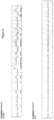
- fragments are based only on size selection. If certain fragments stochastically do not amplify due to e.g. crosslinking of DNA or breaks induced by apoptosis, there may still be additional fragments of the same size amenable to amplification in nearby genomic regions falling into the same low-pass bin. Accordingly the signal-to-noise is more resilient to genome-integrity index of the library, as e.g. clearly shown in figures from 6 to 9.
- Size selection implies a subsampling of the genome within regions comprised of DRS-WGA fragments of substantially the same length (net of adaptors insertion) as the sequencing library base-pair size.
- the DRS-WGA is selected (as Ampi1 TM WGA kit), having a TTAA deterministic restriction site.
- shorter fragments are denser in low GC content regions of the genome, and the fragment density correlates negatively with higher GC content.
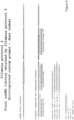
- the library was used to generate a massively parallel sequencing library for Ion/PGM according to the invention, as shown in Figure 6 .
- the massively parallel library was sequenced at ⁇ 0,05 mean depth.
- the Ampli1 TM WGA Kit is designed to provide whole genome amplification from DNA obtained from one single cell. Following cell lysis, DNA is digested with a restriction enzyme, preferably MseI, and a universal adaptor sequence are ligated to DNA fragments. Amplification is mediated by a single specific PCR primer for all generated fragments, with a range size of 200-1,000 bp in length, which are distributed across the genome.
- a restriction enzyme preferably MseI
- the beads-based DNA purification was performed according to the following protocol: 18 ⁇ L of beads (1.8X sample volume) were added to each sample. Beads and reaction products were mixed by briefly vortexing and then spun-down to collect the droplets. Mixed reactions were then incubated off-magnet for 15 min at RT, after which they were then transferred to a DynaMag-96 Side magnet (Life Technologies) and left to stand for 5 min. Supernatant were discarded and beads washed with 150 ⁇ L of freshly made 80% EtOH. After a second round of EtOH washing, beads were allowed to dry on the magnet for 5-10 min.
- Dried beads were then resuspended off-magnet in 15 ⁇ L of LowTE buffer and incubated for 10 min, followed by 5 min incubation on-magnet. Twelve microliters of the eluate were transferred to another tube and subsequently quantified by dsDNA HS Assay on the Qubit ® 2.0 Fluorometer in order to prepare aliquots of 10 ⁇ L containing 25 ng of WGA-purified DNA.
- Applied Biosystems ® 2720 Thermal Cycler was set as follows: 95°C for 4 min, 1 cycle of 95°C for 30 sec, 60°C for 30 sec, 72°C for 2 min, 10 cycles of 95°C for 30 sec, 60°C for 30 sec, 72°C for 2 min (extended by 20 sec/cycle) and final extension at 72° C for 7 min.
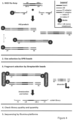
- Figure 3 shows schematically the re-amplification process. Barcoded re-amplified WGA products were purified with 1.8 ⁇ (90 ⁇ l) AMPure XP beads and eluted in 35 ⁇ l of Low TE buffer according to the steps described above.
- Barcoded re-amplified WGA products correspondent to a fragment library with provided Ion Torrent adapters, were qualified by Agilent DNA 7500 Kit on the 2100 Bioanalyzer ® (Agilent) and quantified using Qubit ® dsDNA HS Assay Kit in order to obtain a final pool.
- the equimolar pool was created by combining the same amount of individual 7 libraries with different A-LIB-BC-X adapter, producing the final pool with the concentration of 34 ng/ ⁇ L in a final volume of 42 ⁇ L.
- the concentration of the pool was confirmed by the Qubit ® method.
- E-Gel ® SizeSelect TM system in combination with Size Select 2% precast agarose gel (Invitrogen) has been used for the size selection of fragments of interest, according to the manufacturer's instructions.
- Template preparation was performed according to the Ion PGM TM Hi-Q OT2 kit-400bp user guide.
- ISPs Ion Sphere Particles
- PGM emulsion PCR reactions were performed with the Ion PGM TM Hi-Q OT2 kit (Life Technologies) and emulsions and amplifications were generated utilizing the Ion OneTouch Instrument (Life Technologies).
- enrichment was performed by selectively binding the ISPs containing amplified library fragments to streptavidin coated magnetic beads, removing empty ISPs through washing steps, and denaturing the library strands to allow collection of the template-positive ISPs.
- Ion 318v2 TM Chip was loaded following "Simplified Ion PGM TM Chip loading with the Ion PGM TM weighted chip bucket" protocol instructions (MAN0007517).
- NGS re-amplification primers for Ion Torrent platform (PGM/Proton) a) SEQ ID NO list_first_primer_[PGM/DRS-WGA] SEQ ID NO Primer name Primer sequence SEQ ID NO:1 A -BC-LIB_1 5'-CCATCTCATCCCTGCGTGTCTCCGACTCAGCTAAGGTAACAGTGGGATTCCTGCTGTCAGT-3' SEQ ID NO:2 A -BC-LIB_2 5'-CCATCTCATCCCTGCGTGTCTCCGACTCAGTAAGGAGAACAGTGGGATTCCTGCTGTCAGT-3' SEQ ID NO:3 A -BC-LIB_3 5'-CCATCTCATCCCTGCGTGTCTCCGACTCAGAAGAGGATTCAGTGGGATTCCTGCTGTCAGT-3' SEQ ID NO:4 A -BC-LIB_4 5'-CCATCTCATCCCTGCGTGTCTCCGACTCAGAAGAGGATTCAGTGGGATTCCTGCTGTCA
- dsDNA double strand DNA
- dsDNA synthesis products Six ⁇ L of dsDNA synthesis products were diluted adding 44 ⁇ L of Nuclease-Free Water and purified by Agencourt AMPure XP beads (Beckman Coulter) in order to remove unbound oligonucleotides and excess nucleotides, salts and enzymes.
- the beads-based DNA purification was performed according to the following protocol: 75 ⁇ L (ratio: 1.5X of sample volume) of Agencourt AMPure XP beads were added to each 50 ⁇ l sample and mixed by vortexing. Mixed reactions were then incubated off-magnet for 15 minutes at room temperature (RT), after which they were placed on a magnetic plate until the solution clears and a pellet is formed ( ⁇ 5 minutes).
- the beads were washed twice with 150 ⁇ L of freshly made 70% EtOH leaving the tube on the magnetic plate. After removing any residual ethanol solution from the bottom of the tube the beads pellet was briefly air-dry. 22 ⁇ L of 10mM Tris Ultrapure, pH 8.0, and 0.1mM EDTA (Low TE) buffer were added and the mixed reaction was incubated at room temperature for 2 minutes off the magnetic plate, followed by 5 minutes incubation on magnetic plate. 20 ⁇ L of the eluate was transferred into a new tube.
- SPRIselect is a SPRI-based chemistry that speeds and simplifies nucleic acid size selection for fragment library preparation for Next Generation sequencing. This step could be performed alternatively to the step 3.
- Six ⁇ L of dsDNA synthesis products were diluted adding 44 ⁇ L of Nuclease-Free Water and purified by SPRIselect beads (Beckman Coulter) in order to remove unbound oligonucleotides and excess nucleotides, salts and enzymes and in order to produce a uniform distribution of fragments around an average size.
- the SPRI-based DNA purification was performed according to the following protocol: 37.5 ⁇ L (ratio: 0.75X of sample volume) of SPRIselect beads were added to each 50 ⁇ l sample and mixed by vortexing.
- the beads were washed twice with 150 ⁇ L of freshly made 80% EtOH leaving the tube on the magnetic plate. After removing any residual ethanol solution from the bottom of the tube the beads pellet were briefly air-dry. 22 ⁇ L of Low TE buffer were added and the mixed reaction was incubate at room temperature for 2 minutes off the magnet, followed by 5 minutes incubation on magnetic plate. 20 ⁇ L of the eluate were transferred into a new tube.
- Applied Biosystems ® 2720 Thermal Cycler was set as follows: 95°C for 4 min, 11 cycles of 95°C for 30 seconds, 60°C for 30 seconds, 72°C for 15 seconds, then a final extension at 72° C for 30 seconds.
- Barcoded re-amplified dsDNA products were purified with a ratio 1.5X (75 ⁇ l) AMPure XP beads, according to the step 3 described above, and eluted in 35 ⁇ l of Low TE buffer.
- the eluate was transferred to new tube and subsequently quantified by dsDNA HS Assay on the Qubit ® 2.0 Fluorometer in order to obtain a final equimolar samples pool.
- the equimolar pool was created by combining the same amount of each library with different A-LIB-BC-X adapters, producing the final pool with the concentration of 34 ng/ ⁇ L in a final volume of 42 ⁇ L.
- E-Gel ® SizeSelect TM system in combination with Size Select 2% precast agarose gel (Invitrogen) was used for the size selection of fragments of interest, according to the manufacturer's instructions.
- the equimolar pool after the purification step, was qualified by Agilent DNA High Sensitivity Kit on the 2100 Bioanalyzer ® (Agilent) and quantified using Qubit ® dsDNA HS Assay Kit. Finally, the equimolar pool was diluted to 100 pM final concentration.
- Template preparation was performed according to the Ion PI TM Hi-Q TM Chef user guide.
- the Ion Chef TM System provides automated, high-throughput template preparation and chip loading for use with the Ion Proton TM Sequencer.
- the Ion Proton TM Sequencer performs automated high-throughput sequencing of libraries loaded onto Ion PI TM Chip using the Ion Proton TM Hi-Q TM Sequencing Kit (Life Technologies). Finally, the sequenced fragments were assigned to specific samples based on their unique barcode.
- DRS-WGA Deterministic-Restriction Site Whole genome amplification
- Single cell DNA was amplified using the Ampli1 TM WGA Kit (Silicon Biosystems) according to the manufacturer's instructions. Five ⁇ L of WGA-amplified DNA were diluted by the addition of 5 ⁇ L of Nuclease-Free Water and purified using Agencourt AMPure XP system (ratio 1.8x). The DNA was eluted in 12.5 ⁇ L and quantified by dsDNA HS Assay on the Qubit ® 2.0 Fluorometer.
- Applied Biosystems ® 2720 Thermal Cycler was set as follows: 95°C for 4 minutes, 1 cycle of 95°C for 30 seconds, 60°C for 30 seconds, 72°C for 2 minutes, 10 cycles of 95°C for 30 seconds, 60°C for 30 seconds, 72°C for 2 minutes (extended by 20 seconds/cycle) and final extension at 72° C for 7 minutes.
- the libraries resulting from Illumina protocol 1 are double stranded pWGA lib with all possible P5/P7 adapter combination couples.
- a second protocol is provided by way of example.
- This protocol may be of advantage to increase the quality of clusters in the Illumina flow-cells, by selecting from the pWGAlib only fragments which encompass both sequencing adapters (P5/P7), discarding fragments with homogenous sequencing adapters (P5/P5rc, P7rc/P7).
- All WGA-amplified DNA products are composed by molecules different in length, and with a specific tag: the LIB sequence in 5' end and the complementary LIB sequence on 3' end of each individual ssDNA molecule (indicated in blue in the figure).
- both reverse complement LIB sequence are the targets for the NGS Re-Amp (re-amplification) primers.
- LPb_DI_D50X (range between SEQ ID NO:235 to SEQ ID NO:242 primer)
- biotinylated primer LPb_DI_D70X (range between SEQ ID NO:243 to SEQ ID NO:254 primer), respectively in green-yellow-blue and in red-pink-blue in the figure.
- both type of primers may bind the LIB sequence and the complementary LIB sequence, and as matter of fact three types of amplicons arise from the NGS Re-Amp process, as indicated in the figure.
- This protocol is provided by LPb_DI_D70X (indicated in the figure as P7rc adapter) that get a biotin tag on 5' end.
- This specific tag is used to select, by streptavidin beads, the only one fragment without biotin tag: 5'-P5-i5-LIB-insert-LIBcomplementary-i7-P7-3' as illustrated in the figure.
- primers shall be like:
- the beads-based DNA purification was performed according to the following protocol: 18 ⁇ L of beads (1.8X sample volume) were added to each sample. Beads and reaction products were mixed by briefly vortexing and then spin-down to collect the droplets. Mixed reactions were then incubated off-magnet for 15 minutes at room temperature, after which they were then transferred to a DynaMag-96 Side magnet (Life Technologies) and left to stand for 5 min. Supernatant were discarded and beads washed with 150 ⁇ L of freshly made 80% EtOH. After a second round of EtOH washing, beads were allowed to dry on the magnet for 5-10 min.
- Dried beads were then resuspended off-magnet in 15 ⁇ L of Low TE buffer and incubated for 10 min, followed by 5 min incubation on-magnet. Twelve microliters of the eluate were transferred to another tube and subsequently quantified by dsDNA HS Assay on the Qubit ® 2.0 Fluorometer in order to prepare aliquots of 10 ⁇ L containing 25 ng of WGA-purified DNA.
- Applied Biosystems ® 2720 Thermal Cycler was set as follows: 95°C for 4 min, 1 cycle of 95°C for 30 sec, 60°C for 30 sec, 72°C for 2 min, 10 cycles of 95°C for 30 sec, 60°C for 30 sec, 72°C for 2 min (extended by 20 sec/cycle) and final extension at 72° C for 7 min.
- Barcoded re-amplified WGA products correspondent to a fragment library with provided Illumina adapters, were qualified by Agilent DNA 7500 Kit on the 2100 Bioanalyzer ® (Agilent) and quantified using Qubit ® dsDNA HS Assay Kit in order to obtain a final pool.
- the equimolar pool was created by combining the same amount of individual libraries with different LPb_DI dual index adapter, producing the final pool with the concentration of 35 ng/ ⁇ L in a final volume of 50 ⁇ L.
- the concentration of the pool was confirmed by the Qubit ® method.
- a fragments section range between 200bp to 1 Kb has been selected by double purification utilizing SPRI beads system (Beckman Coulter) with ratio R:0.47X and L:0.85X respectively.
- SPRI beads system Beckman Coulter
- ratio R:0.47X and L:0.85X respectively.
- 82 ⁇ L of diluted SPRI 42 ⁇ L SPRI bead + 42 ⁇ L PCR grade water
- 34.2 ⁇ L of undiluted SPRI bead to the supernatant to remove small DNA fragments.
- a fragment selection has been perform using Dynabeads ® MyOne TM Streptavidin C1 system, in order to dissociate only non-biotinylated DNA containing P5/P7 adapter and this could be obtained using heat or NaOH respectively. Two methods are described below.
- the tube was allocated in the magnetic plate for 1 min and the 50 ⁇ L of supernatant transferred in a new tube and incubated on ice for 5 min.
- the supernatant contains non-biotinylated DNA strands library with P5/P7 adapter.
- the streptavidin selection procedure was repeat for a second time.
- washed DNA coated Dynabeads ® could be done by resuspending with 20 ⁇ l of freshly prepared 0.15 M NaOH.
- the tube was allocated in magnet stand for 1-2 minutes and transfer the supernatant to a new tube.
- the supernatant contains your non-biotinylated DNA strand.
- the single strand library was neutralized by adding 2.2 ⁇ L 10 ⁇ TE, pH 7.5 and 1.3 ⁇ L 1.25 M acetic acid.
- the final library concentration as quantified by Qubit ® ssDNA Assay Kit was 5ng/ ⁇ L corresponding to 25 ⁇ M.
- Single end read of 150 base were generated using the v3 chemistry of the Illumina MiSeq exchanging the standard Read 1 primer and standard primer index 1 with respectively 600 ⁇ L of SEQ ID NO:255 primer (Custom Read 1 primer) and 600 ⁇ L SEQ ID NO:256 or SEQ ID NO:258 primer (Custom primer index 1a (i7) and 1b (i7)) SEQ ID NO list_first_primer_[ILLUMINA_DRS_WGA] protoco2
- Both LIB reverse complementary are the targets for the NGS Re-Amp (re-amplification) primers as shown in the figure 4 .
- a custom read1 sequencing primer (SEQ ID NO:255) has been designed, in order to increase the library complexity, because the reads will not start with the same nucleotide that could affect the sequencing performance or avoid use a high concentration spike-in to ensure more diverse set of clusters for matrix, phasing, and prephasing calculations.
- the custom read1 sequencing primer (SEQ ID NO:255) contains the LIB sequence and it is complementary to the LIB reverse complement sequence, as illustrated in Figure 4 .
- custom sequencing primer index 1 (i7) (SEQ ID NO:256 or SEQ ID NO:258) to allow the correct reading of index i7.
- custom sequencing primer index 1 contains the reverse complementary LIB sequence.
- Sequenced reads were aligned to the hg19 human reference genome using the BWA MEM algorithm (Li H. and Durbin R., 2010). PCR duplicates, secondary/supplementary/not-passing-QC alignments and multimapper reads were filtered out using Picard MarkDuplicates (http://broadinstitute.github.io/picard/) and samtools (Li H. et al, 2009). Coverage analyses were performed using BEDTools (Quinlan A. et al, 2010).
- Control-FREEC Boeva V. et al., 2011
Landscapes
- Chemical & Material Sciences (AREA)
- Life Sciences & Earth Sciences (AREA)
- Organic Chemistry (AREA)
- Health & Medical Sciences (AREA)
- Engineering & Computer Science (AREA)
- Proteomics, Peptides & Aminoacids (AREA)
- Zoology (AREA)
- Wood Science & Technology (AREA)
- Genetics & Genomics (AREA)
- Analytical Chemistry (AREA)
- General Engineering & Computer Science (AREA)
- Bioinformatics & Cheminformatics (AREA)
- Biotechnology (AREA)
- Biochemistry (AREA)
- General Health & Medical Sciences (AREA)
- Molecular Biology (AREA)
- Microbiology (AREA)
- Physics & Mathematics (AREA)
- Biophysics (AREA)
- Immunology (AREA)
- Chemical Kinetics & Catalysis (AREA)
- Biomedical Technology (AREA)
- Crystallography & Structural Chemistry (AREA)
- Virology (AREA)
- Plant Pathology (AREA)
- Bioinformatics & Computational Biology (AREA)
- Measuring Or Testing Involving Enzymes Or Micro-Organisms (AREA)
Claims (13)
- Verfahren zur Tiefpass-Gesamtgenomsequenzierung, umfassend die Schritte:- Bereitstellen einer Vielzahl von mit Barcodes versehenen, massiv-parallelen Sequenzierungsbibliotheken, die durch ein Verfahren zur Erzeugung einer massiv-parallelen Sequenzierungsbibliothek erhalten werden, das die folgenden Schritte umfasst:- Bereitstellen einer primären WGA-DNA-Bibliothek (pWGAlib), die Fragmente enthält, die aus einem bekannten 5'-Sequenzabschnitt (SSS), einem mittleren Sequenzabschnitt (MSS) und einem bekannten 3'-Sequenzabschnitt (3SS), der umgekehrt komplementär zu dem bekannten 5'-Sequenzabschnitt ist, bestehen, wobei der bekannte 5'-Sequenzabschnitt (SSS) aus einem universellen Sequenzadapter der DRS-WGA-Bibliothek oder einem universellen Sequenzadapter der MALBAC-Bibliothek besteht, und wobei der mittlere Sequenzabschnitt (MSS) aus mindestens einem Insertionsabschnitt (IS), der einer DNA-Sequenz der ursprünglichen, nicht amplifizierten DNA vor der WGA entspricht, und gegebenenfalls einem flankierenden 5'-Zwischenabschnitt (F5) und/oder einem flankierenden 3'-Zwischenabschnitt (F3) besteht,- erneutes Amplifizieren der primären WGA-DNA-Bibliothek unter Verwendung mindestens eines ersten Primers (1PR) und mindestens eines zweiten Primers (2PR), wobeider mindestens eine erste Primer (1PR) einen ersten Primer-5'-Abschnitt (1PRSS) und einen ersten Primer-3'-Abschnitt (1PR3S) umfasst, wobei der erste Primer-5'-Abschnitt (1PRSS) mindestens einen ersten Sequenzierungsadapter (1PR5SA) und mindestens einen ersten Sequenzierungsbarcode (1PR5BC) in 3'-Position des mindestens einen ersten Sequenzierungsadapters (1PR5SA) und in 5'-Position des ersten Primer-3'-Abschnitts (1PR3 S) umfasst, und wobei der erste Primer-3'-Abschnitt (1PR3S) entweder mit dem bekannten 5'-Sequenzabschnitt (SSS) oder dem bekannten 3'-Sequenzabschnitt (3SS) hybridisiert;der mindestens eine zweite Primer (2PR) einen zweiten Primer-5'-Abschnitt (2PRSS) und einen zweiten Primer-3'-Abschnitt (2PR3S) umfasst, wobei der zweite Primer-5'-Abschnitt (2PRSS) mindestens einen zweiten Sequenzierungsadapter (2PRSSA) umfasst, der sich von dem mindestens einen ersten Sequenzierungsadapter (1PR5SA) unterscheidet, und wobei der zweite Primer-3'-Abschnitt (2PR3S) entweder mit dem bekannten 5'-Sequenzabschnitt (SSS) oder dem bekannten 3'-Sequenzabschnitt (3SS) hybridisiert- Zusammenführen von Proben, die unter Verwendung verschiedener Sequenzierungsbarcodes (BC) erhalten wurden; und- Sequenzieren der zusammengeführten Bibliothek.
- Verfahren nach Anspruch 1, wobei der zweite Primer (2PR) ferner mindestens einen zweiten Sequenzierungsbarcode (2PRSBC) in der 3'-Position des mindestens einen zweiten Sequenzierungsadapters (2PRSSA) und in der 5'-Position des zweiten Primer-3'-Abschnitts (2PR3S) umfasst.
- Verfahren nach Anspruch 1 oder 2, wobei der universelle Sequenzadapter der DRS-WGA-Bibliothek SEQ ID NO:282 ist und der universelle Sequenzadapter der MALBAC-Bibliothek SEQ ID NO:283 (MALBAC) ist.
- Verfahren zur Tiefpass-Gesamtgenomsequenzierung nach einem der Ansprüche 1 bis 3, wobei der Schritt des Zusammenführens von Proben unter Verwendung verschiedener Sequenzierungsbarcodes (BC) ferner die Schritte umfasst:- Quantifizieren der DNA in jeder der mit Barcodes versehenen, massiv-parallelen Sequenzierungsbibliotheken,- Normalisieren der Menge der mit Barcodes versehenen, massiv-parallelen Sequenzierungsbibliotheken.
- Verfahren zur Tiefpass-Gesamtgenomsequenzierung nach Anspruch 4, wobei der Schritt des Zusammenführens von Proben unter Verwendung verschiedener Sequenzierungsbarcodes (BC) ferner den Schritt des Auswählens von DNA-Fragmenten mit mindestens einem ausgewählten Bereich von Basenpaaren umfasst, wobei der Bereich von Basenpaaren auf 650 bp oder 400 bp oder 200 bp oder 150 bp oder 100 bp oder 50 bp konzentriert ist.
- Verfahren zur Tiefpass-Gesamtgenomsequenzierung nach Anspruch 5, das ferner den Schritt des Auswählens von DNA-Fragmenten umfasst, die den ersten Sequenzierungsadapter und die zweiten Sequenzierungsadapter umfassen.
- Verfahren zur Tiefpass-Gesamtgenomsequenzierung nach Anspruch 6, wobei der Schritt des Auswählens von DNA-Fragmenten, die den ersten Sequenzierungsadapter und die zweiten Sequenzierungsadapter umfassen, durch Inkontaktbringen der massiv-parallelen Sequenzierungsbibliothek mit paramagnetischen Beads, die mit einer Streptavidin-Beschichtung funktionalisiert sind, durchgeführt wird, und
wobei einer von dem mindestens einen ersten Primer (1PR) und dem mindestens einen zweiten Primer (2PR) am 5'-Ende biotinyliert ist und ausgewählte Fragmente durch Eluieren der nicht-biotinylierten ssDNA-Fragmente von den Beads erhalten werden. - Verfahren zur Tiefpass-Gesamtgenomsequenzierung nach Anspruch 7, wobei der mindestens eine zweite Primer am 5'-Ende biotinyliert ist.
- Verfahren zur Tiefpass-Gesamtgenomsequenzierung nach Anspruch 7 oder 8, das ferner die weiteren Schritte umfasst:- Inkubieren der erneut amplifizierten WGA-dsDNA-Bibliothek mit den funktionalisierten paramagnetischen Beads unter bestimmten Bedingungen, die eine kovalente Bindung zwischen Biotin und Streptavidin in den funktionalisierten paramagnetischen Kügelchen bewirken;- Auswaschen der ungebundenen, nicht-biotinylierten dsDNA-Fragmente;- Eluieren der zurückgehaltenen ssDNA-Fragmente von den funktionalisierten paramagnetischen Beads.
- Verfahren zur genomweiten Erstellung von Kopienzahlprofilen, umfassend die Schritte des Verfahrens zur Tiefpass-Gesamtgenomsequenzierung nach einem der vorhergehenden Ansprüche,- Analysieren der Sequenzierungslesedichte in verschiedenen Regionen des Genoms,- Bestimmen eines Kopienzahlwertes für die Regionen des Genoms durch Vergleichen der Anzahl von Lesevorgängen in dieser Region mit der Anzahl von Lesevorgängen, die in derselben für ein Referenzgenom erwartet werden.
- Verfahren zur genomweiten Erstellung von Kopienzahlprofilen nach Anspruch 10, wobei die massiv-parallele Sequenzierungsbibliothek hergestellt wird durch Verwendung von:a) dem Primer der SEQ ID NO:97 (Tabelle 2) und einem oder mehreren Primer(n), ausgewählt aus der Gruppe bestehend aus SEQ ID NO:1 bis SEQ ID NO:96 (Tabelle 2);
oderb) dem Primer der SEQ ID NO:194 (Tabelle 2) und einem oder mehreren Primer(n), ausgewählt aus der Gruppe bestehend aus SEQ ID NO:98 bis SEQ ID NO:193 (Tabelle 2);
oderc) mindestens einem Primer, ausgewählt aus der Gruppe bestehend aus SEQ ID NO:195 bis SEQ ID NO:202 (Tabelle 4), und mindestens einem Primer, ausgewählt aus der Gruppe bestehend aus SEQ ID NO:203 bis SEQ ID NO:214 (Tabelle 4);
oderd) mindestens einem Primer, ausgewählt aus der Gruppe bestehend aus SEQ ID NO:215 bis SEQ ID NO:222 (Tabelle 6), und mindestens einem Primer, ausgewählt aus der Gruppe bestehend aus SEQ ID NO:223 bis SEQ ID NO:234 (Tabelle 6),
odere) mindestens einem Primer, ausgewählt aus der Gruppe bestehend aus SEQ ID NO:235 bis SEQ ID NO:242 (Tabelle 7), und mindestens einem Primer, ausgewählt aus der Gruppe bestehend aus SEQ ID NO:243 bis SEQ ID NO:254 (Tabelle 7),
oderf) mindestens einem Primer, ausgewählt aus der Gruppe bestehend aus SEQ ID NO:259 bis SEQ ID NO:266 (Tabelle 8), und mindestens einen Primer, ausgewählt aus der Gruppe bestehend aus SEQ ID NO:267 bis SEQ ID NO:278 (Tabelle 8).- Analysieren der Sequenzierungslesedichte in verschiedenen Regionen des Genoms,- Bestimmen eines Kopienzahlwertes für die Regionen des Genoms durch Vergleichen der Anzahl von Lesevorgängen in dieser Region mit der Anzahl von Lesevorgängen, die in derselben für ein Referenzgenom erwartet werden. - Verfahren zur genomweiten Erstellung von Kopienzahlprofilen nach Anspruch 10, wobei die massiv-parallele Sequenzierungsbibliothek unter Verwendung von- mindestens einem Primer, ausgewählt aus der Gruppe bestehend aus SEQ ID NO:235 bis SEQ ID NO:242 (Tabelle 7); mindestens einem Primer, ausgewählt aus der Gruppe bestehend aus SEQ ID NO:243 bis SEQ ID NO:254 (Tabelle 7); einem benutzerdefinierten Sequenzierungsprimer der SEQ ID NO:255; und einem Primer der SEQ ID NO:256 oder SEQ ID NO:258;
oder- mindestens einem Primer, ausgewählt aus der Gruppe bestehend aus SEQ ID NO:259 bis SEQ ID NO:266 (Tabelle 8); mindestens einem Primer, ausgewählt aus der Gruppe bestehend aus SEQ ID NO:267 bis SEQ ID NO:278 (Tabelle 8); und den Primern der SEQ ID NO:279 und SEQ ID NO:280,dafür ausgelegt, ein optimales Single-Read-Sequenzierungsverfahren durchzuführen, hergestellt wird. - Verfahren zur genomweiten Erstellung von Kopienzahlprofilen nach Anspruch 12, wobei die massiv-parallele Sequenzierungsbibliothek hergestellt wird, indem zusätzlich ein Primer, der aus SEQ ID NO:257 (Tabelle 7) und SEQ ID NO:281 (Tabelle 8) ausgewählt ist, verwendet wird, dafür ausgelegt, ein optimales Paired-End-Sequenzierungsverfahren in einer ausgewählten Sequenzierungsplattform durchzuführen.
Applications Claiming Priority (2)
| Application Number | Priority Date | Filing Date | Title |
|---|---|---|---|
| ITUA2016A002640A ITUA20162640A1 (it) | 2016-04-15 | 2016-04-15 | Metodo e kit per la generazione di librerie di dna per sequenziamento massivo parallelo |
| PCT/EP2017/059075 WO2017178655A1 (en) | 2016-04-15 | 2017-04-14 | Method and kit for the generation of dna libraries for massively parallel sequencing |
Publications (3)
| Publication Number | Publication Date |
|---|---|
| EP3443115A1 EP3443115A1 (de) | 2019-02-20 |
| EP3443115C0 EP3443115C0 (de) | 2024-10-09 |
| EP3443115B1 true EP3443115B1 (de) | 2024-10-09 |
Family
ID=56853703
Family Applications (1)
| Application Number | Title | Priority Date | Filing Date |
|---|---|---|---|
| EP17718883.6A Active EP3443115B1 (de) | 2016-04-15 | 2017-04-14 | Verfahren zur erzeugung von dna-bibliotheken für massive parallele sequenzierung |
Country Status (11)
| Country | Link |
|---|---|
| US (2) | US20200299680A1 (de) |
| EP (1) | EP3443115B1 (de) |
| JP (1) | JP6899844B2 (de) |
| KR (1) | KR102354422B1 (de) |
| CN (1) | CN109477245A (de) |
| CA (1) | CA3019714A1 (de) |
| ES (1) | ES2998543T3 (de) |
| IT (1) | ITUA20162640A1 (de) |
| PL (1) | PL3443115T3 (de) |
| SG (2) | SG11201808675VA (de) |
| WO (1) | WO2017178655A1 (de) |
Families Citing this family (12)
| Publication number | Priority date | Publication date | Assignee | Title |
|---|---|---|---|---|
| EP3431611A1 (de) * | 2017-07-21 | 2019-01-23 | Menarini Silicon Biosystems S.p.A. | Verbessertes verfahren und kit zur erzeugung von dna-bibliotheken für massive parallele sequenzierung |
| CN108866155B (zh) * | 2018-06-11 | 2022-07-26 | 中国农业科学院深圳农业基因组研究所 | 一种下一代测序文库的制备方法 |
| IT201900013335A1 (it) | 2019-07-30 | 2021-01-30 | Menarini Silicon Biosystems Spa | Metodo per analizzare la perdita di eterozigosi (loh) a seguito di amplificazione totale del genoma basata su un sito di restrizione deterministico (drs-wga) |
| CN112662748B (zh) * | 2019-10-15 | 2023-02-17 | 骏实生物科技(上海)有限公司 | 用于单细胞dna测序文库质量鉴定的引物对组合、方法和试剂盒 |
| IT201900024159A1 (it) | 2019-12-16 | 2021-06-16 | Menarini Silicon Biosystems Spa | Metodo e kit per amplificazione totale del genoma e analisi di molecole bersaglio in un campione biologico |
| CN111005074A (zh) * | 2019-12-19 | 2020-04-14 | 江西海普洛斯医学检验实验室有限公司 | 一种基于illumina测序平台的DNA文库构建试剂盒、文库构建方法和应用 |
| MX2022014724A (es) * | 2020-09-14 | 2023-03-06 | Illumina Inc | Composiciones y metodos para amplificar polinucleótidos. |
| CN112592968B (zh) * | 2020-12-27 | 2022-07-26 | 苏州科诺医学检验实验室有限公司 | 高通量测序用分子标签接头及其合成方法与应用 |
| IT202100024101A1 (it) | 2021-09-20 | 2023-03-20 | Menarini Silicon Biosystems Spa | Metodo per analizzare il grado di similarita' di almeno due campioni utilizzando amplificazione deterministica dell'intero genoma mediante siti di restrizione (drs-wga) |
| WO2025136785A1 (en) * | 2023-12-21 | 2025-06-26 | Illumina, Inc. | Method for managing multiple parallel library preparation workflows with shared resources |
| CN117721191B (zh) * | 2024-02-07 | 2024-05-10 | 深圳赛陆医疗科技有限公司 | 基因测序方法、测序装置、可读存储介质和基因测序系统 |
| WO2026083244A1 (en) | 2024-10-14 | 2026-04-23 | Menarini Silicon Biosystems S.P.A. | Method for analysing the copy-number profile of a sample using deterministic restriction-site whole genome amplification (drs-wga) |
Citations (1)
| Publication number | Priority date | Publication date | Assignee | Title |
|---|---|---|---|---|
| WO2007073165A1 (en) * | 2005-12-22 | 2007-06-28 | Keygene N.V. | Method for high-throughput aflp-based polymorphism detection |
Family Cites Families (14)
| Publication number | Priority date | Publication date | Assignee | Title |
|---|---|---|---|---|
| DK1109938T3 (da) * | 1998-09-18 | 2002-05-27 | Micromet Ag | DNA-amplificering af en enkelt celle |
| DE602004026033D1 (de) * | 2003-01-29 | 2010-04-29 | 454 Corp | Zweiendige sequenzierung |
| US8206913B1 (en) * | 2003-03-07 | 2012-06-26 | Rubicon Genomics, Inc. | Amplification and analysis of whole genome and whole transcriptome libraries generated by a DNA polymerization process |
| US20040209299A1 (en) * | 2003-03-07 | 2004-10-21 | Rubicon Genomics, Inc. | In vitro DNA immortalization and whole genome amplification using libraries generated from randomly fragmented DNA |
| ES2528971T3 (es) * | 2008-03-17 | 2015-02-13 | Stichting Genetwister Ip | Descubrimientos de genes vinculados a la expresión |
| CN102559856B (zh) * | 2010-12-22 | 2014-03-12 | 深圳华大基因科技服务有限公司 | 去除测序文库中的载体片段的方法 |
| PL2893040T3 (pl) * | 2012-09-04 | 2019-05-31 | Guardant Health Inc | Sposoby wykrywania rzadkich mutacji i wariantu liczby kopii |
| ITTO20120962A1 (it) | 2012-10-31 | 2014-05-01 | Silicon Biosystems Spa | Metodo e kit per rivelare una sequenza di dna bersaglio wild-type e/o mutata |
| EP2914745B1 (de) * | 2012-11-05 | 2017-09-06 | Rubicon Genomics, Inc. | Strichcodierung von nukleinsäuren |
| US20150275285A1 (en) * | 2012-12-03 | 2015-10-01 | Yilin Zhang | Compositions and methods of nucleic acid preparation and analyses |
| WO2014138153A1 (en) * | 2013-03-06 | 2014-09-12 | Life Technologies Corporation | Systems and methods for determining copy number variation |
| PT2881739T (pt) * | 2013-12-04 | 2017-08-11 | Fraunhofer Ges Forschung | Método e estojo para determinação da integridade do genoma e/ou da qualidade de uma biblioteca de sequências de adn obtida através de amplificação determinística do genoma inteiro por locais de restrição |
| EP3122894A4 (de) * | 2014-03-28 | 2017-11-08 | GE Healthcare Bio-Sciences Corp. | Genauer nachweis von seltenen genetischen varianten in der sequenzierung der nächsten generation |
| US10301671B2 (en) * | 2014-05-06 | 2019-05-28 | Baylor College Of Medicine | Methods of linearly amplifying whole genome of a single cell |
-
2016
- 2016-04-15 IT ITUA2016A002640A patent/ITUA20162640A1/it unknown
-
2017
- 2017-04-14 CN CN201780023862.8A patent/CN109477245A/zh active Pending
- 2017-04-14 JP JP2018553460A patent/JP6899844B2/ja active Active
- 2017-04-14 US US16/092,570 patent/US20200299680A1/en not_active Abandoned
- 2017-04-14 KR KR1020187032227A patent/KR102354422B1/ko active Active
- 2017-04-14 SG SG11201808675VA patent/SG11201808675VA/en unknown
- 2017-04-14 SG SG10202010198VA patent/SG10202010198VA/en unknown
- 2017-04-14 ES ES17718883T patent/ES2998543T3/es active Active
- 2017-04-14 PL PL17718883.6T patent/PL3443115T3/pl unknown
- 2017-04-14 CA CA3019714A patent/CA3019714A1/en active Pending
- 2017-04-14 EP EP17718883.6A patent/EP3443115B1/de active Active
- 2017-04-14 WO PCT/EP2017/059075 patent/WO2017178655A1/en not_active Ceased
-
2022
- 2022-10-14 US US17/966,011 patent/US20230250419A1/en active Pending
Patent Citations (1)
| Publication number | Priority date | Publication date | Assignee | Title |
|---|---|---|---|---|
| WO2007073165A1 (en) * | 2005-12-22 | 2007-06-28 | Keygene N.V. | Method for high-throughput aflp-based polymorphism detection |
Non-Patent Citations (3)
| Title |
|---|
| CASSANDRA L HODGKINSON ET AL: "Tumorigenicity and genetic profiling of circulating tumor cells in small-cell lung cancer", NATURE MEDICINE, vol. 20, no. 8, 1 June 2014 (2014-06-01), New York, pages 897 - 903, XP055400376, ISSN: 1078-8956, DOI: 10.1038/nm.3600 * |
| HOU YONG ET AL: "Comparison of variations detection between whole-genome amplification methods used in single-cell resequencing", GIGASCIENCE, vol. 4, no. 1, 6 August 2015 (2015-08-06), XP055775798, Retrieved from the Internet <URL:http://link.springer.com/article/10.1186/s13742-015-0068-3/fulltext.html> DOI: 10.1186/s13742-015-0068-3 * |
| VERA BINDER ET AL: "A New Workflow for Whole-Genome Sequencing of Single Human Cells", HUMAN MUTATION, JOHN WILEY & SONS, INC, US, vol. 35, no. 10, 18 August 2014 (2014-08-18), pages 1260 - 1270, XP071975340, ISSN: 1059-7794, DOI: 10.1002/HUMU.22625 * |
Also Published As
| Publication number | Publication date |
|---|---|
| KR102354422B1 (ko) | 2022-01-21 |
| EP3443115C0 (de) | 2024-10-09 |
| PL3443115T3 (pl) | 2025-02-10 |
| ITUA20162640A1 (it) | 2017-10-15 |
| SG11201808675VA (en) | 2018-11-29 |
| CN109477245A (zh) | 2019-03-15 |
| SG10202010198VA (en) | 2020-11-27 |
| WO2017178655A1 (en) | 2017-10-19 |
| JP2019514360A (ja) | 2019-06-06 |
| KR20190019049A (ko) | 2019-02-26 |
| JP6899844B2 (ja) | 2021-07-07 |
| CA3019714A1 (en) | 2017-10-19 |
| EP3443115A1 (de) | 2019-02-20 |
| US20200299680A1 (en) | 2020-09-24 |
| US20230250419A1 (en) | 2023-08-10 |
| ES2998543T3 (en) | 2025-02-20 |
Similar Documents
| Publication | Publication Date | Title |
|---|---|---|
| US20230250419A1 (en) | Method and kit for the generation of dna libraries for massively parallel sequencing | |
| EP2619329B1 (de) | Direkte erfassung, amplifikation und sequenzierung einer ziel-dna unter verwendung immobilisierter primer | |
| JP7008407B2 (ja) | ヌクレアーゼ、リガーゼ、ポリメラーゼ、及び配列決定反応の組み合わせを用いた、核酸配列、発現、コピー、またはdnaのメチル化変化の識別及び計数方法 | |
| EP4293125A2 (de) | Verfahren zur gezielten genomanalyse | |
| JP7688972B2 (ja) | 超並列シークエンシングのためのdnaライブラリー生成のための改良された方法及びキット | |
| WO2020185967A1 (en) | Methods and reagents for enhanced next generation sequencing library conversion and insertion of barcodes into nucleic acids. | |
| US10465241B2 (en) | High resolution STR analysis using next generation sequencing | |
| US11261479B2 (en) | Methods and compositions for enrichment of target nucleic acids | |
| HK40103977A (en) | Methods for targeted genomic analysis |
Legal Events
| Date | Code | Title | Description |
|---|---|---|---|
| STAA | Information on the status of an ep patent application or granted ep patent |
Free format text: STATUS: UNKNOWN |
|
| STAA | Information on the status of an ep patent application or granted ep patent |
Free format text: STATUS: THE INTERNATIONAL PUBLICATION HAS BEEN MADE |
|
| PUAI | Public reference made under article 153(3) epc to a published international application that has entered the european phase |
Free format text: ORIGINAL CODE: 0009012 |
|
| STAA | Information on the status of an ep patent application or granted ep patent |
Free format text: STATUS: REQUEST FOR EXAMINATION WAS MADE |
|
| 17P | Request for examination filed |
Effective date: 20181012 |
|
| AK | Designated contracting states |
Kind code of ref document: A1 Designated state(s): AL AT BE BG CH CY CZ DE DK EE ES FI FR GB GR HR HU IE IS IT LI LT LU LV MC MK MT NL NO PL PT RO RS SE SI SK SM TR |
|
| AX | Request for extension of the european patent |
Extension state: BA ME |
|
| DAV | Request for validation of the european patent (deleted) | ||
| DAX | Request for extension of the european patent (deleted) | ||
| STAA | Information on the status of an ep patent application or granted ep patent |
Free format text: STATUS: EXAMINATION IS IN PROGRESS |
|
| 17Q | First examination report despatched |
Effective date: 20191107 |
|
| P01 | Opt-out of the competence of the unified patent court (upc) registered |
Effective date: 20230518 |
|
| GRAP | Despatch of communication of intention to grant a patent |
Free format text: ORIGINAL CODE: EPIDOSNIGR1 |
|
| STAA | Information on the status of an ep patent application or granted ep patent |
Free format text: STATUS: GRANT OF PATENT IS INTENDED |
|
| INTG | Intention to grant announced |
Effective date: 20240507 |
|
| RAP3 | Party data changed (applicant data changed or rights of an application transferred) |
Owner name: MENARINI SILICON BIOSYSTEMS S.P.A. |
|
| GRAS | Grant fee paid |
Free format text: ORIGINAL CODE: EPIDOSNIGR3 |
|
| GRAA | (expected) grant |
Free format text: ORIGINAL CODE: 0009210 |
|
| STAA | Information on the status of an ep patent application or granted ep patent |
Free format text: STATUS: THE PATENT HAS BEEN GRANTED |
|
| AK | Designated contracting states |
Kind code of ref document: B1 Designated state(s): AL AT BE BG CH CY CZ DE DK EE ES FI FR GB GR HR HU IE IS IT LI LT LU LV MC MK MT NL NO PL PT RO RS SE SI SK SM TR |
|
| REG | Reference to a national code |
Ref country code: CH Ref legal event code: EP |
|
| REG | Reference to a national code |
Ref country code: DE Ref legal event code: R096 Ref document number: 602017085344 Country of ref document: DE |
|
| REG | Reference to a national code |
Ref country code: IE Ref legal event code: FG4D |
|
| U01 | Request for unitary effect filed |
Effective date: 20241016 |
|
| P04 | Withdrawal of opt-out of the competence of the unified patent court (upc) registered |
Free format text: CASE NUMBER: APP_59069/2024 Effective date: 20241030 |
|
| U07 | Unitary effect registered |
Designated state(s): AT BE BG DE DK EE FI FR IT LT LU LV MT NL PT RO SE SI Effective date: 20241104 |
|
| REG | Reference to a national code |
Ref country code: GR Ref legal event code: EP Ref document number: 20240402852 Country of ref document: GR Effective date: 20250120 |
|
| REG | Reference to a national code |
Ref country code: ES Ref legal event code: FG2A Ref document number: 2998543 Country of ref document: ES Kind code of ref document: T3 Effective date: 20250220 |
|
| PG25 | Lapsed in a contracting state [announced via postgrant information from national office to epo] |
Ref country code: HR Free format text: LAPSE BECAUSE OF FAILURE TO SUBMIT A TRANSLATION OF THE DESCRIPTION OR TO PAY THE FEE WITHIN THE PRESCRIBED TIME-LIMIT Effective date: 20241009 Ref country code: IS Free format text: LAPSE BECAUSE OF FAILURE TO SUBMIT A TRANSLATION OF THE DESCRIPTION OR TO PAY THE FEE WITHIN THE PRESCRIBED TIME-LIMIT Effective date: 20250209 |
|
| PG25 | Lapsed in a contracting state [announced via postgrant information from national office to epo] |
Ref country code: RS Free format text: LAPSE BECAUSE OF FAILURE TO SUBMIT A TRANSLATION OF THE DESCRIPTION OR TO PAY THE FEE WITHIN THE PRESCRIBED TIME-LIMIT Effective date: 20250109 |
|
| U20 | Renewal fee for the european patent with unitary effect paid |
Year of fee payment: 9 Effective date: 20250428 |
|
| PG25 | Lapsed in a contracting state [announced via postgrant information from national office to epo] |
Ref country code: SM Free format text: LAPSE BECAUSE OF FAILURE TO SUBMIT A TRANSLATION OF THE DESCRIPTION OR TO PAY THE FEE WITHIN THE PRESCRIBED TIME-LIMIT Effective date: 20241009 |
|
| PG25 | Lapsed in a contracting state [announced via postgrant information from national office to epo] |
Ref country code: SK Free format text: LAPSE BECAUSE OF FAILURE TO SUBMIT A TRANSLATION OF THE DESCRIPTION OR TO PAY THE FEE WITHIN THE PRESCRIBED TIME-LIMIT Effective date: 20241009 |
|
| PG25 | Lapsed in a contracting state [announced via postgrant information from national office to epo] |
Ref country code: CZ Free format text: LAPSE BECAUSE OF FAILURE TO SUBMIT A TRANSLATION OF THE DESCRIPTION OR TO PAY THE FEE WITHIN THE PRESCRIBED TIME-LIMIT Effective date: 20241009 |
|
| PLBE | No opposition filed within time limit |
Free format text: ORIGINAL CODE: 0009261 |
|
| STAA | Information on the status of an ep patent application or granted ep patent |
Free format text: STATUS: NO OPPOSITION FILED WITHIN TIME LIMIT |
|
| 26N | No opposition filed |
Effective date: 20250710 |
|
| PG25 | Lapsed in a contracting state [announced via postgrant information from national office to epo] |
Ref country code: MC Free format text: LAPSE BECAUSE OF FAILURE TO SUBMIT A TRANSLATION OF THE DESCRIPTION OR TO PAY THE FEE WITHIN THE PRESCRIBED TIME-LIMIT Effective date: 20241009 |
|
| REG | Reference to a national code |
Ref country code: CH Ref legal event code: U11 Free format text: ST27 STATUS EVENT CODE: U-0-0-U10-U11 (AS PROVIDED BY THE NATIONAL OFFICE) Effective date: 20260501 |
|
| U20 | Renewal fee for the european patent with unitary effect paid |
Year of fee payment: 10 Effective date: 20260409 |
|
| PG25 | Lapsed in a contracting state [announced via postgrant information from national office to epo] |
Ref country code: CY Free format text: LAPSE BECAUSE OF FAILURE TO SUBMIT A TRANSLATION OF THE DESCRIPTION OR TO PAY THE FEE WITHIN THE PRESCRIBED TIME-LIMIT Effective date: 20241009 |
|
| PGFP | Annual fee paid to national office [announced via postgrant information from national office to epo] |
Ref country code: ES Payment date: 20260508 Year of fee payment: 10 |
|
| PGFP | Annual fee paid to national office [announced via postgrant information from national office to epo] |
Ref country code: GB Payment date: 20260421 Year of fee payment: 10 Ref country code: PL Payment date: 20260413 Year of fee payment: 10 |
|
| PGFP | Annual fee paid to national office [announced via postgrant information from national office to epo] |
Ref country code: GR Payment date: 20260421 Year of fee payment: 10 |
|
| PGFP | Annual fee paid to national office [announced via postgrant information from national office to epo] |
Ref country code: NO Payment date: 20260417 Year of fee payment: 10 |
|
| PGFP | Annual fee paid to national office [announced via postgrant information from national office to epo] |
Ref country code: CH Payment date: 20260501 Year of fee payment: 10 Ref country code: IE Payment date: 20260417 Year of fee payment: 10 |