EP3428249A1 - Methode et procede pour convertir l'ethylene present dans l'effluent de tete d'un fcc de maniere a augmenter la production de propylene - Google Patents
Methode et procede pour convertir l'ethylene present dans l'effluent de tete d'un fcc de maniere a augmenter la production de propylene Download PDFInfo
- Publication number
- EP3428249A1 EP3428249A1 EP18180989.8A EP18180989A EP3428249A1 EP 3428249 A1 EP3428249 A1 EP 3428249A1 EP 18180989 A EP18180989 A EP 18180989A EP 3428249 A1 EP3428249 A1 EP 3428249A1
- Authority
- EP
- European Patent Office
- Prior art keywords
- propylene
- ethylene
- section
- conversion unit
- effluent
- Prior art date
- Legal status (The legal status is an assumption and is not a legal conclusion. Google has not performed a legal analysis and makes no representation as to the accuracy of the status listed.)
- Granted
Links
Images



Classifications
-
- C—CHEMISTRY; METALLURGY
- C07—ORGANIC CHEMISTRY
- C07C—ACYCLIC OR CARBOCYCLIC COMPOUNDS
- C07C6/00—Preparation of hydrocarbons from hydrocarbons containing a different number of carbon atoms by redistribution reactions
- C07C6/02—Metathesis reactions at an unsaturated carbon-to-carbon bond
- C07C6/04—Metathesis reactions at an unsaturated carbon-to-carbon bond at a carbon-to-carbon double bond
- C07C6/06—Metathesis reactions at an unsaturated carbon-to-carbon bond at a carbon-to-carbon double bond at a cyclic carbon-to-carbon double bond
-
- C—CHEMISTRY; METALLURGY
- C07—ORGANIC CHEMISTRY
- C07C—ACYCLIC OR CARBOCYCLIC COMPOUNDS
- C07C2/00—Preparation of hydrocarbons from hydrocarbons containing a smaller number of carbon atoms
- C07C2/76—Preparation of hydrocarbons from hydrocarbons containing a smaller number of carbon atoms by condensation of hydrocarbons with partial elimination of hydrogen
-
- B—PERFORMING OPERATIONS; TRANSPORTING
- B01—PHYSICAL OR CHEMICAL PROCESSES OR APPARATUS IN GENERAL
- B01D—SEPARATION
- B01D53/00—Separation of gases or vapours; Recovering vapours of volatile solvents from gases; Chemical or biological purification of waste gases, e.g. engine exhaust gases, smoke, fumes, flue gases, aerosols
- B01D53/02—Separation of gases or vapours; Recovering vapours of volatile solvents from gases; Chemical or biological purification of waste gases, e.g. engine exhaust gases, smoke, fumes, flue gases, aerosols by adsorption, e.g. preparative gas chromatography
- B01D53/04—Separation of gases or vapours; Recovering vapours of volatile solvents from gases; Chemical or biological purification of waste gases, e.g. engine exhaust gases, smoke, fumes, flue gases, aerosols by adsorption, e.g. preparative gas chromatography with stationary adsorbents
- B01D53/0407—Constructional details of adsorbing systems
- B01D53/0423—Beds in columns
-
- B—PERFORMING OPERATIONS; TRANSPORTING
- B01—PHYSICAL OR CHEMICAL PROCESSES OR APPARATUS IN GENERAL
- B01D—SEPARATION
- B01D53/00—Separation of gases or vapours; Recovering vapours of volatile solvents from gases; Chemical or biological purification of waste gases, e.g. engine exhaust gases, smoke, fumes, flue gases, aerosols
- B01D53/14—Separation of gases or vapours; Recovering vapours of volatile solvents from gases; Chemical or biological purification of waste gases, e.g. engine exhaust gases, smoke, fumes, flue gases, aerosols by absorption
-
- C—CHEMISTRY; METALLURGY
- C07—ORGANIC CHEMISTRY
- C07C—ACYCLIC OR CARBOCYCLIC COMPOUNDS
- C07C7/00—Purification; Separation; Use of additives
- C07C7/005—Processes comprising at least two steps in series
-
- C—CHEMISTRY; METALLURGY
- C07—ORGANIC CHEMISTRY
- C07C—ACYCLIC OR CARBOCYCLIC COMPOUNDS
- C07C7/00—Purification; Separation; Use of additives
- C07C7/11—Purification; Separation; Use of additives by absorption, i.e. purification or separation of gaseous hydrocarbons with the aid of liquids
-
- C—CHEMISTRY; METALLURGY
- C10—PETROLEUM, GAS OR COKE INDUSTRIES; TECHNICAL GASES CONTAINING CARBON MONOXIDE; FUELS; LUBRICANTS; PEAT
- C10G—CRACKING HYDROCARBON OILS; PRODUCTION OF LIQUID HYDROCARBON MIXTURES, e.g. BY DESTRUCTIVE HYDROGENATION, OLIGOMERISATION, POLYMERISATION; RECOVERY OF HYDROCARBON OILS FROM OIL-SHALE, OIL-SAND, OR GASES; REFINING MIXTURES MAINLY CONSISTING OF HYDROCARBONS; REFORMING OF NAPHTHA; MINERAL WAXES
- C10G11/00—Catalytic cracking, in the absence of hydrogen, of hydrocarbon oils
- C10G11/02—Catalytic cracking, in the absence of hydrogen, of hydrocarbon oils characterised by the catalyst used
- C10G11/04—Oxides
- C10G11/05—Crystalline alumino-silicates, e.g. molecular sieves
-
- C—CHEMISTRY; METALLURGY
- C10—PETROLEUM, GAS OR COKE INDUSTRIES; TECHNICAL GASES CONTAINING CARBON MONOXIDE; FUELS; LUBRICANTS; PEAT
- C10G—CRACKING HYDROCARBON OILS; PRODUCTION OF LIQUID HYDROCARBON MIXTURES, e.g. BY DESTRUCTIVE HYDROGENATION, OLIGOMERISATION, POLYMERISATION; RECOVERY OF HYDROCARBON OILS FROM OIL-SHALE, OIL-SAND, OR GASES; REFINING MIXTURES MAINLY CONSISTING OF HYDROCARBONS; REFORMING OF NAPHTHA; MINERAL WAXES
- C10G11/00—Catalytic cracking, in the absence of hydrogen, of hydrocarbon oils
- C10G11/14—Catalytic cracking, in the absence of hydrogen, of hydrocarbon oils with preheated moving solid catalysts
- C10G11/18—Catalytic cracking, in the absence of hydrogen, of hydrocarbon oils with preheated moving solid catalysts according to the "fluidised-bed" technique
-
- C—CHEMISTRY; METALLURGY
- C10—PETROLEUM, GAS OR COKE INDUSTRIES; TECHNICAL GASES CONTAINING CARBON MONOXIDE; FUELS; LUBRICANTS; PEAT
- C10G—CRACKING HYDROCARBON OILS; PRODUCTION OF LIQUID HYDROCARBON MIXTURES, e.g. BY DESTRUCTIVE HYDROGENATION, OLIGOMERISATION, POLYMERISATION; RECOVERY OF HYDROCARBON OILS FROM OIL-SHALE, OIL-SAND, OR GASES; REFINING MIXTURES MAINLY CONSISTING OF HYDROCARBONS; REFORMING OF NAPHTHA; MINERAL WAXES
- C10G21/00—Refining of hydrocarbon oils, in the absence of hydrogen, by extraction with selective solvents
-
- C—CHEMISTRY; METALLURGY
- C10—PETROLEUM, GAS OR COKE INDUSTRIES; TECHNICAL GASES CONTAINING CARBON MONOXIDE; FUELS; LUBRICANTS; PEAT
- C10G—CRACKING HYDROCARBON OILS; PRODUCTION OF LIQUID HYDROCARBON MIXTURES, e.g. BY DESTRUCTIVE HYDROGENATION, OLIGOMERISATION, POLYMERISATION; RECOVERY OF HYDROCARBON OILS FROM OIL-SHALE, OIL-SAND, OR GASES; REFINING MIXTURES MAINLY CONSISTING OF HYDROCARBONS; REFORMING OF NAPHTHA; MINERAL WAXES
- C10G5/00—Recovery of liquid hydrocarbon mixtures from gases, e.g. natural gas
- C10G5/04—Recovery of liquid hydrocarbon mixtures from gases, e.g. natural gas with liquid absorbents
-
- C—CHEMISTRY; METALLURGY
- C10—PETROLEUM, GAS OR COKE INDUSTRIES; TECHNICAL GASES CONTAINING CARBON MONOXIDE; FUELS; LUBRICANTS; PEAT
- C10G—CRACKING HYDROCARBON OILS; PRODUCTION OF LIQUID HYDROCARBON MIXTURES, e.g. BY DESTRUCTIVE HYDROGENATION, OLIGOMERISATION, POLYMERISATION; RECOVERY OF HYDROCARBON OILS FROM OIL-SHALE, OIL-SAND, OR GASES; REFINING MIXTURES MAINLY CONSISTING OF HYDROCARBONS; REFORMING OF NAPHTHA; MINERAL WAXES
- C10G50/00—Production of liquid hydrocarbon mixtures from lower carbon number hydrocarbons, e.g. by oligomerisation
-
- C—CHEMISTRY; METALLURGY
- C10—PETROLEUM, GAS OR COKE INDUSTRIES; TECHNICAL GASES CONTAINING CARBON MONOXIDE; FUELS; LUBRICANTS; PEAT
- C10G—CRACKING HYDROCARBON OILS; PRODUCTION OF LIQUID HYDROCARBON MIXTURES, e.g. BY DESTRUCTIVE HYDROGENATION, OLIGOMERISATION, POLYMERISATION; RECOVERY OF HYDROCARBON OILS FROM OIL-SHALE, OIL-SAND, OR GASES; REFINING MIXTURES MAINLY CONSISTING OF HYDROCARBONS; REFORMING OF NAPHTHA; MINERAL WAXES
- C10G53/00—Treatment of hydrocarbon oils, in the absence of hydrogen, by two or more refining processes
- C10G53/02—Treatment of hydrocarbon oils, in the absence of hydrogen, by two or more refining processes plural serial stages only
- C10G53/04—Treatment of hydrocarbon oils, in the absence of hydrogen, by two or more refining processes plural serial stages only including at least one extraction step
-
- C—CHEMISTRY; METALLURGY
- C10—PETROLEUM, GAS OR COKE INDUSTRIES; TECHNICAL GASES CONTAINING CARBON MONOXIDE; FUELS; LUBRICANTS; PEAT
- C10G—CRACKING HYDROCARBON OILS; PRODUCTION OF LIQUID HYDROCARBON MIXTURES, e.g. BY DESTRUCTIVE HYDROGENATION, OLIGOMERISATION, POLYMERISATION; RECOVERY OF HYDROCARBON OILS FROM OIL-SHALE, OIL-SAND, OR GASES; REFINING MIXTURES MAINLY CONSISTING OF HYDROCARBONS; REFORMING OF NAPHTHA; MINERAL WAXES
- C10G53/00—Treatment of hydrocarbon oils, in the absence of hydrogen, by two or more refining processes
- C10G53/02—Treatment of hydrocarbon oils, in the absence of hydrogen, by two or more refining processes plural serial stages only
- C10G53/04—Treatment of hydrocarbon oils, in the absence of hydrogen, by two or more refining processes plural serial stages only including at least one extraction step
- C10G53/06—Treatment of hydrocarbon oils, in the absence of hydrogen, by two or more refining processes plural serial stages only including at least one extraction step including only extraction steps, e.g. deasphalting by solvent treatment followed by extraction of aromatics
-
- C—CHEMISTRY; METALLURGY
- C10—PETROLEUM, GAS OR COKE INDUSTRIES; TECHNICAL GASES CONTAINING CARBON MONOXIDE; FUELS; LUBRICANTS; PEAT
- C10G—CRACKING HYDROCARBON OILS; PRODUCTION OF LIQUID HYDROCARBON MIXTURES, e.g. BY DESTRUCTIVE HYDROGENATION, OLIGOMERISATION, POLYMERISATION; RECOVERY OF HYDROCARBON OILS FROM OIL-SHALE, OIL-SAND, OR GASES; REFINING MIXTURES MAINLY CONSISTING OF HYDROCARBONS; REFORMING OF NAPHTHA; MINERAL WAXES
- C10G55/00—Treatment of hydrocarbon oils, in the absence of hydrogen, by at least one refining process and at least one cracking process
- C10G55/02—Treatment of hydrocarbon oils, in the absence of hydrogen, by at least one refining process and at least one cracking process plural serial stages only
- C10G55/06—Treatment of hydrocarbon oils, in the absence of hydrogen, by at least one refining process and at least one cracking process plural serial stages only including at least one catalytic cracking step
-
- C—CHEMISTRY; METALLURGY
- C10—PETROLEUM, GAS OR COKE INDUSTRIES; TECHNICAL GASES CONTAINING CARBON MONOXIDE; FUELS; LUBRICANTS; PEAT
- C10G—CRACKING HYDROCARBON OILS; PRODUCTION OF LIQUID HYDROCARBON MIXTURES, e.g. BY DESTRUCTIVE HYDROGENATION, OLIGOMERISATION, POLYMERISATION; RECOVERY OF HYDROCARBON OILS FROM OIL-SHALE, OIL-SAND, OR GASES; REFINING MIXTURES MAINLY CONSISTING OF HYDROCARBONS; REFORMING OF NAPHTHA; MINERAL WAXES
- C10G57/00—Treatment of hydrocarbon oils, in the absence of hydrogen, by at least one cracking process or refining process and at least one other conversion process
- C10G57/02—Treatment of hydrocarbon oils, in the absence of hydrogen, by at least one cracking process or refining process and at least one other conversion process with polymerisation
-
- C—CHEMISTRY; METALLURGY
- C10—PETROLEUM, GAS OR COKE INDUSTRIES; TECHNICAL GASES CONTAINING CARBON MONOXIDE; FUELS; LUBRICANTS; PEAT
- C10G—CRACKING HYDROCARBON OILS; PRODUCTION OF LIQUID HYDROCARBON MIXTURES, e.g. BY DESTRUCTIVE HYDROGENATION, OLIGOMERISATION, POLYMERISATION; RECOVERY OF HYDROCARBON OILS FROM OIL-SHALE, OIL-SAND, OR GASES; REFINING MIXTURES MAINLY CONSISTING OF HYDROCARBONS; REFORMING OF NAPHTHA; MINERAL WAXES
- C10G70/00—Working-up undefined normally gaseous mixtures obtained by processes covered by groups C10G9/00, C10G11/00, C10G15/00, C10G47/00, C10G51/00
- C10G70/04—Working-up undefined normally gaseous mixtures obtained by processes covered by groups C10G9/00, C10G11/00, C10G15/00, C10G47/00, C10G51/00 by physical processes
- C10G70/048—Working-up undefined normally gaseous mixtures obtained by processes covered by groups C10G9/00, C10G11/00, C10G15/00, C10G47/00, C10G51/00 by physical processes by liquid-liquid extraction
-
- C—CHEMISTRY; METALLURGY
- C10—PETROLEUM, GAS OR COKE INDUSTRIES; TECHNICAL GASES CONTAINING CARBON MONOXIDE; FUELS; LUBRICANTS; PEAT
- C10G—CRACKING HYDROCARBON OILS; PRODUCTION OF LIQUID HYDROCARBON MIXTURES, e.g. BY DESTRUCTIVE HYDROGENATION, OLIGOMERISATION, POLYMERISATION; RECOVERY OF HYDROCARBON OILS FROM OIL-SHALE, OIL-SAND, OR GASES; REFINING MIXTURES MAINLY CONSISTING OF HYDROCARBONS; REFORMING OF NAPHTHA; MINERAL WAXES
- C10G70/00—Working-up undefined normally gaseous mixtures obtained by processes covered by groups C10G9/00, C10G11/00, C10G15/00, C10G47/00, C10G51/00
- C10G70/04—Working-up undefined normally gaseous mixtures obtained by processes covered by groups C10G9/00, C10G11/00, C10G15/00, C10G47/00, C10G51/00 by physical processes
- C10G70/06—Working-up undefined normally gaseous mixtures obtained by processes covered by groups C10G9/00, C10G11/00, C10G15/00, C10G47/00, C10G51/00 by physical processes by gas-liquid contact
-
- F—MECHANICAL ENGINEERING; LIGHTING; HEATING; WEAPONS; BLASTING
- F25—REFRIGERATION OR COOLING; COMBINED HEATING AND REFRIGERATION SYSTEMS; HEAT PUMP SYSTEMS; MANUFACTURE OR STORAGE OF ICE; LIQUEFACTION SOLIDIFICATION OF GASES
- F25J—LIQUEFACTION, SOLIDIFICATION OR SEPARATION OF GASES OR GASEOUS OR LIQUEFIED GASEOUS MIXTURES BY PRESSURE AND COLD TREATMENT OR BY BRINGING THEM INTO THE SUPERCRITICAL STATE
- F25J3/00—Processes or apparatus for separating the constituents of gaseous or liquefied gaseous mixtures involving the use of liquefaction or solidification
- F25J3/02—Processes or apparatus for separating the constituents of gaseous or liquefied gaseous mixtures involving the use of liquefaction or solidification by rectification, i.e. by continuous interchange of heat and material between a vapour stream and a liquid stream
-
- F—MECHANICAL ENGINEERING; LIGHTING; HEATING; WEAPONS; BLASTING
- F25—REFRIGERATION OR COOLING; COMBINED HEATING AND REFRIGERATION SYSTEMS; HEAT PUMP SYSTEMS; MANUFACTURE OR STORAGE OF ICE; LIQUEFACTION SOLIDIFICATION OF GASES
- F25J—LIQUEFACTION, SOLIDIFICATION OR SEPARATION OF GASES OR GASEOUS OR LIQUEFIED GASEOUS MIXTURES BY PRESSURE AND COLD TREATMENT OR BY BRINGING THEM INTO THE SUPERCRITICAL STATE
- F25J3/00—Processes or apparatus for separating the constituents of gaseous or liquefied gaseous mixtures involving the use of liquefaction or solidification
- F25J3/02—Processes or apparatus for separating the constituents of gaseous or liquefied gaseous mixtures involving the use of liquefaction or solidification by rectification, i.e. by continuous interchange of heat and material between a vapour stream and a liquid stream
- F25J3/0204—Processes or apparatus for separating the constituents of gaseous or liquefied gaseous mixtures involving the use of liquefaction or solidification by rectification, i.e. by continuous interchange of heat and material between a vapour stream and a liquid stream characterised by the feed stream
- F25J3/0209—Natural gas or substitute natural gas
-
- F—MECHANICAL ENGINEERING; LIGHTING; HEATING; WEAPONS; BLASTING
- F25—REFRIGERATION OR COOLING; COMBINED HEATING AND REFRIGERATION SYSTEMS; HEAT PUMP SYSTEMS; MANUFACTURE OR STORAGE OF ICE; LIQUEFACTION SOLIDIFICATION OF GASES
- F25J—LIQUEFACTION, SOLIDIFICATION OR SEPARATION OF GASES OR GASEOUS OR LIQUEFIED GASEOUS MIXTURES BY PRESSURE AND COLD TREATMENT OR BY BRINGING THEM INTO THE SUPERCRITICAL STATE
- F25J3/00—Processes or apparatus for separating the constituents of gaseous or liquefied gaseous mixtures involving the use of liquefaction or solidification
- F25J3/02—Processes or apparatus for separating the constituents of gaseous or liquefied gaseous mixtures involving the use of liquefaction or solidification by rectification, i.e. by continuous interchange of heat and material between a vapour stream and a liquid stream
- F25J3/0228—Processes or apparatus for separating the constituents of gaseous or liquefied gaseous mixtures involving the use of liquefaction or solidification by rectification, i.e. by continuous interchange of heat and material between a vapour stream and a liquid stream characterised by the separated product stream
- F25J3/0242—Processes or apparatus for separating the constituents of gaseous or liquefied gaseous mixtures involving the use of liquefaction or solidification by rectification, i.e. by continuous interchange of heat and material between a vapour stream and a liquid stream characterised by the separated product stream separation of CnHm with 3 carbon atoms or more
-
- F—MECHANICAL ENGINEERING; LIGHTING; HEATING; WEAPONS; BLASTING
- F25—REFRIGERATION OR COOLING; COMBINED HEATING AND REFRIGERATION SYSTEMS; HEAT PUMP SYSTEMS; MANUFACTURE OR STORAGE OF ICE; LIQUEFACTION SOLIDIFICATION OF GASES
- F25J—LIQUEFACTION, SOLIDIFICATION OR SEPARATION OF GASES OR GASEOUS OR LIQUEFIED GASEOUS MIXTURES BY PRESSURE AND COLD TREATMENT OR BY BRINGING THEM INTO THE SUPERCRITICAL STATE
- F25J3/00—Processes or apparatus for separating the constituents of gaseous or liquefied gaseous mixtures involving the use of liquefaction or solidification
- F25J3/02—Processes or apparatus for separating the constituents of gaseous or liquefied gaseous mixtures involving the use of liquefaction or solidification by rectification, i.e. by continuous interchange of heat and material between a vapour stream and a liquid stream
- F25J3/0228—Processes or apparatus for separating the constituents of gaseous or liquefied gaseous mixtures involving the use of liquefaction or solidification by rectification, i.e. by continuous interchange of heat and material between a vapour stream and a liquid stream characterised by the separated product stream
- F25J3/0247—Processes or apparatus for separating the constituents of gaseous or liquefied gaseous mixtures involving the use of liquefaction or solidification by rectification, i.e. by continuous interchange of heat and material between a vapour stream and a liquid stream characterised by the separated product stream separation of CnHm with 4 carbon atoms or more
-
- C—CHEMISTRY; METALLURGY
- C10—PETROLEUM, GAS OR COKE INDUSTRIES; TECHNICAL GASES CONTAINING CARBON MONOXIDE; FUELS; LUBRICANTS; PEAT
- C10G—CRACKING HYDROCARBON OILS; PRODUCTION OF LIQUID HYDROCARBON MIXTURES, e.g. BY DESTRUCTIVE HYDROGENATION, OLIGOMERISATION, POLYMERISATION; RECOVERY OF HYDROCARBON OILS FROM OIL-SHALE, OIL-SAND, OR GASES; REFINING MIXTURES MAINLY CONSISTING OF HYDROCARBONS; REFORMING OF NAPHTHA; MINERAL WAXES
- C10G2300/00—Aspects relating to hydrocarbon processing covered by groups C10G1/00 - C10G99/00
- C10G2300/10—Feedstock materials
- C10G2300/1037—Hydrocarbon fractions
-
- C—CHEMISTRY; METALLURGY
- C10—PETROLEUM, GAS OR COKE INDUSTRIES; TECHNICAL GASES CONTAINING CARBON MONOXIDE; FUELS; LUBRICANTS; PEAT
- C10G—CRACKING HYDROCARBON OILS; PRODUCTION OF LIQUID HYDROCARBON MIXTURES, e.g. BY DESTRUCTIVE HYDROGENATION, OLIGOMERISATION, POLYMERISATION; RECOVERY OF HYDROCARBON OILS FROM OIL-SHALE, OIL-SAND, OR GASES; REFINING MIXTURES MAINLY CONSISTING OF HYDROCARBONS; REFORMING OF NAPHTHA; MINERAL WAXES
- C10G2400/00—Products obtained by processes covered by groups C10G9/00 - C10G69/14
- C10G2400/02—Gasoline
-
- C—CHEMISTRY; METALLURGY
- C10—PETROLEUM, GAS OR COKE INDUSTRIES; TECHNICAL GASES CONTAINING CARBON MONOXIDE; FUELS; LUBRICANTS; PEAT
- C10G—CRACKING HYDROCARBON OILS; PRODUCTION OF LIQUID HYDROCARBON MIXTURES, e.g. BY DESTRUCTIVE HYDROGENATION, OLIGOMERISATION, POLYMERISATION; RECOVERY OF HYDROCARBON OILS FROM OIL-SHALE, OIL-SAND, OR GASES; REFINING MIXTURES MAINLY CONSISTING OF HYDROCARBONS; REFORMING OF NAPHTHA; MINERAL WAXES
- C10G2400/00—Products obtained by processes covered by groups C10G9/00 - C10G69/14
- C10G2400/20—C2-C4 olefins
-
- C—CHEMISTRY; METALLURGY
- C10—PETROLEUM, GAS OR COKE INDUSTRIES; TECHNICAL GASES CONTAINING CARBON MONOXIDE; FUELS; LUBRICANTS; PEAT
- C10G—CRACKING HYDROCARBON OILS; PRODUCTION OF LIQUID HYDROCARBON MIXTURES, e.g. BY DESTRUCTIVE HYDROGENATION, OLIGOMERISATION, POLYMERISATION; RECOVERY OF HYDROCARBON OILS FROM OIL-SHALE, OIL-SAND, OR GASES; REFINING MIXTURES MAINLY CONSISTING OF HYDROCARBONS; REFORMING OF NAPHTHA; MINERAL WAXES
- C10G2400/00—Products obtained by processes covered by groups C10G9/00 - C10G69/14
- C10G2400/30—Aromatics
-
- F—MECHANICAL ENGINEERING; LIGHTING; HEATING; WEAPONS; BLASTING
- F25—REFRIGERATION OR COOLING; COMBINED HEATING AND REFRIGERATION SYSTEMS; HEAT PUMP SYSTEMS; MANUFACTURE OR STORAGE OF ICE; LIQUEFACTION SOLIDIFICATION OF GASES
- F25J—LIQUEFACTION, SOLIDIFICATION OR SEPARATION OF GASES OR GASEOUS OR LIQUEFIED GASEOUS MIXTURES BY PRESSURE AND COLD TREATMENT OR BY BRINGING THEM INTO THE SUPERCRITICAL STATE
- F25J2215/00—Processes characterised by the type or other details of the product stream
- F25J2215/64—Propane or propylene
-
- F—MECHANICAL ENGINEERING; LIGHTING; HEATING; WEAPONS; BLASTING
- F25—REFRIGERATION OR COOLING; COMBINED HEATING AND REFRIGERATION SYSTEMS; HEAT PUMP SYSTEMS; MANUFACTURE OR STORAGE OF ICE; LIQUEFACTION SOLIDIFICATION OF GASES
- F25J—LIQUEFACTION, SOLIDIFICATION OR SEPARATION OF GASES OR GASEOUS OR LIQUEFIED GASEOUS MIXTURES BY PRESSURE AND COLD TREATMENT OR BY BRINGING THEM INTO THE SUPERCRITICAL STATE
- F25J2215/00—Processes characterised by the type or other details of the product stream
- F25J2215/66—Butane or mixed butanes
Definitions
- a catalytic cracking unit (commonly known as FCC)
- FCC catalytic cracking unit
- a fractionation column which makes it possible to separate the heavy fractions, the heavy naphtha, and the light fractions: gas, LPG and light gasoline that are at the top of the column.
- These light head fractions are then sent to a section to recover a maximum of LPG and gasoline, and possibly purify the gas before sending it to the fuel gas.
- This gas called “combustible gas” contains a significant amount of ethylene (sometimes noted C2--), which is often burned with the fuel gas.
- the fuel gas is further purified by cryogenic fractionation to recover ethylene.
- This option is expensive, and is only justified for large units with large ethylene flow rates.
- the most sought after compounds in practice are propylene (sometimes noted as C3--), and gasoline, and many patents exist to try to increase their production.
- propylene FCC yield There is a current trend to increase the propylene FCC yield: the usual yield is less than 5%, but by changing the type of charge and the operating conditions, up to 18% propylene can be used compared to charge.
- the quantity of ethylene produced is also increased, but as the ethylene comes out in gaseous form, very diluted by nitrogen, carbon dioxide, hydrogen, methane, ethane, other alkanes, other olefins, and by other impurities (CO, H2S, NH3, SO2, NO2, etc.), it is very difficult to recover, and is generally sent to the fuel gas of the refinery.
- the present invention consists of a process for converting ethylene contained in the fuel gas, ie the overhead gas from the fractionation of the effluents of a catalytic cracking unit, into propylene and other recoverable products. separation of the light gasoline fraction and LPG.
- the overhead gas from the fractionation of the effluents of an FCC unit indeed contains a light gasoline fraction, LPG (liquefied petroleum gas), and a residual gas that is generally used as fuel.
- LPG liquefied petroleum gas
- this combustible gas contains a certain proportion of ethylene that can be upgraded, by means of a conversion reaction of ethylene mainly to propylene and other products of interest which requires a catalytic conversion unit which is incorporated in the treatment scheme of the effluents of head according to the prior art.
- the object of the present invention is therefore to recover most of the ethylene contained in the fuel gas, to convert it mainly to propylene.
- Other valuable products, mainly butene and aromatics are also produced. These products will be recovered respectively in LPG and in the petrol cut.
- the ethylene to propylene conversion unit is integrated with the FCC headwater effluent fractionation scheme, which is more specifically referred to as the recovery section to treat the light effluents leaving the main fractionation.
- the catalyst used in the unit for converting ethylene to propylene comprises a zeolite which, at high temperature (between 500 and 650 ° C.), makes it possible to operate without being deactivated too rapidly, despite the non-hydrocarbon impurities present. with the ethylene charge.
- the preferred catalyst is a catalyst comprising ZSM-5 in an inert matrix, for example silica. Post-treatment can be performed on this catalyst to limit its deactivation cycle. Any zeolite capable of performing olefin interconversion reactions (i.e., olefin conversion, as does the conversion unit (22)) will be suitable for this process.
- the conversion of ethylene to propylene is strongly exothermic, but since ethylene is very dilute, and other reactions involving other olefins present in the mixture are endothermic, this strong exothermicity is not a problem, and it is possible in many cases to use a single reactor.
- the exothermicity of the C 2 to C 3 conversion reaction is generally used to preheat the feed by means of an effluent feed exchanger.
- the reactor (s) used for the C 2 to C 3 conversion reaction are upflow or downflow or radial, i.e., transverse flow reactors. the charge through the catalytic bed.
- the catalytic bed may be of the fixed bed or moving bed type.
- a moving bed is a gravity flow bed of the type found in catalytic reforming units of gasolines.
- the reactor (s) are also coupled with a combustion regeneration loop enabling the process to be carried out continuously.
- the conversion reaction requires a partial pressure of olefins of between 1 and 2 bar (and preferably between 1.25 and 1.75 bar), but thanks to the high dilution, it is possible to operate at a pressure of between 6 and 12. bar depending on the case, that is to say a pressure not too far from the pressure of the recovery section (15-20 bar).
- the regeneration is carried out at the same temperature as the reaction operation, and preferably at the same pressure, which makes it possible to rapidly pass a reaction reactor in regeneration, and regeneration in reaction.
- the regenerated rocker (while the regenerated reactor is rocked in reaction) is connected to a regeneration section comprising a charge / effluent exchanger, a refrigeration exchanger, a separator for condensing the reaction water, and a compressor recirculation of the regeneration gas.
- the regeneration is carried out by burning the coke deposited on the catalyst in a few hours, by injecting into the regeneration gas the quantity of suitable air, optionally diluted with an inert substance, for example nitrogen or oxygen-depleted combustion gases. in order to have a temperature increase in the reactor limited to a maximum of 50 ° C., which makes it possible to dispense with a regeneration furnace.
- the number of reactors is adapted so as to always have a reactor at least in reaction and a reactor in regeneration.
- the positioning of the conversion unit between the first and second absorption sections that are generally already existing in a fractionation scheme according to the prior art makes it possible to remodel an FCC easily and at a lower cost, without changing the existing main equipment.
- the additional production of propylene is of the order of 10%, which allows the downstream units (so-called "superfractionation" column propane propylene in particular) to absorb this additional production with minor modifications, or even without any modification if the sizing margins are sufficient.
- the present invention consists of a fractionation process of the gaseous fraction exiting at the top of the fractionation column of a catalytic cracking unit (FCC), fraction containing LPG (abbreviation of liquefied petroleum gas), the light gasoline, and a residual gas called "combustible gas" which itself contains a certain amount of ethylene. It is this ethylene that the present invention seeks to develop in propylene and other products of interest.
- FCC catalytic cracking unit
- LPG abbreviation of liquefied petroleum gas
- the present invention seeks to develop in propylene and other products of interest.
- the conversion unit (22) of ethylene to propylene and other products of interest is a catalytic unit using a zeolite catalyst working at a temperature between 500 ° C and 650 ° C, and under a partial pressure olefins between 1 and 2 bars.
- part of the gas stream (27) coming from the unit for converting ethylene to propylene and other products of interest (23) is recycled to the inlet of the compression conversion unit in the compressor (26), said recycled fraction being able to vary between 10% and 75% of the total flow (27) arriving at the section (31).
- the conversion unit (22) of ethylene to propylene and other products of interest comprises at least two reactors (223) and (227) separated by an intermediate cooling of the effluent (224) from the first reactor (223) to the second reactor (227), by means of a first exchanger (225), and at the outlet of the reactor (227), the converted effluent (228) is sent to the charge-effluent exchanger (221), where it is cooled by indirect exchange with the charge (15), then to the refrigerant (230), where the cooling is terminated with the aid of cooling water.
- the charge (15) of the conversion unit (22) arrives in a mixture with the recycled stream (38) coming from a part of the flow (27) towards the effluent charge exchanger (221), where the two mixed streams are preheated to the operating temperature, and then sent to the reactor (223) of the conversion unit (22), the converted effluent (228) being sent to the charge-effluent exchanger (221), in which it is cooled by indirect exchange with the charge (15), then to the refrigerant (230), in which the cooling is terminated with the aid of cooling water, the cooled effluent (23) being sent to a separator (24), wherein the liquid phase is separated from the gas phase, said gas phase (25) being compressed by the compressor (26) and then sent to the absorption section (31), and the liquid (28) being sent to the absorption section (31) by the pump e (29).
- the liquid fraction is pumped by the pump (7) and sent through the conduit (8) to the absorption section (6).
- This section uses an absorption gasoline arriving via the conduit (9) to recover the bulk of the liquid fractions, which are sent via the conduit (10) to a debutanization section (11) where are separated on the one hand the gasoline exiting through the conduit (12), and LPG (C3 / C4) exiting through the conduit (14).
- Part of the gasoline is returned through the conduit (9) to the section (6), and the remainder is the essence product, sent through the conduit (13) outside the unit.
- the object of the present invention is to transform the ethylene without purifying it and to convert it essentially into propylene and other products of interest which will be recovered partly in the existing unit. This will be better understood in view of the figure 2 which represents a diagram of the process according to the invention.
- the gaseous fraction leaving the section (6) via the conduit (15) is no longer sent to the second absorption section (16), but to the new conversion unit (22), in which a large part of the ethylene is converted mainly propylene, aromatics, and other products of interest.
- the other olefins present (C4, C5 +) are also partially converted, mainly to propylene.
- the gas is at lower pressure, and must be recompressed to be sent to an absorption section. It is therefore sent through the conduit (23) to a separator (24), the vapor phase is sent through the conduit (25) to a compression device (26) which it emerges at higher pressure through the conduit (27).
- the liquid phase is sent through the conduit (28) to the pump (29), from which it emerges at higher pressure through the conduit (30) to enter the absorption section (31).
- the propylene, butene and gasoline fractions contained in the gas (25) are recovered in the absorption section (31), using gasoline arriving via the conduit (32) of the existing debutanizer (11).
- the gas after absorption is sent through the conduit (33) to the existing secondary absorption section (16), and the LPG and gasoline fractions are sent through the conduit (34) to the debutanization section (35).
- the stabilized gasoline exits through the duct (36), and may be sent to the storage in mixture with the gasoline leaving the duct (13).
- the debutantizer's light fraction exits through the conduit (37), and may be mixed with the LPG product exiting through the conduit (14).
- the conversion of ethylene in the conversion unit (22) is not total, it may be advantageous to recycle a portion of the gas leaving the conversion unit (22), and compressed by the compressor (26) to the conversion section (22) via the conduit (38).
- the output stream of the existing absorber (6) arrives via the conduit (15) to the charge-effluent exchanger (221) where it is preheated to the operating temperature and sent to the first reactor (223).
- the reaction being very exothermic, it is necessary to cool the output of this first reactor in the steam generation (225) to cool the effluent (224) to the operating temperature.
- the cooled stream is sent through the conduit (226) to the second reactor (227).
- Two reactors (223) and (227) are shown on this diagram. In some cases, it may be necessary to install more if the proportion of ethylene input, so the exothermicity of the conversion reaction of ethylene to propylene is very large.
- the converted effluent is sent via the conduit (228) to the charge-effluent exchanger (221), where it is cooled by indirect exchange with the feedstock, then to the refrigerant (230) wherein the cooling is terminated with cooling water. It is also possible to use air to cool the refrigerant (230).
- the effluent is sent via the conduit (23) to a separator (24), where the liquid phase is separated from the gas phase.
- the gaseous phase is taken up in the duct (25), compressed by the compressor (26), and sent to an absorption section through the conduit (27).
- the liquid withdrawn from the conduit (28) is sent to the same absorption section by the pump (29) and the conduit (30).
- This first variant generally requires a number of reactors (223) of 2, 3 or 4 operating in series, plus a number operating in regeneration to have a continuous operation, plus possibly a certain number "in reserve", in case the life of the catalyst would be less than 1 year to be able to change the catalyst while continuing to operate.
- the pressure losses in all these reactors, plus the pressure drop in the steam generator or generators increase the compression ratio of the gas recovery compressor, so its price and power consumption.
- CAPEX and OPEX are quite high.
- the flow output of the existing absorber (6) arrives via the pipe (15), mixed with the recycling arriving via the pipe (38), to the effluent charge exchanger (221) where it is preheated to the temperature of operation and sent via the conduit (222) to the reactor (223).
- the reaction is very exothermic, but with the dilution due to recycling, it is possible to have a moderate temperature increase of about 30 to 50 ° C, thus to operate with a single reactor.
- the converted effluent is sent via the conduit (228) to the charge-effluent exchanger (221), where it is cooled by indirect exchange with the feedstock, then to the refrigerant (230), where cooling is completed using cooling water. It is also possible to use air to cool.
- the effluent is sent via the conduit (23) to a separator (24), where the liquid phase is separated from the gas phase.
- the gas phase is taken up in the duct (25), compressed by the compressor (26) and sent to the absorption section (31).
- the liquid, withdrawn through the conduit (28), is sent to the absorption section (31) by the pump (29) and the conduit (30).
- Example 1 In this first example according to the invention, consider an FCC unit with a capacity of 2 MT / year, operating to produce a maximum of propylene (C3--).
- the process is operated according to the diagrams of figures 2 and 4 .
- the unit (22) for converting ethylene to propylene is operated by means of two reactors, one in reaction while the other is in regeneration.
- the feedstock arriving in the ethylene conversion unit via line (15) has a flow rate of 16350 kg / h, with the following composition (in% mole): Nitrogen 17.8 Hydrogen 14.2 Methane 27.3 Ethane 13.7 Ethylene 13.7 Propane : 0.3 propylene 3.2 Butane : 0.3 butene 0.4 gasoline 3.9 Water : 0.5 CO : 1.0 CO2 3.8
- H2S, NH3, SOx, NOx are in the form of traces
- the inlet pressure of the conversion reactors is 7.8 bar absolute, which makes it possible to have an olefin partial pressure of 1.5 bars, and a pressure at the inlet of the compressor of 5.5 bars. .
- the reactor temperature is 550 ° C inlet. It operates with 2 reactors in series, with an increase in the reactor outlet temperature of 43 ° C in each reactor, and intermediate cooling through steam generation. There is 390 kg / h of liquid in the separator.
- the composition is the following (% mole): Nitrogen 18.7 Hydrogen : 15.0 Methane 28.7 Ethane 14.4 Ethylene 2.9 Propane : 0.7 propylene 8.5 Butane : 0.7 butene 0.6 gasoline : 4.5 Water : 0.5 CO : 1.0 CO2 3.8
- H2S, NH3, SOx, NOx are in the form of traces
- Example 2 Consider an FCC unit with a capacity of 2 MT / year, operating to produce a maximum of propylene. It operates according to the diagrams of Figures 3 and 5, that is to say with a recycling of a portion of the gas leaving the conversion unit (22), after compression by the compressor (26), to the section conversion (22) by means of the conduit (38).
- the feedstock arriving at the ethylene conversion section through line (15) has a flow rate of 16350 kg / h as in Example 1, with the same composition as in Example 1.
- the compressor output recycling is 15150 kg / h.
- the inlet pressure of the reactor is 9 bar abs, which makes it possible to have an olefin partial pressure of 1.5 bar and a pressure at the compressor inlet of 7.7 bar.
- the inlet temperature of the reactor is 550 ° C.
- the composition is the following (% mole): Nitrogen 18.8 Hydrogen : 15.0 Methane 28.9 Ethane 14.6 Ethylene 1.6 Propane : 0.7 propylene : 10.2 Butane : 0.7 butene 0.4 gasoline 3.5 Water : 0.5 CO : 1.0 CO2 3.9
- H2S, NH3, SOx, NOx are in the form of traces.
Landscapes
- Chemical & Material Sciences (AREA)
- Oil, Petroleum & Natural Gas (AREA)
- Organic Chemistry (AREA)
- Engineering & Computer Science (AREA)
- Chemical Kinetics & Catalysis (AREA)
- General Chemical & Material Sciences (AREA)
- Analytical Chemistry (AREA)
- Thermal Sciences (AREA)
- Mechanical Engineering (AREA)
- General Engineering & Computer Science (AREA)
- Physics & Mathematics (AREA)
- Water Supply & Treatment (AREA)
- Crystallography & Structural Chemistry (AREA)
- Production Of Liquid Hydrocarbon Mixture For Refining Petroleum (AREA)
- Organic Low-Molecular-Weight Compounds And Preparation Thereof (AREA)
- Low-Molecular Organic Synthesis Reactions Using Catalysts (AREA)
Abstract
Description
- Dans une unité de craquage catalytique (communément appelée FCC), à la sortie de l'ensemble réaction/régénération, se situe une colonne de fractionnement, qui permet de séparer les fractions lourdes, le naphta lourd, et les fractions légères : gaz, GPL et essence légères qui se retrouvent en tête de colonne. Ces fractions légères de tête sont ensuite envoyées à une section permettant de récupérer un maximum de GPL et d'essence, et de purifier éventuellement le gaz avant de l'envoyer au gaz combustible. Ce gaz, dit « gaz combustible », contient une quantité non négligeable d'éthylène (noté quelquefois C2--), qui est souvent brûlé avec le gaz combustible. On peut trouver une référence assez complète dans : "Fluid Catalytic Cracking Handbook" - Reza Sadeghbeigi - 3eme édition - chapitre 1.
- Dans de rares cas, le gaz combustible est purifié davantage au moyen d'un fractionnement cryogénique permettant de récupérer l'éthylène. Cette option est coûteuse, et ne se justifie que pour des unités importantes, avec de gros débits d'éthylène. Les composés les plus recherchés en pratique sont le propylène (noté quelquefois C3--), et l'essence, et de nombreux brevets existent pour tenter d'augmenter leur production. Il existe une tendance actuelle visant à augmenter le rendement du FCC en propylène : le rendement habituel est inférieur à 5%, mais en changeant le type de charge et les conditions opératoires, on peut avoir jusqu'à 18% de propylène par rapport à la charge. La quantité d'éthylène produite est également augmentée, mais comme l'éthylène sort sous forme gazeuse, très dilué par l'azote, le dioxyde de carbone, l'hydrogène, le méthane, l'éthane, d'autres alcanes, d'autres oléfines, et par d'autres impuretés (CO, H2S, NH3, S02, N02, etc.), il est très difficile à récupérer, et il est envoyé généralement vers le gaz combustible de la raffinerie.
-
- La
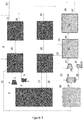
figure 1 selon l'art antérieur, représente le schéma de fractionnement des effluents d'une unité de craquage catalytique (FCC) limité à la partie légère desdits effluents, c'est-à-dire à l'essence légère, au GPL et à un gaz résiduel dit « gaz combustible » car, selon l'art antérieur, ce gaz est le plus souvent envoyé au réseau combustible de la raffinerie sans séparation ultérieure. - La
figure 2 représente le schéma de base du procédé selon l'invention, dans lequel le gaz combustible est envoyé dans une unité de conversion de l'éthylène en propylène (22). Le schéma est complété par une section d'absorption (31) et une section de débutanisation (35). - La
figure 3 représente une variante du schéma selon l'invention, dans laquelle la conversion de l'éthylène dans l'unité de conversion (22) n'étant pas totale, il peut être avantageux de recycler une partie du gaz sortant de l'unité de conversion (22), après compression par le compresseur (26), vers la section de conversion (22) au moyen du conduit (38). - La
figure 4 représente de manière plus détaillée l'unité (22) de conversion de l'éthylène en propylène selon l'invention. La réaction principale étant très exothermique, il est nécessaire d'avoir au moins deux réacteurs (223) et (227) avec un refroidissement intermédiaire (225). - La
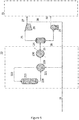
figure 5 représente une variante du l'unité de conversion (22) selon l'invention dans laquelle la charge de l'unité (22) de conversion de l'éthylène en propylène comporte une forte proportion d'effluent recyclé (222), ce qui permet à l'unité de fonctionner avec un seul réacteur (223). - La présente invention consiste en un procédé permettant de transformer en propylène et autres produits récupérables l'éthylène contenu dans le gaz combustible, c'est-à-dire le gaz de tête issu du fractionnement des effluents d'une unité de craquage catalytique, après séparation de la fraction essence légère et des GPL. Le gaz de tête issu du fractionnement des effluents d'une unité FCC contient en effet une fraction essence légère, les GPL (gaz de pétrole liquéfiés), et un gaz résiduel qui est généralement utilisé comme combustible. Or ce gaz combustible contient une certaine proportion d'éthylène qu'il est possible de valoriser, ceci au moyen d'une réaction de transformation de l'éthylène principalement en propylène et autres produits d'intérêt qui nécessite une unité de conversion catalytique qui s'incorpore au schéma de traitement des effluents de tête selon l'art antérieur.
- L'objet de la présente invention est donc de récupérer la plus grande partie de l'éthylène contenu dans le gaz combustible, pour le convertir principalement en propylène. D'autres produits valorisables, essentiellement le butène et des aromatiques sont également produits. Ces produits seront récupérés respectivement dans le GPL et dans la coupe essence.
- L'unité de conversion de l'éthylène en propylène est intégrée au schéma de fractionnement des effluents de tête du FCC, qu'on appelle plus précisément section de récupération pour traiter les effluents légers sortant en tête du fractionnement principal.
- Le catalyseur utilisé dans l'unité de conversion de l'éthylène en propylène comprend une zéolite qui, à haute température (entre 500 et 650°C), permet d'opérer sans se désactiver da façon trop rapide, malgré les impuretés non hydrocarbonées présentes avec l'éthylène de charge. Le catalyseur préféré est un catalyseur comprenant de la ZSM-5 dans une matrice inerte, par exemple la silice. Des post traitement peuvent être réalisé sur ce catalyseur pour limiter sa désactivation en cycle. Toute zéolithe permettant de réaliser des réactions d'interconversion d'oléfines (c'est-à-dire de conversion entre oléfines, comme le fait l'unité de conversion (22)) sera adaptée à ce procédé. La conversion d'éthylène en propylène est fortement exothermique, mais comme l'éthylène est très dilué, et que d'autres réactions portant sur d'autres oléfines présentes dans le mélange sont endothermiques, cette forte exothermicité n'est pas un problème, et il est possible dans beaucoup de cas d'utiliser un seul réacteur. On utilise généralement l'exothermicité de la réaction de conversion de C2-- en C3-- pour réaliser une préchauffe de la charge au moyen d'un échangeur charge effluent.
- Le ou les réacteurs utilisés pour la réaction de conversion de C2-- en C3-- sont des réacteur ascendant ou descendant ou radiaux, c'est-à-dire à écoulement transverse de la charge au travers du lit catalytique. Le lit catalytique peut être du type lit fixe ou en lit mobile. Un lit mobile est un lit à écoulement gravitaire du type de celui qu'on rencontre dans les unités de reformage catalytique des essences.
- Le ou les réacteurs sont également couplés avec une boucle de régénération par combustion permettant d'opérer le procédé en continu. La réaction de conversion nécessite une pression partielle d'oléfines comprise entre 1 et 2 bars (et de préférence entre 1,25 et 1,75 bar), mais grâce à la forte dilution, on peut opérer à une pression comprise entre 6 et 12 bar suivant les cas, c'est-à-dire une pression pas trop éloignée de la pression de la section de récupération (15-20 bar).
- La régénération est opérée à la même température que l'opération de réaction, et de préférence à la même pression, ce qui permet de passer rapidement un réacteur de réaction en régénération, et de régénération en réaction. Le réacteur basculé en régénération (pendant que le réacteur régénéré est basculé en réaction) est connecté à une section de régénération comprenant un échangeur charge/effluent, un échangeur de réfrigération, un séparateur permettant de condenser l'eau de réaction, et un compresseur de recirculation du gaz de régénération.
- La régénération se fait par brûlage du coke déposé sur le catalyseur en quelques heures, en injectant dans le gaz de régénération la quantité d'air adaptée, éventuellement diluée avec un inerte, par exemple de l'azote ou les gaz de combustion appauvris en oxygène, pour avoir une augmentation de température dans le réacteur limitée au maximum à 50°C, ce qui permet de se passer de four de régénération. Le nombre de réacteurs est adapté afin d'avoir toujours un réacteur au moins en réaction et un réacteur en régénération.
- Le positionnement de l'unité de conversion entre la première et la deuxième section d'absorption généralement déjà existantes dans un schéma de fractionnement selon l'art antérieur, permet de remodeler un FCC aisément et à moindre coût, sans changer les équipements principaux existants. La production supplémentaire de propylène est de l'ordre de 10%, ce qui permet aux unités aval (colonne dite de « superfractionnement » propane propylène en particulier) d'absorber cette production supplémentaire avec des modifications mineures, ou même sans aucune modification si les marges de dimensionnement sont suffisantes.
- Plus précisément, la présente invention consiste en un procédé de fractionnement de la fraction gazeuse sortant en tête de la colonne de fractionnement d'une unité de craquage catalytique (FCC), fraction contenant les GPL (abréviation de gaz de pétrole liquéfié), l'essence légère, et un gaz résiduel dit « gaz combustible » qui contient lui-même une certaine quantité d'éthylène. C'est cet éthylène que la présente invention cherche à valoriser en propylène et autres produits d'intérêt.
- Le procédé selon l'invention comprend généralement :
- une première section d'absorption (6) permettant de séparer le gaz combustible (15) et le flux d'essence légère et de GPL (10), cette section étant généralement existante dans un FCC, et ne nécessitant aucune modification par suite de l'installation des équipements selon la présente invention (l'unité de conversion (22), et les sections d'absorption (31) et de débutanisation (35)).
- une unité de conversion (22) de l'éthylène en propylène, dans laquelle une grande partie de l'éthylène est convertie essentiellement en propylène, en aromatiques et autres produits d'intérêt, les autres oléfines présentes (C4, C5+) étant également partiellement converties, essentiellement en propylène,
- une nouvelle section d'absorption (31) qui admet les effluents de l'unité de conversion (22) après séparation dans le séparateur (24) produisant une phase gaz (25) qui est recomprimé dans le compresseur (26) avant d'entrer dans la nouvelle section d'absorption (31), et une phase liquide (28) qui est pompée au moyen de la pompe (29) pour entrer également dans la nouvelle section d'absorption (31). Le propylène, le butène, les fractions essences contenues dans la fraction gaz (27) et la fraction liquide (30), sont récupérés dans ladite section d'absorption (31), en utilisant de l'essence (32) arrivant du débutaniseur existant (11),
- une seconde section d'absorption (16) qui admet le gaz (33) issu de la nouvelle section d'absorption. Cette seconde section d'absorption (16) existe généralement dans un schéma de FCC classique, et ne nécessite aucune modification qui pourraient être induites par l'installation des équipements selon la présente invention (c'est-à-dire la section d'absorption (31) présentée plus haut, et l'unité de conversion (22), et la section de débutanisation (35) décrites ci-dessous).
- une nouvelle section de débutanisation (35) qui admet les fractions GPL et essence (34) issus de la nouvelle section d'absorption (31) et qui produit une essence stabilisée (36) et une fraction légère (37) qui peut être mélangé avec le GPL produit.
- L'unité de conversion (22) de l'éthylène en propylène et autres produits d'intérêt est une unité catalytique utilisant un catalyseur à base de zéolite travaillant à une température comprise entre 500°C et 650°C, et sous une pression partielle d'oléfines comprise entre 1 et 2 bars.
- Selon une première variante du procédé de fractionnement selon la présente invention, une partie du flux gazeux (27) issu de l'unité de conversion de l'éthylène en propylène et autres produits d'intérêt (23) est recyclé à l'entrée de l'unité de conversion après compression dans le compresseur (26), ladite fraction recyclée pouvant varier entre 10% et 75 % du flux total (27) arrivant à la section (31).
- Dans le procédé de fractionnement selon la présente invention, l'unité de conversion (22) de l'éthylène en propylène et autres produits d'intérêt comprend au moins deux réacteurs (223) et (227) séparés par un refroidissement intermédiaire de l'effluent (224) du premier réacteur (223) allant vers le second réacteur (227), au moyen d'un premier échangeur (225), puis en sortie de réacteur (227), l'effluent converti (228) est envoyé vers l'échangeur charge-effluent (221), où il est refroidi par échange indirect avec la charge (15), puis vers le réfrigérant (230), où le refroidissement est terminé à l'aide d'eau de refroidissement.
- Selon une autre variante du procédé de fractionnement selon la présente invention, la charge (15) de l'unité de conversion (22) arrive en mélange avec le flux recyclé (38) issu d'une partie du flux (27) vers l'échangeur charge effluent (221), où les deux flux mélangés sont préchauffés jusqu'à la température d'opération, puis envoyé vers le réacteur (223) de l'unité de conversion (22), l'effluent converti (228) étant envoyé vers l'échangeur charge-effluent (221), dans lequel il est refroidi par échange indirect avec la charge (15), puis vers le réfrigérant (230), dans lequel le refroidissement est terminé à l'aide d'eau de refroidissement, l'effluent refroidi (23) étant envoyé vers un séparateur (24), dans lequel la phase liquide est séparée de la phase gazeuse, ladite phase gazeuse (25) étant comprimée par le compresseur (26) puis envoyée vers la section d'absorption (31), et le liquide (28), étant envoyé vers la section d'absorption (31) par la pompe (29).
- Selon une variante préférée du procédé de fractionnement selon la présente invention, l'unité de conversion de l'éthylène en propylène et autres produits d'intérêt (22) fonctionne avec un catalyseur à base de zéolite aux conditions opératoires suivantes :
- température comprise entre 500°C et 650°C,
- pression partielle d'éthylène comprise entre 1 et 2 bar absolus.
- La présente invention sera mieux comprise au moyen de la description des figures qui l'illustrent. La
figure 1 étant selon l'art antérieur, et lesfigures 2 ,3 ,4 et5 selon la présente invention. - Description de la
figure 1 (selon l'art antérieur) : fractionnement des fractions légères sortie FCC. De la colonne de fractionnement principal du FCC (1) sortent en tête un distillat vapeur (2) et un distillat liquide (3). Ces deux fractions comprennent essentiellement des hydrocarbures légers, (paraffines et oléfines), depuis le méthane jusqu'à l'essence légère, de l'hydrogène, de l'azote, des oxydes de carbone (CO et CO2), de l'eau, et de petites quantités d'H2S et de NH3, ainsi que des traces de SOx et NOx. La fraction vapeur est comprimée par le compresseur (4) et envoyée par le conduit (5) vers une première section d'absorption (6). - La fraction liquide est pompée par la pompe (7) et envoyée par le conduit (8) vers la section d'absorption (6). Cette section utilise une essence d'absorption arrivant par le conduit (9) pour récupérer l'essentiel des fractions liquides, qui sont envoyées par le conduit (10) vers une section de débutanisation (11) où sont séparés d'une part l'essence sortant par le conduit (12), et les GPL (C3/C4) sortant par le conduit (14). Une partie de l'essence est renvoyée par le conduit (9) vers la section (6), et le reste constitue le produit essence, envoyé par le conduit (13) à l'extérieur de l'unité.
- De la section (6) sort également par le conduit (15) la fraction gazeuse qui a perdu l'essentiel des GPL et de l'essence. Pour finir de récupérer le reste de produits valorisable, ce gaz est envoyé à une deuxième section d'absorption (16) ou une coupe lourde venant de la colonne de fractionnement (1) par le conduit (17) permet de renvoyer vers la colonne par le conduit (18) avec la coupe lourde une grande partie de ce reste de GPL et d'essence. Le gaz léger purifié est envoyé par le conduit (19) vers une section de purification (20) avant d'être envoyé vers le gaz combustible par le conduit (21).
- Tout l'éthylène contenu dans le flux (21) est brûlé. Le récupérer nécessiterait une purification très poussée suivie d'une distillation cryogénique, ce qui supposerait des investissements souvent considérés comme trop importants par rapport à la quantité produite. L'objet de la présente invention est de transformer l'éthylène sans le purifier et de le convertir essentiellement en propylène et autres produits d'intérêt qui seront récupérés en partie dans l'unité existante. Ceci sera mieux compris au vu de la
figure 2 qui représente un schéma du procédé suivant l'invention. - Description de la
figure 2 (selon l'invention) : fractionnement des fractions légères sortie FCC, avec conversion de l'éthylène en propylène et autres produits d'intérêt. - La fraction gazeuse sortant de la section (6) par le conduit (15) n'est plus envoyée vers la deuxième section d'absorption (16), mais vers la nouvelle unité de conversion (22), dans laquelle une grande partie de l'éthylène est convertie essentiellement en propylène, en aromatiques, et autres produits d'intérêt. Les autres oléfines présentes (C4, C5+) sont également partiellement converties, essentiellement en propylène. A la sortie de l'unité (22), le gaz est à plus faible pression, et doit être recomprimé pour être envoyé à une section d'absorption. Il est donc envoyé par le conduit (23) vers un séparateur (24), la phase vapeur est envoyée par le conduit (25) vers un dispositif de compression (26) dont il ressort à plus forte pression par le conduit (27).
- La phase liquide est envoyée par le conduit (28) vers la pompe (29), dont elle ressort à plus forte pression par le conduit (30) pour entrer dans la section d'absorption (31). Le propylène, le butène et les fractions essences contenues dans le gaz (25), sont récupérés dans la section d'absorption (31), en utilisant de l'essence arrivant par le conduit (32) du débutaniseur existant (11). Le gaz après absorption est envoyé par le conduit (33) à la section d'absorption secondaire existante (16), et les fractions GPL et essence sont envoyées par le conduit (34) vers la section (35) de débutanisation. L'essence stabilisée sort par le conduit (36), et pourra être envoyée au stockage en mélange avec l'essence sortant par le conduit (13). La fraction légère du débutaniseur sort par le conduit (37), et pourra être mélangé avec le GPL produit sortant par le conduit (14).
- Il serait possible d'utiliser les sections existantes (6) et (11) au lieu d'utiliser de nouveaux équipements correspondant aux nouvelles sections (31) et (35). Cependant, les équipements des sections (6) et (11) risqueraient d'être insuffisants et nécessiteraient de grosses modifications, ce qui imposerait un arrêt de l'unité FCC pour plusieurs mois. L'avantage de créer de nouvelles sections (31) et (35) est de permettre de revamper un FCC existant sans grandes modifications, uniquement avec quelques connections vers la nouvelle unité, ce qui pourrait être fait en peu de temps lors d'un arrêt normal.
- Description de la
figure 3 (variante selon l'invention) : fractionnement des fractions légères sortie FCC avec conversion de l'éthylène en propylène et autres produits d'intérêt, et recyclage d'une partie du gaz sortant de l'unité de conversion. - La conversion de l'éthylène dans l'unité de conversion (22) n'étant pas totale, il peut être avantageux de recycler une partie du gaz sortant de l'unité de conversion (22), et comprimé par le compresseur (26), vers la section de conversion (22) par le conduit (38).
- L'éthylène restant après conversion étant encore plus dilué que dans la charge (15), cela permet d'avoir une pression du réacteur de conversion plus élevée pour la même pression partielle d'oléfines, ce qui est favorable économiquement. De plus l'exothermicité de la réaction de conversion en propylène est diminuée, ce qui peut permettre d'opérer avec un seul réacteur, donc diminue le coût de l'unité, malgré sa capacité augmentée.
- Description de la
figure 4 (section de conversion selon l'invention) : unité de conversion d'éthylène à deux réacteurs avec refroidissement intermédiaire. - Le flux sortie de l'absorbeur existant (6) arrive par le conduit (15) vers l'échangeur charge -effluent (221) ou il est préchauffé jusqu'à la température d'opération et envoyé vers le premier réacteur (223). La réaction étant très exothermique, il est nécessaire de refroidir en sortie de ce premier réacteur dans la génération de vapeur (225) afin de refroidir l'effluent (224) jusqu'à la température d'opération. Le flux refroidi est envoyé par le conduit (226) vers le deuxième réacteur (227). Deux réacteurs (223) et (227) sont figurés sur ce schéma. Dans certains cas, il pourrait être nécessaire d'en installer davantage si la proportion d'éthylène en entrée, donc l'exothermicité de la réaction de conversion de l'éthylène en propylène est très grande. En sortie du second réacteur (227), l'effluent converti est envoyé par le conduit (228) vers l'échangeur charge-effluent (221), où il est refroidi par échange indirect avec la charge, puis vers le réfrigérant (230), dans lequel le refroidissement est terminé à l'aide d'eau de refroidissement. Il est également possible d'utiliser de l'air pour assurer le refroidissement au niveau du réfrigérant (230).
- En sortie du réfrigérant (230) cet échangeur, l'effluent est envoyé par le conduit (23) vers un séparateur (24), ou la phase liquide est séparée de la phase gazeuse. La phase gazeuse est reprise dans le conduit (25), comprimée par le compresseur (26), et envoyée vers une section d'absorption par le conduit (27). Le liquide, soutiré par le conduit (28), est envoyée vers la même section d'absorption par la pompe (29) et le conduit (30).
- Cette première variante nécessite en général un nombre de réacteurs (223) de 2, 3 ou 4 fonctionnant en série, plus un certain nombre fonctionnant en régénération pour avoir une opération continue, plus éventuellement encore un certain nombre « en réserve », au cas où la durée de vie du catalyseur serait inférieure à 1 an pour pouvoir changer le catalyseur en continuant d'opérer. De plus les pertes de charges dans tous ces réacteurs, auxquelles s'ajoute la perte de charge dans le ou les générateurs de vapeur, augmentent le taux de compression du compresseur de reprise du gaz, donc son prix et sa consommation électrique. Au final le CAPEX et les OPEX sont assez élevés.
- C'est pourquoi il est possible de recycler une partie de l'effluent gazeux issu du séparateur (24) pour diluer davantage les oléfines, diminuer l'exothermicité et augmenter la pression d'opération, ce qui diminue le prix et la consommation du compresseur (26). Les autres équipements sont alors plus chers, car leur capacité et pression opératoires sont plus élevées, mais le nombre de réacteurs (223) est diminué. On peut opérer avec un seul réacteur avec un taux de recyclage suffisant, donc 3 réacteurs au total; 1 en opération, 1 en régénération et 1 « en réserve ».
- Les équipement de démarrage (notamment le four de démarrage) et de régénération (compresseur, échangeurs, séparateur, etc.) ne sont pas représentés sur les
figures 4 et5 . - Description de la
figure 5 (variante de la section de conversion selon l'invention) : unité de conversion de l'éthylène en propylène et autres produits d'intérêt en un seul réacteur, et recyclage d'une partie de l'effluent de l'unité de conversion. - Le flux sortie de l'absorbeur existant (6) arrive par le conduit (15), en mélange avec le recyclage arrivant par le conduit (38), vers l'échangeur charge effluent (221) où il est préchauffé jusqu'à la température d'opération et envoyé par le conduit (222) vers le réacteur (223). La réaction est très exothermique, mais avec la dilution due au recyclage, il est possible d'avoir une augmentation de température modérée de 30 à 50°C environ, donc d'opérer avec un seul réacteur. En sortie de réacteur (223), l'effluent converti est envoyé par le conduit (228) vers l'échangeur charge-effluent (221), où il est refroidi par échange indirect avec la charge, puis vers le réfrigérant (230), où le refroidissement est terminé à l'aide d'eau de refroidissement. Il est également possible d'utiliser de l'air pour refroidir. En sortie de cet échangeur, l'effluent est envoyé par le conduit (23) vers un séparateur (24), où la phase liquide est séparée de la phase gazeuse. La phase gazeuse est reprise dans le conduit (25), comprimée par le compresseur (26) et envoyée vers la section d'absorption (31).
- Le liquide, soutiré par le conduit (28), est envoyée vers la section d'absorption (31) par la pompe (29) et le conduit (30).
- Le procédé est opéré selon les schémas des
figures 2 et4 . On opère l'unité (22) de conversion de l'éthylène en propylène au moyen de deux réacteurs l'un en réaction pendant que l'autre est en régénération. - La charge arrivant dans l'unité de conversion de l'éthylène par le conduit (15) a un débit de 16350 kg/h, avec la composition suivante (en % mole) :
Azote : 17,8 Hydrogène : 14,2 Méthane : 27,3 Ethane : 13,7 Ethylène : 13,7 Propane : 0,3 Propylène : 3,2 Butane : 0,3 Butènes : 0,4 Essence : 3,9 Eau : 0,5 CO : 1,0 CO2 : 3,8 - H2S, NH3, SOx, NOx sont à l'état de traces
- La pression à l'entrée des réacteurs de conversion est de 7,8 bar absolus, ce qui permet d'avoir une pression partielle d'oléfines de 1,5 bars, et une pression à l'entrée du compresseur de 5,5 bars.
- La température des réacteurs est de 550°C en entrée. On opère avec 2 réacteurs en série, avec une augmentation de la température en sortie de réacteur de 43°C dans chaque réacteur, et un refroidissement intermédiaire grâce à une génération de vapeur. On a 390 kg/h de liquide dans le séparateur.
- En sortie du deuxième réacteur, la composition est la suivante (% mole) :
Azote : 18,7 Hydrogène : 15,0 Méthane : 28,7 Ethane : 14,4 Ethylène : 2,9 Propane : 0,7 Propylène : 8,5 Butane : 0,7 Butènes : 0,6 Essence : 4,5 Eau : 0,5 CO : 1,0 CO2 : 3,8 - H2S, NH3, SOx, NOx sont à l'état de traces
- Globalement, la production de propylène, qui était de 21 tonnes/h sans la conversion d'éthylène, est augmentée de 1,8 tonne/h, soit 9 %, et on produit également un petit débit supplémentaire de butènes (70 kg/h) et d'essence (400 kg/h).
- La charge arrivant à la section de conversion de l'éthylène par le conduit (15) a un débit de 16350 kg/h comme dans l'exemple 1, avec la même composition que dans l'exemple 1.
- Le recyclage sortie compresseur est de 15150 kg/h. La pression à l'entrée du réacteur est de 9 bar abs, ce qui permet d'avoir une pression partielle d'oléfines de 1,5 bar, et une pression à l'entrée du compresseur de 7,7 bar. La température en entrée du réacteur est de 550°C.
- On opère avec un seul réacteur dans l'unité de conversion (22) et une augmentation de température de 44°C dans le réacteur. On a 660 kg/h de liquide dans le séparateur (24).
- En sortie de réacteur, la composition est la suivante (% mole) :
Azote : 18,8 Hydrogène : 15,0 Méthane : 28,9 Ethane : 14,6 Ethylène : 1,6 Propane : 0,7 Propylène : 10,2 Butane : 0,7 Butènes : 0,4 Essence : 3,5 Eau : 0,5 CO : 1,0 CO2 : 3,9 - H2S, NH3, SOx, NOx sont à l'état de traces.
- Globalement, la production de propylène, qui était de 21 tonnes/h sans l'unité de conversion d'éthylène, est augmentée de 2,3 tonnes, grâce à l'unité de conversion d'éthylène en propylène (22), soit un gain de 11 %. On crée également comme effet secondaire de l'invention, un petit débit supplémentaire de butènes (30 kg/h) et d'essence (200 kg/h).
Claims (9)
- Dispositif de fractionnement de la fraction gazeuse sortant en tête de la colonne de fractionnement d'une unité de craquage catalytique, fraction contenant les GPL, l'essence légère, et un gaz résiduel dit « gaz combustible » qui contient lui-même une certaine quantité d'éthylène, dispositif comprenant :- une première section d'absorption (6) permettant de séparer le gaz combustible (15) et le flux d'essence légère et de GPL (10), ladite première section étant existante dans une unité de craquage catalytique existante,- une unité de conversion catalytique (22) de l'éthylène en propylène et autres produits d'intérêt, dont la charge est constituée par le gaz combustible (15), dans laquelle une grande partie de l'éthylène est convertie essentiellement en propylène et aussi en aromatiques et autres produits d'intérêt, en présence d'un catalyseur à base de zéolite.- une nouvelle section d'absorption (31) qui admet les effluents de l'unité de conversion (22) après recompression, le propylène, butène et les fractions essences contenus dans lesdits effluents, étant récupérés dans ladite nouvelle section d'absorption (31), en utilisant de l'essence arrivant du débutaniseur existant (11),- une seconde section d'absorption secondaire (16), qui admet le gaz (33) issu de la nouvelle section d'absorption (31),- une section de débutanisation (35) qui admet les fractions GPL et essence (34) issus de la nouvelle section d'absorption (31), et qui produit une essence stabilisée (36), et une fraction légère GPL (37).
- Dispositif de fractionnement de la fraction gazeuse sortant en tête de la colonne de fractionnement d'une unité de craquage catalytique selon la revendication 1, dans lequel l'unité de conversion de l'éthylène en propylène (22) comprend au moins deux réacteurs (223) et (227) séparés par un refroidissement intermédiaire de l'effluent (224) du premier réacteur (223) allant vers le second réacteur (227) au moyen d'un échangeur (225), en sortie de réacteur (227), l'effluent converti (228) étant envoyé vers un refroidissement.
- Procédé de fractionnement de la fraction gazeuse sortant en tête de la colonne de fractionnement d'une unité de craquage catalytique, fraction contenant les GPL, l'essence légère, et un gaz résiduel dit « gaz combustible » qui contient lui-même une certaine quantité d'éthylène, comprenant les étapes suivantes :- séparer le gaz combustible (15) et le flux d'essence légère et de GPL (10) dans une première section d'absorption (6), ladite première section étant existante dans une unité de craquage catalytique existante,- convertir une grande partie de l'éthylène essentiellement en propylène et aussi en aromatiques et autres produits d'intérêt, en présence d'un catalyseur à base de zéolite dans une unité de conversion catalytique (22) de l'éthylène en propylène et autres produits d'intérêt, dont la charge est constituée par le gaz combustible (15).- admettre les effluents de l'unité de conversion (22) après recompression dans une nouvelle section d'absorption (31), le propylène, butène et les fractions essences contenus dans lesdits effluents, étant récupérés dans ladite nouvelle section d'absorption (31), en utilisant de l'essence arrivant d'un débutaniseur existant (11),- admettre le gaz (33) issu de la nouvelle section d'absorption (31) dans une seconde section d'absorption secondaire (16),- admettre les fractions GPL et essence (34) issus de la nouvelle section d'absorption (31) dans une section de débutanisation (35) pour produire une essence stabilisée (36), et une fraction légère GPL (37).
- Procédé selon la revendication 3, dans lequel l'unité de conversion de l'éthylène en propylène (22) comprend au moins deux réacteurs (223) et (227) séparés par un refroidissement intermédiaire de l'effluent (224) du premier réacteur (223) allant vers le second réacteur (227) au moyen d'un échangeur (225), en sortie de réacteur (227), l'effluent converti (228) étant envoyé vers un refroidissement.
- Procédé selon la revendication 3, dans lequel une partie du flux gazeux (27) issu de l'unité de conversion de l'éthylène en propylène (23) est recyclé à l'entrée de l'unité de conversion (22) après compression dans le compresseur (26), ladite fraction recyclée pouvant varier entre 25% et 200 % du flux (27) arrivant à la nouvelle section d'adsorption (31).
- Procédé selon la revendication 4, dans lequel les deux réacteurs de l'unité de conversion (22) fonctionnent de manière alternée l'un en réaction l'autre en régénération, le réacteur fonctionnant en régénération étant connecté à une section de régénération comprenant un échangeur charge/effluent, un échangeur de réfrigération, un séparateur permettant de condenser l'eau de réaction, et un compresseur de recirculation du gaz de régénération.
- Procédé selon la revendication 6, dans lequel lorsque l'un des deux réacteur de l'unité de conversion (22) se trouve en régénération, ladite régénération se fait par brûlage du coke déposé sur le catalyseur en quelques heures, en injectant dans le gaz de régénération la quantité d'air adaptée, éventuellement diluée avec un inerte, par exemple de l'azote ou les gaz de combustion appauvris en oxygène, pour avoir une augmentation de température dans le réacteur limitée au maximum à 50°C.
- Procédé selon la revendication 3, dans lequel la charge (15) de l'unité de conversion (22) arrive en mélange avec le flux recyclé (38) issu d'une partie du flux (27) vers l'échangeur charge effluent (221), dans lequel les deux flux mélangés sont préchauffé jusqu'à la température d'opération, puis envoyé vers le réacteur (223) de l'unité de conversion (22), l'effluent converti (228) étant envoyé vers l'échangeur charge-effluent (221), dans lequel il est refroidi par échange indirect avec la charge (réunion des fmlux15 et 38), puis vers le réfrigérant (230), dans lequel le refroidissement est terminé à l'aide d'eau de refroidissement, l'effluent refroidi (23) étant envoyé vers un séparateur (24), dans lequel la phase liquide est séparée de la phase gazeuse, ladite phase gazeuse (25) étant comprimée par le compresseur (26), puis envoyée vers la nouvelle section d'absorption (31), et le liquide (28), étant envoyé vers la nouvelle section d'absorption (31) par la pompe (29).
- Procédé selon la revendication 3, dans lequel l'unité de conversion de l'éthylène en propylène (22) fonctionne avec un catalyseur à base de zéolithe aux conditions opératoires suivantes :- température comprise entre 500 et 650°C,- pression partielle d'éthylène comprise entre 1 et 2 bar absolus.
Applications Claiming Priority (1)
| Application Number | Priority Date | Filing Date | Title |
|---|---|---|---|
| FR1756712A FR3068967B1 (fr) | 2017-07-13 | 2017-07-13 | Methode et procede pour convertir l'ethylene present dans l'effluent de tete d'un fcc de maniere a augmenter la production de propylene |
Publications (2)
| Publication Number | Publication Date |
|---|---|
| EP3428249A1 true EP3428249A1 (fr) | 2019-01-16 |
| EP3428249B1 EP3428249B1 (fr) | 2019-12-18 |
Family
ID=60382309
Family Applications (1)
| Application Number | Title | Priority Date | Filing Date |
|---|---|---|---|
| EP18180989.8A Active EP3428249B1 (fr) | 2017-07-13 | 2018-06-29 | Methode et procede pour convertir l'ethylene present dans l'effluent de tete d'un fcc de maniere a augmenter la production de propylene |
Country Status (8)
| Country | Link |
|---|---|
| US (1) | US10435338B2 (fr) |
| EP (1) | EP3428249B1 (fr) |
| JP (1) | JP7097250B2 (fr) |
| KR (1) | KR102609038B1 (fr) |
| CN (1) | CN109251120B (fr) |
| ES (1) | ES2774551T3 (fr) |
| FR (1) | FR3068967B1 (fr) |
| RU (1) | RU2767522C2 (fr) |
Cited By (3)
| Publication number | Priority date | Publication date | Assignee | Title |
|---|---|---|---|---|
| WO2020260029A1 (fr) | 2019-06-26 | 2020-12-30 | IFP Energies Nouvelles | Réacteur de traitement catalytique d'hydrocarbures avec remplacement semi-continu de catalyseur |
| WO2024002750A1 (fr) | 2022-06-29 | 2024-01-04 | IFP Energies Nouvelles | Procede de traitement d'un catalyseur comprenant une zeolithe |
| FR3137311A1 (fr) | 2022-06-29 | 2024-01-05 | IFP Energies Nouvelles | Procédé de traitement d’un catalyseur comprenant une zéolithe |
Citations (2)
| Publication number | Priority date | Publication date | Assignee | Title |
|---|---|---|---|---|
| US20070185359A1 (en) * | 2006-02-06 | 2007-08-09 | Exxonmobil Research And Engineering Company | Gasoline production by olefin polymerization |
| US20110243797A1 (en) * | 2010-03-31 | 2011-10-06 | Uop Llc | Apparatus for oligomerizing dilute ethylene |
Family Cites Families (25)
| Publication number | Priority date | Publication date | Assignee | Title |
|---|---|---|---|---|
| US4091046A (en) * | 1976-06-28 | 1978-05-23 | Phillips Petroleum Company | Production of isoprene from isobutane |
| US4831203A (en) * | 1987-12-16 | 1989-05-16 | Mobil Oil Corporation | Integrated production of gasoline from light olefins in a fluid cracking process plant |
| US5034565A (en) * | 1988-09-26 | 1991-07-23 | Mobil Oil Corporation | Production of gasoline from light olefins in a fluidized catalyst reactor system |
| US5488103A (en) * | 1991-07-11 | 1996-01-30 | Gatlin; Larry W. | Hydrogen sulfide converter |
| US5347004A (en) * | 1992-10-09 | 1994-09-13 | Baker Hughes, Inc. | Mixtures of hexahydrotriazines useful as H2 S scavengers |
| BE1006675A3 (fr) * | 1993-02-02 | 1994-11-16 | Fina Research | Procede de production d'essences a haut indice d'octane. |
| US5685972A (en) * | 1995-07-14 | 1997-11-11 | Timken; Hye Kyung C. | Production of benzene, toluene, and xylene (BTX) from FCC naphtha |
| US6942784B2 (en) * | 2000-09-22 | 2005-09-13 | Engelhard Corporation | Structurally enhanced cracking catalysts |
| US20030089640A1 (en) * | 2001-10-17 | 2003-05-15 | Rostam Madon | FCC catalysts for feeds containing nickel and vanadium |
| US7207192B2 (en) * | 2004-07-28 | 2007-04-24 | Kellogg Brown & Root Llc | Secondary deethanizer to debottleneck an ethylene plant |
| WO2006020547A1 (fr) * | 2004-08-10 | 2006-02-23 | Shell Internationale Research Maatschappij B.V. | Méthode et appareillage permettant d’obtenir un distillat moyen et des oléfines légères à partir d’une charge d’hydrocarbures |
| US7220886B2 (en) | 2004-10-27 | 2007-05-22 | Catalytic Distillation Technologies | Olefin metathesis |
| US7611622B2 (en) * | 2006-12-29 | 2009-11-03 | Kellogg Brown & Root Llc | FCC process for converting C3/C4 feeds to olefins and aromatics |
| CN101215214B (zh) * | 2007-01-05 | 2010-08-18 | 中国石油化工股份有限公司 | 以炼厂c4和催化干气为原料制备烯烃的组合工艺 |
| RU68480U1 (ru) * | 2007-02-26 | 2007-11-27 | Павел Викторович Ежов | Устройство рекуперации паров нефтепродуктов для резервуаров |
| US8608942B2 (en) * | 2007-03-15 | 2013-12-17 | Kellogg Brown & Root Llc | Systems and methods for residue upgrading |
| US7820033B2 (en) * | 2007-04-30 | 2010-10-26 | Kellogg Brown & Root Llc | Method for adjusting yields in a light feed FCC reactor |
| US7795486B2 (en) * | 2007-10-26 | 2010-09-14 | Uop Llc | Integrated production of FCC-produced C3 and cumene |
| US7795485B2 (en) * | 2007-10-26 | 2010-09-14 | Uop Llc | Integrated production of FCC-produced C2 and ethyl benzene |
| FR2925065B1 (fr) * | 2007-12-17 | 2012-11-30 | Inst Francais Du Petrole | Nouveau schema permettant d'optimiser la production d'essence a haut indice d'octane et la coproduction de bases aromatiques |
| EP2321382B1 (fr) | 2008-08-12 | 2017-11-15 | Lummus Technology Inc. | Fabrication intégrée de propylène |
| CN102439121B (zh) * | 2009-03-30 | 2015-05-13 | 印度石油股份有限公司 | 流化催化裂化方法 |
| US8524630B2 (en) * | 2010-10-08 | 2013-09-03 | Exxonmobil Research And Engineering Company | Mesoporous aluminas stabilized with rare earth and phosphorous |
| CN107001186A (zh) | 2014-11-14 | 2017-08-01 | 巴斯夫欧洲公司 | 通过正丁烯脱氢制备1,3‑丁二烯且提供含有丁烷和2‑丁烯的料流的方法 |
| WO2017003812A1 (fr) | 2015-07-02 | 2017-01-05 | Saudi Arabian Oil Company | Système à double catalyseur pour la production de propylène |
-
2017
- 2017-07-13 FR FR1756712A patent/FR3068967B1/fr not_active Expired - Fee Related
-
2018
- 2018-06-29 ES ES18180989T patent/ES2774551T3/es active Active
- 2018-06-29 EP EP18180989.8A patent/EP3428249B1/fr active Active
- 2018-07-09 JP JP2018129577A patent/JP7097250B2/ja active Active
- 2018-07-10 RU RU2018125263A patent/RU2767522C2/ru active
- 2018-07-13 US US16/034,572 patent/US10435338B2/en active Active
- 2018-07-13 KR KR1020180081669A patent/KR102609038B1/ko active Active
- 2018-07-13 CN CN201810768933.3A patent/CN109251120B/zh active Active
Patent Citations (2)
| Publication number | Priority date | Publication date | Assignee | Title |
|---|---|---|---|---|
| US20070185359A1 (en) * | 2006-02-06 | 2007-08-09 | Exxonmobil Research And Engineering Company | Gasoline production by olefin polymerization |
| US20110243797A1 (en) * | 2010-03-31 | 2011-10-06 | Uop Llc | Apparatus for oligomerizing dilute ethylene |
Non-Patent Citations (3)
| Title |
|---|
| AARON AKAH ET AL: "Maximizing propylene production via FCC technology", APPLIED PETROCHEMICAL RESEARCH, vol. 5, no. 4, 22 March 2015 (2015-03-22), pages 377 - 392, XP055405038, ISSN: 2190-5525, DOI: 10.1007/s13203-015-0104-3 * |
| JUN JONG-WON ET AL: "Conversion of Y into SSZ-13 zeolites and ethylene-to-propylene reactions over the obtained SSZ-13 zeolites", CHEMICAL ENGINEERING JOURNAL, ELSEVIER SEQUOIA, LAUSANNE, CH, vol. 303, 8 June 2016 (2016-06-08), pages 667 - 674, XP029708618, ISSN: 1385-8947, DOI: 10.1016/J.CEJ.2016.06.043 * |
| MARGARET M SHREEHAN: "Recovery of olefins from refinery offgases", DIGITALREFINING, 1 October 1998 (1998-10-01), pages 1 - 9, XP055513475, Retrieved from the Internet <URL:http://www.digitalrefining.com/article_1000215.pdf> [retrieved on 20181008] * |
Cited By (5)
| Publication number | Priority date | Publication date | Assignee | Title |
|---|---|---|---|---|
| WO2020260029A1 (fr) | 2019-06-26 | 2020-12-30 | IFP Energies Nouvelles | Réacteur de traitement catalytique d'hydrocarbures avec remplacement semi-continu de catalyseur |
| FR3097779A1 (fr) | 2019-06-26 | 2021-01-01 | IFP Energies Nouvelles | Réacteur de traitement catalytique d’hydrocarbures avec remplacement semi-continu de catalyseur |
| WO2024002750A1 (fr) | 2022-06-29 | 2024-01-04 | IFP Energies Nouvelles | Procede de traitement d'un catalyseur comprenant une zeolithe |
| FR3137312A1 (fr) | 2022-06-29 | 2024-01-05 | IFP Energies Nouvelles | Procédé de traitement d’un catalyseur comprenant une zéolithe |
| FR3137311A1 (fr) | 2022-06-29 | 2024-01-05 | IFP Energies Nouvelles | Procédé de traitement d’un catalyseur comprenant une zéolithe |
Also Published As
| Publication number | Publication date |
|---|---|
| US10435338B2 (en) | 2019-10-08 |
| KR102609038B1 (ko) | 2023-12-01 |
| RU2018125263A3 (fr) | 2022-01-10 |
| CN109251120A (zh) | 2019-01-22 |
| US20190016648A1 (en) | 2019-01-17 |
| RU2767522C2 (ru) | 2022-03-17 |
| FR3068967A1 (fr) | 2019-01-18 |
| RU2018125263A (ru) | 2020-01-14 |
| KR20190008146A (ko) | 2019-01-23 |
| FR3068967B1 (fr) | 2019-06-28 |
| CN109251120B (zh) | 2022-11-22 |
| JP7097250B2 (ja) | 2022-07-07 |
| ES2774551T3 (es) | 2020-07-21 |
| JP2019019316A (ja) | 2019-02-07 |
| EP3428249B1 (fr) | 2019-12-18 |
Similar Documents
| Publication | Publication Date | Title |
|---|---|---|
| FR2895747A1 (fr) | Procede pour produire des hydrocarbures a partir de gaz naturel. | |
| AU2009269819B2 (en) | Apparatus and process for treating offshore natural gas | |
| EP1890961B1 (fr) | Procede pour la production simultanee d'hydrogene et de monoxyde de carbone | |
| EP3898557B1 (fr) | Procédé de production de butadiène à partir d'éthanol avec régénération in situ optimisée du catalyseur de la deuxième étape réactionnelle | |
| JP5490133B2 (ja) | オレフィン並びにアンモニア及び尿素の製造のための中間体の製造のための統合的方法 | |
| FR2861402A1 (fr) | Production de carburants liquides par un enchainement de procedes de traitement d'une charge hydrocarbonee | |
| FR2893627A1 (fr) | Procede pour l'ajustement du pouvoir calorifique superieur du gaz dans la chaine du gnl. | |
| EP3428249B1 (fr) | Methode et procede pour convertir l'ethylene present dans l'effluent de tete d'un fcc de maniere a augmenter la production de propylene | |
| EP1828353B1 (fr) | Enchainement de procédés d'hydroconversion et de reformage à la vapeur en vue d'optimiser la production d'hydrogène sur des champs de production | |
| EP2411118B1 (fr) | Procede et installation de traitement d'un gaz naturel de charge pour obtenir un gaz naturel traite et une coupe d'hydrocarbures en c5+ | |
| FR2933987A1 (fr) | Procede d'hydrogenation du benzene | |
| EP3898563B1 (fr) | Procédé de production de butadiène à partir d'éthanol avec régénération in situ du catalyseur de la deuxième étape réactionnelle | |
| FR2828187A1 (fr) | Procede de recuperation d'hydrogene dans un effluent hydrocarbone gazeux, avec mise en oeuvre d'un reacteur membranaire | |
| EP1063275A1 (fr) | Procédé d'hydrotraitement d'un distillat moyen dans deux zones comprenant une zone intermédiaire de stripage | |
| CN115151625A (zh) | 将原油直接提质为氢和化学品的系统和工艺 | |
| FR2896509A1 (fr) | Procede de capture des mercaptans contenus dans un gaz naturel par concentration. | |
| EP3478649B1 (fr) | Procede de production de butadiene a partir d'ethanol integre avec distillation extractive | |
| WO2013076433A1 (fr) | Procédé de traitement d'effluent gazeux en tête de distillation atmosphérique | |
| FR2874218A1 (fr) | Procede pour la recuperation d'un gaz riche en hydrogene et d'un liquide stabilise | |
| EP3517519A1 (fr) | Procédé de vapocraquage d'éthane | |
| FR2856697A1 (fr) | Procede de traitement de l'effluent d'une unite de reformage catalytique |
Legal Events
| Date | Code | Title | Description |
|---|---|---|---|
| PUAI | Public reference made under article 153(3) epc to a published international application that has entered the european phase |
Free format text: ORIGINAL CODE: 0009012 |
|
| STAA | Information on the status of an ep patent application or granted ep patent |
Free format text: STATUS: THE APPLICATION HAS BEEN PUBLISHED |
|
| AK | Designated contracting states |
Kind code of ref document: A1 Designated state(s): AL AT BE BG CH CY CZ DE DK EE ES FI FR GB GR HR HU IE IS IT LI LT LU LV MC MK MT NL NO PL PT RO RS SE SI SK SM TR |
|
| AX | Request for extension of the european patent |
Extension state: BA ME |
|
| STAA | Information on the status of an ep patent application or granted ep patent |
Free format text: STATUS: REQUEST FOR EXAMINATION WAS MADE |
|
| GRAP | Despatch of communication of intention to grant a patent |
Free format text: ORIGINAL CODE: EPIDOSNIGR1 |
|
| STAA | Information on the status of an ep patent application or granted ep patent |
Free format text: STATUS: GRANT OF PATENT IS INTENDED |
|
| 17P | Request for examination filed |
Effective date: 20190716 |
|
| RBV | Designated contracting states (corrected) |
Designated state(s): AL AT BE BG CH CY CZ DE DK EE ES FI FR GB GR HR HU IE IS IT LI LT LU LV MC MK MT NL NO PL PT RO RS SE SI SK SM TR |
|
| INTG | Intention to grant announced |
Effective date: 20190816 |
|
| RAP1 | Party data changed (applicant data changed or rights of an application transferred) |
Owner name: IFP ENERGIES NOUVELLES |
|
| GRAS | Grant fee paid |
Free format text: ORIGINAL CODE: EPIDOSNIGR3 |
|
| GRAA | (expected) grant |
Free format text: ORIGINAL CODE: 0009210 |
|
| STAA | Information on the status of an ep patent application or granted ep patent |
Free format text: STATUS: THE PATENT HAS BEEN GRANTED |
|
| AK | Designated contracting states |
Kind code of ref document: B1 Designated state(s): AL AT BE BG CH CY CZ DE DK EE ES FI FR GB GR HR HU IE IS IT LI LT LU LV MC MK MT NL NO PL PT RO RS SE SI SK SM TR |
|
| REG | Reference to a national code |
Ref country code: CH Ref legal event code: EP |
|
| REG | Reference to a national code |
Ref country code: IE Ref legal event code: FG4D Free format text: LANGUAGE OF EP DOCUMENT: FRENCH |
|
| REG | Reference to a national code |
Ref country code: DE Ref legal event code: R096 Ref document number: 602018001667 Country of ref document: DE |
|
| REG | Reference to a national code |
Ref country code: AT Ref legal event code: REF Ref document number: 1214595 Country of ref document: AT Kind code of ref document: T Effective date: 20200115 |
|
| REG | Reference to a national code |
Ref country code: NL Ref legal event code: FP |
|
| PG25 | Lapsed in a contracting state [announced via postgrant information from national office to epo] |
Ref country code: NO Free format text: LAPSE BECAUSE OF FAILURE TO SUBMIT A TRANSLATION OF THE DESCRIPTION OR TO PAY THE FEE WITHIN THE PRESCRIBED TIME-LIMIT Effective date: 20200318 Ref country code: GR Free format text: LAPSE BECAUSE OF FAILURE TO SUBMIT A TRANSLATION OF THE DESCRIPTION OR TO PAY THE FEE WITHIN THE PRESCRIBED TIME-LIMIT Effective date: 20200319 Ref country code: BG Free format text: LAPSE BECAUSE OF FAILURE TO SUBMIT A TRANSLATION OF THE DESCRIPTION OR TO PAY THE FEE WITHIN THE PRESCRIBED TIME-LIMIT Effective date: 20200318 Ref country code: FI Free format text: LAPSE BECAUSE OF FAILURE TO SUBMIT A TRANSLATION OF THE DESCRIPTION OR TO PAY THE FEE WITHIN THE PRESCRIBED TIME-LIMIT Effective date: 20191218 Ref country code: LT Free format text: LAPSE BECAUSE OF FAILURE TO SUBMIT A TRANSLATION OF THE DESCRIPTION OR TO PAY THE FEE WITHIN THE PRESCRIBED TIME-LIMIT Effective date: 20191218 Ref country code: LV Free format text: LAPSE BECAUSE OF FAILURE TO SUBMIT A TRANSLATION OF THE DESCRIPTION OR TO PAY THE FEE WITHIN THE PRESCRIBED TIME-LIMIT Effective date: 20191218 Ref country code: SE Free format text: LAPSE BECAUSE OF FAILURE TO SUBMIT A TRANSLATION OF THE DESCRIPTION OR TO PAY THE FEE WITHIN THE PRESCRIBED TIME-LIMIT Effective date: 20191218 |
|
| REG | Reference to a national code |
Ref country code: LT Ref legal event code: MG4D |
|
| PG25 | Lapsed in a contracting state [announced via postgrant information from national office to epo] |
Ref country code: RS Free format text: LAPSE BECAUSE OF FAILURE TO SUBMIT A TRANSLATION OF THE DESCRIPTION OR TO PAY THE FEE WITHIN THE PRESCRIBED TIME-LIMIT Effective date: 20191218 Ref country code: HR Free format text: LAPSE BECAUSE OF FAILURE TO SUBMIT A TRANSLATION OF THE DESCRIPTION OR TO PAY THE FEE WITHIN THE PRESCRIBED TIME-LIMIT Effective date: 20191218 |
|
| PG25 | Lapsed in a contracting state [announced via postgrant information from national office to epo] |
Ref country code: AL Free format text: LAPSE BECAUSE OF FAILURE TO SUBMIT A TRANSLATION OF THE DESCRIPTION OR TO PAY THE FEE WITHIN THE PRESCRIBED TIME-LIMIT Effective date: 20191218 |
|
| REG | Reference to a national code |
Ref country code: ES Ref legal event code: FG2A Ref document number: 2774551 Country of ref document: ES Kind code of ref document: T3 Effective date: 20200721 |
|
| PG25 | Lapsed in a contracting state [announced via postgrant information from national office to epo] |
Ref country code: CZ Free format text: LAPSE BECAUSE OF FAILURE TO SUBMIT A TRANSLATION OF THE DESCRIPTION OR TO PAY THE FEE WITHIN THE PRESCRIBED TIME-LIMIT Effective date: 20191218 Ref country code: PT Free format text: LAPSE BECAUSE OF FAILURE TO SUBMIT A TRANSLATION OF THE DESCRIPTION OR TO PAY THE FEE WITHIN THE PRESCRIBED TIME-LIMIT Effective date: 20200513 Ref country code: RO Free format text: LAPSE BECAUSE OF FAILURE TO SUBMIT A TRANSLATION OF THE DESCRIPTION OR TO PAY THE FEE WITHIN THE PRESCRIBED TIME-LIMIT Effective date: 20191218 Ref country code: EE Free format text: LAPSE BECAUSE OF FAILURE TO SUBMIT A TRANSLATION OF THE DESCRIPTION OR TO PAY THE FEE WITHIN THE PRESCRIBED TIME-LIMIT Effective date: 20191218 |
|
| PG25 | Lapsed in a contracting state [announced via postgrant information from national office to epo] |
Ref country code: IS Free format text: LAPSE BECAUSE OF FAILURE TO SUBMIT A TRANSLATION OF THE DESCRIPTION OR TO PAY THE FEE WITHIN THE PRESCRIBED TIME-LIMIT Effective date: 20200418 Ref country code: SK Free format text: LAPSE BECAUSE OF FAILURE TO SUBMIT A TRANSLATION OF THE DESCRIPTION OR TO PAY THE FEE WITHIN THE PRESCRIBED TIME-LIMIT Effective date: 20191218 Ref country code: SM Free format text: LAPSE BECAUSE OF FAILURE TO SUBMIT A TRANSLATION OF THE DESCRIPTION OR TO PAY THE FEE WITHIN THE PRESCRIBED TIME-LIMIT Effective date: 20191218 |
|
| REG | Reference to a national code |
Ref country code: DE Ref legal event code: R097 Ref document number: 602018001667 Country of ref document: DE |
|
| REG | Reference to a national code |
Ref country code: AT Ref legal event code: MK05 Ref document number: 1214595 Country of ref document: AT Kind code of ref document: T Effective date: 20191218 |
|
| PLBE | No opposition filed within time limit |
Free format text: ORIGINAL CODE: 0009261 |
|
| STAA | Information on the status of an ep patent application or granted ep patent |
Free format text: STATUS: NO OPPOSITION FILED WITHIN TIME LIMIT |
|
| PG25 | Lapsed in a contracting state [announced via postgrant information from national office to epo] |
Ref country code: DK Free format text: LAPSE BECAUSE OF FAILURE TO SUBMIT A TRANSLATION OF THE DESCRIPTION OR TO PAY THE FEE WITHIN THE PRESCRIBED TIME-LIMIT Effective date: 20191218 |
|
| 26N | No opposition filed |
Effective date: 20200921 |
|
| PG25 | Lapsed in a contracting state [announced via postgrant information from national office to epo] |
Ref country code: AT Free format text: LAPSE BECAUSE OF FAILURE TO SUBMIT A TRANSLATION OF THE DESCRIPTION OR TO PAY THE FEE WITHIN THE PRESCRIBED TIME-LIMIT Effective date: 20191218 Ref country code: SI Free format text: LAPSE BECAUSE OF FAILURE TO SUBMIT A TRANSLATION OF THE DESCRIPTION OR TO PAY THE FEE WITHIN THE PRESCRIBED TIME-LIMIT Effective date: 20191218 |
|
| PG25 | Lapsed in a contracting state [announced via postgrant information from national office to epo] |
Ref country code: MC Free format text: LAPSE BECAUSE OF FAILURE TO SUBMIT A TRANSLATION OF THE DESCRIPTION OR TO PAY THE FEE WITHIN THE PRESCRIBED TIME-LIMIT Effective date: 20191218 |
|
| PG25 | Lapsed in a contracting state [announced via postgrant information from national office to epo] |
Ref country code: PL Free format text: LAPSE BECAUSE OF FAILURE TO SUBMIT A TRANSLATION OF THE DESCRIPTION OR TO PAY THE FEE WITHIN THE PRESCRIBED TIME-LIMIT Effective date: 20191218 |
|
| PG25 | Lapsed in a contracting state [announced via postgrant information from national office to epo] |
Ref country code: LU Free format text: LAPSE BECAUSE OF NON-PAYMENT OF DUE FEES Effective date: 20200629 |
|
| REG | Reference to a national code |
Ref country code: BE Ref legal event code: MM Effective date: 20200630 |
|
| PG25 | Lapsed in a contracting state [announced via postgrant information from national office to epo] |
Ref country code: IE Free format text: LAPSE BECAUSE OF NON-PAYMENT OF DUE FEES Effective date: 20200629 |
|
| PG25 | Lapsed in a contracting state [announced via postgrant information from national office to epo] |
Ref country code: BE Free format text: LAPSE BECAUSE OF NON-PAYMENT OF DUE FEES Effective date: 20200630 |
|
| REG | Reference to a national code |
Ref country code: CH Ref legal event code: PL |
|
| PG25 | Lapsed in a contracting state [announced via postgrant information from national office to epo] |
Ref country code: LI Free format text: LAPSE BECAUSE OF NON-PAYMENT OF DUE FEES Effective date: 20210630 Ref country code: CH Free format text: LAPSE BECAUSE OF NON-PAYMENT OF DUE FEES Effective date: 20210630 |
|
| PG25 | Lapsed in a contracting state [announced via postgrant information from national office to epo] |
Ref country code: TR Free format text: LAPSE BECAUSE OF FAILURE TO SUBMIT A TRANSLATION OF THE DESCRIPTION OR TO PAY THE FEE WITHIN THE PRESCRIBED TIME-LIMIT Effective date: 20191218 Ref country code: MT Free format text: LAPSE BECAUSE OF FAILURE TO SUBMIT A TRANSLATION OF THE DESCRIPTION OR TO PAY THE FEE WITHIN THE PRESCRIBED TIME-LIMIT Effective date: 20191218 Ref country code: CY Free format text: LAPSE BECAUSE OF FAILURE TO SUBMIT A TRANSLATION OF THE DESCRIPTION OR TO PAY THE FEE WITHIN THE PRESCRIBED TIME-LIMIT Effective date: 20191218 |
|
| PG25 | Lapsed in a contracting state [announced via postgrant information from national office to epo] |
Ref country code: MK Free format text: LAPSE BECAUSE OF FAILURE TO SUBMIT A TRANSLATION OF THE DESCRIPTION OR TO PAY THE FEE WITHIN THE PRESCRIBED TIME-LIMIT Effective date: 20191218 |
|
| PGFP | Annual fee paid to national office [announced via postgrant information from national office to epo] |
Ref country code: DE Payment date: 20250626 Year of fee payment: 8 |
|
| PGFP | Annual fee paid to national office [announced via postgrant information from national office to epo] |
Ref country code: GB Payment date: 20250617 Year of fee payment: 8 |
|
| PGFP | Annual fee paid to national office [announced via postgrant information from national office to epo] |
Ref country code: NL Payment date: 20250624 Year of fee payment: 8 |
|
| PGFP | Annual fee paid to national office [announced via postgrant information from national office to epo] |
Ref country code: FR Payment date: 20250624 Year of fee payment: 8 |
|
| PGFP | Annual fee paid to national office [announced via postgrant information from national office to epo] |
Ref country code: ES Payment date: 20250710 Year of fee payment: 8 |
|
| PGFP | Annual fee paid to national office [announced via postgrant information from national office to epo] |
Ref country code: IT Payment date: 20250623 Year of fee payment: 8 |