EP3390469B1 - Verfahren zur isomerreduzierung während der polymerisation und system zur durchführung davon - Google Patents
Verfahren zur isomerreduzierung während der polymerisation und system zur durchführung davon Download PDFInfo
- Publication number
- EP3390469B1 EP3390469B1 EP16831661.0A EP16831661A EP3390469B1 EP 3390469 B1 EP3390469 B1 EP 3390469B1 EP 16831661 A EP16831661 A EP 16831661A EP 3390469 B1 EP3390469 B1 EP 3390469B1
- Authority
- EP
- European Patent Office
- Prior art keywords
- additive
- amines
- reactor
- olefin
- heat exchanger
- Prior art date
- Legal status (The legal status is an assumption and is not a legal conclusion. Google has not performed a legal analysis and makes no representation as to the accuracy of the status listed.)
- Active
Links
Images
Classifications
-
- C—CHEMISTRY; METALLURGY
- C08—ORGANIC MACROMOLECULAR COMPOUNDS; THEIR PREPARATION OR CHEMICAL WORKING-UP; COMPOSITIONS BASED THEREON
- C08F—MACROMOLECULAR COMPOUNDS OBTAINED BY REACTIONS ONLY INVOLVING CARBON-TO-CARBON UNSATURATED BONDS
- C08F210/00—Copolymers of unsaturated aliphatic hydrocarbons having only one carbon-to-carbon double bond
- C08F210/16—Copolymers of ethene with alpha-alkenes, e.g. EP rubbers
-
- C—CHEMISTRY; METALLURGY
- C07—ORGANIC CHEMISTRY
- C07C—ACYCLIC OR CARBOCYCLIC COMPOUNDS
- C07C7/00—Purification; Separation; Use of additives
- C07C7/20—Use of additives, e.g. for stabilisation
-
- C—CHEMISTRY; METALLURGY
- C08—ORGANIC MACROMOLECULAR COMPOUNDS; THEIR PREPARATION OR CHEMICAL WORKING-UP; COMPOSITIONS BASED THEREON
- C08F—MACROMOLECULAR COMPOUNDS OBTAINED BY REACTIONS ONLY INVOLVING CARBON-TO-CARBON UNSATURATED BONDS
- C08F2/00—Processes of polymerisation
- C08F2/01—Processes of polymerisation characterised by special features of the polymerisation apparatus used
-
- C—CHEMISTRY; METALLURGY
- C08—ORGANIC MACROMOLECULAR COMPOUNDS; THEIR PREPARATION OR CHEMICAL WORKING-UP; COMPOSITIONS BASED THEREON
- C08F—MACROMOLECULAR COMPOUNDS OBTAINED BY REACTIONS ONLY INVOLVING CARBON-TO-CARBON UNSATURATED BONDS
- C08F2/00—Processes of polymerisation
- C08F2/38—Polymerisation using regulators, e.g. chain terminating agents, e.g. telomerisation
-
- C—CHEMISTRY; METALLURGY
- C08—ORGANIC MACROMOLECULAR COMPOUNDS; THEIR PREPARATION OR CHEMICAL WORKING-UP; COMPOSITIONS BASED THEREON
- C08F—MACROMOLECULAR COMPOUNDS OBTAINED BY REACTIONS ONLY INVOLVING CARBON-TO-CARBON UNSATURATED BONDS
- C08F4/00—Polymerisation catalysts
- C08F4/42—Metals; Metal hydrides; Metallo-organic compounds; Use thereof as catalyst precursors
- C08F4/72—Metals; Metal hydrides; Metallo-organic compounds; Use thereof as catalyst precursors selected from metals not provided for in group C08F4/44
- C08F4/80—Metals; Metal hydrides; Metallo-organic compounds; Use thereof as catalyst precursors selected from metals not provided for in group C08F4/44 selected from iron group metals or platinum group metals
-
- C—CHEMISTRY; METALLURGY
- C08—ORGANIC MACROMOLECULAR COMPOUNDS; THEIR PREPARATION OR CHEMICAL WORKING-UP; COMPOSITIONS BASED THEREON
- C08J—WORKING-UP; GENERAL PROCESSES OF COMPOUNDING; AFTER-TREATMENT NOT COVERED BY SUBCLASSES C08B, C08C, C08F, C08G or C08H
- C08J11/00—Recovery or working-up of waste materials
- C08J11/02—Recovery or working-up of waste materials of solvents, plasticisers or unreacted monomers
-
- C—CHEMISTRY; METALLURGY
- C08—ORGANIC MACROMOLECULAR COMPOUNDS; THEIR PREPARATION OR CHEMICAL WORKING-UP; COMPOSITIONS BASED THEREON
- C08K—Use of inorganic or non-macromolecular organic substances as compounding ingredients
- C08K5/00—Use of organic ingredients
- C08K5/04—Oxygen-containing compounds
- C08K5/09—Carboxylic acids; Metal salts thereof; Anhydrides thereof
- C08K5/092—Polycarboxylic acids
-
- C—CHEMISTRY; METALLURGY
- C08—ORGANIC MACROMOLECULAR COMPOUNDS; THEIR PREPARATION OR CHEMICAL WORKING-UP; COMPOSITIONS BASED THEREON
- C08K—Use of inorganic or non-macromolecular organic substances as compounding ingredients
- C08K5/00—Use of organic ingredients
- C08K5/04—Oxygen-containing compounds
- C08K5/09—Carboxylic acids; Metal salts thereof; Anhydrides thereof
- C08K5/098—Metal salts of carboxylic acids
-
- C—CHEMISTRY; METALLURGY
- C08—ORGANIC MACROMOLECULAR COMPOUNDS; THEIR PREPARATION OR CHEMICAL WORKING-UP; COMPOSITIONS BASED THEREON
- C08K—Use of inorganic or non-macromolecular organic substances as compounding ingredients
- C08K5/00—Use of organic ingredients
- C08K5/04—Oxygen-containing compounds
- C08K5/10—Esters; Ether-esters
- C08K5/11—Esters; Ether-esters of acyclic polycarboxylic acids
-
- C—CHEMISTRY; METALLURGY
- C08—ORGANIC MACROMOLECULAR COMPOUNDS; THEIR PREPARATION OR CHEMICAL WORKING-UP; COMPOSITIONS BASED THEREON
- C08K—Use of inorganic or non-macromolecular organic substances as compounding ingredients
- C08K5/00—Use of organic ingredients
- C08K5/04—Oxygen-containing compounds
- C08K5/13—Phenols; Phenolates
- C08K5/134—Phenols containing ester groups
-
- C—CHEMISTRY; METALLURGY
- C08—ORGANIC MACROMOLECULAR COMPOUNDS; THEIR PREPARATION OR CHEMICAL WORKING-UP; COMPOSITIONS BASED THEREON
- C08K—Use of inorganic or non-macromolecular organic substances as compounding ingredients
- C08K5/00—Use of organic ingredients
- C08K5/16—Nitrogen-containing compounds
- C08K5/17—Amines; Quaternary ammonium compounds
-
- C—CHEMISTRY; METALLURGY
- C08—ORGANIC MACROMOLECULAR COMPOUNDS; THEIR PREPARATION OR CHEMICAL WORKING-UP; COMPOSITIONS BASED THEREON
- C08L—COMPOSITIONS OF MACROMOLECULAR COMPOUNDS
- C08L27/00—Compositions of homopolymers or copolymers of compounds having one or more unsaturated aliphatic radicals, each having only one carbon-to-carbon double bond, and at least one being terminated by a halogen; Compositions of derivatives of such polymers
- C08L27/02—Compositions of homopolymers or copolymers of compounds having one or more unsaturated aliphatic radicals, each having only one carbon-to-carbon double bond, and at least one being terminated by a halogen; Compositions of derivatives of such polymers not modified by chemical after-treatment
- C08L27/12—Compositions of homopolymers or copolymers of compounds having one or more unsaturated aliphatic radicals, each having only one carbon-to-carbon double bond, and at least one being terminated by a halogen; Compositions of derivatives of such polymers not modified by chemical after-treatment containing fluorine atoms
- C08L27/14—Homopolymers or copolymers of vinyl fluoride
-
- C—CHEMISTRY; METALLURGY
- C08—ORGANIC MACROMOLECULAR COMPOUNDS; THEIR PREPARATION OR CHEMICAL WORKING-UP; COMPOSITIONS BASED THEREON
- C08L—COMPOSITIONS OF MACROMOLECULAR COMPOUNDS
- C08L27/00—Compositions of homopolymers or copolymers of compounds having one or more unsaturated aliphatic radicals, each having only one carbon-to-carbon double bond, and at least one being terminated by a halogen; Compositions of derivatives of such polymers
- C08L27/02—Compositions of homopolymers or copolymers of compounds having one or more unsaturated aliphatic radicals, each having only one carbon-to-carbon double bond, and at least one being terminated by a halogen; Compositions of derivatives of such polymers not modified by chemical after-treatment
- C08L27/12—Compositions of homopolymers or copolymers of compounds having one or more unsaturated aliphatic radicals, each having only one carbon-to-carbon double bond, and at least one being terminated by a halogen; Compositions of derivatives of such polymers not modified by chemical after-treatment containing fluorine atoms
- C08L27/16—Homopolymers or copolymers or vinylidene fluoride
-
- C—CHEMISTRY; METALLURGY
- C08—ORGANIC MACROMOLECULAR COMPOUNDS; THEIR PREPARATION OR CHEMICAL WORKING-UP; COMPOSITIONS BASED THEREON
- C08L—COMPOSITIONS OF MACROMOLECULAR COMPOUNDS
- C08L27/00—Compositions of homopolymers or copolymers of compounds having one or more unsaturated aliphatic radicals, each having only one carbon-to-carbon double bond, and at least one being terminated by a halogen; Compositions of derivatives of such polymers
- C08L27/02—Compositions of homopolymers or copolymers of compounds having one or more unsaturated aliphatic radicals, each having only one carbon-to-carbon double bond, and at least one being terminated by a halogen; Compositions of derivatives of such polymers not modified by chemical after-treatment
- C08L27/12—Compositions of homopolymers or copolymers of compounds having one or more unsaturated aliphatic radicals, each having only one carbon-to-carbon double bond, and at least one being terminated by a halogen; Compositions of derivatives of such polymers not modified by chemical after-treatment containing fluorine atoms
- C08L27/18—Homopolymers or copolymers or tetrafluoroethene
-
- C—CHEMISTRY; METALLURGY
- C08—ORGANIC MACROMOLECULAR COMPOUNDS; THEIR PREPARATION OR CHEMICAL WORKING-UP; COMPOSITIONS BASED THEREON
- C08L—COMPOSITIONS OF MACROMOLECULAR COMPOUNDS
- C08L27/00—Compositions of homopolymers or copolymers of compounds having one or more unsaturated aliphatic radicals, each having only one carbon-to-carbon double bond, and at least one being terminated by a halogen; Compositions of derivatives of such polymers
- C08L27/02—Compositions of homopolymers or copolymers of compounds having one or more unsaturated aliphatic radicals, each having only one carbon-to-carbon double bond, and at least one being terminated by a halogen; Compositions of derivatives of such polymers not modified by chemical after-treatment
- C08L27/12—Compositions of homopolymers or copolymers of compounds having one or more unsaturated aliphatic radicals, each having only one carbon-to-carbon double bond, and at least one being terminated by a halogen; Compositions of derivatives of such polymers not modified by chemical after-treatment containing fluorine atoms
- C08L27/20—Homopolymers or copolymers of hexafluoropropene
-
- C—CHEMISTRY; METALLURGY
- C08—ORGANIC MACROMOLECULAR COMPOUNDS; THEIR PREPARATION OR CHEMICAL WORKING-UP; COMPOSITIONS BASED THEREON
- C08F—MACROMOLECULAR COMPOUNDS OBTAINED BY REACTIONS ONLY INVOLVING CARBON-TO-CARBON UNSATURATED BONDS
- C08F2410/00—Features related to the catalyst preparation, the catalyst use or to the deactivation of the catalyst
- C08F2410/01—Additive used together with the catalyst, excluding compounds containing Al or B
-
- Y—GENERAL TAGGING OF NEW TECHNOLOGICAL DEVELOPMENTS; GENERAL TAGGING OF CROSS-SECTIONAL TECHNOLOGIES SPANNING OVER SEVERAL SECTIONS OF THE IPC; TECHNICAL SUBJECTS COVERED BY FORMER USPC CROSS-REFERENCE ART COLLECTIONS [XRACs] AND DIGESTS
- Y02—TECHNOLOGIES OR APPLICATIONS FOR MITIGATION OR ADAPTATION AGAINST CLIMATE CHANGE
- Y02P—CLIMATE CHANGE MITIGATION TECHNOLOGIES IN THE PRODUCTION OR PROCESSING OF GOODS
- Y02P20/00—Technologies relating to chemical industry
- Y02P20/50—Improvements relating to the production of bulk chemicals
- Y02P20/582—Recycling of unreacted starting or intermediate materials
Definitions
- EP 0193263 A1 relates to a process for the polymerization of alpha-olefins and especially to a reduction of isomerization in a solution process for the polymerization of ethylene and higher alpha-olefins.
- WO 2016/191076 A1 relates to a process to form an ethylene/ ⁇ -olefin interpolymer.
- US 2008/281037 A1 relates to compositions comprising at least one ethylene/ ⁇ -olefin interpolymers, methods of making the compositions, and methods of using the compositions in applications, such as hot melt adhesives, pressure sensitive adhesives, and thermoplastic marking compositions.
- US 2011/207903 A1 relates to a process that polymerizes an olefin monomer, and a precatalyst and catalyst useful in such process.
- WO 2014/138854 A1 relates to a solution polymerization process wherein the energy consumed is reduced.
- US 2014/178614 A1 relates to mono- and multi-layer films and articles made therefrom.
- This disclosure relates to a method for ⁇ -olefin isomerization reduction during polymerization and to a system for accomplishing the same.
- this disclosure relates to a method for isomerization reduction during the production of polyolefins.
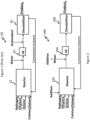
- FIG. 1 is a depiction of an exemplary process 10 that is presently used for producing a polyethylene copolymer that contains ethylene and octene.
- the process 10 utilizes a reactor 12 into which reactants such as hydrogen, ethylene, octene, catalyst and solvent are added.
- a heat exchanger (HE) 14 disposed downstream of the reactor increases the temperature of the product stream before entering the devolatilizer 16.
- HE heat exchanger
- the isomerization of octene results in the formation of 2-octene, 3-octene and 4-octene isomers that are inert to the polymerization process.
- Water is added to the product stream upstream of the heat exchanger 14 and an anti-oxidant is added to the product stream downstream of the heat exchanger 14.
- a devolatilizer 16 disposed downstream of the heat exchanger 14 removes any unreacted ethylene, solvent or octene and recycles it to the reactor 12 to undergo further polymerization.
- the isomerization of octene to 2-octene, 3-octene and 4-octene isomers is undesirable because it reduces the yield of the copolymer.
- the invention is a method for reducing isomerization during the copolymerization of ethylene with an ⁇ -olefin comprising adding to a reactor a reaction mixture comprising hydrogen, ethylene, an ⁇ -olefin, a solvent and a catalyst; where the catalyst does not include a chain shuttling agent that comprises dialkyl zinc; where the reactor is operated at a temperature of 160 to 210°C; heating the reactor to a first temperature to react the ethylene with the ⁇ -olefin to form a copolymer; discharging from the reactor a first product stream to a heat exchanger; where the product stream comprises the copolymer; adding to the product stream prior to the heat exchanger a first additive that is operative to reduce isomerization of the ⁇ -olefin; and discharging from the heat exchanger a second product stream; where the heat exchanger is operated at a higher temperature than the reactor; wherein the first additive is selected from the group consisting of aromatic species having one or more
- a method for reducing isomerization during the copolymerization of ethylene with 1-octene comprising adding to a reactor a reaction mixture comprising hydrogen, ethylene, an ⁇ -olefin, a solvent, a first additive and a catalyst; where the catalyst does not include a chain shuttling agent that comprises dialkyl zinc; and where the first additive is operative to reduce isomerization of the ⁇ -olefin; heating the reactor to a first temperature to react the ethylene with the ⁇ -olefin to form a copolymer; discharging from the reactor a first product stream to a heat exchanger; where the product stream comprises the copolymer; and discharging from the heat exchanger a second product stream.
- a system comprising a reactor that is operative to react a reaction mixture comprising hydrogen, ethylene, a solvent, an ⁇ -olefin, and a catalyst to form a polyethylene copolymer; where the catalyst does not include a chain shuttling agent that comprises dialkyl zinc; and a heat exchanger that is operative to receive a product stream containing the polyethylene copolymer from the reactor in addition to receiving an additive that is operative to reduce isomerization of the ⁇ -olefin.
- a system comprising a reactor that is operative to react a reaction mixture comprising hydrogen, ethylene, a solvent, an ⁇ -olefin, an additive and a catalyst to form a polyethylene copolymer; where the catalyst does not include a chain shuttling agent that comprises dialkyl zinc; and where the additive is operative to reduce isomerization of the ⁇ -olefin; and a heat exchanger that is operative to receive a product stream containing the polyethylene copolymer from the reactor.
- Disclosed herein is a method for reducing the amount of isomerization of ⁇ -olefins that occur during the polymerization with ethylene to produce and ethylene copolymer. More specifically, disclosed herein is a method for reducing the amount of octene that is converted into 2-octene, 3-octene and 4-octene obtained during the production of a polyethylene copolymer.
- the method comprises adding an additive upstream of the reactor and/or upstream of the heat exchanger that reduces octene isomerization and hydrogenation.
- the additive is added upstream of the heat exchanger and downstream of the reactor to reduce the isomerization of the ⁇ -olefin during the manufacturing of the ethylene copolymer.
- FIG. 2 is a depiction of an exemplary embodiment of a process 100 for reducing the amount of undesirable ⁇ -olefin isomers.
- the system 100 comprises a reactor 102 that is operative to receive reactants that produce a polyethylene copolymer.
- the reactants are hydrogen, ethylene, an ⁇ -olefin, a catalyst and a solvent.
- the catalyst is a molecular catalyst that does not include a chain shuttling agent that comprises zinc.
- the catalyst is a molecular catalyst that does not include a chain shuttling agent that comprises dialkyl zinc.
- a first additive that is operative to minimize isomerization of the ⁇ -olefin is also added to the reactor 102.
- the system 100 further comprises a heat exchanger (HE) 104 and a devolatilizer 106 both of which lie downstream of the reactor 102 and are in fluid communication with the reactor 102.
- the heat exchanger 104 is operated at a higher temperature than the reactor 102.
- the devolatilizer 106 lies downstream of the heat exchanger 104 and is in fluid communication with it.
- the heat exchanger 104 receives a first product stream that comprises a copolymer of ethylene and ⁇ -olefin along with unreacted reactants and other byproducts from the reactor 102.
- Water and a second additive are added downstream of the reactor 102 and upstream of the heat exchanger 104.
- the second additive is operative to reduce isomerization of the ⁇ -olefin during the heating in the heat exchanger 104.
- the devolatilizer 106 receives a second product stream from the heat exchanger.
- the term "second product stream” is used to distinguish the "first product stream” from the “second product stream” and is not meant to indicate that the devolatilizer 106 receives two product streams from the heat exchanger 104.
- the temperature of the product stream leaving the heat exchanger 104 is greater than the temperature of the product stream entering the heat exchanger 104.
- the first additive may be the same as the second additive or different from it. Both the first additive and the second additive reduce isomerization of the ⁇ -olefin during the polymerization process.
- a third additive may be added downstream of the heat exchanger 104.
- the third additive may be the same or different from the first additive and the second additive.
- the first additive, the second additive and the third additive are the same additive and function to reduce isomerization of the ⁇ -olefin during the polymerization process.
- the ⁇ -olefins that undergo isomerization in the absence of the additive are 1-butene, 1-hexene, 1-octene, 1-decene, 1-dodecene, 1-tetradecene, 1-hexadecene, 1-octadecene, or a combination thereof.
- a preferred ⁇ -olefin is 1-octene.
- the additives that are added to the reactor 102 and the heat exchanger 104 to comprise moieties that reduce isomerization of the ⁇ -olefins during the polymerization process.
- moieties are hydroxyls, amines, carboxylic acids, esters of carboxylic acids, phosphates, fluorine, or a combination thereof.
- Preferred additives that may be added to the reactor and/or to the product stream prior to or after the heat exchanger are aromatic species having one or more hydroxyl functionalities, amines (e.g., primary amines, secondary amines, tertiary amines, cyclic amines, and hindered amines), fluoropolymers, fatty acids (e.g., stearic acids), salts of fatty acids (e.g., stearates), esters of fatty acids, or a combination thereof. It is desirable for the additives to avoid catalyst deactivation and participating in the polymerization of the ethylene with the ⁇ -olefins and thus becoming part of the copolymer.
- aromatic species having one or more hydroxyl functionalities amines (e.g., primary amines, secondary amines, tertiary amines, cyclic amines, and hindered amines), fluoropolymers, fatty acids (e.g., ste
- Aromatic species having one or more hydroxyl functionalities may be used as the additive.
- Aromatic species having the following structure shown in the formula (1) can be used: where one or more of R 1 through R 6 is a hydroxyl group, with the remainder of R 1 through R 6 being independently a hydrogen, a substituted or unsubstituted C 1 - C 15 alkyl group, a substituted or unsubstituted C 1 - C 15 cycloalkyl group, a substituted or unsubstituted C 1 - C 15 ester group, or a halogen group.
- Examples or the aromatic species of the formula (1) that may be used as the additive are phenol, dihydroxybenzene (e.g., catechol, resorcinol and hydroquinone), trihydroxybenzene (e.g., hydroxyquinol, phloroglucinol, and pyrogallol), tetrahydroxybenzene (e.g., benzenetetrol), alkylphenol (e.g., cresols, xylenols, propylphenol, butylphenol, amylphenol, heptylphenol, octylphenol, nonylphenol, dodecylphenol and related "long chain alkylphenols" (LCAPs)), or a combination thereof.
- phenol dihydroxybenzene
- trihydroxybenzene e.g., hydroxyquinol, phloroglucinol, and pyrogallol
- tetrahydroxybenzene e.g., benzenetetrol
- Bisphenol-type dihydroxy aromatic compounds may also be used as the additive and may include some of the following: 4,4'-dihydroxybiphenyl, 1,6-dihydroxynaphthalene, 2,6-dihydroxynaphthalene, bis(4-hydroxyphenyl)methane, bis(4-hydroxyphenyl)diphenylmethane, 1,2-bis(4-hydroxyphenyl)ethane, 2-(4-hydroxyphenyl)-2-(3-hydroxyphenyl)propane, bis(4-hydroxyphenyl)phenylmethane, 2,2-bis(4-hydroxy-3-bromophenyl)propane, 1,1-bis(hydroxyphenyl)cyclopentane, 1,1-bis(4-hydroxyphenyl)cyclohexane, 1,1-bis(4-hydroxyphenyl)isobutene, 1,1-bis(4-hydroxyphenyl)cyclododecane, trans-2,3-bis(4-hydroxyphenyl)-2-but
- Exemplary phenols are Irganox 1010 commercially available from BASF and IRGANOX 1076 commercially available from Ciba.
- Primary amines have one of three hydrogen atoms in ammonia is replaced by an alkyl or aromatic.
- Examples of primary amines include methylamine, ethanolamine, octylamine, aniline, or a combination thereof.
- Secondary amines have two organic substituents (alkyl, aryl or both) bound to the nitrogen atom of ammonia together with one hydrogen (or no hydrogen if one of the substituent bonds is a double bond).
- Examples of secondary amines include dimethylamine and methylethanolamine, diphenylamine, or a combination thereof.
- tertiary amines all three hydrogen atoms are replaced by organic substituents. Examples include trimethylamine, triphenylamine, trioctylamine, or a combination thereof.
- Cyclic amines are either secondary or tertiary amines.
- Examples of cyclic amines include the 3-member ring aziridine and the six-membered ring piperidine.
- N-methylpiperidine and N-phenylpiperidine are examples of cyclic tertiary amines.
- hindered amines Some of the aromatic secondary and tertiary amines listed above are termed hindered amines.
- hindered amines are n,n'-bis(1,4-dimethylpentyl-p-phenylenediamine), alkylated diphenylamines, 4,4'-bis(alpha, alphadimethylbenzyl)diphenylamine, diphenyl-p-phenylenediamine, mixed di-aryl-p-phenylenediamines, 1,8-bis(dimethylamino)naphthalene, N',N',N',N'-tetramethyl-1,8-naphthalenediamiine, or a combination thereof.
- hindered amines are CHIMASSORB 2020, CHIMASSORB 119, CHIMASSORB 994, and CGL 116 commercially available from BASF Plastic Additives.
- Additives that comprise carboxylic acid functional groups are useful for reducing the isomerization.
- Fatty acids are a useful group of additives for use in the reactor and/or in the heat exchanger.
- a fatty acid is a carboxylic acid with a long aliphatic tail (chain), which is either saturated or unsaturated. Most naturally occurring fatty acids have a chain of an even number of carbon atoms, from 12 to 28.
- saturated fatty acids are caprylic acid, capric acid, lauric acid, myristic acid, palmitic acid, stearic acid, arachidic acid, behenic acid, lignoceric acid, cerotic acid, or a combination thereof.
- unsaturated fatty acids examples include myristoleic acid, palmitoleic acid, sapienic acid, oleic acid, elaidic acid, vaccenic acid, linoleic acid, linoelaidic acid, arachidonic acid, eicosapentaenoic acid, erucic acid, docosahexaenoic acid, or a combination thereof.
- the carboxylic acid groups present in the fatty acids can reduce isomerization of the ⁇ -olefin in the heat exchanger.
- a preferred fatty acid for use in minimizing isomerization of ⁇ -olefins is stearic acid.
- Salts and esters of fatty acids may also be used as additives.
- Fatty acid salts of Group I and II metals are useful for reducing isomerization of the ⁇ -olefins.
- Preferred salts of fatty acids are lithium (Li), sodium (Na), potassium (K), rubidium (Rb), caesium (Cs), magnesium (Mg), calcium (Ca), strontium (Sr), and barium (Ba) salts, or a combination thereof.
- Potassium, sodium, calcium and magnesium salts of the fatty acids are more preferred.
- potassium, sodium, calcium and magnesium salts of stearic acid are preferred.
- Sodium stearate, potassium stearate, magnesium stearate, calcium stearate or a combination thereof are especially preferred as additives for minimizing the isomerization of ⁇ -olefins.
- Preferred esters of fatty esters are fatty acid alkyl esters. Fatty acid methyl esters and fatty acid ethyl esters are preferred.
- Fluoropolymers may also be used as additives for minimizing the isomerization of ⁇ -olefins.
- fluoropolymers are polyvinyl fluoride, polyvinylidene fluoride, polytetrafluoroethylene, polychlorotrifluoroethylene, polyhexafluoropropylene, polyperfluoropropylvinylether, polyperfluoromethylvinylether, or a combination thereof.
- the fluoropolymers may be homopolymers, block copolymers, random copolymers, star block copolymers, alternating copolymers, or combinations thereof. Combinations of the foregoing fluoropolymers can include blends of the fluoropolymers that are not reactively bonded to each other.
- the fluoropolymers have weight average molecular weights (Mw) of 500 to 10,000, preferably 1,000 to 8,000 and more preferably 1,500 to 5,000 grams per mole (g/mole).
- Mw weight average molecular weights
- An exemplary commercially available fluoropolymer is DYNAMAR 5920A commercially available from 3M Advanced Materials.
- Phosphates may also be used as an additive to reduce isomerization. Phosphates are salts of phosphoric acid H 3 PO 4 .
- Phosphate salts having the structure of formula (2) may be used
- two of the R groups i.e., any two of R 1 , R 2 or R 3
- may be joined together to provide a cyclic group for example, diphenyl pentaerythritol diphosphate.
- Suitable phosphates can be aromatic phosphates, such as, for example, phenyl bis(dodecyl)phosphate, phenyl bis(neopentyl)phosphate, phenyl bis(3,5,5'-trimethylhexyl)phosphate, ethyl diphenyl phosphate, 2-ethylhexyl di(p-tolyl)phosphate, bis(2-ethylhexyl)p-tolyl phosphate, tritolyl phosphate, bis(2-ethylhexyl)phenyl phosphate, tri(nonylphenyl)phosphate, bis(dodecyl)p-tolyl phosphate, dibutyl phenyl phosphate, 2-chloroethyl diphenyl phosphate, p-tolyl bis(2,5,5'-trimethylhexyl)phosphate, or 2-ethylhexyl diphenyl phosphate.
- Polymeric phosphates can also be used as additives.
- Di- or polyfunctional aromatic phosphorus-containing compounds are also useful, for example, compounds of the formulas below: or wherein each R 4 is a hydroxyl, a hydrocarbon having 1 to 15 carbon atoms; a hydrocarbonoxy having 1 to 15 carbon atoms and n is 1 to 30.
- suitable di- or polyfunctional aromatic phosphorus-containing compounds include the bis(diphenyl) phosphate of hydroquinone and the bis(diphenyl)phosphate of bisphenol-A ( and respectively, their oligomeric and polymeric counterparts, or a combination thereof.
- the additives can be added in amounts of up to 5,000 parts per million (ppm), preferably 1 to 3,000 ppm and more preferably 10 to 2,000 ppm based on a total weight of the copolymer manufactured.
- reactants such as hydrogen, ethylene, ⁇ -olefin, a catalyst, and a solvent are added to the reactor.
- the reactor is operated at a temperature of 160 to 210°C.
- An optional additive such as, for example, one of those listed above may be added to the first reactor along with the reactants.
- unreacted reactants along with the desired product are charged to the heat exchanger to be heated further.
- the heat exchanger is generally operated at a higher temperature than the reactor in order to facilitate devolatilization of solvent and other small molecules in the devolatilizer.
- the heat exchanger is generally operated at a temperature of 215 to 270°C.
- To the product stream emanating from the reactor is added the additive along with water.
- a product stream from the heat exchanger is charged to the devolatilizer. Additional additive may optionally be added to the product stream being charged to the devolatilizer.
- the copolymer product along with any undesirable byproducts are removed from the devolatilizer while unreacted reactants are recycled back to the reactor to undergo further processing.
- the amount of ⁇ -olefin isomerization is reduced by 10 to 100 percent, preferably by 30 to 70 weight percent as compared with a process where the additive is added downstream of the heat exchanger, all other factors remaining unchanged.
- the additives were mixed with Isopar-E and added at a total flow rate of 2 pounds per hour. Shown in parenthesis is the actual flow rate for each additive in grams per hour (g/h). In the additive tank, water is also present to give a water flow rate of 0.26 g/h for all runs.
- first, second, third, and the like may be used herein to describe various elements, components, regions, layers and/or sections, these elements, components, regions, layers and/or sections should not be limited by these terms. These terms are only used to distinguish one element, component, region, layer or section from another element, component, region, layer or section. Thus, first element, component, region, layer or section discussed below could be termed second element, component, region, layer or section without departing from the teachings of the present invention.
- an upstream device refers to a device producing a fluid output stream that is fed to a “downstream” device.
- the “downstream” device is the device receiving the output from the "upstream” device.
- a device may be both “upstream” and “downstream” of the same device in certain configurations, e.g., a system comprising a recycle loop.
Landscapes
- Chemical & Material Sciences (AREA)
- Organic Chemistry (AREA)
- Chemical Kinetics & Catalysis (AREA)
- Medicinal Chemistry (AREA)
- Polymers & Plastics (AREA)
- Health & Medical Sciences (AREA)
- Engineering & Computer Science (AREA)
- Life Sciences & Earth Sciences (AREA)
- Sustainable Development (AREA)
- Materials Engineering (AREA)
- Analytical Chemistry (AREA)
- Oil, Petroleum & Natural Gas (AREA)
- Water Supply & Treatment (AREA)
- Addition Polymer Or Copolymer, Post-Treatments, Or Chemical Modifications (AREA)
- Organic Low-Molecular-Weight Compounds And Preparation Thereof (AREA)
Claims (13)
- Verfahren zur Verringerung der Isomerisierung von α-Olefinen während der Copolymerisation von Ethylen mit einem α-Olefin, umfassend:Zugeben eines Reaktionsgemisches, das Wasserstoff, Ethylen, ein α-Olefin, ein Lösungsmittel und einen Katalysator umfasst, zu einem Reaktor; wobei der Katalysator keinen Kettentransportwirkstoff einschließt, der Dialkylzink umfasst; wobei der Reaktor bei einer Temperatur von 160 bis 210 °C betrieben wird;Erwärmen des Reaktors auf eine erste Temperatur, um das Ethylen mit dem α-Olefin zum Bilden eines Copolymers umzusetzen;Ablassen eines ersten Produktstroms aus dem Reaktor zu einem Wärmetauscher; wobei der Produktstrom das Copolymer umfasst;Zugeben eines ersten Additivs zum Produktstrom vor dem Wärmetauscher, das betreibbar ist, um die Isomerisierung des α-Olefins zu verringern; undAblassen eines zweiten Produktstroms aus dem Wärmetauscher;wobei der Wärmetauscher bei einer höheren Temperatur betrieben wird als der Reaktor;wobei das erste Additiv ausgewählt ist aus der Gruppe bestehend aus aromatischen Spezies mit einer oder mehreren Hydroxylfunktionen, Aminen, Fluorpolymeren, Phosphaten, Fettsäuren, Salzen von Fettsäuren, Estern von Fettsäuren oder einer Kombination davon; und wobei die Amine primäre Amine, sekundäre Amine, tertiäre Amine, cyclische Amine, gehinderte Amine oder eine Kombination davon einschließen; undwobei eine Temperatur des zweiten Produktstroms höher ist als eine Temperatur des ersten Produktstroms.
- Verfahren nach Anspruch 1, ferner umfassend das Zugeben eines zweiten Additivs stromabwärts des Reaktors und stromaufwärts des Wärmetauschers, wobei das zweite Additiv betreibbar ist, um die Isomerisierung des α-Olefins zu verringern.
- Verfahren nach Anspruch 2, ferner umfassend das Zugeben eines dritten Additivs zum zweiten Produktstrom, wobei das dritte Additiv betreibbar ist, um die Isomerisierung des α-Olefins zu verringern.
- Verfahren nach Anspruch 3, wobei sich das erste Additiv vom zweiten Additiv unterscheidet und wobei sich das zweite Additiv vom dritten Additiv unterscheidet.
- Verfahren nach Anspruch 3, wobei das zweite Additiv und/oder das dritte Additiv ausgewählt sind aus der Gruppe bestehend aus aromatischen Spezies mit einer oder mehreren Hydroxylfunktionen, Aminen, Fluorpolymeren, Phosphaten, Fettsäuren, Salzen von Fettsäuren, Estern von Fettsäuren oder einer Kombination davon.
- Verfahren nach Anspruch 1 oder Anspruch 5, wobei die aromatischen Spezies mit einer oder mehreren Hydroxylfunktionen die folgende, in der Formel (1) gezeigte Struktur aufweisen:

- Verfahren nach Anspruch 5, wobei die Amine primäre Amine, sekundäre
Amine, tertiäre Amine, cyclische Amine, gehinderte Amine oder eine Kombination davon einschließen. - Verfahren nach Anspruch 1 oder Anspruch 5, wobei die Fluorpolymere Polyvinylfluorid, Polyvinylidenfluorid, Polytetrafluorethylen, Polychlortrifluorethylen, Polyhexafluorpropylen, Polyperfluorpropylvinylether, Polyperfluormethylvinylether oder eine Kombination davon einschließen.
- Verfahren nach Anspruch 1 oder Anspruch 5, wobei die Fettsäuren gesättigte oder ungesättigte Fettsäuren mit 12 bis 28 Kohlenstoffatomen einschließen; oder wobei die Salze der Fettsäuren Natrium-, Kalium- oder Calciumsalze von Fettsäuren einschließen.
- Verfahren nach Anspruch 9, wobei die Fettsäure Stearinsäure ist; oder wobei das Salz der Fettsäure Calciumstearat ist.
- Verfahren nach Anspruch 1, wobei das α-Olefin 1 -Octen ist.
- Verfahren zur Verringerung der Isomerisierung von α-Olefinen während der Copolymerisation von Ethylen mit einem α-Olefin, umfassend:Zugeben eines Reaktionsgemisches, das Wasserstoff, Ethylen, ein α-Olefin, ein erstes Additiv, ein Lösungsmittel und einen Katalysator umfasst, zu einem Reaktor; wobei der Katalysator keinen Kettentransportwirkstoff einschließt, der Dialkylzink umfasst; und wobei das erste Additiv betreibbar ist, um die Isomerisierung des α-Olefins zu verringern;Erwärmen des Reaktors auf eine erste Temperatur, um das Ethylen mit dem α-Olefin zum Bilden eines Copolymers umzusetzen; wobei der Reaktor bei einer Temperatur von 160 bis 210 °C betrieben wird;Ablassen eines ersten Produktstroms aus dem Reaktor zu einem Wärmetauscher; wobei der Produktstrom das Copolymer umfasst; undAblassen eines zweiten Produktstroms aus dem Wärmetauscher;wobei der Wärmetauscher bei einer höheren Temperatur betrieben wird als der Reaktor;wobei das erste Additiv ausgewählt ist aus der Gruppe bestehend aus aromatischen Spezies mit einer oder mehreren Hydroxylfunktionen, Aminen, Fluorpolymeren, Phosphaten, Fettsäuren, Salzen von Fettsäuren, Estern von Fettsäuren oder einer Kombination davon; und wobei die Amine primäre Amine, sekundäre Amine, tertiäre Amine, cyclische Amine, gehinderte Amine oder eine Kombination davon einschließen; undwobei der aus dem Wärmetauscher austretende zweite Produktstrom eine höhere Temperatur aufweist als eine Temperatur des in den Wärmetauscher eintretenden ersten Produktstroms, der das Polyethylencopolymer enthält.
- Verfahren nach Anspruch 12, wobei das α-Olefin 1-Octen ist.
Applications Claiming Priority (2)
| Application Number | Priority Date | Filing Date | Title |
|---|---|---|---|
| US201562268074P | 2015-12-16 | 2015-12-16 | |
| PCT/US2016/066735 WO2017106392A1 (en) | 2015-12-16 | 2016-12-14 | Method for isomer reduction during polymerization and system for accomplishing the same |
Publications (2)
| Publication Number | Publication Date |
|---|---|
| EP3390469A1 EP3390469A1 (de) | 2018-10-24 |
| EP3390469B1 true EP3390469B1 (de) | 2024-09-04 |
Family
ID=57910106
Family Applications (1)
| Application Number | Title | Priority Date | Filing Date |
|---|---|---|---|
| EP16831661.0A Active EP3390469B1 (de) | 2015-12-16 | 2016-12-14 | Verfahren zur isomerreduzierung während der polymerisation und system zur durchführung davon |
Country Status (4)
| Country | Link |
|---|---|
| US (1) | US11192969B2 (de) |
| EP (1) | EP3390469B1 (de) |
| ES (1) | ES2991704T3 (de) |
| WO (1) | WO2017106392A1 (de) |
Citations (2)
| Publication number | Priority date | Publication date | Assignee | Title |
|---|---|---|---|---|
| US20140178614A1 (en) * | 2011-06-01 | 2014-06-26 | Dow Global Technologies Llc | Mono- and multi-layer films and articles made therefrom |
| WO2014138854A1 (en) * | 2013-03-15 | 2014-09-18 | Nova Chemicals (International) S.A. | Improved energy utilization in a solution polymerization plant |
Family Cites Families (20)
| Publication number | Priority date | Publication date | Assignee | Title |
|---|---|---|---|---|
| US3139460A (en) | 1961-07-13 | 1964-06-30 | Diamond Alkali Co | Inhibition of isomerization of organic compounds |
| US4634744A (en) * | 1985-01-09 | 1987-01-06 | Chemplex Company | Method of catalyst deactivation |
| GB8502067D0 (en) * | 1985-01-28 | 1985-02-27 | Du Pont Canada | Reduction of isomerization in solution process |
| US4777229A (en) | 1986-01-23 | 1988-10-11 | Du Pont Canada Inc. | Reduction of isomerization in solution process for polymerization of alpha-olefins |
| US4701504A (en) | 1986-01-23 | 1987-10-20 | Du Pont Canada Inc. | Reduction of isomerization in solution process for polymerization of alpha-olefins |
| US5118757A (en) * | 1990-03-26 | 1992-06-02 | Shell Oil Company | Polymer production |
| US6828395B1 (en) * | 2003-10-15 | 2004-12-07 | Univation Technologies, Llc | Polymerization process and control of polymer composition properties |
| KR101413315B1 (ko) * | 2005-03-17 | 2014-06-27 | 다우 글로벌 테크놀로지스 엘엘씨 | 에틸렌/알파-올레핀 혼성중합체로부터 제조된 접착제 및표지 조성물 |
| US7999046B2 (en) * | 2006-06-20 | 2011-08-16 | Dow Global Technologies Llc | Neutralization of deactivated polymerization catalyst using phosphoric or phosphonic acid salts |
| BRPI0712634A2 (pt) * | 2006-06-20 | 2012-05-29 | Dow Global Technologies Inc | "processo para desativar uma espécie catalìtica ativa numa corrente de polìmero olefìnico saindo de um reator de polimerização e produto polimérico". |
| BRPI0909923A2 (pt) * | 2008-06-18 | 2019-03-06 | Dow Global Technologies Inc | composição anti-incrustação e processo de reação para reduzir incrustações |
| EP3549960B1 (de) * | 2010-02-19 | 2021-03-24 | Dow Global Technologies LLC | Verfahren zur polymerisation eines olefinmonomers und katalysator dafür |
| EP2691425B1 (de) * | 2011-03-28 | 2017-04-19 | Dow Global Technologies LLC | Verfahren zur herstellung von ethylen/alpha-olefincopolymeren mit verbesserter schmelzstärke und artikel daraus |
| EP2751144B1 (de) * | 2011-10-04 | 2016-03-02 | Dow Global Technologies LLC | System und verfahren zur olefinpolymerisation |
| EP2797968B1 (de) * | 2011-12-31 | 2016-03-09 | Univation Technologies, LLC | Kontinuitätszusatzstoff für ein polyolefinpolymerisierungsverfahren |
| CN105980422B (zh) * | 2013-08-19 | 2019-05-21 | 陶氏环球技术有限责任公司 | 用于在使用自限性试剂的聚合工艺中生产乙烯类聚合物的方法 |
| CA2847814C (en) * | 2014-03-27 | 2021-09-28 | Nova Chemicals Corporation | Self cleaning reactor system |
| CA2868640C (en) * | 2014-10-21 | 2021-10-26 | Nova Chemicals Corporation | Solution polymerization process |
| KR101679515B1 (ko) * | 2015-02-12 | 2016-11-24 | 주식회사 엘지화학 | 올리고머화 촉매계의 제조방법 및 이에 의해 제조된 올리고머화 촉매계 |
| KR102575287B1 (ko) * | 2015-05-28 | 2023-09-06 | 다우 글로벌 테크놀로지스 엘엘씨 | 에틸렌/알파-올레핀 인터폴리머를 형성하는 방법 |
-
2016
- 2016-12-14 US US16/062,934 patent/US11192969B2/en active Active
- 2016-12-14 WO PCT/US2016/066735 patent/WO2017106392A1/en not_active Ceased
- 2016-12-14 EP EP16831661.0A patent/EP3390469B1/de active Active
- 2016-12-14 ES ES16831661T patent/ES2991704T3/es active Active
Patent Citations (2)
| Publication number | Priority date | Publication date | Assignee | Title |
|---|---|---|---|---|
| US20140178614A1 (en) * | 2011-06-01 | 2014-06-26 | Dow Global Technologies Llc | Mono- and multi-layer films and articles made therefrom |
| WO2014138854A1 (en) * | 2013-03-15 | 2014-09-18 | Nova Chemicals (International) S.A. | Improved energy utilization in a solution polymerization plant |
Also Published As
| Publication number | Publication date |
|---|---|
| US11192969B2 (en) | 2021-12-07 |
| US20190023823A1 (en) | 2019-01-24 |
| WO2017106392A1 (en) | 2017-06-22 |
| ES2991704T3 (es) | 2024-12-04 |
| EP3390469A1 (de) | 2018-10-24 |
Similar Documents
| Publication | Publication Date | Title |
|---|---|---|
| US20160068616A1 (en) | Solution polymers including one or more 1,1-disubstituted alkene compounds, solution polymerization methods, and polymer compositions | |
| US9988473B2 (en) | Polyethylene composition and articles made therefrom | |
| KR102165343B1 (ko) | 다양한 분자량의 용융 폴리카보네이트를 제조하는 시스템 및 방법 | |
| CN1429238A (zh) | 聚乙烯的制备方法 | |
| DE102007022130A1 (de) | Verfahren zur Herstellung von Polycarbonat nach dem Schmelzeumesterungsverfahren | |
| CN108137467A (zh) | 用于合成丙烯酸低聚物的方法 | |
| JP2021160119A (ja) | 積層体及びノベルティグッズ | |
| EP3390469B1 (de) | Verfahren zur isomerreduzierung während der polymerisation und system zur durchführung davon | |
| KR20140074887A (ko) | 폴리에틸렌 첨가제 조성물 및 이로부터 제조되는 물품 | |
| EP3519497B1 (de) | Folien mit gewünschten mechanischen eigenschaften und daraus hergestellte artikel | |
| US20250368865A1 (en) | Resin composition for tackifier or adhesive and preparation method thereof | |
| US6462165B1 (en) | Polycarbonate and optical material | |
| TWI225869B (en) | Polycarbonate having a low shear thinning behavior | |
| EP3114162B1 (de) | Verbesserte polycarbonatextrusionsqualitäten | |
| JP2013072077A (ja) | ポリカーボネート樹脂の製造方法 | |
| EP3374425B1 (de) | Schmelzpolymerisiertes modifiziertes hochtransparentes polycarbonate mit guter schlagzähigkeit | |
| EP1423452B1 (de) | Verfahren zur herstellung von polycarbonat | |
| TW570939B (en) | Process for preparing polycarbonate | |
| EP2027178B1 (de) | Verfahren zur herstellung eines polycarbonats in anwesenheit von oxalsäure | |
| JP2015212078A (ja) | 積層フィルム | |
| TW200540200A (en) | Process for the production of copolycarbonates with reduced color | |
| US11220593B2 (en) | Propylene copolymer composition | |
| CN112639019A (zh) | 树脂组合物及其成型体 | |
| KR20170138360A (ko) | 열가소성 수지 블렌드 조성물 | |
| TWI259191B (en) | Method for preparing polycarbonate resin |
Legal Events
| Date | Code | Title | Description |
|---|---|---|---|
| STAA | Information on the status of an ep patent application or granted ep patent |
Free format text: STATUS: UNKNOWN |
|
| STAA | Information on the status of an ep patent application or granted ep patent |
Free format text: STATUS: THE INTERNATIONAL PUBLICATION HAS BEEN MADE |
|
| PUAI | Public reference made under article 153(3) epc to a published international application that has entered the european phase |
Free format text: ORIGINAL CODE: 0009012 |
|
| STAA | Information on the status of an ep patent application or granted ep patent |
Free format text: STATUS: REQUEST FOR EXAMINATION WAS MADE |
|
| 17P | Request for examination filed |
Effective date: 20180711 |
|
| AK | Designated contracting states |
Kind code of ref document: A1 Designated state(s): AL AT BE BG CH CY CZ DE DK EE ES FI FR GB GR HR HU IE IS IT LI LT LU LV MC MK MT NL NO PL PT RO RS SE SI SK SM TR |
|
| AX | Request for extension of the european patent |
Extension state: BA ME |
|
| DAV | Request for validation of the european patent (deleted) | ||
| DAX | Request for extension of the european patent (deleted) | ||
| STAA | Information on the status of an ep patent application or granted ep patent |
Free format text: STATUS: EXAMINATION IS IN PROGRESS |
|
| 17Q | First examination report despatched |
Effective date: 20191128 |
|
| RAP1 | Party data changed (applicant data changed or rights of an application transferred) |
Owner name: DOW GLOBAL TECHNOLOGIES LLC |
|
| P01 | Opt-out of the competence of the unified patent court (upc) registered |
Effective date: 20230526 |
|
| GRAP | Despatch of communication of intention to grant a patent |
Free format text: ORIGINAL CODE: EPIDOSNIGR1 |
|
| STAA | Information on the status of an ep patent application or granted ep patent |
Free format text: STATUS: GRANT OF PATENT IS INTENDED |
|
| INTG | Intention to grant announced |
Effective date: 20231206 |
|
| GRAJ | Information related to disapproval of communication of intention to grant by the applicant or resumption of examination proceedings by the epo deleted |
Free format text: ORIGINAL CODE: EPIDOSDIGR1 |
|
| STAA | Information on the status of an ep patent application or granted ep patent |
Free format text: STATUS: EXAMINATION IS IN PROGRESS |
|
| GRAP | Despatch of communication of intention to grant a patent |
Free format text: ORIGINAL CODE: EPIDOSNIGR1 |
|
| STAA | Information on the status of an ep patent application or granted ep patent |
Free format text: STATUS: GRANT OF PATENT IS INTENDED |
|
| INTC | Intention to grant announced (deleted) | ||
| INTG | Intention to grant announced |
Effective date: 20240402 |
|
| INTG | Intention to grant announced |
Effective date: 20240402 |
|
| GRAS | Grant fee paid |
Free format text: ORIGINAL CODE: EPIDOSNIGR3 |
|
| GRAA | (expected) grant |
Free format text: ORIGINAL CODE: 0009210 |
|
| STAA | Information on the status of an ep patent application or granted ep patent |
Free format text: STATUS: THE PATENT HAS BEEN GRANTED |
|
| AK | Designated contracting states |
Kind code of ref document: B1 Designated state(s): AL AT BE BG CH CY CZ DE DK EE ES FI FR GB GR HR HU IE IS IT LI LT LU LV MC MK MT NL NO PL PT RO RS SE SI SK SM TR |
|
| REG | Reference to a national code |
Ref country code: GB Ref legal event code: FG4D |
|
| REG | Reference to a national code |
Ref country code: CH Ref legal event code: EP |
|
| REG | Reference to a national code |
Ref country code: IE Ref legal event code: FG4D |
|
| REG | Reference to a national code |
Ref country code: DE Ref legal event code: R096 Ref document number: 602016089273 Country of ref document: DE |
|
| REG | Reference to a national code |
Ref country code: NL Ref legal event code: FP |
|
| REG | Reference to a national code |
Ref country code: ES Ref legal event code: FG2A Ref document number: 2991704 Country of ref document: ES Kind code of ref document: T3 Effective date: 20241204 |
|
| REG | Reference to a national code |
Ref country code: LT Ref legal event code: MG9D |
|
| PGFP | Annual fee paid to national office [announced via postgrant information from national office to epo] |
Ref country code: DE Payment date: 20241001 Year of fee payment: 9 |
|
| PG25 | Lapsed in a contracting state [announced via postgrant information from national office to epo] |
Ref country code: NO Free format text: LAPSE BECAUSE OF FAILURE TO SUBMIT A TRANSLATION OF THE DESCRIPTION OR TO PAY THE FEE WITHIN THE PRESCRIBED TIME-LIMIT Effective date: 20241204 |
|
| PG25 | Lapsed in a contracting state [announced via postgrant information from national office to epo] |
Ref country code: PL Free format text: LAPSE BECAUSE OF FAILURE TO SUBMIT A TRANSLATION OF THE DESCRIPTION OR TO PAY THE FEE WITHIN THE PRESCRIBED TIME-LIMIT Effective date: 20240904 Ref country code: GR Free format text: LAPSE BECAUSE OF FAILURE TO SUBMIT A TRANSLATION OF THE DESCRIPTION OR TO PAY THE FEE WITHIN THE PRESCRIBED TIME-LIMIT Effective date: 20241205 Ref country code: FI Free format text: LAPSE BECAUSE OF FAILURE TO SUBMIT A TRANSLATION OF THE DESCRIPTION OR TO PAY THE FEE WITHIN THE PRESCRIBED TIME-LIMIT Effective date: 20240904 |
|
| PG25 | Lapsed in a contracting state [announced via postgrant information from national office to epo] |
Ref country code: BG Free format text: LAPSE BECAUSE OF FAILURE TO SUBMIT A TRANSLATION OF THE DESCRIPTION OR TO PAY THE FEE WITHIN THE PRESCRIBED TIME-LIMIT Effective date: 20240904 |
|
| PG25 | Lapsed in a contracting state [announced via postgrant information from national office to epo] |
Ref country code: LV Free format text: LAPSE BECAUSE OF FAILURE TO SUBMIT A TRANSLATION OF THE DESCRIPTION OR TO PAY THE FEE WITHIN THE PRESCRIBED TIME-LIMIT Effective date: 20240904 |
|
| PGFP | Annual fee paid to national office [announced via postgrant information from national office to epo] |
Ref country code: FR Payment date: 20241001 Year of fee payment: 9 |
|
| PG25 | Lapsed in a contracting state [announced via postgrant information from national office to epo] |
Ref country code: HR Free format text: LAPSE BECAUSE OF FAILURE TO SUBMIT A TRANSLATION OF THE DESCRIPTION OR TO PAY THE FEE WITHIN THE PRESCRIBED TIME-LIMIT Effective date: 20240904 |
|
| PG25 | Lapsed in a contracting state [announced via postgrant information from national office to epo] |
Ref country code: RS Free format text: LAPSE BECAUSE OF FAILURE TO SUBMIT A TRANSLATION OF THE DESCRIPTION OR TO PAY THE FEE WITHIN THE PRESCRIBED TIME-LIMIT Effective date: 20241204 |
|
| PG25 | Lapsed in a contracting state [announced via postgrant information from national office to epo] |
Ref country code: RS Free format text: LAPSE BECAUSE OF FAILURE TO SUBMIT A TRANSLATION OF THE DESCRIPTION OR TO PAY THE FEE WITHIN THE PRESCRIBED TIME-LIMIT Effective date: 20241204 Ref country code: PL Free format text: LAPSE BECAUSE OF FAILURE TO SUBMIT A TRANSLATION OF THE DESCRIPTION OR TO PAY THE FEE WITHIN THE PRESCRIBED TIME-LIMIT Effective date: 20240904 Ref country code: NO Free format text: LAPSE BECAUSE OF FAILURE TO SUBMIT A TRANSLATION OF THE DESCRIPTION OR TO PAY THE FEE WITHIN THE PRESCRIBED TIME-LIMIT Effective date: 20241204 Ref country code: LV Free format text: LAPSE BECAUSE OF FAILURE TO SUBMIT A TRANSLATION OF THE DESCRIPTION OR TO PAY THE FEE WITHIN THE PRESCRIBED TIME-LIMIT Effective date: 20240904 Ref country code: HR Free format text: LAPSE BECAUSE OF FAILURE TO SUBMIT A TRANSLATION OF THE DESCRIPTION OR TO PAY THE FEE WITHIN THE PRESCRIBED TIME-LIMIT Effective date: 20240904 Ref country code: GR Free format text: LAPSE BECAUSE OF FAILURE TO SUBMIT A TRANSLATION OF THE DESCRIPTION OR TO PAY THE FEE WITHIN THE PRESCRIBED TIME-LIMIT Effective date: 20241205 Ref country code: FI Free format text: LAPSE BECAUSE OF FAILURE TO SUBMIT A TRANSLATION OF THE DESCRIPTION OR TO PAY THE FEE WITHIN THE PRESCRIBED TIME-LIMIT Effective date: 20240904 Ref country code: BG Free format text: LAPSE BECAUSE OF FAILURE TO SUBMIT A TRANSLATION OF THE DESCRIPTION OR TO PAY THE FEE WITHIN THE PRESCRIBED TIME-LIMIT Effective date: 20240904 |
|
| REG | Reference to a national code |
Ref country code: AT Ref legal event code: MK05 Ref document number: 1720331 Country of ref document: AT Kind code of ref document: T Effective date: 20240904 |
|
| PG25 | Lapsed in a contracting state [announced via postgrant information from national office to epo] |
Ref country code: PT Free format text: LAPSE BECAUSE OF FAILURE TO SUBMIT A TRANSLATION OF THE DESCRIPTION OR TO PAY THE FEE WITHIN THE PRESCRIBED TIME-LIMIT Effective date: 20250106 Ref country code: IS Free format text: LAPSE BECAUSE OF FAILURE TO SUBMIT A TRANSLATION OF THE DESCRIPTION OR TO PAY THE FEE WITHIN THE PRESCRIBED TIME-LIMIT Effective date: 20250104 |
|
| PG25 | Lapsed in a contracting state [announced via postgrant information from national office to epo] |
Ref country code: RO Free format text: LAPSE BECAUSE OF FAILURE TO SUBMIT A TRANSLATION OF THE DESCRIPTION OR TO PAY THE FEE WITHIN THE PRESCRIBED TIME-LIMIT Effective date: 20240904 Ref country code: SM Free format text: LAPSE BECAUSE OF FAILURE TO SUBMIT A TRANSLATION OF THE DESCRIPTION OR TO PAY THE FEE WITHIN THE PRESCRIBED TIME-LIMIT Effective date: 20240904 |
|
| PGFP | Annual fee paid to national office [announced via postgrant information from national office to epo] |
Ref country code: ES Payment date: 20250116 Year of fee payment: 9 |
|
| PG25 | Lapsed in a contracting state [announced via postgrant information from national office to epo] |
Ref country code: EE Free format text: LAPSE BECAUSE OF FAILURE TO SUBMIT A TRANSLATION OF THE DESCRIPTION OR TO PAY THE FEE WITHIN THE PRESCRIBED TIME-LIMIT Effective date: 20240904 Ref country code: AT Free format text: LAPSE BECAUSE OF FAILURE TO SUBMIT A TRANSLATION OF THE DESCRIPTION OR TO PAY THE FEE WITHIN THE PRESCRIBED TIME-LIMIT Effective date: 20240904 |
|
| PG25 | Lapsed in a contracting state [announced via postgrant information from national office to epo] |
Ref country code: CZ Free format text: LAPSE BECAUSE OF FAILURE TO SUBMIT A TRANSLATION OF THE DESCRIPTION OR TO PAY THE FEE WITHIN THE PRESCRIBED TIME-LIMIT Effective date: 20240904 |
|
| PG25 | Lapsed in a contracting state [announced via postgrant information from national office to epo] |
Ref country code: IT Free format text: LAPSE BECAUSE OF FAILURE TO SUBMIT A TRANSLATION OF THE DESCRIPTION OR TO PAY THE FEE WITHIN THE PRESCRIBED TIME-LIMIT Effective date: 20240904 Ref country code: SK Free format text: LAPSE BECAUSE OF FAILURE TO SUBMIT A TRANSLATION OF THE DESCRIPTION OR TO PAY THE FEE WITHIN THE PRESCRIBED TIME-LIMIT Effective date: 20240904 |
|
| REG | Reference to a national code |
Ref country code: DE Ref legal event code: R097 Ref document number: 602016089273 Country of ref document: DE |
|
| PG25 | Lapsed in a contracting state [announced via postgrant information from national office to epo] |
Ref country code: MC Free format text: LAPSE BECAUSE OF FAILURE TO SUBMIT A TRANSLATION OF THE DESCRIPTION OR TO PAY THE FEE WITHIN THE PRESCRIBED TIME-LIMIT Effective date: 20240904 |
|
| PG25 | Lapsed in a contracting state [announced via postgrant information from national office to epo] |
Ref country code: DK Free format text: LAPSE BECAUSE OF FAILURE TO SUBMIT A TRANSLATION OF THE DESCRIPTION OR TO PAY THE FEE WITHIN THE PRESCRIBED TIME-LIMIT Effective date: 20240904 |
|
| PLBE | No opposition filed within time limit |
Free format text: ORIGINAL CODE: 0009261 |
|
| STAA | Information on the status of an ep patent application or granted ep patent |
Free format text: STATUS: NO OPPOSITION FILED WITHIN TIME LIMIT |
|
| REG | Reference to a national code |
Ref country code: CH Ref legal event code: PL |
|
| 26N | No opposition filed |
Effective date: 20250605 |
|
| PG25 | Lapsed in a contracting state [announced via postgrant information from national office to epo] |
Ref country code: LU Free format text: LAPSE BECAUSE OF NON-PAYMENT OF DUE FEES Effective date: 20241214 |
|
| GBPC | Gb: european patent ceased through non-payment of renewal fee |
Effective date: 20241214 |
|
| PG25 | Lapsed in a contracting state [announced via postgrant information from national office to epo] |
Ref country code: SE Free format text: LAPSE BECAUSE OF FAILURE TO SUBMIT A TRANSLATION OF THE DESCRIPTION OR TO PAY THE FEE WITHIN THE PRESCRIBED TIME-LIMIT Effective date: 20240904 |
|
| REG | Reference to a national code |
Ref country code: BE Ref legal event code: MM Effective date: 20241231 |
|
| PG25 | Lapsed in a contracting state [announced via postgrant information from national office to epo] |
Ref country code: GB Free format text: LAPSE BECAUSE OF NON-PAYMENT OF DUE FEES Effective date: 20241214 Ref country code: BE Free format text: LAPSE BECAUSE OF NON-PAYMENT OF DUE FEES Effective date: 20241231 |
|
| PG25 | Lapsed in a contracting state [announced via postgrant information from national office to epo] |
Ref country code: CH Free format text: LAPSE BECAUSE OF NON-PAYMENT OF DUE FEES Effective date: 20241231 |
|
| PG25 | Lapsed in a contracting state [announced via postgrant information from national office to epo] |
Ref country code: IE Free format text: LAPSE BECAUSE OF NON-PAYMENT OF DUE FEES Effective date: 20241214 |
|
| PGFP | Annual fee paid to national office [announced via postgrant information from national office to epo] |
Ref country code: NL Payment date: 20251006 Year of fee payment: 10 |