EP3387115B1 - Verfahren zur ausdehnung einer population von alveolaren makrophagen in einer langzeitzüchtung - Google Patents
Verfahren zur ausdehnung einer population von alveolaren makrophagen in einer langzeitzüchtung Download PDFInfo
- Publication number
- EP3387115B1 EP3387115B1 EP16808635.3A EP16808635A EP3387115B1 EP 3387115 B1 EP3387115 B1 EP 3387115B1 EP 16808635 A EP16808635 A EP 16808635A EP 3387115 B1 EP3387115 B1 EP 3387115B1
- Authority
- EP
- European Patent Office
- Prior art keywords
- macrophages
- cells
- mafb
- disease
- population
- Prior art date
- Legal status (The legal status is an assumption and is not a legal conclusion. Google has not performed a legal analysis and makes no representation as to the accuracy of the status listed.)
- Active
Links
Images








Classifications
-
- C—CHEMISTRY; METALLURGY
- C12—BIOCHEMISTRY; BEER; SPIRITS; WINE; VINEGAR; MICROBIOLOGY; ENZYMOLOGY; MUTATION OR GENETIC ENGINEERING
- C12N—MICROORGANISMS OR ENZYMES; COMPOSITIONS THEREOF; PROPAGATING, PRESERVING, OR MAINTAINING MICROORGANISMS; MUTATION OR GENETIC ENGINEERING; CULTURE MEDIA
- C12N5/00—Undifferentiated human, animal or plant cells, e.g. cell lines; Tissues; Cultivation or maintenance thereof; Culture media therefor
- C12N5/06—Animal cells or tissues; Human cells or tissues
- C12N5/0602—Vertebrate cells
- C12N5/0634—Cells from the blood or the immune system
- C12N5/0645—Macrophages, e.g. Kuepfer cells in the liver; Monocytes
-
- A—HUMAN NECESSITIES
- A61—MEDICAL OR VETERINARY SCIENCE; HYGIENE
- A61K—PREPARATIONS FOR MEDICAL, DENTAL OR TOILETRY PURPOSES
- A61K40/00—Cellular immunotherapy
- A61K40/10—Cellular immunotherapy characterised by the cell type used
- A61K40/17—Monocytes; Macrophages
-
- A—HUMAN NECESSITIES
- A61—MEDICAL OR VETERINARY SCIENCE; HYGIENE
- A61K—PREPARATIONS FOR MEDICAL, DENTAL OR TOILETRY PURPOSES
- A61K40/00—Cellular immunotherapy
- A61K40/20—Cellular immunotherapy characterised by the effect or the function of the cells
- A61K40/22—Immunosuppressive or immunotolerising
-
- A—HUMAN NECESSITIES
- A61—MEDICAL OR VETERINARY SCIENCE; HYGIENE
- A61K—PREPARATIONS FOR MEDICAL, DENTAL OR TOILETRY PURPOSES
- A61K40/00—Cellular immunotherapy
- A61K40/20—Cellular immunotherapy characterised by the effect or the function of the cells
- A61K40/24—Antigen-presenting cells [APC]
-
- A—HUMAN NECESSITIES
- A61—MEDICAL OR VETERINARY SCIENCE; HYGIENE
- A61K—PREPARATIONS FOR MEDICAL, DENTAL OR TOILETRY PURPOSES
- A61K40/00—Cellular immunotherapy
- A61K40/40—Cellular immunotherapy characterised by antigens that are targeted or presented by cells of the immune system
- A61K40/41—Vertebrate antigens
- A61K40/416—Antigens related to auto-immune diseases; Preparations to induce self-tolerance
-
- A—HUMAN NECESSITIES
- A61—MEDICAL OR VETERINARY SCIENCE; HYGIENE
- A61P—SPECIFIC THERAPEUTIC ACTIVITY OF CHEMICAL COMPOUNDS OR MEDICINAL PREPARATIONS
- A61P31/00—Antiinfectives, i.e. antibiotics, antiseptics, chemotherapeutics
- A61P31/04—Antibacterial agents
-
- A—HUMAN NECESSITIES
- A61—MEDICAL OR VETERINARY SCIENCE; HYGIENE
- A61P—SPECIFIC THERAPEUTIC ACTIVITY OF CHEMICAL COMPOUNDS OR MEDICINAL PREPARATIONS
- A61P31/00—Antiinfectives, i.e. antibiotics, antiseptics, chemotherapeutics
- A61P31/10—Antimycotics
-
- A—HUMAN NECESSITIES
- A61—MEDICAL OR VETERINARY SCIENCE; HYGIENE
- A61P—SPECIFIC THERAPEUTIC ACTIVITY OF CHEMICAL COMPOUNDS OR MEDICINAL PREPARATIONS
- A61P31/00—Antiinfectives, i.e. antibiotics, antiseptics, chemotherapeutics
- A61P31/12—Antivirals
-
- A—HUMAN NECESSITIES
- A61—MEDICAL OR VETERINARY SCIENCE; HYGIENE
- A61P—SPECIFIC THERAPEUTIC ACTIVITY OF CHEMICAL COMPOUNDS OR MEDICINAL PREPARATIONS
- A61P35/00—Antineoplastic agents
-
- C—CHEMISTRY; METALLURGY
- C12—BIOCHEMISTRY; BEER; SPIRITS; WINE; VINEGAR; MICROBIOLOGY; ENZYMOLOGY; MUTATION OR GENETIC ENGINEERING
- C12N—MICROORGANISMS OR ENZYMES; COMPOSITIONS THEREOF; PROPAGATING, PRESERVING, OR MAINTAINING MICROORGANISMS; MUTATION OR GENETIC ENGINEERING; CULTURE MEDIA
- C12N2501/00—Active agents used in cell culture processes, e.g. differentation
- C12N2501/20—Cytokines; Chemokines
- C12N2501/22—Colony stimulating factors (G-CSF, GM-CSF)
Definitions
- the present disclosure relates to methods for expanding a population of alveolar macrophages in a long term culture.
- tissue macrophages can be maintained by local proliferation independently of hematopoietic stem cells (1-4), possibly by self-renewal mechanisms activated in mature macrophages (5).
- tissue macrophages can also be expanded and maintained in long-term culture without transformation or loss of differentiation.
- Lin HS. et al. disclose the effects of GM-CSF on alveolar macrophages on growth, survival and colony formation over several days (14 days) ( Lin, H. S., Balakrishna L. Lokeshwar, and S. H. I. N. Hsu. "Both granulocyte-macrophage CSF and macrophage CSF control the proliferation and survival of the same subset of alveolar macrophages.” The Journal of Immunology 142.2 (1989): 515-519 ).
- Nakata, Koh, et al. disclose the cultivation of human alveolar macrophages in medium supplement with GM-CSF for several days ( Nakata, Koh, et al. "Growth inhibitory factor of human alveolar macrophage.” Biochemical and biophysical research communications 180.3 (1991): 1207-1213 ).
- Careau E. et al. disclose the use of alveolar macrophages in modulating inflammatory disorders of the lung. ( Careau, Eric, and Elyse Y. Bissonnette. "Adoptive transfer of alveolar macrophages abrogates bronchial hyperresponsiveness.” American journal of respiratory cell and molecular biology 31.1 (2004): 22-27 ).
- Al-Hallak, Kamal MHD, et al. disclose the use of alveolar macrophages in lung cancer therapy ( Al-Hallak, Kamal MHD, et al. "Secondary cytotoxicity mediated by alveolar macrophages: a contribution to the total efficacy of nanoparticles in lung cancer therapy?.” European Journal of Pharmaceutics and Biopharmaceutics 76.1 (2010): 112-119 ).
- EP1547615 discloses the use of alveolar macrophages as therapeutic for lung cancer.
- the present invention is defined by the claims.
- the present invention relates to a method of expanding a population of alveolar macrophages in a long term liquid culture comprising culturing for at least 100 days the population of alveolar macrophages in a culture medium supplemented with an amount of GM-CSF.
- An object of the present disclosure relates to a method of expanding a population of alveolar macrophages in a long term culture comprising culturing the population of alveolar macrophages in a culture medium supplemented with an amount of GM-CSF.
- alveolar macrophage has its general meaning in the art and refers to a specific subset of macrophages that is present in the lung alveoli of a mammal.
- the mammal is selected from the group consisting of rodents (e.g. mice or rats), dogs, pigs, cats, horses, cows, sheep, camels or primates and humans.
- rodents e.g. mice or rats
- dogs, pigs, cats horses, cows, sheep, camels or primates and humans.
- Methods for obtaining a population of alveolar macrophages from a mammal are conventional and typically include bronchial lavage.
- the alveolar macrophages are self-renewing.
- the term "self-renewing” has its general meaning in the art and refers to the ability the alveolar macrophages to go through numerous cycles of cell division giving rise to more alveolar macrophages of the same or highly similar differentiated cellular phenotype. Typically, the self- renewing alveolar macrophages maintain their ability to divide for an unlimited amount or extended period of time.
- the term "expanding" has its general meaning in the art and refers to a multiplication of cells, thus resulting in an increase in the total number of alvelolar macrophages.
- the alveolar macrophages can be expanded to at least 100 times their original number, such as at least 1.000 times their original number, preferably at least 10.000 times their original number, such as at least 100.000 times their original number etc..
- the method of the present disclosure thus not only allows the expansion of the alveolar macrophages but also allows the alveolar macrophages to maintain their phenotype in a long term manner.
- phenotype includes, without being limiting, the biological function or and specific marker expression profile.
- the biological functions include their function as phagocytes, the ability for killing of microorganisms, the ability to produce inflammatory mediators such as cytokines, chemokines, growth factors and immunological mediators such as interferons and to upregulate the expression of surface markers (CD69, CD14) important in the activation of innate immune cells in response to stimulation.
- the specific marker expression profile includes the presence of e.g.
- GM-CSF receptor M-CSF receptor
- CD11c CD11c
- TLRs F4/80
- CD16 CD11b
- CD14 Marco and/or a lack of expression of MHC-II, B220, Gr1 , IgE receptor, T-cell receptor and/or B-cell receptor, as defined herein below.
- the culture medium of the present disclosure corresponds to any culture medium that is conventional for culturing the population of alveolar macrophages of the present disclosure.
- the culture medium can be a medium selected from the group consisting of RPMI 1640, Iscove's, F12, OPTI-MEM, DMEM, etc...
- the medium is supplemented with serum, including non- human or human serum.
- Serum such as for example FCS may be obtained from e.g. GIBCO, Sigma or PAA.
- the culture medium is thus supplemented with an amount of GM-CSF.
- GM-CSF has its general meaning in the art and refers to to granulocyte- macrophage colony-stimulating factor.
- GM-CSF is a cytokine that acts as a growth factor for leukocytes.
- An exemplary human amino acid sequence is represented by the GenBank data base entry AAA52578.1.
- the GM-CSF is a recombinantly produced and various commercial sources are available.
- the method herein disclosed is carried out under suitable cell culture conditions.
- General cell culture conditions as well as suitable cell culture media are well known in the art.
- the cell culture conditions comprise conditions of about 2 to 10% CO2, preferably about 5% CO2 and a temperature of about 32 to 38°C, typically about 37°C.
- the population of alveolar macrophages as prepared by the method of the present disclosure may find various applications.
- the population of the alveolar macrophages may be used for the treatment of various diseases.
- the method of the present disclosure is suitable for preparing huge amounts of alveolar macrophages obtained from a patient that can be re-administered to the patient for the treatment of a disease.
- the transplantation is autologous.
- the transplantation can also be non-autologous.
- the recipient will be screened for a maximal match of MHC haplotype and/or is preferably given an immunosuppressive drug to reduce the risk of rejection of the transplanted cell.
- Methods of administering the population of alveolar macrophages herein disclosed include but are not limited to intradermal, intramuscular, intraperitoneal, intravenous, subcutaneous, intranasal, intrapulmonary, intra-tracheal and epidural routes.
- the population of alveolar macrophages is administered in to the pulmonary system of the patient (e.g. by lavage).
- the population of alveolar macrophages of the present disclosure is suitable for pulmonary macrophage transplantation therapy.
- the cells may be administered by any convenient route, and may be administered together with other biologically active agents.
- the titer of the cells transplanted which will be effective in the treatment of a particular disease or condition will depend on the nature of the disorder or condition, and can be determined by standard clinical techniques.
- in vitro assays may optionally be employed to help identify optimal dosage ranges.
- the precise dose to be employed in the formulation will also depend on the route of administration, and the seriousness of the disease or disorder, and should be decided according to the judgment of the practitioner and each subject's circumstances.
- the method of the present disclosure is thus particularly suitable for preparing a pharmaceutical composition comprising large amount alveolar macrophages.
- the method of the present disclosure is particularly suitable for preparing a pharmaceutical composition comprising at least 1 ⁇ 10 9 - 1 ⁇ 10 12 of alveolar macrophages.
- the pharmaceutical composition comprises 1, 2, 3, 4, 5, 6, 7, 8, 9, 10, 15, 20, 25, 50, 75, 100, 150, 200, 250, 300, 350, 400, 450, 500, 550, 600, 650, 700, 750, 800, 850, 900, 950, or 1 trillion of alveolar macrophages.
- the methods herein disclosed provide a substantially homogeneous population of functionally differentiated alveolar macrophages.
- substantially homogeneous population refers to a population of cells wherein the majority (e.g., at least about 80%, preferably at least about 90%, more preferably at least about 95%) of the total number of cells have the specific characteristics of the fully differentiated alveolar macrophages.
- the pharmaceutical composition comprises a pharmaceutically acceptable carrier or excipient.
- pharmaceutically acceptable carrier or excipient refers to a carrier medium which does not interfere with the effectiveness of the biological activity of the functionally differentiated somatic cells herein disclosed, and which is not excessively toxic to the host at the concentrations at which it is administered.
- suitable pharmaceutically acceptable carriers or excipients include, but are not limited to, water, salt solution (e.g., Ringer's solution), alcohols, oils, gelatins, carbohydrates (e.g., lactose, amylase or starch), fatty acid esters, hydroxymethylcellulose, and polyvinyl pyroline.
- Pharmaceutical compositions may be formulated as liquids, semi-liquids (e.g., gels) or solids (e.g., matrix, lattices, scaffolds, and the like).
- the population of alveolar macrophages as prepared by the method of the present disclosure is particularly suitable for the treatment of cancer.
- cancer has its general meaning in the art and includes, but is not limited to, solid tumors and blood borne tumors.
- the term cancer includes diseases of the skin, tissues, organs, bone, cartilage, blood and vessels.
- the term “cancer” further encompasses both primary and metastatic cancers.
- cancers that may treated by methods and compositions herein disclosed include, but are not limited to, cancer cells from the bladder, blood, bone, bone marrow, brain, breast, colon, esophagus, gastrointestinal, gum, head, kidney, liver, lung, nasopharynx, neck, ovary, prostate, skin, stomach, testis, tongue, or uterus.
- the cancer may specifically be of the following histological type, though it is not limited to these: neoplasm, malignant; carcinoma; carcinoma, undifferentiated; giant and spindle cell carcinoma; small cell carcinoma; papillary carcinoma; squamous cell carcinoma; lymphoepithelial carcinoma; basal cell carcinoma; pilomatrix carcinoma; transitional cell carcinoma; papillary transitional cell carcinoma; adenocarcinoma; gastrinoma, malignant; cholangiocarcinoma; hepatocellular carcinoma; combined hepatocellular carcinoma and cholangiocarcinoma; trabecular adenocarcinoma; adenoid cystic carcinoma; adenocarcinoma in adenomatous polyp; adenocarcinoma, familial polyposis coli; solid carcinoma; carcinoid tumor, malignant; branchiolo-alveolar adenocarcinoma; papillary adenocarcinoma; chromophobe carcinoma; acid
- the population of alveolar macrophages as prepared by the method of the present disclosure is particularly suitable for the treatment of an infectious disease.
- infectious disease includes any infection caused by viruses, bacteria, protozoa, molds or fungi.
- the viral infection comprises infection by one or more viruses selected from the group consisting of Arenaviridae, Astroviridae, Birnaviridae, Bromoviridae, Bunyaviridae, Caliciviridae, Closteroviridae, Comoviridae, Cystoviridae, Flaviviridae, Flexiviridae, Hepevirus, Leviviridae, Luteoviridae, Mononegavirales, Mosaic Viruses, Nidovirales, Nodaviridae, Orthomyxoviridae, Picobirnavirus, Picornaviridae, Potyviridae, Reoviridae, Retroviridae, Sequiviridae, Tenuivirus, Togaviridae, Tombusviridae, Totiviridae, Tymoviridae, Hepadnaviridae, Herpesviridae, Paramyxoviridae or Papillomaviridae viruses.
- viruses selected from the
- RNA viruses include, without limitation, Astroviridae, Birnaviridae, Bromoviridae, Caliciviridae, Closteroviridae, Comoviridae, Cystoviridae, Flaviviridae, Flexiviridae, Hepevirus, Leviviridae, Luteoviridae, Mononegavirales, Mosaic Viruses, Nidovirales, Nodaviridae, Orthomyxoviridae, Picobirnavirus, Picornaviridae, Potyviridae, Reoviridae, Retroviridae, Sequiviridae, Tenuivirus, Togaviridae, Tombusviridae, Totiviridae, and Tymoviridae viruses.
- the viral infection comprises infection by one or more viruses selected from the group consisting of adenovirus, rhinovirus, hepatitis, immunodeficiency virus, polio, measles, Ebola, Coxsackie, Rhino, West Nile, small pox, encephalitis, yellow fever, Dengue fever, influenza (including human, avian, and swine), lassa, lymphocytic choriomeningitis, junin, machuppo, guanarito, hantavirus, Rift Valley Fever, La Crosse, California encephalitis, Crimean-Congo, Marburg, Japanese Encephalitis, Kyasanur Forest, Venezuelan equine encephalitis, Eastern equine encephalitis, Western equine encephalitis, severe acute respiratory syndrome (SARS), parainfluenza, respiratory syncytial, Punta Toro, Tacaribe, pachindae viruses, adenovirus, Dens virus
- Bacterial infections that can be treated according to the present disclosure include, but are not limited to, infections caused by the following: Staphylococcus; Streptococcus, including S. pyogenes; Enterococcl; Bacillus, including Bacillus anthracis, and Lactobacillus; Listeria; Corynebacterium diphtheriae; Gardnerella including G.
- vaginalis Nocardia; Streptomyces; Thermoactinomyces vulgaris; Treponerna; Camplyobacter, Pseudomonas including aeruginosa; Legionella; Neisseria including N.gonorrhoeae and N.meningitides; Flavobacterium including F. meningosepticum and F. odoraturn; Brucella; Bordetella including B. pertussis and B. bronchiseptica; Escherichia including E. coli, Klebsiella; Enterobacter, Serratia including S. marcescens and S. liquefaciens; Edwardsiella; Proteus including P. mirabilis and P.
- Protozoa infections that may be treated according to the present disclosure include, but are not limited to, infections caused by leishmania, kokzidioa, and trypanosoma.
- NCID National Center for Infectious Disease
- CDC Center for Disease Control
- www World Wide Web (www) at cdc.gov/ncidod/diseases/). All of said diseases are candidates for treatment using the compositions herein disclosed.
- the population of alveolar macrophages as prepared by the method of the present disclosure is particularly suitable for the treatment of autoimmune and inflammatory disease.
- the autoimmune and inflammatory diseases may be one or more selected from the group consisting of arthritis, rheumatoid arthritis, acute arthritis, chronic rheumatoid arthritis, gouty arthritis, acute gouty arthritis, chronic inflammatory arthritis, degenerative arthritis, infectious arthritis, Lyme arthritis, proliferative arthritis, psoriatic arthritis, vertebral arthritis, and juvenile-onset rheumatoid arthritis, osteoarthritis, arthritis chronica progrediente, arthritis deformans, polyarthritis chronica primaria, reactive arthritis, and ankylosing spondylitis), inflammatory hyperproliferative skin diseases, psoriasis such as plaque psoriasis, gutatte psoriasis, pustular psoriasis, and psoriasis of the nails, dermatitis including contact dermatiti
- the population of alveolar macrophages as prepared by the method of the present disclosure is particularly suitable for the treatment of Pulmonary Alveolar Proteinosis (PAP).
- PAP Pulmonary Alveolar Proteinosis
- PAP Pulmonary Alveolar Proteinosis
- GM-CSF-R GM-CSF-R encoding genes Csf2ra or Csf2rb or GM-CSF encoding gene csf2
- the more frequent acquired form of the disease is caused by autoantibodies against GM-CSF ( Trapnell, B.C. et al., T. Pulmonary alveolar proteinosis, a primary immunodeficiency of impaired GM-CSF stimulation of macrophages. Curr Opin Immunol 21, 514-521 (2009 )).
- the population of alveolar macrophages as prepared by the method of the present disclosure is particularly suitable for the treatment of degenerative disease or to stimulate regeneration of damaged tissue.
- the mononuclear phagocyte system indeed represents a distributed organ responsible for homeostasis within the host. Said system is involved in every disease process in which there is persistent tissue injury or metabolic disturbance. Macrophages thus mediate acute as well as chronic inflammation, and promote repair through removal of dead cells and fibrin by phagocytosis and fibrinolysis, induce blood vessel ingrowth (angiogenesis) and modulate fibroblast invasion and production of extracellular matrix.
- macrophages themselves display considerable heterogeneity in their functions, often expressing activators as well as inhibitors of a property, e.g. proteolytic activity, or pro- and anti-inflammatory cytokine production, depending on the evolution of a particular host response.
- macrophages may inhibit precursor cells apoptosis in a cell to cell contact and may serve as stromal support for efficient cellular engraftment for tissue repair (see for example document WO2005014016 ). In particular macrophages could inhibit myogenic precursor cells apoptosis.
- methods for generating macrophages as above described may be useful for the treatment of lesions such as bone or muscular lesion, possibly resulting from a disease or an injury. It can be for example a bone fracture, or a torn muscle.
- said lesion is a cardiac lesion or injury.
- it can be for example myocardial infarction, heart insufficiency, coronary thrombosis, dilated cardiomyopathy or any cardiomyocyte dysfunction subsequent to, or resulting from, any genetic defect.
- methods for generating macrophages as above described may be useful for the treatment of acute cardiac insufficiencies with bad prognostic despite progress in treatments, such as infiltrative cardiomyopathy, or cardiomyopathy due to anthracyclin toxicity or cardiomyopathy secondary to HIV infection.
- Methods for generating macrophages as above described may be also useful for the treatment of spinal cord injury.
- a therapy for complete spinal cord injury (SCI) may be indeed consisting in autologous grafts of macrophages that have been educated to a wound-healing phenotype by co-incubation with skin tissue.
- Macrophages are also essential for wound healing and thus methods for generating macrophages as above described may be useful for enhancing wound healing and/or repairing tissue damage.
- the wound healing process has indeed 3 phases.
- numerous enzymes and cytokines are secreted by the macrophage. These include collagenases, which clear the wound of debris, interleukins and tumor necrosis factor (TNF), which stimulate fibroblasts (to produce collagen) and promote angiogenesis; and transforming growth factor ⁇ (TGF ⁇ ), which stimulates keratinocytes.
- TGF tumor necrosis factor
- TGF ⁇ transforming growth factor ⁇
- the population of alveolar macrophages as prepared by the method of the present disclosure is particularly suitable for the treatment of pulmonary diseases.
- the pulmonary disease is selected from the group consisting of asthma, asbestosis, silicosis, chronic obstructive pulmonary disease (COPD), (in particular exacerbation of COPD), neonatal respiratory distress, adult respiratory distress syndrome, congenital deficiencies of surfactant protein B, and allergic asthma.
- COPD chronic obstructive pulmonary disease
- the population of alveolar macrophages as prepared by the method of the present disclosure is particularly suitable of preventing the increased susceptibility of some individuals to microbial challenge, especially in the setting of inadequate or impaired specific immunity.
- the pulmonary disease is selected from the group consisting of cystic fibrosis, emphysema, infectious diseases, inflammatory diseases, and transplantation rejection.
- the pulmonary disease is an autoimmune or inflammatory disease and typically include pulmonary alveolar proteinosis, diffuse interstitial pulmonary fibrosis, interstitial lung fibrosis, and idiopathic pulmonary fibrosis.
- the pulmonary disease is a pulmonary infection.
- the pulmonary infection is bacterial, viral or fungal pneumonia
- the pulmonary viral disease is selected from the group consisting of influenza A, rhinovirus, coronavirus, Respiratory Syncytial Virus (RSV), chickenpox, human parvovirus B19, parainfluenza virus types 1-3, cytomegalovirus, adenovirus, hantavirus and rubella.
- the population of alveolar macrophages of the present disclosure is further genetically engineered so that said cells express a therapeutic nucleic acid of interest, which encodes a protein of interest.
- Suitable genes of interest include growth factors.
- population of alveolar macrophages of the present disclosure may be genetically engineered to produce gene products beneficial upon transplantation of the genetically engineered cells to a subject. Such gene products include, but are not limited to, anti-inflammatory factors, e.g., anti-TNF, anti-IL-1, anti- II-6, anti-IL-2...etc.
- the population of alveolar macrophages of the present disclosure may also be further genetically engineered so that said cells correct a genetic defect before retransplantation.
- the population of alveolar macrophages of the present disclosure may be fused to other functionally differentiated somatic cells to correct genetic defects in the target cell or to deliver therapeutic compounds.
- macrophages have been shown to fuse with cardiac muscle cells or hepatocytes and may correct a genetic defect in these cells as described in Camargo et al., 2003; Camargo et al., 2004 and Willenbring et al., 2004.
- cells herein disclosed such as macrophages may therefore be also engineered to express multiple or single copies of normal or hyperactive variants of genes that are mutated in genetic disorders. Examples include but are not limited to enzyme deficiencies in the liver or dystrophin in Duchenne muscular dystrophy.
- the population of alveolar macrophages herein disclosed is further genetically engineered in order to downregulate one or more gene(s) of interest, such as MafB gene which has a negative effect on the proliferation/self renewal of macrophages.
- the population of alveolar macrophages herein disclosed is genetically engineered with the "CRISPR/Cas9" technology.
- CRISPR has its general meaning in the art and refers to clustered regularly interspaced short palindromic repeats associated which are the segments of prokaryotic DNA containing short repetitions of base sequences.
- the CRISPR/Cas loci encode RNA-guided adaptive immune systems against mobile genetic elements (viruses, transposable elements and conjugative plasmids).
- I-III Three types (I-III) of CRISPR systems have been identified.
- CRISPR clusters contain spacers, the sequences complementary to antecedent mobile elements.
- CRISPR clusters are transcribed and processed into mature CRISPR (Clustered Regularly Interspaced Short Palindromic Repeats) RNA (crRNA).
- the CRISPR-associated endonuclease belongs to the type II CRISPR/Cas system and has strong endonuclease activity to cut target DNA.
- Cas9 is guided by a mature crRNA that contains about 20 base pairs (bp) of unique target sequence (called spacer) and a trans-activated small RNA (tracrRNA) that serves as a guide for ribonuclease Ill-aided processing of pre-crRNA.
- spacer unique target sequence
- tracrRNA trans-activated small RNA
- the crRNA:tracrRNA duplex directs Cas9 to target DNA via complementary base pairing between the spacer on the crRNA and the complementary sequence (called protospacer) on the target DNA.
- Cas9 recognizes a trinucleotide (NGG) protospacer adjacent motif (PAM) to specify the cut site (the 3rd nucleotide from PAM).
- the crRNA and tracrRNA can be expressed separately or engineered into an artificial fusion small guide RNA (sgRNA) via a synthetic stem loop to mimic the natural crRNA/tracrRNA duplex.
- sgRNA like shRNA, can be synthesized or in vitro transcribed for direct RNA transfection or expressed from U6 or HI-promoted RNA expression vector, although cleavage efficiencies of the artificial sgRNA are lower than those for systems with the crRNA and tracrRNA expressed separately.
- the CRISPR-associated endonuclease can be a Cas9 nuclease.
- the Cas9 nuclease can have a nucleotide sequence identical to the wild type Streptococcus pyrogenes sequence.
- the CRISPR-associated endonuclease can be a sequence from other species, for example other Streptococcus species, such as thermophilus; Pseudomona aeruginosa, Escherichia coli, or other sequenced bacteria genomes and archaea, or other prokaryotic microogranisms.
- the wild type Streptococcus pyrogenes Cas9 sequence can be modified.
- the nucleic acid sequence can be codon optimized for efficient expression in mammalian cells, i.e., "humanized.”
- a humanized Cas9 nuclease sequence can be for example, the Cas9 nuclease sequence encoded by any of the expression vectors listed in Genbank accession numbers KM099231.1 GL669193757; KM099232.1 GL669193761; or KM099233.1 GL669193765.
- the Cas9 nuclease sequence can be for example, the sequence contained within a commercially available vector such as PX330 or PX260 from Addgene (Cambridge, MA).
- the Cas9 endonuclease can have an amino acid sequence that is a variant or a fragment of any of the Cas9 endonuclease sequences of Genbank accession numbers KM099231.1 GL669193757; KM099232.1; GL669193761; or KM099233.1 GL669193765 or Cas9 amino acid sequence of PX330 or PX260 (Addgene, Cambridge, MA).
- the Cas9 nucleotide sequence can be modified to encode biologically active variants of Cas9, and these variants can have or can include, for example, an amino acid sequence that differs from a wild type Cas9 by virtue of containing one or more mutations (e.g., an addition, deletion, or substitution mutation or a combination of such mutations).
- One or more of the substitution mutations can be a substitution (e.g., a conservative amino acid substitution).
- a biologically active variant of a Cas9 polypeptide can have an amino acid sequence with at least or about 50% sequence identity (e.g., at least or about 50%, 55%, 60%, 65%, 70%, 75%, 80%, 85%, 90%, 95%, 97%, 98%, or 99% sequence identity) to a wild type Cas9 polypeptide.
- Conservative amino acid substitutions typically include substitutions within the following groups: glycine and alanine; valine, isoleucine, and leucine; aspartic acid and glutamic acid; asparagine, glutamine, serine and threonine; lysine, histidine and arginine; and phenylalanine and tyrosine.
- the Cas9 nuclease sequence can be a mutated sequence.
- the Cas9 nuclease can be mutated in the conserved FiNH and RuvC domains, which are involved in strand specific cleavage.
- an aspartate-to-alanine (D10A) mutation in the RuvC catalytic domain allows the Cas9 nickase mutant (Cas9n) to nick rather than cleave DNA to yield single-stranded breaks, and the subsequent preferential repair through HDR can potentially decrease the frequency of unwanted indel mutations from off-target double-stranded breaks.
- polypeptides that are biologically active variants of a CRISPR-associated endonuclease can be characterized in terms of the extent to which their sequence is similar to or identical to the corresponding wild-type polypeptide.
- sequence of a biologically active variant can be at least or about 80% identical to corresponding residues in the wild-type polypeptide.
- a biologically active variant of a CRISPR-associated endonuclease can have an amino acid sequence with at least or about 80% sequence identity (e.g., at least or about 85%, 90%, 95%, 97%, 98%, or 99% sequence identity) to a CRISPR-associated endonuclease or to a homolog or ortholog thereof.
- a biologically active variant of a CRISPR-associated endonuclease polypeptide will retain sufficient biological activity to be useful in the present methods.
- the biologically active variants will retain sufficient activity to function in targeted DNA cleavage.
- the biological activity can be assessed in ways known to one of ordinary skill in the art and includes, without limitation, in vitro cleavage assays or functional assays.
- the population of alveolar macrophages obtained by the method of the present disclosure is genetically engineered to express a therapeutic nucleic acid of interest, which encodes a protein of interest or to inhibit the expression of a gene of interest and the production of the active form of the protein of interest.
- FIGURES are a diagrammatic representation of FIGURES.
- alveolar lavages were pooled from ten 1mL 37oC BAL washes (PBS, 2mM EDTA, 2% FBS (GE Healthcare) per mouse and stored on ice. RBC lysis was then performed at room temperature (RT) for 3 minutes (RBC Lysis Buffer, Invitrogen).
- Cells were plated at a density of at least 1.1 million cells per 10cm bacterial petri dish (Greiner Bio-One) or NUNC non treated 6well plates (>0,45-5 ⁇ 10 6 per well) in complete medium (RPMI, 10 % FCS,1 % Pen/Strep, 1 % Pyruvate, 1 % Glutamate) supplemented with 1-2 % GM-CSF supernatant from J558L cells transfected with murine GM-CSF cDNA. Medium was partially changed every two-three days. Cells were replated only at confluency and only at least one day after medium change.
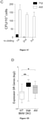
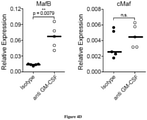
- AM are a population of adult resident macrophages with the well-characterized ability to autonomously self-renew in vivo (4) and that in contrast to other characterized macrophage populations have the unique property to naturally express very low levels of MafB and cMaf(6). We confirmed these constitutively low Maf levels compared to other macrophage populations ( Fig. 1A ).
- Chip-Seq analysis of epigenetic enhancer marks at the SR gene associated enhancer regions showed comparable binding of the macrophage lineage defining PU.1 transcription factor between AM, Maf-DKO and WT BM macrophages, but an enrichment of the activation mark p300 in AM similar to Maf-DKO macrophages ( Fig. 1 E , data not shown).
- Statistical analysis confirmed a high correlation for PU.1 binding across all three populations but the highest correlation for p300 binding between AM and Maf-DKO macrophages (Fig. IF).
- eAM in culture expanded alveolar macrophages
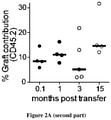
- eAM are maintained long term in graft recipient, for at least 15 months (3/4 of the life span of a mouse).
- mice All transgenic mice used in this study have a C57Bl/6 background (>7 backcrosses) and were between 6 and 14 weeks old, if not stated otherwise.
- CD45.1 and CD45.2 C57Bl/6 mice were obtained from Charles River.
- Csf2rb1-/- mice Shibata, Y. et al. GM-CSF regulates alveolar macrophage differentiation and innate immunity in the lung through PU.1. Immunity 15, 557-567 (2001 )) were provided by Prof. Dr. Melanie Greter (University of Zurich). Rosa26-M2rtTA mice ( Happle, C. et al.
- mice were anesthetized by isoflurane inhalation and were placed on their back. The tongue was gently pulled out and fixed with a forceps, while mice were injected with 50-100 ul into the trachea using a 1 ml syringe and a blunt 22G feeding needle. The fluid was inhaled into the lungs by subsequent respiratory efforts. Mice were observed while recovering from anesthesia to ensure retention of the administered fluid and then returned to their cages for routine care and handling.
- GW2580 Calbiochem/Merck millipore
- 100 ug of GW2580 (Calbiochem/Merck millipore) in 200 ul of PBS were i.p. injected twice per day starting 12 h prior to injection of cells.
- 1 ⁇ 10 ⁇ 6 freshly isolated CD45.1+ AM were resuspended in 100 ul PBS containing 5 uM GW2580 and i.t. injected into recipient mice.
- I.p. injections of GW2580 were continued until day 2 after cell transfer (7 i.p. injections of GW2580 in total) and CD45.1+ AM were sorted from BAL fluid on day3 for gene expression analysis.
- Bone marrow chimeric mice were generated by lethal irradiation of 7-10 week old WT CD45.1 host mice that were subsequently reconstituted by i.v. injection of 1 ⁇ 10 ⁇ 6 BM cells isolated from donor mice.
- Donor BM was isolated from femurs and tibias of chimeric CD45.1 donor mice, that had been reconstituted with 4 ⁇ 10 ⁇ 6 fetal liver cells from WT and Maf-DKO E14.5 CD45.2 embryos.
- CD45.2+ AM from the lungs of the chimeras were isolated for in vitro CFA experiments after at least 10 weeks after reconstitution.
- Doxycycline induced gene expression in vivo was induced 4 -8 days after virus injection by providing drinking water containing 2 g/l DOX and 2 % sucrose as well as DOX containing food (Plexx B.V., ref. S3888, Doxycycline (200 mg/kg) to the mice ad libitum. Drinking water was replaced every 2 days.
- BAL bronchoalveolar lavage
- cells were plated at a density of 1.1 million cells per 10 cm petri dish in complete medium (RPMI, 10 % FCS,1 % Pen/Strep, 1 % Pyruvate, 1 % Glutamate) supplemented with 1 % GM-CSF supernatant from J558L cells transfected with murine GM-CSF cDNA.
- complete medium RPMI, 10 % FCS,1 % Pen/Strep, 1 % Pyruvate, 1 % Glutamate
- GM-CSF supernatant from J558L cells transfected with murine GM-CSF cDNA.
- detaching AM cells were washed with PBS and incubated with accutase (Merck Millipore) supplemented with 1 mM EGTA (Sigma) for 15 minutes before collection of detached cells.
- Peritoneal macrophages were collected by peritoneal washout using 10 mL PBS containing 2 mM EDTA (Sigma). Red cell lysis was performed (RBC Lysis Buffer, Invitrogen) and cells were filtered through a 70 um mesh before further processing. Medium changes occurred every 3-4 days.
- Maf-DKO macrophages were grown sub-confluently in macrophage growth medium (Dulbecco's modified medium (DMEM) with 20% L-cell sup, 1% sodium pyruvate and 1% L-Glutamate) as described ( Aziz, A., Soucie, E., Sarrazin, S. & Sieweke, M.H. MafB/c-Maf deficiency enables self-renewal of differentiated functional macrophages. Science 326, 867-871 (2009 )).
- DMEM Denbecco's modified medium
- WT BMM macrophages were differentiated from total mouse bone marrow for 15 days in macrophage growth medium, selecting for adherent cells every 4 days.
- mice were killed by cervical dislocation and perfused with PBS before collecting the tissue.
- Lung tissue was macerated and incubated with 1 mg/ml collagenase-2 (Worthington) and 0.15 mg/ml DNase1 (Sigma) at 37°C for 30 min during constant agitation.
- Resulting cell suspension was filtered through a 70 um mesh and erythrocytes were removed by RBC lysis (RBC Lysis Buffer, Invitrogen) before proceeding to the flow cytometry staining protocol.
- RBC lysis RBC Lysis Buffer, Invitrogen
- filtration cells could be processed according to the flow cytometry staining protocol.
- Anti-CD11b (clone M1/70, eBioscience), anti-CD11c (clone N418, eBioscience), anti-F4/80 (clone BM8, eBioscience), anti-MHCII (clone M5/114.15.2, eBioscience), anti-CD45.1 (clone A20, eBioscience), anti-CD45.2 (clone 104, eBioscience), anti-B220 (clone RA3-6B2, eBioscience), anti-CD115 (clone AFS98, eBioscience), anti-CD64 (clone X54-5/7.1, Biolegend), anti-SiglecF (clone E50-2440, BD Pharmingen), anti-Ki67 (clone B56, BD Pharmingen and clone SolA15, eBioscience), anti-BrdU (clone MoBU-1, Life technologies).
- the lentiviral construct pLV-TetO-FlagMafB-PGK-GFP was generated by cloning an insert PCR product containing FlagMafB-PGK-GFP into the EcoRI site of pLV-TetO-Klf4 (Addgene #19764, Klf4 cDNA was removed by EcoRI digestion).
- pRetroX-Tight-GFP containing flag-tagged MafB Soucie, E.L. et al. Lineage-specific enhancers activate self-renewal genes in macrophages and embryonic stem cells. Science (2016 )) served as a template for generating the insert by two sequential PCRs.
- Forward-Primer-Flag-MafB and Reverse-Primer-MafB were used to amplify Flag-tagged MafB.
- Forward-Primer-PGK-GFP and Reverse-Primer-GFP-PGK were used to amplify PGK-GFP.
- the resulting overlapping PCR products from these reactions were used as templates for a second PCR using Forward Primer Flag-MafB and Reverse Primer GFP-PGK resulting in the desired insert. This two step overlapping PCR strategy was necessary to mutate a EcoR1 site between MafB and the PGK promoter.
- Lentiviral vector particles were produced at the Centre International de mecanic en Infectiologie (CIRI) U1111/UMR5308 Inserm-CNRS-UCBL - ENS de Lyon (Lyon, France) by tri-transfection of plasmids harboring the pack-aging construct, the transfer vector ( Amit, I. et al. Unbiased reconstruction of a mammalian transcriptional network mediating pathogen responses. Science 326, 257-263 (2009 )) and the envelope-expressing construct into producer cells using calcium chloride methodology. Viral supernatants were concentrated by ultracentrifugation and viral particles were resuspended in PBS resulting in viral titers of > 10 7 pfu.
- Protein were extracted by direct lysing in SDS sample-buffer (50mM Tris-HCl, pH6,8; 4% SDS, 20% Glycerol, 10% 2-mercoptoethanol (beta-ME; Bromophenol Blue). Samples were transfered to a QIAshredder column and centrifuged at maximum speed for 2 minutes, in order to completely disrupt the cells. Proteins were denatured by boiling for 5 minutes at 100dC. Proteins were separated on 10% SDS-PAGE and then transferred to Protran 0,2 ⁇ m nitrocellulose transfer membrane (Schleicher & Schuell). at 2.5mA/cm ⁇ 2 using 25mM Tris base, 192 mM Glycine, and 20% v/v methanol as transfer buffer.
- SDS sample-buffer 50mM Tris-HCl, pH6,8; 4% SDS, 20% Glycerol, 10% 2-mercoptoethanol (beta-ME; Bromophenol Blue). Samples were transfered to a QIAshred
- TBS-Tween (13.6mM NaCl, 20mM Tris base, ImM EDTA; pH adjusted to 7.8 with HCl 1M; 0.05% Tween 20) containing 5% skimmed milk powder (blocking solution).
- Primary antibodies were diluted in blocking buffer (1:4000 anti-Flag Sigma, 1:1000 anti-GRB2 Abcam) and incubated for 1 hour at RT with constant agitation.
- Secondary antibodies were diluted in blocking buffer (mouse anti-IgG and rabbit anti-IgG ab both coubled to HRP, Santacruz) and incubated for 45 minutes. Chemiluminescence was aquired on automatic revelation WB machine (Thermo Scientific).
- AM were plated at 10,000 cells per 1 mL of Methocult M3231 (StemCell Technologies) containing 100 ng/ml of rGM-CSF (Peprotech) or rM-CSF (Peprotech) if not indicated otherwise. Colonies were counted after 3 weeks.
- BAL fluid analysis 4 weeks after transplantation of WT or Maf-DKO macrophages, BAL fluid from Csf2-/- mice was collected by performing 5 washes with 1 ml of PBS. Protein concentration was determined using Bradford Protein Assay (Biorad). BAL turbidity was determined by measuring the OD at 600 nm wavelength.
- Transplanted and in vitro expanded AM can be maintened long term in vivo
- AM express exceptionally low levels of MafB and cMaf as compared to other macrophage populations including peritoneal macrophages (PM) ( Fig.1A ).
- PM peritoneal macrophages
- Fig.1A peritoneal macrophages
- Previous reports have demonstrated extended self-renewal of macrophages lacking MafB and cMaf ( Aziz, A., Soucie, E., Sarrazin, S. & Sieweke, M.H. MafB/c-Maf deficiency enables self-renewal of differentiated functional macrophages. Science 326, 867-871 (2009 )) as well as transient proliferation of AM in response to GM-CSF ( Chen, B.D., Mueller, M. & Chou, T.H.
- AM could be serially replated in colony-forming assays and we were able to expand AM for at least 10 population doublings in long-term liquid culture in the presence of GM-CSF for several months ( Soucie et al. Science 2016 ; Fig.1B , C , data not shown).
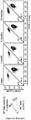
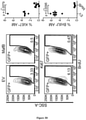
- eAM In vitro expanded AM (eAM) displayed a surface marker phenotype similar to freshly isolated AM with the characteristic high expression of SiglecF and CDllc (data not shown). To test whether eAM retain their capacity to integrate into the lung tissue environment after multiple passages in vitro we i.t.
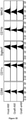
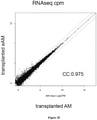
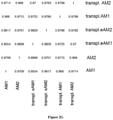
- RNAseq analysis revealed that the gene expression profile of transplanted AM that had been expanded in culture for at least 4 months (eAM) were nearly identical to freshly transplanted AM 7 months after transplantation as well as to endogenous AM of the transplanted mice ( Fig.2f , g ). Together, these data demonstrate that AM amplified long term in culture integrate into normal mcrophage populations of lung aveoli tissue upon intra-tracheal transfer, are maintained long term in vivo for at least up to 3 ⁇ 4 of the life span of the recipient and maintain normal AM identity after transplantation.
- Pulmonary alveolar proteinosis is a disease caused by malfunction of AM leading to the accumulation of surfactant in the lung.
- the vast majority of PAP patients suffer from the acquired form of the disease caused by autoantibodies against GM-CSF ( Trapnell, B.C., Carey, B.C., Uchida, K. & Suzuki, T.
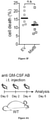
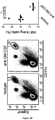
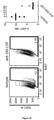
- Pulmonary alveolar proteinosis a primary immunodeficiency of impaired GM-CSF stimulation of macrophages. Curr Opin Immunol 21, 514-521 (2009 )), which we decided to mimic experimentally. To this end, we treated WT mice with i.t.
Landscapes
- Health & Medical Sciences (AREA)
- Life Sciences & Earth Sciences (AREA)
- General Health & Medical Sciences (AREA)
- Veterinary Medicine (AREA)
- Public Health (AREA)
- Animal Behavior & Ethology (AREA)
- Chemical & Material Sciences (AREA)
- Organic Chemistry (AREA)
- Medicinal Chemistry (AREA)
- Pharmacology & Pharmacy (AREA)
- Engineering & Computer Science (AREA)
- Nuclear Medicine, Radiotherapy & Molecular Imaging (AREA)
- General Chemical & Material Sciences (AREA)
- Chemical Kinetics & Catalysis (AREA)
- Epidemiology (AREA)
- Biomedical Technology (AREA)
- Oncology (AREA)
- Communicable Diseases (AREA)
- Immunology (AREA)
- Biotechnology (AREA)
- Zoology (AREA)
- Bioinformatics & Cheminformatics (AREA)
- Wood Science & Technology (AREA)
- Genetics & Genomics (AREA)
- Hematology (AREA)
- Cell Biology (AREA)
- Virology (AREA)
- Gastroenterology & Hepatology (AREA)
- Microbiology (AREA)
- Biochemistry (AREA)
- General Engineering & Computer Science (AREA)
- Medicines That Contain Protein Lipid Enzymes And Other Medicines (AREA)
- Developmental Biology & Embryology (AREA)
- Medicines Containing Material From Animals Or Micro-Organisms (AREA)
- Pharmaceuticals Containing Other Organic And Inorganic Compounds (AREA)
Claims (2)
- Verfahren zum Erweitern einer Population von alveolären Makrophagen in einer Langzeit-Flüssigkultur, umfassend das Kultivieren der Population von alveolären Makrophagen für mindestens 100 Tage in einem mit einer Menge an GM-CSF supplementierten Kulturmedium.
- Verwendung des Verfahrens nach Anspruch 1 zur Herstellung einer pharmazeutischen Zusammensetzung, umfassend mindestens 1 × 10⁹ alveoläre Makrophagen.
Applications Claiming Priority (2)
| Application Number | Priority Date | Filing Date | Title |
|---|---|---|---|
| EP15306959 | 2015-12-08 | ||
| PCT/EP2016/080187 WO2017097876A1 (en) | 2015-12-08 | 2016-12-08 | Methods for expanding a population of alveolar macrophages in a long term culture |
Publications (2)
| Publication Number | Publication Date |
|---|---|
| EP3387115A1 EP3387115A1 (de) | 2018-10-17 |
| EP3387115B1 true EP3387115B1 (de) | 2022-01-26 |
Family
ID=55024032
Family Applications (1)
| Application Number | Title | Priority Date | Filing Date |
|---|---|---|---|
| EP16808635.3A Active EP3387115B1 (de) | 2015-12-08 | 2016-12-08 | Verfahren zur ausdehnung einer population von alveolaren makrophagen in einer langzeitzüchtung |
Country Status (4)
| Country | Link |
|---|---|
| US (2) | US20180360877A1 (de) |
| EP (1) | EP3387115B1 (de) |
| ES (1) | ES2908553T3 (de) |
| WO (1) | WO2017097876A1 (de) |
Families Citing this family (7)
| Publication number | Priority date | Publication date | Assignee | Title |
|---|---|---|---|---|
| US12146161B2 (en) | 2015-02-11 | 2024-11-19 | The Hosptial For Sick Children | Mammalian alveolar macrophages derived from pluripotent cells |
| EP3256569B2 (de) | 2015-02-11 | 2024-04-17 | The Hospital for Sick Children | Alveolarartige makrophagen und verfahren zur erzeugung davon |
| EP3841201A1 (de) | 2018-08-24 | 2021-06-30 | Yeda Research and Development Co. Ltd | Verfahren zur modulation der m2-makrophagenpolarisation und verwendung derselben in der therapie |
| US12312598B2 (en) | 2019-03-28 | 2025-05-27 | The Hospital For Sick Children | Method of generating hemangioblasts |
| EP4060026A1 (de) * | 2021-03-19 | 2022-09-21 | Technische Universität Dresden | Ex-vivo proliferation humaner phagozytischer zellen |
| CN115850426A (zh) * | 2022-07-13 | 2023-03-28 | 中国人民解放军海军军医大学 | 日本血吸虫虫卵及其分泌排泄蛋白抗肿瘤的作用及制备和用途 |
| CN120983486B (zh) * | 2025-10-27 | 2026-03-20 | 哈尔滨医科大学 | 铅黄肠球菌Zz-2024的外泌体的应用 |
Family Cites Families (1)
| Publication number | Priority date | Publication date | Assignee | Title |
|---|---|---|---|---|
| CA2706622C (en) * | 2002-08-27 | 2015-11-03 | Hiroshi Terada | Lps activation of phagocytic activity |
-
2016
- 2016-12-08 EP EP16808635.3A patent/EP3387115B1/de active Active
- 2016-12-08 US US16/060,721 patent/US20180360877A1/en not_active Abandoned
- 2016-12-08 ES ES16808635T patent/ES2908553T3/es active Active
- 2016-12-08 WO PCT/EP2016/080187 patent/WO2017097876A1/en not_active Ceased
-
2023
- 2023-04-28 US US18/309,047 patent/US20240000833A1/en not_active Abandoned
Non-Patent Citations (1)
| Title |
|---|
| None * |
Also Published As
| Publication number | Publication date |
|---|---|
| EP3387115A1 (de) | 2018-10-17 |
| WO2017097876A1 (en) | 2017-06-15 |
| ES2908553T3 (es) | 2022-05-03 |
| US20240000833A1 (en) | 2024-01-04 |
| US20180360877A1 (en) | 2018-12-20 |
Similar Documents
| Publication | Publication Date | Title |
|---|---|---|
| US20240000833A1 (en) | Methods for expanding a population of alveolar macrophages in a long term culture | |
| AU2018383712B2 (en) | Cpf1-related methods and compositions for gene editing | |
| US20160263160A1 (en) | Mesenchymal Stem Cells Producing Inhibitory RNA for Disease Modification | |
| EP4146813A2 (de) | Auswahl durch knock-in essentieller gene | |
| JP2022113700A (ja) | CRISPR-Casゲノム編集に基づく、Fel d1ノックアウト並びに関連組成物及び方法 | |
| JP2017536826A5 (de) | ||
| CN114807142A (zh) | 一种环状RNA-circ-Magi1及其应用 | |
| WO2022012531A1 (zh) | 一种经修饰的免疫细胞的制备方法 | |
| JP2024123250A (ja) | 自己免疫疾患のための遺伝子編集 | |
| WO2013134403A1 (en) | Method of treating neurodegenerative diseases with microrna regulators | |
| CN102002493B (zh) | 小rna-326制备药物的应用 | |
| JP2022023121A (ja) | 最適化された標識を用いて特異的に発現する遺伝子を同定する方法 | |
| CN119432752A (zh) | 一种基因修饰的间充质干细胞及其制备方法和应用 | |
| KR20210040909A (ko) | eIF4E 저해제를 포함하는 eIF4E 활성증가와 관련된 상태의 진단 또는 치료용 조성물 | |
| CN110368502B (zh) | Utx基因在制备预防或治疗血脂类疾病药物中的应用 | |
| US20240124840A1 (en) | Genetically modified cells and uses thereof for prevention of acute graft-versus-host disease | |
| CN103805599B (zh) | 一对用于绵羊dkk4基因打靶的前导rna | |
| RU2839162C2 (ru) | Молекула олигомерной нуклеиновой кислоты и ее применение | |
| US20230313186A1 (en) | Trophin genome editing for treating duchenne muscular dystrophy (dmd) | |
| CN121896222A (zh) | 一种靶向抑制T-bet表达的shRNA及其应用 | |
| CN103805605B (zh) | 一对靶向绵羊DKK2基因的sgRNA | |
| CN106947738A (zh) | microRNA‑4281的新用途 | |
| CN118976109A (zh) | Chrdl1在制备治疗和延缓抗肾小球基底膜肾炎的药物中的应用 | |
| AU2019286345A1 (en) | Viral detection assay | |
| CN119307496A (zh) | 一种黄颡鱼circRNA及其应用 |
Legal Events
| Date | Code | Title | Description |
|---|---|---|---|
| STAA | Information on the status of an ep patent application or granted ep patent |
Free format text: STATUS: UNKNOWN |
|
| STAA | Information on the status of an ep patent application or granted ep patent |
Free format text: STATUS: THE INTERNATIONAL PUBLICATION HAS BEEN MADE |
|
| PUAI | Public reference made under article 153(3) epc to a published international application that has entered the european phase |
Free format text: ORIGINAL CODE: 0009012 |
|
| STAA | Information on the status of an ep patent application or granted ep patent |
Free format text: STATUS: REQUEST FOR EXAMINATION WAS MADE |
|
| 17P | Request for examination filed |
Effective date: 20180607 |
|
| AK | Designated contracting states |
Kind code of ref document: A1 Designated state(s): AL AT BE BG CH CY CZ DE DK EE ES FI FR GB GR HR HU IE IS IT LI LT LU LV MC MK MT NL NO PL PT RO RS SE SI SK SM TR |
|
| AX | Request for extension of the european patent |
Extension state: BA ME |
|
| DAV | Request for validation of the european patent (deleted) | ||
| DAX | Request for extension of the european patent (deleted) | ||
| STAA | Information on the status of an ep patent application or granted ep patent |
Free format text: STATUS: EXAMINATION IS IN PROGRESS |
|
| 17Q | First examination report despatched |
Effective date: 20190516 |
|
| REG | Reference to a national code |
Ref country code: DE Ref legal event code: R079 Ref document number: 602016068698 Country of ref document: DE Free format text: PREVIOUS MAIN CLASS: C12N0005078600 Ipc: A61P0031040000 |
|
| GRAP | Despatch of communication of intention to grant a patent |
Free format text: ORIGINAL CODE: EPIDOSNIGR1 |
|
| STAA | Information on the status of an ep patent application or granted ep patent |
Free format text: STATUS: GRANT OF PATENT IS INTENDED |
|
| RIC1 | Information provided on ipc code assigned before grant |
Ipc: A61P 31/04 20060101AFI20210621BHEP Ipc: A61P 31/10 20060101ALI20210621BHEP Ipc: A61P 31/12 20060101ALI20210621BHEP Ipc: A61P 35/00 20060101ALI20210621BHEP Ipc: C12N 5/0786 20100101ALI20210621BHEP |
|
| INTG | Intention to grant announced |
Effective date: 20210709 |
|
| GRAS | Grant fee paid |
Free format text: ORIGINAL CODE: EPIDOSNIGR3 |
|
| GRAA | (expected) grant |
Free format text: ORIGINAL CODE: 0009210 |
|
| STAA | Information on the status of an ep patent application or granted ep patent |
Free format text: STATUS: THE PATENT HAS BEEN GRANTED |
|
| AK | Designated contracting states |
Kind code of ref document: B1 Designated state(s): AL AT BE BG CH CY CZ DE DK EE ES FI FR GB GR HR HU IE IS IT LI LT LU LV MC MK MT NL NO PL PT RO RS SE SI SK SM TR |
|
| REG | Reference to a national code |
Ref country code: GB Ref legal event code: FG4D |
|
| REG | Reference to a national code |
Ref country code: CH Ref legal event code: EP |
|
| REG | Reference to a national code |
Ref country code: AT Ref legal event code: REF Ref document number: 1464797 Country of ref document: AT Kind code of ref document: T Effective date: 20220215 |
|
| REG | Reference to a national code |
Ref country code: IE Ref legal event code: FG4D |
|
| REG | Reference to a national code |
Ref country code: DE Ref legal event code: R096 Ref document number: 602016068698 Country of ref document: DE |
|
| REG | Reference to a national code |
Ref country code: ES Ref legal event code: FG2A Ref document number: 2908553 Country of ref document: ES Kind code of ref document: T3 Effective date: 20220503 |
|
| REG | Reference to a national code |
Ref country code: LT Ref legal event code: MG9D |
|
| REG | Reference to a national code |
Ref country code: NL Ref legal event code: MP Effective date: 20220126 |
|
| REG | Reference to a national code |
Ref country code: AT Ref legal event code: MK05 Ref document number: 1464797 Country of ref document: AT Kind code of ref document: T Effective date: 20220126 |
|
| PG25 | Lapsed in a contracting state [announced via postgrant information from national office to epo] |
Ref country code: NL Free format text: LAPSE BECAUSE OF FAILURE TO SUBMIT A TRANSLATION OF THE DESCRIPTION OR TO PAY THE FEE WITHIN THE PRESCRIBED TIME-LIMIT Effective date: 20220126 |
|
| PG25 | Lapsed in a contracting state [announced via postgrant information from national office to epo] |
Ref country code: SE Free format text: LAPSE BECAUSE OF FAILURE TO SUBMIT A TRANSLATION OF THE DESCRIPTION OR TO PAY THE FEE WITHIN THE PRESCRIBED TIME-LIMIT Effective date: 20220126 Ref country code: RS Free format text: LAPSE BECAUSE OF FAILURE TO SUBMIT A TRANSLATION OF THE DESCRIPTION OR TO PAY THE FEE WITHIN THE PRESCRIBED TIME-LIMIT Effective date: 20220126 Ref country code: PT Free format text: LAPSE BECAUSE OF FAILURE TO SUBMIT A TRANSLATION OF THE DESCRIPTION OR TO PAY THE FEE WITHIN THE PRESCRIBED TIME-LIMIT Effective date: 20220526 Ref country code: NO Free format text: LAPSE BECAUSE OF FAILURE TO SUBMIT A TRANSLATION OF THE DESCRIPTION OR TO PAY THE FEE WITHIN THE PRESCRIBED TIME-LIMIT Effective date: 20220426 Ref country code: LT Free format text: LAPSE BECAUSE OF FAILURE TO SUBMIT A TRANSLATION OF THE DESCRIPTION OR TO PAY THE FEE WITHIN THE PRESCRIBED TIME-LIMIT Effective date: 20220126 Ref country code: HR Free format text: LAPSE BECAUSE OF FAILURE TO SUBMIT A TRANSLATION OF THE DESCRIPTION OR TO PAY THE FEE WITHIN THE PRESCRIBED TIME-LIMIT Effective date: 20220126 Ref country code: BG Free format text: LAPSE BECAUSE OF FAILURE TO SUBMIT A TRANSLATION OF THE DESCRIPTION OR TO PAY THE FEE WITHIN THE PRESCRIBED TIME-LIMIT Effective date: 20220426 |
|
| PG25 | Lapsed in a contracting state [announced via postgrant information from national office to epo] |
Ref country code: PL Free format text: LAPSE BECAUSE OF FAILURE TO SUBMIT A TRANSLATION OF THE DESCRIPTION OR TO PAY THE FEE WITHIN THE PRESCRIBED TIME-LIMIT Effective date: 20220126 Ref country code: LV Free format text: LAPSE BECAUSE OF FAILURE TO SUBMIT A TRANSLATION OF THE DESCRIPTION OR TO PAY THE FEE WITHIN THE PRESCRIBED TIME-LIMIT Effective date: 20220126 Ref country code: GR Free format text: LAPSE BECAUSE OF FAILURE TO SUBMIT A TRANSLATION OF THE DESCRIPTION OR TO PAY THE FEE WITHIN THE PRESCRIBED TIME-LIMIT Effective date: 20220427 Ref country code: FI Free format text: LAPSE BECAUSE OF FAILURE TO SUBMIT A TRANSLATION OF THE DESCRIPTION OR TO PAY THE FEE WITHIN THE PRESCRIBED TIME-LIMIT Effective date: 20220126 Ref country code: AT Free format text: LAPSE BECAUSE OF FAILURE TO SUBMIT A TRANSLATION OF THE DESCRIPTION OR TO PAY THE FEE WITHIN THE PRESCRIBED TIME-LIMIT Effective date: 20220126 |
|
| PG25 | Lapsed in a contracting state [announced via postgrant information from national office to epo] |
Ref country code: IS Free format text: LAPSE BECAUSE OF FAILURE TO SUBMIT A TRANSLATION OF THE DESCRIPTION OR TO PAY THE FEE WITHIN THE PRESCRIBED TIME-LIMIT Effective date: 20220526 |
|
| REG | Reference to a national code |
Ref country code: DE Ref legal event code: R097 Ref document number: 602016068698 Country of ref document: DE |
|
| PG25 | Lapsed in a contracting state [announced via postgrant information from national office to epo] |
Ref country code: SM Free format text: LAPSE BECAUSE OF FAILURE TO SUBMIT A TRANSLATION OF THE DESCRIPTION OR TO PAY THE FEE WITHIN THE PRESCRIBED TIME-LIMIT Effective date: 20220126 Ref country code: SK Free format text: LAPSE BECAUSE OF FAILURE TO SUBMIT A TRANSLATION OF THE DESCRIPTION OR TO PAY THE FEE WITHIN THE PRESCRIBED TIME-LIMIT Effective date: 20220126 Ref country code: RO Free format text: LAPSE BECAUSE OF FAILURE TO SUBMIT A TRANSLATION OF THE DESCRIPTION OR TO PAY THE FEE WITHIN THE PRESCRIBED TIME-LIMIT Effective date: 20220126 Ref country code: EE Free format text: LAPSE BECAUSE OF FAILURE TO SUBMIT A TRANSLATION OF THE DESCRIPTION OR TO PAY THE FEE WITHIN THE PRESCRIBED TIME-LIMIT Effective date: 20220126 Ref country code: DK Free format text: LAPSE BECAUSE OF FAILURE TO SUBMIT A TRANSLATION OF THE DESCRIPTION OR TO PAY THE FEE WITHIN THE PRESCRIBED TIME-LIMIT Effective date: 20220126 Ref country code: CZ Free format text: LAPSE BECAUSE OF FAILURE TO SUBMIT A TRANSLATION OF THE DESCRIPTION OR TO PAY THE FEE WITHIN THE PRESCRIBED TIME-LIMIT Effective date: 20220126 |
|
| PG25 | Lapsed in a contracting state [announced via postgrant information from national office to epo] |
Ref country code: AL Free format text: LAPSE BECAUSE OF FAILURE TO SUBMIT A TRANSLATION OF THE DESCRIPTION OR TO PAY THE FEE WITHIN THE PRESCRIBED TIME-LIMIT Effective date: 20220126 |
|
| PLBE | No opposition filed within time limit |
Free format text: ORIGINAL CODE: 0009261 |
|
| STAA | Information on the status of an ep patent application or granted ep patent |
Free format text: STATUS: NO OPPOSITION FILED WITHIN TIME LIMIT |
|
| 26N | No opposition filed |
Effective date: 20221027 |
|
| PG25 | Lapsed in a contracting state [announced via postgrant information from national office to epo] |
Ref country code: SI Free format text: LAPSE BECAUSE OF FAILURE TO SUBMIT A TRANSLATION OF THE DESCRIPTION OR TO PAY THE FEE WITHIN THE PRESCRIBED TIME-LIMIT Effective date: 20220126 |
|
| REG | Reference to a national code |
Ref country code: CH Ref legal event code: PL |
|
| REG | Reference to a national code |
Ref country code: BE Ref legal event code: MM Effective date: 20221231 |
|
| PG25 | Lapsed in a contracting state [announced via postgrant information from national office to epo] |
Ref country code: LU Free format text: LAPSE BECAUSE OF NON-PAYMENT OF DUE FEES Effective date: 20221208 |
|
| PG25 | Lapsed in a contracting state [announced via postgrant information from national office to epo] |
Ref country code: IE Free format text: LAPSE BECAUSE OF NON-PAYMENT OF DUE FEES Effective date: 20221208 Ref country code: CH Free format text: LAPSE BECAUSE OF NON-PAYMENT OF DUE FEES Effective date: 20221231 Ref country code: LI Free format text: LAPSE BECAUSE OF NON-PAYMENT OF DUE FEES Effective date: 20221231 |
|
| PG25 | Lapsed in a contracting state [announced via postgrant information from national office to epo] |
Ref country code: BE Free format text: LAPSE BECAUSE OF NON-PAYMENT OF DUE FEES Effective date: 20221231 |
|
| PGFP | Annual fee paid to national office [announced via postgrant information from national office to epo] |
Ref country code: GB Payment date: 20231121 Year of fee payment: 8 |
|
| PGFP | Annual fee paid to national office [announced via postgrant information from national office to epo] |
Ref country code: FR Payment date: 20231122 Year of fee payment: 8 Ref country code: DE Payment date: 20231121 Year of fee payment: 8 |
|
| PG25 | Lapsed in a contracting state [announced via postgrant information from national office to epo] |
Ref country code: HU Free format text: LAPSE BECAUSE OF FAILURE TO SUBMIT A TRANSLATION OF THE DESCRIPTION OR TO PAY THE FEE WITHIN THE PRESCRIBED TIME-LIMIT; INVALID AB INITIO Effective date: 20161208 |
|
| PGFP | Annual fee paid to national office [announced via postgrant information from national office to epo] |
Ref country code: ES Payment date: 20240102 Year of fee payment: 8 |
|
| PG25 | Lapsed in a contracting state [announced via postgrant information from national office to epo] |
Ref country code: CY Free format text: LAPSE BECAUSE OF FAILURE TO SUBMIT A TRANSLATION OF THE DESCRIPTION OR TO PAY THE FEE WITHIN THE PRESCRIBED TIME-LIMIT Effective date: 20220126 |
|
| PG25 | Lapsed in a contracting state [announced via postgrant information from national office to epo] |
Ref country code: MK Free format text: LAPSE BECAUSE OF FAILURE TO SUBMIT A TRANSLATION OF THE DESCRIPTION OR TO PAY THE FEE WITHIN THE PRESCRIBED TIME-LIMIT Effective date: 20220126 |
|
| PG25 | Lapsed in a contracting state [announced via postgrant information from national office to epo] |
Ref country code: MC Free format text: LAPSE BECAUSE OF FAILURE TO SUBMIT A TRANSLATION OF THE DESCRIPTION OR TO PAY THE FEE WITHIN THE PRESCRIBED TIME-LIMIT Effective date: 20220126 |
|
| PG25 | Lapsed in a contracting state [announced via postgrant information from national office to epo] |
Ref country code: TR Free format text: LAPSE BECAUSE OF FAILURE TO SUBMIT A TRANSLATION OF THE DESCRIPTION OR TO PAY THE FEE WITHIN THE PRESCRIBED TIME-LIMIT Effective date: 20220126 Ref country code: MC Free format text: LAPSE BECAUSE OF FAILURE TO SUBMIT A TRANSLATION OF THE DESCRIPTION OR TO PAY THE FEE WITHIN THE PRESCRIBED TIME-LIMIT Effective date: 20220126 |
|
| PG25 | Lapsed in a contracting state [announced via postgrant information from national office to epo] |
Ref country code: MT Free format text: LAPSE BECAUSE OF FAILURE TO SUBMIT A TRANSLATION OF THE DESCRIPTION OR TO PAY THE FEE WITHIN THE PRESCRIBED TIME-LIMIT Effective date: 20220126 |
|
| REG | Reference to a national code |
Ref country code: DE Ref legal event code: R119 Ref document number: 602016068698 Country of ref document: DE |
|
| GBPC | Gb: european patent ceased through non-payment of renewal fee |
Effective date: 20241208 |
|
| PG25 | Lapsed in a contracting state [announced via postgrant information from national office to epo] |
Ref country code: DE Free format text: LAPSE BECAUSE OF NON-PAYMENT OF DUE FEES Effective date: 20250701 |
|
| PGFP | Annual fee paid to national office [announced via postgrant information from national office to epo] |
Ref country code: IT Payment date: 20231121 Year of fee payment: 8 |
|
| PG25 | Lapsed in a contracting state [announced via postgrant information from national office to epo] |
Ref country code: GB Free format text: LAPSE BECAUSE OF NON-PAYMENT OF DUE FEES Effective date: 20241208 |
|
| PG25 | Lapsed in a contracting state [announced via postgrant information from national office to epo] |
Ref country code: FR Free format text: LAPSE BECAUSE OF NON-PAYMENT OF DUE FEES Effective date: 20241231 |
|
| REG | Reference to a national code |
Ref country code: ES Ref legal event code: FD2A Effective date: 20260130 |
|
| PG25 | Lapsed in a contracting state [announced via postgrant information from national office to epo] |
Ref country code: ES Free format text: LAPSE BECAUSE OF NON-PAYMENT OF DUE FEES Effective date: 20241209 |