EP3383405B1 - Antibiotischer fiirv 104/18-komplex und isolierte individuelle faktoren davon - Google Patents
Antibiotischer fiirv 104/18-komplex und isolierte individuelle faktoren davon Download PDFInfo
- Publication number
- EP3383405B1 EP3383405B1 EP16805745.3A EP16805745A EP3383405B1 EP 3383405 B1 EP3383405 B1 EP 3383405B1 EP 16805745 A EP16805745 A EP 16805745A EP 3383405 B1 EP3383405 B1 EP 3383405B1
- Authority
- EP
- European Patent Office
- Prior art keywords
- antibiotic
- fiirv
- complex
- factor
- factors
- Prior art date
- Legal status (The legal status is an assumption and is not a legal conclusion. Google has not performed a legal analysis and makes no representation as to the accuracy of the status listed.)
- Active
Links
Images




Classifications
-
- C—CHEMISTRY; METALLURGY
- C12—BIOCHEMISTRY; BEER; SPIRITS; WINE; VINEGAR; MICROBIOLOGY; ENZYMOLOGY; MUTATION OR GENETIC ENGINEERING
- C12P—FERMENTATION OR ENZYME-USING PROCESSES TO SYNTHESISE A DESIRED CHEMICAL COMPOUND OR COMPOSITION OR TO SEPARATE OPTICAL ISOMERS FROM A RACEMIC MIXTURE
- C12P19/00—Preparation of compounds containing saccharide radicals
- C12P19/26—Preparation of nitrogen-containing carbohydrates
- C12P19/28—N-glycosides
-
- A—HUMAN NECESSITIES
- A61—MEDICAL OR VETERINARY SCIENCE; HYGIENE
- A61K—PREPARATIONS FOR MEDICAL, DENTAL OR TOILETRY PURPOSES
- A61K31/00—Medicinal preparations containing organic active ingredients
- A61K31/70—Carbohydrates; Sugars; Derivatives thereof
- A61K31/7028—Compounds having saccharide radicals attached to non-saccharide compounds by glycosidic linkages
- A61K31/7034—Compounds having saccharide radicals attached to non-saccharide compounds by glycosidic linkages attached to a carbocyclic compound, e.g. phloridzin
- A61K31/704—Compounds having saccharide radicals attached to non-saccharide compounds by glycosidic linkages attached to a carbocyclic compound, e.g. phloridzin attached to a condensed carbocyclic ring system, e.g. sennosides, thiocolchicosides, escin, daunorubicin
-
- A—HUMAN NECESSITIES
- A61—MEDICAL OR VETERINARY SCIENCE; HYGIENE
- A61K—PREPARATIONS FOR MEDICAL, DENTAL OR TOILETRY PURPOSES
- A61K9/00—Medicinal preparations characterised by special physical form
- A61K9/0012—Galenical forms characterised by the site of application
- A61K9/0014—Skin, i.e. galenical aspects of topical compositions
-
- A—HUMAN NECESSITIES
- A61—MEDICAL OR VETERINARY SCIENCE; HYGIENE
- A61K—PREPARATIONS FOR MEDICAL, DENTAL OR TOILETRY PURPOSES
- A61K9/00—Medicinal preparations characterised by special physical form
- A61K9/0012—Galenical forms characterised by the site of application
- A61K9/0019—Injectable compositions; Intramuscular, intravenous, arterial, subcutaneous administration; Compositions to be administered through the skin in an invasive manner
-
- A—HUMAN NECESSITIES
- A61—MEDICAL OR VETERINARY SCIENCE; HYGIENE
- A61K—PREPARATIONS FOR MEDICAL, DENTAL OR TOILETRY PURPOSES
- A61K9/00—Medicinal preparations characterised by special physical form
- A61K9/0012—Galenical forms characterised by the site of application
- A61K9/0053—Mouth and digestive tract, i.e. intraoral and peroral administration
-
- A—HUMAN NECESSITIES
- A61—MEDICAL OR VETERINARY SCIENCE; HYGIENE
- A61P—SPECIFIC THERAPEUTIC ACTIVITY OF CHEMICAL COMPOUNDS OR MEDICINAL PREPARATIONS
- A61P31/00—Antiinfectives, i.e. antibiotics, antiseptics, chemotherapeutics
- A61P31/04—Antibacterial agents
-
- C—CHEMISTRY; METALLURGY
- C12—BIOCHEMISTRY; BEER; SPIRITS; WINE; VINEGAR; MICROBIOLOGY; ENZYMOLOGY; MUTATION OR GENETIC ENGINEERING
- C12N—MICROORGANISMS OR ENZYMES; COMPOSITIONS THEREOF; PROPAGATING, PRESERVING, OR MAINTAINING MICROORGANISMS; MUTATION OR GENETIC ENGINEERING; CULTURE MEDIA
- C12N1/00—Microorganisms; Compositions thereof; Processes of propagating, maintaining or preserving microorganisms or compositions thereof; Processes of preparing or isolating a composition containing a microorganism; Culture media therefor
- C12N1/20—Bacteria; Culture media therefor
- C12N1/205—Bacterial isolates
-
- C—CHEMISTRY; METALLURGY
- C12—BIOCHEMISTRY; BEER; SPIRITS; WINE; VINEGAR; MICROBIOLOGY; ENZYMOLOGY; MUTATION OR GENETIC ENGINEERING
- C12P—FERMENTATION OR ENZYME-USING PROCESSES TO SYNTHESISE A DESIRED CHEMICAL COMPOUND OR COMPOSITION OR TO SEPARATE OPTICAL ISOMERS FROM A RACEMIC MIXTURE
- C12P29/00—Preparation of compounds containing a naphthacene ring system, e.g. tetracycline
-
- C—CHEMISTRY; METALLURGY
- C12—BIOCHEMISTRY; BEER; SPIRITS; WINE; VINEGAR; MICROBIOLOGY; ENZYMOLOGY; MUTATION OR GENETIC ENGINEERING
- C12R—INDEXING SCHEME ASSOCIATED WITH SUBCLASSES C12C - C12Q, RELATING TO MICROORGANISMS
- C12R2001/00—Microorganisms ; Processes using microorganisms
- C12R2001/01—Bacteria or Actinomycetales ; using bacteria or Actinomycetales
Definitions
- the Centers for Disease Control and Prevention highlighted that all significant bacterial infections in the world could develop resistance to the antibiotic treatment of choice.
- the CDC estimates that, each year, nearly 2 million people in the United States acquire an infection while in a hospital, resulting in 90,000 deaths [ Klevens R.M., Edwards J.R., Richards C. et al, "Estimating health care-associated infections and deaths in U.S. hospitals, 2002", Public Health Reports, 122: 160-166, (2007). World Health Organization. Antimicrobial Resistance: Global Report on Surveillance http://www.who.int/ drugresistance/ documents/surveillancereport/en/(2014 )].
- MDR multidrug resistant
- ESKAPE Rice L.B., "Federal funding for the study of antimicrobial resistance in nosocomial pathogens: No ESKAPE", Journal of Infectious Diseases, 197, 8: 1079-1081 (2008 )], with numerous studies adding Clostridium difficile or other Enterobacteriaceae [ Peterson L.R., "Bad bugs, no drugs: no ESCAPE revisited", Clinical Infectious Diseases, 49, 6: 992-993(2009 ); Boucher H.W., Talbot G.H., Bradley J.S., Edwards J.E. et al.,”Bad bugs, no drugs: no ESKAPE!
- Natural products have proven to be the most fruitful source of leads for the development of drugs. It has been assessed that ninety five percent of the antibiotics described to date originate from leads discovered by screening natural product extracts or fractions. Many marketed antibacterial drugs are semisynthetic congeners of natural products, and are obtained from the chemical modification of fermentation products (e.g. rifampicin, cephalosporin, oritavancin, dalbavancin). Discovering novel natural products with broad-spectrum activity has become difficult. No really new class of broad-spectrum antibiotics has been developed since the quinolones were introduced to the clinic in 1962 and the oxazolidinone linezolid in 2000.
- the present invention is directed to overcoming some of these deficiencies in the prior art.
- the prior art discloses several benzonaphtacene derivatives for treating bacterial infections (see US 2012/010163, Ratnakar N Askolar et al. 2009 , JPH0196189 A, Anastasija Reimer et al. 2015, Kersten et al. 2013, Gomi S et al. 1988).
- the compounds of the present invention are very different from the compounds of the prior art in their structure and show improved antibiotic efficacy.
- the present invention relates to novel compounds endowed with potent activity against microbial pathogens, the process for the preparation thereof, and the use thereof.
- the present invention concerns an antibiotic substance of microbial origin, arbitrarily denominated antibiotic FIIRV 104/18, which is a complex comprising factors F793, F795, F797 and F813, of formula (I) wherein R respectively represents
- the invention includes also the isolated individual factors of the antibiotic FIIRV 104/18 complex and any mixture of two or more of said factors in any proportion.
- Another object of the invention comprises a process for the preparation of antibiotic FIIRV 104/18 complex and the separation of the individual factors.
- Additional object of the invention includes the use of antibiotic FIIRV 104/18 complex and the individual factors thereof as medicament.
- Another object of the present invention is the micro-organism Dactylosporangium FIIRV sp. 104/18 deposited as number DSM 32068 on June 9, 2015 in the Deutsche Sammlung von Mikroorganismen und Zellkulturen GmbH, (DSMZ) Inhoffen No 7B, 38124 Braunschweig, Germany under Budapest Treaty.
- Further object of the invention comprises the use of biologically pure culture of the strain Dactylosporangium FIIRV sp. 104/18 DSM 32068, or a variant or mutant thereof maintaining the ability to produce the antibiotic FIIRV 104/18 complex and the individual factors when cultivated under submerged aerobic conditions in the presence of usable sources of carbon, nitrogen and inorganic salts.
- the compounds of formula (I) are new glycosylated natural products (GNPs).
- GNP consists of an aglycone and one or multiple glycosyl units [ Thibodeaux C.J., Melançon C.E., Liu H.W., "Natural product sugar biosynthesis and enzymatic glycodiversification", Angew. Chem. Int. Ed. Engl. 47(51):9814-9859 (2008 )], which often directly mediate the bioactivity of the compound [ La Ferla B., Airoldi C., Zona C., et al., "Natural glycoconjugates with antitumor activity", Nat. Prod. Rep 28(3):630-648(2011 )].
- GNPs of microbial origin include many compounds with therapeutic applications, such as the antibiotic erythromycin [ Staunton J., Weissman K.J. "Polyketide biosynthesis: A millennium review", Nat. Prod. Rep. 18(4):380-416 (2001 )] and the insecticide avermectin [ Ikeda H., Nonomiya T., Usami M., Ohta T., et al.,"Organization of the biosynthetic gene cluster for the polyketide anthelmintic macrolide avermectin in Streptomyces avermitilis", Proc. Natl. Acad. Sci. USA 96(17):9509-9514 (1999 )].
- antibiotic erythromycin Staunton J., Weissman K.J. "Polyketide biosynthesis: A millennium review", Nat. Prod. Rep. 18(4):380-416 (2001 )
- insecticide avermectin Ikeda H.
- GNPs represent a structurally very diversified class of natural products in terms of both the aglycone, i.e. the nonsugar portion of the molecule, and the glycosyl groups. GNPs are found in almost all major biosynthetic classes of natural products e.g. nonribosomal [ Hubbard B.K., Walsh C.T., "Vancomycin assembly: Nature's way”, Angew. Chem. Int. Ed. Engl.
- the new GNP compounds of formula (I) are characterized by the presence of a benzonaphthacene quinone group and a carbohydrate moiety.
- R in the formula actually represents either a glycosidic radical deriving from respectively the following sugars: L-aculose, L-cinerulose A, L-rhodinose or 2-deoxy-L-fucose.
- the Experimental Section of the present specification provides comparative tests carried out to verify the microbiological selectivity and efficacy of the compounds of formula (I) compared with known reference compounds and with comparative compound F683, which is a compound of formula (I) wherein R is OH.
- factor F795 of antibiotic FIIRV 104/18 can treat an infection by Staphylococcus aureus in a murine model with an ED 50 of 0.80 mg/kg.
- Antibiotic FIIRV 104/18 complex and the said isolated individual factors thereof are advantageously employed as antimicrobial agents against Gram positive bacteria, such as Staphylococcus sp, Enterococcus sp, Streptococcus sp, including MDR strains, in infectious diseases and against some Gram negative bacteria, such as Moraxella sp.
- Gram positive bacteria such as Staphylococcus sp, Enterococcus sp, Streptococcus sp, including MDR strains
- infectious diseases and against some Gram negative bacteria such as Moraxella sp.
- a further embodiment of the present invention relates to compounds of formula (I) for use as a medicament.
- the present invention relates to compounds of formula (I) for their use in the treatment of infectious diseases, such as bacterial infectious diseases.
- infectious diseases such as bacterial infectious diseases.
- the antibiotic FIIRV 104/18 compounds of formula (I) are used in the treatment of bacterial infectious diseases caused by Gram-positive bacteria, including infectious diseases caused by multi-resistant bacteria as defined in this specification and claims.
- the compounds of the invention are generally active at doses in the range from 0.61 to 1.05 mg per kg of body weight in the animal model.
- Antibiotic FIIRV 104/18 is a complex of novel antimicrobial agents presenting in their chemical structure a benzonaphthacene quinone moiety and N-linked 2-O-methyl-L-rhamnose.
- Benzonaphthacenes antibiotics have been obtained both from microbial sources as Streptomyces SF2446 [ JP 01096189A and JP 63154695A ; Takeda U., et al. "SF2446, New Benzo[a]naphthacene Quinone Antibiotics", J.
- the benzonaphthacene quinones class produced by microbes comprise many compounds with therapeutic applications, such as the benanomycins and pradimycins [ Oki T., Konishi M., Tomatsu K., et al., "Pradimicin, a novel class of potent antifungal antibiotics", J. Antibiotics 41:1701-1704 (1998 ); Shahzad-ul-Hussan S., Ghirlando R., Dogo-Isonagie C.I., Igarashi Y., et al., "Characterization and Carbohydrate Specificity of Pradimicin S", J. Am. Chem. Soc. 134(30):12346-12349 (2012 )].
- the physico-chemical data reported in the above-identified documents clearly show that the antibiotic FIIRV 104/18 complex as well as its components factors F793, F795, F797 and F813 are chemical entities distinct from those described in the prior art.
- Antibiotic FIIRV 104/18 factors are di-glycosylated benzonaphthacene quinones whose first sugar moiety is a N-linked 2-O-methyl-L-rhamnose.
- the SF2446 microbial compounds, the AMRI-7957 microbial compound and all its chemically derived products are monoglycosilated with a N-linked 2,4-di-O-methyl-rhamnose.
- Arenimycin B is a diglycosylated benzonaphthacene quinone, whose second carbohydrate moiety, D-forosamine, is different from those present in the antibiotic FIIRV 104/18 factors; moreover the benzonaphthacene quinone core is differently oxidized: it has a H instead of OH in position 6.
- Arenimycins share the benzo[a]naphthacene quinone core with Pradimicins, but have different oxidation patterns and different glycosylation sites and groups.
- the present invention relates also to pharmaceutical compositions comprising the compounds of formula (I).
- the pharmaceutical composition for use as medicament for the treatment of infectious diseases contain the antibiotic FIIRV 104/18 complex, an isolated individual factor thereof or a combination of one or more of said factors in any proportion.
- the compounds of the present invention in their pharmaceutically acceptable form, may be administered via oral, topical or parenteral route depending on the treatment to be performed. These compounds can be formulated into different dosage forms according to the route of administration.
- the preparations for oral administration may be in the form of tablets, capsules, lozenges, liquid solutions or suspensions.
- tablets, capsules and lozenges may contain usual excipients in addition to the active ingredient, for example extenders such as lactose, calcium phosphate, sorbitol and the like; lubricants such as magnesium stearate, polyethylene glycol (PEG), binding agents such as polyvinyl pyrrolidone, gelatine, sorbitol, acacia, flavoring agents, disintegrating agents and dispersing agents.
- extenders such as lactose, calcium phosphate, sorbitol and the like
- lubricants such as magnesium stearate, polyethylene glycol (PEG), binding agents such as polyvinyl pyrrolidone, gelatine, sorbitol, acacia, flavoring agents, disintegrating agents and dispersing agents.
- PEG polyethylene glycol
- binding agents such as polyvinyl pyrrolidone, gelatine, sorbitol, acacia
- flavoring agents disintegrating agents and dispersing agents.
- Liquid preparations generally in the form of aqueous or oily solutions or suspensions, may contain conventional additives such as dispersing agents.
- the compounds of formula (I) of the invention can also be prepared in suitable forms to be absorbed by either the mucous membranes of nose and throat or bronchial tissues, and they may advantageously be in the form of a spray.
- Topical applications can be formulated as ointments, lotions, gels or powders in hydrophobic or hydrophilic bases.
- a further aspect of this invention consists in providing the antibiotic complex or isolated individual factor(s) thereof, for use as medicament for for the treatment of bacterial infection, in particular a bacterial infection caused by bacteria of it least one of the genera Enterococci, Streptococci, Staphylococci and Moraxella, comprising administering an effective amount of antibiotic FIIRV 104/18 complex or an individual factor thereof as defined above to a patient in need thereof.
- the process for the preparation of compounds of formula (I) comprises cultivating Dactylosporangium FIIRV sp. 104/18 deposited with number DSM 32068 on June 9, 2015 in the Deutsche Sammlung von Mikroorganismen und Zellkulturen GmbH under the Budapest Treaty or a variant or mutant thereof capable to produce a compound of formula (I), collecting the product of formula (I) from the mycelium and/or fermentation broths, isolating the pure compound of formula (I) by chromatographic techniques.
- the production of the compounds of formula (I) is obtained by cultivating a strain of Dactylosporangium capable of producing the product of formula (I), such as Dactylosporangium FIIRV sp. 104/18 DSM 32068 or a variant or mutant thereof which maintains the ability to produce the compound of formula (I).
- the production of the compounds of formula (I) is obtained under aerobic conditions in an aqueous production medium containing easily digestible and usable sources of carbon, nitrogen and inorganic salts, such as starch, dextrin, glucose, maltose and the like as the carbon source, soybean meal, peptone, meat extract, casein hydrolyzate, tryptone, yeast extract and the like as the nitrogen source.
- the medium can be supplemented with salts capable of providing sodium, potassium, iron, zinc, magnesium, calcium, ammonium, chloride, carbonate, sulphate, phosphate, nitrate and the like ions.
- the production strain for the compounds of formula (I) is preferably grown in a flask or small fermenter, and the culture is used to inoculate fermentation reactors for the production.
- the pre-culture medium can be the same or different from that used for the production on an increased scale.
- Dactylosporangium FIIRV sp. 104/18 DSM 32068 is grown on ISP3 agar plates (see Experimental Section) in which the strain forms colonies developing orange vegetative mycelium and globose bodies.
- the growth temperature for the strain Dactylosporangium FIIRV sp. 104/18 DSM 32068 is 24-40°C, preferably 28-32°C.
- the production of the compounds of formula (I) is monitored by HPLC, and it generally occurs within 11-14 days of fermentation.
- Dactylosporangium FIIRV sp. 104/18 is isolated in the soil environment and deposited on 9 June, 2015 with the DSMZ under the provision of the Budapest Treaty. The strain is accorded accession number DSM 32068.
- the temperature for growing strain Dactylosporangium FIIRV sp. 104/18 DSM 32068 is 24-40°C, preferably 28-32°C; no growth occurs below 15°C and above 40°C.
- the growth is totally inhibited in the presence of more than 1% (w/v) NaCl and the pH range for growth is 5.5-8.5, with an optimum at 7.0.
- SEQ ID NO 1 shows the partial sequence, consisting of 1294 nucleotides, of the gene encoding the 16S rRNA of the strain Dactylosporangium FIIRV sp. 104/18 DSM 32068. This sequence is compared with those deposited in public databases, and it is found to be highly related (>99%) to the 16S rRNA sequence of various strains of Dactylosporangium.
- the characteristics of the production strain for the compound of formula (I) can be mutated.
- artificial variants and mutants of the strain can be obtained by treatment with known mutagenic agents such as UV rays, chemicals such as nitrous acid, N-methyl-N-nitrosoguanidine and others.
- antibiotic FIIRV 104/18 complex is found both in the mycelium (80% or predominantly) and in the filtered or centrifuged fraction of the fermentation broth.
- the harvested broth may be processed to separate the mycelium from the supernatant of the fermentation broth and the mycelium may be extracted with a water-miscible solvent to obtain a solution containing the antibiotic FIIRV 104/18 complex, after removal of the spent mycelium.
- This mycelium extract may then be processed separately or in pool with the supernatant according to the procedures reported hereafter for the supernatant fraction. For maximum recovery of the product, these two fractions are processed separately in the primary recovery steps, as exemplified below.
- water-miscible solvent When the water-miscible solvent may cause interferences with the operations for recovering the antibiotic from the mycelium extract, the water-miscible solvent may be removed by distillation or may be diluted with water to a non-interfering concentration.
- water-miscible solvent as used in this application, is intended to have the meaning currently given in the art of this term and refers to solvents that, at the conditions of use, are miscible with water in a reasonably wide concentration range.
- water-miscible organic solvents that can be used in the extraction of the compounds of the invention are: methanol, ethanol, propanol, acetone, dioxane, and acetonitrile (CH 3 CN).
- the recovery of the antibiotic FIIRV 104/18 complex from the supernatant of the fermentation broth of the producing micro-organism is conducted by means of a technique selected from at least one of: extraction with water immiscible solvents, precipitation by adding non-solvents or by changing the pH of the solution, absorption chromatography, partition chromatography, reverse phase partition chromatography, ion exchange chromatography, molecular exclusion chromatography and the like or a combination of two or more of said techniques.
- a procedure for recovering the compounds of the invention from the filtered fermentation broth includes extraction of antibiotic FIIRV 104/18 complex with water-immiscible organic solvents, followed by precipitation from the concentrated extracts, possibly by adding a precipitating agent.
- water-immiscible solvent as used in this application, is intended to have the meaning currently given in the art to said term and refers to solvents that, at the conditions of use, are slightly miscible or practically immiscible with water in a reasonably wide concentration range, suitable for the intended use.
- water-immiscible organic solvents that can be used in the extraction of the compounds of the invention from the fermentation broth are: alkanols of at least four carbon atoms which may be linear, branched or cyclic such as n-butanol, 1-pentanol, 2-pentanol, 3-pentanol, 1-hexanol, 2-hexanol, 3-hexanol, 3,3-dimethyl-l-butanol, 4-methyl-l-pentanol, 3-methyl-l-pentanol, 2,2-dimethyl-3-pentanol, 2,4-dimethyl-3-pentanol, 4,4-dimethyl-2-pentanol, 5-methyl-2-hexanol, 1-heptanol, 2-heptanol, 5-methyl-1-hexanol, 2-ethyl-l-hexanol, 2-methyl-3-hexanol, 1-octanol, 2-oct
- product extraction from the filtered fermentation broth may be improved by adjusting the pH at an appropriate value, and/or by adding a proper organic salt forming an ion pair with the antibiotic, which is soluble in the extraction solvent.
- phase separation may be improved by salting the aqueous phase.
- an organic phase is recovered containing a substantial amount of water, it may be convenient to azeotropically distill water from it. Generally, this requires adding a solvent capable of forming minimum azeotropic mixtures with water, followed by the addition of a precipitating agent to precipitate the desired product, if necessary.
- organic solvents capable of forming minimum azeotropic mixtures with water are: n-butanol, benzene, toluene, butyl ether, carbon tetrachloride, chloroform, cyclohexane, 2,5-dimethylfuran, and m-xylene; the preferred solvent being n-butanol.
- precipitating agents are petroleum ether, lower alkyl ethers, such as ethyl ether, propyl ether, and butyl ether.
- the fermentation broth is first cooled to 20°C and then centrifuged to separate cells (mycelium) from supernatant.
- the supernatant can be contacted with an adsorption matrix followed by elution with a polar, water-miscible solvent or a mixture thereof, concentration to an oily residue under reduced pressure and precipitation with a precipitating agent of the type mentioned above.
- adsorption matrixes that can be conveniently used in the recovery of the compounds of the invention, are polystyrene or mixed polystyrene-divinylbenzene resins (e.g.
- PVP-CL polyvinylpyrrolidone resin
- controlled pore cross-linked dextrans e.g. Sephadex ® LH-20, Pharmacia Fine Chemicals, AB
- polystyrene resins are employed, particularly preferred being the Diaion HP20 resin.
- a preferred eluent is a water-miscible solvent or its aqueous mixtures.
- the aqueous mixtures can contain buffers at appropriate pH value.
- water-miscible solvent as used in this description and claims, is intended to have the meaning currently given in the art to said term as described above.
- the mycelium is treated with an organic solvent such as ethanol, methanol, acetone.
- hydrated DIAION HP-20 adsorbent resin is added to the supernatant (1g wet weight per 40 mL broth solution) and agitated for 2-16 hours during which time the produced factors are almost entirely bound to the resin.
- the resin is recovered by sieving (50 mesh).
- the resin is sequentially washed in a column format with 8 column volumes of water, 4 column volumes of 20% ethanol.
- the complex is then eluted in approximately 1-2 column volumes of either 1000 ethanol or methanol or 100% acetonitrile. Elution fractions containing the bulk of the product are pooled and evaporated under vacuum to minimal volume.
- This slurry is then suspended in water and extracted with water immiscible solvents, preferably n-butanol or ethyl acetate.
- the organic phase is concentrated and used for further purification steps.
- a water miscible solvent such as ethanol is added and allowed to contact for 2 to 24 hours (2 mL ethanol/g mycelium).
- the suspension is centrifuged or filtered and the clear ethanol solution is concentrated to minimal volume under vacuum.
- the resulting slurry is then suspended in water and extracted with a water immiscible solvent, such as n-butanol or ethyl acetate.
- a water immiscible solvent such as n-butanol or ethyl acetate.
- the same slurry is diluted with water up to 20% and loaded on Diaion HP-20 resin (1g of hydrated resin per 8 mL ethanol solution). The resin is recovered by sieving (50 mesh).
- the resin is sequentially washed in a column format with 8 column volumes of 20% ethanol; no or only minimal product losses occur in the washes.
- the product is then eluted in approximately 1-2 column volumes of either 100% ethanol or 100% acetonitrile. Elution fractions containing the bulk of the product are pooled and evaporated to under vacuum to minimal volume. This slurry is then suspended in water and extracted with water immiscible solvents, such as n-butanol or ethyl acetate.
- the mycelium is extracted with a water immiscible solvent such as ethyl acetate and allowed to contact for 2 to 24 hours.
- the suspension is centrifuged or filtered, the resulting organic solution is washed with water, dried and evaporated under vacuum. The resulting solid is then subjected to further purification steps.
- the isolation of the antibiotic FIIRV 104/18 complex is carried out on the whole microbial culture by partition chromatography, followed by extraction with a water-miscible solvent.
- an adsorbing resin such as hydrated DIAION HP-20 resin is added to the strain culture (1g wet weight per 40 mL) and agitated for 2-16 hours during which time the product is almost entirely bound to the resin.
- the strain culture can be filtered or centrifuged and resin plus mycelium are contacted with a water miscible solvent such as ethanol for 2 to 24 hours (2 mL ethanol/g mycelium) as described above.
- the clear solution obtained is concentrated to minimal volume under vacuum, suspended in water and extracted with water immiscible solvents, such as ethyl acetate.
- the organic phase is concentrated and used for further purification steps.
- the following procedures for the isolation and purification of the antibiotic complex may be carried out on the pooled extracts from the broth supernatant or from the mycelium.
- the portion of the antibiotic product contained in the centrifuged or filtered fermentation broth or supernatant is recovered by absorption on an absorption resin and the portion of the antibiotic product contained in the mycelium is extracted therefrom with a water-miscible solvent, followed by adsorption onto an absorption resin
- the eluted fractions from each of the two sets of absorption resins may be combined, optionally after concentration, and then further processed as a unitary crop.
- the two sets of absorption resins utilized for the independent extraction stages are of the same type and have the same functional characteristics, they may be pooled together and the mixture may be submitted to a unitary elution step, for instance, with a water-miscible solvent or a mixture thereof with water.
- the successive purification step is usually carried out on the mixture of the crude materials resulting from the combination of the products originating from the separate extraction stages. Purification of the crude antibiotic FIIRV 104/18 complex is preferably conducted by means of chromatographic procedures.
- chromatographic procedures are those reported in relation to the recovery step and include also chromatography on stationary phases such as silica gel, alumina, or reverse phase chromatography on silanized silica gel having various functional derivatizations, and eluting with water miscible solvents or aqueous mixture of water-miscible solvents of the kind mentioned above.
- preparative HPLC chromatography may be employed, using reverse phase C8 or C18 as stationary phase and a mixture of HCOONH 4 buffer: CH 3 CN as eluting system.
- the active fractions recovered from the purification step are pooled together, concentrated under vacuum, precipitated by addition of a precipitating agent of the kind mentioned above and dried or lyophilized in individual or iterative rounds.
- the product contains residual amounts of ammonium formate or other buffering salts
- these may be removed by absorption of the antibiotic FIIRV 104/18 complex on solid phase extraction column, for instance a reverse phase resin column such as SPE Isolute C18 StepBio (STEPBIO s.r.l., Bologna-Italy) followed by washing with distilled water and elution with an appropriate aqueous solvent mixture, e.g. methanol/water.
- the antibiotic complex is then recovered by removing the elution solvents. Accordingly, a purified antibiotic FIIRV 104/18 complex dried preparation is obtained as a red powder.
- the production as well as the recovery and purification steps may be monitored by a variety of analytical procedures including inhibitory assay against a susceptible micro-organism and analytical control using the HPLC or HPLC coupled with mass spectrometry.
- Phase A is CH 3 CN:10 mM ammonium formate buffer (pH 4.5) 5:95 (v/v) and Phase B is CH 3 CN.
- a Photodiode Array (PDA) detector is used. The effluent from the column is splitted in a ratio 5:95 and the majority (ca. 950 ⁇ l/min) is diverted to PDA detector. The remaining 50 ⁇ l/min are diverted to the electrospray ionization (ESI) interface of a LTQ-xl ion trap mass spectrometer (Thermo Fisher Scientific, San Jose, CA).
- ESI electrospray ionization
- the mass spectrometric analysis is performed under the following conditions: Sample inlet conditions: sheath gas (N 2 ) 45 psi; auxiliary (aux) gas (N 2 ) 35 psi; capillary heater 275°C; sample inlet voltage settings: polarity both positive and negative; ion spray voltage +/- 3.5 kV; capillary voltage +/- 175V; scan conditions: maximum ion time 200 ms; ion time 5 ms; full micro scan 3; segment: duration 30 min, scan events positive (150-2000 m/z) and negative (150-2000 m/z).
- the antibiotic FIIRV 104/18 factors show retention times (rt) of 5.7 min for F683 and F813, 12.2 min for F797, 15.4 min for F795, and 16.3 min for F793.
- the five factors of antibiotic FIIRV 104/18 complex can be separated from a purified sample of antibiotic FIIRV 104/18 complex by means of preparative HPLC. Factors are separated and purified on a Phenomenex Luna Preparative C18 column 5 ⁇ (250 ⁇ 21.2 mm) (Phenomenex, Torrance CA) from the purified antibiotic FIIRV 104/18 complex dissolved in DMSO:H 2 O:CH 3 CN 1:1:1 (v/v) using a 35 minutes stepwise gradient elution (including periods of isocratic elution) from 35% to 55% of phase B at 20 mL flow rate.
- Phase B is CH 3 CN.
- Phase A is ammonium formate 20 mM pH4.5.
- Factors F683 and F813 co-elute with 40% of phase B at rt of 13.0 min, pure factor F797 elutes with 42% phase B at rt 17.5 min, factor F795 elutes with 48% phase B at 27.5 min and factor F793 elutes with 50% phase B at 30.5 min.
- the eluted fractions containing pure antibiotic FIIRV 104/18 factor F797, F795 and F793 are collected and concentrated to aqueous phase under vacuum.
- the water solutions are extracted with ethyl acetate or n-butanol and the organic layers are concentrated to minimal volume; then petroleum ether or hexane or diethyl ether are added. Pure factors are obtained by precipitation and recovered by filtration. Alternatively the water solutions can be lyophilized.
- Factors F683 and F813 are separated and purified from the above reported mixed fractions by preparative HPLC using a Phenomenex Luna Phenyl Hexyl 5 ⁇ (250 ⁇ 10 mm) column.
- a sample of antibiotic FIIRV 104/18 factor F683 and F813 mixture is dissolved in DMSO:H 2 O:CH 3 CN 1:1:1 (v/v) and a 25 minutes linear gradient elution from 25% to 40% of phase B at 8 mL flow rate is performed.
- Phase B is CH 3 CN.
- Phase A is ammonium formate 20 mM pH4.5.
- Pure factor F683 elutes at 16.5 min rt with 36% phase B, and pure factor F813 elutes at 17.5 min rt with 37% phase B.
- Each group of eluted fractions containing pure antibiotic FIIRV 104/18 factor F683 and factor F813 is collected and concentrated to aqueous phase under vacuum.
- the water solutions are extracted with ethyl acetate or n-butanol and the organic layers are concentrated to minimal volume; then petroleum ether or hexane or diethyl ether are added. Pure factors are obtained by precipitation and recovered by filtration. Alternatively the water solutions can be lyophilized.
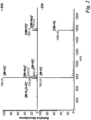
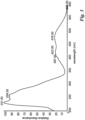
- F795 has a molecular weight of 795.
- the HPLC-MS analysis is shown in Figure 1 .
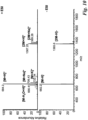
- Factor F797 has a molecular weight of 797.
- the HPLC-MS analysis is shown in Figure 7 .
- Factor F683 has a molecular weight of 683.
- Factor F793 has a molecular weight of 793.
- Factor F813 has a molecular weight of 813.
- Antimicrobial activity of the antibiotic FIIRV 104/18 complex is determined by the broth microdilution method according to the procedures published by the Clinical and Laboratory Standards Institute (CLSI), formerly the National Committee for Clinical Laboratory Standards (NCCLS) (document M07-A9). Inocula are: 2-5 ⁇ 10 5 CFU/mL for Gram positive and Gram negative bacteria; 10 4 CFU/mL for Candida albicans.
- the media used are: cation adjusted Mueller Hinton broth (CAMHB) for Staphylococci, Enterococci, Moraxella catarrhalis, Escherichia coli; Todd Hewitt broth (THB) for Streptococci; RPMI 1640 Medium for C . albicans.
- CAMHB cation adjusted Mueller Hinton broth
- THB Todd Hewitt broth
- RPMI 1640 Medium for C . albicans.
- the effect of 30% bovine serum is determined under the same experimental conditions. Cultures are incubated at 35°C in air. After 18-24 hours visual readings are performed and MICs determined. The MIC (Minimal Inhibitory Concentration) is defined as the lower concentration of antibiotic at which there is no visible growth.
- the strains used are clinical isolates or strains from American Type Culture Collection (ATCC). Individual factors of antibiotic FIIRV 104/18 are dissolved in DMSO to obtain a 1000 ug/mL stock solution, and subsequently diluted in water to obtain
- Antibiotic FIIRV 104/18 factors F793, F795, F797 and F813 show very high antibacterial activity against Gram positive bacteria such as: Staphylococci including methicillin resistant S. aureus (MRSA) and multi-resistant (MR) coagulase-negative Staphylococci, Streptococci and Enterococci, including Vancomycin Resistant (VanA) strains.
- MRSA methicillin resistant S. aureus
- MR multi-resistant
- coagulase-negative Staphylococci Streptococci and Enterococci, including Vancomycin Resistant (VanA) strains.
- VanA Vancomycin Resistant
- the Gram negative Moraxella catarrhalis is susceptible to antibiotic FIIRV 104/18 individual factors.
- FIIRV 104/18 individual factors resulted active in the range between 0.25 and 8 ug/mL also on sensitive and resistant clinical isolates of Enteroccocus faecalis while the antibiotic SF2446 showed MIC values of 50-100 pg/mL.
- MRSA methicillin resistant Staphylococcus aureus
- MRSA is one of the most common causes of healthcare-associated infections and the MRSA infections are increasing in community settings. In 2011, 80,461 cases were reported and 11,285 reported deaths related to MRSA [CDC 2013a report " Antibiotic Resistance Threats in the United States” 2013 ].
- Enterococcus faecium has been highlighted by the Infectious Diseases Society of America as one of the key problem bacteria, or ESKAPE ( Enterococcus faecium, Staphylococcus aureus, Klebsiella pneumoniae, Acinetobacter baumannii, Pseudomonas aeruginosa, and Enterobacter species) pathogens, requiring new therapies [ Boucher H.W., Talbot G.H., Bradley J.S., Edwards J.E., et.al,. "Bad bugs, no drugs: no ESKAPE! An update", Clin. Infect. Dis. 48:1-12 (2009 )] and there has been a steadily increasing prevalence of E.
- VREfm vancomycin-resistant Enterococcus faecium bacteremia due to emergence of vanB E. faecium sequence type 203", J. Infect. Dis. 202:1278-1286 (2010 )].
- the rapid increase of vancomycin resistance compromises physicians' ability to treat infections caused by many of these strains because often no other antimicrobial drugs are available.
- Streptococcus pneumoniae is the most important pathogen in otitis, sinusitis, bronchitis, and community-acquired pneumonia, as well as a predominant cause of meningitis and bacteraemia. Over the past three decades, antimicrobial resistance in Streptococcus pneumoniae has dramatically increased worldwide. Most of these strains show resistance to multiple antibiotics and the dissemination of antibiotic-resistant pneumococci is observed in Southern and Eastern Europe, North America, South America, Africa, and Asia.
- Moraxella catarrhalis is an important and common human respiratory tract pathogen, in particular as a cause of acute otitis media in children and of exacerbations in adults with chronic obstructive pulmonary disease [ Murphy T.F., Parameswaran G.I., "Moraxella catarrhalis, a Human Respiratory Tract Pathogen", Clinical Infectious Diseases 49:124-31(2009 )].
- mice Female ICR mice (Harlan, Italy) weighing 21-24 g are infected intraperitoneally (ip) with 5 ⁇ 10 4 cells of Staphylococcus aureus Smith ATCC 19636 in 0.5 mL of 5% gastric mucine.
- Antibiotic FIIRV 104/18 factor F795 is administered intravenously (iv) within 10-15 min after infection.
- the 50% effective dose (ED50) is calculated by the Spearman-Kärber method [ Finney D.J., "The Spearman-Kärber method". In: Statistical Methods in Biological Assay, 524-530, (1952) Charles Griffin &Co., Ltd., Lond on].
- Antibiotic FIIRV 104 factor F795 has an iv ED 50 value of 0.80 mg/kg (95% confidence limits 0.61-1.05). Vancomycin, used as reference drug, in the same experiment, has an iv ED 50 value of 0.93 mg/kg (95% confidence limits 0.77-1.13).
- V vancomycin
- C ciprofloxacin
- the symbol - means not determined; SB bovine serum.
- Inocula are: 2-5 ⁇ 10 5 CFU/mL for Gram positive and Gram negative bacteria; 10 4 CFU/mL for Candida albicans; medium: CAMHB; THB S. pyogenes and S. pneumoniae; RPMI C. albicans.
- haemolyticus 1 0.015 0.015 0.5 0.5 2 0.25 - L1729 S. haemolyticus MDR 1 0.015 0.015 0.5 0.5 2 8 - L49 S. pyogenes C203 0.03 0.015 0.002 ⁇ 0-125 0.125 0.5 0.25 - L44 S. pneumoniae 0.06 0.015 0.004 0.125 0.125 0.5 1 - L568 E. faecium 1 0.25 0.5 4 16 2 2 - L569 E. faecium VanA 1 0.25 0.5 4 16 > 128 2 - L569 E. faecium VanA, + 30% SB 16 2 2 16 > 32 > 128 2 L559 E.
- Mass spectra are collected using as LC-MS instrument a Thermo Scientific LTQ-xl instrument (Thermo Fisher, Scientific Inc. CA,USA) fitted with a ion trap electrospray ionization (ESI) source.
- LC-MS instrument a Thermo Scientific LTQ-xl instrument (Thermo Fisher, Scientific Inc. CA,USA) fitted with a ion trap electrospray ionization (ESI) source.
- ESI electrospray ionization
- the preparative HPLC are carried out by using a Shimadzu AP-20 liquid chromatograph (Shimadzu Corporation, Japan). UV data are acquired at 254 nm and 360 nm and the below reported solvent gradient program is used: (A) is 20 mM ammonium formate pH 4.5, and B is CH 3 CN.
- EXAMPLE 2 FERMENTATION METHOD OF DACTYLOSPORANGIUM FIIRV SP. 104/18 DSM 32068
- Dactylosporangium FIIRV sp. 104/18 DSM 32068 strain is maintained on oatmeal agar (ISP medium 3) plates for 3-4 weeks at 28°C.
- the microbial content of one plate is scraped with 5 mL sterile water and inoculated into 500 mL Erlenmeyer flasks containing 100 mL of seed medium (AF/MS) which is composed of (g/L) : 20 g dextrose monohydrate, 2 g yeast extract, 8 g soybean meal, 1 g of NaCl and 4 g of CaCO 3 .
- the medium is prepared in deionized-water and pH adjusted to 7.3 prior to sterilization at 121°C for 20 minutes.
- the inoculated flasks are grown at 28 °C, on a rotatory shaker operating at 200 rpm. After 96-120 hours, 4% of this culture is inoculated into a second series of flasks containing the same fermentation medium and grown for another 14 days under the same conditions.
- the production of antibiotic FIIRV 104/18 complex is monitored by HPLC as previously described, after extraction of the mycelium with the 2 mL ethanol per gram of mycelium. The extraction is performed at room temperature under stirring for two hours.
- Example 2 The fermentation broth described in Example 2 is centrifuged to obtain 8 L of supernatant and 2 L of mycelium.
- Antibiotic FIIRV 104/18 complex is found both in the supernatant (A) and in the mycelium (B) and these fractions are processed separately.
- the whole strain culture can be added with adsorbing resin and processed as in method (C).
- EXAMPLE 4 RECOVERY OF ANTIBIOTIC FIIRV 104/18 INDIVIDUAL FACTORS: F793, F795, F797, F813 AND OF COMPARATIVE FACTOR F683
- the individual factors may be separated from the antibiotic FIIRV 104/18 complex, prepared according to the procedure described in Example 3, by using the preparative HPLC method described in Example 1 (phase A: 20mM ammonium formate pH 4.5, phase B: CH 3 CN). The separation is performed by using a column (250 ⁇ 21.2 mm) Phenomenex Luna-C18(2) (Phenomenex, Torrance CA).
- the antibiotic FIIRV 104/18 complex is dissolved in DMSO: H 2 O:CH 3 CN 1:1:1 (v/v) .
- factors F683 and F813 co-elute with 40% of phase B and show a rt of 13.0 min; pure factor F797 elutes with 42% phase B at rt 17.5 min, factor F795 elutes with 48% phase B at 27.5 min and factor F793 elutes with 50% phase B at 30.5 min.
- the eluted fractions containing pure individual antibiotic FIIRV 104/18 factors F797, F795 and F793 are collected and concentrated under vacuum to aqueous phase.
- the water solutions are extracted with ethyl acetate and concentrated to minimal volume; petroleum ether is added and pure factors are precipitated and filtered. From 1.2 kg of mycelium, 175.5 mg of factor F795, 128.5 mg of factor F797 and 8.7 mg of factor F793 are recovered.
- Factors F683 and F813 are separated and purified from the above reported mixed fractions by preparative HPLC using a Phenomenex Luna Pheny Hexyl 5 ⁇ (250 ⁇ 10 mm) column.
- a sample of antibiotic FIIRV 104/18 F813 and of factor F683 mixture is dissolved in DMSO:H 2 O:CH 3 CN 1:1:1 (v/v) and a 25 minutes linear gradient elution from 25% to 40% of phase B at 8 mL flow rate is performed.
- Phase B is CH 3 CN.
- Phase A is ammonium formate 20 mM pH4.5.
- Pure factor F683 elutes at 16.5 min rt with 36% phase B, and pure factor F813 elutes at 17.5 min rt with 37% phase B.
- the eluted fractions containing pure antibiotic FIIRV 104/18 factors F683 and F813 are collected and concentrated to aqueous phase under vacuum. Pure factors are obtained by extracting the aqueous phase with ethyl acetate, concentrating to minimal volume said extract, adding petroleum ether thereto and recovering the precipitated product by filtration. From 1.2 kg of mycelium, 11.1 mg of pure F683 and 2.7 mg of F813 are recovered.
Landscapes
- Health & Medical Sciences (AREA)
- Life Sciences & Earth Sciences (AREA)
- Chemical & Material Sciences (AREA)
- Organic Chemistry (AREA)
- General Health & Medical Sciences (AREA)
- Engineering & Computer Science (AREA)
- Wood Science & Technology (AREA)
- Zoology (AREA)
- Medicinal Chemistry (AREA)
- Animal Behavior & Ethology (AREA)
- Pharmacology & Pharmacy (AREA)
- Public Health (AREA)
- Veterinary Medicine (AREA)
- Biotechnology (AREA)
- Genetics & Genomics (AREA)
- Bioinformatics & Cheminformatics (AREA)
- Epidemiology (AREA)
- Chemical Kinetics & Catalysis (AREA)
- General Chemical & Material Sciences (AREA)
- Biochemistry (AREA)
- Microbiology (AREA)
- General Engineering & Computer Science (AREA)
- Molecular Biology (AREA)
- Dermatology (AREA)
- Oncology (AREA)
- Communicable Diseases (AREA)
- Nuclear Medicine, Radiotherapy & Molecular Imaging (AREA)
- Tropical Medicine & Parasitology (AREA)
- Virology (AREA)
- Biomedical Technology (AREA)
- Nutrition Science (AREA)
- Physiology (AREA)
- Pharmaceuticals Containing Other Organic And Inorganic Compounds (AREA)
- Preparation Of Compounds By Using Micro-Organisms (AREA)
- Medicines That Contain Protein Lipid Enzymes And Other Medicines (AREA)
- Peptides Or Proteins (AREA)
- Medicines Containing Material From Animals Or Micro-Organisms (AREA)
Claims (15)
- Antibiotischer FIIRV 104/18-Komplex, umfassend Faktoren F793, F795, F797 und F813, der Formel (I):


- Isolierter Faktor des antibiotischen FIIRV 104/18-Komplexes nach Anspruch 1, ausgewählt aus der Gruppe, die aus Folgendem besteht:Faktor F793 der folgenden Formel
 Faktor F795 der folgenden Formel
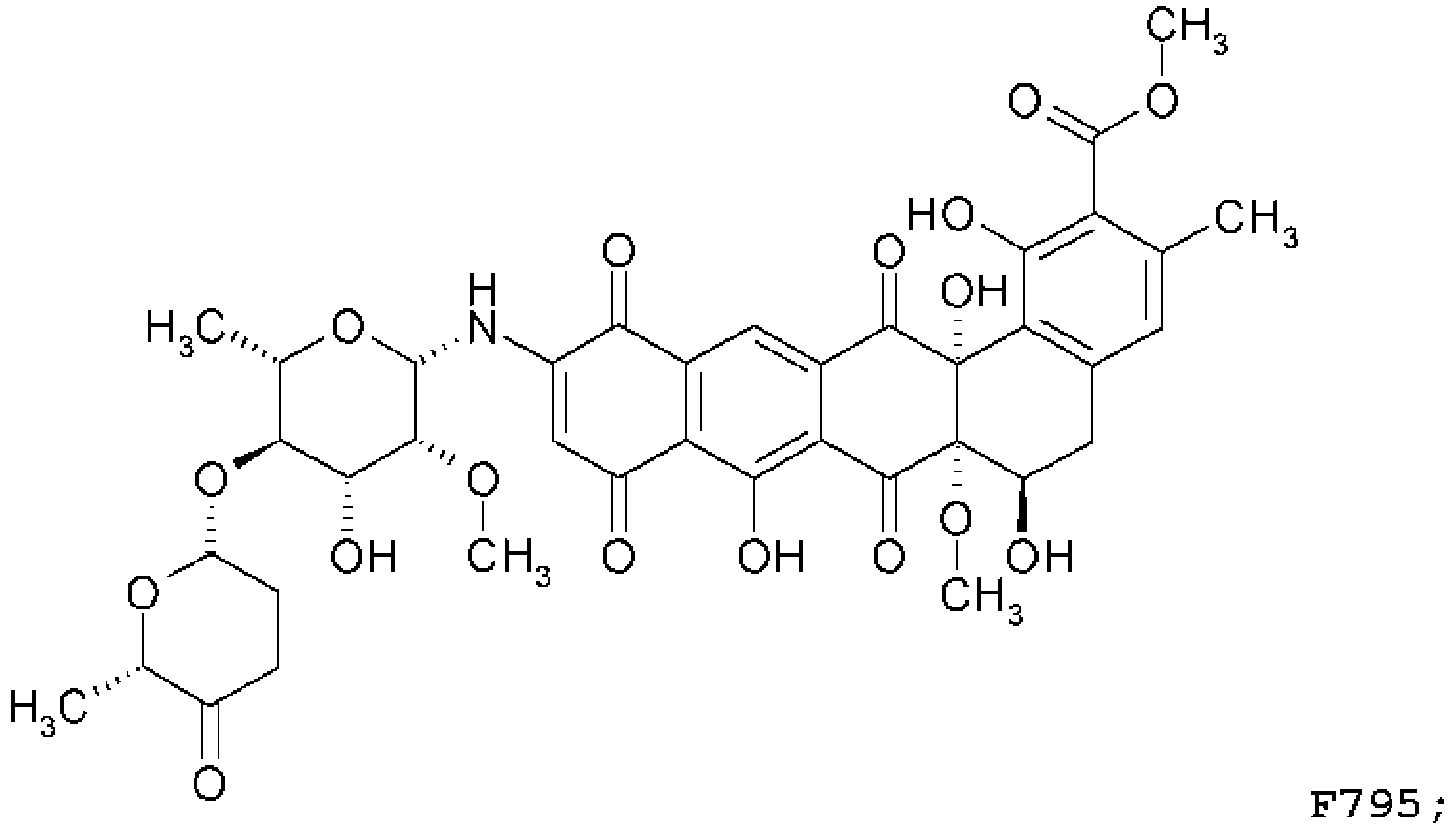 Faktor F797 der folgenden Formel
 und Faktor F813 der folgenden Formel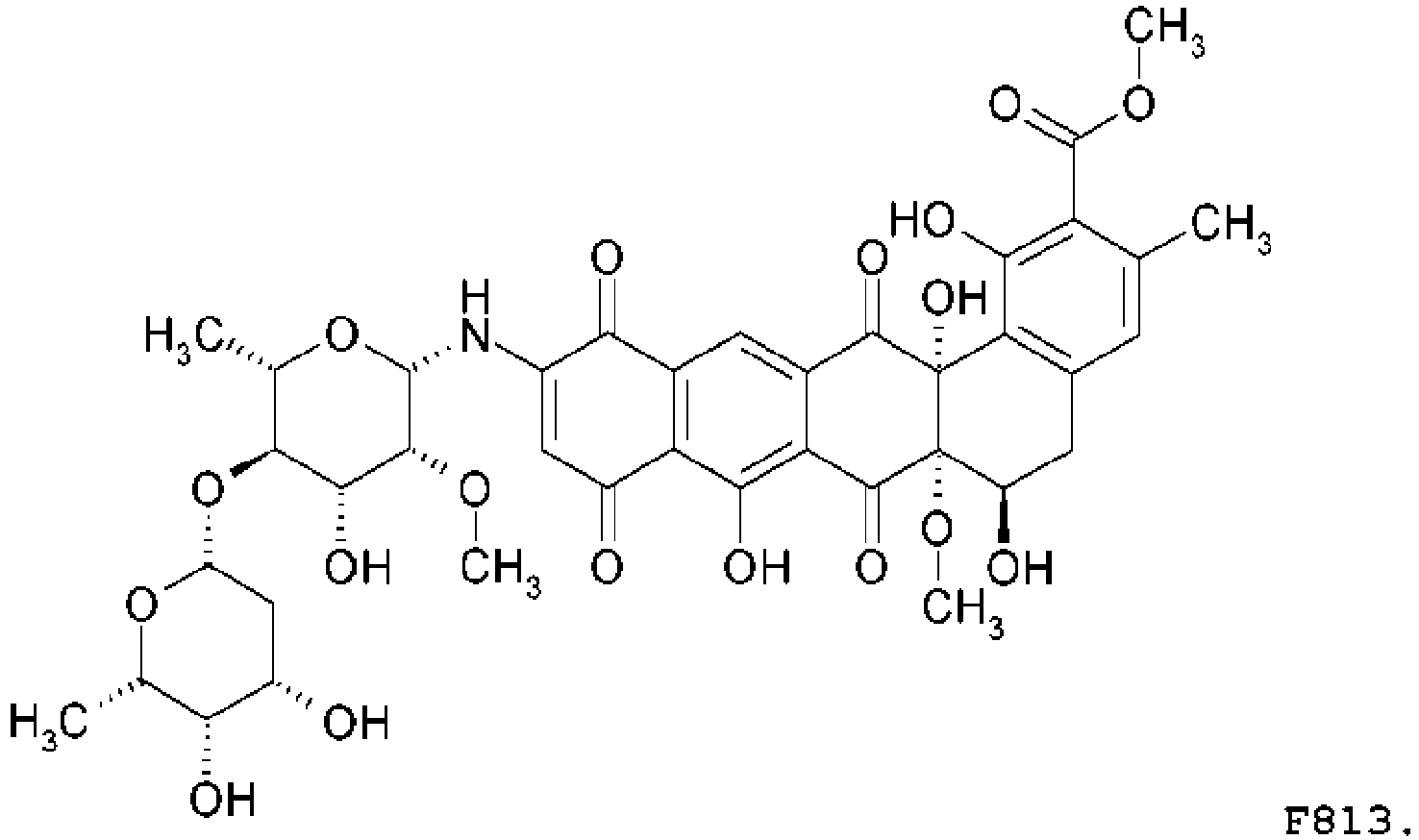
- Verfahren zur Herstellung des antibiotischen FIIRV 104/18-Komplexes der Formel (I) nach Anspruch 1, umfassend:(a) Kultivieren von Dactylosporangium FIIRV sp. 104/18 DSM 32068 unter aeroben Bedingungen in einem wässrigen Nährmedium, das verwertbare Quellen für Kohlenstoff, Stickstoff und anorganische Salze enthält;(b) Isolieren des resultierenden Antibiotikums der Formel (I) aus der gesamten Fermentationsbrühe oder aus dem abgetrennten Myzel oder aus der gefilterten oder zentrifugierten Fermentationsbrühe;(c) Reinigen des isolierten Antibiotikums der Formel (I).
- Verfahren nach Anspruch 3, wobei der Stamm Dactylosporangium FIIRVsp. 104/18 DSM 32068 vorkultiviert ist.
- Verfahren nach einem der Ansprüche 3 und 4, wobei die Isolierung des antibiotischen FIIRV 104/18-Komplexes von Anspruch 1 durch Zentrifugieren oder Filtern der Fermentationsbrühe und Gewinnen des Antibiotikums aus dem Überstand oder der gefilterten Brühe gemäß mindestens einer Technik durchgeführt wird, die aus der Gruppe ausgewählt ist, die aus Folgendem besteht: Extraktion mit einem mit Wasser nicht mischbaren Lösungsmittel, Ausfällung durch Zugeben eines Nichtlösungsmittels oder durch Ändern des pH-Werts der Lösung, Absorptionschromatographie, Verteilungschromatographie, Umkehrphasenverteilungschromatographie, Ionenaustauschchromatographie und Molekularausschlusschromatographie oder eine Kombination aus zwei oder mehr der Techniken.
- Verfahren nach einem von Anspruch 3 und 4, wobei die Isolierung des antibiotischen FIIRV 104/18-Komplexes von Anspruch 1 durch Abtrennen des Myzels von dem Überstand der Fermentationsbrühe und Extrahieren des Myzels mit einem mit Wasser mischbaren Lösungsmittel durchgeführt wird, wodurch nach der Entfernung des verbrauchten Myzels eine mit Wasser mischbare Lösung, die das rohe Antibiotikum enthält, erhalten wird, die verarbeitet wird, um den antibiotischen FIIRV 104/18-Komplex mittels mindestens einer Technik zu gewinnen, die aus der Gruppe ausgewählt ist, die aus Folgendem besteht: Extraktion mit einem mit Wasser mischbaren Lösungsmittel, Ausfällung durch Zugeben eines Nichtlösungsmittels oder durch Ändern des pH-Werts der Lösung, Absorptionschromatographie, Verteilungschromatographie, Umkehrphasenverteilungschromatographie, Ionenaustauschchromatographie und Molekularausschlusschromatographie oder eine Kombination aus zwei oder mehr der Techniken.
- Verfahren nach einem von Anspruch 3 und 4, wobei die Isolierung des antibiotischen FIIRV 104/18-Komplexes von Anspruch 1 durch Abtrennen des Myzels von dem Überstand der Fermentationsbrühe und Extrahieren des Myzels mit einem mit Wasser nicht mischbaren Lösungsmittel durchgeführt wird, wodurch nach der Entfernung des verbrauchten Myzels eine Lösung, die das rohe Antibiotikum enthält, erhalten wird, die weiteren Reinigungsschritten unterzogen wird.
- Verfahren nach einem von Anspruch 3 und 4, wobei die Isolierung des antibiotischen FIIRV 104/18-Komplexes von Anspruch 1 an der gesamten mikrobiellen Kultur durch Zugeben eines absorbierenden Harzes, Weiterrühren der erhaltenen Mischung, bis das antibiotische Produkt fast vollständig an das Harz gebunden ist, Abtrennen des Harzes und des Myzels durch Filtration oder Zentrifugation und Aussetzen des abgetrennten Materials einer Extraktion mit einem mit Wasser mischbaren Lösungsmittel durchgeführt wird, wodurch eine Lösung des antibiotischen FIIRV 104/18-Komplexes erhalten wird, aus der das Produkt durch mindestens eine der in Anspruch 6 genannten Techniken gewonnen wird.
- Verfahren nach einem der Ansprüche 3 bis 8, wobei die individuellen Faktoren F793, F795, F797 und F813 unter Verwendung einer präparativen HLPC-Methode von dem antibiotischen FIIRV 104/18-Komplex abgetrennt werden.
- Pharmazeutische Zusammensetzung, umfassend den antibiotischen FIIRV 104/18-Komplex, der die Faktoren F793, F795, F797 und F813 umfasst, oder einen isolierten individuellen Faktor davon oder eine Mischung aus zwei oder mehreren der isolierten individuellen Faktoren nach Anspruch 1.
- Pharmazeutische Zusammensetzung nach Anspruch 10, ferner einen pharmazeutisch unbedenklichen Träger umfassend; wobei die Zusammensetzung bevorzugt in einer oral, topisch oder parenteral verabreichbaren Form vorliegt; wobei die Zusammensetzung besonders bevorzugt in der Form einer Kapsel, einer Tablette, einer Lutschtablette, einer flüssigen Lösung, einer flüssigen Suspension, einer wässrigen Lösung, einer wässrigen Suspension, einer öligen Lösung, einer öligen Suspension, einer hydrophoben Basissalbe, einer hydrophoben Basiscreme, einer hydrophoben Basislotion, einer hydrophoben Basisfarbe, eines hydrophoben Basispuders, einer hydrophilen Basissalbe, einer hydrophilen Basiscreme, einer hydrophilen Basislotion, einer hydrophilen Basisfarbe und eines hydrophilen Basispuders vorliegt.
- Antibiotischer FIIRV 104/18-Komplex, umfassend die Faktoren F793, F795, F797 und F813, oder ein isolierter individueller Faktor davon oder eine Mischung aus zwei oder mehreren der isolierten individuellen Faktoren nach einem der Ansprüche 1 bis 2, zur Verwendung als Medikament zur Behandlung einer bakteriellen Infektion.
- Antibiotischer FIIRV 104/18-Komplex, umfassend die Faktoren F793, F795, F797 und F813, oder ein isolierter individueller Faktor davon oder eine Mischung aus zwei oder mehreren der isolierten individuellen Faktoren zur Verwendung als ein Medikament nach Anspruch 12, wobei die bakterielle Infektion durch Bakterien von mindestens einer der Gattungen verursacht wird, die aus der Gruppe ausgewählt sind, die aus Folgenden besteht: Enterokokken, Streptokokken, Staphylokokken und Moraxella; wobei die bakterielle Infektion bevorzugt durch Bakterien verursacht wird, die aus den multiresistenten Stämmen von Staphylococcus spp., Streptococcus spp. und Enterococcus spp. ausgewählt sind; wobei die bakterielle Infektion besonders bevorzugt durch Bakterien verursacht wird, die aus den multiresistenten Stämmen von Staphylococcus spp., Streptococcus spp. und Enterococcus spp. ausgewählt sind, die gegen Methicillin und/oder Vancomycin resistent sind.
- Pharmazeutische Zusammensetzung nach Anspruch 10 zur Verwendung nach Anspruch 12, wobei der Dosierungsbereich zwischen 1 und 40 mg Wirkstoff pro kg Körpergewicht umfasst ist.
- Biologisch reine Kultur des Stammes Dactylosporangium FIIRV sp. 104/18 DSM 32068.
Applications Claiming Priority (2)
| Application Number | Priority Date | Filing Date | Title |
|---|---|---|---|
| EP15197443 | 2015-12-02 | ||
| PCT/EP2016/078678 WO2017093114A1 (en) | 2015-12-02 | 2016-11-24 | Antibiotic fiirv 104/18 complex and the isolated individual factors thereof |
Publications (3)
| Publication Number | Publication Date |
|---|---|
| EP3383405A1 EP3383405A1 (de) | 2018-10-10 |
| EP3383405B1 true EP3383405B1 (de) | 2024-06-12 |
| EP3383405C0 EP3383405C0 (de) | 2024-06-12 |
Family
ID=54838166
Family Applications (1)
| Application Number | Title | Priority Date | Filing Date |
|---|---|---|---|
| EP16805745.3A Active EP3383405B1 (de) | 2015-12-02 | 2016-11-24 | Antibiotischer fiirv 104/18-komplex und isolierte individuelle faktoren davon |
Country Status (7)
| Country | Link |
|---|---|
| US (1) | US20190002942A1 (de) |
| EP (1) | EP3383405B1 (de) |
| AU (1) | AU2016362540B2 (de) |
| CA (1) | CA3006146C (de) |
| ES (1) | ES2981542T3 (de) |
| SG (1) | SG11201804489VA (de) |
| WO (1) | WO2017093114A1 (de) |
Families Citing this family (1)
| Publication number | Priority date | Publication date | Assignee | Title |
|---|---|---|---|---|
| EP3898610B1 (de) * | 2018-12-21 | 2022-10-19 | Fondazione Istituto Insubrico di Ricerca per la Vita | Neuartige antibiotische aza-hexapen-verbindungen |
Family Cites Families (3)
| Publication number | Priority date | Publication date | Assignee | Title |
|---|---|---|---|---|
| JPS63154695A (ja) | 1986-12-19 | 1988-06-27 | Meiji Seika Kaisha Ltd | 新規抗生物質sf2446物質及びその製造法 |
| JPH0196189A (ja) | 1987-10-09 | 1989-04-14 | Meiji Seika Kaisha Ltd | 新規抗生物質sf2446a2物質、sf2446a3物質、sf2446b1物質、sf2446b2物質及びsf2446b3物質 |
| US8754054B2 (en) * | 2010-07-09 | 2014-06-17 | Albany Molecular Research, Inc. | Antibacterial compounds, methods of making them, and uses thereof |
-
2016
- 2016-11-24 CA CA3006146A patent/CA3006146C/en active Active
- 2016-11-24 WO PCT/EP2016/078678 patent/WO2017093114A1/en not_active Ceased
- 2016-11-24 EP EP16805745.3A patent/EP3383405B1/de active Active
- 2016-11-24 SG SG11201804489VA patent/SG11201804489VA/en unknown
- 2016-11-24 ES ES16805745T patent/ES2981542T3/es active Active
- 2016-11-24 US US15/780,644 patent/US20190002942A1/en not_active Abandoned
- 2016-11-24 AU AU2016362540A patent/AU2016362540B2/en active Active
Also Published As
| Publication number | Publication date |
|---|---|
| CA3006146C (en) | 2023-10-24 |
| CA3006146A1 (en) | 2017-06-08 |
| WO2017093114A1 (en) | 2017-06-08 |
| US20190002942A1 (en) | 2019-01-03 |
| AU2016362540A1 (en) | 2018-06-07 |
| SG11201804489VA (en) | 2018-06-28 |
| ES2981542T3 (es) | 2024-10-09 |
| EP3383405A1 (de) | 2018-10-10 |
| EP3383405C0 (de) | 2024-06-12 |
| AU2016362540B2 (en) | 2022-04-28 |
Similar Documents
| Publication | Publication Date | Title |
|---|---|---|
| DK145200B (da) | Fremgangsmaade til fremstilling af anthtacyclinglycosid-antibiotika | |
| KR20020092899A (ko) | 항생 물질 카프라자마이신류 및 그 제조법 | |
| CA3006146C (en) | Antibiotic fiirv 104/18 complex and the isolated individual factors thereof | |
| US8742135B1 (en) | Compound amycolamicin, method for producing the same, and use of the same | |
| CN1325656C (zh) | 万古烯霉素、其生产方法及其作为药物的用途 | |
| JP2009046404A (ja) | 新規kb−3346−5物質およびその製造方法 | |
| EP3898610B1 (de) | Neuartige antibiotische aza-hexapen-verbindungen | |
| US4895864A (en) | Antibiotic TAN-950A, its production and use | |
| JPH04368388A (ja) | ダイネマイシンc抗腫瘍抗生物質 | |
| US20030104986A1 (en) | Antibiotics AA-896 | |
| EP0871639A1 (de) | Orthosomycins aus micromonospora carbonacae | |
| JP2002212187A (ja) | イソキノサイクリン系抗生物質 | |
| US8318684B2 (en) | Antibiotics, bispolides A1, A2, and A3 as well as bispolides B1, B2a, B2b and B3 and processes for producing said antibiotics | |
| CN120424170A (zh) | 一种环酯肽类化合物、其产生菌、制备方法及其在制备抗菌药物中的用途 | |
| WO2000014100A1 (en) | Nocathiacin antibiotic derivatives prepared by microbial biotransformation | |
| WO2002085310A2 (en) | Antibiotics aa-896 | |
| EP0581652A1 (de) | Pradimicin T1, T2 und 11-0-Dexylosylpradimicin T1, neue Mitglieder der Pradimicin-Familie von Antibiotika | |
| JPH023694A (ja) | 抗生物質6108類、それらの製造法及びその用途 | |
| JPH07291955A (ja) | 新規抗生物質n1999a2 |
Legal Events
| Date | Code | Title | Description |
|---|---|---|---|
| STAA | Information on the status of an ep patent application or granted ep patent |
Free format text: STATUS: UNKNOWN |
|
| STAA | Information on the status of an ep patent application or granted ep patent |
Free format text: STATUS: THE INTERNATIONAL PUBLICATION HAS BEEN MADE |
|
| PUAI | Public reference made under article 153(3) epc to a published international application that has entered the european phase |
Free format text: ORIGINAL CODE: 0009012 |
|
| STAA | Information on the status of an ep patent application or granted ep patent |
Free format text: STATUS: REQUEST FOR EXAMINATION WAS MADE |
|
| 17P | Request for examination filed |
Effective date: 20180605 |
|
| AK | Designated contracting states |
Kind code of ref document: A1 Designated state(s): AL AT BE BG CH CY CZ DE DK EE ES FI FR GB GR HR HU IE IS IT LI LT LU LV MC MK MT NL NO PL PT RO RS SE SI SK SM TR |
|
| AX | Request for extension of the european patent |
Extension state: BA ME |
|
| DAV | Request for validation of the european patent (deleted) | ||
| DAX | Request for extension of the european patent (deleted) | ||
| STAA | Information on the status of an ep patent application or granted ep patent |
Free format text: STATUS: EXAMINATION IS IN PROGRESS |
|
| 17Q | First examination report despatched |
Effective date: 20191210 |
|
| P01 | Opt-out of the competence of the unified patent court (upc) registered |
Effective date: 20230513 |
|
| GRAP | Despatch of communication of intention to grant a patent |
Free format text: ORIGINAL CODE: EPIDOSNIGR1 |
|
| STAA | Information on the status of an ep patent application or granted ep patent |
Free format text: STATUS: GRANT OF PATENT IS INTENDED |
|
| RIC1 | Information provided on ipc code assigned before grant |
Ipc: C12P 29/00 20060101ALI20231201BHEP Ipc: C12N 1/20 20060101ALI20231201BHEP Ipc: A61P 31/04 20060101ALI20231201BHEP Ipc: A61K 31/704 20060101AFI20231201BHEP |
|
| INTG | Intention to grant announced |
Effective date: 20240103 |
|
| GRAS | Grant fee paid |
Free format text: ORIGINAL CODE: EPIDOSNIGR3 |
|
| GRAA | (expected) grant |
Free format text: ORIGINAL CODE: 0009210 |
|
| STAA | Information on the status of an ep patent application or granted ep patent |
Free format text: STATUS: THE PATENT HAS BEEN GRANTED |
|
| AK | Designated contracting states |
Kind code of ref document: B1 Designated state(s): AL AT BE BG CH CY CZ DE DK EE ES FI FR GB GR HR HU IE IS IT LI LT LU LV MC MK MT NL NO PL PT RO RS SE SI SK SM TR |
|
| REG | Reference to a national code |
Ref country code: GB Ref legal event code: FG4D |
|
| REG | Reference to a national code |
Ref country code: CH Ref legal event code: EP |
|
| REG | Reference to a national code |
Ref country code: IE Ref legal event code: FG4D |
|
| REG | Reference to a national code |
Ref country code: DE Ref legal event code: R096 Ref document number: 602016087968 Country of ref document: DE |
|
| U01 | Request for unitary effect filed |
Effective date: 20240626 |
|
| P04 | Withdrawal of opt-out of the competence of the unified patent court (upc) registered |
Free format text: CASE NUMBER: APP_39499/2024 Effective date: 20240702 |
|
| U07 | Unitary effect registered |
Designated state(s): AT BE BG DE DK EE FI FR IT LT LU LV MT NL PT SE SI Effective date: 20240705 |
|
| REG | Reference to a national code |
Ref country code: ES Ref legal event code: FG2A Ref document number: 2981542 Country of ref document: ES Kind code of ref document: T3 Effective date: 20241009 |
|
| PG25 | Lapsed in a contracting state [announced via postgrant information from national office to epo] |
Ref country code: HR Free format text: LAPSE BECAUSE OF FAILURE TO SUBMIT A TRANSLATION OF THE DESCRIPTION OR TO PAY THE FEE WITHIN THE PRESCRIBED TIME-LIMIT Effective date: 20240612 |
|
| PG25 | Lapsed in a contracting state [announced via postgrant information from national office to epo] |
Ref country code: GR Free format text: LAPSE BECAUSE OF FAILURE TO SUBMIT A TRANSLATION OF THE DESCRIPTION OR TO PAY THE FEE WITHIN THE PRESCRIBED TIME-LIMIT Effective date: 20240913 |
|
| PG25 | Lapsed in a contracting state [announced via postgrant information from national office to epo] |
Ref country code: NO Free format text: LAPSE BECAUSE OF FAILURE TO SUBMIT A TRANSLATION OF THE DESCRIPTION OR TO PAY THE FEE WITHIN THE PRESCRIBED TIME-LIMIT Effective date: 20240912 Ref country code: HR Free format text: LAPSE BECAUSE OF FAILURE TO SUBMIT A TRANSLATION OF THE DESCRIPTION OR TO PAY THE FEE WITHIN THE PRESCRIBED TIME-LIMIT Effective date: 20240612 Ref country code: GR Free format text: LAPSE BECAUSE OF FAILURE TO SUBMIT A TRANSLATION OF THE DESCRIPTION OR TO PAY THE FEE WITHIN THE PRESCRIBED TIME-LIMIT Effective date: 20240913 Ref country code: RS Free format text: LAPSE BECAUSE OF FAILURE TO SUBMIT A TRANSLATION OF THE DESCRIPTION OR TO PAY THE FEE WITHIN THE PRESCRIBED TIME-LIMIT Effective date: 20240912 |
|
| U20 | Renewal fee for the european patent with unitary effect paid |
Year of fee payment: 9 Effective date: 20241011 |
|
| P05 | Withdrawal of opt-out of the competence of the unified patent court (upc) changed |
Free format text: CASE NUMBER: APP_39499/2024 Effective date: 20240705 |
|
| PG25 | Lapsed in a contracting state [announced via postgrant information from national office to epo] |
Ref country code: PL Free format text: LAPSE BECAUSE OF FAILURE TO SUBMIT A TRANSLATION OF THE DESCRIPTION OR TO PAY THE FEE WITHIN THE PRESCRIBED TIME-LIMIT Effective date: 20240612 |
|
| PG25 | Lapsed in a contracting state [announced via postgrant information from national office to epo] |
Ref country code: IS Free format text: LAPSE BECAUSE OF FAILURE TO SUBMIT A TRANSLATION OF THE DESCRIPTION OR TO PAY THE FEE WITHIN THE PRESCRIBED TIME-LIMIT Effective date: 20241012 |
|
| PG25 | Lapsed in a contracting state [announced via postgrant information from national office to epo] |
Ref country code: CZ Free format text: LAPSE BECAUSE OF FAILURE TO SUBMIT A TRANSLATION OF THE DESCRIPTION OR TO PAY THE FEE WITHIN THE PRESCRIBED TIME-LIMIT Effective date: 20240612 |
|
| PG25 | Lapsed in a contracting state [announced via postgrant information from national office to epo] |
Ref country code: RO Free format text: LAPSE BECAUSE OF FAILURE TO SUBMIT A TRANSLATION OF THE DESCRIPTION OR TO PAY THE FEE WITHIN THE PRESCRIBED TIME-LIMIT Effective date: 20240612 Ref country code: SK Free format text: LAPSE BECAUSE OF FAILURE TO SUBMIT A TRANSLATION OF THE DESCRIPTION OR TO PAY THE FEE WITHIN THE PRESCRIBED TIME-LIMIT Effective date: 20240612 |
|
| PG25 | Lapsed in a contracting state [announced via postgrant information from national office to epo] |
Ref country code: SM Free format text: LAPSE BECAUSE OF FAILURE TO SUBMIT A TRANSLATION OF THE DESCRIPTION OR TO PAY THE FEE WITHIN THE PRESCRIBED TIME-LIMIT Effective date: 20240612 |
|
| PG25 | Lapsed in a contracting state [announced via postgrant information from national office to epo] |
Ref country code: SM Free format text: LAPSE BECAUSE OF FAILURE TO SUBMIT A TRANSLATION OF THE DESCRIPTION OR TO PAY THE FEE WITHIN THE PRESCRIBED TIME-LIMIT Effective date: 20240612 Ref country code: SK Free format text: LAPSE BECAUSE OF FAILURE TO SUBMIT A TRANSLATION OF THE DESCRIPTION OR TO PAY THE FEE WITHIN THE PRESCRIBED TIME-LIMIT Effective date: 20240612 Ref country code: RO Free format text: LAPSE BECAUSE OF FAILURE TO SUBMIT A TRANSLATION OF THE DESCRIPTION OR TO PAY THE FEE WITHIN THE PRESCRIBED TIME-LIMIT Effective date: 20240612 Ref country code: PL Free format text: LAPSE BECAUSE OF FAILURE TO SUBMIT A TRANSLATION OF THE DESCRIPTION OR TO PAY THE FEE WITHIN THE PRESCRIBED TIME-LIMIT Effective date: 20240612 Ref country code: IS Free format text: LAPSE BECAUSE OF FAILURE TO SUBMIT A TRANSLATION OF THE DESCRIPTION OR TO PAY THE FEE WITHIN THE PRESCRIBED TIME-LIMIT Effective date: 20241012 Ref country code: CZ Free format text: LAPSE BECAUSE OF FAILURE TO SUBMIT A TRANSLATION OF THE DESCRIPTION OR TO PAY THE FEE WITHIN THE PRESCRIBED TIME-LIMIT Effective date: 20240612 |
|
| PLBE | No opposition filed within time limit |
Free format text: ORIGINAL CODE: 0009261 |
|
| STAA | Information on the status of an ep patent application or granted ep patent |
Free format text: STATUS: NO OPPOSITION FILED WITHIN TIME LIMIT |
|
| 26N | No opposition filed |
Effective date: 20250313 |
|
| REG | Reference to a national code |
Ref country code: CH Ref legal event code: PL |
|
| PG25 | Lapsed in a contracting state [announced via postgrant information from national office to epo] |
Ref country code: MC Free format text: LAPSE BECAUSE OF FAILURE TO SUBMIT A TRANSLATION OF THE DESCRIPTION OR TO PAY THE FEE WITHIN THE PRESCRIBED TIME-LIMIT Effective date: 20240612 |
|
| REG | Reference to a national code |
Ref country code: CH Ref legal event code: PL |
|
| PG25 | Lapsed in a contracting state [announced via postgrant information from national office to epo] |
Ref country code: CH Free format text: LAPSE BECAUSE OF NON-PAYMENT OF DUE FEES Effective date: 20241130 |
|
| U20 | Renewal fee for the european patent with unitary effect paid |
Year of fee payment: 10 Effective date: 20251014 |
|
| PGFP | Annual fee paid to national office [announced via postgrant information from national office to epo] |
Ref country code: GB Payment date: 20251009 Year of fee payment: 10 |
|
| PGFP | Annual fee paid to national office [announced via postgrant information from national office to epo] |
Ref country code: IE Payment date: 20251013 Year of fee payment: 10 |
|
| PGFP | Annual fee paid to national office [announced via postgrant information from national office to epo] |
Ref country code: ES Payment date: 20251209 Year of fee payment: 10 |
|
| PG25 | Lapsed in a contracting state [announced via postgrant information from national office to epo] |
Ref country code: HU Free format text: LAPSE BECAUSE OF FAILURE TO SUBMIT A TRANSLATION OF THE DESCRIPTION OR TO PAY THE FEE WITHIN THE PRESCRIBED TIME-LIMIT; INVALID AB INITIO Effective date: 20161124 |
|
| PG25 | Lapsed in a contracting state [announced via postgrant information from national office to epo] |
Ref country code: CY Free format text: LAPSE BECAUSE OF FAILURE TO SUBMIT A TRANSLATION OF THE DESCRIPTION OR TO PAY THE FEE WITHIN THE PRESCRIBED TIME-LIMIT; INVALID AB INITIO Effective date: 20161124 |