EP3347019B1 - Psma-targeted nir dyes and their uses - Google Patents
Psma-targeted nir dyes and their uses Download PDFInfo
- Publication number
- EP3347019B1 EP3347019B1 EP16845024.5A EP16845024A EP3347019B1 EP 3347019 B1 EP3347019 B1 EP 3347019B1 EP 16845024 A EP16845024 A EP 16845024A EP 3347019 B1 EP3347019 B1 EP 3347019B1
- Authority
- EP
- European Patent Office
- Prior art keywords
- compound
- psma
- present
- amino acids
- cancer cells
- Prior art date
- Legal status (The legal status is an assumption and is not a legal conclusion. Google has not performed a legal analysis and makes no representation as to the accuracy of the status listed.)
- Active
Links
- 0 C[C@@](CCO*)N(*)C(N(*)[C@@](CCC(*N*)=O)C(O)=O)=O Chemical compound C[C@@](CCO*)N(*)C(N(*)[C@@](CCC(*N*)=O)C(O)=O)=O 0.000 description 32
- XCIJBJKFLMYXEP-UHFFFAOYSA-N CC(CC=N)C=N Chemical compound CC(CC=N)C=N XCIJBJKFLMYXEP-UHFFFAOYSA-N 0.000 description 1
- YFYAJMORYSEEFU-AHJVLEHPSA-N CCCC(C)OCCC(C)NC1OC1CCC(C(O)=O)NC(N[C@@H](CCC(O)=O)C(O)=O)=O Chemical compound CCCC(C)OCCC(C)NC1OC1CCC(C(O)=O)NC(N[C@@H](CCC(O)=O)C(O)=O)=O YFYAJMORYSEEFU-AHJVLEHPSA-N 0.000 description 1
- DPDWOZOAVUWKAJ-BQBZGAKWSA-N CNC(CC[C@@H](C(O)=O)NC(N[C@@H](CCC(O)=O)C(O)=O)=O)=O Chemical compound CNC(CC[C@@H](C(O)=O)NC(N[C@@H](CCC(O)=O)C(O)=O)=O)=O DPDWOZOAVUWKAJ-BQBZGAKWSA-N 0.000 description 1
- UXHACOHJUDTTTA-WDSKDSINSA-N NC(CC[C@@H](C(O)=O)NC(N[C@@H](CCC(O)=O)C(O)=O)=O)=O Chemical compound NC(CC[C@@H](C(O)=O)NC(N[C@@H](CCC(O)=O)C(O)=O)=O)=O UXHACOHJUDTTTA-WDSKDSINSA-N 0.000 description 1
Images














Classifications
-
- A—HUMAN NECESSITIES
- A61—MEDICAL OR VETERINARY SCIENCE; HYGIENE
- A61K—PREPARATIONS FOR MEDICAL, DENTAL OR TOILETRY PURPOSES
- A61K49/00—Preparations for testing in vivo
- A61K49/001—Preparation for luminescence or biological staining
- A61K49/0013—Luminescence
- A61K49/0017—Fluorescence in vivo
- A61K49/005—Fluorescence in vivo characterised by the carrier molecule carrying the fluorescent agent
- A61K49/0052—Small organic molecules
-
- A—HUMAN NECESSITIES
- A61—MEDICAL OR VETERINARY SCIENCE; HYGIENE
- A61K—PREPARATIONS FOR MEDICAL, DENTAL OR TOILETRY PURPOSES
- A61K49/00—Preparations for testing in vivo
- A61K49/001—Preparation for luminescence or biological staining
- A61K49/0013—Luminescence
- A61K49/0017—Fluorescence in vivo
-
- A—HUMAN NECESSITIES
- A61—MEDICAL OR VETERINARY SCIENCE; HYGIENE
- A61K—PREPARATIONS FOR MEDICAL, DENTAL OR TOILETRY PURPOSES
- A61K49/00—Preparations for testing in vivo
- A61K49/001—Preparation for luminescence or biological staining
- A61K49/0013—Luminescence
- A61K49/0017—Fluorescence in vivo
- A61K49/0019—Fluorescence in vivo characterised by the fluorescent group, e.g. oligomeric, polymeric or dendritic molecules
- A61K49/0021—Fluorescence in vivo characterised by the fluorescent group, e.g. oligomeric, polymeric or dendritic molecules the fluorescent group being a small organic molecule
- A61K49/0032—Methine dyes, e.g. cyanine dyes
-
- A—HUMAN NECESSITIES
- A61—MEDICAL OR VETERINARY SCIENCE; HYGIENE
- A61K—PREPARATIONS FOR MEDICAL, DENTAL OR TOILETRY PURPOSES
- A61K49/00—Preparations for testing in vivo
- A61K49/001—Preparation for luminescence or biological staining
- A61K49/0013—Luminescence
- A61K49/0017—Fluorescence in vivo
- A61K49/005—Fluorescence in vivo characterised by the carrier molecule carrying the fluorescent agent
- A61K49/0056—Peptides, proteins, polyamino acids
-
- A—HUMAN NECESSITIES
- A61—MEDICAL OR VETERINARY SCIENCE; HYGIENE
- A61K—PREPARATIONS FOR MEDICAL, DENTAL OR TOILETRY PURPOSES
- A61K49/00—Preparations for testing in vivo
- A61K49/06—Nuclear magnetic resonance [NMR] contrast preparations; Magnetic resonance imaging [MRI] contrast preparations
- A61K49/08—Nuclear magnetic resonance [NMR] contrast preparations; Magnetic resonance imaging [MRI] contrast preparations characterised by the carrier
- A61K49/10—Organic compounds
- A61K49/14—Peptides, e.g. proteins
- A61K49/16—Antibodies; Immunoglobulins; Fragments thereof
-
- A—HUMAN NECESSITIES
- A61—MEDICAL OR VETERINARY SCIENCE; HYGIENE
- A61P—SPECIFIC THERAPEUTIC ACTIVITY OF CHEMICAL COMPOUNDS OR MEDICINAL PREPARATIONS
- A61P13/00—Drugs for disorders of the urinary system
- A61P13/08—Drugs for disorders of the urinary system of the prostate
-
- C—CHEMISTRY; METALLURGY
- C07—ORGANIC CHEMISTRY
- C07D—HETEROCYCLIC COMPOUNDS
- C07D209/00—Heterocyclic compounds containing five-membered rings, condensed with other rings, with one nitrogen atom as the only ring hetero atom
- C07D209/02—Heterocyclic compounds containing five-membered rings, condensed with other rings, with one nitrogen atom as the only ring hetero atom condensed with one carbocyclic ring
- C07D209/04—Indoles; Hydrogenated indoles
- C07D209/10—Indoles; Hydrogenated indoles with substituted hydrocarbon radicals attached to carbon atoms of the hetero ring
- C07D209/18—Radicals substituted by carbon atoms having three bonds to hetero atoms with at the most one bond to halogen, e.g. ester or nitrile radicals
- C07D209/20—Radicals substituted by carbon atoms having three bonds to hetero atoms with at the most one bond to halogen, e.g. ester or nitrile radicals substituted additionally by nitrogen atoms, e.g. tryptophane
-
- C—CHEMISTRY; METALLURGY
- C07—ORGANIC CHEMISTRY
- C07K—PEPTIDES
- C07K5/00—Peptides containing up to four amino acids in a fully defined sequence; Derivatives thereof
- C07K5/04—Peptides containing up to four amino acids in a fully defined sequence; Derivatives thereof containing only normal peptide links
- C07K5/06—Dipeptides
- C07K5/06008—Dipeptides with the first amino acid being neutral
- C07K5/06017—Dipeptides with the first amino acid being neutral and aliphatic
- C07K5/06026—Dipeptides with the first amino acid being neutral and aliphatic the side chain containing 0 or 1 carbon atom, i.e. Gly or Ala
-
- C—CHEMISTRY; METALLURGY
- C07—ORGANIC CHEMISTRY
- C07K—PEPTIDES
- C07K5/00—Peptides containing up to four amino acids in a fully defined sequence; Derivatives thereof
- C07K5/04—Peptides containing up to four amino acids in a fully defined sequence; Derivatives thereof containing only normal peptide links
- C07K5/06—Dipeptides
- C07K5/06008—Dipeptides with the first amino acid being neutral
- C07K5/06017—Dipeptides with the first amino acid being neutral and aliphatic
- C07K5/0606—Dipeptides with the first amino acid being neutral and aliphatic the side chain containing heteroatoms not provided for by C07K5/06086 - C07K5/06139, e.g. Ser, Met, Cys, Thr
-
- C—CHEMISTRY; METALLURGY
- C07—ORGANIC CHEMISTRY
- C07K—PEPTIDES
- C07K5/00—Peptides containing up to four amino acids in a fully defined sequence; Derivatives thereof
- C07K5/04—Peptides containing up to four amino acids in a fully defined sequence; Derivatives thereof containing only normal peptide links
- C07K5/06—Dipeptides
- C07K5/06008—Dipeptides with the first amino acid being neutral
- C07K5/06078—Dipeptides with the first amino acid being neutral and aromatic or cycloaliphatic
-
- C—CHEMISTRY; METALLURGY
- C07—ORGANIC CHEMISTRY
- C07K—PEPTIDES
- C07K5/00—Peptides containing up to four amino acids in a fully defined sequence; Derivatives thereof
- C07K5/04—Peptides containing up to four amino acids in a fully defined sequence; Derivatives thereof containing only normal peptide links
- C07K5/06—Dipeptides
- C07K5/06086—Dipeptides with the first amino acid being basic
- C07K5/06095—Arg-amino acid
-
- C—CHEMISTRY; METALLURGY
- C07—ORGANIC CHEMISTRY
- C07K—PEPTIDES
- C07K5/00—Peptides containing up to four amino acids in a fully defined sequence; Derivatives thereof
- C07K5/04—Peptides containing up to four amino acids in a fully defined sequence; Derivatives thereof containing only normal peptide links
- C07K5/06—Dipeptides
- C07K5/06104—Dipeptides with the first amino acid being acidic
- C07K5/06113—Asp- or Asn-amino acid
- C07K5/06121—Asp- or Asn-amino acid the second amino acid being aromatic or cycloaliphatic
-
- C—CHEMISTRY; METALLURGY
- C07—ORGANIC CHEMISTRY
- C07K—PEPTIDES
- C07K5/00—Peptides containing up to four amino acids in a fully defined sequence; Derivatives thereof
- C07K5/04—Peptides containing up to four amino acids in a fully defined sequence; Derivatives thereof containing only normal peptide links
- C07K5/06—Dipeptides
- C07K5/06139—Dipeptides with the first amino acid being heterocyclic
- C07K5/06147—Dipeptides with the first amino acid being heterocyclic and His-amino acid; Derivatives thereof
-
- C—CHEMISTRY; METALLURGY
- C07—ORGANIC CHEMISTRY
- C07K—PEPTIDES
- C07K5/00—Peptides containing up to four amino acids in a fully defined sequence; Derivatives thereof
- C07K5/04—Peptides containing up to four amino acids in a fully defined sequence; Derivatives thereof containing only normal peptide links
- C07K5/06—Dipeptides
- C07K5/06139—Dipeptides with the first amino acid being heterocyclic
- C07K5/06156—Dipeptides with the first amino acid being heterocyclic and Trp-amino acid; Derivatives thereof
-
- C—CHEMISTRY; METALLURGY
- C07—ORGANIC CHEMISTRY
- C07K—PEPTIDES
- C07K5/00—Peptides containing up to four amino acids in a fully defined sequence; Derivatives thereof
- C07K5/04—Peptides containing up to four amino acids in a fully defined sequence; Derivatives thereof containing only normal peptide links
- C07K5/08—Tripeptides
- C07K5/0802—Tripeptides with the first amino acid being neutral
- C07K5/0804—Tripeptides with the first amino acid being neutral and aliphatic
- C07K5/0806—Tripeptides with the first amino acid being neutral and aliphatic the side chain containing 0 or 1 carbon atoms, i.e. Gly, Ala
-
- C—CHEMISTRY; METALLURGY
- C07—ORGANIC CHEMISTRY
- C07K—PEPTIDES
- C07K5/00—Peptides containing up to four amino acids in a fully defined sequence; Derivatives thereof
- C07K5/04—Peptides containing up to four amino acids in a fully defined sequence; Derivatives thereof containing only normal peptide links
- C07K5/08—Tripeptides
- C07K5/0802—Tripeptides with the first amino acid being neutral
- C07K5/0812—Tripeptides with the first amino acid being neutral and aromatic or cycloaliphatic
-
- C—CHEMISTRY; METALLURGY
- C07—ORGANIC CHEMISTRY
- C07K—PEPTIDES
- C07K5/00—Peptides containing up to four amino acids in a fully defined sequence; Derivatives thereof
- C07K5/04—Peptides containing up to four amino acids in a fully defined sequence; Derivatives thereof containing only normal peptide links
- C07K5/08—Tripeptides
- C07K5/0815—Tripeptides with the first amino acid being basic
- C07K5/0817—Tripeptides with the first amino acid being basic the first amino acid being Arg
-
- C—CHEMISTRY; METALLURGY
- C07—ORGANIC CHEMISTRY
- C07K—PEPTIDES
- C07K5/00—Peptides containing up to four amino acids in a fully defined sequence; Derivatives thereof
- C07K5/04—Peptides containing up to four amino acids in a fully defined sequence; Derivatives thereof containing only normal peptide links
- C07K5/10—Tetrapeptides
- C07K5/1019—Tetrapeptides with the first amino acid being basic
-
- C—CHEMISTRY; METALLURGY
- C07—ORGANIC CHEMISTRY
- C07K—PEPTIDES
- C07K7/00—Peptides having 5 to 20 amino acids in a fully defined sequence; Derivatives thereof
- C07K7/02—Linear peptides containing at least one abnormal peptide link
-
- C—CHEMISTRY; METALLURGY
- C07—ORGANIC CHEMISTRY
- C07K—PEPTIDES
- C07K7/00—Peptides having 5 to 20 amino acids in a fully defined sequence; Derivatives thereof
- C07K7/04—Linear peptides containing only normal peptide links
- C07K7/06—Linear peptides containing only normal peptide links having 5 to 11 amino acids
-
- C—CHEMISTRY; METALLURGY
- C09—DYES; PAINTS; POLISHES; NATURAL RESINS; ADHESIVES; COMPOSITIONS NOT OTHERWISE PROVIDED FOR; APPLICATIONS OF MATERIALS NOT OTHERWISE PROVIDED FOR
- C09B—ORGANIC DYES OR CLOSELY-RELATED COMPOUNDS FOR PRODUCING DYES, e.g. PIGMENTS; MORDANTS; LAKES
- C09B23/00—Methine or polymethine dyes, e.g. cyanine dyes
- C09B23/0066—Methine or polymethine dyes, e.g. cyanine dyes the polymethine chain being part of a carbocyclic ring,(e.g. benzene, naphtalene, cyclohexene, cyclobutenene-quadratic acid)
-
- C—CHEMISTRY; METALLURGY
- C12—BIOCHEMISTRY; BEER; SPIRITS; WINE; VINEGAR; MICROBIOLOGY; ENZYMOLOGY; MUTATION OR GENETIC ENGINEERING
- C12Y—ENZYMES
- C12Y304/00—Hydrolases acting on peptide bonds, i.e. peptidases (3.4)
- C12Y304/17—Metallocarboxypeptidases (3.4.17)
- C12Y304/17021—Glutamate carboxypeptidase II (3.4.17.21)
-
- G—PHYSICS
- G01—MEASURING; TESTING
- G01N—INVESTIGATING OR ANALYSING MATERIALS BY DETERMINING THEIR CHEMICAL OR PHYSICAL PROPERTIES
- G01N21/00—Investigating or analysing materials by the use of optical means, i.e. using sub-millimetre waves, infrared, visible or ultraviolet light
- G01N21/62—Systems in which the material investigated is excited whereby it emits light or causes a change in wavelength of the incident light
- G01N21/63—Systems in which the material investigated is excited whereby it emits light or causes a change in wavelength of the incident light optically excited
- G01N21/64—Fluorescence; Phosphorescence
- G01N21/6428—Measuring fluorescence of fluorescent products of reactions or of fluorochrome labelled reactive substances, e.g. measuring quenching effects, using measuring "optrodes"
-
- G—PHYSICS
- G01—MEASURING; TESTING
- G01N—INVESTIGATING OR ANALYSING MATERIALS BY DETERMINING THEIR CHEMICAL OR PHYSICAL PROPERTIES
- G01N33/00—Investigating or analysing materials by specific methods not covered by groups G01N1/00 - G01N31/00
- G01N33/48—Biological material, e.g. blood, urine; Haemocytometers
- G01N33/50—Chemical analysis of biological material, e.g. blood, urine; Testing involving biospecific ligand binding methods; Immunological testing
- G01N33/53—Immunoassay; Biospecific binding assay; Materials therefor
- G01N33/575—Immunoassay; Biospecific binding assay; Materials therefor for cancer
- G01N33/57555—Immunoassay; Biospecific binding assay; Materials therefor for cancer of the prostate
-
- G—PHYSICS
- G01—MEASURING; TESTING
- G01N—INVESTIGATING OR ANALYSING MATERIALS BY DETERMINING THEIR CHEMICAL OR PHYSICAL PROPERTIES
- G01N33/00—Investigating or analysing materials by specific methods not covered by groups G01N1/00 - G01N31/00
- G01N33/48—Biological material, e.g. blood, urine; Haemocytometers
- G01N33/50—Chemical analysis of biological material, e.g. blood, urine; Testing involving biospecific ligand binding methods; Immunological testing
- G01N33/53—Immunoassay; Biospecific binding assay; Materials therefor
- G01N33/575—Immunoassay; Biospecific binding assay; Materials therefor for cancer
- G01N33/5758—Immunoassay; Biospecific binding assay; Materials therefor for cancer involving compounds serving as markers for tumours, cancers or neoplasias, e.g. cellular determinants, receptors, heat shock/stress proteins, A-protein, oligosaccharides or metabolites
- G01N33/5759—Immunoassay; Biospecific binding assay; Materials therefor for cancer involving compounds serving as markers for tumours, cancers or neoplasias, e.g. cellular determinants, receptors, heat shock/stress proteins, A-protein, oligosaccharides or metabolites involving compounds localised on the membrane of tumour or cancer cells
-
- A—HUMAN NECESSITIES
- A61—MEDICAL OR VETERINARY SCIENCE; HYGIENE
- A61K—PREPARATIONS FOR MEDICAL, DENTAL OR TOILETRY PURPOSES
- A61K49/00—Preparations for testing in vivo
- A61K49/001—Preparation for luminescence or biological staining
- A61K49/0013—Luminescence
- A61K49/0017—Fluorescence in vivo
- A61K49/0019—Fluorescence in vivo characterised by the fluorescent group, e.g. oligomeric, polymeric or dendritic molecules
- A61K49/0021—Fluorescence in vivo characterised by the fluorescent group, e.g. oligomeric, polymeric or dendritic molecules the fluorescent group being a small organic molecule
- A61K49/0032—Methine dyes, e.g. cyanine dyes
- A61K49/0034—Indocyanine green, i.e. ICG, cardiogreen
-
- G—PHYSICS
- G01—MEASURING; TESTING
- G01N—INVESTIGATING OR ANALYSING MATERIALS BY DETERMINING THEIR CHEMICAL OR PHYSICAL PROPERTIES
- G01N21/00—Investigating or analysing materials by the use of optical means, i.e. using sub-millimetre waves, infrared, visible or ultraviolet light
- G01N21/62—Systems in which the material investigated is excited whereby it emits light or causes a change in wavelength of the incident light
- G01N21/63—Systems in which the material investigated is excited whereby it emits light or causes a change in wavelength of the incident light optically excited
- G01N21/64—Fluorescence; Phosphorescence
- G01N21/6428—Measuring fluorescence of fluorescent products of reactions or of fluorochrome labelled reactive substances, e.g. measuring quenching effects, using measuring "optrodes"
- G01N2021/6439—Measuring fluorescence of fluorescent products of reactions or of fluorochrome labelled reactive substances, e.g. measuring quenching effects, using measuring "optrodes" with indicators, stains, dyes, tags, labels, marks
-
- G—PHYSICS
- G01—MEASURING; TESTING
- G01N—INVESTIGATING OR ANALYSING MATERIALS BY DETERMINING THEIR CHEMICAL OR PHYSICAL PROPERTIES
- G01N2333/00—Assays involving biological materials from specific organisms or of a specific nature
- G01N2333/90—Enzymes; Proenzymes
- G01N2333/914—Hydrolases (3)
- G01N2333/948—Hydrolases (3) acting on peptide bonds (3.4)
Definitions
- the present disclosure relates to prostate specific membrane antigen (PSMA)-targeted near-infra red (NIR) dyes and to their therapeutic and diagnostic use. More specifically, this disclosure provides compounds and their use in diagnosing and surgical removal (image-guided surgery) of cells expressing prostate specific membrane antigen (PSMA), such as prostate cancer and related diseases. The disclosure further describes compositions for making and using the compounds and kits incorporating the compounds.
- PSMA prostate specific membrane antigen
- NIR near-infra red
- the prostate is one of the male reproductive organs found in the pelvis below the urinary bladder. It functions to produce and store seminal fluid which provides nutrients and fluids that are vital for the survival of sperm introduced into the vagina during reproduction. Like many other tissues, the prostate glands are also prone to develop either malignant (cancerous) or benign (non-cancerous) tumors.
- the American Cancer Society predicted that over 230,000 men would be diagnosed with prostate cancer and over 30,000 men would die from the disease in year 2005. In fact, prostate cancer is one of the most common male cancers in western societies, and is the second leading form of malignancy among American men. Current treatment methods for prostate cancer include hormonal therapy, radiation therapy, surgery, chemotherapy, photodynamic therapy, and combination therapy.
- PSMA prostate specific membrane antigen
- Surgical removal of malignant disease constitutes one of the most common and effective therapeutic for primary treatment for cancer. Resection of all detectable malignant lesions results in no detectable return of the disease in approximately 50% of all cancer patients' and may extend life expectancy or reduce morbidity for patients in whom recurrence of the cancer is seen. Not surprisingly, surgical methods for achieving more quantitative cytoreduction are now receiving greater scrutiny.
- a few cancer foci can be located intraoperatively using fluorescent dyes that flow passively from the primary tumor into draining lymph nodes.
- fluorescent lymph nodes can be visually identified, resected and examined to determine whether cancer cells have metastasized to these lymph nodes.
- PSMA is named largely due to its higher level of expression on prostate cancer cells; however, its particular function on prostate cancer cells remains unresolved.
- PSMA is over-expressed in the malignant prostate tissues when compared to other organs in the human body such as kidney, proximal small intestine, and salivary glands.
- PSMA also express in the neo-vasculature of most of the solid tumors. Though PSMA is expressed in brain, that expression is minimal, and most ligands of PSMA are polar and are not capable of penetrating the blood brain barrier.
- PSMA is a type II cell surface membrane-bound glycoprotein with - 110 kD molecular weight, including an intracellular segment (amino acids 1-18), a transmembrane domain (amino acids 19-43), and an extensive extracellular domain (amino acids 44-750). While the functions of the intracellular segment and the transmembrane domains are currently believed to be insignificant, the extracellular domain is involved in several distinct activities.
- PSMA plays a role in central nervous system, where it metabolizes N-acetyl-aspartyl glutamate (NAAG) into glutamic and N-acetyl aspartic acid. Accordingly, it is also sometimes referred to as an N-acetyl alpha linked acidic dipeptidase (NAALADase).
- NAAG N-acetyl-aspartyl glutamate
- PSMA is also sometimes referred to as a folate hydrolase I (FOLH I) or glutamate carboxypeptidase (GCP II) due to its role in the proximal small intestine where it removes ⁇ -linked glutamate from poly-y-glutamated folate and a- linked glutamate from peptides and small molecules.
- FOLH I folate hydrolase I
- GCP II glutamate carboxypeptidase
- PSMA also shares similarities with human transferrin receptor (TfR), because both PSMA and TfR are type II glycoproteins. More specifically, PSMA shows 54% and 60% homology to TfR1 and TfR2, respectively. However, though TfR exists only in dimeric form due to the formation of inter-strand sulfhydryl linkages, PSMA can exist in either dimeric or monomeric form.
- TfR human transferrin receptor
- PSMA undergoes rapid internalization into the cell in a similar fashion to cell surface bound receptors like vitamin receptors. PSMA is internalized through clathrin-coated pits and subsequently can either recycle to the cell surface or go to lysosomes. It has been suggested that the dimer and monomer form of PSMA are inter-convertible, though direct evidence of the interconversion is being debated. Even so, only the dimer of PSMA possesses enzymatic activity, and the monomer does not.
- PSMA represents a viable target for the selective and/or specific delivery of biologically active agents, including diagnostic agents, imaging agents, and therapeutic agents to such prostate cancer cells.
- this agent tends to produce images that are challenging to interpret ( Lange, P.H. PROSTASCINT scan for staging prostate cancer. Urology 2001 , 57, 402-406 ; Haseman, M.K.; et al. Cancer Biother Radiopharm 2000, 15, 131-140 ; Rosenthal, S.A.; et al. Tech Urol 2001 , 7, 27-37 ). It binds to an intracellular epitope of PSMA in necrotic prostate cancer cells.
- monoclonal antibodies have been developed that bind to the extracellular domain of PSMA and have been radiolabeled and shown to accumulate in PSMA-positive prostate tumor models in animals.
- diagnosis and tumor detection using monoclonal antibodies has been limited by the low permeability due to their large size (150, 000 Da) and slow clearance from non-targeted tissue.
- the selective targeting of radio- or optical imaging agents either for imaging or therapeutic purposes is challenging due to their long half-life ( ⁇ 30 days). Especially, patients have to be stay in the hospital for longer days and spend more money on medical bills.
- an activatable NIR fluorescent probe which is minimally fluorescent in the steady state due to its proximity to an attached quencher, becomes highly fluorescent upon release of the quencher in malignant tissue.
- One of the most commonly used release mechanisms involves incorporation of a peptide sequence between the dye and the quencher that can be specifically cleaved by a tumor-enriched protease (i.e. cathepsins, caspases and matrix metalloproteinases).
- a tumor-enriched protease i.e. cathepsins, caspases and matrix metalloproteinases.
- kidneys, bladder, liver to remain nonfluorescent unless they fortuitously express the cleaving enzyme.
- Such tumor-activated NIR dyes can also generate substantial fluorescence in the tumor mass as long as the malignant lesion is enriched in the cleaving protease and the released dye is retained in the tumor.
- the major disadvantage of this methodology arises from the poor tumor specificities of many of the relevant hydrolases (most of which are also expressed in healthy tissues undergoing natural remodeling or experiencing inflammation).
- the abundance of the desired proteases may vary among tumor masses, leading to slow or no activation of fluorescence in some malignant lesions and rapid development of fluorescence in others.
- activatable peptides contain over 20 amino acids linked via peptide bonds that could lead to higher molecular weights, longer lead time (24h), cleavage of peptide bonds by peptidase in the circulation, high false positive results and very high manufacturing costs.
- a fluorescent dye is conjugated to a tumor-specific targeting ligand that causes the attached dye to accumulate in cancers that over-express the ligand's receptor.
- PSMA-targeted antibody-NIR dye conjugates have not yet been entered to clinical trials for fluorescence-guided surgery of cancer, several types of NIR dyes have been conjugated to monoclonal antibodies such as Her-2 with the intent of clinical development. Unfortunately, most of these dyes are tethered to antibodies non-specifically via amide, disulfide, or maleimide chemistry using either lysine or cysteine residues in the protein leading to heterogeneous chemical entities which result in variable affinities, efficacies, PK and safety profiles.
- NIR dyes conjugated to small molecule ligands that target PSMA [ (a) Humblet V, Lapidus R, Williams LR, Tsukamoto T, Rojas C, Majer P, Hin B, Ohnishi S, De Grand AM, Zaheer A, Renze JT, Nakayama A, Slusher BS, Frangioni JV. Mol Imaging. 2005 Oct-Dec;4(4):448-62 .; (b) Thomas M, Kularatne SA, Qi L, Kleindl P, Leamon CP, Hansen MJ, Low PS.; (c) Chen Y, Dhara S, Banerjee SR, Byun Y, Pullambhatla M, Mease RC, Pomper MG.
- PSMA-targeted NIR dyes showed some labeling of prostate cancer cells in culture, they had very weak fluorescence in PSMA- expressing prostate tumor xenograft animal models.
- the molecules described by, Humblet et al have shown very low tumor accumulation and florescence in the tumor xenograft models. It may be due the lack of proper spacer between the ligand the NIR dye may have hindered the binding of ligand to the binding pocket in PSMA.
- phosphorous based ligands have less affinity for PSMA when compared to DUPA.
- phosphorous based ligands are difficult to synthesize, involve multiple steps, and will be expensive to manufacture.
- PSMA - targeted NIR agent reported in Chen et al has taken over 20 h to reach the tumor and 72 h clear from the non-targeted tissues. Also notably, this PSMA-targeted NIR dye has very slowly skin clearance. While binding epitope of PSMA in transfected cells that they used can be artificial, it had very low uptake and low fluorescence in PSMA transfected prostate cancer cell tumor. Furthermore, there is substantial non-specific uptake of this molecule in all other tissues and there is accumulation and fluorescence in PSMA-negative cells indicating non-specific and non-targeted nature of NIR conjugate reported by Chen et al.
- IR800CW is asymmetrical dye with activated carboxylic acid with n-hydroxysuccinimide ester (NHS). This is an extremely expensive molecule to synthesize and even more to purchase from commercially available resources (1 g is over $60,000).
- NHS ester n-hydroxysuccinimide ester
- IR800CW also has the disadvantage that it is not stable during the synthesis due to two reasons: (a) hydrolysis of NHS ester, (b) hydrolysis of vinyl ether.
- the lack of stability of IR800CW conjugates during synthesis leads to formation of over 60% of undesired byproducts. This requires complex purification techniques indicating path for higher production cost, higher waiting period for clinical translation, and surgeons and patients will not have access to the drug.
- this PSMA-targeted IR800CW conjugate has a complicated synthesis scheme requiring synthesis in five stages (synthesis of ligand, conjugation of ligand to bifunctional linker via maleimide functional group, synthesis of peptide linker, conjugation of peptide linker to IR800CW, conjugation of peptide linker-IR800CW to ligand-bifunctional linker via amide bond) in multiple steps. Therefore, the manufacturing costs hamper the effective production of this molecule for clinical purposes.
- the small molecule ligand used by Laydner et al is GluNHCONHCys-SH.
- the free thiol moiety in Cys tends to oxidize hence the molecule has to be handled under argon or nitrogen environment and generally leads to an unstable molecule.
- GluNHCONHCys-SH ligand is conjugated to bifunctional linker via maleimide reaction. It is well reported that reactions between thiols and maleimide are reversible and yield 50% of the diseased product. Moreover, maleimide bonds are not stable in circulation in the human body, hence use of maleimide bonds risk the release of the non-targeted dye leading to non-specific uptake thereof.
- Kelderhouse et al conjugated DUPA-linker-Cys to Alexa flour 647 and Dylight 750 to DUPA via maleimide group Again, these molecules have all the disadvantages associated with maleimide. Moreover, these low wave length NIR dyes, while being commercially available are very expensive. While molecules were tested on experimental metastatic mouse model, images were inconclusive.
- Liu et al also reported PSMA-targeted NIR dye and some in vitro data but no animal data were reported. The lack of a proper spacer between the ligand and the NIR dye may have attributed to the lack of vivo data. Moreover, this dye has many drawbacks as other reported compounds. It is a phosphorous based ligand and asymmetrical dye. So, it has disadvantages described of both phosphorous based ligands as well as asymmetrical NIR dyes.
- WO 2014/127365 discloses PSMA ligands, in particular compounds named PSMA-1-IR800CW or PSMA-1-Cy5, which can be used for example for in vivo imaging of PSMA expressing cells.
- WO 2010/108125 discloses PSMA targeting compounds, which can be used for imaging, therapy, cell sorting and tumour mapping.
- This disclosure provides PSMA-targeted ligands linked to NIR dyes via different linkers to improve clinical properties (e.g. stability, PK properties, solubility, fast tumor accumulation, higher fluorescence, fast skin clearance, and higher tumor-to-background ratios) of the compounds.
- the disclosure provides uses of the compounds in image-guided surgery and methods for synthesizing the same.
- This disclosure further provides variation of the total charge of the Ligand-Linker-NIR dye conjugate by adding positive charges to the linker or reducing number of negative charges in the dye molecules.
- This disclosure also provides novel higher affinity ligands to improve in vivo affinity and PK properties of NIR conjugates.
- This disclosure also provides compounds for use in the targeted imaging of tumors expressing PSMA, including but not limited to prostate cancer, and in surgery involving PSMA positive tissues and tumors.
- the present invention relates to a compound having the structural formula: or a pharmaceutically acceptable salt thereof, wherein:
- compounds of the present invention have an absorption and emission maxima between about 500 nm and about 900 nm. In some embodiments compounds of the present invention have an absorption and emission maxima between about 600 nm and 800 nm.
- compounds of the present invention are made to fluoresce after distribution thereof in the tissue cells. In some embodiments compounds of the present invention are made to fluoresce by subjecting the compounds to excitation light of near infrared wavelength. In some embodiments compounds of the present invention have a binding affinity to PSMA that is similar to the binding affinity of DUPA. In some embodiments compounds of the present invention are highly selective for targeting to a tumor cell. In particularly preferred embodiments, the compounds of the present invention are targeted to prostate cancer cells. The above-said compounds may be used for optical imaging of PSMA-expressing biological tissue.
- the above said compounds may be used to treat cancer.
- the cancer may be selected from the group consisting of prostate cancer, lung cancer, bladder cancer, pancreatic cancer, liver cancer, kidney cancer, sarcoma, breast cancer, brain cancer, neuroendocrine carcinoma, colon cancer, testicular cancer or melanoma.
- PSMA-targeted NIR dye compounds of the present invention may be used for imaging of PSMA-expressing cells. These cells may be chosen from the group consisting of prostate cells, prostate cancer cells, bladder cancer cells, pancreatic cancer cells, liver cancer cells, lung cancer cells, kidney cancer cells, sarcoma cells, breast cancer cells, brain cancer cells, neuroendocrine carcinoma cells, colon cancer cells, testicular cancer cells or melanoma cells.
- the above said compounds may be used for targeting a cell type in a biological sample.
- the above said compounds may be used for performing image guided surgery.
- the above said compounds may be used in diagnosing a disease in a subject.
- the present invention also relates to a composition comprising at least one of the above said compounds and a pharmaceutically acceptable carrier, excipient or diluent and to a kit comprising at least one of the above said compounds.
- the term "antigenically specific” or “specifically binds” refers to PSMA-targeting compounds that bind to one or more epitopes of PSMA, but which do not substantially recognize and bind other molecules in a sample containing a mixed population of antigens.
- epitope refers to a site on PSMA that is recognized by DUPA.
- An epitope may be a linear or conformationally formed sequence or the shape of amino acids.
- PSMA-targeting compound or "PSMA-targeted compound” shall include those small molecules, ligands, polypeptides and proteins that have at least the biological activity of specific binding to PSMA or an epitope of PSMA. These compounds include ligands, receptors, peptides, or any amino acid sequence that binds to PSMA or to at least one PSMA epitope.
- Compounds of the present invention comprise a PSMA-targeting compound, they may bind a portion of PSMA itself, or they may bind a cell surface protein or receptor that is associated with PSMA.
- amino acid refers to naturally occurring and non-naturally occurring amino acids, as well as amino acid analogs and amino acid mimetics that function in a manner similar to the naturally occurring amino acids.
- Naturally encoded amino acids are the 20 common amino acids (alanine, arginine, asparagine, aspartic acid, cysteine, glutamine, glutamic acid, glycine, histidine, isoleucine, leucine, lysine, methionine, phenylalanine, proline, serine, threonine, tryptophan, tyrosine, and valine) and pyrolysine and selenocysteine.
- Amino acid analogs refers to compounds that have the same basic chemical structure as a naturally occurring amino acid, i.e., an ⁇ carbon that is bound to a hydrogen, a carboxyl group, an amino group, and an R group, such as, homoserine, norleucine, methionine sulfoxide, methionine methyl sulfonium.
- Such analogs have modified R groups (such as, norleucine) or modified peptide backbones, but retain the same basic chemical structure as a naturally occurring amino acid.
- Amino acids may be referred to herein by either their commonly known three letter symbols or by the one-letter symbols recommended by the IUPAC-IUB Biochemical Nomenclature Commission.
- the present invention addresses, among other things, problems associated with the early diagnosis and surgical treatment of PSMA-expressing cells involved in disease and/or cancer, and in particular PSMA-targeted dye conjugates with improved imaging, diagnostic, biological properties including, as non-limiting examples, higher specificity, decreased background signal and increased tumor fluorescence.
- ligand targeted fluorescence dyes e.g., EC17: Folate-EDA-FITC
- EC17: Folate-EDA-FITC Folate-EDA-FITC
- fluorescein-based dyes have the disadvantages that of low shelf-life stability.
- Thiourea bridge formed by Fluorescence isothiocynate (FITC) compounds easily decomposes making unstable compound.
- EC17 uses fluorescein which has the drawback of a relatively high level of nonspecific background noise from collagen in the tissues surrounding the imaging site.
- the absorption of visible light by biological chromophores, in particular hemoglobin further limits the usefulness of dyes that incorporate fluorescein. Therefore, conventional dyes cannot readily detect tumors that may be buried deeper than a few millimeters in the tissue.
- fluorescence from fluorescein is quenched at low pH (below pH 5).
- the present invention provides PSMA-targeted conjugates of near infrared dyes that are stable, fluoresce in the infrared range, penetrate deep within targeted tissue to produce a specific and bright identification of areas of tissue that express PSMA, fast clearance from tissues that do not express PSMA to obtain high tumor-to-background ratio, and fast skin clearance. More specifically, the PSMA-targeted conjugates are linked to the near infrared dyes through a linker consisting of one or more atomic spacers, amino acids.
- the atomic spacer is hydrophobic 7-atom spacer with neutral or charged atoms and amino acid spacer is aromatic amino acid, or negative or positive charge amino acid and tyrosine.
- Charge of the linker can be varied to obtain fast skin clearance and fast tumor accumulation to obtain higher tumor-to-background ratio.
- the fluorescence intensity of the NIR dye is maintained or even enhanced by having the aromatic amino acid or tyrosine and charge of the NIR dye can be varied to accomplish fast skin clearance.
- This disclosure provides PSMA-targeted ligands linked to NIR dyes and methods for synthesizing the same.
- This disclosure also provides compounds for use in the targeted imaging of tumors expressing PSMA, including but not limited to prostate cancer, and for use, for example, in imaging and surgery involving PSMA positive tissues and tumors.
- the present invention relates to a compound having the structural formula: or a pharmaceutically acceptable salt thereof, wherein:
- Additional preferred compounds of the invention include the following: and
- a compound of structure 35 is particularly preferred in the present invention.
- stereoisomers of compound 35 such as those shown in the following table also are contemplated to be useful PSMA- targeted near-infra red (NIR) dyes.
- NIR near-infra red
- the present invention also relates to a compound having the structural formula: or a pharmaceutically acceptable salt thereof, or isotopes thereof, wherein:
- Additional preferred compounds of the invention include the following: and
- the present invention also relates to a compound having the structural formula: or a pharmaceutically acceptable salt thereof, wherein:
- Additional preferred compounds of the invention include the following: and
- compounds of the present invention have an absorption and emission maxima between about 500 nm and about 900 nm. In some embodiments compounds of the present invention have an absorption and emission maxima between about 600 nm and 800 nm.
- compounds of the present invention are made to fluoresce after distribution thereof in the tissue cells. In some embodiments compounds of the present invention are made to fluoresce by subjecting the compounds to excitation light of near infrared wavelength. In some embodiments compounds of the present invention have a binding affinity to PSMA that is similar to the binding affinity of DUPA. In some embodiments compounds of the present invention are highly selective for targeting to a tumor cell. The above-said compounds may be used for optical imaging of PSMA-expressing biological tissue.
- the above said compounds may be used to treat cancer.
- the cancer may be selected from the group consisting of prostate cancer, bladder cancer, pancreatic cancer, liver cancer, lung cancer, kidney cancer, sarcoma, breast cancer, brain cancer, neuroendocrine carcinoma, colon cancer, testicular cancer or melanoma.
- PSMA-targeted NIR dye compounds of the present invention may be used for imaging of PSMA-expressing cells. These cells may be chosen from the group consisting of prostate cells, prostate cancer cells, bladder cancer cells, pancreatic cancer cells, liver cancer cells, lung cancer cells, kidney cancer cells, sarcoma cells, breast cancer cells, brain cancer cells, neuroendocrine carcinoma cells, colon cancer cells, testicular cancer cells or melanoma cells;
- the above said compounds may be used for targeting a cell type in a biological sample.
- the above said compounds may be used for performing image guided surgery. of the above said compounds may be used in diagnosing a disease in a subject.
- kits comprising a PSMA-targeting NIR dye compound.
- the kit is used for the imaging of PSMA-expressing cells or tissues.
- the PSMA-expressing cells are tumor cells.
- the PSMA-expressing cells are non-prostate cancer cells.
- the PSMA-expressing cells are prostate tumor cells.
- the PSMA-expressing cells are cancer cells.
- the present invention is used for detection of metastatic disease.
- compounds of the present invention are used for improved surgical resection and/or improved prognosis.
- PSMA-targeted NIR dye compounds of the present invention have an improved tumor-to-background ratio.
- the compounds of the present invention may be used to image, diagnose, or detect non-prostate cancer cells chosen from the group consisting of bladder cancer cells, pancreatic cancer cells, liver cancer cells, lung cancer cells, kidney cancer cells, sarcoma cells, breast cancer cells, brain cancer cells, neuroendocrine carcinoma cells, colon cancer cells, testicular cancer cells or melanoma cells.
- PSMA prostate specific membrane antigen
- NIR near-infra red
- this disclosure provides compounds and uses for diagnosing and treating diseases associated with cells expressing prostate specific membrane antigen (PSMA), such as prostate cancer and related diseases.
- PSMA-targeted compound such as DUPA or conjugating PSMA -targeting ligand to an NIR dye via a linker (L) may be useful in the imaging, diagnosis, and/or treatment of prostate cancer, and related diseases that involve pathogenic cell populations expressing or over-expressing PSMA.
- PSMA is a cell surface protein that is internalized in a process analogous to endocytosis observed with cell surface receptors, such as vitamin receptors. PSMA also express in the neo-vasculature of most of solid tumors. Accordingly, it has been discovered that certain conjugates that include a linker having a predetermined length, and/or a predetermined diameter, and/or preselected functional groups along its length may be used to treat, image, and/or diagnose such diseases.
- compositions are described herein, where the pharmaceutical composition includes the conjugates described herein.
- the pharmaceutical compositions also include one or more carriers, diluents, and/or excipients.
- PSMA-targeted NIR dye conjugates bind to PSMA expressing tumor cells within a tissue.
- the intensity of the fluorescence in greater than the intensity of previously observed with other near infrared dyes that are targeted with folate for folate receptor positive tumors.
- This increased intensity allows the targeting and clear identification of smaller areas of biological samples (e.g., smaller tumors) from a tissue being monitored.
- the increased intensity of the compounds of the present invention provides the added advantage that lower doses/quantities of the dye can be administered and still produces meaningful results.
- the compounds of the present invention lead to more economical imaging techniques.
- a lower dose of the compounds of the invention as compared to conventional imaging compounds minimizes the toxicity and other side effects that are attendant with administration of foreign materials to a body.
- a PSMA-targeted conjugate of a near infrared dye with cysteine also may be useful.
- a direct linkage of the PSMA-targeted moiety to the dye or linkage of the dye to DUPA or a PSMA-targeted ligand through an amine linker also produces a loss of intensity of the fluorescence from the conjugate whereas the presence of the tyrosine as the linking moiety between enhances the fluorescence of the conjugated compound as a result of the fact that the tyrosine-based compounds of the invention do not require an extra amine linker to conjugate the SO456 and further because conjugation through the phenol moiety of the tyrosine leads to enhanced fluorescence.
- the compounds can be used with fluorescence-mediated molecular tomographic imaging systems, such as those designed to detect near-infrared fluorescence activation in deep tissues.
- the compounds provide molecular and tissue specificity, yield high fluorescence contrast, brighter fluorescence signal, and reduce background autofluorescence, allowing for improved early detection and molecular target assessment of diseased tissue in vivo (e.g., cancers).
- the compounds can be used for deep tissue three dimensional imaging, targeted surgery, and for quantifying the amount of a target cell type in a biological sample.
- PSMA-targeting compounds can be selected, for example, based on the following criteria, which are not intended to be exclusive: binding to live cells expressing PSMA; binding to neo-vasculature expressing PSMA; high affinity of binding to PSMA; binding to a unique epitope on PSMA (to eliminate the possibility that antibodies with complimentary activities when used in combination would compete for binding to the same epitope); opsonization of cells expressing PSMA; mediation of growth inhibition, phagocytosis and/or killing of cells expressing PSMA in the presence of effector cells; modulation (inhibition or enhancement) of NAALADase, folate hydrolase, dipeptidyl peptidase IV and/or ⁇ -glutamyl hydrolase activities; growth inhibition, cell cycle arrest and/or cytotoxicity in the absence of effector cells; internalization of PSMA; binding to a conformational epitope on PSMA; minimal cross-reactivity with cells or tissues that do not express PSMA; and preferential binding to dimeric forms of PSMA rather than monomeric forms of
- PSMA-targeting compounds, PSMA antibodies and antigen-binding fragments thereof provided herein typically meet one or more, and in some instances, more than five of the foregoing criteria.
- the PSMA-targeting compounds of the present invention meet six or more of the foregoing criteria.
- the PSMA-targeting compounds of the present invention meet seven or more of the foregoing criteria.
- the PSMA-targeting compounds of the present invention meet eight or more of the foregoing criteria.
- the PSMA-targeting compounds of the present invention meet nine or more of the foregoing criteria.
- the PSMA-targeting compounds of the present invention meet ten or more of the foregoing criteria.
- the PSMA-targeting compounds of the present invention meet all of the foregoing criteria.
- tumors that can be imaged with the PSMA-targeted compounds of the present invention (e.g., PSMA-targeted NIR dye conjugates) provided herein, include any tumor that expresses PSMA such as, e.g., prostate, bladder, pancreas, lung, colon, kidney, melanomas and sarcomas.
- a tumor that expresses PSMA includes tumors with neovasculature expressing PSMA.
- PSMA-targeted molecules can bind to PSMA and can be internalized with PSMA expressed on cells.
- a PSMA ligand conjugate comprising a internalized with PSMA expressed on cells.
- PSMA targeting compounds can bind to a conformational epitope within the extracellular domain of the PSMA molecule.
- a PSMA-targeting compound can bind to a dimer-specific epitope on PSMA.
- the compound that binds to a dimer-specific epitope preferentially binds the PSMA dimer rather than the PSMA monomer.
- the PSMA-targeting compound preferentially binds to the PSMA dimer.
- the PSMA-targeting compound has a low affinity for the monomeric PSMA protein.
- the PSMA-targeting compound may be a ligand.
- the PSMA-targeting compound is 2- [3 -(1,3- dicarboxypropyl)ureido] pentanedioic acid (DUPA).
- the PSMA-targeting NIR dye of the present invention produces a tumor-to-background signal ratio that is higher than the tumor-to-background signal ratio of the PSMA-targeting compound conjugated to a non-NIR dye or non-targeted NIR dye.
- the improvement is 10-fold.
- the tumor-to-background signal ratio is at least a 4-fold improvement.
- the tumor-to-background ratio is increased by at least 1.5-fold.
- the PSMA-targeted NIR dye background signal is half the background signal of the PSMA-targeted compound conjugated to a fluorescent dye reactive to light less than 600nm in wavelength.
- Example (1) Pre-clinical evaluation of PSMA-targeted NIR dye conjugates with random variation of length of the linker/spacer between the ligand and the NIR dye
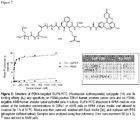
- FIG. 2 shows Structure of PSMA-targeted DUPA-FITC (Fluorescein isothiocyanate) conjugate (14) and its binding affinity (K D ) and specificity on PSMA-positive 22Rv1 human prostate cancer cells and on PSMA-negative A549 human alveolar basal epithelial cells in culture.
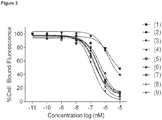
- FIG. 3 Relative binding affinities of DUPA-NIR conjugates 1 - 9 with respect to DUPA-FITC ( 14 ).
- PSMA-positive 22Rv1 human prostate cancer cells were incubated for 1 h at 37 °C in the presence of 100 nM DUPA-FITC with increasing concentrations of DUPA-NIR conjugates. Media was then removed, washed with fresh media (3x), and replaced with PBS. Cell bound fluorescence was assayed as using flow cytometry.
- Figure 5 shows the tumor-to--tissue fluorescence ratio from tissue biodistribution data of PSMA-targeted DUPA-NIR conjugates 1 - 9 .
- fluorescence within a Region of interest (ROI) was measured for each tissue using In Vivo imaging software and tumor- to-tissue fluorescence was then calculated
- Compound 4 DUPA-EAOA-Tyr-S0456, (EAOA - Eight aminooctonoic acid) showed the best tumor-to-background ratio (TBR) out of all compounds evaluated. Compound 4 also showed higher fluorescence intensity in the tumor. Compounds 6 and 7 showed the second and third best TBR amongst the compound evaluated in this example. However, fluorescence intensity in the tumor for compound 6 and 7 was lower as compared to that of compound 3, 4, and 5. After considering affinity and specificity for PSMA expressing prostate cancer cells and tumor tissues, fluorescence intensity in the tumor, tumor-to-background ratio, etc., it appears that Compound 4 can be considered as a suitable clinical candidate although the other compounds also may provide some valuable insights in the clinic as well as in experimental conditions.
- TBR tumor-to-background ratio
- Example 2 Pre-clinical evaluation of PSMA-targeted NIR conjugates with aromatic amino acid linkers between the ligand and the NIR dye.
- FIG. 6 shows the structures of PSMA-targeted DUPA-Linker-NIR imaging agents with aromatic amino acid linkers between the ligand and the NIR dye.
- the synthesis scheme is shown in scheme 3.
- Figure 7 shows the Relative binding affinities of DUPA-NIR conjugates with aromatic amino acids linkers with respect to DUPA-FITC (14).
- PSMA-positive 22Rv1 human prostate cancer cells were incubated for 1 h at 37 °C in the presence of 100 nM DUPA-FITC with increasing concentrations of DUPA-NIR conjugates. Media was then removed, washed with fresh media (3x), and replaced with PBS. Cell bound fluorescence was assayed as using flow cytometry.
- Table 2 shows data of the binding affinity of DUPA-NIR conjugates with aromatic linkers to PSMA-positive 22Rv1 human prostate cancer cells.
- Figure 8 shows Tissue biodistribution analysis and tumor-to-tissue ratio of DUPA-NIR conjugates 15 and 23 using fluorescence imaging of mice bearing human prostate tumor xenografts (22Rv1 cells).
- Male nude mice with 22Rv1 tumor xenografts were injected with DUPA-NIR dye conjugates via tail vein.
- fluorescence within a Region of interest (ROI) was measured for each tissue using In Vivo imaging software and tumor- to-tissue fluorescence was then calculated.
- ROI Region of interest
- Figure 9 shows an overlay of whole or half body fluorescence image over white light images after adjusting the threshold.
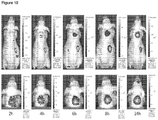
- Figure 10 shows an overlay of whole body or half body fluorescence image over white light images after adjusting the threshold.
- Figure 11 shows an overlay of whole body or half body fluorescence image over white light images after adjusting the threshold.
- Figure 12 shows an overlay of whole body or half body fluorescence image over white light images after adjusting the threshold.
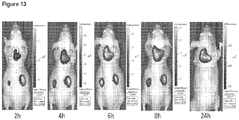
- Figure 13 shows an overlay of whole body or half body fluorescence image over white light images after adjusting the threshold.
- Example (3) Pre-clinical evaluation of PSMA-targeted NIR conjugates with a positive charge linker between the ligand and the NIR dye
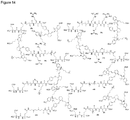
- FIG. 14 shows the structures of PSMA-targeted DUPA-Linker-NIR imaging agents with positive charge linkers between the ligand and the NIR dye and the synthesis scheme for these agents is shown in Scheme 4:
- Figure 15 shows the relative binding affinities of DUPA-NIR conjugates with respect to DUPA-FITC (14).
- PSMA-positive 22Rv1 human prostate cancer cells were incubated for 1 h at 37 °C in the presence of 100 nM DUPA-FITC with increasing concentrations of DUPA-NIR conjugates. Media was then removed, washed with fresh media (3x), and replaced with PBS. Cell bound fluorescence was assayed as using flow cytometry.
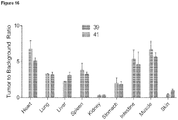
- Figure 16 shows the tumor to tissue ratio of DUPA-NIR conjugates 39 and 41 using fluorescence imaging of mice bearing human prostate tumor xenografts (22 Rv1 cells).
- Male nude mice with 22Rv1 tumor xenografts were injected with DUPA-NIR dye conjugates via tail vein.
- fluorescence within a Region of interest (ROI) was measured for each tissue using In Vivo imaging software and tumor- to-tissue fluorescence was then calculated.
- ROI Region of interest
- Figure 17 shows an overlay of whole body or half body fluorescence image over white light images after adjusting the threshold.
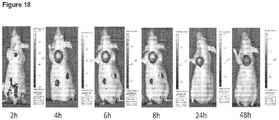
- Figure 18 shows and overlay of whole body or half body fluorescence image over white light images after adjusting the threshold.
- Figure 19 shows an overlay of whole body or half body fluorescence image over white light images after adjusting the threshold.
- Example (4) Pre-clinical evaluation of PSMA-targeted NIR conjugates with a negative charge linker between the ligand and the NIR dye.
- Figure 20 shows Structures of PSMA-targeted DUPA-Linker-NIR imaging agents with negative charge linkers between the ligand and the NIR dye.
- the synthesis scheme is shown in Scheme 5.
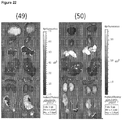
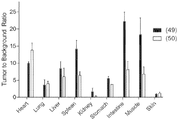
- Figure 22 shows Tissue biodistribution analysis and tumor-to-tissue ratio of DUPA-NIR conjugates 49 and 50 using fluorescence imaging of mice bearing human prostate tumor xenografts (22Rv1 cells).
- Male nude mice with 22Rv1 tumor xenografts were injected with DUPA-NIR dye conjugates via tail vein.
- fluorescence within a Region of interest (ROI) was measured for each tissue using In Vivo imaging software and tumor- to-tissue fluorescence was then calculated.
- ROI Region of interest
- Example (5) Pre-clinical evaluation of PSMA-targeted NIR dye conjugates with variation of charge of the NIR dye molecule.
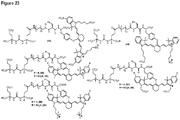
- Figure 23 shows structures of PSMA-targeted DUPA-Linker-NIR imaging agents with variably charged NIR dye molecule.
- FIG. 24 Relative binding affinities of DUPA-NIR conjugates with respect to DUPA-FITC ( 14 ).
- PSMA-positive 22Rv1 human prostate cancer cells were incubated for 1 h at 37 °C in the presence of 100 nM DUPA-FITC with increasing concentrations of DUPA-NIR conjugates. Media was then removed, washed with fresh media (3x), and replaced with PBS. Cell bound fluorescence was assayed as using flow cytometry.
- Figure 26 shows overlay of whole body or half body fluorescence image over white light images after adjusting the threshold.
- Figure 27 shows Overlay of whole body or half body fluorescence image over white light images after adjusting the threshold.
- Figure 28 shows overlay of whole body or half body fluorescence image over white light images after adjusting the threshold.
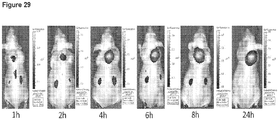
- Figure 29 shows overlay of whole body or half body fluorescence image over white light images after adjusting the threshold.
- Figure 30 shows overlay of whole body or half body fluorescence image over white light images after adjusting the threshold.
- Example (6) Pre-clinical evaluation of PSMA-targeted NIR dye conjugates: Miscellaneous DUPA-NIR conjugates
- Figure 31 Structures of PSMA-targeted DUPA-Linker-NIR imaging agents with miscellaneous linkers and NIR dyes.
- Figure 32 shows the relative binding affinities of DUPA-NIR conjugates with respect to DUPA-FITC (14).
- PSMA-positive 22Rv1 human prostate cancer cells were incubated for 1 h at 37 °C in the presence of 100 nM DUPA-FITC with increasing concentrations of DUPA-NIR conjugates. Media was then removed, washed with fresh media (3x), and replaced with PBS. Cell bound fluorescence was assayed as using flow cytometry
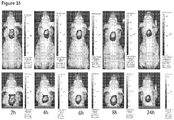
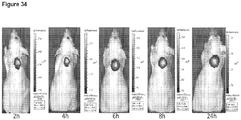
- Figure 34 shows overlay of whole body or half body fluorescence image over white light images after adjusting the threshold.
- Figure 35 shows Overlay of whole body or half body fluorescence image over white light images after adjusting the threshold.
- Example (7) Pre-clinical evaluation of PSMA-targeted NIR dye conjugates: Alternative ligands for DUPA
- Figure 36 shows Structures of PSMA-targeted NIR imaging agents with different ligand.
- Figure 37 shows relative binding affinities of PSMA-targeted NIR conjugates 15 with respect to DUPA-FITC (14) for PSMA-positive 22Rv1 and for PSMA-negative A549 cells. Cancer cells were incubated for 1 h at 37 °C in the presence of 100 nM DUPA-FITC with increasing concentrations of compound 15. Media was then removed, washed with fresh media (3x), and replaced with PBS. Cell bound fluorescence was assayed as using flow cytometry.
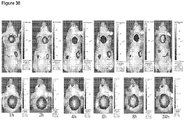
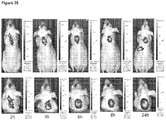
- Figure 38 shows overlay of whole body or half body fluorescence image over white light images after adjusting the threshold.
Landscapes
- Health & Medical Sciences (AREA)
- Chemical & Material Sciences (AREA)
- Life Sciences & Earth Sciences (AREA)
- Organic Chemistry (AREA)
- General Health & Medical Sciences (AREA)
- Molecular Biology (AREA)
- Biochemistry (AREA)
- Medicinal Chemistry (AREA)
- Engineering & Computer Science (AREA)
- Proteomics, Peptides & Aminoacids (AREA)
- Immunology (AREA)
- Genetics & Genomics (AREA)
- Biophysics (AREA)
- Biomedical Technology (AREA)
- Urology & Nephrology (AREA)
- Animal Behavior & Ethology (AREA)
- Veterinary Medicine (AREA)
- Public Health (AREA)
- Hematology (AREA)
- Epidemiology (AREA)
- Physics & Mathematics (AREA)
- General Physics & Mathematics (AREA)
- Pathology (AREA)
- Analytical Chemistry (AREA)
- Cell Biology (AREA)
- Food Science & Technology (AREA)
- Microbiology (AREA)
- Biotechnology (AREA)
- Nuclear Medicine, Radiotherapy & Molecular Imaging (AREA)
- Chemical Kinetics & Catalysis (AREA)
- Optics & Photonics (AREA)
- Bioinformatics & Cheminformatics (AREA)
- Radiology & Medical Imaging (AREA)
- General Chemical & Material Sciences (AREA)
- Pharmacology & Pharmacy (AREA)
- Wood Science & Technology (AREA)
- General Engineering & Computer Science (AREA)
- Zoology (AREA)
- Medicines Containing Antibodies Or Antigens For Use As Internal Diagnostic Agents (AREA)
- Peptides Or Proteins (AREA)
Applications Claiming Priority (2)
| Application Number | Priority Date | Filing Date | Title |
|---|---|---|---|
| US201562216157P | 2015-09-09 | 2015-09-09 | |
| PCT/US2016/050709 WO2017044584A1 (en) | 2015-09-09 | 2016-09-08 | Psma-targeted nir dyes and their uses |
Publications (3)
| Publication Number | Publication Date |
|---|---|
| EP3347019A1 EP3347019A1 (en) | 2018-07-18 |
| EP3347019A4 EP3347019A4 (en) | 2019-05-01 |
| EP3347019B1 true EP3347019B1 (en) | 2021-01-13 |
Family
ID=58189184
Family Applications (1)
| Application Number | Title | Priority Date | Filing Date |
|---|---|---|---|
| EP16845024.5A Active EP3347019B1 (en) | 2015-09-09 | 2016-09-08 | Psma-targeted nir dyes and their uses |
Country Status (12)
| Country | Link |
|---|---|
| US (4) | US9808538B2 (https=) |
| EP (1) | EP3347019B1 (https=) |
| JP (1) | JP6937037B2 (https=) |
| KR (1) | KR102862158B1 (https=) |
| CN (2) | CN108135903A (https=) |
| AU (1) | AU2016318949B2 (https=) |
| BR (1) | BR112018004726B1 (https=) |
| CA (1) | CA2996309A1 (https=) |
| ES (1) | ES2861528T3 (https=) |
| IL (1) | IL257669B (https=) |
| MX (1) | MX381760B (https=) |
| WO (1) | WO2017044584A1 (https=) |
Families Citing this family (45)
| Publication number | Priority date | Publication date | Assignee | Title |
|---|---|---|---|---|
| PL2187965T3 (pl) * | 2007-08-17 | 2020-05-18 | Purdue Research Foundation | Koniugaty wiążący psma ligand-łącznik i sposoby ich zastosowania |
| US9951324B2 (en) * | 2010-02-25 | 2018-04-24 | Purdue Research Foundation | PSMA binding ligand-linker conjugates and methods for using |
| US20170232119A1 (en) * | 2013-03-15 | 2017-08-17 | Purdue Research Foundation | Synthesis and composition of amino acid linking groups conjugated to compounds used for the targeted imaging of tumors |
| EP3456700A1 (en) | 2013-10-18 | 2019-03-20 | Deutsches Krebsforschungszentrum | Labeled inhibitors of prostate specific membrane antigen (psma), their use as imaging agents and pharmaceutical agents for the treatment of prostate cancer |
| EP3533473A3 (en) | 2013-11-14 | 2019-12-18 | Endocyte, Inc. | Compounds for positron emission tomography |
| US9808538B2 (en) | 2015-09-09 | 2017-11-07 | On Target Laboratories, LLC | PSMA-targeted NIR dyes and their uses |
| US10842887B2 (en) * | 2015-09-09 | 2020-11-24 | On Target Laboratories, LLC | PSMA-targeted NIR dyes and their uses |
| US10913071B2 (en) | 2016-03-09 | 2021-02-09 | Pearson Incorporated | Scalper apparatus and processing system |
| US11555821B2 (en) | 2016-03-16 | 2023-01-17 | On Target Laboratories, Inc. | CA IX-NIR dyes and their uses |
| EP3430383B1 (en) * | 2016-03-16 | 2024-06-26 | On Target Laboratories, LLC | Ca ix-target nir dyes and their uses |
| US10322487B1 (en) | 2016-07-15 | 2019-06-18 | Pearson Incorporated | Roller mill grinding apparatus with regenerative capability |
| ES2944610T3 (es) * | 2016-09-09 | 2023-06-22 | On Target Laboratories Llc | Colorantes NIR dirigidos a PSMA y sus usos |
| CN107266929B (zh) * | 2017-06-21 | 2019-10-29 | 四川大学 | 一类以菁染料荧光基团为母体骨架结构的近红外荧光染料及其制备方法与应用 |
| US10807098B1 (en) | 2017-07-26 | 2020-10-20 | Pearson Incorporated | Systems and methods for step grinding |
| CN108362671B (zh) * | 2018-02-23 | 2020-11-13 | 银川高新区广煜科技有限公司 | 检测半胱氨酸的方法 |
| WO2019173483A1 (en) * | 2018-03-07 | 2019-09-12 | The Board Of Trustees Of The Leland Stanford Junior University | Drug fragment imaging agent conjugates |
| CN112368024A (zh) | 2018-04-17 | 2021-02-12 | 恩多塞特公司 | 治疗癌症的方法 |
| US11325133B1 (en) | 2018-07-26 | 2022-05-10 | Pearson Incorporated | Systems and methods for monitoring the roll diameter and shock loads in a milling apparatus |
| WO2020030954A1 (en) | 2018-08-09 | 2020-02-13 | Integrative Medicine Clinic, Sia | Theranostics-like protein sanps conjugated to integrin and pmsa targeting peptides and therapy of prostate cancer |
| US10751722B1 (en) | 2018-10-24 | 2020-08-25 | Pearson Incorporated | System for processing cannabis crop materials |
| US10785906B2 (en) | 2019-02-19 | 2020-09-29 | Pearson Incorporated | Plant processing system |
| CN114096264B (zh) | 2019-05-20 | 2025-03-14 | 因多塞特股份有限公司 | 制备psma缀合物的方法 |
| RU2713151C1 (ru) * | 2019-07-02 | 2020-02-04 | Общество с ограниченной ответственностью "Изварино Фарма" | Конъюгат флуоресцентного красителя с веществом пептидной природы, включающим псма-связывающий лиганд на основе производного мочевины для визуализации клеток, экспрессирующих псма, способ его получения и применения |
| US10757860B1 (en) | 2019-10-31 | 2020-09-01 | Hemp Processing Solutions, LLC | Stripper apparatus crop harvesting system |
| US10933424B1 (en) | 2019-12-11 | 2021-03-02 | Pearson Incorporated | Grinding roll improvements |
| CN113117100B (zh) * | 2019-12-31 | 2024-03-01 | 广东精观生物医药科技有限公司 | 一种靶向psma的荧光分子探针及其制备方法和应用 |
| US11964965B2 (en) | 2020-05-08 | 2024-04-23 | On Target Laboratories, LLC | Methods of manufacture and synthesis of fluorescent dye compounds and uses thereof |
| EP4214513A4 (en) * | 2020-09-16 | 2024-12-11 | On Target Laboratories, LLC | Detection of circulating tumor cells using tumor-targeted nir agents |
| EP4247436A4 (en) * | 2020-11-18 | 2024-10-16 | On Target Laboratories, LLC | NEAR-INFRARED II PROBES AS HIGH-AFFINE TARGETING IMAGING AGENTS AND USES THEREOF |
| WO2022167681A1 (en) * | 2021-02-08 | 2022-08-11 | Stichting Radboud Universitair Medisch Centrum | Psma-targeting ligands for multimodal applications |
| CN115872950B (zh) * | 2021-09-25 | 2024-04-16 | 上海交通大学医学院附属第九人民医院 | 荧光化合物及在检测尿素酶中的应用和体外诊断试剂 |
| CN113979912B (zh) * | 2021-11-16 | 2023-04-07 | 中国医学科学院肿瘤医院 | 两种前列腺特异性膜抗原靶向荧光探针及其制备方法与应用 |
| CN114014843B (zh) * | 2021-11-17 | 2022-09-20 | 北京大学第一医院 | 一种psma靶向核素/荧光双模态配体和分子探针与应用 |
| CN114214061B (zh) * | 2022-02-22 | 2022-05-17 | 北京大学 | 一种聚乙二醇修饰的两性离子化荧光探针、制剂及其应用 |
| AU2023283882A1 (en) * | 2022-06-10 | 2025-01-30 | Peking University | Trifunctional compound and use thereof |
| CN114835723B (zh) * | 2022-07-01 | 2022-09-16 | 戴格普瑞生物科技(苏州)有限公司 | Psma荧光分子探针、制备方法及试剂盒 |
| CN115490672B (zh) * | 2022-09-30 | 2023-11-17 | 南华大学 | 一种兼具光热和光动力效应的光敏剂及其制备方法和应用 |
| CN118978470B (zh) * | 2023-05-10 | 2025-04-22 | 新斗生物科技(苏州)有限公司 | 化合物及其制备方法、组合物、试剂盒及应用 |
| CN116621820B (zh) * | 2023-05-23 | 2025-05-23 | 中山大学 | 一种两性离子荧光化合物及其制备方法和应用 |
| KR20260009883A (ko) * | 2023-05-24 | 2026-01-20 | 베이징 창핑 래보러토리 | 신규 삼관능 화합물 및 이의 용도 |
| WO2025038752A1 (en) * | 2023-08-14 | 2025-02-20 | Cancer Targeted Technology Llc | Psma binding ligand-linker conjugates and methods for use thereof |
| WO2025119908A1 (en) | 2023-12-06 | 2025-06-12 | Bracco Imaging Spa | Psma-targeting fluorescent probes |
| US20250275943A1 (en) * | 2024-01-30 | 2025-09-04 | Korea University Research And Business Foundation | Composition for cancer diagnosis targeting tumor and/or tumor microenvironment and use thereof |
| CN118048050B (zh) * | 2024-04-16 | 2024-06-25 | 南京诺源医疗器械有限公司 | 一种七甲川菁近红外荧光染料及其制备方法和应用 |
| CN118078219B (zh) * | 2024-04-24 | 2024-08-02 | 新斗生物科技(苏州)有限公司 | 近红外荧光捕获系统、装置及应用 |
Family Cites Families (13)
| Publication number | Priority date | Publication date | Assignee | Title |
|---|---|---|---|---|
| DE19649971A1 (de) * | 1996-11-19 | 1998-05-28 | Diagnostikforschung Inst | Optische Diagnostika zur Diagnostik neurodegenerativer Krankheiten mittels Nahinfrarot-Strahlung (NIR-Strahlung) |
| US6326531B1 (en) | 2000-08-01 | 2001-12-04 | Neil Bremner | Instrument case support system and method |
| US20100022449A1 (en) * | 2006-03-09 | 2010-01-28 | Mallinckrodt Inc. | Receptor-avid exogenous optical contrast and therapeutic agents |
| CA2645809C (en) * | 2006-03-14 | 2015-05-26 | Cancer Targeted Technology Llc | Peptidomimetic inhibitors of psma, compounds comprising them, and methods of use |
| JP2010509570A (ja) * | 2006-11-03 | 2010-03-25 | パーデュー・リサーチ・ファウンデーション | エクスビボフローサイトメトリーの方法および装置 |
| PL2187965T3 (pl) * | 2007-08-17 | 2020-05-18 | Purdue Research Foundation | Koniugaty wiążący psma ligand-łącznik i sposoby ich zastosowania |
| JP5798043B2 (ja) * | 2009-02-06 | 2015-10-21 | ベス・イスラエル・ディーコネス・メディカル・センター,インコーポレイテッド | 電荷均衡造影剤 |
| US9056841B2 (en) * | 2009-03-19 | 2015-06-16 | The Johns Hopkins University | PSMA-targeting compounds and uses thereof |
| CA2790577A1 (en) * | 2010-02-25 | 2011-09-01 | Purdue Research Foundation | Psma binding ligand-linker conjugates and methods for using |
| WO2014127365A1 (en) * | 2013-02-15 | 2014-08-21 | Case Western Reserve University | Psma ligands and uses thereof |
| WO2014149069A1 (en) | 2013-03-15 | 2014-09-25 | Purdue Research Foundation | Synthesis and composition of amino acid linking groups conjugated to compounds used for the targeted imaging of tumors |
| US10406246B2 (en) * | 2013-10-17 | 2019-09-10 | Deutsches Kresbsforschungszentrum | Double-labeled probe for molecular imaging and use thereof |
| US9808538B2 (en) | 2015-09-09 | 2017-11-07 | On Target Laboratories, LLC | PSMA-targeted NIR dyes and their uses |
-
2015
- 2015-11-10 US US14/937,169 patent/US9808538B2/en active Active
- 2015-11-12 US US14/939,915 patent/US9801956B2/en active Active
-
2016
- 2016-09-08 KR KR1020187009859A patent/KR102862158B1/ko active Active
- 2016-09-08 JP JP2018512411A patent/JP6937037B2/ja active Active
- 2016-09-08 ES ES16845024T patent/ES2861528T3/es active Active
- 2016-09-08 CN CN201680059695.8A patent/CN108135903A/zh active Pending
- 2016-09-08 CN CN202511843740.6A patent/CN121824666A/zh active Pending
- 2016-09-08 WO PCT/US2016/050709 patent/WO2017044584A1/en not_active Ceased
- 2016-09-08 MX MX2018002933A patent/MX381760B/es unknown
- 2016-09-08 AU AU2016318949A patent/AU2016318949B2/en active Active
- 2016-09-08 BR BR112018004726-0A patent/BR112018004726B1/pt active IP Right Grant
- 2016-09-08 CA CA2996309A patent/CA2996309A1/en active Pending
- 2016-09-08 EP EP16845024.5A patent/EP3347019B1/en active Active
-
2017
- 2017-06-14 US US15/623,353 patent/US9968691B2/en active Active
- 2017-06-15 US US15/624,680 patent/US10456482B2/en active Active
-
2018
- 2018-02-21 IL IL257669A patent/IL257669B/en unknown
Non-Patent Citations (1)
| Title |
|---|
| None * |
Also Published As
| Publication number | Publication date |
|---|---|
| JP2018535925A (ja) | 2018-12-06 |
| MX381760B (es) | 2025-03-13 |
| US20170065729A1 (en) | 2017-03-09 |
| JP6937037B2 (ja) | 2021-09-22 |
| ES2861528T3 (es) | 2021-10-06 |
| EP3347019A1 (en) | 2018-07-18 |
| US9801956B2 (en) | 2017-10-31 |
| KR20180071258A (ko) | 2018-06-27 |
| CA2996309A1 (en) | 2017-03-16 |
| CN121824666A (zh) | 2026-04-10 |
| AU2016318949B2 (en) | 2022-05-19 |
| KR102862158B1 (ko) | 2025-09-18 |
| US20170319717A1 (en) | 2017-11-09 |
| EP3347019A4 (en) | 2019-05-01 |
| BR112018004726A2 (en) | 2018-09-25 |
| WO2017044584A1 (en) | 2017-03-16 |
| IL257669B (en) | 2022-02-01 |
| US9808538B2 (en) | 2017-11-07 |
| IL257669A (en) | 2018-04-30 |
| MX2018002933A (es) | 2018-09-18 |
| CN108135903A (zh) | 2018-06-08 |
| US20170281801A1 (en) | 2017-10-05 |
| BR112018004726B1 (pt) | 2023-10-03 |
| US10456482B2 (en) | 2019-10-29 |
| US9968691B2 (en) | 2018-05-15 |
| US20170066719A1 (en) | 2017-03-09 |
| AU2016318949A1 (en) | 2018-04-05 |
Similar Documents
| Publication | Publication Date | Title |
|---|---|---|
| EP3347019B1 (en) | Psma-targeted nir dyes and their uses | |
| US10308606B2 (en) | PSMA-targeted NIR dyes and their uses | |
| US20240350677A1 (en) | Psma-targeted nir dyes and their uses | |
| US10881747B2 (en) | Synthesis and composition of amino acid linking groups conjugated to compounds used for the targeted imaging of tumors | |
| US20160375153A1 (en) | Synthesis and composition of amino acid linking groups conjugated to compounds used for the targeted imaging of tumors | |
| CA2961095C (en) | Upar targeting peptide for use in perioperative optical imaging of invasive cancer |
Legal Events
| Date | Code | Title | Description |
|---|---|---|---|
| STAA | Information on the status of an ep patent application or granted ep patent |
Free format text: STATUS: THE INTERNATIONAL PUBLICATION HAS BEEN MADE |
|
| PUAI | Public reference made under article 153(3) epc to a published international application that has entered the european phase |
Free format text: ORIGINAL CODE: 0009012 |
|
| STAA | Information on the status of an ep patent application or granted ep patent |
Free format text: STATUS: REQUEST FOR EXAMINATION WAS MADE |
|
| 17P | Request for examination filed |
Effective date: 20180308 |
|
| AK | Designated contracting states |
Kind code of ref document: A1 Designated state(s): AL AT BE BG CH CY CZ DE DK EE ES FI FR GB GR HR HU IE IS IT LI LT LU LV MC MK MT NL NO PL PT RO RS SE SI SK SM TR |
|
| AX | Request for extension of the european patent |
Extension state: BA ME |
|
| RIN1 | Information on inventor provided before grant (corrected) |
Inventor name: MYERS, CARRIE Inventor name: LOW, PHILIP S. Inventor name: KULARATNE, SUMITH A. Inventor name: GAGARE, PRAVIN |
|
| DAV | Request for validation of the european patent (deleted) | ||
| DAX | Request for extension of the european patent (deleted) | ||
| A4 | Supplementary search report drawn up and despatched |
Effective date: 20190329 |
|
| RIC1 | Information provided on ipc code assigned before grant |
Ipc: C07K 7/02 20060101ALI20190322BHEP Ipc: A61K 31/519 20060101ALI20190322BHEP Ipc: C07D 209/20 20060101ALI20190322BHEP Ipc: C07K 5/062 20060101ALI20190322BHEP Ipc: A61K 49/00 20060101AFI20190322BHEP |
|
| STAA | Information on the status of an ep patent application or granted ep patent |
Free format text: STATUS: EXAMINATION IS IN PROGRESS |
|
| 17Q | First examination report despatched |
Effective date: 20191106 |
|
| REG | Reference to a national code |
Ref country code: DE Ref legal event code: R079 Ref document number: 602016051500 Country of ref document: DE Free format text: PREVIOUS MAIN CLASS: A61K0031519000 Ipc: A61K0049000000 |
|
| GRAP | Despatch of communication of intention to grant a patent |
Free format text: ORIGINAL CODE: EPIDOSNIGR1 |
|
| STAA | Information on the status of an ep patent application or granted ep patent |
Free format text: STATUS: GRANT OF PATENT IS INTENDED |
|
| RIC1 | Information provided on ipc code assigned before grant |
Ipc: C07K 7/02 20060101ALI20200706BHEP Ipc: A61K 49/00 20060101AFI20200706BHEP Ipc: A61K 31/519 20060101ALI20200706BHEP Ipc: C07K 5/062 20060101ALI20200706BHEP Ipc: C07D 209/20 20060101ALI20200706BHEP |
|
| INTG | Intention to grant announced |
Effective date: 20200806 |
|
| GRAS | Grant fee paid |
Free format text: ORIGINAL CODE: EPIDOSNIGR3 |
|
| GRAA | (expected) grant |
Free format text: ORIGINAL CODE: 0009210 |
|
| STAA | Information on the status of an ep patent application or granted ep patent |
Free format text: STATUS: THE PATENT HAS BEEN GRANTED |
|
| AK | Designated contracting states |
Kind code of ref document: B1 Designated state(s): AL AT BE BG CH CY CZ DE DK EE ES FI FR GB GR HR HU IE IS IT LI LT LU LV MC MK MT NL NO PL PT RO RS SE SI SK SM TR |
|
| REG | Reference to a national code |
Ref country code: GB Ref legal event code: FG4D |
|
| REG | Reference to a national code |
Ref country code: CH Ref legal event code: EP |
|
| REG | Reference to a national code |
Ref country code: IE Ref legal event code: FG4D |
|
| REG | Reference to a national code |
Ref country code: DE Ref legal event code: R096 Ref document number: 602016051500 Country of ref document: DE |
|
| REG | Reference to a national code |
Ref country code: AT Ref legal event code: REF Ref document number: 1354059 Country of ref document: AT Kind code of ref document: T Effective date: 20210215 |
|
| REG | Reference to a national code |
Ref country code: CH Ref legal event code: NV Representative=s name: BOVARD AG PATENT- UND MARKENANWAELTE, CH |
|
| REG | Reference to a national code |
Ref country code: NL Ref legal event code: FP |
|
| REG | Reference to a national code |
Ref country code: AT Ref legal event code: MK05 Ref document number: 1354059 Country of ref document: AT Kind code of ref document: T Effective date: 20210113 |
|
| REG | Reference to a national code |
Ref country code: LT Ref legal event code: MG9D |
|
| PG25 | Lapsed in a contracting state [announced via postgrant information from national office to epo] |
Ref country code: FI Free format text: LAPSE BECAUSE OF FAILURE TO SUBMIT A TRANSLATION OF THE DESCRIPTION OR TO PAY THE FEE WITHIN THE PRESCRIBED TIME-LIMIT Effective date: 20210113 Ref country code: GR Free format text: LAPSE BECAUSE OF FAILURE TO SUBMIT A TRANSLATION OF THE DESCRIPTION OR TO PAY THE FEE WITHIN THE PRESCRIBED TIME-LIMIT Effective date: 20210414 Ref country code: HR Free format text: LAPSE BECAUSE OF FAILURE TO SUBMIT A TRANSLATION OF THE DESCRIPTION OR TO PAY THE FEE WITHIN THE PRESCRIBED TIME-LIMIT Effective date: 20210113 Ref country code: NO Free format text: LAPSE BECAUSE OF FAILURE TO SUBMIT A TRANSLATION OF THE DESCRIPTION OR TO PAY THE FEE WITHIN THE PRESCRIBED TIME-LIMIT Effective date: 20210413 Ref country code: PT Free format text: LAPSE BECAUSE OF FAILURE TO SUBMIT A TRANSLATION OF THE DESCRIPTION OR TO PAY THE FEE WITHIN THE PRESCRIBED TIME-LIMIT Effective date: 20210513 Ref country code: BG Free format text: LAPSE BECAUSE OF FAILURE TO SUBMIT A TRANSLATION OF THE DESCRIPTION OR TO PAY THE FEE WITHIN THE PRESCRIBED TIME-LIMIT Effective date: 20210413 Ref country code: LT Free format text: LAPSE BECAUSE OF FAILURE TO SUBMIT A TRANSLATION OF THE DESCRIPTION OR TO PAY THE FEE WITHIN THE PRESCRIBED TIME-LIMIT Effective date: 20210113 |
|
| PG25 | Lapsed in a contracting state [announced via postgrant information from national office to epo] |
Ref country code: RS Free format text: LAPSE BECAUSE OF FAILURE TO SUBMIT A TRANSLATION OF THE DESCRIPTION OR TO PAY THE FEE WITHIN THE PRESCRIBED TIME-LIMIT Effective date: 20210113 Ref country code: LV Free format text: LAPSE BECAUSE OF FAILURE TO SUBMIT A TRANSLATION OF THE DESCRIPTION OR TO PAY THE FEE WITHIN THE PRESCRIBED TIME-LIMIT Effective date: 20210113 Ref country code: PL Free format text: LAPSE BECAUSE OF FAILURE TO SUBMIT A TRANSLATION OF THE DESCRIPTION OR TO PAY THE FEE WITHIN THE PRESCRIBED TIME-LIMIT Effective date: 20210113 Ref country code: AT Free format text: LAPSE BECAUSE OF FAILURE TO SUBMIT A TRANSLATION OF THE DESCRIPTION OR TO PAY THE FEE WITHIN THE PRESCRIBED TIME-LIMIT Effective date: 20210113 Ref country code: SE Free format text: LAPSE BECAUSE OF FAILURE TO SUBMIT A TRANSLATION OF THE DESCRIPTION OR TO PAY THE FEE WITHIN THE PRESCRIBED TIME-LIMIT Effective date: 20210113 |
|
| PG25 | Lapsed in a contracting state [announced via postgrant information from national office to epo] |
Ref country code: IS Free format text: LAPSE BECAUSE OF FAILURE TO SUBMIT A TRANSLATION OF THE DESCRIPTION OR TO PAY THE FEE WITHIN THE PRESCRIBED TIME-LIMIT Effective date: 20210513 |
|
| REG | Reference to a national code |
Ref country code: ES Ref legal event code: FG2A Ref document number: 2861528 Country of ref document: ES Kind code of ref document: T3 Effective date: 20211006 |
|
| REG | Reference to a national code |
Ref country code: DE Ref legal event code: R097 Ref document number: 602016051500 Country of ref document: DE |
|
| PG25 | Lapsed in a contracting state [announced via postgrant information from national office to epo] |
Ref country code: SM Free format text: LAPSE BECAUSE OF FAILURE TO SUBMIT A TRANSLATION OF THE DESCRIPTION OR TO PAY THE FEE WITHIN THE PRESCRIBED TIME-LIMIT Effective date: 20210113 Ref country code: CZ Free format text: LAPSE BECAUSE OF FAILURE TO SUBMIT A TRANSLATION OF THE DESCRIPTION OR TO PAY THE FEE WITHIN THE PRESCRIBED TIME-LIMIT Effective date: 20210113 Ref country code: EE Free format text: LAPSE BECAUSE OF FAILURE TO SUBMIT A TRANSLATION OF THE DESCRIPTION OR TO PAY THE FEE WITHIN THE PRESCRIBED TIME-LIMIT Effective date: 20210113 |
|
| PLBE | No opposition filed within time limit |
Free format text: ORIGINAL CODE: 0009261 |
|
| STAA | Information on the status of an ep patent application or granted ep patent |
Free format text: STATUS: NO OPPOSITION FILED WITHIN TIME LIMIT |
|
| PG25 | Lapsed in a contracting state [announced via postgrant information from national office to epo] |
Ref country code: DK Free format text: LAPSE BECAUSE OF FAILURE TO SUBMIT A TRANSLATION OF THE DESCRIPTION OR TO PAY THE FEE WITHIN THE PRESCRIBED TIME-LIMIT Effective date: 20210113 Ref country code: RO Free format text: LAPSE BECAUSE OF FAILURE TO SUBMIT A TRANSLATION OF THE DESCRIPTION OR TO PAY THE FEE WITHIN THE PRESCRIBED TIME-LIMIT Effective date: 20210113 Ref country code: SK Free format text: LAPSE BECAUSE OF FAILURE TO SUBMIT A TRANSLATION OF THE DESCRIPTION OR TO PAY THE FEE WITHIN THE PRESCRIBED TIME-LIMIT Effective date: 20210113 |
|
| 26N | No opposition filed |
Effective date: 20211014 |
|
| PG25 | Lapsed in a contracting state [announced via postgrant information from national office to epo] |
Ref country code: AL Free format text: LAPSE BECAUSE OF FAILURE TO SUBMIT A TRANSLATION OF THE DESCRIPTION OR TO PAY THE FEE WITHIN THE PRESCRIBED TIME-LIMIT Effective date: 20210113 |
|
| PG25 | Lapsed in a contracting state [announced via postgrant information from national office to epo] |
Ref country code: SI Free format text: LAPSE BECAUSE OF FAILURE TO SUBMIT A TRANSLATION OF THE DESCRIPTION OR TO PAY THE FEE WITHIN THE PRESCRIBED TIME-LIMIT Effective date: 20210113 |
|
| REG | Reference to a national code |
Ref country code: BE Ref legal event code: MM Effective date: 20210930 |
|
| PG25 | Lapsed in a contracting state [announced via postgrant information from national office to epo] |
Ref country code: IS Free format text: LAPSE BECAUSE OF FAILURE TO SUBMIT A TRANSLATION OF THE DESCRIPTION OR TO PAY THE FEE WITHIN THE PRESCRIBED TIME-LIMIT Effective date: 20210513 Ref country code: MC Free format text: LAPSE BECAUSE OF FAILURE TO SUBMIT A TRANSLATION OF THE DESCRIPTION OR TO PAY THE FEE WITHIN THE PRESCRIBED TIME-LIMIT Effective date: 20210113 |
|
| PG25 | Lapsed in a contracting state [announced via postgrant information from national office to epo] |
Ref country code: LU Free format text: LAPSE BECAUSE OF NON-PAYMENT OF DUE FEES Effective date: 20210908 Ref country code: BE Free format text: LAPSE BECAUSE OF NON-PAYMENT OF DUE FEES Effective date: 20210930 |
|
| PG25 | Lapsed in a contracting state [announced via postgrant information from national office to epo] |
Ref country code: HU Free format text: LAPSE BECAUSE OF FAILURE TO SUBMIT A TRANSLATION OF THE DESCRIPTION OR TO PAY THE FEE WITHIN THE PRESCRIBED TIME-LIMIT; INVALID AB INITIO Effective date: 20160908 |
|
| P01 | Opt-out of the competence of the unified patent court (upc) registered |
Effective date: 20230414 |
|
| PG25 | Lapsed in a contracting state [announced via postgrant information from national office to epo] |
Ref country code: CY Free format text: LAPSE BECAUSE OF FAILURE TO SUBMIT A TRANSLATION OF THE DESCRIPTION OR TO PAY THE FEE WITHIN THE PRESCRIBED TIME-LIMIT Effective date: 20210113 |
|
| PG25 | Lapsed in a contracting state [announced via postgrant information from national office to epo] |
Ref country code: MK Free format text: LAPSE BECAUSE OF FAILURE TO SUBMIT A TRANSLATION OF THE DESCRIPTION OR TO PAY THE FEE WITHIN THE PRESCRIBED TIME-LIMIT Effective date: 20210113 |
|
| PG25 | Lapsed in a contracting state [announced via postgrant information from national office to epo] |
Ref country code: MT Free format text: LAPSE BECAUSE OF FAILURE TO SUBMIT A TRANSLATION OF THE DESCRIPTION OR TO PAY THE FEE WITHIN THE PRESCRIBED TIME-LIMIT Effective date: 20210113 |
|
| PGFP | Annual fee paid to national office [announced via postgrant information from national office to epo] |
Ref country code: NL Payment date: 20250826 Year of fee payment: 10 |
|
| REG | Reference to a national code |
Ref country code: CH Ref legal event code: U11 Free format text: ST27 STATUS EVENT CODE: U-0-0-U10-U11 (AS PROVIDED BY THE NATIONAL OFFICE) Effective date: 20251001 |
|
| PGFP | Annual fee paid to national office [announced via postgrant information from national office to epo] |
Ref country code: DE Payment date: 20250819 Year of fee payment: 10 |
|
| PGFP | Annual fee paid to national office [announced via postgrant information from national office to epo] |
Ref country code: IT Payment date: 20250827 Year of fee payment: 10 |
|
| PGFP | Annual fee paid to national office [announced via postgrant information from national office to epo] |
Ref country code: GB Payment date: 20250814 Year of fee payment: 10 |
|
| PGFP | Annual fee paid to national office [announced via postgrant information from national office to epo] |
Ref country code: FR Payment date: 20250821 Year of fee payment: 10 |
|
| PGFP | Annual fee paid to national office [announced via postgrant information from national office to epo] |
Ref country code: IE Payment date: 20250827 Year of fee payment: 10 |
|
| PG25 | Lapsed in a contracting state [announced via postgrant information from national office to epo] |
Ref country code: TR Free format text: LAPSE BECAUSE OF FAILURE TO SUBMIT A TRANSLATION OF THE DESCRIPTION OR TO PAY THE FEE WITHIN THE PRESCRIBED TIME-LIMIT Effective date: 20210113 |
|
| PGFP | Annual fee paid to national office [announced via postgrant information from national office to epo] |
Ref country code: CH Payment date: 20251001 Year of fee payment: 10 |
|
| PGFP | Annual fee paid to national office [announced via postgrant information from national office to epo] |
Ref country code: ES Payment date: 20251015 Year of fee payment: 10 |