EP3333786A1 - Verfahren und vorrichtung zum anzeigen von logistikinformationen - Google Patents
Verfahren und vorrichtung zum anzeigen von logistikinformationen Download PDFInfo
- Publication number
- EP3333786A1 EP3333786A1 EP17206296.0A EP17206296A EP3333786A1 EP 3333786 A1 EP3333786 A1 EP 3333786A1 EP 17206296 A EP17206296 A EP 17206296A EP 3333786 A1 EP3333786 A1 EP 3333786A1
- Authority
- EP
- European Patent Office
- Prior art keywords
- logistics
- information
- logistics information
- page
- client
- Prior art date
- Legal status (The legal status is an assumption and is not a legal conclusion. Google has not performed a legal analysis and makes no representation as to the accuracy of the status listed.)
- Ceased
Links
Images







Classifications
-
- G—PHYSICS
- G06—COMPUTING OR CALCULATING; COUNTING
- G06Q—INFORMATION AND COMMUNICATION TECHNOLOGY [ICT] SPECIALLY ADAPTED FOR ADMINISTRATIVE, COMMERCIAL, FINANCIAL, MANAGERIAL OR SUPERVISORY PURPOSES; SYSTEMS OR METHODS SPECIALLY ADAPTED FOR ADMINISTRATIVE, COMMERCIAL, FINANCIAL, MANAGERIAL OR SUPERVISORY PURPOSES, NOT OTHERWISE PROVIDED FOR
- G06Q10/00—Administration; Management
- G06Q10/08—Logistics, e.g. warehousing, loading or distribution; Inventory or stock management
- G06Q10/083—Shipping
- G06Q10/0833—Tracking
-
- G—PHYSICS
- G06—COMPUTING OR CALCULATING; COUNTING
- G06F—ELECTRIC DIGITAL DATA PROCESSING
- G06F3/00—Input arrangements for transferring data to be processed into a form capable of being handled by the computer; Output arrangements for transferring data from processing unit to output unit, e.g. interface arrangements
- G06F3/14—Digital output to display device ; Cooperation and interconnection of the display device with other functional units
- G06F3/1407—General aspects irrespective of display type, e.g. determination of decimal point position, display with fixed or driving decimal point, suppression of non-significant zeros
-
- G—PHYSICS
- G06—COMPUTING OR CALCULATING; COUNTING
- G06F—ELECTRIC DIGITAL DATA PROCESSING
- G06F3/00—Input arrangements for transferring data to be processed into a form capable of being handled by the computer; Output arrangements for transferring data from processing unit to output unit, e.g. interface arrangements
- G06F3/01—Input arrangements or combined input and output arrangements for interaction between user and computer
- G06F3/048—Interaction techniques based on graphical user interfaces [GUI]
- G06F3/0481—Interaction techniques based on graphical user interfaces [GUI] based on specific properties of the displayed interaction object or a metaphor-based environment, e.g. interaction with desktop elements like windows or icons, or assisted by a cursor's changing behaviour or appearance
- G06F3/0483—Interaction with page-structured environments, e.g. book metaphor
-
- G—PHYSICS
- G06—COMPUTING OR CALCULATING; COUNTING
- G06Q—INFORMATION AND COMMUNICATION TECHNOLOGY [ICT] SPECIALLY ADAPTED FOR ADMINISTRATIVE, COMMERCIAL, FINANCIAL, MANAGERIAL OR SUPERVISORY PURPOSES; SYSTEMS OR METHODS SPECIALLY ADAPTED FOR ADMINISTRATIVE, COMMERCIAL, FINANCIAL, MANAGERIAL OR SUPERVISORY PURPOSES, NOT OTHERWISE PROVIDED FOR
- G06Q10/00—Administration; Management
- G06Q10/08—Logistics, e.g. warehousing, loading or distribution; Inventory or stock management
-
- G—PHYSICS
- G06—COMPUTING OR CALCULATING; COUNTING
- G06Q—INFORMATION AND COMMUNICATION TECHNOLOGY [ICT] SPECIALLY ADAPTED FOR ADMINISTRATIVE, COMMERCIAL, FINANCIAL, MANAGERIAL OR SUPERVISORY PURPOSES; SYSTEMS OR METHODS SPECIALLY ADAPTED FOR ADMINISTRATIVE, COMMERCIAL, FINANCIAL, MANAGERIAL OR SUPERVISORY PURPOSES, NOT OTHERWISE PROVIDED FOR
- G06Q10/00—Administration; Management
- G06Q10/08—Logistics, e.g. warehousing, loading or distribution; Inventory or stock management
- G06Q10/083—Shipping
-
- G—PHYSICS
- G06—COMPUTING OR CALCULATING; COUNTING
- G06Q—INFORMATION AND COMMUNICATION TECHNOLOGY [ICT] SPECIALLY ADAPTED FOR ADMINISTRATIVE, COMMERCIAL, FINANCIAL, MANAGERIAL OR SUPERVISORY PURPOSES; SYSTEMS OR METHODS SPECIALLY ADAPTED FOR ADMINISTRATIVE, COMMERCIAL, FINANCIAL, MANAGERIAL OR SUPERVISORY PURPOSES, NOT OTHERWISE PROVIDED FOR
- G06Q10/00—Administration; Management
- G06Q10/08—Logistics, e.g. warehousing, loading or distribution; Inventory or stock management
- G06Q10/083—Shipping
- G06Q10/0837—Return transactions
-
- G—PHYSICS
- G06—COMPUTING OR CALCULATING; COUNTING
- G06Q—INFORMATION AND COMMUNICATION TECHNOLOGY [ICT] SPECIALLY ADAPTED FOR ADMINISTRATIVE, COMMERCIAL, FINANCIAL, MANAGERIAL OR SUPERVISORY PURPOSES; SYSTEMS OR METHODS SPECIALLY ADAPTED FOR ADMINISTRATIVE, COMMERCIAL, FINANCIAL, MANAGERIAL OR SUPERVISORY PURPOSES, NOT OTHERWISE PROVIDED FOR
- G06Q10/00—Administration; Management
- G06Q10/10—Office automation; Time management
-
- G—PHYSICS
- G06—COMPUTING OR CALCULATING; COUNTING
- G06F—ELECTRIC DIGITAL DATA PROCESSING
- G06F2203/00—Indexing scheme relating to G06F3/00 - G06F3/048
- G06F2203/048—Indexing scheme relating to G06F3/048
- G06F2203/04803—Split screen, i.e. subdividing the display area or the window area into separate subareas
-
- G—PHYSICS
- G06—COMPUTING OR CALCULATING; COUNTING
- G06F—ELECTRIC DIGITAL DATA PROCESSING
- G06F3/00—Input arrangements for transferring data to be processed into a form capable of being handled by the computer; Output arrangements for transferring data from processing unit to output unit, e.g. interface arrangements
- G06F3/01—Input arrangements or combined input and output arrangements for interaction between user and computer
- G06F3/048—Interaction techniques based on graphical user interfaces [GUI]
- G06F3/0484—Interaction techniques based on graphical user interfaces [GUI] for the control of specific functions or operations, e.g. selecting or manipulating an object, an image or a displayed text element, setting a parameter value or selecting a range
- G06F3/04847—Interaction techniques to control parameter settings, e.g. interaction with sliders or dials
-
- H—ELECTRICITY
- H04—ELECTRIC COMMUNICATION TECHNIQUE
- H04L—TRANSMISSION OF DIGITAL INFORMATION, e.g. TELEGRAPHIC COMMUNICATION
- H04L51/00—User-to-user messaging in packet-switching networks, transmitted according to store-and-forward or real-time protocols, e.g. e-mail
- H04L51/21—Monitoring or handling of messages
- H04L51/222—Monitoring or handling of messages using geographical location information, e.g. messages transmitted or received in proximity of a certain spot or area
Definitions
- the present disclosure relates to the field of computer technology, and more particularly to a method and a device for displaying logistics information.
- the e-commerce client refers to an application client or a web client that uses electronic transactions to achieve item purchasing and selling services.
- the e-commerce client provides a logistics page to the user to display the logistics information of the item.
- the logistics information is used to indicate a logistics progress of the item, such as, having been shipped, being on the way, being in distribution and having been signed after reception.
- the user cannot enter the logistics page in the e-commerce client without multiple times of operations. If the user purchases different items via different e-commerce clients, he/she has to additionally switch back and forth between the different e-commerce clients to fetch logistics information of respective item.
- embodiments of the present disclosure provides a method and a device for displaying logistics information.
- a method for displaying logistics information including:
- acquiring the logistics waybill identifier of the at least one item from the at least one e-commerce client capable of displaying the logistics page and installed in the local operating system includes:
- acquiring the logistics waybill identifier of the at least one item from the at least one e-commerce client capable of displaying the logistics page and installed in the local operating system includes:
- the method further includes:
- acquiring the logistics information corresponding to the logistics waybill identifier includes:
- the preset display area is an area for a desktop widget, or a predetermined area in a notification bar.
- the logistics information includes an overall logistics progress including at least one of being on the way, having been shipped, having difficulty in delivery, having been signed after reception, having been signed out, being in distribution and being returned, and aggregating and displaying the acquired logistics information of the at least one item in the preset display area provided by the operating system include:
- the method further includes:
- the method further includes:
- the method further includes:
- a device for displaying logistics information including:
- the first acquisition module includes:
- the first acquisition module includes:
- the device further includes:
- the second acquisition module is further configured to:
- the preset display area is an area for a desktop widget, or a predetermined area in a notification bar.
- the logistics information includes an overall logistics progress including at least one of being on the way, having been shipped, having difficulty in delivery, having been signed after reception, having been signed out, being in distribution and being returned, and the aggregation and display module includes:
- the device further includes:
- the device further includes:
- the device further includes:
- a device for displaying logistics information display including:
- logistics referred to in the present disclosure is also referred to as “express” in some scenarios, and the embodiments of the present disclosure do not limit thereto.
- a terminal displays logistics information in a logistics page provided by an e-commerce client.
- a user purchases several items through multiple e-commerce clients, he/she needs to open the corresponding e-commerce clients separately to view the logistics information of the items.
- the terminal needs to switch back and forth between the different e-commerce clients, a resource of the terminal is wasted and the efficiency that the user views the logistics information is reduced.
- the terminal needs to display a logistics page of the e-commerce client A first, and then exits the logistics page of the e-commerce client A to display a logistics page of the e-commerce client B.
- the method includes: sending a logistics waybill identifier of a first item to a shared server after the first item is purchased through a first e-commerce client, and sending a logistics waybill identifier of a second item to the shared server after the second item is purchased through a second e-commerce client, wherein the first and second e-commerce clients correspond to the same shared server and the same account for logging in the shared sever; inquiring by the shared sever the logistics information of the first item in accordance with the logistics waybill identifier of the first item and the logistics information of the second item in accordance with the logistics waybill identifier of the second item; and sending the logistics information of the first and second items to a payment client corresponding to the server account, and displaying by the payment client the logistics information of the first and second items.
- the acquired logistics information is shared to the payment client based on a data sharing principle.
- the logistics information display method provided by the related art is only applicable to share logistics information generated by different e-commerce clients developed by the same company to the payment client developed by this company.
- the logistics information display method provided by the related art is narrower in an applicable range.
- a logistics waybill identifier in a logistics page is acquired when the logistics page of an e-commerce client is displayed; and logistics information of an item is inquired through a logistics query interface in accordance with the logistics waybill identifier, and is displayed in a preset display area provided by an operating system.
- the operating system may acquire the logistics waybill identifiers in the logistics pages of different e-commerce clients, and display the logistics information corresponding to the different logistics waybill identifiers in the same display area, displaying the logistics information of the different e-commerce clients in the same display area is realized.
- the terminal allows the user to view the logistics information without switching user interfaces back and forth, so that not only the resource of the terminal is saved, but also the efficiency that the user views the logistics information is improved.
- a terminal is taken as an executive subject in each step to describe the present disclosure.
- the terminal may be implemented as a mobile phone, a computer, a wearable device, a tablet computer or the like.
- the embodiments of the present disclosure do not limit thereto.
- Fig. 1 is a flow chart of a logistics information display method shown in accordance with an exemplary embodiment. The method may include the following steps.
- a logistics waybill identifier of at least one item is acquired from at least one e-commerce client capable of displaying a logistics page and installed in a local operating system.
- step 102 logistics information corresponding to the logistics waybill identifier is acquired, which indicates a logistics progress of the item.
- the acquired logistics information of the at least one item is aggregated and displayed in a preset display area provided by the operating system.
- the logistics waybill identifier in the at least one e-commerce client is acquired, and the logistics information corresponding to each logistics waybill identifier is aggregated and displayed in the preset display area provided by the operating system, so that the terminal allows the user to view the logistics information of the items in the at least one e-commerce client without switching user interfaces back and forth, solving the problems that the consumption of the resource of the terminal is excessive, and the efficiency that the user views the logistics information is lower when the terminal switches user interfaces back and forth for displaying the logistics information in the at least one e-commerce client.
- the terminal aggregates and displays the logistics information in the different e-commerce clients in the same preset display area, the resource of the terminal is saved, and the efficiency that the user views the logistics information is improved.
- Fig. 2 is a flow chart of a logistics information display method shown in accordance with an exemplary embodiment. The method may include the following steps.
- step 201 second attribute information of a currently started main Activity is acquired.
- Each client includes at least one Activity, wherein the Activity is a component that provides a user interface and is used to allow a user and a terminal to interact with each other.
- the main Activity is one of at least one Activity included in the client, and is used to provide a user interface displayed first when the client is started, such as a video list interface displayed first when a video client is started, a search interface displayed first when a browser client is started, and a song recommended interface displayed first when a music client is started.
- the main Activity is also referred to as a default Activity. The present embodiment does not limit the name of the main Activity.
- the second attribute information of the main Activity is used to instruct an attribute of a user interface currently displayed by the terminal, and at least includes a client identifier of a client to which the main Activity belongs, wherein the client identifier may be a name of package of the client, a client name, icon information of the client, or the like, and the present embodiment does not limit thereto.
- the client identifier may be a name of package of the client, a client name, icon information of the client, or the like, and the present embodiment does not limit thereto.
- step 202 whether the client to which the currently started main Activity belongs is an e-commerce client or not is detected in accordance with the second attribute information.
- the terminal can detect whether the client to which the currently started main Activity belongs is an e-commerce client or not in accordance with whether the client identifier being a client identifier of the e-commerce client.
- Ways in which the terminal can detect whether the client that the currently started main Activity belongs to is the e-commerce client or not include, but are not limited to the following implementations.
- the terminal searches corresponding client information in accordance with the client identifier in the second attribute information, the client information including the type of the client; whether the type of the client is an e-commerce client or not is detected; it is determined that the client to which the main Activity belongs is the e-commerce client when the type of the client is the e-commerce client, and step 203 is executed; or it is determined that the client to which the main Activity belongs is not the e-commerce client when the type of the client is not the e-commerce client, and step 201 is executed again.
- the terminal acquires a whitelist file including a client identifier of at least one e-commerce client; whether the whitelist file includes a client identifier in the second attribute information or not is inquired; when the whitelist file includes the client identifier in the second attribute information, it is determined that the client to which the main Activity belongs is the e-commerce client and step 203 is executed; or when the whitelist file does not include the client identifier in the second attribute information, it is determined that the client to which the main Activity belongs is not the e-commerce client and step 201 is executed again.
- the whitelist file may be set by the user or may be sent by a server, and the present embodiment does not limit thereto.
- inquiry information is output.
- the inquiry information is output when the e-commerce client is started.
- the inquiry information is used to inquire whether it is allowed to acquire the logistics waybill identifier in the logistics page of the e-commerce client.
- the terminal cannot acquire the logistics waybill identifier until the user allows the terminal to acquire the logistics waybill identifier in the logistics page of the e-commerce client, such that the user data security in the e-commerce client is ensured.
- the inquiry information may be text information or voice information.
- the inquiry information is the text information, it may be displayed above a user interface provided by the main Activity in a form of a floating window.
- forms, display forms and display positions of the inquiry information are not limited.
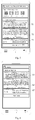
- FIG. 3 there is shown a schematic view when the terminal outputs the inquiry information.
- a floating window 32 covers a user interface 31 provided by the main Activity, and inquiry information 33 is displayed in the floating window 32.
- the terminal in order to avoid a waste of the resource of the terminal arising from the fact that the terminal outputs the inquiry information every time when the e-commerce client is started, the terminal may output the inquiry information only when the e-commerce client is started for the first time; or the terminal may output the inquiry information when the e-commerce client is started every a preset number of times.
- the present embodiment does not limit thereto.
- a confirmation operation for the inquiry information is received.
- the confirmation operation triggers the operating system to acquire the logistics waybill identifier in the logistics page of the e-commerce client.
- the confirmation operation for the inquiry information may be a clicking operation or a sliding operation acting on the inquiry information, or an operation of clicking a confirmation option set in a display area of the inquiry information, for example, an operation of clicking a "Yes" option 34 shown in Fig. 3 .
- the present embodiment does not limit thereto.
- the confirmation operation for the inquiry information may be an operation of receiving a user input voice message.
- the terminal may not execute steps 201-204 but execute step 205 directly.
- the terminal directly reads the logistics waybill identifier in the logistics page of the e-commerce client without acquiring a permission of the user, thereby saving the terminal resource.
- a logistics waybill identifier of at least one item is acquired from at least one e-commerce client which is capable of displaying a logistics page and is installed in a local operating system.
- the terminal may acquire logistics information corresponding to each logistics waybill identifier by acquiring the logistics waybill identifier of the item in each e-commerce client, such that when the logistics information corresponding to each logistics waybill identifier is displayed in a preset display area provided by the operating system, a user may view the logistics information in all of the e-commerce clients without switching user interfaces back and forth, saving the resource of the terminal.
- the logistics waybill identifier is used to indicate the logistics information of the item, and may be a logistics waybill number, a logistics waybill label or the name of a logistics company, and the present embodiment does not limit thereto.
- Ways in which the terminal acquires the logistics waybill identifier of at least one item from the e-commerce client include, but are not limited to the following implementations.
- the terminal acquires first attribute information of an Activity currently running in a foreground; whether a foreground user interface is the logistics page of the e-commerce client or not is detected in accordance with the first attribute information of the Activity; and the logistics waybill identifier is read from the Activity when the foreground user interface is the logistics page of the e-commerce client.
- the terminal can detect whether the foreground user interface is the logistics page of the e-commerce client or not in accordance with the first attribute information.
- the interface identifier may be a class name of the user interface, and the present embodiment does not limit thereto.
- Detecting by the terminal whether the foreground user interface is the logistics page of the e-commerce client or not in accordance with the first attribute information includes: the terminal acquires a preset file including a client identifier of at least one e-commerce client and a page identifier of a logistics page corresponding to the client identifier; whether the preset file includes the client identifier in the first attribute information and the page identifier corresponding to the client identifier or not is detected; it is determined that the foreground user interface is the logistics page of the e-commerce client when the preset file includes the client identifier in the first attribute information and the page identifier corresponding to the client identifier; or it is determined that the foreground user interface is not the logistics page of the e-commerce client when the preset file does not include the client identifier in the first attribute information and does not include the page identifier corresponding to the client identifier.
- the Activity running in the foreground includes all data included in the foreground user interface.
- the logistics waybill identifier included in the foreground user interface may be acquired from the Activity running in the foreground.
- the terminal acquires the first attribute information of the Activity currently running in the foreground; whether the foreground user interface is the logistics page of the e-commerce client or not is detected in accordance with the first attribute information of the Activity; a screenshot interface in the operating system is called when the foreground user interface is the logistics page of the e-commerce client; a page image corresponding to the logistics page is acquired through the screenshot interface; and the logistics waybill identifier is recognized from the page image.
- the screenshot interface in the operating system is used to capture the image of the foreground user interface, and may be a DirectX interface, a mirror driver interface, or a bit block conversion interface, and the present embodiment does not limit thereto.
- the user interface currently running in the foreground is the logistics page
- the page image of the logistics page may be acquired through the screenshot interface; and the logistics waybill identifier in the page image may be acquired by recognizing the page image.
- a recognizing manner of the terminal to the page image may be statistical pattern recognition, structural pattern recognition, or fuzzy pattern recognition, and the present embodiment does not limit thereto.
- the at least one e-commerce client capable of displaying the logistics page at this step is the e-commerce client that receives the confirmation operation input by the user.
- step 206 logistics information corresponding to the logistics waybill identifier is acquired.
- the logistics information is used to indicate a logistics progress of an item.
- Ways in which the terminal acquires the logistics information corresponding to a logistics waybill identifier include, but are not limited to the following implementations.
- the terminal calls a logistics query interface in the operating system; and the logistics information is inquired through the logistics query interface in the operating system.
- the logistics query interface in the operating system is preset in the operating system and is used to inquire the corresponding logistics information in accordance with a logistics order identifier.
- the terminal calls a logistics query interface in a third party application; and the logistics information is inquired through the logistics query interface in the third party application.
- the third party application has a logistics information query function, and may be a client developed by kuaidi 100 which is a website for express, an e-commerce client or a logistics company, and the present embodiment does not limit thereto.
- the logistics query interface in the third party application is preset in the third party application and is used to inquire corresponding logistics information in accordance with the logistics order identifier, such as a kuaidi 100 interface in the kuaidi 100.
- the acquired logistics information of the at least one item is aggregated and displayed in a preset display area provided by the operating system.
- the preset display area is an area for a desktop widget (also known as a desktop bookmark), or a predetermined area in a notification bar.
- the desktop widget is usually set in a hiboard of the terminal.
- the hiboard is different from a desktop used to display an application icon in the terminal, and is usually used to provide data information to which the user subscribes, such as a schedule, motion monitoring, a movie, music and other information.
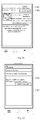
- the hiboard is usually set on a next page of a predetermined page of the terminal. When the user slides rightwards on the predetermined page, the predetermined page is switched to the hiboard. Please referring to Fig. 4 , a schematic view of switching from the predetermined page to the hiboard shown is illustrated.
- the predetermined page may be a main screen of the terminal or the notification bar of the terminal, and the present embodiment does not limit thereto. Of course, there may be other setting means for the hiboard, and the present embodiment does not limit thereto.
- logistics information 51 is logistics information of an item purchased in an e-commerce client A
- logistics information 52 is logistics information of an item purchased in an e-commerce client B
- logistics information 53 is logistics information of an item purchased in an e-commerce client C.
- a user needs to view the logistics information 51, 52 and 53, he/she only needs to view the logistics information in the desktop widget, without opening the e-commerce clients A, B and C, respectively, thereby improving the efficiency that the user views the logistics information.
- the notification bar is used to display a notification message received by the terminal, and may be implemented as a pull-down menu, a pull-up menu, or the like in the terminal, and the present embodiment does not limit thereto.
- Fig. 6 there is shown a schematic view of aggregating logistics information of at least one item into the notification bar and displaying the aggregated logistics information.
- logistics information 61 is logistics information of an item purchased in the e-commerce client A
- logistics information 62 is logistics information of an item purchased in the e-commerce client B
- logistics information 63 is logistics information of an item purchased in the e-commerce client C.
- the terminal may display progress of each piece of logistics information in the preset display area. In order to save a space of the preset display area, the terminal may also display the latest progress of each piece of the logistics information in the preset display area, such as the logistics information 51, 52 and 53 shown in Fig. 5 .
- the terminal may display a preset number of pieces of logistics information in the preset display area, such as three pieces of logistics information, and provides a progress bar in the preset display area.
- the progress bar is used to be slid by the user to view more logistics information.
- the terminal sets an option of viewing more logistics information in the preset display area, such as a "View More" option 54 shown in Fig. 5 .
- the terminal jumps to a page for displaying all pieces of logistics information, such as a page shown in Fig. 7 , the page allowing the user to view all pieces of logistics information.
- the page shown by the terminal after a jump operation may only display logistics information not shown in the preset display area, and the present embodiment does not limit thereto.
- the terminal when the number of items purchased in at least one e-commerce client is large, there may be a number of pieces of logistics information displayed in the preset display area.
- the terminal may rank all pieces of the logistics information.
- the terminal aggregating and displaying the acquired logistics information of the at least one item in the preset display area provided by the operating system includes: determining a priority level corresponding to the logistics information in accordance with a preset corresponding relationship including a corresponding relationship between the overall logistics progress and the priority level; determining a corresponding target display position of the logistics information in the preset display area in accordance with the priority level, at least two display positions in the preset display area being ranked in a descending order according to their priorities; and displaying the logistics information at the corresponding target display position.
- a preset corresponding relationship between all of the overall logistics progresses and the priority level is preset in the terminal, and may be set by the user or sent to the terminal by the server in advance.
- the present embodiment does not limit thereto.
- the terminal may display a merchant client, an item name and the like of a purchased item in the preset display area.
- the terminal may also display the name of a logistics company, a logistics waybill number, a detailed logistics process and the like in the preset display area.
- the terminal displays the detailed logistics progress in the preset display area, as the user usually only needs to know corresponding detailed logistics progresses of "being on the way” and “being in distribution", the terminal may only display the detailed logistics progresses corresponding to the "being on the way” and “being in distribution", thereby saving the space of the preset display area.
- the terminal may add a client identifier of the e-commerce client and a page identifier of the logistics page of the item into a display position for logistics information of the item in the preset display area.
- the terminal when receiving a viewing operation which is output by the user and acts on the display position of the logistics information, the terminal starts the e-commerce client corresponding to the client identifier in the display position, and displays the logistics page corresponding to the page identifier in the display position.
- the terminal may set a preset time length threshold for these overall logistics progresses.
- the time length for displaying the logistics information including the overall logistics progress reaches the preset time length threshold, the logistics information is deleted automatically.
- the terminal may set different preset time length thresholds for different logistics overall progresses, such as, the time threshold set for "having been shipped" being 1 hour, and the time threshold set for "having difficulty in delivery” being 24 hours.
- different overall logistics progresses may be set with the same preset time length threshold, such as, the time threshold set for "having been shipped" and “having been signed after reception” being 1 hour.
- the user may manually delete logistics information that is not required to be viewed in the preset display area.
- the terminal receives a deletion operation which is input by the user and acts on logistics information displayed in the preset display area, the corresponding logistics information is deleted in accordance with the deletion operation.
- the deletion operation may be sliding operation, a clicking operation, a long-press operation, or a combination of various operations, and the present embodiment does not limit thereto.
- the terminal deletes the logistics information 51 when the user executes the leftward sliding operation for the logistics information 51 shown in Fig. 5 .
- Various pieces of logistics information in the preset display area acquired after deletion are shown in Fig. 9 .
- the logistics information display method provided by the embodiments of the present disclosure, whether the user allows the terminal to acquire the logistics waybill identifier in the logistics page or not is inquired; and the logistics waybill identifier is acquired from the logistics page under the condition that the user allows the terminal to acquire the logistics waybill identifier, so that the terminal may acquire the logistics waybill identifier flexibly based on a need of the user, ensuring the security of user data in each e-commerce client.
- the terminal may preferentially display logistics information with a high possibility for the user to view.
- the user can find the logistics information he/she needs to view without flipping upwards and downwards when there are many pieces of logistics information in the preset display area, so that operations required to be executed by the user when he/she views the logistics information are further reduced, and the efficiency that the user views the logistics information is improved.
- the terminal may automatically delete the logistics information when the time length for displaying the logistics information including any of overall logistics progresses reaches the preset time length threshold, so that the space of the preset display area is saved.
- step 207 cannot be executed under the condition that the terminal does not starts a logistics information aggregation function. Therefore, before step 207, the terminal will prompt the user to start the logistics information aggregation function when the terminal does not start the logistics information aggregation function.
- the logistics information aggregation function refers to a function of aggregating logistics information in the preset display area and displaying the aggregated logistics information.
- Fig. 10 is a flow chart of a logistics information display method shown in accordance with another exemplary embodiment, and the logistics information display method further includes the following steps.
- a prompting message is output and prompts the user to start the logistics information aggregation function.
- the terminal may input the prompting message when it is determined that the currently started client is an e-commerce client. Or, the prompting message is output when it is determined that the current user interface is a logistics page. Or, the prompting message is output when a logistics waybill identifier is acquired. Or, the prompting message may be output at a certain time interval. The present embodiment does not limit a time when the terminal outputs the prompting message. An example in which the terminal outputs the prompting message when it is determined that the current user interface is the logistics page is taken to illustrate hereinafter.
- the prompting message may be in the form of a text or a voice, and the present embodiment does not limit thereto.
- the terminal may output the prompting message with a floating window covering the current user interface; or, the prompting message may be displayed in the notification bar.
- the present embodiment does not limit thereto.
- Fig. 11 there is shown a schematic view of the terminal at the time of outputting a prompting message.
- the terminal outputs prompting message 1102 in the form of a floating window 1101 when it is determined that the current user interface is a logistics page; and the floating window 1101 is displayed at the top of the logistics page.
- FIG. 12 there is shown another schematic view of the terminal at the time of outputting a prompting message.
- the terminal displays prompting message 1202 in a notification bar 1201.
- the terminal acquires from output records a historical time at which time the last prompting message is output; whether a time difference between the historical time and the current time reaches a preset time length is detected; and the prompting message is output when the time difference reaches the preset time length.
- the terminal acquires from output records a historical time at which time the last prompting message is output; whether a time difference between the historical time and the current time reaches a preset time length is detected; and the prompting message is output when the time difference reaches the preset time length.
- the terminal outputs the prompting message again.
- the terminal acquires from output records a historical time at which time the last prompting message is output; whether a time difference between the historical time and the current time reaches a preset time length is detected; when the time difference reaches the preset time length, whether the number of times of outputting the prompting message reaches a preset number of times is detected; and when the number of times does not reach the preset number of times, the prompting message is output.
- the time difference between the historical time and the current time reaches the preset time length, and the number of times of outputting the prompting message reaches the preset number of times, it means that the probability that the user does not need to start the logistics information aggregation function is higher.
- the prompting message is not output.
- the prompting message is output again to remind the user to start the logistics information aggregation function.
- the terminal after the terminal outputs the prompting message, in order to ensure the accuracy of whether or not outputting the prompting message in a next detection, it is also necessary to record this event of outputting the prompting message into the output records.
- the terminal before this step, the terminal also needs to detect whether the logistics information aggregation function has been started.
- the terminal detects whether the logistics information aggregation function has been started, it may be implemented by detecting whether an identifier corresponding to the logistics information aggregation function is a start identifier or not; if yes, it means that the logistics information aggregation function has been started; or if not, it means that the logistics information aggregation function has not been started. It should be noted that once the terminal starts the logistics information aggregation function, it will no longer display the prompting message.
- step 1002 when a start operation for the prompting message is received, the logistics information aggregation function is started, and the flow is ended.
- the start operation may be a sliding operation, a clicking operation or a long-press operation acting on the prompting message, or may be an operation of clicking a start option in the prompting message, for example, an operation of clicking a "Start Now" option 1103 shown in Fig. 11 .
- the present embodiment does not limit thereto.
- step 207 is executed.
- a setting page is displayed in accordance with the viewing operation.
- the setting page is used to enable or disable the logistics information aggregation function.
- the viewing operation is different from the start operation, and may be a sliding operation, a clicking operation or a long-press operation acting on the prompting message, or may be an operation of clicking a viewing area in the display area of the prompting message, such as an operation of clicking an area excluding the area corresponding to the "Start Now" option 1103 shown in Fig. 11 , wherein the viewing area refers to any area excluding the area corresponding to the "Start” option.
- the present embodiment does not limit thereto.
- the setting page is equivalent to a detail page of the logistics information aggregation function.
- the user may view the setting page not only through the prompting message output by the terminal, but also by actively clicking an application to which the setting page belongs.
- the logistics information aggregation function is started when the start operation acting on the setting page is received.
- the setting page includes options of enabling and disabling the logistics information aggregation function.
- the terminal enables the logistics information aggregation function by receiving a start operation acting on the starting option, and disables the logistics information aggregation function by receiving the start operation acting on the stopping option.
- the start operation may be a clicking operation or a sliding operation, and the present embodiment does not limit thereto.
- the starting and stopping options in the setting page 1301 relate to the position of a slider 1302.
- the slider 1302 corresponds to the starting option; and when being positioned at the right side, the slider 1302 corresponds to the stopping option.
- the terminal receives an operation of sliding the slider 1302 leftwards, the slider 1302 is displayed at the left side, and the logistics information aggregation function is enabled.
- the terminal may display e-commerce clients with the logistics information aggregation function in the setting page, for example, an e-commerce client 1303 shown in Fig. 13 .
- steps 1002 and 1003 are two parallel steps that cannot be executed at the same time.
- the prompting message is output to remind the user to enable the logistics information aggregation function, so that the terminal may remind the user to enable the logistics information aggregation function when the logistics information aggregation function is not enabled, thereby improving the efficiency that the user views the logistics information.
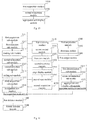
- the flow includes the following steps.
- a currently displayed user interface is a logistics interface.
- step 1402 whether a logistics information aggregation function is enabled or not is detected.
- step 1403 is executed; or if it is detected that the logistics information aggregation function is enable, the flow is ended.
- step 1403 whether a time difference between a historical time at which time the last prompting message is output and the current time reaches a preset time length is detected.
- step 1404 is executed; and if the preset time length is not reached, the flow is ended.
- step 1404 whether the number of times of outputting the prompting message reaches a preset number of times is detected.
- step 1405 is executed; or if the preset number of times is reached, the flow is ended.
- the prompting message is output.
- step 1406 when the start operation acting on the prompting message is received, the logistics information aggregation function is enabled, and the flow is ended.
- step 1407 when the viewing operation acting on the prompting message is received, a setting page is displayed.
- step 1408 when the start operation acting on the setting page is received, the logistics information aggregation function is enabled.
- Fig. 15 is a block diagram of logistics information display device shown in accordance with an exemplary embodiment.
- the device has a function of implementing the embodiment of the method described above, wherein the function can be implemented by hardware, or by corresponding software executed by the hardware.
- the device may include: a first acquisition module 1510, a second acquisition module 1520 and an aggregation and display module 1530.
- the first acquisition module 1510 is configured to execute step 101 and step 205;
- the second acquisition module 1520 is configured to execute step 102 and step 206;
- the aggregation and display module 1530 is configured to execute step 103 and step 207.
- the logistics waybill identifier in the at least one e-commerce client is acquired, and the logistics information corresponding to each logistics waybill identifier is aggregated and displayed in the preset display area provided by the operating system, so that the terminal allows the user to view the logistics information of the item in the at least one e-commerce client without switching user interfaces back and forth, solving the problems that the consumption of the resource of the terminal is excessive, and the efficiency that the user views the logistics information is lower when the terminal switches user interfaces back and forth for displaying the logistics information in the at least one e-commerce client. Therefore, the resource of the terminal is saved, and the efficiency that the user views the logistics information is improved.
- the first acquisition module 1510 includes: a first acquisition sub-module 1511, a first detection sub-module 1512 and a reading sub-module 1513.
- the first acquisition sub-module 1511 is configured to acquire first attribute information of an Activity currently running in a foreground;
- the first detection sub-module 1512 is configured to detect whether a foreground user interface is the logistics page of the e-commerce client or not in accordance with the first attribute information of the Activity, acquired by the first acquisition sub-module 1511.
- the reading sub-module 1513 is configured to read the logistics waybill identifier from the Activity when a detection result of the first detection sub-module 1512 shows that the foreground user interface is the logistics page of the e-commerce client.
- the first acquisition module 1510 includes: a second acquisition sub-module 1514, a second detection sub-module 1515, a calling sub-module 1516, a third acquisition sub-module 1517 and a recognition sub-module 1518.
- the second acquisition sub-module 1514 is configured to acquire the first attribute information of the Activity currently running in the foreground;
- the second detection sub-module 1515 is configured to detect whether the foreground user interface is the logistics page of the e-commerce client or not in accordance with the first attribute information of the Activity, acquired by the second acquisition sub-module 1514;
- the calling sub-module 1516 is configured to call a screenshot interface in the operating system when the detection result of the second detection sub-module 1515 shows that the foreground user interface is the logistics page of the e-commerce client;
- the third acquisition sub-module 1517 is configured to acquire a page image corresponding to the logistics page through the screenshot interface called by the calling sub-module 1516; and
- the recognition sub-module 1518 is configured to recognize the logistics waybill identifier from the page image acquired by the third acquisition sub-module 1517.
- the device further includes: a third acquisition module 1540, a detection module 1550, a first output module 1560 and a first receiving module 1570.
- the third acquisition module 1540 is configured to execute step 201;
- the detection module 1550 is configured to execute step 202;
- the first output module 1560 is configured to execute step 203; and
- the first receiving module 1570 is configured to execute step 204.
- the second acquisition module 1520 is further configured to: call a logistics query interface in the operating system, and inquire the logistics information through the logistics query interface in the operating system; or, call a logistics query interface in a third party application, and inquire the logistics information through the logistics query interface in the third party application.
- the preset display area is an area of a desktop widget, or a predetermined area in a notification bar.
- the logistics information includes an overall logistics progress comprising at least one of being on the way, having been shipped, having difficulty in delivery, having been signed after reception, having been signed out, being in distribution and being returned
- the aggregation and display module 1530 includes: a first determination sub-module 1531, a second determination sub-module 1532 and an aggregation and display sub-module 1533.
- the first determination sub-module 1531 is configured to determine a priority level corresponding to the logistics information in accordance with a preset corresponding relationship including a corresponding relationship between the overall logistics progress and the priority level.
- the second determination sub-module 1532 is configured to determine a corresponding target display position of the logistics information in the preset display area in accordance with the priority level determined by the first determination sub-module 1531, wherein at least two display positions in the preset display area are ranked in a descending order of according to priority level; and
- the aggregation and display sub-module 1533 is configured to display the logistics information at the corresponding target display position determined by the second determination sub-module 1532.
- the device further includes: a first deletion module 1580 and a second deletion module 1590.
- the first deletion module 1580 is configured to delete the logistics information from the preset display area when the overall logistics progress in the logistics information is one of having been shipped, having been signed after reception, having difficulty in delivery, having been signed out and being returned, and a time length for displaying the logistics information in an aggregated manner reaches a preset time length threshold; and
- the second deletion module 1590 is configured to delete the logistics information when a deletion operation for the logistics information in the preset display area is received.
- the device further includes: a second output module 1591 and a first start module 1592.
- the second output module 1591 is configured to execute step 1001;
- the first start module 1592 is configured to execute step 1002.
- the device further includes: a second receiving module 1593, a page display module 1594 and a second start module 1595.
- the second receiving module 1593 is configured to receive a viewing operation acting on a outputted prompting message; or, receive a viewing operation acting on an application to which the logistics information aggregation function belongs;
- the page display module 1594 is configured to execute step 1003; and
- the second start module 1595 is configured to execute step 1004.
- the device provided in the above embodiment is exemplified only by the above division of each of the functional modules when the functions are implemented.
- the above-described functions may be assigned and completed by different functional modules in accordance with requirements. That is, the internal structure of the device can be divided into different functional modules to complete all or part of the functions described above.
- the embodiments of the present disclosure further provide a logistics information display device capable of implementing the logistics information display method provided by the present disclosure.
- the device is applied in a first terminal device and includes: a processor; and a storage storing executable instructions executed by the processor.
- the processor is configured to:
- Fig. 17 is a block diagram of a device 1700, according to an exemplary embodiment.
- the device 1700 may be a mobile phone, a computer, a digital broadcast terminal, a messaging device, a game console, a tablet device, a medical device, an exercise device, a personal digital assistant, and the like.
- the device 1700 may include one or more of the following components: a processing component 1702, a storage 1704, a power component 1706, a multimedia component 1708, an audio component 1710, an input/output (I/O) interface 1712, a sensor component 1714, and a communication component 1716.
- the processing component 1702 typically controls overall operations of the device 1700, such as the operations associated with display, telephone calls, data communications, camera operations, and recording operations.
- the processing component 1702 may include one or more processors 1720 to execute instructions to perform all or part of the steps in the above described methods.
- the processing component 1702 may include one or more modules which facilitate the interaction between the processing component 1702 and other components.
- the processing component 1702 may include a multimedia module to facilitate the interaction between the multimedia component 1708 and the processing component 1702.
- the storage 1704 is configured to store various types of data to support operations of the device 1700. Examples of such data include instructions for any applications or methods operated on the device 1700, contact data, phonebook data, messages, pictures, video, etc.
- the storage 1704 may be implemented using any type of volatile or non-volatile storage devices, or a combination thereof, such as a static random access memory (SRAM), an electrically erasable programmable read-only memory (EEPROM), an erasable programmable read-only memory (EPROM), a programmable read-only memory (PROM), a read-only memory (ROM), a magnetic memory, a flash memory, a magnetic or optical disk.
- SRAM static random access memory
- EEPROM electrically erasable programmable read-only memory
- EPROM erasable programmable read-only memory
- PROM programmable read-only memory
- ROM read-only memory
- magnetic memory a magnetic memory
- flash memory a flash memory
- magnetic or optical disk a magnetic or
- the power component 1706 provides power to various components of the device 1700.
- the power component 1706 may include a power management system, one or more power sources, and any other components associated with the generation, management, and distribution of power in the device 1700.
- the multimedia component 1708 includes a screen providing an output interface between the device 1700 and the user.
- the screen may include a liquid crystal display (LCD) and a touch panel (TP). If the screen includes the touch panel, the screen may be implemented as a touch screen to receive input signals from the user.
- the touch panel includes one or more touch sensors to sense touches, swipes, and gestures on the touch panel. The touch sensors may not only sense a boundary of a touch or swipe action, but also sense a period of time and a pressure associated with the touch or swipe action.
- the multimedia component 1708 includes a front camera and/or a rear camera. The front camera and the rear camera may receive an external multimedia datum while the device 1700 is in an operation mode, such as a photographing mode or a video mode. Each of the front camera and the rear camera may be a fixed optical lens system or have focus and optical zoom capability.
- the audio component 1710 is configured to output and/or input audio signals.
- the audio component 1710 includes a microphone ("MIC") configured to receive an external audio signal when the device 1700 is in an operation mode, such as a call mode, a recording mode, and a voice recognition mode.
- the received audio signal may be further stored in the storage 1704 or transmitted via the communication component 1716.
- the audio component 1710 further includes a loudspeaker to output audio signals.
- the I/O interface 1712 provides an interface between the processing component 1702 and peripheral interface modules, such as a keyboard, a click wheel, buttons, and the like.
- the buttons may include, but are not limited to, a home page button, a volume button, a starting button, and a locking button.
- the sensor component 1714 includes one or more sensors to provide status assessments of various aspects of the device 1700. For instance, the sensor component 1714 may detect an open/closed status of the device 1700, relative positioning of components, e.g., the display and the keypad, of the device 1700, a change in position of the device 1700 or a component of the device 1700, a presence or absence of user contact with the device 1700, an orientation or an acceleration/deceleration of the device 1700, and a change in temperature of the device 1700.
- the sensor component 1714 may include a proximity sensor configured to detect the presence of nearby objects without any physical contact.
- the sensor component 1714 may also include a light sensor, such as a CMOS or CCD image sensor, for use in imaging applications.
- the sensor component 1714 may also include an accelerometer sensor, a gyroscope sensor, a magnetic sensor, a pressure sensor, or a temperature sensor.
- the communication component 1716 is configured to facilitate communication, whether wired or wirelessly, between the device 1700 and other devices.
- the device 1700 can access a wireless network based on a communication standard, such as WiFi, 2G, or 3G, or a combination thereof.
- the communication component 1716 receives a broadcast signal or broadcast associated information from an external broadcast management system via a broadcast channel.
- the communication component 1716 further includes a near field communication (NFC) module to facilitate short-range communications.
- the NFC module may be implemented based on a radio frequency identification (RFID) technology, an infrared data association (IrDA) technology, an ultra-wideband (UWB) technology, a Bluetooth (BT) technology, and other technologies.
- RFID radio frequency identification
- IrDA infrared data association
- UWB ultra-wideband
- BT Bluetooth
- the device 1700 may be implemented with one or more application specific integrated circuits (ASICs), digital signal processors (DSPs), digital signal processing devices (DSPDs), programmable logic devices (PLDs), field programmable gate arrays (FPGAs), controllers, micro-controllers, microprocessors, or other electronic components, for performing the above described methods.
- ASICs application specific integrated circuits
- DSPs digital signal processors
- DSPDs digital signal processing devices
- PLDs programmable logic devices
- FPGAs field programmable gate arrays
- controllers micro-controllers, microprocessors, or other electronic components, for performing the above described methods.
- non-transitory computer-readable storage medium including instructions, such as the storage 1704 including instructions, which instructions can be executable by the processor 1720 in the device 1700, for performing the above-described methods.
- the non-transitory computer-readable storage medium may be a ROM, a RAM, a CD-ROM, a magnetic tape, a floppy disc, an optical data storage device, and the like.
- a non-transitory computer-readable storage medium including instructions that when executed by the processor of the device 1700 cause the device 1700 to perform the above-described methods is provided.
Landscapes
- Business, Economics & Management (AREA)
- Engineering & Computer Science (AREA)
- Economics (AREA)
- Theoretical Computer Science (AREA)
- Entrepreneurship & Innovation (AREA)
- Human Resources & Organizations (AREA)
- Strategic Management (AREA)
- General Physics & Mathematics (AREA)
- Physics & Mathematics (AREA)
- Operations Research (AREA)
- Tourism & Hospitality (AREA)
- Quality & Reliability (AREA)
- General Business, Economics & Management (AREA)
- Marketing (AREA)
- Development Economics (AREA)
- General Engineering & Computer Science (AREA)
- Accounting & Taxation (AREA)
- Finance (AREA)
- Data Mining & Analysis (AREA)
- Human Computer Interaction (AREA)
- Management, Administration, Business Operations System, And Electronic Commerce (AREA)
- User Interface Of Digital Computer (AREA)
Applications Claiming Priority (1)
| Application Number | Priority Date | Filing Date | Title |
|---|---|---|---|
| CN201611128529.7A CN106502617A (zh) | 2016-12-09 | 2016-12-09 | 物流信息显示方法及装置 |
Publications (1)
| Publication Number | Publication Date |
|---|---|
| EP3333786A1 true EP3333786A1 (de) | 2018-06-13 |
Family
ID=58330752
Family Applications (1)
| Application Number | Title | Priority Date | Filing Date |
|---|---|---|---|
| EP17206296.0A Ceased EP3333786A1 (de) | 2016-12-09 | 2017-12-08 | Verfahren und vorrichtung zum anzeigen von logistikinformationen |
Country Status (3)
| Country | Link |
|---|---|
| US (1) | US11157864B2 (de) |
| EP (1) | EP3333786A1 (de) |
| CN (1) | CN106502617A (de) |
Cited By (1)
| Publication number | Priority date | Publication date | Assignee | Title |
|---|---|---|---|---|
| WO2021143585A1 (zh) * | 2020-01-14 | 2021-07-22 | 拉扎斯网络科技(上海)有限公司 | 链路信息的显示 |
Families Citing this family (24)
| Publication number | Priority date | Publication date | Assignee | Title |
|---|---|---|---|---|
| CN107146082B (zh) | 2017-05-27 | 2021-01-29 | 北京小米移动软件有限公司 | 交易记录信息获取方法、装置及计算机可读存储介质 |
| CN107256486B (zh) * | 2017-05-27 | 2020-10-09 | 北京小米移动软件有限公司 | 交易记录信息获取方法、装置及计算机可读存储介质 |
| CN107256485B (zh) * | 2017-05-27 | 2020-12-04 | 北京小米移动软件有限公司 | 交易记录信息获取方法、装置及计算机可读存储介质 |
| CN107705069B (zh) * | 2017-09-27 | 2021-06-29 | 北京小米移动软件有限公司 | 进度显示方法及装置 |
| CN107643860A (zh) * | 2017-09-30 | 2018-01-30 | 努比亚技术有限公司 | 一种信息提示的方法、移动终端及计算机可读存储介质 |
| CN107908339A (zh) * | 2017-12-06 | 2018-04-13 | 深圳春沐源控股有限公司 | 订单物流配送信息显示方法和装置 |
| CN108764803A (zh) * | 2018-06-06 | 2018-11-06 | 珠海格力电器股份有限公司 | 物流信息的显示方法、装置和存储介质 |
| CN109413282B (zh) * | 2018-12-10 | 2021-04-02 | 维沃移动通信有限公司 | 一种信息处理方法及移动终端 |
| CN109769065B (zh) * | 2019-01-07 | 2021-09-28 | 顺丰科技有限公司 | 消息显示方法、装置、移动终端及存储介质 |
| CN117424952A (zh) * | 2019-01-22 | 2024-01-19 | 华为技术有限公司 | 一种基于应用的来电显示方法和终端设备 |
| CN110389804A (zh) * | 2019-07-09 | 2019-10-29 | 北京小米移动软件有限公司 | 一种负一屏的界面展示方法、装置及存储介质 |
| CN111724226A (zh) * | 2019-11-22 | 2020-09-29 | 上海寻梦信息技术有限公司 | 信息展示方法、系统、电子设备及存储介质 |
| CN113159660B (zh) * | 2020-01-22 | 2024-08-16 | 北京京东振世信息技术有限公司 | 一种转运流程的展示方法、装置、存储介质及电子设备 |
| CN111695559B (zh) * | 2020-04-28 | 2023-07-18 | 深圳市跨越新科技有限公司 | 基于YoloV3模型的运单图片信息打码方法及系统 |
| CN111582996B (zh) * | 2020-05-20 | 2023-11-24 | 拉扎斯网络科技(上海)有限公司 | 业务信息的展示方法及装置 |
| KR102248855B1 (ko) * | 2020-07-06 | 2021-05-07 | 주식회사 알티올 | 맞춤형 물류흐름 설계 장치 및 방법 |
| CN112162804B (zh) * | 2020-09-23 | 2023-09-22 | 维沃移动通信有限公司 | 信息显示方法及装置 |
| CN113986415B (zh) * | 2021-09-23 | 2024-02-06 | 上海蜂鸟即配信息科技有限公司 | 物流服务过程中的智能温控方法及物流服务系统 |
| CN113837703B (zh) * | 2021-10-27 | 2023-09-19 | 江苏物润船联网络股份有限公司 | 一种物流运单承运信息量化防重实时自动核验法 |
| CN113986429B (zh) * | 2021-10-27 | 2023-12-22 | 上海倍通医药科技咨询有限公司 | 一种基于客户咨询的渠道数据快速反馈系统 |
| CN114356168A (zh) * | 2022-01-04 | 2022-04-15 | 维沃移动通信有限公司 | 消息提醒的方法及装置 |
| CN117492608B (zh) * | 2023-12-28 | 2024-06-14 | 荣耀终端有限公司 | 消息处理方法、电子设备、服务器及通信系统 |
| KR102713495B1 (ko) * | 2024-02-08 | 2024-10-07 | 쿠팡 주식회사 | 정보 제공 방법 및 그 전자 장치 |
| US12153552B1 (en) * | 2024-02-22 | 2024-11-26 | PortPro Technologies, Inc. | Systems and methods for generating a synthesized database |
Citations (5)
| Publication number | Priority date | Publication date | Assignee | Title |
|---|---|---|---|---|
| US20140082502A1 (en) * | 2012-09-14 | 2014-03-20 | Sap Ag | Native User Interface Interaction via a Web-Based User Interface |
| US20140188747A1 (en) * | 2012-12-28 | 2014-07-03 | Ebay Inc. | Determining shipping costs using a logistics table |
| CN104516634A (zh) * | 2014-12-15 | 2015-04-15 | 小米科技有限责任公司 | 智能硬件设备的物流信息显示方法及装置 |
| US20160063065A1 (en) * | 2014-08-28 | 2016-03-03 | Chandra Khatri | Systems, apparatuses, and methods for providing a ranking based recommendation |
| WO2016196089A1 (en) * | 2015-06-05 | 2016-12-08 | Apple Inc. | Application recommendation based on detected triggering events |
Family Cites Families (6)
| Publication number | Priority date | Publication date | Assignee | Title |
|---|---|---|---|---|
| US6931388B2 (en) * | 2000-02-09 | 2005-08-16 | M.A.I.L., Inc. | Accepting query that includes at least a portion of address without shipping identifier for tracking, delivery of shipment in computer network |
| GB2379047B (en) * | 2001-04-26 | 2004-06-16 | Nihon Dot Com Co Ltd | System and method for providing temporary access to content |
| US6954737B2 (en) * | 2001-11-05 | 2005-10-11 | Johnsondiversey, Inc. | Method and apparatus for work management for facility maintenance |
| JP5219407B2 (ja) * | 2007-05-31 | 2013-06-26 | 株式会社エヌ・ティ・ティ・ドコモ | 情報処理装置及びプログラム |
| US20120030133A1 (en) * | 2010-02-26 | 2012-02-02 | Rademaker William B | Systems and methods for arranging delivery of a package |
| CN105373956A (zh) * | 2015-12-11 | 2016-03-02 | 深圳前海百递网络有限公司 | 一种管理电子商务订单的方法及装置 |
-
2016
- 2016-12-09 CN CN201611128529.7A patent/CN106502617A/zh active Pending
-
2017
- 2017-11-30 US US15/826,823 patent/US11157864B2/en active Active
- 2017-12-08 EP EP17206296.0A patent/EP3333786A1/de not_active Ceased
Patent Citations (5)
| Publication number | Priority date | Publication date | Assignee | Title |
|---|---|---|---|---|
| US20140082502A1 (en) * | 2012-09-14 | 2014-03-20 | Sap Ag | Native User Interface Interaction via a Web-Based User Interface |
| US20140188747A1 (en) * | 2012-12-28 | 2014-07-03 | Ebay Inc. | Determining shipping costs using a logistics table |
| US20160063065A1 (en) * | 2014-08-28 | 2016-03-03 | Chandra Khatri | Systems, apparatuses, and methods for providing a ranking based recommendation |
| CN104516634A (zh) * | 2014-12-15 | 2015-04-15 | 小米科技有限责任公司 | 智能硬件设备的物流信息显示方法及装置 |
| WO2016196089A1 (en) * | 2015-06-05 | 2016-12-08 | Apple Inc. | Application recommendation based on detected triggering events |
Cited By (1)
| Publication number | Priority date | Publication date | Assignee | Title |
|---|---|---|---|---|
| WO2021143585A1 (zh) * | 2020-01-14 | 2021-07-22 | 拉扎斯网络科技(上海)有限公司 | 链路信息的显示 |
Also Published As
| Publication number | Publication date |
|---|---|
| US20180165634A1 (en) | 2018-06-14 |
| CN106502617A (zh) | 2017-03-15 |
| US11157864B2 (en) | 2021-10-26 |
Similar Documents
| Publication | Publication Date | Title |
|---|---|---|
| US11157864B2 (en) | Method and device for displaying logistics information and computer readable storage medium | |
| EP3316105B1 (de) | Verfahren und vorrichtung zur sofortnachrichtenverarbeitung | |
| US10372469B2 (en) | Method and device for displaying information | |
| US20180088764A1 (en) | Method, apparatus, and storage medium for sharing content | |
| US20180121040A1 (en) | Method and device for managing notification messages | |
| EP3070659A1 (de) | Verfahren, vorrichtung und endgerät zur anzeige von anwendungsnachrichten | |
| EP3128411B1 (de) | Schnittstellenanzeigeverfahren, endgerät, computerprogramm und entsprechender datenträger | |
| US9591120B2 (en) | Method and device for adding application badge | |
| US20170293403A1 (en) | Method and device for displaying pages in application program and computer-readable medium | |
| RU2614582C2 (ru) | Способ и устройство для управления распорядком дня | |
| EP3239836B1 (de) | Informationsanzeigeverfahren und -vorrichtung, computerprogramm und aufzeichnungsmedium | |
| EP3176999B1 (de) | Verfahren und vorrichtung zur informationsverarbeitung | |
| EP3147802B1 (de) | Verfahren und vorrichtung zur verarbeitung von informationen | |
| US20160314164A1 (en) | Methods and devices for sharing cloud-based business card | |
| CN106060257A (zh) | 查看联系人相关信息的方法及装置 | |
| CN104461236A (zh) | 应用图标的显示方法和装置 | |
| US20170293494A1 (en) | Method and device for starting application interface | |
| US20170093761A1 (en) | Method and device for sending electronic service reminders | |
| CN105303120B (zh) | 短信读取方法及装置 | |
| US20160349947A1 (en) | Method and device for sending message | |
| CN110209445B (zh) | 信息提醒方法、装置、终端及存储介质 | |
| US10972395B2 (en) | Method and device for granting and acquiring qualification | |
| US20170289306A1 (en) | Method, device and storage medium for synchronizing states | |
| CN106454781B (zh) | 通讯消息来源方识别方法及装置 | |
| CN111275394B (zh) | 消息提醒方法及装置、电子设备 |
Legal Events
| Date | Code | Title | Description |
|---|---|---|---|
| PUAI | Public reference made under article 153(3) epc to a published international application that has entered the european phase |
Free format text: ORIGINAL CODE: 0009012 |
|
| STAA | Information on the status of an ep patent application or granted ep patent |
Free format text: STATUS: THE APPLICATION HAS BEEN PUBLISHED |
|
| AK | Designated contracting states |
Kind code of ref document: A1 Designated state(s): AL AT BE BG CH CY CZ DE DK EE ES FI FR GB GR HR HU IE IS IT LI LT LU LV MC MK MT NL NO PL PT RO RS SE SI SK SM TR |
|
| AX | Request for extension of the european patent |
Extension state: BA ME |
|
| STAA | Information on the status of an ep patent application or granted ep patent |
Free format text: STATUS: REQUEST FOR EXAMINATION WAS MADE |
|
| 17P | Request for examination filed |
Effective date: 20181212 |
|
| RBV | Designated contracting states (corrected) |
Designated state(s): AL AT BE BG CH CY CZ DE DK EE ES FI FR GB GR HR HU IE IS IT LI LT LU LV MC MK MT NL NO PL PT RO RS SE SI SK SM TR |
|
| STAA | Information on the status of an ep patent application or granted ep patent |
Free format text: STATUS: EXAMINATION IS IN PROGRESS |
|
| 17Q | First examination report despatched |
Effective date: 20190516 |
|
| STAA | Information on the status of an ep patent application or granted ep patent |
Free format text: STATUS: THE APPLICATION HAS BEEN REFUSED |
|
| 18R | Application refused |
Effective date: 20210121 |