EP3317412B1 - Methods and pharmaceutical compositions for the treatment of cystic fibrosis - Google Patents
Methods and pharmaceutical compositions for the treatment of cystic fibrosis Download PDFInfo
- Publication number
- EP3317412B1 EP3317412B1 EP16736045.2A EP16736045A EP3317412B1 EP 3317412 B1 EP3317412 B1 EP 3317412B1 EP 16736045 A EP16736045 A EP 16736045A EP 3317412 B1 EP3317412 B1 EP 3317412B1
- Authority
- EP
- European Patent Office
- Prior art keywords
- mir
- nucleic acid
- ano1
- inhibitor
- cells
- Prior art date
- Legal status (The legal status is an assumption and is not a legal conclusion. Google has not performed a legal analysis and makes no representation as to the accuracy of the status listed.)
- Not-in-force
Links
Images





Classifications
-
- C—CHEMISTRY; METALLURGY
- C12—BIOCHEMISTRY; BEER; SPIRITS; WINE; VINEGAR; MICROBIOLOGY; ENZYMOLOGY; MUTATION OR GENETIC ENGINEERING
- C12N—MICROORGANISMS OR ENZYMES; COMPOSITIONS THEREOF; PROPAGATING, PRESERVING, OR MAINTAINING MICROORGANISMS; MUTATION OR GENETIC ENGINEERING; CULTURE MEDIA
- C12N15/00—Mutation or genetic engineering; DNA or RNA concerning genetic engineering, vectors, e.g. plasmids, or their isolation, preparation or purification; Use of hosts therefor
- C12N15/09—Recombinant DNA-technology
- C12N15/11—DNA or RNA fragments; Modified forms thereof; Non-coding nucleic acids having a biological activity
- C12N15/113—Non-coding nucleic acids modulating the expression of genes, e.g. antisense oligonucleotides; Antisense DNA or RNA; Triplex- forming oligonucleotides; Catalytic nucleic acids, e.g. ribozymes; Nucleic acids used in co-suppression or gene silencing
- C12N15/1138—Non-coding nucleic acids modulating the expression of genes, e.g. antisense oligonucleotides; Antisense DNA or RNA; Triplex- forming oligonucleotides; Catalytic nucleic acids, e.g. ribozymes; Nucleic acids used in co-suppression or gene silencing against receptors or cell surface proteins
-
- C—CHEMISTRY; METALLURGY
- C12—BIOCHEMISTRY; BEER; SPIRITS; WINE; VINEGAR; MICROBIOLOGY; ENZYMOLOGY; MUTATION OR GENETIC ENGINEERING
- C12N—MICROORGANISMS OR ENZYMES; COMPOSITIONS THEREOF; PROPAGATING, PRESERVING, OR MAINTAINING MICROORGANISMS; MUTATION OR GENETIC ENGINEERING; CULTURE MEDIA
- C12N15/00—Mutation or genetic engineering; DNA or RNA concerning genetic engineering, vectors, e.g. plasmids, or their isolation, preparation or purification; Use of hosts therefor
- C12N15/09—Recombinant DNA-technology
- C12N15/11—DNA or RNA fragments; Modified forms thereof; Non-coding nucleic acids having a biological activity
- C12N15/113—Non-coding nucleic acids modulating the expression of genes, e.g. antisense oligonucleotides; Antisense DNA or RNA; Triplex- forming oligonucleotides; Catalytic nucleic acids, e.g. ribozymes; Nucleic acids used in co-suppression or gene silencing
-
- A—HUMAN NECESSITIES
- A61—MEDICAL OR VETERINARY SCIENCE; HYGIENE
- A61P—SPECIFIC THERAPEUTIC ACTIVITY OF CHEMICAL COMPOUNDS OR MEDICINAL PREPARATIONS
- A61P11/00—Drugs for disorders of the respiratory system
-
- A—HUMAN NECESSITIES
- A61—MEDICAL OR VETERINARY SCIENCE; HYGIENE
- A61P—SPECIFIC THERAPEUTIC ACTIVITY OF CHEMICAL COMPOUNDS OR MEDICINAL PREPARATIONS
- A61P43/00—Drugs for specific purposes, not provided for in groups A61P1/00-A61P41/00
-
- C—CHEMISTRY; METALLURGY
- C12—BIOCHEMISTRY; BEER; SPIRITS; WINE; VINEGAR; MICROBIOLOGY; ENZYMOLOGY; MUTATION OR GENETIC ENGINEERING
- C12N—MICROORGANISMS OR ENZYMES; COMPOSITIONS THEREOF; PROPAGATING, PRESERVING, OR MAINTAINING MICROORGANISMS; MUTATION OR GENETIC ENGINEERING; CULTURE MEDIA
- C12N2310/00—Structure or type of the nucleic acid
- C12N2310/10—Type of nucleic acid
- C12N2310/11—Antisense
-
- C—CHEMISTRY; METALLURGY
- C12—BIOCHEMISTRY; BEER; SPIRITS; WINE; VINEGAR; MICROBIOLOGY; ENZYMOLOGY; MUTATION OR GENETIC ENGINEERING
- C12N—MICROORGANISMS OR ENZYMES; COMPOSITIONS THEREOF; PROPAGATING, PRESERVING, OR MAINTAINING MICROORGANISMS; MUTATION OR GENETIC ENGINEERING; CULTURE MEDIA
- C12N2310/00—Structure or type of the nucleic acid
- C12N2310/10—Type of nucleic acid
- C12N2310/11—Antisense
- C12N2310/113—Antisense targeting other non-coding nucleic acids, e.g. antagomirs
-
- C—CHEMISTRY; METALLURGY
- C12—BIOCHEMISTRY; BEER; SPIRITS; WINE; VINEGAR; MICROBIOLOGY; ENZYMOLOGY; MUTATION OR GENETIC ENGINEERING
- C12N—MICROORGANISMS OR ENZYMES; COMPOSITIONS THEREOF; PROPAGATING, PRESERVING, OR MAINTAINING MICROORGANISMS; MUTATION OR GENETIC ENGINEERING; CULTURE MEDIA
- C12N2310/00—Structure or type of the nucleic acid
- C12N2310/30—Chemical structure
- C12N2310/32—Chemical structure of the sugar
- C12N2310/323—Chemical structure of the sugar modified ring structure
- C12N2310/3231—Chemical structure of the sugar modified ring structure having an additional ring, e.g. LNA, ENA
Definitions
- the present disclosure relates to methods and pharmaceutical compositions for the treatment of cystic fibrosis.
- Cystic fibrosis is a genetic disease caused by mutations in the gene encoding the CFTR Cl- channel (Riordan, 1989). CF affects several organs, but the most severe consequences are observed in the lung. The pathogenesis of lung disease in CF is still not perfectly understood. The loss of CFTR channel function in CF favors the colonization of the airway surface by highly virulent bacteria. However, the mechanism by which this happens is still a matter of debate. CFTR channel activity is certainly an important contributor to mucociliary clearance. The fine balance between CFTR-dependent Cl- secretion and Na+ absorption through the ENaC channel controls the thickness of the periciliary fluid (PCF).
- PCF periciliary fluid
- TMEM16A was identified as a component of Ca2+-activated chloride channel (CaCC).
- CaCC Ca2+-activated chloride channel
- TMEM16A also known as anoctamin-1 (ANO1), belongs to a protein family composed of 10 members whose primary sequence and predicted structure (eight transmembrane domains) have no similarity with those of other anion channels.
- ANO1 anoctamin-1
- the present invention relates to a nucleic acid miR-9 inhibitor comprising the nucleic acid sequence of SEQ ID NO: 3 wherein the nucleic acid miR-9 inhibitor does not bind directly to miR-9 but instead binds to a miR-9 mRNA target site in the ANO1 nucleic acid sequence.
- the present invention also relates to a vector comprising the nucleic acid sequence of the invention.
- the present invention also relates to a pharmaceutical composition comprising the nucleic acid sequence of the invention.
- the present invention also relates to a nucleic acid miR-9 inhibitor comprising the nucleic acid sequence SEQ ID NO: 3 for use in the treatment of cystic fibrosis in a subject in need thereof wherein the nucleic acid miR-9 inhibitor does not bind directly to miR-9 but instead binds to a miR-9 mRNA target site in the ANO1 nucleic acid sequence.
- the aim of the inventors was to understand the origin of the reduced expression of ANO1 in CF by studying the role of miRNAs which regulate negatively gene expression.
- the inventors performed bio-informatic approaches to study miRNAs that could target ANO1 and evaluated the expression levels of miRNAs candidates by RT-qPCR in bronchial epithelial cells lines. They performed functionality experiments studying the miRNAs candidates binding to the 3'UTR of ANO1 over-expressing miRNAs, and quantifying the expression of ANO1 in these conditions. They also evaluated cells migration rate and ANO1 chloride activity modulating a miRNA which regulates ANO1.
- the inventors have identified different miRNAs including miR-9 as a potential regulator of ANO1.
- miR-9 is overexpressed in CF cells and a decrease of ANO1 expression and luciferase activity when they overexpress miR-9 in CF and non-CF cells. Furthermore, the inventors observed a decrease of cells migration rate and ANO1 chloride activity when miR-9 is overexpressed. In conclusion, the results showed that miR-9 directly regulates ANO1 by pairing to its 3'UTR, and that modulate miR-9 allows to change cells migration rate and ANO1 chloride activity.
- the present disclosure relates to a method of treating cystic fibrosis in a subject in need thereof comprising administering to the subject a therapeutically effective amount of a nucleic acid miR-9 inhibitor.
- the term "subject” denotes a mammal.
- a subject according to the disclosure refers to any subject (preferably human) afflicted or at risk to be afflicted with cystic fibrosis.
- the method of the disclosure may be performed for any type of cystic fibrosis such as revised in the World Health Organisation Classification of cystic fibrosis and selected from the E84 group: mucoviscidosis, Cystic fibrosis with pulmonary manifestations, Cystic fibrosis with intestinal manifestations and Cystic fibrosis with other manifestations.
- ANO1 has its general meaning in the art and refers to the anoctamin-1 protein, also known as TMEM16A.
- ANO1 belongs to a protein family composed of 10 members whose primary sequence and predicted structure (eight transmembrane domains) have no similarity with those of other anion channels.
- An exemplary human nucleic acid sequence is the NCBI Reference Sequence NM_018043.5 (SEQ ID NO: 1).
- miRNAs refers to mature microRNA (non-coding small RNAs) molecules that are generally 21 to 22 nucleotides in length, even though lengths of 19 and up to 23 nucleotides have been reported. miRNAs are each processed from longer precursor RNA molecules ("precursor miRNA”: pri-miRNA and pre-miRNA). Pri-miRNAs are transcribed either from non-protein-encoding genes or embedded into protein-coding genes (within introns or non-coding exons).
- the "precursor miRNAs” fold into hairpin structures containing imperfectly base-paired stems and are processed in two steps, catalyzed in animals by two Ribonuclease III-type endonucleases called Drosha and Dicer.
- miR-9 microRNA (homologous to miR-79), is a short non-coding RNA gene involved in gene regulation.
- the mature ⁇ 21nt miRNAs are processed from hairpin precursor sequences by the Dicer enzyme.
- the dominant mature miRNA sequence is processed from the 5' arm of the miR-9 precursor, and from the 3' arm of the mir-79 precursor.
- the mature products are thought to have regulatory roles through complementarity to mRNA.
- nucleic acid miR-9 inhibitor i.e. a nucleic acid that inhibits miR-9 is any nucleic acid, for example, an oligonucleotide, that reduces (i.e. inhibits) the biological activity of miR-9.
- nucleic acid miR-9 inhibitors comprise a nucleic acid sequence that is complementary to at least a portion of the nucleic acid sequence of either miR-9 itself or the target mRNA sequences of miR-9; inhibition of miR-9 therefore occurs by binding of the inhibitor to miR-9 or to its target mRNA. In both cases, miR-9 is prevented from recognizing and binding its target sequence and thus cannot induce gene silencing.
- the nucleic acid miR-9 inhibitor of the disclosure may comprise a structure that is single stranded, double stranded, partially double-stranded, or hairpin in nature.
- the nucleic acid miR-9 inhibitor binds to miR-9.
- the nucleic acid miR-9 inhibitor binds to and sequesters miR-9, so preventing it from binding to its target mRNA sequences. Binding occurs via complementary base pairing between at least one nucleotide present in the nucleic acid miR-9 inhibitor and a corresponding nucleotide present in miR-9, such that at least a portion of the nucleic acid miR-9 inhibitor and miR-9 together define a base-paired nucleic acid duplex. Said complementary base pairing (and thus duplex formation) can occur over a region of two or more contiguous nucleotides of miR-9 (e.g.
- a base-paired nucleic acid duplex formed when the nucleic acid miR-9 inhibitor binds to miR-9 may comprise one or more mismatch pairings.
- two or more regions of complementary base-paired nucleic acid duplex e.g. 3, 4, 5 or 6) are formed, wherein each region is separated from the next by one or more mismatch pairings.
- complementary refers to a nucleic acid molecule that forms hydrogen bonds with another nucleic acid molecule with Watson-Crick base pairing.
- Watson-Crick base pairing refers to the following hydrogen bonded nucleotide pairings: A:T and C:G (for DNA); and A:U and C:G (for RNA).
- two or more complementary nucleic acid molecule strands can have the same number of nucleotides (i.e. have the same length and form one double-stranded region, with or without an overhang) or have a different number of nucleotides (e.g. one strand may be shorter than but fully contained within another strand or one strand may overhang the other strand).
- nucleic acid miR-9 inhibitor comprises a nucleic acid sequence complementary to at least a portion of the miR-9 sequence.
- the nucleic acid miR-9 inhibitor may comprise a nucleic acid sequence complementary to 2, 3, 4, 5, 6, 7, 8, 9, 10, 1 1, 12, 13, 14, 15, 16, 17, 18, 19, 20 or 21 contiguous nucleotides of miR-9.
- the nucleic acid miR-9 inhibitor comprises a nucleic acid sequence having at least 70% sequence identity to a complementary (i.e. antisense) sequence of miR-9.
- a first nucleic acid sequence having at least 70% of identity with a second nucleic acid sequence means that the first sequence has 70; 71; 72; 73; 74; 75; 76; 77; 78; 79; 80; 81; 82; 83; 84; 85; 86; 87; 88; 89; 90; 91; 92; 93; 94; 95; 96; 97; 98; 99 or 100% of identity with the second nucleic acid sequence.
- Sequence identity is frequently measured in terms of percentage identity (or similarity or homology); the higher the percentage, the more similar are the two sequences.
- Methods of alignment of sequences for comparison are well known in the art. Various programs and alignment algorithms are described in: Smith and Waterman, Adv. Appl. Math., 2:482, 1981 ; Needleman and Wunsch, J. Mol. Biol., 48:443, 1970 ; Pearson and Lipman, Proc. Natl. Acad. Sci. U.S.A., 85:2444, 1988 ; Higgins and Sharp, Gene, 73:237-244, 1988 ; Higgins and Sharp, CABIOS, 5:151-153, 1989 ; Corpet et al. Nuc.
- ALIGN compares entire sequences against one another, while LFASTA compares regions of local similarity.
- these alignment tools and their respective tutorials are available on the Internet at the NCSA Website, for instance.
- the Blast 2 sequences function can be employed using the default BLOSUM62 matrix set to default parameters, (gap existence cost of 11, and a per residue gap cost of 1).
- the alignment should be performed using the Blast 2 sequences function, employing the PAM30 matrix set to default parameters (open gap 9, extension gap 1 penalties).
- the BLAST sequence comparison system is available, for instance, from the NCBI web site; see also Altschul et al., J. Mol.
- the nucleic acid miR-9 inhibitor comprises a sequence complementary to miR-9.
- the nucleic acid miR-9 inhibitor comprises a nucleic acid sequence that differs from the complementary (i.e. antisense) sequence of miR9 at a maximum of 10 (e.g.
- the nucleic acid miR-9 inhibitor comprises a nucleic acid sequence that differs from the complementary (i.e. antisense) sequence of miR9 at a maximum of 5 (e.g. a maximum of 4, 3, 2, or 1) nucleotide positions.
- said nucleic acid sequence is identical to the complementary (i.e. antisense) sequence of miR9 except at a limited number of nucleotide positions.
- the nucleic acid miR-9 inhibitor as described above, has a maximum length of 60 (for example 55, 50, 45, 40, 35, 30, or 25) nucleotides.
- the nucleic acid miR-9 inhibitor is a miR-9 antagomir.
- an "antagomir” is a nucleic acid oligomer that is designed to bind to a specific target microRNA via complementary base pairing (for example, as described above).
- An antagomir may have a sequence that is wholly or partially complementary to the microRNA target sequence.
- Antagomirs may have a single stranded, double stranded, partially double-stranded, or hairpin structure.
- Antagomirs may further comprise chemically modified nucleotides (e.g. as described below). Methods for designing and creating antagomirs are known in the art.
- the nucleic acid miR-9 inhibitor is a miR-9 microRNA-sponge.
- miR-9 microRNA-sponge is a nucleic acid that comprises multiple (e.g. at least 2, 3, 4, 5 or 6) binding sites for a specific target microRNA.
- a microRNA-sponge is able to bind and sequester multiple target microRNA molecules.
- a microRNA sponge may comprise an mRNA expressed from a vector (e.g. a viral vector or plasmid vector). The presence in a microRNA-sponge of multiple binding sites for the target microRNA enables microRNAs to be adsorbed in a manner analogous to a sponge soaking up water.
- a microRNA-sponge may bind target microRNAs via complementary base pairing (for example, as described above).
- a microRNA-sponge may comprise multiple (e.g. at least 2, 3, 4, 5 or 6) nucleic acid sequences, each sequence being complementary to at least a portion of the microRNA target sequence.
- a microRNA- sponge may comprise multiple (e.g. at least 2, 3, 4, 5 or 6) nucleic acid sequences, wherein each sequence is complementary to the microRNA target sequence.
- Methods for designing and creating microRNA-sponges are known in the art.
- the nucleic acid miR-9 inhibitor comprising two or more nucleic acid sequences, wherein each of said two or more nucleic acid sequences has at least 70% sequence identity to the complementary (i.e. antisense) sequence of miR9 is a miR-9 microRNA sponge.
- the nucleic acid miR-9 inhibitor does not bind directly to miR-9 but instead binds to a miR-9 mRNA target site in the ANO1 nucleic acid sequence. This has the effect of blocking said target site (for example, by steric interference), preventing its recognition and binding by miR-9, and thus inhibiting miR-9 and its actions.
- the binding of the nucleic acid miR-9 inhibitor of the disclosure to a miR-9 mRNA target site does not induce gene silencing (e.g. by mRNA degradation or translational repression) of said target mRNA.
- the miR-9 mRNA target site is located on an ANO1 3 ' UTR.
- the miR-9 inhibitor is a Target Site Blocker (TSB). Binding of the nucleic acid miR-9 inhibitor to a miR-9 mRNA target site may occur via complementary base pairing, as described above. Thus, in particular, binding between the nucleic acid miR-9 inhibitor and the miR-9 mRNA target site occurs via complementary base pairing between at least one nucleotide present in the nucleic acid miR-9 inhibitor and a corresponding nucleotide present in the miR-9 mRNA target site, such that at least a portion of the nucleic acid miR-9 inhibitor and the miR-9 mRNA target site together define a base-paired nucleic acid duplex.
- TLB Target Site Blocker
- Said complementary base pairing can occur over a region of two or more contiguous nucleotides of the miR-9 mRNA target site (e.g. 3, 4, 5, 6, 7, 8, 9, 10, 11, 12, 13, 14, 15, 16, 17, 18, 19, 20 or 21 contiguous nucleotides).
- a base-paired nucleic acid duplex formed when the nucleic acid miR-9 inhibitor binds to the miR-9 mRNA target may comprise one or more mismatch pairings.
- two or more regions of complementary base-paired nucleic acid duplex are formed, wherein each region is separated from the next by one or more mismatch pairings.
- the mRNA target site is located on the 3' UTR (untranslated region) of the target ANO1 mRNA.
- the nucleic acid miR-9 inhibitor competes with miR-9 for binding to a miR-9 mRNA target site
- the nucleic acid comprises the nucleic acid sequence TTTTCTCCGTCTTTGGGACCT (SEQ ID NO: 3).
- said nucleic acid sequence will bind to the miR-9 mRNA target site in ANO1 via complementary binding at the location targeted by the seed region of miR-9, thus preventing miR-9 from binding.
- the nucleic acid miR-9 inhibitor is a small interfering RNA (siRNA) that is targeted against miR-9.
- siRNA has its general meaning in the art and refers to a double-stranded interfering RNA.
- siRNA useful in the present methods comprise short double-stranded RNA from about 17 nucleotides to about 29 nucleotides in length, preferably from about 19 to about 25 nucleotides in length.
- the siRNA comprise a sense RNA strand, and a complementary antisense RNA strand annealed together by standard Watson-Crick base-pairing interactions (hereinafter "base-paired").
- the sense strand comprises a nucleic acid sequence which is substantially identical to a nucleic acid sequence contained within the target miRNA.
- a nucleic acid sequence in a siRNA which is "substantially identical" to a target sequence contained within the target mRNA is a nucleic acid sequence that is identical to the target sequence, or that differs from the target sequence by one or two nucleotides.
- the sense and antisense strands of the siRNA can comprise two complementary, single-stranded RNA molecules, or can comprise a single molecule in which two complementary portions are base-paired and are covalently linked by a single-stranded "hairpin" area.
- the siRNA can also be altered RNA that differs from naturally-occurring RNA by the addition, deletion, substitution and/or alteration of one or more nucleotides.
- Such alterations can include addition of non-nucleotide material, such as to the end(s) of the siRNA or to one or more internal nucleotides of the siRNA, or modifications that make the siRNA resistant to nuclease digestion, or the substitution of one or more nucleotides in the siRNA with deoxyribonucleotides.
- One or both strands of the siRNA can also comprise a 3 overhang.
- a "3' overhang” refers to at least one unpaired nucleotide extending from the 3'-end of a duplexed RNA strand.
- the siRNA comprises at least one 3' overhang of 1 to about 6 nucleotides (which includes ribonucleotides or deoxyribonucleotides) in length, preferably from 1 to about 5 nucleotides in length, more preferably from 1 to about 4 nucleotides in length, and particularly preferably from about 2 to about 4 nucleotides in length.
- the 3' overhang is present on both strands of the siRNA, and is 2 nucleotides in length.
- each strand of the siRNA can comprise 3' overhangs of dithymidylic acid ("TT") or diuridylic acid ("uu").
- the nucleic acid miR-9 inhibitor of the disclosure may be a ribonucleic acid (RNA) or a deoxyribonucleic acid (DNA), or may comprise both RNA and DNA.
- a nucleic acid miR-9 inhibitor (as described above) comprises RNA.
- a nucleic acid miR-9 inhibitor (as described above) comprises DNA.
- nucleic acid sequences in this document are written in the direction 5 '-3'. As would be understood by a person skilled in the art, nucleic acid sequences written as RNA and containing the nucleotide U may equally be written as DNA by substituting T for U.
- nucleic acid(s) and/or nucleotide(s) embraces modified nucleic acid(s) and modified nucleotide(s).
- a nucleic acid or nucleotide may be modified to increase the stability of said nucleic acid or nucleotide, for instance by improving resistance to nuclease degradation.
- a modified nucleic acid comprises a locked nucleic acid (LNA) nucleotide.
- LNA locked nucleic acid
- the ribose moiety of an LNA nucleotide is modified with an extra bridge connecting the 2' oxygen and 4' carbon.
- the bridge "locks" the ribose in the 3'-endo (North) conformation, which is often found in A- form nucleic acid duplexes.
- LNA nucleotides can be mixed with DNA or RNA residues in an oligonucleotide whenever desired.
- the locked ribose conformation enhances base stacking and backbone pre-organization. This significantly increases the hybridization properties (melting temperature) of oligonucleotides.
- modified nucleotides include 2'-methoxyethoxy (MOE) nucleotides; 2'-methyl-thio-ethyl, 2'-deoxy-2'-fluoro nucleotides.
- a nucleic acid molecule of the disclosure may also be conjugated to one or more cholesterol moieties.
- the nucleic acid miR-9 inhibitor is conjugated to at least one (for example, 1, 2, 3, or 4) cholesterol moiety.
- a nucleic acid miR-9 inhibitor of the disclosure may be constructed such that all of its nucleotides are modified nucleotides.
- the nucleic acid miR-9 inhibitor consists of modified nucleotides.
- said modified nucleotides consist of LNA nucleotides, or 2'-O-methyl modified nucleotides, or 2'-0- methoxyethyl modified nucleotides, or 2'-fluoro modified nucleotides.
- the nucleic acid miR-9 inhibitor is a synthetic 2'-O-methyl RNA oligonucleotide, and which competes with miR-9 target mRNAs with stronger binding to the miRNA-associated gene silencing complex.
- Nucleic acid analogs are composed of three parts: a phosphate backbone, a pucker-shaped pentose sugar, either ribose or deoxyribose, and one of four nucleobases.
- An analog may have any of these altered.
- the analog nucleobases confer, among other things, different base pairing and base stacking proprieties. Examples include universal bases, which can pair with all four canon bases, and phosphate-sugar backbone analogs such as PNA, which affect the properties of the chain.
- Artificial nucleic acids include peptide nucleic acid (PNA), Morpholino and LNA, as well as glycol nucleic acid (GNA) and threose nucleic acid (TNA). Each of these is distinguished from naturally-occurring DNA or RNA by changes to the backbone of the molecule.
- the nucleic acid miR-9 inhibitor is a nucleic acid analog selected from: a peptide nucleic acid (PNA), a glycol nucleic acid (GNA), a threose nucleic acid (TNA), and a morpholino.
- the nucleic acid miR-9 inhibitor may comprise at least one (e.g. 1, 2, 3, 4, 5, 6, 7, 8, 9, 10, 12, 14, 16, 18 or 20) modified phosphodiester linkage.
- the modified phosphodiester linkage is a phosphorothioate linkage.
- all of the phosphodiester linkages are modified phosphodiester linkages.
- nucleic acid molecules of the disclosure may be made using any suitable process known in the art.
- the nucleic acid molecules may be made using chemical synthesis techniques.
- the nucleic acid molecules of the disclosure may be made using molecular biology techniques.
- the disclosure provides a nucleic acid vector comprising a nucleic acid sequence encoding a nucleic acid miR-9 inhibitor as described above.
- the nucleic acid molecules of the present disclosure may be delivered into a target cell using a viral vector.
- the viral vector may be any virus which can serve as a viral vector. Suitable viruses are those which infect the target cells, can be propagated in vitro, and can be modified by recombinant nucleotide technology known in the art.
- the disclosure provides a viral vector comprising a nucleic acid sequence encoding a nucleic acid inhibitor of miR-9 (as described above), for use in the prevention or treatment of cystic fibrosis in a subject.
- Viral vectors suitable for use in the present disclosure include poxvirus vectors (such as non-replicating poxvirus vectors), adenovirus vectors, and adeno-associated virus (AAV) vectors.
- a "non-replicating viral vector” is a viral vector which lacks the ability to productively replicate following infection of a target cell.
- a target cell such as a human target cell in an individual undergoing vaccination with a non- replicating viral vector
- Such a viral vector may also be referred to as attenuated or replication-deficient. The cause can be loss/deletion of genes essential for replication in the target cell.
- Non-replicating viral vectors cannot effectively produce copies of itself following infection of a target cell.
- Non- replicating viral vectors may therefore advantageously have an improved safety profile as compared to replication-competent viral vectors.
- a non-replicating viral vector may retain the ability to replicate in cells that are not target cells, allowing viral vector production.
- a non-replicating viral vector e.g. a non- replicating poxvirus vector
- the non-replicating poxvirus vector is selected from: a Modified Vaccinia virus Ankara (MVA) vector, a NYVAC vaccinia virus vector, a canarypox (ALVAC) vector, and a fowlpox (FPV) vector.
- MVA and NYVAC are both attenuated derivatives of vaccinia virus. Compared to vaccinia virus, MVA lacks approximately 26 of the approximately 200 open reading frames.
- the adenovirus vector is a non-replicating adenovirus vector (wherein non-replicating is defined as above). Adenoviruses can be rendered non- replicating by deletion of the El or both the E1 and E3 gene regions.
- the adenovirus vector is selected from: a human adenovirus vector, a simian adenovirus vector, a group B adenovirus vector, a group C adenovirus vector, a group E adenovirus vector, an adenovirus 6 vector, a PanAd3 vector, an adenovirus C3 vector, a ChAdY25 vector, an AdC68 vector, and an Ad5 vector.
- the nucleic acid miR-9 inhibitor is administered to the subject using any suitable method that enables the nucleic acid miR-9 inhibitor to reach the lungs.
- the nucleic acid miR-9 inhibitor may be administered to a subject by any suitable means known in the art.
- the nucleic acid miR-9 inhibitor (as described above) is administered to the subject systemically (i.e. via systemic administration).
- the nucleic acid miR-9 inhibitor (as described above) is administered to the subject such that it enters the circulatory system and is distributed throughout the body.
- the nucleic acid miR-9 inhibitor (as described above) is administered to the subject by local administration, for example by local administration to the lungs.
- the nucleic acid miR-9 inhibitor is delivered by any device adapted to introduce one or more therapeutic compositions into the upper and/or lower respiratory tract.
- the devices may be adapted to deliver the therapeutic compositions of the disclosure in the form of a finely dispersed mist of liquid, foam or powder.
- the device may use a piezoelectric effect or ultrasonic vibration to dislodge powder attached on a surface such as a tape in order to generate mist suitable for inhalation.
- the devices may use any propellant system known to those in the art including, but not limited to, pumps, liquefied- gas, compressed gas and the like.
- Devices of the present disclosure typically comprise a container with one or more valves through which the flow of the therapeutic composition travels and an actuator for controlling the flow.
- the devices suitable for administering the constructs of the disclosure include inhalers and nebulizers.
- inhalers Various designs of inhalers are available commercially and may be employed to deliver the medicaments of the disclosure. These include the Accuhaler, Aerohaler, Aerolizer, Airmax, Autohaler, Clickhaler, Diskhaler, Easi-breathe inhaler, Fisonair, Integra, Jet inhaler, Miat-haler, Novolizer inhaler, Pulvinal inhaler, Rotahaler, Spacehaler, Spinhaler, Syncroner inhaler and Turbohaler devices.
- the delivery is done by means of a nebulizer or other aerosolisation device provided the integrity of the nucleic acid miR-9 inhibitor is maintained.
- the nucleic acid miR-9 inhibitor may be administered to the subject in a single delivery, such as a bolus delivery. Alternatively, the nucleic acid miR-9 inhibitor may be administered to the subject using a continuous delivery technique, such as a timed infusion. The nucleic acid miR-9 inhibitor may be administered using a repeated delivery regimen, for example on an hourly, daily or weekly basis. Nucleic acid miR-9 inhibitor dosages may be achieved by single or multiple administrations. By way of example, the nucleic acid miR-9 inhibitor may be administered to the subject in a regimen consisting of a single administration. Alternatively, the nucleic acid miR-9 inhibitor may be administered to the subject in a regimen comprising multiple administrations.
- an administration regimen may comprise multiple administrations per day, or daily, weekly, bi-weekly, or monthly administrations.
- An example regimen comprises an initial administration followed by multiple, subsequent administrations at weekly or bi-weekly intervals.
- Another example regimen comprises an initial administration followed by multiple, subsequent administrations at monthly or bi-monthly intervals.
- administration of the nucleic acid miR-9 inhibitor can be guided by monitoring of CF symptoms in the subject.
- an example regimen comprises an initial administration followed by multiple, subsequent administrations carried out on an irregular basis as determined by monitoring CF symptoms in the subject.
- Methods for delivering nucleic acids are known in the art and will be familiar to a skilled person.
- suitable nucleic acid delivery methods include ionophoresis, microspheres (e.g. bioadhesive microspheres), nanoparticles, dendritic polymers, liposomes, hydrogels, cyclodextrins, and proteinaceous vectors.
- a “therapeutically effective amount” of the nucleic acid miR-9 inhibitor as above described is meant a sufficient amount of the inhibitor to reach a therapeutic effect. It will be understood, however, that the total daily usage of the compounds and compositions of the present disclosure will be decided by the attending physician within the scope of sound medical judgment.
- the specific therapeutically effective dose level for any particular subject will depend upon a variety of factors including the disorder being treated and the severity of the disorder; activity of the specific compound employed; the specific composition employed, the age, body weight, general health, sex and diet of the subject; the time of administration, route of administration, and rate of excretion of the specific compound employed; the duration of the treatment; drugs used in combination or coincidential with the specific inhibitor used; and like factors well-known in the medical arts.
- the daily dosage of the products may be varied over a wide range from 0.01 to 1,000 mg per adult per day.
- the compositions contain 0.01, 0.05, 0.1, 0.5, 1.0, 2.5, 5.0, 10.0, 15.0, 25.0, 50.0, 100, 250 and 500 mg of the active ingredient for the symptomatic adjustment of the dosage to the subject to be treated.
- a medicament typically contains from about 0.01 mg to about 500 mg of the active ingredient, preferably from 1 mg to about 100 mg of the active ingredient.
- An effective amount of the drug is ordinarily supplied at a dosage level from 0.0002 mg/kg to about 20 mg/kg of body weight per day, especially from about 0.001 mg/kg to 7 mg/kg of body weight per day.
- the nucleic acid miR-9 inhibitor (or a viral vector encoding said nucleic acid miR-9 inhibitor) may be formulated as a pharmaceutical composition comprising a nucleic acid miR-9 inhibitor (as described above) or a viral vector (as described above) (as active ingredient).
- a pharmaceutical composition can be formulated according to known methods for preparing pharmaceutical compositions, such as by combining a nucleic acid miR-9 inhibitor or viral vector with a pharmaceutically acceptable carrier.
- pharmaceutically acceptable carriers including water, saline and phosphate-buffered saline.
- compositions in addition to a pharmaceutically acceptable carrier can further be combined with one or more of salt, excipient, diluent, albumin, immunoregulatory agent and/or antimicrobial compound.
- Pharmaceutically acceptable salts include acid addition salts formed with inorganic acids such as, for example, hydrochloric or phosphoric acids, or with organic acids such as acetic, oxalic, tartaric, maleic, and the like. Salts formed with the free carboxyl groups may also be derived from inorganic bases such as, for example, sodium, potassium, ammonium, calcium, or ferric hydroxides, and such organic bases as isopropylamine, trimethylamine, 2- ethylamino ethanol, histidine, procaine, and the like.
- Suitable excipients are, for example, water, saline, dextrose, glycerol, ethanol, or the like and combinations thereof.
- the pharmaceutical compositions may contain minor amounts of auxiliary substances such as wetting or emulsifying agents, and/or pH buffering agents.
- buffering agents include, but are not limited to, sodium succinate (pH 6.5), and phosphate buffered saline (PBS; pH 6.5 and 7.5).
- the disclosure provides a pharmaceutical composition comprising a nucleic acid miR-9 inhibitor (as described above) or a viral vector (as described above) and a pharmaceutically acceptable carrier.
- the pharmaceutical composition may contain 5% to 95% of nucleic acid miR-9 inhibitor or viral vectors, such as at least 10%, at least 25%, at least 40%, or at least 50, 55, 60, 70 or 75%.
- FIGURES are a diagrammatic representation of FIGURES.
- ANO1 The role of miRNAs in the regulation of ANO1 expression has been examined using computational studies showed that the 3' UTR of ANO1 is predicted to contain numerous seed regions recognized by a variety of miRNAs.
- NCBI and Ensembl genome browsers http://www.ensembl.org/index.html) provided information of human ANO1 gene (NM_018043; ENST00000355303).
- the human bronchial epithelial cell lines 16HBE14o- (non-CF) and CFBE41o- (CF) were obtained as a gift from Dr. D.C. Gruenert (San Francisco, CA, USA) and cultured in MEM containing 10% bovine growth serum and 1% penicillin/streptomycin. Cells cultures were grown and maintained at 37°C in a 5% CO2 humidified incubator.
- hAECB Primary human bronchial epithelial cells
- MucilAirTM human bronchial air-liquid interface cultures
- Non-CF and CF cell lines were transfected with miR-9 mimic, miR-9 inhibitor or negative control (Thermo Fischer Scientific, France) using HiPerfect (Qiagen, France) at 30nM according to the manufacturer's instructions. Forty-eight hours after transfection, cells were lysed for miRNAs and RNAs extraction or proteins extraction.
- CF cell lines were transfected with LNA-enhanced oligonucleotides designed to overlap miR-9 target site in ANO1 3'UTR (ANO1 TSB) or with a miRCURY LNA (Locked Nucleic Acid) microRNA inhibitor negative control (LNA control) (Exiqon, Denmark) using Interferin (Polyplus, Ozyme, France).
- hAECB cells were transfected adding medium containing LNA control or TSB ANO1 without any transfection reagent to the upper compartment of ALI (Air-Liquid Interface) cells. After 2h at 37°C, the medium was removed from the upper compartment to restore the ALI condition. Freshly prepared LNA control or TSB ANO1 were added every day for three days and ANO1 expression, ANO1 chloride activity and migration were assessed 24h post-treatment.
- Lysates were prepared 48h hours after transfection and assayed for both Firefly and Renilla luciferase using luciferase assay system (Promega, France). Firefly luciferase activity was normalized to the Renilla luciferase activity.
- RNAs and miRNAs were extracted using Macherey-Nagel kit (Düren, Germany).
- Reverse Transcription (RT) for human miR-9 and RNU6B were carried out with TaqMan MicroRNA Assay kit (Thermo Fischer Scientific) using 20ng miRNAs sample.
- RT for ANO1 and GAPDH were done using High Capacity cDNA Reverse Transcription kit (Thermo Fischer Scientific) using 1 ⁇ g RNA sample.
- Quantitative PCR was performed using an ABI StepOnePlusTM (Thermo Fischer Scientific) and TaqMan technology.
- the ANO1 mRNA level calculated using the 2- ⁇ Ct method was normalized to GAPDH and the expression levels of respective non-CF models and miR-9 level was normalized for RNU6B. Each sample was assessed in triplicate to ensure experiment quality.
- Migration assays were performed using specific wound assays chambers (Ibidi, Biovalley, Marne la Vallée, France) that provided uniform wounds between two monolayers. A constant number of cells producing a confluent layer within 72 h were seeded in each well of Ibidi® silicone culture-inserts. The cells were incubated at 37 °C and 5% CO2. After 24h, cells were transfected with a mimic of miR-9 or a negative control (Life Technologies, Saint Aubin, France) or a TSB ANO1/LNA control (Exiqon). The culture insert was removed 48h later, leaving a cell-free gap (or wound) for cell colonization.
- wounds were done using a tip soaked in liquid nitrogen. Wound closure was observed for 4h under an Axiovert 200 microscope with a chamber to maintain 37 °C and 5% CO2. Mean migration rates during wound closure were assessed in three areas of the gap. At each time point and in each field, five lengths were measured using AxioVision Rel software (Zeiss).
- ANO1 Cl- activity was assessed by I - quenching of halide-sensitive YFP-H148Q/I152L protein (Thermo Fischer Scientific).
- the probe was transfected into the cells and, after 48h of culturing, conductance was stimulated with UTP (10 ⁇ M).
- I - solution 140 mM was added, and fluorescence was recorded into a plate reader as previously described.
- the initial I - influx rate following the addition of each solution was computed from changes in YFP fluorescence data using non-linear regression and represents the original and representative traces.
- the slope for fluorescence quenching was performed using a linear regression and correlates to the size of the chloride conductance (I- uptake).
- the rate of change ( ⁇ F/min) is used for bar graph representation.
- ANO1TSB or control TSB were microinjected in CF cells using Xenowork micromanipulator and digital microinjector (Sutter Instrument, CA, USA). To discriminate the different transfection, ANO1 TSB was microinjected with Dextran Texas Red neutral (Thermo Fischer Scientific). 4h after microinjection, activation of cells by I - were performed by a microperfusion system (Valvelink from Automate Scientific, CA, USA) and were recorded with an x63 objective lens on an Axiovert 200 microscope (Zeiss). Quantification was performed with ImageJ software (US National Institutes of Health, ML, USA).
- mice were anesthetized with 2.5% isoflurane delivered in O2 (2 L/min).
- Intranasal administration of each challenge dose (one per week during 2 weeks) of TSB (10mg/kg) was performed by pipetting the solution onto the outer edge of each nare of the mice.
- Mice receiving isoflurane anesthesia were removed from the induction chamber, and instillation was performed immediately.
- mice were sacrificed by a lethal dose of CO2. After exsanguination, the chest wall was opened and the trachea isolated.
- Premo Halide sensor was performed on a section of the trachea according to the manufacturer's instructions, and chloride activity was recorded as previously described.
- n indicates the number of repeated experiments. Between-group differences were tested using the Student t-test. Values of p lower than 0.05 were considered significant; in the figures, statistically significant differences with p ⁇ 0.05 (*), p ⁇ 0.01 (**), and p ⁇ 0.001 (***) are indicated.
- miRNAs are small non-coding RNA regulating gene expression post-transcriptionally. So, we used several databases with different algorithms: Targetscan, miRDB, miRANDA and Pictar to predict miRNAs which could target ANO1 and we found that four miRNAs were predicted to target ANO1: miR-9; miR-19a; miR-19b and miR-144. After preliminary experiments, we focused our attention on miR-9, and the others results were included in the supplemental data of the article.
- miR-9 The increase expression of miR-9 in CF cells led us to hypothesize that ANO1 is a direct target of miR-9. So we have transfected non-CF cells (16HBE14o-) with a mimic of miR-9, and we have verified the transfection efficiency by RT-PCR and using the Smartflare method to miR expression (see supplemental data of the article). We also verified that miR-9 overexpression following the mimic of miR-9 transfection is specific quantifying others miRs (miR-19a for example, supplementary data). Next, the effects of miR-9 overexpression on ANO1 mRNA and protein was assessed. Non-CF cells were transfected with miR-9 mimic or a negative control.
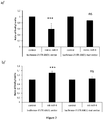
- FIG. 2a shows that miR-9 overexpression (mimic miR-9) significantly decreased ANO1 mRNA expression by an average of 60% in 16HBE14o- cells.
- Fig. 2b We thus concluded that miR-9 regulated ANO1 expression.
- miR-9 regulates ANO1 chloride activity and migration rate of cells
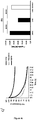
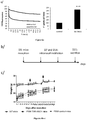
- FIG. 2c shows that miR-9 overexpression leads to a decrease ANO1 chloride activity.
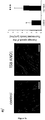
- Figure 2n shows that miR-9 overexpression significantly decreases the migration rate of non-CF cells.
- 16HBE14o- cells were transfected with a luciferase reporter vector containing WT ANO1 3'UTR (WT-ANO1-3'UTR) or a negative control reporter with mutations in the predicted binding sites for miR-9 (mut-ANO1-3'UTR).
- WT-ANO1-3'UTR WT ANO1 3'UTR
- mut-ANO1-3'UTR a negative control reporter with mutations in the predicted binding sites for miR-9
- Cotransfection with miR-9 mimic resulted in significant decrease in luciferase gene expression from WT-ANO1-3'UTR compared with mut-ANO1-3'UTR demonstrating direct miR-9-ANO1 interaction in non-CF cells ( Fig. 3a ).
- TSB Use of specific TSB allows to increase ANO1 expression, chloride activity and migration rate of primary CF cells
- hAECB human bronchial epithelial epithelial cells
- ALI human bronchial air-liquid interface
- Freshly prepared control oligonucleotides or TSB ANO1 were added during three days, and the effects of transfection were observed 24h post-treatment.
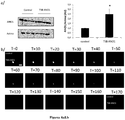
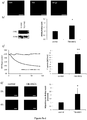
- the results of western blot showed that we significantly increase ANO1 expression when primary cells are transfected with ANO1 TSB compared to the control ( Fig. 5b ).
- Fig. 5 ANO1 chloride activity
- Fig.5d migration rate
- Utilization TSB ANO1 in primary cells allows modulating deficient parameters of CF cells by improving ANO1 chloride activity, migration rate of cells and the ciliary beat frequency.
- This nucleotide activates a signal by binding to a purinergic receptor to release intracellular calcium and activate undefined CaCCs distinct from CFTR 14 .
- CF tissue culture studies have demonstrated that UTP can restore liquid transport, enhance tracheal mucus viscosity, ciliary beat frequency, inhibit sodium absorption and increase airway hydration that should be beneficial in treating CF 15,16 .
- INS365 and INS37217 earlyr named denufosol®.
- denufosol Inspire Pharmaceuticals was carried into clinical trials using nebulization for a delivery approach.
- TSB target site blockers
- LNA locked nucleic acid
- RNA analog in which the ribose ring is chemically locked in an N-type (C3'-endo) conformation. This modification is essential because LNA-modified oligonucleotides possess high thermal stability when hybridized with the mRNA target 24,25 .
- LNA locked nucleic acid
- liver-specific miR-122 The role of the liver-specific miR-122 is somewhat unusual; instead of targeting the 3'UTR and causing signal repression, it binds to the 5'UTR of hepatitis C virus RNA and promotes its replication.
- the effects of Miravirsen have been tested on chimpanzees and have shown that LNA-modified anti-miRNA are accurate, non-toxic and very stable because it has been detected 8 weeks after the end of the treatment and until week 25. Furthermore, the effects of Miravirsen on HCV RNA levels were also prolonged at the end of the treatment 26 . For our study, Miravirsen's success serve as an inspiration and example to propose a potential clinical strategy in the case of CF.
- our TSB can correct the different parameters analyzed in the airways even in mice model. In our condition, we are able to observe an activation of chloride efflux seven days after the last instillation. The stability and the physiological activity is a key of our drug. Of course, the method of administration of the drug in the respiratory tract should be optimized to be used in CF patients.
Landscapes
- Health & Medical Sciences (AREA)
- Engineering & Computer Science (AREA)
- Life Sciences & Earth Sciences (AREA)
- Genetics & Genomics (AREA)
- Biomedical Technology (AREA)
- Chemical & Material Sciences (AREA)
- Organic Chemistry (AREA)
- Bioinformatics & Cheminformatics (AREA)
- Wood Science & Technology (AREA)
- Zoology (AREA)
- Molecular Biology (AREA)
- General Engineering & Computer Science (AREA)
- Biotechnology (AREA)
- General Health & Medical Sciences (AREA)
- Physics & Mathematics (AREA)
- Biophysics (AREA)
- Plant Pathology (AREA)
- Microbiology (AREA)
- Biochemistry (AREA)
- Nuclear Medicine, Radiotherapy & Molecular Imaging (AREA)
- Veterinary Medicine (AREA)
- Public Health (AREA)
- Animal Behavior & Ethology (AREA)
- Pharmacology & Pharmacy (AREA)
- Medicinal Chemistry (AREA)
- General Chemical & Material Sciences (AREA)
- Chemical Kinetics & Catalysis (AREA)
- Pulmonology (AREA)
- Pharmaceuticals Containing Other Organic And Inorganic Compounds (AREA)
- Medicines That Contain Protein Lipid Enzymes And Other Medicines (AREA)
- Medicines Containing Material From Animals Or Micro-Organisms (AREA)
Applications Claiming Priority (2)
| Application Number | Priority Date | Filing Date | Title |
|---|---|---|---|
| PCT/IB2015/001253 WO2017006145A1 (en) | 2015-07-03 | 2015-07-03 | Methods and pharmaceutical compositions for the treatment of cystic fibrosis |
| PCT/EP2016/065565 WO2017005646A1 (en) | 2015-07-03 | 2016-07-01 | Methods and pharmaceutical compositions for the treatment of cystic fibrosis |
Publications (2)
| Publication Number | Publication Date |
|---|---|
| EP3317412A1 EP3317412A1 (en) | 2018-05-09 |
| EP3317412B1 true EP3317412B1 (en) | 2020-12-02 |
Family
ID=54347575
Family Applications (1)
| Application Number | Title | Priority Date | Filing Date |
|---|---|---|---|
| EP16736045.2A Not-in-force EP3317412B1 (en) | 2015-07-03 | 2016-07-01 | Methods and pharmaceutical compositions for the treatment of cystic fibrosis |
Country Status (5)
| Country | Link |
|---|---|
| US (1) | US11130950B2 (https=) |
| EP (1) | EP3317412B1 (https=) |
| JP (1) | JP7032140B2 (https=) |
| ES (1) | ES2856555T3 (https=) |
| WO (2) | WO2017006145A1 (https=) |
Families Citing this family (3)
| Publication number | Priority date | Publication date | Assignee | Title |
|---|---|---|---|---|
| WO2019076919A1 (en) | 2017-10-17 | 2019-04-25 | INSERM (Institut National de la Santé et de la Recherche Médicale) | COMBINED TREATMENT OF CYSTIC FIBROSIS |
| WO2021074657A1 (en) | 2019-10-17 | 2021-04-22 | INSERM (Institut National de la Santé et de la Recherche Médicale) | Combination treatment for cystic fibrosis |
| WO2023152369A1 (en) * | 2022-02-14 | 2023-08-17 | INSERM (Institut National de la Santé et de la Recherche Médicale) | Nucleic acid mir-9 inhibitor for the treatment of cystic fibrosis |
Family Cites Families (1)
| Publication number | Priority date | Publication date | Assignee | Title |
|---|---|---|---|---|
| CN103948926A (zh) | 2014-03-24 | 2014-07-30 | 江苏大学 | miR-9抑制剂在制备用于抑制肿瘤生长药物中的用途 |
-
2015
- 2015-07-03 WO PCT/IB2015/001253 patent/WO2017006145A1/en not_active Ceased
-
2016
- 2016-07-01 JP JP2017567701A patent/JP7032140B2/ja not_active Expired - Fee Related
- 2016-07-01 US US15/739,366 patent/US11130950B2/en not_active Expired - Fee Related
- 2016-07-01 ES ES16736045T patent/ES2856555T3/es active Active
- 2016-07-01 WO PCT/EP2016/065565 patent/WO2017005646A1/en not_active Ceased
- 2016-07-01 EP EP16736045.2A patent/EP3317412B1/en not_active Not-in-force
Non-Patent Citations (1)
| Title |
|---|
| None * |
Also Published As
| Publication number | Publication date |
|---|---|
| JP7032140B2 (ja) | 2022-03-08 |
| JP2018520150A (ja) | 2018-07-26 |
| ES2856555T3 (es) | 2021-09-27 |
| WO2017005646A8 (en) | 2017-10-19 |
| EP3317412A1 (en) | 2018-05-09 |
| WO2017006145A1 (en) | 2017-01-12 |
| WO2017005646A1 (en) | 2017-01-12 |
| US20200040332A1 (en) | 2020-02-06 |
| US11130950B2 (en) | 2021-09-28 |
Similar Documents
| Publication | Publication Date | Title |
|---|---|---|
| EP2663641B1 (en) | Mirna for treating diseases and conditions associated with neo-angiogenesis | |
| AU2017200853A1 (en) | MiRNA and its diagnostic therapeutic uses in diseases or conditions associated with melanoma, or in diseases or conditions associated with activated BRAF pathway | |
| EP3369818B1 (en) | Mirna for treating head and neck cancer | |
| Bardin et al. | Emerging microRNA therapeutic approaches for cystic fibrosis | |
| US20220133774A1 (en) | Modulation of micrornas against myotonic dystrophy type 1 and antagonists of micrornas therefor | |
| EP3317412B1 (en) | Methods and pharmaceutical compositions for the treatment of cystic fibrosis | |
| CN111566212A (zh) | miRNA分子,等同物,安塔够妙或其来源用于治疗和/或诊断与神经元缺陷相关的病症和/或疾病或用于神经元生成和/或再生 | |
| EP4421173A1 (en) | Use of micrornas in the treatment of lung diseases | |
| EP4616905A1 (en) | Use of inhibitors of micrornas in the treatment of lung diseases | |
| WO2023152369A1 (en) | Nucleic acid mir-9 inhibitor for the treatment of cystic fibrosis | |
| US20170067061A1 (en) | Microrna treatment of fibrosis | |
| US20230279393A1 (en) | Treatment of Airway Conditions by Modulation of MiR200 Family MicroRNAs | |
| WO2026096962A1 (en) | Methods and compounds for treating, ameliorating and/or preventing fibrotic diseases | |
| US20150045410A1 (en) | Method of regulating cftr expression and processing | |
| CN116694631A (zh) | 调控hmgn5的活性分子在恶性肿瘤增殖和转移中的应用 | |
| CN114788865A (zh) | miR-378作为胆固醇稳态调控靶点的应用 |
Legal Events
| Date | Code | Title | Description |
|---|---|---|---|
| STAA | Information on the status of an ep patent application or granted ep patent |
Free format text: STATUS: THE INTERNATIONAL PUBLICATION HAS BEEN MADE |
|
| PUAI | Public reference made under article 153(3) epc to a published international application that has entered the european phase |
Free format text: ORIGINAL CODE: 0009012 |
|
| STAA | Information on the status of an ep patent application or granted ep patent |
Free format text: STATUS: REQUEST FOR EXAMINATION WAS MADE |
|
| 17P | Request for examination filed |
Effective date: 20171220 |
|
| AK | Designated contracting states |
Kind code of ref document: A1 Designated state(s): AL AT BE BG CH CY CZ DE DK EE ES FI FR GB GR HR HU IE IS IT LI LT LU LV MC MK MT NL NO PL PT RO RS SE SI SK SM TR |
|
| AX | Request for extension of the european patent |
Extension state: BA ME |
|
| DAV | Request for validation of the european patent (deleted) | ||
| DAX | Request for extension of the european patent (deleted) | ||
| STAA | Information on the status of an ep patent application or granted ep patent |
Free format text: STATUS: EXAMINATION IS IN PROGRESS |
|
| 17Q | First examination report despatched |
Effective date: 20190212 |
|
| GRAP | Despatch of communication of intention to grant a patent |
Free format text: ORIGINAL CODE: EPIDOSNIGR1 |
|
| STAA | Information on the status of an ep patent application or granted ep patent |
Free format text: STATUS: GRANT OF PATENT IS INTENDED |
|
| RIC1 | Information provided on ipc code assigned before grant |
Ipc: C12N 15/113 20100101AFI20200622BHEP Ipc: A61P 11/00 20060101ALN20200622BHEP Ipc: A61K 31/712 20060101ALI20200622BHEP |
|
| INTG | Intention to grant announced |
Effective date: 20200706 |
|
| RAP1 | Party data changed (applicant data changed or rights of an application transferred) |
Owner name: INSERM (INSTITUT NATIONAL DE LA SANTE ET DE LA RECHERCHE MEDICALE) Owner name: UNIVERSITE PIERRE ET MARIE CURIE (PARIS 6) |
|
| GRAS | Grant fee paid |
Free format text: ORIGINAL CODE: EPIDOSNIGR3 |
|
| GRAA | (expected) grant |
Free format text: ORIGINAL CODE: 0009210 |
|
| STAA | Information on the status of an ep patent application or granted ep patent |
Free format text: STATUS: THE PATENT HAS BEEN GRANTED |
|
| AK | Designated contracting states |
Kind code of ref document: B1 Designated state(s): AL AT BE BG CH CY CZ DE DK EE ES FI FR GB GR HR HU IE IS IT LI LT LU LV MC MK MT NL NO PL PT RO RS SE SI SK SM TR |
|
| REG | Reference to a national code |
Ref country code: GB Ref legal event code: FG4D |
|
| REG | Reference to a national code |
Ref country code: AT Ref legal event code: REF Ref document number: 1340985 Country of ref document: AT Kind code of ref document: T Effective date: 20201215 Ref country code: CH Ref legal event code: EP |
|
| REG | Reference to a national code |
Ref country code: IE Ref legal event code: FG4D |
|
| REG | Reference to a national code |
Ref country code: DE Ref legal event code: R096 Ref document number: 602016049014 Country of ref document: DE |
|
| RAP2 | Party data changed (patent owner data changed or rights of a patent transferred) |
Owner name: SORBONNE UNIVERSITE Owner name: INSERM (INSTITUT NATIONAL DE LA SANTE ET DE LA RECHERCHE MEDICALE) |
|
| PG25 | Lapsed in a contracting state [announced via postgrant information from national office to epo] |
Ref country code: FI Free format text: LAPSE BECAUSE OF FAILURE TO SUBMIT A TRANSLATION OF THE DESCRIPTION OR TO PAY THE FEE WITHIN THE PRESCRIBED TIME-LIMIT Effective date: 20201202 Ref country code: GR Free format text: LAPSE BECAUSE OF FAILURE TO SUBMIT A TRANSLATION OF THE DESCRIPTION OR TO PAY THE FEE WITHIN THE PRESCRIBED TIME-LIMIT Effective date: 20210303 Ref country code: RS Free format text: LAPSE BECAUSE OF FAILURE TO SUBMIT A TRANSLATION OF THE DESCRIPTION OR TO PAY THE FEE WITHIN THE PRESCRIBED TIME-LIMIT Effective date: 20201202 Ref country code: NO Free format text: LAPSE BECAUSE OF FAILURE TO SUBMIT A TRANSLATION OF THE DESCRIPTION OR TO PAY THE FEE WITHIN THE PRESCRIBED TIME-LIMIT Effective date: 20210302 |
|
| REG | Reference to a national code |
Ref country code: NL Ref legal event code: MP Effective date: 20201202 |
|
| REG | Reference to a national code |
Ref country code: AT Ref legal event code: MK05 Ref document number: 1340985 Country of ref document: AT Kind code of ref document: T Effective date: 20201202 |
|
| PG25 | Lapsed in a contracting state [announced via postgrant information from national office to epo] |
Ref country code: SE Free format text: LAPSE BECAUSE OF FAILURE TO SUBMIT A TRANSLATION OF THE DESCRIPTION OR TO PAY THE FEE WITHIN THE PRESCRIBED TIME-LIMIT Effective date: 20201202 Ref country code: LV Free format text: LAPSE BECAUSE OF FAILURE TO SUBMIT A TRANSLATION OF THE DESCRIPTION OR TO PAY THE FEE WITHIN THE PRESCRIBED TIME-LIMIT Effective date: 20201202 Ref country code: PL Free format text: LAPSE BECAUSE OF FAILURE TO SUBMIT A TRANSLATION OF THE DESCRIPTION OR TO PAY THE FEE WITHIN THE PRESCRIBED TIME-LIMIT Effective date: 20201202 Ref country code: BG Free format text: LAPSE BECAUSE OF FAILURE TO SUBMIT A TRANSLATION OF THE DESCRIPTION OR TO PAY THE FEE WITHIN THE PRESCRIBED TIME-LIMIT Effective date: 20210302 |
|
| PG25 | Lapsed in a contracting state [announced via postgrant information from national office to epo] |
Ref country code: NL Free format text: LAPSE BECAUSE OF FAILURE TO SUBMIT A TRANSLATION OF THE DESCRIPTION OR TO PAY THE FEE WITHIN THE PRESCRIBED TIME-LIMIT Effective date: 20201202 Ref country code: HR Free format text: LAPSE BECAUSE OF FAILURE TO SUBMIT A TRANSLATION OF THE DESCRIPTION OR TO PAY THE FEE WITHIN THE PRESCRIBED TIME-LIMIT Effective date: 20201202 |
|
| REG | Reference to a national code |
Ref country code: LT Ref legal event code: MG9D |
|
| PG25 | Lapsed in a contracting state [announced via postgrant information from national office to epo] |
Ref country code: PT Free format text: LAPSE BECAUSE OF FAILURE TO SUBMIT A TRANSLATION OF THE DESCRIPTION OR TO PAY THE FEE WITHIN THE PRESCRIBED TIME-LIMIT Effective date: 20210405 Ref country code: RO Free format text: LAPSE BECAUSE OF FAILURE TO SUBMIT A TRANSLATION OF THE DESCRIPTION OR TO PAY THE FEE WITHIN THE PRESCRIBED TIME-LIMIT Effective date: 20201202 Ref country code: SK Free format text: LAPSE BECAUSE OF FAILURE TO SUBMIT A TRANSLATION OF THE DESCRIPTION OR TO PAY THE FEE WITHIN THE PRESCRIBED TIME-LIMIT Effective date: 20201202 Ref country code: EE Free format text: LAPSE BECAUSE OF FAILURE TO SUBMIT A TRANSLATION OF THE DESCRIPTION OR TO PAY THE FEE WITHIN THE PRESCRIBED TIME-LIMIT Effective date: 20201202 Ref country code: CZ Free format text: LAPSE BECAUSE OF FAILURE TO SUBMIT A TRANSLATION OF THE DESCRIPTION OR TO PAY THE FEE WITHIN THE PRESCRIBED TIME-LIMIT Effective date: 20201202 Ref country code: SM Free format text: LAPSE BECAUSE OF FAILURE TO SUBMIT A TRANSLATION OF THE DESCRIPTION OR TO PAY THE FEE WITHIN THE PRESCRIBED TIME-LIMIT Effective date: 20201202 Ref country code: LT Free format text: LAPSE BECAUSE OF FAILURE TO SUBMIT A TRANSLATION OF THE DESCRIPTION OR TO PAY THE FEE WITHIN THE PRESCRIBED TIME-LIMIT Effective date: 20201202 |
|
| PG25 | Lapsed in a contracting state [announced via postgrant information from national office to epo] |
Ref country code: AT Free format text: LAPSE BECAUSE OF FAILURE TO SUBMIT A TRANSLATION OF THE DESCRIPTION OR TO PAY THE FEE WITHIN THE PRESCRIBED TIME-LIMIT Effective date: 20201202 |
|
| REG | Reference to a national code |
Ref country code: DE Ref legal event code: R097 Ref document number: 602016049014 Country of ref document: DE |
|
| REG | Reference to a national code |
Ref country code: ES Ref legal event code: FG2A Ref document number: 2856555 Country of ref document: ES Kind code of ref document: T3 Effective date: 20210927 |
|
| PG25 | Lapsed in a contracting state [announced via postgrant information from national office to epo] |
Ref country code: IS Free format text: LAPSE BECAUSE OF FAILURE TO SUBMIT A TRANSLATION OF THE DESCRIPTION OR TO PAY THE FEE WITHIN THE PRESCRIBED TIME-LIMIT Effective date: 20210402 |
|
| REG | Reference to a national code |
Ref country code: DE Ref legal event code: R081 Ref document number: 602016049014 Country of ref document: DE Owner name: SORBONNE UNIVERSITE, FR Free format text: FORMER OWNERS: INSERM (INSTITUT NATIONAL DE LA SANTE ET DE LA RECHERCHE MEDICALE), PARIS, FR; UNIVERSITE PIERRE ET MARIE CURIE (PARIS 6), PARIS, FR Ref country code: DE Ref legal event code: R081 Ref document number: 602016049014 Country of ref document: DE Owner name: INSERM (INSTITUT NATIONAL DE LA SANTE ET DE LA, FR Free format text: FORMER OWNERS: INSERM (INSTITUT NATIONAL DE LA SANTE ET DE LA RECHERCHE MEDICALE), PARIS, FR; UNIVERSITE PIERRE ET MARIE CURIE (PARIS 6), PARIS, FR |
|
| PLBE | No opposition filed within time limit |
Free format text: ORIGINAL CODE: 0009261 |
|
| STAA | Information on the status of an ep patent application or granted ep patent |
Free format text: STATUS: NO OPPOSITION FILED WITHIN TIME LIMIT |
|
| PG25 | Lapsed in a contracting state [announced via postgrant information from national office to epo] |
Ref country code: AL Free format text: LAPSE BECAUSE OF FAILURE TO SUBMIT A TRANSLATION OF THE DESCRIPTION OR TO PAY THE FEE WITHIN THE PRESCRIBED TIME-LIMIT Effective date: 20201202 |
|
| 26N | No opposition filed |
Effective date: 20210903 |
|
| REG | Reference to a national code |
Ref country code: GB Ref legal event code: 732E Free format text: REGISTERED BETWEEN 20211028 AND 20211103 |
|
| PG25 | Lapsed in a contracting state [announced via postgrant information from national office to epo] |
Ref country code: DK Free format text: LAPSE BECAUSE OF FAILURE TO SUBMIT A TRANSLATION OF THE DESCRIPTION OR TO PAY THE FEE WITHIN THE PRESCRIBED TIME-LIMIT Effective date: 20201202 Ref country code: SI Free format text: LAPSE BECAUSE OF FAILURE TO SUBMIT A TRANSLATION OF THE DESCRIPTION OR TO PAY THE FEE WITHIN THE PRESCRIBED TIME-LIMIT Effective date: 20201202 |
|
| REG | Reference to a national code |
Ref country code: CH Ref legal event code: PL |
|
| PG25 | Lapsed in a contracting state [announced via postgrant information from national office to epo] |
Ref country code: MC Free format text: LAPSE BECAUSE OF FAILURE TO SUBMIT A TRANSLATION OF THE DESCRIPTION OR TO PAY THE FEE WITHIN THE PRESCRIBED TIME-LIMIT Effective date: 20201202 |
|
| REG | Reference to a national code |
Ref country code: BE Ref legal event code: MM Effective date: 20210731 |
|
| PG25 | Lapsed in a contracting state [announced via postgrant information from national office to epo] |
Ref country code: LI Free format text: LAPSE BECAUSE OF NON-PAYMENT OF DUE FEES Effective date: 20210731 Ref country code: CH Free format text: LAPSE BECAUSE OF NON-PAYMENT OF DUE FEES Effective date: 20210731 |
|
| PG25 | Lapsed in a contracting state [announced via postgrant information from national office to epo] |
Ref country code: IS Free format text: LAPSE BECAUSE OF FAILURE TO SUBMIT A TRANSLATION OF THE DESCRIPTION OR TO PAY THE FEE WITHIN THE PRESCRIBED TIME-LIMIT Effective date: 20210402 Ref country code: LU Free format text: LAPSE BECAUSE OF NON-PAYMENT OF DUE FEES Effective date: 20210701 |
|
| PG25 | Lapsed in a contracting state [announced via postgrant information from national office to epo] |
Ref country code: IE Free format text: LAPSE BECAUSE OF NON-PAYMENT OF DUE FEES Effective date: 20210701 Ref country code: BE Free format text: LAPSE BECAUSE OF NON-PAYMENT OF DUE FEES Effective date: 20210731 |
|
| PG25 | Lapsed in a contracting state [announced via postgrant information from national office to epo] |
Ref country code: HU Free format text: LAPSE BECAUSE OF FAILURE TO SUBMIT A TRANSLATION OF THE DESCRIPTION OR TO PAY THE FEE WITHIN THE PRESCRIBED TIME-LIMIT; INVALID AB INITIO Effective date: 20160701 |
|
| PG25 | Lapsed in a contracting state [announced via postgrant information from national office to epo] |
Ref country code: CY Free format text: LAPSE BECAUSE OF FAILURE TO SUBMIT A TRANSLATION OF THE DESCRIPTION OR TO PAY THE FEE WITHIN THE PRESCRIBED TIME-LIMIT Effective date: 20201202 |
|
| PGFP | Annual fee paid to national office [announced via postgrant information from national office to epo] |
Ref country code: IT Payment date: 20230620 Year of fee payment: 8 Ref country code: FR Payment date: 20230621 Year of fee payment: 8 |
|
| PGFP | Annual fee paid to national office [announced via postgrant information from national office to epo] |
Ref country code: GB Payment date: 20230620 Year of fee payment: 8 Ref country code: ES Payment date: 20230801 Year of fee payment: 8 |
|
| PGFP | Annual fee paid to national office [announced via postgrant information from national office to epo] |
Ref country code: DE Payment date: 20230620 Year of fee payment: 8 |
|
| P01 | Opt-out of the competence of the unified patent court (upc) registered |
Effective date: 20240312 |
|
| PG25 | Lapsed in a contracting state [announced via postgrant information from national office to epo] |
Ref country code: MK Free format text: LAPSE BECAUSE OF FAILURE TO SUBMIT A TRANSLATION OF THE DESCRIPTION OR TO PAY THE FEE WITHIN THE PRESCRIBED TIME-LIMIT Effective date: 20201202 |
|
| PG25 | Lapsed in a contracting state [announced via postgrant information from national office to epo] |
Ref country code: MT Free format text: LAPSE BECAUSE OF FAILURE TO SUBMIT A TRANSLATION OF THE DESCRIPTION OR TO PAY THE FEE WITHIN THE PRESCRIBED TIME-LIMIT Effective date: 20201202 |
|
| REG | Reference to a national code |
Ref country code: DE Ref legal event code: R119 Ref document number: 602016049014 Country of ref document: DE |
|
| GBPC | Gb: european patent ceased through non-payment of renewal fee |
Effective date: 20240701 |
|
| PG25 | Lapsed in a contracting state [announced via postgrant information from national office to epo] |
Ref country code: DE Free format text: LAPSE BECAUSE OF NON-PAYMENT OF DUE FEES Effective date: 20250201 |
|
| PG25 | Lapsed in a contracting state [announced via postgrant information from national office to epo] |
Ref country code: FR Free format text: LAPSE BECAUSE OF NON-PAYMENT OF DUE FEES Effective date: 20240731 |
|
| PG25 | Lapsed in a contracting state [announced via postgrant information from national office to epo] |
Ref country code: GB Free format text: LAPSE BECAUSE OF NON-PAYMENT OF DUE FEES Effective date: 20240701 |
|
| PG25 | Lapsed in a contracting state [announced via postgrant information from national office to epo] |
Ref country code: IT Free format text: LAPSE BECAUSE OF NON-PAYMENT OF DUE FEES Effective date: 20240701 |
|
| REG | Reference to a national code |
Ref country code: ES Ref legal event code: FD2A Effective date: 20250826 |
|
| PG25 | Lapsed in a contracting state [announced via postgrant information from national office to epo] |
Ref country code: ES Free format text: LAPSE BECAUSE OF NON-PAYMENT OF DUE FEES Effective date: 20240702 |
|
| PG25 | Lapsed in a contracting state [announced via postgrant information from national office to epo] |
Ref country code: TR Free format text: LAPSE BECAUSE OF FAILURE TO SUBMIT A TRANSLATION OF THE DESCRIPTION OR TO PAY THE FEE WITHIN THE PRESCRIBED TIME-LIMIT Effective date: 20201202 |