EP3312917B1 - Verbundnegativelektrodenmaterial für sekundärbatterie, und verfahren zu deren herstellung - Google Patents
Verbundnegativelektrodenmaterial für sekundärbatterie, und verfahren zu deren herstellung Download PDFInfo
- Publication number
- EP3312917B1 EP3312917B1 EP17799695.6A EP17799695A EP3312917B1 EP 3312917 B1 EP3312917 B1 EP 3312917B1 EP 17799695 A EP17799695 A EP 17799695A EP 3312917 B1 EP3312917 B1 EP 3312917B1
- Authority
- EP
- European Patent Office
- Prior art keywords
- coating layer
- negative electrode
- secondary battery
- electrode material
- graphene sheet
- Prior art date
- Legal status (The legal status is an assumption and is not a legal conclusion. Google has not performed a legal analysis and makes no representation as to the accuracy of the status listed.)
- Active
Links
Images
Classifications
-
- H—ELECTRICITY
- H01—ELECTRIC ELEMENTS
- H01M—PROCESSES OR MEANS, e.g. BATTERIES, FOR THE DIRECT CONVERSION OF CHEMICAL ENERGY INTO ELECTRICAL ENERGY
- H01M4/00—Electrodes
- H01M4/02—Electrodes composed of, or comprising, active material
- H01M4/36—Selection of substances as active materials, active masses, active liquids
- H01M4/362—Composites
- H01M4/366—Composites as layered products
-
- H—ELECTRICITY
- H01—ELECTRIC ELEMENTS
- H01M—PROCESSES OR MEANS, e.g. BATTERIES, FOR THE DIRECT CONVERSION OF CHEMICAL ENERGY INTO ELECTRICAL ENERGY
- H01M10/00—Secondary cells; Manufacture thereof
- H01M10/05—Accumulators with non-aqueous electrolyte
- H01M10/052—Li-accumulators
- H01M10/0525—Rocking-chair batteries, i.e. batteries with lithium insertion or intercalation in both electrodes; Lithium-ion batteries
-
- H—ELECTRICITY
- H01—ELECTRIC ELEMENTS
- H01M—PROCESSES OR MEANS, e.g. BATTERIES, FOR THE DIRECT CONVERSION OF CHEMICAL ENERGY INTO ELECTRICAL ENERGY
- H01M4/00—Electrodes
- H01M4/02—Electrodes composed of, or comprising, active material
- H01M4/13—Electrodes for accumulators with non-aqueous electrolyte, e.g. for lithium-accumulators; Processes of manufacture thereof
- H01M4/133—Electrodes based on carbonaceous material, e.g. graphite-intercalation compounds or CFx
-
- H—ELECTRICITY
- H01—ELECTRIC ELEMENTS
- H01M—PROCESSES OR MEANS, e.g. BATTERIES, FOR THE DIRECT CONVERSION OF CHEMICAL ENERGY INTO ELECTRICAL ENERGY
- H01M4/00—Electrodes
- H01M4/02—Electrodes composed of, or comprising, active material
- H01M4/13—Electrodes for accumulators with non-aqueous electrolyte, e.g. for lithium-accumulators; Processes of manufacture thereof
- H01M4/139—Processes of manufacture
- H01M4/1393—Processes of manufacture of electrodes based on carbonaceous material, e.g. graphite-intercalation compounds or CFx
-
- H—ELECTRICITY
- H01—ELECTRIC ELEMENTS
- H01M—PROCESSES OR MEANS, e.g. BATTERIES, FOR THE DIRECT CONVERSION OF CHEMICAL ENERGY INTO ELECTRICAL ENERGY
- H01M4/00—Electrodes
- H01M4/02—Electrodes composed of, or comprising, active material
- H01M4/36—Selection of substances as active materials, active masses, active liquids
- H01M4/58—Selection of substances as active materials, active masses, active liquids of inorganic compounds other than oxides or hydroxides, e.g. sulfides, selenides, tellurides, halogenides or LiCoFy; of polyanionic structures, e.g. phosphates, silicates or borates
- H01M4/583—Carbonaceous material, e.g. graphite-intercalation compounds or CFx
- H01M4/587—Carbonaceous material, e.g. graphite-intercalation compounds or CFx for inserting or intercalating light metals
-
- H—ELECTRICITY
- H01—ELECTRIC ELEMENTS
- H01M—PROCESSES OR MEANS, e.g. BATTERIES, FOR THE DIRECT CONVERSION OF CHEMICAL ENERGY INTO ELECTRICAL ENERGY
- H01M4/00—Electrodes
- H01M4/02—Electrodes composed of, or comprising, active material
- H01M4/62—Selection of inactive substances as ingredients for active masses, e.g. binders, fillers
- H01M4/621—Binders
-
- H—ELECTRICITY
- H01—ELECTRIC ELEMENTS
- H01M—PROCESSES OR MEANS, e.g. BATTERIES, FOR THE DIRECT CONVERSION OF CHEMICAL ENERGY INTO ELECTRICAL ENERGY
- H01M4/00—Electrodes
- H01M4/02—Electrodes composed of, or comprising, active material
- H01M4/62—Selection of inactive substances as ingredients for active masses, e.g. binders, fillers
- H01M4/628—Inhibitors, e.g. gassing inhibitors, corrosion inhibitors
-
- H—ELECTRICITY
- H01—ELECTRIC ELEMENTS
- H01M—PROCESSES OR MEANS, e.g. BATTERIES, FOR THE DIRECT CONVERSION OF CHEMICAL ENERGY INTO ELECTRICAL ENERGY
- H01M4/00—Electrodes
- H01M4/02—Electrodes composed of, or comprising, active material
- H01M2004/026—Electrodes composed of, or comprising, active material characterised by the polarity
- H01M2004/027—Negative electrodes
-
- H—ELECTRICITY
- H01—ELECTRIC ELEMENTS
- H01M—PROCESSES OR MEANS, e.g. BATTERIES, FOR THE DIRECT CONVERSION OF CHEMICAL ENERGY INTO ELECTRICAL ENERGY
- H01M2220/00—Batteries for particular applications
- H01M2220/20—Batteries in motive systems, e.g. vehicle, ship, plane
-
- H—ELECTRICITY
- H01—ELECTRIC ELEMENTS
- H01M—PROCESSES OR MEANS, e.g. BATTERIES, FOR THE DIRECT CONVERSION OF CHEMICAL ENERGY INTO ELECTRICAL ENERGY
- H01M4/00—Electrodes
- H01M4/02—Electrodes composed of, or comprising, active material
- H01M4/62—Selection of inactive substances as ingredients for active masses, e.g. binders, fillers
- H01M4/624—Electric conductive fillers
- H01M4/625—Carbon or graphite
-
- Y—GENERAL TAGGING OF NEW TECHNOLOGICAL DEVELOPMENTS; GENERAL TAGGING OF CROSS-SECTIONAL TECHNOLOGIES SPANNING OVER SEVERAL SECTIONS OF THE IPC; TECHNICAL SUBJECTS COVERED BY FORMER USPC CROSS-REFERENCE ART COLLECTIONS [XRACs] AND DIGESTS
- Y02—TECHNOLOGIES OR APPLICATIONS FOR MITIGATION OR ADAPTATION AGAINST CLIMATE CHANGE
- Y02E—REDUCTION OF GREENHOUSE GAS [GHG] EMISSIONS, RELATED TO ENERGY GENERATION, TRANSMISSION OR DISTRIBUTION
- Y02E60/00—Enabling technologies; Technologies with a potential or indirect contribution to GHG emissions mitigation
- Y02E60/10—Energy storage using batteries
Definitions
- the present invention relates to a composite negative electrode material for a secondary battery, and a negative electrode and a lithium secondary battery which include the same.
- the lithium ion secondary battery has excellent energy efficiency due to the fact that chemical and physical properties are not deteriorated depending on external and internal influences in comparison to other batteries while it has a small size and is lightweight and has cycle stability (long cycle life), the lithium ion secondary battery has been used as a main energy storage device such as a portable electronic device.
- JP 2013 134938 A discloses a graphite negative active material coated with a layer of amorphous carbon and a layer of polyacrylic acid.
- KR 2014 0140982 A discloses a negative active material including graphene stacks coated with amorphous carbon.
- JP H08 195197 A discloses a negative active material including graphite coated with methacrylate/ polyacrylonitrile copolymer.
- graphene as an aggregate of numerous benzene rings, has a structure favorable for accessing lithium ions in comparison to typical graphite, it is known that the graphene has very high electrical mobility (electrical conductivity).
- graphene prepared by a chemical vapor deposition method has higher purity than other graphenes and graphene having a desired size may particularly be prepared, but an amount of the graphene prepared may be small.
- the above method uses a method of growing the graphene on a metal surface, the method is disadvantageous in that an additional treatment is required to use the graphene.
- graphene prepared by using a physical method it also is disadvantageous in that it is difficult to secure a sufficient amount of the graphene, similar to the limitations of the chemical vapor deposition method.
- a method, in which graphene is prepared by reduction of graphene oxide that is prepared by an acid treatment of graphite, may obtain a larger amount of the graphene than other methods, but the method is disadvantageous in that it is difficult to achieve characteristics of pure graphene.
- An aspect of the present invention provides a graphene-based composite negative electrode material for a secondary battery having high initial efficiency and improved storage characteristics at high temperature.
- Another aspect of the present invention provides a method of preparing a composite negative electrode material for a secondary battery.
- Another aspect of the present invention provides a negative electrode including the composite negative electrode material for a secondary battery.
- Another aspect of the present invention provides a lithium secondary battery including the negative electrode of the present invention.
- a composite negative electrode material for a secondary battery including:
- a method of preparing the composite negative electrode material for a secondary battery of the present invention including:
- a safe solid electrolyte interface may be formed on a surface of a negative electrode by introducing two or more composite coating layers including a polymer coating layer and a pitch coating layer on both sides of a graphene sheet, in comparison to graphene into which a coating layer is not introduced.
- SEI safe solid electrolyte interface
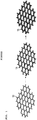
- FIG. 1 is a schematic view illustrating a process of preparing a composite negative electrode material for a secondary battery according to the present invention.
- a graphene material which has excellent electrical conductivity, flexibility, and large surface area in comparison to a typical carbon material, is evaluated as a negative electrode material for a next-generation secondary battery.
- a side reaction with an electrolyte solution may easily occur due to large irreversibility, the graphene may have low initial efficiency.
- an electrode is prepared by using a graphene sheet, since graphene is easily agglomerated during a slurry mixing or pressing process, there is a concern that high-temperature storage characteristics as well as electrolyte impregnability and ionic conductivity may be reduced.
- the present invention aims at providing a negative electrode material for a secondary battery having improved initial efficiency, ionic conductivity, and high-temperature life characteristics and a secondary battery including the same by improving the disadvantages of the graphene.
- a composite negative electrode material for a secondary battery including:
- the graphene has a two-dimensional planar structure in the form of a sheet in which carbon atoms are arranged in the form of a hexagonal mesh, and is characterized by having electrical conductivity and thermal conductivity in a two-dimensional direction in a plane.
- Graphene is in the spotlight as a material having chemical stability as well as better electrical conductivity than graphite, which has mainly been used as a conventional negative electrode active material, and a large surface area of 2,600 m 2 /g or more.
- the negative electrode material of the present invention includes the graphene having excellent conductivity as a base material of the composite negative electrode material, it is considered that the negative electrode material of the present invention may exhibit excellent conductivity.
- the graphene sheet may have a thickness of about 0.1 ⁇ m to about 1 ⁇ m, for example, 0.3 ⁇ m to 0.8 ⁇ m.
- the thickness of the graphene sheet is less than 0.1 ⁇ m, the price of the graphene sheet is high and the preparation of the electrode is difficult, and, in a case in which the thickness of the graphene sheet is greater than 1 ⁇ m, resistance may increase.
- the graphene sheet and the two or more coating layers may be included in a weight ratio of 1 : greater than 0.01 to less than 0.1, particularly 1 : 0.02 to less than 0.1, and more particularly 1 : 0.02 to 0.08, for example, 1 : 0.02 to 0.05.
- an effect of reducing the side reaction with the electrolyte solution may be insignificant, and, in a case in which the amount of the two or more coating layers is 0.1 or more, costs may increase and the resistance may increase.
- the polymer coating layer maintains a stable surface state by including a polyacrylic acid ester-based copolymer, and thus, high-temperature stability of the battery may be improved.
- the polyacrylic acid ester-based copolymer may specifically include a copolymer of (A) a (meth)acrylic acid ester-based monomer; and (B) a single material selected from the group consisting of an unsaturated carboxylic acid-based monomer, a vinyl-based monomer, and a nitrile-based monomer, or two or more monomers thereof.
- typical examples of the (meth)acrylic acid ester-based monomer (A) may be a single material selected from the group consisting of methyl acrylate, ethyl acrylate, propyl acrylate, isopropyl acrylate, n-butyl acrylate, isobutyl acrylate, n-amyl acrylate, isoamyl acrylate, 2-ethylhexyl methacrylate, 2-ethylhexyl acrylate, 2-hydroxyethyl acrylate, methyl methacrylate, ethyl methacrylate, propyl methacrylate, isopropyl methacrylate, n-butyl methacrylate, isobutyl methacrylate, n-amyl methacrylate, isoamyl methacrylate, n-hexyl methacrylate, 2-hydroxyethyl methacrylate, and hydroxypropyl methacrylate, or
- typical examples of the unsaturated carboxylic acid-based monomer included in the monomer (B) may include a single material selected from the group consisting of maleic acid, fumaric acid, methacrylic acid, acrylic acid, glutaconic acid, itaconic acid, tetrahydrophthalic acid, crotonic acid, isocrotonic acid, and nadic acid, or a mixture of two or more thereof.
- Typical examples of the vinyl-based monomer included in the monomer (B) may include a single material selected from the group consisting of styrene, ⁇ -methylstyrene, ⁇ -methylstyrene, p-t-butylstyrene, and divinylbenzene, or a mixture of two or more thereof.
- Typical examples of the nitrile-based monomer included in the monomer (B) may include a single material selected from the group consisting of succinonitrile, sebaconitrile, fluoronitrile, chloronitrile, acrylonitrile, and methacrylonitrile, or a mixture of two or more thereof.
- the polymer coating layer may include a copolymer of methyl acrylate and styrene, a copolymer of methyl acrylate, maleic acid, ⁇ -methylstyrene, and acrylonitrile, and a copolymer of 2-hydroxyethyl acrylate, p-t-butylstyrene, and acrylonitrile.
- the pitch may include a coal-based pitch.
- a composite negative electrode material for a secondary battery of the present invention may include:
- the first coating layer and the second coating layer are different from each other.
- the first coating layer includes a polymer coating layer
- the second coating layer may include a pitch coating layer.
- the first coating layer includes a pitch coating layer
- the second coating layer includes a polymer coating layer.
- the first or second coating layer in a case in which the first or second coating layer is a polymer coating layer, the first or second coating layer may also be selectively formed only on one side of the graphene sheet.
- the graphene sheet, the first coating layer, and the second coating layer may be included in a weight ratio of 1 : 0.005 to less than 0.05 : 0.005 to less than 0.05, particularly 1 : 0.005 to 0.03 : 0.005 to 0.03, and more particularly 1 : 0.005 to 0.01 : 0.005 to 0.01.
- the effect of reducing the side reaction with the electrolyte solution may be insignificant, and, in a case in which the amounts of the first and second coating layers are respectively 0.05 or more, the costs may increase and the resistance may increase.
- the composite negative electrode material for a secondary battery of the present invention may selectively further include at least one additive of a conductive agent and a binder.
- the conductive agent may not be included due to excellent electrical conductivity of the pitch-coated graphene.
- the conductive agent is commonly added in an amount of 1 wt% to 30 wt% based on a total weight of the negative electrode material.
- Any conductive agent may be used without particular limitation so long as it has suitable conductivity without causing adverse chemical changes in the battery, and, for example, a conductive material such as: graphite; a carbon-based material such as carbon black, acetylene black, Ketjen black, channel black, furnace black, lamp black, and thermal black; conductive fibers such as carbon fibers or metal fibers; metal powder such as fluorocarbon powder, aluminum powder, and nickel powder; conductive whiskers such as zinc oxide whiskers and potassium titanate whiskers; conductive metal oxide such as titanium oxide; or polyphenylene derivatives may be used.
- a conductive material such as: graphite; a carbon-based material such as carbon black, acetylene black, Ketjen black, channel black, furnace black, lamp black, and thermal black
- conductive fibers such as carbon fibers or metal fibers
- metal powder such as fluorocarbon powder, aluminum powder, and nickel powder
- conductive whiskers such as zinc oxide whiskers and potassium titanate whiskers
- a commercial conductive agent may be acetylene black-based products (Chevron Chemical Company, Denka black (Denka Singapore Private Limited), or Gulf Oil Company), Ketjen black, ethylene carbonate (EC)-based products (Armak Company), Vulcan XC-72 (Cabot Company), and Super P (Timcal Graphite & Carbon).
- the binder is a component that assists in the binding between the active material and the conductive agent and in the binding with the current collector, wherein the binder may typically be added in an amount of 1 wt% to 30 wt% based on the total weight of the negative electrode material.
- the amount of the binder is greater than 30 wt%, there is a concern that life characteristics may be degraded due to an increase in the resistance of the electrode and energy density of the battery may be reduced due to a decrease in an active material ratio.
- the amount of the binder is less than 1 wt%, there is a concern that an electrode active material slurry may not be mixed or electrode adhesion may be reduced.
- binder examples may be polyvinylidene fluoride, polyvinyl alcohol, carboxymethylcellulose (CMC), starch, hydroxypropylcellulose, regenerated cellulose, polyvinylpyrrolidone, tetrafluoroethylene, polyethylene, polypropylene, an ethylene-propylene-diene terpolymer (EPDM), a sulfonated EPDM, a styrene-butadiene rubber, a fluoro rubber, various copolymers, and the like.
- CMC carboxymethylcellulose
- EPDM ethylene-propylene-diene terpolymer
- EPDM ethylene-propylene-diene terpolymer
- sulfonated EPDM a styrene-butadiene rubber
- fluoro rubber various copolymers, and the like.
- the composite negative electrode material for a secondary battery of the present invention may have an average particle diameter of about 20 ⁇ m and a specific surface area of about 20 m 2 /g.
- a method of preparing a composite negative electrode material for a secondary battery including:
- the first coating layer and the second coating layer have different configurations from each other.
- the second coating layer may include a pitch.
- the first coating layer includes a pitch
- the second coating layer includes a polymer.
- the graphene sheet, the first coating layer, and the second coating layer may be included in a weight ratio of 1 : 0.005 to less than 0.05 : 0.005 to less than 0.05, particularly 1 : 0.005 to 0.03 : 0.005 to 0.03, and more particularly 1 : 0.005 to 0.01 : 0.005 to 0.01.
- the resistance may increase.
- the first or second coating layer may also be selectively formed only on one side of the graphene sheet.
- FIG. 1 only illustrates one side of the graphene sheet, and includes that a double coating layer having the same structure is also formed on the other side of the graphene sheet.
- a first coating composition is coated on or mixed with a graphene sheet 11 and a heat treatment is then performed to form a first coating layer 13.
- the first coating composition includes a pitch.
- the first coating layer may be formed by coating with the first coating composition.
- the polymer is dissolved in a solvent, and the graphene sheet may then be surface-treated by impregnation, spraying, or a conventional coating method, heated, and dried to form the first coating layer.
- crystalline carbon is added to the polymer-containing solution, and a polymerization reaction is then performed on the surface of the crystalline carbon to form the first coating layer.
- the polymer includes a polyacrylic acid ester-based copolymer including a copolymer of (A) a (meth)acrylic acid ester-based monomer; and (B) a single material selected from the group consisting of an unsaturated carboxylic acid-based monomer, a vinyl-based monomer, and a nitrile-based monomer, or two or more monomers thereof.
- the solvent may include one selected from the group consisting of acetone, tetrahydrofuran, methylene chloride, chloroform, dimethylformamide, N-methyl-2-pyrrolidone (NMP), and cyclohexane, or a mixture of two or more thereof.
- the graphene sheet and the pitch are mixed, and the mixture may then be sintered and carbonized to form the first coating layer.
- the pitch may include a coal-based pitch.
- the sintering and carbonizing may be performed by heat treating in a temperature range of 250°C, near a softening point of the pitch, to 1,400°C for 2 hours to 5 hours in an air atmosphere.
- a second coating composition is coated on the surface of the graphene sheet 11 having the first coating layer 13 formed thereon or mixed with the graphene sheet 11 having the first coating layer 13 formed thereon, and a heat treatment is then performed to form a second coating layer 15.
- the second coating composition includes a polymer.
- the second coating composition includes the polymer
- the polymer is dissolved in a solvent, and the graphene sheet may then be surface-treated by impregnation, spraying, or a conventional coating method.
- crystalline carbon is added to the polymer-containing solution, and a polymerization reaction may then be performed on the surface of the crystalline carbon to form the second coating layer.
- the graphene sheet including the first coating layer and the pitch are mixed, and the mixture may then be sintered and carbonized to form the second coating layer.
- the sintering and carbonizing may be performed by heat treating in a temperature range of 250°C, near a softening point of the pitch, to 1,400°C for 2 hours to 5 hours in an air atmosphere.
- a coating material which does not cause the side reaction with the electrolyte solution and is generally used during coating of the surface of the active material, and an amorphous carbon material, such as heavy oil, may be further included.
- the double coating layer using the polymer coating layer and the pitch coating layer is coated on the graphene sheet, an effect of improving the initial efficiency of the battery may be achieved by preventing the side reaction with the electrolyte solution. That is, with respect to a graphene nanosheet, since its specific surface area is a few hundred m 2 /g or more, many edges are exposed to the electrolyte solution during the preparation of a lithium ion battery, and thus, it is disadvantageous in that the graphene nanosheet has low initial efficiency (high irreversible capacity) through a reaction between the graphene and the electrolyte solution. Also, the graphene layer may be continuously exfoliated as charge and discharge cycles proceed. If the graphene layer is appropriately protected by coating with the pitch layer, as an amorphous carbon layer, and the polymer coating layer, the reactivity with the electrolyte solution is reduced so that effects of increasing initial efficiency and having stable life characteristics may be expected.
- a negative electrode for a secondary battery including:
- the collector is not particularly limited so long as it has conductivity without causing adverse chemical changes in the battery, and, for example, copper, stainless steel, aluminum, nickel, titanium, fired carbon, copper or stainless steel that is surface-treated with one of carbon, nickel, titanium, or silver, or an aluminum-cadmium alloy may be used.
- the negative electrode collector may be used in various shapes, for example, a film, a sheet, a foil, a net, a porous body, a foam body, or a nonwoven fabric body, in which fine irregularities are formed on the surface thereof.
- the composite negative electrode material for a secondary battery of the present invention may further selectively include at least one additive of a conductive agent and a binder.
- a lithium secondary battery including:
- the negative electrode includes the negative electrode of the present invention.
- those typically used in the preparation of the lithium secondary battery may all be used as the positive electrode, the negative electrode, and the separator.
- the positive electrode may be prepared by coating a positive electrode material mixture including a positive electrode active material, a binder, a conductive agent, and a solvent on a positive electrode collector.
- the positive electrode collector is not particularly limited so long as it has conductivity without causing adverse chemical changes in the battery, and, for example, stainless steel, aluminum, nickel, titanium, fired carbon, or aluminum or stainless steel that is surface-treated with one of carbon, nickel, titanium, silver, or the like may be used.
- the positive electrode active material may include at least one positive electrode active material selected from the group consisting of LiCoO 2 , LiNiO 2 , LiMn 2 O 4 , LiCoPO 4 , LiFePO 4 , LiNiMnCoO 2 , and LiNi 1-x-y-z Co x M1 y M2 z O 2 (where M1 and M2 are each independently selected from the group consisting of aluminum (Al), nickel (Ni), cobalt (Co), iron (Fe), manganese (Mn), vanadium (V), chromium (Cr), titanium (Ti), tungsten (W), tantalum (Ta), magnesium (Mg), and molybdenum (Mo), and x, y, and z are atomic fractions of each independent oxide composition elements, wherein 0 ⁇ x ⁇ 0.5, 0 ⁇ y ⁇ 0.5, 0 ⁇ z ⁇ 0.5, and x+y+z ⁇ 1), but the positive electrode active material is not limited thereto.
- M1 and M2
- the conductive agent is commonly added in an amount of 1 wt% to 30 wt% based on a total weight of the mixture including the positive electrode active material.
- Any conductive agent may be used without particular limitation so long as it has suitable conductivity without causing adverse chemical changes in the battery, and, for example, a conductive material such as: graphite; a carbon-based material such as carbon black, acetylene black, Ketjen black, channel black, furnace black, lamp black, and thermal black; conductive fibers such as carbon fibers or metal fibers; metal powder such as fluorocarbon powder, aluminum powder, and nickel powder; conductive whiskers such as zinc oxide whiskers and potassium titanate whiskers; conductive metal oxide such as titanium oxide; or polyphenylene derivatives may be used.
- a conductive material such as: graphite; a carbon-based material such as carbon black, acetylene black, Ketjen black, channel black, furnace black, lamp black, and thermal black
- conductive fibers such as carbon fibers or metal fibers
- metal powder such as fluorocarbon powder, aluminum powder, and nickel powder
- conductive whiskers such as zinc oxide whiskers and potassium titanate whiskers
- a commercial conductive agent may be acetylene black-based products (Chevron Chemical Company, Denka black (Denka Singapore Private Limited), or Gulf Oil Company), Ketjen black, ethylene carbonate (EC)-based products (Armak Company), Vulcan XC-72 (Cabot Company), and Super P (Timcal Graphite & Carbon).
- the binder is a component that assists in the binding between the active material and the conductive agent and in the binding with the current collector, wherein the binder is typically added in an amount of 1 wt% to 30 wt% based on the total weight of the mixture including the positive electrode active material.
- binder examples may be polyvinylidene fluoride, polyvinyl alcohol, carboxymethylcellulose (CMC), starch, hydroxypropylcellulose, regenerated cellulose, polyvinylpyrrolidone, tetrafluoroethylene, polyethylene, polypropylene, an ethylene-propylene-diene terpolymer (EPDM), a sulfonated EPDM, a styrene-butadiene rubber, a fluoro rubber, various copolymers, and the like.
- CMC carboxymethylcellulose
- EPDM ethylene-propylene-diene terpolymer
- EPDM ethylene-propylene-diene terpolymer
- sulfonated EPDM a styrene-butadiene rubber
- fluoro rubber various copolymers, and the like.
- the electrolyte solution may include a lithium salt and a non-aqueous organic solvent.
- the lithium salt may be used without limitation so long as it is typically used in an electrolyte solution for a lithium secondary battery, and, for example, may include Li + , as a cation of the lithium salt, and any one selected from the group consisting of F - , Cl - , Br - , I - , NO 3 - , N(CN) 2 - , BF 4 - , ClO 4 - , AlO 4 - , AlCl 4 - , PF 6 - , SbF 6 - , AsF 6 - , BF 2 C 2 O 4 - , BC 4 O 8 - , (CF 3 ) 2 P F4 - , (CF 3 ) 3 PF 3 - , (CF 3 ) 4 PF 2 - , (CF 3 ) 5 PF - , (CF 3 ) 6 P - , CF 3 SO 3 - , C 4 F 9 SO 3 - , CF 3 , CF
- non-aqueous organic solvent included in the above-described electrolyte solution of the present invention may be used without limitation so long as it is typically used in an electrolyte solution for a lithium secondary battery, and, for example, ether, ester, amide, linear carbonate, or cyclic carbonate may be used alone or in a mixture of two or more thereof.
- the cyclic carbonate, the linear carbonate, or a carbonate compound, as a mixture thereof may be typically included.
- Specific examples of the cyclic carbonate compound may be any one selected from the group consisting of ethylene carbonate (EC), propylene carbonate (PC), 1,2-butylene carbonate, 2,3-butylene carbonate, 1,2-pentylene carbonate, 2,3-pentylene carbonate, vinylene carbonate, and halides thereof, or a mixture of two or more thereof.
- linear carbonate compound may be any one selected from the group consisting of dimethyl carbonate (DMC), diethyl carbonate (DEC), dipropyl carbonate, ethylmethyl carbonate (EMC), methylpropyl carbonate, and ethylpropyl carbonate, or a mixture of two or more thereof, but the present invention is not limited thereto.
- the ethylene carbonate and propylene carbonate may be preferably used. Since an electrolyte solution having high electrical conductivity may be prepared when the above cyclic carbonate is mixed with low viscosity, low dielectric constant linear carbonate, such as dimethyl carbonate and diethyl carbonate, in an appropriate ratio, the ethylene carbonate and propylene carbonate may be more preferably used.
- any one selected from the group consisting of dimethyl ether, diethyl ether, dipropyl ether, methyl ethyl ether, methyl propyl ether, and ethyl propyl ether, or a mixture of two or more thereof may be used, but the present invention is not limited thereto.
- non-aqueous electrolyte solution of the present invention may further include an additive for forming a solid electrolyte interface (SEI) known in the art within the scope of the present invention.
- SEI solid electrolyte interface
- the additive for forming an SEI which may be used in the present invention vinylene carbonate, vinyl ethylene carbonate, fluoroethylene carbonate, cyclic sulfite, saturated sultone, unsaturated sultone, and non-cyclic sulfone may be used alone or in a mixture of two or more thereof.
- the cyclic sulfite may include ethylene sulfite, methyl ethylene sulfite, ethyl ethylene sulfite, 4,5-dimethyl ethylene sulfite, 4,5-diethyl ethylene sulfite, propylene sulfite, 4,5-dimethyl propylene sulfite, 4,5-diethyl propylene sulfite, 4,6-dimethyl propylene sulfite, 4,6-diethyl propylene sulfite, or 1,3-butylene glycol sulfite
- the saturated sultone may include 1,3-propane sultone or 1,4-butane sultone
- the unsaturated sultone may include ethene sultone, 1,3-propene sultone, 1,4-butene sultone, or 1-methyl-1,3-propene sultone
- a typical porous polymer film used as a typical separator for example, a porous polymer film prepared from a polyolefin-based polymer, such as an ethylene homopolymer, a propylene homopolymer, an ethylene/butene copolymer, an ethylene/hexene copolymer, and an ethylene/methacrylate copolymer, may be used alone or in a lamination therewith as the separator, or a typical porous nonwoven fabric, for example, a nonwoven fabric formed of high melting point glass fibers or polyethylene terephthalate fibers may be used, but the present invention is not limited thereto.
- a typical porous polymer film used as a typical separator for example, a porous polymer film prepared from a polyolefin-based polymer, such as an ethylene homopolymer, a propylene homopolymer, an ethylene/butene copolymer, an ethylene/hexene copolymer, and an
- a shape of the lithium secondary battery of the present invention is not particularly limited, but a cylindrical type using a can, a prismatic type, a pouch type, or a coin type may be used.
- a 0.5 ⁇ m thick pure graphene sheet (manufactured by BTR New Energy Materials Inc.) separated from graphite and a pitch were mixed in a weight ratio of 1:0.1, and the mixture was put in a sintering furnace, sintered at 950°C for about 2 hours, and carbonized to form the pitch-containing first coating layer 13 on both sides of the graphene sheet 11.
- a copolymer (weight ratio of 0.1) of methyl acrylate and styrene was dissolved in N-methyl-2-pyrrolidone, and the solution was sprayed and coated on the first coating layer 13 formed on both sides of the graphene sheet 11 and heat-treated at 400°C to prepare a negative electrode material in which the cured second coating layer 15 was formed on the first coating layer 13 formed on both sides of the graphene sheet 11 (see FIG. 1 ).
- a weight ratio of the graphene sheet : the two coating layers in the prepared negative electrode material was 1:0.02.
- the negative electrode material prepared in step 1 a binder (PVDF), and carbon black, as a conductive agent, were mixed in a ratio of 95:2:3 (wt%) and the mixture was added in a ratio of 100:100 (parts by weight) to NMP, as a solvent, to prepare a negative electrode active material slurry.
- a 90 ⁇ m thick negative electrode collector (copper (Cu) thin film) was coated with the negative electrode active material slurry, dried, and roll-pressed to prepare a negative electrode.
- LiCoO 2 lithium cobalt composite oxide
- carbon black as a conductive agent
- PVDF polyvinylidene fluoride
- NMP N-methyl-2-pyrrolidone
- the positive electrode and negative electrode prepared by the above-described method were stacked with a porous polyethylene film to prepare an electrode assembly, the electrode assembly was then put in a battery case, a non-aqueous electrolyte solution was injected, and the battery case was sealed to prepare a lithium secondary battery.
- a negative electrode, a positive electrode, and a secondary battery including the negative electrode and the positive electrode were prepared in the same manner as in Example 1 except that, in the negative electrode preparation step of Example 1, a polymer coating layer was formed as a first coating layer, and a pitch coating layer was then formed as a second coating layer.
- a negative electrode, a positive electrode, and a secondary battery including the negative electrode and the positive electrode were prepared in the same manner as in Example 1 except that artificial graphite without a coating layer was used as the negative electrode material.
- a negative electrode, a positive electrode, and a secondary battery including the negative electrode and the positive electrode were prepared in the same manner as in Example 1 except that natural graphite without a coating layer was used as the negative electrode material.
- a negative electrode, a positive electrode, and a secondary battery including the negative electrode and the positive electrode were prepared in the same manner as in Example 1 except that a graphene sheet without a coating layer was used as the negative electrode material.
- a negative electrode, a positive electrode, and a secondary battery including the negative electrode and the positive electrode were prepared in the same manner as in Example 1 except that graphene having a pitch coating layer formed thereon was used as the negative electrode material.
- a negative electrode, a positive electrode, and a secondary battery including the negative electrode and the positive electrode were prepared in the same manner as in Example 1 except that graphene having a polymer coating layer formed thereon was used as the negative electrode material.
- a graphene sheet and a pitch were mixed in a weight ratio of 1:0.7, and the mixture was put in a sintering furnace, sintered at 950°C for about 2 hours, and carbonized to prepare a graphene sheet including a pitch-containing first coating layer on both sides thereof.
- a copolymer (weight ratio of 0.7) of methyl acrylate and styrene was dissolved in N-methyl-2-pyrrolidone, and the solution was sprayed and coated on both sides of the first coating layer and heat-treated at 400°C to prepare a negative electrode material including the graphene sheet on which a cured second coating layer is formed.
- a weight ratio of the graphene sheet : the two coating layers in the prepared negative electrode material was 1:0.1.
- a negative electrode, a positive electrode, and a secondary battery including the negative electrode and the positive electrode were prepared in the same manner as in Example 1 except that the above-described negative electrode material was used.
- a graphene sheet and a pitch were mixed in a weight ratio of 1:0.03, and the mixture was put in a sintering furnace, sintered at 950°C for about 2 hours, and carbonized to prepare a graphene sheet including a pitch-containing first coating layer on both sides thereof.
- a copolymer (weight ratio of 0.03) of methyl acrylate and styrene was dissolved in N-methyl-2-pyrrolidone, and the solution was sprayed and coated on both sides of the first coating layer and heat-treated at 400°C to prepare a negative electrode material including the graphene sheet on which a cured second coating layer is formed.
- a weight ratio of the graphene sheet : the two coating layers in the prepared negative electrode material was 1:0.01.
- a negative electrode, a positive electrode, and a secondary battery including the negative electrode and the positive electrode were prepared in the same manner as in Example 1 except that the above-described negative electrode material was used.
- the secondary batteries of Examples 1 and 2 using the graphene sheet including two coating layers of the present invention as the negative electrode material it may be understood that the high-temperature storage characteristics, capacity retention, and output characteristics were more improved than the secondary batteries of Comparative Examples of 1 to 3 only including the artificial graphite, natural graphite, or graphene sheet as the negative electrode material.
- the reason for this is that, since the two coating layers were formed on the surface of the negative electrode material, a safe SEI may be formed on the surface of the negative electrode, and, accordingly, the side reaction with the electrolyte solution was reduced to improve electrochemical performance such as initial efficiency and high-temperature life characteristics.
Landscapes
- Chemical & Material Sciences (AREA)
- Chemical Kinetics & Catalysis (AREA)
- Electrochemistry (AREA)
- General Chemical & Material Sciences (AREA)
- Engineering & Computer Science (AREA)
- Materials Engineering (AREA)
- Manufacturing & Machinery (AREA)
- Composite Materials (AREA)
- Inorganic Chemistry (AREA)
- Battery Electrode And Active Subsutance (AREA)
- Secondary Cells (AREA)
Claims (8)
- Negativelektrodenverbundmaterial für eine Sekundärbatterie, wobei das Negativelektrodenverbundmaterial umfasst:eine Graphenschicht mit einer Dicke von 0,1 bis 1 µm; undzwei oder mehr Überzugsschichten, die auf beiden Seiten der Graphenschicht gebildet sind,wobei die zwei oder mehr Überzugsschichten eine erste Überzugsschicht, die auf beiden Seiten der Graphenschicht ausgebildet ist, und eine zweite Überzugsschicht, die auf einer Oberfläche der ersten Überzugsschicht ausgebildet ist, umfassen, wobei die erste Überzugsschicht eine Pechüberzugsschicht (pitch coating layer) umfasst, und die zweite Überzugsschicht eine Polymerüberzugsschicht umfasst, wobei die Pechüberzugsschicht durch (i) Mischen der Graphenschicht mit Pech und (ii) Sintern und Karbonisieren der Mischung erhältlich ist; undwobei die Graphenschicht und die zwei oder mehr Überzugsschichten in einem Gewichtsverhältnis von 1 zu größer als 0,01 bis kleiner als 0,1 enthalten sind,wobei die Polymerüberzugsschicht ein Copolymer auf Basis von Polyacrylsäureester umfasst.
- Negativelektrodenverbundmaterial für eine Sekundärbatterie gemäß Anspruch 1, wobei das Copolymer auf Basis von Polyacrylsäureester ein Copolymer aus (A) einem Monomer auf Basis von (Meth)acrylsäureester und (B) einem einzelnen Material, ausgewählt aus der Gruppe bestehend aus einem Monomer auf Basis ungesättigter Carbonsäure, einem Monomer auf Basis von Vinyl und einem Monomer auf Basis von Nitril oder zwei oder mehr Monomeren davon, umfasst.
- Negativelektrodenverbundmaterial für eine Sekundärbatterie gemäß Anspruch 2, wobei das Monomer (A) auf Basis von (Meth)acrylsäureester ein einzelnes Material, ausgewählt aus der Gruppe bestehend aus Methylacrylat, Ethylacrylat, Propylacrylat, Isopropylacrylat, n-Butylacrylat, Isobutylacrylat, n-Amylacrylat, Isoamylacrylat, 2-Ethylhexylmethacrylat, 2-Ethylhexylacrylat, 2-Hydroxyethylacrylat, Methylmethacrylat, Ethylmethacrylat, Propylmethacrylat, Isopropylmethacrylat, n-Butylmethacrylat, Isobutyl Methacrylat, n-Amylmethacrylat, Isoamylmethacrylat, n-Hexylmethacrylat, 2-Hydroxyethylmethacrylat und Hydroxypropylmethacrylat oder eine Mischung von zwei oder mehreren davon, umfasst.
- Negativelektrodenverbundmaterial für eine Sekundärbatterie gemäß Anspruch 2, wobei das Monomer auf Basis von ungesättigter Carbonsäure ein einzelnes Material, ausgewählt aus der Gruppe bestehend aus Maleinsäure, Fumarsäure, Methacrylsäure, Acrylsäure, Glutaconsäure, Itaconsäure, Tetrahydrophthalsäure, Crotonsäure, Isocrotonsäure und Nadinsäure oder eine Mischung von zwei oder mehreren davon, umfasst.
- Negativelektrodenverbundmaterial für eine Sekundärbatterie gemäß Anspruch 2, wobei das Monomer auf Basis von Vinyl ein einzelnes Material, ausgewählt aus der Gruppe bestehend aus Styrol, α-Methylstyrol, β-Methylstyrol, p-t-Butylstyrol und Divinylbenzol oder einer Mischung von zwei oder mehreren davon, umfasst.
- Negativelektrodenverbundmaterial für eine Sekundärbatterie gemäß Anspruch 2, wobei das Monomer auf Basis von Nitril ein einzelnes Material, ausgewählt aus der Gruppe bestehend aus Succinonitril, Sebaconitril, Fluornitril, Chlornitril, Acrylnitril und Methacrylnitril oder einer Mischung von zwei oder mehreren davon, umfasst.
- Verfahren zur Herstellung des Negativelektrodenverbundmaterials für eine Sekundärbatterie gemäß Anspruch 1, wobei das Verfahren umfasst:Ausbilden einer ersten Überzugsschicht auf beiden Seiten einer Graphenschicht undAusbilden einer zweiten Überzugsschicht auf einer Oberfläche der ersten Überzugsschicht der Graphenschicht mit der darauf ausgebildeten ersten Überzugsschicht.
- Verfahren gemäß Anspruch 7, wobei ein Gewichtsverhältnis der Graphenschicht zu der ersten Überzugsschicht zu der zweiten Überzugsschicht in einem Bereich von 1 zu 0,005 bis weniger als 0,05 zu 0,005 bis weniger als 0,05 beträgt.
Priority Applications (1)
| Application Number | Priority Date | Filing Date | Title |
|---|---|---|---|
| PL17799695T PL3312917T3 (pl) | 2016-05-19 | 2017-05-19 | Złożony materiał elektrody ujemnej dla akumulatora i sposób jego wytwarzania |
Applications Claiming Priority (3)
| Application Number | Priority Date | Filing Date | Title |
|---|---|---|---|
| KR20160061365 | 2016-05-19 | ||
| KR1020170061875A KR101999616B1 (ko) | 2016-05-19 | 2017-05-18 | 이차전지용 복합 음극재, 이를 포함하는 음극 및 리튬 이차전지 |
| PCT/KR2017/005226 WO2017200338A1 (ko) | 2016-05-19 | 2017-05-19 | 이차전지용 복합 음극재, 이를 포함하는 음극 및 리튬 이차전지 |
Publications (3)
| Publication Number | Publication Date |
|---|---|
| EP3312917A1 EP3312917A1 (de) | 2018-04-25 |
| EP3312917A4 EP3312917A4 (de) | 2018-05-02 |
| EP3312917B1 true EP3312917B1 (de) | 2020-02-26 |
Family
ID=60812455
Family Applications (1)
| Application Number | Title | Priority Date | Filing Date |
|---|---|---|---|
| EP17799695.6A Active EP3312917B1 (de) | 2016-05-19 | 2017-05-19 | Verbundnegativelektrodenmaterial für sekundärbatterie, und verfahren zu deren herstellung |
Country Status (6)
| Country | Link |
|---|---|
| US (1) | US11552289B2 (de) |
| EP (1) | EP3312917B1 (de) |
| JP (1) | JP6779559B2 (de) |
| KR (1) | KR101999616B1 (de) |
| CN (1) | CN107851798B (de) |
| PL (1) | PL3312917T3 (de) |
Families Citing this family (6)
| Publication number | Priority date | Publication date | Assignee | Title |
|---|---|---|---|---|
| US10873088B2 (en) * | 2018-06-25 | 2020-12-22 | Global Graphene Group, Inc. | Lithium-selenium battery containing an electrode-protecting layer and method of improving cycle-life |
| CN108807942A (zh) * | 2018-07-19 | 2018-11-13 | 大同新成新材料股份有限公司 | 一种利用氧化石墨烯制备锂离子负极材料的方法 |
| CN113574702B (zh) | 2019-01-18 | 2025-03-25 | 株式会社Lg新能源 | 二次电池用负极活性材料、其制造方法、包含所述负极活性材料的二次电池用负极和锂二次电池 |
| KR102219161B1 (ko) | 2019-08-20 | 2021-02-23 | 한국과학기술연구원 | 폴리도파민 코팅층을 포함하는 이차전지용 음극활물질 및 그의 제조방법 |
| FR3102306B1 (fr) * | 2019-10-22 | 2025-10-24 | Commissariat Energie Atomique | Électrode électrochimique |
| KR102649420B1 (ko) | 2023-01-20 | 2024-03-20 | (주)아이엠혁신소재 | 음극, 이의 제조 방법 및 이를 포함하는 이차 전지 |
Family Cites Families (13)
| Publication number | Priority date | Publication date | Assignee | Title |
|---|---|---|---|---|
| JPH08195197A (ja) * | 1995-01-17 | 1996-07-30 | Japan Storage Battery Co Ltd | 非水電解液二次電池 |
| US6656633B2 (en) * | 2000-07-26 | 2003-12-02 | Zeon Corporation | Binder for electrode for lithium ion secondary battery, and utilization thereof |
| US7745047B2 (en) | 2007-11-05 | 2010-06-29 | Nanotek Instruments, Inc. | Nano graphene platelet-base composite anode compositions for lithium ion batteries |
| JP5547504B2 (ja) * | 2010-01-28 | 2014-07-16 | 日本エイアンドエル株式会社 | 二次電池電極用バインダー |
| KR101708360B1 (ko) | 2011-10-05 | 2017-02-21 | 삼성에스디아이 주식회사 | 음극 활물질 및 이를 채용한 리튬 전지 |
| JP2013134938A (ja) * | 2011-12-27 | 2013-07-08 | Panasonic Corp | 非水電解質二次電池用負極およびその製造方法、ならびにそれを用いた非水電解質二次電池 |
| KR20130090437A (ko) * | 2012-02-04 | 2013-08-14 | 주식회사 엘지화학 | 저온 특성이 우수한 이차전지용 바인더 |
| CN102795873A (zh) * | 2012-07-30 | 2012-11-28 | 哈尔滨工业大学 | 一种石墨烯/聚合物涂层界面改性碳/碳复合材料的方法 |
| JP6236830B2 (ja) | 2013-03-29 | 2017-11-29 | 日本電気株式会社 | グラフェン凝集体の製造方法及びリチウムイオン電池用負極炭素材料 |
| KR20140120751A (ko) * | 2013-04-04 | 2014-10-14 | 국립대학법인 울산과학기술대학교 산학협력단 | 음극 활물질, 이의 제조 방법, 및 상기 음극 활물질을 포함하는 전기 화학 소자 |
| KR101602529B1 (ko) | 2013-05-30 | 2016-03-10 | 주식회사 엘지화학 | 이차전지용 음극 활물질 및 이를 포함하는 리튬 이차전지용 전극 |
| WO2015111954A1 (ko) * | 2014-01-24 | 2015-07-30 | 애경유화 주식회사 | 리튬이차전지용 음극 활물질 및그 제조방법, 이를 이용한 리튬 이차전지 |
| KR101791298B1 (ko) * | 2014-08-26 | 2017-10-27 | 주식회사 엘지화학 | 이중 코팅층을 갖는 음극 활물질, 이의 제조방법 및 이를 포함하는 리튬 이차전지 |
-
2017
- 2017-05-18 KR KR1020170061875A patent/KR101999616B1/ko active Active
- 2017-05-19 JP JP2018537607A patent/JP6779559B2/ja active Active
- 2017-05-19 PL PL17799695T patent/PL3312917T3/pl unknown
- 2017-05-19 US US15/746,322 patent/US11552289B2/en active Active
- 2017-05-19 CN CN201780002605.6A patent/CN107851798B/zh active Active
- 2017-05-19 EP EP17799695.6A patent/EP3312917B1/de active Active
Non-Patent Citations (1)
| Title |
|---|
| None * |
Also Published As
| Publication number | Publication date |
|---|---|
| EP3312917A4 (de) | 2018-05-02 |
| US11552289B2 (en) | 2023-01-10 |
| JP6779559B2 (ja) | 2020-11-04 |
| PL3312917T3 (pl) | 2020-06-15 |
| US20180212238A1 (en) | 2018-07-26 |
| EP3312917A1 (de) | 2018-04-25 |
| KR101999616B1 (ko) | 2019-07-15 |
| CN107851798B (zh) | 2021-05-28 |
| KR20170131268A (ko) | 2017-11-29 |
| JP2018530143A (ja) | 2018-10-11 |
| CN107851798A (zh) | 2018-03-27 |
Similar Documents
| Publication | Publication Date | Title |
|---|---|---|
| JP5435934B2 (ja) | カソード及びこれを採用したリチウム電池 | |
| JP7281570B2 (ja) | 非水電解液二次電池およびその製造方法 | |
| EP2863457B1 (de) | Lithiumsekundärbatterie mit mehrschichtiger aktivmaterialschicht | |
| EP3312917B1 (de) | Verbundnegativelektrodenmaterial für sekundärbatterie, und verfahren zu deren herstellung | |
| JP5611453B2 (ja) | リチウムイオン二次電池用負極及びその負極を用いたリチウムイオン二次電池 | |
| KR102260425B1 (ko) | 리튬 이차전지용 음극활물질 및 이의 제조방법 | |
| KR102321503B1 (ko) | 리튬 이차전지용 음극활물질 및 이를 포함하는 리튬 이차전지 | |
| KR20190068476A (ko) | 리튬 이차전지용 음극 활물질 및 이의 제조방법 | |
| KR102684809B1 (ko) | 음극 및 이를 포함하는 이차전지 | |
| KR102100879B1 (ko) | 이차전지용 양극, 이의 제조 방법 및 이를 포함하는 리튬 이차전지 | |
| JP5704986B2 (ja) | 非水電解質二次電池用正極材料及び非水電解質二次電池 | |
| KR102530678B1 (ko) | 리튬 이차전지용 음극활물질, 이를 포함하는 음극 및 리튬 이차전지 | |
| KR102621786B1 (ko) | Si계 음극 및 이를 포함하는 리튬 이차전지 | |
| KR102631899B1 (ko) | Si계 음극을 포함하는 리튬 이차전지 및 그의 제조방법 | |
| JP5716269B2 (ja) | 非水電解質二次電池用正極材料 | |
| KR20220050828A (ko) | 리튬이온 이차 전지용 음극 | |
| KR20260039956A (ko) | 리튬이차전지 | |
| KR20230142276A (ko) | 탄소계 물질이 코팅된 집전체, 이의 제조방법 및 이를 포함하는 리튬이차전지 | |
| KR20200088149A (ko) | 음극 활물질의 제조 방법 | |
| KR102534215B1 (ko) | Si계 음극을 포함하는 리튬 이차전지 | |
| US10431813B2 (en) | Carbon-silicon composite structure and method of preparing the same | |
| KR102727675B1 (ko) | 탄소계 물질의 제조방법 및 탄소계 물질이 코팅된 리튬이차전지용 집전체 | |
| KR102328262B1 (ko) | 황-탄소 복합체, 이를 포함하는 양극 및 리튬 이차전지 | |
| CN120604350A (zh) | 锂二次电池用负极及其制造方法 | |
| KR20260064634A (ko) | 양극 및 리튬 이차 전지 |
Legal Events
| Date | Code | Title | Description |
|---|---|---|---|
| STAA | Information on the status of an ep patent application or granted ep patent |
Free format text: STATUS: THE INTERNATIONAL PUBLICATION HAS BEEN MADE |
|
| PUAI | Public reference made under article 153(3) epc to a published international application that has entered the european phase |
Free format text: ORIGINAL CODE: 0009012 |
|
| STAA | Information on the status of an ep patent application or granted ep patent |
Free format text: STATUS: REQUEST FOR EXAMINATION WAS MADE |
|
| 17P | Request for examination filed |
Effective date: 20180117 |
|
| AK | Designated contracting states |
Kind code of ref document: A1 Designated state(s): AL AT BE BG CH CY CZ DE DK EE ES FI FR GB GR HR HU IE IS IT LI LT LU LV MC MK MT NL NO PL PT RO RS SE SI SK SM TR |
|
| AX | Request for extension of the european patent |
Extension state: BA ME |
|
| A4 | Supplementary search report drawn up and despatched |
Effective date: 20180329 |
|
| STAA | Information on the status of an ep patent application or granted ep patent |
Free format text: STATUS: EXAMINATION IS IN PROGRESS |
|
| 17Q | First examination report despatched |
Effective date: 20181109 |
|
| DAV | Request for validation of the european patent (deleted) | ||
| DAX | Request for extension of the european patent (deleted) | ||
| GRAP | Despatch of communication of intention to grant a patent |
Free format text: ORIGINAL CODE: EPIDOSNIGR1 |
|
| STAA | Information on the status of an ep patent application or granted ep patent |
Free format text: STATUS: GRANT OF PATENT IS INTENDED |
|
| INTG | Intention to grant announced |
Effective date: 20191129 |
|
| RIN1 | Information on inventor provided before grant (corrected) |
Inventor name: LEE, SU MIN Inventor name: LEE, SU YEON Inventor name: SHIN, SUN YOUNG Inventor name: KIM, EUN KYUNG Inventor name: PIAO, LILIN |
|
| GRAS | Grant fee paid |
Free format text: ORIGINAL CODE: EPIDOSNIGR3 |
|
| GRAA | (expected) grant |
Free format text: ORIGINAL CODE: 0009210 |
|
| STAA | Information on the status of an ep patent application or granted ep patent |
Free format text: STATUS: THE PATENT HAS BEEN GRANTED |
|
| AK | Designated contracting states |
Kind code of ref document: B1 Designated state(s): AL AT BE BG CH CY CZ DE DK EE ES FI FR GB GR HR HU IE IS IT LI LT LU LV MC MK MT NL NO PL PT RO RS SE SI SK SM TR |
|
| REG | Reference to a national code |
Ref country code: GB Ref legal event code: FG4D |
|
| REG | Reference to a national code |
Ref country code: CH Ref legal event code: EP |
|
| REG | Reference to a national code |
Ref country code: DE Ref legal event code: R096 Ref document number: 602017012384 Country of ref document: DE |
|
| REG | Reference to a national code |
Ref country code: AT Ref legal event code: REF Ref document number: 1238751 Country of ref document: AT Kind code of ref document: T Effective date: 20200315 |
|
| REG | Reference to a national code |
Ref country code: IE Ref legal event code: FG4D |
|
| PG25 | Lapsed in a contracting state [announced via postgrant information from national office to epo] |
Ref country code: RS Free format text: LAPSE BECAUSE OF FAILURE TO SUBMIT A TRANSLATION OF THE DESCRIPTION OR TO PAY THE FEE WITHIN THE PRESCRIBED TIME-LIMIT Effective date: 20200226 Ref country code: FI Free format text: LAPSE BECAUSE OF FAILURE TO SUBMIT A TRANSLATION OF THE DESCRIPTION OR TO PAY THE FEE WITHIN THE PRESCRIBED TIME-LIMIT Effective date: 20200226 Ref country code: NO Free format text: LAPSE BECAUSE OF FAILURE TO SUBMIT A TRANSLATION OF THE DESCRIPTION OR TO PAY THE FEE WITHIN THE PRESCRIBED TIME-LIMIT Effective date: 20200526 |
|
| REG | Reference to a national code |
Ref country code: NL Ref legal event code: MP Effective date: 20200226 |
|
| REG | Reference to a national code |
Ref country code: LT Ref legal event code: MG4D |
|
| PG25 | Lapsed in a contracting state [announced via postgrant information from national office to epo] |
Ref country code: LV Free format text: LAPSE BECAUSE OF FAILURE TO SUBMIT A TRANSLATION OF THE DESCRIPTION OR TO PAY THE FEE WITHIN THE PRESCRIBED TIME-LIMIT Effective date: 20200226 Ref country code: SE Free format text: LAPSE BECAUSE OF FAILURE TO SUBMIT A TRANSLATION OF THE DESCRIPTION OR TO PAY THE FEE WITHIN THE PRESCRIBED TIME-LIMIT Effective date: 20200226 Ref country code: IS Free format text: LAPSE BECAUSE OF FAILURE TO SUBMIT A TRANSLATION OF THE DESCRIPTION OR TO PAY THE FEE WITHIN THE PRESCRIBED TIME-LIMIT Effective date: 20200626 Ref country code: BG Free format text: LAPSE BECAUSE OF FAILURE TO SUBMIT A TRANSLATION OF THE DESCRIPTION OR TO PAY THE FEE WITHIN THE PRESCRIBED TIME-LIMIT Effective date: 20200526 Ref country code: HR Free format text: LAPSE BECAUSE OF FAILURE TO SUBMIT A TRANSLATION OF THE DESCRIPTION OR TO PAY THE FEE WITHIN THE PRESCRIBED TIME-LIMIT Effective date: 20200226 Ref country code: GR Free format text: LAPSE BECAUSE OF FAILURE TO SUBMIT A TRANSLATION OF THE DESCRIPTION OR TO PAY THE FEE WITHIN THE PRESCRIBED TIME-LIMIT Effective date: 20200527 |
|
| PG25 | Lapsed in a contracting state [announced via postgrant information from national office to epo] |
Ref country code: NL Free format text: LAPSE BECAUSE OF FAILURE TO SUBMIT A TRANSLATION OF THE DESCRIPTION OR TO PAY THE FEE WITHIN THE PRESCRIBED TIME-LIMIT Effective date: 20200226 |
|
| PG25 | Lapsed in a contracting state [announced via postgrant information from national office to epo] |
Ref country code: SK Free format text: LAPSE BECAUSE OF FAILURE TO SUBMIT A TRANSLATION OF THE DESCRIPTION OR TO PAY THE FEE WITHIN THE PRESCRIBED TIME-LIMIT Effective date: 20200226 Ref country code: RO Free format text: LAPSE BECAUSE OF FAILURE TO SUBMIT A TRANSLATION OF THE DESCRIPTION OR TO PAY THE FEE WITHIN THE PRESCRIBED TIME-LIMIT Effective date: 20200226 Ref country code: EE Free format text: LAPSE BECAUSE OF FAILURE TO SUBMIT A TRANSLATION OF THE DESCRIPTION OR TO PAY THE FEE WITHIN THE PRESCRIBED TIME-LIMIT Effective date: 20200226 Ref country code: SM Free format text: LAPSE BECAUSE OF FAILURE TO SUBMIT A TRANSLATION OF THE DESCRIPTION OR TO PAY THE FEE WITHIN THE PRESCRIBED TIME-LIMIT Effective date: 20200226 Ref country code: DK Free format text: LAPSE BECAUSE OF FAILURE TO SUBMIT A TRANSLATION OF THE DESCRIPTION OR TO PAY THE FEE WITHIN THE PRESCRIBED TIME-LIMIT Effective date: 20200226 Ref country code: LT Free format text: LAPSE BECAUSE OF FAILURE TO SUBMIT A TRANSLATION OF THE DESCRIPTION OR TO PAY THE FEE WITHIN THE PRESCRIBED TIME-LIMIT Effective date: 20200226 Ref country code: CZ Free format text: LAPSE BECAUSE OF FAILURE TO SUBMIT A TRANSLATION OF THE DESCRIPTION OR TO PAY THE FEE WITHIN THE PRESCRIBED TIME-LIMIT Effective date: 20200226 Ref country code: ES Free format text: LAPSE BECAUSE OF FAILURE TO SUBMIT A TRANSLATION OF THE DESCRIPTION OR TO PAY THE FEE WITHIN THE PRESCRIBED TIME-LIMIT Effective date: 20200226 Ref country code: PT Free format text: LAPSE BECAUSE OF FAILURE TO SUBMIT A TRANSLATION OF THE DESCRIPTION OR TO PAY THE FEE WITHIN THE PRESCRIBED TIME-LIMIT Effective date: 20200719 |
|
| REG | Reference to a national code |
Ref country code: AT Ref legal event code: MK05 Ref document number: 1238751 Country of ref document: AT Kind code of ref document: T Effective date: 20200226 |
|
| REG | Reference to a national code |
Ref country code: DE Ref legal event code: R097 Ref document number: 602017012384 Country of ref document: DE |
|
| PLBE | No opposition filed within time limit |
Free format text: ORIGINAL CODE: 0009261 |
|
| STAA | Information on the status of an ep patent application or granted ep patent |
Free format text: STATUS: NO OPPOSITION FILED WITHIN TIME LIMIT |
|
| PG25 | Lapsed in a contracting state [announced via postgrant information from national office to epo] |
Ref country code: LI Free format text: LAPSE BECAUSE OF NON-PAYMENT OF DUE FEES Effective date: 20200531 Ref country code: MC Free format text: LAPSE BECAUSE OF FAILURE TO SUBMIT A TRANSLATION OF THE DESCRIPTION OR TO PAY THE FEE WITHIN THE PRESCRIBED TIME-LIMIT Effective date: 20200226 Ref country code: AT Free format text: LAPSE BECAUSE OF FAILURE TO SUBMIT A TRANSLATION OF THE DESCRIPTION OR TO PAY THE FEE WITHIN THE PRESCRIBED TIME-LIMIT Effective date: 20200226 Ref country code: IT Free format text: LAPSE BECAUSE OF FAILURE TO SUBMIT A TRANSLATION OF THE DESCRIPTION OR TO PAY THE FEE WITHIN THE PRESCRIBED TIME-LIMIT Effective date: 20200226 Ref country code: CH Free format text: LAPSE BECAUSE OF NON-PAYMENT OF DUE FEES Effective date: 20200531 |
|
| 26N | No opposition filed |
Effective date: 20201127 |
|
| PG25 | Lapsed in a contracting state [announced via postgrant information from national office to epo] |
Ref country code: SI Free format text: LAPSE BECAUSE OF FAILURE TO SUBMIT A TRANSLATION OF THE DESCRIPTION OR TO PAY THE FEE WITHIN THE PRESCRIBED TIME-LIMIT Effective date: 20200226 |
|
| REG | Reference to a national code |
Ref country code: BE Ref legal event code: MM Effective date: 20200531 |
|
| PG25 | Lapsed in a contracting state [announced via postgrant information from national office to epo] |
Ref country code: LU Free format text: LAPSE BECAUSE OF NON-PAYMENT OF DUE FEES Effective date: 20200519 |
|
| PG25 | Lapsed in a contracting state [announced via postgrant information from national office to epo] |
Ref country code: IE Free format text: LAPSE BECAUSE OF NON-PAYMENT OF DUE FEES Effective date: 20200519 |
|
| PG25 | Lapsed in a contracting state [announced via postgrant information from national office to epo] |
Ref country code: BE Free format text: LAPSE BECAUSE OF NON-PAYMENT OF DUE FEES Effective date: 20200531 |
|
| PG25 | Lapsed in a contracting state [announced via postgrant information from national office to epo] |
Ref country code: TR Free format text: LAPSE BECAUSE OF FAILURE TO SUBMIT A TRANSLATION OF THE DESCRIPTION OR TO PAY THE FEE WITHIN THE PRESCRIBED TIME-LIMIT Effective date: 20200226 Ref country code: MT Free format text: LAPSE BECAUSE OF FAILURE TO SUBMIT A TRANSLATION OF THE DESCRIPTION OR TO PAY THE FEE WITHIN THE PRESCRIBED TIME-LIMIT Effective date: 20200226 Ref country code: CY Free format text: LAPSE BECAUSE OF FAILURE TO SUBMIT A TRANSLATION OF THE DESCRIPTION OR TO PAY THE FEE WITHIN THE PRESCRIBED TIME-LIMIT Effective date: 20200226 |
|
| PG25 | Lapsed in a contracting state [announced via postgrant information from national office to epo] |
Ref country code: MK Free format text: LAPSE BECAUSE OF FAILURE TO SUBMIT A TRANSLATION OF THE DESCRIPTION OR TO PAY THE FEE WITHIN THE PRESCRIBED TIME-LIMIT Effective date: 20200226 Ref country code: AL Free format text: LAPSE BECAUSE OF FAILURE TO SUBMIT A TRANSLATION OF THE DESCRIPTION OR TO PAY THE FEE WITHIN THE PRESCRIBED TIME-LIMIT Effective date: 20200226 |
|
| REG | Reference to a national code |
Ref country code: DE Ref legal event code: R081 Ref document number: 602017012384 Country of ref document: DE Owner name: LG ENERGY SOLUTION, LTD., KR Free format text: FORMER OWNER: LG CHEM, LTD., SEOUL, KR |
|
| P01 | Opt-out of the competence of the unified patent court (upc) registered |
Effective date: 20230408 |
|
| REG | Reference to a national code |
Ref country code: GB Ref legal event code: 732E Free format text: REGISTERED BETWEEN 20230824 AND 20230831 |
|
| PGFP | Annual fee paid to national office [announced via postgrant information from national office to epo] |
Ref country code: PL Payment date: 20250423 Year of fee payment: 9 Ref country code: DE Payment date: 20250422 Year of fee payment: 9 |
|
| PGFP | Annual fee paid to national office [announced via postgrant information from national office to epo] |
Ref country code: FR Payment date: 20250422 Year of fee payment: 9 |
|
| PGFP | Annual fee paid to national office [announced via postgrant information from national office to epo] |
Ref country code: GB Payment date: 20260324 Year of fee payment: 10 |