EP3310178B1 - Verfahren und system zum betäuben und/oder töten von tieren - Google Patents
Verfahren und system zum betäuben und/oder töten von tieren Download PDFInfo
- Publication number
- EP3310178B1 EP3310178B1 EP16745825.6A EP16745825A EP3310178B1 EP 3310178 B1 EP3310178 B1 EP 3310178B1 EP 16745825 A EP16745825 A EP 16745825A EP 3310178 B1 EP3310178 B1 EP 3310178B1
- Authority
- EP
- European Patent Office
- Prior art keywords
- chamber
- gas
- animals
- pressure
- volume
- Prior art date
- Legal status (The legal status is an assumption and is not a legal conclusion. Google has not performed a legal analysis and makes no representation as to the accuracy of the status listed.)
- Active
Links
Images

Classifications
-
- A—HUMAN NECESSITIES
- A22—BUTCHERING; MEAT TREATMENT; PROCESSING POULTRY OR FISH
- A22B—SLAUGHTERING
- A22B3/00—Slaughtering or stunning
- A22B3/005—Slaughtering or stunning by means of gas
-
- A—HUMAN NECESSITIES
- A22—BUTCHERING; MEAT TREATMENT; PROCESSING POULTRY OR FISH
- A22B—SLAUGHTERING
- A22B3/00—Slaughtering or stunning
- A22B3/08—Slaughtering or stunning for poultry or fish, e.g. slaughtering pliers, slaughtering shears
- A22B3/086—Stunning devices specially adapted for poultry
Definitions
- the present invention relates to a plant and a method for stunning and/or killing (seen as slaughter or depopulation and other situations) animals in a controlled atmosphere (CAS, Controlled Atmosphere stunning) suitable for all conditions of use as defined by the regulations on the protection of animals at the time of killing (Regulation (EC) no 1099/2009 of the Council of September 24, 2009) regarding poultry, weasels, badgers and skunks, chinchillas, pigs for slaughter, depopulation and situations other than slaughter.
- CAS Controlled Atmosphere Stunning
- the method of stunning and/or killing according to the present invention involves the use of gas introduced into an airtight chamber in which the pressure has previously been reduced through a partial aspiration of the air inside said chamber.
- this system provides for a significant reduction of the pressure in order to get a low amount of air and consequently a low amount of oxygen likely to stun/kill the animals.
- This high vacuum is expensive in terms of energy and in order not to cause injury to the animals, must be achieved gradually thereby lengthening the process times for slaughter.
- the purpose of the present invention is to provide a method of stunning and/or killing animals and a related plant with the advantageous characteristics of systems using gas or Laps but which is free of or less constrained by the drawbacks mentioned above.
- the purpose of the present invention is to provide a method and a related plant, for stunning and/or killing animals quickly and which allows, according to the user manual supplied by the manufacturer, a perfect and timely control of the quantity of gas to introduce for different types of animals, depending on their weight, number, line speed and residence time in the chamber.
- a further aim of the present invention is to provide a method and a system that will greatly reduce the amount of gas used for the same number of animals stunned/killed.
- This purpose is achieved by a method for stunning and/or killing animals and a related system that allows precise control of the pressure inside the chamber.
- Such purpose is achieved by a method for stunning and/or killing animals according to claim 1 and by a related system according to claim 9.
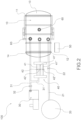
- the plant 100 for stunning and/or killing animals for slaughter according to the present invention comprises an airtight chamber 10 provided with at least one opening 11,12 for the introduction of the live animals and the extraction of the stunned or slaughtered or killed animals, and closing devices suitable to hermetically close said at least one opening 11,12.
- the chamber 10 has an entrance opening 11 for the introduction of live animals and an exit opening 12 for the extraction of the stunned or killed animals, a respective closing device 13,14 being associated with each opening 11,12.
- Animals may be introduced into the system locked up in one large cage or in a succession of smaller cages, or in bulk.
- the closing devices 13, 14 associated with the openings 11, 12 are for example of the tilting type, or revolving door type with vertical or horizontal axis. In any case, the closing devices 13, 14 are operable advantageously by means of electric, pneumatic or hydraulic actuators.
- the chamber 10 is equipped with a balancing valve 60, to balance the internal pressure of the chamber 10 with the external pressure (atmospheric pressure).
- the system 100 comprises suction means 30 communicating with said chamber 10 to remove the air from it.
- the suction means 30 are suitable to create a depression inside the chamber in such a way as to achieve a lower absolute pressure than the external ambient pressure.
- Ambient pressure is understood to mean the actual atmospheric pressure outside the chamber, pressure which depends on the altitude of the place where the plant is situated 100.
- the suction means 30 comprise for example an electrically-operated pump, connected to the chamber 10 via a duct 31 to which a first check valve 32 is associated for opening and closing said suction pipe 31.
- the pipe 31 is equipped, near the entrance of the chamber 10, with a modulating valve 63.
- a hydraulic system 40 is placed, connected via a bypass duct 31' to the suction means 30.
- the hydraulic system 40 comprises at least one pipe 41 fitted with a check valve 42.
- the hydraulic system 40 comprises a plurality of pipes 41, 41',41" of different diameters, wherein each pipe is equipped with a valve 42, 42', 42" of the on-off type.
- the correct suction time is defined for achieving the depression required inside the chamber 10, depending on the type of animals, their weight, the number thereof and depending on the line speed and residence time in the chamber as provided for in the instruction manual supplied by the manufacturer.
- the hydraulic system 40 comprises a pipe 41 fitted with a modulating valve, suitable to also partially close the relative pipe, again depending on the type of animal which the chamber is used for.
- the plant comprises means 20 of introducing a gas into the chamber 10 after it has reached a vacuum pressure below atmospheric pressure.
- a tank 20 is provided containing a gas to be introduced into the airtight chamber 10.
- a second shut-off valve 22 is connected to the pipe 21 connecting said tank 20 to the chamber 10 for the opening and closing of the pipe 21.
- the gas is for example carbon dioxide (CO2), or a mixture containing carbon dioxide associated with inert gases, or a mixture of inert gases such as nitrogen or argon or carbon monoxide (CO).
- CO2 carbon dioxide
- inert gases such as nitrogen or argon or carbon monoxide (CO).
- the carbon dioxide (CO2) has an anaesthetic effect on the animal.
- the step of introducing carbon dioxide into the vacuum chamber contributes, together with the lack of oxygen, to the loss of consciousness or stunning of the animal.
- the plant 100 advantageously comprises a control unit 50 designed to control and synchronize the suction means 30, the tank 20 of gas, the closing devices 13,14 of the airtight chamber 10, the hydraulic system 40 and the check valves 22,32.
- the control unit 50 after the hermetic closure of the doors of the chamber via a special programme, controls the opening and closing of the check valves 22, 32 and the actuation of the hydraulic system 40, i.e. the opening and closing of each of the check valves 42, 42', 42".
- the control unit 50 is provided with a user interface comprising setting means suitable to allow the operator to set the values of absolute pressure (decompression) to be realized in the chamber 10, the percentage of gas to be fed into the chamber 10 after decompression, and to set the values of the total residence time of the animals in the chamber 10.
- the control unit 50 comprises a PLC, advantageously a display connected to the PLC, and a recorder which records all the indicative factors such as the values of the pressure and the percentage of gas in the airtight chamber 10 and preferably the percentage of oxygen present in the chamber.
- the system 100 comprises a probe that reads the pressure and the pressure variations in the airtight chamber 10, and sends these values to the control unit 50, and preferably to the display connected to the PLC and to the recorder.
- the plant 100 comprises a pressure switch programmed or programmable on the basis of the environmental pressure.
- the control unit 50 is thus suitable, taking into account the proper starting value (environmental pressure), to transmit to the suction means the correct pressure difference value ( ⁇ pressure) so as to create the correct depression in the chamber until the desired absolute pressure is achieved.
- the control unit 50 is provided, in case of breakdown, with an automatic reset system of the plant.
- control unit 50 commands the means 20, 21, 22 for the introduction of the gas on the basis of pressure values detected by the probe.
- the plant 100 comprises a pressure gauge and/or a vacuum gauge, and a transducer, suitable to control the pressure and the pressure variations in the airtight chamber 10.
- the control unit 50 thus receives the signal of opening and closing of the valves 22, 32, 42, 42', 42'' from the probe that reads the pressure (or rather the depression) generated in the airtight chamber 10 when the pump 30 is activated and the pressure increase which is generated in the airtight chamber 10 when the introduction of gas from the tank 20 is activated.
- the plant 100 comprises detection means of the vital activity of the animals in the chamber 10.
- the detection means comprise at least one camera, for example infrared, which films the steps of the stunning and/or killing cycle of the animals inside the airtight chamber 10.
- the stunning and/or killing cycle of the animals is thus implemented.
- the first check valve 32 is closed automatically and simultaneously the second check valve 22 is opened to connect the tank 20 of gas to the chamber 10, gas which expands in said chamber.
- the method for stunning and/or killing animals, and in particular poultry provides for a step during which, by means of the pump 30 and the actuation of the check valve 32, creates a pressure reduction (or vacuum) in the chamber 10 compared to atmospheric pressure (by convention expressed in millibars and considered equal to 1000 mbar).
- the reduction of pressure or vacuum in the airtight chamber 10 is variable from 0 (no reduction of pressure) to 1000 mbar (total vacuum) and, depending on the opening of the hydraulic system 40, that is to say the modulating valve or one of the on-off valves 42, 42', 42", a desired vacuum pressure is achieved (i.e. the reduction of the internal pressure of the airtight chamber 10) in a predetermined period of time.
- the reduction of pressure in the airtight chamber 10 is achieved by combining the opening and/or closing of different pipes.
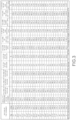
- the depression in the airtight chamber 10 is obtained by aspirating air, air that contains nitrogen (N2) and oxygen -(02) in the standard percentages below:
- the reduction of pressure thus determines a reduction in the volume of air present in the chamber and therefore a reduction of the amount of oxygen present in the chamber 10.
- the oxygen remaining, as well as the air, is evenly distributed throughout the volume of the chamber.
- the method for stunning and/or killing animals, and in particular poultry provides, after this step in which a vacuum is created, for a step of introducing a gas in a clearly-defined percentage of the volume of air in the chamber.
- the method provides of selecting the quantity of gas to be fed into the chamber after decompression as a function of the absolute pressure created in the chamber itself. Therefore, the quantity of fed gas is controlled by means of the measuring of the actual pressure inside the chamber 10.
- the step of selecting the quantity of gas involves:
- the percentage of gas to be introduced is greater than or equal to 30% of the volume of air remaining in the chamber (10) after the decompression in the case of carbon dioxide (CO2) or of carbon dioxide (CO2) associated with inert gases; equal to or greater than 1% of the volume of air remaining in the chamber (10) after the decompression in the case of carbon monoxide (CO) or a mixture of inert gases such as argon and nitrogen.
- the reading of the actual pressure inside the chamber 10 by the probe makes it possible to calculate the correct percentage of gas to be introduced, aspirated from the tank 20 by means of the valve 22.
- the pressure and volume of the chamber being directly proportional
- the reading of the actual pressure inside the chamber indicates the actual air volume remaining following the depression: for example, if the pressure inside the chamber is reduced to 1/5, the volume of air present in the chamber is also reduced by 1/5, so the right amount of gas to be introduced will be equal to 40% of the air remaining (1/5 of the volume of air present in the chamber before decompression).
- the gas is introduced gradually in the chamber 10 immediately after the animals have reached the desired depression.
- the pressure gauge and the transducer of the pressure values inside the chamber 10 make it possible to precisely identify the desired depression, the consequent closure of the aspiration valve 32 and the simultaneous opening of the inlet valve 22 of the gas, which is closed upon reaching the exact quantity of introduced gas, determined depending on the new pressure reached.
- the method for stunning and/or killing animals, particularly poultry, weasels, skunks and badgers, chinchillas, pigs for slaughter or depopulation and situations other than slaughter provides, depending on the conditions of use set out (as per the rules on the protection of animals at slaughter - Regulation (EC) No. 1099/2009 of the Council of 24 September 2009) for one or two steps of introducing gas into the chamber 10 to cause the death of animals by anoxia (reduction or lack of oxygen).
- the percentage of gas to introduce is greater than or equal to 20% of the volume of air remaining in the chamber (10) after decompression in the case of carbon dioxide (CO2).
- the method involves, after a first introduction of 40% of CO2 gas, a further step of introducing CO 2 suitable for causing the slaughter of animals, said gas in a percentage equal to 20% of the volume of air, remaining in the chamber 10 after decompression.
- control of the percentage of gas to be introduced can easily be managed by controlling the pressure inside the airtight chamber 10.
- the precise control of the quantity of gas to introduce is, in addition, achieved at full operating regime of the slaughter plants through the use of one or more intermediate tanks, connected by pipes to the hydraulic system 40, containing gas or gas mixtures.
- the intermediate tanks at ambient pressure of 1 atm, have the required capacity to introduce into the airtight chamber 10 the proper percentage of gas.
- the method for stunning and/or killing animals thus comprises the step of selecting the absolute pressure in the chamber 10 to be achieved and the percentage of gas to be introduced into the chamber 10 after decompression. Furthermore, the method comprises the step of selecting the total time of residence of the animals in the chamber 10.
- the method for stunning and/or killing animals according to the present invention does not provide for falling below 200 mbar of absolute pressure inside the chamber 10, and does not provide for reaching this value in less than 30 seconds, as this may cause internal injury to the animals, causing suffering.
- the method for stunning and/or killing animals according to the present invention does not provide for rising above 845 mbar absolute pressure inside the chamber 10.
- the overall time of residence of the animals in the chamber 10 is between 80 seconds and 600 seconds.
- a chicken of average weight 1.8 kg was put in the chamber 10; a depression was created in the chamber up to the internal pressure of about 300 mbar (decompression pressure or absolute pressure) in about 46 seconds, opening the check valve 32 and the valve 42 of the pipe 41 of the hydraulic circuit 40.
- This value of absolute pressure (300 mbar) corresponds to a volume of air of 300 1 uniformly distributed inside the chamber and in which there is thus a quantity of nitrogen (N2) equal to 78%, corresponding to 234 1, and an amount of oxygen (02) equal to 21%, corresponding to about 63 1. Therefore, the concentration of evenly distributed oxygen in the chamber (in depression 300 mbar) is equal to 6.3% of the volume of the chamber (1000 litres).
- CO2 gas was then introduced up to 40% of the volume in the chamber (300 1), corresponding to 120 1 of gas; such volume (120 1) of gas added to the volume of residual air (300 1) gives a total volume of the mixture (air + gas) equal to 420 1, which corresponds to an absolute pressure of 420 mbar.
- a pressure condition is created in the chamber 10 (420mbar) greater than the initial pressure (300 mbar) and thus creates a condition of improved well-being for the animals.
- this value (3.96% of 02 in the chamber 10) is similar to what you would get in a gas stunning and/or killing system after introducing gas, in a chamber at atmospheric pressure, in the measure of about 81% of the volume of air in the chamber, that is to say 810 l of gas in the case of a chamber of 1000 litres of volume.
- a mixture air and gas
- air which contains 21% oxygen (therefore 39.9 l of 02) which expanding throughout the volume of the chamber corresponds to a concentration equal to 3.99%.
- the method according to the present invention with only 180 1 of gas (120 + 60), the same killing result is achieved as would be achieved with 810 1 of gas without any depression.
- this value (3.96% of 02 in the chamber 10) is similar to what would be achieved in a LAPS stunning and/or killing system after a depression in the chamber 10 up to the internal pressure of about 189 mbar.
- a volume of air equal to 189 l would remain in the chamber, of which 39.69 l of 02, which expanding throughout the volume of the chamber corresponds to a concentration equal to 3.96%.
- the method according to the present invention by creating a depression up to the absolute pressure of 300 mbar, the same killing result is achieved as with a depression up to 189 mbar with no gas input. It follows that the method according to the present invention enables energy savings and greater animal well-being, subject to a minor depression.
- the bird was found dead after 3 minutes from the start of the cycle but it was preferred to keep it for a further 30 seconds inside the chamber 10 after dying, before opening the balancing valve 60 of the chamber 10.
- a chicken of average weight 1.8 kg was put in the chamber 10; a vacuum was created in the chamber up to the internal pressure of about 234 mbar (decompression pressure or absolute pressure) in about 60 seconds, opening the check valve 32 and the valve 42 of the pipe 41 of the hydraulic circuit 40.
- Such absolute pressure value (234 MB) corresponds to a volume of 234 1 of air evenly distributed inside the chamber and in which there is a quantity of nitrogen (N2) equal to 78%, corresponding to approximately 184 1, and a quantity of oxygen (02) equal to 21%, corresponding to about 49.2 1. Therefore, the concentration of evenly distributed oxygen in the chamber (in depression 300 mbar) is equal to 4.91% of the volume of the chamber (1000 litres).
- a pressure condition (327 mbar) greater than the initial pressure (234 MB) is created in the chamber 10, thus creating a condition of greater animal well-being.
- a condition of pressure (374 mbar) is created in the chamber 10 greater than the initial pressure and thus a better condition of well-being for the animals is created.
- the concentration of oxygen (02) in the chamber 10 fell from the initial 4.91% by depression alone, to 3.51% with a first introduction of gas (40% CO2), and to 3.07% following the introduction of additional gas (20% of CO2).
- the depression was maintained until the end of the cycle of 2 minutes and 30 seconds.
- the bird was found dead after 2 minutes and 10 seconds from the start of the cycle but it was preferred to keep it for a further 20 seconds inside the chamber 10 after dying, before opening the balancing valve 60 of the chamber 10.
- a chicken of average weight 1.8 kg was put in the chamber 10; a vacuum was created in the chamber up to the internal pressure of about 335.7 mbar (decompression pressure or absolute pressure) in about 66 seconds.
- Such absolute pressure value corresponds to a volume of air of 335.7 l evenly distributed inside the chamber and in which a quantity of nitrogen (N2) equal to 78%, corresponding to approximately 262 l, and a quantity of oxygen (02) equal to 21%, corresponding to about 70 l are present. Therefore, the concentration of evenly distributed oxygen in the chamber (in depression 335.7 mbar) is equal to 7% of the volume of the chamber (1000 litres).
- the depression was maintained until the end of the cycle of 3 minutes and 30 seconds.
- the bird was found dead after 3 minutes from the start of the cycle but it was preferred to keep it for a further 30 seconds inside the chamber 10 after dying, before opening the balancing valve 60 of the chamber 10.
- the low oxygen and low depression reached are ideal for the well-being of the animals which reach the state of "anoxia" faster and without trauma.
- the method for stunning and/or killing animals is based on the control of the volume of gas to introduce and consequently on the control of the percentage of oxygen in the chamber by control of the pressure inside an airtight chamber in which firstly a depression is created until it reaches a certain internal pressure and subsequently the pressure inside the chamber is raised by introducing gas, such as carbon dioxide or other inert gases. Thanks to the direct ratio between the pressure increase and the increase of volume of air inside the airtight chamber the correct percentage of gas to introduce into the airtight chamber can be achieved with considerable accuracy so as to create the right percentage concentration of oxygen in the mixture (rarefied air and gas) which causes the death of the animals by anoxia in a given time.
- gas such as carbon dioxide or other inert gases
- the method for controlling the exact amount of gas to be fed into the chamber provides for the control of the quantity pf gas based on control of the pressure, since pressure and volume are directly proportional. Therefore, the reading and control of the pressure are absolutely precise thanks to the use of a single instrument for the whole chamber (i.e., using the manometer data transducer).
- the pressure is also homogeneous throughout the chamber and, consequently, also the percentage of gas and the percentage of oxygen are homogeneous throughout the chamber.
- the method and relative plant for stunning and/or killing animals in a controlled atmosphere makes it possible to reduce stunning and/or killing times of the animal while respecting all legal criteria required for animal well-being.
- the method and plant for stunning and/or killing animals according to the present invention makes it possible to precisely control the percentage of air to be extracted, the percentage of residual oxygen in the airtight chamber, and the percentage of gas (carbon dioxide or other inert gases) to introduce.
- the method and plant for stunning and/or killing animals makes it possible to control the stunning and/or killing times of birds in that by acting with precision on the oxygen value present after introducing the gas, the stunning and/or killing plant can be customised in relation to the size of chickens.
- the stunning and/or killing plant can be customised in relation to the size of chickens. For example, with small chickens (of about 1.8 kg live) a 200 mbar depression may be reached quickly, up to a total residence time in the chamber of about 2 minutes.
- larger chickens of approx. 3.6 kg live
- the method and plant for stunning and/or killing animals according to the present invention reduces the costs associated with the use of carbon dioxide or other inert gases and reduces the emissions of CO2 into the atmosphere, compared to a gas stunning system.
- the method and plant for stunning and/or killing animals according to the present invention reduces the energy consumption related to the depression, since the working pressure inside the chamber is higher than that used in traditional LAPS systems, resulting in greater well-being for the animals, and in the case of smaller birds reduced breaking of the wings.
- the method and plant according to the present invention permits programming of the stunning and/or killing cycle controlling the depression created in the chamber (absolute pressure), the quantity of gas to be introduced and the residence times of the animals in the chamber. It is thus possible to manage the killing cycle balancing the needs of animal well-being with cost containment requirements. Consequently, depending on the type of animal and as provided for by applicable law, it is possible to reduce the amount of gas introduced and the stunning and/or killing cycle times by creating a greater depression and greater vacuum inside the chamber, with benefits from the strictly economic point of view or alternatively, it is possible, by increasing the quantity of gas introduced and the stunning and/or killing cycle times, to maintain a lesser depression and a higher absolute pressure inside the chamber, with further advantages from the point of view of animal well-being.
Landscapes
- Life Sciences & Earth Sciences (AREA)
- Engineering & Computer Science (AREA)
- Food Science & Technology (AREA)
- Accommodation For Nursing Or Treatment Tables (AREA)
- Catching Or Destruction (AREA)
- Apparatus For Disinfection Or Sterilisation (AREA)
Claims (13)
- Verfahren zum Betäuben und/oder Töten, also zum Schlachten oder Keulen und anderen Situationen, von Tieren wie Geflügel, Schweinen, Chinchillas, Mardern, Kaninchen und Tieren, die als Pelztiere verwendet werden, in kontrollierter Atmosphäre, umfassend die folgenden Schritte:- Verbringen der Tiere in eine luftdichte Kammer (10) und Verschließen der Kammer (10);- Erzeugen eines Vakuums innerhalb der Kammer (10), um einen absoluten Druck zu erreichen, der niedriger ist als ein Umgebungsdruck außerhalb der Kammer (10);- nach Erreichen des absoluten Drucks Zusetzen von zumindest einem Gas, das geeignet ist, die Tiere zu betäuben und/oder zu töten, in die Kammer (10), wobei das in einer solchen Menge vorliegt, dass ein voreingestellter Prozentsatz des nach der Dekompression in der Kammer (10) verbleibenden Luftvolumens erreicht wird; umfassend den Schritt des Auswählens der Menge des nach der Dekompression in die Kammer (10) zuzuführenden Gases abhängig von dem in der Kammer (10) erzeugten absoluten Druck, wobei die Menge zugeführten Gases mittels des Messens des tatsächlichen Drucks im Innern der Kammer gesteuert wird.
- Verfahren nach Anspruch 1, wobei der Schritt des Auswählens der Gasmenge umfasst:- Lesen des tatsächlichen Drucks im Innern der Kammer mittels einer Drucksonde;- da Druck und Volumen unmittelbar proportional sind, Messen des Volumens von in der Kammer (10) verbleibenden Luft entsprechend dem tatsächlich von der Drucksonde gelesenen Druck.
- Verfahren nach einem der vorstehenden Ansprüche, wobei der absolute Druck höher als 200 mbar und niedriger als 845 mbar ist.
- Verfahren nach einem der vorstehenden Ansprüche, umfassend einen weiteren Schritt des Einleitens zumindest eines Gases, das geeignet ist, die Tötung der Tiere zu bewirken, wobei das Gas in einer solchen Menge vorliegt, dass nach der Dekompression ein voreingestellter Prozentsatz des in der Kammer (10) verbleibenden Luftvolumens erreicht wird.
- Verfahren nach Anspruch 4, wobei der Prozentsatz des zuzuführenden Gases im Fall von Kohlendioxid (CO2) größer gleich 20 % des nach der Dekompression in der Kammer (10) verbleibenden Luftvolumens ist.
- Verfahren nach einem der vorstehenden Ansprüche, umfassend den Schritt des Auswählens der Gesamtzeit, für die die Tiere in der Kammer (10) bleiben, und wobei die Gesamtzeit, für die die Tiere in der Kammer (10) bleiben, zwischen 80 Sekunden und 600 Sekunden liegt.
- Verfahren nach einem der vorstehenden Ansprüche, wobei das eingeleitete Gas Kohlenmonoxid (CO) oder Kohlendioxid (CO2) oder ein Gemisch ist, das Kohlendioxid (CO2) in Verbindung mit Inertgasen enthält, oder ein Gemisch aus Inertgasen wie Stickstoff oder Argon.
- Verfahren nach einem der vorstehenden Ansprüche, wobei im Fall von Kohlendioxid (CO2) oder von Kohlendioxid (CO2) zusammen mit Inertgas der Prozentsatz des zuzuführenden Gases größer oder gleich 30 % des Luftvolumens ist, das nach der Dekompression in der Kammer (10) verbleibt; im Fall von Kohlenmonoxid (CO) oder eines Gemischs aus Inertgasen wie Argon und Stickstoff größer oder gleich 1 % des Luftvolumens ist, das nach der Dekompression in der Kammer (10) verbleibt.
- System (100) zum Betäuben und/oder Töten von lebenden Tieren in kontrollierter Atmosphäre, aufweisend eine luftdichte Kammer (10), die versehen ist mit zumindest einer Öffnung (11, 12) zum Einbringen der lebenden Tiere und zum Entnehmen der betäubten oder getöteten Tiere, Verschlussvorrichtungen (13, 14), die geeignet sind, die zumindest eine Öffnung (11, 12) hermetisch zu verschließen, Absaugeinrichtungen (30, 31, 32), die mit der Kammer (10) in Verbindung stehen, um Luft aus dieser zu entfernen, Einrichtungen (20, 21, 22) für die Zufuhr von zumindest einem Gas, das geeignet ist, das Betäuben und/oder Töten der Tiere in der Kammer (10) zu bewirken, nachdem in dieser ein voreingestellter absoluter Druck erreicht wurde, eine Steuerungseinheit (50), die geeignet ist, die Absaugeinrichtungen (30, 31, 32) zu steuern und Einrichtungen (20, 21, 22) zum Zuführen des Gases gemäß des Verfahrens zum Betäuben oder Töten nach einem der vorstehenden Ansprüche, aufweisend eine Drucksonde, die geeignet ist, den tatsächlichen Druck im Innern der Kammer (10) zu detektieren, und wobei die Steuerungseinheit (50) die Einrichtungen (20, 21, 22) zum Zuführen des Gases basierend auf den von der Sonde detektierten Druckwerten steuert.
- System (100) nach Anspruch 9, wobei die Steuerungseinheit (50) mit einer Benutzerschnittstelle versehen ist, die Einrichtungen zum Festlegen/Zurücksetzen umfasst, die es dem Bediener ermöglichen, die Werte des in der Kammer (10) zu erzeugenden Absolutdrucks und den Prozentsatz des nach der Dekompression in die Kammer (10) einzuspeisenden Gases festzulegen.
- System (100) nach Anspruch 10, wobei die Festlegungseinrichtungen geeignet sind, es dem Bediener zu ermöglichen, die Werte der Gesamtzeit einzustellen, für die die Tiere in der Kammer (10) bleiben.
- System (100) nach einem der Ansprüche 9 bis 11, wobei die Ansaugeinrichtungen eine Pumpe (30) umfassen, die über zumindest eine Leitung (31) mit der Kammer (10) verbunden ist, der ein erstes Absperrventil (32) zum Öffnen und Verschließen der Leitung (31) zugeordnet ist und die Einrichtungen zum Zuführen von zumindest einem Gas zumindest einen Tank (20) aufweisen, der das zuzuführende Gas enthält und mittels zumindest einer Leitung (21), der ein zweites Absperrventil (22) zum Öffnen und Schließen der Leitung (21) zugeordnet ist, mit der Kammer (10) verbunden ist.
- System (100) nach einem der Ansprüche 9 bis 12, aufweisend ein Hydrauliksystem (40), das über eine Bypassleitung (31') mit der Absaugeinrichtung (30) verbunden ist, aufweisend eine Vielzahl von Rohren (41, 41', 41") unterschiedlichen Durchmessers, wobei jedes Rohr mit einem Ventil (42, 42', 42") vom An/Aus-Typ versehen ist.
Priority Applications (1)
| Application Number | Priority Date | Filing Date | Title |
|---|---|---|---|
| HRP20240452TT HRP20240452T1 (hr) | 2015-06-22 | 2016-06-21 | Metoda i sustav za omamljivanje i/ili usmrćivanje životinja |
Applications Claiming Priority (2)
| Application Number | Priority Date | Filing Date | Title |
|---|---|---|---|
| ITUB20151581 | 2015-06-22 | ||
| PCT/IB2016/053667 WO2016207780A1 (en) | 2015-06-22 | 2016-06-21 | Method and system for the stunning and/or killing of animals |
Publications (3)
| Publication Number | Publication Date |
|---|---|
| EP3310178A1 EP3310178A1 (de) | 2018-04-25 |
| EP3310178C0 EP3310178C0 (de) | 2024-03-06 |
| EP3310178B1 true EP3310178B1 (de) | 2024-03-06 |
Family
ID=54199982
Family Applications (1)
| Application Number | Title | Priority Date | Filing Date |
|---|---|---|---|
| EP16745825.6A Active EP3310178B1 (de) | 2015-06-22 | 2016-06-21 | Verfahren und system zum betäuben und/oder töten von tieren |
Country Status (8)
| Country | Link |
|---|---|
| US (1) | US10368552B2 (de) |
| EP (1) | EP3310178B1 (de) |
| CA (1) | CA2986546C (de) |
| ES (1) | ES2974901T3 (de) |
| HR (1) | HRP20240452T1 (de) |
| PL (1) | PL3310178T3 (de) |
| RU (1) | RU2710170C2 (de) |
| WO (2) | WO2016022959A2 (de) |
Families Citing this family (7)
| Publication number | Priority date | Publication date | Assignee | Title |
|---|---|---|---|---|
| WO2016022959A2 (en) | 2014-08-07 | 2016-02-11 | Hollis Cheek | Method for humanely stunning and slaughtering animals using low atmospheric pressure and inert gas |
| ES3040860T3 (en) * | 2017-04-10 | 2025-11-05 | Baader Food Systems Denmark As | Controlled atmospheric stunning |
| JP7502262B2 (ja) | 2018-07-24 | 2024-06-18 | ダニエル ハーニック | 動物安楽死方法及び装置 |
| CN113163774B (zh) * | 2018-12-05 | 2024-10-29 | 马瑞奥肉品股份有限公司 | 一种降低动物应激水平的方法 |
| US11006639B2 (en) * | 2019-01-23 | 2021-05-18 | Chad Brubaker | Poultry euthanizing system |
| CN113331236A (zh) * | 2021-06-03 | 2021-09-03 | 新疆诺奇拜城油鸡发展有限公司 | 一种家禽致晕密闭装置及家禽致晕方法 |
| IT202100019343A1 (it) * | 2021-07-21 | 2023-01-21 | Cattaruzzi Int S R L | Metodo di stordimento a gas e abbattimento per decompressione di animali |
Family Cites Families (24)
| Publication number | Priority date | Publication date | Assignee | Title |
|---|---|---|---|---|
| US2526037A (en) * | 1948-12-17 | 1950-10-17 | Hormel & Co Geo A | Process for immobilizing livestock prior to slaughtering |
| US2588770A (en) | 1949-10-31 | 1952-03-11 | Byron R Bentley | Apparatus for stunning or killing animals |
| US3548447A (en) | 1967-08-25 | 1970-12-22 | Thomas F Price Jr | Apparatus for humanely killing minks and the like |
| DE3867119D1 (de) * | 1987-05-07 | 1992-02-06 | Bernd Toennies | Verfahren zum betaeuben von lungenatmenden schlachttieren. |
| US6135872A (en) * | 1997-01-27 | 2000-10-24 | Hormel Foods Corporation | Method and apparatus for unloading poultry |
| DK1405564T3 (en) * | 2002-10-01 | 2015-07-20 | Maxitech S R L | Process and plant for gas stunning of poultry for slaughter |
| US6848987B2 (en) * | 2002-11-22 | 2005-02-01 | Roger Draft | Apparatus and method of transporting and stunning livestock |
| ES2303047T3 (es) * | 2003-01-22 | 2008-08-01 | Linco Food Systems A/S | Metodo y sistema de aturdimiento por gas de aves de matanza. |
| US9044027B2 (en) | 2003-10-10 | 2015-06-02 | Euthanex Corporation | Method and apparatus for the euthanasia of animals |
| US20050095969A1 (en) | 2003-10-10 | 2005-05-05 | Mosher Howard E. | Method and apparatus for the euthanasia of animals |
| US7771255B2 (en) * | 2004-06-25 | 2010-08-10 | Cattaruzzi International S.R.L. | Plant and method for the stunning and killing of animals for slaughter through asphyxiation |
| ITBS20040075A1 (it) | 2004-06-25 | 2004-09-25 | Cattaruzzi Internat S R L | Impianto e metodo per lo stordimento e/o l'abbattimento di animali da macellazione mediante asfissia |
| US8597089B2 (en) * | 2005-07-08 | 2013-12-03 | Praxair Technology, Inc. | System and method for treating live cargo such as poultry with gas |
| US7794310B2 (en) * | 2005-07-08 | 2010-09-14 | Praxair Technology, Inc. | Stunning animals such as poultry with gas |
| US7435166B2 (en) * | 2006-01-18 | 2008-10-14 | University Of Delaware | Methods and devices for depopulating avian species |
| US8272926B2 (en) * | 2006-08-23 | 2012-09-25 | Praxair Technology, Inc. | System and method for stunning poultry with gas |
| US8323080B2 (en) | 2007-04-11 | 2012-12-04 | Praxair Technology, Inc. | System and method for stunning poultry with gas |
| CA2591101A1 (en) * | 2007-06-05 | 2008-12-05 | Brian's Poultry Services Ltd. | Poultry cart and method and apparatus for killing poultry |
| WO2009058557A2 (en) | 2007-10-12 | 2009-05-07 | Euthanix Corp. | Method and apparatus for euthanizing animals |
| US7662030B2 (en) * | 2007-11-05 | 2010-02-16 | Hollis Cheek | Method for humanely stunning and slaughtering poultry using controlled low atmospheric pressure |
| US8267080B2 (en) | 2009-02-26 | 2012-09-18 | Paul Sundberg | Hypoxic chamber for euthanasia of animals and method of use |
| US8113926B1 (en) * | 2010-10-13 | 2012-02-14 | Hollis Cheek | Method for decreasing spastic wing activity of poultry during slaughter |
| ES2816648T3 (es) | 2012-09-10 | 2021-04-05 | Linco Food Systems As | Procedimiento y sistema de monitorización para monitorizar el aturdimiento por gas de las aves |
| WO2016022959A2 (en) | 2014-08-07 | 2016-02-11 | Hollis Cheek | Method for humanely stunning and slaughtering animals using low atmospheric pressure and inert gas |
-
2015
- 2015-08-07 WO PCT/US2015/044287 patent/WO2016022959A2/en not_active Ceased
- 2015-08-07 CA CA2986546A patent/CA2986546C/en active Active
- 2015-08-07 US US15/502,408 patent/US10368552B2/en active Active
-
2016
- 2016-06-21 PL PL16745825.6T patent/PL3310178T3/pl unknown
- 2016-06-21 ES ES16745825T patent/ES2974901T3/es active Active
- 2016-06-21 HR HRP20240452TT patent/HRP20240452T1/hr unknown
- 2016-06-21 RU RU2017145160A patent/RU2710170C2/ru active
- 2016-06-21 EP EP16745825.6A patent/EP3310178B1/de active Active
- 2016-06-21 WO PCT/IB2016/053667 patent/WO2016207780A1/en not_active Ceased
Also Published As
| Publication number | Publication date |
|---|---|
| WO2016207780A9 (en) | 2017-03-16 |
| US10368552B2 (en) | 2019-08-06 |
| RU2710170C2 (ru) | 2019-12-24 |
| RU2017145160A3 (de) | 2019-07-24 |
| US20170231237A1 (en) | 2017-08-17 |
| EP3310178C0 (de) | 2024-03-06 |
| ES2974901T3 (es) | 2024-07-02 |
| EP3310178A1 (de) | 2018-04-25 |
| PL3310178T3 (pl) | 2024-05-06 |
| WO2016022959A2 (en) | 2016-02-11 |
| RU2017145160A (ru) | 2019-07-23 |
| WO2016207780A1 (en) | 2016-12-29 |
| HRP20240452T1 (hr) | 2024-06-21 |
| WO2016022959A3 (en) | 2016-07-14 |
| WO2016022959A9 (en) | 2016-09-09 |
| CA2986546C (en) | 2023-08-22 |
| CA2986546A1 (en) | 2016-02-11 |
Similar Documents
| Publication | Publication Date | Title |
|---|---|---|
| EP3310178B1 (de) | Verfahren und system zum betäuben und/oder töten von tieren | |
| EP1616482A2 (de) | Versuchstierbehausung mit Euthanasierfunktion | |
| US5643072A (en) | Method and device for stunning of poultry | |
| US10757948B2 (en) | Pre-stunning or stunning of animals with a combination of O2, CO2 and NO2 | |
| US11395504B2 (en) | Apparatus and method for conditioning tobacco | |
| US9198440B2 (en) | Humane rodent euthanasia machine | |
| HK1254813A1 (en) | Apparatus and method for conditioning tobacco | |
| WO2008128027A1 (en) | System and method for stunning hogs with gas | |
| US20220125965A1 (en) | Methods and devices for sterilizing organic products | |
| CN113163774B (zh) | 一种降低动物应激水平的方法 | |
| CN210784843U (zh) | 一种小型实验动物安乐死系统 | |
| CN102266610A (zh) | 流量控制方法、装置及呼吸机 | |
| CN208334962U (zh) | 一种用于粮食仓储系统的气调控制系统 | |
| US20220257445A1 (en) | Normobaric Hypoxia Trainer | |
| CN117858625A (zh) | 通过气体致昏和通过降压屠宰动物的方法 | |
| EP3031330A1 (de) | Verfahren und vorrichtung zum betäuben von zur schlachtung vorgesehenen tieren | |
| WO2018211231A1 (en) | System and method for stunning animals | |
| US20050022808A1 (en) | Rodent euthanasia machine | |
| WO2020041853A1 (en) | Breathing device | |
| CN108966905A (zh) | 一种农作物施用工业co2增产的安全方法和装置 | |
| GB2564725A (en) | System and method for stunning animals | |
| CN118401114A (zh) | 用于在地面上方的致昏室中致昏家禽的设备和方法 | |
| CN102613163A (zh) | 磷化氢环流消除装置 | |
| US20190209958A1 (en) | Portable carbon filter system for hunters and other applications | |
| UA124135U (uk) | Спосіб формування гіпоксичної дихальної газової суміші |
Legal Events
| Date | Code | Title | Description |
|---|---|---|---|
| REG | Reference to a national code |
Ref country code: HR Ref legal event code: TUEP Ref document number: P20240452T Country of ref document: HR |
|
| STAA | Information on the status of an ep patent application or granted ep patent |
Free format text: STATUS: THE INTERNATIONAL PUBLICATION HAS BEEN MADE |
|
| PUAI | Public reference made under article 153(3) epc to a published international application that has entered the european phase |
Free format text: ORIGINAL CODE: 0009012 |
|
| STAA | Information on the status of an ep patent application or granted ep patent |
Free format text: STATUS: REQUEST FOR EXAMINATION WAS MADE |
|
| 17P | Request for examination filed |
Effective date: 20171221 |
|
| AK | Designated contracting states |
Kind code of ref document: A1 Designated state(s): AL AT BE BG CH CY CZ DE DK EE ES FI FR GB GR HR HU IE IS IT LI LT LU LV MC MK MT NL NO PL PT RO RS SE SI SK SM TR |
|
| AX | Request for extension of the european patent |
Extension state: BA ME |
|
| DAV | Request for validation of the european patent (deleted) | ||
| DAX | Request for extension of the european patent (deleted) | ||
| STAA | Information on the status of an ep patent application or granted ep patent |
Free format text: STATUS: EXAMINATION IS IN PROGRESS |
|
| 17Q | First examination report despatched |
Effective date: 20210705 |
|
| RIN1 | Information on inventor provided before grant (corrected) |
Inventor name: CHEEK, HOLLIS Inventor name: CATTARUZZI, BRUNO |
|
| REG | Reference to a national code |
Ref country code: DE Ref legal event code: R079 Ipc: A22B0003080000 Ref document number: 602016086153 Country of ref document: DE Free format text: PREVIOUS MAIN CLASS: A22B0003000000 |
|
| RIC1 | Information provided on ipc code assigned before grant |
Ipc: A22B 3/00 20060101ALI20230831BHEP Ipc: A22B 3/08 20060101AFI20230831BHEP |
|
| GRAP | Despatch of communication of intention to grant a patent |
Free format text: ORIGINAL CODE: EPIDOSNIGR1 |
|
| STAA | Information on the status of an ep patent application or granted ep patent |
Free format text: STATUS: GRANT OF PATENT IS INTENDED |
|
| INTG | Intention to grant announced |
Effective date: 20231108 |
|
| GRAS | Grant fee paid |
Free format text: ORIGINAL CODE: EPIDOSNIGR3 |
|
| GRAA | (expected) grant |
Free format text: ORIGINAL CODE: 0009210 |
|
| STAA | Information on the status of an ep patent application or granted ep patent |
Free format text: STATUS: THE PATENT HAS BEEN GRANTED |
|
| AK | Designated contracting states |
Kind code of ref document: B1 Designated state(s): AL AT BE BG CH CY CZ DE DK EE ES FI FR GB GR HR HU IE IS IT LI LT LU LV MC MK MT NL NO PL PT RO RS SE SI SK SM TR |
|
| REG | Reference to a national code |
Ref country code: GB Ref legal event code: FG4D |
|
| REG | Reference to a national code |
Ref country code: CH Ref legal event code: EP |
|
| REG | Reference to a national code |
Ref country code: DE Ref legal event code: R096 Ref document number: 602016086153 Country of ref document: DE |
|
| REG | Reference to a national code |
Ref country code: IE Ref legal event code: FG4D |
|
| RAP4 | Party data changed (patent owner data changed or rights of a patent transferred) |
Owner name: CATTARUZZI INTERNATIONAL S.R.L. |
|
| U01 | Request for unitary effect filed |
Effective date: 20240405 |
|
| U07 | Unitary effect registered |
Designated state(s): AT BE BG DE DK EE FI FR IT LT LU LV MT NL PT SE SI Effective date: 20240410 |
|
| U20 | Renewal fee for the european patent with unitary effect paid |
Year of fee payment: 9 Effective date: 20240423 |
|
| REG | Reference to a national code |
Ref country code: HR Ref legal event code: T1PR Ref document number: P20240452 Country of ref document: HR |
|
| REG | Reference to a national code |
Ref country code: ES Ref legal event code: FG2A Ref document number: 2974901 Country of ref document: ES Kind code of ref document: T3 Effective date: 20240702 |
|
| REG | Reference to a national code |
Ref country code: HR Ref legal event code: ODRP Ref document number: P20240452 Country of ref document: HR Payment date: 20240423 Year of fee payment: 9 |
|
| PG25 | Lapsed in a contracting state [announced via postgrant information from national office to epo] |
Ref country code: GR Free format text: LAPSE BECAUSE OF FAILURE TO SUBMIT A TRANSLATION OF THE DESCRIPTION OR TO PAY THE FEE WITHIN THE PRESCRIBED TIME-LIMIT Effective date: 20240607 |
|
| PG25 | Lapsed in a contracting state [announced via postgrant information from national office to epo] |
Ref country code: RS Free format text: LAPSE BECAUSE OF FAILURE TO SUBMIT A TRANSLATION OF THE DESCRIPTION OR TO PAY THE FEE WITHIN THE PRESCRIBED TIME-LIMIT Effective date: 20240606 |
|
| PG25 | Lapsed in a contracting state [announced via postgrant information from national office to epo] |
Ref country code: RS Free format text: LAPSE BECAUSE OF FAILURE TO SUBMIT A TRANSLATION OF THE DESCRIPTION OR TO PAY THE FEE WITHIN THE PRESCRIBED TIME-LIMIT Effective date: 20240606 Ref country code: NO Free format text: LAPSE BECAUSE OF FAILURE TO SUBMIT A TRANSLATION OF THE DESCRIPTION OR TO PAY THE FEE WITHIN THE PRESCRIBED TIME-LIMIT Effective date: 20240606 Ref country code: GR Free format text: LAPSE BECAUSE OF FAILURE TO SUBMIT A TRANSLATION OF THE DESCRIPTION OR TO PAY THE FEE WITHIN THE PRESCRIBED TIME-LIMIT Effective date: 20240607 |
|
| PG25 | Lapsed in a contracting state [announced via postgrant information from national office to epo] |
Ref country code: IS Free format text: LAPSE BECAUSE OF FAILURE TO SUBMIT A TRANSLATION OF THE DESCRIPTION OR TO PAY THE FEE WITHIN THE PRESCRIBED TIME-LIMIT Effective date: 20240706 |
|
| PG25 | Lapsed in a contracting state [announced via postgrant information from national office to epo] |
Ref country code: SM Free format text: LAPSE BECAUSE OF FAILURE TO SUBMIT A TRANSLATION OF THE DESCRIPTION OR TO PAY THE FEE WITHIN THE PRESCRIBED TIME-LIMIT Effective date: 20240306 |
|
| PG25 | Lapsed in a contracting state [announced via postgrant information from national office to epo] |
Ref country code: CZ Free format text: LAPSE BECAUSE OF FAILURE TO SUBMIT A TRANSLATION OF THE DESCRIPTION OR TO PAY THE FEE WITHIN THE PRESCRIBED TIME-LIMIT Effective date: 20240306 |
|
| PG25 | Lapsed in a contracting state [announced via postgrant information from national office to epo] |
Ref country code: SK Free format text: LAPSE BECAUSE OF FAILURE TO SUBMIT A TRANSLATION OF THE DESCRIPTION OR TO PAY THE FEE WITHIN THE PRESCRIBED TIME-LIMIT Effective date: 20240306 |
|
| PG25 | Lapsed in a contracting state [announced via postgrant information from national office to epo] |
Ref country code: SM Free format text: LAPSE BECAUSE OF FAILURE TO SUBMIT A TRANSLATION OF THE DESCRIPTION OR TO PAY THE FEE WITHIN THE PRESCRIBED TIME-LIMIT Effective date: 20240306 Ref country code: SK Free format text: LAPSE BECAUSE OF FAILURE TO SUBMIT A TRANSLATION OF THE DESCRIPTION OR TO PAY THE FEE WITHIN THE PRESCRIBED TIME-LIMIT Effective date: 20240306 Ref country code: RO Free format text: LAPSE BECAUSE OF FAILURE TO SUBMIT A TRANSLATION OF THE DESCRIPTION OR TO PAY THE FEE WITHIN THE PRESCRIBED TIME-LIMIT Effective date: 20240306 Ref country code: IS Free format text: LAPSE BECAUSE OF FAILURE TO SUBMIT A TRANSLATION OF THE DESCRIPTION OR TO PAY THE FEE WITHIN THE PRESCRIBED TIME-LIMIT Effective date: 20240706 Ref country code: CZ Free format text: LAPSE BECAUSE OF FAILURE TO SUBMIT A TRANSLATION OF THE DESCRIPTION OR TO PAY THE FEE WITHIN THE PRESCRIBED TIME-LIMIT Effective date: 20240306 |
|
| REG | Reference to a national code |
Ref country code: DE Ref legal event code: R097 Ref document number: 602016086153 Country of ref document: DE |
|
| PLBE | No opposition filed within time limit |
Free format text: ORIGINAL CODE: 0009261 |
|
| STAA | Information on the status of an ep patent application or granted ep patent |
Free format text: STATUS: NO OPPOSITION FILED WITHIN TIME LIMIT |
|
| PG25 | Lapsed in a contracting state [announced via postgrant information from national office to epo] |
Ref country code: MC Free format text: LAPSE BECAUSE OF FAILURE TO SUBMIT A TRANSLATION OF THE DESCRIPTION OR TO PAY THE FEE WITHIN THE PRESCRIBED TIME-LIMIT Effective date: 20240306 |
|
| REG | Reference to a national code |
Ref country code: CH Ref legal event code: PL |
|
| 26N | No opposition filed |
Effective date: 20241209 |
|
| PG25 | Lapsed in a contracting state [announced via postgrant information from national office to epo] |
Ref country code: IE Free format text: LAPSE BECAUSE OF NON-PAYMENT OF DUE FEES Effective date: 20240621 |
|
| PG25 | Lapsed in a contracting state [announced via postgrant information from national office to epo] |
Ref country code: CH Free format text: LAPSE BECAUSE OF NON-PAYMENT OF DUE FEES Effective date: 20240630 |
|
| U20 | Renewal fee for the european patent with unitary effect paid |
Year of fee payment: 10 Effective date: 20250422 |
|
| REG | Reference to a national code |
Ref country code: HR Ref legal event code: ODRP Ref document number: P20240452 Country of ref document: HR Payment date: 20250423 Year of fee payment: 10 |
|
| PGFP | Annual fee paid to national office [announced via postgrant information from national office to epo] |
Ref country code: PL Payment date: 20250605 Year of fee payment: 10 |
|
| PGFP | Annual fee paid to national office [announced via postgrant information from national office to epo] |
Ref country code: GB Payment date: 20250618 Year of fee payment: 10 |
|
| PGFP | Annual fee paid to national office [announced via postgrant information from national office to epo] |
Ref country code: HR Payment date: 20250423 Year of fee payment: 10 |
|
| PGFP | Annual fee paid to national office [announced via postgrant information from national office to epo] |
Ref country code: ES Payment date: 20250701 Year of fee payment: 10 |
|
| PG25 | Lapsed in a contracting state [announced via postgrant information from national office to epo] |
Ref country code: CY Free format text: LAPSE BECAUSE OF FAILURE TO SUBMIT A TRANSLATION OF THE DESCRIPTION OR TO PAY THE FEE WITHIN THE PRESCRIBED TIME-LIMIT; INVALID AB INITIO Effective date: 20160621 |
|
| PG25 | Lapsed in a contracting state [announced via postgrant information from national office to epo] |
Ref country code: HU Free format text: LAPSE BECAUSE OF FAILURE TO SUBMIT A TRANSLATION OF THE DESCRIPTION OR TO PAY THE FEE WITHIN THE PRESCRIBED TIME-LIMIT; INVALID AB INITIO Effective date: 20160621 |