EP3302551B1 - Methods of treating her2-positive previously untreated metastatic breast cancer - Google Patents
Methods of treating her2-positive previously untreated metastatic breast cancer Download PDFInfo
- Publication number
- EP3302551B1 EP3302551B1 EP16730123.3A EP16730123A EP3302551B1 EP 3302551 B1 EP3302551 B1 EP 3302551B1 EP 16730123 A EP16730123 A EP 16730123A EP 3302551 B1 EP3302551 B1 EP 3302551B1
- Authority
- EP
- European Patent Office
- Prior art keywords
- trastuzumab
- mcc
- cancer
- treatment
- breast cancer
- Prior art date
- Legal status (The legal status is an assumption and is not a legal conclusion. Google has not performed a legal analysis and makes no representation as to the accuracy of the status listed.)
- Active
Links
Images




Classifications
-
- A—HUMAN NECESSITIES
- A61—MEDICAL OR VETERINARY SCIENCE; HYGIENE
- A61K—PREPARATIONS FOR MEDICAL, DENTAL OR TOILETRY PURPOSES
- A61K47/00—Medicinal preparations characterised by the non-active ingredients used, e.g. carriers or inert additives; Targeting or modifying agents chemically bound to the active ingredient
- A61K47/50—Medicinal preparations characterised by the non-active ingredients used, e.g. carriers or inert additives; Targeting or modifying agents chemically bound to the active ingredient the non-active ingredient being chemically bound to the active ingredient, e.g. polymer-drug conjugates
- A61K47/51—Medicinal preparations characterised by the non-active ingredients used, e.g. carriers or inert additives; Targeting or modifying agents chemically bound to the active ingredient the non-active ingredient being chemically bound to the active ingredient, e.g. polymer-drug conjugates the non-active ingredient being a modifying agent
- A61K47/68—Medicinal preparations characterised by the non-active ingredients used, e.g. carriers or inert additives; Targeting or modifying agents chemically bound to the active ingredient the non-active ingredient being chemically bound to the active ingredient, e.g. polymer-drug conjugates the non-active ingredient being a modifying agent the modifying agent being an antibody, an immunoglobulin or a fragment thereof, e.g. an Fc-fragment
- A61K47/6835—Medicinal preparations characterised by the non-active ingredients used, e.g. carriers or inert additives; Targeting or modifying agents chemically bound to the active ingredient the non-active ingredient being chemically bound to the active ingredient, e.g. polymer-drug conjugates the non-active ingredient being a modifying agent the modifying agent being an antibody, an immunoglobulin or a fragment thereof, e.g. an Fc-fragment the modifying agent being an antibody or an immunoglobulin bearing at least one antigen-binding site
- A61K47/6851—Medicinal preparations characterised by the non-active ingredients used, e.g. carriers or inert additives; Targeting or modifying agents chemically bound to the active ingredient the non-active ingredient being chemically bound to the active ingredient, e.g. polymer-drug conjugates the non-active ingredient being a modifying agent the modifying agent being an antibody, an immunoglobulin or a fragment thereof, e.g. an Fc-fragment the modifying agent being an antibody or an immunoglobulin bearing at least one antigen-binding site the antibody targeting a determinant of a tumour cell
- A61K47/6855—Medicinal preparations characterised by the non-active ingredients used, e.g. carriers or inert additives; Targeting or modifying agents chemically bound to the active ingredient the non-active ingredient being chemically bound to the active ingredient, e.g. polymer-drug conjugates the non-active ingredient being a modifying agent the modifying agent being an antibody, an immunoglobulin or a fragment thereof, e.g. an Fc-fragment the modifying agent being an antibody or an immunoglobulin bearing at least one antigen-binding site the antibody targeting a determinant of a tumour cell the tumour determinant being from breast cancer cell
-
- A—HUMAN NECESSITIES
- A61—MEDICAL OR VETERINARY SCIENCE; HYGIENE
- A61K—PREPARATIONS FOR MEDICAL, DENTAL OR TOILETRY PURPOSES
- A61K31/00—Medicinal preparations containing organic active ingredients
- A61K31/33—Heterocyclic compounds
- A61K31/335—Heterocyclic compounds having oxygen as the only ring hetero atom, e.g. fungichromin
- A61K31/337—Heterocyclic compounds having oxygen as the only ring hetero atom, e.g. fungichromin having four-membered rings, e.g. taxol
-
- A—HUMAN NECESSITIES
- A61—MEDICAL OR VETERINARY SCIENCE; HYGIENE
- A61K—PREPARATIONS FOR MEDICAL, DENTAL OR TOILETRY PURPOSES
- A61K31/00—Medicinal preparations containing organic active ingredients
- A61K31/33—Heterocyclic compounds
- A61K31/395—Heterocyclic compounds having nitrogen as a ring hetero atom, e.g. guanethidine or rifamycins
-
- A—HUMAN NECESSITIES
- A61—MEDICAL OR VETERINARY SCIENCE; HYGIENE
- A61K—PREPARATIONS FOR MEDICAL, DENTAL OR TOILETRY PURPOSES
- A61K39/00—Medicinal preparations containing antigens or antibodies
- A61K39/395—Antibodies; Immunoglobulins; Immune serum, e.g. antilymphocytic serum
- A61K39/39533—Antibodies; Immunoglobulins; Immune serum, e.g. antilymphocytic serum against materials from animals
- A61K39/39558—Antibodies; Immunoglobulins; Immune serum, e.g. antilymphocytic serum against materials from animals against tumor tissues, cells, antigens
-
- A—HUMAN NECESSITIES
- A61—MEDICAL OR VETERINARY SCIENCE; HYGIENE
- A61K—PREPARATIONS FOR MEDICAL, DENTAL OR TOILETRY PURPOSES
- A61K47/00—Medicinal preparations characterised by the non-active ingredients used, e.g. carriers or inert additives; Targeting or modifying agents chemically bound to the active ingredient
- A61K47/50—Medicinal preparations characterised by the non-active ingredients used, e.g. carriers or inert additives; Targeting or modifying agents chemically bound to the active ingredient the non-active ingredient being chemically bound to the active ingredient, e.g. polymer-drug conjugates
- A61K47/51—Medicinal preparations characterised by the non-active ingredients used, e.g. carriers or inert additives; Targeting or modifying agents chemically bound to the active ingredient the non-active ingredient being chemically bound to the active ingredient, e.g. polymer-drug conjugates the non-active ingredient being a modifying agent
- A61K47/68—Medicinal preparations characterised by the non-active ingredients used, e.g. carriers or inert additives; Targeting or modifying agents chemically bound to the active ingredient the non-active ingredient being chemically bound to the active ingredient, e.g. polymer-drug conjugates the non-active ingredient being a modifying agent the modifying agent being an antibody, an immunoglobulin or a fragment thereof, e.g. an Fc-fragment
- A61K47/6801—Drug-antibody or immunoglobulin conjugates defined by the pharmacologically or therapeutically active agent
- A61K47/6803—Drugs conjugated to an antibody or immunoglobulin, e.g. cisplatin-antibody conjugates
- A61K47/68033—Drugs conjugated to an antibody or immunoglobulin, e.g. cisplatin-antibody conjugates the drug being a maytansine
-
- A—HUMAN NECESSITIES
- A61—MEDICAL OR VETERINARY SCIENCE; HYGIENE
- A61P—SPECIFIC THERAPEUTIC ACTIVITY OF CHEMICAL COMPOUNDS OR MEDICINAL PREPARATIONS
- A61P35/00—Antineoplastic agents
- A61P35/04—Antineoplastic agents specific for metastasis
-
- C—CHEMISTRY; METALLURGY
- C07—ORGANIC CHEMISTRY
- C07K—PEPTIDES
- C07K16/00—Immunoglobulins [IG], e.g. monoclonal or polyclonal antibodies
- C07K16/18—Immunoglobulins [IG], e.g. monoclonal or polyclonal antibodies against material from animals or humans
- C07K16/32—Immunoglobulins [IG], e.g. monoclonal or polyclonal antibodies against material from animals or humans against translation products of oncogenes
-
- A—HUMAN NECESSITIES
- A61—MEDICAL OR VETERINARY SCIENCE; HYGIENE
- A61K—PREPARATIONS FOR MEDICAL, DENTAL OR TOILETRY PURPOSES
- A61K39/00—Medicinal preparations containing antigens or antibodies
- A61K2039/505—Medicinal preparations containing antigens or antibodies comprising antibodies
- A61K2039/507—Comprising a combination of two or more separate antibodies
Definitions
- the invention relates to trastuzumab-MCC-DM1 for use in a method for the treatment of HER2-positive previously untreated metastatic breast cancer, where the patient has received prior treatment with a taxane, as further defined in the claims.
- HER2 ErbB2 receptor tyrosine kinase
- EGFR epidermal growth factor receptor
- Overexpression of HER2 is observed in approximately 20% of human breast cancers (hereinafter referred to as HER2-positive breast cancer) and is implicated in the aggressive growth and poor clinical outcomes associated with these tumors ( Slamon et al (1987) Science 235:177-182 ).
- HER2 protein overexpression can be determined using an immunohistochemistry based assessment of fixed tumor blocks ( Press MF, et al (1993) Cancer Res 53:4960-70 ).
- Trastuzumab has been shown, in both in vitro assays and in animals, to inhibit the proliferation of human tumor cells that overexpress HER2 ( Hudziak et al (1989) Mol Cell Biol 9:1165-72 ; Lewis et al (1993) Cancer Immunol Immunother; 37:255-63 ; Baselga et al (1998) Cancer Res. 58:2825-2831 ).
- Trastuzumab is a mediator of antibody-dependent cellular cytotoxicity, ADCC ( Lewis et al (1993) Cancer Immunol Immunother 37(4):255-263 ; Hotaling et al (1996) [abstract]. Proc.
- HERCEPTIN ® was approved in 1998 for the treatment of patients with HER2-overexpressing metastatic breast cancers ( Baselga et al, (1996) J. Clin. Oncol. 14:737-744 ) that have received extensive prior anti-cancer therapy, and has since been used in over 300,000 patients ( Slamon DJ, et al. N Engl J Med 2001;344:783-92 ; Vogel CL, et al. J Clin Oncol 2002;20:719-26 ; Marty M, et al. J Clin Oncol 2005;23:4265-74 ; Romond EH, et al. T N Engl J Med 2005;353:1673-84 ; Piccart-Gebhart MJ, et al.
- ADCs Antibody-drug conjugates, or ADCs, are monoclonal antibodies to which highly potent cytotoxic agents have been conjugated.
- ADCs represent a novel approach to conferring tumor selectivity on systemically administered anti-tumor therapeutics. Utilizing surface antigens that are tumor-specific and/or overexpressed, ADCs are designed to focus the delivery of highly potent cytotoxic agents to tumor cells. The potential of this approach is to create a more favorable therapeutic window for such agents than could be achieved by their administration as free drugs.
- Maytansinoids derivatives of the anti-mitotic drug maytansine, bind to microtubules in a manner similar to vinca alkaloid drugs ( Issell BF et al (1978) Cancer Treat. Rev. 5:199-207 ; Cabanillas F et al. (1979) Cancer Treat Rep, 63:507-9 .
- DM1 is a thiol-containing maytansinoid derived from the naturally occurring ester ansamitocin P3 ( Remillard S, Rebhun LI, Howie GA, et al. (1975) Science 189(4207):1002-1005 .3; Cassady JM, Chan KK, Floss HG.
- the related plant ester, maytansine has been studied as a chemotherapeutic agent in approximately 800 patients, administered at a dose of 2.0 mg/m2 every 3 weeks either as a single dose or for 3 consecutive days ( Issell BF, Crooke ST. (1978) Maytansine. Cancer Treat Rev 5:199-207 ). Despite preclinical activity, the activity of maytansine in the clinic was modest at doses that could be safely delivered.
- the dose-limiting toxicity (DLT) was gastrointestinal, consisting of nausea, vomiting, and diarrhea (often followed by constipation). These toxicities were dose dependent but not schedule dependent.
- Peripheral neuropathy (predominantly sensory) was reported and was most apparent in patients with preexisting neuropathy. Subclinical transient elevations of hepatic transaminase, alkaline phosphatase, and total bilirubin were reported. Constitutional toxicities, including weakness, lethargy, dysphoria, and insomnia, were common. Less common toxicities included infusion-site phlebitis and mild myelosuppression. Further development of the drug was abandoned in the 1980s because of the narrow therapeutic window.
- Trastuzumab-MCC-DM1 (T-DM1, trastuzumab emtansine, ado-trastuzumab emtansine, KADCYLA ® ), a novel antibody-drug conjugate (ADC) for the treatment of HER2-positive breast cancer, is composed of the cytotoxic agent DM1 (a thiol-containing maytansinoid anti-microtubule agent) conjugated to trastuzumab at lysine side chains via an MCC linker, with an average drug load (drug to antibody ratio) of about 3.5. After binding to HER2 expressed on tumor cells, T-DM1 undergoes receptor-mediated internalization, resulting in intracellular release of cytotoxic catabolites containing DM1 and subsequent cell death.
- DM1 a thiol-containing maytansinoid anti-microtubule agent conjugated to trastuzumab at lysine side chains via an MCC linker, with an average
- T-DM1 T-DM3569g
- MTD maximum tolerated dose
- q3w 3.6 mg/kg
- a DLT Dose-Limiting Toxicity
- mice mice were treated at 4.8 mg/kg.
- Treatment with 3.6 mg/kg q3w was well tolerated and associated with significant clinical activity.
- Krop (2010) J. Clin. Oncol. 28(16):2698-2704 That same study also showed that weekly dosing with 2.4 mg/kg was also well tolerated and had anti-tumor activity.
- TDM4374g A Phase II study (TDM4374g) demonstrated that T-DM1, administered at 3.6 mg/kg q3w, had single-agent anti-tumor activity in a heavily pre-treated patient population having HER2-positive metastatic breast cancer. ( Krop (2012) 30(26):3234-3241 .)
- TDM4370g, "EMILIA" A Phase III study (TDM4370g, "EMILIA") demonstrated that T-DM1, administered at 3.6 mg/kg q3w, significantly prolonged progression-free survival and overall survival with less toxicity compared to treatment with lapatinib plus capecitabine in patients with HER2-positive advanced breast cancer (2 nd and 3 rd line metastatic breast cancer) previously treated with trastuzumab and a taxane.
- trastuzumab-MCC-DM1 offers superior activity compared with unconjugated trastuzumab or trastuzumab linked to maytansinoids through disulfide linkers.
- the clinical pharmacology of T-DM1 is described by Girish (2012), Cancer Chemotherapy and Pharmacology 69:1229-1240 .
- Barginear et al. (2012), Molecular Medicine 18:1473-1479 provide a clinical update of trastuzumab-MCC-DM1.
- MARIANNE In a press release dated 19 December 2014 F. Hoffmann-La Roche Ltd. informed about the results of the Phase III study MARIANNE.
- the invention relates to trastuzumab-MCC-DM1 for use in a method for the treatment of HER2-positive previously untreated metastatic breast cancer (first line metastatic breast cancer), where the patient has been previously treated with a taxane, as further defined in the claims.
- first line metastatic breast cancer HER2-positive previously untreated metastatic breast cancer
- further options are needed, including in the "first line" metastatic setting, i.e., for patients with previously untreated metastatic breast cancer, or patients with locally advanced breast cancer.
- the present invention is based, in part, on the observation that trastuzumab-MCC-DM1 was unexpectedly effective in treating patients with first line metastatic HER2-positive breast cancer, where the patients had received prior treatment with a taxane, compared with patients who had not received prior taxane.
- references to methods of treatment in the summary and detailed description of the invention in this description are to be interpreted as references to the compounds, pharmaceutical compositions and medicaments of the present invention for use in a method for treatment of the human or animal body by therapy.
- the instant invention provides trastuzumab-MCC-DM1 for use in a method of treating HER2-positive previously untreated metastatic breast cancer, the method comprising administering to a patient having said breast cancer a therapeutically effective amount of trastuzumab-MCC-DM1 alone, wherein the patient received prior treatment with a taxane, and the administration occurs ⁇ 6 months after the prior treatment with a taxane and wherein trastuzumab-MCC-DM1 is an antibody-drug conjugate, which has the structure: wherein Tr is trastuzumab linked through linker moiety MCC to the maytansinoid drug moiety DM1, and wherein p represents the drug to antibody ratio and ranges in integer values from 1 to 8.
- the prior treatment was administered in the adjuvant setting. In yet other embodiments, the prior treatment was administered in the neoadjuvant setting.
- the taxane is paclitaxel.
- the paclitaxel was administered at 80 mg/m2 intravenously weekly. In certain embodiments, the paclitaxel was administered for a minimum of 18 weeks.
- the taxane is docetaxel.
- the docetaxel was administered at 75 mg/m2 or 100 mg/m2 intravenously every 3 weeks. In certain embodiments, the docetaxel was administered for a minimum of 6 cycles.
- the trastuzumab-MCC-DM1 is administered every three weeks at 3.6 mg/kg. In other embodiments, the trastuzumab-MCC-DM1 is administered every week at 2.4 mg/kg.
- beneficial or desired clinical results include, but are not limited to, alleviation of symptoms, diminishment of extent of disease, stabilized (i.e., not worsening) state of disease, delay or slowing of disease progression, amelioration or palliation of the disease state, and remission (whether partial or total), whether detectable or undetectable.
- Treatment can also mean prolonging survival as compared to expected survival if not receiving treatment.
- Those in need of treatment include those already with the condition or disorder as well as those prone to have the condition or disorder or those in which the condition or disorder is to be prevented.
- cancer and “cancerous” refer to or describe the physiological condition in mammals that is typically characterized by unregulated cell growth.
- a “tumor” comprises one or more cancerous cells. Examples of cancer include breast cancer.
- Reference to a tumor or cancer as a “Stage 0," “Stage I,” “Stage II,” “Stage III,” or “Stage IV”, and various sub-stages within this classification, indicates classification of the tumor or cancer using the Overall Stage Grouping or Roman Numeral Staging methods known in the art.
- a Stage 0 cancer is an in situ lesion
- a Stage I cancer is small localized tumor
- a Stage II and III cancer is a local advanced tumor which exhibits involvement of the local lymph nodes
- a Stage IV cancer represents metastatic cancer.
- the specific stages for each type of tumor is known to the skilled clinician.
- metal breast cancer means the state of breast cancer where the cancer cells are transmitted from the original site to one or more sites elsewhere in the body, by the blood vessels or lymphatics, to form one or more secondary tumors in one or more organs besides the breast.
- first line metastatic breast cancer or "previously untreated” metastatic breast cancer refers to metastatic breast cancer that has not received treatment in the metastatic setting.
- the term "locally advanced" breast cancer refers to progressive or recurrent locally advanced breast cancer.
- prior treatment refers to treatment that has occurred prior to the first line metastatic or locally advanced setting.
- prior treatment may refer to treatment in the neoadjuvant, adjuvant or other setting prior to the first line metastatic or locally advanced setting.
- an “advanced” cancer is one which has spread outside the site or organ of origin, either by local invasion or metastasis. Accordingly, the term “advanced” cancer includes both locally advanced and metastatic disease.
- a "refractory” cancer is one which progresses even though an anti-tumor agent, such as a chemotherapy, is being administered to the cancer patient.
- An example of a refractory cancer is one which is platinum refractory.
- a "recurrent" cancer is one which has regrown, either at the initial site or at a distant site, after a response to initial therapy, such as surgery.
- a "locally recurrent" cancer is cancer that returns after treatment in the same place as a previously treated cancer.
- An"operable” or “resectable” cancer is cancer which is confined to the primary organ and suitable for surgery (resection).
- a “non-resectable” or “unresectable” cancer is not able to be removed (resected) by surgery.
- a "HER2-positive” cancer comprises cancer cells which have higher than normal levels of HER2.
- Examples of HER2-positive cancer include HER2-positive breast cancer and HER2-positive gastric cancer.
- HER2-positive cancer has an immunohistochemistry (IHC) score of 2+ or 3+ and/or an in situ hybridization (ISH) amplification ratio ⁇ 2.0.
- IHC immunohistochemistry
- ISH in situ hybridization
- a “patient” or “subject” is a human patient.
- the patient is a “cancer patient,” i.e. one who is suffering or at risk for suffering from one or more symptoms of cancer, in particular gastric or breast cancer.
- a "patient population” refers to a group of cancer patients. Such populations can be used to demonstrate statistically significant efficacy and/or safety of a drug, such as Pertuzumab.
- a "relapsed" patient is one who has signs or symptoms of cancer after remission.
- the patient has relapsed after adjuvant or neoadjuvant therapy.
- a cancer or biological sample which "displays HER expression, amplification, or activation" is one which, in a diagnostic test, expresses (including overexpresses) a HER receptor, has amplified HER gene, and/or otherwise demonstrates activation or phosphorylation of a HER receptor.
- Neoadjuvant therapy or "preoperative therapy” herein refers to therapy given prior to surgery.
- the goal of neoadjuvant therapy is to provide immediate systemic treatment, potentially eradicating micrometastases that would otherwise proliferate if the standard sequence of surgery followed by systemic therapy were followed.
- Neoadjuvant therapy may also help to reduce tumor size thereby allowing complete resection of initially unresectable tumors or preserving portions of the organ and its functions.
- neoadjuvant therapy permits an in vivo assessment of drug efficacy, which may guide the choice of subsequent treatments.
- adjuvant therapy herein refers to therapy given after definitive surgery, where no evidence of residual disease can be detected, so as to reduce the risk of disease recurrence.
- the goal of adjuvant therapy is to prevent recurrence of the cancer, and therefore to reduce the chance of cancer-related death.
- Adjuvant therapy herein specifically excludes neoadjuvant therapy.
- “Survival” refers to the patient remaining alive, and includes disease free survival (DFS), progression free survival (PFS) and overall survival (OS). Survival can be estimated by the Kaplan-Meier method, and any differences in survival are computed using the stratified log-rank test.
- DFS disease free survival
- PFS progression free survival
- OS overall survival
- PFS progression-Free Survival
- DFS Disease free survival
- Disease free survival refers to the patient remaining alive, without return of the cancer, for a defined period of time such as about 1 year, about 2 years, about 3 years, about 4 years, about 5 years, about 10 years, etc., from initiation of treatment or from initial diagnosis.
- DFS is analyzed according to the intent-to-treat principle, i.e., patients are evaluated on the basis of their assigned therapy.
- the events used in the analysis of DFS can include local, regional and distant recurrence of cancer, occurrence of secondary cancer, and death from any cause in patients without a prior event (e.g, breast cancer recurrence or second primary cancer).
- “Overall survival” refers to the patient remaining alive for a defined period of time, such as about 1 year, about 2 years, about 3 years, about 4 years, about 5 years, about 10 years, etc., from initiation of treatment or from initial diagnosis. In the studies underlying the invention the event used for survival analysis was death from any cause.
- extending survival is meant increasing DFS and/or OS in a treated patient relative to an untreated patient, or relative to a control treatment protocol. Survival is monitored for at least about six months, or at least about 1 year, or at least about 2 years, or at least about 3 years, or at least about 4 years, or at least about 5 years, or at least about 10 years, etc., following the initiation of treatment or following the initial diagnosis.
- Hazard ratio in survival analysis is a summary of the difference between two survival curves, representing the reduction in the risk of death on treatment compared to control, over a period of follow-up.
- Hazard ratio is a statistical definition for rates of events.
- hazard ratio is defined as representing the probability of an event in the experimental arm divided by the probability of an event in the control arm at any specific point in time.
- “monotherapy” is meant a therapeutic regimen that includes only a single therapeutic agent for the treatment of the cancer or tumor during the course of the treatment period.
- maintenance therapy is meant a therapeutic regimen that is given to reduce the likelihood of disease recurrence or progression.
- Maintenance therapy can be provided for any length of time, including extended time periods up to the life-span of the subject. Maintenance therapy can be provided after initial therapy or in conjunction with initial or additional therapies. Dosages used for maintenance therapy can vary and can include diminished dosages as compared to dosages used for other types of therapy.
- Definitive surgery is used as that term is used within the medical community. Definitive surgery includes, for example, procedures, surgical or otherwise, that result in removal or resection of the tumor, including those that result in the removal or resection of all grossly visible tumor. Definitive surgery includes, for example, complete or curative resection or complete gross resection of the tumor. Definitive surgery includes procedures that occurs in one or more stages, and includes, for example, multi-stage surgical procedures where one or more surgical or other procedures are performed prior to resection of the tumor. Definitive surgery includes procedures to remove or resect the tumor including involved organs, parts of organs and tissues, as well as surrounding organs, such as lymph nodes, parts of organs, or tissues.
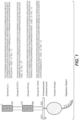
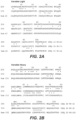
- Such antibody preferably comprises the light and heavy chain amino acid sequences shown in FIGS. 4A (SEQ ID NO: 13) and FIG. 4B (SEQ ID NO. 14), respectively.
- Pertuzumab PERJETA ®
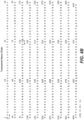
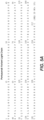
- rhuMAb 2C4 preferably comprises the light and heavy chain amino acid sequences in SEQ ID NOs: 7 and 8, respectively.
- Pertuzumab is an intact antibody, it preferably comprises an IgG1 antibody; in one embodiment comprising the light chain amino acid sequence in SEQ ID NO: 11 or 15, and heavy chain amino acid sequence in SEQ ID NO: 12 or 16.
- the antibody is optionally produced by recombinant Chinese Hamster Ovary (CHO) cells.
- T-DM1 trastuzumab-MCC-DM1
- Adotrastuzumab emtansine As defined herein below, the terms “T-DM1,” “trastuzumab-MCC-DM1,” “adotrastuzumab emtansine,” “trastuzumab emtansine,” and “KADCYLA ®” are used interchangeably.
- an "anti-tumor agent” refers to a drug used to treat cancer.
- anti-tumor agents herein include chemotherapy agents, HER dimerization inhibitors, HER antibodies, antibodies directed against tumor associated antigens, anti-hormonal compounds, cytokines, EGFR-targeted drugs, anti-angiogenic agents, tyrosine kinase inhibitors, growth inhibitory agents and antibodies, cytotoxic agents, antibodies that induce apoptosis, COX inhibitors, farnesyl transferase inhibitors, antibodies that binds oncofetal protein CA 125, HER2 vaccines, Raf or ras inhibitors, liposomal doxorubicin, topotecan, taxane, dual tyrosine kinase inhibitors, TLK286, EMD-7200, pertuzumab, trastuzumab, erlotinib, and bevacizumab.
- a “chemotherapy” is use of a chemotherapeutic agent useful in the treatment of cancer.
- chemotherapeutic agent is a chemical compound useful in the treatment of cancer, regardless of mechanism of action.
- Classes of chemotherapeutic agents include, but are not limited to: alkylating agents, antimetabolites, spindle poison plant alkaloids, cytotoxic/antitumor antibiotics, topoisomerase inhibitors, antibodies, photosensitizers, and kinase inhibitors.
- Examples of chemotherapeutic agents include: erlotinib (TARCEVA ® , Genentech/OSI Pharm.), docetaxel (TAXOTERE ® , Sanofi-Aventis), 5-FU (fluorouracil, 5-fluorouracil, CAS No.
- gemcitabine (GEMZAR ® , Lilly), PD-0325901 ( CAS No. 391210-10-9 , Pfizer), cisplatin (cis-diamine,dichloroplatinum(II), CAS No. 15663-27-1 ), carboplatin ( CAS No. 41575-94-4 ), paclitaxel (TAXOL ® , Bristol-Myers Squibb Oncology, Princeton, N.J.), temozolomide (4-methyl-5-oxo- 2,3,4,6,8-pentazabicyclo [4.3.0] nona-2,7,9-triene- 9-carboxamide, CAS No.
- TEMODAR ® TEMODAL ®
- Schering Plough tamoxifen (( Z )-2-[4-(1,2-diphenylbut-1-enyl)phenoxy]- N , N -dimethyl-ethanamine, NOLVADEX ® , ISTUBAL ® , VALODEX ® ), and doxorubicin (ADRIAMYCIN ® ), Akti-1/2, HPPD, and rapamycin.
- chemotherapeutic agents include: oxaliplatin (ELOXATIN ® , Sanofi), bortezomib (VELCADE ® , Millennium Pharm.), sutent (SUNITINIB ® , SU11248, Pfizer), letrozole (FEMARA ® , Novartis), imatinib mesylate (GLEEVEC ® , Novartis), XL-518 (MEK inhibitor, Exelixis, WO 2007/044515 ), ARRY-886 (Mek inhibitor, AZD6244, Array BioPharma, Astra Zeneca), SF-1126 (PI3K inhibitor, Semafore Pharmaceuticals), BEZ-235 (PI3K inhibitor, Novartis), XL-147 (PI3K inhibitor, Exelixis), PTK787/ZK 222584 (Novartis), fulvestrant (FASLODEX ® , AstraZeneca), leucovorin (foli)
- dynemicin dynemicin A
- bisphosphonates such as clodronate
- an esperamicin as well as neocarzinostatin chromophore and related chromoprotein enediyne antibiotic chromophores
- aclacinomysins actinomycin, authramycin, azaserine, bleomycins, cactinomycin, carabicin, carminomycin, carzinophilin, chromomycinis, dactinomycin, daunorubicin, detorubicin, 6-diazo-5-oxo-L-norleucine, morpholino-doxorubicin, cyanomorpholino-doxorubicin, 2-pyrrolino-doxorubicin and deoxydoxorubicin), epirubicin, esorubicin, idarubicin,
- the term "effective amount" refers to an amount of a drug effective to treat cancer in the patient.
- the effective amount of the drug may reduce the number of cancer cells; reduce the tumor size; inhibit ( i.e ., slow to some extent and preferably stop) cancer cell infiltration into peripheral organs; inhibit ( i.e ., slow to some extent and preferably stop) tumor metastasis; inhibit, to some extent, tumor growth; and/or relieve to some extent one or more of the symptoms associated with the cancer.
- the drug may prevent growth and/or kill existing cancer cells, it may be cytostatic and/or cytotoxic.
- the effective amount may extend progression free survival (e.g .
- the term "effective amount” specifically includes an amount suitable for achieving any of the primary or secondary endpoints of the clinical trial described in Example 1.
- taxanes are a chemotherapy which inhibits mitosis and interferes with microtubules.
- taxanes include paclitaxel (TAXOL ® ; Bristol-Myers Squibb Oncology, Princeton, N.J.); cremophor-free, albumin-engineered nanoparticle formulation of paclitaxel or nab -paclitaxel (ABRAXANE TM ; American Pharmaceutical Partners, Schaumberg, Illinois); and docetaxel (TAXOTERE ® ; Rhône-Poulenc Rorer, Antony, France).
- an “anthacycline” is a type of antibiotic that comes from the fungus Streptococcus peucetius, examples include: daunorubicin, doxorubicin, and epirubicin, etc.
- Anthracycline-based chemotherapy refers to a chemotherapy regimen that consists of or include one or more anthracycline. Examples include 5-FU, epirubicin, and cyclophosphamide (FEC); 5-FU, doxorubicin, and cyclophosphamide (FAC); doxorubicin and cyclophosphamide (AC); epirubicin and cyclophosphamide (EC); etc.
- carboplatin-based chemotherapy refers to a chemotherapy regimen that consists of or includes one or more carboplatins.
- An example is TCH (docetaxel/TAXOL ® , carboplatin, and trastuzumab/HERCEPTIN ® ).
- aromatase inhibitor inhibits the enzyme aromatase, which regulates estrogen production in the adrenal glands.
- aromatase inhibitors include: 4(5)-imidazoles, aminoglutethimide, MEGASE ® megestrol acetate, AROMASIN ® exemestane, formestane, fadrozole, RIVISOR ® vorozole, FEMARA ® letrozole, and ARIMIDEX ® anastrozole.
- the aromatase inhibitor herein is letrozole or anastrozole.
- an "antimetabolite chemotherapy” is use of an agent which is structurally similar to a metabolite, but can not be used by the body in a productive manner. Many antimetabolite chemotherapeutic agents interfere with the production of the nucleic acids, RNA and DNA.
- antimetabolite chemotherapeutic agents include gemcitabine (GEMZAR ® ), 5-fluorouracil (5-FU), capecitabine (XELODA TM ), 6-mercaptopurine, methotrexate, 6-thioguanine, pemetrexed, raltitrexed, arabinosylcytosine ARA-C cytarabine (CYTOSAR-U ® ), dacarbazine (DTIC-DOME ® ), azocytosine, deoxycytosine, pyridmidene, fludarabine (FLUDARA ® ), cladrabine, 2-deoxy-D-glucose etc.
- gemcitabine GEMZAR ®
- 5-FU 5-fluorouracil
- XELODA TM capecitabine
- 6-mercaptopurine methotrexate
- 6-thioguanine 6-thioguanine
- pemetrexed pemetrexed
- chemotherapy-resistant cancer is meant that the cancer patient has progressed while receiving a chemotherapy regimen (i.e . the patient is “chemotherapy refractory"), or the patient has progressed within 12 months (for instance, within 6 months) after completing a chemotherapy regimen.
- platinum is used herein to refer to platinum based chemotherapy, including, without limitation, cisplatin, carboplatin, and oxaliplatin.
- fluoropyrimidine is used herein to refer to an antimetabolite chemotherapy, including, without limitation, capecitabine, floxuridine, and fluorouracil (5-FU).
- a “fixed " or “flat” dose of a therapeutic agent herein refers to a dose that is administered to a human patient without regard for the weight (WT) or body surface area (BSA) of the patient.
- the fixed or flat dose is therefore not provided as a mg/kg dose or a mg/m 2 dose, but rather as an absolute amount of the therapeutic agent.
- a “loading" dose or “LD” herein generally comprises an initial dose of a therapeutic agent administered to a patient, and is followed by one or more maintenance dose(s) thereof. Generally, a single loading dose is administered, but multiple loading doses are contemplated herein. Usually, the amount of loading dose(s) administered exceeds the amount of the maintenance dose(s) administered and/or the loading dose(s) are administered more frequently than the maintenance dose(s), so as to achieve the desired steady-state concentration of the therapeutic agent earlier than can be achieved with the maintenance dose(s).
- a “maintenance” dose herein refers to one or more doses of a therapeutic agent administered to the patient over a treatment period.
- the maintenance doses are administered at spaced treatment intervals, such as approximately every week, approximately every 2 weeks, approximately every 3 weeks, or approximately every 4 weeks, preferably every 3 weeks.
- Intravenous (IV) bag refers to the introduction of a drug-containing solution into the body through a vein for therapeutic purposes. Generally, this is achieved via an intravenous (IV) bag.
- IV intravenous
- IV bag is a bag that can hold a solution which can be administered via the vein of a patient.
- the solution is a saline solution (e.g. about 0.9% or about 0.45% NaCl).
- the IV bag is formed from polyolefin or polyvinal chloride.
- co-administering is meant intravenously administering two (or more) drugs during the same administration, rather than sequential infusions of the two or more drugs. Generally, this will involve combining the two (or more) drugs into the same IV bag prior to co-administration thereof.
- a drug that is administered "concurrently" with one or more other drugs is administered during the same treatment cycle, on the same day of treatment as the one or more other drugs, and, optionally, at the same time as the one or more other drugs.
- the concurrently administered drugs are each administered on day-1 of a 3-week cycle.
- Cardiac toxicity refers to any toxic side effect that affects the heart and that results from administration of a drug or drug combination. Cardiac toxicity can be evaluated based on any one or more of: incidence of symptomatic left ventricular systolic dysfunction (LVSD) or congestive heart failure (CHF), or decrease in left ventricular ejection fraction (LVEF).
- LVSD left ventricular systolic dysfunction
- CHF congestive heart failure
- LVEF left ventricular ejection fraction
- the phrase "without increasing cardiac toxicity" for a drug combination including pertuzumab refers to an incidence of cardiac toxicity that is equal or less than that observed in patients treated with drugs other than pertuzumab in the drug combination (e.g. equal or less than that resulting from administration of trastuzumab and the chemotherapy, e.g. docetaxel).
- a “vial” is a container suitable for holding a liquid or lyophilized preparation.
- the vial is a single-use vial, e.g. a 20-cc single-use vial with a stopper.
- package insert is used to refer to instructions customarily included in commercial packages of therapeutic products, that contain information about the indications, usage, dosage, administration, contraindications and/or warnings concerning the use of such therapeutic products.
- An "adverse event” is any unfavorable and unintended sign, symptom, or disease temporally associated with the use of an investigational (medicinal) product or other protocol-imposed intervention, regardless of attribution; and includes: AEs not previously observed in the patient that emerge during the protocol-specified AE reporting period, including signs or symptoms associated with breast cancer that were not present before the AE reporting period; complications that occur as a result of protocol-mandated interventions (e.g., invasive procedures such as biopsies); if applicable, AEs that occur before assignment of study treatment associated with medication washout, no treatment run-in, or other protocol-mandated intervention; Preexisting medical conditions (other than the condition being studied) judged by the investigator to have worsened in severity or frequency or changed in character during the protocol-specified AE reporting period
- An adverse event is classified as a "Serious Adverse Events" (SAE) if it meets the following criteria: results in death (i.e., the AE actually causes or leads to death); life threatening (i.e., the AE, in the view of the investigator, places the patient at immediate risk of death, but not including an AE that, had it occurred in a more severe form, might have caused death); requires or prolongs inpatient hospitalization; results in persistent or significant disability/incapacity (i.e., the AE results in substantial disruption of the patient's ability to conduct normal life functions); results in a congenital anomaly/birth defect in a neonate/infant born to a mother exposed to the investigational product; or is considered a significant medical event by the investigator based on medical judgment (e.g., may jeopardize the patient or may require medical/surgical intervention to prevent one of the outcomes listed above).
- SAE Serious Adverse Events
- Severity refers to the grade of a specific AE, e.g., mild (Grade 1), moderate (Grade 2), or severe (Grade 3) myocardial infarction (see Section 5.2.2).
- "Serious” is a regulatory definition (see previous definition) and is based on patient or event outcome or action criteria usually associated with events that pose a threat to a patient's life or functioning. Seriousness (not severity) serves as the guide for defining regulatory reporting obligations from the Sponsor to applicable regulatory authorities. Severity and seriousness should be independently assessed when recording AEs and SAEs on the eCRF.
- the present invention is based, in part, on the observation that trastuzumab-MCC-DM1 was unexpectedly effective in treating patients with first line metastatic HER2-positive breast cancer, where the patients had received prior treatment with a taxane, compared with patients who had not received prior taxane.
- the present invention provides trastuzumab-MCC-DM1 for use in a method for the treatment of HER2-positive previously untreated metastatic breast cancer (first line metastatic breast cancer), where the patient has been previously treated with a taxane.
- T-DM1 demonstrated non-inferior progression free survival (PFS) compared with standard-of-care HERCEPTIN + taxane (HT), but it was not superior to HT.
- PFS progression free survival
- HT standard-of-care HERCEPTIN + taxane
- the present invention includes therapeutic treatments with trastuzumab-MCC-DM1 (T-DM1), an antibody-drug conjugate (CAS Reg. No. 139504-50-0 ), which has the structure: where Tr is trastuzumab linked through linker moiety MCC to the maytansinoid drug moiety DM1 ( US 5208020 ; US 6441163 ).
- the drug to antibody ratio or drug loading is represented by p in the above structure of trastuzumab-MCC-DM1, and ranges in integer values from 1 to 8.
- Trastuzumab-MCC-DM1 includes all mixtures of variously loaded and attached antibody-drug conjugates where 1, 2, 3, 4, 5, 6, 7, and 8 drug moieties are covalently attached to the antibody trastuzumab ( US 7097840 ; US 2005/0276812 ; US 2005/0166993 ). Average drug load is about 3.5.
- Trastuzumab can be produced by a mammalian cell (Chinese Hamster Ovary, CHO) suspension culture.
- the HER2 (or c-erbB2) proto-oncogene encodes a transmembrane receptor protein of 185kDa, which is structurally related to the epidermal growth factor receptor.
- Trastuzumab is an antibody that has antigen binding residues of, or derived from, the murine 4D5 antibody (ATCC CRL 10463, deposited with American Type Culture Collection, 12301 Parklawn Drive, Rockville, Md. 20852 under the Budapest Treaty on May 24, 1990).
- Exemplary humanized 4D5 antibodies include huMAb4D5-1, huMAb4D5-2, huMAb4D5-3, huMAb4D5-4, huMAb4D5-5, huMAb4D5-6, huMAb4D5-7 and huMAb4D5-8 (HERCEPTIN ® ) as in US 5821337 .
- Trastuzumab-MCC-DM1 may be prepared according to Example 1 of U.S. Application Publication No. 20110165155 , for example.
- Trastuzumab-MCC-DM1 may be formulated in accordance with standard pharmaceutical practice for use in a therapeutic combination.
- the pharmaceutical compositions comprise trastuzumab-MCC-DM1 in association with one or more pharmaceutically acceptable carrier, glidant, diluent, or excipient.
- Suitable carriers, diluents and excipients are well known to those skilled in the art and include materials such as carbohydrates, waxes, water soluble and/or swellable polymers, hydrophilic or hydrophobic materials, gelatin, oils, solvents, water and the like.
- the particular carrier, diluent or excipient used will depend upon the means and purpose for which the compound of the present invention is being applied.
- Solvents are generally selected based on solvents recognized by persons skilled in the art as safe (GRAS) to be administered to a mammal.
- safe solvents are non-toxic aqueous solvents such as water and other non-toxic solvents that are soluble or miscible in water.
- Suitable aqueous solvents include water, ethanol, propylene glycol, polyethylene glycols (e.g., PEG 400, PEG 300), etc. and mixtures thereof.
- the formulations may also include one or more buffers, stabilizing agents, surfactants, wetting agents, lubricating agents, emulsifiers, suspending agents, preservatives, antioxidants, opaquing agents, glidants, processing aids, colorants, sweeteners, perfuming agents, flavoring agents and other known additives to provide an elegant presentation of the drug (i.e., a compound of the present invention or pharmaceutical composition thereof) or aid in the manufacturing of the pharmaceutical product (i.e., medicament).
- the formulations may be prepared using conventional dissolution and mixing procedures.
- the bulk drug substance i.e., compound of the present invention or stabilized form of the compound (e.g., complex with a cyclodextrin derivative or other known complexation agent) is dissolved in a suitable solvent in the presence of one or more of the excipients described above.
- the compound of the present invention is typically formulated into pharmaceutical dosage forms to provide an easily controllable dosage of the drug and to enable patient compliance with the prescribed regimen.
- the pharmaceutical composition (or formulation) for application may be packaged in a variety of ways depending upon the method used for administering the drug.
- an article for distribution includes a container having deposited therein the pharmaceutical formulation in an appropriate form.
- Suitable containers are well known to those skilled in the art and include materials such as bottles (plastic and glass), sachets, ampoules, plastic bags, metal cylinders, and the like.
- the container may also include a tamper-proof assemblage to prevent indiscreet access to the contents of the package.
- the container has deposited thereon a label that describes the contents of the container. The label may also include appropriate warnings.
- compositions may be prepared for various routes and types of administration with pharmaceutically acceptable diluents, carriers, excipients or stabilizers ( Remington's Pharmaceutical Sciences (1995) 18th edition, Mack Publ. Co., Easton, PA ), in the form of a lyophilized formulation, milled powder, or an aqueous solution.
- Formulation may be conducted by mixing at ambient temperature at the appropriate pH, and at the desired degree of purity, with physiologically acceptable carriers, i.e., carriers that are non-toxic to recipients at the dosages and concentrations employed.
- physiologically acceptable carriers i.e., carriers that are non-toxic to recipients at the dosages and concentrations employed.
- the pH of the formulation depends mainly on the particular use and the concentration of compound, but may range from about 3 to about 8.
- the pharmaceutical formulation is preferably sterile.
- formulations to be used for in vivo administration must be sterile. Such sterilization is readily accomplished by filtration through sterile filtration membranes.
- the pharmaceutical formulation ordinarily can be stored as a solid composition, a lyophilized formulation or as an aqueous solution.
- the pharmaceutical formulations of the disclosure will be dosed and administered in a fashion, i.e., amounts, concentrations, schedules, course, vehicles and route of administration, consistent with good medical practice.
- Factors for consideration in this context include the particular disorder being treated, the clinical condition of the individual patient, the cause of the disorder, the site of delivery of the agent, the method of administration, the scheduling of administration, and other factors known to medical practitioners.
- Acceptable diluents, carriers, excipients and stabilizers are nontoxic to recipients at the dosages and concentrations employed, and include buffers such as phosphate, citrate and other organic acids; antioxidants including ascorbic acid and methionine; preservatives (such as octadecyldimethylbenzyl ammonium chloride; hexamethonium chloride; benzalkonium chloride, benzethonium chloride; phenol, butyl, ethanol, or benzylalcohol; alkyl parabens such as methyl or propyl paraben; catechol; resorcinol; cyclohexanol; 3-pentanol; and m-cresol); low molecular weight (less than about 10 residues) polypeptides; proteins, such as serum albumin, gelatin, or immunoglobulins; hydrophilic polymers such as polyvinylpyrrolidone; amino acids such as glycine, glutamine
- the active pharmaceutical ingredients may also be entrapped in microcapsules prepared, for example, by coacervation techniques or by interfacial polymerization, for example, hydroxymethylcellulose or gelatin-microcapsules and poly-(methylmethacylate) microcapsules, respectively, in colloidal drug delivery systems (for example, liposomes, albumin microspheres, microemulsions, nano-particles and nanocapsules) or in macroemulsions.
- colloidal drug delivery systems for example, liposomes, albumin microspheres, microemulsions, nano-particles and nanocapsules
- macroemulsions for example, liposomes, albumin microspheres, microemulsions, nano-particles and nanocapsules
- Other examples of drug formulations can be found in Liberman, H. A. and Lachman, L., Eds., Pharmaceutical Dosage Forms, Marcel Decker, Vol 3, 2nd Ed., New York, NY .
- the pharmaceutical formulations include those suitable for the administration routes detailed herein.
- the formulations may conveniently be presented in unit dosage form and may be prepared by any of the methods well known in the art of pharmacy. Techniques and formulations generally are found in Remington's Pharmaceutical Sciences 18th Ed. (1995) Mack Publishing Co., Easton, PA . Such methods include the step of bringing into association the active ingredient with the carrier which constitutes one or more accessory ingredients.
- the formulations are prepared by uniformly and intimately bringing into association the active ingredient with liquid carriers or finely divided solid carriers or both, and then, if necessary, shaping the product.
- compositions may be in the form of a sterile injectable preparation, such as a sterile injectable aqueous or oleaginous suspension.
- a sterile injectable preparation such as a sterile injectable aqueous or oleaginous suspension.
- This suspension may be formulated according to the known art using those suitable dispersing or wetting agents and suspending agents which have been mentioned above.
- the sterile injectable preparation may be a solution or a suspension in a non-toxic parenterally acceptable diluent or solvent, such as a solution in 1,3-butanediol or prepared from a lyophilized powder.
- the acceptable vehicles and solvents that may be employed are water, Ringer's solution and isotonic sodium chloride solution.
- sterile fixed oils may conventionally be employed as a solvent or suspending medium.
- any bland fixed oil may be employed including synthetic mono- or diglycerides.
- fatty acids such as oleic acid may likewise be used in the
- a time-release formulation intended for oral administration to humans may contain approximately 1 to 1000 mg of active material compounded with an appropriate and convenient amount of carrier material which may vary from about 5 to about 95% of the total compositions (weight:weight).
- the pharmaceutical composition can be prepared to provide easily measurable amounts for administration.
- an aqueous solution intended for intravenous infusion may contain from about 3 to 500 ⁇ g of the active ingredient per milliliter of solution in order that infusion of a suitable volume at a rate of about 30 mL/hr can occur.
- Formulations suitable for parenteral administration include aqueous and non-aqueous sterile injection solutions which may contain anti-oxidants, buffers, bacteriostats and solutes which render the formulation isotonic with the blood of the intended recipient; and aqueous and non-aqueous sterile suspensions which may include suspending agents and thickening agents.
- the formulations may be packaged in unit-dose or multi-dose containers, for example sealed ampoules and vials, and may be stored in a freeze-dried (lyophilized) condition requiring only the addition of the sterile liquid carrier, for example water, for injection immediately prior to use.
- sterile liquid carrier for example water
- Extemporaneous injection solutions and suspensions are prepared from sterile powders, granules and tablets of the kind previously described.
- Preferred unit dosage formulations are those containing a daily dose or unit daily sub-dose, as herein above recited, or an appropriate fraction thereof, of the active ingredient.
- the initial pharmaceutically effective amount of trastuzumab-MCC-DM1 administered per dose will be in the range of about 0.3 to 15 mg/kg/day of patient body weight.
- a commercial T-DM1 fomulation (KADCYLA ® , ado-trastuzumab emtansine) is a sterile, white to off-white preservative free lyophilized powder in single-use vials.
- Each vial contains 100 mg or 160 mg ado-trastuzumab emtansine.
- each single-use vial contains ado-trastuzumab emtansine (20 mg/mL), polysorbate 20 [0.02% (w/v)], sodium succinate (10 mM), and sucrose [6% (w/v)] with a pH of 5.0 and density of 1.026 g/mL.
- the resulting solution containing 20 mg/mL adotrastuzumab emtansine is administered by intravenous infusion following dilution.
- compositions described herein may be administered by any route appropriate to the condition to be treated. Suitable routes include oral, parenteral (including subcutaneous, intramuscular, intravenous, intraarterial, inhalation, intradermal, intrathecal, epidural, and infusion techniques), transdermal, rectal, nasal, topical (including buccal and sublingual), vaginal, intraperitoneal, intrapulmonary and intranasal. Topical administration can also involve the use of transdermal administration such as transdermal patches or iontophoresis devices. For local immunosuppressive treatment, the compounds may be administered by intralesional administration, including perfusing or otherwise contacting the graft with the inhibitor before transplantation. It will be appreciated that the preferred route may vary with for example the condition of the recipient.
- the compound may be formulated as a pill, capsule, tablet, etc. with a pharmaceutically acceptable carrier, glidant, or excipient.
- a pharmaceutically acceptable parenteral vehicle or diluent a pharmaceutically acceptable parenteral vehicle or diluent, and in a unit dosage injectable form, as detailed below.
- kits containing trastuzumab-MCC-DM1 are useful for the treatment methods herein are provided.
- the kit comprises a container comprising trastuzumab-MCC-DM1.
- the kit may further comprise a label or package insert, on or associated with the container.
- package insert is used to refer to instructions customarily included in commercial packages of therapeutic products, that contain information about the indications, usage, dosage, administration, contraindications and/or warnings concerning the use of such therapeutic products.
- Suitable containers include, for example, bottles, vials, syringes, blister pack, etc.
- the container may be formed from a variety of materials such as glass or plastic.
- the container may hold trastuzumab-MCC-DM1, or a formulation thereof which is effective for use in a treatment method herein, and may have a sterile access port (for example, the container may be an intravenous solution bag or a vial having a stopper pierceable by a hypodermic injection needle).
- the label or package insert indicates that the composition is used in a treatment method as described and claimed herein.
- the article of manufacture may also contain a further container comprising a pharmaceutically acceptable buffer, such as bacteriostatic water for injection (BWFI), phosphate-buffered saline, Ringer's solution and dextrose solution. It may further include other materials desirable from a commercial and user standpoint, including other buffers, diluents, filters, needles, and syringes.
- BWFI bacteriostatic water for injection
- the kit may further comprise directions for the administration of trastuzumab-MCC-DM1.
- the kit may further comprise directions for the simultaneous, sequential or separate administration of the first and second pharmaceutical compositions to a patient in need thereof.
- This study (clinicaltrials.gov identifier # NCT01120184; study number BO22589) is a randomized, 3-arm, multicentre, phase III study that evaluated the efficacy and safety of trastuzumab emtansine (T-DM1) with pertuzumab, or trastuzumab emtansine (T-DM1) alone (i.e., with pertuzumab-placebo), versus the combination of trastuzumab (Herceptin) plus taxane (docetaxel or paclitaxel) in patients with HER2-positive progressive or recurrent locally advanced or previously untreated metastatic breast cancer (See FIG 6 ).
- Stratification factors World region, Prior neo-adjuvant therapy (if Yes: prior trastuzumab/lapatinib), Visceral disease.
- PFS Progression-Free Survival
- IRF independent review facility
- OS Overall Survival
- ORR Objective Response Rte
- Safety Patient-reported outcomes.
- the exclusion criteria are as follows: 1) History of prior (or any) chemotherapy for metastatic breast cancer or recurrent locally advanced disease; 2) An interval of ⁇ 6 months from the last dose of vinca-alkaloid or taxane cytotoxic chemotherapy until the time of metastatic diagnosis; 3) Hormone therapy ⁇ 7 days prior to randomization; 4) Trastuzumab therapy and/or lapatinib (neo- or adjuvant setting) ⁇ 21 days prior to randomization; 5) Prior trastuzumab emtansine or pertuzumab therapy.
- PFS Progression Free Survival
- IRF Independent Review Facility
- AEs Incidence of adverse events
Landscapes
- Health & Medical Sciences (AREA)
- Life Sciences & Earth Sciences (AREA)
- Chemical & Material Sciences (AREA)
- Medicinal Chemistry (AREA)
- General Health & Medical Sciences (AREA)
- Engineering & Computer Science (AREA)
- Animal Behavior & Ethology (AREA)
- Public Health (AREA)
- Veterinary Medicine (AREA)
- Pharmacology & Pharmacy (AREA)
- Bioinformatics & Cheminformatics (AREA)
- Epidemiology (AREA)
- Immunology (AREA)
- Oncology (AREA)
- Organic Chemistry (AREA)
- Cell Biology (AREA)
- Proteomics, Peptides & Aminoacids (AREA)
- Nuclear Medicine, Radiotherapy & Molecular Imaging (AREA)
- Genetics & Genomics (AREA)
- Biophysics (AREA)
- Biochemistry (AREA)
- Molecular Biology (AREA)
- General Chemical & Material Sciences (AREA)
- Chemical Kinetics & Catalysis (AREA)
- Mycology (AREA)
- Microbiology (AREA)
- Biomedical Technology (AREA)
- Pharmaceuticals Containing Other Organic And Inorganic Compounds (AREA)
- Medicines Containing Antibodies Or Antigens For Use As Internal Diagnostic Agents (AREA)
- Medicinal Preparation (AREA)
- Peptides Or Proteins (AREA)
- Nitrogen And Oxygen Or Sulfur-Condensed Heterocyclic Ring Systems (AREA)
Priority Applications (3)
| Application Number | Priority Date | Filing Date | Title |
|---|---|---|---|
| RS20240909A RS65871B1 (sr) | 2015-05-30 | 2016-05-27 | Postupci lečenja her2-pozitivnog prethodno nelečenog metastatskog karcinoma dojke |
| SI201631844T SI3302551T1 (sl) | 2015-05-30 | 2016-05-27 | Metode zdravljenja predhodno nezdravljenega her2-pozitivnega metastatskega raka dojk |
| HRP20241134TT HRP20241134T1 (hr) | 2015-05-30 | 2016-05-27 | Metode liječenja her2-pozitivnog prethodno neliječenog metastatskog raka dojke |
Applications Claiming Priority (2)
| Application Number | Priority Date | Filing Date | Title |
|---|---|---|---|
| US201562168809P | 2015-05-30 | 2015-05-30 | |
| PCT/US2016/034835 WO2016196373A2 (en) | 2015-05-30 | 2016-05-27 | Methods of treating her2-positive metastatic breast cancer |
Publications (2)
| Publication Number | Publication Date |
|---|---|
| EP3302551A2 EP3302551A2 (en) | 2018-04-11 |
| EP3302551B1 true EP3302551B1 (en) | 2024-06-26 |
Family
ID=56134616
Family Applications (1)
| Application Number | Title | Priority Date | Filing Date |
|---|---|---|---|
| EP16730123.3A Active EP3302551B1 (en) | 2015-05-30 | 2016-05-27 | Methods of treating her2-positive previously untreated metastatic breast cancer |
Country Status (15)
| Country | Link |
|---|---|
| US (3) | US11406715B2 (enExample) |
| EP (1) | EP3302551B1 (enExample) |
| JP (4) | JP6822980B2 (enExample) |
| CN (2) | CN121971642A (enExample) |
| DK (1) | DK3302551T3 (enExample) |
| ES (1) | ES2984592T3 (enExample) |
| FI (1) | FI3302551T3 (enExample) |
| HR (1) | HRP20241134T1 (enExample) |
| HU (1) | HUE068105T2 (enExample) |
| LT (1) | LT3302551T (enExample) |
| PL (1) | PL3302551T3 (enExample) |
| PT (1) | PT3302551T (enExample) |
| RS (1) | RS65871B1 (enExample) |
| SI (1) | SI3302551T1 (enExample) |
| WO (1) | WO2016196373A2 (enExample) |
Families Citing this family (3)
| Publication number | Priority date | Publication date | Assignee | Title |
|---|---|---|---|---|
| US20210330801A1 (en) * | 2017-03-02 | 2021-10-28 | Cadila Healthcare Limited | Novel protein drug conjugate formulation |
| US20200114018A1 (en) * | 2018-10-15 | 2020-04-16 | Genentech, Inc. | Methods of treating residual breast cancer with trastuzumab emtansine |
| MA53933A (fr) | 2018-10-21 | 2021-08-25 | Slsg Ltd Llc | Poly-immunothérapie pour le traitement du cancer du sein triple-négatif |
Family Cites Families (70)
| Publication number | Priority date | Publication date | Assignee | Title |
|---|---|---|---|---|
| US4968603A (en) | 1986-12-31 | 1990-11-06 | The Regents Of The University Of California | Determination of status in neoplastic disease |
| WO1989006692A1 (en) | 1988-01-12 | 1989-07-27 | Genentech, Inc. | Method of treating tumor cells by inhibiting growth factor receptor function |
| US5720937A (en) | 1988-01-12 | 1998-02-24 | Genentech, Inc. | In vivo tumor detection assay |
| EP0474727B1 (en) | 1989-05-19 | 1997-07-23 | Genentech, Inc. | Her2 extracellular domain |
| US5208020A (en) | 1989-10-25 | 1993-05-04 | Immunogen Inc. | Cytotoxic agents comprising maytansinoids and their therapeutic use |
| US6800738B1 (en) | 1991-06-14 | 2004-10-05 | Genentech, Inc. | Method for making humanized antibodies |
| EP0590058B1 (en) | 1991-06-14 | 2003-11-26 | Genentech, Inc. | HUMANIZED Heregulin ANTIBODy |
| WO1994004679A1 (en) | 1991-06-14 | 1994-03-03 | Genentech, Inc. | Method for making humanized antibodies |
| EP0604580A1 (en) | 1991-09-19 | 1994-07-06 | Genentech, Inc. | EXPRESSION IN E. COLI OF ANTIBODY FRAGMENTS HAVING AT LEAST A CYSTEINE PRESENT AS A FREE THIOL, USE FOR THE PRODUCTION OF BIFUNCTIONAL F(ab') 2? ANTIBODIES |
| US6685940B2 (en) | 1995-07-27 | 2004-02-03 | Genentech, Inc. | Protein formulation |
| US6267958B1 (en) | 1995-07-27 | 2001-07-31 | Genentech, Inc. | Protein formulation |
| US7371376B1 (en) | 1996-10-18 | 2008-05-13 | Genentech, Inc. | Anti-ErbB2 antibodies |
| EP0852951A1 (de) | 1996-11-19 | 1998-07-15 | Roche Diagnostics GmbH | Stabile lyophilisierte pharmazeutische Zubereitungen von mono- oder polyklonalen Antikörpern |
| ES2293661T3 (es) | 1996-11-27 | 2008-03-16 | Genentech, Inc. | Purificacion por afinidad de polipeptido en una matriz de proteinas a. |
| ZA9811162B (en) | 1997-12-12 | 2000-06-07 | Genentech Inc | Treatment with anti-ERBB2 antibodies. |
| PT1064027E (pt) | 1998-03-27 | 2008-09-29 | Genentech Inc | Sinergismo de ligando de apo-2 e anticorpo anti-her-2 |
| ATE370961T1 (de) | 1998-05-06 | 2007-09-15 | Genentech Inc | Reinigung von antikörpern durch ionenaustauschchromatographie |
| US6573043B1 (en) | 1998-10-07 | 2003-06-03 | Genentech, Inc. | Tissue analysis and kits therefor |
| SI1187632T1 (sl) | 1999-05-14 | 2009-04-30 | Genentech Inc | Zdravljenje z anti-ErbB2 protitelesi |
| US6949245B1 (en) | 1999-06-25 | 2005-09-27 | Genentech, Inc. | Humanized anti-ErbB2 antibodies and treatment with anti-ErbB2 antibodies |
| DE60033658T2 (de) | 1999-06-25 | 2007-11-22 | Genentech, Inc., South San Francisco | Behandlung von prostata-krebs mit anti-erbb2 antikörpern |
| US7041292B1 (en) | 1999-06-25 | 2006-05-09 | Genentech, Inc. | Treating prostate cancer with anti-ErbB2 antibodies |
| US20030086924A1 (en) | 1999-06-25 | 2003-05-08 | Genentech, Inc. | Treatment with anti-ErbB2 antibodies |
| US20040013667A1 (en) | 1999-06-25 | 2004-01-22 | Genentech, Inc. | Treatment with anti-ErbB2 antibodies |
| EP2110138A1 (en) | 1999-08-27 | 2009-10-21 | Genentech, Inc. | Dosages for treatment of anti-erbB2 antibodies |
| US6632979B2 (en) | 2000-03-16 | 2003-10-14 | Genentech, Inc. | Rodent HER2 tumor model |
| US7097840B2 (en) | 2000-03-16 | 2006-08-29 | Genentech, Inc. | Methods of treatment using anti-ErbB antibody-maytansinoid conjugates |
| WO2001089566A1 (en) | 2000-05-19 | 2001-11-29 | Genentech, Inc. | Gene detection assay for improving the likelihood of an effective response to an erbb antagonist cancer therapy |
| US6984494B2 (en) | 2000-08-15 | 2006-01-10 | Genentech, Inc. | Analytical method |
| US6441163B1 (en) | 2001-05-31 | 2002-08-27 | Immunogen, Inc. | Methods for preparation of cytotoxic conjugates of maytansinoids and cell binding agents |
| JP2005522514A (ja) | 2002-04-10 | 2005-07-28 | ジェネンテック・インコーポレーテッド | 抗her2抗体改変体 |
| HUP0600340A3 (en) | 2002-07-15 | 2011-06-28 | Genentech Inc | Methods for identifying tumors that are responsive to treatment with anti-erbb2 antibodies |
| PT1543038T (pt) | 2002-09-11 | 2017-07-07 | Genentech Inc | Purificação de proteína |
| EP1572972A4 (en) | 2002-11-21 | 2007-11-21 | Genentech Inc | THERAPY OF NON-MALIGNER DISEASES OR DISORDER WITH ANTI-ERBB2 ANTIBODIES |
| JP4599355B2 (ja) | 2003-07-28 | 2010-12-15 | ジェネンテック, インコーポレイテッド | プロテインaアフィニティークロマトグラフィーの間のプロテインaの浸出の低減 |
| US7004206B2 (en) | 2004-01-29 | 2006-02-28 | Viken James P | Automatic fluid exchanger |
| AU2005232657B2 (en) | 2004-04-08 | 2010-12-16 | David B. Agus | ErbB antagonists for pain therapy |
| NZ551180A (en) | 2004-06-01 | 2009-10-30 | Genentech Inc | Antibody drug conjugates and methods |
| SV2006002143A (es) | 2004-06-16 | 2006-01-26 | Genentech Inc | Uso de un anticuerpo para el tratamiento del cancer resistente al platino |
| UA90480C2 (uk) | 2004-07-22 | 2010-05-11 | Джэнэнтэк, Инк. | Фармацевтична композиція, що має протипухлинну активність, яка включає антитіло до her2 |
| CA2577133A1 (en) | 2004-08-19 | 2006-03-23 | Genentech, Inc. | Polypeptide variants with altered effector function |
| JO3000B1 (ar) | 2004-10-20 | 2016-09-05 | Genentech Inc | مركبات أجسام مضادة . |
| CA2587519A1 (en) | 2004-12-07 | 2006-06-15 | Genentech, Inc. | Selecting patients for therapy with a her inhibitor |
| EP3698807A1 (en) | 2005-01-21 | 2020-08-26 | Genentech, Inc. | Fixed dosing of her antibodies |
| RS53128B (sr) | 2005-02-23 | 2014-06-30 | Genentech Inc. | Produžavanje vremena progresije bolesti ili preživljavanja kod pacijenata obolelih od kancera jajnika korišćenjem pertuzumaba |
| US20060204505A1 (en) | 2005-03-08 | 2006-09-14 | Sliwkowski Mark X | Methods for identifying tumors responsive to treatment with HER dimerization inhibitors (HDIs) |
| US20060212956A1 (en) | 2005-03-14 | 2006-09-21 | Genentech, Inc. | Animal model of ligand activated HER2 expressing tumors |
| JP2006316040A (ja) | 2005-05-13 | 2006-11-24 | Genentech Inc | Herceptin(登録商標)補助療法 |
| US20070009976A1 (en) | 2005-07-06 | 2007-01-11 | Helmut Lenz | Detection of a target antigen irrespective of the presence or absence of a corresponding therapeutic antibody |
| PE20070207A1 (es) | 2005-07-22 | 2007-03-09 | Genentech Inc | Tratamiento combinado de los tumores que expresan el her |
| US7700299B2 (en) | 2005-08-12 | 2010-04-20 | Hoffmann-La Roche Inc. | Method for predicting the response to a treatment |
| NZ567140A (en) | 2005-10-07 | 2011-09-30 | Exelixis Inc | Azetidines as MEK inhibitors for the treatment of proliferative diseases |
| TW200812615A (en) | 2006-03-22 | 2008-03-16 | Hoffmann La Roche | Tumor therapy with an antibody for vascular endothelial growth factor and an antibody for human epithelial growth factor receptor type 2 |
| AU2007259171A1 (en) | 2006-06-05 | 2007-12-21 | F. Hoffmann-La Roche, Ag | Extending survival of cancer patients with elevated levels of EGF or TGF-alpha |
| AU2007287794B2 (en) | 2006-08-21 | 2013-03-28 | F. Hoffmann-La Roche Ag | Tumor therapy with an anti-VEGF antibody |
| WO2008031531A1 (en) | 2006-09-15 | 2008-03-20 | F. Hoffmann-La Roche Ag | Tumor therapy with a combination of anti-her2 antibodies |
| MX2009008981A (es) | 2007-03-02 | 2009-09-02 | Genentech Inc | Prediccion de respuesta a un inhibidor her. |
| AU2008258859A1 (en) | 2007-06-06 | 2008-12-11 | F.Hoffmann-La Roche Ag | Composition of a first non-labeled monoclonal antibody binding to a tumor antigen and a non-cross reactive second monoclonal antibody labeled with a NIR fluorescence label |
| US9551033B2 (en) | 2007-06-08 | 2017-01-24 | Genentech, Inc. | Gene expression markers of tumor resistance to HER2 inhibitor treatment |
| WO2008154249A2 (en) | 2007-06-08 | 2008-12-18 | Genentech, Inc. | Gene expression markers of tumor resistance to her2 inhibitor treatment |
| BRPI0816769A2 (pt) | 2007-09-12 | 2016-11-29 | Hoffmann La Roche | combinações de compostos inibidores de fosfoinositida 3-cinase e agentes quimioterapêuticos, e métodos de uso |
| HUE024877T2 (en) | 2007-10-30 | 2016-02-29 | Genentech Inc | Antibody purification by cation exchange chromatography |
| TWI472339B (zh) | 2008-01-30 | 2015-02-11 | Genentech Inc | 包含結合至her2結構域ii之抗體及其酸性變異體的組合物 |
| CL2009000545A1 (es) | 2008-03-06 | 2010-10-15 | Genentech Inc | Uso de un antagonista de c-met y un antagonista de her para el tratamiento de cancer. |
| NZ587706A (en) | 2008-03-18 | 2012-12-21 | Genentech Inc | Combinations of an anti-her2 antibody-drug conjugate and chemotherapeutic agents, and methods of use |
| BRPI0812682A2 (pt) | 2008-06-16 | 2010-06-22 | Genentech Inc | tratamento de cáncer de mama metastático |
| US20120121586A1 (en) | 2009-05-29 | 2012-05-17 | Astrid Kiermaier | Modulators for her2 signaling in her2 expressing patients with gastric cancer |
| US9345661B2 (en) | 2009-07-31 | 2016-05-24 | Genentech, Inc. | Subcutaneous anti-HER2 antibody formulations and uses thereof |
| WO2011069074A2 (en) * | 2009-12-04 | 2011-06-09 | Genentech, Inc. | Methods of treating metastatic breast cancer with trastuzumab-mcc-dm1 |
| WO2012078771A1 (en) | 2010-12-09 | 2012-06-14 | Genentech, Inc. | Treatment of her2-positive cancer with paclitaxel and trastuzumab-mcc-dm1 |
-
2016
- 2016-05-27 JP JP2017561971A patent/JP6822980B2/ja active Active
- 2016-05-27 LT LTEPPCT/US2016/034835T patent/LT3302551T/lt unknown
- 2016-05-27 CN CN202511623386.6A patent/CN121971642A/zh active Pending
- 2016-05-27 FI FIEP16730123.3T patent/FI3302551T3/fi active
- 2016-05-27 RS RS20240909A patent/RS65871B1/sr unknown
- 2016-05-27 US US15/576,593 patent/US11406715B2/en active Active
- 2016-05-27 SI SI201631844T patent/SI3302551T1/sl unknown
- 2016-05-27 WO PCT/US2016/034835 patent/WO2016196373A2/en not_active Ceased
- 2016-05-27 HR HRP20241134TT patent/HRP20241134T1/hr unknown
- 2016-05-27 PT PT167301233T patent/PT3302551T/pt unknown
- 2016-05-27 ES ES16730123T patent/ES2984592T3/es active Active
- 2016-05-27 EP EP16730123.3A patent/EP3302551B1/en active Active
- 2016-05-27 PL PL16730123.3T patent/PL3302551T3/pl unknown
- 2016-05-27 DK DK16730123.3T patent/DK3302551T3/da active
- 2016-05-27 HU HUE16730123A patent/HUE068105T2/hu unknown
- 2016-05-27 CN CN201680031816.8A patent/CN107614015A/zh active Pending
-
2021
- 2021-01-07 JP JP2021001246A patent/JP7330217B2/ja active Active
-
2022
- 2022-07-19 US US17/813,466 patent/US20220354961A1/en not_active Abandoned
-
2023
- 2023-04-11 JP JP2023064033A patent/JP2023100635A/ja not_active Withdrawn
-
2025
- 2025-06-23 JP JP2025105921A patent/JP2025157247A/ja active Pending
- 2025-08-01 US US19/288,035 patent/US20260199508A1/en active Pending
Also Published As
| Publication number | Publication date |
|---|---|
| LT3302551T (lt) | 2024-09-10 |
| HUE068105T2 (hu) | 2024-12-28 |
| WO2016196373A2 (en) | 2016-12-08 |
| JP2025157247A (ja) | 2025-10-15 |
| DK3302551T3 (da) | 2024-08-26 |
| JP2023100635A (ja) | 2023-07-19 |
| PT3302551T (pt) | 2024-08-21 |
| US20220354961A1 (en) | 2022-11-10 |
| HRP20241134T1 (hr) | 2024-11-22 |
| RS65871B1 (sr) | 2024-09-30 |
| PL3302551T3 (pl) | 2024-09-30 |
| JP6822980B2 (ja) | 2021-01-27 |
| FI3302551T3 (fi) | 2024-08-27 |
| JP7330217B2 (ja) | 2023-08-21 |
| ES2984592T3 (es) | 2024-10-30 |
| SI3302551T1 (sl) | 2024-10-30 |
| JP2021073203A (ja) | 2021-05-13 |
| US20190030181A1 (en) | 2019-01-31 |
| CN121971642A (zh) | 2026-05-05 |
| CN107614015A (zh) | 2018-01-19 |
| JP2018516920A (ja) | 2018-06-28 |
| US20260199508A1 (en) | 2026-07-16 |
| WO2016196373A3 (en) | 2017-02-02 |
| WO2016196373A8 (en) | 2017-11-30 |
| US11406715B2 (en) | 2022-08-09 |
| EP3302551A2 (en) | 2018-04-11 |
Similar Documents
| Publication | Publication Date | Title |
|---|---|---|
| US20250361304A1 (en) | Methods of treating her2-positive cancer | |
| AU2015249633B2 (en) | Methods of treating early breast cancer with Trastuzumab-MCC-DM1 and Pertuzumab | |
| US20200069694A1 (en) | Methods of treating metastatic breast cancer with trastuzumab-mcc-dm1 | |
| US20220354961A1 (en) | Methods of treating her2-positive metastatic breast cancer | |
| US20210213130A1 (en) | Combination therapy with an anti-her2 antibody-drug conjugate and a bcl-2 inhibitor | |
| HK1249444A1 (en) | Methods of treating her2-positive locally advanced or previously untreated metastatic breast cancer | |
| HK1226957A1 (en) | Methods of treating early breast cancer with trastuzumab-mcc-dm1 and pertuzumab | |
| AU2017200300A1 (en) | Use of anti-VEGF antibody in combination with chemotherapy for treating breast cancer |
Legal Events
| Date | Code | Title | Description |
|---|---|---|---|
| REG | Reference to a national code |
Ref country code: HR Ref legal event code: TUEP Ref document number: P20241134T Country of ref document: HR |
|
| STAA | Information on the status of an ep patent application or granted ep patent |
Free format text: STATUS: THE INTERNATIONAL PUBLICATION HAS BEEN MADE |
|
| PUAI | Public reference made under article 153(3) epc to a published international application that has entered the european phase |
Free format text: ORIGINAL CODE: 0009012 |
|
| STAA | Information on the status of an ep patent application or granted ep patent |
Free format text: STATUS: REQUEST FOR EXAMINATION WAS MADE |
|
| 17P | Request for examination filed |
Effective date: 20180102 |
|
| AK | Designated contracting states |
Kind code of ref document: A2 Designated state(s): AL AT BE BG CH CY CZ DE DK EE ES FI FR GB GR HR HU IE IS IT LI LT LU LV MC MK MT NL NO PL PT RO RS SE SI SK SM TR |
|
| AX | Request for extension of the european patent |
Extension state: BA ME |
|
| DAV | Request for validation of the european patent (deleted) | ||
| DAX | Request for extension of the european patent (deleted) | ||
| STAA | Information on the status of an ep patent application or granted ep patent |
Free format text: STATUS: EXAMINATION IS IN PROGRESS |
|
| 17Q | First examination report despatched |
Effective date: 20200114 |
|
| GRAP | Despatch of communication of intention to grant a patent |
Free format text: ORIGINAL CODE: EPIDOSNIGR1 |
|
| STAA | Information on the status of an ep patent application or granted ep patent |
Free format text: STATUS: GRANT OF PATENT IS INTENDED |
|
| RIC1 | Information provided on ipc code assigned before grant |
Ipc: C07K 16/32 20060101ALI20240118BHEP Ipc: A61K 39/00 20060101ALI20240118BHEP Ipc: A61K 47/68 20170101ALI20240118BHEP Ipc: A61K 31/337 20060101ALI20240118BHEP Ipc: A61K 31/395 20060101ALI20240118BHEP Ipc: A61P 35/00 20060101ALI20240118BHEP Ipc: A61P 35/04 20060101ALI20240118BHEP Ipc: A61K 39/395 20060101AFI20240118BHEP |
|
| INTG | Intention to grant announced |
Effective date: 20240212 |
|
| GRAS | Grant fee paid |
Free format text: ORIGINAL CODE: EPIDOSNIGR3 |
|
| GRAA | (expected) grant |
Free format text: ORIGINAL CODE: 0009210 |
|
| STAA | Information on the status of an ep patent application or granted ep patent |
Free format text: STATUS: THE PATENT HAS BEEN GRANTED |
|
| P01 | Opt-out of the competence of the unified patent court (upc) registered |
Effective date: 20240508 |
|
| AK | Designated contracting states |
Kind code of ref document: B1 Designated state(s): AL AT BE BG CH CY CZ DE DK EE ES FI FR GB GR HR HU IE IS IT LI LT LU LV MC MK MT NL NO PL PT RO RS SE SI SK SM TR |
|
| REG | Reference to a national code |
Ref country code: GB Ref legal event code: FG4D |
|
| REG | Reference to a national code |
Ref country code: CH Ref legal event code: EP |
|
| REG | Reference to a national code |
Ref country code: DE Ref legal event code: R096 Ref document number: 602016088113 Country of ref document: DE |
|
| REG | Reference to a national code |
Ref country code: PT Ref legal event code: SC4A Ref document number: 3302551 Country of ref document: PT Date of ref document: 20240821 Kind code of ref document: T Free format text: AVAILABILITY OF NATIONAL TRANSLATION Effective date: 20240813 |
|
| REG | Reference to a national code |
Ref country code: DK Ref legal event code: T3 Effective date: 20240821 |
|
| REG | Reference to a national code |
Ref country code: FI Ref legal event code: FGE |
|
| REG | Reference to a national code |
Ref country code: NL Ref legal event code: FP |
|
| REG | Reference to a national code |
Ref country code: SE Ref legal event code: TRGR |
|
| REG | Reference to a national code |
Ref country code: SK Ref legal event code: T3 Ref document number: E 44735 Country of ref document: SK |
|
| REG | Reference to a national code |
Ref country code: GR Ref legal event code: EP Ref document number: 20240401853 Country of ref document: GR Effective date: 20241007 |
|
| PG25 | Lapsed in a contracting state [announced via postgrant information from national office to epo] |
Ref country code: LV Free format text: LAPSE BECAUSE OF FAILURE TO SUBMIT A TRANSLATION OF THE DESCRIPTION OR TO PAY THE FEE WITHIN THE PRESCRIBED TIME-LIMIT Effective date: 20240626 |
|
| REG | Reference to a national code |
Ref country code: ES Ref legal event code: FG2A Ref document number: 2984592 Country of ref document: ES Kind code of ref document: T3 Effective date: 20241030 |
|
| PG25 | Lapsed in a contracting state [announced via postgrant information from national office to epo] |
Ref country code: LV Free format text: LAPSE BECAUSE OF FAILURE TO SUBMIT A TRANSLATION OF THE DESCRIPTION OR TO PAY THE FEE WITHIN THE PRESCRIBED TIME-LIMIT Effective date: 20240626 |
|
| REG | Reference to a national code |
Ref country code: AT Ref legal event code: UEP Ref document number: 1697162 Country of ref document: AT Kind code of ref document: T Effective date: 20240626 |
|
| REG | Reference to a national code |
Ref country code: HR Ref legal event code: T1PR Ref document number: P20241134 Country of ref document: HR |
|
| REG | Reference to a national code |
Ref country code: HU Ref legal event code: AG4A Ref document number: E068105 Country of ref document: HU |
|
| PG25 | Lapsed in a contracting state [announced via postgrant information from national office to epo] |
Ref country code: EE Free format text: LAPSE BECAUSE OF FAILURE TO SUBMIT A TRANSLATION OF THE DESCRIPTION OR TO PAY THE FEE WITHIN THE PRESCRIBED TIME-LIMIT Effective date: 20240626 |
|
| PG25 | Lapsed in a contracting state [announced via postgrant information from national office to epo] |
Ref country code: IS Free format text: LAPSE BECAUSE OF FAILURE TO SUBMIT A TRANSLATION OF THE DESCRIPTION OR TO PAY THE FEE WITHIN THE PRESCRIBED TIME-LIMIT Effective date: 20241026 |
|
| PG25 | Lapsed in a contracting state [announced via postgrant information from national office to epo] |
Ref country code: SM Free format text: LAPSE BECAUSE OF FAILURE TO SUBMIT A TRANSLATION OF THE DESCRIPTION OR TO PAY THE FEE WITHIN THE PRESCRIBED TIME-LIMIT Effective date: 20240626 |
|
| PG25 | Lapsed in a contracting state [announced via postgrant information from national office to epo] |
Ref country code: SM Free format text: LAPSE BECAUSE OF FAILURE TO SUBMIT A TRANSLATION OF THE DESCRIPTION OR TO PAY THE FEE WITHIN THE PRESCRIBED TIME-LIMIT Effective date: 20240626 Ref country code: IS Free format text: LAPSE BECAUSE OF FAILURE TO SUBMIT A TRANSLATION OF THE DESCRIPTION OR TO PAY THE FEE WITHIN THE PRESCRIBED TIME-LIMIT Effective date: 20241026 Ref country code: EE Free format text: LAPSE BECAUSE OF FAILURE TO SUBMIT A TRANSLATION OF THE DESCRIPTION OR TO PAY THE FEE WITHIN THE PRESCRIBED TIME-LIMIT Effective date: 20240626 |
|
| REG | Reference to a national code |
Ref country code: DE Ref legal event code: R097 Ref document number: 602016088113 Country of ref document: DE |
|
| PLBE | No opposition filed within time limit |
Free format text: ORIGINAL CODE: 0009261 |
|
| STAA | Information on the status of an ep patent application or granted ep patent |
Free format text: STATUS: NO OPPOSITION FILED WITHIN TIME LIMIT |
|
| 26N | No opposition filed |
Effective date: 20250327 |
|
| REG | Reference to a national code |
Ref country code: HR Ref legal event code: ODRP Ref document number: P20241134 Country of ref document: HR Payment date: 20250514 Year of fee payment: 10 |
|
| PG25 | Lapsed in a contracting state [announced via postgrant information from national office to epo] |
Ref country code: LU Free format text: LAPSE BECAUSE OF NON-PAYMENT OF DUE FEES Effective date: 20250527 |
|
| PG25 | Lapsed in a contracting state [announced via postgrant information from national office to epo] |
Ref country code: MC Free format text: LAPSE BECAUSE OF FAILURE TO SUBMIT A TRANSLATION OF THE DESCRIPTION OR TO PAY THE FEE WITHIN THE PRESCRIBED TIME-LIMIT Effective date: 20240626 |
|
| PGFP | Annual fee paid to national office [announced via postgrant information from national office to epo] |
Ref country code: GB Payment date: 20260317 Year of fee payment: 11 |
|
| PGFP | Annual fee paid to national office [announced via postgrant information from national office to epo] |
Ref country code: NL Payment date: 20260421 Year of fee payment: 11 |
|
| REG | Reference to a national code |
Ref country code: CH Ref legal event code: U11 Free format text: ST27 STATUS EVENT CODE: U-0-0-U10-U11 (AS PROVIDED BY THE NATIONAL OFFICE) Effective date: 20260601 |
|
| REG | Reference to a national code |
Ref country code: HR Ref legal event code: ODRP Ref document number: P20241134 Country of ref document: HR Payment date: 20260428 Year of fee payment: 11 |
|
| PGFP | Annual fee paid to national office [announced via postgrant information from national office to epo] |
Ref country code: ES Payment date: 20260601 Year of fee payment: 11 |
|
| PGFP | Annual fee paid to national office [announced via postgrant information from national office to epo] |
Ref country code: RS Payment date: 20260514 Year of fee payment: 11 Ref country code: DK Payment date: 20260421 Year of fee payment: 11 Ref country code: PL Payment date: 20260422 Year of fee payment: 11 |
|
| PGFP | Annual fee paid to national office [announced via postgrant information from national office to epo] |
Ref country code: IT Payment date: 20260421 Year of fee payment: 11 Ref country code: GR Payment date: 20260422 Year of fee payment: 11 |
|
| PGFP | Annual fee paid to national office [announced via postgrant information from national office to epo] |
Ref country code: LT Payment date: 20260421 Year of fee payment: 11 Ref country code: DE Payment date: 20260421 Year of fee payment: 11 |
|
| PGFP | Annual fee paid to national office [announced via postgrant information from national office to epo] |
Ref country code: NO Payment date: 20260423 Year of fee payment: 11 |
|
| PGFP | Annual fee paid to national office [announced via postgrant information from national office to epo] |
Ref country code: SE Payment date: 20260421 Year of fee payment: 11 Ref country code: FI Payment date: 20260421 Year of fee payment: 11 Ref country code: AT Payment date: 20260422 Year of fee payment: 11 |
|
| PGFP | Annual fee paid to national office [announced via postgrant information from national office to epo] |
Ref country code: CH Payment date: 20260601 Year of fee payment: 11 Ref country code: HU Payment date: 20260601 Year of fee payment: 11 Ref country code: RO Payment date: 20260504 Year of fee payment: 11 Ref country code: BE Payment date: 20260421 Year of fee payment: 11 Ref country code: IE Payment date: 20260422 Year of fee payment: 11 |
|
| PGFP | Annual fee paid to national office [announced via postgrant information from national office to epo] |
Ref country code: HR Payment date: 20260428 Year of fee payment: 11 |
|
| PGFP | Annual fee paid to national office [announced via postgrant information from national office to epo] |
Ref country code: PT Payment date: 20260423 Year of fee payment: 11 |
|
| PGFP | Annual fee paid to national office [announced via postgrant information from national office to epo] |
Ref country code: CZ Payment date: 20260504 Year of fee payment: 11 Ref country code: TR Payment date: 20260427 Year of fee payment: 11 |
|
| PGFP | Annual fee paid to national office [announced via postgrant information from national office to epo] |
Ref country code: FR Payment date: 20260421 Year of fee payment: 11 |
|
| PGFP | Annual fee paid to national office [announced via postgrant information from national office to epo] |
Ref country code: SK Payment date: 20260424 Year of fee payment: 11 |
|
| PGFP | Annual fee paid to national office [announced via postgrant information from national office to epo] |
Ref country code: BG Payment date: 20260427 Year of fee payment: 11 |
|
| PGFP | Annual fee paid to national office [announced via postgrant information from national office to epo] |
Ref country code: SI Payment date: 20260424 Year of fee payment: 11 |
|
| PG25 | Lapsed in a contracting state [announced via postgrant information from national office to epo] |
Ref country code: CY Free format text: LAPSE BECAUSE OF FAILURE TO SUBMIT A TRANSLATION OF THE DESCRIPTION OR TO PAY THE FEE WITHIN THE PRESCRIBED TIME-LIMIT Effective date: 20240626 |