EP3290514B1 - Anwendung von pi4kiii.alpha-protein und zugehöriger membranproteinkomplex in der behandlung von morbus alzheimer - Google Patents
Anwendung von pi4kiii.alpha-protein und zugehöriger membranproteinkomplex in der behandlung von morbus alzheimer Download PDFInfo
- Publication number
- EP3290514B1 EP3290514B1 EP16785990.9A EP16785990A EP3290514B1 EP 3290514 B1 EP3290514 B1 EP 3290514B1 EP 16785990 A EP16785990 A EP 16785990A EP 3290514 B1 EP3290514 B1 EP 3290514B1
- Authority
- EP
- European Patent Office
- Prior art keywords
- rbo
- protein
- pi4kiiiα
- pao
- flies
- Prior art date
- Legal status (The legal status is an assumption and is not a legal conclusion. Google has not performed a legal analysis and makes no representation as to the accuracy of the status listed.)
- Active
Links
Images




Classifications
-
- A—HUMAN NECESSITIES
- A61—MEDICAL OR VETERINARY SCIENCE; HYGIENE
- A61K—PREPARATIONS FOR MEDICAL, DENTAL OR TOILETRY PURPOSES
- A61K31/00—Medicinal preparations containing organic active ingredients
- A61K31/28—Compounds containing heavy metals
- A61K31/285—Arsenic compounds
-
- C—CHEMISTRY; METALLURGY
- C12—BIOCHEMISTRY; BEER; SPIRITS; WINE; VINEGAR; MICROBIOLOGY; ENZYMOLOGY; MUTATION OR GENETIC ENGINEERING
- C12N—MICROORGANISMS OR ENZYMES; COMPOSITIONS THEREOF; PROPAGATING, PRESERVING, OR MAINTAINING MICROORGANISMS; MUTATION OR GENETIC ENGINEERING; CULTURE MEDIA
- C12N9/00—Enzymes; Proenzymes; Compositions thereof; Processes for preparing, activating, inhibiting, separating or purifying enzymes
- C12N9/10—Transferases (2.)
- C12N9/12—Transferases (2.) transferring phosphorus containing groups, e.g. kinases (2.7)
-
- A—HUMAN NECESSITIES
- A61—MEDICAL OR VETERINARY SCIENCE; HYGIENE
- A61K—PREPARATIONS FOR MEDICAL, DENTAL OR TOILETRY PURPOSES
- A61K39/00—Medicinal preparations containing antigens or antibodies
- A61K39/395—Antibodies; Immunoglobulins; Immune serum, e.g. antilymphocytic serum
-
- A—HUMAN NECESSITIES
- A61—MEDICAL OR VETERINARY SCIENCE; HYGIENE
- A61K—PREPARATIONS FOR MEDICAL, DENTAL OR TOILETRY PURPOSES
- A61K45/00—Medicinal preparations containing active ingredients not provided for in groups A61K31/00 - A61K41/00
- A61K45/06—Mixtures of active ingredients without chemical characterisation, e.g. antiphlogistics and cardiaca
-
- A—HUMAN NECESSITIES
- A61—MEDICAL OR VETERINARY SCIENCE; HYGIENE
- A61K—PREPARATIONS FOR MEDICAL, DENTAL OR TOILETRY PURPOSES
- A61K31/00—Medicinal preparations containing organic active ingredients
- A61K31/33—Heterocyclic compounds
- A61K31/335—Heterocyclic compounds having oxygen as the only ring hetero atom, e.g. fungichromin
- A61K31/34—Heterocyclic compounds having oxygen as the only ring hetero atom, e.g. fungichromin having five-membered rings with one oxygen as the only ring hetero atom, e.g. isosorbide
- A61K31/341—Heterocyclic compounds having oxygen as the only ring hetero atom, e.g. fungichromin having five-membered rings with one oxygen as the only ring hetero atom, e.g. isosorbide not condensed with another ring, e.g. ranitidine, furosemide, bufetolol, muscarine
-
- A—HUMAN NECESSITIES
- A61—MEDICAL OR VETERINARY SCIENCE; HYGIENE
- A61K—PREPARATIONS FOR MEDICAL, DENTAL OR TOILETRY PURPOSES
- A61K31/00—Medicinal preparations containing organic active ingredients
- A61K31/33—Heterocyclic compounds
- A61K31/335—Heterocyclic compounds having oxygen as the only ring hetero atom, e.g. fungichromin
- A61K31/34—Heterocyclic compounds having oxygen as the only ring hetero atom, e.g. fungichromin having five-membered rings with one oxygen as the only ring hetero atom, e.g. isosorbide
- A61K31/343—Heterocyclic compounds having oxygen as the only ring hetero atom, e.g. fungichromin having five-membered rings with one oxygen as the only ring hetero atom, e.g. isosorbide condensed with a carbocyclic ring, e.g. coumaran, bufuralol, befunolol, clobenfurol, amiodarone
-
- A—HUMAN NECESSITIES
- A61—MEDICAL OR VETERINARY SCIENCE; HYGIENE
- A61K—PREPARATIONS FOR MEDICAL, DENTAL OR TOILETRY PURPOSES
- A61K31/00—Medicinal preparations containing organic active ingredients
- A61K31/33—Heterocyclic compounds
- A61K31/38—Heterocyclic compounds having sulfur as a ring hetero atom
- A61K31/381—Heterocyclic compounds having sulfur as a ring hetero atom having five-membered rings
-
- A—HUMAN NECESSITIES
- A61—MEDICAL OR VETERINARY SCIENCE; HYGIENE
- A61K—PREPARATIONS FOR MEDICAL, DENTAL OR TOILETRY PURPOSES
- A61K31/00—Medicinal preparations containing organic active ingredients
- A61K31/33—Heterocyclic compounds
- A61K31/395—Heterocyclic compounds having nitrogen as a ring hetero atom, e.g. guanethidine or rifamycins
- A61K31/40—Heterocyclic compounds having nitrogen as a ring hetero atom, e.g. guanethidine or rifamycins having five-membered rings with one nitrogen as the only ring hetero atom, e.g. sulpiride, succinimide, tolmetin, buflomedil
- A61K31/403—Heterocyclic compounds having nitrogen as a ring hetero atom, e.g. guanethidine or rifamycins having five-membered rings with one nitrogen as the only ring hetero atom, e.g. sulpiride, succinimide, tolmetin, buflomedil condensed with carbocyclic rings, e.g. carbazole
- A61K31/404—Indoles, e.g. pindolol
-
- A—HUMAN NECESSITIES
- A61—MEDICAL OR VETERINARY SCIENCE; HYGIENE
- A61K—PREPARATIONS FOR MEDICAL, DENTAL OR TOILETRY PURPOSES
- A61K31/00—Medicinal preparations containing organic active ingredients
- A61K31/33—Heterocyclic compounds
- A61K31/395—Heterocyclic compounds having nitrogen as a ring hetero atom, e.g. guanethidine or rifamycins
- A61K31/41—Heterocyclic compounds having nitrogen as a ring hetero atom, e.g. guanethidine or rifamycins having five-membered rings with two or more ring hetero atoms, at least one of which being nitrogen, e.g. tetrazole
- A61K31/42—Oxazoles
-
- A—HUMAN NECESSITIES
- A61—MEDICAL OR VETERINARY SCIENCE; HYGIENE
- A61K—PREPARATIONS FOR MEDICAL, DENTAL OR TOILETRY PURPOSES
- A61K31/00—Medicinal preparations containing organic active ingredients
- A61K31/33—Heterocyclic compounds
- A61K31/395—Heterocyclic compounds having nitrogen as a ring hetero atom, e.g. guanethidine or rifamycins
- A61K31/435—Heterocyclic compounds having nitrogen as a ring hetero atom, e.g. guanethidine or rifamycins having six-membered rings with one nitrogen as the only ring hetero atom
- A61K31/44—Non condensed pyridines; Hydrogenated derivatives thereof
- A61K31/4406—Non condensed pyridines; Hydrogenated derivatives thereof only substituted in position 3, e.g. zimeldine
-
- A—HUMAN NECESSITIES
- A61—MEDICAL OR VETERINARY SCIENCE; HYGIENE
- A61K—PREPARATIONS FOR MEDICAL, DENTAL OR TOILETRY PURPOSES
- A61K31/00—Medicinal preparations containing organic active ingredients
- A61K31/33—Heterocyclic compounds
- A61K31/395—Heterocyclic compounds having nitrogen as a ring hetero atom, e.g. guanethidine or rifamycins
- A61K31/435—Heterocyclic compounds having nitrogen as a ring hetero atom, e.g. guanethidine or rifamycins having six-membered rings with one nitrogen as the only ring hetero atom
- A61K31/47—Quinolines; Isoquinolines
-
- A—HUMAN NECESSITIES
- A61—MEDICAL OR VETERINARY SCIENCE; HYGIENE
- A61K—PREPARATIONS FOR MEDICAL, DENTAL OR TOILETRY PURPOSES
- A61K31/00—Medicinal preparations containing organic active ingredients
- A61K31/33—Heterocyclic compounds
- A61K31/395—Heterocyclic compounds having nitrogen as a ring hetero atom, e.g. guanethidine or rifamycins
- A61K31/535—Heterocyclic compounds having nitrogen as a ring hetero atom, e.g. guanethidine or rifamycins having six-membered rings with at least one nitrogen and one oxygen as the ring hetero atoms, e.g. 1,2-oxazines
- A61K31/5375—1,4-Oxazines, e.g. morpholine
-
- A—HUMAN NECESSITIES
- A61—MEDICAL OR VETERINARY SCIENCE; HYGIENE
- A61K—PREPARATIONS FOR MEDICAL, DENTAL OR TOILETRY PURPOSES
- A61K31/00—Medicinal preparations containing organic active ingredients
- A61K31/33—Heterocyclic compounds
- A61K31/395—Heterocyclic compounds having nitrogen as a ring hetero atom, e.g. guanethidine or rifamycins
- A61K31/535—Heterocyclic compounds having nitrogen as a ring hetero atom, e.g. guanethidine or rifamycins having six-membered rings with at least one nitrogen and one oxygen as the ring hetero atoms, e.g. 1,2-oxazines
- A61K31/5375—1,4-Oxazines, e.g. morpholine
- A61K31/538—1,4-Oxazines, e.g. morpholine ortho- or peri-condensed with carbocyclic ring systems
-
- A—HUMAN NECESSITIES
- A61—MEDICAL OR VETERINARY SCIENCE; HYGIENE
- A61K—PREPARATIONS FOR MEDICAL, DENTAL OR TOILETRY PURPOSES
- A61K31/00—Medicinal preparations containing organic active ingredients
- A61K31/33—Heterocyclic compounds
- A61K31/395—Heterocyclic compounds having nitrogen as a ring hetero atom, e.g. guanethidine or rifamycins
- A61K31/54—Heterocyclic compounds having nitrogen as a ring hetero atom, e.g. guanethidine or rifamycins having six-membered rings with at least one nitrogen and one sulfur as the ring hetero atoms, e.g. sulthiame
-
- A—HUMAN NECESSITIES
- A61—MEDICAL OR VETERINARY SCIENCE; HYGIENE
- A61K—PREPARATIONS FOR MEDICAL, DENTAL OR TOILETRY PURPOSES
- A61K31/00—Medicinal preparations containing organic active ingredients
- A61K31/33—Heterocyclic compounds
- A61K31/555—Heterocyclic compounds containing heavy metals, e.g. hemin, hematin, melarsoprol
-
- A—HUMAN NECESSITIES
- A61—MEDICAL OR VETERINARY SCIENCE; HYGIENE
- A61K—PREPARATIONS FOR MEDICAL, DENTAL OR TOILETRY PURPOSES
- A61K31/00—Medicinal preparations containing organic active ingredients
- A61K31/70—Carbohydrates; Sugars; Derivatives thereof
- A61K31/7042—Compounds having saccharide radicals and heterocyclic rings
- A61K31/7052—Compounds having saccharide radicals and heterocyclic rings having nitrogen as a ring hetero atom, e.g. nucleosides, nucleotides
-
- A—HUMAN NECESSITIES
- A61—MEDICAL OR VETERINARY SCIENCE; HYGIENE
- A61K—PREPARATIONS FOR MEDICAL, DENTAL OR TOILETRY PURPOSES
- A61K38/00—Medicinal preparations containing peptides
- A61K38/02—Peptides of undefined number of amino acids; Derivatives thereof
-
- A—HUMAN NECESSITIES
- A61—MEDICAL OR VETERINARY SCIENCE; HYGIENE
- A61K—PREPARATIONS FOR MEDICAL, DENTAL OR TOILETRY PURPOSES
- A61K38/00—Medicinal preparations containing peptides
- A61K38/16—Peptides having more than 20 amino acids; Gastrins; Somatostatins; Melanotropins; Derivatives thereof
- A61K38/43—Enzymes; Proenzymes; Derivatives thereof
- A61K38/45—Transferases (2)
-
- A—HUMAN NECESSITIES
- A61—MEDICAL OR VETERINARY SCIENCE; HYGIENE
- A61K—PREPARATIONS FOR MEDICAL, DENTAL OR TOILETRY PURPOSES
- A61K48/00—Medicinal preparations containing genetic material which is inserted into cells of the living body to treat genetic diseases; Gene therapy
-
- A—HUMAN NECESSITIES
- A61—MEDICAL OR VETERINARY SCIENCE; HYGIENE
- A61P—SPECIFIC THERAPEUTIC ACTIVITY OF CHEMICAL COMPOUNDS OR MEDICINAL PREPARATIONS
- A61P25/00—Drugs for disorders of the nervous system
- A61P25/28—Drugs for disorders of the nervous system for treating neurodegenerative disorders of the central nervous system, e.g. nootropic agents, cognition enhancers, drugs for treating Alzheimer's disease or other forms of dementia
-
- C—CHEMISTRY; METALLURGY
- C07—ORGANIC CHEMISTRY
- C07K—PEPTIDES
- C07K14/00—Peptides having more than 20 amino acids; Gastrins; Somatostatins; Melanotropins; Derivatives thereof
- C07K14/37—Peptides having more than 20 amino acids; Gastrins; Somatostatins; Melanotropins; Derivatives thereof from fungi
- C07K14/39—Peptides having more than 20 amino acids; Gastrins; Somatostatins; Melanotropins; Derivatives thereof from fungi from yeasts
- C07K14/395—Peptides having more than 20 amino acids; Gastrins; Somatostatins; Melanotropins; Derivatives thereof from fungi from yeasts from Saccharomyces
-
- C—CHEMISTRY; METALLURGY
- C07—ORGANIC CHEMISTRY
- C07K—PEPTIDES
- C07K14/00—Peptides having more than 20 amino acids; Gastrins; Somatostatins; Melanotropins; Derivatives thereof
- C07K14/415—Peptides having more than 20 amino acids; Gastrins; Somatostatins; Melanotropins; Derivatives thereof from plants
-
- C—CHEMISTRY; METALLURGY
- C07—ORGANIC CHEMISTRY
- C07K—PEPTIDES
- C07K16/00—Immunoglobulins [IG], e.g. monoclonal or polyclonal antibodies
- C07K16/12—Immunoglobulins [IG], e.g. monoclonal or polyclonal antibodies against material from bacteria
- C07K16/1203—Gram-negative bacteria
-
- C—CHEMISTRY; METALLURGY
- C07—ORGANIC CHEMISTRY
- C07K—PEPTIDES
- C07K16/00—Immunoglobulins [IG], e.g. monoclonal or polyclonal antibodies
- C07K16/18—Immunoglobulins [IG], e.g. monoclonal or polyclonal antibodies against material from animals or humans
-
- C—CHEMISTRY; METALLURGY
- C07—ORGANIC CHEMISTRY
- C07K—PEPTIDES
- C07K16/00—Immunoglobulins [IG], e.g. monoclonal or polyclonal antibodies
- C07K16/40—Immunoglobulins [IG], e.g. monoclonal or polyclonal antibodies against enzymes
-
- C—CHEMISTRY; METALLURGY
- C12—BIOCHEMISTRY; BEER; SPIRITS; WINE; VINEGAR; MICROBIOLOGY; ENZYMOLOGY; MUTATION OR GENETIC ENGINEERING
- C12Y—ENZYMES
- C12Y207/00—Transferases transferring phosphorus-containing groups (2.7)
- C12Y207/01—Phosphotransferases with an alcohol group as acceptor (2.7.1)
- C12Y207/01067—1-Phosphatidylinositol 4-kinase (2.7.1.67)
-
- A—HUMAN NECESSITIES
- A61—MEDICAL OR VETERINARY SCIENCE; HYGIENE
- A61K—PREPARATIONS FOR MEDICAL, DENTAL OR TOILETRY PURPOSES
- A61K38/00—Medicinal preparations containing peptides
-
- A—HUMAN NECESSITIES
- A61—MEDICAL OR VETERINARY SCIENCE; HYGIENE
- A61K—PREPARATIONS FOR MEDICAL, DENTAL OR TOILETRY PURPOSES
- A61K9/00—Medicinal preparations characterised by special physical form
- A61K9/10—Dispersions; Emulsions
- A61K9/127—Synthetic bilayered vehicles, e.g. liposomes or liposomes with cholesterol as the only non-phosphatidyl surfactant
Definitions
- the present invention belongs to the field of medicine specifically, relates to a method for the down-regulation of PI4KIII ⁇ kinase and membrane protein complexes thereof formed with RBO/EFR3/EFR3A/EFR3B protein and TTC7 protein using related inhibitors so as to treat Alzheimer's disease. Further disclosed is a method for screening medicines and therapeutic targets for the treatment of Alzheimer's disease according to whether A ⁇ secretion from cells is facilitated or not.
- AD Alzheimer's disease
- AD is the most common neurodegenerative disease in elderly people, characterized in by a progressive loss of learning and memory abilities.
- Synaptic dysfunction and loss occurs in the early stages of AD which is widely recognized as a major cellular mechanism of learning and memory dysfunction in AD wherein accumulation of A ⁇ (particularly A ⁇ 42 ) plays an important role.
- a ⁇ particularly A ⁇ 42
- a variety of clinical trials on compounds or molecules intended for inhibiting A ⁇ production and for enhance A ⁇ clearance were conducted, it is not yet to find a compound or molecule that may improve learning and memory or prevent the further deterioration of learning and memory dysfunction.
- these medicines or treatment methods failed to change the key pathogenesis causing learning and memory dysfunction of AD. More deep understanding is required in all aspects of A ⁇ accumulation in AD.
- a ⁇ not only accumulates in extracellular space, but also accumulates in neurons.
- a ⁇ accumulates within various intracellular organs in neuron, and participates in AD pathogenesis changes such as synaptic deficits, amyloid plaque formation, neuronal death and the like.
- oligomeric A ⁇ which is believed to be the most deleterious effect on synaptic and cognitive functions, forms intracellularly and accumulates in brain neurons or cell membranes of AD patients and APP transgenic mice.
- Such membrane-associated A ⁇ may reside on cell membrane of neurons or membrane of intracellular organs.
- neuronal A ⁇ accumulation e.g., endocytosis of extracellular A ⁇ , retention caused by reduced secretion of intracellularly generated A ⁇ , A ⁇ production and accumulation in autophagosome, and reduction of intracellular A ⁇ degradation.
- a ⁇ 42 concentration in cerebrospinal fluid (CSF) of AD patients or early stage AD patients are reduced by about half of control population.
- a ⁇ 42 concentration in cerebrospinal fluid and brain interstitial fluid (ISF) shows an age-dependent reduction, while A ⁇ dimers are not detectable in ISF. It is presumed that the reduction of A ⁇ 42 concentration in CSF is possibly caused by the sequestering effect of extracellular amyloid plaque, decline of A ⁇ 42 secretion, and A ⁇ 42 accumulation in neurons or cerebral cell membranes.
- rolling blackout ( rbo ) gene encodes a plasma membrane protein RBO, which has a certain homology with diacylglycerol lyase.
- RBO protein functions in phospholipids metabolism, phototransduction, synaptic transmission and bulk endocytosis in Drosophila.
- RBO protein is conservative from yeast to human.
- PI 4 P phosphatidylinositol 4-phosphate
- pan-neuronal expressed A ⁇ 42 fused to a secretory signal peptide induces intraneuronal A ⁇ accumulation and neural deficits.
- the inventors have shown previously that expression of A ⁇ 42 containing a secretory signal peptide in a simple neural pathway, the Drosophila giant fiber (GF) pathway, causes intraneuronal A ⁇ accumulation and age dependent synaptic failure and motor ability deficit.
- GF Drosophila giant fiber
- Such Drosophila expressing A ⁇ 42 provides a convenient platform to test the role of candidate genes in intraneuronal A ⁇ 42 accumulation and associated synaptic deficits.
- the inventors tested the effect of mutation or over-expression of genes rbo, PI4KIII ⁇ , and ttc7, as well as common PI4KIII ⁇ protein inhibitors on neurodegenerative disease in this model.
- the inventors further examined in APP/PS1 transgenic mice the effect of Efr3a (a mouse homolog of rbo gene) knockdown on the atrophy of hippocampal neurons, and the effect of small molecule inhibitor phenylarsine oxide (PAO), a frequently used inhibitor of PI4KIII ⁇ on learning and memory, the level of A ⁇ 42 in CSF and brain parenchyma membrane, as well as the effect of PI4KA gene (which encodes PI4KIII ⁇ protein) down-regulation on learning and memory, and the effect of PI4KIII ⁇ product PI 4 P on oligomeric formation of A ⁇ 42 in liposomes.
- Efr3a a mouse homolog of rbo gene
- PAO small molecule inhibitor phenylarsine
- CN103529182 A discloses an application of an rbo/Efr3a/Efr3b gene or a protein thereof in the diagnosis and treatment of Alzheimer's disease.
- TAMAS BALLA (“Phosphatidylinositol 4-kinase, type III, alpha", AFCS-NATURE MOLECULE PAGES, 15 November 2005 (2005-11-15) DOI: 10.1038/mp.a001777.01 .) summarizes the protein function, regulation of activity, the subcellular localization, major sites of expression as well as major sites of expression and splice variants of PI4KIII ⁇ .
- rapamycin is as a potential therapeutic compound for AD.
- WO0243654 discloses a method for neuron regeneration in the central nervous system, as well as means for carrying out said method.
- the present invention relates to a PAO or a PAO derivative for use in a method for treating Alzheimer's disease, wherein said PAO derivative is selected from the following:
- the present invention relates to a pharmaceutical composition for use in a method for treating Alzheimer's disease, wherein the pharmaceutical composition comprises the following substances: a PAO or PAO derivative as defined in in the preceding paragraph, and a RBO/EFR3/EFR3A/EFR3B inhibitor, and optionally pharmaceutical carriers, wherein the RBO/EFR3/EFR3A/EFR3B inhibitor is an inhibitory nucleotide specific to rbo / Efr3 / Efr3a / Efr3b, or an antibody against RBO/EFR3/EFR3A/EFR3B protein.
- the present invention relates to a pharmaceutical composition for use in a method for treating Alzheimer's disease, wherein the pharmaceutical composition comprises the following substances: a PAO or PAO derivative as defined in the preceding paragraphs and a PI4P inhibitor, optional RBO/EFR3/EFR3A/EFR3B inhibitor, and optionally pharmaceutical carriers,
- such pharmaceutical composition further comprises one or more antibodies against A ⁇ and/or a compound capable of removing extraneuronal A ⁇ aggregates, said compound capable of removing extraneuronal A ⁇ aggregates being selected from: marine-derived sulfated oligosaccharide HSH971, acamprosate, and edaravone.
- the present invention discloses that down-regulation of PI4KIII ⁇ protein, RBO/EFR3/EFR3A/EFR3B protein, TTC7 protein, and amount of membrane protein complexes thereof or activities of related enzymes using genetic means or related inhibitors can facilitate A ⁇ (particularly A ⁇ 42 ) secretion of neuron cells and correspondingly reduce intraneuronal A ⁇ accumulation, so as to ameliorate neural deficits in Drosophila and mouse AD models. Therefore, the invention reveals the essential role of neuronal A ⁇ 42 secretion in AD treatment, and provides a novel strategy for treating AD; meanwhile, the invention provides novel medicines for treating AD, and further points out a new direction for screening medicine and therapeutic target for the treating AD.
- the present invention also relates to a pharmaceutical composition that can be used to treat AD comprising one or more of a PAO or a PAO derivative as defined in the preceding paragraphs, RBO/EFR3/EFR3A/EFR3B inhibitors, and PI 4 P Inhibitor, and optionally a pharmaceutical carrier.
- the pharmaceutical composition may further comprise one or more anti-A ⁇ antibodies and/or compounds capable of scavenging or clearing extracellular A ⁇ plaques or deposits selected from the group consisting of marine oligosaccharides Carbohydrates HSH971 and its analogs, acamprosate and its analogs, and edaravone and its analogs.
- a method for screening AD drugs which target the kinase activity of PI4KIII ⁇ protein, and the method comprises the following steps: observing the effect of the drug candidate on the phosphokinase activity of PI4KIII ⁇ , if the candidate drugs can inhibit the phosphokinase activity of PI4KIII ⁇ , indicating that the candidate drug is a potential drug for the treatment of AD.
- Also disclosed is a method for screening AD-targeted drug by targeting the interaction between RBO/EFR3/EFR3A/EFR3B protein, TTC7 protein and PI4KIII ⁇ protein comprising the following steps: observing the effect of candidate drugs on the interaction of RBO/EFR3/EFR3A/EFR3B protein, TTC7 protein and PI4KIII ⁇ protein if the candidate drug can inhibit the interaction of RBO/EFR3/EFR3A/EFR3B protein, TTC7 protein and PI4KIII ⁇ protein, thereby reducing the formation of the RBO/EFR3/EFR3A/EFR3B-TTC7-PI4KIII ⁇ protein complex, indicating that the candidate drug is a potential drug for the treatment of AD.
- Also disclosed is a method for screening AD drugs which targets the level of PI 4 P on the cell membrane comprises the following steps: observing drug candidates whether it has an effect on the level of PI 4 P on the cell membrane or not, and if the candidate drug can reduce the PI 4 P level on the cell membrane, it indicates that the candidate drug is a potential drug for treating AD.
- Term "rbo / Efr3 / Efr3a / Efr3b gene” used herein refers to rbo gene originated from Drosophila, Efr3 gene originated from yeast, or Efr3a gene and Efr3b gene originated from mammals;
- term "RBO/EFR3/EFR3A/EFR3B protein” used herein refers to proteins encoded by rbo gene originated from Drosophila, Efr3 gene originated from yeast, or Efr3a / Efr3b gene originated from mammals.
- PI4KIII ⁇ / PI4KA gene refers to PI4KIII ⁇ gene or PI4KA gene originated from Drosophila or mammals; term “PI4KIII ⁇ protein” used herein refers to proteins encoded by PI4KIII ⁇ / PI4KA gene in Drosophila or mammals.
- ttc7 gene used herein refers to ttc7 gene originated from Drosophila and mammals
- TTC7 protein used herein refers to proteins encoded by ttc7 in afore-mentioned Drosophila and mammals.
- Example 8 Solution preparation and toxicity examination of PI4KIII ⁇ inhibitors PAO, A1 and G1
- PI4KIII ⁇ structure of PI4KIII ⁇ is yet to be measured and reported.
- the inventors adopt two commonly used software, SWISS-MODEL and MODELLER, with reference to the reported 4D0L structure of PI4KIII ⁇ , 4YKN structure of PI3K ⁇ and 1e8x structure of PI3K ⁇ as templates to construct 6 structural models of PI4KIII ⁇ . It is found that the structures of 6 models are highly consistent with each other; root mean square deviation between the structures is less than 3 ⁇ . Interaction parameters between PAO and PI4KIII ⁇ was simulated and calculated with this model.
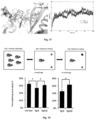
- PAO can bind to enzyme active center of PI4KIII ⁇ from human and other mammals, while forming two strong hydrogen bonds (bond length ⁇ 2.03 ⁇ ) with the characteristic 1840th or 1844th cysteine of enzyme active center of PI4KIII ⁇ ( Fig. 17 , left), rather than forming covalent bonds with adjacent cysteines after dehydration as hypothesized in literature.
- dynamic simulation of binding of PAO with wild type PI4KIII ⁇ or PI4KIII ⁇ having mutation at the 1844th cysteine is also conducted. It is found that binding of PAO with wild type PI4KIII ⁇ tends to stabilize after 80 nanoseconds ( Fig. 17 , right).
- Example 11 Virus generation and microinjection in mice
- Lentivirus was produced by invitrogen (Shanghai) using the BLOCK-iT TM HiPerform TM Lentiviral Pol II miR RNAi Expression System with EmGFP.
- Four miRNAs oligos targeting Efr3a were synthesized and inserted into pcDNA TM 6.2-GW/EmGFPmi vector. Knockdown efficiency was tested by RT-PCR or Western Blot method. Results showed that one of the vectors was most effective in knocking down Efr3a expression in HEK293T cells over-expressing EFR3a gene. Sequence of vector having the highest knockdown efficiency is AGGTATCATTCAGGTTCTGTT.
- the most effective miRNA vector was recombinated with pDONRTM221 and pLenti6/V5 DEST to generate the pLENT6/V5-GW/ ⁇ EmGFP-miRNA vector via Gateway ® recombination reactions.
- Lentivirus was generated by co-transfection of the pLENT6/V5-GW/ ⁇ EmGFP -miRNA vector and Packaging Mix.
- Viral titer was obtained by serial dilutions in HEK293T cells. EGFP-positive cells were counted every 3 days. Knockdown efficiency was further obtained in lentivirus-transfected primary hippocampal neurons.
- lentivirus solution (viral titer: 6 ⁇ 10 -7 ) was injected with a syringe pump (Harvard Apparatus) within 20 min through a cannula system (external diameter, 0.29mm, internal diameter, 0.1mm, RWD Life Science Co., Ltd) at 2.1mm posterior to bregma, 2.3mm lateral and 1.9mm ventral. 5 min after injection, the needle was removed, skin was sutured, and the mouse was moved to 25 °C environment with supply of food and water. At 12 month-age, the mice were anesthetized again, and subjected to transcardiac perfusion using 4% para-formaldehyde (PFA) in PBS. Experiments complied with the policy of the Society for Neuroscience (USA) on the use of animals.
- PFA para-formaldehyde
- Example 12 EFR3a knockdown may repair atrophy of neuronal dendrites in APP/PS 1 mice, tested by GFP staining in mouse brain slices
- Brain slices (60 ⁇ m thickness) were blocked with PBS-0.3% triton-5% BSA for 1 hr., followed by incubation with rabbit anti-GFP antibody (A11122, invitrogen, 1:100 dilution) overnight at 4 °C. Then wash with PBS, incubate with biotinylated goat anti-rabbit IgG antibody (H+L) (AbboMax, Inc, 1:100 dilution) overnight at 4 °C. PBS wash again, incubate with Cy3-Streptavidin (Jackson ImmunoResearch Laboratories Inc, 1:1000 dilution) for 2 hrs at RT.
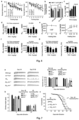
- Fig. 5a confocal images show anti-GFP immunostained whole hippocampus slices (top) and lentivirus-transfected pyramidal cells in CA3 segments (bottom). Dendrite fragment of about 30 ⁇ m was selected for quantification of dendritic diameter and spine density. The scale bars represent 500 ⁇ m (top) and 50 ⁇ m (bottom), respectively.
- EFR3a gene knockdown affects dendritic diameter and spine density.
- Representative images of CA3 and DG segment dendrites are on top and quantification of dendritic diameter and spine density are on bottom. Each data point was obtained from n ⁇ 25 slices of 3 ⁇ 4 animals, P values were obtained by one-way ANOVA analysis.
- the scale bar represents 1.0 ⁇ m.
- EFR3a gene enriched in the hippocampus and the like regions (Allen Brain Atlas) which are highly susceptible to AD.
- RNAi knockdown efficiency was shown in Figs. 11a-11b .
- Confocal imaging revealed that the EGFP-expressing lentivirus infected a small number of neurons in CA3 and DG segment ( Fig. 11a ).
- Dendritic diameter and spine density were measured on randomly selected proximal segments ( ⁇ 30 ⁇ m in length) of the second-order apical dendrites.
- Example 13 PAO improves learning and memory, increases A ⁇ 42 in CSF, but decreases A ⁇ 42 in brain membrane in APP/PS1 mice, detected by composition analysis of CSF and membrane of fractionated mouse brain
- mice were anesthetized with Ketamine and Xylazine, and were secured with head adaptors.
- the skin of the neck was shaved and cut open, the underlying subcutaneous tissue and muscles were separated laterally with forceps to expose the dura above the cisterna magna.
- a sharp-tipped glass capillary with a blunt end connected to a microinjection syringe was used to penetrate the dura.
- the capillary entered the cisterna magna, CSF flowed into the capillary tube, until approximately 10-20 ⁇ L was collected.
- the collected CSF was transferred into an Eppendorf tube containing protease inhibitor, and stored at -80 °C until use.
- TBS Tris-buffered saline
- Fig. 6a shows the Morris Water Maze traning curves of APP/PS1 mice treated with PAO at different doses (left) and wild-type littermates (right). For comparison purposes, learning curve of APP/PS1 mice gavaged with 0 PAO was shown in both the left and right graphs.
- Fig. 6b shows percentage of searching time spent in the target quadrant to total searching time of control and APP/PS 1 mice after training.
- ELISA quantification was used to analyze A ⁇ 42 level in CSF of APP/PS 1 mice treated with different PAO concentrations ( Fig. 6c ), and in fractionated brain membrane extracted with TBS containing 1% Triton and 1% SDS ( Fig. 6d).
- Fig. 6a shows the Morris Water Maze traning curves of APP/PS1 mice treated with PAO at different doses (left) and wild-type littermates (right).
- learning curve of APP/PS1 mice gavaged with 0 PAO was shown in both the left and right graphs.
- FIG. 6e shows effect of heat treatment time at 100 °C on measured A ⁇ 42 value in ELISA quantification of CSF of APP/PS1 mice (left) and fractionated brain membrane extracted with TBS containing 1% SDS (right).
- Fig. 6f shows A ⁇ 42 level in ELISA quantification of fractionated brain membrane extracted with TBS containing 1% Triton and 1% SDS after heat treatment at 100 °C for 60 min.
- Fig. 6g shows percentage of A ⁇ 42 released after heat treatment at 100 °C for 60 min in fractionated brain membrane extracted with TBS containing 1% Triton and 1% SDS to total A ⁇ 42 .
- Example 14 PAO gavage ameliorates cognitive impairment of APP/PS 1 mice at older month-age
- mice in PAO gavage were subjected to PAO gavage at doses of 0.3 mg/kg body weight, once a day every Monday through Friday, the other group was subjected to water gavage; no administration at weekends. After 8 consecutive months, administration was stopped for one week, and mice were subjected to NOR test. During 8 months of gavage, two mice were dead in each group. NOR test showed that mice in PAO treatment group spend significantly more time exploring novel object than mice in the other group ( Fig. 18 ).
- mice were placed into a 20 ⁇ 20 ⁇ 32 cm transparent acrylic glass box from the rear door, then took out after habituation for 30 min; do not clean the box.
- a camera was placed in front of the box and two identical objects were placed in the two corners of the box facing the camera.
- a single mouse was placed into the box; after 7 min, the mouse and two objects were taken out. Again, the box was not cleaned; another two identical objects were placed and then the second mouse. Repeat in this manner until all mice finished training.
- test was conducted using the same box. Two objects were placed into the box, wherein one objected was explored by the mouse in the first day and the other object was new to the mouse.
- Fig. 18 the top row is a schematic diagram of the designing of the mouse NOR test.
- the bottom row is the percentage of time spent on exploring novel object compared to the total time exploring both novel and old objects by the mouse in the NOR test.
- Each group of data in the left graph is the Mean and SEM of 9 mice.
- Each group of data in the right graph is the Mean and SEM of 8 mice. T-test, single-tailed.
- Example 15 PI4KIII ⁇ mutation ameliorates learning and memory defect in APP/PS 1 mice, tested by water maze experiment
- PI4KIIIa heterozygous mutation can significantly ameliorate the spatial learning and memory defect of 5 month-age APP/PS 1 mice.
- Left of Fig. 12 shows the learning curves of four groups of genotype mice, right of Fig. 12 shows percentage of swimming time in the target quadrant to total time on the first day after training day of four groups of genotype mice.
- Example 16 Down-regulation of PI4KIII ⁇ expression level and inhibition of PI4KIII ⁇ enzyme activity by PAO both significantly ameliorate synaptic transmission plasticity impairment in the hippocampus of APP/PS 1 mice.
- fEPSPs Record field excitatory postsynaptic potentials at hippocampus CA1 region according to standard procedure: place two stimulating probes (FHC Inc., Bowdoin, ME) at the Schaffer collaterals of hippocampus CA3 region, place one glass microelectrode and one recording electrode at the stratum radiatum of the CA1 region. Distance between the stimulating probe and the recording probe is about 200 ⁇ 300 ⁇ m. Stimulating intensity is 30-50% of the stimulating intensity to induce maximum amplitude of fEPSPs; stimulating frequency is 0.05 Hz. After the amplitude of induced fEPSPs was stabilized for 20 min, high frequency stimulation at 100 Hz was given through the stimulating probes and was repeated after 20 sec.
- Fig. 19 shows that down-regulation of PI4KIII ⁇ expression level and inhibition of PI4KIII ⁇ enzyme activity by PAO both significantly ameliorate synaptic transmission plasticity disorder impairment in the hippocampus of APP/PS 1 mice.
- the top row is representative fEPSP records of CA1 before (grey) and after (black) high frequency stimulation, the bottom row is quantitative analysis.
- Mouse brain slices were derived from three groups of littermate mice at 6 month-age: PAO treated wild type mice (WT 0.3), untreated APP/PS1 mice (Tg 0), and PAO treated APP/PS1 mice (Tg 0.3); or were derived from four groups of littermate mice: wild type (WT), PI4KA -/+ , APP/PS1 (Tg) and APP/PS1; PI4KA -/+ (Tg;PI4KA -/+ ). Each data point is derived from the Mean and SEM of 7 ⁇ 9 brain slices from 3 ⁇ 4 mice. One-way ANNOVA analysis.
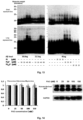
- FIG. 13 shows facilitation effects of PI, PI 4 P, and PIP 2 on A ⁇ 42 aggregation in liposomes, wherein top and bottom are results of a same immumoblotting membrane under short and long light exposure, respectively; it is noted that at the effect of PI 4 P is significantly stronger than PI and PIP 2 , while the facilitation effect of PI 4 P on the oligomerization of A ⁇ 42 trimer and above is stronger than those of PI and PIP 2 .
- Example 18 Complex formation of RBO/EFR3/EFR3A/EFR3B, PI4KIIIa, and TTC7 on cell membrane
- yeast EFR3 protein forms a complex with PI4KIII ⁇ and a scaffold protein YYP1 (referred to as TC7 in mammals, including two homologs TTC7A and TTC7B) on cell membrane and aggregates as PIK patches, and together regulate plasmalemma PI 4 P level and even PI 4,5 P level.
- TC7 scaffold protein
- YYP1 interacts directly with N-terminus and central region of yeast PI4KIIIa protein, thus playing an important role in construction and stabilization of PIK patches ( Baird D, Stefan C, et al., 2008, J Cell Biol ).
- PIK patches Formation and function of PIK patches are also conservative in mammal cells ( Nakatsu F, Baskin JF, et al., 2012, J Cell Biol ). Drosophila homolog of TTC7 in flies is encoded by lethal (2) k14710 ( l(2) k14710 ) gene.
- control flies ctrl
- a ⁇ arc flies A ⁇ arc
- a ⁇ arc flies having one copy of P ⁇ lacW ⁇ l(2) k14710k 15603 A ⁇ arc -dttc7 + / - , TTC7 down-regulating
- a ⁇ arc flies having one copy of P ⁇ EPgy2 ⁇ bin3 EY09582 A ⁇ arc -dttc7-OE, TTC7 over-expressing.
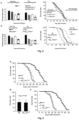
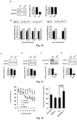
- Fig. 15 shows quantification analysis of effects of ttc7 down-regulation and over-expression on neural transmission in A ⁇ arc flies.
- success rate of A ⁇ arc flies is significantly lower than that of contrl flies (ctrl)
- TTC7 over-expression A ⁇ arc -dttc7-OE
- TTC7 down-regulation A ⁇ arc -dttc7 +/- ) increases the success rate of neural transmission.
Landscapes
- Health & Medical Sciences (AREA)
- Chemical & Material Sciences (AREA)
- Life Sciences & Earth Sciences (AREA)
- Medicinal Chemistry (AREA)
- General Health & Medical Sciences (AREA)
- Veterinary Medicine (AREA)
- Public Health (AREA)
- Pharmacology & Pharmacy (AREA)
- Animal Behavior & Ethology (AREA)
- Epidemiology (AREA)
- Organic Chemistry (AREA)
- Engineering & Computer Science (AREA)
- Bioinformatics & Cheminformatics (AREA)
- Genetics & Genomics (AREA)
- Molecular Biology (AREA)
- Proteomics, Peptides & Aminoacids (AREA)
- Biochemistry (AREA)
- Immunology (AREA)
- Biophysics (AREA)
- Biomedical Technology (AREA)
- Neurology (AREA)
- Neurosurgery (AREA)
- Mycology (AREA)
- Gastroenterology & Hepatology (AREA)
- Microbiology (AREA)
- Wood Science & Technology (AREA)
- Zoology (AREA)
- Biotechnology (AREA)
- Nuclear Medicine, Radiotherapy & Molecular Imaging (AREA)
- Psychiatry (AREA)
- Hospice & Palliative Care (AREA)
- Chemical Kinetics & Catalysis (AREA)
- General Chemical & Material Sciences (AREA)
- General Engineering & Computer Science (AREA)
- Botany (AREA)
- Pharmaceuticals Containing Other Organic And Inorganic Compounds (AREA)
- Medicines That Contain Protein Lipid Enzymes And Other Medicines (AREA)
- Medicines Containing Antibodies Or Antigens For Use As Internal Diagnostic Agents (AREA)
- Investigating Or Analysing Biological Materials (AREA)
- Acyclic And Carbocyclic Compounds In Medicinal Compositions (AREA)
Claims (4)
- PAO oder PAO-Derivat zur Verwendung in einem Verfahren zum Behandeln von Alzheimer-Krankheit, wobei das PAO-Derivat aus den folgenden ausgewählt ist:

















- Pharmazeutische Zusammensetzung zur Verwendung in einem Verfahren zum Behandeln von Alzheimer-Krankheit, wobei die pharmazeutische Zusammensetzung die folgenden Substanzen umfasst: ein PAO oder PAO-Derivat, wie in Anspruch 1 definiert, und einen RBO/EFR3/EFR3A/EFR3B-Inhibitor, und wahlweise pharmazeutische Träger,
wobei der RBO/EFR3/EFR3A/EFR3B-Inhibitor ein inhibitorisches Nukleotid, das spezifisch für rbo/Efr3/Efr3a/Efr3b ist, oder ein Antikörper gegen ein RBO/EFR3/EFR3A/EFR3B Protein ist. - Pharmazeutische Zusammensetzung zur Verwendung in einem Verfahren zum Behandeln von Alzheimer-Krankheit, wobei die pharmazeutische Zusammensetzung die folgenden Substanzen umfasst: ein PAO oder PAO-Derivat, wie in Anspruch 1 definiert, und einen PI4P-Inhibitor, wahlweise einen RBO/EFR3/EFR3A/EFR3B-Inhibitor, und wahlweise pharmazeutische Träger,wobei der PI4P-Inhibitor ein Antikörper gegen PI4P, ein OSH2-PH2X-Fusionsprotein oder ein OSH2-2x-PH-Fusionsprotein ist, das zur spezifischen Bindung an PI4P fähig ist,und wobei der RBO/EFR3/EFR3A/EFR3B-Inhibitor ein inhibitorisches Nukleotid, das spezifisch für rbo/Efr3/Efr3a/Efr3b ist, oder ein Antikörper gegen ein RBO/EFR3/EFR3A/EFR3B Protein ist.
- Pharmazeutische Zusammensetzung zur Verwendung nach einem der Ansprüche 2-3, ferner umfassend einen oder mehrere Antikörper gegen Aβ und/oder eine Verbindung, die in der Lage ist, extraneuronale Aβ-Aggregate zu entfernen, wobei die Verbindung, die in der Lage ist, extraneuronale Aβ-Aggregate zu entfernen, ausgewählt ist aus: dem aus dem Meer stammenden sulfatierten Oligosaccharid HSH971, Acamprosat und Edaravon.
Applications Claiming Priority (2)
| Application Number | Priority Date | Filing Date | Title |
|---|---|---|---|
| PCT/CN2015/078058 WO2016172952A1 (zh) | 2015-04-30 | 2015-04-30 | PI4KIIIα蛋白及相关的膜蛋白复合体在治疗阿尔茨海默病中的应用 |
| PCT/CN2016/080907 WO2016173562A1 (zh) | 2015-04-30 | 2016-05-03 | PI4KIIIα蛋白及相关的膜蛋白复合体在治疗阿尔茨海默病中的应用 |
Publications (4)
| Publication Number | Publication Date |
|---|---|
| EP3290514A1 EP3290514A1 (de) | 2018-03-07 |
| EP3290514A4 EP3290514A4 (de) | 2019-05-22 |
| EP3290514C0 EP3290514C0 (de) | 2025-02-26 |
| EP3290514B1 true EP3290514B1 (de) | 2025-02-26 |
Family
ID=57198050
Family Applications (1)
| Application Number | Title | Priority Date | Filing Date |
|---|---|---|---|
| EP16785990.9A Active EP3290514B1 (de) | 2015-04-30 | 2016-05-03 | Anwendung von pi4kiii.alpha-protein und zugehöriger membranproteinkomplex in der behandlung von morbus alzheimer |
Country Status (8)
| Country | Link |
|---|---|
| US (2) | US11766420B2 (de) |
| EP (1) | EP3290514B1 (de) |
| JP (3) | JP6755938B2 (de) |
| KR (2) | KR102344321B1 (de) |
| CN (1) | CN107849545B (de) |
| AU (2) | AU2016255474B2 (de) |
| RU (1) | RU2724493C2 (de) |
| WO (2) | WO2016172952A1 (de) |
Cited By (1)
| Publication number | Priority date | Publication date | Assignee | Title |
|---|---|---|---|---|
| US20230115711A1 (en) * | 2019-07-05 | 2023-04-13 | Nuo-Beta Pharmaceutical Technology (Shanghaia) Co., Ltd. | MICROMOLECULE PI4KIIIalpha INHIBITOR COMPOSITION, PREPARATION METHOD THEREFOR AND USE THEREOF |
Families Citing this family (11)
| Publication number | Priority date | Publication date | Assignee | Title |
|---|---|---|---|---|
| WO2016172952A1 (zh) * | 2015-04-30 | 2016-11-03 | 江苏挪贝肽医药科技有限公司 | PI4KIIIα蛋白及相关的膜蛋白复合体在治疗阿尔茨海默病中的应用 |
| CN108721622B (zh) * | 2017-04-14 | 2022-10-25 | 中国科学院上海高等研究院 | 抑制肝纤维化的试剂及应用 |
| CN109721531B (zh) * | 2017-10-27 | 2022-07-29 | 中国科学院合肥物质科学研究院 | 一种新型的脂质体激酶抑制剂 |
| WO2020147097A1 (zh) * | 2019-01-18 | 2020-07-23 | 中国科学院合肥物质科学研究院 | 一种新型的脂质体激酶抑制剂 |
| CN109966281B (zh) * | 2019-04-11 | 2021-04-27 | 北京大学 | PAO作为Pi4KIIα抑制剂在制备治疗创伤后应激障碍药物中的应用 |
| TW202126295A (zh) * | 2019-09-27 | 2021-07-16 | 大陸商江蘇挪貝肽醫藥科技有限公司 | 一種治療心境障礙的方法 |
| AU2021236089B2 (en) * | 2020-03-13 | 2024-10-10 | Nuo-Beta Pharmaceutical Technology (Shanghai) Co., Ltd. | Anti-coronavirus effect and application of PI4K inhibitor |
| EP4130014A4 (de) * | 2020-03-31 | 2024-05-15 | Nuo-Beta Pharmaceutical Technology (Shanghai) Co., Ltd. | Deuterierte oxophenylarsinverbindung und verwendung davon |
| CN114685566A (zh) * | 2020-12-31 | 2022-07-01 | 江苏挪贝肽医药科技有限公司 | 氧化苯砷晶型i、晶型ii和晶型iii及其制备方法 |
| MX2024004055A (es) * | 2021-09-30 | 2024-06-19 | Nuo Beta Pharmaceutical Tech Shanghai Co Ltd | Compuesto de oxido de fenilarsina halogenado y aplicacion del mismo. |
| CN114807114A (zh) * | 2022-04-14 | 2022-07-29 | 广州医科大学附属第二医院 | 一种记录果蝇大脑单细胞长时程增强电生理信号的方法 |
Citations (1)
| Publication number | Priority date | Publication date | Assignee | Title |
|---|---|---|---|---|
| WO2002043654A2 (en) * | 2000-12-01 | 2002-06-06 | Milos Pekny | Pharmaceutical composition and method for treatment of brain injury, spinal cord injury, stroke, neurodegenerative disease and other conditions |
Family Cites Families (10)
| Publication number | Priority date | Publication date | Assignee | Title |
|---|---|---|---|---|
| EP1601965A4 (de) | 2003-03-12 | 2010-11-10 | Samaritan Pharmaceuticals Inc | Simulation neurologischer erkrankungen mit tiermodell |
| CA2587601C (en) * | 2004-12-03 | 2017-11-07 | Rhode Island Hospital | Diagnosis and treatment of alzheimer's disease |
| US20070212717A1 (en) * | 2006-02-24 | 2007-09-13 | George Kukolj | Method for Inhibiting Hepatitis C Virus Replication |
| WO2008064244A2 (en) * | 2006-11-20 | 2008-05-29 | The Trustees Of Columbia University In The City Of New York | Phosphoinositide modulation for the treatment of neurodegenerative diseases |
| CN101392027B (zh) * | 2008-07-03 | 2012-04-25 | 浙江大学 | 一种治疗阿尔茨海默病的融合蛋白及其制备方法 |
| KR20120063515A (ko) | 2009-09-09 | 2012-06-15 | 아빌라 테라퓨틱스, 인크. | Pi3 키나제 억제제 및 이들의 용도 |
| CN103501610A (zh) * | 2011-03-09 | 2014-01-08 | 西建阿维拉米斯研究公司 | Pi3激酶抑制剂和其用途 |
| WO2013010218A1 (en) * | 2011-07-15 | 2013-01-24 | Freie Universität Berlin | Inhibition of clathrin |
| CN103529182B (zh) * | 2012-07-06 | 2016-03-16 | 中国科学院上海生命科学研究院 | rbo/Efr3a/Efr3b基因或其蛋白在诊断和治疗阿尔茨海默病中的应用 |
| WO2016172952A1 (zh) * | 2015-04-30 | 2016-11-03 | 江苏挪贝肽医药科技有限公司 | PI4KIIIα蛋白及相关的膜蛋白复合体在治疗阿尔茨海默病中的应用 |
-
2015
- 2015-04-30 WO PCT/CN2015/078058 patent/WO2016172952A1/zh not_active Ceased
-
2016
- 2016-05-03 WO PCT/CN2016/080907 patent/WO2016173562A1/zh not_active Ceased
- 2016-05-03 RU RU2017141805A patent/RU2724493C2/ru active
- 2016-05-03 US US15/570,681 patent/US11766420B2/en active Active
- 2016-05-03 JP JP2018507766A patent/JP6755938B2/ja active Active
- 2016-05-03 KR KR1020197033850A patent/KR102344321B1/ko not_active Expired - Fee Related
- 2016-05-03 AU AU2016255474A patent/AU2016255474B2/en not_active Ceased
- 2016-05-03 EP EP16785990.9A patent/EP3290514B1/de active Active
- 2016-05-03 CN CN201680024899.8A patent/CN107849545B/zh active Active
- 2016-05-03 KR KR1020177034632A patent/KR102048137B1/ko not_active Expired - Fee Related
-
2020
- 2020-04-30 AU AU2020202847A patent/AU2020202847B2/en not_active Ceased
- 2020-08-26 JP JP2020142213A patent/JP2020203907A/ja not_active Withdrawn
-
2022
- 2022-10-05 JP JP2022161004A patent/JP2023011586A/ja active Pending
-
2023
- 2023-09-18 US US18/369,521 patent/US20240173287A1/en active Pending
Patent Citations (1)
| Publication number | Priority date | Publication date | Assignee | Title |
|---|---|---|---|---|
| WO2002043654A2 (en) * | 2000-12-01 | 2002-06-06 | Milos Pekny | Pharmaceutical composition and method for treatment of brain injury, spinal cord injury, stroke, neurodegenerative disease and other conditions |
Non-Patent Citations (1)
| Title |
|---|
| DOUSSIERE J ET AL: "PHENYLARSINE OXIDE AS AN INHIBITOR OF THE ACTIVATION OF THE NEUTROPHIL NADPH OXIDASE. IDENTIFICATION OF THE BETA SUBUNIT OF THEFLAVOCYTOCHROME B COMPONENT OF THE NADPH OXIDASE AS A TARGET SITE FOR PHENYLARSINE OXIDE BY PHOTOAFFINITY LABELING AND PHOTOINACTIVATION", EUROPEAN JOURNAL OF BIOCHEMISTRY, PUBLISHED BY SPRINGER-VERLAG ON BEHALF OF THE FEDERATION OF EUROPEAN BIOCHEMICAL SOCIETIES, vol. 251, no. 3, 1 January 1998 (1998-01-01), pages 649 - 658, XP000915497, ISSN: 0014-2956, DOI: 10.1046/J.1432-1327.1998.2510649.X * |
Cited By (1)
| Publication number | Priority date | Publication date | Assignee | Title |
|---|---|---|---|---|
| US20230115711A1 (en) * | 2019-07-05 | 2023-04-13 | Nuo-Beta Pharmaceutical Technology (Shanghaia) Co., Ltd. | MICROMOLECULE PI4KIIIalpha INHIBITOR COMPOSITION, PREPARATION METHOD THEREFOR AND USE THEREOF |
Also Published As
| Publication number | Publication date |
|---|---|
| KR102344321B1 (ko) | 2021-12-28 |
| AU2016255474A8 (en) | 2018-03-01 |
| CN107849545A (zh) | 2018-03-27 |
| KR20180006396A (ko) | 2018-01-17 |
| EP3290514A4 (de) | 2019-05-22 |
| RU2017141805A (ru) | 2019-05-31 |
| AU2020202847A1 (en) | 2020-05-21 |
| RU2724493C2 (ru) | 2020-06-23 |
| JP2018521112A (ja) | 2018-08-02 |
| US11766420B2 (en) | 2023-09-26 |
| WO2016173562A1 (zh) | 2016-11-03 |
| KR102048137B1 (ko) | 2019-11-25 |
| US20190314321A1 (en) | 2019-10-17 |
| AU2020202847B2 (en) | 2022-07-28 |
| RU2017141805A3 (de) | 2019-05-31 |
| JP2020203907A (ja) | 2020-12-24 |
| CN107849545B (zh) | 2021-11-26 |
| EP3290514C0 (de) | 2025-02-26 |
| KR20190131142A (ko) | 2019-11-25 |
| JP6755938B2 (ja) | 2020-09-16 |
| AU2016255474A1 (en) | 2017-12-21 |
| WO2016172952A1 (zh) | 2016-11-03 |
| AU2016255474B2 (en) | 2020-01-30 |
| EP3290514A1 (de) | 2018-03-07 |
| US20240173287A1 (en) | 2024-05-30 |
| JP2023011586A (ja) | 2023-01-24 |
Similar Documents
| Publication | Publication Date | Title |
|---|---|---|
| US20240173287A1 (en) | Application Of PI4KIIIA Protein And Related Membrane Protein Complex In Treating Alzheimer's Disease | |
| Zhu et al. | Loss of ARHGEF6 causes hair cell stereocilia deficits and hearing loss in mice | |
| EP3290525B1 (de) | Verfahren zum screening von wirkstoffen und therapeutischen targets zur behandlung von morbus alzheimer | |
| CA2669084A1 (en) | Pak modulators | |
| KR20230020945A (ko) | 세포내 단백질 미스폴딩-관련 질환 및 리소좀 축적 질환에서 pi4k 억제제의 적용 | |
| JP7164537B2 (ja) | 運動ニューロン疾患の治療のためのガングリオシド代謝阻害剤 | |
| Wang et al. | Regulation of β cleavage of amyloid precursor protein | |
| US12156879B2 (en) | Combining BACE1 inhibitors with mGluR agonists for Alzheimer's disease therapy | |
| Morozova | Mechanism of Tau Propagation: Putative Therapeutic Approaches | |
| Hooshmandi | Dysregulated mRNA Translation in Autism Spectrum Disorders | |
| Taylor | Consequences of presynaptic dysfunction in Alzheimer’s Disease models | |
| Gulisano | A renewed vision for Amyloid beta and tau in Alzheimer s disease pathophysiology |
Legal Events
| Date | Code | Title | Description |
|---|---|---|---|
| STAA | Information on the status of an ep patent application or granted ep patent |
Free format text: STATUS: THE INTERNATIONAL PUBLICATION HAS BEEN MADE |
|
| PUAI | Public reference made under article 153(3) epc to a published international application that has entered the european phase |
Free format text: ORIGINAL CODE: 0009012 |
|
| STAA | Information on the status of an ep patent application or granted ep patent |
Free format text: STATUS: REQUEST FOR EXAMINATION WAS MADE |
|
| 17P | Request for examination filed |
Effective date: 20171130 |
|
| AK | Designated contracting states |
Kind code of ref document: A1 Designated state(s): AL AT BE BG CH CY CZ DE DK EE ES FI FR GB GR HR HU IE IS IT LI LT LU LV MC MK MT NL NO PL PT RO RS SE SI SK SM TR |
|
| AX | Request for extension of the european patent |
Extension state: BA ME |
|
| RIN1 | Information on inventor provided before grant (corrected) |
Inventor name: ZHU, TONG Inventor name: WANG, WENAN Inventor name: HUANG, FUDE Inventor name: JIANG, LIXIANG Inventor name: HE, YANG Inventor name: WEI, WANGUO Inventor name: ZHANG, LE Inventor name: ZHOU, YUDONG Inventor name: LIU, HAIYAN Inventor name: ZHANG, XIAO |
|
| RIN1 | Information on inventor provided before grant (corrected) |
Inventor name: HUANG, FUDE Inventor name: ZHANG, XIAO Inventor name: JIANG, LIXIANG Inventor name: WANG, WENAN Inventor name: ZHANG, LE Inventor name: WEI, WANGUO Inventor name: ZHU, TONG Inventor name: HE, YANG Inventor name: LIU, HAIYAN Inventor name: ZHOU, YUDONG |
|
| DAV | Request for validation of the european patent (deleted) | ||
| DAX | Request for extension of the european patent (deleted) | ||
| RIN1 | Information on inventor provided before grant (corrected) |
Inventor name: WEI, WANGUO Inventor name: ZHOU, YUDONG Inventor name: JIANG, LIXIANG Inventor name: ZHANG, LE Inventor name: ZHU, TONG Inventor name: WANG, WENAN Inventor name: ZHANG, XIAO Inventor name: HUANG, FUDE Inventor name: LIU, HAIYAN Inventor name: HE, YANG |
|
| RIN1 | Information on inventor provided before grant (corrected) |
Inventor name: WEI, WANGUO Inventor name: LIU, HAIYAN Inventor name: ZHOU, YUDONG Inventor name: ZHANG, LE Inventor name: HUANG, FUDE Inventor name: ZHANG, XIAO Inventor name: ZHU, TONG Inventor name: WANG, WENAN Inventor name: JIANG, LIXIANG Inventor name: HE, YANG |
|
| RIC1 | Information provided on ipc code assigned before grant |
Ipc: C12N 9/12 20060101AFI20181210BHEP Ipc: A61K 39/395 20060101ALI20181210BHEP Ipc: C07H 21/00 20060101ALI20181210BHEP Ipc: C07K 14/81 20060101ALI20181210BHEP Ipc: A61K 31/285 20060101ALI20181210BHEP Ipc: C07K 16/40 20060101ALI20181210BHEP |
|
| A4 | Supplementary search report drawn up and despatched |
Effective date: 20190424 |
|
| RIC1 | Information provided on ipc code assigned before grant |
Ipc: C12N 9/12 20060101AFI20190416BHEP Ipc: A61K 31/285 20060101ALI20190416BHEP Ipc: C07K 16/40 20060101ALI20190416BHEP Ipc: C07H 21/00 20060101ALI20190416BHEP Ipc: C07K 14/81 20060101ALI20190416BHEP Ipc: A61K 39/395 20060101ALI20190416BHEP |
|
| STAA | Information on the status of an ep patent application or granted ep patent |
Free format text: STATUS: EXAMINATION IS IN PROGRESS |
|
| 17Q | First examination report despatched |
Effective date: 20211014 |
|
| RIC1 | Information provided on ipc code assigned before grant |
Ipc: A61P 25/28 20060101ALI20231222BHEP Ipc: A61K 45/06 20060101ALI20231222BHEP Ipc: A61K 38/00 20060101ALI20231222BHEP Ipc: A61K 31/555 20060101ALI20231222BHEP Ipc: A61K 9/127 20060101ALI20231222BHEP Ipc: A61K 39/395 20060101ALI20231222BHEP Ipc: A61K 31/285 20060101ALI20231222BHEP Ipc: C07H 21/00 20060101ALI20231222BHEP Ipc: C07K 16/40 20060101ALI20231222BHEP Ipc: C07K 14/81 20060101ALI20231222BHEP Ipc: C12N 9/12 20060101AFI20231222BHEP |
|
| GRAP | Despatch of communication of intention to grant a patent |
Free format text: ORIGINAL CODE: EPIDOSNIGR1 |
|
| STAA | Information on the status of an ep patent application or granted ep patent |
Free format text: STATUS: GRANT OF PATENT IS INTENDED |
|
| INTG | Intention to grant announced |
Effective date: 20240214 |
|
| RIN1 | Information on inventor provided before grant (corrected) |
Inventor name: WEI, WANGUO Inventor name: HE, YANG Inventor name: ZHOU, YUDONG Inventor name: LIU, HAIYAN Inventor name: ZHU, TONG Inventor name: JIANG, LIXIANG Inventor name: ZHANG, LE Inventor name: WANG, WENAN Inventor name: ZHANG, XIAO Inventor name: HUANG, FUDE |
|
| GRAJ | Information related to disapproval of communication of intention to grant by the applicant or resumption of examination proceedings by the epo deleted |
Free format text: ORIGINAL CODE: EPIDOSDIGR1 |
|
| STAA | Information on the status of an ep patent application or granted ep patent |
Free format text: STATUS: EXAMINATION IS IN PROGRESS |
|
| GRAP | Despatch of communication of intention to grant a patent |
Free format text: ORIGINAL CODE: EPIDOSNIGR1 |
|
| STAA | Information on the status of an ep patent application or granted ep patent |
Free format text: STATUS: GRANT OF PATENT IS INTENDED |
|
| INTC | Intention to grant announced (deleted) | ||
| INTG | Intention to grant announced |
Effective date: 20240628 |
|
| GRAS | Grant fee paid |
Free format text: ORIGINAL CODE: EPIDOSNIGR3 |
|
| GRAA | (expected) grant |
Free format text: ORIGINAL CODE: 0009210 |
|
| STAA | Information on the status of an ep patent application or granted ep patent |
Free format text: STATUS: THE PATENT HAS BEEN GRANTED |
|
| AK | Designated contracting states |
Kind code of ref document: B1 Designated state(s): AL AT BE BG CH CY CZ DE DK EE ES FI FR GB GR HR HU IE IS IT LI LT LU LV MC MK MT NL NO PL PT RO RS SE SI SK SM TR |
|
| REG | Reference to a national code |
Ref country code: GB Ref legal event code: FG4D |
|
| REG | Reference to a national code |
Ref country code: CH Ref legal event code: EP |
|
| REG | Reference to a national code |
Ref country code: DE Ref legal event code: R096 Ref document number: 602016091375 Country of ref document: DE |
|
| REG | Reference to a national code |
Ref country code: IE Ref legal event code: FG4D |
|
| U01 | Request for unitary effect filed |
Effective date: 20250326 |
|
| U07 | Unitary effect registered |
Designated state(s): AT BE BG DE DK EE FI FR IT LT LU LV MT NL PT RO SE SI Effective date: 20250401 |
|
| U20 | Renewal fee for the european patent with unitary effect paid |
Year of fee payment: 10 Effective date: 20250526 |
|
| PG25 | Lapsed in a contracting state [announced via postgrant information from national office to epo] |
Ref country code: RS Free format text: LAPSE BECAUSE OF FAILURE TO SUBMIT A TRANSLATION OF THE DESCRIPTION OR TO PAY THE FEE WITHIN THE PRESCRIBED TIME-LIMIT Effective date: 20250526 |
|
| PG25 | Lapsed in a contracting state [announced via postgrant information from national office to epo] |
Ref country code: PL Free format text: LAPSE BECAUSE OF FAILURE TO SUBMIT A TRANSLATION OF THE DESCRIPTION OR TO PAY THE FEE WITHIN THE PRESCRIBED TIME-LIMIT Effective date: 20250226 |
|
| PG25 | Lapsed in a contracting state [announced via postgrant information from national office to epo] |
Ref country code: ES Free format text: LAPSE BECAUSE OF FAILURE TO SUBMIT A TRANSLATION OF THE DESCRIPTION OR TO PAY THE FEE WITHIN THE PRESCRIBED TIME-LIMIT Effective date: 20250226 |
|
| PG25 | Lapsed in a contracting state [announced via postgrant information from national office to epo] |
Ref country code: NO Free format text: LAPSE BECAUSE OF FAILURE TO SUBMIT A TRANSLATION OF THE DESCRIPTION OR TO PAY THE FEE WITHIN THE PRESCRIBED TIME-LIMIT Effective date: 20250526 Ref country code: IS Free format text: LAPSE BECAUSE OF FAILURE TO SUBMIT A TRANSLATION OF THE DESCRIPTION OR TO PAY THE FEE WITHIN THE PRESCRIBED TIME-LIMIT Effective date: 20250626 |
|
| PG25 | Lapsed in a contracting state [announced via postgrant information from national office to epo] |
Ref country code: HR Free format text: LAPSE BECAUSE OF FAILURE TO SUBMIT A TRANSLATION OF THE DESCRIPTION OR TO PAY THE FEE WITHIN THE PRESCRIBED TIME-LIMIT Effective date: 20250226 |
|
| PG25 | Lapsed in a contracting state [announced via postgrant information from national office to epo] |
Ref country code: GR Free format text: LAPSE BECAUSE OF FAILURE TO SUBMIT A TRANSLATION OF THE DESCRIPTION OR TO PAY THE FEE WITHIN THE PRESCRIBED TIME-LIMIT Effective date: 20250527 |
|
| PG25 | Lapsed in a contracting state [announced via postgrant information from national office to epo] |
Ref country code: SM Free format text: LAPSE BECAUSE OF FAILURE TO SUBMIT A TRANSLATION OF THE DESCRIPTION OR TO PAY THE FEE WITHIN THE PRESCRIBED TIME-LIMIT Effective date: 20250226 |
|
| PG25 | Lapsed in a contracting state [announced via postgrant information from national office to epo] |
Ref country code: CZ Free format text: LAPSE BECAUSE OF FAILURE TO SUBMIT A TRANSLATION OF THE DESCRIPTION OR TO PAY THE FEE WITHIN THE PRESCRIBED TIME-LIMIT Effective date: 20250226 |
|
| PG25 | Lapsed in a contracting state [announced via postgrant information from national office to epo] |
Ref country code: SK Free format text: LAPSE BECAUSE OF FAILURE TO SUBMIT A TRANSLATION OF THE DESCRIPTION OR TO PAY THE FEE WITHIN THE PRESCRIBED TIME-LIMIT Effective date: 20250226 |
|
| REG | Reference to a national code |
Ref country code: CH Ref legal event code: H13 Free format text: ST27 STATUS EVENT CODE: U-0-0-H10-H13 (AS PROVIDED BY THE NATIONAL OFFICE) Effective date: 20251223 |
|
| PLBE | No opposition filed within time limit |
Free format text: ORIGINAL CODE: 0009261 |
|
| STAA | Information on the status of an ep patent application or granted ep patent |
Free format text: STATUS: NO OPPOSITION FILED WITHIN TIME LIMIT |
|
| PG25 | Lapsed in a contracting state [announced via postgrant information from national office to epo] |
Ref country code: CH Free format text: LAPSE BECAUSE OF NON-PAYMENT OF DUE FEES Effective date: 20250531 |
|
| PG25 | Lapsed in a contracting state [announced via postgrant information from national office to epo] |
Ref country code: MC Free format text: LAPSE BECAUSE OF FAILURE TO SUBMIT A TRANSLATION OF THE DESCRIPTION OR TO PAY THE FEE WITHIN THE PRESCRIBED TIME-LIMIT Effective date: 20250226 |
|
| 26N | No opposition filed |
Effective date: 20251127 |
|
| PG25 | Lapsed in a contracting state [announced via postgrant information from national office to epo] |
Ref country code: IE Free format text: LAPSE BECAUSE OF NON-PAYMENT OF DUE FEES Effective date: 20250503 |
|
| U20 | Renewal fee for the european patent with unitary effect paid |
Year of fee payment: 11 Effective date: 20260527 |
|
| PGFP | Annual fee paid to national office [announced via postgrant information from national office to epo] |
Ref country code: GB Payment date: 20260529 Year of fee payment: 11 |
|
| PG25 | Lapsed in a contracting state [announced via postgrant information from national office to epo] |
Ref country code: CY Free format text: LAPSE BECAUSE OF FAILURE TO SUBMIT A TRANSLATION OF THE DESCRIPTION OR TO PAY THE FEE WITHIN THE PRESCRIBED TIME-LIMIT Effective date: 20250226 |