EP3189073B2 - Trophoblasten-glycoprotein (5t4)-spezifische chimäre antigenrezeptoren für krebsimmuntherapie - Google Patents
Trophoblasten-glycoprotein (5t4)-spezifische chimäre antigenrezeptoren für krebsimmuntherapie Download PDFInfo
- Publication number
- EP3189073B2 EP3189073B2 EP15757289.2A EP15757289A EP3189073B2 EP 3189073 B2 EP3189073 B2 EP 3189073B2 EP 15757289 A EP15757289 A EP 15757289A EP 3189073 B2 EP3189073 B2 EP 3189073B2
- Authority
- EP
- European Patent Office
- Prior art keywords
- seq
- cells
- cell
- sequence
- car
- Prior art date
- Legal status (The legal status is an assumption and is not a legal conclusion. Google has not performed a legal analysis and makes no representation as to the accuracy of the status listed.)
- Active
Links
Images




Classifications
-
- C—CHEMISTRY; METALLURGY
- C07—ORGANIC CHEMISTRY
- C07K—PEPTIDES
- C07K16/00—Immunoglobulins [IG], e.g. monoclonal or polyclonal antibodies
- C07K16/18—Immunoglobulins [IG], e.g. monoclonal or polyclonal antibodies against material from animals or humans
- C07K16/28—Immunoglobulins [IG], e.g. monoclonal or polyclonal antibodies against material from animals or humans against receptors, cell surface antigens or cell surface determinants
- C07K16/30—Immunoglobulins [IG], e.g. monoclonal or polyclonal antibodies against material from animals or humans against receptors, cell surface antigens or cell surface determinants from tumour cells
-
- A—HUMAN NECESSITIES
- A61—MEDICAL OR VETERINARY SCIENCE; HYGIENE
- A61K—PREPARATIONS FOR MEDICAL, DENTAL OR TOILETRY PURPOSES
- A61K40/00—Cellular immunotherapy
- A61K40/10—Cellular immunotherapy characterised by the cell type used
- A61K40/11—T-cells, e.g. tumour infiltrating lymphocytes [TIL] or regulatory T [Treg] cells; Lymphokine-activated killer [LAK] cells
-
- A—HUMAN NECESSITIES
- A61—MEDICAL OR VETERINARY SCIENCE; HYGIENE
- A61K—PREPARATIONS FOR MEDICAL, DENTAL OR TOILETRY PURPOSES
- A61K40/00—Cellular immunotherapy
- A61K40/30—Cellular immunotherapy characterised by the recombinant expression of specific molecules in the cells of the immune system
- A61K40/31—Chimeric antigen receptors [CAR]
-
- A—HUMAN NECESSITIES
- A61—MEDICAL OR VETERINARY SCIENCE; HYGIENE
- A61K—PREPARATIONS FOR MEDICAL, DENTAL OR TOILETRY PURPOSES
- A61K40/00—Cellular immunotherapy
- A61K40/40—Cellular immunotherapy characterised by antigens that are targeted or presented by cells of the immune system
- A61K40/41—Vertebrate antigens
- A61K40/42—Cancer antigens
- A61K40/4264—Cancer antigens from embryonic or fetal origin
-
- A—HUMAN NECESSITIES
- A61—MEDICAL OR VETERINARY SCIENCE; HYGIENE
- A61P—SPECIFIC THERAPEUTIC ACTIVITY OF CHEMICAL COMPOUNDS OR MEDICINAL PREPARATIONS
- A61P35/00—Antineoplastic agents
-
- A—HUMAN NECESSITIES
- A61—MEDICAL OR VETERINARY SCIENCE; HYGIENE
- A61P—SPECIFIC THERAPEUTIC ACTIVITY OF CHEMICAL COMPOUNDS OR MEDICINAL PREPARATIONS
- A61P35/00—Antineoplastic agents
- A61P35/02—Antineoplastic agents specific for leukemia
-
- A—HUMAN NECESSITIES
- A61—MEDICAL OR VETERINARY SCIENCE; HYGIENE
- A61P—SPECIFIC THERAPEUTIC ACTIVITY OF CHEMICAL COMPOUNDS OR MEDICINAL PREPARATIONS
- A61P37/00—Drugs for immunological or allergic disorders
- A61P37/02—Immunomodulators
- A61P37/04—Immunostimulants
-
- C—CHEMISTRY; METALLURGY
- C07—ORGANIC CHEMISTRY
- C07K—PEPTIDES
- C07K14/00—Peptides having more than 20 amino acids; Gastrins; Somatostatins; Melanotropins; Derivatives thereof
- C07K14/435—Peptides having more than 20 amino acids; Gastrins; Somatostatins; Melanotropins; Derivatives thereof from animals; from humans
- C07K14/705—Receptors; Cell surface antigens; Cell surface determinants
-
- C—CHEMISTRY; METALLURGY
- C07—ORGANIC CHEMISTRY
- C07K—PEPTIDES
- C07K14/00—Peptides having more than 20 amino acids; Gastrins; Somatostatins; Melanotropins; Derivatives thereof
- C07K14/435—Peptides having more than 20 amino acids; Gastrins; Somatostatins; Melanotropins; Derivatives thereof from animals; from humans
- C07K14/705—Receptors; Cell surface antigens; Cell surface determinants
- C07K14/70503—Immunoglobulin superfamily
- C07K14/7051—T-cell receptor (TcR)-CD3 complex
-
- C—CHEMISTRY; METALLURGY
- C07—ORGANIC CHEMISTRY
- C07K—PEPTIDES
- C07K14/00—Peptides having more than 20 amino acids; Gastrins; Somatostatins; Melanotropins; Derivatives thereof
- C07K14/435—Peptides having more than 20 amino acids; Gastrins; Somatostatins; Melanotropins; Derivatives thereof from animals; from humans
- C07K14/705—Receptors; Cell surface antigens; Cell surface determinants
- C07K14/70503—Immunoglobulin superfamily
- C07K14/70517—CD8
-
- C—CHEMISTRY; METALLURGY
- C07—ORGANIC CHEMISTRY
- C07K—PEPTIDES
- C07K14/00—Peptides having more than 20 amino acids; Gastrins; Somatostatins; Melanotropins; Derivatives thereof
- C07K14/435—Peptides having more than 20 amino acids; Gastrins; Somatostatins; Melanotropins; Derivatives thereof from animals; from humans
- C07K14/705—Receptors; Cell surface antigens; Cell surface determinants
- C07K14/70503—Immunoglobulin superfamily
- C07K14/70535—Fc-receptors, e.g. CD16, CD32, CD64 (CD2314/705F)
-
- C—CHEMISTRY; METALLURGY
- C07—ORGANIC CHEMISTRY
- C07K—PEPTIDES
- C07K14/00—Peptides having more than 20 amino acids; Gastrins; Somatostatins; Melanotropins; Derivatives thereof
- C07K14/435—Peptides having more than 20 amino acids; Gastrins; Somatostatins; Melanotropins; Derivatives thereof from animals; from humans
- C07K14/705—Receptors; Cell surface antigens; Cell surface determinants
- C07K14/70578—NGF-receptor/TNF-receptor superfamily, e.g. CD27, CD30, CD40, CD95
-
- C—CHEMISTRY; METALLURGY
- C07—ORGANIC CHEMISTRY
- C07K—PEPTIDES
- C07K19/00—Hybrid peptides, i.e. peptides covalently bound to nucleic acids, or non-covalently bound protein-protein complexes
-
- C—CHEMISTRY; METALLURGY
- C12—BIOCHEMISTRY; BEER; SPIRITS; WINE; VINEGAR; MICROBIOLOGY; ENZYMOLOGY; MUTATION OR GENETIC ENGINEERING
- C12N—MICROORGANISMS OR ENZYMES; COMPOSITIONS THEREOF; PROPAGATING, PRESERVING, OR MAINTAINING MICROORGANISMS; MUTATION OR GENETIC ENGINEERING; CULTURE MEDIA
- C12N5/00—Undifferentiated human, animal or plant cells, e.g. cell lines; Tissues; Cultivation or maintenance thereof; Culture media therefor
- C12N5/06—Animal cells or tissues; Human cells or tissues
- C12N5/0602—Vertebrate cells
- C12N5/0634—Cells from the blood or the immune system
-
- C—CHEMISTRY; METALLURGY
- C12—BIOCHEMISTRY; BEER; SPIRITS; WINE; VINEGAR; MICROBIOLOGY; ENZYMOLOGY; MUTATION OR GENETIC ENGINEERING
- C12N—MICROORGANISMS OR ENZYMES; COMPOSITIONS THEREOF; PROPAGATING, PRESERVING, OR MAINTAINING MICROORGANISMS; MUTATION OR GENETIC ENGINEERING; CULTURE MEDIA
- C12N5/00—Undifferentiated human, animal or plant cells, e.g. cell lines; Tissues; Cultivation or maintenance thereof; Culture media therefor
- C12N5/06—Animal cells or tissues; Human cells or tissues
- C12N5/0602—Vertebrate cells
- C12N5/0634—Cells from the blood or the immune system
- C12N5/0636—T lymphocytes
-
- A—HUMAN NECESSITIES
- A61—MEDICAL OR VETERINARY SCIENCE; HYGIENE
- A61K—PREPARATIONS FOR MEDICAL, DENTAL OR TOILETRY PURPOSES
- A61K2239/00—Indexing codes associated with cellular immunotherapy of group A61K40/00
- A61K2239/46—Indexing codes associated with cellular immunotherapy of group A61K40/00 characterised by the cancer treated
- A61K2239/48—Blood cells, e.g. leukemia or lymphoma
-
- A—HUMAN NECESSITIES
- A61—MEDICAL OR VETERINARY SCIENCE; HYGIENE
- A61K—PREPARATIONS FOR MEDICAL, DENTAL OR TOILETRY PURPOSES
- A61K2239/00—Indexing codes associated with cellular immunotherapy of group A61K40/00
- A61K2239/46—Indexing codes associated with cellular immunotherapy of group A61K40/00 characterised by the cancer treated
- A61K2239/50—Colon
-
- A—HUMAN NECESSITIES
- A61—MEDICAL OR VETERINARY SCIENCE; HYGIENE
- A61K—PREPARATIONS FOR MEDICAL, DENTAL OR TOILETRY PURPOSES
- A61K2239/00—Indexing codes associated with cellular immunotherapy of group A61K40/00
- A61K2239/46—Indexing codes associated with cellular immunotherapy of group A61K40/00 characterised by the cancer treated
- A61K2239/51—Stomach
-
- A—HUMAN NECESSITIES
- A61—MEDICAL OR VETERINARY SCIENCE; HYGIENE
- A61K—PREPARATIONS FOR MEDICAL, DENTAL OR TOILETRY PURPOSES
- A61K2239/00—Indexing codes associated with cellular immunotherapy of group A61K40/00
- A61K2239/46—Indexing codes associated with cellular immunotherapy of group A61K40/00 characterised by the cancer treated
- A61K2239/57—Skin; melanoma
-
- C—CHEMISTRY; METALLURGY
- C07—ORGANIC CHEMISTRY
- C07K—PEPTIDES
- C07K2317/00—Immunoglobulins specific features
- C07K2317/60—Immunoglobulins specific features characterized by non-natural combinations of immunoglobulin fragments
- C07K2317/62—Immunoglobulins specific features characterized by non-natural combinations of immunoglobulin fragments comprising only variable region components
- C07K2317/622—Single chain antibody (scFv)
-
- C—CHEMISTRY; METALLURGY
- C07—ORGANIC CHEMISTRY
- C07K—PEPTIDES
- C07K2319/00—Fusion polypeptide
- C07K2319/01—Fusion polypeptide containing a localisation/targetting motif
- C07K2319/02—Fusion polypeptide containing a localisation/targetting motif containing a signal sequence
-
- C—CHEMISTRY; METALLURGY
- C07—ORGANIC CHEMISTRY
- C07K—PEPTIDES
- C07K2319/00—Fusion polypeptide
- C07K2319/01—Fusion polypeptide containing a localisation/targetting motif
- C07K2319/03—Fusion polypeptide containing a localisation/targetting motif containing a transmembrane segment
-
- C—CHEMISTRY; METALLURGY
- C07—ORGANIC CHEMISTRY
- C07K—PEPTIDES
- C07K2319/00—Fusion polypeptide
- C07K2319/33—Fusion polypeptide fusions for targeting to specific cell types, e.g. tissue specific targeting, targeting of a bacterial subspecies
-
- C—CHEMISTRY; METALLURGY
- C07—ORGANIC CHEMISTRY
- C07K—PEPTIDES
- C07K2319/00—Fusion polypeptide
- C07K2319/70—Fusion polypeptide containing domain for protein-protein interaction
-
- C—CHEMISTRY; METALLURGY
- C07—ORGANIC CHEMISTRY
- C07K—PEPTIDES
- C07K2319/00—Fusion polypeptide
- C07K2319/70—Fusion polypeptide containing domain for protein-protein interaction
- C07K2319/74—Fusion polypeptide containing domain for protein-protein interaction containing a fusion for binding to a cell surface receptor
-
- C—CHEMISTRY; METALLURGY
- C12—BIOCHEMISTRY; BEER; SPIRITS; WINE; VINEGAR; MICROBIOLOGY; ENZYMOLOGY; MUTATION OR GENETIC ENGINEERING
- C12N—MICROORGANISMS OR ENZYMES; COMPOSITIONS THEREOF; PROPAGATING, PRESERVING, OR MAINTAINING MICROORGANISMS; MUTATION OR GENETIC ENGINEERING; CULTURE MEDIA
- C12N2510/00—Genetically modified cells
Definitions
- the present invention relates to Chimeric Antigen Receptors (CAR) that are recombinant chimeric proteins able to redirect immune cell specificity and reactivity toward 5T4, a cell surface glycoprotein found on most myeloid cells and used to diagnose solid tumors such as stomach, colon and ovarian tumors, and pre-B acute lymphocytic leukemia (ALL) in patients.
- CARs according to the invention are particularly useful to treat malignant cells bearing 5T4 antigen, when expressed in T-cells or NK cells.
- the resulting engineered immune cells display high level of specificity toward malignant cells, conferring safety and efficiency for immunotherapy.
- Adoptive immunotherapy which involves the transfer of autologous antigen-specific T cells generated ex vivo, is a promising strategy to treat viral infections and cancer.
- the T cells used for adoptive immunotherapy can be generated either by expansion of antigen-specific T cells or redirection of T cells through genetic engineering (Park, Rosenberg et al. 2011). Transfer of viral antigen specific T cells is a well-established procedure used for the treatment of transplant associated viral infections and rare viral-related malignancies. Similarly, isolation and transfer of tumor specific T cells has been shown to be successful in treating melanoma.
- CARs transgenic T cell receptors or chimeric antigen receptors
- CARs are synthetic receptors consisting of a targeting moiety that is associated with one or more signaling domains in a single fusion molecule.
- the binding moiety of a CAR consists of an antigen-binding domain of a single-chain antibody (scFv), comprising the light and variable fragments of a monoclonal antibody joined by a flexible linker. Binding moieties based on receptor or ligand domains have also been used successfully.
- the signaling domains for first generation CARs are derived from the cytoplasmic region of the CD3zeta or the Fc receptor gamma chains.
- First generation CARs have been shown to successfully redirect T-cell cytotoxicity. However, they failed to provide prolonged expansion and anti-tumor activity in vivo.
- Signaling domains from co-stimulatory molecules, as well as transmembrane and hinge domains have been added to form CARs of second and third generations, leading to some successful therapeutic trials in humans, where T-cells could be redirected against malignant cells expressing CD19 (June et al., 2011).
- the particular combination of signaling domains, transmembrane and co-stimulatory domains used with respect to CD19 ScFv was rather antigen-specific and cannot be expanded to any antigen markers.
- TPBG trophoblast glycoprotein
- 5T4 is often referred to as an oncofetal antigen due to its expression in foetal trophoblast (where it was first discovered) or trophoblast glycoprotein (TPBG).
- 5T4 protein is an N-glycosylated transmembrane 72 kDa glycoprotein containing seven leucine-rich repeat regions (Hole et al, 1988).
- the 5T4 antigen was found to be expressed in number of carcinoma including gastric (Starzynska et al. 1995), ovarian and carcinoma (Wrigley et al. 1995). Also, 5T4 oncofetal antigen is expressed in high risk of relapse childhood pre-B acute lymphoblastic leukemia (Castro et al. 2012). It has very limited expression in normal tissue but is widespread in malignant tumors throughout their development (Carsberg et al. 1995).
- 5T4 could be a valuable target antigen for treating solid tumors such as colorectal, ovarian and gastric tumors, by using CAR-expressing T cells.
- CIRs chimeric immune receptors
- the present invention provides 5T4 specific CARs, which can be expressed in immune cells to target 5T4 malignant cells with significant clinical advantage.
- the inventors have found that, by combining CAR architecture to the choice of suitable components, they could obtain specific 5T4 single chain CARs with high cytotoxicity towards cancerous target cells.
- the inventors have generated 5T4 specific CAR having different structure and comprising different scFV derived from different 5T4 specific antibodies.
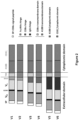
- a 5T4 specific CAR having the polypeptide structure V3 as illustrated in Figure 2 , said structure comprising an extra cellular ligand binding-domain comprising VH and VL from a monoclonal anti-5T4 antibody, a CD8 ⁇ hinge, a CD8 ⁇ transmembrane domain and a cytoplasmic domain including a CD3 zeta signaling domain and a co-stimulatory domain from 4-1BB; wherein said extra cellular ligand binding-domain comprises a VH chain comprising the CDRs from the mouse monoclonal antibody H8 of SEQ ID NO.
- CDR1 SEQ ID NO.49 (CDR2) and SEQ ID NO.50 (CDR3)
- VL chain comprising the CDRs from the mouse monoclonal antibody H8 of SEQ ID NO. 51 (CDR1), SEQ ID NO.52 (CDR2) and SEQ ID NO:53 (CDR3).
- Preferred CAR polypeptides of the invention comprise the amino acid sequence of SEQ ID NO. 21.
- the 5T4 specific CARs containing the scFv from H8 antibody represents a suitable candidate for immunotherapy as shown by its activity and specificity tested against selected tumor cell lines expressing the 5T4 antigen.
- the T-cells were further engineered to create non-alloreactive T-cells, more especially by disruption of a component of TCR ( ⁇ - T-Cell receptors) to prevent Graft versus host reaction.
- the resulting engineered T-cells displayed reactivity in-vitro against 5T4 positive cells to various extend, showing that the CARs of the present invention contribute to antigen dependent activation, and also proliferation, of the T-cells, making them useful for immunotherapy.
- polypeptides and polynucleotide sequences encoding the CARs of the present invention are detailed in the present specification.
- the engineered immune cells of the present invention are particularly useful for therapeutic applications, such as for treating chronic lymphocytic leukemia or on solid tumors such as breast, colon, lung, and kidney tumors.
- the invention is defined by the appended claims.
- the present invention relates to new designs of anti-5T4 chimeric antigen receptor (CAR) comprising an extracellular ligand-binding domain, a transmembrane domain and a signaling transducing domain, as defined in the claims.
- CAR chimeric antigen receptor
- extracellular ligand-binding domain is defined as an oligo- or polypeptide that is capable of binding a ligand.
- the domain will be capable of interacting with a cell surface molecule.
- the extracellular ligand-binding domain may be chosen to recognize a ligand that acts as a cell surface marker on target cells associated with a particular disease state.
- said extracellular ligand-binding domain comprises a single chain antibody fragment (scFv) comprising the light ( V L ) and the heavy ( V H ) variable fragment of a target antigen specific monoclonal anti 5T4 antibody joined by a flexible linker.
- recombinant antibody an antibody or antibody fragment which is generated using recombinant DNA technology, such as, for example, an antibody or antibody fragment expressed by a bacteriophage, a yeast expression system or a mammalian cell expression system, and more especially by a T cell transduced with a viral vector comprising a nucleic acid sequence encoding CDR regions of an antibody.
- the term should also be construed to mean an antibody or antibody fragment which has been generated by the synthesis of a DNA molecule encoding the antibody or antibody fragment and which DNA molecule expresses an antibody or antibody fragment protein, or an amino acid sequence specifying the antibody or antibody fragment, wherein the DNA or amino acid sequence has been obtained using recombinant or synthetic DNA or amino acid sequence technology which is available and well known in the art.
- monoclonal antibody antibody produced by a laboratory-grown cell clone, either of a hybridoma or a virus-transformed lymphocyte, that is more abundant and uniform than natural antibody and is able to bind specifically to a single site on 5T4 antigen. They are monospecific antibodies that are made by identical immune cells that are all clones of a unique parent cell, in contrast to polyclonal antibodies which are made from several different immune cells. Monoclonal antibodies have monovalent affinity, in that they bind to the same epitope.
- said extracellular ligand-binding domain comprises a single chain antibody fragment (scFv) comprising the light ( V L ) and the heavy ( V H ) variable fragment of a target antigen specific monoclonal 5T4 antibody joined by a flexible linker.
- scFv single chain antibody fragment
- V L and V H are from the antibody referred to as H8 as indicated in Table 2. They are preferably linked together by a flexible linker comprising for instance the sequence SEQ ID NO.10.
- the 5T4 specific CAR according to the present invention contains an extracellular ligand-binding domain, wherein said VH and VL have at least 80%, preferably at least 90%, more preferably at least 95%, and even more preferably at least 99% sequence identity respectively with SEQ ID NO:11 (H8 VH) and SEQ ID NO:12 (H8-VL).
- the present invention discloses a 5T4 specific chimeric antigen receptor (5T4 CAR) as above, wherein said extra cellular ligand binding-domain comprises VH and VL chains which are humanized.
- the polypeptides include a humanized heavy chain variable region and a humanized light chain variable region.
- the polypeptides may include the framework (FR) regions of the light and heavy chain variable regions of a human antibody, while retaining substantially the antigen-binding specificity of a parental monoclonal antibody.
- the humanized heavy chain variable region and/or the humanized light chain variable region are at least about 87% humanized, at least about 90% humanized, at least about 95% humanized, at least about 98% humanized, or at least about 100% humanized, excluding the complementary-determining regions (CDRs).
- the antigen-binding polypeptides molecules may be derived from monoclonal antibody donors (e.g., mouse monoclonal antibody donors) and may include CDRs from the monoclonal antibodies (e.g., mouse monoclonal CDRs).
- a humanized antibody can be produced using a variety of techniques known in the art, including but not limited to, CDR-grafting (see, e.g., European Patent No. EP 239,400 ; International Publication No. WO 91/09967 ; and U.S. Pat. Nos. 5,225,539 , 5,530,101 , and 5,585,089 ), veneering or resurfacing (see, e.g., European Patent Nos. EP 592,106 and EP 519,596 ; Padlan, 1991, Molecular Immunology, 28(4/5):489-498 ; Studnicka et al., 1994, Protein Engineering, 7(6):805-814 ), chain shuffling (see, e.g., U.S. Pat.
- framework substitutions are identified by methods well-known in the art, e.g., by modeling of the interactions of the CDR and framework residues to identify framework residues important for antigen binding and sequence comparison to identify unusual framework residues at particular positions. (See, e.g., Queen et al., U.S. Pat. No. 5,585,089 ).
- Table 2 shows the sequences VH and VL chains corresponding to the H8, A1, A2 and A3 anti-5T4 antibodies and of their respective CDRs.
- the signal transducing domain or intracellular signaling domain of a CAR is responsible for intracellular signaling following the binding of extracellular ligand binding domain to the target resulting in the activation of the immune cell and immune response.
- the signal transducing domain is responsible for the activation of at least one of the normal effector functions of the immune cell in which the CAR is expressed.
- the effector function of a T cell can be a cytolytic activity or helper activity including the secretion of cytokines.
- the term "signal transducing domain” refers to the portion of a protein which transduces the effector signal function signal and directs the cell to perform a specialized function.
- the signaling transducing domain of the CAR comprises the CD3zeta signaling domain which preferably has an amino acid sequence with at least 70%, preferably at least 80%, more preferably at least 90 %, 95 % 97 % or 99 % sequence identity with amino acid sequence of SEQ ID NO: 9.
- the signal transduction domain of the CAR of the present disclosure comprises a co-stimulatory signal molecule.
- a co-stimulatory molecule is a cell surface molecule other than an antigen receptor or their ligands that is required for an efficient immune response.
- Co-stimulatory ligand refers to a molecule on an antigen presenting cell that specifically binds a cognate co-stimulatory molecule on a T-cell, thereby providing a signal which, in addition to the primary signal provided by, for instance, binding of a TCR/CD3 complex with an MHC molecule loaded with peptide, mediates a T cell response, including, but not limited to, proliferation activation, differentiation and the like.
- a co-stimulatory ligand can include but is not limited to CD7, B7-1 (CD80), B7-2 (CD86), PD-L1, PD-L2, 4-1BBL, OX40L, inducible costimulatory ligand (ICOS-L), intercellular adhesion molecule (ICAM, CD30L, CD40, CD70, CD83, HLA-G, MICA, M1CB, HVEM, lymphotoxin beta receptor, 3/TR6, ILT3, ILT4, an agonist or antibody that binds Toll ligand receptor and a ligand that specifically binds with B7-H3.
- a co-stimulatory ligand also encompasses, inter alia, an antibody that specifically binds with a co-stimulatory molecule present on a T cell, such as but not limited to, CD27, CD28, 4-1BB, OX40, CD30, CD40, PD-1, ICOS, lymphocyte function-associated antigen-1 (LFA-1), CD2, CD7, LTGHT, NKG2C, B7-H3, a ligand that specifically binds with CD83.
- an antibody that specifically binds with a co-stimulatory molecule present on a T cell such as but not limited to, CD27, CD28, 4-1BB, OX40, CD30, CD40, PD-1, ICOS, lymphocyte function-associated antigen-1 (LFA-1), CD2, CD7, LTGHT, NKG2C, B7-H3, a ligand that specifically binds with CD83.
- LFA-1 lymphocyte function-associated antigen-1
- a "co-stimulatory molecule” refers to the cognate binding partner on a T-cell that specifically binds with a co-stimulatory ligand, thereby mediating a co-stimulatory response by the cell, such as, but not limited to proliferation.
- Co-stimulatory molecules include, but are not limited to, an MHC class I molecule, BTLA and Toll ligand receptor.
- costimulatory molecules include CD27, CD28, CD8, 4-1BB (CD137), OX40, CD30, CD40, PD-1, ICOS, lymphocyte function-associated antigen-1 (LFA-1), CD2, CD7, LIGHT, NKG2C, B7-H3 and a ligand that specifically binds with CD83.
- the signal transduction domain of the CAR of the present invention comprises a co-stimulatory domain from 4-1BB (GenBank: AAA53133.).
- the signal transduction domain of the CAR of the present invention comprises amino acid sequence which comprises at least 70%, preferably at least 80%, more preferably at least 90 %, 95 % 97 % or 99 % sequence identity with amino acid sequence selected from the group consisting of SEQ ID NO: 8.
- a CAR according to the present invention is expressed on the surface membrane of the cell.
- such CAR further comprises a transmembrane domain.
- the distinguishing features of appropriate transmembrane domains comprise the ability to be expressed at the surface of a cell, preferably in the present invention an immune cell, in particular lymphocyte cells or Natural killer (NK) cells, and to interact together for directing cellular response of immune cell against a predefined target cell.
- the transmembrane domain of the CAR of the present invention is derived from the human CD8 alpha chain (e.g. NP_001139345.1).
- the transmembrane domain further comprises a hinge region between said extracellular ligand-binding domain and said transmembrane domain.
- hinge region used herein generally means any oligo- or polypeptide that functions to link the transmembrane domain to the extracellular ligand-binding domain.
- hinge region are used to provide more flexibility and accessibility for the extracellular ligand-binding domain.
- a hinge region may comprise up to 300 amino acids, preferably 10 to 100 amino acids and most preferably 25 to 50 amino acids.
- the hinge region is derived from all or part of the extracellular region of the CD8 alpha chain.
- said hinge domain comprises a part of human CD8 alpha chain referred to in this specification as SEQ ID NO. 4, or hinge polypeptides which display preferably at least 80%, more preferably at least 90 %, 95 % 97 % or 99 % sequence identity with this polypeptide.
- a CAR according to the invention comprises a transmembrane domain (TM) from CD8 ⁇ , preferably showing at least 80% sequence identity with the polypeptide of SEQ ID NO. 6.
- the 5T4 specific CAR can comprise another extracellular ligand-binding domains, to simultaneously bind different elements in target thereby augmenting immune cell activation and function.
- the extracellular ligand-binding domains can be placed in tandem on the same transmembrane polypeptide, and optionally can be separated by a linker.
- said different extracellular ligand-binding domains can be placed on different transmembrane polypeptides composing the CAR.
- the present disclosure relates to a population of CARs comprising each one different extracellular ligand binding domains.
- the present disclosure relates to a method of engineering immune cells comprising providing an immune cell and expressing at the surface of said cell a population of CAR each one comprising different extracellular ligand binding domains.
- the present disclosure relates to a method of engineering an immune cell comprising providing an immune cell and introducing into said cell polynucleotides encoding polypeptides composing a population of CAR each one comprising different extracellular ligand binding domains.
- population of CARs it is meant at least two, three, four, five, six or more CARs each one comprising different extracellular ligand binding domains.
- the different extracellular ligand binding domains according to the present disclosure can preferably simultaneously bind different elements in target thereby augmenting immune cell activation and function.
- the present disclosure also relates to an isolated immune cell which comprises a population of CARs each one comprising different extracellular ligand binding domains.
- the 5T4 specific CAR according to the invention has a structure V3 as displayed in Figure 2 , thus comprising a CD8 ⁇ hinge and a CD8 ⁇ transmembrane domain.
- the present invention also relates to polynucleotides, vectors encoding the above described CAR according to the invention.
- the polynucleotide may consist in an expression cassette or expression vector (e.g. a plasmid for introduction into a bacterial host cell, or a viral vector such as a baculovirus vector for transfection of an insect host cell, or a plasmid or viral vector such as a lentivirus for transfection of a mammalian host cell).
- an expression cassette or expression vector e.g. a plasmid for introduction into a bacterial host cell, or a viral vector such as a baculovirus vector for transfection of an insect host cell, or a plasmid or viral vector such as a lentivirus for transfection of a mammalian host cell.
- the different nucleic acid sequences can be included in one polynucleotide or vector which comprises a nucleic acid sequence encoding ribosomal skip sequence such as a sequence encoding a 2A peptide.
- 2A peptides which were identified in the Aphthovirus subgroup of picornaviruses, causes a ribosomal "skip" from one codon to the next without the formation of a peptide bond between the two amino acids encoded by the codons (see (Donnelly and Elliott 2001; Atkins, Wills et al. 2007; Doronina, Wu et al. 2008)).
- cognate is meant three nucleotides on an mRNA (or on the sense strand of a DNA molecule) that are translated by a ribosome into one amino acid residue.
- two polypeptides can be synthesized from a single, contiguous open reading frame within an mRNA when the polypeptides are separated by a 2A oligopeptide sequence that is in frame.
- Such ribosomal skip mechanisms are well known in the art and are known to be used by several vectors for the expression of several proteins encoded by a single messenger RNA.
- a secretory signal sequence (also known as a leader sequence, prepro sequence or pre sequence) is provided in polynucleotide sequence or vector sequence.
- the secretory signal sequence is operably linked to the transmembrane nucleic acid sequence, i.e., the two sequences are joined in the correct reading frame and positioned to direct the newly synthesized polypeptide into the secretory pathway of the host cell.
- Secretory signal sequences are commonly positioned 5' to the nucleic acid sequence encoding the polypeptide of interest, although certain secretory signal sequences may be positioned elsewhere in the nucleic acid sequence of interest (see, e.g., Welch et al., U.S. Patent No. 5,037,743 ; Holland et al., U.S. Patent No. 5,143,830 ).
- the signal peptide comprises the amino acid sequence SEQ ID NO: 1 and 2.
- the nucleic acid sequences of the present invention are codon-optimized for expression in mammalian cells, preferably for expression in human cells. Codon-optimization refers to the exchange in a sequence of interest of codons that are generally rare in highly expressed genes of a given species by codons that are generally frequent in highly expressed genes of such species, such codons encoding the amino acids as the codons that are being exchanged.
- the present disclosure encompasses the method of preparing immune cells for immunotherapy comprising introducing ex-vivo into said immune cells the polynucleotides or vectors encoding one of the 5T4 CAR as previously described.
- said polynucleotides are included in lentiviral vectors in view of being stably expressed in the immune cells.
- Said method may further comprise the step of genetically modifying said cell to make them more suitable for allogeneic transplantation.
- the immune cell can be made allogeneic, for instance, by inactivating at least one gene expressing one or more component of T-cell receptor (TCR) as described in WO 2013/176915 , which can be combined with the inactivation of a gene encoding or regulating HLA or ⁇ 2m protein expression. Accordingly the risk of graft versus host syndrome and graft rejection is significantly reduced.
- TCR T-cell receptor
- the immune cells can be further genetically engineered to improve their resistance to immunosuppressive drugs or chemotherapy treatments, which are used as standard care for treating 5T4 positive malignant cells.
- CD52 and glucocorticoid receptors (GR) which are drug targets of Campath (alemtuzumab) and glucocorticoids treatments, can be inactivated to make the cells resistant to these treatments and give them a competitive advantage over patient's own T-cells not endowed with specific 5T4 CARs.
- Expression of CD3 gene can also be suppressed or reduced to confer resistance to Teplizumab, which is another immune suppressive drug.
- Expression of HPRT can also be suppressed or reduced according to the invention to confer resistance to 6- thioguanine, a cytostatic agent commonly used in chemotherapy especially for the treatment of acute lymphoblasic leukemia.
- the immune cells can be further manipulated to make them more active or limit exhaustion, by inactivating genes encoding proteins that act as "immune checkpoints" that act as regulators of T-cells activation, such as PDCD1 or CTLA-4. Examples of genes, which expression could be reduced or suppressed are indicated in Table 9. Table 9: List of genes encoding immune checkpoint proteins.
- Pathway Genes that can be inactivated In the pathway Co-inhibitory receptors CTLA4 (CD152) CTLA4, PPP2CA, PPP2CB, PTPN6, PTPN22 PDCD1 (PD-1, CD279) PDCD1 CD223 (lag3) LAG3 HAVCR2 (tim3) HAVCR2 BTLA(cd272) BTLA CD160(by55) CD160 IgSF family TIGIT CD96 CRTAM LAIR1(cd305) LAIR1 SIGLECs SIGLEC7 SIGLEC9 CD244(2b4) CD244 Death receptors TRAIL TNFRSF10B, TNFRSF10A, CASP8, CASP10, CASP3, CASP6, CASP7 FAS FADD, FAS Cytokine signalling TGF-beta signaling TGFBRII, TGFBRI, SMAD2, SMAD3, SMAD4, SMAD10, SKI, SKIL, TGIF1 IL10 signalling IL10RA,
- said method of further engineering the immune cells involves introducing into said T cells polynucleotides, in particular mRNAs, encoding specific rare-cutting endonuclease to selectively inactivate the genes, as those mentioned above, by DNA cleavage.
- said rare-cutting endonucleases are TALE-nucleases or Cas9 endonuclease.
- TAL-nucleases have so far proven higher specificity and cleavage efficiency over the other types of rare-cutting endonucleases, making them the endonucleases of choice for producing of the engineered immune cells on a large scale with a constant turn-over.
- CAR can be introduced as transgenes encoded by one plasmid vector.
- Said plasmid vector can also contain a selection marker which provides for identification and/or selection of cells which received said vector.
- Polypeptides may be synthesized in situ in the cell as a result of the introduction of polynucleotides encoding said polypeptides into the cell. Alternatively, said polypeptides could be produced outside the cell and then introduced thereto.
- Methods for introducing a polynucleotide construct into cells are known in the art and including as non-limiting examples stable transformation methods wherein the polynucleotide construct is integrated into the genome of the cell, transient transformation methods wherein the polynucleotide construct is not integrated into the genome of the cell and virus mediated methods.
- Said polynucleotides may be introduced into a cell by for example, recombinant viral vectors (e.g.
- retroviruses adenoviruses
- liposome adenoviruses
- transient transformation methods include for example microinjection, electroporation or particle bombardment.
- Said polynucleotides may be included in vectors, more particularly plasmids or virus, in view of being expressed in cells.
- the present disclosure also relates to isolated cells or cell lines susceptible to be obtained by said method to engineer cells.
- said isolated cell comprises at least one CAR as described above.
- said isolated cell comprises a population of CARs each one comprising different extracellular ligand binding domains.
- said isolated cell comprises exogenous polynucleotide sequence encoding CAR. Genetically modified immune cells of the present disclosure are activated and proliferate independently of antigen binding mechanisms.
- an isolated immune as defined by the claims, preferably a T-cell obtained according to any one of the methods previously described.
- Said immune cell refers to a cell of hematopoietic origin functionally involved in the initiation and/or execution of innate and/or adaptative immune response.
- Said immune cell according to the present invention can be derived from a stem cell.
- the stem cells can be adult stem cells, non-human embryonic stem cells, more particularly non-human stem cells, cord blood stem cells, progenitor cells, bone marrow stem cells, induced pluripotent stem cells, totipotent stem cells or hematopoietic stem cells.
- Representative human cells are CD34+ cells.
- Said isolated cell can also be a dendritic cell, killer dendritic cell, a mast cell, a NK-cell, a B-cell or a T-cell selected from the group consisting of inflammatory T-lymphocytes, cytotoxic T-lymphocytes, regulatory T-lymphocytes or helper T-lymphocytes.
- said cell can be derived from the group consisting of CD4+ T-lymphocytes and CD8+ T-lymphocytes.
- a source of cells Prior to expansion and genetic modification of the cells, a source of cells can be obtained from a subject through a variety of non-limiting methods.
- Cells can be obtained from a number of non-limiting sources, including peripheral blood mononuclear cells, bone marrow, lymph node tissue, cord blood, thymus tissue, tissue from a site of infection, ascites, pleural effusion, spleen tissue, and tumors.
- any number of T cell lines available and known to those skilled in the art may be used.
- said cell can be derived from a healthy donor, from a patient diagnosed with cancer or from a patient diagnosed with an infection.
- said cell is part of a mixed population of cells which present different phenotypic characteristics.
- the present disclosure provides T-cells or a population of T-cells endowed with a 5T4 CAR as described above, that do not express functional TCR and that a reactive towards 5T4 positive cells, for their allogeneic transplantation into patients.
- the immune cells, particularly T-cells of the present invention can be further activated and expanded generally using methods as described, for example, in U.S.
- T cells can be expanded in vitro.
- the T cells of the invention are expanded by contact with an agent that stimulates a CD3 TCR complex and a co-stimulatory molecule on the surface of the T cells to create an activation signal for the T-cell.
- an agent that stimulates a CD3 TCR complex and a co-stimulatory molecule on the surface of the T cells to create an activation signal for the T-cell.
- chemicals such as calcium ionophore A23187, phorbol 12-myristate 13-acetate (PMA), or mitogenic lectins like phytohemagglutinin (PHA) can be used to create an activation signal for the T-cell.
- T cell populations may be stimulated in vitro such as by contact with an anti-CD3 antibody, or antigen-binding fragment thereof, or an anti-CD2 antibody immobilized on a surface, or by contact with a protein kinase C activator (e.g., bryostatin) in conjunction with a calcium ionophore.
- a protein kinase C activator e.g., bryostatin
- a ligand that binds the accessory molecule is used for co-stimulation of an accessory molecule on the surface of the T cells.
- a population of T cells can be contacted with an anti-CD3 antibody and an anti-CD28 antibody, under conditions appropriate for stimulating proliferation of the T cells.
- Conditions appropriate for T cell culture include an appropriate media (e.g., Minimal Essential Media or RPMI Media 1640 or, X-vivo 5, (Lonza)) that may contain factors necessary for proliferation and viability, including serum (e.g., fetal bovine or human serum), interleukin-2 (IL-2), insulin, IFN-g, 1L-4, 1L-7, GM-CSF, -10, - 2, 1L-15, TGFp, and TNF- or any other additives for the growth of cells known to the skilled artisan.
- Other additives for the growth of cells include, but are not limited to, surfactant, plasmanate, and reducing agents such as N-acetylcysteine and 2-mercaptoethanol.
- said cells can be expanded by co-culturing with tissue or cells.
- isolated cell obtained by the different methods or cell line derived from said isolated cell as previously described are intended for use as a medicament.
- said medicament can be for use in treating cancer, particularly for use in the treatment of carcinoma and leukemia in a patient in need thereof.
- said isolated cell according to the invention or cell line derived from said isolated cell can be used in the manufacture of a medicament for treatment of a cancer in a patient in need thereof.
- Said treatment can be ameliorating, curative or prophylactic. It may be either part of an autologous immunotherapy or part of an allogenic immunotherapy treatment.
- autologous it is meant that cells, cell line or population of cells used for treating patients are originating from said patient or from a Human Leucocyte Antigen (HLA) compatible donor.
- HLA Human Leucocyte Antigen
- allogeneic is meant that the cells or population of cells used for treating patients are not originating from said patient but from a donor.
- Said treatment can be useful to treat patients diagnosed wherein a pre-malignant or malignant cancer condition characterized by 5T4-expressing cells, especially by an overabundance of 5T4-expressing cells.
- a pre-malignant or malignant cancer condition characterized by 5T4-expressing cells, especially by an overabundance of 5T4-expressing cells.
- Such conditions are found in solid cancers or in hematologic cancers, such as childhood pre-B acute lymphoblastic leukemia.
- Solid tumors can be gastric tumors, colorectal tumors, prostate tumors, breast tumors, lung tumors, renal tumors or ovarian tumors.
- Such treatment may be useful for progressive hormone refractory prostate cancer in combination or not of drug(s) such as docetaxel or granulocyte macrophage-colony stimulating factor (GM-CSF).
- drug(s) such as docetaxel or granulocyte macrophage-colony stimulating factor (GM-CSF).
- the engineered T cell of the invention may be useful for treating advanced solid tumors such as non-small cell lung cancer, renal clear cell carcinoma or pancreatic cancer, in conjunction with other drug(s) such as interleukin-2 (IL-2), docetaxel or pemetrexed/cisplatin.
- advanced solid tumors such as non-small cell lung cancer, renal clear cell carcinoma or pancreatic cancer
- other drug(s) such as interleukin-2 (IL-2), docetaxel or pemetrexed/cisplatin.
- the engineered T cell of the invention may be useful for treating prostate cancer with or without cyclophosphamide.
- Lymphoproliferative disorder can be leukemia, in particular childhood pre-B acute lymphoblastic leukemia.
- Cancers that may be treated may comprise nonsolid tumors (such as hematological tumors, including but not limited to pre-B ALL (pedriatic indication), adult ALL, mantle cell lymphoma, diffuse large B-cell lymphoma and the like.
- Types of cancers to be treated with the CARs of the invention include, but are not limited leukemia or lymphoid malignancies.
- Adult tumors/cancers and pediatric tumors/cancers are also included.
- solid tumors such as stomach, colon, and ovarian tumors can be treated by the CARs of the invention
- the treatment with the engineered immune cells according to the invention may be in combination with one or more therapies against cancer selected from the group of antibodies therapy, chemotherapy, cytokines therapy, dendritic cell therapy, gene therapy, hormone therapy, laser light therapy and radiation therapy.
- said treatment can be administrated into patients undergoing an immunosuppressive treatment.
- the present invention preferably relies on cells or population of cells, which have been made resistant to at least one immunosuppressive agent due to the inactivation of a gene encoding a receptor for such immunosuppressive agent.
- the immunosuppressive treatment should help the selection and expansion of the T-cells according to the invention within the patient.
- the administration of the cells or population of cells according to the present invention may be carried out in any convenient manner, including by aerosol inhalation, injection, ingestion, transfusion, implantation or transplantation.
- the compositions described herein may be administered to a patient subcutaneously, intradermally, intratumorally, intranodally, intramedullary, intramuscularly, by intravenous or intralymphatic injection, or intraperitoneally.
- the cell compositions of the present invention are preferably for administration by intravenous injection.
- the administration of the cells or population of cells can consist of the administration of 10 4 -10 9 cells per kg body weight, preferably 10 5 to 10 6 cells/kg body weight including all integer values of cell numbers within those ranges.
- the cells or population of cells can be administrated in one or more doses.
- said effective amount of cells are administrated as a single dose.
- said effective amount of cells are administrated as more than one dose over a period time. Timing of administration is within the judgment of managing physician and depends on the clinical condition of the patient.
- the cells or population of cells may be obtained from any source, such as a blood bank or a donor. While individual needs vary, determination of optimal ranges of effective amounts of a given cell type for a particular disease or conditions within the skill of the art.
- An effective amount means an amount which provides a therapeutic or prophylactic benefit.
- the dosage administrated will be dependent upon the age, health and weight of the recipient, kind of concurrent treatment, if any, frequency of treatment and the nature of the effect desired.
- said effective amount of cells or composition comprising those cells are administrated parenterally.
- Said administration can be an intravenous administration.
- Said administration can be directly done by injection within a tumor.
- cells are for administration to a patient in conjunction with (e.g., before, simultaneously or following) any number of relevant treatment modalities, including but not limited to treatment with agents such as antiviral therapy, cidofovir and interleukin-2, Cytarabine (also known as ARA-C) or nataliziimab treatment for MS patients or efaliztimab treatment for psoriasis patients or other treatments for PML patients.
- agents such as antiviral therapy, cidofovir and interleukin-2, Cytarabine (also known as ARA-C) or nataliziimab treatment for MS patients or efaliztimab treatment for psoriasis patients or other treatments for PML patients.
- the T cells of the invention may be for use in combination with chemotherapy, radiation, immunosuppressive agents, such as cyclosporin, azathioprine, methotrexate, mycophenolate, and FK506, antibodies, or other immunoablative agents such as CAMPATH, anti-CD3 antibodies or other antibody therapies, cytoxin, fludaribine, cyclosporin, FK506, rapamycin, mycoplienolic acid, steroids, FR901228 , cytokines, and irradiation.
- immunosuppressive agents such as cyclosporin, azathioprine, methotrexate, mycophenolate, and FK506, antibodies
- immunoablative agents such as CAMPATH, anti-CD3 antibodies or other antibody therapies, cytoxin, fludaribine, cyclosporin, FK506, rapamycin, mycoplienolic acid, steroids, FR901228 , cytokines, and irradiation.
- the cell compositions can be for administration to a patient in conjunction with (e.g., before, simultaneously or following) bone marrow transplantation, T cell ablative therapy using either chemotherapy agents such as, fludarabine, external-beam radiation therapy (XRT), cyclophosphamide, or antibodies such as OKT3 or CAMPATH.
- chemotherapy agents such as, fludarabine, external-beam radiation therapy (XRT), cyclophosphamide, or antibodies such as OKT3 or CAMPATH.
- the cell compositions can be for administration following B-cell ablative therapy such as agents that react with CD20, e.g., Rituxan.
- B-cell ablative therapy such as agents that react with CD20, e.g., Rituxan.
- subjects may undergo standard treatment with high dose chemotherapy followed by peripheral blood stem cell transplantation. Following the transplant, subjects may receive an infusion of the expanded immune cells of the present invention.
- expanded cells are for administration before or following surgery.
- the dual tracrRNA:crRNA structure acts as guide RNA that directs the endonuclease Cas9 to the cognate target sequence.
- Target recognition by the Cas9-tracrRNA:crRNA complex is initiated by scanning the target sequence for homology between the target sequence and the crRNA.
- DNA targeting requires the presence of a short motif adjacent to the protospacer (protospacer adjacent motif - PAM).
- Cas9 subsequently introduces a blunt double strand break 3 bases upstream of the PAM motif (Garneau, Dupuis et al. 2010).
- Rare-cutting endonuclease can be a homing endonuclease, also known under the name of meganuclease. Such homing endonucleases are well-known to the art (Stoddard 2005). Homing endonucleases recognize a DNA target sequence and generate a single- or double-strand break. Homing endonucleases are highly specific, recognizing DNA target sites ranging from 12 to 45 base pairs (bp) in length, usually ranging from 14 to 40 bp in length.
- the homing endonuclease may for example correspond to a LAGLIDADG endonuclease, to a HNH endonuclease, or to a GIY-YIG endonuclease.
- Preferred homing endonuclease can be an I-Crel variant.
- cell lines can be selected from the group consisting of CHO-K1 cells; HEK293 cells; Caco2 cells; U2-OS cells; NIH 3T3 cells; NSO cells; SP2 cells; CHO-S cells; DG44 cells; K-562 cells, U-937 cells; MRC5 cells; IMR90 cells; Jurkat cells; HepG2 cells; HeLa cells; HT-1080 cells; HCT-116 cells; Hu-h7 cells; Huvec cells; Molt 4 cells.
- All these cell lines can be modified by the method of the present disclosure to provide cell line models to produce, express, quantify, detect, study a gene or a protein of interest; these models can also be used to screen biologically active molecules of interest in research and production and various fields such as chemical, biofuels, therapeutics and agronomy as non-limiting examples.
- a "co-stimulatory molecule” refers to the cognate binding partner on a Tcell that specifically binds with a co-stimulatory ligand, thereby mediating a co-stimulatory response by the cell, such as, but not limited to proliferation.
- Co-stimulatory molecules include, but are not limited to an MHC class I molecule, BTLA and Toll ligand receptor.
- extracellular ligand-binding domain is defined as an oligo- or polypeptide that is capable of binding a ligand.
- the domain will be capable of interacting with a cell surface molecule.
- the extracellular ligand-binding domain may be chosen to recognize a ligand that acts as a cell surface marker on target cells associated with a particular disease state.
- cell surface markers that may act as ligands include those associated with viral, bacterial and parasitic infections, autoimmune disease and cancer cells.
- subject or "patient” as used herein includes all members of the animal kingdom including non-human primates and humans.
- T lymphocytes were then purified using the EasySep human T cell enrichment kit (Stemcell Technologies), and activated with Dynabeads Human T-Activator CD3/CD28 (Life Technologies) in X-vivo 15 medium (Lonza) supplemented with 20 ng/ml IL-2 (Miltenyi) and 5% human AB serum (Seralab).
- HCT116, MCF-7, SK-MEL-28 and Daudi cell lines were obtained from the American Type Culture Collection.
- HCT116 cells were cultured in McCoy supplemented with 10% heat-inactivated FCS, 2mmol/L L-glutamine and 100 units/ml penicillin, and 100 ⁇ g/mL streptomycin.
- MCF-7 cells were cultured in DMEM supplemented with 10% heat-inactivated FCS, 2mmol/L L-glutamine and 100 units/ml penicillin, and 100 ⁇ g/mL streptomycin and 0.01mg/ml human insulin.
- SK-MEL-28 cells were cultured in MEM supplemented with 10% heat-inactivated FCS, 2mmol/L L-glutamine and 100 units/ml penicillin, and 100 ⁇ g/mL streptomycin. Daudi cells were cultured in RPMI 1640 supplemented with 10% heat-inactivated FCS, 2mmol/L L-glutamine and 100 units/ml penicillin, and 100 ⁇ g/mL streptomycin.
- the DNA sequences encoding the scCARs were synthesized by GenScript and cloned in a plasmid containing the T7 promoter for the in vitro synthesis of CAR mRNA.
- T lymphocytes were transfected by electrotransfer of messenger RNA using an AgilePulse MAX system (Harvard Apparatus). Following removal of activation beads, cells were pelleted, resuspended in cytoporation medium T at 25x10 6 cells/ml. 5x10 6 cells were mixed with 15 ⁇ g of the mRNA encoding the scCAR into a 0.4 cm cuvette. The electroporation consisted of two 0.1 ms pulses at 1200 V followed by four 0.2ms pulses at 130V. Following electroporation, cells were diluted into culture medium and incubated at 37°C/5% CO 2 .
- a batch of 5 ⁇ 10 4 T cells were co-cultured with 5 ⁇ 10 4 5T4-positive (MCF7 or HCT116) or - negative cells (Daudi) in 0.1 ml per well in a 96-well plate.
- APC-labeled anti-CD107a (BD Biosciences) was added at the beginning of the co-culture in addition to 1 ⁇ g/ml of anti-CD49d (BD Biosciences), 1 ⁇ g/ml of anti-CD28 (Miltenyi), and 1x Monensin solution (eBioscience).
- cytotoxic T cells correspond to CD8+CD107a+ cells.
- 5T4-positive and -negative cells were respectively labeled with CellTrace CFSE and CellTrace Violet.
- Un batch of 2 x 10 4 5T4-positive cells (MCF7 or HCT116) were co-cultured with 2 x 10 4 5T4-negative cells (SKMEL28) with 4 x 10 5 T cells in 0.1ml per well in a 96-well plate. After a 4 hours incubation, the cells were harvested and stained with a fixable viability dye (eBioscience) and analyzed using the MACSQuant flow cytometer (Miltenyi).
- % cell lysis 100 % ⁇ % viable target cells upon coculture with CAR modified T cells % viable control cells upon coculture with CAR modified T cells % viable target cells upon coculture with non modified T cells % viable control cells upon coculture with non modified T cells
- Example 1 Proliferation of TCRalpha inactivated cells expressing a 5T4-CAR.
- TALE-nuclease targeting two 17-bp long sequences were designed and produced. Each half target is recognized by repeats of the half TALE-nucleases listed in Table 10 Table 10: TAL-nucleases targeting TCRalpha gene Target Target sequence Polynucleotid encode TALEN Half TALE-nuclease TRAC_ T01 T01-L (SEQ ID NO: 44) TRAC_T01-L TALEN (SEQ ID NO: 46) T01-R (SEQ ID NO: 45) TRAC_T01-R TALEN (SEQ ID NO: 47)
- TALE-nuclease construct was subcloned using restriction enzyme digestion in a mammalian expression vector under the control of the T7 promoter.
- mRNA encoding TALE-nuclease cleaving TRAC genomic sequence were synthesized from plasmid carrying the coding sequence downstream from the T7 promoter.
- T cells preactivated during 72 hours with anti-CD3/CD28 coated beads were transfected with each of the 2 mRNAs encoding both half TRAC_T01 TALE-nucleases.
- different groups of T cells from the same donor were respectively transduced with a lentiviral vector encoding one of the 5T4 CAR previously described (SEQ ID NO: 19 to 42).
- CD3 NEG cells were purified using anti-CD3 magnetic beads and 5 days post-transduction cells were reactivated with soluble anti-CD28 (5 ⁇ g/ml).
- the expression of the activation marker CD25 are analyzed by FACS 7 days post transduction.
- the purified cells transduced with the lentiviral vector encoding 5T4 CAR assayed for CD25 expression at their surface in order to assess their activation in comparison with the non-transduced cells.
- Increased CD25 expression is expected both in CD28 reactivation or no reactivation conditions.
- Example 2 Selection of 5T4 -positive and -negative cell line
- Table 11 Expression of 5T4 antigen in 8 human cell lines
- Cell line Description Cell type MCF7 adherent adenocarcinoma HCT116 adherent colorectal carcinoma MKN45 adherent gastric carcinoma LS174T adherent colorectal adecarcinoma SK-MEL-28 adherent malignant melanoma
- 5T4 was not detected in extracts from Daudi (ATCC CCL-213), SupT1 (ATT CRL-1942) and SK-MEL-28 (ATCC HTB-72) cells but was detected in extracts from MCF7 (ATCC HTB-22), HCT116 (ATCC CCL-247), MKN45 (JCRB0254) and LS174T (ATCC CL-188) cells.
- MCF7 and HCT116 cells MCF7 expressing highest levels of 5T4 antigen than HCT116 cells.
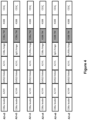
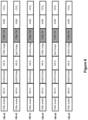
- Second generation singlechain CARs specific for 5T4 (shown schematically in Figures 3 to 6 and and in Table 3 to Table 6) were created by combining the sequences of 4 different scFv with the sequences of 3 different spacers, 2 different transmembrane domains, 1 costimulatory domain and 1 stimulatory domain as represented in Figure 2 .
- Figure 7 shows that all the CARs tested induced significant level ( ⁇ 20%) of T cells degranulation upon coculture with MCF7 but not upon coculture with Daudi cells. Among the eight CARs tested seven were also able to mediate T cells degranulation following coculture with HCT116 cells, a cell line expressing lower level of 5T4 than MCF7.
- FIG. 8 shows that all the T cells modified with the A1-v3, A1-v5, A2-v3, A2-v5, A3-v3, H8-v2 and H8-v3 CARs lysed significantly and specifically MCF7 cells.
- T cells modified with the A1-v3, A1-v5, A2-v3, A2-v5, A3-v3 and H8-v3 CARs were also able to lyse HCT116 cells, a cell line expressing lower level of 5T4 than MCF7 cells.
- Framed sequences correspond to preferred VH and VL sequences.
- VH and VL may be swapped to improve CAR efficiency.
Landscapes
- Health & Medical Sciences (AREA)
- Life Sciences & Earth Sciences (AREA)
- Chemical & Material Sciences (AREA)
- Organic Chemistry (AREA)
- Immunology (AREA)
- General Health & Medical Sciences (AREA)
- Genetics & Genomics (AREA)
- Biochemistry (AREA)
- Zoology (AREA)
- Engineering & Computer Science (AREA)
- Cell Biology (AREA)
- Medicinal Chemistry (AREA)
- Biophysics (AREA)
- Molecular Biology (AREA)
- Proteomics, Peptides & Aminoacids (AREA)
- Biomedical Technology (AREA)
- Toxicology (AREA)
- Gastroenterology & Hepatology (AREA)
- Bioinformatics & Cheminformatics (AREA)
- Animal Behavior & Ethology (AREA)
- Veterinary Medicine (AREA)
- Public Health (AREA)
- Biotechnology (AREA)
- Wood Science & Technology (AREA)
- Epidemiology (AREA)
- Hematology (AREA)
- General Engineering & Computer Science (AREA)
- Microbiology (AREA)
- Chemical Kinetics & Catalysis (AREA)
- General Chemical & Material Sciences (AREA)
- Nuclear Medicine, Radiotherapy & Molecular Imaging (AREA)
- Pharmacology & Pharmacy (AREA)
- Oncology (AREA)
- Peptides Or Proteins (AREA)
- Micro-Organisms Or Cultivation Processes Thereof (AREA)
- Medicines Containing Material From Animals Or Micro-Organisms (AREA)
- Medicines Containing Antibodies Or Antigens For Use As Internal Diagnostic Agents (AREA)
Claims (13)
- 5T4-spezifischer chimärer Antigenrezeptor (CAR), der die Polypeptidstruktur V3, wie in Figur 2 veranschaulicht, aufweist, welche Struktur eine extrazelluläre Ligandenbindungsdomäne, die VH und VL eines monoklonalen Anti-5T4-Antikörpers umfasst, ein CD8α-Gelenk, eine CD8α-Transmembrandomäne und eine zytoplasmatische Domäne einschließend eine CD3-Zeta-Signalisierungsdomäne und eine co-stimulatorische Domäne von 4-1 BB umfasst;
wobei die extrazelluläre Ligandenbindungsdomäne eine VH-Kette, umfassend die CDRs des monoklonalen Maus-Antikörpers H8 von SEQ ID NO. 48 (CDR1), SEQ ID NO.49 (CDR2) und SEQ ID NO.50 (CDR3), und eine VL-Kette, umfassend die CDRs des monoklonalen Maus-Antikörpers H8 von SEQ ID NO. 51 (CDR1), SEQ ID NO.52 (CDR2) und SEQ ID NO:53 (CDR3), umfasst. - 5T4-spezifischer CAR nach Anspruch 1, wobei die VH und VL mindestens 80 %, bevorzugt mindestens 90 %, mehr bevorzugt mindestens 95 %, und noch mehr bevorzugt mindestens 99 % Sequenzidentität mit SEQ ID NO:11 (H8-VH) bzw. SEQ ID NO:12 (H8-VL) aufweisen.
- 5T4-spezifischer CAR nach Anspruch 1 oder 2, wobei das CD8α-Gelenk mindestens 80 % Identität mit SEQ ID NO: 4 aufweist, und/oder wobei die CD8α-Transmembrandomäne mindestens 80 % Sequenzidentität mit SEQ ID NO: 6 aufweist.
- 5T4-spezifischer CAR nach Anspruch 1, der eine Polypeptidsequenz umfasst, die mindestens 80 % Identität mit SEQ ID NO. 21 aufweist.
- 5T4-spezifischer CAR nach einem der Ansprüche 1 bis 4, ferner umfassend ein Signalpeptid.
- Polynukleotid, das einen chimären Antigenrezeptor nach einem der Ansprüche 1 bis 5 kodiert.
- Geänderte Immunzelle, die an der Zelloberflächenmembran einen 5T4-spezifischen chimären Antigenrezeptor nach einem der Ansprüche 1 bis 5 exprimiert.
- Geänderte Immunzelle nach Anspruch 7, die von entzündlichen T-Lymphozyten, zytotoxischen T-Lymphozyten, regulatorischen T-Lymphozyten oder Helfer-T-Lymphozyten abgeleitet ist; oder die von einer NK-Zelle abgeleitet ist.
- Geänderte Immunzelle nach Anspruch 7 oder 8, wobei die Expression von TCR in der Immunzelle unterdrückt ist.
- Geänderte Immunzelle nach einem der Ansprüche 7 bis 9, wobei die Expression von mindestens einem MHC-Protein, vorzugsweise β2m oder HLA, in der Immunzelle unterdrückt ist.
- Geänderte Immunzelle nach einem der Ansprüche 7 bis 10, wobei die Zelle mutiert ist, um eine Resistenz gegenüber mindestens einem immunsuppressiven oder chemotherapeutischen Arzneimittel zu verleihen.
- Geänderte Immunzelle nach einem der Ansprüche 7 bis 11 zur Verwendung in der Therapie.
- Geänderte Immunzelle nach einem der Ansprüche 7 bis 11 zur Verwendung in der Therapie eines hämatologischen Krebszustands, wobei der hämatologische Krebszustand eine prä-B-akute lymphatische Leukämie im Kindesalter ist.
Priority Applications (1)
| Application Number | Priority Date | Filing Date | Title |
|---|---|---|---|
| EP19219201.1A EP3699188A1 (de) | 2014-09-04 | 2015-09-03 | 5t4(tpbg)-spezifische chimäre antigenrezeptoren für die krebsimmuntherapie |
Applications Claiming Priority (2)
| Application Number | Priority Date | Filing Date | Title |
|---|---|---|---|
| DKPA201470543 | 2014-09-04 | ||
| PCT/EP2015/070128 WO2016034666A1 (en) | 2014-09-04 | 2015-09-03 | Trophoblast glycoprotein (5t4, tpbg) specific chimeric antigen receptors for cancer immunotherapy |
Related Child Applications (2)
| Application Number | Title | Priority Date | Filing Date |
|---|---|---|---|
| EP19219201.1A Division EP3699188A1 (de) | 2014-09-04 | 2015-09-03 | 5t4(tpbg)-spezifische chimäre antigenrezeptoren für die krebsimmuntherapie |
| EP19219201.1A Division-Into EP3699188A1 (de) | 2014-09-04 | 2015-09-03 | 5t4(tpbg)-spezifische chimäre antigenrezeptoren für die krebsimmuntherapie |
Publications (3)
| Publication Number | Publication Date |
|---|---|
| EP3189073A1 EP3189073A1 (de) | 2017-07-12 |
| EP3189073B1 EP3189073B1 (de) | 2019-12-25 |
| EP3189073B2 true EP3189073B2 (de) | 2025-06-11 |
Family
ID=51589045
Family Applications (2)
| Application Number | Title | Priority Date | Filing Date |
|---|---|---|---|
| EP15757289.2A Active EP3189073B2 (de) | 2014-09-04 | 2015-09-03 | Trophoblasten-glycoprotein (5t4)-spezifische chimäre antigenrezeptoren für krebsimmuntherapie |
| EP19219201.1A Pending EP3699188A1 (de) | 2014-09-04 | 2015-09-03 | 5t4(tpbg)-spezifische chimäre antigenrezeptoren für die krebsimmuntherapie |
Family Applications After (1)
| Application Number | Title | Priority Date | Filing Date |
|---|---|---|---|
| EP19219201.1A Pending EP3699188A1 (de) | 2014-09-04 | 2015-09-03 | 5t4(tpbg)-spezifische chimäre antigenrezeptoren für die krebsimmuntherapie |
Country Status (8)
| Country | Link |
|---|---|
| US (2) | US10759868B2 (de) |
| EP (2) | EP3189073B2 (de) |
| JP (2) | JP6810685B2 (de) |
| AU (1) | AU2015310897B2 (de) |
| CA (1) | CA2959694C (de) |
| DK (1) | DK3189073T4 (de) |
| ES (1) | ES2777305T5 (de) |
| WO (1) | WO2016034666A1 (de) |
Families Citing this family (28)
| Publication number | Priority date | Publication date | Assignee | Title |
|---|---|---|---|---|
| EA201891066A1 (ru) | 2015-10-30 | 2018-10-31 | ЭнБиИ-ТЕРАПЬЮТИКС АГ | Антитела к ror1 |
| SG11201806120WA (en) | 2016-01-20 | 2018-08-30 | Scripps Research Inst | Ror1 antibody compositions and related methods |
| KR20190003938A (ko) | 2016-02-25 | 2019-01-10 | 셀 메디카 스위처란트 아게 | 면역치료를 위한 변형된 세포 |
| CN108276493B (zh) * | 2016-12-30 | 2023-11-14 | 南京传奇生物科技有限公司 | 一种嵌合抗原受体及其应用 |
| CA3056542A1 (en) * | 2017-03-15 | 2018-09-20 | Oxford Biomedica (Uk) Limited | Method |
| AU2018250641B2 (en) | 2017-04-11 | 2025-03-13 | Inhibrx Biosciences, Inc. | Multispecific polypeptide constructs having constrained CD3 binding and methods of using the same |
| EP3665193A1 (de) | 2017-08-07 | 2020-06-17 | NBE Therapeutics AG | Auf anthracyclin basierende antikörper-wirkstoff-konjugate mit hoher in-vivo-verträglichkeit |
| WO2019109047A1 (en) * | 2017-12-01 | 2019-06-06 | Fred Hutchinson Cancer Research Center | Binding proteins specific for 5t4 and uses thereof |
| KR20200143672A (ko) * | 2018-02-02 | 2020-12-24 | 카르스젠 테라퓨틱스 컴퍼니, 리미티드 | 세포 면역 치료의 조합 |
| BR112020020604A2 (pt) | 2018-04-11 | 2021-01-12 | Inhibrx, Inc. | Construções de polipeptídeo multiespecífico tendo ligação restrita de cd3 e métodos e usos relacionados |
| WO2019241315A1 (en) | 2018-06-12 | 2019-12-19 | Obsidian Therapeutics, Inc. | Pde5 derived regulatory constructs and methods of use in immunotherapy |
| WO2020018364A1 (en) * | 2018-07-16 | 2020-01-23 | University Of Hawaii | Anti-galectin-9 antibody and methods of use thereof |
| WO2020023553A1 (en) | 2018-07-24 | 2020-01-30 | Inhibrx, Inc. | Multispecific polypeptide constructs containing a constrained cd3 binding domain and a receptor binding region and methods of using the same |
| AU2019354391A1 (en) * | 2018-10-01 | 2021-05-06 | Adicet Therapeutics, Inc. | Compositions and methods regarding engineered and non- engineered γδ-Τ cells for treatment of hematological tumors |
| WO2020076992A1 (en) * | 2018-10-11 | 2020-04-16 | Inhibrx, Inc. | 5t4 single domain antibodies and therapeutic compositions thereof |
| WO2020086742A1 (en) | 2018-10-24 | 2020-04-30 | Obsidian Therapeutics, Inc. | Er tunable protein regulation |
| WO2021046451A1 (en) | 2019-09-06 | 2021-03-11 | Obsidian Therapeutics, Inc. | Compositions and methods for dhfr tunable protein regulation |
| US20240082403A1 (en) * | 2019-10-11 | 2024-03-14 | The Regents Of The University Of California | Chimeric Antigen Receptors against Human Cytomegalovirus |
| CN115380047A (zh) | 2020-01-29 | 2022-11-22 | 印希比股份有限公司 | Cd28单结构域抗体及其多价和多特异性构建体 |
| AR124414A1 (es) | 2020-12-18 | 2023-03-22 | Century Therapeutics Inc | Sistema de receptor de antígeno quimérico con especificidad de receptor adaptable |
| AU2022227686A1 (en) | 2021-02-25 | 2023-07-27 | Lyell Immunopharma, Inc. | Ror1 targeting chimeric antigen receptor |
| EP4337227A2 (de) | 2021-05-14 | 2024-03-20 | Kite Pharma, Inc. | Chimäre antigenrezeptor-t-zelltherapie |
| JP2024540099A (ja) | 2021-10-28 | 2024-10-31 | ライエル・イミュノファーマ・インコーポレイテッド | Ror1結合タンパク質を発現する細胞を培養する方法 |
| EP4522660A4 (de) * | 2022-05-13 | 2026-04-29 | Exelixis Inc | 5t4-bindende wirkstoffe und verwendungen davon |
| WO2024064958A1 (en) | 2022-09-23 | 2024-03-28 | Lyell Immunopharma, Inc. | Methods for culturing nr4a-deficient cells |
| WO2024064952A1 (en) | 2022-09-23 | 2024-03-28 | Lyell Immunopharma, Inc. | Methods for culturing nr4a-deficient cells overexpressing c-jun |
| WO2024077174A1 (en) | 2022-10-05 | 2024-04-11 | Lyell Immunopharma, Inc. | Methods for culturing nr4a-deficient cells |
| WO2025217398A1 (en) | 2024-04-10 | 2025-10-16 | Lyell Immunopharma, Inc. | Methods for culturing cells with improved culture medium |
Citations (3)
| Publication number | Priority date | Publication date | Assignee | Title |
|---|---|---|---|---|
| WO2013059593A1 (en) † | 2011-10-20 | 2013-04-25 | The United States Of America, As Represented By The Secretary, Department Of Health And Human Services | Anti-cd22 chimeric antigen receptors |
| US20130266551A1 (en) † | 2003-11-05 | 2013-10-10 | St. Jude Children's Research Hospital, Inc. | Chimeric receptors with 4-1bb stimulatory signaling domain |
| US20140234348A1 (en) † | 2011-09-22 | 2014-08-21 | The Trustees Of The University Of Pennsylvania | Universal Immune Receptor Expressed by T Cells for the Targeting of Diverse and Multiple Antigens |
Family Cites Families (56)
| Publication number | Priority date | Publication date | Assignee | Title |
|---|---|---|---|---|
| US4683195A (en) | 1986-01-30 | 1987-07-28 | Cetus Corporation | Process for amplifying, detecting, and/or-cloning nucleic acid sequences |
| US5225539A (en) | 1986-03-27 | 1993-07-06 | Medical Research Council | Recombinant altered antibodies and methods of making altered antibodies |
| GB8607679D0 (en) | 1986-03-27 | 1986-04-30 | Winter G P | Recombinant dna product |
| GB8611832D0 (en) | 1986-05-15 | 1986-06-25 | Holland I B | Polypeptide |
| US5037743A (en) | 1988-08-05 | 1991-08-06 | Zymogenetics, Inc. | BAR1 secretion signal |
| US6905680B2 (en) | 1988-11-23 | 2005-06-14 | Genetics Institute, Inc. | Methods of treating HIV infected subjects |
| US6534055B1 (en) | 1988-11-23 | 2003-03-18 | Genetics Institute, Inc. | Methods for selectively stimulating proliferation of T cells |
| US6352694B1 (en) | 1994-06-03 | 2002-03-05 | Genetics Institute, Inc. | Methods for inducing a population of T cells to proliferate using agents which recognize TCR/CD3 and ligands which stimulate an accessory molecule on the surface of the T cells |
| US5858358A (en) | 1992-04-07 | 1999-01-12 | The United States Of America As Represented By The Secretary Of The Navy | Methods for selectively stimulating proliferation of T cells |
| US5530101A (en) | 1988-12-28 | 1996-06-25 | Protein Design Labs, Inc. | Humanized immunoglobulins |
| GB8928874D0 (en) | 1989-12-21 | 1990-02-28 | Celltech Ltd | Humanised antibodies |
| EP0519596B1 (de) | 1991-05-17 | 2005-02-23 | Merck & Co. Inc. | Verfahren zur Verminderung der Immunogenität der variablen Antikörperdomänen |
| EP1400536A1 (de) | 1991-06-14 | 2004-03-24 | Genentech Inc. | Verfahren zur Herstellung humanisierter Antikörper |
| ES2136092T3 (es) | 1991-09-23 | 1999-11-16 | Medical Res Council | Procedimientos para la produccion de anticuerpos humanizados. |
| EP1291360A1 (de) | 1991-12-13 | 2003-03-12 | Xoma Corporation | Verfahren und Materialien zur Herstellung von modifizierten Antikörper Variablen Domänen und deren therapeutischen Verwendung |
| GB9203459D0 (en) | 1992-02-19 | 1992-04-08 | Scotgen Ltd | Antibodies with germ-line variable regions |
| US5639641A (en) | 1992-09-09 | 1997-06-17 | Immunogen Inc. | Resurfacing of rodent antibodies |
| US7175843B2 (en) | 1994-06-03 | 2007-02-13 | Genetics Institute, Llc | Methods for selectively stimulating proliferation of T cells |
| US7067318B2 (en) | 1995-06-07 | 2006-06-27 | The Regents Of The University Of Michigan | Methods for transfecting T cells |
| US6692964B1 (en) | 1995-05-04 | 2004-02-17 | The United States Of America As Represented By The Secretary Of The Navy | Methods for transfecting T cells |
| US6010613A (en) | 1995-12-08 | 2000-01-04 | Cyto Pulse Sciences, Inc. | Method of treating materials with pulsed electrical fields |
| CA2406864A1 (en) | 2000-02-24 | 2001-08-30 | Life Technologies Corporation | Simultaneous stimulation and concentration of cells |
| US6797514B2 (en) | 2000-02-24 | 2004-09-28 | Xcyte Therapies, Inc. | Simultaneous stimulation and concentration of cells |
| US7572631B2 (en) | 2000-02-24 | 2009-08-11 | Invitrogen Corporation | Activation and expansion of T cells |
| US6867041B2 (en) | 2000-02-24 | 2005-03-15 | Xcyte Therapies, Inc. | Simultaneous stimulation and concentration of cells |
| CA2427858A1 (en) | 2000-11-03 | 2002-05-10 | University Of Vermont And State Agricultural College | Compositions for inhibiting grb7 |
| US20020132983A1 (en) | 2000-11-30 | 2002-09-19 | Junghans Richard P. | Antibodies as chimeric effector cell receptors against tumor antigens |
| US9982251B2 (en) | 2003-03-14 | 2018-05-29 | Cellectis S.A. | Large volume ex vivo electroporation method |
| EP1660186B1 (de) | 2003-08-18 | 2013-12-25 | MedImmune, LLC | Humanisierung von antikörpern |
| WO2005035575A2 (en) | 2003-08-22 | 2005-04-21 | Medimmune, Inc. | Humanization of antibodies |
| US7435596B2 (en) | 2004-11-04 | 2008-10-14 | St. Jude Children's Research Hospital, Inc. | Modified cell line and method for expansion of NK cell |
| PE20100251A1 (es) | 2004-09-10 | 2010-04-10 | Wyeth Corp | Anticuerpos anti-5t4 humanizados y conjugados anticuerpo anti-5t4/calicheamicina |
| MY148763A (en) | 2006-03-10 | 2013-05-31 | Wyeth Corp | Anti-5t4 antibodies and uses thereof |
| US9163258B2 (en) | 2010-07-23 | 2015-10-20 | Fred Hutchinson Cancer Research Center | Method for the treatment of obesity |
| US9487800B2 (en) | 2010-09-08 | 2016-11-08 | Chemotherapeutisches Forschunginstitut Georg-Speyer-Haus | Interleukin 15 as selectable marker for gene transfer in lymphocytes |
| PH12013501201A1 (en) | 2010-12-09 | 2013-07-29 | Univ Pennsylvania | Use of chimeric antigen receptor-modified t cells to treat cancer |
| DK3252076T3 (da) | 2011-01-14 | 2019-12-02 | Univ California | Diagnostisk anvendelse af antistoffer mod ror-1-protein |
| CN110200997A (zh) | 2011-03-23 | 2019-09-06 | 弗雷德哈钦森癌症研究中心 | 用于细胞免疫治疗的方法和组合物 |
| EP2694089B1 (de) | 2011-04-05 | 2024-06-05 | Cellectis | Neue tale-proteingerüste und ihre verwendung |
| US9833476B2 (en) | 2011-08-31 | 2017-12-05 | The Trustees Of Dartmouth College | NKP30 receptor targeted therapeutics |
| WO2013063419A2 (en) | 2011-10-28 | 2013-05-02 | The Trustees Of The University Of Pennsylvania | A fully human, anti-mesothelin specific chimeric immune receptor for redirected mesothelin-expressing cell targeting |
| JP6850528B2 (ja) | 2012-02-13 | 2021-03-31 | シアトル チルドレンズ ホスピタル ドゥーイング ビジネス アズ シアトル チルドレンズ リサーチ インスティテュート | 二重特異性キメラ抗原受容体およびその治療的使用 |
| WO2013126712A1 (en) | 2012-02-22 | 2013-08-29 | The Trustees Of The University Of Pennsylvania | Compositions and methods for generating a persisting population of t cells useful for the treatment of cancer |
| KR102437522B1 (ko) | 2012-05-25 | 2022-08-26 | 셀렉티스 | 면역요법을 위한 동종이형 및 면역억제제 저항성인 t 세포의 조작 방법 |
| US20160235787A1 (en) | 2012-07-13 | 2016-08-18 | The Trustees Of The University Of Pennsylvania | Epitope Spreading Associated with CAR T-Cells |
| CA2881981A1 (en) | 2012-08-20 | 2014-02-27 | Fred Hutchinson Cancer Research Center | Method and compositions for cellular immunotherapy |
| PL3489261T3 (pl) | 2012-08-24 | 2021-08-16 | The Regents Of The University Of California | Przeciwciała i szczepionki do stosowania w leczeniu nowotworów z ekspresją ROR1 i w hamowaniu przerzutu |
| CN104769103B (zh) | 2012-09-04 | 2018-06-08 | 塞勒克提斯公司 | 多链嵌合抗原受体和其用途 |
| US9598489B2 (en) | 2012-10-05 | 2017-03-21 | The Trustees Of The Univeristy Of Pennsylvania | Human alpha-folate receptor chimeric antigen receptor |
| AU2013204922B2 (en) * | 2012-12-20 | 2015-05-14 | Celgene Corporation | Chimeric antigen receptors |
| EP4303232A3 (de) | 2013-02-15 | 2024-04-17 | The Regents of The University of California | Chimärer antigen-rezeptor und verfahren zur verwendung davon |
| TW201446794A (zh) | 2013-02-20 | 2014-12-16 | Novartis Ag | 利用抗-cd123嵌合抗原受體工程化t細胞之初級人類白血病有效靶向 |
| DK2958943T3 (da) | 2013-02-20 | 2019-12-09 | Univ Pennsylvania | Behandling af cancer ved anvendelse af humaniseret anti-EGFRvIII kimær antigenreceptor |
| US10196608B2 (en) * | 2014-02-21 | 2019-02-05 | Cellectis | Method for in situ inhibition of regulatory T cells |
| LT3134432T (lt) | 2014-04-25 | 2020-04-10 | Bluebird Bio, Inc. | Mnd promotorius chimerinių antigenų receptoriams |
| KR102048855B1 (ko) | 2014-07-29 | 2019-11-26 | 셀렉티스 | 암 면역요법을 위한 ror1(ntrkr1) 특이적 키메라 항원 수용체 |
-
2015
- 2015-09-03 ES ES15757289T patent/ES2777305T5/es active Active
- 2015-09-03 JP JP2017512741A patent/JP6810685B2/ja active Active
- 2015-09-03 AU AU2015310897A patent/AU2015310897B2/en active Active
- 2015-09-03 WO PCT/EP2015/070128 patent/WO2016034666A1/en not_active Ceased
- 2015-09-03 EP EP15757289.2A patent/EP3189073B2/de active Active
- 2015-09-03 US US15/506,643 patent/US10759868B2/en active Active
- 2015-09-03 CA CA2959694A patent/CA2959694C/en active Active
- 2015-09-03 DK DK15757289.2T patent/DK3189073T4/da active
- 2015-09-03 EP EP19219201.1A patent/EP3699188A1/de active Pending
-
2020
- 2020-07-24 US US16/938,576 patent/US11987639B2/en active Active
- 2020-08-19 JP JP2020138407A patent/JP7222954B2/ja active Active
Patent Citations (3)
| Publication number | Priority date | Publication date | Assignee | Title |
|---|---|---|---|---|
| US20130266551A1 (en) † | 2003-11-05 | 2013-10-10 | St. Jude Children's Research Hospital, Inc. | Chimeric receptors with 4-1bb stimulatory signaling domain |
| US20140234348A1 (en) † | 2011-09-22 | 2014-08-21 | The Trustees Of The University Of Pennsylvania | Universal Immune Receptor Expressed by T Cells for the Targeting of Diverse and Multiple Antigens |
| WO2013059593A1 (en) † | 2011-10-20 | 2013-04-25 | The United States Of America, As Represented By The Secretary, Department Of Health And Human Services | Anti-cd22 chimeric antigen receptors |
Non-Patent Citations (1)
| Title |
|---|
| GUEDAN ET AL.: "Engineering and Design of Chimeric Antigen Receptors", METHODS & CLINICAL DEVELOPMENT, vol. 12, 2019, pages 145 - 156, XP055605656 † |
Also Published As
| Publication number | Publication date |
|---|---|
| ES2777305T3 (es) | 2020-08-04 |
| WO2016034666A1 (en) | 2016-03-10 |
| ES2777305T5 (en) | 2025-09-30 |
| DK3189073T4 (da) | 2025-08-18 |
| US10759868B2 (en) | 2020-09-01 |
| EP3189073A1 (de) | 2017-07-12 |
| AU2015310897B2 (en) | 2020-03-19 |
| US20170275374A1 (en) | 2017-09-28 |
| US20200407461A1 (en) | 2020-12-31 |
| CA2959694A1 (en) | 2016-03-10 |
| JP7222954B2 (ja) | 2023-02-15 |
| US11987639B2 (en) | 2024-05-21 |
| EP3699188A1 (de) | 2020-08-26 |
| EP3189073B1 (de) | 2019-12-25 |
| JP6810685B2 (ja) | 2021-01-06 |
| DK3189073T3 (da) | 2020-03-30 |
| JP2021006033A (ja) | 2021-01-21 |
| JP2017527289A (ja) | 2017-09-21 |
| CA2959694C (en) | 2023-11-21 |
| AU2015310897A1 (en) | 2017-03-16 |
Similar Documents
| Publication | Publication Date | Title |
|---|---|---|
| US11987639B2 (en) | Trophoblast glycoprotein (5T4, TPBG) specific chimeric antigen receptors for cancer immunotherapy | |
| US20240182565A1 (en) | Cd33 specific chimeric antigen receptors for cancer immunotherapy | |
| US11498971B2 (en) | BCMA (CD269) specific chimeric antigen receptors for cancer immunotherapy | |
| EP3592380B1 (de) | Neue universelle für cd22 spezifische chimäre antigenrezeptor-t-zellen | |
| EP3174557B1 (de) | Ror1(ntrkr1)-spezifische chimäre antigenrezeptoren für krebsimmuntherapie | |
| EP3298046B1 (de) | Anti-gd3-spezifische chimäre antigenrezeptoren für krebsimmuntherapie | |
| EP3546572A1 (de) | Chimärer mehrsträngiger cd19-antigen-rezeptor und verwendungen davon | |
| HK40109143A (en) | Cd19 specific chimeric antigen receptor and uses thereof |
Legal Events
| Date | Code | Title | Description |
|---|---|---|---|
| STAA | Information on the status of an ep patent application or granted ep patent |
Free format text: STATUS: THE INTERNATIONAL PUBLICATION HAS BEEN MADE |
|
| PUAI | Public reference made under article 153(3) epc to a published international application that has entered the european phase |
Free format text: ORIGINAL CODE: 0009012 |
|
| 17P | Request for examination filed |
Effective date: 20170403 |
|
| AK | Designated contracting states |
Kind code of ref document: A1 Designated state(s): AL AT BE BG CH CY CZ DE DK EE ES FI FR GB GR HR HU IE IS IT LI LT LU LV MC MK MT NL NO PL PT RO RS SE SI SK SM TR |
|
| AX | Request for extension of the european patent |
Extension state: BA ME |
|
| DAV | Request for validation of the european patent (deleted) | ||
| DAX | Request for extension of the european patent (deleted) | ||
| STAA | Information on the status of an ep patent application or granted ep patent |
Free format text: STATUS: EXAMINATION IS IN PROGRESS |
|
| 17Q | First examination report despatched |
Effective date: 20180315 |
|
| REG | Reference to a national code |
Ref country code: DE Ref legal event code: R079 Ref document number: 602015044298 Country of ref document: DE Free format text: PREVIOUS MAIN CLASS: C07K0014705000 Ipc: C07K0016300000 |
|
| RIC1 | Information provided on ipc code assigned before grant |
Ipc: C07K 14/725 20060101ALI20190527BHEP Ipc: A61K 35/17 20150101ALI20190527BHEP Ipc: C07K 16/30 20060101AFI20190527BHEP Ipc: C07K 19/00 20060101ALI20190527BHEP Ipc: C07K 14/705 20060101ALI20190527BHEP Ipc: A61P 35/00 20060101ALI20190527BHEP |
|
| GRAP | Despatch of communication of intention to grant a patent |
Free format text: ORIGINAL CODE: EPIDOSNIGR1 |
|
| STAA | Information on the status of an ep patent application or granted ep patent |
Free format text: STATUS: GRANT OF PATENT IS INTENDED |
|
| INTG | Intention to grant announced |
Effective date: 20190719 |
|
| RIN1 | Information on inventor provided before grant (corrected) |
Inventor name: SCHIFFER-MANNIOUI, CECILE |
|
| GRAS | Grant fee paid |
Free format text: ORIGINAL CODE: EPIDOSNIGR3 |
|
| GRAA | (expected) grant |
Free format text: ORIGINAL CODE: 0009210 |
|
| STAA | Information on the status of an ep patent application or granted ep patent |
Free format text: STATUS: THE PATENT HAS BEEN GRANTED |
|
| AK | Designated contracting states |
Kind code of ref document: B1 Designated state(s): AL AT BE BG CH CY CZ DE DK EE ES FI FR GB GR HR HU IE IS IT LI LT LU LV MC MK MT NL NO PL PT RO RS SE SI SK SM TR |
|
| REG | Reference to a national code |
Ref country code: GB Ref legal event code: FG4D |
|
| REG | Reference to a national code |
Ref country code: CH Ref legal event code: EP |
|
| REG | Reference to a national code |
Ref country code: AT Ref legal event code: REF Ref document number: 1217025 Country of ref document: AT Kind code of ref document: T Effective date: 20200115 |
|
| REG | Reference to a national code |
Ref country code: DE Ref legal event code: R096 Ref document number: 602015044298 Country of ref document: DE |
|
| REG | Reference to a national code |
Ref country code: IE Ref legal event code: FG4D |
|
| REG | Reference to a national code |
Ref country code: CH Ref legal event code: NV Representative=s name: ROSENICH PAUL; KUENSCH JOACHIM PATENTBUERO PAU, LI |
|
| REG | Reference to a national code |
Ref country code: DK Ref legal event code: T3 Effective date: 20200324 |
|
| REG | Reference to a national code |
Ref country code: NL Ref legal event code: FP |
|
| REG | Reference to a national code |
Ref country code: SE Ref legal event code: TRGR |
|
| PG25 | Lapsed in a contracting state [announced via postgrant information from national office to epo] |
Ref country code: LT Free format text: LAPSE BECAUSE OF FAILURE TO SUBMIT A TRANSLATION OF THE DESCRIPTION OR TO PAY THE FEE WITHIN THE PRESCRIBED TIME-LIMIT Effective date: 20191225 Ref country code: GR Free format text: LAPSE BECAUSE OF FAILURE TO SUBMIT A TRANSLATION OF THE DESCRIPTION OR TO PAY THE FEE WITHIN THE PRESCRIBED TIME-LIMIT Effective date: 20200326 Ref country code: NO Free format text: LAPSE BECAUSE OF FAILURE TO SUBMIT A TRANSLATION OF THE DESCRIPTION OR TO PAY THE FEE WITHIN THE PRESCRIBED TIME-LIMIT Effective date: 20200325 Ref country code: BG Free format text: LAPSE BECAUSE OF FAILURE TO SUBMIT A TRANSLATION OF THE DESCRIPTION OR TO PAY THE FEE WITHIN THE PRESCRIBED TIME-LIMIT Effective date: 20200325 Ref country code: FI Free format text: LAPSE BECAUSE OF FAILURE TO SUBMIT A TRANSLATION OF THE DESCRIPTION OR TO PAY THE FEE WITHIN THE PRESCRIBED TIME-LIMIT Effective date: 20191225 Ref country code: LV Free format text: LAPSE BECAUSE OF FAILURE TO SUBMIT A TRANSLATION OF THE DESCRIPTION OR TO PAY THE FEE WITHIN THE PRESCRIBED TIME-LIMIT Effective date: 20191225 |
|
| REG | Reference to a national code |
Ref country code: LT Ref legal event code: MG4D |
|
| PG25 | Lapsed in a contracting state [announced via postgrant information from national office to epo] |
Ref country code: RS Free format text: LAPSE BECAUSE OF FAILURE TO SUBMIT A TRANSLATION OF THE DESCRIPTION OR TO PAY THE FEE WITHIN THE PRESCRIBED TIME-LIMIT Effective date: 20191225 Ref country code: HR Free format text: LAPSE BECAUSE OF FAILURE TO SUBMIT A TRANSLATION OF THE DESCRIPTION OR TO PAY THE FEE WITHIN THE PRESCRIBED TIME-LIMIT Effective date: 20191225 |
|
| PG25 | Lapsed in a contracting state [announced via postgrant information from national office to epo] |
Ref country code: AL Free format text: LAPSE BECAUSE OF FAILURE TO SUBMIT A TRANSLATION OF THE DESCRIPTION OR TO PAY THE FEE WITHIN THE PRESCRIBED TIME-LIMIT Effective date: 20191225 |
|
| PG25 | Lapsed in a contracting state [announced via postgrant information from national office to epo] |
Ref country code: EE Free format text: LAPSE BECAUSE OF FAILURE TO SUBMIT A TRANSLATION OF THE DESCRIPTION OR TO PAY THE FEE WITHIN THE PRESCRIBED TIME-LIMIT Effective date: 20191225 Ref country code: PT Free format text: LAPSE BECAUSE OF FAILURE TO SUBMIT A TRANSLATION OF THE DESCRIPTION OR TO PAY THE FEE WITHIN THE PRESCRIBED TIME-LIMIT Effective date: 20200520 Ref country code: CZ Free format text: LAPSE BECAUSE OF FAILURE TO SUBMIT A TRANSLATION OF THE DESCRIPTION OR TO PAY THE FEE WITHIN THE PRESCRIBED TIME-LIMIT Effective date: 20191225 Ref country code: RO Free format text: LAPSE BECAUSE OF FAILURE TO SUBMIT A TRANSLATION OF THE DESCRIPTION OR TO PAY THE FEE WITHIN THE PRESCRIBED TIME-LIMIT Effective date: 20191225 |
|
| REG | Reference to a national code |
Ref country code: ES Ref legal event code: FG2A Ref document number: 2777305 Country of ref document: ES Kind code of ref document: T3 Effective date: 20200804 |
|
| PG25 | Lapsed in a contracting state [announced via postgrant information from national office to epo] |
Ref country code: SK Free format text: LAPSE BECAUSE OF FAILURE TO SUBMIT A TRANSLATION OF THE DESCRIPTION OR TO PAY THE FEE WITHIN THE PRESCRIBED TIME-LIMIT Effective date: 20191225 Ref country code: IS Free format text: LAPSE BECAUSE OF FAILURE TO SUBMIT A TRANSLATION OF THE DESCRIPTION OR TO PAY THE FEE WITHIN THE PRESCRIBED TIME-LIMIT Effective date: 20200425 Ref country code: SM Free format text: LAPSE BECAUSE OF FAILURE TO SUBMIT A TRANSLATION OF THE DESCRIPTION OR TO PAY THE FEE WITHIN THE PRESCRIBED TIME-LIMIT Effective date: 20191225 |
|
| REG | Reference to a national code |
Ref country code: DE Ref legal event code: R026 Ref document number: 602015044298 Country of ref document: DE |
|
| PLBI | Opposition filed |
Free format text: ORIGINAL CODE: 0009260 |
|
| PLAX | Notice of opposition and request to file observation + time limit sent |
Free format text: ORIGINAL CODE: EPIDOSNOBS2 |
|
| REG | Reference to a national code |
Ref country code: CH Ref legal event code: PCAR Free format text: NEW ADDRESS: ROTENBODENSTRASSE 12, 9497 TRIESENBERG (LI) |
|
| 26 | Opposition filed |
Opponent name: OXFORD BIOMEDICA (UK) LIMITED Effective date: 20200924 |
|
| REG | Reference to a national code |
Ref country code: AT Ref legal event code: MK05 Ref document number: 1217025 Country of ref document: AT Kind code of ref document: T Effective date: 20191225 |
|
| PG25 | Lapsed in a contracting state [announced via postgrant information from national office to epo] |
Ref country code: SI Free format text: LAPSE BECAUSE OF FAILURE TO SUBMIT A TRANSLATION OF THE DESCRIPTION OR TO PAY THE FEE WITHIN THE PRESCRIBED TIME-LIMIT Effective date: 20191225 |
|
| PG25 | Lapsed in a contracting state [announced via postgrant information from national office to epo] |
Ref country code: AT Free format text: LAPSE BECAUSE OF FAILURE TO SUBMIT A TRANSLATION OF THE DESCRIPTION OR TO PAY THE FEE WITHIN THE PRESCRIBED TIME-LIMIT Effective date: 20191225 |
|
| PLBB | Reply of patent proprietor to notice(s) of opposition received |
Free format text: ORIGINAL CODE: EPIDOSNOBS3 |
|
| PG25 | Lapsed in a contracting state [announced via postgrant information from national office to epo] |
Ref country code: PL Free format text: LAPSE BECAUSE OF FAILURE TO SUBMIT A TRANSLATION OF THE DESCRIPTION OR TO PAY THE FEE WITHIN THE PRESCRIBED TIME-LIMIT Effective date: 20191225 |
|
| PG25 | Lapsed in a contracting state [announced via postgrant information from national office to epo] |
Ref country code: MC Free format text: LAPSE BECAUSE OF FAILURE TO SUBMIT A TRANSLATION OF THE DESCRIPTION OR TO PAY THE FEE WITHIN THE PRESCRIBED TIME-LIMIT Effective date: 20191225 |
|
| PG25 | Lapsed in a contracting state [announced via postgrant information from national office to epo] |
Ref country code: LU Free format text: LAPSE BECAUSE OF NON-PAYMENT OF DUE FEES Effective date: 20200903 |
|
| PG25 | Lapsed in a contracting state [announced via postgrant information from national office to epo] |
Ref country code: TR Free format text: LAPSE BECAUSE OF FAILURE TO SUBMIT A TRANSLATION OF THE DESCRIPTION OR TO PAY THE FEE WITHIN THE PRESCRIBED TIME-LIMIT Effective date: 20191225 Ref country code: MT Free format text: LAPSE BECAUSE OF FAILURE TO SUBMIT A TRANSLATION OF THE DESCRIPTION OR TO PAY THE FEE WITHIN THE PRESCRIBED TIME-LIMIT Effective date: 20191225 Ref country code: CY Free format text: LAPSE BECAUSE OF FAILURE TO SUBMIT A TRANSLATION OF THE DESCRIPTION OR TO PAY THE FEE WITHIN THE PRESCRIBED TIME-LIMIT Effective date: 20191225 |
|
| PG25 | Lapsed in a contracting state [announced via postgrant information from national office to epo] |
Ref country code: MK Free format text: LAPSE BECAUSE OF FAILURE TO SUBMIT A TRANSLATION OF THE DESCRIPTION OR TO PAY THE FEE WITHIN THE PRESCRIBED TIME-LIMIT Effective date: 20191225 |
|
| REG | Reference to a national code |
Ref country code: CH Ref legal event code: PK Free format text: BERICHTIGUNGEN |
|
| RIC2 | Information provided on ipc code assigned after grant |
Ipc: C07K 14/735 20060101ALI20221115BHEP Ipc: A61P 37/04 20060101ALI20221115BHEP Ipc: A61P 35/02 20060101ALI20221115BHEP Ipc: C07K 19/00 20060101ALI20221115BHEP Ipc: A61P 35/00 20060101ALI20221115BHEP Ipc: A61K 35/17 20150101ALI20221115BHEP Ipc: C07K 14/725 20060101ALI20221115BHEP Ipc: C07K 14/705 20060101ALI20221115BHEP Ipc: C07K 16/30 20060101ALI20221115BHEP Ipc: A61K 39/00 20060101AFI20221115BHEP |
|
| APAH | Appeal reference modified |
Free format text: ORIGINAL CODE: EPIDOSCREFNO |
|
| APBM | Appeal reference recorded |
Free format text: ORIGINAL CODE: EPIDOSNREFNO |
|
| APBP | Date of receipt of notice of appeal recorded |
Free format text: ORIGINAL CODE: EPIDOSNNOA2O |
|
| APBQ | Date of receipt of statement of grounds of appeal recorded |
Free format text: ORIGINAL CODE: EPIDOSNNOA3O |
|
| APBQ | Date of receipt of statement of grounds of appeal recorded |
Free format text: ORIGINAL CODE: EPIDOSNNOA3O |
|
| P01 | Opt-out of the competence of the unified patent court (upc) registered |
Effective date: 20230527 |
|
| APBU | Appeal procedure closed |
Free format text: ORIGINAL CODE: EPIDOSNNOA9O |
|
| PUAH | Patent maintained in amended form |
Free format text: ORIGINAL CODE: 0009272 |
|
| STAA | Information on the status of an ep patent application or granted ep patent |
Free format text: STATUS: PATENT MAINTAINED AS AMENDED |
|
| 27A | Patent maintained in amended form |
Effective date: 20250611 |
|
| AK | Designated contracting states |
Kind code of ref document: B2 Designated state(s): AL AT BE BG CH CY CZ DE DK EE ES FI FR GB GR HR HU IE IS IT LI LT LU LV MC MK MT NL NO PL PT RO RS SE SI SK SM TR |
|
| REG | Reference to a national code |
Ref country code: DE Ref legal event code: R102 Ref document number: 602015044298 Country of ref document: DE |
|
| REG | Reference to a national code |
Ref country code: SE Ref legal event code: RPEO |
|
| REG | Reference to a national code |
Ref country code: NL Ref legal event code: FP |
|
| REG | Reference to a national code |
Ref country code: DK Ref legal event code: T4 Effective date: 20250807 |
|
| REG | Reference to a national code |
Ref country code: ES Ref legal event code: DC2A Ref document number: 2777305 Country of ref document: ES Kind code of ref document: T5 Effective date: 20250930 |
|
| REG | Reference to a national code |
Ref country code: CH Ref legal event code: U11 Free format text: ST27 STATUS EVENT CODE: U-0-0-U10-U11 (AS PROVIDED BY THE NATIONAL OFFICE) Effective date: 20251001 |
|
| PGFP | Annual fee paid to national office [announced via postgrant information from national office to epo] |
Ref country code: DK Payment date: 20250829 Year of fee payment: 11 Ref country code: DE Payment date: 20250916 Year of fee payment: 11 |
|
| PGFP | Annual fee paid to national office [announced via postgrant information from national office to epo] |
Ref country code: NL Payment date: 20250909 Year of fee payment: 11 Ref country code: IT Payment date: 20250909 Year of fee payment: 11 |
|
| PGFP | Annual fee paid to national office [announced via postgrant information from national office to epo] |
Ref country code: BE Payment date: 20250919 Year of fee payment: 11 Ref country code: GB Payment date: 20250919 Year of fee payment: 11 |
|
| PGFP | Annual fee paid to national office [announced via postgrant information from national office to epo] |
Ref country code: FR Payment date: 20250929 Year of fee payment: 11 |
|
| PGFP | Annual fee paid to national office [announced via postgrant information from national office to epo] |
Ref country code: SE Payment date: 20250925 Year of fee payment: 11 |
|
| PGFP | Annual fee paid to national office [announced via postgrant information from national office to epo] |
Ref country code: CH Payment date: 20251001 Year of fee payment: 11 |
|
| PGFP | Annual fee paid to national office [announced via postgrant information from national office to epo] |
Ref country code: IE Payment date: 20251031 Year of fee payment: 11 |
|
| PGFP | Annual fee paid to national office [announced via postgrant information from national office to epo] |
Ref country code: ES Payment date: 20251015 Year of fee payment: 11 |