EP3148857B1 - Fahrzeugsteuersystem für eine autonome führung eines fahrzeugs - Google Patents
Fahrzeugsteuersystem für eine autonome führung eines fahrzeugs Download PDFInfo
- Publication number
- EP3148857B1 EP3148857B1 EP15719246.9A EP15719246A EP3148857B1 EP 3148857 B1 EP3148857 B1 EP 3148857B1 EP 15719246 A EP15719246 A EP 15719246A EP 3148857 B1 EP3148857 B1 EP 3148857B1
- Authority
- EP
- European Patent Office
- Prior art keywords
- vehicle
- sensor signal
- sensor
- control system
- communication network
- Prior art date
- Legal status (The legal status is an assumption and is not a legal conclusion. Google has not performed a legal analysis and makes no representation as to the accuracy of the status listed.)
- Active
Links
Images

Classifications
-
- B—PERFORMING OPERATIONS; TRANSPORTING
- B60—VEHICLES IN GENERAL
- B60W—CONJOINT CONTROL OF VEHICLE SUB-UNITS OF DIFFERENT TYPE OR DIFFERENT FUNCTION; CONTROL SYSTEMS SPECIALLY ADAPTED FOR HYBRID VEHICLES; ROAD VEHICLE DRIVE CONTROL SYSTEMS FOR PURPOSES NOT RELATED TO THE CONTROL OF A PARTICULAR SUB-UNIT
- B60W50/00—Details of control systems for road vehicle drive control not related to the control of a particular sub-unit, e.g. process diagnostic or vehicle driver interfaces
- B60W50/02—Ensuring safety in case of control system failures, e.g. by diagnosing, circumventing or fixing failures
- B60W50/0205—Diagnosing or detecting failures; Failure detection models
-
- B—PERFORMING OPERATIONS; TRANSPORTING
- B60—VEHICLES IN GENERAL
- B60W—CONJOINT CONTROL OF VEHICLE SUB-UNITS OF DIFFERENT TYPE OR DIFFERENT FUNCTION; CONTROL SYSTEMS SPECIALLY ADAPTED FOR HYBRID VEHICLES; ROAD VEHICLE DRIVE CONTROL SYSTEMS FOR PURPOSES NOT RELATED TO THE CONTROL OF A PARTICULAR SUB-UNIT
- B60W10/00—Conjoint control of vehicle sub-units of different type or different function
- B60W10/18—Conjoint control of vehicle sub-units of different type or different function including control of braking systems
-
- B—PERFORMING OPERATIONS; TRANSPORTING
- B60—VEHICLES IN GENERAL
- B60W—CONJOINT CONTROL OF VEHICLE SUB-UNITS OF DIFFERENT TYPE OR DIFFERENT FUNCTION; CONTROL SYSTEMS SPECIALLY ADAPTED FOR HYBRID VEHICLES; ROAD VEHICLE DRIVE CONTROL SYSTEMS FOR PURPOSES NOT RELATED TO THE CONTROL OF A PARTICULAR SUB-UNIT
- B60W10/00—Conjoint control of vehicle sub-units of different type or different function
- B60W10/20—Conjoint control of vehicle sub-units of different type or different function including control of steering systems
-
- B—PERFORMING OPERATIONS; TRANSPORTING
- B60—VEHICLES IN GENERAL
- B60W—CONJOINT CONTROL OF VEHICLE SUB-UNITS OF DIFFERENT TYPE OR DIFFERENT FUNCTION; CONTROL SYSTEMS SPECIALLY ADAPTED FOR HYBRID VEHICLES; ROAD VEHICLE DRIVE CONTROL SYSTEMS FOR PURPOSES NOT RELATED TO THE CONTROL OF A PARTICULAR SUB-UNIT
- B60W30/00—Purposes of road vehicle drive control systems not related to the control of a particular sub-unit, e.g. of systems using conjoint control of vehicle sub-units
- B60W30/14—Adaptive cruise control
- B60W30/16—Control of distance between vehicles, e.g. keeping a distance to preceding vehicle
- B60W30/165—Automatically following the path of a preceding lead vehicle, e.g. "electronic tow-bar"
-
- B—PERFORMING OPERATIONS; TRANSPORTING
- B60—VEHICLES IN GENERAL
- B60W—CONJOINT CONTROL OF VEHICLE SUB-UNITS OF DIFFERENT TYPE OR DIFFERENT FUNCTION; CONTROL SYSTEMS SPECIALLY ADAPTED FOR HYBRID VEHICLES; ROAD VEHICLE DRIVE CONTROL SYSTEMS FOR PURPOSES NOT RELATED TO THE CONTROL OF A PARTICULAR SUB-UNIT
- B60W50/00—Details of control systems for road vehicle drive control not related to the control of a particular sub-unit, e.g. process diagnostic or vehicle driver interfaces
- B60W50/02—Ensuring safety in case of control system failures, e.g. by diagnosing, circumventing or fixing failures
- B60W50/0225—Failure correction strategy
-
- B—PERFORMING OPERATIONS; TRANSPORTING
- B60—VEHICLES IN GENERAL
- B60W—CONJOINT CONTROL OF VEHICLE SUB-UNITS OF DIFFERENT TYPE OR DIFFERENT FUNCTION; CONTROL SYSTEMS SPECIALLY ADAPTED FOR HYBRID VEHICLES; ROAD VEHICLE DRIVE CONTROL SYSTEMS FOR PURPOSES NOT RELATED TO THE CONTROL OF A PARTICULAR SUB-UNIT
- B60W50/00—Details of control systems for road vehicle drive control not related to the control of a particular sub-unit, e.g. process diagnostic or vehicle driver interfaces
- B60W50/02—Ensuring safety in case of control system failures, e.g. by diagnosing, circumventing or fixing failures
- B60W50/023—Avoiding failures by using redundant parts
-
- B—PERFORMING OPERATIONS; TRANSPORTING
- B60—VEHICLES IN GENERAL
- B60W—CONJOINT CONTROL OF VEHICLE SUB-UNITS OF DIFFERENT TYPE OR DIFFERENT FUNCTION; CONTROL SYSTEMS SPECIALLY ADAPTED FOR HYBRID VEHICLES; ROAD VEHICLE DRIVE CONTROL SYSTEMS FOR PURPOSES NOT RELATED TO THE CONTROL OF A PARTICULAR SUB-UNIT
- B60W50/00—Details of control systems for road vehicle drive control not related to the control of a particular sub-unit, e.g. process diagnostic or vehicle driver interfaces
- B60W50/02—Ensuring safety in case of control system failures, e.g. by diagnosing, circumventing or fixing failures
- B60W50/029—Adapting to failures or work around with other constraints, e.g. circumvention by avoiding use of failed parts
-
- B—PERFORMING OPERATIONS; TRANSPORTING
- B60—VEHICLES IN GENERAL
- B60W—CONJOINT CONTROL OF VEHICLE SUB-UNITS OF DIFFERENT TYPE OR DIFFERENT FUNCTION; CONTROL SYSTEMS SPECIALLY ADAPTED FOR HYBRID VEHICLES; ROAD VEHICLE DRIVE CONTROL SYSTEMS FOR PURPOSES NOT RELATED TO THE CONTROL OF A PARTICULAR SUB-UNIT
- B60W50/00—Details of control systems for road vehicle drive control not related to the control of a particular sub-unit, e.g. process diagnostic or vehicle driver interfaces
- B60W50/08—Interaction between the driver and the control system
- B60W50/082—Selecting or switching between different modes of propelling
-
- B—PERFORMING OPERATIONS; TRANSPORTING
- B60—VEHICLES IN GENERAL
- B60W—CONJOINT CONTROL OF VEHICLE SUB-UNITS OF DIFFERENT TYPE OR DIFFERENT FUNCTION; CONTROL SYSTEMS SPECIALLY ADAPTED FOR HYBRID VEHICLES; ROAD VEHICLE DRIVE CONTROL SYSTEMS FOR PURPOSES NOT RELATED TO THE CONTROL OF A PARTICULAR SUB-UNIT
- B60W60/00—Drive control systems specially adapted for autonomous road vehicles
- B60W60/005—Handover processes
- B60W60/0053—Handover processes from vehicle to occupant
-
- B—PERFORMING OPERATIONS; TRANSPORTING
- B60—VEHICLES IN GENERAL
- B60W—CONJOINT CONTROL OF VEHICLE SUB-UNITS OF DIFFERENT TYPE OR DIFFERENT FUNCTION; CONTROL SYSTEMS SPECIALLY ADAPTED FOR HYBRID VEHICLES; ROAD VEHICLE DRIVE CONTROL SYSTEMS FOR PURPOSES NOT RELATED TO THE CONTROL OF A PARTICULAR SUB-UNIT
- B60W60/00—Drive control systems specially adapted for autonomous road vehicles
- B60W60/005—Handover processes
- B60W60/0059—Estimation of the risk associated with autonomous or manual driving, e.g. situation too complex, sensor failure or driver incapacity
-
- G—PHYSICS
- G05—CONTROLLING; REGULATING
- G05D—SYSTEMS FOR CONTROLLING OR REGULATING NON-ELECTRIC VARIABLES
- G05D1/00—Control of position, course, altitude or attitude of land, water, air or space vehicles, e.g. using automatic pilots
- G05D1/0055—Control of position, course, altitude or attitude of land, water, air or space vehicles, e.g. using automatic pilots with safety arrangements
-
- G—PHYSICS
- G08—SIGNALLING
- G08G—TRAFFIC CONTROL SYSTEMS
- G08G1/00—Traffic control systems for road vehicles
- G08G1/16—Anti-collision systems
- G08G1/161—Decentralised systems, e.g. inter-vehicle communication
-
- G—PHYSICS
- G08—SIGNALLING
- G08G—TRAFFIC CONTROL SYSTEMS
- G08G1/00—Traffic control systems for road vehicles
- G08G1/22—Platooning, i.e. convoy of communicating vehicles
-
- B—PERFORMING OPERATIONS; TRANSPORTING
- B60—VEHICLES IN GENERAL
- B60W—CONJOINT CONTROL OF VEHICLE SUB-UNITS OF DIFFERENT TYPE OR DIFFERENT FUNCTION; CONTROL SYSTEMS SPECIALLY ADAPTED FOR HYBRID VEHICLES; ROAD VEHICLE DRIVE CONTROL SYSTEMS FOR PURPOSES NOT RELATED TO THE CONTROL OF A PARTICULAR SUB-UNIT
- B60W50/00—Details of control systems for road vehicle drive control not related to the control of a particular sub-unit, e.g. process diagnostic or vehicle driver interfaces
- B60W2050/0062—Adapting control system settings
- B60W2050/0075—Automatic parameter input, automatic initialising or calibrating means
-
- B—PERFORMING OPERATIONS; TRANSPORTING
- B60—VEHICLES IN GENERAL
- B60W—CONJOINT CONTROL OF VEHICLE SUB-UNITS OF DIFFERENT TYPE OR DIFFERENT FUNCTION; CONTROL SYSTEMS SPECIALLY ADAPTED FOR HYBRID VEHICLES; ROAD VEHICLE DRIVE CONTROL SYSTEMS FOR PURPOSES NOT RELATED TO THE CONTROL OF A PARTICULAR SUB-UNIT
- B60W50/00—Details of control systems for road vehicle drive control not related to the control of a particular sub-unit, e.g. process diagnostic or vehicle driver interfaces
- B60W50/02—Ensuring safety in case of control system failures, e.g. by diagnosing, circumventing or fixing failures
- B60W50/0205—Diagnosing or detecting failures; Failure detection models
- B60W2050/0215—Sensor drifts or sensor failures
-
- B—PERFORMING OPERATIONS; TRANSPORTING
- B60—VEHICLES IN GENERAL
- B60W—CONJOINT CONTROL OF VEHICLE SUB-UNITS OF DIFFERENT TYPE OR DIFFERENT FUNCTION; CONTROL SYSTEMS SPECIALLY ADAPTED FOR HYBRID VEHICLES; ROAD VEHICLE DRIVE CONTROL SYSTEMS FOR PURPOSES NOT RELATED TO THE CONTROL OF A PARTICULAR SUB-UNIT
- B60W50/00—Details of control systems for road vehicle drive control not related to the control of a particular sub-unit, e.g. process diagnostic or vehicle driver interfaces
- B60W50/02—Ensuring safety in case of control system failures, e.g. by diagnosing, circumventing or fixing failures
- B60W50/029—Adapting to failures or work around with other constraints, e.g. circumvention by avoiding use of failed parts
- B60W2050/0292—Fail-safe or redundant systems, e.g. limp-home or backup systems
-
- B—PERFORMING OPERATIONS; TRANSPORTING
- B60—VEHICLES IN GENERAL
- B60W—CONJOINT CONTROL OF VEHICLE SUB-UNITS OF DIFFERENT TYPE OR DIFFERENT FUNCTION; CONTROL SYSTEMS SPECIALLY ADAPTED FOR HYBRID VEHICLES; ROAD VEHICLE DRIVE CONTROL SYSTEMS FOR PURPOSES NOT RELATED TO THE CONTROL OF A PARTICULAR SUB-UNIT
- B60W2420/00—Indexing codes relating to the type of sensors based on the principle of their operation
- B60W2420/40—Photo, light or radio wave sensitive means, e.g. infrared sensors
- B60W2420/403—Image sensing, e.g. optical camera
-
- B—PERFORMING OPERATIONS; TRANSPORTING
- B60—VEHICLES IN GENERAL
- B60W—CONJOINT CONTROL OF VEHICLE SUB-UNITS OF DIFFERENT TYPE OR DIFFERENT FUNCTION; CONTROL SYSTEMS SPECIALLY ADAPTED FOR HYBRID VEHICLES; ROAD VEHICLE DRIVE CONTROL SYSTEMS FOR PURPOSES NOT RELATED TO THE CONTROL OF A PARTICULAR SUB-UNIT
- B60W2420/00—Indexing codes relating to the type of sensors based on the principle of their operation
- B60W2420/40—Photo, light or radio wave sensitive means, e.g. infrared sensors
- B60W2420/408—Radar; Laser, e.g. lidar
-
- B—PERFORMING OPERATIONS; TRANSPORTING
- B60—VEHICLES IN GENERAL
- B60W—CONJOINT CONTROL OF VEHICLE SUB-UNITS OF DIFFERENT TYPE OR DIFFERENT FUNCTION; CONTROL SYSTEMS SPECIALLY ADAPTED FOR HYBRID VEHICLES; ROAD VEHICLE DRIVE CONTROL SYSTEMS FOR PURPOSES NOT RELATED TO THE CONTROL OF A PARTICULAR SUB-UNIT
- B60W2556/00—Input parameters relating to data
- B60W2556/45—External transmission of data to or from the vehicle
- B60W2556/50—External transmission of data to or from the vehicle of positioning data, e.g. GPS [Global Positioning System] data
-
- B—PERFORMING OPERATIONS; TRANSPORTING
- B60—VEHICLES IN GENERAL
- B60W—CONJOINT CONTROL OF VEHICLE SUB-UNITS OF DIFFERENT TYPE OR DIFFERENT FUNCTION; CONTROL SYSTEMS SPECIALLY ADAPTED FOR HYBRID VEHICLES; ROAD VEHICLE DRIVE CONTROL SYSTEMS FOR PURPOSES NOT RELATED TO THE CONTROL OF A PARTICULAR SUB-UNIT
- B60W2556/00—Input parameters relating to data
- B60W2556/45—External transmission of data to or from the vehicle
- B60W2556/65—Data transmitted between vehicles
-
- B—PERFORMING OPERATIONS; TRANSPORTING
- B60—VEHICLES IN GENERAL
- B60W—CONJOINT CONTROL OF VEHICLE SUB-UNITS OF DIFFERENT TYPE OR DIFFERENT FUNCTION; CONTROL SYSTEMS SPECIALLY ADAPTED FOR HYBRID VEHICLES; ROAD VEHICLE DRIVE CONTROL SYSTEMS FOR PURPOSES NOT RELATED TO THE CONTROL OF A PARTICULAR SUB-UNIT
- B60W2756/00—Output or target parameters relating to data
- B60W2756/10—Involving external transmission of data to or from the vehicle
Definitions
- the invention relates to the field of autonomous vehicle guidance.
- the autonomous management of vehicles is of particular interest.
- the autonomous management of vehicles can be partially autonomous or fully autonomous.
- the driver of the vehicle can be assisted in guiding the vehicle, for example in traffic jam scenarios.
- the vehicle can independently maneuver in traffic and thus completely relieve the driver of the vehicle.
- a plurality of sensors of the vehicle is usually used.
- the vehicle may be partially autonomous or fully autonomous in traffic.
- the situation may arise that the sensor data fusion can not be performed and thus a teilautonomous or fully autonomous guidance of the vehicle is no longer possible.
- the guidance of the vehicle is usually handed over to the driver of the vehicle. This is typically associated with a high time delay, which can be problematic especially at high vehicle speeds.
- the vehicle may be autonomously brought to a standstill, in which case the vehicle may constitute an obstacle to other vehicles. This is associated with a loss of efficiency in the field of automated traffic control.
- a vehicle lateral control system includes a lane marker module that is configured to determine a direction of travel and a deviation of a vehicle in response to images received from a second sensor device. Furthermore, the lateral control system includes a lane information fusion module configured to generate vehicle and lane information in response to data received from heterogeneous vehicle sensors and a lane controller configured to generate a collision free vehicle path in response to the vehicle and lane information is configured by the lane information fusion module and an object map.
- the present invention is based on the finding that the above object can be achieved by a vehicle control system which enables autonomous guidance of the vehicle using sensors of the vehicle and is adapted to detect a malfunction of a sensor of the vehicle.
- the vehicle control system may request and receive an auxiliary sensor signal via a communications network. It is thereby achieved that autonomous guidance of the vehicle becomes possible in the event of a malfunction of a sensor of the vehicle using the auxiliary sensor signal.
- the auxiliary sensor signal is provided by a leading vehicle and transmitted to the vehicle control system. Thus, a virtual towing the vehicle by the leading vehicle can be realized.
- the invention relates to a vehicle control system for autonomous guidance of a vehicle, comprising a control for autonomously guiding the vehicle on the basis of a sensor signal of a sensor of the vehicle, wherein the controller is configured, a malfunction of the sensor of
- Vehicle and a communication interface configured to request, in response to detection of the malfunction of the sensor by the controller, an auxiliary sensor signal via a communication network and to receive the requested auxiliary sensor signal via the communication network, the controller being configured to base the vehicle on the vehicle of the received auxiliary sensor signal to lead autonomously.
- the vehicle control system may be part of a driver assistance system of the vehicle or form a driver assistance system of the vehicle.
- the vehicle control system may be connected to an actuator of the vehicle for longitudinal guidance and / or transverse guidance of the vehicle.
- the vehicle may be, for example, a passenger car or a truck.
- the sensor of the vehicle may include a Radio Detection and Ranging Sensor (RADAR), a Light Detection and Ranging Sensor (LIDAR), an ultrasonic sensor, or an image camera for detecting an environment of the vehicle.
- the malfunction of the sensor may be a partial defect or a complete defect of the sensor.
- the communication network may be an ITS-G5 (Intelligent Transport Systems G5) communication network, a cellular communication network, a Wireless Local Area Network (WLAN) communication network, a Bluetooth communication network, or a UWB (Ultra Wide Band) communication network.
- the communication network may be formed by the Internet or connected to the Internet.
- the communication network may further include a backend server.
- a communication connection via the communication network can be made via the backend server.
- the autonomous guidance of the vehicle may be based on sensor data fusion.
- the autonomous guidance of the vehicle may also be based on a Simultaneous Localization and Mapping (SLAM) approach.
- SLAM Simultaneous Localization and Mapping
- the autonomous guidance of the vehicle may be performed using the sensor signal or the auxiliary sensor signal.
- the controller has a sensor interface for receiving the sensor signal and is designed to detect the malfunction of the sensor of the vehicle in the absence of receipt of the sensor signal. This provides the advantage that the malfunction of the sensor can be detected efficiently.
- the malfunction of the sensor can also be detected in the absence of receipt of the sensor signal for a predetermined period of time.
- the predetermined period of time may be, for example, 1 millisecond, 5 milliseconds, 10 milliseconds, 50 milliseconds, 100 milliseconds, 500 milliseconds, 1 second, 5 seconds or 10 seconds.
- the communication interface is configured to request the auxiliary sensor signal via the communication network from a leading vehicle and to receive the auxiliary sensor signal via the communication network from the leading vehicle. This achieves the advantage that a leading vehicle can be used for providing the auxiliary sensor signal.
- the leader vehicle may be, for example, a passenger car or a truck.
- the lead vehicle may include an auxiliary sensor for providing the auxiliary sensor signal.
- the auxiliary sensor may detect an environment of the vehicle and / or the leading vehicle.
- the lead vehicle may further include another communication interface for communicating with the vehicle via the communication network.
- the leader vehicle can be guided manually, semi-autonomously or fully autonomously.
- the controller is configured to detect a plurality of geographic locations of a plurality of vehicles in the vicinity of the vehicle and to select a leading vehicle of the plurality of vehicles based on the plurality of geographic locations. This provides the advantage that a leader vehicle can be efficiently selected.
- the plurality of geographic locations may include longitude latitudes and / or latitudes.
- the leader vehicle may be selected such that the leader vehicle has the smallest distance to the vehicle.
- the leading vehicle can be selected such that the leading vehicle immediately ahead of the vehicle.
- the communication interface is configured to receive a plurality of location indicators via the communication network, wherein the plurality of location indicators indicate the plurality of geographic locations of the plurality of vehicles, and the controller is configured to the plurality of geographic locations based on the plurality of location indicators capture.
- the plurality of location indicators may include Decentralized Environmental Notification Message (DENM) communication messages or Cooperative Awareness Message (CAM) communication messages.
- DENM Decentralized Environmental Notification Message
- CAM Cooperative Awareness Message
- the communication interface is configured to receive a driving route indicator from a leading vehicle via the communication network, the driving route indicator indicating a driving route of the leading vehicle, and the controller is configured to autonomously determine a driving route of the vehicle based on the driving route indicator.
- the driving route indicator may indicate a course and / or a destination of the driving route of the leading vehicle.
- the driving route of the vehicle can be determined autonomously on the basis of the course and / or the destination of the driving route of the leading vehicle.
- the communication interface is configured to receive a speed indicator or an acceleration indicator of a leading vehicle from a leader vehicle via the communication network, and the controller is configured to autonomously guide the vehicle based on the speed indicator or the acceleration indicator.
- the speed indicator may indicate an instantaneous speed of the lead vehicle.
- the acceleration indicator may indicate an instantaneous acceleration of the lead vehicle.
- the controller is configured to detect a degree of malfunction of the sensor to obtain a malfunction indicator
- the communication interface is configured to transmit the malfunction indicator via the communication network along with the request of the auxiliary sensor signal.
- the malfunction indicator can be discrete.
- the malfunction indicator may indicate a slight malfunction, a mean malfunction, or a serious malfunction of the sensor.
- the communication interface is designed to establish an authenticated and / or encrypted communication connection via the communication network, in particular between the vehicle and a leading vehicle. This provides the advantage that the auxiliary sensor signal can be transmitted efficiently.
- the establishment of the authenticated and / or encrypted communication connection can be carried out, for example, on the basis of the standard AutoSAR Version 4.2.1. Communication over the communication link may be performed using Forward Error Correction (FEC).
- FEC Forward Error Correction
- the vehicle comprises a further sensor
- the controller is configured to autonomously guide the vehicle on the basis of a further sensor signal of the further sensor of the vehicle.
- the autonomous guidance of the vehicle may be based on sensor data fusion.
- the autonomous guidance of the vehicle may also be based on a Simultaneous Localization and Mapping (SLAM) approach.
- SLAM Simultaneous Localization and Mapping
- the auxiliary sensor signal and the further sensor signal can be processed together for this purpose.
- the controller is configured to generate a malfunction indicator indicative of malfunction of the sensor in response to detection of the malfunction of the sensor, and the communication interface is configured to send the malfunction indicator to a backend server via the communication network.
- the malfunction indicator may include a Decentralized Environmental Notification Message (DENM) communication message or a Cooperative Awareness Message (CAM) communication message.
- the backend server may include a traffic telematics server or a rescue center server.
- the sensor signal or the auxiliary sensor signal comprises a RADAR sensor signal, a LIDAR sensor signal, an ultrasonic sensor signal, or an image camera sensor signal.
- the sensor signal may be provided by the sensor of the vehicle.
- the auxiliary sensor signal may be provided by a sensor of a leading vehicle.
- the communication interface comprises an ITS-G5 communication interface, a mobile communication interface, a WLAN communication interface, a Bluetooth communication interface, or a UWB communication interface.
- the ITS-G5 communication interface can be realized based on the ETSI EN 302 665 standard.
- the cellular communication interface may include a GSM (Global System for Mobile Communications) communication interface, a UMTS (Universal Mobile Telecommunications System) communication interface, or a LTE (Long Term Evolution) communication interface.
- GSM Global System for Mobile Communications
- UMTS Universal Mobile Telecommunications System
- LTE Long Term Evolution
- the WLAN communication interface can be based on the IEEE 802.11 standard.
- the Bluetooth communication interface can be based on the IEEE 802.15.1 standard.
- the UWB communication interface can be based on the IEEE 802.15.4a standard.
- the invention relates to a method for an autonomous guidance of a vehicle, with an autonomous guidance of the vehicle on the basis of a sensor signal of a sensor of the vehicle, a detection of a malfunction of the sensor of the vehicle, in response to the detection of the malfunction of the sensor, requesting an auxiliary sensor signal via a communication network, receiving the requested auxiliary sensor signal via the communication network, and autonomously guiding the vehicle on the basis of the received auxiliary sensor signal.
- the method may be performed by the vehicle control system. Further features of the method emerge directly from the functionality of the vehicle control system.
- the auxiliary sensor signal is requested via the communication network from a leading vehicle, and the auxiliary sensor signal is received via the communication network from the leading vehicle.
- the invention relates to a computer program with a program code for carrying out the method when the computer program is executed on a computer. This provides the advantage that the process can be automated and repeatable.
- the computer program may be executed by the vehicle control system.
- the vehicle control system can be set up programmatically for this purpose.
- the invention can be implemented in software and / or in hardware.
- FIG. 12 is a diagram of a vehicle control system 100 for autonomous guidance of a vehicle according to one embodiment.
- the vehicle control system 100 includes a controller 101 for autonomously guiding the vehicle based on a sensor signal of a sensor of the vehicle, wherein the controller is configured to detect a malfunction of the sensor of the vehicle, and a communication interface 103, which is configured in response to the detection the malfunction of the sensor by the controller 101 to request an auxiliary sensor signal via a communication network and to receive the requested auxiliary sensor signal via the communication network, wherein the controller 101 is adapted to autonomously guide the vehicle based on the received auxiliary sensor signal.
- the vehicle control system 100 may be part of a driver assistance system of the vehicle or form a driver assistance system of the vehicle.
- the vehicle control system 100 may be connected to an actuator of the vehicle for longitudinal guidance and / or lateral guidance of the vehicle.
- the vehicle may be, for example, a passenger car or a truck.
- the sensor of the vehicle may include a Radio Detection and Ranging Sensor (RADAR), a Light Detection and Ranging Sensor (LIDAR), an ultrasonic sensor, or an image camera for detecting an environment of the vehicle.
- the malfunction of the sensor may be a partial defect or a complete defect of the sensor.
- the communication network may be an ITS-G5 (Intelligent Transport Systems G5) communication network, a cellular communication network, a Wireless Local Area Network (WLAN) communication network, a Bluetooth communication network, or a UWB (Ultra Wide Band) communication network.
- the communication network may be formed by the Internet or connected to the Internet.
- the communication network may further include a backend server.
- a communication connection via the communication network can be made via the backend server.
- the autonomous guidance of the vehicle may be based on sensor data fusion.
- the autonomous guidance of the vehicle may also be based on a Simultaneous Localization and Mapping (SLAM) approach.
- SLAM Simultaneous Localization and Mapping
- the autonomous guidance of the vehicle may be performed using the sensor signal or the auxiliary sensor signal.
- FIG. 12 is a diagram of a method 200 for autonomous guidance of a vehicle according to an embodiment.
- the method 200 includes autonomously guiding the vehicle 201 based on a sensor signal of a sensor of the vehicle, detecting a malfunction of the sensor of the vehicle in response to detecting the malfunction of the sensor, requesting an auxiliary sensor signal via a communication network, receiving 207 the requested auxiliary sensor signal via the communication network, and an autonomous guiding 209 of the vehicle on the basis of the received auxiliary sensor signal.
- the method 200 may be performed by the vehicle control system 100. Further features of the method 200 result directly from the functionality of the vehicle control system 100.
- the vehicle control system 100 may execute a computer program with program code for performing the method 200.
- the vehicle control system 100 can be set up for this program.
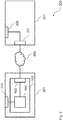
- FIG. 12 shows a diagram of a communication system 300 for autonomously guiding a vehicle 301 using a lead vehicle 307 according to one embodiment.
- the vehicle 301 is connected to the lead vehicle 307 via a communication network 305.
- the vehicle 301 includes a vehicle control system 100 for autonomously guiding the vehicle 301 and a sensor 303.
- the vehicle control system 100 includes a controller 101 for autonomously guiding the vehicle 301 on the basis of a sensor signal of the sensor 303 of the vehicle 301, the controller 101 being formed to detect a malfunction of the sensor 303 of the vehicle 301, and a communication interface 103 configured to request an auxiliary sensor signal via the communication network 305 in response to the detection of the malfunction of the sensor 303 by the controller 101 and to supply the requested auxiliary sensor signal via the communication network 305 wherein the controller 101 is configured to autonomously guide the vehicle 301 based on the received auxiliary sensor signal.
- the lead vehicle 307 includes an auxiliary sensor 309 and another communication interface 311.
- the auxiliary sensor 309 is configured to provide the auxiliary sensor signal.
- the others Communication interface 311 is configured to transmit the auxiliary sensor signal from the leading vehicle 307 to the vehicle 301 for the autonomous guidance of the vehicle 301.
- the autonomous guidance of vehicle 301 may be based on sensor data fusion.
- the autonomous guidance of the vehicle 301 may also be based on a Simultaneous Localization and Mapping (SLAM) approach.
- the autonomous guidance of the vehicle 301 may be performed using the sensor signal or the auxiliary sensor signal.
- SLAM Simultaneous Localization and Mapping
- the invention can be used for the autonomous guidance of a vehicle using a leading vehicle or a foreign vehicle as a fallback level.
- the autonomous vehicle guidance can be realized by means of a vehicle control system as a driver assistance system.
- two types of vehicle guidance can be distinguished: a partially autonomous vehicle guidance and a completely autonomous vehicle guidance.
- a driver of a vehicle may be assisted by a vehicle control system when the traffic situation permits, such as in a congestion scenario where the vehicle is being propelled at low speed or in a stop-and-go scenario.
- the driver of a vehicle can be assisted by a vehicle control system, whereby the vehicle can be maneuvered in traffic without any intervention by the driver.
- Vehicle control systems for partially autonomous vehicle guidance may be designed differently. They are primarily intended to allow the driver to drive a vehicle and supportive action should this be necessary, for example in the case of accident situations and / or accident scenarios.
- a method for operating a vehicle control system in which, in an unavoidable collision, the system can be mitigated or avoided by means of a target trajectory a consequence of a possible second collision by longitudinal guidance interventions and / or transverse guidance interventions to the realization and / or obtaining the target trajectory.
- a method for adapting a control parameter of a vehicle control system can be used, in which an adaptation can take place as a function of a determined driving state. This can be counteracted inappropriate, exaggerated, and / or overreacting actions of a driver.
- a method for influencing the movement of a vehicle in which in a detected accident, the driving condition of the vehicle can be influenced independently of the driver.
- a method for the safe parking of the vehicle in which it is checked whether an emergency situation exists, wherein upon detection of an emergency situation, the vehicle control system leads the vehicle to a roadside.
- a method for operating a vehicle control system or a congestion assistance system may be used which a discharge phase during an autonomous journey in a congestion situation can be optimally extended.
- vehicle control systems can also be designed differently.
- a method for controlling the operation of a fully automatic vehicle control system of a motor vehicle designed for independent vehicle guidance can be used.
- a plausibility monitoring module can determine a plausibility, taking into account only at least one sensor and / or a vehicle system, and check the current operating state of the vehicle describing ego data and / or environment data as to whether an error case precluded with regard to the functionality of the vehicle control system exists ,
- a driving intervention serving to transfer the vehicle to a defined state can be carried out on the basis of an action plan, which may include a time sequence of control commands.
- a method for a vehicle control system for the autonomous longitudinal and / or transverse guidance or regulation of a vehicle can be used, wherein a control task for longitudinal and / or transverse guidance or regulation of the vehicle can be transferred from a driver of the vehicle to the vehicle control system.
- a method for controlling the operation of a fully automatic vehicle control system of a motor vehicle designed for independent vehicle guidance can be used, wherein a transfer of the vehicle into a defined state, for example stopping of the vehicle, is desired is when the driver of the vehicle does not comply with a takeover request for vehicle guidance.
- the vehicle control system may include at least one sensor that detects the environment, for example an image generator, for example an image camera, wherein the determined sensor signals or sensor data may be processed and / or fused using further sensor data or sensor data surrounding the sensor using a sensor data fusion.
- the sensor data fusion can be performed by means of a sensor data fusioner.
- Such a malfunction can occur, for example, suddenly while driving at high vehicle speed and / or sporadically.
- a malfunction or failure of an environment-detecting, for example image-generating, sensor, for example an image camera, can lead to the vehicle control system becoming blind, and / or the sensor signals or sensor data can only be incompletely fused.
- the vehicle control system may first attempt to prompt the driver of the vehicle with appropriate means for guiding the vehicle so that it can completely take over the vehicle guidance again.
- the driver of the vehicle thereon no reaction for example, to the detection of a reaction, can the vehicle is braked by the vehicle control system and brought to a standstill.
- This challenge can be solved by the vehicle control system searching for a leading vehicle using X-to-X and / or vehicle-to-vehicle communication in the vicinity of the vehicle if the driver of the vehicle fails to comply with the vehicle take-over request.
- the leading vehicle can take over a function as Editfallebene as Leit Vietnamese and lead the vehicle to a location, such as a rest stop, at which, for example, rescue workers have easy access. Consequently, electronic towing of the vehicle by a foreign leader vehicle can be realized.
- the driver of the lead vehicle contacted by the vehicle can thereby confirm the role, the task or the function of the electronically towing leader vehicle. This can minimize driver irritation. Furthermore, the driver of the leading vehicle can fulfill his role with an adapted driving style.
- a rescue coordination center can be contacted and / or informed, so that, for example, a rescue team can be sent early at the destination to which the vehicle is being towed. This allows a fast assistance by an ambulance service.
- the vehicle control system may search for a leader vehicle using X-to-X and / or vehicle-to-vehicle communication in the vicinity of the vehicle, which as a leader vehicle may perform a function as a backup fallback, and guide the vehicle to a location, such as a rest stop, at which, for example, rescue workers have easy access.
- a leader vehicle may perform a function as a backup fallback
- rescue workers have easy access.
- the vehicle control system can be used for highly automated driving (HAF) of the vehicle.
- HAF highly automated driving
- the vehicle control system can be realized using vehicle-to-X (Vehicle-2-X, V2X) communication.
- a detection of an environment of the vehicle can be realized by means of sensors, for example RADAR sensors, image camera sensors, or LIDAR sensors.
- sensors for example RADAR sensors, image camera sensors, or LIDAR sensors.
- higher-grade guidance functions for example a construction site assistance function or an automatic emergency braking of the vehicle, can be realized.
- One aspect of autonomous vehicle management is the fallback strategy for those cases in which the vehicle control system is the vehicle Driving situation can not cope alone, for example, if a malfunction or a technical defect has occurred in the vehicle control system, and / or parts of the sensor signals or sensor data for autonomous vehicle management are no longer available.
- driver responsibility such as steering, braking, and accelerating
- driver responsibility such as steering, braking, and accelerating
- the autonomously guided vehicle can virtually be coupled to a preceding leading vehicle by means of sensors for environmental detection and / or a communication network and can be towed by the latter to a next available stop.
- This concept can be extended in several ways.
- Activation of the guidance or towing mode can be optically and / or acoustically displayed in the vehicle and / or in the leading vehicle so that the respective driver and possibly the respective front passenger are informed about the situation. These can then take measures that go beyond the automatic functions of the vehicle and / or the leading vehicle, such as a wake-up of a driver, or the notification of an emergency physician.
- the lead or towing mode may be based on a residual functionality of the autonomous vehicle guidance. That is, the guidance or towing mode using a part of the sensors for detecting the environment of the vehicle can be realized. For example, the vehicle may follow the lead vehicle if the image sensors of the sensors for autonomous vehicle guidance have failed, but a RADAR sensor is still functioning.
- the autonomous vehicle control vehicle control system may analyze whether the residual functionality of the vehicle is sufficient prior to relapse into the command or towing mode.
- the lead or towing towed vehicle may take into consideration the driving characteristics of the guided or towed vehicle.
- a reduction of the speed and / or an adaptation of the driving dynamics of the vehicle or of the leading vehicle can be carried out. This can be negotiated by the vehicle and the lead vehicle via a communication link. In this case, the residual functionality of the guided or towed vehicle can be taken into account.
- leading or towing leading vehicle to assist the guided or towed vehicle locally forward information about the environment of the vehicle and / or the leading vehicle to the guided or towed vehicle forward.
- ITS-G5 For the communication between the vehicle and the leading vehicle, various communication technologies, for example ITS-G5, LTE, WLAN, Bluetooth or UWB, can be used.
- the communication link between the vehicle and The lead vehicle may be low latency, stable and / or authenticatable.
- the vehicle control system for autonomous vehicle guidance in the case of a malfunction or a defect or a non-assumed driving responsibility by the driver can perform an automatic deceleration until the vehicle stops.
Landscapes
- Engineering & Computer Science (AREA)
- Automation & Control Theory (AREA)
- Transportation (AREA)
- Mechanical Engineering (AREA)
- Human Computer Interaction (AREA)
- Physics & Mathematics (AREA)
- General Physics & Mathematics (AREA)
- Radar, Positioning & Navigation (AREA)
- Aviation & Aerospace Engineering (AREA)
- Remote Sensing (AREA)
- Combustion & Propulsion (AREA)
- Chemical & Material Sciences (AREA)
- Traffic Control Systems (AREA)
- Business, Economics & Management (AREA)
- Health & Medical Sciences (AREA)
- Artificial Intelligence (AREA)
- Evolutionary Computation (AREA)
- Game Theory and Decision Science (AREA)
- Medical Informatics (AREA)
- Control Of Position, Course, Altitude, Or Attitude Of Moving Bodies (AREA)
Description
- Die Erfindung betrifft das Gebiet der autonomen Fahrzeugführung.
- Im Bereich der automatisierten Verkehrssteuerung ist die autonome Führung von Fahrzeugen von besonderem Interesse. Die autonome Führung von Fahrzeugen kann dabei teilautonom oder vollautonom erfolgen.
- Bei der teilautonomen Führung kann der Fahrer des Fahrzeugs bei der Fahrzeugführung, beispielsweise in Stauszenarien, unterstützt werden. Bei der vollautonomen Führung kann das Fahrzeug selbstständig im Verkehr manövrieren und somit den Fahrer des Fahrzeugs vollständig entlasten.
- Zur teilautonomen oder vollautonomen Führung eines Fahrzeugs wird üblicherweise eine Mehrzahl von Sensoren des Fahrzeugs eingesetzt. Unter Verwendung einer Sensordatenfusion kann das Fahrzeug folglich teilautonom oder vollautonom im Verkehr geführt werden. Im Falle einer Fehlfunktion eines Sensors kann jedoch die Situation eintreten, dass die Sensordatenfusion nicht mehr durchgeführt werden kann und somit eine teilautonome oder vollautonome Führung des Fahrzeugs nicht mehr möglich ist.
- In diesem Fall wird die Führung des Fahrzeugs üblicherweise an den Fahrer des Fahrzeugs übergeben. Dies ist typischerweise mit einer hohen Zeitverzögerung verbunden, welche insbesondere bei hohen Fahrzeuggeschwindigkeiten problematisch sein kann. Alternativ kann das Fahrzeug selbstständig zum Stillstand gebracht werden, wobei das Fahrzeug in diesem Falle ein Hindernis für weitere Fahrzeuge darstellen kann. Dies ist mit einem Effizienzverlust im Bereich der automatisierten Verkehrssteuerung verbunden.
- In
DE 10 2009 050 399 A1 ist ein Verfahren zur Steuerung des Betriebs eines vollautomatischen, zur unabhängigen Fahrzeugführung ausgebildeten Fahrerassistenzsystems eines Kraftfahrzeugs beschrieben. - Aus der
DE 10 2012 100 164 A1 geht ein Fahrzeug-Quersteuerungssystem hervor, welches ein Fahrspurmarkermodul umfasst, das zum Bestimmen einer Fahrtrichtung und einer Abweichung eines Fahrzeugs in Reaktion auf Bilder, die von einem zweiten Sensorgerät empfangen werden, konfiguriert ist. Weiterhin weist das Quersteuerungssystem ein Fahrspurinformations-Fusionsmodul, das zum Erzeugen von Fahrzeug- und Fahrspurinformationen in Reaktion auf Daten, die von heterogenen Fahrzeugsensoren empfangen werden, konfiguriert ist, und eine Fahrspursteuerung, die zum Erzeugen eines kollisionsfreien Fahrzeugweges in Reaktion auf die Fahrzeug- und Fahrspurinformationen von dem Fahrspurinformations-Fusionsmodul und einer Objektkarte konfiguriert ist, auf. - Es ist daher die Aufgabe der vorliegenden Erfindung, ein effizientes Konzept zur autonomen Führung eines Fahrzeugs zu schaffen.
- Diese Aufgabe wird durch die Merkmale der unabhängigen Ansprüche gelöst. Vorteilhafte Ausführungsformen der Erfindung sind Gegenstand der Beschreibung, der Figuren sowie der abhängigen Ansprüche.
- Die vorliegende Erfindung basiert auf der Erkenntnis, dass die obige Aufgabe durch ein Fahrzeugsteuersystem gelöst werden kann, welches eine autonome Führung des Fahrzeugs unter Verwendung von Sensoren des Fahrzeugs ermöglicht und ausgebildet ist, eine Fehlfunktion eines Sensors des Fahrzeugs zu erfassen. Ansprechend hierauf kann das Fahrzeugsteuersystem ein Hilfssensorsignal über ein Kommunikationsnetzwerk anfordern und empfangen. Dadurch wird erreicht, dass eine autonome Führung des Fahrzeugs bei einer Fehlfunktion eines Sensors des Fahrzeugs unter Verwendung des Hilfssensorsignals möglich wird. Gemäß einer Ausführungsform wird das Hilfssensorsignal von einem Führungsfahrzeug bereitgestellt und an das Fahrzeugsteuersystem übertragen. Somit kann ein virtuelles Abschleppen des Fahrzeugs durch das Führungsfahrzeug realisiert werden.
- Gemäß einem ersten Aspekt betrifft die Erfindung ein Fahrzeugsteuersystem für eine autonome Führung eines Fahrzeugs, mit einer Steuerung zum autonomen Führen des Fahrzeugs auf der Basis eines Sensorsignals eines Sensors des Fahrzeugs, wobei die Steuerung ausgebildet ist, eine Fehlfunktion des Sensors des
- Fahrzeugs zu erfassen, und einer Kommunikationsschnittstelle, welche ausgebildet ist, ansprechend auf die Erfassung der Fehlfunktion des Sensors durch die Steuerung ein Hilfssensorsignal über ein Kommunikationsnetzwerk anzufordern und das angeforderte Hilfssensorsignal über das Kommunikationsnetzwerk zu empfangen, wobei die Steuerung ausgebildet ist, das Fahrzeug auf der Basis des empfangenen Hilfssensorsignals autonom zu führen. Dadurch wird der Vorteil erreicht, dass ein effizientes Konzept zur autonomen Führung des Fahrzeugs realisiert werden kann.
- Das Fahrzeugsteuersystem kann Teil eines Fahrerassistenzsystems des Fahrzeugs sein oder ein Fahrerassistenzsystem des Fahrzeugs bilden. Das Fahrzeugsteuersystem kann mit einem Aktor des Fahrzeugs zur Längsführung und/oder Querführung des Fahrzeugs verbunden sein. Das Fahrzeug kann beispielsweise ein Personenkraftwagen (PKW) oder ein Lastkraftwagen (LKW) sein.
- Der Sensor des Fahrzeugs kann einen RADAR-Sensor (Radio Detection and Ranging Sensor), einen LIDAR-Sensor (Light Detection and Ranging Sensor), einen Ultraschall-Sensor, oder eine Bildkamera zum Erfassen einer Umgebung des Fahrzeugs umfassen. Die Fehlfunktion des Sensors kann ein teilweiser Defekt oder ein vollständiger Defekt des Sensors sein.
- Das Kommunikationsnetzwerk kann ein ITS-G5 (Intelligent Transport Systems G5) Kommunikationsnetzwerk, ein Mobilfunk Kommunikationsnetzwerk, ein WLAN (Wireless Local Area Network) Kommunikationsnetzwerk, ein Bluetooth Kommunikationsnetzwerk oder ein UWB (Ultra Wide Band) Kommunikationsnetzwerk sein. Das Kommunikationsnetzwerk kann durch das Internet gebildet sein oder an das Internet angebunden sein.
- Das Kommunikationsnetzwerk kann ferner einen Backend-Server umfassen. Eine Kommunikationsverbindung über das Kommunikationsnetzwerk kann über den Backend-Server durchgeführt werden.
- Die autonome Führung des Fahrzeugs kann auf einer Sensordatenfusion basieren. Die autonome Führung des Fahrzeugs kann ferner auf einem Ansatz zur simultanen Lokalisierung und Kartenerstellung (Simultaneous Localization and Mapping, SLAM) basieren. Die autonome Führung des Fahrzeugs kann unter Verwendung des Sensorsignals oder des Hilfssensorsignals durchgeführt werden.
- Gemäß einer Ausführungsform weist die Steuerung eine Sensorschnittstelle zum Empfangen des Sensorsignals auf und ist ausgebildet, die Fehlfunktion des Sensors des Fahrzeugs bei Ausbleiben eines Empfangs des Sensorsignals zu erfassen. Dadurch wird der Vorteil erreicht, dass die Fehlfunktion des Sensors effizient erfasst werden kann.
- Die Fehlfunktion des Sensors kann ferner bei Ausbleiben eines Empfangs des Sensorsignals für eine vorbestimmte Zeitdauer erfasst werden. Die vorbestimmte Zeitdauer kann beispielsweise 1 Millisekunde, 5 Millisekunden, 10 Millisekunden, 50 Millisekunden, 100 Millisekunden, 500 Millisekunden, 1 Sekunde, 5 Sekunden oder 10 Sekunden sein.
- Gemäß einer Ausführungsform ist die Kommunikationsschnittstelle ausgebildet, das Hilfssensorsignal über das Kommunikationsnetzwerk von einem Führungsfahrzeug anzufordern und das Hilfssensorsignal über das Kommunikationsnetzwerk von dem Führungsfahrzeug zu empfangen. Dadurch wird der Vorteil erreicht, dass ein Führungsfahrzeug zum Bereitstellen des Hilfssensorsignals eingesetzt werden kann.
- Das Führungsfahrzeug kann beispielsweise ein Personenkraftwagen (PKW) oder ein Lastkraftwagen (LKW) sein. Das Führungsfahrzeug kann einen Hilfssensor zum Bereitstellen des Hilfssensorsignals umfassen. Der Hilfssensor kann eine Umgebung des Fahrzeugs und/oder des Führungsfahrzeugs erfassen. Das Führungsfahrzeug kann ferner eine weitere Kommunikationsschnittstelle zur Kommunikation mit dem Fahrzeug über das Kommunikationsnetzwerk aufweisen. Das Führungsfahrzeug kann manuell, teilautonom oder vollautonom geführt sein.
- Gemäß einer Ausführungsform ist die Steuerung ausgebildet, eine Mehrzahl geographischer Lagen einer Mehrzahl von Fahrzeugen in der Umgebung des Fahrzeugs zu erfassen und ein Führungsfahrzeug aus der Mehrzahl von Fahrzeugen auf Basis der Mehrzahl geographischer Lagen auszuwählen. Dadurch wird der Vorteil erreicht, dass ein Führungsfahrzeug effizient ausgewählt werden kann.
- Die Mehrzahl geographischer Lagen kann geographische Längengrade und/oder geographische Breitengrade umfassen. Das Führungsfahrzeug kann derart ausgewählt werden, dass das Führungsfahrzeug den kleinsten Abstand zu dem Fahrzeug aufweist. Ferner kann das Führungsfahrzeug derart ausgewählt werden, dass das Führungsfahrzeug dem Fahrzeug unmittelbar vorausfährt.
- Gemäß einer Ausführungsform ist die Kommunikationsschnittstelle ausgebildet, eine Mehrzahl von Lageindikatoren über das Kommunikationsnetzwerk zu empfangen, wobei die Mehrzahl von Lageindikatoren die Mehrzahl geographischer Lagen der Mehrzahl von Fahrzeugen anzeigt, und ist die Steuerung ausgebildet, die Mehrzahl geographischer Lagen auf der Basis der Mehrzahl von Lageindikatoren zu erfassen. Dadurch wird der Vorteil erreicht, dass die Mehrzahl geographischer Lagen effizient bestimmt werden kann.
- Die Mehrzahl von Lageindikatoren kann Decentralized Environmental Notification Message (DENM) Kommunikationsnachrichten oder Cooperative Awareness Message (CAM) Kommunikationsnachrichten umfassen.
- Gemäß einer Ausführungsform ist die Kommunikationsschnittstelle ausgebildet, einen Fahrroutenindikator von einem Führungsfahrzeug über das Kommunikationsnetzwerk zu empfangen, wobei der Fahrroutenindikator eine Fahrroute des Führungsfahrzeugs angibt, und ist die Steuerung ausgebildet, eine Fahrroute des Fahrzeugs auf der Basis des Fahrroutenindikators autonom zu bestimmen. Dadurch wird der Vorteil erreicht, dass das Fahrzeug dem Führungsfahrzeug effizient folgen kann.
- Der Fahrroutenindikator kann einen Verlauf und/oder einen Zielpunkt der Fahrroute des Führungsfahrzeugs anzeigen. Die Fahrroute des Fahrzeugs kann auf Grundlage des Verlaufs und/oder des Zielpunkts der Fahrroute des Führungsfahrzeugs autonom bestimmt werden.
- Gemäß einer Ausführungsform ist die Kommunikationsschnittstelle ausgebildet, einen Geschwindigkeitsindikator oder einen Beschleunigungsindikator eines Führungsfahrzeugs von einem Führungsfahrzeug über das Kommunikationsnetzwerk zu empfangen, und ist die Steuerung ausgebildet, das Fahrzeug auf der Basis des Geschwindigkeitsindikators oder des Beschleunigungsindikators autonom zu führen. Dadurch wird der Vorteil erreicht, dass die Fahrdynamik des Führungsfahrzeugs bei der autonomen Führung des Fahrzeugs berücksichtigt werden kann.
- Der Geschwindigkeitsindikator kann eine Augenblicksgeschwindigkeit des Führungsfahrzeugs anzeigen. Der Beschleunigungsindikator kann eine Augenblicksbeschleunigung des Führungsfahrzeugs anzeigen.
- Gemäß einer Ausführungsform ist die Steuerung ausgebildet, einen Grad der Fehlfunktion des Sensors zu erfassen, um einen Fehlfunktionsgradindikator zu erhalten, und ist die Kommunikationsschnittstelle ausgebildet, den Fehlfunktionsgradindikator über das Kommunikationsnetzwerk zusammen mit der Anforderung des Hilfssensorsignals auszusenden. Dadurch wird der Vorteil erreicht, dass das Hilfssensorsignal in Abhängigkeit des Grades der Fehlfunktion des Sensors bereitgestellt werden kann.
- Der Fehlfunktionsgradindikator kann diskret sein. Der Fehlfunktionsindikator kann beispielsweise eine leichte Fehlfunktion, eine mittlere Fehlfunktion oder eine schwere Fehlfunktion des Sensors anzeigen.
- Gemäß einer Ausführungsform ist die Kommunikationsschnittstelle ausgebildet, eine authentifizierte und/oder verschlüsselte Kommunikationsverbindung über das Kommunikationsnetzwerk, insbesondere zwischen dem Fahrzeug und einem Führungsfahrzeug, aufzubauen. Dadurch wird der Vorteil erreicht, dass das Hilfssensorsignal effizient übertragen werden kann.
- Der Aufbau der authentifizierten und/oder verschlüsselten Kommunikationsverbindung kann beispielsweise auf Grundlage des Standards AutoSAR Version 4.2.1 durchgeführt werden. Eine Kommunikation über die Kommunikationsverbindung kann unter Verwendung einer Vorwärtsfehlerkorrektur (Forward Error Correction, FEC) durchgeführt werden.
- Gemäß einer Ausführungsform umfasst das Fahrzeug einen weiteren Sensor, und ist die Steuerung ausgebildet, das Fahrzeug auf der Basis eines weiteren Sensorsignals des weiteren Sensors des Fahrzeugs autonom zu führen. Dadurch wird der Vorteil erreicht, dass das Fahrzeug unter Verwendung des Hilfssensorsignals und des weiteren Sensorsignals autonom geführt werden kann.
- Die autonome Führung des Fahrzeugs kann auf einer Sensordatenfusion basieren. Die autonome Führung des Fahrzeugs kann ferner auf einem Ansatz zur simultanen Lokalisierung und Kartenerstellung (Simultaneous Localization and Mapping, SLAM) basieren. Das Hilfssensorsignal und das weitere Sensorsignal können hierfür gemeinsam verarbeitet werden.
- Gemäß einer Ausführungsform ist die Steuerung ausgebildet, ansprechend auf die Erfassung der Fehlfunktion des Sensors einen Fehlfunktionsindikator zu erzeugen, welcher die Fehlfunktion des Sensors anzeigt, und ist die Kommunikationsschnittstelle ausgebildet, den Fehlfunktionsindikator über das Kommunikationsnetzwerk an einen Backend-Server auszusenden. Dadurch wird der Vorteil erreicht, dass eine Fehlfunktion eines Sensors des Fahrzeugs an einen Backend-Server gemeldet werden kann.
- Der Fehlfunktionsindikator kann eine Decentralized Environmental Notification Message (DENM) Kommunikationsnachricht oder eine Cooperative Awareness Message (CAM) Kommunikationsnachricht umfassen. Der Backend-Server kann einen Verkehrstelematik-Server oder einen Rettungsleitstellen-Server umfassen.
- Gemäß einer Ausführungsform umfasst das Sensorsignal oder das Hilfssensorsignal ein RADAR-Sensorsignal, ein LIDAR-Sensorsignal, ein Ultraschall-Sensorsignal, oder ein Bildkamera-Sensorsignal. Dadurch wird der Vorteil erreicht, dass die Umgebung des Fahrzeugs effizient erfasst und angezeigt werden kann.
- Das Sensorsignal kann durch den Sensor des Fahrzeugs bereitgestellt werden. Das Hilfssensorsignal kann durch einen Sensor eines Führungsfahrzeugs bereitgestellt werden.
- Gemäß einer Ausführungsform umfasst die Kommunikationsschnittstelle eine ITS-G5 Kommunikationsschnittstelle, eine Mobilfunk Kommunikationsschnittstelle, eine WLAN Kommunikationsschnittstelle, eine Bluetooth Kommunikationsschnittstelle, oder eine UWB Kommunikationsschnittstelle. Dadurch wird der Vorteil erreicht, dass eine Kommunikation über das Kommunikationsnetzwerk effizient realisiert werden kann.
- Die ITS-G5 Kommunikationsschnittstelle kann auf Grundlage des Standards ETSI EN 302 665 realisiert werden. Die Mobilfunk Kommunikationsschnittstelle kann eine GSM (Global System for Mobile Communications) Kommunikationsschnittstelle, eine UMTS (Universal Mobile Telecommunications System) Kommunikationsschnittstelle, oder eine LTE (Long Term Evolution) Kommunikationsschnittstelle umfassen.
- Die WLAN Kommunikationsschnittstelle kann auf dem Standard IEEE 802.11 basieren. Die Bluetooth Kommunikationsschnittstelle kann auf dem Standard IEEE 802.15.1 basieren. Die UWB Kommunikationsschnittstelle kann auf dem Standard IEEE 802.15.4a basieren.
- Gemäß einem zweiten Aspekt betrifft die Erfindung ein Verfahren für eine autonome Führung eines Fahrzeugs, mit einem autonomen Führen des Fahrzeugs auf der Basis eines Sensorsignals eines Sensors des Fahrzeugs, einem Erfassen einer Fehlfunktion des Sensors des Fahrzeugs, ansprechend auf die Erfassung der Fehlfunktion des Sensors, einem Anfordern eines Hilfssensorsignals über ein Kommunikationsnetzwerk, einem Empfangen des angeforderten Hilfssensorsignals über das Kommunikationsnetzwerk, und einem autonomen Führen des Fahrzeugs auf der Basis des empfangenen Hilfssensorsignals. Dadurch wird der Vorteil erreicht, dass ein effizientes Konzept zur autonomen Führung des Fahrzeugs realisiert werden kann.
- Das Verfahren kann mittels des Fahrzeugsteuersystems ausgeführt werden. Weitere Merkmale des Verfahrens ergeben sich unmittelbar aus der Funktionalität des Fahrzeugsteuersystems.
- Gemäß einer Ausführungsform wird das Hilfssensorsignal über das Kommunikationsnetzwerk von einem Führungsfahrzeug angefordert, und wird das Hilfssensorsignal über das Kommunikationsnetzwerk von dem Führungsfahrzeug empfangen. Dadurch wird der Vorteil erreicht, dass ein Führungsfahrzeug zum Bereitstellen des Hilfssensorsignals eingesetzt werden kann.
- Gemäß einem dritten Aspekt betrifft die Erfindung ein Computerprogramm mit einem Programmcode zum Ausführen des Verfahrens, wenn das Computerprogramm auf einem Computer ausgeführt wird. Dadurch wird der Vorteil erreicht, dass das Verfahren automatisiert und wiederholbar ausgeführt werden kann.
- Das Computerprogramm kann durch das Fahrzeugsteuersystem ausgeführt werden. Das Fahrzeugsteuersystem kann hierfür programmtechnisch eingerichtet sein.
- Die Erfindung kann in Software und/oder in Hardware realisiert werden.
- Weitere Ausführungsbeispiele werden bezugnehmend auf die beiliegenden Figuren näher erläutert. Es zeigen:
-
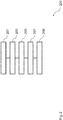
Fig. 1 ein Diagramm eines Fahrzeugsteuersystems für eine autonome Führung eines Fahrzeugs gemäß einer Ausführungsform; -
Fig. 2 ein Diagramm eines Verfahrens für eine autonome Führung eines Fahrzeugs gemäß einer Ausführungsform; und -
Fig. 3 ein Diagramm eines Kommunikationssystems für eine autonome Führung eines Fahrzeugs unter Verwendung eines Führungsfahrzeugs gemäß einer Ausführungsform. -
Fig. 1 zeigt ein Diagramm eines Fahrzeugsteuersystems 100 für eine autonome Führung eines Fahrzeugs gemäß einer Ausführungsform. - Das Fahrzeugsteuersystem 100 umfasst eine Steuerung 101 zum autonomen Führen des Fahrzeugs auf der Basis eines Sensorsignals eines Sensors des Fahrzeugs, wobei die Steuerung ausgebildet ist, eine Fehlfunktion des Sensors des Fahrzeugs zu erfassen, und eine Kommunikationsschnittstelle 103, welche ausgebildet ist, ansprechend auf die Erfassung der Fehlfunktion des Sensors durch die Steuerung 101 ein Hilfssensorsignal über ein Kommunikationsnetzwerk anzufordern und das angeforderte Hilfssensorsignal über das Kommunikationsnetzwerk zu empfangen, wobei die Steuerung 101 ausgebildet ist, das Fahrzeug auf der Basis des empfangenen Hilfssensorsignals autonom zu führen.
- Das Fahrzeugsteuersystem 100 kann Teil eines Fahrerassistenzsystems des Fahrzeugs sein oder ein Fahrerassistenzsystem des Fahrzeugs bilden. Das Fahrzeugsteuersystem 100 kann mit einem Aktor des Fahrzeugs zur Längsführung und/oder Querführung des Fahrzeugs verbunden sein. Das Fahrzeug kann beispielsweise ein Personenkraftwagen (PKW) oder ein Lastkraftwagen (LKW) sein.
- Der Sensor des Fahrzeugs kann einen RADAR-Sensor (Radio Detection and Ranging Sensor), einen LIDAR-Sensor (Light Detection and Ranging Sensor), einen Ultraschall-Sensor, oder eine Bildkamera zum Erfassen einer Umgebung des Fahrzeugs umfassen. Die Fehlfunktion des Sensors kann ein teilweiser Defekt oder ein vollständiger Defekt des Sensors sein.
- Das Kommunikationsnetzwerk kann ein ITS-G5 (Intelligent Transport Systems G5) Kommunikationsnetzwerk, ein Mobilfunk Kommunikationsnetzwerk, ein WLAN (Wireless Local Area Network) Kommunikationsnetzwerk, ein Bluetooth Kommunikationsnetzwerk oder ein UWB (Ultra Wide Band) Kommunikationsnetzwerk sein. Das Kommunikationsnetzwerk kann durch das Internet gebildet sein oder an das Internet angebunden sein.
- Das Kommunikationsnetzwerk kann ferner einen Backend-Server umfassen. Eine Kommunikationsverbindung über das Kommunikationsnetzwerk kann über den Backend-Server durchgeführt werden.
- Die autonome Führung des Fahrzeugs kann auf einer Sensordatenfusion basieren. Die autonome Führung des Fahrzeugs kann ferner auf einem Ansatz zur simultanen Lokalisierung und Kartenerstellung (Simultaneous Localization and Mapping, SLAM) basieren. Die autonome Führung des Fahrzeugs kann unter Verwendung des Sensorsignals oder des Hilfssensorsignals durchgeführt werden.
-
Fig. 2 zeigt ein Diagramm eines Verfahrens 200 für eine autonome Führung eines Fahrzeugs gemäß einer Ausführungsform. - Das Verfahren 200 umfasst ein autonomes Führen 201 des Fahrzeugs auf der Basis eines Sensorsignals eines Sensors des Fahrzeugs, ein Erfassen 203 einer Fehlfunktion des Sensors des Fahrzeugs, ansprechend auf die Erfassung der Fehlfunktion des Sensors, ein Anfordern 205 eines Hilfssensorsignals über ein Kommunikationsnetzwerk, ein Empfangen 207 des angeforderten Hilfssensorsignals über das Kommunikationsnetzwerk, und ein autonomes Führen 209 des Fahrzeugs auf der Basis des empfangenen Hilfssensorsignals.
- Das Verfahren 200 kann mittels des Fahrzeugsteuersystems 100 ausgeführt werden. Weitere Merkmale des Verfahrens 200 ergeben sich unmittelbar aus der Funktionalität des Fahrzeugsteuersystems 100.
- Das Fahrzeugsteuersystem 100 kann ein Computerprogramm mit einem Programmcode zur Durchführung des Verfahrens 200 ausführen. Das Fahrzeugsteuersystem 100 kann hierfür programmtechnisch eingerichtet sein.
-
Fig. 3 zeigt ein Diagramm eines Kommunikationssystems 300 für eine autonome Führung eines Fahrzeugs 301 unter Verwendung eines Führungsfahrzeugs 307 gemäß einer Ausführungsform. Das Fahrzeug 301 ist über ein Kommunikationsnetzwerk 305 mit dem Führungsfahrzeug 307 verbunden. - Das Fahrzeug 301 umfasst ein Fahrzeugsteuersystem 100 für eine autonome Führung des Fahrzeugs 301 und einen Sensor 303. Das Fahrzeugsteuersystem 100 umfasst eine Steuerung 101 zum autonomen Führen des Fahrzeugs 301 auf der Basis eines Sensorsignals des Sensors 303 des Fahrzeugs 301, wobei die Steuerung 101 ausgebildet ist, eine Fehlfunktion des Sensors 303 des Fahrzeugs 301 zu erfassen, und eine Kommunikationsschnittstelle 103, welche ausgebildet ist, ansprechend auf die Erfassung der Fehlfunktion des Sensors 303 durch die Steuerung 101 ein Hilfssensorsignal über das Kommunikationsnetzwerk 305 anzufordern und das angeforderte Hilfssensorsignal über das Kommunikationsnetzwerk 305 zu empfangen, wobei die Steuerung 101 ausgebildet ist, das Fahrzeug 301 auf der Basis des empfangenen Hilfssensorsignals autonom zu führen.
- Das Führungsfahrzeug 307 umfasst einen Hilfssensor 309 und eine weitere Kommunikationsschnittstelle 311. Der Hilfssensor 309 ist ausgebildet, das Hilfssensorsignal bereitzustellen. Die weitere Kommunikationsschnittstelle 311 ist ausgebildet, das Hilfssensorsignal von dem Führungsfahrzeug 307 an das Fahrzeug 301 für die autonome Führung des Fahrzeugs 301 zu übertragen.
- Die autonome Führung des Fahrzeugs 301 kann auf einer Sensordatenfusion basieren. Die autonome Führung des Fahrzeugs 301 kann ferner auf einem Ansatz zur simultanen Lokalisierung und Kartenerstellung (Simultaneous Localization and Mapping, SLAM) basieren. Die autonome Führung des Fahrzeugs 301 kann unter Verwendung des Sensorsignals oder des Hilfssensorsignals durchgeführt werden.
- Die Erfindung kann zur autonomen Führung eines Fahrzeugs unter Verwendung eines Führungsfahrzeugs oder eines Fremdfahrzeugs als Rückfallebene eingesetzt werden. Die autonome Fahrzeugführung kann mittels eines Fahrzeugsteuersystems als Fahrerassistenzsystem realisiert werden.
- Es können grundsätzlich zwei Arten der Fahrzeugführung unterschieden werden: eine teilweise autonome Fahrzeugführung und eine vollständig autonome Fahrzeugführung. Bei der teilweise autonomen Fahrzeugführung kann ein Fahrer eines Fahrzeugs durch ein Fahrzeugsteuersystem unterstützt werden, wenn es die Verkehrssituation zulässt, wie beispielsweise bei einem Stauszenario, bei welchem das Fahrzeug mit geringer Geschwindigkeit vorwärts bewegt wird, oder bei einem Stop-and-Go Szenario. Bei der vollständig autonomen Fahrzeugführung kann der Fahrer eines Fahrzeugs durch ein Fahrzeugsteuersystem unterstützt werden, wobei das Fahrzeug ohne jegliches Zutun durch den Fahrer im Verkehr manövriert werden kann.
- Fahrzeugsteuersysteme zur teilweise autonomen Fahrzeugführung können unterschiedlich ausgebildet sein. Sie sind dabei in erster Linie dafür vorgesehen, dem Fahrer das Führen eines Fahrzeugs zu erleichtern, sowie eine unterstützende Handlung zu gewähren, wenn dies erforderlich sein sollte, beispielsweise bei Unfallsituationen und/oder Unfallszenarien.
- Beispielsweise kann ein Verfahren zum Betrieb eines Fahrzeugsteuersystems eingesetzt werden, bei welchem, bei einer unvermeidbaren Kollision, durch das System mittels einer Zieltrajektorie eine Folge einer möglichen Zweitkollision abgemildert oder vermieden werden kann, indem Längsführungseingriffe und/oder Querführungseingriffe vorgenommen werden, um die Realisierung und/oder Erlangung der Zieltrajektorie zu erreichen.
- Ferner kann ein Verfahren zur Anpassung eines Steuerungsparameters eines Fahrzeugsteuersystems eingesetzt werden, bei welchem eine Anpassung in Abhängigkeit eines ermittelten Fahrzustandes erfolgen kann. Damit kann unangemessenen, übertriebenen, und/oder überreagierenden Handlungen eines Fahrers entgegengewirkt werden.
- Ferner kann ein Verfahren zur Beeinflussung der Bewegung eines Fahrzeuges eingesetzt werden, bei welchem bei einem erkannten Unfall der Fahrzustand des Fahrzeugs fahrerunabhängig beeinflusst werden kann.
- Ferner kann ein Verfahren zum sicheren Abstellen des Fahrzeugs eingesetzt werden, bei welchem überprüft wird, ob eine Notsituation vorliegt, wobei bei einer Erkennung einer Notsituation das Fahrzeugsteuersystem das Fahrzeug an einen Straßenrand führt.
- Ferner kann ein Verfahren zum Betrieb eines Fahrzeugsteuersystems oder eines Stauassistenzsystems eingesetzt werden, bei welchem eine Entlastungsphase während einer autonomen Fahrt in einer Stausituation optimal verlängert werden kann.
- Hinsichtlich vollständig autonomer Fahrzeugführung können Fahrzeugsteuersysteme ebenso unterschiedlich ausgebildet sein.
- Beispielsweise kann ein Verfahren zur Steuerung des Betriebs eines vollautomatischen, zur unabhängigen Fahrzeugführung ausgebildeten Fahrzeugsteuersystems eines Kraftfahrzeugs eingesetzt werden. Dabei kann ein Plausibilitätsüberwachungsmodul unter ausschließlicher Berücksichtigung wenigstens eines Sensors und/oder eines Fahrzeugsystems eine Plausibilität ermitteln, und den aktuellen Betriebszustand des Fahrzeugs beschreibende Ego-Daten und/oder Umfeld-Daten dahingehend überprüfen, ob ein im Hinblick auf die Funktionalität des Fahrzeugsteuersystems ausgeschlossener Fehlerfall vorliegt. Bei Vorliegen eines Fehlerfalls kann ein zur Überführung des Fahrzeugs in einen definierten Zustand dienender Fahreingriff auf Grundlage eines Aktionsplans ausgeführt werden, welcher einen zeitlichen Ablauf von Steuerungsbefehlen umfassen kann.
- Ferner kann ein Verfahren für ein Fahrzeugsteuersystem zur autonomen Längs- und/oder Querführung oder -regelung eines Fahrzeugs eingesetzt werden, wobei eine Regelungsaufgabe zur Längs- und/oder Querführung oder -regelung des Fahrzeugs von einem Fahrer des Fahrzeugs an das Fahrzeugsteuersystem übergeben werden kann.
- Ferner kann ein Verfahren zur Steuerung des Betriebs eines vollautomatischen, zur unabhängigen Fahrzeugführung ausgebildeten Fahrzeugsteuersystems eines Kraftfahrzeugs eingesetzt werden, wobei eine Überführung des Fahrzeugs in einen definierten Zustand, beispielsweise ein Anhalten des Fahrzeugs, angestrebt wird, wenn der Fahrer des Fahrzeugs einer Übernahmeanforderung zur Fahrzeugführung nicht nachkommt.
- Das Fahrzeugsteuersystem kann dabei zumindest einen umgebungserfassenden, beispielsweise bildgenerierenden, Sensor, beispielsweise eine Bildkamera, umfassen, wobei die ermittelten Sensorsignale oder Sensordaten mit weiteren zusätzlichen umgebungserfassenden Sensorsignalen oder Sensordaten unter Verwendung einer Sensordatenfusion verarbeitet und/oder fusioniert werden können. Die Sensordatenfusion kann mittels eines Sensordatenfusionierers durchgeführt werden.
- Bei Verfahren und Systemen zur Fahrzeugführung ist von besonderem Interesse, welcher Zustand erreicht wird und/oder welche Reaktion ausgeführt wird, wenn eine Fehlfunktion bei der Sensordatenfusion oder eine Fehlfunktion bei einem umgebungserfassenden Sensor, insbesondere einem bildgenerierenden Sensor, vorliegt.
- Eine derartige Fehlfunktion kann dabei beispielsweise plötzlich während einer Fahrt bei hoher Fahrzeuggeschwindigkeit und/oder sporadisch auftreten. Eine Fehlfunktion oder ein Ausfall eines umgebungserfassenden, beispielsweise bildgenerierenden, Sensors, beispielsweise einer Bildkamera, kann dazu führen, dass das Fahrzeugsteuersystem blind wird, und/oder dass die Sensorsignale oder Sensordaten nur unvollständig fusioniert werden können.
- Diese Herausforderung kann folgendermaßen gelöst werden. Bei einer Erkennung oder Feststellung einer Fehlfunktion kann das Fahrzeugsteuersystem zunächst versuchen, den Fahrer des Fahrzeugs mit geeigneten Mitteln zur Fahrzeugführung aufzufordern, damit dieser die Fahrzeugführung wieder vollständig übernehmen kann. Zeigt der Fahrer des Fahrzeugs hierauf keine Reaktion, beispielsweise bis zur Erkennung einer Reaktion, kann das Fahrzeug durch das Fahrzeugsteuersystem abgebremst und zum Stillstand gebracht werden.
- Bei einer hohen Verkehrsdichte oder Marktdurchdringung von Fahrzeugen mit autonomer Fahrzeugführung kann jedoch die Anzahl von ausfallenden Fahrzeugen ansteigen. Falls der Fahrer des Fahrzeugs einer Fahrzeugübernahmeanforderung nicht nachkommt, kann ferner auf ein gesundheitliches Problem des Fahrers geschlossen werden, welches einer schnellen gesundheitlichen Hilfsmaßnahme bedarf. Durch einen Stillstand des Fahrzeugs, beispielsweise auf einer Autobahn, kann eine zeitnahe Hilfeleistung jedoch verzögert werden.
- Diese Herausforderung kann dadurch gelöst werden, dass das Fahrzeugsteuersystem unter Verwendung einer X-zu-X und/oder Fahrzeug-zu-Fahrzeug Kommunikation in der Umgebung des Fahrzeugs ein Führungsfahrzeug sucht, falls der Fahrer des Fahrzeugs der Fahrzeugübernahmeaufforderung nicht nachkommt.
- Das Führungsfahrzeug kann als Leitfahrzeug eine Funktion als Ersatzrückfallebene übernehmen, und das Fahrzeug an eine Stelle, beispielsweise einen Rasthof, führen, an welcher beispielsweise Rettungskräfte einen leichten Zugang haben. Folglich kann ein elektronisches Abschleppen des Fahrzeugs durch ein fremdes Führungsfahrzeug realisiert werden.
- Der Fahrer des vom Fahrzeug kontaktierten Führungsfahrzeugs, kann dabei die Rolle, die Aufgabe, oder die Funktion des elektronisch abschleppenden Führungsfahrzeugs bestätigen. Dadurch können Irritationen der Fahrer minimiert werden. Ferner kann der Fahrer des Führungsfahrzeugs seiner Rolle mit einer angepassten Fahrweise nachkommen.
- Gleichzeitig oder parallel zum elektronischen Abschleppvorgang kann eine Rettungsleitstelle kontaktiert und/oder informiert werden, damit am Zielort, zu welchem das Fahrzeug abgeschleppt wird, beispielsweise frühzeitig ein Rettungsteam geschickt werden kann. Dadurch wird eine schnelle Hilfeleistung durch einen Rettungsdienst ermöglicht.
- Falls der Fahrer des Fahrzeugs der Fahrzeugübernahmeaufforderung also nicht nachkommt, kann das Fahrzeugsteuersystem unter Verwendung einer X-zu-X und/oder Fahrzeug-zu-Fahrzeug Kommunikation in der Umgebung des Fahrzeugs ein Führungsfahrzeug suchen, welches als Leitfahrzeug eine Funktion als Ersatzrückfallebene übernehmen kann, und das Fahrzeug an eine Stelle, beispielsweise einen Rasthof, führen, an welcher beispielsweise Rettungskräfte einen leichten Zugang haben. Dadurch kann ein elektronisches Abschleppen des Fahrzeugs durch das Führungsfahrzeug sowie eine schnelle Hilfeleistung durch einen Rettungsdienst realisiert werden.
- Das Fahrzeugsteuersystem kann zum hochautomatisierten Fahren (HAF) des Fahrzeugs eingesetzt werden. Das Fahrzeugsteuersystem kann dabei unter Verwendung einer Fahrzeug-zu-X (Vehicle-2-X, V2X) Kommunikation realisiert werden.
- Eine Erfassung einer Umgebung des Fahrzeugs kann mittels Sensoren, beispielsweise RADAR-Sensoren, Bildkamera-Sensoren, oder LIDAR-Sensoren, realisiert werden. Unter Verwendung einer Fusion von Sensorsignalen oder Sensordaten verschiedener Sensoren können höherwertige Führungsfunktionen, beispielsweise eine Baustellenassistenzfunktion oder eine automatisch Notbremsung des Fahrzeugs, realisiert werden.
- Ein Aspekt der autonomen Fahrzeugführung ist die Rückfallstrategie für jene Fälle, in denen das Fahrzeugsteuersystem die Fahrsituation nicht alleine bewältigen kann, beispielsweise wenn im Fahrzeugsteuersystem eine Fehlfunktion oder ein technischer Defekt aufgetreten ist, und/oder Teile der Sensorsignale oder Sensordaten für die autonome Fahrzeugführung nicht mehr zur Verfügung stehen.
- Ein Ansatz besteht in der Übergabe der Fahrverantwortung, beispielsweise zum Lenken, Bremsen, und Beschleunigen, an den Fahrer. Da der Fahrer abgelenkt sein kann, kann eine Fahrzeugübernahmezeit von mehreren Sekunden bis zu einer halben Minute angenommen werden, bis der Fahrer die Führung des Fahrzeugs tatsächlich übernehmen kann.
- Wenn der Fahrer absichtlich oder unabsichtlich die Fahrzeugführung oder Fahrzeugkontrolle nicht übernimmt, kann sich das autonom geführte Fahrzeug mittels Sensoren zur Umgebungserfassung und/oder eines Kommunikationsnetzwerks an ein vorausfahrendes Führungsfahrzeug virtuell ankoppeln und sich von diesem zu einer nächsten verfügbaren Haltestelle abschleppen lassen. Dieses Konzept kann auf mehrere Weisen erweitert werden.
- Eine Aktivierung des Führungs- oder Abschleppmodus kann im Fahrzeug und/oder im Führungsfahrzeug optisch und/oder akustisch angezeigt werden, damit die jeweiligen Fahrer und gegebenenfalls die jeweiligen Beifahrer über die Situation informiert werden. Diese können dann Maßnahmen ergreifen, welche über die automatischen Funktionen des Fahrzeug und/oder des Führungsfahrzeugs hinausgehen, beispielsweise ein Wecken eines Fahrers, oder die Benachrichtigung eines Notarztes.
- Der Führungs- oder Abschleppmodus kann auf einer Restfunktionalität der autonomen Fahrzeugführung basieren. Das bedeutet, dass der Führungs- oder Abschleppmodus unter Verwendung eines Teils der Sensoren zur Erfassung der Umgebung des Fahrzeugs realisiert werden kann. Beispielsweise kann das Fahrzeug dem Führungsfahrzeug folgen, wenn die Bildkameras der Sensorik zur autonomen Fahrzeugführung ausgefallen sind, jedoch ein RADAR-Sensor noch funktioniert. Das Fahrzeugsteuersystem zur autonomen Fahrzeugführung kann vor dem Rückfall in den Führungs- oder Abschleppmodus analysieren, ob die Restfunktionalität des Fahrzeugs hierfür ausreicht.
- Zum virtuellen Führen oder Abschleppen des Fahrzeugs durch das Führungsfahrzeug auf Grundlage der Fahrzeug-zu-X (Car2X) Kommunikation kann eine Informationsredundanz über die Umgebung des Fahrzeugs berücksichtigt werden.
- Das führende oder abschleppende Führungsfahrzeug kann Fahreigenschaften des geführten oder abgeschleppten Fahrzeugs berücksichtigen. Um eine Verfolgung des Führungsfahrzeugs durch das Fahrzeug zu ermöglichen, kann eine Verringerung der Geschwindigkeit und/oder eine Anpassung der Fahrdynamik des Fahrzeugs oder des Führungsfahrzeugs durchgeführt werden. Dies kann durch das Fahrzeug und das Führungsfahrzeug über eine Kommunikationsverbindung ausgehandelt werden. Dabei kann die Restfunktionalität des geführten oder abgeschleppten Fahrzeugs berücksichtigt werden.
- Ferner kann das führende oder abschleppende Führungsfahrzeug zur Unterstützung des geführten oder abgeschleppten Fahrzeugs lokal vorliegenden Informationen über die Umgebung des Fahrzeugs und/oder des Führungsfahrzeugs an das geführte oder abgeschleppte Fahrzeug weiterleiten.
- Für die Kommunikation zwischen dem Fahrzeug und dem Führungsfahrzeug können verschiedene Kommunikationstechnologien, beispielsweise ITS-G5, LTE, WLAN, Bluetooth oder UWB, eingesetzt werden. Die Kommunikationsverbindung zwischen dem Fahrzeug und dem Führungsfahrzeug kann latenzarm, stabil und/oder authentifizierbar sein.
- Folglich kann eine Rückfallebene für die autonome Fahrzeugführung realisiert werden, welche eine Anzahl von Unfällen und/oder Verkehrsbehinderungen reduzieren kann.
- Hilfsweise kann das Fahrzeugsteuersystem zur autonomen Fahrzeugführung bei einer Fehlfunktion oder einem Defekt oder einer nicht-übernommenen Fahrverantwortung durch den Fahrer eine automatische Abbremsung bis zum Stillstand des Fahrzeugs durchführen.
-
- 100
- Fahrzeugsteuersystem
- 101
- Steuerung
- 103
- Kommunikationsschnittstelle
- 200
- Verfahren für eine autonome Führung eines Fahrzeugs
- 201
- Autonomes Führen des Fahrzeugs
- 203
- Erfassen einer Fehlfunktion
- 205
- Anfordern eines Hilfssensorsignals
- 207
- Empfangen des angeforderten Hilfssensorsignals
- 209
- Autonomes Führen des Fahrzeugs
- 300
- Kommunikationssystem
- 301
- Fahrzeug
- 303
- Sensor
- 305
- Kommunikationsnetzwerk
- 307
- Führungsfahrzeug
- 309
- Hilfssensor
- 311
- Weitere Kommunikationsschnittstelle
Claims (15)
- Fahrzeugsteuersystem (100) für eine autonome Führung eines Fahrzeugs (301), mit:einer Steuerung (101) zum autonomen Führen des Fahrzeugs (301) auf der Basis eines Sensorsignals eines Sensors (303) des Fahrzeugs (301), wobei die Steuerung (101) ausgebildet ist, eine Fehlfunktion des Sensors (303) des Fahrzeugs (301) zu erfassen; gekennzeichnet durch,eine Kommunikationsschnittstelle (103), welche ausgebildet ist, ansprechend auf die Erfassung der Fehlfunktion des Sensors (303) durch die Steuerung (101) ein Hilfssensorsignal über ein Kommunikationsnetzwerk (305) anzufordern und das angeforderte Hilfssensorsignal über das Kommunikationsnetzwerk (305) zu empfangen;wobei die Steuerung (101) ausgebildet ist, das Fahrzeug (301) auf der Basis des empfangenen Hilfssensorsignals autonom zu führen.
- Fahrzeugsteuersystem (100) nach Anspruch 1, wobei die Steuerung (101) eine Sensorschnittstelle zum Empfangen des Sensorsignals aufweist und ausgebildet ist, die Fehlfunktion des Sensors (303) des Fahrzeugs (301) bei Ausbleiben eines Empfangs des Sensorsignals zu erfassen.
- Fahrzeugsteuersystem (100) nach einem der vorstehenden Ansprüche, wobei die Kommunikationsschnittstelle (103) ausgebildet ist, das Hilfssensorsignal über das Kommunikationsnetzwerk (305) von einem Führungsfahrzeug (307) anzufordern und das Hilfssensorsignal über das Kommunikationsnetzwerk (305) von dem Führungsfahrzeug (307) zu empfangen.
- Fahrzeugsteuersystem (100) nach einem der vorstehenden Ansprüche, wobei die Steuerung (101) ausgebildet ist, eine Mehrzahl geographischer Lagen einer Mehrzahl von Fahrzeugen in der Umgebung des Fahrzeugs (301) zu erfassen und ein Führungsfahrzeug (307) aus der Mehrzahl von Fahrzeugen auf Basis der Mehrzahl geographischer Lagen auszuwählen.
- Fahrzeugsteuersystem (100) nach Anspruch 4, wobei die Kommunikationsschnittstelle (103) ausgebildet ist, eine Mehrzahl von Lageindikatoren über das Kommunikationsnetzwerk (305) zu empfangen, wobei die Mehrzahl von Lageindikatoren die Mehrzahl geographischer Lagen der Mehrzahl von Fahrzeugen anzeigt, und wobei die Steuerung (101) ausgebildet ist, die Mehrzahl geographischer Lagen auf der Basis der Mehrzahl von Lageindikatoren zu erfassen.
- Fahrzeugsteuersystem (100) nach einem der vorstehenden Ansprüche, wobei die Kommunikationsschnittstelle (103) ausgebildet ist, einen Fahrroutenindikator von einem Führungsfahrzeug (307) über das Kommunikationsnetzwerk (305) zu empfangen, wobei der Fahrroutenindikator eine Fahrroute des Führungsfahrzeugs (307) angibt, und wobei die Steuerung (101) ausgebildet ist, eine Fahrroute des Fahrzeugs (301) auf der Basis des Fahrroutenindikators autonom zu bestimmen.
- Fahrzeugsteuersystem (100) nach einem der vorstehenden Ansprüche, wobei die Steuerung (101) ausgebildet ist, einen Grad der Fehlfunktion des Sensors (303) zu erfassen, um einen Fehlfunktionsgradindikator zu erhalten, und wobei die Kommunikationsschnittstelle (103) ausgebildet ist, den Fehlfunktionsgradindikator über das Kommunikationsnetzwerk (305) zusammen mit der Anforderung des Hilfssensorsignals auszusenden.
- Fahrzeugsteuersystem (100) nach einem der vorstehenden Ansprüche, wobei die Kommunikationsschnittstelle (103) ausgebildet ist, eine authentifizierte oder verschlüsselte Kommunikationsverbindung über das Kommunikationsnetzwerk (305), insbesondere zwischen dem Fahrzeug (301) und einem Führungsfahrzeug (307), aufzubauen.
- Fahrzeugsteuersystem (100) nach einem der vorstehenden Ansprüche, wobei das Fahrzeug (301) einen weiteren Sensor umfasst, und wobei die Steuerung (101) ausgebildet ist, das Fahrzeug (301) auf der Basis eines weiteren Sensorsignals des weiteren Sensors des Fahrzeugs (301) autonom zu führen.
- Fahrzeugsteuersystem (100) nach einem der vorstehenden Ansprüche, wobei die Steuerung (101) ausgebildet ist, ansprechend auf die Erfassung der Fehlfunktion des Sensors (303) einen Fehlfunktionsindikator zu erzeugen, welcher die Fehlfunktion des Sensors (303) anzeigt, und wobei die Kommunikationsschnittstelle (103) ausgebildet ist, den Fehlfunktionsindikator über das Kommunikationsnetzwerk (305) an einen Backend-Server auszusenden.
- Fahrzeugsteuersystem (100) nach einem der vorstehenden Ansprüche, wobei das Sensorsignal oder das Hilfssensorsignal ein RADAR-Sensorsignal, ein LIDAR-Sensorsignal, ein Ultraschall-Sensorsignal, oder ein Bildkamera-Sensorsignal umfasst.
- Fahrzeugsteuersystem (100) nach einem der vorstehenden Ansprüche, wobei die Kommunikationsschnittstelle (103) eine ITS-G5 Kommunikationsschnittstelle, eine Mobilfunk Kommunikationsschnittstelle, eine WLAN Kommunikationsschnittstelle, eine Bluetooth Kommunikationsschnittstelle, oder eine UWB Kommunikationsschnittstelle umfasst.
- Verfahren (200) für eine autonome Führung eines Fahrzeugs (301), mit:autonomen Führen (201) des Fahrzeugs (301) auf der Basis eines Sensorsignals eines Sensors (303) des Fahrzeugs (301);Erfassen (203) einer Fehlfunktion des Sensors (303) des Fahrzeugs (301); gekennzeichnet durch,ansprechend auf die Erfassung der Fehlfunktion des Sensors (303), Anfordern (205) eines Hilfssensorsignals über ein Kommunikationsnetzwerk (305);Empfangen (207) des angeforderten Hilfssensorsignals über das Kommunikationsnetzwerk (305); undautonomen Führen (209) des Fahrzeugs (301) auf der Basis des empfangenen Hilfssensorsignals.
- Verfahren (200) nach Anspruch 13, wobei das Hilfssensorsignal über das Kommunikationsnetzwerk (305) von einem Führungsfahrzeug (307) angefordert wird, und wobei das Hilfssensorsignal über das Kommunikationsnetzwerk (305) von dem Führungsfahrzeug (307) empfangen wird.
- Computerprogramm mit einem Programmcode zum Ausführen des Verfahrens (200) nach Anspruch 13 oder 14, wenn das Computerprogramm auf einem Computer ausgeführt wird.
Applications Claiming Priority (2)
| Application Number | Priority Date | Filing Date | Title |
|---|---|---|---|
| DE102014210147.6A DE102014210147A1 (de) | 2014-05-27 | 2014-05-27 | Fahrzeugsteuersystem für eine autonome Führung eines Fahrzeugs |
| PCT/EP2015/059806 WO2015180931A1 (de) | 2014-05-27 | 2015-05-05 | Fahrzeugsteuersystem für eine autonome führung eines fahrzeugs |
Publications (2)
| Publication Number | Publication Date |
|---|---|
| EP3148857A1 EP3148857A1 (de) | 2017-04-05 |
| EP3148857B1 true EP3148857B1 (de) | 2018-02-28 |
Family
ID=53015819
Family Applications (1)
| Application Number | Title | Priority Date | Filing Date |
|---|---|---|---|
| EP15719246.9A Active EP3148857B1 (de) | 2014-05-27 | 2015-05-05 | Fahrzeugsteuersystem für eine autonome führung eines fahrzeugs |
Country Status (5)
| Country | Link |
|---|---|
| US (1) | US20170072967A1 (de) |
| EP (1) | EP3148857B1 (de) |
| CN (1) | CN106660560B (de) |
| DE (1) | DE102014210147A1 (de) |
| WO (1) | WO2015180931A1 (de) |
Cited By (1)
| Publication number | Priority date | Publication date | Assignee | Title |
|---|---|---|---|---|
| DE102022127586A1 (de) | 2022-10-19 | 2024-04-25 | Bayerische Motoren Werke Aktiengesellschaft | Verfahren zum Betreiben eines Kraftfahrzeugs sowie Kraftfahrzeug |
Families Citing this family (77)
| Publication number | Priority date | Publication date | Assignee | Title |
|---|---|---|---|---|
| US11669090B2 (en) | 2014-05-20 | 2023-06-06 | State Farm Mutual Automobile Insurance Company | Autonomous vehicle operation feature monitoring and evaluation of effectiveness |
| US9858621B1 (en) | 2014-05-20 | 2018-01-02 | State Farm Mutual Automobile Insurance Company | Autonomous vehicle technology effectiveness determination for insurance pricing |
| US10373259B1 (en) | 2014-05-20 | 2019-08-06 | State Farm Mutual Automobile Insurance Company | Fully autonomous vehicle insurance pricing |
| US10599155B1 (en) | 2014-05-20 | 2020-03-24 | State Farm Mutual Automobile Insurance Company | Autonomous vehicle operation feature monitoring and evaluation of effectiveness |
| US9972054B1 (en) | 2014-05-20 | 2018-05-15 | State Farm Mutual Automobile Insurance Company | Accident fault determination for autonomous vehicles |
| DE102014212384A1 (de) * | 2014-06-27 | 2015-12-31 | Robert Bosch Gmbh | Vorrichtung und Verfahren zum Betreiben eines Fahrzeugs |
| US9786154B1 (en) | 2014-07-21 | 2017-10-10 | State Farm Mutual Automobile Insurance Company | Methods of facilitating emergency assistance |
| US10336321B1 (en) | 2014-11-13 | 2019-07-02 | State Farm Mutual Automobile Insurance Company | Autonomous vehicle control assessment and selection |
| EP3315949B1 (de) * | 2015-06-23 | 2021-04-28 | Nec Corporation | Detektionssystem, detektionsverfahren und programm |
| US20210272207A1 (en) | 2015-08-28 | 2021-09-02 | State Farm Mutual Automobile Insurance Company | Vehicular driver profiles and discounts |
| DE102015223836A1 (de) * | 2015-12-01 | 2017-06-01 | Bayerische Motoren Werke Aktiengesellschaft | Fahrzeug und Verfahren zur Bergung eines vollautomatisch fahrfähigen Fahrzeugs |
| US11441916B1 (en) | 2016-01-22 | 2022-09-13 | State Farm Mutual Automobile Insurance Company | Autonomous vehicle trip routing |
| US11242051B1 (en) | 2016-01-22 | 2022-02-08 | State Farm Mutual Automobile Insurance Company | Autonomous vehicle action communications |
| US10324463B1 (en) | 2016-01-22 | 2019-06-18 | State Farm Mutual Automobile Insurance Company | Autonomous vehicle operation adjustment based upon route |
| US11719545B2 (en) | 2016-01-22 | 2023-08-08 | Hyundai Motor Company | Autonomous vehicle component damage and salvage assessment |
| US10482226B1 (en) | 2016-01-22 | 2019-11-19 | State Farm Mutual Automobile Insurance Company | System and method for autonomous vehicle sharing using facial recognition |
| US10134278B1 (en) | 2016-01-22 | 2018-11-20 | State Farm Mutual Automobile Insurance Company | Autonomous vehicle application |
| US10395332B1 (en) | 2016-01-22 | 2019-08-27 | State Farm Mutual Automobile Insurance Company | Coordinated autonomous vehicle automatic area scanning |
| JP2017165296A (ja) * | 2016-03-17 | 2017-09-21 | 株式会社日立製作所 | 自動運転制御システム |
| WO2017189361A1 (en) * | 2016-04-29 | 2017-11-02 | Pcms Holdings, Inc. | System and method for calibration of vehicle sensors assisted by inter-vehicle communication |
| US9927816B2 (en) * | 2016-05-13 | 2018-03-27 | Macau University Of Science And Technology | System and method for operating a follower vehicle in a vehicle platoon |
| DE102016005937A1 (de) * | 2016-05-14 | 2017-11-16 | Audi Ag | Verfahren und System zum Ermitteln einer Route von einem Aufenthaltsort eines Kraftfahrzeugs zu einem Ziel |
| DE102016208991A1 (de) * | 2016-05-24 | 2017-11-30 | Robert Bosch Gmbh | Steuervorrichtung für ein Fahrzeug mit wenigstens einem sende- und empfangsfähigen Umfeldsensor zum Erfassen eines Umfelds des Fahrzeugs |
| CN105946854A (zh) * | 2016-06-17 | 2016-09-21 | 京东方科技集团股份有限公司 | 车载动力自动控制系统及其控制方法、汽车 |
| GB2553910B (en) * | 2016-08-10 | 2020-02-12 | Jaguar Land Rover Ltd | Control of an autonomous vehicle |
| US10571908B2 (en) | 2016-08-15 | 2020-02-25 | Ford Global Technologies, Llc | Autonomous vehicle failure mode management |
| US10121376B2 (en) * | 2016-10-05 | 2018-11-06 | Ford Global Technologies, Llc | Vehicle assistance |
| JP6717723B2 (ja) * | 2016-10-12 | 2020-07-01 | 矢崎総業株式会社 | 車両システム |
| DE102016225772A1 (de) | 2016-12-21 | 2018-06-21 | Audi Ag | Prädiktion von Verkehrssituationen |
| US10380886B2 (en) | 2017-05-17 | 2019-08-13 | Cavh Llc | Connected automated vehicle highway systems and methods |
| EP4456035A3 (de) * | 2017-01-10 | 2024-11-06 | Cavh Llc | Autobahnsysteme und -verfahren für verbundene automatisierte fahrzeuge |
| DE102017201551B4 (de) | 2017-01-31 | 2019-09-26 | Audi Ag | Verfahren zum Betrieb von zwei ein Gespann bildenden Kraftfahrzeugen während eines Abschleppvorgangs und Kraftfahrzeug |
| EP3585049B1 (de) * | 2017-02-16 | 2022-03-02 | Sony Semiconductor Solutions Corporation | Bildgebungssystem und bildgebungsvorrichtung |
| US10569768B2 (en) * | 2017-02-22 | 2020-02-25 | Panasonic Intellectual Property Corporation Of America | Information processing apparatus, information processing method, and non-transitory recording medium |
| JP7015665B2 (ja) * | 2017-02-22 | 2022-02-03 | パナソニック インテレクチュアル プロパティ コーポレーション オブ アメリカ | 情報処理装置、情報処理方法及びプログラム |
| JP6611983B2 (ja) * | 2017-03-07 | 2019-11-27 | 三菱電機株式会社 | 運転支援装置、運転支援方法及び運転支援プログラム |
| DE102018200804A1 (de) * | 2017-03-15 | 2018-09-20 | Robert Bosch Gmbh | Verfahren zur Ansteuerung eines hoch- oder vollautomatisierten Fahrzeugs |
| DE102017207233A1 (de) * | 2017-04-28 | 2018-10-31 | Siemens Aktiengesellschaft | Verfahren zum Durchführen der Kalibrierung eines Fahrzeug-Sensorsystems, insbesondere eines Autonomen Fahrzeugs, sowie Fahrzeug-Sensorsystem, insbesondere Autonomes Fahrzeug |
| FR3067830B1 (fr) * | 2017-06-16 | 2023-10-06 | Valeo Comfort & Driving Assistance | Procede de transmission d'un rapport a un vehicule |
| US20190049991A1 (en) * | 2017-08-10 | 2019-02-14 | Aptiv Technologies Limited | Virtual towing system |
| DE102017215406A1 (de) * | 2017-09-04 | 2019-03-07 | Bayerische Motoren Werke Aktiengesellschaft | Verfahren, mobiles Anwendergerät, Computerprogramm zum Erzeugen einer visuellen Information für zumindest einen Insassen eines Fahrzeugs |
| US10698421B1 (en) | 2017-09-25 | 2020-06-30 | State Farm Mutual Automobile Insurance Company | Dynamic autonomous vehicle train |
| FR3071800B1 (fr) * | 2017-09-29 | 2021-04-02 | Psa Automobiles Sa | Procede d’assistance a la conduite d’un vehicule lors d’une defaillance d’un reseau et systeme associe |
| US10882449B2 (en) | 2017-10-03 | 2021-01-05 | Ford Global Technologies, Llc | Vehicle light platoon |
| US10948927B1 (en) | 2017-10-05 | 2021-03-16 | State Farm Mutual Automobile Insurance Company | Dynamic autonomous vehicle train |
| US10611381B2 (en) | 2017-10-24 | 2020-04-07 | Ford Global Technologies, Llc | Decentralized minimum risk condition vehicle control |
| DE102017221105A1 (de) * | 2017-11-24 | 2019-05-29 | Robert Bosch Gmbh | Verfahren zum Bilden eines Fahrzeugverbands und zum Steuern mindestens eines Fahrzeugs |
| US10726645B2 (en) | 2018-02-16 | 2020-07-28 | Ford Global Technologies, Llc | Vehicle diagnostic operation |
| DE102018207533B4 (de) * | 2018-05-15 | 2020-01-16 | Conti Temic Microelectronic Gmbh | Verfahren zum autonomen Betreiben eines nachfolgenden Fahrzeugs in einem Fahrzeugverbund |
| DE102018209014A1 (de) | 2018-06-07 | 2019-12-12 | Robert Bosch Gmbh | Verfahren zum automatisierten Anschieben eines hoch- oder vollautomatisierten Fahrzeugs |
| DE102018209495B3 (de) * | 2018-06-14 | 2019-11-14 | Conti Temic Microelectronic Gmbh | Steuerungssystem zum autonomen Betreiben eines Fahrzeugs |
| DE102018212025A1 (de) | 2018-07-19 | 2020-01-23 | Robert Bosch Gmbh | Verfahren zum Betreiben eines autonomen Fahrzeugs und autonomes Fahrzeug |
| US11181929B2 (en) * | 2018-07-31 | 2021-11-23 | Honda Motor Co., Ltd. | System and method for shared autonomy through cooperative sensing |
| DE102018213485A1 (de) * | 2018-08-10 | 2020-02-13 | Robert Bosch Gmbh | Verfahren zum Überwachen eines Bereichs einer Kraftfahrzeuginfrastruktur |
| SE542584C2 (en) * | 2018-10-08 | 2020-06-09 | Scania Cv Ab | Method and control device for configuring a modular vehicle |
| US11208111B2 (en) | 2018-12-11 | 2021-12-28 | Waymo Llc | Redundant hardware system for autonomous vehicles |
| DE102018222677A1 (de) | 2018-12-20 | 2020-06-25 | Robert Bosch Gmbh | Verfahren zum Betreiben eines zeitweise autonom fahrenden Fahrzeugs |
| US11092970B2 (en) | 2019-02-07 | 2021-08-17 | Ford Global Technologies, Llc | Autonomous vehicle systems utilizing vehicle-to-vehicle communication |
| JP7099357B2 (ja) * | 2019-02-20 | 2022-07-12 | トヨタ自動車株式会社 | 運転支援装置 |
| KR102306142B1 (ko) | 2019-04-29 | 2021-09-30 | 모셔널 에이디 엘엘씨 | 센서 고장에 대한 자율 주행 차량 대응방안을 구현하기 위한 시스템 및 방법 |
| DE102019120778A1 (de) * | 2019-08-01 | 2021-02-04 | Valeo Schalter Und Sensoren Gmbh | Verfahren und Vorrichtung zur Lokalisierung eines Fahrzeugs in einer Umgebung |
| DE102019127050A1 (de) * | 2019-10-08 | 2021-04-08 | Bayerische Motoren Werke Aktiengesellschaft | Verfahren und Vorrichtung zur Selbstdiagnose eines Umfeldsensors |
| JP6838124B2 (ja) * | 2019-11-29 | 2021-03-03 | 株式会社日立製作所 | 自動運転制御システム |
| KR20210076291A (ko) * | 2019-12-13 | 2021-06-24 | 현대자동차주식회사 | 차량 및 그 제어방법 |
| WO2021138202A1 (en) | 2019-12-30 | 2021-07-08 | Waymo Llc | Identification of proxy calibration targets for a fleet of vehicles |
| US11407432B2 (en) * | 2020-04-30 | 2022-08-09 | Toyota Motor Engineering & Manufacturing North America, Inc. | Connectivity-enabled traffic-aware supplemental sensor control for informed driving |
| EP3936960A1 (de) * | 2020-07-08 | 2022-01-12 | Continental Automotive GmbH | Steuerungsverfahren und steuerungssystem zur führung eines autonomen fahrzeugs mit funktionsstörung |
| DE102021104220A1 (de) * | 2021-02-23 | 2022-08-25 | Bayerische Motoren Werke Aktiengesellschaft | Erhöhen eines Automatisierungsgrads eines Fahrerassistenzsystems eines Kraftfahrzeugs |
| JP7593185B2 (ja) | 2021-03-18 | 2024-12-03 | トヨタ自動車株式会社 | 車両支援システム |
| US12151702B2 (en) | 2021-06-07 | 2024-11-26 | Toyota Motor North America, Inc. | Transport limitations from malfunctioning sensors |
| CN118103270A (zh) * | 2021-10-15 | 2024-05-28 | 索尼集团公司 | 信息处理设备、信息处理方法和程序 |
| CN114572234A (zh) * | 2022-05-05 | 2022-06-03 | 深圳市城市交通规划设计研究中心股份有限公司 | 一种自动驾驶方法、系统、电子设备及可读存储介质 |
| US11975740B2 (en) * | 2022-07-22 | 2024-05-07 | Gm Cruise Holdings Llc | System and method to help enable autonomous towing vehicle |
| KR20240109861A (ko) * | 2023-01-05 | 2024-07-12 | 주식회사 에이치엘클레무브 | 주행 보조 장치 및 주행 보조 방법 |
| US12391282B2 (en) * | 2023-02-10 | 2025-08-19 | Pebble Mobility Inc. | Systems and methods for virtually towing an autonomous electric-powered trailer |
| DE102023103482A1 (de) * | 2023-02-14 | 2024-08-14 | Dr. Ing. H.C. F. Porsche Aktiengesellschaft | Verfahren, Softwarefunktion und Computerprogrammprodukt zum Betreiben von mindestens zwei Fahrzeugen |
| DE102023116125A1 (de) * | 2023-06-20 | 2024-12-24 | Bayerische Motoren Werke Aktiengesellschaft | Vorrichtung und Verfahren zum Betreiben eines assistiert, automatisch oder autonom fahrenden Fahrzeugs |
Family Cites Families (15)
| Publication number | Priority date | Publication date | Assignee | Title |
|---|---|---|---|---|
| US6859729B2 (en) * | 2002-10-21 | 2005-02-22 | Bae Systems Integrated Defense Solutions Inc. | Navigation of remote controlled vehicles |
| US7313404B2 (en) * | 2005-02-23 | 2007-12-25 | Deere & Company | Vehicular navigation based on site specific sensor quality data |
| US7894982B2 (en) * | 2005-08-01 | 2011-02-22 | General Motors Llc | Method and system for linked vehicle navigation |
| JP4887980B2 (ja) * | 2005-11-09 | 2012-02-29 | 日産自動車株式会社 | 車両用運転操作補助装置および車両用運転操作補助装置を備えた車両 |
| US8947531B2 (en) * | 2006-06-19 | 2015-02-03 | Oshkosh Corporation | Vehicle diagnostics based on information communicated between vehicles |
| US7650211B2 (en) * | 2007-02-01 | 2010-01-19 | Gm Global Technology Operations, Inc. | Method and apparatus to monitor ambient sensing devices |
| US7764188B2 (en) * | 2007-11-29 | 2010-07-27 | Caterpillar Inc | System and method for maintaining machine operation |
| US8195358B2 (en) * | 2008-09-11 | 2012-06-05 | Deere & Company | Multi-vehicle high integrity perception |
| US8224500B2 (en) * | 2008-09-11 | 2012-07-17 | Deere & Company | Distributed knowledge base program for vehicular localization and work-site management |
| DE102009050399A1 (de) | 2009-10-22 | 2011-05-05 | Audi Ag | Verfahren zur Steuerung des Betriebs eines vollautomatischen, zur unabhängigen Fahrzeugführung ausgebildeten Fahrerassistenzsystems eines Kraftfahrzeugs und Kraftfahrzeug |
| DE102010063984A1 (de) * | 2010-02-11 | 2011-08-11 | Continental Teves AG & Co. OHG, 60488 | Fahrzeug-Sensor-Knoten |
| CA2734219A1 (en) * | 2010-03-18 | 2011-09-18 | Assetworks Inc. | Maintenance system and method for vehicle fleets |
| US9542846B2 (en) * | 2011-02-28 | 2017-01-10 | GM Global Technology Operations LLC | Redundant lane sensing systems for fault-tolerant vehicular lateral controller |
| JP5533810B2 (ja) * | 2011-07-23 | 2014-06-25 | 株式会社デンソー | 追従走行制御装置 |
| DE102012009238A1 (de) * | 2012-05-09 | 2012-11-29 | Daimler Ag | Verfahren zur Längsführung von Fahrzeugen unter Berücksichtigung von Kommunikation |
-
2014
- 2014-05-27 DE DE102014210147.6A patent/DE102014210147A1/de not_active Withdrawn
-
2015
- 2015-05-05 EP EP15719246.9A patent/EP3148857B1/de active Active
- 2015-05-05 CN CN201580025689.6A patent/CN106660560B/zh active Active
- 2015-05-05 WO PCT/EP2015/059806 patent/WO2015180931A1/de not_active Ceased
-
2016
- 2016-11-28 US US15/361,669 patent/US20170072967A1/en not_active Abandoned
Cited By (1)
| Publication number | Priority date | Publication date | Assignee | Title |
|---|---|---|---|---|
| DE102022127586A1 (de) | 2022-10-19 | 2024-04-25 | Bayerische Motoren Werke Aktiengesellschaft | Verfahren zum Betreiben eines Kraftfahrzeugs sowie Kraftfahrzeug |
Also Published As
| Publication number | Publication date |
|---|---|
| WO2015180931A1 (de) | 2015-12-03 |
| US20170072967A1 (en) | 2017-03-16 |
| CN106660560B (zh) | 2020-04-14 |
| EP3148857A1 (de) | 2017-04-05 |
| DE102014210147A1 (de) | 2015-12-03 |
| CN106660560A (zh) | 2017-05-10 |
Similar Documents
| Publication | Publication Date | Title |
|---|---|---|
| EP3148857A1 (de) | Fahrzeugsteuersystem für eine autonome führung eines fahrzeugs | |
| DE102017000646B4 (de) | Kooperatives Fahrverfahren, durch das sich ein Folgefahrzeug in ein kooperatives Fahren einfädelt oder aus einem kooperativen Fahren ausfädelt, und kooperatives Fahrverfahren, durch das ein Führungsfahrzeug das Einfädeln in das kooperative Fahren oder das Ausfädeln aus dem kooperativen Fahren steuert | |
| EP3347787B1 (de) | Verfahren und vorrichtung zum betreiben eines fahrzeugs | |
| EP3347247B1 (de) | Verfahren und vorrichtung zum betreiben eines fahrzeugs sowie verfahren zum betreiben eines parkplatzes | |
| DE102016122686B4 (de) | Verfahren zum Informieren eines Verkehrsteilnehmers über eine Verkehrssituation | |
| EP3224100B1 (de) | Verfahren und vorrichtung zum betreiben von mehreren fahrzeugen | |
| EP3322625B1 (de) | Vorausschauende steuerung eines kraftfahrzeugs | |
| EP3903160B1 (de) | Verfahren zum zumindest teilautomatisierten führen eines kraftfahrzeugs | |
| DE102018103787A1 (de) | Autonomes Abschleppen von Fahrzeugen | |
| DE102018219674A1 (de) | Fahrsteuereinrichtung und Verfahren für Fahrzeug | |
| WO2020015923A1 (de) | Verfahren zum betreiben eines autonomen fahrzeugs und autonomes fahrzeug | |
| WO2017076636A1 (de) | Verfahren und regelungssysteme zur bestimmung einer verkehrslücke zwischen zwei fahrzeugen für einen fahrstreifenwechsel für ein fahrzeug | |
| WO2017041941A1 (de) | Verfahren und vorrichtung zum betreiben eines innerhalb eines parkplatzes fahrerlos fahrenden kraftfahrzeugs | |
| EP3722169A1 (de) | Kraftfahrzeug und verfahren zur kollisionsvermeidung | |
| EP3924950B1 (de) | Verfahren zum durchführen eines fahrmanövers, steuervorrichtung für ein fahrzeug sowie kraftfahrzeug | |
| DE102015210833A1 (de) | Verfahren und System zur Steuerung eines Fahrzeugs in einem Fahrbahnabschnitt | |
| DE102018211236A1 (de) | Verfahren zum Betreiben einer automatisierten Fahrzeugkolonne | |
| DE102016226309A1 (de) | Vorrichtung und Verfahren zur Fahrzeugführung eines Kraftfahrzeugs | |
| DE102021209315A1 (de) | Verfahren zum Betreiben eines Infrastruktursystems zur Fahrunterstützung von zumindest teilautomatisiert geführten Kraftfahrzeugen | |
| EP3434561A1 (de) | Einparken mit fahrzeuginformation eines nebenfahrzeugs | |
| WO2020164814A1 (de) | Verfahren und steuereinheit zum betreiben eines autonomen fahrzeugs | |
| DE102016226308A1 (de) | Verfahren und Vorrichtung zur Fahrzeugführung eines Kraftfahrzeugs | |
| DE112020007017T5 (de) | Fahrzeugsteuerungsvorrichtung, fahrzeug-einfädelassistenzvorrichtung und fahrzeug | |
| EP3395652A1 (de) | Fahrassistenzsystem für ein fahrzeug mit einem ausparkassistenten und einem langsamfahr-folgeassistenten | |
| WO2024125911A1 (de) | Verfahren zum betreiben eines einparkassistenzsystem, recheneinrichtung für ein ego-fahrzeug, computerlesbares speichermedium, einparkassistenzsystem |
Legal Events
| Date | Code | Title | Description |
|---|---|---|---|
| PUAI | Public reference made under article 153(3) epc to a published international application that has entered the european phase |
Free format text: ORIGINAL CODE: 0009012 |
|
| 17P | Request for examination filed |
Effective date: 20170102 |
|
| AK | Designated contracting states |
Kind code of ref document: A1 Designated state(s): AL AT BE BG CH CY CZ DE DK EE ES FI FR GB GR HR HU IE IS IT LI LT LU LV MC MK MT NL NO PL PT RO RS SE SI SK SM TR |
|
| AX | Request for extension of the european patent |
Extension state: BA ME |
|
| DAV | Request for validation of the european patent (deleted) | ||
| DAX | Request for extension of the european patent (deleted) | ||
| GRAP | Despatch of communication of intention to grant a patent |
Free format text: ORIGINAL CODE: EPIDOSNIGR1 |
|
| INTG | Intention to grant announced |
Effective date: 20171011 |
|
| GRAS | Grant fee paid |
Free format text: ORIGINAL CODE: EPIDOSNIGR3 |
|
| GRAA | (expected) grant |
Free format text: ORIGINAL CODE: 0009210 |
|
| AK | Designated contracting states |
Kind code of ref document: B1 Designated state(s): AL AT BE BG CH CY CZ DE DK EE ES FI FR GB GR HR HU IE IS IT LI LT LU LV MC MK MT NL NO PL PT RO RS SE SI SK SM TR |
|
| REG | Reference to a national code |
Ref country code: GB Ref legal event code: FG4D Free format text: NOT ENGLISH Ref country code: CH Ref legal event code: EP |
|
| REG | Reference to a national code |
Ref country code: AT Ref legal event code: REF Ref document number: 973763 Country of ref document: AT Kind code of ref document: T Effective date: 20180315 |
|
| REG | Reference to a national code |
Ref country code: IE Ref legal event code: FG4D Free format text: LANGUAGE OF EP DOCUMENT: GERMAN |
|
| REG | Reference to a national code |
Ref country code: DE Ref legal event code: R096 Ref document number: 502015003231 Country of ref document: DE |
|
| REG | Reference to a national code |
Ref country code: FR Ref legal event code: PLFP Year of fee payment: 4 |
|
| REG | Reference to a national code |
Ref country code: NL Ref legal event code: MP Effective date: 20180228 |
|
| REG | Reference to a national code |
Ref country code: LT Ref legal event code: MG4D |
|
| PG25 | Lapsed in a contracting state [announced via postgrant information from national office to epo] |
Ref country code: ES Free format text: LAPSE BECAUSE OF FAILURE TO SUBMIT A TRANSLATION OF THE DESCRIPTION OR TO PAY THE FEE WITHIN THE PRESCRIBED TIME-LIMIT Effective date: 20180228 Ref country code: NL Free format text: LAPSE BECAUSE OF FAILURE TO SUBMIT A TRANSLATION OF THE DESCRIPTION OR TO PAY THE FEE WITHIN THE PRESCRIBED TIME-LIMIT Effective date: 20180228 Ref country code: HR Free format text: LAPSE BECAUSE OF FAILURE TO SUBMIT A TRANSLATION OF THE DESCRIPTION OR TO PAY THE FEE WITHIN THE PRESCRIBED TIME-LIMIT Effective date: 20180228 Ref country code: LT Free format text: LAPSE BECAUSE OF FAILURE TO SUBMIT A TRANSLATION OF THE DESCRIPTION OR TO PAY THE FEE WITHIN THE PRESCRIBED TIME-LIMIT Effective date: 20180228 Ref country code: CY Free format text: LAPSE BECAUSE OF FAILURE TO SUBMIT A TRANSLATION OF THE DESCRIPTION OR TO PAY THE FEE WITHIN THE PRESCRIBED TIME-LIMIT Effective date: 20180228 Ref country code: NO Free format text: LAPSE BECAUSE OF FAILURE TO SUBMIT A TRANSLATION OF THE DESCRIPTION OR TO PAY THE FEE WITHIN THE PRESCRIBED TIME-LIMIT Effective date: 20180528 Ref country code: FI Free format text: LAPSE BECAUSE OF FAILURE TO SUBMIT A TRANSLATION OF THE DESCRIPTION OR TO PAY THE FEE WITHIN THE PRESCRIBED TIME-LIMIT Effective date: 20180228 |
|
| PG25 | Lapsed in a contracting state [announced via postgrant information from national office to epo] |
Ref country code: BG Free format text: LAPSE BECAUSE OF FAILURE TO SUBMIT A TRANSLATION OF THE DESCRIPTION OR TO PAY THE FEE WITHIN THE PRESCRIBED TIME-LIMIT Effective date: 20180528 Ref country code: RS Free format text: LAPSE BECAUSE OF FAILURE TO SUBMIT A TRANSLATION OF THE DESCRIPTION OR TO PAY THE FEE WITHIN THE PRESCRIBED TIME-LIMIT Effective date: 20180228 Ref country code: GR Free format text: LAPSE BECAUSE OF FAILURE TO SUBMIT A TRANSLATION OF THE DESCRIPTION OR TO PAY THE FEE WITHIN THE PRESCRIBED TIME-LIMIT Effective date: 20180529 Ref country code: LV Free format text: LAPSE BECAUSE OF FAILURE TO SUBMIT A TRANSLATION OF THE DESCRIPTION OR TO PAY THE FEE WITHIN THE PRESCRIBED TIME-LIMIT Effective date: 20180228 Ref country code: SE Free format text: LAPSE BECAUSE OF FAILURE TO SUBMIT A TRANSLATION OF THE DESCRIPTION OR TO PAY THE FEE WITHIN THE PRESCRIBED TIME-LIMIT Effective date: 20180228 |
|
| RAP2 | Party data changed (patent owner data changed or rights of a patent transferred) |
Owner name: CONTI TEMIC MICROELECTRONIC GMBH Owner name: CONTINENTAL TEVES AG & CO. OHG |
|
| PG25 | Lapsed in a contracting state [announced via postgrant information from national office to epo] |
Ref country code: MT Free format text: LAPSE BECAUSE OF FAILURE TO SUBMIT A TRANSLATION OF THE DESCRIPTION OR TO PAY THE FEE WITHIN THE PRESCRIBED TIME-LIMIT Effective date: 20180228 |
|
| PG25 | Lapsed in a contracting state [announced via postgrant information from national office to epo] |
Ref country code: RO Free format text: LAPSE BECAUSE OF FAILURE TO SUBMIT A TRANSLATION OF THE DESCRIPTION OR TO PAY THE FEE WITHIN THE PRESCRIBED TIME-LIMIT Effective date: 20180228 Ref country code: PL Free format text: LAPSE BECAUSE OF FAILURE TO SUBMIT A TRANSLATION OF THE DESCRIPTION OR TO PAY THE FEE WITHIN THE PRESCRIBED TIME-LIMIT Effective date: 20180228 Ref country code: AL Free format text: LAPSE BECAUSE OF FAILURE TO SUBMIT A TRANSLATION OF THE DESCRIPTION OR TO PAY THE FEE WITHIN THE PRESCRIBED TIME-LIMIT Effective date: 20180228 Ref country code: EE Free format text: LAPSE BECAUSE OF FAILURE TO SUBMIT A TRANSLATION OF THE DESCRIPTION OR TO PAY THE FEE WITHIN THE PRESCRIBED TIME-LIMIT Effective date: 20180228 Ref country code: IT Free format text: LAPSE BECAUSE OF FAILURE TO SUBMIT A TRANSLATION OF THE DESCRIPTION OR TO PAY THE FEE WITHIN THE PRESCRIBED TIME-LIMIT Effective date: 20180228 |
|
| REG | Reference to a national code |
Ref country code: DE Ref legal event code: R097 Ref document number: 502015003231 Country of ref document: DE |
|
| PG25 | Lapsed in a contracting state [announced via postgrant information from national office to epo] |
Ref country code: DK Free format text: LAPSE BECAUSE OF FAILURE TO SUBMIT A TRANSLATION OF THE DESCRIPTION OR TO PAY THE FEE WITHIN THE PRESCRIBED TIME-LIMIT Effective date: 20180228 Ref country code: SM Free format text: LAPSE BECAUSE OF FAILURE TO SUBMIT A TRANSLATION OF THE DESCRIPTION OR TO PAY THE FEE WITHIN THE PRESCRIBED TIME-LIMIT Effective date: 20180228 Ref country code: SK Free format text: LAPSE BECAUSE OF FAILURE TO SUBMIT A TRANSLATION OF THE DESCRIPTION OR TO PAY THE FEE WITHIN THE PRESCRIBED TIME-LIMIT Effective date: 20180228 Ref country code: CZ Free format text: LAPSE BECAUSE OF FAILURE TO SUBMIT A TRANSLATION OF THE DESCRIPTION OR TO PAY THE FEE WITHIN THE PRESCRIBED TIME-LIMIT Effective date: 20180228 |
|
| REG | Reference to a national code |
Ref country code: CH Ref legal event code: PL |
|
| PLBE | No opposition filed within time limit |
Free format text: ORIGINAL CODE: 0009261 |
|
| STAA | Information on the status of an ep patent application or granted ep patent |
Free format text: STATUS: NO OPPOSITION FILED WITHIN TIME LIMIT |
|
| REG | Reference to a national code |
Ref country code: BE Ref legal event code: MM Effective date: 20180531 |
|
| PG25 | Lapsed in a contracting state [announced via postgrant information from national office to epo] |
Ref country code: MC Free format text: LAPSE BECAUSE OF FAILURE TO SUBMIT A TRANSLATION OF THE DESCRIPTION OR TO PAY THE FEE WITHIN THE PRESCRIBED TIME-LIMIT Effective date: 20180228 |
|
| 26N | No opposition filed |
Effective date: 20181129 |
|
| REG | Reference to a national code |
Ref country code: IE Ref legal event code: MM4A |
|
| PG25 | Lapsed in a contracting state [announced via postgrant information from national office to epo] |
Ref country code: CH Free format text: LAPSE BECAUSE OF NON-PAYMENT OF DUE FEES Effective date: 20180531 Ref country code: LI Free format text: LAPSE BECAUSE OF NON-PAYMENT OF DUE FEES Effective date: 20180531 |
|
| PG25 | Lapsed in a contracting state [announced via postgrant information from national office to epo] |
Ref country code: LU Free format text: LAPSE BECAUSE OF NON-PAYMENT OF DUE FEES Effective date: 20180505 |
|
| PG25 | Lapsed in a contracting state [announced via postgrant information from national office to epo] |
Ref country code: IE Free format text: LAPSE BECAUSE OF NON-PAYMENT OF DUE FEES Effective date: 20180505 |
|
| PG25 | Lapsed in a contracting state [announced via postgrant information from national office to epo] |
Ref country code: BE Free format text: LAPSE BECAUSE OF NON-PAYMENT OF DUE FEES Effective date: 20180531 |
|
| GBPC | Gb: european patent ceased through non-payment of renewal fee |
Effective date: 20190505 |
|
| PG25 | Lapsed in a contracting state [announced via postgrant information from national office to epo] |
Ref country code: TR Free format text: LAPSE BECAUSE OF FAILURE TO SUBMIT A TRANSLATION OF THE DESCRIPTION OR TO PAY THE FEE WITHIN THE PRESCRIBED TIME-LIMIT Effective date: 20180228 |
|
| PG25 | Lapsed in a contracting state [announced via postgrant information from national office to epo] |
Ref country code: GB Free format text: LAPSE BECAUSE OF NON-PAYMENT OF DUE FEES Effective date: 20190505 |
|
| PG25 | Lapsed in a contracting state [announced via postgrant information from national office to epo] |
Ref country code: PT Free format text: LAPSE BECAUSE OF FAILURE TO SUBMIT A TRANSLATION OF THE DESCRIPTION OR TO PAY THE FEE WITHIN THE PRESCRIBED TIME-LIMIT Effective date: 20180228 |
|
| PG25 | Lapsed in a contracting state [announced via postgrant information from national office to epo] |
Ref country code: MK Free format text: LAPSE BECAUSE OF NON-PAYMENT OF DUE FEES Effective date: 20180228 Ref country code: HU Free format text: LAPSE BECAUSE OF FAILURE TO SUBMIT A TRANSLATION OF THE DESCRIPTION OR TO PAY THE FEE WITHIN THE PRESCRIBED TIME-LIMIT; INVALID AB INITIO Effective date: 20150505 |
|
| PG25 | Lapsed in a contracting state [announced via postgrant information from national office to epo] |
Ref country code: IS Free format text: LAPSE BECAUSE OF FAILURE TO SUBMIT A TRANSLATION OF THE DESCRIPTION OR TO PAY THE FEE WITHIN THE PRESCRIBED TIME-LIMIT Effective date: 20180628 |
|
| PG25 | Lapsed in a contracting state [announced via postgrant information from national office to epo] |
Ref country code: SI Free format text: LAPSE BECAUSE OF NON-PAYMENT OF DUE FEES Effective date: 20180505 |
|
| REG | Reference to a national code |
Ref country code: AT Ref legal event code: MM01 Ref document number: 973763 Country of ref document: AT Kind code of ref document: T Effective date: 20200505 |
|
| PG25 | Lapsed in a contracting state [announced via postgrant information from national office to epo] |
Ref country code: AT Free format text: LAPSE BECAUSE OF NON-PAYMENT OF DUE FEES Effective date: 20200505 |
|
| REG | Reference to a national code |
Ref country code: DE Ref legal event code: R081 Ref document number: 502015003231 Country of ref document: DE Owner name: CONTINENTAL AUTONOMOUS MOBILITY GERMANY GMBH, DE Free format text: FORMER OWNERS: CONTINENTAL TEVES AG & CO. OHG, 60488 FRANKFURT, DE; CONTI TEMIC MICROELECTRONIC GMBH, 90411 NUERNBERG, DE Ref country code: DE Ref legal event code: R081 Ref document number: 502015003231 Country of ref document: DE Owner name: AUMOVIO AUTONOMOUS MOBILITY GERMANY GMBH, DE Free format text: FORMER OWNERS: CONTINENTAL TEVES AG & CO. OHG, 60488 FRANKFURT, DE; CONTI TEMIC MICROELECTRONIC GMBH, 90411 NUERNBERG, DE |
|
| PGFP | Annual fee paid to national office [announced via postgrant information from national office to epo] |
Ref country code: DE Payment date: 20250531 Year of fee payment: 11 |
|
| REG | Reference to a national code |
Ref country code: DE Ref legal event code: R081 Ref document number: 502015003231 Country of ref document: DE Owner name: AUMOVIO AUTONOMOUS MOBILITY GERMANY GMBH, DE Free format text: FORMER OWNER: CONTINENTAL AUTONOMOUS MOBILITY GERMANY GMBH, 85057 INGOLSTADT, DE |
|
| PGFP | Annual fee paid to national office [announced via postgrant information from national office to epo] |
Ref country code: FR Payment date: 20250528 Year of fee payment: 11 |