EP3145529B1 - Mbnl polypeptide for use in the treatment of myotonic dystrophy - Google Patents
Mbnl polypeptide for use in the treatment of myotonic dystrophy Download PDFInfo
- Publication number
- EP3145529B1 EP3145529B1 EP15716781.8A EP15716781A EP3145529B1 EP 3145529 B1 EP3145529 B1 EP 3145529B1 EP 15716781 A EP15716781 A EP 15716781A EP 3145529 B1 EP3145529 B1 EP 3145529B1
- Authority
- EP
- European Patent Office
- Prior art keywords
- mbnl1
- mbnl
- δct3
- polypeptide
- splicing
- Prior art date
- Legal status (The legal status is an assumption and is not a legal conclusion. Google has not performed a legal analysis and makes no representation as to the accuracy of the status listed.)
- Active
Links
Images









Classifications
-
- A—HUMAN NECESSITIES
- A61—MEDICAL OR VETERINARY SCIENCE; HYGIENE
- A61K—PREPARATIONS FOR MEDICAL, DENTAL OR TOILETRY PURPOSES
- A61K38/00—Medicinal preparations containing peptides
- A61K38/16—Peptides having more than 20 amino acids; Gastrins; Somatostatins; Melanotropins; Derivatives thereof
- A61K38/17—Peptides having more than 20 amino acids; Gastrins; Somatostatins; Melanotropins; Derivatives thereof from animals; from humans
- A61K38/1703—Peptides having more than 20 amino acids; Gastrins; Somatostatins; Melanotropins; Derivatives thereof from animals; from humans from vertebrates
- A61K38/1709—Peptides having more than 20 amino acids; Gastrins; Somatostatins; Melanotropins; Derivatives thereof from animals; from humans from vertebrates from mammals
-
- A—HUMAN NECESSITIES
- A61—MEDICAL OR VETERINARY SCIENCE; HYGIENE
- A61K—PREPARATIONS FOR MEDICAL, DENTAL OR TOILETRY PURPOSES
- A61K48/00—Medicinal preparations containing genetic material which is inserted into cells of the living body to treat genetic diseases; Gene therapy
- A61K48/005—Medicinal preparations containing genetic material which is inserted into cells of the living body to treat genetic diseases; Gene therapy characterised by an aspect of the 'active' part of the composition delivered, i.e. the nucleic acid delivered
-
- A—HUMAN NECESSITIES
- A61—MEDICAL OR VETERINARY SCIENCE; HYGIENE
- A61K—PREPARATIONS FOR MEDICAL, DENTAL OR TOILETRY PURPOSES
- A61K48/00—Medicinal preparations containing genetic material which is inserted into cells of the living body to treat genetic diseases; Gene therapy
- A61K48/0075—Medicinal preparations containing genetic material which is inserted into cells of the living body to treat genetic diseases; Gene therapy characterised by an aspect of the delivery route, e.g. oral, subcutaneous
-
- A—HUMAN NECESSITIES
- A61—MEDICAL OR VETERINARY SCIENCE; HYGIENE
- A61P—SPECIFIC THERAPEUTIC ACTIVITY OF CHEMICAL COMPOUNDS OR MEDICINAL PREPARATIONS
- A61P21/00—Drugs for disorders of the muscular or neuromuscular system
Definitions
- the present invention relates to compositions and methods for treating myotonic dystrophy.
- Myotonic dystrophy type 1 (DM1), one of the most common neuromuscular disorders in adult, is an inherited autosomal dominant disease caused by an unstable CTG expansion located in the 3' untranslated region (UTR) of the dystrophia myotonica protein kinase (DMPK) gene (Brook et al. 1992).
- the number of CTG varies from fifty to more than several thousand of repeats in affected patients whereas unaffected individuals have less than 38 repeats, and globally there is a correlation between the size of the CTG repeats, the severity of the disease and inversely with the age of onset (Hunter et al. 1992; Tsilfidis et al. 1992).
- Clinical features of DM1 are variable but commonly include myotonia, progressive muscle weakness and atrophy as well as cardiac conduction defects but also extra-muscular symptoms such as cognitive dysfunctions, cataract, hypogonadism and endocrine deficiencies (Harper 2001).
- RNAs containing expanded CUG repeats located in the 3' UTR of the DMPK transcripts, which are responsible for a toxic RNA gain-of-function mechanism in DM1 pathogenesis (Klein et al. 2011).
- CUGexp-RNAs that are retained in nuclei as discrete aggregates or foci alter the function of RNA splicing factors members of the MBNL and CELF families resulting in alternative splicing misregulation of a specific group of transcripts in affected DM1 tissues (Taneja et al. 1995; Ranum and Cooper 2006).
- Abnormal regulation of splicing events leads mainly to the re-expression of a fetal splicing pattern in DM1 adult tissues, and missplicing events affecting the CLC-1, INSR and BIN1 pre-mRNAs have been associated respectively with myotonia, insulin resistance and muscle weakness (Savkur et al. 2001; Charlet et al. 2002; Mankodi et al. 2002; Fugier et al. 2011).
- MBNL1 is a member of the muscleblind-like RNA-binding protein family including MBNL1, -2 and -3 (Pascual et al. 2006), and is the major MBNL protein expressed in adult skeletal muscle (Kanadia et al. 2003; Holt et al. 2009).
- MBNL1 like the other MBNL protein paralogues binds to expanded CUG repeats with high affinity, and colocalizes with nuclear foci of CUGexp-RNA in DM1 muscle cells (Miller et al. 2000; Fardaei et al. 2001).
- Mbnl1 knockout mice reproduces most of the deregulated splicing events observed in muscle samples of DM1 patients or DM1 mouse model expressing CUGexp-RNAs (Mankodi et al. 2000; Kanadia et al. 2003; Lin et al. 2006; Du et al. 2010).
- MBNL1 isoform 40 or 41
- a MBNL protein or a functional variant thereof i.e. a variant that retains de biological activity of a MBNL protein, in the form of a chimeric polypeptide conjugated with a targeting moiety. This document does not disclose the use of a non-functional MBNL polypeptide for the treatment of DM1.
- Modified oligonucleotide antisens approaches that interfere with CUGexp-RNAs to release MBNL1 from the foci have already been proposed for reversing splicing misregulations and myotonia in a DM1 mouse model.
- alternate and efficient means for reversing splicing misregulations and counteracting clinical symptoms such as myotonia in myotonic dystrophy are still needed.
- the purpose of the present invention is to provide new tools and methods for myotonic dystrophy treatment.
- the present invention is based on the evidence provided herein that a modified MBNL polypeptide ectopically expressed, in particular through the use of viral vectors, is effective to counteract CUGexp-RNA toxicity both in vitro and in vivo.
- an aspect of this invention relates to a modified MBNL polypeptide. for use as a medicament.
- the modified MBNL polypeptide of the invention has a reduced splicing activity, in particular a splicing activity reduced by at least 60%, 70%, 75%, 80%, 85% or by at least 90% or even by at least 95%, when compared to splicing activity of full-length MBNL protein but maintains its YGCY binding property.
- the modified MBNL polypeptide of the invention is able to bind pathological CUG repeat.
- modified MBNL polypeptide used herein can counteract the CUGexp-RNA toxicity by releasing sequestered endogenous MBNL such as MBNL1 and MBNL2 from the CUGexp-RNA aggregates in order to restore the function of these endogenous MBNL proteins.
- the modified MBNL polypeptide of the present invention is for use in the treatment of myotonic dystrophies.
- Another aspect relates the modified MNBL polypeptide for use in treating myotonic dystrophies, comprising administering to a subject in need thereof an effective amount of a modified MBNL polypeptide according to the invention.
- a further aspect of the invention is the use of a modified MBNL polypeptide as described herein, for the manufacture of a medicament for use in the treatment of myotonic dystrophies.
- modified MBNL polypeptide for displacing an endogenous MBNL protein, such as endogenous MBNL1 or MBNL2, from CUG repeats in a cell or organism in need thereof, and thereby reversing deregulated splicing events induced by the CUGexp-RNA expression.
- the modified MBNL polypeptide is provided to the cell or organism using a viral vector.
- the modified MBNL polypeptide for use of the invention is able to bind the MBNL YGCY RNA-motif, with "Y” representing a pyrimidine (uridine or cytosine).
- the modified MBNL polypeptide for use of the invention is able to bind UGCU-motif, which is the building block of the pathological DM1 expanded CUG repeats.
- the modified MBNL polypeptide for use of the invention includes or not the amino acids corresponding to exon 3 of the MBNL1 mRNA (accession number NM_021038).
- the modified MBNL polypeptide for use of the invention lacks the amino acids of SEQ ID NO:1 (SEQ ID NO:1: TQSAVKSLKRPLEATFDLGIPQAVLPPLPKRPALEKTNGATAVFNTGIFQYQQALAN MQLQQHTAFLPPGSILCMTPATS V VPMVHGATPATVSAATTSATS VPFAATTANQIPII SAEHLTSHKYVTQM) corresponding to exons 5 to 10 of the MBNL1 mRNA.
- SEQ ID NO:1 SEQ ID NO:1: TQSAVKSLKRPLEATFDLGIPQAVLPPLPKRPALEKTNGATAVFNTGIFQYQQALAN MQLQQHTAFLPPGSILCMTPATS V VPMVHGATPATVSAATTSATS VPFAATTANQIPII SAEHLTSHKYVTQM
- the term "MBNL” denotes all paralogue members of the muscleblind-like RNA-binding protein family and includes in particular MBNL1, -2 and -3.
- the modified MBNL polypeptide for use according to the invention is derived from the human MBNL1 protein sequence.
- the modified MBNL polypeptide is a MBNL1 protein having the exon 3 encoded sequence but lacking the amino acid sequences encoded by exons 5 to 10 of the MBNL1 gene.
- the modified MBNL1-derived polypeptide is referred to as ⁇ CT3 having the following amino acid sequence:
- the modified MBNL polypeptide is a MBNL1 protein lacking both the exon 3 encoded sequence and the sequences encoded by exons 5 to 10 of the MBNL1 gene.
- the non-functional MBNL1-derived polypeptide is referred to as ⁇ CT having the following amino acid sequence:
- the modified MBNL polypeptide is a MBNL2 protein encoded by the amino acid sequences of exons 2 to 5 of the MBNL2 protein.
- the modified MBNL2-derived polypeptide is referred to as MBNL2- ⁇ CT3 having the following amino acid sequence:
- a "variant" of the modified MBNL polypeptide of the invention is a protein having the same or similar binding properties to the YGCY motif, in particular to CUG repeats, as the wild-type MBNL protein it is derived from (in particular MBNL1, 2 or 3) or as the modified MBNL protein of SEQ ID NO: 2, SEQ ID NO:3 or SEQ ID NO:4 as shown above, and wherein said variant has a reduced splicing activity as compared to the wild-type MBNL protein.
- the modified MBNL polypeptide used in the present invention is a non-functional MBNL polypeptide, that has low or even no splicing activity as compared to the wild-type parent MBNL protein.
- the inventors propose to introduce into cells in need thereof a modified MBNL protein, i.e. a non-functional variant MBNL protein having reduced or even no splicing activity, to compete, displace, and replace thereon endogenous MBNL protein(s) to avoid the negative consequences of their sequestration.
- a modified MBNL protein i.e. a non-functional variant MBNL protein having reduced or even no splicing activity
- the variant according to the invention may have a sequence at least 50 %, in particular at least 60%, 70 %, 80 %, 90 % and more particularly at least 95 % or even at least 99 % identical to the amino acid sequence corresponding to exons 1 to 4 of the wild-type MBNL protein (e.g. of MBNL1, 2 or 3) or to the amino acid sequence shown in SEQ ID NO: 2, 3 or 4.
- the wild-type MBNL protein e.g. of MBNL1, 2 or 3
- the modified MBNL polypeptide for use the invention is not a chimeric peptide consisting of a MBNL polypeptide and a targeting moiety.
- the present invention implements a modified MBNL polypeptide which has almost no splicing activity, or otherwise said has a reduced activity, as compared to wild-type MBNL protein.
- “almost no activity” or “reduced activity” it is herein intended to describe a splicing activity, which is reduced by at least 60%, 70%, 75%, 80%, 85%, 90% or even at least 95% as compared to the splicing activity of wild-type MBNL protein.
- Such activity may be determined according to methods well known by those skilled in the art such as the use of minigenes to analyze the alternative splicing of cTNT exon 5, IR exon 11 and Tau exon 2 (Tran et al., 2011).
- the modified MBNL protein for use of the invention may comprise a localization sequence such as a nuclear localization sequence (NLS) or a nuclear export signal (NES).
- a representative NLS has the sequence represented in SEQ ID NO: 5: PKKKRKV.
- a representative NES has the sequence represented in SEQ ID NO: 6: LPPLERLTLD.
- the present disclosure includes any modified MBNL polypeptide as described above, combined with such a localization sequence, in particular with a NLS or NES such as those specifically mentioned above.
- the disclosure further relates to a pharmaceutical composition comprising the modified MBNL polypeptide for use of the invention or a variant thereof.
- Another aspect of the invention is a nucleic acid sequence comprising or consisting of a nucleotide sequence encoding a modified MBNL polypeptide for use according to the invention.
- the invention further relates to a genetic construct consisting of or comprising a nucleotide sequence as defined herein, and regulatory sequences (such as a suitable promoter(s), enhancer(s), terminator(s), etc...) allowing the expression (e.g. transcription and translation) of a modified MBNL polypeptide according to the invention in a host cell.
- the genetic constructs of the invention may be DNA or RNA, and are preferably double-stranded DNA.
- the genetic constructs of the invention may also be in a form suitable for transformation of the intended host cell or host organism, in a form suitable for integration into the genomic DNA of the intended host cell or in a form suitable for independent replication, maintenance and/or inheritance in the intended host organism.
- the genetic constructs of the invention may be in the form of a vector, such as for example a plasmid, cosmid, YAC, a viral encoding vector or transposon.
- the vector may be an expression vector, i.e. a vector that can provide for expression in vitro and/or in vivo (e.g. in a suitable host cell, host organism and/or expression system).
- a genetic construct of the invention comprises i) at least one nucleic acid sequence of the invention; operably linked to ii) one or more regulatory elements, such as a promoter and optionally a suitable terminator; and optionally also iii) one or more further elements of genetic constructs such as 3'- or 5'-UTR sequences, leader sequences, selection markers, expression markers/reporter genes, and/or elements that may facilitate or increase (the efficiency of) transformation or integration or subcellular localization or expression of the modified MBNL polypeptide, such as nuclear localization signal (NLS) or nuclear export signal (NES).
- NLS nuclear localization signal
- NES nuclear export signal
- the genetic construct corresponds to the genome of a recombinant viral vector.
- Suitable viral vectors used in practicing the present invention include retroviruses, lentiviruses, adenoviruses and adeno-associated viruses.
- the invention relates to a lentivirus comprising a nucleic acid sequence encoding a modified MBNL polypeptide according to the invention.
- the invention relates to an AAV vector, in particular an AAV1, AAV2, AAV3, AAV4, AAV5, AAV6, AAV7, AAV8, AAV9, AAV10 or AAV11 vector, in particular an AAV9 vector, comprising a nucleic acid sequence encoding a modified MBNL protein according to the invention.
- the AVV vector may be a pseudotyped vector, i.e. its genome and its capsid may be derived from different AAV serotypes.
- the genome may be derived from an, AAV2 genome and its capsid proteins may be of the AAV1, AAV3, AAV4, AAV5, AAV6, AAV7, AAV8, AAV9, AAV 10 or AAV11 serotype.
- Another aspect relates to a modified MBNL polypeptide according to the invention, for use as a medicament.
- the modified MBNL polypeptide for use the invention is an useful therapeutic agent, in particular in the treatment of a disease or disorder linked to a sequestration of a MBNL protein, or to a deregulated function of a MBNL member such as MBNL1, or other paralogue members (including MBNL2 and MBNL3).
- the modified polypeptide of the invention is to be used for the treatment of a myotonic dystrophy such as DM1 and DM2, or any disease where a loss of MBNL function (e.g. sequestration, aggregation, mutations...) may be rescued by ectopic delivery of the modified MBNL polypeptide of the invention.
- the invention relates to a modified MBNL polypeptide as described above, for use in a method for the treatment of a myotonic dystrophy.
- treatment includes curative and/or preventive treatment. More particularly, curative treatment refers to any of the alleviation, amelioration and/or elimination, reduction and/or stabilization (e.g., failure to progress to more advanced stages) of a symptom, as well as delay in progression of a symptom of a particular disorder.
- Preventive treatment refers to any of: halting the onset, delaying the onset, reducing the development, reducing the risk of development, reducing the incidence, reducing the severity, as well as increasing the time to onset of symptoms and survival for a given disorder.
- a method for treating myotonic dystrophies in a subject in need thereof comprises administering said patient with a modified MBNL polypeptide according to the invention, or with a nucleic acid sequence encoding said modified MBNL polypeptide.
- subject or “patient” means a mammal, particularly a human, whatever its age or sex, suffering of a myotonic dystrophy.
- the term specifically includes domestic and common laboratory mammals, such as non-human primates, felines, canines, equines, porcines, bovines, goats, sheep, rabbits, rats and mice.
- the patient to treat is a human being, including a child or an adolescent.
- the modified MBNL polypeptide, the nucleic acid, the genetic construct, or the viral vector may be formulated by methods known in the art.
- any route of administration may be envisioned.
- the modified MBNL polypeptide, the nucleic acid, the genetic construct and the viral vector may be administered by any conventional route of administration including, but not limited to oral, pulmonary, intraperitoneal (ip), intravenous (iv), intramuscular (im), subcutaneous (sc), transdermal, buccal, nasal, sublingual, ocular, rectal and vaginal.
- administration directly to the nervous system may include, and are not limited to, intracerebral, intraventricular, intracerebroventricular, intrathecal, intracisternal, intraspinal or peri-spinal routes of administration by delivery via intracranial or intravertebral needles or catheters with or without pump devices.
- the subject is administered a viral vector encoding a modified MBNL polypeptide according to the invention by the intramuscular route.
- the vector is an AAV vector as defined above, in particular an AAV9 vector.
- the subject receives a single injection of the vector.
- control release preparations can include appropriate macromolecules, for example polymers, polyesters, polyamino acids, polyvinyl, pyrolidone, ethylenevinylacetate, methyl cellulose, carboxymethyl cellulose or protamine sulfate.
- composition may comprise nanoparticles that contain the modified MBNL polypeptide for use of the present invention.
- the plasmid containing the 3'UTR of DMPK with 960 interrupted CTGs was a minigene vector also under the control of the CMV promoter (kindly gift from T. Cooper, Baylor College of Medecine, Houston TX, USA).
- the sequence of MBNL1 full-length variant constructs and truncated ⁇ CT3 used in this study were previously described (Tran et al. 2011).
- NES was derived from the REV protein of HIV (Fischer et al. 1995) and fused to the ⁇ CT3 construct.
- MBNL1, ⁇ CT3 and ⁇ CT3-NES splicing activity was assessed using three minigenes previously described: the RTB300 minigene containing exon 5 of human cTNT (hcTNT); the INSR minigene containing exon 11 of human insulin receptor and the pSVIRB/Tau minigene containing exons 2 and 3. All plasmids DNA were double-strand sequenced at GATC Biotech (France) and purified using the Nucleobond ® AX endotoxin free kit (Macherey Nagel, Germany).
- the cDNA coding for GFP- ⁇ CT3 or for the GFP protein containing both a Kozak consensus sequence were cloned in the SIN-cPPT-PGK-WHV or pSMD2 transfer vectors.
- Lentiviral and AAV9 vectors were obtained as previously described (Caillierez et al. 2013; Francois et al. ; Fugier et al. 2011) and stored frozen at -80°C.
- Recombinant GST-MBNL1 and ⁇ CT3 proteins were produced and UV-cross-linking experiments performed as describe before (Laurent et al. 2012, Tran et al. 2011).
- the hTau E2 minigene consists of exon 1, exon 2 and exon 4 sequences of the human MAPT gene inserted into the pEGFPN1 eucaryote expression vector (Clontech).
- the exon 2 is preceded and followed by 878 and 2100 nucleotides of the intronic sequences 2 and 3 of the human MAPT gene, respectively (detailed in Carpentier et al., 2014).
- the Seq250 E2 250 MBNL1 mutated sites in figure 15D represents the 250 nucleotides of the intronic sequences surrounding exon 2 for which the MBNL binding sites are mutated (sequences in bold grey).
- This mutant minigene is no more responsive to MBNL splicing regulatory activity.
- These minigenes were generated by GeneArt ® (Gene Synthesis company) and the sequence of plasmid preparation was verified by double strand sequence by GATC (Biotech, Constance, Germany).
- HeLa cells were grown in monolayer cultures in 6 well plates in Dulbecco's Modified Essential Medium (DMEM) (Invitrogen) supplemented with 10% fetal calf serum (FBS) at 37°C in a humidified CO 2 (5%) incubator. Cells grown to ⁇ 70% confluence were transiently co-transfected with 1 ⁇ g of minigene plasmid DNA, 1 ⁇ g of CUG repeats and 3 ⁇ g of MBNL plasmid DNA in triplicate, using FuGENE HD transfection reagent (Roche Diagnostics) according to the manufacturer's instructions.
- DMEM Dulbecco's Modified Essential Medium
- FBS fetal calf serum
- Wild-type (WT) and DM1 myoblasts were grown in HAM's F10 medium supplemented with 20 % FBS and 5 ⁇ g/mL gentamycin (Invitrogen), at 5% CO2 and 37°C. 100ng P24/ ⁇ l were used to transduce 2 ⁇ 10 5 human muscle cells.
- Vector transduction was performed overnight in the presence of 4 ⁇ g/ml of polybrene (Sigma). To trigger differentiation, growth medium was removed from subconfluent cultures and replaced by DMEM medium supplemented with 10 ⁇ g/mL insulin (Sigma).
- HSA-LR mice were obtained from C. Thornton and control FVB mice from Janvier. All mouse procedures were done according to experimental protocols approved by the Ethic Committee on Animal Resources at the Centre d'Exploration Fonctionnelle of Pitie-Salpetriere animal facility and under appropriate biological containment.
- the gastronemius or tibialis anterior muscles of adult mice were injected respectively with 30 to 100 ⁇ l of physiological solution containing or not AAV9 vectors.
- one muscle was injected with AAV GFP- ⁇ CT3 and the contralateral muscle was injected with control AAV containing any transgene (MCS) or GFP or vehicle alone (PBS).
- FISH Fluorescent in situ hybridization
- Fluorescent in situ hybridization was done as described using a Cy3-labeled 2-O-methyl RNA (CAG) 7 probe.
- Combined FISH-immunofluorescence (IF) experiment was done as described (Francois et al.) using polyclonal MBNL1 (Everest Biotech.) or GFP (Invitrogen) antibodies followed respectively by secondary Cy5- or Alexa 488-conjugated antibodies.
- Pictures were captured using a Leica confocal microscope and software (Leica microsytems), and processed with ImageJ software. Immunofluorescence on muscle section was done as described using embryonic MyHC (Novocastra) and Laminin (Novocastra) antibodies.
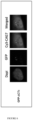
- GFP- ⁇ CT3 colocalizes with the nuclear foci of CUGexp-RNA as observed for the full length MBNL1.
- a splicing reporter minigene in Hela cells.
- the GFP- ⁇ CT3-NES has a complete cytoplasmic localization when compared to GFP- ⁇ CT3, which displayed a nucleo-cytoplasmic localization ( Fig 4A ). Due to efficient nuclear export and exclusive cytoplasmic localization, GFP- ⁇ CT3-NES has no more residual splicing activity as shown using hcTNT exon 5 and IR exon 11 minigenes ( Fig 4B ). By contrast, co-expression of GFP- ⁇ CT3-NES with CUG repeats and Tau exons 2/3 splicing reporter minigenes is still able to restore a normal splicing of Tau as observed previously with the full length MBNL1 and GFP- ⁇ CT3 ( Figure 4C ).
- recombinant MBNL1 protein was cross-linked to in vitro transcribed 32 P RNA containing 95 CUG repeats in the absence or presence of growing concentrations of recombinant ⁇ CT3 protein, or vise-et-versa ( Fig. 5 ). In both conditions, incremental concentrations of recombinant ⁇ CT3 or MBNL1 were able to reduced respectively, the amount of recombinant MBNL1 or ⁇ CT3 indicating that ⁇ CT3 is able to compete and displace efficiently MBNL1 from CUG repeats.
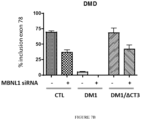
- ⁇ CT3 can interact with CUGexp-RNA in DM1 cells and modulate DM1 molecular features as alternative splicing mis regulation
- human primary muscle cell cultures of DM1 and non-DM1 patients were transduced or not with lentiviral vectors expressing either GFP- ⁇ CT3 or GFP.
- GFP- ⁇ CT3 colocalizes with the nuclear CUGexp-RNA foci in DM1 muscle cells.
- ⁇ CT3 The capacity of ⁇ CT3 to neutralize in vivo the RNA toxicity induced by the expanded CUG repeats was next tested in the DM1 mouse model (HSA-LR) expressing 220 CTG in the 3'UTR of the human skeletal actin gene (Mankodi et al. 2000). These mice accumulate CUGexp-RNA in the nuclei of their skeletal muscle fibers and display missplicing events as well as myotonia. Gastronemius (GAS) muscle of HSA-LR mice was injected intramuscularly with AAV9-GFP- ⁇ CT3 vectors whereas contralateral GAS was injected with saline solution.
- GAS Gastronemius
- mice After 6 weeks, the contraction properties of these muscles were measured in situ, mice were thereafter sacrificed and the muscles were taken for histological and biochemical analysis.
- splicing changes in the HSA-LR mice that are similar to those observed in DM1 patients, we examined the splicing mis regulation of Serca1, Mbnl1 and Clc-1.
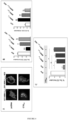
- injection of AAV9-GFP- ⁇ CT3 corrected the splicing pattern of these transcripts when compared to HSA-LR contralateral muscles and restores an almost complete normal splicing profile when compared to FVB wt mice.
- AAV9-GFP- ⁇ CT3 had no impact on the endogenous splicing of these transcripts in FVB wt mice thus confirming that the ⁇ CT3 construct had almost no splicing regulatory activity in vivo and ( Fig. 13 ) or in vitro concentration equivalent to the WT MBNL1 protein (Tran et al., 2011).
- ⁇ CT3 competes with endogenous MBNL for abnormal binding to expanded CUG repeats leading to the release of sequestered and functional MBNL from the CUGexp-RNA aggregates.
- Mbnl1:CUGexp-RNA foci colocalization (as indicated by the peak of intensity) that overlaps in control HSA-LR mice was largely reduced in AAV9 GFP- ⁇ CT3 injected mice ( Fig 10 ), confirming that ⁇ CT3 replaces MBNL1 into the foci and displaces enough endogenous MBNL1 to restore functional MBNL-dependant splicing activity in DM1 mice.
- Tibialis Anterior (TA) muscles of wt mice were also injected with AAV9-GFP- ⁇ CT3 or an empty AAV9-MCS and sacrificed after 3, 4 and 6 weeks ( Fig 12 ). These muscles showed no signs of toxicity or muscle regeneration/degeneration as indicated by the almost absence (less than 1%) of central nuclei, embryonic myosin heavy chain re-expression as well as abnormal size of the muscle fibers.
- splicing profile of genes that are abnormally spliced in DM1 is not perturbed in wt mice by either ⁇ CT3 expression or AAV9 transduction ( Fig 13 ).
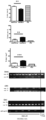
- injection of AAV9-GFP- ⁇ CT3 in TA muscles of HSA-LR mice also corrects the splicing misregulation of several DM1 genes when compared to contralateral muscles injected with empty AAV9-MCS ( Fig. 14A ).
- addition of a nuclear localization signal (NLS) to the ⁇ CT3 construct does not modify ⁇ CT3 efficacy in HSA-LR mice ( Fig. 14B ).
- the removal of exon 3 from the ⁇ CT3 construct prevents its splicing correction activity.
- ⁇ CT3 can rescue both MBNL1- and MBNL2 -deregulated splicing events by releasing several MBNL paralogues from expanded CUG repeats.
- MBNL1 RNA-binding domain As a bait to block deleterious interaction of poly-CUG binding proteins to pathogenic repeats.
- ⁇ CT3 modified, non-functional MBNL
- MBNL1 is sequestered and colocalized with CUGexp-RNA foci in control HSA-LR mice, its localization is less associated with the nuclear foci than ⁇ CT3 in HSA-LR injected mice. Sequestration of ⁇ CT3 by CUGexp-RNA displaces endogenous MBNL1 from these abnormal structures resulting in the correction of MBNL1-misregulated events in the DM1 mice.
- Our AAV- ⁇ CT3 strategy is the first gene therapy approach that target CUGexp-RNA to inhibit deleterious of poly-CUG binding proteins and correct their toxic effects in vivo.
- MBNL proteins are almost the only proteins in DM1 human tissue samples that were found sequestered in nuclear foci, and recently, splicing abnormalities present in affected muscles of DM1 patients were mainly associated to functional loss of MBNL1 (Nakamori et al. 2013). Depletion of functional MBNL splicing factors due to their abnormal binding and sequestration by CUGexp-RNA leads to alternative splicing misregulation of specific subset of transcripts and ultimately to pathological changes in DM1 tissues.
- MBNL1-regulated events were associated to DM1 skeletal muscle defects whereas MBNL2-regulated events were misregulated in DM1 brain.
- overexpression of functional MBNL1 (isoforms-40 and -41) using AAV vectors is sufficient to reverse missplicing and myotonia in DM1 mice as confirmed by doubly transgenic HSA-LR:MBNL1-OE mice (Kanadia et al. 2006; Chamberlain and Ranum 2012).
- This strategy of functional MBNL1 overexpression compensates for the loss of MBNL1 in DM1 mice cells by increasing artificially the level of functional MBNL1.
- MBNL1 isoforms-40 and -41 were successfully overexpressed in muscles however up to 10 different MBNL1 isoforms with various expression profiles and tissue-specific patterns were described.
- the function of different isoforms is not completely established yet as showed by the recent report indicating that MBNL1 isoform-43 can interact with Src family kinase (Wang et al. 2012; Botta et al. 2013).
- MBNL1 that regulates alternative splicing events is also involved in other RNA processes like mRNA decay and miRNA biogenesis (Rau et al. 2011; Masuda et al. 2012).
- ⁇ CT3 that targets CUGexp-RNA will circumvent the question of which isoform of MBNL1 should be overexpressed since sequestered endogenous MBNL1 proteins are released in a tissue-specific manner. Moreover, missplicing of MBNL1 it-self that changes the MBNL1 isoforms ratio in DM1 tissues is corrected in the muscle tissue of DM1 mice expressing ⁇ CT3. Besides it is not known whether MBNL1 overexpression can restore or compensate for the loss of other MBNL paralogues such as MBNL2. We can presume that ⁇ CT3 will release other MBNL proteins from CUGexp-RNA and correct MBNL-misspliced events in other tissues than skeletal muscle.
- the non-functional ⁇ CT3 will bind to expanded CUG repeats to release endogenous MBNL1 from CUGexp-RNA aggregates and restore their cellular localization and function.
- AAV vectors In contrast to synthetic oligonucleotides or small compounds that require repeated treatments, AAV vectors have been shown to persist several years in muscles (Rivera et al. 2005) allowing permanent expression of non-functional ⁇ CT3 that can counteract the continuous expression of toxic CUGexp RNA and trigger a long-lasting effect. Thus, we propose this new gene therapy approach as a valuable alternate or complementary therapeutic approach for DM1.
Landscapes
- Health & Medical Sciences (AREA)
- Life Sciences & Earth Sciences (AREA)
- Veterinary Medicine (AREA)
- Public Health (AREA)
- General Health & Medical Sciences (AREA)
- Chemical & Material Sciences (AREA)
- Engineering & Computer Science (AREA)
- Animal Behavior & Ethology (AREA)
- Medicinal Chemistry (AREA)
- Pharmacology & Pharmacy (AREA)
- Epidemiology (AREA)
- Bioinformatics & Cheminformatics (AREA)
- Biotechnology (AREA)
- Molecular Biology (AREA)
- Genetics & Genomics (AREA)
- Marine Sciences & Fisheries (AREA)
- Zoology (AREA)
- Immunology (AREA)
- Gastroenterology & Hepatology (AREA)
- Proteomics, Peptides & Aminoacids (AREA)
- Physical Education & Sports Medicine (AREA)
- General Chemical & Material Sciences (AREA)
- Nuclear Medicine, Radiotherapy & Molecular Imaging (AREA)
- Organic Chemistry (AREA)
- Chemical Kinetics & Catalysis (AREA)
- Orthopedic Medicine & Surgery (AREA)
- Neurology (AREA)
- Medicines That Contain Protein Lipid Enzymes And Other Medicines (AREA)
- Medicines Containing Material From Animals Or Micro-Organisms (AREA)
- Peptides Or Proteins (AREA)
Applications Claiming Priority (2)
| Application Number | Priority Date | Filing Date | Title |
|---|---|---|---|
| PCT/EP2014/057553 WO2015158365A1 (en) | 2014-04-14 | 2014-04-14 | Treatment of myotonic dystrophy |
| PCT/EP2015/058111 WO2015158740A1 (en) | 2014-04-14 | 2015-04-14 | Treatment of myotonic dystrophy |
Publications (2)
| Publication Number | Publication Date |
|---|---|
| EP3145529A1 EP3145529A1 (en) | 2017-03-29 |
| EP3145529B1 true EP3145529B1 (en) | 2023-11-15 |
Family
ID=50588655
Family Applications (1)
| Application Number | Title | Priority Date | Filing Date |
|---|---|---|---|
| EP15716781.8A Active EP3145529B1 (en) | 2014-04-14 | 2015-04-14 | Mbnl polypeptide for use in the treatment of myotonic dystrophy |
Country Status (6)
| Country | Link |
|---|---|
| US (1) | US10799556B2 (https=) |
| EP (1) | EP3145529B1 (https=) |
| JP (3) | JP6953131B2 (https=) |
| CA (1) | CA2944606C (https=) |
| ES (1) | ES2970841T3 (https=) |
| WO (2) | WO2015158365A1 (https=) |
Families Citing this family (3)
| Publication number | Priority date | Publication date | Assignee | Title |
|---|---|---|---|---|
| WO2015158365A1 (en) * | 2014-04-14 | 2015-10-22 | Association Institut De Myologie | Treatment of myotonic dystrophy |
| CA3150413A1 (en) * | 2019-09-12 | 2021-03-18 | Denis Furling | NUCLEIC ACID SEQUENCE FOR THE REGULATION OF TRANSGENE EXPRESSION |
| WO2024249893A1 (en) * | 2023-05-31 | 2024-12-05 | The Trustees Of Columbia University In The City Of New York | Generation of mature neurons differentiated from pluripotent stem cells |
Family Cites Families (3)
| Publication number | Priority date | Publication date | Assignee | Title |
|---|---|---|---|---|
| EP2019143A1 (en) * | 2007-07-23 | 2009-01-28 | Genethon | CNS gene delivery using peripheral administration of AAV vectors |
| WO2010044894A1 (en) * | 2008-10-15 | 2010-04-22 | 4S3 Bioscience Inc. | Methods and compositions for treatment of myotonic dystrophy |
| WO2015158365A1 (en) * | 2014-04-14 | 2015-10-22 | Association Institut De Myologie | Treatment of myotonic dystrophy |
-
2014
- 2014-04-14 WO PCT/EP2014/057553 patent/WO2015158365A1/en not_active Ceased
-
2015
- 2015-04-14 CA CA2944606A patent/CA2944606C/en active Active
- 2015-04-14 US US15/303,769 patent/US10799556B2/en active Active
- 2015-04-14 JP JP2016562263A patent/JP6953131B2/ja active Active
- 2015-04-14 WO PCT/EP2015/058111 patent/WO2015158740A1/en not_active Ceased
- 2015-04-14 ES ES15716781T patent/ES2970841T3/es active Active
- 2015-04-14 EP EP15716781.8A patent/EP3145529B1/en active Active
-
2021
- 2021-03-16 JP JP2021042924A patent/JP7739017B2/ja active Active
-
2023
- 2023-04-26 JP JP2023072627A patent/JP7752148B2/ja active Active
Also Published As
| Publication number | Publication date |
|---|---|
| JP2021101713A (ja) | 2021-07-15 |
| WO2015158740A1 (en) | 2015-10-22 |
| ES2970841T3 (es) | 2024-05-30 |
| US10799556B2 (en) | 2020-10-13 |
| JP2023099082A (ja) | 2023-07-11 |
| JP7752148B2 (ja) | 2025-10-09 |
| EP3145529A1 (en) | 2017-03-29 |
| CA2944606A1 (en) | 2015-10-22 |
| US20170035841A1 (en) | 2017-02-09 |
| WO2015158365A1 (en) | 2015-10-22 |
| JP6953131B2 (ja) | 2021-10-27 |
| JP7739017B2 (ja) | 2025-09-16 |
| CA2944606C (en) | 2023-06-27 |
| JP2017511145A (ja) | 2017-04-20 |
Similar Documents
| Publication | Publication Date | Title |
|---|---|---|
| JP7416451B2 (ja) | CRISPR-Casによる標的化された核内RNA切断及びポリアデニル化 | |
| Bilsen et al. | Identification and allele-specific silencing of the mutant huntingtin allele in Huntington's disease patient-derived fibroblasts | |
| AU2017369605B2 (en) | Allele-specific silencing therapy for dynamin 2-related diseases | |
| JP7752148B2 (ja) | 筋強直性ジストロフィーの処置 | |
| KR20210010549A (ko) | 스플라이싱이상을 감소시키고 rna 우성 질환을 치료하기 위한 조성물 및 방법 | |
| CN113710693B (zh) | Dna结合结构域反式激活因子及其用途 | |
| WO2012049665A1 (en) | A modified human u1snrna molecule, a gene encoding for the modified human u1snrna molecule, an expression vector including the gene, and the use thereof in gene therapy | |
| WO2017207979A1 (en) | Inhibitors of srsf1 to treat neurodegenerative disorders | |
| JP2024133570A (ja) | 変異型garsタンパク質の発現を阻害するための生成物および方法 | |
| EP2212348B1 (en) | Materials and methods for gene mediated therapy of psychiatric disorders | |
| JP7787094B2 (ja) | 筋萎縮性側索硬化症を治療するためのアンチセンス配列 | |
| US20250302996A1 (en) | Method | |
| US12503495B2 (en) | Treatment of myotonic dystrophy | |
| JP2023500884A (ja) | 筋疾患のための併用療法 | |
| WO2023091943A2 (en) | Compositions and methods to prevent, inhibit or treat neurodegenerative diseases | |
| JP7461687B2 (ja) | 筋強直性ジストロフィー1型治療薬 | |
| WO2024036343A2 (en) | Synergistic nucleic acid based therapeutics and methods of use for treating genetic disorders | |
| WO2026055323A1 (en) | Therapeutic regulation of scn2a splicing | |
| AU2024359274A1 (en) | Recombinant regulatory sequences and therapeutic regulating of splicing | |
| WO2025080847A1 (en) | Therapeutic regulation of scn1a splicing | |
| Mastroyiannopoulos et al. | Myotonic Dystrophy Type 1: Focus on the RNA Pathology and Therapy |
Legal Events
| Date | Code | Title | Description |
|---|---|---|---|
| STAA | Information on the status of an ep patent application or granted ep patent |
Free format text: STATUS: THE INTERNATIONAL PUBLICATION HAS BEEN MADE |
|
| PUAI | Public reference made under article 153(3) epc to a published international application that has entered the european phase |
Free format text: ORIGINAL CODE: 0009012 |
|
| STAA | Information on the status of an ep patent application or granted ep patent |
Free format text: STATUS: REQUEST FOR EXAMINATION WAS MADE |
|
| 17P | Request for examination filed |
Effective date: 20161108 |
|
| AK | Designated contracting states |
Kind code of ref document: A1 Designated state(s): AL AT BE BG CH CY CZ DE DK EE ES FI FR GB GR HR HU IE IS IT LI LT LU LV MC MK MT NL NO PL PT RO RS SE SI SK SM TR |
|
| AX | Request for extension of the european patent |
Extension state: BA ME |
|
| RIN1 | Information on inventor provided before grant (corrected) |
Inventor name: ARANDEL, LUDOVIC Inventor name: FURLING, DENIS Inventor name: CAILLET-BOUDIN, MARIE-LAURE Inventor name: SERGEANT, NICOLAS |
|
| DAV | Request for validation of the european patent (deleted) | ||
| DAX | Request for extension of the european patent (deleted) | ||
| STAA | Information on the status of an ep patent application or granted ep patent |
Free format text: STATUS: EXAMINATION IS IN PROGRESS |
|
| 17Q | First examination report despatched |
Effective date: 20220328 |
|
| GRAP | Despatch of communication of intention to grant a patent |
Free format text: ORIGINAL CODE: EPIDOSNIGR1 |
|
| STAA | Information on the status of an ep patent application or granted ep patent |
Free format text: STATUS: GRANT OF PATENT IS INTENDED |
|
| INTG | Intention to grant announced |
Effective date: 20230508 |
|
| P01 | Opt-out of the competence of the unified patent court (upc) registered |
Effective date: 20230526 |
|
| GRAS | Grant fee paid |
Free format text: ORIGINAL CODE: EPIDOSNIGR3 |
|
| GRAA | (expected) grant |
Free format text: ORIGINAL CODE: 0009210 |
|
| STAA | Information on the status of an ep patent application or granted ep patent |
Free format text: STATUS: THE PATENT HAS BEEN GRANTED |
|
| RAP1 | Party data changed (applicant data changed or rights of an application transferred) |
Owner name: SORBONNE UNIVERSITE Owner name: INSERM - INSTITUT NATIONAL DE LA SANTE ET DE LA RECHERCHE MEDICALE Owner name: CENTRE NATIONAL DE LA RECHERCHE SCIENTIFIQUE Owner name: ASSOCIATION INSTITUT DE MYOLOGIE |
|
| AK | Designated contracting states |
Kind code of ref document: B1 Designated state(s): AL AT BE BG CH CY CZ DE DK EE ES FI FR GB GR HR HU IE IS IT LI LT LU LV MC MK MT NL NO PL PT RO RS SE SI SK SM TR |
|
| REG | Reference to a national code |
Ref country code: CH Ref legal event code: EP Ref country code: GB Ref legal event code: FG4D |
|
| REG | Reference to a national code |
Ref country code: DE Ref legal event code: R096 Ref document number: 602015086529 Country of ref document: DE |
|
| REG | Reference to a national code |
Ref country code: IE Ref legal event code: FG4D |
|
| REG | Reference to a national code |
Ref country code: NL Ref legal event code: FP |
|
| REG | Reference to a national code |
Ref country code: LT Ref legal event code: MG9D |
|
| PG25 | Lapsed in a contracting state [announced via postgrant information from national office to epo] |
Ref country code: GR Free format text: LAPSE BECAUSE OF FAILURE TO SUBMIT A TRANSLATION OF THE DESCRIPTION OR TO PAY THE FEE WITHIN THE PRESCRIBED TIME-LIMIT Effective date: 20240216 |
|
| PG25 | Lapsed in a contracting state [announced via postgrant information from national office to epo] |
Ref country code: IS Free format text: LAPSE BECAUSE OF FAILURE TO SUBMIT A TRANSLATION OF THE DESCRIPTION OR TO PAY THE FEE WITHIN THE PRESCRIBED TIME-LIMIT Effective date: 20240315 |
|
| PG25 | Lapsed in a contracting state [announced via postgrant information from national office to epo] |
Ref country code: LT Free format text: LAPSE BECAUSE OF FAILURE TO SUBMIT A TRANSLATION OF THE DESCRIPTION OR TO PAY THE FEE WITHIN THE PRESCRIBED TIME-LIMIT Effective date: 20231115 |
|
| REG | Reference to a national code |
Ref country code: AT Ref legal event code: MK05 Ref document number: 1631179 Country of ref document: AT Kind code of ref document: T Effective date: 20231115 |
|
| PG25 | Lapsed in a contracting state [announced via postgrant information from national office to epo] |
Ref country code: AT Free format text: LAPSE BECAUSE OF FAILURE TO SUBMIT A TRANSLATION OF THE DESCRIPTION OR TO PAY THE FEE WITHIN THE PRESCRIBED TIME-LIMIT Effective date: 20231115 |
|
| PG25 | Lapsed in a contracting state [announced via postgrant information from national office to epo] |
Ref country code: LT Free format text: LAPSE BECAUSE OF FAILURE TO SUBMIT A TRANSLATION OF THE DESCRIPTION OR TO PAY THE FEE WITHIN THE PRESCRIBED TIME-LIMIT Effective date: 20231115 Ref country code: IS Free format text: LAPSE BECAUSE OF FAILURE TO SUBMIT A TRANSLATION OF THE DESCRIPTION OR TO PAY THE FEE WITHIN THE PRESCRIBED TIME-LIMIT Effective date: 20240315 Ref country code: GR Free format text: LAPSE BECAUSE OF FAILURE TO SUBMIT A TRANSLATION OF THE DESCRIPTION OR TO PAY THE FEE WITHIN THE PRESCRIBED TIME-LIMIT Effective date: 20240216 Ref country code: BG Free format text: LAPSE BECAUSE OF FAILURE TO SUBMIT A TRANSLATION OF THE DESCRIPTION OR TO PAY THE FEE WITHIN THE PRESCRIBED TIME-LIMIT Effective date: 20240215 Ref country code: AT Free format text: LAPSE BECAUSE OF FAILURE TO SUBMIT A TRANSLATION OF THE DESCRIPTION OR TO PAY THE FEE WITHIN THE PRESCRIBED TIME-LIMIT Effective date: 20231115 Ref country code: PT Free format text: LAPSE BECAUSE OF FAILURE TO SUBMIT A TRANSLATION OF THE DESCRIPTION OR TO PAY THE FEE WITHIN THE PRESCRIBED TIME-LIMIT Effective date: 20240315 |
|
| REG | Reference to a national code |
Ref country code: ES Ref legal event code: FG2A Ref document number: 2970841 Country of ref document: ES Kind code of ref document: T3 Effective date: 20240530 |
|
| PG25 | Lapsed in a contracting state [announced via postgrant information from national office to epo] |
Ref country code: SE Free format text: LAPSE BECAUSE OF FAILURE TO SUBMIT A TRANSLATION OF THE DESCRIPTION OR TO PAY THE FEE WITHIN THE PRESCRIBED TIME-LIMIT Effective date: 20231115 Ref country code: RS Free format text: LAPSE BECAUSE OF FAILURE TO SUBMIT A TRANSLATION OF THE DESCRIPTION OR TO PAY THE FEE WITHIN THE PRESCRIBED TIME-LIMIT Effective date: 20231115 Ref country code: PL Free format text: LAPSE BECAUSE OF FAILURE TO SUBMIT A TRANSLATION OF THE DESCRIPTION OR TO PAY THE FEE WITHIN THE PRESCRIBED TIME-LIMIT Effective date: 20231115 Ref country code: NO Free format text: LAPSE BECAUSE OF FAILURE TO SUBMIT A TRANSLATION OF THE DESCRIPTION OR TO PAY THE FEE WITHIN THE PRESCRIBED TIME-LIMIT Effective date: 20240215 Ref country code: LV Free format text: LAPSE BECAUSE OF FAILURE TO SUBMIT A TRANSLATION OF THE DESCRIPTION OR TO PAY THE FEE WITHIN THE PRESCRIBED TIME-LIMIT Effective date: 20231115 Ref country code: HR Free format text: LAPSE BECAUSE OF FAILURE TO SUBMIT A TRANSLATION OF THE DESCRIPTION OR TO PAY THE FEE WITHIN THE PRESCRIBED TIME-LIMIT Effective date: 20231115 |
|
| PG25 | Lapsed in a contracting state [announced via postgrant information from national office to epo] |
Ref country code: DK Free format text: LAPSE BECAUSE OF FAILURE TO SUBMIT A TRANSLATION OF THE DESCRIPTION OR TO PAY THE FEE WITHIN THE PRESCRIBED TIME-LIMIT Effective date: 20231115 |
|
| PG25 | Lapsed in a contracting state [announced via postgrant information from national office to epo] |
Ref country code: CZ Free format text: LAPSE BECAUSE OF FAILURE TO SUBMIT A TRANSLATION OF THE DESCRIPTION OR TO PAY THE FEE WITHIN THE PRESCRIBED TIME-LIMIT Effective date: 20231115 |
|
| PG25 | Lapsed in a contracting state [announced via postgrant information from national office to epo] |
Ref country code: SK Free format text: LAPSE BECAUSE OF FAILURE TO SUBMIT A TRANSLATION OF THE DESCRIPTION OR TO PAY THE FEE WITHIN THE PRESCRIBED TIME-LIMIT Effective date: 20231115 |
|
| PG25 | Lapsed in a contracting state [announced via postgrant information from national office to epo] |
Ref country code: SM Free format text: LAPSE BECAUSE OF FAILURE TO SUBMIT A TRANSLATION OF THE DESCRIPTION OR TO PAY THE FEE WITHIN THE PRESCRIBED TIME-LIMIT Effective date: 20231115 Ref country code: SK Free format text: LAPSE BECAUSE OF FAILURE TO SUBMIT A TRANSLATION OF THE DESCRIPTION OR TO PAY THE FEE WITHIN THE PRESCRIBED TIME-LIMIT Effective date: 20231115 Ref country code: RO Free format text: LAPSE BECAUSE OF FAILURE TO SUBMIT A TRANSLATION OF THE DESCRIPTION OR TO PAY THE FEE WITHIN THE PRESCRIBED TIME-LIMIT Effective date: 20231115 Ref country code: EE Free format text: LAPSE BECAUSE OF FAILURE TO SUBMIT A TRANSLATION OF THE DESCRIPTION OR TO PAY THE FEE WITHIN THE PRESCRIBED TIME-LIMIT Effective date: 20231115 Ref country code: DK Free format text: LAPSE BECAUSE OF FAILURE TO SUBMIT A TRANSLATION OF THE DESCRIPTION OR TO PAY THE FEE WITHIN THE PRESCRIBED TIME-LIMIT Effective date: 20231115 Ref country code: CZ Free format text: LAPSE BECAUSE OF FAILURE TO SUBMIT A TRANSLATION OF THE DESCRIPTION OR TO PAY THE FEE WITHIN THE PRESCRIBED TIME-LIMIT Effective date: 20231115 |
|
| REG | Reference to a national code |
Ref country code: DE Ref legal event code: R097 Ref document number: 602015086529 Country of ref document: DE |
|
| PLBE | No opposition filed within time limit |
Free format text: ORIGINAL CODE: 0009261 |
|
| STAA | Information on the status of an ep patent application or granted ep patent |
Free format text: STATUS: NO OPPOSITION FILED WITHIN TIME LIMIT |
|
| 26N | No opposition filed |
Effective date: 20240819 |
|
| PG25 | Lapsed in a contracting state [announced via postgrant information from national office to epo] |
Ref country code: SI Free format text: LAPSE BECAUSE OF FAILURE TO SUBMIT A TRANSLATION OF THE DESCRIPTION OR TO PAY THE FEE WITHIN THE PRESCRIBED TIME-LIMIT Effective date: 20231115 |
|
| PG25 | Lapsed in a contracting state [announced via postgrant information from national office to epo] |
Ref country code: SI Free format text: LAPSE BECAUSE OF FAILURE TO SUBMIT A TRANSLATION OF THE DESCRIPTION OR TO PAY THE FEE WITHIN THE PRESCRIBED TIME-LIMIT Effective date: 20231115 |
|
| PG25 | Lapsed in a contracting state [announced via postgrant information from national office to epo] |
Ref country code: MC Free format text: LAPSE BECAUSE OF FAILURE TO SUBMIT A TRANSLATION OF THE DESCRIPTION OR TO PAY THE FEE WITHIN THE PRESCRIBED TIME-LIMIT Effective date: 20231115 |
|
| PG25 | Lapsed in a contracting state [announced via postgrant information from national office to epo] |
Ref country code: MC Free format text: LAPSE BECAUSE OF FAILURE TO SUBMIT A TRANSLATION OF THE DESCRIPTION OR TO PAY THE FEE WITHIN THE PRESCRIBED TIME-LIMIT Effective date: 20231115 |
|
| PG25 | Lapsed in a contracting state [announced via postgrant information from national office to epo] |
Ref country code: LU Free format text: LAPSE BECAUSE OF NON-PAYMENT OF DUE FEES Effective date: 20240414 |
|
| PG25 | Lapsed in a contracting state [announced via postgrant information from national office to epo] |
Ref country code: LU Free format text: LAPSE BECAUSE OF NON-PAYMENT OF DUE FEES Effective date: 20240414 |
|
| PG25 | Lapsed in a contracting state [announced via postgrant information from national office to epo] |
Ref country code: IE Free format text: LAPSE BECAUSE OF NON-PAYMENT OF DUE FEES Effective date: 20240414 |
|
| PGFP | Annual fee paid to national office [announced via postgrant information from national office to epo] |
Ref country code: NL Payment date: 20250424 Year of fee payment: 11 |
|
| PGFP | Annual fee paid to national office [announced via postgrant information from national office to epo] |
Ref country code: DE Payment date: 20250428 Year of fee payment: 11 |
|
| PGFP | Annual fee paid to national office [announced via postgrant information from national office to epo] |
Ref country code: ES Payment date: 20250513 Year of fee payment: 11 |
|
| PGFP | Annual fee paid to national office [announced via postgrant information from national office to epo] |
Ref country code: BE Payment date: 20250424 Year of fee payment: 11 Ref country code: IT Payment date: 20250422 Year of fee payment: 11 |
|
| PGFP | Annual fee paid to national office [announced via postgrant information from national office to epo] |
Ref country code: FR Payment date: 20250408 Year of fee payment: 11 |
|
| PGFP | Annual fee paid to national office [announced via postgrant information from national office to epo] |
Ref country code: CH Payment date: 20250501 Year of fee payment: 11 |
|
| PG25 | Lapsed in a contracting state [announced via postgrant information from national office to epo] |
Ref country code: CY Free format text: LAPSE BECAUSE OF FAILURE TO SUBMIT A TRANSLATION OF THE DESCRIPTION OR TO PAY THE FEE WITHIN THE PRESCRIBED TIME-LIMIT; INVALID AB INITIO Effective date: 20150414 |
|
| PG25 | Lapsed in a contracting state [announced via postgrant information from national office to epo] |
Ref country code: HU Free format text: LAPSE BECAUSE OF FAILURE TO SUBMIT A TRANSLATION OF THE DESCRIPTION OR TO PAY THE FEE WITHIN THE PRESCRIBED TIME-LIMIT; INVALID AB INITIO Effective date: 20150414 |
|
| PG25 | Lapsed in a contracting state [announced via postgrant information from national office to epo] |
Ref country code: FI Free format text: LAPSE BECAUSE OF FAILURE TO SUBMIT A TRANSLATION OF THE DESCRIPTION OR TO PAY THE FEE WITHIN THE PRESCRIBED TIME-LIMIT Effective date: 20231115 |
|
| PGFP | Annual fee paid to national office [announced via postgrant information from national office to epo] |
Ref country code: GB Payment date: 20260330 Year of fee payment: 12 |