EP3143494B1 - Systems and methods of managing treatment of cushing's disease by symptom tracking - Google Patents
Systems and methods of managing treatment of cushing's disease by symptom tracking Download PDFInfo
- Publication number
- EP3143494B1 EP3143494B1 EP15793415.9A EP15793415A EP3143494B1 EP 3143494 B1 EP3143494 B1 EP 3143494B1 EP 15793415 A EP15793415 A EP 15793415A EP 3143494 B1 EP3143494 B1 EP 3143494B1
- Authority
- EP
- European Patent Office
- Prior art keywords
- patient
- facial
- symptoms
- images
- treatment
- Prior art date
- Legal status (The legal status is an assumption and is not a legal conclusion. Google has not performed a legal analysis and makes no representation as to the accuracy of the status listed.)
- Active
Links
Images








Classifications
-
- G—PHYSICS
- G16—INFORMATION AND COMMUNICATION TECHNOLOGY [ICT] SPECIALLY ADAPTED FOR SPECIFIC APPLICATION FIELDS
- G16H—HEALTHCARE INFORMATICS, i.e. INFORMATION AND COMMUNICATION TECHNOLOGY [ICT] SPECIALLY ADAPTED FOR THE HANDLING OR PROCESSING OF MEDICAL OR HEALTHCARE DATA
- G16H30/00—ICT specially adapted for the handling or processing of medical images
- G16H30/40—ICT specially adapted for the handling or processing of medical images for processing medical images, e.g. editing
-
- G—PHYSICS
- G16—INFORMATION AND COMMUNICATION TECHNOLOGY [ICT] SPECIALLY ADAPTED FOR SPECIFIC APPLICATION FIELDS
- G16Z—INFORMATION AND COMMUNICATION TECHNOLOGY [ICT] SPECIALLY ADAPTED FOR SPECIFIC APPLICATION FIELDS, NOT OTHERWISE PROVIDED FOR
- G16Z99/00—Subject matter not provided for in other main groups of this subclass
-
- A—HUMAN NECESSITIES
- A61—MEDICAL OR VETERINARY SCIENCE; HYGIENE
- A61B—DIAGNOSIS; SURGERY; IDENTIFICATION
- A61B5/00—Measuring for diagnostic purposes; Identification of persons
- A61B5/103—Measuring devices for testing the shape, pattern, colour, size or movement of the body or parts thereof, for diagnostic purposes
- A61B5/107—Measuring physical dimensions, e.g. size of the entire body or parts thereof
- A61B5/1079—Measuring physical dimensions, e.g. size of the entire body or parts thereof using optical or photographic means
-
- A—HUMAN NECESSITIES
- A61—MEDICAL OR VETERINARY SCIENCE; HYGIENE
- A61K—PREPARATIONS FOR MEDICAL, DENTAL OR TOILETRY PURPOSES
- A61K31/00—Medicinal preparations containing organic active ingredients
- A61K31/56—Compounds containing cyclopenta[a]hydrophenanthrene ring systems; Derivatives thereof, e.g. steroids
- A61K31/565—Compounds containing cyclopenta[a]hydrophenanthrene ring systems; Derivatives thereof, e.g. steroids not substituted in position 17 beta by a carbon atom, e.g. estrane, estradiol
- A61K31/567—Compounds containing cyclopenta[a]hydrophenanthrene ring systems; Derivatives thereof, e.g. steroids not substituted in position 17 beta by a carbon atom, e.g. estrane, estradiol substituted in position 17 alpha, e.g. mestranol, norethandrolone
-
- G—PHYSICS
- G01—MEASURING; TESTING
- G01N—INVESTIGATING OR ANALYSING MATERIALS BY DETERMINING THEIR CHEMICAL OR PHYSICAL PROPERTIES
- G01N33/00—Investigating or analysing materials by specific methods not covered by groups G01N1/00 - G01N31/00
- G01N33/48—Biological material, e.g. blood, urine; Haemocytometers
- G01N33/483—Physical analysis of biological material
- G01N33/487—Physical analysis of biological material of liquid biological material
- G01N33/49—Blood
- G01N33/492—Determining multiple analytes
-
- G—PHYSICS
- G06—COMPUTING OR CALCULATING; COUNTING
- G06T—IMAGE DATA PROCESSING OR GENERATION, IN GENERAL
- G06T7/00—Image analysis
- G06T7/60—Analysis of geometric attributes
-
- G—PHYSICS
- G06—COMPUTING OR CALCULATING; COUNTING
- G06V—IMAGE OR VIDEO RECOGNITION OR UNDERSTANDING
- G06V40/00—Recognition of biometric, human-related or animal-related patterns in image or video data
- G06V40/10—Human or animal bodies, e.g. vehicle occupants or pedestrians; Body parts, e.g. hands
- G06V40/16—Human faces, e.g. facial parts, sketches or expressions
-
- G—PHYSICS
- G16—INFORMATION AND COMMUNICATION TECHNOLOGY [ICT] SPECIALLY ADAPTED FOR SPECIFIC APPLICATION FIELDS
- G16H—HEALTHCARE INFORMATICS, i.e. INFORMATION AND COMMUNICATION TECHNOLOGY [ICT] SPECIALLY ADAPTED FOR THE HANDLING OR PROCESSING OF MEDICAL OR HEALTHCARE DATA
- G16H15/00—ICT specially adapted for medical reports, e.g. generation or transmission thereof
-
- G—PHYSICS
- G16—INFORMATION AND COMMUNICATION TECHNOLOGY [ICT] SPECIALLY ADAPTED FOR SPECIFIC APPLICATION FIELDS
- G16H—HEALTHCARE INFORMATICS, i.e. INFORMATION AND COMMUNICATION TECHNOLOGY [ICT] SPECIALLY ADAPTED FOR THE HANDLING OR PROCESSING OF MEDICAL OR HEALTHCARE DATA
- G16H50/00—ICT specially adapted for medical diagnosis, medical simulation or medical data mining; ICT specially adapted for detecting, monitoring or modelling epidemics or pandemics
- G16H50/20—ICT specially adapted for medical diagnosis, medical simulation or medical data mining; ICT specially adapted for detecting, monitoring or modelling epidemics or pandemics for computer-aided diagnosis, e.g. based on medical expert systems
-
- A—HUMAN NECESSITIES
- A61—MEDICAL OR VETERINARY SCIENCE; HYGIENE
- A61P—SPECIFIC THERAPEUTIC ACTIVITY OF CHEMICAL COMPOUNDS OR MEDICINAL PREPARATIONS
- A61P5/00—Drugs for disorders of the endocrine system
- A61P5/38—Drugs for disorders of the endocrine system of the suprarenal hormones
- A61P5/46—Drugs for disorders of the endocrine system of the suprarenal hormones for decreasing, blocking or antagonising the activity of glucocorticosteroids
Definitions
- the present invention generally pertains to management of chronic conditions, in particular chronic conditions that are treated utilizing administration of pharmaceutical or other therapeutic compounds.
- Boehringer et al (2011) American Journal of Medical Genetics, 155, 2161-2169 discloses automated syndrome detection in a set of clinical facial photographs. Boehringer et al does not disclose the collection of multiple facial images over time in order to monitor changes in a patient with Cushing's syndrome and modify a patient's mifepristone dosage.
- the present invention provides a computer program for determining a course of treatment of a chronic disease or disorder exhibiting an outwardly visible symptom in a patient, which chronic disease or disorder is Cushing's Syndrome
- the computer program when run on a computer, is configured to cause the computer to execute the steps of: receiving over time multiple facial images of a patient diagnosed with Cushing's Syndrome in a symptom tracking information system from a patient input; performing a facial recognition or analysis sequence to determine corresponding facial dimensions in each of the multiple facial images for determination of changes in facial dimensions between images, wherein the facial dimension comprises facial width; comparing the multiple facial images of the patient to determine an increase in facial width; outputting a report or alert to a medical professional administering treatment to the patient and/or to the patient regarding the determined change in facial dimensions, wherein an increase in facial width is indicative of a relapse or increase in symptoms.
- the present invention also provides a system for determining a course of treatment of a chronic disease or disorder exhibiting an outwardly visible symptom in a patient, which chronic disease or disorder is Cushing's Syndrome, the system comprising: one or more image capture devices adapted for capturing a plurality of facial images of the patient sequentially during a monitoring period; a server configured for receiving and storing the plurality of facial images of the patient in an information system; a processor configured for: performing a facial recognition or analysis sequence to determine corresponding facial dimensions in each of the multiple facial images for determination of changes in facial dimensions between images of the plurality of facial images, wherein the facial dimension comprises facial width; comparing the plurality of facial images of the patient to determine an increase in facial width; and outputting a report or alert to a medical professional administering treatment to the patient and/or to the patient regarding the determined changed in facial dimensions, wherein an increase in facial width is indicative of a relapse or increase in symptoms.
- the present invention generally provides a system for use in managing a chronic condition (Cushing's Syndrome).
- the system provides a symptom tracking information management system (e.g. database and the like) in which attributes relating to a patient and symptoms of the patient are received and tracked over time to facilitate monitoring of the condition and an associated treatment regimen.
- a symptom tracking information management system e.g. database and the like
- Such information may be output periodically or upon one or more symptoms exceeding a predetermined range or value to alert the patient or medical professional to a change in symptoms or condition in a particular patient that may necessitate further action.
- Such action may include counseling, follow-up visits, further physiological testing and/or modifications to the treatment regimen.
- such information may be collected from multiple patients and analyzed, such as in a statistical analysis, to alert the medical professions or a drug developer to trends, correlations, or interactions between certain patient factors, symptoms and treatment regimens, which may inform and improve prescribed treatment regimens.
- methods may further include tracking of one or more factors associated with the chronic condition that are monitored independently from or in combination with tracking of associated symptoms. Such factors may include tracking of various compounds within the patient's blood, including but not limited to blood glucose, hormone levels, drug levels and the like.
- Tracking of one or more additional factors in combination with one or more symptoms may be further advantageous by allowing determination of a correlation between symptoms and the chronic condition and/or the one or more factors or may be used to provide verification of a likely change in the chronic condition indicated by tracked changes in patient symptoms.
- any information entered by the patient is accessible to the patient to facilitate tracking of the condition by the patient; all or some of the information is accessible by a medical professional treating the patient; and all or some of the information is accessible to a drug developer. At least some of the information entered by the patient may remain confidential to the patient or to the patient and physician.
- the information entered by multiple patients is analyzed and output to a drug developer to provide statistical information as to the condition, symptoms and treatment based on one or more attributes of the patient (e.g. age, sex, weight, location, treating physician, treatment duration) or based on one or more attributes of the prescribed treatment regimen.
- one or more attributes of the patient e.g. age, sex, weight, location, treating physician, treatment duration
- the term "symptom" comprises any objective or subjective feature or sign resulting from or of any potential interest in regard to the chronic condition or illness being treated or management thereof. While classically, the term “sign” refers to test results (e.g. blood cell count) or features noticed by those other than the patient, within the context of this disclosure such signs are included within the term "symptom.” Such symptoms can be identified by any of the patient, a caretaker, physician, medical professional, or anyone with sufficient exposure to the patient or samples from the patient.
- the term “user” refers to any user of the information system, which may include the patient, a caretaker, a medical professional, facility, insurer, pharmacy, drug developer or drug manufacturer or third party.
- the system provides a symptom tracking information system in which one or more fields of information relating to a patient, physician and drug treatment are received by the patient and/or medical professional and information regarding one or more symptoms are entered by the patient over time (preferably at regular intervals) and output to the patient and/or physician to facilitate monitoring and assessment of the condition.
- Such output may be in the form of an e-mailed or printed report and may be provided periodically (e.g. weekly, monthly) or may be output in response to a condition (e.g. change in treatment or physicians, one or more symptoms exceeding a certain value or range, or a certain combination of symptoms).
- the patient inputs information regarding the one or more symptoms on a regular basis (e.g. weekly) so that a tracking of the symptoms can more accurately reflect stability of the treatment and associated symptoms or an increase in symptoms, which may be indicative of a relapse or a need to modify the treatment regimen (e.g. dosage increase).
- Cushing syndrome occurs when your body is exposed to high levels of the hormone cortisol for a long time.
- the most common cause of Cushing syndrome sometimes called hypercortisolism, is the use of oral corticosteroid medication.
- the condition can also occur when your body makes too much cortisol. Too much cortisol can produce some of the hallmark signs of Cushing syndrome - a fatty hump between your shoulders, a rounded face, and pink or purple stretch marks on your skin.
- Cushing syndrome can also result in high blood pressure, bone loss and, on occasion, diabetes. Treatments for Cushing syndrome can return your body's cortisol production to normal and noticeably improve your symptoms. The earlier treatment begins, the better your chances for recovery.” ( available online at http://www.mayoclinic.org/diseases-conditions/ cushing-syndrome/basics/definition/con-20032115).
- Cushing's disease is caused by a tumor or excess growth (hyperplasia) of the pituitary gland. This gland is located at the base of the brain. People with Cushing's disease have excess ACTH, which stimulates the production and release of cortisol, a stress hormone. Too much ACTH means too much cortisol. Cortisol is normally released during stressful situations. It controls the body's use of carbohydrates, fats, and proteins and also helps reduce the immune system's response to swelling (inflammation). Treatment involves surgery to remove the pituitary tumor, if possible. After surgery, the pituitary may slowly start to work again and return to normal.
- a patient may need cortisol replacement treatments. Radiation treatment of the pituitary gland may also be used. If the tumor does not respond to surgery or radiation, the patient may get medications to stop or decrease production of cortisol. If such treatments are not successful, the adrenal glands may be removed to stop excess levels of cortisol from being produced.” (http://www.nlm.nih.gov/medlineplus/ency/article/000348.htm).
- Mifepristone is a synthetic steroid that binds progesterone and glucocorticoid receptors and has been employed to treat a number of conditions including meningioma, uterine fibroids, hyperadrenocorticism, metabolic, oncologic, ophthalmologic, central nervous system disorders and certain psychiatric illnesses.
- Examples of such metabolic disorders include diabetes, obesity, antipsychotic induced weight gain, hypertension, and osteoporosis; examples of oncologic illness include various types of cancers, including ovarian cancer and prostate cancer; examples of central nervous system disorders include Alzheimer's Disease, neurodegenerative diseases, post traumatic stress disorder, and alcohol dependence; and examples of ophthalmological conditions include glaucoma and central serous retinopathy.
- administration of the same dose of mifepristone can produce widely varying plasma drug concentrations in different patients. For a particular dose of mifepristone, the plasma drug concentration can differ by as much as 800% from one patient to the next. The varied plasma drug concentration can result in some patients not receiving an efficacious dose of mifepristone.
- a symptom tracker system such as described herein, is particularly suited for tracking symptoms associated with Cushing's Syndrome.
- the Symptom Tracking System of the invention utilizes an image-based tracking feature.
- Cushing's Syndrome is a pituitary gland disorder and often causes increases in facial fat resulting in a rounded facial appearance often referred to as "moon face.”
- Cushing's Syndrome prolonged exposure to high levels of the hormone cortisol result in rapid weight gain, particularly in the trunk and face.
- a common symptom of Cushing's is the growth of fat pads along the collarbone, the back of the neck and the sides of the face resulting in a widened, rounder face. While a hallmark sign of Cushing's, these changes can be difficult to recognize over long periods of time or differentiate from normal weight gain, particularly if a patient's in-person visits to a clinician are infrequent.
- Cushing's may be caused by various factors (pituitary disorder, response to medications, tumor, or trauma to the pituitary gland), treatments for Cushing's vary and may include surgery and/or medications. In patients where surgery is not suitable, patients typically are treated by medications and their progress is monitored. Maintaining proper levels of cortisol can be challenging, however, and hormone levels and symptoms must be monitored closely to track progress and manage treatment as needed.
- the patient obtains images and uploads the images to the symptom tracking system.
- Obtaining a self-image with a smartphone and uploading by smartphone is a relatively quick and simple way of recording objective data of the patient's facial appearance to help the patient and/or the medical professional track their progress and assess general trends in the patient's condition based on facial appearance.
- Such images may allow identification of relatively minor physical changes that other physiological measurements may not readily identify.
- these changes can be identified by the system without requiring frequent in-person visits to the clinician.
- This image-based tracking feature assists in diagnosis and tracking of the outward symptoms of Cushing's by comparing images of the subject over time and monitoring the type and magnitude of changes in facial appearance. These changes may be difficult to quantity and to distinguish from ordinary changes in weight.
- the tracking system should be capable of recognizing the patient's face sufficiently to allow comparison between images to identify relatively small changes in facial appearance between images. For example, the system may run a "facial recognition subroutine" that may recognize the imaged face and/or normalize the images to allow direct comparison between images.
- the images may be obtained by a user at home with an integrated laptop camera or web camera and uploaded onto a server and associated with a user account to allow tracking of the user's symptoms.
- the tracking system can monitor and track subtle changes and general trends that would be difficult to quantify otherwise and assist in monitoring and treatment of the condition.
- tracking the symptoms over time allows the patient or medical professional to monitor the progress of the syndrome as well as its response to treatment so that treatments can be adjusted as needed to improve patient outcomes.
- methods include image-based tracking of facial width using a series of images uploaded by the patient over time into the symptom tracking system.
- methods of determining changes in facial shape that may be attributable to Cushing's Syndrome include any or all of the following: tracking of changes in facial shape/appearance based on series of images over time; methods for determining increased fat deposits based on comparison between images; methods for normalizing a series of images to allow comparison of features between images; methods for tracking progression of symptoms based on changes in outwardly visible symptoms; methods for prescribing treatment based on history of tracked visual symptoms and past treatment; methods/systems utilizing a "facial recognition routine" to allow comparison between facial images; and a web-based system allowing user to upload images, compare changes between images to determine symptoms and provide tracking history of symptoms to user and/or medical professional.
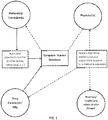
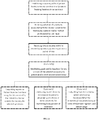
- FIG. 1 illustrates a flow chart of an example symptom tracking system.
- This system includes a symptom tracking information system provided by the developer of a pharmaceutical used in treatment of the chronic condition in which fields of information are input by a user (typically the patient, although a patient and physician may work together to establish a profile).
- the system is accessible online by a patient such that the patient establishes a patient profile in the symptom tracking system maintained by the drug developer and symptom information on the selected symptoms is routinely input by the patient over time.
- the information is stored by the system and reports based on the data are output to any of the patient, physician or developer upon request, the differing in type and information based on the recipient and/or query.
- the system analyzes the symptom information according to one or more algorithms or relationships stored in a processing unit of the system.
- the relationships or algorithms may be determined by the processing unit based on statistical analysis of the information or may be input by or more entities as they become known, such as through clinical studies.
- the information and algorithms are input on a symptom tracking information system maintained by the drug developer, although it is appreciated that the information and algorithms input into the system can be received from various different entities or uploaded automatically from various other information sources.
- the system allows for analysis of one or more symptoms over time to determine a trend or certain combination of symptoms for use by the physician in treating the particular patient or to determine statistical information that may be used by the physician or the drug developer to improve treatment regimens.
- data relating to one or more symptoms entered by a patient may be directly accessible by the treating physician on an as needed basis or may be obtained by the physician from reports produced on a periodic basis or in response to a trigger condition, such as a symptom exceeding a specified range or value relative a baseline.
- the system may provide the physician with analyzed data, such as a trend of one or more symptoms over time, to assist the physician in making a determination of the patient's condition and/or the efficacy of treatment.
- the system may perform a statistical analysis on the data entered by multiple patients and provide sortable data or provide results from a statistical analysis of the one or more patient symptoms or treatment efficacy in relation to a patient attribute.
- FIG. 1 illustrates a flow chart in an example symptom tracking system.
- the symptom tracking system may include a symptom tracking information system provided and supported by the drug developer or manufacturer and made accessible to the patient(s), physician(s), medical facility or third parties online, such as through a mobile device app or an online portal.
- the user may input data into the system, for example a patient or caretaker may input symptoms through a computer accessing the online system or through the mobile device or smartphone application.
- the information is stored in the symptom tracker information system, along with information input by numerous other patients.
- the information may be associated with various identifiers or attributes (e.g.
- determining community trending or statistics based on geographical location is particularly useful in administrative management of treatment administration by the drug developer, manufacturer, pharmacy, health care administrator and insurer.
- the physician may input data into the system (not shown). The information may then be output to a user of the information system, shown in dotted line, in the form of reports or various other means, which may take the form of visual displays on computer screens, touchpads, mobile devices, e-mails, written print outs or other means of communicating information to the user.
- the information may be output directly to the user, such as user input data in summary or timeline form, or the information may be analyzed, such as by an algorithm, statistical or trend analysis, before being output to the user in a report.
- the output data may include information pertaining to a particular patient or to a patient community, such as information pertaining to a community of patient of which the particular patient is included, or as to any community of patients of which the user requests information.
- the report may be output periodically or may be output in response to a particular condition of a patient or community, or in response to a query by a user. It should be noted that the information may be output to any user, in many different types or formats by various different means depending on the data and the user.
- the system is configured to allow one type of user to contact another type of user.
- the physician may utilize the system to contact the patient, or may input data associated with the patient profile (such as an update in regard to the treatment regimen or a message to the patient).
- the drug developer or manufacturer may contact the patient directly through the system, such as to provide information regarding the treatment regimen or management of treatment, to schedule a physician follow-up or to provide patient support. This may be performed in response to a report from the system that the patient is in a vulnerable patient population, such as may be based on a noted trend in symptoms or a community trend.
- Contact with the patient may be performed through the patient profile, such as by a message that appears when the patient logs onto their profile in the system to enter data.
- the system may be configured to allow one type of user to contact another type or different types of users, such as the drug developer contacting each or any of the patient, the physician and the pharmacy. Such contact may include a report output to the specified user or may further include additional information or instructions.
- the symptom tracking information system is provided as an online accessible system maintained on a server and/or on a cloud-based systems.
- a cloud server may be useful for providing information and advanced information process to a variety of different users accessing the device from various different systems. Different types of data may be accessible to different types of user and/or based on where the user is accessing the system.
- privileges may be used to protect patient data and/or community data. Dependent upon the privileges associated with their roles (e.g., doctors, insurance agents, patients, or third party data analysts or researchers), different participants may be limited to access only a portion of information relating to the images or a subset of the processing tools without compromising the privacy of the patients associated with the patient information.
- a server and/or cloud-based system includes a data gateway manager to automatically and/or manually transfer information to/from data providers. Such data gateway management may be performed based on a set of rules or policies, which may be configured by an administrator or authorized personnel.
- the data gateway manager in response to updates to patient information or treatment regimens, is configured to transmit over a network (e.g., Internet or intranet) the updated information, such as an updated symptom tracking report.
- the data gateway manager may further transfer data amongst multiple data providers that are associated with the same entity (e.g., multiple parties associated with one type of user, such as physicians or the drug developer).
- the gateway manager may comprise a router, a computer, software or any combination of these components.
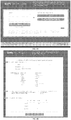
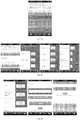
- FIGS. 2A-2C illustrate screenshots as would be seen by the patient when accessing the symptom tracker system online to establish a patient profile.
- the account may be linked to an e-mail of the patient, to a Facebook account or Facebook support group (e.g. Cushing's Connection).
- the patient may select what types of symptoms should be tracked, such as shown in FIG. 2B .
- a physician may assist the patient in determining which symptoms to track or in selecting the symptoms on the patient's profile.
- the patient may also track various other types of information such as date of diagnosis, dates of surgery and treatment regimen. The more details the patients adds to the profile, the more effectively the patient and/or medical professional can track the patient's symptoms, condition and progress during treatment.
- the patient rates each of the signs and symptoms on a scale of 1 to 5.
- the signs and symptoms tracking may include tracking of physiological measurements, including but not limited to weight, blood pressure, and waist size. These are physiological measurements that may be obtained by a device used in the patient's home or at a medical facility and automatically uploaded to the patient's profile, or more typically, may be measured by the patient at home and input into the system by the user.
- the patient is directed to record certain physiological measurements at regular intervals, for example weekly or daily weight measurements obtained at about the same time of day. This improves accuracy of physiological measurements and allows the patient and/or medical professional to more accurately determine trends over periods of time as opposed to normal daily, monthly or seasonal fluctuations.
- the patient may record subjective attributes of their condition, for example, the patient may record how they are feeling physically (e.g. energetic, tired, or a "normal" baseline) and/or how they are feeling emotionally (e.g. happy, sad, depressed, etc.), which may also correlate with changes in weight or various other physiological measurements.
- system may further provide registration to and/or access to one-on-one support or patient outreach programs, such as shown in FIG. 2C , to further improve patient compliance with the Symptom Tracking System and improve patient outcomes.
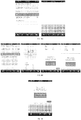
- the patient may enter various additional attributes that may be useful for monitoring and analysis of the data by the physician and/or in a statistical analysis for use by the drug developer, such as shown in FIG. 3B .
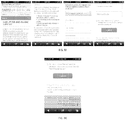
- the patient may also set whether to receive notification and reminders as to information regarding treatment and/or their personalized symptom tracking. Since patient's having Cushing's often have gradual changes in facial appearance, such as an increase in fat pad thickness, the patients select facial appearance as a symptom and record images of their face over time, such as shown in FIG. 3C . The images can be readily obtained with a smart phone of the patient and uploaded using a smartphone app linked to the symptom tracking system (see screenshots of such a mobile app in FIGS. 9A-9K ).
- the images can be later viewed by the patient, physician or drug developer in a format that allows changes in facial dimensions, size and shape to be readily observed by the viewer.
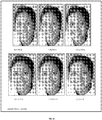
- the images may be displayed simultaneously in chronological order, such as in the photo timeline display shown in FIG. 11 .
- Such a display format allows the patient and/or physician to more readily recognize changes in facial shape that may be disproportional from normal weight gain.
- weight since weight may fluctuate for a variety of reasons, it may be further useful to track other attributes or possible factors that relate to the one or more selected symptoms but that may also be independent of the chronic condition. For example, by tracking a patient's mood (e.g.
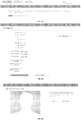
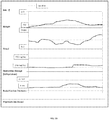
- the reports provided to a patient or the physician may include multiple symptoms and patient attributes displayed simultaneously to assist in determining the possible causes and correlations of the symptoms, such as shown in FIG. 10 . These changes are typically assessed by establishing a baseline for each symptom and/or attribute by which to compare the variations in the symptom and/or patient attribute. In some aspects, the patient or physician may establish a goal for a symptom/attribute. While the actual causes of certain symptoms must often be assessed further in patient counseling and/or through further testing (e.g.
- Such factors may include: blood glucose measurements, in particular hBalz and OGTT; hormones that provide an overview of the activity of the HP-axis, which may include but are not limited to, ACTH, CRH and DHEA-S; and various proteins, RNA molecules, or other compounds, such as FKBP51, mRNA and GILZ mRNA, which allow the physician to better understand the downstream effects of cortisol activity in the body.
- tracking of one or more of the above noted compounds in the patient's blood can provide a more comprehensive picture of the patient's state when combined with tracking of the patient's subjective data (e.g. moods, pain) and when combined with image-based monitoring (changes in the shape or size of the patient's face).
- the symptom tracking system may employ algorithms to more accurately determine subtle changes in facial dimensions of the patient over time from the multiple images uploaded by the patient. Since certain facial dimensions remain constant (e.g. distance between eyes, distance between eyes and nose), image analysis algorithms can be used to determine facial dimensions of changeable portions of the face (typically the sides of the face) to determine an increase in width of the face over time. This feature allows for early identification of an increase in the fat pads on the sides of the face.
- Existing facial recognition algorithms can be used to identify the locations of eyes and to measure a distance between the eyes and the sides of the face, as well as the overall height of the face in each of the images. The measurements can be compared between images to determine an overall trend in change of the size, and in particular the width of the face. This trend can also be represented be displayed as a value or as a graph within another type of report, such as that in FIG. 10 so that the physician or patient can be alerted to changes in facial shape without actually viewing the facial images.
- various symptoms, attributes and factors can be assigned a numerical value within an algorithm such that the system could produce an alert to an impending relapse without requiring the patient or physician to actually view the symptom or attribute data in advance.
- the system may alert the patient or physician to review one or more types of reports in response to a determination that any of the symptoms or patient attributes input by the patient exceed a certain threshold value or range of values (e.g. +/- 10% of the baseline value).
- the system may allow the user, whether the patient, physician or drug developer, to customize a report by selecting which symptoms, attributes or combinations thereof, are desired to be tracked, viewed or analyzed.
- the system may analyze the patient attributes and symptoms and determine which are statistically relevant and outputs such attributes/symptoms to the user.
- FIGS. 13-18 describe various methods by which a chronic condition or associated treatment can be managed or by which production/dissemination of drug information can be managed.
- FIG. 13 describes a method of management treatment including: establishing a patient profile of a patient having a chronic condition in a symptom tracking database by a user input; receiving selection of symptoms associated with the chronic condition for tracking by a patient and/or medical professional by user input; receiving data associated with the selected symptoms by the patient input over a period of time; optionally, establishing goals and/or baselines for one or more of the selected symptoms by patient and/or medical professional input; outputting reports to patient from the database using the data entered by the patient in a format suitable for tracking the selected symptoms; optionally, outputting reports from the database in response to physician query of one or more symptoms for monitoring or management of treatment; and optionally, outputting from the database select data to a drug developer or drug manufacturer for monitoring, assessment, or management of treatment regimens and patient usage.
- FIG. 14 describes a method of treatment management including steps of: receiving multiple data sets relating to one or more symptoms of a chronic condition in a symptom tracking information system over a period of time by a patient input; optionally, performing a statistical analysis to determine a trend in one or more symptoms and/or a correlation between symptoms; and outputting a report corresponding to the multiple data sets of one or more symptoms, the trend and/or correlation in response to a query by a medical professional administering treatment of the chronic condition or by a developer of a drug used in treatment of the chronic condition.
- FIG. 15 describes a method of treatment management including steps of: receiving multiple facial images of a patient diagnosed with Cushing's Syndrome in a symptom tracking information system from a patient input; optionally, receiving data regarding multiple symptoms over time from a patient input, outputting the multiple images to a display accessible to a medical professional so that the multiple images are viewable simultaneously or in rapid succession to facilitate identification of a trend in changes between images by the medical professional to assess treatment efficacy; and optionally, outputting a report using the data of the multiple symptoms so that the multiple symptoms over time are viewable simultaneously or in rapid succession by a medical professional to allow ready identification of a trend or correlation for use in treatment assessment/adjustment.
- a method of treatment management may include steps of: receiving data regarding multiple symptoms over time from a patient input; and outputting a report using the data of the multiple symptoms so that the multiple symptoms over time are viewable simultaneously or in rapid succession by a medical professional to allow ready identification of a trend or correlation for use in treatment assessment/adjustment.
- FIG. 16 describes a method of treatment management including steps of: receiving multiple facial images of a patient diagnosed with Cushing's Syndrome in a symptom tracking information system from a patient input; performing a facial recognition or analysis sequence to determine corresponding facial dimensions in each of the multiple facial images for determination of changes in facial dimensions between images; and outputting a report or alert to a medical professional administering treatment to the patient and/or to the patient regarding the determined change in facial dimensions when indicative of a relapse or increase in symptoms.
- the system may further analyze the tracked symptoms and attributes using algorithms input by a user, medical professional, or drug developer.
- algorithms may incorporate relationship or information obtained through clinical studies or may relate to various other concerns, such as various drug supply or administrative processes. Examples of information that may be utilized within such systems include drug information relating to the drug treatment of concern. For example, studies indicate that in administration of mifepristone, plasma levels within the patient drives the drug response.
- the system may identify attributes, symptoms, or combinations thereof that correspond with insufficient plasma levels. Such factors may relate to insufficient titration, low dosages, patient attributes, age, diet, through various interactions that may be undetermined.
- the system may provide these benefits even without identifying the relationship to plasma levels or that the plasma level was the factor at issue. This relationship demonstrates some of the complexities and challenges associated with managing treatment of a chronic condition utilizing administration of a drug, particularly in vulnerable patient sub-populations.
- Patients utilizing mifepristone to treat medical conditions require intensive follow-up to achieve optimal care and resolution of symptoms, which can lead to variable patient outcomes.
- Patients in which symptom tracking may be used to improve treatment can be difficult to identify before treatment is either discontinued by the patient or by the physician. For various reasons, such as poor patient compliance, reduced response to prescribed treatment, or influence of external aggravating factors, symptoms may worsen or frequent relapses may occur leading to discontinued treatment.
- the methods described herein allows the physician, as well as the patient, to take a more active role treatment before relapse occurs, which may in turn, improve patient compliance, treatment efficacy and assist in identifying aggravating factors before significant worsening of symptoms occurs.
- the system may utilize any number of algorithms to determine statistical relevance of one or more attributes and symptoms to a result, the result being associated with a relapse.
- the system can determine that a relationship is caused by something other than mere random chance so as to determine if the field of information or combination of fields is statistically significant to the desired result.
- the analysis provides a "p-value" representing the probability that the results is attributable to random chance. In general, a 5% or lower p-value is considered to be statistically significant, although the threshold of significance and desired confidence level may be selected or varied as desired to facilitate a desired result or preventing a relapse or improve treatment approaches.
- the system may utilize an algorithm that applies a known or predicted association between one or more fields and a result that is input by a user or included in a system update. Such algorithms may be determined periodically as associations are identified through clinical studies or otherwise. In some embodiments, the system may apply statistical analysis to determine associations between one or more fields and a result in addition to applying an algorithm input into the system such that the statistical analysis of various fields of information can be reassessed as various other associations are identified over time. These features provide further improvements as ever more complex interactions between the fields of information can be identified and alerts or reports outputted as need to inhibit or reduce adverse effects associated with such interactions and prevent relapse.
- the symptom tracking system may analyze symptom information from various populations to project or predict a response or to project when a patient may be having a recurrence.
- response to medication by breaking patients into a dosing cohort (1 tablet / day to 4 tablets per day), one could then see rate of change in symptoms of themselves versus their and other cohorts, which can be an important tool to the physician in managing treatment.
Landscapes
- Health & Medical Sciences (AREA)
- Engineering & Computer Science (AREA)
- Life Sciences & Earth Sciences (AREA)
- General Health & Medical Sciences (AREA)
- Biomedical Technology (AREA)
- Public Health (AREA)
- Medical Informatics (AREA)
- Physics & Mathematics (AREA)
- Epidemiology (AREA)
- Primary Health Care (AREA)
- Pathology (AREA)
- Chemical & Material Sciences (AREA)
- General Physics & Mathematics (AREA)
- Hematology (AREA)
- Medicinal Chemistry (AREA)
- Veterinary Medicine (AREA)
- Animal Behavior & Ethology (AREA)
- Biophysics (AREA)
- Molecular Biology (AREA)
- Theoretical Computer Science (AREA)
- Oral & Maxillofacial Surgery (AREA)
- Data Mining & Analysis (AREA)
- Databases & Information Systems (AREA)
- Food Science & Technology (AREA)
- Analytical Chemistry (AREA)
- Immunology (AREA)
- Biochemistry (AREA)
- Urology & Nephrology (AREA)
- Ecology (AREA)
- Pharmacology & Pharmacy (AREA)
- Nuclear Medicine, Radiotherapy & Molecular Imaging (AREA)
- Radiology & Medical Imaging (AREA)
- Heart & Thoracic Surgery (AREA)
- Human Computer Interaction (AREA)
- Surgery (AREA)
- Dentistry (AREA)
- Geometry (AREA)
- Computer Vision & Pattern Recognition (AREA)
- Multimedia (AREA)
- Medical Treatment And Welfare Office Work (AREA)
Applications Claiming Priority (2)
| Application Number | Priority Date | Filing Date | Title |
|---|---|---|---|
| US201461994815P | 2014-05-16 | 2014-05-16 | |
| PCT/US2015/031408 WO2015176062A2 (en) | 2014-05-16 | 2015-05-18 | Systems and methods of managing treatment of a chronic condition by symptom tracking |
Publications (3)
| Publication Number | Publication Date |
|---|---|
| EP3143494A2 EP3143494A2 (en) | 2017-03-22 |
| EP3143494A4 EP3143494A4 (en) | 2018-01-24 |
| EP3143494B1 true EP3143494B1 (en) | 2021-03-31 |
Family
ID=54480946
Family Applications (1)
| Application Number | Title | Priority Date | Filing Date |
|---|---|---|---|
| EP15793415.9A Active EP3143494B1 (en) | 2014-05-16 | 2015-05-18 | Systems and methods of managing treatment of cushing's disease by symptom tracking |
Country Status (8)
| Country | Link |
|---|---|
| US (2) | US9977875B2 (enExample) |
| EP (1) | EP3143494B1 (enExample) |
| JP (2) | JP6712233B2 (enExample) |
| CN (1) | CN106662992A (enExample) |
| AU (1) | AU2015258807B2 (enExample) |
| CA (1) | CA2948575C (enExample) |
| ES (1) | ES2871089T3 (enExample) |
| WO (1) | WO2015176062A2 (enExample) |
Families Citing this family (27)
| Publication number | Priority date | Publication date | Assignee | Title |
|---|---|---|---|---|
| AU2015258807B2 (en) | 2014-05-16 | 2018-11-29 | Corcept Therapeutics, Inc. | Systems and methods of managing treatment of a chronic condition by symptom tracking |
| US11045134B2 (en) * | 2016-01-19 | 2021-06-29 | Washington University | Depression brain computer interface for the quantitative assessment of mood state and for biofeedback for mood alteration |
| US11636941B2 (en) | 2016-12-15 | 2023-04-25 | Conquer Your Addiction Llc | Dynamic and adaptive systems and methods for rewarding and/or disincentivizing behaviors |
| US11412353B2 (en) | 2016-12-15 | 2022-08-09 | Conquer Your Addiction Llc | Systems and methods for monitoring for and preempting the risk of a future occurrence of a quarantine violation |
| US10853897B2 (en) | 2016-12-15 | 2020-12-01 | David H. Williams | Systems and methods for developing, monitoring, and enforcing agreements, understandings, and/or contracts |
| US12470894B2 (en) | 2016-12-15 | 2025-11-11 | Conquer Your Addiction Llc | Systems and methods for proactively preempting/mitigating anxiety-related behaviors and associated issues/events |
| US12342240B2 (en) | 2016-12-15 | 2025-06-24 | Conquer Your Addiction Llc | Systems and methods for monitoring for and lowering the risk of addiction-related or restriction violation-related behavior(s) |
| US10477342B2 (en) * | 2016-12-15 | 2019-11-12 | David H. Williams | Systems and methods of using wireless location, context, and/or one or more communication networks for monitoring for, preempting, and/or mitigating pre-identified behavior |
| US12096308B2 (en) | 2016-12-15 | 2024-09-17 | Conquer Your Addiction Llc | Systems and methods for conducting/defending digital warfare or conflict |
| US10497242B2 (en) | 2016-12-15 | 2019-12-03 | David H. Williams | Systems and methods for monitoring for and preempting pre-identified restriction violation-related behavior(s) of persons under restriction |
| AU2019221774B2 (en) * | 2018-02-19 | 2023-12-07 | Howard Jason HARRISON | Methods and systems for image collection and dimensional analysis for medical diagnoses |
| JP7230409B2 (ja) * | 2018-10-02 | 2023-03-01 | カシオ計算機株式会社 | 判定装置、判定方法及び判定プログラム |
| US11728031B2 (en) | 2018-10-12 | 2023-08-15 | Bfc Med Llc | Software application for patient care and related device, system, and method |
| CN110473629A (zh) * | 2019-08-22 | 2019-11-19 | 南京航空航天大学 | 一种肾透析治疗方案推荐方法及系统 |
| JP7419720B2 (ja) * | 2019-09-24 | 2024-01-23 | カシオ計算機株式会社 | 画像処理装置、画像処理方法及び画像処理プログラム |
| CN111493585A (zh) * | 2020-04-24 | 2020-08-07 | 王晨庄 | 基于5g智能化的多用途综合远控床医疗体和智能方法 |
| US11504048B2 (en) | 2020-06-10 | 2022-11-22 | Medtronic Monitoring, Inc. | Triggering arrhythmia episodes for heart failure and chronotropic incompetence diagnosis and monitoring |
| EP4196995A1 (en) * | 2020-08-14 | 2023-06-21 | Sanofi | A monitoring system |
| CN112489746B (zh) * | 2020-12-08 | 2024-07-05 | 深圳平安智慧医健科技有限公司 | 数据管理的任务推送方法、装置、电子设备及存储介质 |
| KR102510347B1 (ko) * | 2021-02-10 | 2023-03-20 | 고려대학교 산학협력단 | 위암 수술 이후 제2형 당뇨병 예후의 예측 방법 |
| US12009103B1 (en) * | 2021-03-04 | 2024-06-11 | Edward R Silansky | Systems, devices, and/or methods for managing health |
| JP7135146B1 (ja) | 2021-03-26 | 2022-09-12 | エヌ・ティ・ティ・コミュニケーションズ株式会社 | 投薬対象者管理システム、管理方法、管理制御装置、端末装置およびプログラム |
| US20230060942A1 (en) * | 2021-08-26 | 2023-03-02 | Hypatia Group, Inc. | Health Monitoring System with Precision Eye-Blocking Filter |
| US12636508B2 (en) * | 2022-05-31 | 2026-05-26 | West Affum Holdings Dublin DAC | Wearable medical system with device parameters and patient information programmable via browser interface |
| US12646624B2 (en) | 2023-07-27 | 2026-06-02 | Medtronic, Inc. | Clinical decision support for chronic pain management |
| CN117809857B (zh) * | 2024-02-29 | 2024-06-07 | 广州市品众电子科技有限公司 | 一种基于人工智能的vr设备运行数据分析方法 |
| US20260120889A1 (en) * | 2024-10-28 | 2026-04-30 | Ensemble Rcm, Llc | Methods and systems for identifying chronic and severe acute medical conditions based on analysis of database records |
Family Cites Families (17)
| Publication number | Priority date | Publication date | Assignee | Title |
|---|---|---|---|---|
| JP2008210399A (ja) * | 1997-03-14 | 2008-09-11 | First Opinion Corp | 疾患管理システム |
| JP2004065822A (ja) | 2002-08-09 | 2004-03-04 | Nippon Colin Co Ltd | 遠隔診断システム |
| US20050283385A1 (en) | 2004-06-21 | 2005-12-22 | The Permanente Medical Group, Inc. | Individualized healthcare management system |
| US20060036619A1 (en) * | 2004-08-09 | 2006-02-16 | Oren Fuerst | Method for accessing and analyzing medically related information from multiple sources collected into one or more databases for deriving illness probability and/or for generating alerts for the detection of emergency events relating to disease management including HIV and SARS, and for syndromic surveillance of infectious disease and for predicting risk of adverse events to one or more drugs |
| US20080242977A1 (en) | 2007-03-30 | 2008-10-02 | General Electric Company | Systems, methods and apparatus for longitudinal/temporal analysis of plaque lesions |
| US10776453B2 (en) * | 2008-08-04 | 2020-09-15 | Galenagen, Llc | Systems and methods employing remote data gathering and monitoring for diagnosing, staging, and treatment of Parkinsons disease, movement and neurological disorders, and chronic pain |
| ES2745628T3 (es) * | 2008-11-07 | 2020-03-03 | Univ Sheffield | Medicamento y método de diagnóstico |
| US20130282404A1 (en) | 2011-01-07 | 2013-10-24 | Angel Janevski | Integrated access to and interation with multiplicity of clinica data analytic modules |
| CN102063579A (zh) * | 2011-01-30 | 2011-05-18 | 潘亚萍 | 牙周电子病历系统及其操作方法 |
| CN102231172A (zh) * | 2011-06-10 | 2011-11-02 | 王坦 | 一种远程医疗信息采集系统 |
| US20130006793A1 (en) | 2011-06-29 | 2013-01-03 | International Business Machines Corporation | Migrating Computing Environment Entitlement Contracts Based on Seller and Buyer Specified Criteria |
| US10500216B2 (en) | 2011-11-18 | 2019-12-10 | Corcept Therapeutics, Inc. | Optimizing mifepristone absorption |
| EP2884888A4 (en) * | 2012-08-16 | 2016-04-20 | Ginger Io Inc | METHOD FOR MODELING BEHAVIORAL AND HEALTH CHANGES |
| CN103324853A (zh) * | 2013-06-25 | 2013-09-25 | 上海交通大学 | 基于医学图像特征的相似度计算系统及方法 |
| EP3047450A4 (en) | 2013-09-20 | 2017-03-15 | Corcept Therapeutics, Inc. | Systems and methods of treatment using intervention and tasking determination |
| CN103690149B (zh) | 2013-12-30 | 2016-08-17 | 惠州Tcl移动通信有限公司 | 通过面部拍照识别身体健康状况的移动终端及其实现方法 |
| AU2015258807B2 (en) | 2014-05-16 | 2018-11-29 | Corcept Therapeutics, Inc. | Systems and methods of managing treatment of a chronic condition by symptom tracking |
-
2015
- 2015-05-18 AU AU2015258807A patent/AU2015258807B2/en not_active Ceased
- 2015-05-18 US US14/715,311 patent/US9977875B2/en active Active
- 2015-05-18 CN CN201580037068.XA patent/CN106662992A/zh active Pending
- 2015-05-18 JP JP2016567727A patent/JP6712233B2/ja not_active Expired - Fee Related
- 2015-05-18 EP EP15793415.9A patent/EP3143494B1/en active Active
- 2015-05-18 CA CA2948575A patent/CA2948575C/en active Active
- 2015-05-18 WO PCT/US2015/031408 patent/WO2015176062A2/en not_active Ceased
- 2015-05-18 ES ES15793415T patent/ES2871089T3/es active Active
-
2018
- 2018-04-16 US US15/954,262 patent/US11610666B2/en active Active
-
2019
- 2019-11-06 JP JP2019201529A patent/JP2020023573A/ja not_active Withdrawn
Non-Patent Citations (1)
| Title |
|---|
| None * |
Also Published As
| Publication number | Publication date |
|---|---|
| EP3143494A4 (en) | 2018-01-24 |
| WO2015176062A2 (en) | 2015-11-19 |
| US11610666B2 (en) | 2023-03-21 |
| JP6712233B2 (ja) | 2020-06-17 |
| US20180240544A1 (en) | 2018-08-23 |
| EP3143494A2 (en) | 2017-03-22 |
| AU2015258807B2 (en) | 2018-11-29 |
| JP2017518283A (ja) | 2017-07-06 |
| US20150332020A1 (en) | 2015-11-19 |
| WO2015176062A3 (en) | 2015-12-30 |
| AU2015258807A1 (en) | 2016-11-24 |
| ES2871089T3 (es) | 2021-10-28 |
| US9977875B2 (en) | 2018-05-22 |
| CN106662992A (zh) | 2017-05-10 |
| CA2948575A1 (en) | 2015-11-19 |
| JP2020023573A (ja) | 2020-02-13 |
| CA2948575C (en) | 2023-08-08 |
Similar Documents
| Publication | Publication Date | Title |
|---|---|---|
| US11610666B2 (en) | Systems and methods of managing treatment of a chronic condition by symptom tracking | |
| Li et al. | Characterizing physiological and symptomatic variation in menstrual cycles using self-tracked mobile-health data | |
| Saloner et al. | Changes in buprenorphine-naloxone and opioid pain reliever prescriptions after the Affordable Care Act Medicaid expansion | |
| Farmer et al. | Adherence to oral glucose-lowering therapies and associations with 1-year HbA1c: a retrospective cohort analysis in a large primary care database | |
| Marino et al. | Measuring sleep: accuracy, sensitivity, and specificity of wrist actigraphy compared to polysomnography | |
| Squires et al. | Health care spending on diabetes in the US, 1996–2013 | |
| Jensen et al. | Association of maternal self-medication and over-the-counter analgesics for children | |
| JP7328200B2 (ja) | 生理的反応を改善するための方法およびシステム | |
| CN104884029A (zh) | 药物监测与调控系统和方法 | |
| JP2017518283A5 (enExample) | ||
| US20130110551A1 (en) | Systems and methods for managing chronic conditions | |
| JP2014519076A (ja) | 薬理データの全体論的分析および可視化を用いて薬効を評価するための装置、システム、および方法 | |
| US11185282B2 (en) | System and method for monitoring and identifying posology efficacy for an an individual | |
| US20140229191A1 (en) | Prescription decision support system and method using comprehensive multiplex drug monitoring | |
| WO2015189958A1 (ja) | 分析システムおよび分析方法 | |
| Song et al. | Predicting nursing workload in digestive wards based on machine learning: A prospective study | |
| Willy et al. | Candidate metrics for evaluating the impact of prescriber education on the safe use of extended-release/long-acting (ER/LA) opioid analgesics | |
| Gaspar et al. | Reducing disability durations and medical costs for patients with a carpal tunnel release surgery through the use of opioid prescribing guidelines | |
| HK1235498B (en) | Systems and methods of managing treatment of cushing's disease by symptom tracking | |
| Tang et al. | Decoding oxygen prescriptions: electronic health record documentation versus patient-reported use | |
| Wassing et al. | Getting all emotional over sleep health | |
| CN116994702A (zh) | 处方审核方法及装置、存储介质、计算机设备 | |
| Dooley et al. | “We’ll call you when the results are in”: Preferences for how medical test results are delivered | |
| WO2018219161A1 (zh) | 临床重症远程辅助诊疗的管理方法 | |
| Yousif et al. | Development of a graphical tool to measure medication adherence in asthma patients: A mixed-methods pilot study |
Legal Events
| Date | Code | Title | Description |
|---|---|---|---|
| STAA | Information on the status of an ep patent application or granted ep patent |
Free format text: STATUS: THE INTERNATIONAL PUBLICATION HAS BEEN MADE |
|
| PUAI | Public reference made under article 153(3) epc to a published international application that has entered the european phase |
Free format text: ORIGINAL CODE: 0009012 |
|
| STAA | Information on the status of an ep patent application or granted ep patent |
Free format text: STATUS: REQUEST FOR EXAMINATION WAS MADE |
|
| 17P | Request for examination filed |
Effective date: 20161206 |
|
| AK | Designated contracting states |
Kind code of ref document: A2 Designated state(s): AL AT BE BG CH CY CZ DE DK EE ES FI FR GB GR HR HU IE IS IT LI LT LU LV MC MK MT NL NO PL PT RO RS SE SI SK SM TR |
|
| AX | Request for extension of the european patent |
Extension state: BA ME |
|
| DAV | Request for validation of the european patent (deleted) | ||
| DAX | Request for extension of the european patent (deleted) | ||
| A4 | Supplementary search report drawn up and despatched |
Effective date: 20180102 |
|
| RIC1 | Information provided on ipc code assigned before grant |
Ipc: G06Q 50/24 00000000ALI20171219BHEP Ipc: G06F 17/40 20060101ALI20171219BHEP Ipc: A61K 31/567 20060101ALI20171219BHEP Ipc: G06F 19/00 20180101ALI20171219BHEP Ipc: G06F 7/06 20060101AFI20171219BHEP Ipc: G06G 7/60 20060101ALI20171219BHEP Ipc: G01N 33/49 20060101ALI20171219BHEP |
|
| REG | Reference to a national code |
Ref country code: HK Ref legal event code: DE Ref document number: 1235498 Country of ref document: HK |
|
| RIC1 | Information provided on ipc code assigned before grant |
Ipc: G06F 19/00 20180101ALI20171219BHEP Ipc: G01N 33/49 20060101ALI20171219BHEP Ipc: G06G 7/60 20060101ALI20171219BHEP Ipc: G06F 7/06 20060101AFI20171219BHEP Ipc: G06Q 50/24 20120101ALI20171219BHEP Ipc: A61K 31/567 20060101ALI20171219BHEP Ipc: G06F 17/40 20060101ALI20171219BHEP |
|
| RAP1 | Party data changed (applicant data changed or rights of an application transferred) |
Owner name: CORCEPT THERAPEUTICS INCORPORATED |
|
| RAP1 | Party data changed (applicant data changed or rights of an application transferred) |
Owner name: CORCEPT THERAPEUTICS INCORPORATED |
|
| STAA | Information on the status of an ep patent application or granted ep patent |
Free format text: STATUS: EXAMINATION IS IN PROGRESS |
|
| 17Q | First examination report despatched |
Effective date: 20191108 |
|
| REG | Reference to a national code |
Ref country code: DE Ref legal event code: R079 Ref document number: 602015067517 Country of ref document: DE Free format text: PREVIOUS MAIN CLASS: G06F0007060000 Ipc: G16H0050200000 |
|
| RIC1 | Information provided on ipc code assigned before grant |
Ipc: G16H 50/20 20180101AFI20200930BHEP |
|
| GRAP | Despatch of communication of intention to grant a patent |
Free format text: ORIGINAL CODE: EPIDOSNIGR1 |
|
| STAA | Information on the status of an ep patent application or granted ep patent |
Free format text: STATUS: GRANT OF PATENT IS INTENDED |
|
| INTG | Intention to grant announced |
Effective date: 20210113 |
|
| GRAS | Grant fee paid |
Free format text: ORIGINAL CODE: EPIDOSNIGR3 |
|
| GRAA | (expected) grant |
Free format text: ORIGINAL CODE: 0009210 |
|
| STAA | Information on the status of an ep patent application or granted ep patent |
Free format text: STATUS: THE PATENT HAS BEEN GRANTED |
|
| AK | Designated contracting states |
Kind code of ref document: B1 Designated state(s): AL AT BE BG CH CY CZ DE DK EE ES FI FR GB GR HR HU IE IS IT LI LT LU LV MC MK MT NL NO PL PT RO RS SE SI SK SM TR |
|
| REG | Reference to a national code |
Ref country code: GB Ref legal event code: FG4D Ref country code: CH Ref legal event code: EP |
|
| REG | Reference to a national code |
Ref country code: AT Ref legal event code: REF Ref document number: 1377854 Country of ref document: AT Kind code of ref document: T Effective date: 20210415 |
|
| REG | Reference to a national code |
Ref country code: DE Ref legal event code: R096 Ref document number: 602015067517 Country of ref document: DE |
|
| REG | Reference to a national code |
Ref country code: IE Ref legal event code: FG4D |
|
| REG | Reference to a national code |
Ref country code: LT Ref legal event code: MG9D |
|
| PG25 | Lapsed in a contracting state [announced via postgrant information from national office to epo] |
Ref country code: FI Free format text: LAPSE BECAUSE OF FAILURE TO SUBMIT A TRANSLATION OF THE DESCRIPTION OR TO PAY THE FEE WITHIN THE PRESCRIBED TIME-LIMIT Effective date: 20210331 Ref country code: HR Free format text: LAPSE BECAUSE OF FAILURE TO SUBMIT A TRANSLATION OF THE DESCRIPTION OR TO PAY THE FEE WITHIN THE PRESCRIBED TIME-LIMIT Effective date: 20210331 Ref country code: BG Free format text: LAPSE BECAUSE OF FAILURE TO SUBMIT A TRANSLATION OF THE DESCRIPTION OR TO PAY THE FEE WITHIN THE PRESCRIBED TIME-LIMIT Effective date: 20210630 Ref country code: NO Free format text: LAPSE BECAUSE OF FAILURE TO SUBMIT A TRANSLATION OF THE DESCRIPTION OR TO PAY THE FEE WITHIN THE PRESCRIBED TIME-LIMIT Effective date: 20210630 |
|
| PG25 | Lapsed in a contracting state [announced via postgrant information from national office to epo] |
Ref country code: LV Free format text: LAPSE BECAUSE OF FAILURE TO SUBMIT A TRANSLATION OF THE DESCRIPTION OR TO PAY THE FEE WITHIN THE PRESCRIBED TIME-LIMIT Effective date: 20210331 Ref country code: RS Free format text: LAPSE BECAUSE OF FAILURE TO SUBMIT A TRANSLATION OF THE DESCRIPTION OR TO PAY THE FEE WITHIN THE PRESCRIBED TIME-LIMIT Effective date: 20210331 Ref country code: SE Free format text: LAPSE BECAUSE OF FAILURE TO SUBMIT A TRANSLATION OF THE DESCRIPTION OR TO PAY THE FEE WITHIN THE PRESCRIBED TIME-LIMIT Effective date: 20210331 |
|
| REG | Reference to a national code |
Ref country code: NL Ref legal event code: MP Effective date: 20210331 |
|
| REG | Reference to a national code |
Ref country code: AT Ref legal event code: MK05 Ref document number: 1377854 Country of ref document: AT Kind code of ref document: T Effective date: 20210331 |
|
| REG | Reference to a national code |
Ref country code: ES Ref legal event code: FG2A Ref document number: 2871089 Country of ref document: ES Kind code of ref document: T3 Effective date: 20211028 |
|
| PG25 | Lapsed in a contracting state [announced via postgrant information from national office to epo] |
Ref country code: SM Free format text: LAPSE BECAUSE OF FAILURE TO SUBMIT A TRANSLATION OF THE DESCRIPTION OR TO PAY THE FEE WITHIN THE PRESCRIBED TIME-LIMIT Effective date: 20210331 Ref country code: AT Free format text: LAPSE BECAUSE OF FAILURE TO SUBMIT A TRANSLATION OF THE DESCRIPTION OR TO PAY THE FEE WITHIN THE PRESCRIBED TIME-LIMIT Effective date: 20210331 Ref country code: LT Free format text: LAPSE BECAUSE OF FAILURE TO SUBMIT A TRANSLATION OF THE DESCRIPTION OR TO PAY THE FEE WITHIN THE PRESCRIBED TIME-LIMIT Effective date: 20210331 Ref country code: NL Free format text: LAPSE BECAUSE OF FAILURE TO SUBMIT A TRANSLATION OF THE DESCRIPTION OR TO PAY THE FEE WITHIN THE PRESCRIBED TIME-LIMIT Effective date: 20210331 Ref country code: CZ Free format text: LAPSE BECAUSE OF FAILURE TO SUBMIT A TRANSLATION OF THE DESCRIPTION OR TO PAY THE FEE WITHIN THE PRESCRIBED TIME-LIMIT Effective date: 20210331 Ref country code: EE Free format text: LAPSE BECAUSE OF FAILURE TO SUBMIT A TRANSLATION OF THE DESCRIPTION OR TO PAY THE FEE WITHIN THE PRESCRIBED TIME-LIMIT Effective date: 20210331 |
|
| PG25 | Lapsed in a contracting state [announced via postgrant information from national office to epo] |
Ref country code: RO Free format text: LAPSE BECAUSE OF FAILURE TO SUBMIT A TRANSLATION OF THE DESCRIPTION OR TO PAY THE FEE WITHIN THE PRESCRIBED TIME-LIMIT Effective date: 20210331 Ref country code: SK Free format text: LAPSE BECAUSE OF FAILURE TO SUBMIT A TRANSLATION OF THE DESCRIPTION OR TO PAY THE FEE WITHIN THE PRESCRIBED TIME-LIMIT Effective date: 20210331 Ref country code: PT Free format text: LAPSE BECAUSE OF FAILURE TO SUBMIT A TRANSLATION OF THE DESCRIPTION OR TO PAY THE FEE WITHIN THE PRESCRIBED TIME-LIMIT Effective date: 20210802 Ref country code: PL Free format text: LAPSE BECAUSE OF FAILURE TO SUBMIT A TRANSLATION OF THE DESCRIPTION OR TO PAY THE FEE WITHIN THE PRESCRIBED TIME-LIMIT Effective date: 20210331 Ref country code: IS Free format text: LAPSE BECAUSE OF FAILURE TO SUBMIT A TRANSLATION OF THE DESCRIPTION OR TO PAY THE FEE WITHIN THE PRESCRIBED TIME-LIMIT Effective date: 20210731 |
|
| REG | Reference to a national code |
Ref country code: CH Ref legal event code: PL |
|
| REG | Reference to a national code |
Ref country code: DE Ref legal event code: R097 Ref document number: 602015067517 Country of ref document: DE |
|
| PG25 | Lapsed in a contracting state [announced via postgrant information from national office to epo] |
Ref country code: AL Free format text: LAPSE BECAUSE OF FAILURE TO SUBMIT A TRANSLATION OF THE DESCRIPTION OR TO PAY THE FEE WITHIN THE PRESCRIBED TIME-LIMIT Effective date: 20210331 Ref country code: CH Free format text: LAPSE BECAUSE OF NON-PAYMENT OF DUE FEES Effective date: 20210531 Ref country code: LI Free format text: LAPSE BECAUSE OF NON-PAYMENT OF DUE FEES Effective date: 20210531 Ref country code: DK Free format text: LAPSE BECAUSE OF FAILURE TO SUBMIT A TRANSLATION OF THE DESCRIPTION OR TO PAY THE FEE WITHIN THE PRESCRIBED TIME-LIMIT Effective date: 20210331 |
|
| PLBE | No opposition filed within time limit |
Free format text: ORIGINAL CODE: 0009261 |
|
| STAA | Information on the status of an ep patent application or granted ep patent |
Free format text: STATUS: NO OPPOSITION FILED WITHIN TIME LIMIT |
|
| REG | Reference to a national code |
Ref country code: BE Ref legal event code: MM Effective date: 20210531 |
|
| 26N | No opposition filed |
Effective date: 20220104 |
|
| PG25 | Lapsed in a contracting state [announced via postgrant information from national office to epo] |
Ref country code: IE Free format text: LAPSE BECAUSE OF NON-PAYMENT OF DUE FEES Effective date: 20210518 |
|
| PG25 | Lapsed in a contracting state [announced via postgrant information from national office to epo] |
Ref country code: IS Free format text: LAPSE BECAUSE OF FAILURE TO SUBMIT A TRANSLATION OF THE DESCRIPTION OR TO PAY THE FEE WITHIN THE PRESCRIBED TIME-LIMIT Effective date: 20210731 |
|
| PG25 | Lapsed in a contracting state [announced via postgrant information from national office to epo] |
Ref country code: BE Free format text: LAPSE BECAUSE OF NON-PAYMENT OF DUE FEES Effective date: 20210531 |
|
| PGFP | Annual fee paid to national office [announced via postgrant information from national office to epo] |
Ref country code: MC Payment date: 20230330 Year of fee payment: 9 Ref country code: FR Payment date: 20230309 Year of fee payment: 9 |
|
| PG25 | Lapsed in a contracting state [announced via postgrant information from national office to epo] |
Ref country code: HU Free format text: LAPSE BECAUSE OF FAILURE TO SUBMIT A TRANSLATION OF THE DESCRIPTION OR TO PAY THE FEE WITHIN THE PRESCRIBED TIME-LIMIT; INVALID AB INITIO Effective date: 20150518 |
|
| PGFP | Annual fee paid to national office [announced via postgrant information from national office to epo] |
Ref country code: GB Payment date: 20230330 Year of fee payment: 9 |
|
| P01 | Opt-out of the competence of the unified patent court (upc) registered |
Effective date: 20230404 |
|
| PG25 | Lapsed in a contracting state [announced via postgrant information from national office to epo] |
Ref country code: CY Free format text: LAPSE BECAUSE OF FAILURE TO SUBMIT A TRANSLATION OF THE DESCRIPTION OR TO PAY THE FEE WITHIN THE PRESCRIBED TIME-LIMIT Effective date: 20210331 |
|
| PGFP | Annual fee paid to national office [announced via postgrant information from national office to epo] |
Ref country code: LU Payment date: 20230512 Year of fee payment: 9 |
|
| PG25 | Lapsed in a contracting state [announced via postgrant information from national office to epo] |
Ref country code: GR Free format text: LAPSE BECAUSE OF FAILURE TO SUBMIT A TRANSLATION OF THE DESCRIPTION OR TO PAY THE FEE WITHIN THE PRESCRIBED TIME-LIMIT Effective date: 20210331 |
|
| PGFP | Annual fee paid to national office [announced via postgrant information from national office to epo] |
Ref country code: IT Payment date: 20230412 Year of fee payment: 9 Ref country code: ES Payment date: 20230605 Year of fee payment: 9 Ref country code: DE Payment date: 20230321 Year of fee payment: 9 |
|
| PG25 | Lapsed in a contracting state [announced via postgrant information from national office to epo] |
Ref country code: MK Free format text: LAPSE BECAUSE OF FAILURE TO SUBMIT A TRANSLATION OF THE DESCRIPTION OR TO PAY THE FEE WITHIN THE PRESCRIBED TIME-LIMIT Effective date: 20210331 |
|
| PG25 | Lapsed in a contracting state [announced via postgrant information from national office to epo] |
Ref country code: MT Free format text: LAPSE BECAUSE OF FAILURE TO SUBMIT A TRANSLATION OF THE DESCRIPTION OR TO PAY THE FEE WITHIN THE PRESCRIBED TIME-LIMIT Effective date: 20210331 |
|
| REG | Reference to a national code |
Ref country code: DE Ref legal event code: R119 Ref document number: 602015067517 Country of ref document: DE |
|
| PG25 | Lapsed in a contracting state [announced via postgrant information from national office to epo] |
Ref country code: MC Free format text: LAPSE BECAUSE OF NON-PAYMENT OF DUE FEES Effective date: 20240531 |
|
| PG25 | Lapsed in a contracting state [announced via postgrant information from national office to epo] |
Ref country code: LU Free format text: LAPSE BECAUSE OF NON-PAYMENT OF DUE FEES Effective date: 20240518 |
|
| GBPC | Gb: european patent ceased through non-payment of renewal fee |
Effective date: 20240518 |
|
| PG25 | Lapsed in a contracting state [announced via postgrant information from national office to epo] |
Ref country code: MC Free format text: LAPSE BECAUSE OF NON-PAYMENT OF DUE FEES Effective date: 20240531 Ref country code: LU Free format text: LAPSE BECAUSE OF NON-PAYMENT OF DUE FEES Effective date: 20240518 |
|
| PG25 | Lapsed in a contracting state [announced via postgrant information from national office to epo] |
Ref country code: DE Free format text: LAPSE BECAUSE OF NON-PAYMENT OF DUE FEES Effective date: 20241203 |
|
| PG25 | Lapsed in a contracting state [announced via postgrant information from national office to epo] |
Ref country code: FR Free format text: LAPSE BECAUSE OF NON-PAYMENT OF DUE FEES Effective date: 20240531 |
|
| PG25 | Lapsed in a contracting state [announced via postgrant information from national office to epo] |
Ref country code: GB Free format text: LAPSE BECAUSE OF NON-PAYMENT OF DUE FEES Effective date: 20240518 Ref country code: IT Free format text: LAPSE BECAUSE OF NON-PAYMENT OF DUE FEES Effective date: 20240518 |
|
| REG | Reference to a national code |
Ref country code: ES Ref legal event code: FD2A Effective date: 20250630 |
|
| PG25 | Lapsed in a contracting state [announced via postgrant information from national office to epo] |
Ref country code: ES Free format text: LAPSE BECAUSE OF NON-PAYMENT OF DUE FEES Effective date: 20240519 |
|
| PG25 | Lapsed in a contracting state [announced via postgrant information from national office to epo] |
Ref country code: TR Free format text: LAPSE BECAUSE OF FAILURE TO SUBMIT A TRANSLATION OF THE DESCRIPTION OR TO PAY THE FEE WITHIN THE PRESCRIBED TIME-LIMIT Effective date: 20210331 |