EP3131886B1 - Piperazine derivatives for treating disorders - Google Patents
Piperazine derivatives for treating disorders Download PDFInfo
- Publication number
- EP3131886B1 EP3131886B1 EP15718262.7A EP15718262A EP3131886B1 EP 3131886 B1 EP3131886 B1 EP 3131886B1 EP 15718262 A EP15718262 A EP 15718262A EP 3131886 B1 EP3131886 B1 EP 3131886B1
- Authority
- EP
- European Patent Office
- Prior art keywords
- group
- substituent
- compound
- compounds
- formula
- Prior art date
- Legal status (The legal status is an assumption and is not a legal conclusion. Google has not performed a legal analysis and makes no representation as to the accuracy of the status listed.)
- Active
Links
- 0 C*c1ccncc1 Chemical compound C*c1ccncc1 0.000 description 1
- FBPIDMAELBIRLE-UHFFFAOYSA-N COC(c([o]1)ccc1Br)=O Chemical compound COC(c([o]1)ccc1Br)=O FBPIDMAELBIRLE-UHFFFAOYSA-N 0.000 description 1
- WDWNQUVOYIQGSU-UHFFFAOYSA-N COC(c1ccc(-c2ccncc2)[o]1)=O Chemical compound COC(c1ccc(-c2ccncc2)[o]1)=O WDWNQUVOYIQGSU-UHFFFAOYSA-N 0.000 description 1
- CRVLSPVCOJDAJT-UHFFFAOYSA-N COc1cc(-c2ccc(C(Nc3cc(C(F)(F)F)ccc3N3CCN(Cc4ccccn4)CC3)=O)[o]2)ccn1 Chemical compound COc1cc(-c2ccc(C(Nc3cc(C(F)(F)F)ccc3N3CCN(Cc4ccccn4)CC3)=O)[o]2)ccn1 CRVLSPVCOJDAJT-UHFFFAOYSA-N 0.000 description 1
- UHCHNGAAVWVTIB-UHFFFAOYSA-N O=C(c1ccc(-c2ccncc2)[o]1)Nc(cc(C(F)(F)F)cc1)c1N1CCN(Cc2cccnc2)CC1 Chemical compound O=C(c1ccc(-c2ccncc2)[o]1)Nc(cc(C(F)(F)F)cc1)c1N1CCN(Cc2cccnc2)CC1 UHCHNGAAVWVTIB-UHFFFAOYSA-N 0.000 description 1
- VURLRACCOCGFDB-UHFFFAOYSA-N O=C(c1ccc(-c2ccncc2)[o]1)Nc1cc(C(F)(F)F)ccc1N1CCN(Cc2ccccn2)CC1 Chemical compound O=C(c1ccc(-c2ccncc2)[o]1)Nc1cc(C(F)(F)F)ccc1N1CCN(Cc2ccccn2)CC1 VURLRACCOCGFDB-UHFFFAOYSA-N 0.000 description 1
- HNSUMLIZWHDJBC-UHFFFAOYSA-N O=C(c1ccc(C2CCOCC2)[o]1)Nc(cc(C(F)(F)F)cc1)c1N1CCN(Cc2ncccc2)CC1 Chemical compound O=C(c1ccc(C2CCOCC2)[o]1)Nc(cc(C(F)(F)F)cc1)c1N1CCN(Cc2ncccc2)CC1 HNSUMLIZWHDJBC-UHFFFAOYSA-N 0.000 description 1
Images








Classifications
-
- A—HUMAN NECESSITIES
- A61—MEDICAL OR VETERINARY SCIENCE; HYGIENE
- A61K—PREPARATIONS FOR MEDICAL, DENTAL OR TOILETRY PURPOSES
- A61K31/00—Medicinal preparations containing organic active ingredients
- A61K31/33—Heterocyclic compounds
- A61K31/395—Heterocyclic compounds having nitrogen as a ring hetero atom, e.g. guanethidine or rifamycins
- A61K31/495—Heterocyclic compounds having nitrogen as a ring hetero atom, e.g. guanethidine or rifamycins having six-membered rings with two or more nitrogen atoms as the only ring heteroatoms, e.g. piperazine or tetrazines
- A61K31/496—Non-condensed piperazines containing further heterocyclic rings, e.g. rifampin, thiothixene or sparfloxacin
-
- A—HUMAN NECESSITIES
- A61—MEDICAL OR VETERINARY SCIENCE; HYGIENE
- A61K—PREPARATIONS FOR MEDICAL, DENTAL OR TOILETRY PURPOSES
- A61K31/00—Medicinal preparations containing organic active ingredients
- A61K31/33—Heterocyclic compounds
- A61K31/395—Heterocyclic compounds having nitrogen as a ring hetero atom, e.g. guanethidine or rifamycins
- A61K31/495—Heterocyclic compounds having nitrogen as a ring hetero atom, e.g. guanethidine or rifamycins having six-membered rings with two or more nitrogen atoms as the only ring heteroatoms, e.g. piperazine or tetrazines
- A61K31/4965—Non-condensed pyrazines
- A61K31/497—Non-condensed pyrazines containing further heterocyclic rings
-
- A—HUMAN NECESSITIES
- A61—MEDICAL OR VETERINARY SCIENCE; HYGIENE
- A61K—PREPARATIONS FOR MEDICAL, DENTAL OR TOILETRY PURPOSES
- A61K31/00—Medicinal preparations containing organic active ingredients
- A61K31/33—Heterocyclic compounds
- A61K31/395—Heterocyclic compounds having nitrogen as a ring hetero atom, e.g. guanethidine or rifamycins
- A61K31/495—Heterocyclic compounds having nitrogen as a ring hetero atom, e.g. guanethidine or rifamycins having six-membered rings with two or more nitrogen atoms as the only ring heteroatoms, e.g. piperazine or tetrazines
- A61K31/505—Pyrimidines; Hydrogenated pyrimidines, e.g. trimethoprim
- A61K31/506—Pyrimidines; Hydrogenated pyrimidines, e.g. trimethoprim not condensed and containing further heterocyclic rings
-
- A—HUMAN NECESSITIES
- A61—MEDICAL OR VETERINARY SCIENCE; HYGIENE
- A61P—SPECIFIC THERAPEUTIC ACTIVITY OF CHEMICAL COMPOUNDS OR MEDICINAL PREPARATIONS
- A61P13/00—Drugs for disorders of the urinary system
-
- A—HUMAN NECESSITIES
- A61—MEDICAL OR VETERINARY SCIENCE; HYGIENE
- A61P—SPECIFIC THERAPEUTIC ACTIVITY OF CHEMICAL COMPOUNDS OR MEDICINAL PREPARATIONS
- A61P15/00—Drugs for genital or sexual disorders; Contraceptives
-
- A—HUMAN NECESSITIES
- A61—MEDICAL OR VETERINARY SCIENCE; HYGIENE
- A61P—SPECIFIC THERAPEUTIC ACTIVITY OF CHEMICAL COMPOUNDS OR MEDICINAL PREPARATIONS
- A61P25/00—Drugs for disorders of the nervous system
-
- A—HUMAN NECESSITIES
- A61—MEDICAL OR VETERINARY SCIENCE; HYGIENE
- A61P—SPECIFIC THERAPEUTIC ACTIVITY OF CHEMICAL COMPOUNDS OR MEDICINAL PREPARATIONS
- A61P25/00—Drugs for disorders of the nervous system
- A61P25/04—Centrally acting analgesics, e.g. opioids
-
- A—HUMAN NECESSITIES
- A61—MEDICAL OR VETERINARY SCIENCE; HYGIENE
- A61P—SPECIFIC THERAPEUTIC ACTIVITY OF CHEMICAL COMPOUNDS OR MEDICINAL PREPARATIONS
- A61P25/00—Drugs for disorders of the nervous system
- A61P25/28—Drugs for disorders of the nervous system for treating neurodegenerative disorders of the central nervous system, e.g. nootropic agents, cognition enhancers, drugs for treating Alzheimer's disease or other forms of dementia
-
- A—HUMAN NECESSITIES
- A61—MEDICAL OR VETERINARY SCIENCE; HYGIENE
- A61P—SPECIFIC THERAPEUTIC ACTIVITY OF CHEMICAL COMPOUNDS OR MEDICINAL PREPARATIONS
- A61P27/00—Drugs for disorders of the senses
- A61P27/02—Ophthalmic agents
-
- A—HUMAN NECESSITIES
- A61—MEDICAL OR VETERINARY SCIENCE; HYGIENE
- A61P—SPECIFIC THERAPEUTIC ACTIVITY OF CHEMICAL COMPOUNDS OR MEDICINAL PREPARATIONS
- A61P35/00—Antineoplastic agents
-
- A—HUMAN NECESSITIES
- A61—MEDICAL OR VETERINARY SCIENCE; HYGIENE
- A61P—SPECIFIC THERAPEUTIC ACTIVITY OF CHEMICAL COMPOUNDS OR MEDICINAL PREPARATIONS
- A61P9/00—Drugs for disorders of the cardiovascular system
-
- A—HUMAN NECESSITIES
- A61—MEDICAL OR VETERINARY SCIENCE; HYGIENE
- A61P—SPECIFIC THERAPEUTIC ACTIVITY OF CHEMICAL COMPOUNDS OR MEDICINAL PREPARATIONS
- A61P9/00—Drugs for disorders of the cardiovascular system
- A61P9/12—Antihypertensives
-
- C—CHEMISTRY; METALLURGY
- C07—ORGANIC CHEMISTRY
- C07C—ACYCLIC OR CARBOCYCLIC COMPOUNDS
- C07C271/00—Derivatives of carbamic acids, i.e. compounds containing any of the groups, the nitrogen atom not being part of nitro or nitroso groups
- C07C271/06—Esters of carbamic acids
- C07C271/08—Esters of carbamic acids having oxygen atoms of carbamate groups bound to acyclic carbon atoms
- C07C271/10—Esters of carbamic acids having oxygen atoms of carbamate groups bound to acyclic carbon atoms with the nitrogen atoms of the carbamate groups bound to hydrogen atoms or to acyclic carbon atoms
-
- C—CHEMISTRY; METALLURGY
- C07—ORGANIC CHEMISTRY
- C07D—HETEROCYCLIC COMPOUNDS
- C07D233/00—Heterocyclic compounds containing 1,3-diazole or hydrogenated 1,3-diazole rings, not condensed with other rings
- C07D233/54—Heterocyclic compounds containing 1,3-diazole or hydrogenated 1,3-diazole rings, not condensed with other rings having two double bonds between ring members or between ring members and non-ring members
- C07D233/66—Heterocyclic compounds containing 1,3-diazole or hydrogenated 1,3-diazole rings, not condensed with other rings having two double bonds between ring members or between ring members and non-ring members with hetero atoms or with carbon atoms having three bonds to hetero atoms with at the most one bond to halogen, e.g. ester or nitrile radicals, directly attached to ring carbon atoms
- C07D233/90—Carbon atoms having three bonds to hetero atoms with at the most one bond to halogen, e.g. ester or nitrile radicals
-
- C—CHEMISTRY; METALLURGY
- C07—ORGANIC CHEMISTRY
- C07D—HETEROCYCLIC COMPOUNDS
- C07D241/00—Heterocyclic compounds containing 1,4-diazine or hydrogenated 1,4-diazine rings
- C07D241/02—Heterocyclic compounds containing 1,4-diazine or hydrogenated 1,4-diazine rings not condensed with other rings
- C07D241/04—Heterocyclic compounds containing 1,4-diazine or hydrogenated 1,4-diazine rings not condensed with other rings having no double bonds between ring members or between ring members and non-ring members
-
- C—CHEMISTRY; METALLURGY
- C07—ORGANIC CHEMISTRY
- C07D—HETEROCYCLIC COMPOUNDS
- C07D269/00—Heterocyclic compounds containing rings having one nitrogen atom and one oxygen atom as the only ring hetero atoms according to more than one of groups C07D261/00 - C07D267/00
- C07D269/02—Heterocyclic compounds containing rings having one nitrogen atom and one oxygen atom as the only ring hetero atoms according to more than one of groups C07D261/00 - C07D267/00 having the hetero atoms in positions 1 and 3
-
- C—CHEMISTRY; METALLURGY
- C07—ORGANIC CHEMISTRY
- C07D—HETEROCYCLIC COMPOUNDS
- C07D271/00—Heterocyclic compounds containing five-membered rings having two nitrogen atoms and one oxygen atom as the only ring hetero atoms
- C07D271/02—Heterocyclic compounds containing five-membered rings having two nitrogen atoms and one oxygen atom as the only ring hetero atoms not condensed with other rings
- C07D271/10—1,3,4-Oxadiazoles; Hydrogenated 1,3,4-oxadiazoles
-
- C—CHEMISTRY; METALLURGY
- C07—ORGANIC CHEMISTRY
- C07D—HETEROCYCLIC COMPOUNDS
- C07D307/00—Heterocyclic compounds containing five-membered rings having one oxygen atom as the only ring hetero atom
- C07D307/02—Heterocyclic compounds containing five-membered rings having one oxygen atom as the only ring hetero atom not condensed with other rings
- C07D307/34—Heterocyclic compounds containing five-membered rings having one oxygen atom as the only ring hetero atom not condensed with other rings having two or three double bonds between ring members or between ring members and non-ring members
- C07D307/38—Heterocyclic compounds containing five-membered rings having one oxygen atom as the only ring hetero atom not condensed with other rings having two or three double bonds between ring members or between ring members and non-ring members with substituted hydrocarbon radicals attached to ring carbon atoms
- C07D307/52—Radicals substituted by nitrogen atoms not forming part of a nitro radical
-
- C—CHEMISTRY; METALLURGY
- C07—ORGANIC CHEMISTRY
- C07D—HETEROCYCLIC COMPOUNDS
- C07D307/00—Heterocyclic compounds containing five-membered rings having one oxygen atom as the only ring hetero atom
- C07D307/02—Heterocyclic compounds containing five-membered rings having one oxygen atom as the only ring hetero atom not condensed with other rings
- C07D307/34—Heterocyclic compounds containing five-membered rings having one oxygen atom as the only ring hetero atom not condensed with other rings having two or three double bonds between ring members or between ring members and non-ring members
- C07D307/38—Heterocyclic compounds containing five-membered rings having one oxygen atom as the only ring hetero atom not condensed with other rings having two or three double bonds between ring members or between ring members and non-ring members with substituted hydrocarbon radicals attached to ring carbon atoms
- C07D307/54—Radicals substituted by carbon atoms having three bonds to hetero atoms with at the most one bond to halogen, e.g. ester or nitrile radicals
-
- C—CHEMISTRY; METALLURGY
- C07—ORGANIC CHEMISTRY
- C07D—HETEROCYCLIC COMPOUNDS
- C07D307/00—Heterocyclic compounds containing five-membered rings having one oxygen atom as the only ring hetero atom
- C07D307/02—Heterocyclic compounds containing five-membered rings having one oxygen atom as the only ring hetero atom not condensed with other rings
- C07D307/34—Heterocyclic compounds containing five-membered rings having one oxygen atom as the only ring hetero atom not condensed with other rings having two or three double bonds between ring members or between ring members and non-ring members
- C07D307/56—Heterocyclic compounds containing five-membered rings having one oxygen atom as the only ring hetero atom not condensed with other rings having two or three double bonds between ring members or between ring members and non-ring members with hetero atoms or with carbon atoms having three bonds to hetero atoms with at the most one bond to halogen, e.g. ester or nitrile radicals, directly attached to ring carbon atoms
- C07D307/68—Carbon atoms having three bonds to hetero atoms with at the most one bond to halogen
-
- C—CHEMISTRY; METALLURGY
- C07—ORGANIC CHEMISTRY
- C07D—HETEROCYCLIC COMPOUNDS
- C07D309/00—Heterocyclic compounds containing six-membered rings having one oxygen atom as the only ring hetero atom, not condensed with other rings
- C07D309/02—Heterocyclic compounds containing six-membered rings having one oxygen atom as the only ring hetero atom, not condensed with other rings having no double bonds between ring members or between ring members and non-ring members
- C07D309/04—Heterocyclic compounds containing six-membered rings having one oxygen atom as the only ring hetero atom, not condensed with other rings having no double bonds between ring members or between ring members and non-ring members with only hydrogen atoms, hydrocarbon or substituted hydrocarbon radicals, directly attached to ring carbon atoms
-
- C—CHEMISTRY; METALLURGY
- C07—ORGANIC CHEMISTRY
- C07D—HETEROCYCLIC COMPOUNDS
- C07D333/00—Heterocyclic compounds containing five-membered rings having one sulfur atom as the only ring hetero atom
- C07D333/02—Heterocyclic compounds containing five-membered rings having one sulfur atom as the only ring hetero atom not condensed with other rings
- C07D333/04—Heterocyclic compounds containing five-membered rings having one sulfur atom as the only ring hetero atom not condensed with other rings not substituted on the ring sulphur atom
- C07D333/26—Heterocyclic compounds containing five-membered rings having one sulfur atom as the only ring hetero atom not condensed with other rings not substituted on the ring sulphur atom with hetero atoms or with carbon atoms having three bonds to hetero atoms with at the most one bond to halogen, e.g. ester or nitrile radicals, directly attached to ring carbon atoms
- C07D333/38—Carbon atoms having three bonds to hetero atoms with at the most one bond to halogen, e.g. ester or nitrile radicals
-
- C—CHEMISTRY; METALLURGY
- C07—ORGANIC CHEMISTRY
- C07D—HETEROCYCLIC COMPOUNDS
- C07D401/00—Heterocyclic compounds containing two or more hetero rings, having nitrogen atoms as the only ring hetero atoms, at least one ring being a six-membered ring with only one nitrogen atom
- C07D401/02—Heterocyclic compounds containing two or more hetero rings, having nitrogen atoms as the only ring hetero atoms, at least one ring being a six-membered ring with only one nitrogen atom containing two hetero rings
- C07D401/12—Heterocyclic compounds containing two or more hetero rings, having nitrogen atoms as the only ring hetero atoms, at least one ring being a six-membered ring with only one nitrogen atom containing two hetero rings linked by a chain containing hetero atoms as chain links
-
- C—CHEMISTRY; METALLURGY
- C07—ORGANIC CHEMISTRY
- C07D—HETEROCYCLIC COMPOUNDS
- C07D405/00—Heterocyclic compounds containing both one or more hetero rings having oxygen atoms as the only ring hetero atoms, and one or more rings having nitrogen as the only ring hetero atom
- C07D405/02—Heterocyclic compounds containing both one or more hetero rings having oxygen atoms as the only ring hetero atoms, and one or more rings having nitrogen as the only ring hetero atom containing two hetero rings
- C07D405/04—Heterocyclic compounds containing both one or more hetero rings having oxygen atoms as the only ring hetero atoms, and one or more rings having nitrogen as the only ring hetero atom containing two hetero rings directly linked by a ring-member-to-ring-member bond
-
- C—CHEMISTRY; METALLURGY
- C07—ORGANIC CHEMISTRY
- C07D—HETEROCYCLIC COMPOUNDS
- C07D405/00—Heterocyclic compounds containing both one or more hetero rings having oxygen atoms as the only ring hetero atoms, and one or more rings having nitrogen as the only ring hetero atom
- C07D405/02—Heterocyclic compounds containing both one or more hetero rings having oxygen atoms as the only ring hetero atoms, and one or more rings having nitrogen as the only ring hetero atom containing two hetero rings
- C07D405/12—Heterocyclic compounds containing both one or more hetero rings having oxygen atoms as the only ring hetero atoms, and one or more rings having nitrogen as the only ring hetero atom containing two hetero rings linked by a chain containing hetero atoms as chain links
-
- C—CHEMISTRY; METALLURGY
- C07—ORGANIC CHEMISTRY
- C07D—HETEROCYCLIC COMPOUNDS
- C07D405/00—Heterocyclic compounds containing both one or more hetero rings having oxygen atoms as the only ring hetero atoms, and one or more rings having nitrogen as the only ring hetero atom
- C07D405/14—Heterocyclic compounds containing both one or more hetero rings having oxygen atoms as the only ring hetero atoms, and one or more rings having nitrogen as the only ring hetero atom containing three or more hetero rings
-
- C—CHEMISTRY; METALLURGY
- C07—ORGANIC CHEMISTRY
- C07D—HETEROCYCLIC COMPOUNDS
- C07D413/00—Heterocyclic compounds containing two or more hetero rings, at least one ring having nitrogen and oxygen atoms as the only ring hetero atoms
- C07D413/02—Heterocyclic compounds containing two or more hetero rings, at least one ring having nitrogen and oxygen atoms as the only ring hetero atoms containing two hetero rings
- C07D413/12—Heterocyclic compounds containing two or more hetero rings, at least one ring having nitrogen and oxygen atoms as the only ring hetero atoms containing two hetero rings linked by a chain containing hetero atoms as chain links
-
- C—CHEMISTRY; METALLURGY
- C07—ORGANIC CHEMISTRY
- C07D—HETEROCYCLIC COMPOUNDS
- C07D413/00—Heterocyclic compounds containing two or more hetero rings, at least one ring having nitrogen and oxygen atoms as the only ring hetero atoms
- C07D413/14—Heterocyclic compounds containing two or more hetero rings, at least one ring having nitrogen and oxygen atoms as the only ring hetero atoms containing three or more hetero rings
-
- Y—GENERAL TAGGING OF NEW TECHNOLOGICAL DEVELOPMENTS; GENERAL TAGGING OF CROSS-SECTIONAL TECHNOLOGIES SPANNING OVER SEVERAL SECTIONS OF THE IPC; TECHNICAL SUBJECTS COVERED BY FORMER USPC CROSS-REFERENCE ART COLLECTIONS [XRACs] AND DIGESTS
- Y02—TECHNOLOGIES OR APPLICATIONS FOR MITIGATION OR ADAPTATION AGAINST CLIMATE CHANGE
- Y02A—TECHNOLOGIES FOR ADAPTATION TO CLIMATE CHANGE
- Y02A50/00—TECHNOLOGIES FOR ADAPTATION TO CLIMATE CHANGE in human health protection, e.g. against extreme weather
- Y02A50/30—Against vector-borne diseases, e.g. mosquito-borne, fly-borne, tick-borne or waterborne diseases whose impact is exacerbated by climate change
Definitions
- the present invention relates to anti-angiogenic treatments and compounds for use in anti-angiogenic treatments, particularly of conditions characterised by neovascularisation such as, for example, age-related macular degeneration.
- the present invention also relates to treatments of hyperpermeability disorders and compounds for use in treating hyperpermeability disorders.
- the present invention also relates to treatments of neuropathic and neurodegenerative disorders and compounds for use in treating neuropathic and neurodegenerative disorders, such as, for example, Alzheimer's disease.
- the present invention also relates to pain treatments, and compounds for use in treating pain.
- the present invention also relates to methods of reducing the risk of pre-eclampsia, and compounds for use in such methods.
- the scope of the invention is defined by the claims. Any references in the description to methods of treatment refer to the compounds, pharmaceutical compositions and medicaments of the present invention for use in a method for treatment of the human (or animal) body by therapy (or for diagnosis).
- Age-related macular degeneration a disease causing vision loss that affects the central area of the macula, is the leading cause of blindness in people over 50 years of age (Bressler, 2004).
- Exudative AMD is the most severe form of AMD (Ferris et al., 1984) primarily arising from the choroidal circulation beneath the macula and characterized by choroidal neovascularization (CNV).
- CNV choroidal neovascularization
- CNV retinal pigmented epithelium
- VEGF Vascular endothelial growth factor
- VEGF is a complex gene that is alternatively spliced to form a family of multiple isoforms (Leung et al., 1989; Jingjing et al., 1999), each isoform differing in biological property, activity and function (Houck et al., 1991). Most cells commonly express isoforms VEGF 121 , VEGF 165 , and VEGF 189 , whereas VEGF 145 and VEGF 206 are comparatively rare. The majority of VEGF isoforms contain exons 1-5 (the exception being VEGF 111 (Mineur et al., 2007)) but differing portions of exons 6 and 7 that encode heparin sulphate (HS) binding domains.
- HS heparin sulphate
- differential splicing of the eighth exon was demonstrated from a proximal splice site (PSS) to a distal splice site (DSS) 66 bases downstream (Bates et al., 2002; Woolard et al., 2004).
- PSS proximal splice site
- DSS distal splice site
- Alternative splicing in this region generated a second family of isoforms (VEGF xxx b), noted for their anti-angiogenic properties (Perrin et al., 2005).
- WO 03/102105 describes the alternatively spliced isoforms, and their therapeutic significance.
- VEGF xxx and VEGF xxx b may have separate regulatory pathways.
- anti-angiogenic isoforms such as VEGF 165 b and VEGF 121 b have been shown to be potently anti-angiogenic in animal models of retinal and choroidal neovascularisation, following intra-ocular injection (Hua et al 2008), and result in both endothelial and retinal epithelial cell cytoprotection (Magnussen et al 2010).
- the first therapy to be FDA approved for the treatment of neovascular AMD in December 2004 was a VEGF 165 , VEGF 189 and VEGF 206 specific aptamer, Pegaptanib Sodium (Macugen).
- Macugen Pegaptanib Sodium
- pegaptinib dose-dependently reduced the risk of severe visual acuity loss and slowed the progression of neovascular AMD (Gragoudas et al., 2004), but did not result in significant improvement in vision.
- Ranibizumab (Lucentis) a novel humanized anti-VEGF antibody fragment, was FDA approved for the treatment of neovascular AMD.
- WO 2008/11077 WO 2009/106855 , WO 2010/058227 , WO 2011/036429 and WO 2011/148200 all describe therapeutic and other physiological uses of agents which direct expression in favour of the VEGF xxx b isoforms.
- SRPK inhibitors can in principle constitute such agents.
- WO 2005/063293 (also published as EP 1712242 A1 ) describes a class of SRPK inhibitors including SRPIN340 and derivatives and analogues thereof.
- WO 2014/060763 ( PCT/GB2013/052716 ) describes SRPK inhibitors targeting SRPK1 specifically for use as anti-angiogenic agents, neuroprotective agents, agents for use in treating or preventing hyperpermeability disorders, as agents for treating pain, and as agents for reducing the risk of, or treatment of, pre-eclampsia.
- VEGF xxx b isoforms The development of agents for directing expression of VEGF xxx b isoforms represents a new era not only in the treatment of, for example, neovascular AMD, but all other diseases in which VEGF xxx b is implicated.
- the present invention is based in part on new small molecule inhibitors targeting SRPK1 specifically for use as anti-angiogenic agents, neuroprotective agents, agents for use in treating or preventing hyperpermeability disorders, as agents for treating pain, and as agents for reducing the risk of, or treatment of, pre-eclampsia.
- the present invention is also based at least in part on the surprising finding that these low molecular weight compounds known to inhibit SRPK1 (e.g. SRPIN340 and derivatives and analogues thereof) could be used topically or in dose-dependent manner to inhibit CNV progression.
- SRPK1 e.g. SRPIN340 and derivatives and analogues thereof
- the invention provides a compound of Formula (I) or a pharmaceutically acceptable salt, solvate or hydrate thereof; wherein:
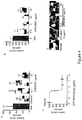
- the dose dependency is preferably a sigmoidal efficacy/dose relationship, e.g. of the type illustrated in Figure 4C of the accompanying drawings.
- ocular neovascularisation includes within its scope diseases and disorders characterised by ocular neovascularisation, including for example choroidal neovascularisation such as age-related macular degeneration.
- ocular neovascularisation also includes within its scope diseases and disorders characterized by retinal neovascularisation.
- the invention provides a compound of formula (I) or a pharmaceutically acceptable salt, solvate or hydrate thereof for use in the topical treatment or prevention of ocular neovascularisation.
- the first and second aspects of the invention also enable respective methods of treatment or prevention of ocular neovascularisation by administration of the compound of formula (I) to a subject in need of such treatment, and respective uses of a compound of formula (I) in the preparation of a medicament for treatment or prevention of ocular neovascularisation, as a dose-dependent treatment and/or as a topical treatment.
- the compounds used in the present invention enable dose-dependent treatment or prevention of ocular neovascularisation or topical treatment or prevention of ocular neovascularisation.
- Dose-dependent treatment is not inherently predictable, yet is highly desirable and beneficial for effective treatment.
- R 1 is a 4- to 8-membered heterocyclic group comprising one nitrogen atom which may have one or more substituent.
- examples of such compounds include those in which R 1 is a 6-membered heterocyclic aromatic group comprising one nitrogen atom, for example a 2- or 3-or 4-pyridyl group.
- Further examples of such compounds include those in which R 1 is a 6-membered heterocyclic aromatic ring comprising two or three nitrogen atoms, for example a pyrimidine ring, a pyridazine ring, a pyrazine ring, or a triazine ring, each of which may have one or more substituent.
- Further examples of such compounds include those in which R 1 is a 6-membered heterocyclic non-aromatic group comprising one nitrogen atom, for example a piperidine group or a piperazine group, each of which may have one or more substituent.
- the compounds of Formula (I) include those in which R 1 is a nitrogen-containing 6- membered heteroaryl ring as described herein or a phenyl group, with any combination of n, X, Y, Z and R 2 as herein described.
- R 1 is a nitrogen-containing 6- membered heteroaryl ring as described herein or a phenyl group
- R 2 is H; a C 1-6 alkyl group; a phenyl group; a 4- to 8-membered heterocyclic group or a condensed aromatic heterocyclic group, each of which may have one or more substituent
- compositions comprising the novel compounds and the use of the novel compounds and pharmaceutical compositions comprising them in anti-angiogenic treatments (including the treatment and prevention of disorders and diseases characterised by abnormal or excessive angiogenesis), treatments of hyperpermeability disorders, treatments of neuropathic and neurodegenerative disorders, treatment of non-inflammatory pain and methods of reducing the risk of pre-eclampsia constitute further aspects of the present invention.
- the present invention also enables (i) methods of treating or preventing disorders and diseases characterised by abnormal or excessive angiogenesis as defined herein; (ii) methods of treating or preventing hyperpermeability disorders as defined herein; (iii) methods of treating or preventing neuropathic and neurodegenerative disorders as defined herein; (iv) methods of treating or preventing non-inflammatory pain; and (v) methods of reducing the risk of pre-eclampsia, comprising administering a compound of Formula (I) to a patient in need thereof.
- R 1 is a 2- or 3- or 4-pyridyl group which may have one or more substituent, for example an unsubstituted 3-pyridyl group (namely, where the nitrogen heteroatom of the pyridyl group is meta to the 5-membered ring).
- R 1 is a phenyl group which may have one or more substituent, for example a methoxy substituent.
- R 1 is a condensed aromatic heterocyclic group which may have one or more substituent.
- R 1 is an indolyl group, an isoindolyl group, a benzimidazolyl group, a quinolyl group or an isoquinolyl group.
- R 2 is a 2- or 3- or 4-pyridyl group which may have one or more substituent, or a pyrimidinyl group.
- the 2- or 3- or 4-pyridyl group which may have one or more substituent may, for example, be an unsubstituted 3-pyridyl group (namely, where the nitrogen heteroatom of the pyridyl group is meta to the 5-membered ring).
- R 2 is a phenyl group which may have one or more substituent, or a condensed aromatic heterocyclic group, wherein the condensed aromatic heterocyclic group may comprise an indolyl group, an isoindolyl group, a benzimidazolyl group, a quinolyl group or an isoquinolyl group.
- R 2 is hydrogen or a C 1-6 alkyl group, for example a methyl group or an ethyl group.
- the compounds of Formula (I) and their pharmaceutically acceptable salts, solvates and hydrates may be further characterized by one or more of the following features, which are, whether individually or in any combination, combinable with any of the examples and preferences stated herein, or in WO 2005/063293 , for the compounds:
- the compounds represented by formula (I) include, for example:
- the compounds of the present invention are SRPK1-specific inhibitors and may therefore be used in methods of treating or preventing any disease or condition in which SRPK1 is implicated. Such conditions and treatments will now be described.
- the compounds of the present invention may be used in anti-angiogenic treatments.
- the anti-angiogenic treatment preferably includes the treatment or prevention of any disease or disorder associated with abnormal angiogenesis or abnormal over-production of pro-angiogenic VEGF isoforms (VEGF xxx ).
- diseases and disorders include, for example, vascular disease (e.g. vasoconstriction and disorders characterised by vasoconstriction, and cardiovascular disease), malignant and benign neoplasia (e.g. angiogenesis-dependent cancers, for example tumorous cancers), tumor metastasis, inflammatory disorders, diabetes, diabetic retinopathy and other complications of diabetes (e.g.
- diabetic neovascularisation trachoma
- retrolental hyperplasia neovascular glaucoma
- age-related macular degeneration haemangioma
- immune rejection of implanted corneal tissue corneal angiogenesis associated with ocular injury or infection
- corneal angiogenesis associated with ocular injury or infection
- Osler-Webber Syndrome myocardial angiogenesis, wound granulation, telangiectasia, hemophiliac joints, angiofibroma, telangiectasia psoriasis scleroderma, pyogenic granuloma, rubeosis, obesity, arthritis (e.g.
- the anti-angiogenic treatment according to the present invention may also include non-therapeutic treatments performed on healthy subjects, for example to inhibit vascular development for cosmetic purposes.
- non-therapeutic treatments performed on healthy subjects, for example to inhibit vascular development for cosmetic purposes.
- the compounds of the present invention may be used in the treatment or prevention of ocular neovascularisation, which may include retinal neovascularisation or choroidal neovascularisation or age-related macular degeneration.
- ocular neovascularisation which may include retinal neovascularisation or choroidal neovascularisation or age-related macular degeneration.
- the compounds of the present invention may be used in the treatment or prevention of malignant neoplasias or cancers, for example prostate cancer and breast cancer.
- SRPK1 inhibitors may also be used as therapeutic agents in treating other disorders in which the alternatively spliced VEGF xxx b isoform has been implicated.
- VEGF xxx b is active against a range of microvascular hyperpermeability disorders, disorders of epithelial cell survival and disorders of fenestrations of epithelial filtration membranes.
- Examples of such conditions include, for example, proteinuria, uraemia, microalbuminuria, hypoalbuminemia, renal hyperfiltration, nephrotic syndrome, renal failure, pulmonary hypertension, capillary hyperpermeability, microaneurysms, oedema and vascular complications of diabetes.
- vascular complications of diabetes include, for example, diabetic retinopathy, both proliferative and non-proliferative, and diabetic nephropathy.
- vascular complications of diabetes can be associated with either Type I or Type II diabetes.
- the loss of proteins from the blood can lead to further complications, for example thromboses, especially thromboses in the brain, and susceptibility to infections. Loss of natural proteins from the blood can seriously impair the efficacy of cancer therapies.
- the microvascular hyperpermeability disorder may particularly be a renal disorder, for example a permeability disorder of the GFB, for example a permeability disorder of the podocytes.
- disorders where treatment to support epithelial cell survival would be effective are as follows: acute pulmonary fibrotic disease, adult respiratory distress syndrome, adult respiratory distress syndrome, advanced cancer, allergic respiratory disease, alveolar injury, angiogenesis, arthritis, ascites, asthma, asthma or edema following burns, atherosclerosis, autoimmune diseases, bone resorption, bullous disorder associated with subepidermal blister formation including bullous pemphigoid, cardiovascular condition, certain kidney diseases associated with proliferation of glomerular or mesangial cells, chronic and allergic inflammation, chronic lung disease, chronic occlusive pulmonary disease, cirrhosis, corneal angiogenisis, corneal disease, coronary and cerebral collateral vascularization, coronary restenosis, damage following heart disease, dermatitis herpetiformis, diabetes, diabetic nephropathy, diabetic retinopathy, endotoxic shock, erythema multiforme, fibrosis, glomerular nephritis, glomerulonophritis, graft rejection,
- the present invention may be used in the treatment of macular dystrophy.
- macular dystrophy This includes: Stargardt disease/fundus flavimaculatus; Stargardt-like macular dystrophy; Stargardt-like macular dystrophy; Autosomal dominant "bull'seye” macular dystrophy Best macular dystrophy; Adult vitelliform dystrophy; Pattern dystrophy; Doyne honeycomb retinal dystrophy; North Carolina macular dystrophy; Autosomal dominant macular dystrophy resembling MCDR1; North Carolina-like macular dystrophy associated with deafness; Progressive bifocal chorioretinal atrophy; Sorsby's fundus dystrophy; Central areolar choroidal dystrophy; Dominant cystoid macular dystrophy; Juvenile retinoschisis; Occult Macular Dystrophy; Non-familial Occult Macular Dystrophy.
- the disorder may particularly be a disorder of the retinal epithelium, such as geographic atrophy, or age related macular degeneration.
- SRPK1 inhibitors may also be used as therapeutic agents in treating other disorders in which the alternatively spliced VEGF xxx b isoform has been implicated. For example, it has been shown in WO 2009/106855 that VEGF xxx b has neuroprotective and neuroregenerative effects.
- Neuropathic disorders to be treated or prevented according to the present invention include neuropathic pain and diabetic and other neuropathies.
- Neurodegenerative disorders to be treated or prevented according to the present invention include neurodegeneration of the cognitive and non-cognitive types, neuromuscular degeneration, motor-sensory neurodegeneration, ocular neurodegeneration.
- the activities of the proteins of the VEGF xxx b family are predicted to both actively prevent and actively reverse the conditions and disorders.
- the present invention is also applicable to non-therapeutic treatments of healthy people to adjust or normalise their cognitive function and behaviour, including thinking, memory, learning, concentration and reasoning.
- neuroregeneration can assist in normalising brain neural networks in subjects having psychiatric or behavioural abnormalities, whether or not these are diagnosable as one or more recognised psychiatric condition
- the present invention is also applicable to therapeutic treatment of persons having psychiatric disorders and to non-therapeutic treatment of physically healthy people to adjust their cognition and behaviour towards the normal state.
- the present invention enables the treatment or prevention of: pain (for example, neuropathic pain), dementia, age-related cognitive impairment, Alzheimer's disease, senile dementia of the Alzheimer's type (SDAT), Lewy body dementia, vascular dementia, Parkinson's disease, postencephalitic Parkinsonism, depression, schizophrenia, muscular dystrophy including facioscapulohumeral muscular dystrophy (FSH), Duchenne muscular dystrophy, Becker muscular dystrophy and Bruce's muscular dystrophy, Fuchs' dystrophy, myotonic dystrophy, corneal dystrophy, reflex sympathetic dystrophy syndrome (RSDSA), neurovascular dystrophy, myasthenia gravis, Lambert Eaton disease, Huntington's disease, motor neurone diseases including amyotrophic lateral sclerosis (ALS), multiple sclerosis, postural hypotension, traumatic neuropathy or neurodegeneration e.g.
- pain for example, neuropathic pain
- dementia age-related cognitive impairment
- Alzheimer's disease Alzheimer's disease
- traumatic head injury or spinal cord injury Batten's disease, Cockayne syndrome, Down syndrome, corticobasal ganglionic degeneration, multiple system atrophy, cerebral atrophy, olivopontocerebellar atrophy, dentatorubral atrophy, pallidoluysian atrophy, spinobulbar atrophy, optic neuritis, sclerosing pan-encephalitis (SSPE), attention deficit disorder, post-viral encephalitis, post-poliomyelitis syndrome, Fahr's syndrome, Joubert syndrome, Guillain-Barre syndrome, lissencephaly, Moyamoya disease, neuronal migration disorders, autistic syndrome, polyglutamine disease, Niemann-Pick disease, progressive multifocal leukoencephalopathy, pseudotumor cerebri, Refsum disease, Zellweger syndrome, supranuclear palsy, Friedreich's ataxia, spinocerebellar ataxia type 2, Rhett syndrome, Sh
- psychiatric disorders with which the present invention is concerned include, without limitation: anxiety disorders (for example, acute stress disorder, panic disorder, agoraphobia, social phobia, specific phobia, obsessive-compulsive disorder, sexual anxiety disorders, post-traumatic stress disorder, body dysmorphic disorder and generalized anxiety disorder), childhood disorders (for example, attention-deficit hyperactivity disorder (ADHD), Asperger's disorder, autistic disorder, conduct disorder, oppositional defiant disorder, separation anxiety disorder and Tourette's disorder), eating disorders (for example, anorexia nervosa and bulimia nervosa), mood disorders (for example, depression, major depressive disorder, bipolar disorder (manic depression), seasonal affective disorder (SAD), cyclothymic disorder and dysthymic disorder), sleeping disorders, cognitive psychiatric disorders (for example, delirium, amnestic disorders), personality disorders (for example, paranoid personality disorder, schizoid personality disorder, schizotypal personality disorder, antisocial personality disorder,
- SRPK1 inhibitors may also be used as therapeutic agents in treating other disorders in which the alternatively spliced VEGF xxx b isoform has been implicated.
- VEGF xxx b has an analgesic effect on VEGFR2-mediated non-inflammatory pain in mammals.
- VEGFR2-mediated non-inflammatory pain to be treated or prevented according to the present invention includes non-inflammatory neuropathic and nociceptive pain where the VEGFR2 receptor is involved in the cause or transmission of the pain.
- the compounds according to the present invention are predicted to have activity against non-inflammatory allodynia and pain (antiallodynic and analgesic activity). Pain states of this type include chronic pain, whether of the intermittent or constant form.
- Such pain states may include, for example, low back pain, neuralgia, atypical pains such as atypical facial pain, pain exhibited post-surgery, post-injury (for example, after surgery or injury causing nerve damage) or in association with cancer or with cancer therapy such as cytotoxic or radiation therapy, or neuropathy associated with diabetes (diabetic neuropathy, insulin neuritis) or other systemic or autoimmune disease or pathology, or the treatment thereof, alcoholism or HIV infection, ageing associated neuropathy, or neuropathy of unknown origin.
- atypical pains such as atypical facial pain, pain exhibited post-surgery, post-injury (for example, after surgery or injury causing nerve damage) or in association with cancer or with cancer therapy such as cytotoxic or radiation therapy, or neuropathy associated with diabetes (diabetic neuropathy, insulin neuritis) or other systemic or autoimmune disease or pathology, or the treatment thereof, alcoholism or HIV infection, ageing associated neuropathy, or neuropathy of unknown origin.
- the activities of the proteins of the VEGFR2 agonists are predicted to both actively prevent and actively reverse VEGFR2-mediated non-inflammatory pain.
- the compounds used in the present invention may be employed in association with one or more different pain treatment agent for the purpose of normalising the sensitivity towards pain of the subject treated (or being co-treated) with the said one or more different pain treatment agent.
- normalising means moving the subject's pain sensitivity towards normal levels, and may include enhancement of the sensitivity if the one or more different pain treatment agent causes an excessive reduction in feeling or in sensitivity towards pain.
- the one or more different pain treatment agent may be selected from pain treatment agents currently known or yet to be devised. Such selection will be well within the skill of the person of ordinary skill in this art. Such combination treatments can enable fine control of pain sensitivity in subjects and minimisation of overall side effects according to the particular condition and needs of the subject.
- the compounds of the present invention may also be used as therapeutic agents in treating other disorders in which the alternatively spliced VEGF xxx b isoform has been implicated.
- SRPK1 inhibitors may also be used as therapeutic agents in treating other disorders in which the alternatively spliced VEGF xxx b isoform has been implicated.
- VEGF xxx b levels in pregnant female mammals increase the risk of the female mammal developing pre-eclampsia.
- compounds of the present invention may be used to increase VEGF xxx b levels in a pregnant female mammal so as to reduce the risk of pre-eclampsia the female mammal developing pre-eclampsia or a complication linked thereto, or of a fetus of the female mammal developing a fetal or neonatal deficiency linked to maternal pre-eclampsia.
- Pre-eclampsia in humans can develop as early as 20 weeks of gestation.
- Pre-eclampsia that develops before about 34 weeks of gestation is normally referred to as “early pre-eclampsia” or “early-onset pre-eclampsia”.
- Pre-eclampsia that develops after about 34 weeks of gestation is normally referred to as “late pre-eclampsia” or “late-onset pre-eclampsia”.
- pre-eclampsia can be categorised as "severe pre-eclampsia” according to criteria established by the United Kingdom Royal College of Obstetricians and Gynaecologists. Under these criteria, a patient with "severe pre-eclampsia” will have systolic blood pressure (BP) greater than 169 mmHg or diastolic BP greater than 109 mmHg with proteinuria greater than 1 g/24h; or will show occurrence of HELLP syndrome (haemolysis, elevated liver enzymes and low platelet count).
- BP systolic blood pressure
- pre-eclampsia For further details on pre-eclampsia, and methods to reduce the risk of a pregnant female mammal developing developing pre-eclampsia or a complication linked thereto, or of a fetus of the female mammal developing a fetal or neonatal deficiency linked to maternal pre-eclampsia, see WO 2011/036429 .
- Compounds of the present invention are as defined by Formula (I) and have been shown to be inhibitors of one or both of the kinases SRPK1, and SRPK2, and thus useful in treatments as described herein.
- the compounds of the present invention may be synthesised by any known method. Suitable methods as disclosed in WO 2005/063293 may be adapted as required. An exemplary synthesis for compound 12 is described below in the Examples.
- the compounds of the present invention may, if desired, be co-administered with one or more additional active agent, for example one or more agent selected from, but not limited to, cholinesterase inhibitors, dopamine agonists (e.g. L-dopa), COMT inhibitors, MAO-B inhibitors, anti-cholinergics, acetylcholine agonists, serotonin agonists, AMPA receptor agonists, GABA receptor agonists, NMDA receptor agonists, ⁇ -adrenoceptor agonists, digoxin, dobutamine, anti-inflammatories, neurotrophic factors, statins, adenosine A2a receptor antagonists, aldose reductase inhibitors, immunomodulators, cannabinoid agonists, interferon or tricyclic anti-depressants.
- additional active agent for example one or more agent selected from, but not limited to, cholinesterase inhibitors, dopamine agonists (e.g. L-
- preferable inorganic base salts include: alkali metal salts, such as sodium salts and potassium salts; alkali earth metal salts, such as calcium salts and magnesium salts; aluminium salts; and ammonium salts.
- preferable organic base salts include: diethylamine salts, diethanol amine salts, meglumine salts, and N,N'-dibenzylethylenediamine salts.
- preferable acidic amino acid salts include: aspartate and glutamate.
- preferable basic amino acid salts include: arginine salts, lysine salts, and ornithine salts.
- the compounds of the present invention When left in air, the compounds of the present invention sometimes absorb moisture, and are sometimes attached to absorbed water or converted to hydrates. Such hydrates are also included in the present invention.
- compounds of the present invention are sometimes converted into solvates, absorbing some other solvents. Such solvates are also included in the present invention.
- Any organic solvent may in principle be used to prepare a solvate of the compounds of the present invention.
- a solvate can include also water together with the one or more organic solvent.
- the solvent may be selected from ketones, alcohols, ethers, esters, aromatic solvents, and, where possible, mixtures thereof with each other, with other organic solvents and/or with water.
- prodrug forms of the compounds of formula (I) may be used.
- “Pharmaceutically acceptable prodrugs” means those prodrugs of the compounds which are, within the scope of sound medical and vetinary judgment, suitable for use in contact with the tissues of humans and lower animals without undue toxicity, irritation, allergic response, and the like, commensurate with a reasonable benefit/risk ratio, and effective for their intended use, as well as the zwitterionic forms, where possible, of the compounds.
- prodrug means compounds that are rapidly transformed in vivo to yield the parent compound of the above formula, for example by hydrolysis in blood. Functional groups which may be rapidly transformed, by metabolic cleavage, in vivo form a class of groups reactive with the carboxyl group.
- prodrugs Because of the ease with which the metabolically cleavable groups of the compounds are cleaved in vivo, the compounds bearing such groups act as pro-drugs. A thorough discussion of prodrugs is provided in the following: Design of Prodrugs, H. Bundgaard, ed. , Elsevier, 1985 ; Methods in Enzymology, K. Widder et al, Ed., Academic Press, 42, p. 309-396,1985 ; A Textbook of Drug Design and Development, Krogsgaard-Larsen and H. Bundgaard, ed., Chapter 5 ; Design and Applications of Prodrugs p. 113-191, 1991 ; Advanced Drug Delivery Reviews, H. Bundgard, 8, p.
- the compound according to the present invention may be administered in the form of a composition comprising the active agent and any suitable additional component.
- the composition may, for example, be a pharmaceutical composition (medicament), suitably for topical administration (e.g. as eyedrops or cream or lotion), or parenteral administration (e.g. injection, implantation or infusion).
- the composition may alternatively, for example, be a foodstuff, food supplement, beverage or beverage supplement.
- composition means a composition comprising an active agent and comprising additionally one or more pharmaceutically acceptable carriers.
- the composition may further contain ingredients selected from, for example, diluents, adjuvants, excipients, vehicles, preserving agents, fillers, disintegrating agents, wetting agents, emulsifying agents, suspending agents, sweetening agents, flavouring agents, perfuming agents, antibacterial agents, antifungal agents, lubricating agents and dispersing agents, depending on the nature of the mode of administration and dosage forms.
- compositions may take the form, for example, of tablets, dragees, powders, elixirs, syrups, liquid preparations including suspensions, sprays, inhalants, tablets, lozenges, emulsions, solutions, cachets, granules, capsules and suppositories, as well as liquid preparations for injections, including liposome preparations.
- Techniques and formulations generally may be found in Remington, The Science and Practice of Pharmacy, Mack Publishing Co., Easton, PA, latest editi on.
- Liquid form preparations include solutions, suspensions, and emulsions. As an example may be mentioned water or water-propylene glycol solutions for parenteral injection or topical administration. Liquid preparations can also be formulated in solution in aqueous polyethylene glycol solution.
- solid form preparations which are intended to be converted, shortly before use, to liquid form preparations for either topical, oral or parenteral administration.
- liquid forms include solutions, suspensions, and emulsions.
- solid form preparations are most conveniently provided in unit dose form and as such are used to provide a single liquid dosage unit. Alternately, sufficient solid may be provided so that after conversion to liquid form, multiple individual liquid doses may be obtained by measuring predetermined volumes of the liquid form preparation as with a syringe, teaspoon, or other volumetric container or apparatus.
- the solid form preparations intended to be converted to liquid form may contain, in addition to the active material, flavourings, colourants, stabilizers, buffers, artificial and natural sweeteners, dispersants, thickeners, solubilising agents, and the like.
- the liquid utilized for preparing the liquid form preparation may be water, isotonic water, ethanol, glycerine, propylene glycol, and the like as well as mixtures thereof.
- the liquid utilized will be chosen with regard to the route of administration, for example, liquid preparations containing large amounts of ethanol are not suitable for topical or parenteral use.
- the composition may be in a formulation intended for topical application.
- the formulation may be a gelling formulation to control release and therefore availability of the active agent following topical application.
- the formulation may contain one or more gelling agents, for example hydroxypropyl methylcellulose.
- the formulation may contain one or more surfactants, for example a non-ionic liquid polymer, examples of which include Tyloxapol, and the Pluronics® poloxamers from BASF.
- the formulation may contain one or more solubilizers, for example dextrose or sorbitol.
- the formulation may contain one or more anti-microbial or antiseptic agents, for example benzalkonium chloride.
- the aforementioned named gelling agents, surfactants, solubilizers and antimicrobial agents are listed purely by way of example and it will be appreciated that other agents to perform these functions are known.
- the dosages may be varied depending upon the requirements of the patient, the severity of the condition being treated, and the compound being employed. Determination of the proper dosage for a particular situation is within the skill of the art. Generally, treatment is initiated with the smaller dosages which are less than the optimum dose of the compound. Thereafter the dosage is increased by small increments until the optimum effect under the circumstances is reached. For convenience, the total daily dosage may be divided and administered in portions during the day if desired.
- the dosage regime for administration of the active agent may, for example, comprise a total dose of up to 1 ⁇ g, for example up to 500 ng, for example up to 50ng, for example less than 20ng of active agent in a dosing period ranging, for example, between 1 and 14 days.
- a total dose of less than 18 ng, 17 ng, 16 ng, 15, ng, 14 ng, 13 ng, 12 ng, 11 ng or 10 ng may be administered.
- the compound of Formula (I) or a pharmaceutically acceptable salt, solvate or hydrate thereof may be administered in a therapeutically effective amount.
- a therapeutically effective amount of a compound of Formula (I) for topical administration for treatment of CNV may be at least about 5 ⁇ g/10 ⁇ l of delivery vehicle.
- a therapeutically effective amount may be at least about 100 ⁇ g/mL, for example at least about 200 ⁇ g/mL, at least about 300 ⁇ g/mL, at least about 400 ⁇ g/mL, at least about 500 ⁇ g/mL, at least about 600 ⁇ g/mL, at least about 700 ⁇ g/mL, at least about 800 ⁇ g/mL, at least about 900 ⁇ g/mL, or at least about 1000 ⁇ g/mL, Alternatively, a therapeutically effective amount may be at least about 1 mg/mL, for example at least about 2 mg/mL, at least about 3 mg/mL, at least about 4 mg/mL, at least about 5 mg/mL.
- a therapeutically effective amount may be less than about 5 mg/mL, for example less than about 4 mg/mL, less than about 3 mg/mL, less than about 2 mg/mL, less than about 1 mg/mL.
- the therapeutically effective amount may be administered daily, for a dosing period ranging, for example, between 1 and 14 days.
- the therapeutically effective amount may be a total daily dosage which may be divided and administered in portions during the day, for example twice daily.
- a therapeutically effective amount of a compound of Formula (I) for anti-angiogenic treatment of a mammalian subject, or for use in treating or preventing microvascular hyperpermeability disorders, or in regulating the pro-angiogenic pro-permeability properties of VEGF xxx isoforms, or in supporting epithelial cell survival without increased permeability, or in reducing the nature (for example the number density and/or size) of fenestrations of epithelial filtration membranes, or for use in treating or preventing neuropathic and neurodegenerative disorders, or for use as a neuroprotective or neuroregenerative agent in vivo or in vitro, or for use in treating or preventing VEGFR2-mediated non-inflammatory pain, or for use in reducing the risk of a female mammal developing pre-eclampsia or a complication linked thereto, or of a fetus of the female mammal developing a fetal or neonatal deficiency linked to maternal pre-eclampsia
- the therapeutically effective amount may be less than about 100 mg/kg, for example less than about 90 mg/kg, less than about 80 mg/kg, less than about 70 mg/kg, less than about 60 mg/kg, less than about 50 mg/kg, less than about 40 mg/kg, less than about 30 mg/kg, or less than about 20 mg/kg, for example less than about 10 mg/kg, less than about 5 mg/kg.
- treating or preventing refers to all forms of healthcare intended to remove or avoid the disorder or to relieve its symptoms, including preventive, curative and palliative care, as judged according to any of the tests available according to the prevailing medical and psychiatric practice.
- An intervention that aims with reasonable expectation to achieve a particular result but does not always do so is included within the expression “treating or preventing”.
- An intervention that succeeds in slowing or halting progression of a disorder is included within the expression "treating or preventing”.
- Certain neurological and psychiatric disorders are considered as "spectrum" conditions, in which individuals may exhibit some or all of a range of possible symptoms, or may exhibit only a mild form of the disorder. Furthermore, many neurological and psychiatric conditions are progressive, starting with relatively mildly abnormal symptoms and progressing to more severely abnormal symptoms.
- the present invention includes the treatment and prevention of all neurological and psychiatric conditions of whatever type and stage.
- the expression "susceptible to" and analogous terms used herein refers particularly to individuals at a higher than normal risk of developing a medical or psychiatric disorder, or a personality change, as assessed using the known risk factors for the individual or disorder. Such individuals may, for example, be categorised as having a substantial risk of developing one or more particular disorders or personality changes, to the extent that medication would be prescribed and/or special dietary, lifestyle or similar recommendations would be made to that individual.
- non-therapeutic method refers particularly to an intervention performed on an individual who is neurologically or psychologically within the normal range, to normalise or enhance or improve a function of the neurological or psychological kind.
- a neurological function that may suitably be treated non-therapeutically may include, for example, cognition (including thinking, reasoning, memory, recall, imagining and learning), concentration and attention, particularly towards the milder end of the scale of conditions, and mild abnormal behavioural or personality traits.
- a psychological function that may suitably be treated non-therapeutically may include, for example, human behaviour, mood, personality and social function, for example grief, anxiety, depression, moodiness, moroseness, teenage moods, disrupted sleep patterns, vivid dreaming, nightmares, and sleepwalking.
- normal refers particularly to a physiological adjustment towards a condition characteristic of general normal neurological or psychiatric health, whether or not a condition is actually reached that would be characterised as normal.
- the present invention is also useful in a range of mammals.
- mammals include non-human primates (e.g. apes, monkeys and lemurs), for example in zoos, companion animals such as cats or dogs, working and sporting animals such as dogs, horses and ponies, farm animals, for example pigs, sheep, goats, deer, oxen and cattle, and laboratory animals such as rodents (e.g. rabbits, rats, mice, hamsters, gerbils or guinea pigs).
- rodents e.g. rabbits, rats, mice, hamsters, gerbils or guinea pigs.
- the disorder or function to be treated is exclusive to humans, then it will be understood that the mammal to be treated is a human. The same applies respectively to any other mammalian species if the disorder or function to be treated is exclusive to that species.
- 2-(Chloromethyl)pyridine hydrochloride (2) (1.97 g, 10.58 mmol) was added as a solid in one portion to a suspension of 1-Bocpiperazine (1) (2.24 g, 13.67 mmol) and potassium carbonate (4.98 g, 36.02 mmol) in anhydrous DMF (12 mL) at room temperature. The suspension was stirred at room temperature for 16 hours then poured onto saturated aqueous sodium bicarbonate solution. The mixture was extracted with ethyl acetate ( ⁇ 3). The organic extracts were combined and washed with water and brine, then dried (Na 2 SO 4 ).
- Trifluoroacetic acid (21.5 mL, 280.96 mmol) was added dropwise to a solution of Bocpiperazine (3) (2.98 g, 10.76 mmol) in dichloromethane (21.5 mL) at 0°C (ice). The solution was stirred at 0°C for 10 min then the cold bath was removed and the solution was stirred at room temperature for 4 hours. The solution was neutralised to pH 9 using saturated aqueous sodium bicarbonate solution. The dichloromethane layer was removed and the remaining aqueous solution was extracted with dichloromethane ( ⁇ 2). The organic extracts were combined and washed with saturated aqueous sodium bicarbonate solution, water and brine, then dried (Na 2 SO 4 ).
- ester 8 (2.17 g, 10.58 mmol), 4-pyridinylboronic acid (11) (1.00 g, 8.14 mmol), PdCl 2 (PPh 3 ) 2 (0.29 g, 0.41 mmol), 2 M aqueous sodium carbonate solution (10.2 mL, 22.4 mmol) and 1,2-dimethoxyethane (81 mL).
- the flask was freeze-pump-thawed ( ⁇ 3), backfilled with argon and heated at reflux for 17 hours. The solution was cooled to room temperature and the DME was removed under reduced pressure. The pH of the residue was adjusted to pH 1 using 2 M aqueous hydrochloric acid solution.
- the mixture was diluted with saturated aqueous sodium bicarbonate solution and extracted with dichloromethane ( ⁇ 3). The organic extracts were combined and washed with water and brine, then dried (Na 2 SO 4 ). The solvent was removed under reduced pressure to afford the product as a white solid (0.19 g, 67 %), which was of sufficient purity to use in the next step. On occasion when the crude product was impure it could be purified by flash chromatography on deactivated silica gel, eluting with 5 % methanol/ethyl acetate to afford the product.
- Candidate compounds were screened by the Kinase-Glo assay (Promega; Koresawa and Okabe, 2004), the results of which are shown in Table 1 and Table 2.
- a reaction buffer containing 9.6mM MOPS pH7 and 0.2nM EDTA pH8 was added to 10 ⁇ M SRSF1 RS peptide (NH 2 -RSPSYGRSRSRSRSRSRSRSRSNSRSRSY-OH (SEQ ID NO: 1)) and 0.1 ⁇ g of purified SRPK1 kinase.
- Candidate compounds were serially diluted from 10 ⁇ M-0.5nM and added to the reaction mixture, wells with omitted SRPK1 kinase and omitted compounds were also added as controls.
- PC3 prostate cancer cells were treated with 10nM EGF in the presence of either DMSO (Vehicle), compound 12 (SPHINX31) or reference compounds at 10 ⁇ M for 1 hr. Cells were lysed, and subjected to immunoblotting as described above.
- Animals were culled on either day 4 or day 14 and eyes were either unfixed for retinal dissection and protein extraction, or fixed and enucleated and choroids stained for isolectin-B4 and examined, or imaged by fluorescein angiography.
- Isoform specific ELISA was performed as described in Varey et al (2008) and Carter et al (2014).
- Scleral permeability was measured using a modified Ussing chamber assembly in isotonic assay buffer (pH 7.4). Rabbit or porcine excised eye tissues were mounted in the chambers such that the episcleral side faced the donor chamber and the retinal side faced the receiver chamber. The chambers were filled with equal volumes of assay buffer, with (donor side) or without (receiver side) 1 ⁇ g/ml compound. After 4 or 24 hours tissue was removed from the chamber and the receiver side ("vitreous") sampled. Tissue was dissected into sclera, choroid/RPE, and retina and homogenised. A tracer (SPHINX7) was added, and tissue extracted by acetonitrile extraction as described in Gammons et al (2013). Compounds were then analysed by mass spectrometry as described in Gammons et al (2013).
- Rabbits were treated thrice daily for six days, with 50 ⁇ g SPHINX31 in one eye and 50 ⁇ g pazopanib as 200 ⁇ l eye drops. Rabbits were killed 12 hours after the last eye drop, blood and liver taken, and the retina dissected from the choroid/sclera, incisions made, and laid out flat, and photographs taken. Both eye compartments were dissected into 17 different areas. All samples were weighted. Compound was extracted by reverse phase extraction from the retina and choroid/sclera samples and the liver and plasma as above, and amount determined by mass spectrometry in different areas of the eye, in the blood and in the liver. Amounts per gram of tissue were calculated for SPHINX31 and pazopanib for each sample, and averaged.
- mice were treated for six days with 2 ⁇ g per eye SPHINX31 as eye drops, and ERG carried out using a Micron IV Ganzfield ERG system as recommended by the manufacturers instructions.
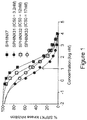
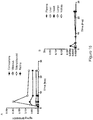
- SRPK1 inhibitors To identify novel SRPK1 inhibitors, a range of inhibitors were screened in an in vitro kinase assay (Promega; Koresawa and Okabe, 2004). The previously identified SRPK inhibitors SPHINX and SPHINX7 were used as positive controls for the identification of novel candidates. Kinase assays showed that compounds 12 to 14 in Table 1 (termed SPHINX31-33 respectively) had a 10-20 fold increase in potency compared with the previously reported compounds, resulting in IC 50 values of 3.2-17nM ( Figure 1 ).
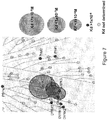
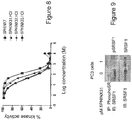
- SPHINX31 had a binding affinity 44x greater for SRPK1 ( ⁇ Tm 12.8°C) than SRPK2 (( ⁇ Tm 6.7°C) or Clk1 ( ⁇ Tm 6.7°C) and 88 fold greater than Clk4 ( ⁇ Tm 5.7°C). Binding activity to Clk2, Clk3, PIM1, PIM2, DYRK1, DYRK2, PRPF4B and SRPK3 was negligible ( ⁇ Tm ⁇ 3°C) ( Figure 7 ). The salt forms of the compounds (SPHINX31, 32 and 33) were also potent inhibitors, and were more freely soluble in water ( Figure 8 ).
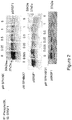
- Denys Drash podocytes with constitutively active SRPK1 (caused by a mutation in the SRPK1 repressor, WT1) were treated with increasing concentration of compound 12, termed SPHINX31.
- Figure 2 shows that increasing amounts of SPHINX31 increase inhibition of SRSF1 phosphorylation
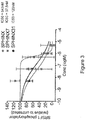
- Figure 3 shows that SRSF1 phosphorylation was dose dependently inhibited by treatment with SPHINX31.
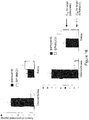
- SPHINX31 could access the retina of an animal with a large eye a rabbit was exposed to 150 ⁇ g per day SPHINX31 or pazopanib ( Figure 16 ). After 6 days the animal was killed and the eyes harvested. Individual sections of sclera and retina from the rear half of the eye were then assayed for pazopanib or SPHINX31. Retinal penetration was seen for both pazopanib and SPHINX31, but the concentrations for SPHINX31 were 10x the IC 50 for the compound whereas for pazopanib the concentration was similar to the IC 50 .
- SPHINX31 exerted a dose dependent inhibition of choroidal neovascularisation, with greater efficacy at 2 ⁇ g/ml, and an IC 50 of 024 ⁇ g/ml ( Figure 4 ).
- hERG go-go related gene
- Plasma level of all compounds of Formula (I) tested during topical local application to the eye were extremely low (below detection level of 1pM) and consequently substantial hERG channel block in the heart is unlikely to occur during in vivo use of these compounds as eye drops.
- SRPIN340 and SPHINX do not inhibit hERG suggests that it is possible to have significant pharmacological actions against SRPK1 without substantial hERG activity, (Gammons et al, 2013).
- SPHINX31 which inhibited hERG with an IC 50 of 0.3 ⁇ M, 100-fold higher than its IC 50 value against SRPK1 (3.2 nM) ( Figure 5 ).
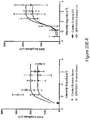
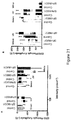
- mice were dosed with 2 ⁇ g/ml SPHINX31 and electroretinography determined on a Phoenix Ganzfeld ERG system.
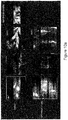
- Scotopic ERG recordings were taken in dark adapted animals following stimulation with increasing intensities of green ( Figs 20A, 20C , 20E , 20G ) light (to activate M-cones and rods) or UV ( Figs 20B, 20D , 20F , 20H ) light (to activate S-cones and rods).
- ERG amplitude at different intensities of green (Figs 20C, 20E ) or UV (Figs 20D, 20F ) are shown for the A wave ( Figs 20C, 20D ) and B wave ( Figs 20E, 20F ).
- the ratio of A-wave: B-wave was unaffected by SPHINX31 treatment ( Fig 20G, Fig 20H ).
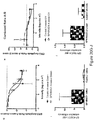
- eyes were enucleated, dissected, homogenised and spiked with SPHINX7 to measure extraction efficiency, then analysed by mass spectrometry ( Fig 20I, Fig 20J ).
- SPHINX31 was detected in the retina (0.165 % of applied eye drop dose when normalised to extraction efficiency) and choroid (0.0175% of applied dose). SPHINX31 levels in control eyes are shown for comparison as background levels.
- Photopic ERG recordings were taken to isolate cone responses from rod responses following 10 minutes light adaptation and with continuous background stimulation with white light at an intensity of 30 cd.m.s 2 .
Landscapes
- Chemical & Material Sciences (AREA)
- Organic Chemistry (AREA)
- Health & Medical Sciences (AREA)
- Veterinary Medicine (AREA)
- Life Sciences & Earth Sciences (AREA)
- Public Health (AREA)
- General Health & Medical Sciences (AREA)
- Animal Behavior & Ethology (AREA)
- Medicinal Chemistry (AREA)
- Pharmacology & Pharmacy (AREA)
- Bioinformatics & Cheminformatics (AREA)
- Nuclear Medicine, Radiotherapy & Molecular Imaging (AREA)
- General Chemical & Material Sciences (AREA)
- Chemical Kinetics & Catalysis (AREA)
- Engineering & Computer Science (AREA)
- Epidemiology (AREA)
- Neurosurgery (AREA)
- Biomedical Technology (AREA)
- Neurology (AREA)
- Cardiology (AREA)
- Heart & Thoracic Surgery (AREA)
- Pain & Pain Management (AREA)
- Psychiatry (AREA)
- Endocrinology (AREA)
- Urology & Nephrology (AREA)
- Hospice & Palliative Care (AREA)
- Reproductive Health (AREA)
- Ophthalmology & Optometry (AREA)
- Pharmaceuticals Containing Other Organic And Inorganic Compounds (AREA)
- Heterocyclic Compounds Containing Sulfur Atoms (AREA)
- Furan Compounds (AREA)
- Plural Heterocyclic Compounds (AREA)
- Medicines That Contain Protein Lipid Enzymes And Other Medicines (AREA)
Applications Claiming Priority (2)
| Application Number | Priority Date | Filing Date | Title |
|---|---|---|---|
| GBGB1406956.1A GB201406956D0 (en) | 2014-04-17 | 2014-04-17 | Compounds |
| PCT/GB2015/051172 WO2015159103A1 (en) | 2014-04-17 | 2015-04-17 | Piperazine derivatives for treating disorders |
Publications (2)
| Publication Number | Publication Date |
|---|---|
| EP3131886A1 EP3131886A1 (en) | 2017-02-22 |
| EP3131886B1 true EP3131886B1 (en) | 2020-09-09 |
Family
ID=50928932
Family Applications (1)
| Application Number | Title | Priority Date | Filing Date |
|---|---|---|---|
| EP15718262.7A Active EP3131886B1 (en) | 2014-04-17 | 2015-04-17 | Piperazine derivatives for treating disorders |
Country Status (8)
| Country | Link |
|---|---|
| US (3) | US9695160B2 (enExample) |
| EP (1) | EP3131886B1 (enExample) |
| JP (1) | JP6579714B2 (enExample) |
| CN (1) | CN107001344B (enExample) |
| AU (1) | AU2015248656B2 (enExample) |
| ES (1) | ES2836105T3 (enExample) |
| GB (1) | GB201406956D0 (enExample) |
| WO (1) | WO2015159103A1 (enExample) |
Families Citing this family (10)
| Publication number | Priority date | Publication date | Assignee | Title |
|---|---|---|---|---|
| CN104869990B (zh) * | 2012-10-17 | 2022-12-20 | 艾科耐特有限公司 | 用于治疗眼部新生血管形成的化合物 |
| GB201518365D0 (en) * | 2015-10-16 | 2015-12-02 | Exonate Ltd | Compounds |
| CN110520127B (zh) | 2017-03-26 | 2023-05-16 | 武田药品工业株式会社 | 作为gpr6的调节剂的经哌啶基取代的杂芳族羧酰胺和经哌嗪基取代的杂芳族羧酰胺 |
| CA3077749A1 (en) | 2017-09-27 | 2019-04-04 | Exonate Limited | Srpk1 inhibitors |
| CN108912116A (zh) * | 2018-08-15 | 2018-11-30 | 翟学旭 | 一种含氮杂环类衍生物及其在视网膜疾病中的应用 |
| WO2021148420A1 (en) * | 2020-01-22 | 2021-07-29 | F. Hoffmann-La Roche Ag | Novel heterocyclic compounds |
| GB202010829D0 (en) * | 2020-07-14 | 2020-08-26 | Exonate Ltd | Compounds for treatment of neovascular diseases |
| EP4370514A1 (en) | 2021-07-15 | 2024-05-22 | F. Hoffmann-La Roche AG | Imidazole derivatives and their use as antibiotics |
| CN120917015A (zh) * | 2023-01-20 | 2025-11-07 | 元启(苏州)生物制药有限公司 | Srpk1抑制剂和使用方法 |
| CN116898971B (zh) * | 2023-07-17 | 2024-11-22 | 武汉大学人民医院(湖北省人民医院) | Srpk3基因在制备治疗心肌肥厚的药物中的用途 |
Family Cites Families (9)
| Publication number | Priority date | Publication date | Assignee | Title |
|---|---|---|---|---|
| FR2840314B1 (fr) | 2002-06-03 | 2004-08-20 | Inst Francais Du Petrole | Methode d'isolation thermique, procede de preparation d'un gel isolant et gel isolant obtenu |
| DK2666481T3 (en) | 2003-12-26 | 2019-02-25 | Masatoshi Hagiwara | A method for regulating the phosphorylation of SR protein and antiviral agents comprising an SR protein activity regulator as the active ingredient |
| EP2078003B1 (en) * | 2006-10-31 | 2017-03-08 | Merck Sharp & Dohme Corp. | Anilinopiperazine derivatives and methods of use thereof |
| GB0704678D0 (en) | 2007-03-09 | 2007-04-18 | Univ Bristol | Pro- and anti-angiogenic treatments |
| GB0803912D0 (en) | 2008-02-29 | 2008-05-07 | Univ Bristol | Novel Uses of VEGFxxxb |
| EP2358382A2 (en) | 2008-11-22 | 2011-08-24 | The University of Bristol | NOVEL USES OF VEGFxxxB |
| WO2011036429A1 (en) | 2009-09-25 | 2011-03-31 | The University Of Bristol | Detection of risk of pre-eclampsia |
| GB201009173D0 (en) | 2010-05-28 | 2010-07-14 | Univ Bristol | Treatment of pain |
| CN104869990B (zh) * | 2012-10-17 | 2022-12-20 | 艾科耐特有限公司 | 用于治疗眼部新生血管形成的化合物 |
-
2014
- 2014-04-17 GB GBGB1406956.1A patent/GB201406956D0/en not_active Ceased
-
2015
- 2015-04-17 AU AU2015248656A patent/AU2015248656B2/en active Active
- 2015-04-17 JP JP2017505735A patent/JP6579714B2/ja active Active
- 2015-04-17 WO PCT/GB2015/051172 patent/WO2015159103A1/en not_active Ceased
- 2015-04-17 EP EP15718262.7A patent/EP3131886B1/en active Active
- 2015-04-17 CN CN201580031650.5A patent/CN107001344B/zh active Active
- 2015-04-17 ES ES15718262T patent/ES2836105T3/es active Active
- 2015-04-17 US US15/304,678 patent/US9695160B2/en active Active
-
2017
- 2017-05-31 US US15/609,596 patent/US9796707B2/en active Active
- 2017-09-19 US US15/708,315 patent/US9932330B2/en active Active
Non-Patent Citations (1)
| Title |
|---|
| None * |
Also Published As
| Publication number | Publication date |
|---|---|
| US9796707B2 (en) | 2017-10-24 |
| WO2015159103A1 (en) | 2015-10-22 |
| JP2017518360A (ja) | 2017-07-06 |
| US9932330B2 (en) | 2018-04-03 |
| ES2836105T3 (es) | 2021-06-24 |
| AU2015248656B2 (en) | 2019-10-10 |
| US9695160B2 (en) | 2017-07-04 |
| US20170050956A1 (en) | 2017-02-23 |
| JP6579714B2 (ja) | 2019-09-25 |
| US20180044331A1 (en) | 2018-02-15 |
| CN107001344B (zh) | 2021-02-26 |
| US20170267670A1 (en) | 2017-09-21 |
| AU2015248656A1 (en) | 2016-11-24 |
| GB201406956D0 (en) | 2014-06-04 |
| CN107001344A (zh) | 2017-08-01 |
| EP3131886A1 (en) | 2017-02-22 |
Similar Documents
| Publication | Publication Date | Title |
|---|---|---|
| US9796707B2 (en) | Piperazine derivatives for treating disorders | |
| EP3362444B1 (en) | Compounds | |
| JP6738512B2 (ja) | 眼血管形成(ocular neovasculan)を治療するのに有用な化合物 | |
| CN111448193A (zh) | Srpk1抑制剂 | |
| EP4182311B1 (en) | 1-methyl-1h-pyrazol-3-yl derivatives for use in the treatment of neovascular diseases |
Legal Events
| Date | Code | Title | Description |
|---|---|---|---|
| STAA | Information on the status of an ep patent application or granted ep patent |
Free format text: STATUS: THE INTERNATIONAL PUBLICATION HAS BEEN MADE |
|
| PUAI | Public reference made under article 153(3) epc to a published international application that has entered the european phase |
Free format text: ORIGINAL CODE: 0009012 |
|
| STAA | Information on the status of an ep patent application or granted ep patent |
Free format text: STATUS: REQUEST FOR EXAMINATION WAS MADE |
|
| 17P | Request for examination filed |
Effective date: 20161114 |
|
| AK | Designated contracting states |
Kind code of ref document: A1 Designated state(s): AL AT BE BG CH CY CZ DE DK EE ES FI FR GB GR HR HU IE IS IT LI LT LU LV MC MK MT NL NO PL PT RO RS SE SI SK SM TR |
|
| AX | Request for extension of the european patent |
Extension state: BA ME |
|
| DAV | Request for validation of the european patent (deleted) | ||
| DAX | Request for extension of the european patent (deleted) | ||
| STAA | Information on the status of an ep patent application or granted ep patent |
Free format text: STATUS: EXAMINATION IS IN PROGRESS |
|
| 17Q | First examination report despatched |
Effective date: 20190909 |
|
| GRAP | Despatch of communication of intention to grant a patent |
Free format text: ORIGINAL CODE: EPIDOSNIGR1 |
|
| STAA | Information on the status of an ep patent application or granted ep patent |
Free format text: STATUS: GRANT OF PATENT IS INTENDED |
|
| RAP1 | Party data changed (applicant data changed or rights of an application transferred) |
Owner name: NEWSOUTH INNOVATIONS PTY LIMITED |
|
| RIN1 | Information on inventor provided before grant (corrected) |
Inventor name: MORRIS, JONATHAN Inventor name: BATES, DAVID |
|
| INTG | Intention to grant announced |
Effective date: 20200319 |
|
| RAP1 | Party data changed (applicant data changed or rights of an application transferred) |
Owner name: NEWSOUTH INNOVATIONS PTY LIMITED Owner name: THE UNIVERSITY OF NOTTINGHAM |
|
| RAP1 | Party data changed (applicant data changed or rights of an application transferred) |
Owner name: EXONATE LIMITED |
|
| GRAS | Grant fee paid |
Free format text: ORIGINAL CODE: EPIDOSNIGR3 |
|
| GRAA | (expected) grant |
Free format text: ORIGINAL CODE: 0009210 |
|
| STAA | Information on the status of an ep patent application or granted ep patent |
Free format text: STATUS: THE PATENT HAS BEEN GRANTED |
|
| AK | Designated contracting states |
Kind code of ref document: B1 Designated state(s): AL AT BE BG CH CY CZ DE DK EE ES FI FR GB GR HR HU IE IS IT LI LT LU LV MC MK MT NL NO PL PT RO RS SE SI SK SM TR |
|
| REG | Reference to a national code |
Ref country code: GB Ref legal event code: FG4D |
|
| REG | Reference to a national code |
Ref country code: AT Ref legal event code: REF Ref document number: 1311411 Country of ref document: AT Kind code of ref document: T Effective date: 20200915 Ref country code: CH Ref legal event code: EP |
|
| REG | Reference to a national code |
Ref country code: DE Ref legal event code: R096 Ref document number: 602015058740 Country of ref document: DE |
|
| REG | Reference to a national code |
Ref country code: IE Ref legal event code: FG4D |
|
| REG | Reference to a national code |
Ref country code: CH Ref legal event code: NV Representative=s name: DR. LUSUARDI AG, CH |
|
| REG | Reference to a national code |
Ref country code: NL Ref legal event code: FP |
|
| REG | Reference to a national code |
Ref country code: DE Ref legal event code: R082 Ref document number: 602015058740 Country of ref document: DE Representative=s name: HL KEMPNER PATENTANWAELTE, SOLICITORS (ENGLAND, DE Ref country code: DE Ref legal event code: R082 Ref document number: 602015058740 Country of ref document: DE Representative=s name: HL KEMPNER PATENTANWALT, RECHTSANWALT, SOLICIT, DE Ref country code: DE Ref legal event code: R082 Ref document number: 602015058740 Country of ref document: DE Representative=s name: HL KEMPNER PARTG MBB, DE |
|
| REG | Reference to a national code |
Ref country code: LT Ref legal event code: MG4D |
|
| PG25 | Lapsed in a contracting state [announced via postgrant information from national office to epo] |
Ref country code: HR Free format text: LAPSE BECAUSE OF FAILURE TO SUBMIT A TRANSLATION OF THE DESCRIPTION OR TO PAY THE FEE WITHIN THE PRESCRIBED TIME-LIMIT Effective date: 20200909 Ref country code: LT Free format text: LAPSE BECAUSE OF FAILURE TO SUBMIT A TRANSLATION OF THE DESCRIPTION OR TO PAY THE FEE WITHIN THE PRESCRIBED TIME-LIMIT Effective date: 20200909 Ref country code: GR Free format text: LAPSE BECAUSE OF FAILURE TO SUBMIT A TRANSLATION OF THE DESCRIPTION OR TO PAY THE FEE WITHIN THE PRESCRIBED TIME-LIMIT Effective date: 20201210 Ref country code: NO Free format text: LAPSE BECAUSE OF FAILURE TO SUBMIT A TRANSLATION OF THE DESCRIPTION OR TO PAY THE FEE WITHIN THE PRESCRIBED TIME-LIMIT Effective date: 20201209 Ref country code: BG Free format text: LAPSE BECAUSE OF FAILURE TO SUBMIT A TRANSLATION OF THE DESCRIPTION OR TO PAY THE FEE WITHIN THE PRESCRIBED TIME-LIMIT Effective date: 20201209 Ref country code: FI Free format text: LAPSE BECAUSE OF FAILURE TO SUBMIT A TRANSLATION OF THE DESCRIPTION OR TO PAY THE FEE WITHIN THE PRESCRIBED TIME-LIMIT Effective date: 20200909 Ref country code: SE Free format text: LAPSE BECAUSE OF FAILURE TO SUBMIT A TRANSLATION OF THE DESCRIPTION OR TO PAY THE FEE WITHIN THE PRESCRIBED TIME-LIMIT Effective date: 20200909 |
|
| REG | Reference to a national code |
Ref country code: AT Ref legal event code: MK05 Ref document number: 1311411 Country of ref document: AT Kind code of ref document: T Effective date: 20200909 |
|
| PG25 | Lapsed in a contracting state [announced via postgrant information from national office to epo] |
Ref country code: LV Free format text: LAPSE BECAUSE OF FAILURE TO SUBMIT A TRANSLATION OF THE DESCRIPTION OR TO PAY THE FEE WITHIN THE PRESCRIBED TIME-LIMIT Effective date: 20200909 Ref country code: RS Free format text: LAPSE BECAUSE OF FAILURE TO SUBMIT A TRANSLATION OF THE DESCRIPTION OR TO PAY THE FEE WITHIN THE PRESCRIBED TIME-LIMIT Effective date: 20200909 Ref country code: PL Free format text: LAPSE BECAUSE OF FAILURE TO SUBMIT A TRANSLATION OF THE DESCRIPTION OR TO PAY THE FEE WITHIN THE PRESCRIBED TIME-LIMIT Effective date: 20200909 |
|
| PG25 | Lapsed in a contracting state [announced via postgrant information from national office to epo] |
Ref country code: CZ Free format text: LAPSE BECAUSE OF FAILURE TO SUBMIT A TRANSLATION OF THE DESCRIPTION OR TO PAY THE FEE WITHIN THE PRESCRIBED TIME-LIMIT Effective date: 20200909 Ref country code: PT Free format text: LAPSE BECAUSE OF FAILURE TO SUBMIT A TRANSLATION OF THE DESCRIPTION OR TO PAY THE FEE WITHIN THE PRESCRIBED TIME-LIMIT Effective date: 20210111 Ref country code: RO Free format text: LAPSE BECAUSE OF FAILURE TO SUBMIT A TRANSLATION OF THE DESCRIPTION OR TO PAY THE FEE WITHIN THE PRESCRIBED TIME-LIMIT Effective date: 20200909 Ref country code: SM Free format text: LAPSE BECAUSE OF FAILURE TO SUBMIT A TRANSLATION OF THE DESCRIPTION OR TO PAY THE FEE WITHIN THE PRESCRIBED TIME-LIMIT Effective date: 20200909 Ref country code: EE Free format text: LAPSE BECAUSE OF FAILURE TO SUBMIT A TRANSLATION OF THE DESCRIPTION OR TO PAY THE FEE WITHIN THE PRESCRIBED TIME-LIMIT Effective date: 20200909 |
|
| PG25 | Lapsed in a contracting state [announced via postgrant information from national office to epo] |
Ref country code: IS Free format text: LAPSE BECAUSE OF FAILURE TO SUBMIT A TRANSLATION OF THE DESCRIPTION OR TO PAY THE FEE WITHIN THE PRESCRIBED TIME-LIMIT Effective date: 20210109 Ref country code: AT Free format text: LAPSE BECAUSE OF FAILURE TO SUBMIT A TRANSLATION OF THE DESCRIPTION OR TO PAY THE FEE WITHIN THE PRESCRIBED TIME-LIMIT Effective date: 20200909 Ref country code: AL Free format text: LAPSE BECAUSE OF FAILURE TO SUBMIT A TRANSLATION OF THE DESCRIPTION OR TO PAY THE FEE WITHIN THE PRESCRIBED TIME-LIMIT Effective date: 20200909 |
|
| REG | Reference to a national code |
Ref country code: DE Ref legal event code: R097 Ref document number: 602015058740 Country of ref document: DE |
|
| REG | Reference to a national code |
Ref country code: ES Ref legal event code: FG2A Ref document number: 2836105 Country of ref document: ES Kind code of ref document: T3 Effective date: 20210624 |
|
| PG25 | Lapsed in a contracting state [announced via postgrant information from national office to epo] |
Ref country code: SK Free format text: LAPSE BECAUSE OF FAILURE TO SUBMIT A TRANSLATION OF THE DESCRIPTION OR TO PAY THE FEE WITHIN THE PRESCRIBED TIME-LIMIT Effective date: 20200909 |
|
| PLBE | No opposition filed within time limit |
Free format text: ORIGINAL CODE: 0009261 |
|
| STAA | Information on the status of an ep patent application or granted ep patent |
Free format text: STATUS: NO OPPOSITION FILED WITHIN TIME LIMIT |
|
| 26N | No opposition filed |
Effective date: 20210610 |
|
| PG25 | Lapsed in a contracting state [announced via postgrant information from national office to epo] |
Ref country code: SI Free format text: LAPSE BECAUSE OF FAILURE TO SUBMIT A TRANSLATION OF THE DESCRIPTION OR TO PAY THE FEE WITHIN THE PRESCRIBED TIME-LIMIT Effective date: 20200909 Ref country code: DK Free format text: LAPSE BECAUSE OF FAILURE TO SUBMIT A TRANSLATION OF THE DESCRIPTION OR TO PAY THE FEE WITHIN THE PRESCRIBED TIME-LIMIT Effective date: 20200909 |
|
| PG25 | Lapsed in a contracting state [announced via postgrant information from national office to epo] |
Ref country code: MC Free format text: LAPSE BECAUSE OF FAILURE TO SUBMIT A TRANSLATION OF THE DESCRIPTION OR TO PAY THE FEE WITHIN THE PRESCRIBED TIME-LIMIT Effective date: 20200909 |
|
| PG25 | Lapsed in a contracting state [announced via postgrant information from national office to epo] |
Ref country code: LU Free format text: LAPSE BECAUSE OF NON-PAYMENT OF DUE FEES Effective date: 20210417 |
|
| PG25 | Lapsed in a contracting state [announced via postgrant information from national office to epo] |
Ref country code: IE Free format text: LAPSE BECAUSE OF NON-PAYMENT OF DUE FEES Effective date: 20210417 |
|
| PG25 | Lapsed in a contracting state [announced via postgrant information from national office to epo] |
Ref country code: IS Free format text: LAPSE BECAUSE OF FAILURE TO SUBMIT A TRANSLATION OF THE DESCRIPTION OR TO PAY THE FEE WITHIN THE PRESCRIBED TIME-LIMIT Effective date: 20210109 |
|
| PG25 | Lapsed in a contracting state [announced via postgrant information from national office to epo] |
Ref country code: HU Free format text: LAPSE BECAUSE OF FAILURE TO SUBMIT A TRANSLATION OF THE DESCRIPTION OR TO PAY THE FEE WITHIN THE PRESCRIBED TIME-LIMIT; INVALID AB INITIO Effective date: 20150417 |
|
| P01 | Opt-out of the competence of the unified patent court (upc) registered |
Effective date: 20230504 |
|
| PG25 | Lapsed in a contracting state [announced via postgrant information from national office to epo] |
Ref country code: CY Free format text: LAPSE BECAUSE OF FAILURE TO SUBMIT A TRANSLATION OF THE DESCRIPTION OR TO PAY THE FEE WITHIN THE PRESCRIBED TIME-LIMIT Effective date: 20200909 |
|
| PG25 | Lapsed in a contracting state [announced via postgrant information from national office to epo] |
Ref country code: MK Free format text: LAPSE BECAUSE OF FAILURE TO SUBMIT A TRANSLATION OF THE DESCRIPTION OR TO PAY THE FEE WITHIN THE PRESCRIBED TIME-LIMIT Effective date: 20200909 |
|
| PG25 | Lapsed in a contracting state [announced via postgrant information from national office to epo] |
Ref country code: TR Free format text: LAPSE BECAUSE OF FAILURE TO SUBMIT A TRANSLATION OF THE DESCRIPTION OR TO PAY THE FEE WITHIN THE PRESCRIBED TIME-LIMIT Effective date: 20200909 |
|
| PG25 | Lapsed in a contracting state [announced via postgrant information from national office to epo] |
Ref country code: MT Free format text: LAPSE BECAUSE OF FAILURE TO SUBMIT A TRANSLATION OF THE DESCRIPTION OR TO PAY THE FEE WITHIN THE PRESCRIBED TIME-LIMIT Effective date: 20200909 |
|
| REG | Reference to a national code |
Ref country code: CH Ref legal event code: U11 Free format text: ST27 STATUS EVENT CODE: U-0-0-U10-U11 (AS PROVIDED BY THE NATIONAL OFFICE) Effective date: 20260501 |
|
| PGFP | Annual fee paid to national office [announced via postgrant information from national office to epo] |
Ref country code: NL Payment date: 20260430 Year of fee payment: 12 |
|
| PGFP | Annual fee paid to national office [announced via postgrant information from national office to epo] |
Ref country code: ES Payment date: 20260522 Year of fee payment: 12 |
|
| PGFP | Annual fee paid to national office [announced via postgrant information from national office to epo] |
Ref country code: GB Payment date: 20260430 Year of fee payment: 12 |
|
| PGFP | Annual fee paid to national office [announced via postgrant information from national office to epo] |
Ref country code: IT Payment date: 20260430 Year of fee payment: 12 |
|
| PGFP | Annual fee paid to national office [announced via postgrant information from national office to epo] |
Ref country code: DE Payment date: 20260430 Year of fee payment: 12 |
|
| PGFP | Annual fee paid to national office [announced via postgrant information from national office to epo] |
Ref country code: CH Payment date: 20260501 Year of fee payment: 12 Ref country code: BE Payment date: 20260430 Year of fee payment: 12 |
|
| PGFP | Annual fee paid to national office [announced via postgrant information from national office to epo] |
Ref country code: FR Payment date: 20260430 Year of fee payment: 12 |