EP3119411B1 - Salvinorin compositions and uses thereof - Google Patents
Salvinorin compositions and uses thereof Download PDFInfo
- Publication number
- EP3119411B1 EP3119411B1 EP15765744.6A EP15765744A EP3119411B1 EP 3119411 B1 EP3119411 B1 EP 3119411B1 EP 15765744 A EP15765744 A EP 15765744A EP 3119411 B1 EP3119411 B1 EP 3119411B1
- Authority
- EP
- European Patent Office
- Prior art keywords
- salvinorin
- administration
- hypoxia
- cerebral
- ischemia
- Prior art date
- Legal status (The legal status is an assumption and is not a legal conclusion. Google has not performed a legal analysis and makes no representation as to the accuracy of the status listed.)
- Active
Links
Images
















Classifications
-
- A—HUMAN NECESSITIES
- A61—MEDICAL OR VETERINARY SCIENCE; HYGIENE
- A61K—PREPARATIONS FOR MEDICAL, DENTAL OR TOILETRY PURPOSES
- A61K31/00—Medicinal preparations containing organic active ingredients
- A61K31/33—Heterocyclic compounds
- A61K31/335—Heterocyclic compounds having oxygen as the only ring hetero atom, e.g. fungichromin
- A61K31/365—Lactones
- A61K31/366—Lactones having six-membered rings, e.g. delta-lactones
-
- A—HUMAN NECESSITIES
- A61—MEDICAL OR VETERINARY SCIENCE; HYGIENE
- A61K—PREPARATIONS FOR MEDICAL, DENTAL OR TOILETRY PURPOSES
- A61K47/00—Medicinal preparations characterised by the non-active ingredients used, e.g. carriers or inert additives; Targeting or modifying agents chemically bound to the active ingredient
- A61K47/30—Macromolecular organic or inorganic compounds, e.g. inorganic polyphosphates
- A61K47/36—Polysaccharides; Derivatives thereof, e.g. gums, starch, alginate, dextrin, hyaluronic acid, chitosan, inulin, agar or pectin
- A61K47/40—Cyclodextrins; Derivatives thereof
-
- A—HUMAN NECESSITIES
- A61—MEDICAL OR VETERINARY SCIENCE; HYGIENE
- A61K—PREPARATIONS FOR MEDICAL, DENTAL OR TOILETRY PURPOSES
- A61K9/00—Medicinal preparations characterised by special physical form
- A61K9/0012—Galenical forms characterised by the site of application
- A61K9/0043—Nose
-
- A—HUMAN NECESSITIES
- A61—MEDICAL OR VETERINARY SCIENCE; HYGIENE
- A61K—PREPARATIONS FOR MEDICAL, DENTAL OR TOILETRY PURPOSES
- A61K9/00—Medicinal preparations characterised by special physical form
- A61K9/08—Solutions
-
- A—HUMAN NECESSITIES
- A61—MEDICAL OR VETERINARY SCIENCE; HYGIENE
- A61P—SPECIFIC THERAPEUTIC ACTIVITY OF CHEMICAL COMPOUNDS OR MEDICINAL PREPARATIONS
- A61P25/00—Drugs for disorders of the nervous system
-
- A—HUMAN NECESSITIES
- A61—MEDICAL OR VETERINARY SCIENCE; HYGIENE
- A61P—SPECIFIC THERAPEUTIC ACTIVITY OF CHEMICAL COMPOUNDS OR MEDICINAL PREPARATIONS
- A61P9/00—Drugs for disorders of the cardiovascular system
-
- A—HUMAN NECESSITIES
- A61—MEDICAL OR VETERINARY SCIENCE; HYGIENE
- A61P—SPECIFIC THERAPEUTIC ACTIVITY OF CHEMICAL COMPOUNDS OR MEDICINAL PREPARATIONS
- A61P9/00—Drugs for disorders of the cardiovascular system
- A61P9/08—Vasodilators for multiple indications
Definitions
- the invention relates to salvinorin compositions and to salvinorin compositions for use in treating diseases and disorders associated with vasoconstriction, vaso-occlusion, or disruption of blood flow and autoregulation.
- Salvinorin A is an active component of Salvia divinorum, a perennial herb of the Lamiaceae (mint) family, indigenous to Mexico. Salvia divinorum has long been traditionally used to produce visionary states of consciousness during spiritual healing sessions for religious purposes. It has been shown that salvinorin A is the most highly efficacious, naturally-occurring, nonpeptide, and the only non-nitrogenous kappa opioid receptor (KOR) agonist.
- KOR non-nitrogenous kappa opioid receptor
- Salvia divinorum as a naturally abundant plant has been used by human beings for recreational purposes for several centuries, and it has been proposed that salvinorin A could be a potential new opioid receptor agonist to be used in clinical practice, i.e. to treat depression or addiction etc. None of the other opioid KOR agonists have been used clinically so far because of their side effects. These include induction of significant dysphoria, low selectivity, respiratory depression, and unknown safety profiles. Salvinorin A does not belong to opioids despite being a KOR agonist, and it is not a controlled substance in most countries. Many intrinsic characters of the compound, i.e. quick onset, short acting, readily cross the blood brain barrier, and no respiratory depression, etc., make it an attractive possible medication, especially for neurological diseases.
- CA Cardiac arrest
- IR ischemia/reperfusion
- therapeutic hypothermia is considered the only effective post-CA treatment for neurological injuries.
- this treatment can only be applied to eligible patient populations and can be dangerous in under-resourced facilities, thereby leading to, among other things, an increased incidence of mortality, multiple organ failure, pulmonary hypertension, and bleeding, Therefore, a significant medical need exists for an easily manageable medication to improve survival rate and reduce the burden of neuronal injury from CA.
- Stroke is a leading cause of death worldwide. Each year, about 795,000 people experience a new or recurrent stroke in the United States; every 40 seconds, someone in the U.S. has a stroke; every 4 minutes, someone dies from a stroke. Stroke is a leading cause of serious long-term disability. 87% of all strokes are ischemic when blood supply to the brain is interrupted, a typical example of ischemia/reperfusion (IR) organ injury. Many potential neuroprotectants that reduce such neuronal injuries in experimental animals have failed in clinical trials. Due to the narrow therapeutic window of stroke, a potential neuroprotectant has to be able to be delivered in a timely manner without significant barrier with quick onset time.
- IR ischemia/reperfusion
- SAH Subarachnoid hemorrhage
- Salvinorin A is a very hydrophobic molecule and is insoluble in water. Salvinorin A is soluble in known to be soluble in organic solvents like ethanol, DMSO, and acetone. However, these solvent are not suitable for routine clinical use, especially for intravenous (IV) delivery. Since salvinorin A is useful clinically, for neurological disorders, there is a need to identify materials, preferably FDA approved materials, which can be used to formulate salvinorin A for clinical delivery.
- the present invention provides a pharmaceutical composition of salvinorin A comprising: an aqueous solution of salvinorin A and between 1% (w/v) and 50% (w/v) of a cyclodextrin, wherein the cyclodextrin is a 2-hydroxypropyl-cyclodextrin, and wherein the salvinorin A concentration is at least 50 ⁇ g/mL.
- the cyclodextrin is 2-hydroxypropyl- ⁇ -cyclodextrin (HPBCD).
- the cyclodextrin concentration is about 20% (w/v).
- the present invention also provides the pharmaceutical composition of salvinorin A of the invention for use in treating cerebral vasospasm in a subject with a subarachnoid hemorrhage, or for use in treating neurological injuries associated with cardiac arrest or increasing the likelihood of survival in a subject suffering from or having suffered cardiac arrest, or for use in treating a disease associated with cerebrovasodilation in a subject, or for use in treating a stroke in a subject suffering from or having suffered a stroke, or for use in treating a cerebral artery occlusion in a subject suffering from or having suffered a cerebral artery occlusion or cerebral hypoxia/ischemia.
- the present application relates to salvinorin compositions and uses thereof. Specifically, the application relates to salvinorin compositions for use in increasing survival of a subject following cardiac arrest or stroke in that subject, or for use in treating a subject with cerebral vascular spasm, a subarachnoid hemorrhage, cerebral hypoxia/ischemia, cerebral artery occlusion, or any condition involved in autoregulation impairment.
- the present invention thus provides a pharmaceutical composition of salvinorin A comprising: an aqueous solution of salvinorin A and between 1% (w/v) and 50% (w/v) of a cyclodextrin, wherein the cyclodextrin is a 2-hydroxypropyl-cyclodextrin, and wherein the salvinorin A concentration is at least 50 ⁇ g/mL.
- the cyclodextrin is 2-hydroxypropyl- ⁇ -cyclodextrin (HPBCD).
- the cyclodextrin concentration is about 20% (w/v).
- the present invention also provides the pharmaceutical composition of salvinorin A of the invention for use in treating cerebral vasospasm in a subject with a subarachnoid hemorrhage, or for use in treating neurological injuries associated with cardiac arrest or increasing the likelihood of survival in a subject suffering from or having suffered cardiac arrest, or for use in treating a disease associated with cerebrovasodilation in a subject, or for use in treating a stroke in a subject suffering from or having suffered a stroke, or for use in treating a cerebral artery occlusion in a subject suffering from or having suffered a cerebral artery occlusion or cerebral hypoxia/ischemia.
- methods of increasing the likelihood of survival in a subject suffering from or having suffered cardiac arrest comprising: administering to said subject a therapeutically effective amount of salvinorin or a pharmaceutical composition thereof.
- Also disclosed herein are methods of treating cerebral vasospasm in a subject with a subarachnoid hemorrhage comprising: administering to said subject a therapeutically effective amount of salvinorin or a pharmaceutical composition thereof.
- methods for treating a disease associated with vasoconstriction, vaso-occlusion, or disruption of blood flow and autoregulation in a subject comprising: administering to said subject a therapeutically effective amount of salvinorin or a pharmaceutical composition thereof.
- methods for producing a sedative or anesthetic effect in a subject in need thereof comprising: administering to said subject a therapeutically effective amount of salvinorin or pharmaceutical composition thereof.
- the pharmaceutical compositions comprise a therapeutically effective amount of salvinorin, wherein said salvinorin is present in an amount effective to produce cerebrovasodilation in a subject in need thereof, in an amount effective to treat a disease associated with cerebrovasospasm, hypoxia, and/or ischemia in a subject, in an amount therapeutically effective to treat cerebral vasospasm in a subject with a subarachnoid hemorrhage, in an amount effective to provide organ protection from hypoxia/ischemia in a subject, or in an amount effective to treat a disease associated with vasoconstriction, vaso-occlusion, or disruption of blood flow and autoregulation in a subject.
- compositions comprise a therapeutically effective amount of salvinorin, wherein said salvinorin is present in an amount effective to produce a sedative or antinociceptive effect in a subject in need thereof.
- the pharmaceutical compositions comprise an aqueous solution of salvinorin A and a cyclodextrin.
- the cyclodextrin is a 2-hydroxypropyl-cyclodextrin, such as 2-hydroxypropyl- ⁇ -cyclodextrin (HPBCD) or 2-hydroxypropyl- ⁇ -cyclodextrin (HPGCD). More preferably, the cyclodextrin is 2-hydroxypropyl- ⁇ -cyclodextrin (HPBCD).
- the composition is adapted for intravenous administration.
- the salvinorin A concentration is at least is at least 50 ⁇ g/mL.
- the cyclodextrin concentration in the solution is between 1% (w/v) and 50% (w/v).
- the cyclodextrin (e.g., HPBCD) concentration in the aqueous salvinorin A solution is at least 1% (w/v), at least 2.5% (w/v), at least 5% (w/v), at least 7.5% (w/v), at least 10% (w/v), at least 12.5% (w/v), at least 15% (w/v), at least 17.5% (w/v), at least 20% (w/v), at least 22.5% (w/v), or at least 25% (w/v).
- the cyclodextrin (e.g., HPBCD) concentration in the aqueous salvinorin A solution is less than 50% (w/v), less than 45% (w/v), less than 40% (w/v), less than 35% (w/v), less than 30% (w/v), less than 25% (w/v), less than 22.5% (w/v), less than 20% (w/v), less than 17.5% (w/v), less than 15% (w/v).
- the cyclodextrin is HPBCD with a concentration in the aqueous salvinorin A solution of aboutt least 20% (w/v).
- the inventor of the instant application surprisingly and unexpectedly found that salvinorin dilates cerebral vessels dramatically with rapid onset and offset, and without a change in hemodynamics.
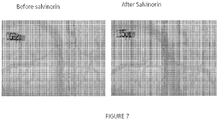
- the diameter of the cerebral artery dilated up to 40% with 1 micromolar salvinorin as shown in Figure 7 .
- the vessels dilated immediately after application of salvinorin and the dilation effect lasted less than 3 to 5 minutes.
- salvinorin can be used to treat cerebral vascular spasm in stroke, brain injury, or other related clinical situations associated with cerebral vascular spasm, including post subarachnoid hemorrhage and head trauma.
- salvinorin may be used to treat towards spinal cord ischemia and other nerve ischemia.
- Salvinorin A and its analogues are known compounds.
- Salvinorin A the active component of Salvia divinorum, which is used by nearly a million people for recreational purposes annually in United States, is the only known non-nitrogenous selective kappa opioid receptor (KOR) agonist.
- KOR kappa opioid receptor
- a diterpene salvinorin A has been shown to be a high affinity and selective kappa opioid receptor agonist. See Roth et al., Proc. Natl. Acad. Sci. USA 99:11934 (2002 ); and Butelman et al., Psychopharmacology 172:220 (2004 ).
- Salvinorins and their derivatives are known in the art. For example, salvinorins, their derivatives, and methods for synthesizing them are described in U.S. 2006/0052439 , U.S. 2007/0213394 , WO 2005/089745 , and WO2008/119097 .
- salvinorin or its derivative may be used in the methods, compositions and uses described herein.
- known salvinorins include, but are not limited to, salvinorin A, B, C, D, E, or F.
- the salvinorin is salvinorin A.
- salvinorin is an analogue of salvinorin A.
- herkinorin an analogue of salvinorin A ( Ji F, et al., Brain Res. 2013, 1490:95-100 ).
- administering a therapeutically effective amount of a salvinorin produces vasodilation in a subject in need thereof.
- compositions described herein may include a "therapeutically effective amount.”
- a “therapeutically effective amount” refers to an amount effective, at dosages and for periods of time necessary, to achieve the desired therapeutic result.
- a therapeutically effective amount of a molecule may vary according to factors such as the disease state, age, sex, and weight of the individual, and the ability of the molecule to elicit a desired response in the individual.
- a therapeutically effective amount is also one in which toxic or detrimental effects of the molecule are outweighed by the therapeutically beneficial effects.
- treating neurological injuries associated with cardiac arrest includes, but is not limited to, preventing neurological injuries in a subject suffering from or having suffered cardiac arrest.
- Beneficial or desired clinical results include, but are not limited to, alleviation of symptoms, diminishment of the extent of a disease or condition, stabilization of a disease or condition ( i.e.
- Treatment can also mean prolonging survival as compared to expected survival if not receiving treatment.
- Those in need of treatment include those already with the disease or condition as well as those prone to having the disease or condition or those in which the disease or condition is to be prevented.
- diseases or disorders caused by or otherwise associated with vasoconstriction, vaso-occlusion, or disruption of blood flow and autoregulation include, but are not limited to, a cerebral vascular spasm, a subarachnoid hemorrhage, a stroke, a brain trauma or injury, an ischemia reperfusion injury, low perfusion status, and hypoxia.
- compositions described herein can administered to a subject by a method known in the art, such as parenterally, paracancerally, transmucosally, transdermally, intramuscularly, intravenously, intra-dermally, subcutaneously, intra-peritonealy, intra-ventricularly, intracranially, intra-vaginally or intra-tumorally, intrathecally, and inhalationally.
- they are administered transmucosally.
- they are administered intranasally.
- the pharmaceutical compositions are to be administered orally, and are thus formulated in a form suitable for oral administration, i.e. as a solid or a liquid preparation.
- suitable solid oral formulations include tablets, capsules, pills, granules, pellets and the like.
- Suitable liquid oral formulations include solutions, suspensions, dispersions, emulsions, oils and the like.
- the active ingredient is formulated in a capsule.
- the compositions of the present invention comprise, in addition to the active compound and the inert carrier or diluent, a hard gelating capsule.
- the pharmaceutical compositions are to be administered by intravenous, intra-arterial, or intra-muscular injection of a liquid preparation.
- suitable liquid formulations include solutions, suspensions, dispersions, emulsions, oils and the like.
- the pharmaceutical compositions are to be administered intravenously and are thus formulated in a form suitable for intravenous administration.
- the pharmaceutical compositions are to be administered intra-arterially and are thus formulated in a form suitable for intra-arterial administration.
- the pharmaceutical compositions are to be administered intra-muscularly and are thus formulated in a form suitable for intra-muscular administration.
- compositions are to be administered intranasally and are thus formulated in a form suitable for intranasal administration.
- compositions are to be administered topically to body surfaces and are thus formulated in a form suitable for topical administration.
- Topical formulations include gels, ointments, creams, lotions, drops and the like.
- the pharmaceutical composition is to be administered as a suppository, for example, a rectal suppository or a urethral suppository.
- the pharmaceutical composition is to be administered by subcutaneous implantation of a pellet.
- the pellet provides for controlled release of active agent over a period of time.
- the active compound is delivered in a vesicle, e.g. a liposome.
- carriers or diluents used in compositions of the present invention include, but are not limited to, a gum, a starch (e.g. corn starch, pregeletanized starch), a sugar (e.g., lactose, mannitol, sucrose, dextrose), a cellulosic material (e.g. microcrystalline cellulose), an acrylate (e.g. polymethylacrylate), calcium carbonate, magnesium oxide, talc, or mixtures thereof.
- a gum e.g. corn starch, pregeletanized starch
- a sugar e.g., lactose, mannitol, sucrose, dextrose
- a cellulosic material e.g. microcrystalline cellulose
- an acrylate e.g. polymethylacrylate
- pharmaceutically acceptable carriers for liquid formulations are aqueous or non-aqueous solutions, suspensions, emulsions or oils.
- non-aqueous solvents are propylene glycol, polyethylene glycol, and injectable organic esters such as ethyl oleate.
- Aqueous carriers include water, alcoholic/aqueous solutions, emulsions or suspensions, including saline and buffered media.
- oils are those of animal, vegetable, or synthetic origin, for example, peanut oil, soybean oil, olive oil, sunflower oil, fish-liver oil, another marine oil, or a lipid from milk or eggs.
- parenteral vehicles for subcutaneous, intravenous, intra-arterial, or intramuscular injection
- parenteral vehicles include sodium chloride solution, Ringer's dextrose, dextrose and sodium chloride, lactated Ringer's and fixed oils.
- Intravenous vehicles include fluid and nutrient replenishers, electrolyte replenishers such as those based on Ringer's dextrose, and the like.
- sterile liquids such as water and oils, with or without the addition of a surfactant and other pharmaceutically acceptable adjuvants.
- water, saline, aqueous dextrose and related sugar solutions, and glycols such as propylene glycols or polyethylene glycol are preferred liquid carriers, particularly for injectable solutions.
- oils are those of animal, vegetable, or synthetic origin, for example, peanut oil, soybean oil, olive oil, sunflower oil, fish-liver oil, another marine oil, or a lipid from milk or eggs.
- compositions further comprise binders (e.g., acacia, cornstarch, gelatin, carbomer, ethyl cellulose, guar gum, hydroxypropyl cellulose, hydroxypropyl methyl cellulose, povidone), disintegrating agents (e.g., binders, e.g., acacia, cornstarch, gelatin, carbomer, ethyl cellulose, guar gum, hydroxypropyl cellulose, hydroxypropyl methyl cellulose, povidone), disintegrating agents (e.g.
- binders e.g., acacia, cornstarch, gelatin, carbomer, ethyl cellulose, guar gum, hydroxypropyl cellulose, hydroxypropyl methyl cellulose, povidone
- disintegrating agents e.g.
- cornstarch potato starch, alginic acid, silicon dioxide, croscarmelose sodium, crospovidone, guar gum, sodium starch glycolate), buffers (e.g., Tris-HCI., acetate, phosphate) of various pH and ionic strength, additives such as albumin or gelatin to prevent absorption to surfaces, detergents (e.g., Tween 20, Tween 80, Pluronic F68, bile acid salts), protease inhibitors, surfactants (e.g., sodium lauryl sulfate), permeation enhancers, solubilizing agents (e.g., glycerol, polyethylene glycerol), antioxidants (e.g., ascorbic acid, sodium metabisulfite, butylated hydroxyanisole), stabilizers (e.g.
- viscosity increasing agents e.g. carbomer, colloidal silicon dioxide, ethyl cellulose, guar gum
- sweeteners e.g. aspartame, citric acid
- preservatives e.g., Thimerosal, benzyl alcohol, parabens
- lubricants e.g. stearic acid, magnesium stearate, polyethylene glycol, sodium lauryl sulfate
- flow-aids e.g. colloidal silicon dioxide
- plasticizers e.g. diethyl phthalate, triethyl citrate
- emulsifiers e.g.
- carbomer hydroxypropyl cellulose, sodium lauryl sulfate
- polymer coatings e.g., poloxamers or poloxamines
- coating and film forming agents e.g. ethyl cellulose, acrylates, polymethacrylates
- the pharmaceutical compositions provided herein are controlled-release compositions, i.e. compositions in which the active compound is released over a period of time after administration.
- Controlled- or sustained-release compositions include formulation in lipophilic depots (e.g. fatty acids, waxes, oils).
- the composition is an immediate-release composition, i.e. a composition in which of the active compound is released immediately after administration.
- the pharmaceutical composition is delivered in a controlled release system.
- the agent may be administered using intravenous infusion, an implantable osmotic pump, a transdermal patch, liposomes, or other modes of administration.
- a pump may be used (see Langer, supra; Sefton, CRC Crit. Ref. Biomed. Eng. 14:201 (1987 ); Buchwald et al., Surgery 88:507 (1980 ); Saudek et al., N. Engl. J. Med. 321:574 (1989 )).
- polymeric materials are used; e.g. in microspheres in or an implant.
- a controlled release system is placed in proximity to the target cell, thus requiring only a fraction of the systemic dose (see, e.g., Goodson, in Medical Applications of Controlled Release, supra, vol. 2, pp. 115-138 (1984 ); and Langer R, Science 249: 1527-1533 (1990 ).
- Also comprehended by the invention are compounds modified by the covalent attachment of water-soluble polymers such as polyethylene glycol, copolymers of polyethylene glycol and polypropylene glycol, carboxymethyl cellulose, dextran, polyvinyl alcohol, cyclodextrin, cucurbituril, polyvinylpyrrolidone or polyproline.
- the modified compounds are known to exhibit substantially longer half-lives in blood following intravenous injection than do the corresponding unmodified compounds (Abuchowski et al., 1981; Newmark et al., 1982; and Katre et al., 1987).
- Such modifications may also increase the compound's solubility in aqueous solution, eliminate aggregation, enhance the physical and chemical stability of the compound, and greatly reduce the immunogenicity and reactivity of the compound.
- the desired in vivo biological activity may be achieved by the administration of such polymer-compound abducts less frequently or in lower doses than with the unmodified compound.
- the methods comprise administering an active salvinorin composition as the sole active ingredient.
- the active salvinorin composition for use in the treatment of diseases and disorders in combination with one or more additional therapeutic agents. These additional agents are appropriate for the disease or disorder that is being treated, as is known in the art.
- the other therapeutically effective agent may be conjugated to the salvinorin, incorporated into the same composition as the salvinorin, or may be administered as a separate composition.
- the other therapeutically agent or treatment may be administered prior to, during and/or after the administration of the salvinorin.
- the administration of the salvinorin with other agents and/or treatments may occur simultaneously, or separately, via the same or different route, at the same or different times. Dosage regimens may be adjusted to provide the optimum desired response (e.g. , a therapeutic or prophylactic response).
- Effective doses of the compositions described herein, for treatment of conditions or diseases as described herein vary depending upon many different factors, including means of administration, target site, physiological state of the patient, whether the patient is human or an animal, other medications administered, and whether treatment is prophylactic or therapeutic.
- the patient is a human but non-human mammals including transgenic mammals can also be treated.
- Treatment dosages may be titrated using routine methods known to those of skill in the art to optimize safety and efficacy.
- Dosage unit form refers to physically discrete units suited as unitary dosages for treating mammalian subjects. Each unit may contain a predetermined quantity of active compound calculated to produce a desired therapeutic effect. In some embodiments, the dosage unit forms are dictated by and directly dependent on the unique characteristics of the active compound and the particular therapeutic or prophylactic effect to be achieved.
- the composition may be administered only once, or it may be administered multiple times or continuous infusion.
- the composition may be, for example, administered three times a day, twice a day, once a day, once every two days, twice a week, weekly, once every two weeks, or monthly.
- Dosage values may vary with the type and severity of the condition to be alleviated. It is further understood that for any particular subject, specific dosage regimens may be adjusted over time according to the individual need and the professional judgment of the person administering or supervising administration of the compositions, and that dosage ranges set forth herein are exemplary and are not intended to limit the scope or practice of the methods.
- administering to a subject is not limited to any particular delivery system and may include, without limitation, parenteral (including subcutaneous, intravenous, intramedullary, intraarticular, intramuscular, or intraperitoneal injection) rectal, topical, transdermal or oral (for example, in capsules, suspensions or tablets), intrathecal, intranasal and inhalational.
- Administration to a subject may occur in a single dose or in repeat administrations or continuous infusion, and in any of a variety of physiologically acceptable salt forms, and/or with an acceptable pharmaceutical carrier and/or additive as part of a pharmaceutical composition.
- physiologically acceptable salt forms and standard pharmaceutical formulation techniques are known to persons skilled in the art (see, for example, Remington's Pharmaceutical Sciences, Mack Publishing Co. ).
- the salvinorin compositions described herein can be used to treat a suitable mammal, including primates, such as monkeys and humans, horses, cows, cats, dogs, rabbits, and rodents such as rats and mice.
- a suitable mammal including primates, such as monkeys and humans, horses, cows, cats, dogs, rabbits, and rodents such as rats and mice.
- the mammal to be treated is human.
- Salvinorin A Produces Cerebrovasodilation through Activation of Nitric Oxide Synthase, Kappa Receptor and Adenosine Triphosphate Sensitive Potassium Channel
- Salvinorin A purity ⁇ 98%), sodium nitroprusside (SNP), N(G)-nitro-L-arginine (L-NNA), glibenclamide, iberiotoxin, cromakalim, calcitonin-gene related polypeptide (CGRP), NS 1619, naloxone, methionine enkephalin, norbinaltorphimine, 7-nitroindazole(7-NINA), sulpiride and isoproterenol are obtained from Sigma-Aldrich (St. Louis, MO, USA). All other chemicals were also obtained from Sigma and were of reagent grade.
- Newborn pigs (1-6 days old, weighing 1.3-1.8 kg) of both genders were used for this study. Protocols were approved by the Institutional Animal Care and Use Committee of the University of Pennsylvania. The animals were induced with isoflurane (1-2 minimal alveolar concentration) and then maintained with alpha-chloralose (80-100mg/kg supplemented with 5mg/kg/h IV). Both femoral arteries were catheterized to monitor blood pressure and blood gas. A catheter was inserted into right femoral vein for medication administration. The animals were ventilated with room air after trachea cannulation. Rectal temperature was maintained at 37-39 °C by a heating pad. A closed cranial window was placed for direct pial artery visualization and diameter measurement.
- the closed cranial window consisted of three parts: a stainless steel ring, a circular glass cover-slip, and three ports consisting of 17-gauge hypodermic needles attached to three precut holes in the stainless steel ring.
- Cortical periarachnoid cerebrospinal fluid (CSF) was collected through the cranial window port for cyclic guanosine monophosphate (cGMP) determination.
- CSF Cortical periarachnoid cerebrospinal fluid
- cGMP cyclic guanosine monophosphate
- the space under the window was filled with artificial CSF with the following composition (in mM): 3.0 KCl, 1.5 MgCl 2 , 1.5 CaCl 2 , 132 NaCl, 6.6 Urea, 3.7 Dextrose, and 24.6 NaHCO 3 per liter, pH 7.33, PCO 2 46 mmHg and PO 2 43 mmHg.
- the artificial CSF was warmed to 37-38 °C before application to the cerebral cortical surface.
- Pial arteries were observed with a television camera mounted on a dissecting microscope. Vascular diameter was measured from a video monitor connected the camera with a video microscaler (model VPA 550, For-A-Corp., Los Angeles, CA).
- Pial artery diameter small artery diameter 120-160 micro meter; arteriole diameter 50-70 micro meter
- the window was flushed over 30 s with 1-2 ml CSF through the port connected into the side of the window.
- CSF samples were collected for cGMP analysis before and at 10 min after medication administration.
- We collected the cerebral cortical periarachnoid CSF by slowly infusing CSF into one port of the window and allowing the CSF to drip freely into a collection tube on the opposite port.
- pial artery diameter changes were recorded after SNP (100pM), a sub threshold vascular concentration of a nitric oxide donor, administration together with L-NNA and salvinorin A.
- sulpiride 100nM
- a dopamine receptor D2 antagonist glibenclamide (100 nM), a K ATP channel antagonist
- iberiotoxin 100 nM, Sigma-Aldrich
- K Ca channel antagonist on pial artery response to salvinorin A cromakalim(1 ⁇ M) and calcitonin-gene related polypeptide (10 nM, 1 ⁇ M), a K ATP agonist, and NS 1619(10 nM, 1 ⁇ M), a KCa channel agonist, were also determined.
- naloxone (1 mg/kg IV) and norbinaltorphimine (1 ⁇ M topical administration, a kappa opioid receptor antagonist, on the response to the salvinorin A, methionine enkephalin (10 nM, 1 ⁇ M) and isoproterenol (10 nM, 1 ⁇ M), a beta adrenergic receptor agonist, were investigated. All tested drug solutions were made fresh on the day of use. Pial artery response to salvinorin A administrated every 2 minutes was recorded for 30 min to determine whether the sustained vascular dilatation could be achieved.
- CSF samples were collected for cGMP determination before and after salvinorin A administration with or without L-NNA and norbinaltorphimine pretreatment.
- Commercially available ELISA kits (Enzo Life Sciences International, Inc. Plymouth Meeting, PA) were used to quantify cGMP concentration.
- the dilation effect is observed immediately after salvinorin administration and the duration of dilation lasted less than 5 minutes for both doses.
- the salvinorin A was administration administered every 2 minutes, sustained dilation effects was observed as shown in Fig. 1B .
- the dilation response was abolished by L-NNA, the NOS inhibitor, but not 7-nitroindazole (100 nM), the antagonist of neuronal NOS (nNOS) ( Fig. 1A,C ).
- Dilation response to SNP was not affected by L-NNA ( Fig. 1A ).
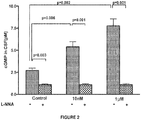
- SNP 100pM had no effects on the pial artery, but it restored the constriction induced by L-NNA. However, it didn't restore the dilation response of salvinorin A blocked by the L-NNA (Fig. ID). Dilation in response to salvinorin A was associated with elevated cGMP in CSF, and L-NNA blocked the elevation of the cGMP ( Fig. 2 ). No significant blood pressure changes occurred during salvinorin administration.
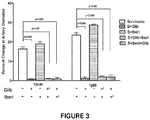
- Glibenclamide (100nM), the K ATP channel inhibitor, but not iberiotoxin(100nM), the Ca2+-activated K+ (KCa) channel inhibitor, blocked the dilation effects of salvinorin A.
- Glibenclamide with iberiotoxin in any sequence also blocked the dilation induced by salvinorin A ( Fig. 3 ).
- Glibenclamide (100nM) but not iberiotoxin (100 nM) blocked the dilation in response to cromakalim (an agonist of K ATP channel, 10 nM and 1 ⁇ M) and calcitonin-gene related polypeptide (another K ATP channel agonist, 10 nM and 1 ⁇ M); iberiotoxin (100 nM) but not glibenclamide (100nM) blocked the dilation effects of NS1619 (KCa channel agonist, 10 nM and 1 ⁇ M) ( Fig. 4 ).
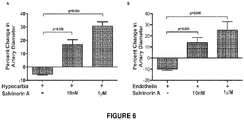
- salvinorin A is demonstrated to be a potent pial artery dilator in piglet in normal and vessel constricted conditions induced by endothelin and hypocarbia.
- the dilatation effect was observed immediately after salvinorin administration, lasted less than 5 min for both tested doses, and was dose-dependent.
- Sustained dilation effects of salvinorin A was observed with continuous administration.
- the activation of the opioid receptor, NOS and K ATP channel were involved in the signal pathway of such dilation effects.
- the unique structure of salvinorin A contributes to its short acting character, because continuous administration results in a sustained dilatory effect.
- the ester linkage in its structure can be easily metabolized by esterase in the blood and tissues.
- carboxylesterase mainly involved in salvinorin A hydrolysis in rat plasma and the degradation products include salvinorin B and the lactone-ring-open forms of salvinorin A, both of which are not pharmacologically active.
- KOR agonist BRL 52537 Similar to other KOR agonists, the activation of NOS, K ATP channels and opioid receptors mediated the dilation effects of salvinorin A. Another group has demonstrated that selective KOR agonist BRL 52537 protected the ischemia brain via attenuating nitric oxide production in ischemic striatum. It was proved that the neuroprotection of BRL 52537 was lost in nNOS null mice. Therefore, the KOR agonist BRL 52537 attenuated nNOS activity and ischemia-evoked nitric oxide production.
- K ATP channels activation may result in hyperpolarization of the membrane of vascular smooth muscle cell. Membrane potential changes would then regulate muscle relaxation through alterations in Ca 2+ influx through voltage-dependent Ca 2+ channels.
- This Example demonstrates that salvinorin A activates the K ATP channel directly or indirectly. Different from many other agents that can activate K ATP channel, salvinorin A can easily penetrate the blood-brain barrier. Since the K ATP channel plays a crucial protective role against brain injury from hypoxia, ischemia or metabolic inhibition, salvinorin A can be a neuro-protective agent for clinical use.
- vascular dilative effect observed in normal and constricted cerebral vessels by both hypocarbia and endothelin can allow for its clinical application to treat cerebral vessel spasm in many clinical situations including migraine and cerebral vascular spasm after subarachnoid hemorrhage in which increase of endothelin plays an important role. Similar to other short acting agents, continuous infusion could be used to titrate and achieve sustained effects by adjusting dosage.
- newborn piglets were used as the study subject.
- the gyrencephalic brain of pig has more white than gray matter which is selectively vulnerable to injury similar to the human, and also similar in maturity.
- the newborn piglet was also used because it is large enough for easy cranial window placement and vascular visualization.
- the newborn's cerebral vascular responses are similar to that in human subjects in many clinical situations.
- salvinorin A is a fast and short acting potent pial artery dilator in piglet in normal and vessel constricted conditions induced by endothelin or hypocarbia.
- the mechanism involves the activation of NOS, K ATP channel and kappa receptor.
- HIE moderate hypoxic-ischemic encephalopathy
- KOR agonists cause dilation of cerebral vessels, a key feature required to maintain cerebral autoregulation and reduce brain injury from ischemia. After ischemia, cerebral autoregulation is impaired, resulting in decreased cerebral blood flow and neuron death.
- ischemia cerebral autoregulation is impaired, resulting in decreased cerebral blood flow and neuron death.
- Salvinorin A (purity ⁇ 98%) was obtained from ChromaDex, Inc. (Irvine, CA, USA).
- Isoproterenol (ISO), nor-binaltorphimine (Nor-BIN) were obtained from Sigma-Aldrich (MO, St. Louis, MO, USA). All other chemicals (reagent grade) were obtained from Sigma as well.
- Newborn pigs (1-5 days old, 1.2-1.5 kg) of both sexes were used in this study.
- the animal experimental protocol was approved by the Institutional Animal Care and Use Committee of the University of Pennsylvania.
- Isoflurane (1 to 2 minimum alveolar concentration) was initially used for anesthesia induction, followed by ⁇ -chloralose (30-50 mg/kg supplemented with 5 mg/kg/hr intravenously) for maintenance of anesthesia.
- ⁇ -chloralose (30-50 mg/kg supplemented with 5 mg/kg/hr intravenously) for maintenance of anesthesia.
- the animals were initially ventilated with room air and kept warm with heating pad to maintain the rectal temperature at 37-39 °C.
- Bilateral femoral arteries were catheterized to monitor the blood pressure, blood gas tensions and pH.
- the femoral vein was catheterized for medication administration.
- a closed cranial window consisting of a steel ring with a glass cover slip, connecting to 3 ports, was placed for direct pial artery visualization and diameter measurement.
- Small pial arteries 120 to 160 ⁇ m
- arterioles 50 to 70 ⁇ m
- the ports attached to the cranial window ring fit 17-gauge hypodermic needles for CSF sampling, washout, and drug administration.
- Cortical periarachnoid CSF was collected at baseline and 60 min after HI for ERK activity analysis.
- hypoxia was induced for 10 minutes by switching room air to N2 for ventilation, followed by restoring ventilation to room air.
- Global cerebral ischemia was then induced by infusing saline through a hollow bolt in the cranium to maintain intracranial pressure higher than the mean blood pressure for 20 min.
- Global cerebral ischemia is confirmed when the blood flow in pial arteries were stopped visible on the monitor connected to the microscope over the cranial window.
- blood was withdrawn when necessary to maintain the mean arterial blood pressure below 100 mmHg. The blood was returned via femoral vein at the end of ischemia.
- DMSO group with DMSO (vehicle of salvinorin A) 1 ⁇ l/kg administrated immediately after HI
- SA 0min group with salvinorin A(1 ⁇ g/ ⁇ l in DMSO) 10 ⁇ g/kg immediately after HI
- SA 30min group with salvinorin A (1 ⁇ g/ ⁇ l in DMSO) 10 ⁇ g/kg 30 min after HI
- SA+Norbin group with salvinorin A (10 ⁇ g/kg) and nor-BIN (1 ⁇ M, topically injected through one port of cranial windows) immediately after HI.
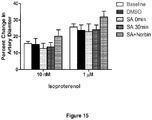
- Pial artery responses to hypercapnia, hypotension and isoproterenol (10 nM, 1 ⁇ M) were obtained before HI and 60 minutes after HI as previously described.
- Isoproterenol was used as a positive control since it is a short acting agent and its vascular dilatation effect in such model is well established in our lab.
- Two levels of hypercapnia (PaCO 2 of 50 to 60 mmHg for low level, 70 to 80 mmHg for high level) were produced by inhalation of high concentration CO 2 mixture gas (10% CO 2 ; 21% O 2 ; 69% N 2 ).
- Two levels of hypotension were produced by the rapid withdrawal of either 5-8 or 10-15 ml/Kg blood from the femoral artery to induce moderate and severe hypotension (25% decrease in mean blood pressure as moderate and 45% decrease as severe). Such decreases in blood pressure were maintained constantly for 10 min by withdrawal or reinfusion of additional blood.
- ERK activity were then determined from frozen CSF samples described above. The levels of pERK and ERK were measured by ELISA kits (Enzo Life Sciences International, Inc., Plymouth Meeting, PA).
- the data of pial artery diameter were analyzed by repeated-measures ANOVA followed by Bonferroni method as post hoc tests.
- One way ANOVA was used to compare the ERK activity changes (quantified as the ratio of pERK over ERK) in each group before and 60 min after HI and in the groups with or without salvinorin A administration.
- the baseline data were excluded in the repeated-measures analysis (Graph Pad Prism version 5.02).
- An alpha level of P ⁇ 0.05 was considered significant in all statistical tests. Values are represented as means ⁇ standard error.
- Salvinorin A preserves pial artery autoregulation to hypercapnia after global cerebral HI
- the small pial artery dilated in response to two levels of hypercapnia before HI (presented as baselines).
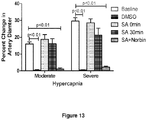
- the dilatation responses to hypercapnia were blunted after HI when DMSO was administrated immediately at the end of HI (ps ⁇ 0.01 as compared with the baselines before HI).
- Salvinorin A preserves pial artery autoregulation to hypotension after global cerebral HI
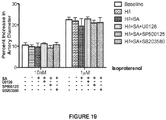
- pial artery responses to isoproterenol ( figure 15 ) were measured and no change was observed among all groups before and after HI.
- the ERK activities are quantified as the ratio of pERK/ERK levels in CSF.
- the ERK activity data in groups without salvinorin effects (DMSO group and SA+Norbin group; renamed as DMSO+Nornin group) are combined.
- the ERK activity in groups without salvinorin increased significantly 60 min after HI (p ⁇ 0.05 as compared with pre-HI baseline).
- the ERK activity of salvinorin A administration groups reduced to the baseline level.
- ischemic stroke Both birth asphyxia and pediatric ischemic stroke are the common complications of childbirth. Perinatal HI, occurring in both these complications, can induce severe and permanent neuropsychological deficits, including delayed cognitive and behavioral development, mental retardation, cerebral palsy, and epilepsy, which is devastating for the patients, the families, and society. Unfortunately, there is no medication available for effective perinatal HI management. Hypothermia is the only treatment for HIE to reduce negative complications. But it is not widely accepted in clinical practice or recommended to combine with pharmacologic agents. Recombinant tissue type plasminogen activator (t-PA), a FDA approved treatment for acute ischemic stroke, showed adverse effects including increased stroke infarct volume in mice subjected to induced stroke and impaired cerebral hemodynamics.
- t-PA tissue type plasminogen activator
- KOR agonists have been demonstrated in other ischemia animal models.
- KOR agonist BRL 52537 and CI-977 reduces cortical damages, including brain swelling and infarction volumes, in response to different levels of ischemia when administrated 30 min before or up to 6 hours after the insult.
- Salvinorin A as a novel medication
- KOR agonists exhibit tremendous therapeutic value, most KOR agonists have not been used in clinical settings because of their intrinsic characteristics as opioids, (low selectivity and/or lack of an acceptable safety profile).
- salvinorin A is the most potent, highly selective, and the only non-opioid KOR agonist known to be derived from natural sources.
- Salvinorin A is the active component of Salvia divinorum, a naturally abundant perennial herb that has been consumed by humans for recreational and sacred purposes for several centuries. Many intrinsic characteristics of this compound make it a potential therapeutic medication for various neurological conditions.
- Salvinorin A has been evaluated as a potential medication for depression. In addition to our findings demonstrating the protective effect of salvinorin A administration before HI insult, we have now demonstrated that salvinorin A administration (up to 30 min) after HI insult preserved the autoregulation of pial artery.
- ERK signaling stimulated by cerebral ischemia/reperfusion is a crucial pathway for HI injury.
- HI induced increases in the CSF ERK activities were blocked by salvinorin A, which promoted protection of cerebral autoregulation post insult. It is worth noting that the role of ERK signaling in HI may be different before and after HI insult. Activation of ERK signaling may be related to the protective effects of preconditioning.
- Salvinorin A pretreatment preserves cerebrovascular autoregulation after brain hypoxic/ischemic injury via ERK/MAPK in piglets
- Cerebral hypoxia/ischemia because of the interruption of cerebral blood flow during cardiopulmonary bypass with deep hypothermia circulation arrest (DHCA) surgery for congenital cardiac surgery is a significant clinical issue.
- Fifty percent of children with complex congenital heart disease undergoing cardiopulmonary bypass with DHCA have developmental deficits, such as disabilities in speech and attention deficit disorder by school age. Cerebral hypoxia /ischemia occurred during DHCA is predictable, thus, it is possible to minimize the brain injury induced by ischemia with pharmacologic approaches. Unfortunately, no pharmacological agent with proven clinical benefit has been identified yet.
- Loss of cerebral vascular autoregulation is one of the key features of cerebral hypoxia/ischemia.
- the loss of autoregulation to hypotension could result in a pressure passive cerebral circulation, which may decrease cerebral blood flow and further aggravate brain ischemia.
- Loss of cerebrovascular regulation to hypercapnia also contributes to the development of the pressure passive circulation and periventricular leukomalacia.
- preservation of cerebral vascular autoregulation from ischemia is very important to reduce the brain injury from ischemia.
- salvinorin A an active component of Salvia divinorum and a non-opioid kappa opioid receptor (KOR) agonist, is a potent cerebral vascular dilator in normal and pathological conditions.
- salvinorin A can protect cerebral vasculature from ischemia.
- salvinorin A has long been used by different ethnic groups for various purposes, including spiritual experiences and "treating" illnesses, indicating its high potential as a clinically acceptable medication.
- MAPK mitogen-activated protein kinase
- MAPK is a key intracellular signaling system, which includes extracellular signal regulated kinase (ERK), c-Jun-N-terminal kinase (JNK) and p38.
- ERK extracellular signal regulated kinase
- JNK c-Jun-N-terminal kinase
- p38 extracellular signal regulated kinase
- ERK extracellular signal regulated kinase
- JNK c-Jun-N-terminal kinase
- p38 extracellular signal regulated kinase
- ERK extracellular signal regulated kinase
- JNK c-Jun-N-terminal kinase
- p38 extracellular signal regulated kinase
- ERK extracellular signal regulated kinase
- JNK c-Jun-N-terminal kinase
- p38 extra
- Salvinorin A (purity ⁇ 98%) is from ChromaDex, Inc. (Irvine, CA, USA).
- Isoproterenol, U0126, sp600125 and sb203580 are obtained from Sigma-Aldrich (MO, St. Louis, MO, USA). All other chemicals were also obtained from Sigma and were of reagent grade.
- piglets One to five days old piglets were used. Protocols were approved by the Institutional Animal Care and Use Committee of the University of Pennsylvania (Philadelphia). Isoflurane (1-2 minimum alveolar concentration) was initially used for induction, followed by alpha-chloralose for maintenance of anesthesia (30-100 mg/kg, supplemented with 5-30mg/kg every 20-30min IV). After tracheotomy, piglets were mechanically ventilated with room air and kept warm with a heating pad, maintaining rectal temperature at 37 to 39°C. Femoral arteries were cannulated for continuous blood pressure monitoring or intermittent blood gas monitoring, and the femoral vein was catheterized for medication administration.
- a closed cranial window was placed for direct pial artery visualization and diameter measurement (21).
- Small pial artery (120 to 160 ⁇ m) and arteriole (50 to 70 ⁇ m) are identified under microscope, visualized on a monitor connected to the microscope, and measured via a video microscaler (model VPA 550, For-A-Corp., Los Angeles, CA).
- the cranial window is a steel ring with a glass cover slip, connecting to three ports for cerebrospinal fluid (CSF) sampling, washout and medicine administration.
- CSF cerebrospinal fluid
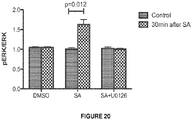
- Cortical periarachnoid CSF was collected through one of the above ports at baseline and 30 minutes after administration of salvinorin A or U0126 plus salvinorin A for ERK/MAPK analysis.
- hypoxia was induced for 10 minutes by switching room air to N2 for ventilation, followed by restoring ventilation to room air; and then global cerebral ischemia was induced by infusing saline through a hollow bolt in the cranium to maintain intracranial pressure higher than the mean blood pressure for 20 min.
- Global ischemia is confirmed when the blood flow in pial artery stopped, visualized on the monitor connected to the microscope over the cranial window.
- blood was withdrawn when necessary to maintain mean arterial blood pressure no higher than 100 mmHg. The blood was returned via femoral vein at the end of ischemia.
- sp600125 and sb203580 are administrated 30 minutes before salvinorin A.
- Sp600125 and sb203580 were co-administered with the vasoactive stimulus so as to have continued exposure of the cerebral cortical surface after injury.
- Hypercapnia (PaCO 2 of 50 to 60 mmHg for low level, 70 to 80 mmHg for high level) was produced by inhalation of high concentration CO 2 mixture gas (10% CO 2 ; 21% O 2 ; 69% N 2 ). Hypotension was produced by withdrawing blood from the femoral artery (25% decrease in mean blood pressure as moderate and 45% as severe). Pial artery responses to hypotension, hypercapnia, and isoproterenol (10 nM, 1 ⁇ M) were obtained before hypoxia/ischemia and 60 minutes after injury as described previously.
- MAPK isoforms were measured by commercially available ELISA kits (Enzo Life Sciences International, Inc., Plymouth Meeting, PA).
- Salvinorin A preserved pial artery autoregulation to hypotension after hypoxia/ischemia.
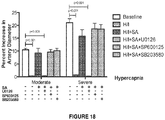
- Salvinorin A preserved pial artery autoregulation to hypercapnia after hypoxia/ischemia.
- pial artery response to isoproterenol was unchanged in all groups before and after hypoxia/ischemia in the presence or absence of the above interventions.
- the ratio of pERK/ERK in CSF increased significantly 30 minutes after salvinorin A pretreatment ( Fig. 20 ). However, if U0126, an antagonist of ERK, was administrated 30 minutes before salvinorin administration, the ratio of pERK/ERK was unchanged 30 minutes after salvinorin A pretreatment ( Fig. 20 ).
- cerebrovascular dysfunction plays a very important role in neurological insult after hypoxia/ischemia.
- the only medication approved by the Food and Drug Administration for stroke is recombinant tissue plasminogen activator (tPA).
- tPA tissue plasminogen activator
- L-NNA an inhibitor of nitric oxide synthesis, was proven to be able to restore cerebral vascular auto regulation administrated after ischemia, however, its safety profile is unclear for clinical usage.
- salvinorin A is extracted from an abundant natural plant, Salvia divinorum. Very similar to the history of opium, Salvia divinorum as a naturally abundant plant has been used by human beings for various purposes, for centuries. It has been proposed that salvinorin A, the active component of Salvia Divinorum, could be a potential new kappa agonist to be used in clinical practice.
- Salvinorin A is a potent cerebral vascular dilator in normal and constricted conditions as we have demonstrated. However, this dilatation effect is short lived unless with continued administration; thus, the preservation of autoregulation is unlike induced from the dilatation effects since salvinorin was administrated 30 min prior hypoxia/ischemia.
- MAPK has been proven to be important in signal transduction from the cell surface to the nucleus. Elevation of ERK/MAPK before ischemia is related to neuronal survival after ischemia(15). Activation of ERK/MAPK in the hippocampal CA1 region after sublethal ischemia correlates with neuro-protection induced by preconditioning.
- Exercise preconditioning reduces neuronal apoptosis in stroke by up-regulating ERK/MAPK.
- pERK/ERK in CSF increased significantly 30 minutes after administration of salvinorin A, indicating the activation of ERK and also suggesting that salvinorin A might be vascularly or neuronally protective when administered prior to brain ischemia.
- elevation of ERK/MAPK in the immediate post injury reperfusion period is associated with impairment of responses to cerebrovasodilators as well as histopathology after hypoxia/ischemia in the piglet (32).
- the reason for the observed duality of ERK/MAPK function is uncertain but may relate to the cellular site of origin, signal coupling, or temporal pattern of release.
- Newborn piglets used in this Example offer the unique advantage of a gyrencephalic brain containing substantial white matter, which is more sensitive to ischemic damage than rodent brain, and more similar to humans.
- salvinorin A pretreatment preserved cerebrovascular autoregulation to hypotension and hypercapnia after brain hypoxia/ischemia via ERK/MAPK in a piglet model.
- Salvinorin as an adjunctive medication for difficult airway management
- Salvinorin A meets these criteria, at least based on data available in the literature. It is a kappa opioid receptor agonist which has sedative and dissociative effects, inhibits cough and has minimal respiratory depressive effects, at least as compared to conventional mu receptor agonists (morphine).
- salvinorin can be useful during awake intubation.
- salvinorin is poorly soluble in water.
- One option is to use its salt form to increase water solubility, and the other is to use lipid emulsion. Both techniques are readily available and have been successfully used for other anesthetic drugs in the perioperative settings.
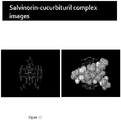
- Cucurbituril ( Fig. 11 ) could be used as a carrier. As shown in Figures 12-13 , a complex of salvinorin and cucurbituril can be used.
- Another concern related to this medication is its dysphoric effects, which can be addressed with short-acting benzodiazepines like midazolam.
- Salvinorin A decreases mortality and improves neurological outcome in a neonatal mouse hypoxia model
- Neonatal hypoxic-ischemic (HI) injury can induce high mortality and lifelong catastrophic neurologic and neuro-developmental deficits that include epilepsy, learning disabilities, and behavioral disorders.
- no effective drug is available for managing HI-related neurological deficits.
- Therapeutic hypothermia along with supportive treatment is considered the only effective approach.
- well-controlled hypothermia can only be applied to highly selected patient populations in well-established facilities and it can only produce an outcome improvement of only about 30% in asphyxiated infants. It requires extensive training and multidisciplinary collaborations.
- therapeutic hypothermia can be dangerous, leading to an increased incidence of mortality, multiple organ failure, sudden cardiac arrest, pulmonary hypertension, and bleeding.
- there is a significant medical need to develop a novel medication and/or easily manageable therapeutic strategy to reduce neuronal injury from cerebral HI in the perinatal period.
- SA Salvinorin A
- KOR kappa opioid receptor
- SA does not produce dysphasia and its intrinsic characteristics make it an ideal therapeutic candidate for various neurological conditions. These characteristics include: rapid onset, easy passage to the central nervous system, antinociceptive and sedative effects, no negative pathological changes in organs following prolonged or high dose exposure, and no respiratory depressive effect. Although the compound has been reported to have hallucinogenic activity, such effects are short-lived and do not produce blood pressure and heart rate changes or cognition impairment. In a recent human study, no persisting adverse effects related to SA were observed.
- the mouse model was chosen due to the availability of a well-established model, neurobehavioral testing strategies and the capability to investigate both short-term and long-term neurological outcomes.
- Salvinorin A (purity ⁇ 98%) was obtained from Apple Pharms (Asheville NC, USA). All other chemicals (reagent grade) were obtained from Sigma-Aldrich (MO, St. Louis, MO, USA).
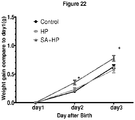
- hypoxic insult was induced on postnatal day 1. After i.p. injections, pups were put into a glass chamber in a water bath where the temperature was maintained at 37°C. The chamber was tightly closed and filled with 8% oxygen with balanced nitrogen. Following 120 minutes of hypoxic gas exposure, the chamber was opened and the pups were exposed to the air. Chest compressions and limb stretches were performed for up to 20 minutes to regain spontaneous breathing. The pups that successfully regained spontaneous breathing were then returned to their mothers after recovery for 30 minutes.
- the neonate mouse will be considered as non-survival if no spontaneous breathing can be restored for 20 min resuscitation immediately after anoxic insult.
- the open field test was performed to gauge locomotor activity on postnatal day 21 at which the mouse was considered juvenile. Mice were individually placed in a 41cm (L) ⁇ 41 cm (W) ⁇ 30cm (H) plastic box.
- the "central area” was defined as a 20.5cm x 20.5cm square in the center of the box. The rest of the area was defined as the "peripheral area” (see Figure 25A ). The time each mouse spent on exploring the central and periphery parts and the number of rearing behaviors in each respective area were recorded for the first 5 minutes and 30 minutes.
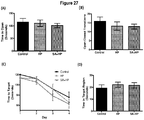
- mice were tested in several behavioral tasks in the order of: zero mazes, barnes maze and fear conditioning. These tasks were performed to examine the basal anxiety level, spontaneous locomotor activity, motor learning, spatial learning and associative memory of the mice. The mice were given 5 days for rest between each behavioral test.
- Zeromaze anxiety-like behavior: "Time in open” measures mice anxiety due to their tendency to avoid open spaces. The anxiety was measured by recording the time spent in the open vs. enclosed space. Increased anxiety correlates to decreased time in the open. Open/Closed transitions measure overall activity. Increased transitions equate to greater activity.
- Barnes Maze spatial learning: Measures the ability to learn with visual cues. Time to Target measures the time taken to find the target hole in an arena with 19 other holes and several visual cues. The Barnes Maze is easier to set-up and probably less stressful and a valid alternative to the Water Maze to study spatial memory.
- One of the advantages of the Barnes maze task was that it was not influenced by stress as much as other similar tasks and no strong aversive stimuli or deprivation were used.
- Fear Conditioning Training trial freezing, short term contextual freezing, long term contextual freezing and cued trial freezing were recorded to examine and assess the memory deficits after hypoxia injury.
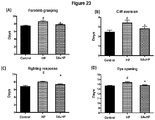
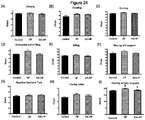
- there was no statistical significance with other developmental parameters such as crawling ( Figure 24A ), walking ( Figure 24B ), running ( Figure 24C ), head point and sniffing ( Figure 24D ), sitting ( Figure 24E ), rearing with support ( Figure 24F ) negative geotaxis test ( Figure 24G ) and placing reflex ( Figure 24H ), though hypoxic pups also showed delayed appearance compared to both the control and SA groups.
- Intranasal Salvinorin A reduces infarct size and improves neurological outcome in a mouse stroke model
- Salvinorin A is the only known naturally occurring non-opioid KOR agonist that has been consumed by humans for centuries with a known safety profile. It has a rapid onset (within minutes) when delivered either via mucosa or inhalation. SA intranasal can be performed quickly in acute settings where intravenous (IV) access is unavailable (which is very common for out-of-hospital cardiac arrest events). A major barrier for effective therapies for ischemic stroke is how quickly the medication can be delivered to the patient. While IV administration ensures quick onset, IV access is generally not available in an out-of-hospital situation. Oral administration generally requires more than 30 min for pharmacological effects to be achieved. Thus, rapid therapeutic delivery intranasal would make SA an extremely practical and favorable medication for treating brain hypoxia/ischemic events.
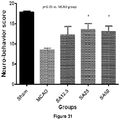
- FIG. 29 depicts the protocol used. Briefly, a middle cerebral artery occlusion (MCAO) was induced in the mice and the indicated dose of salvinorin A in DMSO was administered intranasally. The mouse was reperfused for 24 hours after which the mice were euthanized and infarct size and vascular leakage was measured. Salvinorin A administration demonstrated dose-dependent improvements in motor function as measured by a grip strength score ( Figure 30 ) and neurobehavior ( Figure 31 ).
- MCAO middle cerebral artery occlusion
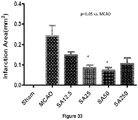
- Intranasal administration of salvinorin A also led to a dose-dependent reduction (except that the protective effect was diminished at a dose of 250 ⁇ g/kg) in infarct size as can be seen by the reduction of white infarcted area in TTC stains of the brain ( Figures 32 and 33 ).
- Evans blue extravasation indicated blood brain barrier disruption and vascular leakage after ischemia and reperfusion of the brain.
- Intranasal salvinorin A administration reduced the disruption and leakage, while the administration of the kappa receptor antagonist Norbinaltorphimine (norbin) inhibited the protective effect of salvinorin A ( Figure 34 ).
- Intranasal salvinorin A improves overall motor function as shown in Figure 35 .
- the mouse that has not been administered salvinorin A (the mouse on the ground) cannot walk normally since the left side was paralyzed 24 hours after the MCAO; the mouse that has been administered intranasal salvinorin A (the mouse on the string) can crawl over a hanging string.
- Intranasal administration of salvinorin A circumvents the need for intravenous access for quick drug delivery, reduces the time to deliver medication to patient, and increases the probability of successfully protecting the brain since the therapeutic window for ischemic brain injury is very narrow.
- Herkinorin is the first non-opioid mu agonist derived from the structurally related compound salvinorin A. Since kappa opioid receptor activation elicits pial artery dilation and salvinorin A is a potent cerebral vasculature dilator that activates nitric oxide synthases, kappa receptors, and adenosine triphosphate-sensitive potassium channels, it is likely that herkinorin could also elicit cerebrovasodilation. Herkinorin has an approximately 8-fold selectivity for mu over kappa receptors and an approximately 98-fold selectivity for mu over delta receptors in competition binding assays. Thus, it is important to elucidate whether its mu agonism plays any role in the cerebral vasculature effects for compounds from this category due to their potential clinical implications as non-opioid receptor agonist.
- cAMP is a key modulator downstream of opioid receptors (Liu and Anand, 2001) and activation of cAMP signaling elicits vascular smooth muscle relaxation, resulting in cerebrovasodilation in the pig brain.
- opioid receptor antagonists attenuated cAMP analog -induced pial, suggesting a potential connection between cAMP-mediated and opioid-mediated vasodilations. It is possible that herkinorin could induce cerebral vascular dilation via the cAMP pathway.
- herkinorin the first non-opioid mu agonist derived from salvinorin A, could dilate cerebral vasculature via mu and kappa opioid receptors and cAMP pathway. This hypothesis is distinctive from our previous study related to salvinorin A since herkinorin is categorized as a mu receptor agonist despite its structural similarity to the highly selective kappa opioid receptor agonist salvinorin A.
- Herkinorin (purity ⁇ 99 %) was obtained from Ascent Scientific LLC (Cambridge, MA, USA). Isoproterenol, NTP, ⁇ -FNA, Rp-cAMPS and Sp-8-Br-2'-O-Me-cAMPS (Sp-cAMPS) were purchased from Sigma-Aldrich (St. Louis, MO, USA). All other chemicals were of reagent grade and were obtained from Sigma as well.
- Newborn pigs (aged up to 6 days, 1.1-2.0 kg) of both genders were used for this study. Protocols were approved by the Institutional Animal Care and Use Committee of the University of Pennsylvania (Philadelphia). The newborn piglet model was used because its brain is gyrencepahalic and contains more white matter than grey matter, which is similar to that of humans. Furthermore, the head is large enough for the insertion of a cranial window and vascular visualization. Animals were induced with isoflurane (1-2 minimum alveolar concentration) and maintained with ⁇ -chloralose (80-100 mg/kg supplemented with 5 mg /kg ⁇ h, IV). Both femoral arteries were catheterized to monitor blood pressure and blood gas to maintain a constant carbon dioxide and pH.
- a catheter was inserted into the right femoral vein for medication administration. Animals were ventilated with room air after tracheal intubation. A heating pad was used to maintain the rectal temperature of animals at 37-39°C.
- a closed cranial window on the top of the head of the piglet was placed for direct pial artery visualization and diameter measurement.
- the closed cranial window consisted of three parts: a stainless steel ring, a circular glass cover slip, and three ports consisting of 17-gauge hypodermic needles attached to three precut holes in the stainless steel ring. CSF was collected through a cranial window port for cAMP measurement in some animals.
- the space under the window was filled with artificial CSF with the following composition (in mM): 3.0 KCl; 1.5 MgCl 2 ; 1.5 calcium chloride; 132 NaCl; 6.6 urea; 3.7 dextrose; 24.6 NaHCO 3 ; pH 7.33; PaCO 2 , 46 mmHg; and PO 2 43 mmHg.
- Artificial CSF was warmed to 37-38 °C before applying to the cerebral cortical surface.
- Pial arteries were observed with a video camera mounted on a dissecting microscope.
- Vascular diameter was measured from a video monitor that was connected to the camera with a video microscaler (VPA 550; For-A-Corp., Los Angeles, CA) by the investigator who administered the medication.
- the cerebral cortical periarachnoid CSF samples were collected before and 10 min afterward administration of herkinorin and NTP to measure the cAMP level. Artificial CSF was slowly infused into one port of the window, allowing the CSF to drip freely into a collection tube on the opposite port.
- Commercially available ELISA kits (Assay Designs, Ann Arbor, MI) were used to quantify cAMP concentrations.
- the binding site of herkinorin overlaps with that of ⁇ -FNA, a selective mu opioid receptor ligand in the crystal structure shown in figure 36B .
- the binding affinity of herkinorin to mu receptor is approximately 4-fold stronger than that to kappa receptor.
- Herkinorin induced kappa receptor-dependent vasodilation upon administration Herkinorin induced kappa receptor-dependent vasodilation upon administration.
- the pial artery diameters increased after herkinorin administration without significant systemic blood pressure variation. Applying 0.1 nM herkinorin induced a 10.6% diameter dilation while 10 nM herkinorin induced a 17.8% diameter dilation on average. The dilation effects were totally abolished by norbinaltorphimine (NTP), a kappa receptor antagonist ( figure 38A , Ps ⁇ 0.05 compared with herkinorin administration groups), but not affected by ⁇ -FNA ( figure 38B ). Isoproterenol-induced pial artery dilation was unchanged by either NTP or ⁇ -FNA. ⁇ -FNA itself elicited minimal pial artery dilation (P ⁇ 0.05, Dunnett's multiple comparison tests). These results indicate that the herkinorin-induced vasodilation is mediated via kappa, but not mu opioid receptor.
- Pial artery dilation by herkinorin was mediated via cAMP signaling.
- herkinorin significantly increased cAMP levels in the CSF.
- the elevated cAMP levels were blocked by NTP, but not affected after ⁇ -FNA administration ( figure 39A ).
- the PKA antagonist Rp-cAMPS blunted herkinorin- mediated pial artery dilation.
- Co-administration of 10 ⁇ M Rp-cAMPS with 0.1 nM or 10 nM herkinorin attenuated the changes in pial artery diameters ( figure 39B ).
- the artery dilation induced by cAMP analog Sp-cAMPS is similar to that of Isoproterenol (Ps>0.05).
- herkinorin is a potent pial artery dilator despite its classification as a non-opioid mu receptor agonist.
- the herkinorin-induced pial artery dilation effects are modulated via kappa opioid receptors. No significant involvement of the mu opioid receptor is observed.
- cAMP is demonstrated to be involved in the kappa agonist induced cerebral vascular dilatation previously. This study also confirms previous findings that herkinorin interacts with both mu and kappa opioid receptors and the binding site for this interaction overlaps with that of other traditional opioid receptor ligands.
- Herkinorin as a non-nitrogenous opioid receptor agonist
- herkinorin is an opioid receptor agonist, it does not contain nitrogen, an essential element for the traditional nitrogenous opioid ligand. Thus, herkinorin is the first non-opioid mu opioid receptor ligand.
- Herkinorin was discovered in 2005 when various analogues of the natural product Salvinorin A were synthesized to study the structure and the function of neoclerodane diterpenes. While salvinorin A is a selective kappa opioid agonist with no significant mu opioid receptor affinity, herkinorin acts on both mu and kappa receptors. Its affinity for the mu receptor is much stronger than that for the kappa receptor as demonstrated here and in other studies. Thus, unlike salvinorin A, herkinorin is categorized as a mu opioid receptor ligand. Its binding site overlaps well with the sites for other receptor ligands as demonstrated in the docking experiments.
- herkinorin may not induce significant tolerance or dependence as traditional opioids do.
- a recent study indicates that herkinorin could produce a dose-dependent antinociceptive effect in a rat pain model, suggesting that herkinorin may be a promising starting point for developing novel analgesics without significant risk of dependence or tolerance.
- herkinorin exhibits similar pharmacological features for cerebral vasculature to salvinorin A as we demonstrated previously.
- Herkinorin seems to be a more potent artery dilator than salvinorin A because the concentration required to effectively dilate pial arteries (10 %-16 % changes compared to the baseline) is much lower for herkinorin (0.1 nM) compared to that of salvinorin A (10 nM).
- the cerebrovasodilation effect of herkinorin is blocked by NTP, but not ⁇ -FNA. Similar to our previous study, neither NTP nor ⁇ -FNA shows any effect on pial diameter by itself.
- the cerebral vascular dilatation effects of herkinorin are mediated through the kappa opioid receptor rather than the mu receptor.
- Cerebrovasodilation is mediated through several mechanisms, including cGMP, cAMP, and K+ channels.mIsoproterenol and cAMP increase the activities of calcium-dependent potassium channels in the cerebral vascular muscle, which is believed to induce vasodilatation.
- cerebrovasodilation is associated with the elevation of cAMP levels in the CSF after administration of herkinorin.
- the cerebrovasodilation induced by herkinorin administration is abolished by the cAMP antagonist Rp-cAMPS. This observation is consistent with reports that administration of cAMP analog Sp-cAMPS elicits vasodilation, which can be blunted by Rp-cAMPS.
- salvinorin A could dilate cerebral vasculature and preserve cerebral autoregulation from cerebral hypoxia/ischemia injury in a piglet model, it is highly likely that herkinorin has similar properties given that its cerebrovasodilative effects are modulated in a manner similar to salvinorin A. Thus, it can be an alternative non-opioid medication to be used during the perioperative period for patients who are at risk for cerebral vascular spasm or ischemia.
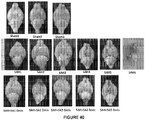
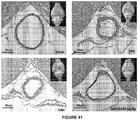
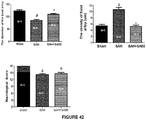
- Salvinorin A treats subarachnoid hemorage
- sham control
- SAH subarachnoid hemorrhage
- SA Salvanorin A
- Salvinorin A is a very hydrophobic molecule and is insoluble in water. Salvinorin A is soluble in known to be soluble in organic solvents like ethanol, DMSO, and acetone. However, these solvent are not suitable for routine clinical use, especially for intravenous (IV) delivery. Since salvinorin A is usefull clinically, for neurological disorders, there is a need to identify materials, preferably FDA approved materials, which can be used to formulate salvinorin A for clinical delivery. Physical and chemical properties of salvinorin are presented in Table 1 below. Table 1.
- Salvinorin A cannot form soluble salts.
- Salvinorin A has eight hydrogen-bond acceptor sites, all oxygen atoms, and no hydrogen-bond donor groups. It would thus appear likely that its crystal lattice should comprise only weak non-bonded interactions between adjacent molecules and a resultant diminished lattice energy reflected in a low melting point.
- salvinorin A has a rather high melting point range reported as 238-240 °C.
- An x-ray crystal structure of SA revealed that crystallization from aqueous organic solvents (acetone, methanol) yields SA as a stoichiometric hydrate with one molecule of water per three molecules of salvinorin A.
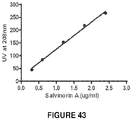
- a standard curve with salvinorin A in Methanol-Acetone (4:1) was determined by chromatography using a C-18 HPLC column, using an elution speed of 1 mL/min water/acetonitrile ( Figure 43 ).
- Salvinorin A is only minimally soluble in water and either ⁇ -cyclodextrin sulfated sodium salt or ⁇ -cyclodextrin sulfated sodium salt.
- HPBCD demonstrated solubility of salvinorin A with a maximum concentration of more than 100 ⁇ g/mL.
- HPBCD can be used to formulate 50 ⁇ g/mL of salvinorin A, which is equivalent to the clinical dose for fentanyl.
- Salvinorin A solubility in other solvents Vehicle Salvinorin A Solubility ( ⁇ g/mL ) Water ⁇ 2 Glyceryl monocaprylate ⁇ 2 2-Propanol 22 1,2-Propanediol 59 2.5% Polysorbate 80 ⁇ 2 1.25% Polysorbate 80 and 2.5% Solutol HS15 25 5% Solutol HS15 26 10% Tetraglycol ⁇ 2 5% Vitamin E TPGS 45 N,N-dimethylacetamide >5000 N-methylpyrolidinone >10000 DMSO >1000 Ethanol >1000 10% Bile salts ⁇ 2
- HPBCD is a FDA approved material for IV drug delivery in clinical practice.
- voriconazole VFEND®, Pfizer
- Sulfobutylether ⁇ -cyclodextrin for IV delivery.
Landscapes
- Health & Medical Sciences (AREA)
- Chemical & Material Sciences (AREA)
- General Health & Medical Sciences (AREA)
- Public Health (AREA)
- Pharmacology & Pharmacy (AREA)
- Veterinary Medicine (AREA)
- Life Sciences & Earth Sciences (AREA)
- Animal Behavior & Ethology (AREA)
- Medicinal Chemistry (AREA)
- Epidemiology (AREA)
- General Chemical & Material Sciences (AREA)
- Engineering & Computer Science (AREA)
- Bioinformatics & Cheminformatics (AREA)
- Nuclear Medicine, Radiotherapy & Molecular Imaging (AREA)
- Organic Chemistry (AREA)
- Chemical Kinetics & Catalysis (AREA)
- Heart & Thoracic Surgery (AREA)
- Cardiology (AREA)
- Inorganic Chemistry (AREA)
- Biomedical Technology (AREA)
- Neurology (AREA)
- Neurosurgery (AREA)
- Otolaryngology (AREA)
- Acyclic And Carbocyclic Compounds In Medicinal Compositions (AREA)
- Pharmaceuticals Containing Other Organic And Inorganic Compounds (AREA)
- Medicinal Preparation (AREA)
- Medicines That Contain Protein Lipid Enzymes And Other Medicines (AREA)
- Medicines Containing Plant Substances (AREA)
- Medicines Containing Material From Animals Or Micro-Organisms (AREA)
Priority Applications (1)
| Application Number | Priority Date | Filing Date | Title |
|---|---|---|---|
| EP19210883.5A EP3685843A3 (en) | 2014-03-21 | 2015-03-23 | Uses of salvinorin a |
Applications Claiming Priority (2)
| Application Number | Priority Date | Filing Date | Title |
|---|---|---|---|
| US201461968667P | 2014-03-21 | 2014-03-21 | |
| PCT/US2015/021994 WO2015143429A2 (en) | 2014-03-21 | 2015-03-23 | Salvinorin compositions and uses thereof |
Related Child Applications (1)
| Application Number | Title | Priority Date | Filing Date |
|---|---|---|---|
| EP19210883.5A Division EP3685843A3 (en) | 2014-03-21 | 2015-03-23 | Uses of salvinorin a |
Publications (3)
| Publication Number | Publication Date |
|---|---|
| EP3119411A2 EP3119411A2 (en) | 2017-01-25 |
| EP3119411A4 EP3119411A4 (en) | 2018-02-28 |
| EP3119411B1 true EP3119411B1 (en) | 2019-11-27 |
Family
ID=54145490
Family Applications (2)
| Application Number | Title | Priority Date | Filing Date |
|---|---|---|---|
| EP15765744.6A Active EP3119411B1 (en) | 2014-03-21 | 2015-03-23 | Salvinorin compositions and uses thereof |
| EP19210883.5A Withdrawn EP3685843A3 (en) | 2014-03-21 | 2015-03-23 | Uses of salvinorin a |
Family Applications After (1)
| Application Number | Title | Priority Date | Filing Date |
|---|---|---|---|
| EP19210883.5A Withdrawn EP3685843A3 (en) | 2014-03-21 | 2015-03-23 | Uses of salvinorin a |
Country Status (4)
| Country | Link |
|---|---|
| EP (2) | EP3119411B1 (https=) |
| JP (2) | JP2017508768A (https=) |
| CN (1) | CN106604737B (https=) |
| WO (1) | WO2015143429A2 (https=) |
Families Citing this family (3)
| Publication number | Priority date | Publication date | Assignee | Title |
|---|---|---|---|---|
| JP2017508768A (ja) | 2014-03-21 | 2017-03-30 | ザ トラスティーズ オブ ザ ユニバーシティ オブ ペンシルバニア | サルビノリン組成物およびその使用 |
| CN110664799B (zh) * | 2019-10-14 | 2020-06-19 | 河北医科大学第二医院 | 用于治疗脑缺血的药物组合物及其应用 |
| CN118267384B (zh) * | 2024-03-27 | 2024-12-20 | 徐州医科大学 | κ阿片受体激动剂在制备预防和/或治疗颞叶癫痫药物中的应用 |
Family Cites Families (8)
| Publication number | Priority date | Publication date | Assignee | Title |
|---|---|---|---|---|
| US7531569B2 (en) * | 2003-12-02 | 2009-05-12 | Sanofi-Aventis Deutschland Gmbh | Process for preparing (3-oxo-2,3-dihydro-1H-isoindol-1-yl) acetylguanidine derivatives |
| AU2005222640A1 (en) | 2004-03-12 | 2005-09-29 | The Mclean Hospital Corporation | Salvinorin derivatives and uses thereof |
| AT505086B1 (de) | 2007-04-02 | 2009-06-15 | Planta Naturstoffe Vertriebsge | Pharmazeutisches mittel gegen juckreiz und juckreizbedingten schmerz |
| US20100093872A1 (en) * | 2008-10-15 | 2010-04-15 | Erimos Pharmaceuticals Llc | Stable aqueous formulations of water insoluble or poorly soluble drugs |
| CN103313601B (zh) * | 2010-06-29 | 2015-04-08 | 宾夕法尼亚大学理事会 | salvinorin组合物及其用途 |
| US11000505B2 (en) * | 2010-06-29 | 2021-05-11 | The Trustees Of The University Of Pennsylvania | Salvinorin compositions and uses thereof |
| US8563470B2 (en) * | 2010-12-13 | 2013-10-22 | E I Du Pont De Nemours And Company | Anthranilic diamide and cyclodextrin compositions for propagule coating |
| JP2017508768A (ja) | 2014-03-21 | 2017-03-30 | ザ トラスティーズ オブ ザ ユニバーシティ オブ ペンシルバニア | サルビノリン組成物およびその使用 |
-
2015
- 2015-03-23 JP JP2016558399A patent/JP2017508768A/ja active Pending
- 2015-03-23 CN CN201580026976.9A patent/CN106604737B/zh active Active
- 2015-03-23 EP EP15765744.6A patent/EP3119411B1/en active Active
- 2015-03-23 WO PCT/US2015/021994 patent/WO2015143429A2/en not_active Ceased
- 2015-03-23 EP EP19210883.5A patent/EP3685843A3/en not_active Withdrawn
-
2019
- 2019-12-02 JP JP2019217715A patent/JP2020045359A/ja active Pending
Non-Patent Citations (1)
| Title |
|---|
| None * |
Also Published As
| Publication number | Publication date |
|---|---|
| JP2020045359A (ja) | 2020-03-26 |
| CN106604737A (zh) | 2017-04-26 |
| JP2017508768A (ja) | 2017-03-30 |
| WO2015143429A3 (en) | 2015-12-10 |
| EP3685843A2 (en) | 2020-07-29 |
| WO2015143429A2 (en) | 2015-09-24 |
| EP3119411A4 (en) | 2018-02-28 |
| EP3119411A2 (en) | 2017-01-25 |
| EP3685843A3 (en) | 2020-09-02 |
| CN106604737B (zh) | 2020-07-21 |
Similar Documents
| Publication | Publication Date | Title |
|---|---|---|
| US11072648B2 (en) | Mast cell stabilizers for treatment of fever | |
| Redfors et al. | Cardioprotective effects of isoflurane in a rat model of stress-induced cardiomyopathy (takotsubo) | |
| JP2020045359A (ja) | サルビノリン組成物およびその使用 | |
| Cai et al. | Adjuvant therapies using normobaric oxygen with hypothermia or ethanol for reducing hyperglycolysis in thromboembolic cerebral ischemia | |
| Hamilton | Injectable anesthetics | |
| Varvarousi et al. | Combination pharmacotherapy improves neurological outcome after asphyxial cardiac arrest | |
| US11000505B2 (en) | Salvinorin compositions and uses thereof | |
| Varvarousi et al. | Epinephrine, vasopressin, and nitroglycerin improve neurologic outcome in porcine asphyxial cardiac arrest | |
| US10973800B2 (en) | Salvinorin compositions and uses thereof | |
| Wang et al. | Effect of preoperative intravenous oxycodone administration on sufentanil consumption after retroperitoneal laparoscopic nephrectomy | |
| Li et al. | Isoflurane prevents neurocognitive dysfunction after cardiopulmonary bypass in rats | |
| Niu et al. | Hyperbaric oxygen causes both antiinflammation and antipyresis in rabbits | |
| HK1233536A1 (en) | Salvinorin compositions and uses thereof | |
| HK1233536B (en) | Salvinorin compositions and uses thereof | |
| Stadlbauer et al. | An observational study of vasopressin infusion during uncontrolled haemorrhagic shock in a porcine trauma model: effects on bowel function | |
| Wang et al. | Small-dose naloxone combined with epinephrine improves the resuscitation of cardiopulmonary arrest | |
| WO2017084631A9 (zh) | 预防或治疗脂肪胰、改善脂肪胰引起的胰病变、糖尿病或其他相关病症之组合物及方法 | |
| TWI544928B (zh) | 麥角固醇於製造藥劑之用途 | |
| AU2001258592A1 (en) | Pharmaceutical composition comprising a free-radical scavenging sedative agent and a metal ion chelating agent | |
| Kaye et al. | The effects of meperidine in the pulmonary vascular bed of the cat | |
| Alam et al. | Variations in Circulatory Responses to Laryngoscopy-Dexmedetomidine vs. Magnesium Sulphate. | |
| NO | Efficacy of varying time intervals between Fentanyl and propofol administration on Propofol requirement for inducton of Anaesthesia a one year randomized control Trial | |
| Cabrera | Caffeine Combined with Sedative/Anesthetic Drugs Used in Neonatal Medicine and Apoptotic Neurotoxicity in Developing Mouse Brain | |
| US20150335677A1 (en) | Argon is a mu opioid receptor antagonist |
Legal Events
| Date | Code | Title | Description |
|---|---|---|---|
| STAA | Information on the status of an ep patent application or granted ep patent |
Free format text: STATUS: THE INTERNATIONAL PUBLICATION HAS BEEN MADE |
|
| PUAI | Public reference made under article 153(3) epc to a published international application that has entered the european phase |
Free format text: ORIGINAL CODE: 0009012 |
|
| STAA | Information on the status of an ep patent application or granted ep patent |
Free format text: STATUS: REQUEST FOR EXAMINATION WAS MADE |
|
| 17P | Request for examination filed |
Effective date: 20160930 |
|
| AK | Designated contracting states |
Kind code of ref document: A2 Designated state(s): AL AT BE BG CH CY CZ DE DK EE ES FI FR GB GR HR HU IE IS IT LI LT LU LV MC MK MT NL NO PL PT RO RS SE SI SK SM TR |
|
| AX | Request for extension of the european patent |
Extension state: BA ME |
|
| RIC1 | Information provided on ipc code assigned before grant |
Ipc: A61K 36/537 20060101AFI20171017BHEP |
|
| REG | Reference to a national code |
Ref country code: HK Ref legal event code: DE Ref document number: 1233536 Country of ref document: HK |
|
| A4 | Supplementary search report drawn up and despatched |
Effective date: 20180129 |
|
| RIC1 | Information provided on ipc code assigned before grant |
Ipc: A61K 36/537 20060101AFI20180123BHEP |
|
| STAA | Information on the status of an ep patent application or granted ep patent |
Free format text: STATUS: EXAMINATION IS IN PROGRESS |
|
| 17Q | First examination report despatched |
Effective date: 20190118 |
|
| GRAP | Despatch of communication of intention to grant a patent |
Free format text: ORIGINAL CODE: EPIDOSNIGR1 |
|
| STAA | Information on the status of an ep patent application or granted ep patent |
Free format text: STATUS: GRANT OF PATENT IS INTENDED |
|
| INTG | Intention to grant announced |
Effective date: 20190626 |
|
| GRAS | Grant fee paid |
Free format text: ORIGINAL CODE: EPIDOSNIGR3 |
|
| GRAA | (expected) grant |
Free format text: ORIGINAL CODE: 0009210 |
|
| STAA | Information on the status of an ep patent application or granted ep patent |
Free format text: STATUS: THE PATENT HAS BEEN GRANTED |
|
| AK | Designated contracting states |
Kind code of ref document: B1 Designated state(s): AL AT BE BG CH CY CZ DE DK EE ES FI FR GB GR HR HU IE IS IT LI LT LU LV MC MK MT NL NO PL PT RO RS SE SI SK SM TR |
|
| AX | Request for extension of the european patent |
Extension state: BA ME |
|
| REG | Reference to a national code |
Ref country code: GB Ref legal event code: FG4D |
|
| REG | Reference to a national code |
Ref country code: CH Ref legal event code: EP |
|
| REG | Reference to a national code |
Ref country code: AT Ref legal event code: REF Ref document number: 1205958 Country of ref document: AT Kind code of ref document: T Effective date: 20191215 |
|
| REG | Reference to a national code |
Ref country code: DE Ref legal event code: R096 Ref document number: 602015042550 Country of ref document: DE |
|
| REG | Reference to a national code |
Ref country code: IE Ref legal event code: FG4D |
|
| REG | Reference to a national code |
Ref country code: NL Ref legal event code: MP Effective date: 20191127 |
|
| REG | Reference to a national code |
Ref country code: LT Ref legal event code: MG4D |
|
| PG25 | Lapsed in a contracting state [announced via postgrant information from national office to epo] |
Ref country code: BG Free format text: LAPSE BECAUSE OF FAILURE TO SUBMIT A TRANSLATION OF THE DESCRIPTION OR TO PAY THE FEE WITHIN THE PRESCRIBED TIME-LIMIT Effective date: 20200227 Ref country code: NO Free format text: LAPSE BECAUSE OF FAILURE TO SUBMIT A TRANSLATION OF THE DESCRIPTION OR TO PAY THE FEE WITHIN THE PRESCRIBED TIME-LIMIT Effective date: 20200227 Ref country code: GR Free format text: LAPSE BECAUSE OF FAILURE TO SUBMIT A TRANSLATION OF THE DESCRIPTION OR TO PAY THE FEE WITHIN THE PRESCRIBED TIME-LIMIT Effective date: 20200228 Ref country code: SE Free format text: LAPSE BECAUSE OF FAILURE TO SUBMIT A TRANSLATION OF THE DESCRIPTION OR TO PAY THE FEE WITHIN THE PRESCRIBED TIME-LIMIT Effective date: 20191127 Ref country code: FI Free format text: LAPSE BECAUSE OF FAILURE TO SUBMIT A TRANSLATION OF THE DESCRIPTION OR TO PAY THE FEE WITHIN THE PRESCRIBED TIME-LIMIT Effective date: 20191127 Ref country code: LV Free format text: LAPSE BECAUSE OF FAILURE TO SUBMIT A TRANSLATION OF THE DESCRIPTION OR TO PAY THE FEE WITHIN THE PRESCRIBED TIME-LIMIT Effective date: 20191127 Ref country code: NL Free format text: LAPSE BECAUSE OF FAILURE TO SUBMIT A TRANSLATION OF THE DESCRIPTION OR TO PAY THE FEE WITHIN THE PRESCRIBED TIME-LIMIT Effective date: 20191127 Ref country code: LT Free format text: LAPSE BECAUSE OF FAILURE TO SUBMIT A TRANSLATION OF THE DESCRIPTION OR TO PAY THE FEE WITHIN THE PRESCRIBED TIME-LIMIT Effective date: 20191127 |
|
| PG25 | Lapsed in a contracting state [announced via postgrant information from national office to epo] |
Ref country code: IS Free format text: LAPSE BECAUSE OF FAILURE TO SUBMIT A TRANSLATION OF THE DESCRIPTION OR TO PAY THE FEE WITHIN THE PRESCRIBED TIME-LIMIT Effective date: 20200327 Ref country code: HR Free format text: LAPSE BECAUSE OF FAILURE TO SUBMIT A TRANSLATION OF THE DESCRIPTION OR TO PAY THE FEE WITHIN THE PRESCRIBED TIME-LIMIT Effective date: 20191127 Ref country code: RS Free format text: LAPSE BECAUSE OF FAILURE TO SUBMIT A TRANSLATION OF THE DESCRIPTION OR TO PAY THE FEE WITHIN THE PRESCRIBED TIME-LIMIT Effective date: 20191127 |
|
| PG25 | Lapsed in a contracting state [announced via postgrant information from national office to epo] |
Ref country code: AL Free format text: LAPSE BECAUSE OF FAILURE TO SUBMIT A TRANSLATION OF THE DESCRIPTION OR TO PAY THE FEE WITHIN THE PRESCRIBED TIME-LIMIT Effective date: 20191127 |
|
| PG25 | Lapsed in a contracting state [announced via postgrant information from national office to epo] |
Ref country code: ES Free format text: LAPSE BECAUSE OF FAILURE TO SUBMIT A TRANSLATION OF THE DESCRIPTION OR TO PAY THE FEE WITHIN THE PRESCRIBED TIME-LIMIT Effective date: 20191127 Ref country code: RO Free format text: LAPSE BECAUSE OF FAILURE TO SUBMIT A TRANSLATION OF THE DESCRIPTION OR TO PAY THE FEE WITHIN THE PRESCRIBED TIME-LIMIT Effective date: 20191127 Ref country code: CZ Free format text: LAPSE BECAUSE OF FAILURE TO SUBMIT A TRANSLATION OF THE DESCRIPTION OR TO PAY THE FEE WITHIN THE PRESCRIBED TIME-LIMIT Effective date: 20191127 Ref country code: PT Free format text: LAPSE BECAUSE OF FAILURE TO SUBMIT A TRANSLATION OF THE DESCRIPTION OR TO PAY THE FEE WITHIN THE PRESCRIBED TIME-LIMIT Effective date: 20200419 Ref country code: EE Free format text: LAPSE BECAUSE OF FAILURE TO SUBMIT A TRANSLATION OF THE DESCRIPTION OR TO PAY THE FEE WITHIN THE PRESCRIBED TIME-LIMIT Effective date: 20191127 Ref country code: DK Free format text: LAPSE BECAUSE OF FAILURE TO SUBMIT A TRANSLATION OF THE DESCRIPTION OR TO PAY THE FEE WITHIN THE PRESCRIBED TIME-LIMIT Effective date: 20191127 |
|
| REG | Reference to a national code |
Ref country code: DE Ref legal event code: R097 Ref document number: 602015042550 Country of ref document: DE |
|
| PG25 | Lapsed in a contracting state [announced via postgrant information from national office to epo] |
Ref country code: SM Free format text: LAPSE BECAUSE OF FAILURE TO SUBMIT A TRANSLATION OF THE DESCRIPTION OR TO PAY THE FEE WITHIN THE PRESCRIBED TIME-LIMIT Effective date: 20191127 Ref country code: SK Free format text: LAPSE BECAUSE OF FAILURE TO SUBMIT A TRANSLATION OF THE DESCRIPTION OR TO PAY THE FEE WITHIN THE PRESCRIBED TIME-LIMIT Effective date: 20191127 |
|
| REG | Reference to a national code |
Ref country code: AT Ref legal event code: MK05 Ref document number: 1205958 Country of ref document: AT Kind code of ref document: T Effective date: 20191127 |
|
| PLBE | No opposition filed within time limit |
Free format text: ORIGINAL CODE: 0009261 |
|
| STAA | Information on the status of an ep patent application or granted ep patent |
Free format text: STATUS: NO OPPOSITION FILED WITHIN TIME LIMIT |
|
| PG25 | Lapsed in a contracting state [announced via postgrant information from national office to epo] |
Ref country code: MC Free format text: LAPSE BECAUSE OF FAILURE TO SUBMIT A TRANSLATION OF THE DESCRIPTION OR TO PAY THE FEE WITHIN THE PRESCRIBED TIME-LIMIT Effective date: 20191127 |
|
| REG | Reference to a national code |
Ref country code: CH Ref legal event code: PL |
|
| 26N | No opposition filed |
Effective date: 20200828 |
|
| PG25 | Lapsed in a contracting state [announced via postgrant information from national office to epo] |
Ref country code: PL Free format text: LAPSE BECAUSE OF FAILURE TO SUBMIT A TRANSLATION OF THE DESCRIPTION OR TO PAY THE FEE WITHIN THE PRESCRIBED TIME-LIMIT Effective date: 20191127 Ref country code: AT Free format text: LAPSE BECAUSE OF FAILURE TO SUBMIT A TRANSLATION OF THE DESCRIPTION OR TO PAY THE FEE WITHIN THE PRESCRIBED TIME-LIMIT Effective date: 20191127 Ref country code: SI Free format text: LAPSE BECAUSE OF FAILURE TO SUBMIT A TRANSLATION OF THE DESCRIPTION OR TO PAY THE FEE WITHIN THE PRESCRIBED TIME-LIMIT Effective date: 20191127 |
|
| REG | Reference to a national code |
Ref country code: BE Ref legal event code: MM Effective date: 20200331 |
|
| PG25 | Lapsed in a contracting state [announced via postgrant information from national office to epo] |
Ref country code: LU Free format text: LAPSE BECAUSE OF NON-PAYMENT OF DUE FEES Effective date: 20200323 |
|
| PG25 | Lapsed in a contracting state [announced via postgrant information from national office to epo] |
Ref country code: IE Free format text: LAPSE BECAUSE OF NON-PAYMENT OF DUE FEES Effective date: 20200323 Ref country code: CH Free format text: LAPSE BECAUSE OF NON-PAYMENT OF DUE FEES Effective date: 20200331 Ref country code: IT Free format text: LAPSE BECAUSE OF FAILURE TO SUBMIT A TRANSLATION OF THE DESCRIPTION OR TO PAY THE FEE WITHIN THE PRESCRIBED TIME-LIMIT Effective date: 20191127 Ref country code: LI Free format text: LAPSE BECAUSE OF NON-PAYMENT OF DUE FEES Effective date: 20200331 |
|
| PG25 | Lapsed in a contracting state [announced via postgrant information from national office to epo] |
Ref country code: BE Free format text: LAPSE BECAUSE OF NON-PAYMENT OF DUE FEES Effective date: 20200331 |
|
| VS25 | Lapsed in a validation state [announced via postgrant information from nat. office to epo] |
Ref country code: MA Free format text: LAPSE BECAUSE OF FAILURE TO SUBMIT A TRANSLATION OF THE DESCRIPTION OR TO PAY THE FEE WITHIN THE PRESCRIBED TIME-LIMIT Effective date: 20191127 |
|
| PG25 | Lapsed in a contracting state [announced via postgrant information from national office to epo] |
Ref country code: TR Free format text: LAPSE BECAUSE OF FAILURE TO SUBMIT A TRANSLATION OF THE DESCRIPTION OR TO PAY THE FEE WITHIN THE PRESCRIBED TIME-LIMIT Effective date: 20191127 Ref country code: MT Free format text: LAPSE BECAUSE OF FAILURE TO SUBMIT A TRANSLATION OF THE DESCRIPTION OR TO PAY THE FEE WITHIN THE PRESCRIBED TIME-LIMIT Effective date: 20191127 Ref country code: CY Free format text: LAPSE BECAUSE OF FAILURE TO SUBMIT A TRANSLATION OF THE DESCRIPTION OR TO PAY THE FEE WITHIN THE PRESCRIBED TIME-LIMIT Effective date: 20191127 |
|
| PG25 | Lapsed in a contracting state [announced via postgrant information from national office to epo] |
Ref country code: MK Free format text: LAPSE BECAUSE OF FAILURE TO SUBMIT A TRANSLATION OF THE DESCRIPTION OR TO PAY THE FEE WITHIN THE PRESCRIBED TIME-LIMIT Effective date: 20191127 |
|
| P01 | Opt-out of the competence of the unified patent court (upc) registered |
Effective date: 20230524 |
|
| PGFP | Annual fee paid to national office [announced via postgrant information from national office to epo] |
Ref country code: FR Payment date: 20251231 Year of fee payment: 12 |
|
| PGFP | Annual fee paid to national office [announced via postgrant information from national office to epo] |
Ref country code: GB Payment date: 20260106 Year of fee payment: 12 |
|
| PGFP | Annual fee paid to national office [announced via postgrant information from national office to epo] |
Ref country code: DE Payment date: 20260102 Year of fee payment: 12 |