EP3106169B1 - Formulation of oral compositions comprising arsenic trioxide and methods of use thereof - Google Patents
Formulation of oral compositions comprising arsenic trioxide and methods of use thereof Download PDFInfo
- Publication number
- EP3106169B1 EP3106169B1 EP16167636.6A EP16167636A EP3106169B1 EP 3106169 B1 EP3106169 B1 EP 3106169B1 EP 16167636 A EP16167636 A EP 16167636A EP 3106169 B1 EP3106169 B1 EP 3106169B1
- Authority
- EP
- European Patent Office
- Prior art keywords
- composition
- arsenic trioxide
- solution
- use according
- arsenic
- Prior art date
- Legal status (The legal status is an assumption and is not a legal conclusion. Google has not performed a legal analysis and makes no representation as to the accuracy of the status listed.)
- Expired - Lifetime
Links
Images

Classifications
-
- A—HUMAN NECESSITIES
- A61—MEDICAL OR VETERINARY SCIENCE; HYGIENE
- A61K—PREPARATIONS FOR MEDICAL, DENTAL OR TOILETRY PURPOSES
- A61K33/00—Medicinal preparations containing inorganic active ingredients
- A61K33/24—Heavy metals; Compounds thereof
- A61K33/36—Arsenic; Compounds thereof
-
- A—HUMAN NECESSITIES
- A61—MEDICAL OR VETERINARY SCIENCE; HYGIENE
- A61P—SPECIFIC THERAPEUTIC ACTIVITY OF CHEMICAL COMPOUNDS OR MEDICINAL PREPARATIONS
- A61P35/00—Antineoplastic agents
- A61P35/02—Antineoplastic agents specific for leukemia
-
- A—HUMAN NECESSITIES
- A61—MEDICAL OR VETERINARY SCIENCE; HYGIENE
- A61P—SPECIFIC THERAPEUTIC ACTIVITY OF CHEMICAL COMPOUNDS OR MEDICINAL PREPARATIONS
- A61P7/00—Drugs for disorders of the blood or the extracellular fluid
Definitions
- the present invention relates to an oral formulation of arsenic trioxide (As 2 O 3 ) for the treatment of non-Hodgkin's lymphoma.
- the formulation provides the systemic bioavailability comparable to that of intravenous (IV) administration of arsenic trioxide currently practiced.
- the oral formulation of the present invention exhibits the shelf life of more than three (3) months and provides a much more convenient, less risky and less expensive method of administering arsenic trioxide than the intravenous administration methods.
- the present invention also relates to a method for preparing the oral formulation of the present invention and a method for treating a subject with non-Hodgkin's lymphoma using the oral formulation.
- Hematological malignancies are cancers of the body's blood-forming and immune systems. Hematological malignancies include leukemia, lymphoma (both Hodgkin's disease and non-Hodgkin's lymphoma), and myeloma. The abnormal cell growth interferes with the body's production of healthy blood cells, thus making the body unable to protect itself against infections.New cases of hematological malignancies account for 9 percent of cancer cases diagnosed in the United States, and about 59,200 persons are killed by the diseases each year. Many of these disease occur in children.
- Leukemia is a cancer of the bone marrow and blood. It is characterized by the uncontrolled growth of blood cells. About 30,000 new cases of leukemia in the United States are reported each year. Most cases occur in older adults, though leukemia is the most common type of childhood cancer.
- Leukemia is either acute or chronic.
- acute leukemia the abnormal blood cells are blasts that remain very immature and cannot carry out their normal functions. The number of blasts increases rapidly, and the disease gets worse quickly.
- chronic leukemia some blast cells are present, but in general, these cells are more mature and can carry out some of their normal functions. Also, the number of blasts increases less rapidly than in acute leukemia. As a result, chronic leukemia gets worse gradually.
- Leukemia can arise in either of the two main types of white blood cells - lymphoid cells (lymphocytic leukemia) or myeloid cells (myeloid or myelogenous leukemia).
- Common types of leukemia include acute lymphocytic leukemia (ALL); acute myeloid leukemia (AML) (sometimes called acute nonlymphocytic leukemia (ANLL)) such as myeloblastic, promyelocytic, myelomonocytic, monocytic, erythroleukemia leukemias and myelodysplastic syndrome; chronic lymphocytic leukemia (CLL); chronic myeloid (granulocytic) leukemia (CML); chronic myelomonocytic leukemia (CMML); hairy cell leukemia; and polycythemia vera.
- ALL acute lymphocytic leukemia
- AML acute myeloid leukemia
- ANLL acute nonlymphocytic leukemia
- Hodgkin's disease also known as Hodgkin's lymphoma
- R-S Reed Sternberg
- Hodgkin's disease The cause for Hodgkin's disease is unknown. Hodgkin's disease, like other cancers, is not infectious and cannot be passed onto other people. It is not inherited.
- the first symptom of Hodgkin's disease is usually a painless swelling in the neck, armpits or groin. Other symptoms may include night sweats or unexplained fever, weight loss and tiredness, cough or breathlessness, and persistent itch all over the body.
- Non-Hodgkin's lymphomas are categorized according to their appearance under the microscope and the cell type (B-cell or T-cell). Risk factors include old age, female, weakened immune system, human T-lymphotropic virus type 1 (HTLV-1) and Epstein-Barr virus infection, and exposure to chemicals such as pesticides, solvents, and fertilizers.
- B-cell or T-cell the cell type
- Risk factors include old age, female, weakened immune system, human T-lymphotropic virus type 1 (HTLV-1) and Epstein-Barr virus infection, and exposure to chemicals such as pesticides, solvents, and fertilizers.
- Myeloma is a malignant tumor composed of plasma cells of the type normally found in the bone marrow.
- Myeloma cells tend to collect in the bone marrow and in the hard, outer part of bones. Sometimes they collect in only one bone and form a single mass, or tumor, called a plasmacytoma. In most cases, however, the myeloma cells collect in many bones, often forming many tumors and causing other problems.
- multiple myeloma such as but not limited to giant cell myeloma, indolent myeloma, localized myeloma, multiple myeloma, plasma cell myeloma, sclerosing myeloma, solitary myeloma, smoldering multiple myeloma, nonsecretary myeloma, osteosclerotic myeloma, plasma cell leukemia, solitary plasmacytoma, and extramedullary plasmacytoma.
- Myelodysplastic syndromes are disorders in which the bone marrow produces ineffective and abnormal looking cells on one or more types (white blood cells, red blood cells or platelets). The majority of patients are men over sixty. Secondary myelodysplastic syndromes are seen following the use of chemotherapy and irradiation.
- Abnormal white cells make people more susceptible to infections; abnormal platelets make people more susceptible to bruising and spontaneous hemorrhages; and abnormal red blood cells causes anemia and fatigue.
- the present invention provides an alternative approach to hematological malignancies therapy and management of the disease by using an oral composition comprising arsenic trioxide.
- Arsenic has been used medicinally for over 2,000 years.
- a solution of arsenic trioxide empirical formula As 2 O 3
- 1% w/v potassium bicarbonate Fluorescence-Activated Cell-Coupled Devices
- Its efficacy in suppressing white cells was first described in 1878 ( Kwong Y.L. et al. Delicious poison: arsenic trioxide for the treatment of leukemia, Blood 1997;89:3487-8 ).
- Arsenic trioxide was therefore used to treat chronic myelogenous leukemia, until more potent cytotoxic drugs superseded it in the 1940s.
- arsenic trioxide A typical course of arsenic trioxide involves daily intravenous (IV) administration for 4 to 8 weeks and the attendant inconvenience, risks and expense of maintaining suitable vascular access and prolonged hospitalization.
- IV intravenous
- the inventors have recently developed an oral preparation of arsenic trioxide useful for achieving total blood cell and plasma levels of elemental arsenic comparable with those of intravenous arsenic trioxide ( Kumana C.R. et al. Systemic availability of oral arsenic-trioxide used for treatment of patients with haematological malignancies. Eur J Clin Pharmacol. 2002;58:521 -526 .
- the present invention provides an oral preparation of arsenic trioxide (As 2 O 3 ) as specified in the claims for the treatment of patients with non-Hodgkin's lymphoma.
- a primary objective was to test whether the systemic bioavailability of the oral formulation was comparable to intravenous administration.
- a secondary objective was to delineate the extent of As 2 O 3 accumulation in the cellular components of blood and by inference bone marrow cells (the presumed site of action).
- the invention relates to an oral composition comprising arsenic trioxide useful for treating non-Hodgkin's lymphoma.
- the oral arsenic trioxide composition is prepared by the steps of: (1) adding arsenic trioxide to sterile water to form a first solution; (2) adding sodium hydroxide to the first solution to form a second solution; (3) adding sterile water to the second solution to form a third solution; (4) adding hydrochloric acid to the third solution to form a fourth solution; and (5) adding diluted hydrochloric acid and sterile water to the fourth solution to form a final solution.
- the arsenic trioxide is a powder that has at least 90%, 95%, 96%, 97%, 98% or 99% purity.
- the arsenic trioxide powder is completely dissolved prior to adding the hydrochloric acid.
- the pH of the final arsenic trioxide solution is about 6.0, 6.5, 7.0, 7.5, or 8.0, preferably about 7.2.
- the final solution has an arsenic trioxide concentration of 1 mg/ml.
- the invention also relates to methods of making the oral arsenic trioxide composition.
- the method for making the arsenic trioxide composition comprises the steps of: (1) adding 500 mg of arsenic trioxide to 150 ml of sterile water to form a first solution; (2) adding 3M sodium hydroxide to the first solution to form a second solution; (3) adding 250 ml of sterile water to the second solution to form a third solution; (4) adding 6M hydrochloric acid to the third solution to form a fourth solution; and (5) adding dilute hydrochloric acid and sterile water to the fourth solution to form a final solution.
- the invention further relates to methods of using the oral arsenic trioxide composition as specified in claim 1 in a subject.
- the subject is selected from the group consisting of a cow, a pig, a horse, a sheep, a dog, a cat, a chicken, a duck, a monkey, a rat, a mouse, and a human.
- the subject is a mammal, more preferably a primate, and most preferably a human.
- the arsenic trioxide composition is orally administered to a subject with the claimed hematological malignancies.
- the arsenic trioxide composition can be administered to the subject prior to, during, or after conventional treatments for hematological malignancies (e.g., chemotherapy, radiation).
- the present invention further provides methods of using the oral arsenic trioxide compositions of the invention.
- the arsenic trioxide composition is used as a medicament for treatment of non-Hodgkin's lymphoma as specified in claim 1.
- the methods comprise administering an effective amount of the arsenic trioxide composition to a subject in need.
- the arsenic trioxide composition may be administered orally, in liquid or solid form, or enterally through a feeding tube.
- an effective amount means an amount sufficient to provide a therapeutic or healthful benefit in the context of the claimed hematological malignancies.
- the arsenic trioxide composition can produce a healthful benefit in a subject suffering from the claimed hematological malignancies.
- the subject is a human being.
- the subject in need is one who is diagnosed with hematological malignancies, with or without metastasis, at any stage of the disease.
- hematological malignancies include but are not limited to leukemia, lymphoma, and myeloma.
- leukemia includes but is not limited to acute lymphocytic leukemia (ALL); acute myeloid leukemia (AML) (sometimes called acute nonlymphocytic leukemia (ANLL)) such as myeloblastic, promyelocytic, myelomonocytic, monocytic, erythroleukemia leukemias and myelodysplastic syndrome; chronic lymphocytic leukemia (CLL); chronic myeloid (granulocytic) leukemia (CML); chronic myelomonocytic leukemias (CMML); hairy cell leukemia; and polycythemia vera.
- ALL acute lymphocytic leukemia
- AML acute myeloid leukemia
- ANLL acute nonlymphocytic leukemia
- the term “lymphoma” includes but is not limited to Hodgkin's disease and non-Hodgkin's lymphoma.
- myeloma includes but is not limited to giant cell myeloma, indolent myeloma, localized myeloma, multiple myeloma, plasma cell myeloma, sclerosing myeloma, solitary myeloma, smoldering multiple myeloma, nonsecretary myeloma, osteosclerotic myeloma, plasma cell leukemia, solitary plasmacytoma, and extramedullary plasmacytoma.
- the subject may be a patient who is receiving concurrently other treatment modalities against the claimed hematological malignancies.
- the subject can be a patient with hematological malignancies who had undergone a regimen of treatment (e.g., chemotherapy and/or radiation) and whose cancer is regressing.
- the subject may be a patient with hematological malignancies who had undergone a regimen of treatment and who appears to be clinically free of the hematological malignancies.
- the arsenic trioxide composition of the invention can be administered adjunctively with any of the treatment modalities, such as but not limited to chemotherapy and/or radiation.
- the arsenic trioxide composition can be used in combination with one or more chemotherapeutic or immunotherapeutic agents, such as amsacrine (AMSA), busulfan (Myleran®), chlorambucil (Leukeran®), cladribine (2-chlorodeoxyadenosine; "2-CDA”; Leustatin®), cyclophosphamide (Cytoxan®), cytarabine (ara-C;Cytosar-U®), daunorubicin (Cerubidine®), doxorubicin (Adriamycin®), etoposide (VePesid®), fludarabine phosphate (Fludara®), hydroxyurea (Hydrea®), idarubicin (Idamycin®), L-asparaginase (Elspar®), methotrexate sodium plus 6-mercaptopurine (6-MP; Purinethol®), mitoxantrone
- the therapeutic and healthful benefits range from inhibiting or retarding the growth of the claimed hematological malignancies and/or the spread of the hematological malignancies to other parts of the body (i.e., metastasis), palliating the symptoms of the cancer, improving the probability of survival of the subject with the cancer, prolonging the life expectancy of the subject, improving the quality of life of the subject, and/or reducin the probability of relapse after a successful course of treatment (e.g. , chemotherapy, radiation).
- a successful course of treatment e.g. , chemotherapy, radiation
- the symptoms associated with the claimed hematological malignancies include but are not limited to a weakened immune system, infections, fevers, decrease in red blood cells and platelets, weakness, fatigue, loss of appetite, loss of weight, swollen or tender lymph nodes, liver, or spleen, easy bleeding or bruising, tiny red spots (called petechiae) under the skin, swollen or bleeding gums, sweating (especially at night), bone or joint pain, headaches, vomiting, confusion, loss of muscle control, and seizures.
- the invention provides a method for complete remission of the claimed hematological malignancies in a subject, such as a human, comprising administering orally to the subject an arsenic trioxide composition of the invention.
- a subject such as a human
- the invention provides at least 10%, 20%, 40%, 60%, 80%, and 95% remission of the hematological malignancy.
- the invention also provide a method for prolonging the time of survival of a subject inflicted with the claimed hematological malignancies, preferably a human patient, comprising administering orally to the subject an arsenic trioxide composition of the invention.
- the effective dose will vary with the subject treated and the route of administration.
- the effective dose for the subject will also vary with the condition to be treated and the severity of the condition to be treated.
- the dose, and perhaps the dose frequency, will also vary according to the age, body weight, and response of the individual subject.
- the total daily dose range of the arsenic trioxide composition for a subject inflicted with hematological malignancies is about 1 mg, 2 mg, 3 mg, 4 mg, 5 mg, 6 mg, 7 mg, 8 mg, 9 mg, 10 mg, 15 mg, 20 mg, or 25 mg per day; preferably, about 10 mg per day, administered in single or divided doses.
- the arsenic trioxide composition is administered to the subject orally.
- the length of time for a course of treatment should be at least 1 day, at least 2 days, at least 3 days, at least 4 days, at least 5 days, at least 6 days, at least 1 week, at least 2 weeks, at least 3 weeks, at least 4 weeks, at least 5 weeks, at least 7 weeks, at least 10 weeks, at least 13 weeks, at least 15 weeks, at least 20 weeks, at least 6 months, or at least 1 year. It may be necessary to use dosages outside these ranges in some cases as will be apparent to those skilled in the art.
- the arsenic trioxide compositions can be administered for a period of time until the symptoms are under control, or when the disease has regressed partially or completely. Further, it is noted that the clinician or treating physician will know how and when to interrupt, adjust, or terminate use of the arsenic trioxide composition as a medication in conjunction with individual patient response.
- the effect of the arsenic trioxide compositions of the invention on development and progression of hematological malignancies can be monitored by any methods known to one skilled in the art, including but not limited to measuring: a) changes in the size and morphology of the tumor using imaging techniques such as a computed tomographic (CT) scan or a sonogram; and b) changes in levels of biological markers of risk for hematological malignancies.
- CT computed tomographic
- toxicity and efficacy of the prophylactic and/or therapeutic protocols of the instant invention can be determined by standard pharmaceutical procedures in cell cultures or experimental animals, e.g. , for determining the LD 50 (the dose lethal to 50% of the population) and the ED 50 (the dose therapeutically effective in 50% of the population).
- the dose ratio between toxic and therapeutic effects is the therapeutic index and it can be expressed as the ratio LD 50 /ED 50 .
- Prophylactic and/or therapeutic agents that exhibit large therapeutic indices are preferred. While prophylactic and/or therapeutic agents that exhibit toxic side effects may be used, care should be taken to design a delivery system that targets such agents to the site of affected tissue in order to minimize potential damage to uninfected cells and, thereby, reduce side effects.
- the data obtained from the cell culture assays and animal studies can be used in formulating a range of dosage of the prophylactic and/or therapeutic agents for use in humans.
- the dosage of such agents lies preferably within a range of circulating concentrations that include the ED 50 with little or no toxicity.
- the dosage may vary within this range depending upon the dosage form employed and the route of administration utilized.
- the therapeutically effective dose can be estimated initially from cell culture assays.
- a dose may be formulated in animal models to achieve a circulating plasma concentration range that includes the IC 50 (i.e., the concentration of the test compound that achieves a half-maximal inhibition of symptoms) as determined in cell culture.
- IC 50 i.e., the concentration of the test compound that achieves a half-maximal inhibition of symptoms
- levels in plasma may be measured, for example, by high performance liquid chromatography.
- the anti-cancer activity of the therapies used in accordance with the present invention also can be determined by using various experimental animal models for the study of cancer such as the scid mouse model or transgenic mice.
- the following are some assays provided as examples and not by limitation.
- compositions of the present invention comprise arsenic trioxide prepared as described above in Section 5.1, as active ingredient, and can optionally contain a pharmaceutically acceptable carrier or excipient, and/or other ingredients provided that these ingredients do not compromise ( e.g. , reduce) the efficacy of the arsenic trioxide compositions.
- Other ingredients that can be incorporated into the arsenic trioxide compositions of the present invention may include, but are not limited to, herbs (including traditional Chinese medicine products), herbal extracts, vitamins, amino acids, metal salts, metal chelates, coloring agents, flavor enhancers, preservatives, and the like.
- compositions of the present invention suitable for oral administration may be presented as discrete units such as capsules, blisters, cachets, or tablets, each containing a predetermined amount of activated and conditioned yeast cells, as a powder or granules or as a solution or a suspension in an aqueous liquid, a non-aqueous liquid, an oil-in-water emulsion, or a water-in-oil liquid emulsion.
- the oral composition is in the form of a solution.
- compositions are prepared by uniformly and intimately admixing the active ingredient with liquid carriers or finely divided solid carriers or both, and then, if necessary, shaping the product into the desired presentation.
- Such products can be used as pharmaceuticals or dietary supplements, depending on the dosage and circumstances of its use.
- the oral compositions of the present invention may additionally include binding agents (e.g. , pregelatinized maize starch, polyvinylpyrrolidone or hydroxypropyl methylcellulose); binders or fillers (e.g., lactose, pentosan, microcrystalline cellulose or calcium hydrogen phosphate); lubricants (e.g. , magnesium stearate, talc or silica); disintegrants (e.g., potato starch or sodium starch glycolate); or wetting agents (e.g., sodium lauryl sulphate).
- binding agents e.g. , pregelatinized maize starch, polyvinylpyrrolidone or hydroxypropyl methylcellulose
- binders or fillers e.g., lactose, pentosan, microcrystalline cellulose or calcium hydrogen phosphate
- lubricants e.g. , magnesium stearate, talc or silica
- disintegrants e.g., potato
- Liquid preparations for oral administration can take the form of, for example, solutions, syrups or suspensions, or they can be presented as a dry product for constitution with water or other suitable vehicle before use.
- the temperature of the liquid used to reconstitute the dried product should be less than 65°C.
- Such liquid preparations can be prepared by conventional means with pharmaceutically acceptable additives such as suspending agents (e.g. , sorbitol syrup, cellulose derivatives or hydrogenated edible fats); emulsifying agents (e.g., lecithin or acacia); non-aqueous vehicles (e.g., almond oil, oily esters, ethyl alcohol or fractionated vegetable oils); and preservatives (e.g. , methyl or propyl-p-hydroxybenzoates or sorbic acid).
- the preparations can also be made to resemble foods or beverages, containing buffer salts, flavoring, coloring and sweetening agents as appropriate.
- the arsenic trioxide composition is a suspension comprising about 0.1, 0.2, 0.3, 0.4, 0.5, 1, 2, 3, 4, 5, 10 or 15 mg of arsenic trioxide per ml.
- the arsenic trioxide composition can be diluted or concentrated using methods well known to those skilled in the art.
- the arsenic trioxide composition is a suspension containing about 0.1 to 100 mg arsenic trioxide per ml.
- the arsenic trioxide composition is a suspension containing about 0.5 to 10 mg arsenic trioxide per ml.
- the arsenic trioxide composition is a suspension containing about 1 mg arsenic trioxide per ml. In most preferred embodiments, the arsenic trioxide composition is a suspension containing 1 mg arsenic trioxide per ml.
- the arsenic trioxide composition can be formulated as a health drink and packaged in liquid containers, each containing a predetermined amount of the liquid yeast culture.
- arsenic trioxide compositions packaged in liquid containers each comprising about 1 ml, 2 ml, 3 ml, 4 ml, 5 ml, 10 ml, 15 ml, 20 ml, 30 ml, 40 ml, 50 ml, 75 ml, 100 ml, 150 ml, 200 ml, 250 ml, 500 ml, 750 ml, or 1,000 ml of the arsenic trioxide composition.
- the number of container to be taken each day to obtain the total daily dose in a subject depends on the concentration of the arsenic trioxide compositions contained within each container.
- the composition is a capsule.
- the capsules can be formulated by any commercially available methods.
- the composition is a capsule containing 0.25 mg, 0.5 mg, 1 mg, 5 mg, 10 mg, 15 mg, 20 mg, 25 mg, 30 mg, 40 mg, or 50 mg of the arsenic trioxide compositions in powder form.
- anti-cancer agents that can be used in the various embodiments of the invention, including pharmaceutical compositions and dosage forms and kits of the invention, include, but are not limited to: acivicin; aclarubicin; acodazole hydrochloride; acronine; adozelesin; aldesleukin; altretamine; ambomycin; ametantrone acetate; aminoglutethimide; amsacrine; anastrozole; anthramycin; asparaginase; asperlin; azacitidine; azetepa; azotomycin; batimastat; benzodepa; bicalutamide; bisantrene hydrochloride; bisnafide dimesylate; bizelesin; bleomycin sulfate; brequinar sodium; bropirimine; busulfan; cactinomycin; calusterone; caracemide; carbetimer; carboplatin; carmustine
- anti-cancer drugs include, but are not limited to: 20-epi-1,25 dihydroxyvitamin D3; 5-ethynyluracil; abiraterone; aclarubicin; acylfulvene; adecypenol; adozelesin; aldesleukin; ALL-TK antagonists; altretamine; ambamustine; amidox; amifostine; aminolevulinic acid; amrubicin; amsacrine; anagrelide; anastrozole; andrographolide; angiogenesis inhibitors; antagonist D; antagonist G; antarelix; anti-dorsalizing morphogenetic protein-1; antiandrogen, prostatic carcinoma; antiestrogen; antineoplaston; antisense oligonucleotides; aphidicolin glycinate; apoptosis gene modulators; apoptosis regulators; apurinic acid; ara-CDP-DL-PTBA;
- the invention is further defined by reference to the following example describing in detail the clinical trials conducted to study the efficacy and safety of the arsenic trioxide compositions of the invention.
- the clinical study was conducted to test whether the systemic bioavailability of the oral formulation of the present invention is comparable to intravenous administration and to delineate the extent of As 2 O 3 accumulation in the cellular components of blood and, by inference, the extent of As 2 O 3 accumulation in bone marrow cells which are the presumed sites of action.
- the oral formulation of arsenic trioxide was prepared according to the method described in Section 5.1, supra. Contrary to general recommendations in Pharmacopoeias, no fungicidal agent was added. The resulting clear solution was developed to contain As 2 O 3 at a concentration of 1 mg/ml. Moreover, samples submitted to the Hong Kong Government Laboratory were assayed by Indicative Coupled Plasma (ICP) and volumetric titration and confirmed to contain 1 mg of As 2 O 3 per ml ( see Table 1). Furthermore, there was no fungal growth after incubation for 1 month in a sample submitted to the Department of Microbiology. The shelf-life of the solution was in excess of 3 months and for purpose of this study, no patient received formulations that had been stored for longer periods.
- ICP Indicative Coupled Plasma
- each patient was instructed to refrain from seafood, preferably for at least one week before arsenic administration.
- 10 mg of a standard, commercially available IV As 2 O 3 formulation (from Ophthalmic Laboratories, Sydney, Australia) diluted in 100 ml of Sodium Chloride 0.9% solution was infused IV over 60 minutes.
- 10 A.M. on day-2 i.e., 24 hours after the start of the IV infusion
- each patient swallowed a 10 mg dose (10 ml) of our oral As 2 O 3 solution and none were instructed to fast before or during their treatment.
- Venous blood samples were drawn (11 ml) prior to As 2 O 3 administration on day-1 and subsequently at the following times after the beginning of the IV infusion: 1, 2, 3, 4, 6, 8, 24, 25, 26, 27, 28, 30, 32 and 48 hours.
- Five ml from each sample were collected in a non-gel lithium-heparin tube (for determination of plasma arsenic level) and 3 ml x 2 in EDTA tubes (for determination of whole blood level).
- the plasma from the lithium-heparin tube was freshly separated and both the plasma and whole blood samples were stored at 4°C and subsequently analyzed in batches.
- Plasma and whole blood arsenic concentration were assayed after the samples were deproteinized with 3% (w/v) trichloroacetic acid and then mixed with matrix modifiers.
- the matrix modifiers contained magnesium nitrate (10 g/L), palladium chloride (6 g/L), and ammonium sulphite (20 g/L) in 0.5% Triton X 100. All chemicals were of analytical grade and were obtained from Sigma (St Louis, MO).
- the treated samples were assayed for total arsenic concentration in whole blood and plasma (which includes As 2 O 3 per se and its metabolites) by graphite furnace atomic absorption spectrophotometry (Simma 6000, Perkin-Elmer, Norwalk, CT).
- Concentrations are therefore expressed as nmol/L of arsenic above basal values.
- the between-day coefficient of variation of this method was 7.5 - 9.6% for arsenic concentrations varying from 559 to 2169 nmol/L.
- the accuracy of this method was assessed by spiking known amounts of arsenic into patient samples; recovery being 97.3 - 101.3% for concentrations varying from 301 to 678 nmol/L.
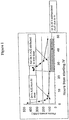
- Figure 1 was regarded as the net 0 to 24 hour AUC attributable to oral dosing.
- the mass of arsenic in the remaining cellular fraction in 1 liter of blood amounts to Cb - [Cp(1 - Hct)].
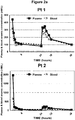
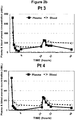
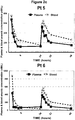
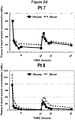
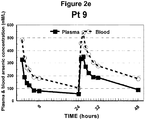
- the day-2 mean plasma and blood arsenic level versus time curve (AUC) attributed to oral dosing were 99% and 87%, respectively, of corresponding day-1 values. On average, 48-hour blood cell arsenic levels were 270% greater than in plasma (p 0.013). No patient suffered unexpected complications.
- AML acute myeloid leukemia
- APL acute promyelocytic leukemia
- Figure 2 illustrates the plasma and blood arsenic concentration versus time plots of the nine (9) patients studied.
- Table 3 summarizes the AUC findings with respect to IV and oral dosing.
- Table 4 lists the prevailing hemoglobin and hematocrit values of these patients at the time they were studied and the plasma and estimated cellular arsenic concentrations at 48-hours. On average, cellular As concentrations exceeded plasma concentration by 270 %.
- Table 3 Patient AUC of arsenic Concentrations (nanomolar-hours) Day 1: Day 2: 0 - 24 h after starting IV dose 24 - 48 h after starting IV dose AUC Estimated ⁇ slope Regression (No.
- Hgb g/dL HCT Plasma Conc nM/L
- Cp Cellular Cone nM/L
- the oral As 2 O 3 formulation of the present invention was more convenient and cost-effective than IV administration of the compound. Furthermore, the systemic bioavailability of arsenic was comparable to that of IV administration and arsenic was concentrated in the cellular fraction of blood 48 hours after starting As 2 O 3 treatment.
- oral-As 2 O 3 The oral arsenic trioxide formulation (oral-As 2 O 3 ) was prepared in a similar manner as described in Section 6.1.1.
- Routine monitoring included alternate-daily blood counts and renal/liver function tests, and electrocardiography daily in the initial week, then weekly.
- PML/RARA promyelocytic leukemia-retinoic acid receptor alpha
- Impairment of liver function tests occurred in five patients, peaking at a median of 11 (5-21) days. LFT normalized after temporary cessation of treatment, and further oral-As 2 O 3 therapy was not compromised. Mild skin rashes (grade I) developed in five patients and subsided with symptomatic treatment. Headache developed in two patients on oral-As 2 O 3 /ATRA, and subsided with splitting the dose of ATRA. None of our patients showed ECG abnormalities of the types previously reported ( Ohnishi K. et al. Prolongation of the QT interval and ventricular tachycardia in patients treated with arsenic trioxide for acute promyelocytic leukemia. Ann Intern Med. 2000;133:881-5 ).
- oral-As 2 O 3 had a short-term efficacy and safety profile similar to intravenous-As 2 O 3 .
- a recent study also showed that oral tetra-arsenic tetra-sulphide was highly efficacious in APL ( Lu D.P. et al. Tetra-arsenic tetra-sulfide for the treatment of acute promyelocytic leukemia: a pilot report. Blood 2002;99:3136-43 ).
- the long-term efficacy and safety of oral-As 2 O 3 as compared with intravenous-As 2 O 3 will require longer follow-up.
- oral- or intravenous-As 2 O 3 and hematopoietic stem cell transplantation are effective treatment modalities for patients with relapsed APL, their relative merits are undefined, and further randomized trials will be needed to address this issue.
Landscapes
- Health & Medical Sciences (AREA)
- Public Health (AREA)
- Chemical & Material Sciences (AREA)
- Veterinary Medicine (AREA)
- Medicinal Chemistry (AREA)
- Pharmacology & Pharmacy (AREA)
- Life Sciences & Earth Sciences (AREA)
- Animal Behavior & Ethology (AREA)
- General Health & Medical Sciences (AREA)
- Epidemiology (AREA)
- Inorganic Chemistry (AREA)
- Hematology (AREA)
- Chemical Kinetics & Catalysis (AREA)
- General Chemical & Material Sciences (AREA)
- Nuclear Medicine, Radiotherapy & Molecular Imaging (AREA)
- Organic Chemistry (AREA)
- Engineering & Computer Science (AREA)
- Bioinformatics & Cheminformatics (AREA)
- Diabetes (AREA)
- Oncology (AREA)
- Pharmaceuticals Containing Other Organic And Inorganic Compounds (AREA)
- Medicinal Preparation (AREA)
Applications Claiming Priority (4)
| Application Number | Priority Date | Filing Date | Title |
|---|---|---|---|
| US41720002P | 2002-10-09 | 2002-10-09 | |
| US48301403P | 2003-06-25 | 2003-06-25 | |
| PCT/CN2003/000843 WO2004032822A2 (en) | 2002-10-09 | 2003-10-08 | Formulation of oral compositions comprising arsenic trioxide and methods of use thereof |
| EP03753241.3A EP1562616B1 (en) | 2002-10-09 | 2003-10-08 | Formulation of oral compositions comprising arsenic trioxide and methods of use thereof |
Related Parent Applications (1)
| Application Number | Title | Priority Date | Filing Date |
|---|---|---|---|
| EP03753241.3A Division EP1562616B1 (en) | 2002-10-09 | 2003-10-08 | Formulation of oral compositions comprising arsenic trioxide and methods of use thereof |
Publications (2)
| Publication Number | Publication Date |
|---|---|
| EP3106169A1 EP3106169A1 (en) | 2016-12-21 |
| EP3106169B1 true EP3106169B1 (en) | 2021-05-19 |
Family
ID=32096185
Family Applications (2)
| Application Number | Title | Priority Date | Filing Date |
|---|---|---|---|
| EP16167636.6A Expired - Lifetime EP3106169B1 (en) | 2002-10-09 | 2003-10-08 | Formulation of oral compositions comprising arsenic trioxide and methods of use thereof |
| EP03753241.3A Expired - Lifetime EP1562616B1 (en) | 2002-10-09 | 2003-10-08 | Formulation of oral compositions comprising arsenic trioxide and methods of use thereof |
Family Applications After (1)
| Application Number | Title | Priority Date | Filing Date |
|---|---|---|---|
| EP03753241.3A Expired - Lifetime EP1562616B1 (en) | 2002-10-09 | 2003-10-08 | Formulation of oral compositions comprising arsenic trioxide and methods of use thereof |
Country Status (6)
| Country | Link |
|---|---|
| US (1) | US7521071B2 (enExample) |
| EP (2) | EP3106169B1 (enExample) |
| JP (1) | JP4786341B2 (enExample) |
| CN (1) | CN103340899A (enExample) |
| AU (1) | AU2003271510A1 (enExample) |
| WO (1) | WO2004032822A2 (enExample) |
Cited By (2)
| Publication number | Priority date | Publication date | Assignee | Title |
|---|---|---|---|---|
| US11583552B2 (en) | 2021-02-17 | 2023-02-21 | Manoj Maniar | Pharmaceutical formulation of arsenic trioxide |
| WO2025172482A1 (en) | 2024-02-14 | 2025-08-21 | Institut Gustave Roussy | Oral composition of arsenic trioxide for cancer treatment |
Families Citing this family (24)
| Publication number | Priority date | Publication date | Assignee | Title |
|---|---|---|---|---|
| CN1044559C (zh) * | 1995-08-23 | 1999-08-11 | 哈尔滨医科大学附属第一医院 | 抗白血病、肝癌、淋巴瘤注射液 |
| US20080166425A1 (en) * | 2002-10-09 | 2008-07-10 | The University Of Hong Kong | Method for inhibiting cancer using arsenic trioxide |
| US20080089949A1 (en) * | 2006-10-13 | 2008-04-17 | Yok-Lam Kwong | Method for treating cancer using oral arsenic trioxide |
| US7521071B2 (en) * | 2002-10-09 | 2009-04-21 | Versitech Limited | Formulation of oral compositions comprising arsenic trioxide and methods of use thereof |
| US8906422B2 (en) * | 2002-10-09 | 2014-12-09 | The University Of Hong Kong | Method for inhibiting cancer using arsenic trioxide |
| US20110008327A1 (en) * | 2004-03-29 | 2011-01-13 | Cheng Jin Q | Compositions including triciribine and epidermal growth factor receptor inhibitor compounds or salts thereof and methods of use thereof |
| US8435959B2 (en) | 2004-03-29 | 2013-05-07 | University Of South Florida | Effective treatment of tumors and cancer with triciribine and related compounds |
| US20100173864A1 (en) | 2004-03-29 | 2010-07-08 | Cheng Jin Q | Compositions including triciribine and one or more platinum compounds and methods of use thereof |
| US20100009928A1 (en) * | 2004-03-29 | 2010-01-14 | Cheng Jin Q | Compositions including triciribine and taxanes and methods of use thereof |
| US20100028339A1 (en) | 2004-03-29 | 2010-02-04 | Cheng Jin Q | Compositions including triciribine and trastuzumab and methods of use thereof |
| US20100009929A1 (en) | 2004-03-29 | 2010-01-14 | Cheng Jin Q | Compositions including triciribine and bortezomib and derivatives thereof and methods of use thereof |
| CN1870631B (zh) * | 2005-11-11 | 2010-04-14 | 华为技术有限公司 | 媒体网关的门控方法 |
| WO2008046299A1 (en) * | 2006-10-11 | 2008-04-24 | The University Of Hong Kong | Method for inhibiting cancer using arsenic trioxide |
| US8795738B2 (en) | 2009-11-12 | 2014-08-05 | Board Of Regents Of The University Of Texas System | Use of arsenic for cancer therapy protection |
| US8834938B2 (en) | 2011-05-18 | 2014-09-16 | Board Of Regents Of The University Of Texas System | Use of arsenic for cancer therapy protection |
| CN103142648B (zh) * | 2011-12-07 | 2015-04-15 | 浙江中医药大学 | 一种砷化合物溶液及其制备的包载砷化合物的白蛋白纳米粒和冻干制剂 |
| ES2641847T3 (es) | 2012-09-20 | 2017-11-14 | Yogesh Narayan BENDALE | Proceso para biosintetizar nanotrióxido de arsénico y su uso en el tratamiento de enfermedades que incluyen el cáncer |
| WO2014151317A1 (en) * | 2013-03-15 | 2014-09-25 | Rush University Medical Center | Methods for treating cancer |
| SG11201706150QA (en) | 2015-01-29 | 2017-08-30 | Eupharma Pty Ltd | Compositions containing arsenic and their use in methods of treatment |
| US10111836B2 (en) | 2015-02-01 | 2018-10-30 | Orsenix Holdings Bv | High surface-area lyophilized compositions comprising arsenic for oral administration in patients |
| KR102015858B1 (ko) * | 2015-10-23 | 2019-08-30 | 손영태 | 법제된 비상을 함유하는 면역력 증강을 위한 약학적 조성물 |
| IL265986B (en) | 2016-12-01 | 2022-09-01 | Eupharma Pty Ltd | Pharmaceutical composition comprising an alkali metal and/or an alkaline earth metal diarsenic (iii) tetraoxide and uses thereof |
| CN111184703B (zh) * | 2018-11-15 | 2023-03-28 | 哈尔滨医大药业股份有限公司 | 三氧化二砷缓释小丸及其制备方法 |
| EP4455672A1 (en) | 2023-04-26 | 2024-10-30 | Medsenic | Method and kit for diagnosing and monitoring chronic graft-versus-host disease (cgvhd) using particular cytokine biomarkers |
Family Cites Families (5)
| Publication number | Priority date | Publication date | Assignee | Title |
|---|---|---|---|---|
| US6875451B2 (en) * | 1997-10-15 | 2005-04-05 | Polarx Biopharmaceuticals Inc. | Compositions and methods for the treatment of primary and metastatic neoplastic diseases using arsenic compounds |
| ES2395515T3 (es) * | 1997-11-10 | 2013-02-13 | Memorial Sloan Kettering Cancer Center | Trióxido de arsénico para uso en el tratamiento de la leucemia |
| FR2786103A1 (fr) * | 1998-10-30 | 2000-05-26 | Assist Publ Hopitaux De Paris | Utilisation de trioxyde d'arsenic pour la preparation d'un medicament destine a traiter les affections neoplastiques du tissu hematopoietique chez un mammifere et nouvelle composition pharmaceutique |
| CN1176665C (zh) * | 2001-02-15 | 2004-11-24 | 暨南大学 | 治疗恶性淋巴瘤的药物及其配制方法 |
| US7521071B2 (en) * | 2002-10-09 | 2009-04-21 | Versitech Limited | Formulation of oral compositions comprising arsenic trioxide and methods of use thereof |
-
2003
- 2003-09-23 US US10/669,869 patent/US7521071B2/en not_active Expired - Lifetime
- 2003-10-08 CN CN2013101363192A patent/CN103340899A/zh active Pending
- 2003-10-08 AU AU2003271510A patent/AU2003271510A1/en not_active Abandoned
- 2003-10-08 JP JP2005500968A patent/JP4786341B2/ja not_active Expired - Lifetime
- 2003-10-08 EP EP16167636.6A patent/EP3106169B1/en not_active Expired - Lifetime
- 2003-10-08 EP EP03753241.3A patent/EP1562616B1/en not_active Expired - Lifetime
- 2003-10-08 WO PCT/CN2003/000843 patent/WO2004032822A2/en not_active Ceased
Non-Patent Citations (1)
| Title |
|---|
| W.-Y. AU: "Oral arsenic trioxide in the treatment of relapsed acute promyelocytic leukemia", BLOOD, vol. 102, no. 1, 1 July 2003 (2003-07-01), US, pages 407 - 408, XP055511911, ISSN: 0006-4971, DOI: 10.1182/blood-2003-01-0298 * |
Cited By (2)
| Publication number | Priority date | Publication date | Assignee | Title |
|---|---|---|---|---|
| US11583552B2 (en) | 2021-02-17 | 2023-02-21 | Manoj Maniar | Pharmaceutical formulation of arsenic trioxide |
| WO2025172482A1 (en) | 2024-02-14 | 2025-08-21 | Institut Gustave Roussy | Oral composition of arsenic trioxide for cancer treatment |
Also Published As
| Publication number | Publication date |
|---|---|
| EP1562616A4 (en) | 2008-12-17 |
| WO2004032822A3 (en) | 2004-12-29 |
| EP3106169A1 (en) | 2016-12-21 |
| AU2003271510A1 (en) | 2004-05-04 |
| US7521071B2 (en) | 2009-04-21 |
| JP2006503109A (ja) | 2006-01-26 |
| US20040126434A1 (en) | 2004-07-01 |
| JP4786341B2 (ja) | 2011-10-05 |
| EP1562616A2 (en) | 2005-08-17 |
| CN103340899A (zh) | 2013-10-09 |
| AU2003271510A8 (en) | 2004-05-04 |
| EP1562616B1 (en) | 2016-06-01 |
| WO2004032822A2 (en) | 2004-04-22 |
Similar Documents
| Publication | Publication Date | Title |
|---|---|---|
| EP3106169B1 (en) | Formulation of oral compositions comprising arsenic trioxide and methods of use thereof | |
| EP2049109B1 (en) | Combined use of (+)-1,4-dihydro-7-[(3s,4s)-3-methoxy-4-(methylamino)-1-pyrrolidinyl]-4-oxo-1-(2-thiazolyl)-1,8-naphthyridine-3-carboxylic acid and cytarabine (ara-c) for the treatment of leukemia | |
| US9693987B2 (en) | Methods for treating cancers using oral formulations of cytidine analogs | |
| US20220184013A1 (en) | Use of cyp26-resistant rar alpha selective agonists in the treatment of cancer | |
| EP1937244B1 (en) | Treatment of cancer with specific rxr agonists | |
| US12364664B2 (en) | Lyophilized compositions comprising arsenic | |
| WO2004080445A1 (en) | Methods and compositions for the treatment of cancer | |
| TW201642857A (zh) | 以組合療法治療肝細胞癌 | |
| CN1723029A (zh) | 包括三氧化二砷的口服组合物的制剂及其使用方法 | |
| US20140357567A1 (en) | Methods for treating cancers using oral formulations of cytidine analogs | |
| WO2008063662A2 (en) | Gold (iii) chloride compositions for cancer | |
| US20240216465A1 (en) | Method for treating refractory brain tumor | |
| HK40073108A (en) | High surface-area lyophilized compositions comprising arsenic for oral administration in patients | |
| HK40068523A (en) | Use of cyp26-resistant rar alpha selective agonists in the treatment of cancer | |
| HK1224955A1 (en) | Combined use of (+)-1,4-dihydro-7-[(3s,4s)-3-methoxy-4-(methylamino)-1-pyrrolidinyl]-4-oxo-1-(2-thiazolyl)-1,8-naphthyridine-3-carboxylic acid and cytarabine (ara-c) for the treatment of leukemia | |
| HK1261967B (en) | Cyp26-resistant rar-alpha selective agonists in the treatment of cancer | |
| WO2015195786A2 (en) | Methods for treating cancers using oral formulations of cytidine analogs |
Legal Events
| Date | Code | Title | Description |
|---|---|---|---|
| PUAI | Public reference made under article 153(3) epc to a published international application that has entered the european phase |
Free format text: ORIGINAL CODE: 0009012 |
|
| STAA | Information on the status of an ep patent application or granted ep patent |
Free format text: STATUS: REQUEST FOR EXAMINATION WAS MADE |
|
| 17P | Request for examination filed |
Effective date: 20160429 |
|
| AC | Divisional application: reference to earlier application |
Ref document number: 1562616 Country of ref document: EP Kind code of ref document: P |
|
| AK | Designated contracting states |
Kind code of ref document: A1 Designated state(s): AT BE BG CH CY CZ DE DK EE ES FI FR GB GR HU IE IT LI LU MC NL PT RO SE SI SK TR |
|
| STAA | Information on the status of an ep patent application or granted ep patent |
Free format text: STATUS: EXAMINATION IS IN PROGRESS |
|
| 17Q | First examination report despatched |
Effective date: 20181009 |
|
| RIC1 | Information provided on ipc code assigned before grant |
Ipc: A61P 35/02 20060101ALI20201218BHEP Ipc: A61K 33/36 20060101AFI20201218BHEP Ipc: A61P 7/00 20060101ALI20201218BHEP |
|
| GRAP | Despatch of communication of intention to grant a patent |
Free format text: ORIGINAL CODE: EPIDOSNIGR1 |
|
| STAA | Information on the status of an ep patent application or granted ep patent |
Free format text: STATUS: GRANT OF PATENT IS INTENDED |
|
| INTG | Intention to grant announced |
Effective date: 20210129 |
|
| GRAS | Grant fee paid |
Free format text: ORIGINAL CODE: EPIDOSNIGR3 |
|
| GRAA | (expected) grant |
Free format text: ORIGINAL CODE: 0009210 |
|
| STAA | Information on the status of an ep patent application or granted ep patent |
Free format text: STATUS: THE PATENT HAS BEEN GRANTED |
|
| AC | Divisional application: reference to earlier application |
Ref document number: 1562616 Country of ref document: EP Kind code of ref document: P |
|
| AK | Designated contracting states |
Kind code of ref document: B1 Designated state(s): AT BE BG CH CY CZ DE DK EE ES FI FR GB GR HU IE IT LI LU MC NL PT RO SE SI SK TR |
|
| REG | Reference to a national code |
Ref country code: GB Ref legal event code: FG4D |
|
| REG | Reference to a national code |
Ref country code: CH Ref legal event code: EP |
|
| REG | Reference to a national code |
Ref country code: DE Ref legal event code: R096 Ref document number: 60352659 Country of ref document: DE |
|
| REG | Reference to a national code |
Ref country code: AT Ref legal event code: REF Ref document number: 1393342 Country of ref document: AT Kind code of ref document: T Effective date: 20210615 |
|
| REG | Reference to a national code |
Ref country code: IE Ref legal event code: FG4D |
|
| REG | Reference to a national code |
Ref country code: AT Ref legal event code: MK05 Ref document number: 1393342 Country of ref document: AT Kind code of ref document: T Effective date: 20210519 |
|
| REG | Reference to a national code |
Ref country code: NL Ref legal event code: MP Effective date: 20210519 |
|
| PG25 | Lapsed in a contracting state [announced via postgrant information from national office to epo] |
Ref country code: FI Free format text: LAPSE BECAUSE OF FAILURE TO SUBMIT A TRANSLATION OF THE DESCRIPTION OR TO PAY THE FEE WITHIN THE PRESCRIBED TIME-LIMIT Effective date: 20210519 Ref country code: AT Free format text: LAPSE BECAUSE OF FAILURE TO SUBMIT A TRANSLATION OF THE DESCRIPTION OR TO PAY THE FEE WITHIN THE PRESCRIBED TIME-LIMIT Effective date: 20210519 Ref country code: BG Free format text: LAPSE BECAUSE OF FAILURE TO SUBMIT A TRANSLATION OF THE DESCRIPTION OR TO PAY THE FEE WITHIN THE PRESCRIBED TIME-LIMIT Effective date: 20210819 |
|
| PG25 | Lapsed in a contracting state [announced via postgrant information from national office to epo] |
Ref country code: ES Free format text: LAPSE BECAUSE OF FAILURE TO SUBMIT A TRANSLATION OF THE DESCRIPTION OR TO PAY THE FEE WITHIN THE PRESCRIBED TIME-LIMIT Effective date: 20210519 Ref country code: PT Free format text: LAPSE BECAUSE OF FAILURE TO SUBMIT A TRANSLATION OF THE DESCRIPTION OR TO PAY THE FEE WITHIN THE PRESCRIBED TIME-LIMIT Effective date: 20210920 Ref country code: SE Free format text: LAPSE BECAUSE OF FAILURE TO SUBMIT A TRANSLATION OF THE DESCRIPTION OR TO PAY THE FEE WITHIN THE PRESCRIBED TIME-LIMIT Effective date: 20210519 Ref country code: GR Free format text: LAPSE BECAUSE OF FAILURE TO SUBMIT A TRANSLATION OF THE DESCRIPTION OR TO PAY THE FEE WITHIN THE PRESCRIBED TIME-LIMIT Effective date: 20210820 |
|
| PG25 | Lapsed in a contracting state [announced via postgrant information from national office to epo] |
Ref country code: NL Free format text: LAPSE BECAUSE OF FAILURE TO SUBMIT A TRANSLATION OF THE DESCRIPTION OR TO PAY THE FEE WITHIN THE PRESCRIBED TIME-LIMIT Effective date: 20210519 |
|
| PG25 | Lapsed in a contracting state [announced via postgrant information from national office to epo] |
Ref country code: RO Free format text: LAPSE BECAUSE OF FAILURE TO SUBMIT A TRANSLATION OF THE DESCRIPTION OR TO PAY THE FEE WITHIN THE PRESCRIBED TIME-LIMIT Effective date: 20210519 Ref country code: SK Free format text: LAPSE BECAUSE OF FAILURE TO SUBMIT A TRANSLATION OF THE DESCRIPTION OR TO PAY THE FEE WITHIN THE PRESCRIBED TIME-LIMIT Effective date: 20210519 Ref country code: CZ Free format text: LAPSE BECAUSE OF FAILURE TO SUBMIT A TRANSLATION OF THE DESCRIPTION OR TO PAY THE FEE WITHIN THE PRESCRIBED TIME-LIMIT Effective date: 20210519 Ref country code: EE Free format text: LAPSE BECAUSE OF FAILURE TO SUBMIT A TRANSLATION OF THE DESCRIPTION OR TO PAY THE FEE WITHIN THE PRESCRIBED TIME-LIMIT Effective date: 20210519 Ref country code: DK Free format text: LAPSE BECAUSE OF FAILURE TO SUBMIT A TRANSLATION OF THE DESCRIPTION OR TO PAY THE FEE WITHIN THE PRESCRIBED TIME-LIMIT Effective date: 20210519 |
|
| REG | Reference to a national code |
Ref country code: DE Ref legal event code: R097 Ref document number: 60352659 Country of ref document: DE |
|
| PLBE | No opposition filed within time limit |
Free format text: ORIGINAL CODE: 0009261 |
|
| STAA | Information on the status of an ep patent application or granted ep patent |
Free format text: STATUS: NO OPPOSITION FILED WITHIN TIME LIMIT |
|
| 26N | No opposition filed |
Effective date: 20220222 |
|
| REG | Reference to a national code |
Ref country code: DE Ref legal event code: R119 Ref document number: 60352659 Country of ref document: DE |
|
| REG | Reference to a national code |
Ref country code: CH Ref legal event code: PL |
|
| REG | Reference to a national code |
Ref country code: BE Ref legal event code: MM Effective date: 20211031 |
|
| GBPC | Gb: european patent ceased through non-payment of renewal fee |
Effective date: 20211008 |
|
| PG25 | Lapsed in a contracting state [announced via postgrant information from national office to epo] |
Ref country code: MC Free format text: LAPSE BECAUSE OF FAILURE TO SUBMIT A TRANSLATION OF THE DESCRIPTION OR TO PAY THE FEE WITHIN THE PRESCRIBED TIME-LIMIT Effective date: 20210519 |
|
| PG25 | Lapsed in a contracting state [announced via postgrant information from national office to epo] |
Ref country code: LU Free format text: LAPSE BECAUSE OF NON-PAYMENT OF DUE FEES Effective date: 20211008 Ref country code: IT Free format text: LAPSE BECAUSE OF FAILURE TO SUBMIT A TRANSLATION OF THE DESCRIPTION OR TO PAY THE FEE WITHIN THE PRESCRIBED TIME-LIMIT Effective date: 20210519 Ref country code: GB Free format text: LAPSE BECAUSE OF NON-PAYMENT OF DUE FEES Effective date: 20211008 Ref country code: DE Free format text: LAPSE BECAUSE OF NON-PAYMENT OF DUE FEES Effective date: 20220503 Ref country code: BE Free format text: LAPSE BECAUSE OF NON-PAYMENT OF DUE FEES Effective date: 20211031 |
|
| PG25 | Lapsed in a contracting state [announced via postgrant information from national office to epo] |
Ref country code: LI Free format text: LAPSE BECAUSE OF NON-PAYMENT OF DUE FEES Effective date: 20211031 Ref country code: CH Free format text: LAPSE BECAUSE OF NON-PAYMENT OF DUE FEES Effective date: 20211031 |
|
| PG25 | Lapsed in a contracting state [announced via postgrant information from national office to epo] |
Ref country code: FR Free format text: LAPSE BECAUSE OF NON-PAYMENT OF DUE FEES Effective date: 20211031 |
|
| PG25 | Lapsed in a contracting state [announced via postgrant information from national office to epo] |
Ref country code: IE Free format text: LAPSE BECAUSE OF NON-PAYMENT OF DUE FEES Effective date: 20211008 |
|
| PG25 | Lapsed in a contracting state [announced via postgrant information from national office to epo] |
Ref country code: HU Free format text: LAPSE BECAUSE OF FAILURE TO SUBMIT A TRANSLATION OF THE DESCRIPTION OR TO PAY THE FEE WITHIN THE PRESCRIBED TIME-LIMIT; INVALID AB INITIO Effective date: 20031008 |
|
| PG25 | Lapsed in a contracting state [announced via postgrant information from national office to epo] |
Ref country code: CY Free format text: LAPSE BECAUSE OF FAILURE TO SUBMIT A TRANSLATION OF THE DESCRIPTION OR TO PAY THE FEE WITHIN THE PRESCRIBED TIME-LIMIT Effective date: 20210519 |
|
| PG25 | Lapsed in a contracting state [announced via postgrant information from national office to epo] |
Ref country code: TR Free format text: LAPSE BECAUSE OF FAILURE TO SUBMIT A TRANSLATION OF THE DESCRIPTION OR TO PAY THE FEE WITHIN THE PRESCRIBED TIME-LIMIT Effective date: 20210519 |