EP3102303B1 - Zubereitungen von molekularsensoren und deren verwendung - Google Patents
Zubereitungen von molekularsensoren und deren verwendung Download PDFInfo
- Publication number
- EP3102303B1 EP3102303B1 EP15701831.8A EP15701831A EP3102303B1 EP 3102303 B1 EP3102303 B1 EP 3102303B1 EP 15701831 A EP15701831 A EP 15701831A EP 3102303 B1 EP3102303 B1 EP 3102303B1
- Authority
- EP
- European Patent Office
- Prior art keywords
- molecules
- template
- type
- receptor
- target molecule
- Prior art date
- Legal status (The legal status is an assumption and is not a legal conclusion. Google has not performed a legal analysis and makes no representation as to the accuracy of the status listed.)
- Active
Links
Images



Classifications
-
- B—PERFORMING OPERATIONS; TRANSPORTING
- B01—PHYSICAL OR CHEMICAL PROCESSES OR APPARATUS IN GENERAL
- B01D—SEPARATION
- B01D15/00—Separating processes involving the treatment of liquids with solid sorbents; Apparatus therefor
- B01D15/08—Selective adsorption, e.g. chromatography
- B01D15/26—Selective adsorption, e.g. chromatography characterised by the separation mechanism
- B01D15/38—Selective adsorption, e.g. chromatography characterised by the separation mechanism involving specific interaction not covered by one or more of groups B01D15/265 and B01D15/30 - B01D15/36, e.g. affinity, ligand exchange or chiral chromatography
- B01D15/3852—Selective adsorption, e.g. chromatography characterised by the separation mechanism involving specific interaction not covered by one or more of groups B01D15/265 and B01D15/30 - B01D15/36, e.g. affinity, ligand exchange or chiral chromatography using imprinted phases or molecular recognition
-
- B—PERFORMING OPERATIONS; TRANSPORTING
- B01—PHYSICAL OR CHEMICAL PROCESSES OR APPARATUS IN GENERAL
- B01J—CHEMICAL OR PHYSICAL PROCESSES, e.g. CATALYSIS OR COLLOID CHEMISTRY; THEIR RELEVANT APPARATUS
- B01J20/00—Solid sorbent compositions or filter aid compositions; Sorbents for chromatography; Processes for preparing, regenerating or reactivating thereof
- B01J20/22—Solid sorbent compositions or filter aid compositions; Sorbents for chromatography; Processes for preparing, regenerating or reactivating thereof comprising organic material
- B01J20/26—Synthetic macromolecular compounds
- B01J20/268—Polymers created by use of a template, e.g. molecularly imprinted polymers
-
- G—PHYSICS
- G01—MEASURING; TESTING
- G01N—INVESTIGATING OR ANALYSING MATERIALS BY DETERMINING THEIR CHEMICAL OR PHYSICAL PROPERTIES
- G01N33/00—Investigating or analysing materials by specific methods not covered by groups G01N1/00 - G01N31/00
- G01N33/48—Biological material, e.g. blood, urine; Haemocytometers
- G01N33/50—Chemical analysis of biological material, e.g. blood, urine; Testing involving biospecific ligand binding methods; Immunological testing
- G01N33/53—Immunoassay; Biospecific binding assay; Materials therefor
- G01N33/5308—Immunoassay; Biospecific binding assay; Materials therefor for analytes not provided for elsewhere, e.g. nucleic acids, uric acid, worms, mites
-
- G—PHYSICS
- G01—MEASURING; TESTING
- G01N—INVESTIGATING OR ANALYSING MATERIALS BY DETERMINING THEIR CHEMICAL OR PHYSICAL PROPERTIES
- G01N33/00—Investigating or analysing materials by specific methods not covered by groups G01N1/00 - G01N31/00
- G01N33/48—Biological material, e.g. blood, urine; Haemocytometers
- G01N33/50—Chemical analysis of biological material, e.g. blood, urine; Testing involving biospecific ligand binding methods; Immunological testing
- G01N33/53—Immunoassay; Biospecific binding assay; Materials therefor
- G01N33/573—Immunoassay; Biospecific binding assay; Materials therefor for enzymes or isoenzymes
-
- G—PHYSICS
- G01—MEASURING; TESTING
- G01N—INVESTIGATING OR ANALYSING MATERIALS BY DETERMINING THEIR CHEMICAL OR PHYSICAL PROPERTIES
- G01N2333/00—Assays involving biological materials from specific organisms or of a specific nature
- G01N2333/90—Enzymes; Proenzymes
- G01N2333/914—Hydrolases (3)
- G01N2333/916—Hydrolases (3) acting on ester bonds (3.1), e.g. phosphatases (3.1.3), phospholipases C or phospholipases D (3.1.4)
- G01N2333/922—Ribonucleases (RNAses); Deoxyribonucleases (DNAses)
-
- G—PHYSICS
- G01—MEASURING; TESTING
- G01N—INVESTIGATING OR ANALYSING MATERIALS BY DETERMINING THEIR CHEMICAL OR PHYSICAL PROPERTIES
- G01N2333/00—Assays involving biological materials from specific organisms or of a specific nature
- G01N2333/90—Enzymes; Proenzymes
- G01N2333/914—Hydrolases (3)
- G01N2333/948—Hydrolases (3) acting on peptide bonds (3.4)
- G01N2333/95—Proteinases, i.e. endopeptidases (3.4.21-3.4.99)
- G01N2333/964—Proteinases, i.e. endopeptidases (3.4.21-3.4.99) derived from animal tissue
- G01N2333/96402—Proteinases, i.e. endopeptidases (3.4.21-3.4.99) derived from animal tissue from non-mammals
- G01N2333/96405—Proteinases, i.e. endopeptidases (3.4.21-3.4.99) derived from animal tissue from non-mammals in general
- G01N2333/96408—Proteinases, i.e. endopeptidases (3.4.21-3.4.99) derived from animal tissue from non-mammals in general with EC number
- G01N2333/96411—Serine endopeptidases (3.4.21)
-
- G—PHYSICS
- G01—MEASURING; TESTING
- G01N—INVESTIGATING OR ANALYSING MATERIALS BY DETERMINING THEIR CHEMICAL OR PHYSICAL PROPERTIES
- G01N2600/00—Assays involving molecular imprinted polymers/polymers created around a molecular template
-
- G—PHYSICS
- G01—MEASURING; TESTING
- G01N—INVESTIGATING OR ANALYSING MATERIALS BY DETERMINING THEIR CHEMICAL OR PHYSICAL PROPERTIES
- G01N2610/00—Assays involving self-assembled monolayers [SAMs]
Definitions
- the present invention relates to methods of preparing molecular sensors, in particular methods of preparing molecular sensors which are specific for a target molecule, the molecular sensors produced thereby and uses of the molecular sensors.
- glycosylation the addition of carbohydrate structures to protein backbones, is known to affect the function and half-life of a number of proteins. Altered glycosylation has been associated with many human diseases such as cancer, immune deficiencies, neurodegenerative diseases, hereditary disorders and cardiovascular diseases. In fact, many clinical biomarkers in cancer are glycoproteins and, since glycoproteomics is rapidly emerging as an important technique for biomarker discovery, glycoproteins are expected to become increasingly important to the diagnosis and management of human diseases. Antibodies are currently widely used as receptor sites in the detection, quantification and purification of many proteins including clinically relevant glycoproteins. However, the production of antibodies is an expensive and time consuming exercise.
- Molecular imprinting is a template directed process, where polymer networks are formed around compounds of interest, literally producing a molecular mould of these molecules.
- the template molecules are removed, leaving behind a complementary binding site for the target molecule, much akin to the binding site of antibodies.
- artificial binding sites may be produced and used in a number of settings, including chromatographic separation, sensors, catalysis and drug delivery.
- intrinsic limitations in the scalability of traditional molecular imprinting techniques has been hindering the imprinting of large molecules such as proteins with the desired affinity and selectivity.
- key issues include protein entrapment, poor re-binding kinetics and heterogeneity in binding pocket affinity.
- Li et al. (Angew. Chem. Int. Ed. 2013, 52, 7451-7454 ) describes photolithographic boronate affinity molecular imprinting.
- Gao et al. (Colloids and Surfaces A: Physicochemical and Engineering Aspects 433 (2013) 191-199 ) describes molecularly imprinted polymer nanospheres.
- Lin et al. (Journal of Chromatography A, 1319 (2013) 141-147 ) describes molecularly imprinted monolithic columns.
- a method of preparing a molecular sensor that is specific for a target molecule having a saccharide or peptide region comprising, in a stepwise manner:
- a molecular sensor that is specific for a target molecule and is obtainable by the method of the first aspect of the present invention.
- a molecular sensor that is specific for a target molecule having a saccharide or peptide region, the molecular sensor comprising a molecular scaffold immobilized on a surface, wherein the molecular scaffold defines a cavity which is complementary to at least a portion of the target molecule, the cavity comprising a receptor for the saccharide or peptide region of the target molecule at a surface thereof.
- the molecular sensor binds preferentially to the target molecule.
- the sensor may bind a number of different molecules to some extent, but the binding thermodynamics and kinetics may favour the binding of the target molecule.
- a fourth aspect of the present invention there is provided a method of detecting, quantifying and/or purifying a target molecule using a molecular sensor in accordance with the second or third aspect of the invention.
- the present invention provides a synthetic recognition platform based on molecular imprinting concepts that exhibits antibody-like behavior and exceptionally high selectively for target molecules having saccharide or peptide regions.
- the molecular sensors of the invention provide a synthetic alternative to antibodies (where the target molecule is a protein), and may be used in the binding, detection, quantification and/or purification of target proteins.
- the molecular sensors may therefore be considered as antibody mimics in that they are highly specific for their target protein.
- the synthetic sensors of the invention are advantageous in that they are more stable and more resistant to changes in pH, temperature and UV light than antibodies.
- the cavity defined by the molecular scaffold provides a recognition site for receiving a part or a whole of the target molecule.
- the cavity is complementary to at least a portion of the target molecule.
- the stepwise construction of the molecular sensor enables a greater degree of control over the shape, size and recognition sites of the resulting cavity than could be achieved by previous molecular imprinting techniques. As a result, greater selectivity is achieved and problems such as non-specific binding and entrapment of the template are mitigated.
- the target molecule may be any molecule that contains a monosaccharide or amino acid residue.
- Examples include proteins, polypeptides, glycosylated proteins, glycated proteins, saccharides (mono-, di- and oligosaccharides) and nucleosides.
- the target molecule is a protein, for example a glycoprotein.
- a protein for example a glycoprotein.
- Many clinical biomarkers of cancer are glycoproteins, and glycoproteins are expected to become increasingly important to the diagnosis and management of human diseases.
- glycoproteins include, but are not limited to, CEA in colorectal cancer, CA125 in ovarian cancer, HER2 in breast cancer, PSA in prostate cancer and ⁇ -fetoprotein in liver cancer.
- the target molecule is an oligosaccharide (including disaccharides) such as those present in the glycoprotein biomarkers mentioned above.
- the purpose of the receptor is to selectively and reversibly bind the target molecule.
- the receptor tethers the target molecule, which functions as a template.
- the receptor becomes embedded in the scaffold.
- the receptor may be left behind such that it comprises a part of the resulting cavity.
- the receptor may form a part of the surface of the resulting cavity, or that it may project into the cavity.
- the receptor interacts with target molecules which are received within the cavity. In this way, the receptor also contributes to the specificity of the sensor.
- the molecular sensor of the invention need not be limited to the detection of a single target molecule, but may be capable of binding two or more target molecules.
- a molecular sensor capable of detecting two or more different target molecules may be prepared by simultaneously imprinting two or more different templates. The advantage of multiple template imprinting is that several different classes of molecules can be detected at one time.
- a method of preparing a molecular sensor that is specific for a first and a second target molecule may comprise:
- the receptor comprises a recognition motif which binds preferentially to the target molecule.
- the recognition motif binds only to the target molecule, and not to any other molecules.
- the recognition motif may be chosen to interact with specific residues, functional groups, or structural or sequence motifs of the target molecule.
- the recognition motif may be capable of interacting with the saccharide and/or the protein parts of the glycoprotein.
- a receptor refers to one or more receptor molecules.
- One or more recognition motifs may be incorporated into the receptor to enable interaction with the target molecule.
- a recognition motif may provide ⁇ -surfaces, hydrogen-bonding domains and/or polar residues, all of which are known to be involved in biological saccharide recognition and protein interactions.
- Further examples include aromatic and/or conjugated functional groups which may be incorporated for CH- ⁇ and hydrophobic interactions respectively, while acid and/or phosphate groups may be incorporated to provide polar interactions.
- the recognition motif comprises, or is constituted by, a boronic acid (BA) group.
- BA boronic acid
- Boronic acids reversibly bind carbohydrates, nucleosides and other cis-diols to form five- or six-membered cyclic boronic acid esters in aqueous alkaline solution.
- the cyclic esters dissociate when the medium is changed to acidic pH.
- BA groups ideal candidates as recognition moieties in glycoprotein receptors.
- the receptor comprises an amino acid or a peptide.
- the receptor comprises a hydrophobic amino acid (e.g. phenylalanine, tryptophan, valine, tyrosine) or a polar amino acid (e.g. aspartic acid, glutamic acid).
- the amino acid or peptide, or a part thereof, may constitute the recognition motif of the receptor.
- the peptide sequence may be specific for the target protein.
- the receptor comprises a nucleotide or nucleic acid.
- the receptor further comprises a first binding moiety for binding the template-receptor complex to the molecular scaffold.
- the first binding moiety may be capable of reacting with one or more of the molecules which form the molecular scaffold so as to form a covalent bond between the receptor and the scaffold molecules.
- the first binding moiety is a polymerizable group. Examples of suitable polymerizable groups include acrylamide and vinyl groups.
- the first binding moiety is joined to the recognition motif by a linker, such as an alkyl or aryl linker.
- receptors examples include (4-acrylamidophenyl)boronic acid (AM-BA), N- isopropylacrylamide, acrylamide, N,N' -methylenebisacrylamide, acrylamide functionalized amino acids (e.g. acrylamide functionalized phenylalanine, asparagine or tryptophan) and 2-acrylamidoethyl dihydrogen phosphate.
- AM-BA (4-acrylamidophenyl)boronic acid
- N- isopropylacrylamide acrylamide
- acrylamide N,N' -methylenebisacrylamide
- acrylamide functionalized amino acids e.g. acrylamide functionalized phenylalanine, asparagine or tryptophan
- 2-acrylamidoethyl dihydrogen phosphate 2-acrylamidoethyl dihydrogen phosphate.
- recognition moieties enable the preparation of receptors, and thus the resulting binding cavities, that are selective not only for specific proteins but also for individual isoforms of the same protein.
- the template-receptor complex is formed by mixing a solution of the receptor molecules with a solution of the target molecule.
- the ratio of receptor: target molecule molecules in the mixture may be from 1:1 to 1:20 or from 1:5 to 1:15, such as 1:10.
- ITC Isothermal titration calorimetry
- the mixture may be incubated for a period of time sufficient to enable most or substantially all of the receptor molecules to bind to a target molecule molecule.
- the mixture may be incubated for a period of time of from 1 minute to 2 hours, or from 30 to 60 minutes.
- the resulting template-receptor complex may comprise a single template bound to a single receptor, or it may comprise a single template bound to more than one receptor.
- the template-receptor complex comprises at least 2, at least 3, or at least 4 receptors bound to a single template.
- the surface is a planar surface.
- the surface may be a metal surface, such as gold or silver.
- the surface may be a non-metal, such as silicon, silicon dioxide, silicon carbide, silicon nitride, aluminium oxide or glass.
- the surface is gold.
- the surface is curved.
- the recognition site may be formed on the surface of a nanoparticle.
- the nanoparticles may have a metal (e.g. Au or Ag) or non-metal (e.g. silicon dioxide) surface
- a “molecular scaffold” is a structure formed from a network of molecules. By forming the network around the template-receptor complex, the scaffold is moulded to the shape of at least a part of the molecule template. The molecular scaffold is stable such that on removal of the template an impression (i.e. a cavity) is left in the scaffold in the shape of that part of the template.
- the molecular scaffold may be formed from a first type of molecules (also referred to herein as "first molecules").
- each of the first molecules comprises a tether moiety which tethers the molecular scaffold to the surface.
- the tether moiety is typically a functional group which has a strong affinity to the surface and anchors the first molecules to it.
- tether moieties include thiols (capable of binding to, for example, gold, silver and copper), organosilanes (capable of binding to hydroxylated surface (e.g.
- the tether moiety is a sulfur group, such as a thiol or disulfide group.
- the step of forming the molecular scaffold comprises exposing the surface to the first type of molecules.
- the first type of molecules may be adsorbed onto the surface, by virtue of their tether moieties, to form an assembly.
- the assembly may be considered a self-assembled monolayer (SAM).
- the step of forming the molecular scaffold comprises forming a SAM.
- SAM is an organized molecular assembly which is formed spontaneously by adsorption of molecules to a surface.
- the molecules which form the SAM may be referred to as 'SAM molecules'.
- the first type of molecules may be considered SAM molecules.
- a self-assembled monolayer may be formed by depositing SAM molecules onto the surface, e.g. by physical vapor deposition techniques, electrodeposition or electroless deposition. Such techniques will be known to those skilled in the art.
- a SAM may be formed by immersing the surface in a solution of SAM molecules. The surface will be immersed for a period of time that is sufficient for the SAM molecules to be adsorbed onto the surface. The surface may be immersed for a period of time of from 30 minutes to 30 hours. In some embodiments, the surface is immersed for at least 1 hour, at least 5 hours, at least 10 hours or at least 15 hours. In some embodiments, the surface is immersed at a temperature of from 5 to 50 °C, from 10 to 40 °C or from 18 to 30 °C. In further embodiments, the surface is immersed at approximately room temperature.
- the method comprises exposing the surface to the first type of molecules in the presence of the template-receptor complex. This may result in simultaneous adsorption of the first type of molecules and the complex onto the surface.
- the method of forming the molecular scaffold comprises forming a SAM on the surface in the presence of the template-receptor complex.
- the method may further comprise cross-linking the first type of molecules of the scaffold.
- cross-linking comprises forming covalent bonds between adjacent molecules so at to provide a rigid network.
- the cross-links may be formed directly between adjacent molecules (e.g. by reaction between functional groups on adjacent molecules), or they may be formed indirectly between molecules (e.g. via a further cross-linking molecule).
- the molecular scaffold formed on the surface may be a cross-linked film.
- film as used herein, will be understood to mean a layer or a multilayer of molecules. Typically, a film may have a thickness of from 1 to 10 nm, or from 2 to 5 nm.
- cross-linked it will be understood that some or all of the molecules of the film are joined to one or more other molecules of the film, typically by covalent bonds, thereby forming a network.
- each of the first type of molecules additionally comprises a second binding moiety (i.e. in addition to the tether moiety) which is capable of binding to (e.g. forming covalent bonds with) other first molecules, the receptor, and/or further molecules.
- the second binding moiety is a polymerizable group, such as a vinyl or acrylamide group.
- the second binding moiety is a functional group capable of initiating polymerization. Forming the molecular scaffold may therefore comprise initiating polymerization between the polymerizable groups present on the first molecules, the receptors and/or further molecules.
- the method of preparing a molecular sensor comprises:
- Polymerization may be initiated using an initiator such as ammonium persulfate (APS).
- an initiator such as ammonium persulfate (APS).
- the method comprises forming a SAM on the surface in the absence of the template-receptor complex.
- the molecular scaffold is formed from a first type of molecules and a second type of molecules (also referred to herein as "second molecules"). It will be understood that the length of the first and/or second molecules will be chosen according to the dimensions of the target molecule. It may be desirable to enclose a significant portion of the surface of the molecule within the scaffold in order to maximize the specificity of the resulting cavity.
- at least one of the first and second molecules comprises an elongate moiety, which provides structure to the molecular scaffold around the template-receptor complex. By “elongate”, it will be understood that the moiety comprises a linear chain of at least 4, at least 6, at least 8, or at least 10 atoms.
- the elongate moiety is an oligomer.
- an "oligomer” is a chemical chain consisting of a few repeat units, e.g. from 2 to 20 or from 3 to 10 repeat units. Suitable oligomers include hydrocarbon chains and oligomers of ethylene glycol i.e. oligo(ethyleneglycol) (OEG)).
- the elongate moiety may be inert, in that it is substantially non-reactive with the template.
- the elongate moiety may be an oligomer of substantially non-reactive groups.
- each of the first molecules further comprises a first coupling moiety for coupling to the second molecules.
- each of the second molecules comprises a second coupling moiety, for coupling to the first molecules, to other second molecules and/or to the receptors.
- the second molecules comprise two or more second coupling moieties.
- the second coupling moiety is a polymerizable group, such as a vinyl or acrylamide group.
- the second molecules are capable of forming cross-links between the first molecules within the molecular scaffold. In these embodiments the second molecules may be considered to be cross-linking molecules.
- the method of preparing the molecular sensor comprises:
- each first type of molecule (“first molecule”) comprises a tether moiety for tethering the SAM to the surface, a second binding moiety for binding to the receptor, and a first coupling moiety for coupling to the second type of molecules.
- each second type of molecule (“second molecule”) comprises a second coupling moiety for coupling to the first molecules.
- the second molecules are immobilized on the SAM by a reaction between the first coupling moieties of the first molecules ("SAM molecules") and the second coupling moieties of the second molecules.
- the first and second coupling moieties may be any chemical groups which are capable of interacting so as to couple the first and second molecules together.
- the first and second coupling moieties may be capable of reacting to form a covalent bond between the first and second molecules.
- the first and second coupling moieties may be acrylamide groups which are capable of polymerizing to immobilize the second molecules on the SAM formed by the first molecules.
- Other suitable pairs of chemical groups which may constitute the first and second coupling moieties include maleimide and thiol groups, which are capable of reacting to form a stable thioether bond, and aminooxy and aldehyde or ketone groups, which react under mild aqueous conditions to form an oxime bond. It will be appreciated that other suitable chemical groups will be known to the skilled person.
- the second molecules are immobilized on the SAM by a click reaction between the first coupling moieties of the first molecules and the second coupling moieties of the second molecules.
- the first coupling moiety is one of an alkyne or an azide group
- the second coupling moiety is the other of an alkyne or an azide group. Click chemistry is advantageous since it allows the reaction to be carried out with high selectivity and yield under extremely mild conditions.
- each first molecule comprises a thiol or disulfide tether moiety, a polymerizable binding moiety (e.g. acrylamide) and an alkyne or azide first cross coupling moiety.
- the first molecule is (N,N'-(disulfanediylbis(1-oxo-1-(prop-2-yn-1-ylamino)propane-3,2-diyl))diacrylamide (AAM-SS).
- each of the second molecules comprises an elongate moiety derived from a peptide (e.g. an oligopeptide), a hydrocarbon chain (e.g. a hydrocarbon oligomer), or ethylene glycol (e.g. an ethylene glycol oligomer (OEG)).
- a peptide e.g. an oligopeptide
- a hydrocarbon chain e.g. a hydrocarbon oligomer
- ethylene glycol e.g. an ethylene glycol oligomer (OEG)
- each of the second molecules comprises an OEG moiety.
- An OEG moiety is conveniently flexible and facilitates the accommodation of the non-rigid structure of the molecules bound to the layer of first molecules.
- OEG backbones help to prevent non-specific molecule interaction, as well as providing hydrogen bonding sites within the formed surface cavities.
- the number of repeats of an oligomer forming the second molecules will depend on the dimensions of the molecule.
- the number of ethylene glycol units in a backbone may be from 2-20, or from 3-10 (e.g. from 3 to 5 or from 6 to 10).
- each second molecule may comprise a single ethylene glycol unit.
- the second molecule is O-(2-azidoethyl)heptaethylene glycol.
- the step of binding the template-receptor complex to the SAM may comprise mixing the SAM-functionalized surfaces with the template-receptor complexes in solution.
- the mixture may be incubated for a period of time sufficient to enable most or substantially all of the second binding moieties of the first molecules to bind to a template-receptor complex.
- the mixture may be incubated for a period of time of from 1 minute to 1 hour.
- the template-receptor complex is bound to the SAM by cross-linking the polymerizable groups. Cross-linking may be initiated by adding an oxidizing agent, such as ammonium persulfate (APS).
- an oxidizing agent such as ammonium persulfate (APS).
- the step of immobilizing the second molecules on the SAM may comprise adding the second molecules (e.g. in solution) to the template-receptor complexes bound to the SAM-functionalized surfaces.
- the second molecules may spontaneously couple to the SAM by reaction between the first coupling groups on the first molecules and the second coupling groups on the second molecules.
- the method further requires the addition of a catalyst.
- a catalyst for example, in embodiments wherein the second molecules bind to the SAM via click chemistry, a copper sulphate catalyst and sodium ascorbate reducing agent may be used. The mixture may be allowed to react for a period of from 30 minutes to 6 hours.
- the molecular scaffold is formed by controlled radical polymerization (CRP) techniques, such as atom transfer radical polymerization (ATRP) or reversible addition-fragmentation chain transfer (RAFT).
- CRP controlled radical polymerization
- ATRP atom transfer radical polymerization
- RAFT reversible addition-fragmentation chain transfer
- CRP-based techniques also require formation of a SAM on the surface.
- the template-receptor complex is bound to the SAM simultaneously with formation of the molecular scaffold.
- the method of preparing the molecular sensor comprises:
- the receptor comprises a recognition moiety and a polymerizable group
- An ATRP initiator is required for polymerization to occur.
- each of the first molecules i.e. the SAM molecules
- the ATRP initiator may constitute the second binding moiety of the first molecules.
- the ATRP initiator may be an alkyl halide, for example a tertiary bromide group.
- each first molecule comprises a tether moiety for anchoring the SAM to the surface, and an ATRP initiator.
- the tether moiety and the ATRP initiator may be joined by a linker, such as an alkyl chain.
- the first molecule is 11-mercaptoundecyl 2-bromo-2-methylpropanoate.
- each second molecule is a polymerizable group, such as a vinyl group.
- each of the second molecules comprises at least two polymerizable groups. The second molecules may be terminated at each end with polymerizable groups.
- Suitable scaffold monomers include ethylene glycol dimethacrylate, propylene glycol dimethacrylate, 1,4-butanediol dimethacrylate, 1,6-hexandiol dimethacrylate, trimethylolpropane dimethacrylate, 1,2-ethandiol divinyl ether, divinyl benzene and divinyl ether, although other suitable molecules will be apparent to the skilled person.
- the second molecules form cross-links between the first molecules, thereby providing a network.
- the receptors may be bound to the scaffold via the second molecules, rather than by direct covalent bonding with the first molecules.
- Exposing the SAM-functionalised surface to a mixture of second molecules, the complex and the catalyst may comprise immersing the SAM-functionalized surface in an aqueous solution containing the second molecules, the complex and the catalyst.
- the SAM-functionalized surface will be immersed for a period of time sufficient for polymerization to occur to produce a molecular scaffold of the desired thickness.
- the desired thickness of the molecular scaffold will depend on the dimensions of the target molecule.
- the desired thickness may be from 1 to 3 nm, or from 1.5-2 nm, but it may be more or less depending on the molecule of interest.
- a period of time sufficient for polymerization to occur may be from 5 minutes to 12 hours, from 10 minutes to 6 hours or from 15 minutes to 3 hours (e.g. 30 minutes).
- polymerization may be effected by providing a first solution containing the SAM-functionalized surface, providing a second solution containing the catalyst, the second molecules and the complex (and optionally a ligand), and gradually combining the first and second solutions.
- the first and second solutions may be combined over a period of time of from 10 minutes to 12 hours.
- the polymerization reaction may be carried out under an inert atmosphere (e.g. nitrogen).
- the method may be carried out as described by Ma et al. (Advanced Materials, 2004, 16, No. 4, pages 338-341 ).
- the catalyst may be CuCl, CuBr 2 , FeCl 3 .6H 2 O, FeBr 3 , or a combination thereof.
- the reaction mixture may further comprise a ligand.
- a ligand in an ATRP catalyst complex is to solubilize the transition metal salts in the polymerization medium and to adjust the redox potential of the metal center to provide an appropriate activity and dynamics for the repetitive halogen exchange reaction.
- Suitable ligands include 2,2'-bipyridine, diethylenetriamine (DETA), triethylenetetramine (TETA) and N,N,N',N",N"- pentamethyldiethylenetriamine.
- the template is removed, leaving behind a cavity (i.e. a binding site) that is complementary to, and specific for, the target molecule. Since the molecule template is reversibly bound to the receptor, the template can be easily released without causing damage to the scaffold.
- the molecule template may be removed by washing with a solvent. It will be appreciated that the type of solvent required to dissociate the template from the receptor will be selected according to the nature of the interaction between the molecule and the receptor, which in turn will depend on the functional groups present in the receptor.
- the template can be released by washing with water or a suitable buffer such as an acidic aqueous solution, a borate buffer or an elution buffer containing Tris or sorbitol.
- a suitable buffer such as an acidic aqueous solution, a borate buffer or an elution buffer containing Tris or sorbitol.
- suitable solutions will be apparent to the skilled person. It will be appreciated that the type of washing solution may depend on the nature of the interaction of the interaction between the target molecule and the receptor.
- the size and shape of the resulting cavity of the sensor will be determined by factors including the nature of the target molecule (template) and the length of the first and second molecules.
- synthetic molecule recognition technology of the present invention could be used in combination with a wide range of biosensors, including electrochemical, acoustical, and optical sensors.
- the molecular sensor of the invention may be used in a method for detecting, quantifying and/or purifying a target molecule.
- the method may comprise exposing the molecular sensor, or a plurality of molecular sensors, to a sample of fluid containing (or thought to contain) the target molecule, thereby allowing target molecules (if present) to be received within the cavities of the molecular sensors.
- a method of detecting a target molecule in a sample of fluid may further comprise detecting the presence of the bound target molecule within the cavity of the sensor.
- the target molecule may be detected by electrochemical (such as those employing amperometric and potentiometric detectors), acoustical (e.g. quartz crystal microbalances) or optical (e.g. surface plasmon resonance (SPR)) methods.
- SPR is advantageous in that it has high sensitivity and speed of response, low target consumption, enables real-time detection of interactions and is capable of working with complex body fluids such as urine and serum.
- detection and quantification may be performed using an optical sensor such as surface plasmon resonance (SPR).
- SPR surface plasmon resonance
- a small sample volume e.g. 10 ⁇ l to 200 ⁇ l
- a flow delivery system may be incorporated into the SPR to assure the injection of precise volumes.
- signal intensities may either be converted to mass units using calibration curves or evaluated qualitatively.
- a method of purifying a target molecule may further comprise releasing the target molecules from the cavities.
- the target molecules may be released by washing with a solvent, for example water, an acidic aqueous solution or an elution buffer containing Tris or sorbitol.
- a method of quantifying a target molecule may comprise quantifying the molecule while it is captured by the sensor.
- the molecule may be released from the cavities of the molecular sensor prior to quantification.
- the fluid may comprise a mixture of molecules.
- the fluid is a biological fluid, such as blood, plasma or urine, or another complex biological medium such as cell culture medium. Since the molecular sensors of the invention are highly specific for the target molecule, they are able to selectively bind the molecule of interest from a complex mixture of molecules.
- the presence or quantity of certain proteins or glycoproteins in biological fluids may be indicative of disease.
- Altered glycosylation is associated with diseases and conditions such as cancer, immune deficiencies such as rheumatoid arthritis, systemic lupus erythematosus and HIV-associated autoimmune phenomena, neurodegenerative diseases, hereditary disorders such as hereditary multiple exostoses, and cardiovascular diseases.
- the molecular sensors described herein may conveniently be able to distinguish between different isoforms of the same protein, and thus may be capable of detecting altered glycosylation of proteins.
- the methods and sensors of the invention may therefore find use in diagnostic methods for the detection and/or monitoring of such diseases. However, it will be appreciated that the methods and sensors of the invention may also find use in monitoring the presence and/or levels of target proteins in healthy populations.
- the present invention also resides in a method for diagnosing or monitoring the treatment of a disease or condition comprising detecting the presence of and/or quantifying the amount of a target molecule in a fluid sample using the molecular sensor of the present invention.
- the presence or concentration of the target molecule may be indicative of a particular condition or disease of a human or animal subject.
- the target molecule may be a biomarker for the disease or condition.
- the fluid sample may have been obtained from a human or animal subject known to have, or suspected of having, the disease or condition. It will be understood that the sample was previously obtained from the human or animal, such that the sampling itself does not form part of the method of the invention.
- the disease or condition may be selected from the group consisting of cancer, immune deficiencies (for example rheumatoid arthritis, systemic lupus erythematosus and HIV-associated autoimmune phenomena), neurodegenerative diseases, hereditary disorders such as hereditary multiple exostoses, and cardiovascular diseases.
- immune deficiencies for example rheumatoid arthritis, systemic lupus erythematosus and HIV-associated autoimmune phenomena
- neurodegenerative diseases for example rheumatoid arthritis, systemic lupus erythematosus and HIV-associated autoimmune phenomena
- hereditary disorders such as hereditary multiple exostoses
- cardiovascular diseases for example rheumatoid arthritis, systemic lupus erythematosus and HIV-associated autoimmune phenomena
- cardiovascular diseases for example rheumatoid arthritis, systemic lupus erythematosus and HIV-associated autoimmune phenomena
- hereditary disorders such as hereditary multiple exostoses
- the first and second molecules and receptors will be synthesized following standard organic methodologies known to those skilled in the art.
- the present invention further resides in a device for diagnosing or monitoring the treatment of a disease or condition, the device comprising a molecular sensor in accordance with the second or third aspect of the invention.
- a device for diagnosing or monitoring the treatment of a disease or condition, the device comprising a molecular sensor in accordance with the second or third aspect of the invention.
- Such a device may be adapted to provide bench-top testing of patient samples.
- the device may be adapted to be used as a self-monitoring and diagnosis system.
- the device may be hand-held.
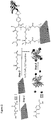
- a molecular sensor specific for a target molecule may be built in a stepwise manner from molecular building blocks using both self-assembly and molecular imprinting techniques.
- step (1) a self-assembled monolayer (10) is formed on a gold surface (12) from molecules of AAM-SS (14).
- AAM-SS molecule provides two SAM molecules, each comprising a disulfide tether moiety for binding to the gold surface (12), an acrylamide polymerizable group for binding to the template-receptor complex and to other SAM molecules, and a terminal alkyne as a first cross-coupling moiety.
- receptor molecules (16) are incubated with a glycoprotein target molecule, which functions as a template (18).
- the receptor molecules (16) are acrylamide boronic acid monomers (AM-BA) comprising a boronic acid recognition moiety and an acrylamide polymerizable group, connected by an aryl linker.
- the BA recognition moiety binds to the glycosylation site of the glycoprotein template (18), forming a template-receptor complex (20).
- step (3) the template-receptor complex (20) is cross-linked to the SAM (10) via the acrylamide groups of the receptor molecules and the SAM molecules (14).
- step (4) a molecular scaffold is built around the template (18) using azide-terminated hepta(ethylene) (Az-OEG) scaffold molecules (22).
- the azide groups function as second cross-coupling moieties which react via click chemistry with the terminal alkynes of the SAM molecules, thereby immobilizing the scaffold molecules (22) on the SAM (10).
- step (5) the glycoprotein template (18) is removed by washing with water, leaving behind a cavity (24).
- the shape of the cavity (24) is complementary to and specific for the shape of the template (18), and thus provides a recognition or binding site that is selective for the target glycoprotein (18).
- a molecular sensor specific for a target molecule may alternatively be built using ATRP to produce an imprinted cross-linked film on a surface.
- a SAM (30) is formed on a gold surface (32) using ATRP initiator-functionalized thiol molecules (34).
- step (2) receptor molecules (36) comprising a BA recognition motif and a vinyl polymerizable group are incubated with a target glycoprotein (38) in an aqueous medium to form a template-receptor complex (40).
- step (3) the SAM-functionalized gold surface (30, 32) is immersed in an aqueous solution containing EG dimethacrylate scaffold monomers (42), a catalyst (CuCI, CuBr 2 , and/or 2,2'-bipyridine) and the template-receptor complex (40).
- the mixture is incubated for a period of time sufficient for polymerization to occur, resulting in a cross-linked film or scaffold (44) around the template.
- the template is removed by washing using a suitable solution, leaving behind an imprinted cross-linked film.
- FIG. 3 shows a further method of preparing a molecular sensor specific for a target molecule.
- receptor molecules (50) comprising a BA recognition motif and an acrylamide first binding moiety are incubated with a target glycoprotein (52) in an aqueous medium to form a template-receptor complex (52).
- ITC isothermal titration calorimetry
- step (2) the template-receptor complex (52) is simultaneously combined with a planar gold surface (56) and first molecules (58) comprising acrylamide binding moieties in an aqueous solution.
- first molecules (58) comprising acrylamide binding moieties in an aqueous solution.
- the first molecules (58) and the template-receptor complex are adsorbed onto to the gold surface (56) to form a molecular scaffold (60).
- step (3) polymerization is initiated between the acrylamide binding moieties of the first molecules (58) and the receptor molecules (50), thereby forming a rigid network.
- step (4) the template is dissociated from the complex by washing, leaving behind a cavity (62) in the molecular scaffold (60) with receptors (50) at the surface thereof.
- the cavity (62) and the receptors (50) are thus available to bind target proteins in solution.
- the thickness of the deposited monolayers was determined by spectroscopic ellipsometry.
- a Jobin-Yvon UVISEL ellipsometer with a xenon light source was used for the measurements. The angle of incidence was fixed at 70°. A wavelength range of 280-820 nm was used.
- the DeltaPsi software was employed to determine the thickness values and the calculations were based on a three-phase ambient/SAM/Au model, in which the SAM was assumed to be isotropic and assigned a refractive index of 1.50. The thickness reported is the average and standard error of six measurements taken on each SAM.
- XPS X-ray photoelectron spectroscopy
- Elemental composition of the SAMs were analysed using an Escalab 250 system (Thermo VG Scientific) operating with Avantage v1.85 software under a pressure of ⁇ 5 x 10 -9 mbar.
- An Al K ⁇ X-ray source was used, which provided a monochromatic X-ray beam with incident energy of 1486.68 eV.
- a circular spot size of ⁇ 0.2 mm 2 was employed.
- the samples were attached onto a stainless steel holder using double-sided carbon sticky tape (Shintron tape). In order to minimise charge retention on the sample, the samples were clipped onto the holder using stainless steel or Cu clips. The clips provided a link between the sample and the sample holder for electrons to flow, which the glass substrate inhibits.
- Low resolution survey spectra were obtained using a pass energy of 150 eV over a binding energy range of 0 eV to 1250 eV obtained using 1 eV increments.
- the spectra recorded were an average of 3 scans.
- the high resolution spectra were obtained using a pass energy of 20 eV and 0.1 eV increments over a binding energy range of 20-30 eV, centred on the binding energy of the electron environment being studied. A dwell time of 50 ms was employed between each binding energy increment.
- Sensitivity factors used in this study were: N (1s), 1.8; Au (4f), 17.1; S (2p), 1.68; B (1s), 0.486; O (1s), 2.93; C (1s), 1.0.
- Polycrystalline gold substrates were purchased from George Albert PVD., Germany and consisted of a 50 nm gold layer deposited onto a glass covered with a thin layer of chromium.
- the Au substrates were cleaned by immersion in piranha solution (7:3, H 2 SO 4 :H 2 O 2 ) at room temperature for 10 min. Samples removed from the piranha solution were immediately rinsed with Ultra High Pure (UHP) H 2 O, followed by HPLC grade methanol (Fischer Scientific) for 1 min. Immediately after cleaning, the substrates were immersed in freshly prepared 0.1 mM methanolic solutions of AAM-SS molecules for 18 hours. Post-immersion in the SAM forming solution, the substrates were rinsed with HPLC MeOH and dried with a stream of argon.
- the AAM-SS SAMs were characterized by ellipsometry and contact angle, exhibiting a thickness and wetting properties consistent with the formation of a stable, sparsely packed monolayer (Table 1). The presence of AAM-SS SAMs was further confirmed by X-ray photoelectron spectroscopy, producing the expected surface elemental ratios (Table 1).
- the AAM-SS SAMs were independently modified with AM-BA or Az-OEG.
- AAM-SS SAMs with AM-BA was initiated using ammonium persulphate.
- SAMs of AAM-SS were placed in 1ml 1mM of AM-BA monomers in UHQ H 2 O, to which 100 ⁇ l of ammonium persulphate was added (40 mg/ml). The resulting mixture was then allowed to react for 15 minutes. After this time, the chips were removed from the crosslinking solution and rinsed for one minute with UHQ H 2 O. Samples were then dried under a stream of argon before being characterized by contract angle, ellipsometry and XPS.
- AAM-SS SAMs Click reactions were carried out between AAM-SS SAMs and Az-OEG. 1.2 ml of a 5 mM solution of Az-OEG was mixed with 150 ⁇ l of both copper sulphate (40 mM) and sodium ascorbate (100 mM). AAM-SS SAMs were placed in click reaction solutions and allowed to react for between 0.5 to 24 hours. After reaction chips were removed from the click solution and rinsed well with UHQ water and sonicated with 0.1 mM EDTA solution to remove any copper, prior to surface characterization. Again all surfaces were characterised by contact angle, ellipsometry and XPS.
- a one pot multi-step template procedure was used.
- a solution of AM-BA was mixed with a 10 fold excess of the target protein, all adjusted to pH 8.5. This was allowed to incubate for 30 minutes, after which the SAMs were placed in the resultant solution.
- To this 100 ⁇ l of ammonium persulfate solution (40mg/ml) was added to initiate cross-linking. The solution was then incubated for a further 5 minutes.
- 1ml of a 5mM solution of O-(2-Azidoethyl)heptaethylene glycol was added.
- the click reaction was initiated by the addition of a 30 ⁇ l solution of pre-prepared catalyst (15 ⁇ l of 40 mM Copper sulphate and 15 ⁇ l of 100mM sodium ascorbate). The mixture was then allowed to react for a total for 4 hours. After the reaction time had been reached the SPR chips were removed from the reaction solution and rinsed with liberal amount of UHQ H 2 O for 3 minutes to remove bound template protein.
- SPR binding experiments were used to confirm the selectivity of molecularly imprinted sensors. All SPR experiments were conducted at 25 °C, with a SPR flow rate of 25 ⁇ l/min, using a 150 ⁇ l loop.
- Stock protein solutions were prepared from freeze dried proteins, using an accurate balance to produce a final concentration of 1 mg/ml.
- protein samples were prepared by a 1:10 dilution of the stock solution, followed by a serial dilution to produce samples of 100, 50, 25 and 12.5 ⁇ g/ml of each protein. Molar concentrations of each protein were then calculated from published mass data. Protein samples were injected for a 5 minute association phase before switching back to buffer for the dissociation phase for up to 10 minutes. The same injection protocol was used to regenerate the surface in between sample injections, using an acidic regeneration solution.
- a sensor for the detection of PSA was fabricated using the method described in Example 2. Once formed, the ability of the sensor to bind proteins was investigated using SPR and from the SPR data dissociation constants (K d ) were calculated.
- the PSA-imprinted surface exhibited excellent selectivity towards PSA, with all other proteins showing significantly reduced affinity (Table 2).
- a dissociation constant of 1.8 ⁇ M is comparable to the value for other antibodies specific for PSA (typically with values in the nM- ⁇ M range).
- Table 2 Affinity data for PSA (target molecule) and other proteins Protein K d ( ⁇ M) PSA 1.8 ⁇ 0.1 Lysozyme 4.9 ⁇ 0.1 ⁇ -1-acid glycoprotein ( ⁇ 1-AGP) 5.3 ⁇ 0.1 RNAse B 6.7 ⁇ 0.5
- the PSA-imprinted surface revealed a 3-30 fold selectivity to PSA over other glycosylated and non-glycosylated proteins.
- the difference in the magnitude of the binding affinity between the non-targeted proteins appears to be primarily attributed to their molecular size (Table 3), in which proteins of similar or smaller size to that of the target PSA displayed higher binding affinities than other larger proteins examined.
- RNAse B which is a smaller glycoprotein than PSA with similar degree of glycosylation, produced a very low SPR response when evaluated at concentrations as high as 650 nM.
- OEG-terminated surfaces created without the glycoprotein- AM-BA complex displayed minimal non-specific protein binding, with SPR responses below 20 response units.
- the low binding of RNAse B to the PSA-imprinted surface provides evidence that spatially arranged sets of BAs on the surface that are specific for the target PSA glycoprotein have been created.
- RNAse B A sensor for the detection of RNAse B was fabricated using the method described in Example 2. Once formed, the ability of the sensor to bind proteins was investigated using SPR. It was observed that the response to RNase B (the template protein) was significantly higher than that to non-template proteins. Dissociation constants calculated from the SPR data for RNase B and various non-target proteins are given in Table 4 below. These data demonstrate that the molecularly imprinted surface was able to distinguish between the target protein and non-target proteins with a high degree of selectivity (10-200 fold selectivity to RNase B over other glycosylated and non-glycosylated proteins).
- RNAse B and lysozyme have not so dissimilar dimensions and isoelectric points (Table 3), the RNAse B-imprinted surface revealed a 8-fold enhanced selectivity for RNAse B over lysozyme, supporting the notion that BA carbohydrate receptors on the glycoprotein-imprinted surfaces contribute to the selectivity and affinity of the imprinted surface.
- Table 4 Affinity data for RNase B (target molecule) and other proteins Protein K d ( ⁇ M) RNase B 3.1 ⁇ 0.1 Lysozyme 24.3 ⁇ 0.1 BSA 33.8 ⁇ 0.6 HRP 119 ⁇ 2 ⁇ 1-AGP 201 ⁇ 7 ⁇ 1-AT 570 ⁇ 50
- RNAse A and RNAse B Affinity data for binding of RNAse A and RNAse B to a molecular sensor produced using RNAse B as the template. Protein K d RNAse B 3.1 ⁇ 0.1 ⁇ M RNase A 8.0 ⁇ 0.1 ⁇ M
- RNAse B-imprinted surfaces (absence of BA molecules in the nanocavities) exhibited lower affinity and rather poor specificity, capturing the glycoprotein template and its non-glycosylated form in a similar fashion.
- the bare RNAse B-imprinted surfaces resulted in about 7-fold reduced affinity to RNAse B compared with the BA-containing RNAse B-imprinted surface.
- RNAse B ranging from 0.01 mg/ml to 0.1 mg/ml
- 0.5% serum i.e. 0.32 mg/ml
- RNAse B-imprinted surface in the serial capture and acidic regeneration of RNAse B was evaluated.
- the cycles were recorded by repeatedly injecting 0.85 ⁇ M solutions of RNAse B for 5 min, followed by PBS buffer for 10 min, regeneration with an acidic solution for 5 min and PBS buffer for 10 min.
- the imprinted surfaces were shown to be remarkably stable for more than 10 cycles of binding and regeneration of the surface.
- a sensor for the detection of maltose was fabricated using the method described in Example 2 (save for the omission of the O-(2-Azidoethyl)heptaethylene glycol addition) with maltose as the template.
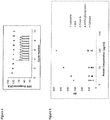
- Figure 5 panel A shows SPR plots at varying concentrations for 3 disaccharides (palatinose, maltose and cellobiose) for a standard boronic acid terminated surface (i.e. not in accordance with the invention) and panel B shows SPR plots for the maltose sensor.
Landscapes
- Health & Medical Sciences (AREA)
- Chemical & Material Sciences (AREA)
- Life Sciences & Earth Sciences (AREA)
- Immunology (AREA)
- Engineering & Computer Science (AREA)
- Molecular Biology (AREA)
- Analytical Chemistry (AREA)
- Biomedical Technology (AREA)
- Urology & Nephrology (AREA)
- Hematology (AREA)
- Chemical Kinetics & Catalysis (AREA)
- Pathology (AREA)
- Biotechnology (AREA)
- Food Science & Technology (AREA)
- Medicinal Chemistry (AREA)
- Physics & Mathematics (AREA)
- Biochemistry (AREA)
- General Health & Medical Sciences (AREA)
- General Physics & Mathematics (AREA)
- Cell Biology (AREA)
- Microbiology (AREA)
- Organic Chemistry (AREA)
- Tropical Medicine & Parasitology (AREA)
- Peptides Or Proteins (AREA)
Claims (17)
- Verfahren zum Herstellen eines molekularen Sensors, der für ein Zielmolekül spezifisch ist, mit einer Saccharid- oder Peptidregion, das Verfahren umfassend, in einer schrittweisen Weise:unter Verwendung des Zielmoleküls als eine Matrize Mischen einer Lösung von Rezeptormolekülen mit einer Lösung des Zielmoleküls und Inkubieren der Matrize mit den Rezeptormolekülen, um einen Matrizen-Rezeptor-Komplex zu bilden;bei Abwesenheit von nicht koordinativ gebundenen Rezeptoren Bilden eines Molekulargerüsts auf einer Oberfläche um den Matrizen-Rezeptor-Komplex derart, dass der Rezeptor und mindestens ein Abschnitt der Matrize in dem Gerüst eingebettet sind; undEntfernen der Matrize, um einen durch das Gerüst definierten Hohlraum zu produzieren, wobei der Hohlraum zu mindestens einem Abschnitt der Saccharid- oder Peptidregion des Zielmoleküls komplementär ist.
- Verfahren nach Anspruch 1, wobei der Schritt des Entfernens der Matrize umfasst, die Matrize von dem Rezeptor zu dissoziieren, wodurch ein Hohlraum mit dem Rezeptor an einer Oberfläche davon produziert wird.
- Verfahren nach Anspruch 1 oder Anspruch 2, wobei der Rezeptor ein Erkennungsmotiv umfasst, das imstande ist, das Zielmolekül selektiv und reversibel zu binden, wobei wahlweise das Erkennungsmotiv eine Boronsäuregruppe umfasst.
- Verfahren nach Anspruch 3, wobei das Zielmolekül ein Glycoprotein ist und das Erkennungsmotiv an die Saccharid- oder die Peptidregion des Glycoproteins bindet.
- Verfahren nach einem der vorstehenden Ansprüche, wobei der Rezeptor einen ersten Bindungsanteil zum Binden des Matrizen-Rezeptor-Komplexes an das molekulare Gerüst umfasst, wobei wahlweise der erste Bindungsanteil eine polymerisierbare Gruppe ist.
- Verfahren nach einem der vorstehenden Ansprüche, wobei das molekulare Gerüst aus einem ersten Typ von Molekülen gebildet wird, wobei jedes des ersten Typs von Molekülen einen Anbindungsanteil zum Anbinden des molekularen Gerüsts an die Oberfläche umfasst, wobei wahlweise der Anbindungsanteil eine Thiol-, eine Disulfid-, eine Organosilan-, eine Dialkylsulfid-, eine Alkohol-, eine Amin- oder eine Carbonsäuregruppe ist.
- Verfahren nach Anspruch 6, wobei der Schritt des Bildens des molekularen Gerüsts umfasst, die Oberfläche dem ersten Typ von Molekülen zu exponieren, um Adsorption des ersten Typs von Molekülen auf die Oberfläche zu gestatten, und wobei der erste Typ von Molekülen eine selbstorganisierende Monoschicht (SAM) auf der Oberfläche bildet.
- Verfahren nach Anspruch 7, wobei die Oberfläche dem ersten Typ von Molekülen in Gegenwart des Matrizen-Rezeptor-Komplexes exponiert wird.
- Verfahren nach einem der Ansprüche 6 bis 8, ferner umfassend Quervernetzen des ersten Typs von Molekülen nach Adsorption der Moleküle auf der Oberfläche.
- Verfahren nach einem der Ansprüche 6 bis 9, wobei jedes des ersten Typs von Molekülen einen zweiten Bindungsanteil umfasst, der imstande ist zum Binden an andere des ersten Typs von Molekülen, an den Rezeptor und/oder an weitere Moleküle, wobei wahlweise der zweite Bindungsanteil eine polymerisierbare Gruppe ist.
- Verfahren nach einem der Ansprüche 1 bis 10, wobei das molekulare Gerüst aus einem ersten Typ von Molekülen und einem zweiten Typ von Molekülen gebildet wird.
- Verfahren nach Anspruch 11, wenn abhängig von einem der Ansprüche 1 bis 7, umfassend:Bilden einer SAM auf einer Oberfläche aus einem ersten Typ von Molekülen;unter Verwendung des Zielmoleküls als eine Matrize Mischen einer Lösung der Rezeptormoleküle mit einer Lösung des Zielmoleküls und Inkubieren der Matrize mit den Rezeptormolekülen, um einen Matrizen-Rezeptor-Komplex zu bilden, und Binden des Matrizen-Rezeptor-Komplexes an die SAM;Immobilisieren eines zweiten Typs von Molekülen auf der SAM, um ein molekulares Gerüst um die gebundene Matrize zu bilden; undEntfernen der Matrize, um einen durch das molekulare Gerüst definierten Hohlraum zu produzieren, wobei der Hohlraum zu mindestens einem Abschnitt der Saccharid- oder Peptidregion des Zielmoleküls komplementär ist.
- Verfahren nach Anspruch 12, wobei jedes des ersten Typs von Molekülen einen ersten Kopplungsanteil zum Koppeln an den zweiten Typ von Molekülen umfasst,
wobei jedes des zweiten Typs von Molekülen einen zweiten Kopplungsanteil zum Koppeln an den ersten Typ von Molekülen, an andere des zweiten Typs von Molekülen und/oder an die Rezeptoren umfasst und
wobei der zweite Typ von Molekülen auf der SAM durch eine Reaktion zwischen den ersten Kopplungsanteilen des ersten Typs von Molekülen und den zweiten Kopplungsanteilen des zweiten Typs von Molekülen immobilisiert wird und
wobei wahlweise der zweite Typ von Molekülen auf der SAM durch eine Click-Reaktion zwischen den ersten Kopplungsanteilen des ersten Typs von Molekülen und den zweiten Kopplungsanteilen des zweiten Typs von Molekülen immobilisiert wird. - Verfahren nach Anspruch 12, umfassend:Bilden einer SAM auf einer Oberfläche unter Verwendung des ersten Typs von Molekülen;unter Verwendung des Zielmoleküls als eine Matrize Mischen einer Lösung der Rezeptormoleküle mit einer Lösung des Zielmoleküls und Inkubieren der Matrize mit den Rezeptormolekülen, um einen Matrizen-Rezeptor-Komplex zu bilden;Exponieren der SAM-funktionalisierten Oberfläche einer Mischung des zweiten Typs von Molekülen, dem Matrizen-Rezeptor-Komplex und einem Katalysator, um radikalische Polymerisation durch Atomübertragung (ATRP) zwischen den ersten Molekülen, den zweiten Molekülen und dem Rezeptor zu bewirken, wodurch ein molekulares Gerüst um die Matrize gebildet wird; undEntfernen der gebundenen Matrize, um einen durch das molekulare Gerüst definierten Hohlraum zu produzieren, wobei der Hohlraum zu mindestens einem Abschnitt der Saccharid- oder Peptidregion des Zielmoleküls komplementär ist,wobei wahlweise jedes des ersten Typs von Molekülen einen ATRP-Initiator umfasst und wobei wahlweise jedes des zweiten Typs von Molekülen mindestens einen zweiten Quervernetzungsanteil umfasst, der eine polymerisierbare Gruppe ist.
- Verfahren nach einem der Ansprüche 1 bis 14, wobei die Oberfläche eine Oberfläche eines Nanopartikels ist.
- Molekularer Sensor, der für ein Zielmolekül spezifisch ist, mit einer Saccharid- oder Peptidregion, produziert durch das Verfahren nach einem der Ansprüche 1 bis 15, der molekulare Sensor umfassend ein auf einer Oberfläche immobilisiertes molekulares Gerüst, wobei das molekulare Gerüst einen Hohlraum definiert, der zu mindestens einem Abschnitt des Zielmoleküls komplementär ist, wobei der Hohlraum einen Rezeptor für die Saccharid- oder Peptidregion des Zielmoleküls an einer Oberfläche davon umfasst.
- Verfahren zum Detektieren, Quantifizieren und/oder Reinigen eines Zielmoleküls unter Verwendung des molekularen Sensors nach Anspruch 16, wobei das Verfahren umfasst:Exponieren des molekularen Sensors einer Fluidprobe, die das Zielmolekül enthält oder von der gedacht wird, dass sie das Zielmolekül enthält, wodurch dem Zielmolekül, wenn es vorhanden ist, gestattet wird, in dem Hohlraum des Sensors empfangen zu werden; undDetektieren des Vorhandenseins von und/oder Quantifizieren der Menge des an den Hohlraum des Sensors gebundenen Zielmoleküls unter Verwendung elektrochemischer, akustischer, spektroskopischer oder optischer Techniken, wobei wahlweise das gebundene Zielmolekül unter Verwendung von Oberflächenplasmonenresonanz detektiert und/oder quantifiziert wird.
Applications Claiming Priority (2)
| Application Number | Priority Date | Filing Date | Title |
|---|---|---|---|
| GBGB1401854.3A GB201401854D0 (en) | 2014-02-04 | 2014-02-04 | Molecular recognition |
| PCT/GB2015/050086 WO2015118294A1 (en) | 2014-02-04 | 2015-01-16 | Molecular sensor preparations and uses thereof |
Publications (2)
| Publication Number | Publication Date |
|---|---|
| EP3102303A1 EP3102303A1 (de) | 2016-12-14 |
| EP3102303B1 true EP3102303B1 (de) | 2019-01-02 |
Family
ID=50344332
Family Applications (1)
| Application Number | Title | Priority Date | Filing Date |
|---|---|---|---|
| EP15701831.8A Active EP3102303B1 (de) | 2014-02-04 | 2015-01-16 | Zubereitungen von molekularsensoren und deren verwendung |
Country Status (4)
| Country | Link |
|---|---|
| US (2) | US10775372B2 (de) |
| EP (1) | EP3102303B1 (de) |
| GB (1) | GB201401854D0 (de) |
| WO (1) | WO2015118294A1 (de) |
Families Citing this family (6)
| Publication number | Priority date | Publication date | Assignee | Title |
|---|---|---|---|---|
| GB201401854D0 (en) * | 2014-02-04 | 2014-03-19 | Univ Birmingham | Molecular recognition |
| JP7083643B2 (ja) * | 2015-05-09 | 2022-06-13 | ファセ ホログラフィック イマイング ペーホーイー アクティエボラーグ | 分子インプリントポリマー |
| US10241913B2 (en) * | 2016-01-20 | 2019-03-26 | International Business Machines Corporation | Operating local caches for a shared storage device |
| CN106008982B (zh) * | 2016-06-23 | 2019-07-16 | 大连医科大学 | 一种硼酸硅胶前处理材料的制备方法 |
| US20180288152A1 (en) * | 2017-04-01 | 2018-10-04 | Anjaneya R. Chagam Reddy | Storage dynamic accessibility mechanism method and apparatus |
| CN113908589B (zh) * | 2021-10-08 | 2022-09-27 | 天津工业大学 | 一种表面印迹抗体的疏水电荷诱导模式膜层析介质及其制备方法 |
Family Cites Families (7)
| Publication number | Priority date | Publication date | Assignee | Title |
|---|---|---|---|---|
| US5310648A (en) | 1991-02-01 | 1994-05-10 | California Institute Of Technology | Composition of matter comprising an imprinted matrix exhibiting selective binding interactions through chelated metals |
| WO1997033177A1 (en) | 1996-03-04 | 1997-09-12 | California Institute Of Technology | Sensors for sugars and other metal binding analytes |
| US6884842B2 (en) | 1997-10-14 | 2005-04-26 | Alnis Biosciences, Inc. | Molecular compounds having complementary surfaces to targets |
| AU2003256402A1 (en) | 2002-08-14 | 2004-03-03 | Rensselaer Polytechnic Institute | Imprinting a substrate for separation of a target molecule from a fluid medium |
| JP5249582B2 (ja) | 2005-08-26 | 2013-07-31 | 独立行政法人科学技術振興機構 | インプリントポリマーおよびその利用 |
| KR101118760B1 (ko) | 2009-12-29 | 2012-03-13 | 재단법인대구경북과학기술원 | 펜트락신 단백질 검출용 분자각인 고분자 및 그 제조방법 |
| GB201401854D0 (en) * | 2014-02-04 | 2014-03-19 | Univ Birmingham | Molecular recognition |
-
2014
- 2014-02-04 GB GBGB1401854.3A patent/GB201401854D0/en not_active Ceased
-
2015
- 2015-01-16 WO PCT/GB2015/050086 patent/WO2015118294A1/en not_active Ceased
- 2015-01-16 EP EP15701831.8A patent/EP3102303B1/de active Active
- 2015-01-16 US US15/116,501 patent/US10775372B2/en active Active
-
2020
- 2020-08-07 US US16/988,002 patent/US11686727B2/en active Active
Non-Patent Citations (1)
| Title |
|---|
| WILEY-VCH 2013 ET AL: "Supporting Information Photolithographic Boronate Affinity Molecular Imprinting: A General and Facile Approach for Glycoprotein Imprinting**", 13 June 2013 (2013-06-13), XP055437341, Retrieved from the Internet <URL:http://onlinelibrary.wiley.com/store/10.1002/anie.201207950/asset/supinfo/anie_201207950_sm_miscellaneous_information.pdf?v=1&s=eb2043dc2197921003f990a4da35efb51d2a3804> [retrieved on 20171221] * |
Also Published As
| Publication number | Publication date |
|---|---|
| GB201401854D0 (en) | 2014-03-19 |
| US10775372B2 (en) | 2020-09-15 |
| WO2015118294A1 (en) | 2015-08-13 |
| US11686727B2 (en) | 2023-06-27 |
| EP3102303A1 (de) | 2016-12-14 |
| US20170016893A1 (en) | 2017-01-19 |
| US20200371096A1 (en) | 2020-11-26 |
Similar Documents
| Publication | Publication Date | Title |
|---|---|---|
| US11686727B2 (en) | Molecular sensor preparations and uses thereof | |
| Li et al. | Boronate affinity materials for separation and molecular recognition: structure, properties and applications | |
| Mosbach et al. | The emerging technique of molecular imprinting and its future impact on biotechnology | |
| Piletsky | Molecular imprinting of polymers | |
| Li et al. | Molecular imprinting: A versatile tool for separation, sensors and catalysis | |
| Stephenson-Brown et al. | Selective glycoprotein detection through covalent templating and allosteric click-imprinting | |
| Li et al. | Surface-imprinted nanoparticles prepared with a his-tag-anchored epitope as the template | |
| Takeuchi et al. | Molecular imprinting of proteins emerging as a tool for protein recognition | |
| Gedig | Surface chemistry in SPR technology | |
| US20100249375A1 (en) | Immobilizing molecules on a solid support | |
| KR100694930B1 (ko) | 표면 처리 | |
| Wendeln et al. | Carbohydrate microarrays by microcontact printing | |
| Marechal et al. | Is click chemistry attractive for separation sciences? | |
| EP1456659B1 (de) | Immobilisierung von bindungsstoffen | |
| Xu et al. | Advances and applications of in-tube solid-phase microextraction for analysis of proteins | |
| Liu et al. | Phenylboronic acid polymer brush-enabled oriented and high density antibody immobilization for sensitive microarray immunoassay | |
| Alla et al. | Selective capture of glycoproteins using lectin-modified nanoporous gold monolith | |
| Han et al. | An ionic liquid–molecularly imprinted composite based on graphene oxide for the specific recognition and extraction of cancer antigen 153 | |
| Liu et al. | Flow-through immunosensors using antibody-immobilized polymer monoliths | |
| Adak et al. | Regioselective SN2-type reaction for the oriented and irreversible immobilization of antibodies to a glass surface assisted by boronate formation | |
| JPH10307139A (ja) | 試薬スポットの形成方法 | |
| Cheng et al. | Highly selective capture of nucleosides with boronic acid functionalized polymer brushes prepared by atom transfer radical polymerization | |
| Fang et al. | Poly (2-hydroxyethyl methacrylate) brush surface for specific and oriented adsorption of glycosidases | |
| Naraprawatphong et al. | Development of protein-recognition SPR devices by combination of SI-ATRP with biomolecular imprinting using protein ligands | |
| US20070128423A1 (en) | Imprinting a substrate for separation of a target molecule from a fluid medium |
Legal Events
| Date | Code | Title | Description |
|---|---|---|---|
| PUAI | Public reference made under article 153(3) epc to a published international application that has entered the european phase |
Free format text: ORIGINAL CODE: 0009012 |
|
| STAA | Information on the status of an ep patent application or granted ep patent |
Free format text: STATUS: REQUEST FOR EXAMINATION WAS MADE |
|
| 17P | Request for examination filed |
Effective date: 20160727 |
|
| AK | Designated contracting states |
Kind code of ref document: A1 Designated state(s): AL AT BE BG CH CY CZ DE DK EE ES FI FR GB GR HR HU IE IS IT LI LT LU LV MC MK MT NL NO PL PT RO RS SE SI SK SM TR |
|
| AX | Request for extension of the european patent |
Extension state: BA ME |
|
| DAX | Request for extension of the european patent (deleted) | ||
| STAA | Information on the status of an ep patent application or granted ep patent |
Free format text: STATUS: EXAMINATION IS IN PROGRESS |
|
| 17Q | First examination report despatched |
Effective date: 20170616 |
|
| GRAP | Despatch of communication of intention to grant a patent |
Free format text: ORIGINAL CODE: EPIDOSNIGR1 |
|
| STAA | Information on the status of an ep patent application or granted ep patent |
Free format text: STATUS: GRANT OF PATENT IS INTENDED |
|
| INTG | Intention to grant announced |
Effective date: 20180918 |
|
| GRAS | Grant fee paid |
Free format text: ORIGINAL CODE: EPIDOSNIGR3 |
|
| GRAA | (expected) grant |
Free format text: ORIGINAL CODE: 0009210 |
|
| STAA | Information on the status of an ep patent application or granted ep patent |
Free format text: STATUS: THE PATENT HAS BEEN GRANTED |
|
| AK | Designated contracting states |
Kind code of ref document: B1 Designated state(s): AL AT BE BG CH CY CZ DE DK EE ES FI FR GB GR HR HU IE IS IT LI LT LU LV MC MK MT NL NO PL PT RO RS SE SI SK SM TR |
|
| REG | Reference to a national code |
Ref country code: GB Ref legal event code: FG4D |
|
| REG | Reference to a national code |
Ref country code: CH Ref legal event code: EP Ref country code: AT Ref legal event code: REF Ref document number: 1083654 Country of ref document: AT Kind code of ref document: T Effective date: 20190115 |
|
| REG | Reference to a national code |
Ref country code: IE Ref legal event code: FG4D |
|
| REG | Reference to a national code |
Ref country code: DE Ref legal event code: R096 Ref document number: 602015022702 Country of ref document: DE |
|
| REG | Reference to a national code |
Ref country code: NL Ref legal event code: MP Effective date: 20190102 |
|
| REG | Reference to a national code |
Ref country code: LT Ref legal event code: MG4D |
|
| REG | Reference to a national code |
Ref country code: AT Ref legal event code: MK05 Ref document number: 1083654 Country of ref document: AT Kind code of ref document: T Effective date: 20190102 |
|
| PG25 | Lapsed in a contracting state [announced via postgrant information from national office to epo] |
Ref country code: NL Free format text: LAPSE BECAUSE OF FAILURE TO SUBMIT A TRANSLATION OF THE DESCRIPTION OR TO PAY THE FEE WITHIN THE PRESCRIBED TIME-LIMIT Effective date: 20190102 |
|
| PG25 | Lapsed in a contracting state [announced via postgrant information from national office to epo] |
Ref country code: FI Free format text: LAPSE BECAUSE OF FAILURE TO SUBMIT A TRANSLATION OF THE DESCRIPTION OR TO PAY THE FEE WITHIN THE PRESCRIBED TIME-LIMIT Effective date: 20190102 Ref country code: PT Free format text: LAPSE BECAUSE OF FAILURE TO SUBMIT A TRANSLATION OF THE DESCRIPTION OR TO PAY THE FEE WITHIN THE PRESCRIBED TIME-LIMIT Effective date: 20190502 Ref country code: NO Free format text: LAPSE BECAUSE OF FAILURE TO SUBMIT A TRANSLATION OF THE DESCRIPTION OR TO PAY THE FEE WITHIN THE PRESCRIBED TIME-LIMIT Effective date: 20190402 Ref country code: PL Free format text: LAPSE BECAUSE OF FAILURE TO SUBMIT A TRANSLATION OF THE DESCRIPTION OR TO PAY THE FEE WITHIN THE PRESCRIBED TIME-LIMIT Effective date: 20190102 Ref country code: SE Free format text: LAPSE BECAUSE OF FAILURE TO SUBMIT A TRANSLATION OF THE DESCRIPTION OR TO PAY THE FEE WITHIN THE PRESCRIBED TIME-LIMIT Effective date: 20190102 Ref country code: ES Free format text: LAPSE BECAUSE OF FAILURE TO SUBMIT A TRANSLATION OF THE DESCRIPTION OR TO PAY THE FEE WITHIN THE PRESCRIBED TIME-LIMIT Effective date: 20190102 Ref country code: LT Free format text: LAPSE BECAUSE OF FAILURE TO SUBMIT A TRANSLATION OF THE DESCRIPTION OR TO PAY THE FEE WITHIN THE PRESCRIBED TIME-LIMIT Effective date: 20190102 |
|
| PG25 | Lapsed in a contracting state [announced via postgrant information from national office to epo] |
Ref country code: HR Free format text: LAPSE BECAUSE OF FAILURE TO SUBMIT A TRANSLATION OF THE DESCRIPTION OR TO PAY THE FEE WITHIN THE PRESCRIBED TIME-LIMIT Effective date: 20190102 Ref country code: GR Free format text: LAPSE BECAUSE OF FAILURE TO SUBMIT A TRANSLATION OF THE DESCRIPTION OR TO PAY THE FEE WITHIN THE PRESCRIBED TIME-LIMIT Effective date: 20190403 Ref country code: IS Free format text: LAPSE BECAUSE OF FAILURE TO SUBMIT A TRANSLATION OF THE DESCRIPTION OR TO PAY THE FEE WITHIN THE PRESCRIBED TIME-LIMIT Effective date: 20190502 Ref country code: LV Free format text: LAPSE BECAUSE OF FAILURE TO SUBMIT A TRANSLATION OF THE DESCRIPTION OR TO PAY THE FEE WITHIN THE PRESCRIBED TIME-LIMIT Effective date: 20190102 Ref country code: BG Free format text: LAPSE BECAUSE OF FAILURE TO SUBMIT A TRANSLATION OF THE DESCRIPTION OR TO PAY THE FEE WITHIN THE PRESCRIBED TIME-LIMIT Effective date: 20190402 Ref country code: RS Free format text: LAPSE BECAUSE OF FAILURE TO SUBMIT A TRANSLATION OF THE DESCRIPTION OR TO PAY THE FEE WITHIN THE PRESCRIBED TIME-LIMIT Effective date: 20190102 |
|
| REG | Reference to a national code |
Ref country code: CH Ref legal event code: PL |
|
| PG25 | Lapsed in a contracting state [announced via postgrant information from national office to epo] |
Ref country code: LU Free format text: LAPSE BECAUSE OF NON-PAYMENT OF DUE FEES Effective date: 20190116 |
|
| REG | Reference to a national code |
Ref country code: DE Ref legal event code: R097 Ref document number: 602015022702 Country of ref document: DE |
|
| REG | Reference to a national code |
Ref country code: BE Ref legal event code: MM Effective date: 20190131 |
|
| REG | Reference to a national code |
Ref country code: IE Ref legal event code: MM4A |
|
| PG25 | Lapsed in a contracting state [announced via postgrant information from national office to epo] |
Ref country code: DK Free format text: LAPSE BECAUSE OF FAILURE TO SUBMIT A TRANSLATION OF THE DESCRIPTION OR TO PAY THE FEE WITHIN THE PRESCRIBED TIME-LIMIT Effective date: 20190102 Ref country code: CZ Free format text: LAPSE BECAUSE OF FAILURE TO SUBMIT A TRANSLATION OF THE DESCRIPTION OR TO PAY THE FEE WITHIN THE PRESCRIBED TIME-LIMIT Effective date: 20190102 Ref country code: AT Free format text: LAPSE BECAUSE OF FAILURE TO SUBMIT A TRANSLATION OF THE DESCRIPTION OR TO PAY THE FEE WITHIN THE PRESCRIBED TIME-LIMIT Effective date: 20190102 Ref country code: RO Free format text: LAPSE BECAUSE OF FAILURE TO SUBMIT A TRANSLATION OF THE DESCRIPTION OR TO PAY THE FEE WITHIN THE PRESCRIBED TIME-LIMIT Effective date: 20190102 Ref country code: IT Free format text: LAPSE BECAUSE OF FAILURE TO SUBMIT A TRANSLATION OF THE DESCRIPTION OR TO PAY THE FEE WITHIN THE PRESCRIBED TIME-LIMIT Effective date: 20190102 Ref country code: EE Free format text: LAPSE BECAUSE OF FAILURE TO SUBMIT A TRANSLATION OF THE DESCRIPTION OR TO PAY THE FEE WITHIN THE PRESCRIBED TIME-LIMIT Effective date: 20190102 Ref country code: AL Free format text: LAPSE BECAUSE OF FAILURE TO SUBMIT A TRANSLATION OF THE DESCRIPTION OR TO PAY THE FEE WITHIN THE PRESCRIBED TIME-LIMIT Effective date: 20190102 Ref country code: MC Free format text: LAPSE BECAUSE OF FAILURE TO SUBMIT A TRANSLATION OF THE DESCRIPTION OR TO PAY THE FEE WITHIN THE PRESCRIBED TIME-LIMIT Effective date: 20190102 Ref country code: SK Free format text: LAPSE BECAUSE OF FAILURE TO SUBMIT A TRANSLATION OF THE DESCRIPTION OR TO PAY THE FEE WITHIN THE PRESCRIBED TIME-LIMIT Effective date: 20190102 |
|
| PLBE | No opposition filed within time limit |
Free format text: ORIGINAL CODE: 0009261 |
|
| STAA | Information on the status of an ep patent application or granted ep patent |
Free format text: STATUS: NO OPPOSITION FILED WITHIN TIME LIMIT |
|
| PG25 | Lapsed in a contracting state [announced via postgrant information from national office to epo] |
Ref country code: BE Free format text: LAPSE BECAUSE OF NON-PAYMENT OF DUE FEES Effective date: 20190131 Ref country code: SM Free format text: LAPSE BECAUSE OF FAILURE TO SUBMIT A TRANSLATION OF THE DESCRIPTION OR TO PAY THE FEE WITHIN THE PRESCRIBED TIME-LIMIT Effective date: 20190102 |
|
| 26N | No opposition filed |
Effective date: 20191003 |
|
| PG25 | Lapsed in a contracting state [announced via postgrant information from national office to epo] |
Ref country code: CH Free format text: LAPSE BECAUSE OF NON-PAYMENT OF DUE FEES Effective date: 20190131 Ref country code: LI Free format text: LAPSE BECAUSE OF NON-PAYMENT OF DUE FEES Effective date: 20190131 |
|
| PG25 | Lapsed in a contracting state [announced via postgrant information from national office to epo] |
Ref country code: IE Free format text: LAPSE BECAUSE OF NON-PAYMENT OF DUE FEES Effective date: 20190116 |
|
| PG25 | Lapsed in a contracting state [announced via postgrant information from national office to epo] |
Ref country code: SI Free format text: LAPSE BECAUSE OF FAILURE TO SUBMIT A TRANSLATION OF THE DESCRIPTION OR TO PAY THE FEE WITHIN THE PRESCRIBED TIME-LIMIT Effective date: 20190102 |
|
| PG25 | Lapsed in a contracting state [announced via postgrant information from national office to epo] |
Ref country code: TR Free format text: LAPSE BECAUSE OF FAILURE TO SUBMIT A TRANSLATION OF THE DESCRIPTION OR TO PAY THE FEE WITHIN THE PRESCRIBED TIME-LIMIT Effective date: 20190102 |
|
| PG25 | Lapsed in a contracting state [announced via postgrant information from national office to epo] |
Ref country code: MT Free format text: LAPSE BECAUSE OF NON-PAYMENT OF DUE FEES Effective date: 20190116 |
|
| PG25 | Lapsed in a contracting state [announced via postgrant information from national office to epo] |
Ref country code: CY Free format text: LAPSE BECAUSE OF FAILURE TO SUBMIT A TRANSLATION OF THE DESCRIPTION OR TO PAY THE FEE WITHIN THE PRESCRIBED TIME-LIMIT Effective date: 20190102 |
|
| PG25 | Lapsed in a contracting state [announced via postgrant information from national office to epo] |
Ref country code: HU Free format text: LAPSE BECAUSE OF FAILURE TO SUBMIT A TRANSLATION OF THE DESCRIPTION OR TO PAY THE FEE WITHIN THE PRESCRIBED TIME-LIMIT; INVALID AB INITIO Effective date: 20150116 |
|
| PG25 | Lapsed in a contracting state [announced via postgrant information from national office to epo] |
Ref country code: MK Free format text: LAPSE BECAUSE OF FAILURE TO SUBMIT A TRANSLATION OF THE DESCRIPTION OR TO PAY THE FEE WITHIN THE PRESCRIBED TIME-LIMIT Effective date: 20190102 |
|
| PGFP | Annual fee paid to national office [announced via postgrant information from national office to epo] |
Ref country code: GB Payment date: 20260114 Year of fee payment: 12 |
|
| PGFP | Annual fee paid to national office [announced via postgrant information from national office to epo] |
Ref country code: DE Payment date: 20260120 Year of fee payment: 12 |
|
| PGFP | Annual fee paid to national office [announced via postgrant information from national office to epo] |
Ref country code: FR Payment date: 20260123 Year of fee payment: 12 |