EP3096792B1 - Cancer treatment using an insulin-like growth factor (igf) receptor antagonist in combination with exemestane and everolimus - Google Patents
Cancer treatment using an insulin-like growth factor (igf) receptor antagonist in combination with exemestane and everolimus Download PDFInfo
- Publication number
- EP3096792B1 EP3096792B1 EP15703743.3A EP15703743A EP3096792B1 EP 3096792 B1 EP3096792 B1 EP 3096792B1 EP 15703743 A EP15703743 A EP 15703743A EP 3096792 B1 EP3096792 B1 EP 3096792B1
- Authority
- EP
- European Patent Office
- Prior art keywords
- seq
- antibody
- variable region
- heavy chain
- light chain
- Prior art date
- Legal status (The legal status is an assumption and is not a legal conclusion. Google has not performed a legal analysis and makes no representation as to the accuracy of the status listed.)
- Active
Links
Images

Classifications
-
- A—HUMAN NECESSITIES
- A61—MEDICAL OR VETERINARY SCIENCE; HYGIENE
- A61K—PREPARATIONS FOR MEDICAL, DENTAL OR TOILETRY PURPOSES
- A61K39/00—Medicinal preparations containing antigens or antibodies
- A61K39/395—Antibodies; Immunoglobulins; Immune serum, e.g. antilymphocytic serum
- A61K39/39533—Antibodies; Immunoglobulins; Immune serum, e.g. antilymphocytic serum against materials from animals
- A61K39/39558—Antibodies; Immunoglobulins; Immune serum, e.g. antilymphocytic serum against materials from animals against tumor tissues, cells, antigens
-
- A—HUMAN NECESSITIES
- A61—MEDICAL OR VETERINARY SCIENCE; HYGIENE
- A61K—PREPARATIONS FOR MEDICAL, DENTAL OR TOILETRY PURPOSES
- A61K31/00—Medicinal preparations containing organic active ingredients
- A61K31/33—Heterocyclic compounds
- A61K31/395—Heterocyclic compounds having nitrogen as a ring hetero atom, e.g. guanethidine or rifamycins
- A61K31/435—Heterocyclic compounds having nitrogen as a ring hetero atom, e.g. guanethidine or rifamycins having six-membered rings with one nitrogen as the only ring hetero atom
- A61K31/4353—Heterocyclic compounds having nitrogen as a ring hetero atom, e.g. guanethidine or rifamycins having six-membered rings with one nitrogen as the only ring hetero atom ortho- or peri-condensed with heterocyclic ring systems
- A61K31/436—Heterocyclic compounds having nitrogen as a ring hetero atom, e.g. guanethidine or rifamycins having six-membered rings with one nitrogen as the only ring hetero atom ortho- or peri-condensed with heterocyclic ring systems the heterocyclic ring system containing a six-membered ring having oxygen as a ring hetero atom, e.g. rapamycin
-
- A—HUMAN NECESSITIES
- A61—MEDICAL OR VETERINARY SCIENCE; HYGIENE
- A61K—PREPARATIONS FOR MEDICAL, DENTAL OR TOILETRY PURPOSES
- A61K31/00—Medicinal preparations containing organic active ingredients
- A61K31/33—Heterocyclic compounds
- A61K31/395—Heterocyclic compounds having nitrogen as a ring hetero atom, e.g. guanethidine or rifamycins
- A61K31/435—Heterocyclic compounds having nitrogen as a ring hetero atom, e.g. guanethidine or rifamycins having six-membered rings with one nitrogen as the only ring hetero atom
- A61K31/439—Heterocyclic compounds having nitrogen as a ring hetero atom, e.g. guanethidine or rifamycins having six-membered rings with one nitrogen as the only ring hetero atom the ring forming part of a bridged ring system, e.g. quinuclidine
-
- A—HUMAN NECESSITIES
- A61—MEDICAL OR VETERINARY SCIENCE; HYGIENE
- A61K—PREPARATIONS FOR MEDICAL, DENTAL OR TOILETRY PURPOSES
- A61K31/00—Medicinal preparations containing organic active ingredients
- A61K31/56—Compounds containing cyclopenta[a]hydrophenanthrene ring systems; Derivatives thereof, e.g. steroids
- A61K31/565—Compounds containing cyclopenta[a]hydrophenanthrene ring systems; Derivatives thereof, e.g. steroids not substituted in position 17 beta by a carbon atom, e.g. estrane, estradiol
- A61K31/566—Compounds containing cyclopenta[a]hydrophenanthrene ring systems; Derivatives thereof, e.g. steroids not substituted in position 17 beta by a carbon atom, e.g. estrane, estradiol having an oxo group in position 17, e.g. estrone
-
- A—HUMAN NECESSITIES
- A61—MEDICAL OR VETERINARY SCIENCE; HYGIENE
- A61K—PREPARATIONS FOR MEDICAL, DENTAL OR TOILETRY PURPOSES
- A61K31/00—Medicinal preparations containing organic active ingredients
- A61K31/56—Compounds containing cyclopenta[a]hydrophenanthrene ring systems; Derivatives thereof, e.g. steroids
- A61K31/565—Compounds containing cyclopenta[a]hydrophenanthrene ring systems; Derivatives thereof, e.g. steroids not substituted in position 17 beta by a carbon atom, e.g. estrane, estradiol
- A61K31/568—Compounds containing cyclopenta[a]hydrophenanthrene ring systems; Derivatives thereof, e.g. steroids not substituted in position 17 beta by a carbon atom, e.g. estrane, estradiol substituted in positions 10 and 13 by a chain having at least one carbon atom, e.g. androstanes, e.g. testosterone
- A61K31/5685—Compounds containing cyclopenta[a]hydrophenanthrene ring systems; Derivatives thereof, e.g. steroids not substituted in position 17 beta by a carbon atom, e.g. estrane, estradiol substituted in positions 10 and 13 by a chain having at least one carbon atom, e.g. androstanes, e.g. testosterone having an oxo group in position 17, e.g. androsterone
-
- A—HUMAN NECESSITIES
- A61—MEDICAL OR VETERINARY SCIENCE; HYGIENE
- A61K—PREPARATIONS FOR MEDICAL, DENTAL OR TOILETRY PURPOSES
- A61K39/00—Medicinal preparations containing antigens or antibodies
- A61K39/0005—Vertebrate antigens
- A61K39/0011—Cancer antigens
- A61K39/00113—Growth factors
-
- A—HUMAN NECESSITIES
- A61—MEDICAL OR VETERINARY SCIENCE; HYGIENE
- A61K—PREPARATIONS FOR MEDICAL, DENTAL OR TOILETRY PURPOSES
- A61K39/00—Medicinal preparations containing antigens or antibodies
- A61K39/395—Antibodies; Immunoglobulins; Immune serum, e.g. antilymphocytic serum
- A61K39/39533—Antibodies; Immunoglobulins; Immune serum, e.g. antilymphocytic serum against materials from animals
- A61K39/3955—Antibodies; Immunoglobulins; Immune serum, e.g. antilymphocytic serum against materials from animals against proteinaceous materials, e.g. enzymes, hormones, lymphokines
-
- A—HUMAN NECESSITIES
- A61—MEDICAL OR VETERINARY SCIENCE; HYGIENE
- A61K—PREPARATIONS FOR MEDICAL, DENTAL OR TOILETRY PURPOSES
- A61K45/00—Medicinal preparations containing active ingredients not provided for in groups A61K31/00 - A61K41/00
- A61K45/06—Mixtures of active ingredients without chemical characterisation, e.g. antiphlogistics and cardiaca
-
- A—HUMAN NECESSITIES
- A61—MEDICAL OR VETERINARY SCIENCE; HYGIENE
- A61P—SPECIFIC THERAPEUTIC ACTIVITY OF CHEMICAL COMPOUNDS OR MEDICINAL PREPARATIONS
- A61P35/00—Antineoplastic agents
-
- A—HUMAN NECESSITIES
- A61—MEDICAL OR VETERINARY SCIENCE; HYGIENE
- A61P—SPECIFIC THERAPEUTIC ACTIVITY OF CHEMICAL COMPOUNDS OR MEDICINAL PREPARATIONS
- A61P35/00—Antineoplastic agents
- A61P35/04—Antineoplastic agents specific for metastasis
-
- C—CHEMISTRY; METALLURGY
- C07—ORGANIC CHEMISTRY
- C07K—PEPTIDES
- C07K16/00—Immunoglobulins [IGs], e.g. monoclonal or polyclonal antibodies
- C07K16/18—Immunoglobulins [IGs], e.g. monoclonal or polyclonal antibodies against material from animals or humans
- C07K16/22—Immunoglobulins [IGs], e.g. monoclonal or polyclonal antibodies against material from animals or humans against growth factors ; against growth regulators
-
- A—HUMAN NECESSITIES
- A61—MEDICAL OR VETERINARY SCIENCE; HYGIENE
- A61K—PREPARATIONS FOR MEDICAL, DENTAL OR TOILETRY PURPOSES
- A61K39/00—Medicinal preparations containing antigens or antibodies
- A61K2039/505—Medicinal preparations containing antigens or antibodies comprising antibodies
-
- C—CHEMISTRY; METALLURGY
- C07—ORGANIC CHEMISTRY
- C07K—PEPTIDES
- C07K2317/00—Immunoglobulins specific features
- C07K2317/20—Immunoglobulins specific features characterized by taxonomic origin
- C07K2317/21—Immunoglobulins specific features characterized by taxonomic origin from primates, e.g. man
-
- C—CHEMISTRY; METALLURGY
- C07—ORGANIC CHEMISTRY
- C07K—PEPTIDES
- C07K2317/00—Immunoglobulins specific features
- C07K2317/70—Immunoglobulins specific features characterized by effect upon binding to a cell or to an antigen
- C07K2317/76—Antagonist effect on antigen, e.g. neutralization or inhibition of binding
Definitions
- Breast cancer is the most common malignancy in women worldwide. It is estimated that more than 1.6 million new cases of breast cancer occurred globally among women in 2010 ( Forouzanfar M, Foreman K, Delolichos AM, Lozano R, Lopez AD, Murray CJL, et al. Lancet 378, 1461 - 1484 (2011 ). Even though death rates have fallen steadily since 1990, reflecting improvements in early detection and treatment, currently breast cancer is the second leading cause of cancer related death in women. This high death rate reflects the limited effectiveness of current therapeutic options, particularly in patients with advanced disease.
- second-line treatment options include other classes of aromatase inhibitors (steroidal or nonsteroidal) and the estrogen-receptor (ER) antagonists fulvestrant and tamoxifen ( Villarreal-Garza C, Cortes J, Andre F, Verma S. Ann Oncol 23 (10), 2526 - 2535 (2012 ).
- ER estrogen-receptor
- IGF-1 Insulin-like growth factor-1
- IGF-2 insulin-like growth factor-2
- IGF-2 insulin-like growth factor-2
- IGFBPs IGFBPs which protect them from proteolytic degradation in the serum en route to their target tissues and prevents their association with the IGF receptors.
- IGFs are also known to be secreted in an autocrine or paracrine manner in target tissues themselves.
- IGF-1 and IGF-2 are able to bind to the IGF-1 receptor (IGF-1R) expressed on many normal tissues, which functionally is a 460 kD heterotetramer consisting of a dimerised alpha- and beta-subunit, with similar affinities ( Rubin et al., Lab. Invest. 73: 311-31, 1995 ).
- IGF-2 can also bind to the IGF-2 receptor, which is thought to prevent IGF-2 from binding and signaling through the IGF-1R. In this respect the IGF-2R has been demonstrated to be a tumour suppressor protein.
- the IGF-1R is structurally similar to the insulin receptor which exists in two forms, IR-A and IR-B, which differ by an alternatively spliced 12 amino acid exon deletion in the extracellular domain of IR-A.
- IR-B is the predominant IR isoform expressed in most normal adult tissues where it acts to mediate the effects of insulin on metabolism.
- IR-A on the other hand is known to be highly expressed in developing fetal tissues but not in adult normal tissues. Recent studies have also shown that IR-A, but not IR-B, is highly expressed in some cancers.
- IR-A The exon deletion in IR-A has no impact on insulin binding but does cause a small conformational change that allows IGF-2 to bind with much higher affinity than for IR-B ( Frasca et al., Mol. Cell. Biol. 19: 3278-88, 1999 ; Pandini et al., J. Biol. Chem. 277: 39684-95, 2002 ).
- IR-A may be as important as IGF1-R in mediating the mitogenic effects of IGF-2 in cancer.
- Binding of the IGFs to IGF-1R triggers a complex intracellular signaling cascade which results in activation of proteins that stimulate proliferation and survival (reviewed by Pollack et al., Nature Rev. Can. 4: 505-518, 2004 ).
- IGF-1R over-expression is common in breast cancer cell lines and fresh tumor biopsies ( Cullen KJ, Yee D, Sly WS, Perdue J, Hampton B, Lippman ME, Rosen N Cancer Res 50 (1), 48 - 53 (1990 ), Yang Y, Yee D. J Mammary Gland Biol Neoplasia 17 (3/4), 251 - 261 (2012 ), Peyrat JP, Bonneterre J, Beuscart R, Dijane J, Demaille A.
- TKI tyrosine kinase inhibitors
- BMS-754807 IGF-1R and InsR tyrosine kinase inhibitors BMS-754807, KW2450, and linsitinib
- anti-IGF ligand antibodies dustigitumab (MEDI-573, Astra Zeneca/MedImmune).
- the major advantage of neutralizing antibodies for both IGF-1 and IGF-2 is that the sequestration of the ligands ensures that receptor activation by IGF-1 or IGF-2 does not occur, and eliminates the possibility of activation of the InsR-A by IGF-2. Hence it offers a balanced approach with therapeutic potential in a variety of cancers, with few of the pitfalls of targeting the IGF-1R with monoclonal antibodies (mAbs).
- a potential mechanism of resistance to mTOR inhibitor therapy is the induction of AKT phosphorylation, which is frequently observed in both preclinical and clinical studies ( Sun SY, Rosenberg LM, Wang X, Zhou Z, Yue P, Fu H, et al. Cancer Res. 2005 Aug 15;65(16):7052-8 ; Tabernero J, Rojo F, Calvo E, Burris H, Judson I, Hazell K, et al. J Clin Oncol 2008; 26(10):1603-1610 ; Wan X, Harkavy B, Shen N, Grohar P, Helman LJ.
- an anti-IGF-IR antibody such as dalotuzumab, robatumumab, figitumumab, cixutumumab, ganitumab, Roche RI507 and EM164 with an mTor inhibitor, e.g., everolimus and an aromatase inhibitor, e.g., exemestane for the treatment of breast cancer is disclosed in WO2013/169611 .
- this combination treatment applies an antibody to the IGF receptor and reports only data on a combination of ridaforolimus (MK-8669), dalotuzumab (MK-0646) and letrozole in an endocrine sensitive, ER+ breast cancer model.
- the present inventors decided to combine a human anti-IGF antibody with exemestane and everolimus. They have surprisingly found that a triple combination of the human anti-IGF antibody with exemestane and everolimus has a clear advantage in affecting the growth of a breast cancer cell line than the double combination of exemestane and everolimus. Until the present invention it had not been disclosed or contemplated to combine human anti-IGF antibody with exemestane and everolimus to treat patients with breast cancer.
- the present application relates to an advantageous combination of a human anti-IGF antibody with exemestane and everolimus in patients with breast cancer.
- the present invention pertains to an insulin-like growth factor (IGF) receptor antagonist for use in the treatment of patients with breast cancer in combination with exemestane and everolimus, which IGF receptor antagonist is an antibody having heavy chain complementary determining regions of SEQ ID NO: 11 (HCDR1), SEQ ID NO: 12 (HCDR2), and SEQ ID NO: 13 (HCDR3) and light chain determining regions of SEQ ID NO: 14 (LCDR1), SEQ ID NO: 15 (LCDR2), and SEQ ID NO: 16 (LCDR3), or an antibody having heavy chain complementary determining regions of SEQ ID NO: 21 (HCDR1), SEQ ID NO: 22 (HCDR2), and SEQ ID NO: 23 (HCDR3) and light chain determining regions of SEQ ID NO: 24 (LCDR1), SEQ ID NO: 25 (LCDR2), and SEQ ID NO: 26 (LCDR3), or an antibody having heavy chain complementary determining regions of SEQ ID NO: 31 (HCDR1), SEQ ID NO: 32 (HCDR2), and SGF receptor antagonist
- described herein is a method of treatment of breast cancer comprising administering a therapeutically effective amount of an IGF receptor antagonist to a patient in need thereof, and additionally administering a therapeutically effective amount of an exemestane and everolimus to the same patient.
- the breast cancer is locally advanced or metastatic breast cancer.
- the present invention relates to the combination of an insulin-like growth factor (IGF) receptor antagonist with exemestane (Aromasin®) and the rapalog (first generation mTOR inhibitor) everolimus (Afinitor®) in breast cancer, specifically advanced estrogen receptor positive breast cancer.
- IGF insulin-like growth factor
- exemestane Aromaasin®
- rapalog first generation mTOR inhibitor
- everolimus Afinitor®
- Mammalian target of rapamycin (mTOR) inhibitors mediate AKT activation through a type 1 insulin-like growth factor receptor (IGF-1R)-dependent mechanism.
- IGF-1R insulin-like growth factor receptor
- the combination with insulin-like growth factor (IGF) receptor antagonist is thought to enhance mTOR-targeted anticancer activity by modulating resistance to mTOR inhibition by targeting feedback loops.
- IGF insulin-like growth factor
- the breast cancer is locally advanced.
- the breast cancer is a metastatic breast cancer.
- the locally advanced or metastatic breast cancer overexpresses hormone receptors, such as estrogen receptors.
- the locally advanced or metastatic breast cancer is positive for estrogen receptor (ER) and / or progesterone receptor (PgR).
- ER estrogen receptor
- PgR progesterone receptor
- the locally advanced or metastatic breast cancer is also negative for HER2.
- the locally advanced or metastatic breast cancer is also refactory to non-steroidal aromatase inhibitor (e.g. letrozole and/or anastrozole).
- the patient to be treated has locally advanced or metastatic breast cancer not deemed amenable to curative surgery or curative radiation therapy.
- the patient to be treated is a postmenopausal woman.
- the patient to be treated shows objective evidence of recurrence or progressive disease on or after the last line of systemic therapy for breast cancer prior to study entry.
- the patient to be treated has a measurable lesion according to RECIST version 1.1 or Bone lesions only: lytic or mixed (lytic + sclerotic) in the absence of measurable lesion as defined above.
- the patient to be treated has fasting plasma glucose ⁇ 8.9 mmol/L ( ⁇ 160 mg/dL) and HbA1c ⁇ 8.0%.
- the patient to be treated has not been treated with agents targeting on IGF pathway, phosphoinositide 3-kinase (PI3K) signaling pathway, protein kinase B (AKT), or mammalian target of rapamycin (mTOR) pathways.
- IGF pathway phosphoinositide 3-kinase
- PI3K phosphoinositide 3-kinase
- AKT protein kinase B
- mTOR mammalian target of rapamycin
- the patient to be treated has not been treated with exemestane.
- the patient to be treated does not have known hypersensitivity to monoclonal antibody, mTOR inhibitors (e.g. sirolimus), or to the excipients of any study drugs.
- mTOR inhibitors e.g. sirolimus
- the patient to be treated does not have ovarian suppression by ovarian radiation or treatment with a luteinizing hormone-releasing hormone (LH-RH) agonist.
- LH-RH luteinizing hormone-releasing hormone
- the patient to be treated has not less than one week after receiving immunization with attenuated live vaccines prior to treatment.
- the patient to be treated has not received radiotherapy within 4 weeks prior to run-in treatment, except in case of localized radiotherapy for analgesic purpose or for lytic lesions at risk of fracture which can then be completed within two weeks prior to study treatment
- the patient to be treated has not received chemotherapy, biological therapy (other than bevacizumab), immunotherapy or investigational agents within 5 half-life of the drug or within two weeks prior to the start of treatment, whichever is longer; bevacizumab treatment within 4 weeks prior to start of study treatment.
- the patient to be treated has not received hormonal treatment for breast cancer within 2 weeks prior to start of treatment.
- the patient to be treated has not received major surgery within 4 weeks before starting treatment or scheduled for surgery during the projected course of the treatment.
- the patient to be treated is not receiving concomitant immunosuppressive agents or chronic corticosteroids use except Topical applications, inhaled sprays, eye drops or local injections or on stable low dose of corticosteroids for at least two weeks before study treatment.
- the patient to be treated does not have chronic hepatitis B infection, chronic hepatitis C infection and/or is a known HIV carrier.
- the patient to be treated does not show QTcF prolongation > 470 ms or QT prolongation deemed clinically relevant.
- the patient to be treated does not show disease that is rapidly progressing or life threatening such as extensive symptomatic visceral disease including hepatic involvement and pulmonary lymphangitic spread of tumor.
- the patient to be treated does not have history of brain or other CNS metastases.
- the patient to be treated does not have bilateral diffuse lymphangitic carcinomatosis.
- the patient to be treated does not have hypokalemia of Grade >1.
- the patient to be treated does not have history of another primary malignancy within 5 years, with the exception of adequately treated in-situ carcinoma of the cervix, uteri, basal or squamous cell carcinoma or non-melanomatous skin cancer.
- the patient to be treated does not have family history of long QT syndrome.
- the patient to be treated does not have any concomitant serious illness or organ system dysfunction which would either compromise patient safety or interfere with the of the safety and anti-tumor activity of the medicaments.
- the patient to be treated is not being treated with drugs recognized being strong or moderate CYP3A4 and/or PgP inhibitors and/or strong CYP3A4 inducers within 2 weeks prior to treatment.
- the patient to be treated has not received more than two lines of chemotherapy for locally advanced or metastatic breast cancer.
- an IGF receptor antagonist within the context of the invention is a compound that interferes with, either directly or indirectly, and reduces or blocks IGF receptor signaling.
- an IGF receptor antagonist is a compound that reduces or blocks binding of IGF ligand to its receptor, or inhibits the tyrosine kinase activity of the IGF receptor.
- the IGF receptor antagonist described herein is an antibody that binds to IGF ligand and thus reduces or prevents binding of the ligand to the receptor.
- the IGF receptor antagonist is an antibody that binds to the IGF-1 receptor and thus reduces or prevents binding of the ligand to the receptor. By blocking receptor-ligand binding, ligand-induced receptor signaling through the tyrosine kinase activity of the receptor is reduced or prevented.
- Such antibodies are generally referred to as neutralizing antibodies.
- the IGF receptor antagonist described herein neutralizes the growth promoting properties of the insulin-like growth factors, IGF-1 and IGF-2.
- antibody encompasses antibodies, antibody fragments, antibody-like molecules and conjugates with any of the above. Antibodies include, but are not limited to, poly- or monoclonal, chimeric, humanized, human, mono-, bi- or multispecific antibodies.
- antibody shall encompass complete immunoglobulins as they are produced by lymphocytes and for example present in blood sera, monoclonal antibodies secreted by hybridoma cell lines, polypeptides produced by recombinant expression in host cells, which have the binding specificity of immunoglobulins or monoclonal antibodies, and molecules which have been derived from such immunoglobulins, monoclonal antibodies, or polypeptides by further processing while retaining their binding specificity.
- the term “antibody” includes complete immunoglobulins comprising two heavy chains and two light chains.
- the term encompasses a fragment of an immunoglobulin, like Fab fragments.
- the term “antibody” encompasses a polypeptide having one or more variable domains derived from an immunobulin, like single chain antibodies (scFv), single domain antibodies, and the like.
- the IGF receptor antagonist described herein is an antibody against IGF-1, an antibody against IGF-2, an antibody binding both IGF-1 and IGF-2, an antibody against IGF-1 receptor (IGF-1R), or an inhibitor of IGF-1R tyrosine kinase activity.
- the IGF receptor antagonist is an IGF ligand antibody having heavy chain complementary determining regions of SEQ ID NO: 1 (HCDR1), SEQ ID NO: 2 (HCDR2), and SEQ ID NO: 3 (HCDR3) and light chain determining regions of SEQ ID NO: 4 (LCDR1), SEQ ID NO: 5 (LCDR2), and SEQ ID NO: 6 (LCDR3).
- the IGF receptor antagonist is an IGF ligand antibody having heavy chain complementary determining regions of SEQ ID NO: 11 (HCDR1), SEQ ID NO: 12 (HCDR2), and SEQ ID NO: 13 (HCDR3) and light chain determining regions of SEQ ID NO: 14 (LCDR1), SEQ ID NO: 15 (LCDR2), and SEQ ID NO: 16 (LCDR3).
- the IGF receptor antagonist is an IGF ligand antibody having heavy chain complementary determining regions of SEQ ID NO: 21 (HCDR1), SEQ ID NO: 22 (HCDR2), and SEQ ID NO: 23 (HCDR3) and light chain determining regions of SEQ ID NO: 24 (LCDR1), SEQ ID NO: 25 (LCDR2), and SEQ ID NO: 26 (LCDR3).
- the IGF receptor antagonist is an IGF ligand antibody having heavy chain complementary determining regions of SEQ ID NO: 31 (HCDR1), SEQ ID NO: 32 (HCDR2), and SEQ ID NO: 33 (HCDR3) and light chain determining regions of SEQ ID NO: 34 (LCDR1), SEQ ID NO: 35 (LCDR2), and SEQ ID NO: 36 (LCDR3).
- the IGF receptor antagonist is an IGF ligand antibody having a heavy chain variable region of SEQ ID NO: 7 and a light chain variable region of SEQ ID NO: 8.
- the IGF receptor antagonist is an IGF ligand antibody having a heavy chain variable region of SEQ ID NO: 17 and a light chain variable region of SEQ ID NO: 18.
- the IGF receptor antagonist is an IGF ligand antibody having a heavy chain variable region of SEQ ID NO: 27 and a light chain variable region of SEQ ID NO: 28.
- the IGF receptor antagonist is an IGF ligand antibody having a heavy chain variable region of SEQ ID NO: 37 and a light chain variable region of SEQ ID NO: 38.
- the IGF receptor antagonist is an IGF ligand antibody having a heavy chain variable region of SEQ ID NO: 41 and a light chain variable region of SEQ ID NO: 42.
- the IGF receptor antagonist is an IGF ligand antibody having a heavy chain variable region of SEQ ID NO: 43 and a light chain variable region of SEQ ID NO: 44.
- the IGF receptor antagonist is an IGF ligand antibody having a heavy chain of SEQ ID NO: 9, and a light chain of SEQ ID NO: 10.
- the IGF receptor antagonist is an IGF ligand antibody having a heavy chain of SEQ ID NO: 19, and a light chain of SEQ ID NO: 20.
- the IGF receptor antagonist is an IGF ligand antibody having a heavy chain of SEQ ID NO: 29, and a light chain of SEQ ID NO: 30.
- the IGF receptor antagonist is an IGF ligand antibody having a heavy chain of SEQ ID NO: 39, and a light chain of SEQ ID NO: 40.
- the IGF receptor antagonist is an IGF receptor antibody having a heavy chain of SEQ ID NO: 45, and a light chain of SEQ ID NO: 46.
- the IGF receptor antagonist is 60833, an antibody against IGF ligand having a heavy chain of SEQ ID NO: 39 and a light chain of SEQ ID NO: 40. Its manufacture has been disclosed in WO 2010/066868 .
- the IGF receptor antagonist is dusigitumab, figitumumab, dalotuzumab, cixutumumab, robatumumab, or ganitumab.
- the IGF receptor antagonist is linsitinib.
- the antibody is produced by recombinant expression in a mammalian host cell, purified by a series of chromatographic and non-chromatographic steps, and formulated in an aqueous buffer composition for parenteral (intravenous) infusion or injection at an antibody concentration of 10 mg/ml, said buffer comprising for example 25 mM Na citrate pH 6, 115 mM NaCl, and 0.02 % polysorbate 20.
- the pharmaceutical composition may be diluted with a physiological solution, e.g. with 0.9 % sodium chloride or G5 solution.
- the antibody may be administered to the patient at a dose between 1 mg/kg to 20 mg/kg, by one or more separate administrations, or by continuous infusion, e.g. infusion over 1 hour.
- a typical treatment schedule usually involves administration of the antibody once every week to once every three weeks. For example, a weekly dose could be 5, 10, or 15 mg/kg.
- the antibody may also be administered to the patient at a dose of between 500 and 1000mg per week, optionally 750 or 1000mg per week.
- the IGF receptor antagonist is administered to the patient in combination with administration of exemestane and everolimus.
- “In combination” means that the drugs are administered to the same patient within a certain time frame to achieve a therapeutic effect caused by the combined effects of modes of action.
- exemestane and everolimus are administered on the same day as the IGF receptor antagonist.
- exemestane and everolimus are administered one, two, three, four, five, six or seven days before or after admistration of the IGF receptor antagonist.
- all three active compounds are present within the same pharmaceutical composition.
- a pharmaceutical composition comprising an IGF receptor antagonist and exemestane and everolimus, together with a pharmaceutically acceptable carrier.
- Exemestane is a member of the class of drugs known as aromatase inhibitors.
- Some breast cancers require estrogen to grow. Those cancers have estrogen receptors (ERs), and are called ER-positive. They may also be called estrogen-responsive, hormonally-responsive, or hormone-receptor-positive.
- ERs estrogen receptors
- Aromatase is an enzyme that synthesizes estrogen. Aromatase inhibitors block the synthesis of estrogen. This lowers the estrogen level, and slows the growth of cancers.
- exemestane will be supplied to patients orally at a dosage of 25mg per day;
- Everolimus is an inhibitor of mammalian target of rapamycin (mTOR).
- everolimus will be supplied to patients orally at a dosage of between 5mg and 10mg per day; optionally 7.5 mg per day;
- a method of treatment of breast cancer comprising administering a therapeutically effective amount of an IGF receptor antagonist to a patient in need thereof, and additionally administering a therapeutically effective amount of an exemestane and everolimus to the same patient.
- the breast cancer is locally advanced or metastatic breast cancer.
- a "therapeutically effective amount" of the IGF receptor antagonist or exemestane and everolimus to be administered is the minimum amount necessary to prevent, ameliorate, or treat a locally advanced or metastatic breast cancer.
- Example 1 Study of IGF Ab 60833 in Combination with Exemestane and Everolimus Versus Exemestane and Everolimus Alone in Women with Locally Advanced or Metastatic Breast Cancer.
- the phase I part will determine the Maximum Tolerated Dose (MTD) and Recommended Phase II Dose (RP2D) of IGF Ab 60833 and everolimus incombination with exemestane in women with HR+/HER2- advanced breast cancer.
- the Phase II part will evaluate the antitumor activity of IGF Ab 60833 in combination with exemestane and everolimus compared to exemestane and everolimus alone in women with HR+/HER2- advanced breast cancer.
- IGF Ab 60833 is a fully human monoclonal antibody (HumAb) of the IgG1 isotype.
- the Ab binds with high affinity to IGF-1 and IGF-2, and potently neutralizes the proliferative and prosurvival cellular signaling triggered by both proteins.
- Everolimus is a selective mTOR (mammalian target of rapamycin) inhibitor.
- Exemestane is an oral steroidal aromatase inhibitor that is used in ER-positive breast cancer in addition to surgery and/or radiation in post-menopausal women.
- IGF Ab 60833 will be supplied to the study sites as a concentrate for solution for injection/infusion. A total of 1000 mg milligram(s) will be supplied to patients intravenously. The patient will have continuous treatment until disease progression, intolerable AEs, consent withdrawalor non-compliance with the study.
- Everolimus will be supplied to patients orally at a dosage of 10 mg milligram per day. The patient will have continuous treatment until disease progression, intolerable AEs, consent withdrawalor non-compliance with the study.
- Exemestane will also be supplied to patients orally.
- the primary end points are:
- the secondary End Points are:
- Example 2 Preliminary study of IGF Ab 60833 in Combination with Exemestane and Everolimus Versus Exemestane and Everolimus Alone in Women with Locally Advanced or Metastatic Breast Cancer.
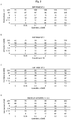
- Figure 1 shows a comparison of the double combination of everolimus and exemestane (top panel) against the triple combination of IGF Ab 60833, everolimus and exemestane (bottom panel).
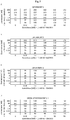
- IGF Ab 60833 causes a surprisingly large increase in cell growth inhibition to the everolimus and exemestane combination.
- the aim of the present study was to explore the in vitro effect of the combination of IGF Ab 60833, a fully human antibody that binds to IGF-1 and IGF-2, with the mTORC1 inhibitor everolimus and the aromatase inhibitor exemestane on the proliferation of MCF7aro cells, derived from the estrogen receptor positive breast cancer cell line MCF7, engineered to stably express the human aromatase protein.
- MCF7aro breast cancer cells were cultured in steroid-deprived medium, supplemented with the estradiol precursor androstenedione and incubated with IGF Ab 60833, everolimus and exemestane as single agents or in combination, to determine effects on PI3K/mTOR pathway signaling, cell proliferation and survival.
- IGF insulin-like growth factor
- the insulin-like growth factor (IGF) signalling system consists of ligands (insulin-like growth factors 1 and 2 (IGF-1, IGF-2), IGF-binding proteins (IGFBPs), and receptors (insulin-like growth factor 1 receptor (IGF-1R), IGF-2R, and insulin receptor (IR).
- IGF-1, IGF-2 insulin-like growth factor 1 and 2
- IGFBPs IGF-binding proteins
- IGF-1R insulin-like growth factor 1 receptor
- IGF-2R insulin receptor
- IR insulin receptor
- IGF-IR insulin receptor isoform A
- IGF Ab 60833 is a fully human monoclonal antibody which binds IGF-1 and IGF-2 and neutralizes their biological effects by blocking the interaction with their cognate receptors, with the potential of anti-neoplastic activity.
- mTOR kinase functions in two cellular multi-protein complexes, mTORC1 and mTORC2, with distinct substrates and mechanisms of activation, and regulates survival, growth and cell cycle progression of cells.
- Hyperactivation of the PI3K/mTOR pathway has been claimed to result in resistance to standard therapy, e.g. to endocrine therapy in hormone receptor positive breast cancer.
- Rapamycin derivatives have been approved for the treatment of several cancer types. They act as allosteric inhibitors of the mTORC1 protein complex.
- the rapalog everolimus (Afinitor®, Novartis Pharma), in combination with endocrine therapy, i.e. the aromatase inhibitor exemestane (Aromasin®, Pfizer Inc.), has been approved for the treatment of estrogen receptor (ER)-positive breast cancer.
- ER estrogen receptor
- rapamycin analogues such as everolimus have shown clinical activity in several cancers
- pre-clinical and clinical data suggest that, when mTORC1 is blocked, there may be acquired resistance by release of a negative feedback loop, resulting in induction of AKT phosphorylation, i.e. re-activation of PI3 kinase/mTOR pathway signaling.
- IGF Ab 60833 was shown to inhibit the rapamycin induced increase in pAKT indicating that the elevated pAKT level was due to enhanced IGF ligand driven signalling.
- the aim of the present study was to explore the in vitro effect of the combination of IGF Ab 60833, with the mTORC1 inhibitor everolimus and the aromatase inhibitor exemestane on the proliferation of MCF7aro cells, derived from the estrogen receptor positive breast cancer cell line MCF7, engineered to stably express the human aromatase protein.
- IGF Ab 60833 comprises a heavy chain of SEQ ID NO: 39 and a light chain of SEQ ID NO: 40. Its manufacture has been disclosed in WO 2010/066868 .
- Exemestane (EX0003557) as used in this study has the chemical structure provided in herein.
- MCF7aro cells stably express the human aromatase protein. They were derived from MCF7 human ER-positive breast adenocarcinoma cells (ATCC, HTB-22), by transfection of aromatase cDNA, Geneticin selection (neomycin) and clonal purification.
- MCF7aro cells were cultivated in MEM growth medium supplemented with 10% FBS, 2 mM GlutaMAX, 1 mM sodium pyruvate and 0.1 mg/ml Geneticin as monolayer cultures. The cells were maintained in 175 cm 2 tissue culture flasks at 37°C and 5% CO 2 in a humidified atmosphere.
- the cells were steroid-deprived for 72 h by cultivation in starvation medium (MEM alpha without phenol red, supplemented with 10% charcoal stripped FBS, 2 mM GlutaMAX and 1 mM sodium pyruvate).
- starvation medium MEM alpha without phenol red, supplemented with 10% charcoal stripped FBS, 2 mM GlutaMAX and 1 mM sodium pyruvate.
- This assay was used to determine the inhibitory effect of IGF Ab 60833, everolimus and exemestane on the viability and growth of MCF7aro cells.
- Adherent cells were detached with Trypsin/EDTA solution, resuspended in starvation medium and diluted to 25,000 cells per ml in starvation medium. 200 ⁇ l cell suspension (5,000 cells) per well were plated in four sterile NuncTM Edge 96-well plates (except wells B1/B2: medium control, add only 200 ⁇ l starvation medium). Plates were incubated for 48 h in a humidified incubator at 37°C and 5% CO 2 .
- test compounds For the combination of everolimus with exemestane, 50 ⁇ l/well of assay medium was added to all wells. 5-fold serial dilutions of everolimus (highest test concentration 50 nM), exemestane (highest test concentration 200 nM) or DMSO (vehicle-treated cell control and medium control) were added to the cells using the HP D300 Digital Dispenser.
- IGF Ab 60833 solution was prepared in assay medium. 50 ⁇ l/well of IGF Ab 60833 solution was added to the cells to yield a final test concentration of 10 nM. 50 ⁇ l/well assay medium was added to cell control and medium control wells. 5-fold serial dilutions of everolimus (highest test concentration 50 nM) and exemestane (highest test concentration 200 nM), or DMSO were added to the cells using the HP D300 Digital Dispenser. The final volume per well was 200 ⁇ l.
- the final concentration of the solvent DMSO in the test wells was 0.1%.
- Everolimus and exemestane were tested at 5 concentrations, each measured in duplicate wells, as single agents or in combination.
- the AlamarBlue® assay is designed to measure quantitatively the viability of cells by incorporating a fluorometric/colorimetric growth indicator based on the detection of metabolic activity.
- the fluorescent signal is proportional to total number of viable cells
- Resazurin the active ingredient of the AlamarBlue® Cell Viability Reagent, is a nontoxic, cell permeable compound that is blue in colour and virtually non-fluorescent.
- resazurin is reduced to resorufin, which is red in colour and highly fluorescent.
- Viable cells continuously convert resazurin to resorufin, increasing the overall fluorescence and colour of the media surrounding cells.
- CGI % CGI 144 ⁇ h ⁇ S t 144 ⁇ S c 0 : 1 ⁇ S t 144 ⁇ h ⁇ S c 0 ⁇ h S c 144 ⁇ h ⁇ S c 0 ⁇ h ⁇ 100 ⁇ % S t 144 ⁇ S c 0 : 1 ⁇ S t 144 ⁇ h ⁇ S c 0 ⁇ h S ⁇ 100 ⁇ % S t 144 ⁇ S c 0 : 1 ⁇ S t 144 ⁇ h ⁇ S c 0 ⁇ h S c 0 ⁇ h ⁇ 100 ⁇ %
- a CGI of >0% and ⁇ 100% reflects a partial growth-inhibitory effect relative to vehicle-treated controls, a CGI of 100% is equivalent of complete blockade of growth, and a CGI of >100% is indicative of net cell death.
- Results are evaluated by a CGI matrix, plotting multiple compound concentrations of test compound 1 against different concentrations of test compound 2.
- 1.8 x 10 6 MCF7aro cells were plated in 10 cm dishes in starvation medium (MEM alpha without phenol red, supplemented with 10% charcoal stripped FBS, 2 mM GlutaMAX and mM sodium pyruvate). After overnight incubation, medium was changed to assay medium (MEM alpha without phenol red, supplemented with 10% charcoal stripped FBS, 2 mM GlutaMAX, 1 mM sodium pyruvate and 1 nM androstenedione) and the cells were treated with 100 nM of IGF Ab 60833 or 0.32 nM of everolimus or a combination of antibody and mTORC1 inhibitor. As a control, cells were treated with vehicle (DMSO) only.
- DMSO vehicle
- the cells were lysed on ice with MSD Tris Lysis Buffer containing 20 mM Tris pH 7.5, 150 mM NaCl, 1 mM EDTA, 1 mM EGTA, 1 % Triton X-100, completed with protease and phosphatase inhibitor cocktails. Prior to use, freshly prepared 2 mM PMSF was added to the buffer.
- Membranes were blocked for 1 h in 5% skim milk in 1 ⁇ TBS/0.1% Tween 20 at room temperature and then probed overnight at 4°C with antibodies against the following proteins: pAKT (S473), pAKT (T308), AKT, pS6 (S235/236), S6, and Actin, which served as loading control.
- Antibody dilutions were prepared in 5% skim milk. After washing and incubation with secondary antibody, the immunoblotted proteins were visualized using the ECL Western blotting detection reagent according to the manufacturer's instructions.
- the cells were lysed on ice with MSD Tris Lysis Buffer containing 20 mM Tris pH 7.5, 150 mM NaCl, 1 mM EDTA, 1 mM EGTA, 1 % Triton X-100, completed with protease and phosphatase inhibitor cocktails. Prior to use, freshly prepared 2 mM PMSF was added to the buffer.
- Membranes were blocked for 1 h in 5% skim milk in 1 ⁇ TBS/0.1% Tween 20 at room temperature and then probed overnight at 4°C with antibodies against PARP and Actin, which served as loading control. Antibody dilutions were prepared in 5% skim milk. After washing and incubation with secondary antibody, the immunoblotted proteins were visualized using the ECL Western blotting detection reagent according to the manufacturer's instructions.
- Cells lysates were prepared according to the Meso Scale Discovery cell lysis protocol. 20 ⁇ g of clarified lysate was analyzed in duplicates with MSD Apoptosis Panel Whole Cell Lysate Kit, measuring cleaved PARP signals, according to the manufacturer's instructions. Plates were read on the SECTOR Imager 6000 plate reader.
- the inhibitory activity of everolimus, exemestane and IGF Ab 60833, as single agents or in combination, on the proliferation of MCF7aro cells was determined in monolayer cultures.
- everolimus and exemestane as single agents showed a dose-dependent, partial reduction of cell growth with a maximal mean CGI of 47% and 60%, respectively.
- the combination of everolimus and exemestane was more effective, i.e. almost complete cell growth inhibition (mean CGI of >90%) was achieved at 6 different concentration ratios, with a maximal mean CGI of 103% at the highest concentration used for each inhibitor.
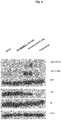
- IGF Ab 60833 Treatment with IGF Ab 60833 only at 100 nM did not result in inhibition of AKT or S6 phosphorylation. Upon treatment with everolimus at 0.32 nM, a reduced pS6 signal was observed, whereas pAKT S473 and T308 levels increased compared to the vehicle (DMSO)-treated control. Combined treatment with 100 nM IGF Ab 60833 and 0.32 nM everolimus further reduced pS6 levels, i.e. only a weak signal was detectable, and resulted in pAKT S473 and T308 levels comparable to DMSO-treated control ( Figure 4 ).
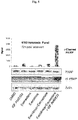
- Cleaved PARP as a marker for apoptosis was analysed by Western blotting and MSD Apoptosis Panel in MCF7aro cell lysates prepared after treatment with everolimus, exemestane and IGF Ab 60833, as single agents or in combination, for 72 h.
- Levels of cleaved PARP after treatment with the single agents or the combination of everolimus and exemestane were comparable to or only marginally higher than the level in the vehicle-treated control.
- Treatment with the triple combination of everolimus, exemestane and IGF Ab 60833 resulted in a strong induction of cleaved PARP ( Figure 5 ).
- rapamycin analogues such as everolimus have shown clinical activity in several cancers
- pre-clinical and clinical data suggest that there may be acquired resistance by release of a negative feedback loop when mTORC1 is blocked.
- a feedback mechanism results in phosphorylation of IRS-1 which is in turn degraded, thereby inhibiting the signalling pathway.
- the negative feedback mechanism is released and the pathway upstream of mTORC1 is re-activated, resulting in increased AKT phosphorylation.
- rapamycin was found to increase the serum IGF bioactivity suggesting that elevated blood IGF levels may at least in part account for the elevated pAKT levels induced by rapamycin.
- IGF Ab 60833 was shown to inhibit the rapamycin-induced increase in pAKT.
- IGF Ab 60833 reversed everolimus-induced AKT phosphorylation, and the combination led to pronounced inhibition of the IGF-1R signalling pathway. Whereas no cell death was observed after concomitant treatment with everolimus and exemestane, addition of IGF Ab 60833 to the dual combination resulted in induction of apoptosis.
Landscapes
- Health & Medical Sciences (AREA)
- Chemical & Material Sciences (AREA)
- Life Sciences & Earth Sciences (AREA)
- Medicinal Chemistry (AREA)
- General Health & Medical Sciences (AREA)
- Animal Behavior & Ethology (AREA)
- Veterinary Medicine (AREA)
- Public Health (AREA)
- Pharmacology & Pharmacy (AREA)
- Epidemiology (AREA)
- Immunology (AREA)
- Organic Chemistry (AREA)
- Mycology (AREA)
- Microbiology (AREA)
- Engineering & Computer Science (AREA)
- Oncology (AREA)
- Bioinformatics & Cheminformatics (AREA)
- Biophysics (AREA)
- Chemical Kinetics & Catalysis (AREA)
- Molecular Biology (AREA)
- Proteomics, Peptides & Aminoacids (AREA)
- Biochemistry (AREA)
- Biomedical Technology (AREA)
- General Chemical & Material Sciences (AREA)
- Genetics & Genomics (AREA)
- Nuclear Medicine, Radiotherapy & Molecular Imaging (AREA)
- Endocrinology (AREA)
- Medicines That Contain Protein Lipid Enzymes And Other Medicines (AREA)
- Pharmaceuticals Containing Other Organic And Inorganic Compounds (AREA)
- Medicines Containing Antibodies Or Antigens For Use As Internal Diagnostic Agents (AREA)
- Peptides Or Proteins (AREA)
Priority Applications (6)
| Application Number | Priority Date | Filing Date | Title |
|---|---|---|---|
| HRP20192260TT HRP20192260T1 (hr) | 2014-01-24 | 2015-01-23 | Liječenje raka uporabom antagonista receptora faktora rasta nalik inzulinu (igf) u kombinaciji s eksemestanom i everolimusom |
| RS20191566A RS59649B1 (sr) | 2014-01-24 | 2015-01-23 | Lečenje raka korišćenjem receptora antagoniste faktora rasta sličan insulinu (igf) u kombinaciji sa eksemestanom i everolimusom |
| EP15703743.3A EP3096792B1 (en) | 2014-01-24 | 2015-01-23 | Cancer treatment using an insulin-like growth factor (igf) receptor antagonist in combination with exemestane and everolimus |
| PL15703743T PL3096792T3 (pl) | 2014-01-24 | 2015-01-23 | Leczenie nowotworu z zastosowaniem antagonisty receptora insulinopodobnego czynnika wzrostu (IGF) w kombinacji z egzemestanem i ewerolimusem |
| SI201531004T SI3096792T1 (sl) | 2014-01-24 | 2015-01-23 | Zdravljenje raka z uporabo antagonista receptorja insulinu podobnega rastnega faktorja (IGF) v kombinaciji z eksemestanom in everolimusom |
| CY20191101287T CY1122432T1 (el) | 2014-01-24 | 2019-12-05 | Θεραπεια καρκινου χρησιμοποιωντας ανταγωνιστη υποδοχεα αυξητικου παραγοντα ινσουλινης-τυπου (igf) σε συνδυασμο με εξεμεστανη και εβερολιμη |
Applications Claiming Priority (3)
| Application Number | Priority Date | Filing Date | Title |
|---|---|---|---|
| EP14152416 | 2014-01-24 | ||
| EP15703743.3A EP3096792B1 (en) | 2014-01-24 | 2015-01-23 | Cancer treatment using an insulin-like growth factor (igf) receptor antagonist in combination with exemestane and everolimus |
| PCT/EP2015/051308 WO2015110560A1 (en) | 2014-01-24 | 2015-01-23 | Cancer treatment using an insulin-like growth factor (igf) receptor antagonist in combination with exemestane and everolimus |
Publications (2)
| Publication Number | Publication Date |
|---|---|
| EP3096792A1 EP3096792A1 (en) | 2016-11-30 |
| EP3096792B1 true EP3096792B1 (en) | 2019-09-25 |
Family
ID=49999770
Family Applications (1)
| Application Number | Title | Priority Date | Filing Date |
|---|---|---|---|
| EP15703743.3A Active EP3096792B1 (en) | 2014-01-24 | 2015-01-23 | Cancer treatment using an insulin-like growth factor (igf) receptor antagonist in combination with exemestane and everolimus |
Country Status (14)
| Country | Link |
|---|---|
| US (1) | US20150209426A1 (enExample) |
| EP (1) | EP3096792B1 (enExample) |
| JP (1) | JP6712226B2 (enExample) |
| CY (1) | CY1122432T1 (enExample) |
| DK (1) | DK3096792T3 (enExample) |
| ES (1) | ES2755933T3 (enExample) |
| HR (1) | HRP20192260T1 (enExample) |
| HU (1) | HUE047614T2 (enExample) |
| LT (1) | LT3096792T (enExample) |
| PL (1) | PL3096792T3 (enExample) |
| PT (1) | PT3096792T (enExample) |
| RS (1) | RS59649B1 (enExample) |
| SI (1) | SI3096792T1 (enExample) |
| WO (1) | WO2015110560A1 (enExample) |
Families Citing this family (3)
| Publication number | Priority date | Publication date | Assignee | Title |
|---|---|---|---|---|
| SI2376116T1 (sl) | 2008-12-12 | 2016-03-31 | Boehringer Ingelheim International Gmbh | Anti-IGF protitelesa |
| US20140255413A1 (en) | 2013-03-07 | 2014-09-11 | Boehringer Ingelheim International Gmbh | Combination therapy for neoplasia treatment |
| US20200239559A1 (en) * | 2017-09-29 | 2020-07-30 | Boehringer Ingelheim International Gmbh | Anti igf, anti pd-1, anti-cancer combination therapy |
Family Cites Families (3)
| Publication number | Priority date | Publication date | Assignee | Title |
|---|---|---|---|---|
| PE20090368A1 (es) * | 2007-06-19 | 2009-04-28 | Boehringer Ingelheim Int | Anticuerpos anti-igf |
| SI2376116T1 (sl) * | 2008-12-12 | 2016-03-31 | Boehringer Ingelheim International Gmbh | Anti-IGF protitelesa |
| WO2013169611A1 (en) * | 2012-05-09 | 2013-11-14 | Merck Sharp & Dohme Corp. | Compositions and methods for treating breast cancer |
-
2015
- 2015-01-23 HR HRP20192260TT patent/HRP20192260T1/hr unknown
- 2015-01-23 SI SI201531004T patent/SI3096792T1/sl unknown
- 2015-01-23 JP JP2016548192A patent/JP6712226B2/ja not_active Expired - Fee Related
- 2015-01-23 LT LTEP15703743.3T patent/LT3096792T/lt unknown
- 2015-01-23 DK DK15703743T patent/DK3096792T3/da active
- 2015-01-23 EP EP15703743.3A patent/EP3096792B1/en active Active
- 2015-01-23 RS RS20191566A patent/RS59649B1/sr unknown
- 2015-01-23 HU HUE15703743A patent/HUE047614T2/hu unknown
- 2015-01-23 PT PT157037433T patent/PT3096792T/pt unknown
- 2015-01-23 US US14/603,503 patent/US20150209426A1/en not_active Abandoned
- 2015-01-23 PL PL15703743T patent/PL3096792T3/pl unknown
- 2015-01-23 WO PCT/EP2015/051308 patent/WO2015110560A1/en not_active Ceased
- 2015-01-23 ES ES15703743T patent/ES2755933T3/es active Active
-
2019
- 2019-12-05 CY CY20191101287T patent/CY1122432T1/el unknown
Non-Patent Citations (1)
| Title |
|---|
| None * |
Also Published As
| Publication number | Publication date |
|---|---|
| HUE047614T2 (hu) | 2020-04-28 |
| LT3096792T (lt) | 2019-12-27 |
| DK3096792T3 (da) | 2019-12-09 |
| SI3096792T1 (sl) | 2020-01-31 |
| WO2015110560A1 (en) | 2015-07-30 |
| HRP20192260T1 (hr) | 2020-03-06 |
| JP2017505311A (ja) | 2017-02-16 |
| CY1122432T1 (el) | 2021-01-27 |
| ES2755933T3 (es) | 2020-04-24 |
| EP3096792A1 (en) | 2016-11-30 |
| US20150209426A1 (en) | 2015-07-30 |
| PT3096792T (pt) | 2020-01-08 |
| JP6712226B2 (ja) | 2020-06-17 |
| RS59649B1 (sr) | 2020-01-31 |
| PL3096792T3 (pl) | 2020-05-18 |
Similar Documents
| Publication | Publication Date | Title |
|---|---|---|
| AU2022241509B2 (en) | Treatment of HER2 positive cancers | |
| US20180256711A1 (en) | Methods of treating cancer using anti-ox40 antibodies and pd-1 axis binding antagonists | |
| AU2014224608B2 (en) | Combination therapy for neoplasia treatment | |
| JP2018521019A (ja) | 抗ox40抗体を使用して癌を治療する方法 | |
| KR20160146747A (ko) | 항혈관신생제 및 ox40 결합 효능제를 포함하는 조합 요법 | |
| JP5981853B2 (ja) | ニューレグリンアンタゴニスト及び癌の治療におけるそれらの使用 | |
| US20230340122A1 (en) | Combined inhibition of pd-1, tgfb and tigit for the treatment of cancer | |
| JP2014508782A (ja) | ホルモン不応性乳癌の治療におけるegfrファミリー受容体の阻害剤の使用 | |
| PT2752189T (pt) | Utilização de anticorpos anti-fcev em combinação com quimioterpia para o tratamento de cancro da mama | |
| JP2021522298A (ja) | 癌治療のためのPD−1/PD−L1、TGFβおよびDNA−PKの同時阻害 | |
| CN110494161A (zh) | 用于治疗癌症的抗pd-l1抗体和dna-pk抑制剂的组合 | |
| JP2014526891A (ja) | ニューレグリン抗体とその使用 | |
| TW202417479A (zh) | 用於治療癌症之抗-pd-1活性劑、抗-tim-3活性劑及抗-lag-3活性劑之組合療法 | |
| EP3096792B1 (en) | Cancer treatment using an insulin-like growth factor (igf) receptor antagonist in combination with exemestane and everolimus | |
| CN117715936A (zh) | 用于治疗癌症的方法和组合物 | |
| K Rowinsky et al. | Blockade of insulin-like growth factor type-1 receptor with cixutumumab (IMC-A12): a novel approach to treatment for multiple cancers | |
| TW202339767A (zh) | 螺環芳基磷氧化物與抗egfr抗體的聯用藥物組合物及其用途 | |
| CA3196557A1 (en) | Combination treatment of cancer | |
| HK40109234A (zh) | 用於治疗癌症的方法和组合物 | |
| CA3217575A1 (en) | CANCER TREATMENT | |
| WO2021209458A1 (en) | Combination treatment of cancer | |
| Shabaya et al. | Novel therapeutic strategies and combinations for HER2-overexpressing breast cancer |
Legal Events
| Date | Code | Title | Description |
|---|---|---|---|
| PUAI | Public reference made under article 153(3) epc to a published international application that has entered the european phase |
Free format text: ORIGINAL CODE: 0009012 |
|
| 17P | Request for examination filed |
Effective date: 20160824 |
|
| AK | Designated contracting states |
Kind code of ref document: A1 Designated state(s): AL AT BE BG CH CY CZ DE DK EE ES FI FR GB GR HR HU IE IS IT LI LT LU LV MC MK MT NL NO PL PT RO RS SE SI SK SM TR |
|
| AX | Request for extension of the european patent |
Extension state: BA ME |
|
| DAX | Request for extension of the european patent (deleted) | ||
| 17Q | First examination report despatched |
Effective date: 20171012 |
|
| REG | Reference to a national code |
Ref country code: DE Ref legal event code: R079 Ref document number: 602015038608 Country of ref document: DE Free format text: PREVIOUS MAIN CLASS: A61K0045060000 Ipc: A61K0031439000 |
|
| RIC1 | Information provided on ipc code assigned before grant |
Ipc: A61K 31/566 20060101ALI20180702BHEP Ipc: A61K 31/5685 20060101ALI20180702BHEP Ipc: A61K 39/395 20060101ALI20180702BHEP Ipc: A61K 45/06 20060101ALI20180702BHEP Ipc: A61K 31/436 20060101ALI20180702BHEP Ipc: C07K 16/22 20060101ALI20180702BHEP Ipc: A61K 39/00 20060101ALI20180702BHEP Ipc: A61K 31/439 20060101AFI20180702BHEP |
|
| GRAP | Despatch of communication of intention to grant a patent |
Free format text: ORIGINAL CODE: EPIDOSNIGR1 |
|
| INTG | Intention to grant announced |
Effective date: 20181108 |
|
| GRAJ | Information related to disapproval of communication of intention to grant by the applicant or resumption of examination proceedings by the epo deleted |
Free format text: ORIGINAL CODE: EPIDOSDIGR1 |
|
| GRAP | Despatch of communication of intention to grant a patent |
Free format text: ORIGINAL CODE: EPIDOSNIGR1 |
|
| INTC | Intention to grant announced (deleted) | ||
| INTG | Intention to grant announced |
Effective date: 20190415 |
|
| GRAS | Grant fee paid |
Free format text: ORIGINAL CODE: EPIDOSNIGR3 |
|
| GRAA | (expected) grant |
Free format text: ORIGINAL CODE: 0009210 |
|
| AK | Designated contracting states |
Kind code of ref document: B1 Designated state(s): AL AT BE BG CH CY CZ DE DK EE ES FI FR GB GR HR HU IE IS IT LI LT LU LV MC MK MT NL NO PL PT RO RS SE SI SK SM TR |
|
| REG | Reference to a national code |
Ref country code: GB Ref legal event code: FG4D |
|
| REG | Reference to a national code |
Ref country code: CH Ref legal event code: EP |
|
| REG | Reference to a national code |
Ref country code: AT Ref legal event code: REF Ref document number: 1183141 Country of ref document: AT Kind code of ref document: T Effective date: 20191015 |
|
| REG | Reference to a national code |
Ref country code: IE Ref legal event code: FG4D |
|
| REG | Reference to a national code |
Ref country code: DE Ref legal event code: R096 Ref document number: 602015038608 Country of ref document: DE |
|
| REG | Reference to a national code |
Ref country code: DK Ref legal event code: T3 Effective date: 20191205 |
|
| REG | Reference to a national code |
Ref country code: RO Ref legal event code: EPE |
|
| REG | Reference to a national code |
Ref country code: HR Ref legal event code: TUEP Ref document number: P20192260T Country of ref document: HR |
|
| REG | Reference to a national code |
Ref country code: NL Ref legal event code: FP |
|
| REG | Reference to a national code |
Ref country code: PT Ref legal event code: SC4A Ref document number: 3096792 Country of ref document: PT Date of ref document: 20200108 Kind code of ref document: T Free format text: AVAILABILITY OF NATIONAL TRANSLATION Effective date: 20191219 |
|
| REG | Reference to a national code |
Ref country code: NO Ref legal event code: T2 Effective date: 20190925 |
|
| REG | Reference to a national code |
Ref country code: SE Ref legal event code: TRGR |
|
| REG | Reference to a national code |
Ref country code: HR Ref legal event code: ODRP Ref document number: P20192260T Country of ref document: HR Payment date: 20200110 Year of fee payment: 6 |
|
| REG | Reference to a national code |
Ref country code: SK Ref legal event code: T3 Ref document number: E 32971 Country of ref document: SK |
|
| REG | Reference to a national code |
Ref country code: HR Ref legal event code: T1PR Ref document number: P20192260 Country of ref document: HR |
|
| REG | Reference to a national code |
Ref country code: EE Ref legal event code: FG4A Ref document number: E018532 Country of ref document: EE Effective date: 20191205 |
|
| REG | Reference to a national code |
Ref country code: GR Ref legal event code: EP Ref document number: 20190403825 Country of ref document: GR Effective date: 20200318 |
|
| REG | Reference to a national code |
Ref country code: ES Ref legal event code: FG2A Ref document number: 2755933 Country of ref document: ES Kind code of ref document: T3 Effective date: 20200424 |
|
| REG | Reference to a national code |
Ref country code: HU Ref legal event code: AG4A Ref document number: E047614 Country of ref document: HU |
|
| PG25 | Lapsed in a contracting state [announced via postgrant information from national office to epo] |
Ref country code: SM Free format text: LAPSE BECAUSE OF FAILURE TO SUBMIT A TRANSLATION OF THE DESCRIPTION OR TO PAY THE FEE WITHIN THE PRESCRIBED TIME-LIMIT Effective date: 20190925 |
|
| REG | Reference to a national code |
Ref country code: DE Ref legal event code: R097 Ref document number: 602015038608 Country of ref document: DE |
|
| PLBE | No opposition filed within time limit |
Free format text: ORIGINAL CODE: 0009261 |
|
| STAA | Information on the status of an ep patent application or granted ep patent |
Free format text: STATUS: NO OPPOSITION FILED WITHIN TIME LIMIT |
|
| 26N | No opposition filed |
Effective date: 20200626 |
|
| REG | Reference to a national code |
Ref country code: AT Ref legal event code: UEP Ref document number: 1183141 Country of ref document: AT Kind code of ref document: T Effective date: 20190925 |
|
| REG | Reference to a national code |
Ref country code: HR Ref legal event code: ODRP Ref document number: P20192260 Country of ref document: HR Payment date: 20210118 Year of fee payment: 7 |
|
| PGFP | Annual fee paid to national office [announced via postgrant information from national office to epo] |
Ref country code: LT Payment date: 20211223 Year of fee payment: 8 |
|
| REG | Reference to a national code |
Ref country code: HR Ref legal event code: ODRP Ref document number: P20192260 Country of ref document: HR Payment date: 20220118 Year of fee payment: 8 |
|
| PGFP | Annual fee paid to national office [announced via postgrant information from national office to epo] |
Ref country code: PL Payment date: 20211224 Year of fee payment: 8 Ref country code: MT Payment date: 20211229 Year of fee payment: 8 Ref country code: MK Payment date: 20211223 Year of fee payment: 8 Ref country code: LU Payment date: 20220119 Year of fee payment: 8 |
|
| PGFP | Annual fee paid to national office [announced via postgrant information from national office to epo] |
Ref country code: RS Payment date: 20220114 Year of fee payment: 8 Ref country code: IE Payment date: 20220119 Year of fee payment: 8 Ref country code: HU Payment date: 20220116 Year of fee payment: 8 Ref country code: GB Payment date: 20220119 Year of fee payment: 8 Ref country code: FI Payment date: 20220120 Year of fee payment: 8 Ref country code: DK Payment date: 20220121 Year of fee payment: 8 Ref country code: DE Payment date: 20220119 Year of fee payment: 8 Ref country code: CH Payment date: 20220119 Year of fee payment: 8 Ref country code: BG Payment date: 20220119 Year of fee payment: 8 Ref country code: AT Payment date: 20220120 Year of fee payment: 8 |
|
| PGFP | Annual fee paid to national office [announced via postgrant information from national office to epo] |
Ref country code: IS Payment date: 20220112 Year of fee payment: 8 Ref country code: TR Payment date: 20220119 Year of fee payment: 8 Ref country code: SK Payment date: 20220120 Year of fee payment: 8 Ref country code: SE Payment date: 20220119 Year of fee payment: 8 Ref country code: RO Payment date: 20220114 Year of fee payment: 8 Ref country code: PT Payment date: 20220113 Year of fee payment: 8 Ref country code: NO Payment date: 20220121 Year of fee payment: 8 Ref country code: NL Payment date: 20220119 Year of fee payment: 8 Ref country code: MC Payment date: 20220121 Year of fee payment: 8 Ref country code: LV Payment date: 20220111 Year of fee payment: 8 Ref country code: IT Payment date: 20220120 Year of fee payment: 8 Ref country code: HR Payment date: 20220118 Year of fee payment: 8 Ref country code: GR Payment date: 20220120 Year of fee payment: 8 Ref country code: FR Payment date: 20220119 Year of fee payment: 8 Ref country code: ES Payment date: 20220325 Year of fee payment: 8 Ref country code: EE Payment date: 20220114 Year of fee payment: 8 Ref country code: CZ Payment date: 20220121 Year of fee payment: 8 Ref country code: BE Payment date: 20220119 Year of fee payment: 8 |
|
| PGFP | Annual fee paid to national office [announced via postgrant information from national office to epo] |
Ref country code: SI Payment date: 20220114 Year of fee payment: 8 |
|
| PGFP | Annual fee paid to national office [announced via postgrant information from national office to epo] |
Ref country code: CY Payment date: 20220119 Year of fee payment: 8 |
|
| PGFP | Annual fee paid to national office [announced via postgrant information from national office to epo] |
Ref country code: AL Payment date: 20220124 Year of fee payment: 8 |
|
| REG | Reference to a national code |
Ref country code: DE Ref legal event code: R119 Ref document number: 602015038608 Country of ref document: DE |
|
| REG | Reference to a national code |
Ref country code: HR Ref legal event code: PBON Ref document number: P20192260 Country of ref document: HR Effective date: 20230123 |
|
| REG | Reference to a national code |
Ref country code: LT Ref legal event code: MM4D Effective date: 20230123 |
|
| REG | Reference to a national code |
Ref country code: EE Ref legal event code: MM4A Ref document number: E018532 Country of ref document: EE Effective date: 20230131 |
|
| REG | Reference to a national code |
Ref country code: DK Ref legal event code: EBP Effective date: 20230131 |
|
| REG | Reference to a national code |
Ref country code: NO Ref legal event code: MMEP |
|
| REG | Reference to a national code |
Ref country code: SE Ref legal event code: EUG |
|
| REG | Reference to a national code |
Ref country code: CH Ref legal event code: PL |
|
| REG | Reference to a national code |
Ref country code: NL Ref legal event code: MM Effective date: 20230201 |
|
| REG | Reference to a national code |
Ref country code: SK Ref legal event code: MM4A Ref document number: E 32971 Country of ref document: SK Effective date: 20230123 |
|
| REG | Reference to a national code |
Ref country code: AT Ref legal event code: MM01 Ref document number: 1183141 Country of ref document: AT Kind code of ref document: T Effective date: 20230123 |
|
| GBPC | Gb: european patent ceased through non-payment of renewal fee |
Effective date: 20230123 |
|
| PG25 | Lapsed in a contracting state [announced via postgrant information from national office to epo] |
Ref country code: LU Free format text: LAPSE BECAUSE OF NON-PAYMENT OF DUE FEES Effective date: 20230123 |
|
| REG | Reference to a national code |
Ref country code: BE Ref legal event code: MM Effective date: 20230131 |
|
| PG25 | Lapsed in a contracting state [announced via postgrant information from national office to epo] |
Ref country code: SE Free format text: LAPSE BECAUSE OF NON-PAYMENT OF DUE FEES Effective date: 20230124 Ref country code: RO Free format text: LAPSE BECAUSE OF NON-PAYMENT OF DUE FEES Effective date: 20230123 Ref country code: PT Free format text: LAPSE BECAUSE OF NON-PAYMENT OF DUE FEES Effective date: 20230724 Ref country code: NO Free format text: LAPSE BECAUSE OF NON-PAYMENT OF DUE FEES Effective date: 20230131 Ref country code: NL Free format text: LAPSE BECAUSE OF NON-PAYMENT OF DUE FEES Effective date: 20230201 Ref country code: LI Free format text: LAPSE BECAUSE OF NON-PAYMENT OF DUE FEES Effective date: 20230131 Ref country code: GB Free format text: LAPSE BECAUSE OF NON-PAYMENT OF DUE FEES Effective date: 20230123 Ref country code: FI Free format text: LAPSE BECAUSE OF NON-PAYMENT OF DUE FEES Effective date: 20230123 Ref country code: EE Free format text: LAPSE BECAUSE OF NON-PAYMENT OF DUE FEES Effective date: 20230131 Ref country code: DE Free format text: LAPSE BECAUSE OF NON-PAYMENT OF DUE FEES Effective date: 20230801 Ref country code: CZ Free format text: LAPSE BECAUSE OF NON-PAYMENT OF DUE FEES Effective date: 20230123 Ref country code: CY Free format text: LAPSE BECAUSE OF NON-PAYMENT OF DUE FEES Effective date: 20230123 Ref country code: CH Free format text: LAPSE BECAUSE OF NON-PAYMENT OF DUE FEES Effective date: 20230131 Ref country code: AT Free format text: LAPSE BECAUSE OF NON-PAYMENT OF DUE FEES Effective date: 20230123 |
|
| PG25 | Lapsed in a contracting state [announced via postgrant information from national office to epo] |
Ref country code: SK Free format text: LAPSE BECAUSE OF NON-PAYMENT OF DUE FEES Effective date: 20230123 Ref country code: SI Free format text: LAPSE BECAUSE OF NON-PAYMENT OF DUE FEES Effective date: 20230124 Ref country code: RS Free format text: LAPSE BECAUSE OF NON-PAYMENT OF DUE FEES Effective date: 20230727 Ref country code: LV Free format text: LAPSE BECAUSE OF NON-PAYMENT OF DUE FEES Effective date: 20230123 Ref country code: LT Free format text: LAPSE BECAUSE OF NON-PAYMENT OF DUE FEES Effective date: 20230123 Ref country code: HU Free format text: LAPSE BECAUSE OF NON-PAYMENT OF DUE FEES Effective date: 20230124 Ref country code: HR Free format text: LAPSE BECAUSE OF NON-PAYMENT OF DUE FEES Effective date: 20230123 Ref country code: GR Free format text: LAPSE BECAUSE OF NON-PAYMENT OF DUE FEES Effective date: 20230804 Ref country code: FR Free format text: LAPSE BECAUSE OF NON-PAYMENT OF DUE FEES Effective date: 20230131 Ref country code: BE Free format text: LAPSE BECAUSE OF NON-PAYMENT OF DUE FEES Effective date: 20230131 |
|
| REG | Reference to a national code |
Ref country code: SI Ref legal event code: KO00 Effective date: 20231018 |
|
| PG25 | Lapsed in a contracting state [announced via postgrant information from national office to epo] |
Ref country code: IT Free format text: LAPSE BECAUSE OF NON-PAYMENT OF DUE FEES Effective date: 20230123 Ref country code: IE Free format text: LAPSE BECAUSE OF NON-PAYMENT OF DUE FEES Effective date: 20230123 Ref country code: DK Free format text: LAPSE BECAUSE OF NON-PAYMENT OF DUE FEES Effective date: 20230131 |
|
| REG | Reference to a national code |
Ref country code: ES Ref legal event code: FD2A Effective date: 20240402 |
|
| PG25 | Lapsed in a contracting state [announced via postgrant information from national office to epo] |
Ref country code: ES Free format text: LAPSE BECAUSE OF NON-PAYMENT OF DUE FEES Effective date: 20230124 |
|
| PG25 | Lapsed in a contracting state [announced via postgrant information from national office to epo] |
Ref country code: ES Free format text: LAPSE BECAUSE OF NON-PAYMENT OF DUE FEES Effective date: 20230124 |
|
| PG25 | Lapsed in a contracting state [announced via postgrant information from national office to epo] |
Ref country code: MC Free format text: LAPSE BECAUSE OF NON-PAYMENT OF DUE FEES Effective date: 20230131 |
|
| PG25 | Lapsed in a contracting state [announced via postgrant information from national office to epo] |
Ref country code: MC Free format text: LAPSE BECAUSE OF NON-PAYMENT OF DUE FEES Effective date: 20230131 |
|
| PG25 | Lapsed in a contracting state [announced via postgrant information from national office to epo] |
Ref country code: PL Free format text: LAPSE BECAUSE OF NON-PAYMENT OF DUE FEES Effective date: 20230123 |
|
| PG25 | Lapsed in a contracting state [announced via postgrant information from national office to epo] |
Ref country code: PL Free format text: LAPSE BECAUSE OF NON-PAYMENT OF DUE FEES Effective date: 20230123 |
|
| PG25 | Lapsed in a contracting state [announced via postgrant information from national office to epo] |
Ref country code: AL Free format text: LAPSE BECAUSE OF NON-PAYMENT OF DUE FEES Effective date: 20230123 |
|
| PG25 | Lapsed in a contracting state [announced via postgrant information from national office to epo] |
Ref country code: BG Free format text: LAPSE BECAUSE OF NON-PAYMENT OF DUE FEES Effective date: 20230123 |
|
| PG25 | Lapsed in a contracting state [announced via postgrant information from national office to epo] |
Ref country code: BG Free format text: LAPSE BECAUSE OF NON-PAYMENT OF DUE FEES Effective date: 20230123 |
|
| PG25 | Lapsed in a contracting state [announced via postgrant information from national office to epo] |
Ref country code: IS Free format text: LAPSE BECAUSE OF NON-PAYMENT OF DUE FEES Effective date: 20230802 |